
Bear老師的中英雙語故事/Bilingual Story in Chinese & English
123 episodes — Page 2 of 3
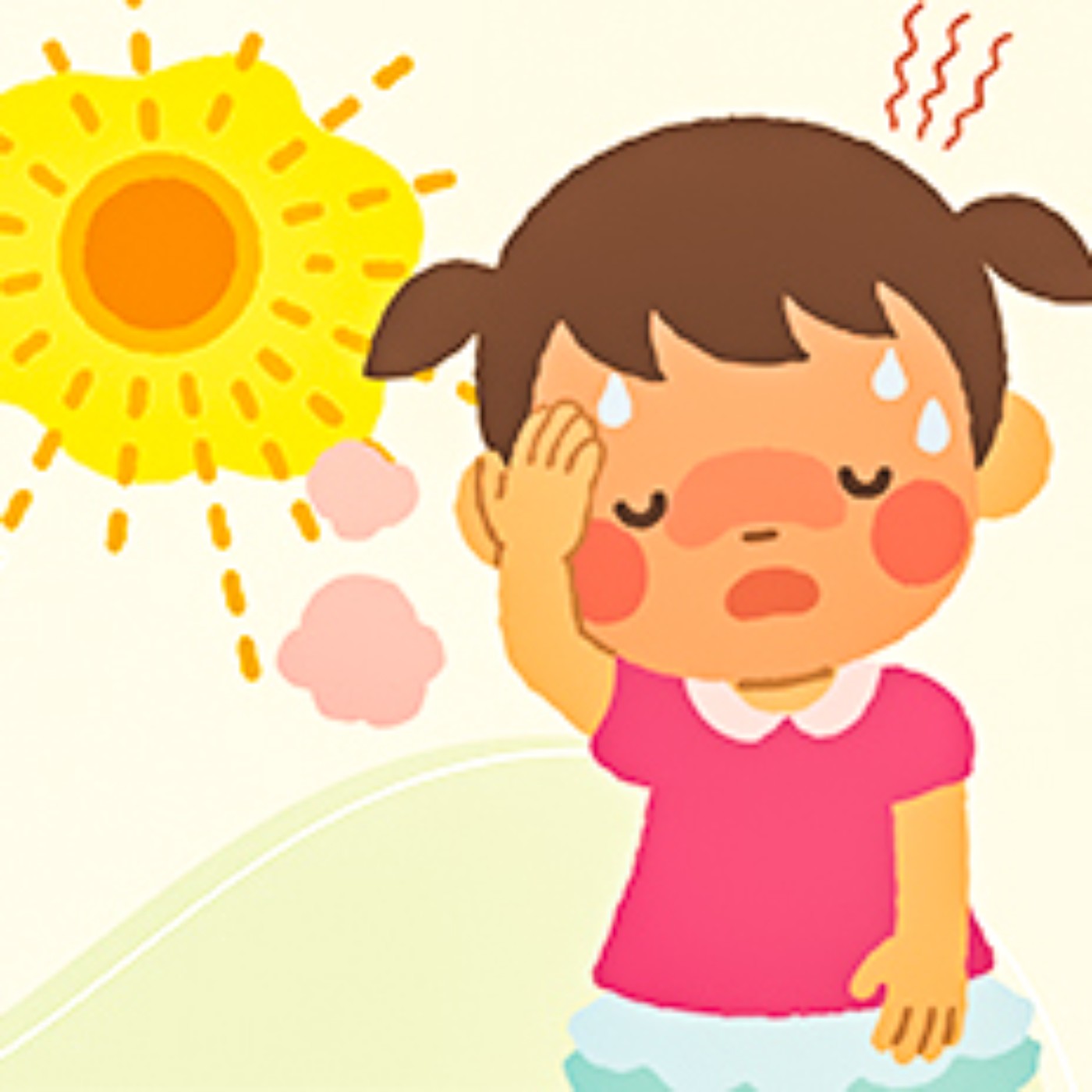
EP.73小心,別中暑喔!/ Careful – don’t get heatstroke!(Bear老師原創故事)
FullBear老師的故事每個月15號、30號晚間上架。 📃如果需要PDF文字檔或想知道更多關於每集的英語小知識,請追蹤: 🅸🅶:bear.bilingual 𝓕𝓑:Bear老師的中英雙語故事 💝贊助連結:https://pay.soundon.fm/podcasts/f2cb33e1-02d1-4fce-9e8e-68b636579fd0 本集背景音樂:https://www.youtube.com/watch?v=PM5V3P_iDAk&list=PL_k9bFPONrNfrmOXvxU3FijljSFUCc-Rm&index=1 Hello, this is Teacher Bear. 我是Bear老師。 小朋友,天氣越來越熱了,你是不是感覺快融化了呢? Kids, the weather is getting hotter and hotter, and don’t you feel like you’re about to melt? 在炎熱的天氣當中,一不小心,就有可能中暑,這是很危險的喔。 In hot weather, it’s possible to get heatstroke if you’re not careful, which can be very dangerous. 讓我們來聽聽應該怎麼避免中暑,應該怎麼保護自己。 Let’s hear about how to avoid heatstroke, and how to protect yourself. Jasper:好累,我想休息一下。I’m so tired, I want to rest a while. Robin:我也累了,休息一下吧。I’m tired too, let’s rest. Robin:Amy,你來了啊?欸,Emma呢? Oh, Amy, you’re here? Where’s Emma? Amy:Emma昨天上體育課的時候中暑,被送去醫院。Emma got heatstroke in sports class yesterday and went to hospital.今天趁著周末,在家好好地休息。Since it’s the weekend she’s taking the chance to rest at home. Robin:天啊!這麼嚴重。Wow - that sounds serious. Jasper:這幾天真的好熱。It’s been really hot these last few days.就像現在,我也覺得頭暈,呼吸困 難。It’s like now, I feel dizzy and it’s hard to breathe. Amy:你的臉好紅啊,一直冒汗。Your face looks very red and sweaty.你還好吧?Are you OK? Robin:我也覺得你看起來怪怪的。I think you don’t look too good, too.走,我們別站在太陽下說話, 到樹蔭那兒去休息一下。Come on, let’s not stand in the sun talking. Let’s go and rest in the shade under the trees. Jasper:嗯。OK. Jasper:這裡涼快多了。It’s much cooler here. Amy:喝一點水吧!Drink some water! Robin:別急,慢慢喝。Don’t rush, drink slowly.我覺得你差一點熱衰竭了。I think you have a touch of heat exhaustion. Jasper:不知道。我就是覺得頭暈、呼吸困難、嘴巴很乾,一直流汗,而且還想吐。Don’t know … I just felt dizzy, trouble breathing, dry mouth, sweaty and felt sick. Amy:熱衰竭?跟中暑不一樣嗎?Heat exhaustion? Is that different from heatstroke? Robin:嗯,熱衰竭的時候會大量流汗,導致身體缺乏水分,要馬上喝冷水。If you have heat exhaustion, you will sweat a lot, and you will eventually become dehydrated. You need to drink cold water as soon as possible.如果沒處理好,就會導致中暑,體溫過高,無法自行降溫,要馬上送醫。If you don’t treat it properly, it may progress to heatstroke, your body temperature is too high and no way to cool down without help. You’ll need to go to hospital immediately. Amy:聽起來都好危險啊!Sounds like both are dangerous. Jasper:有這麼嚴重嗎?Is it really that serious? Robin:當然嚴重!Of course it’s serious!我聽爸爸說,如果沒有及時處理,可能導致器官衰竭。My dad said if you don’t deal with it quickly, it can progress to organ failure. Amy:對,我聽說中暑還可能死翹翹。Right, I heard that it’s possible to die of heatstroke. Jasper:你們別嚇我。Don’t scare me! Robin:我們沒嚇你。We’re not scaring you.熱衰竭和中暑是很嚴重的,一定要小心。Heat exhaustion and heatstroke are both serious, so be careful. Jasper:可是天氣這麼熱,怎麼可能避免?But the weather is so hot, how can you avoid it? Amy:我知道怎麼避免,我媽媽教過我,她說了三個重點:躲太陽、補水分、要通風。I know how to avoid it. My mother taught me. She said three key points: stay in cool places shaded from the sun, drink frequently, and get some airflow. Jasper:躲太陽?So stay out of the sun? Robin:對,就像我們現在這樣,躲在樹蔭下,避免直曬在太陽下。Yes, just like we’re doing now, resting in the shade away from direct sun. Jasper:補水分?And stay hydrated? Amy:嗯,所以我隨身都帶著一瓶水,常補充水分。I carry a bottle of water with me so I can drink often. Jasper:要通風?How about airflow? Amy:是啊,要注意環境是不是通風,有沒有風扇或空調。Yes, you should pay attention to the airflow in your environment, like whether there are fans or air conditioners.就像這裡,有風吹過,幫助身體降溫。Just like here, the wind is blowing and it cools you down. Jasper:我現在真的覺得舒服多了。I really feel much better now. Robin:走吧!這麼熱,我們別打籃球了。Let’s go! It’s so hot, let’s not play basketball now.找一個涼快一點的地方玩別的東西吧!We’ll find a cooler place to play something else! Amy:嗯,走吧!OK, let’s go! Jasper:走吧!Let’s go! 小朋友,你還記得怎麼避免中暑嗎? Kids, do you remember how to avoid heatstroke? 躲太陽、補水分、要通風。 Stay in cool places shaded from the sun, drink frequently, and get some airflow. 要是你覺得熱得受不了,需要休息,你怎麼用英文告訴身邊的人呢? “I feel I am getting too hot. I need to take a rest.” 意思是「我的身體太熱了,我需要休息」。請跟Bear老師再說一次: “I feel I am getting too hot. I need to take a rest.” 小朋友,在炎熱的夏天裡,一定要隨時補充水分,留意通風,隨時注意自己的身體狀況。 Kids, in the hot summer weather, you must stay hydrated and pay attention to ventilation and your physical state. 一旦有任何熱衰竭或中暑的症狀,必須馬上處理喔。 If you have any symptoms of heat exhaustion or heatstroke, you need to deal with it immediately. 我們下次見嘍! See you next time! -- Hosting provided by SoundOn
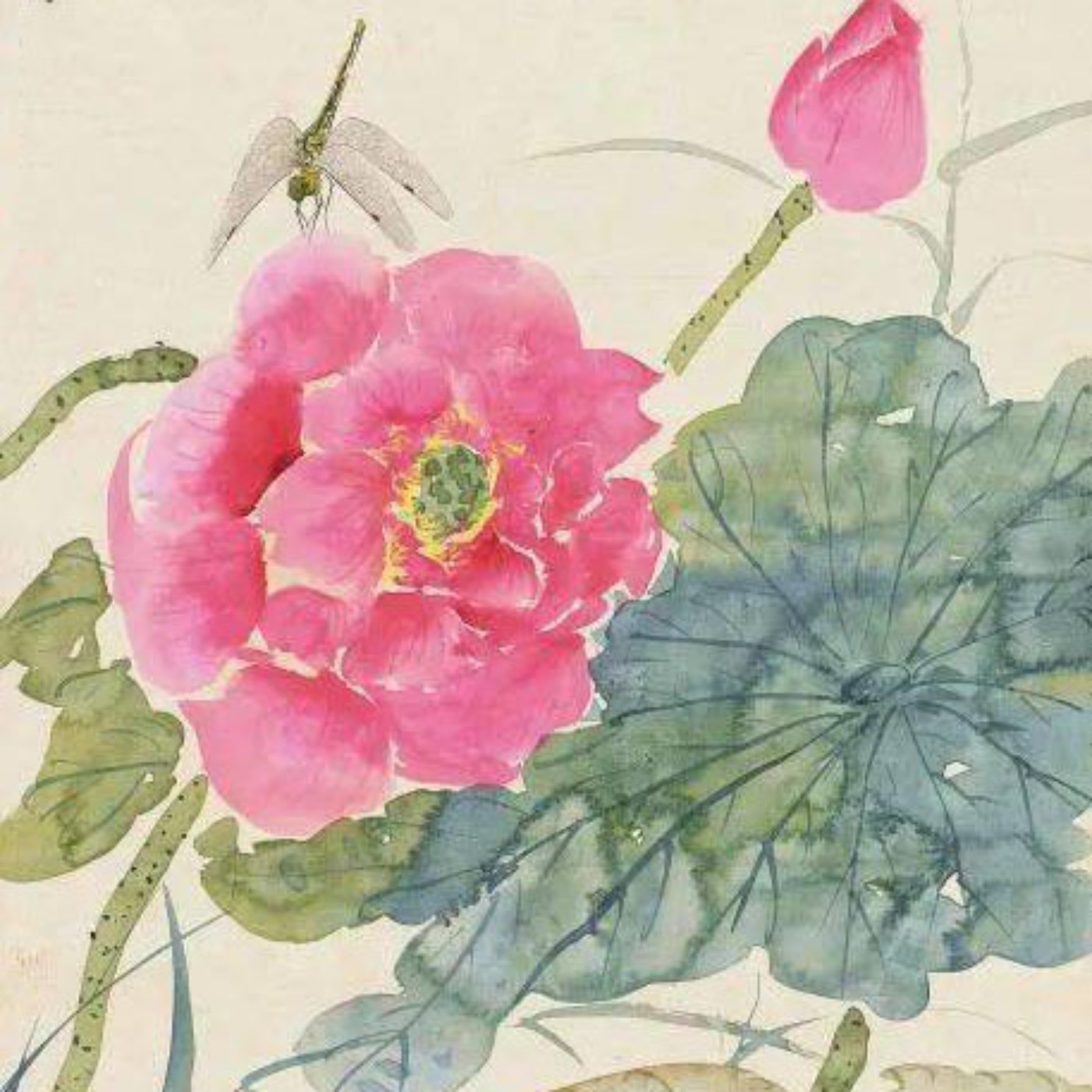
EP.72愛畫荷花的王冕/ Wang Mian who loves painting lotus
Full本集節目由「夢の花屋—草本花道/JR Floral Boutique」贊助播出 「草本花道」官網:https://jrfloralstudio.com.tw/ FB:搜尋「草本花道」 https://www.facebook.com/jrfloralstudio/?locale=zh_TW LineID:@517rduyh Bear老師的故事每個月15號、30號晚間上架。 📃如果需要PDF文字檔或想知道更多關於每集的英語小知識,請追蹤: 🅸🅶:bear.bilingual 𝓕𝓑:Bear老師的中英雙語故事 💝贊助連結:https://pay.soundon.fm/podcasts/f2cb33e1-02d1-4fce-9e8e-68b636579fd0 背景音樂:https://www.youtube.com/watch?v=WDYUR194TQw&list=RDQMkS3LkjgXvLc&start_radio=1 本集節目由溫暖又美麗的花店「草本花道」贊助播出。 This episode is sponsored by the warm and beautiful flower shop "JR Floral Boutique". 如果您想送重要的人一束有品味的花朵,請到「草本花道」去看看,一定讓你滿意喔。 If you want to give a tasteful bouquet to someone special, please go to "JR Floral Boutique", and you will be satisfied. 相關資訊,請參考資訊欄。 For related information, please refer to the information column. Hello, this is Teacher Bear, 我是Bear老師。 小朋友,夏天到了,一朵朵荷花盛開了。 Kids, summer is here, and the lotus are in full bloom. 所以,今天Bear老師要跟你們說一個關於荷花的故事。 So today, I am going to tell you a story about lotus. 從前從前,有一個聰明、孝順的孩子,名叫王冕。 Once upon a time, there was a smart and obedient child named Wang Mian. 王冕從小就失去了爸爸,他和媽媽過著貧苦的生活。 Wang Mian lost his father when he was a child. He and his mother lived a poor life. 媽媽每天在農地裡辛苦工作、賺錢,好讓王冕能到學堂讀書。 His mother worked hard on the farm every day to make money so that Wang Mian could go to school. 但是這一年,稻子收成很壞,他們連吃飯都成問題了,哪能再供王冕去讀書呢? But this year, the rice harvest was very bad. They didn’t even have money to buy food. How could they afford Wang Mian’s school fees? 媽媽傷心地對王冕說:「孩子,媽媽很想讓你去讀書,但是家裡越來越窮,不能再供你上學了……正巧隔壁秦老爺要找一個牧童,你願意去工作嗎?」 Mother sadly said to Wang Mian: "Son, I really want you to go to school, but we are getting poorer, and we can no longer afford it … you know, Mr. Qin next door is looking for a cowherd boy. Are you willing to work?" 王冕雖然很喜歡上學,但是看到媽媽傷心的樣子,就笑著說:「娘,別擔心。我也可以一邊放牛一邊讀書啊!」 Although Wang Mian loved going to school, when he saw his mother's sad look, he smiled and said, "Mom, don't worry. I can also study while herding cows!" 第二天早上,王冕便跑到秦老爺家去,牽了牛到湖邊吃草。 Next morning, Wang Mian ran to Mr. Qin's house, and brought the cows to the lake to let them graze. 有很多牧童也都在那兒放牛、遊玩。但是,王冕卻不貪玩,他常坐在柳樹下,靜靜地看書。 There were many cowherd boys grazing cattle and playing there. However, Wang Mian didn’t play with them. He often sat under the willow tree and read quietly. 秦老爺每天給他的兩個銅錢,他都存下來交給媽媽,或者去買書。 He saved the two copper coins that Mr. Qin gave him every day and gave them to his mother, or bought books. 一個炎熱的下午,天氣非常悶熱,突然,天空下起了傾盆大雨。 One hot afternoon, the weather was so humid. Suddenly, it started pouring rain. 過了一會兒,雨停了,王冕忽然看到湖中的荷花,在風中輕輕搖擺,荷葉上亮晶晶的水珠子就像一顆顆閃亮的珍珠。 After a while, the rain stopped, and Wang Mian suddenly saw the lotus in the lake swaying gently in the wind. The shiny water drops on the lotus leaves were like shining pearls. 「荷花真美麗!可惜沒人把她們畫下來。」王冕想著,拿起一枝小樹枝,在濕地上畫了起來。 "The lotus are so pretty! It's a pity that no one is painting them," Wang Mian thought. He picked up a small branch and started to draw in the mud. 「對!我為什麼不學著自己畫呢?」於是,他決定買一些紙筆來學習畫荷花。 "Yes! Why don't I learn to draw by myself?" So, he decided to buy some paper and writing brushes to learn to draw lotus. 從此他每天起得更早,放牛吃草後,自己坐在湖邊,把紙筆攤開,畫著荷花。 From then on, he got up earlier every day. After grazing the cows, he sat by the lake, spread out his materials, and sketched the lotus. 但是一開始的時候,他畫得一點都不像。 But at first, his paintings were not even close. 「哈哈哈,畫的是什麼呀,一點都不像荷花。」牧童們圍在旁邊笑他。 "Hahaha, what is that painting? It doesn't look like a lotus at all."The cowherd boys gathered around and laughed at him. 但王冕聽了這些話,一點也不灰心,仍然繼續畫。 But after hearing these words, Wang Mian was not discouraged at all and continued painting. 有時候,為了把荷花看得更清楚,他脫了鞋,捲起褲管,走進水中仔細觀察荷花的形狀。 Sometimes, to see the lotus more clearly, he took off his shoes, rolled up his trousers, walked into the water, and carefully observed the shape of the plants. 因為他看得仔細,畫得又勤,就越畫越好了。 Because he looked carefully and painted diligently, his painting became better and better. 從此,他便把工錢存下來買顏料。 From then on, he saved his wages to buy paint. 有些村民看了王冕的畫,非常喜歡,就向王冕買了,掛在家裡的牆上。 Some villagers liked Wang Main’s paintings very much, so they bought them from Wang Mian and hung them on the walls of their houses. 「王冕畫的荷花真美,掛在我的破房子裡,使我的家漂亮多了。」 "Wang Mian’s paintings of lotus are so beautiful. Hanging them in my dilapidated house makes my home much more beautiful." 買畫的人到處向人誇獎王冕的畫,就這樣,向他買畫的人也越來越多了。 People who bought paintings praised Wang Mian everywhere, and more and more people began to buy paintings from Wang Mian. 終於,王冕不必再放牛,靠著賣畫,就能養活自己和母親了。 Finally, Wang Mian no longer had to herd cattle and could support himself and his mother by selling paintings. 可是王冕並不因此而驕傲,還是不斷地思考怎麼樣才能畫得更好。 But Wang Mian was not arrogant because of this, and kept thinking about how to draw better. 經過不斷的練習和觀察,王冕畫出的荷花,越來越生動自然。 After constant practice and observation, the lotus painted by Wang Mian became more and more vivid and natural. 而他畫的荷花,最後也成為了後世畫家的模範喔。 And his paintings of lotus eventually set the standard for later generations of painters. 小朋友,雖然王冕沒有機會上學,但是他卻不放棄
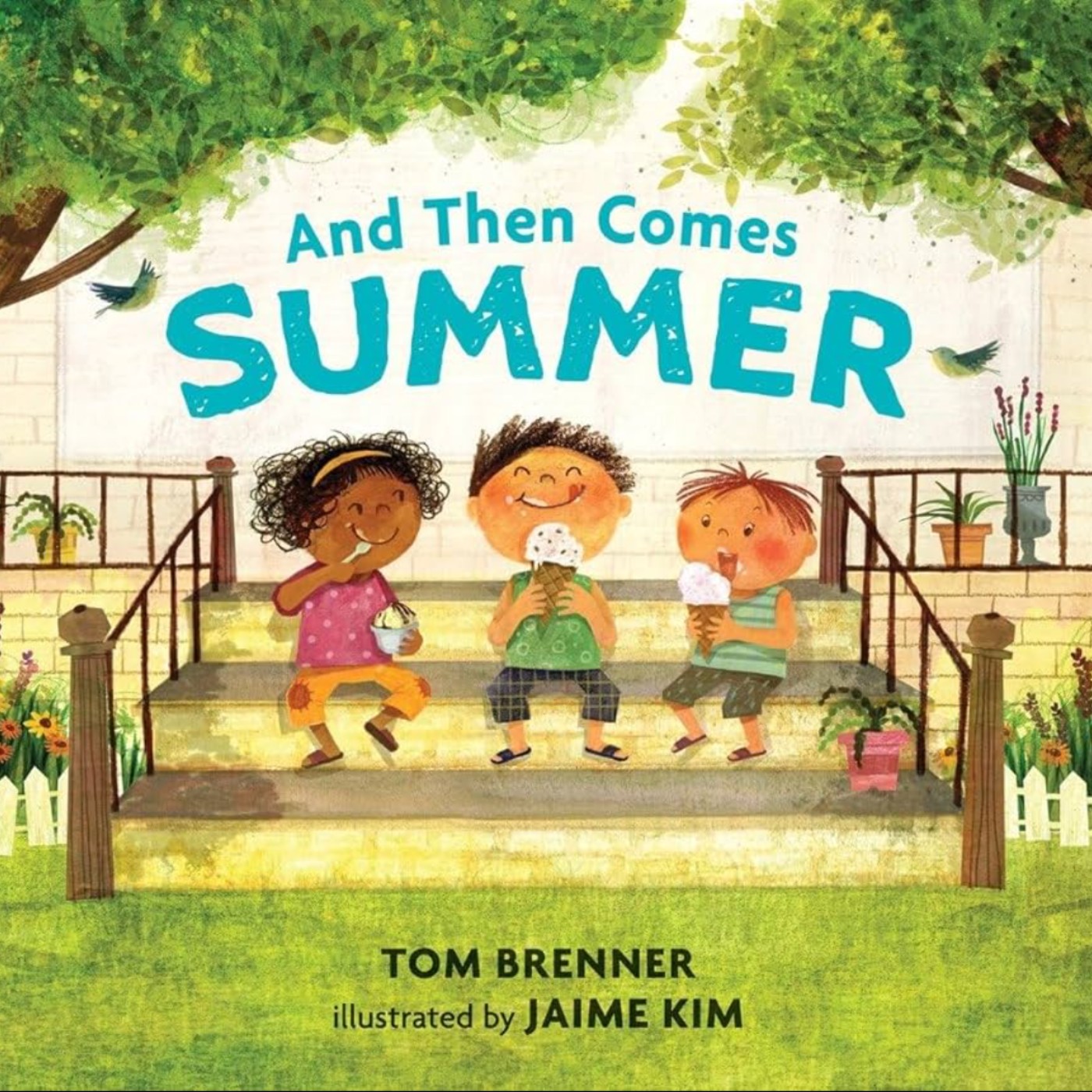
EP.71英文繪本《然後,夏天到了!》/An English Picture Book “And then comes Summer!”
FullBear老師的故事每個月15號、30號晚間上架。 📃如果需要PDF文字檔或想知道更多關於每集的英語小知識,請追蹤: 🅸🅶:bear.bilingual 𝓕𝓑:Bear老師的中英雙語故事 💝贊助連結:https://pay.soundon.fm/podcasts/f2cb33e1-02d1-4fce-9e8e-68b636579fd0 本集當中歌曲的演唱者為3歲的Claire Ryann (https://www.youtube.com/watch?v=u28xqvE1G0E) Hello, this is Teacher Bear, 我是Bear老師。 小朋友,端午節過後,夏天就到了。 Kids, after the Dragon Boat Festival, summer arrives. 今天Bear老師想給你介紹一本英文繪本,讓我們來聽聽美國小朋友是怎麼度過夏天的。 Today, I would like to introduce to you an English picture book. Let's hear how American children spend their summer. An English picture book “And then comes Summer!” /英文繪本《然後,夏天到了!》 Story by Tom Brenner/作者:Tom Brenner Illustrated by Jamie Kim/插畫家:Jamie Kim Translated by Bear Weir/翻譯:Bear Weir When the days stretch out like a slow yawn, and leaves and grasses sparkle with dew, and the cheerful faces of Johnny-jump-ups jump up….. 當日子伸伸懶腰,緩緩地打了個哈欠,樹葉和青草上的露水閃閃發光,歡樂的三色堇蹦地開花了… Then throw on flip-flops and breathe the sweet air. 然後穿上人字拖,呼吸甜美的空氣。 When bumblebees bumble around in flowers, and warblers flit from tree to tree, and the air thrums with the sound of lawn mowers. 當大黃蜂在花叢中嗡嗡作響,鶯兒從一棵樹飛到另一棵樹時,空氣中迴盪著割草機的聲音。 Then pump up your bike tires, dig out your helmet, and raise your seat 然後給你的腳踏車輪胎打氣,挖出你的安全帽,調高你的座椅 ─ my, how you've grown! —─ 天啊,你長高了那麼多! When the last class project is finished, and your cubby is cleaned of cookie crumbs and eraser bits, and end-of-the-year hugs have been given…….. 當最後一堂課結束時,你置物櫃裡的餅乾屑和橡皮擦屑都被清理乾淨了,並且你也得到了年終擁抱。 HIP HIP HOORAY 太棒啦! Then swap out backpacks and notebooks for pitchers and cups. 然後把背包和筆記本換成水罐和杯子。 When daylight pushes back bedtimes, and cricket crick-crick in the evening air, and bugs as big as thumbs bang against windows… 睡覺的時間被更長的日照時間推遲了,晚上的空氣中傳來蟋蟀的聲音,大拇指那麼大的蟲子撞擊著窗戶… Then play hide-and-seek until darkness wins. 然後玩捉迷藏,直到黑暗贏了比賽。 When stores unfurl the Stars and Stripes, and flags wave from porches and cars, and the whole town seems wrapped in bunting… 當商店掛上美國星條旗,從門廊到汽車上都飄揚著旗幟時,整個城鎮似乎都被彩色的旗子包裹著… Then dress up your bike and pedal to the parade. 然後裝飾好你的腳踏車並騎著腳踏車去參加國慶日遊行。 When bands march by 當樂隊行進時 ─ left, right, left, right ─ —─ 左、右、左、右 —─ and all manner of floats float past, and Scouts and pioneers toss candy… 各式各樣的花車經過,童子軍和打扮成拓荒者的遊行隊伍扔著糖果… Then grab your blanket and watch the night explode in colorful sprays. 然後拿著毯子,觀看夜晚色彩繽紛的煙火。 When every day is like a Saturday, and porches and lawns and sidewalks are playgrounds, and a familiar jingle interrupt the game… 當每天都像星期六一樣,門廊、草坪和人行道都是遊樂場時,總會有熟悉的鈴聲打斷遊戲… Then race to be the first in line 然後大家搶著排隊排第一個 ─ “Almond fudge, please!” ─ 「請給我一球杏仁牛奶糖口味的!」 When the dog days of summer roll around, and it's so hot you're practically panting and not even the sprinklers provide relief… 當三伏天到來時,天氣非常熱,你幾乎氣喘吁吁,甚至灑水裝置也無法讓你舒服一點… Then it's time to head to the lake. 那麼~~是到了該去湖邊的時候了。 Roll down the window and smell the hot, dry grass, shout your favorite songs at birds swooping across fields, 搖下車窗,聞聞乾熱的青草味,對著飛過田野的鳥兒大聲唱出你最喜歡的歌曲, and ask for the millionth time, “Are we there yet?” 並問了第一百萬次:「我們到了嗎?」 When the familiar sign appears at last, and a silver lake winks through the trees, and old friends run to greet you… 當熟悉的標誌終於出現,銀色的湖水在樹林中閃爍,老朋友跑來迎接你… Then scramble out of the car, dash down to the beach, 然後用手撐著爬下車,衝向岸邊, YA! 耶! and swim till the sun is low and your lips are blue. 一直游到太陽下山,嘴唇變成藍色。 And when dinner is over and stories have been told, and your fingers are sticky with marshmallow and chocolate, and the fire burns down to glimmering coals… 當晚餐結束,故事也講完了,你的手指沾滿了棉花糖和巧克力,散發出微光的煤炭還燒著… Then snuggle into your sleeping bag and plan tomorrow's Adventures. 然後躺進你的睡袋裡,計畫明天的冒險。 小朋友,聽了這個故事以後,你是不是也開始期待暑假了呢? After listening to this story, are you starting to look forward to summer vacation? 不過,暑假雖然令人興奮,但是,也常熱得讓人受不了。 Although summer vacation is exciting, it is often unbearably hot. 如果你覺得很熱,熱得像冰淇淋快融化了一樣,用英文,你可以怎麼說呢? “I’m melting!” 意思是「我正在融化」。請跟Bear老師再說一次: “I’m melting!” 在漫長的暑假裡,你有什麼計劃呢? What are your plans during the long summer vacation? Bear老師希望你能好好地利用你的暑假喔。 I hope you can make good use of your summer vacation. 我們下次見嘍! See you next time! -- Hosting provided by SoundOn

EP.70屈原的故事/The story of Qu Yuan
FullBear老師的故事每個月15號、30號晚間上架。 📃如果需要PDF文字檔或想知道更多關於每集的英語小知識,請追蹤: 🅸🅶:bear.bilingual 𝓕𝓑:Bear老師的中英雙語故事 💝贊助連結:https://pay.soundon.fm/podcasts/f2cb33e1-02d1-4fce-9e8e-68b636579fd0 背景音樂:https://www.youtube.com/watch?v=Ypfl2XK7iDI PS:本集故事參考自《楚辭─〈漁父〉》,但是為了讓小朋友更容易了解,Bear老師簡化並改編了一些細節。 Hello, this is teacher Bear. 我是Bear老師。 小朋友,農曆的五月五號是端午,也就是端午節。 The fifth day of the fifth lunar month is “Duanwu”, which is Dragon Boat Festival. 你還記得嗎?在第43集當中,Bear老師提到端午節划龍舟、吃粽子是為了紀念2000多年前的屈原。 Do you remember Episode 43? Teacher Bear mentioned that people row dragon boats and eat sticky rice wraps during the Dragon Boat Festival to commemorate Qu Yuan, who lived more than 2,000 years ago. 今天,讓我們來聽聽屈原的故事。 Today, let’s listen to Qu Yuan’s story. 在2000多年前,中國東南部有一個本來很強大的楚國。 More than 2,000 years ago, there was once a powerful kingdom called Chu in southeastern China. 但是,由於楚國的國王越來越昏庸,臣子越來越自私,因此,楚國的國力不但越來越弱,而且也快輸給了西邊的秦國。 However, as the King of Chu's behavior became increasingly frivolous, and his ministers became more and more selfish, the nation became weaker and weaker, and was almost defeated by the Qin kingdom in the west. 屈原是一個有理想的政治家,因此,他不斷地提醒楚王必須改革,才能抵抗秦國的侵略。 Qu Yuan was an idealistic politician, so he constantly reminded the King of Chu that he must reform in order to resist Qin's invasion. 沒想到,他的意見不但引起了其他臣子對他的不滿,也讓楚王越來越厭煩。 Surprisingly, the other courtiers objected to his opinions, and he also made the King of Chu increasingly annoyed. 最後,楚王不但沒採用屈原的意見,還把他驅逐到遙遠的地方。 The King continued to ignore Qu Yuan's advice, and eventually exiled him to a distant place. 幾年以後,秦國入侵楚國,攻陷了楚國的首都,眼看楚國就要亡國了,屈原感到非常地絕望。 A few years later, Qin invaded Chu and captured the capital of Chu. Seeing that Chu was close to defeat, Qu Yuan was very despondent. 在端午這天,他走到了江邊,想要投河自盡。 On the day of Duanwu, he walked to the river, intending to commit suicide by throwing himself into the river. 這個時候,他遇見了一個老漁夫。 At this moment, he met an old fisherman. 老漁夫問道:「欸?你不是我國有名的政治家屈原嗎?你怎麼在這裡?」 The old fisherman asked: "Hey - aren't you Qu Yuan, the famous politician in our country? Why are you here?" 屈原:「唉~全國當中只有我能清醒地給國王意見,但卻被放逐到這裡來了。」 Qu Yuan: "Alas, I am the only one in the country who can give the king a clear-headed opinion, but I am exiled here." 老漁夫:「你啊~應該學學聖人,把眼光放遠,根據時局的變化來決定應該是進還是退。」 Old fisherman: "You should learn from the great sages - take a long-term view of the future, and decide whether this is the right moment to advance or to retreat." 屈原:「哼!剛剛洗過澡的人,一定要拍掉衣服上的灰塵。怎麼能讓自己乾淨的身體被弄髒呢?」 Qu Yuan: "Those who have just taken a bath must dust off their clothes. How can you let your clean body get dirty?” 「我寧可跳河自盡被魚吃了,也不願意看到國家滅亡,更不願跟著那些貪腐的臣子同流合污。」 "I would rather jump into the river and kill myself and be eaten by fish than see the country perish. I don't want to follow those corrupt ministers and become as dirty as them." 老漁夫:「唉~如果河水乾淨,我就用它來洗我的帽子和帽帶。如果河水是髒的,我就用來洗我的腳。」 Old fisherman: "If the river water is clean, I may use it to wash my hat and hatband. If the river water is dirty, I will use it only to wash my feet.” 「唉~你不必同流合污,但是也別期待全世界跟你一樣清白啊。」 "You don’t have to join the others, but don’t expect the whole world to be as clean as you.” 「要根據情況做出改變。年輕人,不要太固執啊。」 “Adapt to the situation. Young man, don't be too stubborn." 老漁夫說完,就划著船走了。 After the old fisherman finished speaking, he rowed away. 沒想到,老漁夫並沒能說服屈原,就這樣,屈原抱著必死的決心,抱著一顆大石頭,跳河自盡了。 But the old fisherman had failed to convince Qu Yuan. And so Qu Yuan, determined to die, jumped into the river and committed suicide with a big stone in his arms. 老百姓聽到屈原跳河自盡的消息,紛紛划著船想打撈屈原的屍體。 When the people heard the news that Qu Yuan committed suicide by jumping into the river, they rowed boats one after another to retrieve Qu Yuan's body. 打撈不著後,因為擔心屈原的屍體被魚蝦吃了,因此把米用葉子包起來丟到河裡去餵魚蝦,以保護屈原的屍體。 After they failed to find him, they became worried that Qu Yuan's body would be eaten by fish and shrimp, so they wrapped rice in leaves and threw it into the river to feed the fish and shrimp, hoping to protect Qu Yuan's body. 傳說,這就是在端午這一天划龍舟、吃粽子的由來。 Legend has it that this is the origin of dragon boat racing and eating sticky rice wraps on the day of Duanwu. 小朋友,聽了這個故事以後,你有什麼想法呢? Kids, what do you think after listening to this story? 屈原和老漁夫代表了兩個完全不同的道德觀和價值觀,Bear老師沒辦法告訴你哪一個才是正確的。 Qu Yuan and the old fisherman represent two entirely distinct moral perspectives and values. I can’t tell you which one is correct. 但是,我能確定的是「如果死了,就什麼機會也沒有了。」你同意嗎? But what I can be sure of is this: if you die, you will have no chance at all. Do you agree? 如果是你,你更欣賞誰的想法呢?為什麼呢? If it were you, whose ideas do you admire more? Why? 希望你能多跟家人、老師、朋友們討論討論喔。 I hope you can discuss it more with your family, teachers and friends. 如果你有個朋友一直想不開,你可以怎麼勸他呢? “Think about it from another angle!” 意思是「換個角度想想吧!」請跟Bear老師再說一次: “Think about it from another angle!” 小朋友,端午節快到了,希望你在吃粽子、看龍舟比賽的時候,思考思考這個故事。 The Dragon Boat Festival is coming soon. I hope you will think about this story while eating sticky rice wraps and watching the dragon boat race. 想知道更多端午節的知識,也請聽聽第43集喔! If you want to know more about the Drag
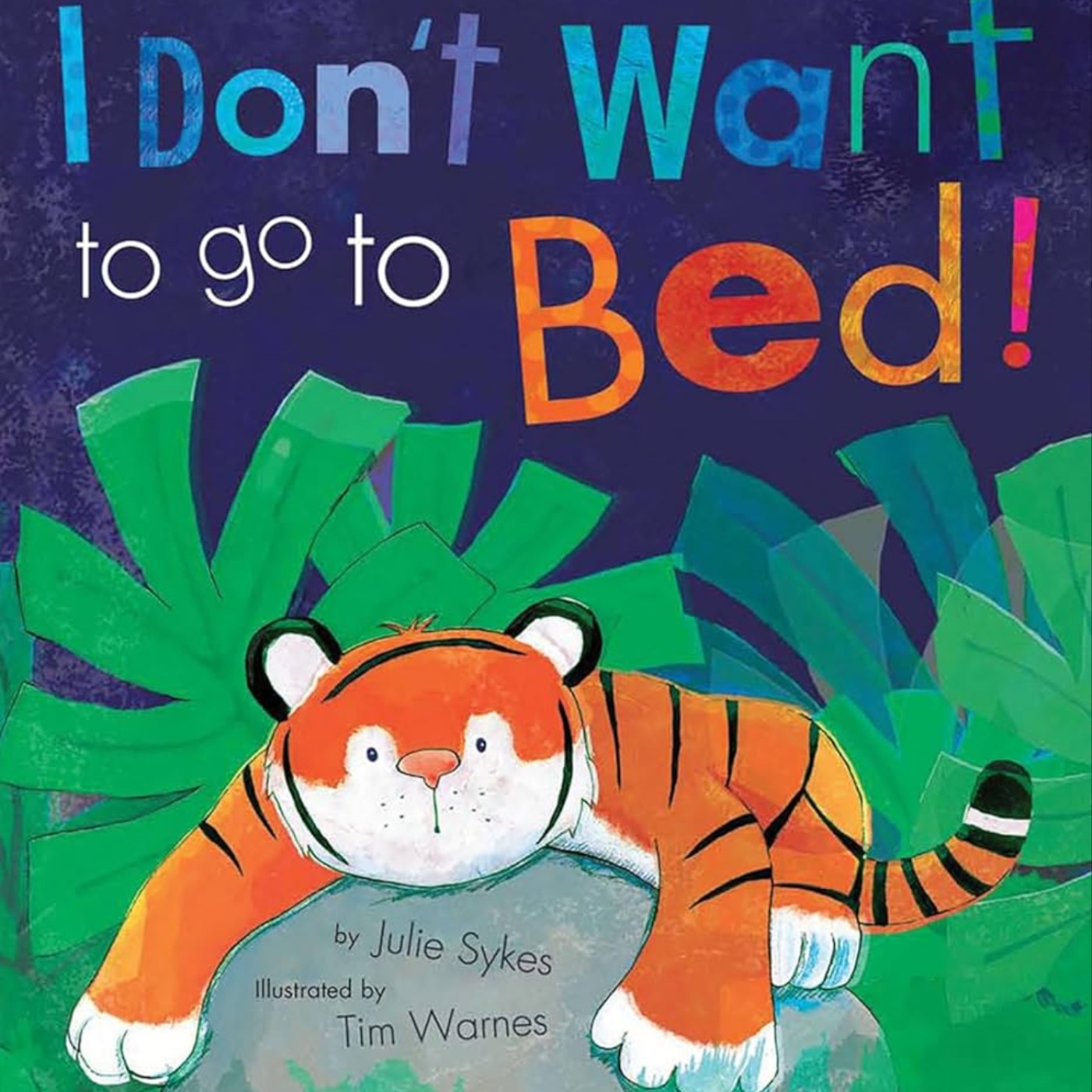
EP.69 英文繪本《我不想上床睡覺》/ An English picture book “I don't want to go to bed”
FullBear老師的故事每個月15號、30號晚間上架。 📃如果需要PDF文字檔或想知道更多關於每集的英語小知識,請追蹤: 🅸🅶:bear.bilingual 𝓕𝓑:Bear老師的中英雙語故事 💝贊助連結:https://pay.soundon.fm/podcasts/f2cb33e1-02d1-4fce-9e8e-68b636579fd0 背景音樂:https://www.youtube.com/watch?v=22TFaQQYwT4 Hello, this is Teacher Bear. 我是Bear老師。小朋友,在上一集當中,Nandi小朋友不想去睡覺。(In the previous episode, Little Nandi didn’t want to go to sleep.)在這一集當中,小老虎也不想上床睡覺。(In this episode, Little Tiger doesn’t want to go to bed either.)你想聽聽看不願意睡覺的小老虎去了哪裡嗎(Do you want to hear where Little Tiger went when he didn't want to go to bed?) An English picture book “I don't want to go to bed” /英文繪本《我不想上床睡覺》 Created by Julie Sykes and Tim Warnes / 創作者:Julie Sykes and Tim Warnes Little tiger was very naughty. He did not like going to bed. 小老虎非常調皮。 他不喜歡上床睡覺。 Every night when Mummy Tiger said“Bedtime!” 每天晚上當老虎媽媽說:「上床睡覺了!」 Little Tiger would say, “ But I don't want to go to bed!” 小老虎就會說:「可是我不想上床睡覺!」 Little Tiger wouldn't let Mummy Tiger clean his face and paws, and he wouldn't listen to his bedtime story. 小老虎不讓虎媽媽幫他洗臉和爪子,也不聽睡前故事。 One night, Mummy Tiger lost her temper. 有一天晚上,虎媽媽發脾氣了。 When little tiger said, “ I don't want to go to bed!” 當小老虎說:「我不想上床睡覺!」 Mummy tiger roared, “All right, you can stay up all night then!” 虎媽媽吼道:「好啦,你就熬夜一整晚吧!」 Little Tiger couldn't believe his good luck. He scampered off into the jungle before Mummy Tiger could change her mind. 在虎媽媽改變主意之前,他就蹦蹦跳跳地跑進叢林裡了。 Little Tiger went to visit his best friend, Little Lion. 小老虎去探望他最好的朋友小獅子。 When he arrived, Little Lion was having his ears washed. 當他到達時,小獅子正在洗耳朵。 “ It's bedtime,” growled Daddy Lion. “ Why are you still up?” 「該睡覺了,」獅子爸爸咆哮: 「你怎麼還沒睡?」 “I don't want to go to bed!” said Little Tiger, and he skipped off into the jungle before Daddy Lion could wash his ears, too! 「我不想上床睡覺!」 小老虎說完就跳進叢林裡,因為他怕獅子爸爸也把他抓去洗耳朵! Little Tiger decided to visit his second best friend, Little Hippo. 小老虎決定去拜訪他的第二好朋友小河馬。 He found him splashing in the river, having a bedtime bath. 結果發現小河馬正在河裡濺起水花洗澡,然後準備上床睡覺。 “It’s bedtime,” bellowed Daddy Hippo. “Why are you still up?” 「該睡覺了,」河馬爸爸用低沉的聲音大聲說道:「你怎麼還沒睡?」 “I don't want to go to bed!” said Little Tiger, and he scurried off into the jungle before Daddy Hippo could give him a bath, too! 「我不想上床睡覺!」小老虎說完就小跑步地溜進叢林裡,因為他怕河馬爸爸也把他抓去洗澡! Little Elephant was Little Tiger’s third best friend. 小老虎跑去找小象,他是小老虎的第三好朋友 。 He went to visit him next. Little Elephant was not out playing. 小象沒有出去玩, 他躺在床上,聽著睡前故事。 He was in bed, listening to his bedtime story. “It's bedtime,” trumpeted Mummy Elephant. “Why are you still up?” 「該睡覺了,」大象媽媽用響亮的聲音大聲說: 「你怎麼還沒睡?」 “I don't want to go to bed!” said Little Tiger, and he bounced off into the jungle before Mummy Elephant could put him to bed, too! 「我不想上床睡覺!」小老虎說完就彈跳進叢林裡,因為他怕大象媽媽也把他放到床上去。 Little Tiger thought he would go and find Little Monkey, his fourth best friend. 小老虎認為他應該去找他的第四好朋友小猴子。 But he found Mummy Monkey first. She put a finger to her lips and whispered, “Little Monkey is fast asleep. Why are you still up?” 但他先找到了猴媽媽。 猴媽媽把一根手指頭放在嘴唇上小聲地說:「小猴子已經熟睡了。 你怎麼還沒睡?」 “I don't want to go to bed!” Little Tiger whispered back. Quickly he tiptoed into the jungle before Mummy Monkey made him fall asleep, too! 「我不想上床睡覺!」 小虎小聲地回答,然後很快就躡手躡腳地走進了叢林,他怕猴子媽媽也讓他睡著了! Little Tiger didn’t know where to go next. It was the first time he had been on his own in the jungle so late. 小老虎不知道下一步該去哪裡。 這是他第一次這麼晚了還獨自待在叢林裡。 Even the Sun had gone to bed. Suddenly it seemed very dark. 連太陽也上床睡覺了。 突然間,天似乎很黑。 “What was that?” Little Tiger looked up and saw… two very large yellow eyes staring back at him! 「那是什麼?」 小老虎抬頭一看……兩隻黃色的大眼睛正盯著他! The eyes belonged to a Bush Baby. “Shouldn't you be in the bed?” she asked. 那是嬰猴的眼睛。 「你不是應該在床上嗎?」 她問。 “I don't want to go to bed!” said Little Tiger bravely, “You haven't!” 「我不想上床睡覺!」 小老虎勇敢地說:「你就還沒睡!」 “That's because I go to bed when the sun rises,” said Bush Baby. 「那是因為太陽升起時才是我去睡覺的時間。」嬰猴說。 “Fancy going to bed in the lovely sunshine!” thought Little Tiger. “真想在美好的陽光下睡覺!” 小老虎想。 He shivered and thought how cold and dark it was in the jungle at night. 他不禁打了個冷顫,想到叢林裡的夜晚是多麼寒冷和黑暗。 “I'm going to take you home.” said Bush Baby. “Your mummy and daddy will be worried about you.” 「我要送你回家。」 嬰猴說。 「你的爸爸媽媽會擔心你的。」 “I don't want to go home! I don't want to go to bed!” said Little Tiger. 「我不想回家! 我不想上床睡覺!」 小老虎說。 But he didn't want to be left alone in the dark either. So Little Tiger followed Bush Baby through the jungle. 但他也不想獨自留在黑暗中。 於是小老虎跟著嬰猴穿過叢林。 He was glad of her big bright eyes to show him the way back home. 他很高興嬰猴明亮的大眼睛為他指明了回家的路。 “We are nearly there,” said Bush Baby as Little Tiger’s steps became slower and slower. 「我們快到了。」嬰猴說道,小老虎的腳步越來越慢。 “I don’t want to…” said Little Tiger sleepily, dragging his paws. 「我不想……」小虎拖著爪子,睡眼惺忪地說。 “Ah, there you are,” said Mummy Tiger. “Just in time for bed!” 「啊,你在這兒啊,」老虎媽媽說。 「正好趕上睡覺時間!」 “I don't want to …” yawned Little Tiger, and he fell fast asleep! 「我不想……」小老虎打了個哈欠,就睡著了! Mummy Tiger tucked him up and then turned to Bush Baby… but the den was empty. 老虎媽媽幫小老虎蓋好被子,然後轉向嬰猴……但在老虎住的巢穴中,本來嬰猴站著的地方已經空了。 Bush baby had dis
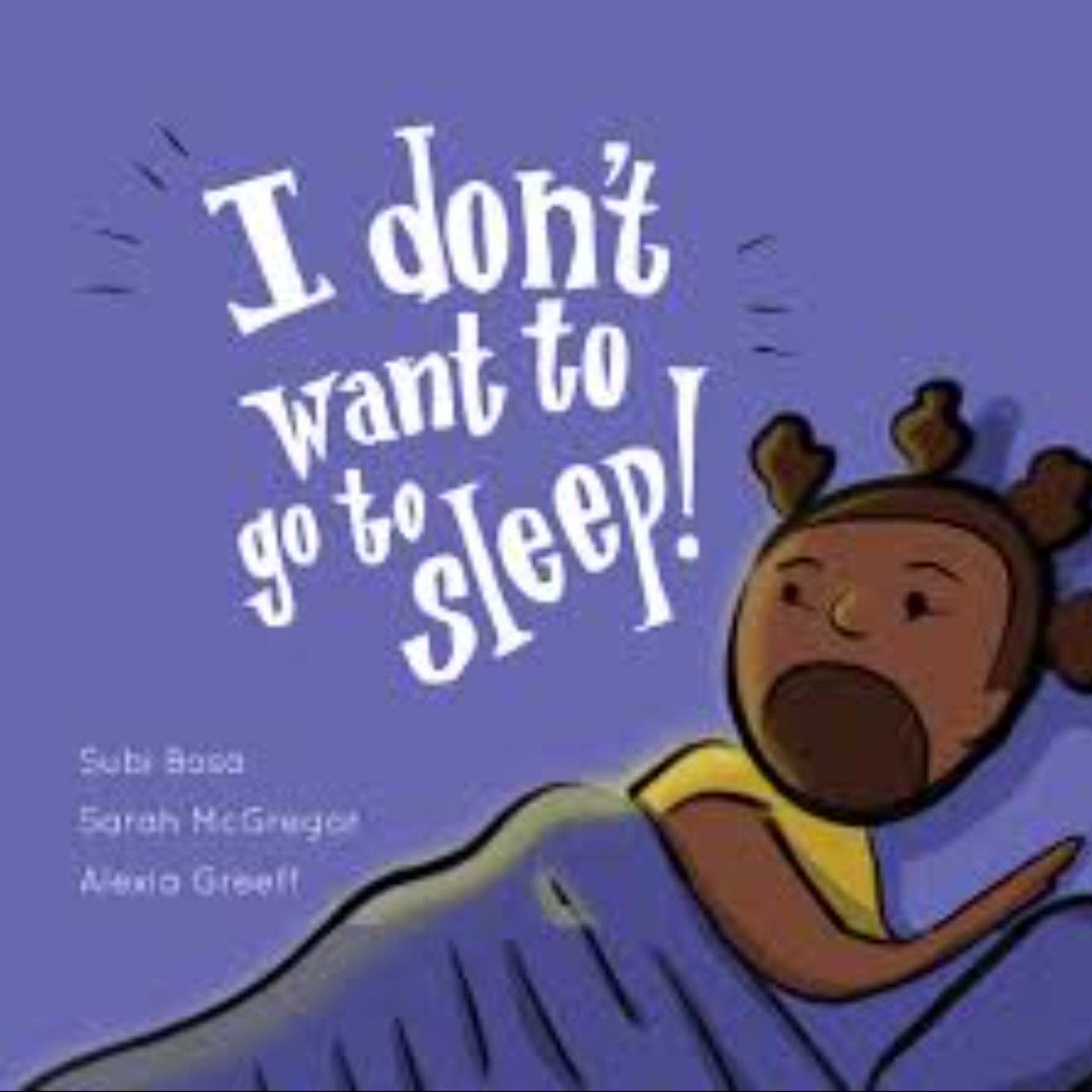
EP.68 英文繪本《我不想去睡覺》/An English picture book “I don't want to go to sleep.”
FullBear老師的故事每個月15號、30號晚間上架。 📃如果需要PDF文字檔或想知道更多關於每集的英語小知識,請追蹤: 🅸🅶:bear.bilingual 𝓕𝓑:Bear老師的中英雙語故事 💝贊助連結:https://pay.soundon.fm/podcasts/f2cb33e1-02d1-4fce-9e8e-68b636579fd0 Hello, This is Teacher Bear, 我是Bear老師。小朋友,你每天都幾點去睡覺呢?(What time do you go to bed every day?)當睡覺的時間到了時,你都能乖乖地去睡覺嗎?還是不願意睡呢?(When it's time to go to bed, can you go without a fuss? Or you still don’t want to sleep?)有的時候也會失眠嗎?(Do you sometimes suffer from insomnia?)睡不著或不想睡覺的時候,怎麼辦呢?(What should you do when you can’t sleep or don’t want to sleep?)在今天的繪本當中,Nandi小朋友不想去睡覺,(In today's picture book, little Nandi doesn't want to go to bed.)那麼,最後她是怎麼睡著的呢?(So, how did she fall asleep in the end?)讓我們來聽聽吧!(Let’s hear it!) An English picture book “I don't want to go to sleep.”/英文繪本《我不想去睡覺》 Author/作者:Sarah McGregor Illustrator/插畫家:Subi Bosa “I don't want to go to sleep.” 「我不想去睡覺。」 “Goodnight, Nandi.” 「晚安,Nandi.。」 “I… don't… want…to… go…to…sleep.” 「我…不…想…去…睡覺。」 “That's enough now. Good night, Nandi.” 「夠了喔。Nandi,晚安。」 “I want more supper. Another book! Just one more song? I don't want go to sleep.” 「我還要多一點宵夜。再一本書。只要再一首歌?我不想去睡覺。」 “Goodnight, Nandi.” 「Nandi,晚安。」 “Mama! I need a glass of water. Please? Please. I don't want go to sleep.” 「媽!我需要一杯水。拜託?拜託。我不想去睡覺。」 “It's time to go to sleep now. Good night, Nandi.” 「現在是該睡覺的時間。Nandi,晚安。」 Mama sighs: “What about an adventure? Do you want an adventure?” 媽媽嘆了口氣:「我們來冒險吧?你要來一場冒險嗎?」 “…Yes…” 「…我要…」 “Do you want to creep through the jungle on the trail of the fearsome hippocrocoturtleduck?” 「你想要沿著那隻可怕的河馬鱷魚龜鴨獸的足跡,秘密地穿越叢林嗎?」 “Yes! Yes! Yes!” 「我要!我要!我要!」 “I want to fly across the sky!( 我要飛越天空!) Leap from star to star!(從這顆星星跳躍到那顆星星!) Fill my pockets with stardust! (在我的口袋裡裝滿夢幻星辰!)I want a Nandi-sized glass submarine to see the creatures at the bottom of the ocean!(為了看看海底生物,我要一艘跟Nandi一樣大的玻璃潛水艇!) And the pet giant squid to do water Ballet there with me!(我還要一隻巨大的烏賊當我的寵物,跟我一起跳水上芭蕾!)” “I want to build myself a pair of butterfly wings and zoom to the roof of the sky where I'll see all the world and everything in it!”「我想為自己做一對蝴蝶的翅膀,迅速飛到天頂,在那裡我可以看到整個世界和萬物。」 “Look here Nandi.( Nandi,看這裡。) Here is your very own adventure boat.(這是專屬於你的冒險船) It's waiting to take you wherever you want to go.(它正等著帶你去任何你想去的地方。)See, put your head here…(看,把你的頭放在這裡……)that’s right…(沒錯……)and I’ll just tuck you in…(然後,我把你蓋起來)there we go…(我們開始…)now, off you go!(現在,出發嘍!)” “Adventure awaits…” 「冒險等著你喔…」 “Good night, Nandi.” 「Nandi,晚安。」 小朋友,你睡著了嗎?(Kid, did you fall asleep?)你也正在冒險嗎?(Are you on an adventure too?)下次當你睡不著的時候,你也可以試試看來一場進入夢鄉的冒險喔。(Next time when you can't fall asleep, you can try an adventure into dreamland.) 如果睡覺時,你希望媽媽幫你蓋好被子,用英文,你可以怎麼說呢? “Mommy, can you tuck me in?” 意思是「媽媽,你能幫我蓋上被子嗎?」請跟Bear老師再說一次: “Mommy, can you tuck me in?” 此外,母親節快到了,記得要跟媽媽說聲「母親節快樂」喔!(By the way, Mother’s Day is coming soon, so remember to say “Happy Mother’s Day” to your mother!)當你發現媽媽因為壓力太大而失眠時,換你給媽媽說個故事,幫助她進入夢鄉,好嗎?(If you find that your mother has insomnia due to stress, maybe you can be the one to tell a story to help her fall asleep?)祝福你們每晚都能睡得香甜喔! (I wish you all a sound sleep every night!) 我們下次見嘍!(See you next time!) -- Hosting provided by SoundOn

EP.67 覺得不舒服就要說/Just say it if you feel uncomfortable(Bear老師原創故事)
Full本集故事涉及性騷擾議題,期盼家長能陪伴孩子一起收聽,並且予以說明。 Bear老師的故事每個月15號、30號晚間上架。 📃如果需要PDF文字檔或想知道更多關於每集的英語小知識,請追蹤: 🅸🅶:bear.bilingual 𝓕𝓑:Bear老師的中英雙語故事 💝贊助連結:https://pay.soundon.fm/podcasts/f2cb33e1-02d1-4fce-9e8e-68b636579fd0 背景音樂:https://www.youtube.com/watch?v=27iUEmq8b3U&t=1126s Hello, this is Teacher Bear, 我是Bear老師。小朋友,如果有人隨便摸你的身體,你會覺得不舒服嗎?(If someone touches your body casually, would you feel uncomfortable?)是性騷擾嗎?(Is this sexual harassment?)還是你覺得這是對方表達親切的方式,因此不必太在意呢?(Or do you think this is the other person's way of showing affection, so you don't need to take it too seriously?)這個問題真的沒那麼容易,Bear老師也沒辦法直接告訴你答案。(This question is really not that easy, and I can’t tell you the answer directly.)不過,我們可以先來聽聽Amy小朋友的經驗,再回頭來想想這個問題喔。(However, we can first listen to Amy’s experience, and then think about this question later.) Robin:Amy!……Amy!………Amy!Amy!……Amy! Amy:Robin! Robin:你在想什麼啊?(What are you thinking about?)我叫了你好幾聲,你都沒有反應。(I called you several times, but you didn't respond.) Amy:我……我……我在想………。(I…I…I was thinking…) Robin:怎麼了?(What's wrong?)你好像有心事。(Seems you have something on your mind.)你沒事吧?(Are you OK?) Amy:我…我不知道應不應該說。(I…I don't know if I should say it.) Robin:到底是什麼事啊?(What’s going on?)我能幫得上忙嗎?(Can I help?) Amy:嗯……,我也不知道你能不能幫我。(Hmm… I don't know if you can help me.) Robin:你說了我才知道能不能幫你啊。(I won’t know if I can help you unless you tell me.) Amy:可是,你答應要幫我保密喔。(But you have to promise to keep it a secret for me.) Robin:蛤?你做了什麼壞事嗎?(Huh? Have you done anything bad?) Amy:我不確定是不是壞事……可是……(I'm not sure if it's a bad thing…but…) Robin:喔~~別怕,我答應你不說,而且我真的想幫助你。(Oh~~Don’t be afraid, I promise you won’t tell, and I really want to help you.) Amy:嗯~~~謝謝。那~~我要說了喔!(Yeah~~~Thank you. Then~~I will just say it!) Robin:嗯,放心。你可以相信我。(Well, don’t worry. You can trust me.) Amy:我剛剛去了William 哥哥家。(I just went to William's house.) Robin:就是那個在我們圖書館當志工的大學生William 哥哥。(William? the college student who volunteers in our library?) Amy:嗯。(Yeah.) Robin:我也去過他家,他邀請我去他家看漂亮的魚缸,還玩最新的線上遊戲。(I also went to his house. He invited me to his house to see the beautiful fish tank and play the latest online games.) Amy:那~~你告訴你爸媽你去了他家嗎?(Then~~did you tell your parents that you went to his house?) Robin:嗯~我說了啊?為什麼不能說?這又不是壞事。(Yeah, I told them. Why can't I say it? There’s nothing wrong with that.) Amy:可是他要我不可以說出去,他說如果他爸媽知道他偷玩線上遊戲,一定會打他的。(But he asked me not to tell anyone. He said that if his parents knew that he secretly plays online games, they would definitely beat him.) Robin:他也跟我這樣說,可是我相信我爸媽知道怎麼處理,所以我覺得不必對他們隱瞞。(He told me the same thing, but I think my parents know how to deal with it, so I don’t need to hide it from them.)而且,我覺得沒意思,所以後來也沒再去他家了。(Anyway, I was bored, so I didn’t go to his house anymore.) Amy:嗯,我們玩線上遊戲的時候,他也要我替他保密。(Yeah, when we were playing online games, he also asked me to keep it a secret for him.) Robin:就這樣?(That's it?) Amy:不是……還有……還有……(No…and…and…) Robin:還有什麼?(What else?) Amy:後來,我去欣賞魚缸的時候,他把我洋裝的拉鍊拉了下來,說要幫我按摩。(Later, when I went to admire the fish tank, he pulled down the zipper of my dress and said he wanted to massage me.) Robin:按摩?!你需要按摩嗎?(Massage? ! Do you need a massage?) Amy:我也不知道,可是他說按摩對身體有幫助,他希望我更健康,((I don’t know, but he said that a massage would help my body, and he wanted me to be healthier,)而且…而且他對我們那麼好,我覺得拒絕他的好意好像沒有禮貌。(and… and he’s treated us so well, I felt like it would be rude to refuse his kindness.) Robin:然後呢?(What then?) Amy:一開始,他按摩我的肩膀和背,確實很舒服,(At first, he massaged my shoulders and back, which was really comfortable,)可是…按摩到腰部的時候,我覺得很奇怪…,(but… when he massaged my waist, I felt strange…)可是他說腰部有很多對身體好的穴道,所以,我也不知道應該怎麼拒絕。(he just said that there are many acupuncture points in the waist that are good for the body, so I didn’t know how to refuse.)然後…忽然他爸媽回來了,他馬上把我的拉鍊拉上,還叫我什麼都不可以說。(Then… suddenly his parents came back, and he immediately zipped up my zipper and told me not to say anything.) Robin:如果真的讓你不舒服,你應該馬上跟你媽媽說。(If it really makes you uncomfortable, you should tell your mother right away.) Amy:可是,我騙我媽媽說我是去圖書館看書,她如果知道我說謊,一定會很生氣的。(But, I lied to my mother that I was going to the library to read. She would be very angry if she knew that I lied.) Robin:你為什麼要騙你媽媽?(Why did you lie to your mother?) Amy:因為William 哥哥說我媽媽一定不會答應的。(Because William said that my mother would never agree.)還有,我真的很想看看他的魚缸。(Also, I really want to see his fish tank.) Robin:可是,William 哥哥有問題。(But there is something wrong with William.) Amy:有沒有可能是我們誤會他了?(Is it possible that we misunderstood him?) Robin:可是,你也覺得奇怪、不舒服,對不對?(But you also feel strange and uncomfortable, right?) Amy:嗯~~那種感覺真的很奇怪。(Hmm~~That feeling is really strange.) Robin:走! 我們去跟老師說。(Let's go talk to the teacher.) Amy: 不行, 我們會不會害了William 哥哥?(No, will we cause trouble for William?)他真的對我們很好。而且,他爸媽好像很可怕。(He is really good to us. And it seems like his parents are terrible.) Robin:我還是覺得這件事有問題。(I still think there's something wrong with this.) Amy:那怎麼辦呢?我已經答應William 哥哥不會說出去的。(What should we do? I promised William I won’t tell anyone.) Robin:對了!我們去找Vivian奶奶,我覺得她一定有好辦法。(Right! Let's go find Grandma Vivian. I think she’ll kno
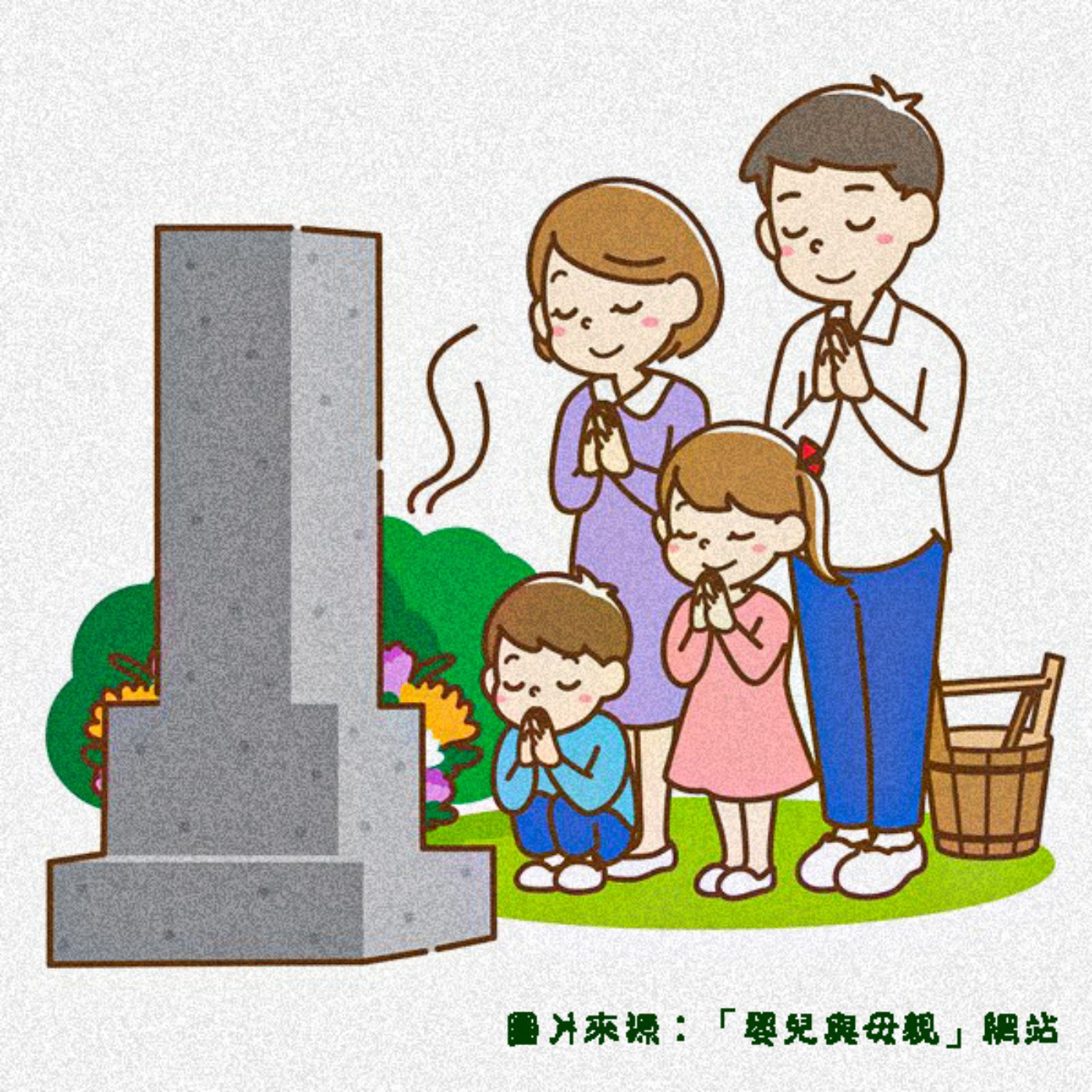
EP.66 清明掃墓/ To visit the graves during Tomb Sweeping Day (Bear老師原創故事)
FullBear老師的故事每個月15號、30號晚間上架。 📃如果需要PDF文字檔或想知道更多關於每集的英語小知識,請追蹤: 🅸🅶:bear.bilingual 𝓕𝓑:Bear老師的中英雙語故事 💝贊助連結:https://pay.soundon.fm/podcasts/f2cb33e1-02d1-4fce-9e8e-68b636579fd0 背景音樂:電影「可可夜總會」插曲「Remember Me」吉他演奏 by Stephen Chau https://www.youtube.com/watch?v=aemdf7XsTuM Hello, this is teacher Bear, 我是Bear老師。小朋友,清明節快到了,你會跟家人一起去掃墓嗎?還是你們家有其他祭祀祖先的方式呢?(Kids, Tomb Sweeping Day is coming soon, will you go to visit the graves with your family? Or does your family have other ways of showing respect to ancestors?)讓我們來聽聽其他小朋友他們家要怎麼度過清明節。(Let's hear how other children's families will spend Tomb-Sweeping Day.) Jasper:清明時節雨紛紛,路上行人欲斷魂…。(During the days around Tomb Sweeping Day, it rains non-stop. Those peoplewalking on the road are very sad.) Emma:Jasper,你在唸什麼啊?( What are you reading?) Jasper:清明節快到了,我忽然想起Bear老師教過的那首詩「清明」。(Tomb Sweeping Day is coming soon, and I suddenly remembered the poem "Qingming" taught by Teacher Bear.) Emma:喔~我記得那首詩…。(Oh~ I remember that poem….)我懂那種「欲斷魂」的感覺。(I know the feeling of "very sad ".) Jasper:怎麼了?(What's wrong?) Emma:我奶奶幾年前去世了。(My grandma passed away a few years ago.)每次我們去祭拜她的時候,都很傷心,尤其是爺爺。(Every time we go to pay our respects, we feel very sad, especially my grandpa.) Jasper:我懂,爸爸每年帶我們去掃墓的時候,心情也都很沉重。(I understand. Every year when my father takes us to visit the family grave, he feels very heavy-hearted.)不過我們總是一邊掃墓一邊聊起以前的事,就好像爺爺奶奶還跟我們在一起一樣。(But we always talk about the past while sweeping graves, and it’s as if our grandparents are still with us.) Emma:我們家不是去掃墓,我們把奶奶的骨灰放在靈骨塔裡。(Our family doesn’t visit a grave. We placed grandma’s ashes in the columbarium.)爺爺說,他希望將來我們把他的骨灰放在奶奶旁邊。(Grandpa said he hopes we will place his ashes next to grandma in the future.) Jasper:所以你沒掃過墓?(So you never visited a grave?) Emma:嗯~爸爸說,奶奶生前就交代了不要土葬,要火葬。(Well, Dad said that when grandma was alive, she told him she preferred cremation to burial.)一方面土地真的太貴了,一方面,她覺得放在靈骨塔裡比較方便家人祭拜。(For one thing, land is really too expensive, and she felt it was easier for family members to worship in the columbarium.) Jasper:我爸媽也這麼說,(My parents said the same thing.)他們還說不想被放在靈骨塔裡。(And they said they didn’t want to be placed in a columbarium.)所以我爸爸說要樹葬,媽媽說要花葬。他們都說要回歸大自然。(My father said he wanted to be buried under trees and my mother said she wanted to be buried under flowers. They both said they want to return to nature.) Emma:沒想到你父母這麼早就跟你談了這些。(I didn’t expect your parents to talk to you about this so early.) Jasper:嗯~爸爸總是說「人生無常」,(Well, Dad always said, “life is unpredictable”,)早一點把心願說出來比較好。(so it’s better to express your wishes as early as possible.)不過他們每次說這些的時候,我都覺得有點傷心、害怕。(But every time they talk about this, I feel a little sad and scared.) Emma:嗯~我懂,我很怕我愛的人離開我,我也覺得死亡很可怕。(Oh, I understand. I'm afraid that the people I love will leave me, and I also think death is scary.) Jasper:我爸媽總是安慰我不要怕,(My parents always comfort me and tell me not to be afraid.)他們說,就是因為生命總有結束的時候,所以才要把握活著的每一天。(They say that because life will end one day, we should value every moment of life.) Emma:我還是覺得現在想這些太早了,我不要聽。(I still think it’s too early to think about this, and I don’t want to hear it.) Robin:你不要聽什麼?(What don’t you want to hear?) Jasper:Robin,Emma說她不喜歡談死亡這個話題。(Emma’s saying she doesn't like to talk about death.) Robin:我也覺得這個話題對Emma太難了。(I also think this topic is too difficult for Emma.) Emma:為什麼?(Why?) Robin:因為你還是小朋友啊!(Because you are still a kid!) Emma:才不是,(It’s not like that.) 我只是害怕傷心的感覺。(I'm just afraid I’ll feel sad.)而且剛剛Jasper還說他父母死後要樹葬和花葬,聽起來很可怕。(And just now Jasper said that after his parents die, they will be buried under trees or flowers. It sounds very scary.) Robin:哇!你爸媽好酷啊!(Wow! Your parents are so cool!)你呢?你也要跟他們一樣嗎?(And you? Do you want to be like them?) Jasper:Robin!你不要這樣說,我會怕。(Don't say that, I am afraid.) Robin:怕什麼?(What are you afraid of?)你們知道嗎?我不要被埋著,我要海葬!(You know what? I don’t want to be buried, I want my ashes to be scattered in the ocean!)這樣死了以後也能環遊世界。(That way I can travel around the world after I die.) Emma:你不怕死嗎?(Aren't you afraid of death?) Robin:當然怕啊!(Of course I am.)可是我奶奶總是說怕也沒有用,(But my grandma always said that fear is not helpful)所以她鼓勵我好好地想一想要在這一輩子達成哪些目標,(so she encouraged me to think carefully about what goals I want to achieve in this life,)然後努力去完成,這樣要離開世界的那一天才不會後悔。(and then work hard to complete them, so that I won't have regrets when I leave this world.) Jasper:嗯!你奶奶說得很有道理。(What your grandma said makes sense.) Emma:嗯!我現在也比較不怕了。(I’m less afraid now.) Robin:太好了!那~~我們一起努力吧!(Great! Then~~ let’s work hard together!) 小朋友,今天的話題讓你害怕嗎?(Kids, does today’s topic scare you?)其實Bear老師也很怕死亡,(Actually, I am also afraid of dying.)不過,Bear老師現在更怕和心愛的人分開,更怕這輩子一事無成。(However, I am now more afraid of being separated from the one I love, and even more afraid of accomplishing nothing in this life.)但是沒有人能長生不老,我們能怎麼辦呢?(But we can’t live forever, so what can we do?) Bear老師建議你先把每一天都過得充實、快樂,並且珍惜你愛的人,好不好?(I suggest that you live each day to the fullest and be happy, and cherish the ones you love, okay?) 如果,你想鼓勵朋友把握每一天,用英文,你可以怎麼說呢? “Seize the day!” 直接翻譯的意
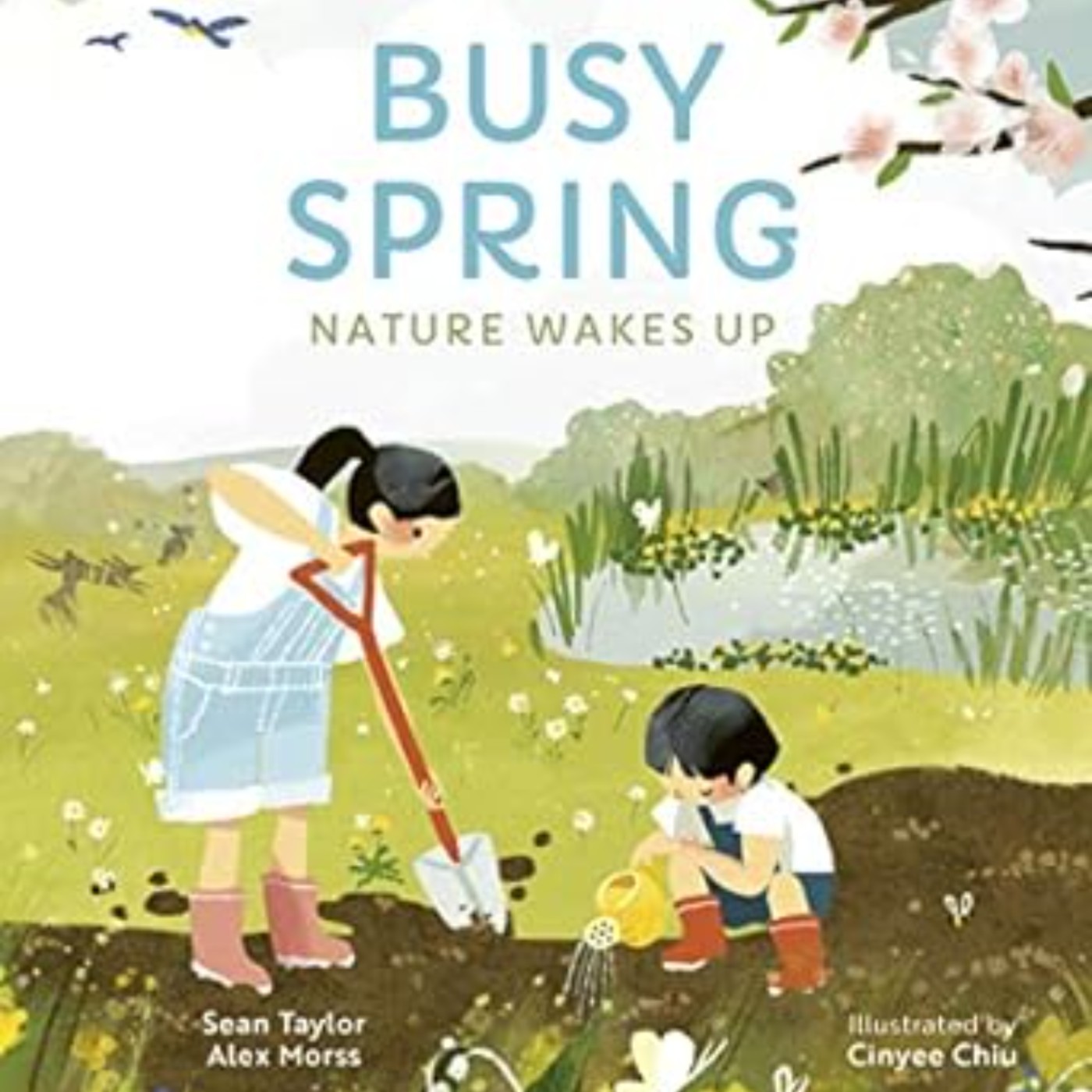
EP.65 英文繪本《忙碌的春天──萬物甦醒》/An English Picture Book “Busy Spring: Nature Wakes Up”
FullBear老師的故事每個月15號、30號晚間上架。 📃如果需要PDF文字檔或想知道更多關於每集的英語小知識,請追蹤: 🅸🅶:bear.bilingual 𝓕𝓑:Bear老師的中英雙語故事 💝贊助連結:https://pay.soundon.fm/podcasts/f2cb33e1-02d1-4fce-9e8e-68b636579fd0 背景音樂:韋瓦第〈四季交響曲─春〉https://www.youtube.com/watch?v=DP7Z7gooqG8 Hello, this is Teacher Bear, 我是Bear老師。小朋友,春天到了,所以今天Bear老師要給你們介紹一本跟春天有關的英文繪本。(Spring is here, so today I’m going to introduce to you an English picture book about spring.)讓我們來聽聽吧!(Let’s listen to it!) An English Picture Book “Busy Spring: Nature Wakes Up”/英文繪本《忙碌的春天─萬物甦醒》 Story/故事:Sean Taylor and Alex Morse Illustrator/插畫家:Cinyee Chiu In the winter time, the garden felt quiet and gray. And it looked like it was sleeping. 冬天的花園給人一種安靜、灰暗的感覺。 而且看起來就像是在睡覺。 Then, one morning, Dad was wearing his sweater with a hole in it. That meant it was a good day for going outside to do gardening 然後,有一天早晨,爸爸穿著一件破了洞的毛衣。 這就代表著那天是去花園做園藝的好日子。 And it was! 確實如此! I went. So did my little sister Jasmine. 我去了花園, 我的妹妹茉莉也一起去了。 The yard was bright, and birds were singing, hopping, and pecking. 院子裡光線明亮,鳥兒在歌唱、跳躍、啄食。 A big bee flew by in a hurry. Everything smelled like wet earth and sunshine. 一隻大蜜蜂匆匆飛過。一切聞起來像潮濕的泥土和陽光。 “It's warm!” said Jasmine. 「很溫暖!」 茉莉說。 Dad nodded. “It's spring.” 爸爸點點頭。 「春天到了。」 Dad told us he had digging to do, and we could carry things to the compost heap, then help plant carrots. 爸爸告訴我們他得做挖掘工作,我們可以把東西搬到堆肥上,然後幫忙種植胡蘿蔔。 He said, “Let's see where I left the fork.” 他說:「看看我把叉鏟放在哪裡了。」 “Let's see!” said Jasmine. 「我們來找找!」 茉莉說。 She splashed through a puddle. 她跳過一灘水濺起水花。 Birds flew up and continued chattering in the trees. 鳥兒飛了起來,繼續在樹上嘰嘰喳喳地叫著。 “The birds are all busy!” I said. 「鳥兒們都很忙!」 我說。 Dad told us, “Everything's busy. The plants are busy. The animals are busy. Spring's a busy time.” 爸爸告訴我們:「一切都很忙。 植物很忙。 動物們很忙。 春天是個忙碌的季節。」 Jasmine shouted, “Busy spring!” 茉莉大喊:「忙碌的春天!」 Dad brushed his hand through flowers as tall as Jasmine. 爸爸用手拂過和茉莉一樣高的花朵。 Bees and bugs and flies zoomed out. 蜜蜂、蟲子和蜉蝣迅速飛了出來。 He told us, “The spring sunlight is nature's alarm clock. Life's waking up. Plants are racing to get more light. Some grow high, and then the wind scatters pollen from their flowers. Some paint themselves brilliant colours, to attract insects.” 他告訴我們:「春天的陽光是大自然的鬧鐘。生命正在甦醒。 植物競爭著得到更多光線。 有些長得很高,然後風就把花粉從花上吹散。有些把自己塗成鮮豔的顏色,以吸引昆蟲。」 Jasmine put her face in some flowers. They made her sneeze! 茉莉把臉埋在一些花裡,讓她打了噴嚏! “You're not a bumblebee!” I told her, laughing. 「你不是熊蜂!」 我笑著告訴她。 But she ran around going “bzzz…bzzz…bzzzzzz!” 但她卻跑來跑去,發出聲音「嗡嗡…嗡嗡…嗡嗡嗡!」 Jasmine buzzed around the pond. “There are tadpoles!” she shouted. 茉莉在池塘邊嗡嗡叫著。 「有蝌蚪!」 她喊道。 Dad said, “Did you know, tadpoles turn into butterflies?” 爸爸說:「你知道嗎?蝌蚪會變成蝴蝶。」 I told him, “They turn into FROGS!” 我告訴他:「他們變成青蛙!」 “Oh yes,” laughed Dad. 「哦,是的,」爸爸笑著說。 “That’s right! Frogs make too many babies to count. The fastest and luckiest tadpoles grow big and strong. And when they become frogs, you'll hear them croaking spring songs.” 「沒錯! 青蛙生下多到數不清的寶寶。 最快、最幸運的蝌蚪長得又大又壯。當牠們變成青蛙時,你會聽到牠們呱呱地唱著春天之歌。」 “Can you jump like a frog?” I asked Jasmine. 「你能像青蛙一樣跳嗎?」 我問茉莉。 “No,” she said, “But I can fly like a FLUTTERBYE!” 「不能,」她說,「但我能像蝴蝶一樣飛!」 Jasmine fluttered away and fluttered back. 茉莉飛撲過去又飛撲回來。 Birds swooped, like they were playing too. One stopped on a branch. 鳥兒俯衝而下,就像在玩耍一樣。 其中一隻停在一根樹枝上。 I said, “She's eating a twig!” 我說:「她正在吃一根樹枝!」 “She's not eating it,” said Dad. 「她不是在吃樹枝,」爸爸說。 “There are lots of tasty caterpillars around for her to eat. She's collecting twigs to make a nest. And soon there'll be new born chicks up there.” 「周圍有很多美味的毛毛蟲供她吃。 她正在收集樹枝來築巢。 很快就會有新生的雛鳥在那裡。」 “Cheepy cheepy!” sang Jasmine. “ Cheep cheep cheep!” “啾咇 啾咇!” 茉莉唱著。 「啾啾啾!」 It didn't sound quite like the birds. But it sounded happy, like them. 聽起來不太像鳥兒的叫聲。 但聽起來很開心,就像牠們一樣。 We still hadn't found Dad's fork. It wasn't by the shed… but the hole where the fox lives was. And Jasmine peeped down. 我們還是沒有找到爸爸的叉鏟。 不是在棚子旁邊……不過我們發現了狐狸住的洞。 茉莉也往下偷看。 “Is the fox inside?” I asked. 「狐狸在裡面嗎?」 我問。 Dad nodded. “Yes. And she'll have fox cubs by now.” 爸爸點點頭。 「是的。 她現在已經有了狐狸寶寶了。」 “Little fox cubs!” Jasmine called. “Come and play!” 「狐狸寶寶!」 茉莉叫著。 「來玩啊!」 “They just want to be with their mum for now,” whispered Dad. “But they'll soon be playing games in the spring sunshine.” 「他們現在只想和媽媽在一起,」爸爸低聲說。 「但他們很快就會在春天的陽光下玩遊戲。」 “What games?” I asked. 「什麼遊戲?」 我問。 “Rolling and bouncing!” said Dad. “And chasing and pouncing!” Then he chased us, like we were foxes! 「滾來滾去,蹦蹦跳跳!」 爸爸說。 「還有追來追去,並且撲向對方!」然後他追我們,就像我們是狐狸一樣! I ran behind the compost heap. “Dad!” I shouted. “HERE'S your fork!” 我跑到堆肥後面。 「爸爸!」 我大喊。 「你的叉鏟在這裡!」 Dad came to get it. 爸爸來拿叉鏟。 “Who lives in THERE?”, Jasmine asked. 「誰住在那兒?」茉莉問。 Dad rolled back a log with the fork. “Insects.” He said. 爸爸用叉鏟滾動了一根圓木。「昆蟲。」他說。 There were rushing ants and some woodlice. There were worms. And a shiny beetle. 有匆忙的螞蟻和一些潮蟲。 有蠕蟲。 還有一隻閃亮的甲蟲。 “Those are nature's recyclers,” Dad told us. “They're working hard, eating up all the dead things.” 「這些是大自然的回收者,」爸爸告訴我們。 「他們正在努力工作,吃掉所有死去的東西。」 I spotted a caterpillar next to the compost hea
EP.64 一束花的力量/ The power of a bouquet of flowers(Bear老師原創故事)
Full本集節目由「夢の花屋—草本花道/JR Floral Boutique」贊助播出。 官網:https://jrfloralstudio.com.tw/ FB:搜尋「草本花道」 https://www.facebook.com/jrfloralstudio/?locale=zh_TW LineID:@517rduyh Bear老師的故事每個月15號、30號晚上8:00上架。 📃如果需要PDF文字檔或想知道更多關於每集的英語小知識,請追蹤: 🅸🅶:bear.bilingual 𝓕𝓑:Bear老師的中英雙語故事 💝贊助連結:https://pay.soundon.fm/podcasts/f2cb33e1-02d1-4fce-9e8e-68b636579fd0 背景音樂:「花正在開/花は咲く」村治佳織古典吉他演奏 https://www.youtube.com/watch?v=D3Wun0yG9lg Hello, this is teacher Bear,我是Bear老師。 本集節目由「夢の花屋—草本花道」贊助播出。(This episode is sponsored by the dream flower house "JR Floral Boutique".)這是一間溫暖又美麗的花店喔。(This is a warm and beautiful flower shop.) 小朋友,中國新年期間,你去拜訪了哪些人呢?(Who did you visit during the Chinese New Year?)去拜訪的時候,你帶了什麼禮物呢?(What gifts did you bring when you visited?)你相不相信有的小禮物能帶來大大的改變呢?(Do you believe that some small gifts can bring about big changes?)讓我們來聽聽其他小朋友的經驗。(Let’s hear about other children’s experiences.) Amy:Jasper,謝謝你陪我一起去探望Vivian奶奶。(Thank you for coming with me to visit Grandma Vivian.) Jasper:不客氣,我也很想去探望她。(You're welcome, I'd love to visit her too.) Amy:其實,我有點怕一個人去。(Actually, I'm a little afraid of going alone.)她家很昏暗,而且,有點亂。(Her house is very dark and a bit untidy.) Jasper:我知道。(I know.)我覺得那是因為Vivian奶奶還沒走出悲傷。(I think that's because Grandma Vivian hasn't gotten over her sadness yet.) Amy:一定很痛苦吧!(It must be painful!)唯一的家人走了,換作是我,一定不知道該怎麼辦。(The last of her family is gone. If it were me, I would not know what to do.) Jasper:我也是。(Me too.)孤單的感覺很可怕。(To be lonely is terrible.) Amy:我好希望她快點走出悲傷,再來我們學校當志工。(I really hope she can get over her grief quickly and come back to volunteer in our school.) Jasper:對啊!我也好想念她在圖書館給我們讀繪本的樣子。(Yes! I miss her reading picture books to us in the library.) Amy:到了到了。我們要開心點。(We are here. We need to cheer up a bit.) Jasper:嗯~~( Yes~~) Amy、Jasper:Vivian奶奶。(Grandma Vivian.) Vivian奶奶:歡迎歡迎,請進請進。(Welcome, please come in.) Amy、Jasper:謝謝。(Thank you.) Amy:哇!Vivian奶奶,你家…你家不一樣了!(Wow! Grandma Vivian, your house…your house is different!) Jasper:是啊!你家…你家好明亮啊。而且…而且…(Yes! Your house…your house is so bright. And…and…) Vivian奶奶:而且不亂了,是嗎?(And it’s not messy anymore, right?) Jasper:沒有沒有,我們不是那個意思。(No, no, that's not what we meant.) Vivian奶奶:沒關係,我知道。(That’s okay, I know.)我也很喜歡我家現在的樣子。(I also like the way my house looks now.) Amy:是誰來幫你整理的?(Who came to help you organize it?) Vivian奶奶:這一切啊,都要從朋友送給我的一束花說起。(It all started with a bouquet of flowers given to me by a friend.)你看,就在那個花瓶裡。(See there in that vase.) Jasper:哇!好美,看了心情真好。(Wow! So beautiful, it’s really so cheerful to see.) Vivian奶奶:是啊!為了放那束花,我把多年前我先生送給我的花瓶找了出來。(Yes! I found the vase that my husband gave me many years ago to arrange the bouquet.) Amy:他很愛花嗎?(Did he love flowers?) Vivian奶奶:是啊,他總是買花送給我。(Yes, he always used to buy flowers for me.)他總是說擁有生活樂趣很重要。(He always said that it’s very important to have joie de vivre.) Jasper:所以你為了放那束花,把那張桌子清乾淨了?(So you cleaned that table to put that bouquet of flowers?) Vivian奶奶:是啊!不但把那張桌子清乾淨了,為了看清楚那束花,我還裝了新燈泡。 (Yes! I didn’t just clean the table, I also installed new light bulbs so I could see the flowers properly.) 看清楚以後,我發現我該打掃了屋子了。(Then, when I could see clearly, I realized it was time for me to clean the house.) Amy:你還換了新窗簾!(You also got new curtains!) Vivian奶奶:是啊,我把多年沒用的縫紉機拿出來用,自己做了新窗簾。(Yes, I took out the sewing machine that I hadn’t used all these years, and made new curtains for myself.)你看,我還自己做了新的桌巾。(Look, I made new tablecloths by myself too.)喔,對了。這兩個我自己做的零錢包送給你們。(Oh, right, these are for you - two coin purses I made.) Amy、Jasper:謝謝Vivian奶奶。(Thank you, Grandma Vivian.) Amy:真不好意思,我們不但沒帶禮物來,還收了你的禮物。(We feel really sorry. We’re just receiving your gifts but didn’t bring anything for you.) Vivian奶奶:哪裡的話!(Don’t say that.)你們來看我,送給我你們寶貴的時間,這是最棒的禮物。(You came to see me and spend precious time with me. This is the greatest gift.) Jasper:Vivian奶奶,我們學校的小朋友都很想念你。(Grandma Vivian, the children in our school miss you very much.) Amy:是啊,以前下課後常到圖書館聽你說故事。(Yes, I used to go to the library after class to listen to you tell stories.)你還會再回來嗎?(Will you come back again?) Vivian奶奶:會的會的,我最近覺得好多了。(Yes, yes, I feel much better recently.)我想,是時候走出去了。(I think it’s time to go out.)喔!對了,我給你們做了小點心,我去廚房把它們拿出來,我們邊吃邊聊。(Oh! By the way, I made some snacks for you. I will go to fetch them from the kitchen and then we can chat while eating.) Amy:好,我們幫你一起拿!(OK, let’s help you.) Vivian奶奶:謝謝!(Thank you!) Amy、Jasper:不客氣!(You’re welcome!) 小朋友,去年Bear老師心愛的狗狗過世了,我悲傷了好一陣子,家裡也亂糟糟的,無心打理。(My beloved dog passed away last year. I was sad for quite a while. My house was in a mess and I had no motivation to take care of it.)後來,也是從一盆花開始,Bear老師一點一點地在生活環境上做一些改變。(Later, starting from a pot of flowers, I made changes little by little in my surroundings.) 過去的事,我們已經無能為力了,但是未來掌握在自己手裡喔。(We can't do anything about the past, but the future is in our own hands.) 如果,你也想鼓勵朋友掌握未來,用英文,你可以怎麼說呢? “The future is in your hands.” 意思是「未來掌握在你手裡」。請跟Bear老師再說一次: “The future is in your hands.” 小朋友,Bear老師祝你新的一年光明燦爛。(I wish you a bright new year.)如果,你還有放不下的煩惱或悲傷,Bear老師希望你找一個辦法讓自己走出來。(If you still have troubles or sadness that you can't l

EP.63 宋詞〈生查子 ── 元夕〉/ A Song Dynasty Lyric “Shēngzhāzǐ ── Yuánxì”
FullBear老師的故事每個月15號、30號晚上8:00上架。雖然間隔時間較長,但如此才能兼顧生活品質與錄音品質,細水長流地陪伴大家喔。 📃如果需要PDF文字檔或想知道更多關於每集的英語小知識,請追蹤: 🅸🅶:bear.bilingual 𝓕𝓑:Bear老師的中英雙語故事 (https://www.facebook.com/profile.php?id=100085483186691) 💝贊助連結:https://pay.soundon.fm/podcasts/f2cb33e1-02d1-4fce-9e8e-68b636579fd0 特別感謝:今年1月28日Bear老師收到了Axxxx的贊助,是Bear老師的第一筆聽眾贊助喔。特別感動的是您留下的文字,謝謝您看到了Bear老師的用心,也讓我知道持續製作這個節目是有意義的。藉此機會也謝謝其他聽眾的留言鼓勵與回饋。感謝收聽、分享,讓Bear老師有機會做這樣有意義的事。知識就是力量,一起努力、成長。 片頭、片尾【婷婷唱古文《生查子•元夕》】:https://www.youtube.com/watch?v=LCQG86TVMjI 婷婷姊姊製作了一系列適合孩子聽的說唱古文節目,歡迎一同欣賞、學習。 背景音樂【劉泳嘉二胡版《青玉案•元夕》】:https://www.youtube.com/watch?v=ZyVrGfI60is Hello, this is teacher Bear. 我是Bear老師。小朋友,西洋情人節剛過,你感受到浪漫的氣氛了嗎?(Valentine's Day has just passed, do you feel the romantic atmosphere?)接下來就是農曆一月十五號華人的元宵節,你打算去燈會欣賞花燈嗎?(Next is the Chinese Lantern Festival on January 15th of the lunar calendar. Do you plan to go to the festival to enjoy the lanterns?) 今天,Bear老師想給你們介紹一首大約一千年前跟情人、燈會有關的宋詞〈生查子──元夕〉,(Today, I would like to introduce to you a lyric from the Song Dynasty about 1,000 years ago, “Shēngzhāzǐ──Yuánxì”, which is about lovers and lantern festivals.) 作者是宋朝鼎鼎大名的文學家歐陽修。(The author is Ōuyáng Xiū, a very famous Song Dynasty poet and writer.) 〈生查子〉是曲調的名字 ("Shēngzhāzǐ " is the name of the tune.)。歐陽修為這首曲調寫了新的歌詞,並取名叫「元夕」。(Ōuyáng Xiū wrote new lyrics for this tune and named it "Yuánxì".) 從前的宋詞都配上了音樂,但是因為過了太久了,所以沒有人知道怎麼唱了,只留下美麗的文字讓我們欣賞。(In the past, Song Dynasty lyrics were set to music, but because so much time has passed, no one knows how to sing them anymore, leaving only beautiful words for us to appreciate.)不過,有些人為一些宋詞配上了新的音樂,所以,有的宋詞我們又能唱嘍。(However, some people wrote new music for some Song Dynasty lyrics, therefore, we can sing them again.) 「元夕」的意思就是「農曆年第一個月圓的夜晚」,("Yuánxì " means "the night of the first full moon of the lunar year",)也就是「農曆一月十五日的夜晚」,(that is, "the night of the 15th day of the first lunar month",)跟「元宵」是一樣的意思喔。(which has the same meaning as " Yuánxiāo".)所以農曆的一月十五日也叫「元宵節」。(Therefore, the 15th day of the first lunar month is also called "Yuánxiāo Festival".)至於為什麼也叫「燈節」,請聽聽第二十九集喔!(As for why it is also called “Lantern Festival”, please listen to the episode 29!) 現在,讓Bear老師來為你們讀這首詞:(Now, let me read this lyric for you:) 去年元夜時,花市燈如晝。月上柳梢頭,人約黃昏後。 今年元夜時,月與燈依舊。不見去年人,淚溼春衫袖。 現在讓Bear老師一句一句地給你們解釋:(Now let me explain it to you sentence by sentence :) 去年元夜時,花市燈如晝。 意思是:去年的元宵節,花市裡的燈會,亮得跟白天一樣。 At last year's Lantern Festival, the flower market was as bright as the daytime because of the lanterns. 月上柳梢頭,人約黃昏後。 意思是:我跟她約好了在黃昏以後,月亮爬到了柳樹枝頭上的時候見面。 I made an appointment with her to meet after dusk, when the moon climbed over the willow branches. 今年元夜時,月與燈依舊。 意思是:今年又到了元宵節的夜晚,月亮和花燈還是一樣美麗。 It’s the night of the Lantern Festival again this year, and the moon and lanterns are still as beautiful as last year. 不見去年人,淚溼春衫袖。 意思是:可是去年跟我在燈會見面的那個人已經不在了,讓我忍不住哭了起來,袖子因為擦眼淚都濕了。 But the person I met at the lantern festival last year is no longer there, and I cry uncontrollably. My sleeves are wet from wiping my tears. 這裡的「春衫」,意思不是「春天的衣服」,而是「年輕人穿的衣服」。(The "chūn shān" here doesn’t mean "spring clothes", but "clothes for young people".)這首詞寫的正是歐陽修年輕時候的回憶。(This lyric is about Ōuyáng Xiū's memories of when he was young.) 這首詞是歐陽修為了懷念他過世的妻子所寫的。(This lyric was written by Ōuyáng Xiū in memory of his deceased wife.)雖然是作者寫給妻子的,但這首詞卻讓Bear老師想起了童年時的回憶。(Although it was written to the author’s wife, it reminded me of my childhood memories.)小時候,Bear老師也會跟爺爺一起逛燈會,但是Bear老師的爺爺已經過世很多年了,因此,雖然現在每年的元宵節都依然有燈會,卻已經沒有爺爺陪我一起逛了。(When I was a child, I went to the lantern festival with my grandfather. However, my grandfather passed away many years ago. Therefore, although there are still lantern festivals every year, my grandfather no longer goes with me. ) 小朋友,你還小,所以大部分你愛的人都還在你的身邊,可是這並不是永遠的,因此,要珍惜與他們相處的每一刻。(Kids, you are still young, so most of the people you love are still with you, but this is not forever, so you must cherish every moment with them.) 請跟Bear老師再把這首詞念一次:(Please read this lyric with me again:) 去年元夜時,花市燈如晝。月上柳梢頭,人約黃昏後。 今年元夜時,月與燈依舊。不見去年人,淚溼春衫袖。 你記住了嗎(Do you remember it already)?如果還沒,別擔心(If not, don’t worry)。多念幾次,你就會記住了(You will remember it if you read it more)。 小朋友,如果你想說「這真是美好的回憶」,用英文,可以怎麼說呢? “What a beautiful memory!” 意思是「多麼美好的回憶啊!」請跟Bear老師再說一次: “What a beautiful memory!” 今年的燈會,希望你能跟家人一起好好地欣賞,留下永恆的美好回憶。(I hope you can enjoy this year's lantern festival with your family and have lasting, beautiful memories.) 我們下次見嘍(See you next time)! -- Hosting provided by SoundOn
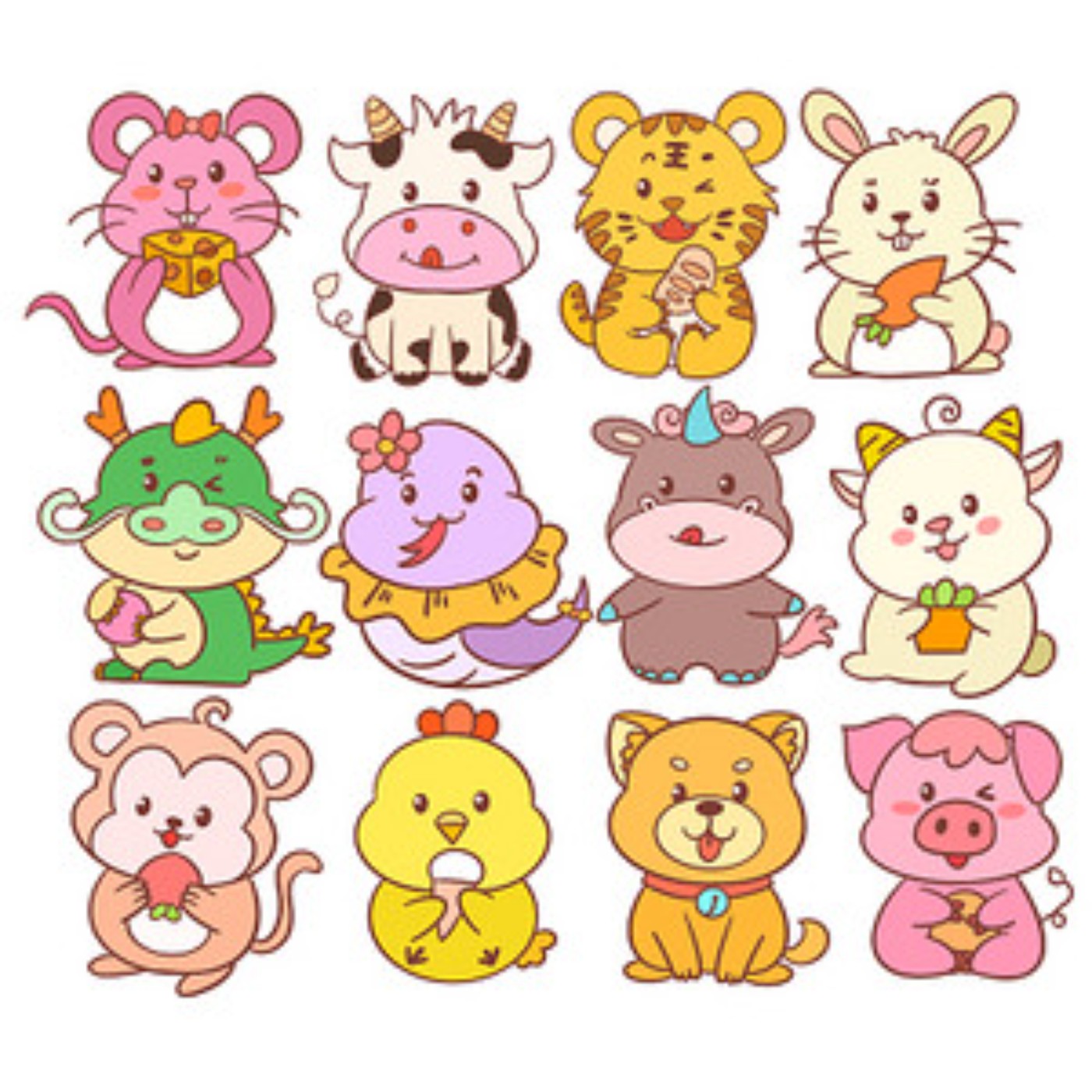
EP.62 十二生肖的意義/ The Meaning of The Twelve Zodiac Animals
FullBear老師的故事每個月15號、30號晚上8:00上架。雖然間隔時間較長,但如此才能兼顧生活品質與錄音品質,細水長流地陪伴大家喔。 📃如果需要PDF文字檔或想知道更多關於每集的英語小知識,請追蹤: 🅸🅶:bear.bilingual 𝓕𝓑:Bear老師的中英雙語故事 (https://www.facebook.com/profile.php?id=100085483186691) 💝贊助連結:https://pay.soundon.fm/podcasts/f2cb33e1-02d1-4fce-9e8e-68b636579fd0 背景音樂:https://www.youtube.com/watch?v=tfnHm4vZcOw Hello, this is Teacher Bear, 我是Bear老師。小朋友,中國新快到了。(The Chinese New Year is coming soon.)你知道代表今年的生肖是哪一個動物嗎?(Do you know how this year is represented in the Chinese zodiac?)今年是龍年。(This year is the Year of the Dragon.)你知道十二生肖是哪十二種動物嗎?(Do you know what are the twelve animals?)你知道每一種動物代表什麼意義嗎?(Do you know what each animal represents?) 十二生肖分別是鼠、牛、虎、兔、龍、蛇、馬、羊、猴、雞、狗、豬。(The twelve zodiac animals are Rat, Ox, Tiger, Rabbit, Dragon, Snake, Horse, Sheep, Monkey, Rooster, Dog, and Pig.)每兩種動物是一個互補的組合,每個組合都有一個特別的意義。(Pairs of animals are complementary, and each combination has a special meaning.) 第一組是鼠和牛。(The first pair is the Rat and the Ox.) 我是老鼠,我很聰明。(I am a rat, I am smart.)我是牛,我很勤勞。(I am an ox, I am diligent.)如果你只有聰明的頭腦,可是不勤勞,那麼就只是「耍小聰明」,什麼大事也做不了。(If you only have a smart brain but are not diligent, then you are just "playing smart" and can't accomplish anything big.)如果你光勤勞卻不動動你的頭腦,那麼一定事倍功半,沒有效率。(If you are diligent but don't use your brain, you will get half the result with twice the effort and be inefficient.) 小朋友,想要達到目標,你不但要勤勞,還要動動你的頭腦喔。(Kids, if you want to achieve your goals, you not only have to be diligent, but you also have to use your brain.) 第二組是虎和兔。(The second pair is the Tiger and the Rabbit.) 我是老虎,我很勇敢。(I am a tiger, I am brave.)我是兔子,我很謹慎。(I am a rabbit, I am cautious.)如果你很勇敢,可是卻不謹慎,那麼就是魯莽,魯莽的人容易犯錯。(If you are brave but not cautious, then you are reckless. Reckless people are prone to making mistakes.)可是如果你太謹慎,什麼事都不敢放手去做,那麼就是膽小。(But if you are too cautious and dare not do anything, then you are timid.) 小朋友,你一定要又勇敢又謹慎,膽大心細,才能創新喔。(Kids, you must be brave and cautious, fearless and careful in order to innovate.) 第三組是龍和蛇。(The third pair is the Dragon and the Snake.) 我是一條龍,我很剛強。(I am a dragon, I am strong.)我是一條蛇,我很柔軟。(I am a snake, I am soft.)如果太剛強就容易被折斷;就好像在颱風當中,樹容易被吹倒,可是小草卻不會,因為小草特別柔軟。(If something is too unyielding, it will be easily broken; just like in a typhoon, a tree will be easily blown down, but the grass will not, because the grass is very soft.)但是,太柔軟的人沒有主見,就容易被別人牽著鼻子走。(However, people who are too soft have no independent opinions and are easily led by others.) 小朋友,可見,我們做人要剛柔並濟,才不會太固執或太軟弱喔。(Kids, so we can see that we need to be both strong and soft in life, so as not to be too stubborn or too weak.) 第四組是馬和羊。(The fourth pair is the Horse and the Sheep.) 我是馬,我總是往前衝。(I am a horse, I always rush forward.)我是羊,我總是合群。(I am a sheep, I always cooperate with others.)如果一個人只顧著往前衝而不顧旁人的感受,那一定會跟人發生衝突。(If a person only cares about moving forward and ignores the feelings of others, he will surely conflict with others.)但是如果只顧著配合他人,那就會失去自己的目標和方向。(But if you only focus on cooperating with others, you will lose your own goals and direction.) 小朋友,所以我們勇敢往前衝的同時,也要適時地停下來關心別人的需要。(Kids, so while we rush forward bravely, we must also stop and care about the needs of others at the right time.)要不然即使你達成了夢想,卻失去了家人、朋友,那麼你會快樂嗎?(Otherwise, even if you achieve your dream, but lose your family and friends, will you be happy?) 第五組是猴和雞。(The fifth pair is the Monkey and the Rooster.) 我是猴子,我很靈活。(I am a monkey, I am flexible.)我是雞,我很穩定。(I am a rooster, I am stable.)如果一個人能夠又靈活又穩定,那麼不但能夠隨機應變,(If a person can be flexible and stable, he will not only be able to adapt to changes,)還能持之以恆喔。(but also persevere.) 小朋友,不管做什麼事,一定要有恆心,並且根據情況修改你的方法,這樣才會成功喔。(Kids, no matter what you do, you must have perseverance and modify your methods according to the situation, so that you will succeed.) 第六組是狗和豬。(The sixth pair is the Dog and the Pig.) 我是狗,我很忠誠。(I am a dog, I am loyal.)我是豬,我很隨和。(I am a pig, I am easy-going.)如果一個人能夠又忠誠又隨和,那麼就不但能交到知心的好朋友,(If a person can be loyal and easy-going, he will not only make close friends,)也能多認識新朋友喔。(but also make more new friends.) 小朋友,人際關係是很重要的,你需要能和你談心的親密朋友,也需要能幫助你開開眼界的新朋友。(Kids, interpersonal relationships are very important. You need close friends who can talk to you, and you also need new friends who can help you broaden your horizons.)朋友能幫助你在人生的路上不寂寞喔。(Friends can help you to not be lonely on the road of life.) 現在,你知道為什麼華人選擇這十二種動物了吧!(Now you know why the Chinese chose these twelve animals!)你覺得有道理嗎?(Do you think it makes sense?)如果有不懂的部分,記得要問問師長喔!(If there is anything you don’t understand, remember to ask your teachers and parents!) 如果你想問別人屬什麼生肖,用英文你可以怎麼說呢? “What is your Chinese zodiac animal?” 意思是「你屬什麼生肖?」 請跟Bear老師再說一次: “What is your Chinese zodiac animal?” 小朋友,如果你想知道更多有關十二生肖的英文和知識,請聽聽第二十八集喔! If you want to know more English and knowledge about the twelve zodiac animals, please listen to episode 28! 祝你農曆新年快樂!龍年行大運! Wish you a happy Chinese New Year! Good luck in the Year of the Dragon! 我們下次見嘍!(See you next time!) -- Hosting provided by SoundOn
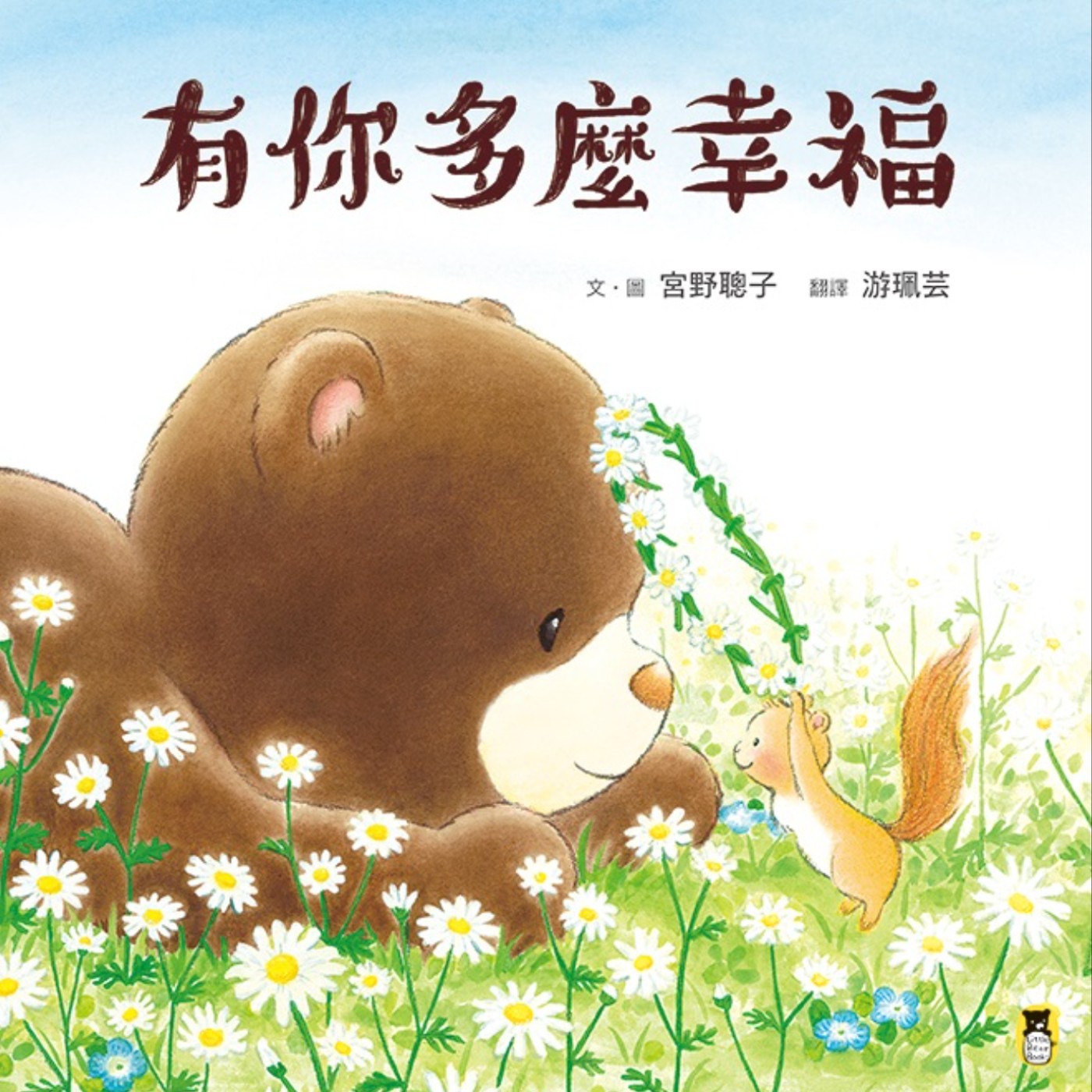
EP.61日文繪本《有你多麼幸福》/ A Japanese Picture Book “Having you around makes me so happy”
FullBear老師的故事每個月15號、30號晚上8:00上架。雖然間隔時間較長,但如此才能兼顧生活品質與錄音品質,細水長流地陪伴大家喔。 📃如果需要PDF文字檔或想知道更多關於每集的英語小知識,請追蹤: 🅸🅶:bear.bilingual 𝓕𝓑:Bear老師的中英雙語故事 (https://www.facebook.com/profile.php?id=100085483186691) 💝贊助連結:https://pay.soundon.fm/podcasts/f2cb33e1-02d1-4fce-9e8e-68b636579fd0 🧸如果家長您手頭方便也願意贊助,Bear老師感謝您的支持。 本集背景音樂:https://www.youtube.com/watch?v=sINv8sJ87_Y Hello, this is Teacher Bear,我是Bear老師。小朋友,今天Bear老師想給你們介紹一本日文繪本《きみにありがとうのおくりもの》,意思是「送給你一份感謝的禮物」。(Today I would like to introduce to you a Japanese picture book《きみにありがとうのおくりもの》. The Japanese title means “give you a gift of gratitude”.)不過,臺灣的出版社給這本繪本取了一個新的中文名字「有你多麼幸福」。(However, the Taiwanese publisher gave it a new Chinese name – “Having you around makes me so happy”.)因為Bear老師的日文還不夠好,所以Bear老師讀的是中文譯本,然後,Bear老師再把這個故事翻譯成英文給你們聽。(My Japanese is not good enough, so I will read the Chinese translation, and then translate the story into English for you.)現在,我們來聽聽這個故事嘍!(Now, let’s hear the story!) 日文繪本《有你多麼幸福》/ a Japanese picture book “Having you around makes me so happy” 作者:宮野聰子 / Author:みやのさとこ 中文翻譯:游珮芸 / Chinese translator You Pei-yun 森林的角落有一個大洞穴,大熊和小松鼠相親相愛的在那裡生活。 In the corner of the forest is a big cave, where two dear friends, big bear and little squirrel, live together. 每天早上小松鼠一起床,就開始打掃、洗衣服,然後做早餐。 Every morning when little squirrel gets up, he starts cleaning, washing clothes, and making breakfast. 大熊伸了個懶腰慢吞吞的以床後,就悠閒地在院子裡散步,然後為青菜和花朵澆水。 Big bear gets out of bed slowly, stretches, and takes a walk in the garden, where he waters the vegetables and flowers. 小松鼠也好喜歡慢吞吞的大熊,大熊也好喜歡充滿活力的小松鼠。 Little squirrel likes the big slow bear so much, and big bear also likes the energetic little squirrel very much. 有一天,小松鼠看著大熊,心裡想著……因為有大熊的細心照料,庭院裡才有這麼多美麗的花朵和好吃的青菜。 One day, as the little squirrel was watching the big bear, and thought to himself: it’s because of big bear’s care that we have so many beautiful flowers and delicious vegetables in the garden. 大熊也看著小松鼠,心裡想著……因為有小松鼠勤奮的清洗,家裡才有太陽味道的床單和柔軟蓬鬆的毛巾。 The big bear also looked at the squirrel, and thought: because of little squirrel’s careful cleaning, the house has sheets that smell of sunshine and soft fluffy towels. 溫暖的午後,兩個好朋友一起出門散步。 One warm afternoon, the two good friends went out for a walk together. 「大熊,我找到好多你喜歡的蘑菇喔!」 "Big Bear, I found a lot of those mushrooms you like!" 「這邊也有很多小松鼠喜歡的草莓呢!」 “Over here there are also a lot of little squirrel’s favourite strawberries!” 小松鼠一邊想著大熊,一邊摘蘑菇。 「大熊會不會很開心呢?」 Little squirrel picked mushrooms while thinking about big bear. "I wonder if big bear will be very happy?" 大熊也一邊想著小松鼠,一邊摘草莓。「小松鼠一定會很高興吧!」 Big bear also picked strawberries while thinking about little squirrel. "Little squirrel will definitely be very happy!" 摘完蘑菇和草莓後,他們來到小河邊清洗。 After picking mushrooms and strawberries, they went to the river to wash. 「水好冰啊!」小松鼠說。 "The water is so cold!" said the little squirrel. 「不要緊吧?我們到草原上曬太陽。」大熊說。 "Are you alright? – let's go to sunbathe on the grass," Big Bear said. 「哇!大熊的肚子暖呼呼的!」 "Wow! Big bear's belly is so warm!" 「怎麼樣?是不是暖和了呢?」 “How’s that? You feel warmer now?” 「嗯,好溫暖,謝謝。」 “Oh, it’s so warm. Thank you.” 小松鼠為了感謝大熊,做了一頂花冠送給他。 To thank the big bear, little squirrel made a flower crown and gave it to him. 「呵呵,有點癢癢的。」 “Haha, it tickles” 「好看嗎?大熊,你喜歡嗎?」 “Does it look good? Do you like it?” 「嗯,很喜歡,謝謝。」 “Oh, I like it very much, thank you” 回到家後,他們一起準備晚餐。 When they got home, they prepared dinner together. 今天的餐點是磨菇煎蛋和草莓果醬麵包。 Today’s meal is mushroom omelette, and bread with strawberry jam. 吃晚餐時,大熊對小松鼠說:「小松鼠,謝謝你為我做的一切。」 During dinner, big bear said to little squirrel, "Thank you for everything you have done for me, little squirrel." 小松鼠睜大眼睛問:「怎麼了?為什麼忽然這麼說?」 Surprised, little squirrel asked, "What's wrong? Why did you say that?" 「我一直在想,乾淨的房間、有太陽味道的床單、好吃的早餐,還有花冠……全都讓我覺得好幸福喔!("I keep thinking that the clean room, the sheets that smell like the sun, the delicious breakfast, and the flower crowns… it all makes me feel so content!)『謝謝』一定是在感到幸福的時候才會說的話吧!("Thank you" must be the thing people want to say only when they feel content.”)」 聽到大熊這麼說,小松鼠也說(Hearing big bear say this, the little squirrel replied:):「我也一樣!(Me too!)因為有大熊,庭院裡才會有美麗的花朵和好吃的青菜;(Because of big bear, there are beautiful flowers and delicious vegetables in the garden;)餐桌上才會有整齊的碗盤和杯子。(there are neat bowls, plates and cups on the table.)而且你還溫暖了我的手!(And you keep my hands warm!)我很喜歡你為我做的一切,謝謝你為我做的所有事!(I love all the things you do for me, thank you for everything!)」 到了該睡覺的時間。 It’s time to sleep. 小松鼠一邊打哈欠,一邊說:(The little squirrel yawned and said,)「哇!像這樣跟你一起睡覺,是我最幸福的時候唷!(Wow! Sleeping with you like this is the happiest time for me!)大熊,今天也是,謝謝你所做的一切。(Big Bear, today I feel the same, thank you for everything you did.)晚安…(Good night…)」 小松鼠睡著了,發出呼嚕呼嚕的鼻息聲。大熊輕聲的說:(The little squirrel fell asleep and snored. Big Bear said softly:)「晚安。(Good night.)看著你睡著的臉龐,是我最幸福時候。(To see your face while you sleep is the happiest time for me.)謝謝你,一直在我身邊。(Thank you for always being by my side.)」 那天晚上,小松鼠和大熊都沉浸在幸福的感覺裡睡著了。 So that night, big bear and little squirrel fell asleep full of co

EP.60 最棒的禮物/The Greatest Gift (Bear老師原創故事#14)
FullBear老師的故事每個月15號、30號晚上8:00上架。雖然間隔時間較長,但如此才能兼顧生活品質與錄音品質,細水長流地陪伴大家喔。 📃如果需要PDF文字檔或想知道更多關於每集的英語小知識,請追蹤: 🅸🅶:bear.bilingual 𝓕𝓑:Bear老師的中英雙語故事 (https://www.facebook.com/profile.php?id=100085483186691) 💝贊助連結:https://pay.soundon.fm/podcasts/f2cb33e1-02d1-4fce-9e8e-68b636579fd0 🧸如果家長您手頭方便也願意贊助,Bear老師感謝您的支持。 本集背景音樂:https://www.youtube.com/watch?v=KBKAbghgtfA Hello, this is Teacher Bear. 我是Bear老師。小朋友,聖誕節剛過,你收到了什麼禮物呢?(Christmas is just over, what gift did you receive?)你喜歡你的禮物嗎?(Do you like your gift?)有的禮物,雖然不貴重,但卻是無價的,你收過這樣的禮物嗎?(There are some gifts which are not expensive, but are priceless. Have you ever received such a gift?)讓我們來聽聽其他小朋友收到了什麼禮物。(Let's hear what gifts other children received.) Amy:聖誕節你們收到了什麼禮物?(What gifts did you get for Christmas?)我收到了一件我很喜歡的毛衣。(I got a sweater that I like very much.) Robin:我收到了一輛腳踏車。(I got a bicycle.) Emma:哇!聖誕老公公對你好大方,我只收到了一雙手套。(Wow! Santa Claus is so generous to you, I only got a pair of gloves.) Robin:是我爸媽送的。(It was a gift from my parents.) 你不會真的相信有聖誕老公公吧? (You don’t really believe there’s a Santa Claus, do you?) Emma:我寧願相信有。(I would rather believe there is.) Amy:欸,Jasper呢?(Hey, where is Jasper?) Emma:我剛剛碰到他,他看起來好像不太開心。(I just ran into him and he didn't look happy.) Robin:對啊,這幾天大家都在談收到了什麼聖誕禮物,可是他好像什麼都沒收到。(Right, everyone has been talking about what gifts they got for Christmas, but it seems he didn’t get anything.) Amy:新冠疫情的時候,他爸爸開的餐廳收起來了,所以這幾年他家的情況不太好。(During the COVID-19 epidemic, his father’s restaurant was closed down, so his family’s situation has not been very good the last few years.)好像去年他也沒收到禮物。(It seems like he didn't receive a gift last year either.) Emma:我們來假扮聖誕老公公送他禮物 !(Let’s pretend to be Santa Claus and give him a gift!) Robin:可是聖誕節已經過了。(But Christmas is already over.) Amy:沒關係,我來想辦法。(It doesn't matter, I'll figure it out.) 啊!我家到了。我晚上再打電話告訴你們。(Ah! This is my house already. I'll call you this evening to tell you.) Robin、Emma:嗯!我們晚上談談。(Let's talk this evening then.) ********************************************************************************************************* Amy:Jasper,最近怎麼樣?(How are you lately? ) Jasper:你們相信嗎?昨天聖誕老公公在我的抽屜裡留了一個禮物和一張卡片。(Well, can you believe this? Yesterday Santa Claus left a gift and a card in my drawer.)卡片上他跟我道歉。(In the card, he apologized to me.)他說聖誕夜那晚,他送禮物送著送著,忽然肚子痛,所以只好先回家了。因此今天才送禮物給我。(He said that on Christmas Eve, while delivering gifts, he suddenly had a stomachache and had to go home first. So he just gave me my gift today.) Robin:哇!真的嗎?聖誕老公公真的很在乎你。 (Wow! Really? Santa Claus really cares about you.) Emma:是啊!他還特地送禮物來學校給你。(Yes! He specially brought the gift to school for you.) Jasper:我真的很感動。(I’m really touched.)他知道我在努力學英文,所以送給我一本英文文法書。我很喜歡。(He knew that I’m learning English very seriously, so he gave me an English grammar book. I like it so much.) Amy:我很開心你喜歡這個禮物。(I'm glad you like this gift.) Emma:我們本來很擔心你會因為今年沒收到禮物而失望,現在放心了。(We were worried that you’d be disappointed not to receive a gift this year, but now we’re relieved.) Jasper:其實,你們一點都不必擔心。(Well, you really don’t need to worry.) Robin:為什麼?(Why?) Jasper:因為我已經擁有最棒的禮物了。(Because I already have the greatest gift.) Amy:那是什麼?(What’s that?) Jasper:就是你們啊!(It’s you guys!) 小朋友,對你來說,最棒的禮物是什麼呢?(What is the greatest gift for you?)希望你也能擁有最棒的禮物。(I hope you also have the greatest gift.) 還有,當你要送別人禮物的時候,用英文你可以說 “I got you something. I hope you like it.” 意思是「我有一個東西要給你,希望你喜歡。」 請跟Bear老師再說一次: “I got you something. I hope you like it.” 小朋友,不管你今年有沒有收到聖誕禮物,不管你今年過得如何,都希望你擁有一個嶄新的一年。(Whether you received a Christmas gift this year or not, no matter how your year went, I hope you have a super new year.) 祝你2024年新年快樂! (Happy New Year 2024!) 我們下次見嘍(See you next time)! -- Hosting provided by SoundOn
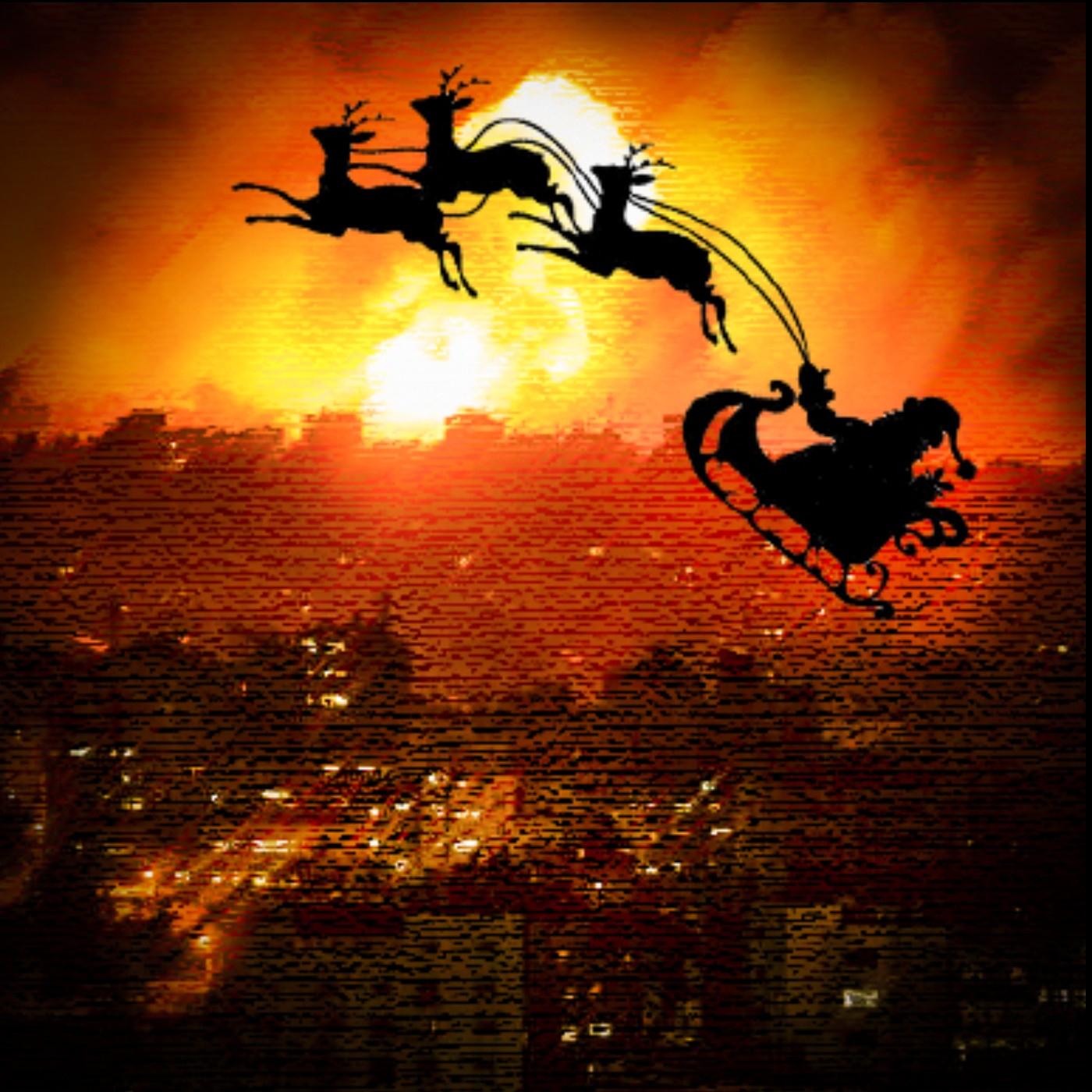
EP.59 戰火下的聖誕老公公/ Santa Claus under the fire of war (Bear老師原創故事 #13)
Full本故事靈感來自於戰火下的兩個真實故事: (1)一位父親為了讓孩子能在戰火中正常生活,每當遠方的轟炸聲響起時,就帶著孩子唱歌,苦中作樂,讓孩子能夠堅強地活下去。 (2)記者詢問戰火中的一個小男孩有何希望,他卻反問記者:「我還能活著嗎?」 Bear老師小提醒: (1) 由於涉及戰爭這個殘酷的議題,期盼父母能與孩子一同聆聽,在必要時為其解釋、給予安慰。 (2) 戰爭雙方的百姓都是無辜的,本創作無意控訴任何一方,因此選擇了阿拉伯世界與西方世界的兩個名字Amal 與Olivia作為主角,分別意寓「希望」與「和平」,期盼兩個不同的世界能走向希望與和平。 🎧每個月15號、30號晚上8:00更新。 📜如果需要PDF文字檔或想知道更多關於每集的英語小知識,請追蹤: 🅸🅶:bear.bilingual 𝓕𝓑:Bear老師的中英雙語故事 (https://www.facebook.com/profile.php?id=100085483186691) 🎁贊助連結:https://pay.soundon.fm/podcasts/f2cb33e1-02d1-4fce-9e8e-68b636579fd0 🧸如果家長您手頭方便也願意贊助,Bear老師感謝您的支持。 本集背景音樂:https://www.youtube.com/watch?v=bRkIL13jVXU&t=5303s 背景音樂: 聖誕音樂:https://www.youtube.com/watch?v=4NCcqmYCyoQ&list=PLTfzb4h-uy5wgUTZHzY0QQ9M5E9YjZ6Y3 幻想即興:https://www.youtube.com/watch?v=HmeTrL4lBd0 命運交響曲:https://www.youtube.com/watch?v=WFifaY_eZU0 新世界交響曲:https://www.youtube.com/watch?v=jOofzffyDSA Hello, This is Teacher Bear,我是Bear老師。小朋友,聖誕節又快到了,你打算怎麼慶祝呢?(Christmas is coming soon, how will you celebrate?)你期待聖誕老公公會送來什麼禮物呢?(What gifts do you hope Santa Claus will bring?)你覺得世界上的小朋友都有機會收到禮物嗎?(Do you think all children everywhere have the chance to receive gifts?)讓我們來聽聽Amal和Olivia這兩位小朋友的故事。(Let's listen to the story of two children, Amal and Olivia.) Olivia:Amal,這麼晚了,你怎不在床上睡覺?(It’s so late, why don't you go to bed and sleep?)坐在窗邊做什麼?(What are you doing sitting by the window?) Amal:Olivia,你怎麼來了?(Why did you get here?) 我坐在這裡,因為我睡不著。(I am sitting here because I can’t sleep.) Olivia:我也睡不著,那邊又在轟炸了,我怕等一下會炸過來這裡。(I can't sleep either, they are bombing over there again, and I’m afraid they will bomb over here later.) Amal:別怕。(Don't be afraid.)就像院長教我們的一樣,把爆炸聲想成音樂。(It’s just like the Director taught us - think of explosions as music.) Olivia:太難了。(It’s too difficult.) Amal:試試看啊,不試你怎麼知道。(Just try. If you don’t try how can you know?) Olivia:好吧~~(All right~) Amal:你覺得這次像誰的音樂?(Whose music are you thinking of this time?) Olivia:蕭邦,幻想即興(Chopin,Fantasie Impromptu)。 Amal:哪裡像?(Why is it like that?) Olivia:哪裡不像?(Why not like that?) Amal:好吧。欸,又來了又來了,你聽。(OK … well, here it comes again, listen …) Amal:你覺得這次像誰的音樂?(You think it’s like whose music this time?) Olivia:貝多芬,命運交響曲(Beethoven,Symphony No. 5)。 Amal:對,我也覺得像。(Yes, I think so too!)啊!又來了又來了,這個很近。(Here it comes again … this one was close.) Amal:這次呢?(So, this time?) Olivia:德佛札克(Dvorak)! Amal:你是不是覺得像新世界交響曲?(Like「The New World Symphony」?)? Olivia:對,就像新世界。(Yes, like「The New World」.) Amal:咦,你聽到了嗎?(Hey, can you hear that?)外面好像有人在哭。(Sounds like someone crying outside.) Olivia:這麼晚了,會是誰呢?(It’s so late – who could it be?) Amal:走!出去看看。(Let’s go out and have a look.) Olivia:不行啊!很晚了,外面好冷。(No, it’s so late, and cold outside!)Amal………好吧!欸!等我! (…OK, wait for me!) Olivia:咦,那不是聖誕老公公嗎?(Hey … isn’t it Santa Claus?)旁邊還有麋鹿。(He has reindeer there.) Amal:我聽說聖誕老公公只照顧一些小朋友,沒想到他會來找我們。(I heard that Santa Claus only takes care of some children, I didn’t expect that he’d come to us.) Olivia:才不是,聖誕老公公照顧全世界的小朋友。(No, Santa Claus takes care of children everywhere.) Amal:他為什麼坐在地上?(Why is he sitting on the ground?)臉好髒,衣服也破了。(His face is dirty and his clothes are torn.) Oliva:走,過去問他。(Let’s go over and ask him.) Amal:你是聖誕老公公嗎?(Are you Santa Claus?) Santa:是的,我是!(Yes, yes I am!) Olivia:真的是你!(You’re really him!) Amal:你為什哭得這麼傷心?你怎麼了?(Why are you crying like that? What happened?) Santa:我給你們孤兒院帶了好多禮物,(I brought a lot of gifts to your orphanage,)可是,剛剛一顆飛彈擊中我的雪橇,現在禮物全沒有了!我拿什麼送給你們?(but a missile just hit my sleigh and now all the gifts are gone! What can I give you?) Olivia:喔,謝謝你!可是真的沒關係。(Oh .. thank you! But it really doesn’t matter.)你受傷了嗎?(Are you hurt?) Santa:幸好我跟麋鹿都沒事。(Luckily, I and my reindeer are all fine.)可是,沒有禮物了,怎麼辦?(But if there are no gifts, what should I do?) Amal:你來看我們,就是最好的禮物。(You came to see us. That’s the best gift.) Olivia:是啊!我以為全世界都忘記我們了。(That’s right! I thought the whole world had forgotten about us.) Santa:喔!不不不,我沒忘記你們。(Oh! No, no – I haven’t forgotten you.) Amal:謝謝你,我會告訴其他小朋友的。(Thank you! I will tell the other children.) Santa:請告訴大家,我明年一定會再來,請等我。(Please tell everyone that you can expect me to visit next year – please wait for me.) Olivia:可是…我不確定明年我們還活著。(But … I’m not sure we’ll be alive next year.) Santa:喔!我可憐的孩子。真的對不起,真的對不起。(Oh! My poor kids. I’m really so very sorry.) Amal:Olivia,你不要亂說,你害聖誕老公公更傷心了。(Olivia, don’t talk like that. You made Santa even more sad.) Olivia:沒事,沒事,我亂說的,真的亂說的。(It’s fine, it’s fine – I really didn’t mean that.) Amal:警報聲響了,一定是炸過來這裡了。院長一定會急著找我們去地下室躲藏。(That’s the alarm sounding –the bombing is definitely coming this way now. The Director will be looking for us to go hide in the basement.)我們得走了。(We have to go.) Olivia:對,要是院長找不到我們,她會很擔心的。(Right – the Director will be very worried if she can’t find us.)你要不要跟我們一起去躲在地下室裡?(Do you want to come with us to shelter in the basement?) Santa:不行,我得快走了。(I can’t – I have to go.) Amal:那你一定要小心。(Then you really must be careful.) Santa:我會的,放心,麋鹿會帶我回去。(I will! Don’t worry, the reindeer will bring me back.)記得,要懷抱希望。等我,我一定會再來的。(Remember, have hope, and wait for me – I’ll definitely come back.) Amal、Olivia:嗯,我們答應你。(We promise!)
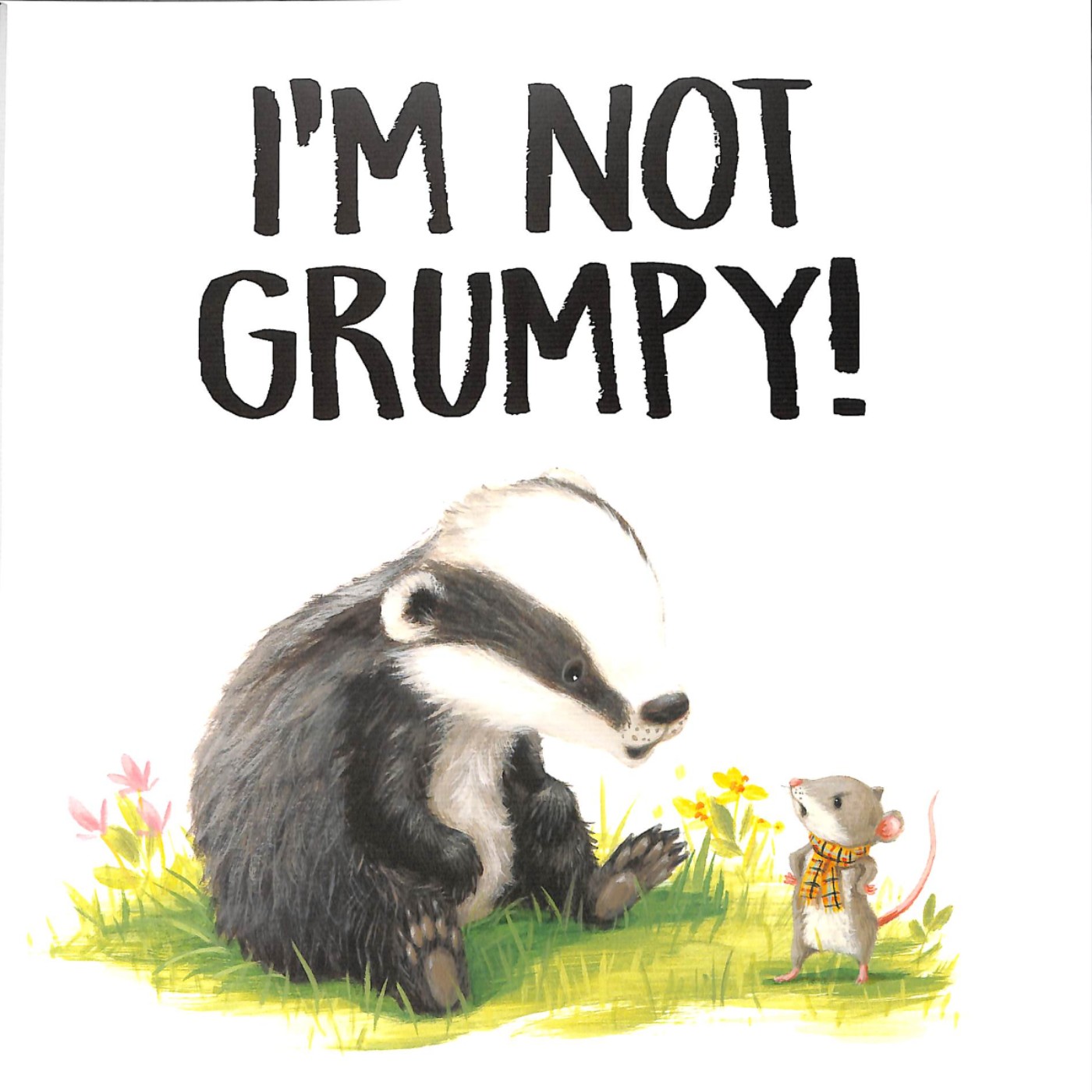
EP.58 英文繪本《我的脾氣不暴躁》(下)/An English Picture Book “I’m Not Grumpy ”(Part 2/2)
Full各位小朋友與大朋友,為了配合工作與作息,Bear老師的故事改成每個月15號、30號晚上8:00上架。雖然間隔時間變得較長,但如此才能兼顧生活品質與錄音品質,細水長流地陪伴大家喔。 📃如果需要PDF文字檔或想知道更多關於每集的英語小知識,請追蹤: 🅸🅶:bear.bilingual 𝓕𝓑:Bear老師的中英雙語故事 (https://www.facebook.com/profile.php?id=100085483186691) 💝贊助連結:https://pay.soundon.fm/podcasts/f2cb33e1-02d1-4fce-9e8e-68b636579fd0 🧸如果家長您手頭方便也願意贊助,Bear老師感謝您的支持。 本集背景音樂:https://www.youtube.com/watch?v=bRkIL13jVXU&t=5303s Hello, this is Teacher Bear, 我是Bear老師。小朋友,在上一集當中,阿鼠、松鼠和貓頭鷹為了帶小獾回家,深入了森林裡(In the last episode, Mouse, Squirrel and Owl walked deep into the forest to take little Badger home.)。天快黑了,他們能不能成功地找到獾媽媽呢?(It’s getting dark – will they succeed in finding Mummy Badger?)讓我們繼續聽下去。(Let's keep listening.) An English Picture Book “I’m Not Grumpy ”/英文繪本《我的脾氣不暴躁》 Story by Steve Smallman /作者:史蒂夫‧史莫曼 Illustrated by Caroline Pedler/插畫家:卡洛琳‧佩德勒 On they trudged through the darkening forest. Little Badger yawned. (他們艱難地穿過黑暗的森林,小獾打著哈欠。) Squirrel(松鼠):“She’s tired!(她累了!)” Squirrel said, as shadows stretched across their path.(松鼠說話的同時,他們拉長的身影映在了路上。) Owl(貓頭鷹):“Well, it’s way past her bedtime.(嗯,已經過小獾睡覺的時間了。)” Mouse (阿鼠): “I know! She’s tired, and hungry, and scared, and she needs her mum, and it’s getting dark, and……I don’t know what to do!(我知道!她又累、又餓、又害怕,她需要媽媽,而且天快黑了,而且……我不知道該怎麼辦!)” Squirrel (松鼠): “There, there.( 秀秀,秀秀。)” Owl spread her wings, “I know what you need.” (貓頭鷹張開翅膀說:「我知道你需要什麼。」) Little Badger cheered(小獾歡呼著說):“Hug!(抱抱!)” Mouse felt funny. Being a bit of a grumpy mouse, he didn’t get very many cuddles. (阿鼠覺得有一點尷尬又好笑,因為他是一隻脾氣暴躁的老鼠,沒有得到過太多的擁抱。) Suddenly, there was flash of grey in the bushes. (突然,有什麼灰色的東西從灌木叢中閃了過去。 ) Little Badger (小獾):“Mummy?(媽媽?)” But it wasn’t Mummy Badger, It was…..a wolf! He swaggered over, licking his lips. (但這不是獾媽媽,而是……一隻狼!他大搖大擺地走過去,舔了舔嘴唇。) The wolf(狼): “Look what we have here!(看看這裡有什麼!) A squirrel for starters(松鼠當前菜), a badger and an owl for the main course,(主菜是獾和貓頭鷹,), and a mouse for pudding!(飯後甜點是老鼠!)” Mouse(阿鼠):“I am not a pudding! (我才不是飯後甜點!)And you can’t eat my friends!(還有你不能吃我的朋友!)” The wolf(狼):“Says who?(誰說的?)” Mouse(老鼠): “Me!(我!)” Squirrel(松鼠): “And me!(還有我!)” Owl(貓頭鷹: “And me!(還有我!)” “And me!(還有我!)” shouted Mummy Badger.(獾媽媽喊。) The wolf took one look at her angry eyes and scarpered.(狼一看獾媽媽憤怒的眼神,就驚慌地跑走了。) Mummy Badger hugged Little Badger tight.(獾媽媽緊緊地抱住了小獾。) Mummy Badger (獾媽媽):“Thank you all for bring her home!(謝謝你們大家帶她回家!)” Squirrel(松鼠):“It was Mouse’s idea.(是阿鼠的主意。) ” Mummy Badger(獾媽媽):“Well, thank you, Mr. ── wait a minute, Aren’t you the grumpy mouse who lives in the oak tree?(嗯,謝謝你,這位先生您……等一下,你不是那隻住在橡樹裡的脾氣很暴躁的老鼠嗎?)” Mouse (阿鼠):“For the last time, I am not grumpy……at least, not anymore!(最後一次,我的脾氣不暴躁……至少……以後不暴躁了。)” And for the first time in a long time, Mouse smiled.(阿鼠笑了,他好久沒笑了。) “Because now I have friends,(因為現在我有朋友了,) and friends, well, that’s just what I need!(而朋友們,正是我需要的!)” 小朋友,現在你是不是放心了呢?(Do you feel reassured now?)你覺得阿鼠是一個好朋友嗎?(Do you think Mouse is a good friend?)你願意接受一個脾氣暴躁的朋友嗎?(Could you accept a grumpy friend?)如果朋友的脾氣暴躁,你要怎麼幫助他呢?(If your friend is grumpy, what can you do to help?)你覺得松鼠跟貓頭鷹的貼心,對阿鼠有幫助嗎?(When Owl and Squirrel were kind to Mouse, do you think it helped?) 而你,是一個脾氣暴躁的人嗎?(And how about you? Are you a grumpy sort of person?)脾氣暴躁的時候,可能對別人造成傷害,讓朋友離你更遠。(When you’re in a bad mood, you might hurt others and drive your friends away.)因此,一定要想辦法找出脾氣暴躁的原因,並且改正,這樣才不會讓身邊的人感到不舒服喔。(In that case you need to find the reason why you’re grumpy, and fix it, so your companions can feel comfortable around you.) 還有,如果某天你因為沒控制好暴躁的脾氣而傷害了朋友,用英文,你可以怎麼表達歉意呢? “I lost my temper, I was wrong.” 意思是「我沒控制好脾氣,我錯了。」請跟Bear老師再說一次: “I lost my temper, I was wrong.” 小朋友,希望你不但能控制好脾氣,也能幫助脾氣暴躁的朋友。(I hope you can control your temper, and also help your grumpy friends.) 我們下次見嘍!(See you next time!) -- Hosting provided by SoundOn
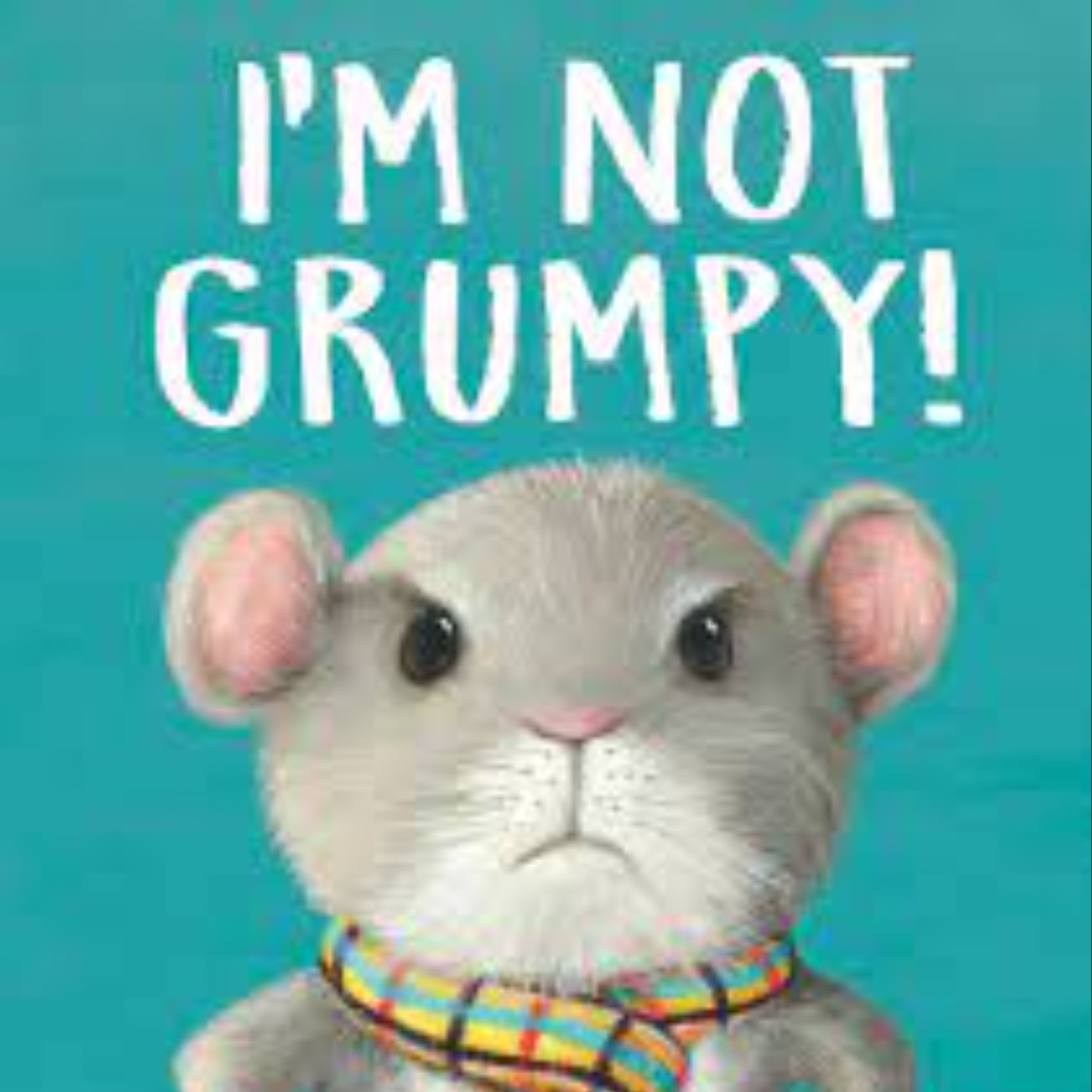
EP.57 英文繪本《我的脾氣不暴躁》(上)/An English Picture Book “I’m Not Grumpy ”(Part 1/2)
Full各位小朋友與大朋友,為了配合工作與作息,Bear老師的故事改成每個月15號、30號晚上8:00上架。雖然間隔時間變得較長,但如此才能兼顧生活品質與錄音品質,細水長流地陪伴大家喔。 📃如果需要PDF文字檔或想知道更多關於每集的英語小知識,請追蹤: 🅸🅶:bear.bilingual 𝓕𝓑:Bear老師的中英雙語故事 (https://www.facebook.com/profile.php?id=100085483186691) 💝贊助連結:https://pay.soundon.fm/podcasts/f2cb33e1-02d1-4fce-9e8e-68b636579fd0 🧸如果家長您手頭方便也願意贊助,Bear老師感謝您的支持。 本集背景音樂:https://www.youtube.com/watch?v=bRkIL13jVXU&t=5303s Hello, this is Teacher Bear,我是Bear老師。小朋友,你是脾氣暴躁的人嗎(Are you a grump)?你覺得脾氣暴躁的人一定就是壞人嗎(Do you think a grump must be a bad person)?你願意跟脾氣暴躁的人當朋友嗎(Would you like to be friends with a grump)?今天Bear老師要給你介紹一本英文繪本(Today, I’m going to introduce you an English picture book),故事裡的主角阿鼠是一隻脾氣暴躁的老鼠(The main character Mouse is a grumpy mouse),可是,他卻有著一顆善良的心喔(but, he is very kind)。 An English Picture Book “I’m Not Grumpy ”/英文繪本《我的脾氣不暴躁》 Story by Steve Smallman /作者:史蒂夫‧史莫曼 Illustrated by Caroline Pedler/插畫家:卡洛琳‧佩德勒 Mouse was in a particularly grumpy mood. He’d woken up to find that the door to his oak tree was blocked by a big furry bottom! (阿鼠的心情特別暴躁,因為他醒來時發現他的橡樹門被一個毛茸茸的大屁股擋住了!) “That’s just what I need(好像我需要這個一樣)!” he grumbled, climbing out of the window to see what was going on.(他嘀咕著,爬出窗外看看發生了什麼事。) Then, splash, a drop of water landed on Mouse’s nose.(然後,撲通一聲,一滴水滴到了阿鼠的鼻子上。) Mouse sighed (阿鼠嘆氣):“Rain! That’s just what I need!(唉~~是雨水啊!好像我需要這個一樣!)” But it wasn’t a raindrop. It was a teardrop, from a very sad little badger. (但這不是雨滴。 那是一滴眼淚,來自一隻非常悲傷的小獾。) Little Badger wailed(小獾嚎啕大哭): “Where is my mummy?(我媽媽在哪裡?)” Squeaked mouse(阿鼠吱吱叫): “I don’t know! But I’ll help you to find her if you stop that racket!(我不知道,不過如果你別吵,我會幫你找到她。)” Little Badger stopped crying. Then, with a sniffle, she took Mouse’s paw and off they went. They hadn’t gone far when a butterfly fluttered past.(小獾不哭了。然後,她吸了吸鼻子,抓住阿鼠的爪子就走了。他們還沒走多遠,一隻蝴蝶翩翩飛了過去。) Little Badger(小獾):“Pretty!(好漂亮!)” Squealed Little Badger, galloping after it. (小獾尖叫著,追著蝴蝶跑。) Squeaked Mouse(阿鼠吱吱叫): “Stop!(站住)” But when Little Badger did, Mouse was completely lost. (但當小獾停下來時,阿鼠完全迷路了。) Mouse groaned(阿鼠呻吟著): “That’s just what I need! (好像我需要這個一樣!)” “Hello,(你好,)” said a squirrel-y voice.(松鼠說) “Aren’t you that grumpy mouse who lives in the old oak?(啊你不就是住在老橡樹裡的那隻脾氣暴躁的老鼠嗎?)” Mouse said grumpily(老鼠生氣地說): “I am not grumpy!(我的脾氣不暴躁!)I am trying to get this little badger back to her mum.( 我正在努力把這隻小獾帶回她媽媽身邊。)” Squirrel said(松鼠說):“How kind!(你人真好!) My friend will know where the Badgers live, come on!(我的朋友知道獾他們住在哪裡,來吧!) ” “Hello, Squirrel,(你好啊松鼠,)” hooted Owl.(貓頭鷹叫著) “What a dear little badger!(好可愛的小獾啊!) Oh, and you’ve brought lunch.(你還帶了午餐來。)” Mouse spluttered(阿鼠氣急敗壞地說): “I am not lunch!(我才不是你的午餐!)” Owl nodded(貓頭鷹點頭): “Indeed,(確實,) You’re that grumpy mouse.(你是那隻脾氣暴躁的老鼠。) I don’t eat grumpy mice, they’re far too sour.(我不吃脾氣暴躁的老鼠,吃起來太酸了。) ” Squirrel said(松鼠說): “Actually, he’s trying to get Little Badger home to her mum!(其實,他正努力要把小獾帶回媽媽身邊呢!)” Owl smiled(貓頭鷹微笑): “Then follow me,(那跟我來吧,) The forest is a dangerous place after dark so we’d better get going!(天黑後森林很危險,所以我們最好加快腳步!)” Everyone follow Owl deeper into the forest then, splosh, a drop of water landed on Mouse’s nose. ) (大家跟著貓頭鷹深入了森林裡,撲通一聲,一滴水滴到了阿鼠的鼻子上。) Mouse grumbled(阿鼠嘀咕著):“Oh! Please don’t start crying again!(喔!拜託別再哭了!) ”But it wasn’t a teardrop, it was a raindrop! (但這不是淚滴,而是雨滴!) “That’s just what I need!(好像我需要這個一樣!)” Mouse huffed as it started to pour.(當雨水開始傾瀉而下時,阿鼠氣呼呼地說。) Said Owl(貓頭鷹說):“We must keep little Badger dry, soggy badgers catch colds. (別讓小獾淋濕了,要不然會感冒。)” Mouse gasped(阿鼠喘著氣說):“Oh crumbs! Anyone got an umbrella?(天啊!誰有雨傘?)” “You’re welcome to shelter under my tummy,” said a big brown bear. (歡迎到我的肚肚下面躲雨,一隻大棕熊說。) “But what is the grumpy mouse doing out here with Little Badger? (可是那隻脾氣暴躁的老鼠和小獾在這裡做什麼呢?) ” Squirrel said quickly(松鼠很快地說):“He’s trying to get her home.(他正試著送小獾回家喔。)” Bear smiled(棕熊笑了):“What a kind friend!(好善良的朋友啊!)” Mouse blushed. He’s never been called a friend before. (阿鼠臉紅了。他從來沒被人稱為朋友。) When the rain stopped, Bear pointed them in the right direction. (雨停了,棕熊給他們指明了正確的方向。) “And you’d better hurry, it’s getting late!(你們最好快一點,越來越晚了!)” 小朋友,夜晚的森林是非常危險的(The forest at night is very dangerous),你覺得他們能找到獾媽媽嗎(Do you think they can find Mummy Badger)?讓我們為他們祈禱(Let’s pray for them),希望在下一集的故事當中聽到好消息(and hope we can hear good news in the next episode)。 還有,你聽到阿鼠說“That’s just what I need!”,這句話如果直接翻譯意思是「這就是我需要的。」不過,當阿鼠脾氣暴躁地說這句話時,其實是一句反話喔,真正的意思是「我不需要這個」。因此,你在說這句英文時,要注意口氣。比如說(For example),你正需要一枝筆,同學就借你一枝筆,這時你的口氣應該是 “That’s just what I need!”。可是,相反的,如果你寫功課寫著寫著,筆卻壞了,也沒有人能借給你一枝筆,害你不能完成功課,這時,你的口氣就是 “That’s just what I need!”,諷刺地說就是「好像我需要這個一樣」,其實就是「不需要」的意思。這樣,你懂了嗎?Do you get it? 請用開心的口氣跟Bear老師再說一次: “That’s just what I need!” 請用諷刺的口氣再說一次: “That’s just what I need!” 小朋友,請等待下一集喔(Please wait for the next episode)! 我們下次見嘍(See you next time)! -- Hosting provided by SoundOn
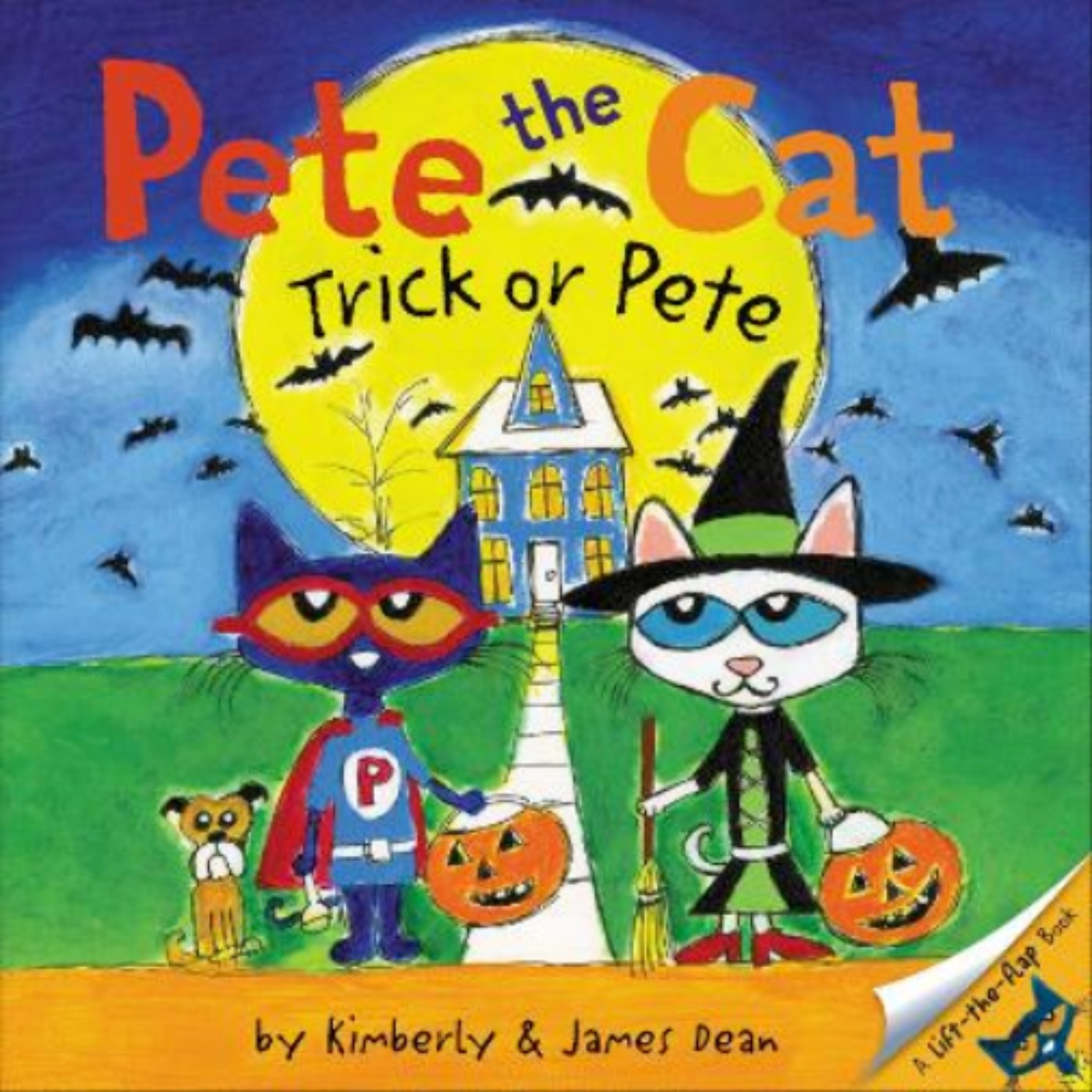
EP.56 英文繪本《不給糖,皮特貓咪就搗蛋》/An English picture book “Pete the Cat:Trick or Pete”
Full📃如果需要PDF文字檔或想知道更多關於每集的英語小知識,請追蹤: 🅸🅶:bear.bilingual 𝓕𝓑:Bear老師的中英雙語故事 (https://www.facebook.com/profile.php?id=100085483186691) 💝贊助連結:https://pay.soundon.fm/podcasts/f2cb33e1-02d1-4fce-9e8e-68b636579fd0 🧸如果家長您手頭方便也願意贊助,Bear老師感謝您的支持。 Hello, this is teacher Bear, 我是Bear老師。小朋友,萬聖節快到了(All Saints' Day is coming),你想打扮成什麼呢?超人、巫婆還是鬼怪呢(what do you want to dress up as? Superman, witch or ghost)?如果看到嚇人的裝扮,你會不會怕呢(Would you be afraid if you saw a spooky costume)?還有,萬聖夜的時候,你會不會跟著家人或朋友一起去挨家挨戶地討糖吃呢(Also, on Halloween, will you go door-to-door with your family or friends to ask for candy)?讓我們跟著皮特貓咪一起去看看吧(Let's follow Pete the Cat and see what happens)! An English picture book “Pete the Cat Trick or Pete”/英文繪本《不給糖,皮特貓咪就搗蛋》 Author: James Dean, Kimberly Dean/作者:詹姆士狄恩、金柏莉狄恩 Illustrator: James Dean/插畫家:詹姆士狄恩 It’s Halloween. Pete the Cat is excited to go trick-or-treating in his superhero costume. (萬聖夜到了。皮特貓咪興奮地裝扮成超級英雄準備去要糖吃。) “I hope nothing too spooky happens” says Pete. (「我希望不會發生太嚇人的事。」皮特說。) “Don’t worry” says Pete’s dad. “We have our flashlights!” (「別擔心,我們有手電筒。」皮特的爸爸說。) “Let’s go trick-or-treating!” Says Pete. (「走,不給糖就搗蛋!」皮特說。) Pete and his dad walk outside(皮特跟爸爸出了門). The wind rustles the leaves(風吹得樹葉沙沙作響). Pete sees something moving in the tree(皮特看到樹上有東西在動). It’s just an owl! “That wasn’t too spooky” says Pete. (「只是一隻貓頭鷹!沒那麼嚇人。」 皮特說。) They arrive at a neighbor’s house (他們到了鄰居家). Pete rings the bell (皮特按了按門鈴). He hears a strange sound coming to the door (他聽到了奇怪的聲音越來越靠近門口了). “It’s just Callie.” Pete says. “She’s not too spooky.” (「原來是凱莉,她沒那麼嚇人。」 皮特說。) Callie joins Pete and his dad trick-or-treating (凱莉跟著皮特還有皮特的爸爸一起去要糖). At the next house, there is something in the yard (在隔壁鄰居家的院子裡,有一個東西). “Phew. It’s just a scarecrow.” Says Pete. “That’s not too spooky.” (「原來是稻草人,沒那麼嚇人」皮特說。) Pete rings the doorbell (皮特按了按門鈴). “Trick or treat!” say Pete and Callie. (「不給糖就搗蛋!」皮特和凱莉齊聲說道。) “Awesome costume!” says Pete. “Very spooky …… but not too spooky.” (「好棒的服裝!非常嚇人,不過,也沒那麼嚇人啦。」皮特說。) “Thank you.” Says Mrs. Gold, the crossing guard. (「謝謝!」指揮交通的導護金太太說) At the next house, there is something glowing on the steps. (隔壁的台階上有東西在發亮) “Cool!” says Pete. “Jack-o’-Lanterns!” (「酷!南瓜燈。」皮特說) Callie rings the doorbell (凱莉按了按門鈴). “Trick or treat!” say Pete and Callie. (「不給糖就搗蛋!」皮特和凱莉齊聲說道。) It’s Pete’s teacher (是皮特的老師)! “One piece of candy each!” she says. (「一人一個糖!」老師說。) Suddenly, they hear something behind them (忽然他們聽到身後有聲音)! “What was that?” ask Callie.(「那是什麼?」凱莉問。) “Oh, it’s just our friend Emma.” Says Pete. “Not spooky but groovy!”(「原來是我們的朋友艾瑪。沒那麼可怕,可是很時髦喔。」皮特說。) “One last house. And then we’ll go home.” Says Pete’s dad.(「最後一家,然後我們就回去嘍。」皮特的爸爸說。) Pete rings the bell. Ding-dong! (皮特按了按門鈴,叮咚!) “Yikes! It’s a spooky ghost! ” screams Pete. (「哎呀!是嚇人的鬼!」皮特尖叫。) “Don’t be silly, Pete. It’s just me.” says Grandma. (「別傻了!皮特,是我。」奶奶說). Callie and Pete get treats and hugs(凱莉和皮特不但得到了糖果,還得到了奶奶的擁抱)! Trick-or-treating wasn’t too spooky at all. It was actually full of sweet surprises. Happy Halloween. (「不給糖就搗蛋」的活動不但一點也不嚇人,而且其實充滿了甜蜜的驚喜。萬聖夜快樂!) 小朋友,聽了這個故事後,你是不是也想試試看呢?還是你已經試過了呢?如果,你看到了別人的服裝好棒啊!用英文,你可以怎麼誇獎他呢? “Awesome costume!” 意思是「好棒的服裝」,請跟Bear老師再說一次: “Awesome costume!” “Trick or treat!”,不給糖就搗蛋。小朋友,祝你有個好玩的萬聖夜(Have a fun Halloween)。如果想聽更多有關萬聖夜的故事,也可以聽聽第十八集喔(If you want to hear more stories about Halloween, you can also listen to episode eighteen)。 我們下次見嘍(See you next time)! -- Hosting provided by SoundOn
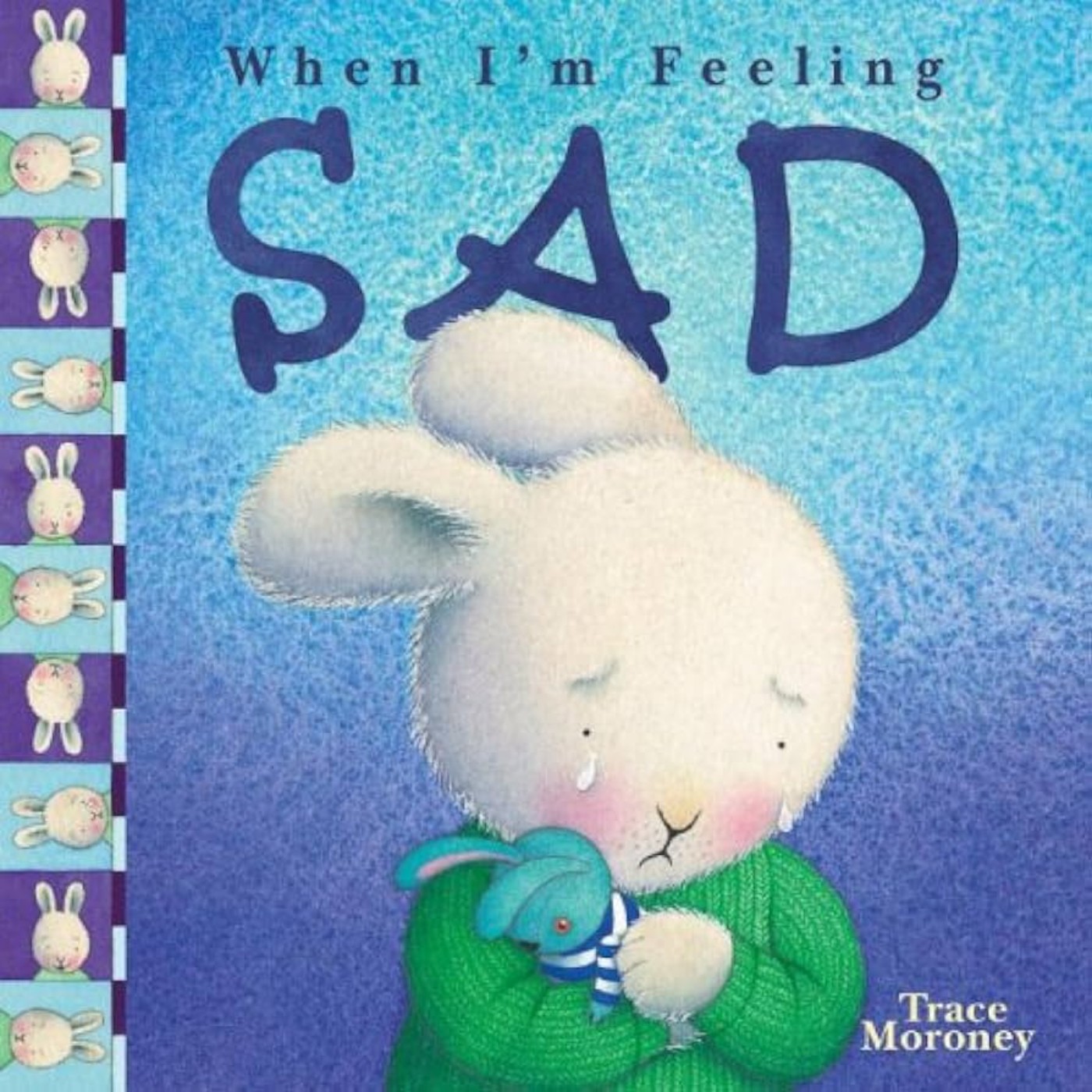
EP.55 英文繪本《當我感到傷心時》/An English Picture Book “When I’m Feeling Sad”
Full📃如果需要PDF文字檔或想知道更多關於每集的英語小知識,請追蹤: 🅸🅶:bear.bilingual 𝓕𝓑:Bear老師的中英雙語故事 (https://www.facebook.com/profile.php?id=100085483186691) 💝贊助連結:https://pay.soundon.fm/podcasts/f2cb33e1-02d1-4fce-9e8e-68b636579fd0 🧸如果家長您手頭方便也願意贊助,Bear老師感謝您的支持。 背景音樂:Chopin: Nocturne No. 21 in C Minor, Op. posth. (recording of the Century : Claudio Arrau) https://www.youtube.com/watch?v=uUdoxvigIl8 Hello, this is teacher Bear. 我是Bear老師。小朋友,當你感到傷心時,你能怎麼辦呢(What can you do when you feel sad)?讓我們來聽聽這位小朋友的經驗(Let's listen to this kid's experience)。 An English Picture Book “When I’m Feeling Sad”/英文繪本《當我感到傷心時》 Author:Trace Moroney(作者:崔西 摩洛妮) When I’m feeling sad I feel like someone has taken all the colours away……and everything is grey and gloomy and droopy. 當我感到傷心時,我覺得有人把顏色都帶走了,什麼都是灰色的,又陰沉又垂頭喪氣。 When I’m feeling sad I feel like I could cry…and cry…and cry soooo much that I make a flood! 當我感到傷心時,我覺得我只能一直哭,一直哭,哭得淚水氾濫成災。 I want to crawl into bed and pull the covers over my head…and stay there until the sadness goes away. 我想爬到床上用被子蓋住頭,就這樣一直在被窩裡待著直到傷心遠離。 Some things make me really sad…like when I hear Mum and Dad arguing, or when I am sick and my body doesn’t work properly…or when someone, or something, I love dies. 有些事真的讓我傷心,就像當我聽到父母吵架時,或當我的身體因為生病而不能正常活動時,或我所愛的死去時。 It’s okay to let yourself feel sad…but it could help to talk to someone about it. Sharing your feelings can sometimes make you feel better. 如果你覺得傷心,就傷心吧,沒關係的。不過,如果你能跟別人談一談,或把你的感覺說出來,有時候會有幫助的。 When I’m feeling sad, I try to be kind and gentle to myself. I like to soak in a big bubble bath, or listen to my favourite music. 當我感到傷心時,我試著對自己更好更溫柔。我喜歡洗個泡泡浴,或聽聽我最愛的音樂 Sometimes, just being with friends and family makes me feel better…even if I don’t want to talk. 有的時候,只是跟家人或朋友待在一起,即使我一句話都不想說,也能讓心情好些。 But the nicest feeling of all is when a kind person gives me a hug and says “Everything is going to be okay.” 但最好的感覺就是有一個體貼的人抱著我跟我說:「一切都會好起來的。」 小朋友,其實最近Bear老師非常傷心,因為我心愛的狗狗過世了(I’m actually very sad recently because my beloved dog passed away),我的心好痛好痛(My heart hurts so much)。不過我知道時間是最好的藥,我相信一切都會好起來的(But I know time is the best medicine and I believe everything is going to be okay)。. 如果你想安慰我或其他傷心的朋友,用英文,你可以說: “Everything is going to be okay.” 意思是「一切都會好起來的」。請你再用英文為我說一次,好嗎? “Everything is going to be okay.” 小朋友,我知道一切都會好起來的(I know “Everything is going to be okay.”)。也希望你學會怎麼面對悲傷(I also hope you learn how to face sadness)。 我們下次見嘍(See you next time)! -- Hosting provided by SoundOn
EP.54 唐詩〈月下獨酌〉/ Tang poem 'Drinking Alone Under the Moon'(唐詩#6)
Full📃如果需要PDF文字檔或想知道更多關於每集的英語小知識,請追蹤: 🅸🅶:bear.bilingual 𝓕𝓑:Bear老師的中英雙語故事 (https://www.facebook.com/profile.php?id=100085483186691) 💝贊助連結:https://pay.soundon.fm/podcasts/f2cb33e1-02d1-4fce-9e8e-68b636579fd0 🧸如果家長您手頭方便也願意贊助,Bear老師感謝您的支持。 背景音樂:https://www.youtube.com/watch?v=dqL1yplhJY0 Hello, this is teacher Bear. 我是Bear老師。小朋友,這幾天是中秋節假期(During these few days, we celebrate Moon Festival)。因此,今天Bear老師要給你介紹一首跟月亮有關的唐詩〈月下獨酌〉(Therefore, today, I want to introduce you a Tang poem related to the moon, titled 'Drinking Alone Under the Moon’)。寫這首詩的詩人非常有名喔,他的名字就是李白,Bear老師也在第十一集當中介紹過他(The poet who wrote this poem is very famous, and his name is Li Bai. I also introduced him in Episode 11)。 現在讓我們來聽聽這首詩: Now let's listen to this poem: 花間一壺酒,獨酌無相親。 舉杯邀明月,對影成三人。 什麼意思呢? What does it mean? 花間一壺酒 意思是: 我在花叢間品嚐著一壺酒。 I am savoring a jug of wine amidst the flowers. 獨酌無相親 意思是: 可是只有我一個人自己喝著酒,身邊一個親友都沒有。 But it’s only me here, drinking by myself, with no friends or family around. 舉杯邀明月 意思是: 我舉起了杯子,邀請月亮跟我一起喝酒。 I raise my cup, inviting the moon to join me for a drink. 對影成三人 意思是: 因為我邀請了月亮,所以現在我、月亮和我的影子,我們三個人一起喝酒。 Because I invited the moon, now it's me, the moon, with my shadow cast by the moonlight, the three of us drinking together. 小朋友,你曾經有過孤單的感覺嗎(Have you ever felt lonely before)?其實,世間萬物都能是你的朋友,就看你能不能運用想像力來為自己創造快樂與豐富的生活(Actually, everything in the world can be your friend; it depends on whether you can use your imagination to create a happy and fulfilling life for yourself)。 現在,我們來複習這首詩(Now, let's review this poem)。 花間一壺酒,獨酌無相親。 舉杯邀明月,對影成三人。 你記住了嗎(Do you remember it already)?如果還沒,別擔心(If not, don’t worry)。多念幾次,你就會記住了(You will remember it if you read it more)。 小朋友,如果有一天你真的必須表達寂寞的感覺,那麼,用英文,可以怎麼說呢? “I feel very lonely.” 意思是「我很寂寞」。 請跟Bear老師再說一次。 “I feel very lonely.” 小朋友,寂寞的時候,希望Bear老師的故事能陪伴你,幫助你思考,並走出寂寞的感覺(When you feel lonely, I hope my stories can accompany you, help you reflect, and alleviate the sense of loneliness)。 如果你還想聽聽更多有關中秋節的故事或唐詩,可以回頭找找第10、11、12集喔(If you'd like to hear more stories or Tang poems related to the Moon Festival, you can go back and look for episodes 10, 11, and 12)。 我們下次見嘍(See you next time)! -- Hosting provided by SoundOn
EP.53 矮個子晏嬰/ The short Yan Ying
Full📃如果需要PDF文字檔或想知道更多關於每集的英語小知識,請追蹤: 🅸🅶:bear.bilingual 𝓕𝓑:Bear老師的中英雙語故事 (https://www.facebook.com/profile.php?id=100085483186691) 💝贊助連結:https://pay.soundon.fm/podcasts/f2cb33e1-02d1-4fce-9e8e-68b636579fd0 🧸如果家長您手頭方便也願意贊助,Bear老師感謝您的支持。 背景音樂:https://www.youtube.com/watch?v=5H98FrAhv-o Hello, this is Teacher Bear, 我是Bear老師。小朋友,你有沒有自己非常在意的缺陷呢(Do you have any weakness that you're particularly concerned about)?如果有人拿你的缺陷開玩笑,或是羞辱你,你應該怎麼辦呢(If someone makes fun of your weakness or humiliates you, what should you do)?讓我們先聽聽這個故事,再來思考思考應該怎麼做(Let's first listen to this story and then think about what to do)。 大概2000多年前,齊國有一個名叫晏嬰的人,從小就很聰明,但是由於他長得特別矮,所以常常被別人取笑(More than 2000 years ago, there was a man in the kingdom of Qi named Yan Ying. He was very clever from a young age, but because he was unusually short, he was often teased by others)。可是晏嬰並不在意,並且非常努力,長大以後,成為了齊國的大臣(However, Yan Ying was not self-conscious about it and worked very hard. As he grew older, he became a government minister in the kingdom of Qi)。 有一年,齊王派晏嬰出使強大的楚國(One year, the king of Qi sent Yan Ying as an envoy to the powerful kingdom of Chu)。可是晏嬰到了楚國,前來迎接他的楚國官員卻故意不開大門,只開了一扇最小的邊門(However, when Yan Ying arrived in Chu, the Chu officials who came to welcome him deliberately didn't open the main gate; they only opened a small side gate)。晏嬰知道這是楚國官員故意羞辱他,卻一點也不生氣,反而心平氣和地說(Yan Ying knew that this was a deliberate insult by the Chu officials, but he didn't get angry. Instead, he calmly said):「只有到狗國去才會鑽小小的狗洞,楚國認為自己是狗國嗎(Only in a dog's country would one go through a tiny dog door. Does Chu consider itself a dog's country)?如果不是,那麼,我就該走大門才對(If not, then I should enter through the main gate)。」楚國的官員聽了,只好打開大門讓他進去(The Chu officials had no choice but to open the main gate for him)。 楚王見到晏嬰後,裝出很驚訝的樣子說(When the King of Chu saw Yan Ying, he pretended to be very surprised and said):「難道齊國都沒人才了嗎(Does Qi have no talent left)?怎麼派你這樣一個矮子來呢(Why would they send such a short person like you)?」晏嬰笑了笑,很從容的回答(Yan Ying smiled calmly and replied):「大王,您錯了,我們齊國各種人才都有(Your Majesty, you misunderstand. In Qi, we have talented people of all kinds)。上等人才出使上等國家,次等人才出使次等國家。而我是齊國的下等人才,所以我們大王就派我來這兒了(The top talents are sent to the top countries, and the lower-ranked talents are sent to lower-ranked countries. I, being one of the lesser talents of Qi, have been sent here by our king)。」楚王原來是想要羞辱晏嬰的,沒想到卻自取其辱(The King of Chu had originally wanted to humiliate Yan Ying but ended up humiliating himself)。 過了不久有個官員押解了一個犯人到大殿上來向楚王報告(Not long after that, an official escorted a prisoner into the royal court and reported to the King of Chu):「大王,這個齊國人在我們楚國幹了許多壞事,現在總算把他逮到了(Your Majesty, this person from the kingdom of Qi has done many bad things in our land, and we have finally captured him)。」楚王聽了,又故意裝出非常驚訝的樣子對晏嬰說(Upon hearing this, the King of Chu once again pretended to be very surprised and said to Yan Ying):「難道你們齊國人都這麼差嗎(Are all the people from Qi so bad)?」晏嬰不慌不忙地回答(Yan Ying, with calm composure, replied):「大王,您可知道,橘子本來是南方的水果,又大又甜又好吃(Your Majesty, do you know that mandarins are originally a fruit from the south? They are big, sweet, and delicious there )。可是,如果把它移植到北方,就變得又酸又苦又難吃,這就是環境造成的(However, if you transplant them to the north, they become sour, bitter, and hard to eat. This is all due to the environment)。這個人我認得,他在我們齊國規規矩矩的,怎麼到了楚國就變壞了呢(I know this person, and he behaved properly in Qi. How did he turn bad after coming to Chu)?可見你們楚國的環境有問題啊(It seems there might be some issues with the environment here in Chu)!」楚王聽了以後,又生氣又丟臉。從此,他再也不敢瞧不起晏嬰了(Upon hearing this, the King of Chu became both angry and embarrassed. From then on, he dared not look down on Yan Ying anymore)。 小朋友,你是不是覺得晏嬰非常機智也非常有自信呢(Do you think Yan Ying is very clever and confident)?中文有一個成語叫「不卑不亢」,意思就是「不自卑,也不自大(In Chinese, there is an idiom called '不卑不亢,' which means 'neither inferior nor arrogant)」。其實,每個人都有優缺點,沒有人是完美的(In fact, everyone has strengths and weaknesses, and no one is perfect)。我們都應該以不卑不亢的態度,努力發揮自己的才華,同時也欣賞他人的優點(We should all maintain a ' neither inferior nor arrogant ' attitude, striving to showcase our talents while appreciating the strengths of others)。 小朋友,如果你想向晏嬰學習,用英文,可以怎麼說呢? “I will learn from him.” 意思是「我會向他學習的」。請跟Bear老師再說一次: “I will learn from him.” 小朋友,希望你能向晏嬰學習(I hope you can learn from Yan Ying)。將來,若看到地位比你高,或比你厲害的人,千萬不必自卑(In the future, if you encounter people who are in a higher position or more skilled than you, you should never feel inferior)。而若看到不如你的人,也千萬不可驕傲自大喔(And when you encounter those who may not be as capable as you, it's important not to become arrogant)。 我們下次見嘍! See you next time. -- Hosting provided by SoundOn
EP.52 魏美人的鼻子/ Wei Meiren’s nose
Full📃如果需要PDF文字檔或想知道更多關於每集的英語小知識,請追蹤: 🅸🅶:bear.bilingual 𝓕𝓑:Bear老師的中英雙語故事 (https://www.facebook.com/profile.php?id=100085483186691) 💝贊助連結:https://pay.soundon.fm/podcasts/f2cb33e1-02d1-4fce-9e8e-68b636579fd0 🧸如果家長您手頭方便也願意贊助,Bear老師感謝您的支持。 背景音樂:https://www.youtube.com/watch?v=iMdtOGNGgFo Hello, this is Teacher Bear,我是Bear老師。小朋友,如果有人在背後說你的壞話,或是用惡毒的言語在網路上霸凌你,你應該怎麼辦呢(If someone is gossiping about you behind your back, or says something nasty about you on the Internet, what should you do)?最近Emma小朋友也遭遇到了這樣的問題,讓我們來聽聽她怎麼做(Little Emma had this problem lately, let’s hear about what she did)。 Amy:Emma,你怎麼了(What’s wrong)?為什麼哭(Why are you crying)? Emma:上個禮拜的體育課我們班一起跑步,結果我是最慢的(We were running in gym class last week, and I was the slowest)。後來,我發現班上同學有一個Line的小組群,他們在組群裡嘲笑我(Then I found out my classmates have a Line group where they’re laughing at me)。他們說我不但跑步慢,長得也慢,難怪這麼矮,就像一隻烏龜(They said I’m a slow runner, and I grow slowly that’s why I’m so short, just like a turtle)。 Amy:喔~我覺得烏龜超可愛,他們太不懂得欣賞了(Oh … I think turtles are super cute, seems like they don’t know how to appreciate them)。 Emma:可是,我不喜歡被說又矮又慢(But I don’t like being called short and slow)。 Amy:看你傷心讓我好難受(I don’t like to see you sad)。不過,我忽然想到了一個故事,你想聽嗎(But you reminded me of a story. Do you want to hear it)? Emma:嗯~~我要聽(Sure, I’d like to hear it)。 Amy:大概兩千多年前,中國東南部有一個強大的楚國,在楚國西北方的魏國為了討好楚王,就送給楚王一個美女當妃子(About two thousand years ago, there was a powerful region of south-east China called the Chu kingdom. In order to please the King of Chu, the Wei kingdom in the northwest sent the King of Chu a beautiful wife)。大家都叫她「魏美人」,因為她是魏國來的美麗女人(We call her “Wei Meiren”. In Chinese it menas “a beautiful woman from Wei.”)。 Emma:那楚王一定很開心(So the King of Chu must have been very happy)。 Amy:對,楚王非常開心,常常跟魏美人在一起(Yes, the King of Chu was very happy and spent a lot of time with Wei Meiren)。可是,楚國的王后卻不高興了,並且非常忌妒魏美人(However, the Queen of Chu was unhappy and very jealous)。於是,她派人在宮裡散佈謠言說「魏美人雖然很美,可惜鼻子有一點歪」(So she sent people to spread rumors around the palace, saying, "Although Wei Meiren is very beautiful, her nose is a little crooked)。 Emma:王后好壞(That Queen was so bad)。不過,魏美人的鼻子真的有一點歪嗎(So, was Wei Meiren‘s nose really a little crooked)? Amy:魏美人的鼻歪不歪並不重要,因為楚王是真的喜歡她(That wasn’t the point, because the King of Chu really liked her)。可惜的是,魏美人居然真的相信了謠言,並且非常擔心(It’s a pity that Wei Meiren took notice of the rumours and was very worried)。後來,只要見到楚王就開始遮掩她的鼻子,因為她怕楚王嫌棄她的鼻子而不喜歡她了(After that, whenever she saw the King, she started covering her nose because she was afraid the King would dislike her because of her nose)。 Emma:結果呢(So what then)? Amy:結果,楚王誤會魏美人是嫌棄自己的體臭才遮的鼻子,一氣之下,就派人把魏美人的鼻子給割下來了(It turned out that the King got the wrong idea. He thought Wei Meiren was covering her nose because of his body odour. In a fit of anger, he ordered her nose cut off)。 Emma:天啊!好可怕!她中了王后的計了(Oh my – how awful. She fell into the Queen’s trap)。 Amy:對,你還記得嗎(Right. Do you remember )?Bear老師說過「有的時候人比鬼還可怕」(Miss Bear said that sometimes people are more scary than ghosts)。 Emma:如果魏美人能夠有自信,不管別人說什麼就好了(If Wei Meiren had had enough confidence, she wouldn’t have cared what others said)。 Amy:沒錯!你有沒有想過,或許是因為同學忌妒你功課好,所以故意嘲笑你(Exactly! Did you ever think that maybe your classmates are just jealous of your good grades, and that’s why they laugh at you)。如果你因為在意而傷心難過,然後影響了念書的心情,那麼,受害的就只有你自己(If you brood about it and it affects your mood when you’re studying, you’re the only one who suffers)。 Emma:謝謝你告訴我這個故事,現在,我知道應該怎麼做了(Thanks for telling me the story, now I know how to handle it)。 Amy:嗯~~走(Hey, come on),我帶你去看烏龜,你就知道牠們有多可愛了(I’ll take you to see turtles, you will see how cute they are)。 Emma:嗯~我要看我要看(Oh, I want to see, I want to see),走吧走吧( Let’s go)! 小朋友,如果你是Emma,你會怎麼做呢(If you were Emma, what would you do)?還是,你也正在說別人的壞話呢(Or are you gossiping about others)?Bear老師希望你能夠專注於自己喜歡的事情,不要 在乎那些惡意的批評(I hope you can focus on things you enjoy and ignore the haters)。同時,Bear老師更希望你不要成為霸凌的加害者(And … I hope you won’t become someone who bullies others)。 如果,你聽到關於你的惡意的批評,希望你可以瀟灑地說 “I don’t care!” 意思是「我不在乎」。請跟Bear老師再說一次: “I don’t care!” 小朋友,希望你能夠判斷哪些意見對你才是重要的,哪些批評對你根本不重要(I hope you can learn to judge which opinions are valid and which don’t matter at all)。還有,最重要的是,千萬不要成為霸凌者喔(And most importantly, don’t become a bully)。 我們下次見嘍(See you next time)! -- Hosting provided by SoundOn
EP.51 新鬼與老鬼/A new ghost and an old ghost
Full📃如果需要PDF文字檔或想知道更多關於每集的英語小知識,請追蹤: 🅸🅶:bear.bilingual 𝓕𝓑:Bear老師的中英雙語故事 (https://www.facebook.com/profile.php?id=100085483186691) 💝贊助連結:https://pay.soundon.fm/podcasts/f2cb33e1-02d1-4fce-9e8e-68b636579fd0 🧸如果家長您手頭方便也願意贊助,Bear老師感謝您的支持。 背景音樂:https://www.youtube.com/watch?v=ftizgTrTAWw&t=4885s Hello, this is teacher Bear. 我是Bear老師。小朋友,現在是農曆七月,是華人文化中的鬼月(It is the 7th month of the lunar calendar, which we call “ghost month” in Chinese culture)。在這個月當中,很多事都不能做,比如說,不能搬家,不能結婚,不能到水邊去玩…等等(During this month, we avoid many things – for example, you cannot move house, get married, or play in the water, and several other things)。你也一定聽過有一些老人說,晚上少出門,免得碰到鬼(Most likely you’ve heard old people say it’s better to avoid going out at night, to avoid meeting a ghost)。今天,就讓我們來聽聽一個「新鬼與老鬼」的故事(Today, let’s listen to a story about “A new ghost and an old ghost”)。 很久很久以前,有一個地方叫胡家村,這個胡家村,一到晚上就鬧鬼,比如說,門忽然打開了,蠟燭忽亮忽暗,或是院子裡的樹忽然倒了(A long time ago, there was a place called HuJia village. At nightfall, this village was haunted by ghosts – which is to say, the door might suddenly open, or the candle may flicker on and off, or the trees in the yard might suddenly fall)。每次遇到這樣的情況,那戶人家就必須準備一頓好吃的來拜拜,安撫那些鬼(Whenever this happened, the family of the house had to prepare a tasty meal for the ghosts to appease them)。 可是,有一個人,名叫胡田生,他一點都不怕,所以啊,常常在晚上出門閒晃,就是想看看鬼到底長什麼樣子(However, there was one man, called Hu TianSheng, who was not afraid at all. He often went outside for a stroll, just to see what the ghosts looked like)。有一天,他半夜從朋友家離開後獨自走路回家,忽然,他看到一個面色蒼白的人飄過來,越來越近,越來越近(One day, he was leaving a friend’s house in the middle of the night, and started walking home alone. Suddenly, he saw a pale figure, floating closer and closer)。胡田生心想:「我該不會是碰到鬼了吧()?」(Hu TianSheng thought to himself: “Surely, this must be a ghost!”)就在這時,那個鬼忽然先開口了:「你這個大膽的人,居然敢一個人走夜路,看我怎麼嚇你!」(and at that moment, the ghost suddenly spoke. “Such a brave man you are - you dare to walk the streets alone? Let’s see how I can scare you!”) 胡田生忽然靈機一動地說(But an idea occurred to Hu TianSheng, and he replied):「老大哥您誤會啦,我也是鬼啊!(Big brother, you misunderstand – I am also a ghost!)」 那個鬼半信半疑地說(The ghost said, doubtfully):「真的嗎?那…你為什麼看起來這麼像人呢(Is that so? Then … why do you look so human)?」 胡田生回答(Hu TianSheng replied):「唉~~那是因為我剛死不久啊!是個新鬼。(it was only recently that I died. I am a new ghost!)」 那個鬼說(The ghost said):「哎呀!難怪你走路的樣子這麼笨重(Aha! No wonder you walk in that clumsy way)。來來來,你跟著我這個老鬼吧!我教你怎麼去找吃的(Come along, you follow this old ghost, and I’ll teach you how to find food)。」 於是,胡田生跟在老鬼後面,邊走邊聊了一會兒(So Hu TianSheng followed along behind the old ghost, chatting as they walked)。 胡田生:「大哥,謝謝您跟我說了這麼多經驗(Brother, thank you for relating to me your experience)。不過,我很好奇的是,我們鬼,到底怕什麼啊(But I am very curious: what are we ghosts afraid of)?」 老鬼:「對了,我忘了告訴你,千萬別讓人在你身上吐口水啊(Ah yes, I forgot to tell you: you must never, ever let anyone spit on you)!要不然,你會馬上化作一陣煙,然後永遠消失,再也沒有機會投胎啦(Otherwise, you will disappear in a puff of smoke and never be seen again, even losing your chance to be reincarnated)!」 胡田生一聽,立刻朝老鬼身上吐了一大口口水(Upon hearing this, Hu TianSheng immediately spat a big mouthful at the old ghost)。「啊~~~~( Aaaah)!」就這樣,老鬼一聲慘叫,化作一陣煙,消失得無影無蹤了(just like that, the old ghost screamed, and with a puff of smoke, disappeared without trace)。 小朋友,聽了這個故事以後,你有什麼想法呢(What are your thoughts when you hear this story)?你覺得鬼很可怕嗎(Do you think ghosts are scary)?你是否曾聽過一句話說「有的時候,人比鬼還可怕」,這句話是什麼意思呢(Have you heard the saying: “sometimes, people are more scary than ghosts”? What does the saying mean)? 其實,Bear老師也不清楚世界上到底有沒有鬼(I’m not so sure if there are any ghosts in the world),可是,Bear老師很清楚的是世界上有很多壞人(but I am certain that there are lots of bad people)。他們做的事比鬼還要可怕多了,而且,你常常看不出來他們是壞人,直到你被他們害了才知道(What they do is much scarier than ghosts, and you can’t always tell that they’re bad people – you won’t know until you’re harmed by them)。因此,我們真正該害怕的或許並不是鬼,而是那些可惡的人(So perhaps what we should really be afraid of is not ghosts, but those terrible people)。你同意嗎(Would you agree)? 小朋友,如果聽了這個故事以後,你覺得一點都不怕鬼,用英文,可以怎麼說呢? “I am not afraid of ghosts.” 或是 “I am not scared of ghosts. ” 意思是「我不怕鬼」。請跟Bear老師再說一次: “I am not afraid of ghosts.” 或是 “I am not scared of ghosts. ” 小朋友,Bear老師希望你能夠勇敢,同時,也學會保護自己喔(I hope that you can be brave, and at the same time, learn to protect yourself)。如果你還想聽跟鬼月有關的故事,歡迎你去聽聽第八集和第九集喔(If you still want to hear stories about Ghost Month, you are welcome to listen to episode eight and nine )。 我們下次見嘍(See you next time)! -- Hosting provided by SoundOn
EP.50 我的感冒好了/ My cold is gone (Bear老師原創故事#12)
Full📃如果需要PDF文字檔或想知道更多關於每集的英語小知識,請追蹤: 🅸🅶:bear.bilingual 𝓕𝓑:Bear老師的中英雙語故事 (https://www.facebook.com/profile.php?id=100085483186691) 💝贊助連結:https://pay.soundon.fm/podcasts/f2cb33e1-02d1-4fce-9e8e-68b636579fd0 🧸如果家長您手頭方便也願意贊助,Bear老師感謝您的支持。 背景音樂:https://www.youtube.com/watch?v=kek3bM7yswQ&t=9388s (Happy Now) Hello, this is Teacher Bear,我是Bear老師。小朋友,你還記得不久以前,Bear老師和Amy都感冒了,可是,現在我們都好了(Do you remember, not so long ago, I and Amy had a cold, but we’re both recovered now)。今天,Amy終於跟她的好朋友Emma見面了,我們來聽聽他們說什麼(Today, Amy finally meets up with her friend Emma, let’s hear what they say)。 Emma:Amy,好久不見,希望你覺得好多了(Amy, didn’t see you for so long, I hope you’re feeling better now)。 Amy:謝謝你,我覺得我的病好了(Thank you! I think I’ve recovered now)。 Emma:我知道你很怕打針(I know you’re afraid of injections),醫生給你打針了嗎(did the doctor give you an injection)? Amy:沒有,不過她給我吃了一些藥,讓我舒服一點(No … just some medicine to make me feel better)。 Emma:這次感冒,你有那些症狀,嚴重嗎(Did you have any serious symptoms with this cold)? Amy:我有一點發燒(I had a slight fever)、流鼻水(runny nose)、咳嗽(cough)、頭痛(headache)、肌肉痛(some muscle pain),不太嚴重,可是很不舒服(Nothing too serious, but very uncomfortable)。 Emma:我懂,生病的時候真難受(I know. It’s hard when you’re sick)。去年我得到了流行感冒,不但跟你有一樣的症狀,還一直吐,一直拉肚子(I got the flu last year. Not just the same symptoms as you; vomiting and diarrhea too)。 Amy:我記得,那個時候我擔心死了(I remember. I was so worried for you when that happened)。 Emma:謝謝你這麼關心我(Thanks for caring about me so much)。 我們都要更小心注意自己的健康(We all need to pay attention to our health)。 Amy:嗯。對了,醫生還告訴我流行感冒病毒無所不在,而且有很多不一樣的類型(I remember the doctor was telling me the flu virus is everywhere, and there are several different types)。所以最好的辦法就是增加自己的抵抗力(So it’s really best to improve your immune system)。 Emma:我奶奶說打流行感冒疫苗有用(My grandma said that it’s worth getting the flu vaccine),可是我媽媽有不一樣的看法(but my mother thinks differently)。 Amy:我爸爸也說打疫苗這件事很複雜(My father says vaccination is a very complicated issue),應該根據自己的狀況決定,我們也應該尊重每個人的選擇(He says it’s something for everyone to decide according to their own situation, and we should respect everyone’s personal choice)。 Emma:可是Mary阿姨說每個人都一定得打疫苗(But Aunt Mary says everyone should be vaccinated),所以他們全家每年都打流感疫苗(so her whole family gets the flu vaccine every year)。 Amy:我爸爸說民主社會,每個人的想法都值得尊重(My father says that in a democratic society, everyone’s views should be treated with respect),所以Mary阿姨一定也有她的道理(I’m sure Aunt Mary has her reasons),下次我們去找她聊天,聽聽她的看法(Next time we go to chat with her, we’ll ask about her opinion)。 Emma:嗯,我喜歡去她家,每次都有好吃的(I like going to her house, she always has nice things to eat!),她總是說營養很重要(She’s always saying nutrition is important)。 Amy:喔~~這才是你的目的(So you’re only thinking about that)。 Emma:才不是(That’s not true)! 小朋友,以前你感冒的時候,有哪些症狀呢(When you had a cold, what symptoms did you have)?是不是也跟Amy一樣(The same as Amy)?而現在,你是不是也替Amy開心呢(Now, Do you feel happy for Amy)? 你知道「我康復了!」用英文怎麼說嗎? “I recovered!” 請跟Bear老師再說一次: “I recovered!” 小朋友,你在生活中做了哪些事情來維持你的身體健康呢(What are you doing with your lifestyle to improve your health)?請分享給朋友,並請繼續保持喔(Share tips with your friends, and keep it up)。 我們下次見嘍(See you next time)! -- Hosting provided by SoundOn
EP.49 我感冒了/I have a cold (Bear老師原創故事#11)
Full📃如果需要PDF文字檔或想知道更多關於每集的英語小知識,請追蹤: 🅸🅶:bear.bilingual 𝓕𝓑:Bear老師的中英雙語故事 (https://www.facebook.com/profile.php?id=100085483186691) 💝贊助連結:https://pay.soundon.fm/podcasts/f2cb33e1-02d1-4fce-9e8e-68b636579fd0 🧸如果家長您手頭方便也願意贊助,Bear老師感謝您的支持。 背景音樂:https://www.youtube.com/watch?v=mEeCMBaAAkg Hello, this is Teacher Bear, 我是Bear老師。小朋友,你聽出來了嗎?Bear老師感冒了(Can you tell that I have a cold?)。這幾天,真不舒服(These last few days, I’ve been really uncomfortable)。最近好多人感冒,Amy小朋友也感冒了,我們來聽聽她的情況吧(A lot of people have had colds lately … including little Amy. Let’s hear about what’s happening with her)! 我感冒了,還有一點發燒,真不舒服(I have a cold. I’ve got a slight fever, and just not feeling well)。我一點胃口也沒有(I don’t have appetite at all)。我的鼻水一直流,好難呼吸(My nose keeps running and it’s hard to breathe)。不停地咳嗽,讓我好累(The constant coughing makes me so tired)。不但頭痛,肌肉也有一點痠痛(My muscles feel a little sore, and a headache too)。害我只能待在家裡,哪裡也不能去(So I can only stay at home and can't go anywhere)。 去診所的時候,我得戴口罩(When I went to the clinic, I had to wear a mask)。醫生給我一些藥,叫我多喝水,多休息,這樣才好得快(The doctor gave me some medicine, told me to drink more water and rest more, so that I can recover quickly)。 媽媽告訴我說,等我的病好些了以後,要多運動,多吃健康的食物(My mother told me that when I get better I should do more exercise and eat more healthy food),所以能增加抵抗力,這樣以後才不容易生病(so my immune system becomes stronger and I won’t get ill easily in future)。 經過這次嚴重的感冒以後,我覺得健康太重要了(As I get over this heavy cold, it’s making me think that my health is really important)。因為如果沒有健康的身體,好多事都不能做(If I don’t have a healthy body, there are so many things I won’t be able to do)。以後,我再也不挑食,再也不偷懶不去運動了(I won’t be a picky eater, and I’ll make sure I do some exercise instead of sitting around)。 希望我的感冒快點好起來(I hope my cold will hurry up and go away),因為我太想念我的朋友們了,真想快一點跟他們見面(because I miss my friends so much, and I really want to see them soon)。 小朋友,你感冒的時候是不是真的很不舒服呢(When you have a cold, it’s not much fun, right)?你是不是也覺得健康真的很重要呢(Do you also think health is very important)? 你知道「感冒了」,用英文,怎麼說嗎? “I have a cold.” 意思是「我感冒了!」請跟Bear老師再說一次: “I have a cold.” 小朋友,健康是無價之寶,再多錢也買不到健康,所以,一定要珍惜喔(Your health is a priceless treasure – no amount of money can buy good health, so please cherish it)! 我們下次見嘍(See you next time)! -- Hosting provided by SoundOn
EP.48 英文繪本《我的爸爸是一隻長頸鹿》/ An English picture book “My dad is a giraffe”
Full📃如果需要PDF文字檔或想知道更多關於每集的英語小知識,請追蹤: 🅸🅶:bear.bilingual 𝓕𝓑:Bear老師的中英雙語故事 (https://www.facebook.com/profile.php?id=100085483186691) 💝贊助連結:https://pay.soundon.fm/podcasts/f2cb33e1-02d1-4fce-9e8e-68b636579fd0 🧸如果家長您手頭方便,也願意,Bear老師感謝您的贊助。 Hello, this is Teacher Bear. 我是Bear 老師。 小朋友,如果用一種動物來形容你的父親,你覺得你的父親像什麼動物呢(If you had to pick an animal that’s like your father, what animal would you choose)?今天Bear老師要給你們介紹一本英文繪本(Today, I will introduce an English picture book to you),繪本當中的小朋友覺得他的爸爸像一隻長頸鹿(In the picture book, the child thinks his father looks like a giraffe)。為什麼他覺得他的爸爸像一隻長頸鹿呢(Why does he think that)?讓我們來聽聽他是怎麼說的(Let’s hear what he has to say)。 An English picture book “My dad is a giraffe”/英文繪本《我的爸爸是一隻長頸鹿》 Author: Stephen Michael King/作者:史蒂芬.麥克.金 My dad is big like a giant. But never scary like a Tyrannosaurus Rex. My dad is a giraffe. 我的爸爸像巨人一樣大。 但從來不像暴龍一樣可怕。 我的爸爸是一隻長頸鹿。 My dad is faster than me, but is happy to slow down and walk at my speed. 我的爸爸走得比我快,可是他很樂意慢下來,用我的速度行走。 Most of the time, my dad is kind and funny. I can climb up his legs, slide down his neck, and ride on his back. 大部分的時間裡,我爸爸和藹又風趣。我能爬上他的腿,從他的頸子滑下來,然後騎在他的背上。 My mum says my dad is very special. Dad says Mum is very special too. 我媽媽說我爸爸非常特別。我爸也說我媽很特別。 My dad can do amazing grown-up things, like sitting in a big chair with his feet touching the ground. 我爸爸能做大人才能做到的了不起的事,就像坐在一張大椅子上,而且雙腳還能碰到地上喔。 At the movies, he can see all of the screen. And so can I. 在電影院,他能看見整個螢幕,所以我也能喔。 (因為我坐在他的肩膀上/Because I sit on his shoulders,嘻…..) My dad can cross a river without needing to swim. 我爸爸不必游泳就能過河喔。 My dad protects me, listens to my fears, and helps me feel brave. 我爸爸保護我,聆聽我的恐懼,並且幫助我勇敢。 My dad is proud of me. Mum says Dad is her best friend. I say, I love my dad. My dad is a giraffe. 我爸爸以我為榮。 媽媽說爸爸是她最好的朋友。 我說我愛我爸爸。 我爸爸是一隻長頸鹿。 小朋友,你的爸爸也像一隻長頸鹿嗎?還是像別的動物呢?你可以運用你的想像力來想一想喔。 Does your dad look like a giraffe too? Or a different sort of animal? Use your imagination and have a think about it. 父親節快到了,你知道「父親節快樂」的英文怎麼說嗎? “Happy Father’s Day! ” 請跟Bear老師再說一次: “Happy Father’s Day!” 小朋友,不管你爸爸像什麼動物,都希望你能向他學習喔(No matter what kind of animal you father looks like, I hope you can learn from him)。 我們下次見嘍(See you next time)! -- Hosting provided by SoundOn
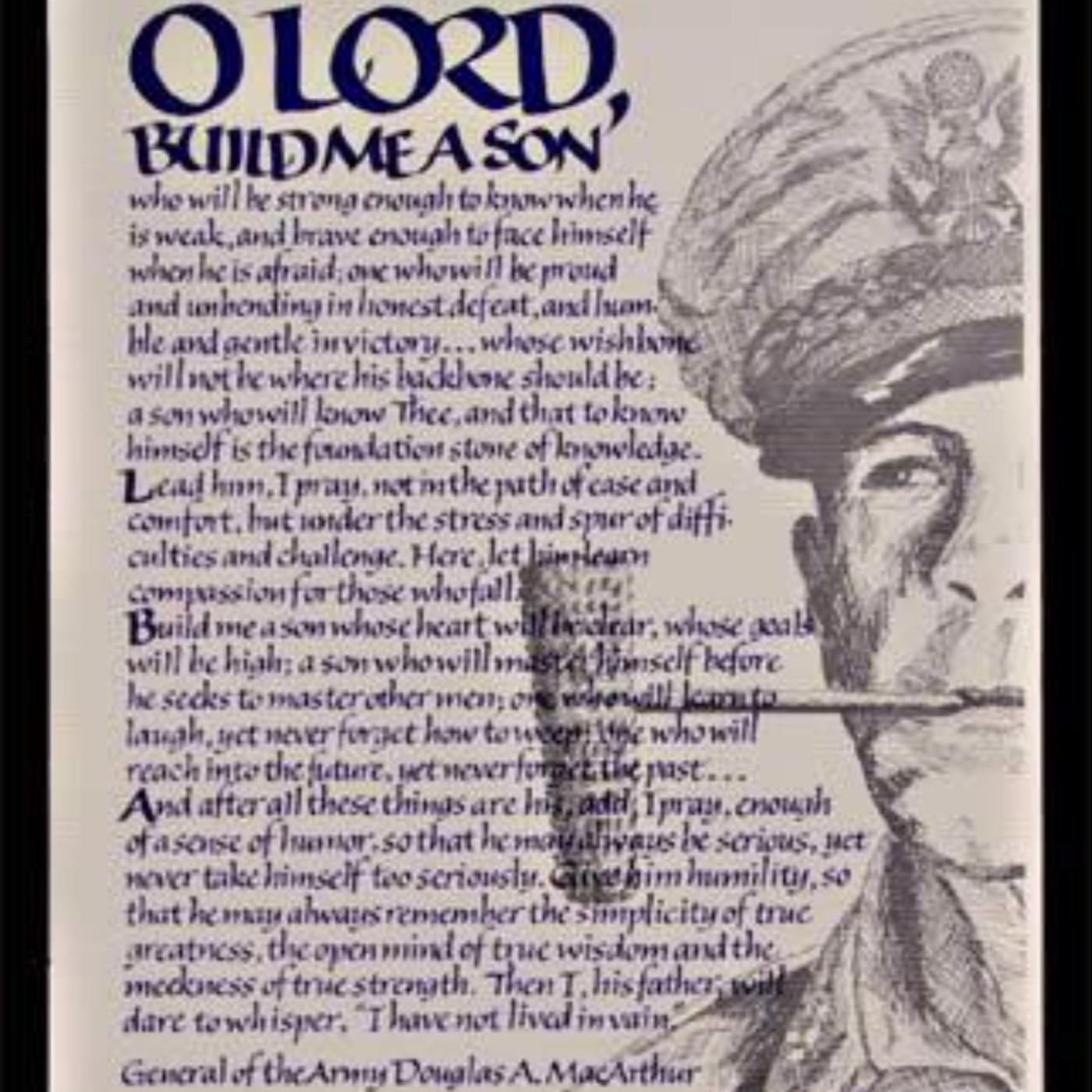
EP.47 麥克阿瑟將軍為子祈禱文/A Father's Prayer by General Douglas MacArthur
Full小朋友、大朋友久等了,這次Bear老師在錄製上遇到一些困難。本來想假裝並利用軟體來改變聲線,製造出「父親」的聲音,但是聽起來非常不自然,反覆錄了幾次都作罷。後來,想找男性英語母語者來錄製,但是中文部分卻不自然了,於是又試了不同的剪輯辦法。還有譯文的部分,本來Bear老師把原文翻譯成適合小朋友閱讀的版本,但是,感覺失了些許深度與美感。總之,幾經折騰與掙扎,最後Bear老師決定以「朗誦文章」的方式來表現,把重點放在優美的文句上,期待與小朋友、大朋友一同欣賞。此外,父親節快到了。Bear老師在此藉本集節目預祝各位爸爸們「父親節快樂!」 📃如果需要PDF文字檔或想知道更多關於每集的英語小知識,請追蹤: 🅸🅶:bear.bilingual 𝓕𝓑:Bear老師的中英雙語故事 (https://www.facebook.com/profile.php?id=100085483186691) 💝贊助連結:https://pay.soundon.fm/podcasts/f2cb33e1-02d1-4fce-9e8e-68b636579fd0 🧸如果家長您手頭方便,也願意,Bear老師感謝您的贊助。 Hello, this is teacher Bear,我是Bear老師。 小朋友,你知道麥克阿瑟將軍是誰嗎(Do you know who General McArthur was)?他是美國人,在第二次世界大戰中扮演了非常重要的角色(He was an American who played a very important role in World War II)。今天Bear老師要給你們介紹一篇他為兒子寫下的祈禱文(Today, I want to introduce to you a prayer that he wrote for his son),現在,就讓Bear老師來念給你聽(Now, let me read it for you.) A Father's Prayer/為子祈禱文 Translator:Wú Xīzhēn/翻譯:吳奚真 Build me a son, O Lord, who will be strong enough to know when he is weak, and brave enough to face himself when he is afraid; one who will be proud and unbending in honest defeat, and humble and gentle in victory. 主啊,請陶冶我的兒子,使他成為一個堅強的人,能夠知道自己什麼時候是軟弱的;使他成為一個勇敢的人,能夠在畏懼的時候認清自己,謀求補救;使他在誠實的失敗之中,能夠自豪而不屈,在獲得成功之際,能夠謙遜而溫和。 Build me a son whose wishbone will not be where his backbone should be; a son who will know Thee and that to know himself is the foundation stone of knowledge. 請陶冶我的兒子,使他不要以願望代替實際作為;使他能夠認識主---並且曉得自知乃是知識的基石。 Lead him, I pray, not in the path of ease and comfort, but under the stress and spur of difficulties and challenge. Here let him learn to stand up in the storm; here let him learn compassion for those who fail. 我祈求你,不要引導他走上安逸舒適的道路,而要讓他遭受困難與挑戰的磨鍊和策勵。讓他藉此學習在風暴之中挺立起來,讓他藉此學習對失敗的人加以同情。 Build me a son whose heart will be clean, whose goal will be high; a son who will master himself before he seeks to master other men; one who will reach into the future, yet never forget the past. 請陶冶我的兒子,使他的心地純潔,目標高超;在企圖駕馭他人之前,先能駕馭自己;對未來善加籌畫,但是永不忘記過去。 And after all these things are his, add, I pray, enough of a sense of humor, so that he may always be serious, yet never take himself too seriously. Give him humility, so that he may always remember the simplicity of greatness, the open mind of true wisdom, the meekness of true strength. 在他把以上諸點都已做到之後,還請賜給他充分的幽默感,使他可以永遠保持嚴肅的態度,但絕不自視非凡,過於拘執。請賜給他謙遜,使他可以永遠記住真實偉大的樸實無華,真實智慧的虛懷若谷,和真實力量的溫和蘊藉。 Then I, his father, will dare to whisper, "I have not lived in vain." 然後,作為他的父親的我,才敢低聲說道:「我已不虛此生!」 小朋友,Bear老師知道這篇祈禱文對你來說可能有一點困難(The language of this prayer may be a little difficult for you),但是,Bear老師希望你先欣賞這些優美的文字(but I hope that you will appreciate the beauty of the words first),然後,Bear老師知道你一定有辦法去理解(and later you will find a way to understand the more difficult parts)。比如說,你可以問問師長,跟朋友討論,或查查字典(For example, you can ask your parents or teachers, discuss it with friends, or look it up in a dictionary)。 當你遇到困難時,你會害怕嗎?Bear老師希望你能勇敢面對困難,這時,你可以說: “I will be brave.” 意思是「我會勇敢的」。請跟Bear老師再說一次: “I will be brave.” 小朋友,Bear老師希望你能藉由這篇祈禱文思考思考你想成為怎麼樣的人(I hope you can use this prayer to reflect on who you want to be)。還有你知道父母曾經為你祈禱過什麼嗎(Do you know what your parents once prayed for you?)?你可以問問他們喔(You can ask them)。你呢?你想為父母祈禱什麼呢(And you, what prayer would you say for your parents)?八月八號父親節快到了,你可以把你的祈禱文寫下來給父親看看喔(Father’s day is coming on August the 8th, you can write your prayer down and share it with your father.) 我們下次見嘍(See you next time)! -- Hosting provided by SoundOn
EP.46 萬事保研究所〈寵物狗走失篇〉(下)/ Universal Insurance Institute "The pet dog got lost" (Part II)
Full本集節目與「富邦產險」合作播出。 📃如果需要PDF文字檔或想知道更多關於每集的英語小知識,請追蹤: 🅸🅶:bear.bilingual 𝓕𝓑:Bear老師的中英雙語故事 (https://www.facebook.com/profile.php?id=100085483186691) 💝贊助連結:https://pay.soundon.fm/podcasts/f2cb33e1-02d1-4fce-9e8e-68b636579fd0 🧸如果家長您手頭方便也願意,Bear老師感謝您的贊助。 Hello, this is teacher Bear, 我是Bear老師。本集節目是Bear老師與富邦產險合作播出的喔(This episode is in cooperation with Fubon Insurance 繪本《萬事保研究所──寵物狗走失篇》(A picture book “ Universal Insurance Institute : The pet dog got lost ") 「富邦產險」出版(published by "Fubon Insurance") 作者:富邦產險(story by Fubon Insurance) 繪者:鍾宛妤 (picture by Zhōng Wǎnyú ) 小朋友,你覺得小花會在狗骨頭公園裡嗎(What do you think, everyone? Could Flora be at Dog Bone Park)?讓我們繼續跟著保哥與樂樂一起尋找走失的狗狗小花(Let’s pick up on Bao and LeLe’s story, and try to find the lost dog Flora)。 樂樂:「我好擔心小花會被車子撞(I’m so worried that Flora will be hit by a car),怎麼辦(what should I do)?(哭了起來) 」 保哥:「你先別太悲觀(Don’t expect the worst)。別哭了,我們快去狗骨頭公園看看吧(Come on, don’t cry, we’ll go to Dog Bone park)!」 樂樂:「嗯~~我平常都會帶小花到那裡去跟朋友玩耍、奔跑(I usually take Flora there to play and run around with her friends),我覺得她一定在那裡(I feel sure she’s there)。」 保哥與樂樂準備穿越小巷前往狗骨頭公園,樂樂小跑步,想快速地繞過小巷裡暫停的一輛汽車。 Bao and LeLe set off through the little street towards Dog Bone Park, and LeLe darted quickly around a parked car 。 保哥:「小心(Be careful)!」 樂樂:「啊!嚇死我了(so scary)!我又差一點被撞到了(I almost got hit again)!」 幸好保哥又及時拉住樂樂,她才沒被剛好經過的摩托車撞上。 Luckily, Bao had grabbed LeLe in time, so she wasn’t hit by the passing scooter. 保哥:「你剛才那樣做是很危險的(Doing that was really dangerous)。巷子裡的空間狹小,要是行人突然出現在路上,車輛可能會因為不容易閃避而迎頭撞上(This alleyway is so small. If you run out into the road like that, oncoming cars could hit you because there’s no way for them to avoid you),所以一定要先確認有沒有來車,才能繼續行走喔(Check whether there’s an approaching car before stepping out)。」 樂樂:「是!我記住了!謝謝(Sure! I’ll remember! Thank you)。」 過了不久,保哥和樂樂終於安全抵達了狗骨頭公園。樂樂著急地往公園裡看啊看。 Shortly, Bao and LeLe arrived at Dog Bone Park safely. LeLe looked anxiously around the park. 保哥:「你看到小花了嗎(Did you see Flora?)?」 樂樂:「嗯~~啊!我看到了,她在那裡(There, I see her)。小花!小花(Flora! Flora)!」 保哥:「我們過去找她吧(Let’s go to get her back)!」 樂樂:「不過她好像很緊張,好像不認得我了(But she seems nervous … like she doesn’t recognize me)。」 保哥:「別擔心,跟著我一步一步做(Don’t worry, just follow what I do)。」 為了不讓小花感到威脅,保哥帶著樂樂慢慢地靠近小花。 To make sure Flora didn’t feel threatened, Bao brought LeLe slowly towards Flora. 保哥:「眼睛不要直視小花(Don’t stare directly at Flora),眼神要溫柔一點喔(and be gentle)。」 樂樂:「小花(Flora)!」 保哥:「噓~~小聲一點(not so loud),還有,不要馬上摸小花的頭(And don’t touch her head right now),你看她打哈欠的樣子,代表她有點緊張,再慢一點(You see how she is yawning? It means she’s a little nervous, so slow down a little)。」 樂樂:「小花~小花(Flora~ Flora)。」 保哥跟樂樂走到小花身邊輕輕蹲下,緩緩伸出手讓小花聞聞味道。 Bao and LeLe walked over to Flora and squatted down gently, then slowly stretched out their hands to let Flora sniff. 小花認出了樂樂,開心地撲向了樂樂的懷抱! Flora recognized LeLe and happily jumped into her arms! 樂樂:「小花!小花(Flora! Flora)!」 保哥趁著這個時候幫小花繫上牽繩,然後把牽繩交到樂樂的手上。 Bao took the chance to help attach Flora’s leash, and then handed the leash to LeLe. 保哥:「不管小花多乖,愛她就要好好地繫好牽繩,並且讓她靠路邊走,這才是真正保護她的方法(However well-behaved she is, you need to make sure Flora is properly on her leash, and walk between her and the road. That’s the best way to protect her)。」 樂樂:「謝謝你一路陪伴並適時提醒我(Thank you for coming with me all this way and reminding me of things at the right time),我以後一定會牽好牽繩(I will definitely keep hold of the leash in future)。」 保哥:「如果下雨天遛狗,也一定要記得穿亮色雨衣(If you’re walking your dog in the rain, you can wear a bright-coloured raincoat),或把亮色的雨傘拿高一點,別擋住視線喔(or hold a bright-coloured umbrella higher – don’t block your view)。」 樂樂:「我一定會注意(For sure, I’ll pay attention)。」 保哥:「還有,遛狗的時候也要觀察地面的溫度,記得帶著水,並且避免太熱的時候出門喔(And do check the pavement temperature on a hot day – bring water, and avoid going out at all when it’s really hot)。」 樂樂:「我知道(I know),而且,要記得撿狗大便,保持環境清潔(And we have to remember to keep the environment clean by scooping up our dog’s poop)。」 保哥:「沒錯!這樣才是好主人(Right! That’s a good pet owner)。」 就這樣,在保哥的幫助下,樂樂和小花萬無一失地度過了美好的一天。 And so, with Bao’s help, LeLe and Flora had a nice day together without a single mishap. 小朋友,你是不是很替樂樂與小花開心呢?這句話用英文可以怎麼說呢? “I am so happy for you.” 意思是「我好替你們開心啊!」請跟Bear老師再說一次: “I am so happy for you.” 小朋友,生活中充滿了危機(sometimes in life things go badly wrong),所以不管做什麼活動,除了小心以外,你也要做好萬全的準備(so whatever you’re doing, take care, and be fully prepared)。 小朋友,你喜歡這個故事嗎?現在,Bear老師想問你們一個問題,請在Bear老師的IG或臉書上留言寫下答案,前五位小朋友能獲得富邦產險準備的小禮物喔。不過,只限台灣地區,住在國外的小朋友真的不好意思喔~~ 請問,樂樂和保哥是在哪裡找到小花的呢?快去Bear老師的臉書或IG的本集貼文下方留言吧,記得寫英文喔! 我們下次見嘍(See you next time)! -- Hosting provided by SoundOn
EP.45 萬事保研究所〈寵物狗走失篇〉(上)/Universal Insurance Institute "The pet dog got lost" (Part I)
Full本集節目與「富邦產險」合作播出。 📃如果需要PDF文字檔或想知道更多關於每集的英語小知識,請追蹤: 🅸🅶:bear.bilingual 𝓕𝓑:Bear老師的中英雙語故事 (https://www.facebook.com/profile.php?id=100085483186691) 💝贊助連結:https://pay.soundon.fm/podcasts/f2cb33e1-02d1-4fce-9e8e-68b636579fd0 🧸如果家長您手頭方便,也願意,Bear老師感謝您的贊助。 Hello, this is Teacher Bear, 我是Bear老師。本集節目是Bear老師與富邦產險合作播出的喔(This episode is in cooperation with Fubon Insurance)。 小朋友,今天Bear老師要給你們介紹一本繪本(Today I am going to introduce you a picture book)。《萬事保研究所──寵物狗走失篇》 “Universal Insurance Institute:The pet dog got lost") 「富邦產險」出版(published by "Fubon Insurance") 作者:富邦產險(story by Fubon Insurance) 繪者:鍾宛妤 (picture by Zhōng Wǎnyú ) 現在,就讓我們來聽聽這個故事喔(Now, let’s listen to this story)。 保哥在路上遇見一邊走一邊哭得很難過的樂樂(Bao met Lele who was crying while walking on the road)。 保哥:「樂樂,你怎麼了(Lele, what happened)?」 樂樂:「我們家最近領養的狗狗小花不見了(The dog, Flora, we just adopted has disappeared)。」 保哥:「怎麼會不見了呢(How did she disappear)?」 樂樂:「我帶著她出門幫媽媽買橘子,因為她平常都很乖,所以我就沒用牽繩(I took her out to help my mother buy oranges. She is usually obedient, so I didn't use the leash)。結果忽然有一聲好大的喇叭聲,小花就被嚇得跑走了(Suddenly there was a loud horn, and Flora was scared and ran away)。」 保哥:「狗狗很容易被突發的聲音或事件驚嚇到而四處亂跑(Dogs can get easily frightened and run off if they’re startled by a loud noise or something like that),所以沒有好好地使用牽繩對小狗來說是非常危險的事情(It’s quite dangerous for dogs not to use the leash properly)。」 樂樂:「我知道了(I know now)。可是現在怎麼辦(But what should I do now)?」 保哥:「現在最重要的就是趕快找回小花(The most important thing now is to find Flora as soon as possible)。不過我們也得趕快去準備小花的相片和協尋單(But we also have to prepare Flora’s photos and a missing notice as soon as possible),提供給大家小花的基本資訊(and provide everyone with Flora‘s basic information),像(such as)品種(breed)、性別(gender)、顏色(color)、特徵(characteristics)、晶片號碼(chip number)、走失日期、地點(When and where she disappeared)…什麼的(and so on),對了,還有你家的連絡資訊(and also your home's contact information),這樣能幫助我們更快地找到她(which will help us find her sooner)。」 樂樂:「嗯,謝謝保哥(Thank you, Bao)。」 保哥:「你放心(Don't worry),有保哥在,保你萬無一失(I am here to protect you from everything)。」 保哥跟樂樂以最快的速度把協尋單印製好了以後,決定回到當初小花走失的水果店尋找線索,並且把協尋單發給附近的店家幫忙張貼(Bao and Lele printed the missing notices as soon as possible, and then they decided to go back to the fruit shop where Flora ran away to find clues. They gave the missing notices to nearby stores to help post them)。 保哥:「小心(Be careful!)!」 樂樂:「啊!嚇死我了(That was so scary)!」 保哥和樂樂站在十字路口準備過馬路時,因為樂樂站得太靠近馬路,差點就被正在轉彎的公車撞上(When Bao and Lele were standing at the intersection and were about to cross the road, because Lele was standing too close to the road, she was almost hit by a turning bus),好險保哥及時把樂樂往後拉(Fortunately, Bao pulled Lele back in time)。 保哥:「在等待過馬路時,要記得站在人行道內側(When waiting to cross the road, remember to stand on the inside of the sidewalk),並且與馬路保持至少三大步的距離,這樣才不會被轉彎的車輛撞到(and keep at least three big steps away from the road, so as not to be hit by turning vehicles)。」 樂樂:「我以為司機先生會注意到我(I thought the driver would notice me)。」 保哥:「車子越大,轉彎的時候輪子就會越靠近路邊,而且司機也更不容易看到車子後方的人(The bigger the car, the closer the wheels will be to the side of the road when turning, and it will be harder for the driver to see the people behind the vehicle),所以非常危險,一定要保持距離(so it can be very dangerous and you must keep your distance)。」 樂樂:「喔~~我懂了(I got it),謝謝,我下次一定會注意的(Thank you, I will definitely pay attention next time)。」 樂樂與保哥終於抵達了水果店(Lele and Bao finally arrived at the fruit shop)。樂樂回想起水果店的老闆常拿出客人不喜歡的醜蘋果送給小花吃,所以小花一定很喜歡老闆,說不定會跑來找老闆(Lele remembered that the shopkeeper at the fruit shop often gave Flora ugly apples that customers didn't want, so Flora liked the shopkeeper very much. Maybe she would run to find him)。 樂樂把協尋單拿給老闆看(Lele showed the notice to the shopkeeper)。 樂樂:「老闆,請問你看到小花了嗎(Sir, did you see Flora)?她的身上有一個米奇圖案的斑紋(She has a Mickey Mouse pattern on her body)。」 老闆:「等一下,我看看相片(Wait, let me look at the photo)…….我想想喔(Let me think)……,啊!我認得這個米奇圖案(I recognize this Mickey Mouse pattern),這隻狗剛剛往那個方向跑走了(This dog just ran over in that direction)。」 樂樂:「往那個方向的話……有可能是小花最喜歡的『狗骨頭公園』(If it is that direction… it may be Flora‘s favorite "Dog Bone Park")。」 保哥:「老闆,你能幫我們張貼這張協尋單嗎(Sir, could you help us post this notice)?」 老闆:「沒問題(No problem)!希望你們快點找回心愛的狗狗(I hope you can find your beloved dog soon)。」 樂樂:「保哥,車子好多,好危險喔(Bao, there are so many cars, it's so dangerous),我好擔心小花被車子撞了(I'm so worried that Flora might be hit by a car),怎麼辦(what should I do)? 」 小朋友,你聽過「馬路如虎口」這句話嗎(Have you heard the phrase "the road is like a tiger's mouth")?馬路非常危險(The road is very dangerous),樂樂差一點被公車撞到(Lele was almost hit by a bus),而且也因為她沒給小花繫好牽繩,現在擔心得不得了(and because she didn't leash Flora properly, she is very worried now)。你覺得在保哥的幫助下,樂樂能安然無恙地找到小花嗎(Do you think that with the help of Bao, Lele can find Flora safe and sound)?請等待下一集喔(Please wait for the next episode)。 還有,如果你要提醒別人小心,用英文,你可以怎麼說呢? “Be careful!” 意思是「小心!」,請跟Bear老師再說一次: “Be careful!” 小朋友,讓我們祈禱樂樂與保哥平安順利地找到小花(Let’s pray that Lele and Bao can find Flora safe and sound)。 我們下次見嘍(See you next time)! -- Hosting provided by SoundOn
EP.44 英文繪本《親愛的動物園》/An English Picture Book “Dear Zoo”
Full📃如果需要PDF文字檔或想知道更多關於每集的英語小知識,請追蹤: 🅸🅶:bear.bilingual 𝓕𝓑:Bear老師的中英雙語故事 (https://www.facebook.com/profile.php?id=100085483186691) 💝贊助連結:https://pay.soundon.fm/podcasts/f2cb33e1-02d1-4fce-9e8e-68b636579fd0 🧸如果家長您手頭方便,也願意,Bear老師感謝您的贊助。不方便也無妨,Bear老師很開心也很榮幸能幫助您的孩子學習。 Hello, this is Teacher Bear,我是Bear老師。小朋友,你喜歡動物嗎(Do you like animals)?你最喜歡哪種動物呢(Which animal do you like the most)?你想不想擁有一隻寵物,並且好好地照顧牠呢(Do you want to own a pet and take good care of it)?如果你有機會寫信給動物園,你希望動物園寄什麼動物給你呢(If you had a chance to write to the zoo, what animal would you want the zoo to send you)?讓我們來聽聽這位小朋友的經驗(Let's listen to this kid's experience)。 英文繪本《親愛的動物園》(An English Picture Book “Dear Zoo”) 作者:羅德 坎博(author:Rod Campbell ) I wrote to the zoo to send me a pet. 我寫信給動物園,請他們寄給我一隻寵物。 They sent me an elephant. 結果他們寄給我一隻大象。 He was too big. I sent him back. 他太大了,我只好把他寄回去。 So, they sent me a giraffe. 所以,他們寄給我一隻長頸鹿。 He was too tall. I sent him back. 他太高了,我只好把他寄回去。 So, they sent me a lion. 所以,他們寄給我一隻獅子。 He was too fierce. I sent him back. 他太兇猛了,我只好把他寄回去。 So, they sent me a camel. 所以,他們寄給我一隻駱駝。 He was too grumpy. I sent him back. 他的脾氣太暴躁了,我只好把他寄回去。 So, they sent me a snake. 所以,他們寄給我一隻蛇。 He was too scary. I sent him back. 他太可怕了,我只好把他寄回去。 So, they sent me a monkey. 所以他們寄給我一隻猴子。 He was too naughty. I sent him back. 他太調皮了,我只好把他寄回去。 So, they sent me a frog. 所以,他們寄給我一隻青蛙。 He was too jumpy. I sent him back. 他太活蹦亂跳了,我只好把他寄回去。 So, they thought very hard, and sent me a puppy. 所以,他們努力想了想,然後寄給我一隻狗寶寶。 He was perfect. I kept him. 他太完美了,所以,我把他留下了。 小朋友,有人說「狗是人類最忠實的好朋友」,你同意嗎(Some people say "dogs are the most faithful friends of humans", do you agree)?你家裡也養狗嗎(Do you have a dog at home too)?還是養了其他寵物呢(Or do you have other pets)?照顧寵物是一個非常大的責任(Taking care of pets is a very big responsibility),如果你家裡已經有寵物了,請善待牠就像善待你的家人一樣(If you already have a pet at home, please treat it like your own family)。如果你沒有寵物,可是很想養,那麼,你必須好好地思考你有沒有能力照顧牠喔(If you don't have a pet, but want to keep one, then you must think carefully about whether you have the ability to take care of it)。 如果,你想對你的寶貝寵物說「我會照顧你的」,用英文你可以怎麼說呢? “I will take care of you.” 請跟Bear老師再說一次: “I will take care of you.” 小朋友,雖然不是每一種動物都適合當寵物(Although not every animal is suitable as a pet),可是世界上的每一種動物都很重要,都值得我們珍惜(every animal in the world is very important and worthy of cherishing),希望你能夠愛護動物,保護動物喔(I hope you can love and protect animals)。 我們下次見嘍(See you next time)! -- Hosting provided by SoundOn
EP.43 大家談談「端午節」/ Let's talk about "Dragon Boat Festival" (Bear老師原創故事#10)
Full如果需要PDF文字檔或想知道更多關於每集的英語小知識,請追蹤: 🅸🅶:bear.bilingual 𝓕𝓑:Bear老師的中英雙語故事 (https://www.facebook.com/profile.php?id=100085483186691) 💝贊助連結:https://pay.soundon.fm/podcasts/f2cb33e1-02d1-4fce-9e8e-68b636579fd0 🧸如果家長您手頭方便,也願意,Bear老師感謝您的贊助。不方便也無妨,Bear老師很開心也很榮幸能幫助您的孩子學習。 本集片頭、片尾音樂:https://www.youtube.com/watch?v=-3H9Et_AvZQ Hello, this is teacher Bear, 我是Bear老師。 小朋友,最近天氣越來越熱了,你是不是感受到夏天要到了呢(The weather is getting hotter and hotter recently, do you feel that summer is coming)?說到夏天,就不能忘記我們的傳統節慶端午節(When it comes to summer, we must not forget our traditional celebration, Dragon Boat Festival),以及吃粽子、掛艾草等習俗(as well as customs such as eating sticky rice wraps and hanging Chinese mugwort leaves)。讓我們來聽聽Amy與她的朋友們談談端午節(Let's listen to Amy talk about Dragon Boat Festival with her friends)。 Amy:你們知道嗎?端午節快到了(Do you know “Duānwǔ”, the Dragon Boat Festival is coming)。 Jasper:「端午」,到底是什麼意思啊(Duānwǔ, what exactly does it mean)? Robin: 關於「端午」有很多說法(There are many theories about " Duānwǔ "),不過重點就是因為農曆五月五日端午過後天氣慢慢熱了起來(but the main point is that because the weather gradually heats up after Duānwǔ on the fifth day of the fifth lunar month),人們容易生病(people are prone to getting sick),因此在端午這一天要在門上掛艾草,或是配戴著香包來避邪(So, on the day of Duānwǔ , we hang Chinese mugwort leaves on the door, or wear a fragrant sachet to ward off evil)。 Emma: 「避邪」(To ward off evil)?所以古人相信人會生病是因為有邪惡的東西嗎(So did the ancients believe that people get sick because of evil things)?真是迷信(What a superstition)。 Amy: 我奶奶說「寧可信其有,不可信其無」(My grandma said “it's better to believe something than nothing”)。反正端午節的時候我家門口都會掛上艾草(Anyway, during the Dragon Boat Festival, Chinese mugwort leaves will be hung on the door of my house),我奶奶還會自己做香包給我呢(My grandma also makes fragrant sachets for me)。 Emma: 那為什麼要吃粽子、划龍舟呢(So why eat sticky rice wraps and row dragon boats)? Jasper:聽說是為了紀念2000多年前的一個詩人屈原(It is said that it is to commemorate Qu Yuan, a poet who lived more than 2,000 years ago),他在農曆五月五日這一天跳河自盡了(who committed suicide by jumping into a river on the fifth day of the fifth lunar month)。 Emma: 跳河自盡(Committed suicide by jumping into the river)?他為什麼這麼想不開啊(Why did he take things so hard)? Robin: 因為他的國王不但不接受他的建議,還把他趕到很遠的地方(Because his king not only rejected his recommendations, but also drove him far away)。結果他的國家後來真的被別的國家佔領了,所以他太傷心了,就決定離開這個世界(As a result, his country was occupied by others, so he was so sad that he decided to leave this world)。後來人們划船找了半天都找不到屈原的屍體(Later, people rowed for a long time but couldn't find Qu Yuan's body),於是大家就把用葉子包著的米丟入河裡餵魚蝦,希望魚蝦不要傷害屈原的屍體(so they threw rice wrapped in leaves into the river to feed the fish and shrimps, hoping that they would not hurt Qu Yuan's body)。 Amy: 我聽媽媽說後來大家為了紀念屈原,就在端午這一天划龍舟、吃粽子(I heard from my mother that everyone rowed dragon boats and ate sticky rice wraps on the Dragon Boat Festival to commemorate Qu Yuan.)。 Emma: 好可惜喔(What a pity),如果他願意活下去,說不定還有機會能改變情況(If he was willing to live, he might still have a chance to change the situation),結果死了,什麼都機會都沒了(But because he died, he lost all chances)。 Jasper: 唉~~你說得沒錯(You're right)。我們要珍惜生命,遇到困難時要想辦法找別的路(We should cherish life and find other ways when encountering difficulties)。 Amy:嗯~~啊!說到粽子,我奶奶包的粽子最香了(Speaking of sticky rice wraps, my grandma makes the most delicious sticky rice wraps),我已經等不及了(I can’t wait)。 Jasper: 我也要吃(I want to eat too)! Robin:我也要(Me too)! Amy:端午節那天中午你們到我家來立蛋(At noon on the day of Dragon Boat Festival, you all come to my house to stand eggs on end),誰能立最多蛋,我就請奶奶多送他一些粽子(Whoever can stand the most eggs on end, I will ask my grandma to give him more sticky rice wraps )。 Jasper:好,我參加(OK, I’m in)! Robin:我也參加(Me too)。 Emma: 立蛋(Stand eggs on end)?讓雞蛋站著(Make the egg stand upright)? Robin:是啊,你不知道嗎(Yeah, don't you know)?端午節這一天中午,雞蛋能站起來(At noon on the day of Dragon Boat Festival, eggs can stand up)。 Emma:我才不相信(I don't believe it!)! Jasper:哼!端午節那天看我們的(On Dragon Boat Festival, watch us)。 小朋友,端午節那天,你是不是也要挑戰立蛋呢(On the day of the Dragon Boat Festival, do you also want to challenge standing eggs on end)?祝你成功(Wish you success)。 此外,端午節的英文叫 “Dragon Boat Festival ”,意思是「龍舟節」,可見對外國人來說,端午節讓他們印象最深的,就是划龍舟喔。 還有,如果你等不及想吃香噴噴的粽子,用英文怎麼說呢? “I can't wait to eat sticky rice wraps.” 意思是,我等不及吃「包起來的糯米」了。是的,你沒聽錯,外國人叫粽子是「包起來的糯米」。 請跟Bear老師再說一次: “I can't wait to eat sticky rice wraps.” 小朋友,今年你打算吃幾個粽子呢(How many sticky rice wraps are you going to eat this year)? 希望你吃得很開心喔(I hope you have a good time eating)! 我們下次見嘍(See you next time)! -- Hosting provided by SoundOn
EP.42 英文繪本《當我感到忌妒時》/An English Picture Book “When I’m Feeling Jealous”
Full如果需要PDF文字檔或想知道更多關於每集的英語小知識,請追蹤: 🅸🅶:bear.bilingual 𝓕𝓑:Bear老師的中英雙語故事 (https://www.facebook.com/profile.php?id=100085483186691) 💝贊助連結:https://pay.soundon.fm/podcasts/f2cb33e1-02d1-4fce-9e8e-68b636579fd0 🧸如果家長您手頭方便,也願意,Bear老師感謝您的贊助。不方便也無妨,Bear老師很開心也很榮幸能幫助您的孩子學習。 Hello, this is teacher Bear, 我是Bear老師。小朋友,你曾經感到忌妒嗎(Have you ever felt jealous)?那個時候,你有什麼樣的感覺呢(How did you feel at that time)?你想過你為什麼會忌妒嗎(Have you ever wondered why you were jealous)?今天Bear老師想給你介紹一本英文繪本(Today I want to introduce you an English picture book),繪本當中的主角是一隻毛毛兔(The main character in the picture book is a furry rabbit),我們來聽他談談忌妒的感覺,好不好(Let's listen to him talk about the feeling of jealousy, shall we?)? An English picture book “When I’m Feeling Jealous” (英文繪本《當我感到忌妒時》) Author: Trace Moroney (作者:崔西 摩洛妮) When I’m feeling jealous, I feel like a big, green, grouchy monster. I see the things others have and want to have them all to myself. 當我感到忌妒時,我覺得自己像一隻巨大的、綠色的、憤怒的怪獸,一看到別人的東西就想占為己有。 When I’m feeling jealous, I feel like Mum and Dad love my little brother more than they love me. 當我感到忌妒的時候,我覺得爸爸和媽媽更愛弟弟。 Feeling jealous can sometimes make me do silly things to try and get someone to notice me. 有的時候,忌妒的感覺讓我想故意做一些傻事來得到別人的關注。 Some things just make me so jealous…like when someone has a new toy that I want…or when someone beats me in a running race…or when someone is getting more attention than I am. 有些事情讓我真的很忌妒,像是朋友有我想要的新玩具,賽跑時他跑贏了我,以及他得到比我更多的關注。 Feeling jealous makes me think about all the things that I don’t have and the things that I am not very good at. 忌妒的感覺讓我想起那些我沒有的東西,讓我想到那些我做不好的事。 This doesn’t make me feel very good, so……… 這種感覺一點也不好受,所以………… When I’m feeling jealous, I try to remember to appreciate the things I do have…and the things that I am good at… 當我感到忌妒時,我試著記得去感謝我所擁有的以及我所擅長的, like my favorite toys, 像是我最愛的玩具, and being good at skating, 我很會溜冰, and knowing that I am a really kind and caring friend. 知道自己是一個善良又有愛心的朋友。 Talking about why I’m feeling jealous makes me realise that my friends and family love me for just being me. 跟別人談談忌妒的感覺讓我明白:我的家人和朋友們愛我,是因為我就是我。 Jealousy is when it seems like others have a lot more or can do a lot more than I can. Sometimes they do, sometimes they don’t…and sometimes those some people may be jealous of me. 忌妒的時候好像別人擁有的比較多或能比我做得更多。但是,有的時候他們比我好,有的時候他們並不比我好。有的時候他們可能也忌妒我呢。 小朋友,你同意毛毛兔的看法嗎(Do you agree with this furry rabbit)?有些事物Bear老師真的好想得到可是卻得不到(There are things I really want but can’t get),有的時候我也會傷心、生氣、忌妒(Sometimes I also feel sad, angry, and jealous),怎麼辦呢(What should I do)?那個時候,我就會好好地想想自己的優點(At that time, I would think carefully about my own advantages),想想自己能做什麼,然後盡力去做自己能做的事(I would think about what I can do, and then try my best to achieve it),也因為我常常很專心地做自己能做的事,慢慢地就忘了忌妒的感覺了(And because I often focus on doing what I can do, I can slowly forget about feeling jealous)。 但是,如果,有一天,你真的需要讓別人知道你忌妒的感覺,用英文你可以怎麼說呢? “I am jealous.” 意思是「我覺得忌妒」,請跟Bear老師再說一次 “I am jealous.” 小朋友,答應Bear老師,覺得忌妒的時候,看看自己所擁有的,想想自己的優點,並且去做自己能做的事喔(Promise me, when you feel jealous, look at what you have, think about your own advantages, and do what you can do)。 我們下次見嘍(See you next time)! -- Hosting provided by SoundOn
EP.41 英文繪本《豆豆與皮皮》(下)/An English Picture Book “Beany and Scamp”(PartIII)
Full如果需要PDF文字檔或想知道更多關於每集的英語小知識,請追蹤: 🅸🅶:bear.bilingual 𝓕𝓑:Bear老師的中英雙語故事 (https://www.facebook.com/profile.php?id=100085483186691) 💝贊助連結:https://pay.soundon.fm/podcasts/f2cb33e1-02d1-4fce-9e8e-68b636579fd0 🧸如果家長您手頭方便,也願意,Bear老師感謝您的贊助。不方便也無妨,Bear老師很開心也很榮幸能幫助您的孩子學習。 為了顧全故事的完整性與每集時長,只好把「豆豆與皮皮」分成上、中、下三集。這趟漫長的尋找堅果旅程,歡迎小朋友、大朋友的參與。 Hello, this is teacher Bear, 我是Bear老師。 在上一集當中,豆豆與皮皮迷路了(In the last episode, Beany and Scamp were lost)。他們的足跡完全被雪覆蓋了,所以也不能沿著腳印找到回家的路(Their tracks were completely covered by snow, so they couldn't follow their footprints to find their way home)。雪越下越大,天氣越來越冷,他們應該怎麼辦呢(The snow was getting bigger and bigger, and the weather was getting colder and colder, What should they do)?他們到底能不能安全回到家呢(Can they get home safely)?讓我們繼續聽下去(Let's keep listening)。 Beany:“I am freezing(我凍僵了).” Scamp: “Something is different about you(你看起來不一樣).” Scamp looked hard at Beany(皮皮打量著豆豆). Scamp: “Your sweater! No wonder you are cold. Your sweater is almost gone(你的毛衣!難怪你會冷。 你的毛衣都快沒了).” Beany: “My sweater snagged on your door hook. It must have unraveled(我的毛衣被你門上的勾子勾到了,一定是脫線了).” Scamp: “Then we are not lost(那我們沒有迷路)! We can follow the sweater yarn back to my door(我們可以順著毛線回到我家門口).” They started back through the woods, gathering up the unraveled yarn as they went(他們開始穿過樹林往回走,邊走邊收集散開的毛線). After a while, they saw a thin stream of smoke. It was coming from Scamp’s chimney(過了一會兒,他們看到了從皮皮家的煙囪飄散出來的細細的煙). Beany: “If you had not thought of following the yarn, we would never have found our way back(如果你沒想到跟著毛線走,我們就永遠找不到回家的路了).” Scamp: “If you had not snagged your sweater on my door, we would still be lost(如果你的毛衣沒被我家門上的勾子勾住,我們一定還在迷路). But here we are right at my doorway(可是我們現在到家門口了).” Beany: “We are back at your doorstep, but we have not found your nuts(我們到你家了,可是,我們沒找到你的堅果).” Scamp: “My doorstep! Now I remember! How convenient(我家門口!我現在想起來了!多方便啊)!” Beany: “What are you talking about(你在說什麼)?” Scamp: “My nuts(我的堅果). The square marked NUTS on the map is my doorstep(地圖上標有「堅果」的正方形就是我家門口). I buried my nuts under my doorstep so that they would be easy to find(我把我的堅果埋在我家門口,這樣很容易找到).” Beany: “Yes, it is the perfect place. It is only one step from your house(這真是個完美的地方,離你家只有一步的距離).” Scamp pulled up the stone step, and Beany began to dig(皮皮拉起石板,豆豆開始挖掘). The shovel thudded against something hard(鏟子碰到了堅硬的東西). They pulled up a chest filled with Scamp’s shiny nuts and carried it inside(他們拉出一個裝滿了皮皮的閃亮堅果的箱子,並且把它抬了進去). Soon the two friends sat by the fire cracking nuts and laughing and talking until late night(很快地,這兩個朋友就坐在火爐旁,邊吃堅果邊聊天,直到深夜). At last Beany said good-bye and hurried home through the snow(最後豆豆說了聲再見,然後穿過雪地匆匆地回到家). When he finally got into bed, he thought he had never been so ready for a long winter’s nap(當他終於上床睡覺時,他覺得自己從來沒有像現在這樣準備好要進入一個漫長的冬眠). 小朋友,你是不是終於放心了呢(Are you relieved)?皮皮實在是太健忘了(Scamp is really forgetful),你知道嗎?在現實生活中,松鼠真的是非常健忘的動物喔(Do you know that in real life squirrels really are very forgetful animals?)。還有,豆豆出門的時候被勾子勾到了他的毛衣,當時他覺得有點倒楣(Also, Beany’s sweater snagged on the door when he was going out. He felt a little unlucky at that time),沒想到卻因為這樣而幫助他們找到了回家的路(but he didn't expect it would help them find their way home)。你還記得第16集「塞翁失馬,焉知非福」的故事嗎(Do you still remember the story of episode sixteen "It's a blessing in disguise")?倒楣的事不都總是會帶來倒楣的結果(Unlucky things don't always lead to unlucky results)。我們不能控制發生的事,但是我們能做的就是不要隨便放棄,並且積極地找出解決問題的辦法(We can't control what happens, but what we can do is not give up easily and actively find solutions)。 小朋友,豆豆與皮皮是不是非常幸運呢?如果你也覺得自己很幸運,用英文可以怎麼說呢? “I am so lucky!” 意思是「我好幸運啊!」請跟Bear老師再說一次: “I am so lucky!” 小朋友,希望你喜歡這個故事,也希望你能有一個像豆豆或皮皮這樣能幫助你、陪伴你的朋友(I hope you like this story, and I hope you can have a friend like Beany or Scamp who can help and accompany you)。 我們下次見嘍(See you next time)! -- Hosting provided by SoundOn
EP.40 英文繪本《豆豆與皮皮》(中)/An English Picture Book “Beany and Scamp”(Part II)
Full如果需要PDF文字檔或想知道更多關於每集的英語小知識,請追蹤: 🅸🅶:bear.bilingual 𝓕𝓑:Bear老師的中英雙語故事 (https://www.facebook.com/profile.php?id=100085483186691) 💝贊助連結:https://pay.soundon.fm/podcasts/f2cb33e1-02d1-4fce-9e8e-68b636579fd0 🧸如果家長您手頭方便,也願意,Bear老師感謝您的贊助。不方便也無妨,Bear老師很開心也很榮幸能幫助您的孩子學習。 為了顧全故事的完整性與每集時長,只好把「豆豆與皮皮」分成上、中、下三集。這趟漫長的尋找堅果旅程,歡迎小朋友大朋友的參與。 Hello, this is teacher Bear, 我是Bear老師。在上一集當中,豆豆與皮皮開始了他們尋找堅果的旅程(In the last episode, Beany and scamp started their journey to find nuts)。現在,讓Bear老師來告訴你他們在樹林裡發生了什麼(Now, Let me tell you what happened to them in the woods)。 Scamp was looking closely at the map(皮皮正在仔細查看地圖). Scamp: “We must find a tree with bright red leaves(我們必須找到一棵葉子鮮紅的樹). I drew the tree here to mark the spot(我畫這棵樹就是為了標記那個地方).” Beany: “Scamp, the fall leaves are gone(皮皮,秋天的樹葉都不見了). All the trees look the same in the snow(所有的樹在雪中看起來都一樣)! ” Scamp: “Well, I think the tree is over this way(我想那棵樹就在這個方向).” Scamp was heading for a dark part of the woods(皮皮朝著樹林中的陰暗處走去). They trudged through the snow for a long time(他們在雪地裡辛苦地走了很長時間). All the trees were bare leaves(所有的樹都光禿禿的), and Beany was thinking more and more of his warm bed(豆豆越來越想念他溫暖的床). Scamp: “We will have to forget about the tree(我們得忘了那棵樹). We will go to the next place on the map. The field of wildflowers(我們去地圖上的下一個有很多野花的地方吧). It should be simple to find the place where the wildflowers grow(找到長滿野花的地方應該很簡單). ” Beany: “In the snow(在雪中?)? Wildflowers don’t grow in the snow(野花不會在雪地裡生長).” Scamp: “I did not think of that when I drew the map(我畫地圖的時候沒有想到這一點). But if we go this way we will come to the place where the wildflowers used to be(但是,如果我們沿著這條路走,我們就會找到曾經開過野花的地方).” Beany: “I think it is the other way(我覺得是另一條路).” Scamp: “Oh, no, I am sure it is this way(哦!不,我確定是這條路。).” So they started off again, going deeper and deeper into the woods. They walked and walked and walked. (於是他們又出發了,向樹林裡越走越深。 他們走啊走啊走啊。) Beany: “It is useless to look for wildflowers that they are not here(如果沒有花了,再找也沒用). What is the next place on the map(地圖上的下一個地方是什麼)?” Scamp: “The river(是河流). All we have to do is find the place where we like to fish(我們只要找到我們喜歡釣魚的地方就好了).” Beany: “The river is frozen(河水結冰了)! There are no fishing places now(現在沒有釣魚的地方).” But Scamp was not listening(但是皮皮根本沒在聽). He was already pushing farther into the woods(他一直往樹林深處走去). Beany followed after Scamp, but his feet ached and he was cold(豆豆跟在皮皮後面,但他的腳又痛又冷). He thought of his warm bed and soft quilt(他想起了他溫暖的床和柔軟的被子). The snow began to fall again(雪又開始下了). The woods were dark and gloomy. The river was not in sight(樹林裡陰沉沉的,根本看不見河流) . Up ahead, Scamp suddenly came to a stop. Beany hurried to his side(忽然皮皮在前方停了下來,豆豆趕緊走到了他身邊). Beany: “What’s wrong now(現在怎麼了)?” Scamp: “I think we are lost. I don’t think we will ever find my nuts(我想我們迷路了,我們永遠找不到我的堅果了)!” Beany: “Nuts? What about finding our way home(堅果?我覺得我們現在應該先找到回家的路才對)? The snow has covered our tracks. We are lost and I am freezing(我們的腳印都被雪蓋住了,我們迷路了,我凍僵了).” 小朋友,你是不是也替他們擔心呢( Are you also worried about them)?他們應該怎麼辦呢(What should they do)?他們能不能平安地回家呢(Can they get home safely)?請等待下一集喔(Please wait for the next episode)! 還有,你知道迷路的英文怎麼說嗎? “I am lost.” 意思是「我迷路了」。請跟Bear老師再說一次: “I am lost.” 小朋友,在樹林裡迷路了,是非常危險的事情(Getting lost in the woods is very dangerous)。所以,如果你也要去樹林裡或山裡享受大自然,一定要做好萬全的準備喔( So, if you want to enjoy nature in the woods or mountains, be sure to be fully prepared!) 我們下次繼續聽「豆豆與皮皮」的故事喔(Let's continue to listen to the story of " Beany and Scamp " next time)! 我們下次見嘍(See you next time)! -- Hosting provided by SoundOn
EP.39 英文繪本《豆豆與皮皮》(上)/ An English Picture Book “Beany and Scamp”(Part I)
Full如果需要PDF文字檔或想知道更多關於每集的英語小知識,請追蹤: 🅸🅶:bear.bilingual 𝓕𝓑:Bear老師的中英雙語故事 (https://www.facebook.com/profile.php?id=100085483186691) 💝贊助連結:https://pay.soundon.fm/podcasts/f2cb33e1-02d1-4fce-9e8e-68b636579fd0 🧸如果家長您手頭方便,也願意,Bear老師感謝您的贊助。不方便也無妨,Bear老師很開心也很榮幸能幫助您的孩子學習。 Hello, This is teacher Bear, 我是Bear老師。 小朋友,今天Bear老師想為你們讀一本英文繪本(I want to read an English picture book for you today),這本繪本的名字叫「豆豆與皮皮」(The name of this picture book is " Beany and Scamp"),豆豆是一隻友善的熊(Beany is a friendly bear),皮皮是一隻健忘的松鼠(Scamp is a forgetful squirrel )。讓我們來聽聽他們的故事(Let's listen to their story)。 Beany and Scamp(豆豆與皮皮) Story by Lisa Bassett (作者:麗莎․巴賽特) Pictures by Jeni Bassett (繪圖者:珍妮․巴賽特) When the first snow fell, Beany knew it was time for his long winter’s nap(當第一場雪落下時,豆豆知道他漫長的冬眠時間也到了). He put extra blankets on his bed and plumped his pillow(他在床上多鋪了一些毯子,拍了拍枕頭). Then he went to say good-bye to his friend, Scamp Squirrel(然後他去和他的松鼠朋友皮皮道別). As Beany came to Scamp’s doorstep and reached up to ring the bell, the door suddenly flew open(當豆豆來到皮皮家門口,伸手去按門鈴時,門突然開了). Scamp rushed out, bumped into Beany, and fell back through the doorway(皮皮衝了出來,撞到了豆豆,然後從門口跌回了屋子裡去). Scamp : “Beany! I was just going out to look for you, and here you are right on my doorstep(豆豆!我正要出去找你,你就出現在我家門口了). Come in come in! I have big plans for us today(進來進來!我今天給我們訂了很大的計劃。). ” Beany was squeezing inside(豆豆擠進了屋子裡). Beany : “But, Scamp, it is time for me to go to bed for the winter(但是,皮皮,我該上床冬眠了).” Scamp : “I will miss you, especially today, I thought we could go together(我會想你的,尤其是今天,我以為我們可以一起去的).” Beany : “Go where(去哪裡)?” Scamp : “ Hunting for nuts(去找我的堅果啊). It’s time for me to find the nuts I buried this fall(是時候去找我今年秋天埋下的堅果了). I will not have any food for the winter without nuts(如果沒有那些堅果,今年冬天我就沒有食物了).” Beany : “I cannot leave you without food(我不能讓你沒有食物). But….but how long will it take to find your nuts? Last year…(但是……但是找到你的堅果需要多久呢?去年…)” Scamp : “Forget last year. This year we will find my nuts in no time(別想去年了。今年我們很快就會找到我的堅果了).” Beany : “Oh, I am glad you remember where you hid them(我很高興你還記得你把它們藏在哪裡). ” Scamp : “But I don’t remember(但我不記得了).” Beany : “How are we going to find them(那我們要怎麼找)?” Scamp : “Just look(你看!). Have you ever seen anything as clever as this(你看過這麼聰明的東西嗎)?” cried Scamp, pulling a crumpled piece of paper from his coat pocket(皮皮大聲地說,並且從他的外套口袋裡掏出一張皺巴巴的紙). Beany : “Well, I’m not sure. What is it(嗯,我不確定那是什麼)?” Scamp : “A map(一張地圖). This fall I put all my nuts in one place, so it would not take so long to find them all(今年秋天我把所有的堅果都放在同一個地方,所以很快就能找到它們). Then I drew a map to lead me to them(然後我畫了一張地圖帶著我找到它們). All we have to do is follow the map. We will be like pirates looking for buried treasure(我們只要跟著地圖走。我們就像海盜一樣尋找被埋起來的寶藏).” Beany : “It doesn’t look exactly like a pirate’s map(它看起來不像海盜的地圖). Why is the paper all purple(為什麼這張紙都是紫色的)?” Scamp : “Because I spilled a bottle of blueberry juice on it(因為我把一瓶藍莓汁灑在上面了).” Beany : “I think the juice blurred the lines(藍莓汁把你畫的線都弄模糊了).” Scamp: “Oh, you are right. I will put in more lines to tidy it up(哦,你說得沒錯。我來多畫一點線條把它弄得更清楚).” He scribbled over the purple spots(他在紫色的斑點上畫呀畫). “Now, as you can easily see(現在就容易看得清楚了), we start right here and follow the lines until we come to the end, here(我們從這裡開始,沿著路線一直走到盡頭,就是這裡). That is where we will find my nuts(我們將在這裡找到我的堅果).” Scamp was pointing to a square with the word Nuts written inside(皮皮指著一個正方形,正方形裡面寫著「堅果」). Beany : “What does the squire mean(這個正方形代表什麼)?” Scamp: “I wish I could remember, but then we would not need the map(我真希望我記得,可是那我們就不需要地圖了). We will find out what it means when we get there(反正到了那裡就會知道這個正方形代表什麼了). Those nuts are hidden in a very clever place this year, and it is all right on the map(那些堅果今年藏在一個很聰明的地方,就在地圖上).” Beany tried to keep from yawning(豆豆努力忍著不打哈欠). He had a feeling that it would be a long time before he went to bed(他感覺到要過一段很長時間以後他才能去睡覺). Scamp: “I will carry the map, and you can carry the shovel(我拿地圖,你拿鏟子).” He trotted out the door into the frosty woods(皮皮小跑出了門,進入了結霜的樹林裡), while Beany got the shovel out of the hall closet(而豆豆則從壁櫥裡拿出鏟子). AS Beany was squeezing through Scamps little door, he bumped his head, snagged his sweater, and dropped the shovel on his foot(當豆豆擠出了皮皮家的小門時,他撞到了頭,勾到了他的毛衣,還把鏟子掉在了他的腳上). Scamp: “Come on! You will never find anything just standing there(快來啊!你一直站在那裡我們怎麼找啊)!” Beany hurried after Scamp, but not without thinking that they were off to a very bad start(豆豆急忙追上皮皮,但是也不能不擔心這個倒楣的開始). 小朋友,你是不是很想知道他們在樹林裡發生了什麼事呢(You really want to know what happened to them in the woods, right?)?請等待下一集喔(Please wait for the next episode)。 還有,如果你睡覺的時間到了,你要怎麼用英文說呢? “It is time for me to go to bed.” 意思是「是時候去睡覺了」 請跟Bear老師再說一次: “It is time for me to go to bed.” 小朋友,你睡覺的時間到了嗎(Is it time for you to go to bed)? 我們下次繼續聽「豆豆與皮皮」的故事喔(Let's continue to listen to the story of " Beany and Scamp " next time)! 我們下次見嘍(See you next time)! -- Hosting provided by SoundOn
EP.38 一首英文詩〈金錢的價值〉/An English Poem “The Value of Money” (Bear老師原創故事#9)
Full📃如果需要PDF文字檔或想知道更多關於每集的英語小知識,請追蹤: 🅸🅶:bear.bilingual 𝓕𝓑:Bear老師的中英雙語故事 (https://www.facebook.com/profile.php?id=100085483186691) 💝贊助連結:https://pay.soundon.fm/podcasts/f2cb33e1-02d1-4fce-9e8e-68b636579fd0 🧸如果家長您手頭方便,也願意,Bear老師感謝您的贊助。不方便也無妨,Bear老師很開心也很榮幸能幫助您的孩子學習。 大家久等了,母親節快樂!Bear老師特別寫了一首英文詩與小朋友、大朋友分享,希望你們喜歡。 本集背景音樂:https://www.youtube.com/watch?v=b91fr3ZsYrg&list=RDb91fr3ZsYrg&start_radio=1 Hello, this is teacher Bear. 我是Bear老師。小朋友,在上一集當中,Bear老師希望你們能思考思考金錢的價值(In the last episode, I hoped that you could think about the value of money)。因此,Bear老師寫了一首英文詩跟你們分享(Therefore, I wrote an English poem and want to share with you),希望能幫助你思考喔(I hope it can help you think)。 讓我們先來聽聽這首詩(Let's listen to the poem first) The Value of Money Money can buy an ice cream, Cannot buy my sweet smile, If no one shares it with me. Money can buy a bouquet, Cannot buy my happy tears, If you never surprise me. Money can buy many books, Cannot buy wisdom, If we read without hearts. Money can buy a piano, Cannot buy my painstaking practice, If no melody touches me. Money can buy the internet, Cannot buy connection, If we have no words to say. Money can buy the whole world, Cannot buy your understanding, If you don’t want to waste your time on me. 現在,Bear老師翻譯給你聽(Now, I will translate it for you): 金錢的價值 錢買得到冰淇淋(ice cream),卻買不到我甜蜜的微笑,如果沒有人與我分享。 錢買得到一束花(a bouquet),卻買不到我快樂的眼淚,如果你從來不給我驚喜。 錢買得到很多書(many books),卻買不到智慧,如果我們沒有用心去讀。 錢買得到一架鋼琴(a piano),卻買不到我辛苦的練習,如果沒有旋律感動我。 錢買得到網路(the internet),卻買不到人與人的連結,如果我們無話可說。 錢買得到整個世界(the whole world),卻買不到你懂我的心,如果你不想為我浪費時間。 小朋友,你同意Bear老師的看法嗎(Do you agree with me)?你覺得錢買得到什麼?買不到什麼呢(What do you think money can buy or cannot buy)?你也可以試試看把你的想法寫下來喔(You can also try to write down your thoughts)。還有,對你來說,什麼是「無價之寶」呢(Also, what is a "priceless treasure" to you)?「無價之寶」的意思就是用錢也買不到的非常珍貴的東西("Priceless treasure" means something very precious that cannot be bought with money.) 母親節快到了(Mother's day is coming),如果,你想讓媽媽知道,在你心裡,她有多麼珍貴,用英文,你可以怎麼說呢? “You are priceless to me.” 意思是「對我來說,你是無價的。」 請跟Bear老師再說一次: “You are priceless to me.” 小朋友,還有什麼人或事物對你來說是無價的呢(Is there anyone or anything that is priceless to you)?請好好地珍惜你生命中的無價之寶喔(Please cherish the priceless treasure in your life)。 我們下次見嘍(See you next time)! -- Hosting provided by SoundOn
EP.37 會下金蛋的鵝/The Goose That Laid Golden Eggs
Full📃如果需要PDF文字檔或想知道更多關於每集的英語小知識,請追蹤: 🅸🅶:bear.bilingual 𝓕𝓑:Bear老師的中英雙語故事 (https://www.facebook.com/profile.php?id=100085483186691) 💝贊助連結:https://pay.soundon.fm/podcasts/f2cb33e1-02d1-4fce-9e8e-68b636579fd0 🧸如果家長您手頭方便,也願意,Bear老師感謝您的贊助。不方便也無妨,Bear老師很開心也很榮幸能幫助您的孩子學習。 Hello, this is teacher Bear, 我是 Bear老師。 小朋友,在上一集當中,我們談到了一隻貪心的狗,因為貪心,而害自己餓肚子(In the last episode, we talked about a greedy dog who made himself hungry because of his greed)。今天Bear老師要再跟你們分享一個因為貪心,而傷害了自己的故事(Today I want to share with you another story about someone hurting himself because of greed)。 有一位農夫,每天都努力地工作(There was a farmer who worked hard every day),可是,因為他的土地很小,生產的農作物不多,所以還是過著窮苦的生活( but because his land was small and didn’t produce many crops, he still lived a poor life)。有一天早上他走入農場時,眼睛被一道金色的光刺得睜不開眼(One morning when he walked into the farm, his eyes were blinded by a golden light),農夫向發光的地方走了過去,發現居然有一隻鵝生了一顆金蛋(The farmer walked to the place where the light was shining, and found that a goose had laid a golden egg):「天啊!這是金蛋嗎(My goodness! Is this a golden egg)?一定是上天知道我太辛苦了,所以派了這隻鵝來幫我(God must have known that I was working too hard, so he sent this goose to help me)。」農夫趕緊把鵝抱回家去,給了牠最好的食物與生活環境(The farmer quickly took the goose home and gave it the best food and living environment)。神奇的是,那隻鵝真的每天下一顆金蛋(Miraculously, the goose really laid a golden egg every day),而農夫也靠著賣金蛋,終於能過上吃飽喝足的生活了(and the farmer was finally able to live a life full of food and drink by selling the golden eggs)。 有一天,農夫心想(One day, the farmer thought):「雖然我現在的日子過得不錯,但是,我的房子不夠大、不夠好(Although I am living a good life now, my house is not big enough and not good enough),這隻鵝每天才下一顆金蛋,那我要等到什麼時候才能買大房子啊(This goose only lays one golden egg every day, so when will I be able to buy a big house)?如果能一次把鵝肚子裡的金蛋全部拿出來,然後 都拿去賣掉,就能馬上買一間大房子(If I can take all the golden eggs out of the goose’s belly at once, and then sell them all, I can buy a big house immediately),剩下的錢還能拿去做生意(and use the remaining money to start a business)。這樣多好啊(How great it will be)!」農夫越想越心動(The more the farmer thought about it, the more he wanted to do it)。農夫說:「鵝啊~對不起啊~但是我現在就要更多錢 (goose~ I'm sorry~ but I want more money now) 。」然後,他居然真的把鵝給宰了(then he actually killed the goose)。沒想到,鵝的肚子裡,一顆金蛋都沒有(Unexpectedly, there was not a single golden egg in the belly of the goose)。失去了鵝的農夫,既後悔又心痛,只能回到以前辛苦工作並且窮苦的生活(The farmer lost his goose, regretted and heartbroken, and could only return to his hard-working and poor life.),這個時候,他才明白,每天都有一顆金蛋的生活真的好幸福啊(At that moment, he realized that the life of having a golden egg every day is really happy)! 小朋友,有個成語叫「一夜致富」,意思就是很快就能變得非常有錢(there is an idiom, "to get rich overnight", which means to become very rich very quickly)。你相信真的有人能一夜致富嗎(Do you believe that someone can get rich overnight)?如果今天有人告訴你他有一夜致富的辦法,你會相信他嗎(If someone told you today how to get rich overnight, would you believe him)?如果有一份工作,雖然會傷害他人,但是卻能一夜致富,你也願意做嗎(If there was a job that would hurt others but make you rich overnight, would you be willing to do it)?小朋友,你一定要好好地思考這些問題,並且想想這個農夫的故事(you must think about these issues carefully, and think about the story of this farmer)。想要更多錢並沒有錯(There is nothing wrong with wanting more money),但是一定要心安理得、腳踏實地,而且還要有智慧(but you must have a conscience, be realistic, and be wise),你覺得呢(what do you think)? 如果你的朋友很貪心,你想勸他「別貪心」, 用英文可以怎麼說呢? “Don’t be greedy.” 請跟Bear老師再說一次, “Don’t be greedy.” 小朋友,如果你希望將來能擁有財富,那麼你就得好好地培養自己的能力,並且思考幸福的定義與金錢的價值(If you want to have wealth in the future, then you have to cultivate your abilities well, and think about the definition of happiness and the value of money)。 我們下次見嘍(see you next time)。 -- Hosting provided by SoundOn
EP.36 貪心的狗/ A Greedy Dog
Full謝謝小朋友、大朋友耐心等候。如果需要完整逐字稿PDF文字檔或想知道更多關於每集的英語小知識,請追蹤Bear老師的FB「Bear老師的中英雙語故事」或 IG「bear.bilingual」。 Hello, this is teacher Bear,我是Bear老師。 小朋友,你對你現在所擁有的東西感到滿足嗎(Are you satisfied with what you have now)?還是想要更多呢(Or do you want more)?你是不是常常羨慕別人總有新玩具呢(Do you often envy others who always have new toys)?你覺得你真的需要更多嗎(Do you think you really need more)?還是因為貪心呢(Or is it because you are greedy)?如果思考後,你覺得還是需要更多,那麼,應該怎麼做呢(If after thinking about it, you feel that you still need more, then what should you do)?讓我們先聽聽這個故事,再來思考這個問題(Let's listen to this story first, and then think about it)。 有一隻肚子好餓的狗,到處尋找食物,沒過多久,發現地上有一塊香噴噴的肉(There was a very hungry dog who was looking for food everywhere. After a while, he found a piece of delicious meat on the ground),他心裡想(he thought):「真是太幸運了(I’m so lucky),我要回家好好地享受(I want to go home and enjoy it)。」於是他趕緊把那塊肉叼了起來,跑啊跑,想快點跑回家(So he quickly picked up the meat and started running, wanting to get home quickly)。終於要過河了,只要過了河,就到家了(He reached the river - he just had to cross the river, and he would be home)。於是他小心翼翼地走上了河上的小橋,當走到橋中間時,不經意地往河裡看了一下(So he cautiously walked up the small bridge over the river; when he got to the middle of the bridge, he happened to looked down into the river),結果他看到有一條狗在水裡,嘴裡也咬著一塊好大的肉(and he saw a dog in the water with a big piece of meat in its mouth)。忽然,他有了一個想法(Suddenly, he had an idea):「那塊肉好像比我的這一塊大一點(That piece of meat seems to be bigger than mine),如果我對那隻狗大叫,說不定他會怕得丟下肉跑走(If I bark at that dog, maybe it will be afraid and drop the meat and run away),這樣我就有兩塊肉了(so I will have two pieces of meat)!」 他越想越興奮(The more he thought about it, the more excited he became),於是,他張開嘴大聲地吼(so he opened his mouth and barked loudly):「汪、汪……(Woof, woof…) !」結果,他一張開嘴,肉便從他的嘴裡掉了下去,「噗通」一聲,便沉到水裡不見了(Of course, when he opened his mouth, the meat fell from his mouth, and with a "plop" it sank into the water and disappeared)。這時他才發現,原來那隻狗是自己在水中的倒影(At that moment, he realized that the other dog was his own reflection in the water)。他傷心地哭了起來(He cried sadly):「早知道我就不要那麼貪心了,好餓啊( If I knew this would happen, I wouldn’t be so greedy. I'm starving )。」可是,一切都來不及了(But it was too late)。 小朋友,你是不是也替這隻狗感到可惜呢(Do you feel sorry for this dog)?其實,想要更多,想要更好,都是很正常的(In fact, it is normal to want more and better),人類也因為想要過更富足、更享受的生活,所以有了更多更好的發明(Human beings have more and better inventions because we want to live a richer and more enjoyable life)。只要是靠自己的力量,並且不傷害他人,那麼,人人都有權利追求自己想要的生活(Everyone has the right to pursue the life they want as long as they rely on their own strength and do not harm others)。如果這隻狗能夠先回家填飽肚子,以後餓了,再靠自己的力量出去找更多食物,而不是搶別人的東西,那麼他就不會有這樣的下場了(If the dog could go home to fill his stomach first, and then go out to find more food on his own when he was hungry, instead of grabbing other people's things, then he would not end up like this)。 有一句話說(there is a saying):「知足常樂(To be content is to be happy.)。」意思是,如果你知道自己擁有的已經足夠了,那麼,你就會常常感到快樂(It means that if you know that what you have is enough, then you will always be happy)。我們應該感激並且珍惜目前所擁有的一切(We should be grateful and cherish what we have now)。但是,如果你思考過後,發現真的需要更多,也記得千萬不可以傷害他人(However, if you think about it and find that you really need more, remember that you must not hurt others)。用誠實並且善良的方法所得到果實,才是最甜美的喔(The fruit you get in an honest and kind way is the sweetest)。 小朋友,你知道「知足常樂」的英文怎麼說嗎? “To be content is to be happy.” 意思是,「知足就會快樂。」請跟Bear老師再說一次: “To be content is to be happy.” 小朋友,祝福你知足常樂(Wish you can be content and happy),並且發展更好的能力去得到你需要的一切喔(and develop a better ability to get everything you need)! 我們下次見嘍(See you next time)! -- Hosting provided by SoundOn
EP.35 吃不到葡萄的狐狸/The Fox Who Couldn’t Get The Grapes
Full小朋友、大朋友久等了,謝謝大家耐心等候。如果需要完整逐字稿PDF文字檔或想知道更多關於每集的英語小知識,請追蹤Bear老師的FB「Bear老師的中英雙語故事」或 IG「bear.bilingual」。 Hello,this is teacher Bear。我是Bear老師。 小朋友,你聽過「酸葡萄心理」嗎(Have you heard of "sour grapes")?還有一句話說「吃不到葡萄說葡萄酸」(There is a saying, "That’s just sour grapes.")。這到底是什麼意思呢?讓Bear老師來說給你聽(What does this mean? Let me tell you)。 在一個很熱的夏天,有一隻正在四處尋找食物的狐狸(In a very hot summer, there was a fox who was looking for food everywhere),牠努力找啊找,終於在不遠處發現了一棵葡萄樹(He searched hard and finally found a grapevine not far away)。當狐狸走近這棵葡萄樹,看到樹上結滿了一串串葡萄(When the fox approached the vine and saw the bunches of grapes),狐狸心想(the fox thought):「哇!這葡萄看起來實在香甜可口!(Wow! These grapes look really sweet and delicious!)」狐狸看著葡萄,忍不住一直流口水(The fox looked at the grapes and his mouth couldn't help watering)。狐狸努力地往上跳,往上跳,不停地將前爪伸直,卻連葡萄的邊邊都碰不到(The fox tried to jump up, and reached with his front paws, but he couldn't even get close to the grapes)。狐狸心想(the fox thought):「這棵葡萄樹太高了…怎麼辦呢(This vine is too tall… what should I do)?好吧!我再多試幾次(all right! I will try again)!一定要吃到那美味的葡萄(I must eat those delicious grapes)!」狐狸繼續一直跳啊,跳啊(The fox kept jumping and jumping)。時間慢慢地過去了,樹上的鳥兒看見狐狸努力想吃葡萄卻吃不到的樣子,都忍不住笑了起來(Time passed, and the birds on the tree couldn't help laughing when they saw the fox trying hard to eat the grapes but couldn't)。狐狸覺得好丟臉啊,因此,牠假裝不在乎地說(The fox felt so ashamed, so he pretended not to care and said):「哼!這葡萄一定還沒熟,肯定很酸(Huh! These grapes must be unripe, they must be very sour)!我才不吃呢(I won't eat them)。」就這樣,狐狸只好餓著肚子離開了(Eventually, the fox left hungry)。 小朋友,如果你是那隻狐狸,你會怎麼做呢(If you were the fox, what would you do)?其實,如果狐狸願意勇敢地請求鳥兒的幫助,或許,牠就能吃到美味的葡萄(In fact, if the fox was willing to bravely ask the birds for help, maybe he could eat delicious grapes),而且,說不定其實鳥兒也很樂意幫助牠喔(and maybe the birds were also willing to help)。當我們的能力不夠時,常把別人的反應看得太嚴重而覺得丟臉(When we are not capable enough, we often take other people's reactions too seriously and feel ashamed),但其實這樣反而限制了自己的發展,也可能會失去很好的機會(but in fact, this limits our own development and we may miss good opportunities)。狐狸有狐狸的長處,鳥兒有鳥兒的長處(The fox has strengths, and the birds also have their own strengths)。這次,如果狐狸能請求鳥兒的幫助,將來,說不定鳥兒也有需要狐狸幫助的時候(In this situation, if the fox asked the bird for help, maybe the bird would also need the fox's help in the future)。所以,如果有一天碰到自己能力不足的情況,記得要勇敢地請求幫助(So, if one day you encounter a situation where you are not capable enough, remember to ask for help bravely);而看到別人能力不足的時候,你可以主動問問對方需不需要幫忙(and when you see that others are not capable enough, you can take the initiative to ask the other party if they need help),並且記得千萬別取笑他人喔(and remember not to make fun of others)。 小朋友,如果有一天你需要幫助,你可以怎麼用英文請求別人的幫助呢? “Could you help me?” 意思是:你能幫助我嗎?請跟Bear老師再說一次: “Could you help me?” 如果你看到需要幫助的人,你想問問他需不需要幫助,用英文怎麼說呢? “Do you need help?” 意思是:你需要幫助嗎?請跟Bear老師再說一次: “Do you need help?” 小朋友,希望你碰到困難時,能勇於求助(I hope you will have the courage to ask for help when you encounter difficulties),千萬不要有「酸葡萄心理」喔(and don't have that "sour grapes" feeling)。 我們下次見嘍(see you next time)! -- Hosting provided by SoundOn
EP.34 唐詩〈清明〉/A Tang Dynasty poem "Qīngmíng" (#唐詩5)
Full小朋友、大朋友久等了。不過你們知道Bear老師不會忘記的,謝謝大家耐心等候。如果需要完整逐字稿PDF文字檔或想知道更多關於每集的英語小知識,請追蹤Bear老師的FB「Bear老師的中英雙語故事」或 IG「bear.bilingual」。 背景音樂:https://www.youtube.com/watch?v=GjE-l1PoEnQ Hello, this is teacher Bear. 我是Bear老師。小朋友,你已經聽過Bear老師的故事了嗎?你喜歡那些故事嗎?英文聽不懂怎麼辦呢?別擔心(Don’t worry),學新的語言本來就需要時間。你啊~多聽幾次,慢慢地,有一天,你一定自然就懂了。試試看喔!加油(You can do it)! 過幾天4月5號是清明節(In a few days, April 5th is Tomb Sweeping Day),「Tomb Sweeping Day」的意思是「打掃墳墓的日子」。在清明節的時候,很多華人會去掃墓、祭祖(During Tomb Sweeping Day, many Chinese will go to visit the graves of their ancestors to pay respects),你家也一樣嗎(Is it the same in your family)?今天Bear老師就來給你們介紹一首跟清明節有關的唐詩〈清明〉(Today I will introduce to you a Tang Dynasty poem "Qīngmíng" related to Tomb Sweeping Day)。 寫這首詩的詩人叫杜牧(The poet who wrote this poem is called Dù Mù)。 現在就讓我們來聽聽這首詩(Now let's listen to this poem): 〈清明〉清明時節雨紛紛,路上行人欲斷魂。借問酒家何處有,牧童遙指杏花村。 什麼意思呢(What does it mean)? 清明時節雨紛紛 意思是:清明節前後的那些日子裡,雨下個不停(During the days around Tomb Sweeping Day, it rains non-stop )。小朋友,清明節那幾天你觀察一下,是不是真的下雨(Around Tomb Sweeping Day, please observe whether it’s really raining)。 路上行人欲斷魂 意思是:在路上走的那些行人都非常地悲傷(Those pedestrians** **walking on the road are very sad)。為什麼悲傷呢(Why they are so sad)?因為他們去掃墓的時候,想起了過世的親人(Because when they went to sweep the tomb, they thought of their relatives who are gone)。 借問酒家何處有 意思是:我想問哪裡有賣酒的地方(I want to ask : where is the wine-seller?)。其實啊,杜牧很喜歡喝酒(Actually, Dù Mù liked to drink very much)。不過在古代,這是很平常的習慣(But in ancient times, this was a very common habit),而且杜牧是成年人,小朋友不可以學喔(And Dù Mù is an adult, so you kids please don’t learn it)。 牧童遙指杏花村 意思是:放牧牛、羊的孩子告訴我,杏花村那兒賣酒(The child who is grazing cattle and sheep points into the distance, and tell me that Apricot Blossom Village sells wine)。杏花是一種在春天開的花,杏花村就是開滿了杏花的村子(Apricot blossom is a kind of flower that blooms in spring, and Apricot Blossom Village is a village full of apricot blossoms)。 小朋友,掃墓的時候,你是不是看到很多人因為思念親人而傷心難過呢(When you visit the grave, do you notice many people are sad because they miss their loved ones)?可是,不管我們再傷心,過世的親人也不可能再活過來(However, no matter how sad we are, it is impossible for our deceased relatives to come back to life),這個時候應該怎麼辦呢(What should we do at this time)?你看,詩人杜牧建議我們一個好辦法( See, the poet Dù Mù suggested a good way for us),那就是去找找能讓自己快樂的事物(that is to find things that can make us happy),比如說,詩人杜牧就決定在這麼傷心的時候,去找一個地方,好好地享受美酒(For example, the poet Dù Mù decided to find a place to enjoy good wine when he was so sad)。 還有,你覺得真的有像杏花村這樣的一座村子嗎(Also, do you think there really was a village like Apricot Blossom Village)?還是詩人杜牧想像的一個像春天一樣,充滿新生命的地方呢(Or was it a place full of new life, like springtime, as imagined by the poet Dù Mù)?詩人杜牧覺得清明節雖然是一個傷心的日子(The poet Dù Mù felt that although Tomb Sweeping Day was a sad day),可是他不願意一直活在傷心當中,而是去找生命的樂趣與新希望(he didn’t want to live in sadness all the time, but sought the joy and new hope in life)。小朋友,你同意他的做法嗎(Do you agree with him)? 現在,讓我們來複習這首詩(Now, let's review this poem)。 〈清明〉 清明時節雨紛紛,路上行人欲斷魂。借問酒家何處有,牧童遙指杏花村。 你記住了嗎(Do you remember it already)?如果還沒,別擔心(If not, don’t worry)。多念幾次,你就會記住了(You will remember it if you read it more)。 小朋友,如果有一天你的朋友失去了親人,你想表達你的同情(sympathy),用英文,可以怎麼說呢? “I’m sorry for your loss.” 意思是「對於你的失去,我很遺憾」。 請跟Bear老師再說一次。 “I’m sorry for your loss.” 小朋友,希望你去掃墓的時候,不要太難過(I hope you won’t feel too sad when you go to visit and sweep the grave),想想快樂的事(try to think about happy things),相信過世的親人在天上看到你開心,他們也會開心喔(I believe that when your deceased relatives see you happy, they will be happy in heaven too)。 我們下次見嘍(See you next time)! -- Hosting provided by SoundOn
EP.33魯王養鳥/King Lu Raised the Bird
Full抱歉讓小朋友、大朋友久等了。Bear老師最近因學校突發事件而特別忙碌,加上身體微恙,所以遲了一些。謝謝大家耐心等候。如果需要PDF文字檔或想知道更多關於每集的英語小知識,請追蹤Bear老師的FB「Bear老師的中英雙語故事」或 IG「bear.bilingual」。 背景音樂:https://www.youtube.com/watch?v=tcaiM3fYpGw Hello, this is Teacher Bear, 我是Bear老師。 小朋友,你知道嗎?在2000多年以前的中國,有一個哲學家叫莊子(In China more than 2,000 years ago, there was a philosopher named Zhuāngzǐ),他常常用小故事來告訴人們一些道理(He often used short stories to describe some principle)。Bear老師今天就來跟你們說其中的一個故事(Today I am going to tell you one of the stories)。 從前有一個國家叫魯國,有一天,皇宮附近飛來了一隻鳥(A long time ago, there was a country called Lu. One day, a bird flew near the king’s palace)。魯王從來沒見過這種鳥,以為是神鳥,就派人把牠抓了起來,並且把牠養在了廟裡(King Lu had never seen this kind of bird before. He thought it was a divine bird, so he sent someone to catch it and keep it in the temple),魯王覺得這樣就沒有人能傷害那隻鳥了(King Lu thought that in this way no one could harm the bird)。此外,魯王還要求樂師每天演奏音樂給牠聽,讓廚師做最好的菜給牠吃(King Lu also required musicians to play music for it every day, and asked the chef to cook the best dishes for it to eat)。魯王說:「給牠最好的(Give it the best)。」可是因為這隻鳥失去了自由,很不快樂(But because the bird had lost its freedom, it was very unhappy)。而且,人類的音樂對牠來說只是奇怪的噪音,再加上,人類的食物根本不適合牠( Human music was just a strange noise to it, and human food was not suitable for it at all),結果那隻鳥嚇得精神失常,也吃不下東西,最後,只活了三天就死了(The bird was so scared that it became insane and couldn't eat. In the end, it only survived for three days)。 小朋友,聽了這個故事以後,你覺得莊子想要告訴我們什麼呢(After hearing this story, what do you think Zhuāngzǐ wanted to tell us)?你是不是覺得很奇怪,魯王明明給了那隻鳥最好的照顧,為什麼那隻鳥還是死了呢(Do you find it strange that the king already gave the bird the best care, and yet the bird still died)?那是因為魯王用自己的方式養鳥,而不是用適合鳥的方式來養鳥,最後造成了這個悲傷的結果(That's because King Lu raised the bird in his own way, not in a way suitable for the bird, which finally caused this sad result)。就好像,你覺得巧克力很好吃,所以你想給小狗、小貓吃(It’s like this: you think chocolate is delicious, so you want to give it to a dog or a cat),可是你知道嗎?巧克力對小狗、小貓來說卻是毒藥,他們吃了是會中毒的(But did you know? Chocolate is poison for dogs and cats, and they will be poisoned if they eat it)。 我們常常主觀地認為自己喜歡的事,別人也一定會喜歡(We often subjectively think that what we like will be liked by others),結果卻常常不如我們預期(but the result is often not as good as we expected)。Bear老師覺得最好的方式就是尊重別人的想法,多多了解他人的需求(I think that the best way is to respect other people's ideas and learn more about their needs),這樣能幫助你做出更好的決定(which can help you make better decisions)。 小朋友,你是不是想說:「父母或老師常用我不喜歡的方式對我。」(Do you want to say: "Parents or teachers often treat me in a way that I don't like.”) Bear老師覺得你先別難過或生氣 (I think that you don’t need to be sad or angry),因為,師長的出發點是善意的,師長想用他們覺得最好的方式對你(Because the parents or teachers’ starting point is kind, and they want to use the best way they know for you),只是他們可能不夠瞭解你,所以造成了反效果(But they might not know you well enough, so it has the opposite effect)。這個時候,你應該怎麼辦呢(Then what should you do)?Bear老師覺得你可以試試看把你的感覺說出來,好好地跟師長溝通(I think that you can try to express your feelings and communicate with your parents and teachers properly)。如果還是沒有用,你也可以試著問問其他長輩的意見,或者多跟同學、朋友聊聊(If it still doesn't work, you can also try to ask other elders for their opinions, or talk to your classmates and friends more),相信你一定能找到最好的辦法(I believe you will be able to find the best way)。 小朋友,如果你想婉轉地拒絕別人的善意,並且讓他知道這不是你需要的,用英文,你可以怎麼說呢? “Thank you very much, but it’s not what I need.” 意思是,「非常謝謝你,可是這不是我需要的。」 請跟Bear老師再說一次: “Thank you very much, but it’s not what I need.” 小朋友,希望你能夠學會尊重他人,也希望當你覺得不受到尊重時,能夠有勇氣跟別人溝通(I hope you can learn to respect others, and I hope you can have the courage to communicate with others when you feel disrespected)。Bear老師知道學會這些並不容易,但是,相信慢慢地,你一定能做到( I know that it is not easy to learn these things, but I believe that you will be able to do it little by little)。 小朋友,你喜歡莊子的故事嗎?像「EP.22井底之蛙」、「EP.23夏蟲不可語冰」都是莊子說過的故事喔,Bear老師以後再說別的給你們聽。 我們下次見嘍(See you next time)! -- Hosting provided by SoundOn
EP.32小兔誤會了/ The Little Rabbit Misunderstood
Full歡迎大家跟Bear老師一起學英文,也多了解中華文化。由於Bear老師還有學校教職,比較忙碌,因此每7~10天才更新一次喔!如果需要PDF文字檔或想知道更多關於每集的英語小知識,請追蹤Bear老師的FB「Bear老師的中英雙語故事」或 IG「bear.bilingual」。 Hello, this is teacher Bear,我是Bear老師。 小朋友,你知道什麼是「誤會」嗎(Do you know what "misunderstanding" is)?你誤會過別人,或是被別人誤會過嗎(Have you misunderstood others, or been misunderstood by others)?如果發生了誤會,你覺得最好應該怎麼辦呢(If a misunderstanding occurs, what do you think is the best way to handle it)?最近小兔子婷婷也誤會了她的新朋友,害自己好傷心啊(Recently, the little rabbit Tingting misunderstood her new friend, making herself very sad)。如果你是她,你會怎麼做呢(What would you do if you were her)? 現在我們聽聽那天到底發生了什麼事(Now let's listen to what happened that day): 那一天,天氣真好,小兔子婷婷在草原上跳著跳著,在不遠處,她看到了她上個月才認識的新朋友土撥鼠波波(One day, the weather was really nice, and the little rabbit Tingting was jumping on the grass. Not far away, she saw her new friend Bobo the groundhog that she met only last month)。 婷婷:波波,你好(Hello, Bobo)!你在那裡做什麼啊(What are you doing there)? 但奇怪的是,波波完全沒有反應(the strange thing is that Bobo didn't respond at all),於是婷婷往波波那兒跳了過去,但就在同時,波波卻往另一個方向跑走了(so Tingting jumped over to Bobo, but at the same time, Bobo ran away in the other direction),婷婷加快腳步追了上去,一不注意,卻掉進了一個很深的洞裡,跳不出來了(Tingting jumped faster to catch up. Suddenly, she fell into a deep hole and couldn't jump out)。婷婷很害怕,她想大聲叫波波回來救她,可是,她也想 (Tingting was scared, she really wanted to call Bobo to come back and save her, but she also thought):「這一定是波波的惡作劇(This must be a prank by Bobo),他一定不喜歡我,所以故意挖了這個洞讓我掉進來 (he must not like me, so he dug this hole on purpose to make me fall in),難怪他不但不理我,還跑走了(no wonder he ignored me and ran away)。(哭起來)怎麼辦(What should I do)?為什麼他不喜歡我(Why doesn’t he like me)?為什麼他要害我(Why does he want to hurt me)?(越哭越大聲)」忽然,婷婷聽到了小象康康的聲音(Suddenly, Ting Ting heard the voice of the Little Elephant Kangkang)。 康康:婷婷,原來是你在哭啊(Tingting, so it’s you crying there!),你怎麼掉到獵人的陷阱裡了(how did you fall into the hunter's trap)? 康康伸長了鼻子,把婷婷拉了出來(Kangkang stretched out her nose and pulled Tingting out)。 康康:別哭了(Don't cry),現在你安全了(you are safe now)。 婷婷:(哭)是波波害我的(Bobo hurt me)! 康康:波波?應該不是(Bobo? I don’t think so),這是獵人的陷阱(this is a hunter's trap)。 婷婷:一定是他,一定是他(It must be him, it must be him)!(繼續哭) 康康:如果你不相信,我建議你明天好好地找他談一談(If you don't believe me, I suggest you have a good talk with him tomorrow)。 隔天,婷婷在池塘邊碰到了波波(The next day, Tingting met Bobo by the pond),她很想鼓起勇氣去打招呼,但是想到波波的惡作劇,她轉頭就想跑走(She really wanted to muster up the courage to say hello, but thinking of Bobo's prank, she turned her head and wanted to run away),忽然波波叫住了她(but suddenly Bobo called and stopped her)。 波波:婷婷,你怎麼剛來就要走(Tingting, why are you leaving right after you arrived)?你要去哪裡(where are you going)? 婷婷:哼!我知道你要害我,所以,我不敢靠近你(Huh! I know you want to hurt me, so I don’t dare to be close to you)。 波波:我為什麼要害你(Why would I want to hurt you)? 婷婷:那昨天我叫你,你為什麼不理我?還跑走了(I called you yesterday. Why did you ignore me and run away)?你害我掉進你挖的洞裡(Then I fell into the hole you dug)。 波波:真的嗎(Really)?我沒聽到啊(I didn't hear you)!而且昨天我也沒有挖洞啊(And I didn't dig a hole yesterday)! 婷婷:那你為什麼跑走(Then why did you run away)? 波波:因為我聽到附近有聲音(Because I heard a sound nearby),我以為是獵人來了,所以要趕快跑啊(I thought it was a hunter coming, so I had to run quickly)! 婷婷:喔~~我誤會你了(Oh~~ I misunderstood you)。對不起(Sorry)。 波波:沒關係(It doesn't matter),你一定是掉進獵人的洞裡了(You must have fallen into the hunter's hole)。你還好嗎?有沒有受傷(Are you alright? Are you injured)? 婷婷:幸好康康經過救了我(Fortunately, Kangkang passed by and saved me)。放心,我沒事了(Don't worry, I'm fine)。 波波:下次不要自己胡思亂想了(Try not to think like that next time),有問題隨時問我喔(If you need to talk to me about anything, just ask)。 婷婷:嗯,一定(Sure)。 小朋友,在你的生活中,有沒有發生過類似的情況呢(Has anything like this happened in your life)?如果你是婷婷,是不是也會誤會波波呢(If you were Tingting, would you also misunderstand Bobo)?我們常常會因為不夠了解,或沒有自信,所以胡思亂想,誤會了對方(We often make bad assumptions and misunderstand each other because we don't understand enough or have no self-confidence)。小朋友,你覺得避免誤會最好的辦法是什麼呢(what do you think is the best way to avoid misunderstanding)?Bear老師覺得可以好好地找對方談一談(I feel that you can have a good talk with that person)。如果你好好地找對方談了以後,結果還是讓你失望,這個時候,你再決定應該怎麼做。(If you have a good talk with that person and the result still disappoints you, then you’ll need to decide what to do about that)。 如果,你要跟對方說明「這真的是一個誤會,請聽我解釋。」,用英文,你可以怎麼說呢? “This is really a misunderstanding, please let me explain.” 意思是「這真的是一個誤會,請聽我解釋。」,請跟Bear老師再說一次喔: “This is really a misunderstanding, please let me explain.” 小朋友,避免誤會或解決誤會還有很多辦法(There are many ways to avoid or resolve misunderstandings),Bear老師希望你能多跟長輩談一談,相信你一定會有收穫的(Hope you can talk to your elders more. I believe you will learn something for sure)。 我們下次見嘍(See you next time)! -- Hosting provided by SoundOn
EP.31畢馬龍效應/ Pygmalion Effect(Bear老師原創故事#8)
Full歡迎大家跟Bear老師一起學英文,也多了解中華文化。由於Bear老師還有學校教職,比較忙碌,因此每7~10天才更新一次喔!如果需要PDF文字檔或想知道更多關於每集的英語小知識,請追蹤Bear老師的FB「Bear老師的中英雙語故事」或 IG「bear.bilingual」。 Hello, this is Teacher Bear, 我是Bear老師。小朋友,新的學期開始了,你過得怎麼樣呢(The new semester has begun, how are you doing)?有沒有新的煩惱呢(Are there any new worries)?讓我們來聽聽小朋友Jasper的煩惱,也想想你可以怎麼幫他喔(Let's listen to Jasper’s troubles, and think about how you can help him)。 Amy:Jasper, 怎麼了(What's wrong with you)?看起來垂頭喪氣的(Why do you look so dejected)? Jasper:我覺得我完蛋了(I think I’m doomed)。 Amy:什麼事(What's up)?這麼嚴重(Why it’s so serious)? Jasper:才剛開學不久,我就發現功課好難(The new semester just started and I found that the homework is really difficult),如果這學期成績再不好,升高年級以後我一定完蛋了(If my grades are not good this semester, I will be totally finished when I move up to the next grade)。 Amy:(呼~~)我以為誰要死了(I thought somebody was going to die)?原來只是這件事(It turned out to be just this)。 Jasper:這件事很嚴重,而且我不知道應該怎麼辦(This is very serious and I don't know what to do),我完了(I’m just so doomed)。 Amy:我覺得你太悲觀了(I think you are too pessimistic),首先,你應該停止說「我完了」(First, you should stop saying "I’m doomed"),你聽過心理學的「畢馬龍效應」嗎(Have you ever heard of the " Pygmalion Effect" in psychology)? Jasper:那是什麼(What’s that)? Amy:「畢馬龍效應」(Pygmalion Effect),是我表姊告訴我的(my cousin told me about it)。她說,你對你自己有什麼期待,就會使你變成那樣的人(She said what you expect from yourself makes you who you are)。所以,如果你一直覺得你完了,那你就真的完了(So, if you keep feeling like you're doomed, then you really are)。 Jasper:真的嗎(Really)?所以如果我覺得自己很厲害,我就會變得很厲害嗎(So if I think I'm great, am I going to be great)? Amy:是的(Yes)。我表姊還教我一句英文說「Fake it till you make it.」(My cousin also taught me an English saying "Fake it till you make it.")。意思是「你先假裝,直到你做到為止。」(It means "You fake it first until you can really make it.") Jasper:喔~~所以如果我一直假裝我的成績很好,偷偷改分數,我的成績就會真的變好嗎(So if I keep pretending my grades are good, and secretly change the score, will my grades really get better)? Amy:當然不可以欺騙(Of course you can't cheat)!這句話的意思是你應該先相信你自己做得到,然後努力試著去做,最後就會變成真的(This saying means that you should first believe that you can do it, and then try hard to do it, and finally it will become true)。 Jasper:可是我怕我做不到(But I'm afraid I can't make it)。 Amy:所以你得先假裝(So you have to fake it first)。 我知道你很害怕,可是你得先假裝你自己不害怕,最後你就真的不怕了(I know you're scared, but you have to pretend you're not scared first, and then you won’t be)。 Jasper:可是如果最後成績還是不好呢?我怕自己是真的很笨(But what if the final result is still not good? I'm afraid I'm really stupid)。 Amy:那你可以試試看別的事啊(Then you can try something else)!誰說成績是最重要的,我看你打籃球打得很好啊(Who said grades are the most important thing, I see you play basketball very well)!我爸爸說打籃球的時候腦子裡要想著策略,那些球員一定也很聰明(My dad said when you play basketball you need a strategy in your head, so those players must be very smart too)。 Jasper:謝謝你,我一定會試試看(Thanks, I’ll definitely try)。 Amy:不客氣,我會為你加油(You're welcome, I will cheer for you)。 Jasper:你知道我還有什麼夢想嗎(Do you know what else I dream of)? Amy:說來聽聽吧(Tell me)! Jasper:我想像超人一樣在天上飛(I want to fly in the sky like Superman),從今天起,我要fake it till I make it. Amy:欸~~夢想實不實際也很重要喔(It's important to have dreams that are practical)!你永遠不可能像超人一樣飛(You'll never be able to fly like Superman)。 Jasper:畢馬龍效應(Pygmalion Effect)!Fake it till you make it. 現在我覺得沒有不可能的事(Now I feel like nothing is impossible)! Amy:好吧(All right~~~)~~~ 小朋友,我們一起說: “Fake it till you make it.” 請跟 Bear老師再說一次: “Fake it till you make it.” 「Fake it」就是「假裝」,「make it」就是「做到」。「Fake it till you make it.」意思就是先假裝你能做到,然後一直努力,最後你就真的能做到。但是記得喔,這裡的「假裝」並不是「要你去騙人」,而是「先相信你自己會做到」。還有,重點是「Make it」,所以「努力去做」才是最重要的喔。 Fake it till you make it. Believe in yourself. 相信你自己,You can do it. 加油! 我們下次見嘍(See you next time)! -- Hosting provided by SoundOn
EP.30 西洋情人節的由來/ The Origin of Valentine's Day
Full歡迎大家跟Bear老師一起學英文,也多了解中華文化。由於Bear老師還有學校教職,比較忙碌,因此每7~10天才更新一次喔!如果需要PDF文字檔或想知道更多關於每集的英語小知識,請追蹤Bear老師的FB「Bear老師的中英雙語故事」或 IG「bear.bilingual」。 背景音樂:https://www.youtube.com/watch?v=tfBZIClY7KU Hello, this is Teacher Bear, 我是Bear老師。 小朋友,每年的二月十四號是西洋情人節(Every February 14th is Valentine's Day) ,跟華人的情人節「七夕」是不同的日子喔(It is a different day from Chinese Valentine's Day "Qixi")。你知道什麼是情人嗎(Do you know what a lover is)?情人就是來自不同家庭的兩個人,他們相愛並且想一直在一起(Lovers are two people from different families who love each other and want to be together forever),就像你的爸爸、媽媽一樣(just like your mom and dad)。 那麼,你知道為什麼西洋情人節叫Valentine's Day?Valentine是一個人的名字(Valentine is the name of a person),這個人是誰呢(Who is this)?讓Bear老師來說給你聽(Let me tell you)。 大概在兩千年以前(About two thousand years ago),在西方有一個羅馬帝國統治著很多國家(the Roman Empire ruled over many countries in the West),羅馬帝國常常跟別的國家打仗(The Romans often fought with other countries),因此這個國家的某個皇帝叫Claudius規定所有的男人在當兵以前都不可以結婚(Therefore, the Roman emperor Claudius stipulated that men couldn't marry until they had served as soldiers),因為這個皇帝擔心男人們結婚以後,就不想離開孩子和太太去打仗了(Because the emperor was worried that men wouldn’t want to leave their children and wives to go to war if they got married)。這個法律讓很多情人們非常難過,因為他們真的很想在一起(This law made many couples very unhappy, because they really wanted to be together)。小朋友,你可以問問爸爸、媽媽或你的爺爺、奶奶,如果當時有人阻止他們結婚,是不是很難過呢? 有一位天主教神父Valentine看到了這個情形,覺得皇帝的規定非常不合理(A Christian priest, Valentine, saw this situation and felt that the emperor's regulations were very unreasonable),因為讓相愛的兩個人結婚是神賜給人的權利(Because it was a right given by God to get married if two people loved each other),因此,他就答應偷偷地幫這些情人們主持婚禮(so he agreed to secretly help these lovers to hold the wedding ceremony)。但最後卻被羅馬帝國皇帝發現了(The emperor of the Roman Empire finally found out),結果皇帝非常生氣(As a result, the emperor was very angry),就在二月十四號這一天處死了神父Valentine(and executed Father Valentine on February 14th)。小朋友,你覺得神父Valentine是不是非常勇敢呢(Do you think Father Valentine is very brave)? 神父Valentine犧牲了以後(After the sacrifice of Father Valentine),大家非常感謝神父Valentine(everyone was very grateful to Father Valentine),就把二月十四號訂為情人節(and set February 14th as Valentine's Day)。每年的情人節,情人們會在一起慶祝,並且紀念神父Valentine(Every Valentine's Day, lovers will celebrate together and commemorate Father Valentine)。小朋友,天主教的神父也叫「Father」,所以「神父Valentine」你可以叫他「Father Valentine」。 小朋友,聽了這個故事以後,你有什麼感想呢(What do you think after hearing this story)?如果你是神父Valentine,你願意冒著生命危險偷偷地為情人們主持婚禮嗎(If you were Father Valentine, would you risk your life to secretly preside over weddings for lovers)?還是你覺得不值得呢(Or do you think it's not worth it)?每個人都有不同的價值觀,當然就會做出不同的選擇與決定(Everyone has different values, and of course they will make different choices and decisions)。有的人很偉大,願意為了更多人的利益犧牲自己(Some people are so great that they are willing to sacrifice themselves for the benefit of other people);有的人很自私,為了自己的利益犧牲別人(some people are very selfish and sacrifice others for their own benefit)。 小朋友,你不一定要同意神父Valentine的決定,但是,你卻不能不尊敬他,因為他願意為了別人犧牲自己,是不是呢?還是你有別的想法呢(You don't have to agree with Father Valentine's decision, but you have to respect him, because he is willing to sacrifice himself for others, don’t you think? Or do you have other ideas)?請多思考思考(Please think about it),多跟別人談談喔(and talk to others)。 小朋友,如果有人為你犧牲自己的利益,你能怎麼用英文謝謝他呢?你可以說: “Thank you for the sacrifice you made for me.” 請跟Bear老師再說一次喔: “Thank you for the sacrifice you made for me.” 小朋友,你大概還沒有情人(You probably don't have a lover yet),但是你一定非常祝福情人們都能幸福快樂地在一起,對不對(but you must wish all lovers to be together happily, right)?Bear老師祝福你現在努力充實自己,將來才能有智慧找到最適合你的情人喔(I hope you can work hard to enrich yourself now, so that you will have the wisdom to find the most suitable lover for you in the future)。 我們下次見嘍(See you next time)! -- Hosting provided by SoundOn
EP.29 元宵節的故事/ The Story of Chinese Lantern Festival
Full歡迎大家跟Bear老師一起學英文,也多了解中華文化。由於Bear老師還有學校教職,比較忙碌,因此每7~10天才更新一次喔!如果需要PDF文字檔或想知道更多關於每集的英語小知識,請追蹤Bear老師的FB「Bear老師的中英雙語故事」或 IG「bear.bilingual」。 片頭音樂:https://www.youtube.com/watch?v=QEbANd2foPY 配樂:https://www.youtube.com/watch?v=dR3SsHwrxXA Hello, this is teacher Bear, 我是Bear老師。 小朋友,農曆一月十五號元宵節到了(The Chinese Lantern Festival is here on the fifteenth day of the first month of the lunar calendar),你會跟家人一起提燈籠、看花燈,並且欣賞煙火嗎(will you carry lanterns, watch beautiful lanterns, and enjoy fireworks with your family)?你知道為什麼在元宵節這一天,華人要掛燈籠、放煙火嗎(Do you know why Chinese people hang lanterns and set off fireworks on the Chinese Lantern Festival)?讓Bear老師來說給你聽(Let me tell you)。 很久很久以前,有一個獵人到野外去打獵(A long time ago, there was a hunter who went hunting),因為除夕夜快到了,他想讓家人的年夜飯能豐盛一點(Because Chinese New Year's Eve was coming, he wanted to make a lavish meal for his family's New Year's Eve dinner)。忽然,他看到一隻鳥飛過,立刻把它射了下來(Suddenly, he saw a bird flying by and shot it down immediately)。獵人興奮地把那隻鳥從地上撿了起來,但卻覺得奇怪(The hunter excitedly picked up the bird from the ground, but felt strange),因為這隻鳥的樣子非常美麗又特別,是獵人從來沒看過的鳥(because the bird looked very beautiful and special, a bird that the hunter had never seen before.)。 獵人把鳥帶回了村子裡去(The hunter took the bird back to the village),有一位老人,看到了獵人手上的那隻鳥,大叫說(an old man saw the bird in the hunter's hand and shouted):「哎呀~~這是傳說中的火鳥,是火神的寵物啊(this is the legendary fire bird, the pet of Vulcan)!你闖大禍啦(You’ll be in big trouble)!」老人話才剛說完,就從天上傳來了火神的怒吼(The moment the old man finished speaking, the roar of the fire god Vulcan came from the sky):「可惡的人類,我要替我的火鳥報仇(You wretched humans, I will avenge my firebird)!」恐懼籠罩了整個村子,結果大家都沒心情過年了(Fear gripped the entire village, and as a result, everyone was in no mood to celebrate the Chinese New Year),每個人不是哭哭啼啼,就是唉聲嘆氣,擔心大火來臨(Everyone was either crying or moaning, worried that the fire was coming)。 過了幾天,有天夜晚,村長做了一個夢,夢到了一位美麗的仙女告訴他(A few days later, one night, the village chief had a dream in which a beautiful fairy told him):「我是火神的女兒,我是來幫助你們的(I am the daughter of Vulcan , and I am here to help you)。記得,十五號月圓的晚上,你們一定要在村子裡掛滿燈籠,並且放煙火(Remember, on the night of the full moon on the fifteenth, be sure to hang up lanterns and set off fireworks in the village)。記得啊(Remember)!一定別忘記啊(Don’t forget)!」村長醒了過來,雖然他對仙女說的話半信半疑,但是,他還是交代大家趕快去準備燈籠和煙火(The village chief woke up. Although he doubted what the fairy said, he still told everyone to hurry up and prepare lanterns and fireworks)。 農曆一月十五號,月圓之夜到了,家家戶戶掛起了燈籠,放起了煙火(On the fifteenth day of the first month of the lunar calendar, the night of the full moon came, every household hung up lanterns and set off fireworks)。這時(At this time),火神正好路過(Vulcan happened to pass by),在天上看到那座村子紅通通的,還噴出火花,心想(he saw the village from the sky, it looked red and was sending up sparks, and he thought ):「這座村子怎麼自己燒起來啦(How did the village set itself on fire)?哼!活該(They had it coming)。」於是就不再想報仇的事了(So Vulcan stopped thinking about revenge)。 就這樣,村民們平安地活了下來(In this way, the villagers survived safely)。為了紀念這個特 別的日子(To commemorate this special day),後來到了每年的農曆一月十五日,家家戶戶就掛燈籠、 放煙火(the fifteenth day of the first lunar month every year, every family hangs lanterns and sets off fireworks)。最後(Eventually),就變成了賞花燈和煙火秀(this became a festival of enjoying beautiful lanterns and fireworks shows)。所以,當我們慶祝元宵節的時候,也別忘了提醒自己感謝那些原諒我 們,以及善良幫助我們的人喔(When we celebrate the Chinese Lantern Festival, it is a reminder to ourselves to thank those who forgive us and those who kindly help us)。小朋友,也希望你思考思考,報 仇真的是好辦法嗎(I also hope you will think about this, is revenge really a good way)?試著多跟別人討 論討論喔(Try to discuss with others)。 小朋友,如果你想邀請朋友一起去賞花燈,看煙火,用英文,你可以怎麼說呢? “Let's enjoy the beautiful lanterns and the fireworks together!” 意思是「讓我們一起去賞花燈、賞煙火。」 “lantern”是「燈籠」的意思,因為「元宵節」也叫「燈節」,所以英文我們說“Chinese Lantern Festival”,意思是「華人的燈節」。 「讓我們一起去賞花燈、賞煙火。」這個句子請跟Bear老師再用英文說一次喔。 “Let's enjoy the beautiful lanterns and the fireworks together!” 小朋友,祝你元宵節快樂(I wish you a happy Chinese Lantern Festival)! 我們下次見嘍(see you next time)! -- Hosting provided by SoundOn
EP.28 你屬什麼生肖?/What is your Chinese zodiac animal?(Bear老師原創故事#7)
Full歡迎大家跟Bear老師一起學英文,也多了解中華文化。由於Bear老師還有學校教職,比較忙碌,因此每7~10天才更新一次喔!如果需要PDF文字檔或想知道更多關於每集的英語小知識,請追蹤Bear老師的FB「Bear老師的中英雙語故事」或 IG「bear.bilingual」。 Hello, this is Teacher Bear. 我是Bear老師。 小朋友,去年是虎年(Last year was the Year of the Tiger),今年是兔年(this year is the Year of the Rabbit),你知道明年是什麼年嗎(Do you know what next year is)?你知道十二生肖是哪十二種動物嗎(Do you know which twelve animals are in the Chinese zodiac)?你知道你屬什麼嗎(Do you know your Chinese zodiac animal)?讓我們來聽聽這些小朋友們討論十二生肖(Let's listen to these kids discuss the Chinese zodiac)。 Amy:今年是兔年,我哥哥屬兔,所以他今年十二歲了(This year is the Year of the Rabbit. My older brother’s animal is Rabbit, so he is twelve years old)。 Jasper:為什麼屬兔的孩子今年十二歲(Why is a child born in the Year of the Rabbit twelve years old)? Amy:因為十二生肖就是每十二年循環一次啊(Because the Chinese zodiac cycles every twelve years)。 Robin:Amy,那你屬什麼( Amy, what is your Chinese zodiac animal )? Amy:我屬馬(My Chinese zodiac animal is Horse)。 Robin:所以你今年九歲(So you are nine years old)。 Emma:哇!你算得好快啊(Wow! You calculate so fast)! Amy::其實你只要知道十二生肖的順序,就能很快算出年紀喔(Actually, as long as you know the order of the Chinese zodiac, you can quickly calculate someone’s age)。 Jasper:十二生肖的順序是什麼啊(What is the order of the Chinese zodiac)? Robin:就是「鼠、牛、虎、兔、龍、蛇、馬、羊、猴、雞、狗、豬」(It means "Rat, Ox, Tiger, Rabbit, Dragon, Snake, Horse, Goat, Monkey, Rooster, Dog, Pig")。我屬龍,我今年十一歲(My Chinese zodiac animal is Dragon and I am eleven years old)。 Jasper:我屬蛇(My Chinese zodiac animal is Snake)。 Robin:所以你今年十歲(So you are ten years old this year)。 Jasper:沒錯(That’s right)。 Emma:我屬羊(My Chinese zodiac animal is Goat)。 Robin:所以你今年八歲(So you are eight years old this year)。 Emma:是的(Yes)。 Amy:我媽媽屬龍(My mom’s Chinese zodiac animal is Dragon),所以明年她四十八歲,今年她四十七歲(so next year she will be forty-eight, and this year she is forty-seven)。 Jasper:喔~~我懂了(Oh~~I see),所以屬兔的人今年可能是十二歲、二十四歲、三十六歲、四十八歲、六十歲,或七十二歲(so people whose Chinese zodiac animal is Rabbit may be twelve, twenty-four, thirty-six, forty-eight, sixty or seventy-two years old this year)。 Emma:哇!你的數學真好(Wow! Your math is really good)。 Jasper:哪裡哪裡(It's nothing),你現在才念二年級,剛學乘法不久(You are only in the second grade now, and you have just learned multiplication not long ago)。以後你也會很厲害(Your multiplication will be great in the future too)。 Amy:你們覺得生肖跟個性有關係嗎(Do you think the Chinese zodiac has anything to do with personality)? Robin:我覺得沒有(I don't think so),因為我妹妹也屬羊,可是她的個性跟Emma的很不一樣(because my younger sister’s Chinese zodiac animal is also Goat, but her personality is very different from Emma's)。 Jasper:我聽媽媽說,生肖跟運氣有關係(I heard from my mother that the Chinese zodiac has something to do with luck),比如說,今年屬兔的人「犯太歲」,所以要特別小心(For example, people whose Chinese zodiac is Rabbit "offend the God of Tai Sui" this year, so they should be very careful)。 Amy:對,所以今年我媽媽去廟裡幫我哥哥「安太歲」(Yes, so this year my mother went to the temple to help my older brother "pacify the God of Tai Sui")。 Emma:犯太歲(To offend the God of Tai Sui)?安太歲(To pacify the God of Tai Sui)?那是什麼(What’s that)? Jasper:其實我也不太懂(Actually, I don't quite understand either)。 Robin:在中華文化中,「十二生肖」有很多學問,我們慢慢學(In Chinese culture, there is a lot of knowledge about the "Chinese zodiac", let’s learn little by little)。 Amy:嗯~~我們一起慢慢學 (Let's learn together little by little)。可是也不可以太迷信(But don't be too superstitious)。 Jasper:沒錯(That’s right)! 小朋友,你屬什麼呢(What is your Chinese zodiac animal)?你還記得怎麼用英文來說十二生肖的動物嗎?鼠(Rat)、牛(Ox)、虎(Tiger)、兔(Rabbit)、龍(Dragon)、蛇(Snake)、馬(Horse)、羊(Goat)、猴(Monkey)、雞(Rooster)、狗(Dog)、豬(Pig) 我們用英文再說一次喔! Rat, Ox, Tiger, Rabbit, Dragon, Snake, Horse, Goat, Monkey, Rooster, Dog, Pig 小朋友,你知道你的家人屬什麼嗎(Do you know what are your families’ Chinese zodiac animals )?快去問問他們吧(Go to ask them)!我們下次見嘍(See you next time)! -- Hosting provided by SoundOn
EP.27 年獸的故事/The Story of The Nian Monster
Full歡迎大家跟Bear老師一起學英文,也多了解中華文化。由於Bear老師還有學校教職,比較忙碌,因此每7~10天才更新一次喔!如果需要PDF文字檔或想知道更多關於每集的英語小知識,請追蹤Bear老師的FB「Bear老師的中英雙語故事」或 IG「bear.bilingual」。 背景音樂:喜慶:https://www.youtube.com/watch?v=M2YKj_uU_Eg&t=490s/鋼琴:https://www.youtube.com/watch?v=g9KEASi-tas Hello, This is Teacher Bear,我是 Bear老師。 小朋友,農曆新年快到了(The Chinese New Year is coming)!你開心嗎(Are you happy)?可是,其實在很久很久以前,華人並不喜歡過新年(In fact, a long time ago, Chinese people didn’t like to celebrate the New Year),因為,「年」其實是一隻非常可怕的怪獸,大家都叫牠「年獸」(because "Nian" was actually a very scary monster. Everyone called it the "Nian Monster")。在每年農曆12月30號除夕的晚上,牠會從海裡爬出來找東西吃(Every year on the night of New Year's Eve, on December thirtieth in the lunar calendar, it would crawl out of the sea to find something to eat),只要看到什麼活著的東西,都會吃下肚子裡去(It would eat anything alive it saw )。 這一天,農曆12月30號又到了,一大早,大家忙著往山裡面跑,就是希望年獸來的時候不要被牠吃了(December thirtieth of the lunar calendar came again. Early in the morning, everyone was busy running into the mountains, hoping that they wouldn’t be eaten by the Monster)。 可是,王家的老太太不願意離開(However, the old lady of the Wang family was unwilling to leave)。因為去年她的兒子被年獸吃了(Because her son was eaten by the Monster last year),她說:「我要替兒子報仇(I will avenge my son’s death)。 時間越來越晚,年獸就快要醒過來了(It was getting later and later, the Monster was about to wake up)。王太太在家裡等著準備好好地和年獸打一架(Mrs. Wang was waiting at home, preparing for a fight with the Monster),忽然「叩叩叩」,一陣敲門聲響起(Suddenly , there was a knock on the door)。王太太走過去開了門,看到是一位冷得發抖的老先生(Mrs. Wang went to open the door and saw an old man shivering with cold),老先生說:「這位太太,我又冷又餓,能不能請你給我一點吃的東西啊(Madam, I am cold and starving. Could you please give me something to eat)?」王太太馬上請這位老先生進屋子裡坐下,還給他做了一頓飯菜 (Mrs. Wang immediately invited the old man in to have a seat, and cooked a meal for him )。吃飽的老先生開心地謝謝王太太,並且問她(After he was full, the old man thanked Mrs. Wang happily, and said):「這位太太啊!這裡怎麼只有你一個人啊?其他人呢(Madam! Why are you alone here? Where are the others)?」王太太把自己的情況說給了老先生聽,沒想到老先生聽了以後哈哈大笑(Mrs. Wang told the old man about her situation, unexpectedly, the old man laughed loudly when he heard this ),他說:「年獸有什麼可怕的(Why do we need to be scared of the Monster)?我教你一個辦法(I'll teach you a method),你去找一些竹子還有紅色的紙來(Go find some pieces of bamboo and red papers)。」王太太雖然不相信他,可是,還是把竹子跟紅紙拿來了(Although Mrs. Wang didn't believe him, she still brought the bamboo and red papers)。只見老先生把紅色的紙貼在門上,並且告訴王太太,年獸來的時候,馬上燒竹子(The old man pasted red papers on the door, and he told Mrs. Wang that when the Monster came, she must burn the bamboo immediately)。 到了半夜(In the middle of the night),年獸一步一步慢慢地爬到陸地上來了(Step by step, the Monster slowly crawled onto the land)!一家一家地找東西吃(House by house, it went looking for something to eat),餓得不得了的年獸發現什麼東西都沒有了,氣得不得了(The starving monster got very angry when it found nothing to eat)。沒過多久,年獸來到了王太太家門口(Before long, the Monster came to the door of Mrs. Wang's house),王太太馬上燒起了竹子,竹子被燒得霹靂啪啦響(Mrs. Wang immediately burned the bamboo, which made a crackling noise)。年獸痛得大叫(The Monster screamed in pain):「那個紅色的東西是什麼啊?看得我的眼睛好疼啊(What is that red thing? It hurts my eyes)!這是什麼聲音啊?我的耳朵快受不了啦(What is this noise? My ears can't take it anymore)!」年獸的眼睛和耳朵越來越痛(The Monster’s eyes and ears hurt more and more),牠越來越害怕(it became more and more scared),就這樣,很快地逃回了海裡,再也不敢出來吃人了(And then, it quickly fled back into the sea, and never dared to come out to eat people again)。 王太太開心地正想謝謝老先生,老先生卻已經不見了(Mrs. Wang happily wanted to thank the old man, but the old man had disappeared)。第二天,大家都下山,看到王太太一點事都沒有,驚訝地問王太太昨天晚上的情況(The next day, everyone came down from the mountains and went home. Seeing that Mrs. Wang was fine, they were surprised and asked Mrs. Wang what happened last night)。聽了王太太的故事以後,大家都說那位老先生一定是個神仙,他是來幫助大家的(After hearing Mrs. Wang’s story, everyone said that the old man must be an angel, and he was here to help everyone)。從那天起,每到農曆新年,大家就在門上貼紅紙、燒竹子(From that day, every Chinese New Year, everyone pasted red papers on the door and burned bamboo),漸漸地,就變成了貼春聯、放鞭炮(in time, this became the pasting of Spring Festival couplets and setting off firecrackers)。 小朋友,現在你只需要好好地享受農曆新年,不必再擔心年獸了。還有,今年是兔年,你知道怎麼用英文祝福別人「兔年行大運」嗎? “Wish you good luck in the year of the rabbit.” 請跟Bear老師再說一次。 “Wish you good luck in the year of the rabbit.” 小朋友,祝你兔年行大運(Wish you good luck in the year of the rabbit)! 我們下次見嘍(See you next time)! -- Hosting provided by SoundOn
EP.26 一首中文詩〈眼睛〉/ A Chinese Poem “Eyes”
Full很抱歉,稍早上傳的版本取消了。原因是國外友人們多給了一些建議,使得Bear老師很難決定使用哪個翻譯版本。最後,Bear老師決定使用兩個英文翻譯版本,也藉機讓小朋友了解「翻譯學問大」。即使小朋友目前無法區別或甚至聽不懂也無妨,學習語言需要時間,潛移默化,先用耳朵、用心去感受才是最重要的。 歡迎大家跟Bear老師一起學英文,也多了解中華文化。由於Bear老師還有學校教職,比較忙碌,因此每7~10天才更新一次喔!如果需要PDF文字檔或想知道更多關於每集的英語小知識,請追蹤Bear老師的FB「Bear老師的中英雙語故事」或 IG「bear.bilingual」。 背景吉他音樂:https://www.youtube.com/watch?v=Doh60LQb8R4 Hello, this is Teacher Bear,我是Bear老師。 小朋友,你的眼睛大,還是小呢(Are your eyes big or small?)?有多大?有多小(How big or how small are they?)?有芝麻那麼小嗎(Are they as small as a sesame seed)?有拳頭那麼大嗎(Are they as big as a fist)?Bear老師最近在網路上讀到了一首很有想像力的詩(I recently read a very imaginative poem on the Internet),這首詩的作者是八歲的陳科全(The poet is eight-year-old Chén Kēquán)。讓我們一起來聽聽他的眼睛有多大,有多小(Let's listen to this poem about how big his eyes are )? Bear老師先用中文讀一次,然後再用英文讀一次喔(I will read it in Chinese first, and then again in English)。不過,英文的翻譯有兩個版本。第一個版本對英文母語者來說是比較清楚明白的。第二個版本比較有詩的感覺,但對英語母語者來說,需要多思考一下才能明白。現在Bear老師來唸詩嘍~ 眼睛 我的眼睛很大很大, 裝得下高山, 裝得下大海, 裝得下藍天, 裝得下整個世界。 我的眼睛很小很小, 有時遇到心事, 就連兩行淚, 也裝不下。 英文的第一個版本(The first version in English): Eyes My eyes are so big, There are mountains inside, There are oceans inside, There is the blue sky inside, There is the whole world inside. My eyes are so small, Sometimes when something bothers me, My eyes can’t fit even two tracks of tears. 英文的第二個版本(The second version in English): Eyes My eyes are very very big, They can hold mountains, They can hold oceans, They can hold the blue sky, They can hold the whole world. My eyes are very very small, Sometimes when I am troubled, Even just two tracks of tears, They can’t hold back. 這兩個英文版本聽起來,你喜歡哪一個呢?翻譯有很多學問,Bear老師很難在短短的時間裡跟小朋友解釋清楚。如果你現在不能知道差別,也沒關係,先用耳朵、用心去感受,相信將來的某一天,你回想起來,就會有更清楚的感覺了。 小朋友,你覺得這首詩美不美呢(Do you think this poem is beautiful?)?是不是很有想像力(Isn't it very imaginative)?他談的不是眼睛實際的大小,而是他的眼界與感情(He was not talking about the actual size of the eyes, but about his vision and feelings)。其實一個人的眼睛小,還是大,並不重要(Actually, it doesn't matter whether a person's eyes are small or big),美醜是很主觀的(Beauty and ugliness are very subjective),Bear老師覺得有自己的特色才是最重要的(I think the most important is to have your own characteristics)。更重要的是,你的眼界大不大(And more importantly, whether you have vision or not)。如果你是井底之蛙,或是夏蟲,你的知識太少,就沒辦法有更好的發展或幫助別人(If you are a frog in a well, or a summer insect, your knowledge of the world is too little, and you will not be able to develop yourself or help others)。 小朋友,如果你要誇獎別人很有想像力,你知道用英文怎麼說嗎? “You are so imaginative!”意思是「你真有想像力!」 請跟Bear老師再說一次 “You are so imaginative!” 小朋友,想像力很重要喔(Imagination is very important)!比如說(For example),如果以後你當翻譯人員,有的句子的意思不能直接翻譯,這個時候你就需要想像力(if you are a translator in the future, the meaning of some sentences cannot be directly translated, and you need imagination at this time)。還有,想像力也能幫助你面對許多困難,或者發明許多新東西(Also, imagination can help you face many difficulties or invent many new things)。總而言之(Anyway),多看書、多學習能訓練你的想像力喔(reading more and learning more can train your imagination),加油(You can do it)! 我們下次見嘍(See you next time)! -- Hosting provided by SoundOn
EP.25 新年新計畫/New Year and New plans (Bear老師原創故事#6)
Full歡迎大家跟Bear老師一起學英文,也多了解中華文化。由於Bear老師還有學校教職,比較忙碌,因此每7~10天才更新一次喔!如果需要PDF文字檔或想知道更多關於每集的英語小知識,請追蹤Bear老師的FB「Bear老師的中英雙語故事」或 IG「bear.bilingual」。 Hello, this is Teacher Bear. 我是Bear老師。 小朋友,新年快樂(Happy New Year)!今年是2023年(This year is twenty twenty-three),在新的一年裡,你有什麼新計畫呢(In the new year, what new plans do you have)?讓我們來聽聽其他小朋友們說了什麼(Let's hear what the other kids say)。 大家:新年快樂(Happy New Year)! Amy:今年你們有什麼計畫(What are your plans for this year)? Robin:我計畫今年開始學跳舞,媽媽已經幫我報名了舞蹈補習班(I plan to start learning to dance this year, and my mother has already signed up for dance tuition classes for me)。 Jasper:哇!我以後一定要去看你的表演(Wow! I must go to see your show in the future)。 Robin:當然,如果有表演,我一定邀請你們(Sure, if there is a performance, I will definitely invite you)。 Jasper:我們拭目以待(We'll see)。Emma,你呢(Emma, what about you)? Emma:我計畫今年開始學畫畫,我對畫畫真的很有興趣(I plan to learn painting this year, I am really interested in painting)。 Jasper:祝妳以後跟畢卡索一樣有名(Hope you’ll be as famous as Picasso in the future)。 Emma:謝謝。你呢?你有什麼新計畫(Thank you. What about you? What new plans do you have)? Jasper:我覺得英文好難喔,有的時候很想放棄(I feel English is so difficult, sometimes I want to give up)。可是我知道學新的語言很重要,所以應該多練習(But I know it's important to learn a new language, so I should practice more)。希望我的英文能更上一層樓(I hope I can take my English to the next level)。 Emma:別放棄(Don't give up),要有自信,相信你自己(be confident, believe in yourself),加油(You can do it)! Jasper:謝謝你(Thank you)。Amy,你呢?你還沒說(Amy, what about you? You haven't said it yet)。 Amy:我有好多計畫,不確定應該先做哪一個(I have so many plans and I'm not sure which one to do first)。我也想學電腦、也想學做蛋糕、也想學彈吉他(I also want to learn computers, bake cakes, and play the guitar),可是時間不夠,而且媽媽的錢也不夠(but I don’t have enough time and my mother doesn’t have enough money),怎麼辦(What should I do)? Robin:沒關係(It doesn't matter),現在網路上有很多學習資源和教學影片,有空的時候可以自己學(There are many learning resources and teaching videos on the Internet. You can learn by yourself when you have time)。 Amy:可是我媽媽不讓我上網,她擔心我在網路上被騙(But my mum doesn't let me use the Internet. She is worried that I will be cheated.)。 Emma:我爸爸也這麼說(My dad said the same thing),他說網路上有很多不好的東西(he said there are a lot of bad things on the Internet)。 Jasper:我記得Bear老師說過「要學會跟長輩溝通」(I remember Teacher Bear said :" You need to learn to communicate with elders."),你可以試試看跟媽媽談一談喔(you can try to talk to your mother)。 Amy:好的,我會試試(OK, I'll try)。從網路也能學會很多東西,我要證明給媽媽看(I can also learn a lot from the Internet, and I want to prove it to my mum)。 Robin:祝你成功(Wish you success)!新的一年,我們一起加油(In the new year, we can do it together)! 大家:加油(we can do it)! 小朋友,你知道怎們用英文祝福別人成功嗎?你可以說: “Wish you success!” 請跟Bear老師再說一次: “Wish you success!” 小朋友,你有什麼新計畫(What are your new plans)?Bear老師祝你新的一年能學會更多新東西(I wish you can learn more new things in the new year)。祝你成功(Wish you success),加油(You can do it)!新年快樂(Happy New Year)! 我們下次見嘍(See you next time)! -- Hosting provided by SoundOn
EP.24 聖誕老公公的祝福/The Blessing From Santa(Bear老師原創故事#5)
Full歡迎大家跟Bear老師一起學英文,也多了解中華文化。由於Bear老師還有學校教職,比較忙碌,因此每7~10天才更新一次喔!如果需要PDF文字檔或想知道更多關於每集的英語小知識,請追蹤Bear老師的FB「Bear老師的中英雙語故事」或 IG「bear.bilingual」。 Hello, This is teacher Bear, 我是 Bear老師。 小朋友,今天晚上是聖誕夜(Tonight is Christmas Eve),你是不是也在等待聖誕老公公的到來呢(Are you also waiting for the arrival of Santa)?Bear老師特地為了你們跟聖誕老公公連線(I have a message especially from Santa for you),以下是他要對你們說的話喔~ Merry Christmas! Hello小朋友,我是聖誕老公公(Hello kids, I am Santa),我知道今天晚上你們都在期待我的到來(I know you are all looking forward to my arrival tonight),可是,因為這幾年世界非常動盪不安,跟以前比起來,有更多的小朋友生活十分辛苦(but because the world has been very turbulent these past few years, there are more kids having quite difficult lives),我必須先去照顧他們,所以我不確定今天晚上有沒有時間送禮物給你們(I have to take care of them first, so I am not sure if there is time to give you gifts tonight)。 我知道你們都非常有同情心,一定願意讓我先去照顧那些可憐的小朋友(I know you are all sympathetic and would be happy to let me take care of those poor kids first)。所以,如果今晚你沒有收到禮物,請你別失望(So, if you don't receive a gift tonight, please don't be disappointed),因為,那代表我花了更多時間照顧那些生活不安定的小朋友(because it means I’m spending more time taking care of those kids whose lives are not stable)。我相信你們一定也支持我這樣做(And I believe you will support me)。 不管今晚我來不來得及送禮物給你們(Whether I have time to give you gifts tonight or not),我都要先祝福你們新的一年平安健康(I would like to wish you a safe and healthy new year),並且在新的一年裡更上一層樓(and I hope in the new year you can take your abilities to the next level)。不要放棄學習喔(Don't give up learning)。祝你們聖誕快樂!新年快樂(Wish you a Merry Christmas and Happy New Year)! 親愛的小朋友,聖誕老公公超級忙,希望你長大了以後,也有能力幫助他照顧別的小朋友喔(Dear kids, Santa is super busy. I hope you will be able to help him take care of other kids when you grow up)。 你是不是也想祝福聖誕老公公聖誕快樂,新年快樂呢?用英文怎麼說呢? “Wish you a Merry Christmas and Happy New Year!” 請跟Bear老師再說一次: “Wish you a Merry Christmas and Happy New Year!” 小朋友,祝你聖誕快樂!新年快樂! Wish you a Merry Christmas and Happy New Year! 我們下次見嘍! See you next time! -- Hosting provided by SoundOn