Autism & Neurodiversity
164 episodes — Page 3 of 4

Going to War (Sun Tzu) with Jason
As parents, teachers, coaches, therapists, etc. who mentor autistic and neurodivergent young people, it can feel like we’re at war.We’re battling dysfunction, regression, and stagnation.In this episode, Jason shares his favorite quotes from Sun Tzu’s The Art of War, and he applies them to mentoring and parenting.We’d love to hear what your favorite quote is from this episode. Email [email protected] and let us know which quote resonated for you and why.What You'll Learn from this Episode:What is the “battle” we’re in as mentors of neurodivergent young people.The art of knowing when to push and when to pull back.Why you want to focus on how to be instead of focusing on behaviors and what to do.Why you will lose if your only influence is “I’m the parent.”How to count the cost of fighting battles.Featured on the Show:Join our email list so you can get our free 3-part video course: Start Parenting Confidently With 3 Simple StepsVisit NeuroDevMentoring.com to learn more about our specialized co-ed mentoring program for neurodivergent young adults.Follow us on facebook and Debbie on Instagram! Join the conversation and comment to share your insights from this episode.👉 If this episode resonated with you, we’d love for you to leave a quick 5 star review sharing your favorite takeaway. It helps us create more meaningful content for listeners like you. 📩 Want more insights and practical tools? Be sure to join our email list for inspiration and updates. 🔵 For deeper support, consider joining our NDM Circle Community at NDM.Circle.so—a space for parents and professionals navigating the complexities of parenting neurodivergent young people.

Emotional Dysregulation with Debbie
Emotional dysregulation is a core symptom of ADHD and Autism.In this episode, Debbie discusses why neurodivergents are more likely to get emotionally dysregulated, what approach supports emotional regulation, and how we play a role in emotional regulation.Debbie also discusses what you need to detach from to create more attachment and improve your relationship with your child, teen, or young adult.What You'll Learn from this Episode:Why neurodivergents have more difficulty emotionally regulating.Why their emotional dysregulation is not their fault and they aren’t being “bad.”How behavioral compliance approaches actually contribute to more emotional dysregulation and mental health challenges down the road.What you can do to support emotional regulation.What you will need to detach from so you can co-regulate.Featured on the Show:Join our email list so you can get our free 3-part video course: Start Parenting Confidently With 3 Simple StepsVisit NeuroDevMentoring.com to learn more about our specialized co-ed mentoring program for neurodivergent young adults.Follow us on facebook and Debbie on Instagram! Join the conversation and comment to share your insights from this episode.👉 If this episode resonated with you, we’d love for you to leave a quick 5 star review sharing your favorite takeaway. It helps us create more meaningful content for listeners like you. 📩 Want more insights and practical tools? Be sure to join our email list for inspiration and updates. 🔵 For deeper support, consider joining our NDM Circle Community at NDM.Circle.so—a space for parents and professionals navigating the complexities of parenting neurodivergent young people.

Factors Compounding the Challenges with Jason
When you’re parenting and mentoring autistic and neurodivergent young people, there are several factors that can compound the challenges.Only focusing on one factor can lead to power struggles.This topic often comes up in conversations with parents of our students at TechieForLife.In this episode, Jason offers insights into understanding the factors to be aware of and what solutions are needed.What You'll Learn from this Episode:How different factors compound the challenges for autistic and neurodivergent young people.Why focusing on only one factor can contribute to power struggles.Why solutions need to address all the factors.How their environment can better support development and growth.How to start addressing the complexities of a neurodivergent brain, mental health issues, and personalities.Featured on the Show:Join our email list so you can get our free 3-part video course: Start Parenting Confidently With 3 Simple StepsVisit NeuroDevMentoring.com to learn more about our specialized co-ed mentoring program for neurodivergent young adults.Follow us on facebook and Debbie on Instagram! Join the conversation and comment to share your insights from this episode.👉 If this episode resonated with you, we’d love for you to leave a quick 5 star review sharing your favorite takeaway. It helps us create more meaningful content for listeners like you. 📩 Want more insights and practical tools? Be sure to join our email list for inspiration and updates. 🔵 For deeper support, consider joining our NDM Circle Community at NDM.Circle.so—a space for parents and professionals navigating the complexities of parenting neurodivergent young people.

Mentor Better by Self-Mentoring with Debbie
To effectively and sustainably parent, teach, coach, or work with autistic and neurodivergent children, teens, and young adults, you want to be showing up from a higher brain state not a stressed lower brain state.Self-mentoring is a simple and profound tool to help you engage and recharge your brain so you can access your own wisdom, intuition, and resourcefulness to better mentor and support neurodivergent young people.What You'll Learn from this Episode:What self-mentoring is and why it’s worth your time.How it’s different than a daily meditation practice.What happen when you self-mentor that helps you be ready for stresses when they come.How you can use self-mentoring to improve your own emotional self-regulation.How to show up as the mentor you want to be.Featured on the Show:Join our email list so you can get our free 3-part video course: Start Parenting Confidently With 3 Simple StepsVisit NeuroDevMentoring.com to learn more about our specialized co-ed mentoring program for neurodivergent young adults.Follow us on facebook and Debbie on Instagram! Join the conversation and comment to share your insights from this episode.👉 If this episode resonated with you, we’d love for you to leave a quick 5 star review sharing your favorite takeaway. It helps us create more meaningful content for listeners like you. 📩 Want more insights and practical tools? Be sure to join our email list for inspiration and updates. 🔵 For deeper support, consider joining our NDM Circle Community at NDM.Circle.so—a space for parents and professionals navigating the complexities of parenting neurodivergent young people.

Autism Suicide Support with Jason
*Trigger warning, specific talk about suicide.Autism suicide or talk of suicide is a difficult topic that comes up for many autistic and neurodivergent young people.The rates of suicide are higher in the neurodivergent population than among neurotypicals.We are sorry if you are having to deal with suicide or the possibility of it in someone you love.Our goal of this podcast is to support you and the autistic and/or neurodivergent young people you care about.So in this episode, Jason offers his insights and perspectives from his experience working with neurodivergents. AWhat You'll Learn from this Episode:How to navigate what to do next when a neurodivergent young person is suicidal.Insights into the nuance of depression, OCD, suicide, how they differ, and how they can overlap.What to consider when talk or attempts of suicide become a pattern of coping.Why suicidal talk and attempts can be murky to understand and navigate.How and why it’s so important to get support for yourself if you are the support person for someone struggling with suicidal tendencies.Featured on the Show:Free and confidential support for people in distress and prevention and crisis resources for you or your loved one: suicidepreventionlifeline.org or call 1.800.8255 or dial 988 to be routed to the National Suicide Prevention Lifeline.Join our email list so you can get our free 3-part video course: Start Parenting Confidently With 3 Simple StepsVisit NeuroDevMentoring.com to learn more about our specialized co-ed mentoring program for neurodivergent young adults.Follow us on facebook and Debbie on Instagram! Join the conversation and comment to share your insights from this episode.👉 If this episode resonated with you, we’d love for you to leave a quick 5 star review sharing your favorite takeaway. It helps us create more meaningful content for listeners like you. 📩 Want more insights and practical tools? Be sure to join our email list for inspiration and updates. 🔵 For deeper support, consider joining our NDM Circle Community at NDM.Circle.so—a space for parents and professionals navigating the complexities of parenting neurodivergent young people.

Enjoy Parenting with Debbie
Parenting or working with an autistic and/or neurodivergent child, teen, or young adult comes with challenges.I want you to enjoy your experience more. I want to support you in showing up as the parent and supporter you want to be.You don’t have to wait for things to get better, for your young person to change, or for people to give you the support you need to enjoy things now.Listen in, to find out what I’m talking about.What You'll Learn from this Episode:Why waiting for your child, teen, or young adult to improve keeps you from enjoying parenting now.What’s likely keeping you from enjoyment.What you can stop doing while you wait for success or improvements in order to feel good.The trick your brain plays on you.How you can show up as the parent you want to be.Featured on the Show:Join our email list so you can get our free 3-part video course: Start Parenting Confidently With 3 Simple StepsVisit NeuroDevMentoring.com to learn more about our specialized co-ed mentoring program for neurodivergent young adults.Follow us on facebook and Debbie on Instagram! Join the conversation and comment to share your insights from this episode.👉 If this episode resonated with you, we’d love for you to leave a quick 5 star review sharing your favorite takeaway. It helps us create more meaningful content for listeners like you.📩 Want more insights and practical tools? Be sure to join our email list for inspiration and updates.🔵 For deeper support, consider joining our NDM Circle Community at NDM.Circle.so—a space for parents and professionals navigating the complexities of parenting neurodivergent young people.

Depression in Autistic and Neurodivergent Young People with Jason
Depression in autistic and neurodivergent young people and how to effectively treat it, has not been studied as extensively as in the general neurotypical population.There a some common misunderstandings about what depression is and isn’t, what causes it, and what helps it especially for neurodivergents.In this episode, Jason offers some important things to understand about depression and especially how it effects autistic and neurodivergent young people and what they need to overcome it, the role of counseling, medications and the mentors in their lives.This is an important topic to understand in order to improve quality of life outcomes for our autistic and neurodivergent young people.What You'll Learn from this Episode:What depression is and isn’t.What always goes together with depression.What depressed autistic and neurodivergent young people need.How counseling gets misused and how it’s meant to be used.What approaches are useful and effective.Featured on the Show:Join our email list so you can get our free 3-part video course: Start Parenting Confidently With 3 Simple StepsVisit NeuroDevMentoring.com to learn more about our specialized co-ed mentoring program for neurodivergent young adults.Follow us on facebook and Debbie on Instagram! Join the conversation and comment to share your insights from this episode.👉 If this episode resonated with you, we’d love for you to leave a quick 5 star review sharing your favorite takeaway. It helps us create more meaningful content for listeners like you. 📩 Want more insights and practical tools? Be sure to join our email list for inspiration and updates. 🔵 For deeper support, consider joining our NDM Circle Community at NDM.Circle.so—a space for parents and professionals navigating the complexities of parenting neurodivergent young people.

Autistic Female Diagnosis with Ingrid Boveda
The male to female ratio of autism diagnosis is approximately 4:1. The diagnostic criteria is based primarily on male samples and does not account for how females present. This may be contributing to late and under-diagnosis in females.Dr. Ingrid Boveda recently presented her findings on autistic females at a conference we attended and we’re excited for you to hear from her.We discuss the differences in behavior for females and tips for better supporting autistic females. This one is not to be missed.What You'll Learn from this Episode:Why the numbers of biological males diagnosed autistic may be so much higher than females.How autistic females present differently than autistic males.Types of intense, special interests that females may have that are different than their peers.Insights into autistic masking.Tips for better supporting autistic females.Featured on the Show:Join our email list so you can get our free 3-part video course: Start Parenting Confidently With 3 Simple StepsVisit NeuroDevMentoring.com to learn more about our specialized co-ed mentoring program for neurodivergent young adults.Follow us on facebook and Debbie on Instagram! Join the conversation and comment to share your insights from this episode.How to reach Dr. Ingrid Boveda at The Hive Psychological Services: [email protected]👉 If this episode resonated with you, we’d love for you to leave a quick 5 star review sharing your favorite takeaway. It helps us create more meaningful content for listeners like you. 📩 Want more insights and practical tools? Be sure to join our email list for inspiration and updates. 🔵 For deeper support, consider joining our NDM Circle Community at NDM.Circle.so—a space for parents and professionals navigating the complexities of parenting neurodivergent young people.

Making Support Decisions with Debbie
When you have a neurodivergent child, teen, or young adult, it can be challenging to figure out what supports and accommodations are helpful or needed.Whether you are completely new to this with a fresh neurodivergent diagnosis or you’ve been at this a while, I have some perspectives to offer you on this episode to help you approach these decisions with more confidence.Because I know it can be overwhelming to either know where to start or what to do when you and they are struggling.What You'll Learn from this Episode:How to determine if there’s too much or too little support.An important question to ask yourself when you are researching or weighing what to do.When you may want to reconsider whether something is helpful.Why you should give yourself the gift of a decision.What to consider when you weigh the pros and cons of any decision.Featured on the Show:Join our email list so you can get our free 3-part video course: Start Parenting Confidently With 3 Simple StepsVisit NeuroDevMentoring.com to learn more about our specialized co-ed mentoring program for neurodivergent young adults.Follow us on facebook and Debbie on Instagram! Join the conversation and comment to share your insights from this episode.👉 If this episode resonated with you, we’d love for you to leave a quick 5 star review sharing your favorite takeaway. It helps us create more meaningful content for listeners like you. 📩 Want more insights and practical tools? Be sure to join our email list for inspiration and updates. 🔵 For deeper support, consider joining our NDM Circle Community at NDM.Circle.so—a space for parents and professionals navigating the complexities of parenting neurodivergent young people.

Avoiding Burnout with Jason
Autistic and neurodivergent children, teens, and young adults need us for the long-haul.When you’re a parent, caregiver, or mentor in some capacity it can be easy to get burned out.In this episode, Jason dives in to one of the biggest contributors to burning out for him and offers some tips for combating it.What You'll Learn from this Episode:One of the big causes of burnout for parents, caregivers, and mentors of autistic and neurodivergent children, teens, and young adults and why it leads to burnout.One of the big fallacies with neurodivergent development.What inappropriate expectations create.What our job as mentors is and isn’t.Tips for preventing burnout so you can be there for the long haul.Featured on the Show:Join our email list so you can get our free 3-part video course: Start Parenting Confidently With 3 Simple StepsVisit NeuroDevMentoring.com to learn more about our specialized co-ed mentoring program for neurodivergent young adults.Follow us on facebook and Debbie on Instagram! Join the conversation and comment to share your insights from this episode.👉 If this episode resonated with you, we’d love for you to leave a quick 5 star review sharing your favorite takeaway. It helps us create more meaningful content for listeners like you. 📩 Want more insights and practical tools? Be sure to join our email list for inspiration and updates. 🔵 For deeper support, consider joining our NDM Circle Community at NDM.Circle.so—a space for parents and professionals navigating the complexities of parenting neurodivergent young people.

Your Job is to Meet Your Child with Karen Mabie
Parenting a neurodivergent young person into adulthood can be a messy and challenging process.We appreciate Karen coming on our show and sharing her perspectives and insights as an educational consultant and mother to an autistic adult daughter.She is passionate about helping young people, and her perspectives from her professional and personal experiences can help us better support our neurodivergent young people and avoid some of the common pitfalls.Karen is someone who “tells it like it is” and knows what she is talking about. Some great gems of wisdom you won’t want to miss from this episode.What You'll Learn from this Episode:The important gains in understanding and research about trauma in the last 20 years.Why your job is to meet your child and what that means.What every functioning adult does and what neurodivergents need to learn.How to transition from being your kid’s advocate to them being their own advocate as a young adult.Why the work we do isn’t about fixing them and what it is about.Featured on the Show:Join our email list so you can get our free 3-part video course: Start Parenting Confidently With 3 Simple StepsVisit NeuroDevMentoring.com to learn more about our specialized co-ed mentoring program for neurodivergent young adults.Follow us on facebook and Debbie on Instagram! Join the conversation and comment to share your insights from this episode.You can find Karen Mabie at: theschoolsolution.comKaren’s contact info: [email protected] /847.242.0865Independant Educational Consultant’s Association (IECA)👉 If this episode resonated with you, we’d love for you to leave a quick 5 star review sharing your favorite takeaway. It helps us create more meaningful content for listeners like you. 📩 Want more insights and practical tools? Be sure to join our email list for inspiration and updates. 🔵 For deeper support, consider joining our NDM Circle Community at NDM.Circle.so—a space for parents and professionals navigating the complexities of parenting neurodivergent young people.

Stressed Parenting with Debbie
There are plenty of things to get stressed about when you are parenting a neurodivergent young person.The extra support demands, the crisis that pop up, the unmet expectations and societal judgements, and our own lack of self care to name a few.When we’re stressed it’s hard to show up as the parent we want to be. I want you to know you don’t have to continue parenting like that. Listen in to learn how to ease your suffering.What You'll Learn from this Episode:Why when we’ve been stressed we get stuck continuing to be stressed.Why our stress isn’t coming from what we think it is.How you can reduce your stress without changing your child or your situation.How your life can change when you understand what your brain may be doing.How to show up as the parent you want to be.Featured on the Show:Join our email list so you can get our free 3-part video course: Start Parenting Confidently With 3 Simple StepsVisit NeuroDevMentoring.com to learn more about our specialized co-ed mentoring program for neurodivergent young adults.Follow us on facebook and Debbie on Instagram! Join the conversation and comment to share your insights from this episode.👉 If this episode resonated with you, we’d love for you to leave a quick 5 star review sharing your favorite takeaway. It helps us create more meaningful content for listeners like you. 📩 Want more insights and practical tools? Be sure to join our email list for inspiration and updates. 🔵 For deeper support, consider joining our NDM Circle Community at NDM.Circle.so—a space for parents and professionals navigating the complexities of parenting neurodivergent young people.
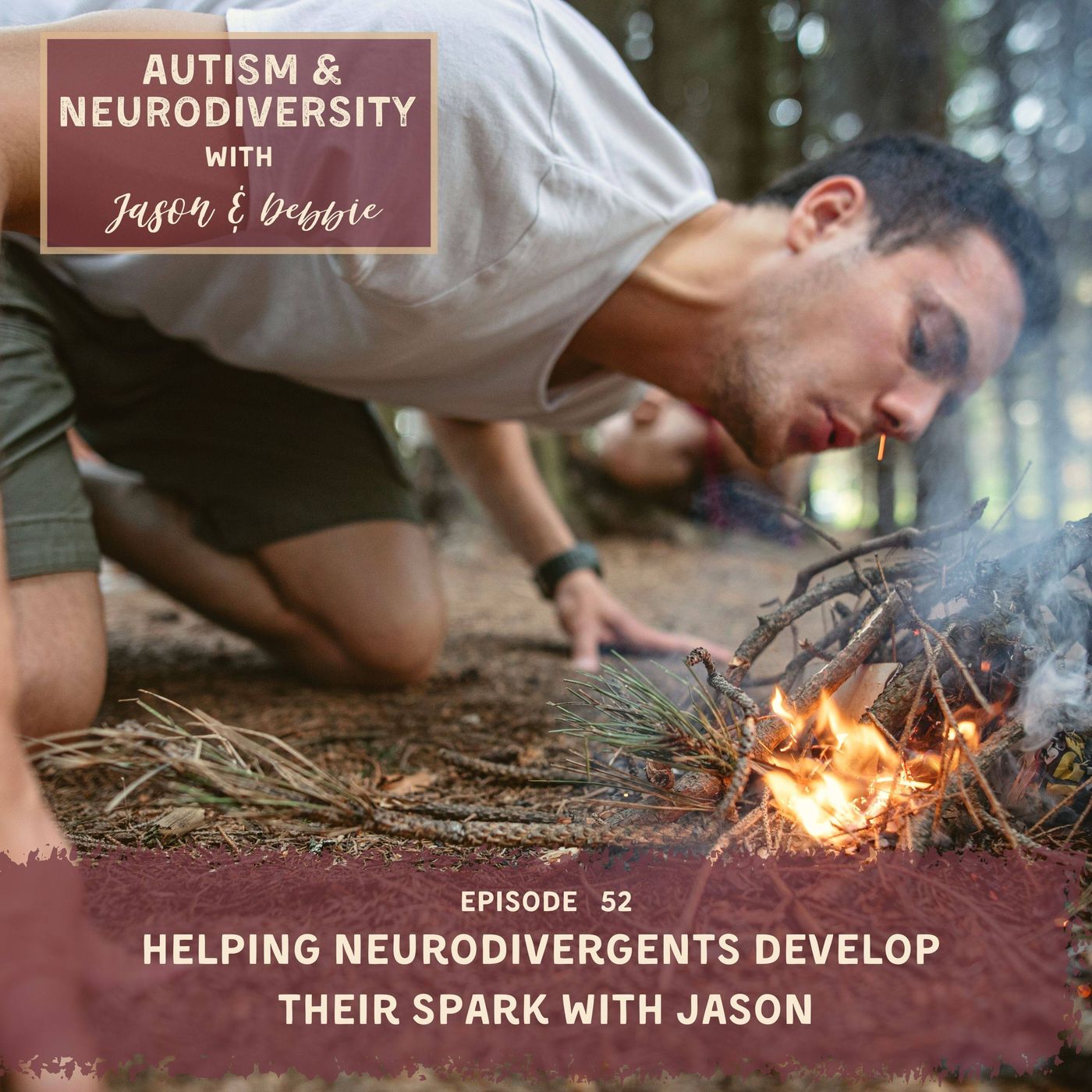
Helping Neurodivergents Develop Their Spark with Jason
How do you know you’ve done your job to help your neurodivergent child, teen, or young adult develop?We don’t necessarily know what their full capabilities and disabilities will be.In this episode, Jason talks about what it can take to help someone with neurodivergent disabilities develop and live their best life.What You'll Learn from this Episode:How to know if you’ve done your job.How to help them self-spark.The Autism Triad and its implications.What age neurodivergents often hit their stride.What to assess.Featured on the Show:Join our email list so you can get our free 3-part video course: Start Parenting Confidently With 3 Simple StepsVisit NeuroDevMentoring.com to learn more about our specialized co-ed mentoring program for neurodivergent young adults.Follow us on facebook and Debbie on Instagram! Join the conversation and comment to share your insights from this episode.👉 If this episode resonated with you, we’d love for you to leave a quick 5 star review sharing your favorite takeaway. It helps us create more meaningful content for listeners like you. 📩 Want more insights and practical tools? Be sure to join our email list for inspiration and updates. 🔵 For deeper support, consider joining our NDM Circle Community at NDM.Circle.so—a space for parents and professionals navigating the complexities of parenting neurodivergent young people.

51. Turn Fails into Wins with Debbie
Do you feel like you struggle and fail a lot as a parent? Or do you watch your neurodivergent child, teen, or young adult suffer through fails over and over again?How we respond to these fails can actually support development or hinder it making things so much harder.You really can turn fails into amazing wins. Listen in to learn what I mean by this and start experiencing more developmental wins.What You'll Learn from this Episode:What a real failure is.Where to find the wins.Why your response to a failure is so much more important than the fail itself.How to know if you are supporting development or hindering it.Why everything changes when you view failures through a developmental lens.Featured on the Show:Join our email list so you can get our free 3-part video course: Start Parenting Confidently With 3 Simple StepsVisit NeuroDevMentoring.com to learn more about our specialized co-ed mentoring program for neurodivergent young adults.Follow us on facebook and Debbie on Instagram! Join the conversation and comment to share your insights from this episode.

When to Remove Yourself from The Equation with Jason
Are you making things worse by trying to be an involved parent of your neurodivergent teen or young adult?It can be tricky when they are neurodivergent and still need supports but also want to be more independent.If you stay in the parent roll and try to keep them in a child roll you may ultimately be doing more harm than good.It may be time to remove yourself from the parent/child equation.In this episode, Jason explains unhelpful parent/child dynamics that can do damage to your relationship and hinder your ability to influence your teen or young adult.Learn when it’s time to back off and signs that it’s safe to go back in.What You'll Learn from this Episode:What happens when we parent with imperatives.How to know when you’re making things worse.How to gage when it’s helpful to step in or better to stay back.What happens when you reinforce the child roll for your teen or young adult.What to be careful of so you can step back in effectively when it’s safe to.Featured on the Show:Join our email list so you can get our free 3-part video course: Start Parenting Confidently With 3 Simple StepsVisit NeuroDevMentoring.com to learn more about our specialized co-ed mentoring program for neurodivergent young adults.Follow us on facebook and Debbie on Instagram! Join the conversation and comment to share your insights from this episode.👉 If this episode resonated with you, we’d love for you to leave a quick 5 star review sharing your favorite takeaway. It helps us create more meaningful content for listeners like you.📩 Want more insights and practical tools? Be sure to join our email list for inspiration and updates. 🔵 For deeper support, consider joining our NDM Circle Community at NDM.Circle.so—a space for parents and professionals navigating the complexities of parenting neurodivergent young people.

Building Connection with Debbie
Do you sometimes have a hard time connecting with your neurodivergent child, teen, or young adult? Whether you’re neurotypical or neurodivergent yourself, there are many things that might be getting in the way of connection -positive connection that is foundational to effective parenting and mentoring.Listen in as I discuss one of the biggest things that gets in the way of connecting and some simple things you can do to open up your connection despite all the challenges.What You'll Learn from this Episode:The foundation to effective parenting and mentoring.Why it can be so challenging to connect with a neurodivergent child, teen, or young adult.What positive connection looks like.What often blocks us from connecting.What you can do to better connect even with all the extra challenges.Featured on the Show:Join our email list so you can get our free 3-part video course: Start Parenting Confidently With 3 Simple StepsVisit NeuroDevMentoring.com to learn more about our specialized co-ed mentoring program for neurodivergent young adults.Follow us on facebook and Debbie on Instagram! Join the conversation and comment to share your insights from this episode.👉 If this episode resonated with you, we’d love for you to leave a quick 5 star review sharing your favorite takeaway. It helps us create more meaningful content for listeners like you. 📩 Want more insights and practical tools? Be sure to join our email list for inspiration and updates. 🔵 For deeper support, consider joining our NDM Circle Community at NDM.Circle.so—a space for parents and professionals navigating the complexities of parenting neurodivergent young people.
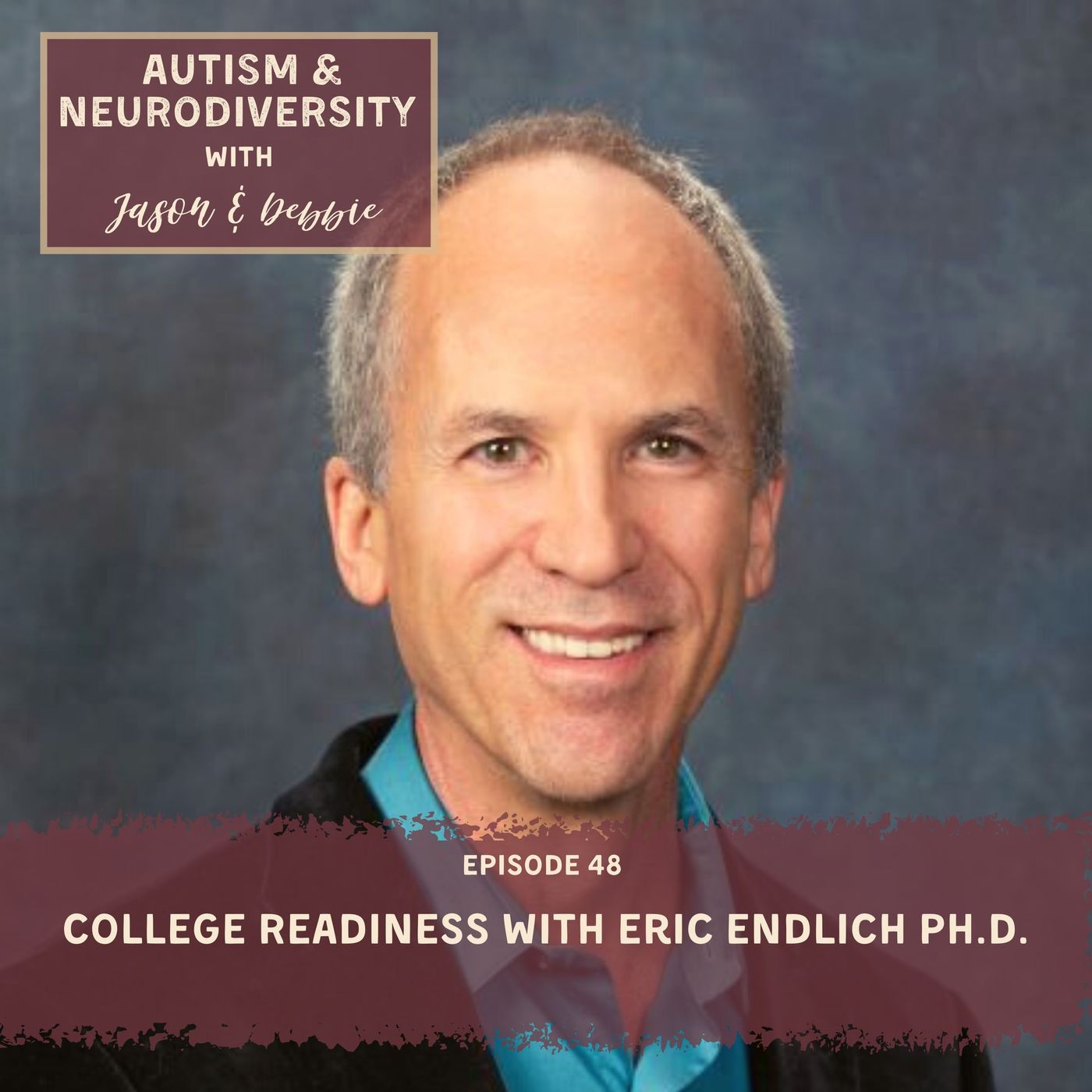
College Readiness with Eric Endlich Ph.D.
College readiness is not the same thing as college capable. There is an important difference between these, and there are specific skills necessary to be college ready. When you look at preparing your neurodivergent teen for college and independence you’ll want to make sure you are focusing on these, too.Listen in on our discussion with Eric (who is autistic himself) as we talk about what parents can focus on to prepare their neurodivergent teens for making the transition to college or independence. It’s an exciting time for a young person and college offers many benefits to a neurodivergent student if they get the support needed to be successful making the transition..What You'll Learn from this Episode:Why it’s good to nurture & support your neurodivergent child or teen’s special interests and passions.The important difference between college capable and being college ready.When to step in and when to step back.The benefits of a gap year.What approach to take when it comes to accessing support at college.Featured on the Show:Join our email list so you can get our free 3-part video course: Start Parenting Confidently With 3 Simple StepsVisit NeuroDevMentoring.com to learn more about our specialized co-ed mentoring program for neurodivergent young adults.Follow us on facebook and Debbie on Instagram! Join the conversation and comment to share your insights from this episode.Visit Eric’s website: topcollegeconsultants.comEric’s book he co-authored: Older Autistic Adults In Their Own Words: The Lost Generation👉 If this episode resonated with you, we’d love for you to leave a quick 5 star review sharing your favorite takeaway. It helps us create more meaningful content for listeners like you. 📩 Want more insights and practical tools? Be sure to join our email list for inspiration and updates. 🔵 For deeper support, consider joining our NDM Circle Community at NDM.Circle.so—a space for parents and professionals navigating the complexities of parenting neurodivergent young people.

Parental Anxiety with Debbie
Are you a worrier? Anxious? Do you worry about your autistic or neurodivergent child, teen, or young adult? Worrying is exhausting! It feels terrible! If you’re ready to get off the worry bus and experience more well-being in your life, and parent with confidence, give this episode a listen.Debbie explains why worry is not helping you support your child’s development, and may be adding stress to the challenges they already have. There are reasons why we worry and some basic things we can do to shift out of worry and mode.What You'll Learn from this Episode:Why our brains offer up so much worry.Why it feels so important to worry and what it’s actually doing.How it impacts children, teens, and young adults.How worry blocks us from our parental intuition and wisdom.Tips to practice so you can redirect your brain.Featured on the Show:Join our email list so you can get our free 3-part video course: Start Parenting Confidently With 3 Simple StepsVisit NeuroDevMentoring.com to learn more about our specialized co-ed mentoring program for neurodivergent young adults.Follow us on facebook and Debbie on Instagram! Join the conversation and comment to share your insights from this episode.The Gift of Fear by Gavin De Becker👉 If this episode resonated with you, we’d love for you to leave a quick 5 star review sharing your favorite takeaway. It helps us create more meaningful content for listeners like you. 📩 Want more insights and practical tools? Be sure to join our email list for inspiration and updates. 🔵 For deeper support, consider joining our NDM Circle Community at NDM.Circle.so—a space for parents and professionals navigating the complexities of parenting neurodivergent young people.

New Diagnosis- Now What? with Jason
Receiving a neurodivergent diagnosis can be confusing.Especially when you get it later in your life as a teen or adult.You may not know how you feel about it or what it means.In this episode, Jason has some perspectives to share with you to help you going forward.What You'll Learn from this Episode:What a diagnosis means and what it doesn’t mean.Why having a neurodivergent brain can cause you disability in a society designed for neurotypicals.How to go about getting the support you need.How to make sure you get your needs met.Jason’s advice for moving forward now that you have a diagnosis.Featured on the Show:Join our email list so you can get our free 3-part video course: Start Parenting Confidently With 3 Simple StepsVisit NeuroDevMentoring.com to learn more about our specialized co-ed mentoring program for neurodivergent young adults.Follow us on facebook and Debbie on Instagram! Join the conversation and comment to share your insights from this episode.👉 If this episode resonated with you, we’d love for you to leave a quick 5 star review sharing your favorite takeaway. It helps us create more meaningful content for listeners like you. 📩 Want more insights and practical tools? Be sure to join our email list for inspiration and updates. 🔵 For deeper support, consider joining our NDM Circle Community at NDM.Circle.so—a space for parents and professionals navigating the complexities of parenting neurodivergent young people.

Getting a Diagnosis with Jason
Do you have hesitations around getting your child, teen, or young adult evaluated or diagnosed?Are you worried it will put them in a box? Or they will use it as a crutch? Are you against the idea of your child, tee, or young adult being labeled?In this episode, Jason addresses some of the common concerns and explains why the pros far outweigh any perceived cons.What You'll Learn from this Episode:Reasons to consider getting diagnosed or not.Why the pros of getting assessed far outweigh any cons.Does getting a diagnosis limit your child, teen, or young adult?Featured on the Show:Join our email list so you can get our free 3-part video course: Start Parenting Confidently With 3 Simple StepsVisit NeuroDevMentoring.com to learn more about our specialized co-ed mentoring program for neurodivergent young adults.Follow us on facebook and Debbie on Instagram! Join the conversation and comment to share your insights from this episode.👉 If this episode resonated with you, we’d love for you to leave a quick 5 star review sharing your favorite takeaway. It helps us create more meaningful content for listeners like you. 📩 Want more insights and practical tools? Be sure to join our email list for inspiration and updates. 🔵 For deeper support, consider joining our NDM Circle Community at NDM.Circle.so—a space for parents and professionals navigating the complexities of parenting neurodivergent young people.

Problem Perspectives with Debbie
Life is full of problems and parenting a neurodivergent child, teen, or young adult offers some unique ones.In this episode, I share a different way to look at problems that helps you tap into your best problem solving mode.I also explain why the way you view negative behaviors may be adding to your struggles instead of alleviating them.What You'll Learn from this Episode:A more helpful way to view problems.Why it’s important to understand how problems are communicated.Why negative behaviors are not THE problem and what they really are.Why children, teens, and young adults often are acting out.How to be the kind of parent that you kiddo wants to come to instead of avoid.Featured on the Show:Join our email list so you can get our free 3-part video course: Start Parenting Confidently With 3 Simple StepsVisit NeuroDevMentoring.com to learn more about our specialized co-ed mentoring program for neurodiverse young adults.Follow us on facebook and Debbie on Instagram! Join the conversation and comment to share your insights from this episode.👉 If this episode resonated with you, we’d love for you to leave a quick 5 star review sharing your favorite takeaway. It helps us create more meaningful content for listeners like you.📩 Want more insights and practical tools? Be sure to join our email list for inspiration and updates.🔵 For deeper support, consider joining our NDM Circle Community at NDM.Circle.so—a space for parents and professionals navigating the complexities of parenting neurodivergent young people.
43. Examining Boundaries and Priorities with Jason
If you're not good at having boundaries or clear on your priorities, you may be heading for burnout, which doesn't serve you or allow you to continue to be there for those that you love and care about. To effectively and sustainably parent or work with neurodivergent children, teens or young adults, it's valuable to examine what your priorities are and how to protect your emotional resources. In this episode, Jason offers some perspectives and tips that have helped him and others he works with to manage their emotional expenditures and time so you can avoid burning out. Get full show notes here: https://JasonDebbie.com/43

The Gifts of Different Brains with Debbie
With a neurodivergent brains, there are inherent weaknesses and different timelines for development than typical brains.Neurodivergent young people struggle with some things that typical brained peers don’t struggle with or have figured out much earlier in their development.There are also gifts that come from having a neurodivergent brain or raising a neurodivergent child, teen, or young adult. Putting more focus on these gifts helps us see the struggles in a new light.What You'll Learn from this Episode:Why strengths and weaknesses are often different sides of the same coin.Some of the unique strengths of neurodivergent brains.Why we often lose sight of neurodivergent gifts.What often happens when certain areas of our brains are more developed.What you can do if you focus on your strengths and gifts.Featured on the Show:Join our email list so you can get our free 3-part video course: Start Parenting Confidently With 3 Simple StepsVisit NeuroDevMentoring.com to learn more about our specialized co-ed mentoring program for neurodivergent young adults.Follow us on facebook and Debbie on Instagram! Join the conversation and comment to share your insights from this episode.👉 If this episode resonated with you, we’d love for you to leave a quick 5 star review sharing your favorite takeaway. It helps us create more meaningful content for listeners like you. 📩 Want more insights and practical tools? Be sure to join our email list for inspiration and updates. 🔵 For deeper support, consider joining our NDM Circle Community at NDM.Circle.so—a space for parents and professionals navigating the complexities of parenting neurodivergent young people.

Finding Joy with Jason
How can you find more joy? In this episode, Jason takes a deep dive into the difference between joy and happiness, and how it plays into our relationships with ourselves and others.For neurodivergent children, teens, and adults who sometimes struggle with relationships and connecting, Jason offers some helpful perspectives to find more joy in your relationships with yourself and others.What You'll Learn from this Episode:The difference between joy and happiness.The law of decreasing returns.How to not just be a “human doing.”How to better connect in our relationships.How to improve your relationship with yourself and others.Featured on the Show:Join our email list so you can get our free 3-part video course: Start Parenting Confidently With 3 Simple StepsVisit NeuroDevMentoring.com to learn more about our specialized co-ed mentoring program for neurodivergent young adults.Follow us on facebook and Debbie on Instagram! Join the conversation and comment to share your insights from this episode.👉 If this episode resonated with you, we’d love for you to leave a quick 5 star review sharing your favorite takeaway. It helps us create more meaningful content for listeners like you. 📩 Want more insights and practical tools? Be sure to join our email list for inspiration and updates. 🔵 For deeper support, consider joining our NDM Circle Community at NDM.Circle.so—a space for parents and professionals navigating the complexities of parenting neurodivergent young people.

Navigating Holidays & Big Events with Debbie
Holidays and big events should be fun, right? What’s not to love- family, friends, food, festivities, breaks from routines, changing things up, maybe some travel, lots of stimulation, high expectations… Oh wait!No wonder some kids, teens, and young adults, especially neurodivergent ones, struggle, get overwhelmed by it all, or even have melt downs. In this episode, I share some perspectives and tips for having a more positive experience. It’s my holiday gift to you.What You'll Learn from this Episode:How you can have a more positive experience with your neurodivergent child, teen, or young adult at big events.How to anticipate and address their struggles.What to focus on if you want to ease stress.Ways to collaborate more successfully.Front-loading tips.Featured on the Show:Join our email list so you can get our free 3-part video course: Start Parenting Confidently With 3 Simple StepsVisit NeuroDevMentoring.com to learn more about our specialized co-ed mentoring program for neurodivergent young adults.Follow us on facebook and Debbie on Instagram! Join the conversation and comment to share your insights from this episode.👉 If this episode resonated with you, we’d love for you to leave a quick 5 star review sharing your favorite takeaway. It helps us create more meaningful content for listeners like you. 📩 Want more insights and practical tools? Be sure to join our email list for inspiration and updates. 🔵 For deeper support, consider joining our NDM Circle Community at NDM.Circle.so—a space for parents and professionals navigating the complexities of parenting neurodivergent young people.
Being Supportive Vs Enabling with Vashti Summervill
Are you being supportive or enabling? It’s sometimes hard as a parent finding a balance between helpful support and enabling where we intervene so much that we hinder our child’s development and growth.It gets even more challenging when you’re parenting an autistic or neurodivergent child, teen, or young adult who often needs more support than other typical children or needs that support for a longer time.In this episode, you’re going to enjoy listening to our chat with Vashti, parent coach and therapeutic educational consultant, about effective ways to support development.You’ll hear how to go beyond ineffective parenting default modes and opt for connections that cultivate resilience and growth.What You'll Learn from this Episode:What’s supportive action and what’s enabling for a neurodivergent child, teen or young adult.A significant question to ask when something doesn’t go well for your teen or young adult.One of the best ways to teach teens and young adults.The benefit of using guiding questions as opposed to lectures.Tips for connecting with your child, teen or young adult.Featured on the Show:Visit NeuroDevMentoring.com to learn more about our specialized co-ed mentoring program for neurodivergent young adults.To find Vashti Summervill: familyhealingpathways.comVashti’s podcast: Teen Connectivity PodcastDr. Shefali’s book The Conscious Parent (paid link)Dr. Dan Seigel The Whole-Brain Child (paid link)Yale Center for Emotional Intelligence and Mood Meter AppOnline 8-Week Certificate course in Mindfulness-Based Stress Reduction mentioned by Vashti.The Gottman Institute parent resources.Follow us on facebook and Debbie on Instagram! Join the conversation and comment to share your insights from this episode.👉 If this episode resonated with you, we’d love for you to leave a quick 5 star review sharing your favorite takeaway. It helps us create more meaningful content for listeners like you. 📩 Want more insights and practical tools? Be sure to join our email list for inspiration and updates. 🔵 For deeper support, consider joining our NDM Circle Community at NDM.Circle.so—a space for parents and professionals navigating the complexities of parenting neurodivergent young people.

Parental Boundaries with Debbie
You may have a neurodivergent child, teen, or young adult with a pretty negative attitude. You might be feeling really negative about things yourself. In this episode, I offer perspectives on what may contribute to all the negativity.I offer an easy and effective way to counteract it and why you would want to besides just feeling better.What You'll Learn from this Episode:What may contribute to you or your child’s negativity.What negativity bias is and why our brains have it.Why negativity bias may be accentuated for neurodivergent children, teen, and young adults.A simple thing you can practice to counteract it.Why it’s worth working to counteract negativity bias.Featured on the Show:Join our email list so you can get our free 3-part video course: Start Parenting Confidently With 3 Simple StepsVisit NeuroDevMentoring.com to learn more about our specialized co-ed mentoring program for neurodivergent young adults.Follow us on facebook and Debbie on Instagram! Join the conversation and comment to share your insights from this episode.👉 If this episode resonated with you, we’d love for you to leave a quick 5 star review sharing your favorite takeaway. It helps us create more meaningful content for listeners like you. 📩 Want more insights and practical tools? Be sure to join our email list for inspiration and updates. 🔵 For deeper support, consider joining our NDM Circle Community at NDM.Circle.so—a space for parents and professionals navigating the complexities of parenting neurodivergent young people.

Therapy or Development? Doing Better for Neurodivergent Who Struggle with Jason & Debbie
Join us as we share the recording of a presentation we gave at the Independent Educational Consultant’s Association (IECA) 2021 Fall Conference.It’s time to rethink interventions for those who are Neurodivergent (ND). ND diagnoses are swelling, shifting, and crystalizing.The latest research is giving better perspectives on why ND diagnoses are developmental differences and not mental health issues.Those who serve this population already know that although anxiety and depression are common, the root cause is not the same as “typicals.”Historically, ND individuals have been directed into the treatment world, when different approaches, specifically developmental approaches, are proving to be more effective.What You'll Learn from this Episode:Trends in neurodiversityOverview of approaches to neurodiversityFactors in neurodevelopmentOverview of Neurodevelopment Mentoring (NDM)Nuances in NDM to shift thinkingFeatured on the Show:Visit NeuroDevMentoring.com to learn more about our specialized co-ed mentoring program for neurodivergent young adults.Follow us on facebook and Debbie on Instagram! Join the conversation and comment to share your insights from this episode.To learn more about the Independent Educational Consultant’s Association (IECA): https://www.iecaonline.com/👉 If this episode resonated with you, we’d love for you to leave a quick 5 star review sharing your favorite takeaway. It helps us create more meaningful content for listeners like you. 📩 Want more insights and practical tools? Be sure to join our email list for inspiration and updates. 🔵 For deeper support, consider joining our NDM Circle Community at NDM.Circle.so—a space for parents and professionals navigating the complexities of parenting neurodivergent young people.

What Main Goal of Interventions Should Be with Jason
The main goal of common interventions for neurodivergent clients often misses the mark. Counseling, medications, and behavioral interventions can support neurodivergent clients, but they rarely address the primary goal and often do harm when used inappropriately.In this episode, Jason shares his perspectives on what the goal should be, some pros and cons of classical interventions, and how to better address the main goal more effectively.What You'll Learn from this Episode:What the main goal of interventions should be for neurodivergent clients.When classical interventions can be helpful and harmful.The problem with trying to get neurodivergent children, teens, and young adults to do the things they’re “supposed to do.”What to consider when looking at developmental timelines.What approach with interventions is more effective and sustainable.Featured on the Show:Join our email list so you can get our free 3-part video course: Start Parenting Confidently With 3 Simple StepsVisit NeuroDevMentoring.com to learn more about our specialized co-ed mentoring program for neurodivergent young adults.Follow us on facebook and Debbie on Instagram! Join the conversation and comment to share your insights from this episode.👉 If this episode resonated with you, we’d love for you to leave a quick 5 star review sharing your favorite takeaway. It helps us create more meaningful content for listeners like you. 📩 Want more insights and practical tools? Be sure to join our email list for inspiration and updates. 🔵 For deeper support, consider joining our NDM Circle Community at NDM.Circle.so—a space for parents and professionals navigating the complexities of parenting neurodivergent young people.

Building Resilience with Debbie
We’re all hearing talk of the importance of developing resilience. Neurodivergent kids, teens, and young adults often lack as much resilience as their neurotypical peers.They’re also more prone to feeling stressed than their neurotypical peers when faced with similar events or circumstances. While these sensitivities can be a strength in some situations, it can also lead to overwhelm and shutting down.So, what can you do to help your loved one or mentee build resilience? Listen in as I share some key things to help them turn those moments of stress into growth opportunities.What You'll Learn from this Episode:What resilience is, and what are the signs of poor resilience.What has to happen for development to occur.What we have to tolerate if we want to support the building of resilience.What gets in the way of building resilience.How you can better support resilience and growth during times of stress.Featured on the Show:Join our email list so you can get our free 3-part video course: Start Parenting Confidently With 3 Simple StepsVisit NeuroDevMentoring.com to learn more about our specialized co-ed mentoring program for neurodivergent young adults.Follow us on facebook and Debbie on Instagram! Join the conversation and comment to share your insights from this episode.👉 If this episode resonated with you, we’d love for you to leave a quick 5 star review sharing your favorite takeaway. It helps us create more meaningful content for listeners like you. 📩 Want more insights and practical tools? Be sure to join our email list for inspiration and updates. 🔵 For deeper support, consider joining our NDM Circle Community at NDM.Circle.so—a space for parents and professionals navigating the complexities of parenting neurodivergent young people.

Supporting Forward Momentum with Debbie
Past problems and old resentments can block our ability to support forward momentum for our autistic and neurodivergent children, teens, and young adults.In this episode, I encourage you to take a look at the stories you’re telling.Make peace with your past to free up time and energy for what’s in front of you in the present, and break out of old, unhelpful patterns.What You'll Learn from this Episode:Ways you can make peace with the past while still acknowledging the difficulties you’ve gone through.What will keep you creating more of the same from your past.Some of the sneaky thoughts that get in the way of forward momentum.One of Debbie’s favorite beliefs about her kids that supports growth.A simple thing you can do to break old patterns that aren’t helpful.Featured on the Show:Join our email list so you can get our free 3-part video course: Start Parenting Confidently With 3 Simple StepsVisit NeuroDevMentoring.com to learn more about our specialized co-ed neurodevelopment mentoring program for neurodivergent young adults.Follow us on Facebook and Debbie on Instagram! Join the conversation and comment to share your insights from this episode.👉 If this episode resonated with you, we’d love for you to leave a quick 5 star review sharing your favorite takeaway. It helps us create more meaningful content for listeners like you. 📩 Want more insights and practical tools? Be sure to join our email list for inspiration and updates. 🔵 For deeper support, consider joining our NDM Circle Community at NDM.Circle.so—a space for parents and professionals navigating the complexities of parenting neurodivergent young people.
Parent or Partner? How Are We in the Relationship Equation? with Jason
If you never intentionally make the shift from the parent role to the partner role, it is highly likely the neurodivergent young adult you’re trying to help and support will struggle to shift out of the child role.In this episode, Jason explains what transactional analysis is and makes recommendations for how to better support their transition into adulthood.What You'll Learn from this Episode:Why the parent/child relationship needs to shift if you want to better support your neurodivergent (ND) young adult in their adulting process.How you can apply the concept of transactional analysis to intentionally parent your ND teen/young adult.Who has to take the first step and why.What can happen if you stay a parental “part of the equation” for your ND young adult.Recommendations for supporting your ND young adult’s healthy autonomy.Featured on the Show:Join our email list so you can get our free 3-part video course: Start Parenting Confidently With 3 Simple StepsVisit NeuroDevMentoring.com to learn more about our specialized co-ed mentoring program for neurodivergent young adults.Follow us on facebook and Debbie on Instagram! Join the conversation and comment to share your insights from this episode.👉 If this episode resonated with you, we’d love for you to leave a quick 5 star review sharing your favorite takeaway. It helps us create more meaningful content for listeners like you. 📩 Want more insights and practical tools? Be sure to join our email list for inspiration and updates. 🔵 For deeper support, consider joining our NDM Circle Community at NDM.Circle.so—a space for parents and professionals navigating the complexities of parenting neurodivergent young people.

Break Out of the Micromanaging Parent Role with Debbie
If you find yourself doing a lot of exhausting micromanaging of your neurodivergent child, teen or young adult this episode is for you.There may be many reasons you fall into that parenting style and I offer some insights and tips to help you break out the micromanaging trap that isn’t serving you or your child’s development well.What You'll Learn from this Episode:Why you may want to move out of the micromanaging parent role.What may be keeping you stuck in it when you want to stop.What you want to avoid when you do work on your parenting style.How to drop perfectionism and what to focus on that more perfectly supports your child.What you can do to nurture appreciation and connection instead of dependence, entitlement, and resentment.Featured on the Show:Join our email list so you can get our free 3-part video course: Start Parenting Confidently With 3 Simple StepsVisit NeuroDevMentoring.com to learn more about our specialized co-ed mentoring program for neurodivergent young adults.Follow us on facebook and Debbie on Instagram! Join the conversation and comment to share your insights from this episode.👉 If this episode resonated with you, we’d love for you to leave a quick 5 star review sharing your favorite takeaway. It helps us create more meaningful content for listeners like you. 📩 Want more insights and practical tools? Be sure to join our email list for inspiration and updates. 🔵 For deeper support, consider joining our NDM Circle Community at NDM.Circle.so—a space for parents and professionals navigating the complexities of parenting neurodivergent young people.

Rigid Thinking with Debbie
So many of our neurodivergent kids, teens, and young adults are rigid thinkers or have areas they get stuck and inflexible around. It’s often frustrating as a parent or mentor to bump up against that rigidity and not be able to influence or get through to our kids especially when they’re really struggling.In this episode, I offer some insights to help you navigate rigidity and more effectively support growth and development.What You'll Learn from this Episode:What mental rigidity is, and what it looks like in our neurodivergent young people.Why the brain likes black and white all or nothing thinking.What to consider when you bump up against rigidity in your children or those you mentor.A simple tool you can use before you address issues so you can more effectively support connection and development.How to avoid the trap most parents fall into when their child is rigid.Featured on the Show:Join our email list so you can get our free 3-part video course: Start Parenting Confidently With 3 Simple StepsVisit NeuroDevMentoring.com to learn more about our specialized co-ed mentoring program for neurodivergent young adults.Follow us on facebook and Debbie on Instagram! Join the conversation and comment to share your insights from this episode.👉 If this episode resonated with you, we’d love for you to leave a quick 5 star review sharing your favorite takeaway. It helps us create more meaningful content for listeners like you. 📩 Want more insights and practical tools? Be sure to join our email list for inspiration and updates. 🔵 For deeper support, consider joining our NDM Circle Community at NDM.Circle.so—a space for parents and professionals navigating the complexities of parenting neurodivergent young people.

The Power of Frontloading with Jason & Debbie
Front-loading is an effective tool for supporting development and growth in our neurodivergent children, teens and young adults.We took our neurodivergent NeuroDev students on our annual river rafting trip near Moab, Utah this week. It went smoothly and was a great success. No drama! We can’t say that about previous years.One reason this trip was so successful this year was due to all the front-loading we did in preparation.In this episode, we explain what front-loading is, why it’s so helpful, and how to do it effectively.What You'll Learn from this Episode:What front-loading is and how we use it.Why it’s such a powerful tool.Why it’s especially useful for our neurodivergent children, teens and young adults.How to front-load effectively.How to turn every experience into opportunities for growth and development.Ways you can have more enjoyable experiences with your neurodivergent loved one.Featured on the Show:Join our email list so you can get our free 3-part video course: Start Parenting Confidently With 3 Simple StepsVisit NeuroDevMentoring.com to learn more about our specialized co-ed mentoring program for neurodivergent young adults.Follow us on facebook and Debbie on Instagram! Join the conversation and comment to share your insights from this episode.👉 If this episode resonated with you, we’d love for you to leave a quick 5 star review sharing your favorite takeaway. It helps us create more meaningful content for listeners like you.📩 Want more insights and practical tools? Be sure to join our email list for inspiration and updates.🔵 For deeper support, consider joining our NDM Circle Community at NDM.Circle.so—a space for parents and professionals navigating the complexities of parenting neurodivergent young people.

Ep 29Understanding Anger with Jason
Anger can be destructive and hurt relationships. In this episode, Jason explains how anger is a secondary emotion and what emotion is underneath it.He gives tips on how to manage our own anger and how you can mentor neurodivergent young people when they’re angry using a relationship building versus behavioral approach.Connecting and meeting needs is so much more important than trying to control behaviors.Learning to manage our own anger and mentoring others on how to manage theirs is a valuable skill to develop and well worth the effort.What You'll Learn from this Episode:Why anger is so destructive.What anger comes from.How relationships benefit from working through conflicts.What makes conflicts turn contentious.What you want to focus on when someone is angry.Why connecting and meeting needs is so much more important than controlling behaviors.Featured on the Show:Join our email list so you can get our free 3-part video course: Start Parenting Confidently With 3 Simple StepsVisit NeuroDevMentoring.com to learn more about our specialized co-ed mentoring program for neurodivergent young adults.Follow us on facebook and Debbie on Instagram! Join the conversation and comment to share your insights from this episode.👉 If this episode resonated with you, we’d love for you to leave a quick 5 star review sharing your favorite takeaway. It helps us create more meaningful content for listeners like you.📩 Want more insights and practical tools? Be sure to join our email list for inspiration and updates.🔵 For deeper support, consider joining our NDM Circle Community at NDM.Circle.so—a space for parents and professionals navigating the complexities of parenting neurodivergent young people.

Ep 28When They're Not Motivated with Debbie
What do you do when your child, teen, or young adult has no motivation to do their homework, help out around the house, have good hygiene, eat healthy, or any of the other less fun but necessary parts of life?Listen in as Debbie explains why the typical approaches don’t work in the long-term and what actually does. Debbie also offers four strategies to tap in to your child’s intrinsic motivation for long-term growth and success.What You'll Learn from this Episode:Why it’s important to question whether it’s a motivation issue or something else.How extrinsic motivators affect intrinsic motivation.The common thing many parents do that can kill intrinsic motivation.What messages we’re inadvertently sending when we engage in “if-then” rewards or punishments.What our brains are motivated by.Four strategies that will help you tap into your child, teen, or young adults self-Featured on the Show:Join our email list so you can get our free 3-part video course: Start Parenting Confidently With 3 Simple StepsVisit NeuroDevMentoring.com to learn more about our specialized co-ed mentoring program for neurodivergent young adults.Follow us on facebook and Debbie on Instagram! Join the conversation and comment to share your insights from this episode.👉 If this episode resonated with you, we’d love for you to leave a quick 5 star review sharing your favorite takeaway. It helps us create more meaningful content for listeners like you. 📩 Want more insights and practical tools? Be sure to join our email list for inspiration and updates. 🔵 For deeper support, consider joining our NDM Circle Community at NDM.Circle.so—a space for parents and professionals navigating the complexities of parenting neurodivergent young people.

Ep 27Tutoring to Turn Learning Challenges into Achievements with Laura Reber
In this episode, we talk with Laura, the creator of ProgressParade.com, a website that matches neurodivergent students with expert learning specialists for online special education tutoring so learning challenges can turn into life-changing achievements.Jason and I talk a lot about the benefits of focusing on the other areas of development, not just academics, but we brought Laura on because finding good support for areas of academic weakness and figuring that piece out helps free kids up to get their social and emotional needs met.Laura explains the problems that come up with a “wait and see” approach and why you want to start interventions earlier.We talk about the important skills a good tutor helps students gain that go beyond learning specific academic content.Laura also offers some helpful tips for practicing executive functioning skills during the summer and preparing kids for the big back-to-school transition.What You'll Learn from this Episode:Why the common advice to “wait and see” while well intentioned can be so harmful.How learning challenges can turn into life-changing achievements.What executive functioning involves.Tips for practicing executive functioning skills at home.What “social stories” are and how to use them to help with transitions.How a good tutor can help your child learn so much more than just academic content.Featured on the Show:Visit Laura’s website to book a consultation with Laura and get matched with a specialized tutor: progressparade.com or email [email protected] our email list so you can get our free 3-part video course: Start Parenting Confidently With 3 Simple StepsVisit NeuroDevMentoring.com to learn more about our specialized co-ed mentoring program for neurodivergent young adults.Follow us on facebook and Debbie on Instagram! Join the conversation and comment to share your insights from this episode.👉 If this episode resonated with you, we’d love for you to leave a quick 5 star review sharing your favorite takeaway. It helps us create more meaningful content for listeners like you. 📩 Want more insights and practical tools? Be sure to join our email list for inspiration and updates. 🔵 For deeper support, consider joining our NDM Circle Community at NDM.Circle.so—a space for parents and professionals navigating the complexities of parenting neurodivergent young people.

Ep 26OCD & Neurodiversity with Jason
With the high prevalence of neurodivergent individuals also having Obsessive Compulsive Disorder (OCD), it’s critical to understand what it is, what it isn’t, and how to manage it.In this episode, Jason explains OCD, why it’s different from the repetitive Autistic behavior called stemming, and why it’s important to understand the root causes. Jason shares the key to knowing how to manage OCD, helpful tips, and the one thing to never do.What You'll Learn from this Episode:What Obsessive Compulsive Disorder (OCD) is, and it’s prevalence with neurodiversity and Autism.Why OCD is often under-diagnosed in autistic people.How OCD overlaps and resembles other behaviors like stemming, and why understanding the root cause is so important.What the key to knowing how to manage OCD is and helpful tips.The worst thing you can do when you’re trying to help, so you can avoid it.One benefit to OCD.Featured on the Show:Join our email list and get our free 3-part video course: Start Parenting Confidently With 3 Simple StepsVisit NeuroDevMentoring.com to learn more about out our specialized co-ed program for neurodivergent young adults.Follow us on facebook and Debbie on Instagram! Join the conversation and comment to share your insights from this episode.👉 If this episode resonated with you, we’d love for you to leave a quick 5 star review sharing your favorite takeaway. It helps us create more meaningful content for listeners like you. 📩 Want more insights and practical tools? Be sure to join our email list for inspiration and updates. 🔵 For deeper support, consider joining our NDM Circle Community at NDM.Circle.so—a space for parents and professionals navigating the complexities of parenting neurodivergent young people.

Ep 25How to Know If You're Parenting Too Much or Too Little with Debbie
It can be really challenging to know if we’re parenting too much or too little. Especially when we have a son or daughter, that’s neurodivergent and has some developmental delays or extra challenges. When your child enters the adulting transition, it can get even more complicated.How much should we support and how much should we back off? What’s helpful and what’s not. Too little support and management may hinder their progress because they don’t have what they need. Too much support and management can also impede their growth and development.In this episode, I offer perspectives to help you stay out of the extremes and look at parenting differently. I also offer you what I have found to be key in experiencing more parenting wins, no matter where your son or daughter is in their development or how much managing they need.What You'll Learn from this Episode:How to avoid the extremes of too little and too much parenting.How parents and children experience too much and too little parental management.What the right amount of parenting looks like.How to stay away from perfectionism in your parenting.A helpful way to view parenting.Why parenting their behaviors can get you off track and what key thing to focus on instead.theiFeatured on the Show:Join our email list and get our free 3-part video course: Start Parenting Confidently With 3 Simple StepsVisit NeuroDevMentoring.com to learn more about out our specialized co-ed program for neurodivergent young adults.Follow us on facebook and Debbie on Instagram! Join the conversation and comment to share your insights from this episode.👉 If this episode resonated with you, we’d love for you to leave a quick 5 star review sharing your favorite takeaway. It helps us create more meaningful content for listeners like you. 📩 Want more insights and practical tools? Be sure to join our email list for inspiration and updates. 🔵 For deeper support, consider joining our NDM Circle Community at NDM.Circle.so—a space for parents and professionals navigating the complexities of parenting neurodivergent young people.

Ep 24Parental Healing with Travis Slagle
We appreciate Travis Slagle, the Clinical Director at Evoke Therapy Intensives, for coming on our show for an in-depth discussion about effective parenting and healing ourselves.Parenting is challenging, especially if we haven’t worked through our own issues. Parenting a neurodivergent child often adds additional stressors into the mix, bringing our personal issues into the equation.We go into specifics of how that can look and feel in our parenting versus what effective parenting looks like even when we make mistakes, don’t have the answers, or face unsolvable problems.We talk with Travis about how to recognize when we’re projecting and externalizing our own stress onto our children and family members and what questions you can ask yourself to create powerful shifts in your thinking so you can show up more as the parent you want to be.What You'll Learn from this Episode:The surprising signal of mental illness and dysfunction in our lives.What we may be hiding with outdated parenting techniques.The parenting approaches to be aware of that can cause long-term negative consequences for our neurodivergent and autistic children.How to avoid causing train wrecks in relationships.The first step for parents to have a more attuned and healthy relationship with their neurodivergent children.How parenting a neurodivergent child can be an opportunity to learn and discover new insights about ourselves.Featured on the Show:Join our email list and get our free 3-part video course: Start Parenting Confidently With 3 Simple StepsVisit NeuroDevMentoring.com to learn more about out our specialized co-ed program for neurodivergent young adults.Follow us on facebook and Debbie on Instagram! Join the conversation and comment to share your insights from this episode.Learn more about Evoke’s individual, couples and family 2-4 day therapeutic intensives at: Evoketherapy.com or by emailing [email protected] Travis Slagle directly at: [email protected] book Travis mentioned: The Body Keeps the Score: Brain, Mind, Body in the Healing of Trauma👉 If this episode resonated with you, we’d love for you to leave a quick 5 star review sharing your favorite takeaway. It helps us create more meaningful content for listeners like you.📩 Want more insights and practical tools? Be sure to join our email list for inspiration and updates.🔵 For deeper support, consider joining our NDM Circle Community at NDM.Circle.so—a space for parents and professionals navigating the complexities of parenting neurodivergent young people.

Ep 23Physical Health & Hygiene Challenges with Jason
Why is maintaining good physical health and hygiene such an issue for some autistic and neurodivergent young people? In this episode, Jason gets real about the challenges and negative outcomes some of them experience.This is not an easy or fun topic to discuss but it’s a relevant one and the struggle is real!Jason offers insights into understanding what may be behind hygiene resistance and poor health choices. He also shares his experience and perspectives on how to support good health and hygiene and especially what not to do.What You'll Learn from this Episode:What the average lifespan is for Autists.What factors correlate with the early mortality rate.What’s often behind poor physical health and hygiene issues.What you can do to support good physical health and hygiene.Why over supporting can make things worse.The one thing you don’t want to do in the health and hygiene fight.Featured on the Show:Join our email list so you don’t miss out on more inspiration and insights and we’ll also send you our free 3-part video course: Start Parenting Confidently With 3 Simple StepsVisit NeuroDevMentoring.com to learn more about out our specialized co-ed program for neurodivergent young adults.Follow us on facebook and Debbie on Instagram! Join the conversation and comment to share your insights from this episode or topics you’d like us to discuss.👉 If this episode resonated with you, we’d love for you to leave a quick 5 star review sharing your favorite takeaway. It helps us create more meaningful content for listeners like you. 📩 Want more insights and practical tools? Be sure to join our email list for inspiration and updates. 🔵 For deeper support, consider joining our NDM Circle Community at NDM.Circle.so—a space for parents and professionals navigating the complexities of parenting neurodivergent young people.

Ep 22Nurturing Neurodivergent Tech Talent with Eric Pedersen
This week, we sat down with our friend Eric to discuss ways to nurture tech talent among our neurodivergent young people. Eric Pedersen, is the Dean of Science, Engineering, and Technology at Dixie State University in Southern Utah. He sits on the board of several technology companies, and is a founding partner at our program for neurodivergent young adults, NeuroDev.Eric gets candid about the patterns he sees among neurodivergent students and what supports they need to help them be successful not only at college but also in the workforce. We discuss how to improve chances of getting into tech jobs, the tech talent shortage and the attractive strengths neurodivergent students bring to the table.You will enjoy the perspectives Eric brings from his 30-plus years of experience as an educator, an entrepreneur, and his mentoring heart.What You'll Learn from this Episode:What problem Eric has noticed the most among neurodivergent students.What neurodivergent students need in the university setting to be successful.The compounding challenges in the university setting that students face when they haven’t developed social and emotional skills.Why there is a tech talent shortage and how neurodivergent students can be attractive job candidates.How neurodivergent students can improve their chances of getting tech jobs.The huge strengths neurodivergent young people bring that are needed to help solve problems.Featured on the Show:Join our email list and get our free 3-part video course: Start Parenting Confidently With 3 Simple StepsVisit NeuroDevMentoring.com to learn more about out our specialized co-ed program for neurodivergent young adults.Follow us on facebook and Debbie on Instagram! Join the conversation and comment to share your insights from this episode.Utah Tech University - comprehensive polytechnic education.Eric Pedersen - Dean of Science, Engineering, and Technology.👉 If this episode resonated with you, we’d love for you to leave a quick 5 star review sharing your favorite takeaway. It helps us create more meaningful content for listeners like you. 📩 Want more insights and practical tools? Be sure to join our email list for inspiration and updates. 🔵 For deeper support, consider joining our NDM Circle Community at NDM.Circle.so—a space for parents and professionals navigating the complexities of parenting neurodivergent young people.

Ep 213 Ways to Parent with Confidence Part 3 with Debbie
Parenting and especially parenting neurodivergent kids, teens, and young adults can get really challenging. For Part 3 of Parenting with Confidence, I share a simple yet effective tool and process to help you have the confidence to weather the inevitable bumps and challenges that come with parenting.Join me as I encourage you to examine where you focus your time and energy and consider if it’s actually in areas you have control over or not.I explain what area of parenting is always my top priority over everything else and how you can use the tool I share to support you in this area.What You'll Learn from this Episode:A way to help you stay focused on what you really want as a parent.How to keep your focus on what you actually have control over.What area of parenting is the foundation of everything else.What you need to get back on track when you veer off from your parenting goals.An easy way to help your son or daughter build more autonomy.Why it’s hard to make changes and what you need to have more success.Featured on the Show:Join our email list and get our free 3-part video course: Start Parenting Confidently With 3 Simple StepsVisit NeuroDevMentoring.com to learn more about out our specialized co-ed program for neurodivergent young adults.Follow us on facebook and Debbie on Instagram! Join the conversation and comment to share your insights from this episode.👉 If this episode resonated with you, we’d love for you to leave a quick 5 star review sharing your favorite takeaway. It helps us create more meaningful content for listeners like you. 📩 Want more insights and practical tools? Be sure to join our email list for inspiration and updates. 🔵 For deeper support, consider joining our NDM Circle Community at NDM.Circle.so—a space for parents and professionals navigating the complexities of parenting neurodivergent young people.

Ep 20Learning to Cope with Dalton & Lee Grygla
We invited our two oldest boys to come on our show, and they both quickly agreed to. We didn’t even have to bribe them or twist their arms.We adopted Dalton and Lee from foster care a couple months before they turned 7 & 8. They experienced a lot of abuse and neglect and were bounced around from group homes to foster homes before they landed with us- two young and inexperienced parents at the time, doing our best to love them and give them a good home.In our chat, they open up about some of their challenges and ways they’ve learned to cope. We’re so proud of what they’ve overcome and the good young men they’ve become.What You'll Learn from this Episode:How Dalton helps boys to figure out who they are in the treatment program he works at.What you can do when people are mean to you.An important thing to understand about making friends.What a trauma bond is.Tips for understanding ADHD and focusing.One of the things we really appreciate about our boys.Featured on the Show:Join our email list and get our free 3-part video course: Start Parenting Confidently With 3 Simple StepsVisit NeuroDevMentoring.com to learn more about out our specialized co-ed program for neurodivergent young adults.Follow us on facebook and Debbie on Instagram! Join the conversation and comment to share your insights from this episode.👉 If this episode resonated with you, we’d love for you to leave a quick 5 star review sharing your favorite takeaway. It helps us create more meaningful content for listeners like you. 📩 Want more insights and practical tools? Be sure to join our email list for inspiration and updates. 🔵 For deeper support, consider joining our NDM Circle Community at NDM.Circle.so—a space for parents and professionals navigating the complexities of parenting neurodivergent young people.

Ep 19Discomfort and Motivation with Jason
Helping our neurodivergent kiddos have the motivation to do things outside their comfort zone is a challenge for parents and mentors. In this episode, Jason draws on examples from mentoring students at NeuroDev to illustrate balancing discomfort with growth, building relationships of influence, and the most effective way to promote change.We all have an innate desire to grow and progress, but we also like to be comfortable. Our brains like to keep things easy and efficient, but when there’s too much comfort for too long, we stop growing. We become stuck. We lose our motivation for doing hard things.Learn about creating an environment where your neurodivergent child, teenager, or young adult has motivation to grow and develop rather than staying comfortably stuck and miserable.What You'll Learn from this Episode:What can quickly put a neurodivergent child into a crisis state.What usually makes neurodivergent individuals not learn something.The only way development can come.What causes regression.The most effective way to promote change.How to build a relationship of influence.What creating a safe but stretched environment requires.Featured on the Show:Make sure you get signed up for our email list so we can send you our free 3-part video course: Start Parenting Confidently With 3 Simple StepsVisit NeuroDevMentoring.com to learn more about out our specialized co-ed program for neurodivergent young adults.Follow us on facebook and Debbie on Instagram! Join the conversation and comment to share your insights from this episode.👉 If this episode resonated with you, we’d love for you to leave a quick 5 star review sharing your favorite takeaway. It helps us create more meaningful content for listeners like you.📩 Want more insights and practical tools? Be sure to join our email list for inspiration and updates.🔵 For deeper support, consider joining our NDM Circle Community at NDM.Circle.so—a space for parents and professionals navigating the complexities of parenting neurodivergent young people.

Ep 18Employment Resources With Betina Wildhaber
Betina, the author and creator of neurodiversitynetwork.net, joins us on this episode to share about her work to make educational and employment services more accessible.Hear about the simple things employers are doing to improve hiring practices, provide better support, and increase neurodivergent employee retention.Betina also shares tips and resources for neurodivergent job seekers to better prepare for and obtain employment.,What You'll Learn from this Episode:Ways to connect neurodivergent job seekers, and employers open to hiring neurodivergent employees.What employers are doing to adjust and open up employment opportunities for those who identify as neurodivergentSimple changes employers can make to improve neurodivergent employee retention.The benefits of incorporating “universal design” techniques in physical spaces and in processes.Two questions job seekers and employers can ask to improve outcomes.One thing than can support a neurodivergent high schoolers transition into adult employment and why not to put it off.Two main was you can support the neurodivergent community and how to get involved.Featured on the Show:Check out Betina’s website: neurodiversitynetwork.netAutismAtWork.orgUniversalDesign.comJohn Elder Robison’s book: Look Me in the Eyes: My Life with Asperger’sStanford Neurodiversity ProjectUCLA PEERS ProgramJoin our email list and get our free 3-part video course: Start Parenting Confidently With 3 Simple StepsVisit NeuroDevMentoring.com to learn more about out our specialized co-ed program for neurodivergent young adults.Follow us on facebook and Debbie on Instagram! Join the conversation and comment to share your insights from this episode.👉 If this episode resonated with you, we’d love for you to leave a quick 5 star review sharing your favorite takeaway. It helps us create more meaningful content for listeners like you.📩 Want more insights and practical tools? Be sure to join our email list for inspiration and updates.🔵 For deeper support, consider joining our NDM Circle Community at NDM.Circle.so—a space for parents and professionals navigating the complexities of parenting neurodivergent young people.

Ep 173 Ways to Parent With Confidence Part 2 With Debbie
In part two of Parenting With Confidence, Debbie explains why you may get such mixed results from parenting strategies you’ve tried.Our best parenting comes from high-quality relationships that start with us, which is great news because it’s not dependent on our child’s behavior.You’ll understand why the tool Debbie shares in this episode is so important and how to model and teach it to your neurodivergent son or daughter.What You'll Learn from this Episode:What’s behind the failures or mixed results of many common parenting strategies.What you can do differently to change your results.Why kids react so strongly to our negative emotions.Why kids are not receptive to teaching or correction when they don’t feel safe.What neurodivergent children don’t do naturally that we can teach them.How to stop negative patterns and parent with more confidence.📩 Want more insights and practical tools? Be sure to join our email list for inspiration and updates.🔵 For deeper support, join our NDM Circle Community at NDM.Circle.so—a space for parents and professionals navigating the complexities of parenting neurodivergent young people.

NeuroDev Graduates Discuss ADHD
In this episode, Jason and Debbie invited two of NeuroDev’s graduates to talk about their experiences growing up and coping with their ADHD and ADD diagnosis. They share some of their struggles, what was helpful, what would have been more helpful in school, and advice and tips for other neurodivergent young people.What You'll Learn from this Episode:The challenges and benefits of being able to hyper-focus on areas that interest them.Tips for managing perfectionistic tendencies.What did they hate about school and what would have been helpful for teachers to do.Why Reid’s backpack would get so heavy by the end of the school year. 🙂What advice they’d give their younger selves.What they found most helpful and supportive for success.Featured on the Show:Join our email list and get our free 3-part video course: Start Parenting Confidently With 3 Simple StepsVisit NeuroDevMentoring.com to learn more about out our specialized co-ed program for neurodivergent young adults.Follow us on facebook and Debbie on Instagram! Join the conversation and comment to share your insights from this episode.👉 If this episode resonated with you, we’d love for you to leave a quick 5 star review sharing your favorite takeaway. It helps us create more meaningful content for listeners like you.📩 Want more insights and practical tools? Be sure to join our email list for inspiration and updates.🔵 For deeper support, consider joining our NDM Circle Community at NDM.Circle.so—a space for parents and professionals navigating the complexities of parenting neurodivergent young people.

Pathological Demand Avoidance With Jason
When our kids are defiant or refuse to do things, it can be very frustrating. Whether it’s an outright refusal or more passive/aggressive like when they agree to do it, but never do.Are they being oppositional? Does your child have Oppositional/Defiant Disorder or could it be something very different? Listen in as Jason explains what Pathological Demand Avoidance is, it’s prevalence in those with neurodivergent brains and how it may explain and fill in the missing puzzle pieces on what is actually going on for your child.And of course, Jason offers some tips and strategies to help you parent a child experiencing this because if you approach it like you would with an oppositional defiant child it will not go well for you.What You'll Learn from this Episode:The difference between Oppositional Defiance Disorder and Pathological Demand (PDA) Avoidance.Why it’s so important to know the difference because the root causes are so different.PDA’s prevalence with neurodivergent neurotypes.The most common mistakes parents make.Tips and strategies to more effectively support your neurodivergent loved one if the have PDA or some of its traits.Why the goal isn’t to make our child, do something and what the goal is.Featured on the Show:For more information: Pathological Demand Avoidance👉 If this episode resonated with you, we’d love for you to leave a quick 5 star review sharing your favorite takeaway. It helps us create more meaningful content for listeners like you.📩 Want more insights and practical tools? Be sure to join our email list for inspiration and updates.🔵 For deeper support, consider joining our NDM Circle Community at NDM.Circle.so—a space for parents and professionals navigating the complexities of parenting neurodivergent young people.