Appropriate Proper Reasonable
241 episodes — Page 4 of 5
S2 Ep 8787: Humans as Learners
An audio version of a blog post:https://hackscience.education/2018/07/12/humans-as-learners/
S2 Ep 8686: Is #edtech Speeding Back to the 1960’s?
A blog post... have we really changed how we use technology in schools?https://hackscience.education/2018/07/10/is-edtech-speeding-back-to-the-1960s/
S2 Ep 8585: Edtech for Edleaders: Computer Rooms Today
A podcast on the role of computer rooms in schools:https://hackscience.education/2018/06/26/edtech-for-edleaders-computer-rooms-today/
S2 Ep 8484: Edtech for Edleaders: Local Area Networks
A blog post on networks for educational leaders:Edtech for Edleaders: Local Area Networks:https://hackscience.education/2018/06/27/edtech-for-edleaders-local-area-networks/
84: On Student Autonomy
A blog post:https://hackscience.education/2023/07/31/on-student-autonomy/
S2 Ep 8383: Technology Acceptance and Educational Design
Ap deep dive focusing on a paper I wrote in 2016:https://hackscience.education/2018/05/01/the-application-of-technology-acceptance-to-educational-design/
S2 Ep 8181: Why Theory Matters in Education
A blog post now with audio:https://hackscience.education/2018/05/04/why-theory-matters-in-education/
S2 Ep 8080: Non-neutrality of Technology
A blog post now with audio:https://hackscience.education/2018/05/11/non-neutrality-of-technology/
S2 Ep 7979: Three Choices When Faced with Technology
A blog post, now with audio:https://hackscience.education/2018/05/16/three-choices-when-faced-with-technology/
S2 Ep 7878: Generative and Traditional AI
A blog post comparing traditional and generative AI.https://hackscience.education/2025/04/29/ai-generative-and-traditional/
S2 Ep 7777: Capacity for Learning
An audio version of a blog post:https://hackscience.education/2018/06/11/capacity-for-learning/
S2 Ep 7676: On #Data and the Quality of Data
A blog post on data and its quality:On #Data and the Quality of Data
76: On Data and the Quality of Data
A blog post now with audio:https://hackscience.education/2018/05/23/on-data-and-the-quality-of-data/
S2 Ep 7575: What Plato Said About Writing
A blog post, now with audio:https://hackscience.education/2018/05/24/what-plato-said-about-writing/
S2 Ep 7474: Diversifying the Fleet of School Computing Devices
A blog post, now with audio:https://hackscience.education/2018/05/29/diversifying-the-fleet-of-school-computing-devices/
S2 Ep 7373: Edtech for Education Leaders: IP Addresses
A blog post for educational leaders to learn about technology. In this episode, the audio focuses on internet protocol addresses.https://hackscience.education/2018/05/30/edtech-for-edleaders-ip-addresses/
S2 Ep 7272: Life Teaches a Teacher
A blog featuring an article I wrote in 2008 about what I learned after a stroke. https://hackscience.education/2018/04/25/how-i-spent-my-summer-life-teaches-a-teacher/
S2 Ep 7171: The Three Agogos
A blog post on pedagogy, andragogy, and heutagogy:https://hackscience.education/2019/09/06/the-three-agogos/
S2 Ep 7070: Vygotsky and the Zone of Proximal Development
A blog post on an important idea about learning:https://hackscience.education/2018/05/22/vygotsky-and-the-zone-of-proximal-development/
S2 Ep 6969: IT Goes Mainstream: Generational Shift in Technology Use
A blog post on changing patterns of technology use:https://hackscience.education/2018/04/03/it-goes-mainstream-the-most-influential-trend-in-recent-generations/
S2 Ep 6868: #edtech for Educational Leaders: Choose Two
A blog post with audio:Edtech for Edleaders: Choose Two
S2 Ep 6767: Four Types of Personalized Learning
A blog post, now with and audio deep dive.https://hackscience.education/2018/04/30/personalized-learning-four-types/
S2 Ep 6666: Direct Closure & #edtech Repairs
A blog post on how IT should fix how they fix #edtech problems along with audio:https://hackscience.education/2018/03/09/cold-closure-in-edtech-repairs/
S2 Ep 6464: Situational Awareness in Instructional Design
A blog post on how we address concerns in instructional design:https://hackscience.education/2018/03/28/situational-awareness-in-instructional-design/
S2 Ep 6363: Four Prepositions Framing #edtech
A blog post with AI-generated audio. See if you can find the errors!
S2 Ep 6262: Progressive Discourse
A blog post on progressive discourse with AI-generated audio: https://hackscience.education/2018/02/13/progressive-discourse/
S2 Ep 6161: Frameworks Defined
Blog post with new AI-generated audio:https://hackscience.education/2018/02/20/frameworks-defined/
S2 Ep 6060: Four Prepositions for EdTech
A blog post with audio:https://hackscience.education/2018/02/28/four-prepositions-framing-edtech/
S2 Ep 5959: Technology Stewards
A blog post on technology stewards with audio:https://hackscience.education/2018/01/08/technology-stewardship/
S2 Ep 5858: Solving Wicked Problems
A blog post with and AI generated deep-dive on one of my favorite topics: wicked problems and how we solve them.'https://hackscience.education/2018/01/15/solving-wicked-problems/
S2 Ep 5757: Technology and Humans
A blog post with audio:https://hackscience.education/2018/01/15/humans-as-technology-using-creatures/
S2 Ep 5656: "Activation Energy" and Instructional Technology
A blog post now with audio:https://hackscience.education/2018/01/17/activation-energy-and-instructional-technology/
S2 Ep 5555: Reflexivity
An audio version of a blog post:https://hackscience.education/2018/01/18/reflexivity-in-technology-rich-teaching-and-learning/
S2 Ep 5454: Cognitive Lod Theory
A blog post on cognitive load theory with audio:https://hackscience.net/2018/03/08/cognitive-load-theory/andhttps://hackscience.education/2017/12/04/the-lens-of-cognitive-load/
S2 Ep 5353: Use-Inspired Research in Educational Technology
A podcast now with the audio:https://hackscience.education/2018/01/11/use-inspired-research/
S2 Ep 5252: I > C > A > P
A blog post with AI-generated audio deep-dive on four types of learning:https://hackscience.education/2019/09/20/i-c-a-p/
S2 Ep 5151: Edtech for Edleaders: What Computers Do
A podcast with a new audio deep-dive:https://hackscience.education/2018/06/11/edtech-for-edleaders-what-computers-do/
S2 Ep 5050: Educational Design Research: A Planning Tool for Schools
Yet another updated podcast with audio:https://hackscience.education/2017/12/11/educational-design-research-an-emerging-planning-tools/
S2 Ep 4949: Technology Acceptance-- Understanding Decisions to Use IT
A digital deep dive based on a blog post about technology acceptance model:https://hackscience.education/2017/12/12/technology-acceptance-understanding-decisions-to-use-it/
S2 Ep 4848: Organizational Frames
A deep-dive on a blog post that focused on Bolman & Deal's organizational frames:https://hackscience.education/2017/12/13/organizational-frames/Bolman, L, & Deal, T. (2008). Reframing organizations: Artistry, choice, and leadership (4th ed.). San Francisco, CA: Josey-Bass.
S2 Ep 4747: The (Overturned) Standard Model of Education
A deep-dive of a blog post about learning:https://hackscience.education/2017/12/26/the-overturned-standard-model-of-education/
S2 Ep 4646: Bridging the Gap: Educational Theory and Practice
AI-generated episode on the gap between theory and practice in education. Based on a blog:Bridging the Gap: Educational Theory and Practice
S2 Ep 4545: Three Questions About Assessment
An AI-generated deep-dive focusing on a blog post related to assessment in classrooms:https://hackscience.education/2017/12/27/three-questions-about-assessment/
S2 Ep 4444: The Human Social Brain
Another audio deep dive of a podcast episode:https://hackscience.education/2017/12/29/humans-social-brains/
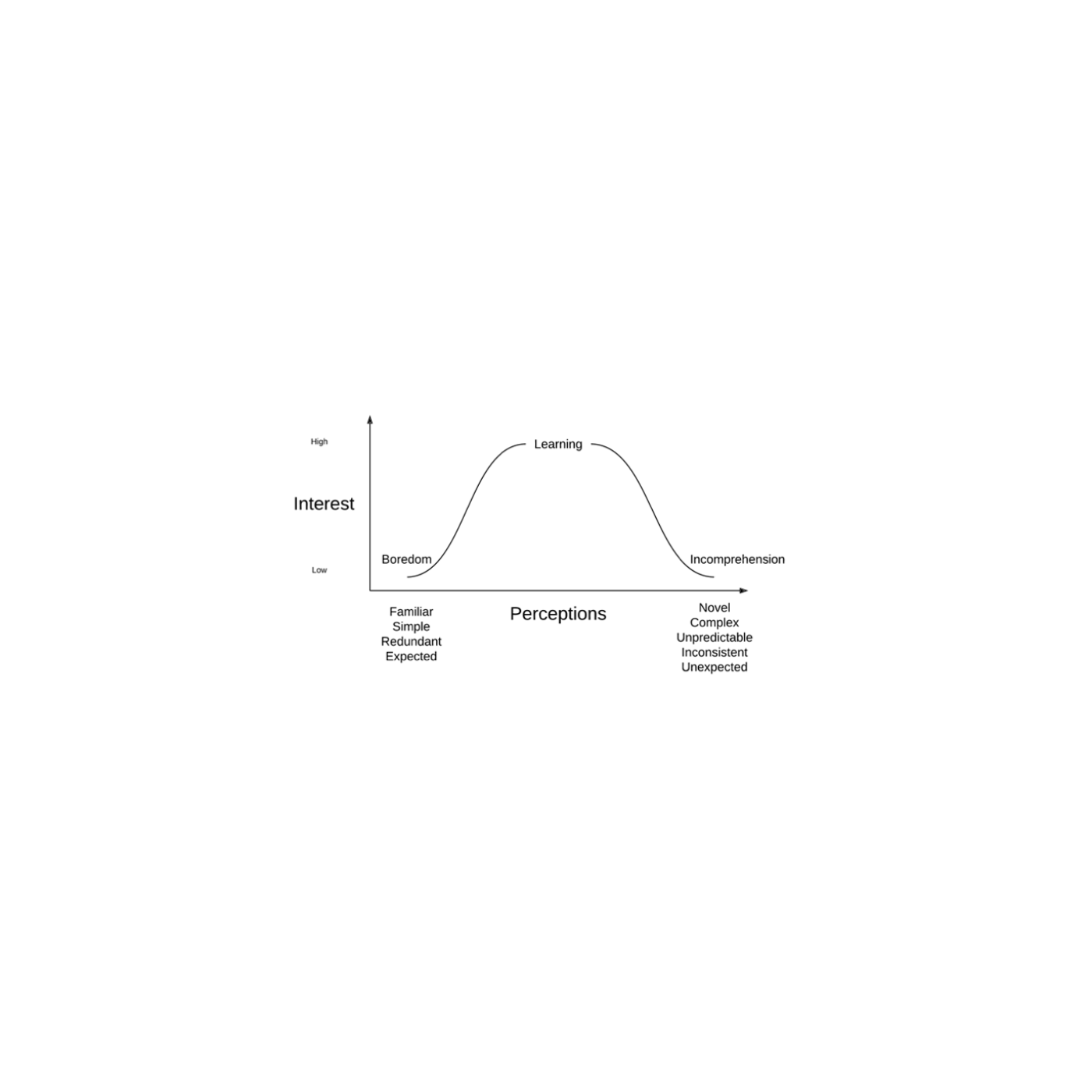
S2 Ep 4343: Media and Attention
Another in my continued series of AI generated deep dives of older blog posts.Check out the episode art for this one as this image get to the idea. Find the original episode here:https://hackscience.education/2017/12/29/media-and-attention/
S2 Ep 4242: Educator Capacity in a Digital Age
An AI-generated deep dive based on a chapter from my 2015 book.
S2 Ep 4141: Communication in Preliterate Societies
Yet another AI generated deep dive based on a podcast:https://hackscience.education/2017/12/29/interaction-in-preliterate-cultures/
S2 Ep 4040: Let’s Diversify Computer Education
An AI-generated deep dive into my blog post with the same title:https://hackscience.education/2024/04/06/lets-diversify-computer-education/
S2 Ep 3939: Don't Be The Department of "No"
An AI generated deep dive based on my blog post by the same title:https://hackscience.education/2024/10/27/dont-be-the-department-of-no/
S2 Ep 3838: Why We Scaffold
An AI-generated episode based on a blog post:https://hackscience.education/2024/03/22/why-we-scaffold/