American English Pronunciation Podcast
200 episodes — Page 4 of 4
52: Linking from the -ed ending
Fluently linking from the -ed ending is important for listening comprehension and proper articulation. Full episode transcripts at www.pronuncian.com/podcast.
50: The silent /t/ in ’-sten’ and ’-stle’ (as in ’listen’ and ’whistle’)
There is no /t/ in the pronunciation of words like 'listen' and 'whistle'. Full episode transcripts at www.pronuncian.com/podcast.
48: ’talk’ and ’walk’ and other ’-alk’ /ɔk/ words
Another silent /l/, plus the 'aw' vowel sound /ɔ/ in this English spelling pattern. Full episode transcripts at www.pronuncian.com/podcast.

47: ’should,’ ’could,’ and ’would’: /ʃʊd/, /kʊd/, /wʊd/
There /l/ is silent, and the vowel /ʊ/ is the same as the 'u' in the word 'put'. Full episode transcripts at www.pronuncian.com/podcast.
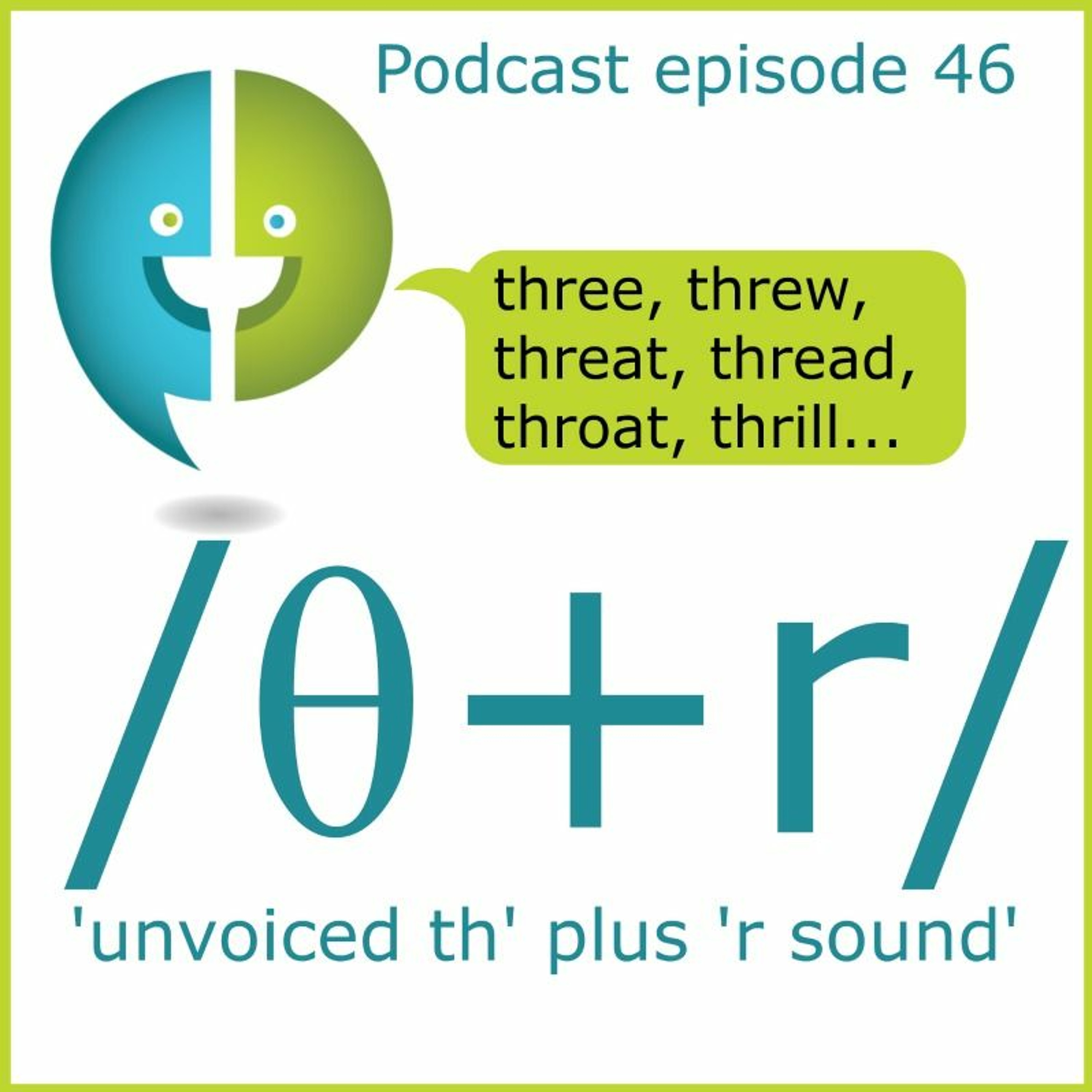
46: ’Three,’ ’through,’ ’throw’ and other /θr/ combination words
The pronouncing 'unvoiced th' /θ/ in English is difficult; the r sound also is difficult. Together they are VERY difficult. Full episode transcripts at www.pronuncian.com/podcast.
45: Chinese speakers special episode
Learn the specific problems that native speakers of Chinese have when pronouncing English. Full episode transcripts at www.pronuncian.com/podcast.
44: Letter ’x’ pronunciations: /ks/ or /gz/
While /ks/ is more common (as in 'box'), "gz" ( as in 'exact') is also a pronunciation for the letter 'x'. Full episode transcripts at www.pronuncian.com/podcast.
43: About the words ’world’ and ’word’: /wɚld/ and /wɚd/
The /w/, r-controlled vowels, and /l/: lots of opportunity for pronunciation trouble. Full episode transcripts at www.pronuncian.com/podcast.
42: Spanish speakers special episode
Special episode covering the issues that native Spanish speakers have when speaking English. Full episode transcripts at www.pronuncian.com/podcast.
41: The silent b in the -mb spelling (as in ’climb’ and ’thumb’)
Learn this rule to sound more fluent!
40: ’been,’ not ’bean’: /bɪn/, not /bin/
Americans usually pronounce 'been' with a 'short i,' not a 'long e.' Full episode transcripts at www.pronuncian.com/podcast.
39: ’quit, quite,’ and ’quiet’
Learn to correctly say these three similar-sounding words. Full episode transcripts at www.pronuncian.com/podcast.
38: ’idea’--a troublesome little 4-letter word
A few tips about adjacent vowel sounds for this 3-syllable word that help for even more words. Full episode transcripts at www.pronuncian.com/podcast.

37: ’says’ and ’said’--two words NOT pronounced with ’long a’ /eɪ/
/sɛz/ and /sɛd/: be careful about mispronouncing these two high-frequency words. Full episode transcripts at www.pronuncian.com/podcast.
36: Japanese speaker special
Native Japanese speakers of English face special difficulties when speaking English. Full episode transcripts at www.pronuncian.com/podcast.
35: there, their, they’re: they’re all said the same!
Learn the correct way to pronounce these three homophones. Full episode transcripts at www.pronuncian.com/podcast.

34: consonant+y suffix (-cy, -ity, -graphy, -fy) word syllable stress
The consonant+y covers a wide number of suffix-based syllable stress patterns. Learn one and you learn many. Full episode transcripts at www.pronuncian.com/podcast.
33: -ate suffix word syllable stress and heteronyms
Words ending in the -ate suffix are stressed on the 3rd-from-last syllable, but the suffix itself can sound differently depending if the word is a noun, adjective, or verb. Advanced level ESL lesson. Full episode transcripts at www.pronuncian.com/podcast.
32: -ize suffix (as in ’recognize’ and ’prioritize’) word syllable stress
Words ending in the -ize suffix are usually stressed on the 3rd-from-last syllable. Full episode transcripts at www.pronuncian.com/podcast.
31: -ic suffix word syllable stress
Learn about -ic word stress (as in 'classic' and 'economic') and review the 2-syllable word stress rule and -tion/-sion syllable stress. Full episode transcripts at www.pronuncian.com/podcast.
30: 2-syllable word stress and -tion/-sion syllable stress
English syllable stress follows some very common patterns that can be learned. Full episode transcripts at www.pronuncian.com/podcast.
29: Compare /i/ and /ɪ/ (’long e’ & ’short i’--as in ’sheep’ and ’ship’)
Learn about the often mispronounced short i sound, and compare it with the long e sound. Full episode transcripts at www.pronuncian.com/podcast.

28: The /h/ (as in ’hello’ and ’happy’)
Learn to correctly pronounce /h/ in English, not too hard, not too soft. Full episode transcripts at www.pronuncian.com/podcast.
27: The /g/ and /k/, stops in American English
Voicing and aspiration are characteristics of /g/ and /k/ in English pronunciation. Full episode transcripts at www.pronuncian.com/podcast.

26: English /m/ and /n/ pronunciation
The /m/ and /n/ are two of the three nasal sounds in English. Learn about them here. Full episode transcripts at www.pronuncian.com/podcast.

25: The ’ng’ sound /ŋ/ (as in ’song’) pronunciation
Learn about the ng sound (as in 'song'), the first of three nasal sounds in English pronunciation. Full episode transcripts at www.pronuncian.com/podcast.

24: The ’ch’ /ʧ/ and ’j’ /ʤ/ pronunciation in English
Learn about the 'ch' (as in 'church') and 'j' (as in 'judge'), English's only two affricate sounds. Full episode transcripts at www.pronuncian.com/podcast.
23: The /p/ and /b/ in English
Pronounce /p/ and /b/ correctly and compare them with the consonants /f/ and /v/. Full episode transcripts at www.pronuncian.com/podcast.
22: Review all the sounds covered so far
Wow, you've been busy learning! Don't lose the important knowledge of English pronunciation that you've gained. It's review day! Full episode transcripts at www.pronuncian.com/podcast.

21: The Rhythm Rule and sentence stress, continued
How is the rhythm of spoken English created? Continuing learning the basics behind sentence stress and the Rhythm Rule. Full episode transcripts at www.pronuncian.com/podcast.
20: The Rhythm Rule and Sentence Stress
Spoken English rhythm follows patterns of stressed and unstressed words and syllables. Full episode transcripts at www.pronuncian.com/podcast.
19: -ed ending pronunciation
/d/, /t/, and /ɪd/: become fluent with the three pronunciations for regular past tense verbs in English. Full episode transcripts at www.pronuncian.com/podcast.
18: The /f/ and /v/ in English
Compare pronunciation of /f/ and /v/ and learn why they're difficult to say fluently. Full episode transcripts at www.pronuncian.com/podcast.
17: The ’sh’ /ʃ/ and ’zh’ /ʒ/ in English
Practice comparing the 'sh' (as in 'she') and lesser known 'zh' (as in 'vision'). Full episode transcripts at www.pronuncian.com/podcast.
16: Reduced Pronouns: ’he, him, her,’ and ’them’
Learn how and why to NOT say the first sound of the words 'he, him, her,' and 'them.'
15: Linking vowel sounds
Become fluent by linking a word that ends with a vowel sound to a word that begins with a vowel sound. Full episode transcripts at www.pronuncian.com/podcast.
14: Linking consonant sounds
Learn how linking from word to word increases spoken English fluency
13: Informal contractions in American English
wanna, gonna, hafta, whadja, howdja: Learn how to understand and why to use informal contractions in English.
12: Common contractions in American English
don't, can't, won't, hasn't, didn't, weren't: Learn how to say and why to use common contractions in English.
11: ’aw’ /ɔ/, ’oi’ /ɔɪ/, and ’ow’ /aʊ/ in American English
Practice comparing the 'aw' with other similar vowels, and practice the diphthongs 'oi' and 'ow.'
10: The American English ’oo sound’ /u/ and ’other u’ /ʊ/
Learn about the tricky /ʊ/ 'other u' (as in 'put') and/u/, the oo sound (as in 'soon').
9: The short vowel sounds /æ, ɛ, ɪ, ɑ, ʌ/ in American English
Learn which sounds are short vowels and how to correctly pronounce them.
8: The long vowel sounds: /eɪ, i, ɑɪ, oʊ, yu/ in American English
Learn which sounds are long vowels and how to correctly pronounce them. Full episode transcripts at www.pronuncian.com/podcast.
7: Pronouncing /w/ and /y/
Learn how to create semi-vowels (glides), the /w/ and /y/ and how they exist in words. Full episode transcripts at www.pronuncian.com/podcast.
6: American English r-controlled vowels /ɚ, ɑr, ɔr, ɛr/
Practice saying and hearing the difference between r-controlled vowels: /ɚ, ɑr, ɔr,/ and /ɛr/ Full episode transcripts at www.pronuncian.com/podcast.

5: The American English /r/ and /l/
The tricky /r/ can cause even more problems when it is near the /l/. Full transcripts available at www.pronuncian.com/podcasts.
4: The American English /r/
Learn how the American /r/ is different from the British /r/.
3: The English /s/ and /z/
When does the -s ending sound like /s/, and when does it sound like /z/?
2: The English /t/ and /d/
Begin learning about "stops", the /t/ and /d/.

1: The English ’th sounds’ /θ, ð/
Yes, we have two 'th sounds,' /θ,/ and /ð/and they are both very important.