American English Pronunciation Podcast
Seattle Learning Academy
Show overview
American English Pronunciation Podcast has been publishing since 2008, and across the 8 years since has built a catalogue of 200 episodes. That works out to roughly 30 hours of audio in total. Releases follow a fortnightly cadence.
Episodes typically run under ten minutes — most land between 7 min and 10 min — though episode length varies meaningfully from one episode to the next. None of the episodes are flagged explicit by the publisher. It is catalogued as a EN-language Education show.
The catalogue appears to be on hiatus or wound down — the most recent episode landed 9.9 years ago, with no new episodes in over a year. The busiest year was 2008, with 42 episodes published. Published by Seattle Learning Academy.
From the publisher
The American English Pronunciation podcasts teaches non-native English speakers and ESL/ELL students correct English pronunciation in short lessons. Learn, listen, repeat and become fluent.
Latest Episodes
View all 200 episodes
S1 Ep 221221: Compare ’unvoiced th’ to /f/, /s/, and /t/
How to pronounce words like "thin/fin," "mouth/mouse," and "both/boat." Perfect your English fricative sounds by never stopping the air from passing through your mouth. Transcripts at pronuncian.com
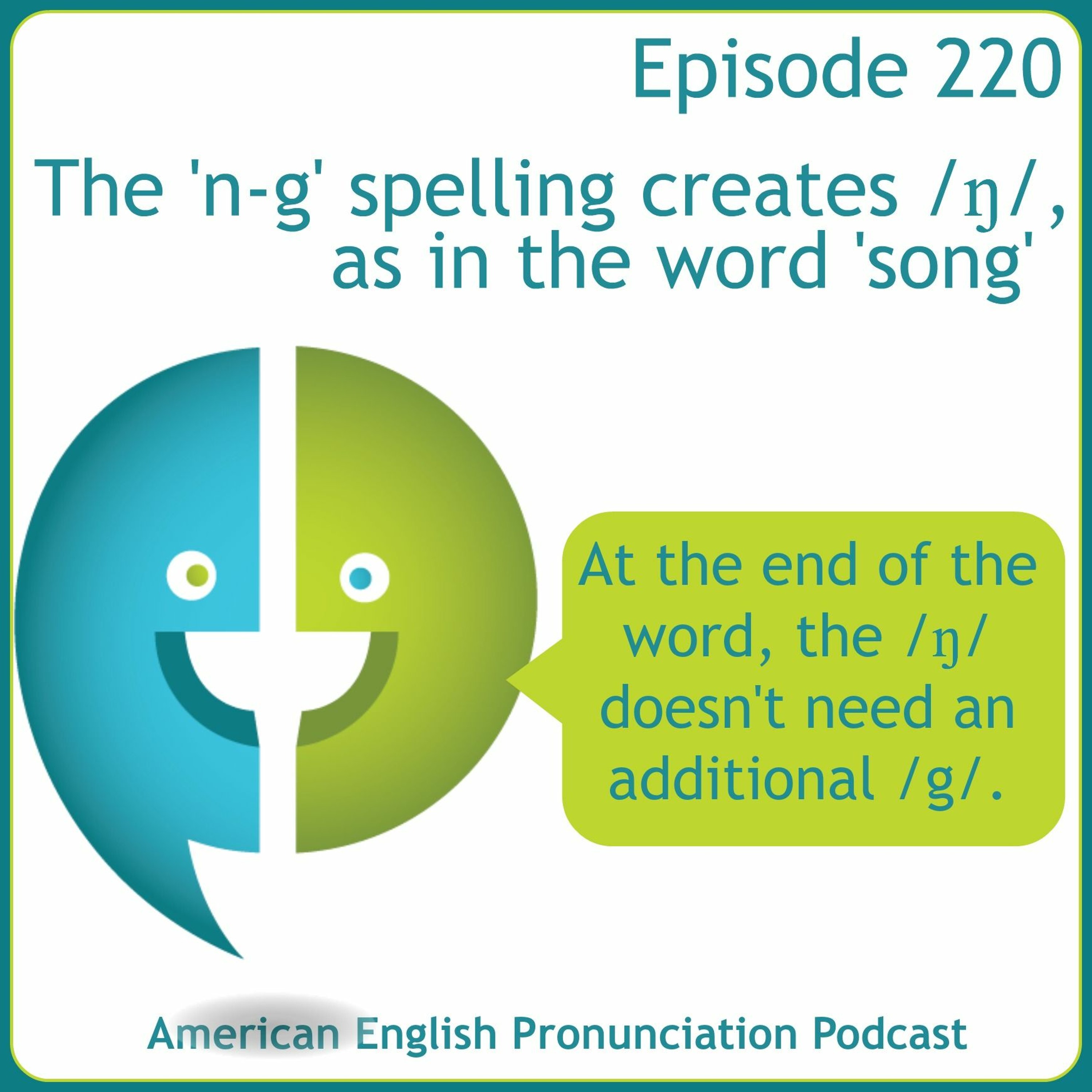
S1 Ep 220220: The ’n-g’ spelling creates /ŋ/, as in the word ’song’
At the end of the word, the /ŋ/ doesn't need an additional /g/. The /g/ is potentially included mid-word. Transcripts available at pronuncian.com
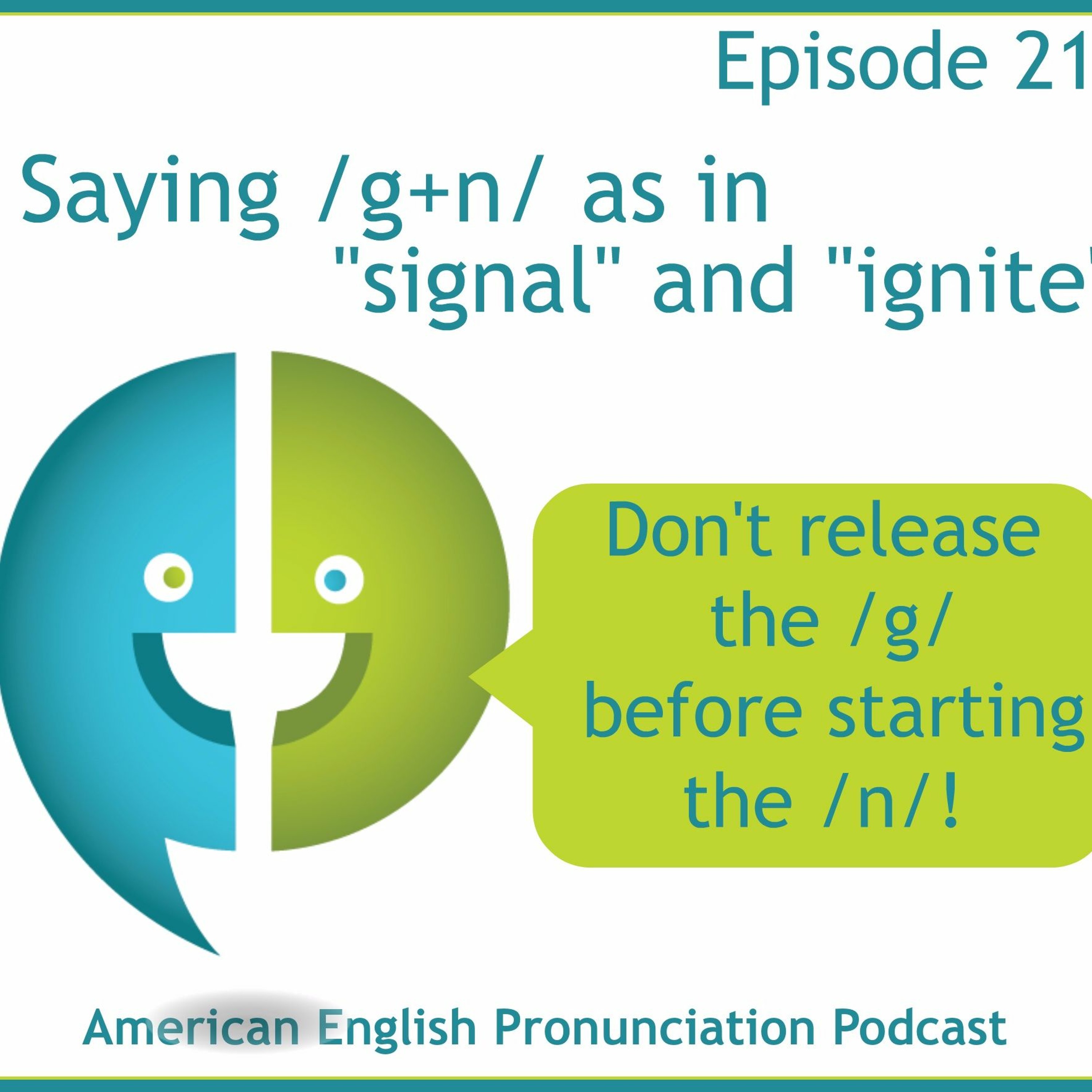
219: /g+n/ as in ”signal” and ”ignore”
"Coarticulating" the /g/ and /n/ is the trick to fluent pronunciation of these two sounds. Don't release the /g/ before starting the /n/. Transcripts available on Pronuncian.com
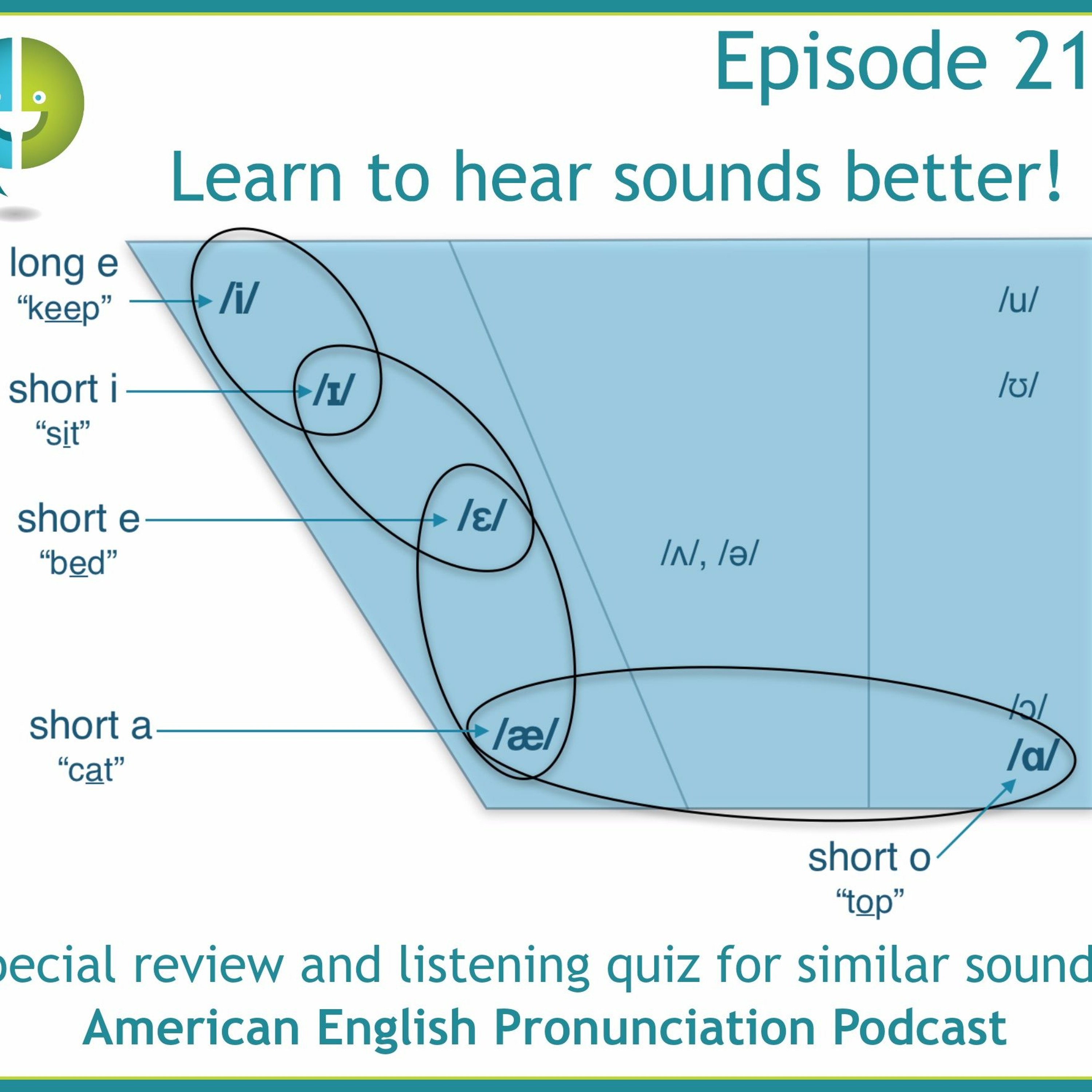
218: Learn to hear vowels to learn to pronounce them
Test your ability to identify vowel sounds with this special listening quiz episode. Transcripts available on pronuncian.com.
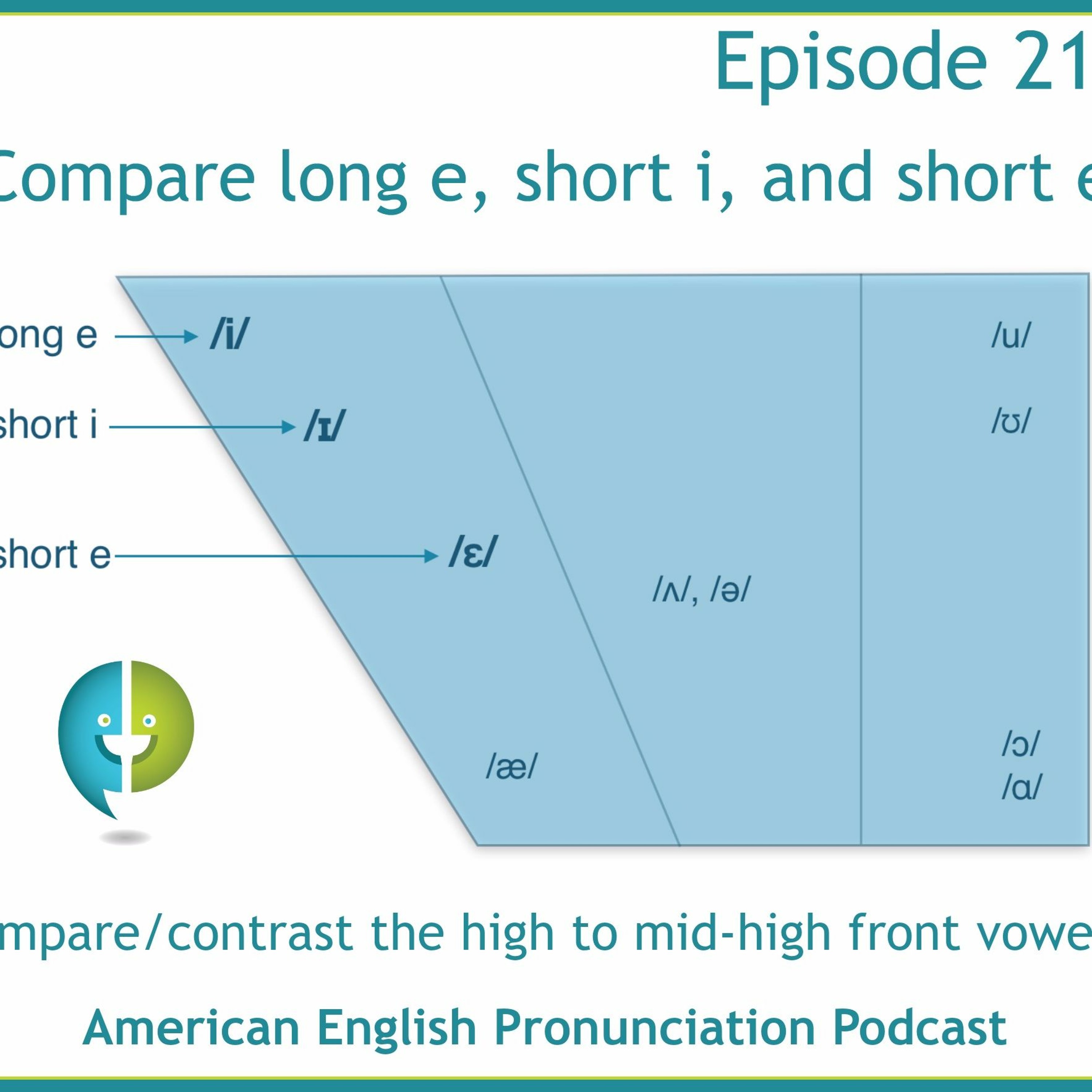
217: Compare long e, short i, and short e /i, ɪ, ɛ/
The long e, short i, and short e /i, ɪ, ɛ/, are three front vowel sounds that can be practiced from a high, front tongue position to a mid-front position. Compare and contrast! Full podcast transcripts available at pronuncian.com.
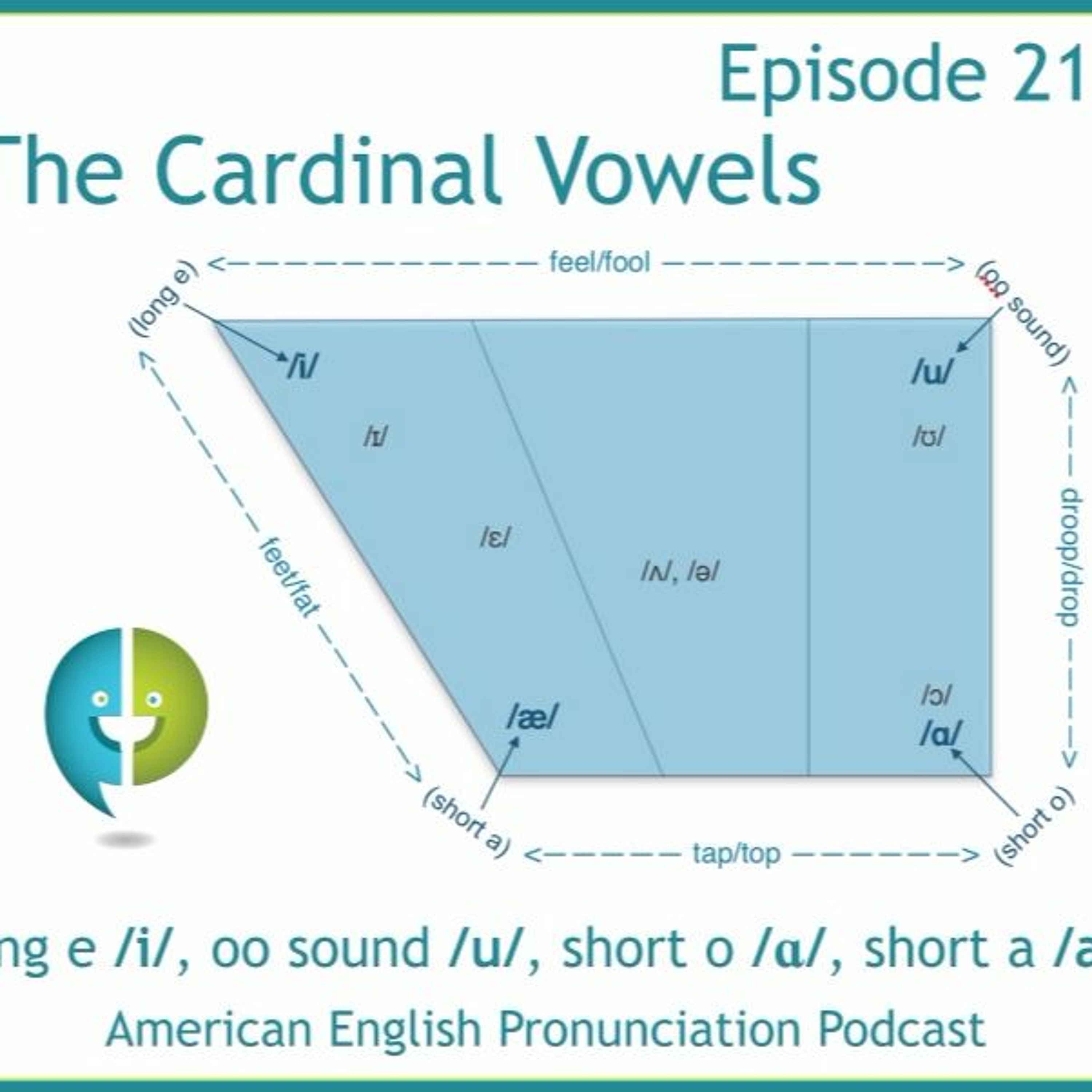
216: The Cardinal Vowels--long e /i/, oo sound /u/, short o /ɑ/, and short a /æ/
All about that vowels diagram that shows the vowel sounds placed over a sort of square-like shape that’s bigger on the top than it is on the bottom. Transcripts at pronuncian.com.

215: Adding ”bonus” information by using a low pitch
Use a low pitch to signal a spoken aside (like information that would be written in parentheses or between commas). Transcripts available at pronuncian.com.
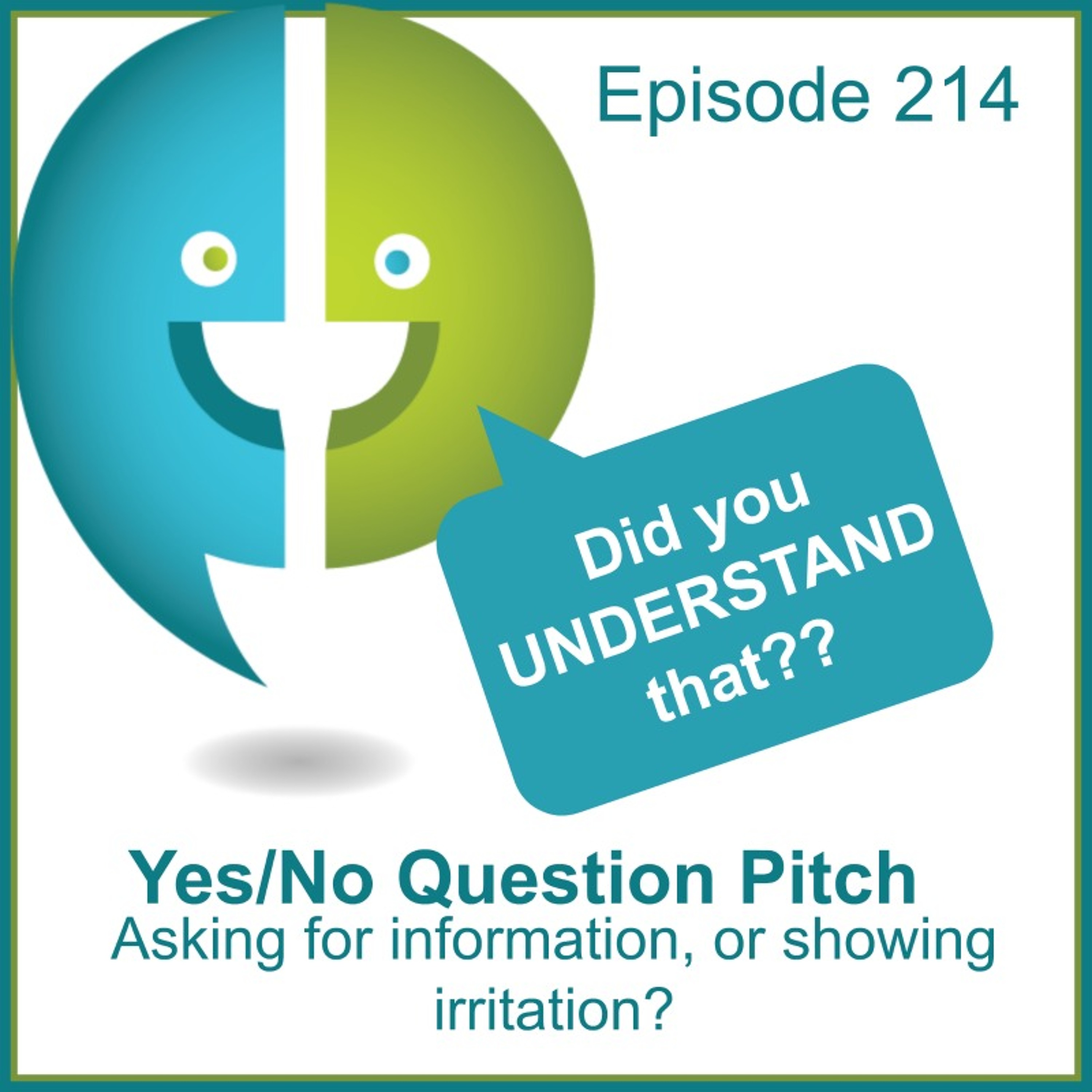
214: Yes/No Pitch Patterns
Understand the rising and falling pitch patterns for yes/no questions and learn how to read emotion. Transcripts on pronuncian.com. Classes available from seattlelearning.com.
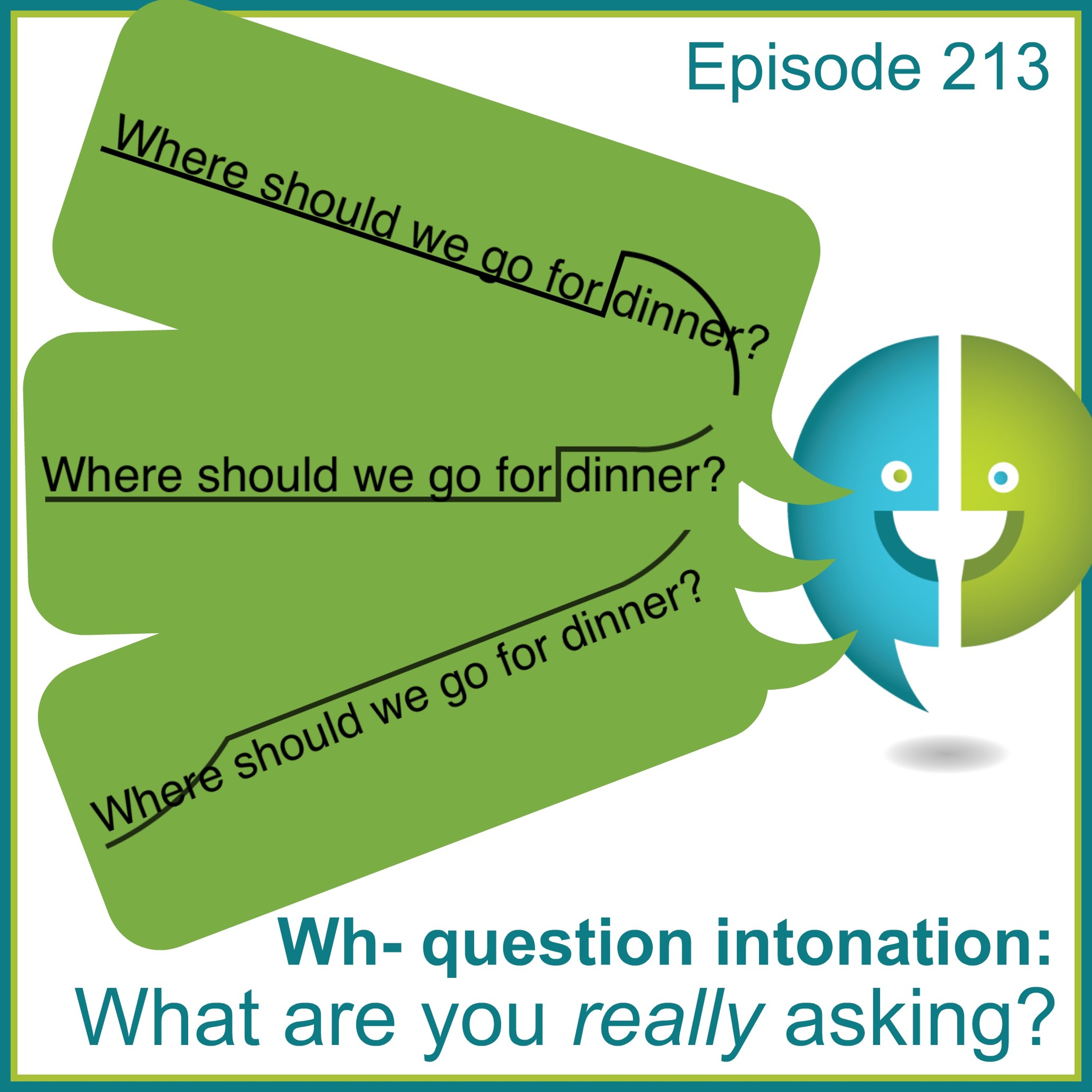
213: Intonation of Wh- Questions
What are you *really* asking? Using a rising or a falling pitch on a wh- question means something different than using a rising pitch. Transcripts available at pronuncian.com
212: /r+ɚ/ “explore” into “explorer”
Adding /ɚ/ (schwa+r) to an /r/ can be difficult. Make it into two syllables, but don't add a vowel sound between. Learn how here! By Seattle Learning Academy. Transcripts on pronuncian.com.
211: Compare /æ/ and /ɑ/ (’short a’ and ’short o’)
Words like 'hat' and 'hot' are important to distinguish. Full episode transcripts available at Pronuncian.com
210: ’-ue’ ending (unique, avenue, and rescue)
Is it silent, pronounced as 'long u' or 'oo sound'? Full episode transcripts at www.pronuncian.com/podcast.
209: The difference between /ə/ and /ʌ/: schwa and short u
What's up with /ə/ and /ʌ/ in words like 'custom' /ˈkʌs təm/? Full episode transcripts at www.pronuncian.com/podcast.
208: Cone/corn, coat/court
Practice the difference between the or sound and the long o sound. Full episode transcripts at www.pronuncian.com/podcast.
207: Why is ’quarter’ so hard to say?
Rhyming with 'shorter' and 'border,' this is a quirky word. Full episode transcripts at www.pronuncian.com/podcast.
206: I like/I’d like... bacon!
Rhythm and linking from /d/. Full episode transcripts at www.pronuncian.com/podcast.
205: Dealing with ’o-u-g-h’
No English spelling could be more confusing. Full episode transcripts at www.pronuncian.com/podcast.
204: How ’have to’ becomes ’hafta’
Informal contractions for fluency! Full episode transcripts at www.pronuncian.com/podcast.
203: When /t/ sounds like /d/ during linking: alveolar stop
Most recognize the /d/ in the pronunciation of 'little' but how about in 'out_of'? Full episode transcripts at www.pronuncian.com/podcast.
202: How similar are /n/ and /l/?
Even small differences in vocal tract profiles can make a big difference. Full episode transcripts at www.pronuncian.com/podcast.