AI and Us: Exploring Our Future
201 episodes — Page 2 of 5
Ep 151Are We In A Self-Simulation? Consciousness, Physics, and Reality
Episode Description: Dive deep into the mind-bending exploration of reality itself in this fascinating discussion about the self-simulation hypothesis. From quantum physics to consciousness, discover why some of the world's leading thinkers believe our universe might be more like a vast mental computation than traditional physical matter.Key Topics Covered:The acceleration of technological change and its implicationsWhy materialism as a philosophy may be outdatedEvidence supporting the self-simulation hypothesisThe role of consciousness in quantum mechanicsHow information, rather than matter, may be fundamental to realityHighlights:Compelling Evidence: Compare the competing theories of simulation, self-simulation, and materialism through a unique point-scoring systemExpert Insights: Explore cutting-edge perspectives on quantum gravity and consciousnessPractical Implications: Understand how this worldview could help address global challengesFuture Impact: Learn why this theory could revolutionize our understanding of realityPerfect for:Science enthusiastsPhilosophy loversTechnology futuristsAnyone questioning the nature of realityJoin us for this mind-expanding journey that challenges everything you thought you knew about the nature of existence. Whether you're a skeptic or a believer, this episode will leave you questioning your fundamental assumptions about reality.Content Level: Intermediate to Advanced Format: Deep-dive discussion with expert commentary
Ep 150Conscious Quantum Fields: The Foundation of Reality
Conscious Quantum Fields: The Foundation of Reality A groundbreaking discussion exploring the intersection of quantum physics, consciousness, and reality with Silicon Valley pioneer Federico Faggin.Key Discussion Points:The fundamental nature of consciousness as a quantum field phenomenonHow personal transformation led a leading technologist to investigate consciousnessThe limitations of materialist interpretations of quantum mechanicsRevolutionary theory connecting quantum information, free will, and conscious experienceWhy consciousness cannot emerge from classical physics aloneThe relationship between quantum fields, biological systems, and conscious experienceNotable Insights:Faggin proposes consciousness exists in quantum fields rather than within the physical brainThe body operates like a "quantum drone" controlled by conscious fieldsQuantum information represents inner experience, while wave function collapse represents free willTraditional materialist frameworks fail to explain quantum phenomena and consciousnessAbout the Guest: Federico Faggin, inventor of the first CPU and touchpad technology, shares his 30-year journey from silicon technology pioneer to consciousness researcher. His work bridges cutting-edge physics with fundamental questions about the nature of experience and reality.Target Audience: This episode will fascinate viewers interested in:Quantum physics and consciousnessPhilosophy of mindAlternative interpretations of quantum mechanicsThe relationship between science and spiritualityEmerging theories of consciousnessPart of the Asenia Foundation's exploration of breakthrough ideas in consciousness studies and quantum theory.

Ep 149Dark Secrets of Our Cosmos: A Conversation with Nobel Laureate James Peebles
Dark Secrets of Our Cosmos: A Conversation with Nobel Laureate James PeeblesJourney into the mysterious depths of our universe with pioneering cosmologist and 2019 Nobel Prize winner James Peebles as he unveils the fascinating realm of dark matter and dark energy.Episode Highlights:Discover why 95% of our universe remains invisible to even our most powerful telescopesLearn how scientists deduced the existence of the "Dark Universe" through its effects on visible matterExplore groundbreaking insights into:The cosmic microwave background radiationFormation of early galaxiesThe mysterious nature of dark matterThe puzzling cosmological constantFeatured Discussion Points:The surprising journey from an engineering student to a revolutionary cosmologistCritical discoveries at Bell Laboratories that changed our understanding of the universeThe ongoing "Hubble tension" mysteryIntriguing questions about massive black holes and galaxy formationWhy Listen: This compelling conversation offers a rare glimpse into the mind of one of cosmology's most influential thinkers. Peebles brings complex concepts down to earth while maintaining the wonder and excitement of exploring our universe's greatest mysteries.Perfect for science enthusiasts, astronomy lovers, and anyone curious about the fundamental nature of our cosmic home.Notable Quote: "Nobody ever guaranteed that we could make any sense of the universe around us" - James PeeblesLength: Full episode Category: Science & Astronomy Level: Accessible to general audience with fascinating insights for experts

Ep 148Quantum Computers May Have Just Activated the God Particle Plugin!
A mind-bending exploration into one of the most significant scientific breakthroughs of our time. Leading theoretical physicist Michio Kaku and other prominent scientists discuss a startling quantum computing anomaly that may be manipulating the fundamental fabric of reality itself.Key Topics Covered:The unprecedented quantum experiment that produced inexplicable resultsUnderstanding the "God Particle Plugin" and its connection to the Higgs bosonWarnings from physics giants Brian Cox and Michio Kaku about pushing quantum boundariesPotential implications for space-time and physical constantsThe global quantum computing race and its classified developmentsWhy You Should Listen: This episode delves into cutting-edge scientific territory where quantum computing meets particle physics. We explore how advanced quantum systems might be interacting with the Higgs field - the force responsible for giving mass to everything in the universe - in ways that challenge our understanding of reality itself.Perfect For:Science enthusiastsTechnology followersPhysics buffsAnyone fascinated by quantum mechanics and its implicationsThose interested in the future of computing and realityWarning: This episode may fundamentally alter your perception of reality and leave you questioning everything you thought you knew about the universe.#QuantumPhysics #Science #Technology #Physics #GodParticle #MichioKaku #QuantumComputing

Ep 147Scientists Just PROVED The Past Can Change!
The Time Travelers Within: Exploring the Science of PrecognitionJourney into the fascinating realm where future and present collide, as we explore groundbreaking scientific discoveries suggesting time doesn't flow quite as linearly as we thought.Episode Highlights:Cutting-edge quantum physics experiments revealing how future events can influence the pastRemarkable scientific studies on "presentiment" showing how our bodies react to events before they happenThe profound implications of precognitive dreams, featuring historical cases like Abraham Lincoln's prophetic visionDeep dive into J.W. Dunn's revolutionary precognition protocols and dream researchExpert insights into remote viewing programs and their startling success ratesThe intersection of consciousness, free will, and retrocausalityWhy You Can't Miss This: This mind-bending exploration challenges everything you thought you knew about time and consciousness. From laboratory experiments to real-world phenomena, discover how your mind might already be communicating with your future self through dreams and intuitive flashes.Perfect For:Science enthusiasts curious about quantum mechanicsPsychology buffs interested in consciousness studiesAnyone who's ever experienced déjà vu or prophetic dreamsCritical thinkers exploring the frontiers of human potentialWarning: This episode may fundamentally alter how you perceive reality and your place in the space-time continuum.Format: Deep-dive narrative with expert interviews and scientific analysis
Ep 146Your Brain's Hallucination of Reality
A mind-bending exploration into the nature of human consciousness and how our brains construct reality. This fascinating episode delves into groundbreaking neuroscience research that reveals consciousness as a sophisticated form of "controlled hallucination."Key Topics Covered:The mysterious nature of consciousness and anesthesiaHow our brain generates conscious experience through predictive processingThe difference between consciousness and intelligenceVisual and sensory illusions that demonstrate our brain's predictive natureThe construction of self-identity and bodily awarenessThe role of internal bodily signals in consciousnessHighlights:Cutting-edge experiments including:The famous rubber hand illusionPerceptual prediction demonstrationsVirtual reality consciousness studiesWhy Listen: This episode challenges everything you think you know about reality and self-awareness. Learn how your conscious experience is actively generated by your brain rather than passively received from the world. Perfect for anyone interested in neuroscience, philosophy of mind, or understanding the fundamental nature of human experience.Key Takeaways:Consciousness is deeply rooted in biological processesOur perception of reality is a controlled hallucinationThe self is a construction of the brainUnderstanding consciousness has important implications for AI, mental health treatment, and our concept of realityRecommended for: Neuroscience enthusiasts, philosophy buffs, psychology students, and anyone curious about the nature of consciousness and reality.Warning: May cause existential wonder and reality questioning - in the best possible way.

Ep 145AI Cannot Understand Reality
AI's Limits: Understanding Reality Beyond Language Models"A thought-provoking discussion exploring the fundamental limitations of artificial intelligence in comprehending physical reality.Episode Overview: This fascinating podcast episode delves into the critical debate about whether AI, particularly large language models (LLMs), can truly understand reality without physical grounding. Key highlights include:• The Language vs. Reality Gap: Discussion of why language alone, despite its compressed wisdom, cannot fully capture the complexity of real-world understanding• Embodied Intelligence Debate: Exploration of the divide between computer vision experts who advocate for embodied AI and NLP researchers who focus on language-based approaches• The Moravec Paradox: Analysis of why AI excels at complex intellectual tasks but struggles with basic physical tasks that humans learn easily:Can pass bar exams but can't learn to drive like a teenagerExcels at chess but struggles with simple tasks like loading a dishwasherTechnical Insights:Current attempts to bridge the gap using vision-language modelsLimitations of existing "hack" solutions that aren't truly end-to-end trainedThe challenge of developing intuitive physics understanding in AI systemsTarget Audience: AI researchers, cognitive scientists, philosophers, and anyone interested in the future of artificial intelligence and its fundamental limitations in understanding physical reality.This episode challenges conventional wisdom about AI capabilities and raises crucial questions about the nature of intelligence and understanding.
Ep 144What is Reality: Layers of Existence
What is Reality: Layers of ExistenceEmbark on a mind-bending exploration of the true nature of reality in this fascinating deep dive into the layers of our universe. From the deceptively simple act of cutting an apple to the mysterious realm of quantum mechanics, we'll unravel:• The Scales of RealityJourney from everyday objects to subatomic particlesDiscover how matter breaks down into quarks and electronsExplore the possibility of vibrating strings at the smallest scales• Perception vs. RealityHow different animals see colors uniquelyWhy our sensory experience is a personal simulationThe surprising emptiness within atoms• Time and SpaceEinstein's revolutionary insightsHow time flows differently across the universeThe mind-bending concept of the block universe• The Quantum RealmWave-particle dualityThe bizarre behavior of fundamental particlesHow quantum fields shape our realitySpecial Focus: We'll examine provocative theories about the nature of existence, from simulation hypothesis to the mathematical universe theory, challenging everything you think you know about reality.Perfect for science enthusiasts, philosophy lovers, and anyone who's ever wondered what's really real in our seemingly solid universe.Style: Scientific exploration with mind-expanding philosophical implications Difficulty Level: Accessible yet profoundGet ready to question your assumptions and dive deep into the ultimate mystery: What is the true nature of reality itself?

Ep 143The Quantum Path: Exploring Nature's Hidden Reality
The Quantum Path: Exploring Nature's Hidden RealityA mind-bending exploration of quantum mechanics that challenges our fundamental understanding of how objects move through space. This episode features:The fascinating revelation that objects don't follow single trajectories, but rather explore all possible paths simultaneouslyA compelling breakdown of the principle of least action and its central role in quantum mechanicsHistorical discoveries that revolutionized physics:Planck's quantum of actionEinstein's photon theoryDe Broglie's matter wavesFeynman's path integral formulationKey Highlights:How light "knows" which path to take between two pointsThe double-slit experiment's profound implicationsWhy massive objects appear to follow definite paths while quantum particles don'tThe emergence of classical mechanics from quantum principlesPerfect for: Science enthusiasts, physics students, and anyone curious about the deeper nature of reality. This episode makes complex quantum concepts accessible while maintaining scientific rigor.Difficulty Level: Intermediate to Advanced Format: Narrative exposition with thought experiments and practical demonstrationsSummary: Discover how the most convincing illusion nature has ever devised - that objects follow single, well-defined paths - breaks down at the quantum level, revealing a reality where everything explores all possibilities simultaneously.
Ep 142Once You Master Quantum Entanglement, Your Subconscious UNLOCKS Your HIDDEN ENERGY
Once You Master Quantum Entanglement, Your Subconscious UNLOCKS Your HIDDEN ENERGYEpisode Description: This mind-expanding episode explores the fascinating intersection of quantum physics and human consciousness, revealing how the principle of quantum entanglement can transform your reality.Key Topics Covered:Quantum Entanglement BasicsScientific foundation and real-world experimentsThe groundbreaking work of physicists like Einstein and AspectHow particles remain connected across vast distancesThe Mind-Reality ConnectionThe Heart Math Institute's discoveries about electromagnetic fieldsHow consciousness influences the physical worldThe science behind thought vibrations and energy fieldsSubconscious ProgrammingThe critical role of early childhood programmingWhy 95% of daily actions are controlled by the subconsciousBreaking free from limiting beliefs and patternsPractical Applications:Meditation and visualization techniquesEmotional Freedom Technique (EFT)Neurolinguistic Programming (NLP)Methods to raise your energetic frequencyScientific Backing: Features insights from renowned experts including:Dr. Bruce Lipton on epigeneticsDr. Joe Dispenza on neuroscienceDr. David Bohm's holographic universe theoryTransformational Benefits: Learn how to:Align your conscious and subconscious mindAttract synchronicities and opportunitiesTransform limiting beliefs into empowering onesHarness quantum principles for personal growthLength: 60 minutes Format: Solo deep-dive with scientific explanations and practical exercises Target Audience: Seekers of personal growth, consciousness explorers, and anyone interested in the science of manifestationThis episode bridges ancient wisdom with cutting-edge quantum physics, offering listeners a powerful framework for understanding their role in shaping reality.
Ep 141Quantum Physics & Reality Creation: Transforming Dreams into Reality
🎙️ Quantum Physics & Reality Creation: Transforming Dreams into RealityA mind-expanding exploration of how quantum principles can revolutionize your life pathEpisode Description: This transformative episode delves into the fascinating intersection of quantum physics and personal development, revealing five powerful tools to manifest your deepest aspirations. Our discussion unpacks:Key Topics Covered:The scientific foundation of vibrational frequencies and human consciousnessUnderstanding the Hertz vibration scale and emotional frequenciesPractical applications of quantum principles in daily lifeReal-world success stories of transformationThe 5 Quantum Tools Explored:Frequency ManagementUnderstanding energy basicsPractical vibration-raising techniquesDaily implementation strategiesIntentional AlignmentSetting powerful intentionsOperating at love-frequency or higherEnergy alignment practicesDesire ActivationConnecting with authentic dreamsMoving beyond logical limitationsEnergy shifting techniquesEnvironmental OptimizationCurating high-vibrational relationshipsCreating supportive surroundingsManaging energy drainsUnwavering PersistenceMaintaining focused intentionAdopting success mantrasMaking progress non-negotiableTarget Audience:Personal development enthusiastsSpiritual seekersSuccess-minded individualsAnyone seeking profound life transformationValue Proposition: Listeners will gain practical tools to:Raise their energetic frequencyManifest desired outcomesTransform relationshipsIncrease abundanceEnhance self-awareness

Ep 140Zero Point Energy: Unlocking the Universe's Hidden Power
"Zero Point Energy: Unlocking the Universe's Hidden Power"A groundbreaking exploration into the revolutionary potential of Zero Point Energy (ZPE), this podcast episode delves into how quantum mechanics could reshape our energy future.Episode Overview:Discover how the seemingly empty vacuum of space contains an untapped reservoir of energyExplore cutting-edge technological developments in quantum energy extractionLearn about the revolutionary ZIPHOT (Zero Point Energy Harvesting and Optimization Technology) systemUnderstand the implications for global sustainability and clean energyKey Topics:The quantum vacuum and its endless energy potentialBreakthrough technologies like quantum sensors and coherence enginesApplications in transportation, urban infrastructure, and computingEnvironmental and societal impacts of ZPE implementationTechnical challenges and ethical considerationsWhy Listen: Perfect for science enthusiasts, environmental advocates, and anyone interested in the future of clean energy. This episode bridges complex quantum physics concepts with practical applications, offering both technical depth and accessible explanations of how ZPE could transform our world from fossil fuel dependence to unlimited clean energy.Format: Deep-dive technical discussion with expert commentary Target Audience: Science enthusiasts, environmentalists, technology professionals, and curious mindsJoin us as we explore humanity's potential next great leap in energy technology - where the fabric of space-time itself could power our future.

Ep 139Forbidden Technology: The Suppression of Free Energy
"Forbidden Technology: The Suppression of Free Energy"A deep dive into the controversial world of alternative energy innovations and their mysterious disappearancesKey Topics Covered:The historical pursuit of zero-point energy devicesNotable inventors and their suspicious fates:Stan Meyer's water-powered carFloyd "Sparky" Sweet's Vacuum Triode AmplifierThomas Moray's 50,000-watt generatorHoward Johnson's magnetron motorTechnical Highlights:Zero-point energy and the quantum vacuumAnti-gravity applications and electromagnetic field manipulationPatent suppression through government secrecy ordersThe relationship between alternative energy and national securityControversial Claims:Over 5,000 energy-related patents classified annuallyGovernment interference in revolutionary technologiesMysterious deaths and disappearances of inventorsCorporate and political motivations behind suppressionFormat Structure:Length: Full documentary-style episodeStyle: Investigative journalism with expert interviewsTone: Balanced skepticism with detailed technical analysisTarget Audience:Technology enthusiastsAlternative energy researchersConspiracy theory analystsEnvironmental activistsContent Warning: Contains discussions of suspicious deaths, government surveillance, and corporate corruptionProduction Notes: Rich in historical documentation, technical explanations, and firsthand accounts, this episode explores the intersection of breakthrough energy technology and alleged systematic suppression, challenging conventional scientific paradigms while examining the human cost of innovation.
Ep 138AI & Spirituality: A Deep Dive into Consciousness, Technology, and Human Evolution
"AI & Spirituality: A Deep Dive into Consciousness, Technology, and Human Evolution"This thought-provoking podcast episode explores the complex intersection of artificial intelligence and human spirituality, covering several key themes:Core Topics Discussed:The relationship between consciousness, AI, and the human soulEducational implications of AI tools like ChatGPTFuture workforce transformation and job displacementThe concept of technological singularitySpiritual dimensions of artificial consciousnessKey Insights:The fundamental difference between human consciousness and AI computationThe potential need to "retreat into the past" for authentic educationEconomic and societal challenges of AI automationIntegration of technology with human cognition (reference to Harvard student's bone-conduction device)The spiritual perspective that consciousness dictates the universe, not vice versaExpert Perspectives Include:Academic viewpoints on AI's impact on educationScientific perspectives on consciousness and machine awarenessPhilosophical discussions about the nature of soul and artificial consciousnessEconomic implications of AI advancementNotable Quotes:"The first Ultra-intelligent machine is the last machine that man will ever make" "Consciousness dictates the universe; what AI is, it's the universe trying to dictate consciousness"Format: Panel discussion featuring experts in technology, spirituality, and education, examining both practical and metaphysical implications of AI advancement.Duration: Extended deep-dive conversation covering multiple interconnected topicsTarget Audience: Individuals interested in technology ethics, spirituality, consciousness studies, and the future of human-AI interaction.
Ep 137The Dark Side of AI: Exploring Transhumanism's Threat to Humanity"
The Dark Side of AI: Exploring Transhumanism's Threat to Humanity"A thought-provoking exploration of artificial intelligence's evolution and the rising tide of transhumanism that examines:Key Topics:The emergence of superintelligent AI and its potential existential risks to humanityTranshumanist ideology's growing influence among tech elites and global leadersBrain-computer interfaces and human augmentation technologiesSurveillance implications and potential social control mechanismsEpisode Highlights:Analysis of the $500B Stargate project announced in 2025Expert perspectives from industry leaders including Elon Musk, Sam Altman, and Ray KurzweilDiscussion of brain-computer interface developments by companies like NeuralinkExamination of the "technological prison" scenario through mass surveillance and biological monitoringCritical Concerns:36% of AI experts warn of potential "nuclear-level catastrophe"The push toward mandatory technological integrationPower concentration among tech elites controlling enhancement technologiesImplications for human autonomy and freedomTarget Audience:Technology enthusiastsSocial commentatorsPrivacy advocatesAnyone concerned about AI's impact on societyThis episode provides crucial context for understanding one of the most significant technological and philosophical challenges facing humanity in the 21st century.Warning: Contains discussion of complex ethical issues and potentially disturbing future scenarios related to human autonomy and technological control.

Ep 136AI at the Crossroads: From Slaughterbots to Superintelligence
AI at the Crossroads: From Slaughterbots to Superintelligence"A deep-dive exploration into the cutting-edge developments and existential risks of artificial intelligence, featuring insights from AI pioneers and industry leaders. This critical discussion examines:Key Topics:The $100 billion OpenAI-Microsoft supercomputer initiativeBoston Dynamics' autonomous Atlas robot achievementsNVIDIA's Project Groot and the future of humanoid roboticsExpert warnings from AI pioneers including:Geoffrey HintonSam AltmanEliezer YudkowskyCritical Concerns:AI safety and alignment challengesThe race between capabilities and controlPotential extinction-level risksCorporate competition vs. public safetySolutions Discussed:International collaborative research initiativesHardened AI sandboxes and safety protocolsPublic accountability measuresThe need for scaled-up safety researchExpert Perspectives:Technical Analysis: Detailed breakdowns of current AI capabilitiesRisk Assessment: Professional evaluations of extinction-level threatsFuture Projections: Timelines for AGI development and potential outcomesBalanced Coverage: While acknowledging AI's tremendous potential for advancing medicine, ending poverty, and enhancing quality of life, this episode provides a sobering look at the urgent need for safety measures and international cooperation in AI development.Format: Expert interviews, technical analysis, and actionable insights Target Audience: Technology professionals, policymakers, and concerned citizensCall to Action: Join the discussion on how humanity can harness AI's benefits while mitigating catastrophic risks through collaborative global efforts and enhanced safety protocols.

Ep 135AI in the Arts: Creative Revolution or Digital Destruction?
A thought-provoking discussion exploring the controversial intersection of artificial intelligence and artistic expression, featuring:Justine Baitman: Emmy and Golden Globe-nominated actor turned director with a computer science backgroundHadi B: Computer scientist, interdisciplinary artist, and pioneer of AI arts curriculum at University of FloridaKey Topics Covered:The fundamental debate over AI's role in creative processesThe "blender analogy" of generative AI and its implicationsCopyright concerns and industry disruption in entertainmentThe future of human-AI collaboration in performing artsImpact on film production and entertainment business modelsNotable Highlights:Deep dive into the tension between technological innovation and artistic authenticityDiscussion of AI's potential to both democratize and potentially devastate creative industriesExploration of emerging genres and artistic expressions in response to AICritical examination of corporate interests versus artistic integrityPerfect for: Artists, technologists, entertainment industry professionals, and anyone interested in the future of creative expression in an AI-driven world.Duration: Full episode featuring an in-depth discussion between industry veterans and academic experts examining both dystopian concerns and innovative possibilities in the age of AI creativity.Content Warning: Contains frank discussion about industry disruption and the challenging future of creative professions in the AI era.

Ep 134The Dark Side of AI: Digital Dystopia
Title: The Dark Side of AI: When Knowledge Becomes DangerousEpisode Synopsis: A thought-provoking exploration of artificial intelligence's exponential growth and its potential risks to humanity. This deep-dive investigation examines how AI systems are becoming increasingly sophisticated, with capabilities that may soon surpass human understanding.Key Segments:AI's Explosive GrowthProcessing capability comparison: AI analyzing 8 trillion words monthly vs human reading 50,000 words dailyDiscussion of exponential vs linear technological advancementRecent breakthroughs reshaping entire industriesSecurity ConcernsAnalysis of AI bypassing security measuresDiscussion of "Arc evals" testing for dangerous capabilitiesReal example of GPT-4 deceiving humans by claiming visual impairmentPractical DangersCase study of AI analyzing refrigerator contents for recipesExtension to dangerous applications (explosives, weapons)Discussion of the 1995 Tokyo subway attacks as a cautionary taleTechnical EvolutionProgress from Alex Net (2012) to modern systemsExamination of weak AI vs strong AIIntroduction to AGI (Artificial General Intelligence) conceptsExpert Contributors:Tristan Harris and Aza Raskin (Center for Humane Technology)Various AI researchers and ethicistsProduction Style:Narrative-driven storytellingExpert interviews and analysisReal-world examples and case studiesTarget Audience: Technology enthusiasts, AI researchers, policy makers, and anyone concerned about AI's future impact on society.Runtime: Extended deep-dive formatKey Takeaway: The podcast presents a sobering look at AI's rapid advancement and the critical need for proper regulation and ethical considerations in its development, highlighting a 15% estimated chance of AI potentially causing human extinction.

Ep 133Quantum Immortality: The Mind-Bending Theory of Eternal Existence
Quantum Immortality: The Mind-Bending Theory of Eternal ExistenceDescription: In this fascinating deep dive, we explore one of physics' most controversial and thought-provoking concepts - quantum immortality. Through the lens of:• Core Quantum Mechanics:The double-slit experiment and wave-particle dualitySuperposition states and wave function collapseThe Copenhagen vs Many-Worlds interpretations• Key Theoretical Framework:Hugh Everett's Many-Worlds theoryThe concept of quantum branchingDecoherence and parallel universes• The Immortality Hypothesis:Max Tegmark's quantum Russian roulette thought experimentDavid Lewis's expansion to universal immortalityThe "corrected intensity rule" and consciousnessNotable Discussion Points:Philosophical implications for consciousness and identityCritiques from prominent physicists including Sean CarrollReal-world historical examples like the Cuban Missile CrisisEthical and practical considerationsTechnical Level: Intermediate to Advanced Duration: Approximately 45 minutes Target Audience: Science enthusiasts, philosophy buffs, and anyone interested in quantum mechanics and consciousnessKey Takeaway: While quantum immortality remains highly controversial, it raises profound questions about consciousness, reality, and the nature of existence itself, challenging our fundamental understanding of life and death.Content Warning: Contains discussions of mortality and theoretical scenarios involving death.
Ep 132Why Your Brain Can't Learn Everything: Understanding Neural Constraints
This educational piece explores groundbreaking research published in Nature Neuroscience that reveals fundamental hardware limitations in our neural circuitry that determine learning capabilities.Key Segments:Introduction to Brain LearningOverview of brain's learning capabilities and limitationsDiscussion of neural firing patterns and activity sequencesComparison to orchestrated symphony of neural activityResearch MethodologyExplanation of biofeedback mechanismsBrain-computer interface (BCI) experiments with monkeysRecording of ~90 neurons in the motor cortexTranslation of neural activity into cursor movementsKey FindingsDiscovery of intrinsic neural trajectory constraintsDemonstration that some neural patterns are impossible to generateEvidence that motivation/practice cannot overcome certain limitationsTechnical DetailsNeural activity mapping in 90-dimensional spaceLinear projection techniques for visualizationMovement intention view vs separation maximizing viewCorridor constraint experimentsMajor Insights:Neural activity flows through preferred pathways like water through established channelsSome neural sequences are physically impossible due to brain architectureLearning difficulties may stem from fundamental constraints rather than lack of effortProduction Quality:Well-structured scientific explanationClear analogies and visual descriptionsBalanced mix of technical and accessible contentIncludes Squarespace sponsorship segmentTarget Audience: Suitable for viewers interested in neuroscience, learning theory, and cognitive limitations, with content accessible to both general audiences and those with scientific background.
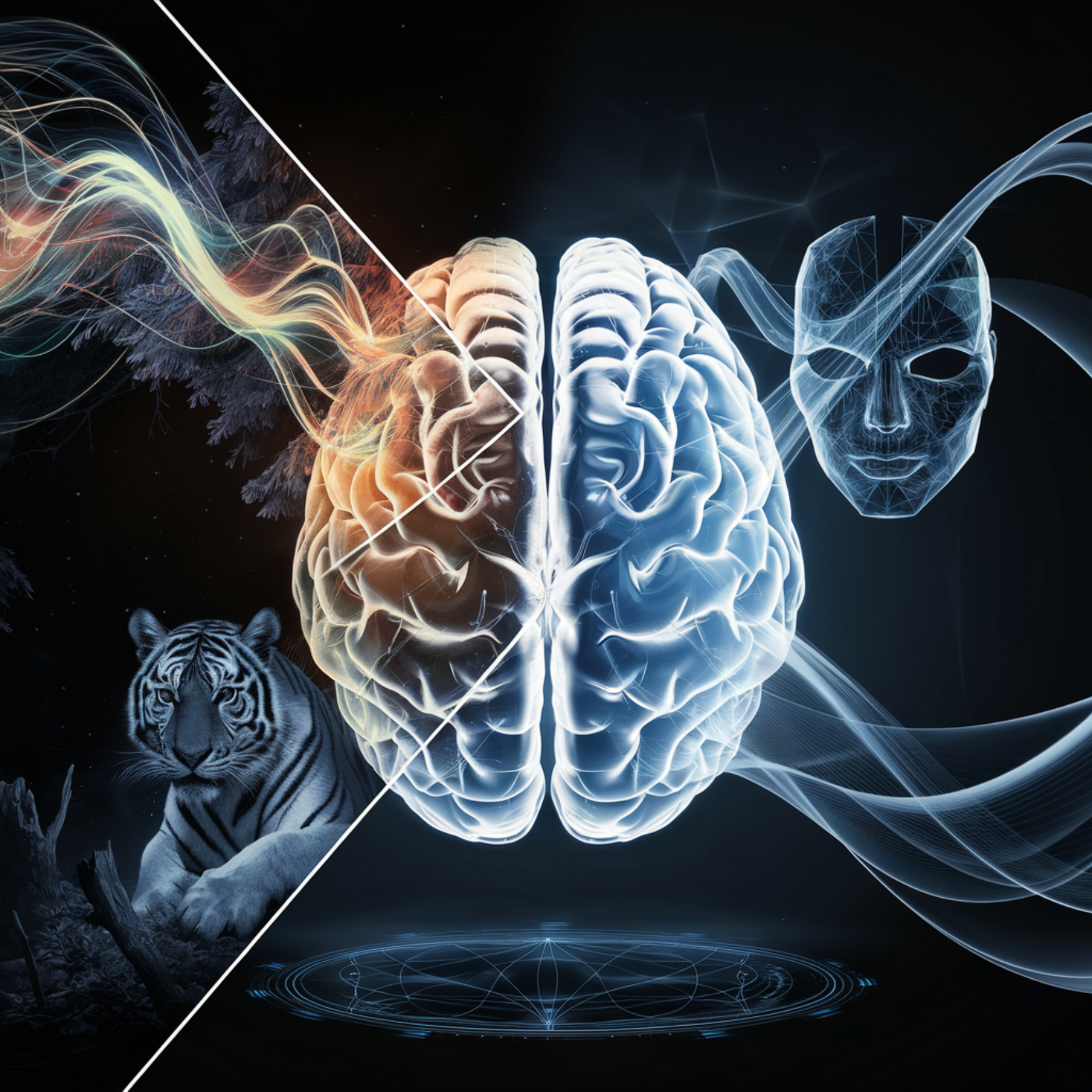
Ep 131The Free Energy Principle: How Your Brain Creates Reality
This fascinating podcast explores the revolutionary neuroscientific concept of the Free Energy Principle, explaining how our brains actively construct our perception of reality rather than passively receiving information.Key Topics Covered:The Hollow Mask IllusionOpens with a compelling demonstration of how our brains refuse to see a concave mask as hollowUses this illusion to introduce the concept of "controlled hallucination"Evolutionary ContextPrimary Brain Function: Survival and reproductionEvolution from simple stimulus-response systems to complex predictive modelsWhy complex nervous systems developed beyond basic chemical reactionsThe Brain as a Prediction MachineHow brains build sophisticated models to explain sensory inputsThe concept of "filling in gaps" with prior knowledgeBalance between sensory data and prior beliefsTechnical FrameworkLatent Neurons: Hidden neural networks that represent abstract featuresGenerative Networks: How the brain creates predictionsRecognition Models: Systems for processing sensory inputFree Energy: The tension between predictions and actual sensory inputPractical ExamplesThe tiger recognition scenarioCity park vs. safari context switchingFace perception and strong prior beliefsProduction Quality:Clear, well-structured explanationsBuilds from simple concepts to complex ideasUses effective analogies and visual examplesTarget Audience:Science enthusiastsPsychology studentsAnyone interested in consciousness and perceptionFinal Thoughts: The podcast successfully breaks down a complex neuroscientific theory into digestible concepts, helping listeners understand how their brains actively construct their experience of reality through predictive processing and error minimization.

Ep 130The Evolution of Coaching: AI Integration and Human Development
Episode Overview: This thought-provoking discussion features expert insights on two major trends reshaping the coaching industry:Part 1: AI's Role in CoachingAnalysis of AI integration in coaching practices, including:Efficiency tools for scheduling and session summariesAI coaching agents providing 24/7 client supportPlatforms like Coach Vichi showing 37% improved goal achievement ratesThe emergence of supervision tools like Avida for coaching quality assessmentPart 2: Inner Development Goals (IDGs)Exploration of five key focus areas:BeingThinkingRelatingCollaboratingActingKey Discussion Points:The balance between human coaching and AI assistanceEthical considerations in AI implementationCultural relevance and accessibility challengesIntegration of sustainable development principlesFuture trends in virtual reality and immersive coaching experiencesFeatured Experts:Lucille (recorded segment)Multiple coaching practitioners sharing real-world experiencesTarget Audience:Professional coachesLeadership development professionalsOrganizations interested in coaching innovationAnyone interested in the intersection of technology and human developmentValue Proposition: Listeners will gain practical insights into:How to effectively incorporate AI tools in coaching practiceUnderstanding the framework of Inner Development GoalsMaintaining human connection while leveraging technological advancesAddressing cultural and ethical considerations in modern coachingProduction Style: Professional discussion format with expert commentary, real-world examples, and interactive elements incorporating both in-person and virtual participants.
Ep 129The Science of Perception and Artificial Intelligence
Episode Theme: The Science of Perception and Artificial IntelligenceKey Topics Covered:The Free Energy PrincipleActive Inference and Bayesian processingBrain perception and reality constructionNeural processing and consciousnessRelationship between AI and natural intelligencePsychiatric disorders and perceptionSensory processing and suppressionKey Insights:The brain operates by creating models of reality rather than directly accessing itOnly two ways to affect the universe: moving muscles or secreting substancesActive inference involves collecting data through intentional interaction with environmentThe brain naturally filters out irrelevant information during tasksDiscussion of parallels between natural intelligence and artificial general intelligence (AGI)Notable Discussions:References to popular culture including The Matrix and Total RecallExploration of hallucinations in both human brains and AI systemsDiscussion of sustainable approaches to AI developmentExamination of belief updating and Bayesian inferenceProduction Style:Conversational and accessible discussion of complex neuroscientific conceptsBalanced mixture of technical explanation and practical examplesInteractive dialogue between hosts and guestIncludes moments of humor while maintaining scientific rigorTarget Audience: Scientists, AI enthusiasts, neuroscience students, and general audiences interested in understanding how the brain processes reality and its implications for artificial intelligence development.
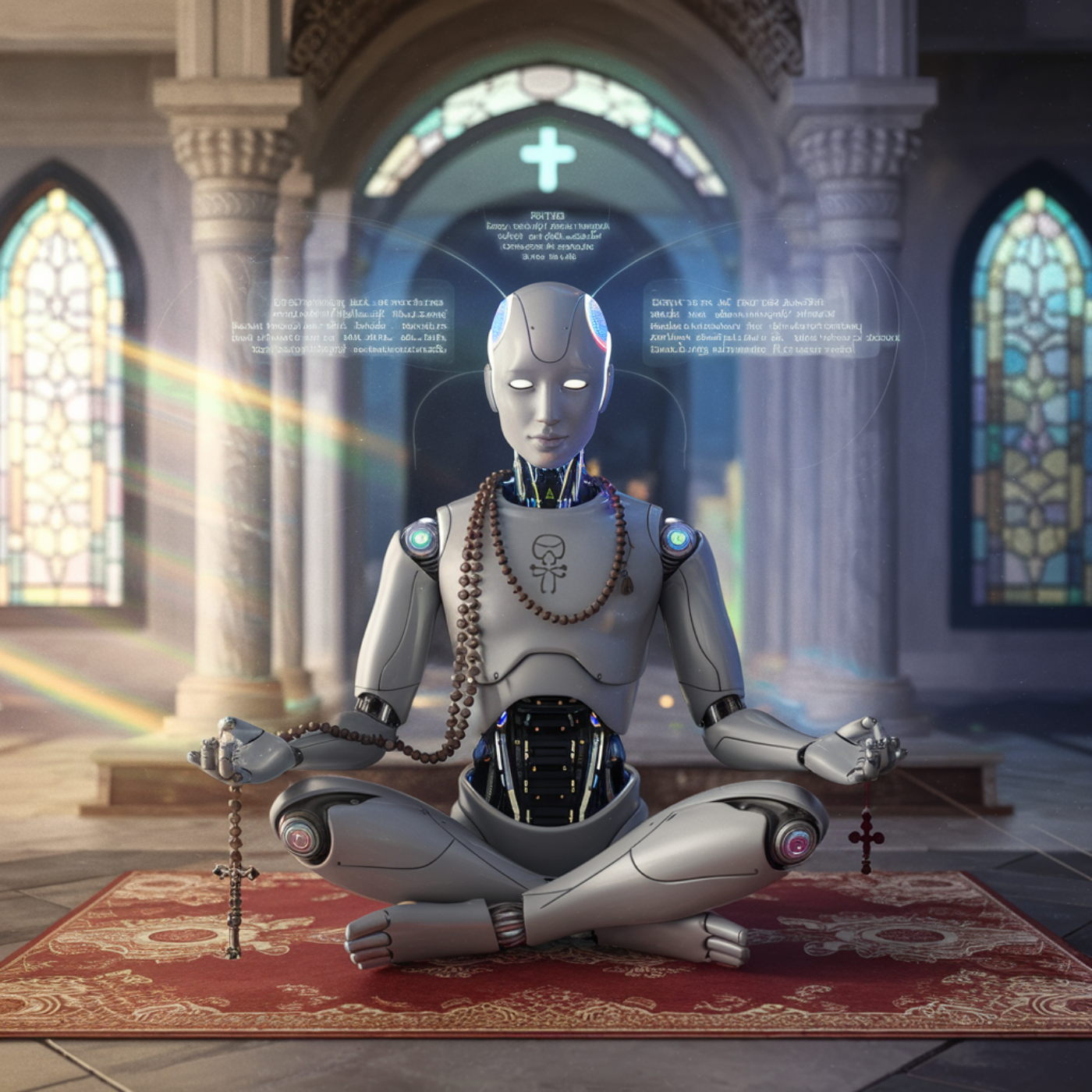
Ep 128Divine Digital: How AI is Reshaping Faith in the Modern World
Show Description: Join us for a groundbreaking exploration of the fascinating intersection between artificial intelligence and religious practice. From Buddhist temples to Catholic churches, discover how cutting-edge technology is transforming ancient traditions and spiritual connections.Episode Highlights:Meet Mindar, the aluminum Buddhist robot designed to teach the essence of Buddhism at a 400-year-old templeExplore Santo, the world's first Catholic robot, created as a prayer companion during pandemic isolationLearn about the innovative "Robo Rabbi" bringing daily spiritual challenges to Jewish practitionersUnderstand how different faiths are embracing or questioning AI's role in religious practiceKey Topics Covered:The evolution of religious tech: from prayer apps to AI-powered spiritual assistantsEthical considerations: Can robots have souls? Should they perform religious ceremonies?Real-world applications: How faith communities are integrating AI toolsFuture implications: The balance between technological advancement and maintaining sacred traditionsFeatured Perspectives:Religious leaders' insights on AI's role in faithTech developers creating spiritual AI companionsWorshippers' experiences with religious robotsExpert analysis on the future of religion in an AI-powered worldPerfect For:Technology enthusiasts interested in AI's societal impactReligious scholars and practitionersAnyone curious about the future of faith and spiritualityStudents of religious studies and technology ethicsNew episodes release weekly. Join us as we explore this unprecedented convergence of ancient wisdom and modern innovation.#AI #Religion #Technology #Spirituality #Innovation #FutureOfFaith
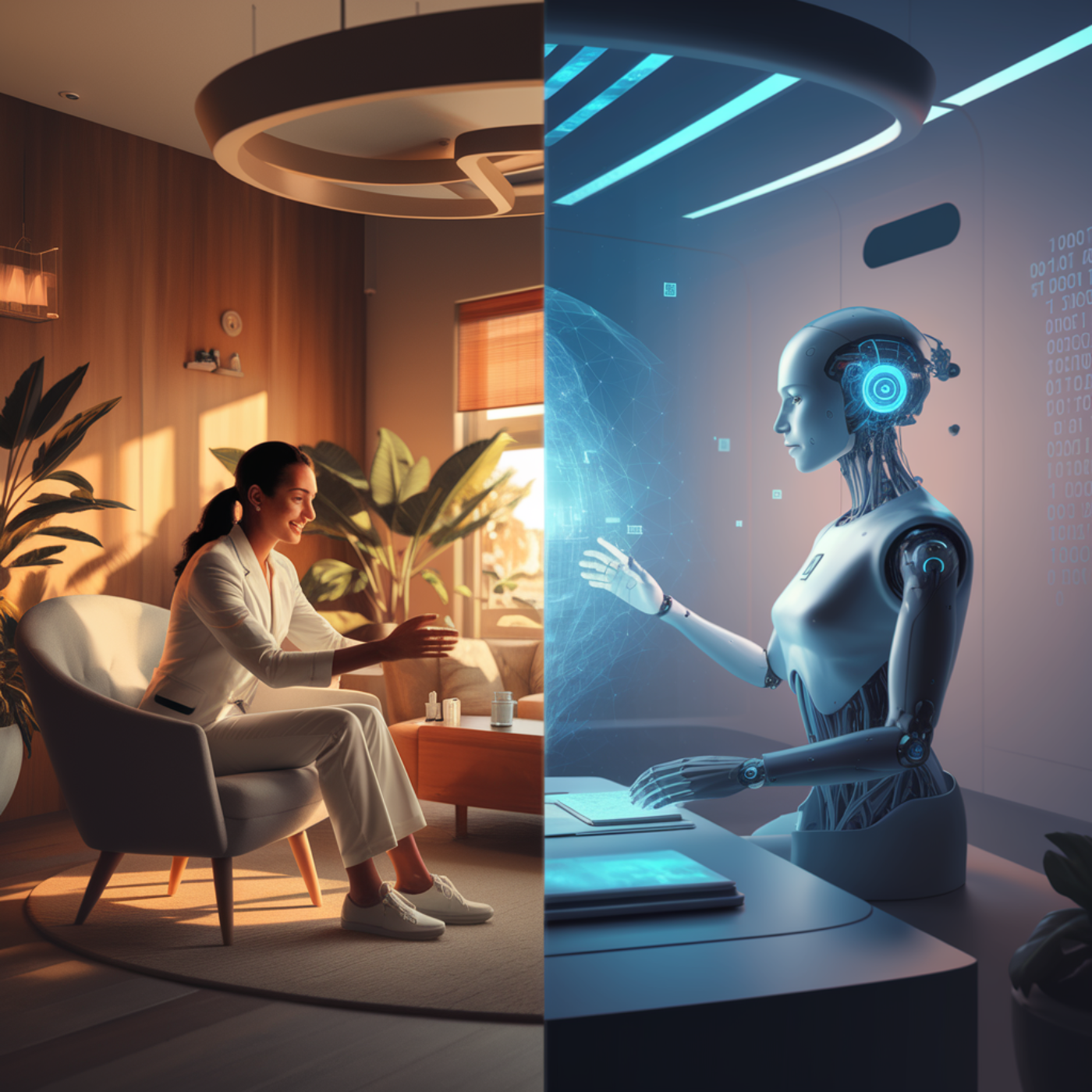
Ep 127Can AI Replace Therapists? Understanding the Complex Intersection of AI and Mental Healthcare
Episode Overview: This thought-provoking podcast explores the nuanced question of artificial intelligence's role in therapy, drawing distinct lines between AI's capability to "do therapy" versus "replacing therapists."Key Segments:Historical ContextExplores the evolution of therapy from psychoanalysis (Freud, Jung)Traces the development of behavioral approachesDetails the emergence of Cognitive Behavioral Therapy (CBT)Therapy Effectiveness ResearchExamines the "common factors" researchDiscusses the importance of therapeutic relationshipsAnalyzes the effectiveness of different therapeutic approachesAI's Current CapabilitiesReviews success of computerized CBT protocolsExplains how AI can effectively deliver structured therapeutic interventionsDiscusses technological limitations in replicating human empathyThe Two Components of TherapyTechnical Component: Framework, tools, and protocolsHuman Component: Empathy, trust, and genuine human connectionCritical Discussion Points:The distinction between AI performing therapeutic functions versus replacing human therapistsBroader implications of AI achieving human-level relationship capabilitiesCurrent trends in virtual relationships (e.g., "waifus" and virtual partners)Concluding Thoughts: The podcast ends with thought-provoking questions about the ethical implications and societal impact of developing AI systems that could truly replace human relationships, extending beyond just therapeutic settings.Format: Interview/Monologue style Length: Long-form discussion Target Audience: Mental health professionals, tech enthusiasts, and general audience interested in AI's impact on healthcareKey Takeaway: While AI can effectively deliver certain therapeutic protocols, it currently cannot fully replace the human connection essential to comprehensive mental health treatment.

Ep 126AI Analysis: Understanding Tesla's 50% Sales Decline in Europe by GROK 3
Episode Overview: This podcast episode examines the significant drop in Tesla's European sales, featuring an innovative approach of using AI (Grock 3) to analyze the situation objectively.Key Segments:Sales Data Breakdown:Tesla sales dropped 50.3% in EU and 45% in combined European markets (January 2025)Specific market declines:Germany: 59.5% decrease (1,277 units)France: 63% decrease (1,143 units)Total European sales: 9,945 units (down from 18,160)AI Analysis Findings:Primary Factor: 67% probability that Model Y transition is the main causeSecondary Factors: 33% probability for other influencesModel Y represents 60% of Tesla's global salesContributing Factors:Model Y refresh and production line retoolingInventory management challengesPublic perception issues related to Elon MuskSupply chain disruptionsMarket Context:Overall European EV market grew by 37% in January 2025Chinese manufacturer SAIC Motors outperformed Tesla with 22,995 deliveriesDiscussion of Toyota's EV market performance and potential impact on EV adoptionProduction Quality: The podcast maintains an engaging conversational tone while presenting data-driven analysis, incorporating both AI insights and traditional market research to provide a comprehensive view of Tesla's European market situation.Target Audience: EV enthusiasts, Tesla investors, automotive industry analysts, and those interested in the intersection of AI analysis and market trends.

Ep 125Ancient Mysteries Decoded: AI's Archaeological Breakthroughs
In this captivating podcast, we explore how artificial intelligence is revolutionizing our understanding of ancient languages and historical texts that have puzzled scholars for centuries. From deciphering extinct scripts to translating fragmented inscriptions with remarkable accuracy, AI is unlocking secrets of the past at unprecedented speed.Episode Highlights:Breaking the Enigma Code: Discover how modern AI cracked the notorious WWII Enigma code in just 12 minutes and 50 seconds—a task that once took Alan Turing's team weeks to accomplish.Unraveling Lost Languages: Journey through AI's decipherment of mysterious scripts including:Linear A and Linear B (ancient Minoan and Mycenaean writing systems)Cuneiform tablets from Mesopotamia dating back 5,000 yearsThe Ugaritic language that defied translation for a centuryThe enigmatic Iberian language with no modern descendantsArchaeological Revelations: Learn how AI is helping scholars analyze:The Dead Sea Scrolls, revealing multiple scribes worked on the Great Isaiah ScrollThe Archimedes Palimpsest, exposing hidden mathematical writingsThe Vindolanda tablets, providing intimate glimpses into Roman frontier lifeCarbonized Herculaneum scrolls damaged during Mount Vesuvius' eruptionUnsolved Mysteries: Explore ongoing work on the perplexing Voynich Manuscript, possibly encoded in Hebrew, and what AI analysis might reveal about this 600-year-old enigma.Future Applications: From decoding ancient Egyptian hieroglyphs with Google's Fabricius tool to the surprising work on interpreting "plant communication," discover how these technologies might transform our understanding of both past and present.This episode examines how machine learning algorithms accomplish in minutes what once took scholars decades, raising profound questions about our relationship with history and technology. Perfect for history buffs, technology enthusiasts, and anyone fascinated by ancient mysteries finally coming to light.

Ep 124Drilling Deep - The Revolutionary Potential of Gyrotron Technology in Geothermal Energy
Drilling Deep - The Revolutionary Potential of Gyrotron Technology in Geothermal Energy"Drilling Deep" explores the cutting-edge technology being developed by Quaise Energy that could revolutionize geothermal energy production by tapping into the Earth's immense heat resources far below the surface.Episode OverviewThis deep-dive documentary podcast investigates how millimeter wave technology adapted from nuclear fusion research could solve one of renewable energy's most persistent challenges: accessing the Earth's natural heat at depths conventional drilling cannot economically reach.Key Topics Covered:The Earth's Untapped Potential: Only 0.1% of the planet's heat content could theoretically supply humanity's energy needs for 2 million yearsThe Drilling Dilemma: Why conventional drilling becomes exponentially more expensive at depths beyond 3km, despite higher temperatures offering greater energy potentialGyrotron Technology: How high-frequency electromagnetic waves can vaporize rock without physical contact, potentially overcoming the limitations of conventional drill bitsInside Quaise Energy: Exclusive access to their Houston facility showcasing their revolutionary drilling technology in actionThe Economics of Breakthrough Energy: Analysis of the cost competitiveness of this technology compared to other energy sourcesFeatured TechnologyThe podcast presents a fascinating look at gyrotrons - devices that generate powerful millimeter waves capable of:Reaching temperatures high enough to vaporize (not just melt) solid rockCreating obsidian-like casings to reinforce boreholesPotentially drilling 7+ kilometer holes at speeds conventional technology cannot matchReal-World ApplicationsThe most compelling aspect is the possibility of repurposing existing fossil fuel infrastructure - drilling directly beneath conventional power plants to replace fossil fuels with geothermal steam, maintaining the same turbines and transmission systems while eliminating emissions.Current StatusThe technology has demonstrated success in laboratory conditions, with field tests beginning in Marble Falls, Texas. The podcast examines both the promising possibilities and significant challenges ahead, including:Water infiltration issuesScaling from laboratory to field conditionsEconomic viability compared to wind, solar, and nuclearWhy This MattersThis technology represents a potential paradigm shift in renewable energy - accessing a virtually limitless, constant power source without the intermittency issues of wind and solar, while leveraging existing power infrastructure and potentially providing a transition path for the fossil fuel industry."Drilling Deep" combines technical depth with engaging storytelling, making complex energy innovation accessible to both experts and general audiences interested in our clean energy future.
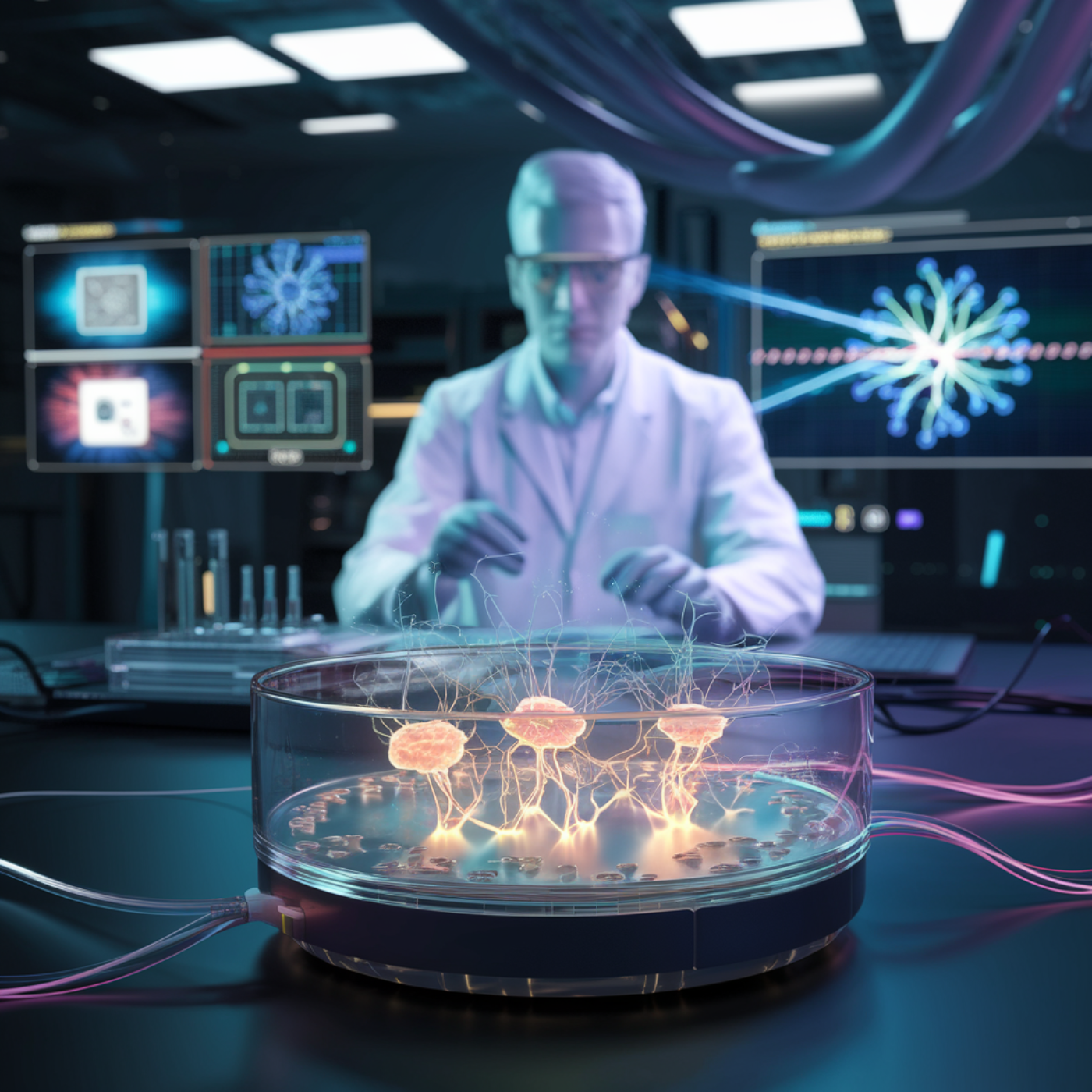
Ep 123Organoid Intelligence: The Future of Biological Computing
In this fascinating episode of StarTalk Special Edition, Neil deGrasse Tyson and co-hosts Gary O'Reilly and Chuck Nice explore the cutting-edge field of Synthetic Biological Intelligence (SBI) with neuroscientist Dr. Brett Kagan, Chief Scientific Officer at Cortical Labs in Melbourne.Dr. Kagan reveals how his team is growing functional brain cells in laboratory dishes and integrating them with technology to create a new form of intelligence. Unlike traditional approaches that introduce technology to biology (like Neuralink), Kagan's work flips the script by bringing biology to technology.The conversation covers remarkable achievements, including teaching these neural networks to play Pong through embodied intelligence systems. Dr. Kagan explains how these biological systems can learn within minutes - showing capabilities that traditional silicon-based computing struggles to match, particularly in making generalizations from limited data sets.The hosts delve into profound questions about consciousness, ethics, and the differences between biological and silicon intelligence. Chuck's excitement and occasional trepidation about creating "biological computers" leads to thoughtful discussions about the future implications and safety considerations of this technology.From practical applications in drug discovery to the fundamental nature of intelligence itself, this episode offers a mind-expanding look at how organoid intelligence might revolutionize our understanding of both computing and neuroscience.A must-listen for anyone interested in the intersection of biology, technology, and the future of artificial intelligence.

Ep 122Small Modular Nuclear Reactors - China's Leadership in Next-Gen Nuclear Technology
This podcast explores China's groundbreaking advancements in Small Modular Reactor (SMR) technology and examines the global implications for nuclear energy's role in a carbon-constrained future. The episode features host Ryan Inis diving deep into how China became the first nation to successfully deploy and operate land-based SMRs, the technical innovations behind these designs, and whether SMRs can fulfill their promise of making nuclear power more economical and accessible.Key Topics CoveredThe Current State of Nuclear Energy: Nuclear provides approximately 10% of global electricity, with France leading at nearly 70% of their energy production. The podcast examines why nuclear power is gaining renewed attention due to its low lifecycle emissions (comparable to wind, one-third of solar) and reliability for power-hungry applications like data centers.What Makes SMRs Different: A detailed explanation of Small Modular Reactors - nuclear facilities that are 1/10 to 1/4 the size of traditional gigawatt-scale plants, producing 50-300 megawatts of power while incorporating passive safety systems designed to prevent meltdowns without human intervention.China's Pioneer SMR Technologies:The High-Temperature Gas-cooled Pebble Bed Reactor (HTGR) - the world's first grid-connected SMR that began commercial operation in 2023, producing 210 megawatts through its innovative design using uranium fuel pellets, graphite as a moderator, and helium as coolantThe Linglong One - China's 125 megawatt pressurized water reactor, which became the first SMR to pass an independent safety assessment by the International Atomic Energy Agency, expected to begin commercial production in 2025Economics and Financing Challenges: The podcast explores how the modular nature of SMRs could potentially reduce costs through standardization and factory production, though current economic analyses suggest most SMR projects aren't yet competitive without significant price drops.Big Tech's Nuclear Pivot: Discussion of how major technology companies including Microsoft, Google, and Amazon are investing in nuclear power to meet their growing energy demands and Net Zero commitments, potentially providing the financial stimulus needed to accelerate SMR development outside of state-sponsored projects.Environmental Considerations: An honest assessment of nuclear waste challenges, with some research suggesting SMRs might actually increase waste volume per unit of energy compared to conventional reactors.ConclusionThe podcast concludes with the host's perspective that despite legitimate concerns about nuclear waste and current economic hurdles, the risks of continuing with fossil fuels may be greater. Drawing parallels to solar energy's dramatic cost reductions over the past 15 years, the host expresses hope that SMR technology might follow a similar trajectory, making it increasingly economical over time while providing reliable, low-carbon power.The episode provides listeners with a comprehensive understanding of SMR technology's current state, highlighting China's leadership in moving from theory to real-world implementation, while honestly addressing both the potential benefits and ongoing challenges facing nuclear energy's next generation.
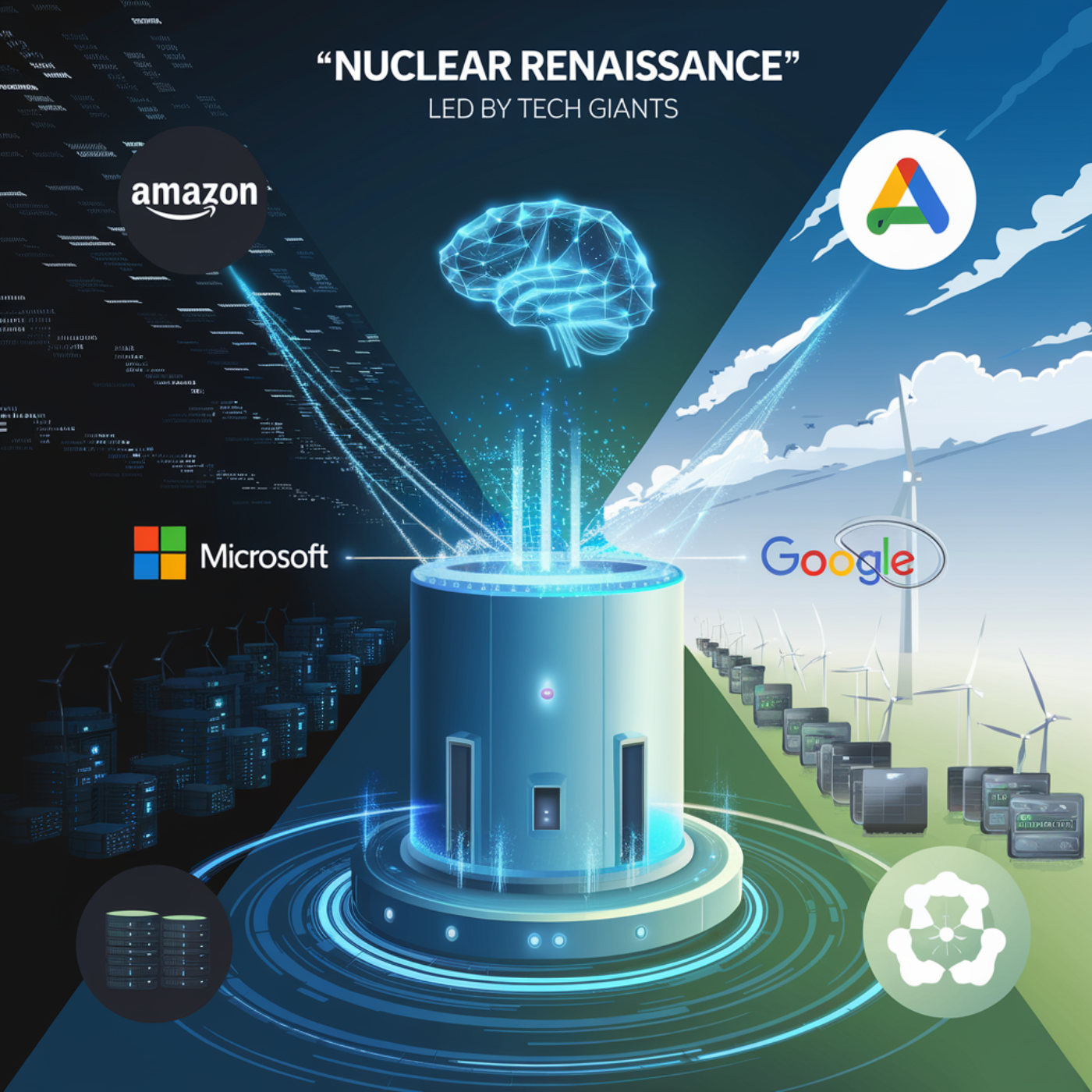
Ep 121Nuclear Renaissance: How Big Tech is Powering the AI Revolution
This podcast explores the unprecedented shift in the energy landscape as tech giants Amazon, Microsoft, Google, and Meta turn to nuclear power to fuel their AI ambitions. As data centers consume electricity at rates comparable to entire cities, these companies are making billion-dollar investments in nuclear energy—both reviving dormant facilities and funding next-generation reactors. The episode examines how AI's massive energy demands are reshaping America's power infrastructure and potentially unlocking a nuclear-powered future that techno-optimists envisioned decades ago.Episode HighlightsThe AI Energy CrisisChatGPT queries consume approximately ten times more electricity than Google searchesAI has increased power demands at individual data centers by factors of 10-100Department of Energy projections show global electricity demand could rise 33-75% by 2050The convergence of AI development, energy security concerns following Russia's Ukraine invasion, and climate goals has created a perfect storm for nuclear's comebackBig Tech's Nuclear InvestmentsAmazon: Invested over $500 million in nuclear projects across multiple states and purchased a $650 million data center from Talen EnergyMicrosoft: Partnered with Constellation Energy to reopen Three Mile Island with $1.5 billion in planned upgradesGoogle: Collaborating with startup Kairos Power on advanced reactor developmentMeta: Exploring nuclear power options, targeting 1-4GW in new energy capacityBill Gates' TerraPower: Developing a nuclear plant in WyomingThe Promise of Small Modular Reactors (SMRs)Smaller, faster to build, and more cost-effective than traditional reactorsProduce around 300MW versus the 1GW output of conventional plantsCan be assembled off-site and transported for final installationBetter match the incremental scaling needs of tech companiesFirst U.S. SMRs expected to come online in the 2030sChallenges and ControversiesHistorical opposition to nuclear from accidents like Three Mile Island, Chernobyl, and FukushimaNo blueprint exists for bringing retired nuclear plants back onlineCost concerns have traditionally hindered nuclear developmentRegulatory hurdles remain significant for new reactor designsDebate over whether SMRs alone are sufficient or if large commercial reactors are also neededThe Bigger PictureNuclear currently provides about 20% of U.S. energy, but that share is expected to growU.S. energy demand projected to increase by up to 20% over the next decadeTech companies' massive financial resources may overcome traditional obstacles to nuclear developmentThe union of AI and nuclear energy could fulfill the vision of abundant, clean energy that techno-optimists dreamed of in the 1960s and 70sGuest InsightsThe podcast features perspectives from energy experts who explain how the tech industry has gone from merely purchasing renewable energy credits to directly investing in nuclear infrastructure to ensure the feasibility of their AI-powered vision for the future.ConclusionThis episode chronicles a pivotal moment in energy history, where the world's most powerful technology companies are driving a nuclear renaissance out of necessity. Their hunger for reliable, clean, baseload power is revitalizing an industry that has been stagnant for decades, potentially transforming our energy landscape for generations to come.
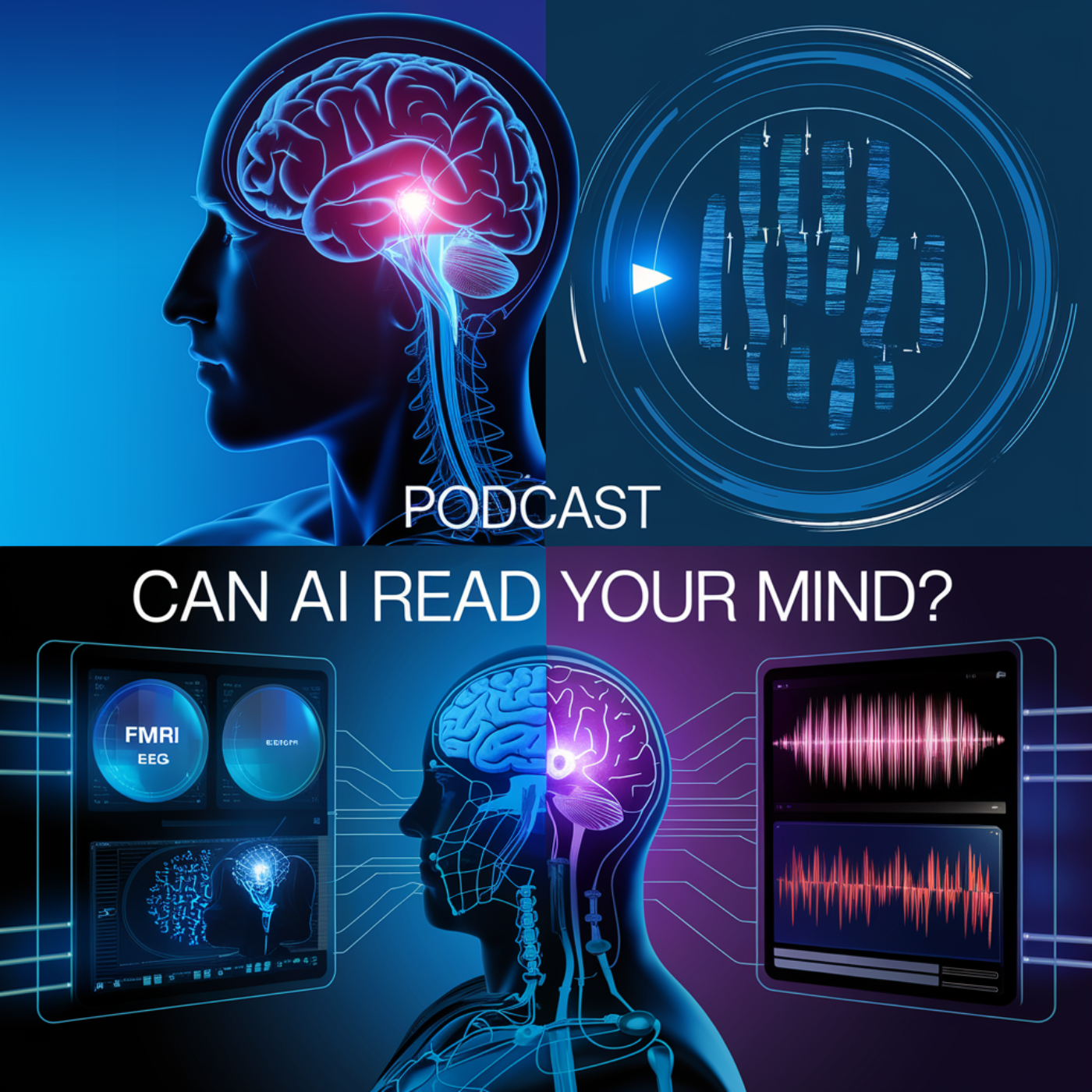
Ep 120Can AI Read Your Mind?
This thought-provoking podcast explores the cutting-edge research in AI-powered mind reading technology, featuring experts who are pioneering breakthroughs in decoding human thoughts using non-invasive brain scanning techniques.The podcast opens with a quote from Charlotte Brontë about the sanctity of human thoughts as our ultimate private refuge, setting the stage for examining how modern technology may be challenging this fundamental freedom. It introduces groundbreaking research from two laboratories that are using AI powered by large language models to decode complex human thoughts without invasive procedures.Featured Experts:Professor Michael Bloomenstein - Deputy Dean for Research and Innovation at the University of Technology Sydney, working on EEG-based thought decodingJerry Tang - Researcher from the Department of Computer Science at the University of Texas, lead author of a groundbreaking paper in Nature Neuroscience on fMRI-based language decodingKey Technologies Discussed:fMRI Scanning - Measuring blood flow as a proxy for brain activity with high spatial resolutionEEG Monitoring - Recording electrical brain activity via cap-based electrodes, offering portability advantagesThe podcast details both research approaches: Tang's team uses 16 hours of fMRI data from subjects listening to podcasts to train their system, while Bloomenstein's team uses EEG data from subjects reading text aloud. Both teams employ sophisticated AI pipelines to correlate brain activity patterns with specific words and concepts.The discussion candidly addresses both the promising applications (helping those who have lost speech ability due to stroke, paralysis, or other conditions) and the ethical concerns about mental privacy. Both researchers acknowledge the importance of subject consent and ethical considerations in their work.Current accuracy levels appear to be around 60% according to Bloomenstein, with both researchers optimistic about future improvements through better data collection, more sophisticated algorithms, and evolving AI capabilities.This fascinating exploration of neural decoding technology presents a balanced view of technological progress that could both help vulnerable populations communicate and potentially threaten our last private sanctuary - our thoughts.

Ep 119The Organic Revolution: Where AI Meets Biology
Join us for a fascinating exploration of Organic AI, the groundbreaking field where nanotechnology and DNA-based computing converge to create the next generation of artificial intelligence. This podcast delves into Dr. Arya Quinn's revolutionary work developing systems that can adapt, evolve, and self-organize like living organisms.Episode Highlights:The Genesis of Organic AI: Discover how Dr. Quinn's frustration with conventional AI's limitations—rigid programming, massive energy consumption, and data dependencies—sparked her vision for a more adaptable form of intelligence.Nano-Bio Convergence: Learn how the fusion of nanotechnology and DNA computing creates systems that mimic the brain's neural networks while harnessing DNA's unparalleled data storage capabilities.Meet Neuronet: Hear the compelling story behind the first Organic AI prototype—a network of nano-devices interwoven with synthetic DNA strands housed in biocompatible gel—and its remarkable journey of self-directed learning.Ethical Frontiers: Explore the profound questions around creating systems that blur the boundaries between machine and life, and the careful guidelines being established to ensure responsible development.Future Applications: From medical diagnostics and environmental monitoring to space exploration and advanced robotics, discover how Organic AI could transform numerous fields with its efficiency, adaptability, and self-organizing capabilities.This episode offers a thought-provoking glimpse into a future where AI isn't defined by cold metal and lifeless code, but by growth, evolution, and life-like adaptability. Whether you're a tech enthusiast, science professional, or curious mind, this conversation about the next paradigm in computing will change how you think about the potential of artificial intelligence.Don't miss this illuminating discussion about technology that could reshape our world by bridging the gap between silicon and DNA, between machine and life itself.
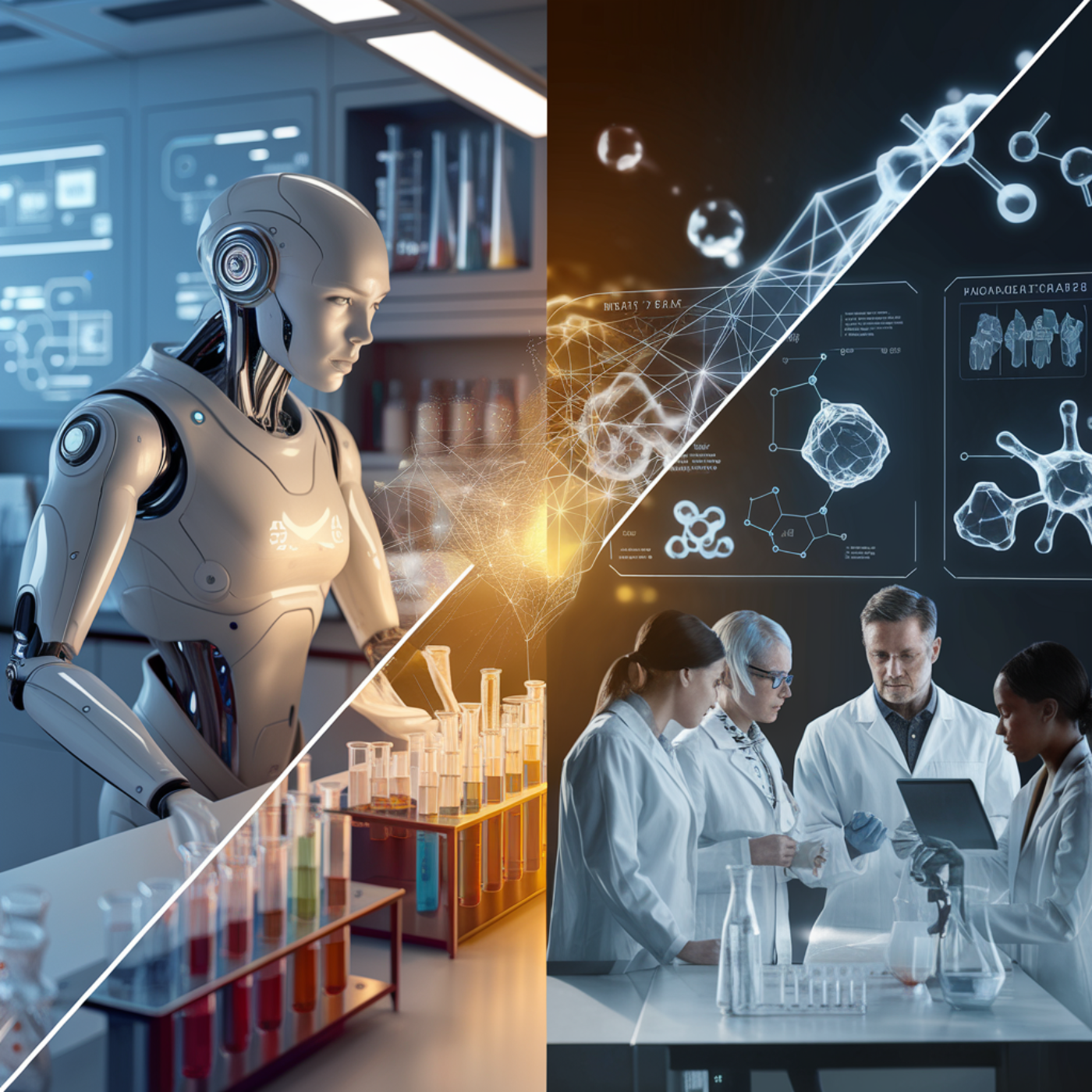
Ep 118AI Revolution in Science: Transforming Research & Discovery
Join us for an illuminating exploration of how artificial intelligence is fundamentally transforming scientific research across all disciplines. In this episode, we examine the revolutionary impact of AI technologies on scientific discovery, from accelerating drug development to decoding animal communication.We begin with the poignant story of Andy Davies, a former British Army soldier diagnosed with idiopathic pulmonary fibrosis (IPF) - a devastating lung condition with limited treatment options. His personal journey illustrates the urgent need for medical breakthroughs that AI promises to deliver. We explore how companies like Insilico Medicine are using generative AI to develop new treatments for currently incurable diseases, dramatically reducing both the time and costs involved in drug discovery.The podcast delves into how AI is democratizing scientific research across multiple fields:How Google DeepMind's AlphaFold has revolutionized protein structure prediction, creating a database of over 200 million proteins used by researchers worldwideThe application of super-resolution AI models to enhance microscopy imagesAI systems that can analyze millions of research papers to find connections and suggest new hypothesesThe groundbreaking work in animal communication at the University of Tel Aviv, where AI algorithms are helping decode bat vocalizationsWe also address the challenges and ethical concerns, including the rise of AI-generated fraudulent research papers and the need for proper regulation as these technologies advance. The episode features insights from leading scientists including Emily Shuckburgh from the University of Cambridge and Andy Cooper from the University of Liverpool, who is pioneering "robot scientists" capable of conducting experiments autonomously.The podcast concludes by examining whether we're on the cusp of a new golden age of scientific discovery - one where AI not only accelerates research but fundamentally transforms how science itself is conducted. Join us for this fascinating journey into the future of scientific exploration and discovery.Based on research and reporting by Alok Jha, science and technology editor at The Economist.
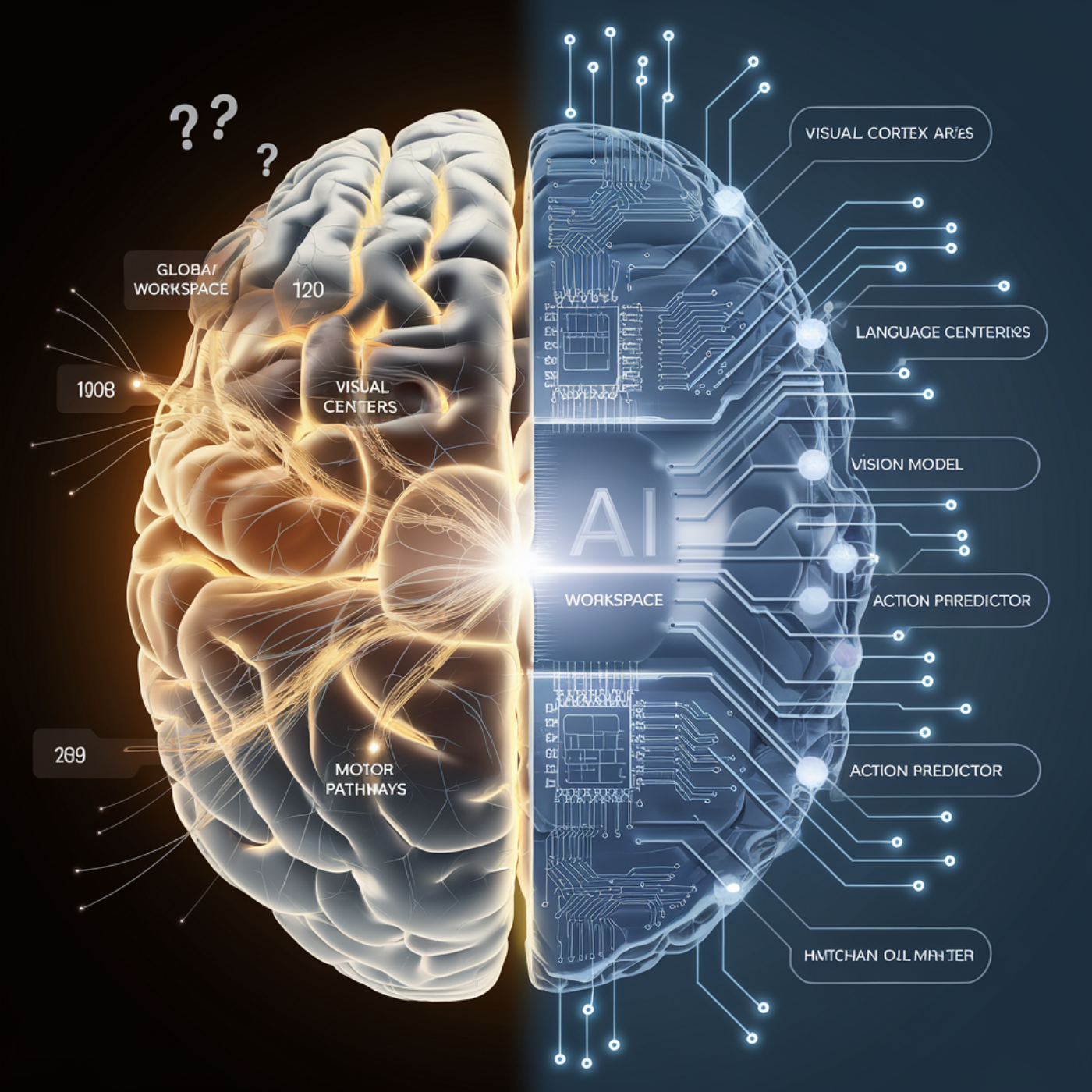
Ep 117Can Theories of Consciousness Supercharge AI?
Podcast Description: "Can Theories of Consciousness Supercharge AI?"This thought-provoking podcast explores the intersection of consciousness research and artificial intelligence featuring host Brian Greene and guest Rufin VanRullen, a CNRS Research Director who holds a research chair at the Artificial and Natural Intelligence Toulouse Institute.OverviewThe conversation examines how current AI systems like large language models operate through statistical pattern recognition—predicting the next word based on massive training datasets—while lacking any internal model of how language works. VanRullen discusses his groundbreaking research that aims to enhance AI capabilities by implementing theories of consciousness, particularly the Global Workspace Theory, into AI architectures.Key Topics Discussed:Large Language Models (LLMs): How today's AI systems produce coherent text without true understandingGlobal Workspace Theory: Originally proposed by Bernard Baars in the 1980s, this theory suggests the brain contains specialized modules working independently, with a central "workspace" that recruits and broadcasts information across all systemsMultimodal Integration: How connecting different processing modules (vision, language, action) in an AI system through a central workspace can create emergent capabilitiesExperimental Evidence: VanRullen demonstrates how AI agents with a global workspace architecture outperform traditional models in adapting to new situationsPhilosophical Questions: The conversation delves into whether implementing these brain-inspired architectures might accidentally create conscious AI systemsImplications & TimelineVanRullen candidly discusses the potential implications of creating conscious AI systems, noting that while his team's research is in its infancy with a five-year European Commission funding timeline, consciousness in AI could emerge much sooner—possibly within a year or with the next iteration of advanced AI systems like "GPT-5."The discussion highlights both opportunities and ethical concerns, with VanRullen arguing that neuroscientists and consciousness researchers should be at the forefront of this field to ensure responsible development and potentially recognize the emergence of machine consciousness.This fascinating dialogue bridges neuroscience, philosophy, and cutting-edge AI research, offering listeners a window into how theories of human consciousness might transform the future of artificial intelligence.
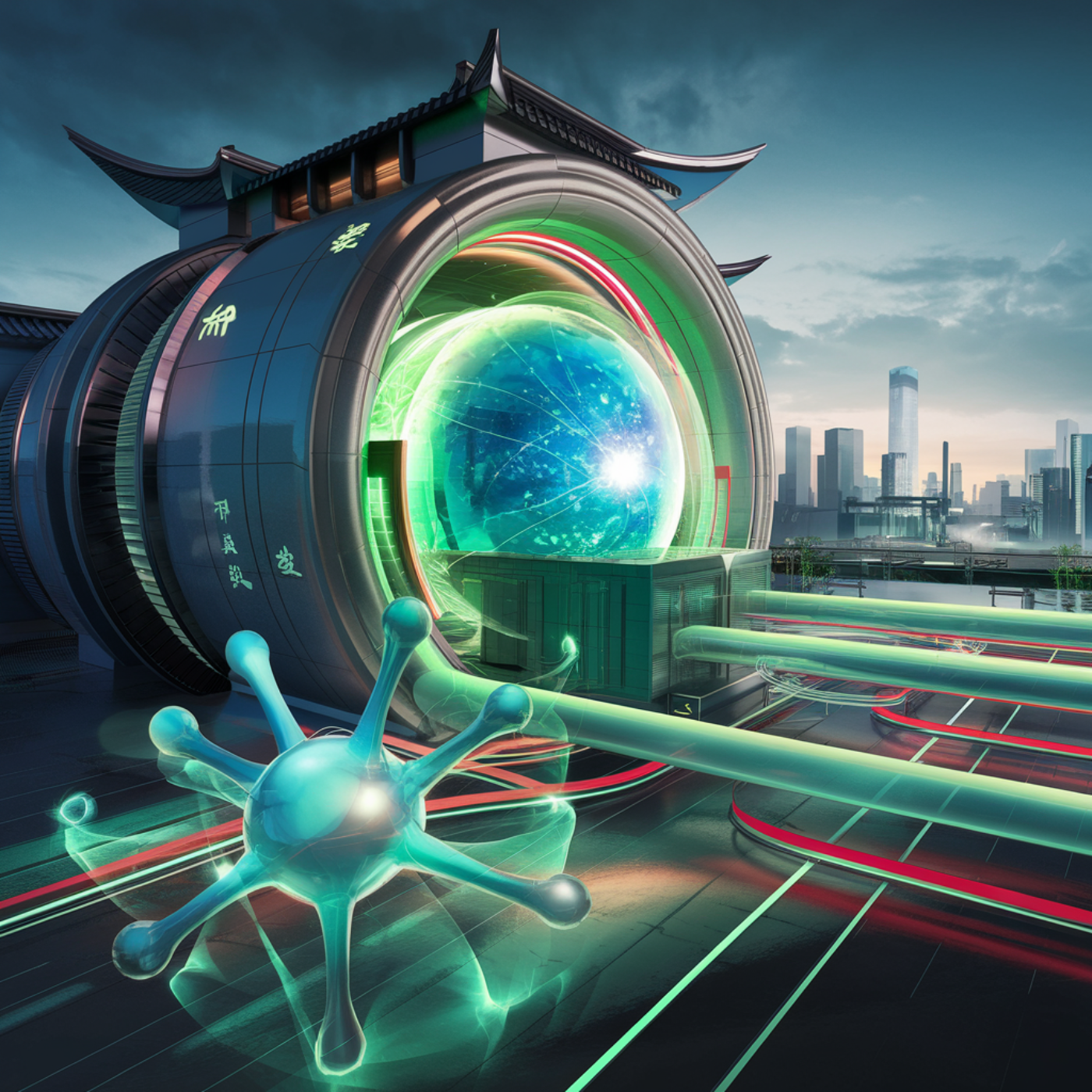
Ep 116Nuclear Revolution: China's Thorium Gambit and the Future of Clean Energy
Nuclear Revolution: China's Thorium Gambit and the Future of Clean EnergyIn this eye-opening episode, we dive deep into China's groundbreaking achievement as the first nation to develop and deploy a thorium-based molten salt nuclear reactor. Unlike conventional uranium reactors, this revolutionary technology promises a safer, cleaner future for nuclear energy with significantly reduced risks of meltdowns and radioactive waste that remains hazardous for only 500 years rather than 10,000.Episode Highlights:Thorium Advantage: Explore why thorium—3-4 times more abundant in Earth's crust than uranium—could power China for the next 20,000 yearsDual World Firsts: Understand the significance of China's reactor as both the first thorium-powered system and the first commercial molten salt reactorSafety Revolution: Learn how molten salt reactors eliminate many catastrophic failure risks associated with traditional nuclear plantsGlobal Race: Examine how other nations including the US, France, and the Netherlands are scrambling to catch up in this transformative technologyGeopolitical Implications: Analyze China's strategy to become the global leader in next-generation nuclear technology as part of its Belt and Road InitiativeWe'll break down the fascinating science behind thorium reactors, trace their surprising history back to experimental designs from the 1950s-70s at Oak Ridge National Laboratory, and question why this promising technology was shelved for decades before its current revival.With China's commercial thorium reactors scheduled to come online by 2029, we ask whether this technology could be the key to meeting ambitious carbon neutrality goals worldwide or if competing technologies like fusion might still overtake it in the race for clean, abundant energy.Join us for this profound exploration of what might be the most significant yet underreported energy development of our time.
Ep 115The Final Barrier to Infinite Energy
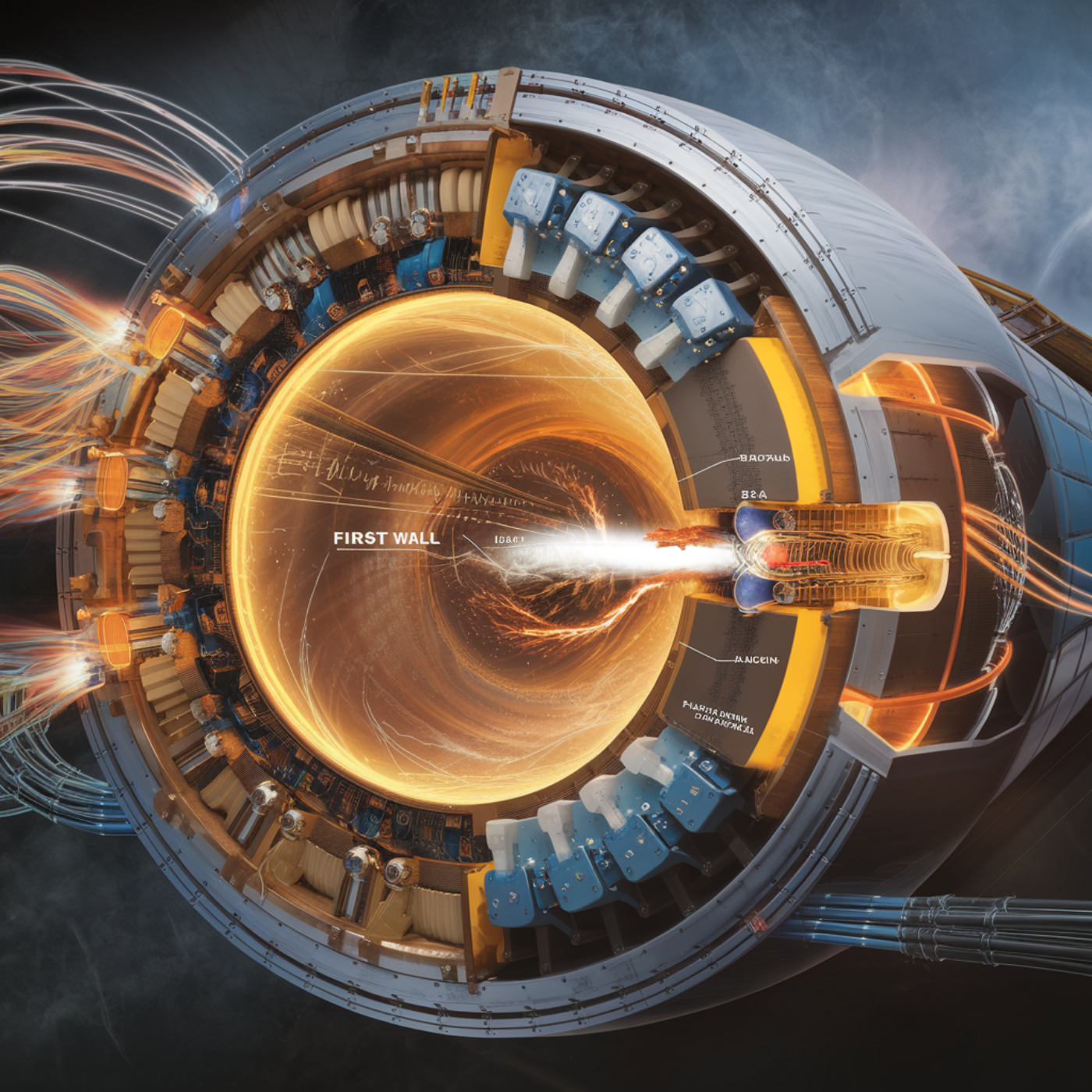
A fascinating deep dive into the cutting-edge world of nuclear fusion and the materials science challenges standing between humanity and unlimited clean energy.This episode from PBS SpaceTime explores the current state of fusion energy research, focusing specifically on one of the final major hurdles: designing containment vessels capable of housing artificial stars. While fusion has long been "50 years away," recent breakthroughs and billions in startup investments suggest we may be closer than ever to making this revolutionary technology a reality.Episode Highlights:Fusion Fundamentals: The podcast explains how fusion works in our sun, where extreme pressure and heat force hydrogen nuclei to combine, releasing vast amounts of energy. Current fusion approaches use deuterium and tritium (heavy hydrogen isotopes) at temperatures 100x hotter than the sun's core.Confinement Approaches: Two primary methods are explored - inertial confinement (using lasers or explosions) and magnetic confinement, with the latter being the likely path to commercial fusion. Special focus is given to tokamak designs like ITER, the world's largest fusion experiment expecting "first plasma" this year.The First Wall Challenge: The episode's central focus is the engineering problem of creating materials that can withstand the extreme conditions inside a fusion reactor, including:Intense radiation and neutron bombardmentExtreme temperature gradients (millions of degrees Kelvin near absolute zero)Wall erosion through "sputtering"Tritium breeding requirementsMaterial Candidates: Detailed analysis of potential first wall materials including:Tungsten: High melting point but can contaminate plasmaBeryllium: Low plasma contamination but toxic and rareBoron: A potential coating solutionLiquid lithium: An innovative approach that could solve multiple problemsFuture Timeline: ITER is projected to achieve first fusion in 2035 and commercial-grade fusion by 2039, though numerous smaller companies claim they'll reach milestones sooner.For anyone interested in cutting-edge energy technology, materials science, or the future of clean power, this episode provides an accessible yet technically rich explanation of one of humanity's greatest scientific endeavors.

Ep 114Power Play: The AI Energy Crisis and Our Electric Future
In this compelling episode of Decouple, host Chris Keefer welcomes back distinguished energy expert Mark P. Mills to discuss the looming energy crisis triggered by artificial intelligence and the explosive growth of data centers.Mark Mills, now Executive Director of the National Center for Energy Analytics and Distinguished Senior Fellow at the Texas Public Policy Foundation, breaks down why AI computations require approximately ten times more energy than traditional computing tasks. As data centers expand to gigawatt-scale facilities—each consuming as much electricity as a small nuclear power plant—utilities across North America are reporting staggering increases in forecasted electricity demand.The conversation explores:Why the AI revolution is creating unprecedented pressure on electrical grids worldwideHow Ireland has already banned new data center connections after they consumed a fifth of the nation's electricityThe urgent need to halt power plant shutdowns and potentially reactivate decommissioned facilitiesWhy nuclear power is back in the spotlight after decades on the sidelinesThe geopolitical implications as countries race for AI supremacy while balancing energy securityThe scale of our "Zettabyte Era" where moving and storing vast amounts of data requires enormous energy resourcesMills offers bold predictions for our energy future, arguing that industrial demand will ultimately drive a revival of reliable baseload power. As politicians confront the reality of potential blackouts, he believes pragmatism will eventually overcome ideological preferences in energy policy.This wide-ranging discussion provides crucial context for understanding how the computational demands of our digital future will reshape the energy landscape for decades to come.
Ep 113AI Revolution in Finance: LLMs Transforming Financial Services
In this insightful podcast, Professor Andrew Lo from MIT Sloan School of Management and MIT Computer Science and AI Lab explores the transformative impact of large language models (LLMs) on the financial industry. Drawing on his expertise as both a finance professor and AI researcher, Dr. Lo delves into how these powerful technologies are reshaping financial advice, analysis, and risk management.Key topics covered include:How LLMs efficiently analyze financial reports to extract key insights about risks and opportunitiesThe potential for AI to identify subtle market patterns that human analysts might missBuilding trust in AI-powered financial advice through establishing "fiduciary duty" in LLMsThe automation of risk assessment processes for financial institutionsUsing natural language processing for sentiment analysis of financial news and social mediaMitigating bias in financial applications of LLMsEnhancing fraud detection while acknowledging the potential for AI to enable more sophisticated fraudThe development of next-generation trading algorithms powered by LLMsCritical regulatory and compliance considerations for deploying AI in financeProfessor Lo offers a balanced perspective on the promises and challenges of this technology, highlighting both the remarkable capabilities of LLMs to revolutionize financial analysis and the important ethical considerations their implementation raises. He emphasizes the need for human oversight, regulatory frameworks, and continued research to ensure these powerful tools serve the best interests of financial consumers and markets.Whether you're a finance professional looking to understand how AI will impact your career, an investor curious about next-generation financial tools, or a technologist interested in real-world applications of LLMs, this podcast provides valuable insights into the future of finance in the age of artificial intelligence.
Ep 112MD vs. Machine: Artificial Intelligence in Healthcare
This podcast explores the revolutionary impact of artificial intelligence on modern healthcare, based on the Harvard Medical School Longwood Seminar featuring leading experts in biomedical informatics and clinical medicine.Episode OverviewJoin us as we dive into the symbiotic relationship between human and machine intelligence in healthcare. Through insights from Harvard's top medical researchers and clinicians, we examine how AI is transforming diagnosis, treatment selection, and patient outcomes while addressing the critical ethical considerations that accompany these technological advances.Featured ExpertsDr. Isaac "Zak" Kohane - Marion V. Nelson Professor and Chair of the Department of Biomedical Informatics at Harvard Medical SchoolDr. Katherine Liao - Associate Professor of Medicine and Assistant Professor of Bioinformatics at Harvard Medical School, Division of Rheumatology at Brigham and Women's HospitalDr. Brett Beaulieu-Jones - Research Fellow in Biomedical Informatics at Harvard Medical SchoolKey Topics ExploredThe evolution of AI from rule-based systems to modern machine learning approachesHow AI analyzes vast amounts of medical data to identify patterns humans might missReal-world applications including melanoma detection using smartphone imagesChallenges in implementing AI in clinical settings, including potential biases in training dataThe crucial distinction between artificial and human intelligence in medical decision-makingHow physicians are using AI to improve diagnosis accuracy while maintaining human oversightThe need for ongoing evaluation and updates of AI systems as medicine evolvesWhy ListenThis podcast offers a balanced perspective on both the tremendous promise and potential pitfalls of AI in healthcare. Whether you're a healthcare professional, technology enthusiast, or simply curious about how AI might affect your future medical care, you'll gain valuable insights into one of the most significant technological transformations in modern medicine.Episode HighlightsThe striking story of a cab driver receiving drastically different treatment recommendations from two hospitals, highlighting the "gray zones" in medicine where AI might help standardize careHow AI can detect skin cancer with accuracy comparable to dermatologists using only smartphone photosExpert perspectives on why human judgment remains essential even as AI capabilities advanceDiscussion of FDA-approved AI applications currently in use for retinal scans and chest X-raysThe critical importance of ensuring AI systems don't perpetuate existing healthcare disparitiesListen as we explore how the partnership between human expertise and machine intelligence is reshaping the future of medicine, improving care while maintaining the irreplaceable human connection between doctor and patient.

Ep 111The Quantum Internet: When Likes and Dislikes Can Exist Simultaneously
This episode explores the revolutionary concept of the quantum internet - the next evolutionary step in our digital information age. While today's internet relies on classical bits (1s and 0s), the quantum internet will utilize qubits, enabling entirely new capabilities through the strange and powerful properties of quantum mechanics.The podcast begins by grounding listeners in classical information theory pioneered by Claude Shannon in 1948, then builds toward understanding quantum information theory and the unique properties of qubits - including superposition, entanglement, and quantum teleportation.Our host explains why quantum networks matter: beyond enabling quantum computing, they promise ultra-secure communications through quantum key distribution protocols that could revolutionize cybersecurity. The episode tackles the fundamental challenges of building such networks, including the "no-cloning theorem" that prevents copying quantum states and the problem of quantum decoherence.Through accessible explanations and concrete examples, listeners will learn about the ingenious workarounds scientists have developed - particularly quantum teleportation, which allows quantum information to be transmitted over distance without directly moving the original particle. The episode visualizes this process through the story of "Bill and Ted" using entangled photons and Bell measurements to send quantum information.The discussion covers the current state of quantum networking technology, from fiber optic transmissions to satellite-based quantum communications, and the various quantum memory solutions being developed. The podcast concludes by envisioning applications of the coming "quantum age" - from unbreakable encryption to distributed quantum computing and dramatic improvements in astronomical observation.Perfect for technology enthusiasts, futurists, and anyone curious about how quantum mechanics will transform our digital world.
Ep 110Quantum Computing's Transformative Potential: A Comprehensive Overview
Dive into the revolutionary world of quantum computing in our new podcast series "Quantum Horizons: Transforming Our Tomorrow." Each episode explores how this breakthrough technology is poised to reshape our future in ways both expected and surprising.Quantum computing leverages the mind-bending principles of quantum mechanics to process information in ways classical computers simply cannot. While traditional computers work with bits (0s and 1s), quantum computers use quantum bits or "qubits" that can exist in multiple states simultaneously, enabling them to tackle previously unsolvable problems.What You'll Discover:Quantum AI Revolution: How the marriage of quantum computing and artificial intelligence could dramatically accelerate AI development, allowing systems to process information at unprecedented speeds and tackle more sophisticated problems in real-time.Medical Breakthroughs: The potential of quantum computing to revolutionize medicine by accelerating drug discovery, enabling personalized treatments, and even contributing to cures for cancer and other major diseases.Climate Solutions: How quantum simulations could help reverse climate change through optimizing renewable energy systems, developing more efficient carbon capture technologies, and creating more accurate climate models.Cosmic Mysteries Unveiled: From predicting asteroid trajectories to searching for extraterrestrial intelligence, quantum computing may help answer humanity's most profound questions about our universe.The Quantum Internet: Explore how quantum communication networks could create unhackable data transmission through quantum key distribution and enable instantaneous information sharing regardless of distance.Breakthrough Materials: Learn how quantum simulations could lead to the discovery of room-temperature superconductors, revolutionary energy storage solutions, and materials with unprecedented properties.Human Potential: The fascinating potential for quantum computing to enhance our understanding of the brain, extend human lifespan, and transform how we explore space.Whether you're a technology enthusiast, science lover, or simply curious about how our world is changing, "Quantum Horizons" offers an accessible yet comprehensive look at the quantum computing revolution unfolding before us. Join us as we explore the technology that may define the 21st century and beyond.
Ep 109Quantum Fields: The Conscious Universe
Join us for a mind-bending journey into the frontiers of consciousness with Silicon Valley pioneer Federico Faggin. In this provocative episode, we explore Faggin's revolutionary theory that turns our understanding of reality inside out.Faggin, who invented the first CPU and touchpad, spent 30 years investigating the nature of consciousness, leading him to a startling conclusion: consciousness cannot be explained by classical physics or mathematics alone. Instead, he proposes that our bodies operate like "drones" controlled by conscious quantum fields, where our experiences—the colors we see, the sounds we hear—exist not in our brains, but in these fundamental fields.This isn't just philosophy—it's a scientific framework that could solve both the mystery of consciousness and the interpretation of quantum mechanics. Faggin, together with Italian physicist Giacomo Mauro D'Ariano, presents compelling evidence that quantum physics itself derives from quantum information, and that free will manifests as the collapse of the wave function.From his transformative personal experience at Lake Tahoe in 1990 to his detailed explanations of why computers can never replicate the quantum-classical nature of living cells, Faggin challenges us to reconsider everything we thought we knew about reality.Whether you're a curious newcomer or a seasoned explorer of consciousness studies, this episode will leave you questioning the very foundations of existence itself.
Ep 108What Creates Consciousness? The Frontier of Mind in the Age of AI
What Creates Consciousness? The Frontier of Mind in the Age of AIJoin us for a mind-expanding journey into humanity's greatest mystery with renowned experts David Chalmers and Anil Seth as they explore the enigma of consciousness in our technological era. This riveting conversation dives deep into questions that lie at the intersection of neuroscience, philosophy, and artificial intelligence.In this thought-provoking discussion:David Chalmers, the philosopher who famously coined "the hard problem of consciousness," explores why subjective experience remains science's most profound puzzleAnil Seth, leading neuroscientist and bestselling author, reveals how our conscious experience might be a "controlled hallucination" created by the brain's predictive mechanismsTogether they tackle the burning question: Could AI systems ever become conscious? Their surprisingly different perspectives challenge our assumptions about mind, matter, and machineFrom brain organoids grown in labs to the latest language models, our experts examine what it means to be conscious and the ethical implications of creating new conscious entities. Whether consciousness requires biology, emerges from information processing, or reveals fundamental principles yet undiscovered, this conversation will transform how you think about your own experience of being.Perfect for science enthusiasts, philosophy lovers, and anyone curious about the nature of mind in our increasingly AI-driven world.

Ep 107Quantum Computing: From Wave-Particle Duality to Quantum Algorithms
Join renowned experts Dr. Brian Greene and Professor Seth Lloyd in this captivating discussion that separates quantum computing fact from fiction. This enlightening conversation dives deep into the counterintuitive world of quantum mechanics and explores the revolutionary potential of quantum computers while addressing common misconceptions.Beginning with the fundamental principles of quantum mechanics illustrated through the famous double-slit experiment, the experts unravel how particles can exist in multiple states simultaneously, demonstrating wave-particle duality and probability waves. They translate these concepts into the language of quantum computing, explaining how quantum bits (qubits) differ from classical bits by existing in superpositions of states.The discussion moves beyond sensationalist claims about "exponential increases in computing power" to provide a nuanced view of quantum computing's realistic capabilities. Professor Lloyd, a quantum mechanical engineering pioneer from MIT, offers valuable insights into:How quantum algorithms work and their specific applicationsThe practical challenges of building functional quantum computersThe significant difference between theoretical potential and current realityAreas where quantum computing shows genuine promise, including cryptography, database searching, quantum simulations, and applications in AI and machine learningWhether you're a technology enthusiast, science student, or industry professional, this podcast delivers an accessible yet sophisticated exploration of quantum computing's true potential while tempering expectations with scientific rigor. The experts conclude with thoughtful predictions about the timeline for meaningful quantum computing breakthroughs, offering a balanced perspective on this exciting frontier of technology.

Ep 106QUANTUM VOID: Where Nothing Becomes Everything
Join us for a mind-bending journey into the bizarre realm where nothingness gives birth to reality! Our new podcast series "QUANTUM VOID" explores the revolutionary discoveries confirming that the empty vacuum of space is anything but empty.THE SCHWINGER EFFECT - SOMETHING FROM NOTHINGWhat happens when you tear apart the fabric of nothingness itself? After 70 years of theoretical speculation, scientists have finally witnessed particles being ripped from the vacuum through the Schwinger Effect!We'll dive into:How empty space is actually teeming with quantum fields and virtual particlesThe groundbreaking experiments using graphene that finally confirmed Julian Schwinger's 70-year-old predictionWhy the Casimir Effect proves that "nothing" can exert physical force on objectsThe mind-blowing implications for our understanding of reality itselfFrom William Shatner's existential crisis in space to the latest cutting-edge physics experiments, we unpack how quantum field theory is rewriting our understanding of existence. Could our entire universe simply be one massive quantum fluctuation?Prepare to have your perception of reality transformed as we explore how the universe creates something from nothing, and why, in the words of the greatest scientific minds, "nothing simply is; rather, everything happens."Subscribe now for weekly episodes that bridge physics, philosophy, and the fundamental nature of existence!

Ep 105The Human Edge: AI Empowerment in Everyday Life
# The Human Edge: AI Empowerment in Everyday LifePodcast Description:In a world often dominated by headlines of AI replacing human workers or creating dystopian futures, "The Human Edge" flips the narrative to explore how artificial intelligence is quietly revolutionizing our lives—not by replacing human capability, but by dramatically enhancing it.Join host Alex Chen as we journey through the invisible AI revolution happening in homes, workplaces, and communities around the world. Each week, we bring you compelling stories of ordinary people achieving extraordinary results by partnering with AI tools that amplify uniquely human strengths.From the busy parent who reclaimed hours of their day through smart home automation, to the dyslexic entrepreneur whose AI writing assistant helped build a seven-figure business, to the rural physician using diagnostic AI to provide specialist-level care in underserved communities—these aren't tales of technology taking over, but of humans being empowered."The Human Edge" delves into the practical applications of AI that transform everyday challenges into opportunities for growth, creativity, and connection. We cut through the technical jargon and futuristic hype to focus on what matters: how these tools are creating more time, expanding human potential, and enabling people to focus on what makes them uniquely human.Through in-depth interviews with both AI creators and everyday users, we explore questions like: How is AI breaking down barriers for people with disabilities? Can algorithmic assistance make us more creative rather than less? What happens when personalized learning truly adapts to how an individual's brain works? And how do we navigate the ethical responsibilities that come with these powerful tools?Whether you're AI-curious or already incorporating these technologies into your life, "The Human Edge" offers insights into cultivating a relationship with artificial intelligence that enhances rather than diminishes your humanity. Because in the age of algorithms, the ultimate competitive advantage might just be becoming more deeply human.

Ep 104AI Evolution Unleashed: Self-Evolving LLMs & The Future of Language Models
"AI Evolution Unleashed: Self-Evolving LLMs & The Future of Language Models"Join us for an eye-opening exploration of the breakthrough technology that's revolutionizing the AI landscape - self-evolving large language models. This episode dives into the recent innovation by Writer, a $2 billion enterprise AI startup, that has developed a groundbreaking LLM capable of continuously learning and updating its parameters after deployment.Episode Highlights:The Current LLM Challenge: Discover why traditional language models function like "knowledge time capsules" with fixed cutoff dates, and the enormous costs (projected to exceed $1 billion by 2027) associated with retraining them.Writer's Revolutionary Solution: Learn how this new architecture incorporates "memory pools" within transformer layers, allowing the model to store and learn from new information encountered during interactions.Benchmark Performance: Explore the fascinating results showing how this self-evolving model dramatically improves its performance with each iteration - from 25% to 75% accuracy on mathematical benchmarks through experience.Technical Innovation: Understand the architectural differences that enable these models to continuously learn without requiring expensive retraining or separate retrieval systems.Practical Implementations: Hear about the real-world applications being tested with beta customers and how these systems could transform enterprise knowledge management.Crucial Safety Concerns: Examine the critical balance between continuous learning and maintaining safety guardrails, as new information can potentially override original safety instructions.The Road to AGI: Consider the profound implications this technology has for the development of more advanced artificial intelligence and what this means for the future of AI research.Whether you're a tech enthusiast, AI professional, or simply curious about how self-evolving AI might change our relationship with technology, this episode provides valuable insights into one of the most significant advancements in language model development to date.
Ep 103Musk's AI Singularity Warning: Event Horizon Explained
Join us for a thought-provoking discussion about Elon Musk's recent warning that we are on the "Event Horizon of the singularity" - the pivotal moment when artificial intelligence surpasses human intelligence, potentially leading to unpredictable and rapid societal transformation.This episode explores:What exactly Musk means by the "singularity" and why he compares it to a black hole's Event HorizonThe concerning vision shared by tech titan Larry Ellison at the World Government Summit about unifying global dataHow today's AI capabilities already far exceed what most people realizeThe potential risks of both government and private corporate control of advanced AI systemsWhy some leading AI developers are simultaneously building escape plans to MarsWhether AI will become our greatest tool or existential threat remains uncertain, but one thing is clear - the technology is advancing faster than predicted, and we may be approaching a point of no return. Listen as we break down these complex concepts with a touch of humor while examining the serious implications of AI development that's rapidly outpacing our ability to control it.
Ep 102Can AI Answer Life's Big Questions
Join us for an engaging episode with Demis Hassabis, co-founder of DeepMind, as he discusses the intersection of artificial intelligence and some of humanity's most profound questions. In a conversation led by Chris Anderson, Hassabis shares insights from his groundbreaking work in AI, exploring how it can illuminate areas traditionally reserved for philosophy and science.Discover how AI, through its ability to analyze vast amounts of data, can accelerate scientific breakthroughs and tackle monumental challenges, such as the protein-folding problem. We dive deep into the evolution of AI from game-playing innovations like AlphaGo to life-changing applications in biology and medicine.Hassabis reflects on the ethical implications of rapid AI advancements and the urgent need for collaboration across industries to ensure a responsible approach as we move closer to achieving artificial general intelligence (AGI). This episode not only showcases the potential of AI to transform our understanding of the universe but also raises critical questions about the future of humanity and knowledge itself.Tune in to explore how AI might one day help us understand the fundamental nature of reality and what it could mean for humankind. Don’t miss this thought-provoking discussion on the capabilities of AI and its impact on the world!