Power Play: The AI Energy Crisis and Our Electric Future
AI and Us: Exploring Our Future · Alberto Rocha
Audio is streamed directly from the publisher (content.rss.com) as published in their RSS feed. Play Podcasts does not host this file. Rights-holders can request removal through the copyright & takedown page.
Show Notes
In this compelling episode of Decouple, host Chris Keefer welcomes back distinguished energy expert Mark P. Mills to discuss the looming energy crisis triggered by artificial intelligence and the explosive growth of data centers.
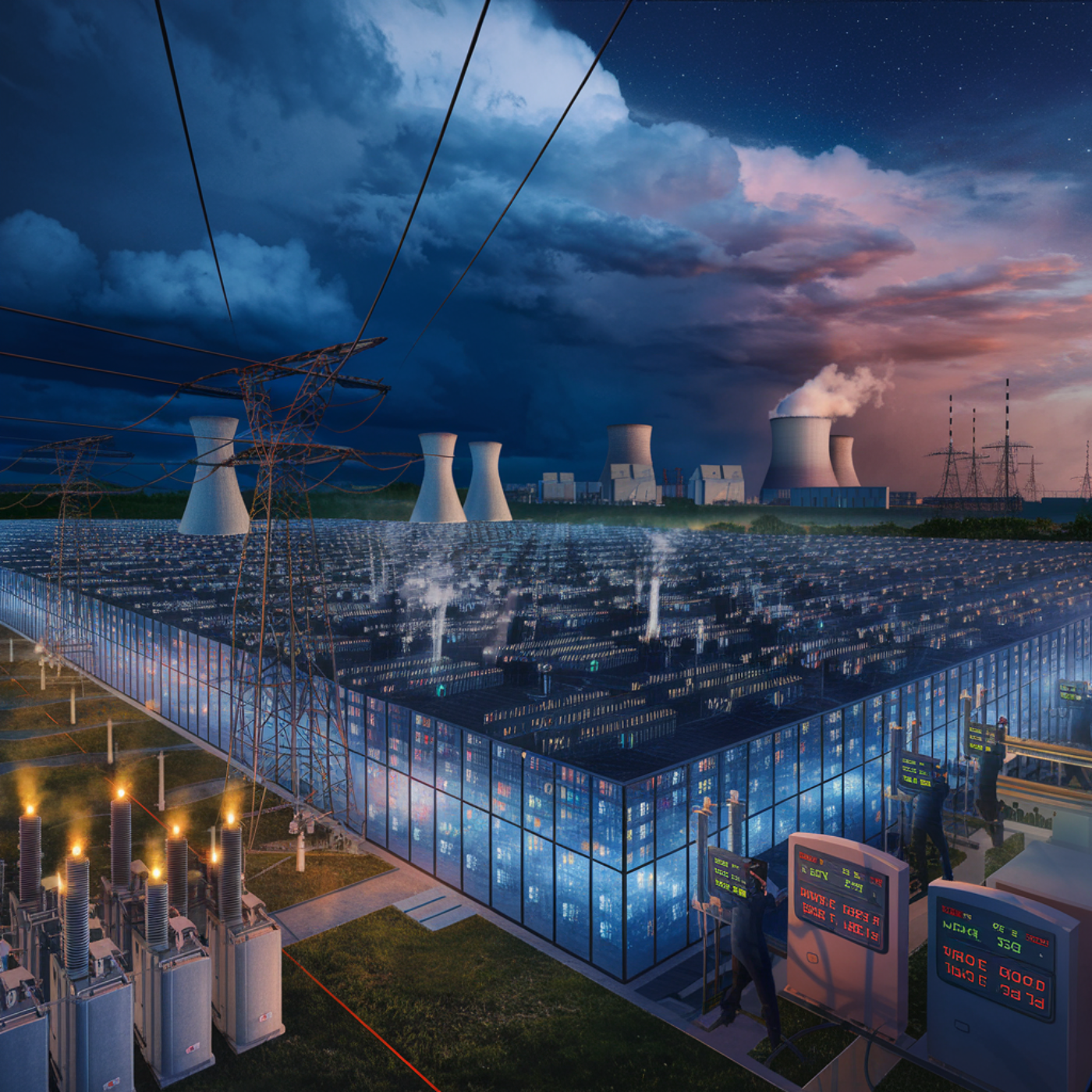
Mark Mills, now Executive Director of the National Center for Energy Analytics and Distinguished Senior Fellow at the Texas Public Policy Foundation, breaks down why AI computations require approximately ten times more energy than traditional computing tasks. As data centers expand to gigawatt-scale facilities—each consuming as much electricity as a small nuclear power plant—utilities across North America are reporting staggering increases in forecasted electricity demand.
The conversation explores:
- Why the AI revolution is creating unprecedented pressure on electrical grids worldwide
- How Ireland has already banned new data center connections after they consumed a fifth of the nation's electricity
- The urgent need to halt power plant shutdowns and potentially reactivate decommissioned facilities
- Why nuclear power is back in the spotlight after decades on the sidelines
- The geopolitical implications as countries race for AI supremacy while balancing energy security
- The scale of our "Zettabyte Era" where moving and storing vast amounts of data requires enormous energy resources
Mills offers bold predictions for our energy future, arguing that industrial demand will ultimately drive a revival of reliable baseload power. As politicians confront the reality of potential blackouts, he believes pragmatism will eventually overcome ideological preferences in energy policy.
This wide-ranging discussion provides crucial context for understanding how the computational demands of our digital future will reshape the energy landscape for decades to come.