Yeshiva of Newark Podcast
2,780 episodes — Page 33 of 56

A-Typical Vort with Rabbi Ari Koretzky-Parshas Korach- Recovering the Art for Arguing
Well crafted insights from one of North America's most important educators This podcast has been graciously sponsored by JewishPodcasts.fm. There is much overhead to maintain this service so please help us continue our goal of helping Jewish lecturers become podcasters and support us with a donation: https://thechesedfund.com/jewishpodcasts/donate

Rischa D'Araisa Season 3-Episode 10-With Naftali Bennett as Prime Minister-There is an unprecedented opportunity for a Kiddush Hashem-Why is it being undermined ?
This podcast has been graciously sponsored by JewishPodcasts.fm. There is much overhead to maintain this service so please help us continue our goal of helping Jewish lecturers become podcasters and support us with a donation: https://thechesedfund.com/jewishpodcasts/donate
Our Shmitah Year-Truncating Holiness-The Heter Mechirah-Part 4-The Power of Non-Jewish Land Rights- with Rav Duvie Weiss
This podcast has been graciously sponsored by JewishPodcasts.fm. There is much overhead to maintain this service so please help us continue our goal of helping Jewish lecturers become podcasters and support us with a donation: https://thechesedfund.com/jewishpodcasts/donate
On Principle-35-With Rabbi Yossie Kenigsberg-Using Classic Literature in a Right-wing Yeshiva as a Launchpad for a value based informed Life
Rabbi Yossi Kenigsberg is the principal of Mesivta Yesodei Yisroel in Elkins Park Pennsylvania, a fledgling but vibrant High school that is part of the vast network of educational institutions under the Touro umbrella.Rabbi Kenigsberg is an educator with almost four decades of experience and has served as a principal in Torah Day schools and Yeshivos for over a quarter of a century.Along with being a supervisor for the renowned nationwide Catapult Learning where he has been intensively involved with summer enrichment learning for inner city children, he routinely consults in cases of severe learning disabilities as a licensed Wilson dyslexia practitioner.Rabbi Kenigsberg received an M.A in Mental Health Counseling in 2008.Please leave us a review or email us at [email protected] This podcast has been graciously sponsored by JewishPodcasts.fm. There is much overhead to maintain this service so please help us continue our goal of helping Jewish lecturers become podcasters and support us with a donation: https://thechesedfund.com/jewishpodcasts/donate

The Deeper End of the Parsha-Korach-The Sfas Emes Sketches Aharon HaKohen's Delicate Balance of Humility
Rabbi Worch-Co host of theChavrusa and acclaimed translator of theBnei Yessaschar elaborates on carefully selected sections from the famed Chasidic Rebbe and scholar,Rav Yehuda Aryeh Lev of Gur,culled from the classic work Sefas Emes.Rabbi Worch brings out the important lessons ofAvodas Hashemthat are indicated by the novel interpretations ofChazal and thePesukim that are suggested in the work. We thank the Illinois Center for Jewish Studies for the use of this material This podcast has been graciously sponsored by JewishPodcasts.fm. There is much overhead to maintain this service so please help us continue our goal of helping Jewish lecturers become podcasters and support us with a donation: https://thechesedfund.com/jewishpodcasts/donate
Fine Tuned Halacha with Dayan Gershon Eliezer Schaffel-Quenching doesn't always equal Bentching-When to make a Bracha on Water
Under what conditions do we recite a beracha on water and under what conditions is it permitted to drink water without making a beracha? The Yeshiva of Newark is proud to partner with Dayan Schaffel and the Chicago Choshen Mishpat Kollel of which he is a senior member,to help spread his scholarly thoughtful ideas and Halachic insight to an audience that appreciates well researched measured responses in these novel times. This podcast has been graciously sponsored by JewishPodcasts.fm. There is much overhead to maintain this service so please help us continue our goal of helping Jewish lecturers become podcasters and support us with a donation: https://thechesedfund.com/jewishpodcasts/donate

Jewish History Channelled with Rabbi Aryeh Klapper -The Fall of King Shaul-Were His Impeccable Midos to Blame?
Rabbi Aryeh Klapper is Dean of the Center for Modern Torah Leadership, Rosh Beit Midrash of its Summer Beit Midrash Program and a member of the Boston Beit Din. Rabbi Klapper is a widely published author in prestigious Hebrew and English journals. He is frequently consulted on issues of Jewish law from representatives of all streams of Judaism and responds from an explicit and uncompromised Orthodox stance. The Yeshiva of Newark @IDT is proud to partner with Rabbi Klapper to help spread his scholarly thoughtful ideas and Halachic insight to as wide an audience as possible . Please visit http://www.torahleadership.org/ This podcast has been graciously sponsored by JewishPodcasts.fm. There is much overhead to maintain this service so please help us continue our goal of helping Jewish lecturers become podcasters and support us with a donation: https://thechesedfund.com/jewishpodcasts/donate
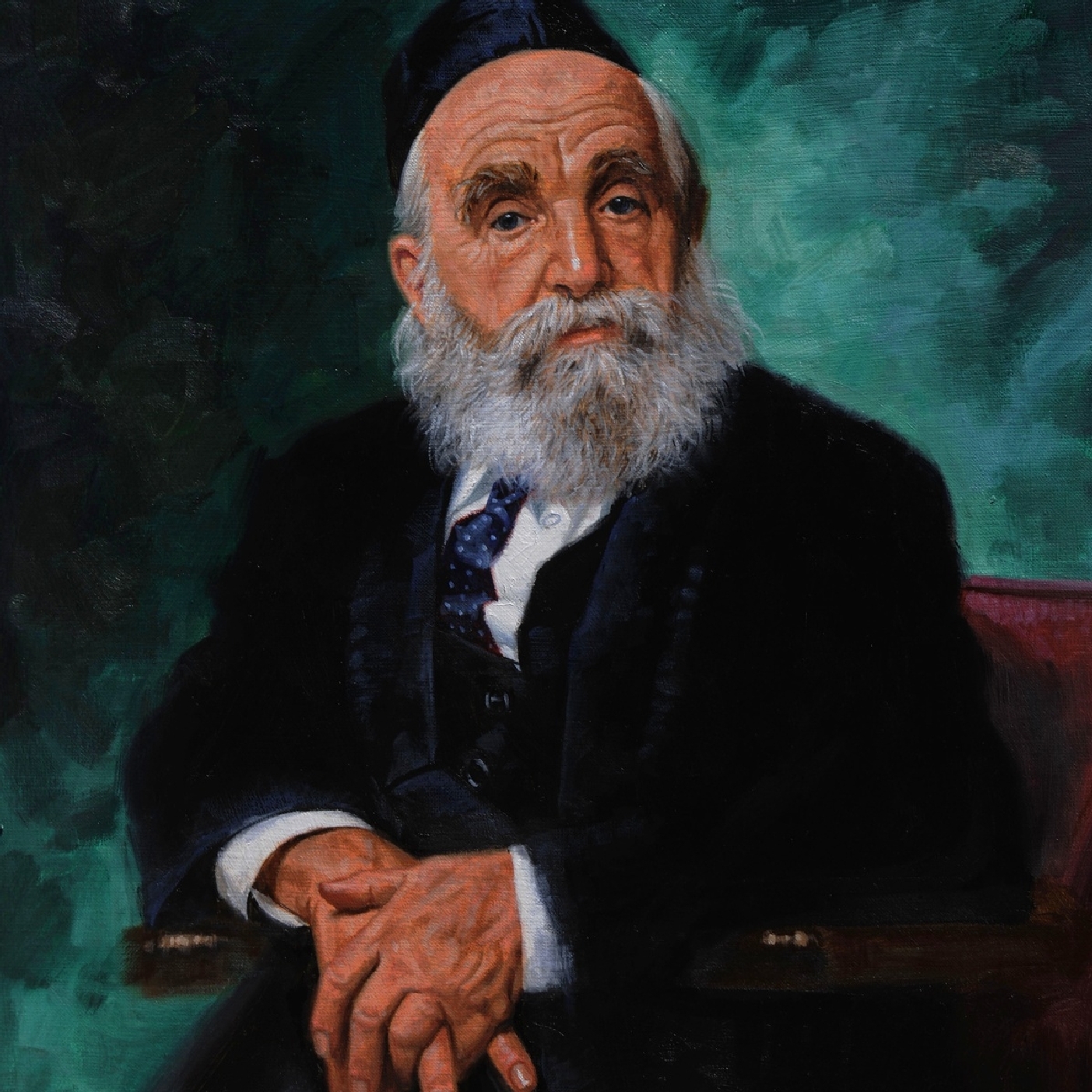
Rav Moshe-The Art of Psak with Rabbi Aryeh Klapper Episode 5-A Pair of Lenient Rulings Pertaining to Intermarriage
Rabbi Aryeh Klapper is Dean of the Center for Modern Torah Leadership, Rosh Beit Midrash of its Summer Beit Midrash Program and a member of the Boston Beit Din. Rabbi Klapper is a widely published author in prestigious Hebrew and English journals. He is frequently consulted on issues of Jewish law from representatives of all streams of Judaism and responds from an explicit and uncompromised Orthodox stance. The Yeshiva of Newark @IDT is proud to partner with Rabbi Klapper to help spread his scholarly thoughtful ideas and Halachic insight to as wide an audience as possible . Please visit http://www.torahleadership.org/ for many more articles and audio classes from Rav Klapper and to find out about his Summer programs as well as Rabbi Klapper's own podcast site https://anchor.fm/aryeh-klapper. Please leave us a review or email us at [email protected] This podcast has been graciously sponsored by JewishPodcasts.fm. There is much overhead to maintain this service so please help us continue our goal of helping Jewish lecturers become podcasters and support us with a donation: https://thechesedfund.com/jewishpodcasts/donate
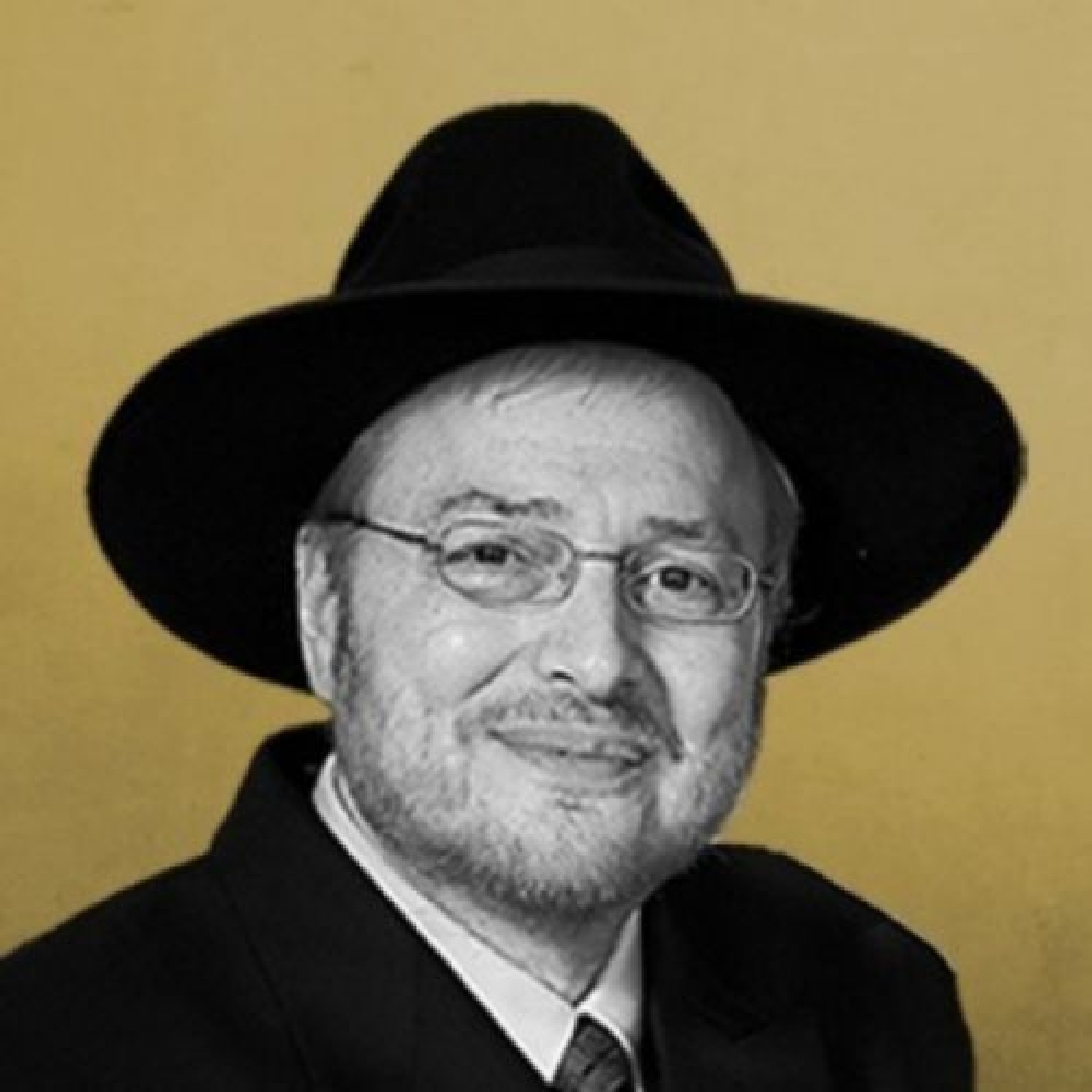
Tshuvos and Poskim- "Better Idols in the Sanctuary than controversy and conflict"-Keeping Up Only the Good Fight
וְלֹא יִהְיֶה כְקֹרַח וְכַעֲדָתוֹ In what often feels like an all-pervasive environment of strife and recrimination The Issur Ben Tzvi Hersh Tshuvos and Poskim Shiur Attempted to lower the temperature And delineate when passion and protest are demanded and when they must be muted Keeping Up the Good Fight The lecture Featured readings and prooftexts found in The Talmud Bavli Gedolei Rishonim and Achronim זצוק'ל זי'ע This podcast has been graciously sponsored by JewishPodcasts.fm. There is much overhead to maintain this service so please help us continue our goal of helping Jewish lecturers become podcasters and support us with a donation: https://thechesedfund.com/jewishpodcasts/donate
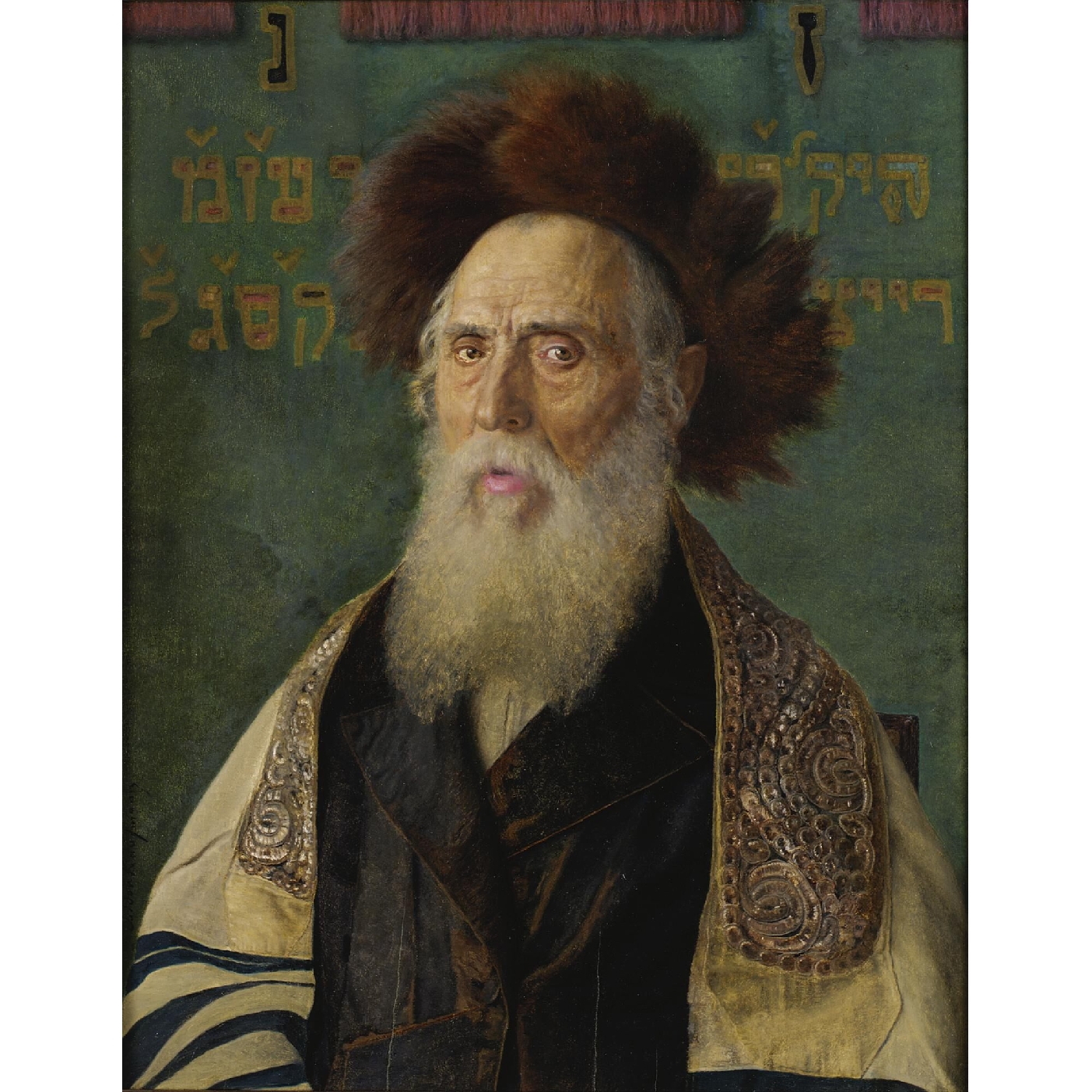
Emeritus Rex-With Rabbi Jonathan Rosenblatt-Changes at the Penultimate Station-The transformation of the American Orthodox Rav-From Revered Light Bringer to Dynamic Entrepreneur
This podcast has been graciously sponsored by JewishPodcasts.fm. There is much overhead to maintain this service so please help us continue our goal of helping Jewish lecturers become podcasters and support us with a donation: https://thechesedfund.com/jewishpodcasts/donate

To STIR with Love-Tales from Prison- Frum Women Behind Bars-Not Skirting any Issues-with Rebbetzin Chava Kolakowski
'This podcast is operated with the activity of Rabbi Kolakowski as a private individual and not as a representative of the Commonwealth of Pennsylvania, the Department of Corrections, or any facility, bureau or office thereof. None of the statements, representations, viewpoints, images or other media contained herein has been sanctioned, approved or endorsed by the Commonwealth or the Department. Nothing contained herein should be deemed to represent the official views of the Commonwealth or the Department.' This podcast has been graciously sponsored by JewishPodcasts.fm. There is much overhead to maintain this service so please help us continue our goal of helping Jewish lecturers become podcasters and support us with a donation: https://thechesedfund.com/jewishpodcasts/donate

The Chavrusa-Rabbi Kivelevitz Vs.Rabbi Worch-Black and white and unread?-On long summer Shabbas afternoons-Books with a Beis Yosef Hechsher only or Newspapers and Magazines ?
This podcast has been graciously sponsored by JewishPodcasts.fm. There is much overhead to maintain this service so please help us continue our goal of helping Jewish lecturers become podcasters and support us with a donation: https://thechesedfund.com/jewishpodcasts/donate
Some of my best friends are Kabbalists-Rabbi Yitzchak Eisik Yehuda Yechiel Safrin, The Komarna Rebbe-Blending Chasidus into its deep Lurianic roots-
This podcast has been graciously sponsored by JewishPodcasts.fm. There is much overhead to maintain this service so please help us continue our goal of helping Jewish lecturers become podcasters and support us with a donation: https://thechesedfund.com/jewishpodcasts/donate

RambaN Vs.RambaM- Episode 41-The Snow-White Story must be Told!-The Tzaaras of the Prophetess
This podcast has been graciously sponsored by JewishPodcasts.fm. There is much overhead to maintain this service so please help us continue our goal of helping Jewish lecturers become podcasters and support us with a donation: https://thechesedfund.com/jewishpodcasts/donate

Rischa D'Araisa-Season 3-Episode 9- Recharge Intelligently-Getting the most out of a summer vacation
This podcast has been graciously sponsored by JewishPodcasts.fm. There is much overhead to maintain this service so please help us continue our goal of helping Jewish lecturers become podcasters and support us with a donation: https://thechesedfund.com/jewishpodcasts/donate

Disputes in Judaism Clarified by Rabbi Kalman Worch-Rava and Rav Safra-The Elusive Struggle for Speaking Truthfully
With such a polarized world overwhelming measured voices and patient logic, Rabbi Kalman Worch,-Co host of the Chavrusaand acclaimed translator of the Bnei Yessaschar presents a series culled from our history and vast Rabbinic literature to help lower the temperature.We thank the Illinois Center for Jewish Studies for the use of this materialPlease leave us a review or email us at [email protected] This podcast has been graciously sponsored by JewishPodcasts.fm. There is much overhead to maintain this service so please help us continue our goal of helping Jewish lecturers become podcasters and support us with a donation: https://thechesedfund.com/jewishpodcasts/donate

A-Typical Vort with Rabbi Ari Koretzky-Parshas Shelach- Unholy Slander on the Eretz HaKodesh
Well crafted insights from one of the premeir educators in Noirth America This podcast has been graciously sponsored by JewishPodcasts.fm. There is much overhead to maintain this service so please help us continue our goal of helping Jewish lecturers become podcasters and support us with a donation: https://thechesedfund.com/jewishpodcasts/donate
Tshuvos and Poskim with Dayan Gershon Eliezer Schaffel-Sticker Shlock: Who is responsible when a renter gets a ticket for not having an up to date inspection?
The Yeshiva of Newark is proud to partner with Dayan Schaffel and the Chicago Choshen Mishpat Kollel of which he is a senior member,to help spread his scholarly thoughtful ideas and Halachic insight to an audience that appreciates well researched measured responses in these novel times. This podcast has been graciously sponsored by JewishPodcasts.fm. There is much overhead to maintain this service so please help us continue our goal of helping Jewish lecturers become podcasters and support us with a donation: https://thechesedfund.com/jewishpodcasts/donate
Our Shmitah Year-The Heter Mechirah Part 3 with Rav Duvie Weiss
This podcast has been graciously sponsored by JewishPodcasts.fm. There is much overhead to maintain this service so please help us continue our goal of helping Jewish lecturers become podcasters and support us with a donation: https://thechesedfund.com/jewishpodcasts/donate
Rabbi Francis Nataf on Parshas Shelach-Dissent, Orthoprax and Red Lines - A Conversation with Rabbi Dr. Gidon Rothstein
Listen to this freewheeling discussion about what rabbis and teachers want to accomplish and some of the obstacles they face. Also, should we be excited about the first identifiably religious Prime Minister of Israel? And when, why and how should we disagree with what we see around us? Rabbi Francis Nataf is a respected educator, writer and thinker, well known for his ability to find new ways of looking at text and tradition. He is the author of the groundbreaking book on the Torah Redeeming Relevance. The Yeshiva of Newark @IDT is proud to partner with Rav Nataf to help spread his important messages to as wide an audience as possible . Please visit https://anchor.fm/francis-nataf/episodes for an unedited version of this episode and https://francisnataf.wordpress.com/ for many more articles and audio classes from Rabbi Nataf. Please leave us a review or email us at [email protected] This podcast has been graciously sponsored by JewishPodcasts.fm. There is much overhead to maintain this service so please help us continue our goal of helping Jewish lecturers become podcasters and support us with a donation: https://thechesedfund.com/jewishpodcasts/donate
Rabbi Aryeh Klapper on Shelach-Peter Pan's Shadow
Rabbi Aryeh Klapper is Dean of the Center for Modern Torah Leadership, Rosh Beit Midrash of its Summer Beit Midrash Program and a member of the Boston Beit Din. Rabbi Klapper is a widely published author in prestigious Hebrew and English journals. He is frequently consulted on issues of Jewish law from representatives of all streams of Judaism and responds from an explicit and uncompromised Orthodox stance. The Yeshiva of Newark @IDT is proud to partner with Rabbi Klapper to help spread his scholarly thoughtful ideas and Halachic insight to as wide an audience as possible . Please visit http://www.torahleadership.org/ for many more articles and audio classes from Rav Klapper and to find out about his Summer programs as well as Rabbi Klapper's own podcast site https://anchor.fm/aryeh-klapper. Please leave us a review or email us at [email protected] This podcast is powered by Jewish Podcasts. Start your own podcast today and share your content with the world. Click here to get started. This podcast has been graciously sponsored by JewishPodcasts.fm. There is much overhead to maintain this service so please help us continue our goal of helping Jewish lecturers become podcasters and support us with a donation: https://thechesedfund.com/jewishpodcasts/donate
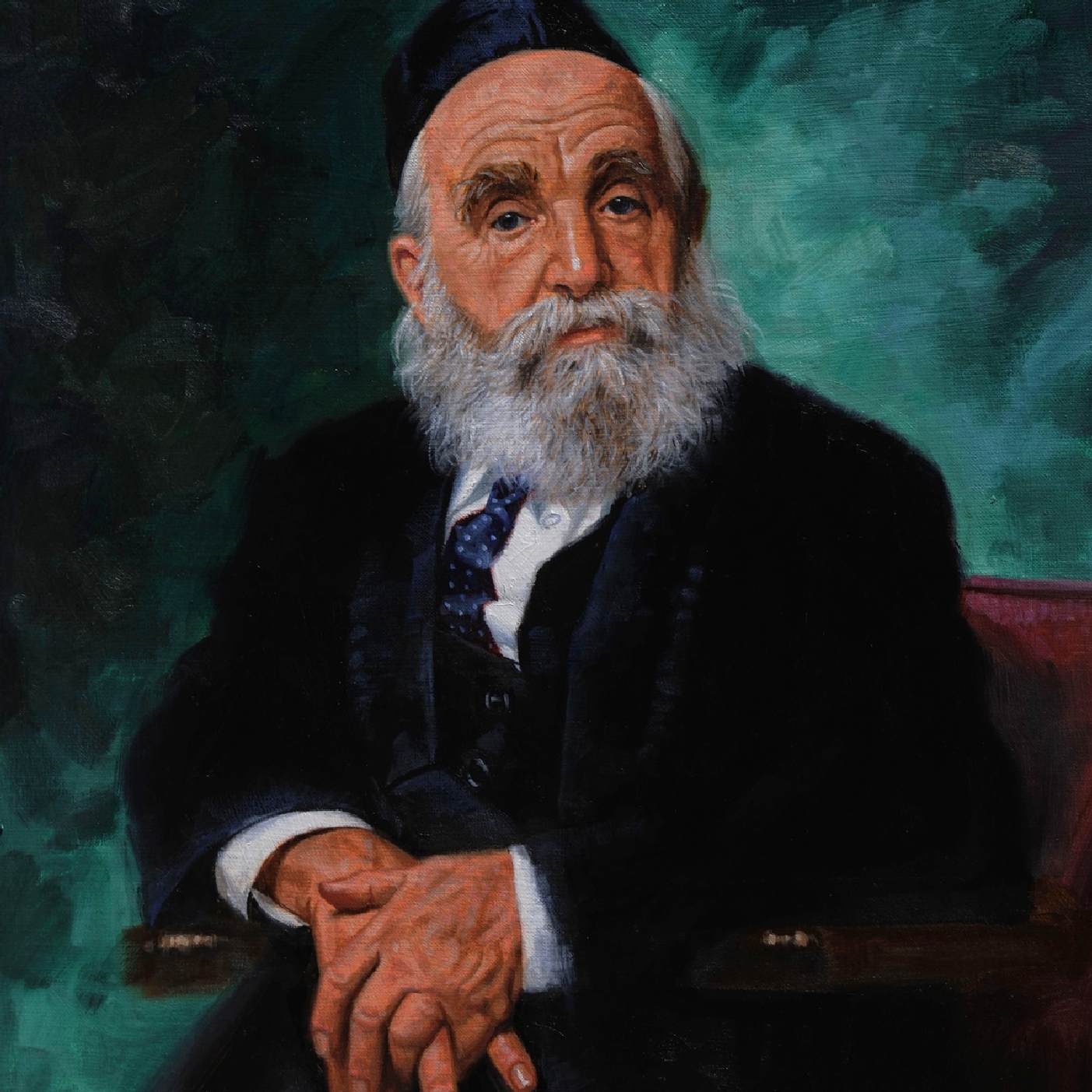
Rav Moshe-The Art of Psak with Rabbi Aryeh Klapper-Episode 4-Is Kosher Gelatin Pareve?
Rabbi Aryeh Klapper is Dean of the Center for Modern Torah Leadership, Rosh Beit Midrash of its Summer Beit Midrash Program and a member of the Boston Beit Din. Rabbi Klapper is a widely published author in prestigious Hebrew and English journals. He is frequently consulted on issues of Jewish law from representatives of all streams of Judaism and responds from an explicit and uncompromised Orthodox stance. The Yeshiva of Newark @IDT is proud to partner with Rabbi Klapper to help spread his scholarly thoughtful ideas and Halachic insight to as wide an audience as possible . Please visit http://www.torahleadership.org/ for many more articles and audio classes from Rav Klapper and to find out about his Summer programs as well as Rabbi Klapper's own podcast site https://anchor.fm/aryeh-klapper. Please leave us a review or email us at [email protected] This podcast is powered by Jewish Podcasts. Start your own podcast today and share your content with the world. Click here to get started. This podcast has been graciously sponsored by JewishPodcasts.fm. There is much overhead to maintain this service so please help us continue our goal of helping Jewish lecturers become podcasters and support us with a donation: https://thechesedfund.com/jewishpodcasts/donate
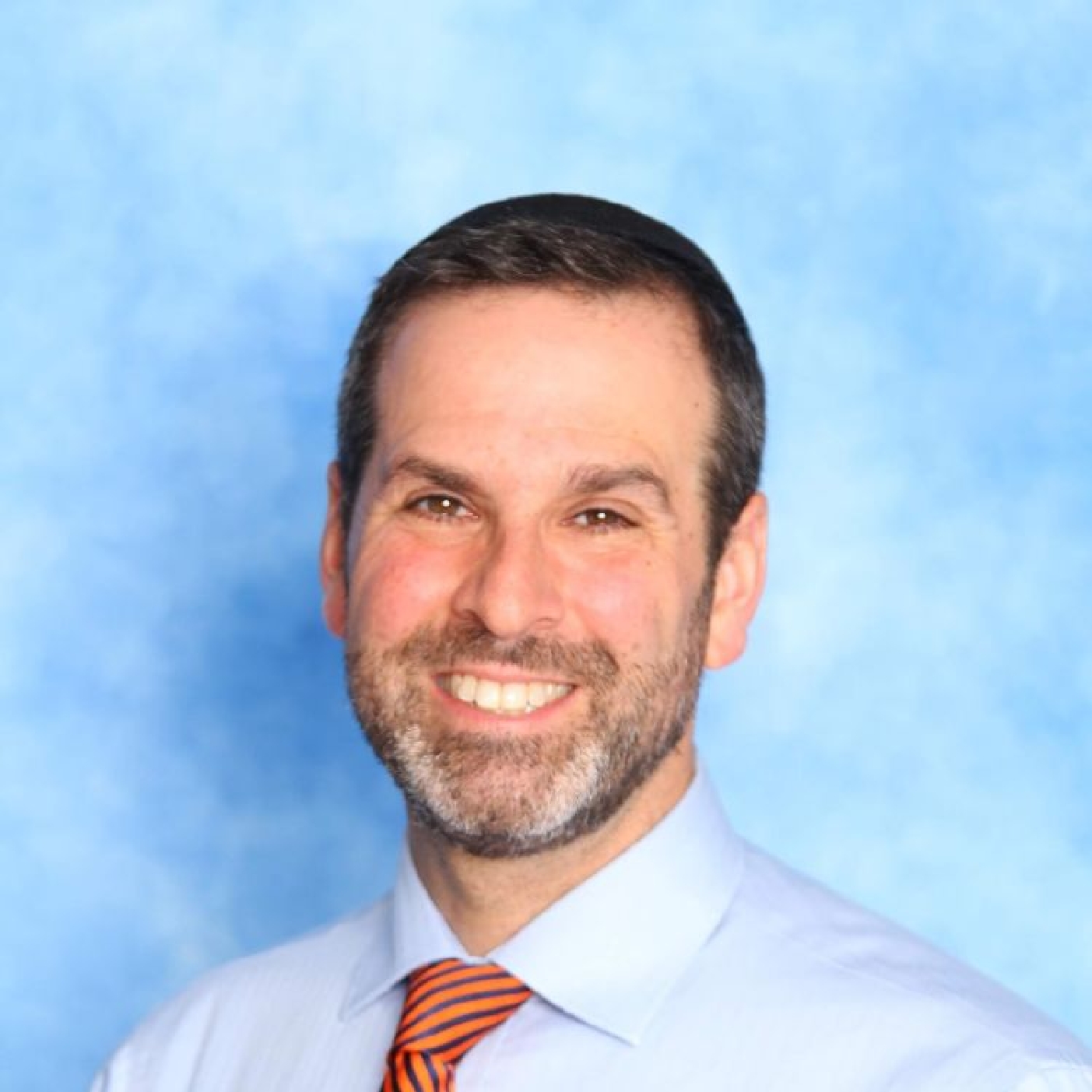
On Principle-34-Challenges in Jewish Education with Rabbi Jon Kroll- Less equals More-Post-Covid Changes: Tweaking dismissal Times-Dumping Hybrid Sessions-Stress Removal from Written Exams-Satellite Branches in the Hinterland
This podcast has been graciously sponsored by JewishPodcasts.fm. There is much overhead to maintain this service so please help us continue our goal of helping Jewish lecturers become podcasters and support us with a donation: https://thechesedfund.com/jewishpodcasts/donate
Some of my best friends are Kabbalists-Special edition with Rabbi Mark Gottlieb- Thriving under the Stars Stripes and Cross-Tracing the Hebraic American Spirit-from Rav Yaakov Emden to the Lubavitcher Rebbe
Rabbi Mark Gottlieb is Senior Director of the Tikvah Fund and founding Dean of the Tikvah and Maimonides Scholars at Yale University. Prior to joining Tikvah, Rabbi Gottlieb served as Head of School at Yeshiva University High School for Boys and Principal of the Maimonides School in Brookline, MA.His writing has appeared inFirst Things,Public Discourse,the University Bookman,the Algemeiner,andthe Jewish Review of Books. Rabbi Gottlieb is a member of the Orthodox Forum Steering Committee and serves on the Editorial Committee ofTradition: A Journal of Orthodox Jewish Thought. This podcast has been graciously sponsored by JewishPodcasts.fm. There is much overhead to maintain this service so please help us continue our goal of helping Jewish lecturers become podcasters and support us with a donation: https://thechesedfund.com/jewishpodcasts/donate
Some of my best friends are Kabbalists-Special edition with Rabbi Mark Gottlieb- Thriving under the Stars Stripes and Cross-Tracing the Hebraic American Spirit-from Rav Yaakov Emden to the Lubavitcher Rebbe
Rabbi Mark Gottlieb is Senior Director of the Tikvah Fund and founding Dean of the Tikvah and Maimonides Scholars at Yale University. Prior to joining Tikvah, Rabbi Gottlieb served as Head of School at Yeshiva University High School for Boys and Principal of the Maimonides School in Brookline, MA.His writing has appeared inFirst Things,Public Discourse,the University Bookman,the Algemeiner,andthe Jewish Review of Books. Rabbi Gottlieb is a member of the Orthodox Forum Steering Committee and serves on the Editorial Committee ofTradition: A Journal of Orthodox Jewish Thought. This podcast has been graciously sponsored by JewishPodcasts.fm. There is much overhead to maintain this service so please help us continue our goal of helping Jewish lecturers become podcasters and support us with a donation: https://thechesedfund.com/jewishpodcasts/donate
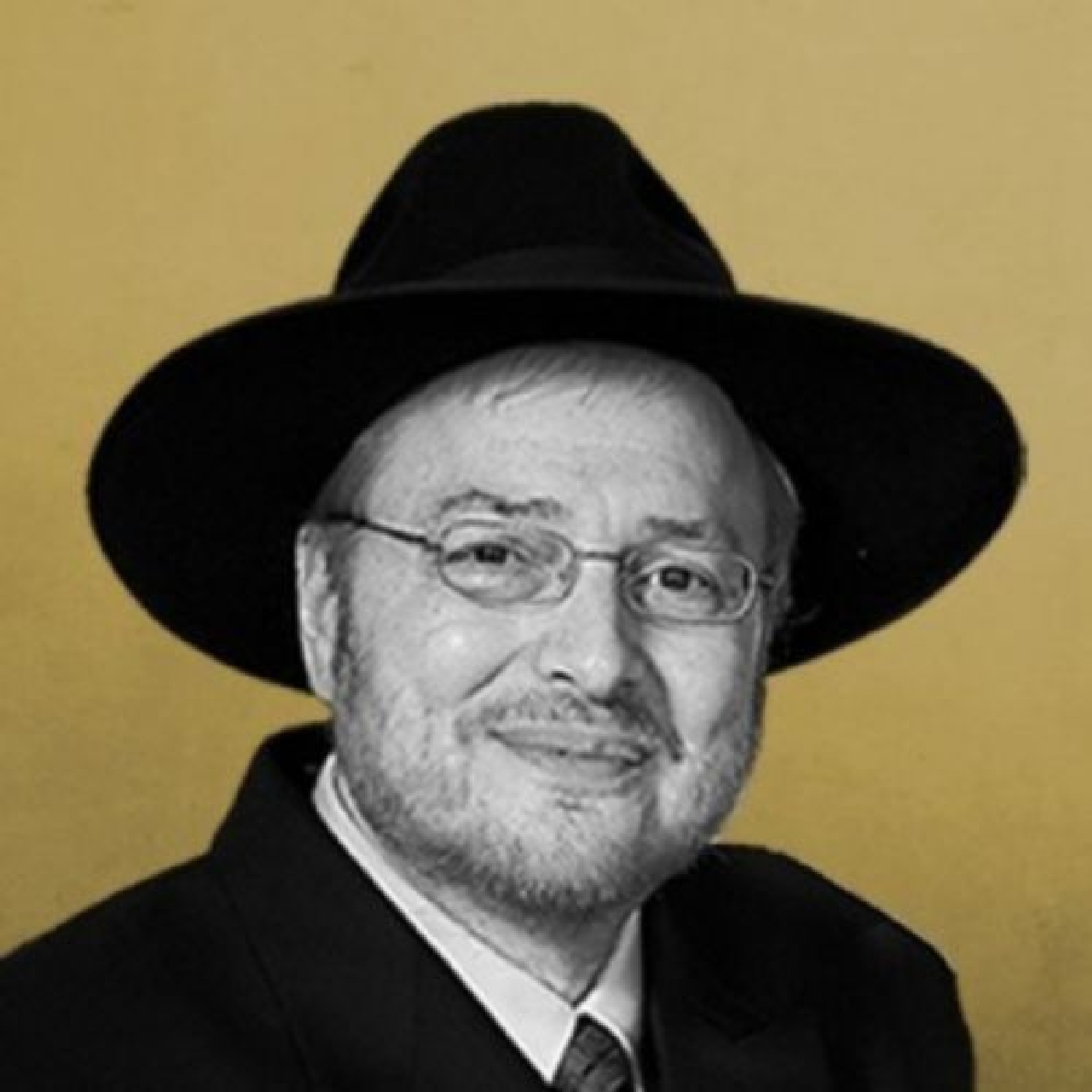
Tshuvos and Poskim-Patriot Act-Draft Dodging Through the Doros
In a week that began with paying tribute to members of the armed forces of the United States of America who gave the ultimate sacrifice for this country in battles waged for freedom and democracy and human dignity The Issur Ben Tzvi Hersh Tshuvos and Poskim Shiur used its weekly Thursday presentation To examine the complex legal and sociological quandaries that have confronted Gedolei Yisroel in terms of the requirements of National military service Draft Dodging through the Doros Deft Delineation of Divine Duties Discretion in Discussion Duplicity-Disguise-Deceit Dastardly Deal-making Dramatic Devotion This episode Features readings and prooftexts found in The Talmud Bavli Commentary of Rav Zerachiah HaLevi-The Baal HaMaor Responsum of The Chasam Sofer The Maharam Ash Rav Dovid Tzvi Hoffman and reported statements of Rav Yisroel Salanter And Rav Yisroel Meir Kagan זצוק'ל זי'ע This podcast has been graciously sponsored by JewishPodcasts.fm. There is much overhead to maintain this service so please help us continue our goal of helping Jewish lecturers become podcasters and support us with a donation: https://thechesedfund.com/jewishpodcasts/donate
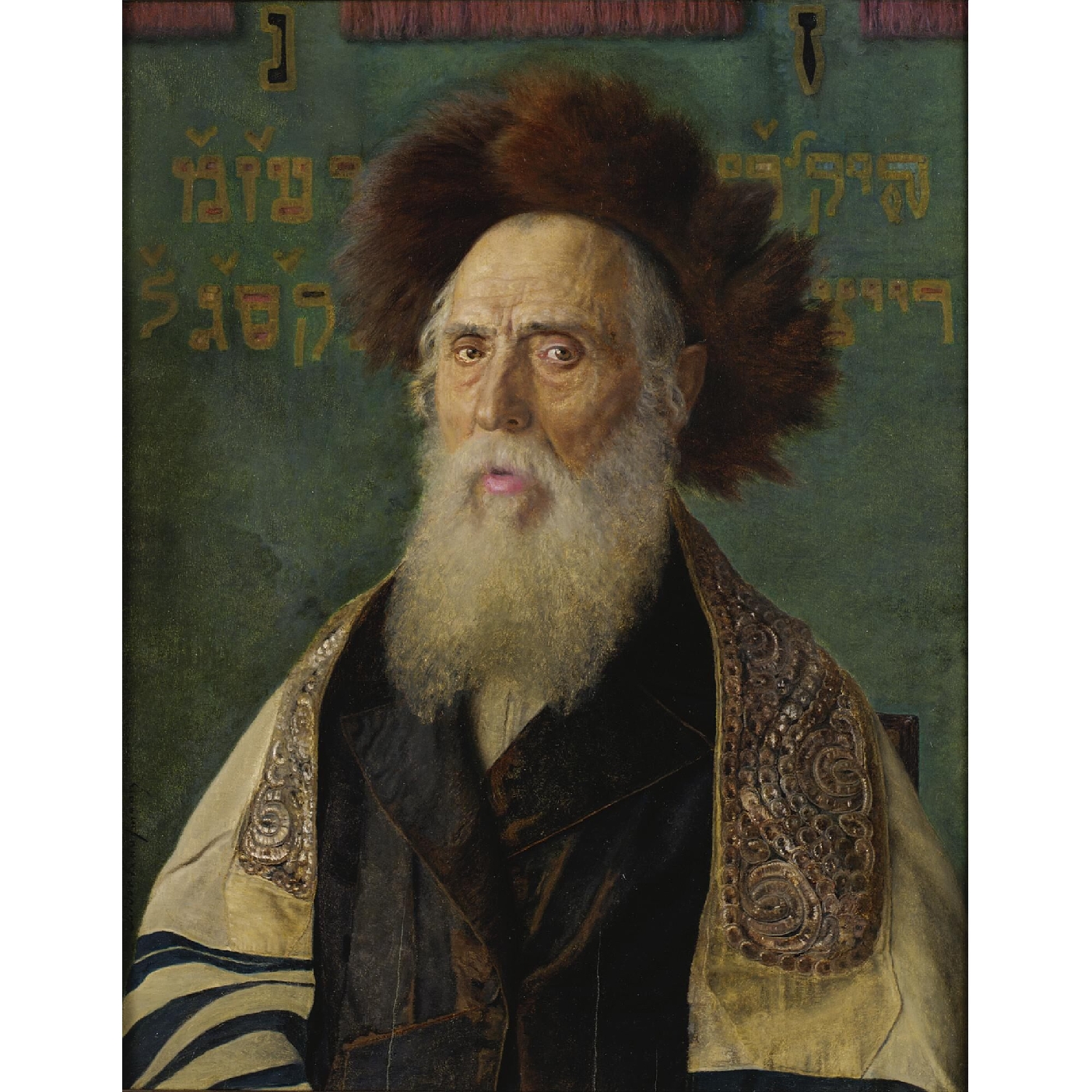
Emeritus Rex-Have we got a Pair of Parshios for you-Shelach and Korach-The Darshan's favorites are consistently applicable
An interview program that seeks to pick the brain of one of the most influential Rabbinic figures of North America. Rabbi Reuben Joshua Poupko has been the Rabbi of Beth Israel Beth Aaron Congregation in Montreal for over 30 years. This podcast has been graciously sponsored by JewishPodcasts.fm. There is much overhead to maintain this service so please help us continue our goal of helping Jewish lecturers become podcasters and support us with a donation: https://thechesedfund.com/jewishpodcasts/donate

To STIR With Love-Tales from Prison-Covid has Cleared..Your neighborhood Jail might be hiring-How to ace your entrance examination for a career in corrections
'This podcast is operated with the activity of Rabbi Kolakowski as a private individual and not as a representative of the Commonwealth of Pennsylvania, the Department of Corrections, or any facility, bureau or office thereof. None of the statements, representations, viewpoints, images or other media contained herein has been sanctioned, approved or endorsed by the Commonwealth or the Department. Nothing contained herein should be deemed to represent the official views of the Commonwealth or the Department.' This podcast has been graciously sponsored by JewishPodcasts.fm. There is much overhead to maintain this service so please help us continue our goal of helping Jewish lecturers become podcasters and support us with a donation: https://thechesedfund.com/jewishpodcasts/donate
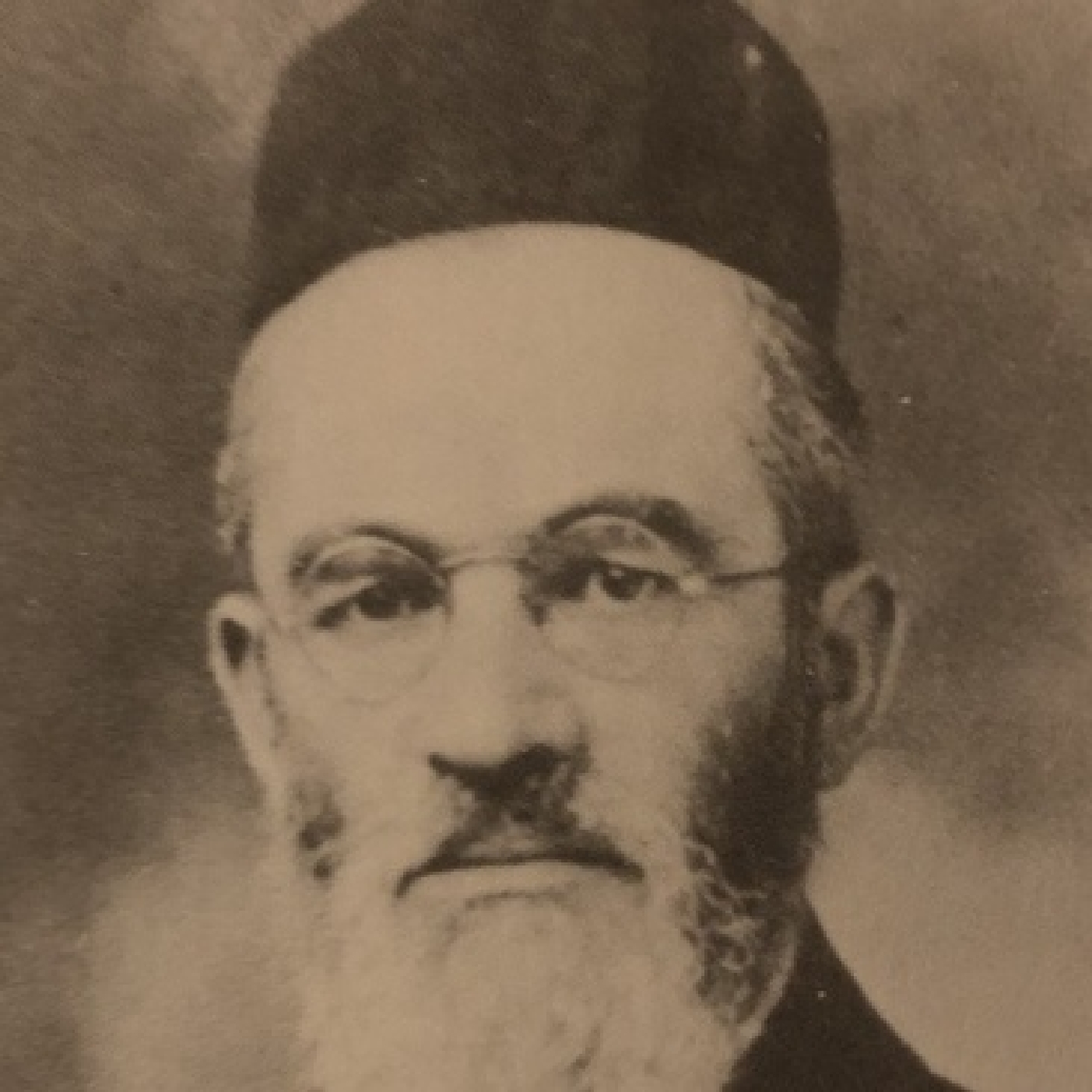
Jewish History Channelled-Memorial Day Special- Rav Yehoshua Klavan Rav Hakolel and Av Beis Din of the Agudas Hakehilos of Washington - DC Dilemma- Can a Jew choose to be buried in a Military Cemetery?
The Tshuvos and Poskim Shiur of the Yeshiva@IDT had the honor in 2018 to have the merit of hosting a forum for IDT’s own greatly respected Gershon Klavan who lead the assembled in celebration of the life and legacy of his great grandfather הגאון האדיר הרב יהושע קלעוואן ז'צל- Rav Hakolel and Av Beis Din of the Agudas Hakehilos of Washington DC Rav Shea Yonishker AKA Rav Yehoshua Klavan From Northwest Lithuania to Northeastern America Featuring Rav Klavan’s analysis of a difficult distinctly DC Dilemma Arlington Buried with Honors? This podcast has been graciously sponsored by JewishPodcasts.fm. There is much overhead to maintain this service so please help us continue our goal of helping Jewish lecturers become podcasters and support us with a donation: https://thechesedfund.com/jewishpodcasts/donate

The Chavrusa Rabbi Kivelevitz Vs.Rabbi Worch-Decorating Tombstones and Military Options-Should we be actively memorializing Memorial Day and encouraging our young persons to consider enlisting?
This podcast has been graciously sponsored by JewishPodcasts.fm. There is much overhead to maintain this service so please help us continue our goal of helping Jewish lecturers become podcasters and support us with a donation: https://thechesedfund.com/jewishpodcasts/donate

RambaN vs.RambaM Episode 40-Becoming Shevet Levi-Hardly a Snap-Drafting Yeshiva students
This podcast has been graciously sponsored by JewishPodcasts.fm. There is much overhead to maintain this service so please help us continue our goal of helping Jewish lecturers become podcasters and support us with a donation: https://thechesedfund.com/jewishpodcasts/donate

Rischa D'Araisa-Season 3 Episode 8-The Price of Popularizing-Has the Yam HaTalmud and Halacha been depleted by talented Talmedei Chachamim writing in the vernacular for the masses?
This podcast has been graciously sponsored by JewishPodcasts.fm. There is much overhead to maintain this service so please help us continue our goal of helping Jewish lecturers become podcasters and support us with a donation: https://thechesedfund.com/jewishpodcasts/donate
Rav Binny's Biurei HaParsha-Behaaloscha-What's Wrong With a Good Burger!?
Rabbi Binny Freedman is a highly engaging and inspirational educator who has a gift for synthesizing difficult, sophisticated material in a way that inspires both the novice and the scholar. His proficiency in applying classic Jewish concepts to contemporary life in a personal and meaningful way has made him a sought after speaker throughout North America and around the world.We thank the Orayta Yeshivah for the use of this material-Check out more Shiurim and information on their websitehttps://www.orayta.org/Please leave us a review or comment at ravkiv@gmail. This podcast has been graciously sponsored by JewishPodcasts.fm. There is much overhead to maintain this service so please help us continue our goal of helping Jewish lecturers become podcasters and support us with a donation: https://thechesedfund.com/jewishpodcasts/donate
Tshuvos and Poskim with Dayan Gershon Eliezer Schaffel-Not Enough Dough-Paying for your wife's Gluten-free diet
The Yeshiva of Newark is proud to partner with Dayan Schaffel and the Chicago Choshen Mishpat Kollel of which he is a senior member,to help spread his scholarly thoughtful ideas and Halachic insight to an audience that appreciates well researched measured responses in these novel times. This podcast has been graciously sponsored by JewishPodcasts.fm. There is much overhead to maintain this service so please help us continue our goal of helping Jewish lecturers become podcasters and support us with a donation: https://thechesedfund.com/jewishpodcasts/donate

A-Typical Vort with Rabbi Ari Koretzky-Parshas Behaaloscha-The Self-Sustaining Flame
Well crafted insights from one of the United States' most important Jewish educators This podcast has been graciously sponsored by JewishPodcasts.fm. There is much overhead to maintain this service so please help us continue our goal of helping Jewish lecturers become podcasters and support us with a donation: https://thechesedfund.com/jewishpodcasts/donate
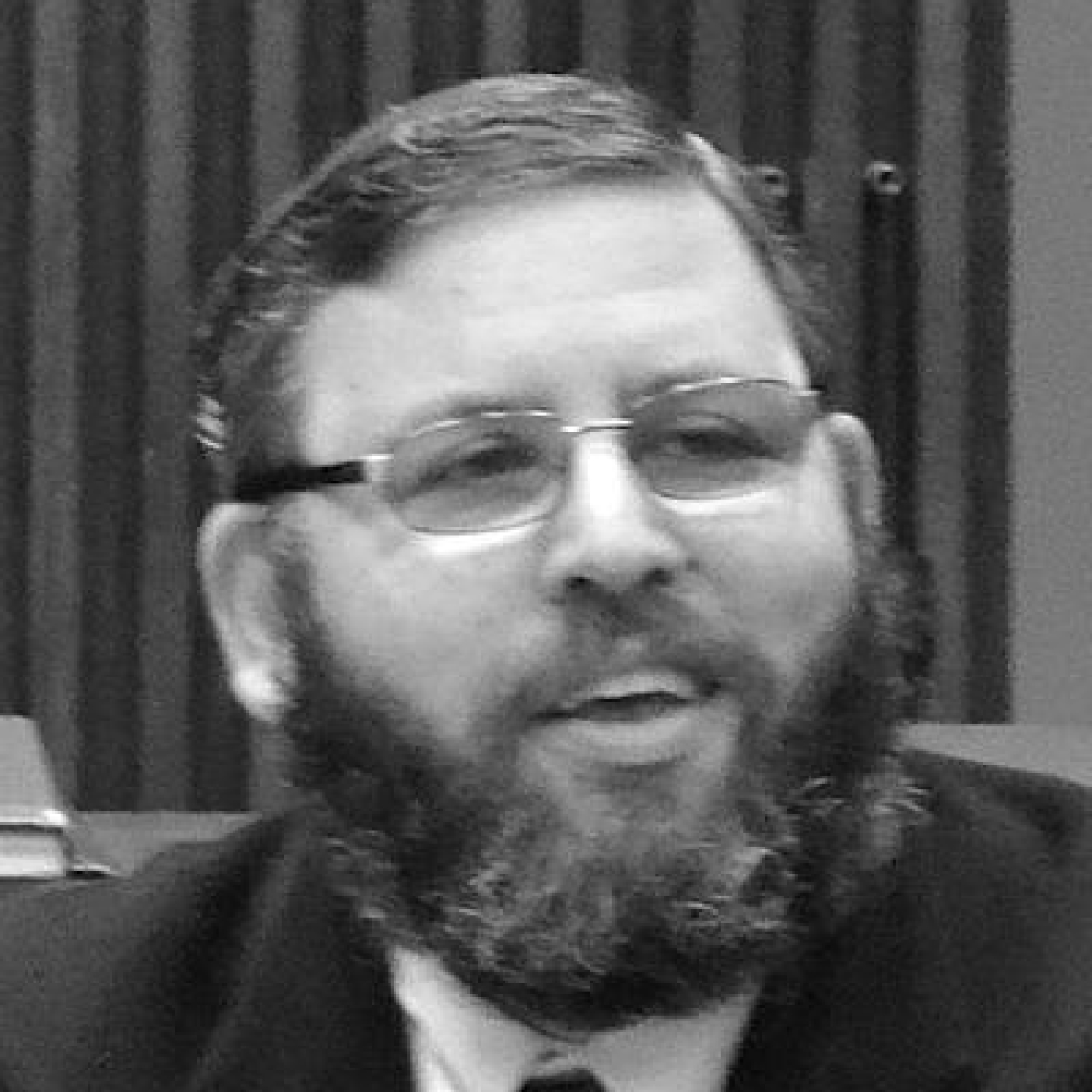
Rabbi Aryeh Klapper on Behaaloscha-Voice at the Table- Moshe's offer to Yisro -Was it enough to get him to stay?
EQUALITY UNDER HALAKHAH: A MORAL DIALOGUE ACROSS GENERATIONS Every once in a while a verse from Tanakh comes and just smacks you upside the head like a flounder. How could I not have known that? Why did the opposite always seem obvious? This week I was fishsmacked by Yechezkel 47:21-23: :וְחִלַּקְתֶּ֞ם אֶת־הָאָ֧רֶץ הַזֹּ֛את לָכֶ֖ם לְשִׁבְטֵ֥י יִשְׂרָאֵֽל וְהָיָ֗ה תַּפִּ֣לוּ אוֹתָהּ֘ בְּנַחֲלָה֒ לָכֶ֗ם וּלְהַגֵּרִים֙ הַגָּרִ֣ים בְּתוֹכְכֶ֔ם אֲשֶׁר־הוֹלִ֥דוּ בָנִ֖ים בְּתֽוֹכְכֶ֑ם וְהָי֣וּ לָכֶ֗ם כְּאֶזְרָח֙ בִּבְנֵ֣י יִשְׂרָאֵ֔ל :אִתְּכֶם֙ יִפְּל֣וּ בְנַחֲלָ֔ה בְּת֖וֹךְ שִׁבְטֵ֥י יִשְׂרָאֵֽל וְהָיָ֣ה בַשֵּׁ֔בֶט אֲשֶׁר־גָּ֥ר הַגֵּ֖ר אִתּ֑וֹ שָׁ֚ם תִּתְּנ֣וּ נַחֲלָת֔וֹ נְאֻ֖ם אֲ-דֹנָ֥י יְקֹוִֽק: ס You must divide this land to yourselves, to the tribes of Israel. It will be that you will make it fall-by-lot as a homestead to you, and to the gerim/converts who are gar/dwell among you, who have sired children in your midst. They shall be to you like the ezrach/citizen of the Children of Israel; with you they will fall-by-lot into homestead, in the midst of the Tribes of Israel. It will be in the tribe with which the convert dwells – there you will place his homestead. The word of Hashem Elokim. I always took for granted that converts did not have hereditary portions in the Land of Israel. How could they, when the Land was fully distributed in the time of Yehoshua?! Also, I knew that according to Mishnah Bikkurim 1:4, converts do not read the Bikkurim declaration “because they cannot say that Hashem promised to our ancestors to give to us”, and that Rabbeinu Tam went so far as to suggest that converts could not be obligated in Grace after Meals because the second blessing expresses gratitude for the Land. True, we rule against Rabbeinu Tam, and many hold against the Mishnah that converts read the Bikkurim declaration, on the ground that the Torah etymologizes Avraham as “av hamon goyim”, “father of (converts from) many nations”. True, the land is overall given to the collective Jewish people, including the converts among us. But converts don’t have hereditary homesteads that their children inherit, do they? Perhaps this is one of the contradictions between Yechezkel and Torah that Chananyah ben Chizkiyah stayed up all night resolving in order to keep it off the banned books list (Chagigah 13a). None of the standard traditional commentaries seem bothered. See for example Metzudat David 47:22: אתכם יפלו = עמכם יירשו בנחלה with you they will fall-by-lot = they will inherit homesteads together with you. As for the land being fully divided amongst the “original” clans - Abravanel spells out the standard resolution: But why was this not also so in Yehoshua’s division of the Land? Because the erev rav that ascended with Israel from Mitzrayim did not join them in their exile, and did not suffer their sufferings; rather, when they saw their success and redemption, they mixed into them, as Shemot 12:38 says: Also an erev rav/mixed multitude ascended with them, because they joined them only in their time of ascension, not before then, and also because they became a stumbling rock and tripping block to the Children of Israel in the Golden Calf episode and the other occasions of sin in the wilderness, and therefore it was not fitting for them to merit gaining homesteads with them. But regarding the Future-To-Come, the prophet did not say here that the converts who would join them in the time of Redemption would homestead with the Children of Israel, because the Sages already said (Yebamot 24b) that “we must not accept converts in the Days of the Messiah”; rather he commanded this regarding the converts who dwelled among the Jews in Israel’s time of exile and accepted the holy covenant and endured the suffering of exile, because it is fit for them, that just as they became Israel to endure suffering, so too they should be part of the homesteading of the land, and this is what (Yechezkel 47:21-23) means . . . that they will take their share of the good which Hashem will give-as-benefit to Israel = שמהטוב אשר יטיב השם לישראל יקחו חלקם. On this understanding, contemporary converts and their descendants will have full hereditary shares of the Land when it is reapportioned in Messianic times. I read Abravanel’s last line as a deliberate allusion to Bamidbar 10:33, where Mosheh promises his in-laws that if they remain with the Jews, וְהָיָ֖ה כִּי־תֵלֵ֣ךְ עִמָּ֑נוּ :וְהָיָ֣ה׀ הַטּ֣וֹב הַה֗וּא אֲשֶׁ֨ר יֵיטִ֧יב יְקֹוָ֛ק עִמָּ֖נוּ וְהֵטַ֥בְנוּ לָֽךְ It will be that if you travel with us, then it will be that the good which Hashem will give-as-benefit to us, we will give as benefit to you. In other words, Mosheh promised them a share in the Land. This reading is borne out by a beraita (Yerushalmi Bikkurim 1:4) which holds that specifically the descendants of Yitro could recite the Bikkurim declaration in full. (This connection is made by Torah Temimah. Note also that Kapot Temarim to Sukkah 34a explains that all converts can recite t

Disputes in Judaism Clarified by Rabbi Kalman Worch-Rabbi Meir and Rabbi Yehudah HaNasi- Torah From The Wicked
With such a polarized world overwhelming measured voices and patient logic, Rabbi Kalman Worch,-Co host of the Chavrusaand acclaimed translator of the Bnei Yessaschar presents a series culled from our history and vast Rabbinic literature to help lower the temperature.We thank the Illinois Center for Jewish Studies for the use of this materialPlease leave us a review or email us at [email protected] This podcast has been graciously sponsored by JewishPodcasts.fm. There is much overhead to maintain this service so please help us continue our goal of helping Jewish lecturers become podcasters and support us with a donation: https://thechesedfund.com/jewishpodcasts/donate
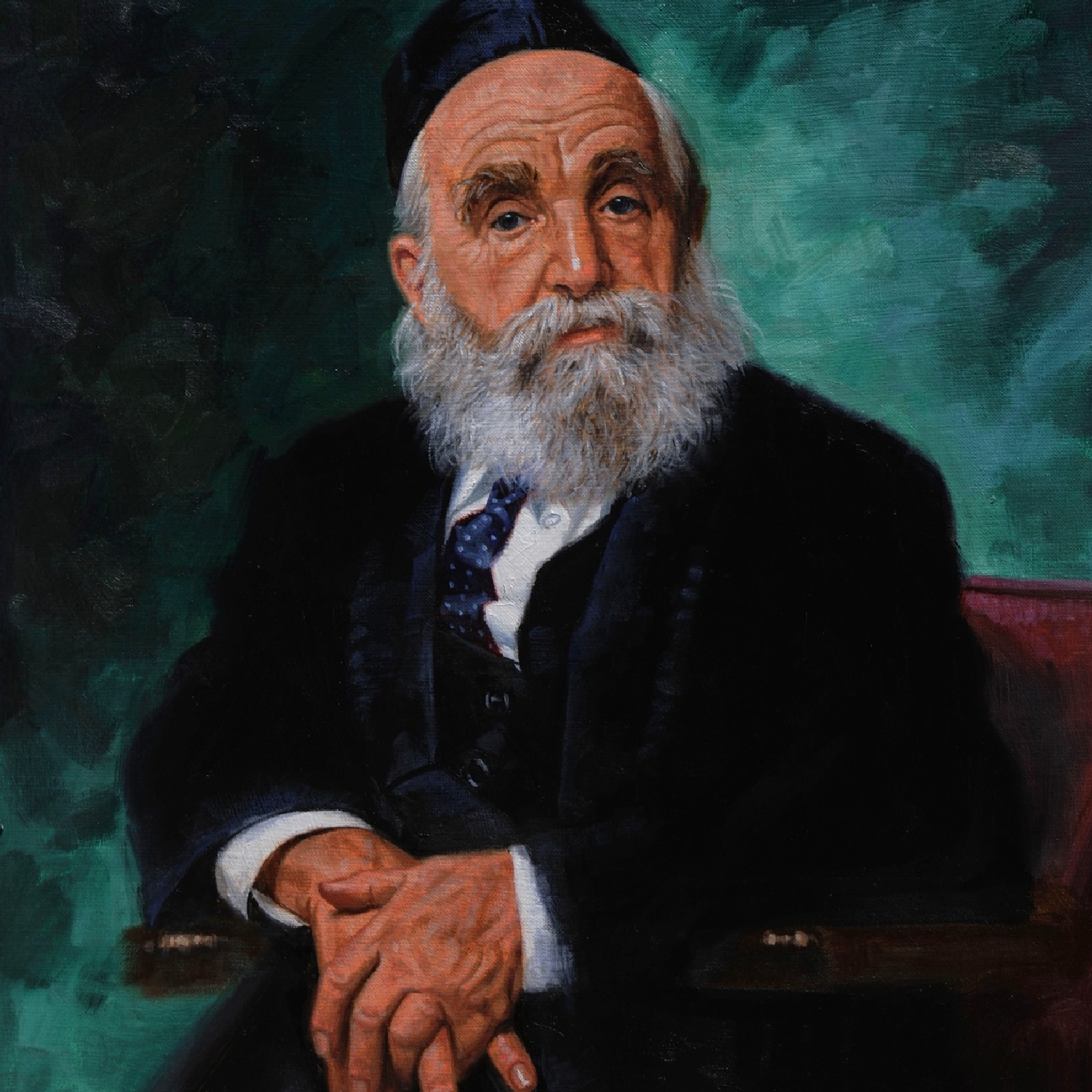
Rav Moshe-The Art of Psak with Rabbi Aryeh Klapper-Episode 3-Asking and Assuming-Trusting Gynecologists-Selling Shaatnez
Rabbi Aryeh Klapper is Dean of the Center for Modern Torah Leadership, Rosh Beit Midrash of its Summer Beit Midrash Program and a member of the Boston Beit Din. Rabbi Klapper is a widely published author in prestigious Hebrew and English journals. He is frequently consulted on issues of Jewish law from representatives of all streams of Judaism and responds from an explicit and uncompromised Orthodox stance. The Yeshiva of Newark @IDT is proud to partner with Rabbi Klapper to help spread his scholarly thoughtful ideas and Halachic insight to as wide an audience as possible . Please visit http://www.torahleadership.org/ for many more articles and audio classes from Rav Klapper and to find out about his Summer programs as well as Rabbi Klapper's own podcast site https://anchor.fm/aryeh-klapper. Please leave us a review or email us at [email protected] This podcast is powered by Jewish Podcasts. Start your own podcast today and share your content with the world. Click here to get started. This podcast has been graciously sponsored by JewishPodcasts.fm. There is much overhead to maintain this service so please help us continue our goal of helping Jewish lecturers become podcasters and support us with a donation: https://thechesedfund.com/jewishpodcasts/donate
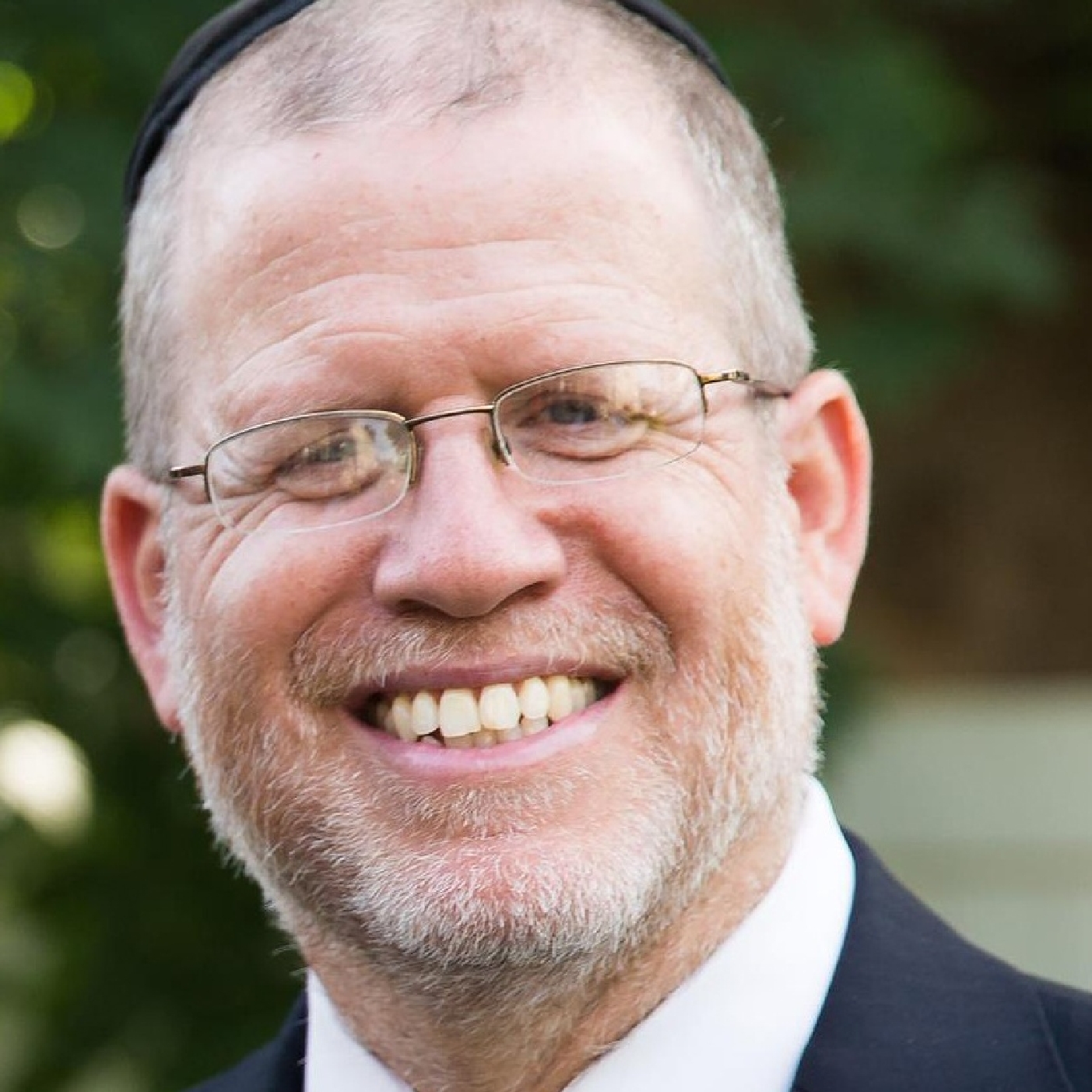
Our Shmitah Year-The Heter Mechirah Part 2 with Rav Duvie Weiss
This podcast has been graciously sponsored by JewishPodcasts.fm. There is much overhead to maintain this service so please help us continue our goal of helping Jewish lecturers become podcasters and support us with a donation: https://thechesedfund.com/jewishpodcasts/donate
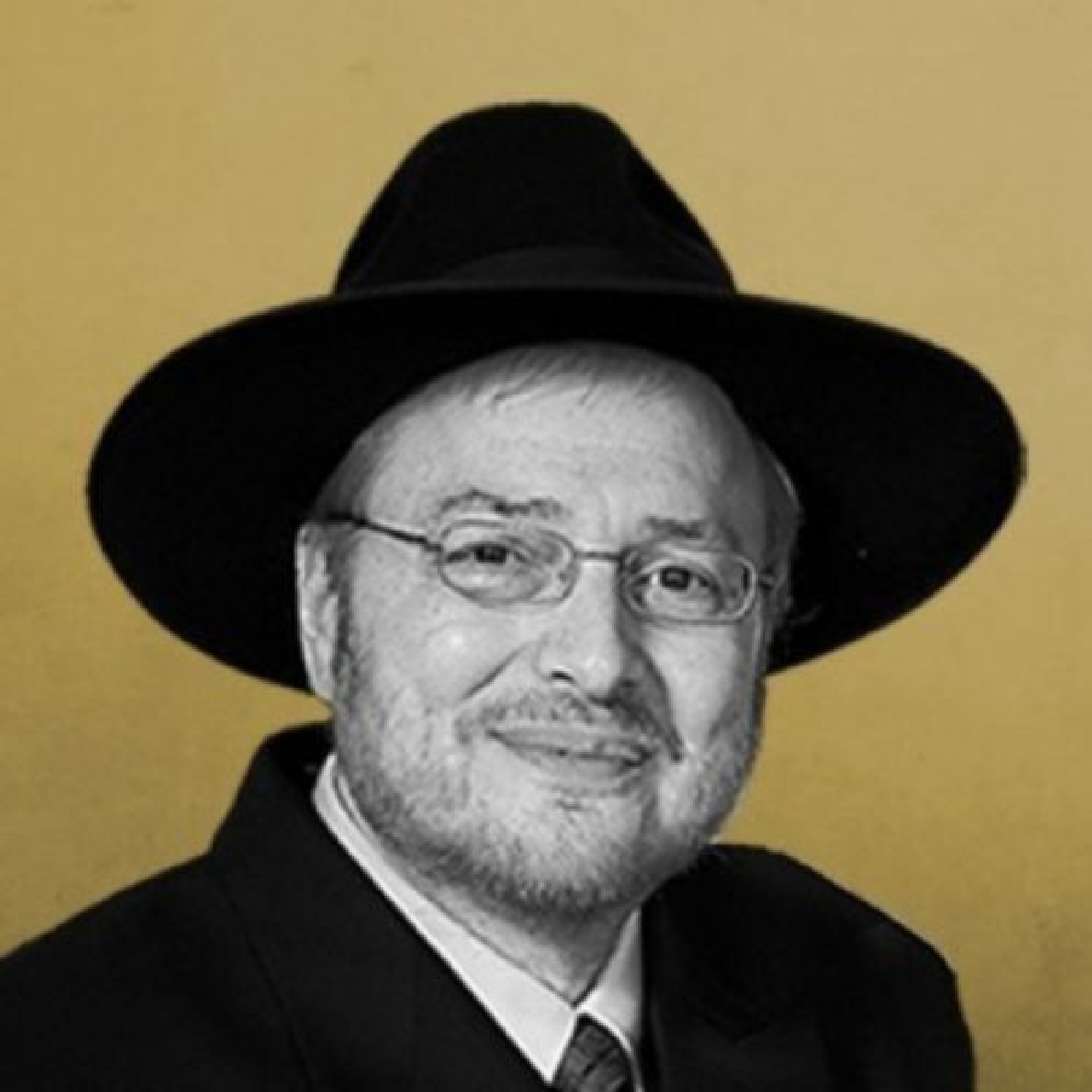
Tshuvos and Poskim-Rustling the branches of the tree of life-Ultimate Halachic Lessons from Dovid HaMelech's Demise
As great sections of the world move out of the shadow of the Covid-19 Pandemic The Issur Ben Tzvi Hersh Tshuvos and Poskim Shiur Of the Yeshiva of Newark@IDT examined one of the most difficult medical ethical questions that Corona spawned In light of one of the most familiar Aggadic sections of the Talmud King David has Died! Long live our ICU patients The episode features readings in The Talmud Bavli and Yerushalmi Statements of Rav Shlomo ben Shimon Duran Biurim of The Chasam Sofer explanations of Rav Avraham Yitzchak HaKohen Kook Psakim of Rav Moshe Feinstein Clarifications of Rav Zalman Nechemiah Goldberg זצוק'ל זי'ע And the courageous directives from Rav Herschel Schachter Shlit”a This podcast has been graciously sponsored by JewishPodcasts.fm. There is much overhead to maintain this service so please help us continue our goal of helping Jewish lecturers become podcasters and support us with a donation: https://thechesedfund.com/jewishpodcasts/donate
Emeritus Rex-Operation Shomer HaChomot Audience Scorecard: Surprise Kudos for Biden and Blinken - Outrage and Castigation for the Jewish Left
An interview program that seeks to pick the brain of one of the most influential Rabbinic figures of North America. Rabbi Reuben Joshua Poupko has been the Rabbi of Beth Israel Beth Aaron Congregation in Montreal for over 30 years. This podcast has been graciously sponsored by JewishPodcasts.fm. There is much overhead to maintain this service so please help us continue our goal of helping Jewish lecturers become podcasters and support us with a donation: https://thechesedfund.com/jewishpodcasts/donate

To STIR with Love-Tales from Prison- Truly Listening to the Other-Using our locked correctional facilities with their inmates of various identities as controlled laboratories for producing a blueprint of civil discussion between adversarial parties
'This podcast is operated with the activity of Rabbi Kolakowski as a private individual and not as a representative of the Commonwealth of Pennsylvania, the Department of Corrections, or any facility, bureau or office thereof. None of the statements, representations, viewpoints, images or other media contained herein has been sanctioned, approved or endorsed by the Commonwealth or the Department. Nothing contained herein should be deemed to represent the official views of the Commonwealth or the Department.' This podcast has been graciously sponsored by JewishPodcasts.fm. There is much overhead to maintain this service so please help us continue our goal of helping Jewish lecturers become podcasters and support us with a donation: https://thechesedfund.com/jewishpodcasts/donate

The Chavrusa-Rabbi Kivelevitz Vs.Rabbi Worch on Time Travel, Extra-Terrestrial Life and Alien Visitations
This podcast has been graciously sponsored by JewishPodcasts.fm. There is much overhead to maintain this service so please help us continue our goal of helping Jewish lecturers become podcasters and support us with a donation: https://thechesedfund.com/jewishpodcasts/donate

Some of My Best friends are Kabbalists-Above the Bunker Mentality-Finding Equanimity in Rocket Bombarded Ashkelon
This podcast has been graciously sponsored by JewishPodcasts.fm. There is much overhead to maintain this service so please help us continue our goal of helping Jewish lecturers become podcasters and support us with a donation: https://thechesedfund.com/jewishpodcasts/donate
On Principle -33-Challenges in Jewish Education with Rabbi Yitzchok Adlerstein-What a difference Seven Years Makes! Why have some of the most strident voices of criticism of Israel in wake of the latest war come from Jewish Groups and why Kiruv to the unaffiliated is a noble lost cause.
This podcast has been graciously sponsored by JewishPodcasts.fm. There is much overhead to maintain this service so please help us continue our goal of helping Jewish lecturers become podcasters and support us with a donation: https://thechesedfund.com/jewishpodcasts/donate
Standing in Two Worlds with Doctor Sam Juni-Episode 40-"Things will straighten themselves out" From whence does this disastrous "Yehiyeh Tov" attitude derive?
An unrealistic optimistic stance is a common response to challenges and crises. R. Kivelevitz points to the general Israeli reaction to recent group accident tragedies among Israeli Haredim and the odd oblivious reaction in the victims’ cohorts. Prof. Juni adds to the mix the Israeli pattern of reckless driving and the fact that many are unfazed by the chronic threat from Gaza. He outlines the classic developmental understanding of positivity in people as based on the childhood experience of the omnipotent father who can do anything. As the child matures and realizes that he or she is not under comprehensive protection, this attitude of absolute trust in powerful others continues even when there are no concrete powerful others around. Indeed, Dr. Juni points out that this attitude becomes amalgamated into a religious perspective that G-d is in absolute control of everything around us. Rabbi K. points out that classic Theological thinkers in Judaism actually see childhood omnipotent beliefs as the basis of orthodox Jewish theology. The discussants explore other understandings of reckless practices among many cultures. One idea advanced is that in pre-scientific times, people have no idea of physical causality, and therefore evinced a general model of unrealistic positivity – – which was then incorporated into general culture and religion. In other strains of thought among certain groups, is that belief in good outcomes somehow causes those very outcomes, a notion evident in the “Think well, and it shall be good” bumper stickers throughout religious communities. A theological train of thought is explored based on religious belief in Divine micromanagement which can be seen either as absolute trust that G-d will bring only positivity, but it is also expressed as fatalism in some, implying that we might as well not do anything because we cannot change anything. Finally, the historical origins of Jewish life for hundreds of years is discussed, noting that the only possible defense Jews had in their experience with countless uncontrollable programs was the defense of denial, and that this stance has continued even when denial became necessary and non-functional. R. Kivelevitz concludes that constant focus on possible dangers and disasters would be paralyzing and incapacitating, so that some degree of optimism and ignoring potential dangers is crucial for “normal“ living, and that we must balance caution with optimism (even if the optimism is sometimes unwarranted) in order to maintain our daily lives. In this vein, certain risks are warranted and even required so that individuals and societies can exist and thrive. Doctor Samuel Juni is one of the foremost research psychologists in the world today. He has published groundbreaking original research in seventy different peer reviewed journals, and is cited continuously with respect by colleagues and experts in the field who have built on his theories and observations. Samuel Juni studied in Yeshivas Chaim Berlin under Rav Yitzchack Hutner, and in Yeshiva University as a Talmid of Rav Joseph Dov Soloveitchick. Professor Juni is a prominent member of the Association of Orthodox Jewish Scientists, and has regularly presented addresses to captivated audiences. Associated with NYU since 1979, Juni has served as Director of MA and PhD programs, all the while heading teams engaged in important research. Professor Juni's scholarship on aberrant behavior across the cultural, ethnic, and religious spectrum is founded on psychometric methodology and based on a psycho-dynamic psychopathology perspective. He is arguably the preeminent expert in Differential Diagnostics, with each of his myriad studies entailing parallel efforts in theory construction and empirical data collection from normative and clinical populations. Professor Juni created and directed NYU's Graduate Program in Tel Aviv titled Cross-Cultural Group Dynamics in Stressful Environments. Based in Yerushalayim, he collaborates with Israeli academic and mental health specialists in the study of dissonant factors and tensions in the Arab-Israeli conflict and those within the Orthodox Jewish community, while exploring personality challenges of second-generation Holocaust survivors. Below is a partial list of the journals to which Professor Juni has contributed over 120 articles. Many are available on line Journal of Forensic Psychology Journal of Aggression, Maltreatment, and Trauma. International Review of Victimology The Journal of Nervous and Mental Disease International Forum of Psychoanalysis Journal of Personality Assessment Journal of Abnormal Psychology Journal of Psychoanalytic Anthropology Psychophysiology Psychology and Human Development Journal of Sex Research Journal of Psychology and Judaism Contemporary Family Therapy American Journal on Addictions Journal of Criminal Psychology Mental Health, Religion & Culture As Rosh Beis Medrash, Rabbi Avraham Kivelevitz serves as Rav and Posek for the mo

RambaN Vs,RambaM Episode 40-Last Minute Confessions and the Ultimate Scriptural Source of Tshuvah
This podcast has been graciously sponsored by JewishPodcasts.fm. There is much overhead to maintain this service so please help us continue our goal of helping Jewish lecturers become podcasters and support us with a donation: https://thechesedfund.com/jewishpodcasts/donate
Getting Ready for the Shmitah Year with Rav Duvie Weiss-The Heter Mechirah-Episode 1
This podcast has been graciously sponsored by JewishPodcasts.fm. There is much overhead to maintain this service so please help us continue our goal of helping Jewish lecturers become podcasters and support us with a donation: https://thechesedfund.com/jewishpodcasts/donate

Rischa D'Araisa-Season 3 Episode 7-Alternate Histories:Influence of the Unborn-Had children been born to the last Lubavitcher Rebbe,The Chazon Ish,and Rav Yechiel Yaakov Weinberg
This podcast has been graciously sponsored by JewishPodcasts.fm. There is much overhead to maintain this service so please help us continue our goal of helping Jewish lecturers become podcasters and support us with a donation: https://thechesedfund.com/jewishpodcasts/donate

Disputes in Judaism clarified by Rabbi Kalman Worch-Shimon ben Shetach and King Yanai- The King vs. The Sanhedrin
With such a polarized world overwhelming measured voices and patient logic, Rabbi Kalman Worch,-Co host of the Chavrusaand acclaimed translator of the Bnei Yessaschar presents a series culled from our history and vast Rabbinic literature to help lower the temperature.We thank the Illinois Center for Jewish Studies for the use of this materialPlease leave us a review or email us at [email protected] This podcast is powered by Jewish Podcasts. Start your own podcast today and share your content with the world. Click here to get started. This podcast has been graciously sponsored by JewishPodcasts.fm. There is much overhead to maintain this service so please help us continue our goal of helping Jewish lecturers become podcasters and support us with a donation: https://thechesedfund.com/jewishpodcasts/donate