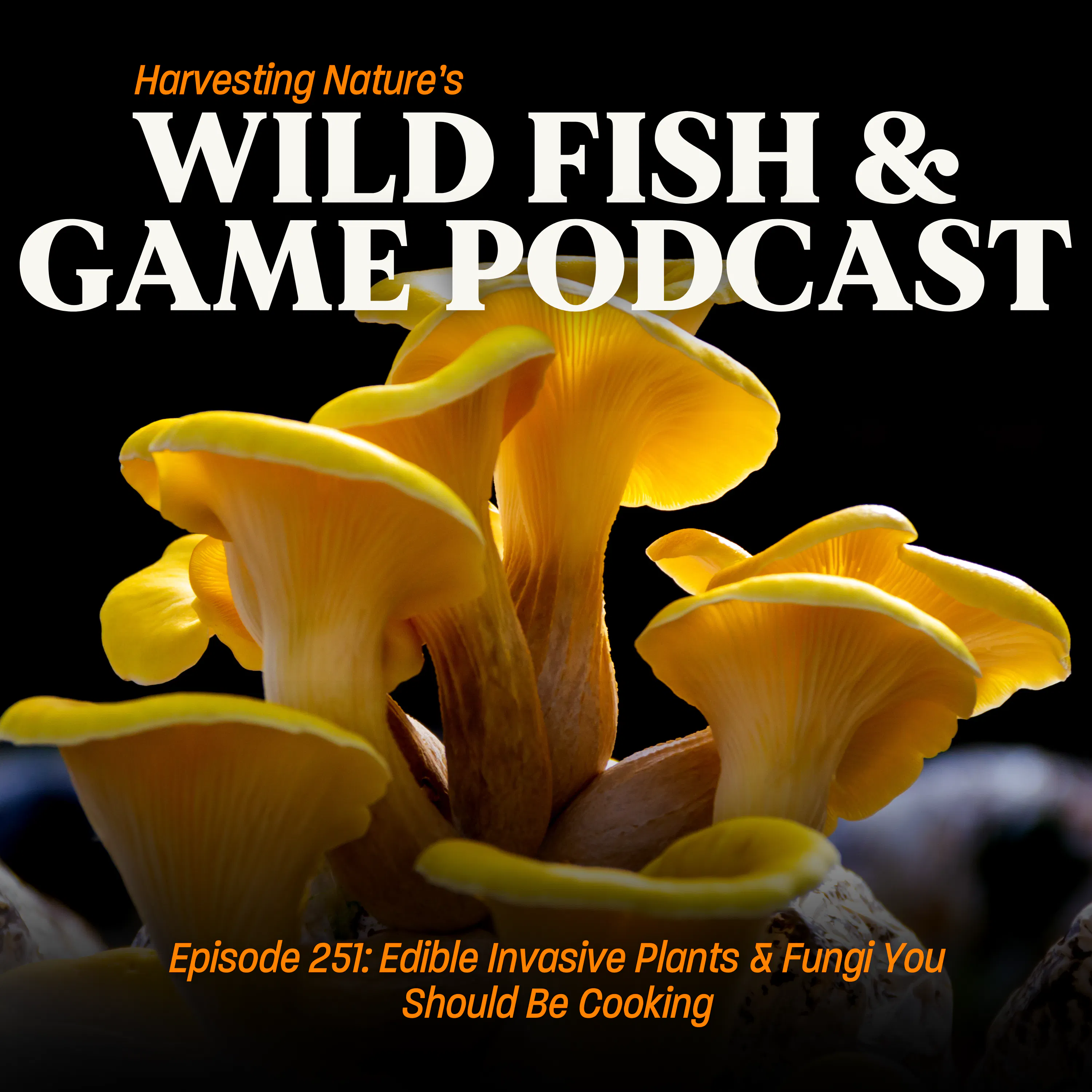
Episode 251: Edible Invasive Plants & Fungi You Should Be Cooking
Turn garlic mustard, kudzu, knotweed, burdock, dandelion, blackberries, and golden oyster mushrooms into dinner while helping your local ecosystem.
Audio is streamed directly from the publisher (podtrac.com) as published in their RSS feed. Play Podcasts does not host this file. Rights-holders can request removal through the copyright & takedown page.
Show Notes
This episode explores the world of invasive edible plants and fungi, focusing on species like garlic mustard, kudzu, Japanese knotweed, and burdock. The hosts discuss their origins, ecological impacts, and how to responsibly forage and prepare these plants for sustainable meals. The conversation emphasizes the importance of proper identification and safety when foraging, while also sharing cooking tips and recipes. In this conversation, Justin Townsend and Adam Berkelmans delve into the world of foraging and cooking with invasive species. They explore the culinary potential of burdock, dandelions, Himalayan blackberries, and golden oyster mushrooms, discussing their flavors, nutritional benefits, and recipes. The discussion emphasizes the importance of culinary conservation and how foraging can contribute to ecosystem health.
-
Leave a Review of the Podcast
-
Buy our Wild Fish and Game Spices
The Art of Venison Sausage Making
Recipes:
Barbecue Dolmas Stuffed with Bacon Beef and Cheese
Japanese Knotweed Cake with Streusel Topping
Summer Wild Vegetable Tempura
How to Make Dandelion Jelly
Dandelion and Zucchini Fritters
Stewed Dandelion Greens with Chickpeas and ‘Nduja
Venison Steak with Blackberry Sauce and Corn Salad
Cacio e Pepe with Wild Pork Sausage and Oyster Mushrooms
Takeaways:
Invasive plants can be turned into sustainable meals.
Garlic mustard is edible at every stage of growth.
Kudzu grows rapidly and is edible in various forms.
Japanese knotweed can be used in desserts and jams.
Burdock root is rich in fiber and antioxidants.
Proper identification is crucial when foraging.
Invasive species can have significant ecological impacts.
Foraging can help control invasive plant populations.
Cooking with invasive plants can be delicious and eco-friendly.
Community resources and local foraging groups are invaluable. Burdock requires effort to harvest but is versatile in cooking.
Dandelions are nutritious and can be used in various dishes.
Young dandelion leaves are best for salads, while mature ones are great sautéed.
Dandelion jam is a delightful treat reminiscent of sunshine.
Himalayan blackberries are delicious but invasive, dominating the West Coast.
Eating invasive species is a form of stewardship for the land.
Culinary conservation encourages conscious eating and seasonal food sourcing.
Chapters:
00:00 Introduction to Invasive Edibles
01:20 The Impact of Invasive Plants
03:15 Garlic Mustard: The Ecological Villain
11:25 Kudzu: The Vine That Ate the South
18:00 Japanese Knotweed: A Destructive Invader
25:11 Burdock: The Versatile Root Vegetable
27:36 Exploring Burdock: A Culinary Gem
30:00 Dandelions: The Ubiquitous Superfood
39:41 Himalayan Blackberries: A Sweet Invasive Delight
45:01 Golden Oyster Mushrooms: A Culinary Invasion
50:02 Culinary Conservation: Eating for the Ecosystem
Keywords:
Invasive plants, edible plants, foraging, ecological eating, sustainable meals, garlic mustard, kudzu, Japanese knotweed, burdock, wild foods, burdock, dandelion, Himalayan blackberry, golden oyster mushroom, invasive species, culinary conservation, foraging, wild food, sustainability, nutrition
Learn more about your ad choices. Visit megaphone.fm/adchoices