PLAY PODCASTS
Wild Fish and Game Podcast

Wild Fish and Game Podcast

Rethinking How We Harvest and Eat

Harvesting Nature

281 episodesEN

Show overview

Wild Fish and Game Podcast has been publishing since 2019, and across the 7 years since has built a catalogue of 281 episodes, alongside 1 trailer or bonus episode. That works out to roughly 270 hours of audio in total. Releases follow a weekly cadence, with the show now in its 8th season.

Episodes typically run an hour to ninety minutes — most land between 50 min and 1h 14m — though episode length varies meaningfully from one episode to the next. None of the episodes are flagged explicit by the publisher. It is catalogued as a EN-language Arts show.

The show is actively publishing — the most recent episode landed 3 days ago, with 24 episodes already out so far this year. The busiest year was 2021, with 57 episodes published. Published by Harvesting Nature.

Episodes
281
Running
2019–2026 · 7y
Median length
1h 3m
Cadence
Weekly

From the publisher

The Wild Fish and Game Podcast explores wild food at the intersection of place, season, culture, and craft. Hosted by Justin Townsend and the Harvesting Nature team, the show goes beyond recipes and hunting stories to examine how food is grown, harvested, preserved, and carried through real life. Each episode dives into the whole wild food system, from hunting, fishing, and foraging to butchery, preservation, and cooking, while asking more profound questions about sustainability, tradition, and how people have continuously fed themselves from the land. Along the way, Justin and his co-hosts are joined by chefs, hunters, foragers, biologists, writers, and cultural knowledge-keepers who help connect ecology to the table. Whether discussing regional foodscapes, seasonal harvests, preservation techniques, or modern wild-food culture, the Wild Fish and Game Podcast is about learning to eat with the land rather than against it. Harvesting Nature is a wild food media company dedicated to education, conservation, and self-reliance through hunting, fishing, and foraging. Questions, feedback, and guest suggestions can be sent to [email protected].

Latest Episodes

View all 281 episodes

Episode 281: Cooking by Cut - Making the Book

Aug 20, 202648 min

Episode 280: Advanced Offal and Wild Game Butchery with Anna Borgman

Aug 4, 202658 min

Episode 279: The Wild Pantry, Part VI, Pickling Wild Foods

Jul 7, 202649 min

Episode 278: The School of Salmon

Jul 1, 202653 min

Episode 277: Hunting America's Hidden Truffles with Alana McGee of Truffle Dog Company

Jun 24, 202654 min

Episode 276: The Wild Pantry, Part V, Preserving Wild Food with Fat

Jun 16, 202640 min

Episode 275: Wild Game Without Borders

May 26, 202644 min

Episode 274: The Wild Pantry, Part IV, Smoking

May 6, 202648 min

Episode 273: Wild Salmon, Wild Forests

Apr 28, 202643 min

On the Ethics of Killing: The Moral Math of Eating

Apr 21, 202658 min

Episode 271: The Wild Pantry, Part III - Dehydrating and Drying

Apr 14, 202647 min

Episode 270: The Wild Harvest Report - April 2026
Apr 9, 202612 min

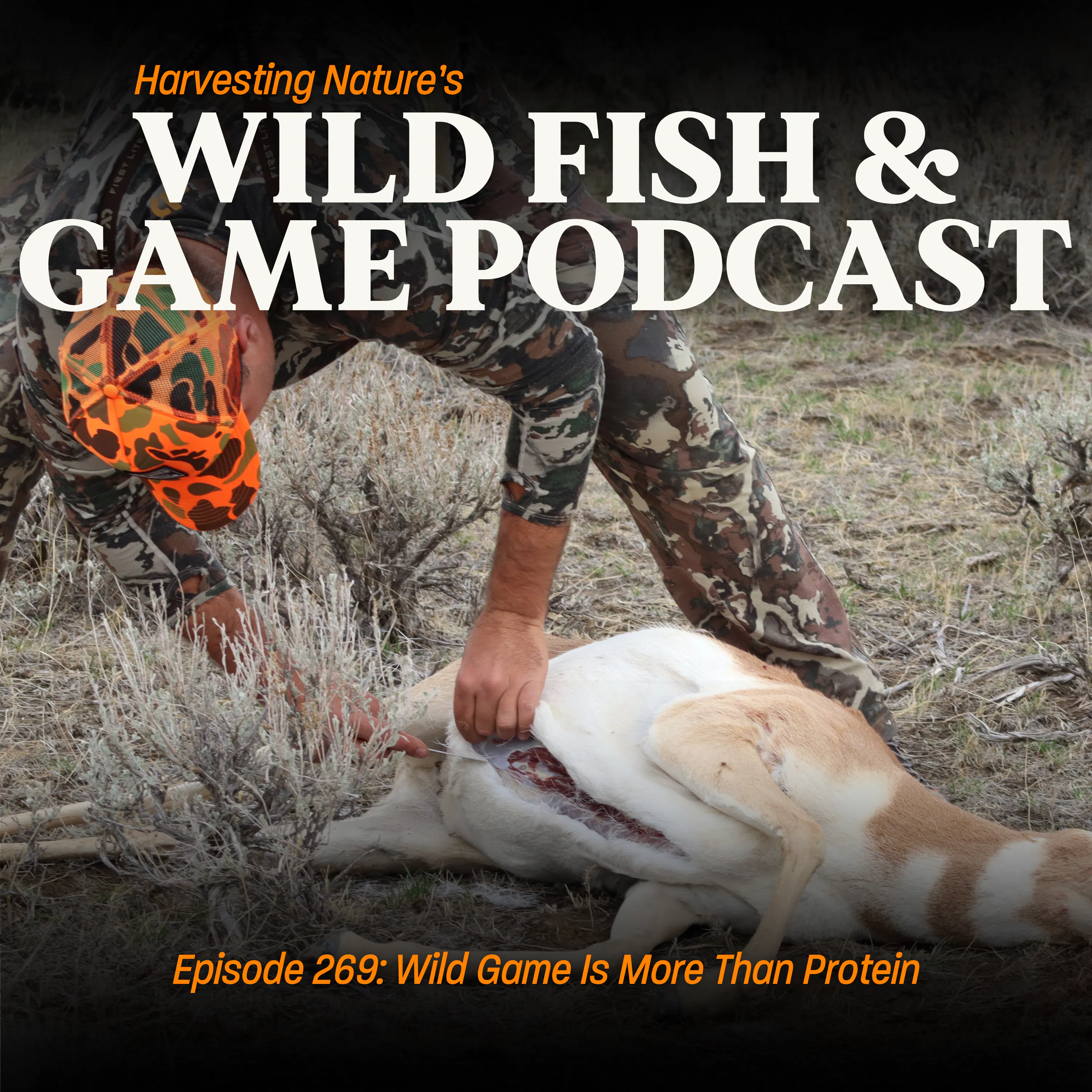
S8 Ep 269Episode 269: Wild Game Is More Than Protein

Summary: This episode explores the full value of wild animals beyond just protein, emphasizing traditional and cultural uses of all animal parts, including fat, marrow, organs, and connective tissues. It highlights how modern diets and hunting practices can benefit from a holistic approach to animal utilization. - ⁠⁠⁠⁠⁠⁠⁠⁠⁠⁠Leave a Review of the Podcast⁠⁠⁠⁠⁠⁠⁠⁠⁠⁠ - ⁠⁠⁠⁠⁠⁠⁠⁠⁠⁠Buy our Wild Fish and Game Spices⁠⁠⁠⁠⁠⁠⁠⁠⁠⁠ ⁠⁠⁠⁠⁠⁠⁠⁠⁠⁠The Art of Venison Sausage Making⁠⁠⁠⁠⁠⁠⁠⁠⁠⁠ Chapters: 00:00 The Value of the Whole Animal 02:05 Cultural Shifts in Protein Consumption 05:25 Historical Perspectives on Animal Parts 09:26 The Importance of Fat and Connective Tissue 18:28 Nutritional Insights Beyond Muscle Meat 25:30 The Broader Nutritional Spectrum 32:03 Practical Applications in Cooking Takeaways: Full animal utilization in hunting and cooking Historical and cultural perspectives on animal parts Nutritional benefits of offal, marrow, and connective tissue Keywords: Wild game, full animal utilization, traditional cuisine, connective tissue, collagen, offal, nutrition, hunting, cooking techniques References: International Food Information Council — 2023 Food & Health Survey USDA — Dietary Guidelines for Americans Vilhjalmur Stefansson — The Fat of the Land Cordain et al., American Journal of Clinical Nutrition — Evolutionary diets research Khatri M, et al. 2021. The effects of collagen peptide supplementation on body composition, collagen synthesis, and recovery from joint injury and exercise: a systematic review. Campos LD, et al. 2023. Collagen supplementation in skin and orthopedic diseases: A review of the literature. Latoch A, et al. 2024. Edible Offal as a Valuable Source of Nutrients in the Diet—A Review. Fuerniss HF, et al. 2024. Nutrient Analysis of Raw United States Beef Offal Items. Joy JM, et al. 2024. A Review on Fish Skin-Derived Gelatin. de Paz-Lugo P, et al. 2018. High glycine concentration increases collagen synthesis…McCarty MF, et al. 2018. Dietary Glycine Is Rate-Limiting for Glutathione Synthesis… Learn more about your ad choices. Visit megaphone.fm/adchoices
Mar 31, 202633 min

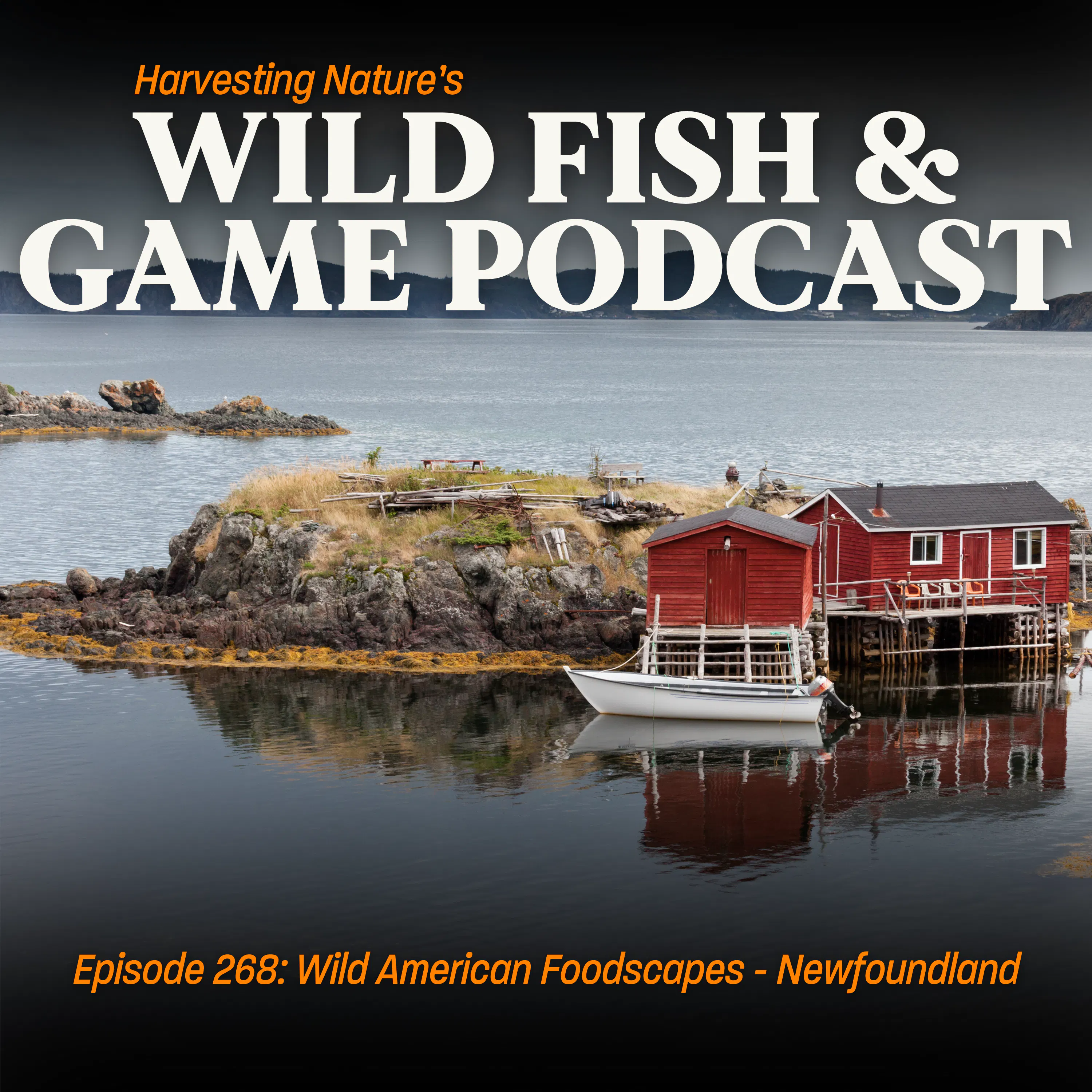
S8 Ep 268Episode 268: Wild American Foodscapes - Newfoundland

Summary: Justin and Adam explore Newfoundland's unique food landscape shaped by environmental constraints, historical fishing practices, and cultural resilience. From wild fish and seal to the impact of ecological management and market forces, discover how this remote island balances abundance with sustainability. - ⁠⁠⁠⁠⁠⁠⁠⁠⁠⁠Leave a Review of the Podcast⁠⁠⁠⁠⁠⁠⁠⁠⁠⁠ - ⁠⁠⁠⁠⁠⁠⁠⁠⁠⁠Buy our Wild Fish and Game Spices⁠⁠⁠⁠⁠⁠⁠⁠⁠⁠ ⁠⁠⁠⁠⁠⁠⁠⁠⁠⁠The Art of Venison Sausage Making Special Guests Mark Kurlansky Lori McCarthy⁠⁠⁠⁠⁠ Jenn Shears Chapters 00:00 The Landscape of Newfoundland's Food System 02:09 Historical Context of Indigenous Food Practices 04:58 The Impact of European Arrival on Food Systems 07:05 The Role of Seal in Newfoundland's Culture and Economy 10:47 Wildlife Management and Public Perception 13:10 The Nutritional Value of Seal Meat 16:59 The Collapse of the Cod Fishery and Its Aftermath 21:46 Migration and Shifts in Food Systems 24:13 Resilience and Continuity in Food Practices 26:56 Sustainable Eating in Newfoundland Takeaways: Environmental constraints shaping food systems Historical and cultural significance of fishing and hunting Impact of policies on local food and economy Keywords: Newfoundland, wild food, seal hunting, cod fishery, sustainable fishing, food culture, ecological management, wild game, food preservation, ocean health Learn more about your ad choices. Visit megaphone.fm/adchoices

Mar 24, 202630 min

S8 Ep 267Episode 267: What If the Grocery Stores Didn’t Open Tomorrow?

Summary: Explore the fragility of our food systems and the importance of community resilience. This episode examines historical and modern disruptions to food supply, the interconnectedness of grocery stores, and how hunters and individuals can prepare for potential crises. - ⁠⁠⁠⁠⁠⁠⁠⁠⁠⁠Leave a Review of the Podcast⁠⁠⁠⁠⁠⁠⁠⁠⁠⁠ - ⁠⁠⁠⁠⁠⁠⁠⁠⁠⁠Buy our Wild Fish and Game Spices⁠⁠⁠⁠⁠⁠⁠⁠⁠⁠ ⁠⁠⁠⁠⁠⁠⁠⁠⁠⁠The Art of Venison Sausage Making⁠⁠⁠⁠⁠⁠⁠⁠⁠⁠ Chapters: 00:00 The Thought Experiment: What if Grocery Stores Closed? 02:08 Historical Stress Tests: The Great Depression and WWII 04:00 COVID-19 and the Distribution Shock 06:14 The Ecosystem of Grocery Supply Chains 07:28 Personal Food Security: What Do You Have? 08:27 The Global Network Behind Local Groceries 11:16 Relying on Pantry Staples and Local Food 13:45 The Importance of Seeds and Salt for Resilience 15:01 Environmental Factors and Food Accessibility 16:44 Week One: Managing Food with Pantry and Freezer 17:34 Hunters and Overharvesting Risks 19:26 Wildlife and Ecosystem Impact of Food Crises 21:24 Human Behavior and Law in Crisis Situations 24:10 The Limits of Hunting and Food Independence 27:36 Long-Term Food Scarcity and Agriculture Challenges 30:29 Traditional Food Preservation Techniques 32:20 Reviving Cultural Food Skills for Resilience 36:28 Community Over Individualism in Crises 39:18 The Future of Food Security and Cultural Memory Takeaways: Our food system works because it operates constantly; any interruption cracks the foundation. Grocery stores are complex ecosystems, not just buildings, reliant on global logistics and infrastructure. In crises, reliance on local skills like hunting, gardening, and food preservation becomes crucial. Community cooperation and shared knowledge are key to resilience in food security. Practicing traditional food preservation techniques strengthens cultural memory and preparedness. Keywords: Food security, grocery stores, resilience, hunting, self-reliance, supply chain, community, wild food, crisis preparedness, sustainability Learn more about your ad choices. Visit megaphone.fm/adchoices

Mar 10, 202639 min

S8 Ep 266Episode 266: The Wild Harvest Report - March 2026

Summary: The March Food for Field Bulletin discusses the seasonal shifts in hunting, fishing, and foraging across North America, highlighting the transition from winter to spring. It covers regional variations in wildlife activity, migration patterns, and culinary adaptations as fresh ingredients become available. - ⁠⁠⁠⁠⁠⁠⁠⁠⁠⁠Leave a Review of the Podcast⁠⁠⁠⁠⁠⁠⁠⁠⁠⁠ - ⁠⁠⁠⁠⁠⁠⁠⁠⁠⁠Buy our Wild Fish and Game Spices⁠⁠⁠⁠⁠⁠⁠⁠⁠⁠ ⁠⁠⁠⁠⁠⁠⁠⁠⁠⁠The Art of Venison Sausage Making ⁠⁠⁠⁠⁠⁠⁠⁠⁠⁠ Recipes: Green Chile Snow Goose Burgers Korean Snow Goose Potstickers (Mandu) Instant Pot “Pot Likker” Venison and Spring Greens Braised Duck Soupy Rice with Chopped Greens and Mushrooms Stewed Dandelion Greens with Chickpeas and ‘Nduja Chapters: 00:00 Introduction to March's Wild Harvest Report 03:06 Southeast and Deep South Seasonal Changes 05:52 Southwest and Rockies: Transitioning Conditions 09:14 Pacific Northwest and Midwest Migration Patterns 09:47 Northeast and Canada: Winter's Last Grasp Takeaways: March is a transition month for wildlife and foragers. Turkey season opens in parts of the Southeast. Predator movement increases with breeding seasons. Peak snow goose migration occurs in March. Wind affects hunting and fishing strategies. March is wet in the Pacific Northwest, aiding productivity. Snow goose conservation seasons dominate in the Midwest. Ice fishing continues where conditions are safe. Culinary practices shift from winter to spring ingredients. March is a transitional kitchen month, blending old and new. Keywords: March, hunting, fishing, foraging, seasonal shifts, wildlife, migration, cooking, conservation Learn more about your ad choices. Visit megaphone.fm/adchoices

Mar 3, 202611 min

S8 Ep 265Episode 265: The Wild Pantry, Part II - Salting and Curing

Summary In this episode, Justin Townsend and Adam Berkelmans explore the ancient art of food preservation through salting and curing. They discuss the historical significance of salting, the science behind how it works, and practical applications for home cooks. The conversation delves into the unique considerations for salting fish, the impact of salt on texture and flavor, and the importance of precision in curing. They emphasize that while salting and curing can enhance food, they require careful attention and quality ingredients. The episode concludes with a focus on integrating these techniques into a modern wild pantry approach. - ⁠⁠⁠⁠⁠⁠⁠⁠⁠⁠Leave a Review of the Podcast⁠⁠⁠⁠⁠⁠⁠⁠⁠⁠ - ⁠⁠⁠⁠⁠⁠⁠⁠⁠⁠Buy our Wild Fish and Game Spices⁠⁠⁠⁠⁠⁠⁠⁠⁠⁠ ⁠⁠⁠⁠⁠⁠⁠⁠⁠⁠The Art of Venison Sausage Making⁠⁠⁠⁠⁠⁠⁠⁠⁠⁠ Links How To: DIY Cure Chamber Chapters 00:00 The Art of Food Preservation 05:19 Understanding the Science of Salting 13:23 Practical Applications of Salting at Home 21:09 Salting Fish: Unique Considerations 29:42 The Impact of Salting on Texture and Flavor 37:27 Curing and Salting: A Wild Pantry Approach Takeaways You can preserve food without electricity. Salting was historically about keeping food stable, not just flavor. Curing requires precision and measurement, not guesswork. Salt controls water activity, inhibiting microbial growth. Dry brining is an accessible method for home cooks. Fish responds to salt faster than red meat. Curing and salting require attention and intention. Quality of ingredients is crucial for successful curing. Salt can enhance flavor and texture in cooking. Freezing and salting are complementary preservation methods. Keywords Food preservation, curing, salting, wild game, fish, home cooking, food safety, preservation methods, salting science, wild pantry Learn more about your ad choices. Visit megaphone.fm/adchoices

Feb 26, 202642 min

S8 Ep 264Episode 264: Wild American Foodscapes - Hawai'i

Summary Justin and Adam are joined by several guests for a conversation exploring the intricate relationship between food and culture in Hawaii, emphasizing the historical significance of traditional practices, the impact of introduced species, and ongoing efforts to revive indigenous food systems. They highlight the importance of sustainability, stewardship, and the cultural memory embedded in food practices, while addressing the challenges posed by modern dependency on imported food. - ⁠⁠⁠⁠⁠⁠⁠⁠⁠⁠⁠Leave a Review of the Podcast⁠⁠⁠⁠⁠⁠⁠⁠⁠⁠⁠ - ⁠⁠⁠⁠⁠⁠⁠⁠⁠⁠⁠Buy our Wild Fish and Game Spices⁠⁠⁠⁠⁠⁠⁠⁠⁠⁠⁠ ⁠⁠⁠⁠⁠⁠⁠⁠⁠⁠⁠The Art of Venison Sausage Making Special Guests Lei Wann Kealoha Domingo Audrey Wilson Chapters 00:00 The Ancient Connection of Food and Land in Hawaii 01:23 Understanding Hawaii's Food Landscape 02:15 The Significance of Taro and Poi 04:11 Polynesian Agricultural Innovations 06:24 The Impact of Introduced Species on Ecosystems 08:45 Cultural Practices in Foraging and Hunting 10:47 Traditional Aquaculture and Food Evolution 11:17 The Practicality of Poke and Food Waste 13:41 Seasonal Gathering and Environmental Awareness 16:59 Historical Shifts in Food Sovereignty 19:24 Food Memory and Practical Sovereignty 21:41 The Fragility of Hawaii's Food Systems 24:53 The Importance of Cultural Practices in Conservation 26:48 Reviving Traditional Knowledge and Practices 28:56 Supporting Local Food Systems 30:11 The Tension of Food Dependency in Modern Hawaii Takeaways Hawaii's food culture is deeply intertwined with its land and history. Taro and poi are central to Hawaiian identity and genealogy. Polynesian settlers created sophisticated agricultural systems. Introduced species have drastically altered Hawaii's ecosystems. Foraging practices reflect a deep respect for nature and conservation. Aquaculture has ancient roots in Hawaiian culture. Poke originated from practical uses of fish, minimizing waste. Seasonal changes dictate gathering practices and food availability. Food sovereignty has been compromised by historical shifts in land control. Cultural practices are essential for conservation and sustainability. Keywords Hawaii, food culture, indigenous practices, sustainability, taro, poi, aquaculture, food sovereignty, cultural revival, environmental awareness Music Pauoa Like Ka Lehua, Raymond Kane Ulupalakua, Ku'ulei's Own Hole Waimea (mele hula), Kaulaheaonamiku Kiona Fair Hawaii, Tony Ku with Tomomi Sugiura Learn more about your ad choices. Visit megaphone.fm/adchoices

Feb 19, 202634 min

S8 Ep 263Episode 263: Late-Season Small Game, Squirrel Dogs, and Cooking What You Hunt

Summary In this episode of the Wild Fishing Game podcast, host Justin Townsend and guest Chris Ingram discuss the often-overlooked world of small game hunting. They explore the importance of small game as a hunting practice, the role of dogs in enhancing the hunting experience, and the cultural shifts in hunting that have led to a focus on trophy hunting. The conversation emphasizes the accessibility of small game hunting, the community it fosters, and the connection between hunters and their dogs. Chris shares his personal journey in hunting and how he has embraced small game hunting as a passion. In this engaging conversation, the hosts explore the multifaceted world of hunting, particularly focusing on the joy of hunting with dogs, the connection between foraging and hunting, and the culinary delights of small game. They discuss the importance of inclusivity in hunting, the unique bond between humans and dogs, and share personal anecdotes about their experiences in the field. The conversation also delves into various cooking techniques and recipes for small game, emphasizing the value of utilizing all parts of the animal. As they wrap up, the hosts encourage listeners to embrace the outdoors and enjoy the simple pleasures of hunting and cooking together. - ⁠⁠⁠⁠⁠⁠⁠⁠⁠Leave a Review of the Podcast⁠⁠⁠⁠⁠⁠⁠⁠⁠ - ⁠⁠⁠⁠⁠⁠⁠⁠⁠Buy our Wild Fish and Game Spices⁠⁠⁠⁠⁠⁠⁠⁠⁠ ⁠⁠⁠⁠⁠⁠⁠⁠⁠The Art of Venison Sausage Making⁠⁠⁠⁠⁠⁠⁠⁠⁠ Links: Instagram United Kennel Club American Field Taiwanese Three-Cup Muskrat Chapters: 00:00 Introduction to Small Game Hunting 15:02 The Importance of Small Game Hunting 29:57 The Role of Dogs in Small Game Hunting 35:28 The Joy of Hunting with Dogs 39:11 Foraging and Hunting: A Unique Connection 45:32 Culinary Adventures with Small Game 56:18 Closing Thoughts and Future Endeavors Takeaways: Small game hunting is often overlooked but offers great opportunities. Late season hunting can be a rewarding experience for many. Dogs enhance the hunting experience and can be trained for various game. Small game hunting is accessible and can be done in urban areas. The connection between hunters and their dogs is vital for success. Hunting small game can provide a sense of community among hunters. The evolution of hunting culture has shifted focus towards trophy hunting. Small game hunting can be a great way to introduce new hunters to the sport. Conservation and ethical hunting practices are important in the hunting community. Storytelling and personal experiences enrich the hunting narrative. Small game hunting is an accessible entry point for many. Dogs enhance the hunting experience and create family bonds. Foraging and hunting can be interconnected activities. Culinary creativity is essential in utilizing small game meat. Squirrel and rabbit are often underappreciated culinary delights. Accidental meals can lead to the best culinary experiences. Inclusivity in hunting fosters a welcoming community. Training dogs for various tasks can deepen the human-animal bond. Late season hunting offers unique opportunities for adventure. The relationship between humans and dogs has evolved over thousands of years. Keywords: Small game hunting, hunting dogs, outdoor photography, conservation, hunting culture, American Field Magazine, hunting stories, wildlife, late season hunting, hunting community, hunting, dogs, small game, foraging, culinary, outdoor adventures, wildlife, cooking, conservation, family Learn more about your ad choices. Visit megaphone.fm/adchoices

Feb 10, 202657 min

S8 Ep 262Episode 262: The Harvest Report - February 2026

Summary The Wild Harvest Report for February 2026 provides a comprehensive overview of seasonal opportunities for hunting, fishing, and foraging across North America. The report explores regions from the Southeast to the Pacific Northwest, detailing unique conditions and wildlife. Additionally, it highlights culinary practices that utilize seasonal ingredients, encouraging listeners to make the most of their harvests and preserved foods. Takeaways This podcast is a monthly food first snapshot of the wild season. February is a month where weather and access conditions can change fast. Local knowledge and good judgment matter just as much as regulations. Fishing opportunities vary greatly by region, especially in saltwater and freshwater. Wild hog hunting is a prime opportunity in many southern states. Foraging begins with early spring greens in warmer areas. Ice fishing is a major focus in the Midwest and Northeast. Culinary practices in February lean towards slow-cooked meals. Preserved foods from previous seasons should be utilized now. The best part of the season is often what you notice along the way. Chapters 00:00 Introduction to the Wild Harvest Report 01:05 Regional Breakdown: Southeast Opportunities 03:51 Exploring the South: Fishing and Hunting 06:12 Southwest Conditions: Wildlife and Foraging 08:05 Rocky Mountain Insights: Winter Challenges 09:56 Pacific Northwest: Rainy Season for Fishing 11:48 Midwest and Prairie States: Ice Fishing Focus 13:46 Northeast and Special Regions: Unique Conditions 15:09 Culinary Focus: Cooking with Seasonal Ingredients Keywords wild harvest, foraging, fishing, hunting, seasonal food, North America, February, wildlife, cooking, outdoor activities Learn more about your ad choices. Visit megaphone.fm/adchoices

Feb 3, 202619 min
Harvesting Nature, LLC