
whistlekick Martial Arts Radio
1,228 episodes — Page 4 of 25
Episode 1008 - Sensei Gabe Siu
SUMMARY In this episode, Sensei Gabe Siu discusses his journey into martial arts, the challenges of balancing work, family, and training, and the evolution of their martial arts school. Sensei Siu shares his early experiences with sports, the transition into teaching martial arts with his wife, and the importance of community connections in the martial arts world. He also touches on the significance of faith in their journey and the process of achieving black belts together. He discusses his connection with Whistlekick, the inception of the Free Training Day Pacific Northwest, and the impact of his injuries on his life and training. Lastly, he emphasizes the significance of building relationships within the martial arts community and the lessons learned through adversity. TAKEAWAYS Sensei Siu started martial arts later in life after marrying his wife Jenni. They began teaching martial arts in their garage with a few students. The couple built their martial arts program from the ground up. They used YouTube and other resources to develop their teaching methods. Community connections were vital for their growth as instructors. They faced challenges in establishing their school and curriculum. Gabe and Jenni achieved their black belts through a supportive network. Their journey reflects the integration of personal beliefs and martial arts. Competing in tournaments fosters community and friendships. Listening to podcasts can deepen your connection to a community. Starting a local event can be inspired by attending larger ones. Injuries can reshape a martial artist's journey and identity. Trusting in a higher purpose can provide clarity during tough times. Building connections in martial arts can lead to lifelong friendships. Navigating life after a concussion requires patience and support. Resilience is key in overcoming personal challenges. Community support is vital in the recovery process. To connect with Sensei Siu: https://www.facebook.com/siujag Instagram: gabe.kicks This episode is sponsored by Kataaro. Please check out their site at www.kataaro.com and use the code WK10 to save 10% off your first order. And be sure to ask them about a wholesale account for school owners! All orders for Autism Awareness belts in March and April will see 50% of the PROFITS donated to the International Society for Autism Research!
Episode 1007 - The Karate Kid Universe Retrospective
SUMMARY In this episode, Andrew, Craig and Nick delve into the Karate Kid universe, exploring the original film, its sequels, and the Cobra Kai series. They share personal connections to the films, discuss the cultural impact and life lessons portrayed, and analyze the evolution of characters and themes throughout the series. The conversation highlights the significance of mentorship, the portrayal of villains, and the authenticity of martial arts depicted in the films. The speakers discuss their personal experiences with each installment, highlighting themes of character development, nostalgia, and the cultural significance of martial arts in storytelling. They reflect on how the franchise has shifted from the original films to the modern interpretations, emphasizing the importance of relatable characters and the lessons learned through martial arts. In this conversation, the speakers delve into the character development and storytelling of the series Cobra Kai, exploring how it appeals to both long-time fans of the Karate Kid franchise and new viewers. They discuss the balance between realism and narrative, the themes of redemption and personal growth, and the cultural impact of martial arts as depicted in the show. The conversation also touches on the future of the franchise, including upcoming projects and the potential for deeper exploration of characters and themes. TAKEAWAYS The Karate Kid series is more than just martial arts; it's about life lessons. Terry Silver is considered the ultimate villain in the series. The cultural impact of the Karate Kid is significant for martial artists. The portrayal of mentorship is central to the story. Authenticity in martial arts is a key theme in the films. The evolution of characters reflects real-life growth and challenges. Nostalgia plays a big role in the appreciation of the series. Cobra Kai revitalizes the franchise with character depth. Cultural elements in martial arts films are significant. The Karate Kid (2010) is a modern retelling with its own charm. Cobra Kai explores the complexities of its characters. Martial arts films often reflect personal growth. The legacy of Mr. Miyagi continues through new characters. Cobra Kai successfully appeals to both fans and newcomers. Realism in martial arts training is sometimes sacrificed for storytelling. The show emphasizes themes of redemption and personal growth. Martial arts serve as a vehicle for life lessons in the series. Future projects may expand the Karate Kid universe further. The series has successfully brought back beloved characters from the original films. Episodes Referenced: Episode 67 - The Karate Kid (Movie Profile) Episode 130 - Sensei Fumio Demura Episode 508 - Sensei Darryl Vidal Episode 444 - Mr. Sean Kanan Episode 514 - Mr. Jon Hurwitz Episode 608 - Sensei Mark Parra Episode 688 - Justin Ortiz Episode 860 - Jewelianna Ramos

Episode 1006 - Aubrey Koontz
SUMMARY In this episode of Whistlekick Martial Arts Radio, host Jeremy Lesniak speaks with Aubrey Koontz about her unique journey from martial arts to stunt work. They discuss the challenges and nuances of transitioning from traditional martial arts to the world of stunts, including the importance of trust, the art of choreography, and the mental blocks that can arise during training. Aubrey shares her experiences, insights, and the skills she has developed along the way, providing a comprehensive look at the intersection of martial arts and stunt performance. In this conversation, Aubrey Koontz discusses the intricate relationship between stunt work and martial arts, emphasizing the importance of adapting techniques to individual strengths and the necessity of foundational skills. She shares insights on the evolution of her training, the balance between pursuing a career in stunts and maintaining job stability, and the critical role of recovery and injury prevention. The dialogue also touches on the creative aspects of choreography and the value of self-reflection through filming one's practice. Aubrey concludes with advice for aspiring performers, highlighting the significance of recognizing and utilizing personal strengths. TAKEAWAYS Aubrey's journey into martial arts began with a DVD at Walmart. She attended a martial arts event with no prior connections. Transitioning from martial arts to stunts requires learning new techniques. Stunt work emphasizes safety and trust among team members. Understanding camera angles is crucial in stunt choreography. Aubrey's martial arts background helped her in stunt training. Mental blocks can hinder performance in stunts. Building trust is essential for effective stunt work. Learning to pull punches is important for safety in stunts. Aubrey has improved her skills through consistent practice and training. Stunt performers often have a limited career span due to physical demands. Adapting techniques to individual strengths is crucial in martial arts and stunts. Basic skills in hand-to-hand combat and tactical work are essential for all stunt performers. Recovery and injury prevention are vital for longevity in stunt work. Filming practice sessions can provide valuable insights into personal growth and technique improvement. Creativity plays a significant role in both stunt choreography and martial arts performance. Maintaining a stable career while pursuing stunts can provide necessary security. Understanding one's body and capabilities is key to effective self-defense. The interplay between martial arts and stunt work can enhance performance in both areas. Community engagement and sharing experiences can enrich the learning process. To connect with Aubrey: Instagram: AubreyKoontz.4 Instagram: Roninstuntcompany This episode is sponsored by Kataaro. Please check out their site at www.kataaro.com and use the code WK10 to save 10% off your first order. And be sure to ask them about a wholesale account for school owners! All orders for Autism Awareness belts in March and April will see 50% of the PROFITS donated to the International Society for Autism Research!
Episode 1005 - Martial Arts Word Association 15: Injury Edition
Another episode of "Martial Arts Word Association" where Andrew gives Jeremy a random word that he could connect to martial arts. All of today's words are injury themed! In this episode, Jeremy and Andrew discuss randomly generated topics to try and find out how they can relate to martial arts! This episode is sponsored by Martialytics. Spend less time running your martial arts business and more time doing the martial arts parts of your business! Martialytics provides easy to use and versatile tools for well-established school as well as ones just starting out. If you sign up through us, they will DOUBLE your free trial to 60 days! Check out more at www.whistlekickmartialartsradio.com/partners

Episode 1004 - Sifu Ric Meyers
SUMMARY In this engaging conversation, Sifu Ric Meyers shares his extensive journey through the world of martial arts, emphasizing the philosophy behind kung fu and its cultural significance. He discusses his role as a kung fu consultant for the animated film Kung Fu Panda, highlighting its impact on the perception of martial arts in America. Ric reflects on the evolution of martial arts styles in the U.S., the influence of iconic figures like Jackie Chan and Bruce Lee, and the importance of authenticity in martial arts training. The dialogue also touches on personal anecdotes and insights into the martial arts community. In this conversation, Ric shares his profound journey through martial arts, emphasizing the importance of learning, wisdom, and internal energy. He reflects on his experiences with bullying, the essence of kung fu beyond fighting, and the transformative power of love and Tai Chi. The discussion culminates in a philosophical exploration of martial arts as a means of personal growth and self-control. TAKEAWAYS The philosophy of kung fu emphasizes an open mind, heart, and hand. Kung Fu Panda is recognized for its accurate representation of martial arts philosophy. Ric's style of kung fu focuses on not hurting oneself or others. The evolution of martial arts in America has led to a dilution of authentic kung fu. Ric's journey in martial arts began with a desire to learn without causing pain. The distinction between martial arts and kung fu is significant in understanding their philosophies. Ric's experiences with Jackie Chan highlight the importance of friendship in the martial arts community. The impact of Bruce Lee on martial arts culture is profound, yet often misunderstood. Ric's work in promoting kung fu has contributed to its popularity in Western culture. Martial arts in America often focus on sparring. Overcoming bullying requires wisdom and strategy. Kung fu encompasses more than just physical fighting. Internal energy can surpass physical strength. Tai Chi teaches grounding and energy flow. Personal growth is a continuous journey. You can only control your own mind and actions. Martial arts philosophy encourages open-mindedness. This episode is sponsored by Kataaro. Please check out their site at www.kataaro.com and use the code WK10 to save 10% off your first order. And be sure to ask them about a wholesale account for school owners! All orders for Autism Awareness belts in March and April will see 50% of the PROFITS donated to the International Society for Autism Research!

Episode 1003 - The Importance of Competition
SUMMARY In this episode of Whistlekick Martial Arts Radio, Andrew and Nick discuss the significance of competition in martial arts and martial art schools. They reflect on their personal experiences with tournaments, the benefits of sparring against different opponents, and the community aspect that competitions foster. They also introduce the upcoming Whistlekick Showdown, emphasizing the importance of camaraderie and learning in martial arts. TAKEAWAYS There are more pros to competition than cons. Competition helps you learn about yourself as a fighter. Tournaments foster a sense of community among martial artists. Facing new opponents can improve your skills significantly. Competition can teach valuable lessons about humility and growth. It's important to support and learn from other martial arts schools. The experience of losing can motivate improvement. Tournaments are a celebration of martial arts culture. Building friendships through competition is a key benefit. The upcoming Whistlekick Showdown aims to bring martial artists together.
Episode 1002 - Master Audrey Hussey
SUMMARY In this episode, Master Audrey Hussey discusses various aspects of martial arts, including the importance of community, learning from mistakes, and the balance between structure and fun in training. She emphasizes creating a welcoming environment for students and the significance of humor in martial arts. The conversation also touches on the nuances of correctness in martial arts training and the idea of layering knowledge rather than replacing it. She also focuses on the importance of lineage, teaching styles, and the balance between rank progression and personal growth. The conversation shifts to the significance of understanding techniques over mere memorization, the creation of a supportive training environment, and the implementation of innovative teaching methods to engage students. The conversation emphasizes a holistic approach to black belt standards and the flexibility of curriculum to cater to individual student needs. Master Hussey emphasizes the importance of empowerment, adaptation, and community. She discusses her unique experiences as a martial artist and instructor, particularly focusing on the challenges faced during the pandemic and her determination to open a school despite those obstacles. The conversation highlights the holistic approach to martial arts, the significance of personal growth, and the mission to empower others, especially women and children, through martial arts training. TAKEAWAYS Community is essential in martial arts. Learning from mistakes is a key part of growth. Humor can enhance the training experience. Creating a welcoming environment encourages participation. Structure in training should not stifle fun. Correctness in martial arts can be subjective. Layering knowledge allows for personal growth in martial arts. Students should feel comfortable approaching instructors. Martial arts can be a lifelong journey. The culture of martial arts should be inclusive and supportive. Lineage in martial arts can be important but should not be restrictive. Teaching should adapt to the maturity and skill level of students. Not all students will progress at the same rate; individual needs must be recognized. Rank should not be the sole focus; personal growth is essential. Promoting understanding of techniques is more valuable than rote memorization. Creating a supportive environment encourages students to thrive. Flexibility in curriculum allows for dynamic and engaging classes. A holistic approach to black belt standards acknowledges individual strengths and weaknesses. Innovative training techniques can enhance student engagement and learning. It's important to recognize that not every student will excel in every area. Your story as a martial artist is more than just facts. Empowerment is a key mission in martial arts. Adapting to challenges is crucial for success. Opening a school during a pandemic requires resilience. Martial arts can provide confidence and skills to children. Community support is vital for overcoming obstacles. Teaching martial arts is about more than just fighting. Patience is essential in the journey of growth. Every child deserves the opportunity to learn self-defense. Listening to intuition can lead to positive outcomes in teaching. This episode is sponsored by Kataaro. Please check out their site at www.kataaro.com and use the code WK10 to save 10% off your first order. And be sure to ask them about a wholesale account for school owners! All orders for Autism Awareness belts in March and April will see 50% of the PROFITS donated to the International Society for Autism Research!

Episode 1001 - Hosting Guest Instructors
SUMMARY In this episode of Whistlekick Martial Arts Radio, Andrew, Abbey, and Craig discuss the intricacies of hosting guest instructors in martial arts schools. They explore the importance of connection within the martial arts community, strategies for creating seminar schedules, and the selection process for instructors. The conversation also delves into student engagement, financial considerations, and how to compensate guest instructors fairly. The episode emphasizes the value of collaboration and community in enhancing the martial arts experience for both students and instructors. TAKEAWAYS Hosting guest instructors can foster community and connection. Creating a seminar schedule requires thoughtful planning and consideration. Instructor selection is based on personal connections and trust. Student engagement is crucial for the success of seminars. Financial considerations play a significant role in hosting events. Compensation for guest instructors can vary based on agreements. Profit sharing can incentivize instructors to promote their seminars. Offering a variety of seminars can cater to diverse student interests. Building relationships with guest instructors can lead to lasting friendships. The martial arts community thrives on collaboration and shared experiences.

Episode 1000 - Recorded LIVE!
Join Jeremy and Andrew as they discuss some important milestones for the podcast and bring on a TON of guests. Also included are audio submissions from around the world and a touching In Memoriam for those that have passed.

Episode 999 - 2025 State of the Martial Arts
In this episode, we're bringing you Jeremy's 2025 State of the Martial Arts and what we could do to move forward. Martial Arts, just like any other sport, is not perfect. That's the very reason why we need to recognize and accept that as a fact so we can improve it for generations of Martial Artists to come. In this episode, Jeremy talks about where he thinks Martial Arts world is and what we could do to move forward. Listen to learn more!
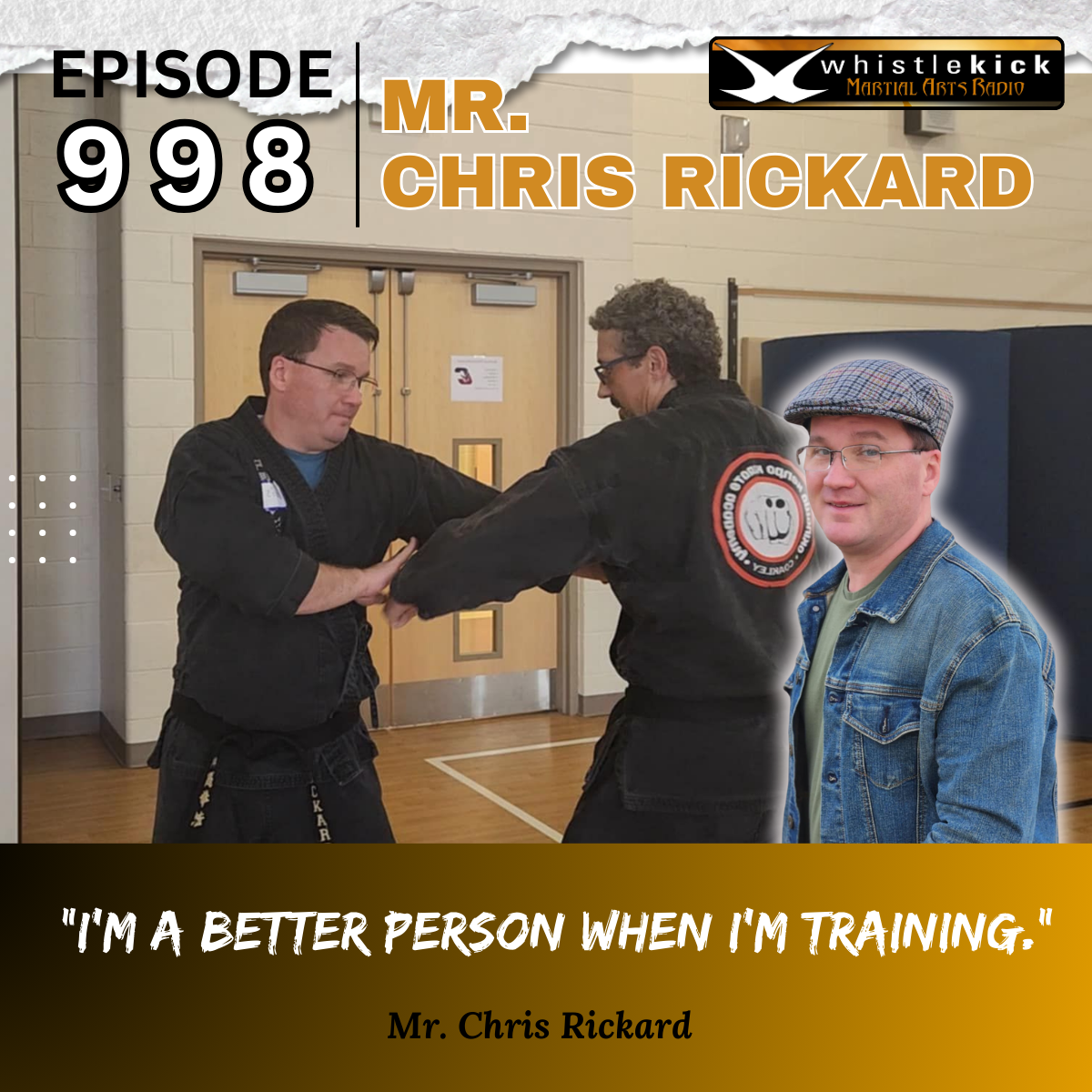
Episode 998 - Mr. Chris Rickard
SUMMARY In this episode of Whistlekick Martial Arts Radio, host Andrew Adams interviews Chris Rickard, who shares his journey into martial arts, his experiences with different schools, and his involvement with Whistlekick. The conversation covers reflections on the impact of martial arts in Chris's life. In this conversation, Chris Rickard shares his journey through martial arts, discussing the challenges he faced, the importance of teaching, and how his experiences have shaped him both as a martial artist and a teacher. He reflects on the role of curriculum in martial arts training, the transition to teaching, and the impact of family on his martial arts journey. Chris also emphasizes the significance of community engagement through tournaments and the motivation that keeps him training. He concludes with thoughts on future aspirations and encourages others to find their path in martial arts. TAKEAWAYS The importance of finding the right fit in martial arts schools. Chris's journey into martial arts began in the mid-90s. He started listening to podcasts to connect with his interests. Chris's daughter inspired him to explore martial arts again. The significance of community in martial arts training. Chris's experiences in different martial arts styles shaped his journey. He emphasizes the value of personal growth through martial arts. College presented new challenges for Chris's training. Finding a new dojo felt like coming home for Chris. Teaching martial arts requires a different skill set than practicing it. Having a clear curriculum can enhance the learning experience for students. Patience and self-awareness are crucial in both teaching and martial arts. Community engagement through tournaments can foster a sense of belonging. Motivation to train often comes from personal growth and helping others. Transitioning to teaching martial arts can be a rewarding experience. Family involvement in martial arts can create lasting bonds. Exploring different styles can lead to finding the right fit for individuals. Continuous learning and adaptation are key to long-term success in martial arts.
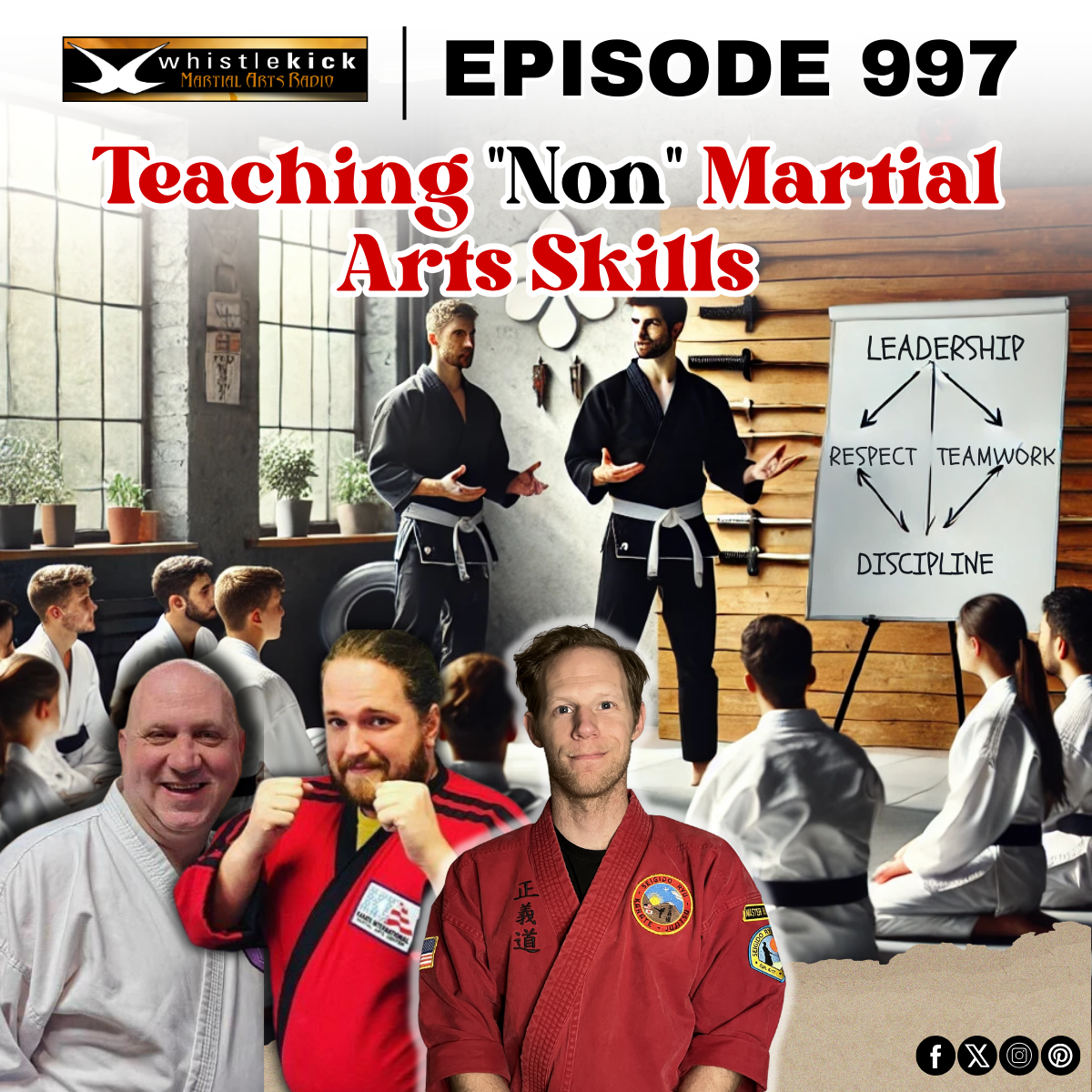
Episode 997 - Teaching "Non" Martial Arts Skills
SUMMARY In this episode of Whistlekick Martial Arts Radio, Andrew, Craig, and Victor discuss the importance of teaching non-martial arts activities in martial arts schools. They explore how creative events, games, and community-building activities can enhance the martial arts experience for students, helping them develop essential life skills, confidence, and a sense of belonging. The conversation highlights the value of integrating fun and engaging activities into martial arts training, emphasizing that these experiences contribute to a well-rounded education beyond just physical techniques. In this conversation, the speakers discuss the importance of teaching social self-defense skills alongside traditional martial arts training. They explore how performance anxiety can affect both children and adults, and how creating a supportive environment can help students build confidence. The conversation also touches on engaging non-traditional students through themed events and the benefits of using technology to streamline student sign-ups. Finally, they emphasize the importance of empowering others within the martial arts community to share their passions and skills. TAKEAWAYS Teaching non-martial arts activities can enhance martial arts training. Creative events can build community and engagement among students. Life skills such as balance and coordination are essential for all ages. Fun activities help students develop confidence and social skills. Martial arts schools can offer more than just traditional training. Community events can connect students with shared interests. Games can teach valuable lessons about resilience and teamwork. Performance activities can help students overcome fear of public speaking. Engaging students in fun ways can foster a love for martial arts. Students may face physical altercations, but everyday stressors are more common. Learning social self-defense is crucial for students' overall development. Performance anxiety is a significant challenge for both children and adults. Creating a supportive environment helps students build confidence. Themed events can attract new students and foster community building. Streamlining the sign-up process can enhance student engagement. Empowering others in the school can lead to a more vibrant community. It's never too late to start martial arts training.

Episode 996 - Mr. Noah Dever
SUMMARY In this episode of Whistlekick Martial Arts Radio, Andrew interviews Noah Dever, who shares his journey into martial arts, influenced by his family and personal experiences. Noah discusses his early start in martial arts, the impact of his family's involvement, and his transition from student to teacher. He reflects on the challenges and joys of teaching physical education, drawing from his own experiences as a student. The conversation highlights the importance of mentorship, emotional growth, and the unique dynamics of training within a family. In this conversation, Noah Dever discusses the integration of martial arts and education, emphasizing the importance of teaching life skills and creating inclusive programs for students of all abilities. He reflects on his experiences as a PE teacher and martial arts instructor, highlighting the impact of mentorship on his teaching philosophy. Noah shares his aspirations for the future, including the desire to own a dojo and pursue a PhD in education, while advocating for the accessibility of martial arts for everyone. TAKEAWAYS His father's positive experience in martial arts encouraged Noah's training. Noah's family, including siblings, all became involved in martial arts. Training with siblings can be both fun and challenging. Noah's mother, a physical therapist, provided valuable insights for teaching. He transitioned from being a student to a teacher at a young age. Noah emphasizes the importance of understanding students' emotions. Teaching physical education allows Noah to connect with students on a personal level. Noah's journey reflects the significance of mentorship in martial arts. Teaching martial arts is about imparting life skills. Discipline is about doing what needs to be done, even when you don't want to. Creating routines helps students feel safe and comfortable. Adaptive programs are essential for inclusivity in martial arts. Mentorship plays a crucial role in shaping teaching styles. Games in PE and martial arts help navigate social interactions. It's important to hold firm boundaries while being empathetic. Teaching is about providing a community for students. Everyone deserves the opportunity to earn a black belt. Future goals include owning a dojo and educating future teachers.
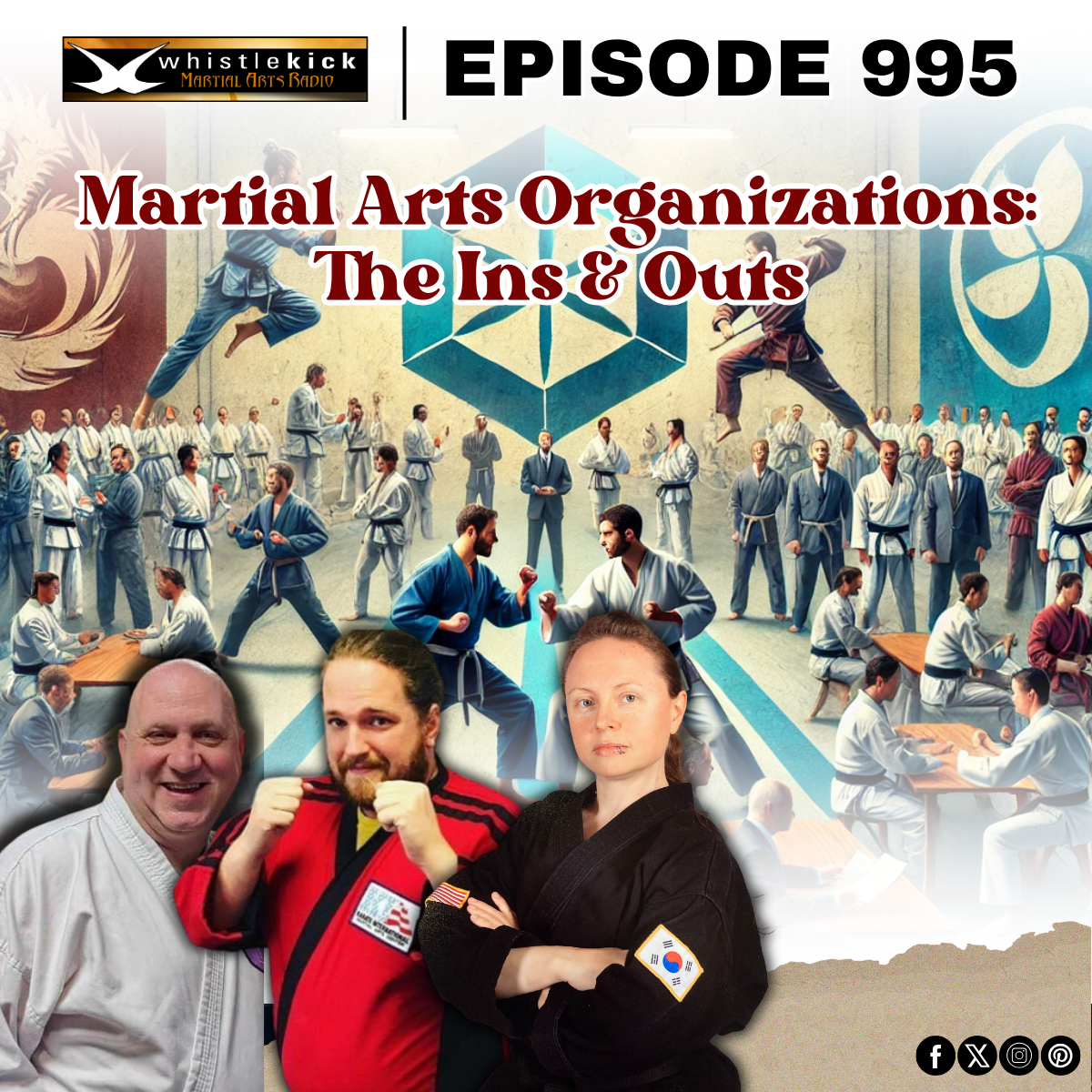
Episode 995 - Martial Arts Organizations: The Ins & Outs
SUMMARY In this episode, Andrew is joined by Jenni Nather and Craig Wharem and they discuss the various aspects of martial arts organizations, including their benefits and drawbacks. They explore the importance of community, the legitimacy that associations can provide, and the cultural impact of being part of a group. The conversation also touches on personal experiences with associations and the value of mutual respect among instructors. TAKEAWAYS The camaraderie among school owners can enhance the testing experience. Associations may provide legitimacy to martial arts training. It's important for students to see their instructors learning from others. Joining an association should serve the needs of the school. The culture of a school is influenced by its associations. Not all associations require payment or strict adherence to rules. Rigid structures in associations can hinder personal growth. Community events can enhance the martial arts experience. Success in martial arts does not solely depend on being part of an association.

Episode 994 - Mr. Kim Hoang
SUMMARY In this engaging conversation, Jeremy and Kim Hoang explore the intersections of podcasting, martial arts, and personal growth. Kim shares his journey from being bullied as a child to finding confidence through martial arts and acting. They discuss the importance of cultural representation in media, the impact of 'The Karate Kid' on his life, and the evolving landscape of opportunities for diverse actors in Hollywood. The conversation highlights the significance of following one's passion and the collaborative spirit within the podcasting community. In this conversation, Kim Hoang shares his journey through martial arts, the impact of his mother's encouragement, and his transition into acting. He discusses the importance of martial arts in his life, the challenges of being typecast as a martial arts actor, and his desire to be recognized as a versatile actor. Additionally, he reflects on the creative outlet that podcasting provides and the responsibility that comes with it. The conversation highlights the intersection of martial arts, acting, and personal growth. TAKEAWAYS • The beauty of podcasting and martial arts lie in collaboration, not competition. • Confidence gained from martial arts can translate to other areas of life. • Cultural representation in media is crucial for future generations. • 'The Karate Kid' served as a pivotal inspiration for many martial artists. • Overcoming bullying through martial arts can lead to personal empowerment. • Diversity in film is improving, but there's still work to be done. • The journey of a podcaster is intertwined with personal growth and self-discovery. • Community support can significantly impact one's journey in the arts. • Acting is a powerful form of expression that can resonate with audiences. • He wants to be known as an actor that does martial arts. • Forms can save your life one day. • Podcasting started as a creative outlet during the pandemic. • He values the power and responsibility of being a podcaster. • Kim's journey reflects resilience and personal growth. • He emphasizes the importance of community in martial arts. • Creative expression is vital in both martial arts and acting. To connect with Kim Hoang: The Kim Hoang Podcast Experience on Spotify, Apple Podcast, Amazon Music, YouTube Music and Audible. Social Media: Instagram & Twitter: @tkhpcexperiece Miscalculated The Movie (a film he starred in): available on Tubi, Fawesome and available for purchase on Prime Video for $4.99 Email: [email protected]

Episode 993 - Being Underestimated in Martial Arts
SUMMARY In this episode of Whistlekick Martial Arts Radio, Andrew, Nick, and Mark discuss the theme of being underestimated in martial arts. They share personal experiences and insights on how underestimation affects martial artists, both from others and from within. The conversation emphasizes the importance of self-perception, confidence, and the impact of external opinions in the martial arts community. They also touch on the challenges posed by the digital age and the significance of maintaining self-belief amidst criticism. TAKEAWAYS Being underestimated can be a common experience for martial artists. Self-perception plays a crucial role in overcoming challenges. Confidence gained from training can influence how others perceive you. It's important to distinguish between realistic self-assessment and underestimation. External opinions, especially in the digital age, can impact self-belief. Community support is vital in combating feelings of underestimation. Teaching others can reinforce your own self-belief and confidence. Martial artists should strive to uplift each other rather than underestimate one another.

Episode 992 - Jenni Nather
SUMMARY In this episode, Jenny Nather discusses her journey in martial arts, from her initial interest sparked in childhood to overcoming personal challenges and anxiety. She shares her experiences of training alongside her children, the impact of her past relationships on her mental health, and how martial arts became a source of strength and confidence. The conversation highlights her growth as an instructor and her recent achievements in teaching, emphasizing the transformative power of martial arts in her life. In this engaging conversation, she shares her journey from a transcriptionist to a martial arts instructor and community builder. She discusses her pivotal role in creating the Free Training Day Mid-Atlantic, emphasizing the importance of community and connection in martial arts. Jenni reflects on her experiences at various events, the impact of storytelling through books, and her commitment to fostering kindness and openness within the martial arts community. She also hints at future projects, including a new book focused on fathers in martial arts. TAKEAWAYS Jenny's martial arts journey began in childhood, influenced by pop culture. She faced initial anxiety about training and teaching but found encouragement. The support of her children motivated her to pursue martial arts. Personal challenges, including a difficult divorce, shaped her resilience. Martial arts provided a safe space during turbulent times. Jenny's confidence grew as she progressed through the ranks. Teaching became a significant hurdle for her due to anxiety. She learned to embrace her role as an instructor over time. Recent experiences have helped her build confidence in teaching. Building community is essential in martial arts. Openness in martial arts leads to growth. Books can tell powerful stories and connect people. Moms in martial arts face unique challenges. Creating habits can transform health and wellness.

Episode 991 - Where is Your Time Best Spent
SUMMARY In this episode of Whistlekick Martial Arts Radio, Andrew is joined by friend of the show Liz Campese and they discuss the critical question of where martial artists should focus their training time. They explore personal experiences, the balance between enjoyment and skill development, and the importance of confidence in training. The conversation emphasizes that the answer to where time is best spent depends on individual goals and circumstances, whether as a student or an instructor. TAKEAWAYS • The importance of focusing training on areas of struggle. • Personal experiences shape teaching methods in martial arts. • Enjoyment in training can influence skill development. • Confidence plays a crucial role in martial arts training. • Different aspects of martial arts require varying levels of focus. • Instructors should consider working on their weaknesses for better teaching. • Training should align with personal goals and motivations. • Sparring and forms can evoke different emotional responses. • Practice is essential for building confidence in martial arts. • The journey of martial arts is about continuous learning and growth.
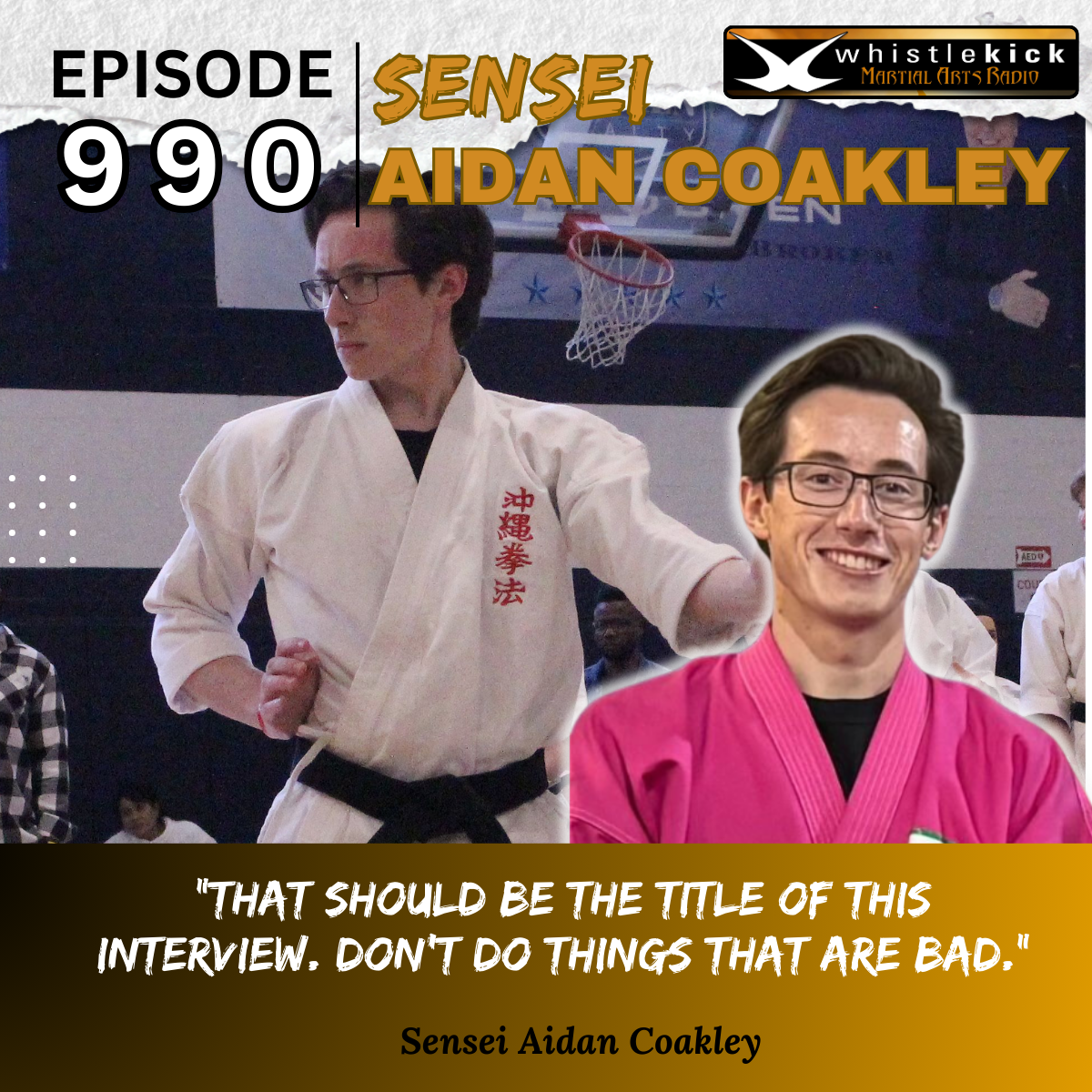
Episode 990 - Sensei Aidan Coakley
SUMMARY In this conversation, Sensei Aidan Coakley shares his journey in martial arts, starting from a young age and evolving into an instructor. He discusses the importance of family dynamics in running a dojo, the challenges faced, and how he has adapted his teaching philosophy over the years. Sensei Coakley emphasizes the significance of lifelong learning and creating an engaging environment for students, highlighting the balance between physical training and understanding the deeper aspects of martial arts emphasizing the deep connection between identity and training. He reflects on how his teaching methods have evolved, focusing on passion and responsibility towards students. He also shares insights on the importance of legacy in martial arts, the challenges of balancing different aspects of training, and his aspirations for the future. The conversation highlights the significance of community engagement and the impact of positive role models in martial arts education. TAKEAWAYS Aidan started martial arts at three years old. Family support was crucial in his martial arts journey. Teaching martial arts involves continuous learning and adaptation. Creating a fun and engaging environment is key for students. Mystery and curiosity can enhance student engagement. Aidan's teaching style has evolved over the years. Family dynamics can complicate running a dojo but also enrich it. It's important to separate personal and professional relationships in a family business. Aidan emphasizes the importance of respect in teaching. Engaging students during training enhances their learning experience. Martial arts is a core part of one's identity for many practitioners. Passion cannot be taught; it must be cultivated over time. Instructors have a responsibility to be positive role models. Legacy in martial arts is crucial for its continuity. Creating a positive environment fosters passion in students. Balancing fun, fitness, and practical skills is challenging for schools. Future aspirations include improving schools and community involvement. Teaching is a learning experience for instructors as well. Community engagement is vital for the growth of martial arts. To connect with Sensei Aidan Coakley Facebook: OKKA - Mullica Hill Instagram: okka_mullicahill Youtube: OKKA Mullica Hill https://www.youtube.com/@okkamullicahill2321

Episode 989 - Injury Recovery for Aging Martial Artists
SUMMARY In this episode, the hosts discuss the challenges of injury recovery for aging martial artists, sharing personal experiences and insights on how the body changes with age. They emphasize the importance of taking injuries seriously and exploring various recovery methods. In this conversation, the hosts discuss the challenges and strategies of training in martial arts while dealing with injuries. They share personal experiences and emphasize the importance of adapting training methods, maintaining communication with instructors, and learning from others who have faced similar challenges. The discussion highlights the mental resilience required to continue training despite physical limitations and the supportive role of the martial arts community in recovery. TAKEAWAYS Injury recovery is a significant concern for aging martial artists. The body heals differently as we age, often taking longer to recover. It's essential to take all injuries seriously, regardless of age. Personal experiences with injuries can provide valuable insights for others. Exploring various recovery methods can aid in healing. Maintaining a proactive approach to health can prevent future injuries. Understanding the physical changes that come with age is important for martial artists. It's important to adapt training methods during recovery. Communication with instructors about injuries is crucial. Mental resilience is key when facing physical limitations. Upper body training can still be effective during lower body injuries. Learning from others' experiences can provide valuable insights. Honesty in training helps instructors accommodate students' needs. Injured students can still contribute to the dojo environment. Practicing forms verbally can aid in maintaining skills during recovery. Injuries can be an opportunity for personal growth and learning.
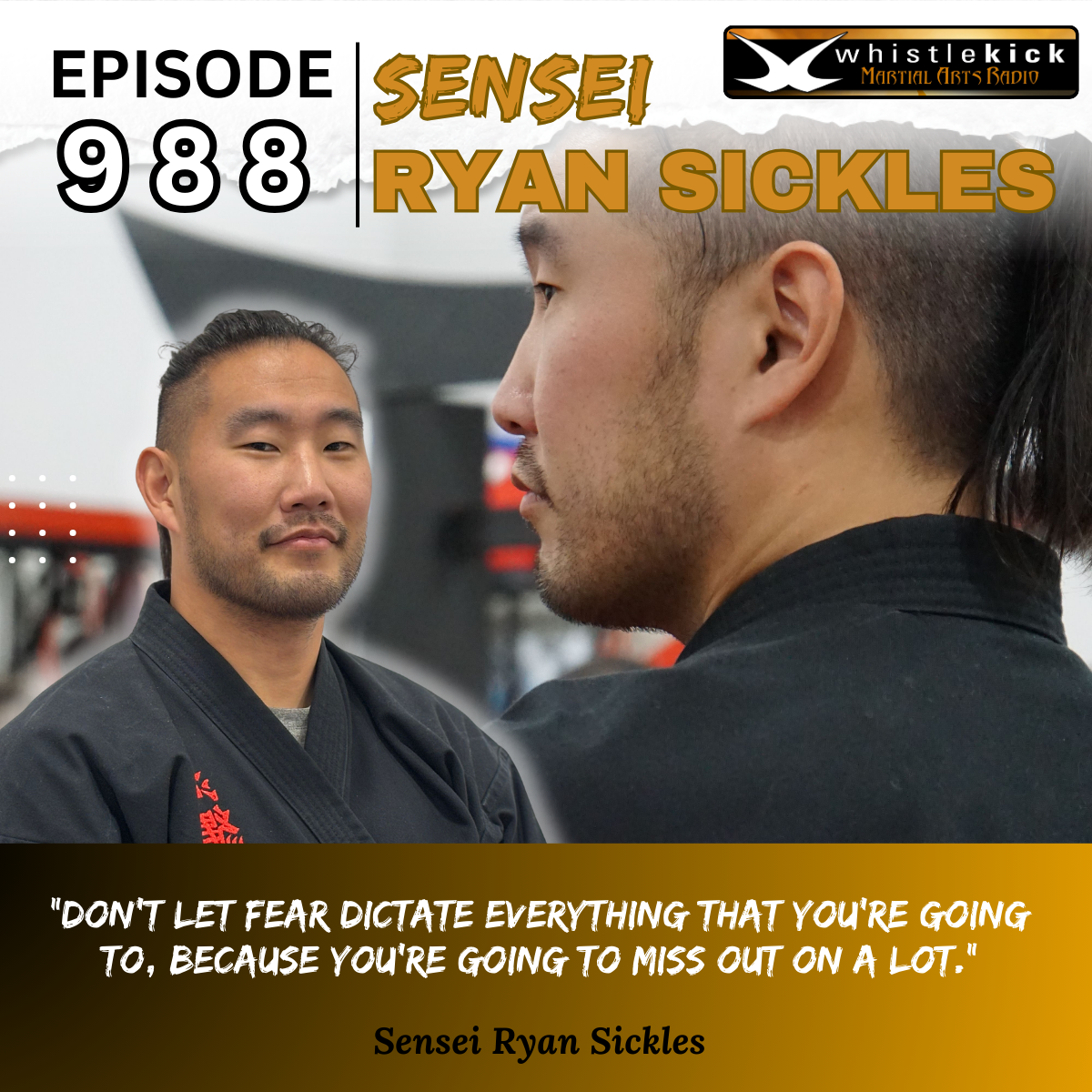
Episode 988 - Sensei Ryan Sickles
SUMMARY In this episode of Whistlekick Martial Arts Radio, host Jeremy speaks with Sensei Ryan Sickles about his journey in martial arts, starting from his early experiences as a shy child to becoming a dedicated instructor and dojo owner. Sensei Sickles shares insights into the challenges he faced, the importance of community and friendships formed in the dojo, and the influences of his instructors. The conversation explores the transition from fear to passion in martial arts, the commitment required during high school years, and the complexities of teaching diverse age groups. Sensei Sickles reflects on his aspirations and the impact of his mentors on his journey. He also discusses the evolution of his teaching style in martial arts, emphasizing the importance of flexibility and adaptability. He reflects on how cross-training in different martial arts has influenced his approach and the significance of fostering a respectful and community-oriented environment. The discussion also touches on the challenges of ego in traditional martial arts, the necessity of teaching through failure, and the importance of personal growth and exploration in martial arts training. TAKEAWAYS Ryan started martial arts at the age of seven to build confidence. His initial fear of the dojo transformed into a passion for training. Friendships made in the dojo often last longer than those in outside of it. Teaching martial arts is a challenging yet rewarding experience. Ryan's goal of owning a karate school was set at a young age. He learned to teach through gradual exposure and encouragement from his instructor. The bond formed through martial arts training is unique and special. Ryan emphasizes the importance of adapting teaching styles for different age groups. His instructors played a significant role in shaping his martial arts philosophy. Ryan's journey reflects the growth from a shy child to a confident instructor. Teaching styles can evolve through different influences. Flexibility in teaching can lead to better student engagement. Cross-training enriches martial arts practice. Ego can hinder growth in martial arts communities. Respect and community are essential in martial arts. Failure is a crucial part of the learning process. Students should be encouraged to explore different styles. Personal growth in martial arts requires stepping out of comfort zones. The journey in martial arts is not linear; enjoy the process. Awareness of one's actions can shape future character.

Episode 987 - Martial Arts Inspirations from Pop Culture
SUMMARY In this episode, Andrew and Victor explore the inspirations that martial arts draw from pop culture across different generations. They discuss how shows like Power Rangers and Ninja Turtles influenced their childhoods and how current trends in media affect today's youth. The conversation emphasizes the importance of understanding these influences to engage students effectively in martial arts training. TAKEAWAYS Martial arts inspirations come from various pop culture sources. Different generations have different influences in martial arts. Pop culture shapes the interests of today's youth. Understanding student interests is crucial for instructors. Cobra Kai has reignited interest in martial arts for many. YouTube can be a valuable resource for understanding trends. Instructors should adapt to the interests of their students. Pop culture can be leveraged to enhance martial arts engagement. The use of AI can be utilized to help understand current pop culture. This episode is sponsored by Martialytics. Spend less time running your martial arts business and more time doing the martial arts parts of your business! Martialytics provides easy to use and versatile tools for well-established school as well as ones just starting out. If you sign up through us, they will DOUBLE your free trial to 60 days! Check out more at www.whistlekickmartialartsradio.com/partners
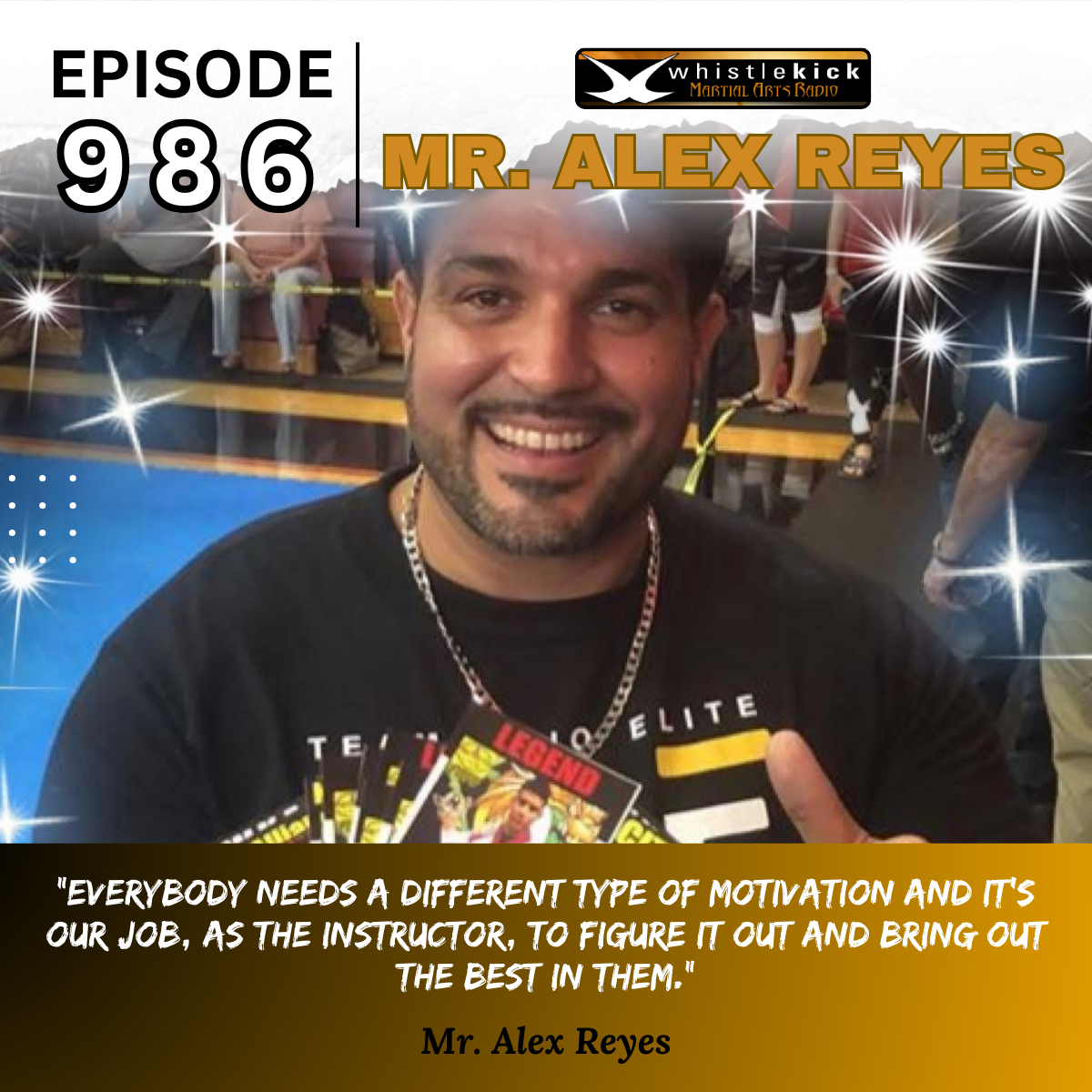
Episode 986 - Mr. Alex Reyes
SUMMARY In this conversation, Mr. Alex Reyes discusses the importance of maintaining a supportive environment in martial arts, the evolution of his catchphrase (Oss, Powerbaby!), and the impact of social media on the sport. The conversation also touches on the role of competition, the influence of family, and the significance of perseverance in martial arts training. Mr. Reyes shares his journey from a reluctant participant to a passionate advocate for martial arts, emphasizing the need for parents to support their children's martial arts journey while allowing them to enjoy the process. He explores the multifaceted world of martial arts, discussing the importance of resilience, the role of parenting in shaping future adults, and the various motivational techniques used in teaching. He delves into the evolution of martial arts, balancing tradition with modernity, and the need for creating heroes within the sport. He also shares his vision for building a brand and the challenges he has faced, emphasizing the significance of faith and discipline in overcoming adversity. TAKEAWAYS Competition can drive growth and improvement. Social media plays a significant role in promoting martial arts. Negative comments can be ignored for overall growth. Views and engagement lead to financial opportunities in martial arts. Family influence is crucial in a martial artist's journey. Perseverance is key to achieving martial arts goals. Parents should encourage their children without adding pressure. The martial arts landscape is vast and interconnected. Resilience is crucial in martial arts and life. Parenting should focus on raising self-sufficient adults. Different students require different motivational techniques. Martial arts must evolve while respecting tradition. Creating heroes in martial arts can elevate the sport. Building a brand involves overcoming significant challenges. Faith and discipline are key to overcoming adversity. Failure is a stepping stone to success. Inclusivity in martial arts can increase participation. Hard work and discipline are essential for long-term success. To connect with Mr. Alex Reyes: Youtube: Point Fighter Live

Episode 985 - Discussions on Billy Jack
SUMMARY In this episode of Whistlekick Martial Arts Radio, host Andrew Adams is joined by Sensei Brett Mayfield and Tommy Given to discuss the influential film 'Billy Jack.' They explore the film's impact on the martial arts community, personal connections to the movie, and its cultural significance, particularly in representing Native American heritage. The conversation also delves into Tom Laughlin's journey as a filmmaker and martial artist, the sequels to 'Billy Jack,' and the lasting legacy of the film in cinema and martial arts history. TAKEAWAYS 'Billy Jack' had a significant impact on the martial arts community. The film resonated with audiences due to its cultural representation. Tommy Given's personal connection to the film stems from his Native American heritage. The portrayal of Native Americans in 'Billy Jack' was groundbreaking for its time. The sequels to 'Billy Jack' expanded on the martial arts themes introduced in the original. The film was not just an action movie but a statement on social injustices. The humor in 'Billy Jack' added depth to its serious themes. The film's marketing changed how independent films were promoted. 'Billy Jack' influenced future filmmakers and actors in the martial arts genre.

Episode 984 - Icy Mike
SUMMARY In this conversation, Icy Mike discusses the importance of training standards, the role of belts in martial arts, and the concept of Zanshin, or presence, in training. The discussion also touches on the dynamics of adrenaline in combat sports, the evolution of training methods, and reflections on traditional martial arts practices. Icy Mike shares insights on creating objective standards for training and the significance of social dynamics in martial arts culture. He delves into the complexities of martial arts, particularly focusing on Aikido and its perceived effectiveness. He discusses the motivations behind training, the evolution of martial arts practices, and the transition from traditional styles to MMA. Icy Mike shares his personal journey, highlighting the challenges he faced and the insights he gained through various training experiences. The discussion emphasizes the importance of understanding the purpose behind martial arts training and the need for clear standards in teaching and practice. TAKEAWAYS Belts in martial arts can serve as a way to measure progress but should not be the sole focus. Objective standards in training help improve performance and clarity in expectations. Zanshin, or presence, is crucial for effective training and performance in martial arts. Adrenaline can enhance focus and performance if managed correctly during training. Social dynamics play a significant role in martial arts training environments. The evolution of training standards reflects a shift towards more intentional and goal-oriented practices. Traditional martial arts often lack practical fighting applications, leading to the need for new standards. The importance of mentorship and coaching in martial arts training is highlighted. Training motivations vary, influencing how martial arts are approached. The importance of community and fitness in martial arts training. Personal experiences shape perceptions of martial arts effectiveness. Wrestling training emphasizes live practice and hard training. MMA training can provide a more realistic approach to fighting. The evolution of training standards is crucial for martial arts education. Understanding the purpose behind training can enhance the learning experience. Explaining martial arts concepts clearly can help students improve. Everything in martial arts has its pros and cons, and critical thinking is essential.
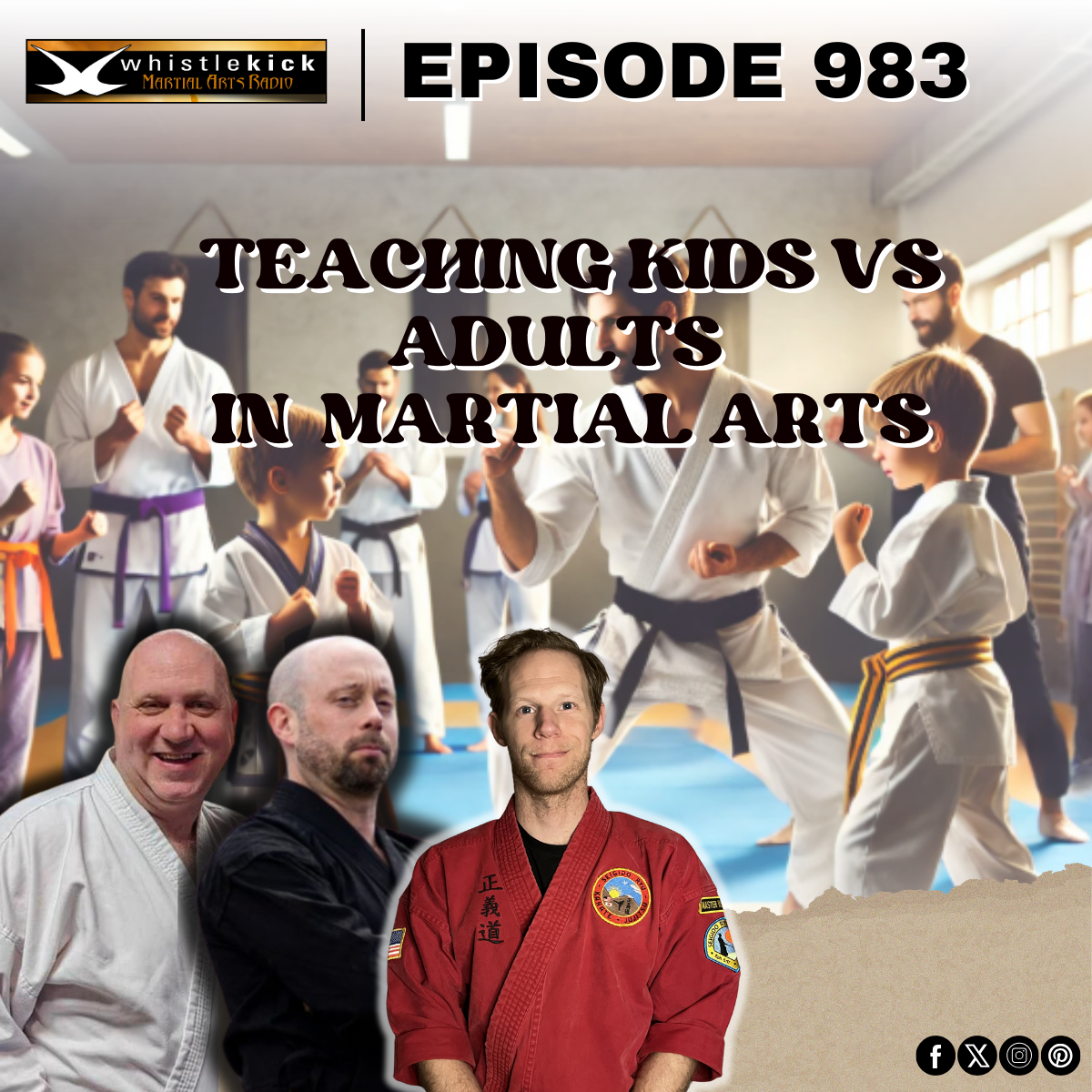
Episode 983 - Teaching Kids vs Adults in Martial Arts
SUMMARY In this episode, Jeremy, Andrew, and Victor discuss the differences in teaching martial arts to children versus adults. They explore the pedagogical approaches, curriculum differences, and the importance of adapting teaching methods to suit the developmental stages of students. The conversation highlights specialized training for instructors and the significance of creating a safe and engaging learning environment for young martial artists. They discuss the importance of defensive techniques, the limitations of curriculum based on safety, and the need for gamification in youth training. The conversation highlights the differences in attention spans, engagement strategies, and the necessity of individualized instruction. They also emphasize the importance of incentives and rewards in training, the depth of application in teaching, and the need to bridge the gap for parents observing classes. Ultimately, they conclude that while there are distinct differences in teaching styles, there is also a need for balance and overlap between youth and adult instruction. TAKEAWAYS Teaching methods for kids should differ from those for adults. Curriculum should be adapted based on age and maturity. Safety is a primary concern when teaching martial arts to children Engaging activities can teach skills without exposing kids to violence. The developmental stage of a child affects their learning process. Martial arts participation is predominantly youth-focused in the US. Instructors should be trained to handle different age groups effectively. Teaching kids martial arts can be fun and educational simultaneously. The importance of creating a supportive environment for young learners. Understanding the psychological and physical differences in age groups is crucial. Curriculum limitations often stem from safety concerns. Teaching methods must adapt to the age of the students. Gamification enhances engagement in youth training. Attention spans differ significantly between children and adults. Incentives and rewards are crucial for motivating young students. Depth of application is more critical for adult learners. Safety considerations are paramount in youth instruction. Bridging the gap for parents is essential for understanding the curriculum. Teaching styles should find a balance between youth and adult methods.

Episode 982 - Sifu Guru Dan Donzella
SUMMARY In this engaging conversation, Sifu Guru Dan Donzella shares his unique journey through martial arts and music, exploring how these two passions intersect. He discusses his early influences, the importance of teaching philosophy, and the connections he has made within the martial arts community. The conversation also delves into the evolution of martial arts media and the impact of personal experiences on training and teaching. In this engaging conversation, Sifu Donzella shares his journey through martial arts, media, and law enforcement, emphasizing the importance of cross-training, teaching, and the continuous pursuit of knowledge. He reflects on the evolution of martial arts culture, the significance of passing down skills to the next generation, and the real-life applications of martial arts in various situations. Lastly, he encourages new martial artists to explore beyond their current training and to remain open-minded, while also sharing personal anecdotes that highlight the impact of martial arts on his life and career. TAKEAWAYS Martial arts can be a lifelong journey of learning. Teaching philosophy adapts to individual student needs. Different martial arts systems offer unique perspectives. Community connections enhance the martial arts experience. Music and martial arts share a creative connection. Persistence in training leads to deeper understanding. The evolution of martial arts media reflects personal growth. Engaging with others in the field fosters collaboration. Martial arts is a journey of continuous improvement. Cross-training is now encouraged, unlike in the past. Teaching is a way to pass down knowledge and skills. Working with family in martial arts can be rewarding. Passion for martial arts can last a lifetime. Real-life experiences enhance martial arts instruction. Open-mindedness is crucial for growth in martial arts. New martial artists should seek diverse training opportunities. Teaching others can help keep your skills fresh. Martial arts can lead to unexpected life experiences. This episode is sponsored by Kataaro. Please check out their site at www.kataaro.com. And use the code WK10 to save 10% off your first order. And be sure to ask them about a wholesale account for school owners!

Episode 981 - Are Breaks Hurting Martial Arts Schools?
SUMMARY In this episode, Andrew and Jeremy discuss the implications of school breaks in martial arts, exploring the balance between business needs and student engagement. They delve into the cultural significance of maintaining classes during holidays, the economic impact of cancellations, and the importance of fostering a supportive training environment. The conversation emphasizes the need for martial arts schools to remain steadfast and consider the long-term effects of their operational decisions on students and the overall culture of their schools. TAKEAWAYS School breaks can impact student engagement and retention. Cultural concerns are as important as economic ones in martial arts schools. Maintaining classes during holidays can strengthen community ties. Students may feel deprived if classes are frequently canceled. A strong training culture can help students prioritize their practice. Instructors should find balance to avoid burnout and maintain passion. Open mat sessions can provide training opportunities without formal classes. Communication with students about closures is crucial for transparency. Schools should consider alternative arrangements during breaks. The relationship between instructors and students is mutually beneficial.

Episode 980 - Sifu Sharif Anael-Bey
SUMMARY This conversation explores the journey of Sifu Sharif Anael-Bey, from childhood through adulthood, highlighting the influence of family dynamics, early exposure to martial arts, and the impact of iconic figures like Bruce Lee. The discussion delves into the importance of the teacher-student relationship, the evolution of training, and the personal growth experienced through martial arts. Sifu Anael-Bey reflects on his experiences in Syracuse, the challenges of trust in the learning process, and the transition from student to teacher. In this conversation, he explores the profound themes of belonging, purpose, and obligation within the context of martial arts. He reflects on his relationship with his father, the importance of lineage, and how teaching methods have evolved over time. The discussion emphasizes the significance of love over fear in student relationships and the commitment to continuous improvement in martial arts practice. TAKEAWAYS Martial arts can shape personality and outlook on life. Family dynamics play a significant role in shaping one's character. Early exposure to martial arts can lead to lifelong passion. Influential figures like Bruce Lee can inspire generations of martial artists. The teacher-student relationship is foundational in martial arts training. Trust in the instructor is crucial for student growth. Imposter syndrome is a common experience among martial artists. Understanding the cultural significance of terms like Sifu enhances the learning experience. Teaching martial arts can be a rewarding way to give back to the community. Personal growth often comes from overcoming challenges in training. Belonging in martial arts can be a transformative experience. Finding purpose often comes from personal experiences and relationships. The role of a parent is to prepare their child for adulthood. Understanding one's obligation to the lineage of martial arts is crucial. Teaching methods should evolve with experience and understanding. Student relationships can be complex and require compassion. Love can be a powerful tool in resolving conflicts. Continuous improvement is essential in martial arts and teaching. Discipline is the foundation for solving problems in martial arts. Self-defense is ultimately about overcoming one's lower self. This episode is sponsored by Kataaro. Please check out their site at www.kataaro.com and use the code WK10 to save 10% off your first order. And be sure to ask them about a wholesale account for school owners!

Episode 979 - Martial Arts Word Association: Holiday Edition
Another episode of "Martial Arts Word Association" where Andrew gives Jeremy a random word that he could connect to martial arts. All of today's words are Holiday themed! In this episode, Jeremy and Andrew discuss randomly generated topics to try and find out how they can relate to martial arts! This episode is sponsored by Martialytics. Spend less time running your martial arts business and more time doing the martial arts parts of your business! Martialytics provides easy to use and versatile tools for well-established school as well as ones just starting out. If you sign up through us, they will DOUBLE your free trial to 60 days! Check out more at www.whistlekickmartialartsradio.com/partners
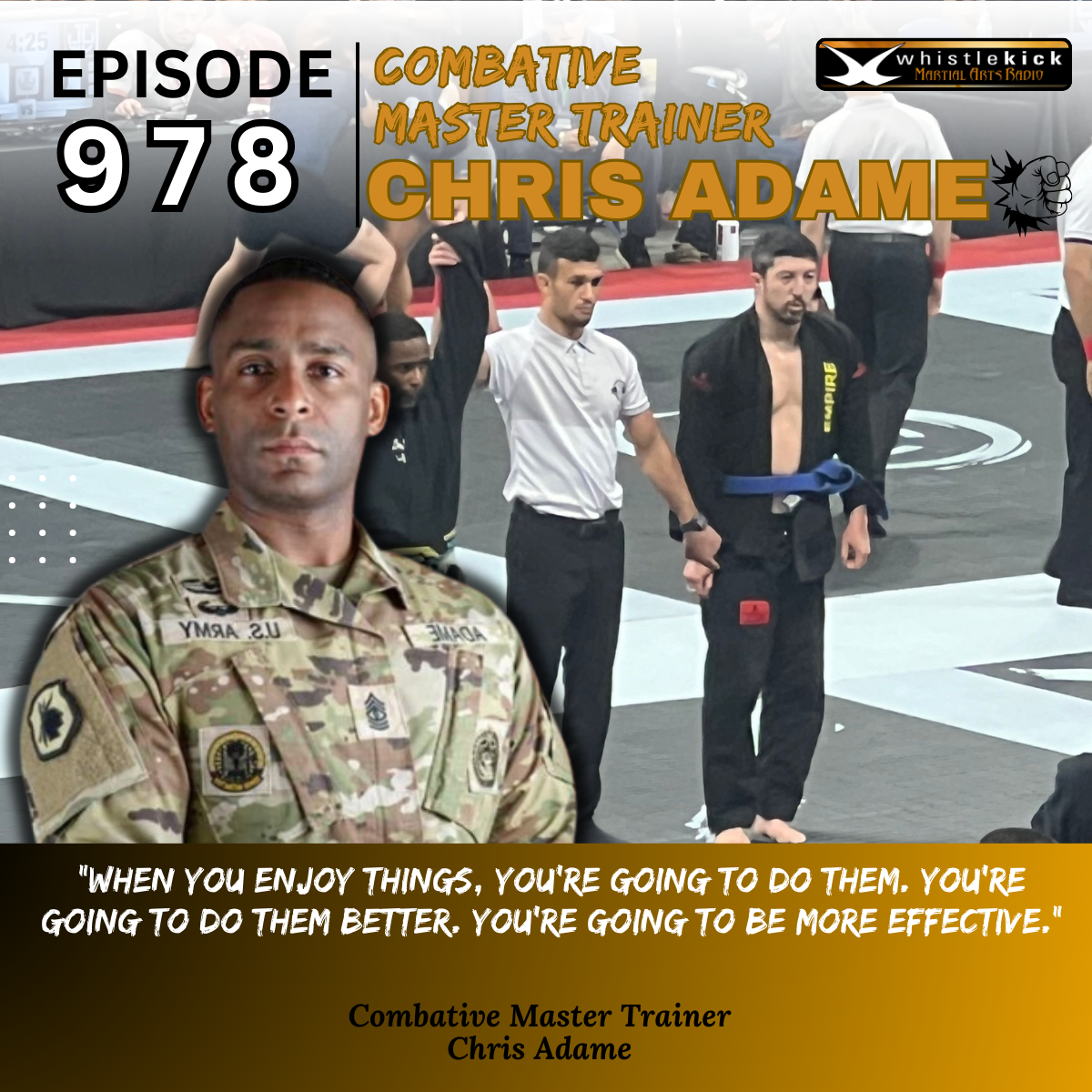
Episode 978 - Combatives Master Trainer Chris Adame
SUMMARY In this conversation, Combatives Master Trainer Chris Adame discusses the tribal nature of sports and politics, the importance of inclusivity in training, and the critical role of feedback in martial arts. They explore the dynamics of teaching and learning in combatives, emphasizing the difference between facilitation and instruction. Chris shares insights from his experience in military training and the evolution of the Modern Army Combatives Program, highlighting the need for combatives in law enforcement and the integration of prior experience in training. In this conversation, Chris Adame discusses the evolution of combat training within the military, emphasizing the importance of tactical applications and the warrior mentality. He highlights the psychological aspects of violence, the significance of safe training practices, and the bridging of military and civilian combat training. The discussion also touches on the importance of resilience and the need for individuals to face challenges head-on, ultimately fostering a mindset geared towards survival and effective self-defense. TAKEAWAYS Pro sports and politics share a tribal nature. Inclusivity in training fosters a supportive environment. Feedback is essential for self-awareness in martial arts. Teaching is about facilitating learning, not just instructing. Experience as a student enhances teaching effectiveness. Combatives training is crucial for military and law enforcement. The Modern Army Combatives Program has evolved over time. Survival is the primary goal of combatives training. Facilitation encourages engagement and connection in learning. Enjoyment in training leads to better learning outcomes. The evolution of combat training has shifted towards building confidence rather than just toughness. Tactical applications in combat are crucial for survival in real situations. The warrior mentality involves facing challenges head-on, whether in combat or daily life. Understanding the psychology of violence can lead to better control and emotional resilience. Safe training practices are essential for effective learning and skill retention. Civilian combat training can benefit from military techniques and philosophies. Running is a fundamental skill that should be prioritized in self-defense training. The importance of instructor presence in teaching and learning environments. Combat training should focus on practical techniques that ensure survival. The willingness to engage in combat is a defining characteristic of a warrior. This episode is sponsored by Kataaro. Please check out their site at www.kataaro.com and use the code WK10 to save 10% off your first order. And be sure to ask them about a wholesale account for school owners!
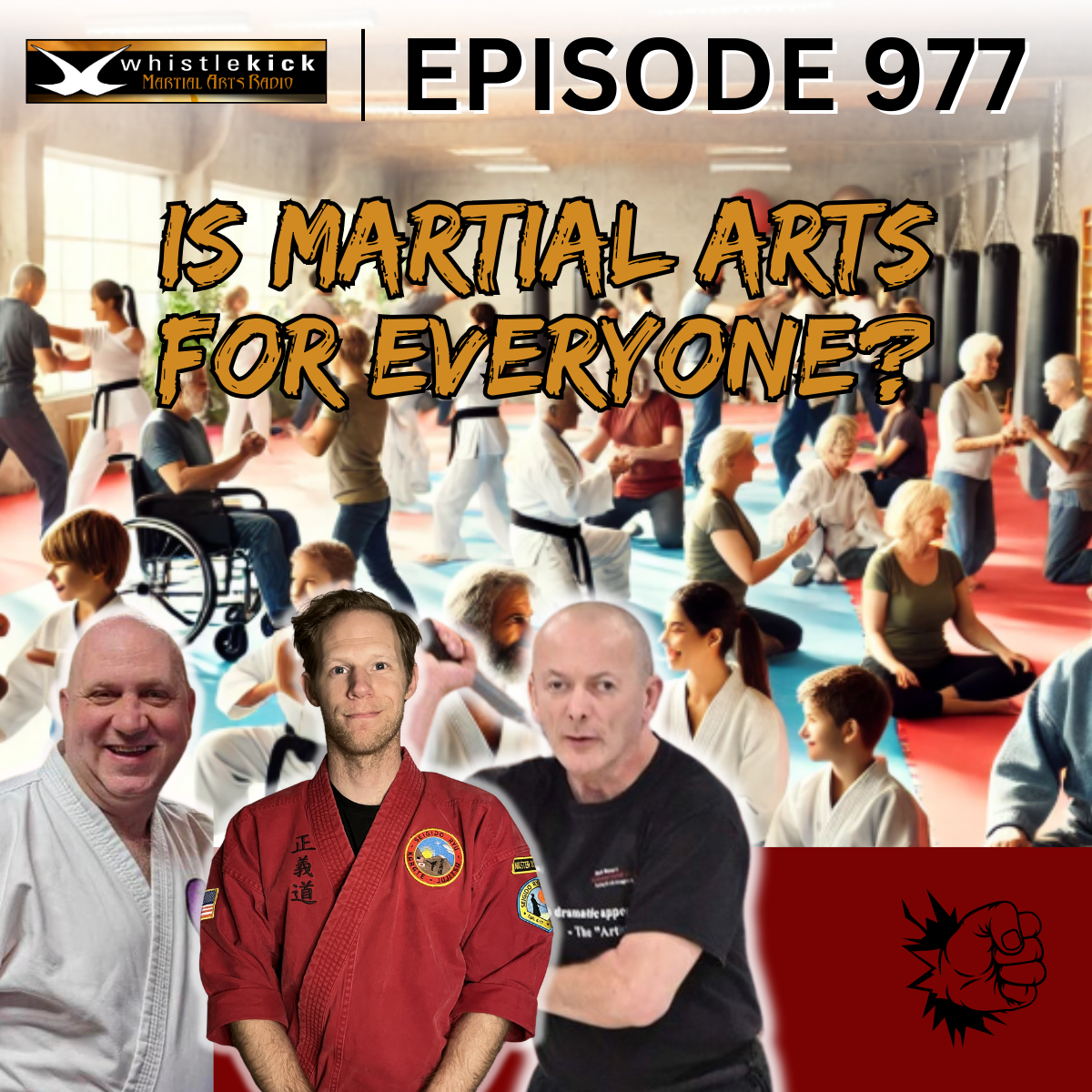
Episode 977 - Is Martial Arts for Everyone
SUMMARY In this episode, Andrew, Victor, and Mark explore the question of whether martial arts is for everyone. They discuss the various benefits of martial arts across different age groups, the importance of inclusivity for differently abled individuals, and the community aspect of martial arts training. The conversation emphasizes that martial arts is not just about fighting but also about personal growth, philosophy, and building a supportive community. TAKEAWAYS Martial arts offers physical and mental benefits for all ages. Inclusivity in martial arts helps build community and compassion. Training can be adapted for differently abled individuals. Martial arts teaches valuable life skills beyond fighting. Everyone can progress at their own pace in martial arts. The philosophy of martial arts encourages personal growth. Martial arts can help with emotional regulation and self-control. Community support is vital for all students in martial arts. Martial arts can be a stabilizing force for those with disabilities. It's important to find the right school that fits individual needs.
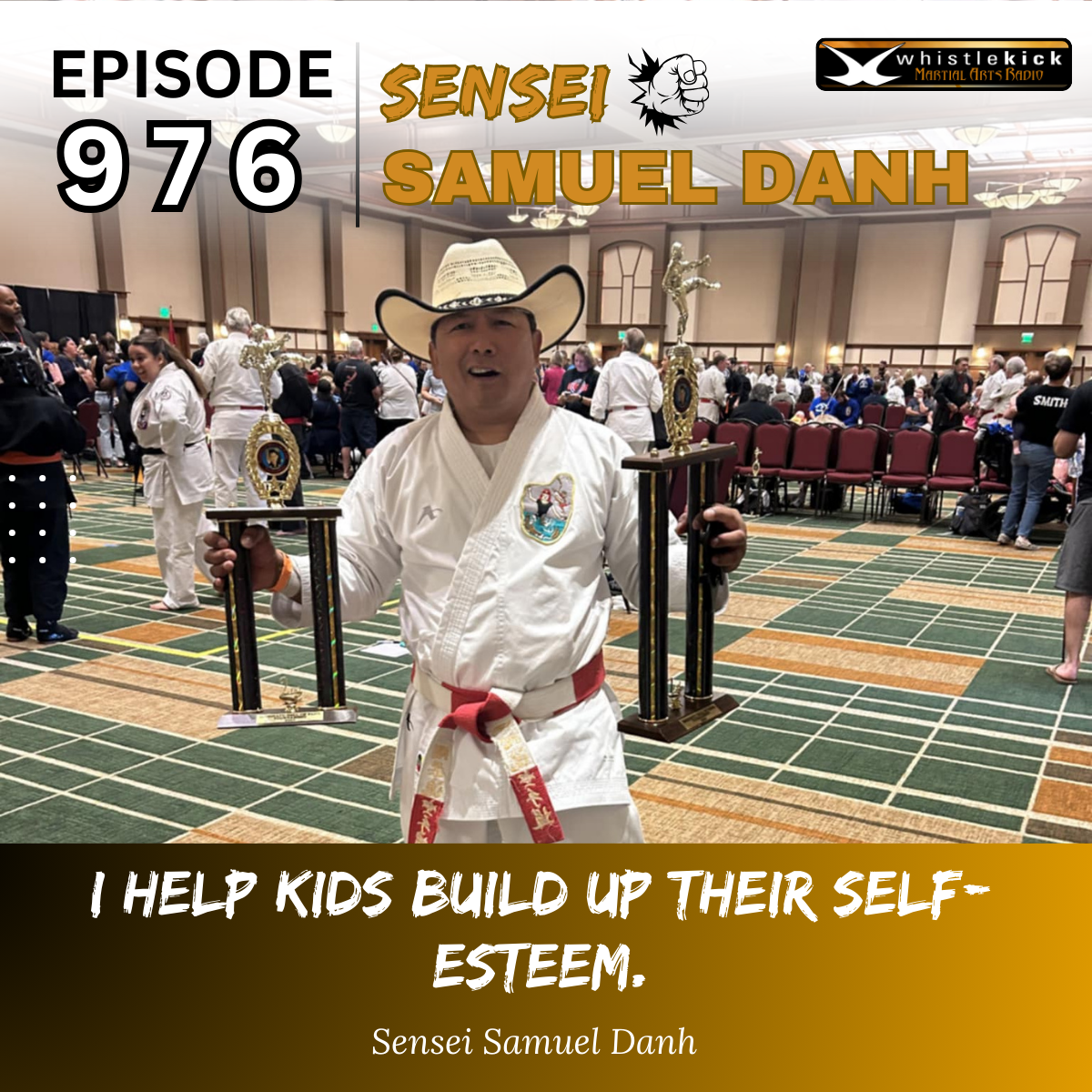
Episode 976 - Sensei Samuel Danh
SUMMARY In this conversation, Jeremy sits down with Sensei Samuel Danh after Free Training Day Pacific Northwest. Sensei Danh shares his harrowing experiences of survival during the Cambodian war, his journey through refugee camps, and the role martial arts played in his life. The discussion also touches on cultural adjustments after moving to the United States, the importance of community, and the transformative power of faith. Samuel's story is one of resilience, personal growth, and the search for belonging. In this conversation, he shares his transformative journey from a challenging childhood to finding peace through faith and martial arts. He discusses the importance of building character, empowering youth, and the intersection of spirituality and martial arts. Lastly he emphasizes the role of community in personal growth and the significance of humility and acceptance in teaching and mentoring others. TAKEAWAYS · Samuel Danh's early life was marked by survival in war-torn Cambodia. · Martial arts training began in refugee camps as a means of self-defense. · Cultural adjustments in the U.S. were challenging for him. · Community support played a crucial role in his journey. · Faith became a significant aspect of his life after trauma. · The importance of storytelling in sharing personal experiences. · Resilience is a key theme in overcoming life's challenges. · His experiences highlight the impact of war on childhood. · Finding purpose through martial arts and community involvement. · Martial arts training can evolve from self-defense to personal growth. · Empowering youth is essential for building self-esteem. · Character building is a key aspect of martial arts instruction. · Faith and martial arts can share foundational principles. · Life experiences shape our ability to mentor others. · Community support is vital for personal and collective growth. · Humility can be crucial in both martial arts and spiritual journeys. · Pride can hinder personal development and relationships. · Every individual's journey is unique and valuable. This episode is sponsored by Kataaro. Please check out their site at www.kataaro.com and use the code WK10 to save 10% off your first order. And be sure to ask them about a wholesale account for school owners!
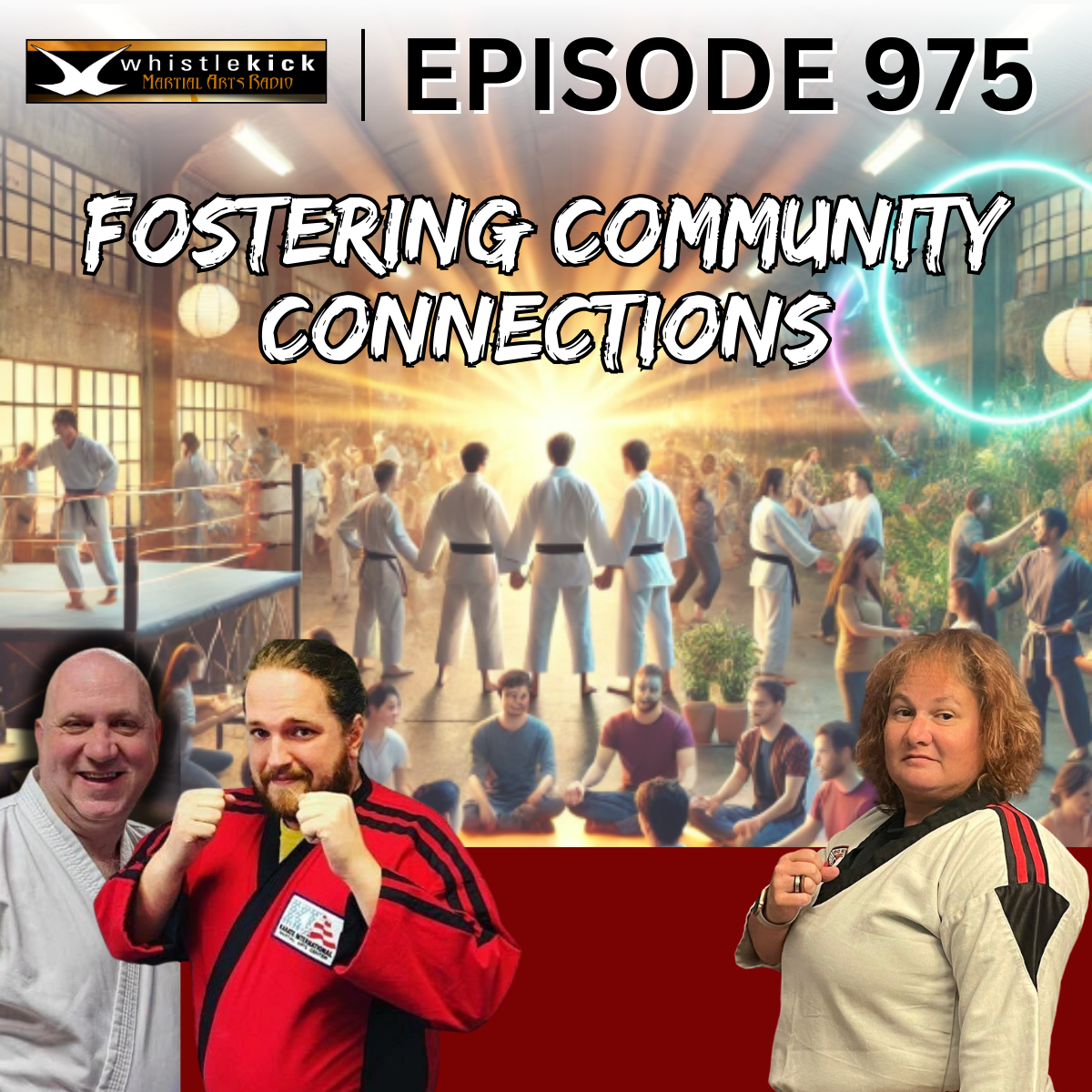
Episode 975 - Fostering Community Connections
SUMMARY In this episode, Andrew is joined by Kellie Thomas and Craig Wharem and they discuss the importance of fostering community connections within martial arts schools and their communities. They explore various strategies for building relationships with local businesses, engaging students in community service, and collaborating on community events. The conversation emphasizes the mutual benefits of these connections, highlighting how martial arts schools can contribute positively to their communities while also gaining visibility and support. TAKEAWAYS Building relationships with local businesses can enhance community engagement. Engaging students in community service fosters a sense of responsibility. Collaborative efforts can amplify the impact of community service initiatives. It's important to approach community engagement with a mindset of service. Creating partnerships with local organizations can lead to mutual benefits. Involving students in charitable events teaches them the value of giving back. Regular outreach can help maintain strong community ties. Schools should actively seek opportunities to participate in local events.
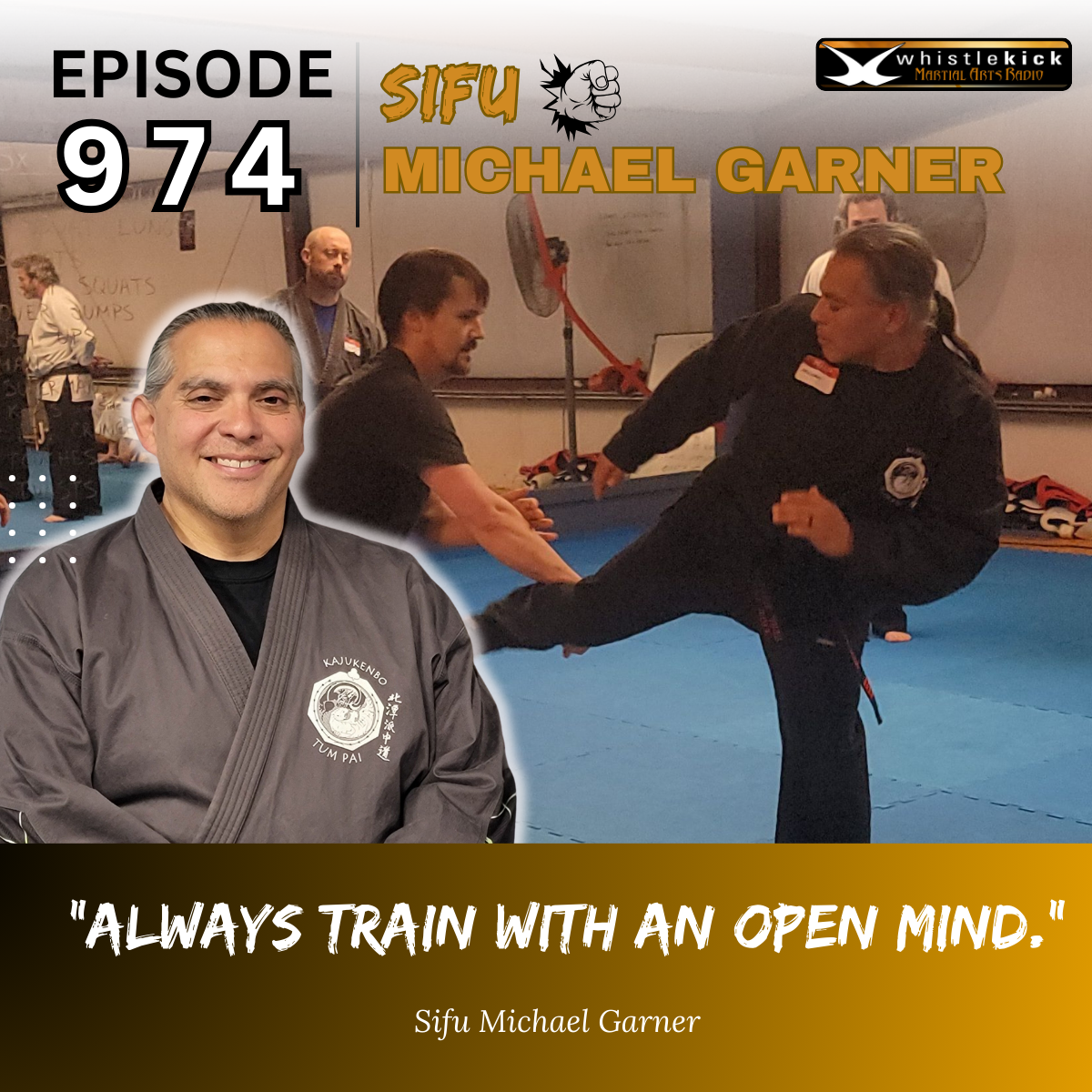
Episode 974 - Sifu Michael Garner
SUMMARY In this conversation, Sifu Michael Garner shares his extensive journey through martial arts, military service, and various roles in security and law enforcement. He discusses the influence of his upbringing, experiences with violence, and the importance of self-defense training. Sifu Garner also delves into his teaching philosophy, the unique aspects of Kajukenbo, and his aspirations for the future of his martial arts school. In this conversation, he also discusses his journey in martial arts, emphasizing the importance of overcoming excuses, the growth of his school, and the unique gender dynamics within his classes. He highlights the significance of empathy in teaching, especially for students with traumatic backgrounds, and the need for instructors to adapt their methods based on individual student needs. The discussion also touches on the evolution of martial arts, the role of ego, and the necessity of maintaining an open mind in training. Sifu Garner concludes with a call for continuous learning and adaptation in martial arts practice. TAKEAWAYS • Martial arts can be a lifelong journey of learning and growth. • Military training significantly shapes one's approach to martial arts. • Experiences with violence can lead to a desire for self-defense knowledge. • Teaching martial arts is about empowering others to protect themselves. • Kajukenbo combines various martial arts styles for practical self-defense. • Personal experiences in martial arts can lead to deeper insights and humility. • The importance of community and support in martial arts training. • Understanding the dynamics of violence is crucial for security roles. • Martial arts training can help in high-stress situations, like in healthcare. • Building a martial arts school requires dedication and adaptability. • Overcoming excuses is crucial for personal growth. • Starting small can lead to significant expansion. • Gender dynamics in martial arts can shift with the right approach. • Empathy is essential in teaching, especially for trauma survivors. • Understanding individual student needs enhances teaching effectiveness. • Ego can hinder the evolution of martial arts practices. • Martial arts should be adaptable and fluid, not rigid. • Open-mindedness in training leads to better outcomes. • Context is vital for effective martial arts instruction. • Continuous learning is key to being a successful instructor.This episode is sponsored by Kataaro. Please check out their site at www.kataaro.com and use the code WK10 to save 10% off your first order. And be sure to ask them about a wholesale account for school owners!

Episode 973 - Teaching to the Test
SUMMARY In this episode, Jeremy and Andrew delve into the concept of 'teaching to the test' within martial arts education. They explore the implications of standardized testing, the challenges of curriculum size, and the importance of fostering genuine understanding over mere memorization. The conversation emphasizes the need for creative teaching methods and the balance between evaluating competency and ensuring students grasp the material deeply. Ultimately, they encourage instructors to reflect on their teaching practices and curriculum design to enhance student learning and growth. TAKEAWAYS Teaching to the test often leads to memorization rather than understanding. Standardized testing can create pressure on teachers to prioritize test results. In martial arts, the test is often determined by the same person creating the curriculum. A simplified curriculum can help focus on essential skills. Quality over quantity in curriculum is crucial for effective learning. Creative teaching methods can enhance student engagement and understanding. Evaluating competency should go beyond just passing a test. Students should not have to cram to meet testing requirements. Bonus material can enrich the learning experience without overwhelming students. Instructors should regularly assess their curriculum and teaching methods for effectiveness.

Episode 972 - Director Kory Martin Juul
SUMMARY In this conversation, Kory Martin Juul shares his journey from a young martial arts enthusiast to a filmmaker involved in major productions like The Matrix and Lord of the Rings. He discusses the importance of storytelling in martial arts films, the cultural significance of different fighting styles, and how his experiences living in various countries have shaped his understanding of martial arts. Kory emphasizes the deeper philosophical aspects of martial arts training and how they can inspire personal growth beyond physical skills. In this conversation, Kory Martin Juul shares his extensive journey through martial arts, highlighting the physical, mental, and spiritual transformations he experienced over the years. He discusses the evolution of his training from traditional styles to a more holistic approach that incorporates diet and personal development. Kory also delves into his experiences with shamanism in the Amazon, which further expanded his understanding of healing and consciousness. Finally, he reveals his passion for storytelling through film, specifically his project 'White Tiger Legend,' which aims to convey the deeper lessons of martial arts beyond mere physicality. He discusses how asking 'why' can lead to deeper understanding and mastery, and how a focus on fewer techniques can enhance learning and retention. The conversation also touches on the philosophical implications of martial arts training and its impact on life beyond the dojo. TAKEAWAYS • His background in filmmaking includes working on iconic films like The Matrix and Avatar. • He emphasizes the cultural significance of different martial arts styles in films. • Kory's journey reflects the impact of martial arts on personal development. • He highlights the engagement level in martial arts training compared to other sports. • Kory's experiences in various cultures have enriched his martial arts perspective. • He sees martial arts as a means of personal enlightenment and growth.Kory's passion for choreography stems from his visual effects work in films. • Training in multiple styles allowed for a deeper understanding of martial arts. • Physical training led to changes in diet and overall health. • Spiritual elements of martial arts emerged through practice and katas. • Experiencing shamanism opened new pathways for healing and growth. • Martial arts training empowers personal development and self-discovery. • Creating a film was a way to share martial arts knowledge with a broader audience. • The fight scenes in films should advance the story, not just showcase skills. • Kory's journey reflects a transformation from physical training to mental and spiritual growth. • The film 'White Tiger Legend' aims to convey the deeper meanings of martial arts. • Rediscovery in martial arts is essential for personal growth. • Asking 'why' is crucial for understanding and evolution. • Mental training is as important as physical training. • Kung Fu represents mastery, not just a set of techniques. • Focus can significantly enhance achievement in any field. • Training in martial arts can lead to unexpected life paths.This episode is sponsored by Kataaro. Please check out their site at www.kataaro.com and use the code WK10 to save 10% off your first order. And be sure to ask them about a wholesale account for school owners!
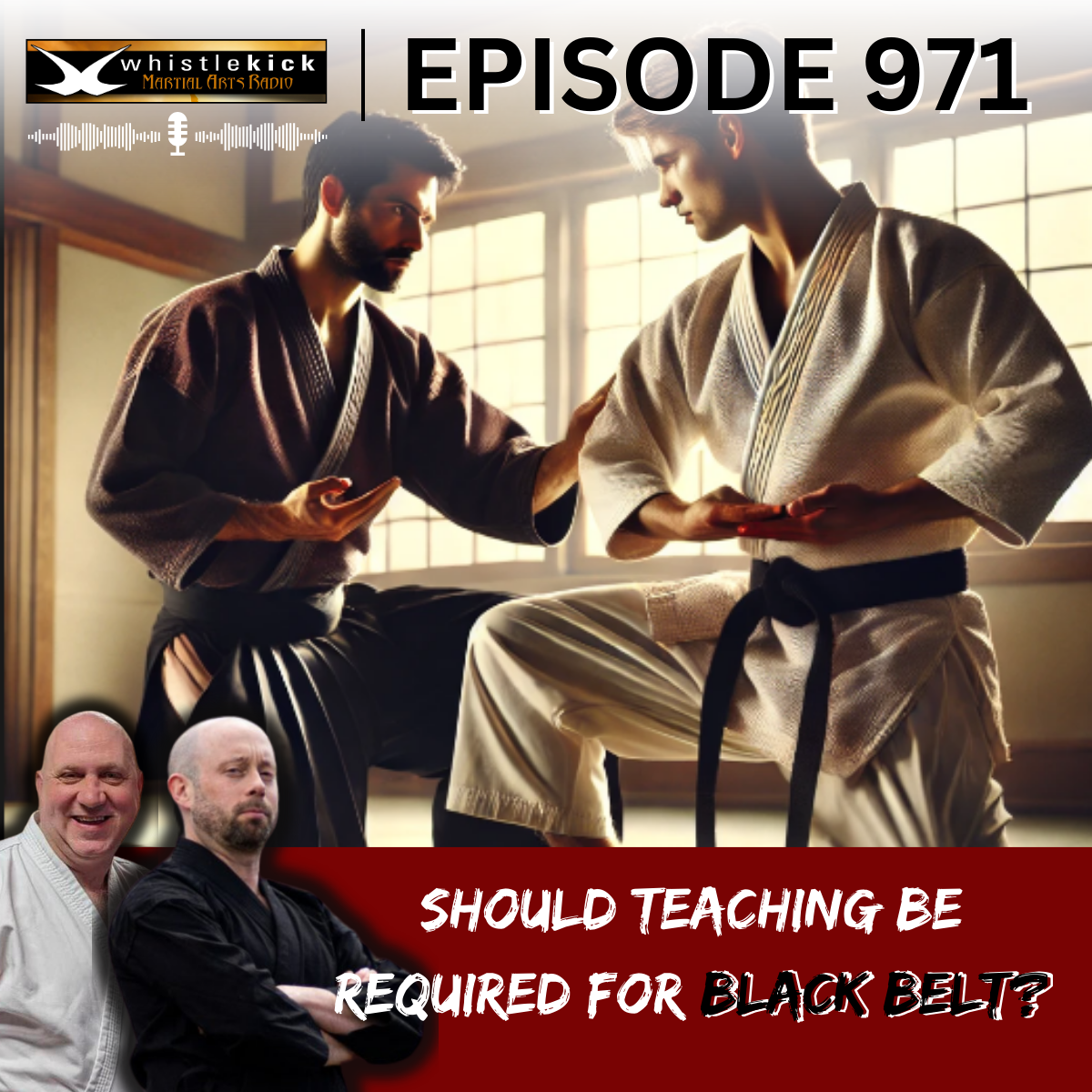
Episode 971- Should Teaching be Required for Black Belt
SUMMARY In this episode of Whistlekick Martial Arts Radio, hosts Jeremy and Andrew delve into the topic of whether teaching should be a requirement to earn a black belt in martial arts schools. They explore the nuances of teaching responsibilities, the value of teaching in enhancing one's own martial arts skills, and the importance of creating a structured leadership pathway for students. The conversation emphasizes the need for incremental teaching experiences and guidance, rather than expecting immediate competency from newly promoted black belts. The hosts also discuss the broader implications of teaching in martial arts, including the development of soft skills and the benefits of diverse teaching styles. TAKEAWAYS Teaching can take many forms, from drilling to full class instruction. Black belts should have some ability to convey knowledge. Incremental teaching experiences are crucial for student development. Teaching helps deepen understanding of martial arts material. Schools should prepare students for teaching roles before they reach black belt. A leadership track can help students transition into teaching roles. Teaching can build resilience and confidence in martial artists. Not all black belts are ready to teach immediately after promotion, if not trained ahead of time. Different teaching styles can resonate with different students. Feedback and communication are essential for improving teaching methods.
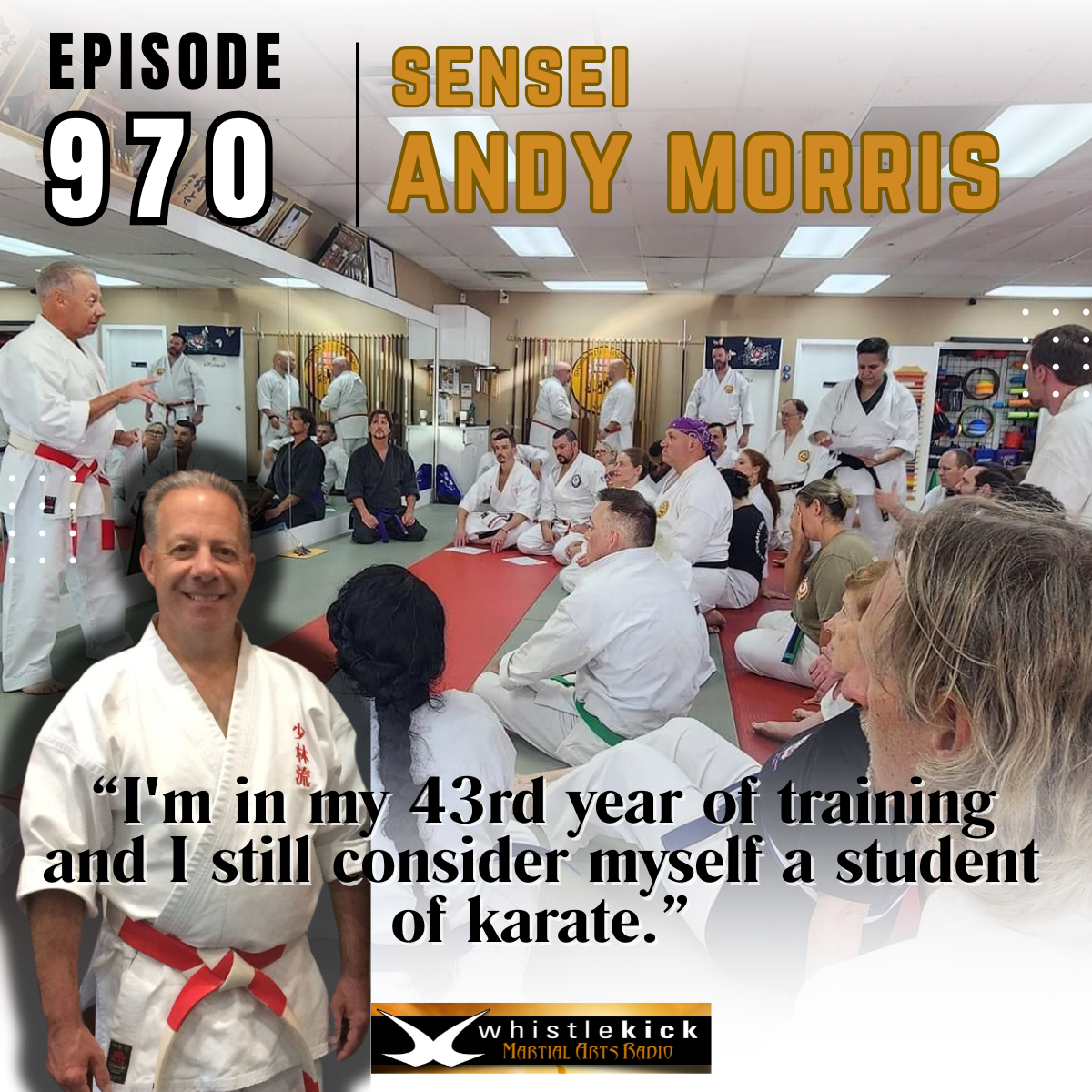
Episode 970 - Sensei Andy Morris
SUMMARY In this conversation, Sensei Andy Morris discusses the evolution of martial arts training, focusing on his personal journey in karate since he began training at 18. He explores the changes in training environments, the impact of technology on martial arts, and the importance of balancing life responsibilities with martial arts practice. Sensei Morris shares insights on the community aspect of training and the perseverance required to continue in the martial arts journey. He discusses his experiences with promotions, teaching, and the evolution of his training, highlighting pivotal moments that shaped his understanding of karate and its broader context. The conversation reflects on the growth and development within martial arts, the importance of mentorship, and the value of cross-training and community engagement. He emphasizes the importance of building connections, mastering fundamentals, and the continuous pursuit of knowledge. He reflects on his experiences in Okinawan karate, the evolution of his practice, and the significance of health and wellness in sustaining a lifelong commitment to martial arts. Sensei Morris encourages practitioners to remain passionate and persistent in their training, highlighting that the journey of learning never truly ends. TAKEAWAYS • Karate has evolved significantly since the early 1980s. • The internet has changed access to martial arts information. • Community and relationships formed in martial arts are lasting. • Perseverance is key to staying in martial arts long-term. • Life responsibilities can impact martial arts training schedules. • Training environments have changed over the decades. • Self-defense and fitness are common motivations for starting martial arts. • The culture of Okinawa plays a significant role in karate training. • Martial arts training is a lifelong journey that evolves with the individual. • Education is crucial for career advancement in martial arts. • Training can be adapted even when away from the dojo. • Promotions in martial arts can be challenging but require perseverance. • Teaching is a natural progression for advanced students. • Finding a stable training environment is essential for growth. • Involvement in organizations like AAU can broaden martial arts exposure. • Pivotal training moments can redefine one's understanding of karate. • Growth in martial arts often comes from uncomfortable experiences. • Community and camaraderie are vital in martial arts training. • Continuous evolution in training is necessary for mastery. • The ethos of martial arts extends beyond the dojo. • Fundamentals are essential for advanced martial arts practice. • Continuous learning is crucial for evolving as a martial artist. • Training every day is key to mastery and understanding. • Engagement with the community enriches the martial arts experience.This episode is sponsored by Kataaro. Please check out their site at www.kataaro.com and use the code WK10 to save 10% off your first order. And be sure to ask them about a wholesale account for school owners!
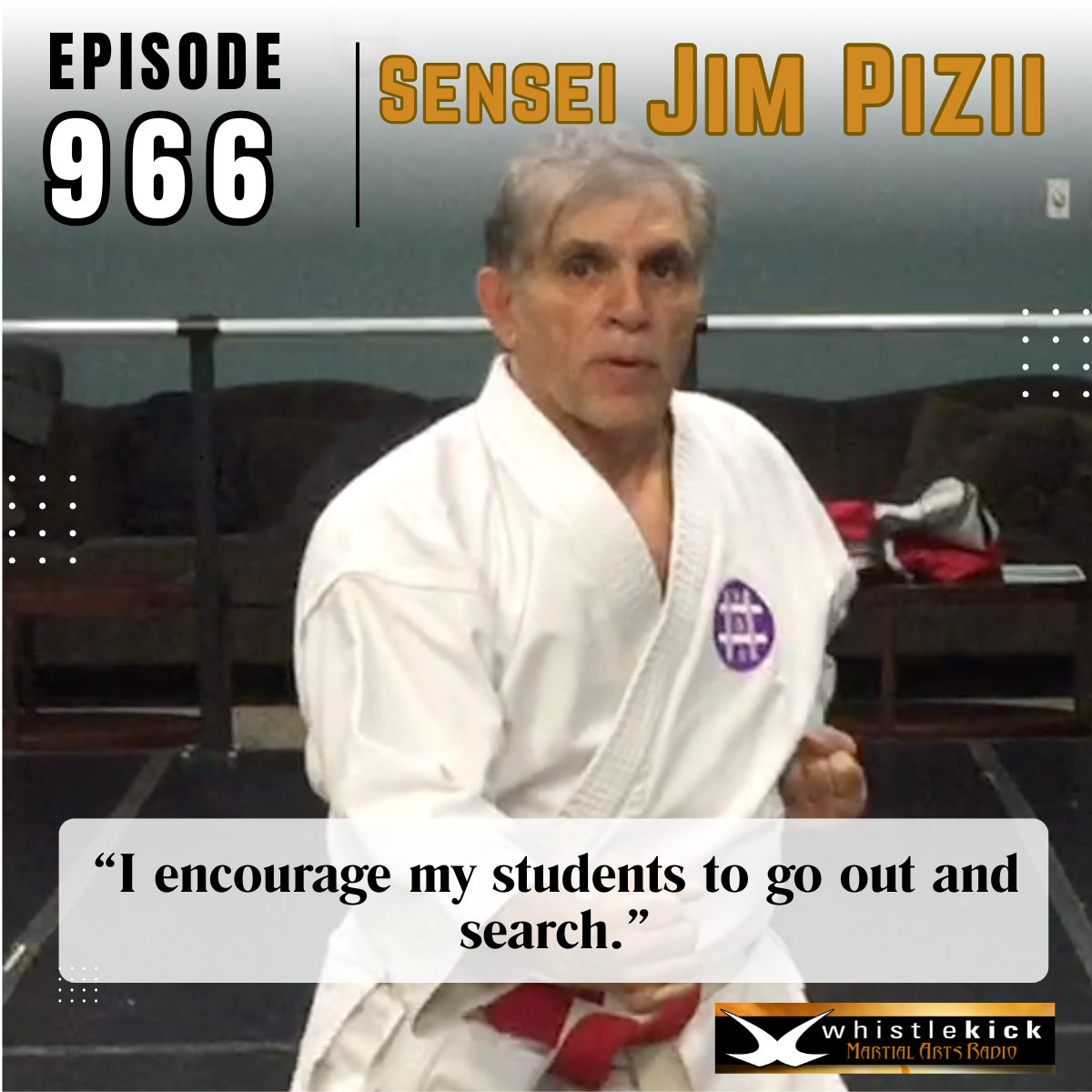
Episode 966 - Sensei Jim Pizii
SUMMARY In this episode of Whistlekick Martial Arts Radio, Jeremy and Sensei Jim Pizii discuss the profound impact of martial arts on personal growth, community building, and the importance of continuous learning. They explore Sensei Pizii's journey through various martial arts styles, the politics within the martial arts community, and the significance of finding the right training environment. The conversation emphasizes the value of humility, the role of ego, and the necessity of maintaining physical activity as one ages. Sensei Pizii shares insights on how martial arts can serve as a lifelong pursuit of knowledge and self-improvement. TAKEAWAYS · Martial arts fosters community and personal growth. · Building bonds with fellow martial artists is essential. · Continuous learning is a key aspect of martial arts. · Politics can influence training experiences. · Finding the right training environment is crucial. · Ego can hinder progress in martial arts. · Practical application of techniques is vital. · Different martial arts styles offer unique insights. · Staying active in later years is important for health. · Martial arts is a lifelong journey of discovery. This episode is sponsored by Kataaro. Please check out their site at www.kataaro.com and use the code WK10 to save 10% off your first order. And be sure to ask them about a wholesale account for school owners!
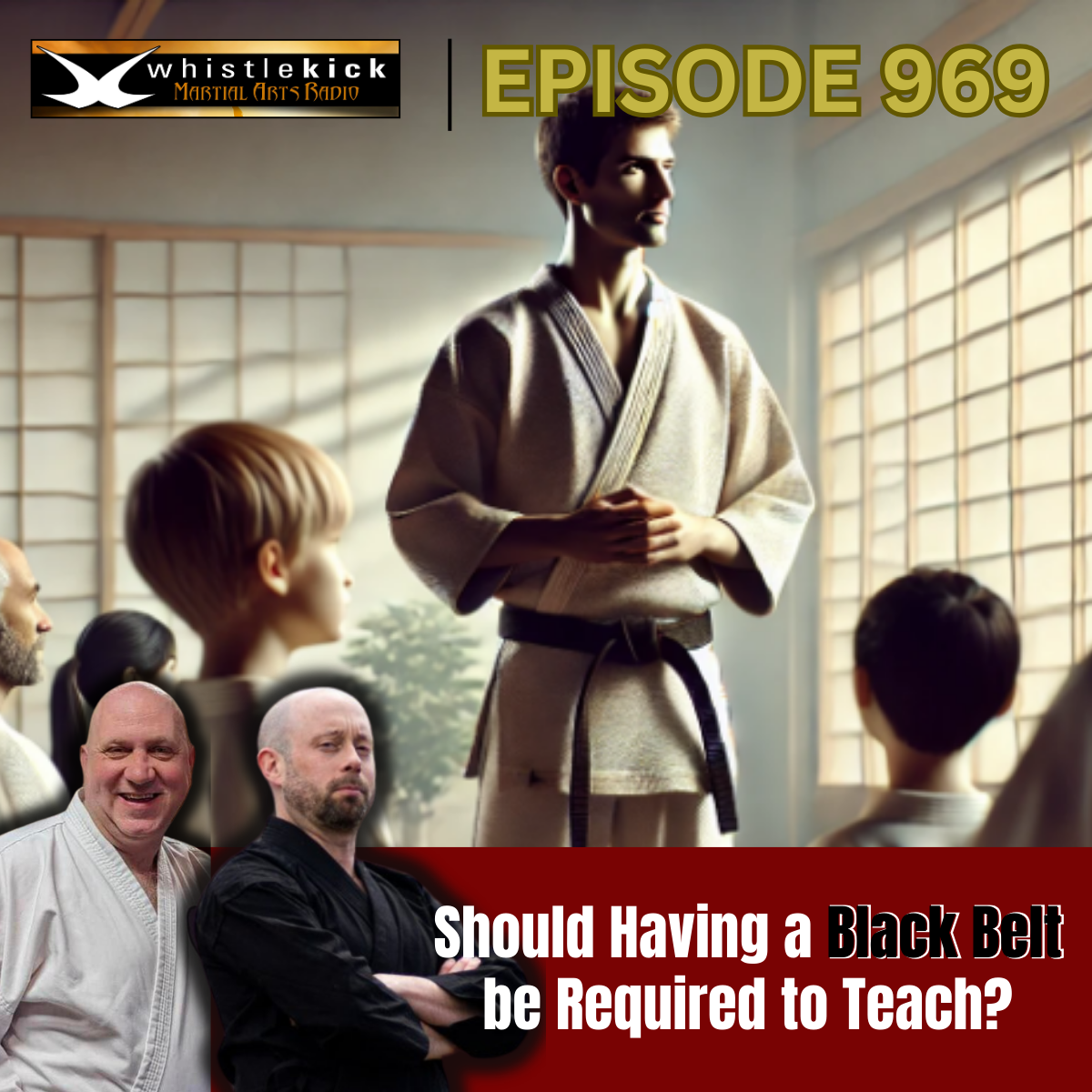
Episode 969 - Should Having a Black Belt be Required to Teach
SUMMARY In this episode of Whistlekick Martial Arts Radio, Jeremy and Andrew discuss the evolving standards of teaching martial arts, particularly the question of whether having a black belt should be required to teach. They explore the differences in teaching ability and competency, the benefits of peer learning, and the importance of continuous education for instructors. The conversation highlights that teaching is a skill that can be developed and that rank does not necessarily correlate with teaching ability. TAKEAWAYS A black belt is not a universal standard for teaching. Teaching ability is distinct from martial arts competency. Peer learning can enhance the educational experience. Instructors should be trained in teaching methods. Rank can vary significantly between different martial arts schools. Experience does not always equate to teaching skill. It's beneficial for students to learn from peers. Teaching can help deepen one's own understanding of the material. Continuous education is essential for martial arts instructors. The martial arts community is evolving in its approach to teaching. Jeremy and Andrew are out of practice in doing the outro together.
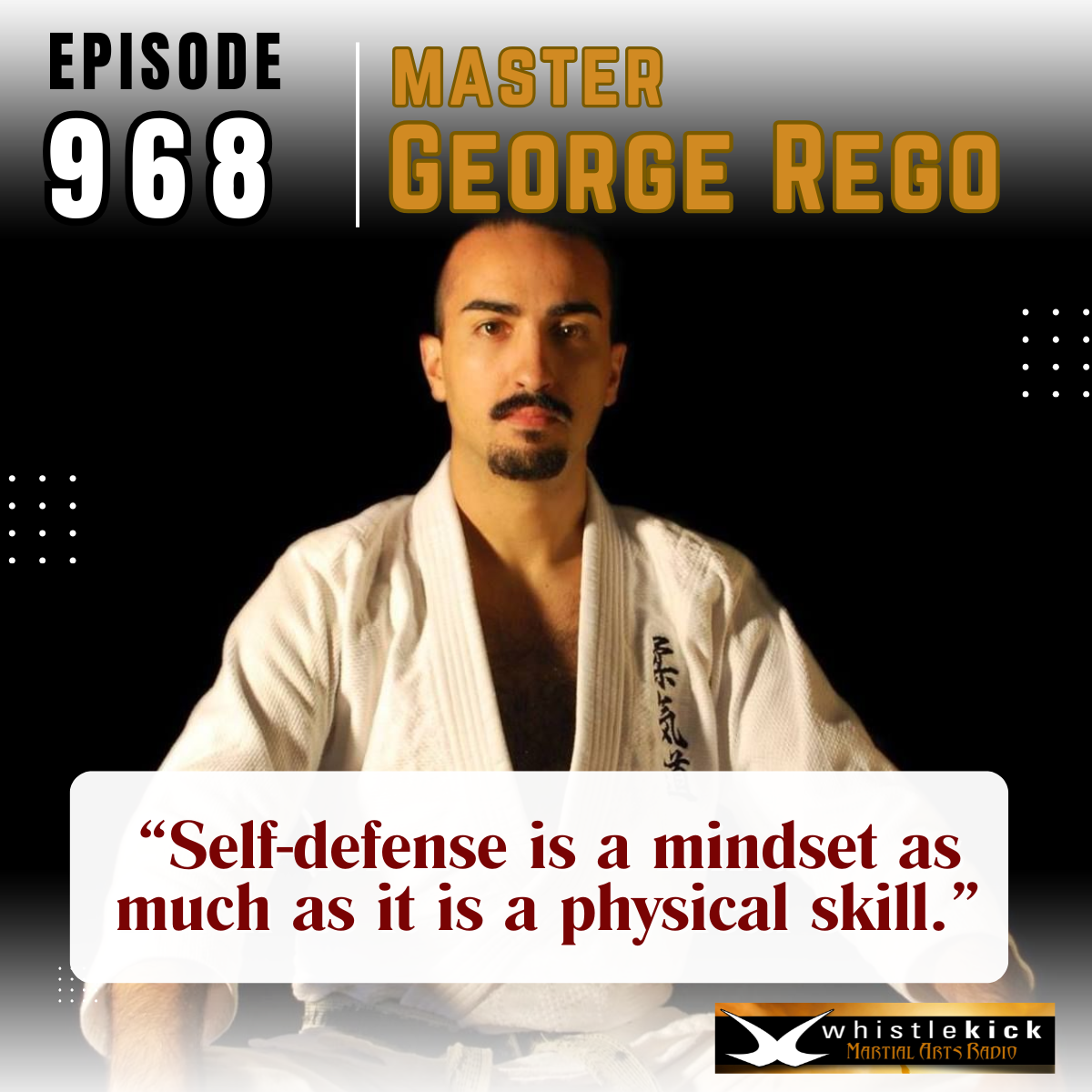
Episode 968 - Master George Rego
SUMMARY In this engaging conversation, Jeremy and Master George Rego explore the intersections of martial arts, self-defense, and personal preparedness. They discuss the importance of a self-defense mindset, the role of confidence in preventing attacks, and Master Rego's personal journey into martial arts, highlighting how early experiences shaped his passion for the discipline. In this conversation, he shares his journey into martial arts, detailing his early fascination with a dojo and the impact it had on his life. He discusses the evolution of his training, the importance of mentorship, and how martial arts shaped his character and academic pursuits. Master Rego reflects on his commitment to teaching and the legacy he aims to pass on to future generations, including the publication of his book documenting the history of jiu-jitsu in America. In this conversation, he discusses the significance of research in writing martial arts books, the challenges of navigating historical narratives, and the importance of community and continuous improvement in martial arts training. He also shares insights from his book on the founding of Jujitsu and Judo in America, emphasizing the need for accurate historical representation while acknowledging potential controversies. The discussion also highlights the value of investing in training and the philosophy of kaizen, or continuous improvement, in martial arts practice. TAKEAWAYS • Self-defense is not just physical; it's a mindset. • Preparation for emergencies, like hurricanes, is a form of self-defense. • Swimming is an essential life skill, akin to martial arts. • Confidence and body language can deter potential threats. • Self-defense training promotes physical autonomy and awareness. • Mitigation of risks is key to personal safety. • There are no guarantees in life, but we can increase our chances of success. • Martial arts can foster a sense of community and support. • Teaching confidence is crucial for martial arts instructors. • The approach to martial arts can be holistic and self-defense oriented. • Martial arts can keep you focused and disciplined in school. • The book documents the history of jiu-jitsu in America. Research-driven writing enhances credibility and depth. • Historical accuracy is crucial in martial arts literature. • Controversial narratives can arise from historical interpretations. • Community support is vital for martial arts growth. • Continuous improvement leads to long-term success. • Investing in training yields compounding benefits over time. • Self-filtering approaches foster a positive training environment. • Engagement with local media can amplify reach. • Sharing experiences enriches the martial arts community.This episode is sponsored by Kataaro. Please check out their site at www.kataaro.com and use the code WK10 to save 10% off your first order. And be sure to ask them about a wholesale account for school owners!

Episode 967 - Roundtable Discussion: Ego in Martial Arts
SUMMARY This conversation delves into the complex nature of ego within martial arts, exploring its implications on leadership, learning, and personal growth. The participants discuss how ego can serve as both a barrier and a motivator, emphasizing the importance of humility and the willingness to learn from others. They highlight the distinction between confidence and ego, and how a white belt mindset can foster continuous growth and collaboration in martial arts communities. TAKEAWAYS Ego can be both positive and negative depending on its expression. Hierarchy in martial arts can create barriers if not managed with humility. Effective leaders listen to their subordinates and value their input. Confidence allows for openness to learning, while ego creates fear of being wrong. The martial arts community thrives on shared knowledge and collaboration. Humility is essential for true leadership and growth in martial arts. A white belt mindset encourages continuous learning and growth. Ego can deter individuals from pursuing martial arts due to negative experiences. The law of the lid suggests that a leader's limitations can hinder their students' growth. Helping others grow is a fundamental responsibility of a martial arts instructor.
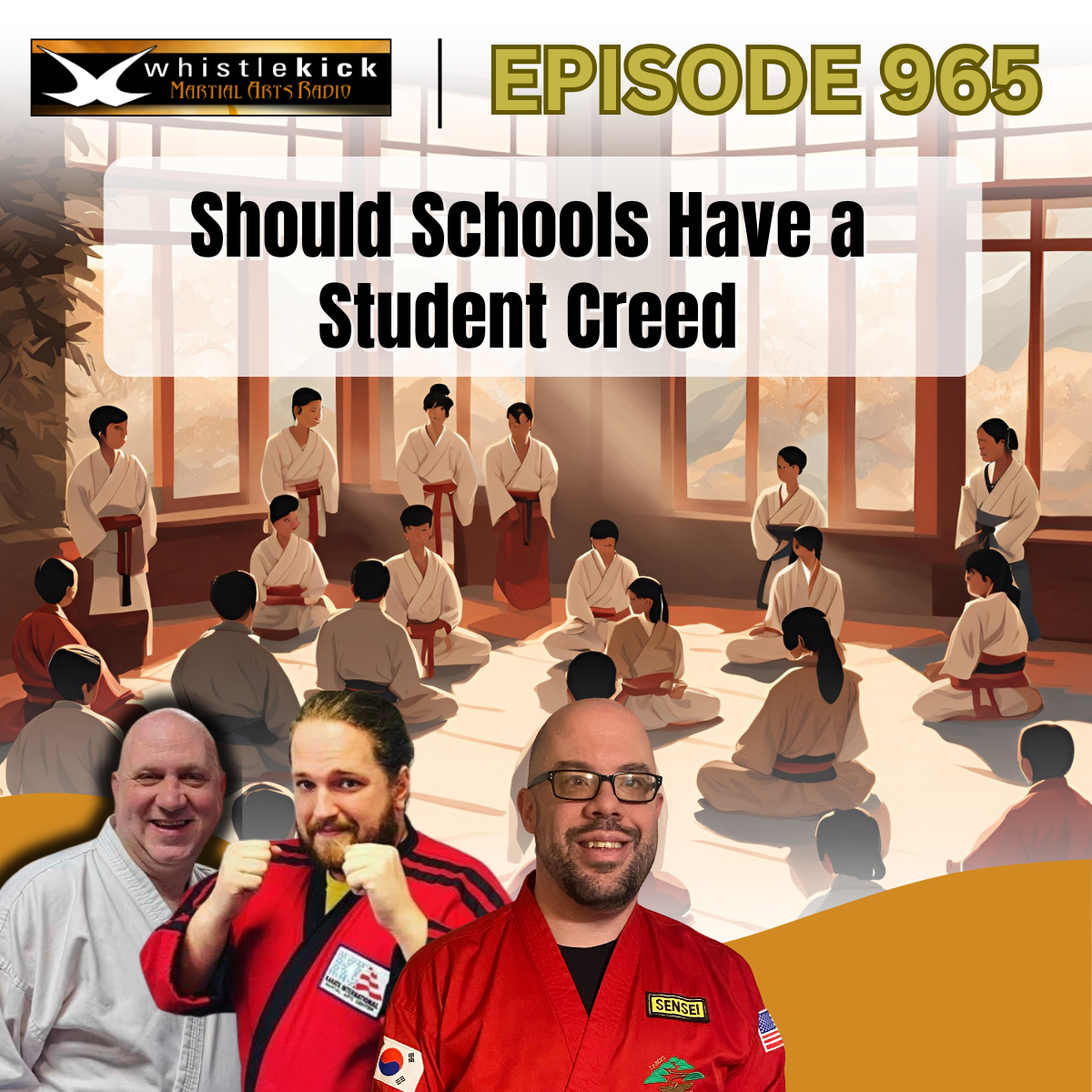
Episode 965 - Should Schools Have a Student Creed
SUMMARY In this conversation, the hosts discuss the significance of having a student creed in martial arts schools. They explore personal experiences with creeds, their impact on character development, and the importance of authenticity in creating a creed that reflects the values of the school and its community. The discussion highlights how creeds can serve as guiding principles for students, fostering a sense of unity and personal growth. In this conversation, the speakers discuss the significance of integrity in learning, the role of teachers in shaping students' lives, and the importance of having a creed in schools. They explore how creeds can foster a supportive culture and promote personal growth among students. The discussion emphasizes the universal struggles students face and how these experiences can be used to build character and resilience. TAKEAWAYS Having a student creed can significantly impact a martial arts school. Creeds should be authentic and reflect the values of the school. Memorizing a creed can foster a sense of community among students. Creeds can help students navigate personal challenges and growth. It's important to teach the meaning behind the creed, not just the words. The process of creating a creed can be a personal journey for instructors. Utilizing creeds in teaching can enhance student engagement. Creeds can help shape the culture and philosophy of a martial arts school. The culture of a school can be shaped by its creed. The struggle to memorize a creed can unify students of different abilities. Creeds can help students navigate life's challenges beyond martial arts.
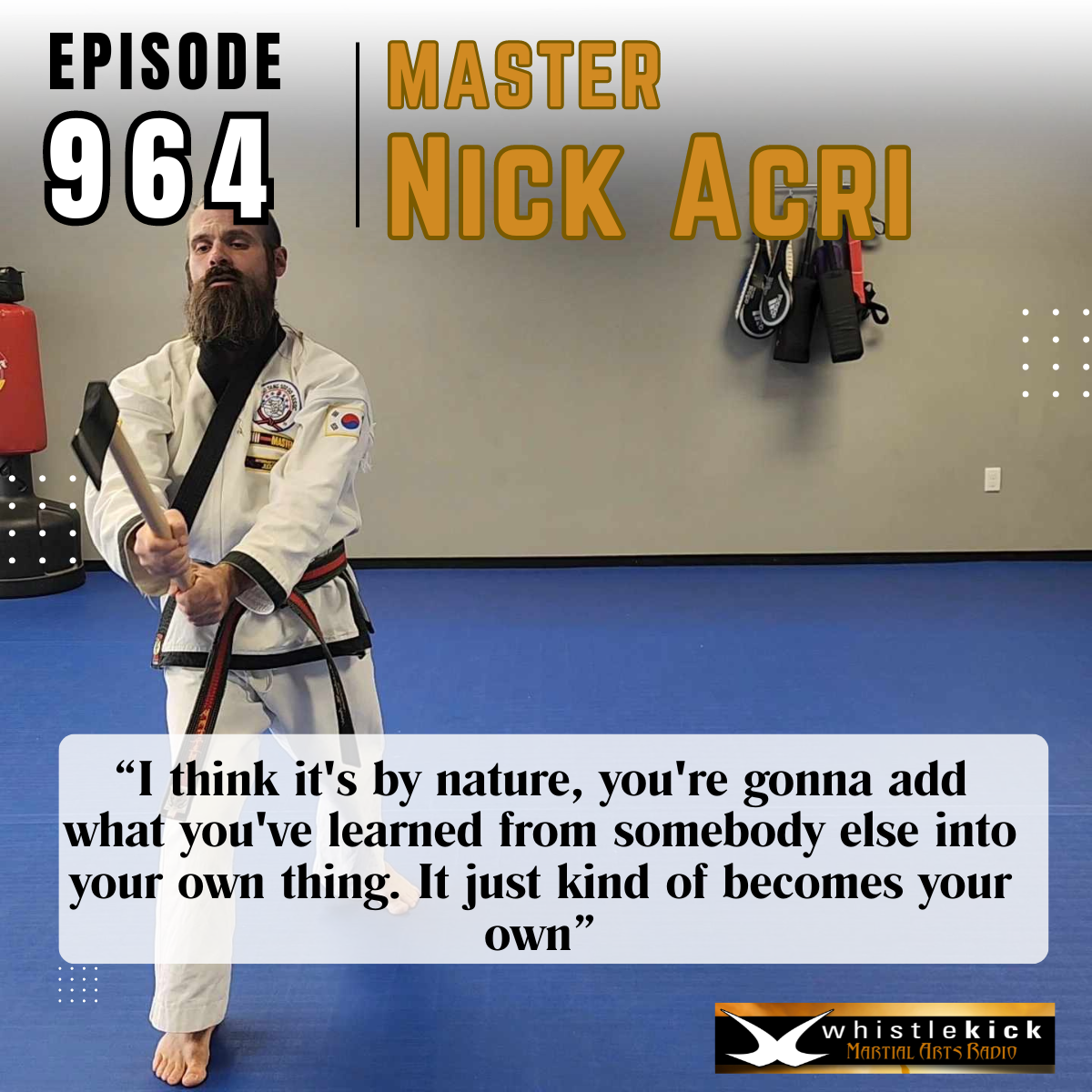
Episode 964 - Master Nick Acri
SUMMARY In this conversation, Jeremy Lesniak and Nick Acri explore the multifaceted world of martial arts, emphasizing the importance of community, personal growth, and the integration of diverse practices. They discuss the role of Qigong in enhancing martial arts training, the evolution of styles, and the significance of consistency and commitment in achieving progress. The conversation also touches on the challenges faced by martial artists today, including the impact of technology and the importance of reflection in one's journey. Ultimately, they encourage newcomers to embrace martial arts and highlight the benefits it offers for individuals of all ages. TAKEAWAYS * Martial arts is a fusion of various methodologies and practices. *Community plays a crucial role in the martial arts experience. *Qigong serves as a vital component for recovery and mental clarity. *Tradition in martial arts should evolve with time and personal growth. *Consistency and commitment are key to progress in training. *Martial arts can benefit individuals of all ages and backgrounds. *Reflection on progress is essential for continued growth. *Technology can both hinder and enhance martial arts engagement. *Encouragement is vital for newcomers to join martial arts. *The journey of a martial artist is unique and personal. This episode is sponsored by Kataaro. Please check out their site at www.kataaro.com and use the code WK10 to save 10% off your first order. And be sure to ask them about a wholesale account for school owners!

Episode 963 - 2 Schools of Thought: Should Testing be Mandatory
SUMMARY In this episode of Whistlekick Martial Arts Radio, Jeremy and Andrew are joined by guest Tommy Given for another episode of 2 Schools of Thought. This time they discuss the topic of testing in martial arts, specifically whether it should be mandatory or optional. They explore various perspectives on testing, including the rationale behind it, the impact of test anxiety, and the role of instructors in facilitating a positive testing experience. The conversation emphasizes the importance of communication between students and instructors, as well as the need to consider individual student needs and preferences when it comes to testing. TAKEAWAYS Testing in martial arts can be either mandatory or optional depending on the school. Optional testing allows students to progress at their own pace without pressure. Test anxiety is a common issue that can affect students' willingness to test. Instructors should facilitate discussions about testing to understand student perspectives. The rationale for testing includes providing benchmarks for student progress. Students may not want to test due to fear of failure or competition. Communication between students and instructors is crucial for a positive testing experience. Instructors should avoid teaching to the test and focus on holistic learning. Balancing competition and personal growth is important in martial arts training. Creating a supportive environment can help students overcome testing challenges.
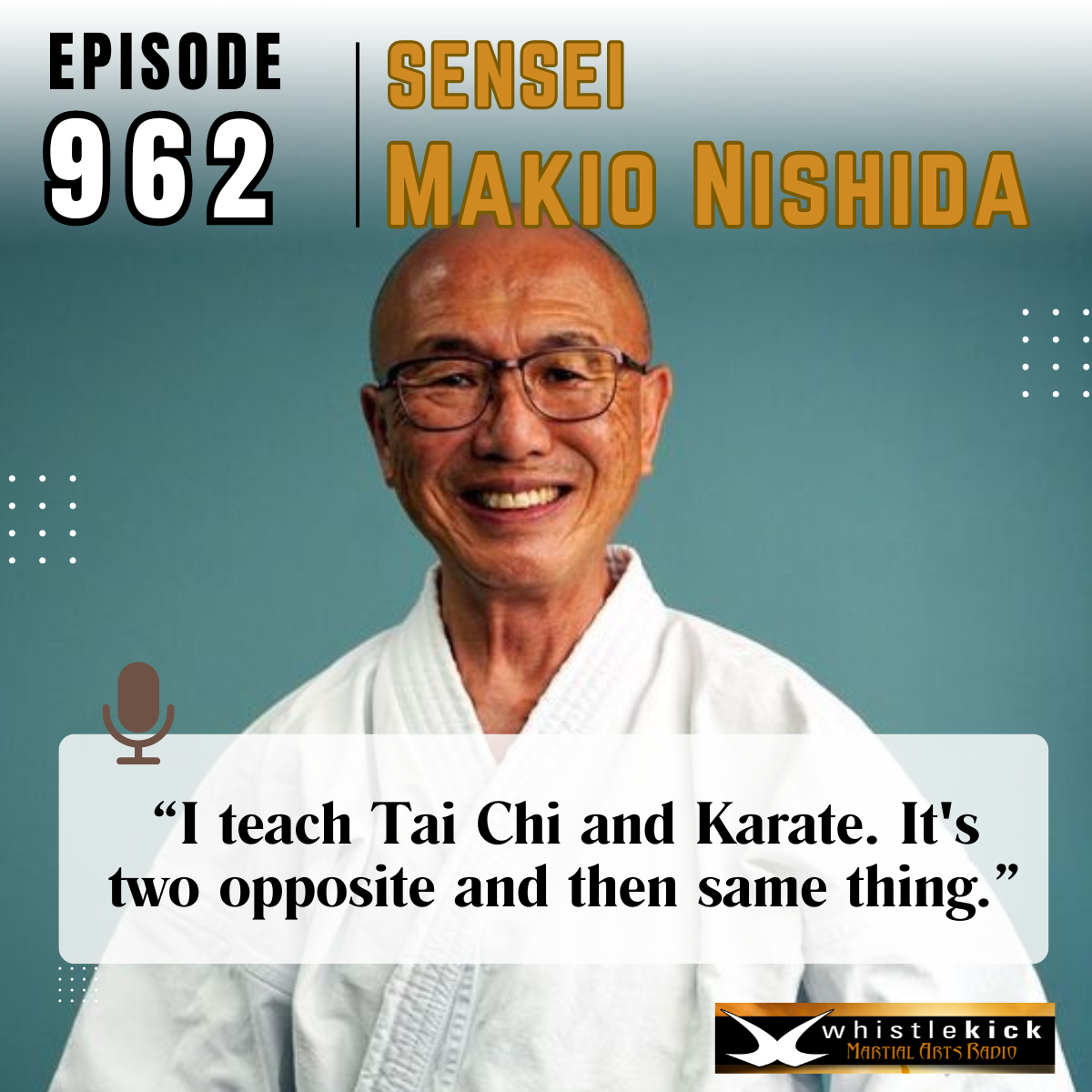
Episode 962 - Sensei Makio Nishida
SUMMARY In this episode of Whistlekick Martial Arts Radio, Jeremy interviews Sensei Makio Nishida, a seasoned martial artist with a rich history in karate, training under legendary karate master Mas Oyama. They discuss Nishida's journey from Japan to America, his experiences in martial arts, and the importance of community and mentorship. Nishida shares humorous anecdotes, life lessons learned through martial arts, and his philosophy on teaching and training. The conversation highlights the significance of resilience, personal growth, and the inclusive nature of martial arts, transcending styles and egos. TAKEAWAYS * Karate is a journey of personal growth and resilience. * Community and mentorship play crucial roles in martial arts. * Size doesn't determine capability in martial arts. * Winning is not the ultimate goal in martial arts. * Humor and happiness enhance the learning experience. * Ego can hinder the true spirit of martial arts. * Inclusivity in martial arts fosters a supportive environment. * Life lessons learned through martial arts are invaluable. * Teaching is about sharing knowledge and experiences. * The journey in martial arts is as important as the destination. This episode is sponsored by Kataaro. Please check out their site at Kataaro Custom Martial Arts Products - Kataaro. And use the code WK10 to save 10% off your first order. And be sure to ask them about a wholesale account for school owners!

Episode 961 - Road Trip Q & A
SUMMARY In this episode of Whistlekick Martial Arts Radio, Jeremy, Andrew, and guest Tommy Given engage in a lively Q&A session while traveling to Free Training Day Mid-Atlantic 2024. They discuss various topics related to martial arts training, including the importance of training in everyday clothing, the benefits of traditional uniforms, the significance of non-lethal tool use, and the necessity of de-escalation tactics. The conversation also touches on the role of music in training environments, providing insights and personal anecdotes from the hosts. TAKEAWAYS Training in everyday clothing can enhance practical skills. * Traditional uniforms provide a sense of unity and focus. * Non-lethal tools are essential for self-defense training. * De-escalation tactics should be taught from day one. * Music selection can impact the training atmosphere. * Comfort and mobility are crucial in training attire. * Training in street clothes can prepare students for real-life scenarios. * Uniforms help delineate training from everyday life. * Understanding the continuum of violence is important for martial artists. * Engaging with the community through Q&A fosters connection.

Episode 960 - Sensei Andre Tippett
SUMMARY In this episode of Whistlekick Martial Arts Radio, host Jeremy interviews NFL legend Andre Tippett, who shares his unique journey from martial arts to professional football and back. Tippett discusses his early experiences in martial arts, the transition to competitive karate, and how martial arts techniques influenced his football career. He emphasizes the importance of intensity in both sports, the significance of self-care, and his passion for teaching martial arts to the next generation. The conversation highlights the deep connection between martial arts and athletics, showcasing Tippett's dedication to both disciplines. TAKEAWAYS • Started martial arts in the 70s for self-defense. • First training was in Bondo, a Burmese martial art. • Transitioned to karate and began competing. • Martial arts provided confidence and self-defense skills. • Football career began after being encouraged by friends. • Martial arts techniques helped in football, especially hand movements. • Intensity in training is crucial for success. • Self-care practices learned from both martial arts and football. • Teaching martial arts is a passion and a way to give back. • The importance of finding the right dojo and instructor.This episode is sponsored by Kataaro. Please check out their site at www.kataaro.com and use the code WK10 to save 10% off your first order. And be sure to ask them about a wholesale account for school owners!
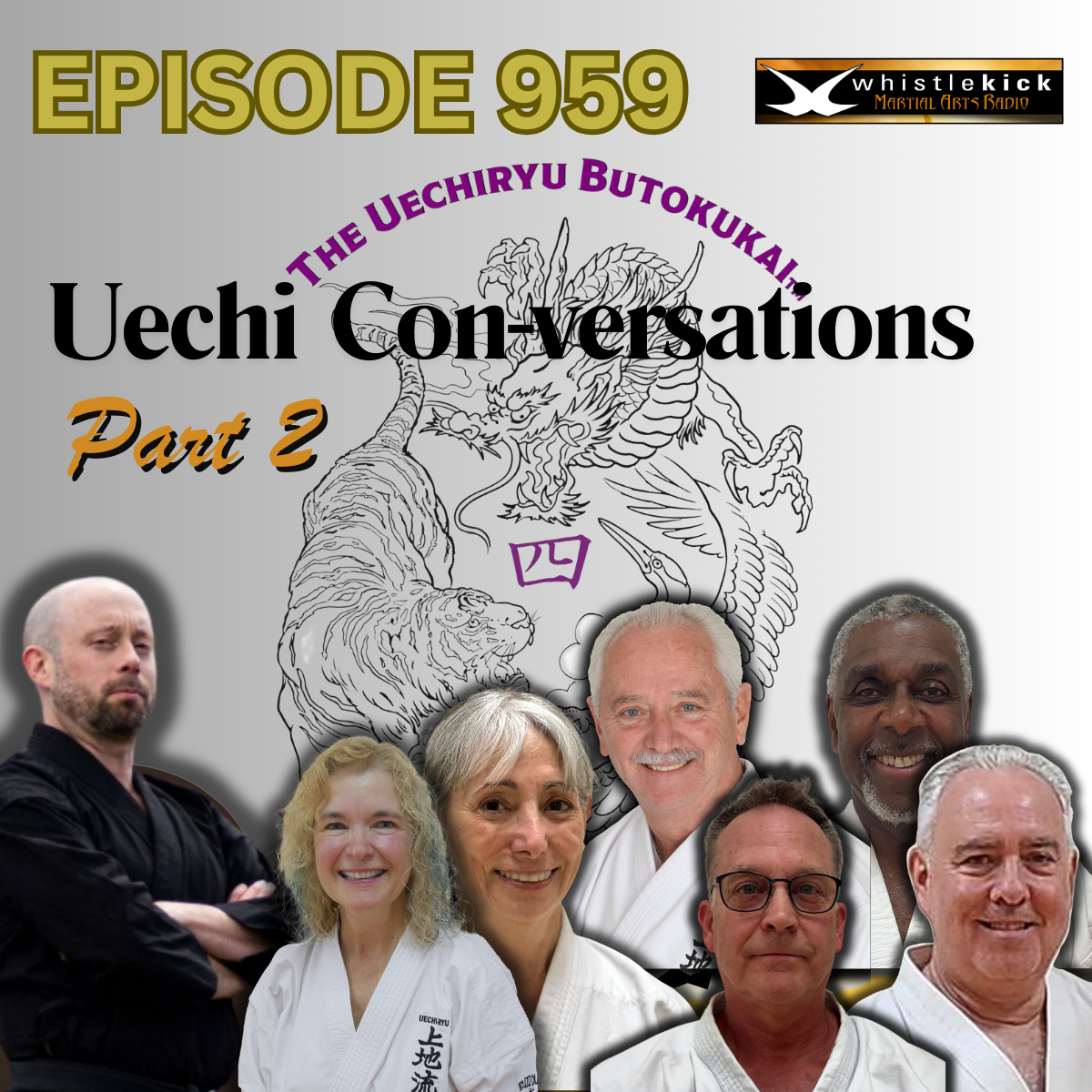
Episode 959 - Uechi Con-versations Part 2
SUMMARY This conversation explores the profound impact of martial arts on individuals' lives, emphasizing its role as a lifestyle, the continuous journey of learning, the importance of self-defense and awareness, and the legacy of sharing knowledge within the community. Participants reflect on their personal experiences, the camaraderie built through training, and the deeper understanding of martial arts as a means of personal growth and connection with others. TAKEAWAYS Martial arts is not just a practice; it's a lifestyle. The camaraderie in training fosters a sense of family. Continuous learning is a core aspect of martial arts. Self-defense is about awareness and response, not just physical skills. Training provides both physical and mental benefits. The dojo serves as a home and a community hub. Sharing knowledge enriches the entire martial arts community. Martial arts teaches valuable life principles beyond the dojo. Legacy is about passing on knowledge to future generations. The excitement of training evolves but remains a constant in life..