When Everyone Wins with Judy Ryan: Shifting Power-Over & Under to Power Within & Between
When Everyone Wins with Judy Ryan: Shifting Power-Over & Under to Power Within & Between
Transformation Talk Radio · Transformation Radio - New Mainstream in Talk Radio
Show overview
When Everyone Wins with Judy Ryan: Shifting Power-Over & Under to Power Within & Between launched in 2025 and has put out 27 episodes in the time since. Releases follow a fortnightly cadence.
None of the episodes are flagged explicit by the publisher. It is catalogued as a EN-US-language Health show.
There hasn’t been a new episode in the last ninety days; the most recent episode landed 9 months ago. The busiest year was 2025, with 25 episodes published. Published by Transformation Radio - New Mainstream in Talk Radio.
From the publisher
I’m Judy Ryan, Host of When Everyone Wins! I want my listeners to know it’s possible to create conditions and conversations in which everyone is wildly successful and loves their life! As the know-how to bring this about is understood, witnessed, felt, and adopted, each person is able to navigate the path to co-creating lives of caring, trust, mutual respect and deep meaning. When Everyone Wins: Shifting Power-Over and Under to Power-Within and Between is about using personal power and responsibility to intentionally cause great things, individually and collectively, personally and professionally. My listeners learn to co-create a world that consistently brings out the best version of everyone. Join me as I partner with innovative, like-minded and like-hearted thought leaders and change agents worldwide! Every show, my listeners walk away with new concepts and tools and an understanding of the kind of practical support and encouragement needed to apply what’s learned! I commit to bring you my knowledge and wisdom from decades in workplace culture transformation and leadership development as the founder and CEO of LifeWork Systems. For more information about LifeWork Systems, our areas of expertise and our services, visit our website: www.lifeworksystems.com
Latest Episodes
View all 27 episodes
Creating Win/Win While Growing a Business with Guest Tam Tran
Starting and growing a business is not always easy to do and especially today when the speed of change is accelerating, things are getting more complex and new technologies seem to throw a monkey wrench into the works. The greatest way to ensure your business grows well and in the healthiest possible direction is by making sure you put in place the best, most conscious and evolved workplace culture practices available. Your people are your greatest treasure after all and tending to them is key to your success. That leads me to today's guest. Questions we will likely cover include: 1. What does “When Everyone Wins” look like inside a growing business? 2. Where do you see power-over and power-under show up most often? 3. What is the biggest driver of stress and burnout in leadership teams? 4. How do you build psychological safety without lowering standards? 5. What are the first systemic changes you implement with a small or midsize business? 6. How do you help owners stop being the bottleneck? 7. What does “power-within” look like for a manager or team lead? 8. How do you create power-between when teams are in conflict? 10. How do you build accountability without blame? 11. What final words of wisdom would you give to our audience today, especially those who are growing their business.
Separating Faith from Hate with guests from Interfaith Partnership
There is much hate in the world and sadly a lot of it has been justified in a name of, and in the twisted use of, religion. When this happens people of faith often get confused, discouraged, shut down, or worse become adversarial with others. This is a travesty when they might otherwise co-create kind caring, trustworthy, win/win collaboration with one another. When faith becomes interfaith partnership, each person approaches the holiness of their life and that of others by focusing on the common values and practices found in all faith communities. These include love, service, compassion, appreciation, and a belief in the divinity of every person. The world needs more of this, especially now. This is the time to make powerful choices to practice the best in spirituality and to be in partnership, interfaith partnership where love predominates and unity is sacred. One of the objectives of When Everyone Wins has been to reach leaders of organizations (any size, personal or professional) hungry to learn about the value of adopting a healthy culture of win/win. Win/lose is still holding on with a death grip and unfortunately this is too often occurring around religious differences. Until people see and believe in faith that promotes real, visible love among faith communities, win/lose will remain a mainstream practice regarding religious institutions and systems. This episode is about a group called Interfaith Partnership of Greater St. Louis. They have created a coalition of over 35 faith, spiritual and ethical traditions, who’s members deeply desire to live their faith in shared religious community. Their fellowship and recognition of the gifts and blessings within each tradition inspire their members to do more in the community alone and together because they are joining hands, getting to know one another, and supporting, honoring and encouraging one another, all while finding common cause. So today my show is with a panel of a subset of just some members of Interfaith Partnership of Greater St. Louis and how their coalition has helped each member and each faith group develop a deeper commitment to love. They are a visible model of sharing power, creating win/win, and developing deep understanding, acceptance and appreciation of one another. This is not only a win/win for each person and group in the Interfaith Partnership community, it is a shining beacon and a model of win/win that can inspire a better way possible for all of society, all over the world. Possible questions and discussion points: 1. (Everyone) Let’s start by each of you sharing your name, (somewhat briefly) describing your faith tradition, and why are you passionate about interfaith work? 2. (Everyone) Next, I’d like each of you to tell our audience how Interfaith Partnership has brought about greater collaboration, teamwork, support, and trust. Let’s first hear from… - Mary Pedersen, The Interfaith Relations Specialist: Mary, please share the purpose/mission, core values, vision and any of the goals, procedures and roles in the organization. How did it get started? How has it evolved? What is the size and is it growing? Is this a nationwide movement? What do you see as the most positive impacts? - Others on the panel: Please share how Interfaith Partnership has personally impacted you, your faith, your faith community, in your professional and personal life? Can you give an example of when you personally experienced the importance and value of interfaith work within this organization? 3. People are suffering from many things: unworthiness, shame, self-doubt, self-criticism, self-centeredness, anxiety, stress, all resulting in internal and external struggles and separation. How does Interfaith Partnership help alleviate these? What problems in society might be solved if healthy interfaith work was part of the fabric of our society and what do you do personally in your own practice or practices you have learned from others? 4. How does IPSTL (or each of you who wish to answer) handle challenges and move toward healing and reconciliation when situations and events arise that might tempt members to grow at odds with one another? How does your mission and vision support resolution to challenge to things like 9/11, or more recently, October 7th, or Roe vs. Wade or sexual abuse, or other painful things happening in the US or globally that might otherwise trigger reactivity and division? 5. How do we let people know about Interfaith Partnership, why it is valuable, and why it is needed? 6. In my work at LifeWork Systems, we say “all people need to feel belonging and significance. Only then do they feel empowered, lovable, connected and contributing”. How does Interfaith Partnership of Greater St. Louis help people feel belonging and significance? 7. Are there any other activities or event you
Creating Win/Win Through Joyful Transformation
Imagine an organization with overwhelming challenges, the need to be upgraded in just about every possible way, and that must shift from struggling to thriving. Such an organization must be led by a transformational leader! This leader must have courage, skills and determination to overcome obstacles and inspire excellence. This leader must also bring passion and conviction to the job of improving a seriously out-of-date organization despite the many risks, fears, and resistance some of his staff may have to change; even when that change is designed to support the advancement of a much-needed, non-profit. My guest today is such a transformational leader. He not only committed to bring about excellence in his now-80-year-old non-profit organization, he has done so and continues to do so in measurable ways, all while bringing joy to the transformation process!
Being Hyperadaptive is Essential for Win/Win with guest Melissa Reeve
Today, we are exploring a new phrase: the Hyperadaptive Organization. My guest, Melissa Reeve, coined this phrase and it is the central focus of her essential new book, Hyperadaptive: Rewiring the Organization to Become an AI-Native Enterprise. With 80% of AI initiatives failing to deliver on their promise, Melissa steps in to give leaders a practical framework. She defines a Hyperadaptive Organization as one that 'rewires its structures, processes, and capabilities to integrate AI and other technologies effectively, allowing them to sense, respond, and evolve at the speed of AI.' I like to also add that a hyperadaptive organization must allow support AI in sensing, responding to, and evolving at the speed of the consciously evolved people. Hyperadaptive organizations require hyperadaptive human beings. Yet people often fear change. This is why it is important to recognize that not only do projects fail but individuals and teams fail to experience the success and fulfillment possible. This is why understanding what it means to be hyperadaptive, especially at this time, is so crucial. As Meredith Grey says in Grey's Anatomy, "We either adapt to change or we get left behind.” Our conversation today is to help you, our listeners to adapt to needed change with confidence and joy. With this in mind, I'm excited to introduce my guest Melissa Reeve. Questions we may cover include: 1. Melissa, both of us are huge advocates for psychological safety. What does hyperadaptability have to do with AI and why is this especially critical when implementing AI? What happens to an AI experiment in a low-trust, "power-over, power-under" environment? 2. When Everyone Wins is all about shifting from "power-over and under" (command-and-control on the part of leaders, and resentful compliance-and-conformity or rebellion to their direct reports). “How does AI force leaders to finally give up "power-over"? 3. In my work, I see ways direct reports use "power-over" too. They often do so more subtly to protect themselves but they use this dynamic with their leaders and peers. How does AI force direct reports to finally give up “power-over?” 4. Melissa, I love your concept of the "AI Time Paradox"—organizations being "too busy to save time" with AI. This feels like one kind of classic symptom of a "power-under" culture, where the typical way of operating makes it almost impossible to learn and evolve. How can leaders create "power-within" for their teams by breaking this cycle? 5. In our work, “power-under” is also when front-line staff, non-titled employees give up their autonomy not always because of a leader’s behavior, but because of conditioning to conform and comply rather than critically think or act as a leader in moments when it would be helpful for them to engage in a power-within way. Is it crucial in your model for those without a title to step up so they are not acting like powerless victims or reactive rebels? How does AI when seen through Hyperadaptability break this cycle and move front-line staff into leader/follower agility? 6. Melissa, like LifeWork Systems, you and your company argue that organizations must move "From Linear Hierarchies to Dynamic Networks." This is what I mean with the shift in power until it is “shared power.” This is very much the same as the responsibility-based model we use to help leaders create "TEAL organizations.” Why do rigid, traditional hierarchies and AI fundamentally conflict with each other? 7. Your work positions AI as a "co-worker" or "partner." Our tagline includes "power-between" (requiring collaboration and trust). How do we build that "power-between" relationship, not just between humans, but between humans and their new AI "co-workers"? 8. Melissa, you shared with me a little about a practical tool you use called the FOCUS framework for evaluating AI use cases. Can you tell our listeners more about bout FOCUS and how a shared framework like this helps teams build "power-between" with each other so they make decisions collaboratively, rather than waiting for "power-over" approval? 9. Melissa, you talk about AI "democratizing skills" so decision-making authority can be distributed. This is a key part of my company’s "responsibility-based" CultureEX model. Where have you seen this "democratizing skills" work well, and where do leaders get scared and try to hoard control? 10. Your book outlines a 5-Stage AI Integration Journey. For a leader listening right now who wants to begin, what is the very first cultural step they need to take to move from Stage 1 (Foundation Setting) to Stage 2? 11. My show is called "When Everyone Wins." In your vision of a truly "Hyperadaptive," AI-Native organization, what does that "win-win-win" look like? What's the "win" for executives, the "win" for middle managers, and the "win" for the frontline employees? 12. As we wrap up the episode, what final words of wisdom would you like to leave w
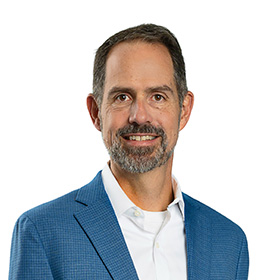
Transformational Leaders Creating a Win/Win Workplace
Transformational leaders are passionately convicted about inspiring and motivating their people through healthy culture practices so they achieve meaningful, positive change and exceed expectations. The excellence they create is palpable in the relationships, productivity and engagement of their staff. Such leaders hold a compelling vision for developing leadership in everyone in the workforce, including themselves. They consciously promote creativity, collaboration, and critical thinking to ensure innovative solutions and a strong sense of meaning and purpose. My guests today are such transformational leaders. For the past 10 years, they have been committed to investing time and money in creating a healthy workplace culture. And…they practice what they preach by modelling strong ethical principles themselves so they inspire others to live in the kind of integrity that builds mutual trust and respect. This not only occurs within the staff but also with customers they serve. These guests are two of my favorite leaders ever! They adopted the LifeWork Systems’ CultureEX transformation model; an unconventional, shared power culture transformation process. My guests know first-hand that helping people live from personal responsibility, internal motivation, and emotional and social intelligence is what strengthens their organization and it is not for the faint of heart. These two are both founding members of CMIT Solutions St. Louis, a managed IT Services and cybersecurity provider. These are transformational leaders committed to their people. They onboard them with the promise of helping each develop personally and professionally so everyone supports the wild success of one another. To do this, they have adopted and promote common concepts, terms, tools, support strategies, and organizational processes from our CultureEX model. I am so happy to introduce these two amazing leaders to you. I am so happy to introduce these two transformational leaders to you.
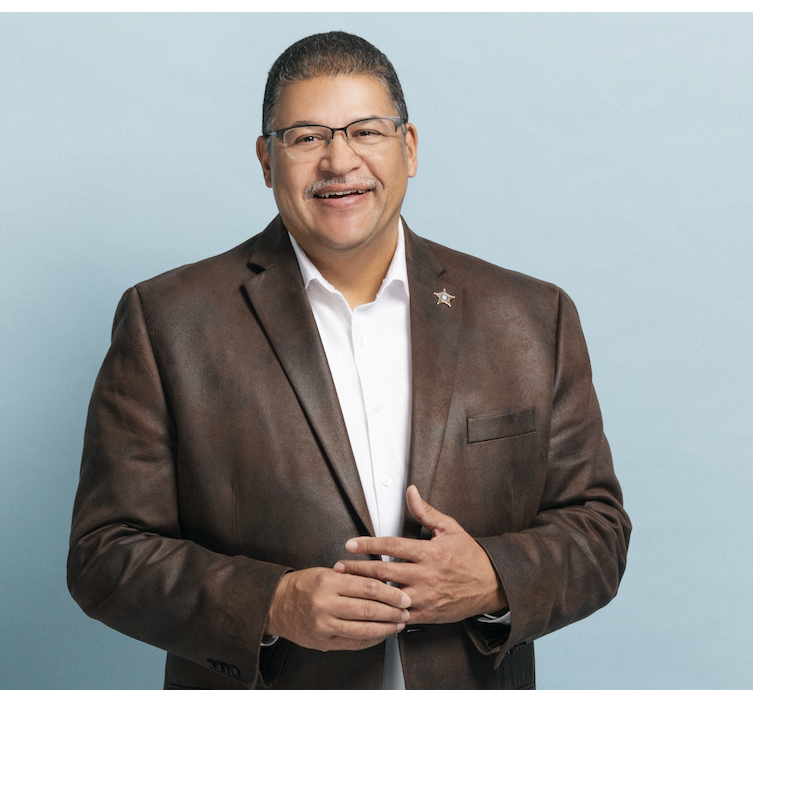
Encore: Creating Win/Win Where It Seems Least Likely with guest Sheriff Eric S. Higgins
The title of this episode is Creating Win/Win Where it Seems Least Likely! That’s because when win/win dynamics are created and power is expanded and then used to foster the good of many, this gives everyone hope about what’s possible where it might seem impossible! It also highlights what conditions and conversations are needed to get such a win/win result when it seems the least likely. This is why I am so excited to introduce my guest to you. He has had the courage and the heart to bring innovation where most people see only negative behavior, often feel hopeless, and can be harshly judgmental - when they consider prisons! In my work in applied Adlerian psychology, I know that where positive outcomes are most mind-blowing are in prisons. That’s why as soon as I set up my show in January, I immediately invited my next guest on this show! I am thrilled beyond belief to introduce you to him - Sheriff Eric. S. Higgins, best known by many for his innovative approaches to law enforcement and rehabilitation that have drawn national recognition, including being the visionary behind Netflix's Unlocked: A Jail Experiment series. This is where I became passionate about inviting Sheriff Higgins on my show. Questions I may be asking could include: 1. For most people, the prison system has always been a place to house criminals and to mete out punishment. Can you tell our listeners about this experiment and what it is in your own background that helped you shift from a power-over, punishing mindset to one in which you prioritized encouraging the men in that unit to create a caring community? 2. I recall you saying that if we treat people as humans rather than sub-human, they will likely act better. We call this taking people out of the monster box. What helped you to see the men in the unit as capable of using their personal power in a positive way? 3. I noticed that at first, the older inmates set themselves up in the role of “elders” and proceeded to try and use a conventional autocratic “management” approach with the younger inmates which did not go over well! How did you feel as you watched the conventional control models of those who decided to be the “elders” when they showed up at the start of the project? 4. Did you feel confident about the process and how directly connected did you stay in terms of watching the video feed and adjusting your approach? 5. What did you learn and what do you think they learned from this phase of the experiment? 6. What you put in place there led to the men growing in care for one another and more focused on their future. Do you believe the lessons that you, the other law enforcement personnel, and the inmates all learned in this experiment could help our society in general and if so, what lessons specifically? And, how might they be helpful to anyone in any setting, in our society? 7. In researching you for this episode, I noticed some people were angry with your vision for this experiment because they were so deeply committed to punishment as the priority, not rehabilitation. How much resistance did you get from people before, during and after this experiment? How did you overcome it? What are your thoughts about this? 8. When authority figures in a prison system adopt a firm and respectful approach like you did, and expect goodness from people, and demonstrate a belief in equality and dignity for all, we know that recidivism is greatly reduced. We have seen this when our own psychology model has been used in a similar way. You said recidivism in your prison was around 50%. What was it at the end of the 6 weeks and what has happened since then? 9. Did you ever truly have doubts once it started? 10. How often did you watch the video feed? 11. At the end of the show, the experiment was going to be started in other cell blocks. How is it going? 12. How have things evolved and what were the greatest lessons you learned? Watch: https://youtu.be/HTNVBxrFV3o
Creating Win/Win Cultures: Unlocking Human Potential in Teams and Organizations with Guest Manuela Batul Giangrande
Unlocking potential requires we understand what causes potential to expand and what causes it to contract. Many people don’t focus on the condition of human potential nor the role they play in shaping it, even though the health and development of people and their environment are foundational to an organization’s competitive advantage and the ability to achieve its business objectives. In this episode, my guest and I will be discussing answers to some of the most important questions to consider. Our conversation will center around the health and vitality of people and culture and the role win/win practices play in positive outcomes, joy and fulfillment. My guest today is uniquely qualified to discuss this. Not only did she research and write her college thesis on this topic, over the decades since then, she has passionately advocated for the conditions and conversations that create incredible win/win outcomes! Most importantly, I can personally vouch for the fact that my guest walks the talk of creating life-giving conditions and conversations that bring out the best in people. She causes me to commit to be authentic, caring and in service. She has maintained passion about win/win organizational culture because she sees win/win relationships as precious and one of the most important factors needed for success and the actualization of good ideas and people. Some questions we may cover could include: How did you first become passionate about organizational culture and what about it inspired you most to research it, value it, and write about it? Your artistic background fuels your creativity, and enables you to approach business development and challenges of many kinds with fresh, imaginative solutions. Can you share how you see the intersection of win/win cultures and creativity within people? How can organizations move beyond hierarchical structures to create cultures of shared responsibility and trust? What practical steps can leaders take to foster psychological safety and meaningful connection across teams? How does adopting a win/win culture impact performance, innovation, and employee engagement in measurable ways? What are some examples of systemic change that enable people to operate from purpose, values, and authenticity? You believe in integrating interdisciplinary ideas to inspire positive change. Why is it important to have such an integrated approach designed to result in trusting, innovative collaboration and partnerships? How can we shift our civilization process so that rather than diminish people and demean the human spirit, each person is assisted in expanding into wholeness? What can we do to create a world in which it feels safe to be powerfully influential, inventive, vulnerable, and caring? What does an organization look like in which people thrive rather than simply survive? How do we avoid that which makes us feel and act like victims and rebels and adopt that which makes us feel empowered, lovable, connected, and contributing? As we close this episode, what words of wisdom would you like to leave with our audience?
How To Create Winning Outcomes with Trauma-Informed Frameworks with Guest Dawn Emerick
In the book The Body Keeps the Score, author Bessel Van Der Kolk lays out plentiful evidence for widespread and often unrecognized instances of trauma in the lives of the vast majority of everyday people. In his research, he describes big T trauma, easily recognized by many people as experiences like war, sexual and other physical abuse, addiction, and extreme neglect to name just a few examples. He also describes developmental trauma, a type of psychological injury also incurred simply from conventional ways many adults raise and educate children that also result in toxic ways leaders manage people in their workplace. A trauma-informed approach is a strengths-based framework that recognizes trauma's widespread impacts, including in our workplaces, social, governmental, spiritual and other organizations and institutions, so that sensitivity to this knowledge informs policies, procedures, and practices that foster safety, trust, empowerment, and collaboration. Instead of focusing on "what's wrong with you?", a trauma-informed approach considers "what happened to you?" making it a priority to understand underlying issues in the lives of people. In doing so, leaders then consciously adopt conditions and conversations that avoid re-traumatization, creating win/win environments that foster healing, recovery and robust morale and engagement. When such healthy, psychologically safe, and emotionally and socially intelligent systems are in place, everyone in these organizations has the opportunity to expand into their greatest human potential and lead peaceful, purposeful, values-based lives. This also has a profound impact on the stability, innovation, creativity and resilience of organizations despite the challenges of growing complexity, speed of change, new technologies, diversity, globalization and more. Trauma-informed approaches applied real-time are the topic of our episode today and why I’m so excited to introduce you to my guest, Dawn Emerick. Let me tell you about her… Questions we may cover include: You often describe leadership as a “nervous-system experience” rather than just a behavioral skill. How does shifting from power-over to power-within begin with regulating our own nervous systems? How does our social location—our lived experience with privilege, marginalization, or trauma—shape the way we lead and interpret the behaviors of others at work? You focus on the importance of shifting people from compliance to collaboration. What does it look like when an organization truly moves from compliance and control to collaboration and co-regulation? Many organizations teach emotional intelligence as the leadership gold standard. What’s missing when we stop there and don’t include a trauma-informed lens? You often say, “Not everyone who is difficult is toxic—sometimes they’re just in survival mode.” How can leaders discern between trauma responses and true toxicity? You write that post-traumatic growth isn’t about “bouncing back” but “transforming forward.” What does that look like for leaders and organizations coming out of crisis or change fatigue? You use a framework called The HOPE framework and it focuses on positive experiences as buffers to toxic stress. How can leaders embed HOPE principles into daily workplace practices? HOPE emphasizes safety, relationships, and social connection as protective factors. How can leaders intentionally create those same protective factors for adults at work? In your LinkedIn article, you said the future of leadership depends on relational intelligence. How is that different from emotional intelligence? How can teams practice power-between—especially across hierarchy, identity, or lived experience—to build mutual trust and shared accountability? In The Hurt Leader, you say, “If the culture can’t hold truth, it will never hold transformation.” How can leaders stay in the room when feedback, emotion, or conflict get uncomfortable? You teach organizations to “celebrate errors.” How can embracing mistakes actually strengthen trust and psychological safety in teams? Your Trauma-Informed Change Management framework highlights how unhealed trauma creates resistance to change. What happens when organizations ignore this? How does a “pre-mortem” exercise—imagining failure before it happens—help leaders and teams build foresight and compassion instead of fear? If every leader listening today committed to one trauma-informed shift tomorrow—a single move from power-over to power-within—what would you want that to be?
Intentional, Compassionate Leaders Create Win/Win Organizations with Guest Dr. Arthie Moore-Robberts
Empowering Leaders. Transforming Organizations. Inspiring Change. Visionary leaders who lead by building healthy connections and providing generous compassion, are highly influential. They inspire individuals and teams, they drive meaningful change, and they break through where complacency otherwise predominates. That’s because the mind alone, without input from the heart and soul often leads to burnout, apathy, and fear. Approaching inevitable change in our world engaging the intellect alone can often be cold, unfeeling and even brutal. But when change is based in a systemic consciousness of the whole person and includes empathy, compassion and a commitment to help everyone in a workforce feel connected and significant, they feel seen, safe, and they fully engage. Then people invest themselves in their work, in their teammates, in their leaders and in the success of their organizations. This is a time when the world is waking up to the importance of moving from Industry 4.0 where we focused on technology-based automation and efficiency, to Industry 5.0 where we focus on human-centric collaboration while using such automation. In Industry 5.0, the emphasis is on sustainability, worker wellbeing, and purpose-driven innovation. While Industry 4.0 brought us AI, the Internet of all Things, and Robotics, Industry 5.0 builds on this by focusing on how to use technology to complement and support human capabilities, promote ethical integration, and achieve many greater social goals, beyond just productivity. In order to meet today’s complexity, speed of change, diversity, globalization and new technologies, we MUST develop people so they are highly free AND highly responsible. They must be able to lead AND follow as needs dictate no matter their title, gender, tenure or role. They must be capable of heuristic thinking so they can solve challenges never seen before “on the fly” rather than passively waiting for someone to feed them often outdated answers and direction. They are developed to be critical thinkers and to attend to new concepts, terms, and tools aligned with expanding their authenticity and potential. In order for this kind of person to be trained and supported, leaders must understand how to build trust, create psychologically safe, inclusive and equitable conditions and conversations that align with purpose and values-based ways of running organizations. The priority is people, purpose, and principles before profit to ensure the broadest expression of profit becomes possible. Questions for today's interview may include: 1. You once wrote that “there is an increased need at the C-Suite level for upgraded leadership skills development, to challenge complacent mindsets and beliefs, and to pour compassion more intentionally into their own personal evolution” Can you tell our audience why and how you see that this increase is needed, what are the complacent mindsets and beliefs and how do you help them pour compassion intentionally into their own personal evolution? 2. You also said, “It makes sense to build skills, embrace DEI knowledge, Allyship, Reasonable Accommodation strategies, and learn how to realign policies with the inclusion of the voices of your HR teams and your people.” Many people do not always think of inclusion as people having a voice and being heard. They think of inclusion as being hired but not having shared recognition and agency. Can you share stories about how you came to this idea of helping people at every level have a voice? Can you also share some stories about what it’s been like when you’ve helped this happen? 3. You integrate African Principles of Leadership into your work. Can you share with our audience what those principles are and how you integrate them into your work? 4. Arthie, I feel such kinship with you because you to believe in challenging the current narratives around Men and Women Empowerment. Like me, you also believe we need men AND women to share expertise, wisdom and knowledge, including conversations around equity. You help this process by using Reverse Mentoring. We use the same. Would you share some of what you’ve seen happen, shift, and become empowering for men AND women as you introduce, oversee, and support this process? 5. You are a Board Member of SAIMC (the Society for Automation Instrumentation Mechatronics and Computer Engineering) where you have been a frontline champion in the Fourth Industrial Revolution (4IR) and clearly a bright intellect in that evolution. Tell our audience why 4IR is not enough and why it’s important that the mind is complemented by the energy of the loving heart as promote in 5IR (the 5th Industrial Revolution) and why this is vital for the achievement of our broadest idea of success? 6. You are a specialist in DEIB. Many people know DEI stands for Diversity,
A Civil Society of ALL People, for ALL People, by ALL People with Guest Terri Williams
What the world needs right now, especially at this time, are solutions that are only possible through individual empowerment that leads to trustworthy collaboration and civic engagement. This requires an understanding of the conditions and conversations that create a civil society in which people show up as the best they can be. Unfortunately, most people don’t know what these conditions are or how to ensure that healthy people strategies are adopted. Without the right mindset, common language, tools and necessary support, the ability to create win/win outcomes is unlikely. A way is needed for developing leadership and personal responsibility in every person no matter their age, title, experience, or role. Only then do they know how to manage relationships well, and be productive, caring and committed to their best. Only when people are encouraged to exercise critical thinking and to use personal power intentionally and wisely, can they cause positive consequences and feel the joy in knowing they belong and matter. What often gets in the way of this is a belief in the inferiority of one’s self and others. This superior/inferior mindset conditions people to feel shame and self-doubt, leading to every kind of struggle - inside of people and with one another. This results in toxic workplaces, homes, schools, neighborhoods and an uncivil society. The saying "We are only as strong as our weakest link" is true and requires that as a people, we must strengthen and support every person in knowing themselves as empowered, lovable, connected and contributing. This is the only way we will ever have a civil society in which we all participate as healthy and caring members. A powerful leader who lives, models and articulates this so well is my guest today, Terri Williams. Let me tell you a little about Terri… Questions we may cover: Can you tell our audience some of your beliefs, stories, and personal experiences related to living from power-within and power-between rather than power over or power under? What do you think are the reasons people don't own their personal power or take the time to develop it and use it intentionally? I've heard you say that so many people do not exercise critical thinking? Why do you think that's happening and what do you think would turn this around? What are some of the most inspiring stories of people using their personal power that feed your soul and inspire your full engagement in your life and in creating a civil society? What challenges did you face when working as a mayor and citizens advocate and how did you overcome them? What do you think people need to know and do to create solutions and to fully and passionately engage in using them to create a safe and positive future? What is your vision of the best kind of society we are capable of having and how do you see people getting there? Watch: https://youtu.be/JJ8RbkOJXIU
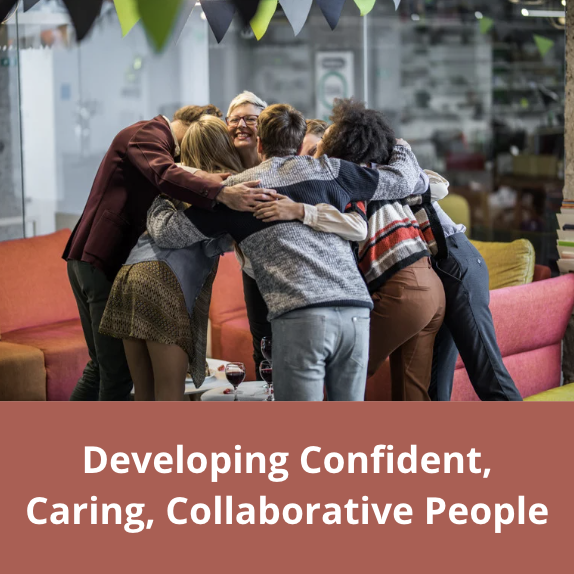
Developing Confident, Caring, Collaborative People with guest Damon Cannon
What are the conditions and conversations that ensure people become confident and committed to creating caring collaboration and positive teamwork, where everyone wins and supports wild success in one another? Equally important is recognizing what conditions and conversations hinder these dynamics and outcomes. Knowing the difference between toxic conditions and ways of communicating that must go, and those that are life-giving is vital to empowering the creation of constructive outcomes that bring about healthy belonging and significance. Effective leaders are those who recognize the importance of such considerations and learn to integrate needed changes into the focus of influence they bring to those they lead. Such leaders are highly committed to understanding what concepts, terms, tools and strategies contribute to the constructive development of individuals and teams. They model and instill what they learn that's helpful, first in themselves and then in others. This is the stuff of emotional and social intelligence. This is not for the faint of heart. This kind of leader lives intentionally, seeks to be informed, and is committed and courageous. They invest in whatever it takes to lead exceptional lives, modeling self and social awareness and self and relationship management. My guest today is such an amazing leader. Questions we may cover include: What are some of the conditions and conversations you see as vital for healthy individuals and teams? What challenges do you find in the people you lead whether in your church community or in your sports community? Why does win/win matter so much at this time in the US? In the world? What gives you hope for win/win? What discourages you? What have been some of your greatest personal challenges in becoming a role model for the mindset and behaviors you know are required for healthy development of people, no matter their age, role and experiences? How do you overcome these challenges and hold strong in your work and living your purpose despite them? In addition to your faith and personal relationship with Jesus, who else has inspired you to live win/win? Your parents? Religious people? Historical figures? Personal friends and mentors? What was it about each that inspired you and how do you draw strength from the way they think, live or have lived, and have led you? What are some of the stories you have about your own successes and failures in developing confident, caring and collaborative youth? Confident, caring and collaborative adults? What are some of the tools you have had success with and why? What are some of the ways you see people have been conditioned to create win/lose rather than win/win? Can you share personal stories to show the contrast between win/lose and win/win? What are some of the beliefs you hold about people that help you focus on and choose win/win and use of personal power to intentionally cause loving outcomes? What is most difficult about being firm AND respectful as you guide people in healthy ways of becoming confident, caring and collaborative? What inspired you to be on my show "When Everyone Wins?" What words of wisdom do you want to impart to our audience?
Unconventional People Strategies That Expand Human Potential with guest Kimberly Williams
Wherever people and organizations retain outdated and toxic culture practices that result in win/lose dynamics, everyone pays a price. Most people constrict in such environments and are stunted in their development. They fail to bloom into their greatest potential to be creative, innovative and empowered. These potentialities are crucial at this time in order to meet current challenges such as the speed of change, complexity, new technologies, globalization and much more. Over time, toxic practices result in failures and mediocrity for individuals and organizations. New strategies that prioritize the evolution and wellbeing of people over profit, still too often considered unconventional rather than mainstream, are vital. These new strategies lead to greater sustained profit and consistent engagement, critical thinking, emotional and social intelligence, trust, wellness and innovation. Leaders adopting the shift from profit first to people first recognize what is toxic and should be removed, and equally what needs to be adopted instead and additionally. Today, this requires extra courage as those in support of win/lose are often holding onto the status quo with a death grip and are threatened AND threatening to those who stand for win/win. Win/win leaders are those that respect and protect the peace, equity and inclusion of all. That’s why now is the time to hear from such courageous leaders. My guest today is one of them. Questions we may cover: Can you tell our audience about your work as an advisory council member and spokesperson for End Workplace Abuse? At Walker Advertising? In your 8 years as a Diplomat at the US Department of State, you managed staffing and recruitment for all public diplomacy and information management positions for 80 embassies, consulates, and offices with the Bureau of European Affairs. You made policy recommendations which ensured United Nations technical programs were efficient and spearheaded efforts to promote American citizens to high positions within the UN system. You expanded Department Leadership Institutes to include a total of 124 government officials and administrators from 53 countries.Can you share what you are most proud of and want our listeners to remember about themselves? What inspires you to be involved in the work you do? What are your greatest challenges and how do you overcome them and hold strong in your work and living your purpose despite them? I read that you responded to this question: How much does a brilliant jerk really cost? Can you share your thoughts on this? You posted this quote: “The Cave You Fear to Enter Holds the Treasure You Seek.” What cave are most people afraid to enter? What would you say to help them? How do you think helps people overcome their fear of change and to develop a belief in, and a commitment to win/win? There are some amazing men who believe in win/win. Having said this, I feel women are essential to bringing a new view of power that is not the traditional zero-sum, dog-eat-dog, win/lose models. Who inspires you to create the safety and mutual respect inherent in win/win? Can you share some stories of changes you’ve brought to others and how these have made a positive difference?
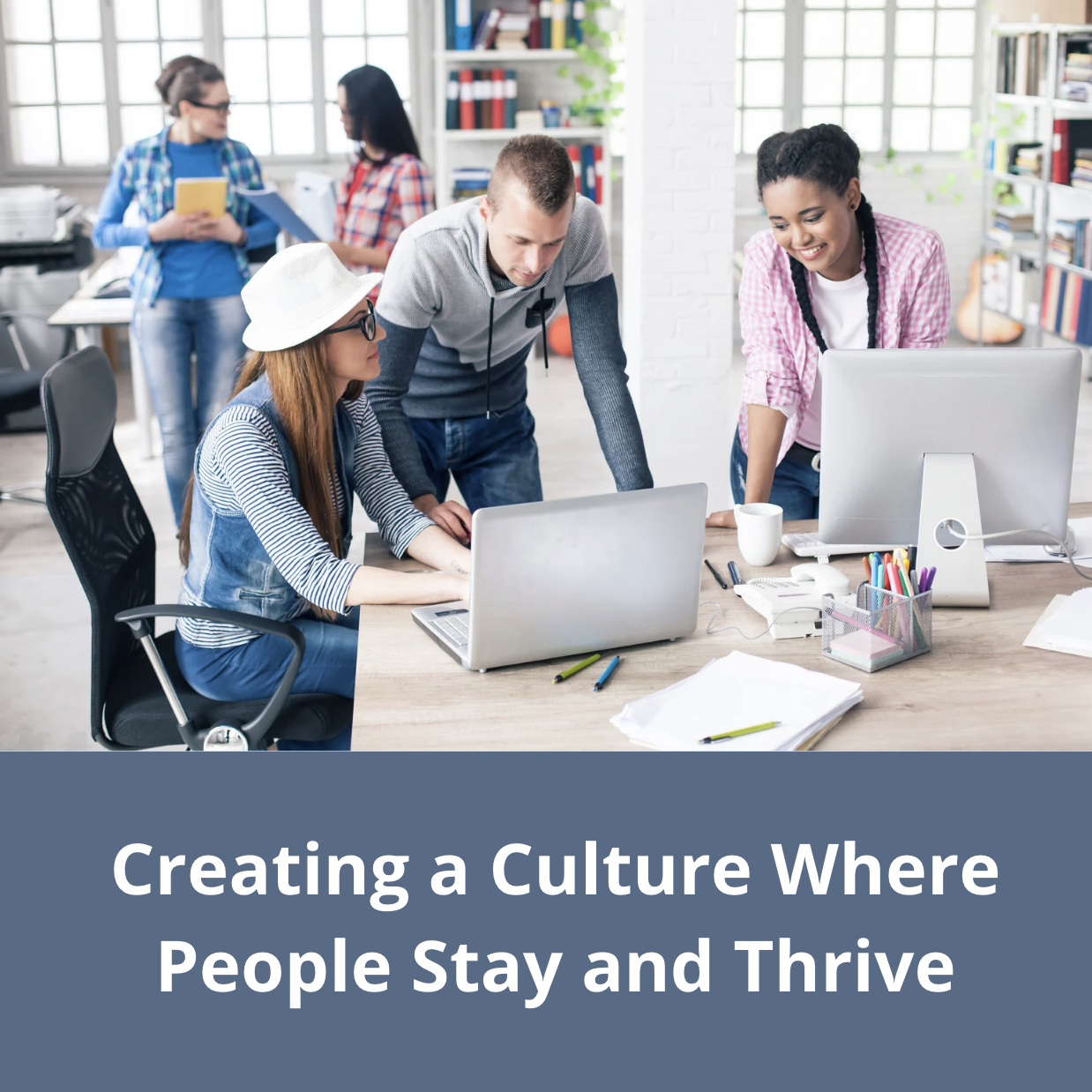
Creating a Culture Where People Stay and Thrive with guest Doug Less
Creating a Culture Where People Stay and Thrive with guest Doug Less Creating a healthy culture where people stay and thrive only happens when it is consciously created. Leaders must adopt certain conditions, cultivate conversations, and set up specific support processes so people build trust, collaborate effectively, think critically and develop social and emotional intelligence. Then, they move from self and social awareness to self and relationship management. This involves providing the right concepts, terms, tools and support processes so people feel a healthy sense of belonging and significance. When they do, they feel empowered, lovable, connected and contributing. This is the only way people will want to stay in an environment. This is the only way they will show up in ways that ensure they thrive along with their coworkers and the organization. Together, everyone and everything becomes whole and capable, including emotionally, socially, financially and even spiritually. Now is the time to examine these conditions and how to best foster them so the ways and means for cultivating loyalty and success is made obvious and can be replicated to breed further success in similarly powerful ways in many workplaces, homes and society overall. My guest today is Doug Less. The questions I have for Doug may include: You have been trained in the LifeWork Systems CultureEX program. What are some of the things you have learned through the content and immersive process that create loyalty in people? That help them thrive? What is it about a healthy, responsibility-based workplace culture that is difficult for people to understand and adopt? What are the things you have seen in your life and work that have made people disengage and leave organizations? What can be done about these?Watch: https://youtu.be/cJ0DC10Ny0M
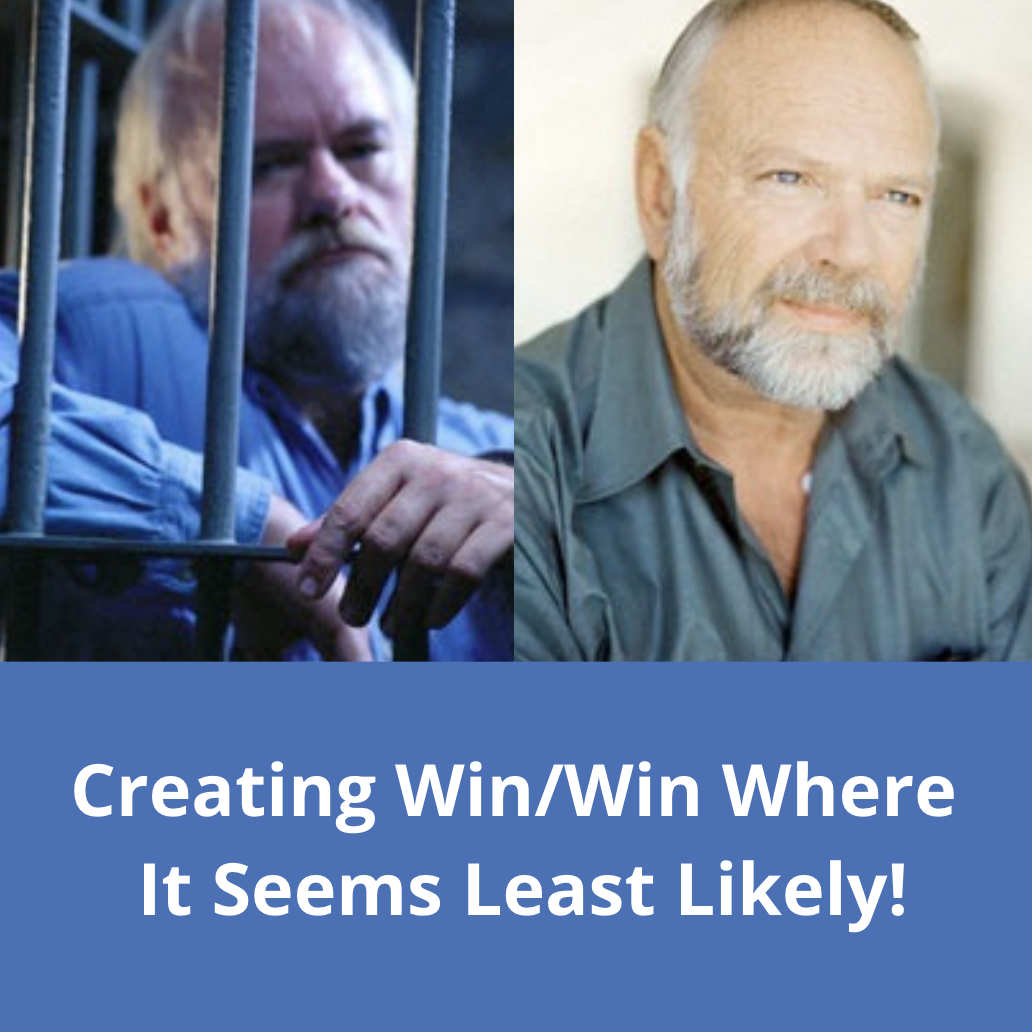
Creating Win/Win Where It Seems Least Likely with guest Sheriff Eric S. Higgins
The title of this episode is Creating Win/Win Where it Seems Least Likely! That’s because when win/win dynamics are created and power is expanded and then used to foster the good of many, this gives everyone hope about what’s possible where it might seem impossible! It also highlights what conditions and conversations are needed to get such a win/win result when it seems the least likely. This is why I am so excited to introduce my guest to you. He has had the courage and the heart to bring innovation where most people see only negative behavior, often feel hopeless, and can be harshly judgmental - when they consider prisons! In my work in applied Adlerian psychology, I know that where positive outcomes are most mind-blowing are in prisons. That’s why as soon as I set up my show in January, I immediately invited my next guest on this show! I am thrilled beyond belief to introduce you to him - Sheriff Eric. S. Higgins, best known by many for his innovative approaches to law enforcement and rehabilitation that have drawn national recognition, including being the visionary behind Netflix's Unlocked: A Jail Experiment series. This is where I became passionate about inviting Sheriff Higgins on my show. Questions I may be asking could include: 1. For most people, the prison system has always been a place to house criminals and to mete out punishment. Can you tell our listeners about this experiment and what it is in your own background that helped you shift from a power-over, punishing mindset to one in which you prioritized encouraging the men in that unit to create a caring community? 2. I recall you saying that if we treat people as humans rather than sub-human, they will likely act better. We call this taking people out of the monster box. What helped you to see the men in the unit as capable of using their personal power in a positive way? 3. I noticed that at first, the older inmates set themselves up in the role of “elders” and proceeded to try and use a conventional autocratic “management” approach with the younger inmates which did not go over well! How did you feel as you watched the conventional control models of those who decided to be the “elders” when they showed up at the start of the project? 4. Did you feel confident about the process and how directly connected did you stay in terms of watching the video feed and adjusting your approach? 5. What did you learn and what do you think they learned from this phase of the experiment? 6. What you put in place there led to the men growing in care for one another and more focused on their future. Do you believe the lessons that you, the other law enforcement personnel, and the inmates all learned in this experiment could help our society in general and if so, what lessons specifically? And, how might they be helpful to anyone in any setting, in our society? 7. In researching you for this episode, I noticed some people were angry with your vision for this experiment because they were so deeply committed to punishment as the priority, not rehabilitation. How much resistance did you get from people before, during and after this experiment? How did you overcome it? What are your thoughts about this? 8. When authority figures in a prison system adopt a firm and respectful approach like you did, and expect goodness from people, and demonstrate a belief in equality and dignity for all, we know that recidivism is greatly reduced. We have seen this when our own psychology model has been used in a similar way. You said recidivism in your prison was around 50%. What was it at the end of the 6 weeks and what has happened since then? 9. Did you ever truly have doubts once it started? 10. How often did you watch the video feed? 11. At the end of the show, the experiment was going to be started in other cell blocks. How is it going? 12. How have things evolved and what were the greatest lessons you learned? Watch: https://youtu.be/HTNVBxrFV3o
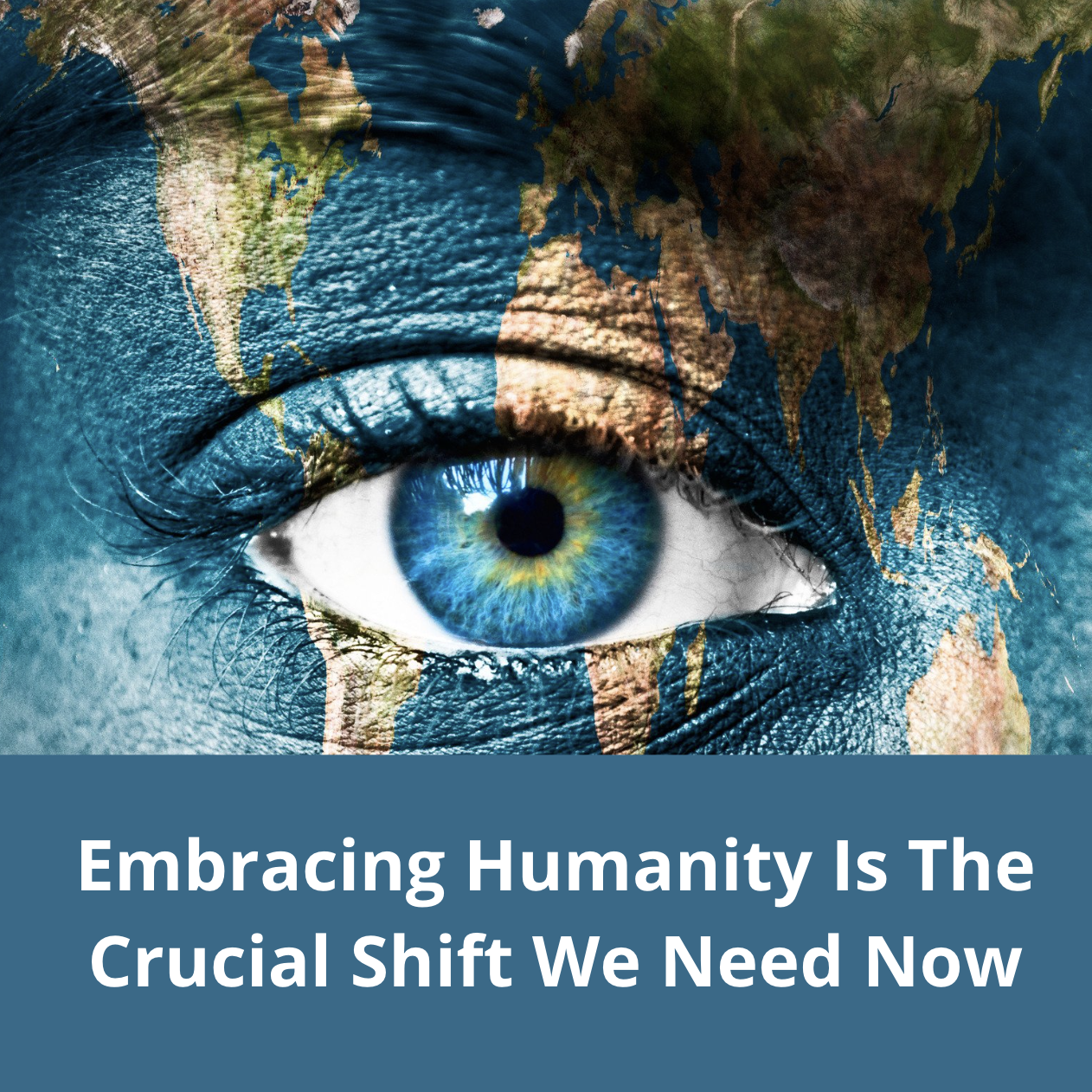
Title of Show: Embracing Humanity Is The Crucial Shift We Need Now with my guest Andy Prince
I met my guest when he read one of my articles and then shared one of his own called An Open Letter to Business Leaders – Please Embrace Humanity. In a more recent article, he wrote these words: “I know what humanizing behavior looks like. It’s uplifting, empowering, kind, compassionate, and constructive. I also know what dehumanizing behavior looks like. It’s cruel, vindictive, petty, and destructive.” What I already knew about my guest is that he gets it that how we use our power determines whether we create the conditions that lead to win/lose or win/win. In speaking with him in preparation for the show, I could see that we both recognize that most people want to create a world of shared power and win/win, but without prioritizing what it takes to fully embrace humanity, we fail to commit to, and do the necessary work for expanding human potential and bringing out the best in one another. When Everyone Wins is a show about creating such a world so that all people experience healthy belonging and significance and feel empowered, lovable, connected and contributing. By embracing humanity, we commit to help each other feel seen, safe, and reassured in our place and our relevance. Only then will we be able to create the uplifting, empowering, kind, compassionate, and constructive society that is described in my guest’s article. Questions we may discuss include: 1. You shared we spend more money in the US (and elsewhere too) to destroy and/or replace humans than we do to uplift, empower and support them. What do you believe are the root causes of this? 2. You referenced the doomsday clock, the harmful impacts of AI, climate change scenarios, and even the # of workers who want to leave their jobs, all in an effort to raise the alarm about how humanity is at serious risk. Why is there a lack of urgency and what should be done about it? 3. What does it take to help leaders prioritize humanity, and to embrace it so that those they lead center their power, trust it and use it in kinship and care for one another and as the means to create a way out of such a collective crisis? 4. Most leaders think ‘embracing humanity’ where the development of people and their level of fulfillment and agency is a “nice to have” not an essential “need to have”. What should be happening inside organizations so that leaders recognize the crucial need to prioritize this for the survival of our world and all living people and creatures within it? 5. Many people act as if they would rather abdicate responsibility or avoid using their personal power. What are some next steps a leader can take to make embracing humanity a priority and communicate the urgency and necessity of empowering their people to see and respond to this too? Watch: https://youtu.be/b-0hIBPkRlE
Remaining Intact by Strengthening Power Within with guest Jamie Shae
Many people lose themselves in relationships. They clue into what’s expected and begin to compromise their own priorities and sense of self in order to maintain a bond in which they’ve become attached. Over time, the love offered loses its meaning and value, and the sense of self takes too many hits. Sometimes people decide it’s just better to be alone because at least then we can hold onto ourselves and remain intact. But…that’s not the only option. In relationships lie the opportunities to maintain ourself while managing our interpersonal dynamics with others, all without selling our soul. This requires we develop our power within and refrain from trying to get the upper hand by engaging in power-over, or letting ourselves be dominated as in power-under either. The power-within that strengthens our sense of self requires we let go of the need for love, approval and acceptance from others. And, from that place, we keep our hearts open while managing relationships, making what we think and feel matter more than what others want from us or think of us. This is not done by separating ourselves from them. It’s done by keeping our hearts open and determining to be the constant. We decide to be the one responsible for the love we hold for ourselves and for others no matter what they do or decide. This is not always easy. I can’t think of a better person to be discussing this with than my guest today. She is a woman who has declared for and made decisions to own her voice and to live a life of authenticity so that she can help others – particularly women - but men too, do the same. Just as when we declare for peace, all war breaks out to be cleared, so too does her declaration for women’s empowerment bring up all that needs to be cleared away within women, including herself. When life tests us, we can become defeated or we can realize these tests are the gateway to a life we love because we gain the skill to remain intact despite them. Some questions asked may be: Where have you struggled to remain intact in relationships? How do people sell their souls in relationships and play power-under? Why is it difficult for even accomplished, successful, adults (men and women) to remain intact? What are the costs of people pleasing? What are the costs of avoiding relationships altogether or engaging with authenticity? Where have you been maintaining being the constant in your life and in relationships and how does this feel? watch: https://youtu.be/mugEfqxiZ7Y
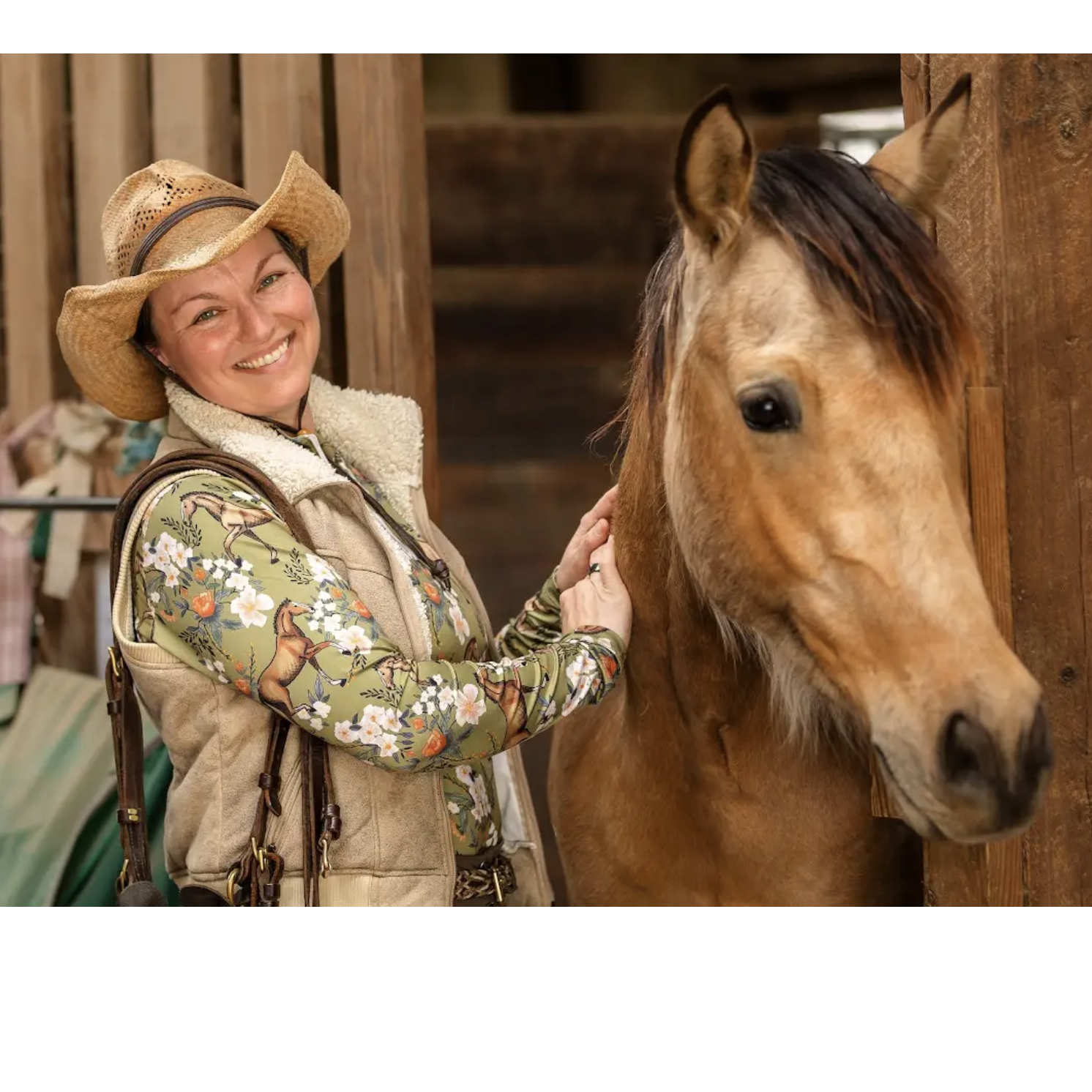
From Coercion and Compliance to Connection and Commitment with guests Alfie Kohn and Christen Schweizer
In this episode, we explore how the use of power can be used to control and dominate or to encourage, guide and support. Control tactics (some of which are not considered to be so, or critically challenged) are widely promoted and endorsed as conventionally acceptable in many homes, schools, and organizations - but at what cost? The hits to internal motivation, wellbeing, exploration, discovery, trust, and joy in living are often overlooked. Perceptual blindness about honoring alternatives locks many people into behaviors that lack faith and positive beliefs in the potential and possibilities within all living beings. Today’s guests provide such honoring and effective alternatives and share exceptional outcomes accomplished when bringing connection, respect and trust to the table that increasing the internal drive to live from purposeful intention and to operate from values, as is only possible through caring influence and support. Questions asked during this interview may include: 1. What conventionally accepted ways of influencing behavior are harmful and why? 2. What beliefs underlie current use of control tactics and support required compliance? 3. What are alternatives to the status quo and the positive impacts that come from them? 4. Describe success stories you have experienced and seen occur when people make the shift to supportive connection in which the result is internal motivation and collaboration? Watch: https://youtu.be/6kSfGcgrLSE
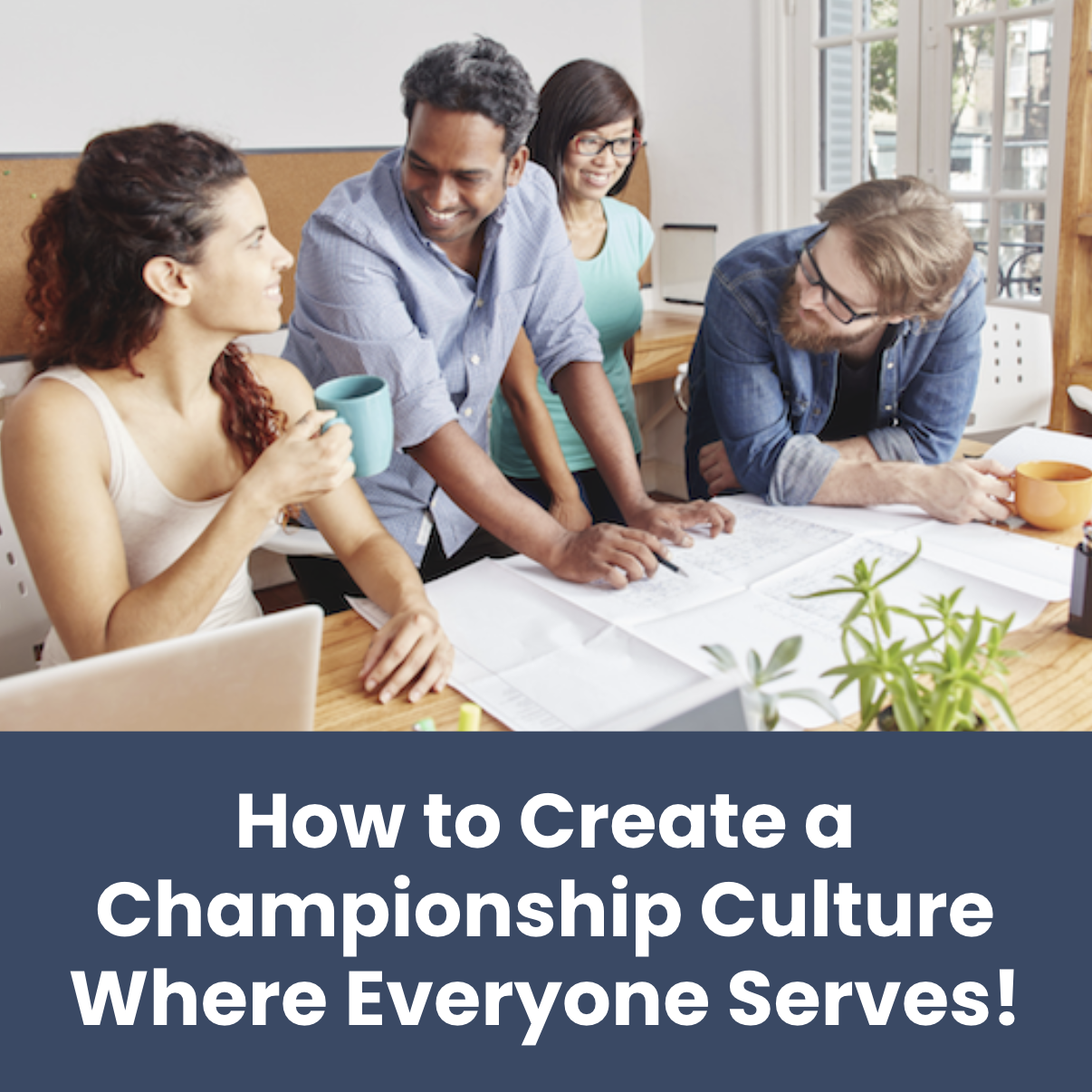
How to Create a Championship Culture Where Everyone Serves! with Guest Coach Matt Doherty
In the culture transformation work of my company LifeWork Systems, we consider leadership development to be the development of leadership in every person, in every role. We also consider servant leadership to mean a way of operating in which everyone serves one another in every direction from CEO to front-line staff and back again. Who better to understand this than a man who knows how important leadership development and servant leadership are to a winning outcome than former NCAA champion and coach Matt Doherty!? What we discuss in this interview may include: It's clear that from the time you were a very young man, you have always been a person who has sought excellence and continuous improvement. What are some of the key influences that helped to develop these in you from such an early age? Can you tell us about your book Rebound: From Pain to Passion. Leadership Lessons Learned You learned at Wharton that leadership is a learned behavior. I agree. How has this borne out in your own life in becoming the leader you are and in helping others to become leaders too? What are some of the leadership strategies and time-tested lessons you most value and why? You advocate painting a picture of success and hanging it on the wall. What does your current picture on the wall look like at this point in your life and work? You believe that culture does not happen by accident or change but rather must be intentionally driven. What kind of culture do you believe in and why? Is it one in which everyone is supported to be successful? You say “Little things are big things. If you take care of the little things, the big things will take care of themselves." What are some of the little things you believe most people fail to take care of and what advice would you give them for noticing and addressing them? Watch: https://youtu.be/y8SKh2YhOEI
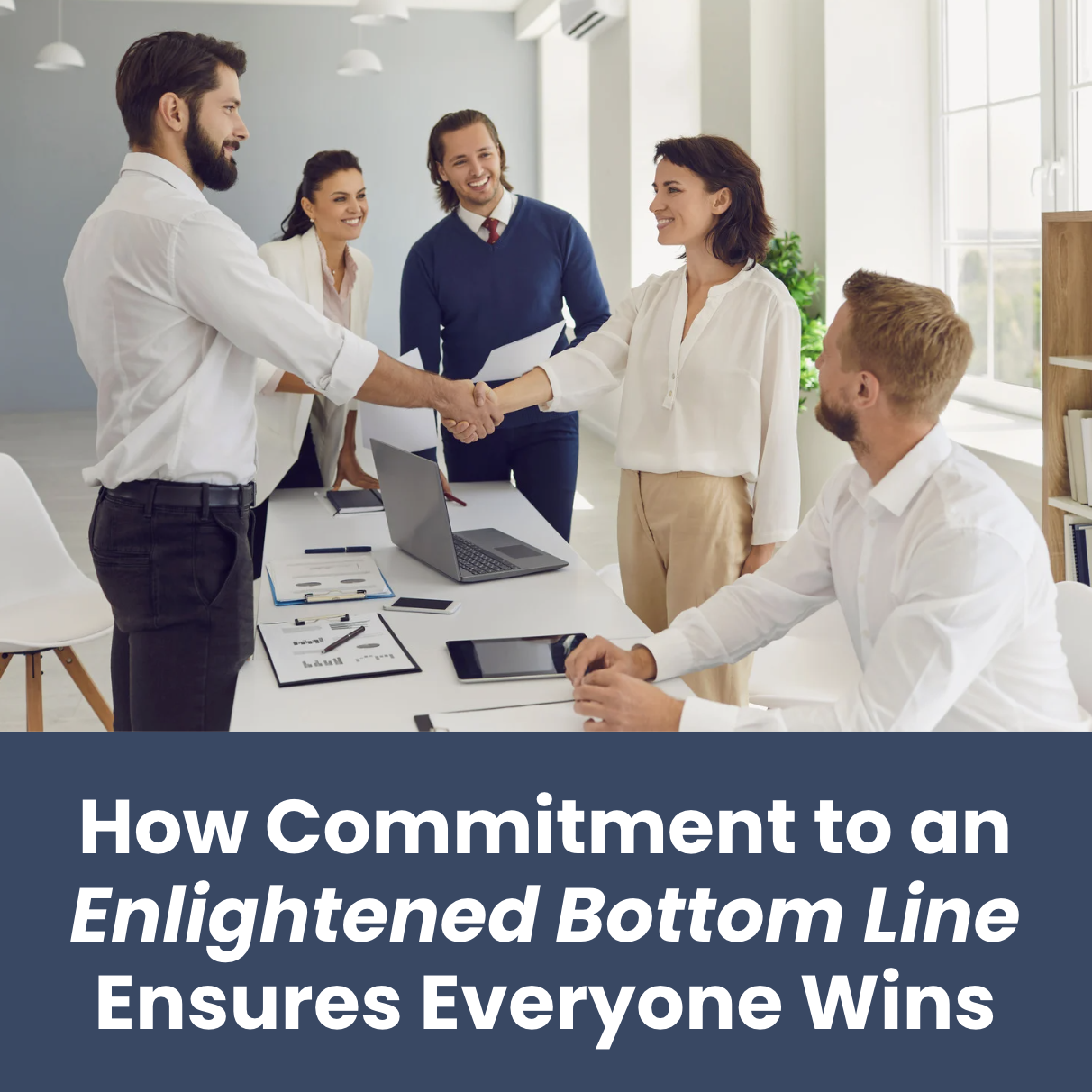
How Commitment to an Enlightened Bottom Line Ensures Everyone Wins, with Guest Jenna Nicholas
What happens when a commitment to ethical and spiritual beliefs and practices required for a win/win culture are at odds with default to status quo bottom line considerations? How is this navigated in order to satisfy business owners and investor alike? When investors or business owners want to make people, purpose and principles the top priority, with bottom line considerations secondary, what is needed for such an atypical shift? In today's world of work these are often unquestioned and unaddressed considerations for those interested in creating conscious business alliances with values-based initiatives and collaboration in mind. What deliberations, strategies, lessons learned and commitments must be considered, discussed and agreed upon for a successful outcome for all concerned? In this interview, we may address the following: What is your personal journey in your work and in the writing of your new book "Enlightened Bottom Line"? Can you tell me some stories that highlight challenges and rewards experienced by those aligning with the priorities of people, purpose and principles over a profit-first mindset and strategy? What does the research bear out in the short and long-term for those operating in the too often status quo ways of operating from an unenlightened bottom line of profit first? What does the research bear out in the short and long-term for those operating from the less common commitment to an enlightened, win/win bottom line? What are your reflections and what would you most like to share concerning the importance of cultivating and operating from purpose at an individual and organizational level? Watch Here: https://youtu.be/DRFbfjWbTNQ
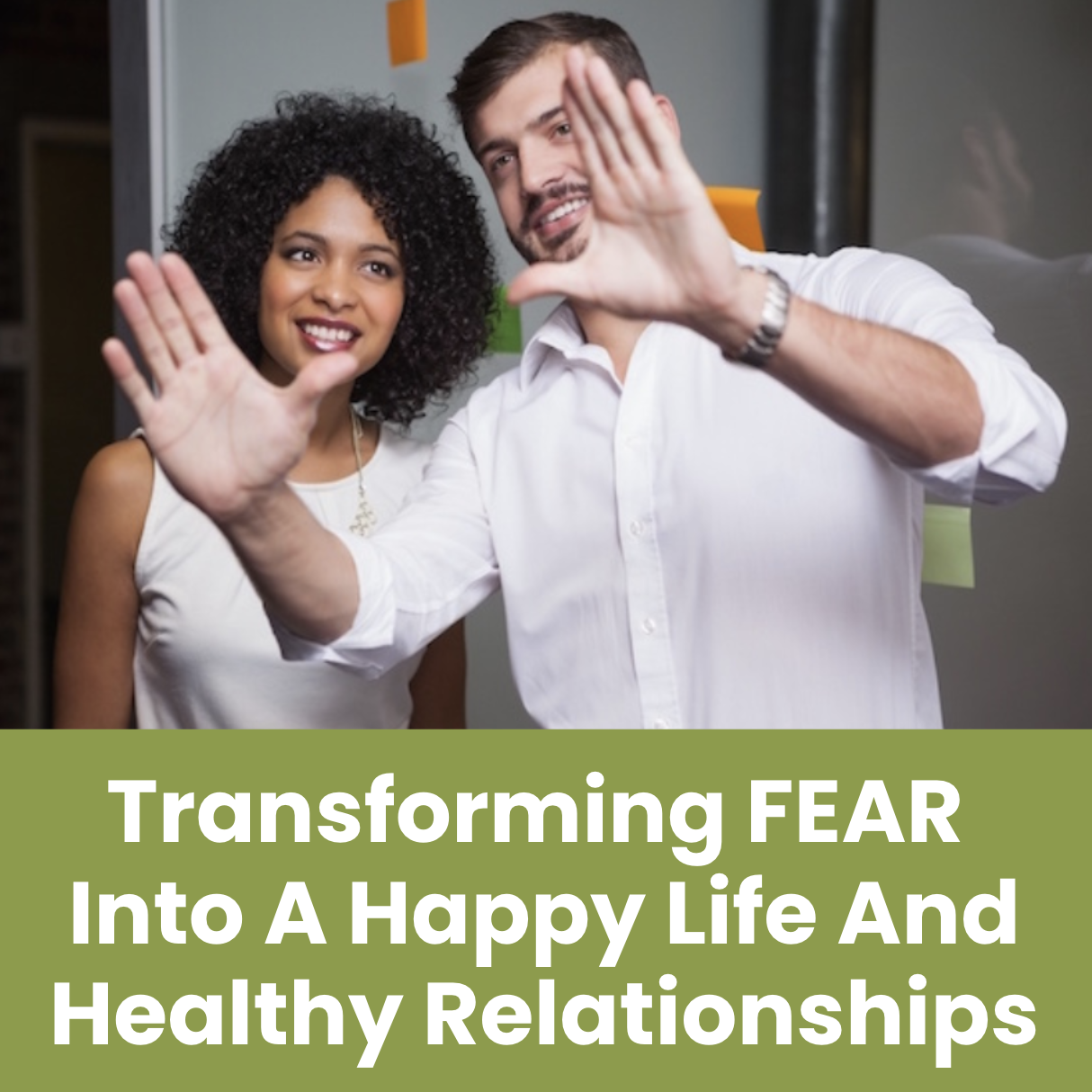
Transforming Fear Into A Happy Life And Healthy Relationships, with Guest Jacqueline Wales
In the work of my company LifeWork Systems, we start by explaining to people that the root cause of all struggles within people and between people comes from a sense of shame and inferiority feelings. As children, we have large and small T trauma - experiences that often strengthen the idea that we are not seen, safe, nor can we count on being soothed and supported!. This prevents us from believing in and creating win/win relationships with others because we have developed so much pain and fear. This fear is the root cause of ongoing misery and dysfunction, and the basis of win/lose dynamics we continue to perpetuate unless and until it is resolved within us. We don't know what to do with these beliefs and stored trauma, and without understanding and support, we can remain stuck for literally decades in physical and mental states of stress. Until then, we cannot how to transform our fear into a happy life with healthy relationships we know how to create and maintain. Because I know shame and fearful limiting beliefs cripple people and cause such struggles, I have invited a guest to my program who understands how to transform deep-seated fear into success and happiness. Through her personal story, including her own transformation of debilitating fear, she frees others to do the same. This transformation must occur in order to create a world in which all people love their lives. It is the precursor to creating win/win relationships and to using our power in creative and life-giving, life-supportive ways. What we discuss in this interview may include: What is your story Jacqueline? How has your transformation process served you in creating win/win dynamics within yourself and with others? What are stories you have that describe what happens when you have helped others do the same? What would be your advice to people in leadership roles, including parents, educators and organizational executives and others who have direct reports? How would you describe the use of power within people who have faced and transformed their fears? What contributions do you see them making? Watch Here: https://youtu.be/DL9BNtuSr6s