
What Could Possibly Go Right?
123 episodes — Page 3 of 3

S1 Ep 19#19R Alnoor Ladha Reflection with Asher Miller: Staying Present Among the Bigger Picture
Our host Vicki Robin is joined today by Asher Miller, Executive Director of Post Carbon Institute and co-host of Crazy Town. They reflect on Alnoor Ladha’s interview from What Could Possibly Go Right? Episode 19, touching on future designs needed for society, the power of language, and our connection to spirituality.Connect with Alnoor LadhaPolitical Strategist, Writer, Activist & Board Member at Culture Hack LabsWebsite: culturehack.ioTwitter: twitter.com/alnoorladhaTwitter: twitter.com/CultureHackLabsFacebook: facebook.com/alnoor.ladhaFacebook: facebook.com/culturehacklabsFollow WCPGR on Social MediaFacebook: https://www.facebook.com/WhatCouldPossiblyGoRightPodcastTwitter: https://twitter.com/postcarbonInstagram: https://www.instagram.com/postcarboninstitute/Learn more: https://bit.ly/pci-wcpgrseriesDon't forget to SUBSCRIBE so you don't miss an episode of What Could Possibly Go Right? Support the showComplete Show Notes

S1 Ep 19#19 Alnoor Ladha: Is This Even the Right Question?
Alnoor Ladha is a political strategist, writer and activist, with a focus on the intersection of political organizing, systems thinking, structural change and narrative work. He was the co-founder and Executive Director of The Rules (TR), a global network of activists, organizers, and others focused on changing the rules that create inequality, poverty and climate change. He is a co-founder of Tierra Valiente, a post-capitalist community and healing center in the jungle of northern Costa Rica. He is a board member of Culture Hack Labs and The Emergence Network. Alnoor brings spirituality and big picture thinking to today’s conversation on What Could Possibly Go Right? including:The question of “for whom” when asking what could go right, plus the understanding that right and wrong isn’t binaryThe debunking of the belief that the pandemic, climate crisis or impending financial recession are a disruption on progress as “the way things were supposed to be”That embracing uncertainty and being at peace with ambiguity is cultivating a more resilient character for usThat we need to fundamentally rethink our economic operating system, away from a globalized system of extraction when only a few people are holding the power. A post-capitalist reality may be emerging.That this is the moment for us to say what we actually stand for, not just stand against. What do we want to live for and what are our values?That we've inherited a story in a system that doesn't serve the majority of humans; and as none of us are outside the system, there is no such thing as apoliticalResourcesThe Rules therules.org Culture Hack Labs culturehack.io Tierra Valiente braveearth.com Additional reading by Alnoor LadhaWhat is Solidarity? - Kosmos JournalThe Poverty of Progress - New InternationalistThe ‘lungs of the Earth’ are really its heart: an Indigenous cure to save the Amazon - The CorrespondentConnect with AlnoorWebsite: culturehack.ioTwitter: twitter.com/alnoorladhaTwitter: twitter.com/CultureHackLabsFacebook: facebook.com/alnoor.ladhaFacebook: facebook.com/culturehacklabsFollow WCPGR on Social MediaFacebook: https://www.facebook.com/WhatCouldPossiblyGoRightPodcastTwitter: https://twitter.com/postcarbonInstagram: https://www.instagram.com/postcarboninstitute/Learn more: https://bit.ly/pci-wcpgrseriesDon't forget to SUBSCRIBSupport the show<a...
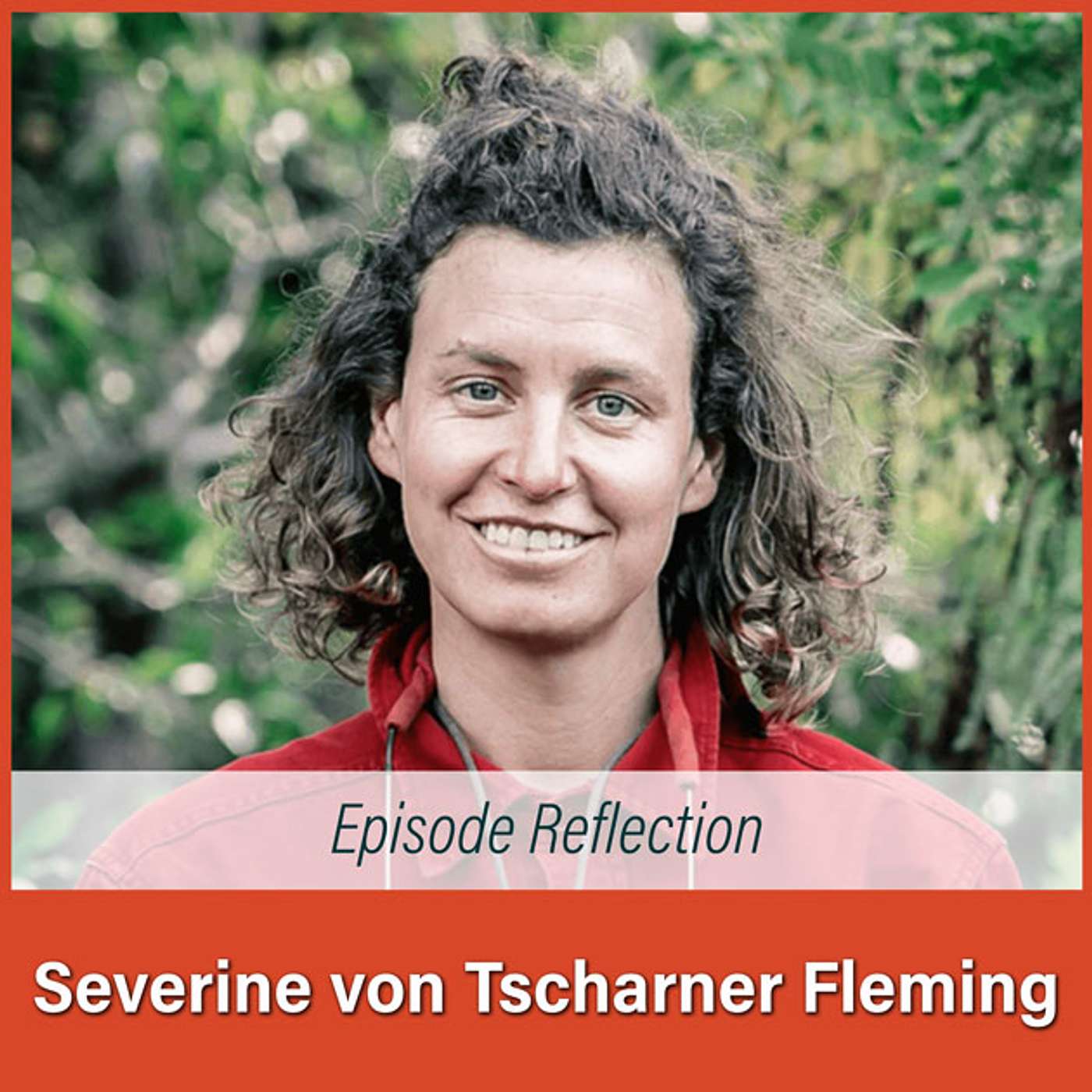
S1 Ep 18#18R Severine von Tscharner Fleming Reflection with Jason Bradford: Mistrust and the Rural Land Movement
Vicki Robin and Jason Bradford, Post Carbon Institute Board Director, reflect on her interview with Severine von Tscharner Fleming on Episode 18.Connect with SeverineWebsite: greenhorns.orgTwitter: twitter.com/greenhornsFacebook: facebook.com/thegreenhornsInstagram: instagram.com/thegreenhornsFollow WCPGR on Social MediaFacebook: https://www.facebook.com/WhatCouldPossiblyGoRightPodcastTwitter: https://twitter.com/postcarbonInstagram: https://www.instagram.com/postcarboninstitute/Learn more: https://bit.ly/pci-wcpgrseries Don't forget to SUBSCRIBE so you don't miss an episode of What Could Possibly Go Right?Support the showComplete Show Notes
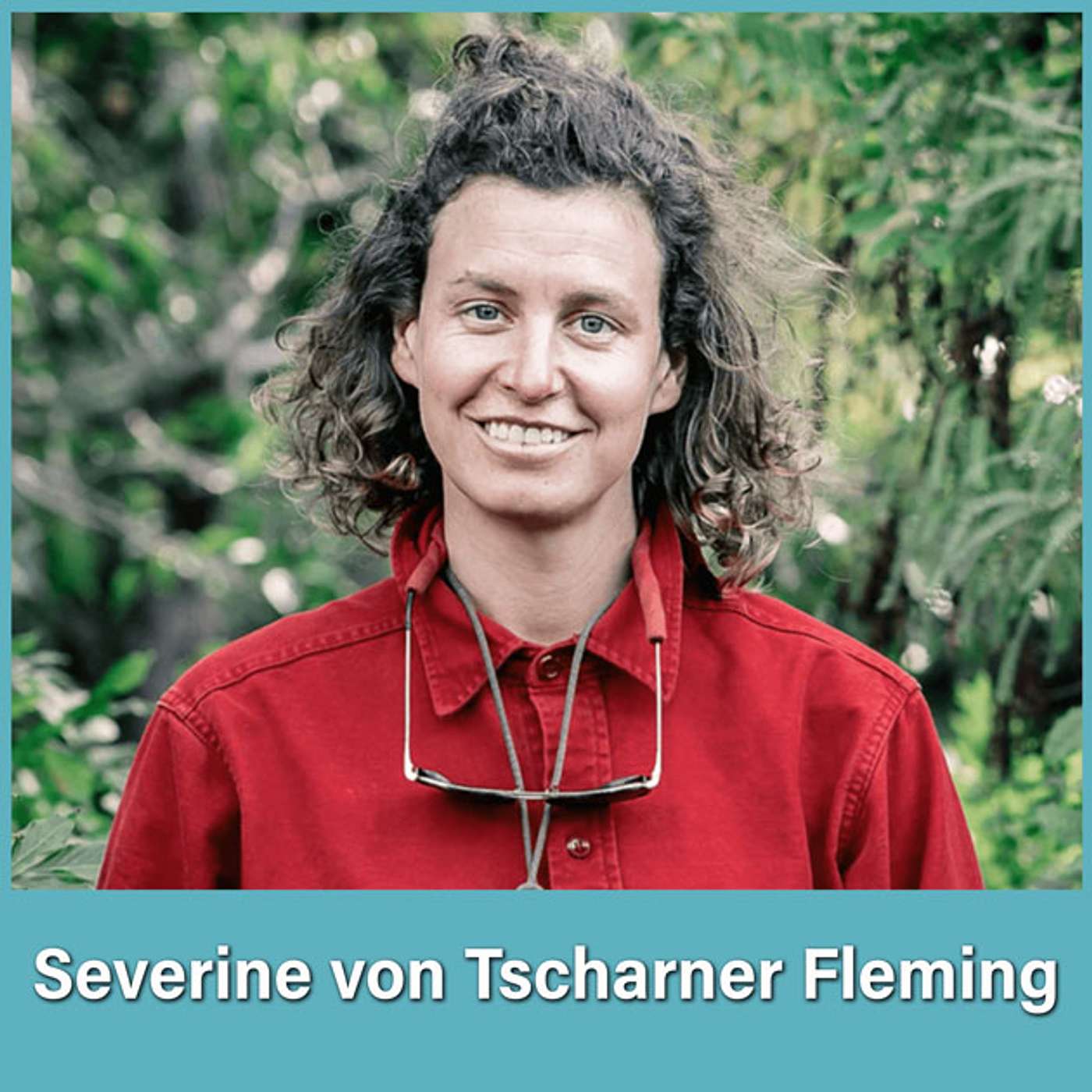
S1 Ep 18#18 Severine von Tscharner Fleming: Healing the Land for Our Collective Good
Severine von Tscharner Fleming is a farmer, activist, and organizer based in Downeast Maine. She runs Smithereen Farm, a MOFGA certified organic wild blueberry, seaweed, and orchard operation which hosts summer camps, camping, and educational workshops. She is a founder and board member of Agrarian Trust and current director of the Greenhorns, a 13 year old grassroots organization whose mission is to recruit, promote, and support the incoming generation of farmers in America. Severine brings her influences and analogies from the agricultural space to “What Could Possibly Go Right?”, including:The “desire of humans to move geographically”, including a current fleeing and resettling driven by climate, ambition, hopes, and fears.The concepts of land commons and ocean commons, including for other cultures who care for crops and benefit collectively without private ownership.The need to transition stewardship of land owned by older generations to young farmers, and how to pass this on through purchase, gifting or passing on estates.That the word subsistence and its connotations may distract from the “shiny, glistening abundance”.That those willing to do the reparations and healing of the land for our collective good should earn an enduring right to subsistence.Resources Greenhorns greenhorns.orgAgrarian Trust agrariantrust.orgGlobal Earth Repair Conference globalearthrepairfoundation.orgSomali Bantu Association somalibantumaine.orgConnect with SeverineWebsite: greenhorns.orgTwitter: twitter.com/greenhornsFacebook: facebook.com/thegreenhornsInstagram: instagram.com/thegreenhornsFollow WCPGR on Social MediaFacebook: https://www.facebook.com/WhatCouldPossiblyGoRightPodcastTwitter: https://twitter.com/postcarbonInstagram: https://www.instagram.com/postcarboninstitute/Learn more: https://bit.ly/pci-wcpgrseriesDon't forget to SUBSCRIBE so you don't miss an episode of What Could Possibly Go Right?Support the showComplete Show Notes

S1 Ep 17#17R Claudine Schneider Reflection: The Power We Don't Have
Our host Vicki Robin reflects on politics and our role in democracy, following her interview with Claudine Schneider on Episode 17.Connect with Claudine SchneiderWebsite: www.ClaudineSchneider.com / www.RepublicansforIntegrity.orgTwitter: twitter.com/GOP4IntegrityFacebook: facebook.com/RepublicansForIntegrityFollow WCPGR on Social MediaTwitter: twitter.com/postcarbonInstagram: instagram.com/postcarboninstituteLearn more: https://bit.ly/pci-wcpgrseries Don't forget to SUBSCRIBE so you don't miss an episode of What Could Possibly Go Right?Support the showComplete Show Notes

S1 Ep 17#17 Claudine Schneider: Reacting with Positive Solutions
Claudine Schneider was the first woman elected from Rhode Island to the U.S. House of Representatives and was the first Republican Representative to serve the state in more than 40 years. She is Co-Founder of the Republicans for Integrity and is a progressive leader in policies related to climate, energy, environment and ecological economics.Claudine brings the themes of racial inequality, job development, politics and the environment to this conversation on “What Could Possibly Go Right?, including:The Black Lives Matter movement is awakening corporate sensitivities and encouraging change.There are well-thought-out ideas available for national police reforms, focusing on strategy, technology and science.Job losses can be addressed in part by pursuing opportunities in the renewable energy sector and environmental initiatives, such as creation of power micro-grids and net zero energy buildings.Everybody can be an agent of change and needs to remember that as consumers, employees and community members, we can drive positive action.Businesses are increasingly recognizing that corporation action has benefits for both profit and social/environmental progress. While more people are getting engaged in politics right now, we should continue to educate ourselves and encourage others to register to vote.Connect with ClaudineWebsite: www.ClaudineSchneider.com / www.RepublicansforIntegrity.orgTwitter: twitter.com/GOP4IntegrityFacebook: facebook.com/RepublicansForIntegrityFollow WCPGR on Social MediaFacebook: https://www.facebook.com/WhatCouldPossiblyGoRightPodcastTwitter: https://twitter.com/postcarbonInstagram: https://www.instagram.com/postcarboninstitute/Learn more: https://bit.ly/pci-wcpgrseriesDon't forget to SUBSCRIBE so you don't miss an episode of What Could Possibly Go Right?Support the showComplete Show Notes

S1 Ep 16#16R Jane Davidson Reflection: Inter-generational Justice
Our host Vicki Robin reflects on her conversation with Jane Davidson, as heard on Episode 16.Connect with JaneWebsite: www.janedavidson.walesTwitter: https://twitter.com/JaneBryngwynFacebook: https://www.facebook.com/Futuregenlessons-from-a-small-country-103201268058732/Follow WCPGR on Social MediaFacebook: https://www.facebook.com/WhatCouldPossiblyGoRightPodcastTwitter: https://twitter.com/postcarbonInstagram: https://www.instagram.com/postcarboninstitute/Learn more: https://bit.ly/pci-wcpgrseriesDon't forget to SUBSCRIBE so you don't miss an episode of What Could Possibly Go Right?Support the showComplete Show Notes
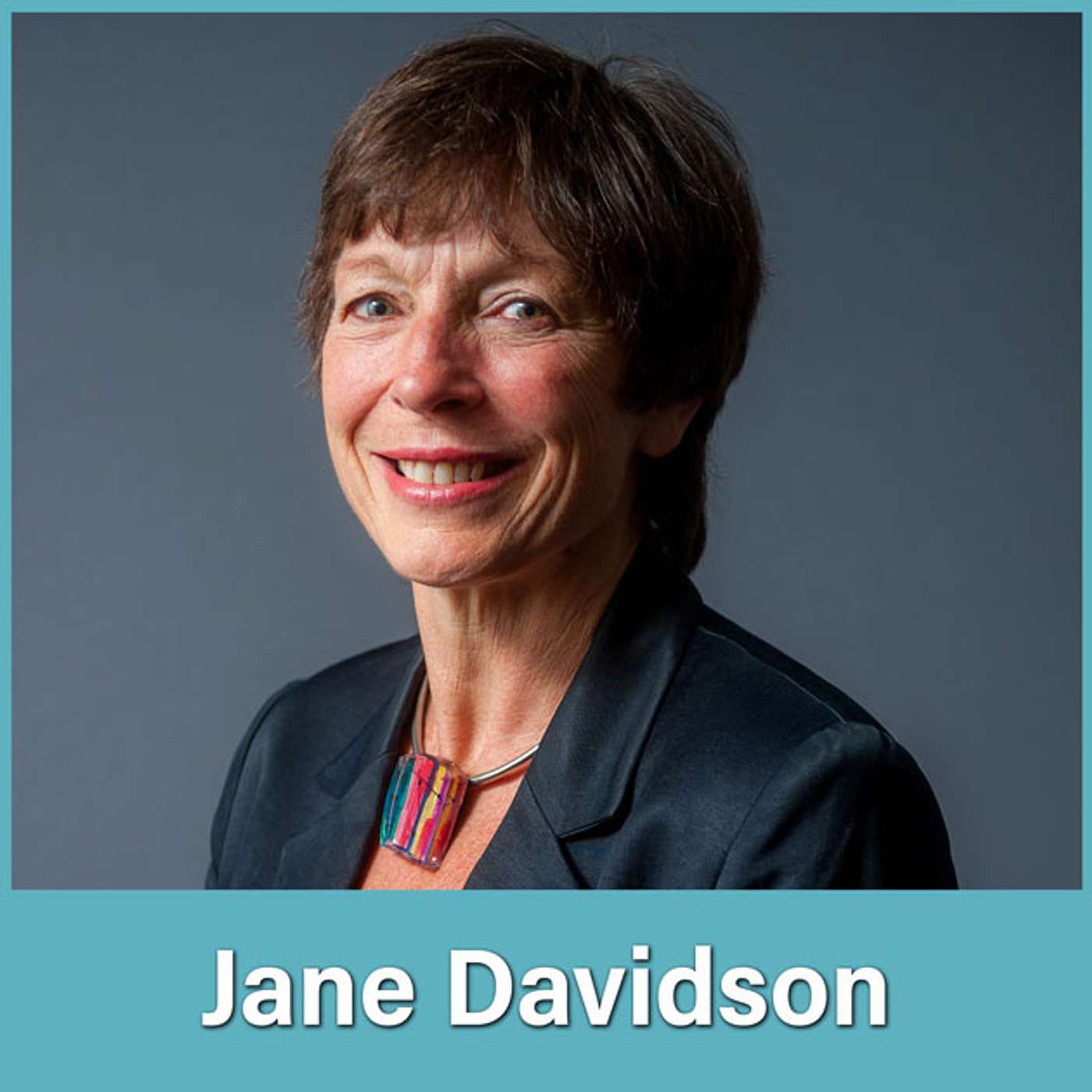
S1 Ep 16#16 Jane Davidson: Fairness to the Future
Jane Davidson is the author of #futuregen: Lessons from a Small Country, the story of why Wales was the first country in the world to introduce legislation to protect future generations. She is Pro Vice-Chancellor Emeritus at the University of Wales Trinity Saint David. From 2000-2011, Jane was Minister for Education, then Minister for Environment, Sustainability in the Welsh Government.Jane shares her thoughts on “What could possibly go right?” including:The desire to take out short termism from politics, and encourage every country to factor future generations into their thinking.The Brundtland Commission’s definition of sustainable development is important in making sure future generations can meet their own needs, through our actions in the present.That Wales’ Well-being of Future Generations Act makes it the only country in the world to have put the Sustainable Development Goals into law.The bringing of four pillars into decision making is key for sustainable development - social, environmental, economic and cultural. The exciting sense that Britain has returned to loving nature during this time of COVID.That you need visioning, truth telling, learning and loving to inspire positive change.Connect with JaneWebsite: www.janedavidson.walesTwitter: https://twitter.com/JaneBryngwynFacebook: https://www.facebook.com/Futuregenlessons-from-a-small-country-103201268058732/Follow WCPGR on Social MediaFacebook: https://www.facebook.com/WhatCouldPossiblyGoRightPodcastTwitter: https://twitter.com/postcarbonInstagram: https://www.instagram.com/postcarboninstitute/Learn more: https://bit.ly/pci-wcpgrseries Don't forget to SUBSCRIBE so you don't miss an episode of What Could Possibly Go Right?Support the showComplete Show Notes
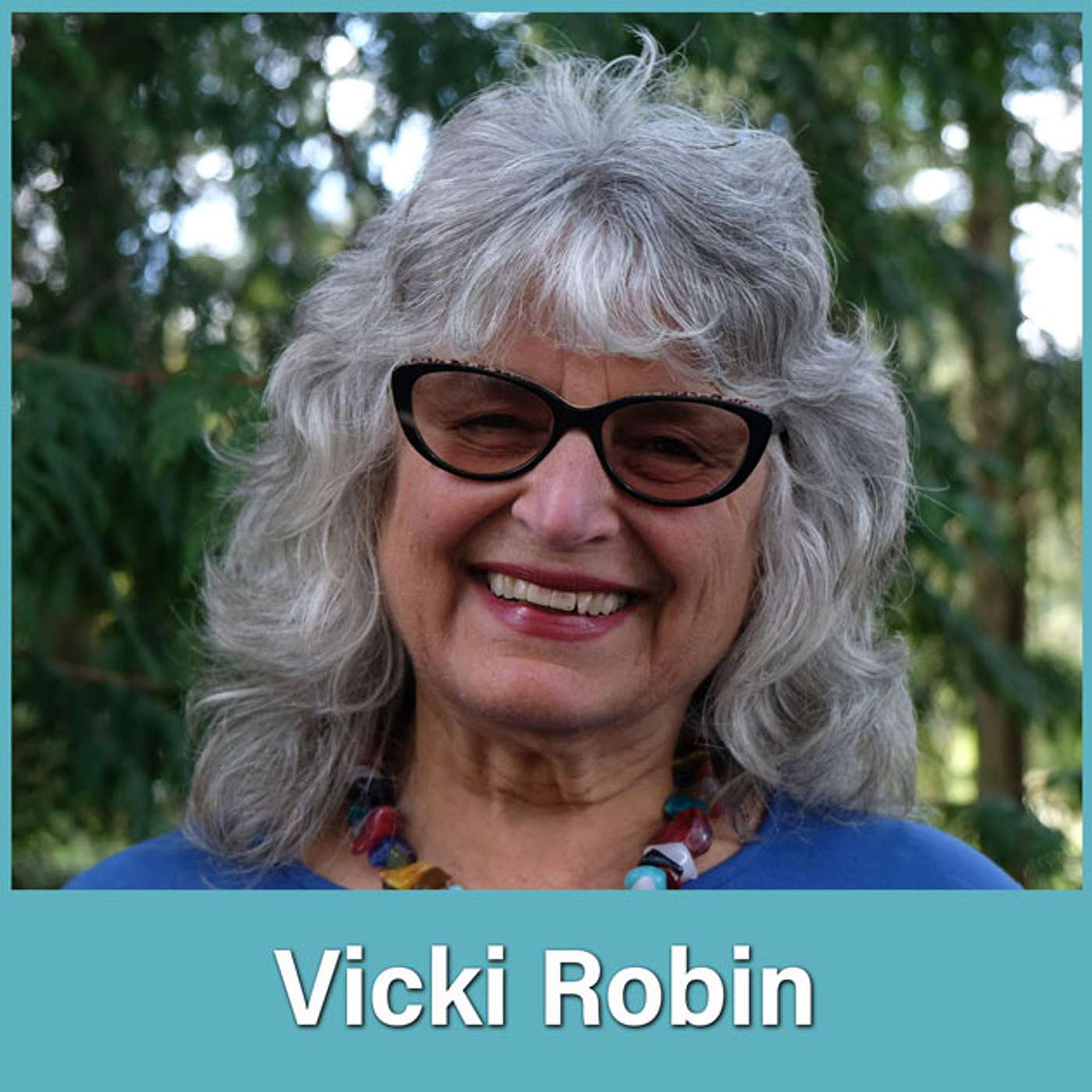
S1 Ep 15#15 Vicki Robin
Today, our series host Vicki Robin answers the question herself of “What Could Possibly Go Right?” In interview with Amy Buringrud of Post Carbon Institute, Vicki shares what she’s learned from the series’ guests so far, including:That this moment of humility has us recognizing that our cleverness fits on the head of a pin and our ignorance is vast.That his period of time has revealed to us the shadow of our bright light; removing our blinkers and bringing many to an embarrassed awakening of “How could I have missed that?That we are connecting more to a higher or deeper source that has us part of a harmonious whole.That a sense of social solidarity is needed to get through the challenges together.That business is relocalizing and rediscovering its purpose as being for exchange within communities, not simply to generate profit for shareholders.That there’s an immense sense of insufficiency on a planet where there's enough.That there’s a growing drive in people to reconcile their personal finances with the ecological and social conditions in this world. That the gift in this big question is the encouragement to see positives in what is emerging and an expectancy of beautiful and beneficial things.Learn more: https://bit.ly/pci-wcpgrseriesSupport the showComplete Show Notes
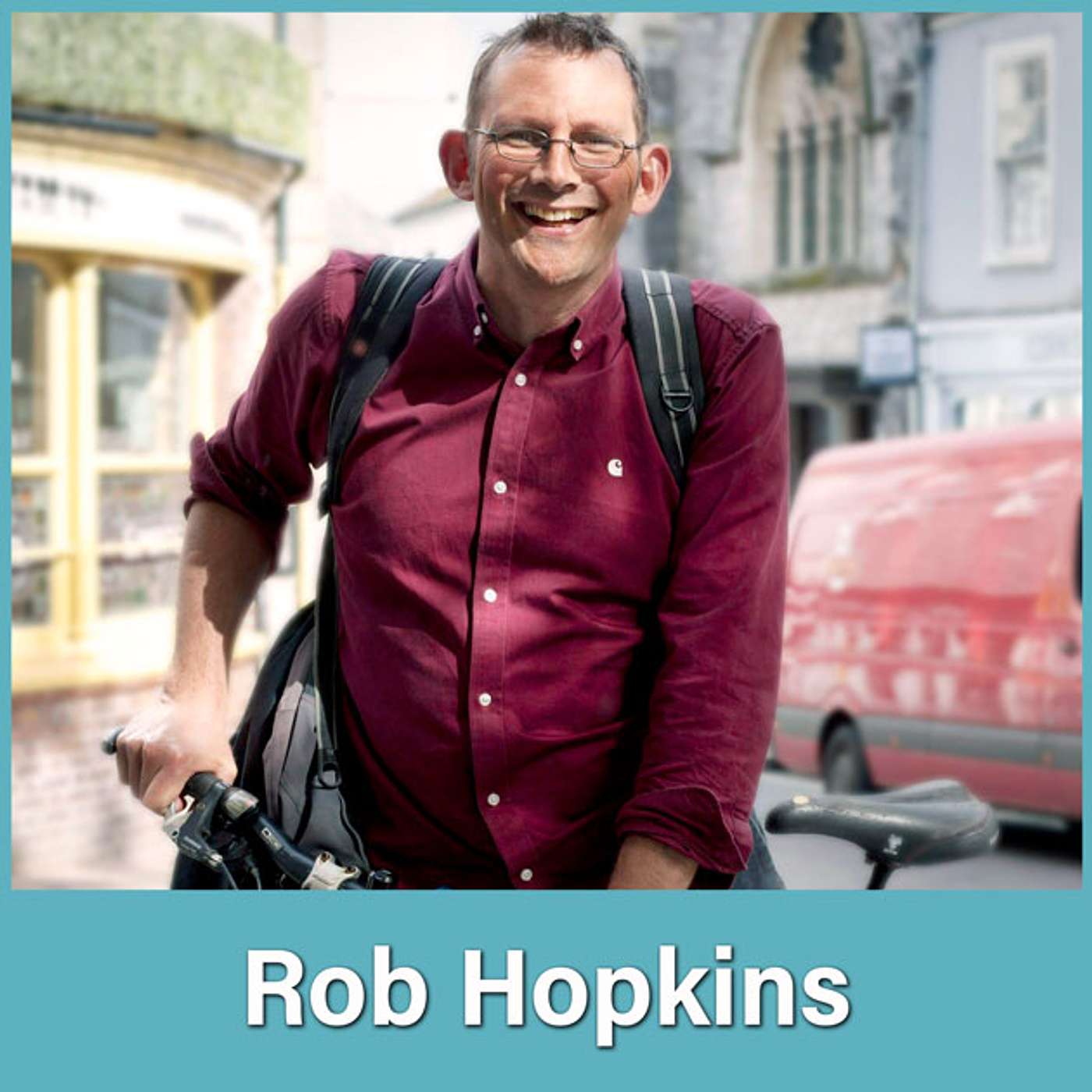
S1 Ep 14#14 Rob Hopkins: Stretching Our Imagination
Rob Hopkins is an author and a Co-Founder of Transition Town Totnes and Transition Network. He approaches the question of “What could possibly go right?” with a fascination in the power of imagination for our future. His insights include:That we need to create the conditions for the human imagination to re-emerge.That trauma, anxiety, loneliness and systemic problems have caused our imaginations to shrink, which can put at risk our ability to reimagine everything needed in these times.That to some extent, COVID has provided us some space for us to think in a different way and pause to “take a collective breath”.That we may each emerge from lockdown as different people than we went in, in a profound and extraordinary way.That we need to be wary of governments without imagination, which are only thinking of how to get back to the way things were.That this has been a phenomenal global act of love and solidarity in history.That any solutions will start with us, working together in communities with a sense of solidarity and mutual aid.That community movements need proper support and resources, with governments recognizing that allocating money effectively towards these has spin off benefits for public health, mental health and social cohesion strategies. Connect with Rob HopkinsWebsite: https://www.robhopkins.net/Twitter: twitter.com/robintransitionFollow WCPGR on Social MediaFacebook: https://www.facebook.com/WhatCouldPossiblyGoRightPodcastTwitter: https://twitter.com/postcarbonInstagram: https://www.instagram.com/postcarboninstitute/Learn more: https://bit.ly/pci-wcpgrseriesSupport the showComplete Show Notes
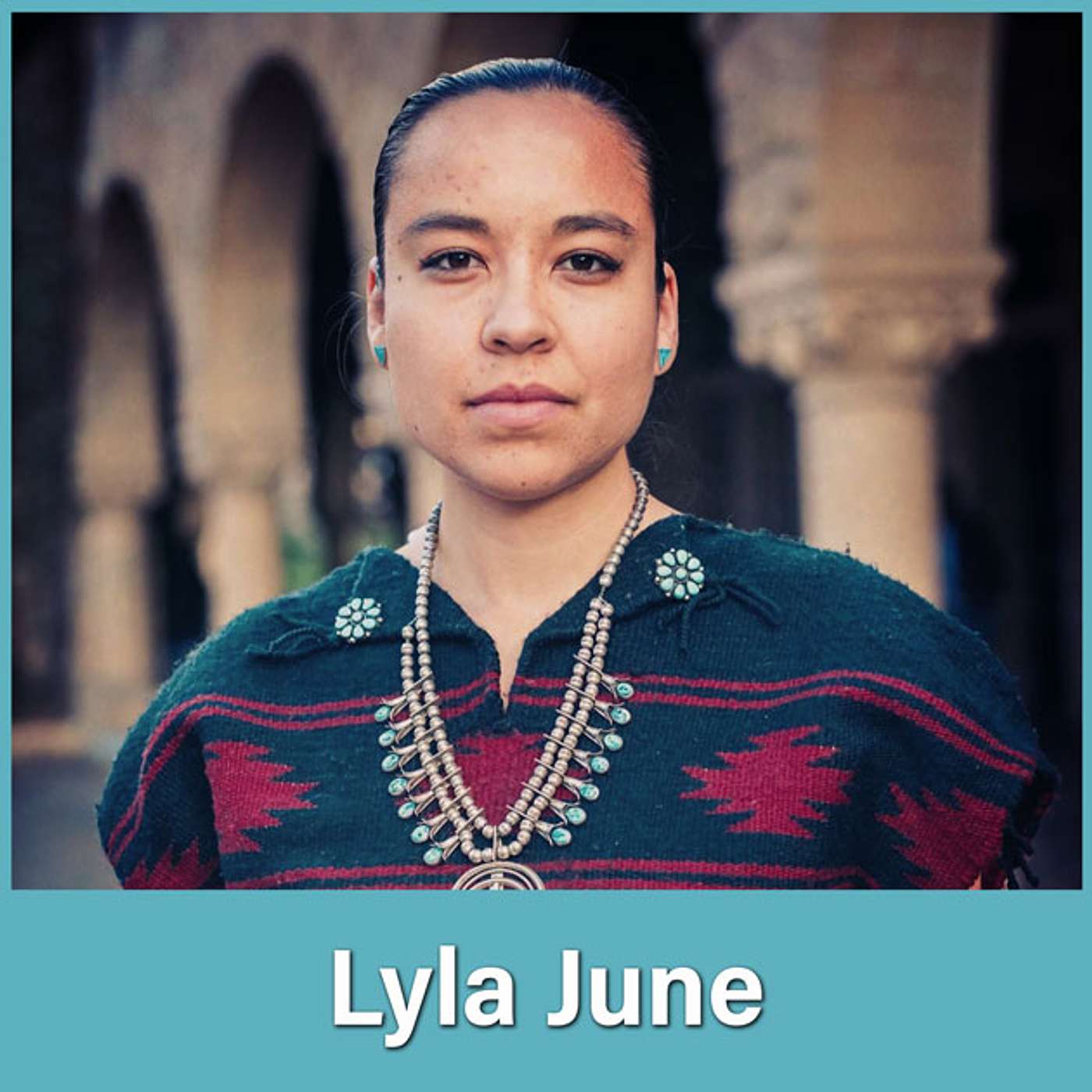
S1 Ep 13#13 Lyla June: Seven Generations New Deal
Lyla June, musician, anthropologist, and activist, introduces us to the Seven Generations New Deal and how applying this has the potential to create “what could possibly go right”. Her interview insights included: That it’s hard to imagine what the world could be like, when we're so busy fighting what it's like.That economy is inseparable from ecology; you can destroy ecology to help the economy for only a short time, before your whole house of cards collapses. That the systems and conceptual frameworks that got us into this climate crisis will not get us out of it. The value of respecting indigenous science and looking to those societies with a proven track record of sustainability for solutions.That considering the inequity of who will have to pay for others’ climate mistakes, this reframing shifts emissions reduction from a scientific option to an ethical obligation.The importance of climate education and that everyone deserves to be informed from a multicultural perspective, not just the Eurocentric view.That we need visionary, forward thinking voices that push lawmakers to think completely differently.Visit www.sgnd.info to read more about the Seven Generations New Deal.Connect with Lyla JuneWebsite: www.lylajune.com/Facebook: www.facebook.com/lylajuneFollow WCPGR on Social MediaFacebook: https://www.facebook.com/WhatCouldPossiblyGoRightPodcastTwitter: https://twitter.com/postcarbonInstagram: https://www.instagram.com/postcarboninstitute/Learn more: https://bit.ly/pci-wcpgrseriesSupport the showComplete Show Notes
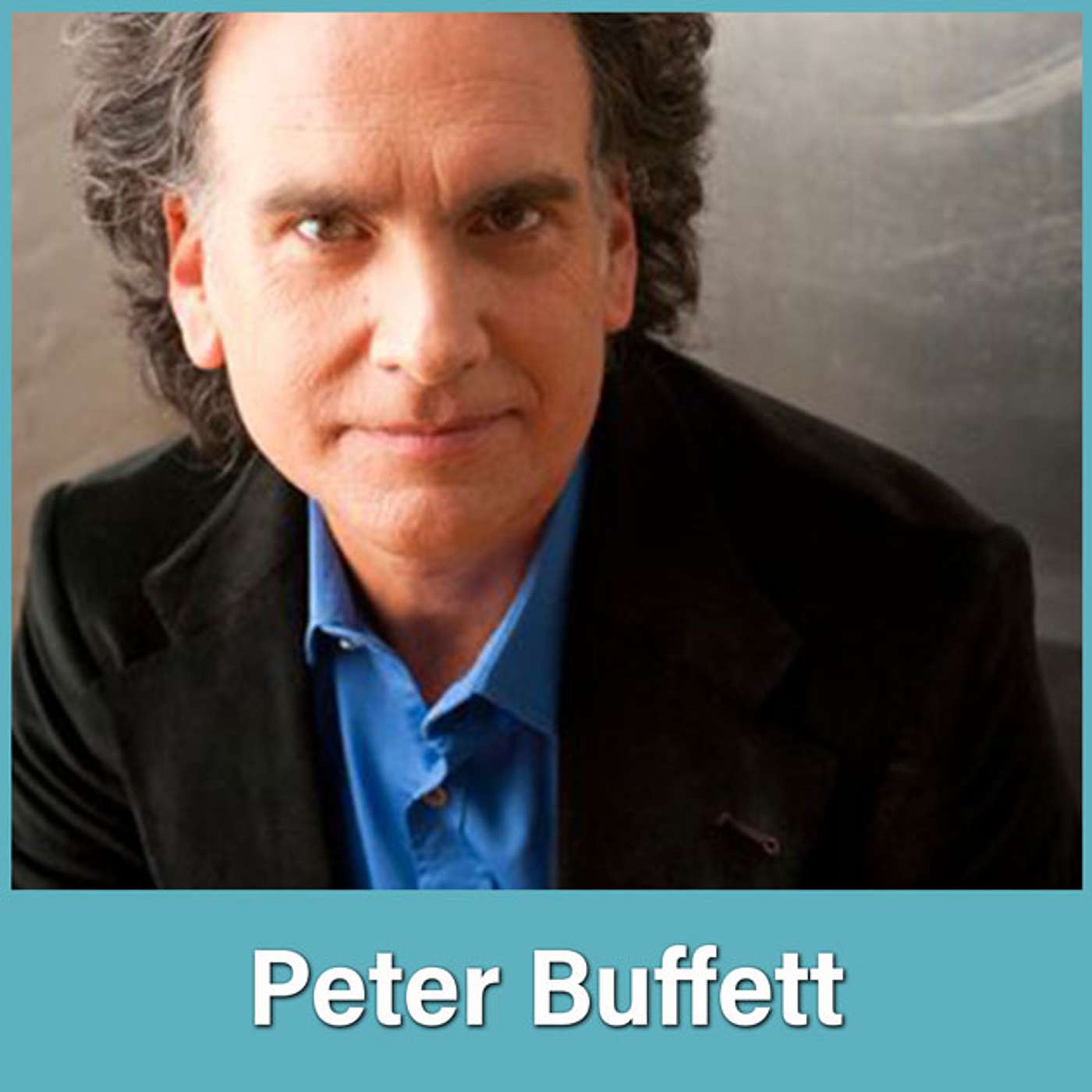
S1 Ep 12#12 Peter Buffett: A Rebirth Moment
Peter Buffett is a musician, author, philanthropist and co-president of NoVo Foundation. With his varied background, he presents his thoughts on “What could possibly go right?” including:That we are in a rebirth moment, though this beauty and change can be a painful process.That we are “a species out of context” and the pandemic is changing our relationship to education, food, neighbors; everything is up for grabs.That homeschooling has children and parents alike reconsidering what education and learning can be.That there’s a rising wider awareness around the inequality of many systems. That those with privilege should be listening closely to others with fewer opportunities and move resources towards new imaginative spaces and a more equitable world.That in considering the question of “What could possibly go right?”, we need to think about whose version of “right” we’re looking at.That we need to hold space for vulnerability and recognition that we are all flawed human beings, working to heal from backgrounds with ancestral trauma - a beautiful but slow and sometimes painful process.Learn more: https://bit.ly/pci-wcpgrseriesSupport the showComplete Show Notes

S1 Ep 11#11 Nina Simons: Shifting Our Culture from Death-Affirming to Life-Affirming
Nina Simons considers our question of “What could possibly go right?” from her view as Co-Founder of nonprofit, Bioneers. As she does a joy dance that the not-so-great normal may be over, she shares these thoughts:That COVID-19 is presenting an opportunity to shift from an "I" consciousness to a "We" consciousness; to recognize we are all one family on this Earth.That a culture informed by patriarchy, capitalism and an extractive economy has oriented us towards activity and what’s outside, rather than reflection and what's on the inside. That there is a gift in having to shelter in place, allowing time for becoming more mindful of our inner state which can bring us into action in a whole different way.That our capacity to feel joy is related to our capacity to face the challenging, dark stuff within.That the Just Transition model recognizes the full interdependence of economy, ecology and culture; describing how we can shift from a system of extraction and exploitation, to one centered in caring, well-being and regeneration. That the absence of travel has meant a growing tendency to localize, to get to know our neighbors and to increase involvement in local politics and issues. That there’s an increased awareness that everything has always been uncertain, despite the illusion of certainty and security.That it’s not just about reclaiming power from the top, but for many in the middle range of having power and privilege to be willing to give something up and take risks for change.Learn moreSupport the showComplete Show Notes

S1 Ep 10#10 Rev. Lennox Yearwood Jr.: Racial Justice, Youth Empowerment, Climate Change, and Faith
President & Founder of Hip Hop Caucus, Rev. Lennox Yearwood Jr., brings his perspectives on racial justice, youth empowerment, climate change, and faith to the big question of “What could possibly go right?” His insights include:How young people are communing with their spirituality and are using it to focus their fight for justice.How the current state of the country now is akin to a heart attack for someone who has been ignoring the things that make themselves healthy.How we've been investing in things, not to bring us together, but to tear us apart.How the current urgency and passion in the racial justice movement is driven by understanding that if we don't get it right now, it'll have disastrous effects moving forward.How it isn’t the change but the transition that can throw you for a loop.How the first thing to do in this “healing crisis” is to realize what got us to this point and to work through that pain of awareness. How we cannot do the work regarding climate justice if it doesn't have a racial justice framework.Connect with Rev. Lennox Yearwood Jr.Hip Hop Caucus: hiphopcaucus.org/Twitter: twitter.com/revyearwoodInstagram: instagram.com/revyearwood/Follow WCPGRFacebook: facebook.com/WhatCouldPossiblyGoRightPodcastTwitter: twitter.com/postcarbonInstagram: www.instagram.com/postcarboninstitute/Learn more: https://bit.ly/pci-wcpgrseriesSupport the showComplete Show Notes
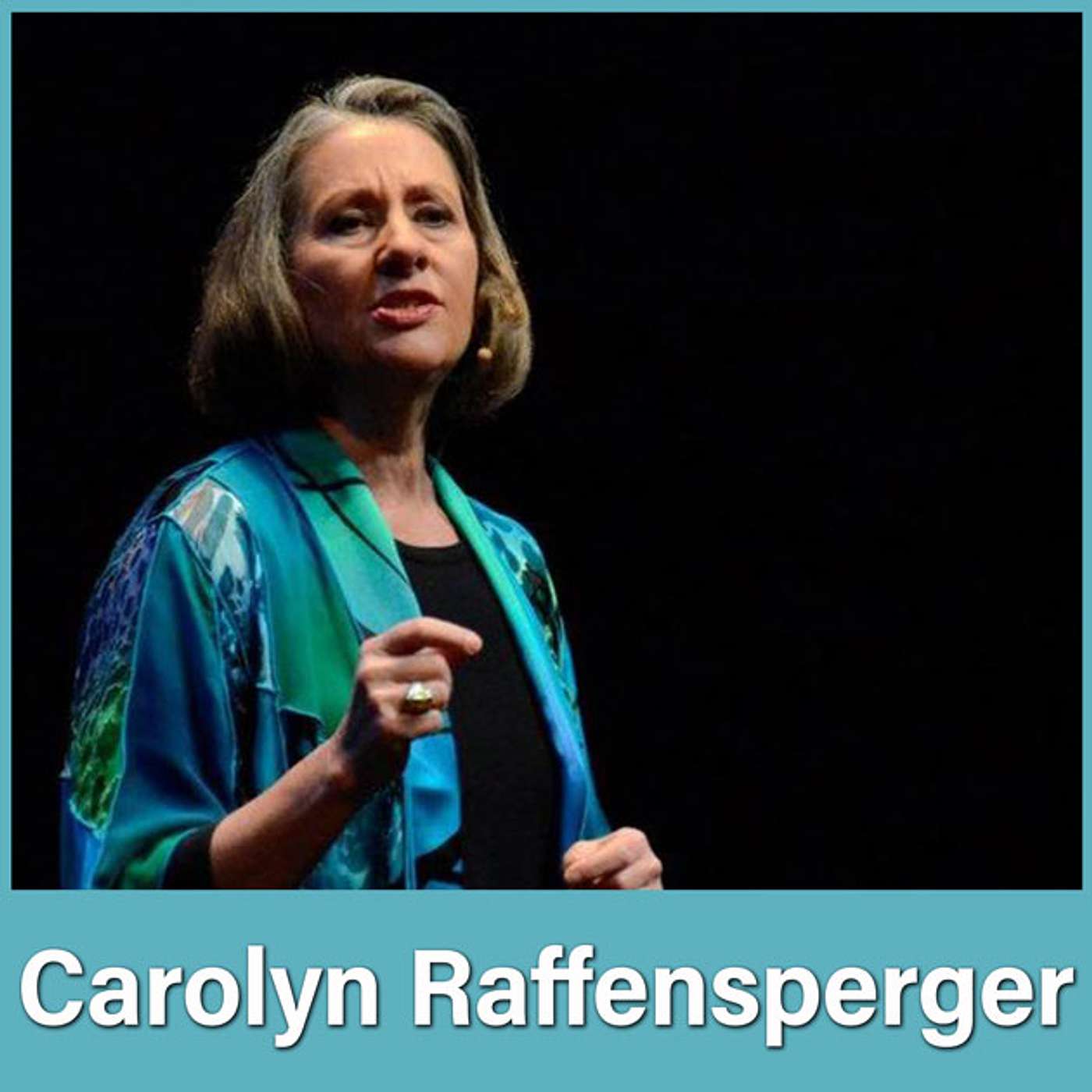
S1 Ep 9#9 Carolyn Raffensperger: The Intersectionality of Racism
For today’s “What Could Possibly Go Right?” Carolyn Raffensperger brings her perspective as an environmental lawyer and Executive Director of the Science and Environmental Health. She shares these ideas:The impact of applying the "precautionary principle" towards preventing suffering; this idea of taking positive action in the face of scientific uncertainty and the likelihood of harm.That there is an opportunity to rethink what government is for; working to avoid preventable suffering by promoting the well-being of its people instead of over-emphasizing economic growth.That the long-time work of activists has provided a bank of solutions, and that the focus now should be in cross-conversation and efforts across sectors. That the overarching frame of racism has shifted our picture of other issues and systems, such as economics, capitalism, the environment and public health.Learn moreSupport the showComplete Show Notes

S1 Ep 8#8 Heather Cox Richardson: Rewriting the Politics of the American Dream
Heather Cox Richardson addresses the question of What Could Possibly Go Right? with a political focus. Her insights include:That the current condition is waking people up from autopilot and creating the realization they need to pursue change personally to create the society in which they want to live.A reminder that the beauty of a democratic system is getting to choose which direction to go.That the desire for equality of opportunity and access should no longer be pushed to the narrative of special interest in politics.The potential to innovate and create change through crowdsourcing government and society.That the American dream needs to be rewritten and move away from the heteronormative nuclear family as its centerpiece, to a more community-centered and diverse view.Support the showComplete Show Notes
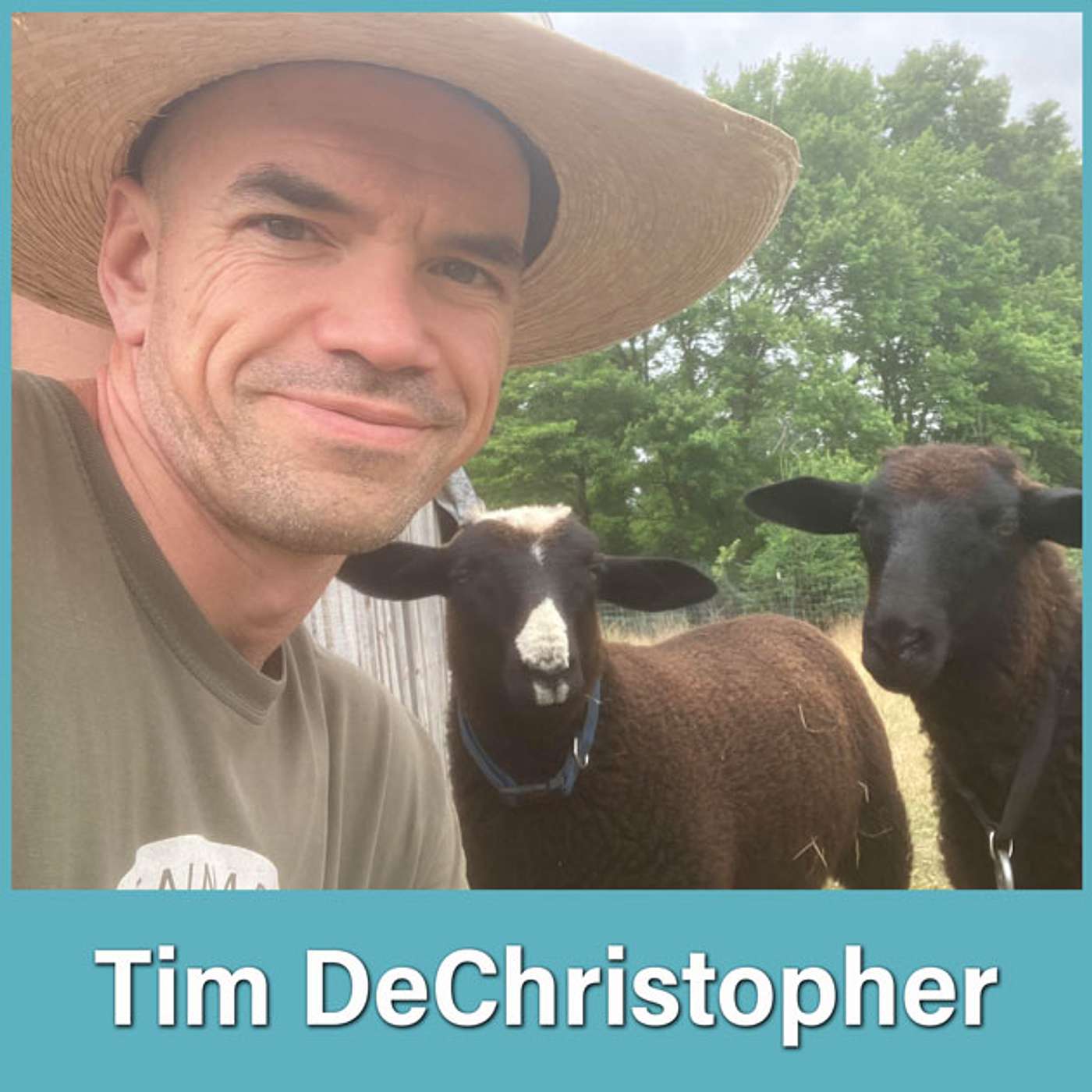
S1 Ep 7#7 Tim DeChristopher: The Gift of a New Mindset
Activist Tim DeChristopher presents his views on our big question with themes of identity, environmentalism and spirituality.How the pandemic has disrupted the flimsy “identity-making” of capitalist culture, as people feel called toward more authenticity and human connection. How social media may hinder creativity and empowerment, including in responses to social crises.How a renewed relationship to mortality and vulnerability will have a profound impact on how we move into the next period of history on earth.How a new and different mindset could be the greatest gift that we get out of this disruption.Support the showComplete Show Notes

S1 Ep 6#6 Severn Cullis-Suzuki: Building Love for Future Generations
In today’s episode, Severn Cullis-Suzuki gives her perspective that spans from addressing the UN at age 12 through to her life-long activism for environment and Indigenous rights. Her insights include:The serendipity that led to speaking at the UN’s Earth Summit in 1992 and the impact of this message that went viral.The disconnect between what we value as individuals and what our society upholds.The care of earth and its natural systems as fundamental to indigenous values.The opportunity within this current moment of global humility for mainstream society to learn from ancient cultures who’ve survived and can show us the way.Support the showComplete Show Notes

S1 Ep 5#5 Dr. Susanne Moser: Hope Requires Uncertainty
Dr. Susanne Moser brings her work’s emphasis on climate change adaptation to the question of “What Could Possibly Go Right?” Her insights include:That hope requires uncertainty. “If you're completely convinced that we're doomed, or if you're completely convinced all is going to be fine, you don't need hope... Only if the future isn't written can we possibly wish for hope.”How these last few months are encouraging people to open up conversation in areas that previously felt off limits.The feeling of breaking apart and collapse is often a crucial piece in enabling transformation to begin.Considering how to add greater resilience into our systems to reduce vulnerability in the midst of complex, compounding events.The focus on basic needs in Maslow’s hierarchy during crises, especially safety.That if we're not emotionally safe or politically safe to express our differences, we do not have community safety.Support the showComplete Show Notes

S1 Ep 4#4 Ocean Robbins: Aligning Our Lives with Our Values
Food Revolution Network Co-Founder Ocean Robbins shares his vision and recent observations of our world, including:The complexity and ingenuity within us and all lifeforms, supporting resilience and the ability to meet challenges in creative ways none of us could have imagined.Calling in as much joy, love and beauty as possible into our world, within a greater context of awe, respect and reverence. Acknowledging our moral obligation to be on the right side of history and bring our lives into alignment with our values. The learning potential in this current large experiment in mass cooperation, including for climate change action.The challenge of food justice and lifestyle-induced illness, with links to poverty and race.The positive benefits for health and food security from the resurgence in backyard gardening and “Victory Gardens” during the pandemic.Support the showComplete Show Notes
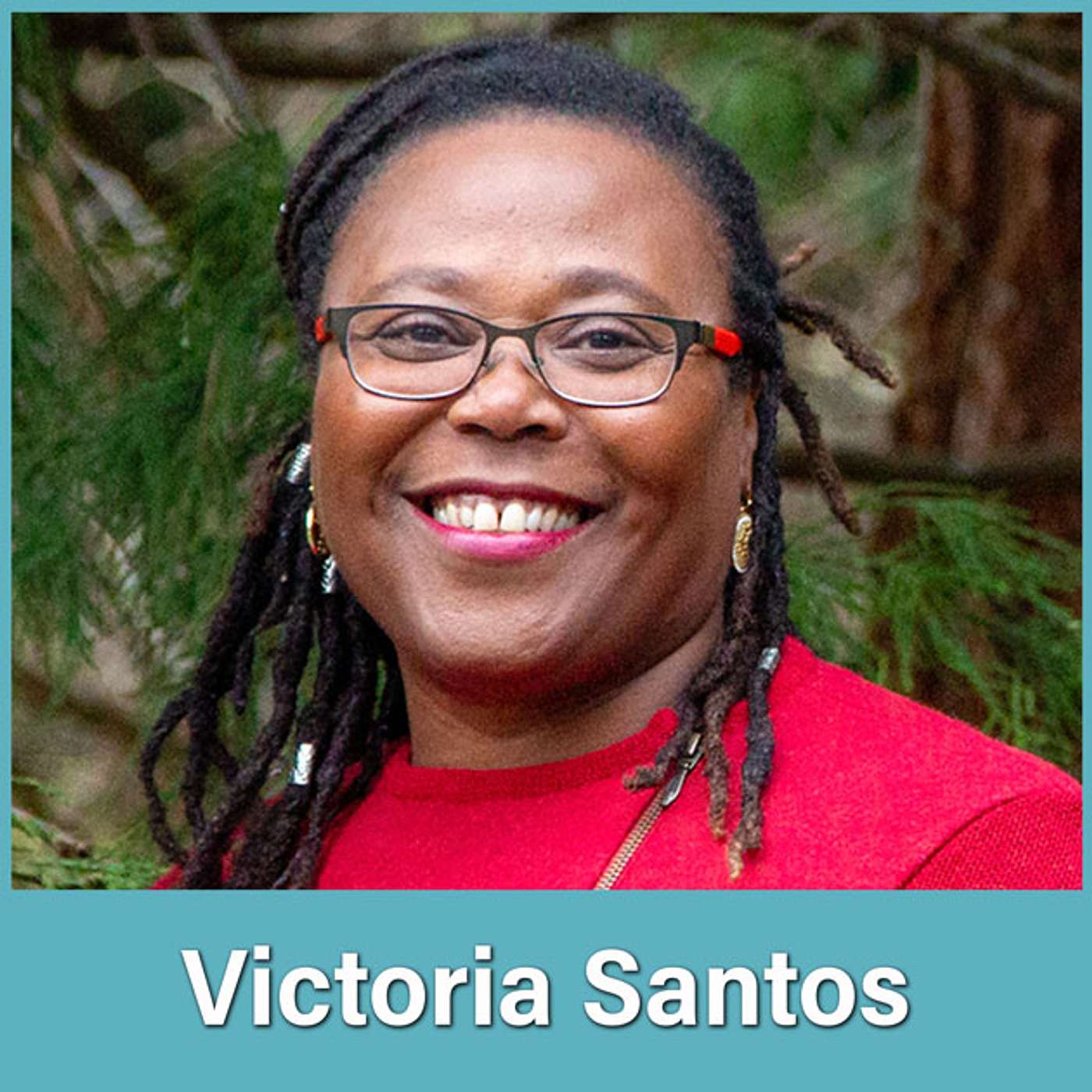
S1 Ep 3#3 Victoria Santos: What Can We Be to Each Other?
Young Women Empowered’s Victoria Santos approached our big question with a focus on social justice and racial equity. Her passionate insights included:The pandemic and recent protests provide the opportunity to reveal who we are to each other and who we can be to each other.That COVID-19 is having a disproportionate burden on people of color, indigenous people and the disenfranchised.That this isn’t just a crisis of today; that it has been accumulating for generations and we need to get to work to dismantle systems of oppression.That for real change to happen, people need to feel the pain; not just feel inconvenienced.A vision that we wake up and begin to figure out how to live in harmony with the planet, with other species, and with each other.Support the showComplete Show Notes
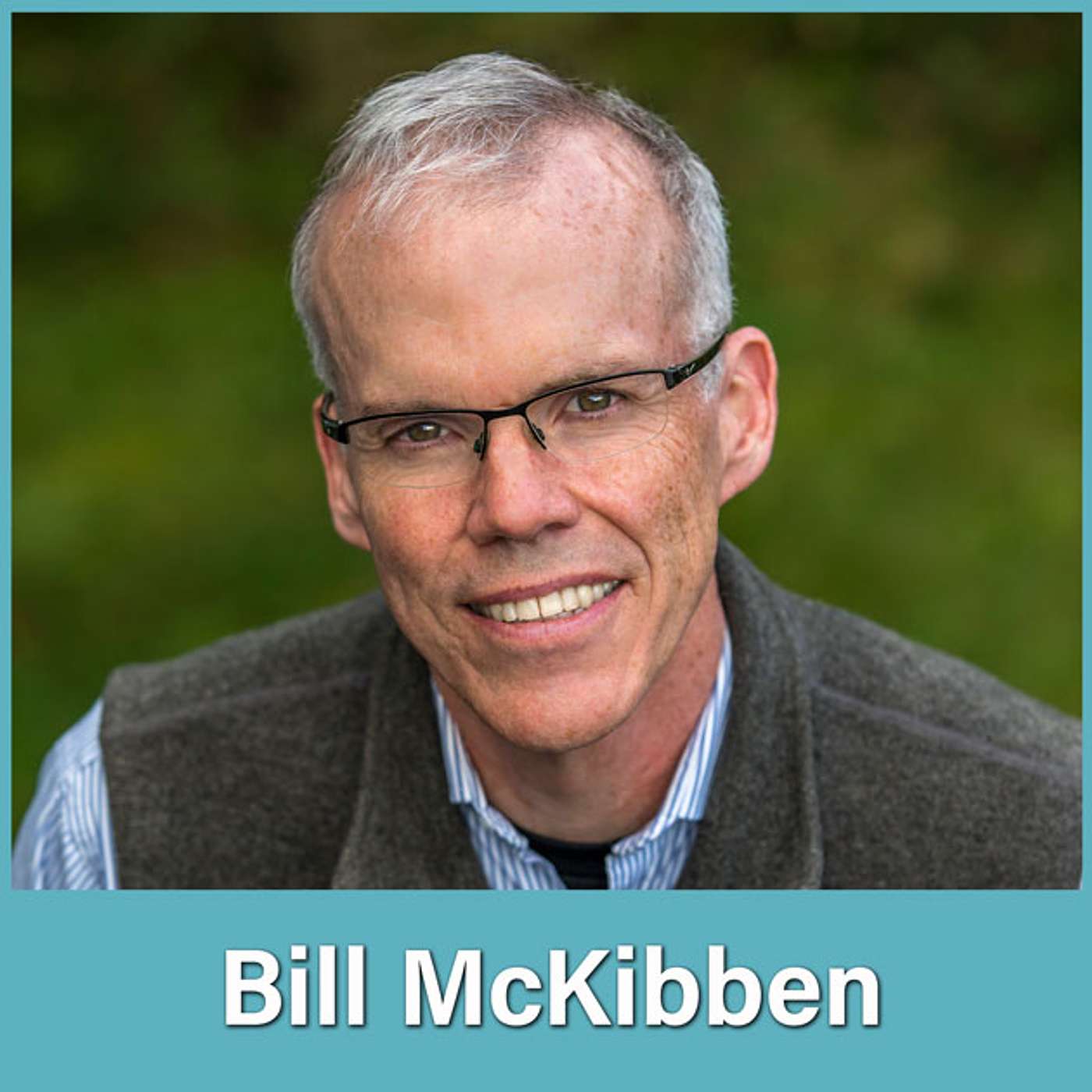
S1 Ep 2#2 Bill McKibben: What Crises Can Teach Us
In today’s episode, Bill McKibben, author, environmentalist, and Co-Founder of 350.org shares his perspectives on “What Could Possibly Go Right?” including:Learning from the pain and trauma of the current crises in a destabilized planet.Reconnecting with the physical reality of the world outside of our online lives.Knowing speed matters in our response to climate change, as well as understanding that actions will be disruptive but necessary.Recognizing that social solidarity and a unified, fair society is what’s required to tackle big issues like climate change.Being aware of the new scariest words in the English language.Realizing the opportunity in channeling the large unemployed labor force towards activities to transform our energy system and response to climate Support the showComplete Show Notes

S1 Ep 1#1 Saru Jayaraman: Extraordinary Moment of Opportunity
Saru Jayaraman, President of One Fair Wage and Co-Founder of the Restaurant Opportunities Centers United, shares insight into the current perfect opportunity for wage change in the food service industry, including:How the pandemic has laid bare the troubles with tips-based pay structures, such as the ineligibility of many service workers to qualify for unemployment benefits due to sub-minimum wages.How the shut down during the pandemic is allowing for reconfiguration and reimagining of the restaurant industry.That employers are now more willing than ever to move towards a full livable minimum wage for their workers.Treating those in the food industry as other skilled professionals with livable wages and not reliance on tips.The realization of consumers about how essential our service workers are and the role diners can play in encouraging restaurant owners towards positive change. Connect with Saru JayaramanOne Fair Wage: onefairwage.site/Twitter: twitter.com/sarujayaramanFollow WCPGR on Social MediaFacebook: https://www.facebook.com/WhatCouldPossiblyGoRightPodcastTwitter: https://twitter.com/postcarbonInstagram: https://www.instagram.com/postcarboninstitute/Learn more: https://bit.ly/pci-wcpgrseriesSupport the showComplete Show Notes