
What Could Possibly Go Right?
123 episodes — Page 2 of 3
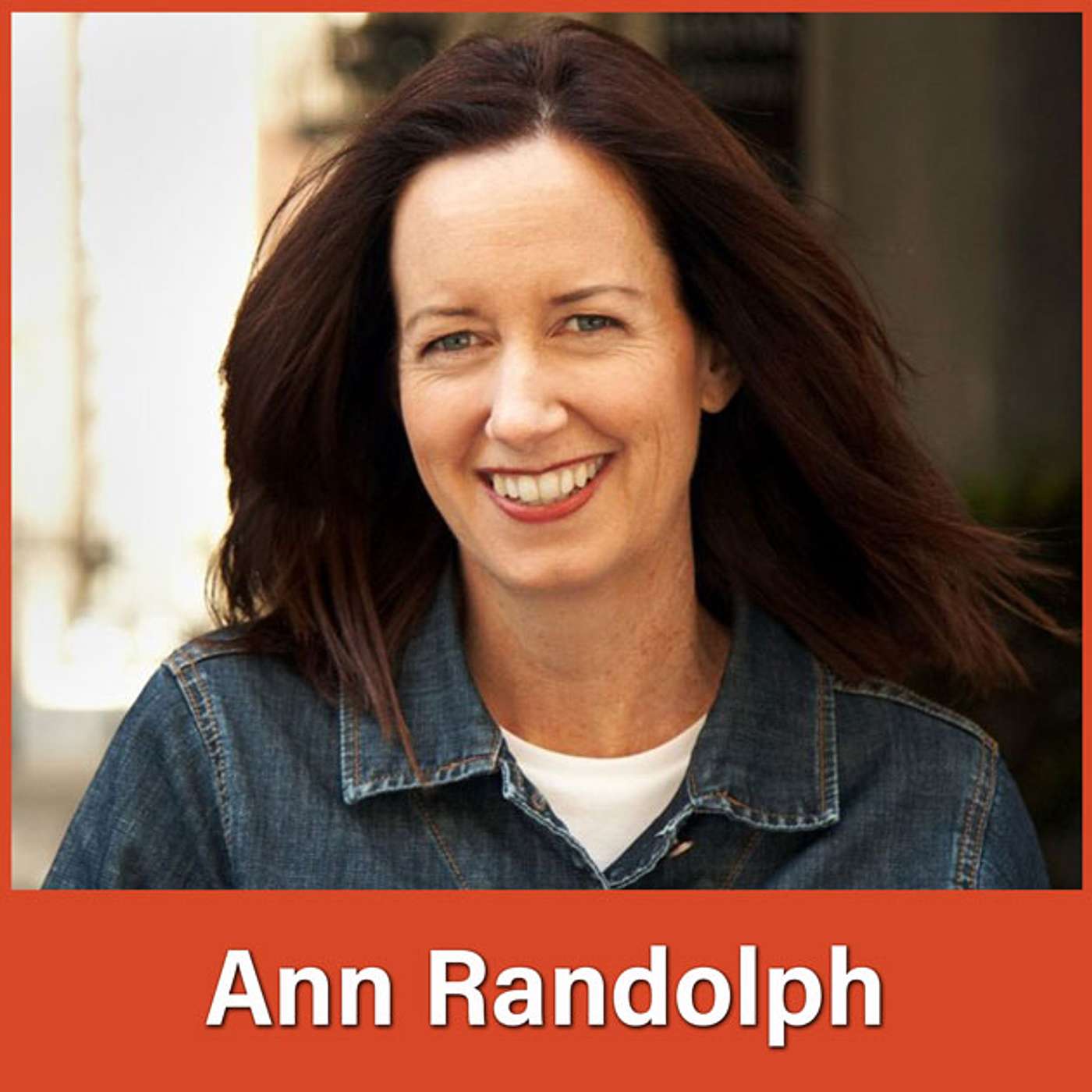
S1 Ep 59#59 Ann Randolph: Sharing Our Vulnerable Truths
Ann Randolph is an award-winning writer and performer. She has performed her solo shows in theaters across the U.S, garnering awards along the way including the Los Angeles Ovation Award for “Best Solo Show” and the San Francisco Bay Critic’s award for “Best Solo Performer.” Mel Brooks produced her first big hit, Squeeze Box, Off-Broadway.She addresses the question of “What Could Possibly Go Right?” with thoughts including:That in these times, more people are feeling compelled to tell their stories and speak their truths That our stories of flaws and shame can give others permission to live authentically and to be fully themselvesThat healing, integration, and transformation can come from sharing storiesThat preaching rarely works when trying to change minds, but vulnerable story-telling will create impactThat finding commonality in our human experience allows for unity in conflictResourcesOnline non-religious church of sharing stories: www.happycockchurch.com Connect with Ann RandolphWebsite: www.annrandolph.com Instagram: www.instagram.com/annrandolph12 Facebook: www.facebook.com/ann.randolph.56 Follow WCPGR/Resilience.orgFacebook: https://www.facebook.com/buildresilienceTwitter: https://twitter.com/buildresilienceInstagram: https://www.instagram.com/buildresilienceLearn More: https://bit.ly/wcpgr-resSupport the showComplete Show Notes
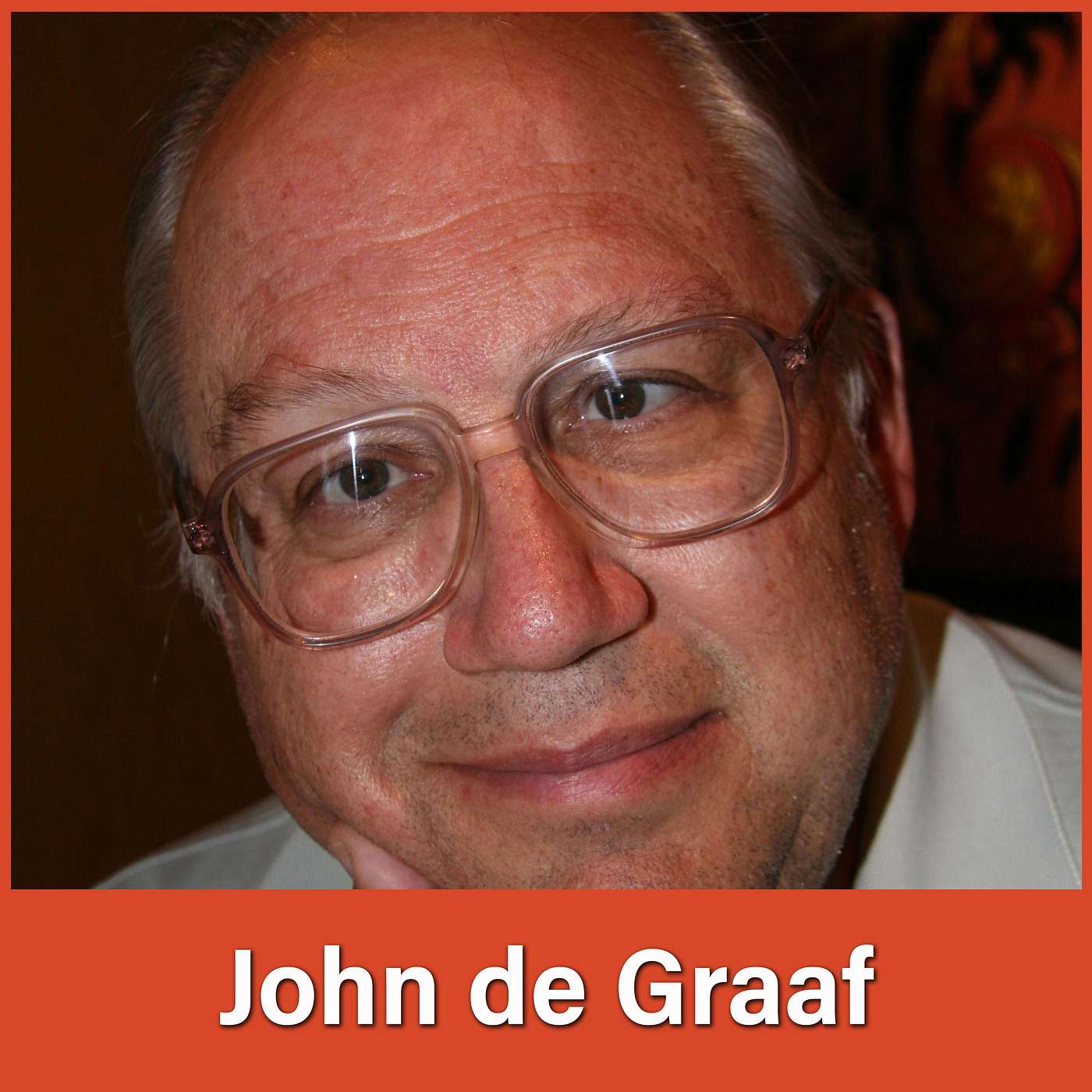
Ep 58#58 John de Graaf: Greening Neighborhoods, 4-Day Work Weeks, and Sustainable Living
John de Graaf is an author, award-winning documentary filmmaker, speaker, and activist “with a mission to help create a happy, healthy and sustainable quality of life for America.” He was the Executive Director of Take Back Your Time and co-founder of The Happiness Initiative. Since 1977, he has produced more than 40 documentaries, and dozens of shorter news stories and films. He is the author of books including international best-seller Affluenza, Running Out of Time and Hot Potatoes.He addresses the question of “What Could Possibly Go Right?” with thoughts including:That beauty in nature and the built environment can be a uniter in our polarized communities.That greening local neighborhoods can have broader positive implications, like reducing violence and having a healing influence.That experiments in increasing vacation time or introducing four day workweeks can make workers healthier, happier and more productive.That movements towards simplicity, sustainable living and getting outdoors has been boosted during the pandemic.Connect with John Website: https://www.johndegraaf.com/ Facebook: https://www.facebook.com/john.degraaf.71 Follow WCPGR/Resilience.orgFacebook: https://www.facebook.com/buildresilienceTwitter: https://twitter.com/buildresilienceInstagram: https://www.instagram.com/buildresilienceLearn More: https://bit.ly/wcpgr-resSupport the showComplete Show Notes
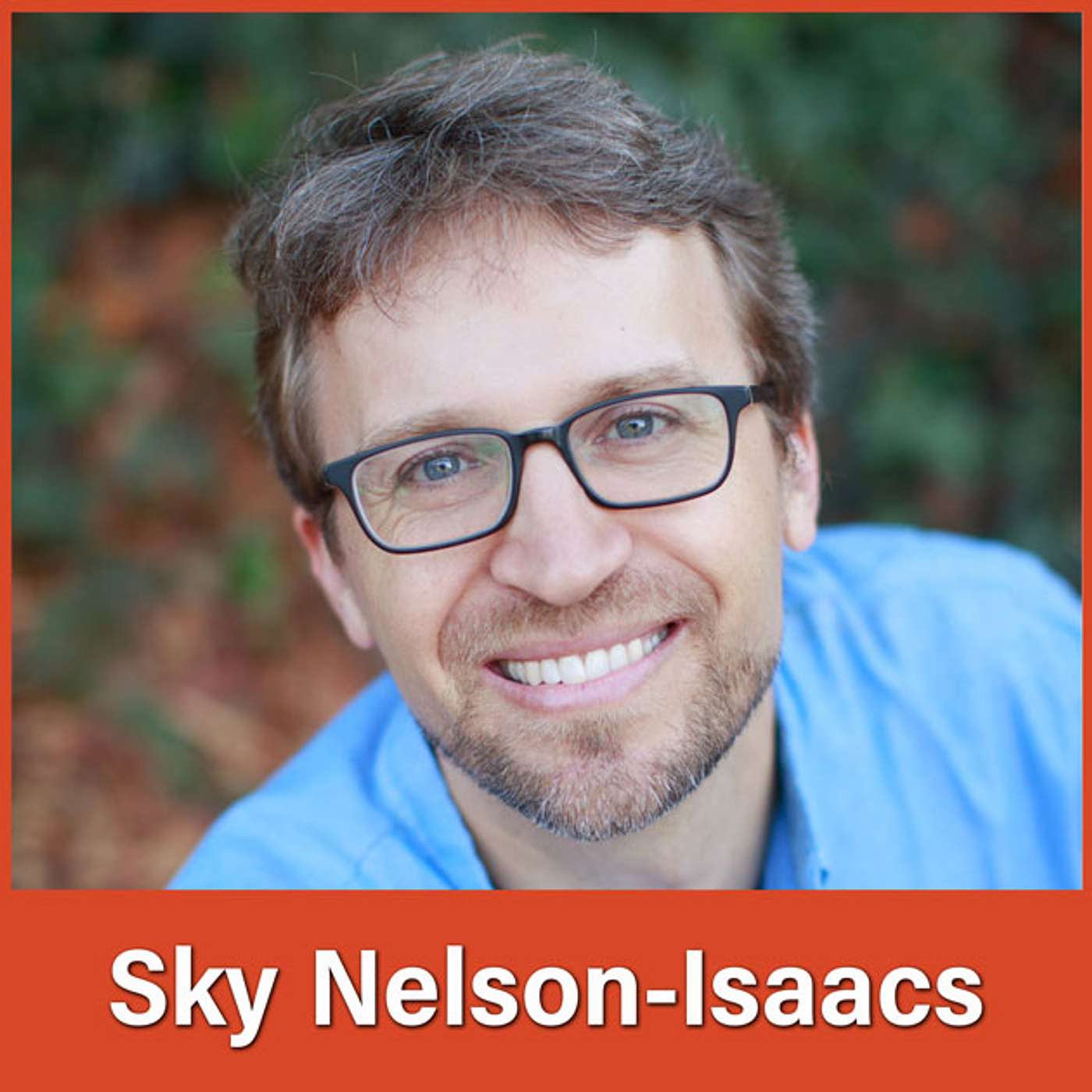
S1 Ep 57#57 Sky Nelson-Isaacs: Synchronicity, Wholeness, and Vulnerable Connection
Sky Nelson-Isaacs is a physics educator, speaker, author, and musician. He brings together the connection between synchronicity, physics, and real-life using research and original ideas. An educator with nine years of classroom experience, with experience in the industry as a software engineer, Nelson-Isaacs is also a multi-instrumentalist and professional performer of award-winning original musical compositions.He addresses the question of “What Could Possibly Go Right?” with thoughts including:The importance of wholeness in synchronicity; “from the whole, we get solutions from unexpected places.”The need for “a certain mindset of openness and receptivity” to see opportunities through the noise.The understanding that many of our “systems entice us, not towards wholeness, but towards separateness”.The value of vulnerability in creating connection; “If I sit with you, and you have a different view from me, and I want to understand and expand my view, I have to sit with insecurity and uncertainty.”Resources“Wholeness: Transforming Our Relationship to Power” (Part 1 & 2) https://synchronicityinstitute.com/blog/2021/7/15/wholeness-transforming-our-relationship-to-power-part-1 and https://synchronicityinstitute.com/blog/2021/7/20/wholeness-transforming-our-relationship-to-power-part-2“How do we define Wholeness?” https://synchronicityinstitute.com/blog/2021/1/18/to-be-whole“How a Science of Wholeness Can Change Leadership” https://synchronicityinstitute.com/blog/2021/8/13/how-a-science-of-wholeness-should-change-leadershipConnect with SkyWebsite: https://synchronicityinstitute.com/ Instagram: https://www.instagram.com/skynelsonisaacs/ Facebook: https://www.facebook.com/skynelsonisaacs/ Twitter: https://twitter.com/nelson_sky Follow WCPGR/Resilience.orgFacebook: https://www.facebook.com/buildresilienceTwitter: https://twitter.com/buildresilienceInstagram: https://www.instagram.com/buildresilienceLearn More: https://bit.ly/wcpgr-resSupport the showComplete Show Notes
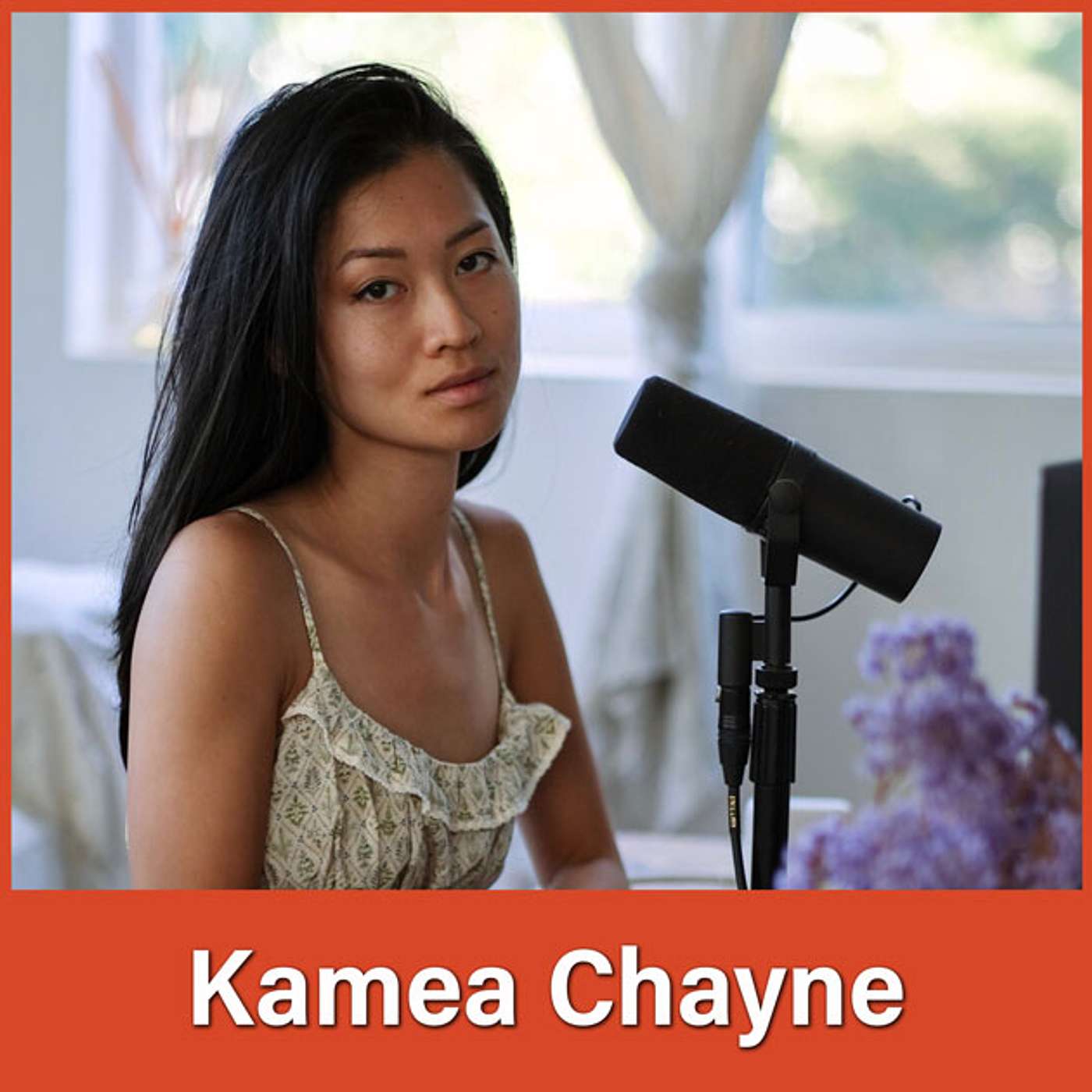
S1 Ep 56#56 Kamea Chayne: Being a Green Dreamer and Realigning our Deepest Yearnings
Kamea Chayne is a Hakka-Taiwanese creative, writer, the author of Thrive, and the host of the Green Dreamer podcast. Known for her perceptive commentary and incisive questioning, she's interviewed over 200 sustainability, social justice, and public health thought leaders.She addresses the question of “What Could Possibly Go Right?” with thoughts including:That "we just have to constantly reiterate and hone and create synergies with other people who have diverse different views."That "collectively we might be able to come up with new ideas that wouldn't have happened if we were to think and ideate separately in silos."That we are "increasingly waking up to the reality that infinite economic growth is fundamentally incompatible with supporting circularity and the regeneration of life".That "when we orient growth towards the right things, whether that be relationships, intimacy, or complexity, that is what actually can bring us stability".That there's a growing awareness of the need to "realign our deep yearnings as people, as interconnected communities, as Earth".ResourcesGreen Dreamer Podcast: greendreamer.com/podcast-1 Book: Thrive by Kamea ChayneConnect with Kamea ChayneWebsite: greendreamerkamea.com Instagram: instagram.com/greendreamerkameaTwitter: twitter.com/kameachayne Follow WCPGR/Resilience.orgFacebook: https://www.facebook.com/buildresilienceTwitter: https://twitter.com/buildresilienceInstagram: https://www.instagram.com/buildresilienceLearn More: https://bit.ly/wcpgr-resSupport the showComplete Show Notes

S1 Ep 55#55 William Ury: Finding the Third Side for Unity in Conflict
William Ury, co-founder of Harvard’s Program on Negotiation, is one of the world’s best-known practitioners of negotiation and mediation. William is co-author of Getting to Yes, a fifteen-million-copy bestseller translated into over thirty-five languages, and most recently author of the award-winning Getting to Yes with Yourself.He addresses the question of “What Could Possibly Go Right?” with thoughts including:That anger is a fuel essential for change, but the key is in whether it is deployed constructively or destructively.That there's a third side that unites us in conflicts.That zooming out and changing your perspective to the "balcony" can rechannel your energy.That there are three transformations needed to reframe and address conflict.The working through of a live example of these mediation techniques with Vicki.ResourcesThe power of listening - William Ury, TEDxSanDiego https://youtu.be/saXfavo1OQo Connect with William UryWebsite: www.williamury.comTwitter: https://twitter.com/williamurygtyFollow WCPGR/Resilience.orgFacebook: https://www.facebook.com/buildresilienceTwitter: https://twitter.com/buildresilienceInstagram: https://www.instagram.com/buildresilienceLearn More: https://bit.ly/wcpgr-resSupport the showComplete Show Notes
Bonus: What Could Possibly Go Right in Crazy Town?
In this bonus episode, Post Carbon Institute brings together the hosts of its two podcasts: What Could Possibly Go Right? and Crazy Town. Our host Vicki Robin sits down with the guys from Crazy Town to cover climate change, empathy, the stages of grief, and other related topics.Follow WCPGR/Resilience.orgFacebook: https://www.facebook.com/buildresilienceTwitter: https://twitter.com/buildresilienceInstagram: https://www.instagram.com/buildresilienceLearn More: https://bit.ly/wcpgr-resSupport the showComplete Show Notes

S1 Ep 54#54 Roman Krznaric and Kate Raworth: Doughnut Economics and Being a Good Ancestor
Roman Krznaric is a public philosopher who writes about the power of ideas to change society. His latest book is The Good Ancestor: How to Think Long Term in a Short Term World. His previous international bestsellers, including Empathy, The Wonderbox and Carpe Diem Regained, have been published in more than 20 languages.Kate Raworth is a renegade economist focused on making economics fit for 21st century realities. She is the creator of the Doughnut of social and planetary boundaries and co-founder of Doughnut Economics Action Lab.Together, they address the one core question of “What Could Possibly Go Right?” with thoughts including:That Doughnut Economics offers a model to “meet the needs of all people within the means of the Living Planet”.That “one of the ways that the world changes is through empathy”, which can overcome our social divides.That we need to be good ancestors and “step into the shoes of people in tomorrow's world as citizens of the future.”That recognizing and respecting boundaries is good for our own and the planet’s health, while also being a means to unleash our creativity.ResourcesEmpathy Museum - www.empathymuseum.com Doughnut Economics Action Lab doughnuteconomics.orgConnect with Roman KrznaricWebsite: www.romankrznaric.com Twitter: twitter.com/romankrznaric Connect with Kate RaworthWebsite: www.kateraworth.com Twitter: twitter.com/kateraworth Follow WCPGR/Resilience.orgFacebook: https://www.facebook.com/buildresilienceTwitter: https://twitter.com/buildresilienceInstagram: https://www.instagram.com/buildresilienceLearn More: https://bit.ly/wcpgr-resSupport the showComplete Show Notes
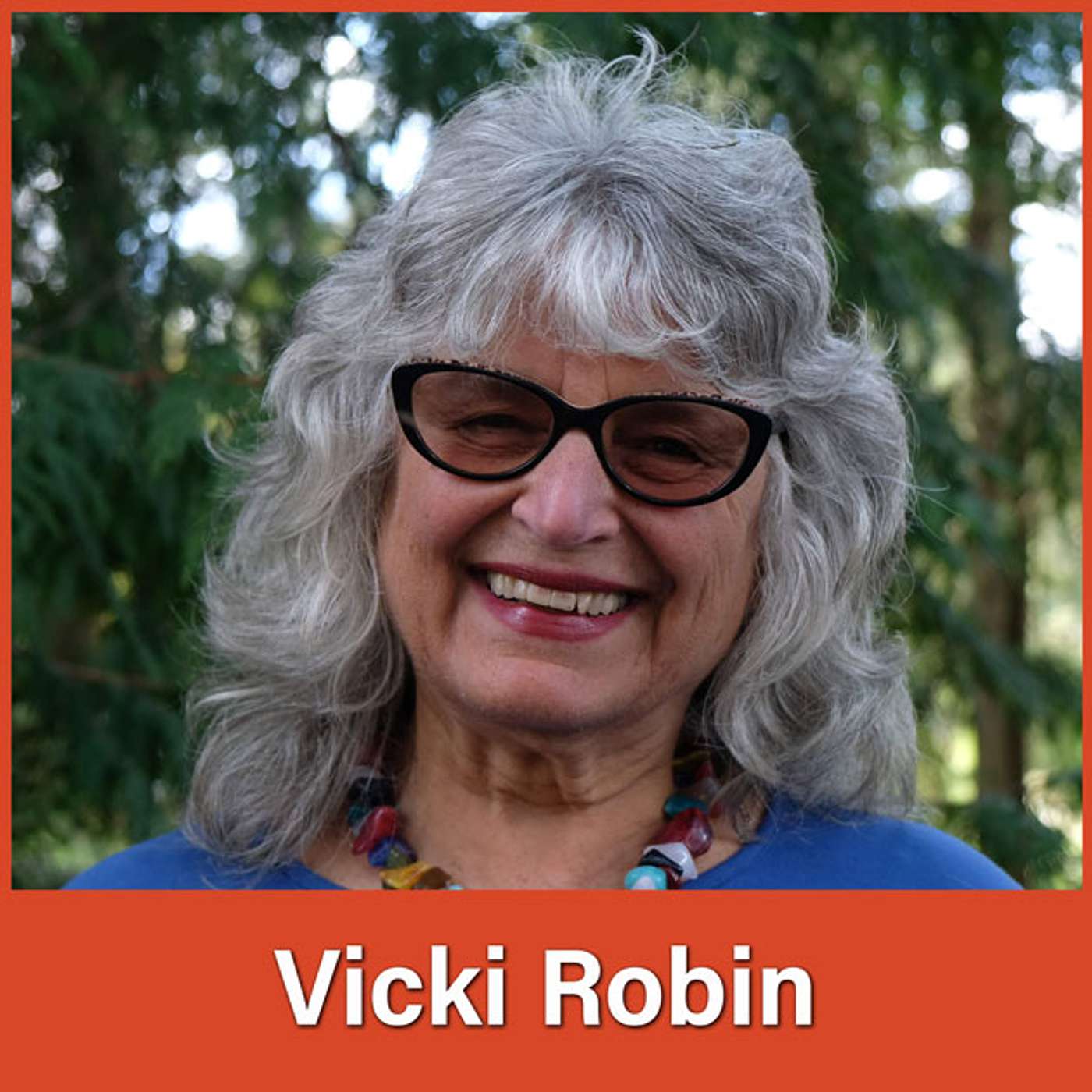
#53 Vicki Robin: Seeking Serenity Alongside Activism
Our host Vicki Robin takes a turn in the hot seat, asking herself “What Could Possibly Go Right?” After more than 50 episodes in the program, Vicki reflects on the emerging themes and shares thoughts as a cultural scout, including:The four acceptances she is making to find more serenity and avoid burnout in activismThe benefits of returning to ritual, connection, and cultural liveliness That "we're all working against an outdated, outmoded paradigm, that must fail to liberate the creative energies of humanity"That "the capacity for empathy and compassion for spaciousness and calm is the missing piece in this struggle with our climate, environmental and social circumstances"That intersectionality is now firmly anchored in movements for justice and positive changeConnect with Vicki RobinWebsite: vickirobin.comTwitter: twitter.com/vicki_robin Follow WCPGR on Social MediaFacebook: https://www.facebook.com/WhatCouldPossiblyGoRightPodcastTwitter: https://twitter.com/buildresilienceInstagram: https://www.instagram.com/buildresilienceLearn more: https://bit.ly/wcpgr-resSupport the showComplete Show Notes
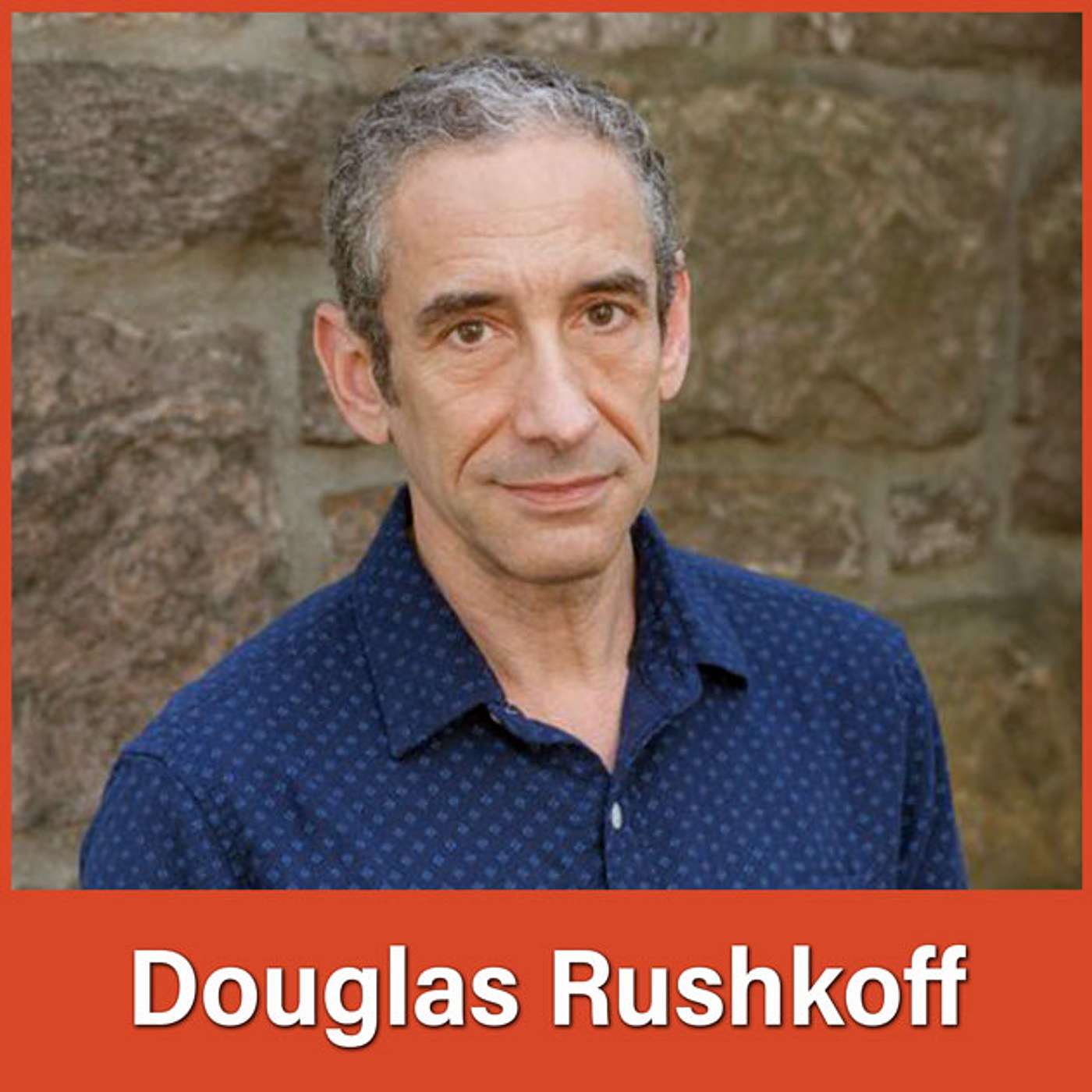
#52 Douglas Rushkoff Revisited: Finding Connection in a Destabilizing Digital Realm
Douglas Rushkoff makes a return appearance to the series with fresh insights on our core question of What Could Possibly Go Right? Listen to his previous interview on episode 28.Douglas Rushkoff is an author, documentarian, and host of the popular podcast, Team Human. Rushkoff’s work explores how different technological environments change our relationship to narrative, money, power, and one another. He addresses our question a second time with thoughts including:The importance of contentment in “just less” and acknowledging the enoughness we have alreadyThe striving for connection with others, in a context where the “human organism has reached its peak of loneliness and is trying to find itself again”That the “digital realm is so much about choice” and we can use technology for light or darkThe need for real-life interactions as an antithesis to technologies which “are intentionally decalibrating; they destabilize you and your nervous system”Connect with Douglas RushkoffWebsite: rushkoff.comTeam Human: www.teamhuman.fmTwitter: twitter.com/rushkoffFollow WCPGR on Social MediaFacebook: https://www.facebook.com/WhatCouldPossiblyGoRightPodcastTwitter: https://twitter.com/buildresilienceInstagram: https://www.instagram.com/buildresilienceLearn more: https://bit.ly/wcpgr-resSupport the showComplete Show Notes
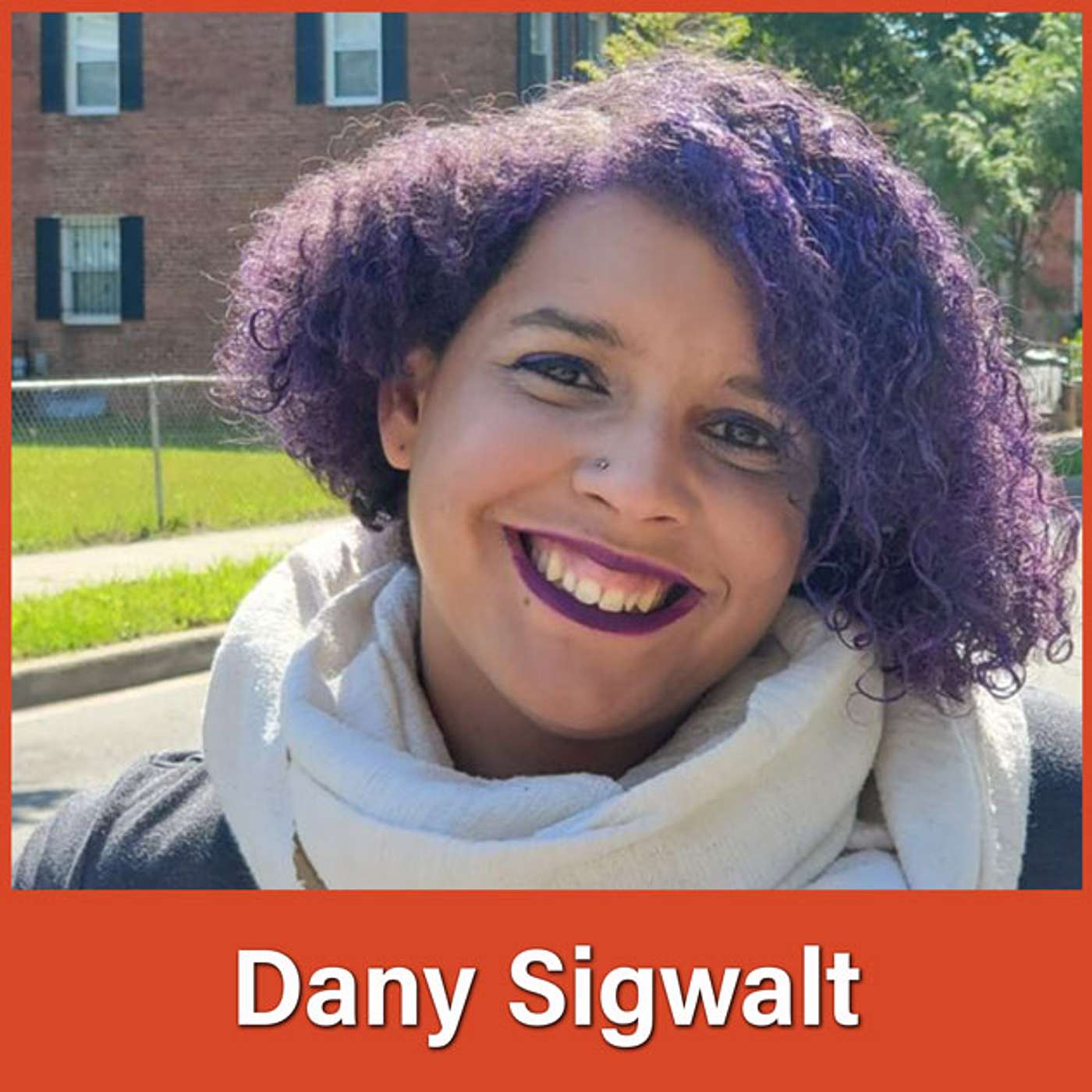
S1 Ep 51#51 Dany Sigwalt: Youth at the Forefront of Social Movements
Dany Sigwalt, Executive Director at Power Shift Network, has spent much of her career moving between movement building and youth leadership development, working to marry the two into one cohesive strategic reality. She cut her organizing teeth providing solidarity childcare for housing rights advocates in DC, fighting the wars in Iraq and Afghanistan, and with the Occupy DC movement. She joined Power Shift Network in 2016 as Operations Director and has been supporting the organization in exploring better distribution of leadership energy for long term sustainability ever since.She addresses the question of “What Could Possibly Go Right?” with thoughts including:The reflection time during the pandemic supporting being more “thoughtful and intentional in our activism”The legacy of Black feminists in identifying language and providing analysis of the intersectionalities in systems causing harmThe growing collective consciousness in activism and the “willingness not to leave anybody behind in the work that we're doing”That “young folks have always been at the forefront of social movements”, understanding that they’ll live the longest in whatever reality we build, while also having had “less time to be indoctrinated”The benefits of policies that have impacts across different issue areas, such as the Green New DealThe power-building of mutual aid, through developing relationships and local resiliency; reducing “the level of control that the normative economy has over our lives”.Connect with Dany SigwaltWebsite: powershift.org Facebook: facebook.com/powershiftnetworkTwitter: twitter.com/powershiftnetTwitter: twitter.com/danysiggyInstagram: instagram.com/power_shift Instagram: instagram.com/danysiggy Follow WCPGR on Social MediaFacebook: https://www.facebook.com/WhatCouldPossiblyGoRightPodcastTwitter: https://twitter.com/buildresilienceInstagram: https://www.instagram.com/buildresilienceLearn more: https://bit.ly/wcpgr-resSupport the showComplete Show Notes
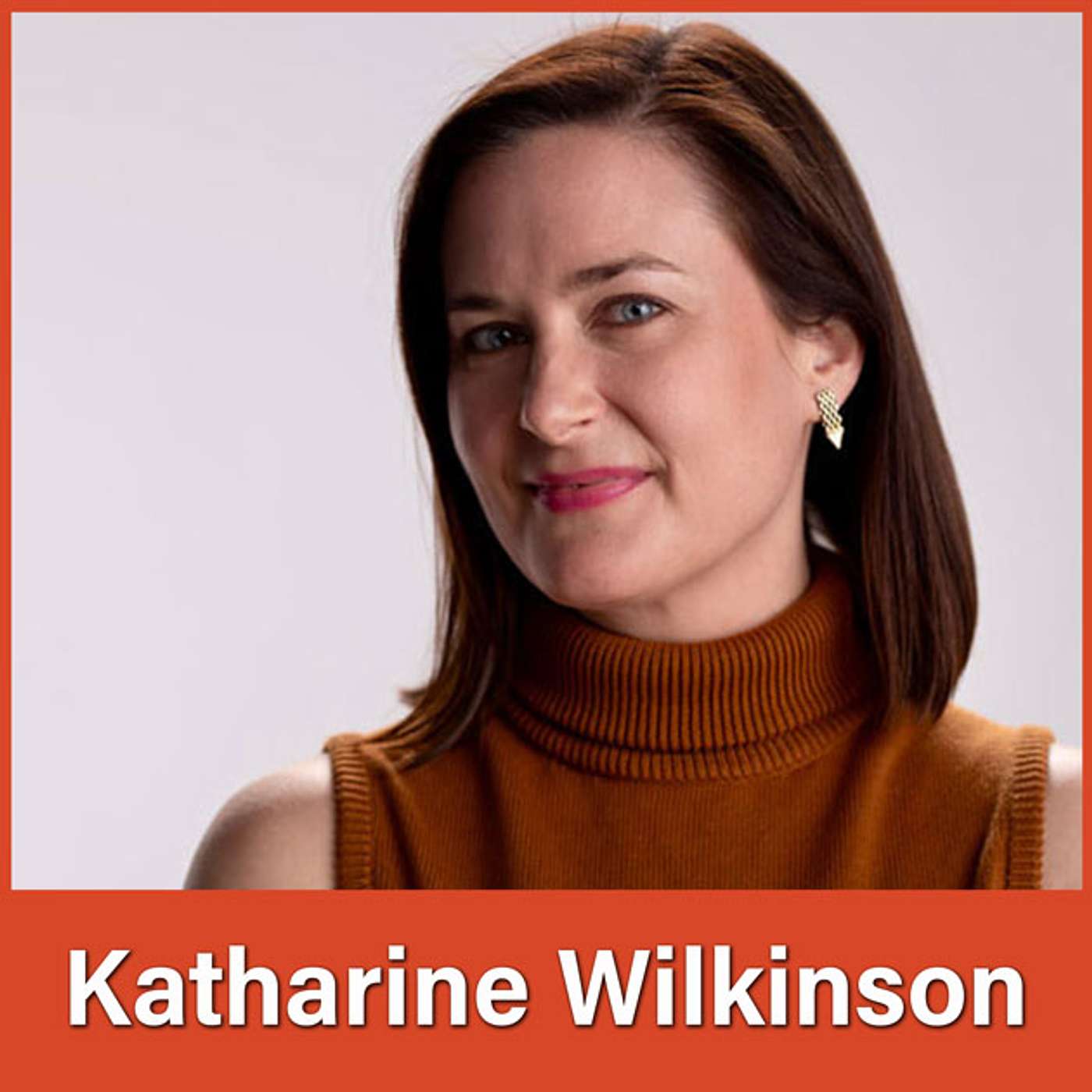
S1 Ep 50#50 Katharine Wilkinson: Making Our Hearts Public in Climate Conversation
Dr. Katharine Wilkinson is an author, strategist, teacher, and co-host of the podcast, A Matter of Degrees. Dr. Wilkinson co-founded and leads The All We Can Save Project with Dr. Ayana Elizabeth Johnson, in support of women leading on climate. Her books on climate include the bestselling anthology All We Can Save (2020, co-editor), The Drawdown Review (2020, editor-in-chief and lead writer), the New York Times bestseller Drawdown (2017, lead writer), and Between God & Green (2012). She addresses the question of “What Could Possibly Go Right?” with thoughts including:That “at our very best, we as human beings are active and generative collaborators with lifeforce... in these relationships of reciprocity and almost play with the planet's living systems.”The “different kind of leadership that women are bringing in droves on climate”That dialog about solutions is often about scale and speed; yet, we would benefit from considering solutions at depth with “heart-centered wisdom” and love as a powerful leverage pointThe value of “making our hearts public”, bringing feelings and stories into climate conversation That what could go right is “in the onslaught of the quest for power and profit and prestige, that maybe these things could actually be replaced with care and courage and connection and community and creativity.”ResourcesThe All We Can Save Project: www.allwecansave.earth Book: All We Can Save: www.allwecansave.earth/anthology Podcast: A Matter of Degrees: www.degreespod.comConnect with Katharine WilkinsonWebsite: kkwilkinson.comTwitter: twitter.com/drkwilkinsonInstagram: instagram.com/drkwilkinsonFollow WCPGR on Social MediaFacebook: https://www.facebook.com/WhatCouldPossiblyGoRightPodcastTwitter: https://twitter.com/buildresilienceInstagram: https://www.instagram.com/buildresilienceLearn more: https://bit.ly/wcpgr-resSupport the showComplete Show Notes
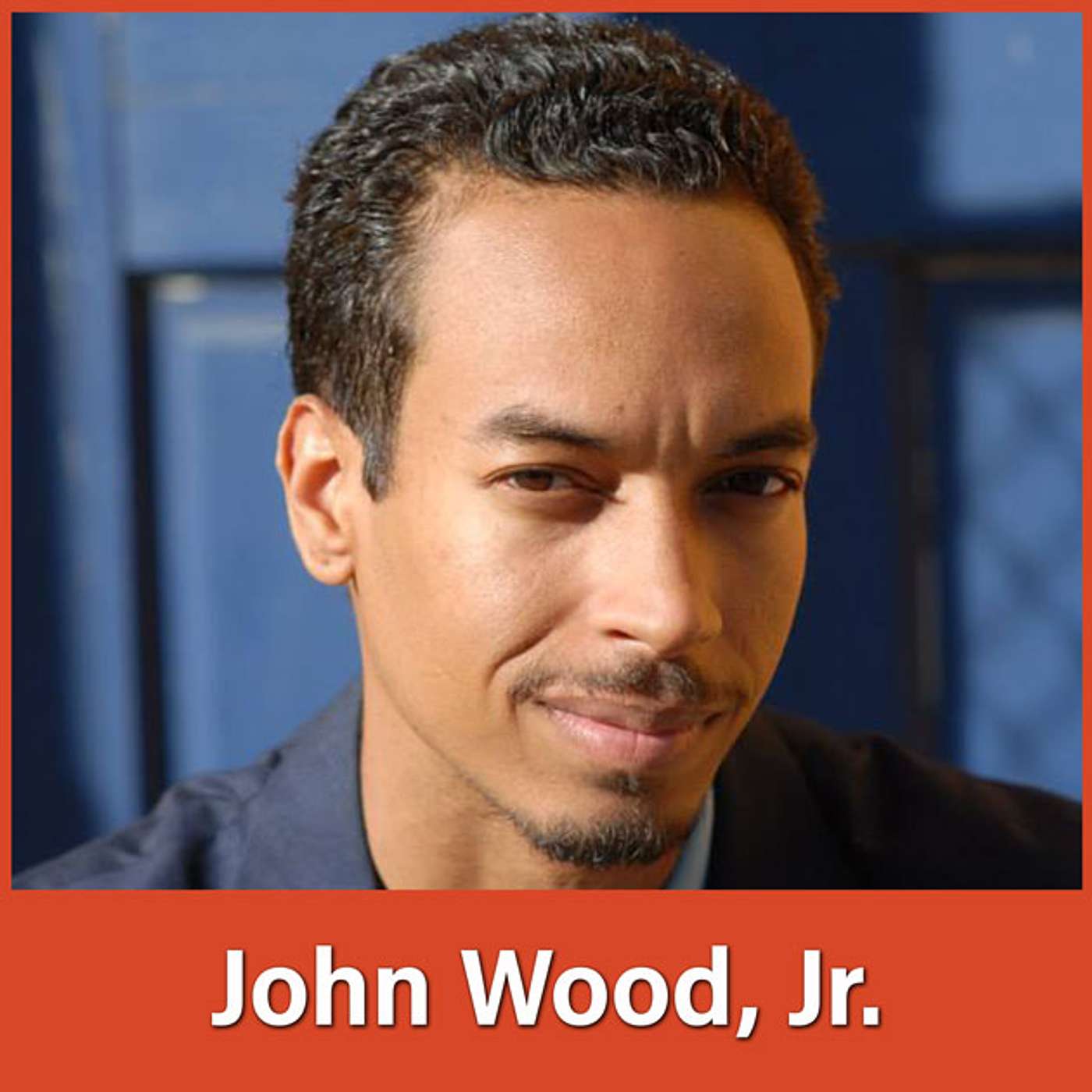
S1 Ep 49#49 John Wood, Jr: Political Polarization, Commitment to Goodwill, and Reawakening the Nonviolent Spirit
John Wood, Jr. is a national leader for Braver Angels, a former nominee for Congress, former Vice-Chairman of the Republican Party of Los Angeles County, musical artist, and a noted writer and speaker on issues of political and racial reconciliation.He addresses the question of “What Could Possibly Go Right?” with thoughts including:The optimism that “we come to remember the higher-minded traditions of moral and social idealism that have inspired this country towards social progress in the past, such that we might rally towards some of these ways of engaging in politics and relating to one another in our own current time”The lessons that can be taken from the nonviolence tradition taught by Martin Luther King, Jr.The importance of seeking mutual understanding and goodwill, to leverage these into collaboration and shared work to improve our local communities and governmentThe fostering of empathy and respectful recognition of others’ experiences towards “laying the foundation for more durable social progress”The many organizations such as Braver Angels that are incubating social innovation and stimulating changeResourcesBraver Angels braverangels.orgConnect with John Wood JrWebsite: braverangels.org Facebook: facebook.com/TranscendingPolitics Twitter: twitter.com/JohnRWoodJr Follow WCPGR on Social MediaFacebook: https://www.facebook.com/WhatCouldPossiblyGoRightPodcastTwitter: https://twitter.com/buildresilienceInstagram: https://www.instagram.com/buildresilienceLearn more: https://bit.ly/wcpgr-resSupport the showComplete Show Notes

S1 Ep 48#48 Penny Livingston: Expanding Permaculture Literacy for Resilience and Regeneration
Penny Livingston is internationally recognized as a prominent permaculture teacher, designer, and speaker. She has been teaching internationally and working professionally in land management, regenerative design, and permaculture development for 25 years. She holds an MS in Eco-Social Regeneration, has 3 diplomas in Permaculture Design, and has been studying the Hermetic Tradition of alchemy and herbal medicine making all over the world.She addresses the question of “What Could Possibly Go Right?” with insights including:That there’s a growing interest in permaculture and expanding ecological literacy.That permaculture “is a solution-based design system… rooted in observing natural ecosystems and how we can design our human settlements to have the same level of stability and resiliency.”That conventional civil engineering is turning to permaculture solutions now.That studying permaculture will help decision-makers to understand community economics and boost local resilience. That a deconstructionist involves looking at a problem backwards, “to arrive at the systemic core cause and not just treating the symptoms.”That a focus on regeneration is needed, not just sustainability. “We have to start giving back more than what we take, because we've been working on a deficit.”Connect with Penny Livingston-StarkWebsite: pennylivingston.com Website: regenerativedesign.org Facebook: facebook.com/RDIpermacultureInstagram: instagram.com/penny_livingstonFollow WCPGR on Social MediaFacebook: https://www.facebook.com/WhatCouldPossiblyGoRightPodcastTwitter: https://twitter.com/buildresilienceInstagram: https://www.instagram.com/buildresilienceLearn more: https://bit.ly/wcpgr-resSupport the showComplete Show Notes
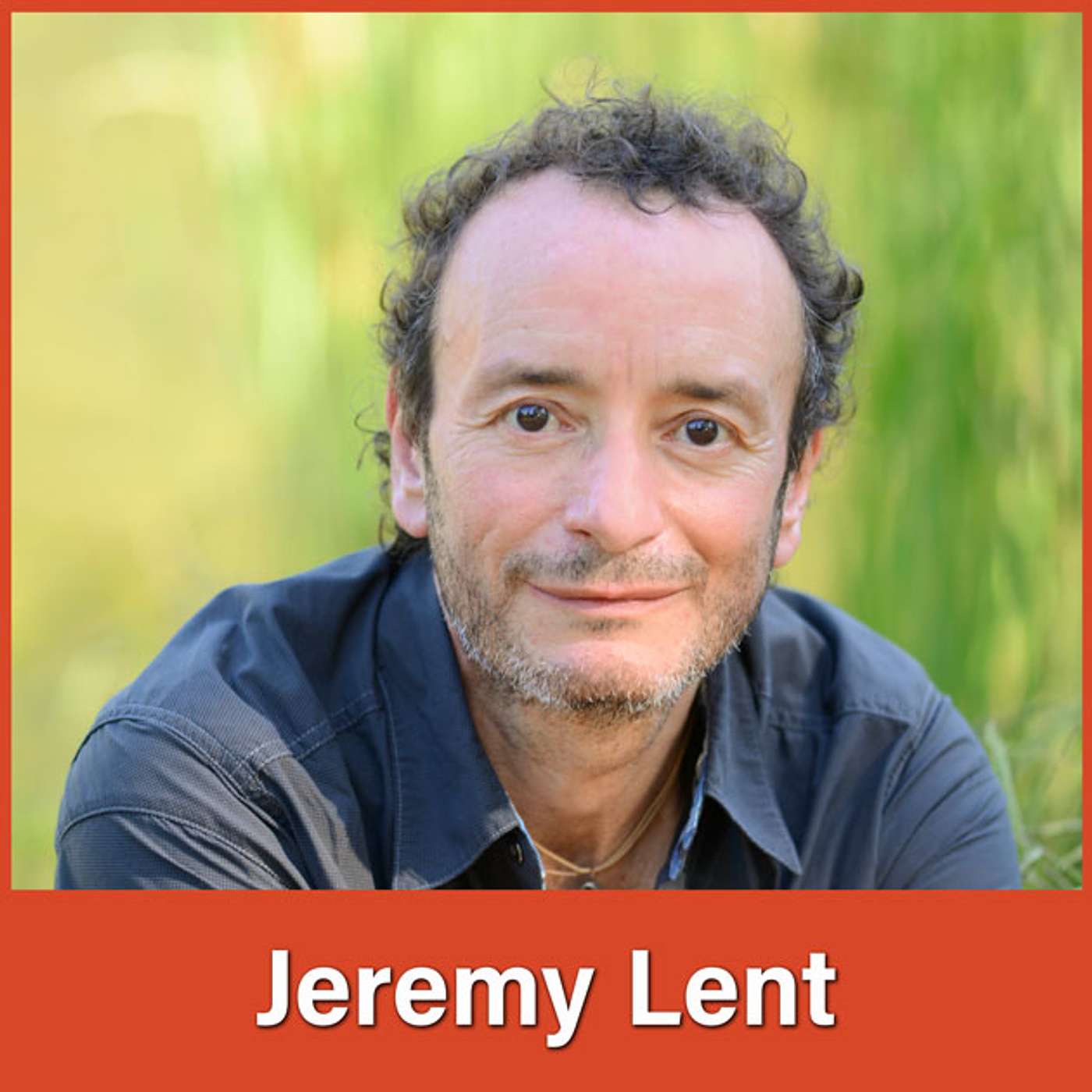
S1 Ep 47#47 Jeremy Lent: Reweaving the Patterns of Meaning in Our Civilization
Jeremy Lent is an author and speaker whose work investigates the underlying causes of our civilization’s existential crisis and explores pathways toward a life-affirming future. He is the Founder of the Liology Institute, a nonprofit dedicated to fostering an integrated worldview that could enable humanity to thrive sustainably on the Earth. He addresses the question of “What Could Possibly Go Right?” with thoughts including:The increasing recognition of our shared humanity and connection, “even in the face of the forces of separation that are potentially driving us to destruction”.The potential of the Internet to shift human consciousness and provide “massive epic possibilities that we haven't even begun to even conceptualize”. The fear underpinning polarization and the reminder that white supremacy “doesn't just oppress the people who are not white as a result, but oppresses the white people who think that they're maintaining their privilege... (who) have to always stay on the defensive and tired and worried about losing, rather than actually sharing a space with others, where it's not a zero sum game.” The analogy of unraveling the tightly woven rug of our society and structures, to reweave into a better, resilient pattern of meaning.The benefits of a “shift away from a growth-oriented wealth-accumulating world” to “an ecological civilization... founded on connectivity, on the power of symbiosis between humans and non-human nature.”ResourcesThe Patterning Instinct: A Cultural History of Humanity's Search for Meaning by Jeremy Lent: https://www.jeremylent.com/the-patterning-instinct.htmlThe Web of Meaning: Integrating Science and Traditional Wisdom to Find Our Place in the Universe by Jeremy Lent: https://www.jeremylent.com/the-web-of-meaning.htmlConnect with Jeremy LentWebsite: www.jeremylent.com Facebook: facebook.com/JeremyRLent Twitter: twitter.com/JeremyRLent Follow WCPGR on Social MediaFacebook: https://www.facebook.com/WhatCouldPossiblyGoRightPodcastTwitter: https://twitter.com/buildresilienceInstagram: https://www.instagram.com/buildresilienceLearn more: https://bit.ly/wcpgr-resSupport the showComplete Show Notes

S1 Ep 46#46 Juliet Schor: Flipping the Script on Work, Consumption, and Democracy
Juliet Schor is Professor of Sociology at Boston College, a member of the MacArthur Foundation Connected Learning Research Network, and co-founder of the Center for a New American Dream. Schor’s research focuses on consumption, time use, and environmental sustainability. Her books include After the Gig: How the Sharing Economy Got Hijacked and How to Win it Back (2020), The Overspent American: Why We Want What We Don’t Need (1998), and The Overworked American: The Unexpected Decline of Leisure (1992).She is also the vice-chair of the board of the Better Future Project, one of the country’s most successful climate activism organizations.She addresses the question of “What Could Possibly Go Right?” with thoughts including:The growing global climate movement and activismThe success of experiments in universal basic income and servicesThe increasing rates of democratic engagement and activationThe rising popularity of a four-day workweek, without losing productivityThe benefits of de-legitimizing of extreme wealthResourcesCenter for a New American Dream www.newdream.orgBetter Future Project www.betterfutureproject.orgFollow WCPGR on Social MediaFacebook: https://www.facebook.com/WhatCouldPossiblyGoRightPodcastTwitter: https://twitter.com/buildresilienceInstagram: https://www.instagram.com/buildresilienceLearn more: https://bit.ly/wcpgr-resSupport the showComplete Show Notes

S1 Ep 45#45 Eric Liu: Fostering Civic Imagination and Responsible Citizenship
Eric Liu is the co-founder and CEO of Citizen University, Director of the Aspen Institute’s Citizenship & American Identity Program, author of several popular books, and former White House speechwriter for President Bill Clinton and later as the President’s deputy domestic policy adviser. He has served as a board member of the Corporation for National and Community Service, the Washington State Board of Education, and the Seattle Public Library. He is a co-founder of the Alliance for Gun Responsibility. Eric addresses the question of “What Could Possibly Go Right?” with thoughts including:That Citizen University is working to foster a culture of powerful citizenshipThat “all great endeavors are collective endeavors”The “incredible surge of mutual aid” we’ve seen during the pandemicThe importance of civic catalysts, who “may not have the title, authority or formal office of a leader, but they're the ones who make it happen.”That “you can't possibly change another person's mind if you yourself aren't willing to have your own mind changed or your own heart opened.”ResourcesBook: “Our Towns: A 100,000-Mile Journey into the Heart of America” by James and Deborah FallowsBook: “You’re More Powerful Than You Think: A Citizen’s Guide to Making Change Happen” by Eric LiuBook: “Become America: Civic Sermons on Love, Responsibility, and Democracy” by Eric LiuThe Better Arguments Project https://betterarguments.orgConnect with Eric LiuWebsite: https://citizenuniversity.us Twitter: https://twitter.com/ericpliu Follow WCPGR on Social MediaFacebook: https://www.facebook.com/WhatCouldPossiblyGoRightPodcastTwitter: https://twitter.com/buildresilienceInstagram: https://www.instagram.com/buildresilienceJoin our Patreon Community to receive bonus conversations with guests and "backstage" conversations between Vicki and other podcast hosts: https://www.patreon.com/vickirobinLearn more: https://bit.ly/wcpgr-resSupport the showComplete Show Notes
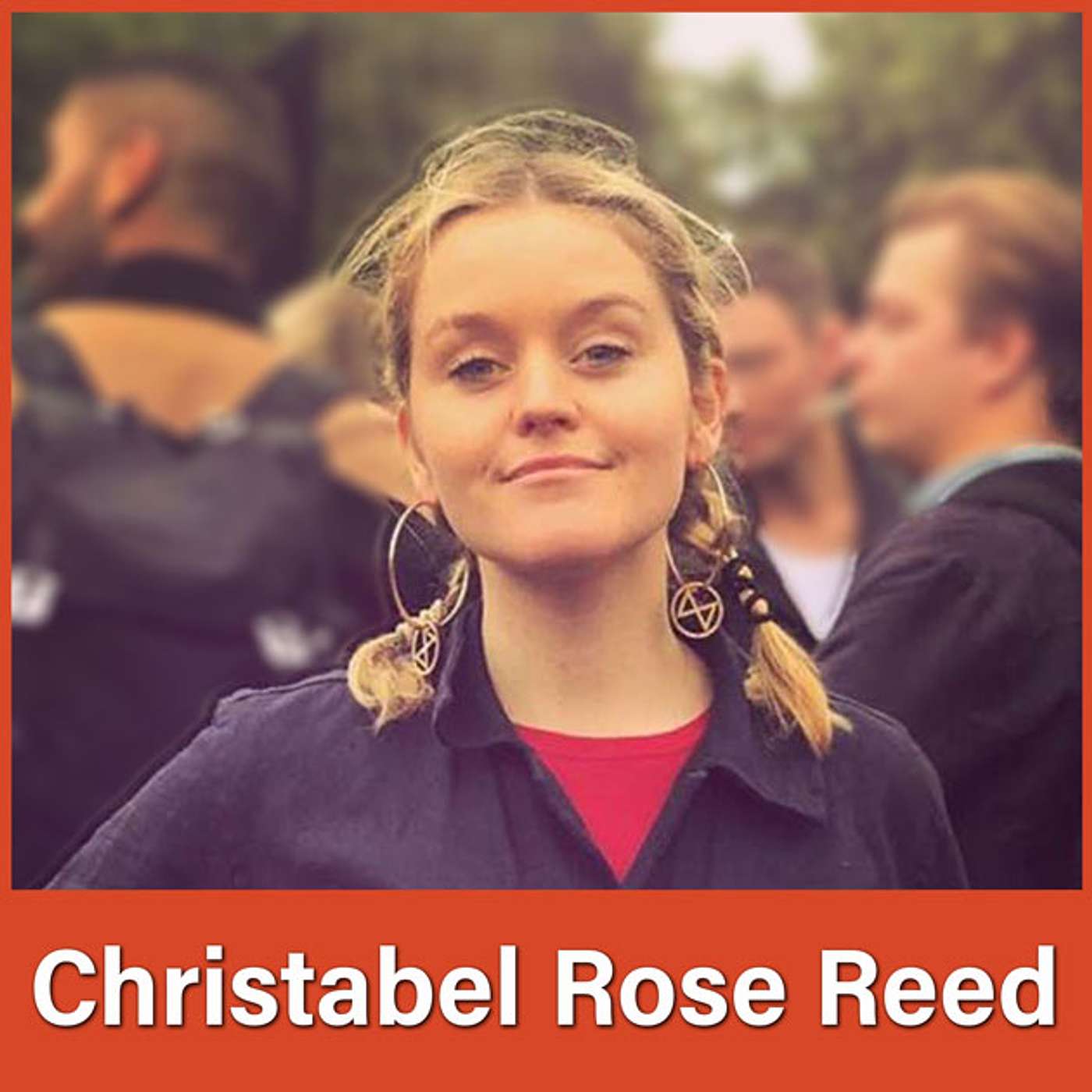
S1 Ep 44#44 Christabel Rose Reed: Curating Diverse Voices to Co-Create New Futures
Christabel Rose Reed is a yoga teacher, yoga therapist, and activist. She is on a mission to link inner transformation with social change and empower people to embark on the entwined journey of inner and outer healing.In 2015, Christabel and her sister Ruby founded Advaya, the London-based system change initiative that organizes around the principles of radical regeneration and joyful revolution. Since then they have launched a media platform called EarthSpace and organized over 150 events including full-day immersions, panel discussions, retreats, pilgrimages, circles, and festivals.Christabel addresses the question of “What Could Possibly Go Right?” with thoughts including:That we need to engage more with our imaginations, to look beyond the false solutions that are being presented to us, and to “envisage the kind of future that we know deep down we want and that we know are possible.”That “our understanding of what our purpose is has been shifted, because so much of our stability has gone” and despite that, we could “harness this opportunity, this pause, in order to co-create futures that can truly thrive.”That online events can bring together more speakers and audiences across geographic limitations, giving "accessibility to new narratives and new stories."That despite their benefits, online events can sever the deeper human connection and community building that comes from meeting in-person.That we should avoid feeling overwhelmed by large scale in systemic change, instead focussing on our own small impacts we can make.That "cultivating the love within us, for each other and for this incredible life that we've been blessed with" can create a different world of creativity, fearlessness, compassion and joy.Resources- Regenerative Activism: https://www.regenerativeactivism.com - EcoResolution: https://advaya.co/my-eco-resolution- Guardians of the Forest course: https://advaya.co/events/series/guardians-of-the-forest Connect with Christabel Rose ReedWebsite: https://advaya.co Facebook: https://www.facebook.com/christabelrosereedyogateacher Instagram: https://www.instagram.com/christabel_roseFollow WCPGR on Social MediaFacebook: https://www.facebook.com/WhatCouldPossiblyGoRightPodcastTwitter: https://twitter.com/buildresilienceInstagram: https://www.instagram.com/buildresilienceJoin our Patreon Community to receive bonus conversations with guests and "backstage" conversations between Vicki and other podcast hosts: https://www.patreon.com/vickirobinLearn more: https://bit.ly/wcpgr-resSupport the showComplete Show Notes

S1 Ep 43#43 Richard Heinberg: Changing Our Relationship with Power
Richard Heinberg is an author, Senior Fellow-in-Residence of the Post Carbon Institute, and widely regarded as one of the world’s foremost educators on the need to transition society off fossil fuels. His forthcoming book, POWER: LIMITS AND PROSPECTS FOR HUMAN SURVIVAL is now available for pre-order.Since 2002, Richard has spoken to hundreds of public, government, and business audiences around the world, and has made countless appearances on radio and television. He is the award-winning author of fourteen books and a recipient of the Atlas Award for climate heroes (2012) and the M. King Hubbert Award for Excellence in Energy Education (2006).He addresses the question of “What Could Possibly Go Right?” with thoughts including:That there are many definitions of power - energy transfer, ability, authority, domination.That the adoption of fossil fuels was the most consequential event in human history – providing many benefits, but at enormous cost of climate change, resource depletion, pollution and crowding out other species.That we have to relearn and apply the wisdom of power self-limitation, “in a way that enhances our experience of life”. That “native cultures, indigenous cultures, had ways of conserving resources and sharing resources and preventing some people from getting a lot more powerful than others.”That today’s social fabric is woven of vertical social power, whereas pre-agricultural societies were characterized by horizontal power of “we can all do this together”.That we need to consider: “How do we use power responsibly, in order to overcome some of these unhealthy systems of power that have gotten out of control?”Pre-order POWER: LIMITS AND PROSPECTS FOR HUMAN SURVIVAL: https://power.postcarbon.org/preorder/Connect with Richard HeinbergMonthly Museletter: http://bit.ly/pci-subscribeWebsite: https://richardheinberg.comFacebook: https://www.facebook.com/richardheinberg/Twitter: https://twitter.com/richardheinberg Follow WCPGR on Social MediaFacebook: https://www.facebook.com/WhatCouldPossiblyGoRightPodcastTwitter: https://twitter.com/buildresilienceInstagram: https://www.instagram.com/buildresilienceJoin our Patreon Community to receive bonus conversations with guests and "backstage" conversations between Vicki and other podcast hosts: https://www.patreon.com/vickirobinLearn more: https://bit.ly/wcpgr-resSupport the showComplete Show Notes

S1 Ep 42#42 May East: The Need for Regenerative Practitioners at the Edge
May East is a sustainability educator, spatial planner, and social innovator. Her work spans the fields of cultural geography, urban ecology, and women’s studies. Designated one of the 100 Global SustainAbility Leaders three years in a row, she leads a whole generation of regenerative designers and educators in 55 countries working with community-based organizations and intergovernmental agencies in the development of policy guidance and projects strengthening climate resilience, food security, and livelihood action.May addresses the question of “What Could Possibly Go Right?” with insights including:The importance of edge-work, ”not about the dying of the old world, or the emergence of the new world, but the edge between the two.”That edge isn’t marginal, but is actually at the center of change.The potential of ”ecotone” areas, the buffer zones in nature where different landscapes meet. These edges of high intensity and diversity provide conditions for new species and life. Her coined concept of “sociotone”, recognizing that societies in tension is where new structures will emerge.That serendipity happens in the edge and that surprise is not a question of luck, it is a question of alertness and enactment to turn these into something useful.That we need to move beyond sustainability to regeneration. “We need to train ourselves to become regenerative practitioners at the edge, because if we maximize edge, we maximize diversity and potential of life.”Connect with May EastWebsite // Facebook // Twitter // InstagramFollow WCPGRFacebook // Twitter // InstagramJoin our Patreon Community to receive bonus conversations with guests and "backstage" conversations between Vicki and other podcast hosts.Learn more: https://bit.ly/wcpgr-resSupport the showComplete Show Notes
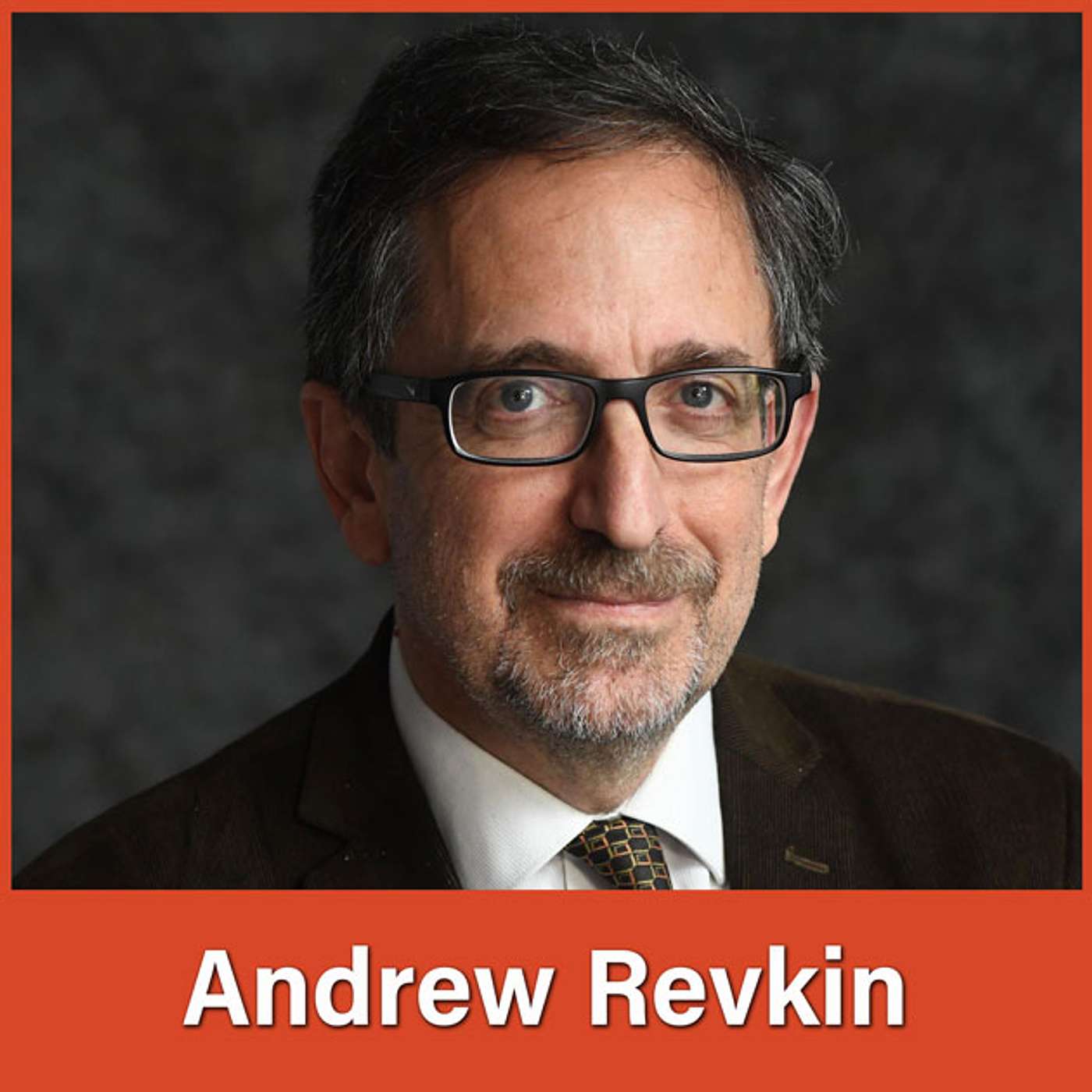
S1 Ep 41#41 Andrew Revkin: Beware of Narrative Capture
Andrew Revkin is one of America’s most honored and experienced environmental journalists and the founding director of the new Initiative on Communication and Sustainability at Columbia University's Earth Institute. He has held positions at National Geographic and Discover Magazine and won the top awards in science journalism multiple times, along with a Guggenheim Fellowship. Revkin has written acclaimed books on the history of humanity’s relationship with the weather, the changing Arctic, global warming, and the assault on the Amazon rain forest.He addresses the question of “What Could Possibly Go Right?” with thoughts including:That we need to be aware of narrative capture and being misled by stories or avoiding truth.That we should engage in more conversations with others who have different views, and stay in curiosity rather than debate. That we need to work through the trauma of recent times and “look for compassionate intervention in our traumatized psyches”.That the resilience of an ecosystem to environmental stress is a function of the diversity of responses and species; we need the “edge pushers”That like the “Serenity Prayer”, we should embrace “the perfect imperfectness of our nature as humans”.ResourcesArticle: “Complicating the Narratives” Article: My Climate ChangeVideo: We are perfect*: Andrew Revkin at TEDxPortland Article: My Lucky StrokeConnect with Andrew RevkinWebsite // Facebook // Twitter // InstagramFollow WCPGRFacebook // Twitter // InstagramJoin our Patreon Community to receive bonus conversations with guests and "backstage" conversations between Vicki and other podcast hosts.Learn more: https://bit.ly/wcpgr-resSupport the showComplete Show Notes
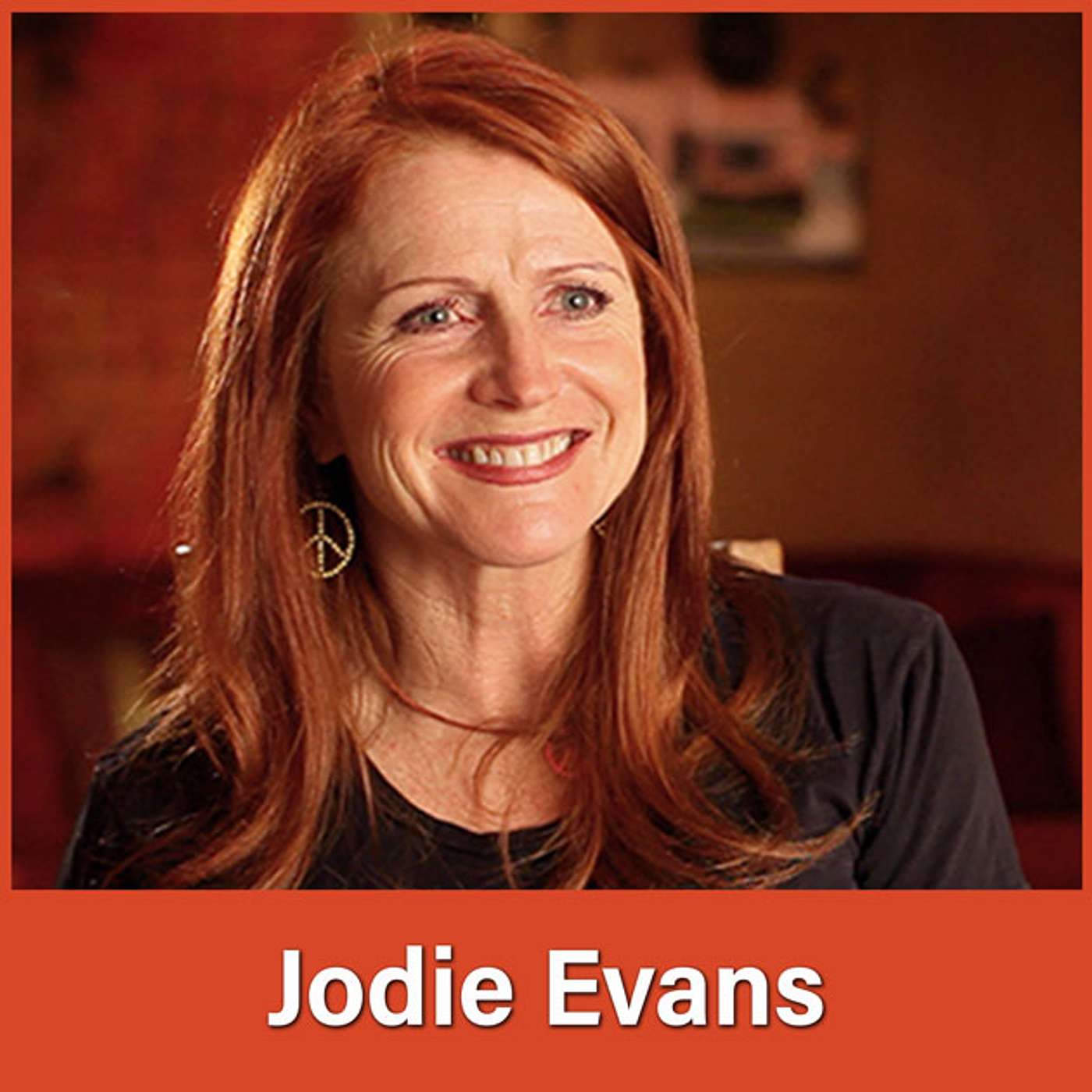
S1 Ep 40#40 Jodie Evans: Moving to a Peace Economy
Jodie Evans is the co-founder of CODEPINK and the after-school writing program 826LA. She has been a visionary advocate for peace for several decades. Whether in board rooms or war zones, legislative offices, or neighborhood streets, Jodie’s enthusiasm for a world at peace infuses conciliation, optimism, and activism wherever she goes.Jodie addresses the question of “What Could Possibly Go Right?” with thoughts including:That the war economy is in the structures around us that are violent, oppressive, extractive, and destructive. “We won't end war until we end the war economy”. That we need to lean into the peace economy, which is life, community, planet Earth, parenting, the commons, healing.The war economy thrives on alienation and self direction. The peace economy is about connection and community engagement.That we should not get caught in the “folly of fretting”. “Everything is about action because if we don't act, we let the banality and the brutality of it undermine our capacity to act.”The peace economy examples of sharing and abundance found in supporting homeless youth in Venice Beach and creating land trusts for commons to reemerge. That we should ask, “How do we use our wild imaginations together to create something absolutely fresh and new? What am I doing today to create the conditions conducive for life?”Resources21 ways to divest from a war economySafe Place for Youth (SPY)Lead with LandTwo Rivers FarmsGreenhorns (see also episode 18 https://www.resilience.org/stories/2020-10-13/what-could-possibly-go-right-episode-18-severine-von-tscharner-fleming/ )Soul Fire FarmConnect with Jodie EvansWebsite // Facebook // TwitterFollow WCPGRFacebook // Twitter // InstagramJoin our Patreon Community to receive bonus conversations with guests and "backstage" conversations between Vicki and other podcast hosts.Learn more: https://bit.ly/wcpgr-resSupport the showComplete Show Notes
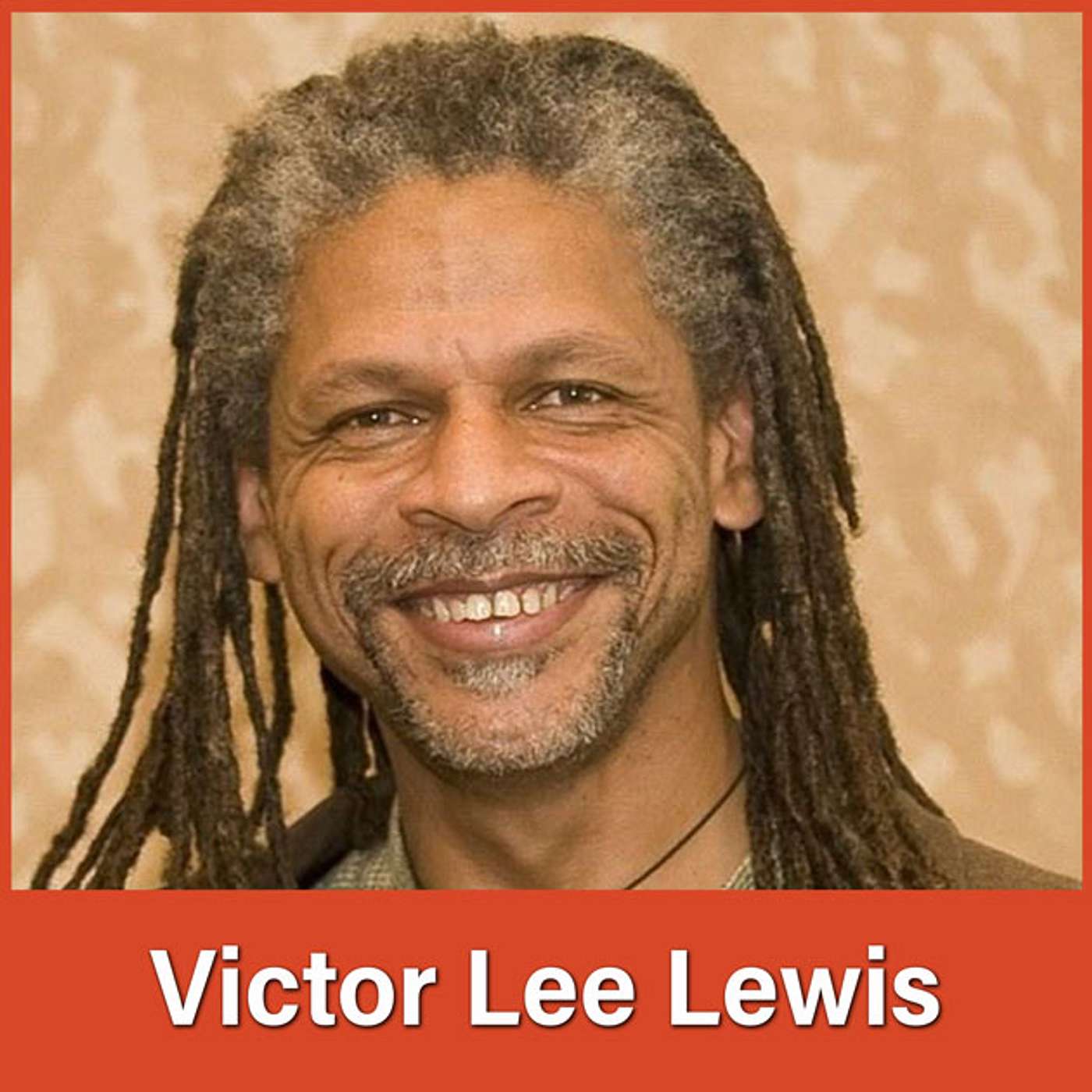
S1 Ep 39#39 Victor Lee Lewis: Liberation is a Nonlinear Process
Victor Lee Lewis is a progressive life coach, trainer, speaker, and Founder of the Radical Resilience Institute. As a social justice educator, Victor brings a unique, socially progressive vision to the work of personal growth, personal empowerment, and emotional health. He addresses the question of “What Could Possibly Go Right?” with thoughts including:That many esteemed institutions and structures that we deeply believe in are counterfeit to what we really want and need.That humanity and life can’t bear another century of white supremacy, patriarchy, and Western enlightenment-based education. That “we need to unpack and detox our notions of freedom and liberty”, which has typically been construed in racial terms in the United States of America. That liberation is a nonlinear process and much has changed, even if progress isn’t always obvious.That this is an infinite game. “We're not trying to win it, we're not trying to complete it. We're in an infinite game that we want to keep going. I'm not trying to live forever. I'm trying to see that life lives forever.”That “as things fall apart, opening our hearts as well as our minds, and taking courage may yet carry us through.”ResourcesBook: "I Seem To Be A Verb" by Buckminster FullerBlog post: “An Easter Sermonette” by Vicki Robin https://vickirobin.com/an-easter-sermonette/ Current Conversations Episode #307 with Victor Lee Lewis https://www.youtube.com/watch?v=egZ9n7wtSxYConnect with Victor Lee LewisWebsite // FacebookFollow WCPGRFacebook // Twitter // InstagramJoin our Patreon Community to receive bonus conversations with guests and "backstage" conversations between Vicki and other podcast hosts.Learn more: https://bit.ly/wcpgr-resSupport the showComplete Show Notes

S1 Ep 38#38 Glacier Kwong: Self-care is an Act of Revolution
Glacier Kwong is a political and digital rights activist born and raised in Hong Kong. She is the founder of the NGO Keyboard Frontline and is a Research Fellow at Hong Kong Democracy Council in the US. In self-exile in Germany, she is pursuing her PhD in Law at the University of Hamburg, with her research focusing on data protection and surveillance in Hong Kong and China. She addresses the question of “What Could Possibly Go Right?” with thoughts including:“We don't persist because we see hope. We only see hope when we persist.” Self-care is part of the revolution. “Activism, at its core, is fighting for the better livelihood of people,” so taking care of your well-being is aligned with these goals.We should honor the freedom and the privileges we have; use them well and not take them for granted.We should not suppress our feelings of sadness during our activism. Being upfront with these emotions shows our humanity and gives validation to others feeling the same way. “We have one million reasons to give up. But we only need one to continue the fight; that is, we know that what we're doing is right.”Connect with Glacier KwongTwitter // InstagramFollow WCPGRFacebook // Twitter // InstagramJoin our Patreon Community to receive bonus conversations with guests and "backstage" conversations between Vicki and other podcast hosts.Learn more: https://bit.ly/wcpgr-resSupport the showComplete Show Notes

S1 Ep 37#37 Alan AtKisson: Tipping Point Moment of Sustainable Development
Alan AtKisson has been working professionally in sustainable development since 1988 and has been recognized internationally as a pioneering innovator and thought leader in the field. He currently serves as Assistant Director-General of Sida, the Swedish International Development Cooperation Agency, where he leads the Department of Partnership and Innovation. Alan is a musician and an author whose books include bestseller Believing Cassandra: How to be an Optimist in a Pessimist’s World.Alan addresses the question of “What Could Possibly Go Right?” with insights including:That sustainability concepts and the sustainable development sector are moving from cutting edge to mainstream.That the recent increase in digital meetings has made sector conversations more accessible and inclusive. “We both arrived through the same digital fibers, into the same digital space, speaking to each other on the same terms.” That the “entire financial system is at this tipping point moment of really embracing a sustainable development perspective, where the most influential leaders in the world are making public statements about diversity, environment and climate change.”That there’s power in long-term institutional change, driven by good people who work in government bureaucracies.ResourcesSustainable SeattleBook - “Believing Cassandra: How to be an optimist in a pessimist’s world” by Alan AtKissonSong - “Dead Planet Blues” by Alan AtKissonSwedish International Development Cooperation Agency (SIDA)Connect with Alan AtKissonWebsite // TwitterFollow WCPGRFacebook // Twitter // InstagramJoin our Patreon Community to receive bonus conversations with guests and "backstage" conversations between Vicki and other podcast hosts.Learn more: https://bit.ly/wcpgr-resSupport the showComplete Show Notes
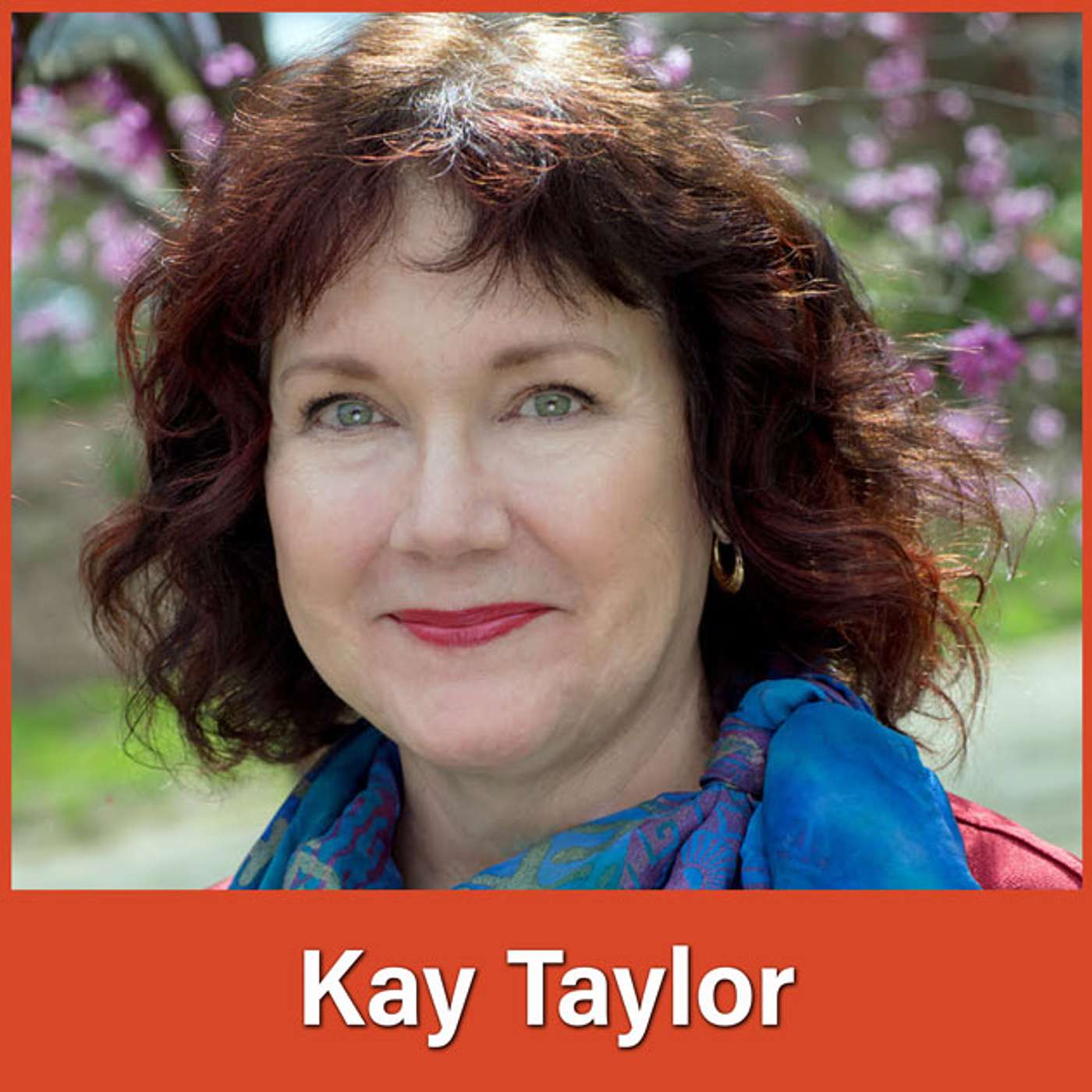
S1 Ep 36#36 Kay Taylor: Manifesting What Can Go Right in a New World
Kay Taylor is an evolutionary astrologer, author, and teacher who has been integrating soul-centered astrology with a range of healing wisdom for over 35 years. Author of Soul Path Way, Kay runs the Soul Path School to train individuals in intuitive mastery, psychosynthesis, and astrology. She maintains a thriving full-time consulting practice based in the San Francisco Bay Area.She addresses the question of “What Could Possibly Go Right?” with thoughts including:The shifts in consciousness in key periods of recent history, creating greater connection and awakening.That as old structures are coming down, we should “stay in our hearts, be love, and work with each other” as new structures emerge. That our global connectivity through the internet can be the “training wheels” for humanity’s growing physic capabilities.That we need to be careful with our thoughts, words and information with which we engage, directing those towards manifesting what we want to go right. That “it's essential for people who are feeling discouraged to come into small levels of gratitude. To connect to things that are outside that viewpoint, to see the beauty... all the ways that we can remind ourselves that most humans are truly good, and want the best for everybody.” That we can see bridges to scientific and rational realms, such as when considering planetary impacts on tides or looking at energy and particle movements.ResourcesBook: Soul Path Way by Kay TaylorRichard Tarnas, Archetypal Cosmology, and Deep HistoryConnect with KayWebsite // Facebook // LinkedInFollow WCPGRFacebook // Twitter // InstagramJoin our Patreon Community to receive bonus conversations with guests and "backstage" conversations between Vicki and other podcast hosts.Learn more: https://bit.ly/wcpgr-resSupport the showComplete Show Notes

S1 Ep 35#35 Trae Crowder: The Inexorable March of Progress
Hailing from Celina Tennessee, Trae Crowder is a standup comedian, writer, and self-proclaimed “Liberal Redneck.” Trae gained national attention (or notoriety, depending on your viewpoint) with his viral video rants and has been performing and touring his particular brand of Southern-fried intellectual comedy for over a decade.Trae addresses the question of “What Could Possibly Go Right?” through his socially aware comedic view, sharing thoughts including:That there’s inexorable positive progress in social issues over time, despite setbacks in the short-term.That each new generation makes advancements in social awareness; for today’s young people, “the default position seems to be one of wokeness.”That in spite of stereotypes, “in any given state, 40 something percent of people voted blue, but the state still shows up red on a map.”That when considering issues such as racism, the wider USA needs to avoid “using the South as a scapegoat, and in doing so, act like they don't have those problems where they live.” That we could all use more empathy to understand others’ perspectives and experiences in our day-to-day lives.ResourceswellRED podcastConnect with Trae CrowderWebsite // Facebook // Twitter // YouTubeFollow WCPGRFacebook // Twitter // InstagramJoin our Patreon Community by April 13 to receive an invitation to Backstage with Vicki : A What Could Possibly Go Right? Zoomboree on April 14.Learn more: https://bit.ly/wcpgr-resSupport the showComplete Show Notes
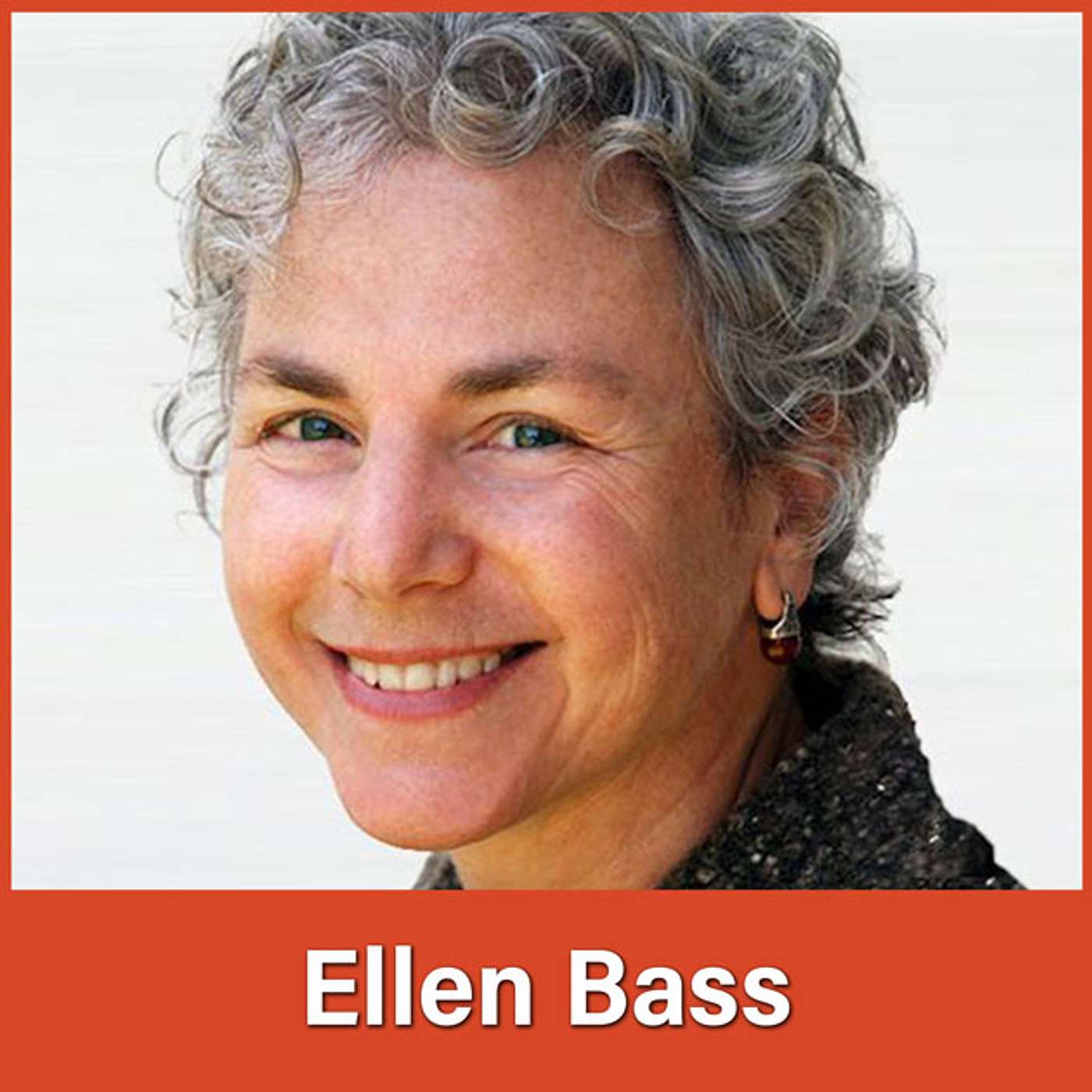
S1 Ep 34#34 Ellen Bass: Nourishing and Sustaining Ourselves Through Poetry
Ellen Bass is an award-winning poet, author, and a Chancellor of the Academy of American Poets. Her poems appear frequently in The New Yorker, American Poetry Review, and many other journals. Her poetry books include Indigo, Like a Beggar, The Human Line, and Mules of Love. Her nonfiction books include the groundbreaking The Courage to Heal: A Guide for Women Survivors of Child Sexual Abuse and Free Your Mind: The Book for Gay, Lesbian and Bisexual Youth. Bass founded poetry workshops at Salinas Valley State Prison and the Santa Cruz, California jails, and teaches in the MFA writing program at Pacific University. From her view as a poet, Ellen addresses the question of “What Could Possibly Go Right?” with insights including:There’s growing interest and diversity of poetry enthusiasts, in addition to increased accessibility and connection through our virtual communities now. “Poetry is so nourishing, and sustaining, and gives us a chance to grieve, and gives us a chance to celebrate.”The best poetry combines the personal with political.It's not what you do when you're getting to the end of your rope; it's what you do when you're AT the end of your rope.Poetry is about discovery and the process of being transformed. “Why I think most people write poems is so that at the end, they will not be the same person they were before they wrote the poem.”ResourcesLiving Room Craft Talks by Ellen BassBook: All We Can Save: Truth, Courage, and Solutions for the Climate Crisis edited by Ayana Elizabeth JohnsonConnect with Ellen BassWebsite // Facebook // Twitter // InstagramFollow WCPGR on Social MediaFacebook // Twitter // InstagramJoin our Patreon Community to receive bonus conversations with guests and "backstage" conversations between Vicki and other podcast hosts.Learn more: https://bit.ly/wcpgr-resSupport the showComplete Show Notes
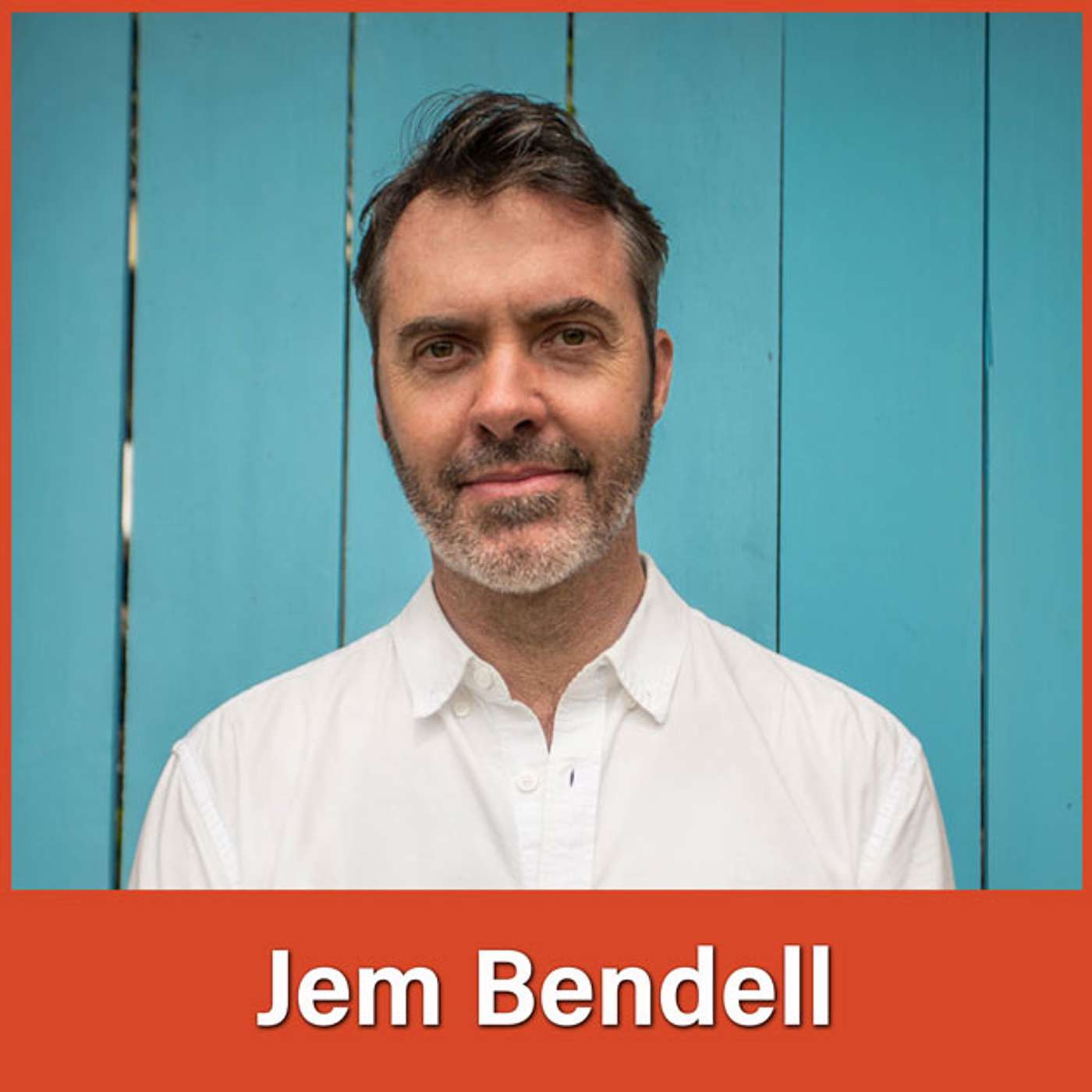
S1 Ep 33#33 Jem Bendell: Cultivating a New Ethos
Dr. Jem Bendell is the Founder of the Deep Adaptation Forum and a Professor of Sustainability Leadership with the University of Cumbria. He works as a researcher, educator, and advisor on social and organizational change, with over 25 years of experience in sustainable development initiatives in over 20 countries. In 2018, he authored the viral Deep Adaptation paper, downloaded around a million times.Jem addresses the question of “What Could Possibly Go Right?” with thoughts including:That “people are changing their lives because of their anticipation of collapse, to relate more openly and wanting to do what's right, come what may.”That “holding space for each other and our difficult emotions has led to a new quality of engagement.” That Deep Adaptation invites people into a different way of talking about crisis response and emotions - fostering compassion, curiosity, and respect.That sustainable development may be a delusion, but we can ready ourselves for societal disruption to help others with our skills and networks.ResourcesAuroville intentional community, southern IndiaBook: “How Everything Can Collapse” by Momentum InstitutePaper: Deep Adaptation by Jem BendellInternational Scholars Warning on Societal Disruption and CollapseConnect with JemWebsite // Deep Adaptation Forum // Twitter // Facebook group Join our Patreon Community to receive bonus conversations with guests and "backstage" conversations between Vicki and other podcast hosts.Follow WCPGR on Social MediaFacebook // Twitter // InstagramLearn moreSupport the showComplete Show Notes
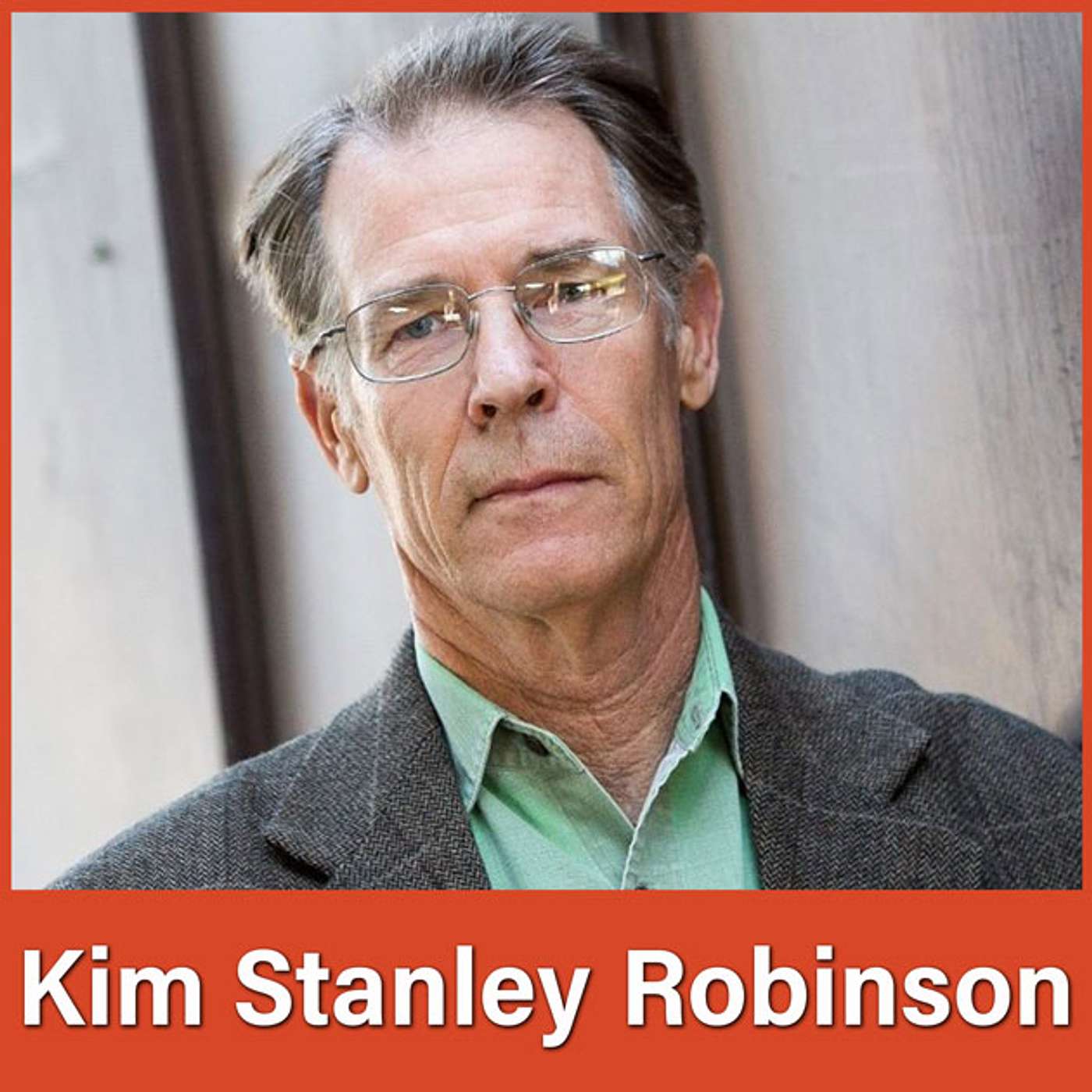
S1 Ep 32#32 Kim Stanley Robinson: The Paris Agreement, Neoliberal Capitalism, and Carbon Quantitative Easing
New York Times best-selling author Kim Stanley Robinson joins Vicki Robin this week. Widely recognized as one of the foremost living writers of science fiction, Robinson is the author of more than twenty books, includingThe Ministry For The Future, the best-selling Mars trilogy, and the critically acclaimed Forty Signs of Rain, The Years of Rice and Salt, and 2312. In 2008, he was named a “Hero of the Environment” by Time magazine.From his perspective as a utopian science fiction writer, he answers the question of “What Could Possibly Go Right?” with thoughts including:That science fiction, literature, and arts have “become a kind of a necessary tool of thought for thinking our way forward”.The value of the Paris Agreement in ensuring the rights of future people and all living beings to a livable world.The risk of reaching wet-bulb temperature levels where a high enough heat and humidity combination is fatal to humans. That we do have enormous scientific and technological powers, but our inaction comes down to matters of capitalism and pursuit of monetary profit. “We're in an economic system that will not pay us to do the right things.”The idea of carbon coins and carbon quantitative easing for positive impact. The benefits of significantly increasing the world’s land surface left to animals.ResourcesBook: The Ministry For The Future by Kim Stanley RobinsonBook: Half Earth by E. O. WilsonBook: How to Blow Up a Pipeline: Learning to Fight in a World on Fire by Andreas MalmConnect with Kim Stanley RobinsonWebsite // FacebookJoin our Patreon Community to receive bonus conversations with guests and "backstage" conversations between Vicki and other podcast hosts.Follow WCPGR on Social MediaFacebook // Twitter // InstagramLearn moreSupport the showComplete Show Notes

S1 Ep 31#31 Michelle Singletary: A Rising Tide Lifts All Boats
Michelle Singletary is an author and award-winning personal finance columnist. She writes the nationally syndicated personal finance column “The Color of Money”, which appears in The Washington Post. She is a frequent contributor to various radio programs and has appeared on national talk shows and television networks.She addresses the question of “What Could Possibly Go Right?” with thoughts including:That the joy of this pandemic could be a lasting effect on people reaching out and helping their neighbors; that people tend to rise to the occasion in emergencies and realize that we are all in this together. That on a financial level, the pandemic has revealed the minimal possessions we really need and that human contact is what we’re craving.That we need to resist the urge to narrow down to single sources of news and instead keep our minds open to other points of view. That none of us are successful if our neighbors remain in poverty.That there are ongoing impacts of intergenerational trauma for Black Americans, in addition to microaggressions, redlining, discrimination in hiring, and more.That you need to align your finances and resources to what you truly value.Connect with MichelleWebsite // Facebook // TwitterJoin our Patreon Community to receive bonus conversations with guests and "backstage" conversations between Vicki and other podcast hosts.Follow WCPGR on Social MediaFacebook // Twitter // InstagramLearn moreSupport the showComplete Show Notes

S1 Ep 30#30 Starhawk: Fostering Interconnection and Compassion
Starhawk is an author, activist, permaculture designer and teacher, founder of Earth Activist Training, and a prominent voice in modern earth-based spirituality and ecofeminism. She answers the question of “What Could Possibly Go Right?” with thoughts including:The boost in people being politically engaged this past year, tuning up and caring for democracy “like an old creaky car”That more people paying attention to climate change and increasingly understanding the infrastructure changes and action that is neededThat turning to permaculture and regenerative land management is one of the key things we can do around climate changeThat fostering interconnection and compassion can help people avoid getting sucked into a “game version” of lifeThat “we have to offer a way for people to participate in reality, and feel themselves, and let them be heroes, to feel like we are doing something really great for the world, for each other, for our communities.”Connect with StarhawkWebsite // Facebook // Twitter // Instagram Follow WCPGR on Social MediaFacebook // Twitter // InstagramJoin our Patreon Community to receive bonus conversations with guests and "backstage" conversations between Vicki and other podcast hosts.Learn more: https://bit.ly/wcpgr-resSupport the showComplete Show Notes
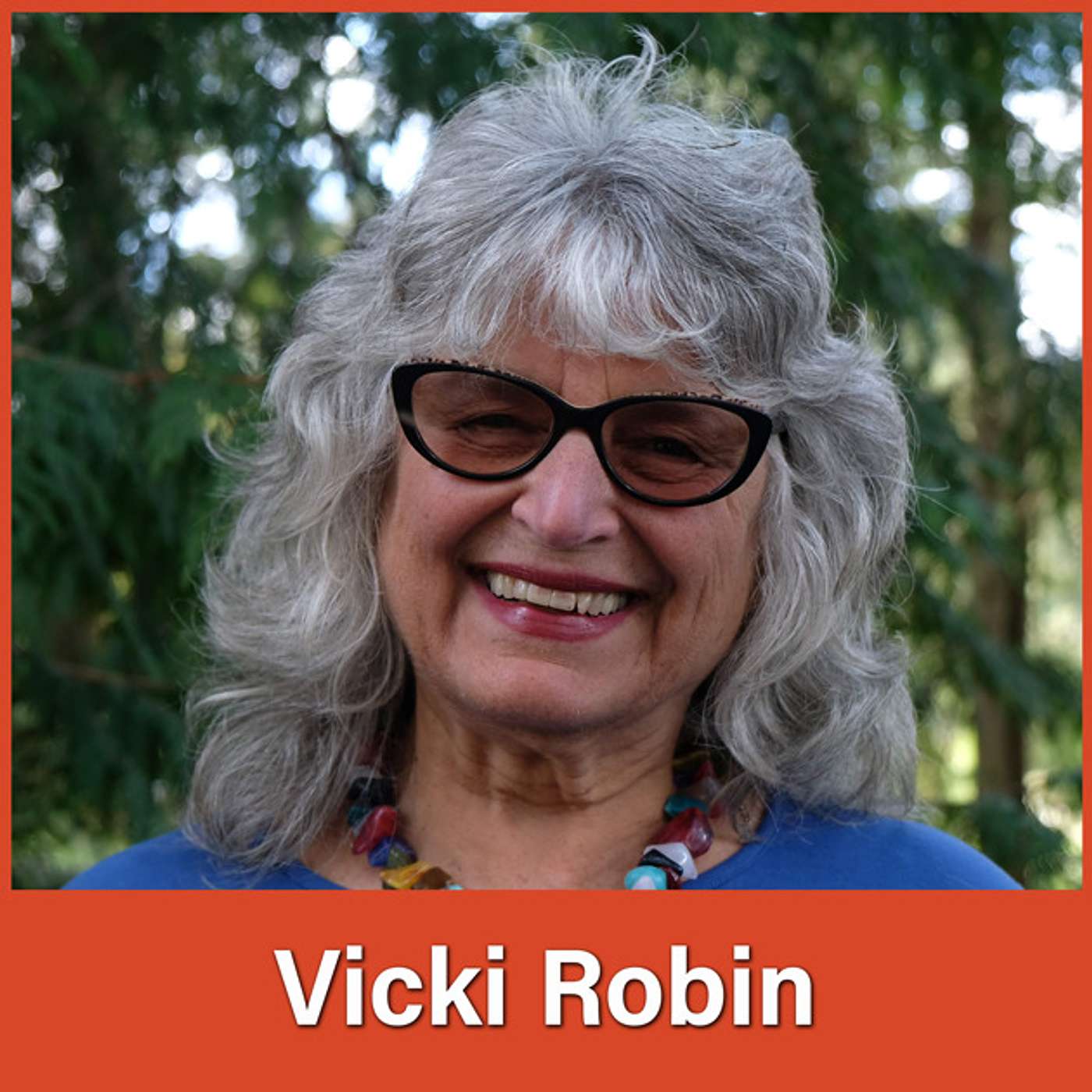
S1 Ep 29#29 Vicki Robin: A Way of Being
The third set of What Could Possibly Go Right? kicks off with host Vicki Robin reflecting on past episodes, sharing her motivation for creating this series, and revealing what she hopes to find as we embark on a new set of interviews. Her thoughts include:That cultural scouts have this “carefully cultivated sense of looking squarely at reality and trying to pick a path, a critical path forward on behalf of the common good”.That cultural scouts have an educated sense of the future, with perspectives often gained through living at the margins.That justice is at the center of many interviews, whether it’s racial, economic, intergenerational, interspecies or ecological.That guests are framework-fluid, able to see more clearly by not being stuck in one story or worldview.Join our Patreon Community to receive bonus conversations with guests and "backstage" conversations between Vicki and other podcast hosts. Follow WCPGR on Social MediaFacebook // Twitter // Instagram Learn more: http://bit.ly/wcpgr-resSupport the showComplete Show Notes

S1 Ep 28#28R Douglas Rushkoff Reflection: Social Affection is the Gold
Our host Vicki Robin reflects on the interview with media theorist and author Douglas Rushkoff, as heard on episode 28 of “What Could Possibly Go Right?”Connect with DouglasWebsite: rushkoff.comTwitter: twitter.com/rushkoffFollow WCPGR on Social MediaFacebook: facebook.com/WhatCouldPossiblyGoRightPodcastTwitter: twitter.com/postcarbonInstagram: instagram.com/postcarboninstitute/Learn more: https://bit.ly/pci-wcpgrseries Support the showComplete Show Notes

S1 Ep 28#28 Douglas Rushkoff: Finding the Others
Douglas Rushkoff is an author and documentarian who studies human autonomy in a digital age. Named one of the “world’s ten most influential intellectuals” by MIT, his twenty books include the recently published Team Human, based on his podcast. Others include bestsellers Present Shock, Throwing Rocks and the Google Bus, Program or Be Programmed, Life Inc, and Media Virus. He also made the PBS Frontline documentaries Generation Like, The Persuaders, and Merchants of Cool. Rushkoff’s work explores how different technological environments change our relationship to narrative, money, power, and one another. Through this lens, he answers the question of “What Could Possibly Go Right?” including:That our immersion in online networking technologies is making us long for “organic kinship”, and causing overwhelm and distrust as our evolutionary social cues are missed.That what could go right is we emerge from this isolation and dominance of screens to being more willing to reconnect with other human beings in person, more readily establishing rapport, solidarity and mutuality.That civics is about feeling responsible for neighbors and community, even if you don’t always like them. That we “learn to see that unpredictability as the novelty and weirdness and joy of being a living entity in the now.”That we need to get rid of our addiction to exponential growth, extraction and repression of others, and refocus on the commons. Rather than “using the stick of devastation”, we use the “carrot” of fun to make working together more appealing than ongoing competition.The encouragement to: “Find the others. You don't have to do this in isolation. They're all over the place. Just look into people's eyes and you'll get that instant moment of recognition of, Oh, there's another one. Let's do this together.”ResourcesZebras Unite Platform Cooperative Movement Enspiral Network Extra readingThe Privileged Have Entered Their Escape Pods - Douglas Rushkoff on One Zero, Medium Connect with Douglas RushkoffWebsite: rushkoff.comTeam Human: www.teamhuman.fmTwitter: twitter.com/rushkoffFollow WCPGR on Social MediaFacebook: https://www.facebook.com/WhatCouldPossiblyGoRightPodcastTwitter: https://twitter.com/postcarbonInstagram: https://www.instagram.com/postcarboninstitute/Learn more: https://bit.lySupport the show<a...
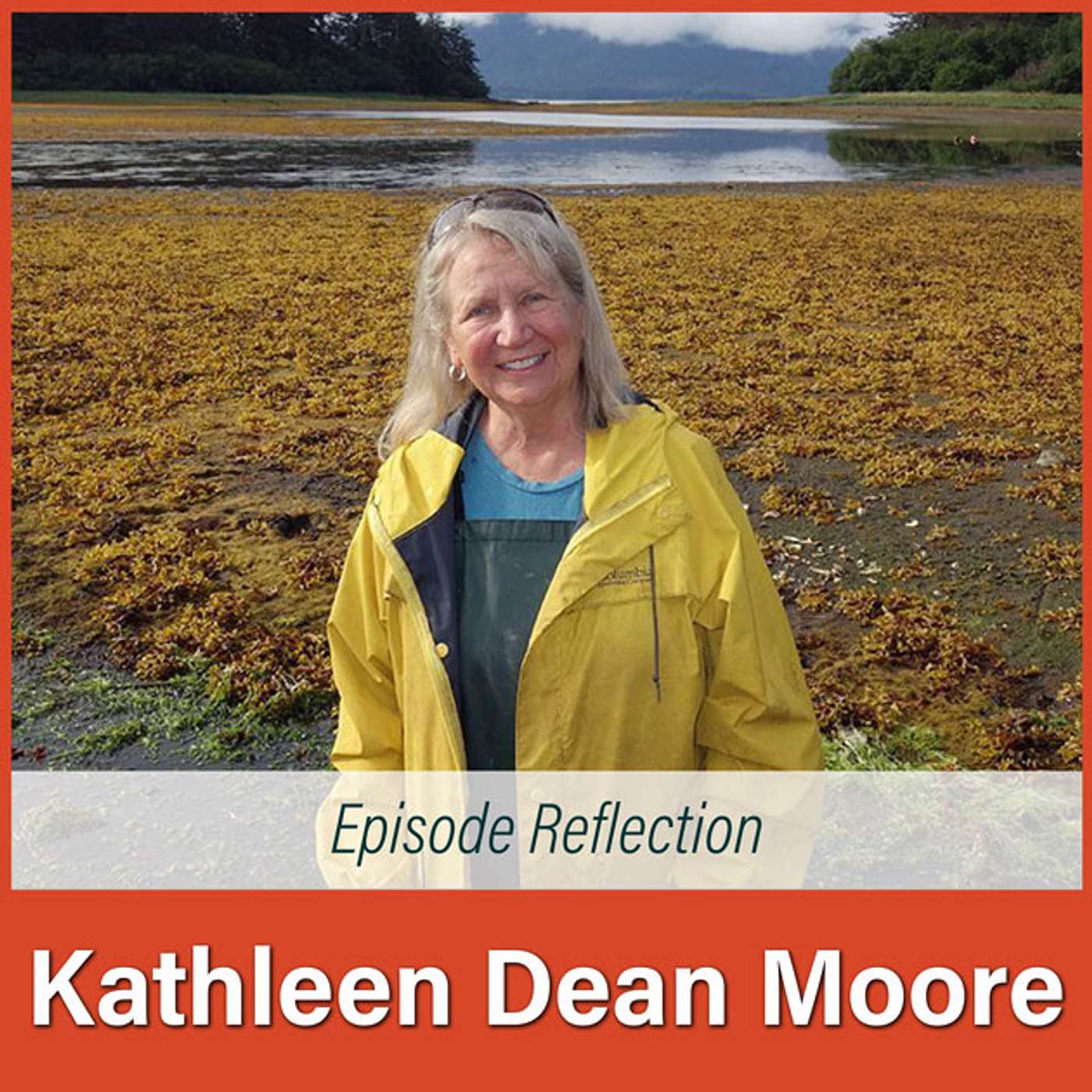
S1 Ep 27#27R Kathleen Dean Moore Reflection: Neglected and Rejected Moral Center
Our host Vicki Robin reflects on her conversation with author and moral philosopher Kathleen Dean Moore, as heard on episode 27 of “What Could Possibly Go Right?”. Connect with Kathleen Website: riverwalking.comWebsite: musicandclimateaction.comFollow WCPGR on Social MediaFacebook: https://www.facebook.com/WhatCouldPossiblyGoRightPodcastTwitter: https://twitter.com/postcarbonInstagram: https://www.instagram.com/postcarboninstitute/Learn more: https://bit.ly/pci-wcpgrseries Support the showComplete Show Notes
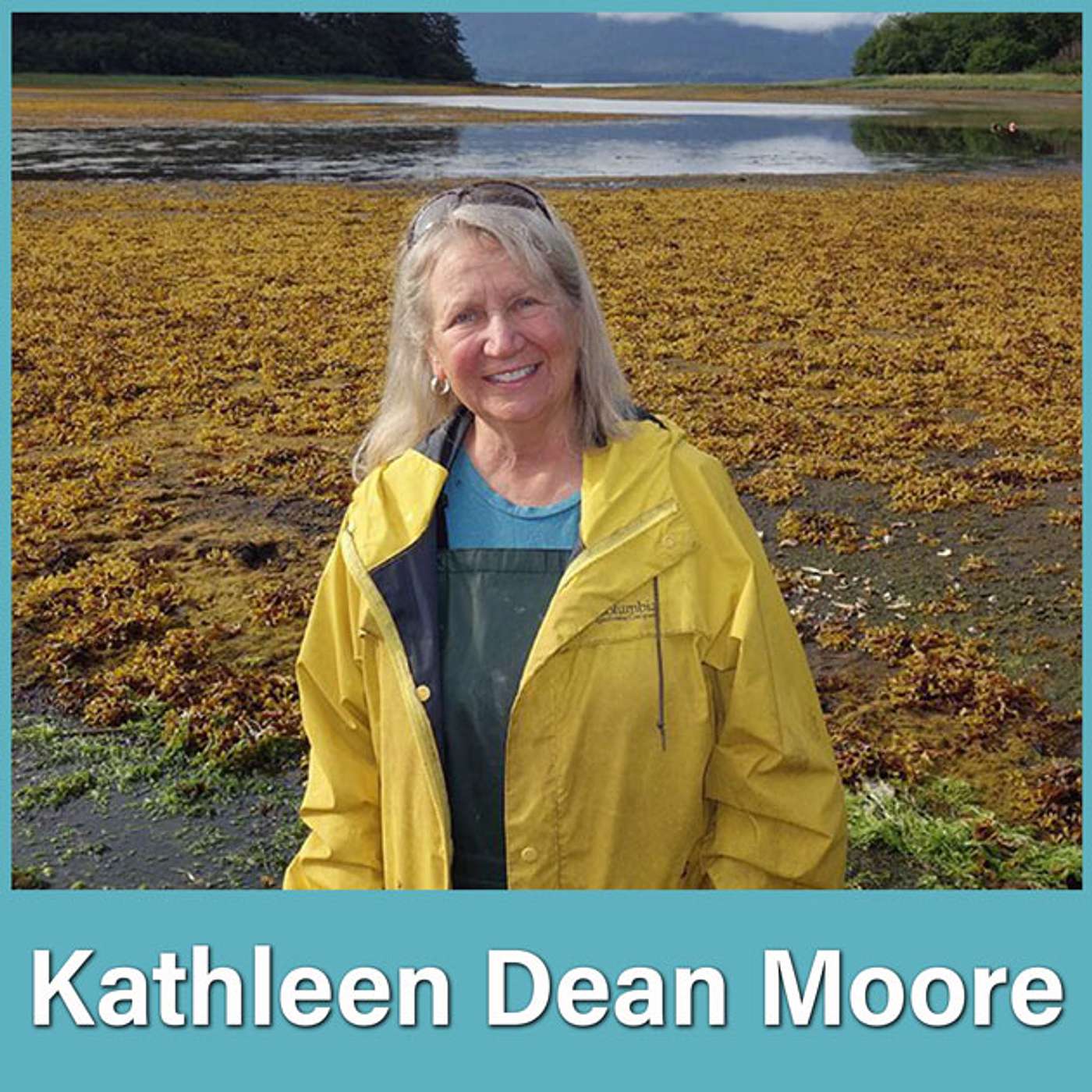
S1 Ep 27#27 Kathleen Dean Moore: Building Anew on Moral Foundations
Kathleen Dean Moore, Ph.D., is an Author, Moral Philosopher, Environmental Advocate. She served as Distinguished Professor of Environmental Philosophy at Oregon State University, where she wrote award-winning books about our cultural and moral relations to the wet, wild world and to one another. But her increasing concern about the climate and extinction crises led her to leave the university, so she could write and speak full-time about the moral urgency of climate action. Kathleen shares thoughts on What Could Possibly Go Right? including:That “sometimes it feels like the whole world is burning to its foundations, but the foundations are still there, and they're holding a space for the future.”That “almost every major change in US history has been the result of a rising wave of moral affirmation,” of the “conscience of the streets”.That we need to remember our shared moral foundations, of the “human decency deep in the earth” and the ideals our nation aspires to.Using the Universal Declaration of Human Rights to call out the oil, gas and fracking industries for violations of human rights through contributing to climate change.The Blue River Declaration by an assembled group of philosophers, which asks “three fundamental questions... What is the world? What are human beings? And therefore, how shall we live?” That as human beings with imagination and understanding, “we have a responsibility to be the meaning makers of the universe.” ResourcesPermanent Peoples' Tribunal Blue River Declaration Book: Moral Ground: Ethical Action for a Planet in Peril by Kathleen Dean MooreBook: Great Tide Rising: Toward Clarity and Moral Courage in a Time of Planetary Change by Kathleen Dean MooreConnect with Kathleen Dean MooreWebsite: riverwalking.comTwitter: musicandclimateaction.comFollow WCPGR on Social MediaFacebook: https://www.facebook.com/WhatCouldPossiblyGoRightPodcastTwitter: https://twitter.com/postcarbonInstagram: https://www.instagram.com/postcarboninstitute/Learn more: https://bit.ly/pci-wcpgrseriesSupport the showComplete Show Notes
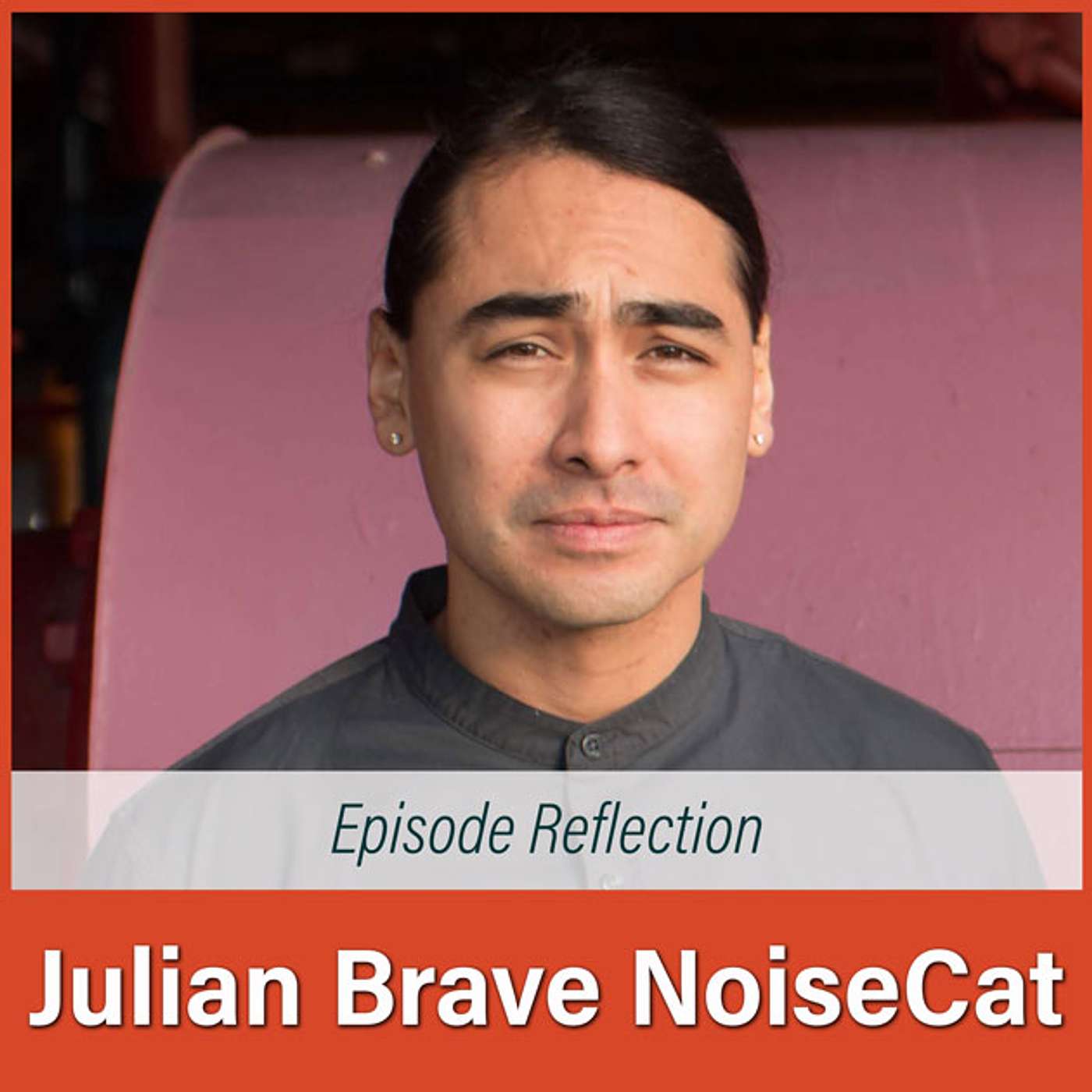
S1 Ep 26#26R Julian Brave NoiseCat Reflection with Sherri Mitchell: Letting Go of Colonialism and Reclaiming Indigenous Identities
Host Vicki Robin is joined by Sherri Mitchell today to reflect on episode 26 of “What Could Possibly Go Right?” They discuss what Julian Brave NoiseCat had to share about this big question, especially with an Indigenous perspective.Sherri Mitchell is a Lawyer, Indigenous Rights Activist & Educator. Learn more about Sherri at sacredinstructions.lifeConnect with Julian Brave NoiseCatWebsite: julianbravenoisecat.comTwitter: twitter.com/jnoisecatFollow WCPGR on Social MediaFacebook: https://www.facebook.com/WhatCouldPossiblyGoRightPodcastTwitter: https://twitter.com/postcarbonInstagram: https://www.instagram.com/postcarboninstitute/Learn more: https://bit.ly/pci-wcpgrseries ***Join us in December for a special Zoom call with Vicki! When you donate any amount to support the show, we'll invite you to join a live, online call with Vicki on Thursday, December 10. ***Support the show (https://www.postcarbon.org/support-what-could-possibly-go-right/)Support the showComplete Show Notes
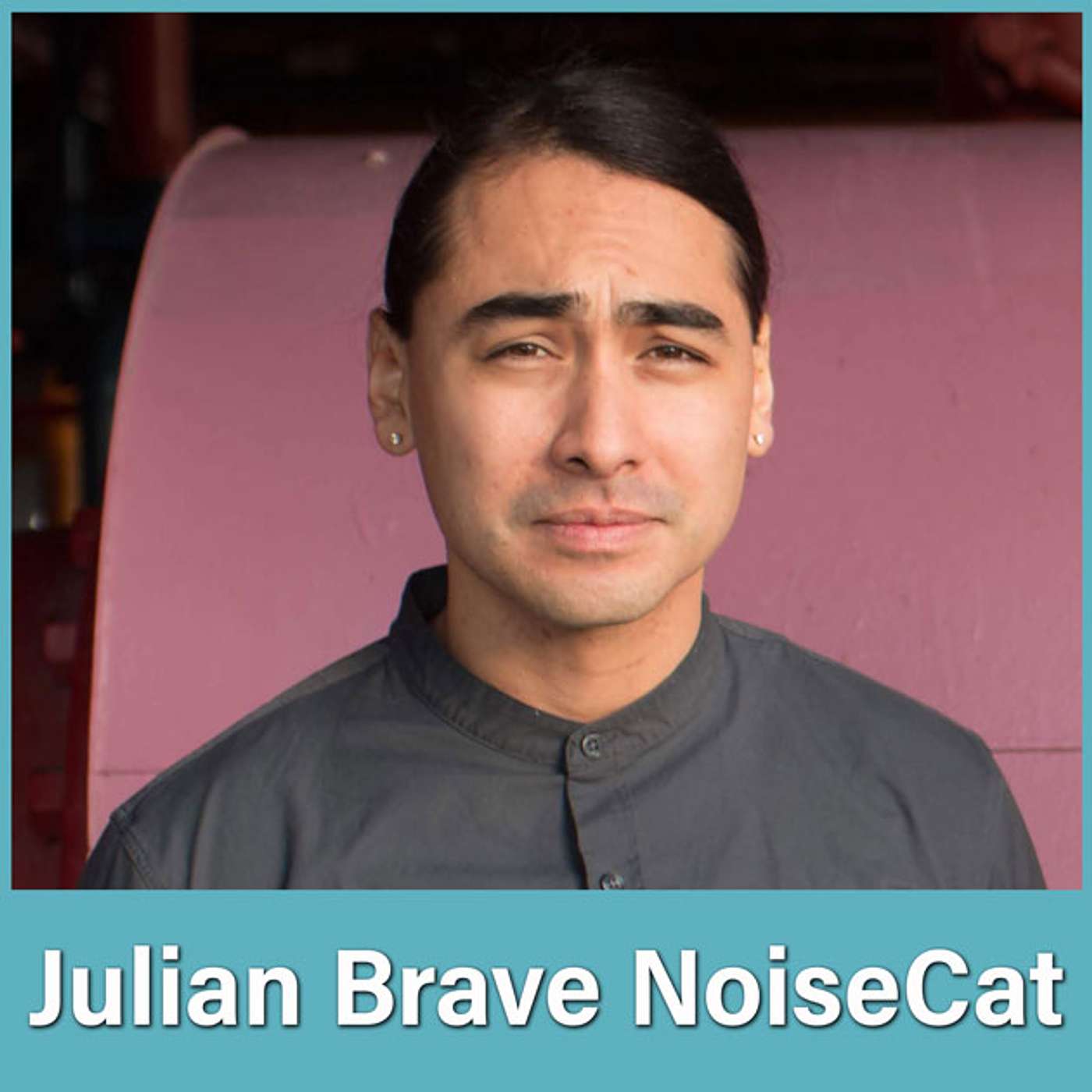
S1 Ep 26#26 Julian Brave NoiseCat: Creative Resilience in Indigenous Communities
Julian Brave NoiseCat is Vice President of Policy & Strategy for Data for Progress and Narrative Change Director for the Natural History Museum. A Fellow of the Type Media Center, NDN Collective and the Center for Humans and Nature, his work has appeared in The New York Times, The New Yorker, Rolling Stone, and other publications. Julian grew up in Oakland, California and is a proud member of the Canim Lake Band Tsq'escen and descendant of the Lil'Wat Nation of Mount Currie.Julian provides his insight on What Could Possibly Go Right? including:Individual stories that show the resilience and creativity of Indigenous people, “post-apocalyptic people”.The story of a Blackfoot man named Cowboy with an idea for reverse colonization.The grit and leadership of Cheyenne Brady, former Miss Indian World titleholder, in increasing census participation and ensuring Native people are counted.The commitment to tradition by Navajo medicine people David and Bess Tsosie, combined with adaptability to the modern-day context - such as transitioning their healing practice to a socially-responsible telehealth model in the midst of pandemic.That “the ability for people to retain a sense of community, a commitment to who we are as people, and to create and make beauty at the other side of truly devastating circumstances” does provide hope. Connect with Julian Brave NoiseCatWebsite: julianbravenoisecat.comTwitter: twitter.com/jnoisecatFollow WCPGR on Social MediaFacebook: https://www.facebook.com/WhatCouldPossiblyGoRightPodcastTwitter: https://twitter.com/postcarbonInstagram: https://www.instagram.com/postcarboninstitute/Learn more: https://bit.ly/pci-wcpgrseriesSupport the showComplete Show Notes

S1 Ep 25#25R Judith D. Schwartz Reflection: Finding the Fertile Soil of Possibility
Our host Vicki Robin considers her interview with author and journalist, Judith D. Schwartz, as heard in episode 25 of “What Could Possibly Go Right?” She discusses stories of regeneration and metaphors of seeds for the open-mindedness and possibilities that are sprouting. "The day came when the risk to remain tight in a bud was more painful than the risk it took to blossom."Connect with JudithWebsite: judithdschwartz.comTwitter: twitter.com/judithdschwartzFacebook: facebook.com/judith.d.schwartzFollow WCPGR on Social MediaFacebook: https://www.facebook.com/WhatCouldPossiblyGoRightPodcastTwitter: https://twitter.com/postcarbonInstagram: https://www.instagram.com/postcarboninstitute/Learn more: https://bit.ly/pci-wcpgrseries ***Join us in December for a special Zoom call with Vicki! When you donate any amount to support the show, we'll invite you to join a live, online call with Vicki on Thursday, December 10. ***Support the show (https://www.postcarbon.org/support-what-could-possibly-go-right/)Support the showComplete Show Notes

S1 Ep 25#25 Judith D. Schwartz: Tuning In to the Natural World
Judith D. Schwartz is an author who tells stories to explore and illuminate scientific concepts and cultural nuance. She takes a clear-eyed look at global environmental, economic, and social challenges, and finds insights and solutions in natural systems. She writes for numerous publications, including The American Prospect, The Guardian, Discover, Scientific American, and YaleE360. Bringing insights from her latest book, “The Reindeer Chronicles”, Judith addresses the question of What Could Possibly Go Right? including:That “we are a part of nature and to keep ourselves separate from nature is really causing our own demise, as well as the demise of all that we love around us.”That increased interest in home gardening is a gateway to larger engagement in the natural world and environmental restoration.That mainstream news highlights when things go wrong, but “when something goes the way it's supposed to go, it isn't news, so we're never paying attention to how the natural world works or how communities function when they're going well and serving the people in them.”That slowing down and staying in one place during the pandemic has encouraged us to pay attention to smaller things and gives “permission to love where I am in a very different way, as opposed to that being the backdrop and then real life happens elsewhere when I leave.”That there is opportunity in the degraded landscapes throughout the world, including restoring the heartlands and rangelands of US.That regenerative agriculture projects, such as by Commonland, give people reasons to stay or come back to the land. These include 4 Returns: of finance, of nature, of social capital or community well-being, and of inspiration. That a connection to nature can happen anywhere, even a permaculture lesson around a city tree by a New York City sidewalk.ResourcesBook: “Cows Save The Planet” - Judith D. Schwartz (2013)Book: “Water in Plain Sight: Hope for a Thirsty World” - Judith D. Schwartz (2019)Book: “The Reindeer Chronicles” - Judith D. Schwartz (2020)Commonland, Netherlands - restoration projects www.commonland.comConnect with Judith D. SchwartzWebsite: judithdschwartz.comTwitter: twitter.com/judithdschwartzFacebook: facebook.com/judith.d.schwartzFollow WCPGR on Social MediaFacebook: https://www.facebook.com/WhatCouldPossiblyGoRightPodcastTwitter: https://twitter.com/postcarbonInstagram: https://www.instagram.com/postcarboninstitute/Learn more: https://bit.ly/pci-wcpgrseries***Join us in December for a special Zoom call with Vicki! When you donate any amount to support the show, we'll invite you to join a live, online call with Vicki on Thursday, December 10. ***Support the showComplete Show Notes
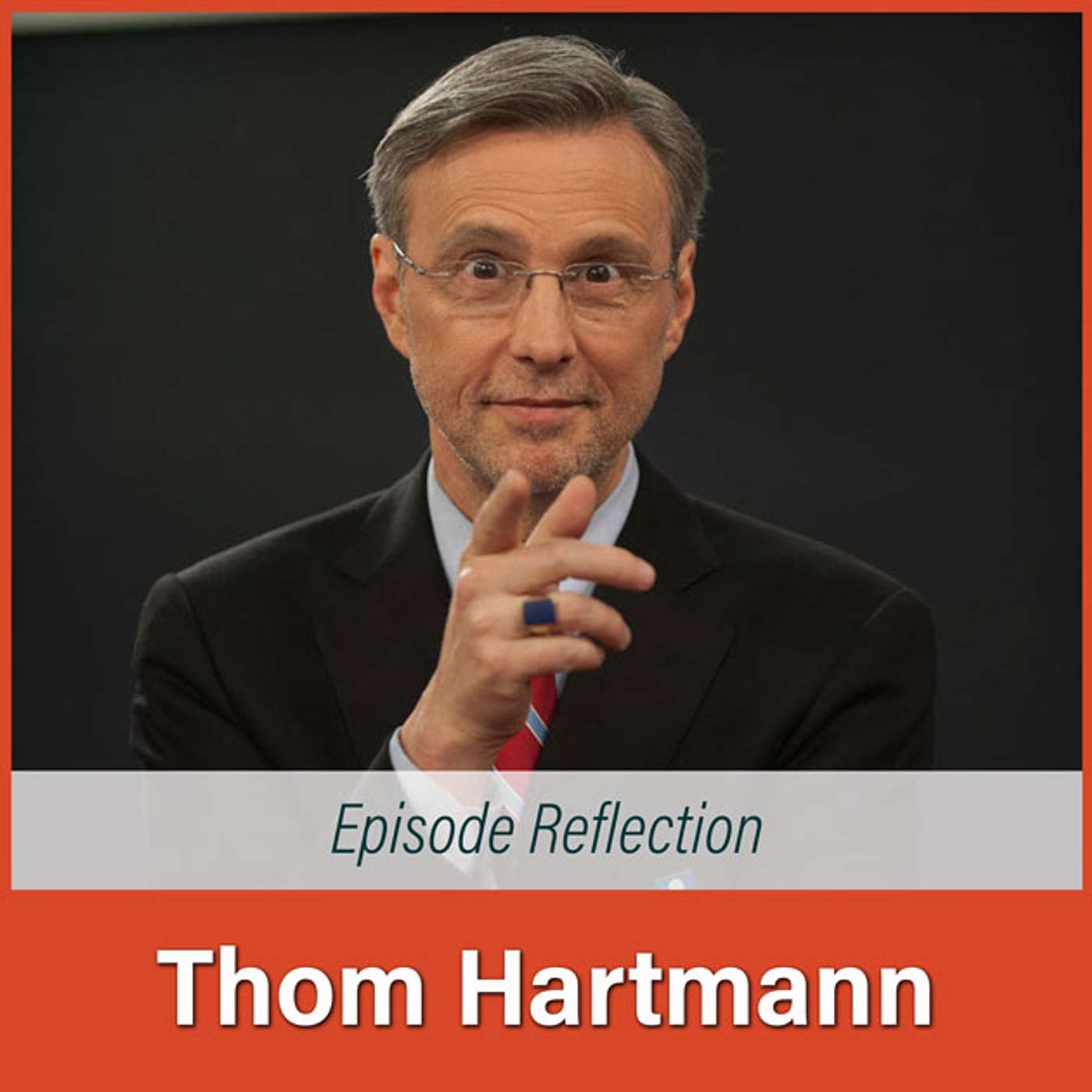
S1 Ep 24#24R Thom Hartmann Reflection: On Being a Political Animal
Our host Vicki Robin reflects on “What Could Possibly Go Right?” episode 24 with author and America's #1 progressive talk show, Thom Hartmann. She shares that despite any reluctance we might have, we are all political animals with a duty to engage and learn. In Thom’s words, "Democracy begins with you. Get out there. Get active. Tag, you're it!"Connect with ThomWebsite: thomhartmann.com Facebook: facebook.com/ThomHartmannProgram Twitter: twitter.com/Thom_Hartmann YouTube: youtube.com/user/thomhartmannFollow WCPGR on Social Media Facebook: https://www.facebook.com/WhatCouldPossiblyGoRightPodcast Twitter: https://twitter.com/postcarbon Instagram: https://www.instagram.com/postcarboninstitute/ Learn more: https://bit.ly/pci-wcpgrseries ***Join us in December for a special Zoom call with Vicki! When you donate any amount to support the show, we'll invite you to join a live, online call with Vicki on Thursday, December 10. ***Support the showComplete Show Notes
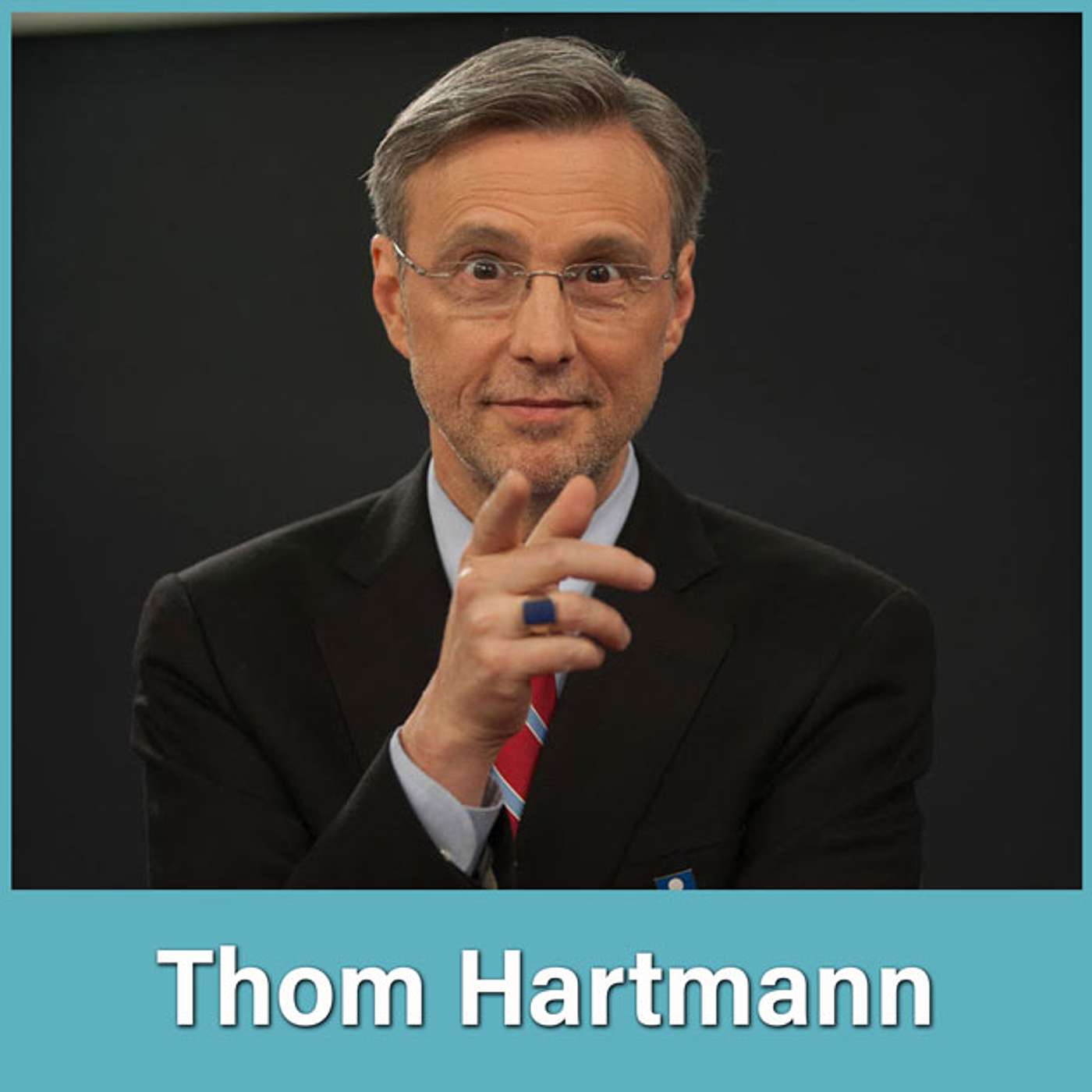
S1 Ep 24#24 Thom Hartmann: Democracy is Not a Spectator Sport
For more than a decade, Thom Hartmann has been the #1 progressive talk show host in the United States. His show, The Hartmann Report, is aired on hundreds of radio and television stations across the country. He is also a New York Times best-selling author of 24 books and the founder of numerous commercial and charitable organizations. Recorded in the lead up to the US presidential election, Thom shares his thoughts on What Could Possibly Go Right? including:The Supreme Court decisions in the 1970s that paved the way for corporate money to influence political parties for decades since.The more obvious use of voter suppression as a tactic in this year’s election.The coalitions that exist in each party and how they interact.The “general misapprehension of the role of a politician, even among some politicians”.The “great man theory of history” doesn’t serve us well and we should look to elect towards a movement, rather than individual leader.That “democracy is not a spectator sport. It's about all of us getting involved, that everybody needs to get active and, Tag. You're it!" Connect with Thom HartmannWebsite: thomhartmann.comFacebook: facebook.com/ThomHartmannProgramTwitter: twitter.com/Thom_HartmannYouTube: youtube.com/user/thomhartmannFollow WCPGR on Social MediaFacebook: https://www.facebook.com/WhatCouldPossiblyGoRightPodcastTwitter: https://twitter.com/postcarbonInstagram: https://www.instagram.com/postcarboninstitute/Learn more: https://bit.ly/pci-wcpgrseries***Join us in December for a special Zoom call with Vicki! When you donate any amount to support the show, we'll invite you to join a live, online call with Vicki on Thursday, December 10. ***Support the showComplete Show Notes

S1 Ep 23#23R Vanessa Andreotti Reflection: Awakening to the Collective Heart
Our host Vicki Robin ponders her interview with Vanessa Andreotti on “What Could Possibly Go Right?” She reflects on Vanessa’s perspective that there is an awakening and return to the essence as other elements of our lives are stripped away and we uncover the tender, painful places of our hearts.Connect with VanessaWebsite: decolonialfutures.netWebsite: ubc.academia.edu/VanessadeOliveiraAndreottiFollow WCPGR on Social MediaFacebook: https://www.facebook.com/WhatCouldPossiblyGoRightPodcastTwitter: https://twitter.com/postcarbonInstagram: https://www.instagram.com/postcarboninstitute/Learn more: https://bit.ly/pci-wcpgrseries***Join us in December for a special Zoom call with Vicki! When you donate any amount to support the show, we'll invite you to join a live, online call with Vicki on Thursday, December 10. ***Support the showComplete Show Notes
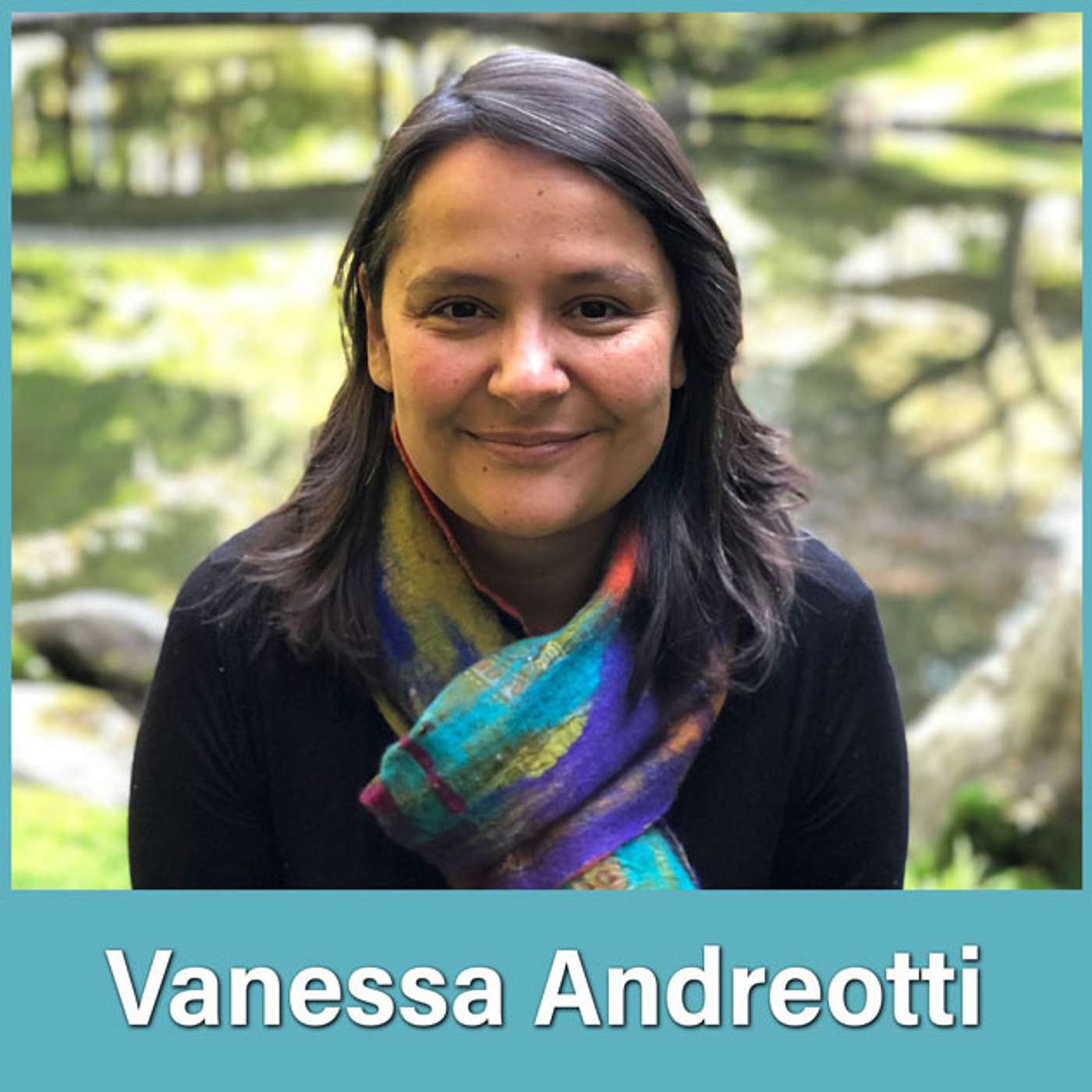
S1 Ep 23#23 Vanessa Andreotti: The Collapse of the House That Was Built Through Colonialism
Vanessa de Oliveira Andreotti holds a Canada Research Chair in Race, Inequalities and Global Change at the University of British Columbia in Vancouver. She has extensive experience working across sectors internationally in areas related to global justice, global citizenship, and Indigenous and community engagement. Drawing on different critiques of colonialism and human exceptionalism, her research examines the interface between historical, systemic and on-going forms of violence, and the material and relational dimensions of unsustainability within modernity. Vanessa is one of the founding members of the Gesturing Decolonial Futures Collective (decolonialfutures.net) and “In Earth’s CARE”, an international network of Indigenous communities located mostly in Canada and Latin America.Vanessa provides her insight on What Could Possibly Go Right? including:The analogy of flood and that it is only when rising waters reach your “bum” that we can swim; seeing the possibilities and relating to our surroundings differently than when water is at the knees and we still walk. The teachings from high stakes, high-risk struggles are very different from low-intensity struggles. The gradual disillusionment and dissatisfaction we’re experiencing, as we realize “our comforts, enjoyments, securities, and consumptions are actually based on violence and unsustainability somewhere else.” That there is difficulty, pain, and discomfort to come for many people to come; and “unless we develop the capacity to face this with stamina, maturity, sobriety, accountability, responsibility, and humility - we may end up in a very destructive place.” The understanding from Indigenous teachings that living well is not separated from dying well; “not being haunted by pain but also seeing pain as an inevitable teacher in all of this.”That we should declutter the distractions and addictions, especially of consumption; not only consumption of stuff but also relationships, experiences, critique, and ideas about the world as we know. That “this collective pain can only be held with collectivized hearts. An individual heart is overwhelmed by collective pain.” We need to shed individual arrogance and narcissism, and see ourselves as “cute and pathetic in this enormity of what's going on”. That language is a living entity that moves the world. “By saying what we observe, but also what needs to move, we are moving it in many ways.”The call for maturity in our young civilizations, for growing up, for showing up differently to each other into the world at large. Connect with VanessaWebsite: decolonialfutures.netWebsite: ubc.academia.edu/VanessadeOliveiraAndreottiFollow WCPGR on Social MediaFacebook: https://www.facebook.com/WhatCouldPossiblyGoRightPodcastTwitter: https://twitter.com/postcarbonInstagram: https://www.instagram.com/postcarboninstitute/Support the showComplete Show Notes

S1 Ep 22#22R Kumi Naidoo Reflection: Lifelong Dedication to Social Movements
Our host Vicki Robin reflects on her conversation with long-time activist Kumi Naidoo, as heard on episode 22 of “What Could Possibly Go Right?” Connect with Kumi NaidooWebsite: kuminaidoo.netTwitter: twitter.com/kuminaidooFollow WCPGR on Social MediaFacebook: https://www.facebook.com/WhatCouldPossiblyGoRightPodcastTwitter: https://twitter.com/postcarbonInstagram: https://www.instagram.com/postcarboninstitute/Learn more: https://bit.ly/pci-wcpgrseries***Join us in December for a special Zoom call with Vicki! When you donate any amount to support the show, we'll invite you to join a live, online call with Vicki on Thursday, December 10. ***Don't forget to SUBSCRIBE so you don't miss an episode of What Could Possibly Go Right?Support the showComplete Show Notes

S1 Ep 22#22 Kumi Naidoo: A Broken Economic System, the Power of Intersectionality, and Why Giving Up Is Not An Option
"Let's not let those that brought humanity to this point of destruction get away with the injustices that it created."Kumi Naidoo is recognized internationally as a forceful advocate for human rights, gender equity, economic justice, and environmental justice. A seasoned activist in South Africa during its struggle against apartheid, his long career of deep commitment to people and the planet has included serving as Executive Director of Greenpeace International and as Secretary General of Amnesty International. Kumi’s current roles include Professor of Practice, Thunderbird School of Global Management at Arizona State University; Global Ambassador, Africans Rising for Justice, Peace and Dignity; Visiting Fellow, Oxford University, and Honorary Fellow, Magdalen College.Kumi shares his thoughts on What Could Possibly Go Right? including:That we need to reassess how we measure wealth as GDP, a broken system for measuring the value of people and work.That we suffer from affluenza, “an illness where we have come to believe that a meaningful, prosperous, decent, dignified life comes from more and more material acquisitions.” and that climate change “is fundamentally a problem of consumption and inequality”.That activism needs humility and to “listen more to people on the ground”. Instead of appealing to those in power, activists should support the powerless to speak for themselves, whose “voices bring an urgency that only those that suffer an injustice can bring, with the kind of eloquence, power and passion that makes it hard for the media, policymakers and those in power to ignore.”That we need more genuinely democratic systems across the world with a fair chance to run for office, instead of displaying only “the form of democracy without the substance of democracy”.That the analogy of the spider and the starfish shows the strength of decentralized versus centralized forms of organizing and mobilizing.That understanding the biggest contribution we can make to the cause of humanity is “not giving your life, but giving the rest of your life,” with perseverance, stamina, and courage to see those injustices dislodged.That it’s not good for mental health for us to see injustice and not express it and to bottle it up inside of us.That even “the pessimism of our analysis can be overcome by the optimism of our action”. ResourcesBook - The Spider and the Starfish: The Unstoppable Power of Leaderless Organizations by Ori Brafman and Rod BeckstromConnect with Kumi NaidooWebsite: kuminaidoo.netTwitter: twitter.com/kuminaidooFollow WCPGR on Social MediaFacebook: https://www.facebook.com/WhatCouldPossiblyGoRightPodcastTwitter: https://twitter.com/postcarbonInstagram: https://www.instagram.com/postcarboninstitute/Learn more: https://bit.ly/pci-wcpgrseries***Join us in December for a special Zoom call with Vicki! When you donate any amount to support the show, we'll invite you to join a live, online call with Vicki on Thursday, December 10. ***Don't forget to SUBSCRIBE so you don't miss an episode Support the show<a...
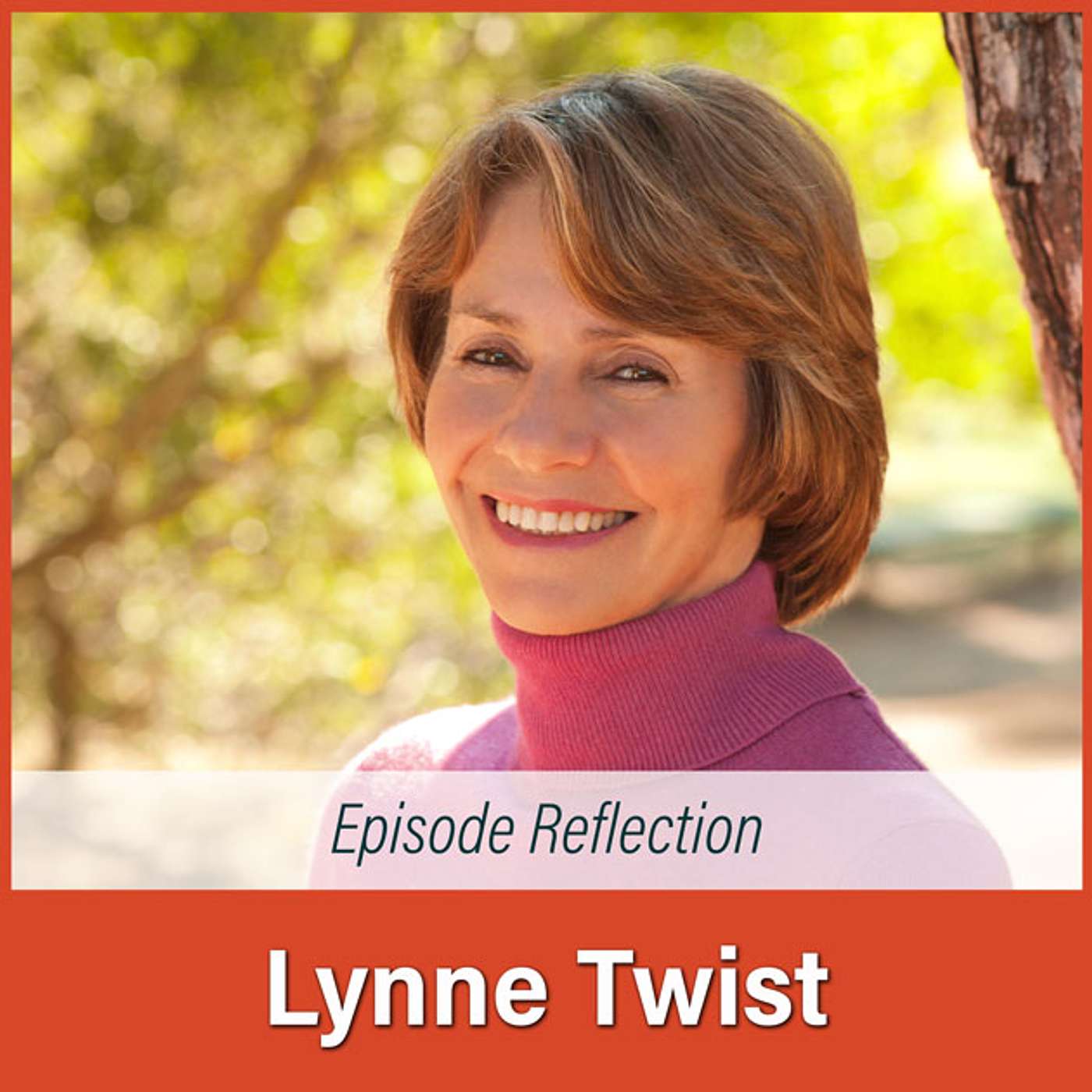
S1 Ep 21#21R Lynne Twist Reflection: The Stories of Healing
Our host Vicki Robin considers Lynne Twist’s insightful response to “What Could Possibly Go Right?”, especially the importance of the stories we choose to tell ourselves.Connect with LynneWebsite: soulofmoney.orgTwitter: twitter.com/lynne_twistFacebook: facebook.com/TheSoulOfMoneyInstituteInstagram: instagram.com/soulofmoneyFollow WCPGR on Social MediaFacebook: https://www.facebook.com/WhatCouldPossiblyGoRightPodcastTwitter: https://twitter.com/postcarbonInstagram: https://www.instagram.com/postcarboninstitute/Learn more: https://bit.ly/pci-wcpgrseriesDon't forget to SUBSCRIBE so you don't miss an episode of What Could Possibly Go Right?Support the showComplete Show Notes
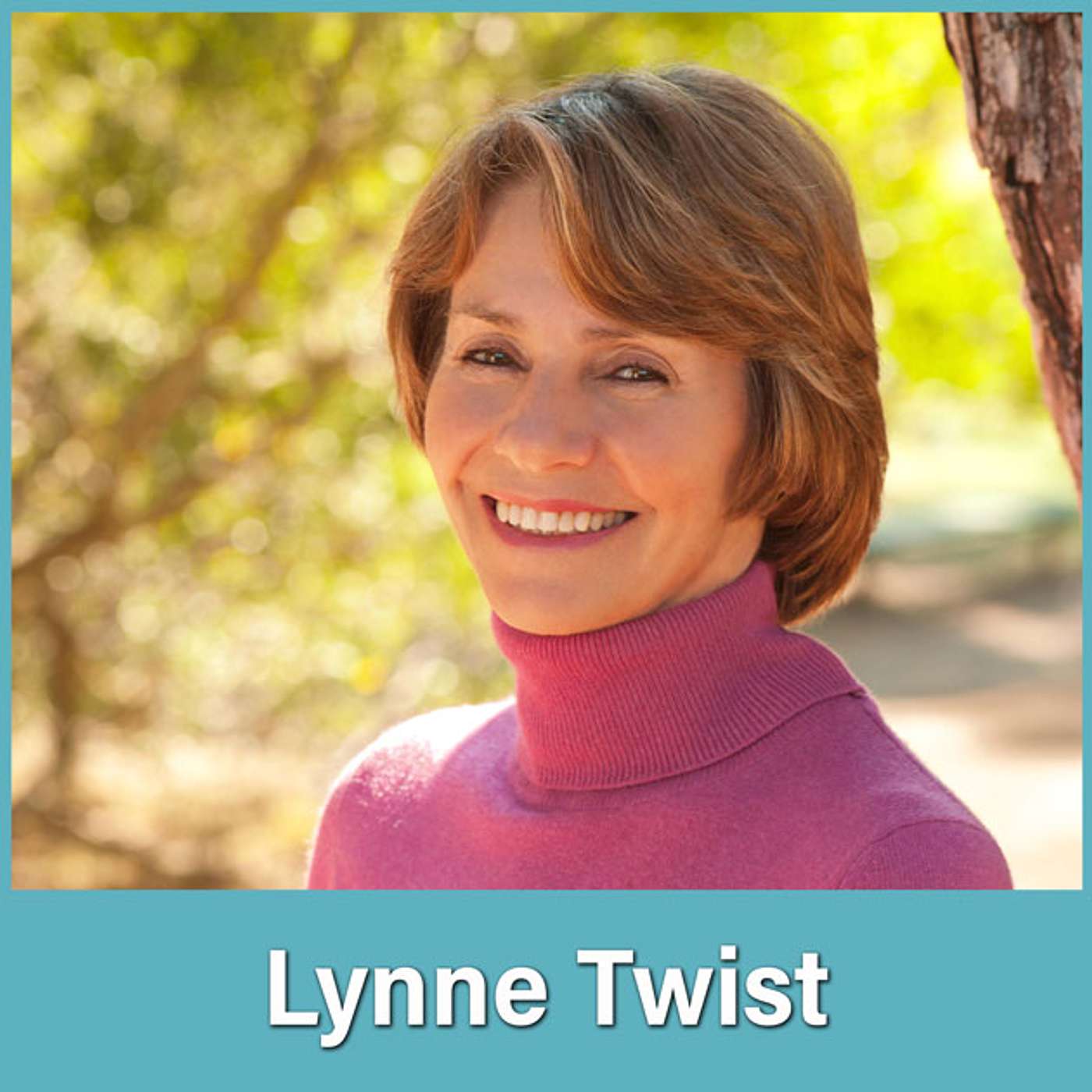
S1 Ep 21#21 Lynne Twist: Seeds of a Breakthrough
Lynne Twist is the Founder of the Soul of Money Institute and author of the best-selling book "The Soul of Money: Transforming Your Relationship with Money and Life.” Over the past 40 years, Lynne has worked with over 100,000 people in 50 countries in the areas of fundraising with integrity, conscious philanthropy, strategic visioning, and having a healthy relationship with money. She is a Co-Founder of The Pachamama Alliance — a nonprofit organization whose mission is to empower indigenous people of the Amazon rainforest to preserve their lands and culture. In addition, Lynne serves on a number of nonprofit boards including the Fetzer Institute, The Institute of Noetic Sciences, Bioneers, Conscious Capitalism, and Women’s Earth Alliance.Lynne brings a soulful connection to the question of What Could Possibly Go Right? including:That we need to move from a “you or me” mindset of scarcity, to a “you AND me” paradigm of enoughness; that our institutions, governance and even religion are rooted in this scarcity we need to shake off.That as in Marianne Williamson’s words, "The rehearsal is over. The curtain is up."That this pandemic is like “a morning sickness, for a civilization that's pregnant with a new birth of itself.”That there are links between our current transition in time, with Baha’i prophecies and predictions by shamans of the Andes and AmazonThat in every breakdown, there are the seeds of a breakthrough - though they can be hard to find.That we are starting to see through a pinhole of awareness, “an aperture that is opening as things fall apart. It gets wider and wider and wider.”That we should consider young people as “our elders in universe time” and appreciate the wisdom they bring.ResourcesMarianne Williamson marianne.comBuckminster Fuller bfi.org/about-fullerConnect with LynneWebsite: soulofmoney.orgTwitter: twitter.com/lynne_twistFacebook: facebook.com/TheSoulOfMoneyInstitute Instagram: instagram.com/soulofmoneyFollow WCPGR on Social MediaFacebook: https://www.facebook.com/WhatCouldPossiblyGoRightPodcastTwitter: https://twitter.com/postcarbonInstagram: https://www.instagram.com/postcarboninstitute/Learn more: https://bit.ly/pci-wcpgrseriesDon't forget to SUBSCRIBE so you don't miss an episode of What Could Possibly Go Right?Support the showComplete Show Notes

S1 Ep 21#20R Tzeporah Berman Reflection with Richard Heinberg: We Have Aggregated Too Much Power
Our host Vicki Robin is joined by Richard Heinberg, Senior Fellow at the Post Carbon Institute and one of the world’s foremost educators on the need to transition away from fossil fuels. They reflect on the interview with Tzepora Berman, as heard on Episode 20.Connect with TzeporahWebsite: Tzeporahberman.comWebsite: stand.earthFacebook: facebook.com/TzeporahFacebook: facebook.com/standearthTwitter: twitter.com/TzeporahTwitter: twitter.com/standearthConnect with Richard HeinbergWebsite: http://richardheinberg.com/Facebook: https://www.facebook.com/richardheinbergTwitter: https://twitter.com/richardheinbergFollow WCPGR on Social MediaFacebook: https://www.facebook.com/WhatCouldPossiblyGoRightPodcastTwitter: https://twitter.com/postcarbonInstagram: https://www.instagram.com/postcarboninstitute/Learn more: https://bit.ly/pci-wcpgrseriesDon't forget to SUBSCRIBE so you don't miss an episode of What Could Possibly Go Right?Support the showComplete Show Notes
S1 Ep 20#20 Tzeporah Berman: Racing Against the Clock
Tzeporah Berman has been designing environmental campaigns and working on environmental policy in Canada and beyond for over twenty years. She currently is International Program Director at Stand.Earth. She is an Adjunct Professor of York University Faculty of Environmental Studies and works as a strategic advisor to a number of First Nations, environmental organizations and philanthropic foundations on climate and energy issues. Tzeporah’s thoughts on What Could Possibly Go Right? include:That we have the highest level of engagement around climate change than ever, as the former “invisible threat for the future” becomes tangible with impacts in our daily lives.That recent changes in technology, renewable energy pricing and engagement from civil society is creating political space for decision makers to actually act and stand up to the fossil fuel industry.The creation of a new global Fossil Fuel Non-Proliferation Treaty, “a campaign for something that is commensurate with the scale of the actual problem” and addresses fossil fuel production, not only emissions.That moving to renewable energy is also about redistributing power; an entirely different model than that of fossil fuels on which industrial society was built.That social change isn’t linear and many great moments in history happen at tipping points.That more people lose their homes today as a result of climate change than war. “We need big bold breakthroughs, because we are racing against the clock… This is our moment to propose some significant bold shifts and new ideas to change the landscape.”ResourcesFossilFuelTreaty.org Connect with TzeporahWebsite: Tzeporahberman.com Website: stand.earthFacebook: facebook.com/TzeporahFacebook: facebook.com/standearthTwitter: twitter.com/TzeporahTwitter: twitter.com/standearthFollow WCPGR on Social MediaFacebook: https://www.facebook.com/WhatCouldPossiblyGoRightPodcastTwitter: https://twitter.com/postcarbonInstagram: https://www.instagram.com/postcarboninstitute/Learn more: https://bit.ly/pci-wcpgrseriesDon't forget to SUBSCRIBE so you don't miss an episode of What Could Possibly Go Right?Support the showComplete Show Notes