
Episode #67: Changing the Narrative: Shattering Stereotypes of Disability in the Workplace
Information for Parents of Special Needs Children
Water Prairie Chronicles Podcast
Audio is streamed directly from the publisher (waterprairie.com) as published in their RSS feed. Play Podcasts does not host this file. Rights-holders can request removal through the copyright & takedown page.
Show Notes
- Tonya
Show Notes: In this enlightening interview with Dr. Kirk Adams, we delve into the important topic of employment opportunities for individuals with disabilities and how parents can support their children in finding meaningful work. Dr. Adams provides valuable insights and addresses common concerns parents have regarding their disabled children's employability. He emphasizes that individuals with disabilities can indeed find employment and have successful careers. The key lies in developing disability-specific skills and creating a strong support network. Dr. Adams encourages parents to connect with organizations and associations dedicated to disability advocacy and support, which can provide guidance and resources in navigating the employment landscape. Dr. Adams highlights that while challenges may exist, there are numerous career opportunities for individuals with disabilities. Employers are increasingly recognizing the value of inclusive workplaces and the unique strengths that disabled workers bring. He stresses the importance of dispelling misconceptions around disability employment, such as the notion that having a disability automatically hinders one's ability to work effectively. Throughout the interview, Dr. Adams emphasizes the importance of self-advocacy, resilience, and skill development for individuals with disabilities, highlighting that disability employment is possible with the right support and mindset. For parents raising children with disabilities, Dr. Adams provides guidance on fostering independence, developing essential skills, and building a strong network of support. He encourages parents to connect with local chapters of disability organizations, seek mentorship opportunities, and leverage available resources to help their children navigate the path to employment. In summary, this interview with Dr. Kirk Adams sheds light on the possibilities of employment for individuals with disabilities and provides parents with valuable insights and actionable advice. It reinforces the importance of creating inclusive work environments, dispelling misconceptions, and supporting individuals with disabilities in their journey toward meaningful and fulfilling careers. Connect with Kirk: Email: kirkadams000[@]gmail.com LinkedIn: https://www.linkedin.com/in/kirkadamsphd/ Connect with Us: https://linktr.ee/waterprairie Support this channel: https://www.buymeacoffee.com/waterprairie Resources mentioned during this episode: Disability:IN - https://disabilityin.org/ Family Connect- https://familyconnect.org/ National Library Service for the Blind and Print Disabled - https://www.loc.gov/nls/ CurbCutOS - https://www.curbcutos.com/ EyeCBetter - https://eyecbetter.com/ Music Used: “LazyDay” by Audionautix is licensed under a Creative Commons Attribution 4.0 license. https://creativecommons.org/licenses/by/4.0/ Artist: http://audionautix.com/
The Water Prairie Chronicles Podcast airs new episodes every Friday at Noon EST!
Find the full directory at waterprairie.com/listen.
Disability in the Workplace – Information for Parents of Special Needs Children
Show Notes:
In this enlightening interview with Dr. Kirk Adams, we delve into the important topic of employment opportunities for individuals with disabilities and how parents can support their children in finding meaningful work. Dr. Adams provides valuable insights and addresses common concerns parents have regarding their disabled children’s employability.
He emphasizes that individuals with disabilities can indeed find employment and have successful careers. The key lies in developing disability-specific skills and creating a strong support network. Dr. Adams encourages parents to connect with organizations and associations dedicated to disability advocacy and support, which can provide guidance and resources in navigating the disability in the workplace landscape.
Dr. Adams highlights that while challenges may exist, there are numerous career opportunities for individuals with disabilities. Employers are increasingly recognizing the value of inclusive workplaces and the unique strengths that disabled workers bring. He stresses the importance of dispelling misconceptions around disability in the workplace, such as the notion that having a disability automatically hinders one’s ability to work effectively.
Throughout the interview, Dr. Adams emphasizes the importance of self-advocacy, resilience, and skill development for individuals with disabilities, highlighting that disability employment is possible with the right support and mindset.
For parents raising children with disabilities, Dr. Adams provides guidance on fostering independence, developing essential skills, and building a strong network of support. He encourages parents to connect with local chapters of disability organizations, seek mentorship opportunities, and leverage available resources to help their children navigate the path to employment.
In summary, this interview with Dr. Kirk Adams sheds light on the possibilities of employment for individuals with disabilities and provides parents with valuable insights and actionable advice. It reinforces the importance of creating inclusive work environments, dispelling misconceptions, and supporting individuals with disabilities in their journey toward meaningful and fulfilling careers.
Connect with Kirk:
- Email: kirkadams000[@]gmail.com
- LinkedIn: https://www.linkedin.com/in/kirkadamsphd/
Connect with Us: https://linktr.ee/waterprairie
Support this channel: https://www.buymeacoffee.com/waterprairie
Resources mentioned during this episode:
- Disability:IN – https://disabilityin.org/
- Family Connect- https://familyconnect.org/
- National Library Service for the Blind and Print Disabled – https://www.loc.gov/nls/
- CurbCutOS – https://www.curbcutos.com/
- EyeCBetter – https://eyecbetter.com/
Music Used:
“LazyDay” by Audionautix is licensed under a Creative Commons Attribution 4.0 license. https://creativecommons.org/licenses/by/4.0/
Artist: http://audionautix.com/
Meet Today’s Guest:
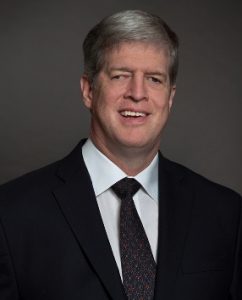
Kirk Adams is a Professional Speaker and the founder of Innovative Impact LLC., focusing on groundbreaking, high-impact projects that accelerate the inclusion of people with disabilities in the workforce and supercharges a company’s bottom line.
Kirk Adams earned his PhD in leadership and change. He is known as a master connector of key decision-makers in government, corporate America, the nonprofit sector, and disability advocates guiding them to create collaborative solutions that have a real impact in increasing the employment of people with disabilities.
Episode #67: Changing the Narrative: Shattering Stereotypes of Disability in the Workplace
Information for Parents of Special Needs Children
(Recorded May 24, 2023)
Full Transcript of Interview:
Tonya: Dr. Kirk Adams is a professional speaker and the founder of Innovative Impact LLC, focusing on groundbreaking high-impact projects that accelerate the inclusion of people with disabilities in the workforce and supercharge a company’s bottom line. Today we’re going to be discussing employment opportunities for our children with disabilities and how we can help our children prepare for their future careers. Kirk, welcome to Water Prairie.
Kirk: Great to be here. Thanks, Tonya.
Thanks, I’m looking forward to our conversation today. This season I’ve been having each of my guests share a few things about themselves and we’re playing the game “Two Truths and a Lie.” So, before we get into the interview, would you be willing to share three pseudo-facts and facts about yourself for us to figure out?
Sure. Two are to be true and one is to be a lie, correct?
That’s correct.
Okay. So, these are, I’m a Washington State person. I’m talking to you from my office in Seattle, and so these are all Washington State-centric. So, the first is that I was born in the same hospital in Aberdeen, Washington as Kurt Cobain, the founder of the band Nirvana.
The second is I was an extra in the Pike Place market scene in the movie Sleepless in Seattle.
And the third is I was the first totally blind person to summit Mount Rainier.
Wow. Now, I’m really curious, but if you’re listening, your challenge is to, if you’re watching on YouTube, go to the comment section. If you’re listening to it in another format or reading on the website, go to Instagram or Twitter and find the post about this section and type in your guess. See if, if, if you’re able to guess which is the lie and which of the two truths on this one. And a week after we post this video, we will go back and post the answer to it so that you’ll be able to check your answers.
In our questions today, we’re going to be talking about some employment opportunities, but I want to go back a little bit because I like for all my guests to kind of share how they’re connected with what they’re doing right now. Um, so Kirk, can you share us. Can you share us? Can you share with us your personal journey and how you navigated your own vision loss?
Oh boy. Yeah. Um, first of all, I was born sighted and had 20/20 vision until I was in kindergarten and then both of my retinas detached, there was, um, some congenitally weak blood vessels that hemorrhaged and the pressure from the hemorrhage.
Detached the retinas and uh, not, not quite sure what precipitated the hemorrhage. But, um, yeah, I became totally blind very quickly within a couple days. My parents, I was born when my parents were in college. They were both, had started their teaching careers. So, I guess they were probably 26 years old and had never met a blind person before.
And all of a sudden, they had a blind child. Right. And, um… This was 1966, so the um, local school that I had been attending was very clear and adamant that no, no, Kirk cannot come back to school here. Uh, we are not equipped to teach a blind kid. So, he needs to go to the state school for blind children. So, my parents visited the Washington State School for the Blind in Vancouver, Washington, and were quite dismayed.
By what they saw as far as the academic activity going on there, or lack thereof. It’s an excellent school now, but not then. My retinal surgeon was at the University of Oregon Medical School in Portland, and I was going there very frequently. Had quite a number of painful, ineffective eye surgeries there. But, um,
Were they trying to reattach?
Trying to tack the remnants of the retina down and remove scar tissue. Or the two things. But in any case, someone there mentioned that the Oregon State School was excellent. So, we, we visited there, in Salem. And they were very pleased and impressed. So, um, to their credit, of course I didn’t realize it at the time, what a big deal it was.
They quit their jobs, in here in Washington State. Moved, um, I had a younger brother. Uh, younger sister came later. But moved, moved the family. to Oregon, um, settled in a little town called Silverton, which is about 15 miles from Salem. So, I could go to the school for the blind, but I could be a day student and stay at home rather than in the dorm like so many of the other students from farther away.
And I went there for first, second, and third grade. And I had an amazing teacher, Mrs. Summers, whenever I’m at a conference and they say Shout out the name of the most influential person in your life, I always say Mrs. Summers. Because she taught me to read braille, um, write, write braille. Um, we had these big heavy, well for me they were heavy because I was six, um, sweepback books she called them.
They were just lines of symbols to practice the correct movement of, of the hands. Started reading the line with the two index fingers together. Reading to the middle. Finishing it with the right hand, while sweeping back and finding the beginning of the next line with the left hand. And she made me practice and practice and practice, and I would say…
Can I learn to read now? And she would say, nope. You got to get the, got to get the sweep back, mastered.
What I’m thinking too, you were at an age where you weren’t reading before this happened, correct?
No, I mean, I knew letters, my parents were teachers, so I remember, you know, we had letter blocks, and I think I knew the shapes probably of the capital letters, but it certainly wasn’t, I certainly wasn’t reading, reading.
But, um, boy, reading was so important to me, and, um, you know, particularly, I spent, you know, ten days at a time in the hospital after an eye surgery, completely immobilized. And, you know, I would have my big stack of, uh, boxes from the Braille library and read, read, read away. And I learned how to travel using a white cane.
Um, as a six-year-old, learned how to travel independently and safely. And, um, learned how to type on a typewriter so I could… The model was, go to the school for the blind, learn your blindness skills so that you can, um, survive in public school and then go to public school. Which I started in fourth grade.
But I think the most important thing, there were like 110, 120 blind kids. And, um, it was run by a bunch of really cool hippies. And they had us, this is the 60s, they had us backpacking. In the Three Sisters Wilderness area, horse, horse riding, um, going into the tide pools at the Oregon coast, going up in the mountains and building igloos, uh, in the winter.
So they were, you know, climbing trees, um, falling down, getting scrapes and bruises and they, they taught us to love. Our bodies as blind people and to be comfortable moving through space and comfortable taking risks and Sometimes I’ll talk to kids of little blind or parents a little blind kids and I’ll say you can measure your success by how many trips to the emergency room you take with your child. That was just a seminal experience for me. You know, strong, whatever your disability, strong, strong disability skills.
In my case, strong blindness skills. You know, that’s a predictor of thriving as a blind adult, so if parents are listening to have a blind child, the more time and emphasis you put on helping them to acquire these awesome, unique, special skills that blind people use to thrive, um, it’ll be time well spent.
We’re going to fast forward to, to a couple of years later, so somewhere along the line, you became an advocate for inclusion and accessibility. How did that happen? How did you feel that that was a calling that you had or something that you wanted to work toward?
Yeah, so my parents didn’t know any blind people. I didn’t know any blind people. I grew up in small towns. Um, in the Northwest, I was always the only blind kid in school. Um, when kids in small towns turn 16, two things happen, they get a driver’s license, and they get a job. And I, I didn’t get either of those, um, right away. But then I, I did get a job. I was really into sports.
My father was a basketball coach at the high school. And I, um, became the sports editor. of the school paper. And in Snohomish, Washington, there was an arrangement where the sports editor of the high school paper got to write a weekly column for the Snohomish Tribune, the little weekly paper. So, I got to write a column on high school sports.
So, I got paid minimum wage and I wrote my articles and filled out my timesheet and got a check. Another early predictor. Um, you know, kids, most, most, blindness is my thing, so I, when I say blindness, it really applies across disability, but, you know, less than a quarter of young blind kids get any kind of paid work by the time they’re 23, something like 70% of non-disabled young people do.
So then, um, another kind of pivotal moment is I was in the college bound group at my high school. And my senior year, first period we all went to math analysis. Second period we all went to physics. Third period we all went to chemistry. And when I walk into chemistry, the chemistry teacher says, no, no, no, you can’t take chemistry.
That’s a safety issue. You’re going to have to go to the office and get assigned to another class. And so, I went home and told my parents and they were educators and they said, well, if Mr. So-and-So says, then that’s, that’s that. So, I didn’t know how to advocate for myself. They didn’t know how to advocate for me.
We didn’t have a network. Um, and now of course, uh, I know blind chemists, uh, Hobie Wedler, blind guy, PhD in chemistry is like a world-renowned wine expert. I know a gentleman, Dan, Dan Berlin, who’s a chemist who grew his own company and sold it for a vast sum. I know blind people who teach chemistry. So, I know, I know that was not true, but I didn’t know it then.
And then my first, uh, kind of experience out of college, I graduated with an econ major. I had a 4. 0. In my field, had a Phi Beta Kappa, cum laude, and started applying for jobs. Applied to a couple of grad schools, got in, decided I wanted to work, and marry my college sweetheart. We’ve been married 37 years now.
Uh, get a house, have kids, and those, those, those things meant thriving to me. And, of course, thriving is defined by the individual. But for me, that’s what I wanted to do in my early 20s. So, I started applying for jobs, um, sending out my cover letter and resume. Um, I knew I needed to live in a city. Uh, so I was applying in Seattle because I needed to live somewhere with public transportation not, not available in my little hometown. And, um, I would get a phone interview. It would go great. I’d be invited in for the in person. I’d walk in with my white cane, my slate and stylus, and my little, you know, folder with some Braille paper to take notes and, you know, the confusion would set in over the room.
And most employers, uh, have not had an experience with a successfully employed blind person. They have no idea what, um, skills we learn, uh, in order to thrive with our disability. They don’t know what kind of tools we use, technology. And I think they often project and think, If I woke up tomorrow and I was blind, there’s no way I could do this financial analyst job this guy is applying for.
So, then I started disclosing in my cover letter that I’m blind, been blind since age 5. Here’s how I’ve done what I’ve done. Here’s how I’ll do the job. And then I wasn’t even getting the phone interview. So, I had that very frustrating experience that so many young people with disabilities have, as only 35% of us working age adults with disabilities are in the workforce.
And that’s about half the general population, where it’s about 70%. And, um, you know, I started casting my net wider and wider, and I finally sent a resume and cover letter to a little family owned… Securities brokerage firm that underwrote tax free bond issues, and the sales manager had gone to my same college, Whitman College in Walla Walla.
He was an econ major. He had some of the same professors I had. He was maybe 12, 15 years before me, so he called some of the professors and so can this Kirk Adams guy sell tax free municipal bonds over the phone? Of course, he can. So, so I, I took that job, and I was in securities sales for 10 years, um, out of college, 50 cold calls a day, every day.
And I made a fine living and bought the house that I’m sitting in right now. I got married and had our kids and then I turned 30 And got very clear that I did not want to do that the rest of my life. So, I got the What Color is Your Parachute book in Braille out of the Talking Book and Braille library.
And I followed every step and did all the exercises. And um, at the end, uh, got clear I should be, I should pivot to the nonprofit sector. I should be in leadership. And I should work. For nonprofits that create opportunities for other people who are blind. So, I set out to accomplish that. And the next step, they say, is to interview people who are doing what you want to do.
So, I reached out to a handful of nonprofits that I had either donated to or experienced. Um, one of my first ones was with the, uh, CEO of, uh, Planned Parenthood of Western Washington. And I went in and talked to her. And I honestly don’t even remember her name. This was 1993. But she, I told her my little story and she said, well, I was also a securities broker.
And I also decided I need to be in the nonprofit sector. And if I were you, I would enter the sector by becoming a professional fundraiser, because you’ve talked to, for ten years, you’ve talked to wealthy individuals about their financial goals, you’re comfortable with that, and there’s such a need for professional fundraising, that that would be the way I’d get my foot in the door if I were you.
So, I started applying for fundraising jobs, and not getting them because I didn’t have any experience, which was totally fair. But then I got a newsletter from the state talking book and Braille library, uh, the librarian whom I’d known well, cause I’m a huge Braille library user. And she said, our funding, um, has been frozen and we are going to need to raise 200, 000 or close down our evergreen radio reading service.
So, I called her and told her the same little saga and said, How about I come down and volunteer to raise the 200, 000. I’ll come and spend 20 hours a week until I’m done. And then I will job hunt the rest of the time. And that will let me put something on my resume that shows I have experience. And, um, she said, sure.
So, uh, a side note. As I mentioned, early work experience is a heavy predictor of future success in employment as an adult with a disability. And the research shows that volunteer work is just as strong a predictor as paid work. So volunteering is a really great way to go to get some traction and get a foot on the career ladder.
So, she said sure. Uh, I… Got a book on writing grants, recorded on tape for reading for the blind and dyslexic. I listened to it. She assigned me a library volunteer to read through the Washington State Trust Directory, which is as thick as a big city phone book, listing all the foundations in the state.
And I started writing letters of inquiry to those that I thought would be a fit, and I was given the opportunity to apply for some grants, and I had some beginner’s luck. Got a couple of, um, what I know now, what I know now is beginner’s luck. So, I got a couple nice big checks pretty quickly. And, uh, they, uh, offered to create a position for me.
And so, my first nonprofit job was a development officer for the Seattle Public Library Foundation, which was administering the statewide. talking book and braille program. So, I was a development officer, Seattle Public Library Foundation, raising money for the state talking book and braille library. I did that for about three years, got very clear that this was my future.
And went back to school and got a masters in not-for-profit leadership. Um, had a couple other fundraising jobs. Uh, was hired by the Lighthouse for the Blind here in Seattle to start their fundraising program and their foundation. Did that. Um, was asked to take on more and more and more things, um, was given the opportunity to intentionally by, by the Seattle Lighthouse for the Blind to go through a professional development process so that I would be qualified to apply for the CEO role when my predecessor who was sighted retired.
So, I went through about a 15 month professional development process. Uh, they hired a search firm. I put my name forward. I was given the great opportunity, uh, to be the president and CEO of the Lighthouse here. And then, uh, later was asked to join the American Foundation for the Blind board, which I did.
And then had a similar opportunity to step into, uh, American Foundation for the Blind, which was Helen Keller’s organization. Uh, probably the most iconic organization in the blindness field. And so, I, uh, joyfully accepted that sacred trust of leading that organization. And my, uh, wife and I moved to New York City and lived in Brooklyn and worked in Manhattan and then to Arlington, Virginia, and now back home to Seattle. So here we are.
Wow. But it, it sounds from, from your story, you, you know, that personal struggle of trying to, to get your name out there, to get. And when you’re telling the story of, um, early on when you would go through the application process and then get to that face to face, um, I’m picturing a lot of our, um, listeners are probably thinking that same thing, um, for their child or if it’s an individual that’s listening.
Um, they may have already experienced that. And, um, and that’s why I wanted to talk about this today because I think it’s really important that we understand some of those, those pieces that need to be in place so that. Um, you can find success, um, and a lot of it, you, you made the comment, um, that they were projecting their own ideas on if they were to lose their vision today, could they do the job or not, which is unfair.
We know that looking at it. But I think it’s hard for us not to, we try to connect, and we put our personal feelings into that connection, um, not realizing you had had how many years of life to learn how to do that. You made another comment, um, that after that experience that you included, I think, in your letter you said, how you would address the issues.
Yeah. So that’s a question. If you have a visible disability, I obviously do because I’m totally blind and I use a cane. Um, when to disclose? When in the process do you disclose your disability? Um, it’s a kind of a personal choice. I think there’s… There’s some strategy around it, and there’s a lot more opportunity to be strategic now um, that many employers are actively, uh, intentionally seeking to be more inclusive of people with disabilities in their workforce.
Well, I was thinking too, as you were talking, a lot has changed since you were at that stage of life.
Yes, thank goodness.
However, there’s still a lot of room that we need to improve. How well can they, not, not the person who’s disabled, but the able-bodied person that’s coming in and they’re, they’re projecting into that communication part.
Um, but I’ve also interviewed several guests who have had the same thing. Um, Heather is, um, is deaf. She shared; she’s working on her master’s in social work right now. She shared how in an internship she was being talked down to while her classmate that had the same internship was being treated with, with a higher level, level of respect by the same supervisor. And, um, she had to call, um, her supervisor. Call the supervisor out on it that, you know, I’m not, I’m not deficient in my intelligence here.
Right, right, right.
You know, I, I just can’t always hear what you’re saying.
Yes, right.
And um, and so those advocacy skills do need to be there from day one. We need to really build those in our children so that they know how to speak up.
Yeah, and one, one really easy, well nothing … relatively easy way is to include your child in the IEP process. So, you know, the individualized education plan that kids with disabilities are entitled to. And there’s a process where you work with the school to outline what they’re going to deliver to your child. And have your, have your kid in those meetings from the beginning. Even if they’re really little.
I was going to ask how, how, how, how young would you include them?
As soon as you have one, you know. And, and they don’t need to be actively involved perhaps, but just say, you know. We’re here, we’re going to talk with your teachers, there’s some really cool stuff that you’re going to learn. And we just want to make sure that we’re all set up to teach you, um, these wonderful things.
And, um, we’re a team, we’re working together. And, um, sometimes the actual IEP is not such a team experience, but the IEP is crucial. And I tell parents, if they have six people in the IEP meeting, you have seven. If you need to have it in the gym, have it in the gym, because it’s super, it’s super important and not every school district is as cooperative as others. It’s a little bit of a hit or miss depending on where you happen to live.
I know for my own children, the school, especially when they were, before they were 14, because parents that are listening, when your child hits, I believe it’s 14, they’re required to be invited. to be included. But before that point, you’re the one that’s being invited. The child’s not on that invitation. But, um, they would always schedule during the teacher’s planning period. So, my child would be in class somewhere. And, um, and I never thought until they were older to pull them out.
Yeah, yank them right out. Yank them right out of class. They’ll never learn as much in that class as they will in that hour at the IEP.
Well, and I think it is, it is good. And there were times when I would be at the IEP meeting and I remember at one point pulling out the, my child’s picture and putting it on the table and just telling the team, you know, we need to remember, this is why we’re here. It has nothing to do with budgets or anything else. And if the child’s sitting there.
I would certainly highly, 100% pound the table, say, bring a successful, thriving adult with their, with their child’s same disability to that meeting. You can bring whoever you want. Um, but, uh, for instance, in blindness, there’s the National Federation of the Blind, American Council of the Blind.
Um, they have chapters, they have a network, a structure. If you, if your child is blind, you can, you can contact the federation or the council. Talk to the president of the local chapter and say, I have an IEP coming up, I need a, I need a successful blind adult with me. And they will make that happen. Um, all disabilities have structures and associations and groups and Facebook groups.
And, as I mentioned before, my parents had never met a blind child until I woke up in the hospital as a blind person. And, um, No advocacy, no network, but today with technology and social media and search engines and chat GPT and all the things, um, you know, you can really, I think, I think connecting and building that support system is super important for families and now that it can be done virtually, I wouldn’t hesitate to reach out. Um, 99. 99% of adults with disabilities you reach out to are going to want to be helpful.
It’s, and, and that’s information that I, now I’m looking back, my kids are in college now, so we’re not in that IEP time now, but I went out and found those individuals, but never did it cross my mind to ask them to come with me to the school.
So, I was doing my research outside of school and formulating what my questions were, so I knew what I was asking for when I got there and why I was asking for it, but never even crossed my mind until you just said that. Um, but I did interview another family. She has, she has young children, um, and both of them are, are deaf with cochlear implants, but she was able to find a deaf mentor because like, like your parents, she had never met anyone who was deaf until she met her children. And, um, and so she knows coming into it that she doesn’t know that connection. And that person is working with her to help her understand the deaf community, to help be able to teach her children. And so, the same, same is true with what you’re sharing there. You know, if your child is blind, any level of vision loss, reach out and find an adult who can walk with you with this. I think, I think it’s, it’s great advice.
Yeah, it works and, um, you may get a lot of resistance from the school, and you may have to, um, make yourself uncomfortable to, to do what’s best for your child. Um, they may say, oh no, it just has to be you. And you can say, no, no, no. I can bring whoever I want. So, you might have to be, you might have to be a little tough.
Right, right. And, and you can do that. It’s um, I, I think letting the school know I think is just out of courtesy.
Oh yes.
So, they know how to prepare.
Right.
So, um, you, through, through your experiences with working with, um, encouraging companies to create an inclusive, um, what are some, um, can you give us like an overview of, of what you’ve done with companies so far to kind of help them create a workplace?
So, what’s exciting is there is a lot of traction and energy around diversity, equity and inclusion that didn’t exist probably 10 years ago. And a lot of companies started out understanding that a diverse, inclusive workforce makes them a better company and a stronger organization. And most started with race and gender. But now, um, you know, so a small percentage of companies are broadening their approach to think about being inclusive of people with disabilities.
And that’s from a business strategy standpoint as, um, there’s a battle for talent in corporate America and people can’t hire enough good folks. And, um, as I mentioned earlier, 35, only 35% of people with significant disabilities are working. Um, probably a third would say they’re underemployed. So, there’s a lot of, there’s a big untapped pool of talent.
And beyond that, the lived experience of disability living every day with a disability gives you opportunities to develop unique strengths in areas that employers say they need. So if you live every day with a disability, you are going to learn persistence, uh, resilience, you’re going to develop grit, which is kind of a buzzword in employment now, you’re going to, um, learn how to solve problems creatively, you’re going to learn how to analyze and manage risk, You’re going to learn how to communicate with all different kinds of people.
You’re going to learn how to put a team together and support a team. So, um, Disability is a creator of strengths, a creator of assets. And so, to have those conversations with those companies who are trying to get a competitive advantage and find those who want to, um, intentional about including people with disabilities.
Those are the types of, of companies I’m looking for and finding, which is super cool. So, I’ll give you two examples, a manufacturer called the United Safety Technology. They are a manufacturer, uh, personal protective equipment. They set up a factory to make respirators right when the pandemic started. The Department of Defense became a customer.
They subsequently got a 100 million grant from the Defense Production Act to stand up domestic production of medical gloves, because the bulk of medical gloves are imported, and we ran into shortages during the first phase of the pandemic, so our first line responders didn’t have what they needed. So strategically, we, um, the government has decided we need domestic sources for all PPE.
So, they got 100 million to stand up medical glove production. They’ve leased Bethlehem, former Bethlehem Steel plant outside of Baltimore. They’re standing up production. They’re going to have 2, 000 employees. The owner has a severe learning disability, which he’s kept hidden his whole life. And someone connected us, and we started talking about disability inclusion.
And he had the notion of, you know, hiring a few people to do some simple tasks. And then I took him to the Walgreens distribution center in Anderson, South Carolina, where 40% of their employees have disabilities. They’re the most productive of Walgreens distribution centers. They have the most efficiency, lowest turnover, lowest absenteeism, best safety record.
It’s all documented, and he and his team came out of there, um, super excited about disability inclusion, and their goal is to have 30% of their workforce, or 600 people with disabilities. So, I’m helping them connect with the right government agencies, nonprofit organizations, and community based organizations, so they can do that.
Uh, another is a company called NovaCoast, which is a cyber security company. Um, challenged in hiring enough qualified entry level, um, cybersecurity analysts, so struck upon the notion of, uh, tapping into the blindness community. So, we’ve created a 10 week virtual program, uh, to train blind people to be cybersecurity analysts and to sit for the first two industry certifications that are typically required when you apply for those types of jobs.
It’s called the Apex Program, so people can find it at theapexprogram.com. And we’re just launching with our first students. Uh, we have, um, I’ve had the opportunity to go to two cyber security conferences that NovaCoast puts on. And I’ve talked to probably 90 chief information security officers from Blue Cross Blue Shield, Kaiser Permanente, Chase, AT& T.
Um, big, big companies, they all face the same challenges, they can’t find enough cyber security people to hire them. They’re all very, very eager to interview any blind person who goes through this program and gets those two certifications. So those are two examples.
The um, so the cyber security. So, it’s a 10 week program, but do they need like a college degree before that 10-week program?
No, and I’m learning a lot about cyber. Degrees don’t matter. Certifications matter. So, this is 200 hours of training, 20 hours a week. You can get, you have to do 20 hours each week for 10 weeks. You can do the 20 hours whenever you want. But um, then there’s a one week of hands on with a mentor where you’re actually doing cyber security analyst work. And then you sit for the two certifications. They’re administered by Pearson. I’ve worked with them. So, the, the, the tests are accessible with screen readers. And people can do the tests from home using their own equipment. And the software they’re used to. So, I think, I think it’s going to be a winner, Tonya.
Oh, it sounds like it because then you’re not, so you’re able to work from home.
Yeah. There are some remote and there are some that require being on site just depends on the customer on the contract. But I will say this back to disclosing whether you disclose your disability, it’s really now you can decide based on is it going to be helpful to me to let them know I’m disabled or maybe not. So, if you look at companies, there’s an organization called Disability: In which you can go to their website
It’s 400 plus companies who’ve all made commitments to including people with disabilities in their workforce, in their product and service design and marketing and in their supply chain. So, to do business with disability owned business, but all of those companies have a specific target and commitment and mission to employ people with disabilities.
So in that case, it’s good that they know you have a disability. Um, another thing people can do if you’re thinking about working for a larger company is take a look at their website and just look for a couple things. I look at their diversity, equ