Voices of the Middle East and North Africa
201 episodes — Page 2 of 5
Feb 18, 2022 VOMENA- Dr. Utku Balaban on industrialization and 'Islamic revivalism' in Turkey
Feb 18, 2022 VOMENA- Dr. Utku Balaban on industrialization and 'Islamic revivalism' in Turkey by VOMENA Team at KPFA
April 1, 2022: The Troubling Developments in Tunisia and a Commemoration of Palestinian Land Day
Today Tunisian president Kaies Saied dissolved the parliament after parliament members challenged the autocratic powers he has exercised since his self-coup last July. Last Wednesday, lawmakers held an online meeting, defying Mr. Saied’s warning that the session was illegal, and a majority voted against his power grab, which they said violated the country’s Constitution. Elected in a landslide in 2019, the president has been ruling by decree since July, jailing opponents, suspending parts of the Constitution, dismissing the Supreme Judicial Council and restricting press freedom. Khalil Bendib spoke with our Tunisian correspondent Mohammed-Dhia Hemmami about the current political situation in Tunis. To commemorate Palestinian Land Day, an annual event dating back to March 30, 1976, when six unarmed Palestinians were killed by Israeli forces during protests against the Israeli government’s expropriation of large tracts of Palestinian land for Jewish settlers, we also bring back a 2014 conversation with UC Berkeley Professor Samera Esmair about the return of some of the Palestinian refugees to their village Kafr Bir`im, located in northern Palestine in the Galilee, whose residents were expelled in 1948. Mohamed-Dhia Hammami is an independent researcher and analyst and a PhD Student at Syracuse University. Samera Esmeir is Assistant Professor of Rhetoric at the University of California, Berkeley.
VOMENA March 25, 2022: "Determined to Stay" and Bias in Ukraine Coverage
This week, we speak with Jody Sokolower about her new book Determined to Stay: Palestinian Youth Fight for Their Village. Later in the program, Madhdis Keshavarz of the Arab and Middle Eastern Journalists Association joins us to talk about the organization’s recent statement in response to the biased coverage of the Ukraine crisis.
February 11, 2022: Natasha Iskandar on Migrant workers in Qatar Pt.2
The second part of our conversation with Natasha Iskandar about migrant labor and the World Cup in Qatar.
Green Energy and Colonialism in North Africa
We discuss green energy and its relationship to colonialism in North Africa with Hamza Hamochin
February 4, 2022: Natasha Iskandar on migrant workers in Qatar
February 4, 2022: Natasha Iskandar on migrant workers in Qatar by VOMENA Team at KPFA
Jan 12 2022 VOMENA- Desmond Tutu's solidarity with Palestine and political prisoners in Iran
Jan 12 2022 VOMENA- Desmond Tutu's solidarity with Palestine and political prisoners in Iran by VOMENA Team at KPFA
VOMENA Dec 20, 2021- Mona Halaby's ''In My Mother's Footsteps: A Palestinian Refugee Returns Home''
VOMENA Dec 20, 2021- Mona Halaby's ''In My Mother's Footsteps: A Palestinian Refugee Returns Home'' by VOMENA Team at KPFA
VOMENA Dec 20, 2021-- Mohamed-Dhia Hammami on the latest political developments in Tunisia
VOMENA Dec 20, 2021-- Mohamed-Dhia Hammami on the latest political developments in Tunisia by VOMENA Team at KPFA
VOMENA Dec 20, 2021-- elections in Libya
VOMENA Dec 20, 2021-- elections in Libya by VOMENA Team at KPFA
VOMENA Nov 17 2021- Megan Mylan's SIMPLE AS WATER doc and Laila Lalami's Conditional Citizens
VOMENA Nov 17 2021- Megan Mylan's SIMPLE AS WATER doc and Laila Lalami's Conditional Citizens by VOMENA Team at KPFA
vomena nov 15, 2021- the protests against the coup in Sudan- part 2
vomena nov 15, 2021- the protests against the coup in Sudan- part 2 by VOMENA Team at KPFA
Nov 3, 2021- The military coup in Sudan- part 1
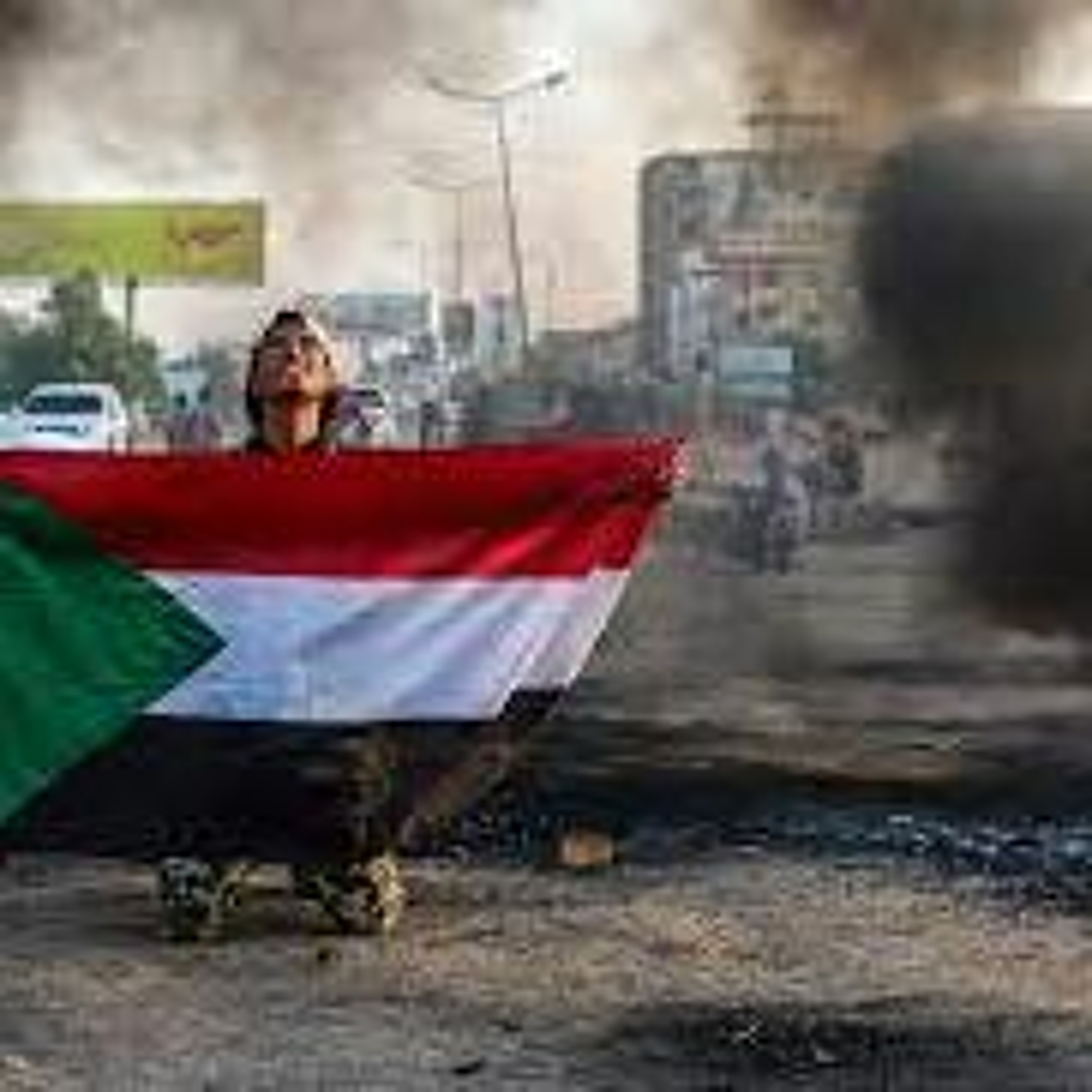
Last month, a military coup took place in the Sudan, barely two years after a popular uprising forced the removal of dictator, Omar al-Bashir, who had ruled the country for 30 years with an iron grip with the support of the military and Sudanese Islamists. The 2019 protest movement was not able to exclude the military from national politics entirely. In August of that year, a power sharing arrangement was reached among the military leaders, a coalition of groups and organizations called the Forces for Freedom and Change and a joint ruling body, named the sovereign Council, which was established to govern the Sudan for a little over three years until elections could be held. Following last month’s overthrow, coup leader, Gen Burhan, declared the dissolution of the Sovereign Council as well as that of the transitional government of Prime Minister Hamdok. Meanwhile, across the Sudan, millions of people have engaged in protests, acts of civil disobedience and strikes to denounce the military’s power grab at the peril of their lives. GUESTS Khalid Medani is an associate professor of political science and Islamic studies at McGill University and author of the new book Black Markets and Militants: Informal Networks in the Middle East and Africa. In this book, Khalid Mustafa Medani explains why youth are attracted to militant organizations, examining the specific role economic globalization, in the form of outmigration and expatriate remittance inflows, plays in determining how and why militant activists emerge. The study challenges existing accounts that rely primarily on ideology to explain militant recruitment. Based on extensive fieldwork, Medani offers an in-depth analysis of the impact of globalization, neoliberal reforms and informal economic networks as a conduit for the rise and evolution of moderate and militant Islamist movement Elsadig Elsheikh is the Director of the Global Justice Program at the Othering & Belonging Institute, where he oversees the program’s projects on corporate power, food systems, forced migration, inclusiveness index, Islamophobia, and human rights mechanisms; and manages the Shahidi Project, and the Nile Project.
VOMENA Oct 27 2021- How the crisis in Mali is affecting the Maghreb and France
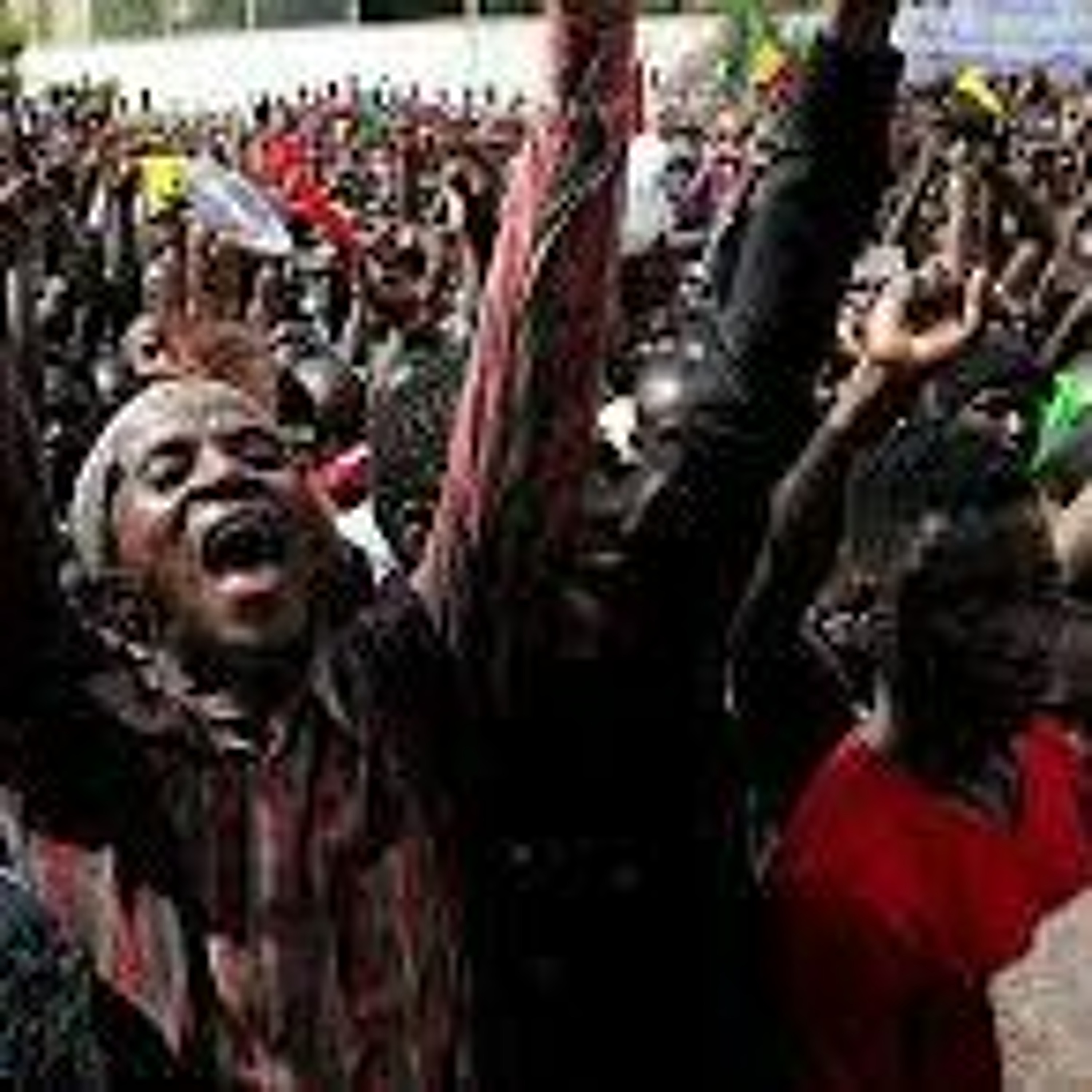
For most of a century, the region including north Africa and large swaths of west Africa all came under one and the same flag: the red white and blue of the French colonial empire. Following the loss of Louisiana in the early nineteenth century, which at the time encompassed about one third of what we know today as the United States of America, and partly to compensate for that tremendous loss, France began colonizing large swaths of North and West and central Africa, bringing under its rule close to a third of the continent’s total area. Two hundred years later, and more than half-a-centruy after its former colonies regained their independence, France is struggling to deal with its problematic legacy in that part of the world, finding itself embroiled once again in a bloody conflict six thousand kilometers from home that shows no signs of resolving itself. Operation Barkhane, launched in 2014 by then-president Francois Hollande ostensibly to restore order in Mali and protect France from the consequences of out-of-control terrorism south of the border has become a major strategic embarrassment for the once undisputed master of that land and is proving a costly challenge to a now mid-size world power that is no longer able to spread its wings as far as it once did. Against that backdrop, locally, the Malian state has to date proven incapable of asserting its authority over large areas of its own territory and this power vacuum has caused serious problems for Mali’s neighbors, including its neighbors to the north, Algeria, Morocco, Tunisia and Libya, and turning the area known as the Sahel into an incubator for terrorist and insurrectionist movements of all stripes. Today, we talk to professor Bruno Charbonneau at the Royal Military College Saint-Jean about the recent developments in Mali and how this thorny situation is affecting the Maghreb, France and neighboring areas of West Africa.
vomena Oct 20, 2021: Iraqis commemorate the victims of the October 2019 mass uprising
guest: Nabil Salih, Iraqi journalist and photographer
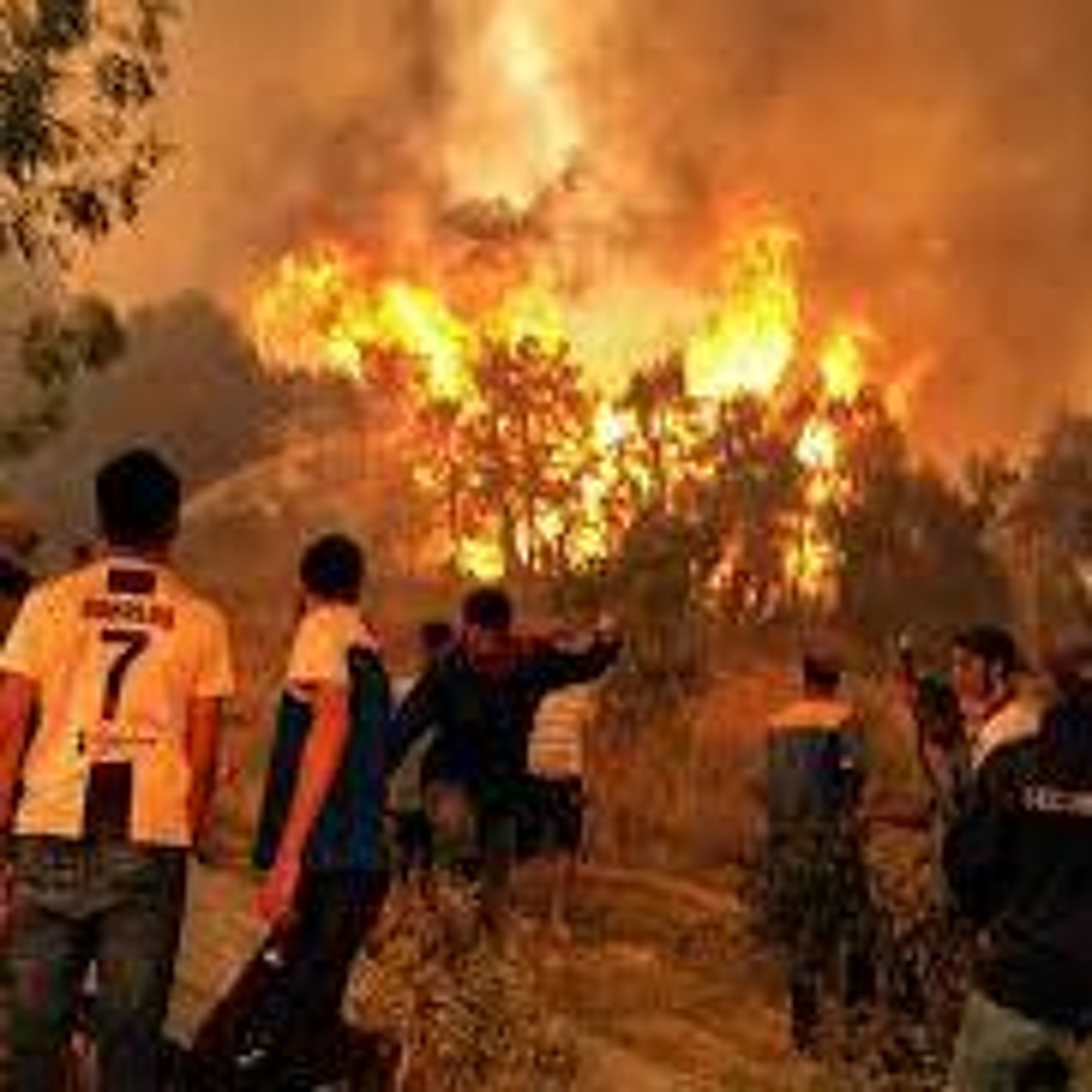
The Political, Environmental and Health Crisis in Algeria
After more than a year of sustained weekly demonstrations, in March 2020 the covid pandemic came to the rescue of a contested government seen as illegitimate by many in Algeria, forcing the popular Hirak movement to suspend its protests throughout the country in the interest of public health and safety. One year and a half later, the north African country is now beset by multiple deep crises, after a series of devastating fires swept across the country a month ago, exacerbating the political and health crises that preceded them. Khalil Bendib speaks with Algerian activist, Hamza Hamouchene in London about the way these multiple catastrophes are affecting the country and how people are coping. Hamza Hamouchene is a London-based Algerian researcher-activist, commentator and a founding member of Algeria Solidarity Campaign (ASC), and Environmental Justice North Africa (EJNA)
An update on the political crisis in Tunisia and the Abraham Accords between UAE and Israel
Last month Tunisia’s president Kaies Saeid decided to consolidate power around himself by suspending parliament, firing his prime minister, and assuming leadership of the defense, interior, and justice ministries. The country is now teetering over the edge of a possible return to the one-man rule Tunisians had rejected ten years ago. This week, we’ll get an update on the political crisis in Tunisia from Tunisian scholar and political analyst Mohamed Dhia Hammami- Later in the program, we will speak with Elham Fakhro, a Senior Analyst at the International Crisis Group about the Abraham accord: On August 13th the United States brokered a normalization agreement between Israel and The United Arab Emirates, which was soon followed by Bahrain Sudan and Morocco.
The 1988 Executions of Iranian Political Prisoners - Interview with Nasser Mohajer
The 1988 Executions of Iranian Political Prisoners - Interview with Nasser Mohajer by VOMENA Team at KPFA
Professor Cihan Tugal Examines The Structure Of TheTurkish Regime and its Evolution
Professor Cihan Tugal Examines The Structure Of TheTurkish Regime and its Evolution by VOMENA Team at KPFA
One Year Since the Blast at the Port of Beirut & Part Two of Our Interview with Nasser Mohajer
This week, we bring you the second part of our conversation with Iranian scholar and researcher Nasser Mohajer about his new book Voices of a Massacre; Untold Stories of Life and Death in Iran, 1988. Later in the program, we speak with Lara Bitar, the editor in chief of The Public Source, a Beirut-based independent media organization about the economic crisis in Lebanon and the one-year anniversary of the Beirut port explosion that killed more than 200 people. Additional resources: https://thepublicsource.org/disability-justice-beirut-blast https://thepublicsource.org/aug4/ https://www.sheffield.ac.uk/news/nr/beirut-explosion-what-happened-impact-force-analysis-investigation-engineering-blast-study-1.916971 https://www.worldbank.org/en/news/press-release/2021/05/01/lebanon-sinking-into-one-of-the-most-severe-global-crises-episodes https://www.hrw.org/report/2021/08/03/they-killed-us-inside/investigation-august-4-beirut-blast
Nasser Mohajer on his New Book "Voices of a Massacre"
On August 10th, Hamid Nouri, a former prosecutor in Iran, went on trial in Sweden for his alleged role in the executions of thousands of political prisoners in Iran in 1988. According to the indictment brought by Swedish public prosecutors, Nouri is accused as part of the systematic execution of thousands of political prisoners in the summer of 1988. The historic trial against Nouri will hear testimonies from dozens of witnesses and it will be the first time that one of the worst crimes of the past 40 years in Iran will be examined in a court of law. In July 1988, the Islamic Republic of Iran agreed to bring an end to the brutal eight-year war with Iraq. Over the next two months, under the orders of Supreme Leader Ayatollah Khomeini, political prisoners around the country were secretly brought before a tribunal panel that would later become known as the Death Commission. They were not told what was happening and did not know that one ‘wrong' answer concerning their faith or political affiliation would send them straight to the gallows. Thousands of men and women were condemned to death, and many were buried in mass graves in Khavaran Cemetery in the vicinity of Tehran. Through eyewitness accounts of survivors, research by scholars and memories of children and spouses of the deceased, the new book Voices of a Massacre reconstructs the events of that bloody summer, which has still not been officially acknowledged by the Iranian government In the forward of the Voices of Massacre Professor Angela Davis Writes There may be those who argue that these events took place long ago and that there is little to be done today, but the fact that it has been more than thirty years since this atrocity took place is an even more compelling reason why an international solidarity movement is needed to support the demand to render the Islamic Republic of Iran accountable for past as well as ongoing acts of repression. Malihe Spoke with Nasser Mohajer, a prominent Iranian scholar and the author of Voices of a Massacre about The 1988 executions of Iranian political prisoners, the significance of Hamid Nouri and the charges against him. Nasser Mohajer is an independent scholar of modern Iranian history. He has authored many books and written numerous articles on contemporary Iran, including on the prison systems of both the Pahlavi dynasty and the Islamic Republic, women's movements for equal rights, and histories of the Iranian left.
What's goin on in Tunisia? The Pandemic and the Economic and Political Crisis in Tunisia
Since the 2010/2011 revolution, Tunisia has been seen as the most successful democracy in the Arab world but at the moment it tethering at the edge of what some people call have called a constitutional coup. Here is what happened- On July 25th, after a day of protest over the government’s handling of the covid-19 pandemic and the economy, Tunisian President Kais Saied invoked an emergency act, dismissed the Prime Minister, suspended the Parliament the next day for at least a month, and took charge of the executive powers One of the major contributing factors to this crisis has been the pandemic- According to Reuters. So far, around 940,000 people have been fully vaccinated among a population of 11.6 million. Tunisia has reported around 18,000 deaths and more than half a million infections. At one point last month it had the worst infection rate in Africa. Khalil Bendib spoke with Tunisian researcher Mohamed Hammami about the pandemic and the political and economic crisis in Tunisia.
Israeli Settler Colonialism and Urban Planning inside 1948 Territories with Lama Shehadeh
When the Palestinian Nakba (or the catastrophe of 1948) is discussed it's commonly understood to refer to the destruction of villages and the displacement of about 700 thousand Palestinians. What gets left out is what happened to the people who remained in the borders of what became Israel and the transformations the new state created on the land, natural resources, the public space, and urban development. This week Mira Nabulsi speaks with Palestinian architect and urban planner, Lama Shehadeh about Israel's settler-colonial project and how it manifests in urban planning within the 1948 Territories and how it impacted Palestinian citizens of Israel. Lama Shehadeh is a Palestinian architect and urban planner based in Haifa. Shedadeh’s research focuses on the intersection of architecture and urban planning with spatial justice, environmental and political conflicts, and social formation. she is currently she works on master plans for Palestinian towns and villages within 1948’s borders. Additional Resources: In the Israel-Palestine conflict, urban planning is the ultimate weapon https://www.fastcompany.com/90640935/in-the-israel-palestine-conflict-urban-planning-is-the-ultimate-weapon The Rewriting of Palestinian Cities: Spatial Dislocations in Haifa and Akka https://www.araburbanism.com/magazine/rewriting-palestinian-cities Articles from EI https://electronicintifada.net/tags/gentrification ISRAELI MANAGEMENT OF WATER RESOURCES: A STORY OF NATION BUILDING, NATURE TRANSFORMATION, AND ALIENATION OF PALESTINIANS FROM THEIR ENVIRONMENT https://ecommons.cornell.edu/handle/1813/67020 Acre - عكا: Akka: A Palestinian Priority https://www.palestineremembered.com/Acre/Acre/Story12400.html
Petrochemical Contract Workers Striking in Iran Over Wages & Conditions with Shadyar Omrani
Shadyar Omrani is a journalist, Poet, Novelist, Researcher and Public Lecturer. https://twitter.com/shadyaromrani?lang=en Resources: https://iranhumanrights.org/2021/06/oil-industry-workers-go-on-national-strike-in-iran/ https://www.middleeasteye.net/news/iran-oil-strikes-contract-workers-engulf-industry
US Nonprofits Supporting Israeli Settlers & "The Present" with Farah Nabulsi
Since its occupation of the West Bank, Gaza and East Jerusalem in 1967, Israel has practiced a policy of Jewish-only settlement expansion over Palestinian land. A land that the International Community designated as the territory of a future Palestinian State. Jewish-only settlements constitute a violation of international law and international humanitarian law, particularly the Fourth Geneva Convention, but they have remained a stable policy of consecutive Israeli right-wing and left-wing governments. Even with the upheaval inside Israeli politics, the Israeli cabinet still had the time to green-light the construction of over 500 new settlement units in the Bethlehem region, in May. And as protest and legal challenges to forced evictions, of Palestinian families, continue in East Jerusalem, we take a look at the the American non-profits supporting Israeli settler expansion in the occupied territories. Mira Nabulsi speaks with journalist Alex Kane. He is a contributing writer for Jewish Currents and +972 Magazine. His work has also appeared in The Intercept, Vice, In These Times, Al Jazeera and more. In the second half of the show, Malihe Razazan speaks with Palestinian director Farah Nabulsi about her recent film "the Present". The Present was nominated for this year's Academy Award for best live action short film and won the BAFTA Award for best short film.
Thousands of Migrants Cross into Ceuta & the Moroccan-Spanish Dispute with Samia Errazzouki
Khalil Bandib speaks with Samia Errazzouki about the rising tension between Spain and Morrocco after thousands of migrants crossed from Morroco into the North African enclave of Ceuta, considered Spanish territory. It is believed that Moroccan border guards eased the crossing of the migrants in response to Spain's hosting of Brahim Ghali, the leader of the Polisario Front, which campaigns for the independence of Western Sahara. Samia Errazzouki is a PhD candidate examining early modern Northwest African history. Prior to UC Davis, she worked as a journalist based in Morocco reporting for the Associated Press, and later with Reuters. Samia also worked as a research associate in Morocco with the University of Cambridge, researching the dynamics of surveillance and citizen media in light of the "Arab Spring." She is currently a co-editor with Jadaliyya. Her work and commentary appeared in various platforms including the Washington Post, BBC, Foreign Policy, The Guardian, Al Jazeera, the Carnegie Endowment's Sada Journal, and the Middle East Institute, among others. On Twitter: @S_Errazzouki. More Resources: Ceuta and Melilla: Spain's enclaves in North Africa https://www.bbc.com/news/world-africa-57305882 Spain Sends Troops to African Enclave After Migrant Crossings Jump https://www.nytimes.com/2021/05/18/world/europe/spain-migrants-ceuta-morocco.html
Turkey At The Crossroads? With Cihan Tugal (Part 2)
Professor Tugal speaks with Shahram Aghamir about the so-called Turkish liberal Islamic model once hailed by the US as a model to the Muslim World, what's left of that and what are the limitations of this model. Cihan Tuğal is a professor of sociology at UC Berkeley. He studies three interlocking dynamics: 1) capitalism’s generation and destruction of communities, livelihoods, and places; 2) the implosion of representative democracy; 3) the crisis of liberal ethics. His ongoing research focuses on populism, the radical right, and neoliberalism in the United States and the Middle East. Tuğal’s most recent book, Caring for the Poor (2017, Routledge). Additional resources: TURKEY AT THE CROSSROADS? newleftreview.org/issues/ii127/art…t-the-crossroads
Turkey At The Crossroads? With Cihan Tugal (Part 1)
Professor Tugal speaks with Shahram Aghamir about the so-called Turkish liberal Islamic model once hailed by the US as a model to the Muslim World, what's left of that and what are the limitations of this model. Cihan Tuğal is a professor of sociology at UC Berkeley. He studies three interlocking dynamics: 1) capitalism’s generation and destruction of communities, livelihoods, and places; 2) the implosion of representative democracy; 3) the crisis of liberal ethics. His ongoing research focuses on populism, the radical right, and neoliberalism in the United States and the Middle East. Tuğal’s most recent book, Caring for the Poor (2017, Routledge). Additional resources: TURKEY AT THE CROSSROADS? https://newleftreview.org/issues/ii127/articles/cihan-tugal-turkey-at-the-crossroads
KPFA Fund Drive with Professor Beshara Doumani: 73 Years of Nakba & the Ongoing Ethnic Cleansing
Beshara Doumani is the inaugural Mahmoud Darwish Professor of Palestinian Studies, the first chair of its kind dedicated to this field of study. He is also the founding director (2012-2018) of Brown's Center for Middle East Studies (CMES), and founder of New Directions for Palestinian Studies, a CMES initiative since 2012. From 2012-2020 he was the Joukowsky Family Distinguished Professor of Modern Middle East History. Doumani's research focuses on groups, places, and time periods marginalized by mainstream scholarship on the early modern and modern Middle East, with a focus on the social, economic, and legal history of Eastern Mediterranean. He also writes on the topics of academic freedom, and the Palestinian condition. His books include Rediscovering Palestine: Merchants and Peasants in Jabal Nablus, 1700-1900, and Family Life in the Ottoman Mediterranean: A Social History. He is currently working on the modern history of the Palestinians through the social life of stone.
A Royal Dispute or an Attempted Coup in Jordan, with Dr. Ziad Abu-Rish
On April 3rd, rumors started circulating about the arrest of Jordan’s former crown Prince Hamzah Bin Hussein, and some senior officials. A brief statement by the army denied the arrest but confirmed the prince was asked to stop, what the statement called, activities that were employed to target Jordan's security and stability. In a leaked video, Prince Hamzah said that he was placed under house arrest anddenied involvement with foreign powers and aligned himself with the Jordanian street which is growingly frustrated by what he called the corruption and incompetence of the system. How can we understand this turmoil inside the royal family and is there truly a rift at the highest ranks of the jordanian regime? How do these events link to the public discontent around the country's suffering economy? And how will it impact civil liberties and the social and political movements already bearing the brunt of restrictive anti-terrorism and cybersecurity laws. Vomena’s Mira Nabulsi spoke with Dr. Ziad Abu-Rish, the director of the MA program in Human Rights and the Arts at Bard College. A historian by training, his research focuses on popular mobilizations and state formation in Jordan and Lebanon. Abu-Rish is also co-editor of Jadaliyya e-zine.
Al Jazeera's new platform "Rightly" with Dr. Adel Iskander
Al Jazeera network has launched a new digital platform Rightly, which aims to target US conservative audiences. We speak with Adel Iskander, professor of Global Communication at Simon Fraser University about Aljazeera move into the right-wing media ecosystem in the US. We also celebrate National Poetry Month by bringing you some of the poetry of the Middle East’s celebrated poet Mahmoud Darwish, translated by Iraqi poet Sinan Antoon
Journalist Nidal Rafa' on the Situation in Sheikh Jarrah, Jerusalem.
Since the beginning of Ramadan in mid-April, tensions have been rising in the old city of Jerusalem. Palestinians have been protesting an Israeli court decision to evict four Palestinian families from their homes in the neighborhood of Sheikh Jarrah to make room for Israeli settlers. Four other families will also be facing eviction in August. The families in question have lived in their homes since 1956. At the time, East Jerusalem and the West Bank were under Jordanian control. The families which were made refugees as a result of Israel's establishment in 1948, were given the land by the Jordanian authorities and were able to build the homes with assistance from the United Nations Agency for Palestinian refugees. Since the 70's Israeli right-wing settler organizations have been trying to evict these families under the pretext that the land originally belonged to Jews before the establishment of Israel. According to a 2020 survey by the United Nations, at least 218 Palestinian households in East Jerusalem, including the families in Sheikh Jarrah, have eviction cases filed against them. If implemented 970 people, including 424 children will be displaced. Palestinians say the evictions are a continuation of Israel's policy of ethnic cleansing. The protests and sit-ins have been faced with settler violence backed by the Israeli police, which used rubber-coated bullets, tear gas canisters and even high pressure skunk water to disperse protestors. In recent days, Israel has escalated its repression in East Jerusalem, by radining the Al Aqsa mosque compound and even shelling of Palestinian worshippers. Further south, Israel has also launched its latest war on Gaza, hitting civilian buildings and killing over 40 people, including at least 14 children. To better understand the events that are unfolding in East Jerusalem, vomena’s mira nabulsi spoke with Nidal Rafa', a Palestinian journalist and TV producer based in Jerusalem. Nidal is a board member for several Palestinian civil society organization including ADALAH (The Legal Center for Arab Minority Rights in Israel), Al SIWAR feminist organizaton in Haifa and The Arab Journalist Club and Khalil Sakakini cultural center in Ramallah. With Marwa Jbara Tibi, she is co-director of the documentary ''ABBAS 36'' Nidal Rafa', a Palestinian journalist and TV producer based in Jerusalem. Nidal is a board member for several Palestinian civil society organizations including ADALAH (The Legal Center for Arab Minority Rights in Israel), Al SIWAR feminist organization in Haifa and The Arab Journalist Club and Khalil Sakakini cultural center in Ramallah. With Marwa Jbara Tibi, she is co-director of the documentary ''ABBAS 36'' together with
COVID-19 Situation in Gaza & the Palestinian Feminist Collective
This week, we’ll discuss the COVID-19 pandemic in the besieged Gaza Strip in a conversation with Dr. Monda El-Farrah, the Director of Gaza Projects of the Middle East Children's Alliance and a member of the Union of Health Work Committees Later in the program, we speak with Professor Isis Nusair and Huwaida Arraf two members of The newly formed Palestinian Feminist Collective committed to Palestinian social and political liberation by way of confronting systemic gendered and colonial violence, oppression and dispossession.
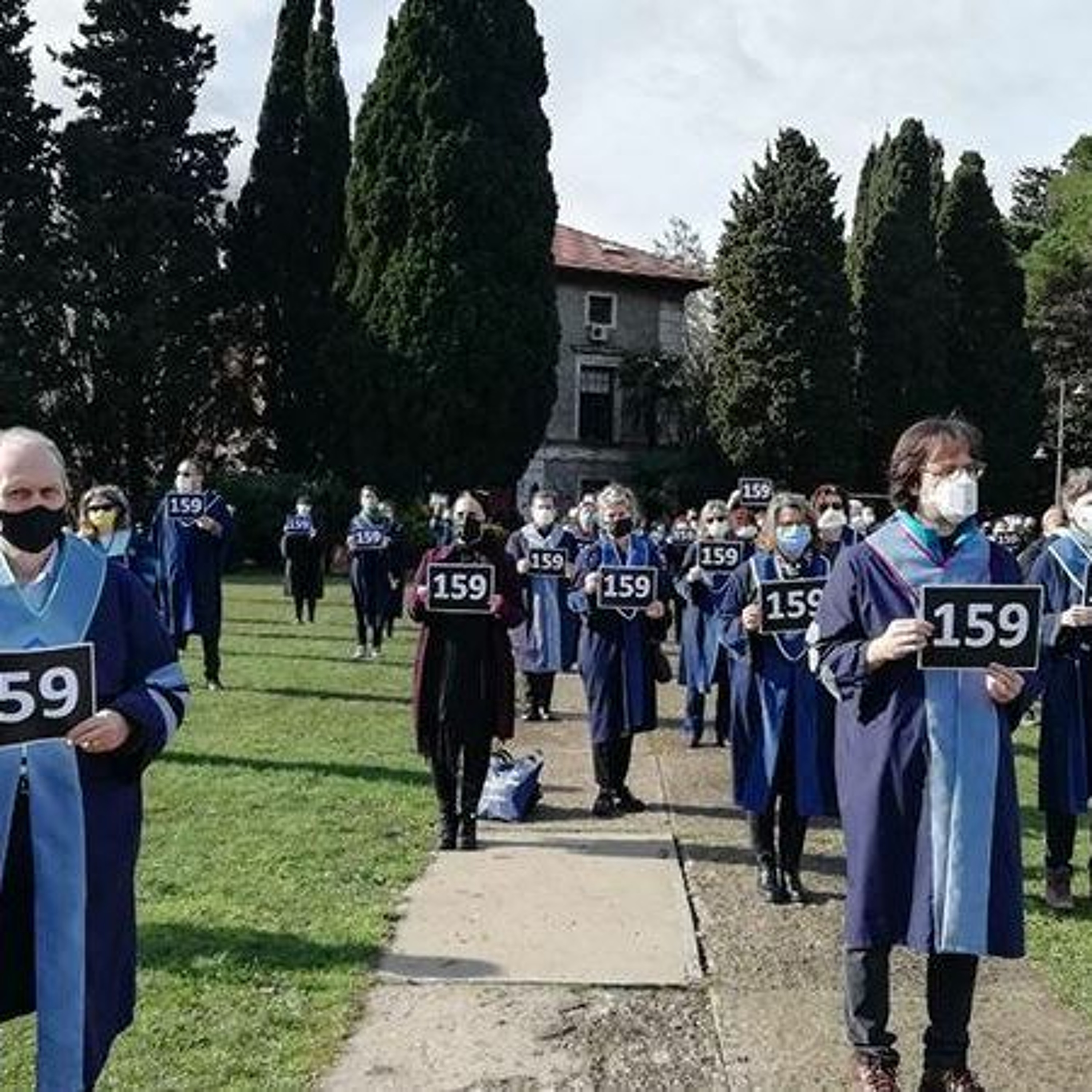
Assault on Higher Education And Academic Freedom In Turkey
On January 1, 2021, President Recep Tayyip Erdoğan announced his appointment of Melih Bulu, a long-time affiliate of the ruling Justice and Development Party (AKP), as the new rector of Isatnbul’s Boğaziçi University, one of Turkey’s most prestigious universities. The appointment trampled a long-standing tradition of electing rectors from within the university. Three days later, thousands of students gathered in front of the university to protest Erdoğan’s top-down decision aimed at controlling one of the few universities previously able to maintain some degree of institutional autonomy and academic freedom. In spite of governments’ heavy handed response, resistance to the government’s actions has continued. To understand the government’s actions at Bogazici University, the ruling party’s strategy for institutions of higher education, the ramifications of this strategy as well as the resistance by the students, the faculty and the staff of these institutions, we turn to Ayça Alemdaroğlu and Elif Babül, whose auricle entitled “Resists Authoritarian Control of the Academy in Turkey”was published on MERIP.org in February.
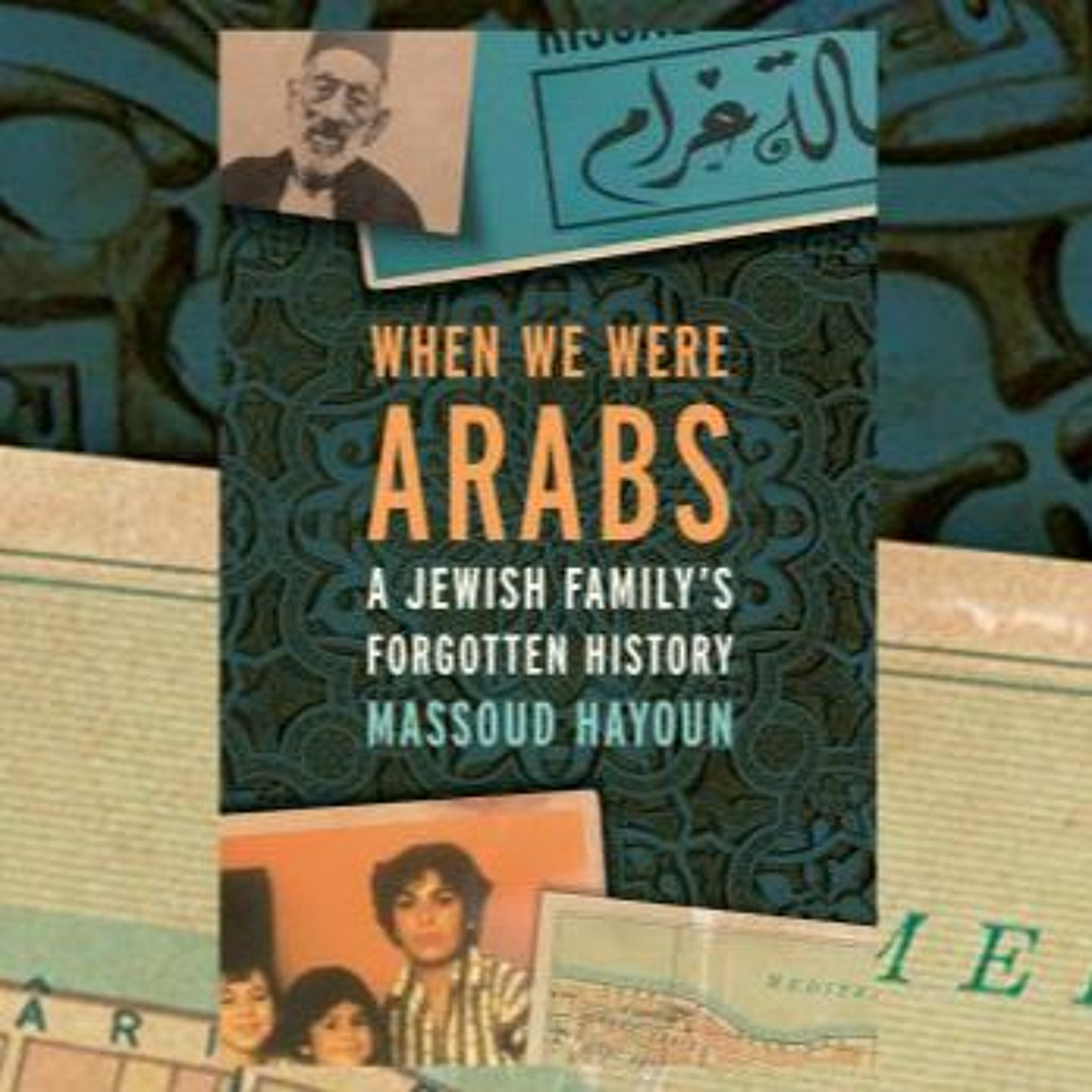
Massoud Hayoun on "When We Were Arabs: A Jewish Family’s Forgotten History- Part 2"
In his acclaimed new book “When we Were Arabs,” Los-Angeles-born journalist and author Massoud Hayoun recounts one north African family’s epic journey, step by step, from Tunisia all the way to California after it was senselessly uprooted from its ancestral lands and catapulted into a cold new world by two successive waves of European colonialism.
Massoud Hayoun on "When We Were Arabs: A Jewish Family’s Forgotten History-Part 1"
In his acclaimed new book “When we Were Arabs,” Los-Angeles-born journalist and author Massoud Hayoun recounts one north African family’s epic journey, step by step, from Tunisia all the way to California after it was senselessly uprooted from its ancestral lands and catapulted into a cold new world by two successive waves of European colonialism.
The Kurds In Iran
The Kurds In Iran by VOMENA Team at KPFA
The Toxic Legacy of War in Iraq and the documentary NASRIN
The Toxic Legacy of War in Iraq and the documentary NASRIN by VOMENA Team at KPFA
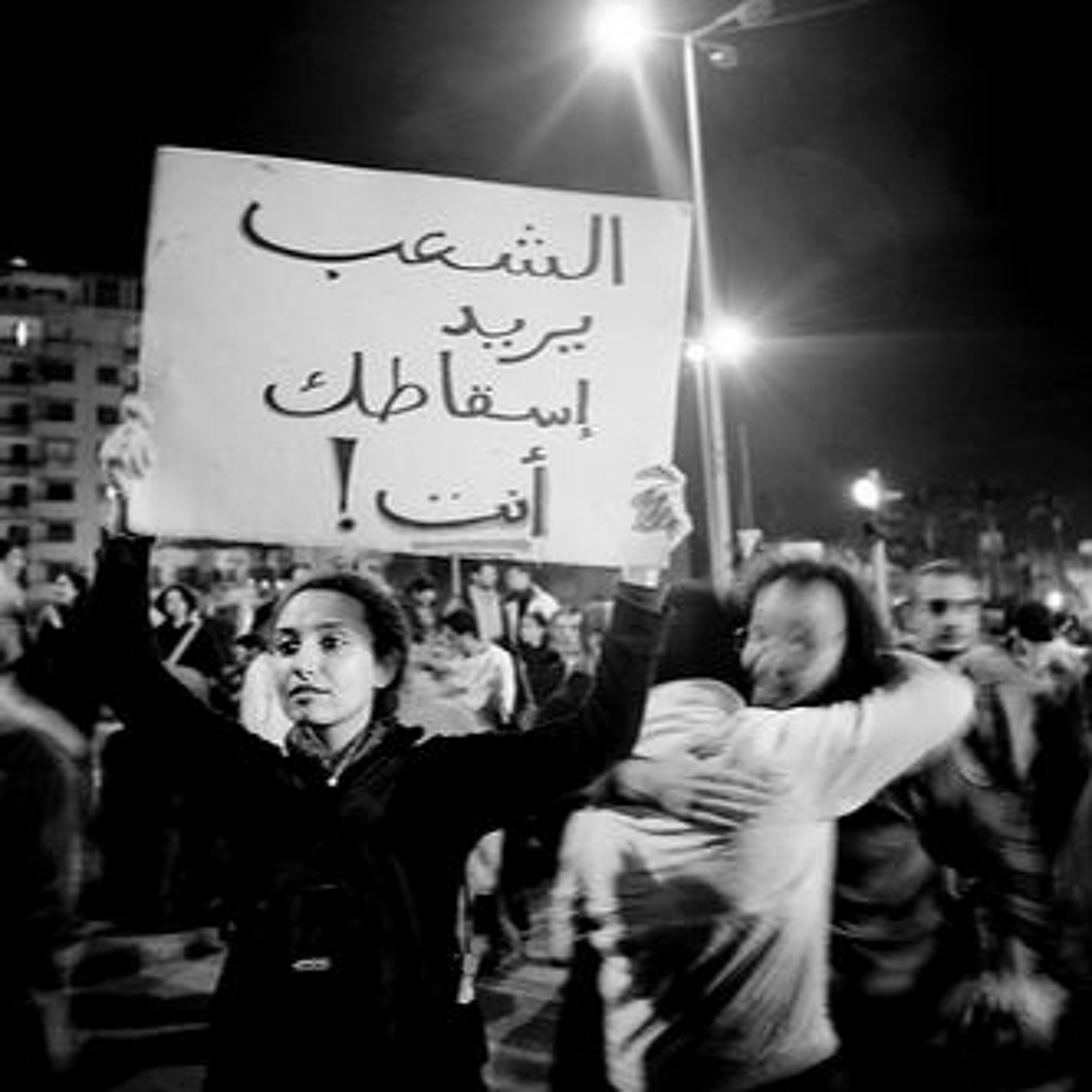
Ten Years After The Arab Spring: A Conversation with Egyptian Activist Hossam el-Hamalawy
Ten years ago, the Arab Spring took the world by surprise, profoundly shaking the status quo in North Africa and the Middle East and bringing hope for a new democratic beginning in that long-suffering region. After several regimes were non-violently toppled in rapid succession through peaceful pressure from the streets, reactionary forces in the region regrouped and launched fierce counter-revolutions in certain countries and outright civil war in others. We take a historical look at the past decade with Egyptian veteran journalist and activist Hossam El Hamalawy photo by Hossam El-Hamalawy: arabawy.org
Life in a war zone: Gianfranco Rosi's documentary “Notturno"
Life in a war zone: Gianfranco Rosi's documentary “Notturno" by VOMENA Team at KPFA
Sept 18 2020: Ilan Pappe on The Israel–United Arab Emirates normalization agreement,
Sept 18 2020: Ilan Pappe on The Israel–United Arab Emirates normalization agreement, by VOMENA Team at KPFA
August 21st 2020 : Professor Ali Ahmida on Genocide in Libya: Shar a Hidden Colonial History
August 21st 2020 : Professor Ali Ahmida on Genocide in Libya: Shar a Hidden Colonial History by VOMENA Team at KPFA
Oct 23rd 2020: the toxic legacy of Iraq war- NASRIN, documentary on Nasrin Sotoudeh
Oct 23rd 2020: the toxic legacy of Iraq war- NASRIN, documentary on Nasrin Sotoudeh by VOMENA Team at KPFA
Vomena August 8, 2020: Compound Crises-Ziad Abu-Rish Reports on the Chemical Explosion In Beirut
Vomena August 8, 2020: Compound Crises-Ziad Abu-Rish Reports on the Chemical Explosion In Beirut by VOMENA Team at KPFA
Vomena July 24 2020 : Ali Ahmida on Libyan genocide
Vomena July 24 2020 : Ali Ahmida on Libyan genocide by VOMENA Team at KPFA
VOMENA, April 17 2020- Covid-19: The plight of political prisoners in Iran & the impact of sanctions
VOMENA, April 17 2020- Covid-19: The plight of political prisoners in Iran & the impact of sanctions by VOMENA Team at KPFA
Vomena April 3rd, 2020: Marking the 5th anniversary of the war in Yemen
Vomena April 3rd, 2020: Marking the 5th anniversary of the war in Yemen by VOMENA Team at KPFA
VOMENA March 18, 2020: Understanding the Lebanese economic crisis
VOMENA March 18, 2020: Understanding the Lebanese economic crisis by VOMENA Team at KPFA
VOMENA: March 6, 2020: Professor Kaveh Khoshnood on Coronavirus outbreak in Iran
VOMENA: March 6, 2020: Professor Kaveh Khoshnood on Coronavirus outbreak in Iran by VOMENA Team at KPFA
VOMENA Feb 27, 2020: Rashid Khalidi discusses his new book, The Hundred Years' War on Palestine
VOMENA Feb 27, 2020: Rashid Khalidi discusses his new book, The Hundred Years' War on Palestine by VOMENA Team at KPFA