
Voices - Conversations on Business and Human Rights from Around the World
179 episodes — Page 2 of 4
Ep 130Rana Plaza disaster: what are the lessons for human rights and business?
April 24 marks the ten-years since the collapse of the Rana Plaza building in Bangladesh. What did we learn from this disaster about how businesses and governments can better protect the rights of workers? Salil and Sanchita examine the impacts of the disaster and consider the renewed action needed to stop a similar tragedy from happening again. You will also hear Salil speak to Nazma Akter, a former child worker, garment factory worker, labour organiser, and Director of AWAJ Foundation, which Nazma founded in 2003 to protect workers’ rights in the Ready-Made Garment (RMG) sector of Bangladesh.
Ep 129Constructive or Confrontational Dialogue? Engaging business in human rights, with Peter Frankental from Amnesty International UK
In this episode you’ll meet Peter Frankental, an expert in human rights and business, and the Economic Affairs Programme Director at Amnesty International UK. Having marked 25 years at Amnesty, Peter shares his reflections and lessons about attitudes of business towards human rights since the 90s.

Ep 128Muetter Iliqud on the Use of Uyghur Forced Labour
Muetter is a project analyst at the Uyghur Transitional Justice Database (UTJD), based in Norway. The UTJD is an ongoing project that focuses on the registration of the disappeared and extrajudicially interned Uyghurs in East Turkistan. The UTJD project was founded by the Norwegian Uyghur Committee (NUC) in 2018; Muetter has served as the Head of Communications for the NUC, and as project analyst for the UTJD since 2020. Muetter’s recent work at the UTJD has included testimony collection, data gathering, and data analysis, as well as authoring books and reports about the current Uyghur Genocide. Muetter is a master's student in International Human Rights Law at the Kent Law School, the University of Kent.Sources cited in this podcast include research by the Australian Strategic Policy Institute (including “Uyghurs for sale: ‘Re-education’, forced labour and surveillance beyond Xinjiang”) and the End Uyghur Forced Labour Coalition.
Ep 127Eli Friedman on the Urbanization of People
China has seen large-scale migration of workers from rural into urban areas. While the phenomenon of “left behind children” in rural areas has been widely reported, many children travel with their parents to cities. Given barriers to accessing public services that rest on a residency-status policy known as “hukou”, many of these migrant worker children are educated in privately-run migrant schools outside of the main public school system. A lack of investment means that these schools are often poorly constructed, with limited protection against excessive heat, cold, rain and air pollution. The students experience continuous disruption and turmoil: widespread school demolitions and closures take place as a combined result of government policy and rising land values.
Ep 126Adriano Nuvunga on Being an Anti-Corruption Human Rights Defender
Adriano Nuvunga is a courageous anti-corruption activist from Mozambique who has played a leading role in building civil society institutions in Mozambique. At the Centre for Public Integrity, he raised many challenging questions about corruption in Mozambique. A keen critic of the extractive sector and how it affects political systems, he has been threatened personally but he continues to advocate for transparency and integrity.
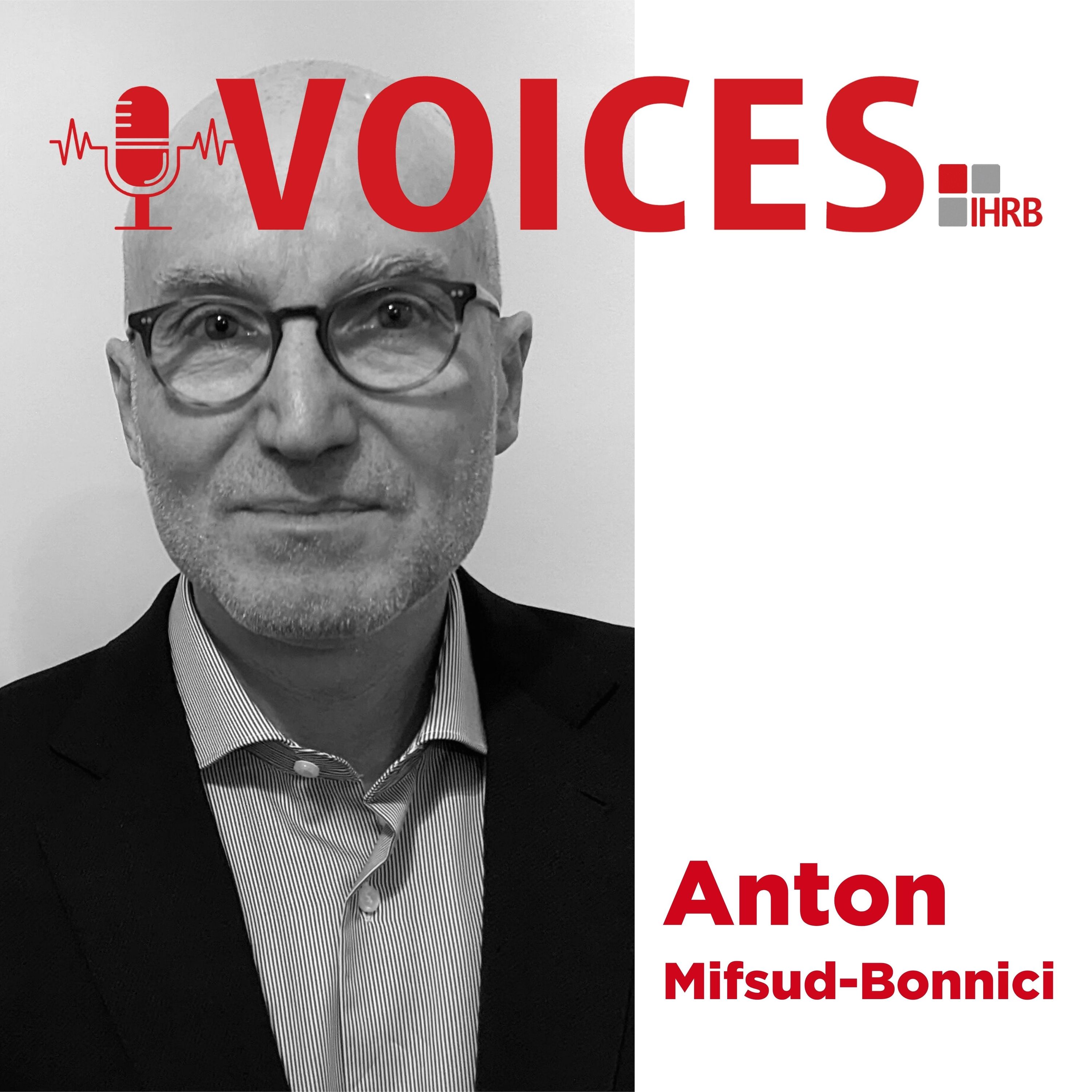
Ep 125Anton Mifsud-Bonnici on the Role of Business in Conflict
Anton Mifsud-Bonnici is a Mediterranean-based independent business advocate. He specialises in ESG master strategy related to the low carbon energy transition. He is a thought leader on governance and an expert in stakeholder management and relationship building. He serves as a Commissioner overseeing the ongoing review of the Voluntary Principles on Security and Human Rights multi-stakeholder initiative. He has earlier worked with the UN and BP. He advises on peace making in Mozambique and gender fairness in Sierra Leone.
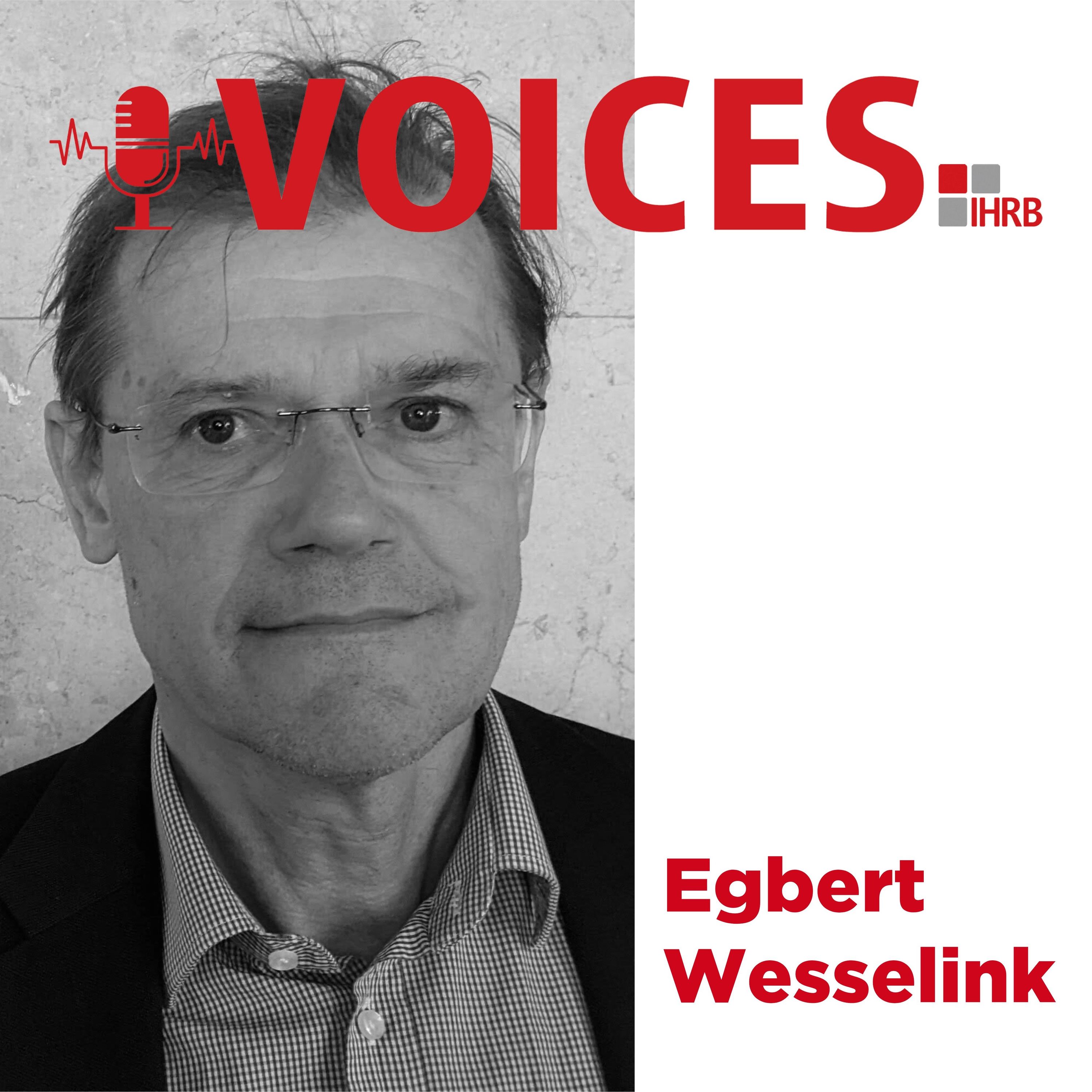
Ep 124Egbert Wesselink on Corporate Crime and Sudan
Egbert Wesselink is a historian by training and serves as Senior Advisor with PAX, the Dutch peace movement. Before joining PAX he worked at the Dutch parliament, as a teacher in a French Lycée d’État, as Human Rights officer with UNTAC, and as a Russia/Caucasus expert with the UNHCR. He has been deeply involved with civil society in Russia and continues to be so today.At PAX, he leads the programme on Natural Resources, Conflict and Human Rights, focussing on the impacts of business enterprises on the rights and interests of communities in general and in Sudan, South Sudan, DRC and Colombia in particular. He has been actively involved in multi-stakeholder initiatives, including the Dutch Coal Dialogue and Bettercoal, and serves on the Steering Committee of the Voluntary Principles on Security and Human Rights. His report Unpaid Debt instigated a Swedish war crimes investigation into the oil company Lundin Energy AB that led to the indictment of two executive managers and is expected to go to court in 2022. in Toronto on the sidelines of the Voluntary Principles Plenary Meeting in May,
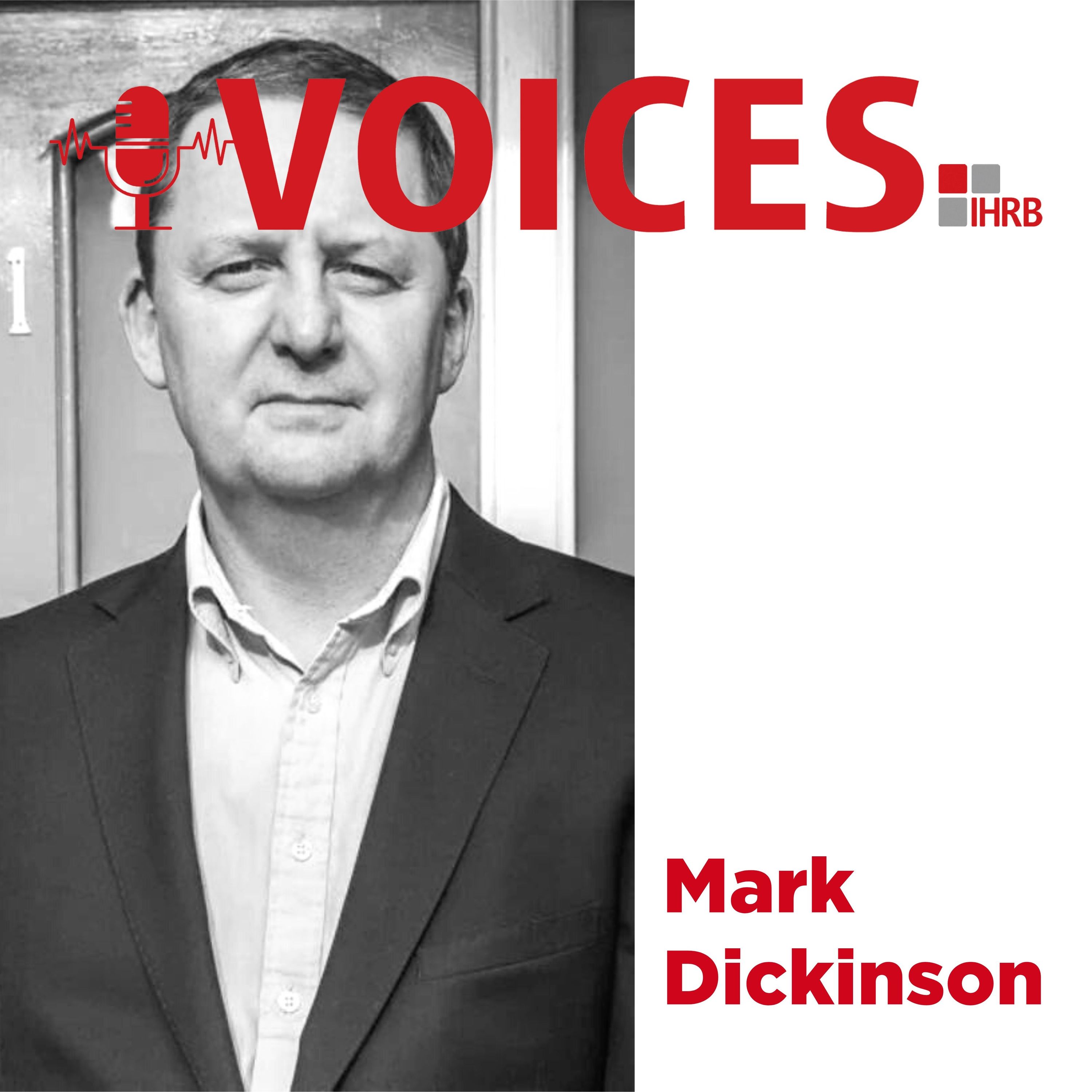
Ep 123Mark Dickinson on the Updated Maritime Labour Convention
Mark Dickinson began his maritime career at age 16 and has been advocating for seafarers for several decades. He was instrumental in the original drafting of the Maritime Labour Convention, and leads the seafarers' representatives delegation at the STC in pushing for improvements to the convention.

Ep 122SO8E20 Spenser Bomholt Fain on the Digital Training Platform Quizrr
In this Voices Podcast Neill Wilkins from IHRB talks to Spenser Bomholt Fain, Global Programme Manager at Quizrr a digital training platform which is used in the supply chains of a growing number of International Brands. Jump-to points: (1:00) What is Quizrr?(3:34) How does Quizrr work?(5:20) User centricity in Quizrr’s work(6:00) Suppliers gain from Quizrr(9:00) Quizrr and Responsible Recruitment(11:00) Sectors covered by Quizrr

Ep 121SO8E19 Transparentem on Social Audit Deception
Jump-to:(00:45) The case of labour rights in the apparel industry(1:30) What is Transparentem?(2:50) What does the Transparentum report cover?(4:35) Audits beyond the apparel industry(7:00) Suppliers and their methods to conceal labour abuses(8:00) Why would workers lie during audits?(11:10) Concerning examples of recruitment agencies methods for extortion (15:30) Do legislations on supply chains impact audit practices?(18:40) Next steps for Transparentem
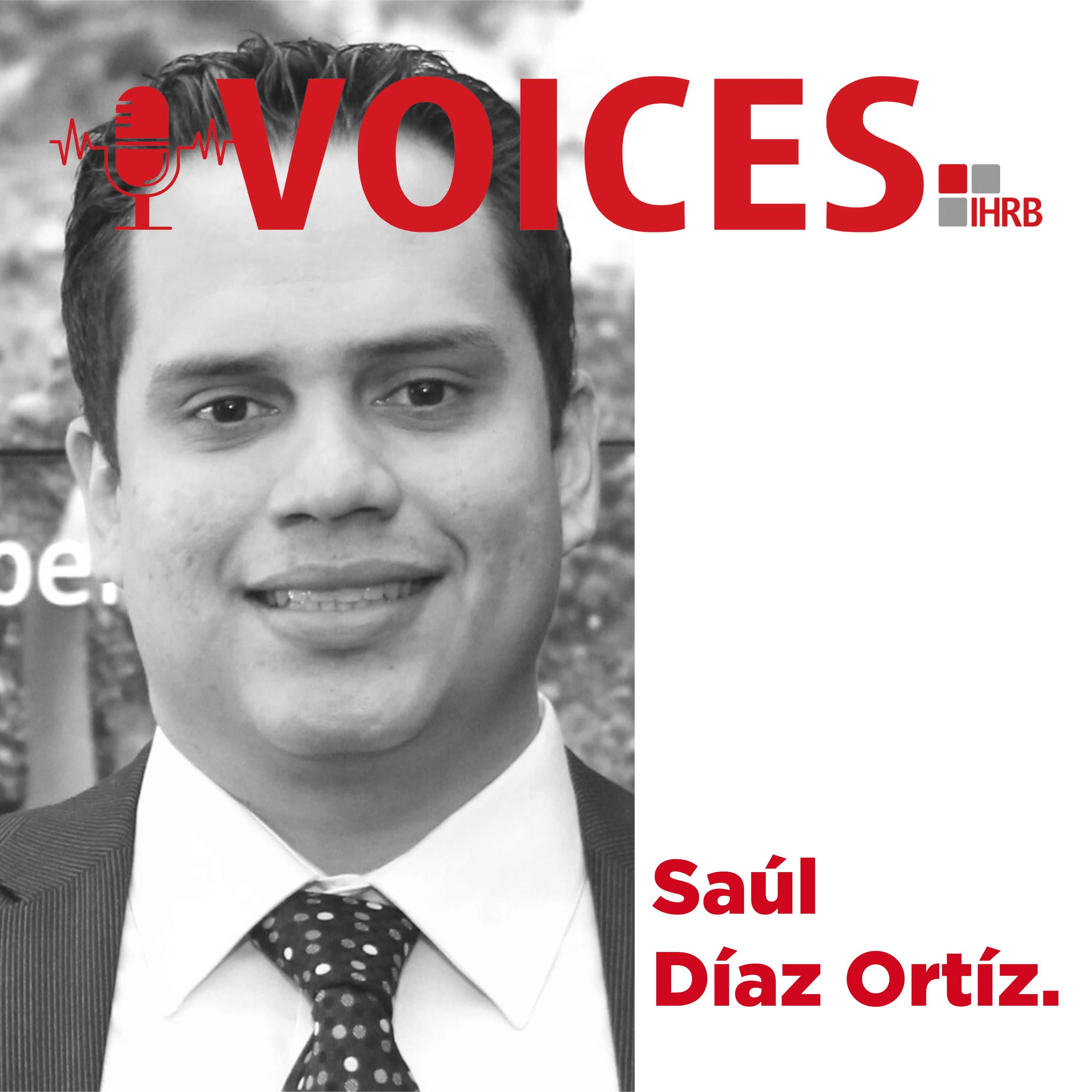
Ep 120S08E18 Saul Díaz on the Reintegration of Returning Migrants
Reuters reported in April this year that roughly 85,000 of the 172,000 migrants at the southern US border were from Guatemala, Honduras, and El Salvador. And the IOM states that from January to August of this year 70,074 were deported from Mexico and the US back to Central America. Add onto those figures, the thousands of workers who enter the US on seasonal worker visas and then return home, it is clear there are a huge number of migrants who are returning to Central America under a variety of circumstances. While there is no system currently in place to monitor what happens to migrants when they return, we do know that returnees are particularly at risk of poverty, violence, and victimization. Saul Diaz Ortiz, Regional Director of the SwissContact is addressing the unique needs of returning migrants through partnerships with individuals, communities, government, and business, thanks to the Nuevas Oportunidades project. Listen to his experience when identifying and boosting the economy of the countries of origin of returning migrants when they are properly integrated into society. JUMP-TO POINTS: 3:15 - Introduction of Nuevas Oportunidades 7:30 - The stigma against returned migrants in Central America - a historical approach 9:20 - The story of a returned migrant worker 15:30 - The importance of reintegrating returning migrants 20:06 - Working to fight discrimination against returning migrants? 21:40 - The importance of raising awareness in the private sector. 22:40 - An effective dynamic to fight discrimination at the community level 24:20 - The positive impact of Nuevas Oportunidades: an opportunity for economic development
Ep 119S08E17 On Utopias and the Climate Crisis with Danilo Palazzo
The dystopian mood music surrounding the United Nations 26th annual climate change conference (COP26) is stark. Government and business leaders are not meeting the targets set in the landmark 2015 Paris Agreement, and humanity is quickly running out of time to correct course. In this special episode of Voices, IHRB’s Haley St. Dennis and John Morrison unpack the concept and study of dystopian and utopian thinking throughout history, in search of guidance for how to think about and tackle the climate crisis. Feeding into the discussion is Dr. Danilo Palazzo, an academic expert on the subject of utopias, who emphasises the usefulness of utopian thinking as a response to dystopian realities, particularly their value in crafting blue-sky solutions and forcing problem-solvers to think beyond present generations’ needs.

Ep 118S08E16 Archana Kotecha on Access to Remedy for Migrant Workers
Remediation programmes have the potential to strengthen existing human rights due diligence, compliance, and broader ESG policies first by involving workers in the detection and resolution of any human rights grievance and then by providing consistent feedback on the success of these human rights policies. In this IHRB Voices podcast Archana Kotecha Director of the Remedy Project discusses with Neill Wilkins IHRB new guidelines for ensuring access to remedy for migrant workers. Jump-to points: (1:20) The importance of access to remedy for migrant workers (3:50) The creation of a Guidelines for remedy for migrant workers (7:10) The outline of the seven steps of the Guidelines (12:30) How to apply them?
Ep 117S08E15 Sophia Kagan on Technology for Responsible Recruitment
Digital platforms for migration can be a great tool for promoting transparency of recruitment processes for migrant workers and businesses trying to recruit workforce. They may also encourage improved government oversight of recruitment in countries of origin and destination. In this episode of Voices Sophia Kagan, ILO Chief Technical Adviser on Fair Migration in the Middle East, talks to Neill Wilkins, IHRB Head of Migrant Workers Programme, about a new ILO report on government developed digital recruitment platforms. They discussed the opportunities and challenges of technology for promoting the wellbeing of migrant workers. JUMP-TOP POINTS: (1:18) The trigger for the paper (3:25) Examples of digital platforms for the inclusion of migrant workers: EPS in Korea & eMigrate in India. (6:35) The need for collaboration from technology and the political will (11:00) How easy is it for migrant workers to access the digital tool? (13:50) The future impact of technology for the inclusion of migrant workers
Ep 116S08E14 Nissara Spence on Employer Obligations and Cultural Sensitivity
Nissara Spence, Project Officer at the International Organization for Migration (IOM) Thailand, speaks to IHRB's Guna Subramaniam about the recently published Human Resource Guidebook on Employer Obligations and Cultural Sensitivity. The Guidebook aims to promote a working environment for the respectful inclusion of migrant workers by acknowledging the diversity in their backgrounds. Spence has been with the United Nations for more than five years. Since 2018, she has been the National Project Officer for the Corporate Responsibility to Eliminate Slavery and Trafficking, (CREST) programme at IOM Thailand. In this episode, she guides us through the Guidebook's content, which highlights the importance of cultural sensibility to build trust and reduce conflicts in the workplace of a country where 10% of its workforce are migrant workers. JUMP TO POINTS: The Concept of the Guidebook (1:20) Who does the Guidebook address? (3:23) The responsibilities of the employers (5:35) Cultural sensitivity in communication (8:25) Tips for employers to develop cultural sensitivity (9:25) How to access the Guidebook? (16:50)
Ep 115S08E13 Sumitha Shaanthinni Kishna on Malaysia, Migrants, and the Pandemic
Jump-to points: (03:20) The work of Our Journey in Malaysia(4:40) The impact of the pandemic on migrant workers in Malaysia(07:00) The additional burden on women(8:44) The risks for businesses in the absence of effective enforcement of migrant workers' rights(12:00) The active role of businesses and what businesses should do to avoid unethical recruiting (24:45) The need to strengthen the collaboration between civil society and business
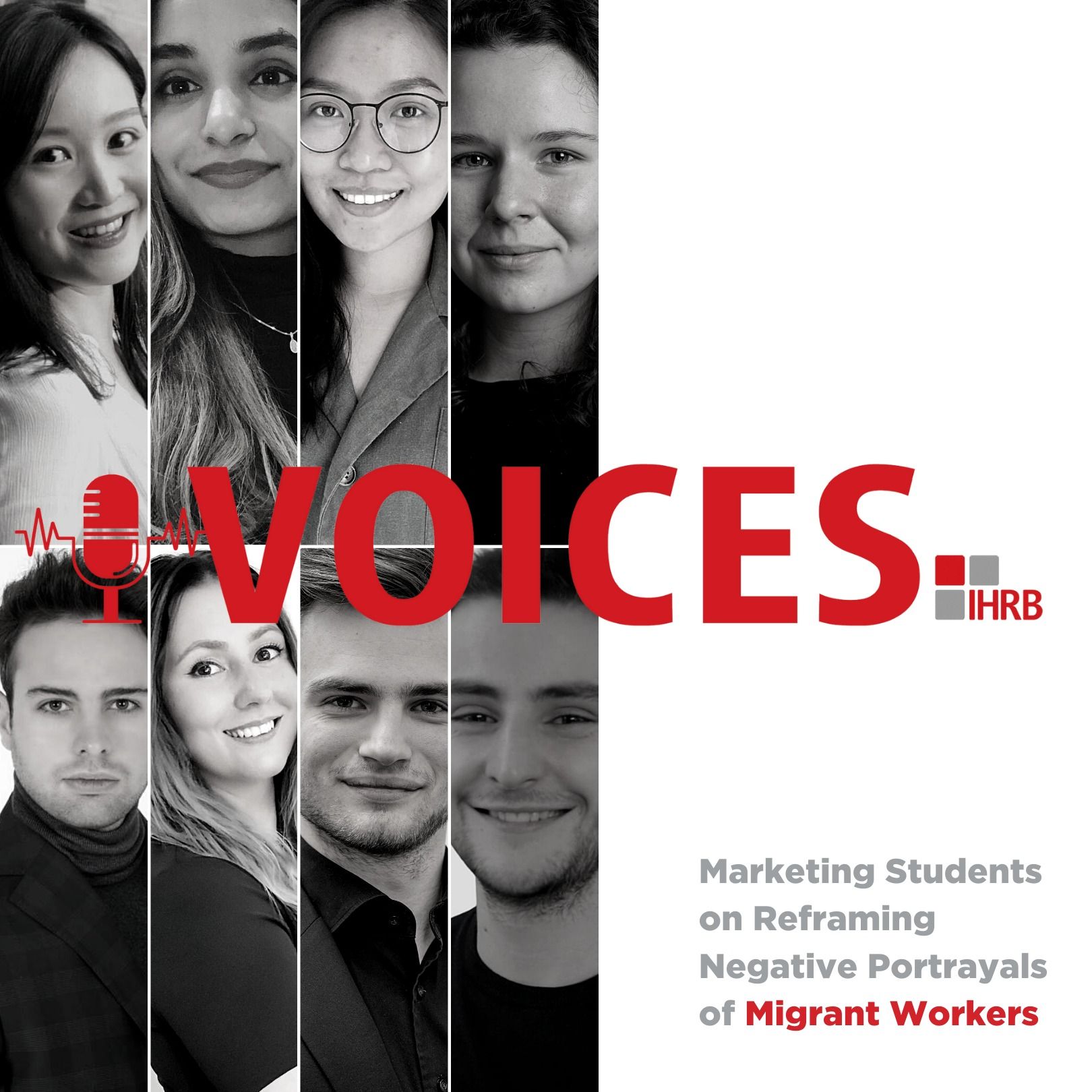
Ep 114S08E12 Marketing Students on Reframing Negative Portrayals of Migrant Workers
PART I: #InvisibleHeroes Team(02:46) Why Singapore? (07:23) A pronged strategy: Social media + cultural fairs + employee engagement(09:34) Scaling migrant workers stories on social media(12:50) The power of cultural fairs in making human connection(16:04) Breaking down silo’s across employees through mentoring(20:15) The importance of branding and messaging to tell stories effectively PART II: #NFTs Team(24:29) What are non-fungible tokens (NFTs)?(26:13) How to connect NFTs, art, and migrant workers(27:45) The disruptive potential of NFTs(29:55) Artists uptake of NFTs(33:36) Using NFTs to elevate migrants’ stories (35:52) A London showcase - an arts and migrant hub

Ep 113S08E11 Andrew Stephens and Simon Bennett on Delivering on Seafarers’ Rights
This Day of the Seafarer podcast brings together Andrew Stephens of the Sustainable Shipping Initiative (SSI), and Simon Bennett of Swire Shipping to reflect on the ongoing maritime crew change crisis and wider human rights issues among the world’s 1.6 million seafarers. In conversation with IHRB's Francesca Fairbairn, they discuss the impact on seafarers of being unable to disembark ships, sometimes for many months beyond the end of their contract, due to national government-imposed COVID port restrictions.
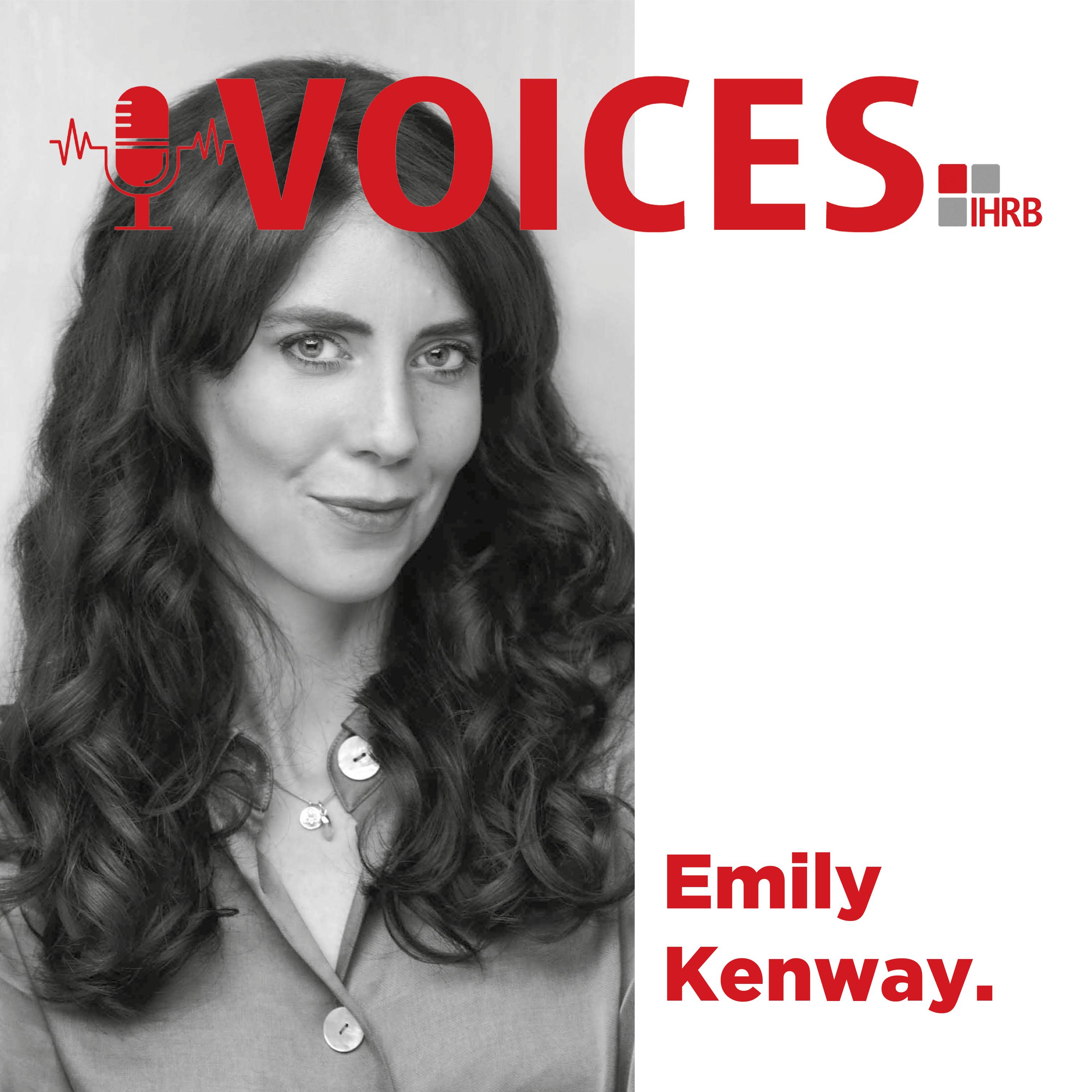
Ep 112S08E10 Emily Kenway on The Truth About Modern Slavery
Emily Kenway is an activist and author who was involved with the establishment of the office of the UK and slavery, Commissioner, where she was responsible for private sector engagement and has also worked for a number of organisations focused on Labor rights in both the UK and abroad.Find out more about the book

Ep 111S08E09 Chrik Poortman and Maria da Graça Prado on Corruption in Infrastructure
Chrik Poortman has chaired the CoST Board since 2011. In addition to his role with CoST, he is Senior Adviser at Transparency International, where he was Director of Global Programmes for the International Secretariat until 2010. Prior to TI, Chrik worked for the World Bank in many regions. Maria da Graça Prado is CoST’s Senior Policy & Research Adviser. She is a legal professional whose experience has focused on construction and infrastructure, and has advised on contract management, compliance and dispute resolution.
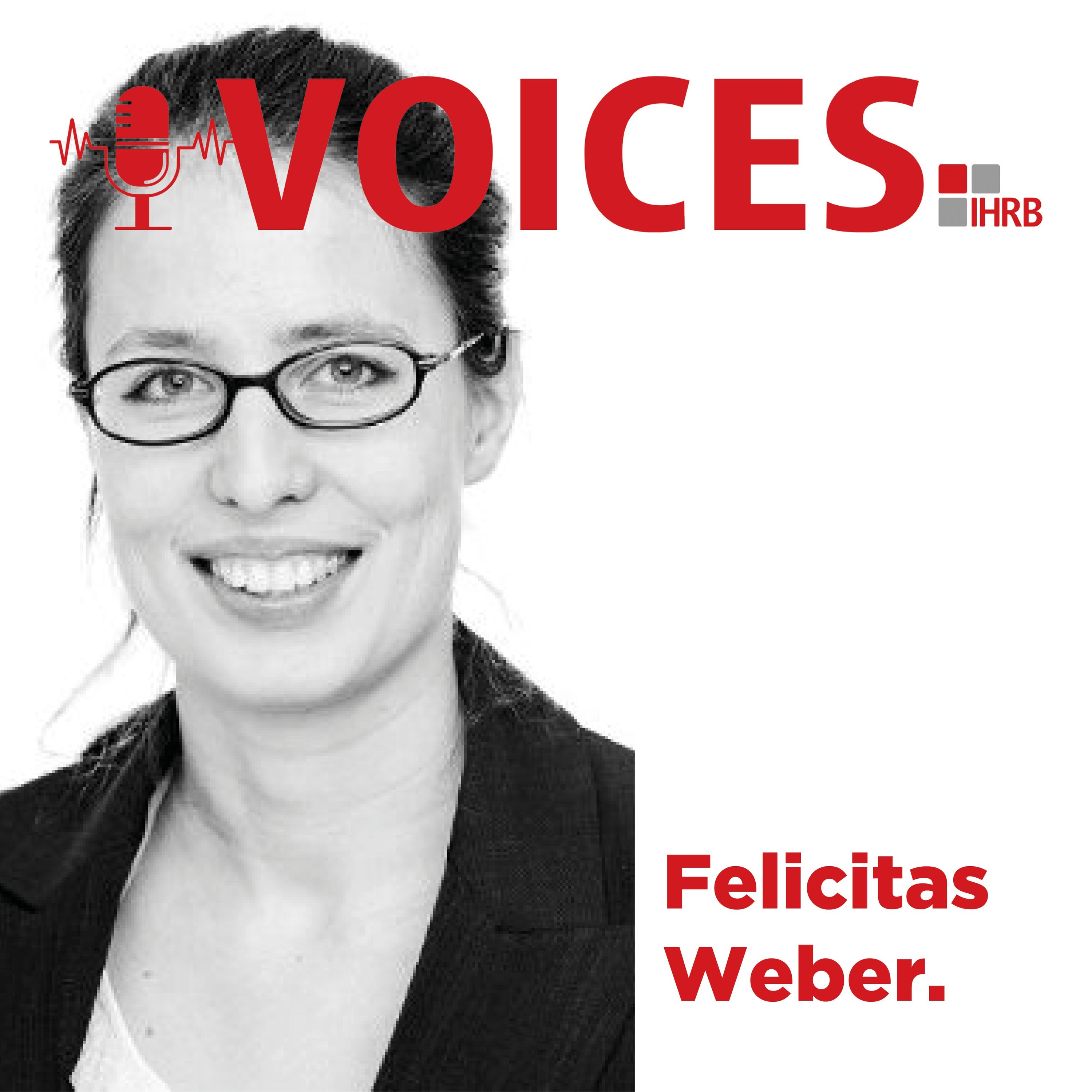
Ep 110S08E08 Felicitas Weber on Benchmarking Responsible Recruitment
Know the Chain is a resource for companies and investors that ranks the 180 largest global ICT, food, and apparel companies on their efforts to address forced labour in their supply chains.

Ep 109S08E07 Francesca Mangano on Addressing the Crew Change Crisis
Hundreds of thousands of seafarers are still stranded at sea due to port restrictions. The global crew change crisis, one of the Top 10 Business and Human Rights Issues for 2021, is now well into its second year.About Francesca Mangano and TFG LondonFrancesca Mangano is the CSR and Sustainability Executive at TFG London. As head of the CSR and Sustainability Department, and with over 15 years' experience in human rights, ethical trading and sustainability, she is leading the development of TFG London corporate social and environmental responsibility strategy aimed at guiding the business to work within its sphere of influence towards human rights, labour rights and environmental responsibility.TFG London is part of The Foschini Group Limited (TFG), a South African retail business. TFG entered the UK market in 2015 with the acquisition of Phase Eight, since then adding additional womenswear brands Whistles, Hobbs, Studio 8 and Damsel in a Dress to its portfolio. TFG London global supply chains are distributed across approximately 20 countries.
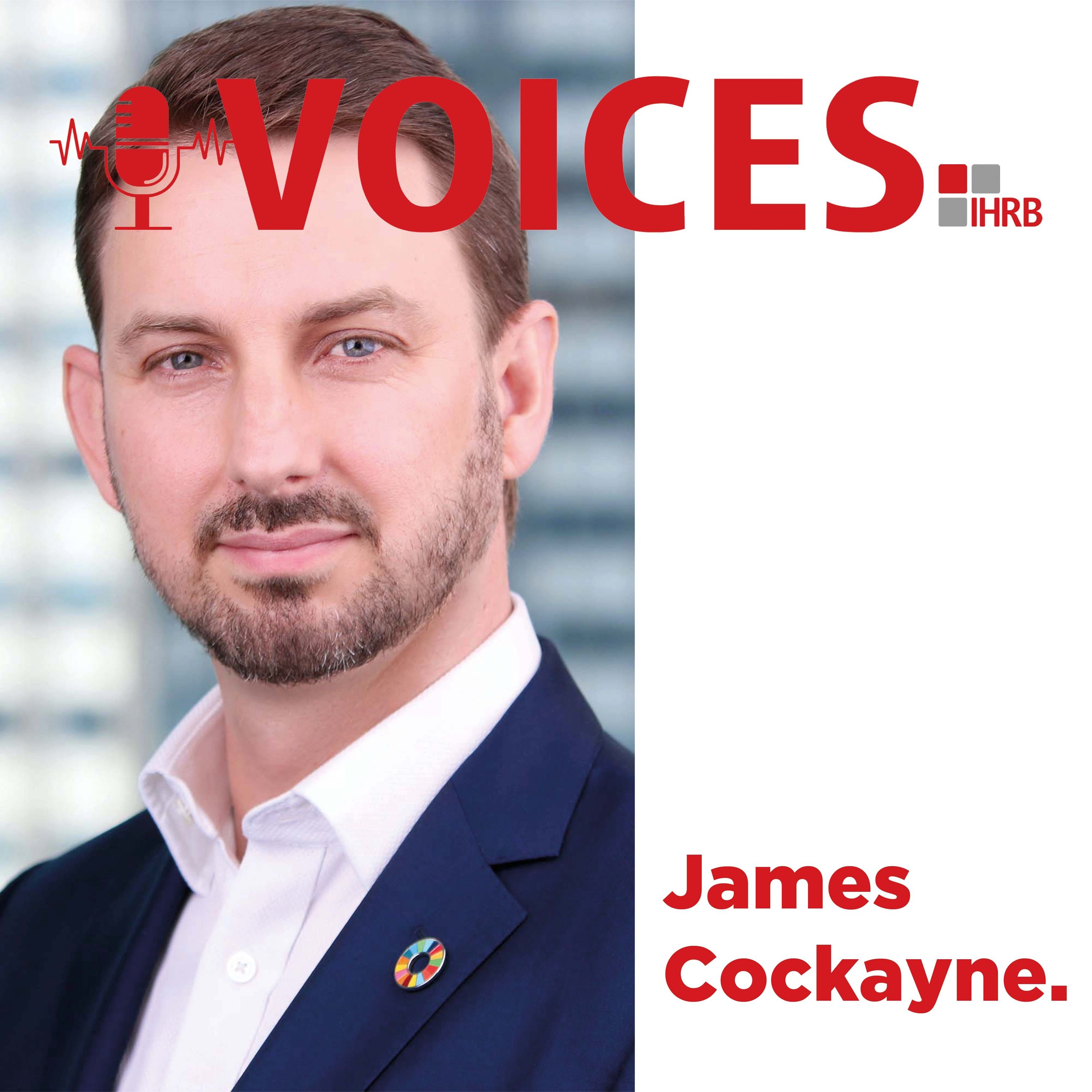
Ep 108S08E06 James Cockayne on The Sustainable Development Case for Ending Modern Slavery
A new report Developing Freedom from the UN University suggests a new way of understanding and addressing slavery may be helpful. If slavery is a systemic issue deeply embedded in economic models which deny people any agency, how could improved development outcomes and the realisation of the Sustainable Development Goals be used to understand the drivers and leverage better responses to prevent exploitation?About James CockayneJames Cockayne is Professor of Global Politics and Anti-Slavery at the University of Nottingham in the UK, and a Senior Fellow at the United Nations University Centre for Policy Research. He currently chairs the US Council on Foreign Relations Study Group on Trafficking in Persons and is a member of the World Economic Forum Global Futures Council for the New Agenda on Equity and Social Justice.
Ep 107S08E05 Bibek Dhakal on Supporting Migrant Workers in the Gulf
About Shramik SanjalShramik Sanjal is a membership-based, worker-led network of migrant workers. Most members are low-income migrants in the Gulf states and Malaysia. Shramik Sanjal work to educate, empower, and support migrant workers and advocate for the right of migrant workers to live and work abroad with dignity and with respect for rights.
Ep 106S08E04 Miranda Sissons on Facebook's First Human Rights Policy
In March 2021, social media giant Facebook released its first human rights policy. Given the multiple challenges the company faces on a range of human rights issues, the announcement has generated great interest and questions about how it will be implemented. Few companies have an impact on society as vast as Facebook does. By offering a social network that brings together 2.8 billion users, it reaches more people than the population of China and India put together. While it offers its service for free, it gets access to users’ data – their images, words, likes, and dislikes – and tailors content to ensure users return again and again.Ostensibly to safeguard human rights, it has removed a sitting US President from its platform, suspended Myanmar's army from its pages, and spotted suspicious activity by Chinese interests against Uyghur activists. At the same time, human rights groups and UN experts have accused the company of allowing its platform to be used to facilitate mass violence, as well as permitting the dissemination of conspiracy theories, misinformation, and promoting hatred.Miranda Sissons, formerly of the International Centre for Transitional Justice and Human Rights Watch, joined Facebook in 2019 as the company’s first-ever Director for Human Rights. Sissons spoke with IHRB's Salil Tripathi about why the company has developed the new policy, what it means, and how it will be implemented. In a wide-ranging conversation that also deals with some of the thorny dilemmas the company faces, Sissons points out the limits of what she feels Facebook can and cannot do; where it can push back on government demands to take down content and those orders that it must comply with; and how it hopes to work with experts to protect freedom of expression and privacy online.
Ep 105S08E03 Rosey Hurst on Repaying Recruitment Fees
About Impactt:Founded in 1997, Impactt were founded in 1997 specialises in ethical trade, human rights, labour standards and international development – working with organisations to improve working conditions and livelihoods, across global supply chains.Read more about Impactt's standards for maximising the impact of repayment of recruitment fees here: https://impacttlimited.com/standards-for-repayment-of-migrant-worker-recruitment-fees-and-related-costs/
Ep 104S08E02 Kate Pike on the Mental Health of Stranded Seafarers
Dr Kate Pike is Associate Professor Emeritus at Solent University and Director of Field Research, a company specialising extensively on the social science and human elements of the maritime industry. Kate is an experienced maritime researcher with applied expertise and project experience in seafarer’s welfare, gender equality and diversity, management and leadership and on-board safety cultures. Kate is currently leading the research element of the Social Interaction Matters Project, an ISWAN initiative and sponsored by the MCA and the Red Ensign Group.
Ep 103S08E01 Mairead Lavery on Export Finance and Just Transitions
Export Development Canada (EDC) is a Crown corporation dedicated to helping Canadian companies of all sizes succeed on the world stage. As international risk experts, we equip them with the tools they need – the trade knowledge, financial solutions, equity, insurance, and connections – to grow their business with confidence. Read more: https://www.edc.ca/
Ep 102S07E16 Halina Ward on Just Transitions
Climate action needs to happen fast. But it also needs to be participatory and fair. This is where the growing agenda around a ‘just’ transition to a zero-carbon future comes in. In this episode of Voices, IHRB CEO John Morrison speaks with Halina Ward, author of IHRB's latest report, about the ways that business and human rights good practice can strengthen implementation of just transitions.
Ep 101S07E15 (Ken Saro Wiwa tribute) The View from an Ally (Richard Booele)
To mark the 25th year of the deaths of the Ogoni Nine - nine men who were executed by a brutal military regime in Nigeria in response to their activism against oil extraction in Ogoniland - IHRB presents a series of conversations about the significance of their struggle and impact of their leader Ken Saro Wiwa. In this episode - The View from a Corporate - Salil Tripathi talks with Richard Boele, now at KPMG in Sydney, who worked at Body Shop during the 1990s and lead a spirited corporate campaign for the Ogoni people prior to Ken's murder.
Ep 100S07E14 (Ken Saro Wiwa tribute) The View from the Ground (Noo Saro Wiwa, Ledum Mitee, Austin Onuoha)
To mark the 25th year of the deaths of the Ogoni Nine - nine men who were executed by a brutal military regime in Nigeria in response to their activism against oil extraction in Ogoniland - IHRB presents a series of conversations about the significance of their struggle and impact of their leader Ken Saro Wiwa. In this episode - The View from the Ground - Salil Tripathi talks with Ledum Mitee, who was Saro-Wiwa’s lawyer, detained with him, and mobilised international opinion for the Ogoni people, Noo Saro-Wiwa, Ken’s daughter and distinguished writer based in London, and Austin Onuoha, a peace activist who works towards reconciliation in the Niger Delta. They examine what Ken Saro Wiwa meant to people in the Niger Delta and within the country. They focus on the struggle he built, the challenges he faced, the impact on his family, the family's view on the struggle, and how it impacted the movement for corporate accountability in the Niger Delta.

Ep 99S07E13 (Ken Saro Wiwa tribute) The View from Beyond (Nnimmo Bassey, Bronwen Manby, Bennett Freeman)
To mark the 25th year of the deaths of the Ogoni Nine - nine men who were executed by a brutal military regime in Nigeria in response to their activism against oil extraction in Ogoniland - IHRB presents a series of conversations about the significance of their struggle and impact of their leader Ken Saro Wiwa. In this episode - The View from Beyond - Salil Tripathi speaks with Nnimmo Bassey, Rafto Laureate, human rights defender, poet, and environmental activist; Bronwen Manby who co-authored The Price of Oil, Human Rights Watch’s path-breaking research report on the violence in the Niger Delta; Paul Hoffman, who argued the Wiwa case before the US Supreme Court under the Alien Tort Statute; and Bennett Freeman, who was a senior US State Department official who brought together oil and mining companies, governments, and international human rights groups to prepare the Voluntary Principles for Security and Human Rights. They discuss how the Ogoni struggle in Nigeria shaped the modern business and human rights movement; the litigations that followed; the lack of political and corporate accountability in an oil-rich nation where the military was a major factor, and; the state of human rights.
Ep 98S07E12 Margot Wallström on her Role as Chair of IHRB
For more information about IHRB's work on human rights and business, visit: ihrb.org and follow the institute on Twitter, LinkedIn and Facebook.
Ep 97S07E11 Kiran Pereira on the Global Sand Crisis
For more information, see www.sandstories.org and UNEP’s report “Sand and Sustainability: Finding new solutions for environmental governance of global sand resources”
Ep 96S07E10 Jacqueline Smith on the 300,000 Seafarers Stranded at Sea
Current conservative estimates put the number of seafarers stranded on board ships between 300,000. COVID-19 restrictions have meant that many ports' ship operators are unwilling or unable to allow crew to come ashore, resulting in an ever-increasing numbers of crew overdue for relief but unable to be repatriated. In this episode, IHRB's Francesca Fairbairn speaks to Jacqueline Smith, Maritime Coordinator at the International Transport Workers' Federation (ITF). Their conversation covers the urgent need for governments to address the seafarers’ humanitarian crisis, and for companies - be they cargo owners, charterers, or ship owners and operators themselves – to use their leverage to ensure this vast, vital, but often invisible workforce is protected, prioritised, and given safe passage home.
Ep 95S07E09 Deep Dive: William Gois on an Urgent Justice Mechanism for Migrant Workers
Find out more about the urgent justice mechanism on: justiceforwagetheft.org
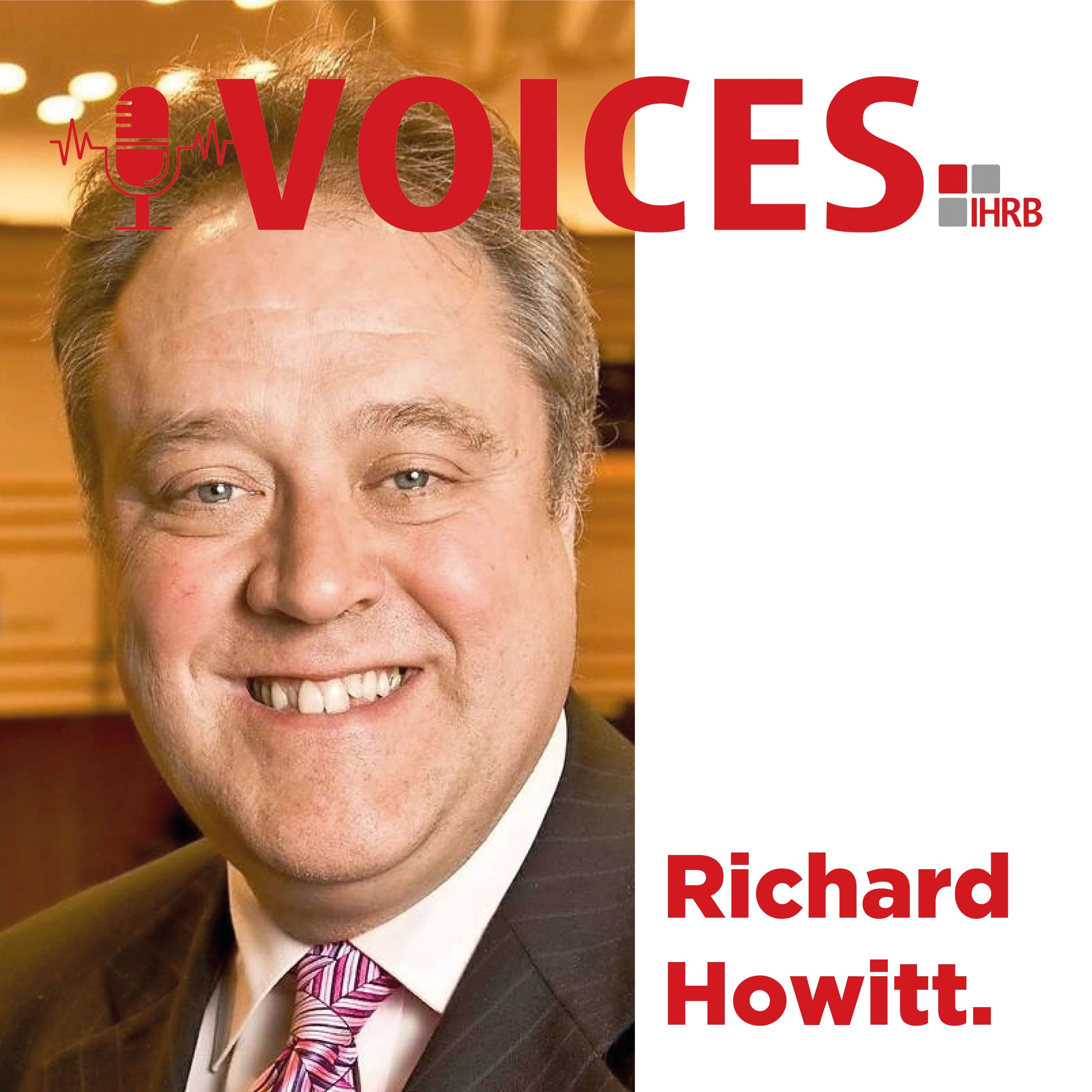
Ep 94S07E08 Richard Howitt on the Record and Future of the Movement
In this Voices deep dive, former Member of the European Parliament and CEO of the International Integrated Reporting Council (IIRC), Richard Howitt speaks with IHRB’s John Morrison about his own experience battling an intense case of COVID-19 as well as his reflections on the track record and future of the business and human rights movement. Scanning the horizon, Howitt and Morrison share their prognoses on global trade and the peculiar case of the UK post-Brexit, the warming reception to mandatory human rights due diligence regulation, and the wake up call that business should be heeding from the Black Lives Matter movement.
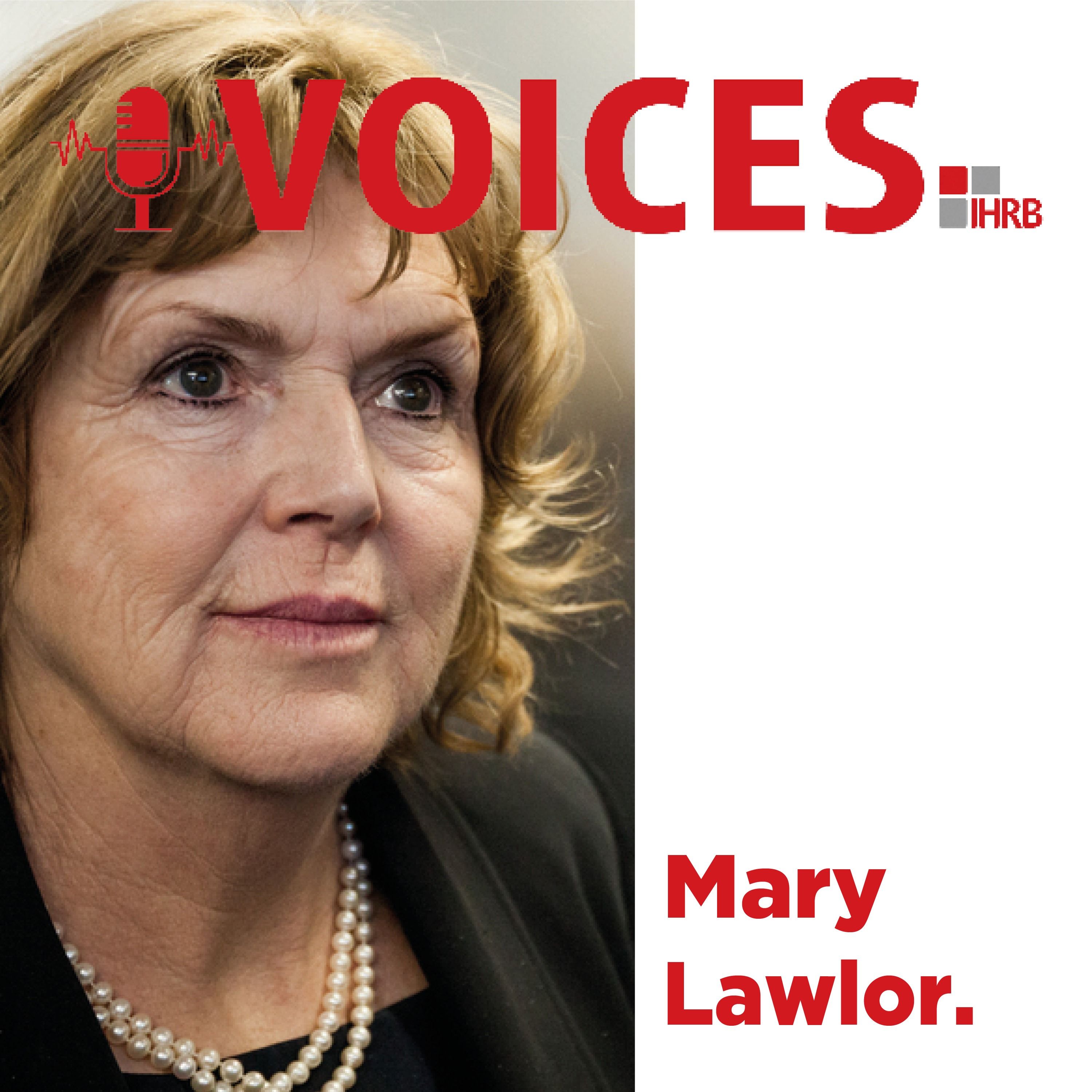
Ep 93S07E07 Mary Lawlor on Human Rights Defenders
Mary Lawlor teaches at the Centre for Social Innovation at the School of Business at Trinity College Dublin. She founded Front Line Defenders, the international foundation for the protection of human rights defenders in 2001, which has concentrated on supporting human rights defenders at risk. Front Line Defenders (with whom IHRB collaborated and published a joint report on business and human rights defenders in 2015), has received the King Baudoin International Prize in 2007 and the UN Human Rights Prize in 2018. Prior to that, she headed Amnesty International’s Irish Section from 1988-2000, and was its chair 1983-1987.
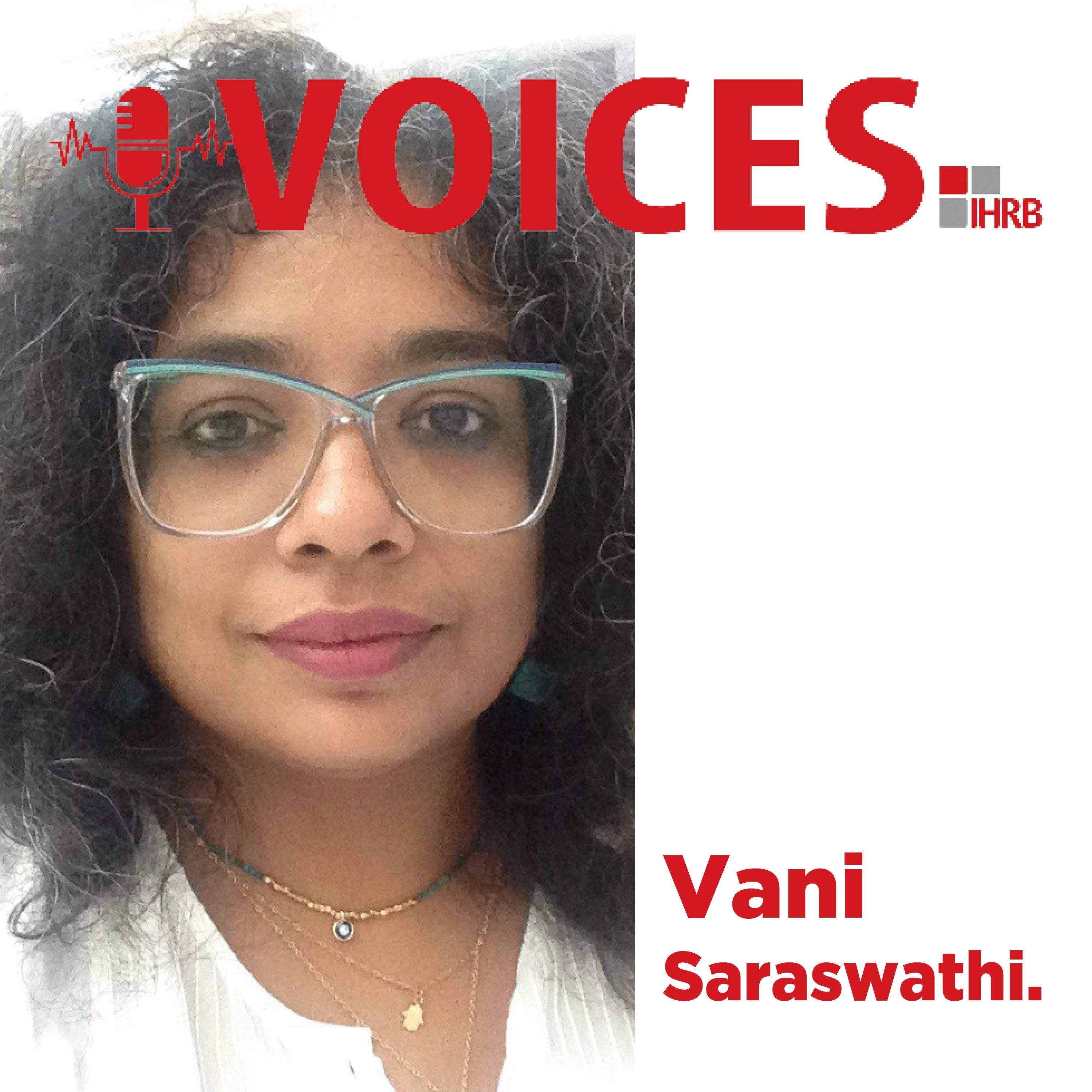
Ep 92S07E06 Vani Saraswathi on Migrant Domestic Workers
In this conversation, Vani Saraswathi of Migrant-Rights.org tells IHRB's Salil Tripathi why companies should be actively engaged with the workers' conditions, even if they are not their direct employers, and why they should take the responsibility seriously. She calls for the pressing need for improved national labour protections for domestic workers in the Gulf and globally, because their risks have increased dramatically due to the COVID-19 pandemic, with many of them out-of-work and stranded. She offers practical steps that can be taken to safeguard their rights. About Vani Saraswathi:Vani Saraswathi is the Associate Editor and Director of Projects, Migrant-Rights.org and the author of Stories of Origin: The Invisible Lives of Migrants in the Gulf.Vani moved to Qatar in 1999, working with several local and regional publications, and launching some of Qatar’s leading periodicals during her 17-year stint there. Since 2014, in her role with Migrant-Rights.org she reports from the Gulf states and countries of Origin. She organises advocacy projects and human rights training targeting individual employers, embassies, recruitment agents and businesses in Qatar, Kuwait, Saudi Arabia and UAE. She also contributes as an expert commentator on issues related to human rights in the GCC for various international publications and at international forums, including those hosted by UN agencies and is a member of the Policy Advisory Committee of the ILO Regional Office for Arab States.Migrant-Rights.org is a one of its kind bi-lingual content-based advocacy platform that focusses on the GCC states and the corridors of migration, Asia & Africa. It was started 13 years ago by activist Esra’a El Shafei.
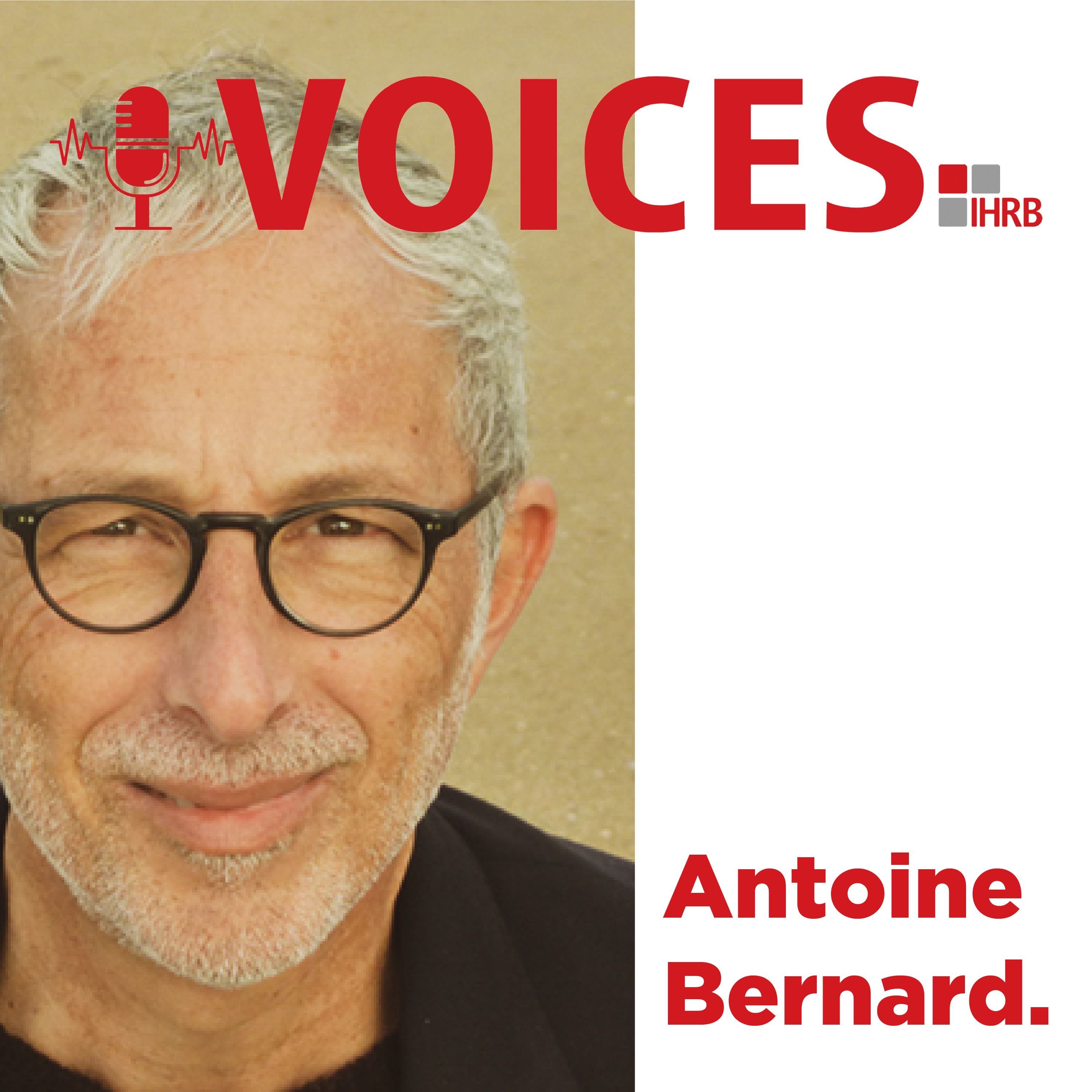
Ep 91S07E05 Antoine Bernard on Business in Times of Fragility
As the world comes to grips with the pandemic Covid-19, governments are acting in an uncoordinated manner and the international community is looking to companies to act responsibly. In this conversation with IHRB's Salil Tripathi, Antoine Bernard, who has headed the International Federation for Human Rights, known by its French acronym FIDH, and has examined the role of business with regard to human rights, speaks of the pressing need for companies to adhere to international standards.The pandemic, he notes, comes at a time when business credibility has been tested severely, because globalisation has enabled companies to operate without clear rules regarding their responsibility. In situations of armed conflict or heightened tensions, for example, the dissemination of hate speech is enabled by technology, and groups and communities subject to attacks have few remedies available to safeguard their rights.
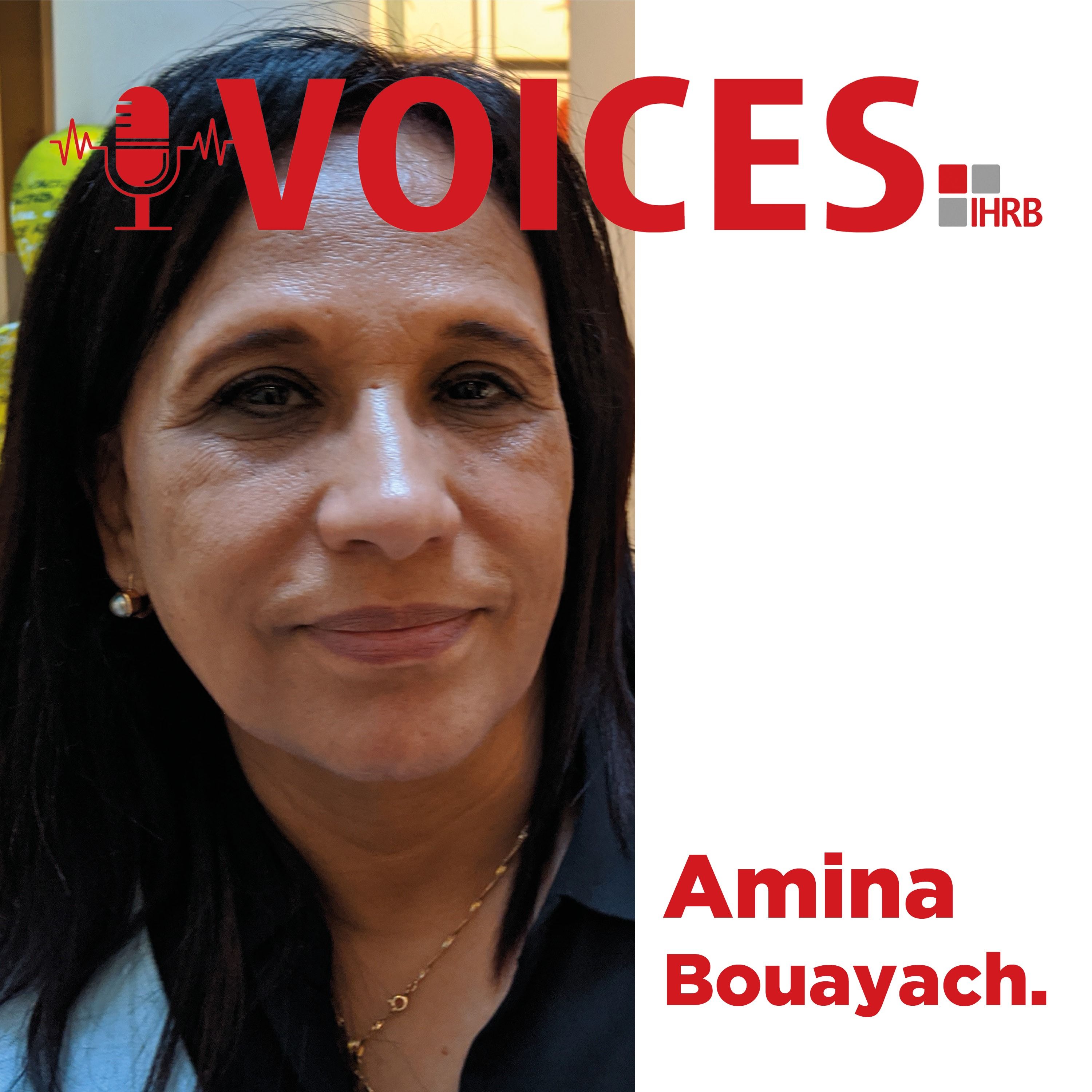
Ep 90S07E04 Amina Bouayach on Business and Human Rights in Morocco
President of the National Human Rights Council in Morocco, Amina Bouayach, speaks with IHRB's Salil Tripathi about the need for greater corporate accountability for human rights in Morocco.
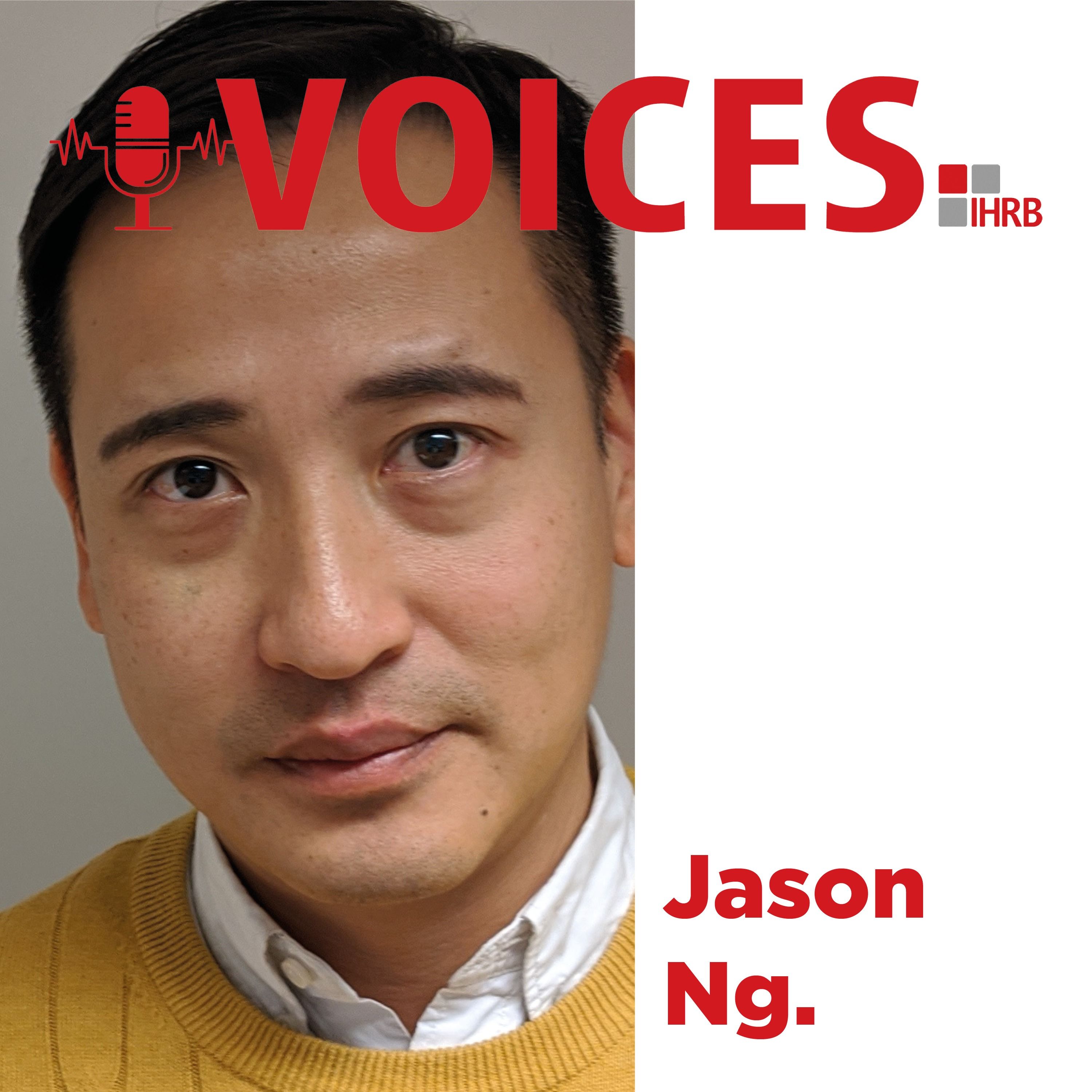
Ep 89S07E03 Jason Ng on Protest and Free Speech in Corporations
Jason Ng is a corporate lawyer who worked at a leading international bank. A blog he wrote, critical of proposed Hong Kong extradition law, caught the eye of the authorities in Beijing, and the situation escalated, leading to Ng leaving the bank.
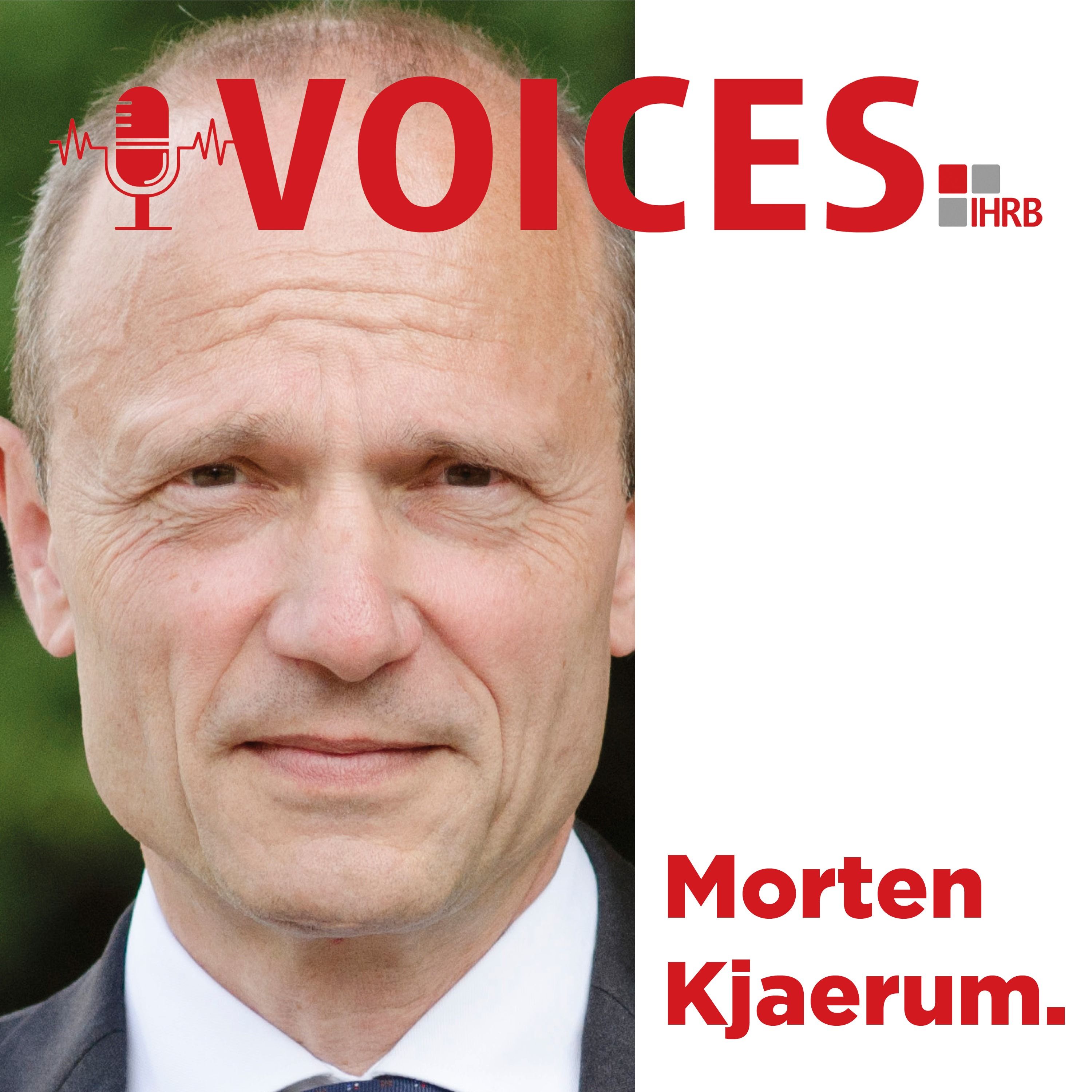
Ep 88S07E02 Morten Kjaerum on Human Rights Cities
Social, political, and economic issues come into being, policies are translated into concrete actions, rights are vindicated at the local level. So how can the human rights framework empower all involved?
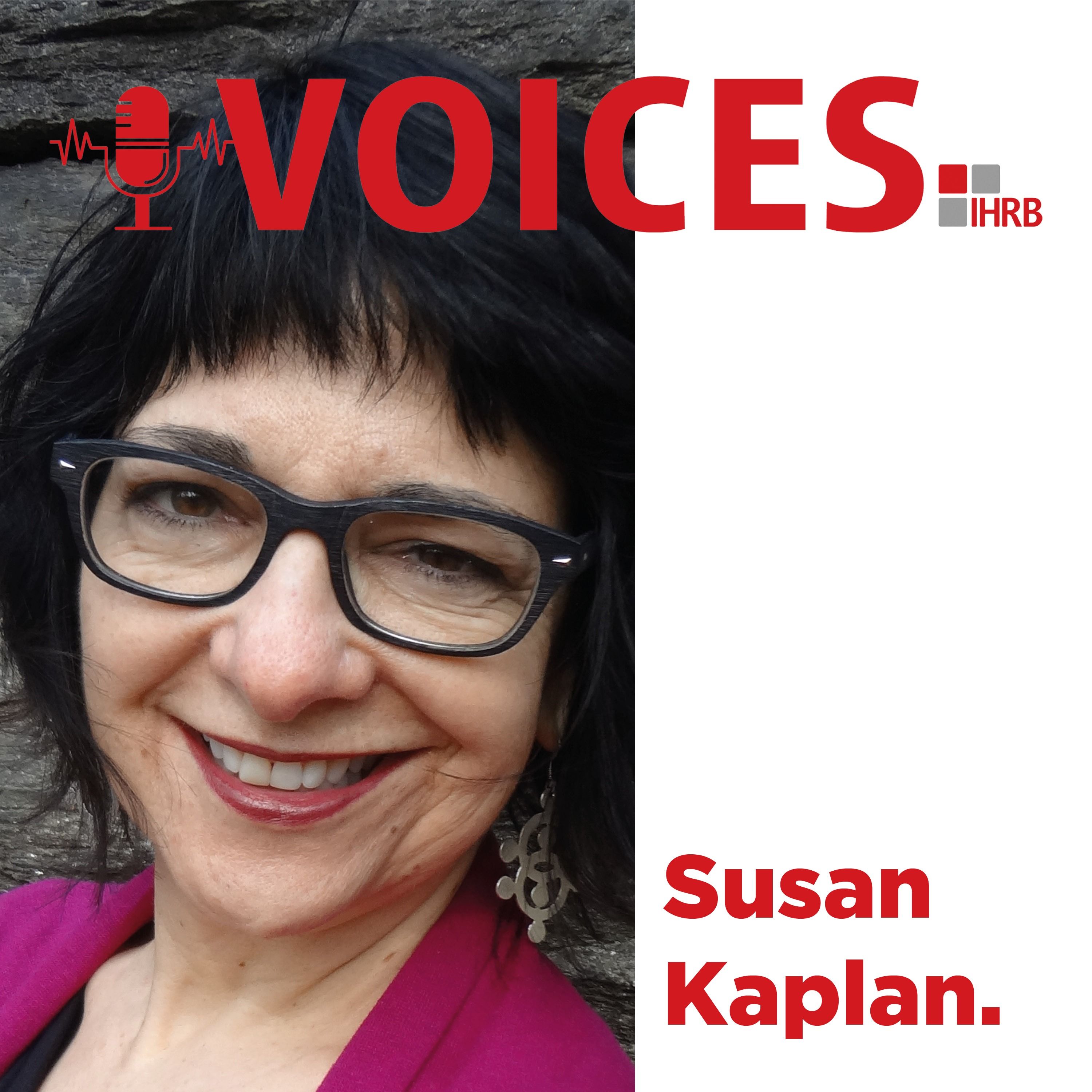
Ep 87S07E01 Susan Kaplan on Social Equity as Buildings "Go Green"
As buildings go “green” to reduce their climate impacts, how do you advance social equity and the priorities of local communities? Susan Kaplan of BuildingWrx discusses with IHRB's Annabel Short.
Ep 86S06E14 Debbie Fordyce on Migrant Workers in Singapore
In this podcast, TWC2's Debbie Fordyce talks to IHRB's Francesca Fairbairn about how large recruitment fees paid by migrant workers for low paid jobs in Singapore can lead to excessive overtime that can undermine their health and safety.
Ep 85S06E13 Rohini Lakshané on Internet Shutdowns in India
In this podcast, Rohini Lakshané talks to IHRB's Salil Tripathi about state-ordered internet shutdowns in India - in particular in Jammu & Kashmir and Manipur, and of the adverse human rights impacts that result, particularly for women.

Ep 84S06E12 The State of Business and Human Rights in 2019 (Marcela Manubens, Mark Taylor, Froydis Cameron, Pia Rudolfsson)
In this podcast, IHRB's Salil Tripathi talks to Mark Taylor, Froydis Cameron, Marcela Manubens and Pia Rudolfsson Goyer about the state of business & human rights, and what is now needed from business, government and the proposed BHR treaty.
Ep 83S06E11 Scott Edwards on AI and Data Use
In this podcast IHRB's Salil Tripathi talks to Scott Edwards about how human rights groups can use technology more effectively and why it is important to make tech companies understand and be accountable for their impacts.
Ep 82S06E10 Erik Hagen and Asria Mohamed on Lack of Corporate Consent in Western Sahara
In this podcast, Erik Hagen and Asria Mohamed of Western Sahara Resource Watch talk to IHRB's Salil Tripathi about foreign companies operating in Western Sahara and how they should seek consent of the Sahawari people themselves.
Ep 81S06E09 Deepika Rao on Female Crew Aboard Merchant Oil Tankers
In this podcast, IHRB's Francesca Fairbairn talks to Deepika Rao about her experiences as a female marine engineer among almost exclusively male crew on board merchant oil tankers.