Untidy Faith
161 episodes — Page 1 of 4
Tyler Hill | From Original Sin to Original Goodness
Kristel Acevedo | Atonement Beyond Transaction
God is a Mother Too | Elizabeth Berget
Celeste Irwin | Trans and Christian
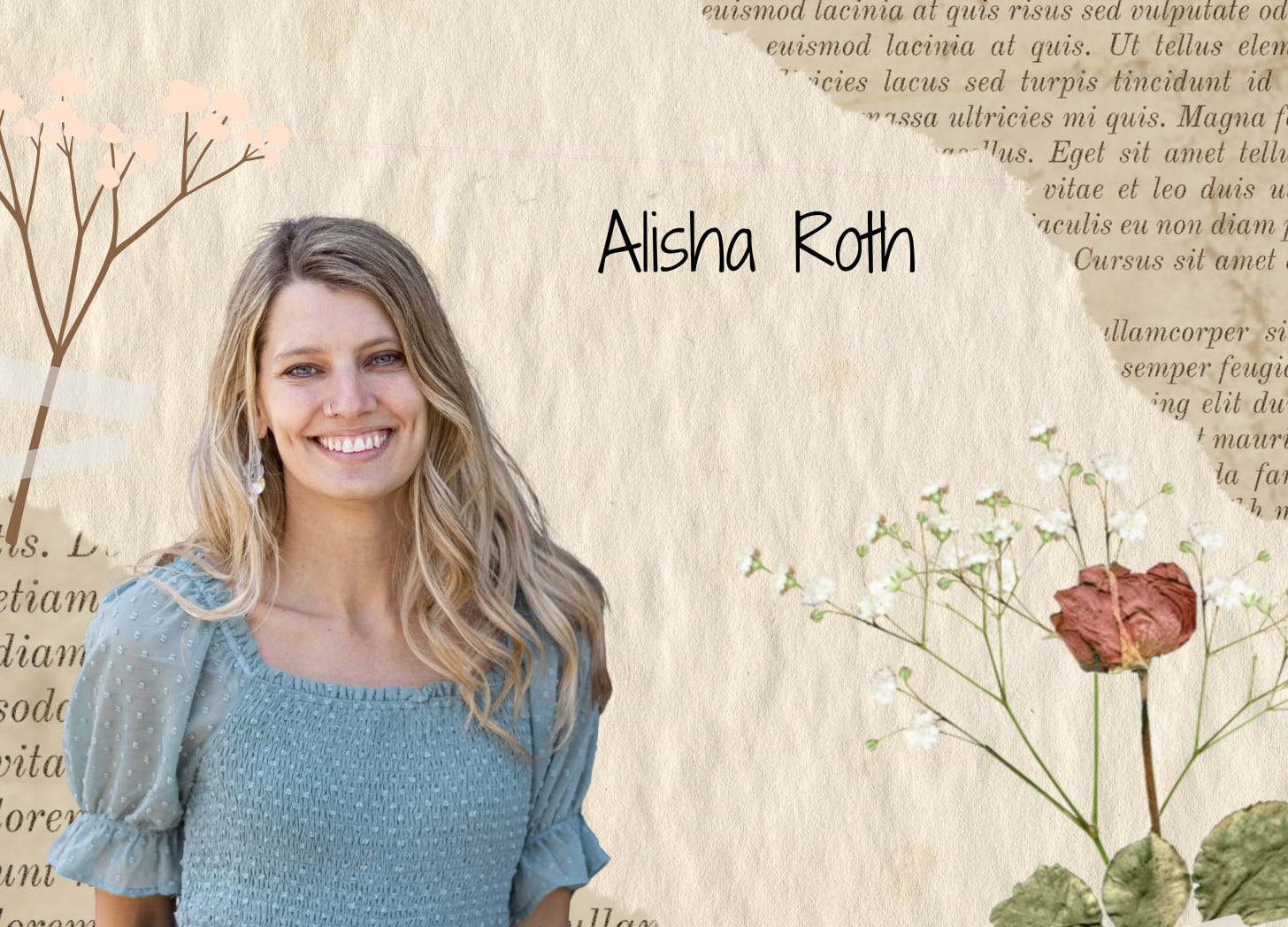
S8 Ep 6Alisha Roth | Christians and Divorce
Join me and Alisha Roth for a honest conversation about what it takes to leave a marriage when you’ve done everything “right”—the Christian college, the missionary training, the four daughters—and why the church’s fear and control around divorce leaves women trapped in unsafe situations.Topics Covered* The question that changed everything and why the answer unlocked self-love Alisha couldn’t access when it was just about her own safety* Why “your husband has a right to your body” made it impossible to trust what her body already knew, and how one therapist naming abuse as abuse cracked open the church bubble keeping her trapped* The stat the church doesn’t want you to know* Why women who choose to leave face different judgment than women who get left* What happened when Alisha’s therapist refused to tell her whether to get divorced—and why learning that taking ownership of your own life (instead of keeping everyone else happy) is the holy workTimestamps: 01:00 When Everything Looks Right But Something’s Wrong 05:00 Having Someone Name the Abuse Changes Everything 10:00 Why the Church Blames Women Who Leave 15:00 Fear, Control, and Managing God’s Image 20:00 Finding Hope and Community After Loss 24:00 Why It Matters to Talk About Choosing to Leave 29:00 Taking Ownership: “I Have to Make This Decision” 32:00 Rebuilding Faith: Love Over Rules 35:00 Finding the Book and Alisha’s Work This is a public episode. If you'd like to discuss this with other subscribers or get access to bonus episodes, visit kateboyd.substack.com/subscribe
Why is Christian Art so Bad? | I Read Something Bad
Join us for this podcast crossover episode! I’m bringing you our I Read Something Bad discussion about bad Christian art. If you’re into spicy fantasy books and spiritual formation, check out I Read Something Bad Podcast biweekly! Today your Matron Saints of Spice are tackling the ever-controversial question of why so much Christian art feels thin, didactic, and aesthetically weak—and just plain BAD.We’re getting real about how flattening the Bible into surface-level application points has destroyed our capacity to engage layers in any medium, why making Ruth and Boaz into a love story completely misses the point about welcoming the stranger, and how capitalism turned humans into resources to be used up—which means our entire identity got wrapped up in usefulness instead of Imago Dei.Topics Covered:* The definition of good art as opening perception and making room for the reader versus bad art that reduces experience to propaganda with predetermined conclusions* Why Christian art often fails the hospitality test—inviting someone over just to lecture them about what to believe instead of offering actual coffee and conversation* Post-Reformation history of shifting from visual imagery (icons, stained glass) to language-only emphasis, and how the printing press made accessibility a priority that accidentally flattened everything* The Enlightenment’s need for certainty, empirical knowledge, and being on the same page—which bled into making messages crystal clear at the expense of mystery and layers* How “Facing the Giants” versus “Remember the Titans” shows the difference between heavy-handed Christian messaging and wrestling with justice/humanity through storytelling* Why Ruth and Boaz isn’t a romance about finding your person—it’s about Boaz depicting how Jesus welcomes strangers and provides for the vulnerable (Ruth said “where you go I will go” to NAOMI, people)* The collapse of context and layers in Bible reading, and how treating Scripture as flat application points instead of artistic literature kills our ability to engage depth anywhere else* How usefulness became our framework for existence instead of beauty, and why that’s devastating when your productivity disappears but you’re still made in the image of a creative GodGood art invites wonder and makes space for mystery. Bad art tells you exactly what to think and then wonders why you’re not engaged. 🎨✝️📖Timestamps:02:00 Defining Good Art: Hospitality vs Heavy-Handed Messaging06:00 Intimacy and Openness as Framework for Beauty09:00 Why People Want to Be Told What to Think vs Asking Questions11:00 Facing the Giants vs Remember the Titans: What We’re Wrestling With14:00 Stained Glass Windows vs Sharpie Statements: Losing the Layers16:00 Post-Reformation Shift from Visual to Language-Only Emphasis20:00 Teen Talent Competitions and Performing for God’s Glory23:00 When Church Art Became Branded Word Art from Hobby Lobby25:00 Iconoclasm and What We Lost by Rejecting Visual Beauty28:00 Ruth and Boaz Isn’t a Love Story About Finding Your Person 31:00 Reading the Bible with Layers: Literature, Language, Lifetime, Lenses34:00 Why Translation Is Always Interpretation37:00 Ruth After Proverbs 31: She’s the Woman of Valor, Actually39:00 When Usefulness Disappears and You Lose Your Framework for Beauty41:00 Imago Dei Isn’t Broken or a Mission to Accomplish—It Just Is43:00 Capitalism Turned Humans Into Resources to Be Used Up45:00 Creating Without Goals: The Church Art Studio Experiment47:00 Redeeming Love Scammed Us (The Bible Story Is Different, Y’all)50:00 Mount Pilgrim’s Stained Glass: Good Christian Art That Inspires Justice This is a public episode. If you'd like to discuss this with other subscribers or get access to bonus episodes, visit kateboyd.substack.com/subscribe
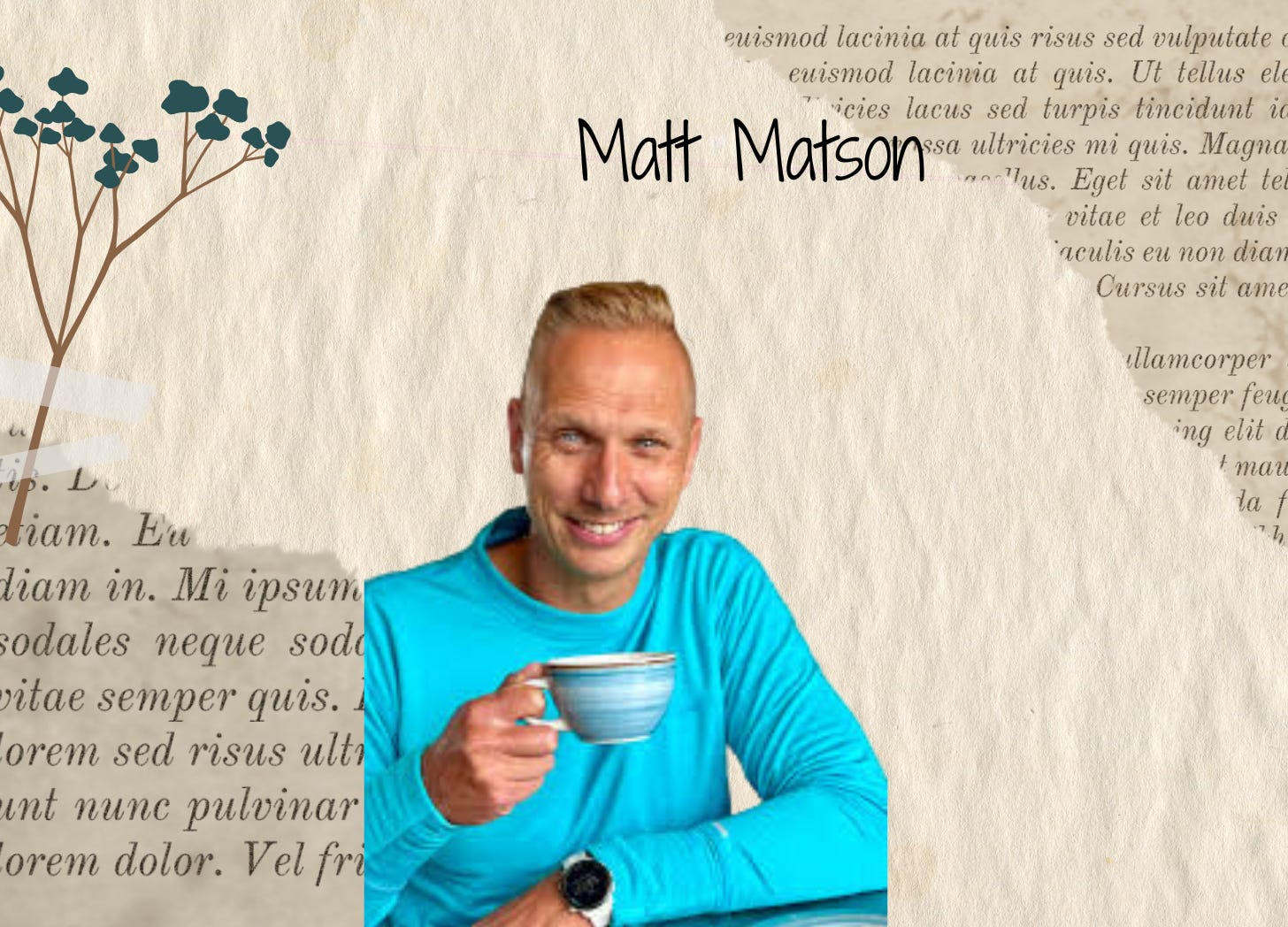
Matt Matson | Practicing vs Performing
In this episode …Topics Covered* Understanding the difference between performance and presence* How busyness and transactional living keeps us from noticing sacredness, but the deeper barrier is internal fear—not of other people but of what we might reveal if we stopped performing and showed up authentic* Why conversation as sacrament doesn’t mean using Christianese or performing religiosity, but practicing noticing these moments as important (maybe even sacred) until you graduate into sensing holiness far more often than you used to* The radical claim that if you just pay attention you’d find one or two moments that were everything you’ve been looking for in the next week* Changing our mindset around interactions to being sacred rather than battlefieldsTimestamps: 01:00 Everyday Sacredness and the Fear People Will Miss It 04:00 Reclaiming “Church” as the Space Between Us 09:00 Performance vs. Presence: The Conditioning That Keeps Us Safe 14:00 Finding Freedom to Just Be in the Pews 19:00 What Keeps Us from Seeing the Ordinary as Holy 26:00 The Holy Work of Silence and Listening 31:00 Abiding in the Vine: Relationship as Spiritual Practice 36:00 Practicing Sacred Conversation Like Crooked Yoga 40:00 What Changes When We Notice This Moment Matters 43:00 Finding the Book and the Between Ministry This is a public episode. If you'd like to discuss this with other subscribers or get access to bonus episodes, visit kateboyd.substack.com/subscribe
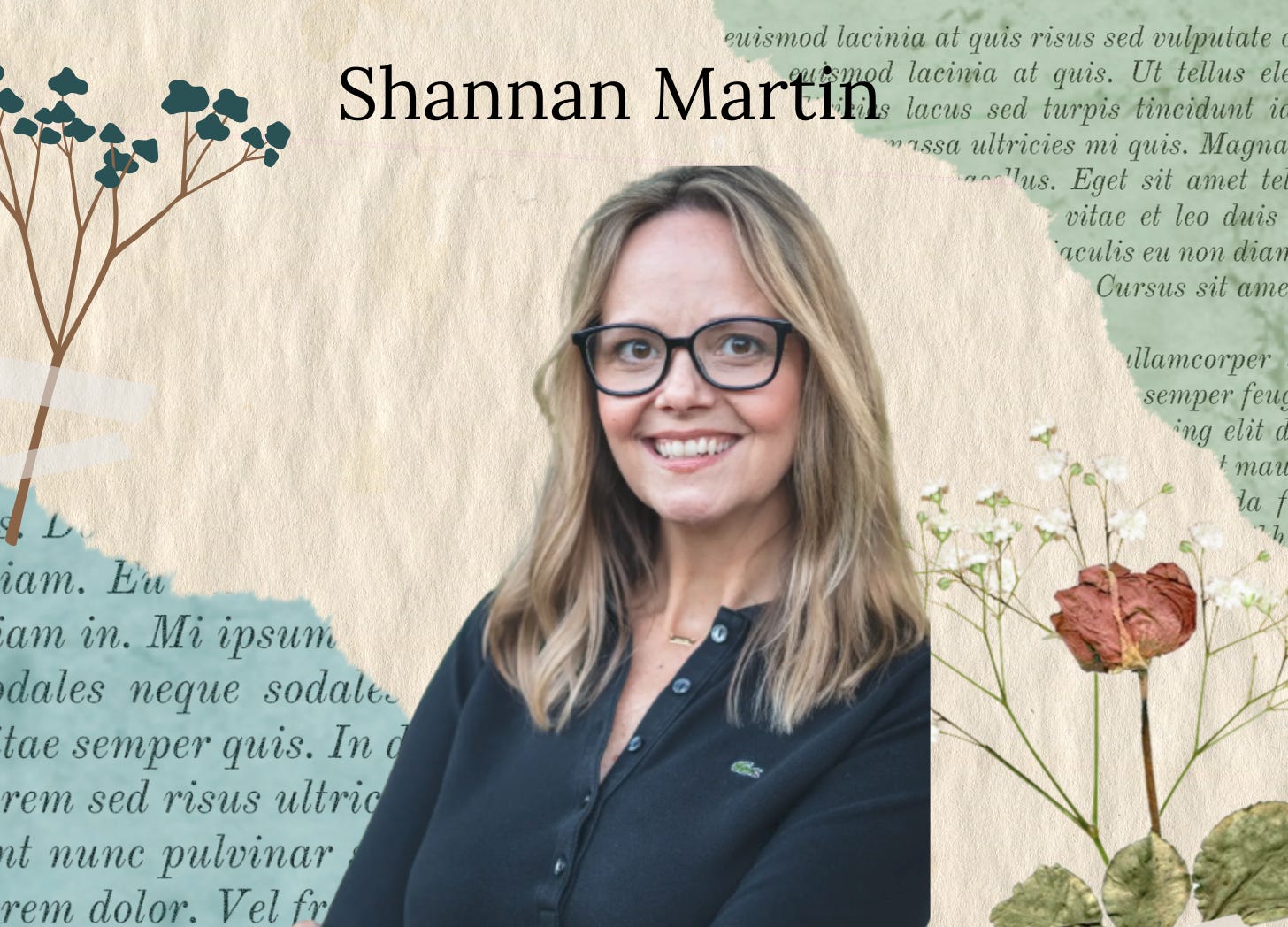
S8 Ep 4Shannan Martin | Balancing the World's Heaviness
In this episode of the Untidy Faith Podcast, I sit down with Shannan Martin, author of Counterweights, for a grounding conversation about how her dad’s blue-collar farm wisdom—”carry something equally heavy in the other hand”—became a daily practice for staying upright in a world that feels increasingly overwhelming.Rather than focusing on “toxic positivity” or the “count your blessings” mantra, Shannan teaches us to honestly name the weights we carry and intentionally find counterweights that pull us back to center so we can keep breathing through the chaos and moving toward justice without burning out.Topics Covered* How a blue-collar dad’s practical advice about carrying heavy things to the barn became a metaphor for pulling ourselves back to center when we’re lurching under the weight of collective trauma and constant news cycles* Understanding counterweights as different from gratitude or mindfulness* Why the “abundant life” Jesus promised isn’t prosperity gospel glitter but getting all of it* Learning from incarcerated people at the work release center what accessible counterweights look like* How protecting your peace can mean staying engaged and bearing witness to trauma (especially for those with power and privilege) rather than opting out* Why counterweights are always happening and how naming them with intention increases capacity for moving toward justiceTimestamps: 01:00 Defining Counterweights: Dad’s Blue-Collar Wisdom 05:00 Why This Cultural Moment Needs This Practice 11:00 The Abundant Life: We Get It All 16:00 Avoiding Toxic Positivity While Staying Grounded 21:00 Accessible Counterweights: From Cabinet Scrubbing to Dancing 27:00 Learning from Incarcerated Neighbors About What’s Accessible 32:00 Beauty as Emergency: Increasing Capacity for Justice Work 37:00 Finding the Book and Shannan’s Work This is a public episode. If you'd like to discuss this with other subscribers or get access to bonus episodes, visit kateboyd.substack.com/subscribe
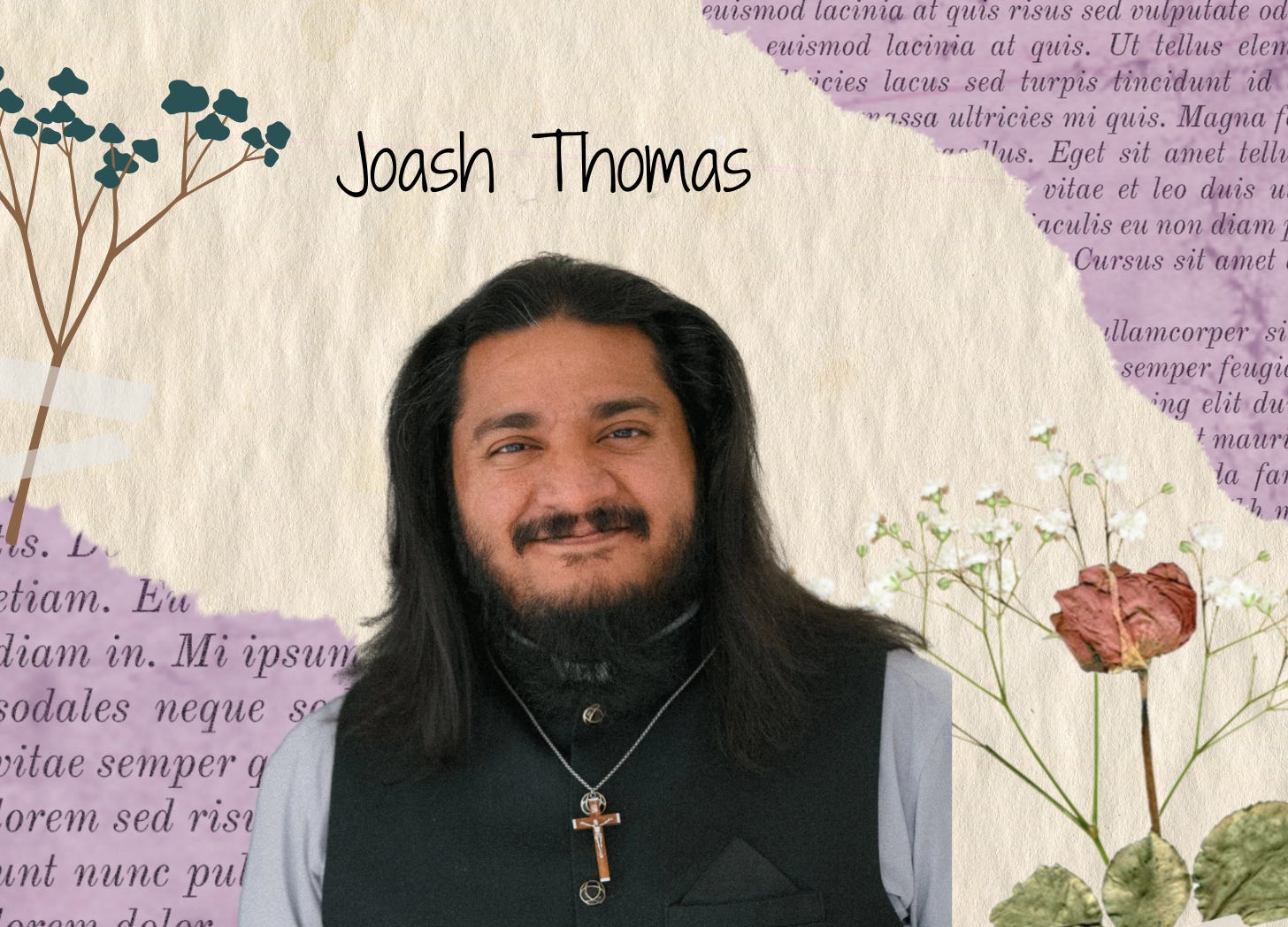
S8 Ep 3Joash Thomas | Colonized Christianity
In this episode of the Untidy Faith Podcast, I sit down with Joash Thomas, author of The Justice of Jesus, for a conversation about how colonization shaped Western Christianity to resist justice, and what recovering our authentic identities—indigenous, spiritual, and human—has to do with embodying the gospel Jesus actually preached.The Western church’s complicity in colonization didn’t just harm the Global South, it also robbed Western Christians of their own indigenous practices and created theology that privileges the spiritual over the physical in ways Jesus never did, and how prayer can be the formative work that transforms us into instruments of justice.Topics Covered* Understanding colonization not as a political buzzword but as lived reality: India went from 25% of world GDP in 1700 to 1% in 1947 after British extraction, and the Western church was largely on the side of oppressors, excusing colonial theft in theological language* Why the gospel being “more spiritual than physical” is colonized theology that doesn’t come from Jesus of Nazareth, whose ministry in Luke 4 explicitly defined good news as setting captives free both physically and spiritually* How empires steal identity by conditioning us to forget who we are beyond labels like “just American” or “just Christian,” and why recovering indigeneity—whether Celtic Christianity or St. Thomas Indian Christianity—reveals pre-colonial traditions offensive to empire* The prophetic journey from outrage to love: starting angry about injustice (righteous and necessary) but being transformed to see Christ in enemies, transcending trauma to become wounded healers rather than perpetuating violence in words or deeds* Why reimagining prayer as formative rather than just intercessory—praying with marginalized communities, not just for them—creates the sustainable oxygen advocates need for long-term justice work without burnoutTimestamps: 01:00 From India to America: Learning Power from the Margins 09:00 Justice as Gospel in Global South vs. “Woke Marxism” in America 15:00 How Colonization Stole Western Christians’ Identities Too 20:00 Loving the Church While Critiquing It 27:00 The Prophet’s Journey from Outrage to Love 32:00 Can Western Churches Pursue Justice? (Yes, Here’s How) 38:00 Reframing Mission: Encountering Jesus in the Margins 45:00 Prayer as the Formative Work of Justice 49:00 Finding the Book and Connecting with Joash This is a public episode. If you'd like to discuss this with other subscribers or get access to bonus episodes, visit kateboyd.substack.com/subscribe
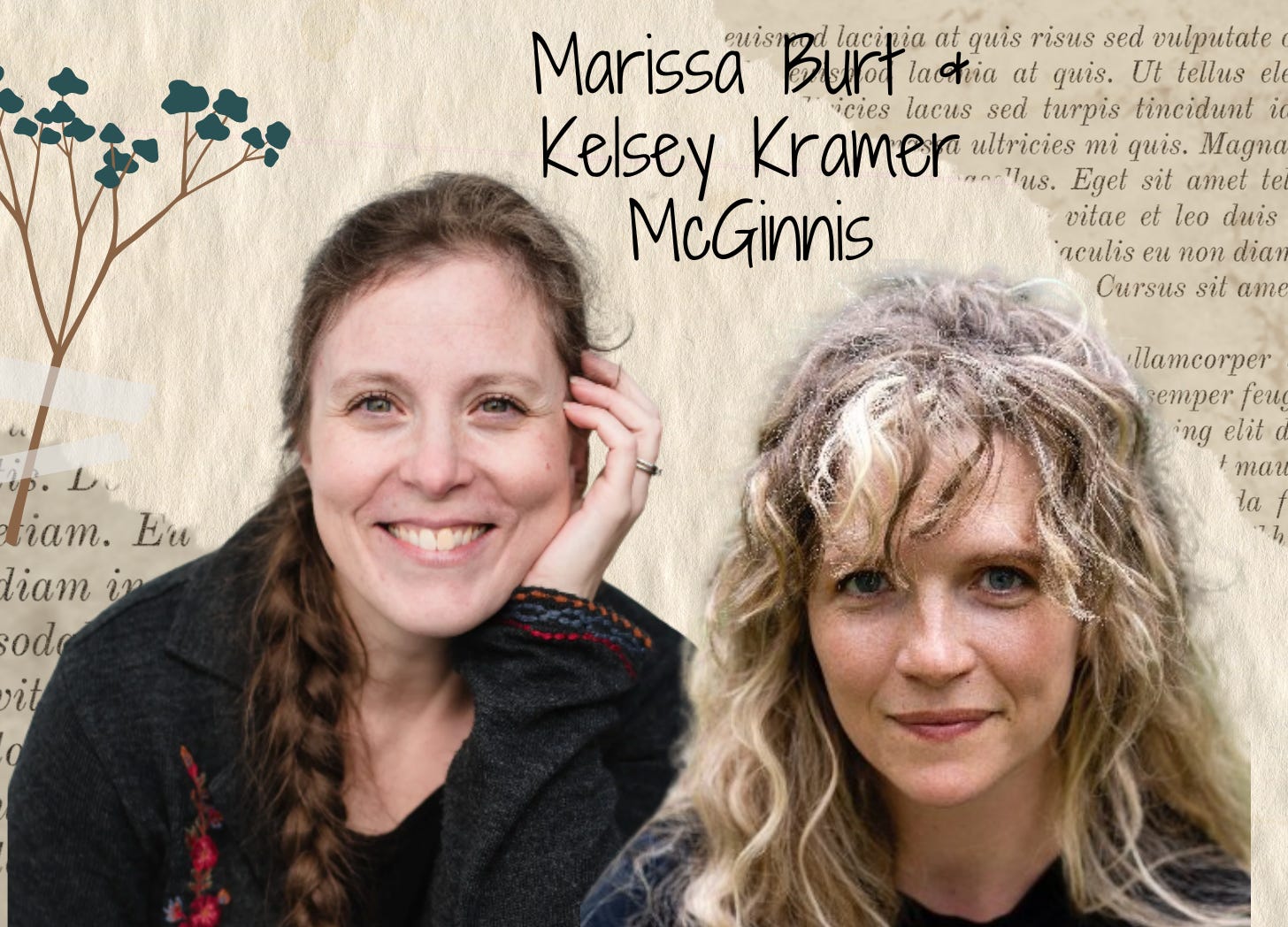
Marissa Burt & Kelsey Kramer McGinnis | The Parenting Prosperity Gospel
In this episode, I sit down with Marissa Burt and Kelsey Kramer McGinnis, authors of The Myth of Good Christian Parenting, for a sobering conversation about how the Christian parenting industry sold families impossible promises wrapped in biblical authority.Critiquing parenting books is important, but we also need to recognize how movements born from 1970s political fears, biblical counseling innovations, and prosperity gospel thinking created authoritarian frameworks that promised godly legacies while actually preventing authentic relationships, and how families can move toward seeing children as fully human neighbors instead of extensions of parental control.Topics Covered* Understanding the false promise of “train up a child in the way they should go” as a guaranteed formula for producing Christian adults, and how this turned children into extensions of parental desire for “kingdom legacy” rather than autonomous persons* Why James Dobson’s Dare to Discipline (1970) is far more a conservative political book about restoring order and authority in response to social upheaval than a Christian or biblical parenting resource* How the biblical counseling movement (starting 1970), inerrancy movement (1978 Chicago Statement), and fears about no-fault divorce combined to create unprecedented emphasis on parental authority as “first principle” and spanking as spiritual practice* The invention of “liturgy spanking”—transforming what was historically just coercive behavior control into a supposedly godly catechesis connected to penal substitutionary atonement, complete with step-by-step manuals* Why these frameworks betray entire families: parents are left ill-equipped to relate to children as individuals when external compliance is mistaken for authentic connection, and adult children reclaiming autonomy creates painful estrangementTimestamps: 01:00 The “Oh No” Moment: When Christian Parenting Advice Doesn’t Add Up 06:00 False Promises of Guaranteed Godly Legacies 12:00 Political Origins: Dobson’s Book as Conservative Response to Social Upheaval 18:00 Biblical Counseling Movement’s Outsized Influence 25:00 The Invention of “Liturgical Spanking” in the 1970s 31:00 How Families Get Betrayed by These Frameworks 37:00 Children as Fully Human Neighbors, Not Property 43:00 Finding the Book and More Resources This is a public episode. If you'd like to discuss this with other subscribers or get access to bonus episodes, visit kateboyd.substack.com/subscribe
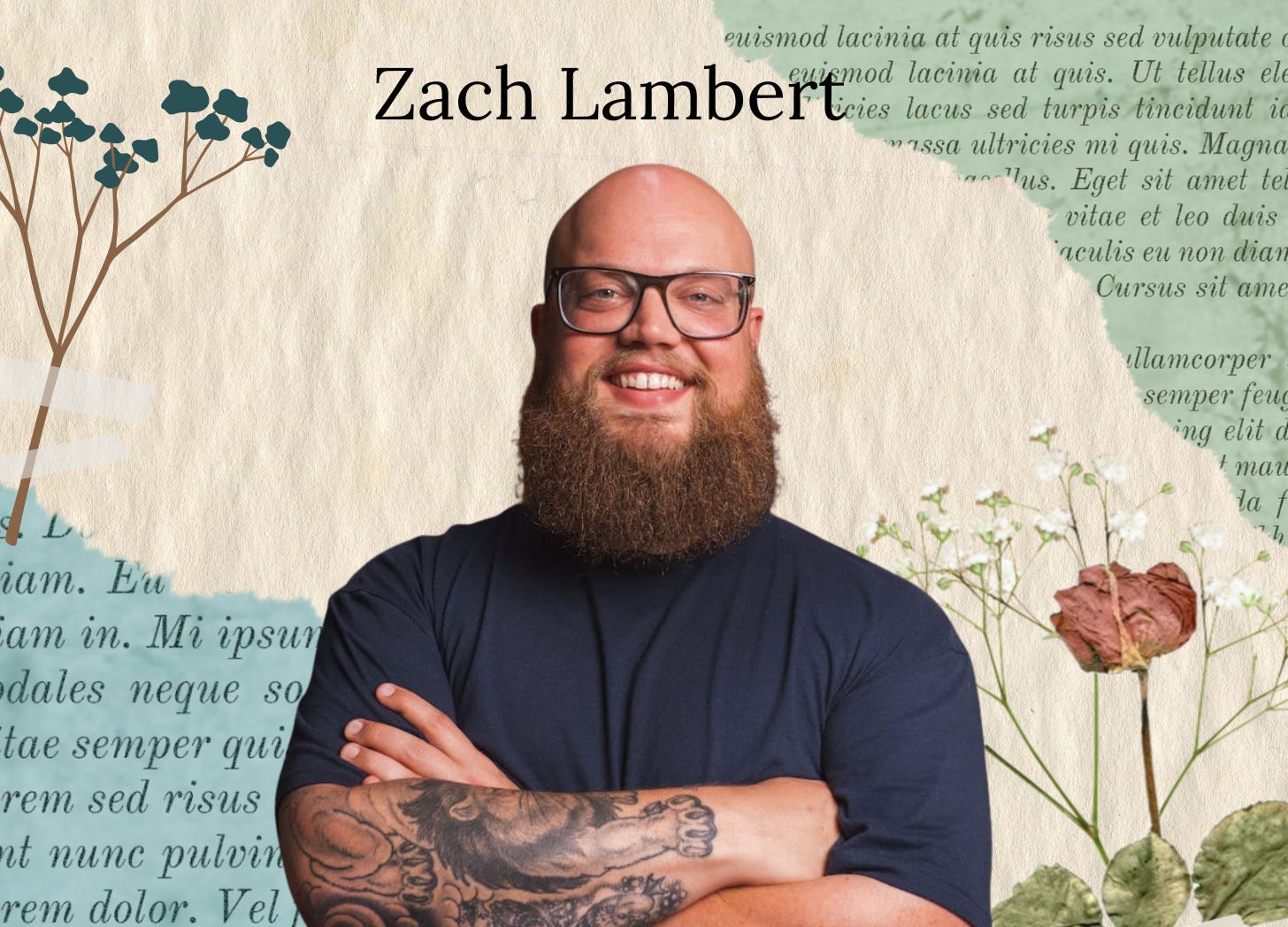
S8 Ep 1Zach Lambert | Rehabbing your relationship with the Bible
In this episode, I sit down with Zach Lambert, author of Better Ways to Read the Bible, for an honest conversation about how to read the Bible in ways that bring life instead of harm.This isn’t just about finding better interpretations—it’s about recognizing how literalism, apocalypticism, moralism, and hierarchy have damaged real people, and learning to read Scripture through lenses that center Jesus, context, flourishing, and fruitfulness instead. Zach offers both deconstruction of harmful patterns and reconstruction of life-giving practices for engaging with the Bible.Topics Covered* How a college professor’s simple assignment to research women like Deborah, Junia, Phoebe, and Priscilla shattered Zach’s assumptions about women’s roles in the church, and why 80% of his class changed their minds after one week* Understanding the 1978 Chicago Statement on Biblical Inerrancy as a recent invention designed to police theological borders by saying “if you disagree with our interpretation, you’re not a Christian”—a form of spiritual abuse that weaponizes God’s name for human control* Why the “apocalypse lens” (obsession with end times, rapture, hell, and judgment) is so pervasive in American evangelicalism: it’s incredibly effective at controlling people through fear, and has influenced American foreign policy for 75 years through Left Behind theology* Learning from a Jewish rabbi that the Bible’s authority comes from its multiplicity of truths—like a crystal refracting light differently depending on who’s reading—rather than excavating one singular “correct” interpretation for every verse* Reframing “God hates divorce” through context and flourishing lenses: understanding that divorce commandments were exclusively given to men in a patriarchal society where divorce was often a death sentence for women, not a universal prohibition against leaving abusive marriages* How humility and healthy diverse community are the essential ingredients for reading Scripture well—because white clergy’s unanimous biblical defense of chattel slavery wouldn’t have survived if they’d been in equitable community with Black peopleTimestamps: 01:00 The Assignment That Changed Everything About Women 06:00 Separating Biblical Inspiration from Human Interpretation 10:00 Social Location and Who Gets Called “Just Theology” 16:00 The Chicago Statement as Spiritual Abuse Tool 21:00 Why Apocalypse Lens Dominates American Evangelicalism 30:00 Detoxing Harmful Patterns Through Humility and Community 35:00 Reframing “God Hates Divorce” Through Healing Lenses 42:00 What Makes God Angry According to the Prophets 45:00 Leading a Church Through Interpretive Diversity 47:00 Finding Zach’s Work and Upcoming Book This is a public episode. If you'd like to discuss this with other subscribers or get access to bonus episodes, visit kateboyd.substack.com/subscribe
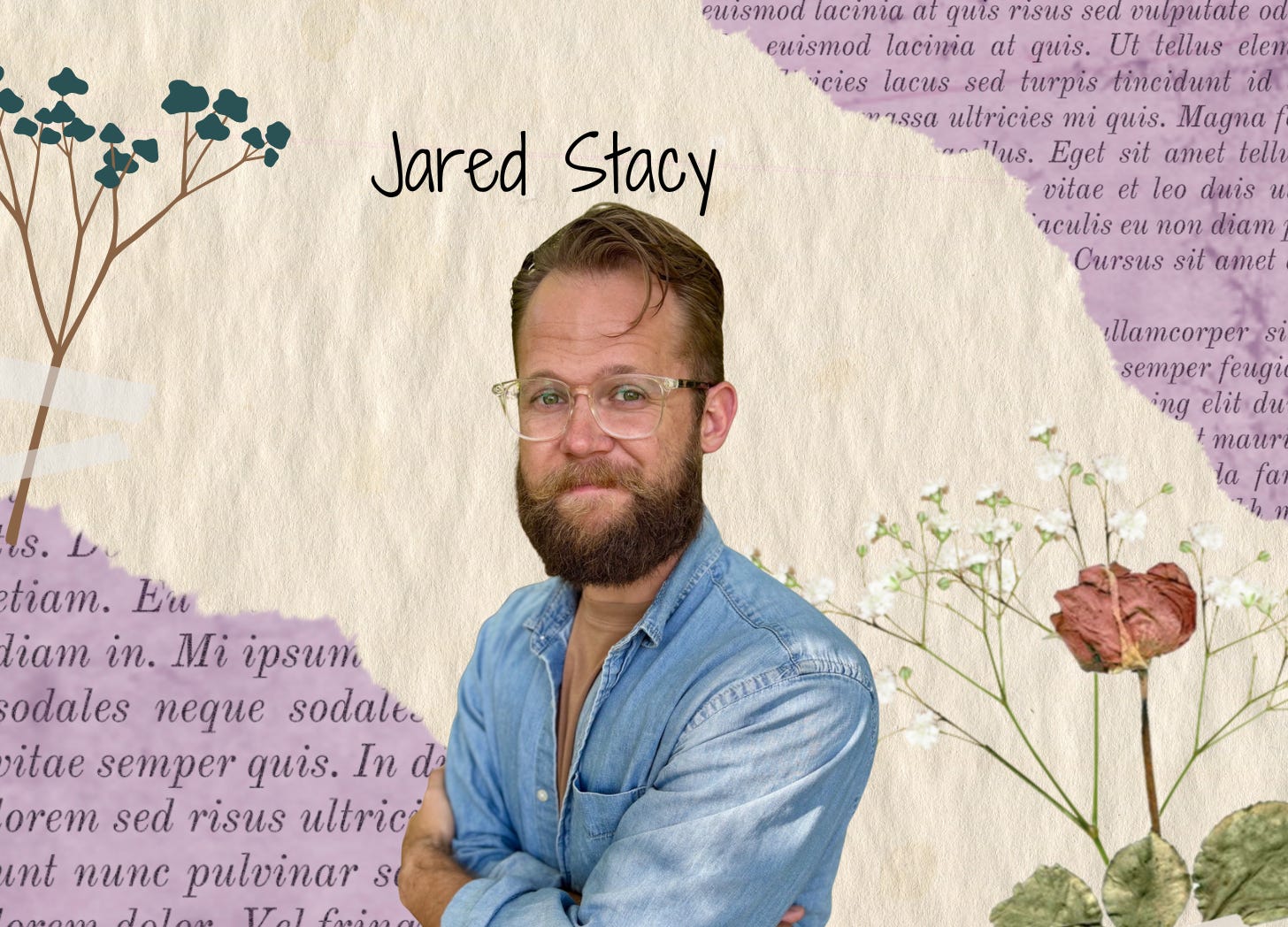
S7 Ep 61Jared Stacy | Conspiracy Thinking in American Evangelicalism
In this episode of the Untidy Faith Podcast, Kate Boyd sits down with Jared Stacy, author of the forthcoming book Reality in Ruins, for a nuanced conversation about why conspiracy theories have become so pervasive in evangelical Christianity and what the church can do about it.This isn’t just about QAnon or stolen elections—it’s about understanding how evangelicalism’s theology of persecution, end-times anxiety, and individualism creates fertile ground for conspiracism, and how reclaiming the whole story of Jesus offers a way forward that doesn’t require us to become fact-checkers but truth-tellers in our own key.Topics Covered* Understanding conspiracy theory as “functional reality” that provides people not just a lens for interpreting the world but prescribes specific actions—like how belief in a stolen election motivated the January 6th Capitol attack* Why evangelicals are particularly susceptible to conspiracy thinking: the combination of persecution complex, end-times theology giving conspiracies a “theological charge,” and modern individualism that seeks control through claiming secret knowledge* How evangelicalism’s witness to the gospel grants conspiracy theories plausibility by packaging spurious claims as “what good faithful Christians believe,” making it feel like apostasy to question them rather than just correcting misinformation* The historical pattern of conspiracy theories serving evangelical responses to cultural anxieties—from George Whitfield using gospel preaching to prevent slave revolts, to Cold War anti-communism, to contemporary fears about losing white Christian America* Why confronting conspiracy theories head-on with facts or mockery only leads to deeper entrenchment, and what questions like “why do you need this to be true?” or “why is that good news to you?” can open up instead* How the church can resist conspiracism not by becoming fact-checkers but by being constituted as Jesus’s body—a “place of reversal” where we discover we were wrong, rehearse the whole story of Jesus, and refuse to settle for anything less than recognizing full humanity in everyoneTimestamps: 01:00 Conspiracy Theory as Functional Reality 06:00 Why Evangelicals Are Susceptible to Conspiracy Thinking 12:00 The Theological Charge That Makes Conspiracies Plausible 18:00 Alternative Knowledge vs. Embodied Truth 24:00 Historical Anxieties Driving Conspiracy Theories 35:00 When Facts and Mockery Don’t Work 45:00 The Freedom to Be Wrong in Christian Community 54:00 Healthy Skepticism Without Conspiracy Thinking 1:03:00 The Church as Place of Transformation and Discovery 1:06:00 Finding Jared’s Work and Forthcoming Book This is a public episode. If you'd like to discuss this with other subscribers or get access to bonus episodes, visit kateboyd.substack.com/subscribe
2 Samuel 23 & 24 | Are we great yet?
In this episode of the Untidy Faith Podcast, Kate Boyd wraps up the year-and-a-half journey through 2 Samuel with returning guests Jenai Auman and Liz Daye, examining chapters 23-24—David’s self-congratulatory final words followed by a devastating census that reveals how little he’s actually learned.This isn’t a triumphant ending to a great king’s reign—it’s a sobering reminder that David’s version of greatness cost 70,000 lives, and his idea of repentance always came after profound devastation that somehow never seemed to affect him personally. The contrast between how David sees himself and what the text actually shows us is the perfect capstone to understanding power’s corruption.And a shoutout to Jon Pyle, Robert Callahan, and Amanda Waldron for being a part of the journey through books of Samuel!Topics Covered* How David’s “last words” in chapter 23 present his self-image as a just ruler bringing cloudless morning prosperity, immediately contrasted by the compilers listing “Uriah the Hittite” among his mighty men—a literary shade that reminds readers of David’s profound injustice* Understanding why David’s census in chapter 24 was such a violation: it risked ritual impurity for the entire nation, mimicked divine power (only gods counted in ancient cultures), and served as the first step toward military conscription, slavery, and exploitation* Why David’s choice of punishment—three days of plague affecting 70,000 people—reveals his continued pattern of self-protection, when he could have chosen three months of fleeing enemies with his “mighty men” that would’ve primarily affected him* The devastating reality that David “makes things right with God” through sacrifice but never repairs things with the people harmed by his choices, mirroring modern patterns where abusive leaders go on apology tours without addressing the actual devastation they caused* How the story ends not with David as hero but with God’s compassion for the land, contrasting David’s transactional understanding of hesed (loyalty) with God’s hesed (compassion)—showing what God actually values versus what David claimed to embody* Why paying attention to prophets and moving toward justice and shalom matters more than celebrating leaders who buy their own hype, and how David delivering Israel into bondage (the census taking nine months—a gestation period) inverts God’s role as deliverer from oppressionTimestamps: 01:00 David’s Self-Hype Poem vs. “Uriah the Hittite” 07:00 The Mighty Men List as Twilight End Credits 14:00 Why the Census Was Such a Big Deal 21:00 David’s Cowardly Choice: 70,000 Deaths 30:00 Repentance Without Repair to the Harmed 38:00 Spiritual Bypassing and Weaponized Forgiveness 47:00 The Angel Who Wouldn’t Stop Judging 55:00 Measuring Success by Empire vs. Jesus 1:04:00 Final Takeaways from the David Journey 1:06:00 Finding the Hosts and What’s Next This is a public episode. If you'd like to discuss this with other subscribers or get access to bonus episodes, visit kateboyd.substack.com/subscribe
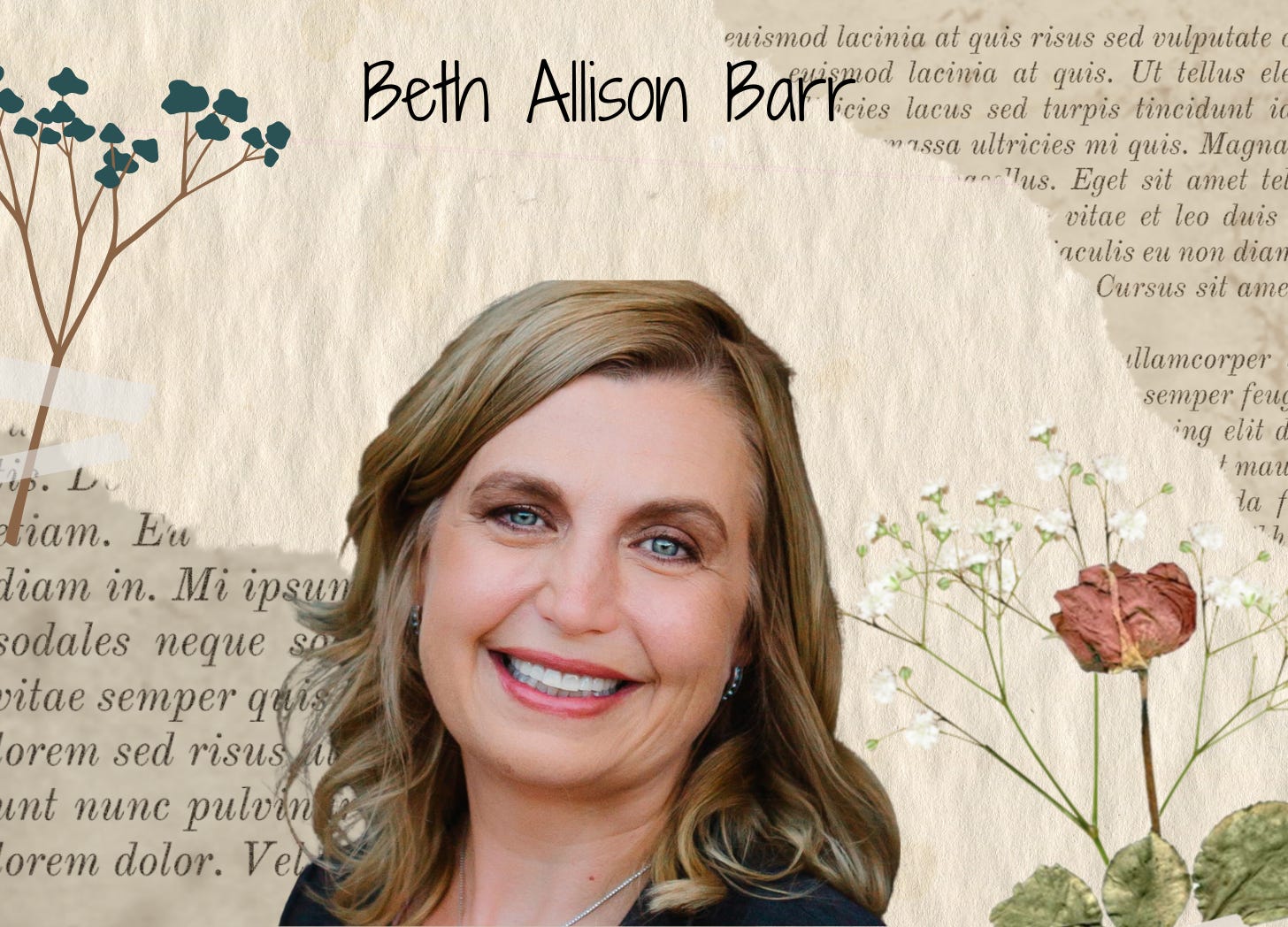
S7 Ep 59Beth Allison Barr | Becoming the Pastor's Wife
In this episode of the Untidy Faith Podcast, Kate Boyd sits down with Dr. Beth Allison Barr, historian and author of The Making of Biblical Womanhood and Becoming the Pastor’s Wife, for a fascinating conversation about how the role of pastor’s wife has functioned to limit women’s leadership in the church.This isn’t just about theological debates—it’s about recognizing how economic anxieties, racial prejudice, and fear of losing privilege have repeatedly driven backlash against women’s independence throughout history, and how biblical language gets weaponized to justify keeping women in subordinate, unpaid positions.Topics Covered* How 2025 marks the 25th anniversary of the 2000 Baptist Faith and Message that encoded complementarian theology into Southern Baptist doctrine, and recognizing this as part of a historical pattern where women’s subordination rises during periods when women gain legal and economic independence* Understanding backlash against women’s ordination as rooted in cultural anxieties—particularly white anxiety about demographic changes and fears about losing economic privilege—rather than purely theological concerns about biblical interpretation* Why the pastor’s wife role has become “the primary ministry role model for women” in conservative churches, creating a safe space for women’s gifts while simultaneously keeping them under male authority and conditioning congregations to reject independent female leadership* The economic reality that women’s ministry is almost always expected to be unpaid volunteer work while men’s ministry comes with salaries and benefits, revealing how “noble calling” language masks structural inequality and devalues women’s contributions* How closely associating female leadership with marriage trains churches and broader culture to only accept women’s authority when it’s subordinate to men, contributing to resistance against women in business, politics, and other spheres beyond the church* What the church has lost by silencing women’s theological voices, contrasting with historical examples like Catherine of Siena convincing the Pope to return to Rome because medieval Christianity respected that “God spoke through women to men”Timestamps: 01:00 25 Years of Complementarian Theology’s Damage 05:00 Cultural Anxieties Driving the Backlash Against Women 10:00 How Economic Fears Shape Attitudes Toward Women’s Equality 14:00 The Pastor’s Wife Role as Gatekeeper to Female Leadership 19:00 Unspoken Expectations and Their Cost to Women 23:00 What the Church Loses Without Women’s Voices 28:00 Historical Hope: Women Who Never Stopped Speaking 32:00 Finding Beth’s Work and Resources This is a public episode. If you'd like to discuss this with other subscribers or get access to bonus episodes, visit kateboyd.substack.com/subscribe

S7 Ep 582 Samuel 21 & 22 | When Victors Write the History
In this episode of the Untidy Faith Podcast, Kate Boyd, Jenai Auman, and Liz Daye continue their exploration of 2 Samuel, examining chapters 21-22—a jarring collection of appendices that reveal David’s legacy through violence, political maneuvering, and self-congratulatory poetry.This isn’t a triumphant conclusion to David’s reign—it’s a sobering look at how powerful people rewrite history to justify harm, and how the quiet faithfulness of marginalized women like Rizpah often goes unnoticed while loud, self-serving declarations get preserved as “worship.”Topics Covered* Understanding the structural shift in 2 Samuel 21-24 from linear narrative to a collection of “appendices” that are deliberately out of chronological order, giving different perspectives and even contradicting earlier accounts like the story of who actually killed Goliath* How David responds to a three-year famine by asking the Gibeonites (not God) how to fix it, resulting in the execution of seven of Saul’s descendants—a solution that violates Torah patterns of repentance while serving David’s political interests by eliminating threats to his throne* The prophetic witness of Rizpah, a concubine who holds vigil over her sons’ desecrated bodies for six months, whose quiet faithfulness actually lifts the famine when David finally gives the bodies proper burial—yet most major commentaries ignore her story entirely* Why the famous contradiction about Goliath’s death (attributed to Elhanan here rather than David) reveals how stories were shaped to serve David’s propaganda, showing us that “history favors the victor” and inviting us to read with suspicion* Examining David’s Psalm in chapter 22 as an unreliable narrator’s self-congratulatory rewriting of history, claiming blamelessness and righteousness while celebrating violence and conquest that directly contradicts Torah values and God’s vision for leadership* How hyper-spiritualizing language gets weaponized to justify harm—from David’s beautiful words masking brutal actions to modern Christian nationalism using similar rhetoric to consolidate power while claiming God’s blessing on violence and oppressionTimestamps: 01:00 Chapter 21: Famine, Gibeonites, and Political Pragmatism 06:00 David’s Solution: Execution Instead of Repentance 12:00 Rizpah’s Vigil: Six Months of Prophetic Witness 18:00 Why Most Commentaries Erase Rizpah’s Story 24:00 The Goliath Contradiction and David Propaganda 33:00 Chapter 22: David’s Self-Congratulatory Psalm 42:00 Rewriting History: When Beautiful Words Mask Violence 52:00 Context Matters: Why We Can’t Proof-Text Our Way Through 59:00 Reading with Suspicion and Through the Lens of Torah 1:04:00 Loud Posturing vs. Quiet Faithfulness 1:10:00 Finding the Hosts Online This is a public episode. If you'd like to discuss this with other subscribers or get access to bonus episodes, visit kateboyd.substack.com/subscribe
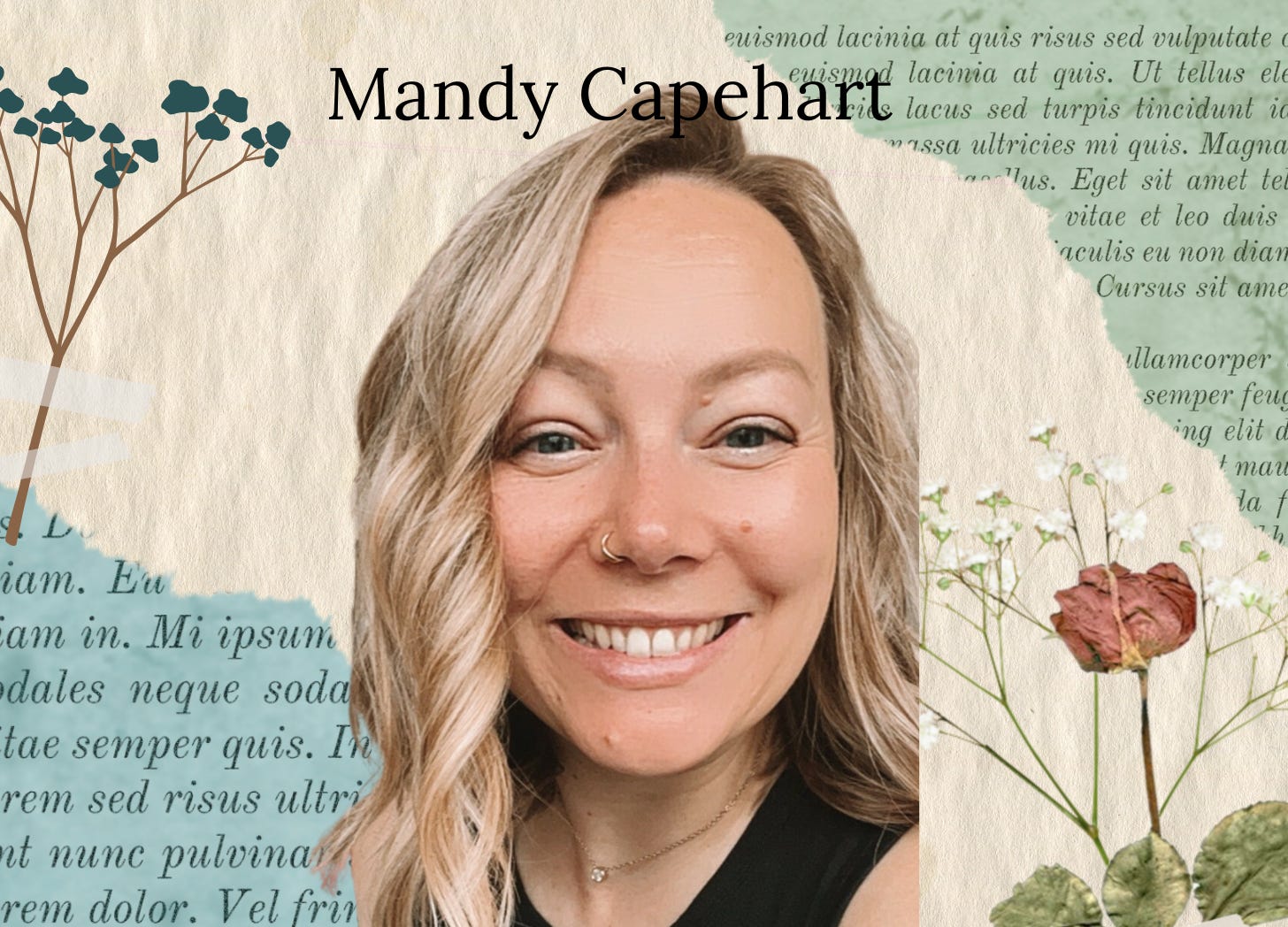
S7 Ep 57Hidden Grief of Deconstruction | Mandy Capehart
In this episode of the Untidy Faith Podcast, Kate Boyd sits down with Mandy Capehart, author of Restorative Grief, for an intimate conversation about how faith deconstruction is actually a complex grief process that affects every dimension of our lives.This isn't just about changing your theology—it's about recognizing that when we deconstruct faith, we're grieving the loss of safety, belonging, community, identity, and even our relationship with our own bodies. Mandy offers a compassionate framework for understanding why this process is so difficult and how healing can happen holistically.Mandy Capehart is a grief educator, somatic practitioner, and author of Restorative Grief. She hosts the Restorative Grief podcast and leads the Restorative Grief Project, a supportive online community. Her work focuses on helping people understand grief as a holistic experience that involves heart, mind, body, and spirit.Topics Covered* Understanding faith deconstruction as a layered grief process that involves losing "the systems and structures that have really shaped our sense of safety, belonging, and community," not just changing beliefs about theology or biblical interpretation* How leaving faith communities mirrors other major life transitions like divorce or coming out, particularly when "we have disrupted our foundation" and can no longer rely on our faith as the solid rock during other difficulties* The difference between fitting in and true belonging, and how many people discover they were conditionally accepted in their faith communities only when they could edit themselves to match expectations rather than bring their full selves* Why intellectualizing deconstruction can become a protective strategy that creates "an illusion of control" while avoiding the necessary work of processing how these changes affect us emotionally and somatically in our bodies* How faith communities often suppress connection to our physical selves, leading to embodied symptoms like "tightness in their throat, in their chest" and the inability to speak authentically when our voices have been deemed unsafe or invalid* The transformative power of learning to "take up space" and speak with authenticity, even when it means risking correction or disagreement, and finding safety in being humbled while maintaining belongingTimestamps: 01:00 What Are We Actually Grieving in Faith Deconstruction? 05:00 Beyond Theology: How Environment and Values Shape Us 11:00 Why Faith Deconstruction Looks Like Divorce 18:00 Grieving Community and the Loss of Belonging 23:00 Identity Grief: When Labels and Roles No Longer Fit 29:00 How Grief and Transition Show Up in Our Bodies 36:00 Learning to Take Up Space and Use Our Voices 40:00 Restorative Grief: Finding Safety in the Eye of the Storm 47:00 Finding Mandy's Work and Resources This is a public episode. If you'd like to discuss this with other subscribers or get access to bonus episodes, visit kateboyd.substack.com/subscribe

S7 Ep 562 Samuel 20 | The god of Christian nationalism
In this episode of the Untidy Faith Podcast, we continue our deep dive into 2 Samuel with Kate Boyd, Jenai Auman, and Liz Daye — examining chapter 20 and its stark contrasts between violence and peacemaking, power and wisdom.This isn't just ancient history—it's a cautionary tale about what happens when leaders prioritize power over God's vision of shalom, and how the pursuit of control creates systems that harm the most vulnerable while claiming to restore order.Topics Covered* How Sheba's rebellion represents a more serious threat to David's kingdom than Absalom's revolt, with "all the men of Israel" deserting David and foreshadowing the eventual split of the kingdom that echoes this same rallying cry* Understanding Joab's brutal murder of Amasa as the physical embodiment of David's strategic manipulation—both men eliminate threats to maintain power, but Joab does openly what David orchestrates from behind the scenes* Examining the treatment of David's ten concubines as property that gets "handled" rather than cared for, showing how David's view of women as disposable objects extends from Michal to these women who are condemned to live "as widows until the day of their death"* The contrast between male violence and female wisdom through the unnamed "wise woman" who speaks in poetry to negotiate peace, representing the biblical pattern of women stepping up to end conflicts when men create chaos through their pursuit of power* How the concept of shalom differs from simple peace or absence of conflict—it represents "the harmony between things and the right relatedness of things," a holistic vision of flourishing that stands in stark opposition to David's hierarchical kingdom* Why the chapter's ending list of David's officials, including someone "over forced labor," reveals a kingdom that has abandoned God's Torah vision and adopted the oppressive practices of surrounding empires, directly contradicting Israel's identity as people freed from slaveryTimestamps: 01:00 Sheba's Rebellion: A More Serious Threat Than Absalom 03:00 Joab's Betrayal Kiss: Violence to Maintain Power 06:00 The Concubines: How David "Handles" Women as Property10:00 The Wise Woman: Poetry, Peace, and Maternal Protection 16:00 Shalom vs. Power: Two Visions of Community 24:00 God's Absence and the Politics of David's Kingdom 28:00 David as the god of Christian Nationalism 33:00 Reading Narrative as Literature: Seeing the Bigger Picture This is a public episode. If you'd like to discuss this with other subscribers or get access to bonus episodes, visit kateboyd.substack.com/subscribe
S7 Ep 55Embodied Faith Beyond Evangelicalism | Rohadi Nagassar
In this episode of the Untidy Faith Podcast, Kate Boyd sits down with Rohadi, author of When We Belong, for a provocative conversation about the difference between progressive Christianity and truly decolonized faith.This isn't about finding a more liberal church or updating your theology—it's about fundamentally reimagining what liberative community looks like when we center marginalized voices and embody radical love ethics in our neighborhoods and daily lives.Rohadi is an author, speaker, and community leader who focuses on decolonizing Christianity and embodied spiritual practices. He leads an online faith community called A Beautiful Table and hosts the podcast series "Farewell Evangelicalism." His upcoming book on embodied meditations will be released in 2026.Topics Covered* Why leaving white evangelicalism for progressive or liberal churches often replicates the same harmful patterns, as recent data shows most "liberal" denominations still vote majority Republican and maintain foundational issues with ableism and white supremacy* Understanding how evangelical formation is designed to control bodies, particularly women and children, and why those who don't conform to white male, cisgender, able-bodied norms will "never belong fully" regardless of theological adjustments* The crucial difference between knowledge and embodied wisdom—why reading books about justice isn't the same as participating in liberative community that seeks "right repair unto right relationship" with land, people, and resources* How decolonizing faith requires listening to indigenous voices and resistance movements specific to the land where your feet touch, rather than seeking universal solutions or centering white voices in leadership* Exploring embodied spiritual practices like body scans and breath work that help reclaim the body after evangelical teachings that promote distrust and disconnection from physical experiences and emotions* Why truly liberative communities are found "on the margins"—in recovery churches, queer churches, and racialized communities—and how white people can join existing movements without needing to lead or start their own organizationsTimestamps: 01:00 Beyond Evangelicalism: Progressive vs. Decolonized Faith 04:00 How Evangelical Formation Controls Bodies and Margins 09:00 The Lifelong Process of Unlearning White Supremacist Patterns 14:00 Moving Slow: Relationships, Grief, and Embodied Wisdom 21:00 Living in Tension: Safety, Community, and Vulnerability 26:00 Whose Traditions? Questioning Christian Orthodoxy and Authority 33:00 Embodying Radical Love Ethics in Local Context f37:00 Finding Rohadi's Work and Resources This is a public episode. If you'd like to discuss this with other subscribers or get access to bonus episodes, visit kateboyd.substack.com/subscribe
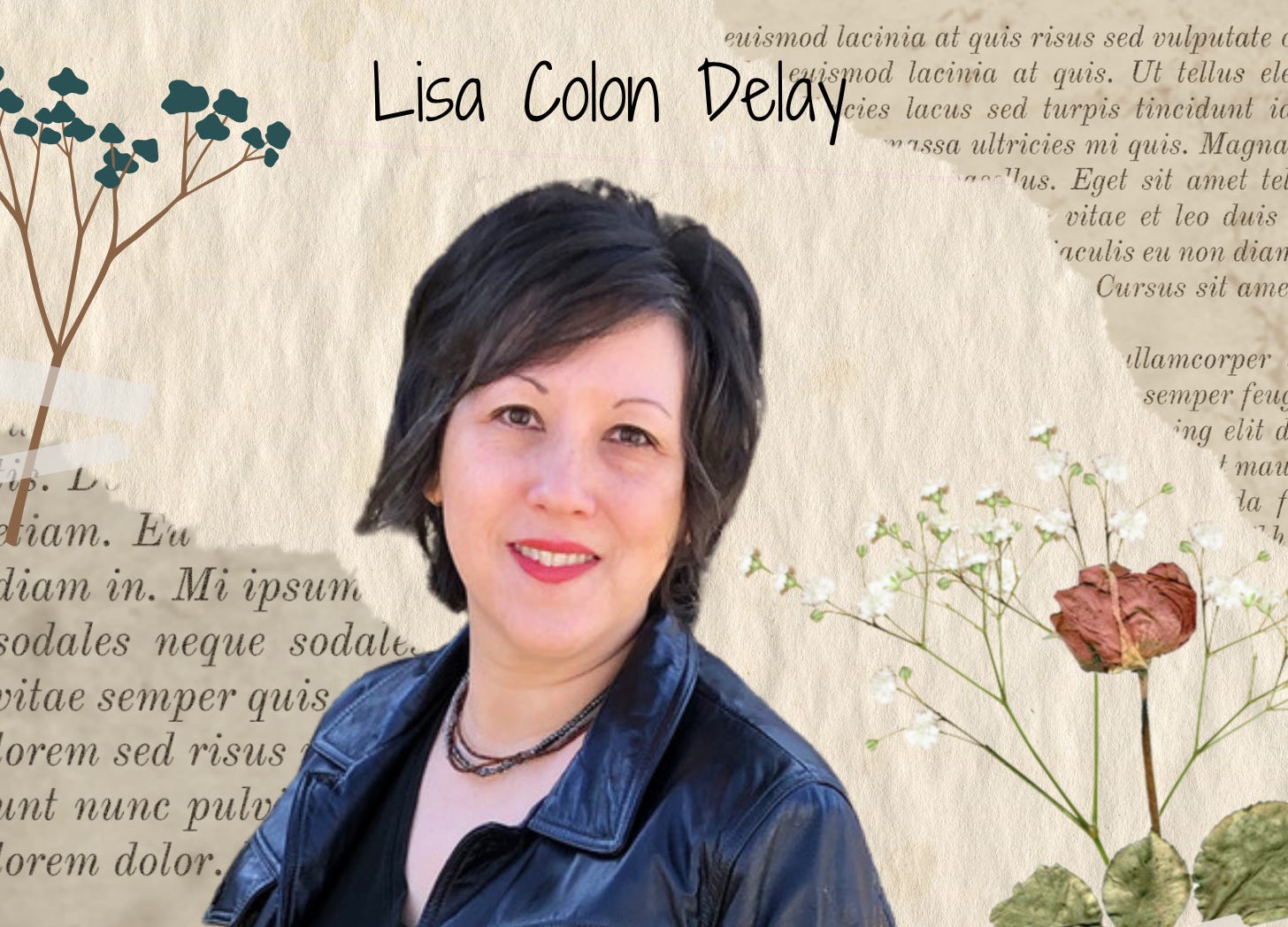
S7 Ep 54The Desert Fathers and Mother | Lisa Colon Delay
In this episode of the Untidy Faith Podcast, Kate Boyd sits down with Lisa Colon DeLay, author of The Way of the Desert Elders, for an illuminating conversation about ancient Christian wisdom that speaks directly to modern faith struggles.This isn't just church history—it's a roadmap for Christians navigating the tension between empire and authentic discipleship, offering embodied practices for healing religious trauma and rebuilding faith after deconstruction.Lisa Colon DeLay is a pastor, author, and host of the Spark My Muse podcast. Her work focuses on spiritual formation and connecting modern Christians with ancient wisdom traditions. She's also the author of The Wild Land Within and offers resources for spiritual practices rooted in early Christian traditions.Topics Covered* How the Desert Fathers and Mothers (300-600 AD) responded when Christianity became corrupted by political power and empire, creating communities that prioritized devotion over career advancement and cultural status* Understanding the nine "afflicting thoughts" (later developed into the seven deadly sins) as a holistic framework addressing body, mind, and spirit—not moral failings but predictable challenges that arise when pursuing spiritual growth* Why healing from religious trauma requires embodied practices, not just cognitive processing, and how ancient spiritual disciplines can help integrate the physical, emotional, and spiritual dimensions of faith* The essential role of spiritual mentorship in faith reconstruction, contrasting the Desert tradition of pairing every seeker with a spiritual mother or father against modern evangelicalism's individualistic approach to spiritual growth* Exploring the practice of "vigil"—waiting expectantly on God as an active spiritual discipline that reorients us from productivity-based faith to relationship-based presence with the divine* How ancient wisdom addresses modern challenges like spiritual overwhelm, digital distraction, and the temptation of "acedia" (spiritual boredom), offering practices for slowing down and creating space for intimacy with GodTimestamps: 00:52 Who Were the Desert Fathers and Mothers? 02:00 Empire and Faith: When Church Meets Political Power05:00 Embodied Spirituality vs. Head-Centered Faith 09:00 Rebuilding Faith Through Ancient Community Models 13:00 The Nine Afflicting Thoughts: Body, Mind, Spirit 18:00 What Would Concern and Encourage the Desert Elders Today? 21:00 Productivity vs. Faithfulness: Redefining Spiritual Success 26:00 The Practice of Vigil: Active Waiting on God 30:00 Finding Lisa's Work and Resources This is a public episode. If you'd like to discuss this with other subscribers or get access to bonus episodes, visit kateboyd.substack.com/subscribe
S7 Ep 542 Samuel 19 | Split Loyalty
In 2 Samuel 19, we witness David's complicated return to power after Absalom's death—a chapter that reveals the messy intersection of grief, politics, and justice. Through three pivotal encounters on his journey back to Jerusalem, we see how David's approach to leadership prioritizes political expediency over genuine justice, particularly in his heartbreaking dismissal of Mephibosheth's legitimate grievances. This chapter serves as a sobering preview of the kingdom's coming division, showing us the cost of leadership that values loyalty over righteousness and efficiency over authentic relationship.Topics We Cover* How David's public mourning for Absalom gets shut down by Joab, leading to immediate political maneuvering that reveals the performative nature of his subsequent "mercy"* Examining David's encounters with Shimei (performative forgiveness), Mephibosheth (dismissive injustice), and Barzillai (transactional loyalty) as a study in how power corrupts discernment* Why David's unjust ruling that divides Saul's land represents both a violation of Torah justice and literary foreshadowing of the kingdom's eventual split* How David's calculated mercy exposes a broader cultural pattern of transactional relationships that prioritizes political gain over authentic love and loyalty* Exploring how David's "move fast and break things" approach to leadership reflects systems that value efficiency over people, ultimately fracturing both family and kingdomTimestamps:01:42 David's Return to Jerusalem05:13 David's Grief and Political Maneuvering10:05 Joab's Role and David's Struggles13:33 Generational Trauma and Loyalty19:51 David's Strategic Forgiveness25:20 Chronological and Literary Analysis27:02 The Impact of David's Actions on Mephibosheth30:11 David's Strategic Kindness and Manipulation33:58 The Exhaustion of Maneuvering in a Toxic System38:39 Foreshadowing the Split of the Kingdom44:43 Takeaways This is a public episode. If you'd like to discuss this with other subscribers or get access to bonus episodes, visit kateboyd.substack.com/subscribe
S7 Ep 53Money, Power, and Faith | Malcolm Foley
In this episode of the Untidy Faith Podcast, Kate Boyd sits down with Rev. Dr. Malcolm Foley, author of The Anti-Greed Gospel, for a bold conversation about money, power, and faith that most churches avoid. This is about more than stewardship. It's a prophetic call to reimagine what Christian community could look like when we take Jesus' economic teachings seriously.Rev. Dr. Malcolm Foley serves as special advisor to the President for equity and campus engagement at Baylor University and co-pastors Mosaic Waco, an intentionally multicultural church in Waco, TX. He has written for Christianity Today, The Anxious Bench, and Mere Orthodoxy.Topics Covered* Understanding how Jesus identified money/riches as the primary rival to God for human devotion, and why this spiritual reality demands material responses in how we live and share resources* How the pursuit of cheap labor and expanded markets drove the development of racial categories as justification for exploitation, creating what Foley calls "a demonic cycle of self-interest"* Exploring how American Christianity has separated racial justice from economic justice, focusing on generosity and stewardship while avoiding discussions of greed, class, and systemic exploitation* The difference between generous giving that maintains power imbalances and true solidarity that seeks equality and mutual exchange, as modeled in 2 Corinthians 8* How to read texts like the Sermon on the Mount without softening their radical economic demands, believing that "by the Spirit we can" live into Jesus' vision of community sharing and mutual careTimestamps:00:52 Discussing Money and Greed in the Bible01:37 Mammon and Its Implications03:03 Greed, Generosity, and Economic Justice10:26 Historical Context of Greed and Racism16:09 Economic Justice and the Church's Role24:36 Concluding Thoughts and Encouragement This is a public episode. If you'd like to discuss this with other subscribers or get access to bonus episodes, visit kateboyd.substack.com/subscribe

S7 Ep 52Julia Rocchi | Asking Better Spiritual Questions
In this episode of the Untidy Faith Podcast, host Kate Boyd sits down with Julia Rocchi to explore how design thinking principles can transform our approach to spiritual questioning. Julia, a practicing Roman Catholic with expertise in design thinking and facilitation, shares how asking better questions—rather than seeking definitive answers—can deepen our faith journey and create space for mystery and growth. This conversation offers practical tools for those navigating doubt, deconstruction, or simply wanting to cultivate a more curious and expansive relationship with God.Topics Covered* Design Thinking Meets Faith: How principles from design thinking—particularly the art of asking strong, open-ended questions—can enhance spiritual exploration and move us beyond binary thinking* Questions as Tools, Not Threats: Reframing spiritual questioning as complementary to faith rather than opposing it, and understanding how curiosity can foster humility, compassion, and spiritual growth* The Design Thinking Examen: A practical, step-by-step spiritual practice that adapts traditional Ignatian reflection with design thinking principles to help process life's challenges through productive questioning* Community and Embodied Faith: The vital role of community in spiritual questioning, including how sharing questions out loud transforms them and how healthy faith communities can enhance rather than restrict our spiritual curiosity* Productive Tension in Prayer: Embracing discomfort and uncertainty as valuable aspects of spiritual practice, learning to sit with questions rather than rushing toward answersTimestamps:01:47 Understanding Design Thinking05:10 The Power of Questions in Faith12:58 Design Thinking Tactics for Spiritual Growth16:35 Incorporating Questions into Spiritual Practice22:42 The Role of Community in Spiritual Questions This is a public episode. If you'd like to discuss this with other subscribers or get access to bonus episodes, visit kateboyd.substack.com/subscribe

S7 Ep 51Sharifa Stevens | Honest Prayer
In this episode of the Untidy Faith Podcast, host Kate Boyd welcomes back guest Sharifa Stevens to discuss her new book about prayer and poems. Their conversation explores how many Christians struggle with barriers to authentic prayer, often feeling they must approach God in a "perfect" way. Sharifa shares her journey toward understanding that there's no wrong way to bring our full selves to God, and how harmful theology has created unnecessary barriers between believers and authentic spiritual connection.Sharifa Stevens is a writer, poet, speaker, and singer. She is the daughter of Jamaican immigrants, born and raised in New York, and currently resides with her family in Dallas, Texas. She graduated from Columbia University in New York with a bachelor’s degree in African American Studies before earning a master’s in theology from Dallas Theological Seminary. Sharifa aspires to use writing as a vehicle that moves readers to intersect with the sacred and the honest. She co- authored Only Light Can Do That and contributed to the books Vindicating the Vixens, Rally, and Lecrae’s upcoming Set Me Free. Sharifa is married to a Renaissance man and is a mother to two lively boys.Topics Covered:* Barriers to prayer that many experience, including the feeling that we can't approach God with certain struggles or that we need to be in an "almost heavenly state of being" to pray* How performance-based faith and "worm theology" (focusing on our unworthiness) creates voids in our relationship with God and prevents authentic connection* The impact of gender on spiritual experiences, particularly how women are often infantilized in church contexts and discouraged from spiritual autonomy* How our bodies often signal when we're holding back parts of ourselves due to fear, and why vulnerability can be difficult after negative experiences* The value of written prayers and spiritual resources that give us language when we can't find our own words to express our experiences to GodTimestamps:02:06 Understanding Prayer and Barriers06:14 Personal Experiences with Prayer08:53 The Impact of Theology on Self-Perception21:34 The Role of Women in Faith and Society27:12 Jesus and His Treatment of Women28:34 Modern Conversations on Women's Roles30:03 The Impact of Bad Theology35:18 Navigating Faith and Mental Health38:46 The Importance of Community and Self-Trust44:04 Embracing Emotions and Coping Mechanisms46:35 The Role of Compassion in Faith This is a public episode. If you'd like to discuss this with other subscribers or get access to bonus episodes, visit kateboyd.substack.com/subscribe
S7 Ep 502 Samuel 18 | The Tragic End of Absalom
In this episode, we dive deep into one of the most bizarre and tragic chapters in the David narrative - the death of Absalom. Set against the backdrop of a father-son civil war, 2 Samuel 18 tells the surreal story of Absalom getting caught in a tree while riding a mule, and Joab's brutal decision to kill him despite David's explicit command to "deal gently" with his son. We explore the literary complexity of this text, including surprising parallels to Jesus' death, the politics of empire, and the profound cost of unchecked power dynamics within families and kingdoms.Topics Covered* The absurd circumstances of Absalom's death - How Absalom gets stuck in an oak tree while riding a mule and the darkly comic elements that make this biblical narrative so memorable* Literary parallels between Absalom and Jesus - The striking similarities including hanging from a tree, betrayal, burial under stones, and the presence of multiple messengers racing to deliver news* Joab's defiance and the exploitation of the Cushite messenger - How Joab deliberately ignores David's command and sends a foreign messenger (the Cushite) to deliver the devastating news, highlighting issues of belonging and exploitation of marginalized people* David's dual role as king and father - The tension between David's political needs as a ruler and his emotional devastation as a father, including the shift from calling Absalom "the young man" to "my son"* The broader costs of empire and injustice - How this tragic family drama reflects larger themes about the price of power, the perpetuation of cycles of violence, and the missed opportunity to address injustice against Tamar that started the whole conflictTimestamps:01:09 Recap of David and Absalom's Conflict02:07 The Battle and Absalom's Fate03:17 Joab's Defiance and Absalom's Death04:40 The Aftermath and David's Mourning05:26 Literary Parallels with the Crucifixion21:12 Joab's Role and the Cushite Messenger27:17 David's Dual Roles and Moral Dilemmas32:18 Takeaways This is a public episode. If you'd like to discuss this with other subscribers or get access to bonus episodes, visit kateboyd.substack.com/subscribe

S7 Ep 49Liz Charlotte Grant | Reclaiming Scripture After Evangelical Upbringing
Join Kate and Liz Charlotte Grant as they explore how to approach Scripture when traditional, literal interpretations no longer serve believers who are deconstructing or reframing their faith. Grant shares her journey of finding new ways to engage with biblical texts through literary analysis, diverse commentators, and interdisciplinary connections.Liz Charlotte Grant is an award-winning essayist, author of the Empathy List substack, and her debut book, a personal, interdisciplinary commentary on the book of Genesis, Knock at the Sky: Seeking God in Genesis After Losing Faith in the Bible is available now.Topics Covered:* How traditional methods of reading the Bible, especially within White American Evangelicalism, have been limiting and sometimes harmful, and why new approaches are needed for those reframing their faith* The importance of diverse voices in biblical interpretation, particularly from women, people of color, and other historically excluded groups who offer fresh perspectives beyond the dominant white male theological tradition* Grant's creative approach to Genesis through interdisciplinary connections—linking biblical stories to art, science, and literature to illuminate scripture in new ways* The distinction between factual accuracy and deeper truth in scripture, and why approaching the Bible through a literary lens can reveal profound insights without requiring historical literalism* Practical advice for those wanting to re-engage with the Bible after deconstruction, including starting with commentaries, trusting your own reading, and creating a diverse "table" of interpretive voicesGrant's book uses creative writing and non-traditional sources to approach Genesis with fresh eyes, demonstrating how scripture can remain meaningful even after one's relationship with the Bible has fundamentally changed.Timestamps:01:12 Reframing Faith and Reading the Bible01:49 Challenges of Traditional Biblical Interpretation04:43 The Importance of Diverse Perspectives10:18 Creative and Literary Approaches to the Bible11:19 Truth vs. Historicity in Biblical Texts17:12 Why Return to the Bible?18:06 The Making of the Bible: A Complex Process19:57 The Sinai Sisters: Manuscript Hunters23:19 Catherine Bushnell: A Pioneer for Women in the Bible26:41 Judith Butler: An Artist's Voice32:24 Reengaging with the Bible: Tools and Tips This is a public episode. If you'd like to discuss this with other subscribers or get access to bonus episodes, visit kateboyd.substack.com/subscribe
S7 Ep 48Jennifer G. Layte | The Pilgrimage of Faith
In this enlightening episode of the Untidy Faith Podcast, host Kate Boyd sits down with Jennifer Layte to explore the concept of stages of faith. Despite many Christians being taught that faith is static or linear, Jennifer shares insights from both James Fowler's modern framework and Teresa of Avila's 16th-century "Interior Castle" to help listeners understand that spiritual growth naturally involves distinct phases and transitions. This conversation offers comfort and clarity for those navigating their own changing relationship with Jesus, especially during periods of deconstruction or spiritual uncertainty.About Jennifer:Jennifer A. G. Layte is a pastor, author of two published novels, and founder of The Pilgrimage—a Jesus-centered online spiritual formation community, created especially to tend to the stories of those who have been hurt by the church or are otherwise struggling in their faith.Jennifer’s training and certification as an Advanced Practice Board Certified Chaplain, a spiritual director, and an ordained pastor have provided her with unique opportunities to work with diverse (on just about every metric) groups of people. The human stories she carries and the ways she has found to shepherd people through the difficult parts of those stories directly influence her writing. Meanwhile, her formal background in literature and theology gives her imaginative ways of retelling the stories of the Bible and of others, encouraging people to live within their own stories better.Jennifer and her husband Paul live in New England with their two adorable rescue dogs, an impressive garden, and, to their fascination but not always delight, an astonishing array of wildlife.Website and Social Media LinksJennifer’s Book Followerhttps://jenniferaglayte.comhttps://the-pilgrimage.orghttps://linktr.ee/jenniferaglayteTopics Covered:* Castles, Mansions, and Soul Work: Discover the fascinating historical frameworks for understanding faith transitions, from a 16th century nun's "Interior Castle" to modern psychological approaches* "I'm Not Sure God Is Anywhere": Why those terrifying spiritual dry spells might actually be doorways to deeper faith, and how knowing about stages can help you not panic when they arrive* When Church Activism Isn't Enough: Jennifer reveals the significant transition that many Western Christians are experiencing today, and why moving beyond the "busy doing" phase often feels so disruptive* Same Beliefs, Different Grip: How you might end up believing many of the same things but holding them completely differently—and why Jennifer went from firmly opposing women pastors to becoming one herself* Loving Across the Divide: Practical wisdom for those moments when you want to scream "Oh my God, what are these people thinking?"—and how to create meaningful connections with those in different faith stagesTimestamps:00:47 Stages of Faith: An Overview14:11 Challenges in Faith Transitions20:58 The Importance of Growth in Faith22:03 Evolving Beliefs and Perspectives28:37 Balancing Tradition and Change29:59 Engaging with Jesus in Faith32:49 Loving Others in Different Stages35:07 Grace in Imperfection This is a public episode. If you'd like to discuss this with other subscribers or get access to bonus episodes, visit kateboyd.substack.com/subscribe

S7 Ep 46MaryB. Safrit | Learning to Belong
In this episode of Untidy Faith, we dive into a thoughtful conversation with MaryB. Safrit about the valuable perspectives and insights that LGBTQ+ Christians bring to faith communities. MaryB. shares her personal journey and wisdom on how straight Christians can learn from queer believers to create more inclusive and authentic expressions of Christian community. This conversation explores misconceptions, reimagines church structures, and highlights the rich theological contributions that emerge from diverse experiences of faith.Topics Covered:* Misunderstandings and Misconceptions: Mary B discusses common misconceptions straight Christians have about LGBTQ+ believers, including assumptions about how queer Christians approach scripture and theology* Intimacy, Friendship, and Boundaries: How queer Christians have developed nuanced understandings of intimacy, attraction, and friendship that challenge harmful purity culture narratives and can benefit all Christians* Found Family and Chosen Community: The rich tradition of "found family" in queer communities offers powerful models for Christian community that transcend the nuclear family focus of many churches* Creating Truly Inclusive Churches: Practical insights for making church spaces welcoming through clarity, co-creation, and valuing all members beyond their perceived "usefulness" to church programs* Challenging Church Hierarchies: How moving away from corporate/business models of church toward more organic communities creates space for diverse gifts and voicesTimestamps:02:27 Misconceptions About LGBTQIA+ Believers05:12 Personal Journey and Challenges09:41 Lessons from the LGBTQIA+ Community17:36 Evolving Concepts of Family and Belonging28:57 Inclusivity in ChurchesAbout MaryB. Safrit:MaryB. Safrit is a New York City-based writer, merch maker, relationship coach, and host of the Found Family podcast. She is passionate about creating spaces and resources for folks who feel like the church doesn't know what to do with them. MaryB. is your friendly neighborhood bisexual and recovering people-pleaser who is currently in her goblin era. Follow her on Instagram and TikTok @maryb.safrit, and get on her Substack list at marybsafrit.substack.comWebsite and Social Media Links* https://www.marybsafrit.com/* https://www.instagram.com/maryb.safrit/* https://www.tiktok.com/@maryb.safrit* https://www.marybsafrit.com/shop This is a public episode. If you'd like to discuss this with other subscribers or get access to bonus episodes, visit kateboyd.substack.com/subscribe
2 Samuel 17 | The Cycle of Violence
Join us as we dive into 2 Samuel 17, examining the complex power dynamics between Absalom and David, the manipulative counsel given by advisors, and the troubling absence of God's voice amid human schemes for revenge and power.Topics Covered:* The contrast between Ahithophel and Hushai's advice to Absalom, and how manipulation through vanity and insecurity shaped Absalom's fateful decision* The recurring theme of women being unnamed and used as tools in men's power struggles, drawing parallels to other biblical stories of women subverting authority* How cycles of violence perpetuate when justice becomes corrupted by vengeance and personal agendas* The significant silence of God throughout this chapter, and what that silence might tell us about divine perspective on human power struggles* The way Absalom's initially pure motives for justice (regarding his sister Tamar) became corrupted through his pursuit of power and vengeanceTimestamps:01:06 Recap of 2 Samuel 1701:51 Discussion on Absalom's Coup05:58 Analyzing the Role of Women in 2 Samuel08:41 Theological Reflections and Modern Parallels25:55 Hospitality and Symbolic Significance in the Wilderness41:11 Takeaways and Final Thoughts This is a public episode. If you'd like to discuss this with other subscribers or get access to bonus episodes, visit kateboyd.substack.com/subscribe
Self Care and Communal Flourishing
In this episode, Tiffany Bluhm returns to the Untidy Faith Podcast to help us reframe self-care as an essential component of both personal wholeness and communal flourishing. Moving beyond the commercialized wellness industry, Tiffany offers a powerful perspective on how caring for ourselves in a world that doesn't is both biblical and necessary for creating meaningful social change. Drawing from biblical women and historical examples, she challenges the glorification of burnout and self-sacrifice prevalent in American church culture.In this episode we discuss:* How the American church has often discouraged self-care by celebrating and congratulating women who spend themselves until there's nothing left* The false dichotomy between self-care and self-sacrifice, and why they're actually "a tension to be managed, not solved"* How biblical women like Miriam demonstrate that self-care isn't a luxury only for the privileged but a necessary component of liberation* The powerful example of interned Japanese-American women during WWII who practiced communal self-care as resistance* Practical steps for beginning a self-care journey, including identifying what's missing in your life and what you need to let go ofAbout Tiffany BluhmTiffany Bluhm is a speaker and writer with more than fifteen years of experience in ministry and nonprofit leadership. She is the author of The Women We’ve Been Waiting For, Prey Tell, She Dreams, and Never Alone. Her work is at the intersection of faith and justice, and her writing has been featured in Publishers Weekly, Sojourners, the YouVersion Bible app, and more. She lives in the Pacific Northwest with her husband and two sons.Timestamps:00:51 Challenges of Self Care in the American Church01:33 Redefining Self Care03:49 Historical Examples of Self Care07:08 Communal Flourishing Through Self Care12:52 Practical Steps for Self Care27:48 Supporting Others in Their Self Care Journey29:36 Where to Find Tiffany Online This is a public episode. If you'd like to discuss this with other subscribers or get access to bonus episodes, visit kateboyd.substack.com/subscribe
S7 Ep 43Reading Scripture with the Wesleyan Quadrilateral
In this episode, Kate explores the Wesleyan Quadrilateral as a valuable framework for reading and interpreting scripture. This approach offers a more balanced and holistic way to engage with the Bible, especially for those who are deconstructing or reconstructing their faith. Kate shares how this framework has transformed her own relationship with scripture, providing a more nuanced understanding that honors both the text and our lived experiences.Topics Covered:* The four components of the Wesleyan Quadrilateral: Scripture, Tradition, Reason, and Experience* How Scripture can be a primary authority without being the sole authority* Why acknowledging our traditions (whether formal or informal) enhances our biblical understanding* The importance of bringing reason, critical thinking, and modern knowledge to our reading* How personal and communal experiences enrich our interpretation of textsTimestamps:00:29 Exploring the Wesleyan Quadrilateral03:07 Scripture: The Primary Source05:58 Tradition: Learning from the Past12:01 Reason: Embracing Critical Thinking17:05 Experience: Personal and Communal Insights21:27 Applying the Wesleyan Quadrilateral This is a public episode. If you'd like to discuss this with other subscribers or get access to bonus episodes, visit kateboyd.substack.com/subscribe
White Supremacy in Deconstruction Spaces
In this episode of the Untidy Faith Podcast, host Kate Boyd is joined by Trey Ferguson and Robert Monson from the Three Black Men crew for a thoughtful conversation about white supremacy in deconstruction spaces. They explore how patterns of white supremacy continue to manifest even after people leave conservative religious environments, and discuss practical ways to build more liberative communities. Let’s examine how these patterns affect our interactions and envision a world beyond the current systems.Topics Covered:* How white supremacy manifests in deconstruction spaces, often appearing as simply "an exchange of certainties"* The tendency to platform and center white voices even in progressive spaces* Practical steps toward dismantling white supremacy, including diversifying whose voices we listen to* The importance of being in community with people who experience the world differently* Moving beyond resistance to envisioning and creating a world beyond white supremacyAbout Our Guests:Trey Ferguson is a Miami-Dade County based minister, writer, and podcaster, and the creator of the New Living Translation, the author of Theologizin’ Bigger, and pastor of Intention Church.Robert Monson is a PhD student, co-director of enfleshed, and host of Black Coffee and Theology. He writes and studies theology- usually at the intersection of disability, soft masculinity, as well as black and womanist theology, and composes and plays music. This is a public episode. If you'd like to discuss this with other subscribers or get access to bonus episodes, visit kateboyd.substack.com/subscribe
S41 Ep 72 Samuel 16 | Empire Business
Content Warning: Sexual assault, violencePower, betrayal, and justice collide as David’s reign looks like it’s unraveling, and as he grasps for allies, we see just how far some will go to keep what they believe to be theirs.Join us to explore how systems of power perpetuate cycles of harm — as in the case of Mephibosheth and the women left behind — and how empires shape the people within them (intentionally and unintentionally).And how do the teachings of Jesus in the Sermon on the Mount offer us an alternative pattern to follow?Timestamps:01:46 Recap of Mephibosheth and Ziba 03:42 David's Encounter with Shimei 04:29 Absalom's Strategy and Betrayal 05:33 Reflections on Justice and Injustice 14:25 The Cycle of Harm and Power 30:29 The Role of Disabled People in Scripture 36:18 Takeaways This is a public episode. If you'd like to discuss this with other subscribers or get access to bonus episodes, visit kateboyd.substack.com/subscribe

Erin Moon | Dealing with Doubt and Holding onto Hope
In this episode of the Untidy Faith Podcast, host Kate Boyd welcomes Erin Moon, a writer, podcaster, and storyteller, to discuss the nuances of faith, doubt, and the many questions that arise along the journey. They explore why many feel uncomfortable expressing doubts about their faith and discuss the importance of creating safe spaces for curiosity and questions. Erin shares her personal experiences and insights, highlighting the role of relationships, trust, and hope in balancing certainty and mystery in faith. The episode also touches on the practical resources and strategies that have helped both Erin and Kate navigate their spiritual journeys and maintain hope in the midst of doubts and complexities.About Erin Moon:Erin Hicks Moon is a writer, podcaster, and storyteller. She is the Resident Bible Scholar and host of the Faith Adjacent podcast, and senior creative at Podcast Media Group. She lives in Birmingham, Alabama, with her husband and three children.Website and Social Media Linkshttps://www.erinhmoon.com/Instagram - @erinhmoonThe Swipe Up newsletter: https://erinhmoon.substack.com/Upcoming book, "I've Got Questions" from Baker Books: https://bakerbookhouse.com/products/598796Timestamps:02:09 The Fear of Expressing Doubts05:19 The Urgency and Privilege in Faith Discussions06:53 Doubt as a Sign of Weak Faith?12:32 Constructive vs. Destructive Doubt16:20 The Impact of Doubt on Faith Institutions20:32 Navigating the Messy Middle of Faith21:12 Helpful Practices and Resources23:53 Expanding Perspectives on Faith28:44 Balancing Certainty and Mystery31:57 Maintaining Hope in FaithKate Boyd - Book | Bible Studies | Coaching | Newsletter | Instagram This is a public episode. If you'd like to discuss this with other subscribers or get access to bonus episodes, visit kateboyd.substack.com/subscribe

What are God's pronouns?
In this episode of the Untidy Faith Podcast, host Kate Boyd delves into the nuanced and often controversial topic of pronouns for God. Addressing the limitations and constraints of language, Kate explores how our choice of words and metaphors shape our understanding of God. She makes a compelling case for using more inclusive language to reflect the Christian concept of the Trinity and to avoid unintentional exclusions. Kate also discusses the importance of theological imagination and how exposure to diverse theological perspectives can enrich one's faith journey. Tune in for an enlightening discussion that challenges traditional views and encourages thoughtful contemplation on how we describe and relate to the divine.00:29 The Controversial Topic of Pronouns for God01:24 Limitations and Impact of Language on God05:18 Personal Journey and Language Choices10:58 Theological Imagination and Diverse Perspectives12:53 A Call to Thoughtful LanguageKate Boyd - Book | Bible Studies | Coaching | Newsletter | Instagram This is a public episode. If you'd like to discuss this with other subscribers or get access to bonus episodes, visit kateboyd.substack.com/subscribe

Jonny Morrison | Does your "good news" pass the vibe check?
In this episode of the Untidy Faith Podcast, host Kate Boyd dives into an in-depth conversation with Jonny Morrison, co-lead pastor at Missio Dei in Salt Lake City and author of 'Prodigal Gospel.' They discuss the complexity of understanding the gospel, reflecting on how traditional narratives often emphasize shame and opposition rather than celebration and unconditional love. Jonny shares his journey of evolving his understanding of the gospel, the concept of repentance and forgiveness through the lens of the parable of the prodigal son, and the importance of healing our images of God. This thoughtful dialogue encourages listeners to reconsider and reframe their perception of the gospel in a more inclusive and restorative manner.Jonny Morrison is co-lead pastor at Missio Dei in Salt Lake City and the author of two books Light as Air and Prodigal Gospel. Jonny’s work, writing, and passion is to create spaces where everyone can belong whether that’s through writing about Jesus, creating community gardens, or pouring wine at backyard dinner parties. Jonny has a Masters in ancient language and doctorate in theology and in his free time, Jonny loves to fly fish, cook for his friends, explore Utah with his wife Tory, and pretend like he understands wine. Find out more at jonnyis.comWebsite and Social Media LinksJonnyis.comInstagram @Jonny.ishttps://jonnymorrison.substack.com/Timestamps:00:00 Introduction to Untidy Faith Podcast00:29 Meet Johnny Morrison: Co-Lead Pastor and Author01:34 Understanding the Gospel Through the Prodigal Son03:18 Personal Reflections on Faith and Evangelism06:30 Reframing the Gospel: From Transactional to Relational10:57 The Parable of the Prodigal Son: A Deeper Dive21:46 Practical Implications of the Gospel34:42 Conclusion and Book PromotionKate Boyd - Book | Bible Studies | Coaching | Newsletter | Instagram This is a public episode. If you'd like to discuss this with other subscribers or get access to bonus episodes, visit kateboyd.substack.com/subscribe
2 Samuel 15 | Which King Do We Serve?
In this episode, we dissect the political and familial intricacies of Absalom's coup against his father, King David -- shedding light on the manipulation, subterfuge, and fractured relationships that underpin this biblical narrative. Then we discuss the ethical implications of David's actions, the oft-overlooked experiences of the concubines left behind, and the broader impact on the people of Israel before we draw parallels to contemporary leadership challenges in religious communities ... emphasizing the importance of addressing traumas and injustices to prevent long-lasting harm and discord.Timestamps:01:26 Absalom's Conspiracy and David's Response03:22 Analyzing Absalom's Strategy06:21 David's Leadership and Its Consequences16:28 The Role of Religion in David's Strategy23:04 The Impact on the People and Kingdom40:09 Takeaways and Reflections44:53 Closing Remarks and Where to Find UsKate Boyd - Book | Bible Studies | Coaching | Newsletter | Instagram This is a public episode. If you'd like to discuss this with other subscribers or get access to bonus episodes, visit kateboyd.substack.com/subscribe
Pricelis Perreaux-Dominguez | Trauma-Informed Church
In this episodes we discuss ... integrating trauma-informed care in church practices unlearning toxic patternscreating safe faith spacesthe biblical literacy epidemichow individuals and churches can transform to better serve their communitiesPricelis Perreaux-Dominguez (MSW, MSEd) is a truth-teller and space builder committed to helping the Body of Christ be healthy and holy. She is the founder and CEO of Full Collective, creator of the annual Sowers Summit, and host of the Being a Sanctuary podcast. Pricelis holds master's degrees in community-based leadership and social work, and she is currently pursuing a master of arts in biblical and theological studies from Denver Seminary. Pricelis’ first book ‘Being a Sanctuary: The Radical Way for the Body of Christ to be Sacred, Soft, and Safe’ comes out on September 10th. She is a proud Black Latina (Dominicana) born and raised in New York City, where she resides with her husband and son. You can find her on Instagram @pricelispd.Find Pricelis Online: @pricelispdpricelispd.comwearefullcollective.comEmail list link: https://view.flodesk.com/pages/6215291dd328ec5152cf122eBook: https://www.pricelispd.com/basbookTimestamps:02:05 Discussing the Crisis in the Church06:18 Reactions to Church Crises10:33 Personal Reflection and Healing20:47 Solutions for Churches26:03 Importance of Trauma-Informed CareKate Boyd - Book | Bible Studies | Coaching | Newsletter | Instagram This is a public episode. If you'd like to discuss this with other subscribers or get access to bonus episodes, visit kateboyd.substack.com/subscribe
Prophecy: Future Telling or Truth Telling?
Join me to explore the true nature of biblical prophecy and challenge the common dispensationalist view of prophecy as future telling. Through examples from the Hebrew Bible and Revelation, we will see how prophecy focuses on calling people back to God's covenant and priorities, offering conditional future insight, and comfort during exile. This episode will encourage you to rethink the spiritual gift of prophecy as confronting hard truths rather than predicting the future.Time Stamps:00:00 Introduction to Untidy Faith Podcast00:29 Understanding Prophecy in Dispensationalist Circles02:00 The Role of Prophets in the Hebrew Bible03:39 Conditional Prophecies and Their Outcomes06:52 Prophecy Beyond Destruction: Comfort and Hope09:41 Revelation and Eschatological Future11:48 Rethinking Prophecy: Truth Telling vs. Future Telling13:48 Conclusion and Call to ActionKate Boyd - Book | Bible Studies | Coaching | Newsletter | Instagram This is a public episode. If you'd like to discuss this with other subscribers or get access to bonus episodes, visit kateboyd.substack.com/subscribe
Dr. Camden Morgante | The Trauma of Purity Culture
Listen in for a discussion with Dr. Camden Morgante about the harmful myths of purity culture, its lasting impact, and how to heal from the associated shame and trauma. They also explore ways to create healthier conversations around sexuality for the next generation.Dr. Camden Morgante is a licensed psychologist with nearly 15 years of experience as a therapist and college professor. She owns a private therapy practice and is a writer, speaker, and coach on purity culture recovery, egalitarianism, and faith reconstruction. Her first book, Recovering from Purity Culture, will be published in October 2024 by Baker Books. Dr. Camden lives in Knoxville, Tennessee with her husband and their daughter and son. Learn more about Camden on her website, www.drcamden.comTime Stamps:00:00 Welcome to the Untidy Faith Podcast01:30 Defining Purity Culture02:26 Harmful Myths of Purity Culture05:41 Trauma and Purity Culture09:14 Gender Differences in Purity Culture13:04 Media's Role in Promoting Purity Culture15:41 Healing from Sexual Shame21:08 Support Systems for Recovery24:52 Parenting Beyond Purity Culture29:13 Conclusion and ResourcesKate Boyd - Book | Bible Studies | Coaching | Newsletter | Instagram This is a public episode. If you'd like to discuss this with other subscribers or get access to bonus episodes, visit kateboyd.substack.com/subscribe
For the Heretics and Apostates (And Whatever Else They Call You)
There's nothing like saying you're deconstructing to get people to call you all kinds of things -- heretic, apostate, false teacher. But I find these are easy "insults" with few who use them actually applying them correctly.So join me in this episode for ...clear definitions of orthodoxy, heterodoxy, heresy, apostasy, and blasphemyhow these terms are often misused and misunderstood in faith communitiesgentle guidance on how to navigate accusations of heresy and apostasythe importance of understanding the broader Christian tradition.Time Stamps:00:00 Welcome to the Untidy Faith Podcast00:29 Understanding Deconstruction and Narrow Faith Paradigms01:40 Defining Key Terms: Orthodoxy, Heterodoxy, Heresy, Apostasy, and Blasphemy04:45 Deep Dive into Orthodoxy11:27 Exploring Heterodoxy14:29 Heresy: Challenging Core Tenets16:39 Apostasy: Rejecting Christianity18:13 Blasphemy: Irreverence Toward Deity19:40 Conclusion and Final Thoughts20:58 Closing Remarks and Call to ActionKate Boyd - Book | Bible Studies | Coaching | Newsletter | Instagram This is a public episode. If you'd like to discuss this with other subscribers or get access to bonus episodes, visit kateboyd.substack.com/subscribe
2 Samuel 14 | Living From a Father Wound
Join us as we jump into 2 Samuel 14 to discuss ...the chaos within King David's monarchythe parables used to confront him (and David's staggering lack of self-awareness)how deeply unresolved wounds can affect one's actions and leadershipthe ways we have seen choosing leaders botched in churches Time Stamps:00:00 Introduction to Untidy Faith Podcast00:31 Recap of 2 Samuel Chapter 1401:41 Discussion on David's Lack of Self-Awareness02:08 Absalom's Return and Family Dynamics05:11 The Role of Justice and Hypocrisy08:49 Absalom's Wound and Its Impact23:23 The Importance of Forgiveness and Boundaries25:59 Choosing Leaders in the Church29:59 Final Thoughts and Takeaways35:05 Closing Remarks and Contact InformationKate Boyd - Book | Bible Studies | Coaching | Newsletter | Instagram This is a public episode. If you'd like to discuss this with other subscribers or get access to bonus episodes, visit kateboyd.substack.com/subscribe

The Women in Jesus's Genealogy and God's Heart for Justice
In this episode of the Untidy Faith Podcast, we take a little dive into the lives of the women in Jesus's genealogy and the powerful lessons they impart. We talk ...Tamar, Rahab, Ruth, Bathsheba, and Mary and their extraordinary faithfulness and how they embodied God's prioritiesthe importance of accountability, inclusion, friendship, reclaiming agency, and justice, how to learn more about these women and how to speak up for God's priorities in OctoberJoin us for the remixed Threaded study on women in Jesus's genealogy at kateboyd.co/speakupTimestamps:00:00 Introduction to Untidy Faith Podcast00:32 Exploring Women in Jesus's Genealogy04:05 Tamar: Seeking Justice and Accountability05:25 Rahab: Courage and Inclusion06:02 Ruth: Loyalty and Redemption07:03 Bathsheba: Reclaiming Agency08:23 Mary: Faithfulness and God's Priorities10:11 Deep Dive into the Study10:41 Invitation to Join the Study13:09 Conclusion and Call to ActionKate Boyd - Book | Bible Studies | Coaching | Newsletter | Instagram This is a public episode. If you'd like to discuss this with other subscribers or get access to bonus episodes, visit kateboyd.substack.com/subscribe
A Covenant Keeping God
Join me to dive into the concept of 'Covenant' in the Bible, explaining its importance in understanding the Hebrew Bible and its narratives.What you'll learn ...- How God chose to engage in relationship with Israel- Common elements of covenants- The 5 covenants in the Bible- Why understanding these Old Testament covenants helps you understand the New TestamentTime stamps:00:00 Introduction to Untidy Faith Podcast00:34 Understanding Covenant in the Bible02:00 Elements of Ancient Covenants09:35 Major Covenants in the Hebrew Bible13:08 Covenants and the New Testament15:28 Conclusion and Call to ActionKate Boyd - Book | Bible Studies | Coaching | Newsletter | Instagram This is a public episode. If you'd like to discuss this with other subscribers or get access to bonus episodes, visit kateboyd.substack.com/subscribe
Chris Morris | Harmful Ideas on Mental Health
In this episode, you will ...uncover the realities of dealing with depression and anxiety within the churchlearn how mental illness shows up in Scripturerecognize the misconceptions and harmful messages propagatedexplore holistic approaches to mental health that embrace both spiritual and medical supportChris Morris is a certified mental health coach dedicated to promoting understanding of mental health issues within the church. Because of a lifelong struggle with depression and suicidality, Chris became committed to breaking down the stigma surrounding mental health and encouraging others to seek after holistic health.As a writer and speaker, Chris has shared his personal story and insights with audiences across the country, inspiring many individuals to take control of their own health, break free from poor theological teaching placed upon them, and seek the support they need. He has published several books on mental health, the most recent being Resilient and Redeemed. His work has been featured in a number of media outlets, including CrossWalk, The Mighty, and Fathom Magazine.Chris is deeply committed to creating a more compassionate and supportive world and church for individuals living with mental health issues. Through his writing and speaking, he is a powerful voice for change and a beacon of hope for those in need.Website and Social Media Linkschrismorriswrites.comFB: @chrismorriswriterIG: @chrismorriswritesX: @cmorriswritesResilient and Redeemed Amazon link: https://a.co/d/18gYTYBTime Stamps:00:00 Introduction to Untidy Faith Podcast00:29 Meet Chris Morris: Mental Health Advocate00:57 Personal Struggles with Mental Health01:44 Harmful Messages from the Church03:48 The Complexity of Mental Health04:48 Biblical Narratives and Mental Health20:06 Positive Changes in Church Communities26:12 Advice for Those Struggling with Mental Health28:47 Navigating Mental Health with Faith32:29 Conclusion and ResourcesKate Boyd - Book | Bible Studies | Coaching | Newsletter | Instagram This is a public episode. If you'd like to discuss this with other subscribers or get access to bonus episodes, visit kateboyd.substack.com/subscribe
How to Avoid Bad Theology
When we're in the midst of deconstructing our faith and reworking our beliefs, it becomes hard to know what ideas to land on. In today's episode, we will discuss how to rethink our theology well.You'll hear ...- how our theology shapes our life (and vice versa)- the one thing we must AVOID in our theology- six questions for finding a holistic theology (that's really good news)- and the surprising clue that sheds light on harmful systemsKate Boyd - Book | Bible Studies | Coaching | Newsletter | Instagram This is a public episode. If you'd like to discuss this with other subscribers or get access to bonus episodes, visit kateboyd.substack.com/subscribe
2 Samuel 13 | How Generational Sin is Passed Down
In 2 Samuel 13, we see David's bad habits being handed down to his children in more ways than one ... and we see how many in the church react to scandal and moral failure in a faulty way.Listen in as we discuss ...How David's sins came back to haunt himWhat David valued (and how it speaks to his parenting and power-wielding styleThe surprising person who stands up when David won'tWhy God's silence speaks loudly in Tamar's traumaWhat is revealed by who we mourn in moral failureKate Boyd - Book | Bible Studies | Coaching | Newsletter | Instagram This is a public episode. If you'd like to discuss this with other subscribers or get access to bonus episodes, visit kateboyd.substack.com/subscribe
How does God describe God?
The people of God throughout the Hebrew Bible continually quoted one verse about God's character, and it happens to be how God describes Godself after the Exodus.Listen in to hear ...the shift in how you read the Bible that can transform how you interact with itwhat God says about God's characterhow to understand the hard-to-define Hebrew word used to define God's lovewhere this verse gets quoted throughout Scripture and howhow to use this verse as a frame for seeing God in ScriptureKate Boyd - Book | Bible Studies | Coaching | Newsletter | Instagram This is a public episode. If you'd like to discuss this with other subscribers or get access to bonus episodes, visit kateboyd.substack.com/subscribe

Sarah Westfall | How to Belong Wherever You Are
When you don't know who you are or where you fit anymore, how do you belong? Join me for this conversation with Sarah Westfall as we discuss ...how grief is often the catalyst for transforming our beliefs about belongingwhy belonging isn't about fitting inthe secret to finding belonging wherever you gohow to create authentic connectionswhat the Prodigal Son parable reveals about God's invitation to belongingSarah E. Westfall is a writer, speaker, and host of the Human Together podcast. Her previous work includes serving as director of community for online writing groups and as a student development professional on college campuses. She has been published in RELEVANT, Fathom Mag, and (in)courage. Sarah lives in Indiana with her husband, Ben, and four sons.Website and Social Media Linkshttps://www.sarahewestfall.com/https://www.instagram.com/sarah_westfall/https://sarahewestfall.substack.com/https://www.sarahewestfall.com/the-way-of-belongingKate Boyd - Book | Bible Studies | Coaching | Newsletter | Instagram This is a public episode. If you'd like to discuss this with other subscribers or get access to bonus episodes, visit kateboyd.substack.com/subscribe
Christianese: "Love On"
We're digging into some old Christian language and how it affects how we live our faith. Join me to talk about "loving on" people and ...the faulty mindsets this phrase actually revealshow loving on is often not loving at allHow Jesus loved and what we can learn from itHow to update our language and our living to make loving a regular rhythmKate Boyd - Book | Bible Studies | Coaching | Newsletter | Instagram This is a public episode. If you'd like to discuss this with other subscribers or get access to bonus episodes, visit kateboyd.substack.com/subscribe

2 Samuel 12 | Does everything happen for a reason?
Content warning: Sexual assault, murder, child lossJoin us as we meet David and Bathsheba in their grief in the aftermath of David's misdeeds in 2 Samuel 12. In this episode we discuss ...Jon's conspiracy theory about David and SolomonWhat actually makes us sympathize with David for onceHow people make meaning of tragedy Projecting our issues onto othersHow patriarchy polices the emotions of womenGod's commitment to repair for the wrongedKate Boyd - Book | Bible Studies | Coaching | Newsletter | Instagram This is a public episode. If you'd like to discuss this with other subscribers or get access to bonus episodes, visit kateboyd.substack.com/subscribe