Untidy Faith
The Untidy Faith podcast is where we have honest conversations and gentle encouragement for when following Jesus gets messy. It's hosted by Kate Boyd -- author, speaker, and gentle guide for Christians who are disentangling their faith from culture, rebuilding their relationship with Scripture, and desiring to find joy in following Jesus again. There can be a life of faith after deconstruction. Let’s find yours together.
Kate Boyd
Show overview
Untidy Faith has been publishing since 2020, and across the 6 years since has built a catalogue of 164 episodes. That works out to roughly 120 hours of audio in total. Releases follow a fortnightly cadence, with the show now in its 41st season.
Episodes typically run thirty-five to sixty minutes — most land between 33 min and 59 min — though episode length varies meaningfully from one episode to the next. None of the episodes are flagged explicit by the publisher. It is catalogued as a EN-language Religion & Spirituality show.
The show is actively publishing — the most recent episode landed 3 days ago, with 14 episodes already out so far this year. The busiest year was 2024, with 35 episodes published. Published by Kate Boyd.
From the publisher
Transforming faith after fracture The Untidy Faith podcast is where we have honest conversations and gentle encouragement for when following Jesus gets messy. Join your host, Kate Boyd - author, speaker, and gentle guide for Christians who are disentangling their faith from culture, rebuilding their relationship with Scripture, and desiring to find joy in following Jesus again - each week to find your life and faith after deconstruction. kateboyd.substack.com
Latest Episodes
View all 164 episodesKat Armas | How Colonialism Shaped What You Believe About God
Anna Rollins | Purity Culture and Diet Culture Taught You the Same Thing
Kristin Mockler Young | Why Certainty Isn't Faith
Tyler Hill | From Original Sin to Original Goodness
Kristel Acevedo | Atonement Beyond Transaction
God is a Mother Too | Elizabeth Berget
Celeste Irwin | Trans and Christian

S8 Ep 6Alisha Roth | Christians and Divorce
Join me and Alisha Roth for a honest conversation about what it takes to leave a marriage when you’ve done everything “right”—the Christian college, the missionary training, the four daughters—and why the church’s fear and control around divorce leaves women trapped in unsafe situations.Topics Covered* The question that changed everything and why the answer unlocked self-love Alisha couldn’t access when it was just about her own safety* Why “your husband has a right to your body” made it impossible to trust what her body already knew, and how one therapist naming abuse as abuse cracked open the church bubble keeping her trapped* The stat the church doesn’t want you to know* Why women who choose to leave face different judgment than women who get left* What happened when Alisha’s therapist refused to tell her whether to get divorced—and why learning that taking ownership of your own life (instead of keeping everyone else happy) is the holy workTimestamps: 01:00 When Everything Looks Right But Something’s Wrong 05:00 Having Someone Name the Abuse Changes Everything 10:00 Why the Church Blames Women Who Leave 15:00 Fear, Control, and Managing God’s Image 20:00 Finding Hope and Community After Loss 24:00 Why It Matters to Talk About Choosing to Leave 29:00 Taking Ownership: “I Have to Make This Decision” 32:00 Rebuilding Faith: Love Over Rules 35:00 Finding the Book and Alisha’s Work This is a public episode. If you'd like to discuss this with other subscribers or get access to bonus episodes, visit kateboyd.substack.com/subscribe
Why is Christian Art so Bad? | I Read Something Bad
Join us for this podcast crossover episode! I’m bringing you our I Read Something Bad discussion about bad Christian art. If you’re into spicy fantasy books and spiritual formation, check out I Read Something Bad Podcast biweekly! Today your Matron Saints of Spice are tackling the ever-controversial question of why so much Christian art feels thin, didactic, and aesthetically weak—and just plain BAD.We’re getting real about how flattening the Bible into surface-level application points has destroyed our capacity to engage layers in any medium, why making Ruth and Boaz into a love story completely misses the point about welcoming the stranger, and how capitalism turned humans into resources to be used up—which means our entire identity got wrapped up in usefulness instead of Imago Dei.Topics Covered:* The definition of good art as opening perception and making room for the reader versus bad art that reduces experience to propaganda with predetermined conclusions* Why Christian art often fails the hospitality test—inviting someone over just to lecture them about what to believe instead of offering actual coffee and conversation* Post-Reformation history of shifting from visual imagery (icons, stained glass) to language-only emphasis, and how the printing press made accessibility a priority that accidentally flattened everything* The Enlightenment’s need for certainty, empirical knowledge, and being on the same page—which bled into making messages crystal clear at the expense of mystery and layers* How “Facing the Giants” versus “Remember the Titans” shows the difference between heavy-handed Christian messaging and wrestling with justice/humanity through storytelling* Why Ruth and Boaz isn’t a romance about finding your person—it’s about Boaz depicting how Jesus welcomes strangers and provides for the vulnerable (Ruth said “where you go I will go” to NAOMI, people)* The collapse of context and layers in Bible reading, and how treating Scripture as flat application points instead of artistic literature kills our ability to engage depth anywhere else* How usefulness became our framework for existence instead of beauty, and why that’s devastating when your productivity disappears but you’re still made in the image of a creative GodGood art invites wonder and makes space for mystery. Bad art tells you exactly what to think and then wonders why you’re not engaged. 🎨✝️📖Timestamps:02:00 Defining Good Art: Hospitality vs Heavy-Handed Messaging06:00 Intimacy and Openness as Framework for Beauty09:00 Why People Want to Be Told What to Think vs Asking Questions11:00 Facing the Giants vs Remember the Titans: What We’re Wrestling With14:00 Stained Glass Windows vs Sharpie Statements: Losing the Layers16:00 Post-Reformation Shift from Visual to Language-Only Emphasis20:00 Teen Talent Competitions and Performing for God’s Glory23:00 When Church Art Became Branded Word Art from Hobby Lobby25:00 Iconoclasm and What We Lost by Rejecting Visual Beauty28:00 Ruth and Boaz Isn’t a Love Story About Finding Your Person 31:00 Reading the Bible with Layers: Literature, Language, Lifetime, Lenses34:00 Why Translation Is Always Interpretation37:00 Ruth After Proverbs 31: She’s the Woman of Valor, Actually39:00 When Usefulness Disappears and You Lose Your Framework for Beauty41:00 Imago Dei Isn’t Broken or a Mission to Accomplish—It Just Is43:00 Capitalism Turned Humans Into Resources to Be Used Up45:00 Creating Without Goals: The Church Art Studio Experiment47:00 Redeeming Love Scammed Us (The Bible Story Is Different, Y’all)50:00 Mount Pilgrim’s Stained Glass: Good Christian Art That Inspires Justice This is a public episode. If you'd like to discuss this with other subscribers or get access to bonus episodes, visit kateboyd.substack.com/subscribe
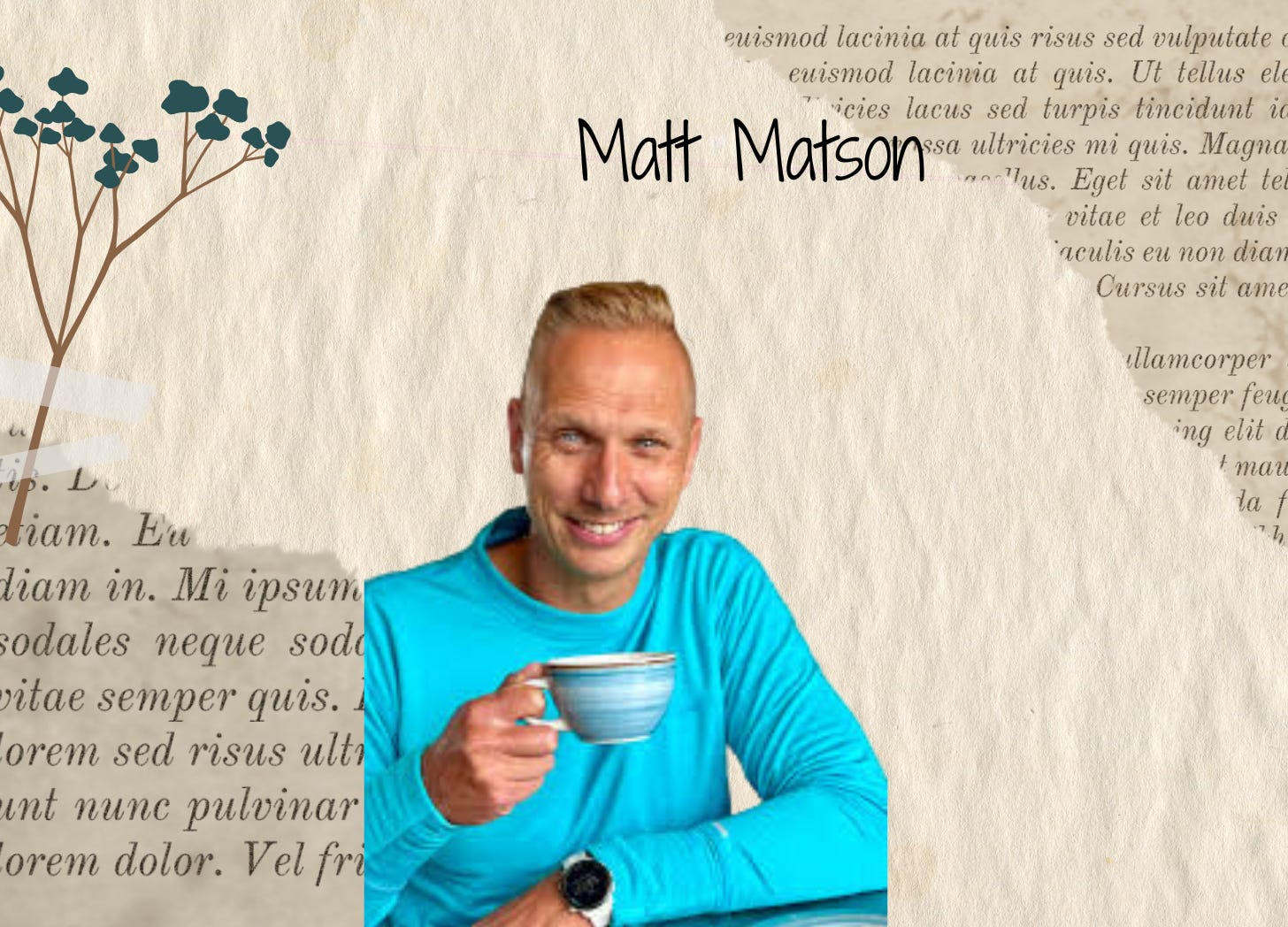
Matt Matson | Practicing vs Performing
In this episode …Topics Covered* Understanding the difference between performance and presence* How busyness and transactional living keeps us from noticing sacredness, but the deeper barrier is internal fear—not of other people but of what we might reveal if we stopped performing and showed up authentic* Why conversation as sacrament doesn’t mean using Christianese or performing religiosity, but practicing noticing these moments as important (maybe even sacred) until you graduate into sensing holiness far more often than you used to* The radical claim that if you just pay attention you’d find one or two moments that were everything you’ve been looking for in the next week* Changing our mindset around interactions to being sacred rather than battlefieldsTimestamps: 01:00 Everyday Sacredness and the Fear People Will Miss It 04:00 Reclaiming “Church” as the Space Between Us 09:00 Performance vs. Presence: The Conditioning That Keeps Us Safe 14:00 Finding Freedom to Just Be in the Pews 19:00 What Keeps Us from Seeing the Ordinary as Holy 26:00 The Holy Work of Silence and Listening 31:00 Abiding in the Vine: Relationship as Spiritual Practice 36:00 Practicing Sacred Conversation Like Crooked Yoga 40:00 What Changes When We Notice This Moment Matters 43:00 Finding the Book and the Between Ministry This is a public episode. If you'd like to discuss this with other subscribers or get access to bonus episodes, visit kateboyd.substack.com/subscribe

S8 Ep 4Shannan Martin | Balancing the World's Heaviness
In this episode of the Untidy Faith Podcast, I sit down with Shannan Martin, author of Counterweights, for a grounding conversation about how her dad’s blue-collar farm wisdom—”carry something equally heavy in the other hand”—became a daily practice for staying upright in a world that feels increasingly overwhelming.Rather than focusing on “toxic positivity” or the “count your blessings” mantra, Shannan teaches us to honestly name the weights we carry and intentionally find counterweights that pull us back to center so we can keep breathing through the chaos and moving toward justice without burning out.Topics Covered* How a blue-collar dad’s practical advice about carrying heavy things to the barn became a metaphor for pulling ourselves back to center when we’re lurching under the weight of collective trauma and constant news cycles* Understanding counterweights as different from gratitude or mindfulness* Why the “abundant life” Jesus promised isn’t prosperity gospel glitter but getting all of it* Learning from incarcerated people at the work release center what accessible counterweights look like* How protecting your peace can mean staying engaged and bearing witness to trauma (especially for those with power and privilege) rather than opting out* Why counterweights are always happening and how naming them with intention increases capacity for moving toward justiceTimestamps: 01:00 Defining Counterweights: Dad’s Blue-Collar Wisdom 05:00 Why This Cultural Moment Needs This Practice 11:00 The Abundant Life: We Get It All 16:00 Avoiding Toxic Positivity While Staying Grounded 21:00 Accessible Counterweights: From Cabinet Scrubbing to Dancing 27:00 Learning from Incarcerated Neighbors About What’s Accessible 32:00 Beauty as Emergency: Increasing Capacity for Justice Work 37:00 Finding the Book and Shannan’s Work This is a public episode. If you'd like to discuss this with other subscribers or get access to bonus episodes, visit kateboyd.substack.com/subscribe
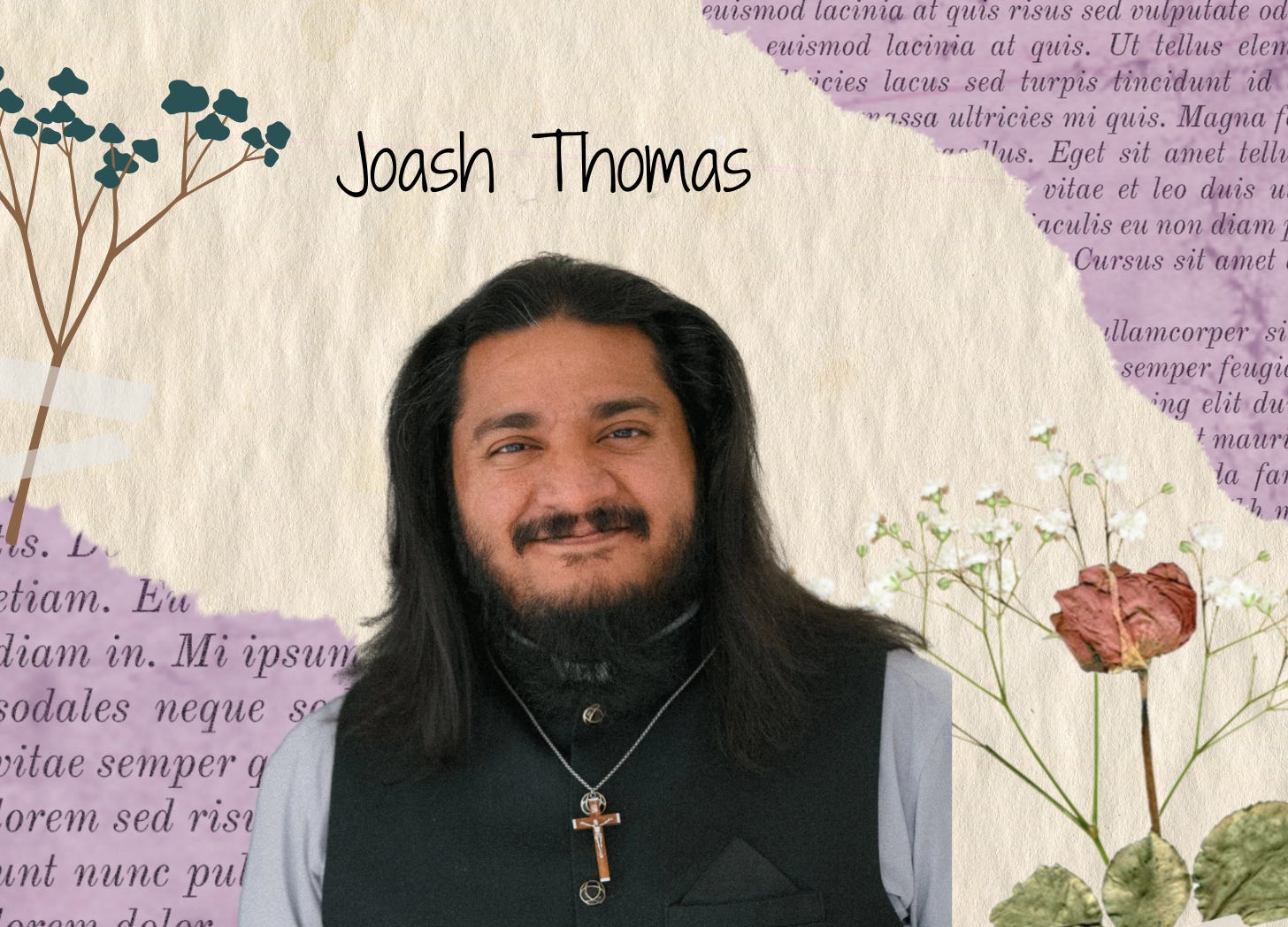
S8 Ep 3Joash Thomas | Colonized Christianity
In this episode of the Untidy Faith Podcast, I sit down with Joash Thomas, author of The Justice of Jesus, for a conversation about how colonization shaped Western Christianity to resist justice, and what recovering our authentic identities—indigenous, spiritual, and human—has to do with embodying the gospel Jesus actually preached.The Western church’s complicity in colonization didn’t just harm the Global South, it also robbed Western Christians of their own indigenous practices and created theology that privileges the spiritual over the physical in ways Jesus never did, and how prayer can be the formative work that transforms us into instruments of justice.Topics Covered* Understanding colonization not as a political buzzword but as lived reality: India went from 25% of world GDP in 1700 to 1% in 1947 after British extraction, and the Western church was largely on the side of oppressors, excusing colonial theft in theological language* Why the gospel being “more spiritual than physical” is colonized theology that doesn’t come from Jesus of Nazareth, whose ministry in Luke 4 explicitly defined good news as setting captives free both physically and spiritually* How empires steal identity by conditioning us to forget who we are beyond labels like “just American” or “just Christian,” and why recovering indigeneity—whether Celtic Christianity or St. Thomas Indian Christianity—reveals pre-colonial traditions offensive to empire* The prophetic journey from outrage to love: starting angry about injustice (righteous and necessary) but being transformed to see Christ in enemies, transcending trauma to become wounded healers rather than perpetuating violence in words or deeds* Why reimagining prayer as formative rather than just intercessory—praying with marginalized communities, not just for them—creates the sustainable oxygen advocates need for long-term justice work without burnoutTimestamps: 01:00 From India to America: Learning Power from the Margins 09:00 Justice as Gospel in Global South vs. “Woke Marxism” in America 15:00 How Colonization Stole Western Christians’ Identities Too 20:00 Loving the Church While Critiquing It 27:00 The Prophet’s Journey from Outrage to Love 32:00 Can Western Churches Pursue Justice? (Yes, Here’s How) 38:00 Reframing Mission: Encountering Jesus in the Margins 45:00 Prayer as the Formative Work of Justice 49:00 Finding the Book and Connecting with Joash This is a public episode. If you'd like to discuss this with other subscribers or get access to bonus episodes, visit kateboyd.substack.com/subscribe
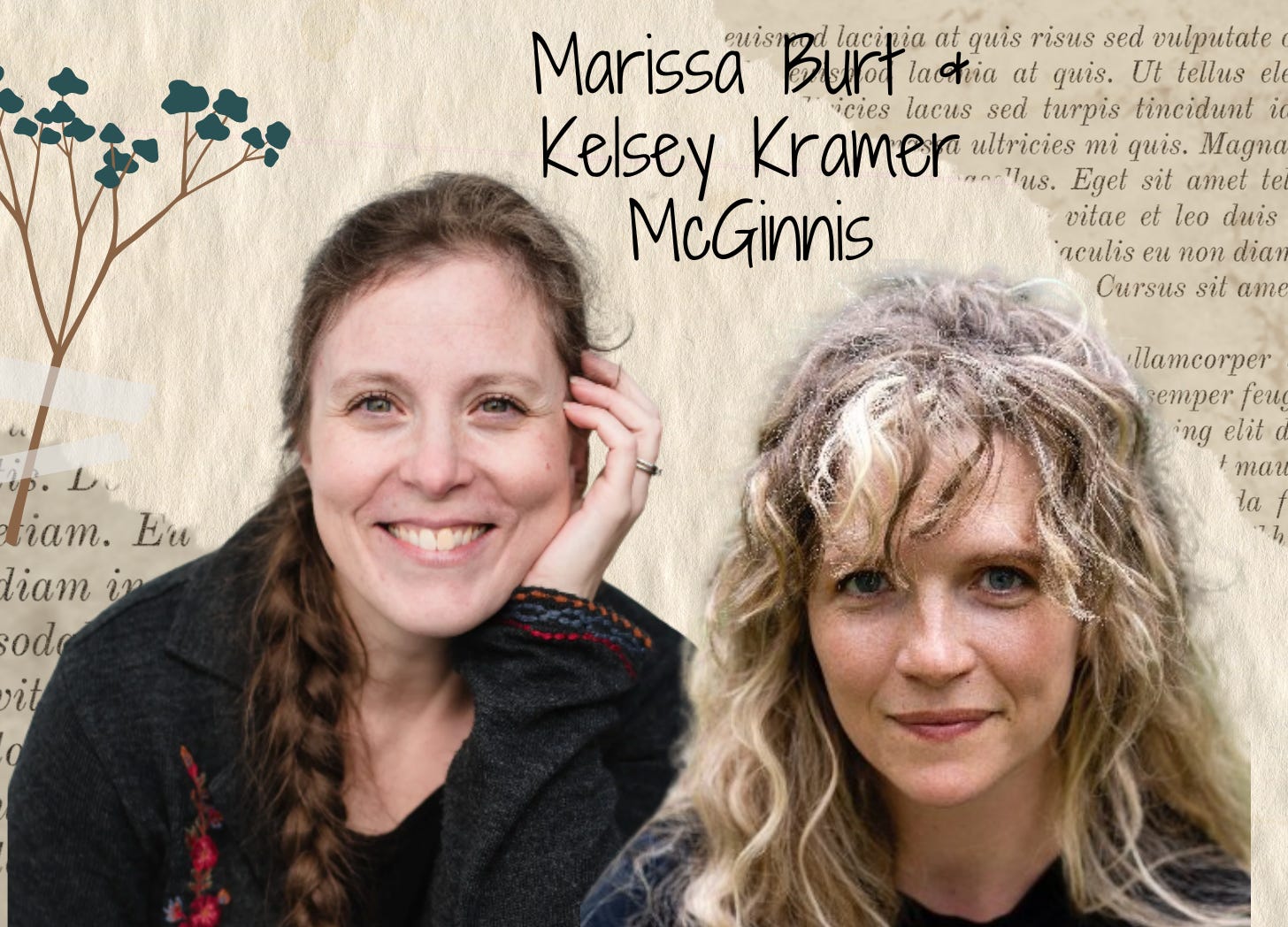
Marissa Burt & Kelsey Kramer McGinnis | The Parenting Prosperity Gospel
In this episode, I sit down with Marissa Burt and Kelsey Kramer McGinnis, authors of The Myth of Good Christian Parenting, for a sobering conversation about how the Christian parenting industry sold families impossible promises wrapped in biblical authority.Critiquing parenting books is important, but we also need to recognize how movements born from 1970s political fears, biblical counseling innovations, and prosperity gospel thinking created authoritarian frameworks that promised godly legacies while actually preventing authentic relationships, and how families can move toward seeing children as fully human neighbors instead of extensions of parental control.Topics Covered* Understanding the false promise of “train up a child in the way they should go” as a guaranteed formula for producing Christian adults, and how this turned children into extensions of parental desire for “kingdom legacy” rather than autonomous persons* Why James Dobson’s Dare to Discipline (1970) is far more a conservative political book about restoring order and authority in response to social upheaval than a Christian or biblical parenting resource* How the biblical counseling movement (starting 1970), inerrancy movement (1978 Chicago Statement), and fears about no-fault divorce combined to create unprecedented emphasis on parental authority as “first principle” and spanking as spiritual practice* The invention of “liturgy spanking”—transforming what was historically just coercive behavior control into a supposedly godly catechesis connected to penal substitutionary atonement, complete with step-by-step manuals* Why these frameworks betray entire families: parents are left ill-equipped to relate to children as individuals when external compliance is mistaken for authentic connection, and adult children reclaiming autonomy creates painful estrangementTimestamps: 01:00 The “Oh No” Moment: When Christian Parenting Advice Doesn’t Add Up 06:00 False Promises of Guaranteed Godly Legacies 12:00 Political Origins: Dobson’s Book as Conservative Response to Social Upheaval 18:00 Biblical Counseling Movement’s Outsized Influence 25:00 The Invention of “Liturgical Spanking” in the 1970s 31:00 How Families Get Betrayed by These Frameworks 37:00 Children as Fully Human Neighbors, Not Property 43:00 Finding the Book and More Resources This is a public episode. If you'd like to discuss this with other subscribers or get access to bonus episodes, visit kateboyd.substack.com/subscribe
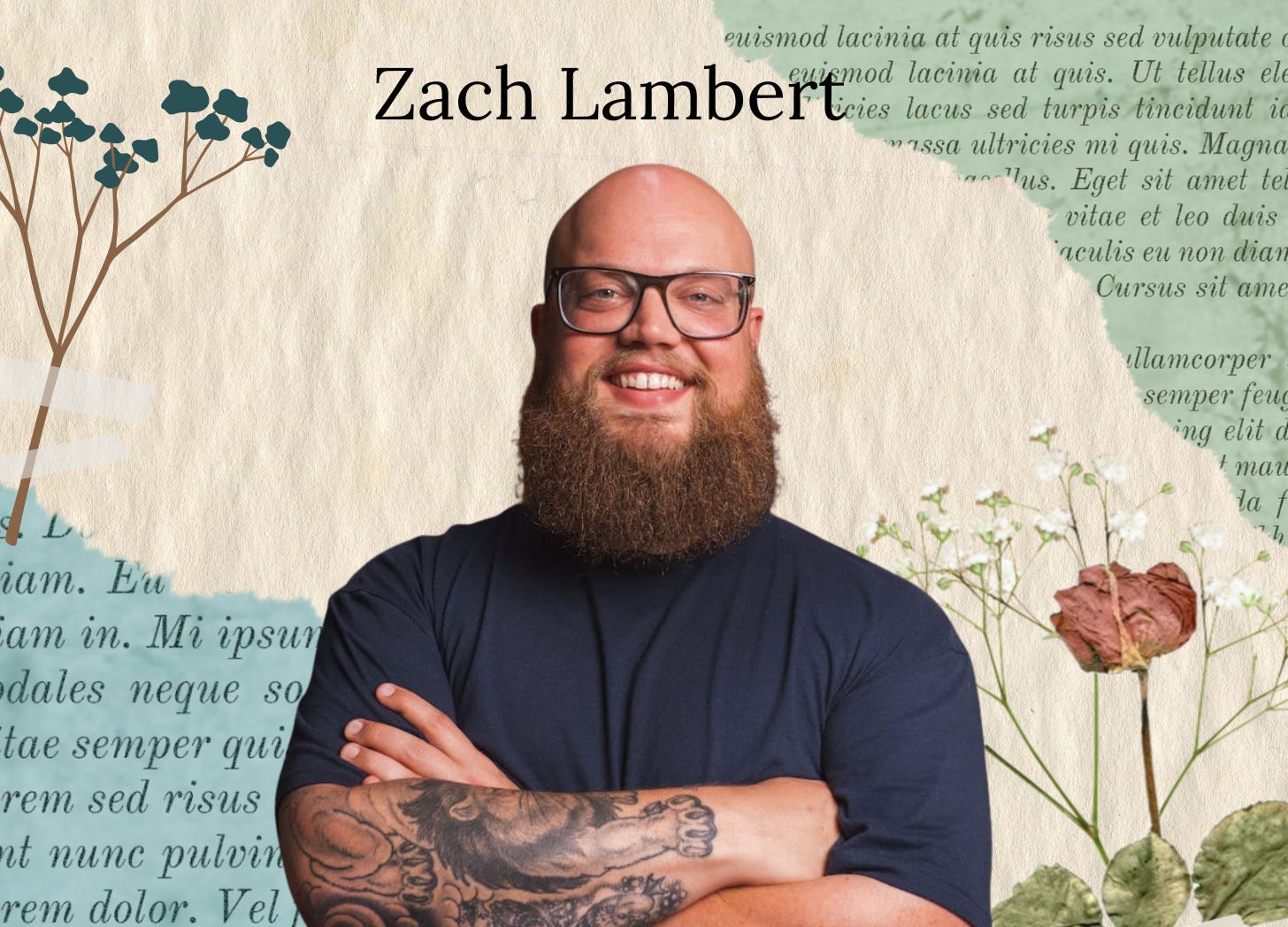
S8 Ep 1Zach Lambert | Rehabbing your relationship with the Bible
In this episode, I sit down with Zach Lambert, author of Better Ways to Read the Bible, for an honest conversation about how to read the Bible in ways that bring life instead of harm.This isn’t just about finding better interpretations—it’s about recognizing how literalism, apocalypticism, moralism, and hierarchy have damaged real people, and learning to read Scripture through lenses that center Jesus, context, flourishing, and fruitfulness instead. Zach offers both deconstruction of harmful patterns and reconstruction of life-giving practices for engaging with the Bible.Topics Covered* How a college professor’s simple assignment to research women like Deborah, Junia, Phoebe, and Priscilla shattered Zach’s assumptions about women’s roles in the church, and why 80% of his class changed their minds after one week* Understanding the 1978 Chicago Statement on Biblical Inerrancy as a recent invention designed to police theological borders by saying “if you disagree with our interpretation, you’re not a Christian”—a form of spiritual abuse that weaponizes God’s name for human control* Why the “apocalypse lens” (obsession with end times, rapture, hell, and judgment) is so pervasive in American evangelicalism: it’s incredibly effective at controlling people through fear, and has influenced American foreign policy for 75 years through Left Behind theology* Learning from a Jewish rabbi that the Bible’s authority comes from its multiplicity of truths—like a crystal refracting light differently depending on who’s reading—rather than excavating one singular “correct” interpretation for every verse* Reframing “God hates divorce” through context and flourishing lenses: understanding that divorce commandments were exclusively given to men in a patriarchal society where divorce was often a death sentence for women, not a universal prohibition against leaving abusive marriages* How humility and healthy diverse community are the essential ingredients for reading Scripture well—because white clergy’s unanimous biblical defense of chattel slavery wouldn’t have survived if they’d been in equitable community with Black peopleTimestamps: 01:00 The Assignment That Changed Everything About Women 06:00 Separating Biblical Inspiration from Human Interpretation 10:00 Social Location and Who Gets Called “Just Theology” 16:00 The Chicago Statement as Spiritual Abuse Tool 21:00 Why Apocalypse Lens Dominates American Evangelicalism 30:00 Detoxing Harmful Patterns Through Humility and Community 35:00 Reframing “God Hates Divorce” Through Healing Lenses 42:00 What Makes God Angry According to the Prophets 45:00 Leading a Church Through Interpretive Diversity 47:00 Finding Zach’s Work and Upcoming Book This is a public episode. If you'd like to discuss this with other subscribers or get access to bonus episodes, visit kateboyd.substack.com/subscribe
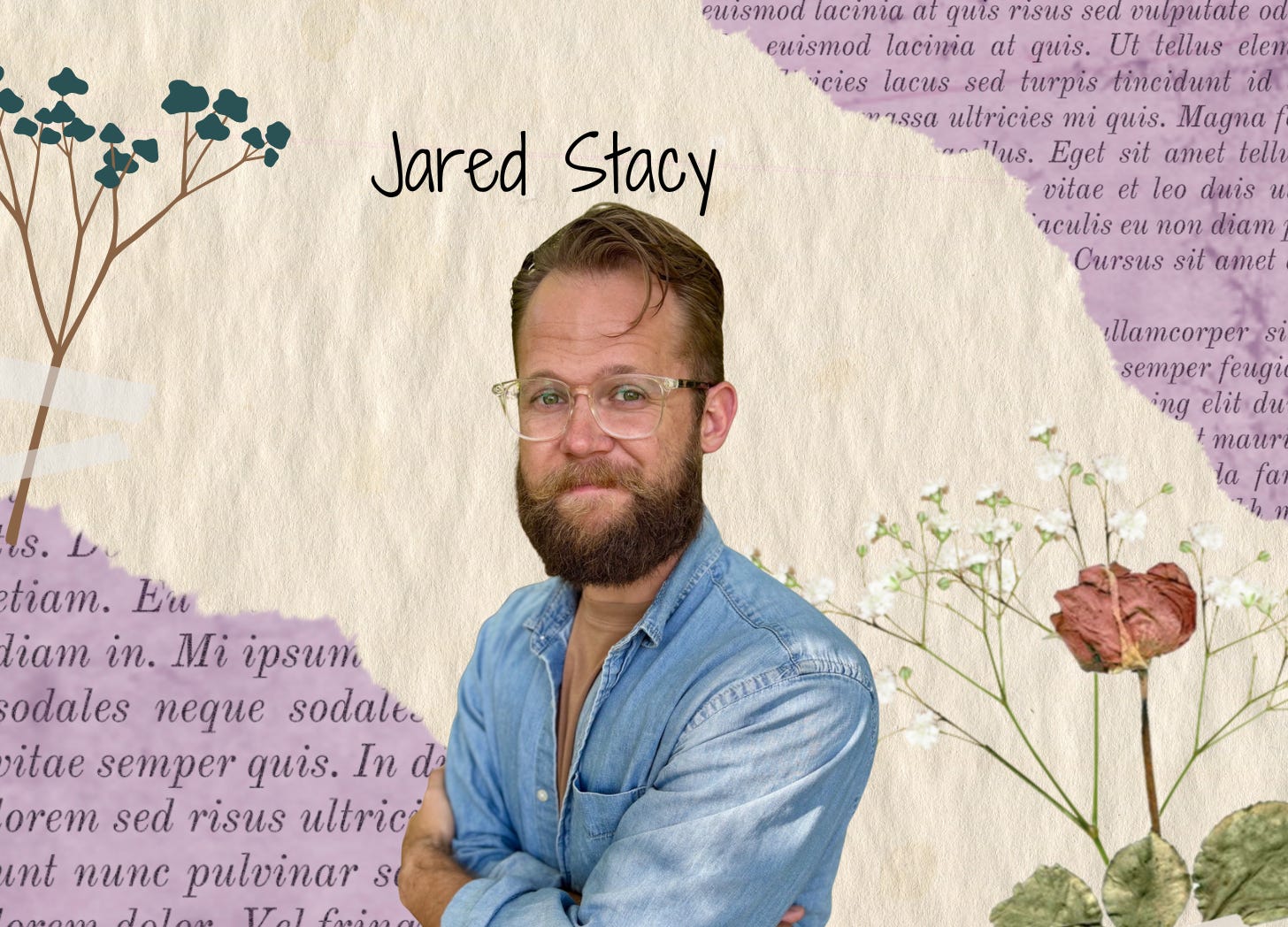
S7 Ep 61Jared Stacy | Conspiracy Thinking in American Evangelicalism
In this episode of the Untidy Faith Podcast, Kate Boyd sits down with Jared Stacy, author of the forthcoming book Reality in Ruins, for a nuanced conversation about why conspiracy theories have become so pervasive in evangelical Christianity and what the church can do about it.This isn’t just about QAnon or stolen elections—it’s about understanding how evangelicalism’s theology of persecution, end-times anxiety, and individualism creates fertile ground for conspiracism, and how reclaiming the whole story of Jesus offers a way forward that doesn’t require us to become fact-checkers but truth-tellers in our own key.Topics Covered* Understanding conspiracy theory as “functional reality” that provides people not just a lens for interpreting the world but prescribes specific actions—like how belief in a stolen election motivated the January 6th Capitol attack* Why evangelicals are particularly susceptible to conspiracy thinking: the combination of persecution complex, end-times theology giving conspiracies a “theological charge,” and modern individualism that seeks control through claiming secret knowledge* How evangelicalism’s witness to the gospel grants conspiracy theories plausibility by packaging spurious claims as “what good faithful Christians believe,” making it feel like apostasy to question them rather than just correcting misinformation* The historical pattern of conspiracy theories serving evangelical responses to cultural anxieties—from George Whitfield using gospel preaching to prevent slave revolts, to Cold War anti-communism, to contemporary fears about losing white Christian America* Why confronting conspiracy theories head-on with facts or mockery only leads to deeper entrenchment, and what questions like “why do you need this to be true?” or “why is that good news to you?” can open up instead* How the church can resist conspiracism not by becoming fact-checkers but by being constituted as Jesus’s body—a “place of reversal” where we discover we were wrong, rehearse the whole story of Jesus, and refuse to settle for anything less than recognizing full humanity in everyoneTimestamps: 01:00 Conspiracy Theory as Functional Reality 06:00 Why Evangelicals Are Susceptible to Conspiracy Thinking 12:00 The Theological Charge That Makes Conspiracies Plausible 18:00 Alternative Knowledge vs. Embodied Truth 24:00 Historical Anxieties Driving Conspiracy Theories 35:00 When Facts and Mockery Don’t Work 45:00 The Freedom to Be Wrong in Christian Community 54:00 Healthy Skepticism Without Conspiracy Thinking 1:03:00 The Church as Place of Transformation and Discovery 1:06:00 Finding Jared’s Work and Forthcoming Book This is a public episode. If you'd like to discuss this with other subscribers or get access to bonus episodes, visit kateboyd.substack.com/subscribe

2 Samuel 23 & 24 | Are we great yet?
In this episode of the Untidy Faith Podcast, Kate Boyd wraps up the year-and-a-half journey through 2 Samuel with returning guests Jenai Auman and Liz Daye, examining chapters 23-24—David’s self-congratulatory final words followed by a devastating census that reveals how little he’s actually learned.This isn’t a triumphant ending to a great king’s reign—it’s a sobering reminder that David’s version of greatness cost 70,000 lives, and his idea of repentance always came after profound devastation that somehow never seemed to affect him personally. The contrast between how David sees himself and what the text actually shows us is the perfect capstone to understanding power’s corruption.And a shoutout to Jon Pyle, Robert Callahan, and Amanda Waldron for being a part of the journey through books of Samuel!Topics Covered* How David’s “last words” in chapter 23 present his self-image as a just ruler bringing cloudless morning prosperity, immediately contrasted by the compilers listing “Uriah the Hittite” among his mighty men—a literary shade that reminds readers of David’s profound injustice* Understanding why David’s census in chapter 24 was such a violation: it risked ritual impurity for the entire nation, mimicked divine power (only gods counted in ancient cultures), and served as the first step toward military conscription, slavery, and exploitation* Why David’s choice of punishment—three days of plague affecting 70,000 people—reveals his continued pattern of self-protection, when he could have chosen three months of fleeing enemies with his “mighty men” that would’ve primarily affected him* The devastating reality that David “makes things right with God” through sacrifice but never repairs things with the people harmed by his choices, mirroring modern patterns where abusive leaders go on apology tours without addressing the actual devastation they caused* How the story ends not with David as hero but with God’s compassion for the land, contrasting David’s transactional understanding of hesed (loyalty) with God’s hesed (compassion)—showing what God actually values versus what David claimed to embody* Why paying attention to prophets and moving toward justice and shalom matters more than celebrating leaders who buy their own hype, and how David delivering Israel into bondage (the census taking nine months—a gestation period) inverts God’s role as deliverer from oppressionTimestamps: 01:00 David’s Self-Hype Poem vs. “Uriah the Hittite” 07:00 The Mighty Men List as Twilight End Credits 14:00 Why the Census Was Such a Big Deal 21:00 David’s Cowardly Choice: 70,000 Deaths 30:00 Repentance Without Repair to the Harmed 38:00 Spiritual Bypassing and Weaponized Forgiveness 47:00 The Angel Who Wouldn’t Stop Judging 55:00 Measuring Success by Empire vs. Jesus 1:04:00 Final Takeaways from the David Journey 1:06:00 Finding the Hosts and What’s Next This is a public episode. If you'd like to discuss this with other subscribers or get access to bonus episodes, visit kateboyd.substack.com/subscribe
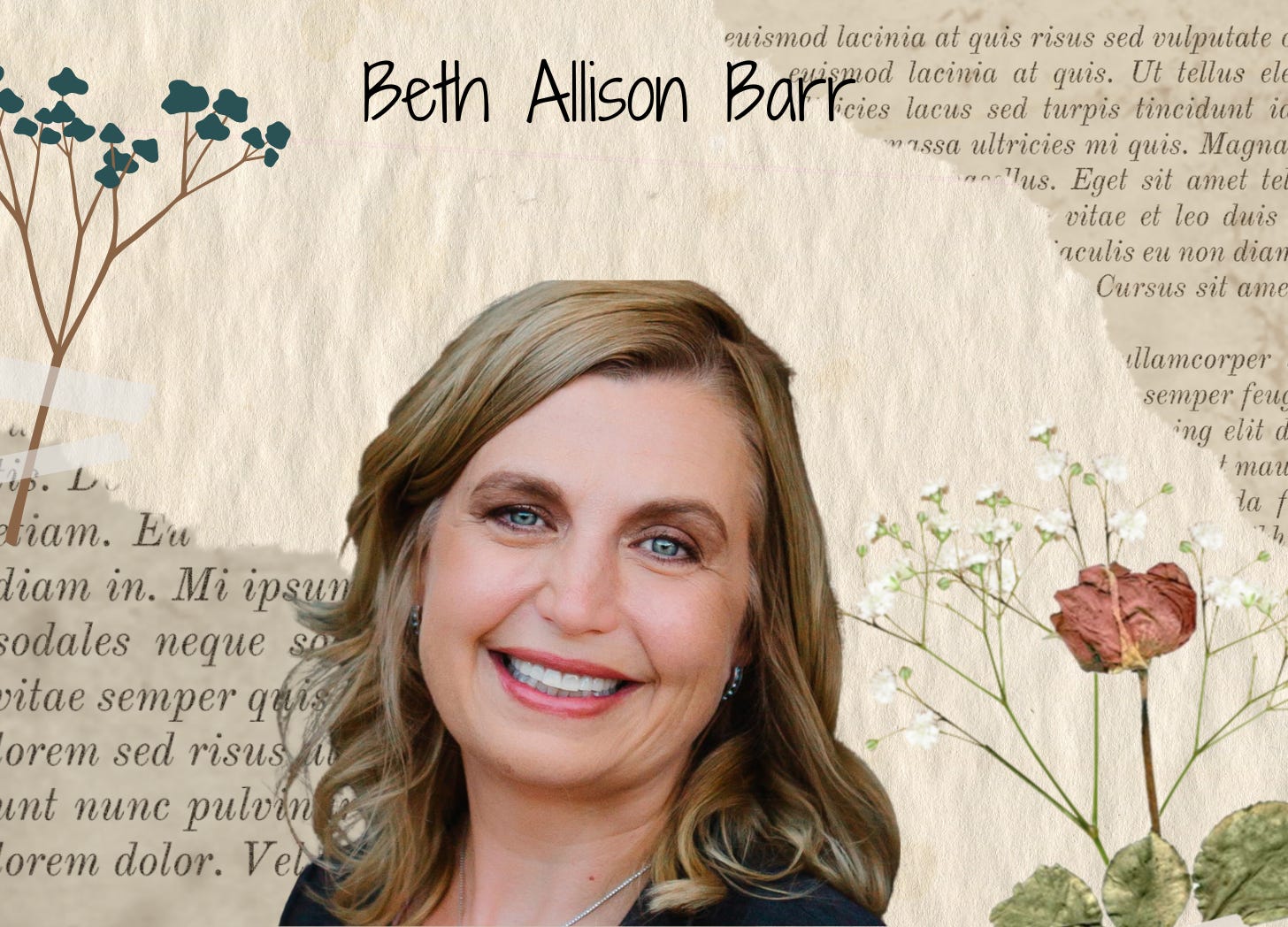
S7 Ep 59Beth Allison Barr | Becoming the Pastor's Wife
In this episode of the Untidy Faith Podcast, Kate Boyd sits down with Dr. Beth Allison Barr, historian and author of The Making of Biblical Womanhood and Becoming the Pastor’s Wife, for a fascinating conversation about how the role of pastor’s wife has functioned to limit women’s leadership in the church.This isn’t just about theological debates—it’s about recognizing how economic anxieties, racial prejudice, and fear of losing privilege have repeatedly driven backlash against women’s independence throughout history, and how biblical language gets weaponized to justify keeping women in subordinate, unpaid positions.Topics Covered* How 2025 marks the 25th anniversary of the 2000 Baptist Faith and Message that encoded complementarian theology into Southern Baptist doctrine, and recognizing this as part of a historical pattern where women’s subordination rises during periods when women gain legal and economic independence* Understanding backlash against women’s ordination as rooted in cultural anxieties—particularly white anxiety about demographic changes and fears about losing economic privilege—rather than purely theological concerns about biblical interpretation* Why the pastor’s wife role has become “the primary ministry role model for women” in conservative churches, creating a safe space for women’s gifts while simultaneously keeping them under male authority and conditioning congregations to reject independent female leadership* The economic reality that women’s ministry is almost always expected to be unpaid volunteer work while men’s ministry comes with salaries and benefits, revealing how “noble calling” language masks structural inequality and devalues women’s contributions* How closely associating female leadership with marriage trains churches and broader culture to only accept women’s authority when it’s subordinate to men, contributing to resistance against women in business, politics, and other spheres beyond the church* What the church has lost by silencing women’s theological voices, contrasting with historical examples like Catherine of Siena convincing the Pope to return to Rome because medieval Christianity respected that “God spoke through women to men”Timestamps: 01:00 25 Years of Complementarian Theology’s Damage 05:00 Cultural Anxieties Driving the Backlash Against Women 10:00 How Economic Fears Shape Attitudes Toward Women’s Equality 14:00 The Pastor’s Wife Role as Gatekeeper to Female Leadership 19:00 Unspoken Expectations and Their Cost to Women 23:00 What the Church Loses Without Women’s Voices 28:00 Historical Hope: Women Who Never Stopped Speaking 32:00 Finding Beth’s Work and Resources This is a public episode. If you'd like to discuss this with other subscribers or get access to bonus episodes, visit kateboyd.substack.com/subscribe

S7 Ep 582 Samuel 21 & 22 | When Victors Write the History
In this episode of the Untidy Faith Podcast, Kate Boyd, Jenai Auman, and Liz Daye continue their exploration of 2 Samuel, examining chapters 21-22—a jarring collection of appendices that reveal David’s legacy through violence, political maneuvering, and self-congratulatory poetry.This isn’t a triumphant conclusion to David’s reign—it’s a sobering look at how powerful people rewrite history to justify harm, and how the quiet faithfulness of marginalized women like Rizpah often goes unnoticed while loud, self-serving declarations get preserved as “worship.”Topics Covered* Understanding the structural shift in 2 Samuel 21-24 from linear narrative to a collection of “appendices” that are deliberately out of chronological order, giving different perspectives and even contradicting earlier accounts like the story of who actually killed Goliath* How David responds to a three-year famine by asking the Gibeonites (not God) how to fix it, resulting in the execution of seven of Saul’s descendants—a solution that violates Torah patterns of repentance while serving David’s political interests by eliminating threats to his throne* The prophetic witness of Rizpah, a concubine who holds vigil over her sons’ desecrated bodies for six months, whose quiet faithfulness actually lifts the famine when David finally gives the bodies proper burial—yet most major commentaries ignore her story entirely* Why the famous contradiction about Goliath’s death (attributed to Elhanan here rather than David) reveals how stories were shaped to serve David’s propaganda, showing us that “history favors the victor” and inviting us to read with suspicion* Examining David’s Psalm in chapter 22 as an unreliable narrator’s self-congratulatory rewriting of history, claiming blamelessness and righteousness while celebrating violence and conquest that directly contradicts Torah values and God’s vision for leadership* How hyper-spiritualizing language gets weaponized to justify harm—from David’s beautiful words masking brutal actions to modern Christian nationalism using similar rhetoric to consolidate power while claiming God’s blessing on violence and oppressionTimestamps: 01:00 Chapter 21: Famine, Gibeonites, and Political Pragmatism 06:00 David’s Solution: Execution Instead of Repentance 12:00 Rizpah’s Vigil: Six Months of Prophetic Witness 18:00 Why Most Commentaries Erase Rizpah’s Story 24:00 The Goliath Contradiction and David Propaganda 33:00 Chapter 22: David’s Self-Congratulatory Psalm 42:00 Rewriting History: When Beautiful Words Mask Violence 52:00 Context Matters: Why We Can’t Proof-Text Our Way Through 59:00 Reading with Suspicion and Through the Lens of Torah 1:04:00 Loud Posturing vs. Quiet Faithfulness 1:10:00 Finding the Hosts Online This is a public episode. If you'd like to discuss this with other subscribers or get access to bonus episodes, visit kateboyd.substack.com/subscribe
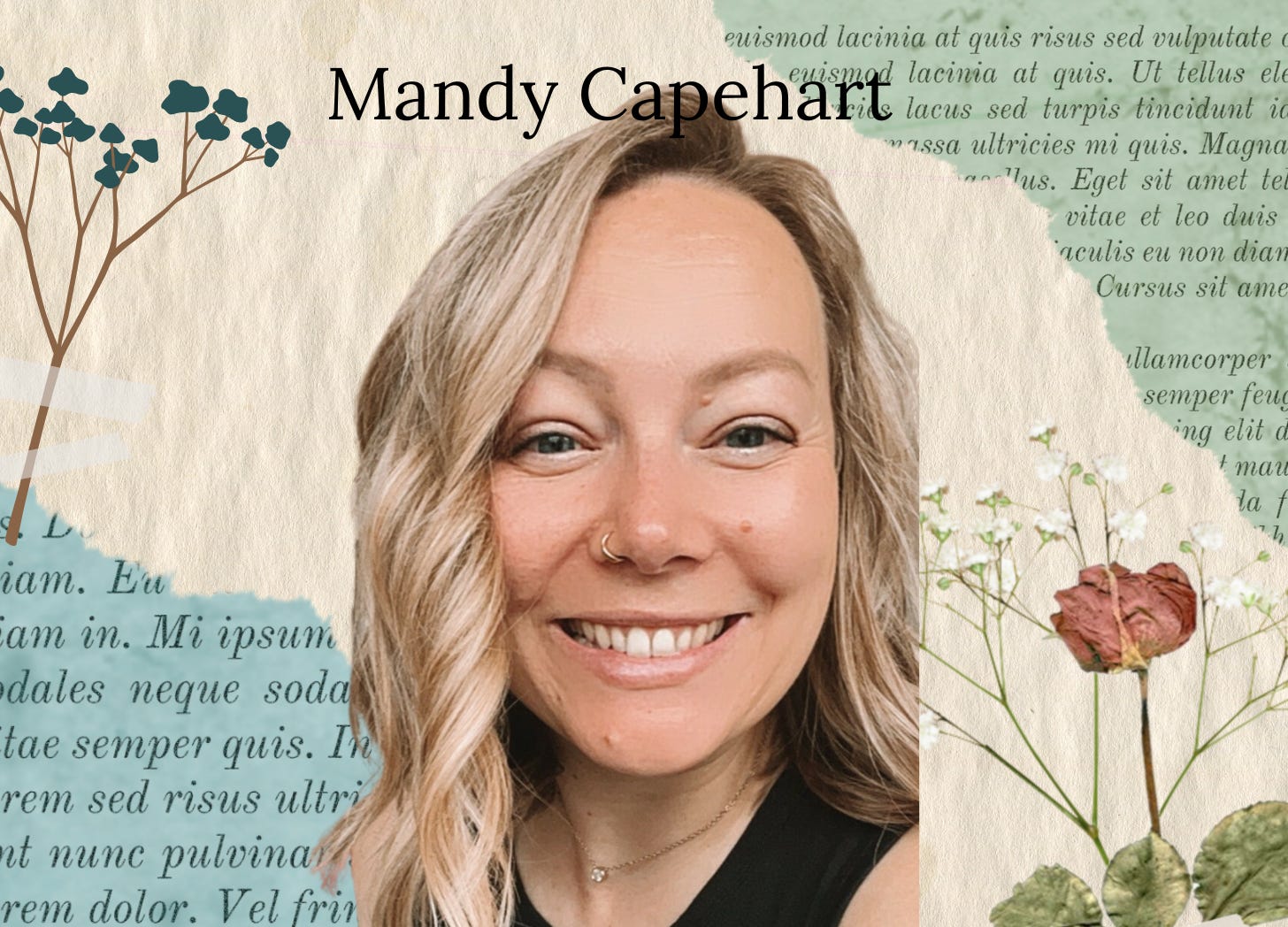
S7 Ep 57Hidden Grief of Deconstruction | Mandy Capehart
In this episode of the Untidy Faith Podcast, Kate Boyd sits down with Mandy Capehart, author of Restorative Grief, for an intimate conversation about how faith deconstruction is actually a complex grief process that affects every dimension of our lives.This isn't just about changing your theology—it's about recognizing that when we deconstruct faith, we're grieving the loss of safety, belonging, community, identity, and even our relationship with our own bodies. Mandy offers a compassionate framework for understanding why this process is so difficult and how healing can happen holistically.Mandy Capehart is a grief educator, somatic practitioner, and author of Restorative Grief. She hosts the Restorative Grief podcast and leads the Restorative Grief Project, a supportive online community. Her work focuses on helping people understand grief as a holistic experience that involves heart, mind, body, and spirit.Topics Covered* Understanding faith deconstruction as a layered grief process that involves losing "the systems and structures that have really shaped our sense of safety, belonging, and community," not just changing beliefs about theology or biblical interpretation* How leaving faith communities mirrors other major life transitions like divorce or coming out, particularly when "we have disrupted our foundation" and can no longer rely on our faith as the solid rock during other difficulties* The difference between fitting in and true belonging, and how many people discover they were conditionally accepted in their faith communities only when they could edit themselves to match expectations rather than bring their full selves* Why intellectualizing deconstruction can become a protective strategy that creates "an illusion of control" while avoiding the necessary work of processing how these changes affect us emotionally and somatically in our bodies* How faith communities often suppress connection to our physical selves, leading to embodied symptoms like "tightness in their throat, in their chest" and the inability to speak authentically when our voices have been deemed unsafe or invalid* The transformative power of learning to "take up space" and speak with authenticity, even when it means risking correction or disagreement, and finding safety in being humbled while maintaining belongingTimestamps: 01:00 What Are We Actually Grieving in Faith Deconstruction? 05:00 Beyond Theology: How Environment and Values Shape Us 11:00 Why Faith Deconstruction Looks Like Divorce 18:00 Grieving Community and the Loss of Belonging 23:00 Identity Grief: When Labels and Roles No Longer Fit 29:00 How Grief and Transition Show Up in Our Bodies 36:00 Learning to Take Up Space and Use Our Voices 40:00 Restorative Grief: Finding Safety in the Eye of the Storm 47:00 Finding Mandy's Work and Resources This is a public episode. If you'd like to discuss this with other subscribers or get access to bonus episodes, visit kateboyd.substack.com/subscribe

S7 Ep 562 Samuel 20 | The god of Christian nationalism
In this episode of the Untidy Faith Podcast, we continue our deep dive into 2 Samuel with Kate Boyd, Jenai Auman, and Liz Daye — examining chapter 20 and its stark contrasts between violence and peacemaking, power and wisdom.This isn't just ancient history—it's a cautionary tale about what happens when leaders prioritize power over God's vision of shalom, and how the pursuit of control creates systems that harm the most vulnerable while claiming to restore order.Topics Covered* How Sheba's rebellion represents a more serious threat to David's kingdom than Absalom's revolt, with "all the men of Israel" deserting David and foreshadowing the eventual split of the kingdom that echoes this same rallying cry* Understanding Joab's brutal murder of Amasa as the physical embodiment of David's strategic manipulation—both men eliminate threats to maintain power, but Joab does openly what David orchestrates from behind the scenes* Examining the treatment of David's ten concubines as property that gets "handled" rather than cared for, showing how David's view of women as disposable objects extends from Michal to these women who are condemned to live "as widows until the day of their death"* The contrast between male violence and female wisdom through the unnamed "wise woman" who speaks in poetry to negotiate peace, representing the biblical pattern of women stepping up to end conflicts when men create chaos through their pursuit of power* How the concept of shalom differs from simple peace or absence of conflict—it represents "the harmony between things and the right relatedness of things," a holistic vision of flourishing that stands in stark opposition to David's hierarchical kingdom* Why the chapter's ending list of David's officials, including someone "over forced labor," reveals a kingdom that has abandoned God's Torah vision and adopted the oppressive practices of surrounding empires, directly contradicting Israel's identity as people freed from slaveryTimestamps: 01:00 Sheba's Rebellion: A More Serious Threat Than Absalom 03:00 Joab's Betrayal Kiss: Violence to Maintain Power 06:00 The Concubines: How David "Handles" Women as Property10:00 The Wise Woman: Poetry, Peace, and Maternal Protection 16:00 Shalom vs. Power: Two Visions of Community 24:00 God's Absence and the Politics of David's Kingdom 28:00 David as the god of Christian Nationalism 33:00 Reading Narrative as Literature: Seeing the Bigger Picture This is a public episode. If you'd like to discuss this with other subscribers or get access to bonus episodes, visit kateboyd.substack.com/subscribe