Unsettled
102 episodes — Page 1 of 3
Ep 102Inside the Campaign to Block Israel’s War Ships
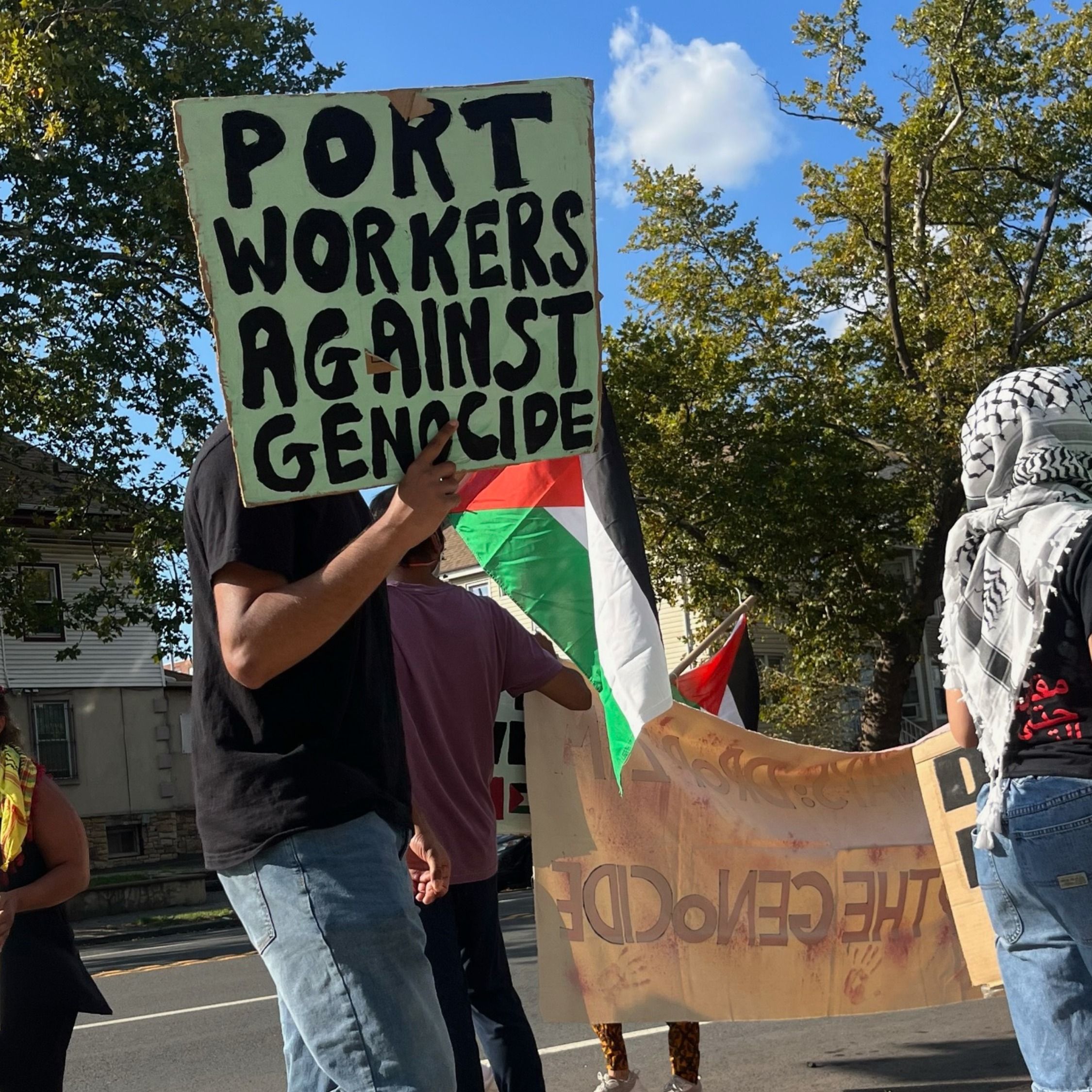
As violence continues in Gaza, a new strategy inside the Palestine solidarity movement is taking shape — one aimed not at city streets or college campuses, but at the arteries of the global economy.Around the world, dockworkers have refused to unload ships tied to Israel’s military supply chain. In Italy, Morocco, India, and Sweden, those refusals have sparked national strikes and port shutdowns. But in the United States — where 70% of Israel’s weapons originate — things look very different.This episode dives into the complicated reality facing American activists trying to “block the boat”: a divided labor movement, powerful unions with clashing politics, and a military-industrial complex that shields its most sensitive logistics behind military bases and Air Force cargo planes.We meet East Coast organizers struggling to reach conservative longshore workers, West Coast veterans who once helped stop South African apartheid cargo, and the researchers studying how social-movement unionism succeeds — and fails.What power do workers really have to stop the flow of war? And what happens when activists push that power to its limits?This is a republished episode from Things That Go Boom.Guests: Tova Fry, organizer and activist with Port Workers & Communities for PalestineKaty Fox-Hodess, Senior Lecturer at the University of SheffieldRafeef Ziadah, Senior Lecturer at Kings CollegeLara Kiswani, Executive Director of the Arab Resource & Organizing CenterClarence Thomas, retired dock worker at ILWU Local 10Charmaine Chua, Acting Associate Professor of Geography at the University of California, BerkeleyAdditional Resources: Community picket lines and social movement unionism on the US docks, 2014–2021: Organizing lessons from the Block the Boat campaign for Palestine, Katy Fox-Hodess and Rafeef Ziadah, Critical SociologyReds or Rackets? The Making of Radical and Conservative Unions on the Waterfront, Howard KimeldorfThis Union Is Famous for Opposing South African Apartheid. Now It’s Standing With Gaza., Sarah Lazare, The NationDockworker Power: Race and Activism in Durban and the San Francisco Bay Area, Peter ColeUnsettled is currently producing an audio documentary about the Hammads, a Palestinian family who escaped the Genocide in Gaza and who are currently rebuilding their lives in Dublin. If you’re a long time Unsettled listener, you may have heard the voice of Isam Hammad in previous episodes. If you haven’t heard them yet, it’s a good time to go back and listen for some background: The Great March (Gaza, ep. 1)Isam Hamad: "What sort of a life is this?"An update from Isam Hamad
Ep 101In Remembrance: Awdah Hathaleen
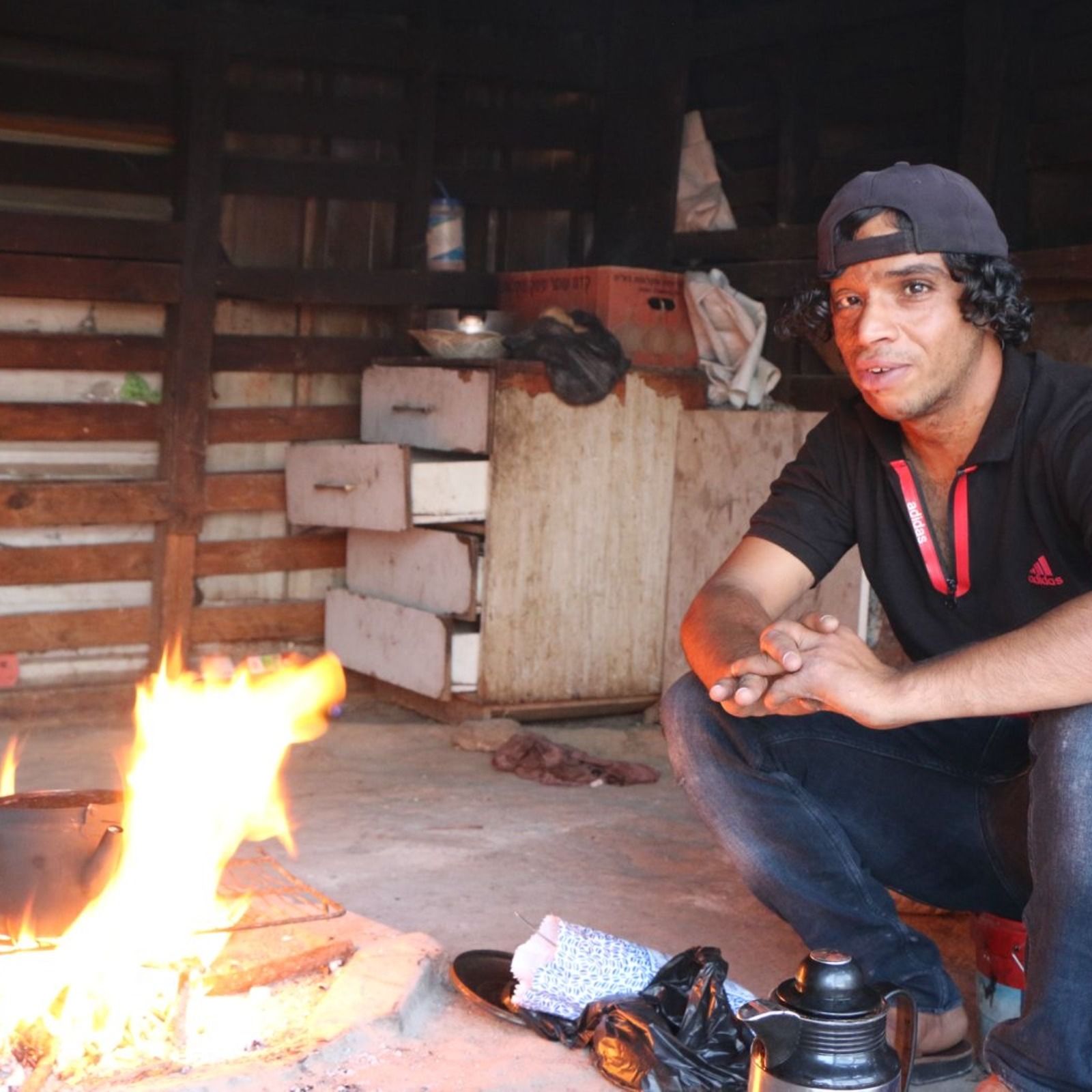
In remembrance of Awdah Hathaleen, who was murdered by an Israeli settler on Monday, July 28th, Unsettled Podcast has created a compilation of our previous conversations with him. Awdah was a 31-year-old father of three young sons, a teacher, a tireless activist for Palestinian rights and a frequent guest on Unsettled. He welcomed hundreds of international activists to Umm al-Kheir, his village in the West Bank, including Unsettled producers Emily and Max. The day after Awdah’s death, mourners in Umm al-Kheir were attacked by the Israeli military, who arrested several friends and family members. At the time of this episode release, many are still in jail. On Thursday, July 31st, more than seventy women in Umm al-Kheir began a hunger strike to demand the release of Awdah's body to his family, which Israel is reportedly refusing until the community promises not to bury him in Umm al-Kheir.Eyewitness Testimony of July 28th:"‘The most peaceful person’: Umm Al-Khair mourns activist slain by Israeli settler," +972 Magazine (July 29, 2025)Awdah's writings:"In Umm al-Khair, the occupation is damning us to multigenerational trauma," +972 Magazine (July 22, 2024)"We don’t just live through one home demolition — we live through them all," +972 Magazine (November 18, 2021)Awdah on Unsettled Podcast:The Birthday Party (2022 Series)"Escalation in the South Hebron Hills: Awdah Hathaleen" (January 27, 2023)Unsettled Reporting on The South Hebron Hills & Masafer Yatta
Ep 100An Ask from Unsettled
Since the small team at Unsettled started producing the show seven and a half years ago, we've published almost 100 episodes — personal stories, expert interviews and reported documentaries. To keep going in 2025, we need the support of listeners like you. We're participating in a collaborative fundraising campaign to support independent journalism called NewMatch. Now until December 31st, donations of up to $1,000 will be matched, dollar for dollar. Donate here: https://unsettled.fundjournalism.org/donate/

Ep 99"Ethnic cleansing by a thousand cuts": an update from the South Hebron Hills
In this episode of Unsettled, we hear from Ali Awad, a 26-year-old activist and translator living in Tuba, a village in a region of the west bank called Masafer Yatta in the south Hebron Hills. Ali’s livelihood and wellbeing have always been vulnerable to Israeli settler violence and threats of expulsion by the government. But since October 7th 2023, it's been like nothing he's ever seen. Ali shares about the past few months of restricted movement, violence from settlers, and his efforts to stay in his home.We also speak to Maya Rosen, an American activist and journalist based in Jerusalem, about settler-soldier militias, and how her activism has changed. For more Maya and Ali, and for more context on the South Hebron Hills, listen to all of Unsettled's previous reporting on the area, collected in this Spotify playlist.Unsettled is produced by Emily Bell, Max Freedman and Ilana Levinson. Music in this episode from Blue Dot Sessions.To support the longevity of the show, consider making a donation before the end of the year: https://unsettled.fundjournalism.org/donate/. Donations will allow us to continue creating episodes like this one, and increase the capacity of our team.

Ep 98Matt Duss: "It is not a war of self-defense. It is a war of choice."
With the one year anniversary of October 7th last Monday, Unsettled followed up with previous guest Matt Duss to ask him about President Biden's approach to foreign policy, military escalations in Lebanon, and what the upcoming U.S. presidential election may mean for the U.S.' policy towards Israel.Matt is a past president of the Foundation for Middle East Peace, and he was the foreign policy advisor to Senator Bernie Sanders for five years. He is currently the Executive Vice President of the Center for International Policy. For More:Matt Duss: "This is not a moment where people are making good policy"

Ep 97Rabbi Abby Stein: "There's a long, long road ahead"
It’s currently high holiday season, the holiest time in the Jewish calendar. Rosh Hashanah, was last week and Yom Kippur begins tonight at sundown. The one year anniversary of October 7th fell in between. This year, there's a new resource — a High Holidays directory created by Rabbis for Ceasefire. Since their formation after October 7th, 2023, there are now hundreds of members of Rabbis for Ceasefire. They’ve provided pastoral care to college students participating in encampments, led Jewish ritual at protests and gotten arrested doing civil disobedience. One of their founding members is Rabbi Abby Stein.In addition to being a Rabbi for Ceasefire, Abby is author who has regularly writes about gender and sexuality. In 2019 she published her memoir, “Becoming Eve: My Journey from Ultra Orthodox Rabbi to Transgender Woman.” Abby is also a member of Jews for Racial and Economic Justice, IfNotNow and the JVP Rabbinical Council. She’s currently part of the clergy team at Kolot Chayeinu in Brooklyn.Unsettled Producer Emily Bell reached out to Abby to learn more about the Rabbis for Ceasefire High Holidays directory, and how spiritual leaders like her are approaching this sacred time of reflection and interpreting Torah during this confluence of dates.For More:Rabbis for CeasefireRabbi Miriam Grossman: "We act and we do not wait for hope"

Ep 96Shahd Safi's fight to reclaim hope
On October 31, 2023, Unsettled aired an interview with 22-year-old Shahd Safi, a university student and freelance journalist from Gaza. At the time, she was living in her grandparents house in Rafah, a couple miles away from her own home where she’d evacuated after October 7th. She was living with her siblings and cousins, unable to go to school or even leave the house much. For the past year, Shahd has had to make impossible calculations in order to survive. By December, her family was running out of their basic needs, waiting on long lines for water at mosques and from UN aid workers. In February, after hearing about a possible Israeli invasion of Rafah, Shahd started to think seriously about leaving Gaza. One year later, her circumstances are very different: she's now is in the U.S., pursuing a bachelor's degree in human rights and written arts. Unsettled has been in touch with Shahd throughout the year, following her journey. In this episode of Unsettled, Producer Ilana Levinson speaks with Shahd about the last year of her life: where she's been, and what she had to do to get where she is now.

Ep 95Asaf Calderon: "The problem as we understand it is Zionism"
Today is October 7th, 2024. One year ago, thousands of militants led by Hamas launched a multi-front attack on Israeli towns and military bases, killing over 1,100 people and abducting over 250. Israel responded to the October 7th attack with one of the most destructive military campaigns in history, displacing most people in the already poverty-stricken, besieged Gaza Strip. To date, Israel has killed at least 41,000 people in Gaza– but experts say the numbers are likely higher, given that Gaza’s healthcare systems have been all-but obliterated, and many bodies remain unidentified, lost under the rubble of what was once Gaza’s homes, schools, and mosques. The brutality of Israel’s assault on Gaza has mobilized movements around the world to demand a ceasefire, and prompted South Africa bring accusations of Genocide against Israel in the International Court of Justice. Of the remaining hostages in Gaza, many have died, some executed by Hamas militants, some killed by the Israeli Defense Forces. As we reach the one year anniversary of October 7th, how should we make sense of this day? How should we mark it? Many Israelis and those whose sympathies lie with them will grieve, and make space to remember what was, for many, one of the worst days of their lives. But for thousands of Palestinians – and now Lebanese people, too– they’re still fighting for their survival. how can we stop and remember if the horror persists for so many?Shortly After October 7th, 2023 Asaf Calderon left the Unsettled team as a producer, and started a new movement of anti-Zionist Israelis living in the United States, called Shoresh. Last week, Unsettled Producer Ilana Levinson sat down with Asaf to talk about creating Shoresh, and how that work has helped him understand the anniversary of October 7th.
Ep 94Our Voicemail Is Open
On October 14th, 2023, we set up a voicemail and invited listeners to share their thoughts and feelings with us. We received messages of grief, fear, and anger at the violence in Israel-Palestine. Now, somehow, we’re coming up on a year of atrocities and massacres, and the destruction of countless families and homes. Like many of our listeners, we’ve been thinking about the upcoming anniversary of October 7th.So we wanted to open up our voicemail again. Send us your thoughts and messages– maybe to people in power, to someone you’re no longer in touch with, or maybe a stranger. You can call in with your name, or stay anonymous. Know that we may use your note in an upcoming episode of Unsettled or on our social media. Leave a message at 347-878-1359.

Ep 93Tareq Baconi: The assassination of Ismail Haniyeh
Last Wednesday on July 31st, Hamas’s top political leader Ismail Haniyeh was killed in Iran. Haniyeh came to the capital city of Tehran for the presidential inauguration when an explosive device went off in the guest house where he was staying. Just hours before, Haniyeh had met with Iranian Supreme Leader Ayatollah Ali Khamenei. Israel hasn’t taken responsibility for the attack, but they're widely believed to be responsible– especially given Israel’s history of targeted political assassinations. Haniyeh’s killing happened one day after Israel killed Hezbollah commander Fuad Shukr in Lebanon. Haniyeh was killed in the middle of ceasefire negotiations between Hamas and Israel. With the death toll in Gaza nearing 40,000, and the family members of the Israeli hostages desperately calling for a prisoner exchange, the pressure to come to an agreement has been mounting. But Ismail Haniyeh was a chief negotiator in those talks– and now, the chances of arriving at a deal seem further than ever.Iran has vowed to retaliate against Israel for the attack on their soil. As of Thursday August 8th, that hasn’t happened yet, but many now fear that tensions could lead to a wider regional war. In this collaboration between Unsettled Podcast and Jewish Currents, Unsettled producer Ilana Levinson interviews Tareq Baconi, author of Hamas Contained: The Rise and Pacification of Palestinian Resistance to make sense of these developments and what Haniyeh’s assassination means for the future. This episode was a collaboration between On the Nose and Unsettled Podcast. It was produced by Ilana Levinson, with Emily Bell, Arielle Angel, and Alex Kane. Music in this episode from Blue Dot Sessions.Further Reading:“Hamas Contained: The Rise and Pacification of Palestinian Resistance,” Tareq Baconi“Hamas: Gaza (Ep 3),” Unsettled Podcast“Tareq Baconi: ‘There’s no going back’,” Unsettled Podcast“Regional War: An Explainer,” Alex Kane and Jonathan Shamir, Jewish Currents

Ep 92The Columbia Encampment
On Tuesday April 30th, Columbia University President Minouche Shafik called the New York Police Department to clear the campus of students who had erected an encampment in solidarity with Palestine. Columbia's encampment was one of hundreds of similar campus demonstrations across the United States, many of which were also removed by the police. Unsettled visited Columbia's encampment the week before it was cleared, and spoke to some of those involved about what they hoped to achieve through their protest. Unsettled is produced by Emily Bell, Max Freedman, and Ilana Levinson, with support from Asaf Calderon. This episode was written and produced by Ilana Levinson. Our theme music is by Nat Rosenzweig. Additional music from Blue Dot Sessions.

Ep 91'Ayeka': a new song from Aly Halpert
For this episode of Unsettled, we’re doing something we’ve never done before: premiering a new song.Aly Halpert makes music used in synagogues and Jewish song circles. If you listened to our last episode featuring Rabbi Miriam Grossman, you heard Aly’s tune for the prayer 'Ashrei' as part of a service led by Rabbis for Ceasefire. Today, Aly is releasing a new song called 'Ayeka': the first time she has used her music to directly respond to the violence in Israel-Palestine. Aly spoke to Unsettled producer Ilana Levinson about her inspiration for 'Ayeka', her writing process, and what she hopes the song will do for listeners.'Ayeka' Spotify Pre-Save LinkAly Halpert on Bandcamp

Ep 90Rabbi Miriam Grossman: “We act and we do not wait for hope”
Since the start of the Israel-Hamas war, grief and rage have brought thousands of people to the streets to demand a ceasefire. One of the many groups that have mobilized in the U.S. is Rabbis for Ceasefire. One of these rabbis is Miriam Grossman, who led until recently the congregation Kolot Chayeinu in Brooklyn, New York.Unsettled producer Ilana Levinson recently sat down with Rabbi Miriam to ask her what it means to be a rabbi for ceasefire, especially when so many rabbis and other Jewish leaders are standing in lockstep with the state of Israel. Where in Jewish texts and traditions does she find the call to oppose the war? How does she keep going?Unsettled is produced by Emily Bell, Max Freedman, and Ilana Levinson. Music in this episode from Blue Dot Sessions and Aly Halpert.

Ep 89An update from Isam Hamad
The last time we featured Isam Hamad on Unsettled was a few days after the October 7th attacks, when Israel had just begun its bombardment of the Gaza Strip. At the time, Isam and his family — including his 93-year old father and a son with cerebral palsy — were still in their home in Gaza City. But a few days later, they were forced to evacuate south to the city of Rafah, near the Egyptian border.Before this war, the population of Rafah was about 250,000. Now, it’s over a million, with many families living in tents and some on the streets. Isam lives in a three-story house with 46 other people. Recently, he was able to get a family reunification visa from Ireland, because one of his children was born there. But he’s still waiting for approval to leave.In this episode, producer Ilana Levinson talks to Isam Hamad about leaving his home, living in Rafah, and the difficult choices ahead.Unsettled is produced by Emily Bell, Max Freedman, and Ilana Levinson, with support from Asaf Calderon. Music in this episode from Blue Dot Sessions.

Ep 88Talking to Our Families
EJust before Thanksgiving, we asked listeners to call in and tell us about how they’re navigating conversations with their families, friends, and communities in this moment—as Israel responds to the October 7th attacks with unprecedented destruction in Gaza. What has worked in getting through to loved ones, and what hasn’t? How are people are managing these relationships, or coping with their feelings about them?On this episode—a collaboration between Unsettled and Jewish Currents magazine's On the Nose podcast—Unsettled producer Ilana Levinson joins Jewish Currents editor-in-chief Arielle Angel and associate editor Mari Cohen to listen to clips from callers describing the ruptures in their families, their attempts to repair relationships while sticking to their values, and their strategies for getting through to stubborn loved ones. They explore questions of when it is our obligation to keep arguing, and when it’s better to take a break—or give up completely. And they zoom out to think about what this moment says about the future of Jewish American institutional life.This episode was produced by Ilana Levinson and Max Freedman. Music by Nathan Salsburg.

Ep 87Milena Ansari: “Detention without trial or charge”
As of Thursday, November 30th, a temporary ceasefire is in place between Israel and Hamas. The truce allows for an exchange of hostages who have been held in Gaza by Hamas since October 7th for Palestinian prisoners detained by Israel, and for desperately needed humanitarian aid to enter the Gaza Strip. At this point, 69 hostages have been released by Hamas and 150 Palestinian detainees have been released by Israel.Palestinian prisoners being released have been called terrorists, with an Israeli imposed ban on Palestinian families publicly celebrating the return of their loved ones who are being freed in the deal. Israeli National Security Minister Itamar Ben-Gvir said, “expressions of joy are equivalent to backing terrorism.” But who are the Palestinian detainees held in Israeli prisons being released in this deal, and on what grounds are they being detained? 119 of the freed Palestinian prisoners are children. And more than half of them have never been charged with a crime.This episode of Unsettled, originally published in February of 2022, covers Israel’s system of military courts and administrative detention of Palestinians. Milena Ansari, international advocacy officer at Addameer Prisoner Support and Human Rights Association, talks about the case Hisham Abu Hawash, a Palestinian administrative detainee who went on hunger strike for 141 days, while he was held in prison by Israel without charges or a trial.(Photo: Addameer)

Ep 86Noam Shuster-Eliassi: “We are broken”
It's hard to find anyone in Israel who isn't shaken to the core by the magnitude of Hamas' attack on October 7. For many in Israel, their pain and shock has translated into support for bombing Gaza. But despite public pressure, some Israelis do voice opposition to the war - even people who have deep personal connections to the victims of October 7. One of these dissenting voices has been the comedian Noam Shuster-Eliassi.Since October 7, Noam has dedicated her social media platform not to comedy, but to painful, personal posts from her unique perspective as an Israeli Jew with a deep connection to her Palestinian neighbors. Noam grew up in Neve Shalom: a unique community in central Israel where Jews and Palestinians live together intentionally. In this episode, Unsettled producer Asaf Calderon speaks to Noam about her grief, her determination to speak out, and the possible consequences.Unsettled is produced by Emily Bell, Max Freedman, and Ilana Levinson, with support from Asaf Calderon. Music in this episode from Blue Dot Sessions. Follow Noam Shuster-Eliassi on Instagram @noam_joon, on X @ShusterNoam, and on Facebook @therealnoamshuster. Read her recent writing for +972 Magazine, "Picking up the pieces of our grief."

Ep 85“The worst it’s ever been”: the South Hebron Hills after October 7
It’s been a month since October 7, when Hamas fighters killed 1,400 Israelis and captured more than 200 hostages. It’s also been a month of Israel's retaliation: air raids and ground operations in the Gaza Strip that have killed almost 10,000 Palestinians, destroyed infrastructure, and limited access to basic necessities. For the past month, Palestinians in the West Bank have also faced increased violence from settler-soldier militias. In this episode, we hear from the villages of Susiya and Umm al-Khair, where Israeli settlers have escalated their efforts to make Palestinians' lives unlivable.Unsettled is produced by Emily Bell, Max Freedman, and Ilana Levinson, with support from Asaf Calderon. Music in this episode from Blue Dot Sessions.For more context on the South Hebron Hills, listen to all of Unsettled's previous reporting on the area, collected in this Spotify playlist. And follow these Instagram accounts:B'TselemCenter for Jewish NonviolenceSouth Hebron Hills Watch

Ep 84Shahd Safi: "We need electricity, we need fuel, we need flour, we need bread"
On Friday, October 27th, Israel cut off internet in the Gaza Strip for 36-hours, as it expanded its ground operations. This total internet blackout left Gaza without the ability to communicate, both internally and with the outside world. Human rights groups Amnesty International and Human Rights Watch warned that without the internet, their ability to document war crimes and other abuses had become increasingly difficult. The internet was restored on Sunday October 29th. Unsettled spoke with writer, translator and human rights advocate, Shahd Safi, both before and after the internet blackout about the conditions inside Gaza. You can read Shahd's writing about her experience of war on Gaza since October 7th here.

Ep 82Arie Hasit: "Everybody has opened a situation room"
Last week, Producer Ilana Levinson talked to Arie Hasit at his home in Israel, in the midst of a deadly war. Arie and his family, including two small kids, have been spending much of their time in bomb shelters. After Hamas militants launched a surprise attack on Israel, killing more than 1,300 Israelis, mostly civilians, and taking 199 Israeli hostages, Israel responded by declaring war. Since then, the Israeli Defense Forces have been heavily bombing the Gaza Strip, cutting off access to electricity, water, food, internet, and supplies. As of October 18th, over 3000 people in Gaza are dead, and one million are displaced after Israel sent orders for Palestinians in the Northern part of the Gaza strip to evacuate to the south. In this conversation, Ilana and Arie, who grew up going to the same synagogue and and summer camp discuss what it was like to be in Israel on October 7th, and what Israel's obligations are toward its own citizens as well as the Palestinian people of the Gaza strip as the war continues continues. Arie Hasit is the associate dean of the Schechter Rabbinical Seminary, which trains Masorti (Conservative) rabbis for Israel and the international community, as well as runs pluralistic Jewish leadership programs. He worked for many years in congregational rabbinic work, and currently volunteers with pastoral care in his local community and with youth across Israel. He and his family live in Mazkeret Batya.

Ep 81Matt Duss: "This is not a moment where people are making good policy"
The United States has always been Israel’s strongest ally, and President Biden has pledged his steadfast support for Israel since Hamas's surprise attack over the Gaza border on October 7. Many American supporters of Israel and even Israeli officials have celebrated President Biden for his “moral clarity” in this moment. But others have heard something else from Biden: a "carte blanche" for Israel to respond with overwhelming force.To better understand the U.S. role in this war, Unsettled producer Max Freedman speaks to Matt Duss: former foreign policy adviser to Senator Bernie Sanders, and now Executive Vice President at the Center for International Policy. They discuss the geopolitical context for Hamas's attack; how the U.S. provides diplomatic cover for Israel on the international stage; and why the Biden administration appears disinclined to restrain Israel from committing war crimes in Gaza.Unsettled is produced by Emily Bell, Max Freedman, and Ilana Levinson, with support from Asaf Calderon. Music in this episode from Blue Dot Sessions.Referenced in this episode:President Biden Delivers Remarks on the Terrorist Attacks in Israel, October 10, 2023.President Biden: The 2023 60 Minutes Interview, October 15, 2023.Amir Tibon, "Bernie Sanders Initiates Congressional Letter Urging Trump to Change Gaza Policy In Light of Protests." Haaretz, April 13, 2018.Mikhael Manekin, "Why the Safety of Israeli Hostages Must Come First." The New York Times, October 15, 2023.Matt Duss on X, October 17, 2023.

Ep 80Isam Hamad: "What sort of a life is this?"
On Saturday, October 7, Hamas launched a surprise attack across the Gaza border, killing more than 1,300 Israelis, mostly civilians, and taking at least 150 Israeli hostages, most of whom are still captive in the Gaza Strip. Israel responded to the attack by declaring war and cutting off food, water, and electricity to the Gaza Strip. On Friday, October 13, Israel ordered 1.1 million people in the northern part of the Gaza Strip to evacuate as it prepares for a ground invasion, and Israeli air strikes have already killed over 2,600 people in Gaza. As this crisis unfolds, Unsettled is bringing you the voices of many different people who are affected by the violence, as well as expert analysis and context. Today, producer Ilana Levinson speaks to Isam Hamad: an organizer of 2018's Great March of Return, and manager of a medical equipment company in Gaza City.Unsettled is produced by Emily Bell, Max Freedman, and Ilana Levinson, with support from Asaf Calderon. Music in this episode from Blue Dot Sessions.

Ep 79Tareq Baconi: "There's no going back"
Over the next few days, Unsettled is going to bring you the voices of many different people who have been affected by this week's devastating escalation of violence in Israel and Gaza. We’re starting with an episode about Hamas, whose surprise attack across the Gaza border on October 7th "completely ruptured the reality we thought we were operating in," says Tareq Baconi.Tareq Baconi is the author of Hamas Contained: The Rise and Pacification of Palestinian Resistance, billed as "the first history of the group on its own terms." Shortly after the book was published in 2018, Tareq was a guest on Unsettled; he spoke with producer Max Freedman about the origins of Hamas and its complicated relationship with the state of Israel. Earlier this week, Max called Tareq again, to get his analysis of Hamas's recent moves. Why this kind of attack, and why now?Unsettled is produced by Emily Bell, Max Freedman, and Ilana Levinson, with support from Asaf Calderon. Music in this episode from Blue Dot Sessions.Tareq Baconi, Hamas Contained: The Rise and Pacification of Palestinian Resistance (2018)"Tareq Baconi: Hamas, Explained" (2019, republished 2021)Al-Shabaka: The Palestinian Policy Network
Ep 78A note from Unsettled producers
Earlier today Hamas launched an attack on Israeli towns near the Gaza border, and has also been launching rockets towards Israeli population centers as north as Tel Aviv. Hundreds of Israeli soldiers and civilians are dead and dozens have been taken captive. The fact that Hamas has been able to breach Israeli defenses and launch an attack of this magnitude inside of Israel has stunned the Israeli public. Events are developing rapidly. Israeli Prime Minister Netanyahu has declared war and Israel has launched air raids on Gaza. Hundreds of Palestinians have been killed thus far, most of them in clashes inside of Israel. It seems likely that the situation will continue to escalate: the Israeli minister of energy signed an order to cut electricity to Gaza, and Israeli leaders are considering a full ground invasion of the Gaza Strip. Some Israelis are hearing sirens and have to run to shelters; but for Israelis living in the more southern parts of Israel, those sirens indicate a more grave threat. Palestinians live under constant, daily threat of violence and destructio n, in Gaza, civilians are running for shelter from air raids as well, and Netanyahu’s declaration of war means something we don’t yet know. The Unsettled team is following the news closely. We are planning to share voices of people impacted by the unfolding war as well as context and analysis on these events. While we’re working on this, we recommend listening to some of our older episodes that we think can provide context to what’s happening today – specifically our interview with Tariq Baconi about Hamas and a conversation between Asaf and Unsettled producer Ilana Levinson called “politicized pain.” Make sure to subscribe so that you don’t miss our upcoming reporting, and follow us on Instagram for updates as well.
Groundwork: Three Bullets
bonusFor more resources on the topics discussed in this episode:Women Wage PeaceWomen of the SunAChordAbraham InitiativesTo hear more from Groundwork: https://groundworkpodcast.com/.CreditsGroundwork is hosted by Sally Abed and Dina Kraft and produced by Yoshi Fields. Today’s story is by Maria Rashed and scored by Joel Shupack. Art and design by Nick Acosta. Groundwork is a joint production of New Israel Fund and the Alliance for Middle East Peace.
Ep 77Amjad Iraqi: The Myth of Israeli Democracy
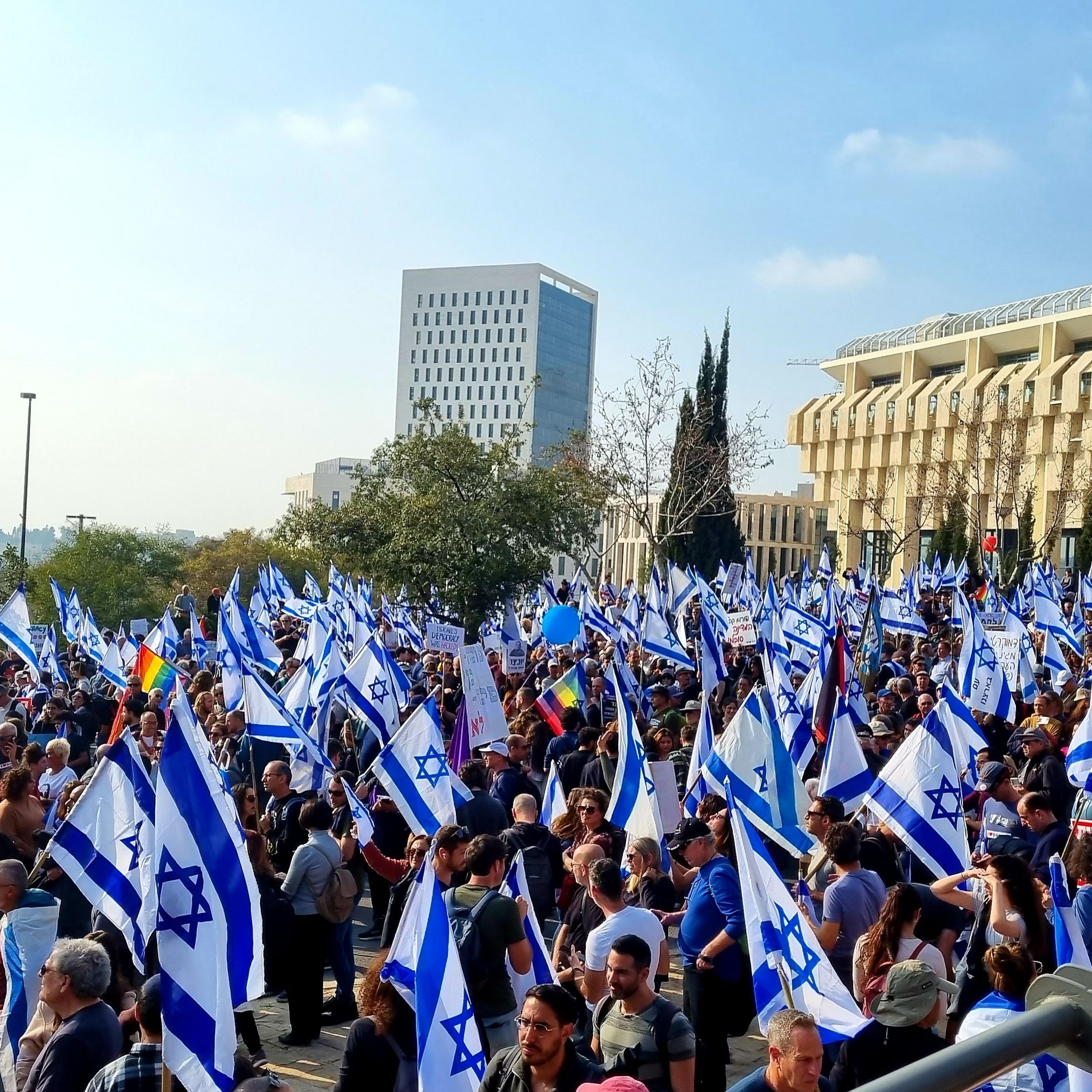
Israel is often called "the only Democracy in the Middle East,” with activists, politicians, and even journalists pointing to Israel's Supreme Court as a prime example. But Prime Minister Benjamin Netanyahu wants to weaken the Israeli judiciary, sending Israeli Jews into the streets en masse to protest. For months, Israelis have been engaged in marches, strikes, and even boycotts to stop what many are calling a judicial coup. But for millions of Palestinians who live under Israeli rule, the Supreme Court is just another instrument of their subjugation. To better understand this conflict – who’s on what side and who’s being left out of the conversation – we invited +972 Magazine Senior Editor Amjad Iraqi back to Unsettled. In this episode, Amjad mentions the Israeli nation state law and the 2021 violence in between Palestinians and Jews in Israel’s so called “mixed cities.” You can hear more from Amjad on those topics in our 2021 episode, 'Palestinians Rising,' and our 2018 episode, 'The Nation-State Law.' This episode also discusses Israeli National Security Minister Itamar Ben-Gvir and his right-wing agenda. Ben Gvir openly identifies as a follower of Kahane, who you can learn about in our 2021 episode, 'Shaul Magid: The Life and Afterlife of Meir Kahane.'
Ep 76Escalation in the South Hebron Hills: Awdah Hathaleen
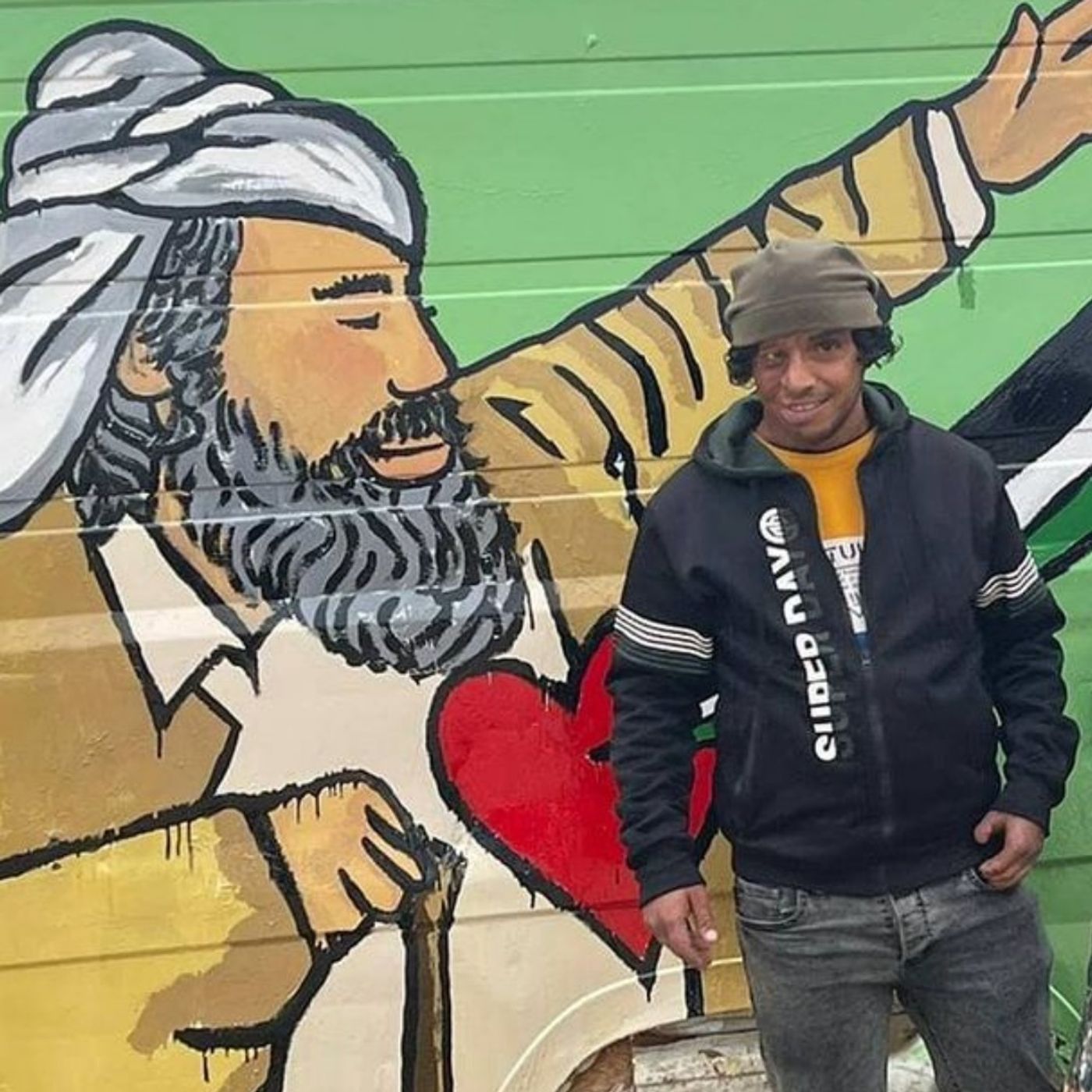
Awdah Hathaleen lives in the village of Umm al-Khair, in the South Hebron Hills: a region of the West Bank where Israel has full civil and military control. At the start of 2023, the Israeli military announced plans to forcibly evacuate more than a thousand people from eight villages in the South Hebron Hills. Even though Umm al-Khair is not one of those eight villages, Awdah says life has still become much more difficult for his family and community in the past year.You can hear more from Awdah Hathaleen and his cousin Tariq about their life in Umm al-Khair in “The Birthday Party”: a special four-part series Unsettled published last year, reported on the ground in the South Hebron Hills. Follow Awdah on Instagram @awdah.hathaleen.Unsettled is made by Emily Bell, Max Freedman, and Ilana Levinson, with support from Asaf Calderon. Original Music from Blue Dot Sessions.
Ep 75Escalation in the South Hebron Hills: Musa Abdullah Ali Awad
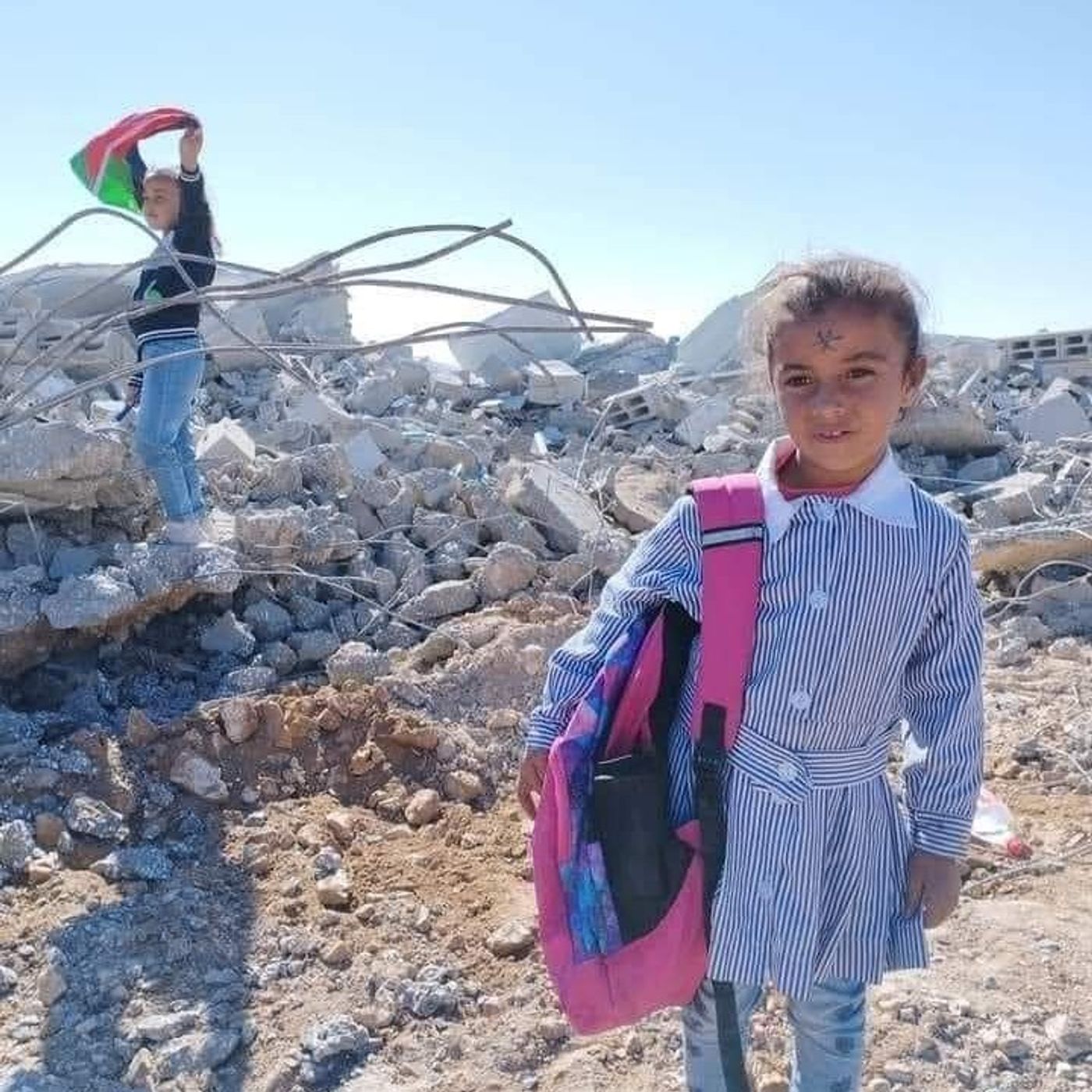
Musa Abdullah Ali Awad lives in the village of Isfey al-Fauqa. Isfey is located in a part of the West Bank called Masafer Yatta, where Israel has total civil and military control. While the Israeli military has claimed for decades that much of the area is a “firing zone,” they were prevented from forcibly evacuating the villages because of an ongoing legal case. Last spring however, Israel’s High Court of Justice issued its final ruling – in favor of the military and against the Palestinians. At the beginning of January, the army informed Palestinian officials that they would soon begin carrying out the forced transfer of more than a thousand people from eight villages. One of those eight villages is Isfey – where Musa lives. Here, Musa talks about the only home he's ever known, Isfey al-Fauqa.This episode of Unsettled is reported and translated by Ali Awad, who was featured in our last episode. Addition translation from Alaa Hassan.
Ep 74Escalation in the South Hebron Hills: Ali Awad
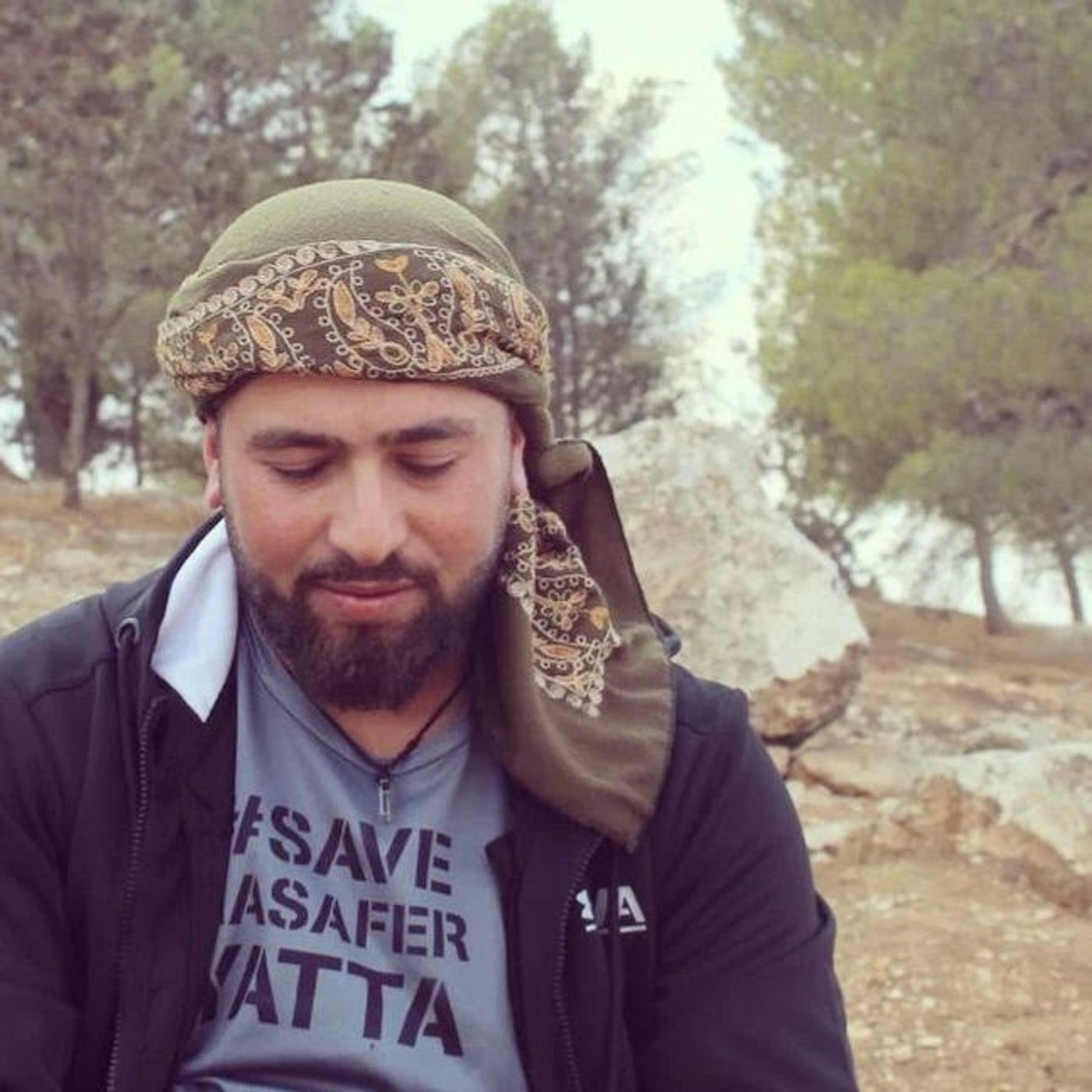
Masafer Yatta is in Area C of the West Bank, where Israel has total civil and military control. For decades, the Israeli military has claimed much of the area as a “firing zone.” They were prevented from forcibly evacuating the villages by an ongoing legal case. But last spring, Israel’s High Court of Justice issued its final ruling — in favor of the military and against the Palestinians.Since then, the people of Masafer Yatta have been waiting for the other shoe to drop. And two weeks ago, the army informed Palestinian officials that they would soon begin carrying out the forced transfer of more than a thousand people — a war crime, according to international law, now authorized by Israeli courts.We featured Ali Awad on Unsettled just before and after last year’s court decision. You can still go back to listen to those episodes; they’re called “The Campaign to Save Masafer Yatta” and “Playgrounds for the Military.” We asked Ali to explain what’s happening now.This week, Unsettled will be bringing you voices from the ground in Masafer Yatta and the South Hebron Hills. Stay tuned for more – and while you wait, make sure to listen to our previous two episodes featuring Ali to learn more about the history and conditions in Masafer Yatta. You can follow Ali directly on Instagram at ali_awad98.
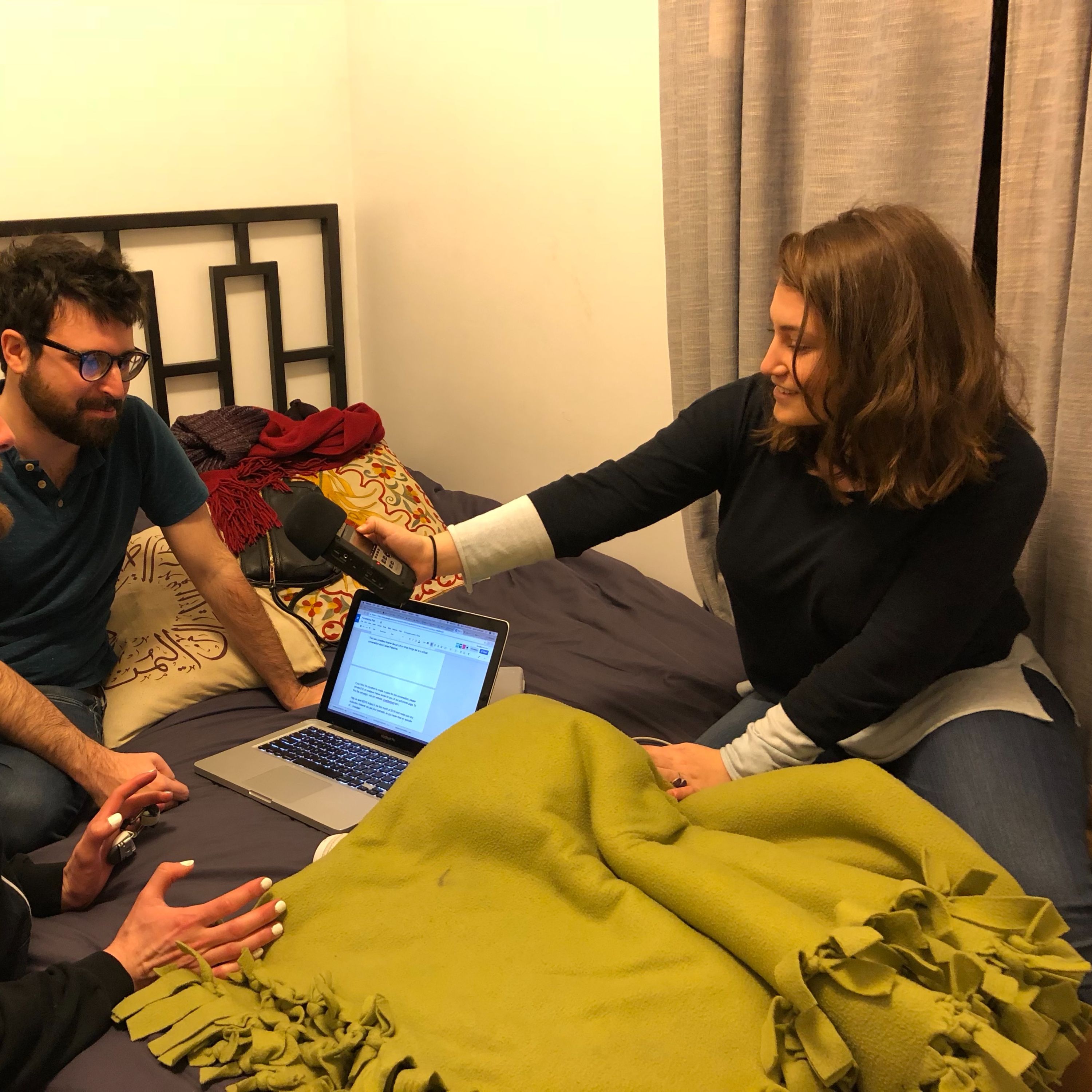
Ep 73Producer Pick: Politicized Pain
To commemorate five years of Unsettled, we’re closing out 2022 by diving into our archive. Each member of the team has picked a favorite past episode to republish. For this episode, producer Asaf Calderon shares Politicized Pain, a conversation between two friends processing what it means to grieve when pain is public and political, originally released in May of 2021.Help shape the future of Unsettled by filling out this listener survey! It should take only 5-10 minutes to complete.
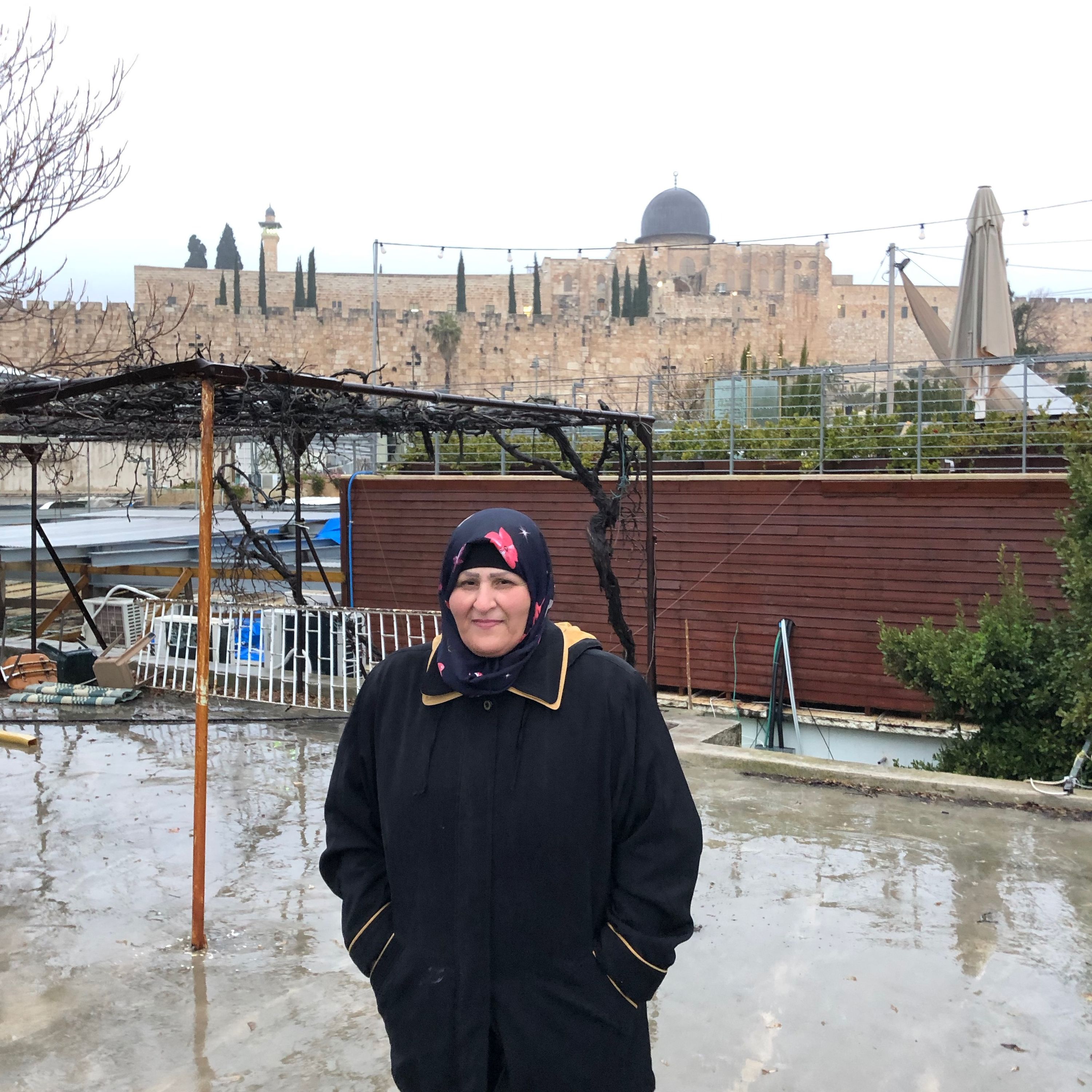
Ep 72Producer Pick: Amal Sumarin
To commemorate five years of Unsettled, we’re closing out 2022 by diving into our archive. Each member of the team has picked a favorite past episode to republish. For this episode, producer Emily Bell shares a documentary produced in collaboration with the +972 podcast. The documentary tells the story of Amal Sumarin, who lives with her family in East Jerusalem, in the Palestinian village of Silwan. However, they have been at risk of being forcibly evicted from their home for decades.This episode was produced by Ilana Levinson, Max Freedman, and Emily Bell. Music from Blue Dot Sessions. Special thanks to Henriette Chacar and Edo Konrad at +972; Asaf Calderon, Uri Blau, Ayat Yaghmour, Hagit Ofran, and Leena Dallasheh.For more on the Jewish National Fund, listen to our interview with activists Maya Rosen and Daniel Roth. To hear all our 5 year anniversary producer picks, check out this Spotify playlist.Help shape the future of Unsettled by filling out this listener survey! It should take only 5-10 minutes to complete.
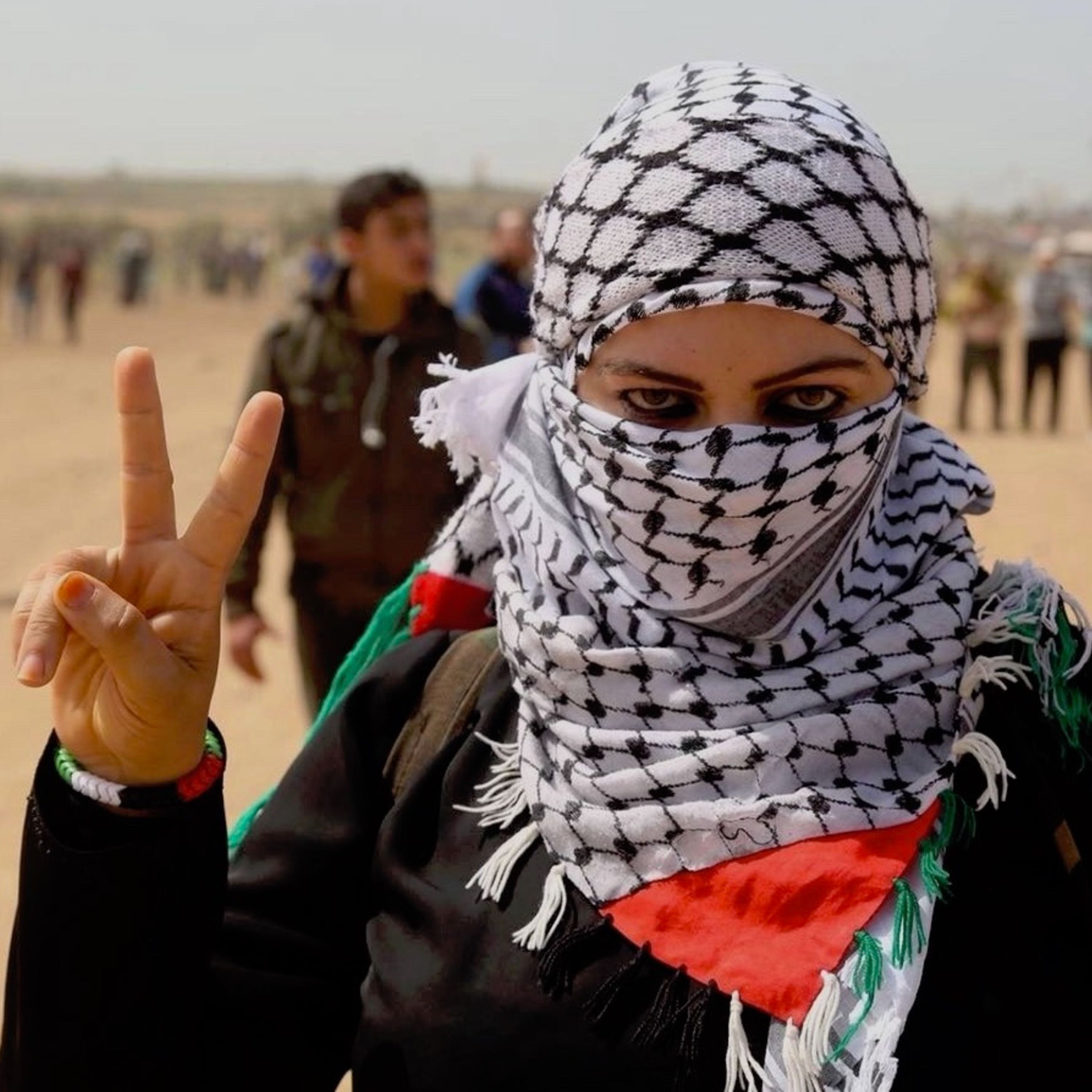
Ep 71Producer Pick: The Great March
To commemorate five years of Unsettled, we’re closing out 2022 by diving into our archive. Each member of the team has picked a favorite past episode to republish. For this episode, producer Ilana Levinson shares The Great March, a report originally released in 2019, on a mass demonstration in the Gaza Strip attended by thousands. The Great March of Return was originally planned to last six weeks, but continued for many months. How did it all begin, and who are the protestors who risked their lives to participate?This episode was produced by Ilana Levinson with help from Asaf Calderon and Sophie Edelhart. Our theme music is by Nat Rosenzweig.Help shape the future of Unsettled by filling out this listener survey! It should take only 5-10 minutes to complete.
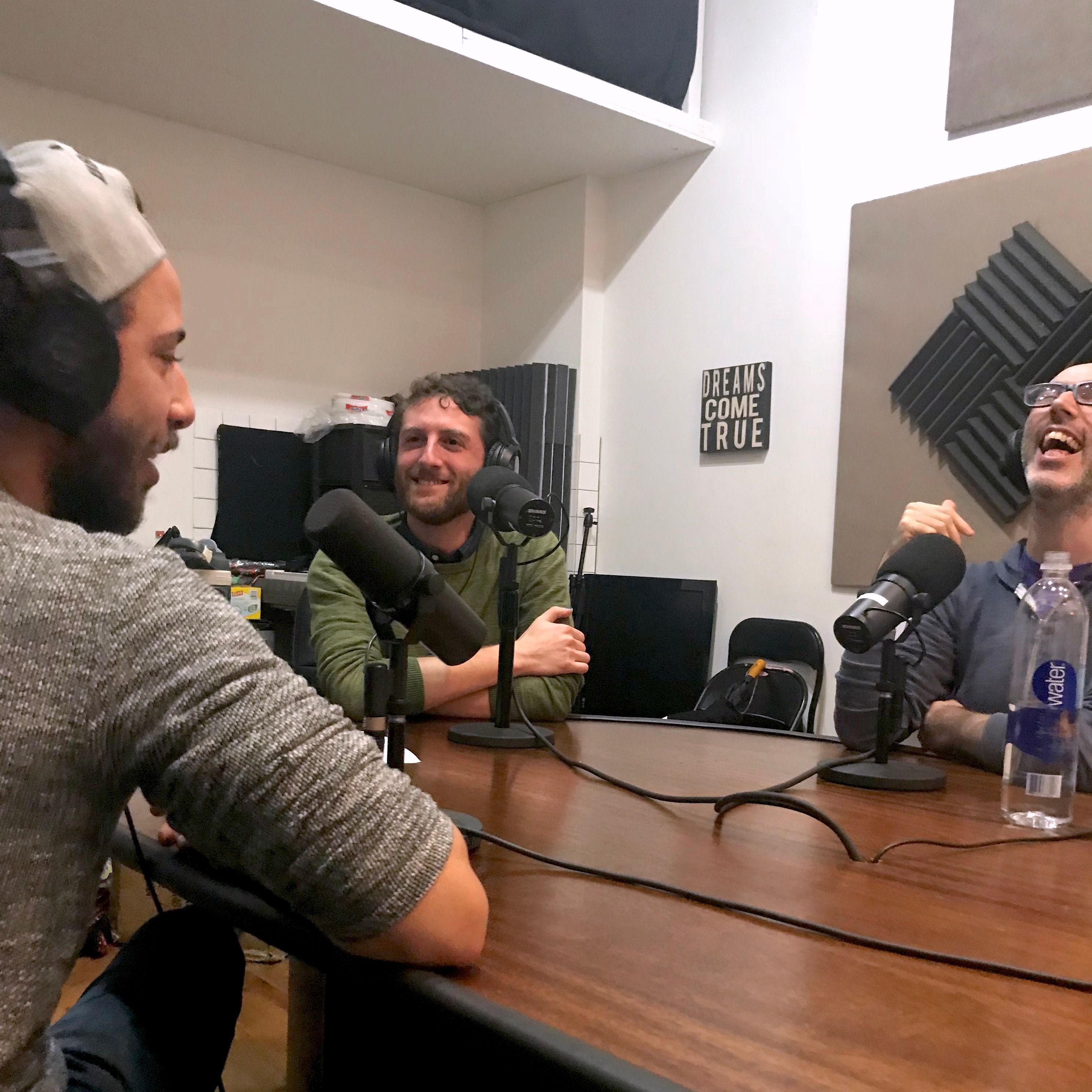
Ep 70Producer Pick: Dan Fishback & Motaz Malhees
To commemorate five years of Unsettled, we’re closing out 2022 by diving into our archive. Each member of the team has picked a favorite past episode to republish. First up, producer Max Freedman shares his interview with two theater artists: playwright/musician Dan Fishback, and actor Motaz Malhees. Dan and Motaz joined us in 2017 to discuss two productions that were literally cancelled because of their content: Dan’s play Rubble Rubble and The Siege by the Freedom Theatre of Jenin.This episode was produced by Ilana Levinson. Our theme music is by Nat Rosenzweig.Help shape the future of Unsettled by filling out this listener survey! It should take only 5-10 minutes to complete.Check out the music video for “Hope Hurts” written and performed by Dan Fishback, and watch the trailer for “200 Meters” starring Motaz Malhees.
Ep 69Be Back Soon
Unsettled is currently on a break from releasing new content, but we’ll be back on your feed in the Fall. While we’re gone, make sure to catch up on some of our latest episodes. This past Spring, we released a four-part series, ‘The Birthday Party,’ about a growing movement of Palestinians and Jews working together to oppose the occupation in the South Hebron Hills; a piece about the Jewish National Fund’s role in uprooting Palestinian communities; a feature on the educational bookshop in East Jerusalem; a two-part conversation between producer Asaf Calderon and his parents about what they see for Israel’s future, and more.Did you know Unsettled has been around for five years? If you’re around the New York City area, you’re cordially invited to Unsettled’s five year anniversary party this August. For more details, make sure to follow us on Instagram @ unsettled_pod .
Ep 68Mona Mansour & Hadi Tabbal: The Vagrant Trilogy
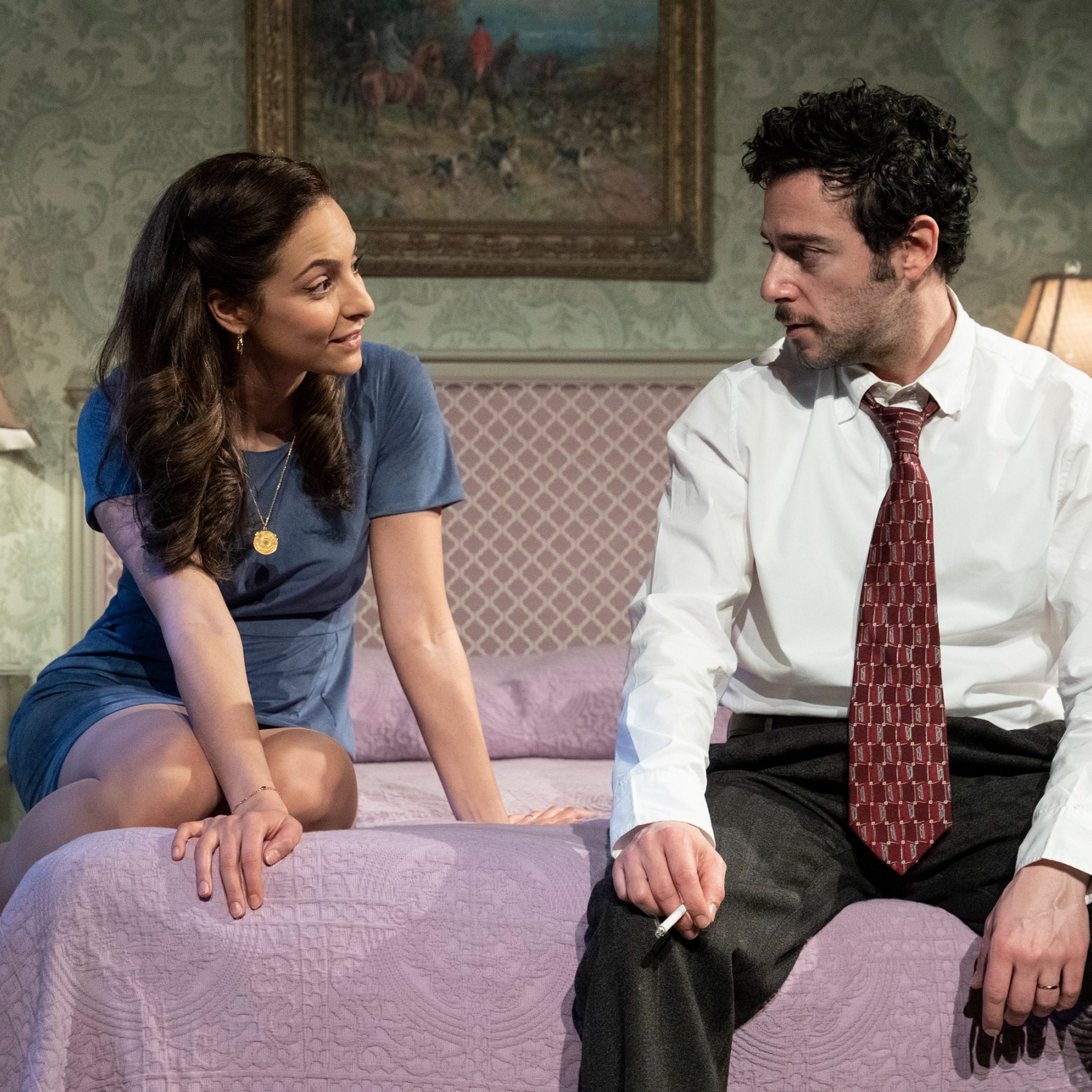
In 1967, a young Palestinian scholar is invited to London to lecture on his mastery of a William Wordsworth poem. But after he arrives, war breaks out back home and he's forced to decide between staying in London or going back home to his family where uncertainty and suffering are guaranteed. These are events that begin The Vagrant Trilogy, a show currently playing at The Public Theatre. The audience is taken down two different paths: one where Adham chooses to stay in London, and one that leads him to a refugee camp in Lebanon. The three-act play has been in the making for over a decade now. Unsettled spoke to actor Hadi Tabbal and playwright Mona Mansour about the making of The Vagrant Trilogy.
Ep 67"Playgrounds for the military"
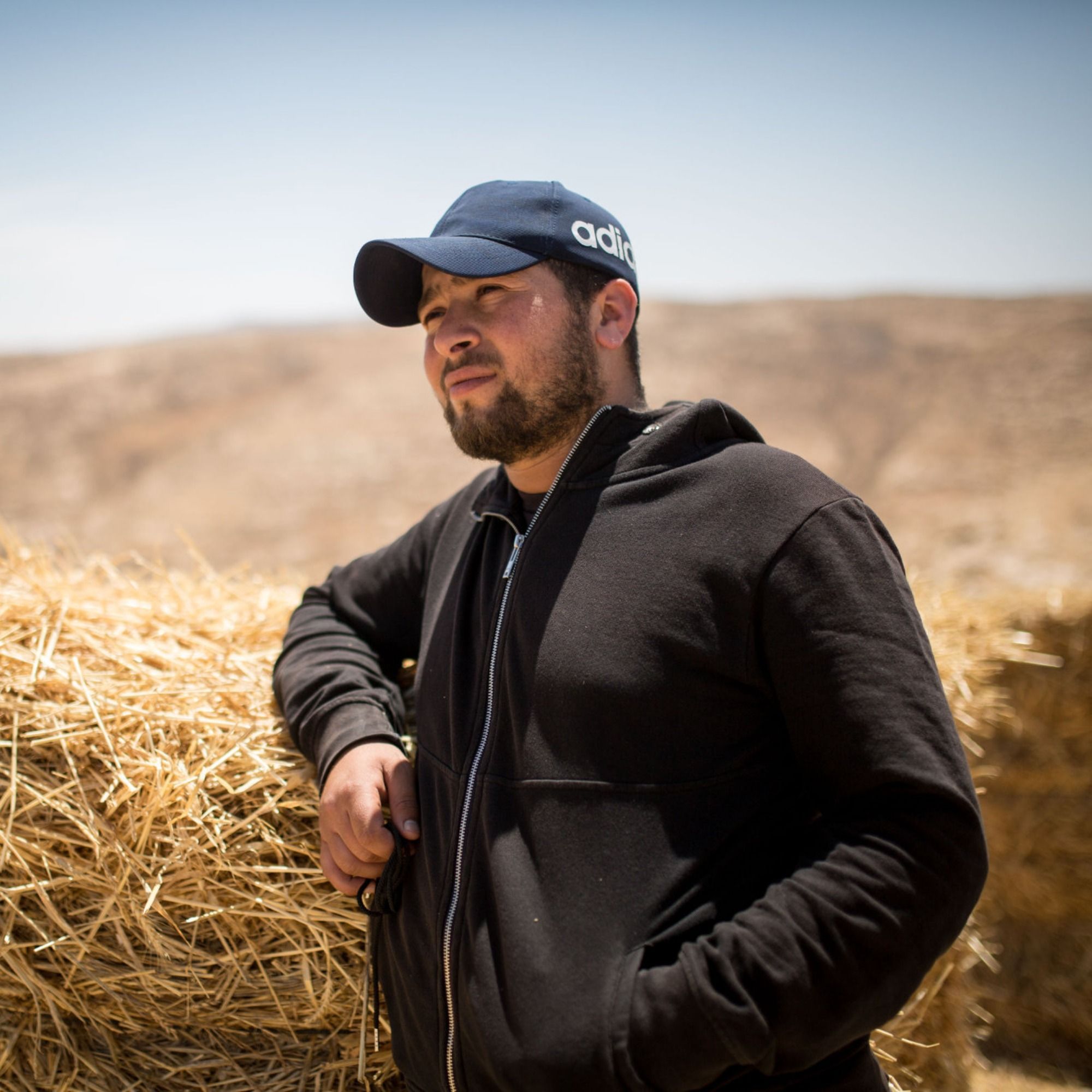
Last week, the Israeli High Court of Justice issued an opinion that could lead to one of the largest population transfers in recent history. After a decades-long legal battle, the court gave the Israeli military a green light to evacuate the residents of eight villages in Masafer Yatta — Palestinians who have lived for generations on land the state now claims as a “military firing zone.”A few weeks ago, we published an interview with activist Ali Awad about the campaign to save Masafer Yatta. Unsettled producer Max Freedman spoke to Ali again to get his reaction to the court’s new ruling.This episode was produced by Ilana Levinson. Music from Blue Dot Sessions.
Ep 66The Birthday Party, Pt. 4: The Spring
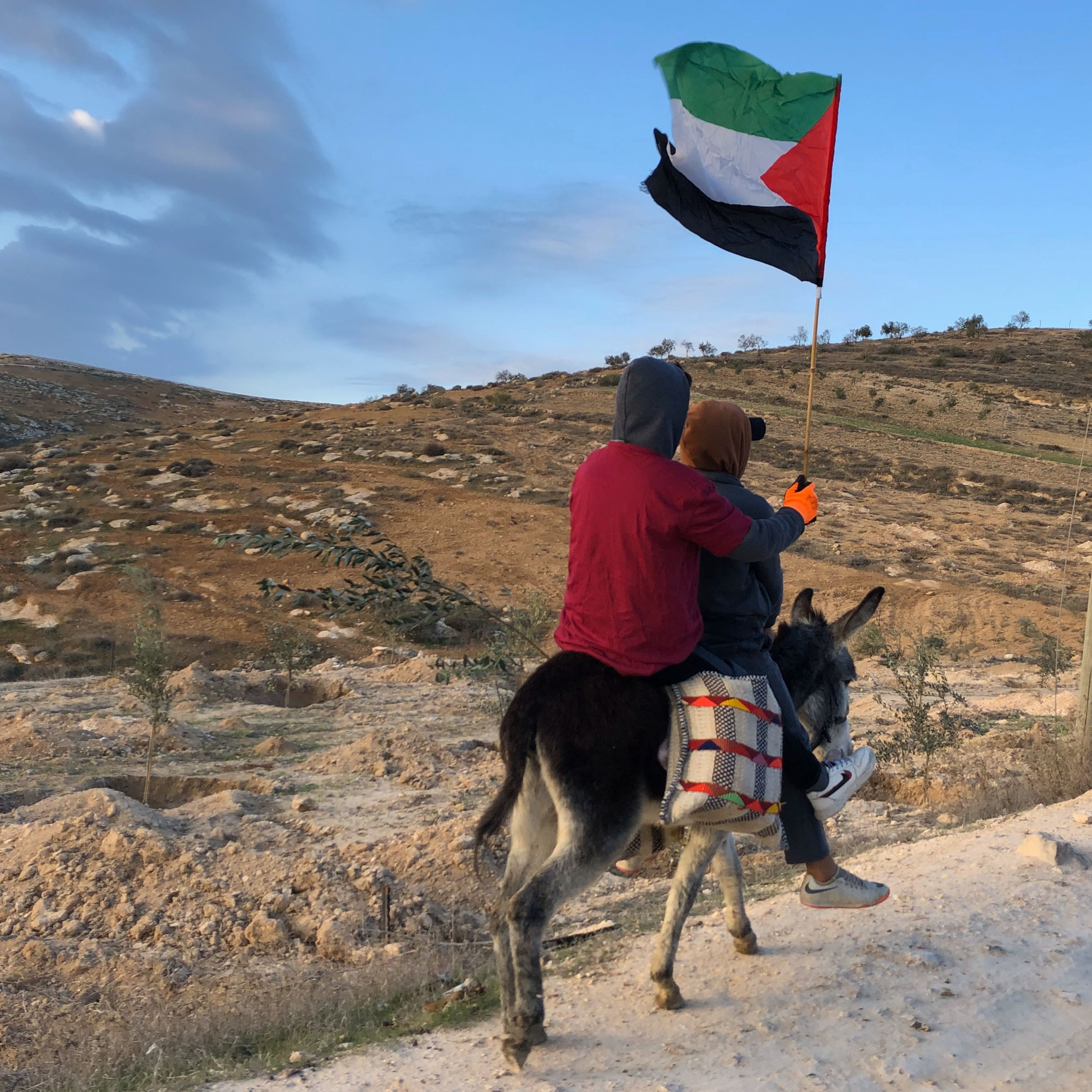
Ein al-Beida is a fresh water spring that used to be the main source of water for several Palestinian villages — until Israeli settlers moved in and claimed the spring as their own. On a cold Friday morning, two hundred Palestinians and Jews march together to the spring to take it back. Then the army shows up.Unsettled producer Max Freedman reports from the center of the action: what goes according to plan, what doesn’t, and what happens next."The Birthday Party" was reported by Max Freedman, and produced by Max Freedman, Emily Bell, and Ilana Levinson, with help from Asaf Calderon. Music from Blue Dot Sessions. Visit www.unsettledpod.com to see Max's photos from his time in the West Bank, and all of Unsettled's previous reporting about the South Hebron Hills.
Ep 65The Birthday Party, Pt. 3: Lilly
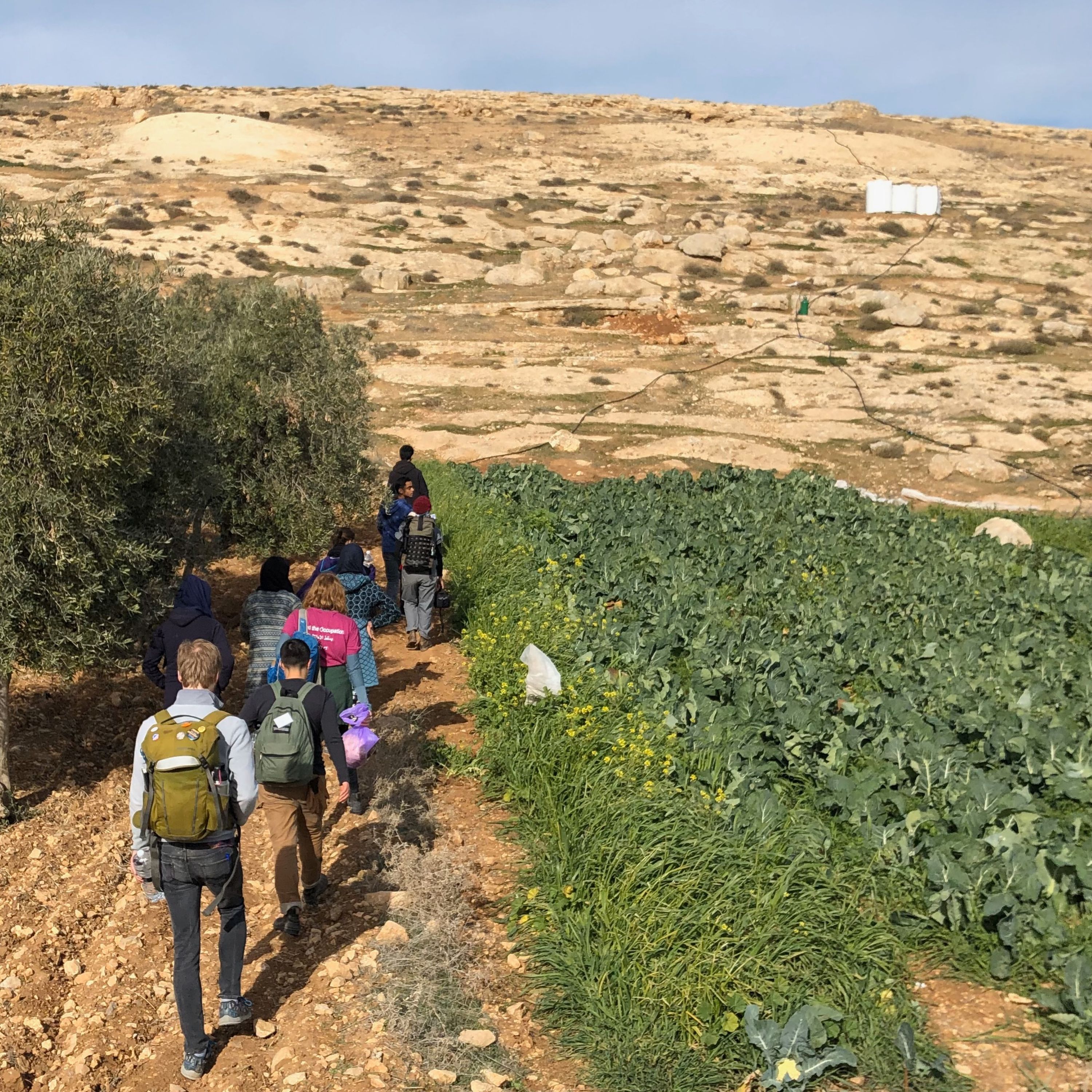
Lilly is a young activist from North London who has been to the West Bank many times before — just never with other Jews. In this episode of “The Birthday Party,” Lilly talks about the teenage rebellion that first brought her to Palestine, and why she now believes she can have the greatest impact within her Jewish community.Unsettled producer Max Freedman follows Lilly and other activists with the Center for Jewish Nonviolence as they get to know the people and the landscape of the South Hebron Hills, and prepare to stand alongside Palestinians as they directly challenge the Israeli occupation forces.“The Birthday Party” was reported by Max Freedman, and produced by Max Freedman, Emily Bell, and Ilana Levinson, with help from Asaf Calderon. Music from Blue Dot Sessions.
Ep 64The Birthday Party, Pt. 2: Bob
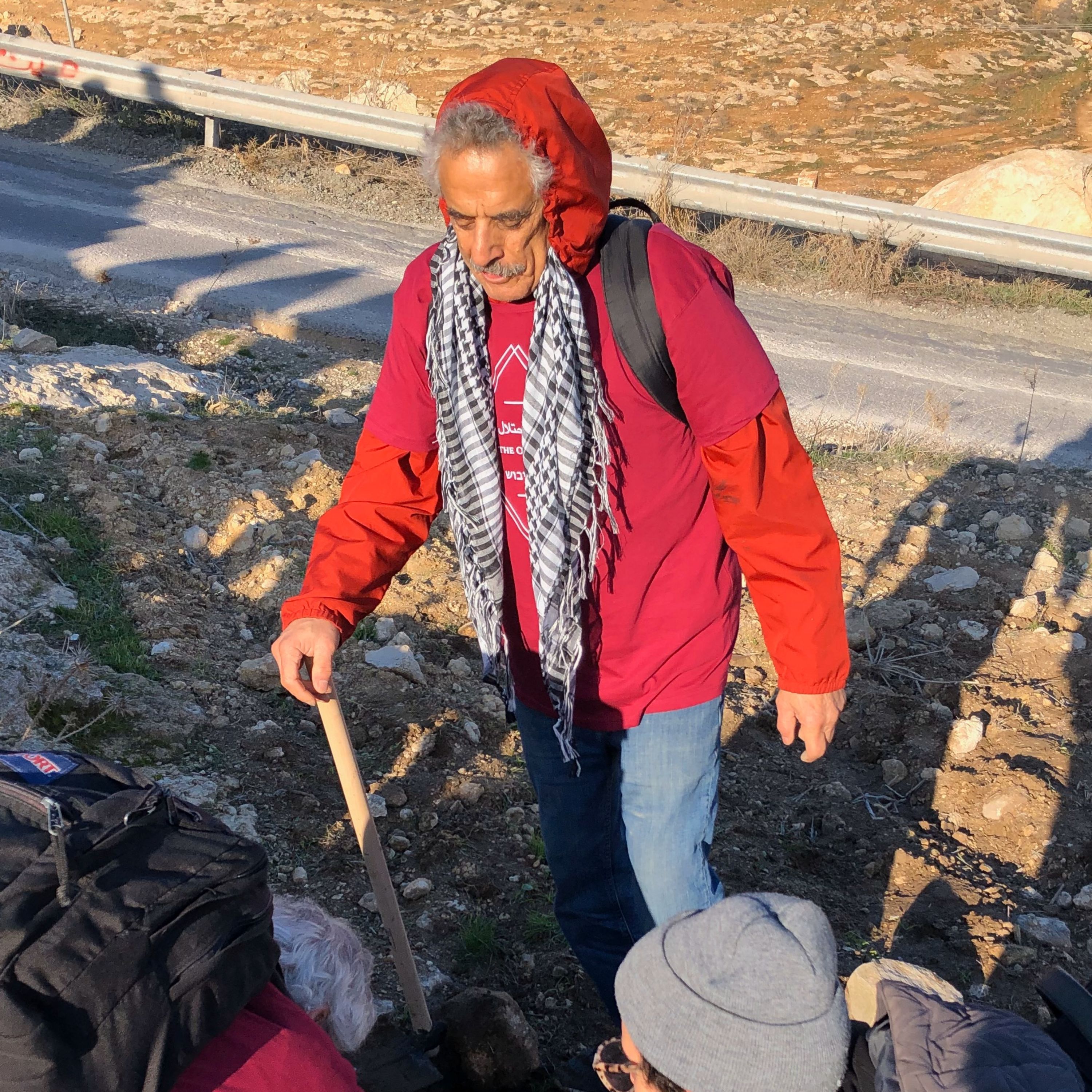
Bob first visited Israel in 1969, when he was on leave from his U.S. military service in Vietnam. He was raised in a Zionist home; he has relatives who proudly live in former Palestinian houses; he once volunteered on an IDF base. But now, at 71 years old, Bob is entering the West Bank for the first time.He’s one of 44 diaspora Jews who have come to the South Hebron Hills with the Center for Jewish Nonviolence to practice co-resistance with Palestinians. In the second episode of “The Birthday Party,” producer Max Freedman spends time with Bob as he confronts the reality of occupation — and his own identity.“The Birthday Party” was reported by Max Freedman, and produced by Max Freedman, Emily Bell, and Ilana Levinson, with help from Asaf Calderon. Music from Blue Dot Sessions.
Ep 63The Birthday Party, Pt. 1: Tariq
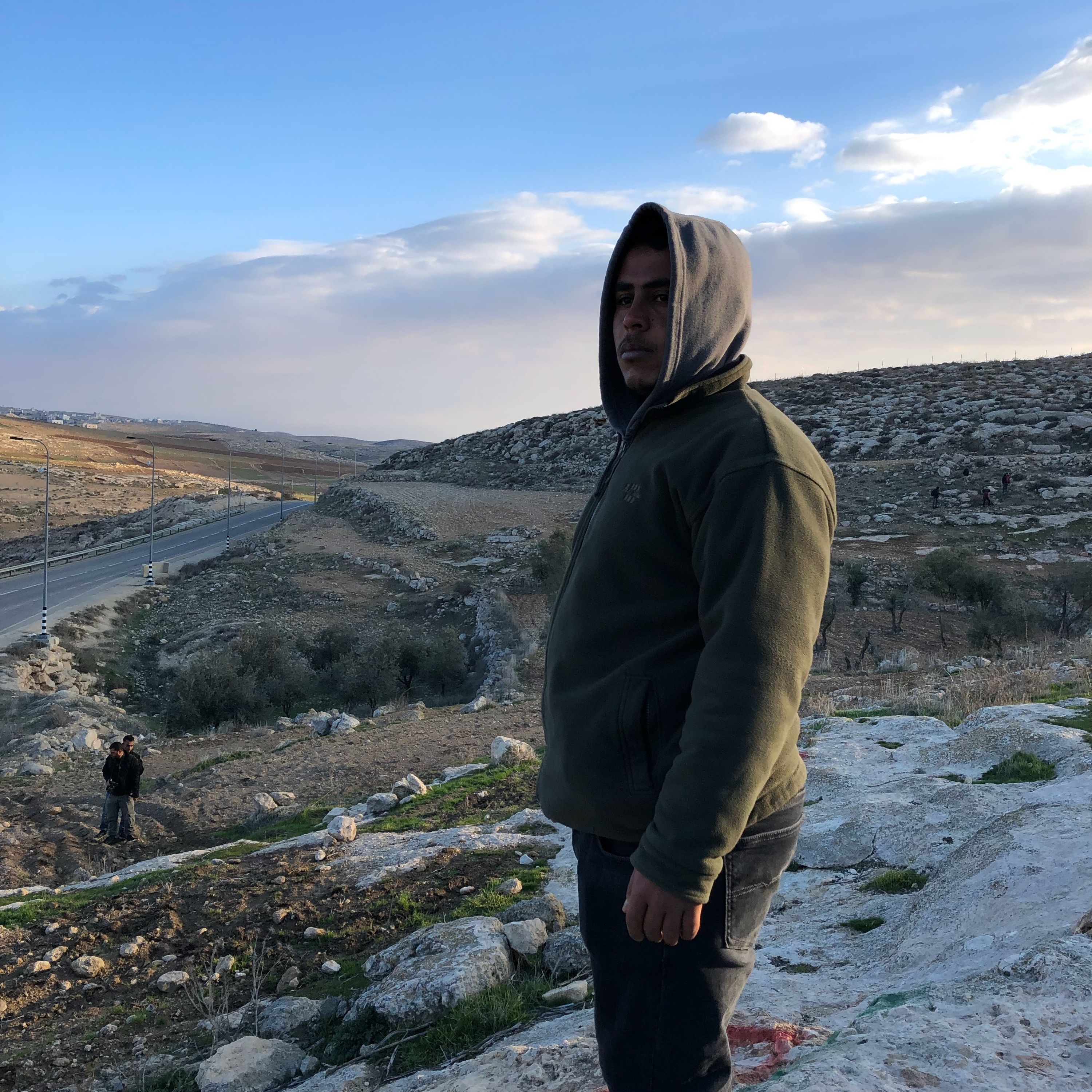
In this special miniseries from Unsettled, producer Max Freedman spends nine days in the South Hebron Hills with Palestinians and Jews working together to oppose and obstruct the occupation. This trip, organized by the Center for Jewish Nonviolence, culminates in a dramatic direct action known by a code name: “the birthday party.”In the first episode, Max gets to know Tariq, a Palestinian teacher from the village of Umm al-Khair. Umm al-Khair is surrounded on three sides by an Israeli settlement, and the residents live under constant threat of violence and demolition. Tariq explains how his family came to live in this area, how he became an activist, and why he believes in co-resistance with Jewish allies.“The Birthday Party” is reported by Max Freedman, and produced by Max Freedman, Emily Bell, and Ilana Levinson, with help from Asaf Calderon. Music from Blue Dot Sessions.
Ep 62The Campaign to Save Masafer Yatta
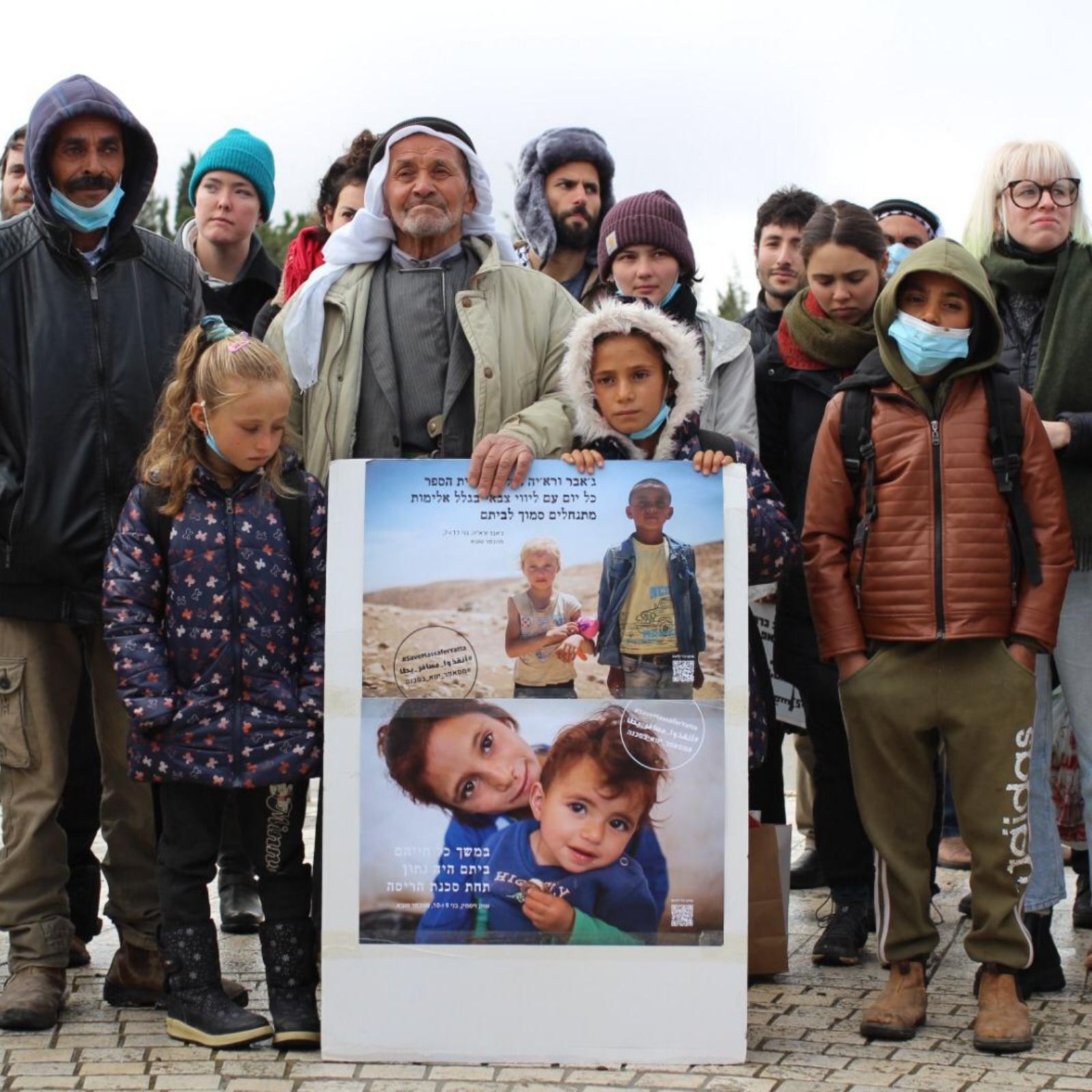
On March 15, Israel’s High Court of Justice heard a case that could lead to one of the largest forced population transfers in recent history. For more than 20 years, Israel has been trying to expel the residents of 12 Palestinian villages in a part of the West Bank called Masafer Yatta. The state claims they need the land for a military firing zone. If the court agrees, 1,300 Palestinians might be removed from their homes.In this episode, producer Max Freedman speaks to Ali Awad and Maya Rosen about this decades-long legal battle and what’s at stake. Ali and Maya are both organizers of the Save Masafer Yatta campaign, which aims to stop this eviction by turning Masafer Yatta into a household name.Unsettled is produced by Emily Bell, Asaf Calderon, Max Freedman, and Ilana Levinson. Music by Nat Rosenzweig and Blue Dot Sessions. Photo credit: Yahel Gazit.Save Masafer YattaTo exact ‘revenge,’ Israeli settlers wreaked havoc in my village (Ali Awad, +972 Magazine, 4/4/22)Explainer: The threat of mass expulsion in Masafer Yatta (+972 Magazine, 3/14/22)Maya Rosen & Daniel Roth: KKL-JNF (Unsettled, 3/23/22)
Ep 61Maya Rosen & Daniel Roth: KKL-JNF
Before there was a state of Israel, there was the Jewish National Fund. The JNF, or Keren Kayamet L’Yisrael in Hebrew, was founded in 1901 to buy land in Palestine for Jewish settlement. Today, most American Jews know the JNF for its tin tzedakah boxes and tree planting campaigns. But KKL-JNF owns 13% of the land in Israel — which it allocates exclusively to Jews — and has been involved in evicting Palestinians in the Negev, East Jerusalem, and the West Bank.This episode was produced by Ilana Levinson. Music by Nat Rosenzweig and Blue Dot Sessions.
Ep 60Milena Ansari: Palestinian Prisoners’ Rights
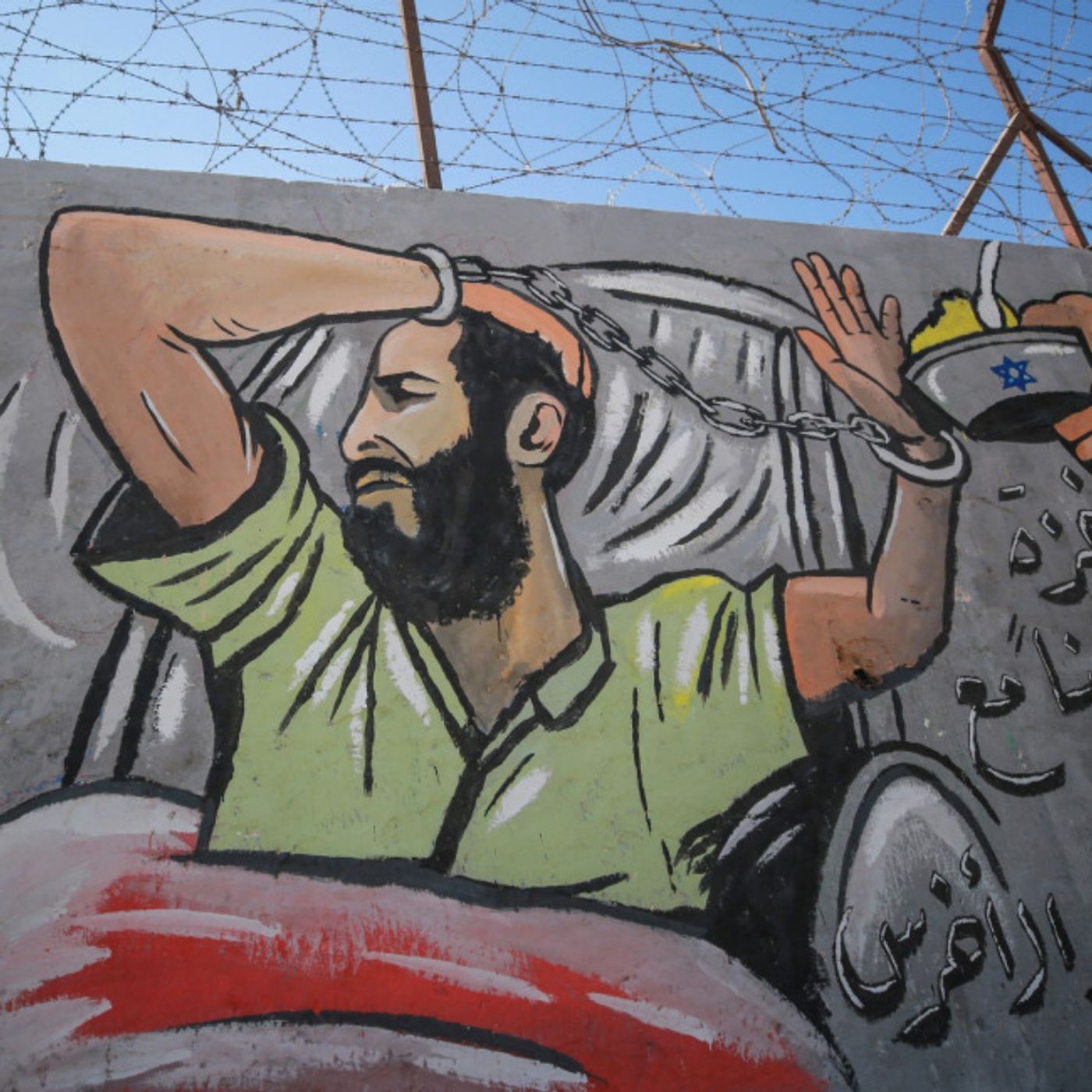
When Hisham Abu-Hawash ended his 141-day hunger strike last month, he had been imprisoned by Israel for more than a year without charges or a trial. He was just one of about 500 Palestinians held in “administrative detention.”In this episode, we speak to Milena Ansari, International Advocacy Officer at Addameer Prisoner Support and Human Rights Association. Milena explains Israel’s military court system and how Palestinians are fighting to end administrative detention.Unsettled is produced by Emily Bell, Asaf Calderon, Max Freedman, and Ilana Levinson. This episode was reported and produced by Ilana Levinson. Original music by Nat Rosenzweig. Additional music from Blue Dot Sessions.

Ep 59Mahmoud Muna: Educational Bookshop
Mahmoud Muna is part of the family that runs the Educational Bookshop: the only English language bookstore in East Jerusalem. The current iteration of the Bookshop was opened in the 1980s by Mahmoud’s father, Ahmed. Today, the shop has multiple locations and thousands of titles on its shelves. "Any book on Palestine-Israel that has ever [been] written," Mahmoud says, "there's a good chance we have it."When Unsettled producer Max Freedman visited Jerusalem at the start of 2020, he stopped by the Educational Bookshop and sat down with Mahmoud. In this episode of Unsettled, they talk about the history of the bookshop and what it means — to Palestinians in East Jerusalem and people around the world.Unsettled is produced by Emily Bell, Asaf Calderon, Max Freedman, and Ilana Levinson. This episode was reported by Max Freedman and produced by Emily Bell. Original music by Nat Rosenzweig. Additional music from Blue Dot Sessions.MAHMOUD’S PICKS: NON-FICTIONJerusalem in History by Kamil AsaliI Saw Ramallah by Mourid BarghoutiPalestine on a Plate: Memories from My Mother’s Kitchen by Joudi KallaIn Search of Fatima: A Palestinian Story by Ghada KarmiThe Palestinian Table by Reem KassisJerusalem: The Biography by Simon Sebag MontefioreOnce Upon a Country: A Palestinian Life by Sari NusseibehThe Two-State Delusion: Israel and Palestine—A Tale of Two Narratives by Padraig O’MalleyThe Peace Process: From Breakthrough to Breakdown by Afif SafiehPalestinian Walks by Raja ShehadehThe Iron Wall: Israel and the Arab World by Avi ShlaimHollow Land: Israel’s Architecture of Occupation by Eyal WeizmanMAHMOUD’S PICKS: FICTIONMornings in Jenin by Susan AbulhawaSalt Houses by Hala AlyanOut of It by Selma DabbaghThe Parisian by Isabella HammadThe Children of the Ghetto: My Name is Adam by Elias Khoury
Ep 58The Calderons are unsettled (part 2)
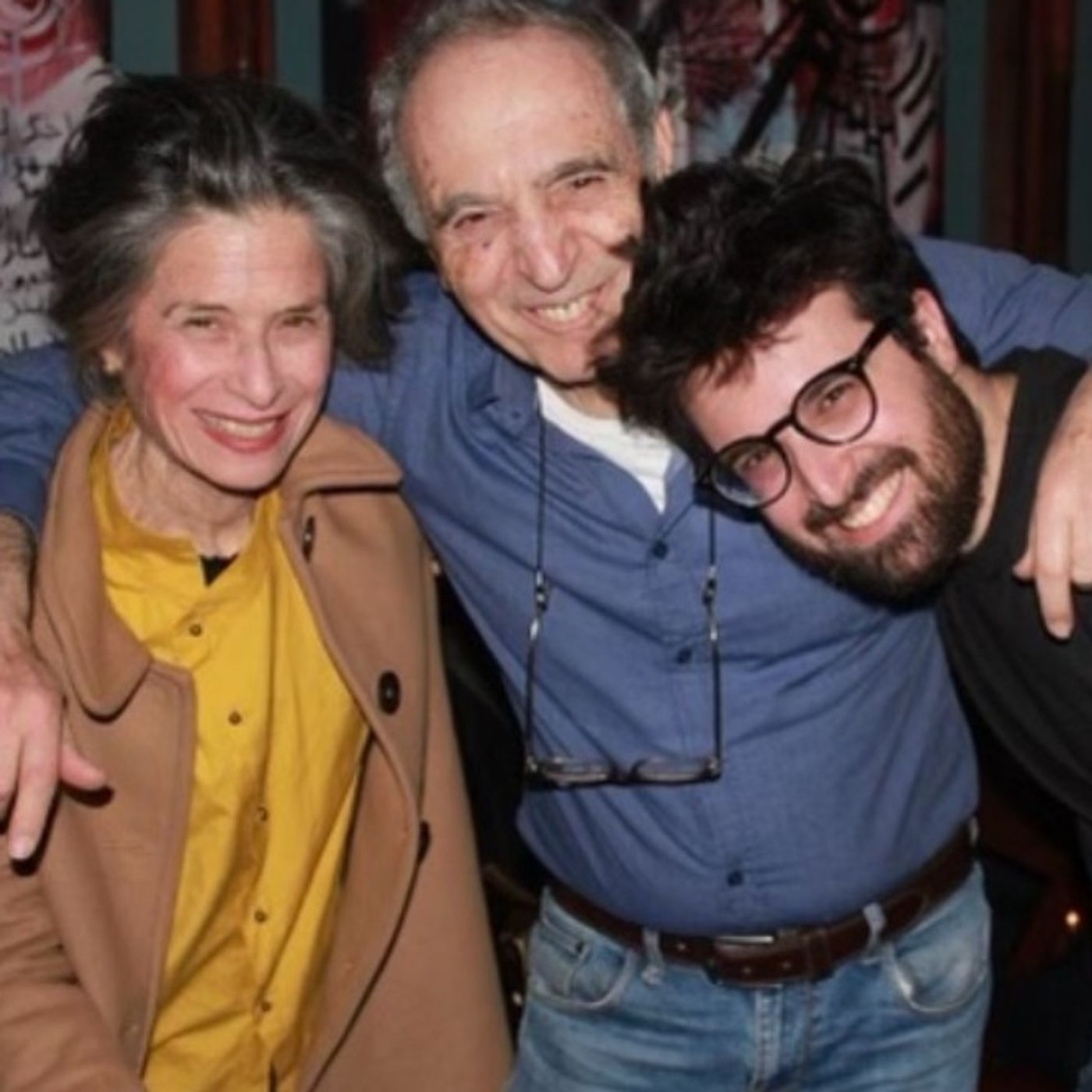
Unsettled producer Asaf Calderon grew up in Israel in a household of “smolanim”: leftists. His parents raised him to think critically and to fight against injustice, even if it means going against what most people consider normal. But today, even while their values remain the same, there is a deep ideological rift between them when it comes to Zionism. In this episode, Asaf sits down with his parents, Nissim and Rivka Calderon, to learn about their political development and discuss whether Zionism is compatible with left politics and Palestinian rights.These episodes of Unsettled was produced by Asaf Calderon and edited by Ilana Levinson. Unsettled theme music is by Nat Rosenzweig with additional music in this episode by Blue Dot Sessions.
Ep 57The Calderons are unsettled (part 1)
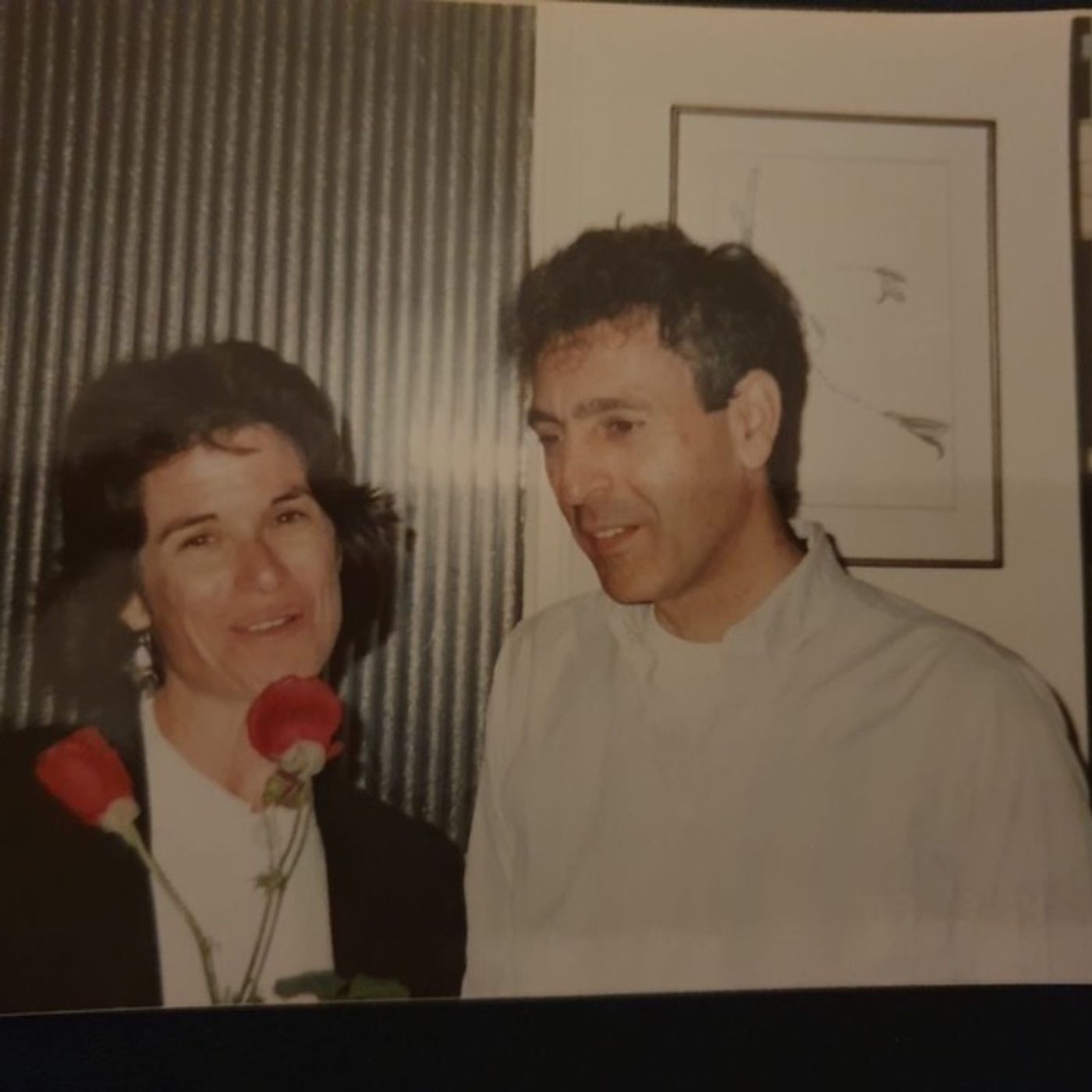
Unsettled producer Asaf Calderon grew up in Israel in a household of “smolanim”: leftists. His parents raised him to think critically and to fight against injustice, even if it means going against what most people consider normal. But today, even while their values remain the same, there is a deep ideological rift between them when it comes to Zionism. In this episode, Asaf sits down with his parents, Nissim and Rivka Calderon, to learn about their political development and discuss whether Zionism is compatible with left politics and Palestinian rights.This episode of Unsettled was produced by Asaf Calderon and edited by Ilana Levinson. Unsettled theme music is by Nat Rosenzweig with additional music in this episode by Blue Dot Sessions.

Ep 56Earworms for the Movement
EThis summer, New York City’s Astor Place hosted a bat mitzvah ceremony unlike any other: the Anti-Zionist Bat Mitzvah, an all-day musical extravaganza created by Morgan Bassichis and Ira Khonen Temple. The event started with tutoring sessions on Palestinian popular resistance and the weaponization of the Torah, and ended with a celebratory dance to “Hava Nagila” remixed as an anti-police anthem.In this episode of Unsettled, producer Ilana Levinson talks to Morgan and Ira about their collaboration, and the importance of joy in collective liberation.The Anti-Zionist Bat Mitzvah was first performed on July 4, 2021 on Rashid Johnson’s Red Stage in Astor Place. The performance was commissioned by Creative Time and curated by Diya Vij. Performers: Morgan Bassichis, Ira Khonen Temple, Emma Alabaster, April Centrone, Zoë Aqua, and Pam Fleming. Tutors: Shirly Bahar, Brooke Lober, Izzy Mustafa, Tamar Ghabin, Dean Spade, Rabbi Miriam Grossman, and Ita Segev.This episode was produced by Ilana Levinson and edited by Emily Bell. Original music by Nat Rosensweig.Special thanks to Aleksei Wagner and Creative Time for performance recordings.

Ep 55Why Israel is calling Palestinian rights groups 'terrorists'
In October, Israeli Defense Minister Benny Gantz declared six Palestinian civil society organizations “terror groups." These groups work in issue areas like women’s rights, children’s rights, and agricultural labor. The "terror" designation is based on alleged connections to the Popular Front for the Liberation of Palestine, a small political faction. But so far, Israel’s evidence has failed to convince many international leaders. In this episode of Unsettled, we look closely at one of those groups, Al-Haq: its founding principles, its role in Palestinian society, and the impact of Israel's terror designation on its ability to continue documenting Israeli human rights abuses. This episode was produced by Ilana Levinson and features Jonathan Kuttab and Khaled Elgindy.Archival footage courtesy of Al-Haq. RESOURCESTareq Baconi: Hamas, Explained (Unsettled Podcast, 5/17/21)‘They targeted us for one reason: We’re succeeding in changing the paradigm’ (Yuval Abraham, +972 Magazine, 10/25/21)Israeli dossier on rights groups contains little evidence (Joseph Krauss, AP, 11/6/21)Israel/OPT: Designation of Palestinian civil society groups as terrorists a brazen attack on human rights (Amnesty International, 10/22/21)
Ep 54Naomi Shihab Nye: Poetry as Refuge
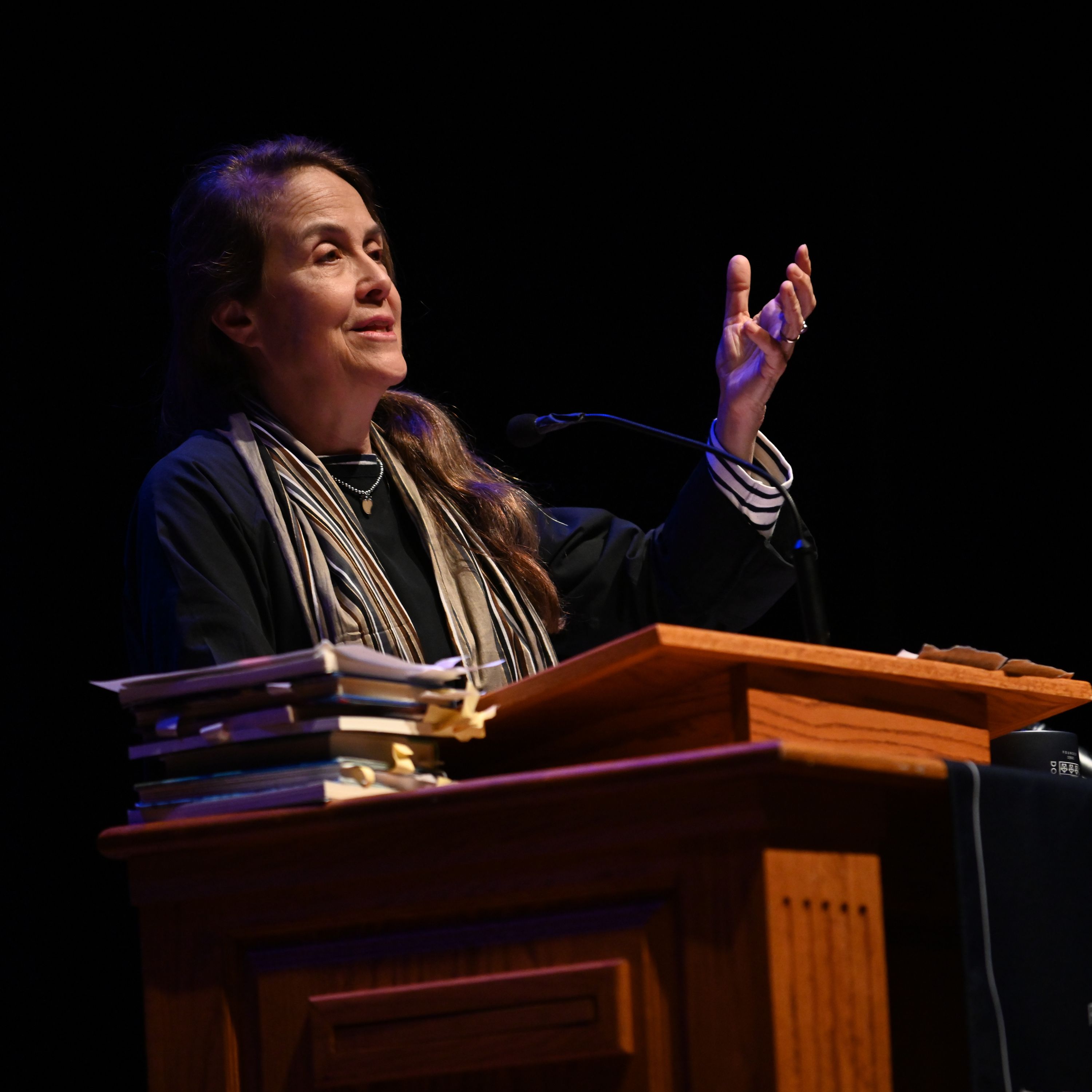
"Grief is something that, alas, as human beings we're just going to keep experiencing over and over and over again in all of its many manifestations. And I think poetry can help us know that we're not alone in experiencing it, that it's a place to place our pain, and to place our unresolved questions, our mysteries." - Naomi Shihab NyeNaomi Shihab Nye is a Palestinian-American writer, educator, and editor. Her published work includes poetry, children’s books and essays, and she has been awarded a Lifetime Achievement award from the National Book Critics Circle. She has also spent decades as an educator, visiting classrooms all around the world. In this episode, producer Emily Bell speaks with Naomi Shihab Nye about finding inspiration in her father's notebooks, processing grief, and writing about Palestine. Naomi shares a selection of old and new works, including two from her book "Transfer."CREDITSUnsettled is produced by Emily Bell, Asaf Calderon, Max Freedman, and Ilana Levinson. Original music by Nat Rosenzweig. Additional music from Blue Dot Sessions.BIOPalestinian-American writer, editor and educator Naomi Shihab Nye grew up in Ferguson, Missouri, Jerusalem, and San Antonio, Texas, where she continues to live.She is the Young People’s Poet Laureate of the United States (Poetry Foundation). Her late father Aziz Shihab was a journalist and author of Does the Land Remember Me? A Memoir of Palestine. She has been a visiting writer in hundreds of schools and communities all over the world for more than 40 years and has written or edited 35 books including collections of poetry, novels for teens, picture books, essays, very short fictional stories, anthologies of poetry. Her books Sitti’s Secrets, Habibi, This Same Sky, & The Tree is Older than You Are: Poems & Paintings from Mexico have been in print more than 20 years. Her volume 19 Varieties of Gazelle: Poems of the Middle East, was a finalist for the National Book Award. Recent books include Everything Comes Next, Cast Away, The Tiny Journalist, and Voices in the Air. She is on faculty at Texas State University and won recent Lifetime Achievement Awards from the National Book Critics Circle and the Texas Institute of Letters. The Turtle of Oman (Greenwillow) a novel for children set in Muscat, will soon be followed by its sequel The Turtle of Michigan.RESOURCESNaomi Shihab Nye at the Poetry FoundationWorks by Naomi Shihab Nye at poets.org“This Court Decision in the Gavin Grimm Case Will Bring Tears to Your Eyes” (American Civil Liberties Union, 4/10/17)“A memorial to a great Arab American Journalist, Aziz Shihab” (Ray Hanania, The Arab Daily News, 10/28/07)“Texas journalist Aziz Shihab on 'Does the Land Remember Me?: A Memoir of Palestine'" (Michael King, The Austin Chronicle, 7/20/07)

Ep 53Marwa Fatafta: Digital Rights
In the spring, the prominent twin activists Muna and Mohammed al-Kurd were regularly speaking out about an Israeli settler takeover of their home in Sheikh Jarrah in Jerusalem. But just after Muhammad and Muna started to get international attention, they were detained and interrogated by Israeli authorities. The al-Kurd twins are not alone. Palestinians say they’ve been subject to censorship from social media companies and by the Israeli authorities for decades. On this episode of Unsettled, Marwa Fatafta, the Middle East and North Africa Policy Manager at Access Now, talks about censorship of Palestinian voices. CREDITSUnsettled is produced by Emily Bell, Asaf Calderon, Max Freedman, and Ilana Levinson. Original music by Nat Rosenzweig. Additional music from Blue Dot Sessions.Marwa Fatafta leads Access Now’s work on digital rights in the Middle East and North Africa region as the MENA Policy Manager. She has written extensively on technology, human rights, and internet freedoms in Palestine and the wider MENA region. Marwa is also a Policy Analyst at Al-Shabaka: The Palestinian Policy Network where she co-led the organization's policy work on questions of Palestinian political leadership, governance, and accountability. Previously, Marwa was the MENA Regional Advisor for Transparency International Secretariat in Berlin and served as the Communications Manager at the British Consulate-General in Jerusalem. Marwa was a Fulbright scholar to the US, and holds an MA in International Relations from Maxwell School of Citizenship and Public Affairs, Syracuse University. She holds a second MA in Development and Governance from University of Duisburg-Essen. RESOURCESAccess Now's statement on Facebook and Twitter systematically silencing protests (5/7/2021)Access Now's 'Facebook Stop Silencing Palestine' campaign"Elections or not, the PA is intensifying its authoritarian rule online" (Marwa Fatafta, +972 Magazine, 4/29/21)“Facebook's Secret Rules About the Word 'Zionist' Impede Criticism of Israel" (Sam Biddle, The Intercept, 5/14/21)