Unexpected Elements
345 episodes — Page 5 of 7
The most powerful explosion ever recorded
It’s been an unusual week for astronomers, with telescopes swivelled off course to observe GRB221009A, the brightest gamma ray burst ever recorded. Gamma ray bursts aren’t unusual, the by-product of some supernovae are recorded weekly. Whilst the afterglow of these bursts usually lasts hours or days, the aftermath of, what has been dubbed ‘BOAT’, brightest of all time, is expected to linger for years to come. Harvard University’s Edo Berger and Yvette Cendas believe there’s lots to be learnt in the coming months. Back in the primordial oceans, tiny, wriggling worms and shimmering jellyfish invented ever better ways to strip resources from their environment deep in the murky depths. The ability to efficiently take up oxygen from a marine environment acted as a gateway for a dramatic explosion in species diversity. But according to Michael Sackville, Postdoctoral Fellow University of Cambridge and Woods Hole Marine Biological Laboratory, when the gills first appeared they may have carried out a rather different function.Plastics litter our oceans, and after time return to the shores. In order to predict and better understand where these plastic hotspots are, Professor Bhavani Narayanaswamy, Benthic Ecologist for Scottish Association for Marine Science, travels all over the globe to gather data and model these plastic hotspots. In the future, this plastic waste could be broken down by a biological organisms. Chemical biologist Dr Federica Bertocchini at the University of Cantabria has identified enzymes responsible for munching through resilient polymers in waxworms. Why do some people pick up accents without even trying, while others can live in another country for decades without ever losing the sound of their mother tongue?It’s a question that's been bothering CrowdScience listener Monica who, despite 45 years of living in the US, is still answering questions about where her accent is from. Presenter Marnie Chesterton sets off to discover why learning a new language is possible but perfecting the accent is so much harder.Marnie speaks to a linguist about how we learn language and develop our first accent, and what we can - and can't change - about our accents. A phonetician explains to Marnie the difficulty of even hearing sounds that are not from our mother tongue, let alone replicating them. And Marnie enlists some expert help to learn some of the pitch sounds of Japanese – with mixed success.Finally Marnie asks why people so dearly want to change their accents when doing so is such hard work. She hears from a sociolinguist about stereotypes and the impact of accent bias, and Shalu Yadav reports from the front line of Delhi call centres where workers experience prejudice about their accents regularly.(Image: Gamma Rays in Galactic Nuclei. Credit: Getty Images)
Inserting human neurons into the brains of rats
Sergiu Pasca, Professor of Psychiatry at Stanford University has left the petri dish in the drawer and grown human neurons inside the brains of juvenile rats. Successful connectivity and brain function may allow for more rigorous testing and understanding of neurological conditions, that have until now remained difficult to localise and treat.It’s been a few weeks since NASA’s DART mission smashed into an asteroid in an attempt to budge it off course, kickstarting Earth’s first planetary defence system. Scientists are starting to pour through the data to determine whether or not it worked. Dr Toney Minter, Head of Operations at Green Bank Observatory has been using Green Bank’s radio telescope to keep us updated and track the celestial system. John Ryan, a Senior Research Specialist at Monterey Bay Aquarium Research Institute has spent the last three years studying the distinct vocal calls of blue whales. It’s part of a body of work that is unlocking the secretive existence of this endangered species, understanding how they react to the wind and search for food by navigating upwelling currents in the ocean.Have you ever wondered what it would be like to live at the poles? Well, now you don’t have to imagine. Celas Marie-Sainte and Moreno Baricevic share their winterover experience, gathering data at the IceCube Neutrino Observatory in Antarctica. Hear what their work entails and ruminate on reflections of 6 months immersed in darkness.And, One in every eight people live with a mental health disorder, so if that’s not you, it’s likely to be a close friend or family member. Despite there being a variety of known treatments, globally the majority of people suffering do not receive any medical support.To see how the discussion around mental health is playing out across the African continent, CrowdScience visits Nairobi, Kenya. Presenter Marnie Chesterton is joined by a live audience and panel of experts - psychiatrist David Ndetei, psychotherapist Reson Sindiyo and mental health journalist Dannish Odongo - to get to the heart of what’s going on in our heads.They discuss issues from taboo and superstition around mental health, to the treatment methods being used in Kenya that the rest of the world should know about.(Image: Axial view of rat brain connectivity. Credit: Getty Images) Presenter: Roland Pease Producer: Harry Lewis, Robbie Wojciechowski
Nobel Prize 2022: The science behind the winners
For the scientific community, the Nobel Prize announcements are an important part of the yearly science calendar. The award is one of the most widely celebrated and gives us a moment to reflect on some of the leading scientific work taking place around the world. This year’s winners include Alain Aspect, John F. Clauser, and Anton Zeilinger for their work on quantum entanglement. Carolyn R. Bertozzi, Morten Meldal, and K. Barry Sharpless for their work on click chemistry. And Svante Pääbo for his work on sequencing Neanderthal DNA. To understand the science behind the award winners better, we’ve invited a variety of speakers to help us understand their work better. Award winner, Carolyn R. Bertozzi, Professor of Chemistry at Stanford, explains the basics behind click chemistry, a practice that has helped us to study molecules and their interactions in living things without interfering with natural biological processes. Mateja Hajdinjak, Postdoctoral Training Fellow at the Max Planck Institute for Evolutionary Biology, celebrated alongside her former PhD. tutor, Svante Paabo in Germany this week. We talk to her about his significance in the development of DNA sequencing in ancient humans.And Professor Shohini Ghose of the Institute of Quantum Computing at Waterloo University in Canada joins us to explain the complicated world of quantum entanglement. Also this week, we meet Jessica Thompson, Assistant Professor of Anthropology at Yale University, who’s been considering how new parents manage the tricky job of childcare while out on fieldwork. She’s behind a new survey encouraging fellow scientists to consider how to approach the challenge of parental duties differently in the future. Human sexuality comes in many forms, from exclusively heterosexual to exclusively homosexual. But seeing as homosexuality creates apparent reproductive and evolutionary disadvantages, listener Ahmed from Oslo wants to know: why are some people gay?CrowdScience presenter Caroline Steel examines what science can - and can't - tell us about the role of nature, nurture and evolution in human sexual attraction. She asks a geneticist what we know of the oft-debated 'gay gene', as well as looking into why homosexual men on average have more older brothers than heterosexual men.Caroline looks into the role of nurture with a developmental psychologist to answer a question from a CrowdScience listener from Myanmar. He wonders if the distant relationship he has with his own father has impacted his own feelings of attraction.She also learns about research into a group of people in Samoa who may shed light on the benefits of traditionally non-reproductive relationships for communities as a whole.(Photo: A monument to Nobel Prize founder Alfred Nobel. Credit: Mario Tama/Getty Images)
The final moments of DART
NASA’s latest mission, DART hit the headlines this week after the space agency’s satellite successfully collided with a far off asteroid. The mission acts as a demonstration of Earth’s first planetary defence system. Jon Amos, one of BBC’s Science correspondents, talks Roland through the final moments of the DART satellite. Although the collision was a success, we may have to wait a little longer before we know if the asteroid’s trajectory has been altered…Simone Pirrotta, project manager at the Italian Space Agency, has more to add. His nifty camera system broke away 10 days before DART’s collision, ensuring its own survival. This celestial drive by is guaranteed to provide scientific data to get excited about.Also this week, we visit the China Kadoorie Biobank. Twenty years in the making, it houses a collection of over half a million genetic samples, which might help identify links between our own genetic compositions and illness. Roland Pease visited them in Oxford to find out more.Finally, a new review describes the use of mercury by ancient Mayans. The metal is famous for its use across a plethora of civilizations throughout history. Andrea Sella from University College London, tells Roland how his favourite element underpins industrialisation across the ages and the globe.There are over 30,000 species of fish – that’s more than all the species of amphibians, reptiles, birds and mammals combined. But despite the sheer diversity of life on Earth, we still tend to think of all fish in roughly the same way: with an oblong scaly body, a tail and pairs of fins. Why? And is that really the case? Crowdscience listener and pet fish-owner Lauria asked us to dive into the depths of this aquatic world to investigate why fish are shaped the way they are. Featuring fossils, flippers and plenty of fish, presenter Anand Jagatia makes a splash exploring the fascinating story of fish evolution, how they came to be such a different shape from mammals and even how some mammals have evolved to be more like fish.Image: An illustration of the DART spacecraft headed toward its target Credit: NASA/John Hopkins APL
Should we mine the deep sea?
The first license of its kind has been granted for deep-sea mining. It will be used to run early tests to see whether the seabed could be good place to harvest rare earth materials in the future. These earth minerals are what powers much of our modern technology, and the demand is growing year on year.The license raises ethical questions about whether anyone has ownership over the seabed, and whether we could be disrupting ecosystems under the sea in doing so. We have two experts joining us to discuss the scientific implications. They are marine biologist, Dr Helen Scales and Bramley Murton from the National Oceanographic Centre, Southampton University.Also on the programme, we build on last week’s discussion about growing opportunities for researchers on the African continent. We look at how programmes of genomic sequencing are offering opportunities for Africa-based researchers, that haven’t been available before.We talk to Thilo Kreuger, a PhD student at Curtin University, Western Australia, who’s behind the discovery of a whole new species of carnivorous plants. We discuss what it’s like fulfilling a lifelong dream to discover more about these spectacular plant species. Crowdscience listener Alix has a burning question - what’s actually happening inside the flames of a campfire to make it glow? And why do some materials burn easily, while others refuse to light at all?Why don’t some things burn? Alex Lathbridge travels to the Fire Research Centre at the University of Edinburgh to (safely) set various things ablaze. He learns about the fundamentals of fire and why things react differently to heat. He then heads to archives of the Royal Institution of London, to see an invention from the 19th century that can stop a fireball in its tracks: the miner’s safety lamp, which saved countless lives. And he speaks to a chemist about the science of flame retardants, and how even though they can make products less flammable, they may also have unintended consequences.(Image: The Metals Company plans to mine the seafloor for these nodules containing nickel, cobalt, and manganese in the Clarion Clipperton Zone of the Pacific Ocean. (Carolyn Cole / Los Angeles Times via Getty Images)
Science and the causes behind Pakistan’s floods
A new report by the World Weather Attribution consortium demonstrates the impact of global warming on flooding in Pakistan. The consortium are helping to assess the link between humanitarian disasters and global change, faster than ever before.The work, conducted by a team of statisticians, climate experts, and local weather experts, is part of an emerging field in science called Extreme Event Attribution, and can reliably provide assessments in the immediate aftermath of an extreme weather eventThe report follows widescale flooding in Pakistan that has disrupted the lives of over 33 million people. Dr. Friederike Otto from the Grantham Institute for Climate Change explains some of the network’s conclusions as to the causes behind this devastating flood. Can it all be down to climate change?Also this week, we speak to Prof Oyewale Tomori of the African Centre of Excellence for Genomics of Infectious Diseases, who writes in this week’s journal Science about what he believes African countries’ role should be in response to the Monkeypox pandemic, and how future academic work in the area should be more homegrown.Finally, psychologist Lynda Boothroyd talks us through a new study about how the arrival of television in people’s lives can help shape unhealthy and negative perceptions of body image. The study, conducted in Nicaragua, amongst communities only recently connected to electricity supplies, is helping to show how the media could play a part in contributing to conditions like eating disorders.Laugh and the world laughs with you, or so you might think. But watch any good comedian on TV by yourself and chances are you’ll laugh a lot less than if you were sitting in a lively comedy crowd watching the same comedian in the flesh. But why is that? Is there such a thing as herd laughter? And do people from different cultures and corners of the world all laugh at the same things and in the same way? These are questions raised by CrowdScience listener Samuel in Ghana who wonders why he’s always cracking up more easily than those around him. Presenter Caroline Steel digs into whether it’s our personality, the people around us, or the atmosphere of the room that determines how much we giggle, following neuroscience and ergonomics on a global trail in search of a good laugh.(Image: Pakistani people move to a safer place due to flooding. Credit: Jan Ali Laghari/Anadolu Agency via Getty Images)
The genetics of human intelligence
Early humans and Neanderthals had similar-sized brains but around 6 million years ago something happened that gave us the intellectual edge. The answer may lie in a tiny mutation in a single gene that meant more neurons could develop in a crucial part of the brain. Post-doctoral research scientist at the Max Plank Institute of Molecular Biology and Genetics, Anneline Pinson, did the heavy lifting on the research under the supervision of Wieland Huttner. They discuss with Roland how this finding offers a major development in our understanding of the evolutionary expansion of the all-important neocortex area of the brain. A central aspect of what it is to be human and how we use our intelligence is to care for one another. A burial site in Borneo from tens of thousands of years ago gives us fresh insights into how advanced our capacity to care was, millennia before the establishment of stable communities and agricultural life. Remains uncovered by a team of archaeologists from Australia have found one of the first examples of complex medical surgery. Finally, moving to a carbon-neutral society will involve developing huge battery potential, but that comes with its own environmental and social problems. Could a solution be found in the exoskeleton of crabs? Mathematics and our ability to describe the world in terms of number, shape and measurement may feel like a uniquely human ability. But is it really? Listener Mamadu from Sierra Leone wants to know: can animals count too? CrowdScience presenter Marnie Chesterton goes on a hunt to uncover the numerical abilities of the animal kingdom. Can wild lions compare different numbers? Can you teach bees to recognise and choose specific amounts? And if the answer is yes, how do they do it? Marnie tries to find out just how deep the numerical rabbit hole goes… and comes across a parrot named Alex who is perhaps the most impressive example of animal counting of them all.(Image: Getty Images)
The China Heatwave and the New Normal
Hot on the tail of China’s heatwave comes the other side of the extreme coin – tragic flooding. Also, a coming global shortage of sulfur, while scientists produce useful oxygen on Mars in the MOXIE experiment.Prof Chunzai Wang is the Director of the State Key Laboratory of Tropical Oceanography in Guangzhou, China. He tells Roland about the surprising nature of the extreme temperatures and droughts much of China has been experiencing, and how they are connected to so many of the record-breaking weather events around the northern hemisphere this summer, including the tragic flooding in Pakistan. Some people of course saw this coming. Richard Betts of the UK Met Office talks of a paper by one of his predecessors published 50 years ago exactly that pretty much predicted the greenhouse gas-induced climate change more or less exactly. Clearly, the world needs to cut carbon emissions, and oil and coal would be sensible places to start. But as Prof Mark Maslin points out, this will come with its own consequences in terms of pressure on the industrial supply of sulfur and sulfuric acid, essential to so many other devices and processes. Can a shortage be averted?And scientists working on Nasa’s Mars Perseverance team report more results this week. Alongside all the sensitive instrumentation aboard, an experiment known as MOXIE was somehow squeezed in to demonstrate the principle of electrolyzing Martian carbon dioxide to produce usable oxygen gas. As Michael Hecht explains, the tech is scalable and would be more or less essential to any viable human trip to Mars in the future. (Image: The Jialing River bed at the confluence with the Yangtze River is exposed due to drought in August 2022 in Chongqing, China. The water level of the Jialing River, one of the tributaries of the Yangtze River, has dropped due to high temperature and drought. Credit: Zhong Guilin/VCG via Getty Images)Presenter: Roland Pease Assistant Producer: Robbie Wojciechowski Producer: Alex Mansfield
Surprises from a Martian Lake Bed
The Jezero Crater on Mars was targeted by Nasa’s Perseverence rover because from orbit, there was strong evidence it had at some point contained a lake. When the Mars 2020 mission landed, it didn’t take long to spot rocks protruding from the bottom that looked for all the world like sedimentary rocks – implying they were laid down from the liquid water and maybe perhaps even contain signs of past life. This week, the science team have published some of their analysis from the first 9 months of the mission. And, as Principal Scientist Kenneth Farley of Caltech tells Science In Action, the geology is clearly more complex, as it turns out they are igneous, perhaps resulting from subsequent volcanic activity.Back on earth, Shane Cronin of the University of Auckland has been digging into the legend of the Kuwea volcano in Vanuatu. Folk tales have long talked of an inhabited island that once disappeared beneath the sea. Over the years some have linked these and the submarine caldera with an eruption that occurred in 1452, yet the evidence has been debated. But the Hunga-Tonga eruption earlier this year has shifted Shane’s perception of the evidence. As he describes, he now suspects the 1452 eruption was as much as 5-7 times bigger in magnitude, and likely preceded by smaller eruptions that could fit with some of the legends surrounding the story. This type of evidence, interpreted from the testimony of those who live there, is increasingly being employed in conservation studies. Heidi Ma of ZSL in London and colleagues this week declared in Royal Society Open Science, the Dugong – a relative of the manatee - is now functionally extinct in Chinese waters, but they reached this conclusion from interviewing hundreds of individuals in fishing communities along that coast. And very few of them had ever seen one. When CrowdScience listener Eric spotted a few gnats flying around on a milder day in mid-winter, he was really surprised - as surely insects die off in the cold? It got him wondering where the gnats had come from and how they'd survived the previous cold snap. So he asked CrowdScience to do some bug investigation.Presenter Marnie Chesterton takes up the challenge and heads out into the British countryside – currently teeming with buzzes and tiny beasties - to learn about the quite amazing array of tactics these small creatures use to survive the arduous days of cold.She hears how some insects change their chemical structure to enhance their frost resistance whist others hunker down in warmer microclimates or rely on their community and food stocks to keep them warm. Marnie also asks how climate change might be affecting insect over-wintering behaviour - and its implications for the lives of these crucially important organisms.(Image: Jezero Crater. Credit: Getty Images)
Deadly drought
East Africa has endured more than two years on continuous drought. The latest predictions suggest the drought is not likely to end any time soon. We look at why climate change and weather patterns in the Pacific and Indian oceans are largely to blame. Andrea Taschetto, chief investigator at the Centre on Climate Extremes at the University of New South Wales discusses the latest predictions Drought has also been an issue in Europe, comparable with events nearly 500 years ago. Chantal Camenisch at the Institute of History at Bern University in Switzerland has been delving into European drought history and says despite the vast differences in living conditions there are many parallels with today. When a dinosaur killing asteroid hit the earth did it have company? A suspected impact crater discovered off the coast of West Africa may have been caused at around the same time . Heriot Watt University geostratigrapher Uisdean Nicholson and University of Texas geologist Sean Gulick have been investigating. And we have some of the answers to why T Rex had such small eyes for the size of its skull, Stephan Lautenschlager at the University of Birmingham has the gruesome answer.Also, Have you ever wondered why waterfalls appear white when still water is transparent? Why clouds, or snow, appear white when they too are essentially just water molecules in different states? What makes something white, opaque or transparent? These are the questions CrowdScience listener Gerardo has been pondering ever since taking in the beauty of fallen water on a hiking trail in his home of Cantabria, Northern Spain. Presenter Marnie, sets off on a quest to find out the answers to all of those questions and more. What even is white? Is it a colour, the absence of colour or all the colours of the rainbow combined? Is black really the opposite of white? And what colours do we mix to make white or black paint?Image: Woman carrying water in drought, Kenya Credit: Getty Images
Icelandic volcano erupts again
We talk to volcano scientist Ed Marshall in Iceland about working at the volcano which has burst into life spectacularly again after a year of quiet. Also in the programme, we'll be following migrating moths across Europe in light aircraft to discover the remarkable secrets of their powers of navigation, and hearing how synthetic biology promises to create smarter and more adaptable genetically engineered crops. Imagine waking up to the smell of freshly baked bread. Doesn’t it make your mouth water? Now imagine the smell of a fish market on a warm day… still feeling hungry? CrowdScience listener Thanh from Vietnam is intrigued by the effects of smell on our appetite, and wants to know whether certain aromas can make us feel more full than others. Never averse to a food-based challenge, presenter Anand Jagatia takes us on a journey from the nose to the brain, where we find out what exactly happens when we get a whiff of various foods. He discovers how the digestive system prepares for a meal and the extent to which our stomach has a say in whether or not we want to eat, based on how appetizing the smells are around us. Anand also explores our cultural differences. In some parts of the world a stinky Limburger cheese is considered a delicacy, while in other places it could make people lose their lunch. We’ll find out why some of us get triggered in different ways than others.(Image: Lava spews from the volcano in Fagradalsfjall. Credit: Getty Images)
Synthetic mouse embryos with brains and hearts
This week two research groups announced that they have made synthetic mouse embryos that developed brains and beating hearts in the test tube, starting only with embryonic stem cells. No sperm and eggs were involved. Previously, embryos created this way have never got beyond the stage of being a tiny ball of cells. These embryos grew and developed organs through 8 days – more than a third of the way through the gestation period for a mouse. Roland Pease talks to the leader of one of the teams, developmental biologist Magdalena Zernicka-Goetz of Cambridge University and Caltech about how and why they did this, and the ethical issues around this research.Also in the programme: the latest research on how we spread the SARS-CoV-2 virus when we breathe. Infectious disease researcher Kristen Coleman of the University of Maryland tells us about her experiments that have measured the amounts of virus in the tiny aerosol particles emanating from the airways of recently infected people. The results underscore the value of mask-wearing and effective ventilation in buildings.We also hear about new approaches to vaccines against the virus – Kevin Ng of the Crick Institute in London talks about the possibility of a universal coronavirus vaccine based on his research, and immunologist Akiko Iwasaki of Yale University extolls the advantages of nasal vaccines against SARS-CoV-2.From dumping raw sewage into rivers to littering the streets with our trash, humans don’t have a great track record when it comes to dealing with our waste. It’s something that CrowdScience listener and civil engineer Marc has noticed: he wonders if humans are particularly prone to messing up our surroundings, while other species are instinctively more hygienic and well-organised.Are we, by nature, really less clean and tidy than other animals? Farming and technology have allowed us to live more densely and generate more rubbish - maybe our cleaning instincts just aren’t up to the vast quantities of waste we spew out? CrowdScience digs into the past to see if early human rubbish heaps can turn up any answers. We follow a sewer down to the River Thames to hear about The Great Stink of Victorian London; turn to ants for housekeeping inspiration; and find out how to raise hygiene standards by tapping into our feelings of disgust and our desire to follow rules.(Image: Stem cell built mouse embryo at 8 days. Credit: Zernicka-Goetz Lab)
The first galaxies at the universe's dawn
In the last week, teams of astronomers have rushed to report ever deeper views of the universe thanks to the James Webb Space Telescope. These are galaxies of stars more than 13.5 billion light years from us and we see them as they were when the universe was in its infancy, less than 300 million years after the Big Bang. As University of Texas astronomer Steve Finkelstein tell us, there are some real surprises in these glimpses of the cosmic dawn. The super-distant galaxy that Steve's group has identified is named after his daughter Maisie.Also in the programme: a 550 million year old fossil which is much the oldest representative of a large group of animals still with us today. The early jellyfish relative lived at a time known as the Ediacaran period when all other known complex organisms were weird, alien-looking lifeforms with no surviving descendants. Roland Pease talks palaeontologist Frankie Dunn at the University of Oxford who's led the study of Auroralumina attenboroughii.Did the cultural invention of romantic kissing five thousand years ago lead to the spread of today's dominant strain of the cold sore virus (Herpes simplex 1) across Europe and Asia? That's the hypothesis of a team of virologists and ancient DNA experts who've been studying viral DNA remnants extracted from four very old teeth. Cambridge University's Charlotte Houldcroft explains the reasoning.And, if a tree falls in a forest and no-one is there to hear it, does it make a sound? This is an age-old debate that listener Richard and his family have been arguing about for years. Can CrowdScience settle it once and for all?Caroline Steel speaks to experts in hearing, biology, philosophy, physics and sound design, which takes her to some unexpected places.Professor Stefan Bleek is an expert in psychoacoustics who says that sounds only exist in our heads. Dr Eleanor Knox and Dr Bryan Roberts are philosophers that make her question if anything exists outside our own perception. Professor Lilach Hadany wonders if it’s limited to humans and animals - could other plants hear the falling tree too? And Mat Eric Hart is a sound designer who says that sound is subjective – it’s always tangled up with our own interpretations.Things get truly weird as we delve into the strange implications of quantum physics. If there is such a thing as reality, doesn’t it change when we’re there to observe it? Does the tree even fall if we aren’t there?Image: Maisie's Galaxy aka CEERSJ141946.35-525632.8. Credit: CEERS Collaboration
Heat waves in the Northern Hemisphere
The extreme heat wave in western Europe over the last couple of weeks is just one of many in the Northern Hemisphere in 2022. How is global warming changing the atmosphere to make heat waves more frequent and more intense? We talk to climatologists Hannah Cloke, Friederike Otto and Efi Rousi.If we want to stabilise global warming to two degrees by the end of the century, how are we going to do that? One novel idea is to harness the world's vast railway infrastructure and equip freight and passenger trains with an additional special wagon or two. These extra cars would be designed to suck carbon dioxide out of the air, liquify it and transport it to sequestration sites. Critically all the energy to capture the carbon dioxide comes free from regenerative braking on the trains. University of Toronto chemist Geoff Ozin and Eric Bachman, founder of the start-up CO2 Rail, explain the vision.On the 40th anniversary of the International Whaling Commissions announcing an end to commercial whaling, we hear from Greenpeace co-founder Rex Weyler about the high seas campaign in the 1970s that helped prevent the extinction of the great whales. He talks about the contribution to the cause made by the discovery of whale song, and the release of humpback whale recordings as a commercial disc.And, you have probably experienced an ‘earworm’ - a catchy bit of music that plays round and round in your head and won’t go away – at least for a short while. But why did it pop up in the first place and how did it get stuck?CrowdScience listener Ryota in Japan wants us to dig into earworms, so presenter Datshiane Navanayagam bravely puts on her headphones to immerse herself in the world of sounds that stick. She meets with a composer of children’s songs as well as music psychologists to find out if there is a special formula to creating catchy songs and probes if this musical brain quirk serves any useful purpose. Datshiane then explores whether some people are more prone to catching earworms than others. Finally, for those who find this phenomenon disturbing - she asks is there a good way of getting rid of them?Come join us down the audio wormhole - disclaimer - the BBC is not responsible for any annoying earworms caused by this broadcast.(Image: Firefighter trucks burning during a wildfire on the Mont d'Arrees, outside Brasparts, western France, 19 July 2022. Credit: LOIC VENANCE/ AFP via Getty Images)
First images from the James Webb Space Telescope
Roland Pease talks to two astronomers who began working on the James Webb Space Telescope more than two decades ago and have now seen the first spectacular results of their labours. Marcia Rieke of the University of Arizona and JWST's senior project scientist John Mather discuss the highlights of the first four images.Also in the programme, geologists discover precisely where on the Red Planet the most ancient Martian meteorite came from - we speak to Anthony Lagain whose detective work identified the crater from which the rock was ejected into space. And what causes vast areas of the Indian Ocean to glow with strange light - a rare and mysterious phenomenon known as 'milky seas'? The world is a step closer to understanding this centuries' old maritime enigma thanks to the crew of a yacht sailing south of Java, atmospheric scientist Steven Miller and marine microbiologist Kenneth Nealson.We are running out of ammunition against certain infections, as bacteria increasingly evade the antibiotics we’ve relied on for nearly a century. Could bacteriophages – viruses that hunt and kill bacteria – be part of the solution?In 2019, CrowdScience travelled to Georgia where bacteriophages, also known as phages, have been used for nearly a hundred years to treat illnesses ranging from a sore throat to cholera. Here we met the scientists who have kept rare phages safe for decades, and are constantly on the look-out for new ones. Phages are fussy eaters: a specific phage will happily chew on one bacteria but ignore another, so hunting down the right one for each infection is vital.Since then, we’ve lived through a pandemic, the medical landscape has been transformed, and interest in bacteriophages as a treatment option is growing throughout the world. We turn to microbiologist Professor Martha Clokie for updates, including the answer to listener Garry’s question: could phages help in the fight against Covid-19?
Long Covid ‘brain fog’
Following a bout of Covid-19, a significant number of people suffer with weeks or months of 'brain fog' - poor concentration, forgetfulness, and confusion. This is one of the manifestations of Long Covid. A team of scientists in the United States has now discovered that infection in the lung can trigger an inflammatory response which then causes patterns of abnormal brain cell activity. It’s the kind of brain cell dysregulation also seen in people who experience cognitive problems following chemotherapy for cancer.Also in the programme, the latest discoveries about the asteroid Bennu from the Osiris Rex mission, how Malayasian farmers led US researchers to a botanical discovery, and a new explanation for why dinosaurs took over the world 200 million years ago.Artists can conjure up people, cities, landscapes and entire worlds using just a pencil or a paintbrush. But some of us struggle to draw simple stick figures or a circle that’s actually round. CrowdScience listener Myck is a fine artist from Malawi, and he’s been wondering if there’s something special about his brain that has turned him into an artist. It’s a craft that combines visionary ideas with extraordinary technical skill, but where does that all come from? Do artists have different brains from non-artists? What is it that makes someone a creative person, while others are not? And is artistic ability innate, or is it something you can learn? Presenter Marnie Chesterton goes on a colourful journey into the mind to find out how artistic people see the world differently.(Image: System of neurons with glowing connections. Credit: Getty Images)
Extreme heat death risk in Latin America
Audio for this episode was updated on 8th July.A new analysis of deaths in cities across Latin America suggests rising global temperatures could lead to large numbers of deaths in the region and elsewhere in the world. Even a 1-degree rise in extreme heat can add 6% to the risk of dying. Lead researcher Josiah Kephart at Drexel University tells Roland Pease the lessons from Latin America should apply to cities across the global south.Brazilian ecologist Andreas Meyer talks about the troubling prospects for the health of ecosystems, particularly in tropical regions, if the world does not cut its fossil fuel emissions hard and fast in the next few years.In the USA, a team of engineers and neurosurgeons are developing a radical new approach for targeted pain relief – in the first instance, for patients recovering from surgery. It’s a flexible implant that wraps around a nerve and cools it to prevent it from transmitting pain signals. What’s more, says bioengineer John Rogers, the implant is made of a material designed to have dissolved safely into the body by the time its pain-killing work is done.Geologist Bob Hazen has spent more than a decade producing a new classification system for the 5,700 minerals known to exist on the Earth. It improves on the pre-existing scheme by taking into account the myriad ways that many minerals have come into being. He tells Roland that this new way of categorising minerals lays bare a 4.5 billion-year history of remarkable chemical and biological creativity.And, Hair is an important part of our identities – straight, frizzy, long, not there at all – and our efforts to keep it styled and clean have created an $80 billion hair care industry. Many products offer to improve the life of the stuff on our heads, but isn't it all just dead protein?CrowdScience listener Toria wants to know what 'healthy' hair really means. To untangle the science behind hair, we zoom in to see how hair grows from the follicles in our scalp and explore how the hair growth process will change over our lifetimes.Changes in our hair and disorders affecting the scalp can often have emotional impacts on our lives, as presenter Marnie Chesterton learns from a dermatologist who specialises in hair issues.Having been on a journey with her own hair in recent years following chemotherapy, Marnie is ready for a new 'do and ventures to the hair salon to find out about the health of her own hair.Meanwhile, another CrowdScience listener, Lucy, wonders why humans lost hair (or fur) on most of our bodies when most other mammals are covered in the stuff. A biological anthropologist who studies not only why hair became concentrated on our heads, but also why there's so much diversity in hair types across humans, unpacks the evolutionary benefits.Does different hair need different care? And when it comes to shampoo, conditioner, washing, blowdrying and dyeing, what should we be doing to keep our hair structure sound?As we learn about this strange, non-living feature of our bodies, Marnie finds a new appreciation for the "dead strands of protein sticking out of our skin". And with listener Toria's help and advice, she also finds a new shade for her chemo-curled locks.(Image: Rio de Janeiro City. Credit: Pintai Suchachaisri/Getty Images)
Monster microbe
Researchers have discovered a species of bacteria which dwarfs all others by thousands of times. Normally you need a microscope to see single-celled bacteria, but Thiomargarita magnifica is the length and width of an eyelash. It's been found growing in mangrove swamps in the Caribbean. Roland Pease talks to Jean Marie Volland about what makes this Godzilla of the microbial world extra-special.Also in the programme, a new study published in the journal Nature has discovered that women scientists are less likely than their male peers to be credited for their contributions to research projects. Roland discusses the findings with the study leader Julia Lane of New York University and nanoscientist Shobhana Narasimhan in Bangalore. We also find out about the oldest evidence for wildfires on the planet which raged across the land 430 million years ago, with palaeobotanist Ian Glasspool. And Edinburgh University vertebrate palaeontologist Steve Brusatte talks about some of the evolutionary wonders in his new book The Rise and Reign of the Mammals. Death is inevitable, though many of us would rather not dwell on it. For those with a terminal illness, however, the end of life is clearly a more pressing reality.CrowdScience listener Sam has known for a while that her illness is terminal, and by now she’s got used to the idea. But she finds many friends and family would rather avoid the subject at all costs; they don’t want to acknowledge what’s happening until it’s all over. She’s wondering if there’s a way to lighten up the topic of her approaching death, and create the openness she craves.If we could learn to be more accepting of illness and dying, the end of life could be a more positive experience for all involved. So how can we face up to the impending death of a loved one, and best support that person in the process? In search of answers, we talk a clinical psychologist about death anxiety, visit a death café, and learn about a scheme in India where whole communities are trained in caring for people at the end of life.(Image: Thiomargarita magnifica. © The Regents of the University of California, Lawrence Berkeley National Laboratory)Presenter: Roland Pease Producer: Andrew Luck-Baker
Thirty years after the Earth Summit
Thirty years ago, world leaders met at the United Nations Earth Summit in Rio and appeared to commit to action to tackle two of the world's greatest environmental threats. The Earth Summit launched the UN Climate Change Convention and the Convention on Biological Diversity. Science in Action assesses their success by talking to atmospheric scientist Sir Bob Watson, a former chair of the International Panel of Climate Change, and to Tom Oliver, professor of applied ecology at the University of Reading.Arctic zoologist Kristin Laidre tells us about the identification of an unique population of polar bears in Southeast Greenland. The bears’ unusual habitat and means of survival may make them more resilient to the loss of sea ice as the Arctic region continues to warm. Finally, archaeo-geneticist Maria Spyrou talks about her team’s detective work which points to an area of Kyrgyzstan in Central Asia as the likely source of the 14th Century Black Death pandemic. What is a quantum computer? Every year, new computers are being developed that are faster and smarter than ever before. But if you really want to take things to the next level, you have got to go quantum. CrowdScience listener Atikah in Hungary likes the sound of a quantum computer but wants to know what exactly is it, what can it do that a normal computer cannot, and how soon can he get hold of one?The digital devices in our everyday lives - from laptop computers to smartphones - are all based on 0s and 1s: so-called ‘bits’. But quantum computers are based on ‘qubits’ - the quantum 0s and 1s that are altogether stranger, but also more powerful. CrowdScience presenter Alex Lathbridge picks the brains of quantum scientists to find out how these ‘qubits’ allow computers to perform calculations millions of times faster than normal - and discovers how much of the theory is being used in reality.While quantum computers do exist, they are not yet big enough or stable enough to be really useful. Alex visits a working quantum computer to understand what they can do right now, and why it’s so incredibly difficult to scale them up. He hears from the engineers racing to overcome the obstacles and unlock the potential of these mega-powerful systems.But once the engineering problems are solved, what then? What should we do when the first really powerful quantum computer comes online? We explore the exciting range of possible applications - from helping create new drugs, to making electric batteries much more efficient and maybe even helping farmers fertilize their crops for a fraction of the price.Presenters: Roland Pease and Alex Lathbridge Producers: Andrew Luck-Baker and Cathy Edwards(Photo: Earth Summit In Rio De Janeiro, Brazil, 2 June, 1992 Credit: Antonio Ribeiro/Gamma-Rapho/Getty Images)
Body scan reveals HIV's hideouts
Researchers have developed a medical imaging technique which reveals where in the body HIV lies hidden, even when people have their infection well controlled by antiviral drugs. The team at the University of California, San Francisco hope this will lead to better treatments and even cures for HIV. As Timothy Henrich told us, they are also going to use the technique to investigate the notion that Long Covid is caused by the coronavirus persisting deep in the body's tissues.Also in the programme, Roland Pease reports from the vast particle accelerator in Switzerland where the famous Higgs particle was discovered ten years ago. The scientists there are preparing to begin experiments with an upgraded Large Hadron Collider to learn more about the particle and the fundamental nature of the Universe.Roland also talks to Frank Close, physicist and author of 'Elusive' - a new biography of Peter Higgs, a scientist as elusive as the particle named after him.Finally an international team of archaeologists have revised the ancient history of the chicken, with a new programme of radiocarbon dating and analysis of buried bird bones. Humanity's relationship with the bird began much more recently than some researchers have suggested. Naomi Sykes of Exeter University and Greger Larson of Oxford University tell Roland when, where and how the domestication began and how the birds spread from Southeast Asia to the rest of the world.And, Humans can walk for miles, solve problems and form complex relationships on the energy provided by three meals a day. That's a lot of output for a fairly modest input. Listener Charlotte from the UK wants to know: how are we so efficient? And how does human efficiency compare to that of machines?CrowdScience presenter Marnie Chesterton pits her energetic wits against everything from cars to wheelchairs to find out how she shapes up. Cars can travel many hundreds of kilometres a day if you give them a couple of tanks of fuel. But the only fuel Marnie needs to walk to work is a cup of coffee. She gets experts to help her work out who does the most efficient job.Marnie also explores whether humans are born equal when it comes to fuel efficiency. Does the energy from one banana get converted into the same amount of movement from person to person? And how does she compare to an Olympic athlete? Marnie gets put through her paces to find out how efficient she really is.Image: VRCPET body scan reveals HIV's hideouts Credit: Timothy Henrich / University of California, San Francisco
Should we worry about the latest Omicron subvariants?
Should we worry about the most recent Omicron subvariants, BA 4 and BA5? They are the subtypes of the Covid-19 virus now dominant in southern Africa and spreading elsewhere. New research suggests that they are better at evading our antibody defences than other forms of the virus. Columbia University virologist David Ho explains the findings and what they means for us. Also, reducing air pollution makes agricultural crops grow better, how large wildfires warm the upper atmosphere, and the dolphins in the Red Sea which use secretions from corals and sponges as preventative medicines. This week’s CrowdScience is dedicated to bodily fluids – and why humans spend so much time spraying them all over the place. From snot and vomit to sweat and sneezes, listeners have been positively drenching our inbox with queries. Now presenter Marnie Chesterton and a panel of unsqueamish expert guests prepare themselves to wade through…One listener has found that as he ages, bright light seems to make him sneeze more and more – with his current record sitting at 14 sneezes in a row. He’d like to know if light has the same effect on other people and why?Sticking with nasal fluids, another listener wants to know why she’s always reaching for a tissue to blow her endlessly dripping nose and yet her family seem to produce hardly any snot at all. Could it be because she moved from a hotter climate to a colder one?CrowdScience reveals the answers to these and other sticky questions… if you can find the stomach to listen.Image Description: Coronavirus COVID-19 virus Credit: Getty Images
Heat death by volcano and other stories
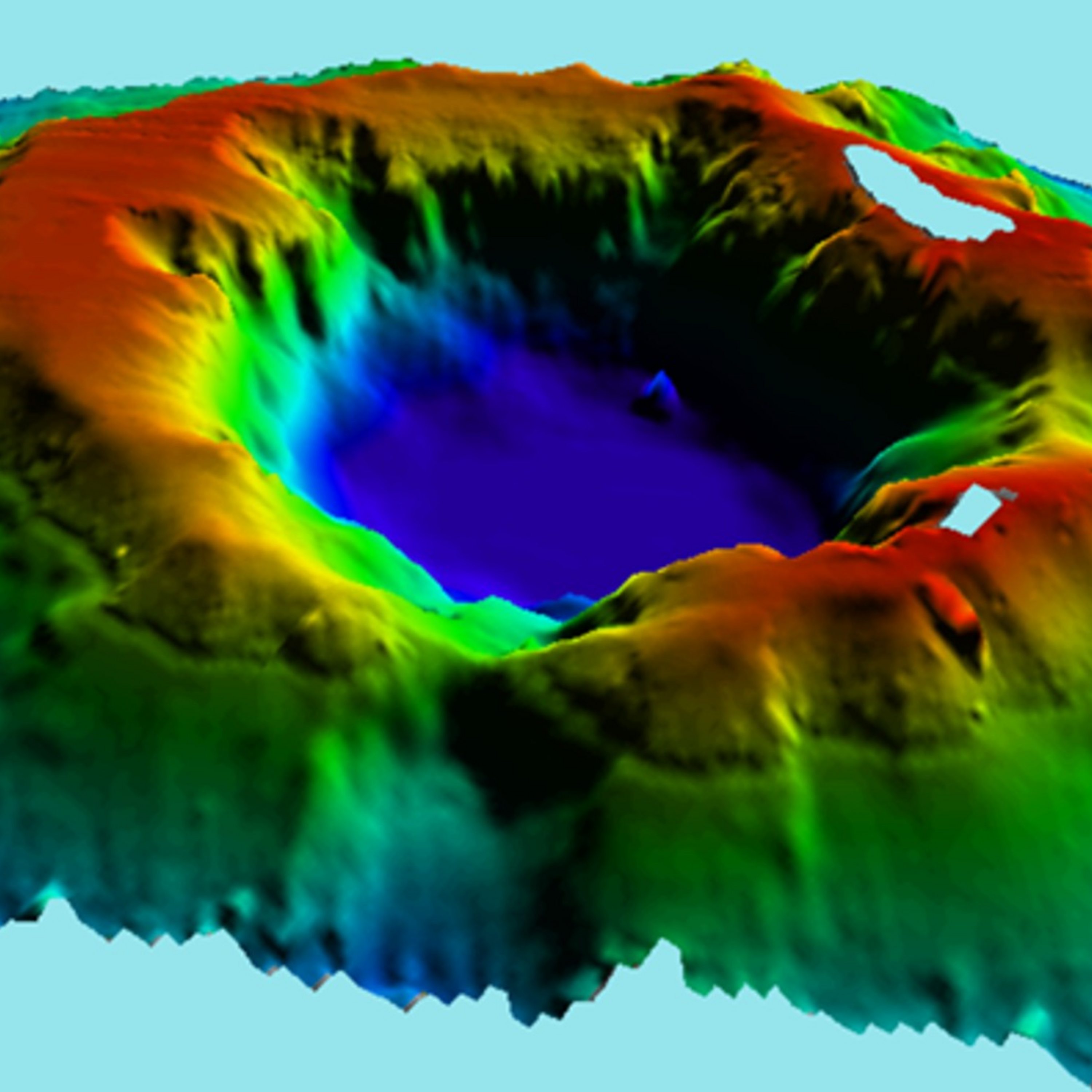
This week Science in Action comes from a vast gathering of earth scientists in Vienna, at the general assembly of the European Geosciences Union. Roland Pease hears the latest insights into the cataclysmic eruption of Hunga Tonga in the Pacific ocean from volcanologist Shane Cronin of the University of Auckland. He also talks to NASA's Michael Way about how the planet Venus might have acquired its hellish super-greenhouse atmosphere, and how the same thing could happen to planet Earth. There’s intriguing research from geologist John Tarduno of the University of Rochester that hints of a link between the ups and downs of the Earth’s magnetic field and the evolutionary history of animals. Fraser Lott of the UK's Hadley Centre explains his ideas for calculating an individual person's responsibility for climate change-driven extreme weather events.And ...On Crowd Science, why can't I find gold in my back yard?If you go outside with a spade and start digging, the chances are you won't find any gold. You might get lucky or just happen to live in a place where people have been finding gold for centuries. But for the most part, there'll be none. But why is that? Why do metals and minerals show up in some places and not others?It's a question that's been bothering CrowdScience listener Martijn in the Netherlands, who has noticed the physical effects of mining in various different places while on his travels. It’s also a really important question for the future – specific elements are crucial to modern technology and renewable energy, and we need to find them somewhere.Marnie Chesterton heads off on a hunt for answers, starting in a Scottish river where gold can sometimes be found. But why is it there, and how did it get there? Marnie goes on a journey through the inner workings of Earth's geology and the upheaval that happens beneath our feet to produce a deposit that’s worth mining.On the way she discovers shimmering pools of lithium amongst the arid beauty of the Atacama Desert, meets researchers who are blasting rocks with lasers and melting them with a flame that’s hotter than the surface of the sun, and heads to the bottom of the ocean to encounter strange potato-sized lumps containing every single element on Earth.And maybe, just maybe, she’ll also find gold.Image: Multi-beam sonar map of Hunga Tonga volcano post-eruption Credit: Shane Cronin/Uni of Auckland/Tonga Geological ServicesPresented by Roland Pease and Marnie Chesterton Report by Jane Chambers Produced by Andrew Luck-Baker and Ben Motley
Death in the rainforest
Tree mortality in tropical moist forests in Australia has been increasing since the mid 1980s. The death rate of trees appears to have doubled over that time period. According to an international team of researchers, the primary cause is drier air in these forests, the consequence of human-induced climate change. According to ecologist David Bauman, a similar process is likely underway in tropical forests on other continents. Also in the programme: the outbreaks of monkeypox in Europe and North America… Could SARS-CoV-2 infection lingering in the gut be a cause of Long Covid? News of a vaccine against Epstein Barr virus, the cause of mononucleosis, various cancers and multiple sclerosis. Digging and excavating are bywords for archaeology. But why does history end up deep under our feet?This question struck CrowdScience listener Sunil in an underground car park. Archaeological remains found during the car park’s construction were displayed in the subterranean stairwells, getting progressively older the deeper he went. How had these treasures become covered in so much soil over the centuries?CrowdScience visits Lisbon, the capital of Portugal – and home to the above-mentioned multi-storey car park. The city has evidence of human habitation stretching back into prehistory, with remnants of successive civilisations embedded and jumbled up below today’s street level. Why did it all end up like this?Human behaviour is one factor, but natural processes are at work too. Over at Butser Ancient Farm, an experimental archaeology site in the UK, we explore the myriad forces of nature that cover up – or expose - ancient buildings and artefacts over time.Image: Credit: Getty Images
Portrait of the monster black hole at our galaxy’s heart
The heaviest thing in the Galaxy has now been imaged by the biggest telescope on Earth. This is Sagittarius A*, the supermassive black hole at the centre of our Galaxy – a gas and star-consuming object, a 4 million times the mass of the Sun. The Event Horizon Telescope is not one device but a consortium of radio telescopes ranging from the South Pole to the Arctic Circle. Their combined data allowed astronomers to focus in on this extreme object for the first time. Astronomer Ziri Younsi from University College London talks to Roland Pease about the orange doughnut image causing all the excitement.Also in the programme…Climatologist Chris Funk talks about the role of La Niña and climate change in the record-breaking two year drought that continues to threaten the lives and livelihoods of millions of people in East Africa.Was a pig virus to blame for the death of the first patient to receive a pig heart transplant? We talk to the surgeon and scientist at the University of Maryland School of Medicine who led the historic animal to human transplant operation this year.How easy will it be to grow plants in lunar soil on future moon bases? Plant biologist Anna Lisa Paul has been testing the question in her lab at the University of Florida, Gainesville, with cress seeds and lunar regolith collected by the Apollo missions.And….Does photographic memory exist?Most people are great at remembering key points from important events in their lives, while the finer details - such as the colour of the table cloth in your favourite restaurant or the song playing on the radio while you brushed your teeth - are forgotten. But some people seem to have the power to remember events, documents or landscapes with almost perfect recall, which is widely referred to as having a photographic memory. CrowdScience listeners Tracy and Michael want to know if photographic memory actually exists and if not, what are the memory processes that allow people to remember certain details so much better than others?Putting her own memory skills to the test along the way, presenter Marnie Chesterton sets out to investigate just what’s happening inside our brains when we use our memories, the importance of being able to forget and why some people have better memories than others.Photo: First image of Sgr A*, the supermassive black hole at the centre of our galaxy Credit: EHT Collaboration, Southern European ObservatoryPresenter: Roland Pease and Marnie Chesterton Producer: Andrew Luck-Baker and Hannah Fisher
Mekong Delta will sink beneath the sea by 2100
The Mekong Delta is home to 17 million people and is Vietnam’s most productive agricultural region. An international group of scientists warn this week that almost all of the low lying delta will have sunk beneath the sea within 80 years without international action. Its disappearance is the result of both sea level rise and developments such as dams and sand mining, as Matt Kondolf of the University of California, Berkeley explains to Roland Pease.Also in the programme: Seismologist Laura Emert on using the rumbling of traffic in Mexico City to monitor earthquake hazards.Mars-shaking Marsquakes – recent record-breaking quakes on Mars explained by seismologist Anna Horleston of Bristol University.A record-breaking high jumping robot designed by mechanical engineer and roboticist Elliot Hawkes which is so light it can access any terrain, perhaps even the moon.And gene editing….Humans now have the ability to directly change their DNA and gene-editing tool CRISPR has led to a new era in gene-editing. CrowdScience listener ‘Bones’ wants to know how gene-editing is currently being used and what might be possible in the future.Gene-editing offers huge opportunities for the prevention and treatment of human diseases, and trials are currently underway in a wide range of diseases like sickle cell anaemia. CrowdScience presenter Caroline Steel finds out about some of the most promising work tackling disease before turning to consider the possibilities of using gene editing for non-medical changes.Will we be able to extend human longevity, swap our eye colour or enhance athletic performance? And even if we can do all these things, should we?As scientists push the boundaries of gene-editing and some people are DIY experimenting on themselves with CRISPR, we discuss the practical and ethical challenges facing this promising but potentially perilous area of science.Photo: Mekong River in Kampong Cham, Cambodia Credit: Muaz Jaffar/EyeEm/Getty ImagesPresenters: Roland Pease and Caroline Steel Producers: Andrew Luck-Baker and Melanie Brown
The Indian subcontinent’s record-breaking heatwave
Deadly heat has been building over the Indian sub-continent for weeks and this week reached crisis levels. India experienced its hottest March on record and temperatures over 40 degrees Celsius (and in some places approaching 50 degrees) are making it almost impossible for 1.4 billion people to work. It’s damaging crops and it’s just what climate scientists have been warning about. Roland Pease talks to Vimal Mishra of the Indian Institute of Technology in Gandhinagar about the impact and causes of the unprecedented heatwave.What could be behind the incidence of hepatitis in young children around the world in recent months? Ordinarily, liver disease in childhood is extremely rare. Could a virus normally associated with colds be responsible or is the Covid virus involved? Roland Pease talks to virologist William Irving of Nottingham University.Also in the programme: How climate change is increasing the likelihood of animal viruses jumping the species barrier to humans with global change modeller Colin Carlson of Georgetown University. Myths about the personalities of dog breeds are exploded with new research by Elinor Karlsson of the University of Massachusetts Medical School.And how do we stay up when we ride a bicycle? Lots of us can do it without even thinking about it, but probably very few of us can say exactly HOW we do it. Well, CrowdScience listener Arif and his children Maryam and Mohammed from India want to understand what’s going on in our heads when we go for a cycle, and how we learn to do it in the first place.Marnie Chesterton is on the case, tracking down a neuroscientists studying how our brains and bodies work together to keep us balanced whether we’re walking or trying to ride a bicycle. She learns about the quirks of bicycle engineering from researchers in the Netherlands who are part of a lab entirely devoted to answering this question. In the process falling off of some unusual bicycles and uncovering the surprising truth that physics might not yet have a proper answer. And we peer deeper into our brains to find out why some memories last longer than others, whether some people can learn quicker than others and the best way to learn a new skill. (Photo: Woman cooling herself in India heatwave Credit: Debajyoti Chakraborty/NurPhoto via Getty Images)Presenters: Roland Pease and Marnie Chesterton Producers: Andrew Luck-Baker and Emily Bird for BBC World Service
Climate techno-fix would worsen global malaria burden
As a series of UN climate reports have warned recently, drastic reductions in greenhouse gas emissions – a halving over the next decade – are needed if we are to keep global warming down to manageable levels. No sign of that happening. An emergency measure to buy time that’s sometimes discussed is solar geoengineering – creating an atmospheric sunscreen that reduces incoming solar heat. Sulphate compounds in volcanic gases or in industrial fumes attract water vapour to make a fine haze and have that effect. The difference would be starting a deliberate programme of injecting sulphate particles into the stratosphere. There are a host of arguments against it, including a revulsion against adding another pollutant to the atmosphere to offset the one, carbon dioxide, that’s giving us problems in the first place. Another objection, outlined this week, is that it could set back the global fight against malaria - a major killer in its own right. University of Cape Town ecologist Chris Trisos tells Roland Pease what his team’s modelling study revealed.Yale University neurologist Kevin Sheth talks to us about a revolution in medical scanning – small-scale MRI machines that can be wheeled to the patient’s bedside. According to palaeontologist Maria McNamara, an amazingly preserved pterosaur fossil from Brazil proves that some of these flying reptiles did have feathers similar to those of birds (and some dinosaurs), and that the feathers were of different colours, possibly for mating display. Primatologist Adrian Barnett has discovered that spider monkeys in one part of the Brazilian Amazon seek out fruit, full of live maggots to eat. Why? The ancient Maya flourished in modern day Mexico and Central America for millennia. They built incredible cities and they had sophisticated knowledge of astronomy, architecture and the natural world. But although Maya culture continues to exist today, around 900 AD, many of their great settlements collapsed, and today they lie in ruins.CrowdScience listener Michael wants to know - how did the Maya sustain their populations successfully for so long? And what happened 1000 years ago that led them to abandon their cities?To find out, Melanie Brown travels to the forests of Western Belize. She visits the archaeological site of Xunantunich to learn about what life would have been like for the Maya living in what was once a prosperous city. She hears about the importance of water to the Maya way of life in this region, and their ingenious methods for capturing and storing rainfall. She meets archaeologists using lasers and drones to map Maya settlements that have lain hidden by jungle for centuries. And she discovers what material from the bottom of lakes can tell us about how the Maya faced a changing climate, which may have had huge consequences for their society.(Photo: Illustration of a mosquito biting Credit: SCIEPRO/Science Photo Library/Getty Images)Presenters: Roland Pease and Melanie Brown Producers: Andrew Luck-Baker and Anand Jagatia
How ‘magic mushroom’ chemical treats depression
Brain scanning experiments reveal how psilocybin works to relieve severe depression. Psilocybin is the psychedelic substance in 'magic mushrooms'. The psychoactive chemical is currently in clinical trials in the UK and US as a potential treatment for depression and other mental illnesses. Professor David Nutt of Imperial College London tells Roland about the research Also in the show, worrying findings about the increase in premature deaths because of air pollution in growing cities in tropical Africa and Asia. An international group of climatologists has found that the tropical storms which struck Mozambique, Malawi and Madagascar in early 2022 had been made more intense by human-induced climate change. And astronomer David Jewitt used the Hubble telescope to measure the largest known comet in the solar system - it's huge at about 120 kilometres across.The team at CrowdScience has spent years answering all sorts of listener questions, which must make them pretty smart, right? IN this week’s episode, that assumption is rigorously tested as Marnie Chesterton and the team pit their wits against a multitude of mind-bending puzzles from an old TV game show - all in the name of answering a question from Antonia in Cyprus.She wants to know: how do we work out how clever someone is? Is IQ the best measure of cleverness? Why do we put such weight on academic performance? And where does emotional intelligence fit into it all?In the search for answers, presenter Marnie Chesterton and the team are locked in rooms to battle mental, physical, mystery, and skill-based challenges, all against the clock. Unpicking their efforts in the studio are a global team of cleverness researchers: Dr. Stuart Ritchie from Kings College London, Professor Sophie von Stumm from York University, and Dr. Alex Burgoyne, from the Georgia Institute of Technology in the US.They are challenged to face the toughest questions in their field: Why do men and women tend to perform differently in these tests? Is our smartness in our genes? And what about the Flynn effect – where IQs appear to have risen, decade after decade, around the world.(Image: Mexican Psilocybe Cubensis. An adult mushroom raining spores. Credit: Getty Images)
Tsunami detective in Tonga
Just over two months ago, the undersea volcano of Hunga Tonga erupted catastrophically, generating huge tsunamis and covering the islands of Tonga in ash. University of Auckland geologist Shane Cronin is now in Tonga, trying to piece together the sequence of violent events.Edinburgh University palaeontologist Ornella Bertrand tells us about her studies of the ancient mammals that inherited the Earth after the dinosaurs were wiped out. To her surprise, in the first 10 million years after the giant meteorite struck, natural selection favoured larger-bodied mammals, not smarter ones.At the University of Bristol, a team of engineers is developing skin for robots, designed to give future bots a fine sense of touch. Roland shakes hands with a prototype.A global satellite survey of the world’s largest coastal cities finds that most of them contain areas that are subsiding faster than the rate that the sea level is rising. Some cities are sinking more than ten times faster, putting many millions of people at an ever-increasing risk of flooding. Oceanographer Steven D’Hondt at the University of Rhode Island explains why this is happening.The odds of becoming a fossil are vanishingly small. And yet there seem to be an awful lot of them out there. In some parts of the world you can barely look at a rock without finding a fossil, and museum archives worldwide are stuffed with everything from ammonites to Archaeopteryx. But how many does that leave to be discovered by future fossil hunters? What’s the total number of fossils left to find?That’s what listener Anders Hegvik from Norway wants to know and what CrowdScience is off to investigate. Despite not having the technology or time to scan the entire planet, presenter Marnie Chesterton prepares to find a decent answer. During her quest, she meets the scientists who dig up fossils all over the world; does some very large sums; and asks whether we'll ever run out of the very best and most exciting fossil finds.(Image: An eruption occurs at the underwater volcano Hunga Tonga-Hunga Ha"apai off Tonga, January 14, 2022. Credit: Tonga Geological Services/via Reuters)
Radioactive Red Forest
Russian forces in the forested exclusion zone around the Chernobyl nuclear site may be receiving potentially dangerous levels of radiation. After the nuclear accident trees were felled and radioactive material was buried across the site. As the forest regrew its took up much of that radiation - making it the most radioactive forest in the world according to Tom Scott from Bristol University who studies radiation levels in the region. The troop's activities, from digging trenches to lighting fires as missiles are fired, may be releasing radiation. Its unclear how dangerous this is, but those with the greatest and most immediate exposure risk are the troops themselves.Australia’s iconic Great Barrier Reef has suffered a mass bleaching event – where coral can be killed by rising temperatures. This is the latest in a series of such events which also affect other reefs. Kate Quigley from The Australian Institute of Marine Science is working to breed corals that can be more heat tolerant. However, she says this is not a solution in itself without addressing climate change and continued ocean warming. Understanding the human genome has reached a new milestone, with a new analysis that digs deep into areas previously dismissed as ‘junk DNA’ but which may actually play a key role in diseases such as cancer and a range of developmental conditions. Karen Miga from the University of California, Santa Cruz is one of the leaders of the collaboration behind the new findings.And can fish do maths? Yes according to Vera Schlussel from the University of Bonn. Her group managed to train fish in both addition and subtraction. Many animals undertake remarkable migratory journeys; travelling thousands of miles only to return to same burrow or beach they departed from. Yet, unlike humans, they don’t have digital or paper maps to guide their way, so how are they able to orientate themselves with such accuracy?In the second part of this migration story, CrowdScience’s Anand Jagatia explores how animals are able to navigate using the sun, stars, smells, landmarks and magnetism to help guide them. Anand journeys to the coast of Florida where he helps to place a satellite tracker on a sea turtle in order to follow the long-distance journeys of these animals. He then visits a lab in North Carolina to meet a team that is recreating the earth’s magnetic fields to examine how sea turtles might be using these forces to find their feeding and nesting grounds.Anand wades into the hotly contested topic of just how birds may be sensing magnetic fields – and hears about one of the latest theories that suggests birds eyes may be exploiting quantum physics. The range of navigational tools we encounter throughout the animal kingdom from whales to ants is beguiling, Anand asks what does our increased understanding of these feats might mean for animal conservation as well as human development of mapping systems.(Image: Radiation hazard sign in Pripyat, a ghost town in northern Ukraine, evacuated the day after the Chernobyl disaster. Credit: Getty Images)
Covid in the sewers
Analysis of wastewater from sewage systems has provided an early warning system for the presence of Covid19 in communities – showing up in the water samples before people test positive. It’s also possible to identify the variants and even specific genetic mutations. Davida Smyth of Texas A&M University has been using this technique in New York and found intriguing results -forms of the virus not present in humans. The suggestion is that mutated forms may be infecting other animals, possibly those present in the sewers. An analysis of long Covid, symptoms of fatigue, and ‘brain fog’ which occur long after initial infection, show that around a quarter of those infected develop these symptoms. Lucy Cheke of Cambridge University discusses the implications. The war in Ukraine has highlighted the importance of the region in supplying raw materials and energy to other countries, gas, cereal crops, and fertilisers in particular. As crop scientist John Hammond from Reading University explains stopping of fertiliser exports from Russia, in particular, could impact food security in many countries. And with unseasonal fires already burning in the Western US Caroline Juang of Columbia University’s Earth Observatory gives us her analysis of the driving factors in the intensification of fires year on year.Faced with one cake and eight hungry people, it’s pretty obvious how maths underpins reality. But as mathematics gets further from common sense and into seemingly abstract territory, nature still seems to obey its rules - whether in the orbit of a planet, the number of petals on a flower, or the structure of an atom.But what exactly is the relationship between mathematics and reality? That’s the impossibly difficult question CrowdScience has been set this week by our listener Sergio in Peru. It’s one that’s been pondered by humans for millennia: the Greek philosopher Pythagoras believed “All is number”.Is maths a human construct to help us make sense of reality - a tool, a model, a language? Does maths create its own reality? Or is it reality itself?(Image: USA, New York, steam coming out from sewer. Credit: Westend61 via Getty Images)
Why are Covid19 cases rising in Hong Kong?
Hong Kong had been very successful at preventing the spread of Coivd19. Testing and isolation measures were very effective. However, vaccine uptake was low amongst elderly people and that says virologist Malik Peiris has now left them vulnerable to the highly infectious Omicron variant. The bombing of a scientific institute in the Ukrainian city of Kharkiv has echoes of the Stalinist purges says physicist and historical Mikhail Shifman. He tells us how the institute developed as a leading centre for physics in the 1930s, but scientists there fled or were murdered after being targeted by Stalin’s regime.Economic sanctions and other measures designed to isolate Russia are likely to have an impact on Russian participation in international scientific collaborations. Nikolay Voronin from the BBC’s Russian Service gives us his assessment of the immediate impact and, if the conflict continues long term, the potential for Russian science to retreat the kind of isolation last seen during the cold war.Massage has been used for thousands of years to soothe our aches and pains and help us relax. Today there are a wide array of styles to choose from – Swedish massage, deep tissue, hot stone, sport, Thai, the list goes on. But which techniques are backed up by evidence?CrowdScience listeners Catherine and Stacy are keen for us to untangle this knotty issue, so presenter Caroline Steel selflessly ventures from her desk to the massage table all in the name of science.Is there such thing as a muscle 'knot' and can massage help to get rid of them? Does lactate build up in our muscles and need to be released? And why does rubbing sore muscles feel so good? We dig into the physiological and psychological aspects of what's happening in our bodies when we get a massage.With scientists only beginning to study massage in recent decades, we put the research to the test with our many questions and even a bit of myth-busting. Can massage help us avoid injury or recover faster when we exercise? Does drinking water after a massage flush out toxins? Is self-massage or massage from a friend or family member just as good as that from a professional massage therapist? Can children benefit from massage?Caroline talks to medical professionals and experts to find out what works when it comes to treating a stiff neck and tight muscles and unpacks the importance of touch in relieving the tensions of modern life.(Photo: Patients wearing face masks rest at a makeshift treatment area outside a hospital, following a Covid-19 outbreak in Hong Kong, 2 March, 2022. Credit: Tyrone Siu/Reuters)
Covid -19 origins
Wuhan's Huanan Seafood Market is associated with many of the first cases or Covid- 19, but data on precisely how and from where the virus might have first spread has been difficult to find. However a re-examination of the earliest samples collected from the market seem to pinpoint where the virus first showed itself. Sydney University virologist Eddie Holmes says this evidence will be crucial in determining which animals may have initially passed the virus to humans.Humans are known to have passed the Sars-Cov-2 virus to other animals, including cats, mink and deer. Canadian researchers have recorded the first incident of a modified form of the virus passing back from deer to humans. Virologist Samira Mubareka from the University of Toronto explains the implications.Chernobyl, the site of the worlds worst nuclear accident is back in the news as the Russian invasion of Ukraine led to a stirring up of nuclear material when troops entered the site. Ukraine has a number of nuclear reactors, Claire Corkhill, professor of nuclear materials at Sheffield University explains the potential risks from the current conflict and safeguards in place.And we hear from Svitlana Krakovska Ukraine's representative on the Intergovernmental panel on Climate Change, on her thoughts on the prospects for climate action and scientific progress in The Ukraine.Also, If you took a fly into a really tall elevator and let it out at the top, would it still be able to fly? And what’s the absolute highest an insect could possibly go? It’s a question that’s been bugging CrowdScience listener Chee for a while, but presenter Alex Lathbridge is on the case.He discovers that when they’re not buzzing around your lunch, insects can be routinely found flying high up in the atmosphere travelling from A to B. There are also ground-dwelling bumblebees living in the mountains of Sichuan, China that have demonstrated an ability to fly at altitudes higher than the highest point on the planet.But leaving aside how high insects DO fly, how high COULD they fly if given the chance? Alex explores the theoretical limits of insect flight with the help of a bit of biomechanics – before contemplating the ultimate heights of the International Space Station where the mystery of whether a fruit fly will fly in zero gravity is finally answered.Image: Disinfection Work At Wuhan Huanan Wholesale Seafood Market, China 4 March 2020. Credit: Zhang Chang / China News Service via Getty Images.
Reforming the 'China Initiative'
A scheme in the US designed to prevent industrial espionage and the theft of intellectual property, is to be refocused after it was accused of unfairly targeting Chinese American scientists. We speak to Gang Chen, a professor from MIT who was falsely accused of financial crimes, and Holden Thorp Editor in Chief of the Journal Science who tells us why the ‘China Initiative’ is at odds with the reality of international scientific collaboration.And a huge study of farmed animals in China, from raccoon dogs to porcupines and Asian badgers, reveals that they carry a wide range of pathogens, including forms of avian flu and coronaviruses. Virologist Eddie Holmes from the University of Sydney, who was involved in the analysis, says these viruses may have the potential to jump species and infect humans – possibly leading to another pandemic.Controlling fire was a turning point in the development of human civilisation. But how did fire become part of the human toolkit? It’s a question that has got Crowdscience listener Joseph wondering. He wants to know how humans first made fire and how that knowledge spread around the world, eventually developing into our industrial civilisations today. Archaeologists have many different ideas and theories about this. Did humans learn the skill millions of years ago, and carry it with them as they migrated out of what is now Africa? Or was it a skill developed much later, after different groups had settled in different locations? Did people share the skill with each other or did different groups of people discover it individually?Marnie Chesterton speaks to experts to try to piece together the archaeological clues to discover what kindled humankind's relationship with fire and flame. She hears about the early evidence of fire from Anand Jagatia, who visits Wonderwerk Cave in South Africa, and she speaks to an archaeologist who has found remains of burned flint suggesting campfire locations dating back hundreds of thousands of years in Israel. Marnie also tries her hand at making fire, Neanderthal style. (Image: Students. Credit: Getty Images)
Bone repair from Covid-19 vaccine technology
Messenger RNA-based vaccines have been used successfully to kick start the antibody production needed to fight Covid-19. Now the technology has been successfully used to encourage the growth of new bones to heal severe fractures. The technique seems to work far better than the current alternatives says Maastricht University’s Elizabeth Rosado Balmayor.Ivory smuggling continues to be a lucrative business for international criminal gangs, however, DNA techniques to trace where ivory seized by law enforcement authorities originates are now so accurate that individual animals can be pinpointed to within a few hundred miles. This says Samuel Wasser at the University of Washington, can be used as evidence against those ivory trafficking gangs.And we look at development in attempts to detect and weigh neutrinos, elusive subatomic particles essential to our understanding of the makeup of the universe. Physicist Diana Parno from Carnegie Mellon University takes us through the latest findings.Philologists have borrowed a statistical method from ecology to try and work out how much medieval romantic literature has been lost. The results seem to depend on which languages were involved, and like ecological systems, whether they were shared in isolated communities says Oxford University’s Katarzyna KapitanHow good are you at finding your way from A to B? Humans throughout history have used all sorts of tools to get us to our destination – from a trusty map and compass to the instant directions on a smartphone sat nav. But CrowdScience listener Pam from Florida wants to know what happens when we leave the surface of the Earth – and try to navigate our way around space. Is there a North and South we can use to orientate ourselves? Which way is left if your nearest landmark is a million light-years away? And if you can’t tell which way is up, how do spacecraft know where they’re going? Presenter Anand Jagatia speaks to experts in an attempt to find his way through the tricky problem of intergalactic space navigation.(Image: Knee X-ray, illustration. Credit: Science Photo Library via Getty Images)
Inside Wuhan's coronavirus lab
The Wuhan Institute of Virology has been at the centre of a controversy surrounding the origins of the virus which caused the Covid-19 pandemic. The work of the lab's previously obscure division looking at bat coronaviruses has been the subject of massive speculation and misinformation campaigns. Journalist and former biomedical scientist Jane Qui has gained unique access to the lab. She has interviewed the staff there extensively and tells us what she found on her visits.And Tyler Starr from the Fred Hutchinson Institute in Seattle, has looked at a range of bat coronaviruses from around the world, looking to see whether they might have the capability to jump to humans in the future. He found many more than previously thought that either have or are potentially just a few mutations away from developing this ability.Nuclear fusion researchers at the 40-year-old Joint European Torus facility near Oxford in the Uk for just the 3rd time in its long history, put fully-fledged nuclear fuel, a mixture of hydrogen isotopes, into the device, and got nuclear energy out – 59 megajoules. They used a tiny amount of fuel to make this in comparison with coal or gas.A survey of Arctic waters under ice near the North pole has revealed a colony of giant sponges, feeding on fossilised worms. Deep-Sea Ecologists Autun Purser at the Alfred-Wegener-Institut and Teresa Maria Morganti from the Max Planck Institute for Marine Microbiology tells us about the discovery.And, Climate change and biodiversity loss are two of the biggest threats humanity has ever faced - and tackling them is going to take a whole lot of collaboration and putting others before ourselves. But are humans cut out for this level of cooperation? Or are we fundamentally too self-interested to work together for the common good?Listener Divyesh is not very hopeful about all this, so he’s asked CrowdScience if humans have a “selfish gene” that dooms us to failure when trying to meet these challenges. He's worried that humans are destined by our evolution to consume ever more natural resources and destroy the environment in the process.But while it's true that humans often act in our own interest, we also show high levels of cooperation and care. Could tapping into these beneficial behaviours help us solve our global problems? Marnie Chesterton goes on the hunt for the best ways to harness human nature for the good of planet Earth - from making sure the green choice is always the cheaper and easier option, to encouraging and nurturing our better, altruistic and collaborative sides.We visit a rural mountain community in Spain to see the centuries-old system they have for sharing common resources; while in the city, we meet activists figuring out how to live a more community-spirited and sustainable urban life. And we speak to experts in evolution, ecology and psychology to find out what helps nudge us into greener habits.(Image: Getty Images)
Identifying a more infectious HIV variant
We’re 40 years into the AIDS pandemic, and even with massive public health campaigns, still, 1 ½ million become infected with HIV each year; about half that number die of its ravages. And a study just out shows that this well-understood virus can still take on more worrying forms as a new variant has been uncovered. Although the total number of cases involved is small, and the new variant is as treatable as earlier strains, the finding underlines that viruses can become more infectious and more virulent. Back in October 2020, before we had effective vaccines, 36 plucky volunteers agreed to be deliberately infected with SARS-CoV-2 in order to better understand the infection process and outcomes in what’s known as a human “challenge” trial. Dr. Chris Chiu from Imperial College reveals what they’ve learned now the results of the study are in. We’ll hear about a new plastic that’s stronger than steel and as many gardeners have long suspected, – spring-flowering has over many years been occurring earlier and earlier, at least according to a new UK study. We discuss the implications for the ecosystem. Imagine spending six months of every year living in total shade. That’s what life is like for residents of the Norwegian town of Rjukan, set so low in a valley that they see no direct sunshine at all from October to March. Marnie Chesterton heads there to hear about an ingenious solution: giant mirrors that beam rays down into the town square, where locals gather to feel the reflected heat. The man behind the project was motivated by a need for winter sun – but how much difference does it really make to our health and happiness? That’s the question posed by this week’s Crowdscience listener Michael, who has noticed living in the rainy Australian city of Melbourne is taking its toll. Many pensioners claim sunshine relieves achiness as well as conditions like arthritis but one of the biggest scientific studies found temperature actually has no impact on reported pain levels, while factors like air pressure and humidity may play a role. When it comes to our mood, it seems that spending time outside is more important than feeling the heat and the optimum temperature for wellbeing is around cool 19 degrees centigrade, while excessive warm weather has been linked to an increase in violence and crime.(Image: 3d illustration of HIV virus. Credit: Artem Egorov via Getty Images)
The roots of Long Covid
There are now a number of biological indicators for the potential development of long covid. Immunologist Onur Boyman of Zurich University Hospital and Claire Steves, Clinical Senior Lecturer at King’s College London strives to tell us how pinpointing these factors is now helping in the development of strategies to predict the syndrome and prepare treatment.The James Webb telescope has reached its final orbit. The years of planning, preparation and rehearsal seem to have paid off. The telescope is now ready to begin its mission of looking back into the early universe. BBC Science correspondent Jonathan Amos has followed the mission.The widely held view that human development was propelled by our ancestors developing a taste for meat is being questioned by a new analysis of the fossil record. Paleoanthropologist Andrew Barr of George Washington University suggests part of the reason for this assumption is the sampling method, actively looking for evidence to support the hypothesis.And Michael Boudoin of Lille University has led a team of physicists who have produced the longest-lasting soap bubble ever – they managed to prevent the bubble from popping for well over a year.Also, How is a small budget pocket radio able to recreate all the atmosphere and sounds of a football match? CrowdScience listener Andy wants to know about the science enabling his radio listening, so presenter CrowdScience Geoff Marsh sets off - microphone in hand - to follow the journey of sound on the radio.Starting with the microphone, Geoff learns how acoustic energy is converted into electrical signals. Then BBC World Service presenter Gareth takes Geoff to a little-known room in the BBC called the Radio Shack. Gareth demonstrates how these electrical signals are attached to radio waves before being sent over the airwaves and they take a radio kit apart to understand how these waves are received and converted back into sound waves. Geoff talks to a speech and hearing specialist who, through the use of auditory illusions, shows Geoff that our brains are often filling in the gaps of lower quality audio.Finally, Geoff visits an acoustic lab at Salford University where he hears a demonstration of ‘object based audio’. This technology could enable us to create our own bespoke mix of dramas and sports, such as heightening the commentary sound or choosing to hear just the crowd, just by using the everyday speakers many have lying around them, such as mobile phones. (Image credit: Horacio Villalobos/Getty Images)
Tonga eruption – how it happened
The effects of the Tonga eruption could be felt around the world, many heard the boom of a sonic shock, and tsunami waves travelled far and wide. Volcanologist Shane Cronin from the University of Auckland in New Zealand is one of only a handful of people to have landed on the tiny islands above the volcano where the eruption took place. Those islands have now sunk beneath the waves but Shane tells us what he found when he went there and how his findings could inform what happens next.Stephan Grilli from the School of Ocean Engineering at the University of Rhode Island joins us from Toulon in France where he felt the effects of the shockwave and Tsunami. He says the force of the shockwave drove those waves worldwide.The oceans have continued to warm, producing continuous record temperature rises for several years now. That’s the finding of Michael Mann of the University of Pennsylvania and author of The New Climate Wars. He says warming occurred last year despite the presence of global weather patterns which would usually have a cooling effect.The long-term effects of covid-19 on health are a cause of growing concern even though in many places the virus itself now appears to be taking on a milder form. Yale University neuroscientist Serena Spudich is particularly concerned with covid’s impact on the brain. She says while the SARS- CoV-2 virus might not be found in brain cells themselves there are neurological impacts.Scientists have been searching for dark matter for decades, and think there’s six times more of it in the universe than the stuff we can actually see, like stars and planets. But they still don’t know what it is. So how can we be sure dark matter really exists? And why does it matter, anyway?Back in 2018, armed with a boiler suit, hard hat and ear defenders, Marnie Chesterton travelled over a kilometre underground into a hot and sweaty mine to see how scientists are valiantly trying to catch some elusive particles – in the hope of settling things once and for all.Several years on we return to the problem, tackling a few more CrowdScience listeners’ questions about dark matter, and hearing whether we’re any closer to uncovering its mysteries. We’re joined in our quest by Dr Chanda Prescod-Weinstein, physicist and author of The Disordered Cosmos: A Journey into Dark Matter, Spacetime, and Dreams Deferred.With Professor Malcolm Fairbairn, Dr Chanda Prescod-Weinstein, Dr Chamkaur Ghag and Professor Katherine Freese.
Have we got it wrong on Omicron?
Studies using swabs from coronavirus patients seem to contradict earlier findings from cell cultures which showed Omicon replicated faster than earlier variants. As Benjamin Meyer from the centre for Vaccinology at the University of Geneva, explains there may be other reasons why omicron is spreading faster not just how quickly it reproduces.Predicting how the pandemic will develop is not possible, however predicting what individual mutations in the virus may develop and the impact they might have individually and collectively is getting closer, Cyrus Maher and Amalio Telenti of the biotech company Vir, have developed a way to model potential future viral mutations which they hope will now be used by many scientists worldwide looking to understand the virus.There are concerns that other viruses may be on the rise, bird flu in particular, which as Nicola Lewis of the Royal Veterinary College explains is now spreading to part of the world where it is not usually seen, and infecting other animals as well as birds.And we’ve news of a massive collection of nests – at the bottom of the sea, Deep sea Ecologist Autun Perser describes how he found them in Antarctica.Also, Are big heads smarter? We live in a world where bigger is often seen as better - and the size of someone's brain is no exception. But a listener in Nairobi wants to know, does size really matter when it comes to grey matter? CrowdScience presenter Marnie Chesterton is on a mission to find out if the physical attributes of our head and brain can tell us anything about what's going on inside. We certainly thought so in the past.In the 1800s, phrenology – determining someone’s characteristics by their skull shape – was very fashionable and curator Malcolm MacCallum gives us a tour of the extensive phrenological collection of death masks and skulls in Edinburgh’s anatomy museum. It's a 'science' that's now been completely debunked. Yet there’s no escaping the fact that over our evolutionary history, human brain size has increased dramatically alongside our cognitive capabilities.But is it the whole story? Rick Potts, Director of the Human Origins Program at the Smithsonian tells of the point in time when human brains expanded the most; a time when the climate was changing, resources were unreliable and the intelligence to be adaptable might mean the difference between life and death. Adaptability is also key to Professor Wendy Johnson’s definition of intelligence, although she points out that IQ test, flawed as they are, are still the best predictor we have for intelligence… and that, yes, there is a weak correlation between having a larger head, and doing better at IQ tests. Why is that? We don’t know, says Dr Stuart Ritchie from KCL. According to him, neuroscientists are only in the foothills of understanding how a physical difference in the brain might underpin a person’s psychology. But researching this could offer valuable insights into how our amazing brains work.(Image: Getty Images)
CORBEVAX – A vaccine for the world?
Now being produced in India CORBEVAX is grown in yeast in a similar way to several other widely available vaccines. The technology used to make it is far simpler and much more readily available than that used to produce mRNA vaccines. In theory, CORBEVAX could be produced cheaply in large quantities and go a long way to addressing the problems of Covid19 vaccine availability globally. It was developed by a team from Baylor College of Medicine in Texas including Maria Elena Bottazzi.Antibiotic-resistant superbugs are thought to have emerged in repose to the use of antibiotics, however, the discovery of a superbug living on the skin of hedgehogs has challenged this view. The superbug is thought to have been living with hedgehogs long before antibiotics were discovered. Jesper and Anders Larsen at the Danish State Serum Institute in Copenhagen explain.Modifying viruses, using them to infect or kill pest organisms is an attractive proposition. However, there are concerns over what might happen when they are released, particularly over their ability to mutate and evolve says Filippa Lentzos from Kings College Department of Global Health and Social Medicine in London.And The Royal Botanical Gardens at Kew have released the names of over 200 new species of plants and fungi discovered last year. Mycologist Tuula Niskanen and botanist Martin Cheek tell us more.Also... “I’m bored!” We can all relate to the uncomfortable - and at times unbearable - feeling of boredom. But what is it? Why does it happen? And could this frustrating, thumb-twiddling experience actually serve some evolutionary purpose? CrowdScience listener Brian started wondering this over a particularly uninspiring bowl of washing up, and it’s ended with Marnie Chesterton going on a blessedly un-boring tour through the science and psychology of tedium. She finds out why some people are more affected than others, why boredom is the key to discovery and innovation, and how we can all start improving our lives by embracing those mind-numbing moments.(Image: Getty Images)
Omicron – mild or monster?
Studies from South Africa and the UK suggest Omicron may be a mild infection for the majority of people. Hospital admissions are down when compared with other variants. However, the virus is replicating at a much faster rate than earlier variants and is able to overcome vaccines to some extent. Cases studies so far have mainly been in young people. There is concern over what will now happen as Omicron spreads across Europe and the US where there are older unvaccinated populations. Anne von Gottberg from South Africa’s National Institute for Communicable Diseases tells us what early results from studies there show and discusses the implications. Typhoon Rai in the Philippines led to the loss of many lives and even destroyed buildings designed to resist such extreme weather events. Could more have been done either to predict the ferocity of the typhoon or to prepare for its impact? Liz Stephens, Associate Professor in Climate Risks and Resilience from the University of Reading discusses these issues.Beavers are making a comeback – in the Arctic. Their activity in engineering the landscape, building dams, and changing water courses is so widespread it can be picked out by satellites. However, this is not entirely welcome says Helen Wheeler Senior Lecturer in Zoology at Anglia Ruskin University. who has been working with local people concerned about the beavers impact on their livelihoods.And the James Webb telescope is finally launching. Heidi Hammel, who has been involved in the project for over 20 years tells us what it’s all about. Raindrops on roses and whiskers on kittens – CrowdScience has covered a lot this year. And what better way to see out 2021 than to look back at a few of our (and your!) favourite things? Great questions are right at the top of the team’s list – especially with the way that for every one we answer, five more appear in our inbox!So for a festive treat, Marnie asks the crew to answer three of them. What's the sun's role in our sense of direction? Why are we so uncomfortable with other people’s sadness? And why does listening to the radio make us sleepy? (Or is it just too much eggnog…?) From our favourite listener advice on how to keep your Christmas lights untangled to why cold swimming could activate your Vagus nerve, tune in for new questions and more CrowdScience favourites to light up your holiday season!Presented by Marnie Chesterton and many members the CrowdScience Team – Melanie Brown, Marijke Peters, Caroline Steel, Hannah Fisher, Samara Linton and Anand Jagatia. Produced by Sam Baker for BBC World Service.Featuring:• Haneul Jang, post-doctoral researcher, the Max Planck Institute for Evolutionary Anthropology • Juliet Rosenfeld, psychotherapist and author of The State of Disbelief: A Story of Death, Love and Forgetting • Mathias Basner, professor of psychiatry, University of Pennsylvania(Image: Getty Images)
Omicron’s rapid replication rate
A study from Hong Kong university shows Omicron replicates 70 times faster than two earlier variants of the SARS-Cov-2 virus. Virologist Malik Peiris, explains how tests using cells from the wind pipe showed the dramatic difference, which supports observations of increased transmission. In contrast Omicron replicated less well than other variants on cells from dep in thre lung – offering some possibility that it may produce mild infections.Tornados in the US do not normally occur in December. The one which swept across Kentucky and 3 other states was fuelled by weather patterns likely to have been influenced by long term climate change says Geographer James Elsner of Florida State University.The Parker Solar probe continues its mission of flying closer and closer to the sun. Results just published show what the data the probe picked up when it dipped into the surrounding plasma. NASA’s Nicky Fox is our guide.And how many legs does a millipede have? Until now not as many as you might think. Entomologist Paul Marek of Virginia Tech reveals the Australian specimen with more legs than ever seen before.As many of us gear up for the annual Christmas feast, some of you may be wondering how to eat everything before it goes off. It’s a great question, as the UN puts global food waste at a whopping 1.3 billion tonnes a year – that’s one third of all edible produce being thrown in the bin.So this week the team investigates listener Peter’s query about what makes some fruit and vegetables rot faster than others. Preserving food used to be about ensuring nomadic populations could keep moving without going hungry, but these days some things seem to have an almost indefinite shelf-life. Is it about better packaging or can clever chemistry help products stay better for longer? A Master Food Preserver explains how heat and cold help keep microbes at bay, and how fermentation encourages the growth of healthy bacteria which crowd out the ones that make us ill.Presenter Datshiane Navanayagam learns how to make a sauerkraut that could keep for weeks, and investigates the gases that food giants use to keep fruit and veg field-fresh. But as the industry searches for new techniques to stretch shelf-life even further could preservatives in food be affecting our microbiome? Research shows sulphites may be killing off ‘friendly’ gut bacteria linked to preventing conditions including cancer and Crohn’s disease.(Image: Omicron variant (B.1.1.529): Immunofluorescence staining of uninfected and infected Vero E6 cells. Credit: Microbiology HKU/BSIP/Universal Images Group via Getty Images)
Can the weather trigger a volcano?
Which came first the volcano or the rain? Volcanic eruptions are known to influence global climate systems, even leading to the cooling of the planet. However local weather conditions can also influence the timing and ferocity of volcanic eruptions. As volcanologist Jenni Barclay explains rainwater can contribute to volcanic instability and even increase the explosiveness of eruptions.Syria has been experiencing civil war for more than 10 years. Many people have left including many of the country's scientists. We speak with 3 exiled Syrian scientists Shaher Abdullateef, Abdulkader Rashwani, and Abdul Hafez about their current work, which involves working with other academics and students in Syria sometimes remotely and sometimes directly.New findings from Chile reveal an unknown Tsunami emanating from an earthquake there in the 1700s. Historical records mention other ones, but not this one. Geoscientist Emma Hocking found the evidence in layers of sand.And we discuss the development of tiny robot-like structures made from frog cells, they can move and build other copies of themselves. Sam Kreigman and Michael Levin explain how.And, Life is full of choices, from the mundane (like what to wear today) to the critical (how should we deal with the pandemic?). So how can we make the best decisions? That’s what listener David wants to know.To investigate, Caroline Steel learns how being smarter doesn’t necessarily make you a good decision maker. She speaks to researchers about the importance of ‘gut feelings’ – and how certain people with no intuition whatsoever can struggle to make choices. She also learns why it’s easier to give advice to other people than to follow it yourself, and how we can work together to make the best decisions in a group.(Image: Eruption of Semeru. Credit: Getty Images)
Omicron, racism and trust
South Africa announced their discovery of the Omicron variant to the world as quickly as they could. The response from many nations was panic and the closure of transport links with southern Africa. Tulio de Oliveira who made the initial announcement and leads South Africa’s Centre for Epidemic Response and Innovation tells us this is now having a negative effect on the country, with cases rising but vital supplies needed to tackle the virus not arriving thanks to the blockade.Omicron contains many more mutations than previous variants. However scientists have produced models in the past which can help us understand what these mutations do. Rockefeller University virologist Theodora Hatziioannou produced one very similar to Omicron and she tells us why the similarities are cause for concern.Science sleuth Elisabeth Bik and Mohammad Razai, professor of Primary Care in St George’s University in London have just been awarded the John Maddox Prize for their campaigning investigations in science. Elisabeth is particularly concerned with mistakes, deliberate or accidental in scientific publications, and Mohammad structural racism in approaches to healthcare.Laura Figueroa from University of Massachusetts in Amhert in the US, has been investigating bees’ digestive systems. Though these are not conventional honey bees, they are Costa Rican vulture bees. They feed on rotting meat, but still produce honey.And, What makes things sticky? Listener Mitch from the USA began wondering while he was taking down some very sticky wallpaper. Our world would quite literally fall apart without adhesives. They are almost everywhere – in our buildings, in our cars and in our smartphones. But how do they hold things together?To find out, presenter Marnie Chesterton visits a luthier, Anette Fajardo, who uses animal glues every day in her job making violins. These glues have been used since the ancient Egyptians –but adhesives are much older than that. Marnie speaks to archaeologist Dr Geeske Langejans from Delft University of Technology about prehistoric glues made from birch bark, dated to 200,000 years ago. She goes to see a chemist, Prof Steven Abbott, who helps her understand why anything actually sticks to anything else. And she speaks to physicist Dr Ivan Vera-Marun at the University of Manchester, about the nanotechnologists using adhesion at tiny scales to make materials of the future.(Photo: Vaccination centre in South Africa administering Covid-19 vaccine after news of Omicron variant. Credit: Xabiso Mkhabela/Anadolu Agency/Getty Images)
Deliberately doomed dart
d dart Science in ActionDART is a space mission designed to hit a distant asteroid and knock it slightly out of orbit. It’s a test mission, a pilot project for a way of potentially protecting the earth from a stray asteroid. We hear from mission coordinators Nancy Chabot and Andy Rivkin, both from the Applied Physics Labs, APL, of Johns Hopkins University.A new kind of Covid-19 vaccine has successfully undergone preliminary tests. Tuebingen University’s Juliane Walz tells us about how it hopes to stimulate a longer lasting protective effect against the virus than current vaccines.And Haley Randolph of Chicago University sheds light on how our ancient ancestors’ exposure to viruses influences our susceptibility today.Historian Robert Schulmann gives us an insight into the significance of research notes by Albert Einstein and Michele Besso. Sold at auction in France the notes give an insight into the collaboration between the two scientists which led to much of what we now understand about the fundamentals of physics.And, In most cultures, the soundtrack to our lives is one of optimism. We're told to aim for the stars, dream big and believe that tomorrow will definitely be a better day. But why do so many people subscribe to the cult of 'glass half full' when life’s hardships should make any reasonable person a bit more wary?Listener Hannah from Germany - a self-described pessimist - is intrigued as to whether the alternative, optimistic way of life is really the best way to be. Cheerily taking on the challenge is ray of sunshine Marnie Chesterton, who finds out why 80% of the population have an optimism bias and how the ability to hope and take risks may have helped the human species get where it is today. She also meets a man who pushes the optimistic outlook to its very limits - BASE jumping world champion, Espen Fadnes. Listener Hannah on the other hand looks into the psychology of pessimism to find out if there are any advantages to her less rose-tinted view on life - and whether the culture we grow up in shapes how realistically we see the world.We ask whether optimism or pessimism is the answer to a happy life.Image: NASA's DART Spacecraft Launches in World's First Planetary Defense Test Mission Credit: NASA/Bill Ingalls
The end for coal power?
The political message from the COP meeting was a fudge over coal, but what does the science say? Surprisingly India seems to be on track to switch away from coal to renewables. We explore the apparent contradiction with Lauri Myllyvirta of the thinktank Centre for Research on Energy and Clean Air. Also a synchrotron for Africa, how such a project would give a boost to scientific development across the continent, with Marielle Agbahoungbata from the X-tech Lab in Seme City in Benin. Moriba Jah, who leads the Computational Astronautical Sciences and Technologies Group, at the University of Texas, in Austin, tells us what he saw when an exploding Russian satellite sent a shower of debris into the path of the International Space Station. And the animals that carry SARS-Cov-2, an analysis from Barbara Han of the Cary Institute of Ecosystem Studies in New York shows there are many more than previously thought.Image: A coal-fired power station in Nanjing in east China Credit: Feature China/Barcroft Media via Getty ImagesPresenter: Roland Pease Producer: Julian SiddleThe political message from the COP meeting was a fudge over coal, but what does the science say? Surprisingly India seems to be on track to switch away from coal to renewables. We explore the apparent contradiction with Lauri Myllyvirta of the thinktank Centre for Research on Energy and Clean Air. Also a synchrotron for Africa, how such a project would give a boost to scientific development across the continent, with Marielle Agbahoungbata from the X-tech Lab in Seme City in Benin. Moriba Jah, who leads the Computational Astronautical Sciences and Technologies Group, at the University of Texas, in Austin, tells us what he saw when an exploding Russian satellite sent a shower of debris into the path of the International Space Station. And the animals that carry SARS-Cov-2, an analysis from Barbara Han of the Cary Institute of Ecosystem Studies in New York shows there are many more than previously thought.And, Cats started hanging out with humans thousands of years ago, and nowadays these fluffy, lovable pets are found in many of our homes. But there’s no doubt lots of them still have keen hunting instincts - witness all the birds and small mammals they kill each year.CrowdScience listener Rachel started wondering whether her cat Eva could fend for herself while watching her uncoordinated swipes at a toy on a string, and seeing her fall off the sofa. Even though Eva was once a stray, she now lives entirely indoors, and it's hard to imagine her holding her own back on the mean streets. But could this pampered pet recover her survival instincts? Or would she go hungry, or fall foul of other cats or predators?Cat behaviour expert Roger Tabor is on hand with answers. His pioneering ‘cat-navs’ shine a light on what cats get up to inside and outside the home: we meet one of his subjects, a tiny cat with a fierce personality. Roger explains how a cat’s survival toolkit depends on their sex, breed, and above all their early life. Environment matters, too, so in Japan, where Rachel and her pet cat live, we visit a cat shelter to learn about the day-to-day challenges stray cats faceAnd just how ‘domestic’ are our cats, anyway? How different are they from their wildcat cousins, and how did they come to be our companions in the first place? It turns out beguiling humans might be even more of a survival trick than hunting.Image: A coal-fired power station in Nanjing in east China Credit: Feature China/Barcroft Media via Getty Images
Bambi got Covid
Up to 8 percent of deer sampled in studies in the US were found to be infected with the SARS-Cov-2 Virus. Suresh Kuchipudi from the Department of Veterinary and Biomedical Sciences at Penn State University in the US says what they are seeing is a mixture of human to deer and deer to deer transmission of the virus. There is concern that its presence in animal reservoirs could lead to a new form of the virus emerging. Tropical forests and spread of zoonotic diseases And as the Cop26 meeting in Glasgow draws to a close we ask how global policy on climate will impact the spread of zoonotic disease. Spill over of possible pandemic pathogens from animals to humans occurs with the destruction of tropical forests in particular and can expose people to previously unknown zoonotic diseases such as Covid 19.Aaron Bernstein from the Coalition to Prevent Pandemics at the Source says healthcare initiatives designed to reduce the potential spread of such diseases need to be designed to work in tandem with conservation and climate change impact reduction initiatives, essentially tackling both problems simultaneously. LED lighting Researchers in South Africa are looking into ways of making LED lighting both cheaper and more efficient. This should help reduce energy consumption, a prerequisite for effective policy on climate change. In addition, as Professor Odireleng Martin Ntwaeaborwa tells us, the technology now has many applications in places where access to electricity is limited, including South Africa which currently has regular power outages. Personalised medicine And personalised medicine based on our genes took a further step forward this week. Richard Scott, Chief Medical Officer for Genomics England discusses new findings which reveal the genetic basis for a range or rare diseases.And, Concrete is the most widely used substance on earth after water. It’s quite literally the foundation of the modern world, and no wonder - it’s strong, cheap, and mouldable into nearly any shape.But these benefits come at a cost: concrete production is responsible for around 8% of global CO2 emissions - that’s around three times more than the aviation industry.Concrete might not look pretty, but given its carbon footprint, should we be more careful about how we use it? And rather than throwing waste into landfill, could we recycle it instead? That’s what Crowdscience listener Catherine wants to know.To investigate, Marnie Chesterton and Anand Jagatia learn more about what makes concrete such a brilliant and versatile material. It’s down to the chemistry of how cement dries – which, it turns out, is anything but boring. They find out how the stuff is made, and why that produces so much carbon. And they hear about some ingenious projects to repurpose demolition waste – including creating underwater habitats for marine life, and using 3D printers to turn crushed concrete into street furniture. Image: Bambi, lobbycard, 1942 Photo by LMPC via Getty Images Presenter: Roland Pease
Jet fuel from thin air
Scientists in Switzerland have developed a system which uses solar energy to extract gases such as hydrogen and carbon dioxide from the air and turns them into fuels for transport. So far they have only made small quantities in experimental reactors, however they say with the right investment their alternatives to fossil fuels could be scaled up to provide a climate friendly way to power transport, particularly aviation and shipping. We speak to Aldo Steinfeld and Tony Patt from ETH Zurich and Johan Lilliestam from the University of Potsdam.And what will rises in global temperature mean where you live? An interactive model developed by Bristol University’s Seb Steinig shows how an average global rise of say 1.5C affects different regions, with some potentially seeing much higher temperatures than others. Dan Lunt – one of the contributing authors to this year’s IPCC report discusses the implications.We also look at racism in science, with problems caused by decisions on the naming of ancient bones more than 200 years ago. As more is known about human evolution, the way we classify the past seems to make less sense says Mirjana Roksandic.And the issue of colonialism looms large in the international response to conservation. Its legacy has been discussed at COP26 and as Lauren Rudd, author of a new study on racism in conservation tells us, this hangover from colonial times is limiting the effectiveness of current conservation initiatives.And, The science is unequivocal: human-made climate change is leading the world into an environmental crisis, and time is running out to prevent permanent damage to ecosystems and make the planet uninhabitable for many of us humans.As communities around the world increasingly experience the devastating effects of global warming, world leaders, policy makers and scientists from all over the globe are attending COP26, the United Nation’s major climate summit in Glasgow, Scotland. Each nation will be frantically negotiating its commitments to tackling emissions - many agree it’s a pivotal moment for the future of humanity.Crowdscience hosts a panel of three experts taking part in the conference, to hear their thoughts on what progress has been made so far. They answer listener questions on rising sea levels, explaining that a temperature rise of more than 1.5 degrees won’t just affect small island nations but will have serious consequences for every country in the world. We hear about an interactive atlas developed by the Intergovernmental Panel on Climate Change (IPCC) that shows the impact of higher temperatures in different regions.And presenter Marnie Chesterton asks about the financial barriers that have prevented many people from traveling to COP26 and discovers why it’s vital that people from the global south have their voices heard.Image: President Biden and his wife travelling to the G20 summit in Rome and COP26 in Glasgow. Photo by BRENDAN SMIALOWSKI/AFP via Getty Images.
Can we still avoid climate catastrophe?
Just a few days before COP26 opens in Glasgow, the World Meteorological Organisation reported record greenhouse gas levels, despite a fall in CO2 due to pandemic restrictions. The UN Environment Programme’s Emissions Gap Report also revealed that current country pledges will only take 7.5% off predicted greenhouse gas emissions by 2030, well below the 55% needed to limit global warming to 1.5C. Worse still, many large emission producers are not on track to meet their countries’ pledges. Rachel Warren, Tyndall Centre for Climate Change Research, tells us the 1.5C limit is still achievable if we work in tandem with nature. Research by Sara Mikaloff-Fletcher, National Institute of Water and Atmospheric Research (NIWA), illustrates this. Her contribution to the WMO Greenhouse Bulletin revealed that New Zealand’s indigenous forests play a bigger role in absorbing carbon from the atmosphere than previously thought. Also on the programme, Abinash Mohanty, Council on Energy, Environment and Water, has been mapping climate vulnerability in India and explains why communities should be at the forefront of climate adaptation and mitigation strategies. And particle physicist Claire Malone shares her insights on how we can help women thrive in science, technology, engineering and mathematics (STEM) fields. Picture: Aerial shot at the edge of Lake Carezza showing storm damaged forest, Dolomites, Italy. And, As the world slowly moves away from using fossil fuels for electricity, one tiny Scottish island has proved it’s possible to rely almost entirely on renewables.The inner Hebridean isle of Eigg used to get its power from diesel generators. But in 2008 its residents launched the world’s first electricity system powered by nature, and the Crowdscience team wants to know exactly how they did it, and whether such a model could work in other places with no national grid? Marnie discovers that the community is key to the success of this project, meeting the maintenance men who taught themselves to install equipment and solve any problems themselves, and hearing from residents who’ve changed their habits to use less juice. With the mainland more than an hour away by a once-daily ferry, this kind of resourcefulness is vital. Hydroelectric generators harness the power of running water and are complemented by wind turbines and solar panels on peoples roofs, meeting 95% of Eigg’s energy needs. Now others are learning from this unique experiment and we meet the Malawians who were inspired after visiting Eigg. A solar grid in the village of Sitolo has provided power to thousands of people, and the people who designed it are planning others.Credit: Abstract Aerial Art/Getty Images