UKTN | The Podcast
175 episodes — Page 1 of 4
The power behind the UK’s AI revolution - Simon McIntosh-Smith, Director, BriCS
Universities aren’t set up for commercialisation – Anne Lane, CEO, UCL Ventures
Producing drugs in outer space – Katie King, BioOrbit
Building an AI database for life on Earth – Glen Gowers, Co- Founder, Basecamp Research
Search isn’t dead but it is getting a major AI makeover - Chris Donnelly, co-founder of Searchable
Profit is fine, businesses need to think about more - Andy Fishburn, Managing Director, Virgin StartUp
It’s a good time to be a European company – Michael Herron, Atos
Don’t be deterred by the size of your ambition – Greg Jackson, Founder and CEO, Octopus Energy
I have the best job in the City, working with clients changing the lives of millions - Emily Turner, CEO, HSBC Innovation Banking
If we don’t embrace AI, we’ll be embraced by it – Ian Murray, Digital Minister
Half the population has a uterus and the rest of you came from one - Yasmin Baba, Co-Founder and CTO, Amilis
Unlocking access to finance – Anna Wallace, CEO, CFIT
If you want to get online, you need to prove you are human – Nick Pickles, CPO, Tools for Humanity
The fast-moving future of digital payments – Iana Dimitrova, CEO, OpenPayd
Rethinking how we use AI – Louise Ballard, Co-founder, Atheni.ai
I wanted to talk about investing not diversity – Anu Adebajo, CEO, Newton Venture Program
The brave new world of AI marketing – Rebecca Sykes, Brandtech
Not lost in Translation – Ed Crook, DeepL
Be the least intelligent person in the room - Varun Bhanot, CEO, MAGIC AI
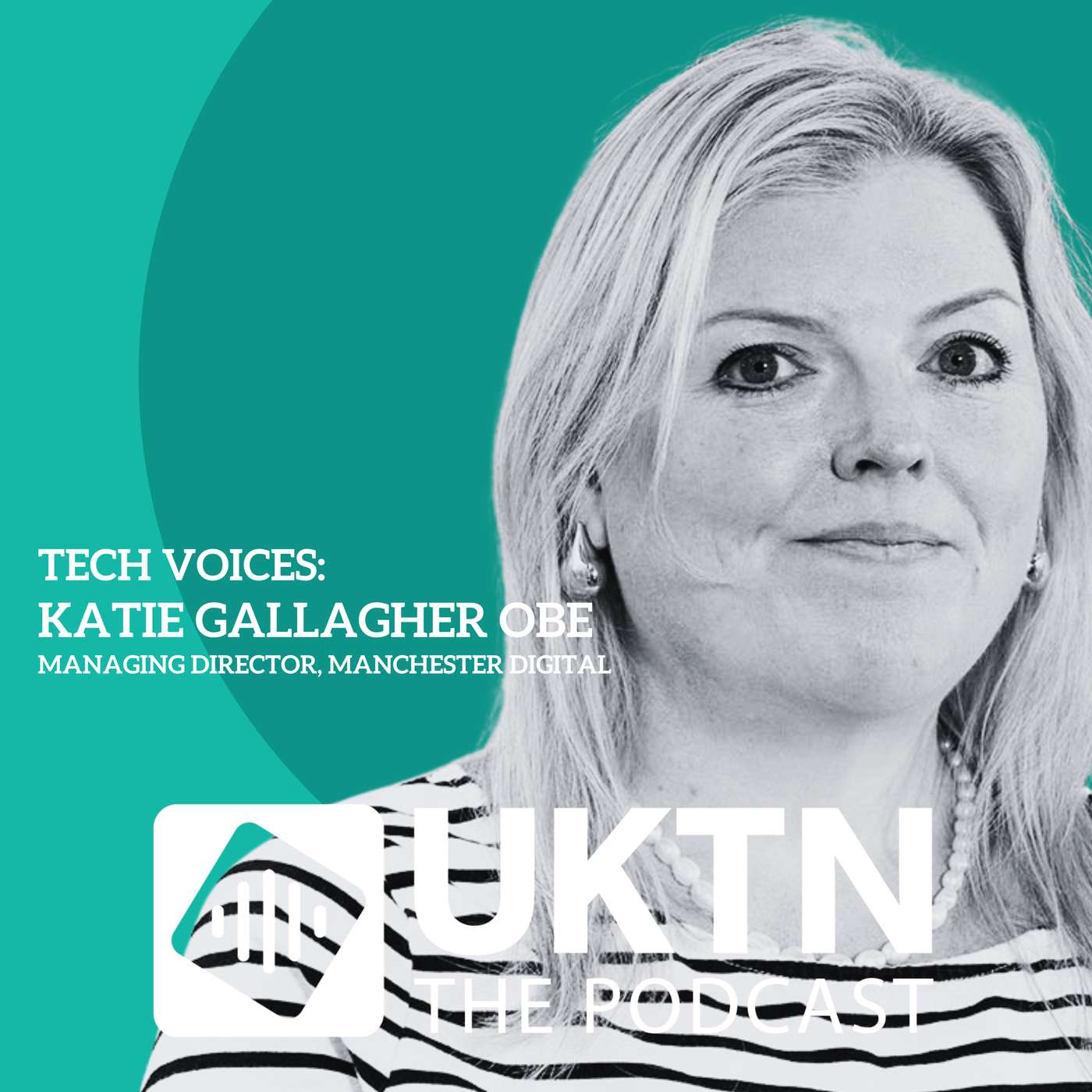
S13 Ep 10Why Manchester is having a moment - Katie Gallagher OBE, Manchester Digital
Katie Gallagher OBE, managing director of Manchester Digital discusses why the city is being seen as a blueprint not just for tech start-ups but for wider economic growth too. Gallagher chats about Manchester’s rich heritage in digital technology from cyber-security to e-commerce and how it is building on that to be one of the UK’s key AI hubs.
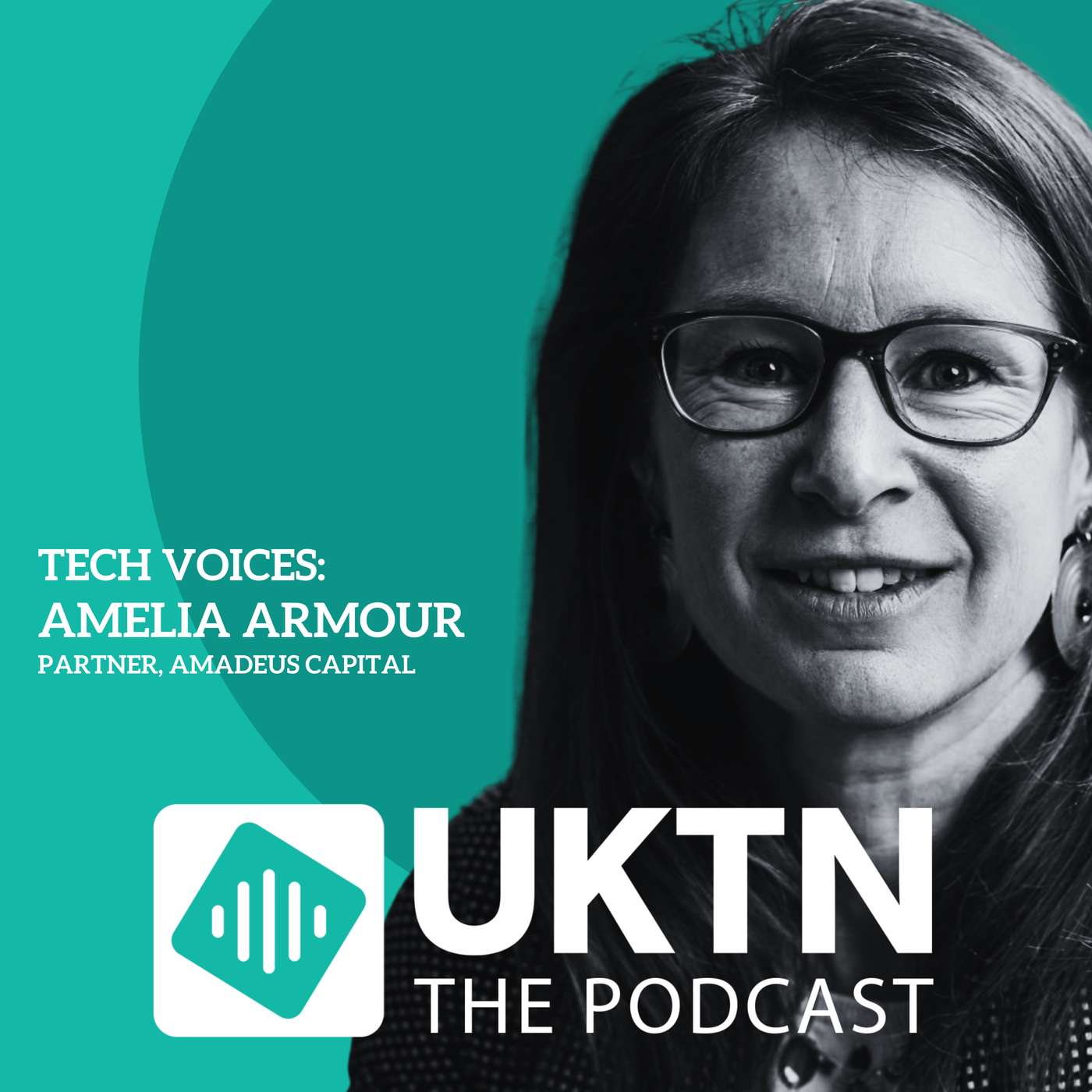
S13 Ep 9I realised my future lay in finance during an internship in a paint factory - Amelia Armour, Partner, Amadeus Capital
Amelia Armour, Partner at Amadeus Capital talks to Jane Wakefield about the impact of having a female co-founder in the male dominated world of VC, what tech she is excited about for the future and how AI might help democratise entrepreneurship.
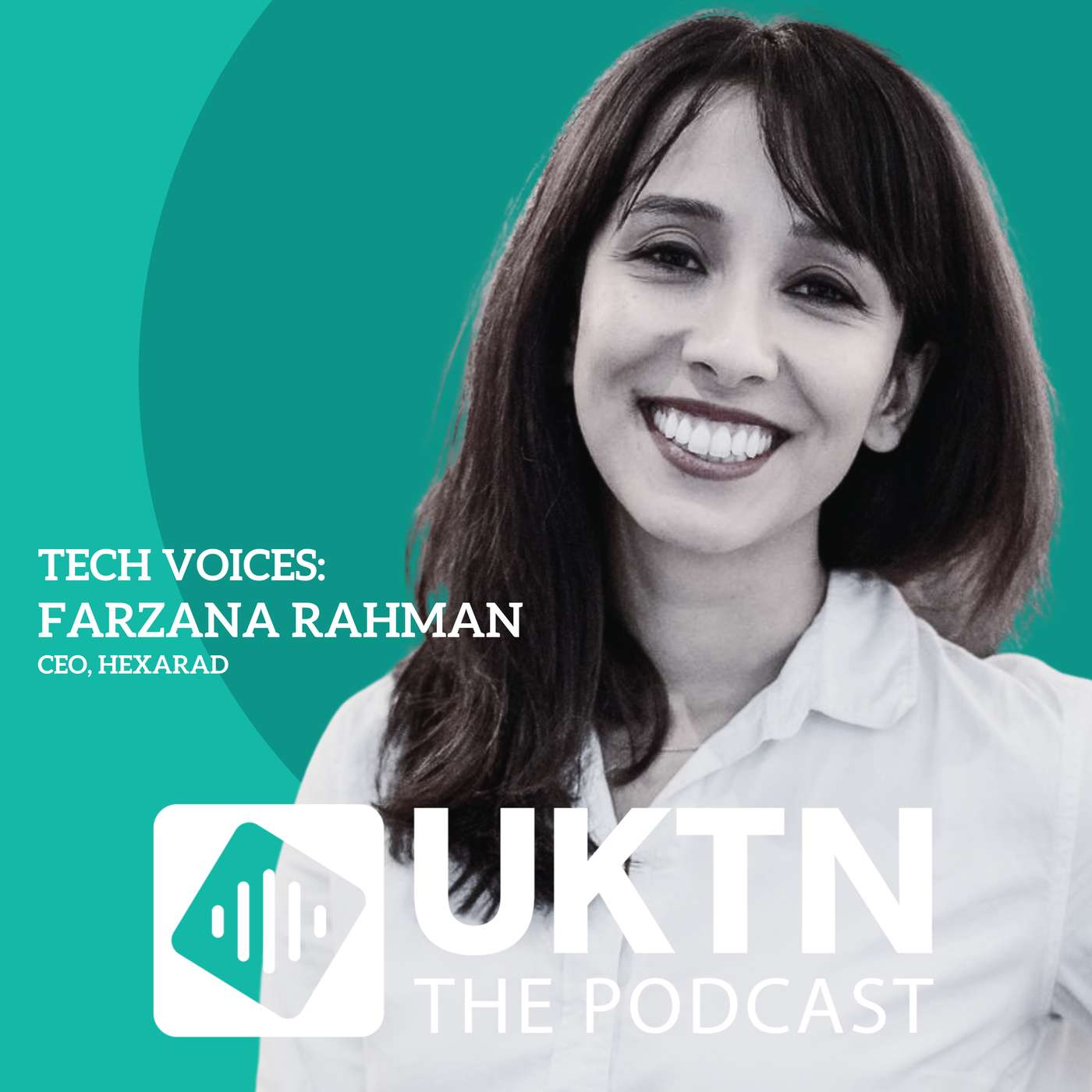
S13 Ep 8From NHS doctor to scaleup founder – Farzana Rahman, CEO, Hexarad
Dr Farzana Rahman, chief executive officer of Hexarad, discusses her journey from medical doctor to startup founder, how companies like hers are tackling the high demand for medical treatments not being met by the NHS and how AI is being used in the health tech ecosystem. Hexarad is an end-to-end radiology platform wherein users can get diagnoses from scans such as CTEs and MRIs.
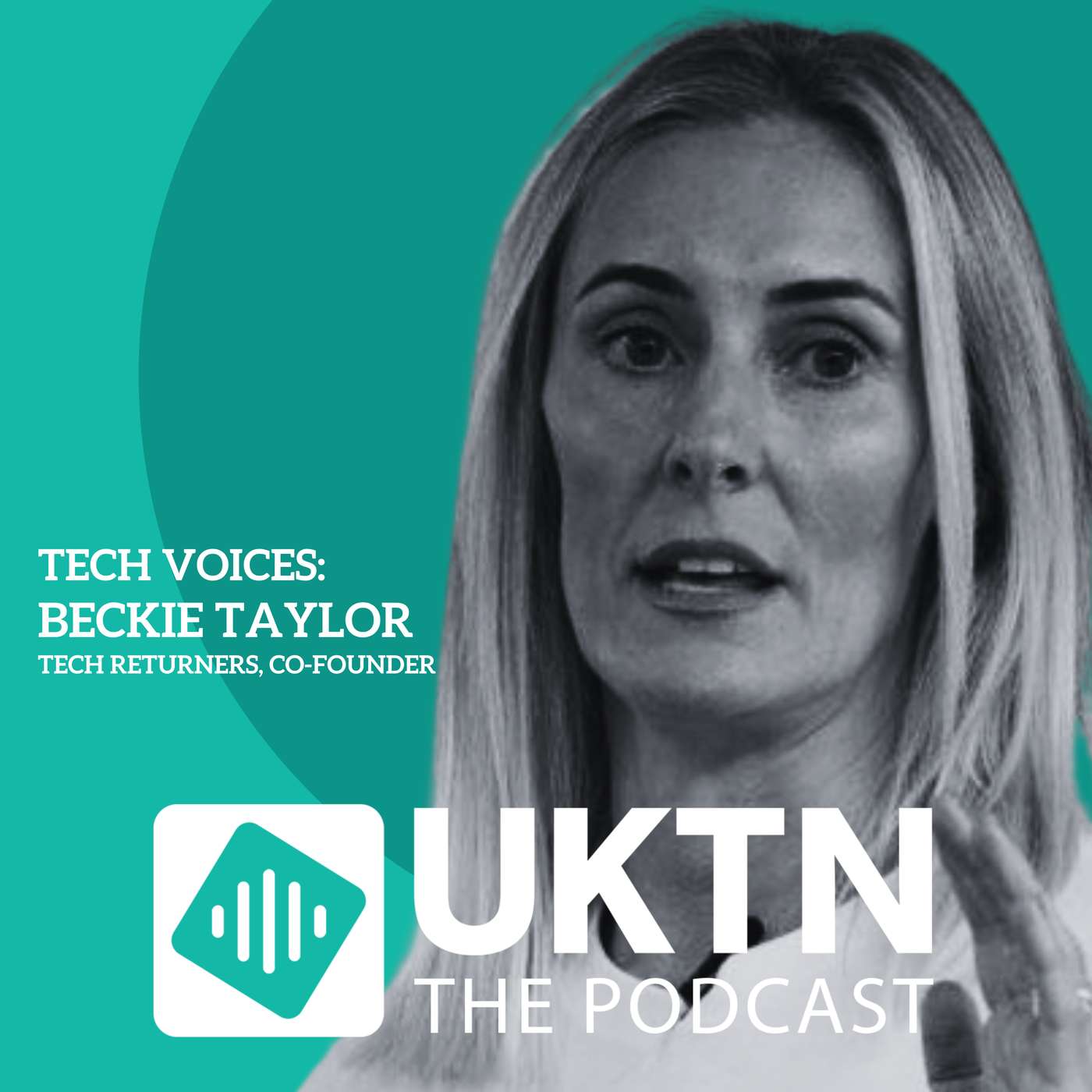
S13 Ep 7What I learned failing to make small talk at the school gates – Beckie Taylor, Tech Returners
Beckie Taylor, co-founder of Tech Returners, discusses her long career in HR and how the buzzword of diversity has changed to questions about the impact of AI, how she found the journey from becoming a mum back into the workplace, and why CVs might not be the best way for women looking for a pathway back into the tech industry. Taylor also spoke on her hometown of Manchester and whether it holds the secret sauce to building long-lasting and thriving tech communities.
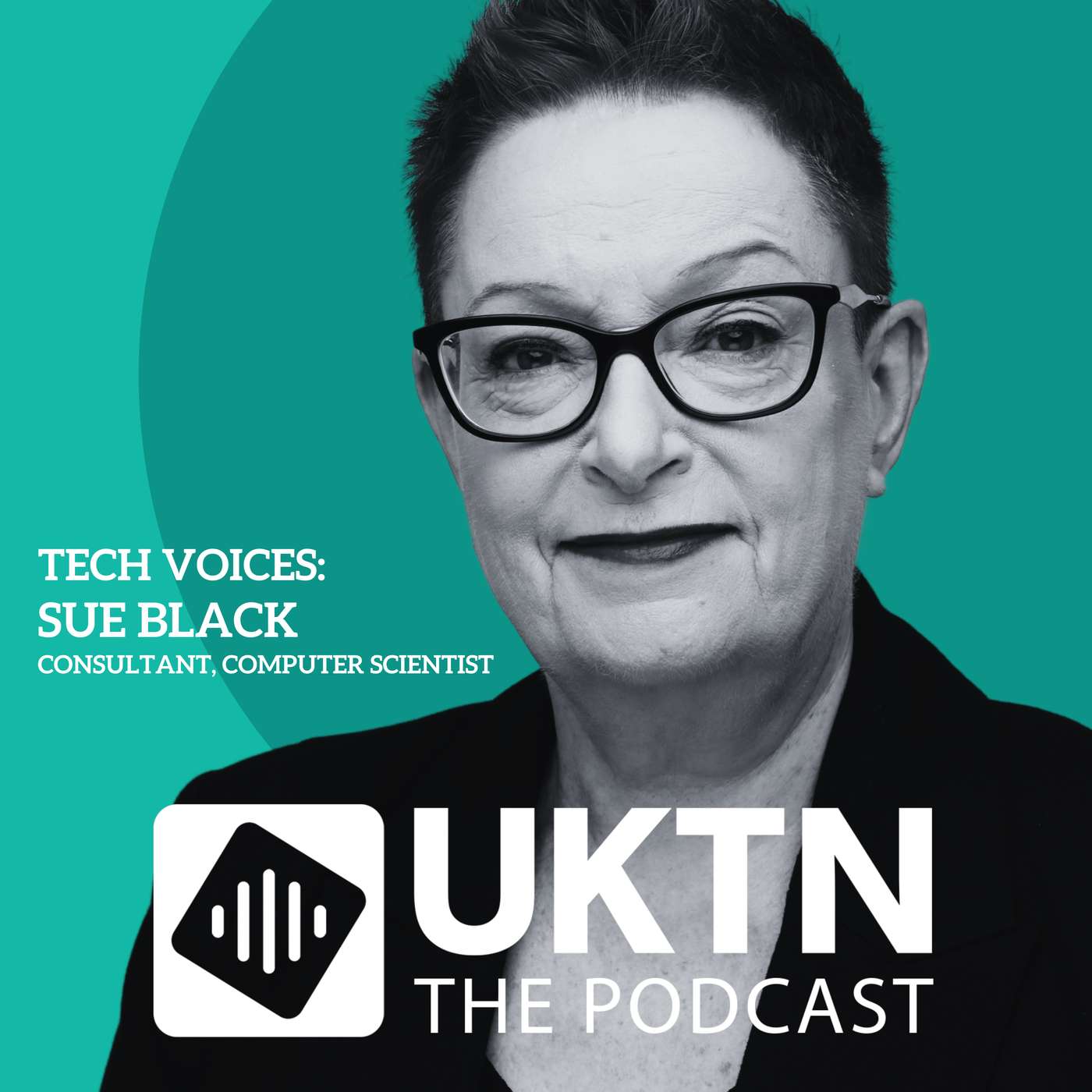
S13 Ep 6Tech’s never-ending diversity problem – Sue Black OBE, computer scientist
Sue Black OBE, a legendary British computer scientist, discusses her inspirational journey into computing, why too little has changed when it comes to sexism in the tech industry and her hopes and fears for the global workforce in the age of AI. Black was the founding chair of the British Computing Society’s BCSWomen group, championed the preservation of the WW2 codebreaking HQ Bletchley Park and is a professor of computer science at Durham.
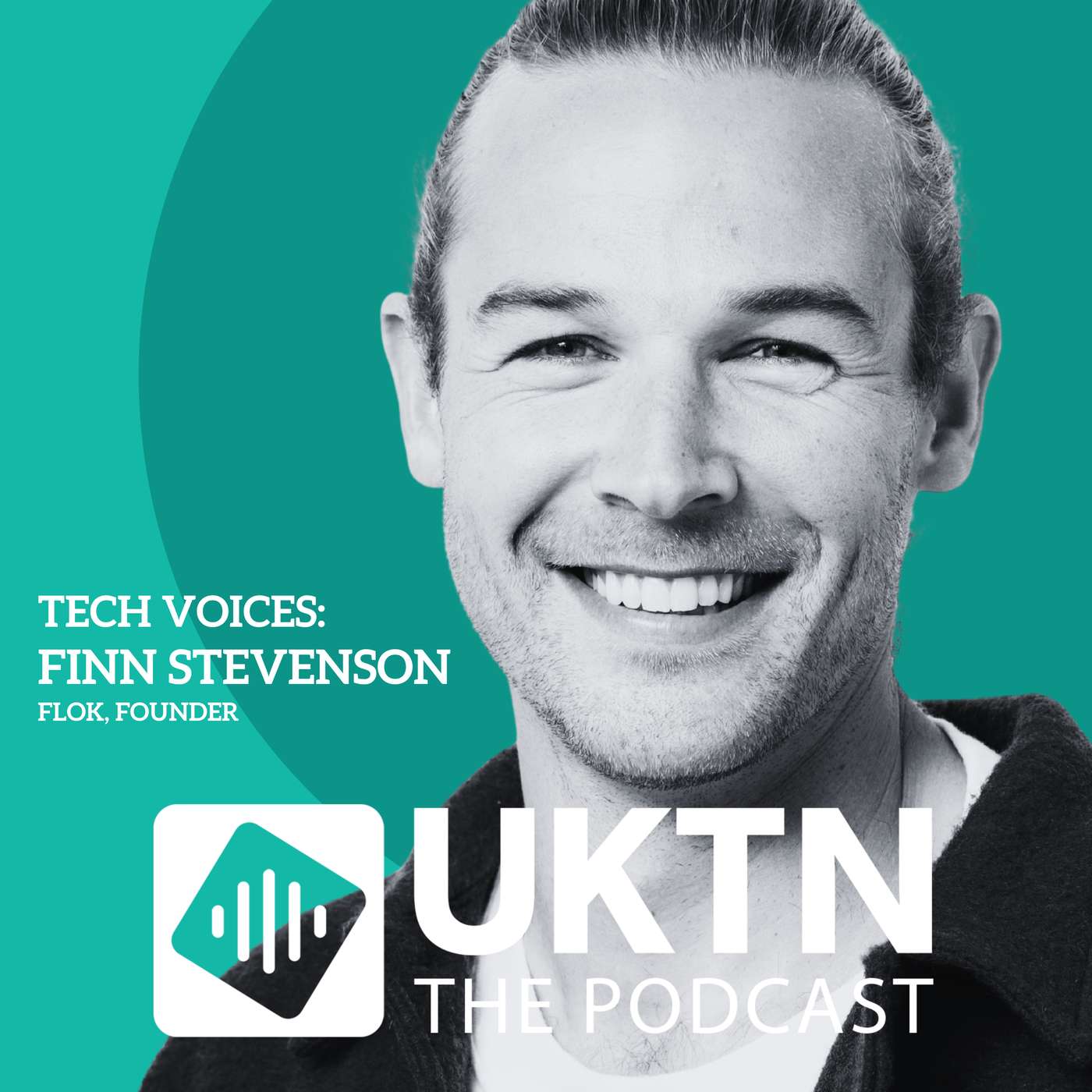
S13 Ep 5Tech alone won’t save UK healthcare – Finn Stevenson, Flok Health
Finn Stevenson, co-founder and chief executive officer of Flok Health, discusses the slow pace of change and the strategic shortfalls of public health organisations, the real-world health impact of these challenges and why tech is one part of the solution needed. Flok Health is an AI-powered physiotherapy clinic that provides patients with virtual appointments to treat back pain. The platform fuses AI and human physiotherapists for personalised care without long waiting lists.
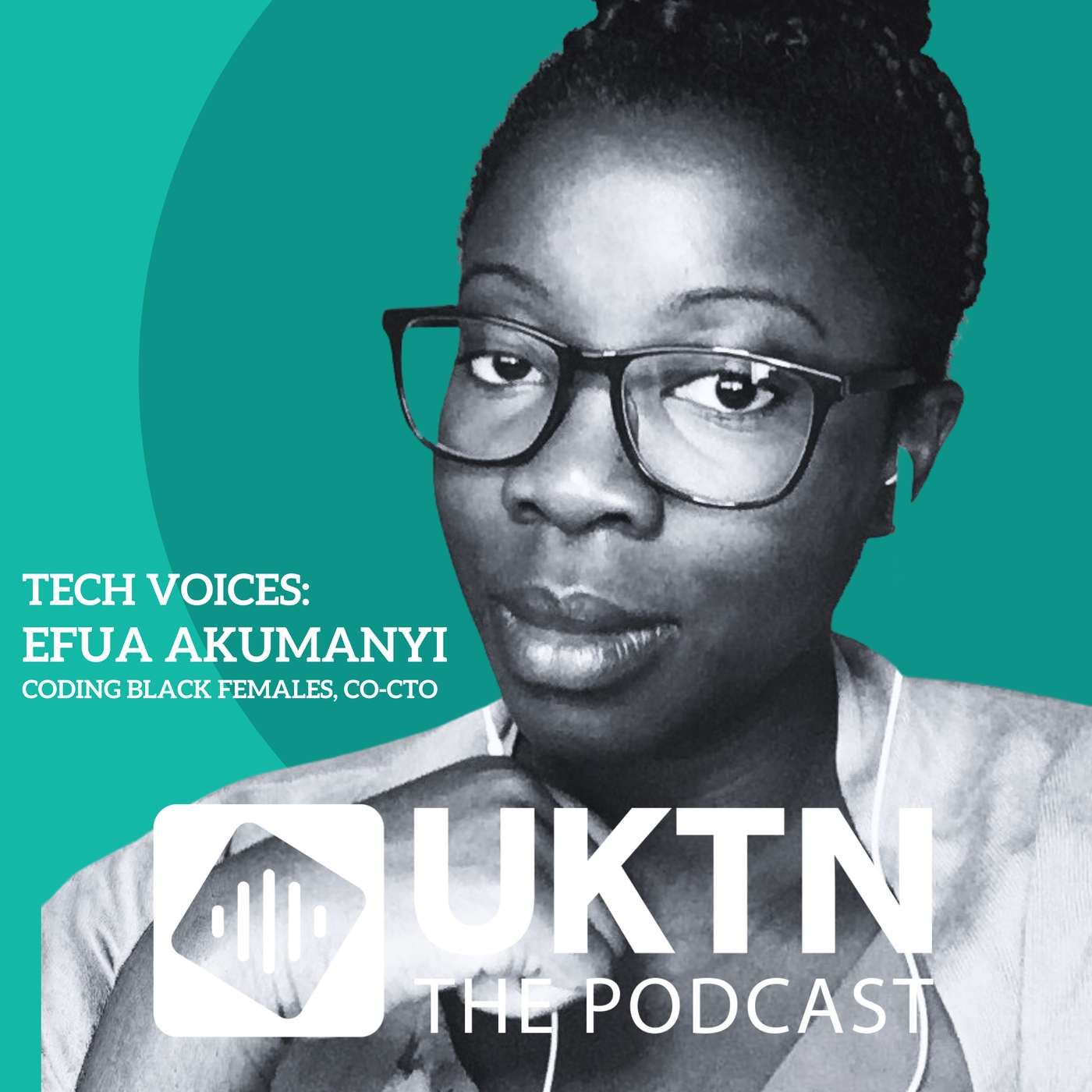
S13 Ep 4The long road ahead for equity in tech, Efua Akumanyi – Coding Black Females
Efua Akumanyi, chief technology officer at Coding Black Females, discusses her own entry into the world of software development as one of the few women on an AI degree, why so many women feel discouraged from entering the sector and how she re-dedicated her career to supporting black women entering tech. Coding Black Females is the largest community of black women in the UK tech industry. The group aims to grow, educate and inspire one of the most underrepresented groups in the industry.
S13 Ep 3The UK must not lose its fintech crown – Emma Hagan, ClearBank UK
Emma Hagan, chief executive officer of ClearBank UK, discusses the rich history of the British fintech and why the UK needn’t lose its crown in the sector and the rise of AI in fraud and what fintechs can do to help. ClearBank was founded a decade ago as the UK’s first new clearing back in over two centuries. The firm provides financial institutions with access to payments and clearing services as well as offers embedded banking services in partnership with fintechs.
S13 Ep 2London is the rational IPO choice for UK fintechs – Justin Basini, ClearScore
Justin Basini, co-founder and chief executive of ClearScore, discusses how companies like his helped the UK come to grips with the concept of a credit score, why the UK is the rational choice for floatation for the bulk of British fintechs and why he is confident in the growth of the UK markets. ClearScore is a London-based fintech best known for providing free credit score checks and offering tailored support to consumers looking to improve their financial wellbeing.
S13 Ep 1Accelerating AI integration – Steve Young, MD, Dell UK
Steve Young, managing director of Dell UK, discusses Dell’s expansion into the data centre and artificial intelligence industry, what is needed to accelerate the growth and efficacy of AI integration and why he has remained at the same company for so long. Dell is among the most well-known electronics brands, most famous for its computers and laptops. The company has more recently taken a leading role in the AI industry.
S12 Ep 12The state of UK investment – Catherine Lenson, COO, Phoenix Court
Catherine Lenson, chief operating officer of Phoenix Court, discusses why well-defined corporate and investment culture supports a cohesive strategy, how different stages of investment come with drastically different needs and why sticking with a founder long-term is both rewarding and satisfying. Phoenix Court is a venture capital firm that backs businesses from the seed stage all the way through to IPO. Lenson has worked across the investment industry, having held roles at firms including UBS and SoftBank.
S12 Ep 11The great AI shift in the knowledge economy – Abu Bakkar, HLB International
Abu Bakkar, chief innovation officer at HLB International, discusses how artificial intelligence is transforming the priorities of the professional services sector, the challenges this presents to the next generation of consultancy recruits and why upskilling has become mandatory. HLB International is a global network of advisory and accounting firms. In the worldwide top ten of advisory organisations, HLB spans across more than 150 countries encompasses the work of around 60,000 individuals.
S12 Ep 10Why open source matters – Amanda Brock, CEO, OpenUK
Amanda Brock, chief executive officer of OpenUK, discusses how the term open source is so often used incorrectly, why true open source is fundamental to the success of innovation and why AI and its data has created complicated conversations around what it means to be open. OpenUK is the UK’s industry body for open source technology. Brock became the organisation's CEO in 2019, with a background of more than 30 years in the global technology sector.
S12 Ep 9The UK’s place in global tech – Will Hutton, Journalist
Will Hutton, political journalist, author and academic, discusses the potential implications of the upcoming Autumn Budget on the British tech industry, why working with the EU is vital for achieving the growth ambitions championed by the government and how the UK can maintain its place on the global tech stage. Hutton is a columnist for the Observer, president of the Academy of Social Sciences and the author of numerous major works covering politics and economics.
S12 Ep 8What the UK can learn from Cambridge’s tech success – Ottoline Leyser, UKRI
Dame Ottoline Leyser, former chief executive of UKRI and chair of the advisory board of Innovate Cambridge, discusses the research and business success from the University of Cambridge and how that can be applied throughout the country, government plans to support a global Oxford-Cambridge tech hub and the power of local pride in growing new tech clusters. Leyser was appointed as the head of UK Research and Innovation, the public body which directs government funding to science and technological enterprises, in 2020.
S12 Ep 7The challenge of creating intelligence – David Hogan, NVIDIA
David Hogan, vice president for enterprise at NVIDIA, discusses the UK’s efforts in scaling its digital infrastructure to meet its ambitious goals in artificial intelligence and just how fundamental the recent shifts in AI technology have been to the shaping the future of the world. NVIDIA is one of the largest companies in the world, known for its top-of-the-line chips, it has been and continues to be instrumental in the rapidly developing AI sector.
S12 Ep 6How far can AI go – Laura Modiano, OpenAI
Laura Modiano, head of startups at OpenAI, discusses just how far artificial intelligence has advanced since the launch of ChatGPT, how AI is drastically accelerating the growth rates of businesses and how far the company’s flagship product can go. OpenAI is the creator of ChatGPT and is among the largest AI companies globally. Valued this year at $500bn, it is the most valuable private company in the world and has worked extensively with the British government on its AI ambitions.
S12 Ep 5Economically empowering small businesses – Fi Sellick, Square
Fi Sellick, head of UK strategy at Square, discusses how macroeconomic challenges impact small businesses as well as their payment providers, how Square is implementing AI across different markets and cryptocurrency’s role in democratising finance. Square is a contactless payment system for businesses co-founded by Twitter creator Jack Dorsey. The company partners with firms offering support in payments and point-of-sale.
S12 Ep 4Bridging the gap across the Atlantic – Karen McCormick, Beringea
Karen McCormick, chief investment officer at Beringea, discusses the relationship between the business, technology and investment communities of the UK and the US, why the entrepreneurial spirit of the UK is catching up to Silicon Valley and why almost every business has become an AI business. Beringea is a transatlantic venture capital investment group jointly based in London and Michigan. McCormick discusses the challenges tech companies in Europe face when trying to emulate the success of US tech giants and what firms like Beringea look for in a portfolio company.
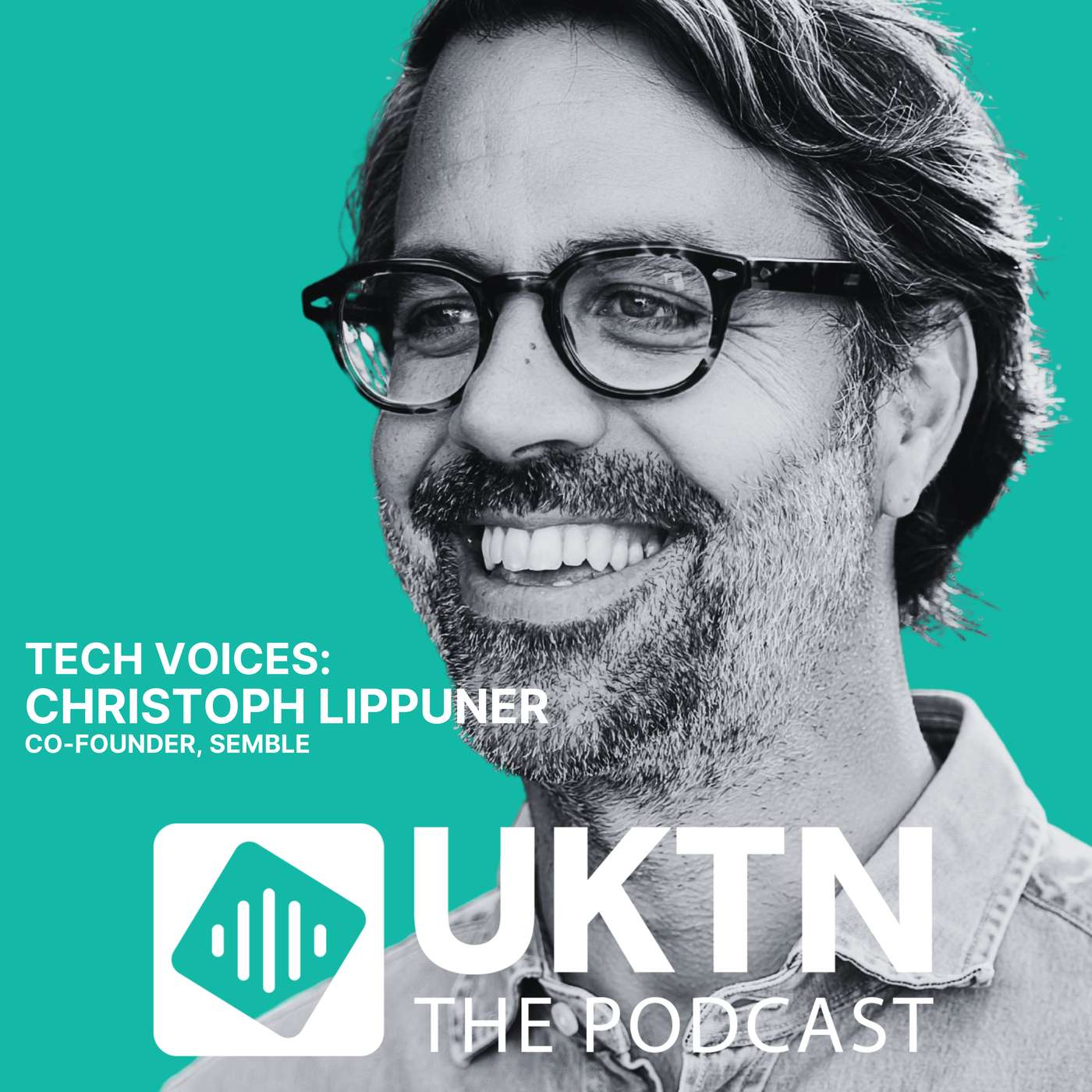
S12 Ep 3The enormous pressure faced by healthcare – Christoph Lippuner, Semble
Christoph Lippuner, co-founder and chief executive of Semble, discusses why healthcare professionals are far too often victims of extreme burnout, why that is a problem for everyone and the challenges he faced raising money for his business. Semble provides management software for healthcare providers. The platform helps clinicians and clinics manage everything from scheduling, billing, and prescribing to patient data and administrative workflows, aiming to reduce manual work and amplify time spent on patient care.
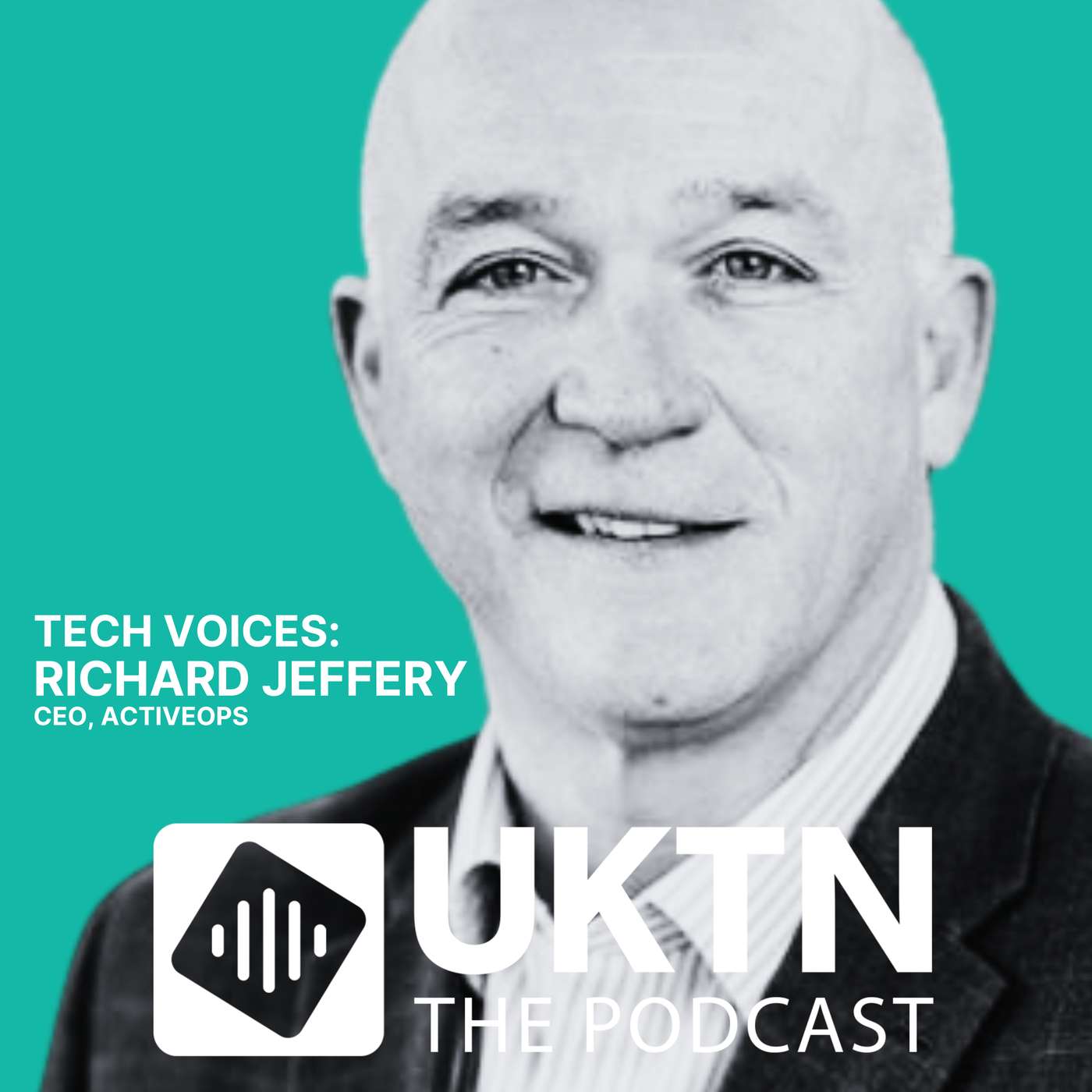
S12 Ep 2The complexity of productivity – Richard Jeffery, CEO, ActiveOps
Richard Jeffery, co-founder and chief executive officer of ActiveOps, discusses the challenges of managing work productivity in large organisations and the impact of AI on decision intelligence and operational efficiency. ActiveOps is a workflow management software provider founded in 2005, now operating in 40 countries around the world.
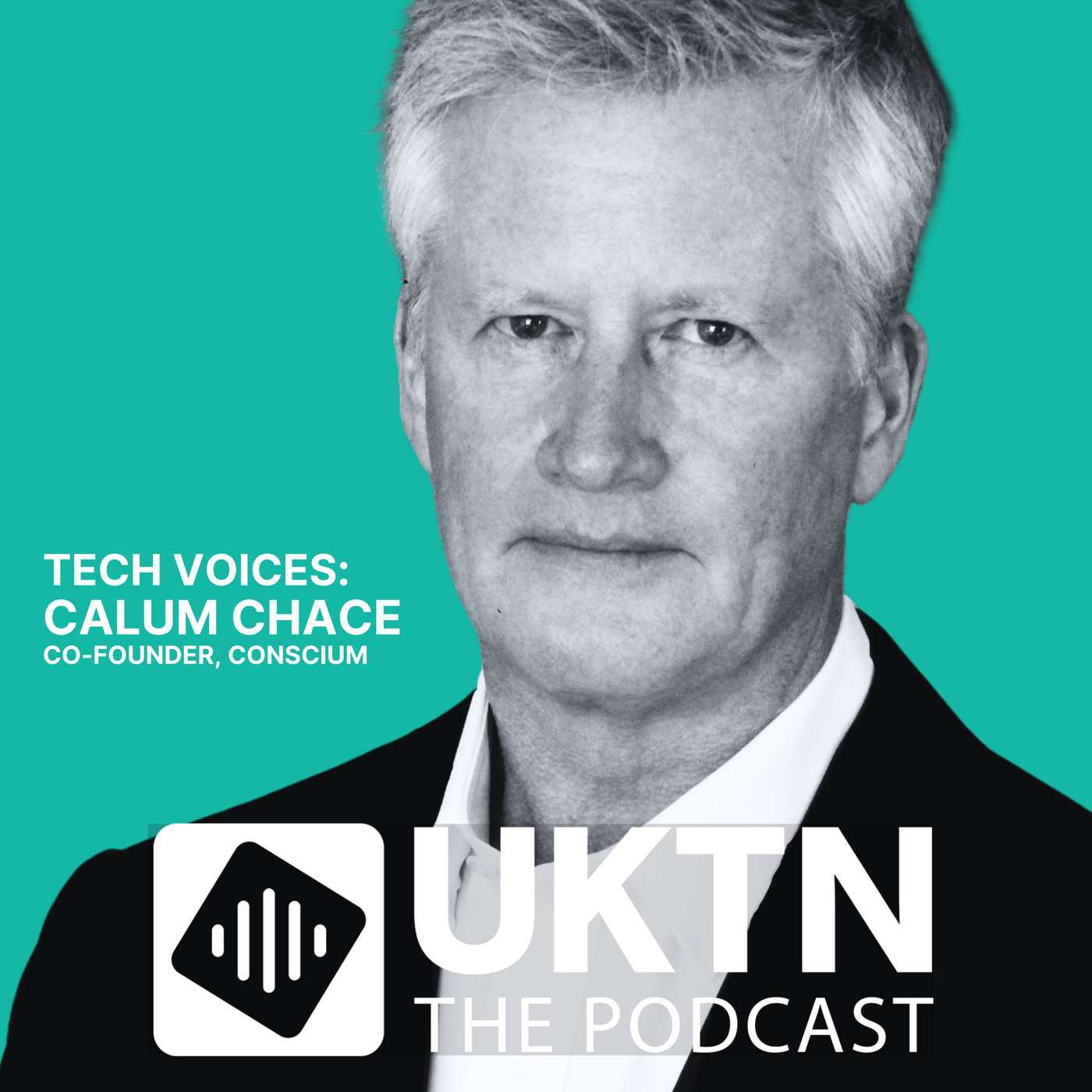
S12 Ep 1Why there’s no need to fear an AI winter – Calum Chace, Conscium
Calum Chase, co-founder of Conscium, discusses why fears of an AI winter have been greatly exaggerated, why the industry has surpassed the hype phase and will continue to grow and the transformational impacts already happening and those yet to come. Conscium is a research organisation focused on applied AI consciousness. The group was founded to explore the questions of the nature of consciousness and how that can apply to AI technology.
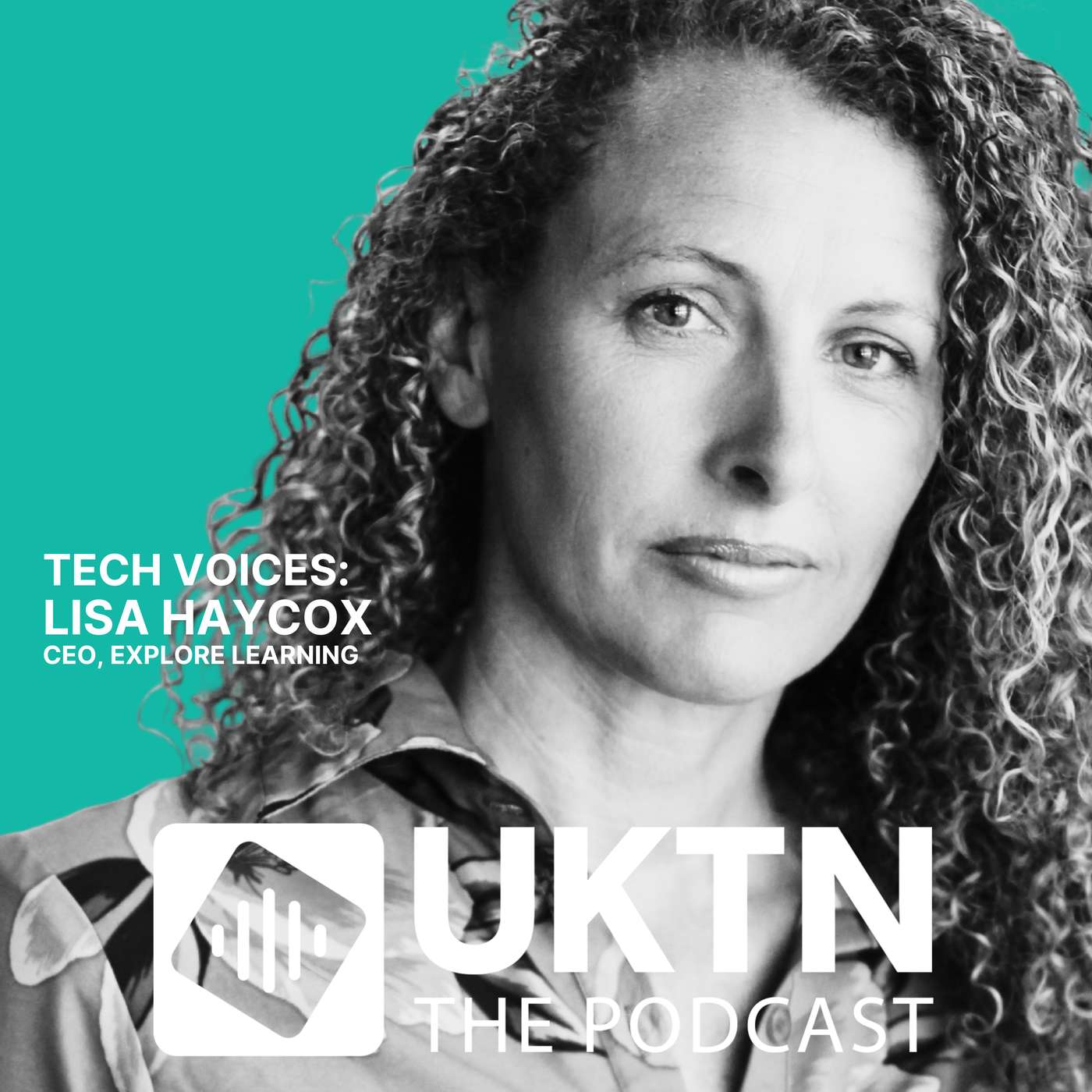
S11 Ep 12Reshaping education in a digital age – Lisa Haycox, Explore Learning
Lisa Haycox, chief executive of Explore Learning, discusses the technologies that should and should not be used in children’s education, how perceptions of digital learning changed after the pandemic and how AI represents the future of edtech. Explore Learning is a tuition provider for young students via its digital platform. Haycox discusses the shortfalls of traditional schooling structures and the pros and cons of supplementing education with technology.
S11 Ep 11Understanding energy usage – Jo Cox, CEO, IMServ
Jo Cox, chief executive officer of ImServ, discusses how smart tracking of energy use works for businesses, how AI can help collect and manage energy data and the myths around smart meters. IMServ is a data collection and energy metering firm. Cox, who was appointed as the group’s CEO in 2024, discusses the importance of understanding baseline energy usage to improve efficiency and reduce carbon footprints.
S11 Ep 10How micromobility has changed cycling – Caroline Seton, Forest
Caroline Seton, co-founder of Forest, discusses the cultural shift in perceptions of cycling brought in by bike hire services, the infrastructural barriers to encourage mass cycling and navigating the venture capital landscape. Forest, founded as Human Forest, is a London-based bicycle hiring service competing with the likes of Lime. The company was founded in 2020 and has become one of the UK capital's most used bike rental firms.
S11 Ep 9What has become of the metaverse? – Rob Whitehead, MSquared and Improbable
Rob Whitehead, chief executive of MSquared and co-founder of Improbable discusses why despite a drop in the initial hype, companies in the space are still making exciting innovations in metaverse technology. Whitehead explains why different iterations of virtual space technology have struggled to take off and why focusing on the correct use cases that properly utilise the technology is the key for consumers to enjoy metaverse experiences.
S11 Ep 8The next generation of sustainable aviation fuel, Dr Jane Jin, OXCCU
Dr Jane Jin, founder and chief operating officer of OXCCU, discusses the complexity of developing sustainable aviation fuel (SAF), the history of how it has been deployed in the past and just how impactful viable could be for the environment and the aviation industry. OXCCU is a spinout from the University of Oxford developing technology to turn waste carbon into sustainable aviation fuel as well as climate friendly chemical products and biodegradable plastics.
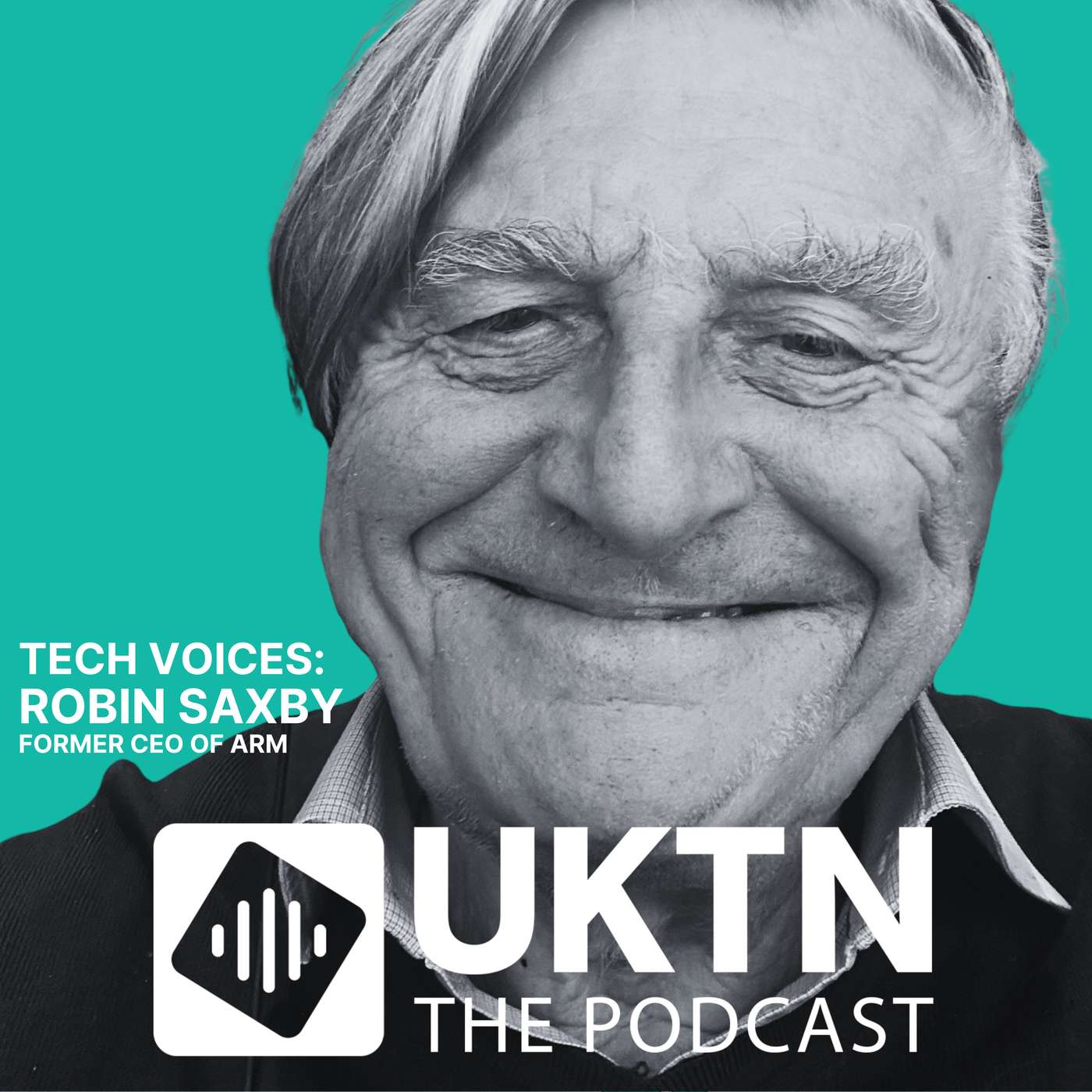
S11 Ep 7The geopolitics of semiconductors, Robin Saxby, former CEO of Arm
Robin Saxby, former chief executive officer and chairman of Arm, discusses the history of his old company, the ever-changing complexities of how geopolitics impacts business and the urgent need for common sense among the world’s politicians to take a global approach to our largest problems. Saxby became Arm’s first CEO in 1991 and oversaw its rise to prominence that would ultimately lead it to being one of the most important technology companies in the world. Saxby has also held roles at Motorola, Pye and European Silicon Structures.
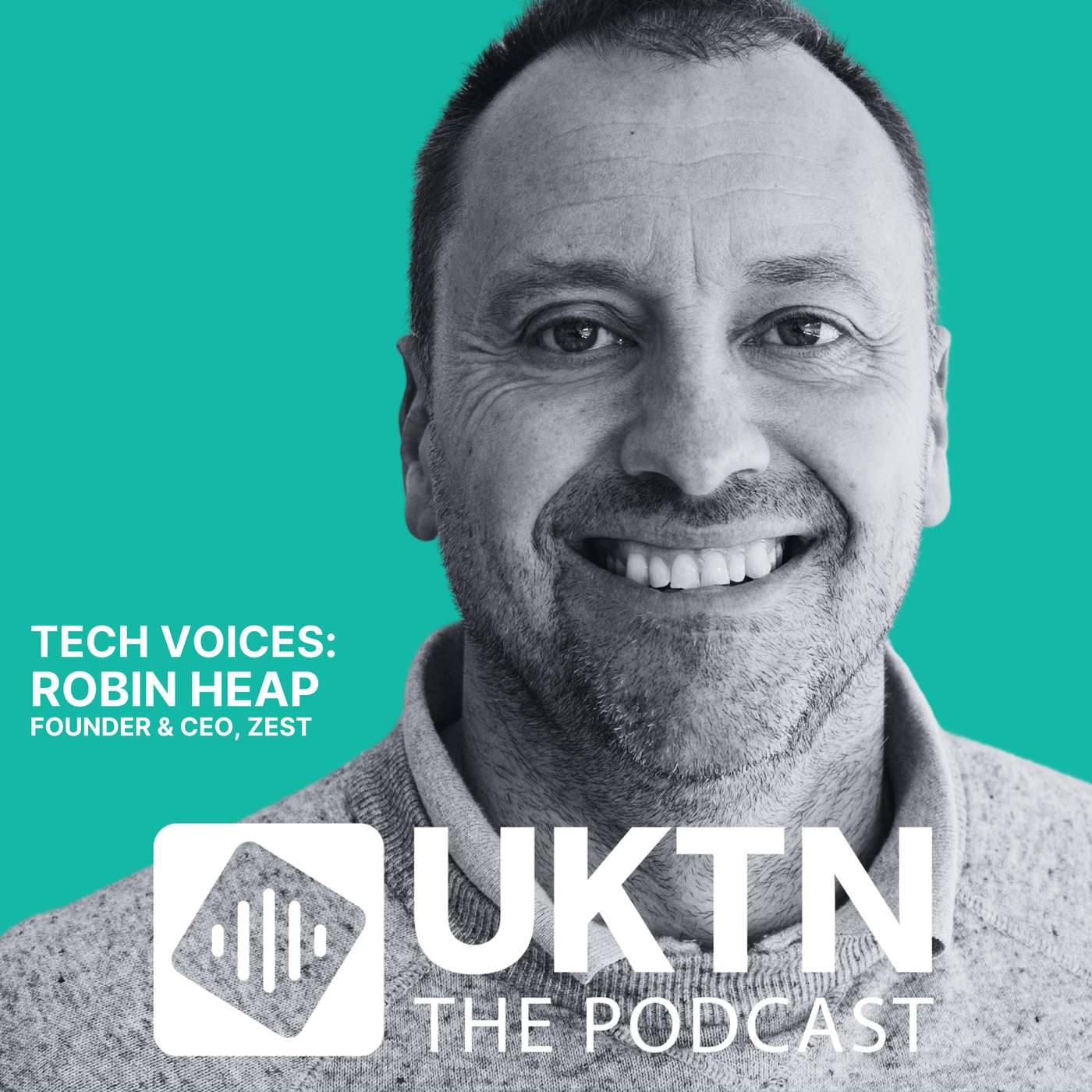
S11 Ep 6The journey for EVs is just getting started, Robin Heap, Zest
Robin Heap, founder and CEO of Zest, discusses how the cultural perception of electric vehicles has radically changed over the years, the massive growth in the UK electric car market and why the road to full electrification requires a great deal more effort from automotive firms, policymakers and consumers. Zest is company specialising in electric vehicle charging infrastructure. The firm installs, manages and maintains EV charge points on behalf of public and commercial landowners.
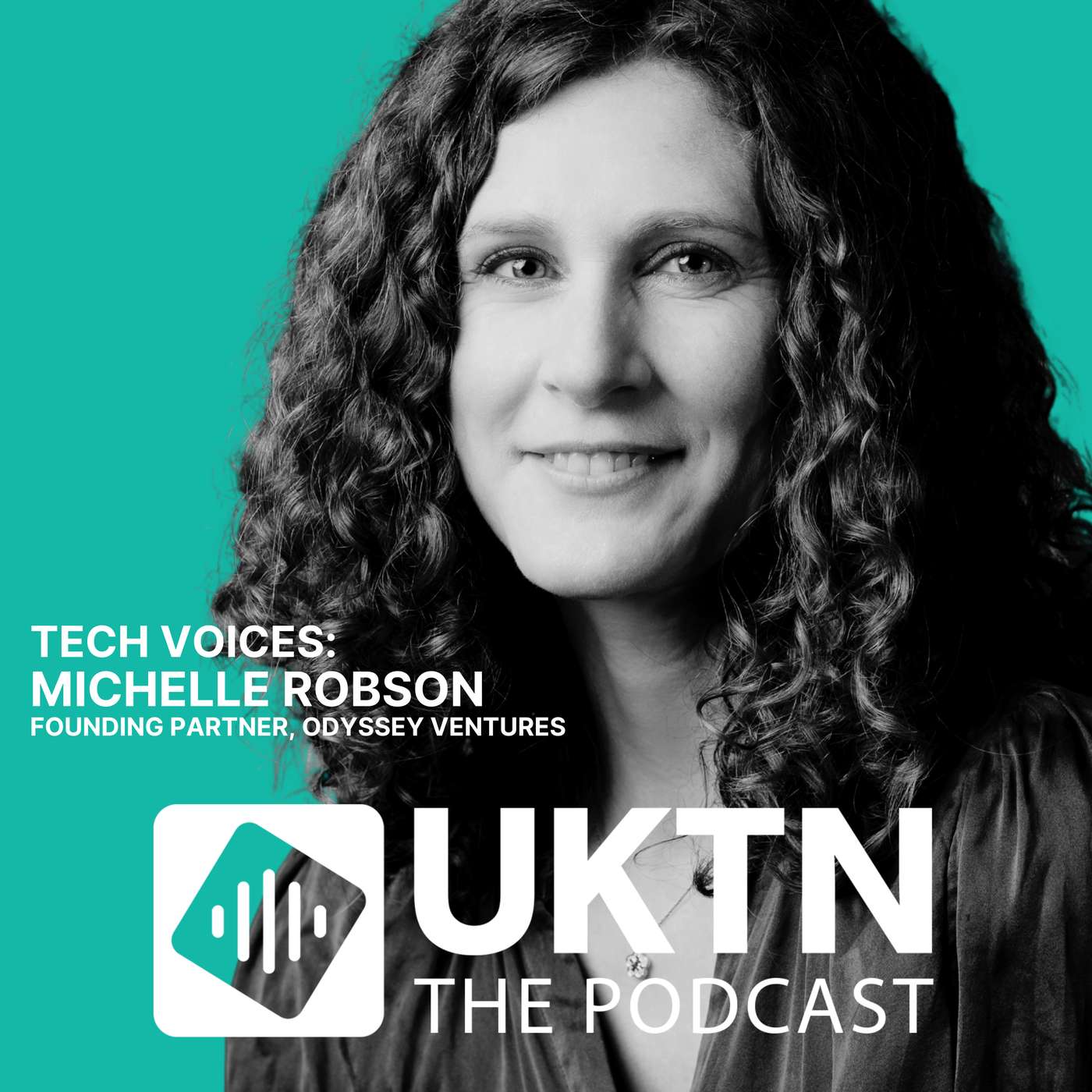
S11 Ep 5Europe’s place in the global tech sector, Michelle Robson, Odyssey Ventures
Michelle Robson, founding partner at Odyssey Ventures, discusses her journey from chemical engineering grad to launching a venture capital firm, the qualities she looks for in a founder seeking investment and Europe’s place in a tech landscape dominated by Silicon Valley. Odyssey Ventures is a venture capital group based in London and San Francisco with a particular focus on early-stage European founders. Among the VC’s primary targets are startups developing solutions in climate tech, sustainability and decarbonisation.

S11 Ep 4The exciting future of space exploration, Tim Peake, astronaut
Tim Peake, British astronaut, discusses his experience on his mission on the International Space Station, how modern space exploration is changing with the advent of private companies like SpaceX and why humanity is only scratching the surface of the scientific value that can come from in-orbit experimentation. A British European Space Agency astronaut and ambassador at the Festival of Speed Future Lab, Peake flew to the International Space Station in 2015 and has spent almost 200 days in space. Peake discusses the political nature of space travel and the exciting future of the burgeoning space tech industry.