
TuneIn | Technology
113 episodes — Page 3 of 3
What's it like to be a robot? | Leila Takayama
We already live among robots: tools and machines like dishwashers and thermostats so integrated into our lives that we'd never think to call them that. What will a future with even more robots look like? Social scientist Leila Takayama shares some unique challenges of designing for human-robot interactions -- and how experimenting with robotic futures actually leads us to a better understanding of ourselves.
Mammoths resurrected, geoengineering and other thoughts from a futurist | Stewart Brand and Chris Anderson
Stewart Brand is a futurist, counterculturist and visionary with a very wide-ranging mind. In conversation with TED Curator Chris Anderson, Brand discusses ... just about everything: human nature, bringing back the wooly mammoth, geoengineering, rewilding and science as organized skepticism -- plus the story of an acid trip on a San Francisco rooftop in the '60s that sparked a perspective-shifting idea. "The story we're told is that we're the next meteor," Brand says, but "things are capable of getting better."
The power of citizen video to create undeniable truths | Yvette Alberdingk Thijm
Could smartphones and cameras be our most powerful weapons for social justice? Through her organization Witness, Yvette Alberdingk Thijm is developing strategies and technologies to help activists use video to protect and defend human rights. She shares stories of the growing power of distant witnesses -- and a call to use the powerful tools at our disposal to capture incidents of injustice.

A vehicle built in Africa, for Africa | Joel Jackson
Joel Jackson wants to reimagine transportation around the needs of the African consumer. He's designed an SUV that's rugged enough for long stretches of uneven terrain and affordable enough to be within reach of those who need it most. Learn more about the challenges of mobility and manufacturing in Africa -- and what a localized motor industry could mean for the future of the continent.
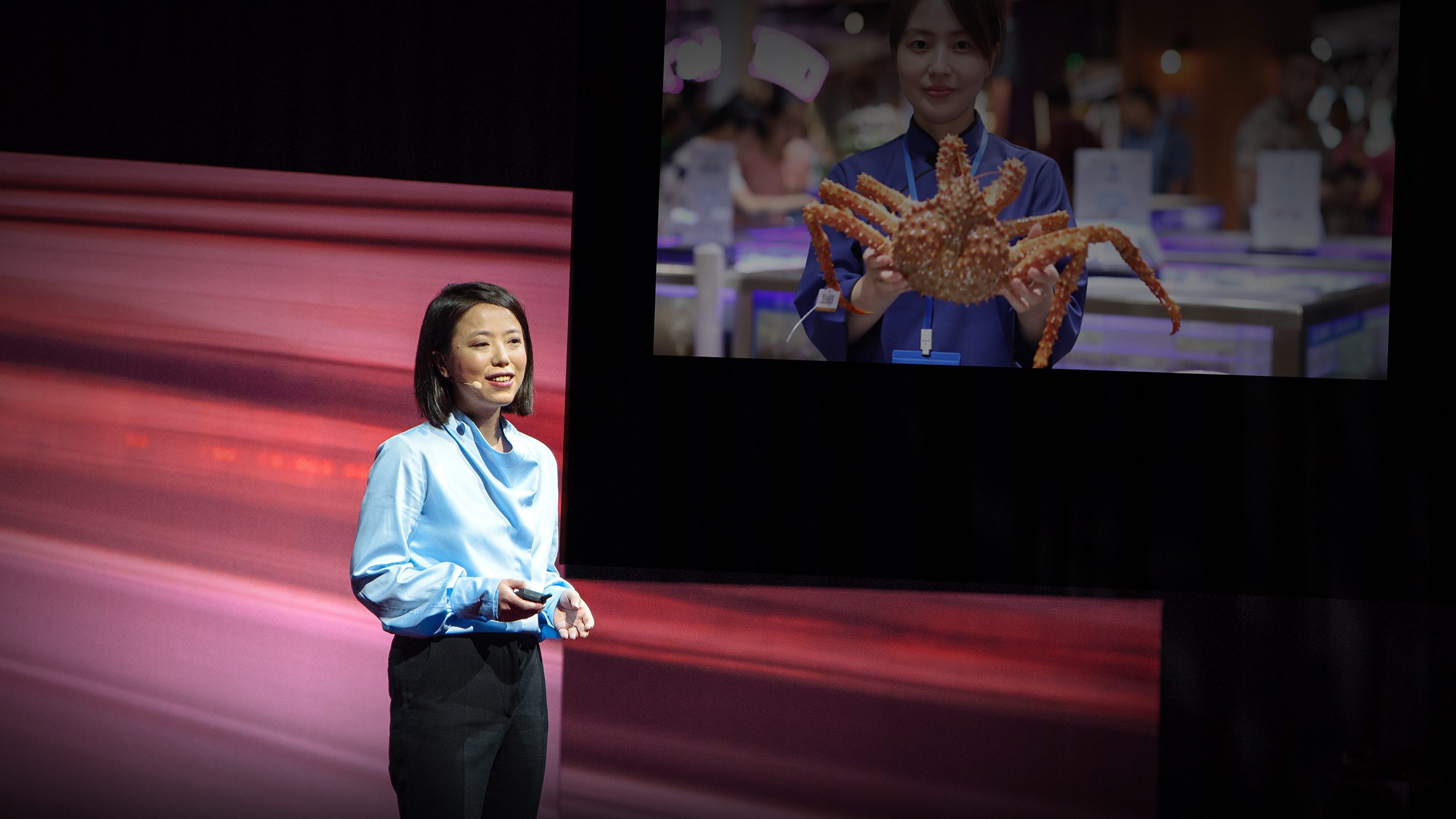
How China is changing the future of shopping | Angela Wang
China is a huge laboratory of innovation, says retail expert Angela Wang, and in this lab, everything takes place on people's phones. Five hundred million Chinese consumers -- the equivalent of the combined populations of the US, UK and Germany -- regularly make purchases via mobile platforms, even in brick-and-mortar stores. What will this transformation mean for the future of shopping? Learn more about the new business-as-usual, where everything is ultra-convenient, ultra-flexible and ultra-social.
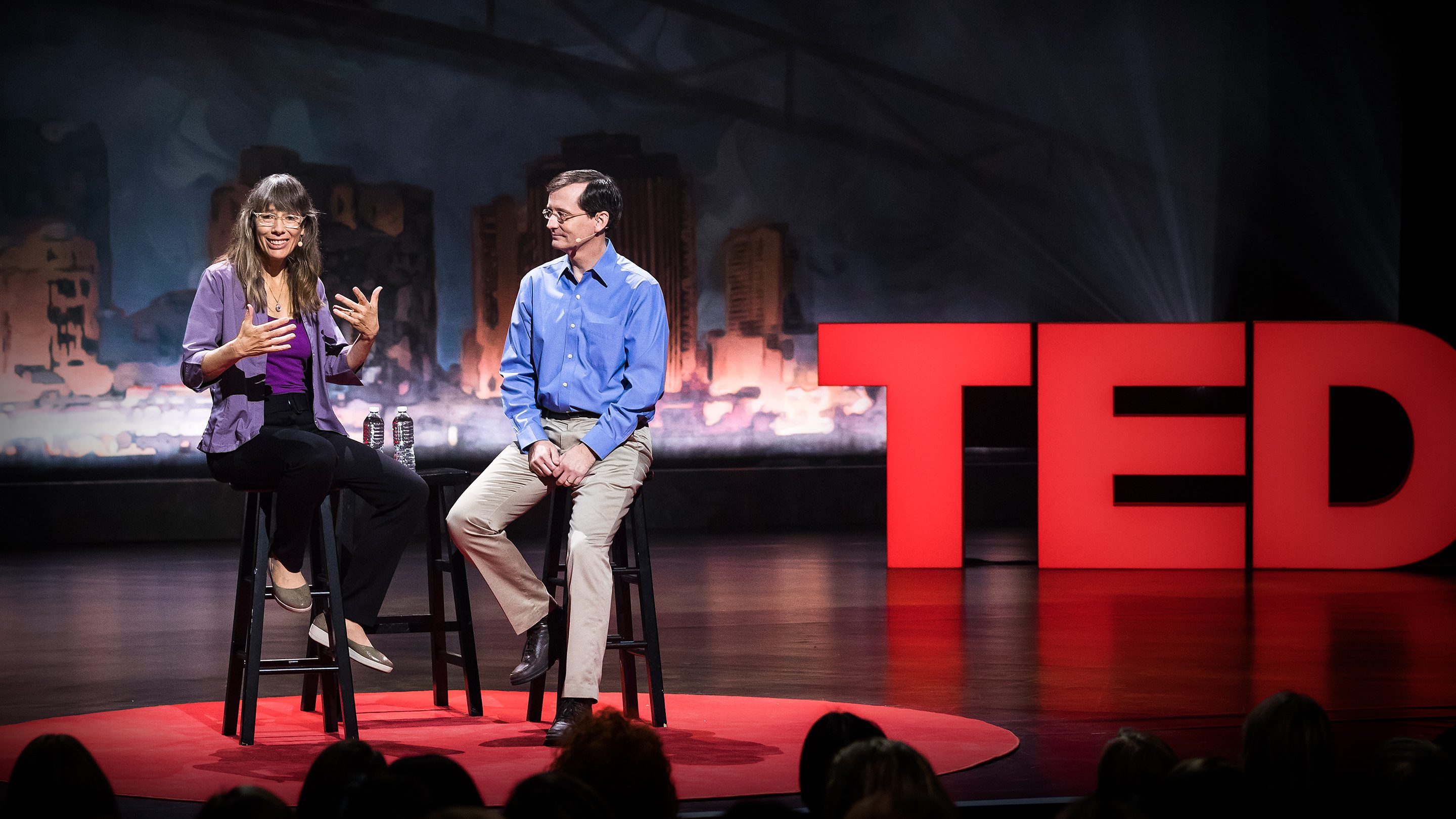
Free yourself from your filter bubbles | Joan Blades and John Gable
Joan Blades and John Gable want you to make friends with people who vote differently than you do. A pair of political opposites, the two longtime pals know the value of engaging in honest conversations with people you don't immediately agree with. Join them as they explain how to bridge the gaps in understanding between people on opposite sides of the political spectrum -- and create opportunities for mutual listening and consideration (and, maybe, lasting friendships).
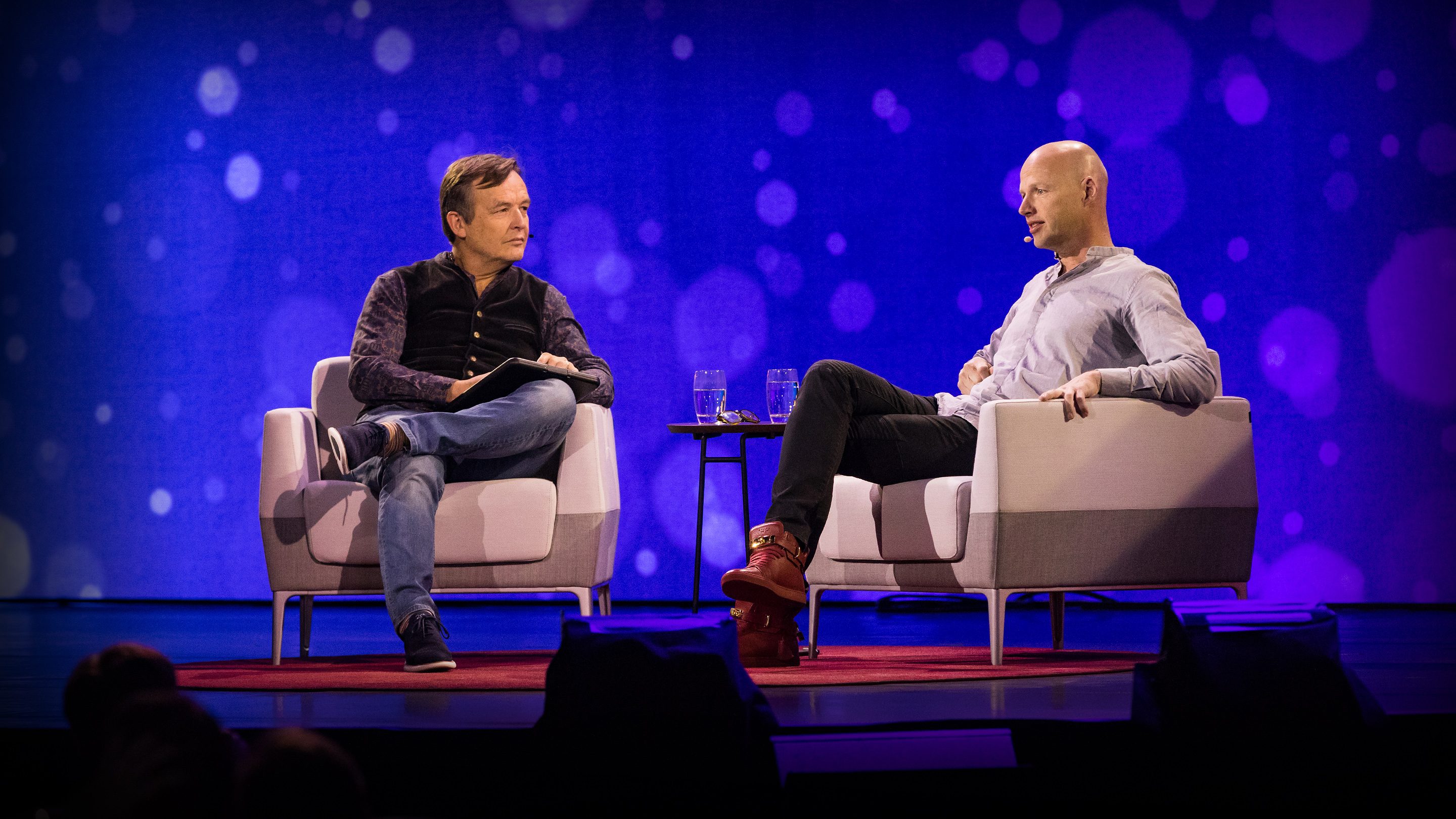
What AI is -- and isn't | Sebastian Thrun and Chris Anderson
Educator and entrepreneur Sebastian Thrun wants us to use AI to free humanity of repetitive work and unleash our creativity. In an inspiring, informative conversation with TED Curator Chris Anderson, Thrun discusses the progress of deep learning, why we shouldn't fear runaway AI and how society will be better off if dull, tedious work is done with the help of machines. "Only one percent of interesting things have been invented yet," Thrun says. "I believe all of us are insanely creative ... [AI] will empower us to turn creativity into action."
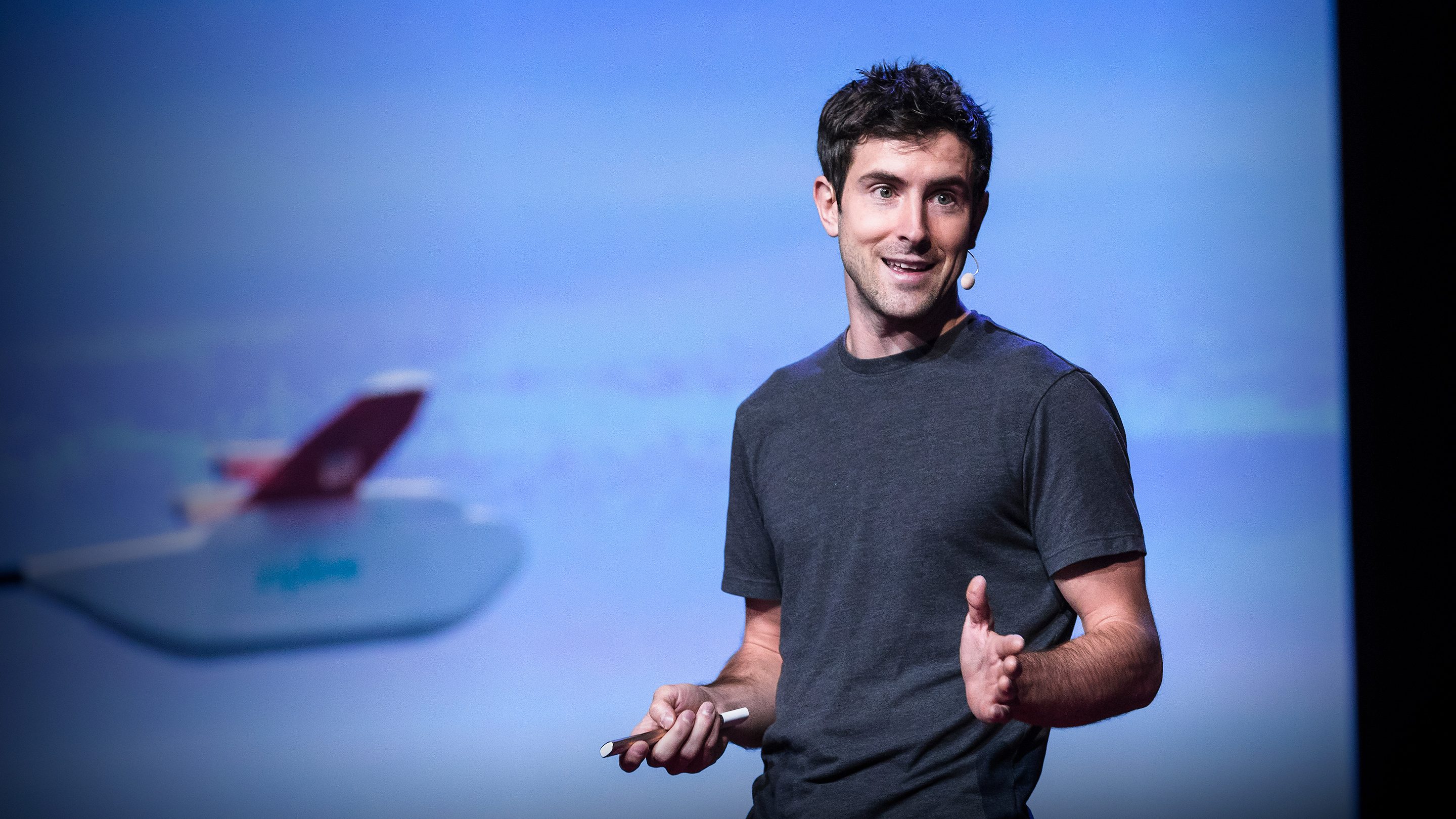
How we're using drones to deliver blood and save lives | Keller Rinaudo Cliffton
Keller Rinaudo Cliffton wants everyone on earth to have access to basic health care, no matter how hard it is to reach them. With his start-up Zipline, he has created the world's first drone delivery system to operate at national scale, transporting blood and plasma to remote clinics in East Africa with a fleet of electric autonomous aircraft. Find out how Rinaudo Cliffton and his team are working to transform health care logistics throughout the world -- and inspiring the next generation of engineers along the way.
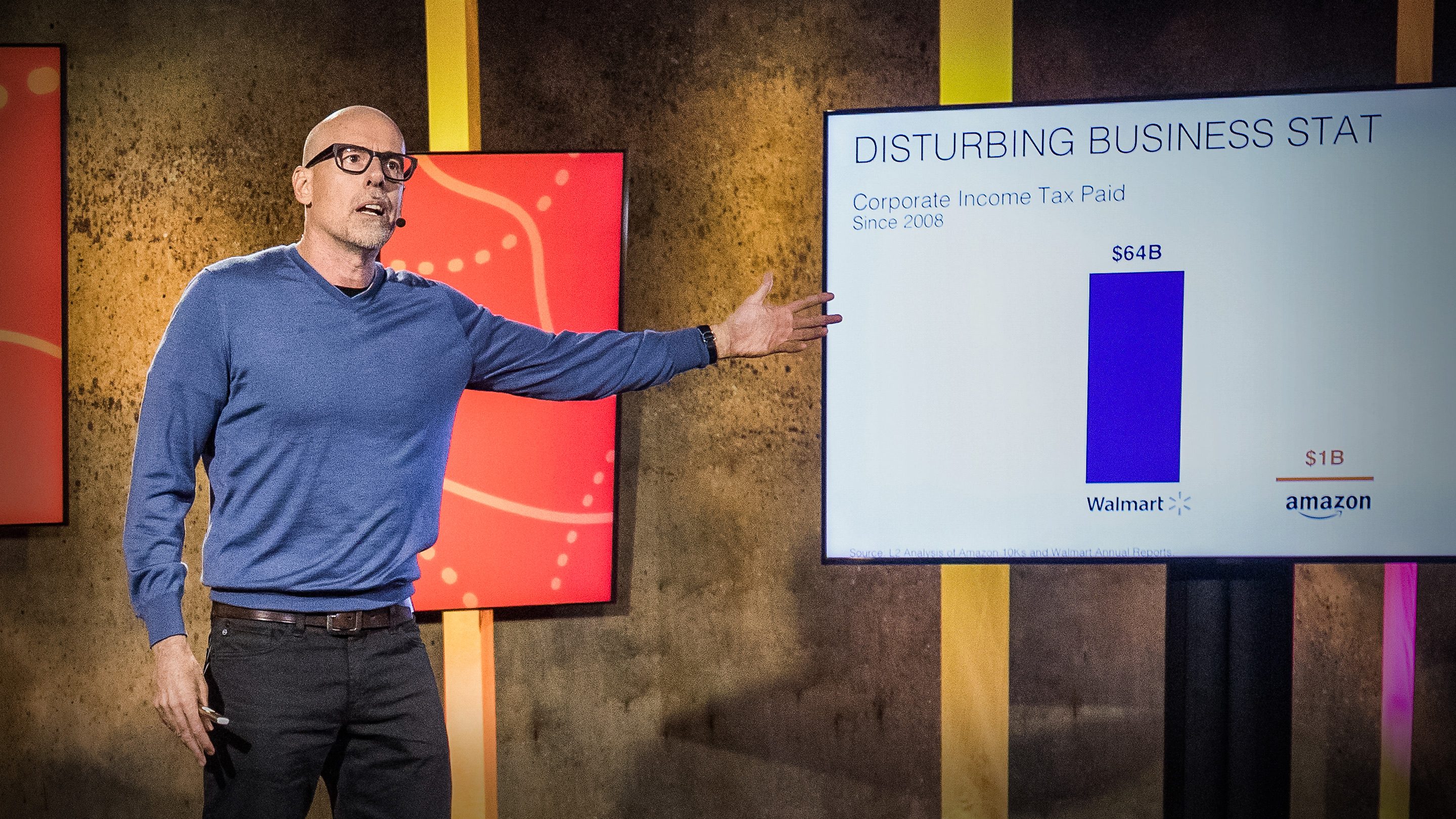
How Amazon, Apple, Facebook and Google manipulate our emotions | Scott Galloway
The combined market capitalization of Amazon, Apple, Facebook and Google is now equivalent to the GDP of India. How did these four companies come to infiltrate our lives so completely? In a spectacular rant, Scott Galloway shares insights and eye-opening stats about their dominance and motivation -- and what happens when a society prizes shareholder value over everything else. Followed by a Q&A with TED Curator Chris Anderson. (Note: This talk contains graphic language.)
We're building a dystopia just to make people click on ads | Zeynep Tufekci
We're building an artificial intelligence-powered dystopia, one click at a time, says techno-sociologist Zeynep Tufekci. In an eye-opening talk, she details how the same algorithms companies like Facebook, Google and Amazon use to get you to click on ads are also used to organize your access to political and social information. And the machines aren't even the real threat. What we need to understand is how the powerful might use AI to control us -- and what we can do in response.
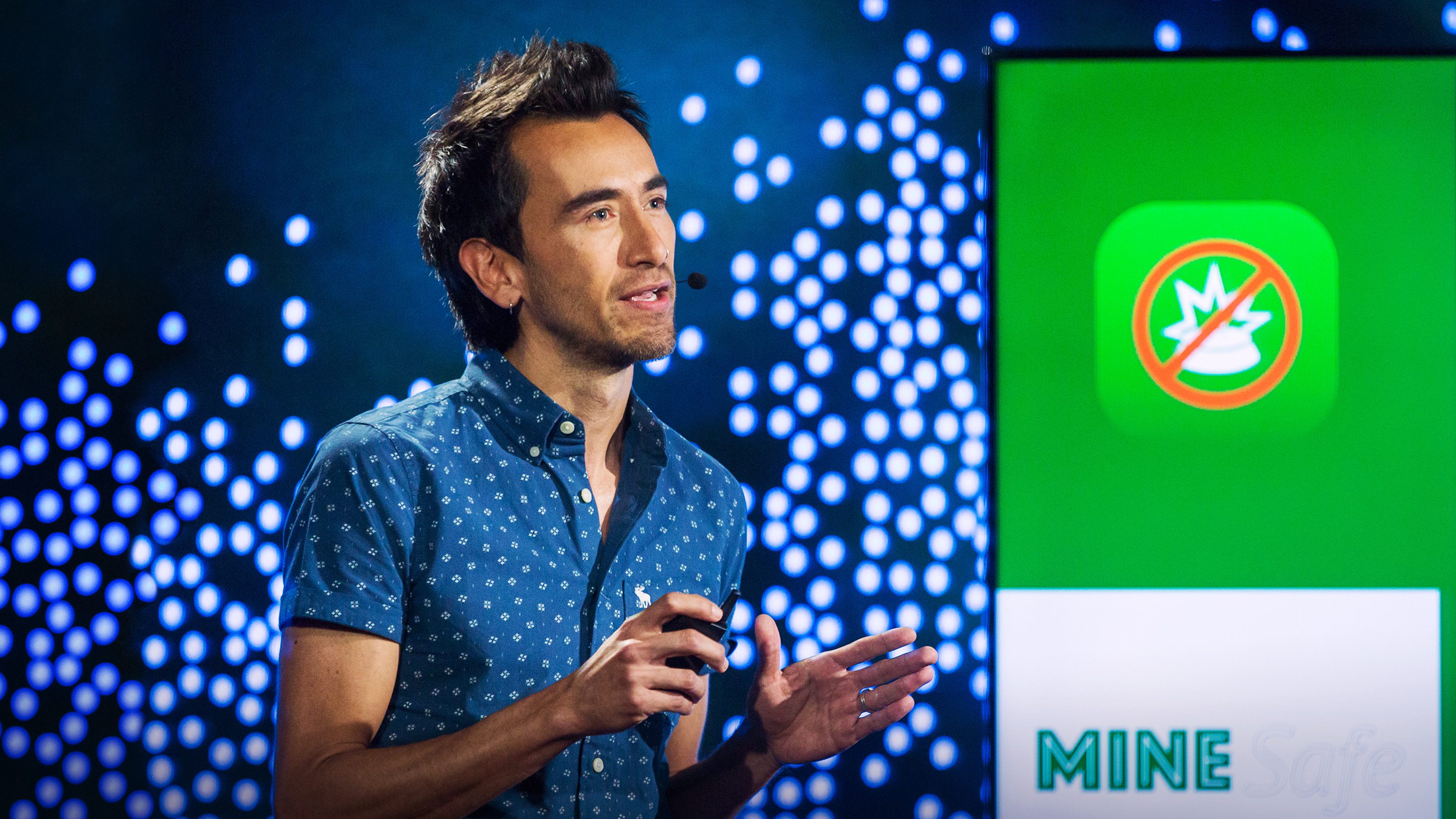
The awful logic of land mines -- and an app that helps people avoid them | Carlos Bautista
Fifty years of armed conflict in Colombia has left the countryside riddled with land mines that maim and kill innocent people who happen across them. To help keep communities safe from harm, TED Resident Carlos Bautista is developing an app to track land mines -- and direct travelers away from them. Learn more about how this potentially life-saving tool could promote peace in countries plagued by land mines once conflicts end.
How we'll earn money in a future without jobs | Martin Ford
Machines that can think, learn and adapt are coming -- and that could mean that we humans will end up with significant unemployment. What should we do about it? In a straightforward talk about a controversial idea, futurist Martin Ford makes the case for separating income from traditional work and instituting a universal basic income.
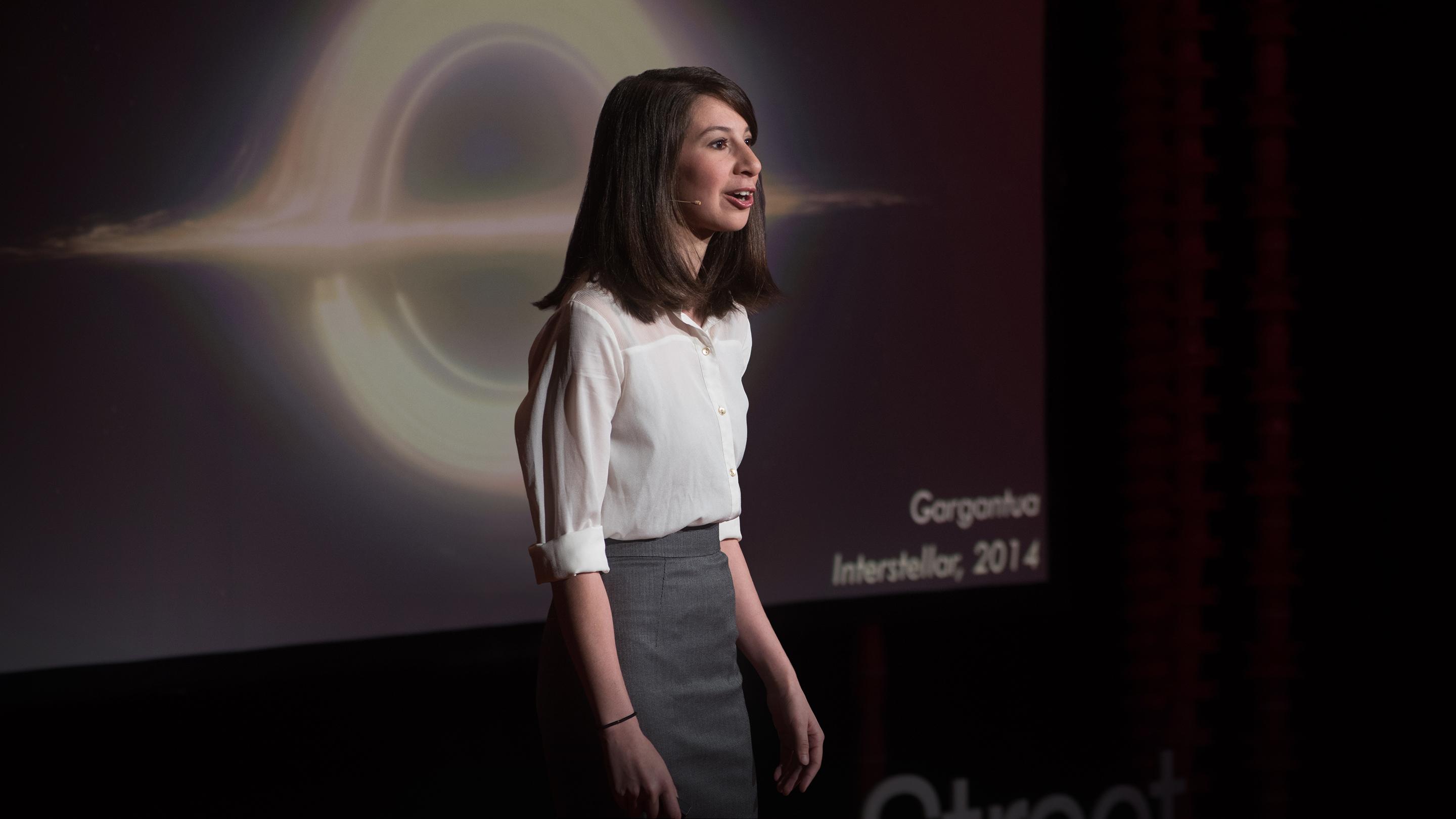
How to take a picture of a black hole | Katie Bouman
At the heart of the Milky Way, there's a supermassive black hole that feeds off a spinning disk of hot gas, sucking up anything that ventures too close -- even light. We can't see it, but its event horizon casts a shadow, and an image of that shadow could help answer some important questions about the universe. Scientists used to think that making such an image would require a telescope the size of Earth -- until Katie Bouman and a team of astronomers came up with a clever alternative. Bouman explains how we can take a picture of the ultimate dark using the Event Horizon Telescope.