
TuneIn | Technology
113 episodes — Page 2 of 3
How deepfakes undermine truth and threaten democracy | Danielle Citron
The use of deepfake technology to manipulate video and audio for malicious purposes -- whether it's to stoke violence or defame politicians and journalists -- is becoming a real threat. As these tools become more accessible and their products more realistic, how will they shape what we believe about the world? In a portentous talk, law professor Danielle Citron reveals how deepfakes magnify our distrust -- and suggests approaches to safeguarding the truth.
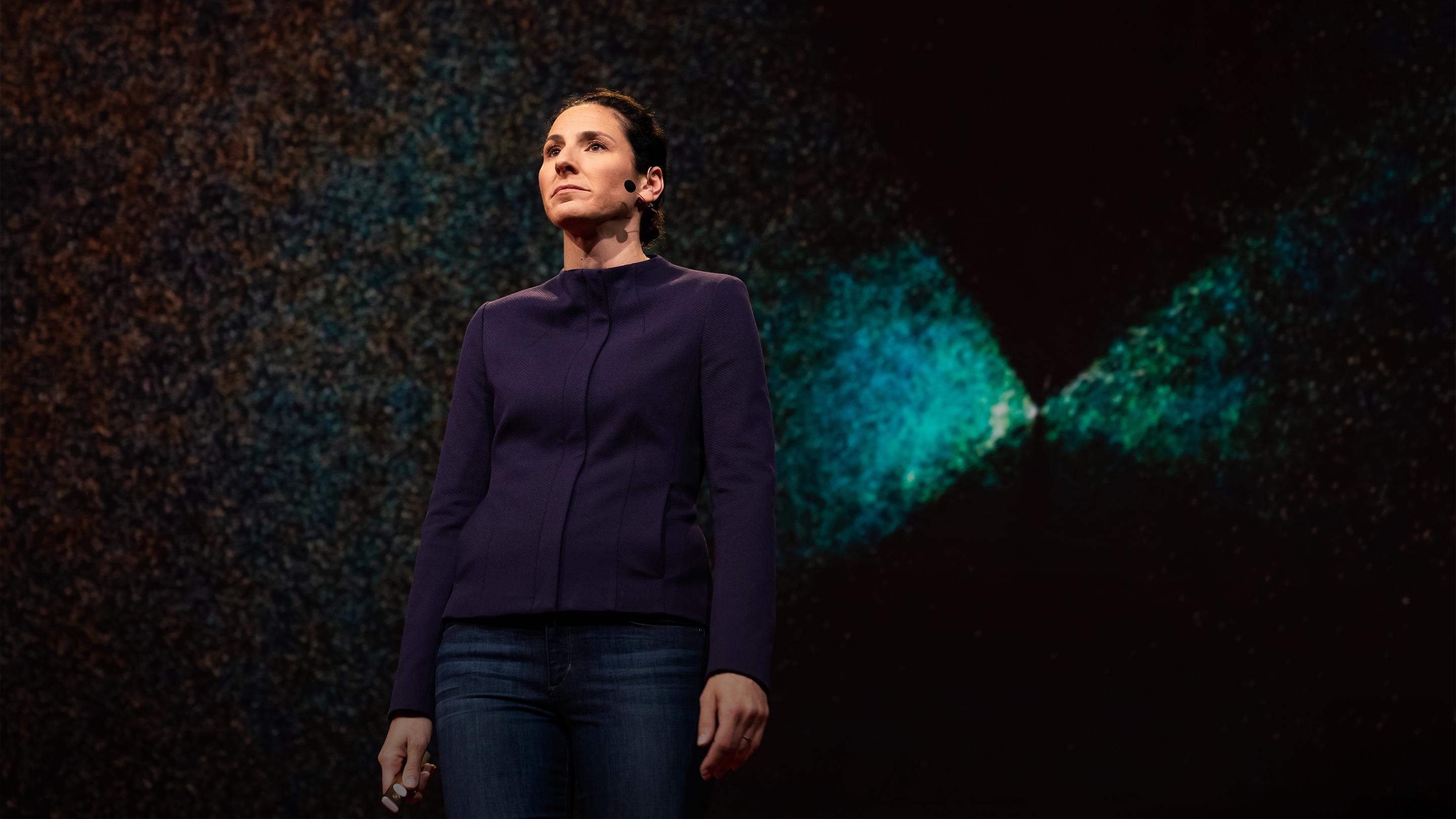
The most detailed map of galaxies, black holes and stars ever made | Juna Kollmeier
Humans have been studying the stars for thousands of years, but astrophysicist Juna Kollmeier is on a special mission: creating the most detailed 3-D maps of the universe ever made. Journey across the cosmos as she shares her team's work on the Sloan Digital Sky Survey, imaging millions of stars, black holes and galaxies in unprecedented detail. If we maintain our pace, she says, we can map every large galaxy in the observable universe by 2060. "We've gone from arranging clamshells to general relativity in a few thousand years," she says. "If we hang on 40 more, we can map all the galaxies."
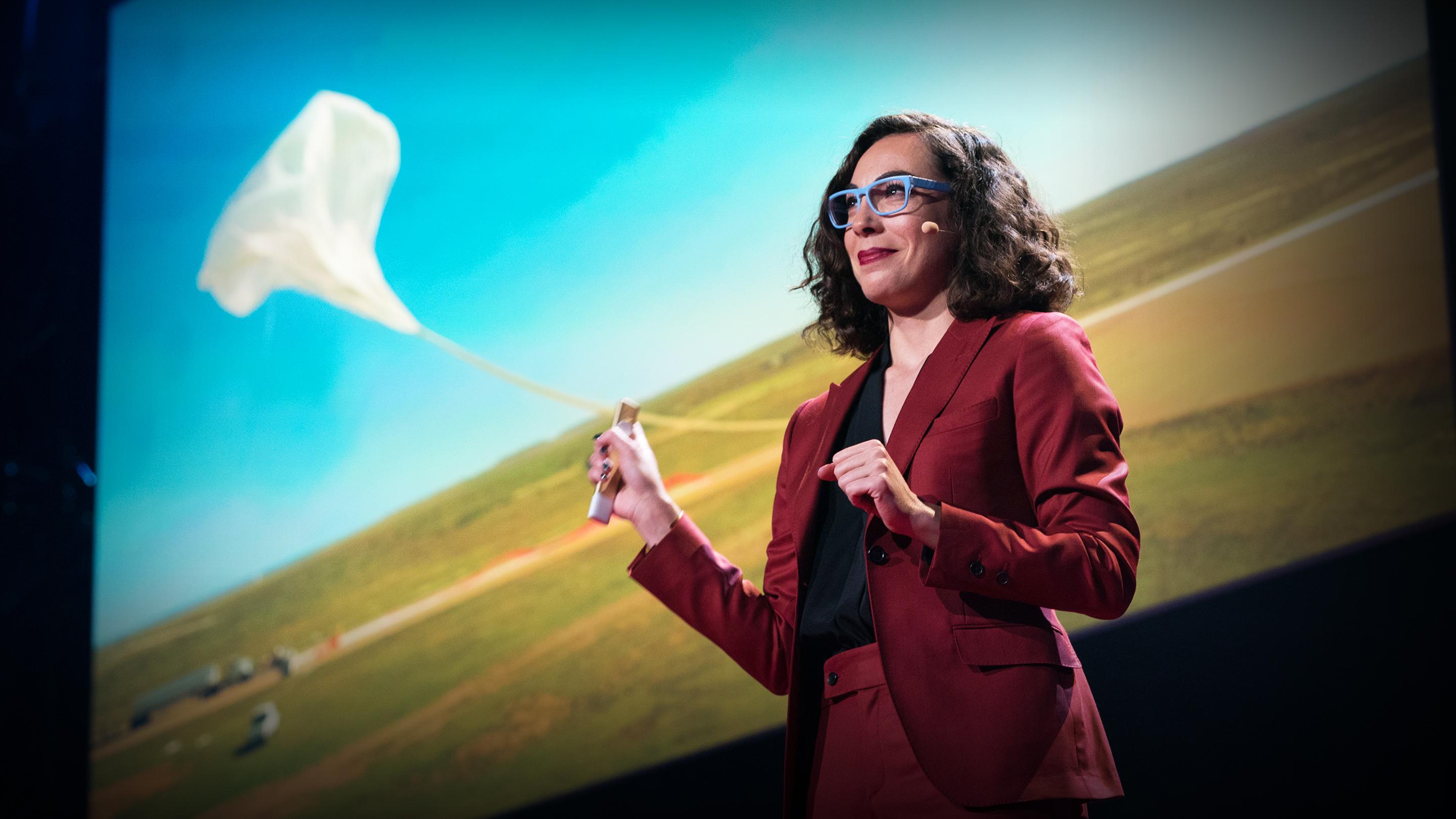
What it takes to launch a telescope | Erika Hamden
TED Fellow and astronomer Erika Hamden leads the team building FIREBall, a telescope that hangs from a giant balloon at the very edge of space and looks for clues about how stars are created. She takes us inside the roller-coaster, decade-long journey to get the telescope from an idea into orbit -- and shows how failure is inevitable when you're pushing the limits of knowledge.
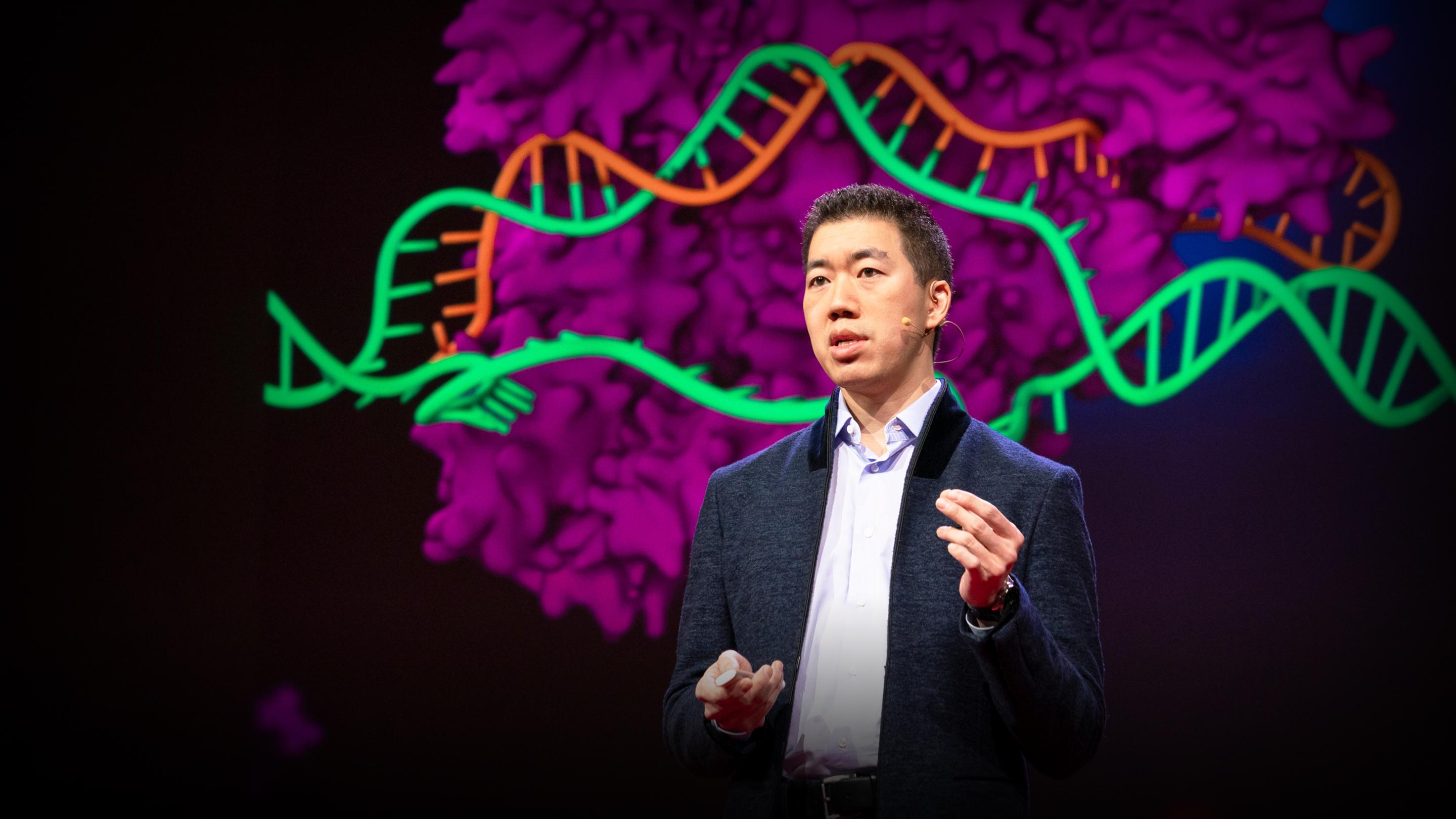
Can we cure genetic diseases by rewriting DNA? | David R. Liu
In a story of scientific discovery, chemical biologist David R. Liu shares a breakthrough: his lab's development of base editors that can rewrite DNA. This crucial step in genome editing takes the promise of CRISPR to the next level: if CRISPR proteins are molecular scissors, programmed to cut specific DNA sequences, then base editors are pencils, capable of directly rewriting one DNA letter into another. Learn more about how these molecular machines work -- and their potential to treat or even cure genetic diseases.

Wearable tech that helps you navigate by touch | Keith Kirkland
Keith Kirkland is developing wearable tech that communicates information using only the sense of touch. He's trying to figure out: What gestures and vibration patterns could intuitively communicate ideas like "stop" or "go"? Check out his team's first product, a navigation device for the blind and visually impaired, and learn more about the entirely new "haptic language" he's creating to power it.
How to keep human bias out of AI | Kriti Sharma
AI algorithms make important decisions about you all the time -- like how much you should pay for car insurance or whether or not you get that job interview. But what happens when these machines are built with human bias coded into their systems? Technologist Kriti Sharma explores how the lack of diversity in tech is creeping into our AI, offering three ways we can start making more ethical algorithms.

How we can store digital data in DNA | Dina Zielinski
From floppy disks to thumb drives, every method of storing data eventually becomes obsolete. What if we could find a way to store all the world's data forever? Bioinformatician Dina Zielinski shares the science behind a solution that's been around for a few billion years: DNA.

The self-assembling computer chips of the future | Karl Skjonnemand
The transistors that power the phone in your pocket are unimaginably small: you can fit more than 3,000 of them across the width of a human hair. But to keep up with innovations in fields like facial recognition and augmented reality, we need to pack even more computing power into our computer chips -- and we're running out of space. In this forward-thinking talk, technology developer Karl Skjonnemand introduces a radically new way to create chips. "This could be the dawn of a new era of molecular manufacturing," Skjonnemand says.

How do we find dignity at work? | Roy Bahat and Bryn Freedman
Roy Bahat was worried. His company invests in new technology like AI to make businesses more efficient -- but, he wondered, what was AI doing to the people whose jobs might change, go away or become less fulfilling? The question sent him on a two-year research odyssey to discover what motivates people, and why we work. In this conversation with curator Bryn Freedman, he shares what he learned, including some surprising insights that will shape the conversation about the future of our jobs.

How do we learn to work with intelligent machines? | Matt Beane
The path to skill around the globe has been the same for thousands of years: train under an expert and take on small, easy tasks before progressing to riskier, harder ones. But right now, we're handling AI in a way that blocks that path -- and sacrificing learning in our quest for productivity, says organizational ethnographer Matt Beane. What can be done? Beane shares a vision that flips the current story into one of distributed, machine-enhanced mentorship that takes full advantage of AI's amazing capabilities while enhancing our skills at the same time.
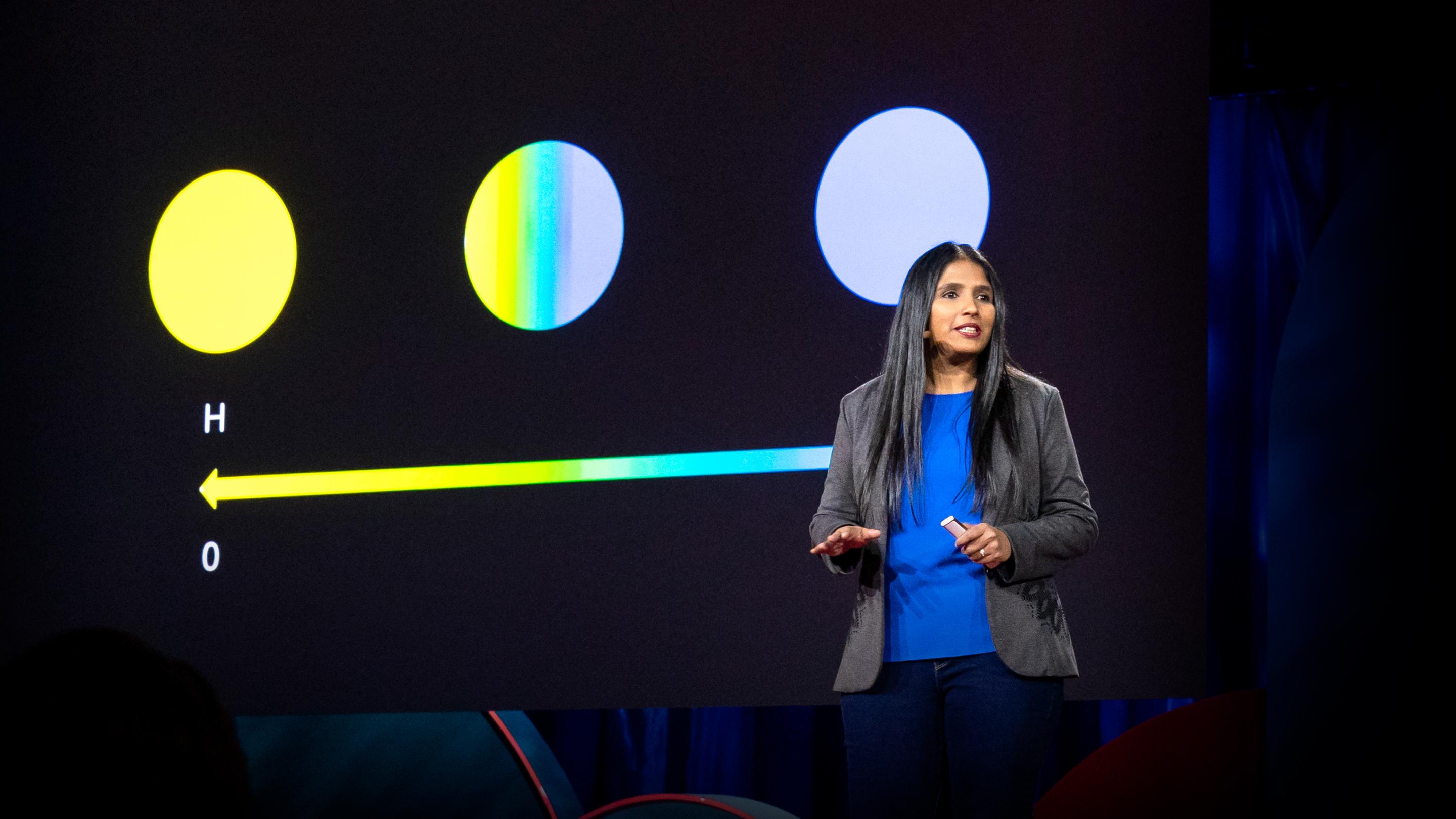
A beginner's guide to quantum computing | Shohini Ghose
A quantum computer isn't just a more powerful version of the computers we use today; it's something else entirely, based on emerging scientific understanding -- and more than a bit of uncertainty. Enter the quantum wonderland with TED Fellow Shohini Ghose and learn how this technology holds the potential to transform medicine, create unbreakable encryption and even teleport information.

What should electric cars sound like? | Renzo Vitale
Electric cars are extremely quiet, offering some welcome silence in our cities. But they also bring new dangers, since they can easily sneak up on unsuspecting pedestrians. What kind of sounds should they make to keep people safe? Get a preview of what the future may sound like as acoustic engineer and musician Renzo Vitale shows how he's composing a voice for electric cars.
How India's smartphone revolution is creating a new generation of readers and writers | Chiki Sarkar
India has the second largest population of any country in the world -- yet it has only 50 decent bookstores, says publisher Chiki Sarkar. So she asked herself: How do we get more people reading books? Find out how Sarkar is tapping into India's smartphone revolution to create a new generation of readers and writers in this fun talk about a fresh kind of storytelling.
How to be "Team Human" in the digital future | Douglas Rushkoff
Humans are no longer valued for our creativity, says media theorist Douglas Rushkoff -- in a world dominated by digital technology, we're now just valued for our data. In a passionate talk, Rushkoff urges us to stop using technology to optimize people for the market and start using it to build a future centered on our pre-digital values of connection, creativity and respect. "Join 'Team Human.' Find the others," he says. "Together let's make the future that we always wanted."
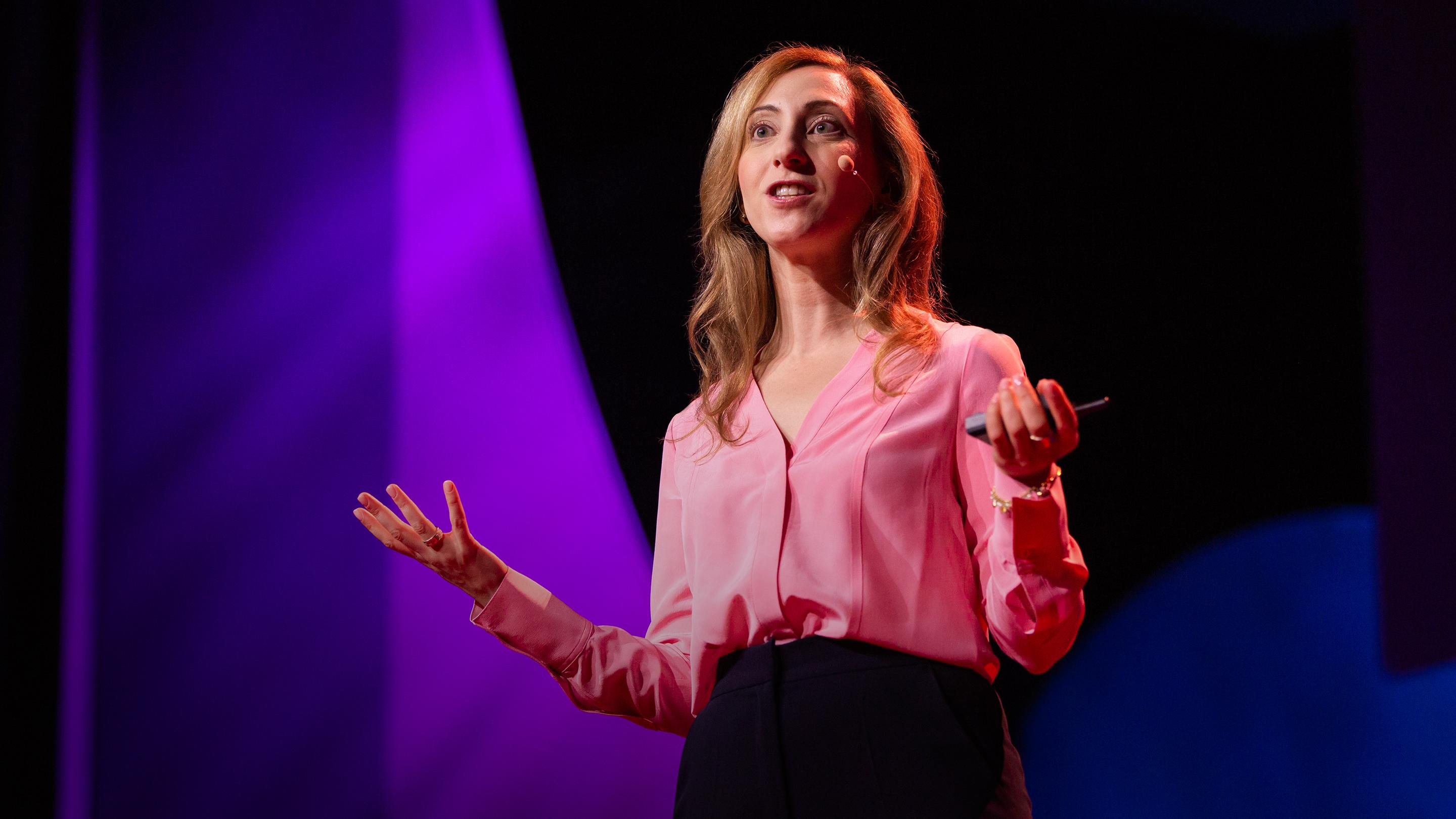
Why you should treat the tech you use at work like a colleague | Nadjia Yousif
Imagine your company hires a new employee and then everyone just ignores them, day in and day out, while they sit alone at their desk getting paid to do nothing. This situation actually happens all the time -- when companies invest millions of dollars in new tech tools only to have frustrated employees disregard them, says Nadjia Yousif. In this fun and practical talk, she offers advice on how to better collaborate with the technologies in your workplace -- by treating them like colleagues.
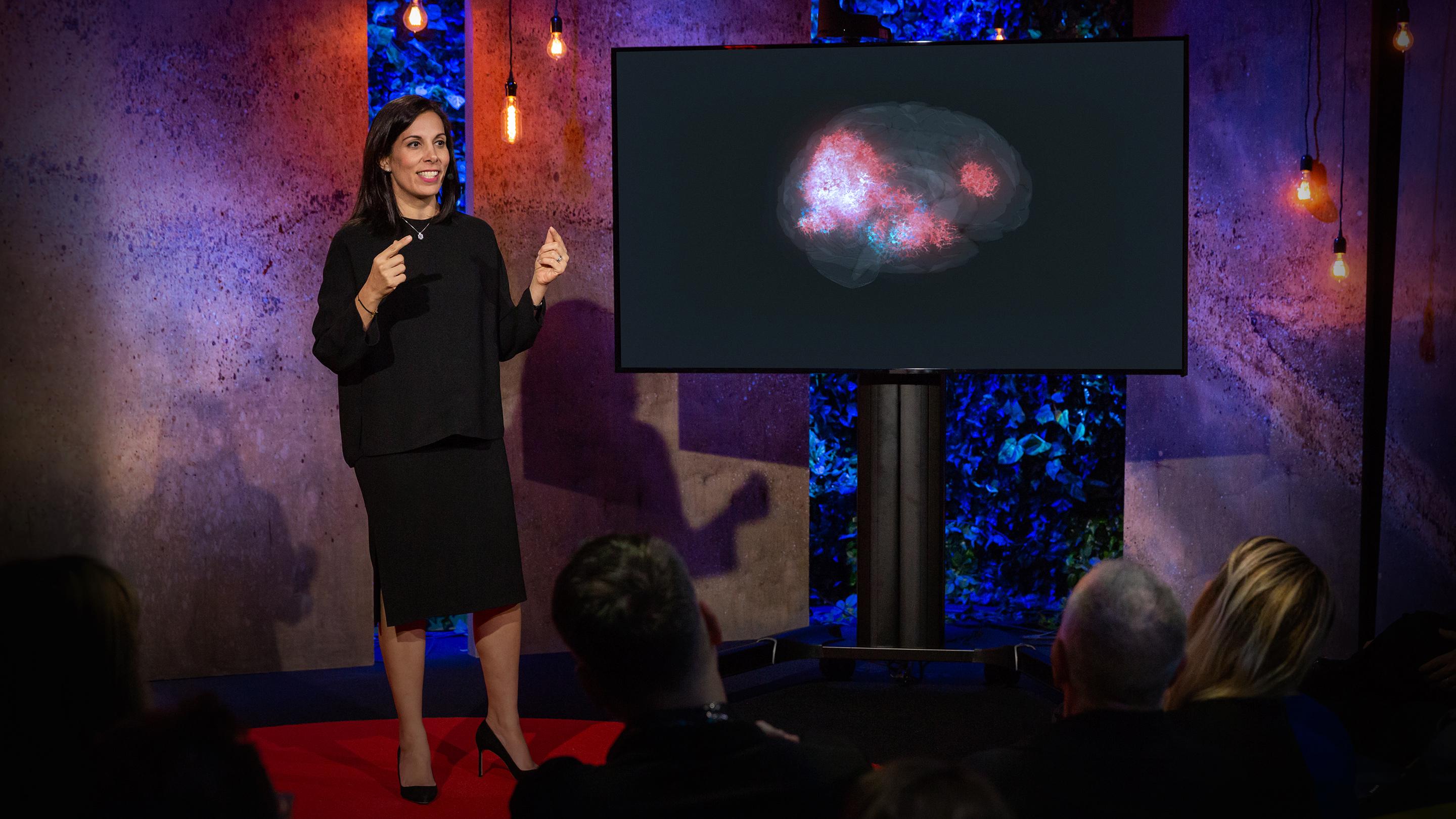
When technology can read minds, how will we protect our privacy? | Nita Farahany
Tech that can decode your brain activity and reveal what you're thinking and feeling is on the horizon, says legal scholar and ethicist Nita Farahany. What will it mean for our already violated sense of privacy? In a cautionary talk, Farahany warns of a society where people are arrested for merely thinking about committing a crime (like in "Minority Report") and private interests sell our brain data -- and makes the case for a right to cognitive liberty that protects our freedom of thought and self-determination.
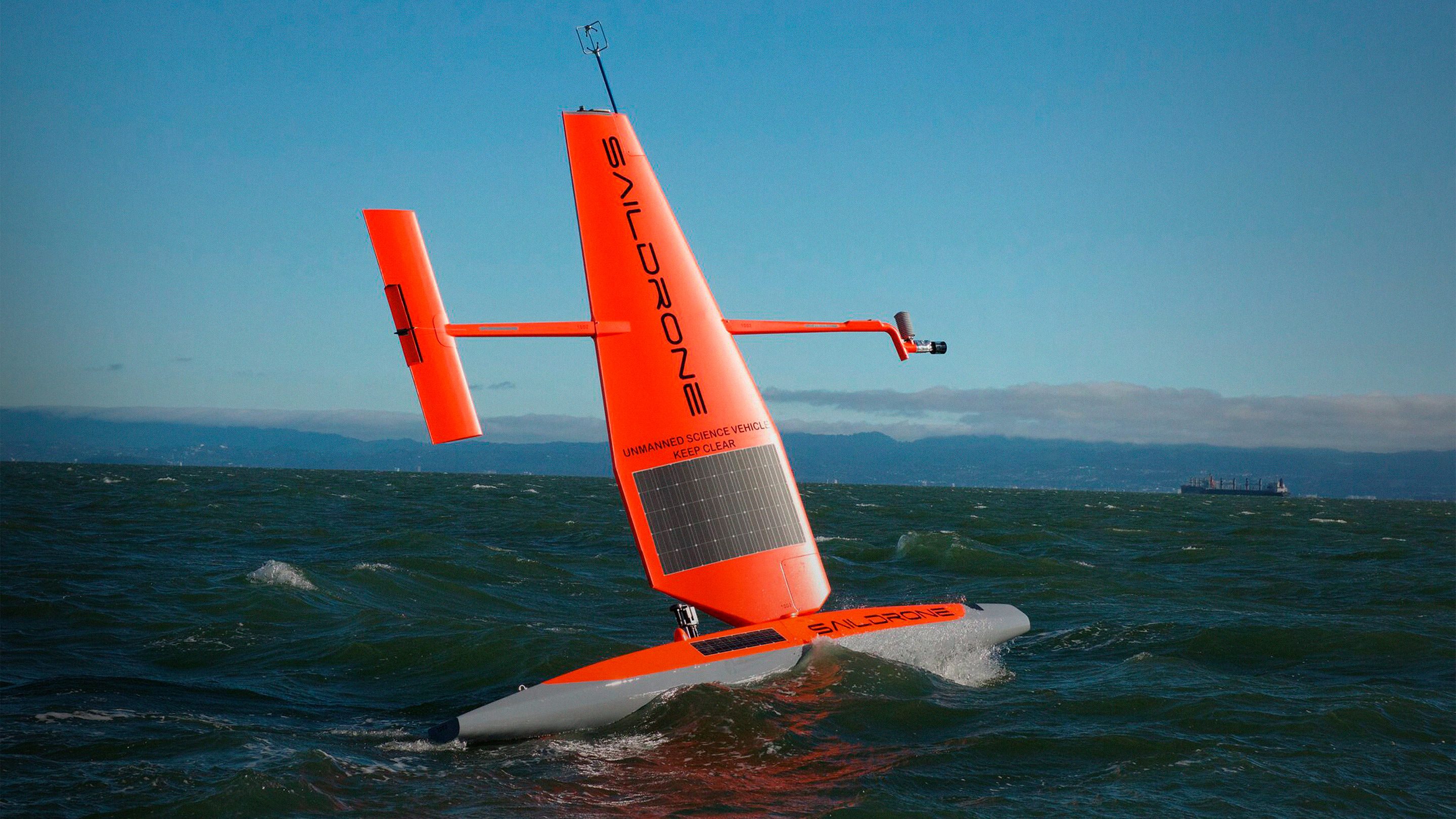
How a fleet of wind-powered drones is changing our understanding of the ocean | Sebastien de Halleux
Our oceans are unexplored and undersampled -- today, we still know more about other planets than our own. How can we get to a better understanding of this vast, important ecosystem? Explorer Sebastien de Halleux shares how a new fleet of wind- and solar-powered drones is collecting data at sea in unprecedented detail, revealing insights into things like global weather and the health of fish stocks. Learn more about what a better grasp of the ocean could mean for us back on land.
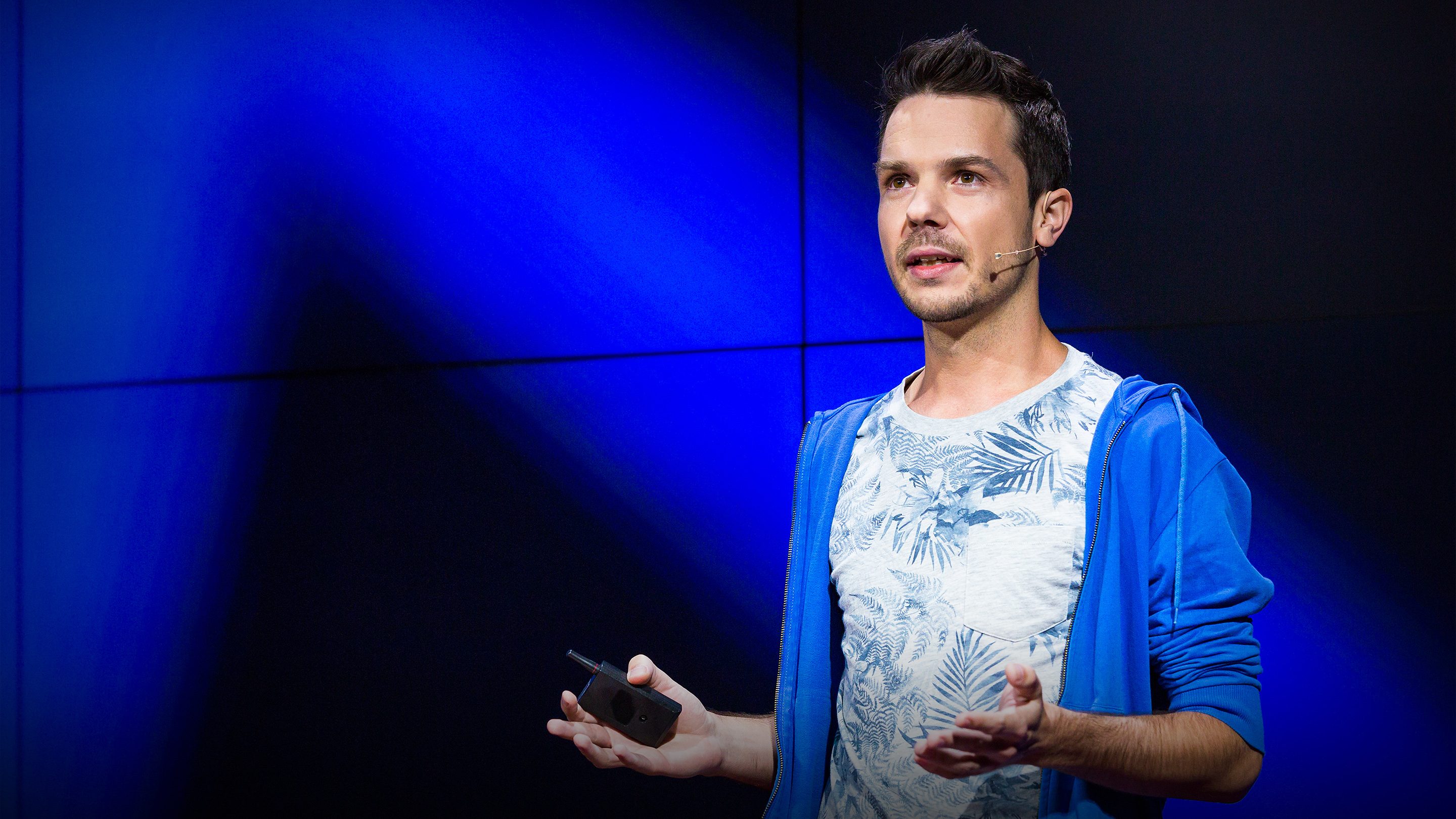
The case for a decentralized internet | Tamas Kocsis
Who controls the internet? Increasingly, the answer is large corporations and governments -- a trend that's threatening digital privacy and access to information online, says web developer Tamas Kocsis. In this informative talk, Kocsis breaks down the different threats to internet freedom and shares his plan to build an alternative, decentralized network that returns power to everyday users.

The case for curiosity-driven research | Suzie Sheehy
Seemingly pointless scientific research can lead to extraordinary discoveries, says physicist Suzie Sheehy. In a talk and tech demo, she shows how many of our modern technologies are tied to centuries-old, curiosity-driven experiments -- and makes the case for investing in more to arrive at a deeper understanding of the world.

How tech companies deceive you into giving up your data and privacy | Finn Lützow-Holm Myrstad
Have you ever actually read the terms and conditions for the apps you use? Finn Lützow-Holm Myrstad and his team at the Norwegian Consumer Council have, and it took them nearly a day and a half to read the terms of all the apps on an average phone. In a talk about the alarming ways tech companies deceive their users, Myrstad shares insights about the personal information you've agreed to let companies collect -- and how they use your data at a scale you could never imagine.
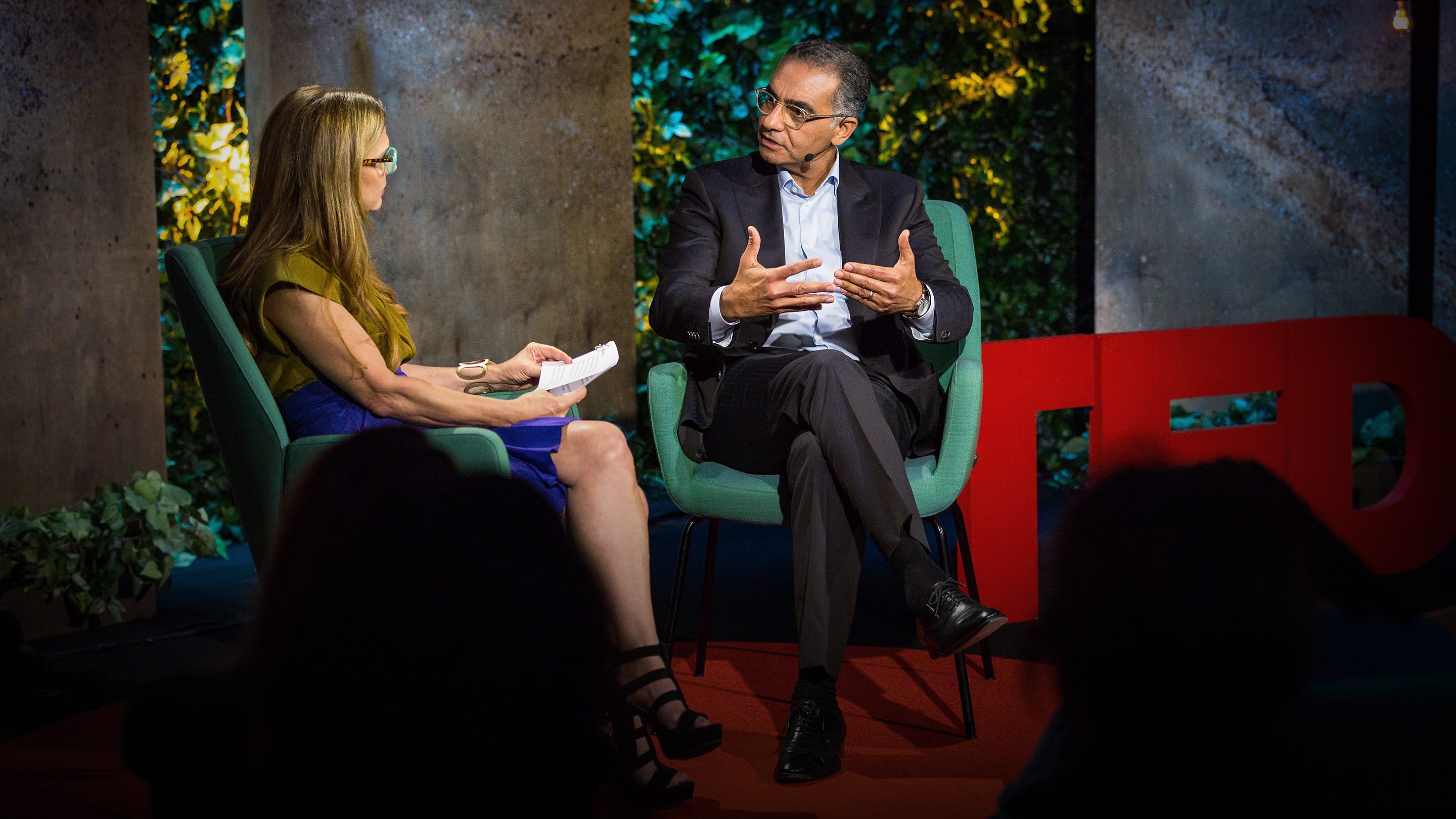
What everyday citizens can do to claim power on the internet | Fadi Chehadé and Bryn Freedman
Technology architect Fadi Chehadé helped set up the infrastructure that makes the internet work -- essential things like the domain name system and IP address standards. Today he's focused on finding ways for society to benefit from technology. In a crisp conversation with Bryn Freedman, curator of the TED Institute, Chehadé discusses the ongoing war between the West and China over artificial intelligence, how tech companies can become stewards of the power they have to shape lives and economies and what everyday citizens can do to claim power on the internet.
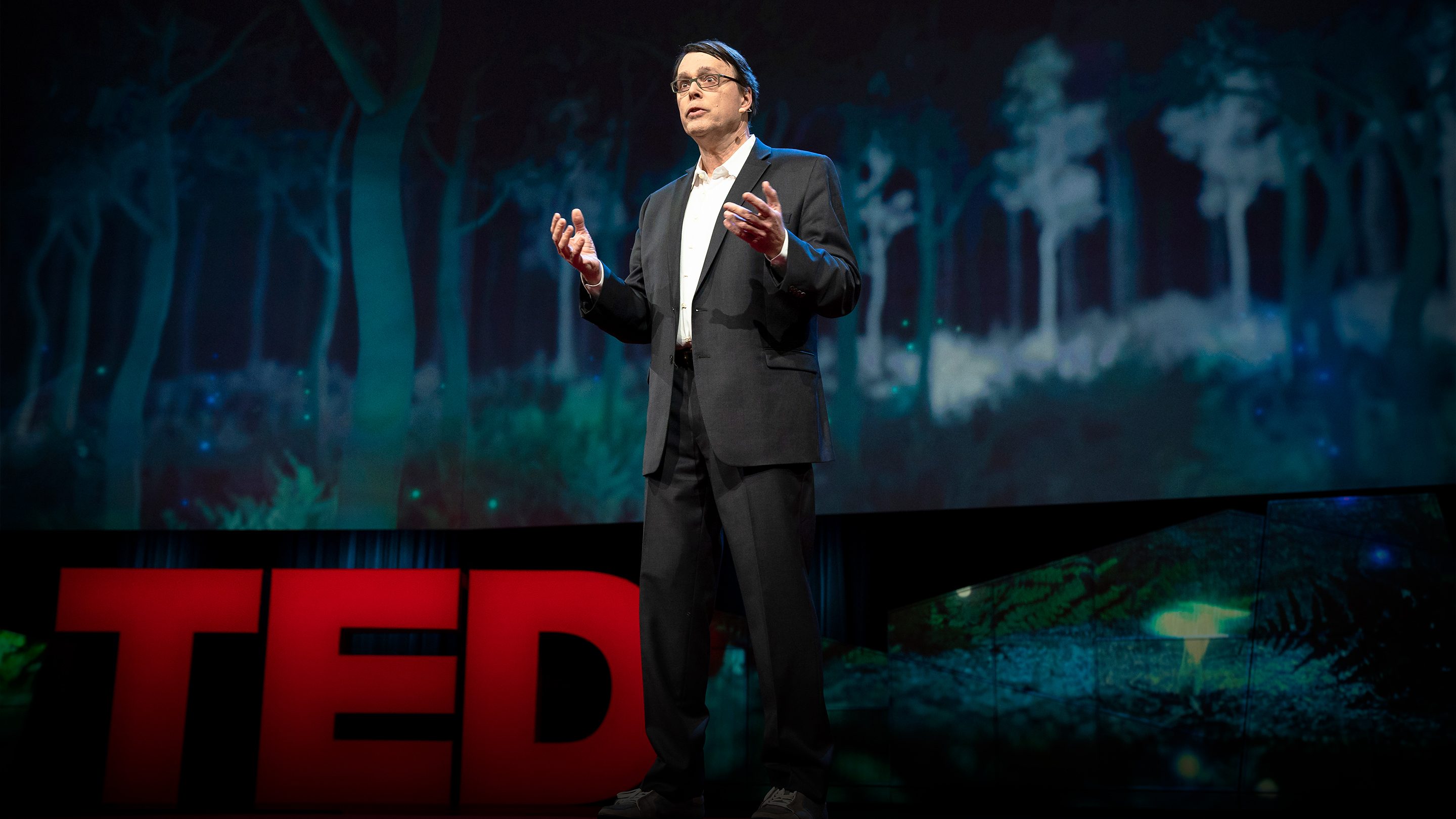
How will we survive when the population hits 10 billion? | Charles C. Mann
By 2050, an estimated 10 billion people will live on earth. How are we going to provide everybody with basic needs while also avoiding the worst impacts of climate change? In a talk packed with wit and wisdom, science journalist Charles C. Mann breaks down the proposed solutions and finds that the answers fall into two camps -- wizards and prophets -- while offering his own take on the best path to survival.
Why we have an emotional connection to robots | Kate Darling
We're far from developing robots that feel emotions, but we already have feelings towards them, says robot ethicist Kate Darling, and an instinct like that can have consequences. Learn more about how we're biologically hardwired to project intent and life onto machines -- and how it might help us better understand ourselves.
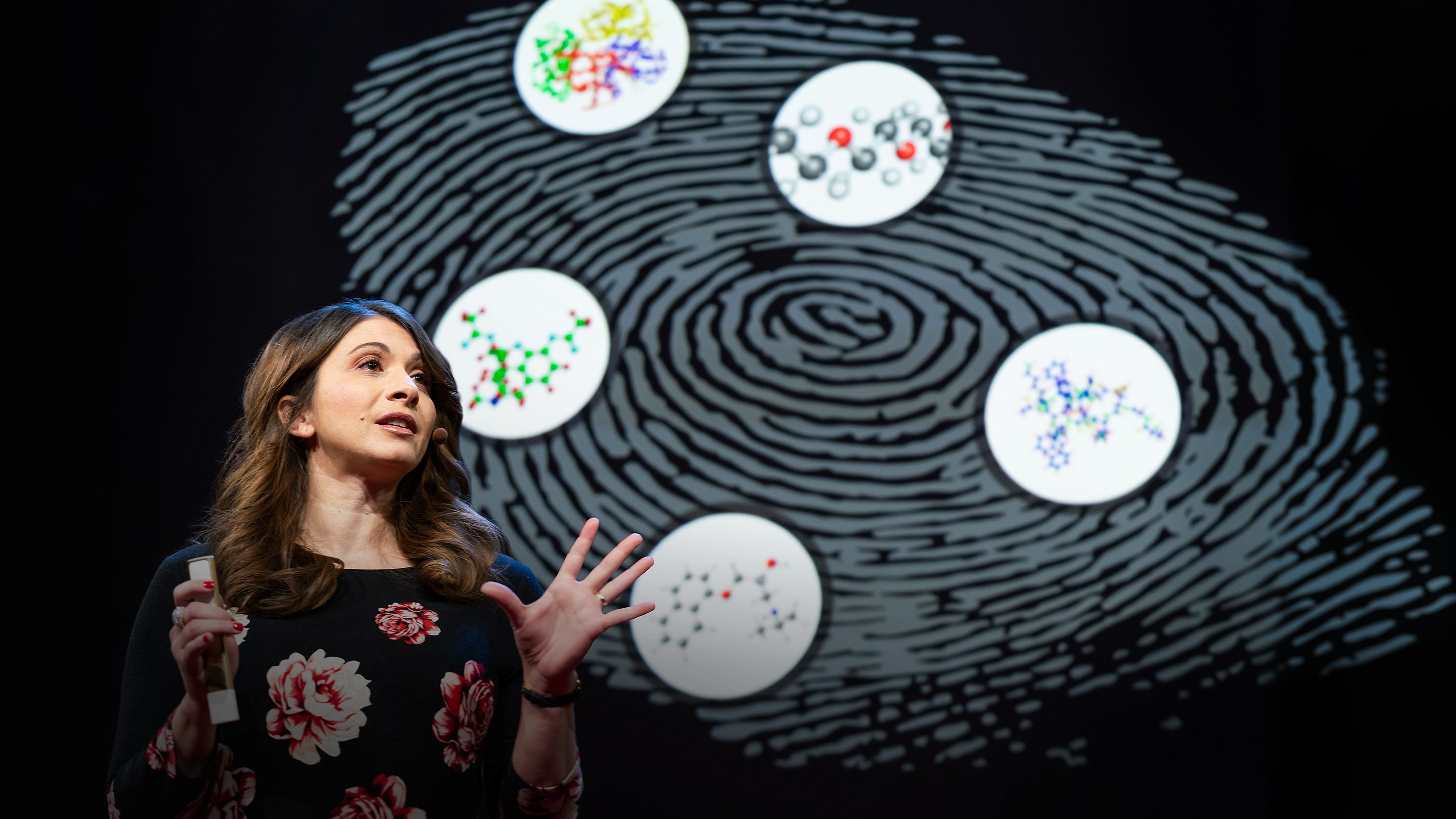
Your fingerprints reveal more than you think | Simona Francese
Our fingerprints are what make us unique -- but they're also home to a world of information hidden in molecules that reveal our actions, lifestyles and routines. In this riveting talk, chemist Simona Francese shows how she studies these microscopic traces using mass spectrometry, a technology that analyzes fingerprints in previously impossible detail, and demonstrates how this cutting-edge forensic science can help police catch criminals. (Note: This talk contains descriptions of sexual violence.)
3 ways to make better decisions -- by thinking like a computer | Tom Griffiths
If you ever struggle to make decisions, here's a talk for you. Cognitive scientist Tom Griffiths shows how we can apply the logic of computers to untangle tricky human problems, sharing three practical strategies for making better decisions -- on everything from finding a home to choosing which restaurant to go to tonight.
How AI could compose a personalized soundtrack to your life | Pierre Barreau
Meet AIVA, an artificial intelligence that has been trained in the art of music composition by reading more than 30,000 of history's greatest scores. In a mesmerizing talk and demo, Pierre Barreau plays compositions created by AIVA and shares his dream: to create original live soundtracks based on our moods and personalities.
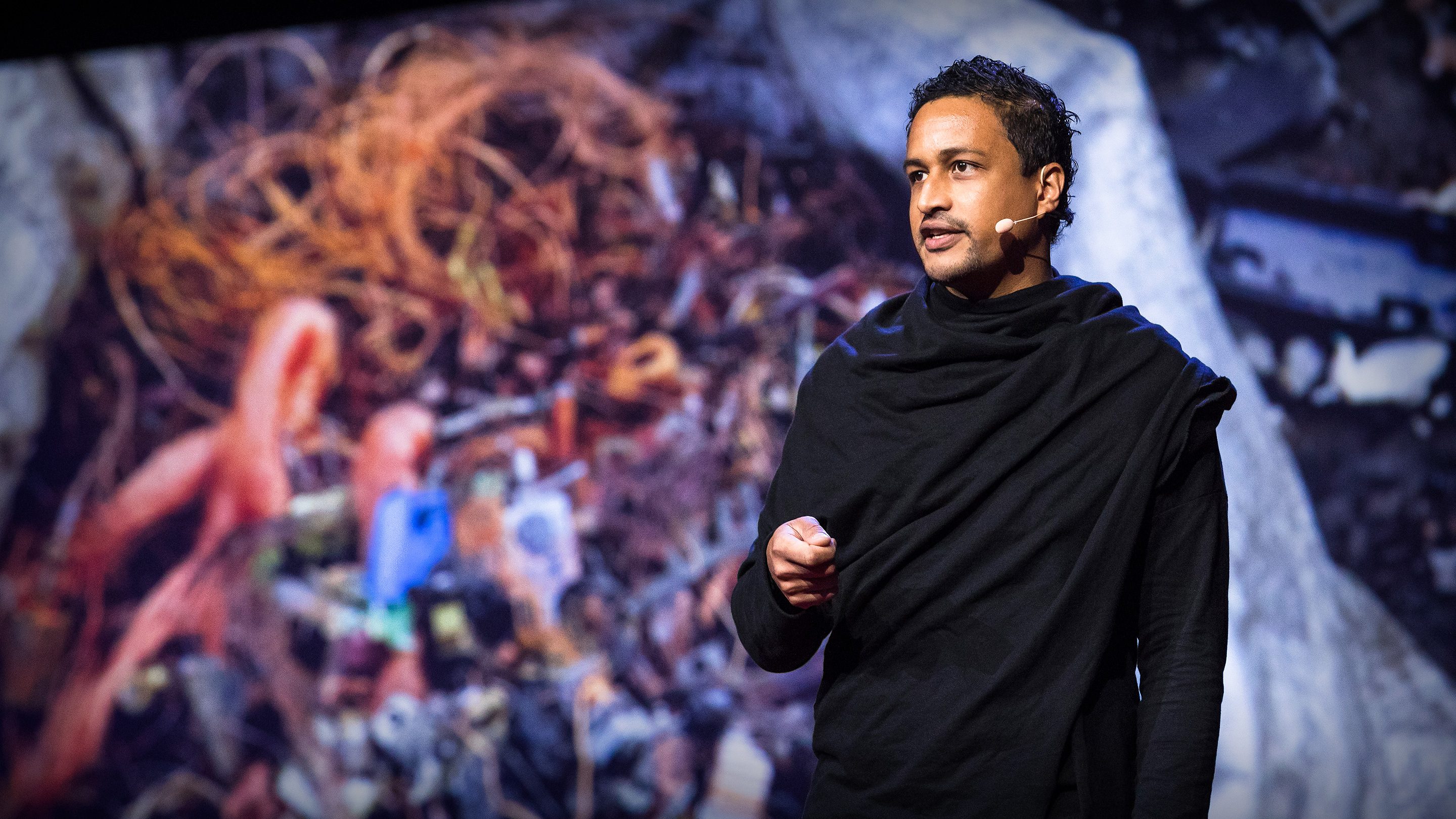
What a scrapyard in Ghana can teach us about innovation | DK Osseo-Asare
In Agbogbloshie, a community in Accra, Ghana, people descend on a scrapyard to mine electronic waste for recyclable materials. Without formal training, these urban miners often teach themselves the workings of electronics by taking them apart and putting them together again. Designer and TED Fellow DK Osseo-Asare wondered: What would happen if we connected these self-taught techies with students and young professionals in STEAM fields? The result: a growing maker community where people engage in peer-to-peer, hands-on education, motivated by what they want to create. Learn more about how this African makerspace is pioneering a grassroots circular economy.
How AI is making it easier to diagnose disease | Pratik Shah
Today's AI algorithms require tens of thousands of expensive medical images to detect a patient's disease. What if we could drastically reduce the amount of data needed to train an AI, making diagnoses low-cost and more effective? TED Fellow Pratik Shah is working on a clever system to do just that. Using an unorthodox AI approach, Shah has developed a technology that requires as few as 50 images to develop a working algorithm -- and can even use photos taken on doctors' cell phones to provide a diagnosis. Learn more about how this new way to analyze medical information could lead to earlier detection of life-threatening illnesses and bring AI-assisted diagnosis to more health care settings worldwide.
What your smart devices know (and share) about you | Kashmir Hill and Surya Mattu
Once your smart devices can talk to you, who else are they talking to? Kashmir Hill and Surya Mattu wanted to find out -- so they outfitted Hill's apartment with 18 different internet-connected devices and built a special router to track how often they contacted their servers and see what they were reporting back. The results were surprising -- and more than a little bit creepy. Learn more about what the data from your smart devices reveals about your sleep schedule, TV binges and even your tooth-brushing habits -- and how tech companies could use it to target and profile you. (This talk contains mature language.)
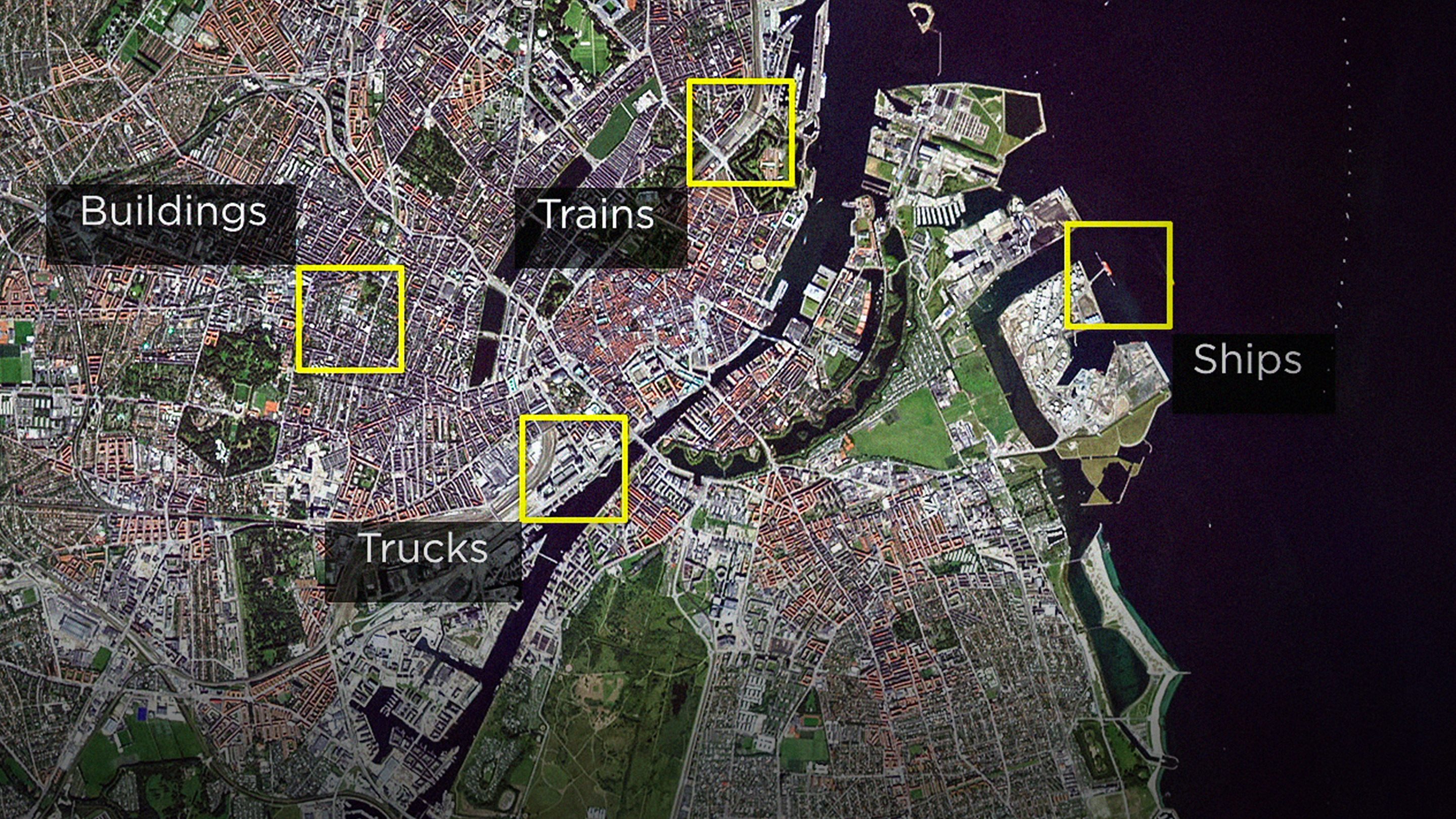
The mission to create a searchable database of Earth's surface | Will Marshall
What if you could search the surface of the Earth the same way you search the internet? Will Marshall and his team at Planet use the world's largest fleet of satellites to image the entire Earth every day. Now they're moving on to a new project: using AI to index all the objects on the planet over time -- which could make ships, trees, houses and everything else on Earth searchable, the same way you search Google. He shares a vision for how this database can become a living record of the immense physical changes happening across the globe. "You can't fix what you can't see," Marshall says. "We want to give people the tools to see change and take action."
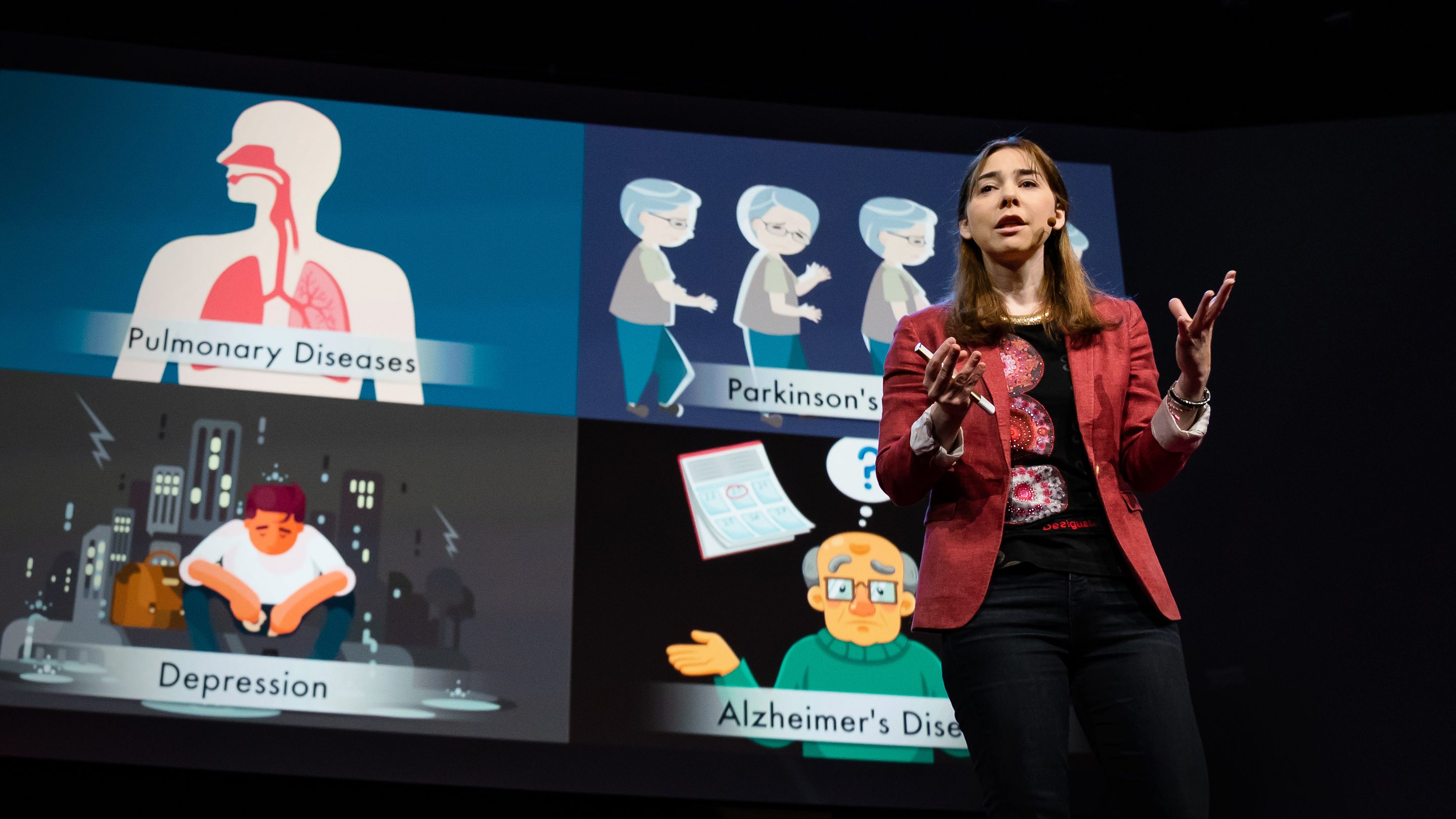
A new way to monitor vital signs (that can see through walls) | Dina Katabi
At MIT, Dina Katabi and her team are working on a bold new way to monitor patients' vital signs in a hospital (or even at home), without wearables or bulky, beeping devices. Bonus: it can see through walls. In a mind-blowing talk and demo, Katabi previews a system that captures the reflections of signals like Wi-Fi as they bounce off people, creating a reliable record of vitals for healthcare workers and patients. And in a brief Q&A with TED curator Helen Walters, Katabi discusses safeguards being put in place to prevent people from using this tech to monitor somebody without their consent.
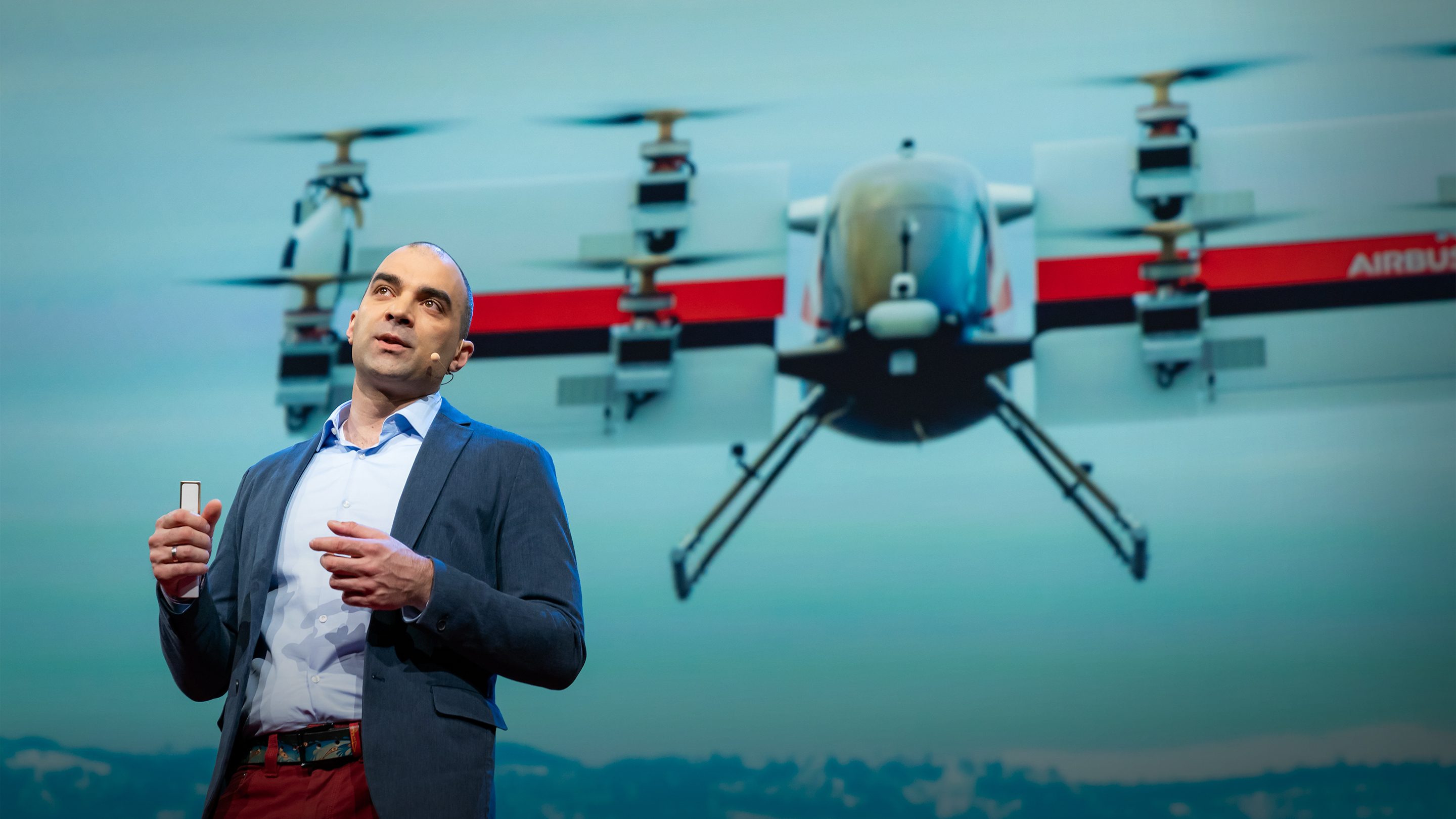
How autonomous flying taxis could change the way you travel | Rodin Lyasoff
Flight is about to get a lot more personal, says aviation entrepreneur Rodin Lyasoff. In this visionary talk, he imagines a new golden age of air travel in which small, autonomous air taxis allow us to bypass traffic jams and fundamentally transform how we get around our cities and towns. "In the past century, flight connected our planet," Lyasoff says. "In the next, it will reconnect our local communities."
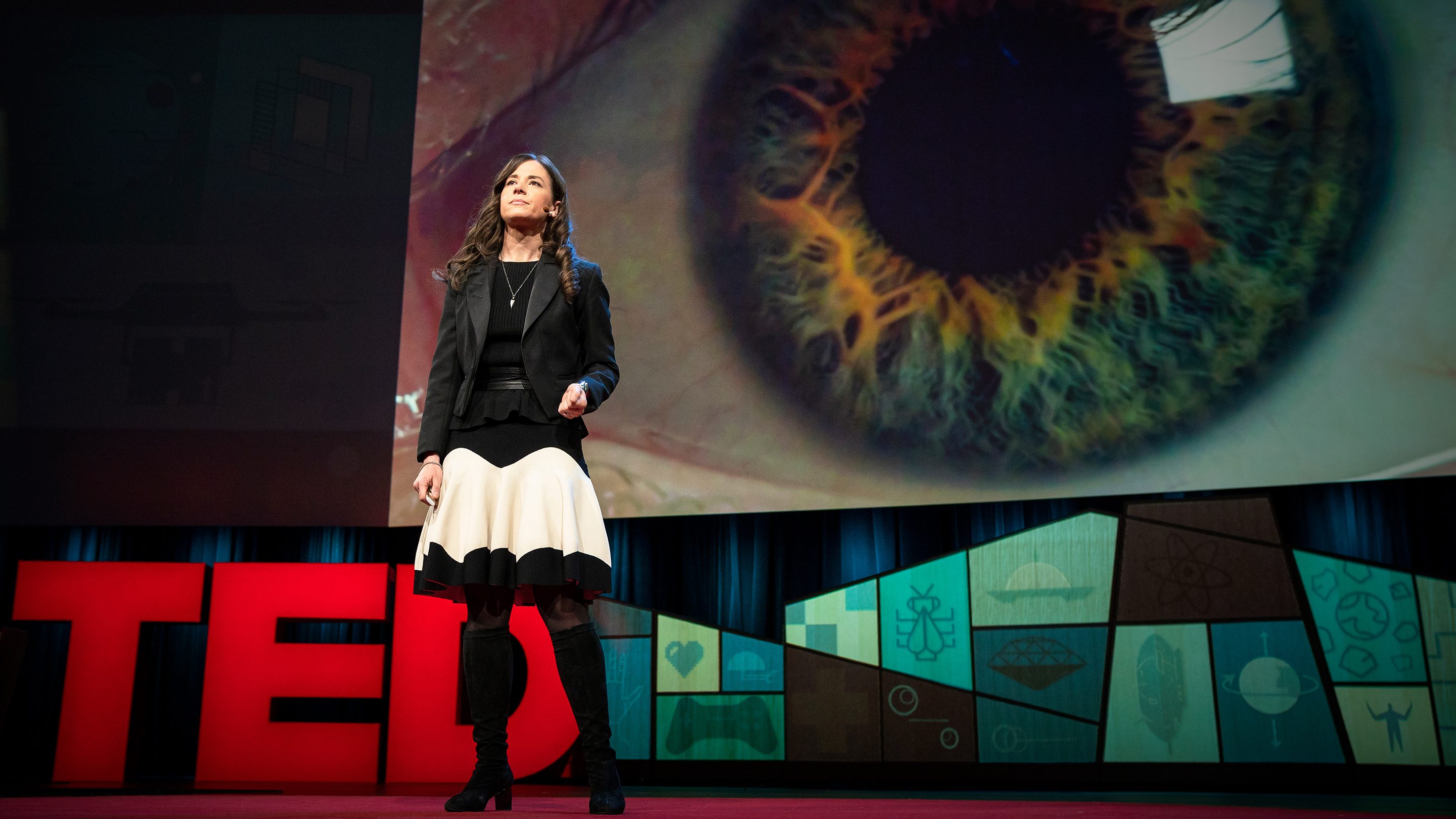
Technology that knows what you're feeling | Poppy Crum
What happens when technology knows more about us than we do? Poppy Crum studies how we express emotions -- and she suggests the end of the poker face is near, as new tech makes it easy to see the signals that give away how we're feeling. In a talk and demo, she shows how "empathetic technology" can read physical signals like body temperature and the chemical composition of our breath to inform on our emotional state. For better or for worse. "If we recognize the power of becoming technological empaths, we get this opportunity where technology can help us bridge the emotional and cognitive divide," Crum says.
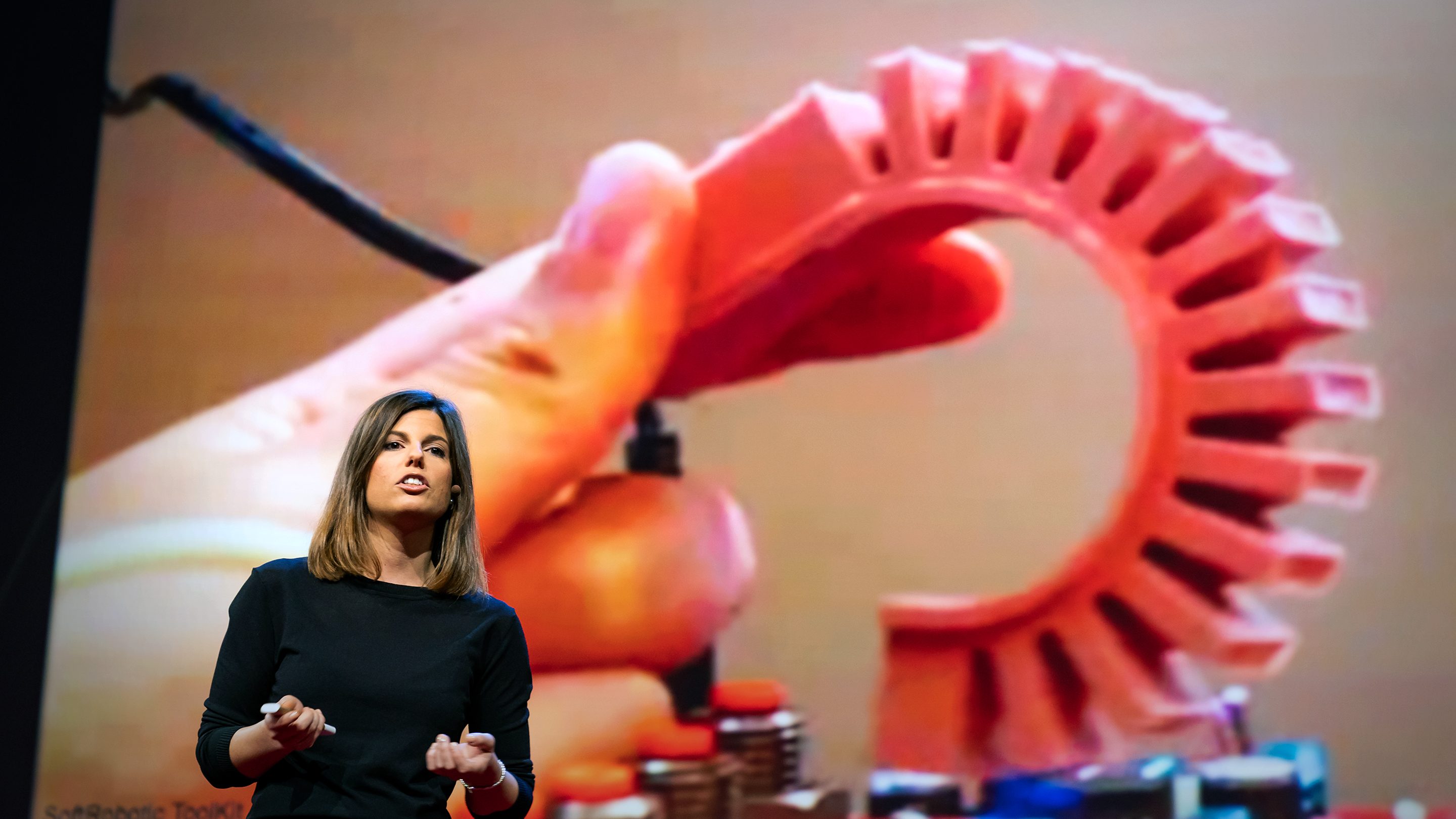
The incredible potential of flexible, soft robots | Giada Gerboni
Robots are designed for speed and precision -- but their rigidity has often limited how they're used. In this illuminating talk, biomedical engineer Giada Gerboni shares the latest developments in "soft robotics," an emerging field that aims to create nimble machines that imitate nature, like a robotic octopus. Learn more about how these flexible structures could play a critical role in surgery, medicine and our daily lives.
How technology can fight extremism and online harassment | Yasmin Green
Can technology make people safer from threats like violent extremism, censorship and persecution? In this illuminating talk, technologist Yasmin Green details programs pioneered at Jigsaw (a unit within Alphabet Inc., the collection of companies that also includes Google) to counter radicalization and online harassment -- including a project that could give commenters real-time feedback about how their words might land, which has already increased spaces for dialogue. "If we ever thought that we could build an internet insulated from the dark side of humanity, we were wrong," Green says. "We have to throw our entire selves into building solutions that are as human as the problems they aim to solve."
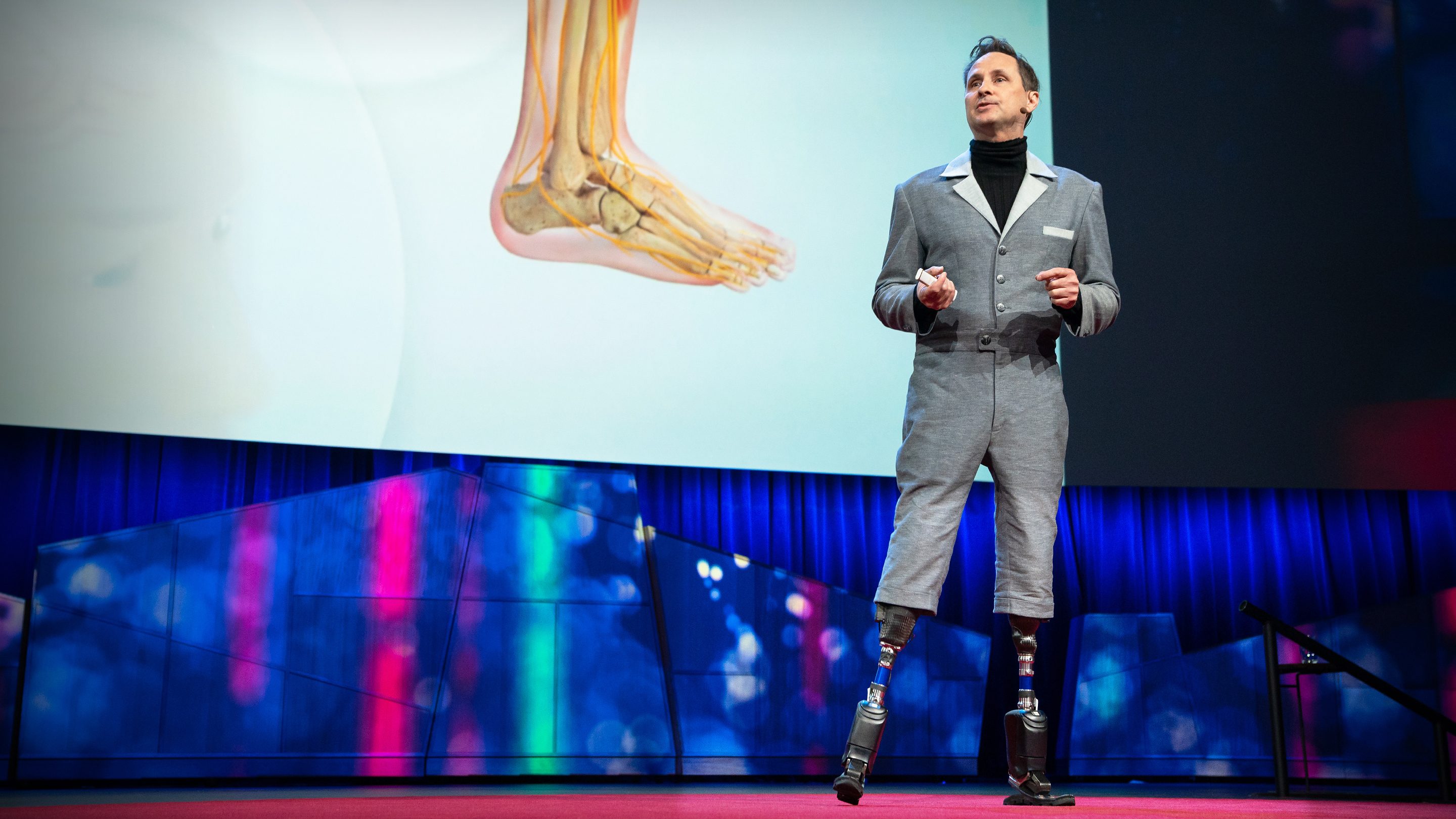
How we'll become cyborgs and extend human potential | Hugh Herr
Humans will soon have new bodies that forever blur the line between the natural and synthetic worlds, says bionics designer Hugh Herr. In an unforgettable talk, he details "NeuroEmbodied Design," a methodology for creating cyborg function that he's developing at the MIT Media Lab, and shows us a future where we've augmented our bodies in a way that will redefine human potential -- and, maybe, turn us into superheroes. "During the twilight years of this century, I believe humans will be unrecognizable in morphology and dynamics from what we are today," Herr says. "Humanity will take flight and soar."
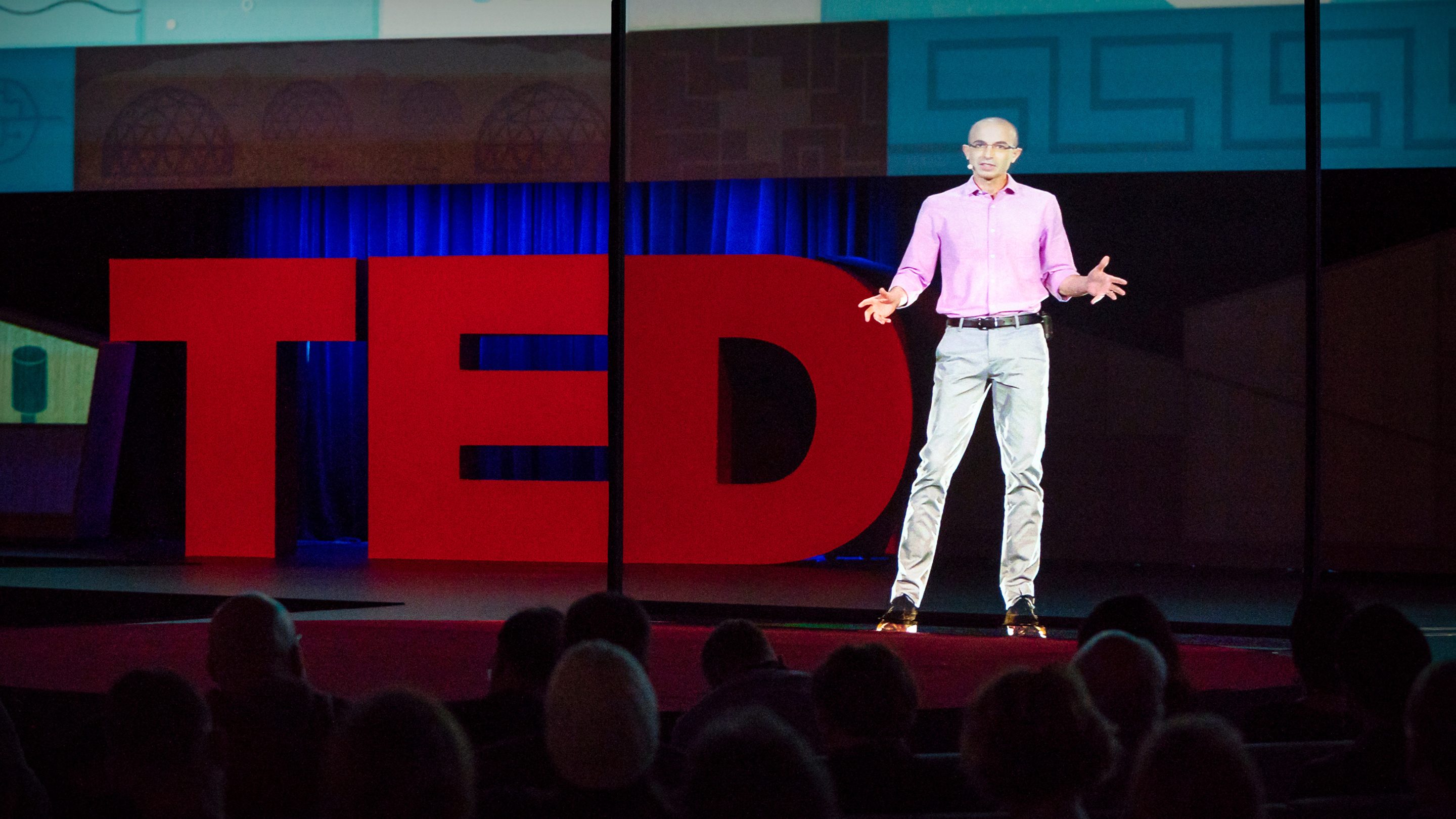
Why fascism is so tempting -- and how your data could power it | Yuval Noah Harari
In a profound talk about technology and power, author and historian Yuval Noah Harari explains the important difference between fascism and nationalism -- and what the consolidation of our data means for the future of democracy. Appearing as a hologram live from Tel Aviv, Harari warns that the greatest danger that now faces liberal democracy is that the revolution in information technology will make dictatorships more efficient and capable of control. "The enemies of liberal democracy hack our feelings of fear and hate and vanity, and then use these feelings to polarize and destroy," Harari says. "It is the responsibility of all of us to get to know our weaknesses and make sure they don't become weapons." (Followed by a brief conversation with TED curator Chris Anderson)
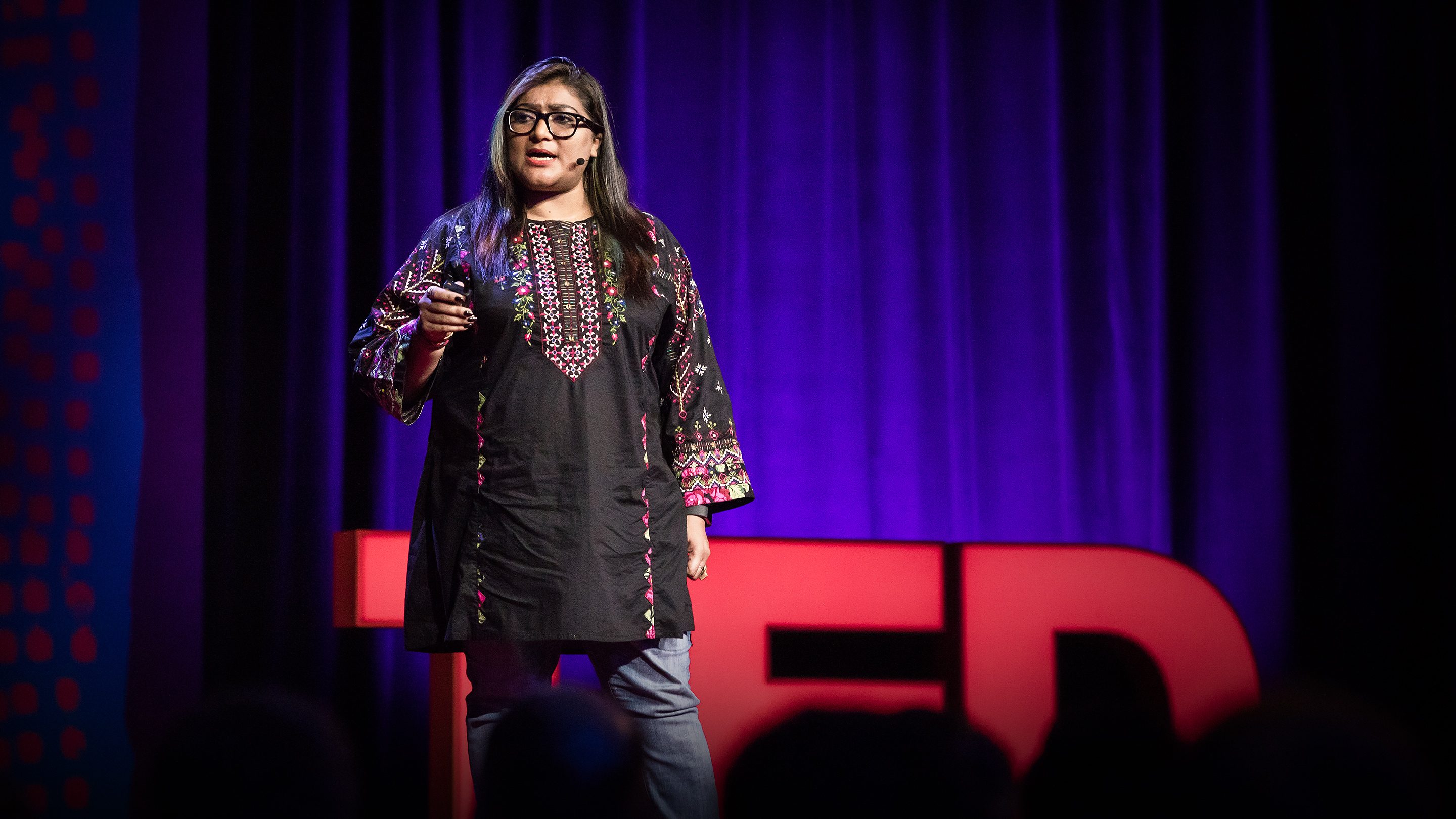
How Pakistani women are taking the internet back | Nighat Dad
TED Fellow Nighat Dad studies online harassment, especially as it relates to patriarchal cultures like the one in her small village in Pakistan. She tells the story of how she set up Pakistan's first cyber harassment helpline, offering support to women who face serious threats online. "Safe access to the internet is access to knowledge, and knowledge is freedom," she says. "When I fight for a woman's digital rights, I am fighting for equality."
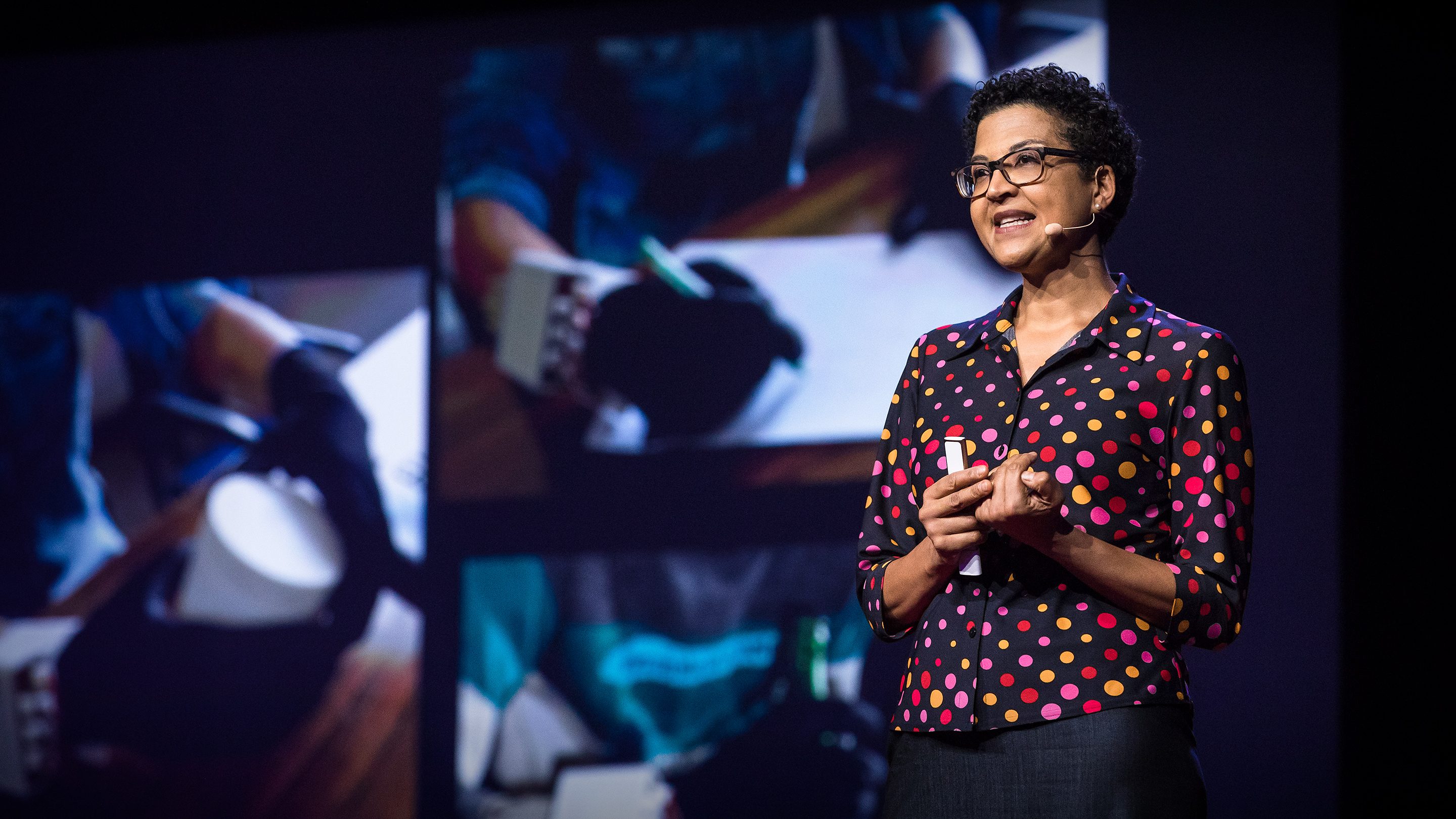
To design better tech, understand context | Tania Douglas
What good is a sophisticated piece of medical equipment to people in Africa if it can't handle the climate there? Biomedical engineer Tania Douglas shares stories of how we're often blinded to real needs in our pursuit of technology -- and how a deeper understanding of the context where it's used can lead us to better solutions.
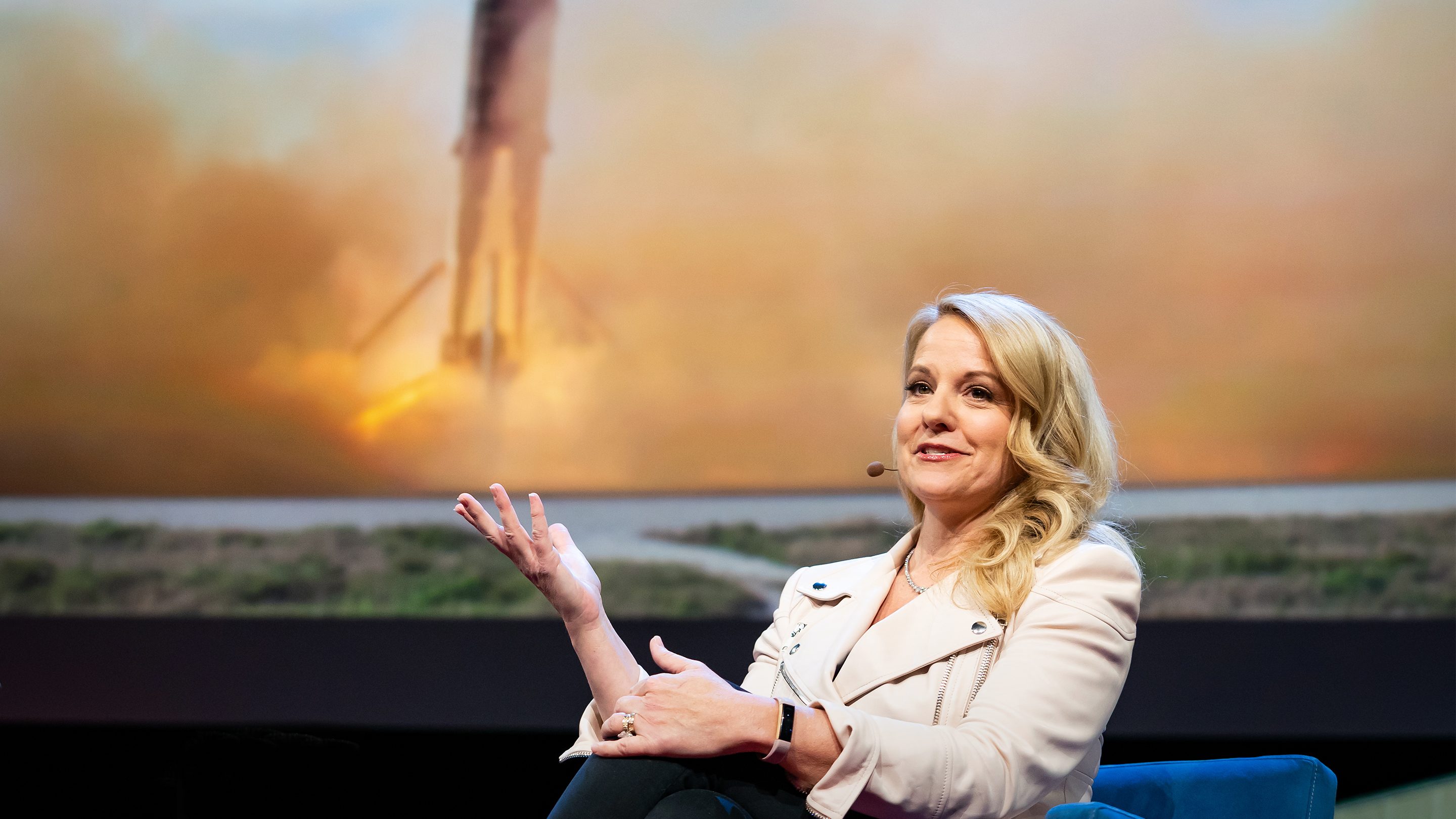
SpaceX's plan to fly you across the globe in 30 minutes | Gwynne Shotwell
What's up at SpaceX? Engineer Gwynne Shotwell was employee number seven at Elon Musk's pioneering aerospace company and is now its president. In conversation with TED curator Chris Anderson, she discusses SpaceX's race to put people into orbit and the organization's next big project, the BFR (ask her what it stands for). The new giant rocket is designed to take humanity to Mars -- but it has another potential use: space travel for earthlings.
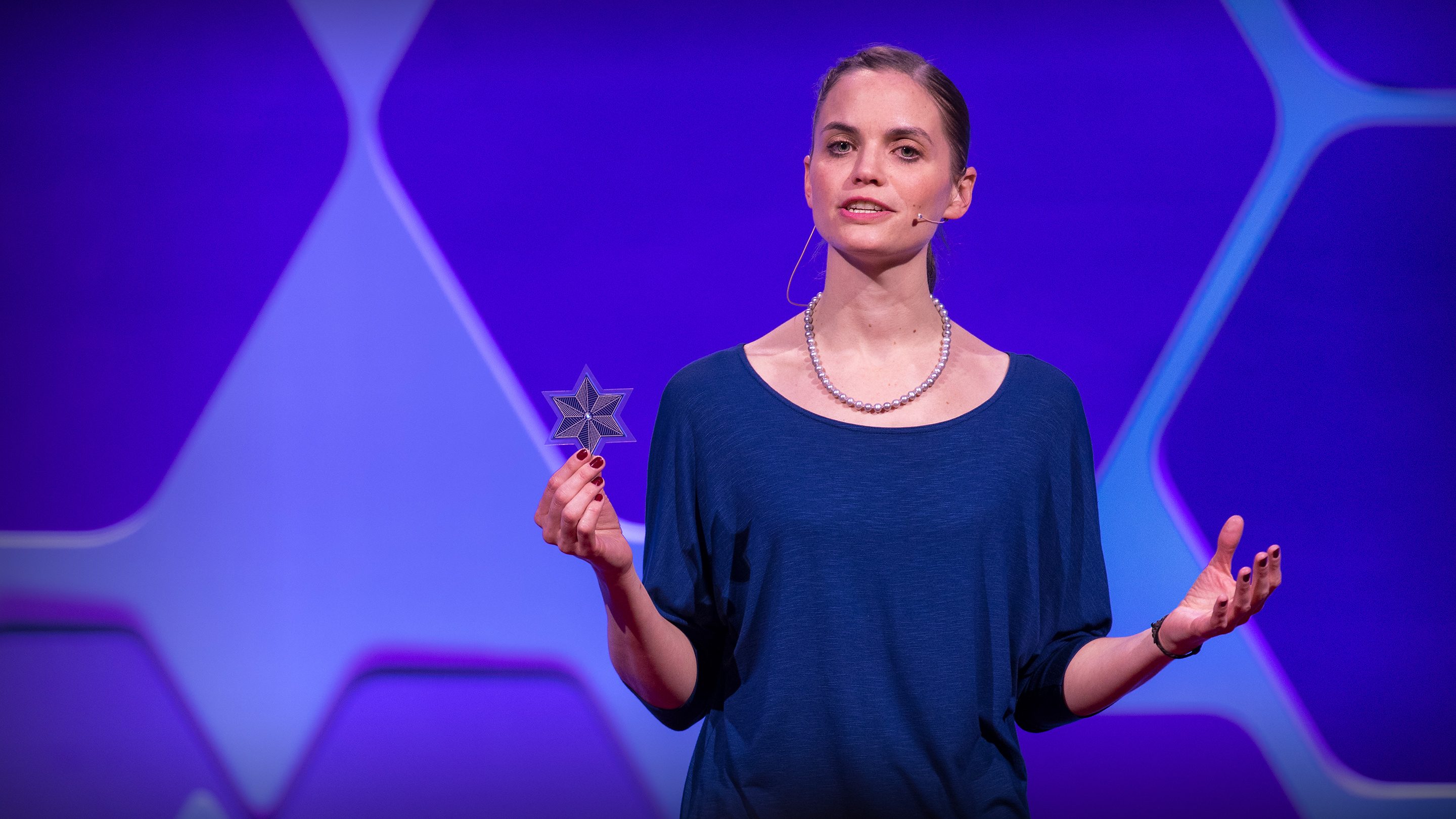
A printable, flexible, organic solar cell | Hannah Bürckstümmer
Unlike the solar cells you're used to seeing, organic photovoltaics are made of compounds that are dissolved in ink and can be printed and molded using simple techniques. The result is a low-weight, flexible, semi-transparent film that turns the energy of the sun into electricity. Hannah Bürckstümmer shows us how they're made -- and how they could change the way we power the world.
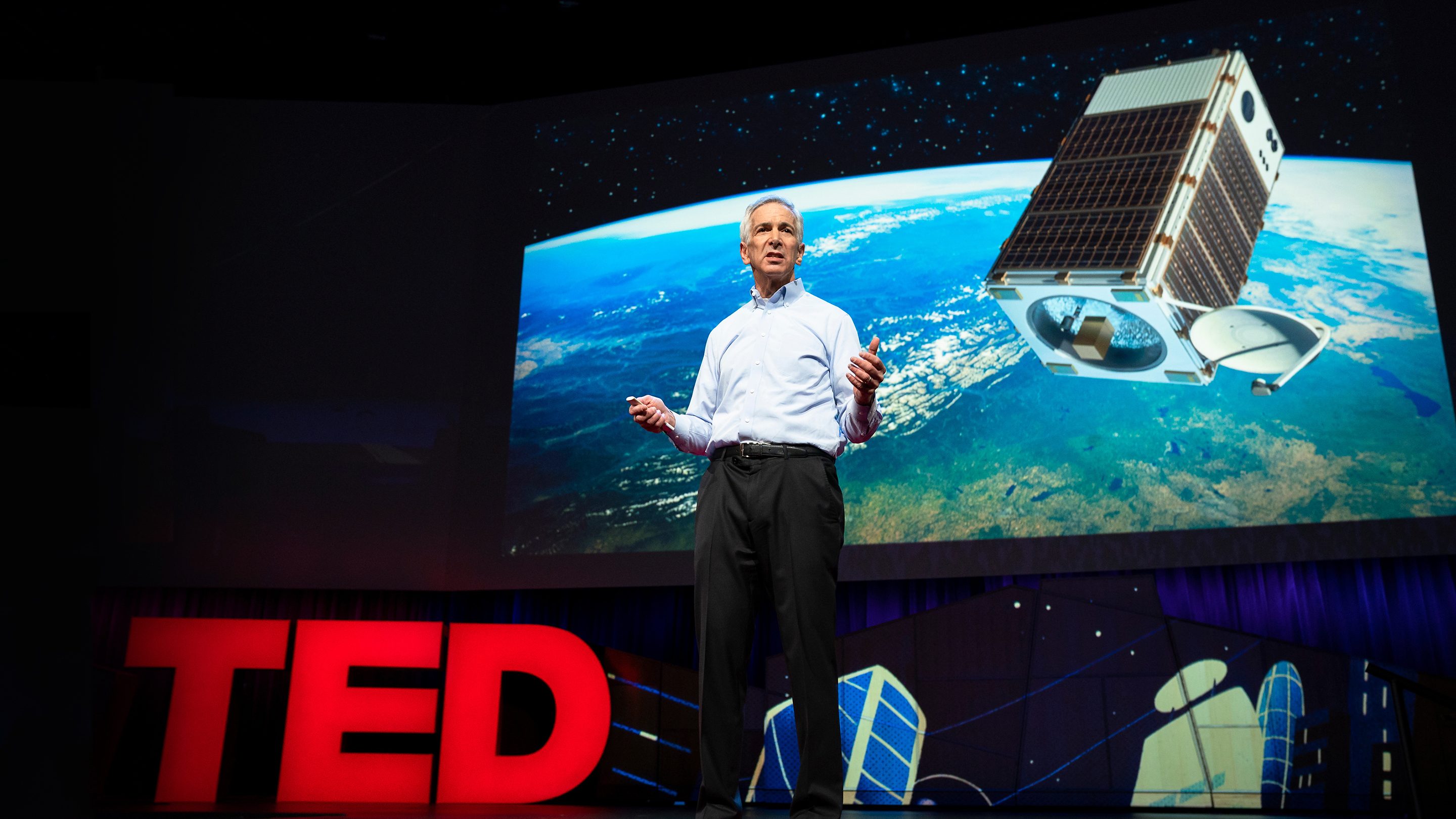
Let's launch a satellite to track a threatening greenhouse gas | Fred Krupp
When we talk about greenhouse gases, carbon dioxide gets the most attention -- but methane, which often escapes unseen from pipes and wells, has a far greater immediate impact on global warming. Environmentalist Fred Krupp has an idea to fix the problem: launch a satellite that tracks global methane emissions, and openly share the data it collects with the public. Learn more about how simple fixes to cut down on this invisible pollutant can help us put the brakes on climate change. (This ambitious idea is part of the Audacious Project, TED's initiative to inspire and fund global change.)
How we need to remake the internet | Jaron Lanier
In the early days of digital culture, Jaron Lanier helped craft a vision for the internet as public commons where humanity could share its knowledge -- but even then, this vision was haunted by the dark side of how it could turn out: with personal devices that control our lives, monitor our data and feed us stimuli. (Sound familiar?) In this visionary talk, Lanier reflects on a "globally tragic, astoundingly ridiculous mistake" companies like Google and Facebook made at the foundation of digital culture -- and how we can undo it. "We cannot have a society in which, if two people wish to communicate, the only way that can happen is if it's financed by a third person who wishes to manipulate them," he says.
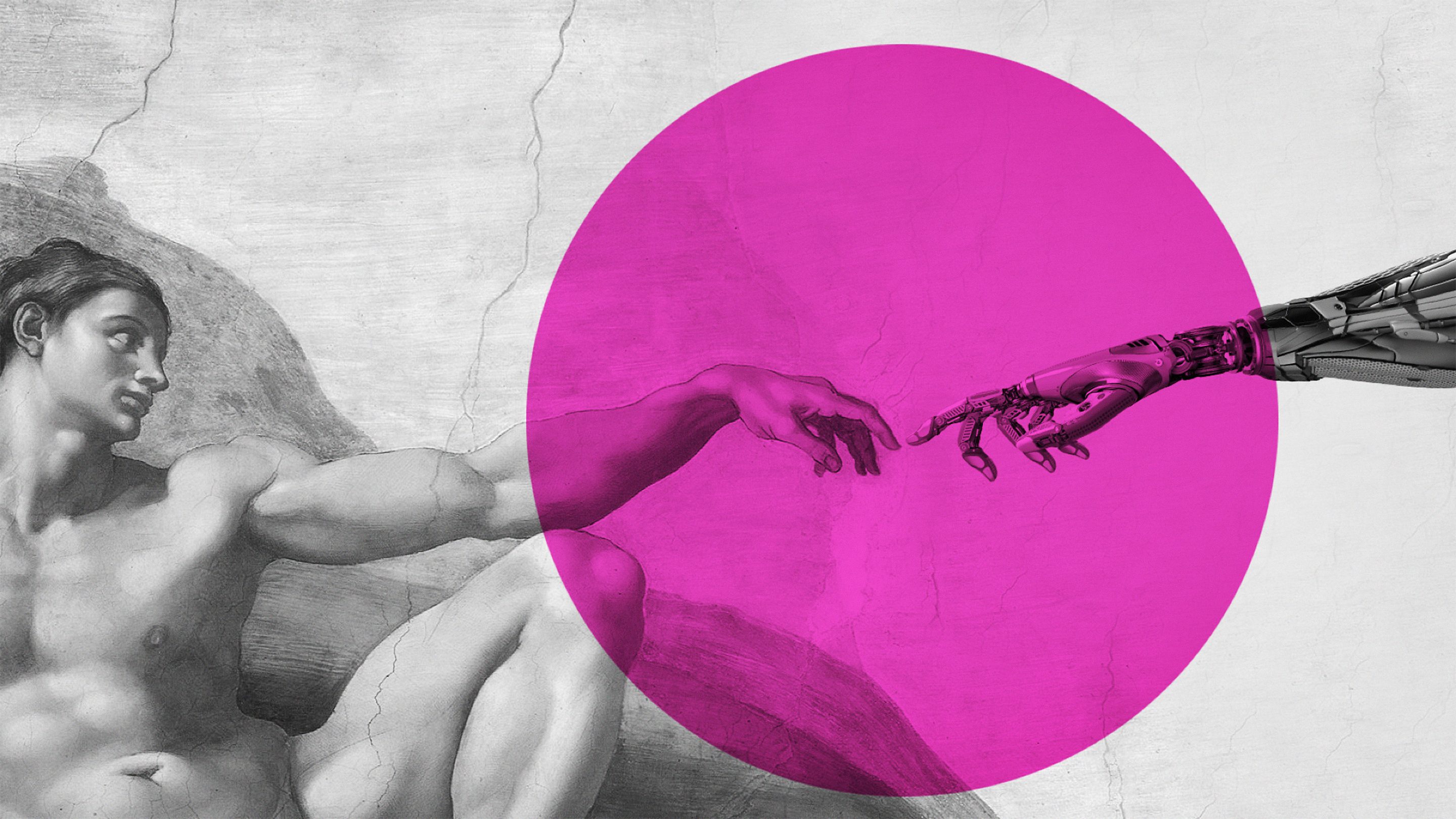
How we can teach computers to make sense of our emotions | Raphael Arar
How can we make AI that people actually want to interact with? Raphael Arar suggests we start by making art. He shares interactive projects that help AI explore complex ideas like nostalgia, intuition and conversation -- all working towards the goal of making our future technology just as much human as it is artificial.
How quantum physics can make encryption stronger | Vikram Sharma
As quantum computing matures, it's going to bring unimaginable increases in computational power along with it -- and the systems we use to protect our data (and our democratic processes) will become even more vulnerable. But there's still time to plan against the impending data apocalypse, says encryption expert Vikram Sharma. Learn more about how he's fighting quantum with quantum: designing security devices and programs that use the power of quantum physics to defend against the most sophisticated attacks.
3 myths about the future of work (and why they're not true) | Daniel Susskind
"Will machines replace humans?" This question is on the mind of anyone with a job to lose. Daniel Susskind confronts this question and three misconceptions we have about our automated future, suggesting we ask something else: How will we distribute wealth in a world when there will be less -- or even no -- work?
A funny look at the unintended consequences of technology | Chuck Nice
Technology should work for us, but what happens when it doesn't? Comedian Chuck Nice explores the unintended consequences of technological advancement and human interaction -- with hilarious results.
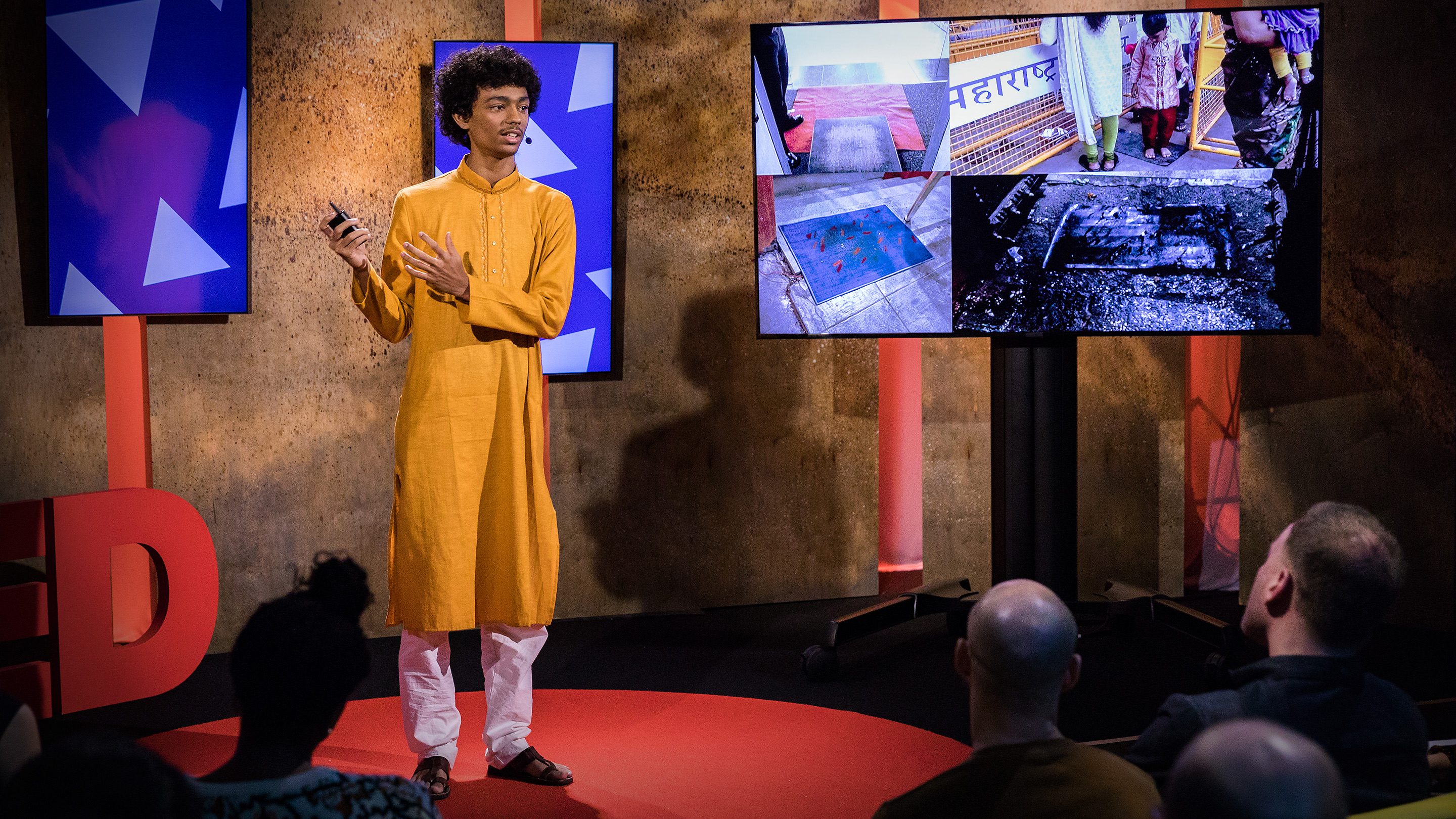
A life-saving invention that prevents human stampedes | Nilay Kulkarni
Every three years, more than 30 million Hindu worshippers gather for the Kumbh Mela in India, the world's largest religious gathering, in order to wash away their sins. With massive crowds descending on small cities and towns, stampedes inevitably happen, and in 2003, 39 people were killed during the festival. In 2014, then 15-year-old Nilay Kulkarni decided to put his skills as a self-taught programmer to use by building a tech solution to help prevent stampedes. Learn more about his invention -- and how it helped the 2015 Nashik Kumbh Mela have zero stampedes and casualties.
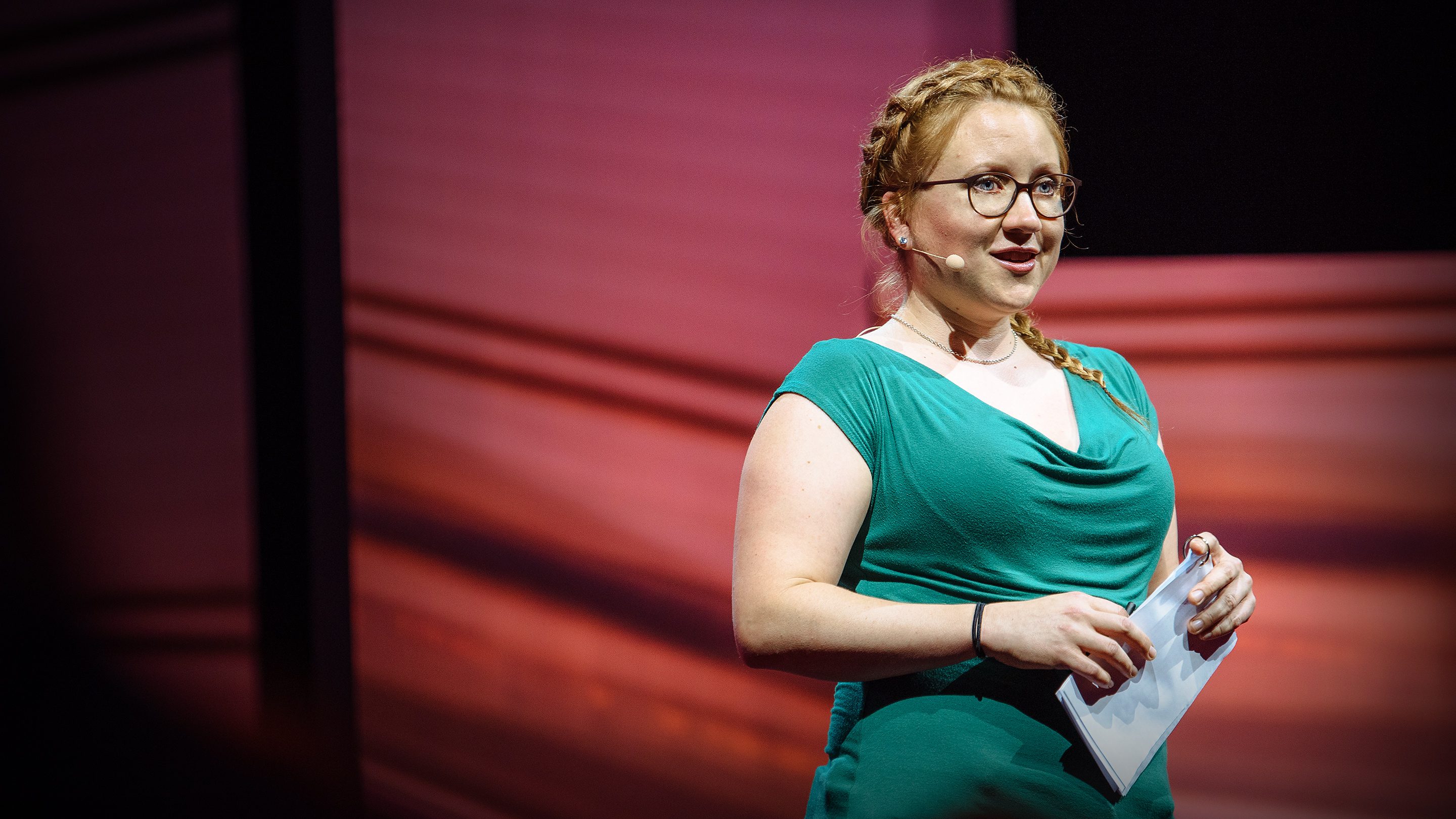
How we can build AI to help humans, not hurt us | Margaret Mitchell
As a research scientist at Google, Margaret Mitchell helps develop computers that can communicate about what they see and understand. She tells a cautionary tale about the gaps, blind spots and biases we subconsciously encode into AI -- and asks us to consider what the technology we create today will mean for tomorrow. "All that we see now is a snapshot in the evolution of artificial intelligence," Mitchell says. "If we want AI to evolve in a way that helps humans, then we need to define the goals and strategies that enable that path now."
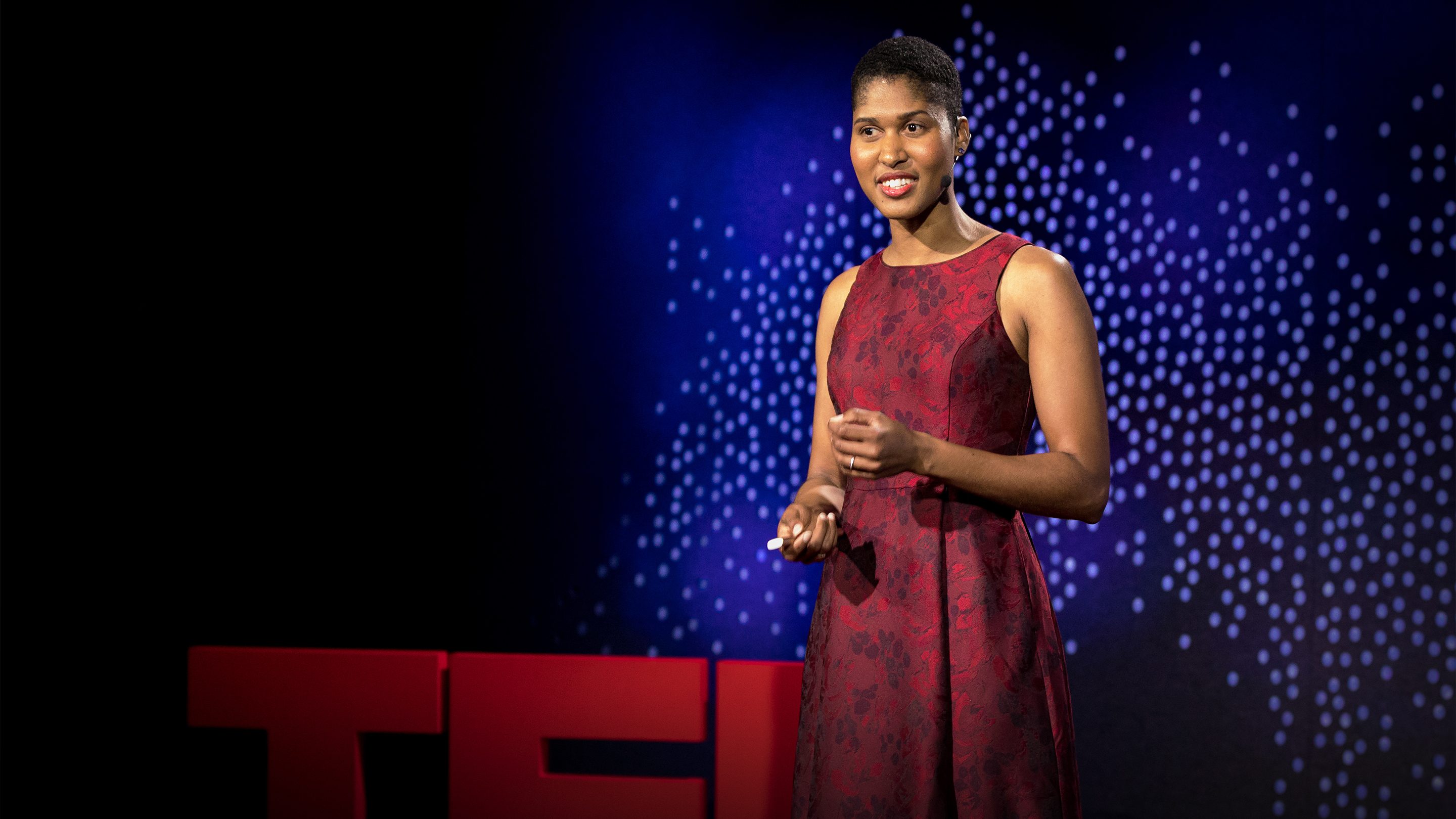
6 space technologies we can use to improve life on Earth | Danielle Wood
Danielle Wood leads the Space Enabled research group at the MIT Media Lab, where she works to tear down the barriers that limit the benefits of space exploration to only the few, the rich or the elite. She identifies six technologies developed for space exploration that can contribute to sustainable development across the world -- from observation satellites that provide information to aid organizations to medical research on microgravity that can be used to improve health care on Earth. "Space truly is useful for sustainable development for the benefit of all peoples," Wood says.