Toasted Sister Podcast
95 episodes — Page 1 of 2
E93: Native Restaurateurs – LIVE from the Indigenous Foodways Festival
E92: My mom was born in Los Angeles where she ate tacos
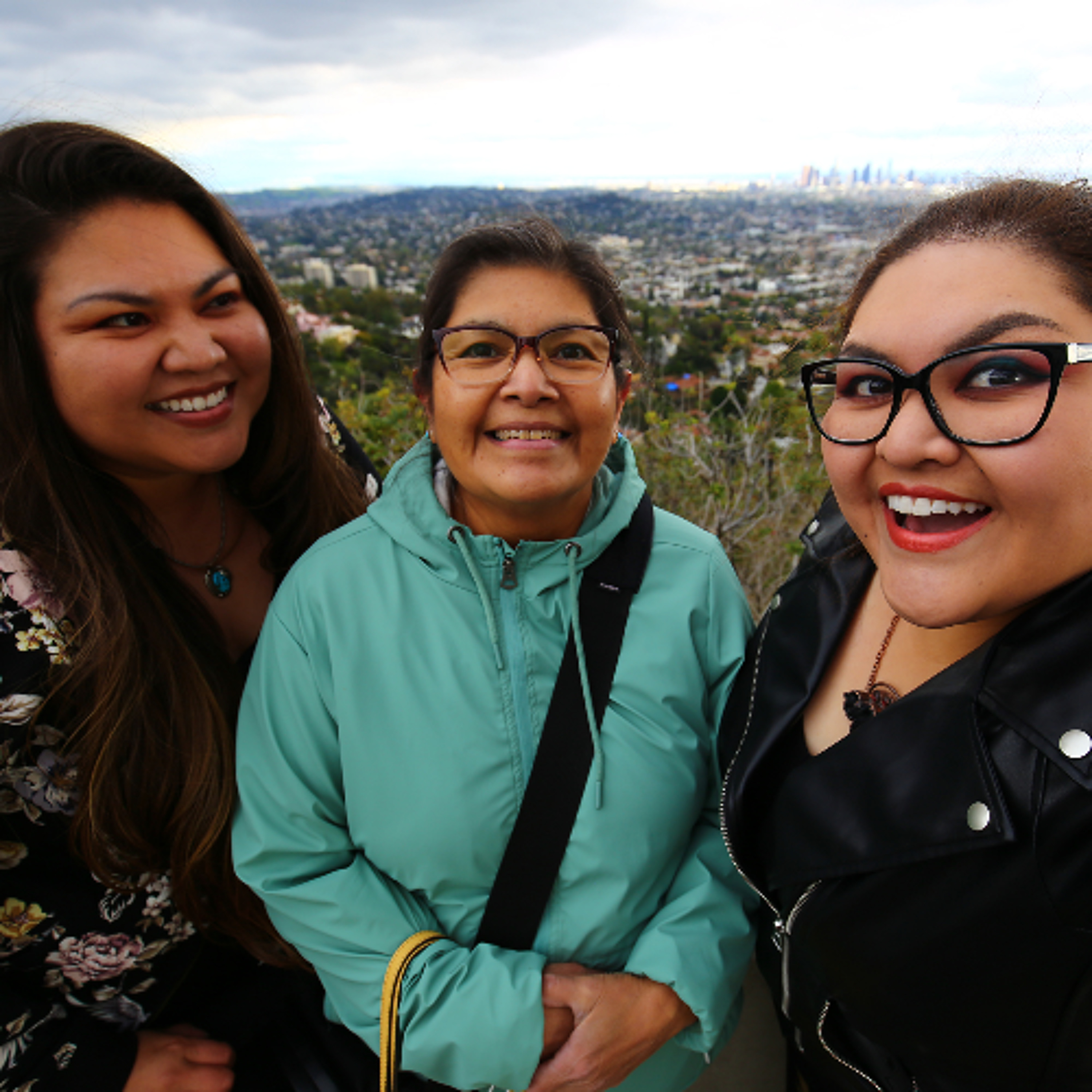
Throughout my lifetime, my mom has been sharing stories and bits and pieces of memories from her childhood in Los Angeles with me. From her youthful, innocent, perspective, east LA was a vibrant and safe place for her to grow up. She mentioned eating tacos on Olvera Street and that caught my attention because I had just read about Olvera Street in “American Tacos: A History and Guide” by José R. Ralat. Olvera Street is a pretty significant place in the history of Mexican food in LA and the United States; a bit of a controversial history, but an interesting history nonetheless. My mom’s memory of Olvera Street helped me form an itinerary for an adventure: to go back to Olvera Street to have those same tacos and to learn about Mexican and Indigenous food there, and back to downtown Los Angeles to learn more about the generations of Native people who moved to the city—by way of the Urban Relocation program—and created an urban Native community with its own vibe and culture. Heard: Kathy Murphy, my mom Dr. Alisha Murphy, my little sister Dr. Enrique Ochoa, professor of history and Latin American Studies at California State University Los Angeles Dr. Sarah Portnoy, producer of “Abuelita’s Kitchen” and professor in the Departments of Latin American and Iberian Studies and American Studies and Ethnicity at the University of Southern California specializing in Latinx food culture and food justice Pamela Peters, Diné multimedia documentarian. Her film and video project is called the “Legacy of Exiled Ndnz” Mentioned: Las Anitas Un Solo Sol United American Indian Involvement King Taco El Tepeyac Café Credits: Production, hosting, engineering by Andi Murphy Podcast intro and outro music by CW Ayon Episode music by Blue Dot Sessions “Cornicob”-Sugartree, “Sienna’s Regression”-Heringbone, “Sharp Lapel”-Transistor Radio, “The Queen of Cones”-Tarana, “Caravan 9”-The Caravan
E91: Leah Prisque – Working for Indigenous community through Growcer
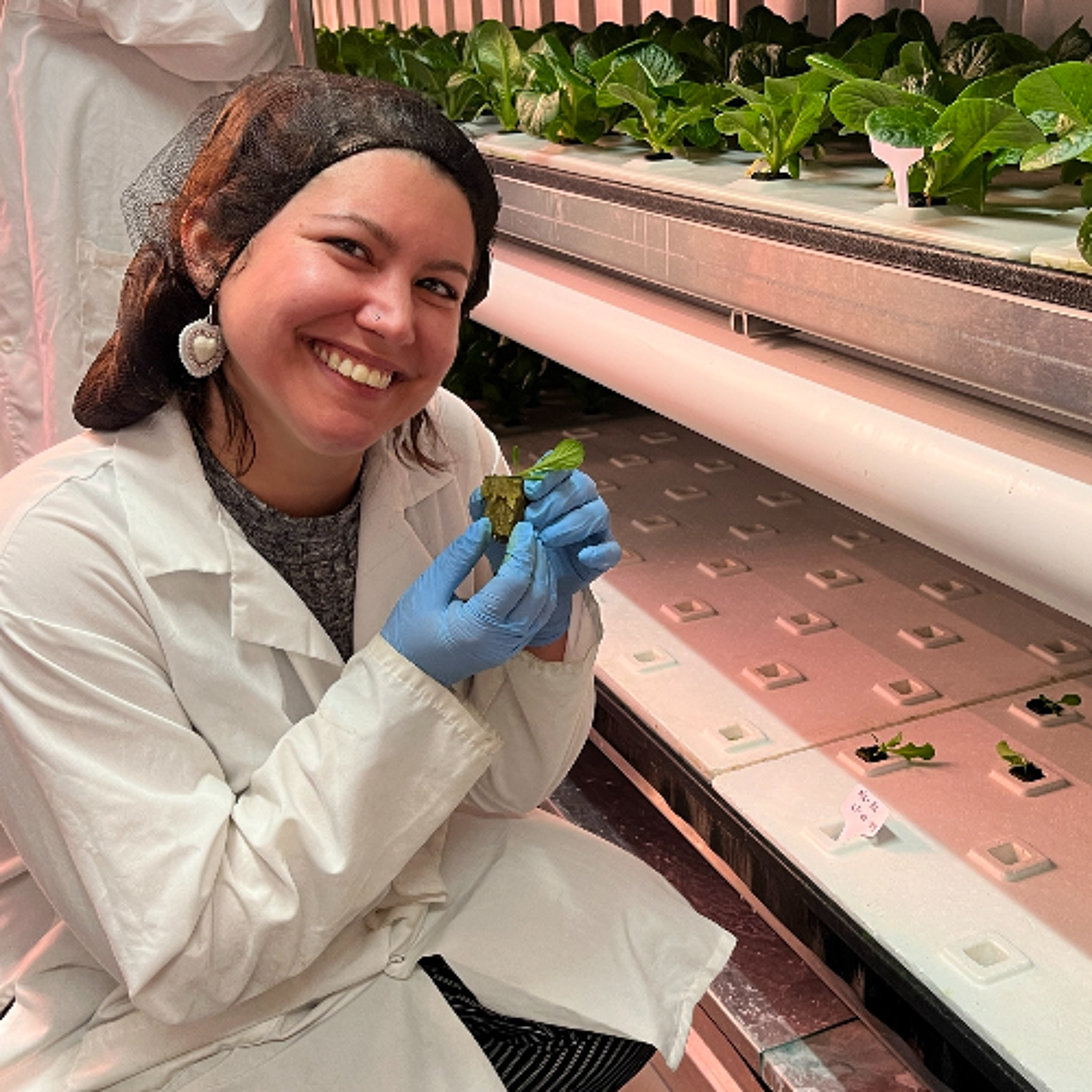
Leah Prisque is responsible for Indigenous and community relations at Growcer, a cool Canadian company that turns shipping containers into farms. She helps expand this idea to Indigenous communities, some of which are extremely remote and located in food deserts. In this episode, Leah talks with economist for the Navajo Nation, Dr. Alisha Murphy, about how these farms work. Mentioned in the show: Growcer: https://www.thegrowcer.ca/ Bidii Baby Foods: https://www.bidiibabyfoods.org/ The National Centre for Truth and Reconciliation: https://nctr.ca/ “The Knowing” by Tanya Talaga: https://www.harpercollins.com/products/the-knowing-tanya-talaga?variant=43103131074594 Native America Calling: https://www.nativeamericacalling.com/
E90: Lamar Fairley-Minthorn — The aspects of being blessed
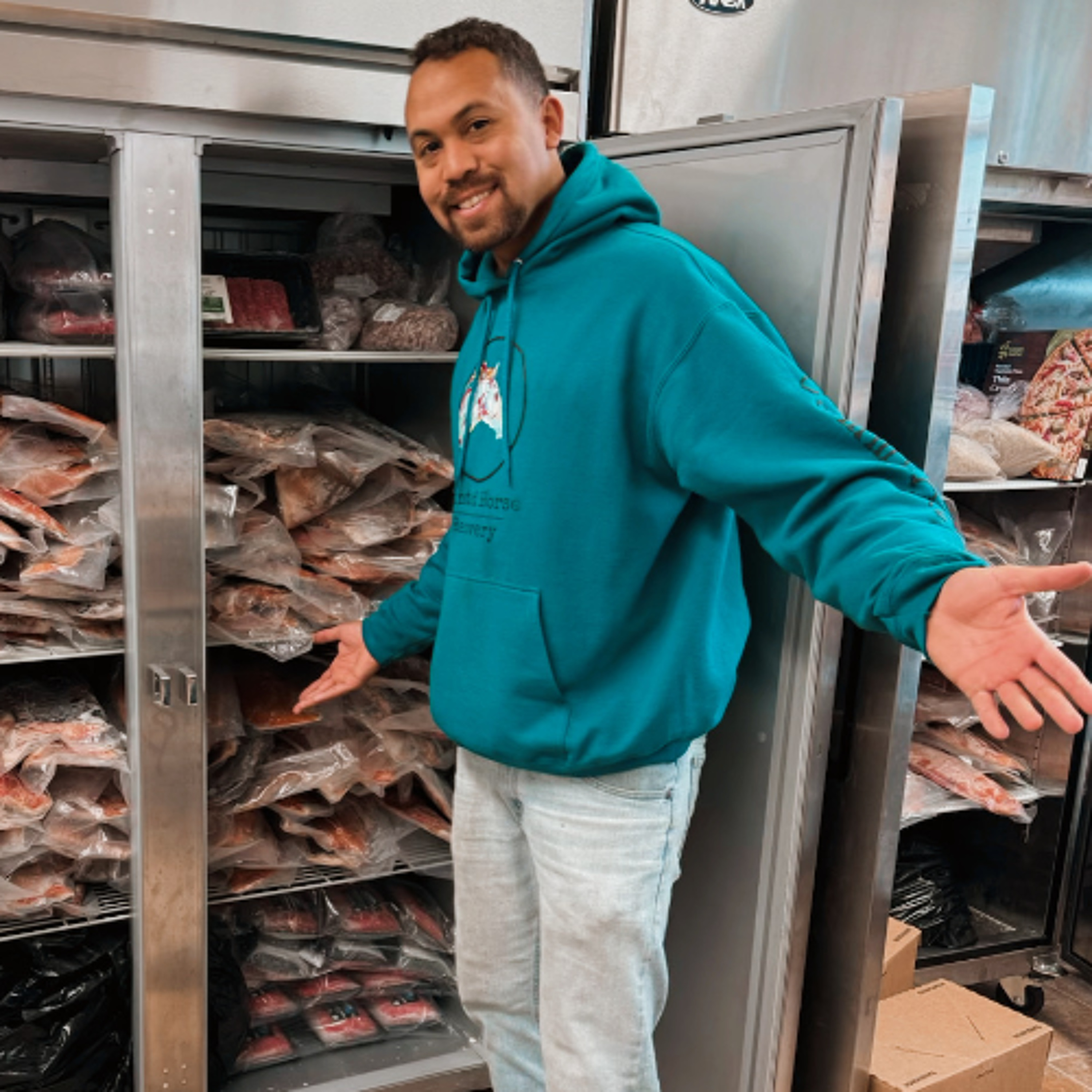
I met Lamar Minthorn (Umatilla) of Tutuilla True during my first trip to Portland at the Northwestern Native Economic Summit. He’s an incredibly positive person and an obvious hard worker. In this episode you’ll learn about how one tribal fisherman found his way into the Columbia River to carve out a salmon fish business for himself.
E89: Bryce Stevenson – Actual Shifts in the Wind
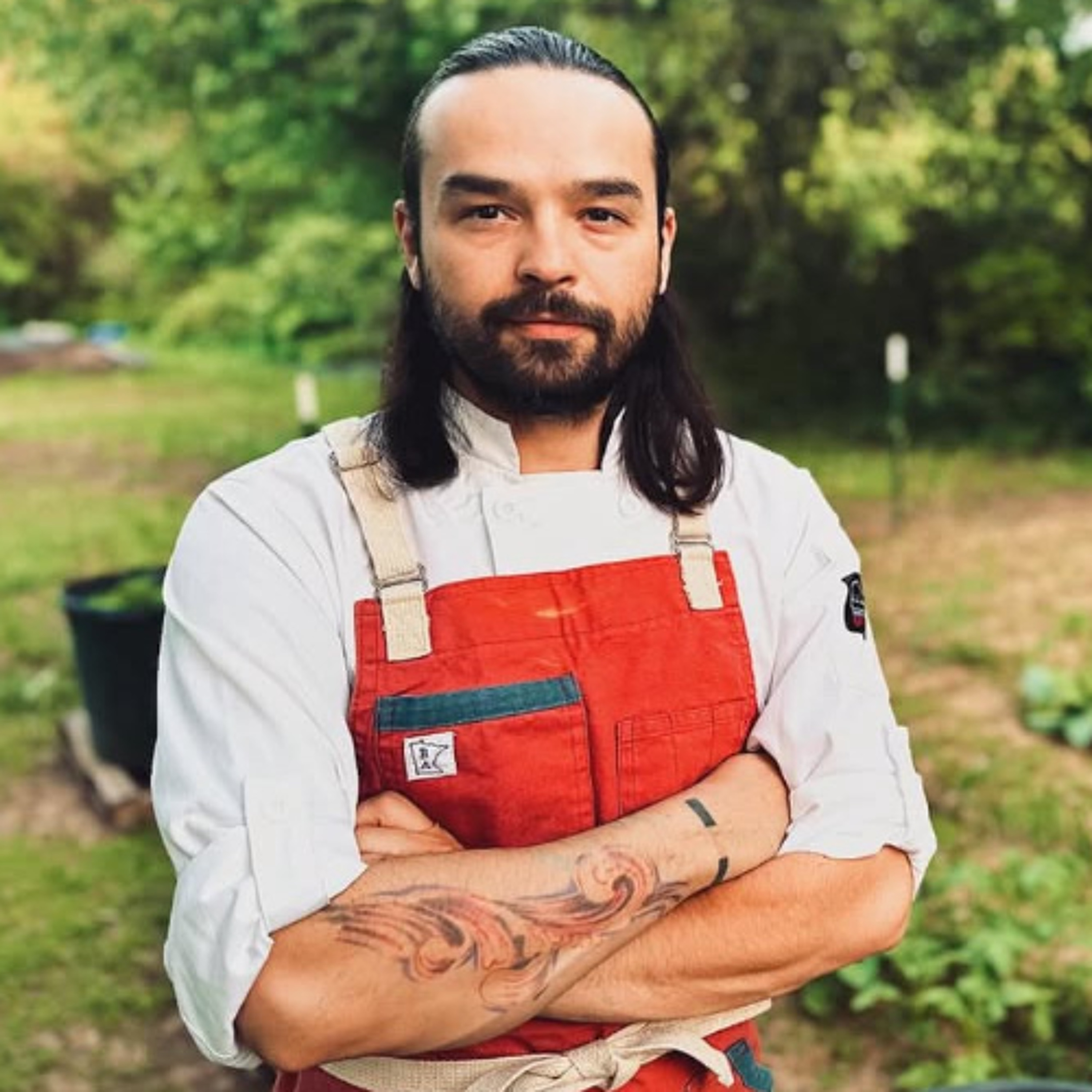
In this episode, I talk with Ojibwe chef Bryce Stevenson who is also the owner of Miijim in La Pointe, Wisconsin, an island in Lake Superior. He’s also a pretty talented poet whose work is included in the zine “Heart Rations: Indigenous Food Poetry.” Bryce is a creative guy who also takes up carpentry work during the off season, a necessity for folks who work on an island like La Pointe. Nininjiin A poem by Bryce Stevenson as a bowl, hysterically holding juice squeezed fresh from flesh, burnt festered, boiled weathered, leathered skin until muscles cooked within. Bones split, flavors grown no modifier nor amplifier in need. Too hot my hands to carry blistering dish, gravity given gift - re-room the hecatomb - a day minus the hours sleep & work spent in the only room in the house where existence is ensured through the destruction of life - the results of which, wasted.
E88: Heart Rations
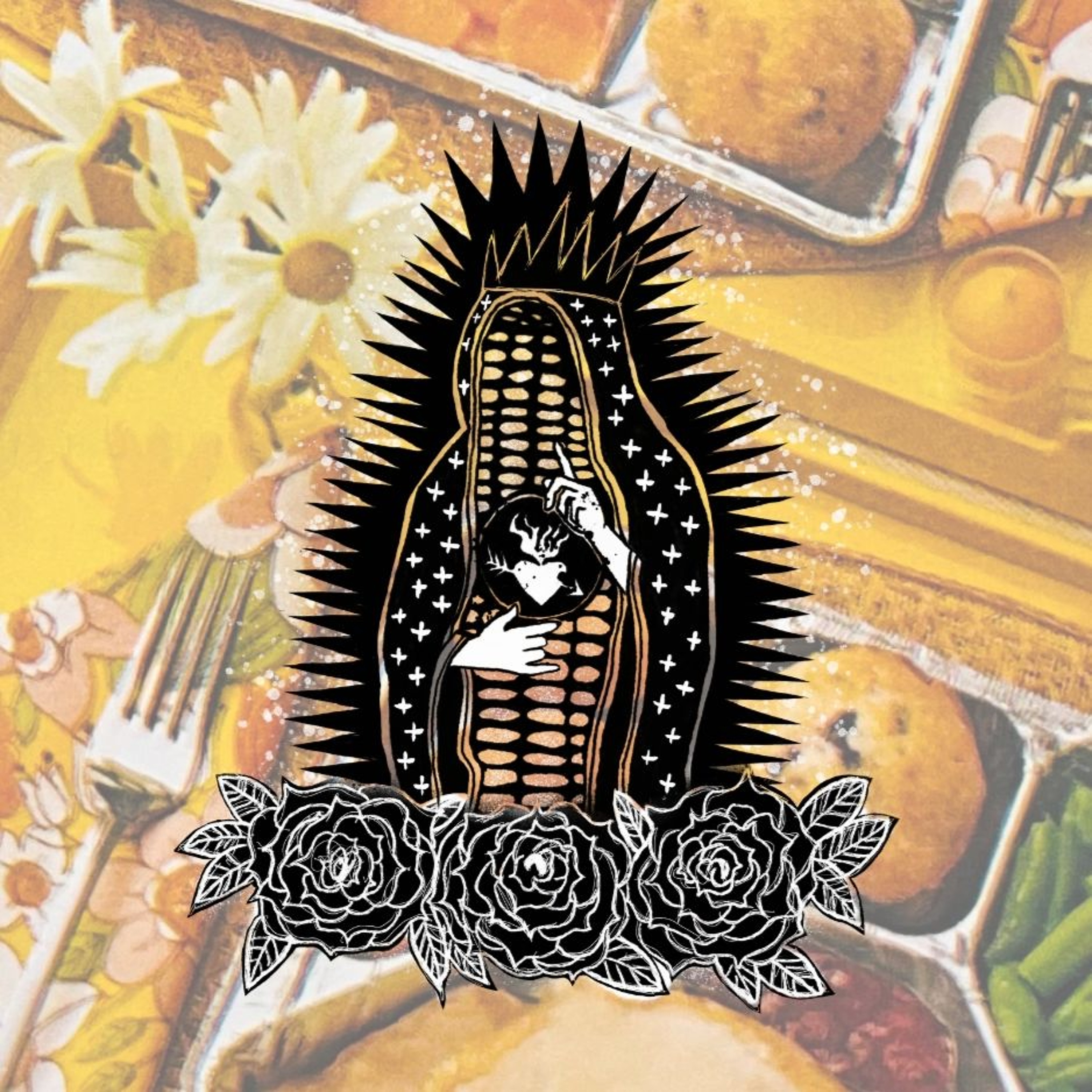
The “Heart Rations: Indigenous Food Poetry” zine is out (has been out)! It’s a collection of poems about… you guessed it… Indigenous food. In this episode, I talk with a couple of folks whose work appears in the zine; Cliff Taylor (Ponca Tribe of Nebraska) poet, author and creator of “The Ponca Poet’s Podcast,” Rebecca Kinkade-Black (Diné), Albuquerque book seller, and Vicente Telles, an artist from the South Valley of Albuquerque. Other authors in the zine: Teresa Peterson (Sisseton Wahpeton Dakota/citizen of the Upper Sioux Community) Bryce Stevenson (Red Cliff Band of Lake Superior Chippewa) Esper Rodriquez-Gaspardi (Chichimeca Mexican) Gabe Tegoseak (Iñupiaq) Geremy Clarion (Suqpiat American from the Native Village of Ouzinkie) Tina Deschenie (Diné and Tewa Hopi) MKirby-Nectar Nomad (Tortuga Pueblo and Mestiza) Alice Qannik Glenn (Iñupiaq) Venaya Yazzie (Diné) Nobian Henan (Shoshone, Cherokee and Diné) Other artists in the zine: Jonathan Thunder (Red Lake Nation) Coen LaFever (Navajo, Santa Clara Pueblo and Northern Cheyenne)
E87: Nikki Tsabetsaye - Sharp knives
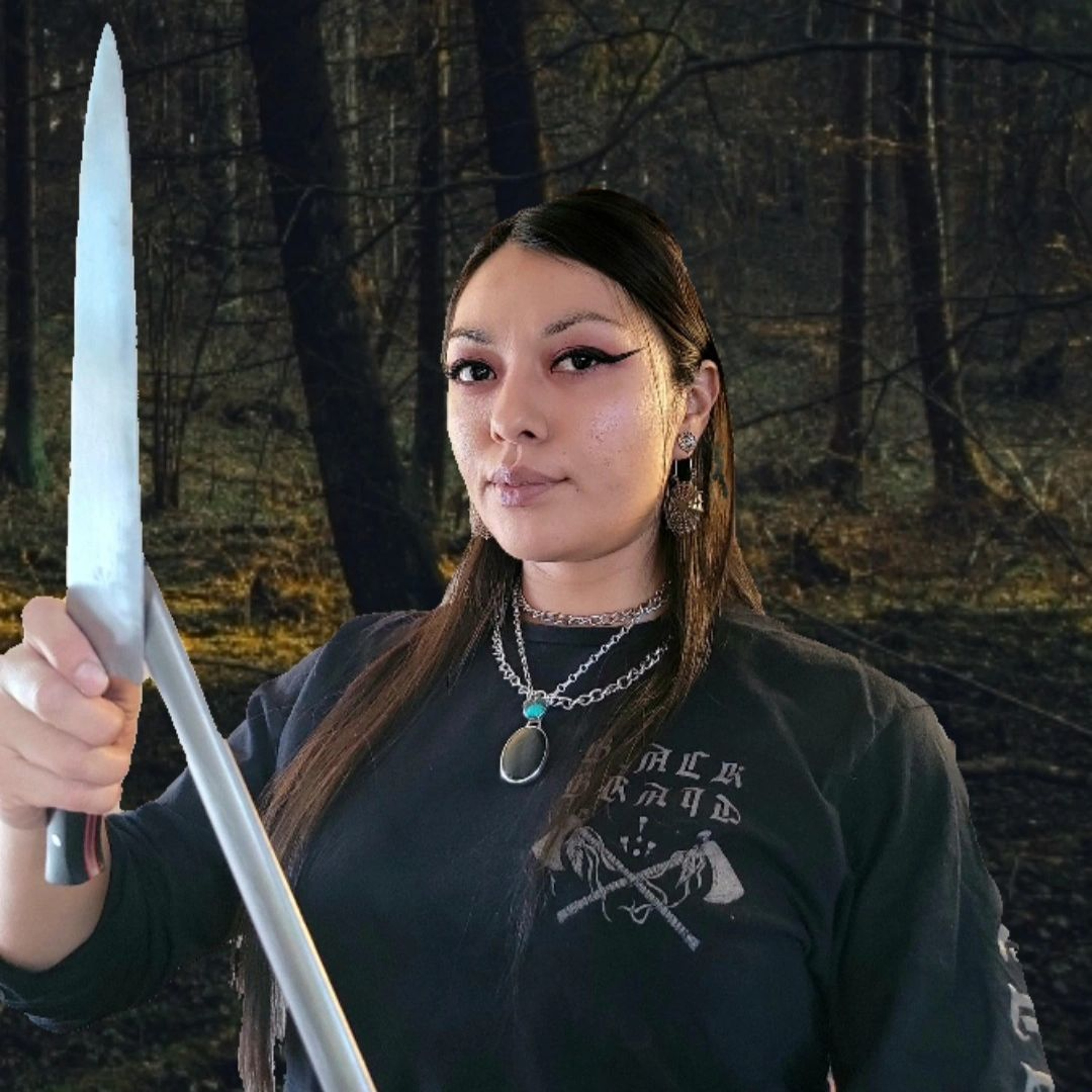
I'm pretty glad I found out about Nikki Tsabetsaye (Zuni) and her knife sharpening skills via a post/ad that was shared across my way. She's a pretty awesome person and her family owns Major Market grocery store in Zuni, New Mexico. In this episode (recorded while she sharpens my knives), we talk about sharp knives, knife stories and injuries. Also, we hear a preview of a special episode by the Unpacked podcast by AFAR that's about Native tourism. Here's the link to that episode: https://link.chtbl.com/mlOXPdeX
E86: “Indigenize the Plate” by Natalie Benally +LIVE RECORDING+
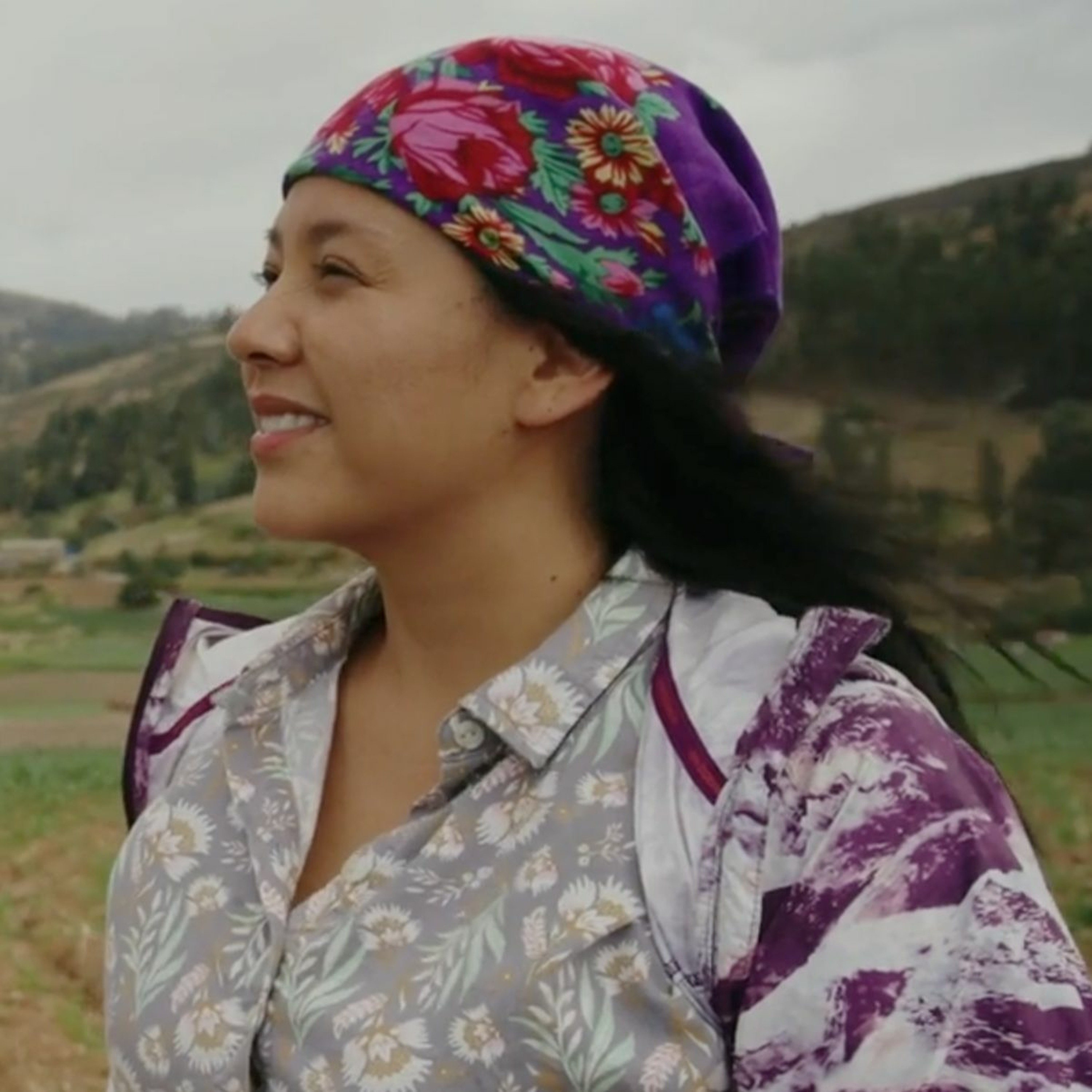
In this episode I talk with Natalie Benally (Diné) about her film, “Indigenize the Plate” at a screening hosted by Tiny Grocer ABQ in Old Town Albuquerque. We talk about her journey to Peru for the film and how that inspired her to remember and revitalize traditional family ways of growing and eating. She’s the founder of Tse’Nato’, a digital storytelling company.
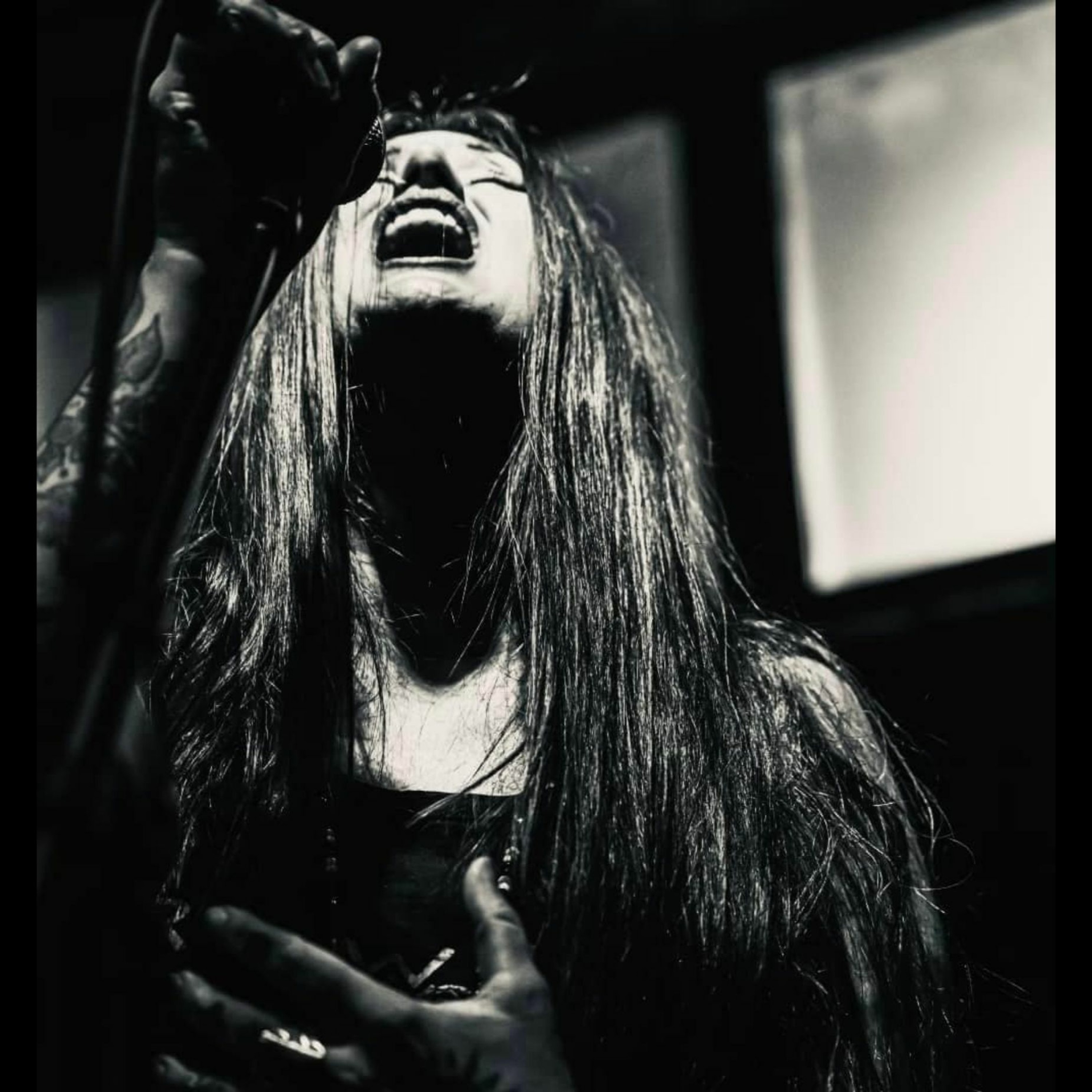
E85: Nico Albert Williams – “Give myself some relief”
Cherokee chef Nico Albert Williams is just trying to make some corn soup. She’s the executive director of the Burning Cedar Sovereign Wellness in Tulsa (grand opening Sept. 14) and the vocalist for a badass doom/sludge metal band, Medicine Horse (debut album drop Sept. 8). In this music-filled episode, Nico and I talk about storytelling in music, religious horror and how she pivoted from the restaurant chef life to community leader.
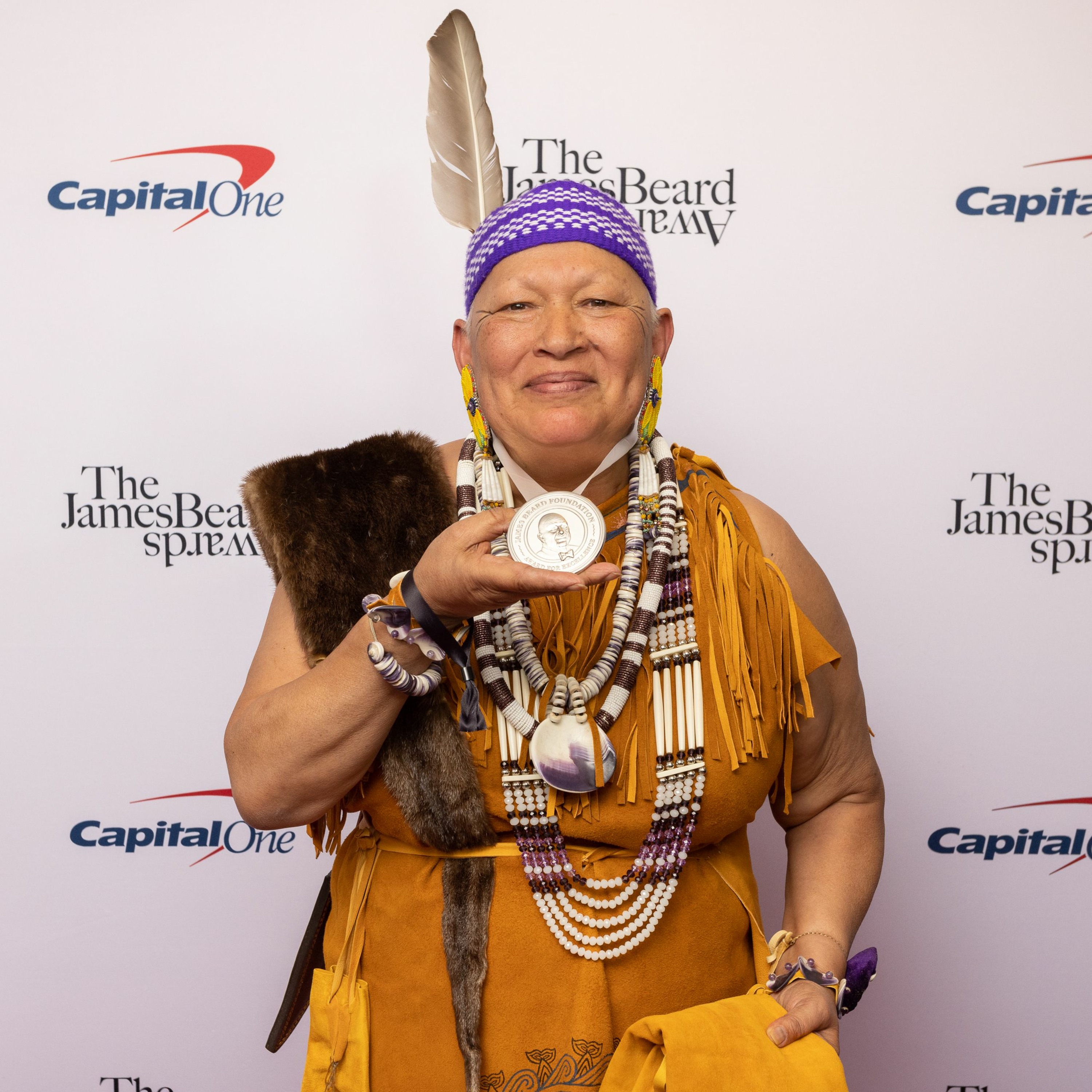
E84: Sherry Pocknett – “Not Your Average” James Beard Award winner
From the big city of Chicago, I bring you this episode featuring 2023 James Beard Award Best Chef of the Northeast, Sherry Pocknett (Wampanoag). We talk about her win, her battle with cancer and how her past shaped the chef she is today. Photo by Huge Galdones courtesy of the James Beard Foundation.
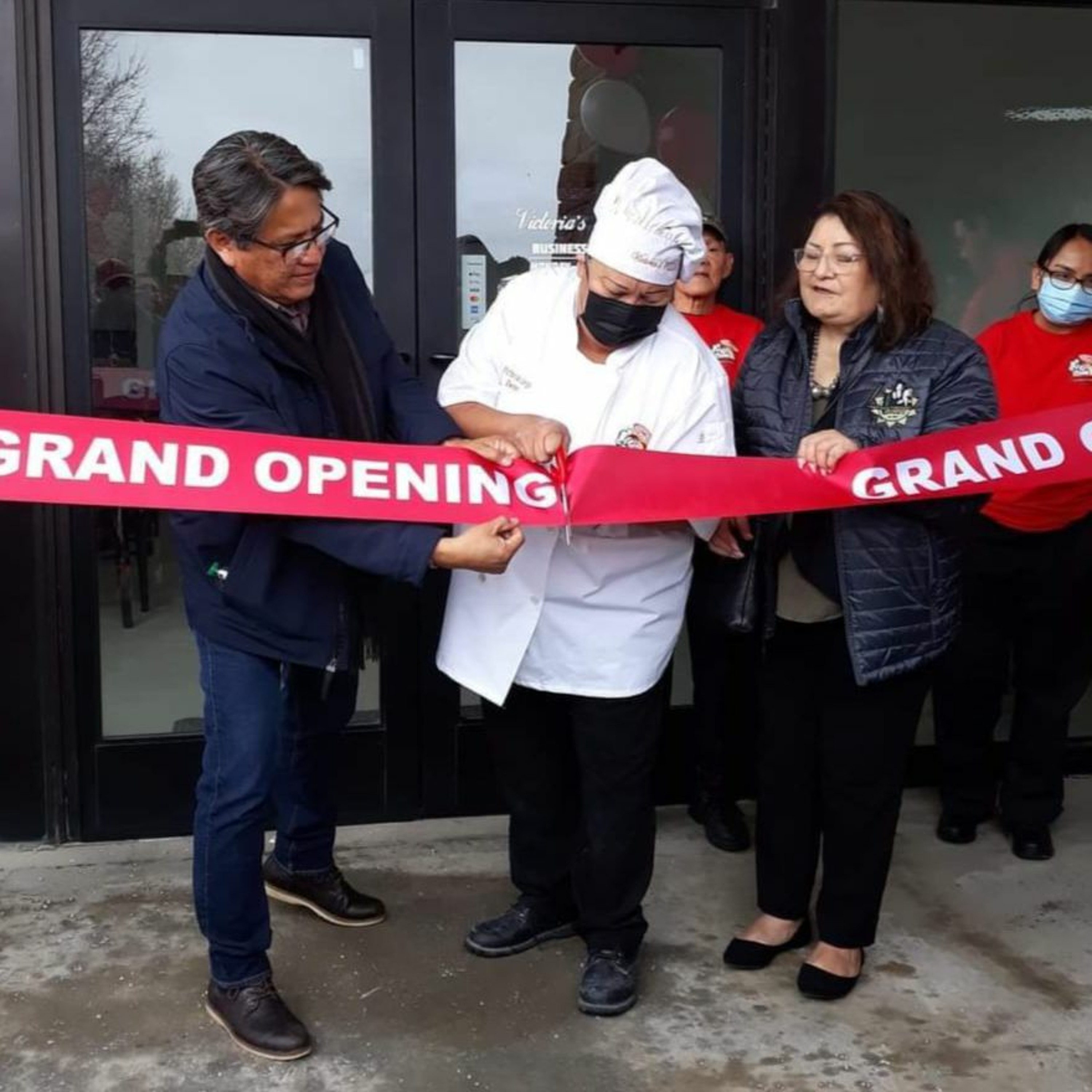
E83: Victoria’s victorious pizzeria
Things get a little switched up in this episode. This time, my sister, Alisha Murphy, economist for the Navajo Nation Division of Economic Development, takes over an interview with Victoria Largo, new owner of Victoria’s Pizza brick-and-mortar restaurant in Crownpoint, New Mexico, our Navajo Nation hometown. She talks about the real struggles and triumphs of operating a food business on the Navajo Nation. It’s inspiring to hear from this enthusiastic and strong entrepreneurial spirit!
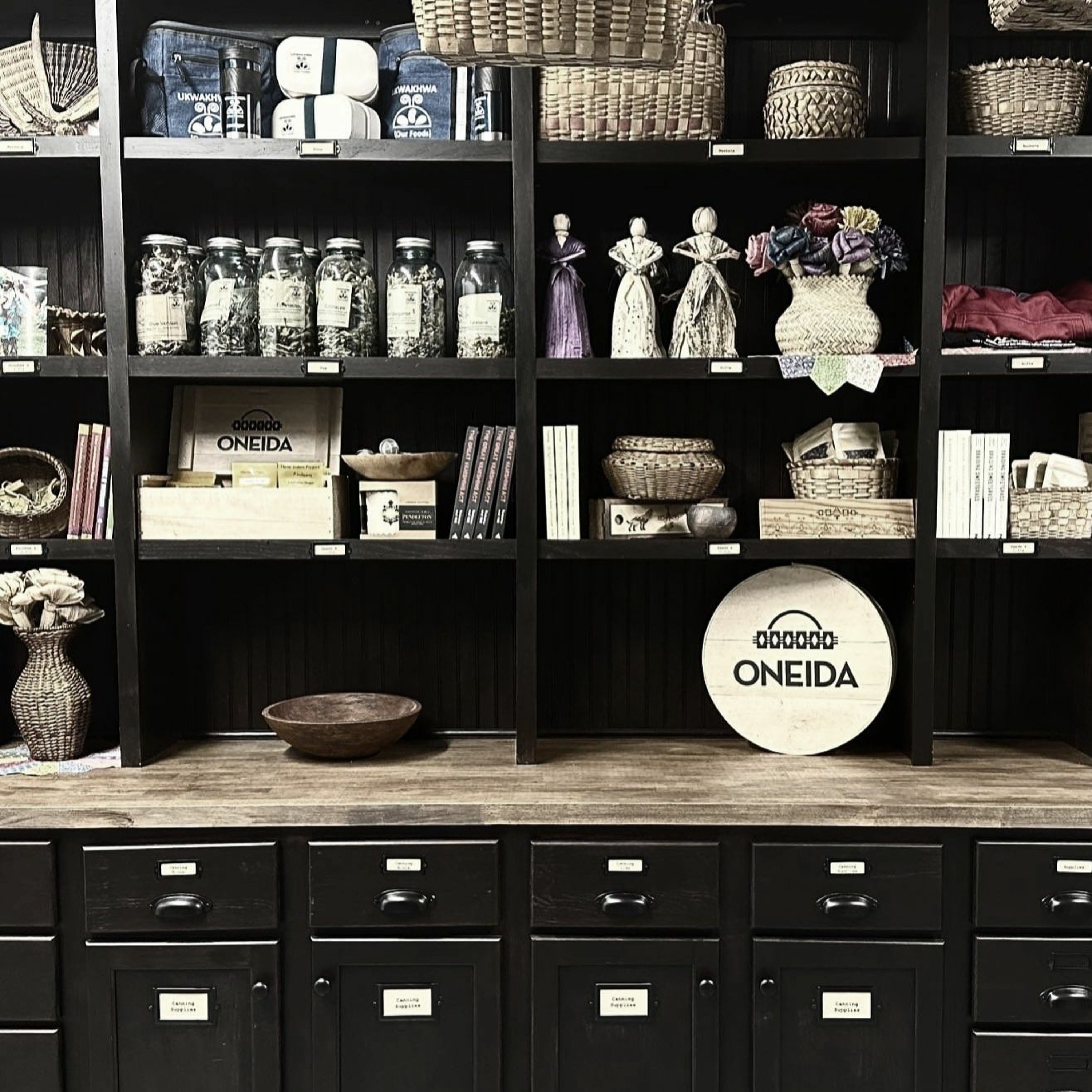
E82: Ukwakhwa – Oneida foods with Becky Webster
In this episode, I talk with Becky Webster (Oneida Nation), or Rebecca M. Webster, as it’s written on her new book “In Defense of Sovereignty: Protecting the Oneida Nation’s Inherent Right to Self-Determination.” She does a lot of passion work and is a founder of Ukwakhwa: Our Foods, a farm and community learning, cooking, trading and growing space in Oneida, Wisconsin. We start with Oneida history, because, “hey, Oneidas aren’t from Wisconsin…” and move through the origins of the farm, the tribe’s food system and the process of winging it.
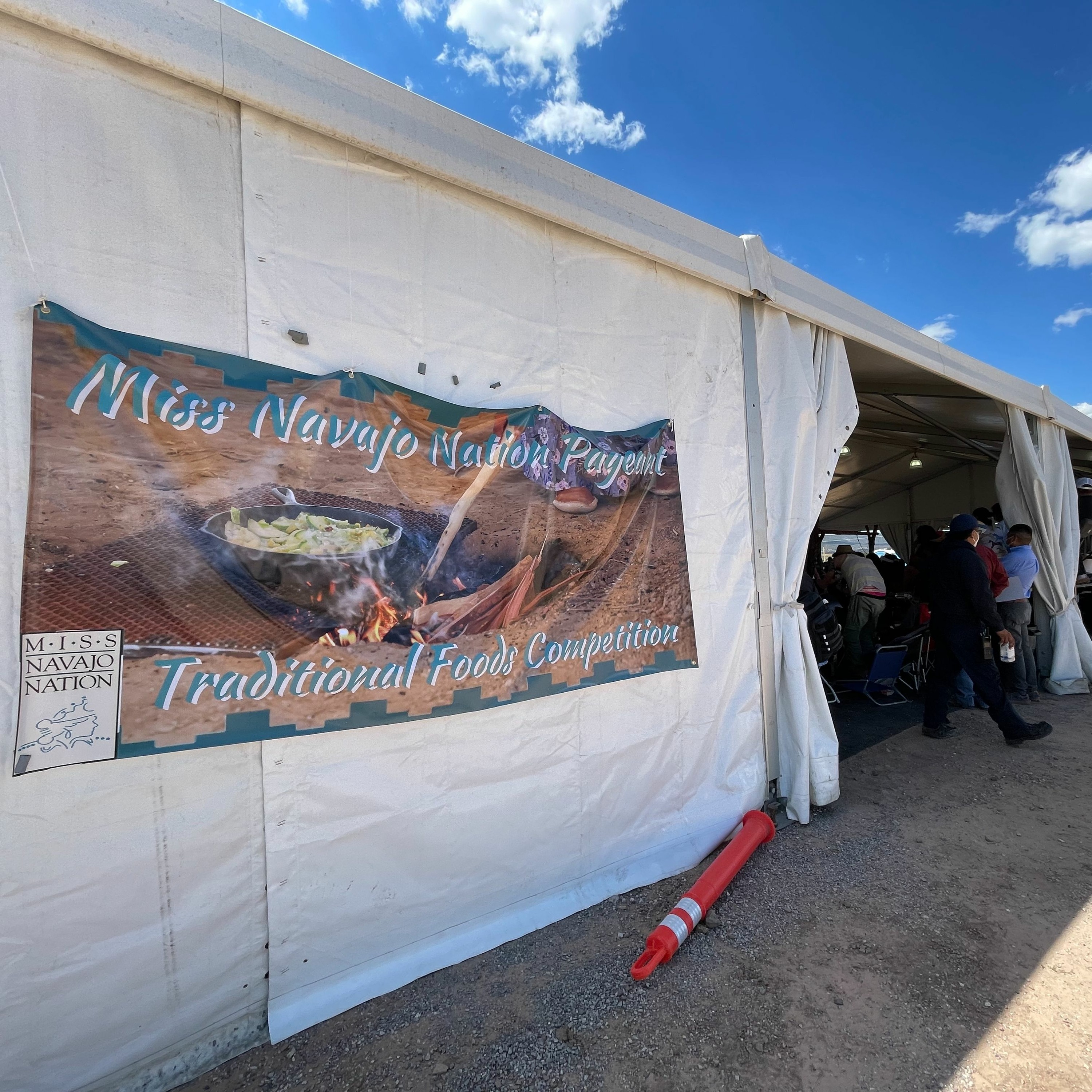
E81: Miss Navajo – “From the corral to the table”
She’s beauty, she’s grace, she’s got a couple of hours to butcher a sheep and make three dishes over an open fire. The Miss Navajo Nation Pageant is one of the most unique contests that happens every year as part of the Navajo Nation Fair in Window Rock, Arizona. In this episode, I talk with the former Miss Navajo, Niagara Rockbridge, and the new, current Miss Navajo, Valentina Clitso, about the importance of sheep butchering and Navajo foods. I also chat a little with the Navajo Nation president, Jonathan Nez, and the sheep butchering judges.
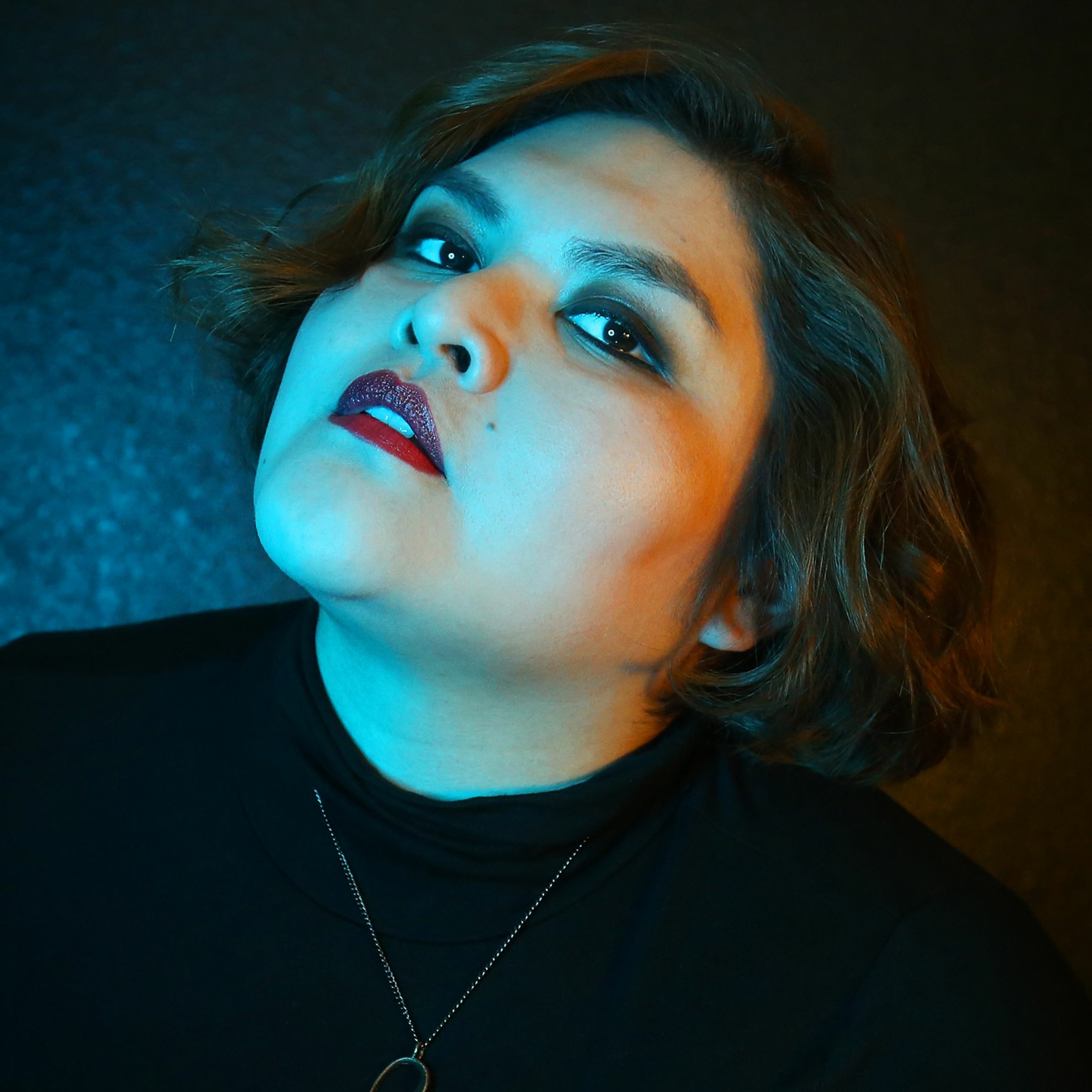
E80: Andi Murphy – “…until the day you die”
How can I say this without sounding egotistical? … This episode is about me; the creator, producer and host of this show. Yes! It is. In this episode, my sister, Alisha Murphy, interviews me and I get to share more about my mental health journey, important things I learned while producing this podcast and why vibes are important to me.
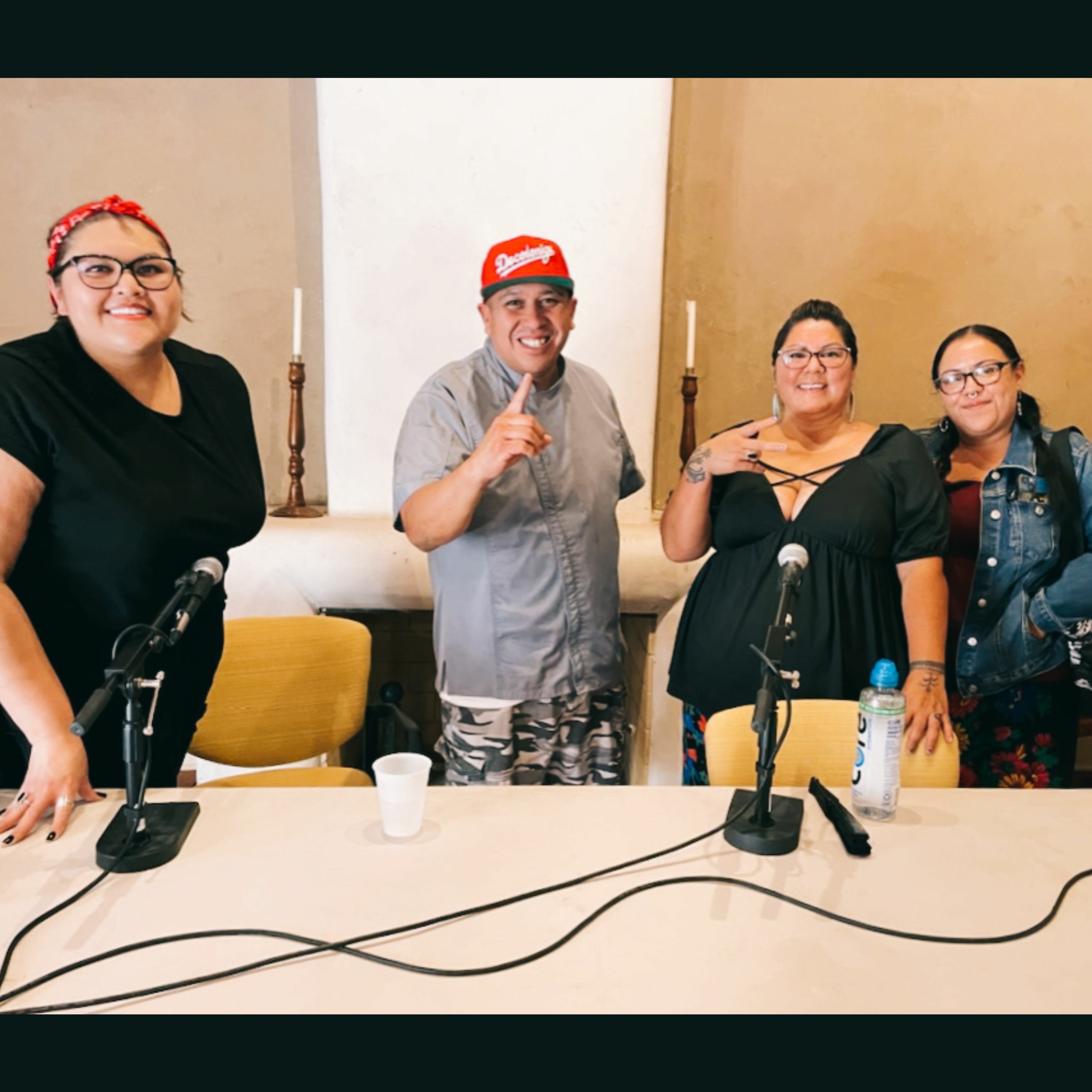
E79: Changing Culinary Narratives +LIVE RECORDING+
Live at the 4th Annual New Mexico Prickly Pear Festival, Sept. 24, 2022 In my first-ever live podcast recording, I talk with chef Ray Naranjo (Santa Clara Pueblo/Odawa), owner of Manko: Native American Fusion, Addie Lucero (Taos Pueblo), owner of Dancing Butterfly Naturals, and Andrea Garza (Tap Pilam Coahuiltecan) about the "Changing Culinary Narrative of Native America."
E78: “Food Sovereignty is Economic Sovereignty”
In this episode, I take you to the National Center for American Indian Enterprise Development’s Reservation Economic Summit in Las Vegas, Nevada. It’s the largest annual conference focusing on Native economics. This year’s event included, for the first time, a panel series called “Food Sovereignty is Economic Sovereignty.” I went to every one of them and heard from economists, entrepreneurs and some of the heavy hitters in Native food. In this show, you’ll hear from Alisha Murphy, Navajo economist, Lance Morgan, lawyer and economist who is the president and CEO of Ho-Chunk Inc., Aaron LaPointe, agribusiness manager for Ho-Chunk Farms, Heather Dawn Thompson, director of the office of tribal relations for the U.S. Department of Agriculture, and Tomie Peterson, regenerative economies specialist with the Intertribal Agriculture Council. Mentioned in the show: 2022 4th annual New Mexico Prickly Pear Festival: https://navajoeconomy.org/
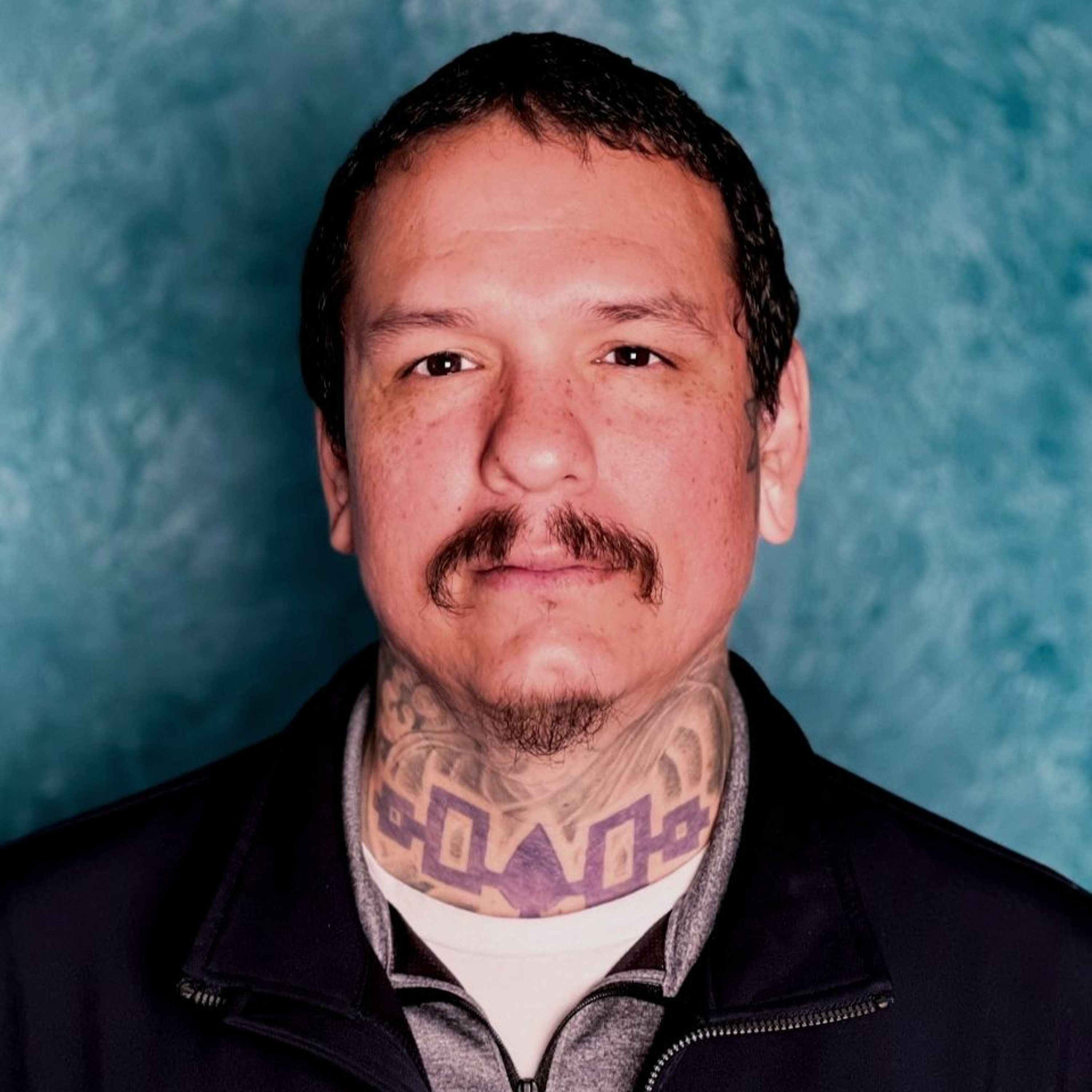
E77: Brett Maybee – “Dare to imagine”
In this episode, I talk with Brett Maybee (Seneca) about corn, corn soup, corn wheels, radio stuff, music and then space-time. Brett is the host and producer of Gaënö', a weekly radio program about Native music. His work is fascinating and the passion he has for uplifting Native talent and intelligence on air is inspiring. Also mentioned in this show: Gaënö' (gaenomusic.fm), Native Voice One (NV1.org), NativeAmericaCalling.com
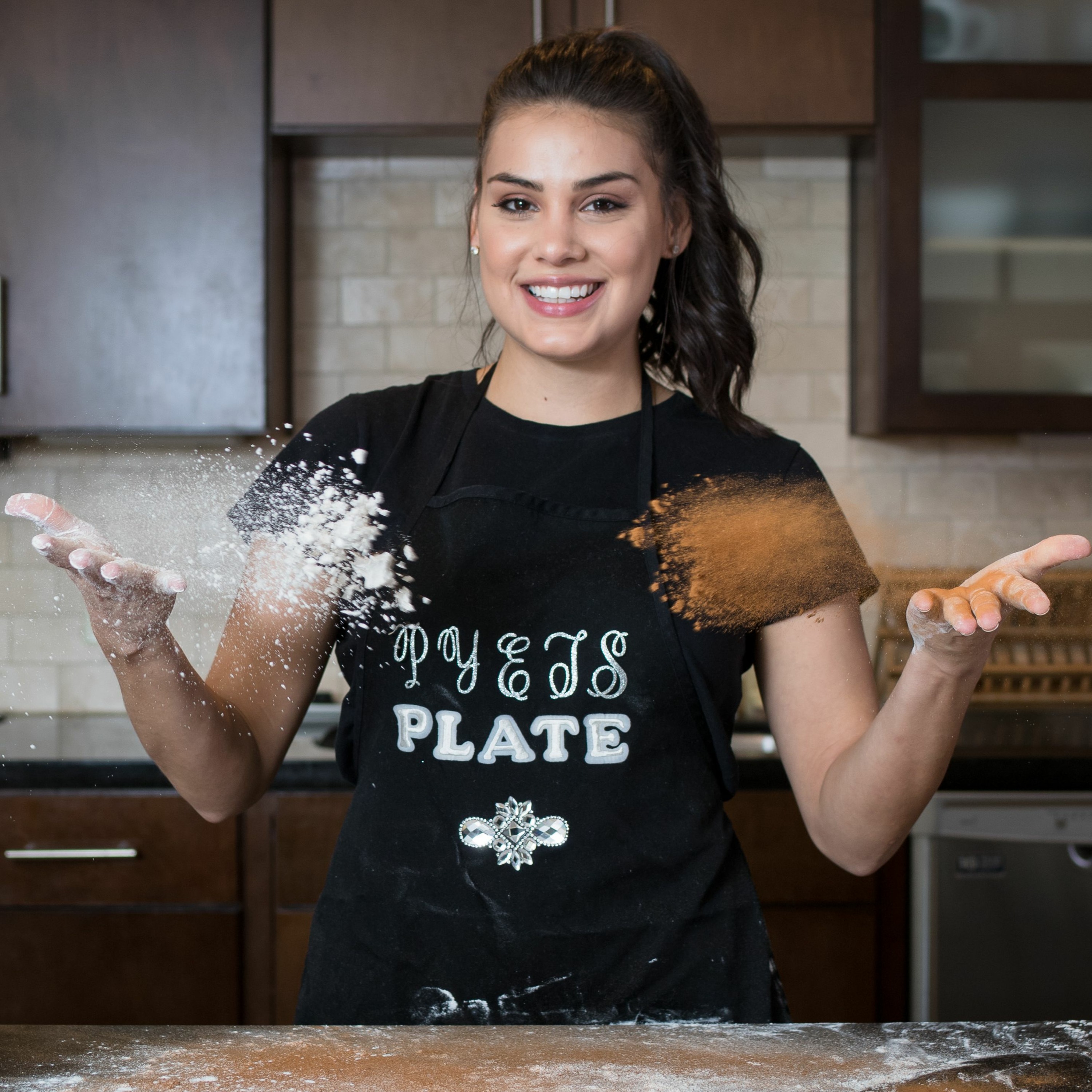
E76: Pyet DeSpain — “Always and forever”
Millions of TV viewers watched chef Pyet DeSpain (Prairie Band Potawatomi, Mexican) beat out the competition on Gordon Ramsay’s new cooking show, “Next Level Chef” (March 2022). With her special brand of Indigenous fusion food, she was crowned the winner of season 1 and claimed a quarter-million dollar cash prize. She made waves in the media and took Indigenous food to a new level. In this episode, I talk with chef Pyet, a self-professed Toasted Sister fan, about the competition, her culinary journey and the types of men she will not date.
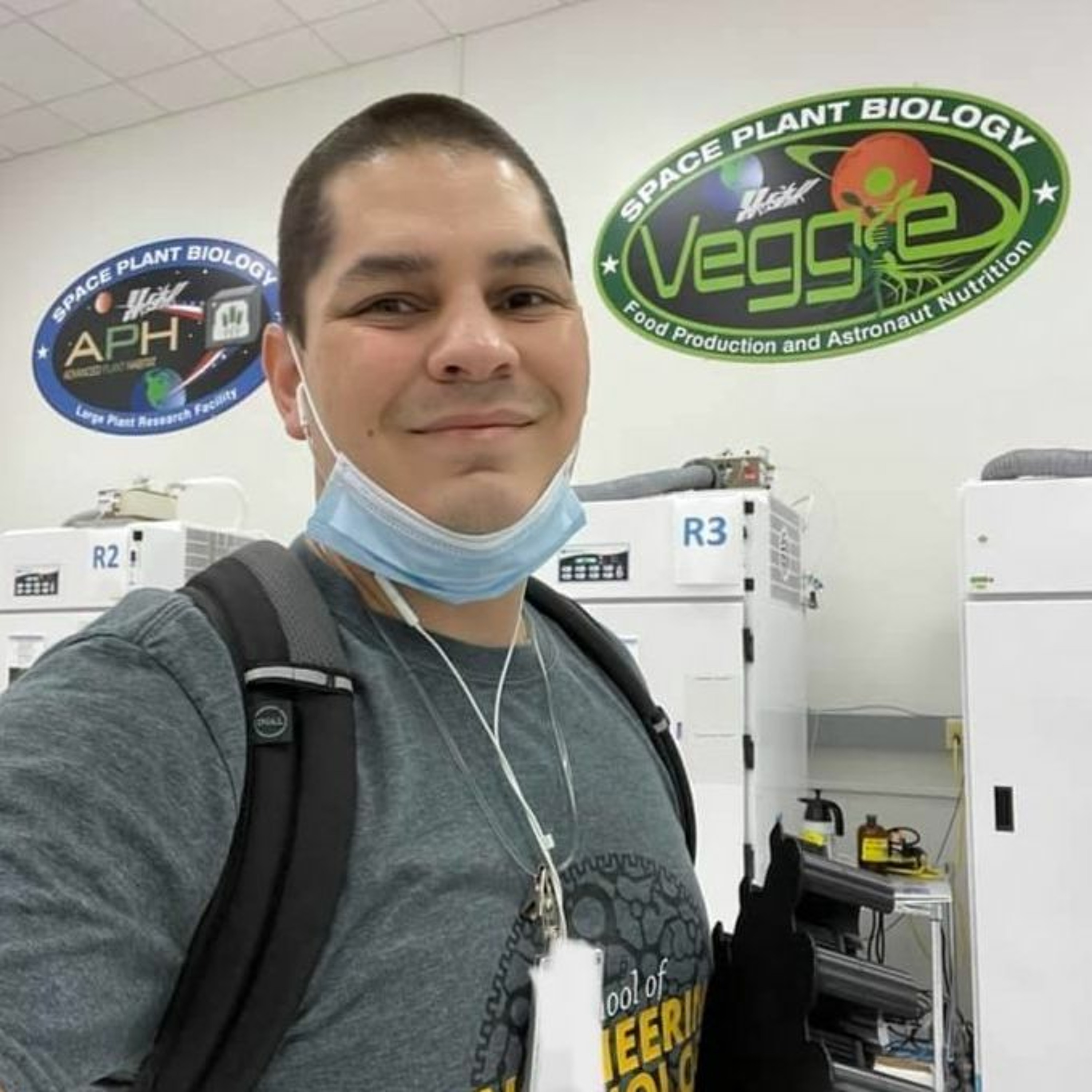
E75: Jacob Torres — Space Chile Guy
In this episode, I talk with Jacob Torres, a very proud New Mexican who, I think, has a very interesting life. He’s a technical and horticultural scientist at NASA and based at the NASA Kennedy Space Center and he's working on getting New Mexico green chiles on the next Mission to Mars. We talk about his work in agriculture and how hard work and taking advantage of opportunities got him where he is today, labs deep in green chile.
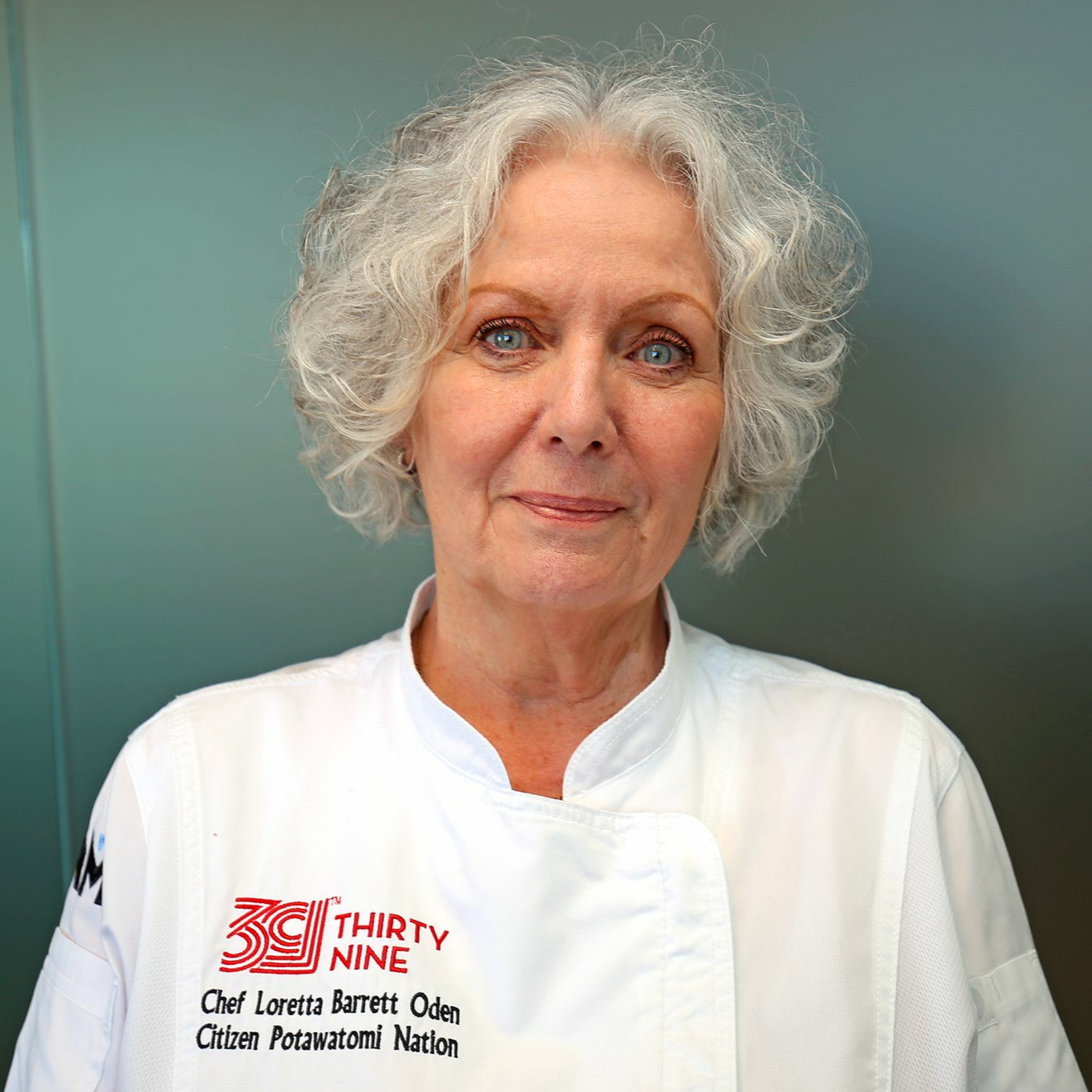
E74: Loretta Barrett Oden — “Spoonful by spoonful”
In this episode, I finally talk with Loretta Barrett Oden, Potawatomi chef whose kind of responsible for helping pave the way for a lot of the Native food work you see today. She was a restaurant owner, a long-time teacher of Indigenous foods and now she’s a culinary architect of the brand new First Americans Museum in Oklahoma City, where I met her this month.

E73: Food Poetry
I’ve been really digging Native poetry lately and I thought I’d gather a few poems about food. In this short episode, Native writers recite food poems about foreign foods, frybread, seeds and ancestral wisdom. Voices are Tiffany Midge, Taté Walker, Donell Barlow and Rubi Orozco-Santos.
E72: The Death and Food Episode
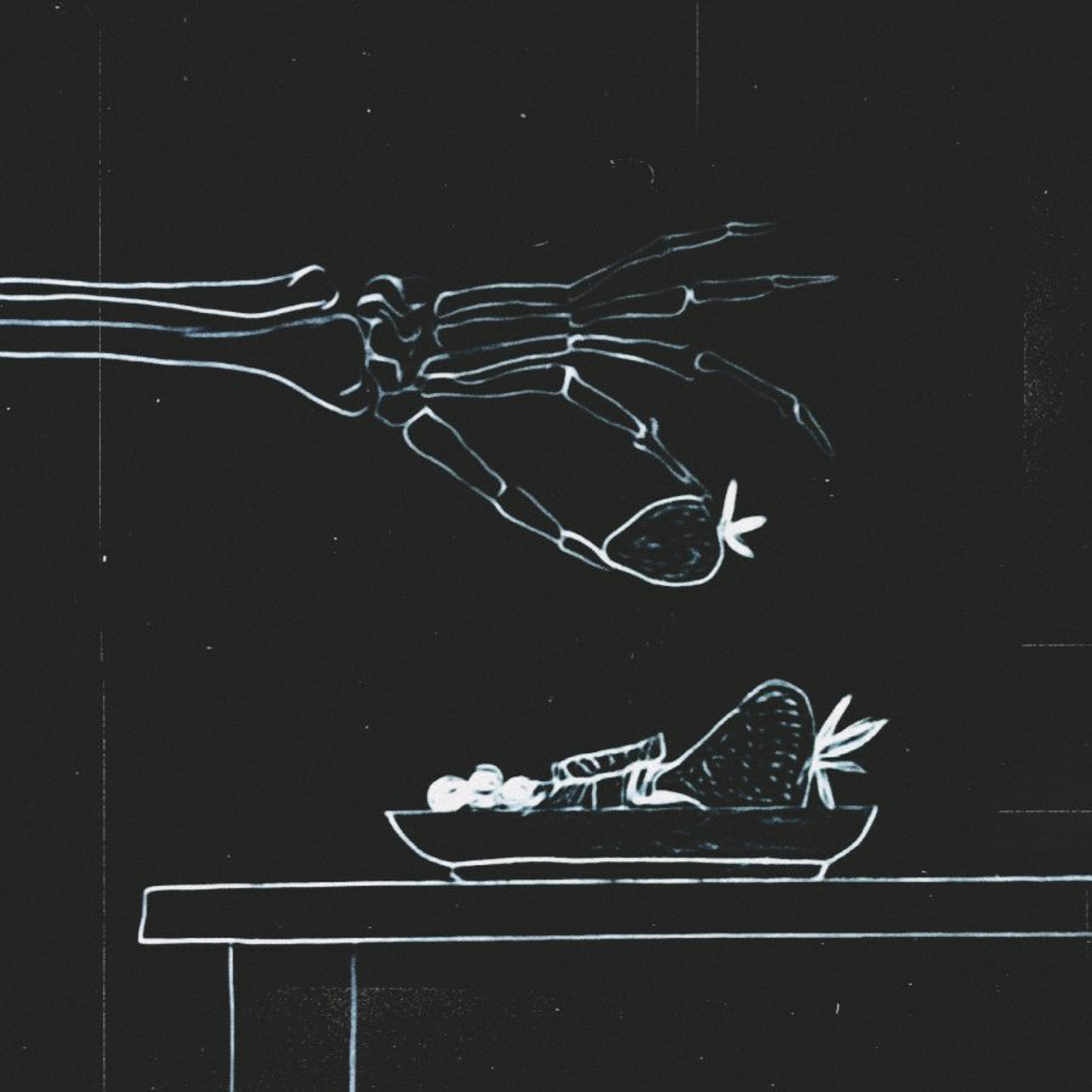
This is the death and food episode where I talk with Indigenous death doula, Chrystal Waban, about her work with Blackbird Medicines and the Indigenous Death Doula Collective and how food is connected to this very important journey for those who are dying, for those who are dead and for those they leave behind. Also in this episode are stories about death and food by: Dale Jones (Tulalip), Tipiziwin Tolman (Dakota and Lakota) and Melissa Baehr (Anishinaabe Ojibwe).
E71: Indigenous Farmworkers – “Do your work no matter what other people say”
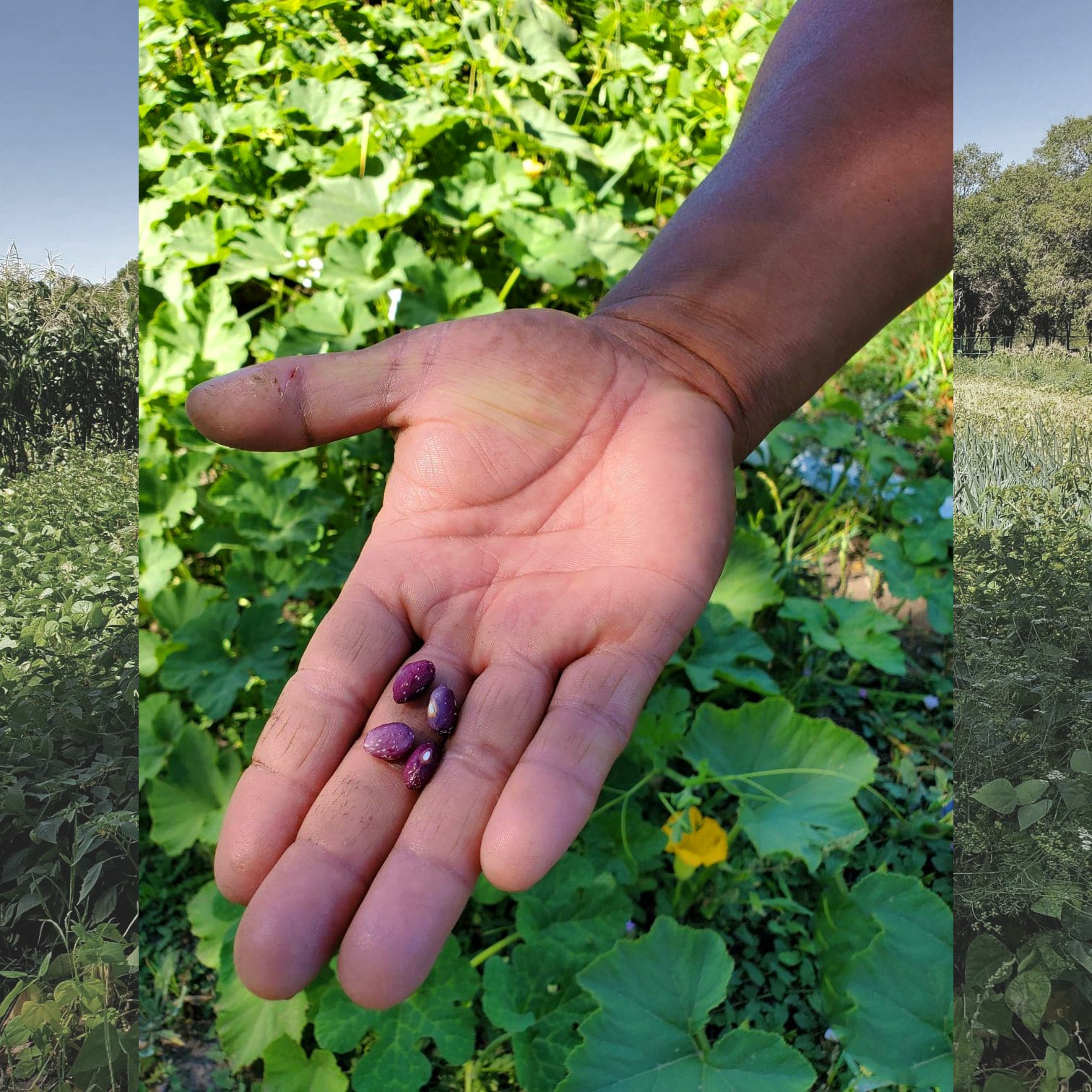
Do you know who picked the cabbage and celery you find at the grocery store? It might’ve been an Indigenous immigrant farmworker. In this episode, I visit with a couple of Indigenous immigrant farmworkers at Rio Grande Farm Park in Alamosa, Colorado to learn about their journey here and why they left Guatemala. I also speak with Dr. Giovanni Batz, social anthropologist focusing on Maya migration, displacement and diaspora, Guatemalan history, Indigenous movements and human rights, to learn more about why so many people migrate here; and why so many Indigenous people are displaced from their lands in Latin America. Dr. Batz mentions Gofundme fundraisers for Hurricane Eta relief: "Maya communities need help – Hurricane Eta" "Urgent need for Maya people due to Hurricane Eta" "Collection for Victims of Eta Hurricane in Nebaj" Dr. Batz also suggests “Indigenous Communities on the Frontline as Two Climate Change-Fueled Hurricanes Slam Central America” from “Democracy Now!”
E70: The Thanksgiving Episode
Thanksgiving is a lie. In this episode I talk with three Wampanoag women about Thanksgiving and how colonization effected their foodways. We’ll also talk about the awesome work they’re doing in their East coast communities to educate and revitalize Wampanoag food. Guests are chef Sherry Pocknett from Sly Fox Den Restaurant, Danielle Hill, educator and cultural consultant with Heron-Hill LLC., and Talia Landry, production coordinator for Mashpee TV.
E69: Bow & Arrow Brewing Co.: The Book of Names
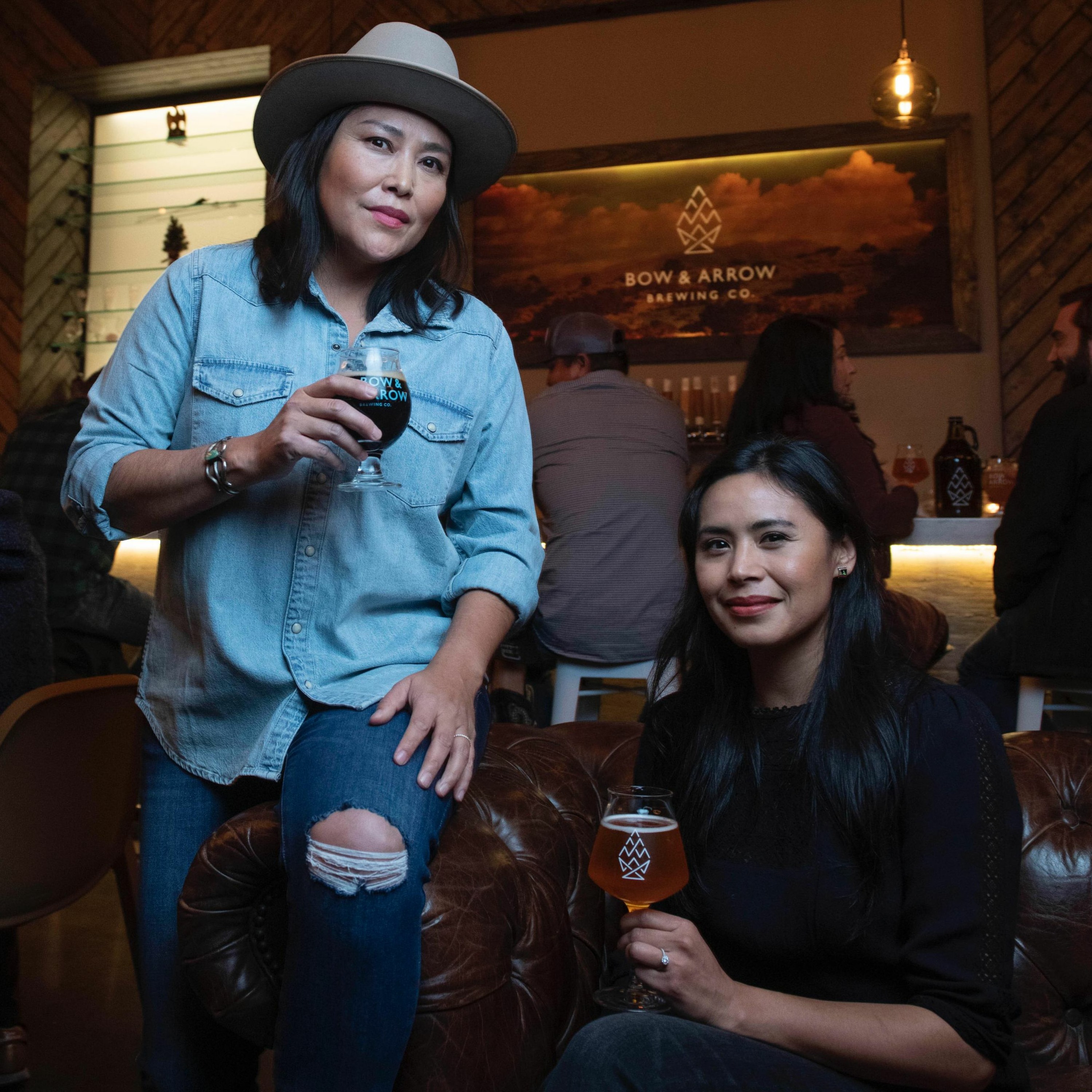
There’s nothing like a good beer—for me that’s a cold, citrusy and bitter IPA—and for those who appreciate the brews from their local breweries, beer is more than alcohol. Craft beer is a whole vibe and culture. In this episode, I talk with the founders of Bow & Arrow Brewing Co., Shyla Sheppard (Mandan, Hidatsa, Arikara) and Missy Begay (Navajo), about starting from scratch, foraging for beer ingredients and their branding and aesthetic.
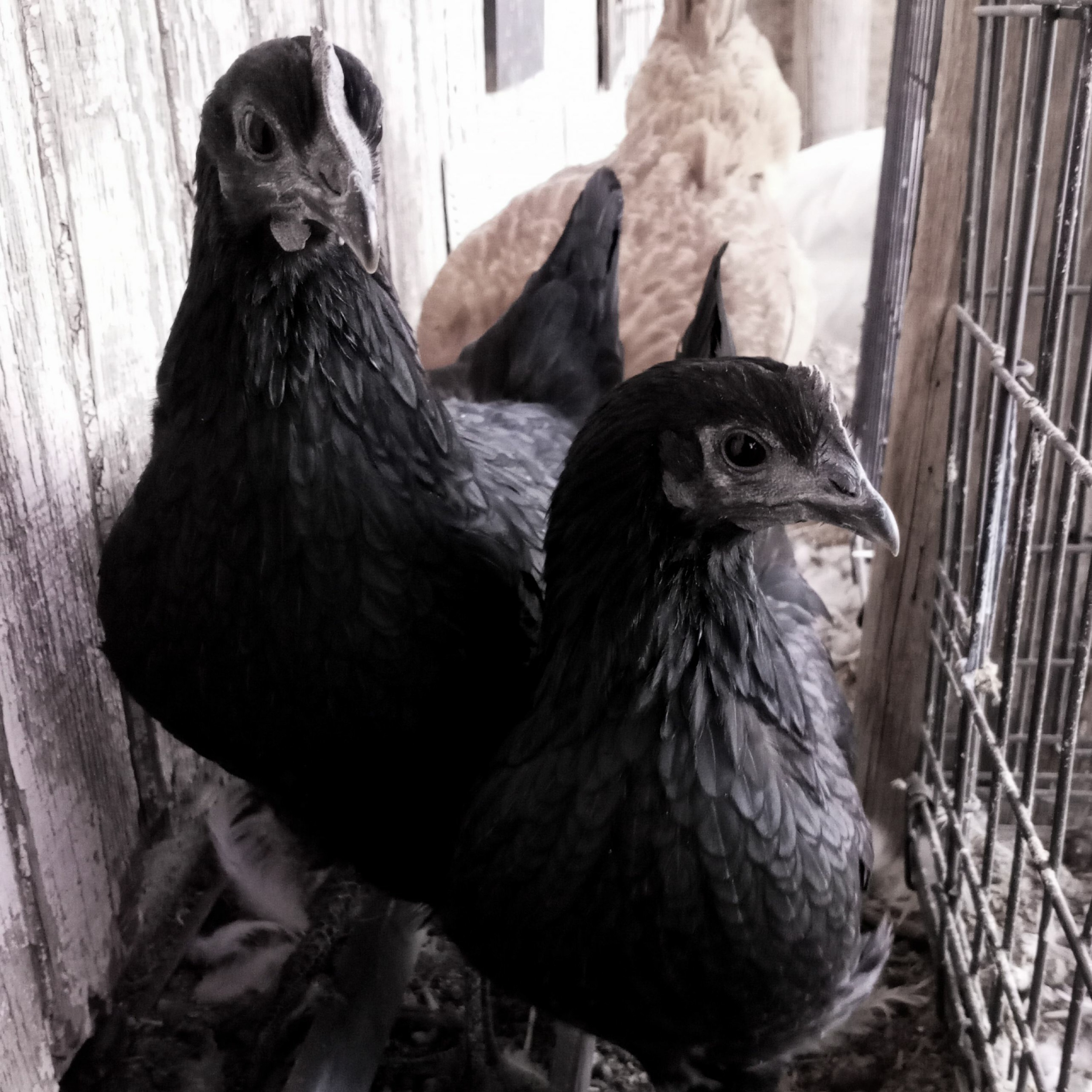
E68: The BLACK Episode
My favorite color is black. That also means I have a fascination with black-colored foods. Indigenous foods come in all kinds of colors including black. In this episode, chefs Tawnya Brant (Kanyen'kehá:ka), David Smoke-McCluskey (Mohawk) and Andrea Murdoch (Andean Native) and farmer, Cherilyn Yazzie (Diné) talk about the black foods in their kitchens and farms. Mentioned: Indigo-Show art show, September 26 + 27
E67: Indigenous American + African American food
This podcast episode is a 20-minute preview of “Indigenous Roots: Exploring the Crossroads of African American and Indigenous American Cuisine,” an online two-part event hosted by the Museum of Food and Drink on Aug. 5 and 6. Guest chefs, Yusuf Bin-Rella of Trade Roots Culinary Collective, Elena Terry (Ho-Chunk), executive chef and founder of Wild Bearies, and chef Dave Smoke-McCluskey (Mohawk), will speak about the ways in which both cuisines have influenced each other in the context of the social reasons that early African American and Native American cultures came together out of necessity. This necessity, in turn, created a beautiful cuisine that is now part of the American food lexicon and continues to evolve. Where: Zoom When: Talk on Wednesday, Aug. 5 at 8 p.m. Eastern time. Afro-Indigenous virtual food demonstration on Thursday, Aug. 6 at 8 p.m. Eastern time. Tickets: $15 general admission for Aug. 5 panel discussion, $40 for the cooking demo on Aug. 6, and $45 for the panel and cooking demo. Info: MOFAD.org
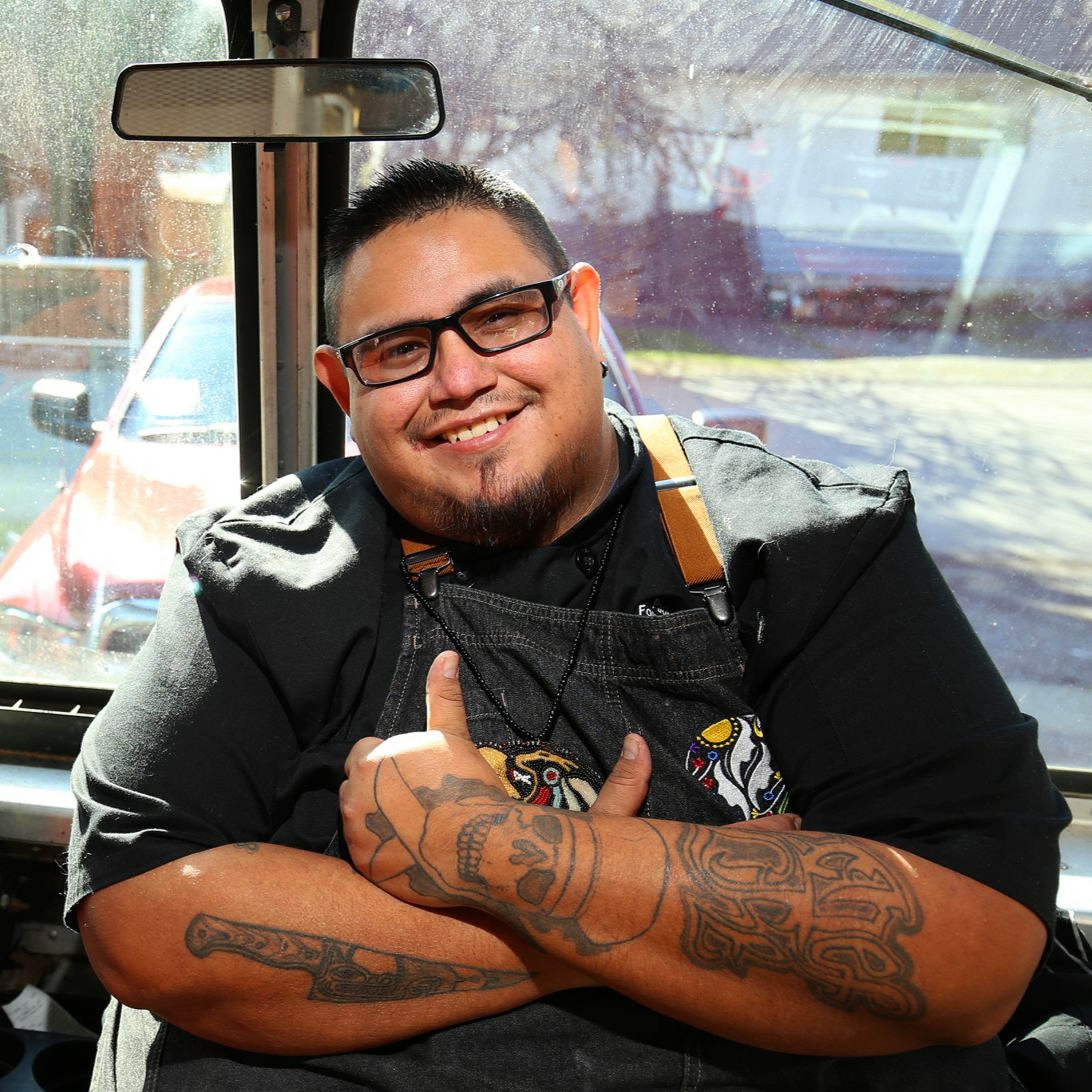
E66: Paul Natrall — Mr. Bannock, “Indigenous cuisine to the max”
When I visited Paul Natrall (Suquamish) in his Mr. Bannock food truck in Vancouver, British Columbia, Canada, I wasn’t expecting to get a taste of some of the most delicious pizza I ever had. I did and that was also my first taste of bannock, an Indigenous flour-based bread (kind of like frybread). In this episode, I talk with chef Paul about bannock, how he got hooked on culinary arts and a new Indigenous group called Indigenous Culinary of Associated Nations. More photos at ToastedSisterPodcast.com.

E65: The COVID-19 episode
In this special episode, I talk with seven Indigenous people working in the food industry about how they are being affected by COVID-19. On the show: Nico Albert, executive chef of Duet Restaurant Crystal Wahpepah, owner of Wahpepah’s Kitchen Spring Alaska, owner of Sakari Farms Inez Cook, owner of Salmon n’ Bannock Zach Johnston, writer and editor at Uproxx Kelsey Ducheneaux, owner of DX Beef Michelle Crank, executive director of communications for Navajo Gaming Enterprise

E64: Maria Parra Cano — Sana Sana
In this special episode, I visit with Chef Maria Parra Cano in her food truck, Sana Sana. We share a nice, plant-based dinner and then we talk about labels, her mom’s recipes and food as medicine. Recipe below. Verde smoothie 1 cup nopales, diced 1 cup pineapple, diced ¼ cup cilantro, diced 2 tablespoons chia seeds ½ cup water 1 cup raw spinach Agave and ice to taste Add everything to a blender and blend until smooth. Drink raw or freeze like sherbert or popsicles. sanasanafoods.com
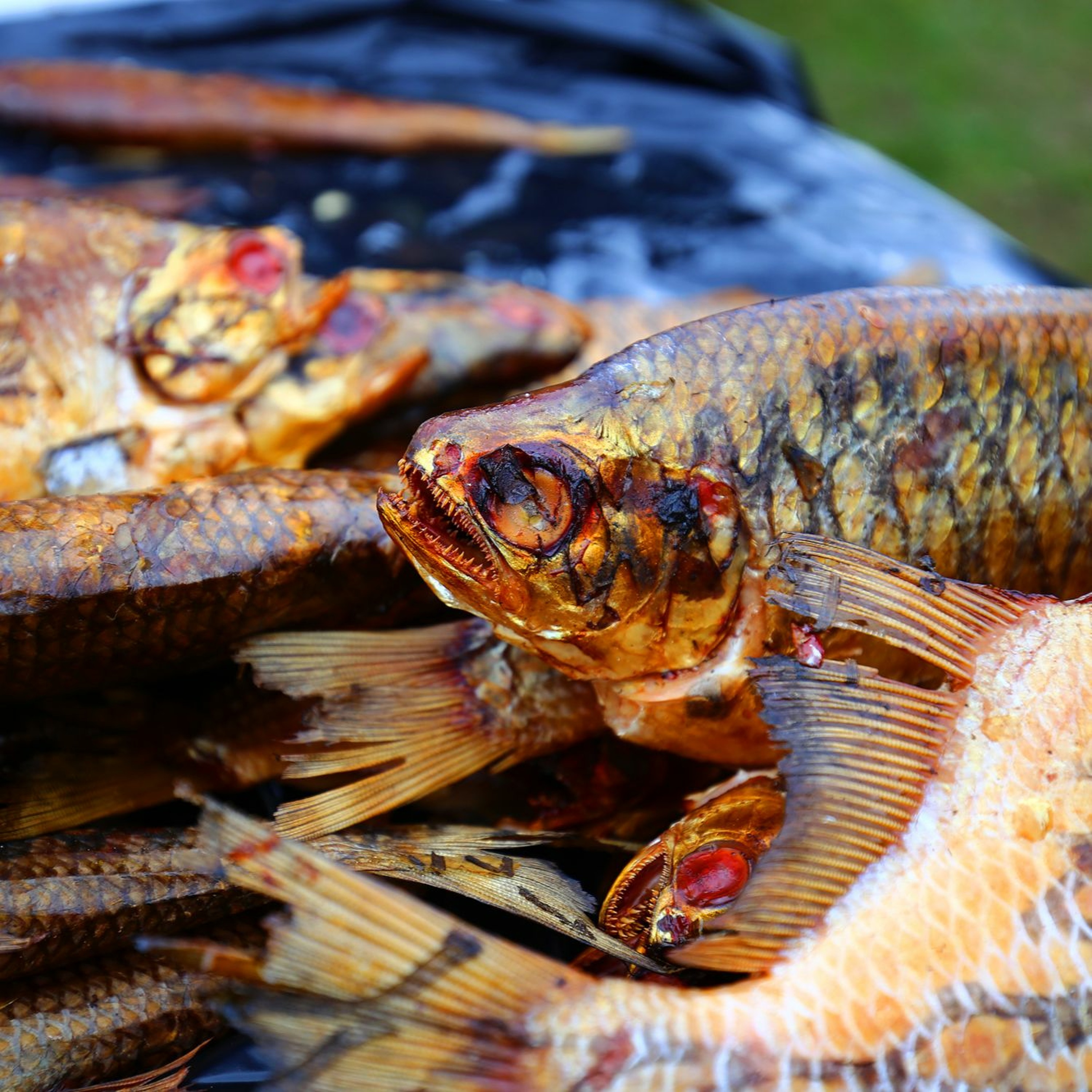
E63: Red Lake Nation Food Summit
In this special episode, I take you through the 4th annual Red Lake Nation Food Summit in Minnesota. Doug DesJarlait talks about walleye, Deb Smith talks about ancestral seeds, Veronica Kingbird-Bratvold talks about plant relatives, Dan Kimewon talks about corn and Kevin Finney talks about basket making.

E62: Inez Cook — Salmon n’ Bannock, “My personal journey”
March 2020: COVID-19 hit the fan and is affecting all in the restaurant industry, including Salmon n’ Bannock, the only Indigenous brick-and-mortar restaurant in Vancouver in British Columbia, Canada. In this episode, I visit Salmon n’ Bannock and talk with Inez Cook, the owner, about her personal journey in the industry and how food around the world influences her palate. Photo: Kass Cross
E61: Alana Yazzie — “Not just any fancy Navajo”
Alana Yazzie (Navajo) went from being wary of Facebook to becoming a lifestyle and food blogger with a big social media following. She goes by The Fancy Navajo and you can find her across all social media platforms cooking, gardening and modeling a signature, cheery aesthetic wherever she is in Native America. Mentioned The Fancy Navajo: https://thefancynavajo.com/ IndigiPopX: https://www.indigipopx.com/
E60: Bruce Savage — Spirit Lake Native Farms
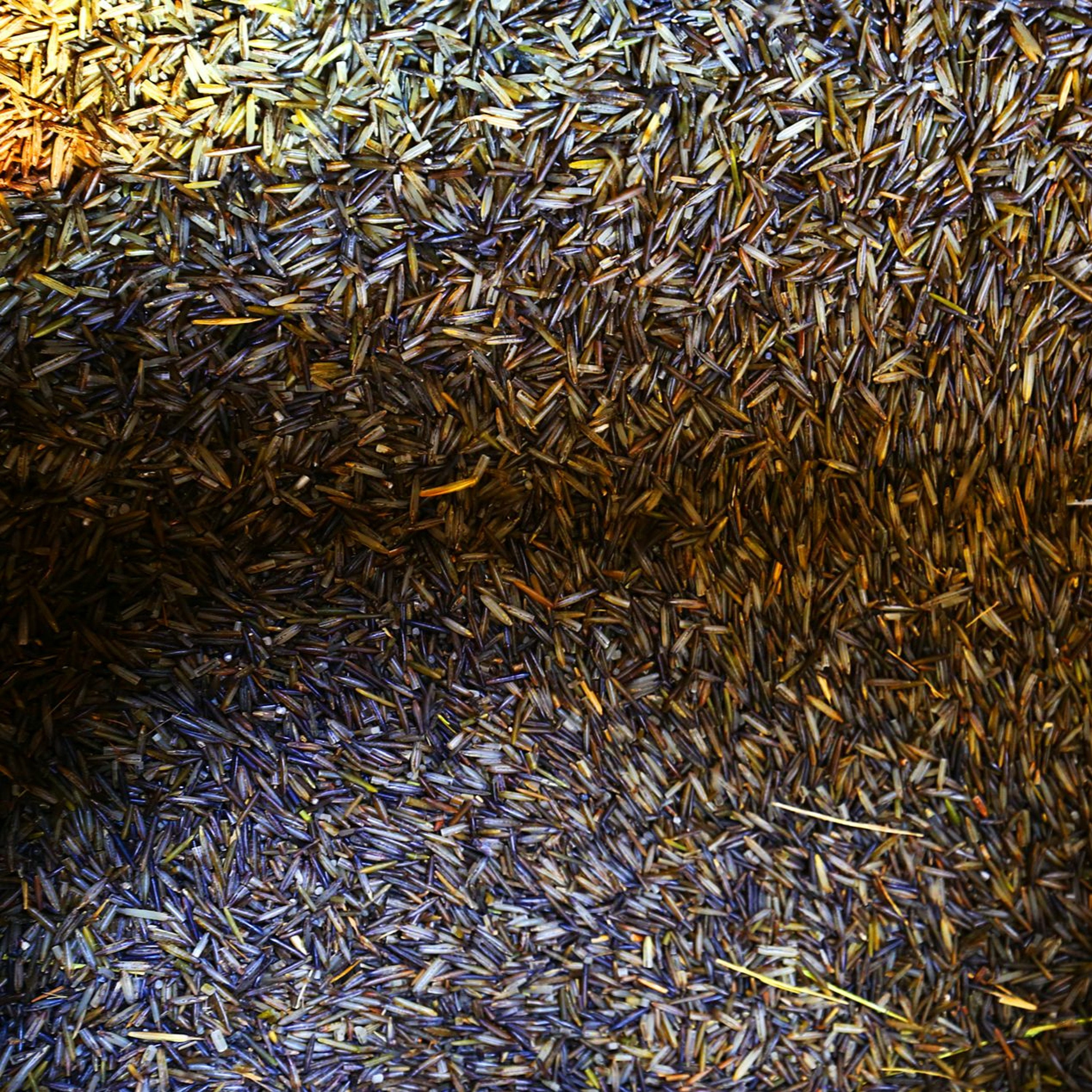
In this episode, I visit Spirit Lake Native Farms in Minnesota and one of its owners, Bruce Savage (Fond du Lac Band of Ojibwe), for a tour through the wild rice processing plant. Included in this episode is a short ASMR session that’ll make you tingle. Tour photos are at ToastedSisterPodcast.com Mentioned: Bruce’s email address [email protected] Natives on a Budget Podcast: http://nativesonabudget.com/

E59: Gatherings Cafe — Creator said...
In this special episode I talk with Benjamin Shendo (Cochiti and Jemez Pueblo) and Linus Yellowhorse (Tohono O’odham) from Gatherings Cafe at the Minneapolis American Indian Center. They’re a couple of chill dudes who just fell into the kitchen and turned a job into a passion for feeding Indigenous food to Minneapolis’ Native community. Vote for "Toasted Sister Podcast” in the Innovator category of the Local Hero Awards by Edible New Mexico magazine! https://www.ediblenm.com/local-hero-awards/ "What They Say," new album by CW Ayon: https://cwayon.bandcamp.com/album/what-they-say

E58: “Bigfoot and Lightning Bug”
In this episode I talk with Donell Barlow (Ottawa) about her new book, “Bigfoot and Lightning Bug,” a children’s book about Bigfoot and the environment. Donell is a chef, certified holistic health coach and the author of “Medicine Tracks: A Memoir.” Mentioned: “Ancestral guided wellness: A way of life for our ancestors, a movement that could heal our bodies and the planet” by Donell Barlow in Indian Country Today Books mentioned: “Indigenous Food Sovereignty in the United States: Restoring Culture Knowledge, Protecting Environments, and Regaining Health” by Devon Mihesuah and Elizabeth Hoover “Fresh Alaska Cookbook” by Rob Kinneen “Inventos Mios” by Rubi Orozco Santos “tawâw” by Shane M. Chartrand “Cooking with the Wolfman: Indigenous Fusion” by David Wolfman and Marlene Finn “The Sioux Chef’s Indigenous Kitchen” by Sean Sherman with Beth Dooley “Imminent Cuisine: Indigenous Food Futurisms” by Toasted Sister Podcast Events mentioned: IndigiPopX Sneak Preview, Saturday, Nov. 9 in Albuquerque “Toasted Sister: A Talk on the Indigenous Food Movement with Andi Murphy of Toasted Sister Podcast” at Virginia Tech on Friday, Nov. 15

E57: Alien Weaponry
Alien Weaponry is a three-piece thrash metal band from New Zealand. The band members, Lewis de Jong (Maori), Henry de Jong (Maori) and Bobby Oblak (substitute bassist for Ethan Trembath), join me in the studio to talk about their U.S tour, the Indigenous history and stories in their music and their love for the Navajo Nation. Their big Window Rock, Arizona show is on Wednesday, Oct. 16 at the Navajo Sports Center.
E56: “Imminent Cuisine” the zine
We made a zine about Indigenous food futurisms! It includes 24-pages of all-original work by myself, Monica Braine, junior editor of “Imminent Cuisine,” and seven other Native artists, illustrators, comic book artists, chefs and writers. In this episode, we talk about food in Indigenous futurisms and the work in the zine. Zine contributors: Elizabeth Lapensée (Anishinaabe/Metis/Irish), award-winning designer, writer, artist and researcher who creates and studies Indigenous-led media such as games and comics. Visit elizabethlapensee.com. Donell Barlow (Ottawa), author of “Medicine Tracks- A Memoir” and the children’s book, “Bigfoot and Lightning Bug.” Donell is a certified holistic health coach. Visit donellbarlow.com for recipes and more information. Kayla Shaggy (Diné/Anishinaabe), born in Shiprock, New Mexico, Kayla has been drawing comics since she could hold a pencil. To see more of her art and comics check out her website, kaylashaggy.gallery. Tashia Hart (Anishinaabe), writer, artist and biologist from Red Lake, Minnesota. Learn more about her work at tashiahart.com. Weshoyot Alvitre (Tongva/Schottish), comic book artist and illustrator who has been making comics for over 15 years. Mariah Gladstone (Blackfeet/Cherokee), food activist focused on reteaching traditional foods through modern methods. She is the founder of Indigikitchen, indigikitchen.com. Terry Fisher (Coushatta/Jena Band Choctaw/Alabama-Coushatta), halfway right. Inspired by an Indigenous worldview filled with creeps, monsters, pro wrestlers and degenerates.

E55: Cienan Muir — “Geek out with me”
I spoke to Cienan Muir (Yorta Yorta and Ngarrindjeri) at last year’s Indigenous Comic Con about kangaroo tail and I knew I had to collaborate with him for a future episode about Indigenous food in Australia. Well, this is the episode! While Cienan was in Albuquerque, I lured him into the studio to talk more about Indigenous foods in Australia, Native stories in pop culture and the upcoming Indigenous Comic Con Australia.

E54: Germaine Simonson — Bootstrapping a business
Germaine Simonson (Navajo) never operated a cash register before she took over ownership of Rocky Ridge Gas and Market, a grocery store in the middle of rural Navajo Nation, Arizona. This episode is about food entrepreneurship, making future plans and genuinely wanting to provide useful services for the Native community. Included is an interview with Jessica Stago, program director of business incubation for Change Labs. Produced with help from Alisha Murphy, my little sister and doctoral student focused on tribal economic development. More photos at ToastedSisterPodcast.com.
E53: No Eating Out Challenge with Monica Braine
Do you know how much money you spend on food? If you’re like me, finding out that triple-digit number will make you sick. In this episode, Monica Braine (Natives on a Budget, Native America Calling) and I take a 31 Day No Eating Out Challenge that give us perspective into our spending and eating habits.

E52: Food fight with chef Lawrence Garcia
Chef Lawrence Garcia (Acoma and Navajo), executive chef at Sky City Casino, in New Mexico is skilled at making odd ingredients taste good together, which is a skill he needed for 505 Food Fights, a charitable event that brings together all kinds of chefs from Albuquerque. In this episode, I follow him and Diné chef Josh Nez through the tournament.

E51: Native Women’s Business Summit
In this special episode I catch up with some awesome women at the 2nd Native Women’s Business Summit, a powerful event for Native women entrepreneurs to lift each other up, network and encourage business growth in Native America. The women in this episode see the importance of food in business and Native traditions. I speak with: Addie Lucero (Taos) — Dancing Butterfly Naturals Percilla Frizzell (Diné) — Sacred Generations Reyna Benteah (Zuni) — Ts’uyya Farm Kathy Sanchez (San Ildefonso) — Tewa Women United Shayai Lucero (Laguna and Acoma) — Earth and Sky Flora Designs and Gallery

E50: No Longer Gentle Indians Pt. 3: Stop telling us what to eat
No one really likes to be told what to do especially when it comes to food. Food is culture and to be told that that’s not good enough by outsiders, well, that makes us angry. In this episode Lynn Lane (Diné), community health nutritionist, and Felicia Cocotzin Ruiz (Tewa and Chicana), chef and holistic healer, are no longer gentle Indians.

E49: Bats are important to Native people ... and food
The 2018 Southwest Native American Workshop on Bats gathered a couple dozen bat researchers and biologists from federal, state and tribal entities to talk about bat conservation ahead of the spread of white-nose syndrome (WNS) in the Southwest. They also focused on where bats fit into Native culture. Voices in the episode: Lawrence Abeita (Isleta), wildlife biologist for the Bureau of Indian Affairs Dr. Ernie Valdez, research wildlife biologist for the U.S. Geological Survey Dr. Mike Medrano, chief of resource stewardship and science for the Guadalupe Mountains National Park Nelson Luna (Zuni), director of biology for the Pueblo of Zuni Timothy Smith (Mescalero Apache), biological technician for the Pueblo of Sandia Taylor Silva (Diné), Navajo Nation Department of Fish & Wildlife Roger Rodriguez, regional bat monitoring research assistant at Oregon State University

E48: Culinary arts at Navajo Technical University
In this episode I talk with Brian Tatsukawa, culinary instructor at the Navajo Technical University in Crownpoint, New Mexico, and a few of his students about why a career in culinary arts is important and what challenges young students have cooking on the reservation.
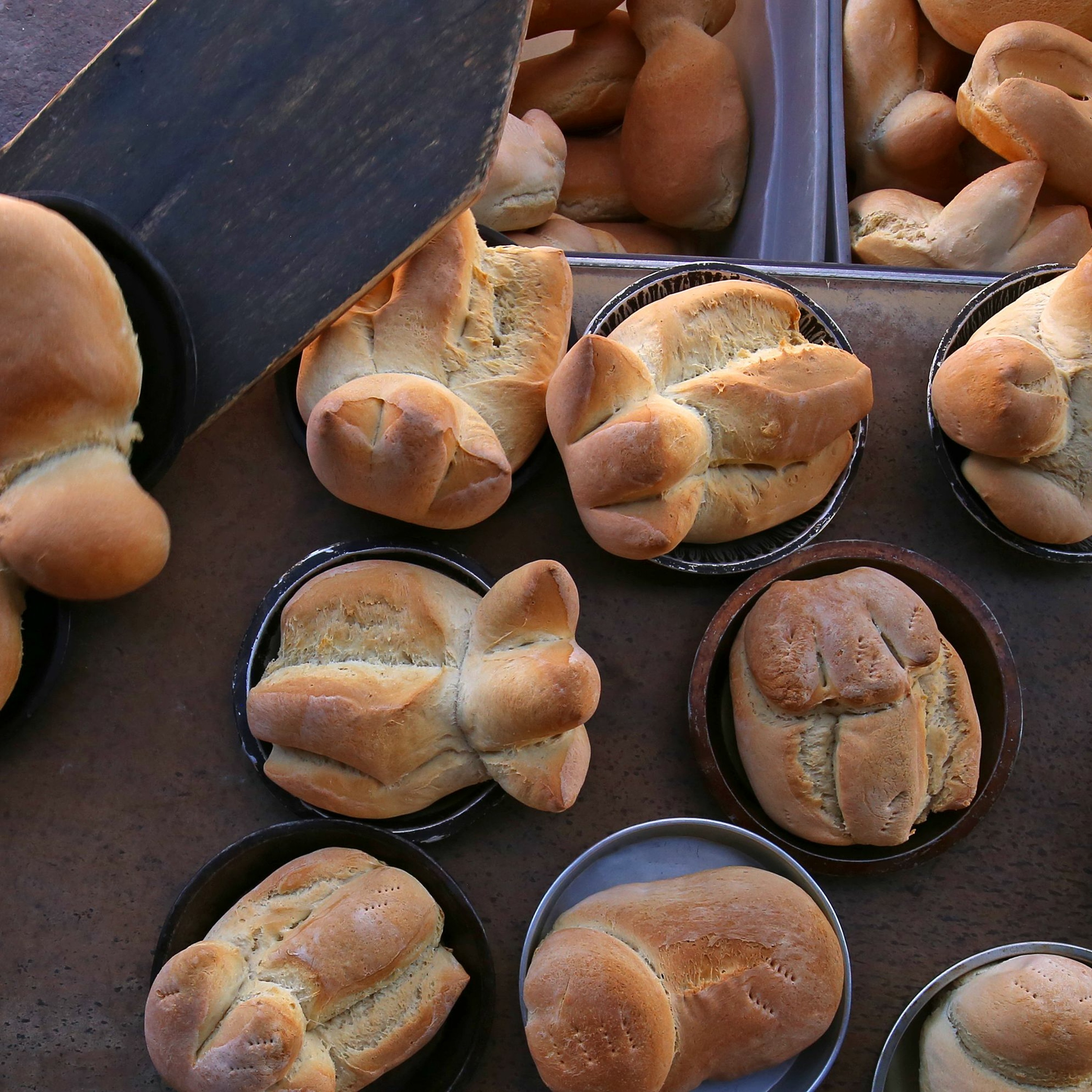
E47: On the Pueblo bread trail in New Mexico
I partnered up with Eater magazine to include Pueblo bread in their Guide to the Southwest. In the process of writing this article, I took a journey through some of the Pueblos in New Mexico to learn about Pueblo bread. This episode includes voices from bakers from Jemez, Taos, Zuni and Laguna Pueblos. Link to "The Wondrous Bread of the Pueblo Nations" article: https://www.eater.com/2019/1/23/18183970/zuni-bread-pueblos-new-mexico Visit the episode at ToastedSisterPodcast.com for more photos

E46: Curtis Basina — “A win-win situation for everybody”
In this episode, I talk with Curtis Basina (Red Cliff Band of Lake Superior Chippewa Indians), owner of the Copper Crow Distillery in Wisconsin about stereotypes, vodka drinks and what repeal of prohibition could mean for tribes. Yes, I said “prohibition.” Did you know that up until December 2018 tribes were banned from operating distilleries on reservations? A law changed that so tribes are able to open distilleries if they want to.
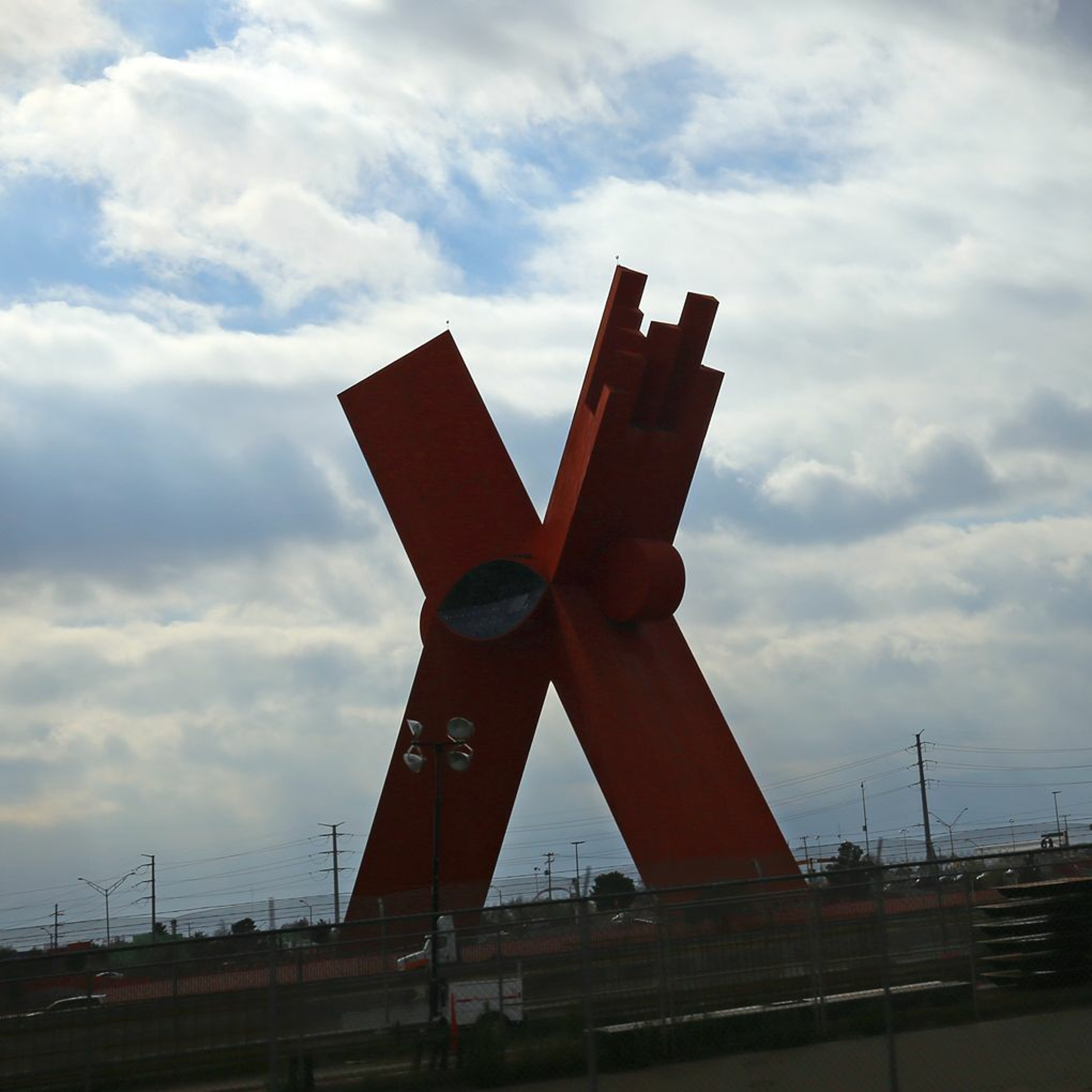
E45: El Paso — Indigenous food at the border
For this special episode I take a road trip to El Paso, Texas where I learn more about Mexican food and the Indigenous food culture at this stretch of the border. You’ll hear from Rick Quezada, cultural preservation director at Ysleta del Sur Pueblo, Lorena Andrade, director of La Mujer Obrera and Rubi Orozco Santos, poet and public health educator. Photo: “The Equis” monument that stands over Cuidad Juárez near the border was made by Mexican sculpture Enrique Carbajal González. It symbolizes the intersection of Indigenous people of Mexico and the Spanish.

E44: Mark Tilsen — “We’re as resilient as the buffalo”
Native American Natural Foods makes Tanka Bars, the first brand of bison meat bars, experienced a couple of ups and downs in business since it started in 2006. But since competition from non-Native companies swept up all the investments and money in the last couple of years, Tanka Bar is left to restructure its brand. In this episode, I talk with Mark Tilsen, president and co-founder of Native American Natural Foods. The New Food Economy article: “Bison bars were supposed to restore Native communities and grass-based ranches. Then came Epic Provisions.”