Toasted Sister Podcast
95 episodes — Page 2 of 2
E43: Southwest Intertribal Food Summit
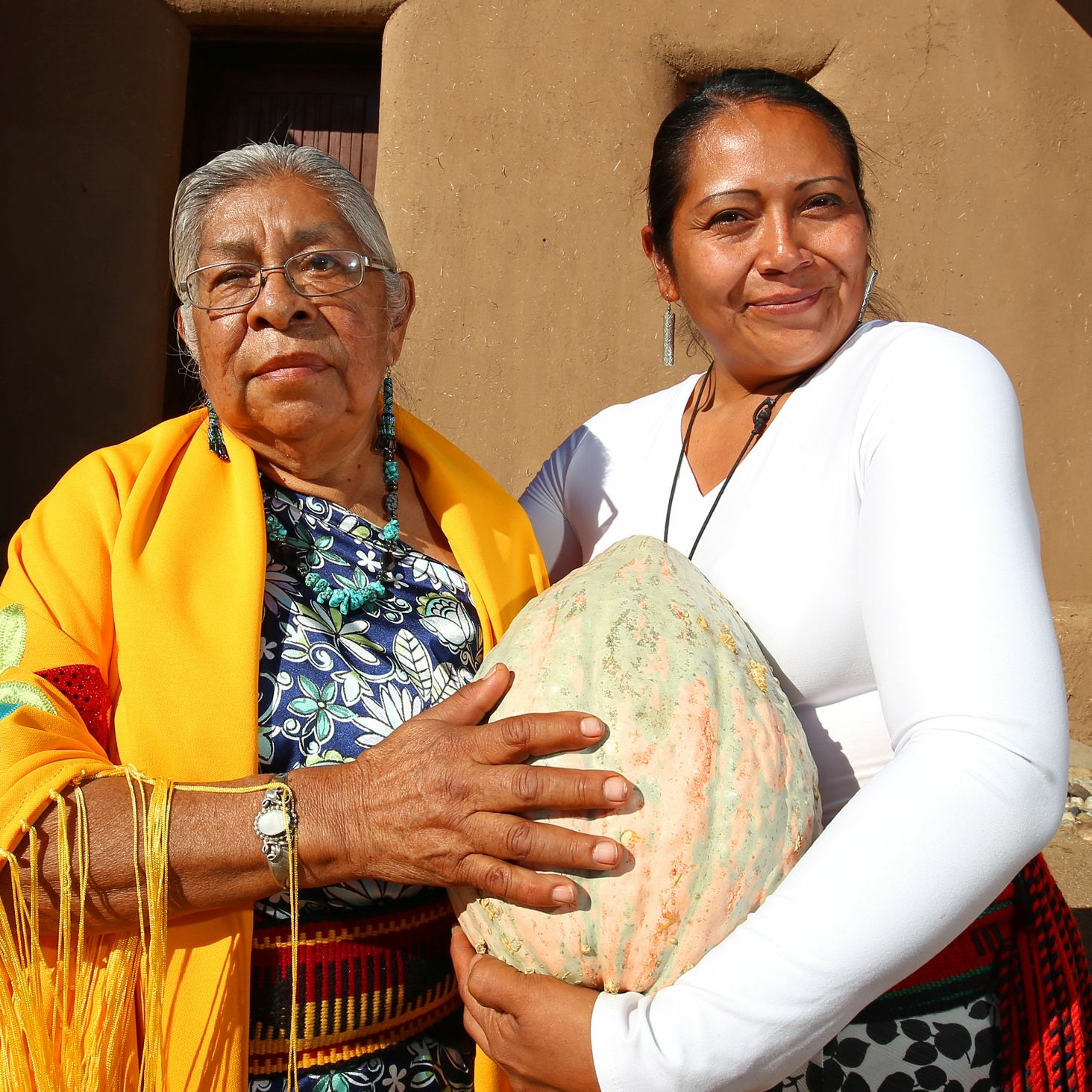
In this special episode I report from the first Southwest Intertribal Food Summit in Taos, New Mexico. It was a two-day event filled with good food and knowledge sharing between Southwest Natives who are working in the food sovereignty movement. Visit ToastedSisterPodcast.com to see photos from this trip. In the episode: Lilian Hill from Hopi Tutskwa Permaculture Institute, Terrol Dew Johnson from the Tohono O’odham Community Action group, Tiana Suazo with the Taos County Economic Development Corporation, Julio Saqui, owner of Che’il Mayan Products, Taos governor, Gilbert Suazo Sr., Tammy Sandoval with Tiwa Kitchen and Rowen White with the Indigenous Seed Keepers Network.
E42: Alisha Murphy — “I loved my trip to New Zealand”
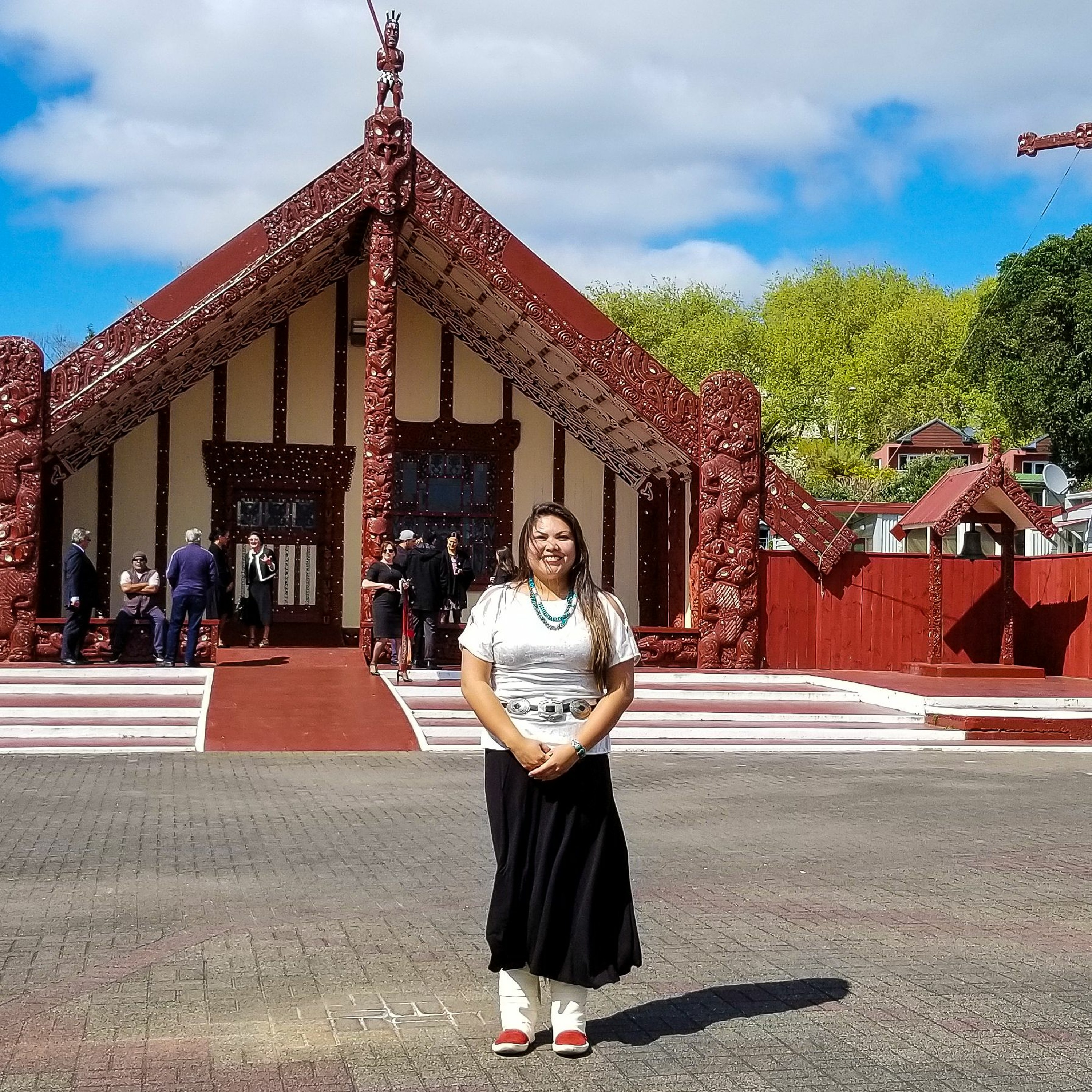
In this special episode I hand the reins over to my real sister, Alisha Murphy (Diné). She went to the World Indigenous Business Forum in New Zealand and came back with some T-shirts for our parents, some keychains for her friends and some audio for me. Alisha made some new Maori friends and naturally talked about food with them. Hey, it runs in the family.

E41: Towana Yepa — “It very much is in the blood”
Towana Yepa (Jemez Pueblo) comes from a family of gardeners. She’s a business woman who owns and operates her own farm called Corn Pollen Trail Farms in Ponderosa, New Mexico. In this episode, she talks about her origins, the challenges of being an Indigenous woman farmer and filling a need for fresh options in her Native community. I also talk with Tina Archuleta (Jemez Pueblo), owner of Itality: Plant Based Wellness (rapper who goes by MagmaDawta), a health food business that also fills a need for fresh food in the same community.
E40: Brit Reed — “It’s definitely a win”
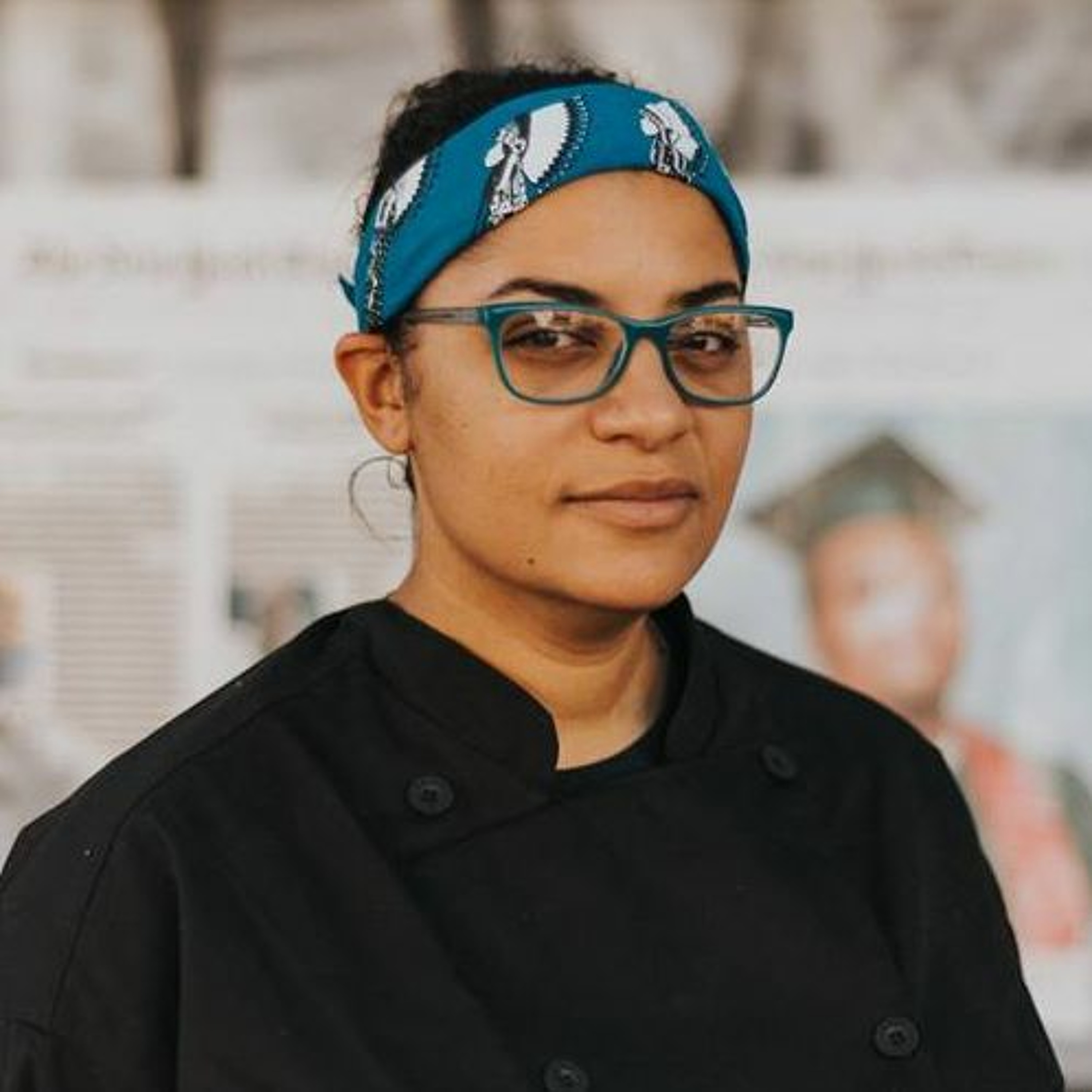
Brit Reed (Choctaw) is a cook, culinary service provider for Tulalip Health Clinic in Washington and a member of the I-Collective. She’s sort of new to the world of Indigenous culinary arts but she’s well on her way to making changes in the Native community. In this program we talk about the role of Choctaw women and how food helps her connect to her culture as an adoptee.

E39: Apache Harvest Festival — “It’s really, really cool!”
In this episode, I hit the road and talk with some folks at the 6th annual Apache Harvest Festival at the Ndée Bikíyaa farm in Canyon Day, Arizona. On this show: Onah Ditzer, farm education coordinator at Ndée Bikíyaa Rachel Beauty, Apache culture intern for the Yavapai Apache Nation Shalitha Peaches, distribution manager for Ndée Bikíyaa Nephi Craig, Café Gozhóó Andrea Batty Emery Hoffman, White Mountain Apache Tribe water resources Dezeray Garcia

E38: Dr. Kalama Niheu — “We’re going to make a noise”
The non-Indigenous owners of Aloha Poke Co., a Chicago-based restaurant, trademarked the words “Aloha Poke” and became the new face of cultural and food appropriation. In this episode, Dr. Kalama Niheu (Kanaka Maoli) talks about how a long history of cultural appropriation allows for this to continue to happen to Indigenous people, the problem with paradise and how the popularity of poke took this traditional food to interesting and scary places. Also: —Native America Calling Aug. 6 episode about trademarking Indigenous words and images featuring Dr. Niheu and Tasha Kahele. —A protest is planned for Aug. 15 at the Aloha Poke Co. location in Chicago.
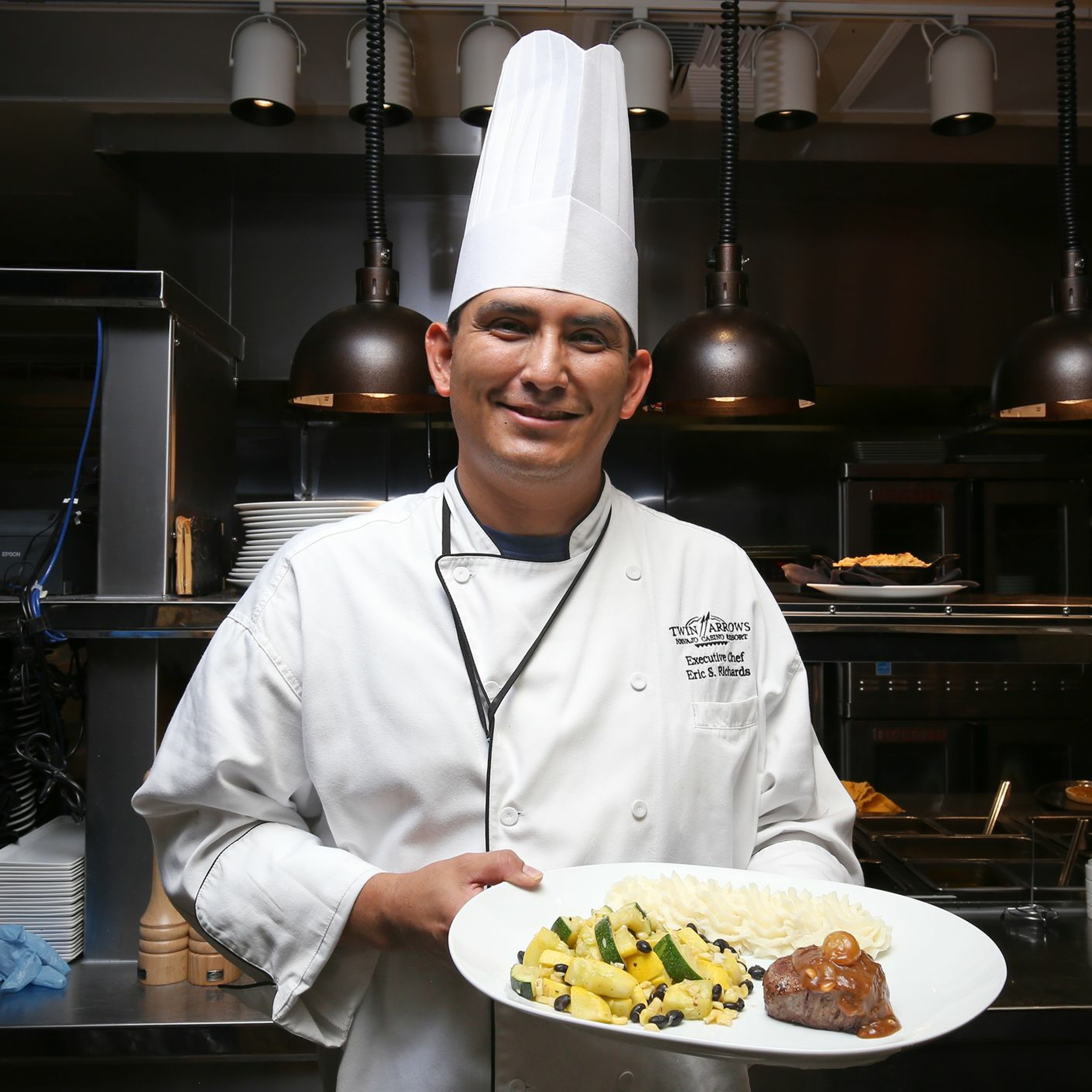
E37: Eric Richards — “I started from the bottom”
Eric Richards (Navajo) has a business degree and originally had plans to get into the Native jewelry business. But fate took him straight to the kitchen and up the ranks. He’s the executive chef of the Twin Arrows Casino Resort near Flagstaff, Ariz. In this episode, I sit down with chef Richards at Zenith Steakhouse and we talk about the restaurant business at an Indian casino, future plans and Native American Beef. See photos from this visit at ToastedSisterPodcast.com.

E36: Josh Nez — “They’re my babies”
If you talk with Diné chef Josh Nez for any amount of time, he’ll mention his daughters. They’re the reason why he cooks. He’ll also throw in some Navajo language translations for “corn,” “salt” or “grandma.” Nez is a cook at the Pueblo Harvest Café in Albuquerque who got his start as a dishwasher. In this episode, we talk about mutton, the first foods he ever cooked and the best way to prepare prairie dogs. Also: Utah Dine Bikeyah 4th annual Bears Ears Summer Gathering, July 20-22 Visit ToastedSisterPodcast.com to see pictures from this recording.
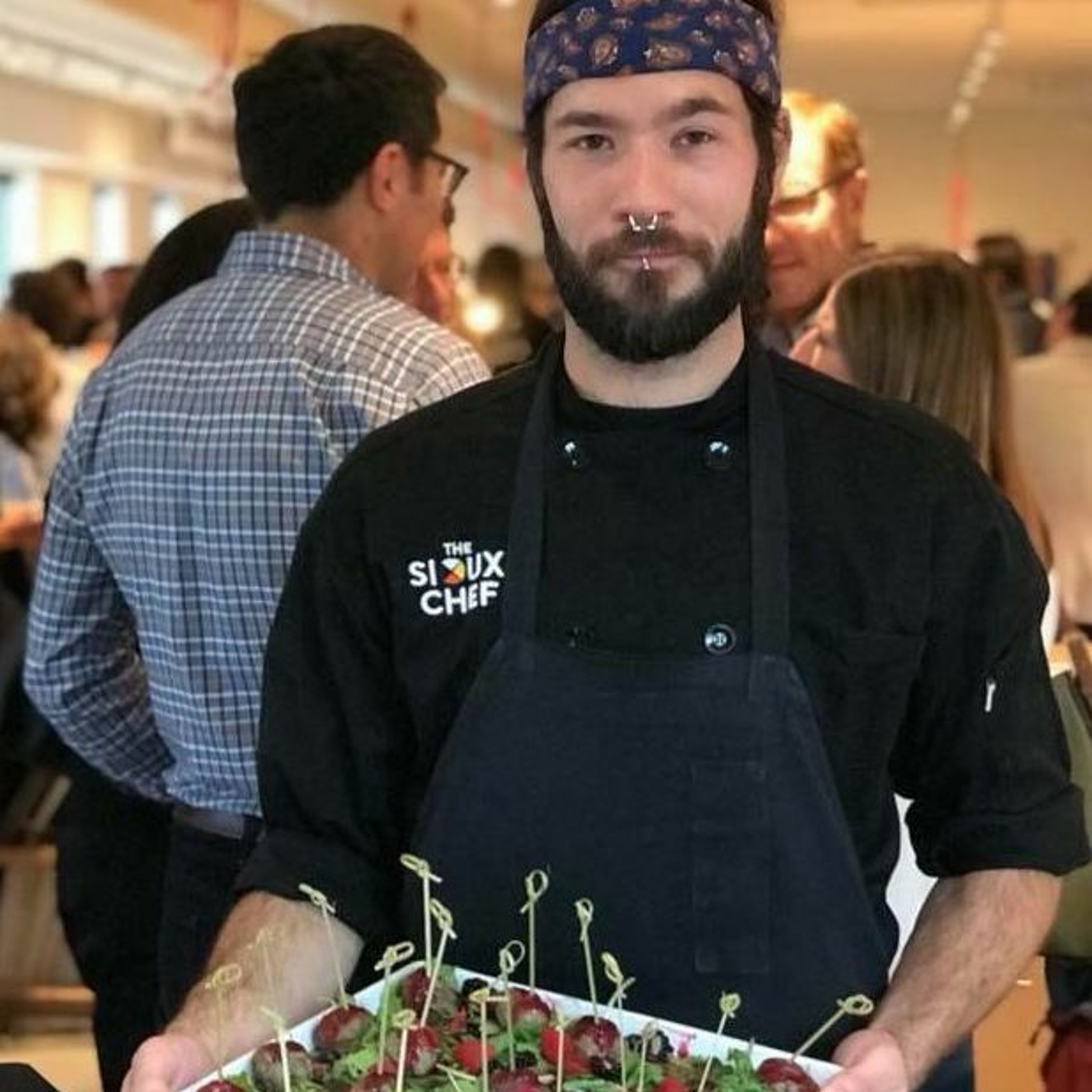
E35: Vernon DeFoe — “Cooking around”
Vernon DeFoe (Red Cliff Band of Lake Superior Chippewa) doesn’t have a glorious origin story. Like many chefs, his food journey starts at a fast food restaurant. But along the way he made a U-turn straight back to Indigenous food. He’s a chef de cuisine on The Sioux Chef team and the bassist for the crust punk band War//Plague. In this episode, Vernon talks about his great-grandmother’s cooking, what resistance looks like in the kitchen and the music of War//Plague. Links: https://warplaguepunx.bandcamp.com/ http://sioux-chef.com/ https://www.facebook.com/warplaguepunx/
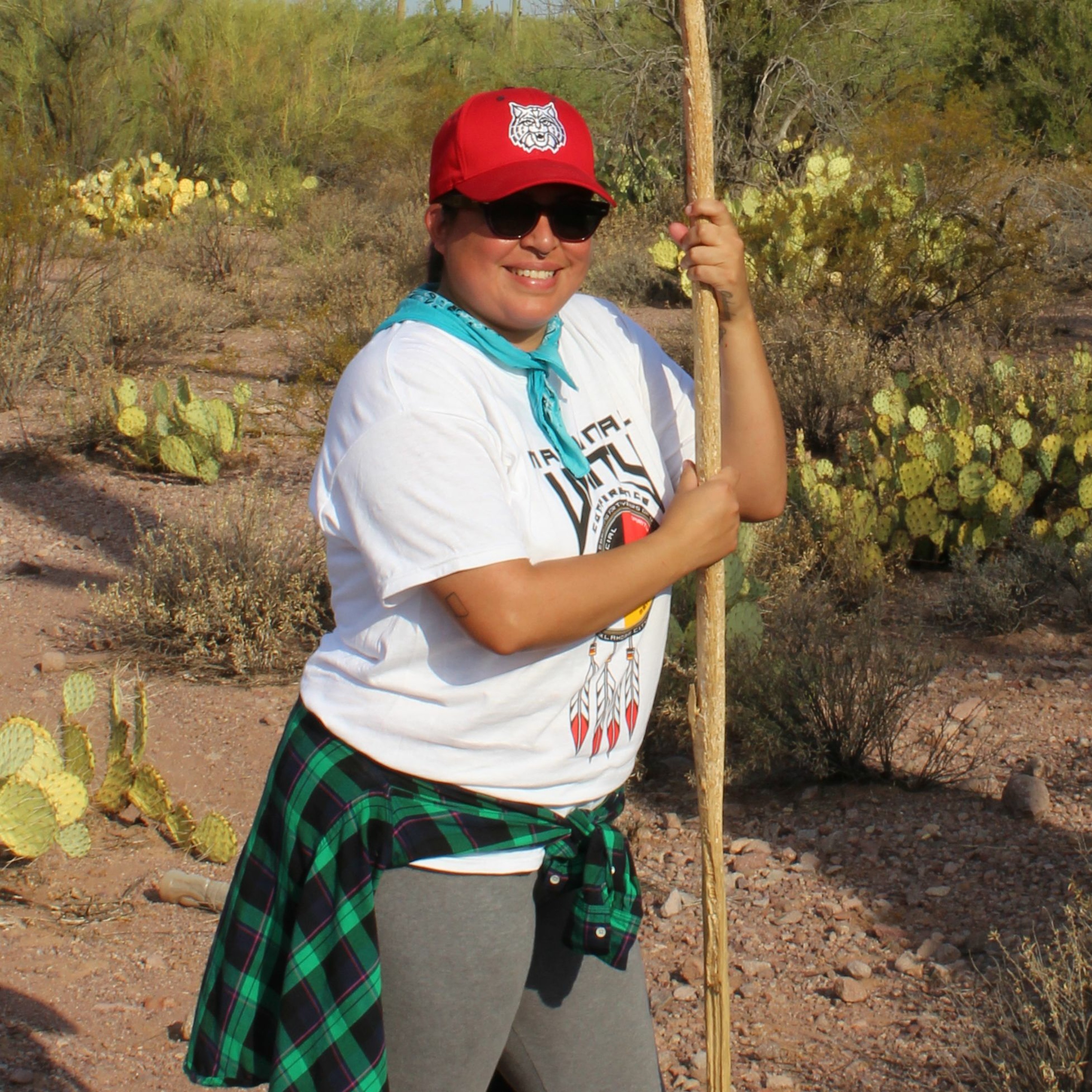
E34: Jacelle Ramon-Sauberan — “Our ancestors had to be smart”
It’s Saguaro fruit harvest season and that means members of the Tohono O’odham Nation are out this weekend picking that sweet, sweet fruit from the tops of those iconic Arizona cactuses. In this episode, I talk with Jacelle Ramon-Sauberan, Ph.D student in American Indian Studies at the University of Arizona and Tohono O’odham history and culture teacher at the Tohono O’odham Community College, about this centuries-old traditional harvest. Visit ToastedSisterPodcast.com for photos from Jacelle. Visit the I'oligam Youth Alliance's Facebook page for more info.

E33: Shane Chartrand — “Pretty and mean”
Shane Chartrand (Enoch Cree) has a particular kind of style that’s currently being projected on the interior of his new restaurant, SC Restaurant, which opens on June 12. It’s sexy, it’s casual, it’s a little upscale and it’s fun. He’s an award-winning chef who beat out some other top chefs in Canada to take home the gold from the Gold Medal Plates Edmonton competition. In this program, Chartrand talks about reconnecting to his Cree heritage, wine and his upcoming cookbook, “Marrow: Progressive Indigenous Cuisine.”
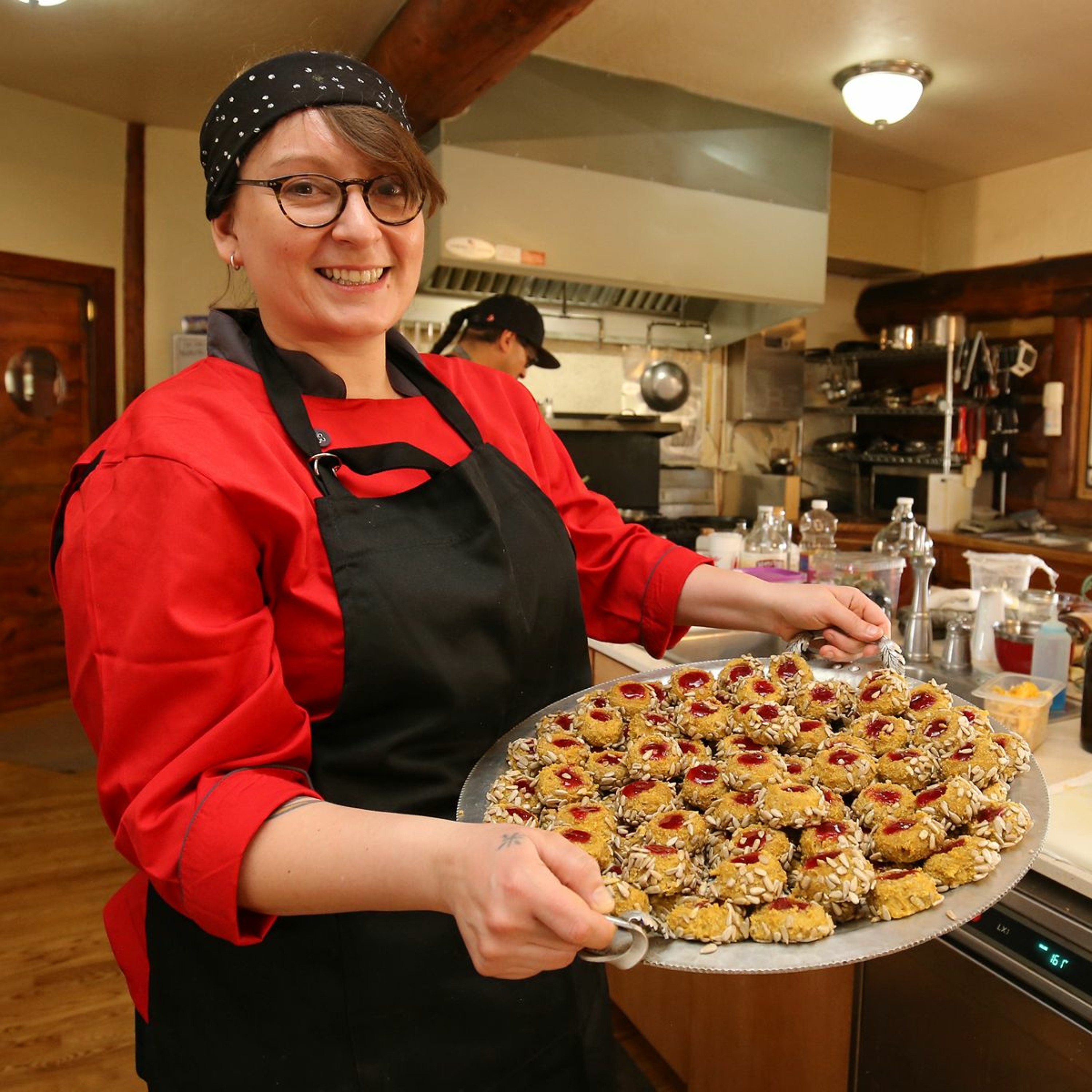
E32: Kristina Stanley — “Our diet is so personal”
Kristina Stanley (Anishinaabe) is the owner of Abaaso, a plant-based food company based in Madison, Wisconsin. She’s also a member of the I-Collective (Indigenous, Inspired, Innovative, Independent Collective). For this episode, I visit Kristina in the kitchen at the Food Justice Symposium in Colorado to talk about her business, learning about Indigenous foods and being a woman in this industry. Visit ToastedSisterPodcast.com to see photos from this visit.

E31: Navajo Sheep — “They’re my life… I love them.”
In this special episode I hit the road and visit a sheep camp near Shiprock, N.M. to talk with a sheep herder family and Aretta Begay (Diné), director of Diné be’iiná, or Navajo Lifeway, a non-profit group dedicated to preserving and strengthening Navajo sheep culture. Please visit toastedsisterpodcast.com and the Toasted Sister facebook page for photos from sheep camp. Also: Diné be’iiná will host their annual Sheep is Life Celebration on June 16 and 17, 2018 at Diné College in Tsaile, Arizona.

E30: Mariah Gladstone — Dreams to recipes
When Mariah Gladstone (Blackfeet) was a young girl, she had a dream about cookies and her mom helped her bring them to real life. She still dreams about food and turns them into recipes, only now, she produces her own little cooking show called Indigikitchen. In this episode, Mariah talks about the Blackfeet diet and how sacrifices from her ancestors paid for her existence. Info: https://indigikitchen.com/

E29: Anna Sattler — Nukallpiaq means hunter, gatherer, provider
Anna Sattler (Yupik) is an urban hunter and gatherer provider who can make a mean salmon dip and lots of other Alaskan dishes. She’s a chef and creator of “Anna’s Alaska: Off The Eaten Path,” a yet-to-be-filmed TV show with a pilot episode in the works. In this episode, we talk about Pilot Bread crackers, subsistence hunting in Alaska and stealing food from mice. Anna’s easy peasy salmon dip Ingredients: A couple of pressure cooked pint jars of half smoked salmon or kippered style frozen salmon Cream cheese A little mayonnaise A little sour cream Dill Chives Lemon juice Horseradish or finely chopped chile Directions: Add all ingredients in a bowl and mix with a fork.

E28: Native farmers in New Mexico
In February, I attended the 2018 New Mexico Organic Farmers Conference in Albuquerque and met up with some Native farmers who are doing some really awesome things in their Native communities. In this episode, we talk about traditional farming, resilience, soil health and preservation. Photo: The Resilience Garden at the Indian Pueblo Cultural Center via Bettina Sandoval. Voices: Bettina Sandoval (Taos Pueblo), cultural education specialist at the Indian Pueblo Cultural Center Nicholas Ashley and Shannon James, Diné farmers James Skeet (Diné) farmer and owner of Spirit Farm Akeemi Martinez (Diné), FVRX coordinator for the Community Outreach and Patient Empowerment program

E27: CW Ayon — “Enough to be proud”
If you like the Toasted Sister intro music, you’re going to enjoy this special, musical episode featuring CW Ayon, or Cooper Ayon. As a one-man-band, he sings, he plays guitar, a kick drum, the tambourine and a harmonica sometimes. It’s very impressive to watch him perform live at a bar, a festival or a restaurant. He’s pretty much the voice of Las Cruces, New Mexico, but he’s played all over the country and abroad. In this episode, I introduce you to him and his new bandmate, Felipe Toltecatl. Check out: cwayon.com cwayon.bandcamp.com facebook.com/cooper.ayon
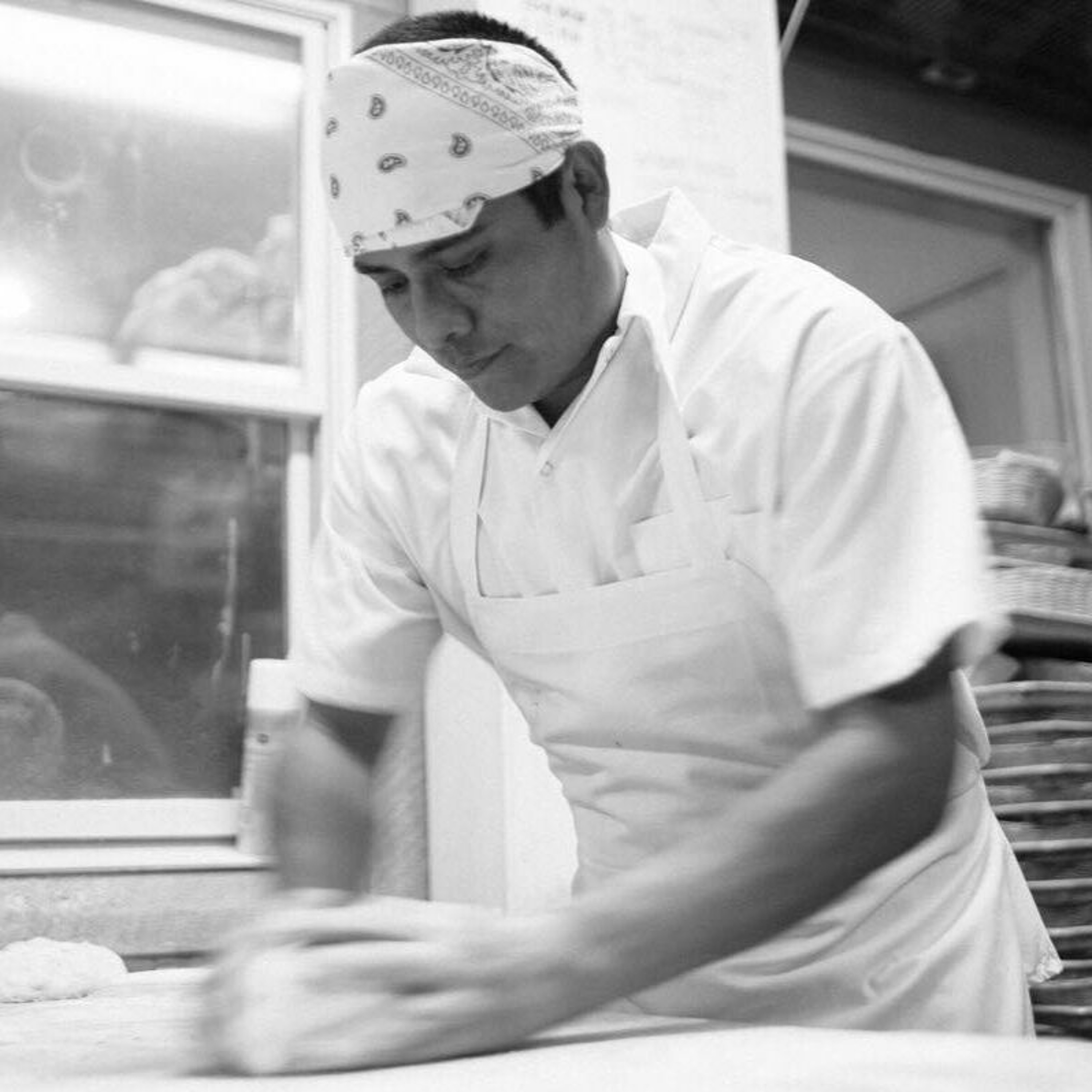
E26: Neftalí Duran — Gentle and compassionate
Neftalí Duran (Mixteco) came to this country as a migrant worker so he’s particularly in-tuned with today’s conversations about borders and migration. In this episode, Neftalí talks about the importance of migrant workers in the American food system, food shaming and why we can’t talk about food sovereignty without talking about access to food first.

E25: David Wolfman — “Reclaiming our heritage one bite at a time”
David Wolfman (Xaxli’p First Nation) started cooking when he was 9 years old. Now he’s a classically trained chef, educator and host of the TV show “Cooking with the Wolfman.” In this episode, he talks about his new cookbook, “Cooking with the Wolfman: Indigenous Fusion,” the history of his family and the Indigenous food movement in Canada.

E24: I-Collective takes New York
(Ink & Paper/Jessica Sargent photos) In this special episode, I talk with four Indigenous chefs who attended the I-Collective’s (Indigenous, Inspired, Innovative, Independent Collective) Indigenous Harvest Pop Up dinner in New York. They talk about the dishes they prepared for the seven-course dinner and what inspires and motivates them when they cook. Voices: Brit Reed (Choctaw), cook and student at Seattle Culinary Academy and founder of Food Sovereignty is Tribal Sovereignty Hillel Echo-Hawk (Pawnee and Athabaskan), cook at Joli and owner of Birch Basket Twila Cassadore (San Carlos Apache), cultural projects assistant with the San Carlos Apache Jessica Sargent (Akwesasne Mohawk), I-Collective photographer, owner of Ink and Paper Photo, administration of the Friends of the Akwesasne Freedom School rz2pzadn

E23: Rob Kinneen — “Don’t mess it up”
At The Boot in Durham, North Carolina, chef Robert Kinneen (Tlingit) makes a lot of pasta and breaks down a pig and half a cow a month. It’s different than cooking porcupine, moose and walrus in Alaska. In this episode, Rob talks about moving and cooking in different restaurants, feeding President Obama and why truffle oil is an unrealistic ingredient to use in rural Alaska. Kinneen is the executive chef at The Boot and Happy Cardinal Catering.
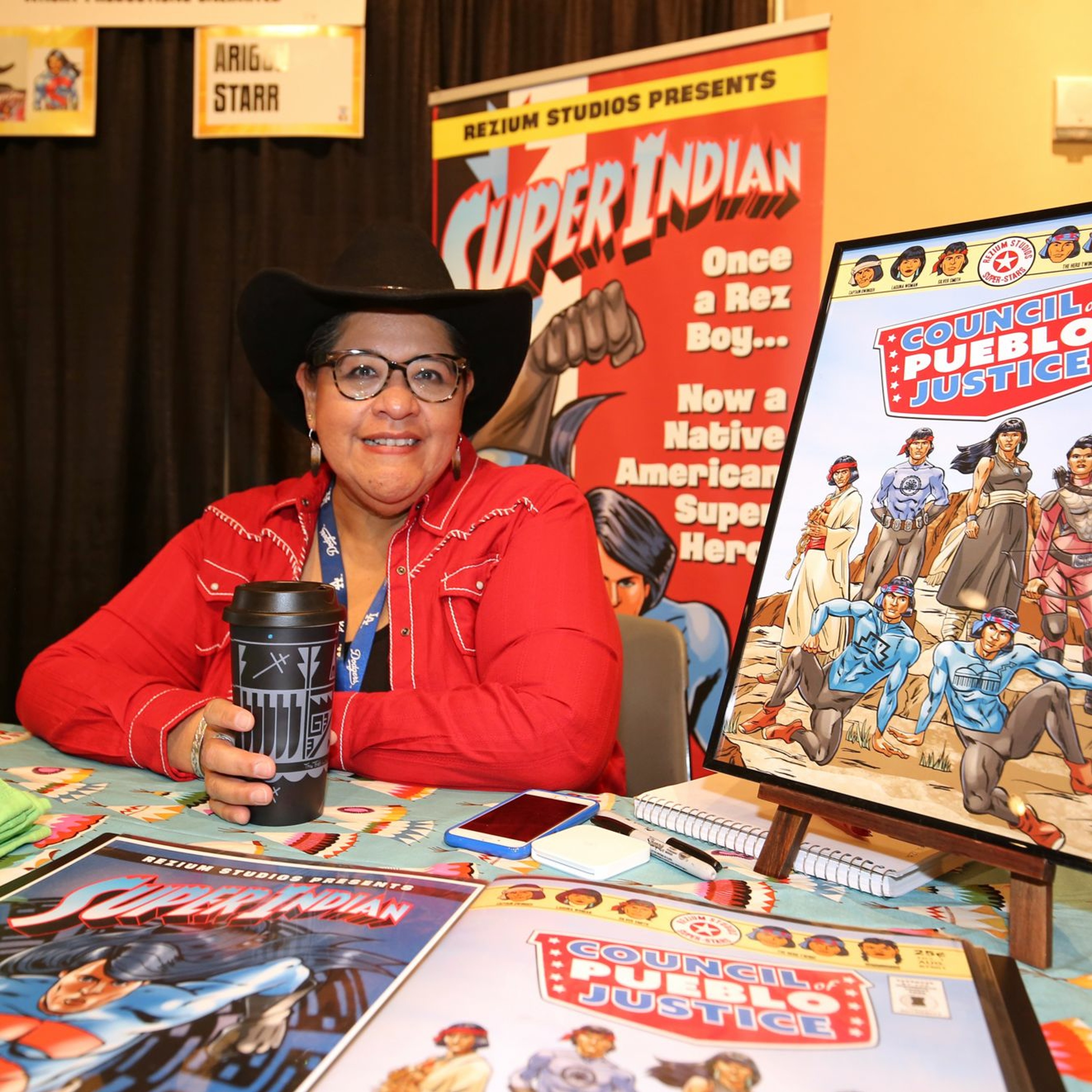
E22: Indigenous Comic Con 2: Food in Native Comic Books
An endless search for food, tainted cheese, killer pastries, feasting on the Death Star: that’s how Native comic book artists and illustrators incorporated food into their work. I talk with a bunch of “Indigenerds” at the Indigenous Comic Con 2. In the show: Arigon Starr, “Super Indian” Tatum Bowie and Damon Begay, “Spiral,” Interstellar Comix Jason EagleSpeaker, Eagle Speaker Publishing Jonathan Joss, actor and voice actor Gloria Begay, Diné Food Sovereignty Alliance Enoch Endwarrior, Reclaim Designs Maria Wolf Lopez, freelance comic book artist and illustrator Elroy Natachu Jr., artist, co-owner of Natachu Ink and Zuni cultural demonstrator and teacher Ryan Singer, Diné artist

E21: No Longer Gentle Indians Pt. 2: Native Women in the Kitchen
In this special episode, four Indigenous chefs talk about what it’s like being female chefs in a culinary world currently dominated by men. Guests are Claudia Serrato (Purépecha), anthropologist, professor and chef, Andrea Murdoch (Venezuelan Andean Native), creator and owner of Four Directions Cuisine, Felicia Cocotzin Ruiz (Tewa, Tiwa, Mexican, Spanish), holistic healer and chef and Marlene Aguilar (Purépecha), community-based chef.

E20: Taos, N.M. Indigenous Foods Experience
In this special episode, I travel to Taos, New Mexico to talk with a few Native chefs, some tribal leaders and farmers about the importance of eating the food that our ancestors ate. The Indigenous Food Experience was a first-time event put on by the Red Willow Farm at the Taos Pueblo.

E19: Dr. Kyle Whyte — “We’re always in motion, we never stop”
You can’t talk about climate change in Native America without talking about food and how it’s affected by changes in water, land and temperature. Dr. Kyle Whyte (Citizen Potawatomi Nation), Timnick chair in the humanities and professor of philosophy and community sustainability at Michigan State University, spends a lot of time thinking about traditional Native food and how tribes are trying to protect it. In this episode, Dr. Whyte talks about Indigenous science, the importance of water, wild rice and the upcoming Nibi and Manoomin Symposium (Oct. 10-11 in Mahnomen, MN). (The strawberry video mentioned in the episode: “Reclaiming the Honorable Harvest: Robin Kimmerer at TEDxSitka”)
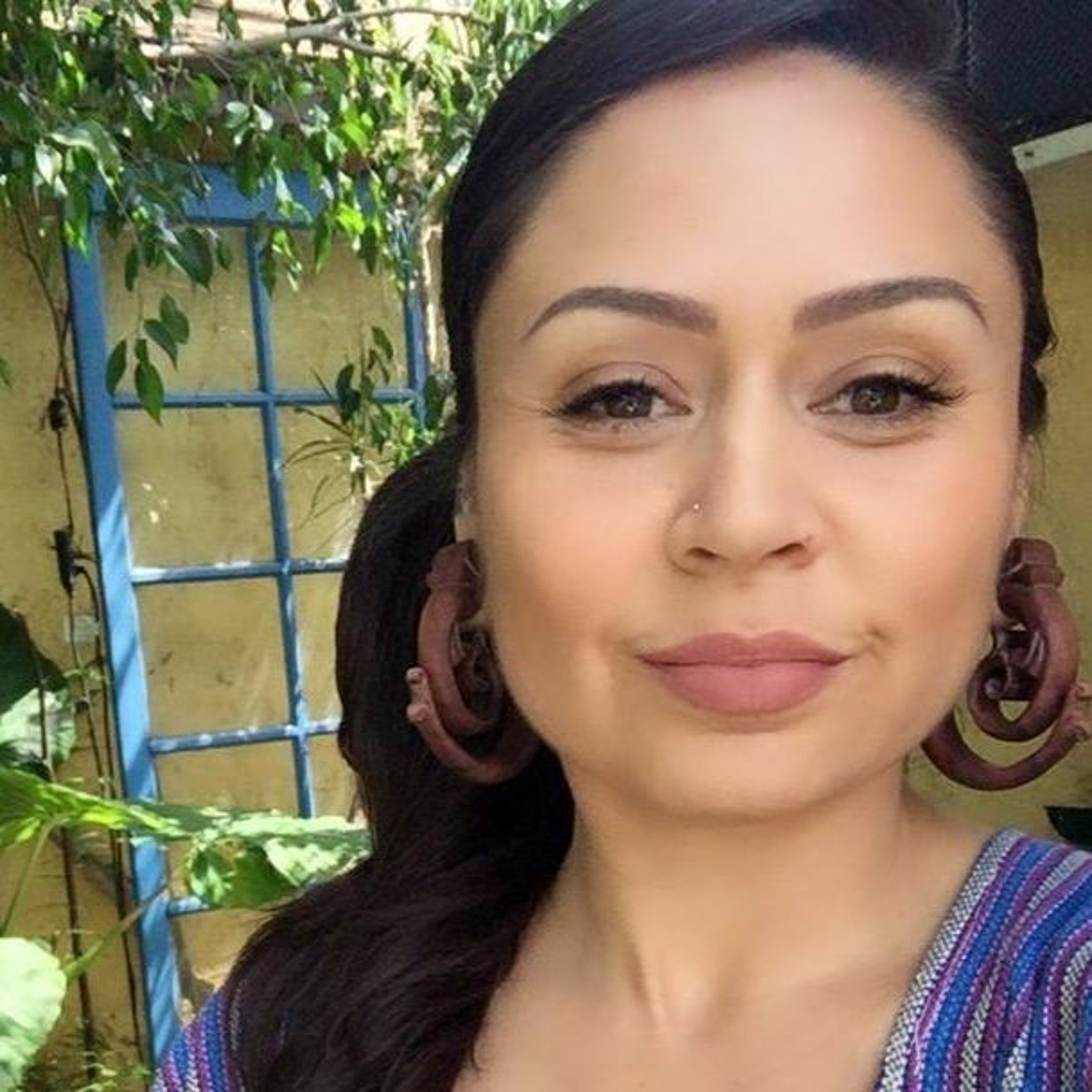
E18: Claudia Serrato —“I have embraced my gift”
At age 5, Claudia Serrato (Purépecha) started cooking plant-based foods. Today, her passion is exploring raw foods, sweet flavors and making desserts with delicious combinations of Indigenous ingredients from all over Turtle Island. She’s an anthropologist, professor and chef who embraces words like “intimacy” and “Indigenous love” to describe the experience of ancestral foods. In this episode, Claudia talks about prenatal nutrition, being a woman in the kitchen and her project, Decolonial Food For Thought.
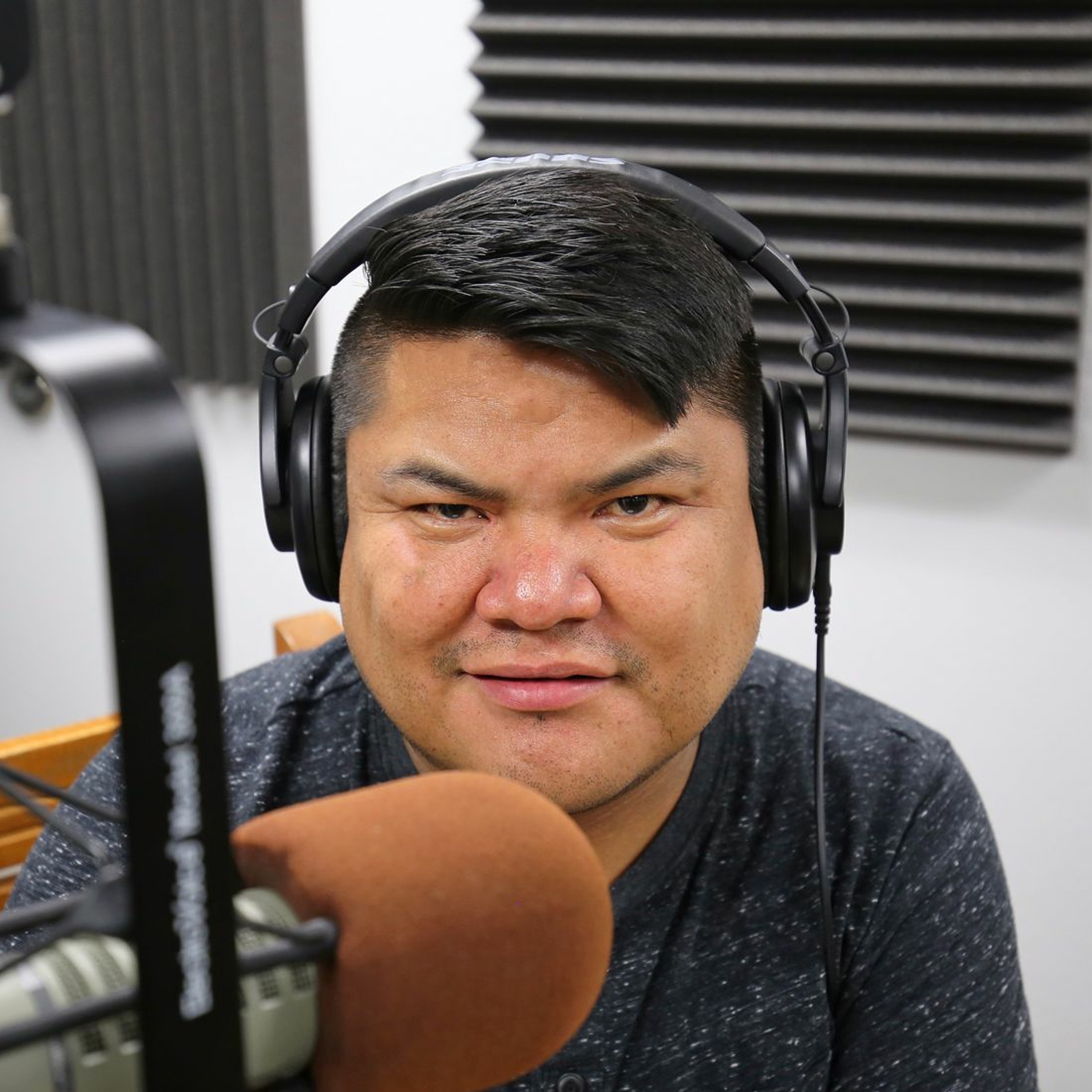
E17: Freddie Bitsoie — “A detective of food”
Freddie Bitsoie (Diné) is the executive chef of Mitsitam Cafe inside the National Museum of the American Indian where he uses his imagination and knowledge of history to bring Indigenous flavors to the museum experience. He studied anthropology in college but took a different route when he noticed everything he thought about was food. In this episode, Freddie talks about his culinary upbringing, the challenges of working in Indian casino restaurants and his thoughts on fusion and new Native cuisine.

E16: Dan Cornelius — “Reconnecting trade routes”
Before food gets to your table it’s grown and cared for by someone. And that someone could be a Native farmer or tribal food producer. Dan Cornelius (Oneida Nation of Wisconsin) is a technical assistance specialist in the Great Lakes region of the Intertribal Agriculture Council (IAC) and manager of the Mobile Farmers Market. He and the IAC are working to reconnect trade routes by promoting foods produced by tribes and individual producers.

E15: Felicia Cocotzin Ruiz — Desert food and medicine
Felicia Cocotzin Ruiz (Tewa, Tiwa, Mexican, Spanish) is a holistic healer and chef (kitchencurandera.com). She learned about traditional food and plant medicine from her relatives and from growing up in the Southwest desert. In her work, she exposes people to the delicious bounty of the desert and bridges eastern medicine with Southwestern medicine. In this episode, she talks about her love and respect for plants, green chile and what she’s doing to help spread food knowledge in Native America through the new Northern American Traditional Indigenous Food Systems (NATIFS.org) organization.
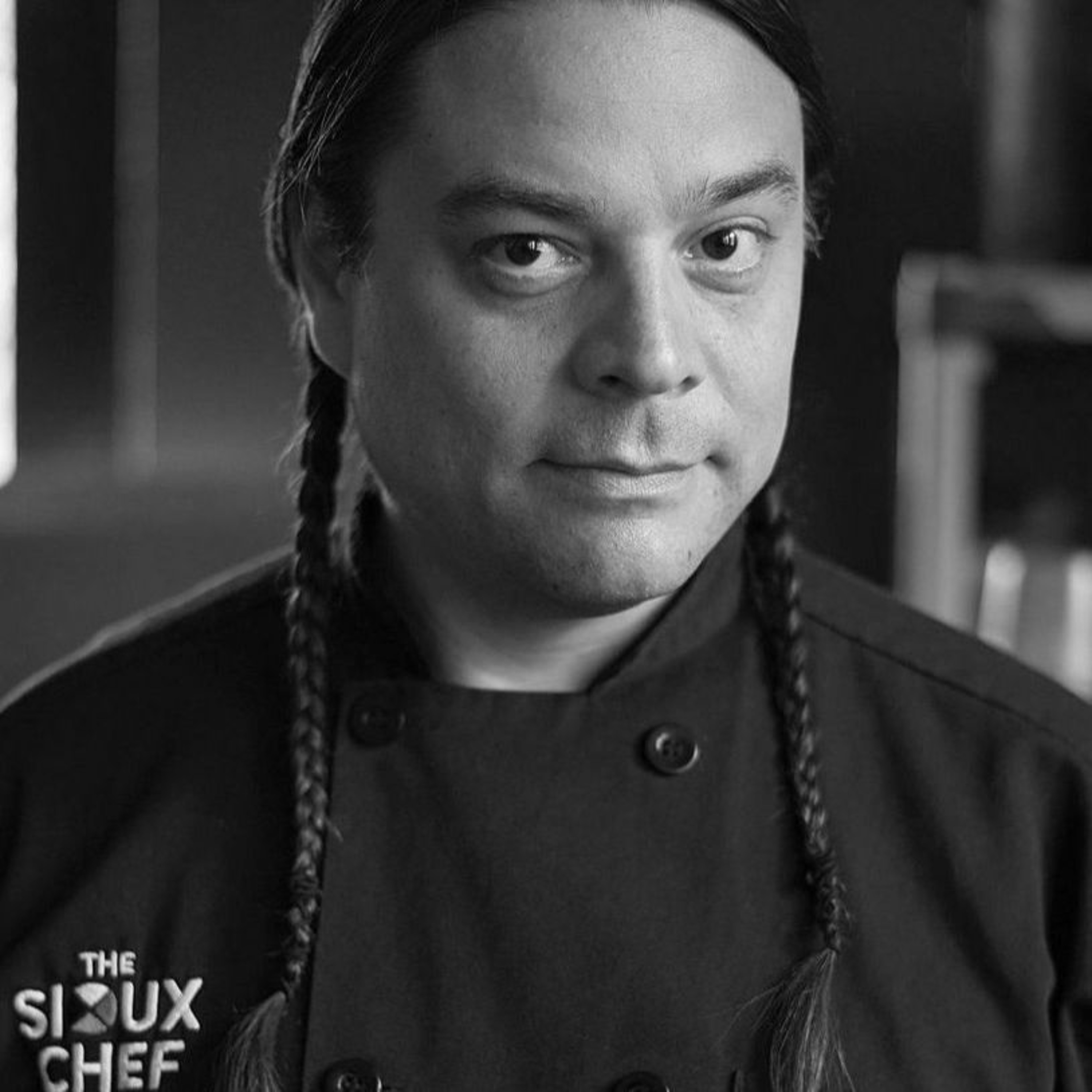
E14: Sean Sherman — “Redefine North American food”
Since he was 13 years old, Sean Sherman (Oglala Lakota) was in the kitchen. The skills he learned over the years helped him rise above the ranks in culinary school to become one of many most awesome Native American chefs. He’s the owner of The Sioux Chef, an Indigenous catering and education group. He and the crew have some exciting things coming up, including launching a nonprofit organization called North American Traditional Indigenous Food Systems (NATIFS.org).

E13: Ben Jacobs — “One recipe created all this opportunity”
Our grandmothers' recipes are amazing. For Ben Jacobs (Osage), owner of Tocabe, his family’s frybread recipe helped him create a beautiful restaurant that showcases Native food in Denver. Although he doesn’t consider himself to be a chef, he’s become a voice in the Native food world. In this episode, Ben talks about the struggles of starting a Native restaurant, the meaning behind the restaurant’s aesthetics and how Natives like “Mambo No. 5” too.
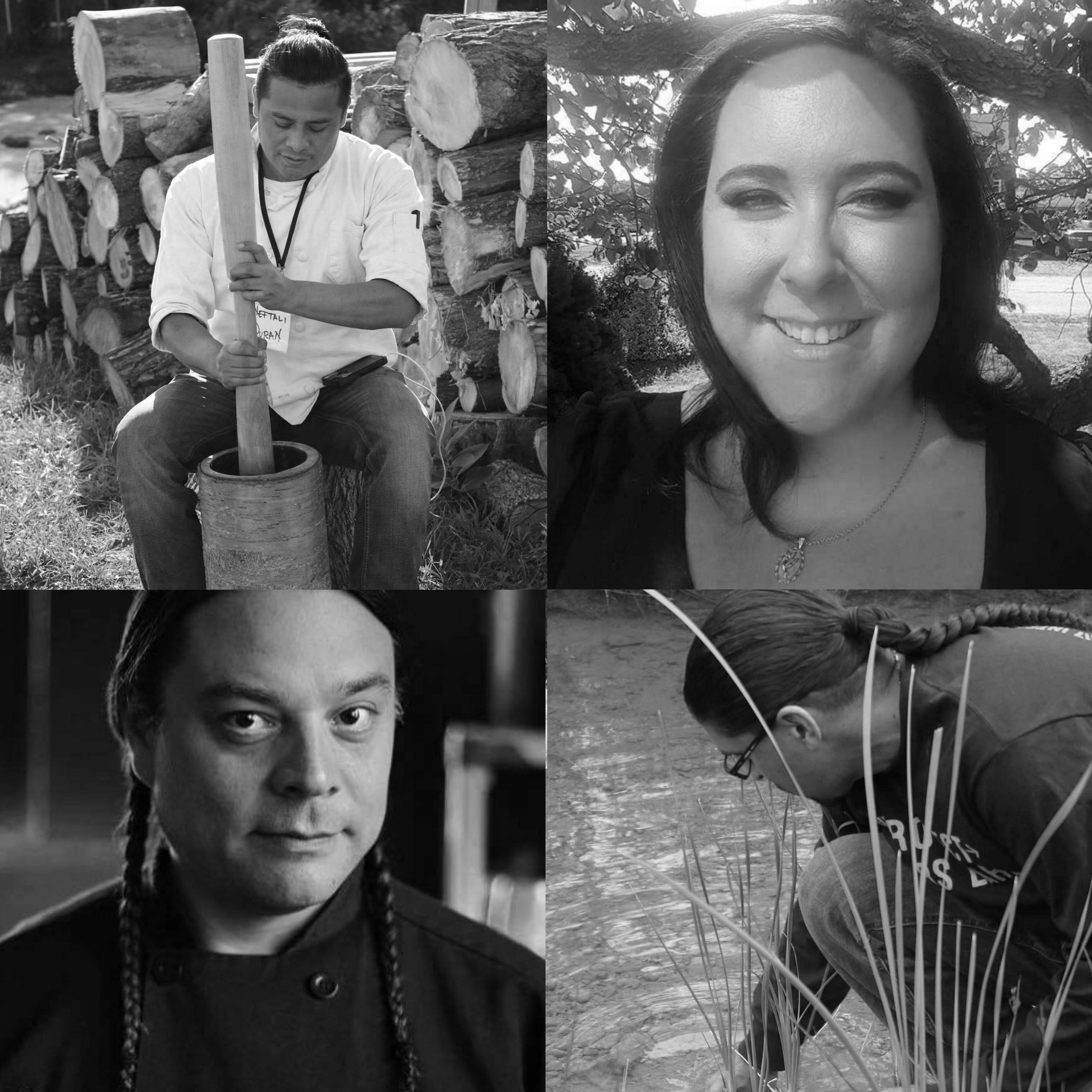
E12: No longer gentle Indians
When white people steal Native images, stories and fashions and then claim them as their own, it’s called appropriation. When they steal Indigenous recipes, well, that means we’re no longer gentle Indians on Toasted Sister. In this episode, I’m joined by Neftalí Duran (Mixteco) Oaxaca chef, Erica Scott-Pacheco (Lenape), social justice fundraiser, Sean Sherman (Oglala Lakota), owner of The Sioux Chef and Karlos Baca (Tewa, Diné, Ute) chef and forager, and we discuss appropriation in the kitchen and how it affects Indigenous culture and people.
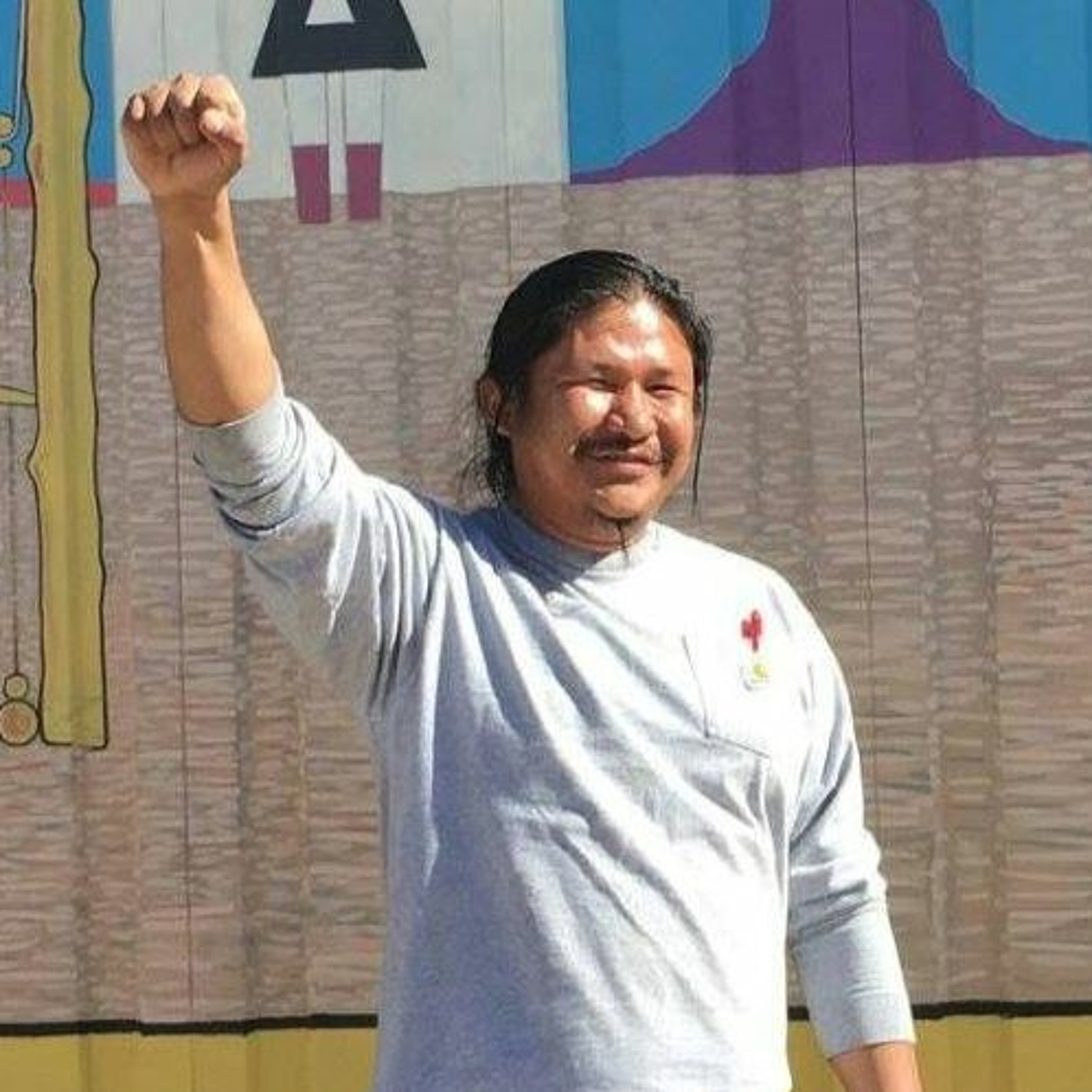
E11: Brandon Francis — Being industrious
After the Gold King Mine spill in 2015, Navajo agriculture in the Four Corners area took a turn for the worse. Two years later, Brandon Francis (Navajo), Four Corners farmer and research lab technician at the New Mexico State University Agricultural Science Center in Farmington, New Mexico, is using his science skills to boost Navajo farmers’ confidence in the soil and water. In this episode, Brandon talks about the difficulty of farming in Navajo country, being industrious and Bigfoot.

E10: James Simermeyer & Monica Braine — Some Natives who eat
The Toasted Sister podcast is Natives talking about food, even if it’s Natives who aren’t particularly “foodies” talking about food. In this episode I talk with my friend and coworker, Monica Braine (Assiniboine, Hunkpapa Lakota) and James Simermeyer (Coharie, Navajo descent) about our odd food habits, weird food combinations, frybread and what a ceramic knife says about how Native cooking and attitudes have changed over time.

Extra: Alisha Murphy — Food stories
In this podcast extra, I bring my sister, Alisha Murphy (Navajo), into the studio to talk about our upbringing, poor man's food, the power of food memories and how our relationship with Mexican food changed.
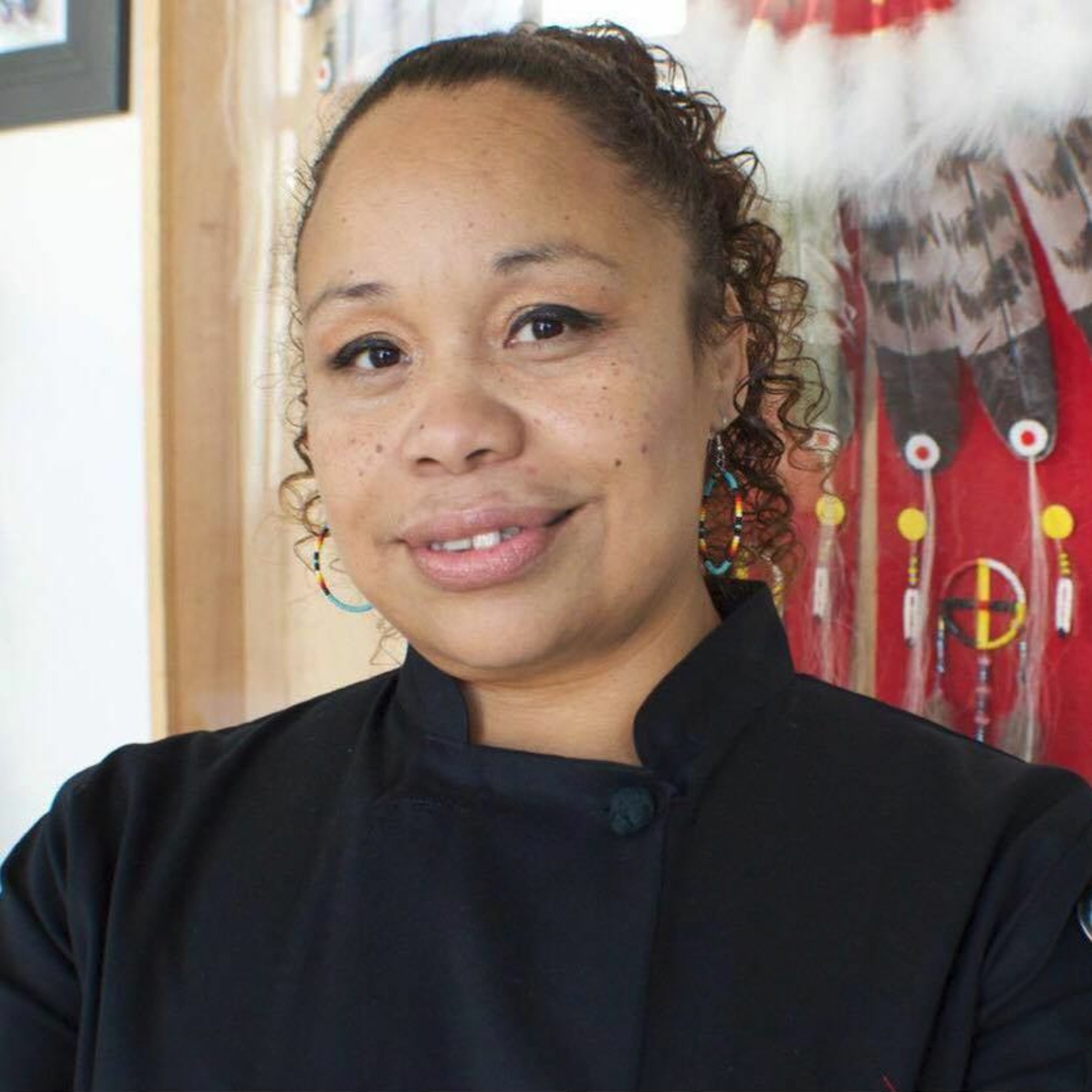
E9: Crystal Wahpepah — "Win or lose"
Crystal Wahpepah (Kickapoo and Sac and Fox) loves her urban Native community in Oakland, California. As the owner of a successful Native catering business called Wahpepah’s Kitchen, she shows her love with food and by sharing food stories. In this episode, Crystal talks about her love for catering, the need for more Native flavors in the Bay Area (and everywhere else) and why she got chopped on the Food Network TV show “Chopped.” Hint: there was too much rotten fishy flavor in her dish.
E8: Donell Barlow — “Food is medicine”
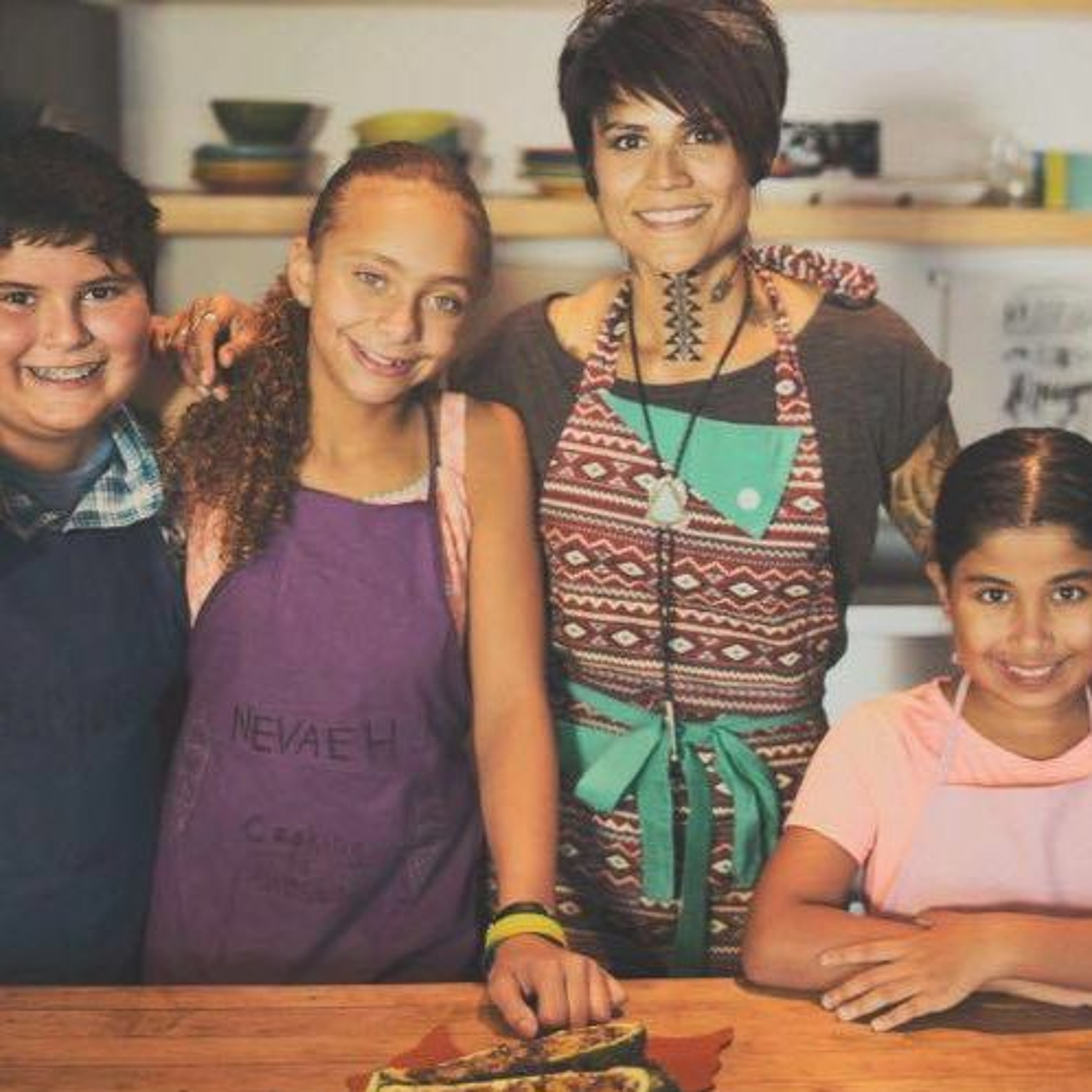
Donell Barlow (Ottawa), certified holistic health coach, was raised on processed food and meatloaf. But now, she’s focused on Indigenous food, urban Native youth and updating her sleeve of tattoos. She’s the host of Dance Jam Kitchen and creator of one of my favorite meatloaf recipes.

E7: Brian Yazzie — "Constantly working"
E7: Brian Yazzie — “Constantly working” When you love something, it consumes you. When asked what he does outside of the kitchen, Brian Yazzie (Diné), chef de cuisine at The Sioux Chef, said he’s thinking about being the kitchen. In this episode, Brian talks about becoming a chef, decolonizing his cooking and what’s next for him and The Sioux Chef crew.

Extra: David Manuel — Sugar bushing time!
In this podcast extra, I talk with David Manuel (Anishinaabe), foods coordinator for the Red Lake Food Initiative. He's been busy tapping maple trees for that sweet, sweet sap. He's also a beekeeper.

E6: Dr. Elizabeth Hoover — Food Sovereignty
UPDATE: As of 2022, Hoover has admitted she has no Indigenous ties. Dr. Elizabeth Hoover (Mohawk and Mi’kmaq. UPDATE: As of 2022, Hoover has admitted she has no Indigenous ties.) travels around asking Native people what their definition of food sovereignty is. It’s actually a great many things to different tribes. Native communities lost certain parts, or all of their food sovereignty, but the people are starting to take steps to revitalize their own definitions of food sovereignty.

E5: Rowen White — "The seed path"
Seeds carry tribal stories, history and nourishment for Native bodies. That’s why seeds are crucial to Indigenous food sovereignty. Rowen White (Akwesasne Mohawk), seed keeper, founder and director of Sierra Seeds Cooperative and national project coordinator for the Indigenous Seed Keepers Network, is out to plant a new crop of Native seed stewards.
E4: Monica Braine — "We're all trying to eat better"
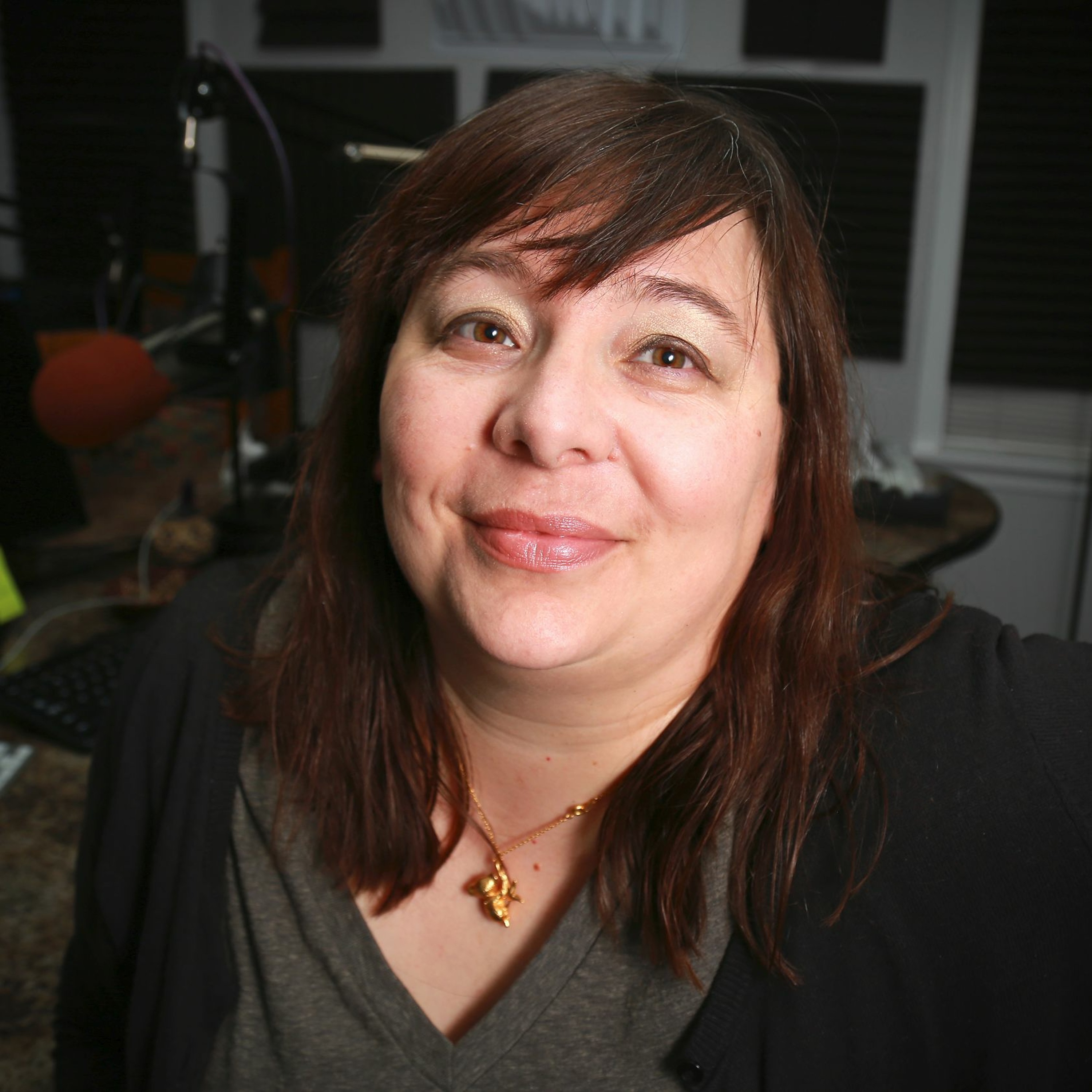
Once, Monica Braine (Assiniboine, Hunkpapa Lakota) ate a whole large pizza by herself. She has an eating disorder and she’s on a journey to love food. We don’t often talk about this side of food where it creates a hellish nightmare for those struggling with food addiction. But in this episode, Monica, a Native journalist, talks about the struggle to take control and treat her disorder.
E3: Nephi Craig — “This radical pathway”
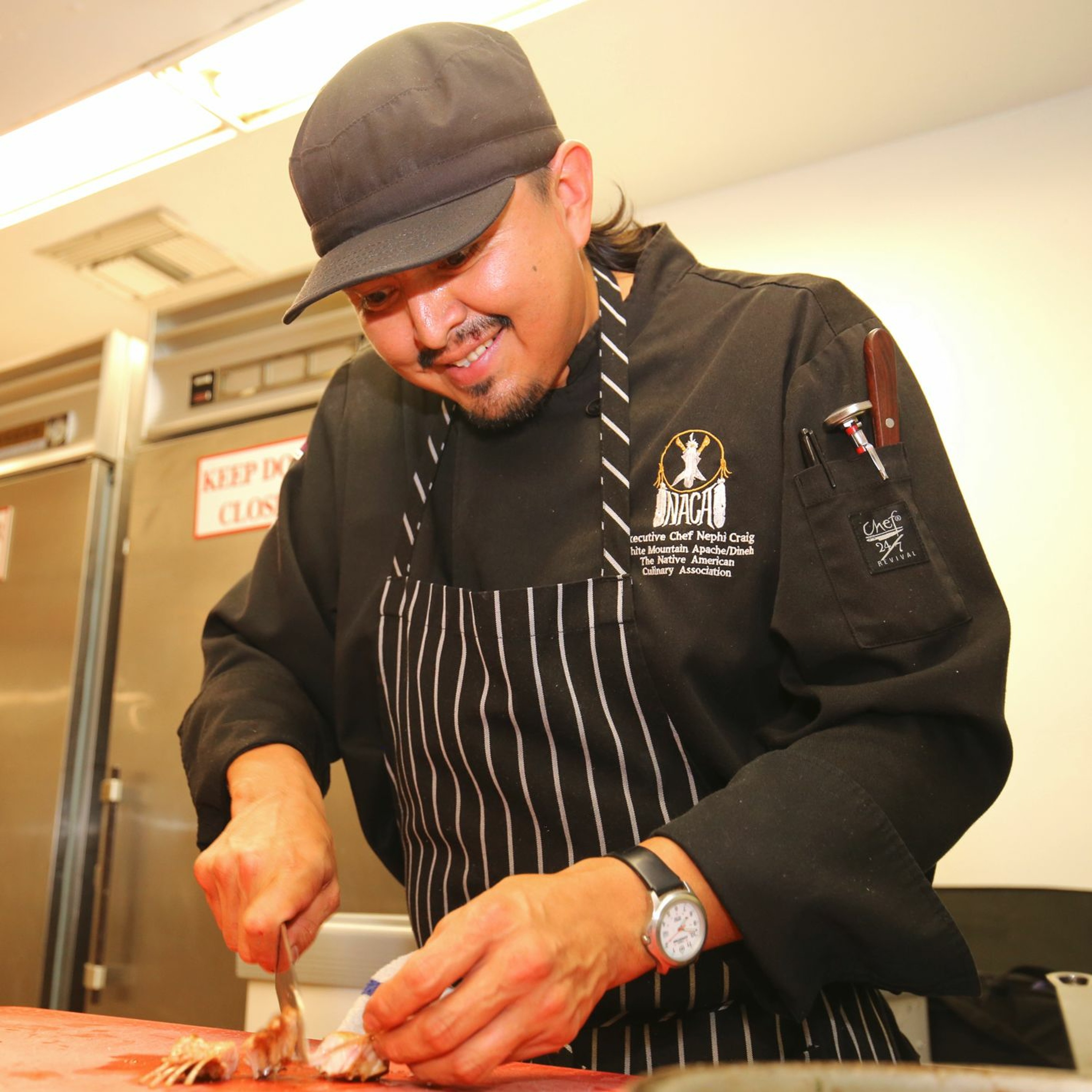
He learned classical French cooking from the best and became an esteemed chef. These days, humble chef, Nephi Craig (White Mountain Apache, Diné), is between kitchens and looking to truly feed his Native community by starting up a new cafe on the White Mountain Apache reservation in Arizona. In this episode, I talk with Craig about the resurgence of Native food, decolonization and breaking away from the mainstream food and wine culture.

E2: Andrea Murdoch — "I just sort of crossed over"
With no Indigenous teachers or elders to learn about traditional foods from, Andrea Murdoch largely taught herself. And now, she can’t stop the learning process. She’s trained in pastry arts, but crossed over to full-on Indigenous food. Murdoch, Indigenous from the Andes, is the creator and owner of Four Directions MKE in Wisconsin (soon to move to Colorado).

E1: Karlos Baca — "I'm a foraging maniac"
The Toasted Sister Podcast is radio about Native American food because it has come a long way. Traditional, indigenous foodways were lost, found, redefined and modernized in the last few hundred years. And here it is today, in the hands of Native chefs and foodies who work to keep their traditional flavors and ingredients alive. In this first episode, I talk with chef Karlos Baca (Tewa, Diné, Ute) about foraging, being a judgy eater and how Native food and people are defined in mainstream media. Check out Taste of Native Cuisine on Facebook.