
Titans Of Nuclear | Interviewing World Experts on Nuclear Energy
475 episodes — Page 9 of 10
Ep 74Ep 74: Richard Barrett, Nuclear Regulatory Commission
In this episode we discuss... Richard's background in physics and engineering and his personal journey in the nuclear industry Richard's work at Los Alamos creating codes to calculate ways in which neutrons interact with devices including nuclear and fusion reactors Different groups in which neutrons are categorized depending on their energy range and cross section A deep dive into the Fast Breeder Reactor Program sponsored by the Department of Energy Richard's work in various departments at the NRC including the Office of Nuclear Reactor Regulation The highly precise processes within frontline safety systems How the NRC interacts with developers to bring forth new technologies including the AP600 Risk informed nuclear oversight and the probabilities it takes into consideration Accident circumstance design deficiencies the NRC has worked to resolve throughout its history Richard's recent work with AdSTM providing consulting and training to regulatory bodies including the NRC
Ep 73Ep 73: Kemal Pasamehmetoglu, Idaho National Labs
In this episode we discuss... Kemal's background in thermodynamics and personal evolution in the nuclear industry from Los Alamos to Idaho National Labs A deep dive into the Loss of Coolant Accident Scenario Complete loss of coolant versus partial loss of coolant and the aftermath of both Kemal's research in nuclear fuels and especially light water reactor fuels Kemal's thoughts on the relationship between the US government and nuclear industry and ways to overcome its flaws Idaho National Lab's GAIN (Gateway for Accelerated Innovation in Nuclear) Kemal's focused role on a new test reactor and its significance in research and development in nuclear technology Building support for nuclear in US Congress A behind the scenes look at designing a versatile reactor
Ep 72Ep 72: David Blee, US Nuclear Industry Council
In this episode we discuss... David's personal journey through the nuclear industry from executive vice president of NAC International to president of the US Nuclear Industry Council The history of energy in the US including the Advanced Reactor Program and why it went under Why closing the back end of the fuel cycle is important to worldwide trade in the nuclear sector The origins of the US Nuclear Industry Council and its start as a backend focus group A deep dive into Yucca Mountain's past, present, and future The Nuclear Industry Council's two main focuses of advanced technology and supply chain and the significance of each International competition in the nuclear industry and the US's edge in human capital Financing challenges in the US and how we can overcome them David's outlook on the US nuclear industry including potential non-light water reactor startups microreactors at the Department of Defense complex
Ep 71Ep 71: Paul Howarth, National Nuclear Laboratory - UK
In this episode we discuss... Paul's personal evolution in the nuclear industry working at Capehurst, Berkeley, and now at the NNL --- A deep dive into nuclear fusion technology --- Japan's reprocessing technology efforts --- Paul's work at the NNL and how he gained the position of CEO --- The inner dynamics of a government and contractor-operated national lab model --- Political, financial, and technological challenges the industry must overcome to secure nuclear as our primary energy source --- Improving communications strategies surrounding nuclear safety to increase trust and public discourse --- How building more can work to increase confidence, decrease risk, and thus reduce cost

Ep 70Ep 70: Ian Scott, Moltex Energy
In this episode we discuss... Ian's background in biology and personal evolution through the nuclear industry --- Economic challenges within the industry --- A deep dive into molten salt fuel and its chemical makeup including uranium chloride --- The efficiency of uranium oxide versus uranium metal --- Why heat can be stored at a large scale while electricity cannot --- Why molten salt reactors are safer and thus cheaper when it comes to materials and construction --- The life cycle of molten salt reactors --- Why fast reactors aren't sustainable --- How testing in a non-radioactive environment speeds up the time to fuel qualification --- The pros and cons of different nuclear regulators --- Challenges with funding between the government and investors --- Ian's positive outlook on nuclear's future and solving its two key problems of cost and energy storage

Ep 69Ep 69: Alastair Laird, European Nuclear Society
In this episode we discuss... Alastair's personal evolution in the nuclear industry from working with the first Magnox reactor to his position as president at the European Nuclear Society --- A deep dive into the fuel loading process and human factory challenges it poses --- Light water reactors versus gas reactors --- The processes that go into synchronizing turbines to the grid --- The fine-tuned chain reactions necessary to generate steam --- Alastair's work at the ENS advocating for nuclear and the politics involved --- Improving communications strategies surrounding nuclear safety --- Alastair's positive outlook on nuclear and its progress towards becoming renewable

Ep 64Ep 64: Andrew Storer, Nuclear Advanced Manufacturing Research Center
In this episode we discuss... Andrew's personal evolution in the nuclear and submarine industries --- US naval reactors and the features Andrew helped design --- Information sharing and collaboration between the US and the UK in the nuclear space --- Andrew's work for Rolls-Royce's civil nuclear business developing manufacturing techniques --- The history of the AMRC and all that it contributes to the nuclear space including manufacturing innovation --- Applying the best shipbuilding practices to modular-building --- Cryogenic CO2 machining --- How the nuclear industry can benefit employment rates --- How we can make new nuclear builds more cost effective --- The AMRC's supply chain development program

Ep 67Ep 67: Kirsty Gogan, Energy for Humanity
In this episode we discuss... Kirsty's interest in the environment and how it led her into the nuclear industry --- A breakdown of climate change's various current and potential consequences --- The science of persuasion in educating the general public on climate change --- Sir David MacKay's book Sustainable Energy Without the Hot Air and how it shaped Kirsty's view of nuclear --- Why renewables aren't good enough alone as a sustainable energy option --- Kirsty's communication strategies to help increase public discourse on nuclear among the public and especially among environmentalists --- The UK's communications response to Fukushima and the lessons learned about nuclear safety protocols --- Kirsty's work at Energy for Humanity to help make nuclear more cost effective, scalable, and viable as a sustainable energy source

Ep 68Ep 68: Dame Sue Ion, British Nuclear Fuels
In this episode we discuss... How Sue earned her title of "Dame" --- Sue's background in material science and personal evolution in the nuclear industry --- A deep dive into the UK's Magnox fuel elements --- The history of nuclear in the UK including its advanced gas coal reactors and its high temperature reactor "Dragon" --- The defamation characteristics and manufacturing routes of reactor clads and challenges Sue worked to resolve --- Dry processes versus wet chemical processes --- The economics and life cycles of waste and decommissioning in nuclear versus other industries --- Modularity and its construction costs --- Sue's current work at BNFL engaging vendors with constructors

Ep 65Ep 65: Jay Shaw, Nuclear Advanced Manufacturing Research Center
In this episode we discuss... Jay's personal evolution from manufacturing to business within the nuclear industry --- A deep dive into neutrology --- Disruptive nuclear techniques and their purpose --- How the AMRC is working to make welding more cost and time efficient with electron beam welding --- The AMRC's disciplines including subtractive and additive techniques as well as the science of measurement --- Disciplines the AMRC is looking to expand to including modular manufacturing and equipment qualification --- The AMRC's shop floor and the work that goes on there --- The AMRC's collaboration with the US on a nuclear naval fleet --- The relationship between manufacturing innovation and supply chain development --- Challenges Jay believes we must overcome for nuclear to be truly successful including building a power plant to cost and schedule
Ep 66Ep 66: Charles Carpenter, Nuclear Advanced Manufacturing Research Center
In this episode we discuss Charles' personal evolution in the nuclear industry --- Opinion on the Yucca Mountain nuclear waste repository in his home state of Nevada --- Forging and its role in nuclear --- Charles' work in quality assurance in the forging industry --- A deep dive into two-phase heat transfer and its processes --- Human factory challenges and ways the AMRC is working to overcome them --- The ins and outs of steam generators --- Techniques the AMRC is working on to increase welding efficiency --- Single platform manufacturing and how it's improving nuclear cost and time efficiency

Ep 63Ep 63: Bill Magwood, Nuclear Energy Agency (OECD)
In this episode we discuss... Bill's personal evolution in the nuclear industry, including his work at USNRC and General Director of the NEA --- A history of the NEA and OECD --- Bill's work developing technology programs within the US Department of Energy, including the advanced light water reactor and programs encouraging college students to study nuclear engineering --- The Nuclear Energy Research Advisory Committee and its Nuclear Energy Research Initiative --- How Bill helped prevent nuclear engineering programs from collapsing in universities across the US with investments from Congress --- The Generation for International Forum and its work promoting nuclear --- How Japan has responded to reinforcing its nuclear infrastructure against earthquakes after Fukushima --- A deep dive into the Nuclear Innovation 2050 initiative and its work to expedite the nuclear cycle --- What's in store for the future
Ep 62Ep 62: Milko Kovachev, International Atomic Energy Agency
In this episode we discuss... Milko's personal evolution in the nuclear industry and his work at the International Atomic Energy Agency --- Light water reactors versus pressurized water reactors --- Chernobyl and the design deficiencies that had to be addressed following the accident --- Long term systems for radioactive waste and spent fuel management --- Steps to guiding countries towards becoming nuclear --- A look at the processes and timelines involved in becoming a nuclear country --- The future of small modular reactors --- Challenges the world may have to overcome with the surge of interest in nuclear energy
Ep 61Ep 61: David Shropshire, International Atomic Energy Agency
In this episode we discuss... David's background in industrial engineering and work at the Idaho National Laboratory --- David's current and future work at IAEA --- A deep dive into different radioactive wastes and the regulations surrounding their management and disposal --- Carbon capture and sequestration --- How our agricultural practices (particularly soil conservation) affects climate change --- Gen 4 reactors and their advanced fuel cycles --- The economics of a closed fuel cycle versus an open fuel cycle -- Different recycling schemes including MOX fuel with recycled plutonium --- Technical solutions to integrate nuclear with renewable energy systems --- The correlation between poverty and energy poverty and ways in which solving the latter can solve the former ---
Ep 60Ep 60: Malcolm Grimston, Imperial College of London
In this episode we discuss... Malcolm's background in psychology --- Malcolm's work in public perception and nuclear politics at the Atomic Energy Authority and beyond --- A summary of Malcolm's books including Civil Nuclear Energy and Double or Quits: The Future of Civil Nuclear Energy --- A look at the relationship between the public, scientific-technical sphere, and political spheres --- The political and psychological aftermath of Fukushima --- Why the general public is afraid of nuclear despite it being the safest energy source --- Ways in which the nuclear industry can improve its communications strategy to dispel fear --- The lethal pitfalls of regulations surrounding radiological protection --- Why "nuclear going wrong is better than coal going right" ---
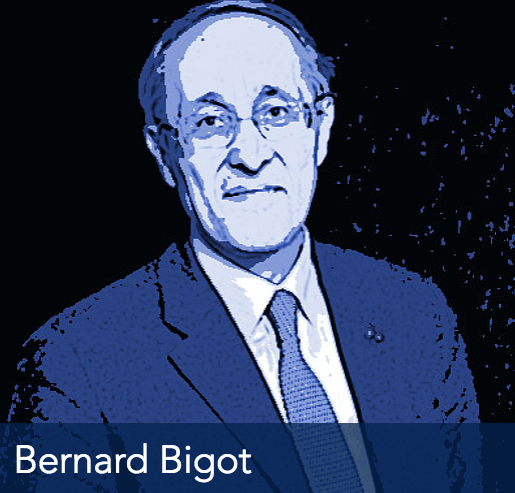
Ep 59Ep 59: Bernard Bigot, International Thermonuclear Experimental Reactor
In this episode we discuss... Bernard's personal path through various nuclear institutions including his position as Vice Chairman of the Supervisory Board at Areva A history of the nuclear industry and France's many contributions A deep dive into fusion energy and the processes involved Energy's fundamental role in the world's social and economic development The ins and outs of ITER's research surrounding nuclear fusion and plasma physics And where Bernard sees the future of nuclear

Ep 58Ep 58: Valerie Faudon, French Nuclear Society
In this episode we discuss... Valerie's diverse educational background and how it applies to her job today Her personal evolution through the nuclear field The French Nuclear Society's research surrounding nuclear and the environment including safety and waste, climate, air pollution, biodiversity, and the use of worldwide resources The unique, symbiotic relationship between the French government and the French Nuclear Society and how more countries can adopt a similar dynamic Valerie's positive outlook on the future of nuclear and human progress

Ep 57Ep 57: Fiona Rayment, National Nuclear Laboratory - UK
In this episode, we discuss... Fiona's background and her personal evolution in the nuclear field A deep dive into Boron Neutron Capture Therapy and how it works to treat cancerous tumors A breakdown of NNL and its role in the nuclear field Fiona's outlook on nuclear's development cycle and whether or not it can be expedited District heating and why applying nuclear to heat can increase cost efficiency The steps Fiona believes necessary to nuclear's success as a sustainable energy source
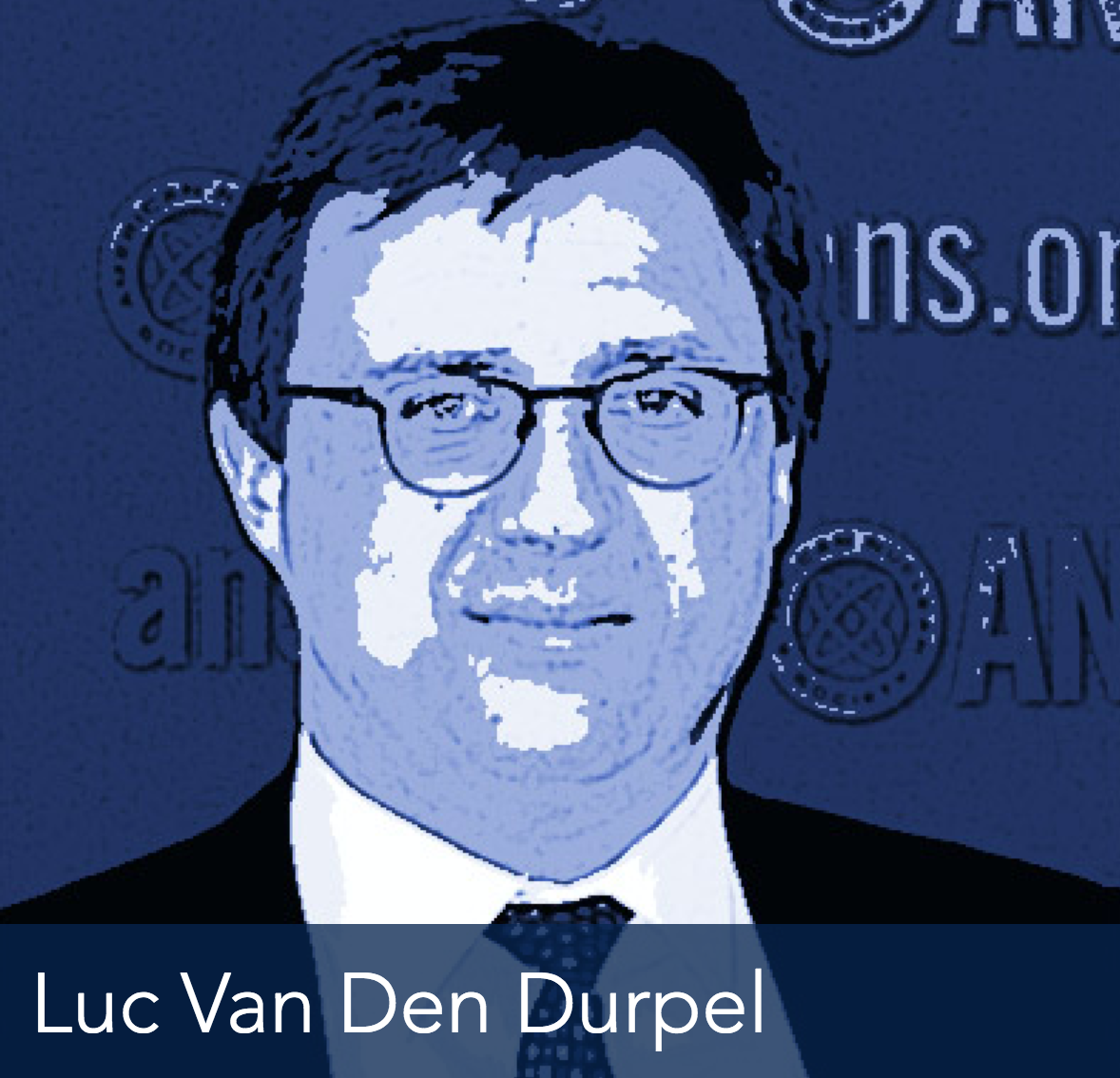
Ep 56Ep 56: Luc Van Den Durpel, Nuclear-21
In this episode, we discuss... - His personal path through various nuclear institutions including Argonne and his current efforts at Nuclear-21 - Nuclear sustainability and the pros and cons of different ways to handle spent fuel - Hurdles including challenges with qualification and supply and market that nuclear must leap to become truly accepted as a sustainable energy option - And where Luc sees the future of nuclear

Ep 55Ep. 55 - Geoffrey Rothwell, Economics of Nuclear Power
In this episode, we discuss... A deep dive into the economics of nuclear power. The evolution of the uranium enrichment industry and the processes involved. Causes behind significant fluctuations in the value of uranium throughout history. The enrichment capabilities of different countries. Separative work units and how they apply to enrichment processes. The necessity for negative bidding in the nuclear industry. A look at Nikola Tesla and Thomas Edison's respective impacts on the electric and nuclear industries. An explanation for the multiple definitions of SMR (Small Modular Reactors). The grave pitfalls of market-driven approaches to energy and their impact on climate. Historical symptoms of climate change including the receding glaciers. Approaches we can adopt to decrease energy's cost of capital.
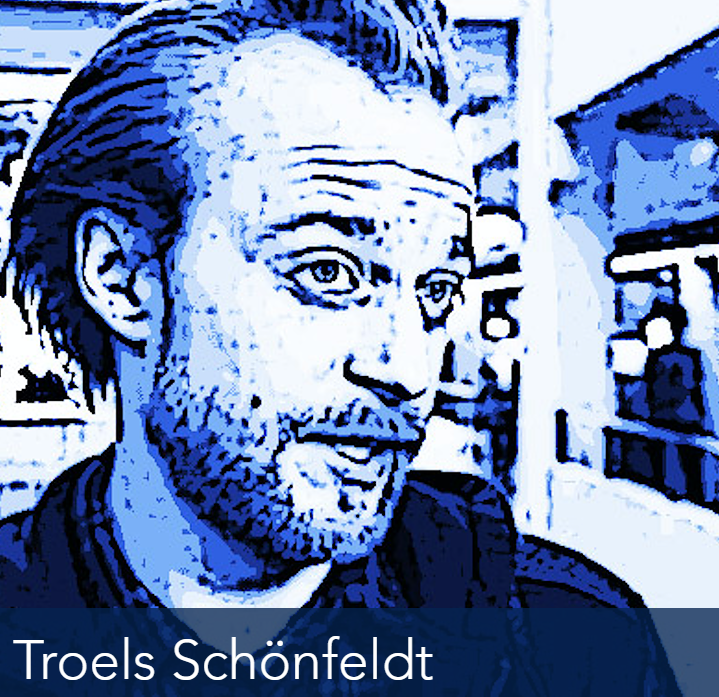
Ep 54Ep 54: Troels Schönfeldt, Seaborg
In this episode, we discuss... Troels' personal evolution and how he came to start Seaborg Technologies. How Seaborg has advanced to become the largest technical reactor development team beyond Asia. Compact molten salt reactors and how they work to increase nuclear sustainability. Troels' optimistic outlook on the future of nuclear technology. The impact of nuclear energy on both global warming and global poverty.
Ep 53Ep 53: Mathijs Beckers , Climate Zero Hour (Netherlands)
In this episode, we discuss... Mathijs' inspiration and personal evolution in the nuclear field. A deep dive into the world-wide energy dilemma. The economics of natural resources and renewables. The flawed assumptions surrounding stability of natural resources and renewables. The disparity between OECD and non-OECD consumption and its potential future implications. Consumerism's significant role in the energy equation. Paradigm shifts Mathjis believes OECD countries must undergo in order to reduce their energy consumption. Ways in which nuclear energy can play a vital role in preventing climate change. Saving the world from energy poverty. Our dwindling carbon allowance and how it dictates the solutions available to us.
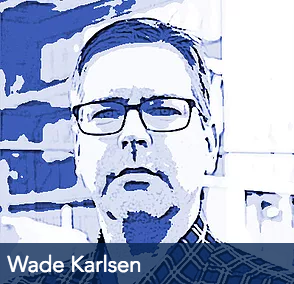
Ep 52Ep 52: Wade Karlsen, VTT Technical Research Centre of Finland
In this episode, we discuss... The fields of metallurgy and powder metallurgy. How the various fields function within the processes of shaping and forging steel. The molecular interactions involved in creating different types of steel. 3D printing and how it is used to forge materials otherwise difficult to manipulate. Wade's personal evolution from a student of metallurgy to VTT's Laboratory Director. A deep dive into the research conducted at the VTT Centre for Nuclear Safety. Flexible, multi-scale experimental environments for material testing. The future of material science and its vital role in the nuclear space.
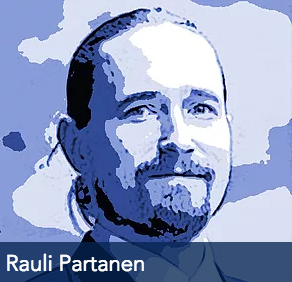
Ep 51Ep 51: Rauli Partanen, Climate Gamble
In this episode, we discuss... Rauli's blog about oil's unique properties and his interest in the nuclear field. The concept of Peak Oil and why a dependence on oil is a problem. Writing "The Climate Gamble" and the three arguments incorporated into the book. How the distribution of literature about nuclear can clear misconceptions held by others. Problems in messaging from the nuclear industry over the last 40 years. The importance of not talking about nuclear safety culture. Communication theory as it relates to nuclear industry. Rauli's research on the applications of nuclear energy and high temperature reactors. Public and political discourse about nuclear energy. Combining heat and power and its effect on energy production. The negative consequences of banning coal and the importance of coming up with alternatives. Where to go to learn more about nuclear.

Ep 50Ep 50: Ville Tulkki, VTT Technical Research Centre of Finland
In this episode, we discuss... Ville's previous misperceptions about nuclear energy and how he overcame them. Generation 4 and how the new reactors can be more economic, more versatile, and safer. The Super Critical Water Reactor and the neutronics behind it. Fuel Behavior Analysis and what exactly it entails. The Halden Reactor in Norway. Modeling responses to pressure differentials. The potential applications of Small Module Reactors. Why the amount of electricity SMRs can bring to the grid are more flexible than the current fleet. A comparison of the load-following capabilities of SMRs and larger power plants. Ice-breaker reactors on their ships. The different industries that can use nuclear heat. Why it is necessary for the nuclear industry to advocate for the use of nuclear energy.

Ep 49Ep 49: Atte Harjanne, Green Politician - Helsinki
In this episode, we discuss... Atte's interest in history and his involvement in politics during University. Researching the socioeconomic impact of climate change. The history of the Finnish people and political institutions. The relationship between politics and climate policy. How approaches to solving problems and talking about politics have changed over time. The various political parties in Finland and their platforms. Working at the intersection of research and politics. The advantage of being able to communicate science to politicians and vise-versa. Perceptions of the nuclear industry in Finnish politics and society. How the idea of renewable energy is a problem. Why we are lacking incentives to act on climate change. What changing our priorities look like and a market-driven approach to climate change. The benefits and disadvantages of regulating the removal of fossil infrastructure completely.

Ep 48Ep 48: Toni Hemminki, Fennovoima
In this episode, we discuss... Toni's interest in environmental protection, energy, and climate change. The culture in Finland. His involvement in the steel industry and their relationship with nuclear. Innovative projects surrounding heat consumption and the issue's importance in Finland. Energy procurement and investing in the nuclear industry. The impact of nuclear energy on climate change v. other forms of energy. Other parties involved in establishing new nuclear companies. What the current nuclear landscape in Finland looks like. Why it is important to collaborate to solve challenges. The level of rigor required in building a nuclear power plant. What we learned about light water reactor meltdowns and how we can apply these lessons to future designs. Milestones in the power plant project.
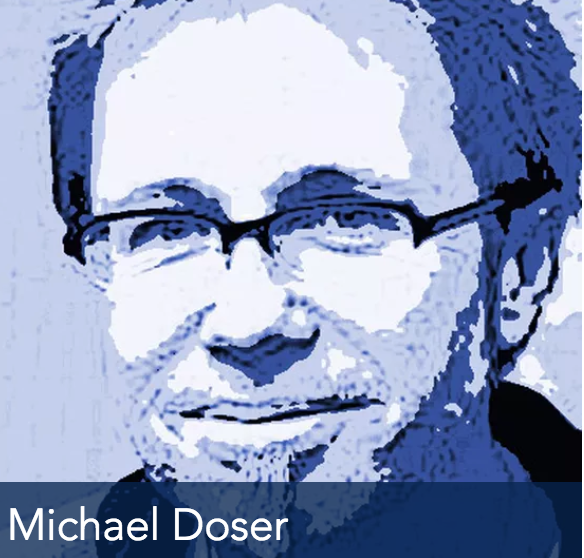
Ep 47Ep 47: Michael Doser, CERN
In this episode, we discuss... Michael's interest in particle physics and his work as a high energy physicist. The difference between antimatter and antiprotons. Annihilation and why the occurrence of antimatter collisions are more common than you think. Constituents of a normal matter atom. Measuring the gravitational effect between matter and antimatter. The Grand Unification Theory and understanding gravity. Why understanding high energy physics is crucial to diagnosing and treating cancer and tumors. How high energy physics has led to the commercialization of technology. The catch of using gamma therapy to treat tumors and what must be done instead. Using accelerators to drive the production of thermal neutrons. Ripping electrons off of normal atoms and how targeted annihilation can kill surrounding cells. Cost-drivers of the current system. Neutrinos and the DUNE Experiment.
Ep 46Ep 46: Giovanni Porcellana, CERN
In this episode, we discuss... Giovanni's fascination with clean energy and his experiment on neutronics. Instrumentation and the uniqueness of sodium reactors. The role of particle accelerators in cancer treatments. Gaseous hydrogen and ionization. Developing technology and the impact of its commercialization. How the World Wide Web was originally developed to aid scientists. The MEDICIS Project and its potential contributions to the field of medicine. Deficits of current isotopes. The relationship between medical imaging and high energy physics. How an accelerator can impact radio isotope production. Dating art and understanding cultural heritage through the use of particle accelerators.
Ep 45Ep 45: Steven Goldfarb, CERN
In this episode, we discuss... Steven's introduction to nuclear through physical chemistry. An explanation of CERN's mission and the Large Electron Positron Collider. Antimatter and the Z Boson. Why the effective mass of particles increase as you get closer to the speed of light. The misconceptions of particle collisions and an explanation of their interactions. The benefits of partnering with others in the industry. Collecting data through Z factories and the families of particles and quark. The Theory of Super-Symmetry and the Grand Unification Theory. Why it's better to refer to dark matter as invisible matter and its interaction with light in space. The ATLAS Experiment and photographing particle collisions. How measuring the Higgs Boson can help give us a new window into physics.
Ep 44Ep 44: Yves Desbazeille, Foratom
In this episode, we discuss... Yves' start as a nuclear engineer at the Power Utility of France (EDF). How the perception of nuclear energy in France has changed over time. USEPR and developing the US version of a European pressurized reactor. How to make nuclear investment profitable in spite of low competition prices. The background behind and challenges of Hinkley Point C. The impact of the electricity market's volatility. Why Contract for Difference and economic modeling can help attract investors to the industry. The similarities and differences of the anti-nuclear movements in the US and Europe. FORATOM and its mission. Decision-making processes within the European Union and consequences of the Euratom Treat. The impact of Germany phasing out their nuclear power. What must be done to change the perception of the nuclear industry. What next generation technology looks like and what the future holds for the nuclear industry.
Ep 43Ep 43: Paul Murphy, Gowling WLG
In this episode, we discuss... Paul's introduction to the nuclear industry as a project finance attorney for Bechtel. The definition and history of nuclear project financing. The ability and benefits of a state wanting to purchase a power plant v. a municipality. Issues associated with financial modeling. Innovative financing and financing from a lender's perspective. The benefits of regulation and deregulation of the market. Why competition in the market isn't always good. The disadvantages of using renewables both in construction and application. The economic impact of global warming and why messaging matters. Double standards that exist in the oil and nuclear industry. Why the US government and nuclear corporations need to come together and provide one voice. Bilateral relationships and the geopolitical nuances of the nuclear industry.
Ep 42Ep 42: Laura Holgate, International Atomic Energy Agency
In this episode, we discuss... Laura's entrance into the nuclear field. Discovering how to reduce weapons of mass destruction through cooperation. The history behind and challenges of implementing the Nunn-Lugar Cooperative Threat Reduction. The evolution of nuclear threats and the modern approach to securing nuclear materials. Nuclear Threat Initiative and its impact. Addressing the spent fuel pool in a facility outside Belgrade. How the Global Threat Initiative became a launchpad for addressing proliferation challenges. Laura's duties and accomplishments as an ambassador for the IAEA. Nuclear safety and security culture. Why bringing nuclear energy to a country can reduce the nuclear weapons risk. The challenges we face today in the international nuclear community.
Ep 41Ep 41: Ken Luongo, Partnership for Global Security
Episode Content: Ken's start with the Nuclear Arms Control Program at the Association for the Advancement of Science. Why it is important to make technical nuclear concepts accessible to others. How the theory of arms control is viewed then and now. The lack of institutional adaptation and why it is essential to reform it. The Cooperative Threat Reduction and the Nuclear Security Summit Process. How the nuclear nonproliferation community and nuclear energy committee united. The prejudice against nuclear and the issue of nuclear geopolitics. The consequences of a disturbed supply chain. Why the global security regime for nuclear power must be improved. Cyber-nuclear and artificial intelligence. The importance of maintaining the "New Iron Triangle."
Ep 40Ep 40: Amanda Youker, Argonne National Lab
Episode Content: Amanda's interest in chemistry and her work at a crime lab. A breakdown of molybdenum 99 and technetium 99m. Why metastable isotopes are useful for medical applications. What are ligins? From a security perspective, why it's in the US' interest to domestically produce molybdenum 99. The traditional and nontraditional methods of producing molybdenum 99. Tradeoffs of different production processes. The Argonne Molybdenum Research Experiment. Why precipitating uranium creates a hotspot. How corrosion can be beneficial in producing uranium peroxide precipitate. What's in store for the future.
Ep 39Ep 39: Tom Fanning, Argonne National Lab
Episode Content: Tom's introduction to the nuclear industry from a history project. How Chernobyl reinforced the importance of nuclear and safety. Why reactor physicists are crucial when designing reactors. Unprotected loss of flow tests and unprotected loss of heat sink tests. Scram Systems and their importance during a shutdown failure. The Generation 4 International Forum. Why it's important to be involved and engaged in the international community. The difference in start-up procedures for sodium reactors and light water reactors. SAS and what code means in the nuclear world. Economic modeling for reactors and the future of sodium technology.
Ep 38Ep 38: Hussein Khalil, Argonne National Lab
Episode Content: Hussein's fascination with reactor physics and kinetics. Methods used to recover detailed information of reaction rates in the core. The definition of course information. How reducing computational uncertainty allows you to design closer to material capability. Time-dependent changes to chemical structures. How predictions and data encourage the move away from light water reactors. Moving from spent fuel to used fuel. The implications of pyro-processing. The Generation 4 Initiative and the future of nuclear reactors. How to economically analyze technology options. The importance of having a diverse system of commercially-pursued technology. Addressing the challenge of bringing new technologies to the market.
Ep 37Ep 37: Chris Grandy, Argonne National Lab
Episode Content: Chris' start in the Nuclear Propulsion Office Candidate Program. Training with the A1W Prototype in Idaho Falls. Technology development and sodium-cooled power plants. Improving the cost performance of technology. Advanced and vessel refueling machines. Sodium and its different mediums. The history of metal and the importance of building to increasing scale for commercialization. Alkaline metal technology development. Function of the cold trap in a sodium loop. The differences between a sodium system and a light water system. Aqueous and pyro processing technology development The importance of maintaining the US' technology edge and knowledge base
Ep 36Ep 36: John Stevens, Argonne National Lab
Episode Content: John's introduction to nuclear during his work with the Geological Survey. How radiocarbon dating actually works. The interdisciplinary nature of the nuclear industry. In what circumstances types of fuels are considered efficient. Energy produced with plutonium v. uranium. Core-reload strategies and how it can save billions in electricity production. Improving efficiency without compromising safety. The importance of economies of scale and innovation culture. Why studying the effect of radiation on materials is important. Isotope production and its different medical applications. Stress-test procedures and radioactive contrast. A discussion about high density fuel.
Ep 35Ep 35: Spencer Weart, The Rise of Nuclear Fear
Episode Content: Spencer's start studying the history of science at the American Institute of Physics. Unraveling the origin of the French Nuclear Program. The intersection of nuclear fear and politics. The role of psychology in understanding public reluctance towards nuclear energy. The interaction between carbon dioxide and oceans; the significance of climate change. A discussion of the race between technology and the evolution of human morality. How nuclear imagery can affect our perception of nuclear energy. The importance of political culture in the international sphere. The outlook of nuclear energy, moving forward.
Ep 34Ep 34: Ken Canavan, Westinghouse
Episode Content: Ken's start doing safety analysis, including his work at Three Mile Island. How probabilistic risk assessment correlates to what happens at plants. An overview of the risk-informed regulation movement in the 90's. The role of vents during nuclear plant accidents. Nuclear maintenance, plant engineering, and risk assessment. The best strategies to control fission products after severe accidents. Severe accident analysis and international collaborations. Defining HEPA filters and identifying its impact. The roadmap to commercialization and the importance of identifying the market. Why research and development is crucial to form partnerships.

Ep 33Ep 33: Chad Painter, National Nuclear Security Administration
Episode Content: Chad's time as a Navy Nuke. What makes one reactor in a submarine more advanced than another reactor? Challenges faced when constructing, designing, and managing a reactor. The effect of Three Mile Island on the perception of nuclear and its consequences. Distinguishing between fast reactors and thermal reactors. A discussion on sealed source weapons-grade plutonium. An in-depth look at boiling water reactors. An overview of the IAEA and the evolution of light water reactors. How nuclear technology can reduce energy poverty.
Ep 32Ep 32: John Hopkins, NuScale Power
Episode Content: John's start working with Fluor Corporation and his transition to NuScale. A discussion about the potential of NuScale's SMR in the global market. The necessity of forging public-private relationships. An overview of constraints nuclear start-ups face. The importance of having a sustainable supply chain. The impact of driving down costs on demand. What the next generation of reactors will look like and the future of the environmental movement. How economics trump politics with the SMR design. The benefit of youth development and cultivating passions. Applications of SMRs and what the world will look like in the future.
Ep 31Ep 31: Lenka Kollar, NuScale Power
Episode Content: Growing up as an environmentalist and making the transition to the nuclear industry. The importance of humanizing nuclear technology. International Safeguards and Policy. Taking a state-level approach v. facility-level approach when it comes to safeguards. The community-based approach and applications of SMRs. How important it is to train and provide opportunities for the next generation. Perceptions of nuclear energy in Western Europe, Eastern Europe, and the US. How to best learn about nuclear if you're not already familiar with it.
Ep 30Ep 30: Tom Mundy, NuScale Power
Episode Content: Tom's start as a Shift Technical Advisor implementing transient response implementing procedures. Nuclear Liability law. The importance of educating and familiarizing others with nuclear terms. Factors that determine whether technology is commercially attractive. Tom clarifies: who buys power plants? The features that make the NuScale's SMR design stand out. Segmenting the market: what to look for in domestic and international buyers. Levelized cost of electricity and the significance of acknowledging it through purchase. Domestic v. International Competition and an in-depth look at the international market. Painting a picture of the nuclear world in the future.

Ep 29Ep 29: Tom Bergman, NuScale Power
Episode Content: Tom's unexpected interest in nuclear through the Naval Nuclear Propulsion Directorate. Reliability inspect and reliability engineering. An explanation of and the reasoning behind risk-informed categorization Rule 50.69. Tom's transition from the NRC to NuScale and the private sector. A detailed description of the content and tribulations of the licensing application. The formulation of management topics. The benefits of applying for and obtaining limited work authorization. Short-term challenges and long-term aspirations of the company.
Ep 28Ep 28: Jose Reyes, NuScale Power
Episode Content: Jose's captivation with the nuclear industry during high school and college. The history, description, and findings of Counter Current Flow Limitation Testing. An overview of Jose's time as the Department Head of Nuclear Science and Engineering. Passive safety systems, the Bleed and Feed Approach, and the AP 600. Embodying full-scale behavior into a small-scale system. MASLWR: The Multi-Application Small Light Water Reactor. The importance of simplicity in design. How international competition and natural gas empowered domestic unity. Future implications of NuScale's groundbreaking design on an international scale.
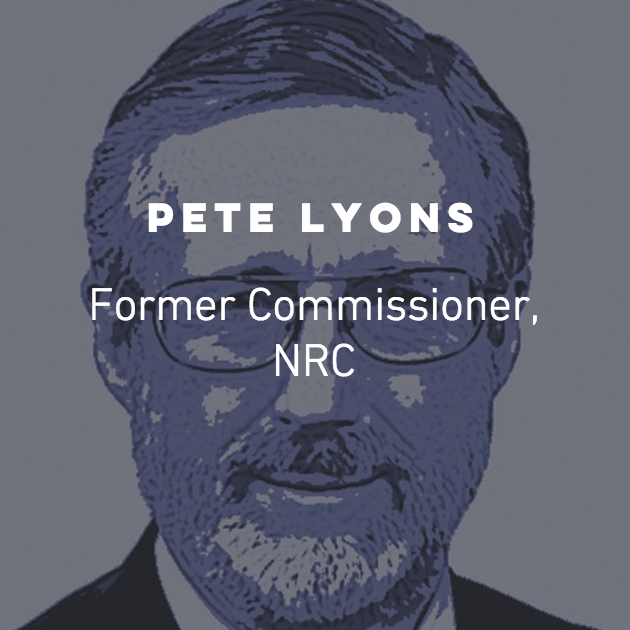
Ep 27Ep 27: Peter Lyons, Nuclear Regulatory Commission
Episode Content: Pete's start in the weapons testing and Star Wars Program at Los Alamos National Lab. An in-depth look at the relationship between nuclear energy and nonproliferation. Pete's work with Senator Domenici to craft legislation for essential nuclear programs. A discussion of the Nuclear Cities and Lab to Lab Initiatives. Efforts Pete spearheaded at the NRC. The importance of mitigating Station Blackouts and implementing safety measures. Catalyzing a wave of innovation efforts through investment in research and development. Highlights about and the ingenuity of NuScale's small modular reactor design. Reflections upon the importance of US nuclear leadership in the global sphere.

Ep 26Ep 26: Ron Omberg, Pacific Northwest National Laboratory
Episode Content: Ron's start with General Electric working on the D-Replacement Reactor. How thermohydraulics are used to raise exit temperatures and prevent a boiling coolant. The significance of plutonium-recycle test reactors and challenges of the program. An explanation of the physics behind the Fast Flux Test Facility. The advantages of a fast reactor. The definition of breeding. Why it is important to establish mutual and meaningful international partnerships. Russia and its closed cities. A discussion on the best way to embark designing new nuclear technology. Present advances in the nuclear technology sector and its implications for the future.

Ep 25Ep 25: Brady Hanson, Pacific Northwest National Laboratory
Episode Content: Brady's start as a chemical engineer. An explanation of re-processing. Dry Storage: in theory and in practice. An in-depth look at the process and consequences of oxidizing spent fuel. The formation of the Nuclear Energy Research Initiative. A discussion about Yucca Mountain's effectiveness in disposing used fuel. Political obstacles that inhibit disposal solutions. A look at whether nuclear technology is safe and a comparison to other forms of energy. What's on the horizon for nuclear energy.