The Queue - The Invisible Line That Created Fairness
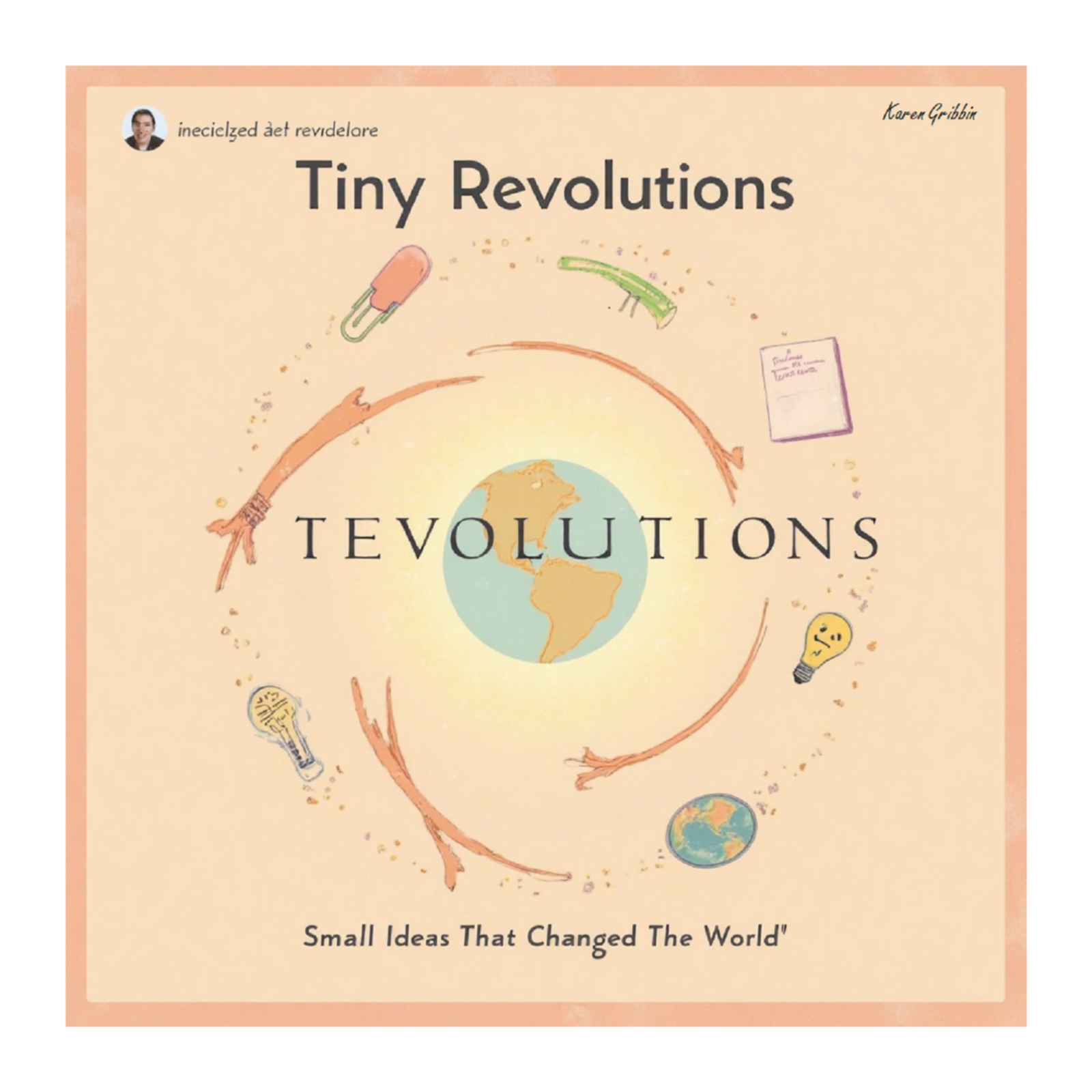
Tiny Revolutions: Small Ideas That Changed the World · Karen Gribbin
Audio is streamed directly from the publisher (content.rss.com) as published in their RSS feed. Play Podcasts does not host this file. Rights-holders can request removal through the copyright & takedown page.
Show Notes
This episode explores how the simple act of standing in line transformed social behavior by introducing fairness among strangers. Before queues existed, access to services was chaotic — the strongest, fastest, or highest-status individuals were served first, while others were ignored. Order depended on power rather than equality.
As cities and commerce grew in early modern Europe, especially with railways and busy shops, societies needed a peaceful system to manage crowds. The solution became “first come, first served.” The queue turned waiting into a shared sacrifice, replacing competition with patience and predictability.
Psychologically, people accept long waits if the process feels fair, but react strongly when someone cuts ahead. The queue therefore builds trust between strangers, temporarily placing everyone under the same rule regardless of status or wealth.
Over time, the concept expanded beyond physical lines into waiting lists, call centers, reservation systems, and digital progress bars — all forms of virtual queues. Civilization quietly depends on this shared understanding to avoid constant conflict in daily public life.
The queue has no single inventor, yet it became a powerful social agreement. By teaching people to wait their turn, it enabled cooperation in crowded societies — a small behavioral invention that replaced force with fairness.