The Wild Life
198 episodes — Page 4 of 4
True Nature #1: Conversation with Maria Hancox
When we started The Wild Life, the original idea was to answer listener submitted questions and have every day people on the show to interview guests with us or talk about their interests and passion. Well, when you first start a podcast, you have no listeners, so we had to re-evaluate. In the last year, we've grown quite a bit and now have that listener base which enables us to do that which we originally set out to do, so today, we're bringing you the first of many to come: a conversation with artist and outdoors/nature enthusiast, Maria Hancox.She has amazing artwork, and an amazing eye for the little things in nature, and you should absolutely be following her on any of her 3 instagram accounts, @muhreeugh, @mhancoxart, and @mariaoutsideIn this episode, we talk about butterflies, ant symbiosis, Ologies, chasing curiosity, iNaturalist, and following your passion. We also have a lot of callbacks to past episode topics like The Metamorphosis Metaphor, #CitSciFri with Carrie Seltzer of iNaturalist, Ant Farm, and The Dirty Truth About ButterfliesIf you would like to RSVP for the 50th Episode Celebration Trivia Night on May 1st at 7 pm CT, please use this link. Spots are limited! https://forms.gle/um37DZxe9QxuMtpy6
Revisit: Frogcicles
If you live in the north, you almost definitely know we have frogs, but how do they survive the winter? That's what we explore today as we revisit one of our SHORT series episodes from July 2019!Read the associated blog post and check out some pictures!Rate and review us wherever you listen, or on Podchaser Want to be on the show? You don't have to be an expert! Contact us, here!Follow us on Instagram @devonthenatureguy or @thewildlife.blogFollow us on Twitter @devthenatureguy or @thewildlifepodSupport the show at www.patreon.com/TheWildLifeand check out our official merch shop at https://thewildlife.blog/shop/
Conversation with Corina Newsome, aka The Hood Naturalist
In this time of self-isolation and social-distancing, this time where we are inundated with numbers and figures every waking hour of the day, we wanted to take a break from our status-quo and do something a bit different. What we all need is a little connection, so this week we have a conversation. Just two people, me and the one and only Corina Newsome (aka the Hood Naturalist) chatting about conservation, #SciComm, breaking down barriers of exclusivity, birds, and being ones self (among other things!). Corina Newsome is a graduate student studying biology with a focus on avian conservation. She has worked in the field of wildlife conservation for 8 years, first as a zookeeper specializing in animal training and environmental education, and currently as a field biologist working to conserve the MacGillivray's seaside sparrow. Having experienced the hurdles faced by people of color interested in wildlife careers, Corina has founded several programs to encourage high school students from underrepresented demographics to consider careers in wildlife sciences. Corina grew up in Philadelphia, Pennsylvania, and has always had a desire to participate in, and advocate for, the conservation of wildlife and natural spaces, and encourage people of color in the U.S. to explore the great outdoors.After this week, we will be taking a short break. In part, this break is to allow for Richard to focus on his move to MN, but also because my wife and I are incredibly busy at home with the kids and teaching our high school students in the virtual realm. Rather than add to the chaos and distraction, I've made the rare-for-me decision to take something off of my plate. I want to focus on my family, as we all should in these times. Stay safe, stay healthy, and STAY HOME.Remember, I have also started an initiative to connect science teachers like myself with families and students in need of additional support. Find more information at https://thewildlife.blog/skype-a-science-teacher/Follow Corina on Twitter: @hood_naturalistFollow Recommendations|@Sternarchella Kory Evans PhD@Astronaia Naia Butler-Craig@SarahMackAttack Sarah MacAnulty PhD@SkypeScientistBook Recommendations| A Season on the Wind: Inside the World of Spring Migration, by Kenn KaufmanSuperior: The Return of Race Science, by Angela SainiSupport the Show at Patreon.com/TheWildLifeThank you to our supporters Brigid Fitzgerald, Matt Capelle, Andrea Lloyd, Megan Ghariani, and Chris Trankel
They Made Me Call This "Hooters" with special hosts, Chelsea and Chrissy Bowker
Hey! Devon, here. March, as you may know, is International Women’s Month, and in honor of that (and the most important women in our lives), my wife and our mother are taking over---and they insisted this episode be called "Hooters". Why? Well, you can ask them...but mainly because it's about owls! The two of them owl-bsolutely love them. So, they sat down to talk about owls, poke fun at Richard and I, and tell bold-faced lies about my love for Duran Duran.This is their first time ever making a podcast. There are some sound issues on account of me not explaining how to set levels properly---that's on me! But, if you like what you here, they've promised that they'll team up to do more episodes of The Wild Life in the future!Join the Book Club: https://www.facebook.com/groups/2678194339079182/If you want to learn more about, or sign up for, the Skype a Science Teacher program, check it out here https://thewildlife.blog/skype-a-science-teacher/Instagram: @thewildlife.blog and @devonthenatureguyTwitter: @thewildlifepod and @devthenatureguySupport the show at patreon.com/TheWildLife
The Waddle Life with The Penguin Lady, Dyan deNapoli
Everyone loves penguins, but how much do we really know about them as living beings?This week, The Wild Life is taking a waddle on the wild side, and our guide on our clumsy, yet hopefully charming journey is the one, the only, the...penguin lady, Dyan deNapoli. Dyan deNapoli is a penguin expert, TED speaker, and author of the award-winning book, The Great Penguin Rescue, which chronicles her experiences helping to manage the rescue of 40,000 penguins from the Treasure oil spill in South Africa---also April’s book club pick (check the episode notes for a link to join!). Dyan is frequent guest on radio, podcasts, and TV in the US and abroad, Dyan has spoken at four TEDx conferences, has created a TED-Ed video for the classroom, and has lectured worldwide about penguins, including as a guest speaker for Lindblad Expeditions and National Geographic on their ships traveling to Antarctica. Today, we explore the penguins popularity, their little known plite, and well, their poop as we travel from Antarctica to the equator.This episode is also dedicated entirely to our dear friend, and long-time supporter, Chris Trankel!Bonus Fact: Adelie penguins fire their poop away from their nest like a mortar shell, and scientist are using satellites IN SPACE to monitor penguin populations by scanning for, you guessed it, their POOP!Purchase Dyan's book, The Great Penguin Rescue, here: https://www.amazon.com/Great-Penguin-Rescue-Devastating-Inspiring/dp/143914818X/ref=tmm_pap_swatch_0?_encoding=UTF8&qid&sr&fbclid=IwAR1OMj_UGW8SqfZmWYewLnj47_A9qNyJrwocZBfLhXOG_hgp2jPeDq351v0Then, join the Book Club: https://www.facebook.com/groups/2678194339079182/And then, read a bit more on the not-so-nice private lives of penguins: https://www.theatlantic.com/magazine/archive/2018/06/penguin-prostitutes/559133/If you want to learn more about, or sign up for, the Skype a Science Teacher program, check it out here https://thewildlife.blog/skype-a-science-teacher/Instagram: @thewildlife.blog and @devonthenatureguyTwitter: @thewildlifepod and @devthenatureguySupport the show at patreon.com/TheWildLife
#CitSciFri with Katie-Lyn Bunney of the Monarch Joint Venture
It's #CitizenScienceFriday! This week, we sit down to chat with Katie-Lyn Bunney, Education Coordinator at the Monarch Joint Venture, a partnership of federal and state agencies, non-governmental organizations, and academic programs that are working together to support and coordinate efforts to protect the monarch butterfly migration across the lower 48 United States.YOU can be involved in Monarch conservation at every single stage of their lives. YOU can play a role in saving this species!The Wild Life is listener supported. Visit patreon.com/thewildlife to become a member for as little as $1 per month! Questions, concerns, or corrections? Contact us at [email protected] Craving more content? Check out the complimentary blog post to this episode including a complete list of sources and a whole lot more at thewildlife.blog, or check us out on instagram @thewildlife.blog or @devonthenatureguyLearn more about the Venture at www.monarchjointventure.org!
Revisiting the Metamorphosis Metaphor with Dr Martha Weiss
Ahead of next weeks #CitizenScienceFriday where we talk to Katie-Lyn Bunney of the Monarch Joint Venture, we wanted to revisit an old favorite as a context filler for some of what you will hear...and because we love the topic!Starting at a young age, we are all introduced to this idea, an idea that we carry with us and adapt, and reapply as a metaphor for our own lives---this idea of becoming something new, beginning again as something better. But behind this idea is a process, and despite our lifelong exposure, most don’t really know what exactly is going on In the Season 1 Finale of The Wild Life, Devon and Richard expose the mystery of metamorphosis, what happens inside the chrysalis, whether or not a butterfly remembers or a caterpillar knows, destroy the metamorphosis metaphor, and build it anew, all with the help of Dr. Martha Weiss of Georgetown University.Read the write-up on this episode and view some of the videos and research mentioned here: https://thewildlife.blog/2018/07/27/the-wild-life-season-1-finale-the-metamorphosis-metaphor/While you are listening, don't forget to rate and review the show! We will literally die from undernourishment if we don't have more ratings and reviews. That's messed up, yo.Become a patron (and our best friend), and get tons of cool perks at www.patreon.com/TheWildLife and help us to keep doing what we are doing and getting better! Also, check out our latest merch at www.thewildlife.blog/shopIf you are interested in learning more about our upcoming hikes, visithttps://thewildlife.blog/hike/Follow Devon on Instagram @devonthenatureguy or on Twitter @devthenatureguyFollow the official blog and podcast pages on Instagram @thewildlife.blog and on FB.Join our official FB group at https://www.facebook.com/groups/TheWildLife.Blog/Join our new Book Club here: https://www.facebook.com/groups/2678194339079182
Tainted Love Part 3: Garter Snakes with Dr Robert T Mason
EIn part 3, we talk to Dr Robert T Mason about the absolute chaos that is the sex life of a garter snake. We talk snake pits, mating balls, cloacal fluids, copulatory plugs, cryptic female choice, Snakes on a Plane, pheremones, and so much more!Special thanks to Dr Robert T Mason (https://masonlab.science.oregonstate.edu/), Sebastian Echeverri (Twitter: @spiderdaynight, Instagram: @spiderdaynightlive) and Shakira Quiñones (Twitter and Instagram: @shakiguani)While you are listening, don't forget to rate and review the show! We will literally die from undernourishment if we don't have more ratings and reviews. That's messed up, yo.Become a patron (and our best friend), and get tons of cool perks at www.patreon.com/TheWildLife and help us to keep doing what we are doing and getting better! Also, check out our latest merch at www.thewildlife.blog/shopIf you are interested in learning more about our upcoming hikes, visithttps://thewildlife.blog/hike/Follow Devon on Instagram @devonthenatureguy or on Twitter @devthenatureguyFollow the official blog and podcast pages on Instagram @thewildlife.blog and on FB.Join our official FB group at https://www.facebook.com/groups/TheWildLife.Blog/Check out Sebastian's website here: https://www.spiderdaynight.com/Join our new Book Club here: https://www.facebook.com/groups/2678194339079182Outro Theme by Ella VanLoon
Tainted Love Part 2: Spider Sex and Freaky Facts with Shakira Quiñones and Sebastian Echeverri
EWe're flipping the script this Valentine's Day with a three part series where we show some love to nature's unloved: spiders and snakes!In part 2, we talk to Shakira Quiñones about Nephilid Spiders (like North America's Golden Silk), weird spider sex, and have her and Sebastian Echeverri answer your listener submitted questions! We talk spider oral sex, copulatory plugs, Spider-Frog Buddy Comedies, flying spiders, superheroes, and more!Special thanks to Sebastian Echeverri (Twitter: @spiderdaynight, Instagram: @spiderdaynightlive) and Shakira Quiñones (Twitter and Instagram: @shakiguani)While you are listening, don't forget to rate and review the show! We will literally die from undernourishment if we don't have more ratings and reviews. That's messed up, yo.Become a patron (and our best friend), and get tons of cool perks at www.patreon.com/TheWildLife and help us to keep doing what we are doing and getting better! Also, check out our latest merch at www.thewildlife.blog/shopIf you are interested in learning more about our upcoming hikes, visithttps://thewildlife.blog/hike/Follow Devon on Instagram @devonthenatureguy or on Twitter @devthenatureguyFollow the official blog and podcast pages on Instagram @thewildlife.blog and on FB.Join our official FB group at https://www.facebook.com/groups/TheWildLife.Blog/Check out Sebastian's website here: https://www.spiderdaynight.com/Join our new Book Club here: https://www.facebook.com/groups/2678194339079182Outro Theme by Ella VanLoon
Tainted Love Part 1: Spider Speed Dating with Sebastian Echeverri and Shakira Quiñones
EWe're flipping the script this Valentine's Day with a three part series where we show some love to nature's unloved: spiders and snakes! In part 1, we talk to Sebastian Echeverri about everything from fear of spiders, spider VR, spider dancing, spider sex, tiny spiders on tiny treadmills, and everything in-between! Part 2 will air on February 18th!Special thanks to Sebastian Echeverri (Twitter: @spiderdaynight, Instagram: @spiderdaynightlive) and Shakira Quiñones (Twitter: @shakiguani)Become a patron (and our best friend), and get tons of cool perks at www.patreon.com/TheWildLife and help us to keep doing what we are doing and getting better! Also, check out our latest merch at www.thewildlife.blog/shopIf you are interested in learning more about our upcoming hikes, visithttps://thewildlife.blog/hike/Follow Devon on Instagram @devonthenatureguy or on Twitter @devthenatureguyFollow the official blog and podcast pages on Instagram @thewildlife.blog and on FB.Join our official FB group at https://www.facebook.com/groups/TheWildLife.Blog/Check out Sebastian's website here: https://www.spiderdaynight.com/Join our new Book Club here: https://www.facebook.com/groups/2678194339079182Outro Theme by Ella VanLoon
How to Make a Snowflake
In this episode, Devon and Richard talk snow, Frozen 2, whether or not water has memory (and if it's good or bad), the Big Bang, the formation of planets, the secret role of bacteria, why snowflakes are intricately symmetrical, and more! **Stay tuned for an updated episode description containing a link to 2 video demonstrations for our Try This at Home segments!Become a patron (and our best friend), and get tons of cool perks at www.patreon.com/TheWildLife and help us to keep doing what we are doing and getting better! Also, check out our latest merch at www.thewildlife.blog/shopIf you are interested in learning more about our upcoming hikes, visithttps://thewildlife.blog/hike/Follow Devon on Instagram @devonthenatureguy or on Twitter @devthenatureguyFollow the official blog and podcast pages on Instagram @thewildlife.blog and on FB.Join our official FB group at https://www.facebook.com/groups/TheWildLife.Blog/Music heard on this episode:Deliberate Thought by Kevin MacLeod is licensed under a Creative Commons Attribution license (https://creativecommons.org/licenses/by/4.0/)Source: http://incompetech.com/music/royalty-free/?keywords=deliberate+thoughtArtist: http://incompetech.com/We Always Thought the Future Would Be Kind of Fun by Chris Zabriskie is licensed under a Creative Commons Attribution license (https://creativecommons.org/licenses/by/4.0/)Source: http://chriszabriskie.com/darkglow/Artist: http://chriszabriskie.com/
Fireflies with Lynn Frierson Faust
Discover why we are seeing less fireflies, the secrets behind their natural glow, how to find yourself a lady firefly, and so much more in this jam-packed episode.Our guest is Lynn Frierson Faust, the lightning bug lady of Knoxville, TN. She’s the author of Fireflies, Glow-worms, and Lightning Bugs,which details flash patterns of the 75+ species found in the eastern and central United States and Canada. She has over 20 years of experience as an independent researcher working with university teams, and as an advisory consultant on firefly studies with state and national parks in Tennessee, South Carolina, Mississippi, Pennsylvania, and New York and an on-site scientific consultant with BBC Nature, the Discovery Channel, and National Geographic, she’s published plenty of her own papers, and knows more about fireflies than fireflies know about themselves. So, hold onto your glowing butts. This is gonna be...LIT!Fireflies, Glow-worms, and Lighting Bugs by our guest, Lynn Frierson Faust is available NOWListen to some of your favorite shows ad-free with Stitcher premium like Conan O'Brien Needs a Friend, My Favorite Murder, Science Rules with Bill Nye and more! Plus get access to Stitcher Originals, Bonus Episodes, Comedy Albums and more! Just $4.99 a month. Go to stitcher.com/premium and Use promo code THEWILDLIFE for 1 month freeBecome a member supporter and wildlife ambassador at patreon.com/thewildlife
The Smell of Rain
It's summer and a storm has just passed through. You step outside and are instantly greeted with that good ole' familiar smell---the smell of rain. But what is that smell? After all, water itself isn't particularly smelly, right? In this episode, Richard's first solo mission, we explore the surprising secrets behind the smell of rain.It is also our first ever member drive. If you become a member during the November Membership Drive, we’ll double your first two months' conscious conservation contribution through the Wildlife Ambassadors programs to 20%! Learn more at https://thewildlife.blog/2019/11/05/november-membership-drive/ and become a member at https://www.patreon.com/TheWildLife
A Tell Tale Beetle Romance Story
Happy Halloween! In this super special, unexpected, and therefore super last minute holiday treat (and trick), Devon reads a retelling of Edgar Allen Poe's famous short story, A Tell Tale Heart, that you undoubtedly were coerced into reading in high school. In our somewhat modernized version, we get a different, more wildlife oriented ending that turns out to be the most opposite from horror as you can get.Become a patron (and our best friend), and get tons of cool perks at www.patreon.com/TheWildLife and help us to keep doing what we are doing and getting better!If you are interested in learning more about our upcoming hikes, visithttps://thewildlife.blog/hike/Follow Devon on Instagram @devonthenatureguy or on Twitter @devthenatureguyFollow the official blog and podcast pages on Instagram @thewildlife.blog and on FB.Join our official FB group at https://www.facebook.com/groups/TheWildLife.Blog/
Stardust: Time, Tides, and Theia
The Wild Life presents, Stardust---a show that explores all of the other science-y things that don’t quite fit under the umbrella of The Wild Life.Things like why is the ocean salty, where did all the of earths water come from, how is gold made, what happens when two black holes collide, time travel, lithium, and basically everything else.This is our test pilot, of sorts!In this episode, we explore the Earth's moon, it's phases, it's origin, and it's impact on tides, teens, and time itself!Become a patron (and our best friend), and get tons of cool perks at www.patreon.com/TheWildLife and help us to keep doing what we are doing and getting better!If you are interested in learning more about our upcoming hikes, visithttps://thewildlife.blog/hike/Follow Devon on Instagram @devonthenatureguy or on Twitter @devthenatureguyFollow the official blog and podcast pages on Instagram @thewildlife.blog and on FB.Join our official FB group at https://www.facebook.com/groups/TheWildLife.Blog/
Myth-understood + Nature's Vampires
In honor of Spooktober, we are doing the time warp to revisit two fan-favorites on one of nature's most needlessly feared and misunderstood critters: bats.Part 1Belief…belief is an interesting thing. Some of our beliefs are very close to our hearts, untouchable, unchangeable. Some of our beliefs are more flexible, changing if you have some kind of evidence or experience that can convince you otherwise. Belief can be harmless and belief can be harmful. Belief can be truth and it can be myth. This week, we are going off format in the first of an intermittent series we are calling Myth-Understood in which we explore commonly believed myths about different misunderstood animals and examine the truth behind the legends. This week we focus on an animal that has been the victim of superstition and fear for thousands of years. Despite what many believe, these creatures are extremely important to our everyday lives. Dollar for dollar, they are worth more than Elon Musk, they hold secrets of aging, rejuvenate the rainforest, and they’re the most essential ingredient... of a Margarita.Part 2This episode, we have a story that takes us all the way from Copenhagen, to the rain forest of South America--- from the belly of the beast, to it’s excrement---as we explore nature’s VampiresOur guest is Dr Marie Lisandra Zepeda Mendoza, who recently finished her post doc in Copenhagen, Denmark and whose recently published research on vampire bats and how they survive on such a peculiar diet is at the center of this story.Here is a link to Bat Conservation International: http://www.batcon.org/
Mr Smarty Plants with Dr Liz Van Volkenburgh
<p><br></p><p><br></p><p><br></p><p><br></p><p><br></p><p><br></p><p><br></p><p><br></p><p><br></p><p><br></p><p><br></p><p><br></p><p><br></p><p><br></p><p><br></p><p><br></p><p><br></p><p><br></p><p><br></p><p><br></p>
The Fungus Among Us| Part 2 with Dr Kabir Peay
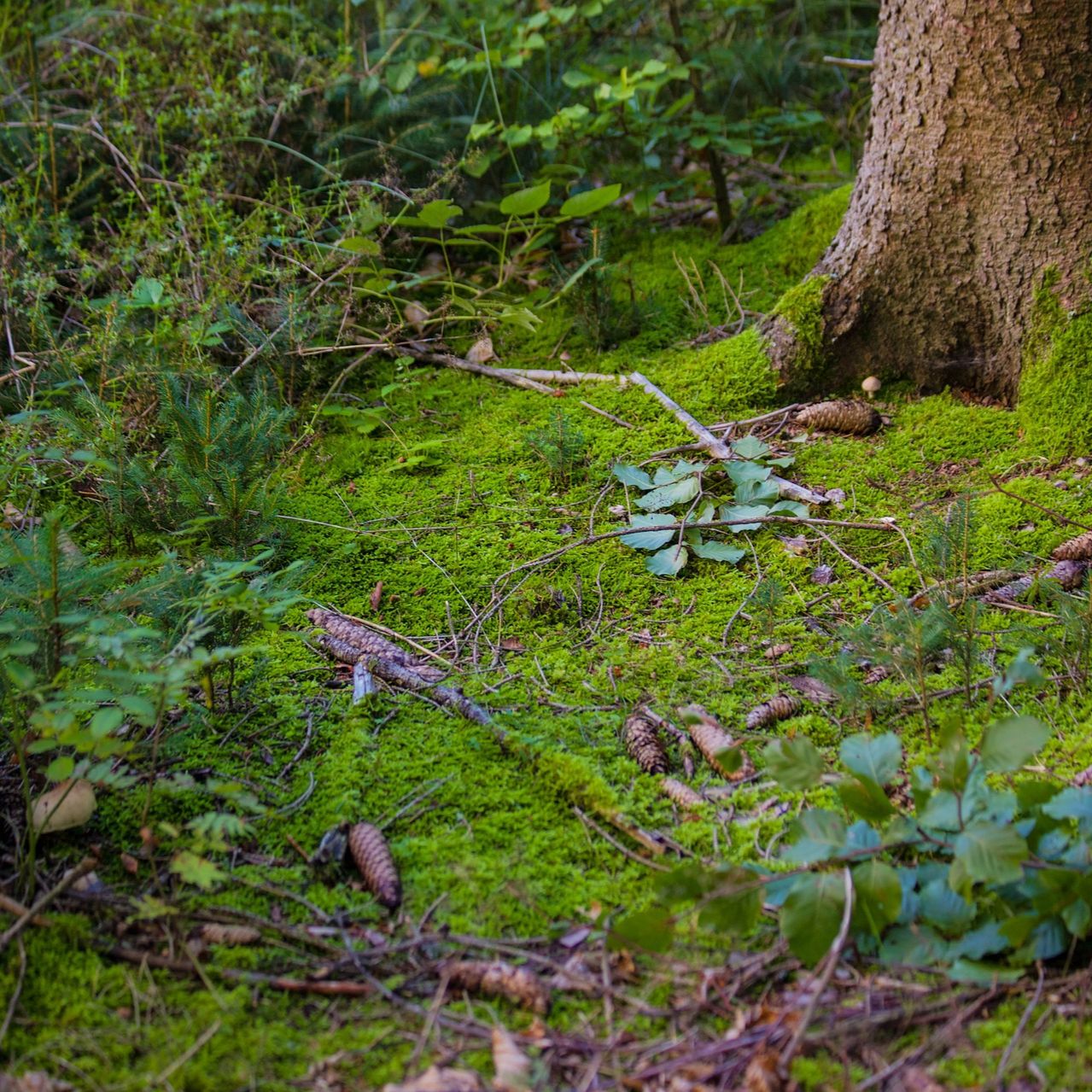
In this episode, we sit down with Stanford's Dr Kabir Peay, self described mykophile and fungi expert who recently helped to maap out the Wood Wide Web on a global scale. We talk Spongebob, Gringotts, Wall Street, and reveal the secrets of an underground ecosystem that will change the way you see the forest for forever! Become a patron (and our best friend), and get tons of cool perks at www.patreon.com/TheWildLife and help us to keep doing what we are doing and getting better! If you are interested in learning more about our upcoming hikes, visit https://thewildlife.blog/hike/ Follow Devon on Instagram @devonthenatureguy or on Twitter @devthenatureguy Follow the official blog and podcast pages on Instagram @thewildlife.blog and on FB. Join our official FB group at https://www.facebook.com/groups/TheWildLife.Blog/ This months donation is going to Armand Bayou Nature Center (abnc.org) Check out Dr Peay's website, here: https://mykophile.com/
#CitizenScienceFriday with Carrie Seltzer of iNaturalist
It's our very first #CitizenScienceFriday! We sit down to chat with Carrie Seltzer, Stakeholder Engagement Strategist at iNaturalist to discuss their amazing platform, how it works, the democratization of science, bird feathers, dragonfly wings, Russian nature geeks, and so much more! Now, you can join our new The Wild Life community on iNaturalist with a new joinable project! Connect with a community of over 750,000 scientists and naturalists who can help you learn more about nature and help confirm identifications. By recording and sharing your observations, you help to create quality research data for scientists working to better understand and protect nature. iNaturalist is a joint initiative by the California Academy of Sciences and the National Geographic Society. For details on how to join our project and connect with other listeners, visit thewildlife.blog/inaturalist. The Wild Life is listener and reader supported. Visit patreon.com/thewildlife to become a member or join one of our exclusive clubs for as little as $1 per month! Questions, concerns, or corrections? Contact us at [email protected] Craving more content? Check out the complimentary blog post to this episode including a complete list of sources and a whole lot more at thewildlife.blog, or check us out on instagram @thewildlife.blog or @devonthenatureguy
The Fungus Among Us| Part I with Dr Tom Volk
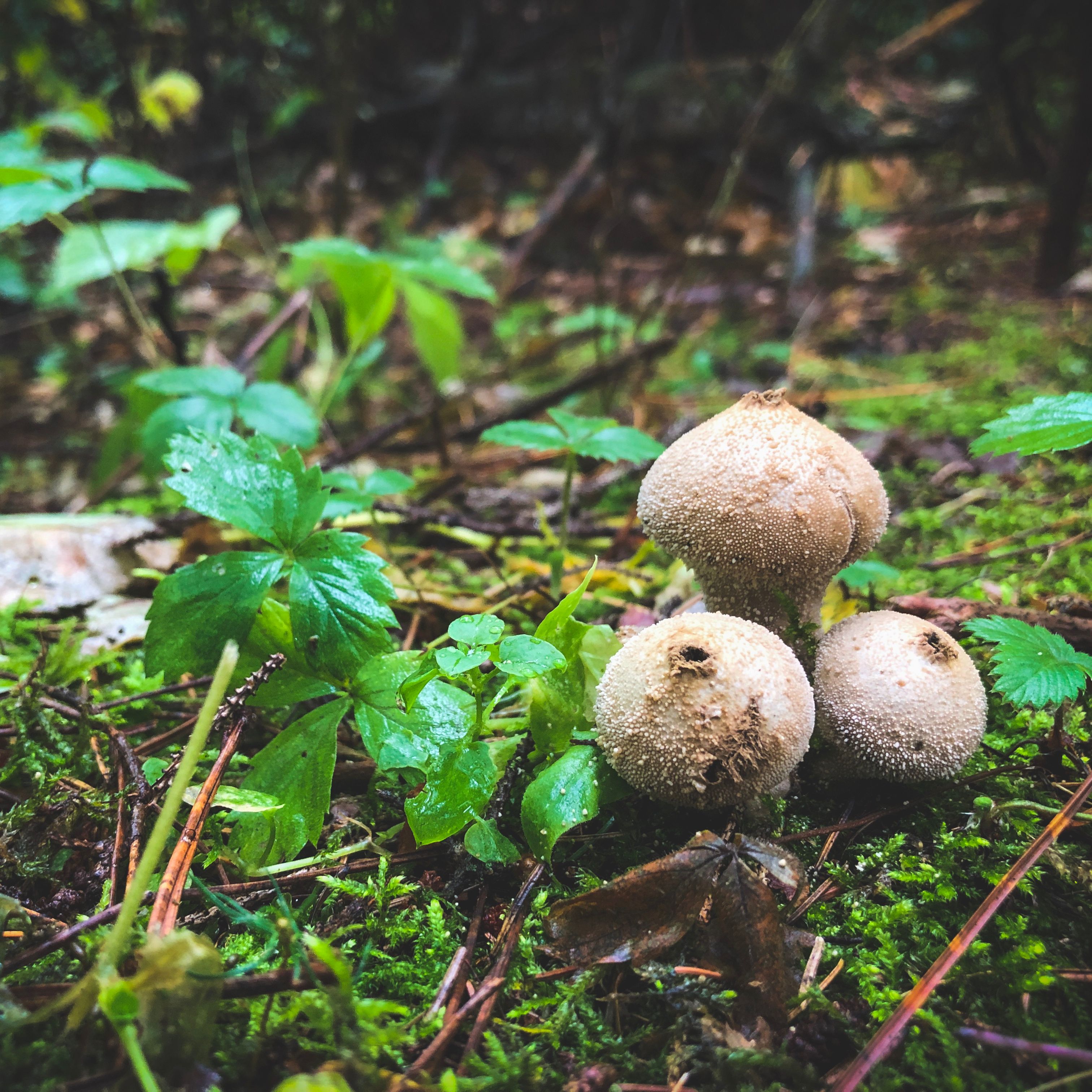
In this episode, we sit down and chat with a really fun guy (get it? like fungi? aha..ha...), Dr Tom Volk of UW-Lacrosse, and holy cow, pun intended (you’ll see), we covered a lot of ground. Everything from how mushrooms are made, to the best mushrooms to forage, how fungi hunt, fungi in the brain, whether or not bakers yeast is the same organism associated with yeast infections, an underground Gringotts, how to avoid exploding out of both ends, and so much more. Tune in next weekend for part II with Dr Kabir Peay of Stanford University and for our firt ever #CitSciFri featuring Carrie Seltzer of iNaturalist! Check out Dr Tom Volk's website here: http://botit.botany.wisc.edu/toms_fungi/ Become a patron (and our best friend), and get tons of cool perks at www.patreon.com/TheWildLife and help us to keep doing what we are doing and getting better! If you are interested in learning more about our upcoming hikes, visit https://thewildlife.blog/hike/ Follow Devon on Instagram @devonthenatureguy or on Twitter @devthenatureguy Follow the official blog and podcast pages on Instagram @thewildlife.blog and on FB. Join our official FB group at https://www.facebook.com/groups/TheWildLife.Blog/ This months donation is going to Armand Bayou Nature Center (abnc.org)
The Mystery of Zebra Stripes with Dr Tim Caro
Interview with Dr. Tim Caro, professor of Wildife Biology at UC Davis, on his research which may have revealed the truth behind the mystery of zebra stripes.
A Parasitic Ghost of a Plant
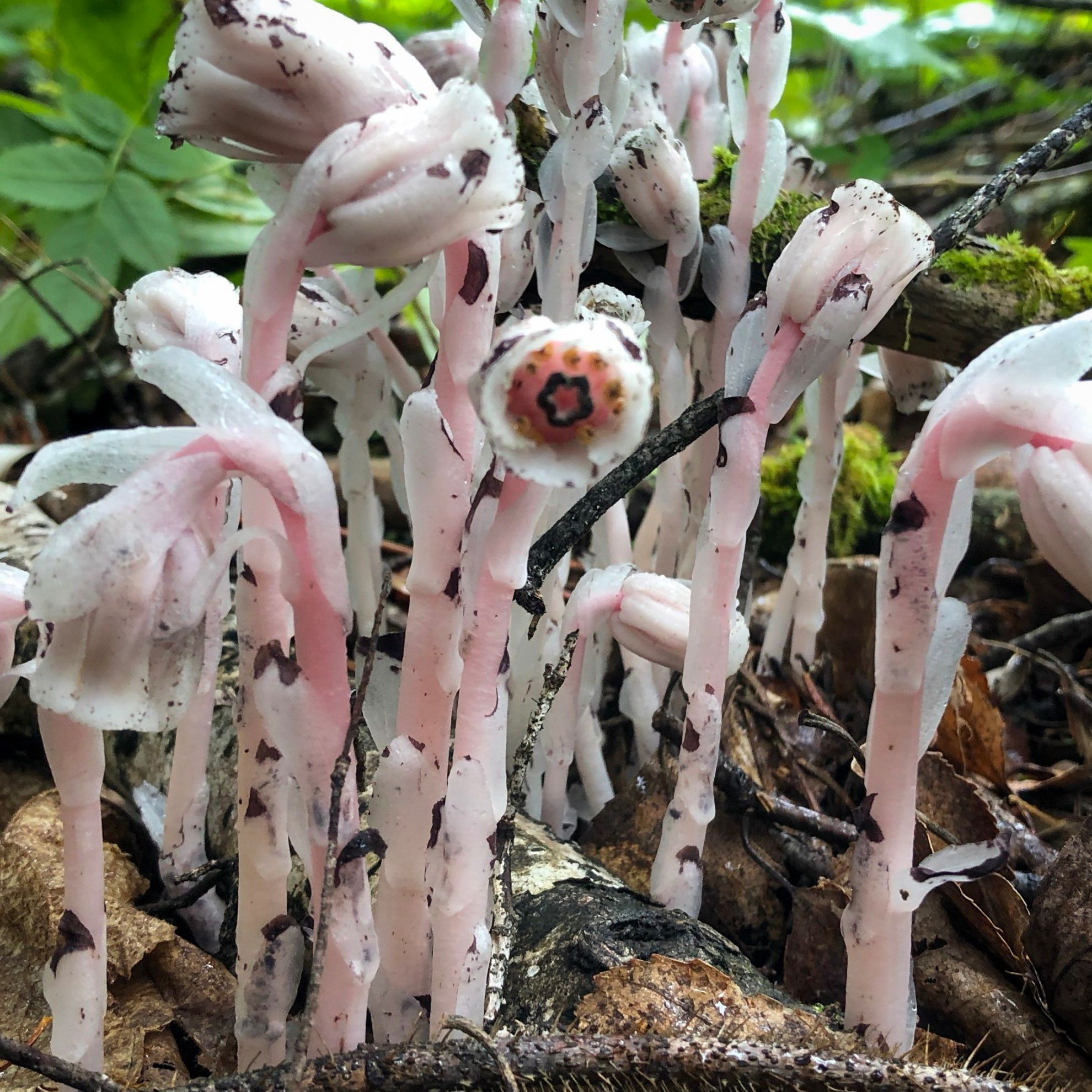
An unexpected turn of events, a last-minute decision, and here we are! This week, we revisit an oldie but a goodie as we preview what is to come. Next week is The Fungus Among Us Part I, and the following week will be a double whammy: Part II and our first #CitizenScienceFriday! Thank you for being patient while we work to make sure you get the awesome episodes that you deserve! Read more and see images of the find here: https://thewildlife.blog/2018/09/06/this-ghostly-parasitic-plant-survives-by-hacking-the-wood-wide-web/
Velvet (Worm) Revolver with Tia Freeman
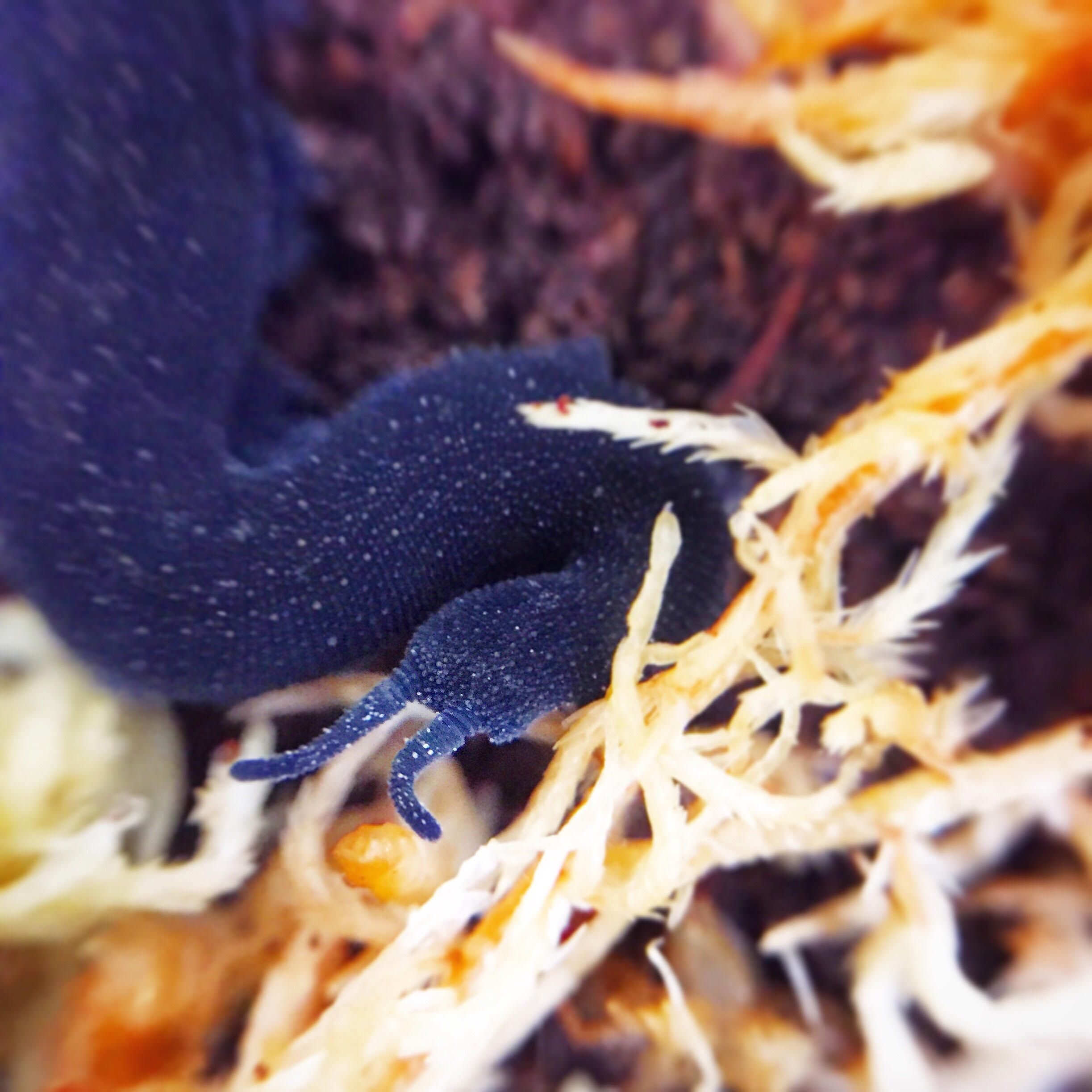
This creature is one of the oldest living animals in existence, it shoots a death slime out of its face, and drinks it’s prey up like a smoothie. They're one of the coolest creatures on 20+ legs--- I’m talking about, of course, the Velvet Worm. Hold onto your butts, you’re about to get a whole face full of velvety worm. ***CORRECTION*** As it turns out, there are actually currently just about 200 species identified. The 700 number mentioned is referring to some reports that identify 700 as a possible *actual* amount of species. Check out a video of one in action here: https://www.youtube.com/watch?v=LY8TgD6-7kg Follow our special guest, Tia Freeman, at @theausbiologist on Twitter and Instagram Become a patron (and our best friend), and get tons of cool perks at www.patreon.com/TheWildLife and help us to keep doing what we are doing and getting better! Links mentioned in the breaks: Armand Bayou Nature Center (ABNC.org) thewildlife.blog/iNaturalist and hikehoppers.org If you are interested in learning more about our upcoming hikes, visit https://thewildlife.blog/hike/ Follow Devon on Instagram @devonthenatureguy or on Twitter @devthenatureguy Follow the official blog and podcast pages on Instagram @thewildlife.blog and on FB. Join our official FB group at https://www.facebook.com/groups/TheWildLife.Blog/ This months donation is going to Armand Bayou Nature Center. A link to check them out can be found earlier in the description.
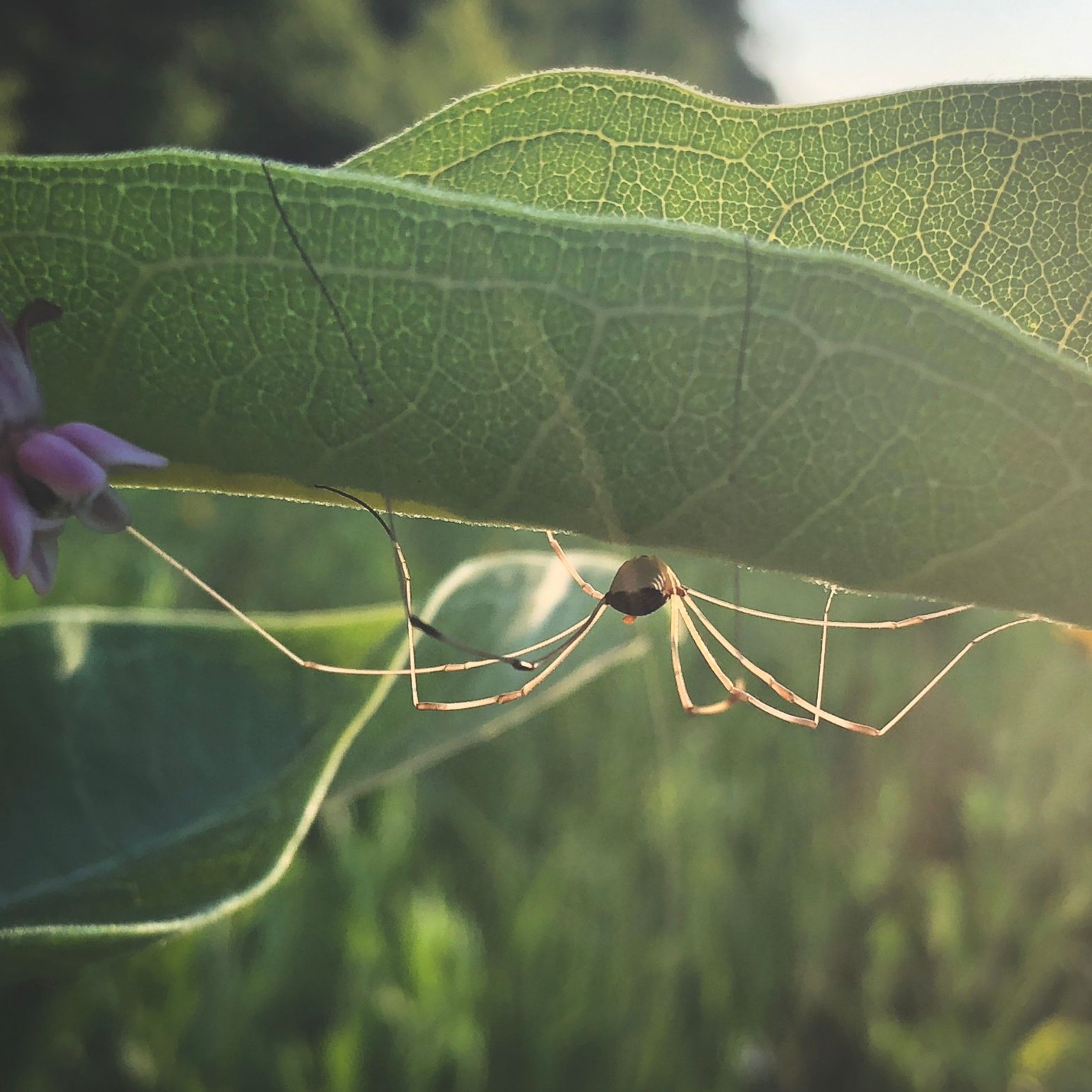
When a Spider isn't a Spider
Nothing is ever as it seems. Get ready for a tangled web of semantics and systematics! To read the blog version and see the video mentioned, visit https://thewildlife.blog/2019/07/09/when-a-spider-isnt-a-spider/ If you are interested in learning more about our upcoming hikes, visit https://thewildlife.blog/hike/ Become a patron (and our best friend), and get tons of cool perks at www.patreon.com/TheWildLife and help us to keep doing what we are doing and getting better!
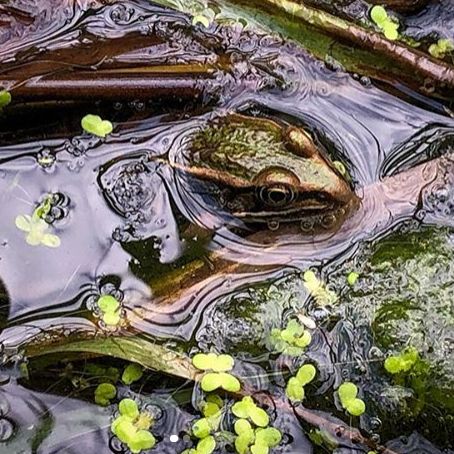
Frogcicles
If you live in the north, you almost definitely know we have frogs, but how do they survive the winter? If you are interested in learning more about our upcoming hikes, visit https://thewildlife.blog/hike/ Become a patron (and our best friend), and get tons of cool perks at www.patreon.com/TheWildLife and help us to keep doing what we are doing and getting better! Follow us on instagram at instagram.com/devonthenatureguy and instagram.com/thewildlife.blog
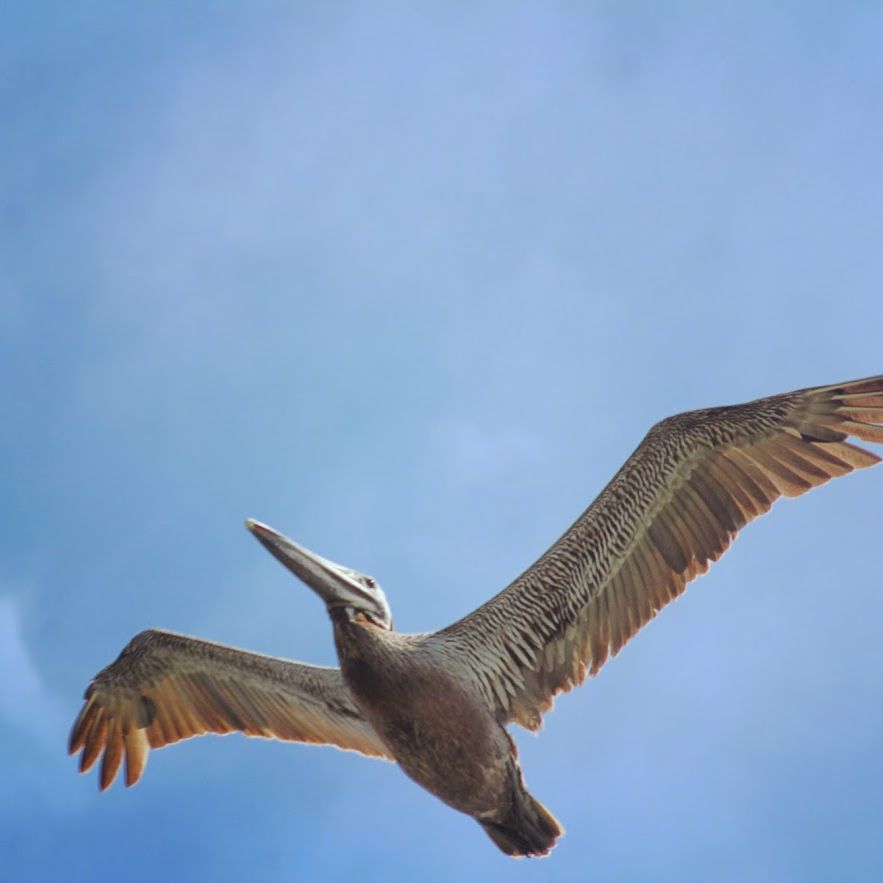
Like, Pelican Fly
How do Pelican beaks work? How much can they fit in their pouch? How do Pelicans hunt? I've got the answers to those and more! To read the blog version and see the video mentioned, visit https://thewildlife.blog/2018/07/07/pelicans-are-fly/ If you are interested in learning more about our upcoming hikes, visit https://thewildlife.blog/hike/ Become a patron (and our best friend), and get tons of cool perks at www.patreon.com/TheWildLife and help us to keep doing what we are doing and getting better! Follow us on instagram at instagram.com/devonthenatureguy and instagram.com/thewildlife.blog Sources: BirdLife International. 2016. Pelecanus erythrorhynchos. The IUCN Red List of Threatened Species 2016: e.T22697611A93624242. http://dx.doi.org/10.2305/IUCN.UK.2016-3.RLTS.T22697611A93624242.en. Downloaded on 07 July 2018. BirdLife International. 2016. Pelecanus occidentalis. The IUCN Red List of Threatened Species 2016: e.T22733989A95071744. http://dx.doi.org/10.2305/IUCN.UK.2016-3.RLTS.T22733989A95071744.en. Downloaded on 07 July 2018. Knopf, Fritz L. and Roger M. Evans. 2004. American White Pelican (Pelecanus erythrorhynchos), version 2.0. In The Birds of North America (P. G. Rodewald, editor). Cornell Lab of Ornithology, Ithaca, New York, USA Sibley, D. A. (2016). The Sibley guide to birds, second edition. Alfred A. Knopf, New York, USA.
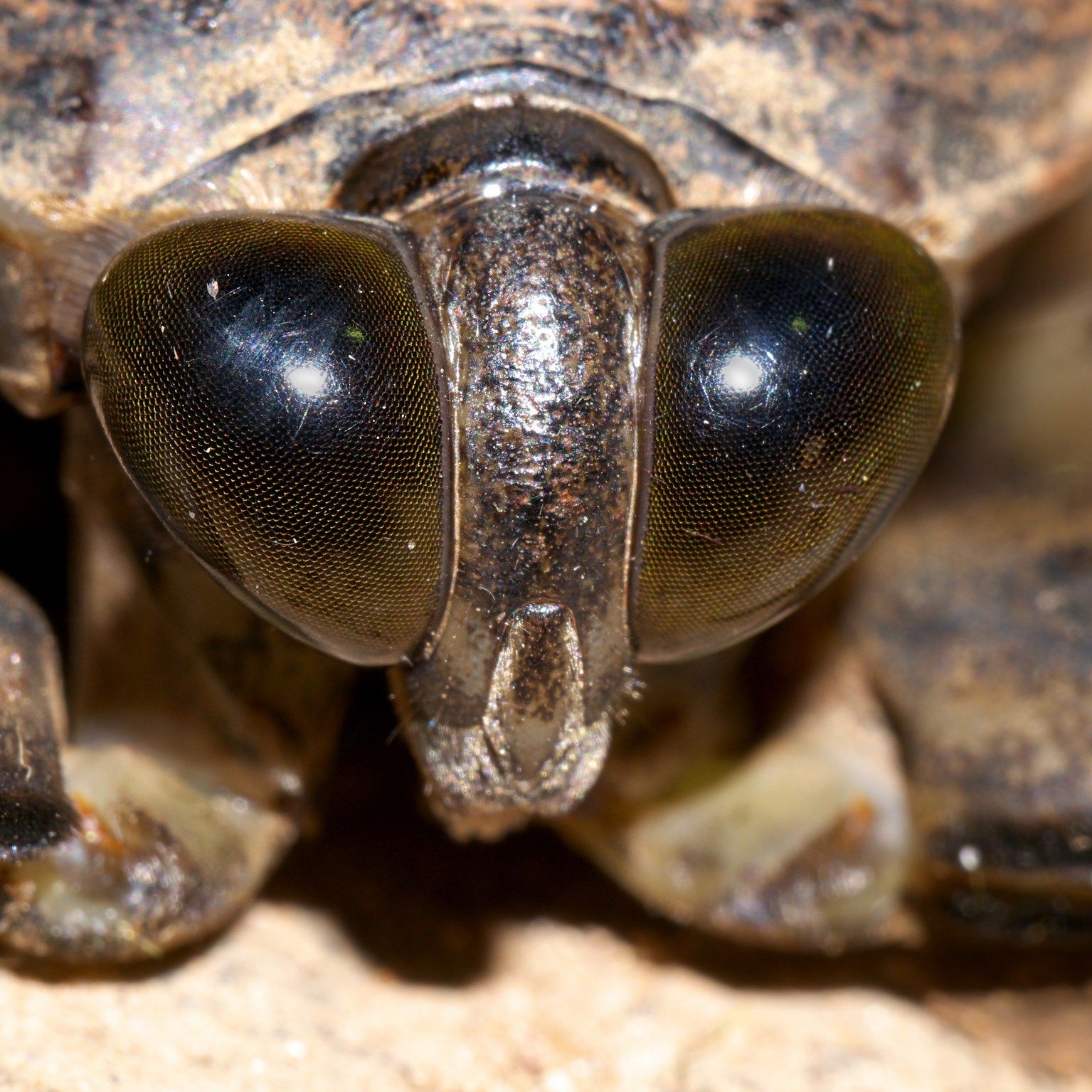
The Electric Light Loving, Scuba Diving, Toe Biting, Giant Water Bug
Toe-Biter, Electric-Light Bug, Alligator-Tick; people have come up with many names for the fascinating critter. It’s actual name is perhaps the most boring—the Giant Water Bug. They are the largest of the ‘true bugs’ and belong to the Belostomatidae family of insects. To read the blog version and see the video mentioned, visit https://thewildlife.blog/2018/06/02/the-electric-light-loving-scuba-diving-toe-biting-giant-water-bug/ Become a patron (and our best friend), and get tons of cool perks at www.patreon.com/TheWildLife and help us to keep doing what we are doing and getting better! Follow us on instagram at instagram.com/devonthenatureguy and instagram.com/thewildlife.blog
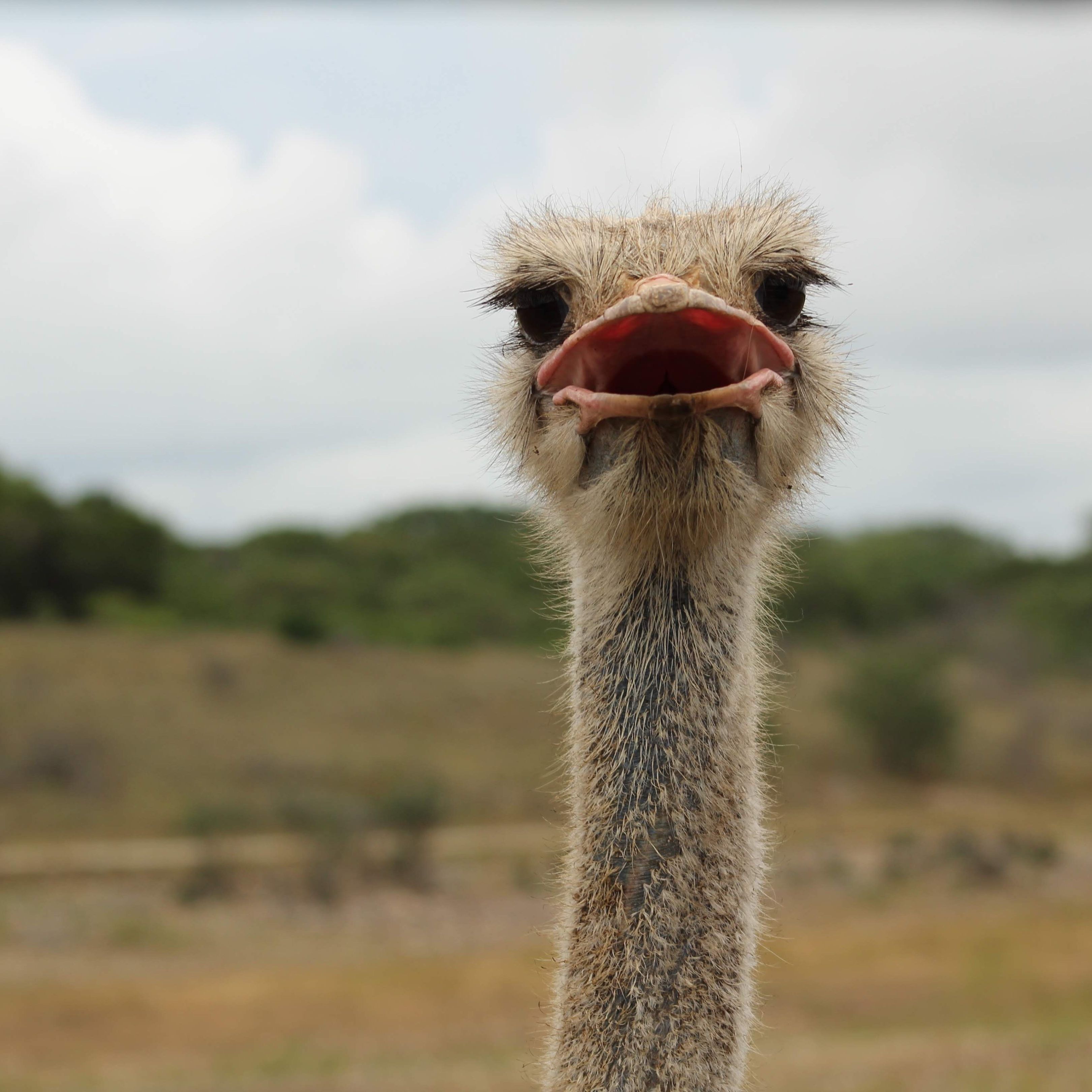
Head in the Sand? All About Ostriches
This week, it’s time to bust some myths, bow down in awe, and learn something new about the biggest birds outside of Sesame Street. To read the blog version and see an ostrich dance an some adorable babies, visit https://thewildlife.blog/2019/06/27/get-your-head-out-of-the-sand-ostriches-are-actually-pretty-amazing/ Become a patron (and our best friend), and get tons of cool perks at www.patreon.com/TheWildLife and help us to keep doing what we are doing and getting better! Follow us on instagram at instagram.com/devonthenatureguy and instagram.com/thewildlife.blog As promised, here is a link to the first study: https://www.tandfonline.com/doi/full/10.1080/02724634.2019.1605521 and here is one to the story about ostrich penis evolution: https://www.huffpost.com/entry/ostrich-penis-study-evolution_n_1140105?guccounter=1
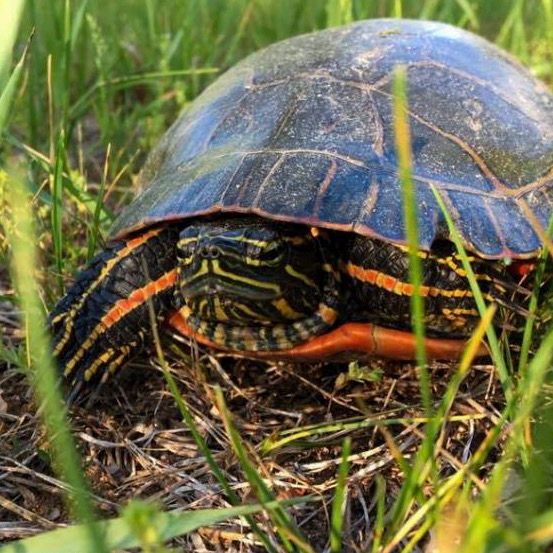
Turtle Trekkers
This time of year, a spin on a classic joke about a chicken comes to life as thousands of turtles are seen crossing roadways and trails, leading many to wonder, “why?” and “how can I help do it safely?”. Well, here's the answer to both! To read the blog version, visit https://thewildlife.blog/2018/06/07/its-turtle-time-how-you-can-help-turtles-cross-roads-safely/ As promised, here is the link to check out HerpMapper https://www.herpmapper.org/ Become a patron (and our best friend), and get tons of cool perks at www.patreon.com/TheWildLife and help us to keep doing what we are doing and getting better! Follow us on instagram at instagram.com/devonthenatureguy and instagram.com/thewildlife.blog
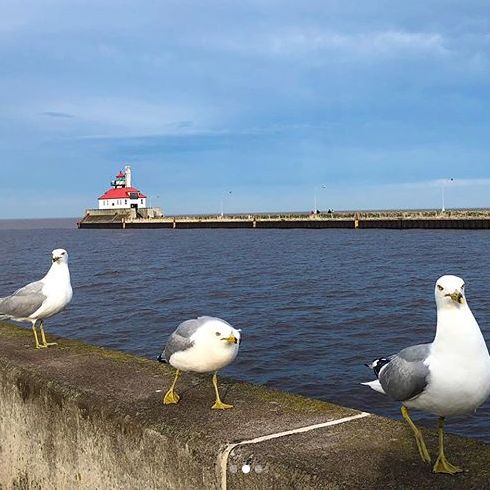
Gulls and the Concrete Sea: Why do Seagulls Love Parking Lots?
Why do seagulls hang out in parking lots? Do seagulls even exist? Why are they always after my fries?!?!?! Find out in this short episode of #TheWildLife To read the blog version, visit https://thewildlife.blog/2018/08/09/gulls-and-the-concrete-sea/ Become a patron (and our best friend) at www.patreon.com/TheWildLife and help us to keep doing what we are doing and getting better! Follow us on instagram at instagram.com/devonthenatureguy and instagram.com/thewildlife.blog
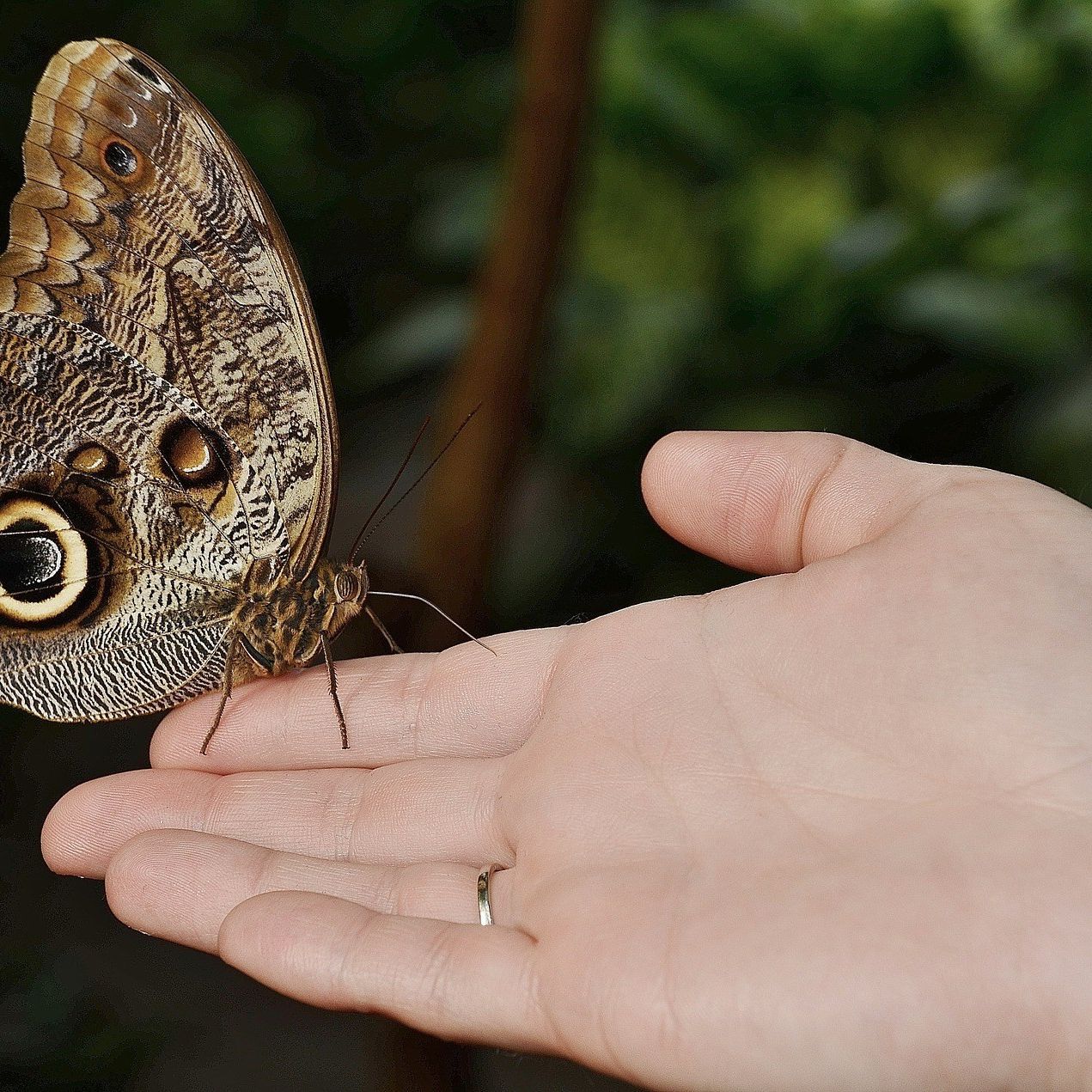
SHORT: The Dirty Truth About Butterflies
Grace is basically synonymous with butterflies. The truth, however, is far...dirtier. Like poop, pee, blood, sweat, and tears dirty. After this, you'll never be able to look at one the same way again. Oh, and also, stay tuned for a big announcement coming soon about the future of the podcast and The Wild Life. You're not going to want to miss it! To read the blog version, visit https://thewildlife.blog/2018/08/18/mud-puddling-the-dirty-truth-about-butterflies/ Become a patron (and our best friend) at www.patreon.com/TheWildLife and help us to keep doing what we are doing and getting better! Follow us on instagram at instagram.com/devonthenatureguy and instagram.com/thewildlife.blog
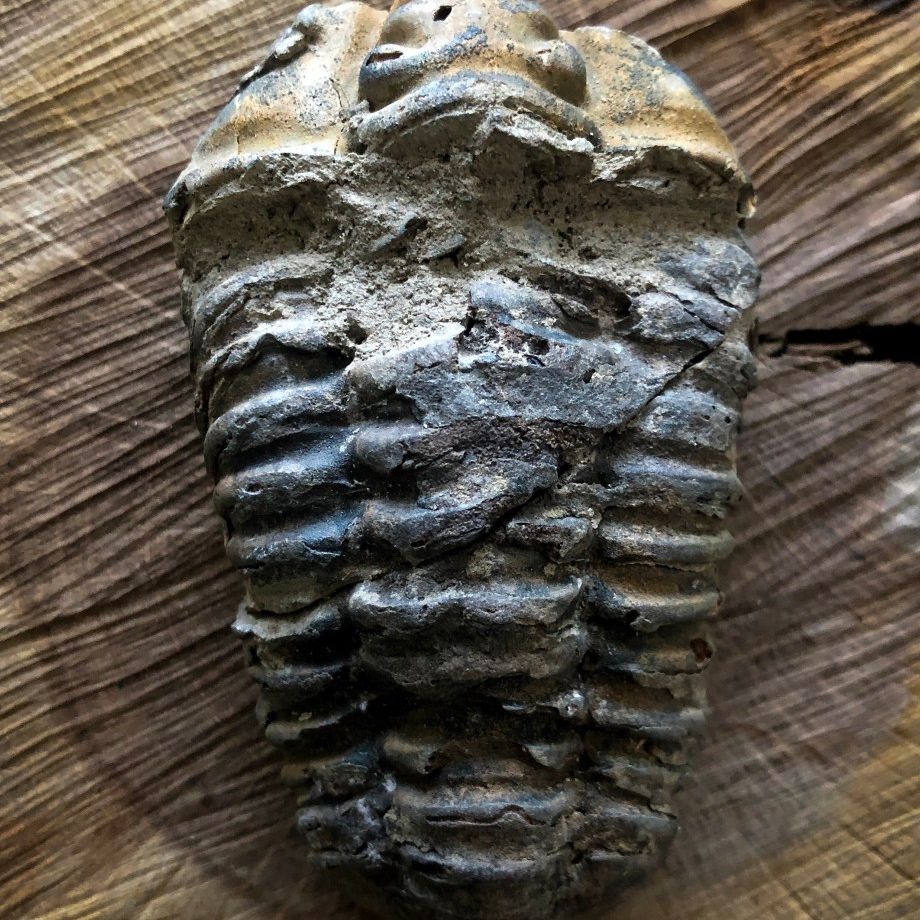
SHORT: The Trouble with Trilobites
It’s #FossilFriday, and you know what that means—fossils. Big surprise, right? This week, with an unoriginal but begging to be used titular parody on the classic Star Trek episode ‘The Trouble with Tribbles”—we’re talking trilobites!
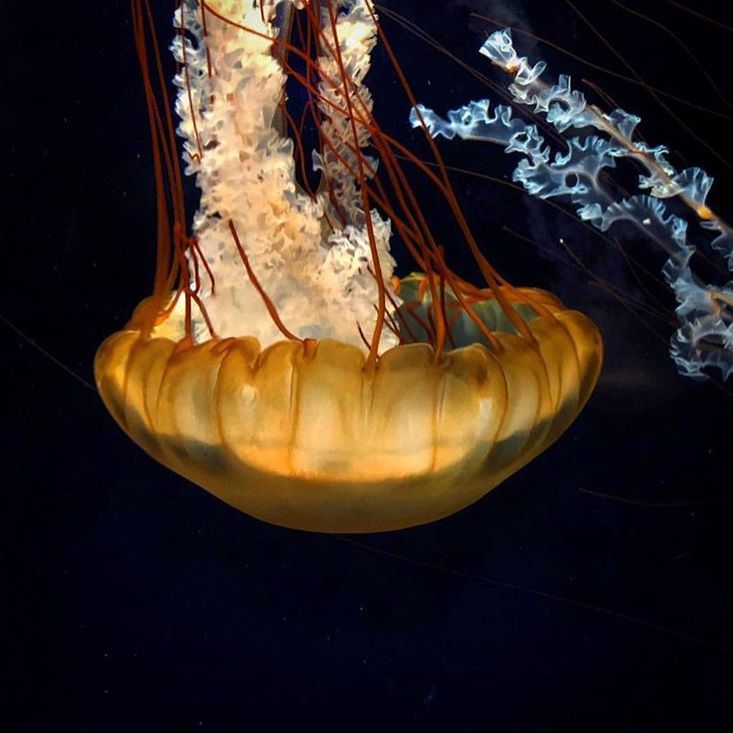
No Brainer
In the mid-season finale, Devon and Richard talk to Lucas Brotz, research associate at the Marine Institute for the Oceans and Fisheries at the University of British Columbia and a Cnidaria Scientist for Quantitative Aquatics, to discuss how a creature without a brain dominates the worlds oceans, and the many ways they impact our lives.
Scattered
In this episode, Devon and Richard look into the void to unveil the cause of the once mysterious Deep Scattering Layer, taking you on a journey involving covert military research in World War 2, the largest migration on earth, shimmering creatures of the deep (and their food), and an organic machine responsible for capturing carbon and sinking it into the depths of the ocean.
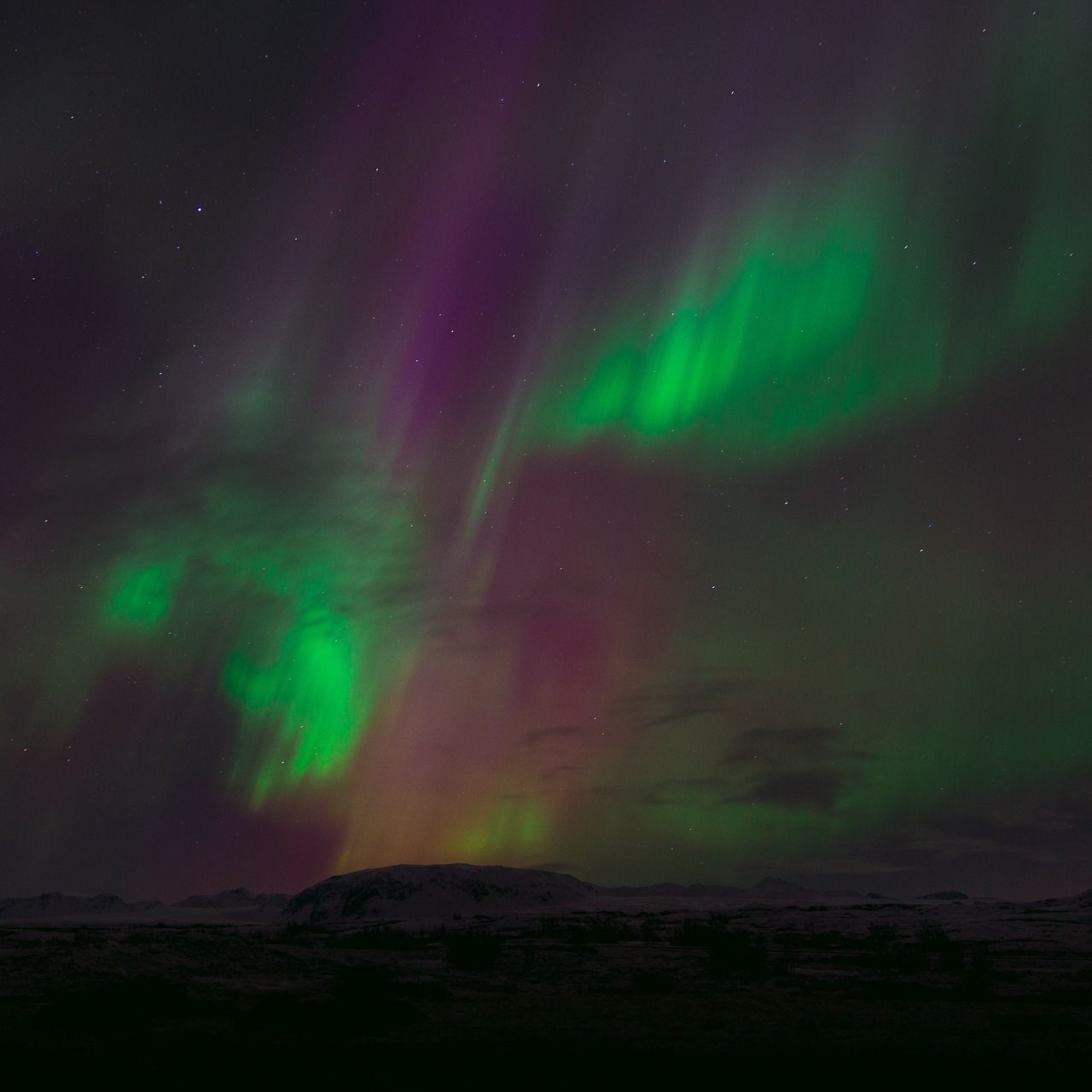
Animal Magnetism
In this episode, Devon and Richard explore the animal magnetism. No, not the kind you might be thinking. Instead, we're talking about the surprisingly common animal superpower which allows creatures all around the world, from the skies to the oceans, to sense the magnetic field of our planet.
Ant Farm with Dr Cameron Currie
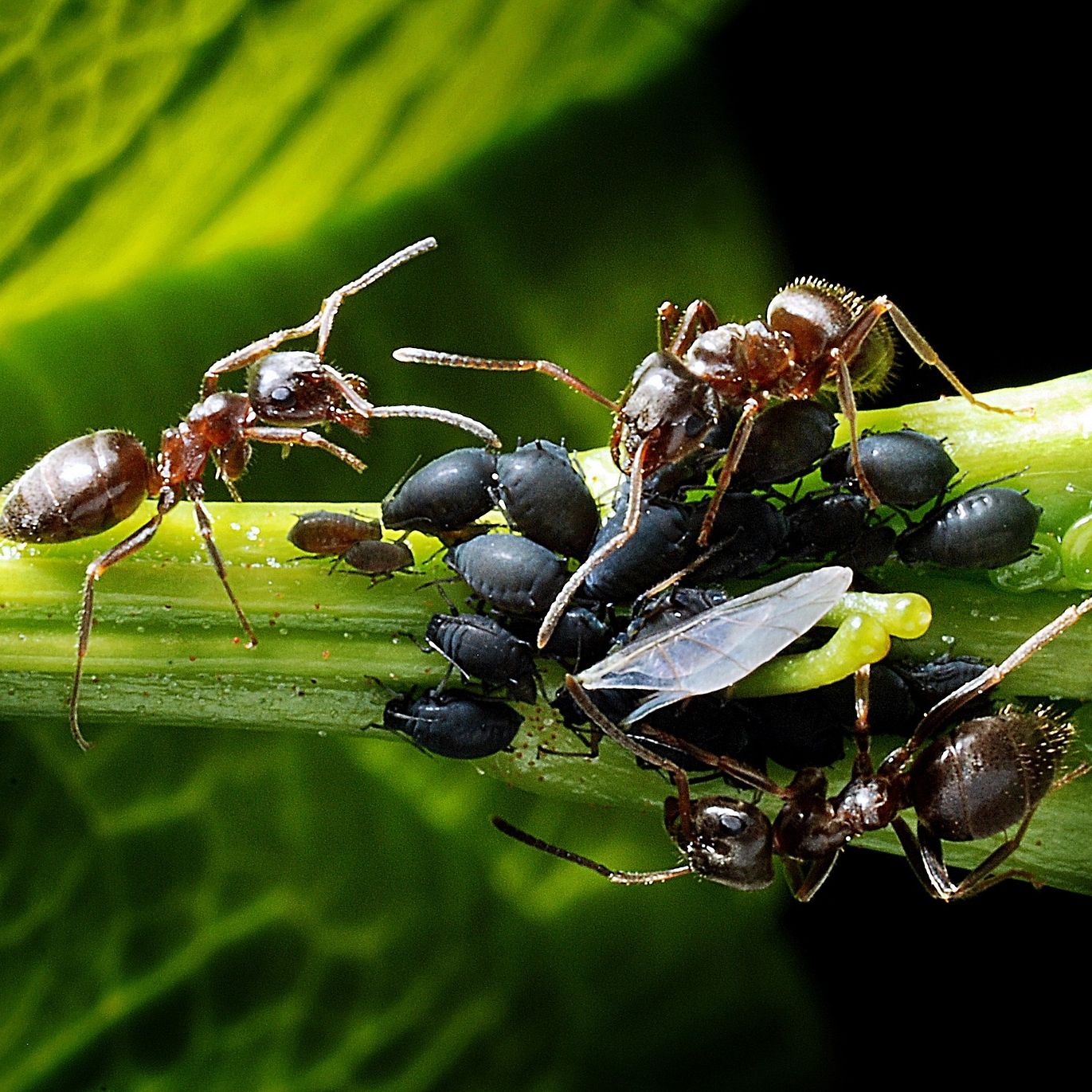
We as humans often think of ourselves as unique. In this episode, we discover that we may not be as unique, or advanced, as we thought as we learn about amazing subterranean fungi farmers, cowboy insects, and a 55 million year old relationship that puts our use (or misuse) of antibiotics to shame. Special thanks to our guest for the episode, Dr Cameron Currie of UW-Madison.
Is Anybody Out There?
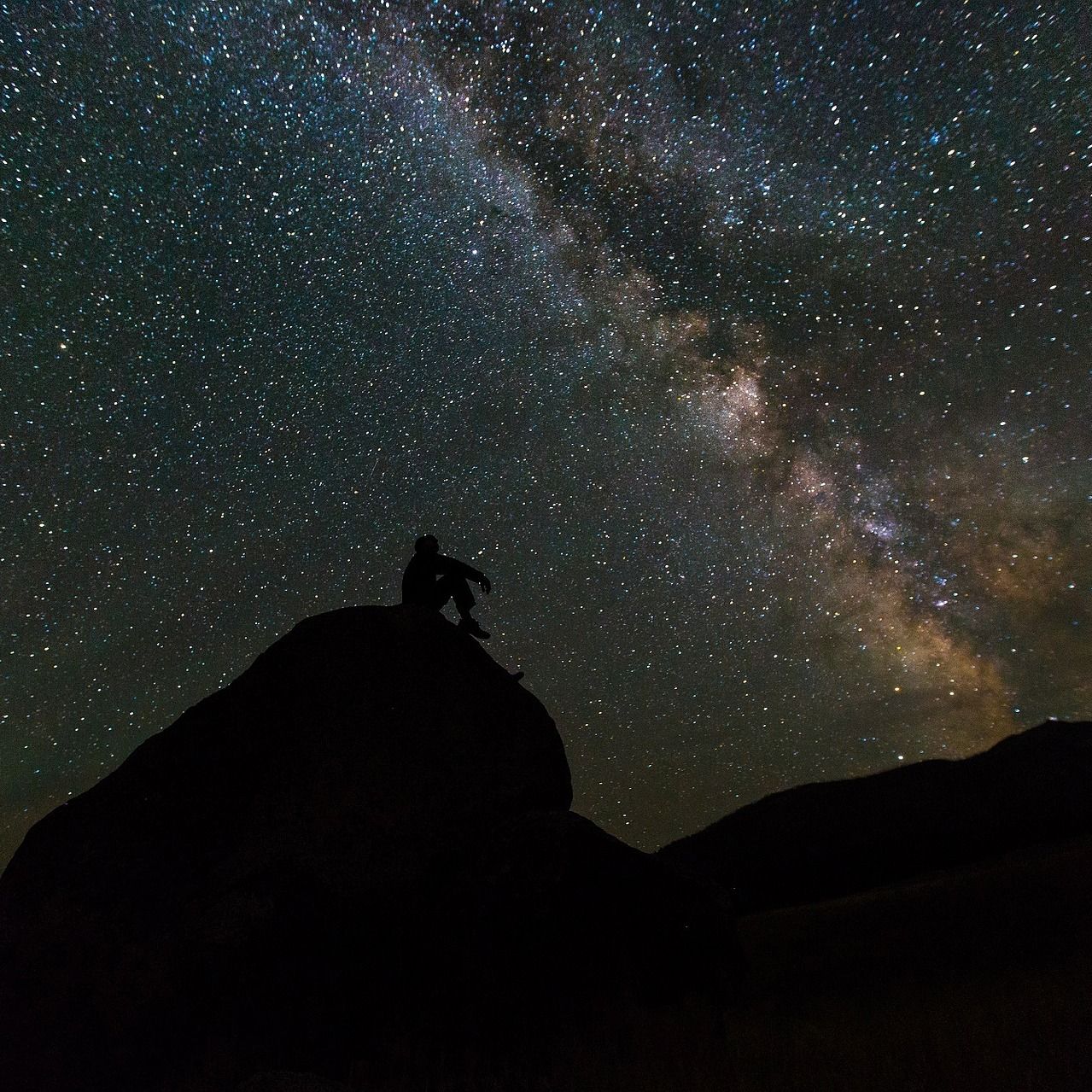
In the Season 2 premier of The Wild Life, Devon attempts to settle an age old argument between him and his co-host by enlisting the help of renowned biochemist, professor, and author, Dr Nick Lane of the University College of London. The debate: is there complex alien life somewhere out there, or is it improbable that there is anything more than cellular life. We look to the improbable origins of complex life on earth in search of answers.
SHORT: Plant or Fungi?
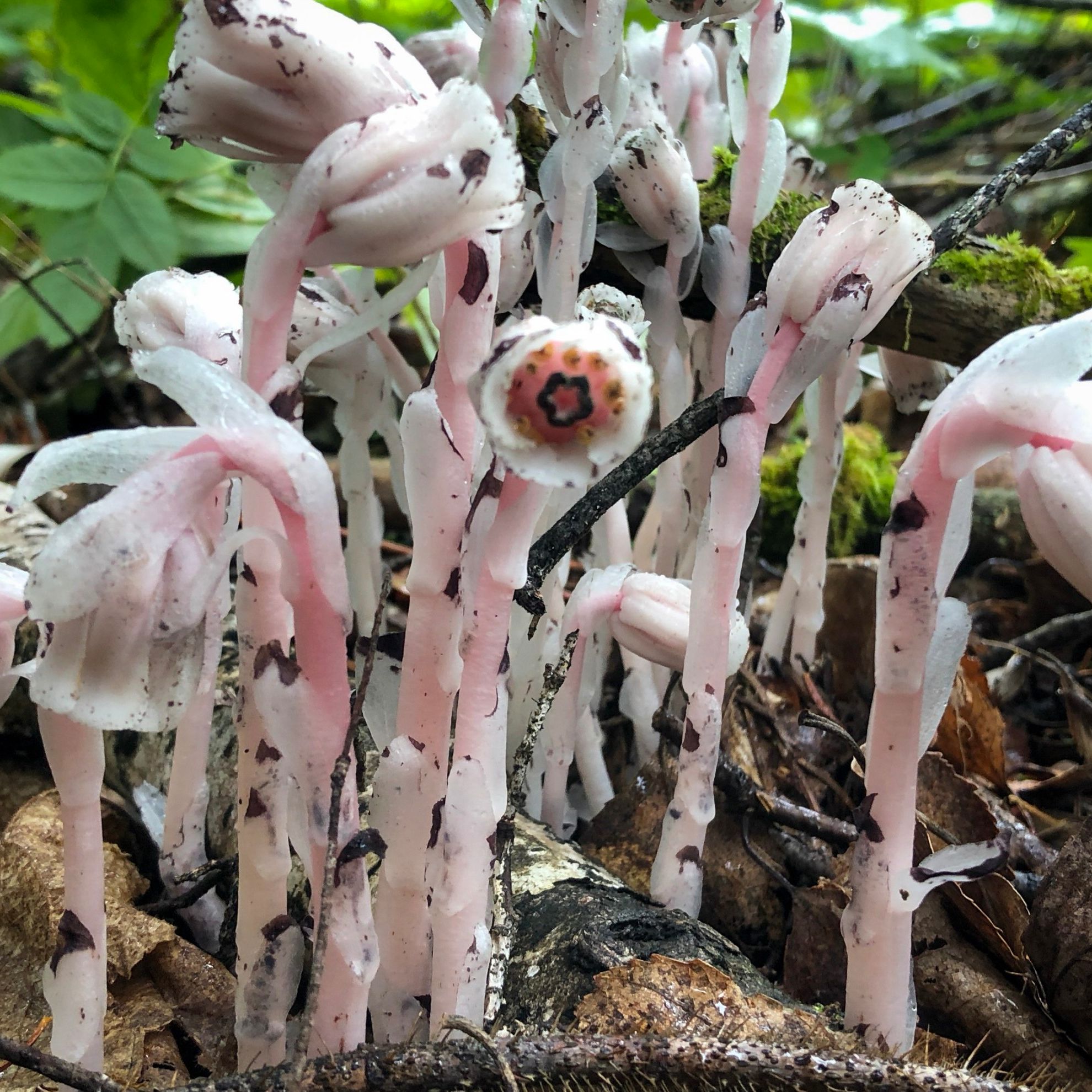
A random find while hiking that lead to a life history story that was unexpectedly fascinating. Read more and see images of the find here: https://thewildlife.blog/2018/09/06/this-ghostly-parasitic-plant-survives-by-hacking-the-wood-wide-web/
SHORT: Hoarfrost
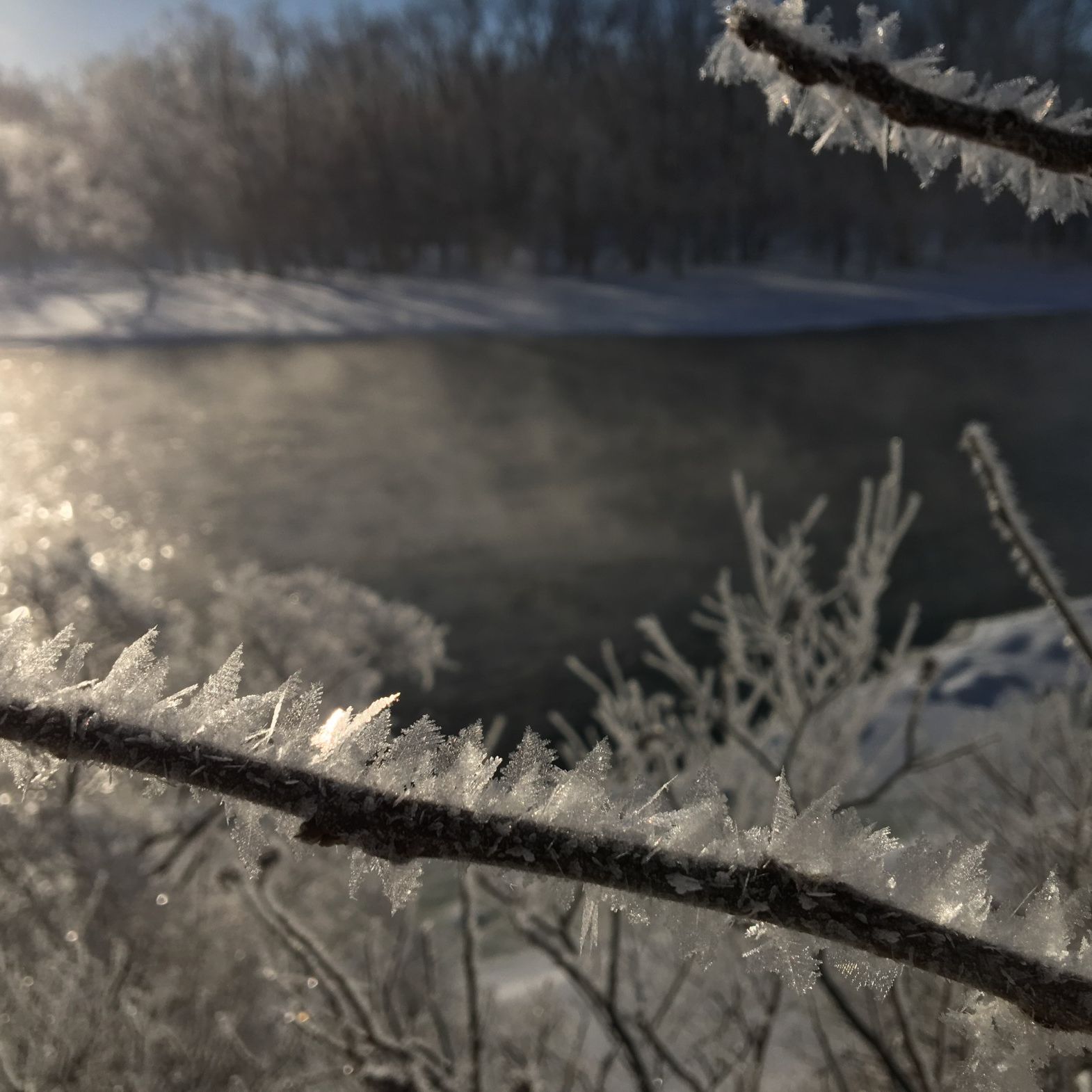
In this short, Devon shares a story from thewildlife.blog of a hoarfrost christened hike he had last spring and explains how this magical rock candy frost phenomena occurs.
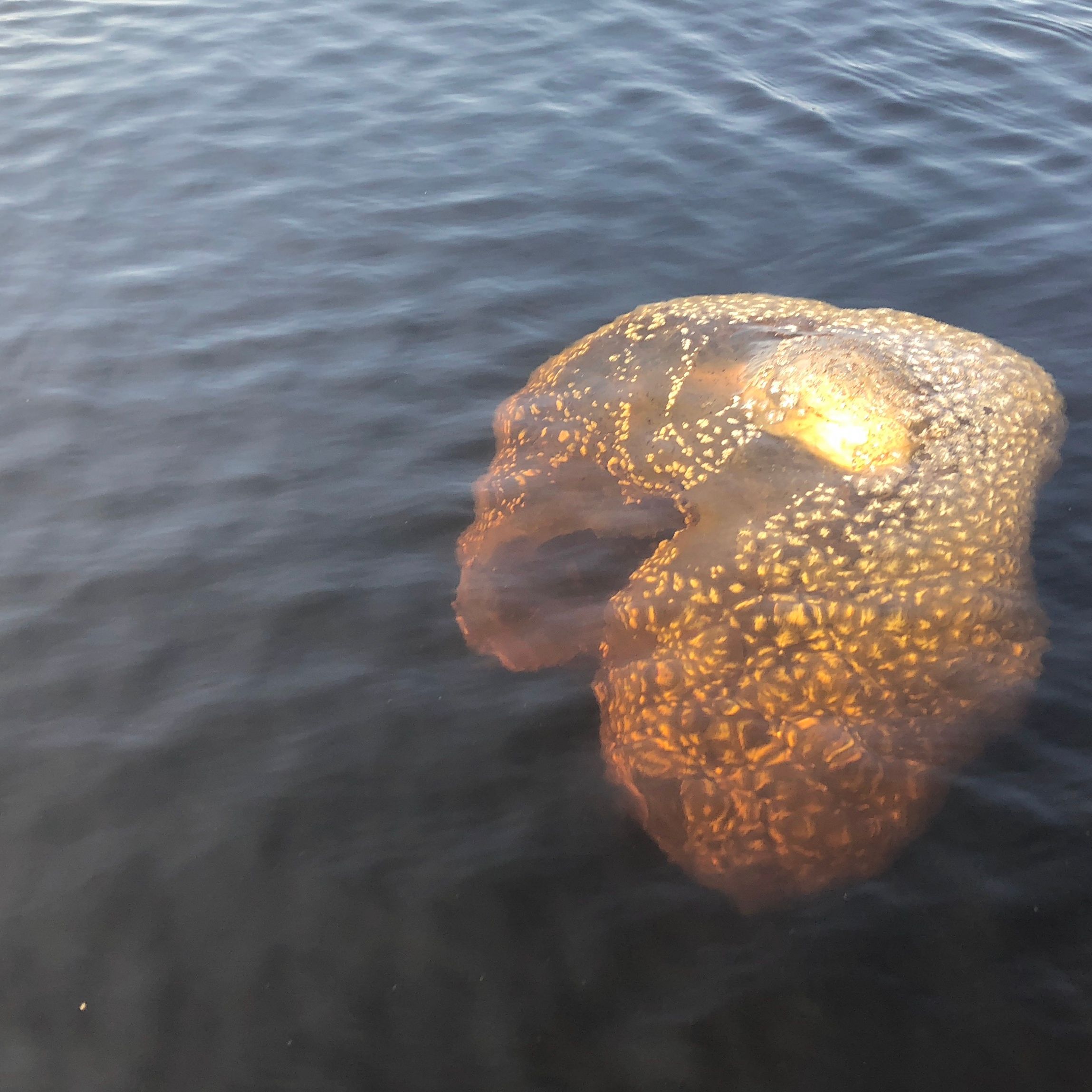
SHORT: ATTACK OF THE BYROZOANS
While we work on Season 2, I decided to begin a sub-series of shorts in which we take some of our most popular blog post and create audio versions. Now, something you may have read on the website (thewildlife.blog)will be available to listen to on the go! Be sure to stay on the lookout for Season 2 snippets and teasers. If you've ever seen a gelatinous blob of ick floating in the water and wondered what type of alien life you were seeing, it was probably a Bryozoan, and they're honestly pretty neat.
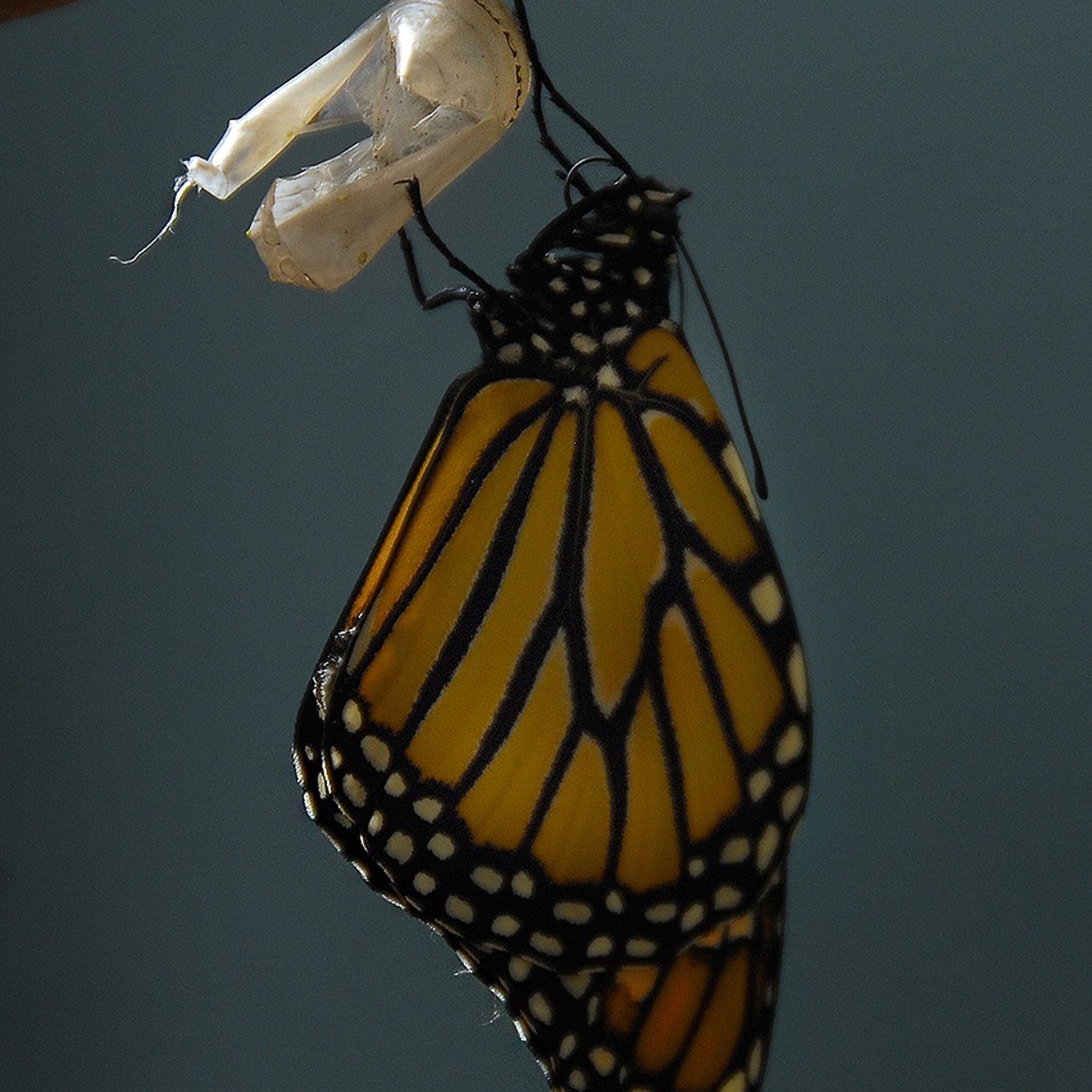
The Metamorphosis Metaphor
Starting at a young age, we are all introduced to this idea, an idea that we carry with us and adapt, and reapply as a metaphor for our own lives---this idea of becoming something new, beginning again as something better. But behind this idea is a process, and despite our lifelong exposure, most don’t really know what exactly is going on In the Season 1 Finale of The Wild Life, Devon and Richard expose the mystery of metamorphosis, what happens inside the chrysalis, whether or not a butterfly remembers or a caterpillar knows, destroy the metamorphosis metaphor, and build it anew, all with the help of Dr. Martha Weiss of Georgetown University.
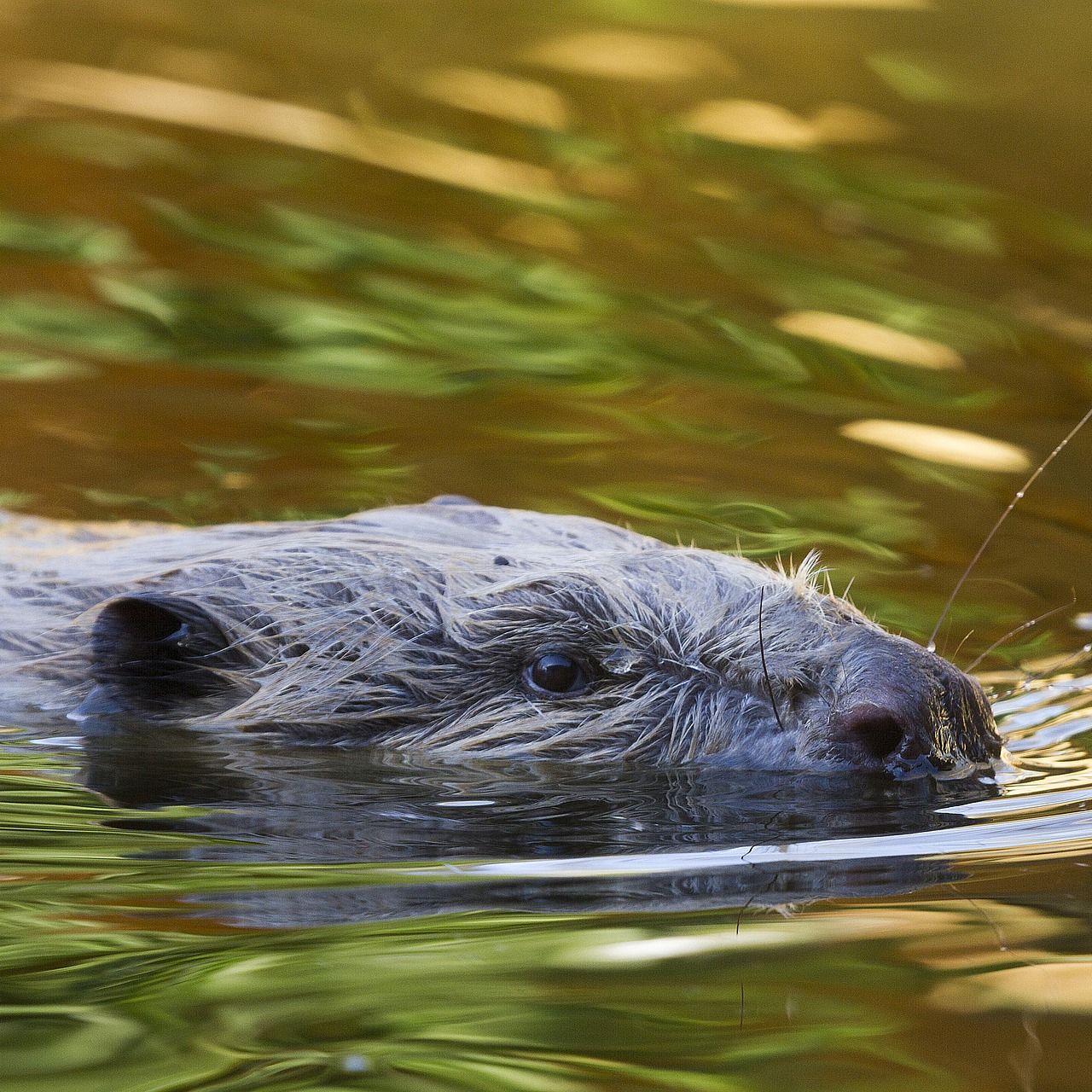
Leave it to Beavers
In this episode, Devon and Richard go on a totally real, not-recorded-indoors, time travel adventure to explore the life history of the busiest mammal out there---the beaver. Meet Beatrice the Beaver in the Boundary Waters, a Voyageur in the 1600's and learn about all the ways beavers can impact their environment.
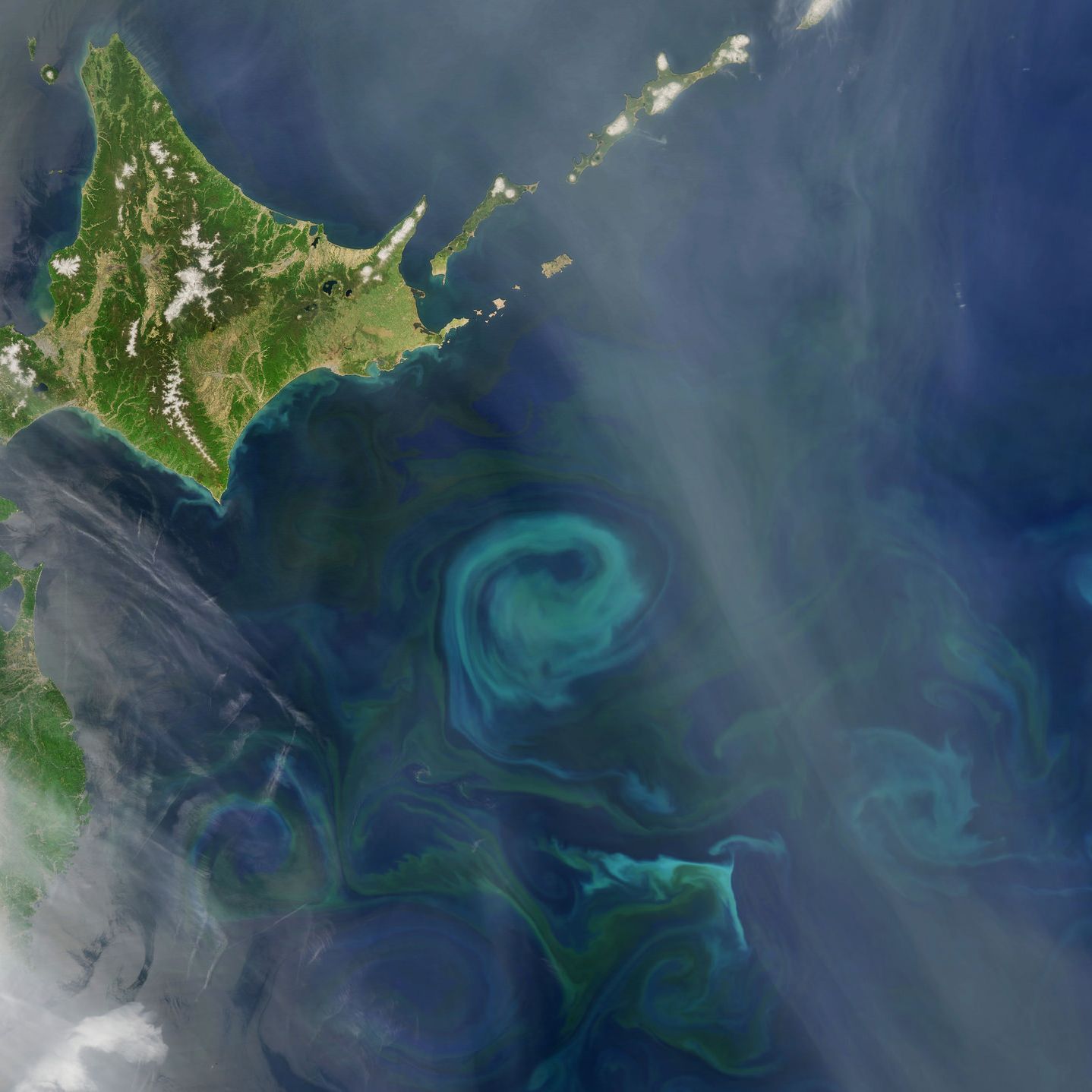
The Air We Breathe
In this episode, Devon and Richard talk to Dr Julie Koester of UNC-Wilmington and Dr Orly Levithan of Rutgers about the truth behind where our oxygen comes from, and the tiny organisms we have to thank for our very existence.
Life in the Twilight (Crepuscular) Zone
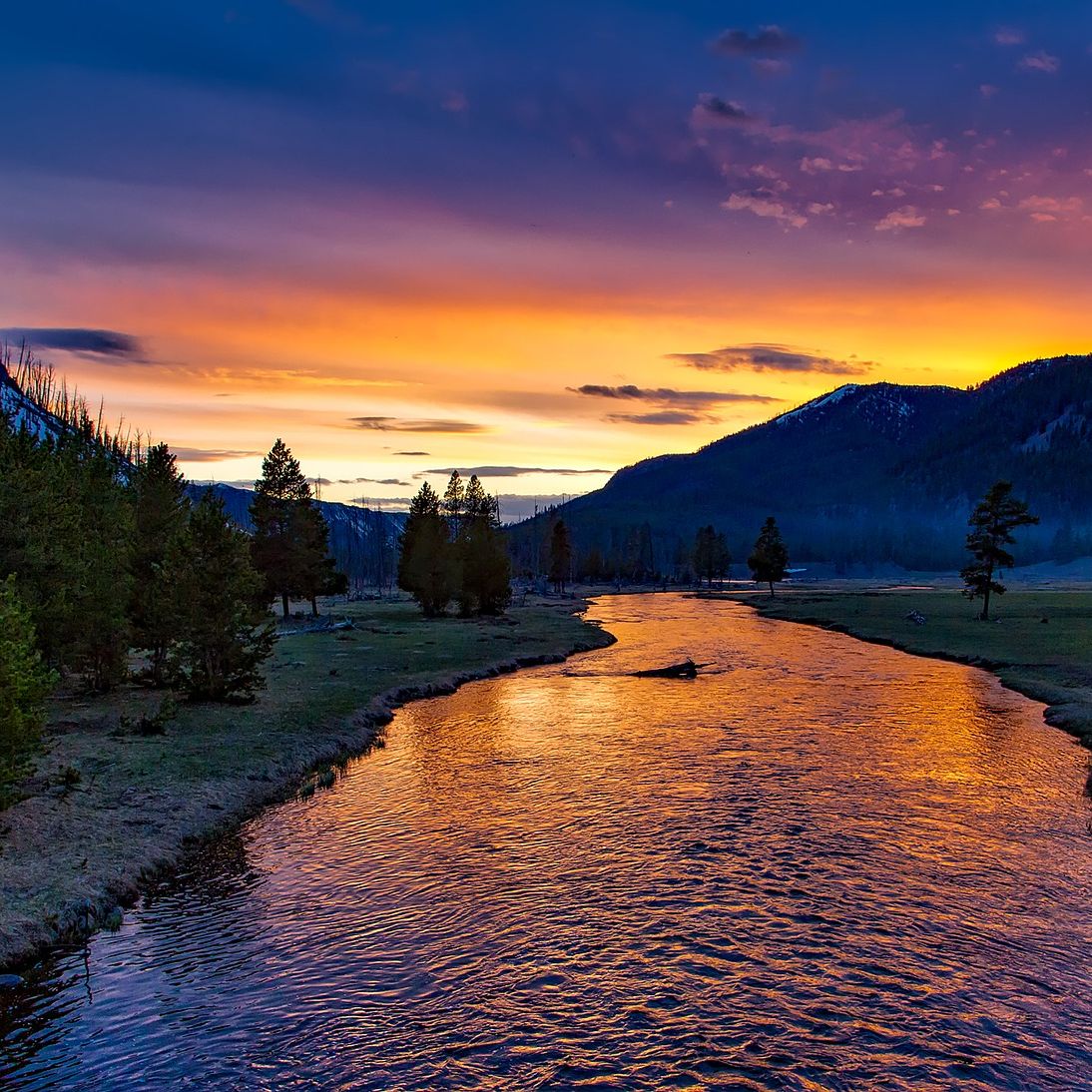
Devon and Richard venture into the Twilight Zone, by going on a walk at Twilight, the time between light and dark, to explore what life is like and what has pressured so many animals to take advantage of this peculiar time of day---er, night---the in-between?
It's Not Easy Being Green: Canary in the Coal Mine
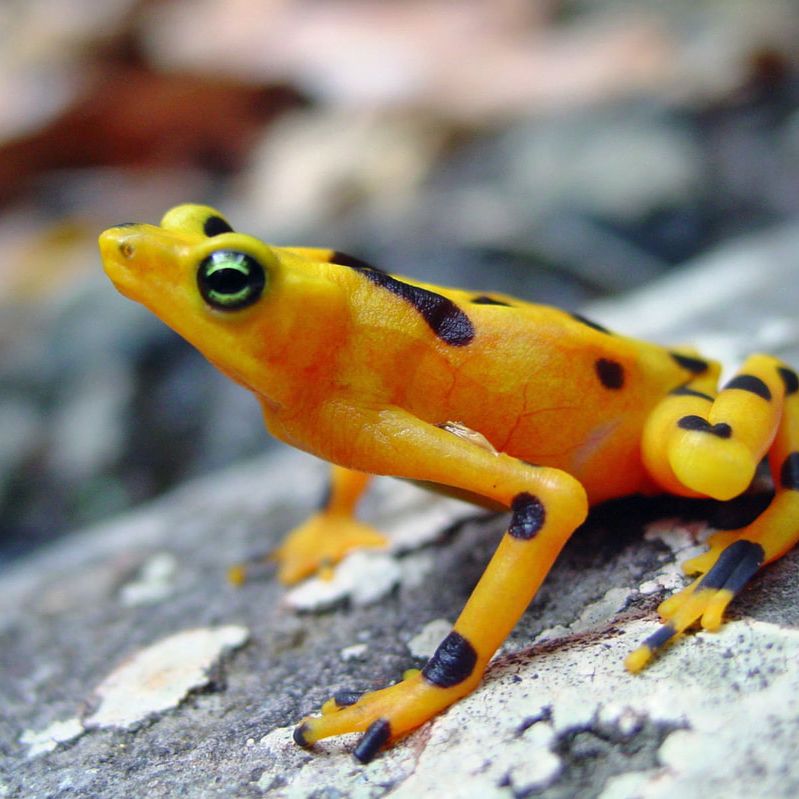
In this episode, we tell the story of two Harvard professors with a bucket of frogs and a rooftop, solve the decade old mystery of exploding toads in Germany, explain what was the culprit of frog deformities across the Western US, speak with Dr Voyles about her research on disease ecology and amphibians in Panama, and chat with Dr Konrad Rykaczewski about the inspiration for his antifreeze technology.
Taste For Blood: Nature's Vampires
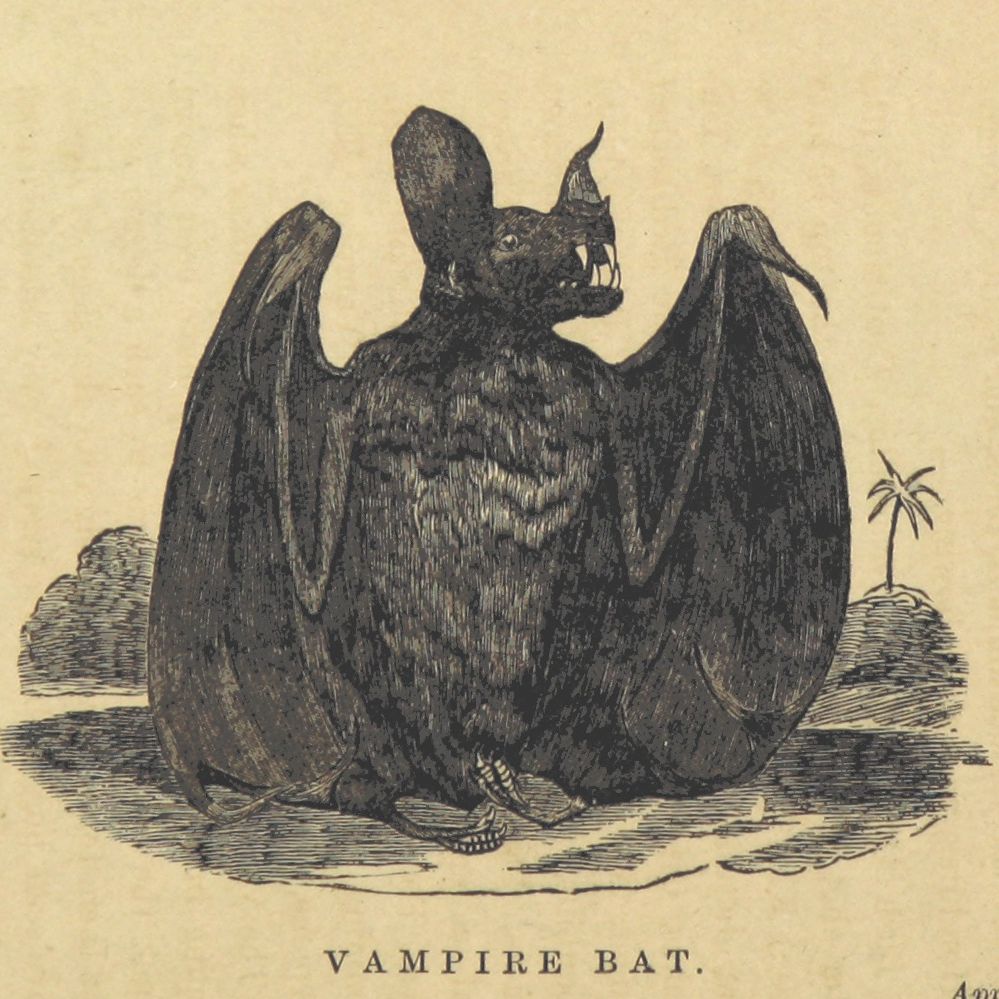
This episode, we have a story that takes us all the way from Copenhagen, to the rain forest of South America--- from the belly of the beast, to it’s excrement---as we explore nature’s Vampires Our guest is Dr Marie Lisandra Zepeda Mendoza, who recently finished her post doc in Copenhagen, Denmark and whose recently published research on vampire bats and how they survive on such a peculiar diet is at the center of this story.
Myth-Understood: Busting Bat Myths
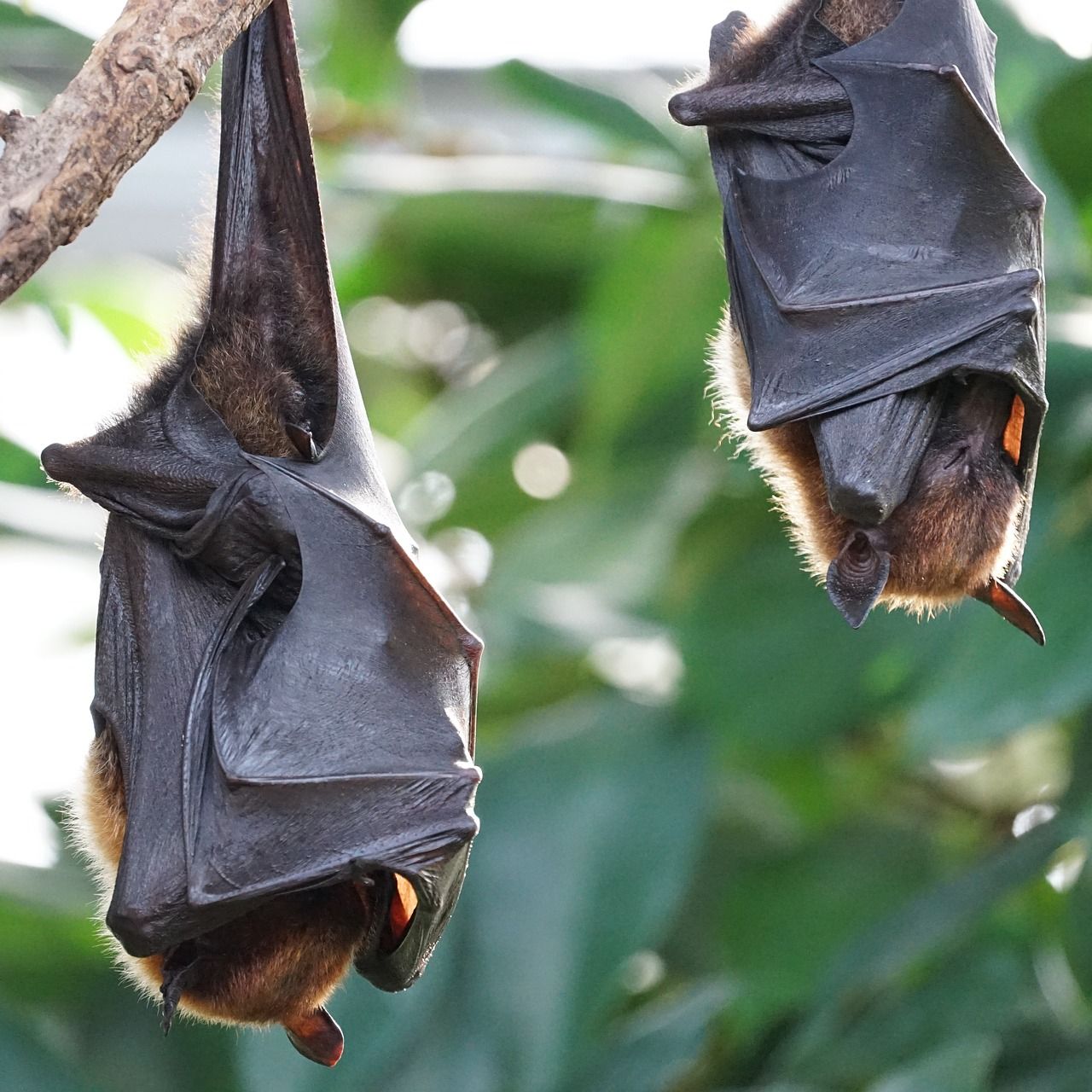
Belief…belief is an interesting thing. Some of our beliefs are very close to our hearts, untouchable, unchangeable. Some of our beliefs are more flexible, changing if you have some kind of evidence or experience that can convince you otherwise. Belief can be harmless and belief can be harmful. Belief can be truth and it can be myth. This week, we are going off format in the first of an intermittent series we are calling Myth-Understood in which we explore commonly believed myths about different misunderstood animals and examine the truth behind the legends. This week we focus on an animal that has been the victim of superstition and fear for thousands of years. Despite what many believe, these creatures are extremely important to our everyday lives. Dollar for dollar, they are worth more than Elon Musk, they hold secrets of aging, rejuvenate the rainforest, and they’re the most essential ingredient... of a Margarita.
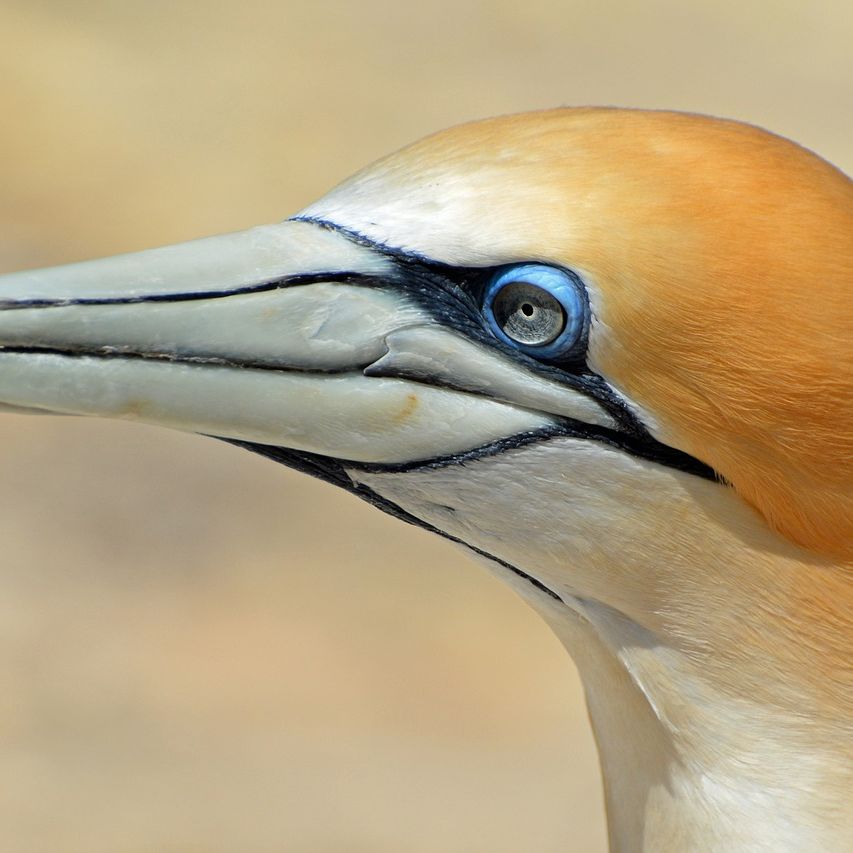
Love and Loneliness
In S1E1, Devon and Richard tell the story of Nigel "No Mates" the lonely Gannet, explore the reason behind a massive crab migration, and share this weeks Animal Sound of the Week!