The Wild Life
198 episodes — Page 2 of 4
What's the Fastest Fish?
How fast can fish really be? Faster than you’d probably expect.Transcript
Biohacking Starfish
The Crown-Of-Thorns Starfish may not look like much, but their impact is inarguable. They feed heavily on corals essential for building reefs, the marine equivalent of a metropolis. When these starfish have a boom in their population, the result is a significant loss of live coral. The damage has a higher impact on the reef’s health and resilience than bleaching and disease combined. The incredible diversity of other species dependent on that coral face sharp declines in turn. And it’s not just wild lives that are affected. These reefs act as natural barriers or shields protecting coastal cities. Without those barriers, coastal plants and beaches are at risk. Plus, reef-dependent industries face significant losses. Now, scientists think they may have found a solution---a Trojan Horse.Transcript
The Wild Life of the Splendid Toadfish
If you’ve ever been down to Cozumel, Mexico, you’ve been to one of two places (the other being Glover’s Reef in Belize) on earth where this species of fish can be found. I was there in 2011—on land, granted—but had I gone out snorkeling near any coral outcrops I may have had the opportunity to see the spectacular Splendid Toadfish.TranscriptSupport the Show
Shooting a Lion
This episode was originally written in October 2015 as a reflection essayI acknowledge there is nuance to these issues which are not fully expressed in this essayIn The New York Times article “Shooting a Lion”, University of Cambridge professor and acclaimed writer, Helen Macdonald, details her recent safari at Kruger National Park in South Africa. Her visit was just a few short months after the Minnesota dentist, Walter Palmer, killed Cecil the lion just outside the very same park. Cecil’s killing was met with international uproar and “a white-hot debate over the morality of big game hunting”.But there’s another kind of exploitative shooting of lions happening, only this kind isn’t with a gun, but a camera. Transcript
Birding by Smartphone
In 1917, the American poet Wallace Stevens published a poem called 13 Ways of Looking at a Blackbird. In truth, 13 is a major understatement, with just as much variation in “why” as their is in “how”. Whether you’re a life “lister”, a casual admirer, or anywhere in between, at some point each and every one of has had a moment where we saw a bird and thought to ourselves, “what is that?”In the past, this has been the moment that separates the bird watchers from the bird seers. It takes a certain kind of intrigue and drive to tear into a field guide, piecing together evidence to find the right ID, the kind that the casual observer might have balked at. Now, with increasing developments in technology, answering that question has never been easier and more accessible. All you need is a smartphone!TranscriptSupport at Patreon.com/devonbowker
More than a Long Neck: 16 Giraffe Facts You Probably Didn't Know
Who doesn’t love Giraffes? Yet, despite their international love and viral webcam footage with thousands tuning in to watch their birth, there is much about them that is unknown by the masses, which is a shame because they are truly fascinating animals with a multitude of fun facts about them. Here are 16 things you probably didn’t know about Giraffes.Episode TranscriptSupport
Confronting Climate Change with Jeff Corwin
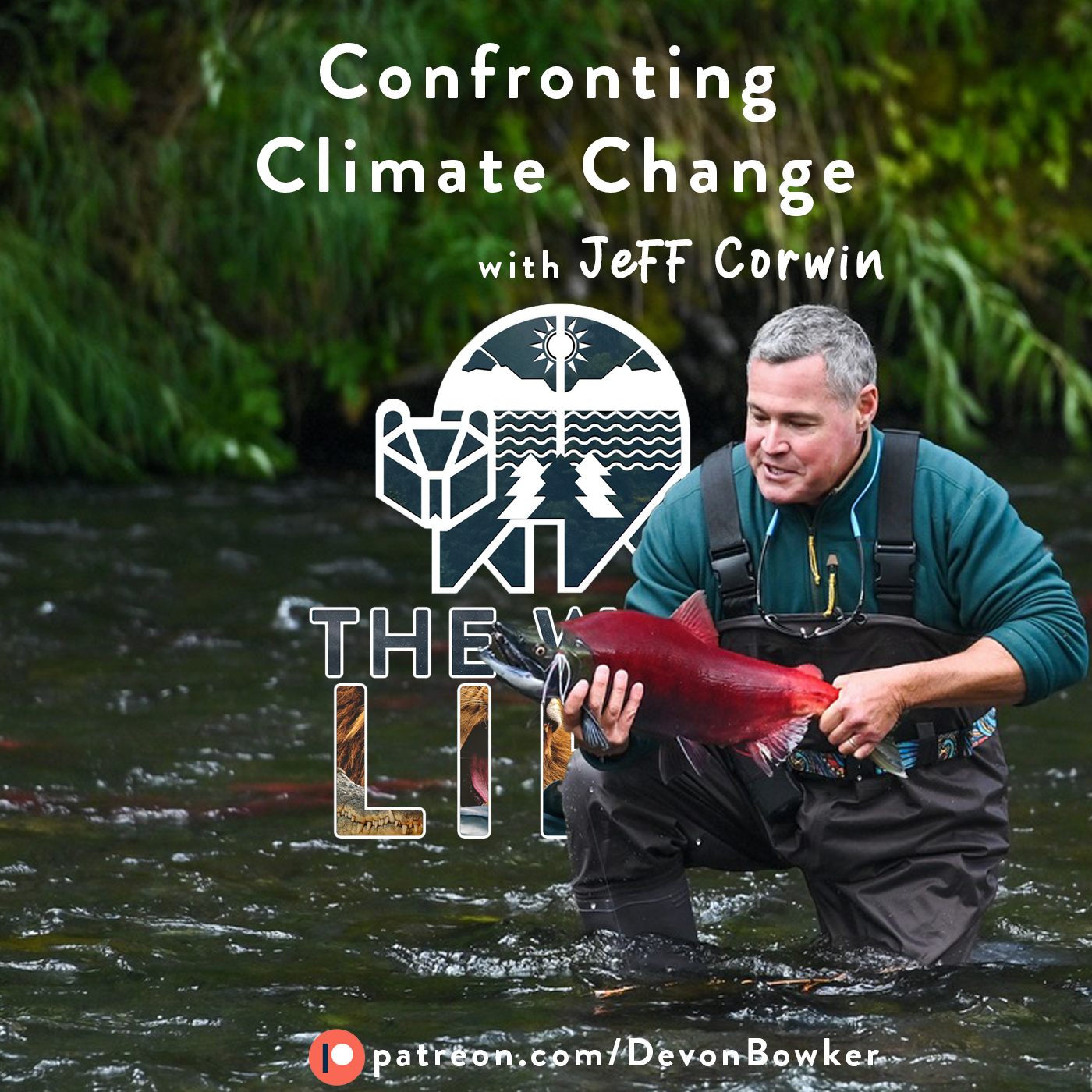
Jeff Corwin, American biologist and wildlife conservationist, joins Devon on The Wild Life today to talk about his new show on ABC, Wildlife Nation with Jeff Corwin, in partnership with Defenders of Wildlife, his career's core-wins, lessons learned, finding the right tone, focusing on what matters, finding hope, and confronting climate change.Jeff is known for hosting Disney Channel's Going Wild with Jeff Corwin, The Jeff Corwin Experience on Animal Planet, ABC's Ocean Mysteries with Jeff Corwin/Ocean Treks with Jeff Corwin and Wildlife Nation with Jeff Corwin.Support The Wild Life at www.patreon.com/devonbowker
The Wild Life of the Deep-Sea Dragonfish
The Deep-Sea Dragonfish, a scaleless eel-like fish about 6 inches in length that lives (you guessed it) in the deep sea, specifically the bathyal zone of the Atlantic Ocean beyond where any light can reach.TranscriptSupport the Show
The Life and Impact of Barry Commoner
As one of America’s most influential environmentalists, Barry Commoner devoted his life and career to ecology, awareness, education, and enacting positive change. Support the ShowTranscriptJumpin Boogie Woogie by Audionautix is licensed under a Creative Commons Attribution 4.0 license. https://creativecommons.org/licenses/by/4.0/Artist: http://audionautix.com/
The Wild Life of Muskellunge
The Muskellunge, or Muskie, is the largest member of the pike family, and just a large fish all around. Their common name comes from the Ojibwa word maashkinoozhe, which translates to “ugly pike”. But there's a lot more to the muskie.TranscriptSupport the Show
The Wild Life of Butterflyfish
Butterflyfish are a group of around 120 species in the Family Chaetodontidae. They can be found in reefs around the world in the tropical and subtropical regions of the Atlantic, Pacific, and Indian oceans. Butterflyfish are probably most recognizable for their disk-like body shape, pointed snout, and striking patterns and coloration seen across most species in stark contrast with the blue ocean background. TranscriptSupport the Show
Hiking with a Toddler
Your hikes that used to take an hour have just turned into three hours. At first, this is super stressful. Like, I just want to finish my hike. But, do you know what this allows you to do? It allows you yourself to be mindful and to stop and smell the roses. Hiking with a toddler is definitely a different experience, but it doesn't have to be stressful. Here are some tips to keep in mind.Originally written as a blog post by my wifeTranscriptSupport the Show
The Wild Life of the Little Brown Skink
Skinks are often overlooked, even unknown, (even as I write this, spell-check doesn’t even recognize “Skink” as a word) but there are over 1,500 species of them on the planet. That makes them the most diverse family of lizards.Transcript
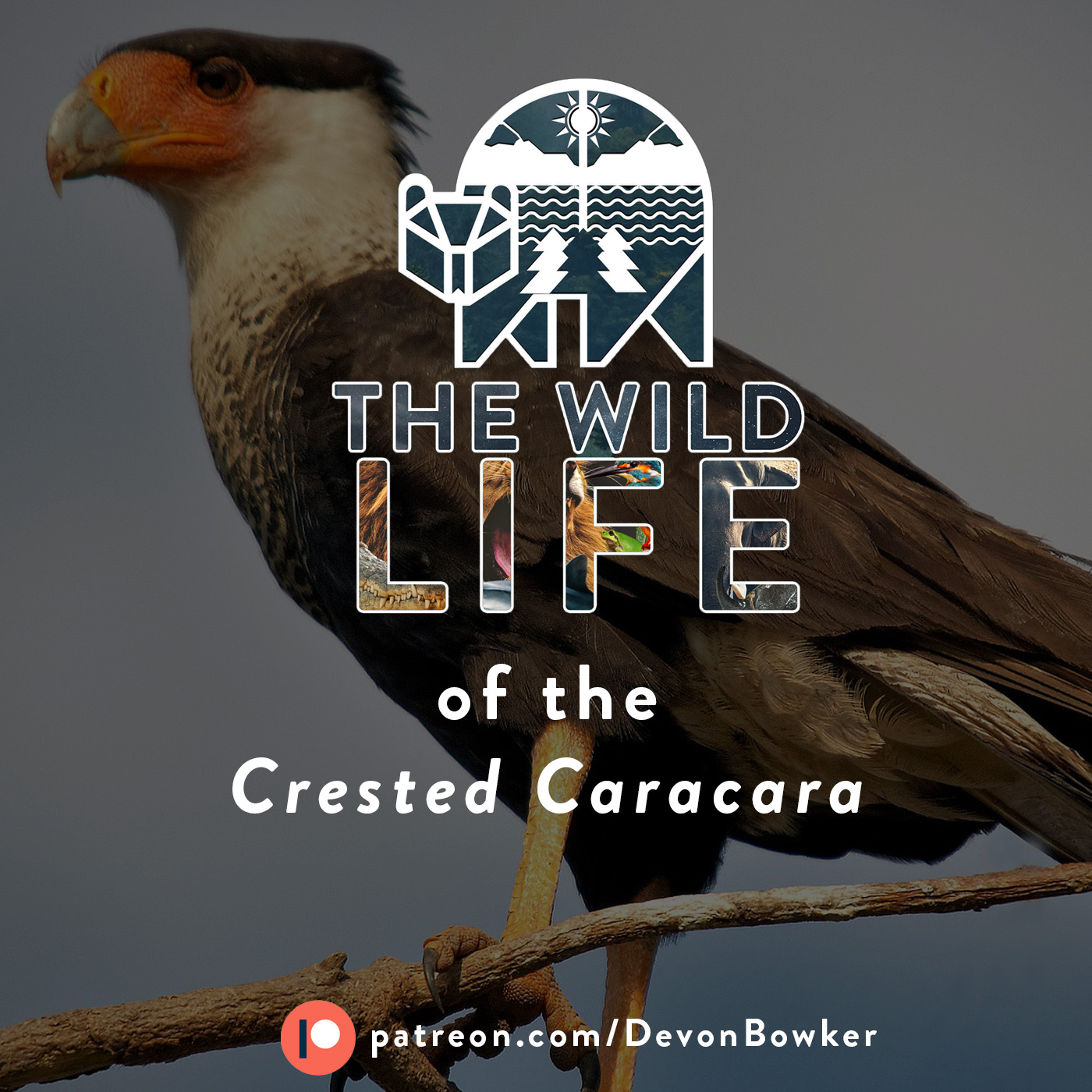
The Wild Life of the Northern Crested Caracara
This is the answer to a question asked by a listener who submitted a photo saying “It landed on the road right in front of me and then was flying around and gliding in the wind. What is it? Is it like a vulture?”Meet the Crested Caracara
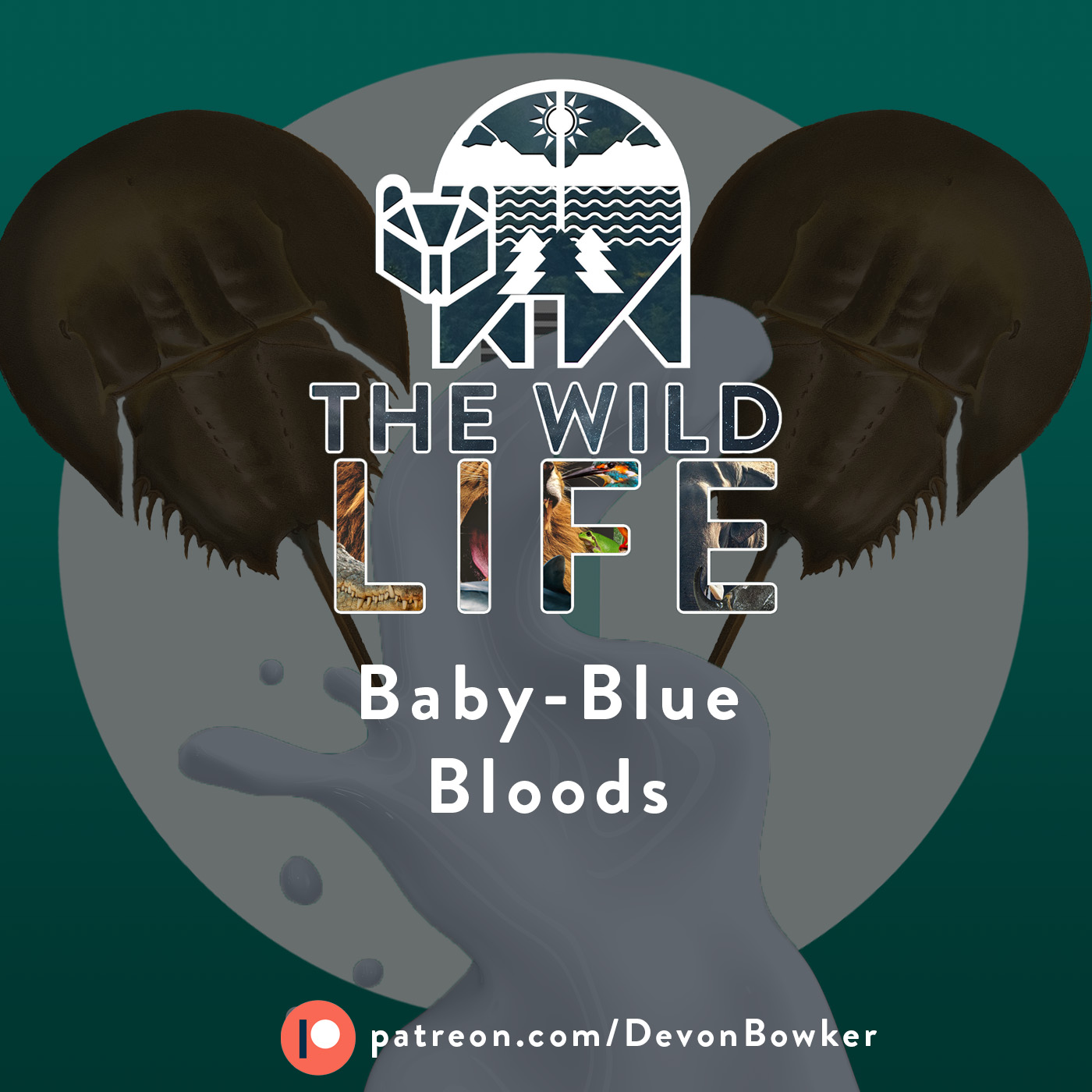
Baby-Blue Bloods
See, horseshoe crabs are a biological oddity, a valuable one at that, especially to drug companies who look to them to ensure medicines and vaccines are safe for all of us.And the key is in their blood.TranscriptSupport The Wild Life
Horseshoe Crabs with Dr Daniel Sasson
They look like some sort of illustration in a mid-90’s kids book about prehistoric animals, which, if you’re familiar, is a really specific aesthetic that deserves some sort of a revival.Maybe you’re familiar with the Pokemon called Kabuto. I have to admit, my wife got me a classic Gameboy Color for Christmas, exactly like the one I had when I was a kid, and I’ve put close to 20 hours into Pokemon Gold over the past 4 weeks.Anyway, the point is that they look like, like many things from the sea, otherworldly, ancient, relics of a bygone era, even straight made up for an animated children’s television and game series that somehow manages to rely on its characters training animals to fight each other as a universe building plot point which is, I mean, problematic, right? I don’t know.They somehow manage to simultaneously embody the moniker of horseshoe while also looking nothing alike other than a U-ish similarity, just as much as their sight immediately calls to mind a crab while not being one in the slightest. I’m talking about, of course, the horseshoe crab. That’s today’s topic. Horseshoe crabs. Their history, their very nature, and their relationships…to each other, other species, us, and even our health.Today’s special guest, Dr Daniel Sasson (@Daniel_A_Sasson)He’s a behavioral ecologist primarily interested in studying the evolution of reproductive behaviors. He did his PhD at Florida working with Horseshoe crabs and now conducts research on them at the South Carolina Department of Natural Resources, and as you’d expect, he’s pretty mch always loved scienceLearn More about The Horseshoe CrabSupport The Wild Life
News: Glowing COVID Ostrich Masks!
Yasuhiro Tsukamoto and his team of researchers at Kyoto Prefectural University in Japan have developed a mask that helps detect COVID-19 under blacklight using cells from the Ostrich.TranscriptSupport the Show
The Wild Life of the Mola mola
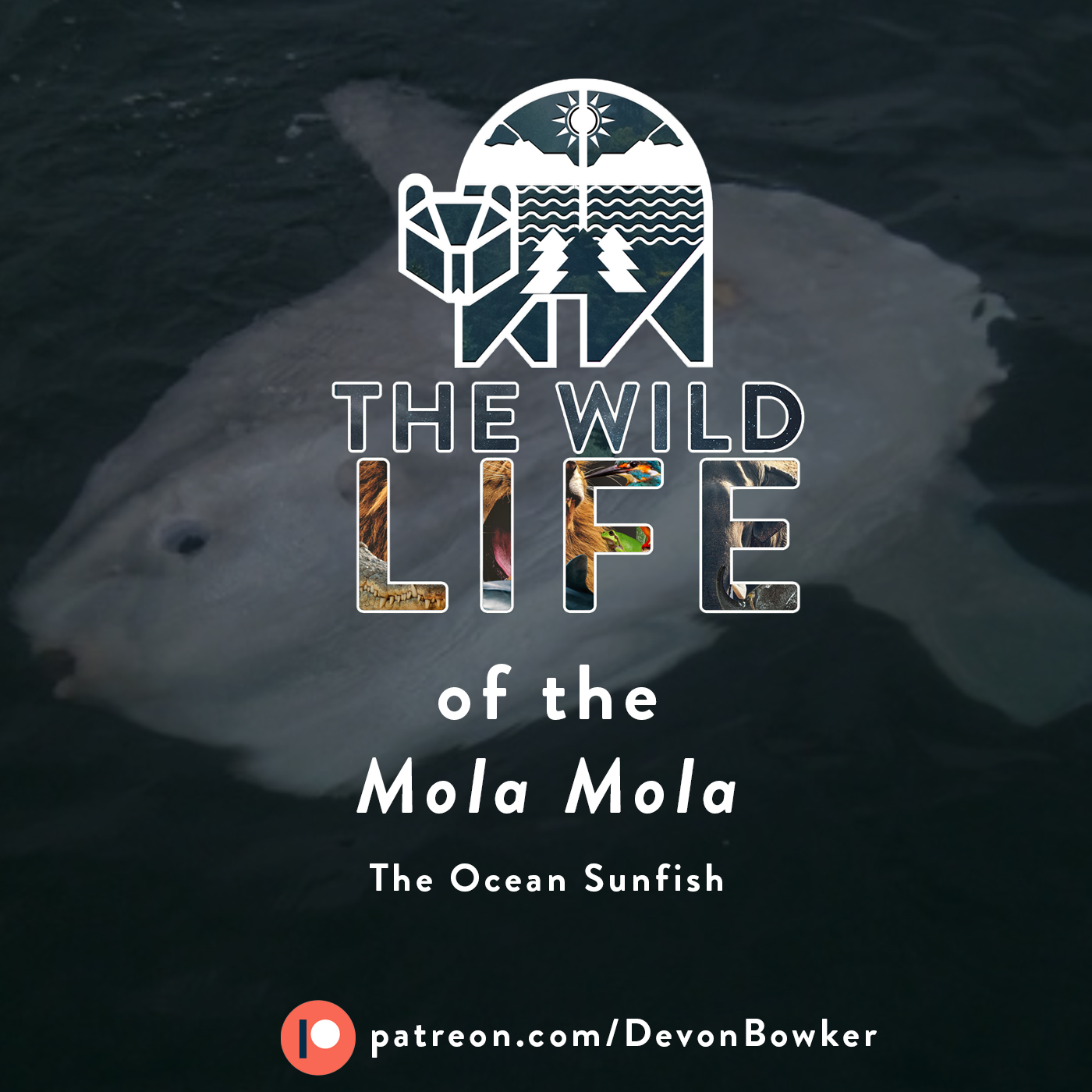
The species is perhaps most well known for their impossible appearance and a hilarious (though not entirely correct) viral internet rant about the uselessness of the species. I personally think they look sort of like the Face of Bo from Doctor Who. But there's more to them than their shocking appearance.TranscriptSupport The Wild Life
The Wild Life of Whale Sharks
Whale Sharks. Are they whale, or are they shark? What do they eat? Where do they live? Just how big are they. All of that and more in today’s short!Transcript
SHORT: Asian Lady Beetle Mania!
They came in droves but no one knows where from. You find them in your homes and cars, scuttling across your windows. They line the sidewalks and entryways of every building.They’re Asian Lady Beetles, and they’re back.Read the transcript and check out helpful visuals Support the Show at www.patreon.com/devonbowker
SHORT: This Rare, Sapphire Tarantula is A Beauty From Gooty
MOVE OVER ‘SPIDER PAWS’! THE GOOTY SAPPHIRE TARANTULA’S GALACTIC COLORS ARE STUNNING.This unexpected beauty from Gooty, a town in Central Southern India, certainly doesn’t have a shortage of names. It’s most commonly referred to as the Gooty Sapphire Ornamental Tree Spider.Check out pictures and a transcript of the episode hereSupport The Wild Life for as little as $1 per month
A New Series, Now in 8D
The Wild Life has a new series, and it's unlike anything you've heard from us before. 8D, immersive, soundscapes of nature and wildlife, coming to your ears DAILY. The best way is to listen with headphones, but as far as however else you listen...it's up to you! Meditation, relaxation, sleeping, studying, curing the winter-time blues, working out for some strange reason, whatever!Check it out!https://the-wild-life-8d-sound.captivate.fm/listenSupport the Show at www.patreon.com/devonbowker
SHORT: 3 Ways to Get to Mailbox Zero
A lot of people want to be an “inbox zero” kind of person, but what about “mailbox zero”? Ask yourself, how often do you check the mail and how much of it ends up in the bin? Ask my wife, I am obsessive about checking the mail because I never want to miss anything important, but the reality is that 9 times out of 10 the mailbox is packed to the gills with coupons, credit card offers, and a subscription to Seventeen magazine that I NEVER SIGNED UP FOR. Well, today is your lucky day because I’m here to tell you three ways that you can get to mailbox zero.https://www.optoutprescreen.com/https://www.dmachoice.org/https://www.catalogchoice.org/Episode TranscriptSupport The Wild Life at www.patreon.com/devonbowker
Oh, Deer! with Rhiannon Kirton
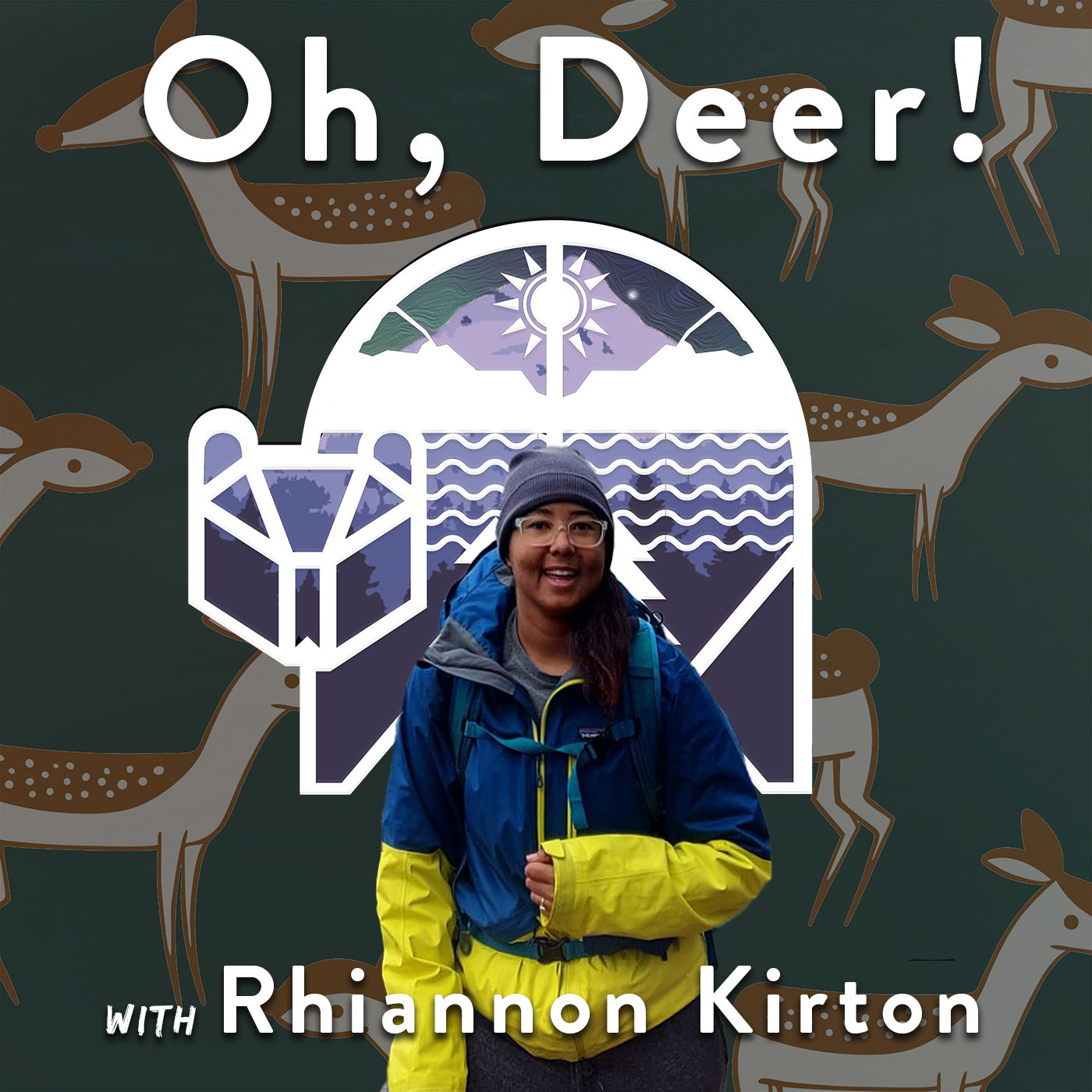
Deer. They’re everywhere. And our relationship with them is, well, complicated.Some of us love to look at them, take pictures of them, have them around.Some people hunt them for sport or for food.Some only see them as BambiSome hit them with their cars…accidentally of course.Some want them as far away from their yards, crops, or gardens as possible.Love them or hate them, they’re here to stay. But how much do we actually know about them?That’s what today’s show is about. Deer. Everything from antler to tail. Starting with, what makes a deer a deer.Today's guest is Rhiannon Kirton (@Rhiannon_Kirton). She’s a Master's student studying deer, soon to be done and undoubtedly moving on to bigger and better things, and she’s worked in the US, Canada, and Australia. She’s also the co-founder of Black Mammologists Week!Support The Wild Life at www.patreon.com/DevonBowker
Turns Out There’s a Reason for Rudolph’s Red Nose
Not every reindeer has a red nose. After all, that’s part of what makes Rudolph so special—and he’s not alone.Episode TranscriptSupport the Show
Why do Elephants have Big Ears?
When you get hot, you sweat.When Elephants get hot, well, they don’t sweat. So what’s a 13 foot tall and 13,000-pound animal to do? I mean, not only do they produce tons of body heat for their literal tons, but Elephants in general—African and Asian—tend to live in some pretty warm places.That’s where their big ole ears come in.Episode TranscriptSupport the Show
Giraffes Need Friends, Too
What do Sabrina the Teenage Witch, Gilmore Girls, and Giraffes have in common? The women are the stars of the show. Despite being one of the most popular animals on Earth, giraffes are not studied as much as you might expect. You might think that is totally fine. After all, giraffes are not known for being super complicated creatures. Aside from being adorable, their unique geometric pattern, and having purple tongues, their biggest flex is that they stand as tall as 3 Dwayne “The Rock” Johnson's and sometimes fight each other with their Kevin Hart-sized necks. But now, a pair of researchers at the University of Bristol in England, Zoe Muller and Stephen Harris, have discovered that longstanding beliefs about giraffe social lives just do not measure up, and their findings may have huge implications on saving these creatures.Today on the show, Giraffe Social Circles and What They Mean for ConservationRead the transcript and/or the original paper hereSupport the show here
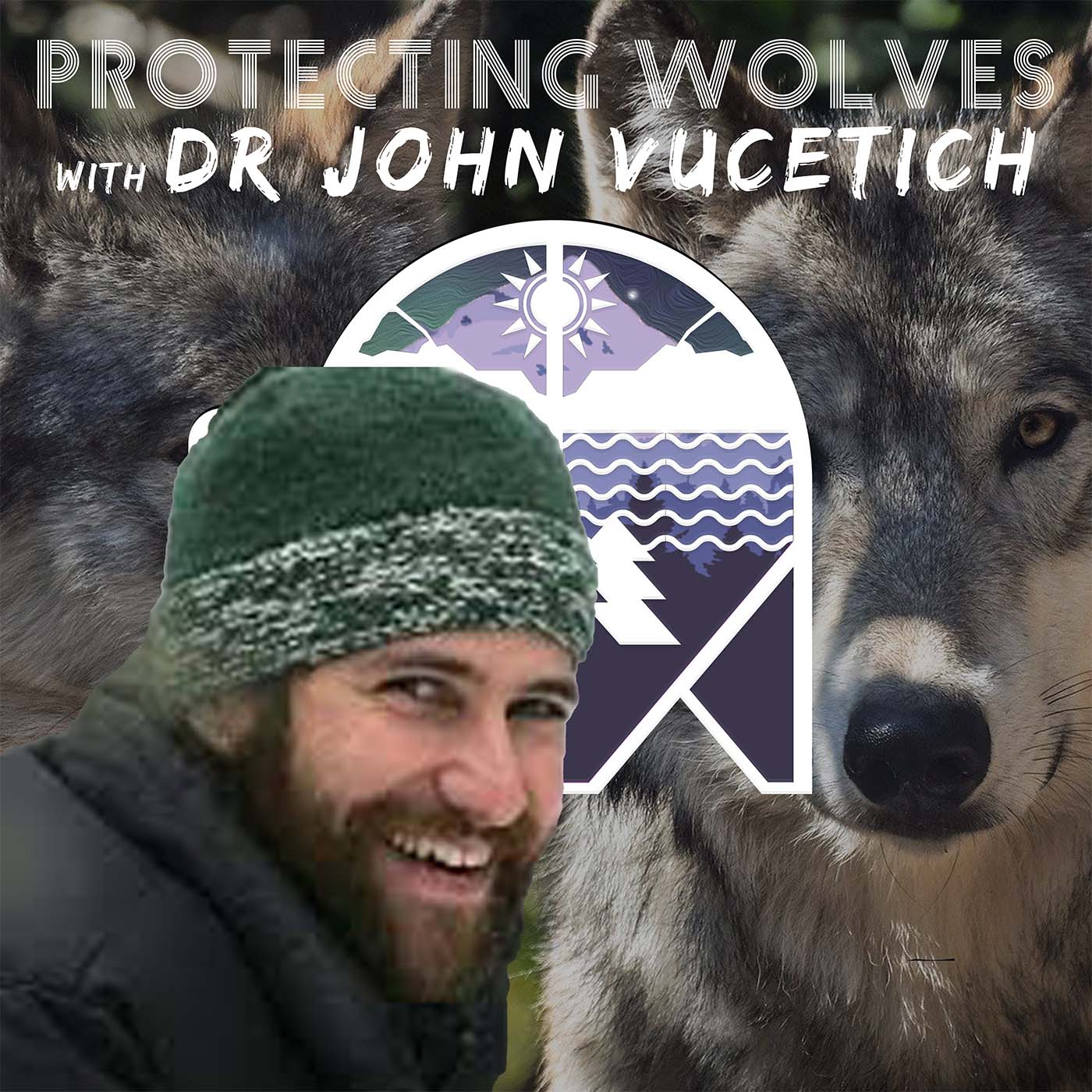
Protecting Wolves with Dr John A. Vucetich
An effort to end protections for gray wolves that began with the Florida Man administration has come to fruition under the Biden administration. The species, native to much of the US and Canada, was only recently dropped from the endangered species list. In response, a team of scientists is calling on the U.S. Fish and Wildlife Service to instead continue safeguarding the species. The primary signatory of this letter is John Vucetich.For the past 25 years, John Vucetich has been the lead researcher of the Wolves & Moose of Isle Royale project. He is newly the author of Restoring the Balance: What Wolves Tell Us about Our Relationship with Nature, a book which meaningfully recounts all that John has learned from these incredible creatures. “A wolf,” John says, “is a living creature, with a perspective, memories of yesterday, an interest in how tomorrow turns out, joys and fears of its own, and a story to be told.”Today on The Wild Life, why protections were ended, what’s happened since, why hunting wolves is viewed by many as unjustifiable, their social nature and disruptions, the why behind anti-wolf rhetoric, and how protections can be put in place once again.Support the show at www.patreon.com/TheWildLife
2019 Revisit| A Tell Tale Beetle Romance Halloween Special
Happy Halloween! In this super special, unexpected, and therefore super last minute holiday treat (and trick), Devon reads a retelling of Edgar Allen Poe's famous short story, A Tell Tale Heart, that you undoubtedly were coerced into reading in high school. In our somewhat modernized version, we get a different, more wildlife oriented ending that turns out to be the most opposite from horror as you can get.Become a patron (and our best friend), and get tons of cool perks at www.patreon.com/TheWildLife and help us to keep doing what we are doing and getting better!
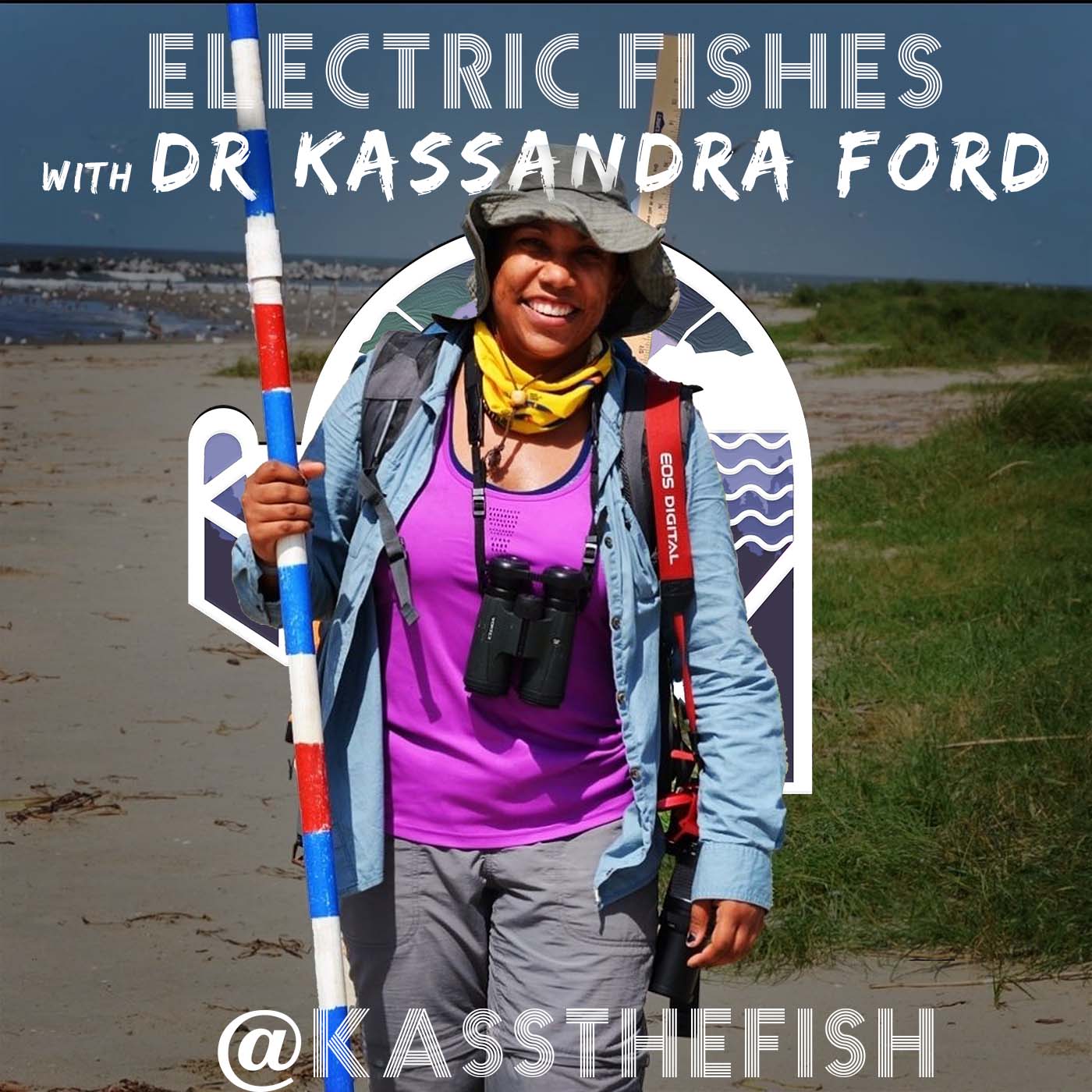
Electric Fish with Kassandra Ford
In this episode, we sit down with the one and only Dr Kassandra Ford, aka @kassthefish, to dive into the shocking world of electric fishes. We cover the origins of electric fish, how a living creature generates electricity, the shocking (or not so shocking) truth about touching electric fish, the legendary electric eels, communication and interference, and stunning secrets!
Behind the SCiENcES with Dr Kassandra Ford
Now DR Kassandra Ford, aka @kassthefish on social media, is front and center on this weeks Behind the SCiENcES! Kassandra did her undergraduate research focused on neurobiology and development in zebrafishes under Dr. Mary Halloran. She then worked for a year at TAMU-Corpus Christi under Dr. Frank Pezold. He showed her lab management skills, curatorial skills, and the nuts and bolts of taxonomy and systematics. Kassandra's path towards a doctorate in Biology, Ecology, and Evolutionary Biology took her to the University of Louisiana at Lafayette. She completed her PhD work under Dr. James Albert, studying the evolution of electric fishes from South America and Africa, and successfully defended her dissertation in summer 2021: Mosaic evolution of craniofacial morphologies in apteronotid and mormyrid electric fishes.Now Kassandra will be completing a short-term postdoctoral position with Dr. Ole Seehausen at the University of Bern from 2021-2022, prior to starting an NSF Postdoctoral Fellowship in Biology at George Washington University with Dr. L. Patricia Hernandez!Learn more about Kassandra at https://www.kassandraford.com/Support our Show at https://www.patreon.com/thewildlife
Inside the Brilliant Minds of Elephants
Memory, complex social lives, communication, expression, grief, and revenge.In this episode, we pull from our interview with Lynn Von Hagen to explore the inner machinations of the elephant mind in all of its brilliance. Support The Wild Life at www.patreon.com/thewildlife
African Elephants with Lynn Von Hagen
In this episode, we talk about everything elephants with expert, Lynn Von Hagen! Intelligence, communication, trophy hunting, general biology, staggering stats, sonic superpowers, and so much more!Lynn is a Conservation Biologist and Presidential Research Fellow at Auburn University conducting collaborative research in the Tsavo Ecosystem of Kenya. She studies African elephant behavior, movement, and the development of community-based coexistence strategies reducing elephant and human conflicts among MANY other varied research interests. Back when I spoke to her, she was stateside on account of COVID at her home in Nashville Tennesee where she lives with her husband and two cats but is now back in Kenya doing fieldwork. Lynn is a proud advocate for women and diversity in STEM and non-traditional students.And is expecting to complete her dissertation in 2022!Follow her on Twitter @lynnvonhagen1And check out her website lynnvonhagen.comSupport our show at www.patreon.com/thewildlife
Behind the SCiENcES with Lynn Von Hagen
Get to know Lynn before our full episode on elephants later this weekShe is a Conservation Biologist and Presidential Research Fellow at Auburn University conducting collaborative research in the Tsavo Ecosystem of Kenya. She studies African elephant behavior, movement, and the development of community-based coexistence strategies reducing elephant and human conflicts among MANY other varied research interests. Back when I spoke to her, she was stateside on account of COVID at her home in Nashville Tennesee where she lives with her husband and two cats but is now back in Kenya doing fieldwork. Lynn is a proud advocate for women and diversity in STEM and non-traditional students.And is expecting to complete her dissertation in 2022!Follow her on Twitter @lynnvonhagen1And check out her website lynnvonhagen.com
When an Elephant Dies
A year or so ago, we did an episode with Dr Diva Amon about the deep sea. One of the topics we covered were Whale Falls--what happens when a whale dies and the ecosystem that follows.A recent listen back on this episode got us thinking. Whales are the largest animals in the ocean, does anything comparable happen when the largest animals on land die?Today on The Wild Life, we ask the question, "what happens when an elephant dies?"In this episode, we also reference a recent article by the Guardian which can be read here: https://www.theguardian.com/environment/2021/aug/14/guess-whos-coming-to-dinner-roadkill-placed-on-sky-tables-to-lure-rare-birds-of-preySupport our show at patreon.com/thewildlife
Platypuses with Dr Gilad Bino
In this episode, we sit down to talk with Dr Gilad Bino all about platypuses!We talk about their name (and some alternates), conservation efforts, absurd adaptations, forgeries and fakeries, what it's like to be stung by one, and so much more.Support our show at patreon.com/TheWildLife
Behind the SCiENcES with Dr Gilad Bino
Before you sit down with us to learn all about platypuses, join us for a glimpse Behind the SCiENcES with Dr Gilad Bino.Dr Bino is passionate about conservation and science. He seeks to address the ongoing biodiversity crisis by understanding the underlying processes that shape biodiversity at multiple spatial and temporal scales to inform and prioritize conservation management.Research ActivitiesPlatypus Conservation InitiativeGlobal Standard for Wetland ConservationSupport as at www.patreon.com/thewildlife
Dispatches from Somewhere #5| the American Alligator
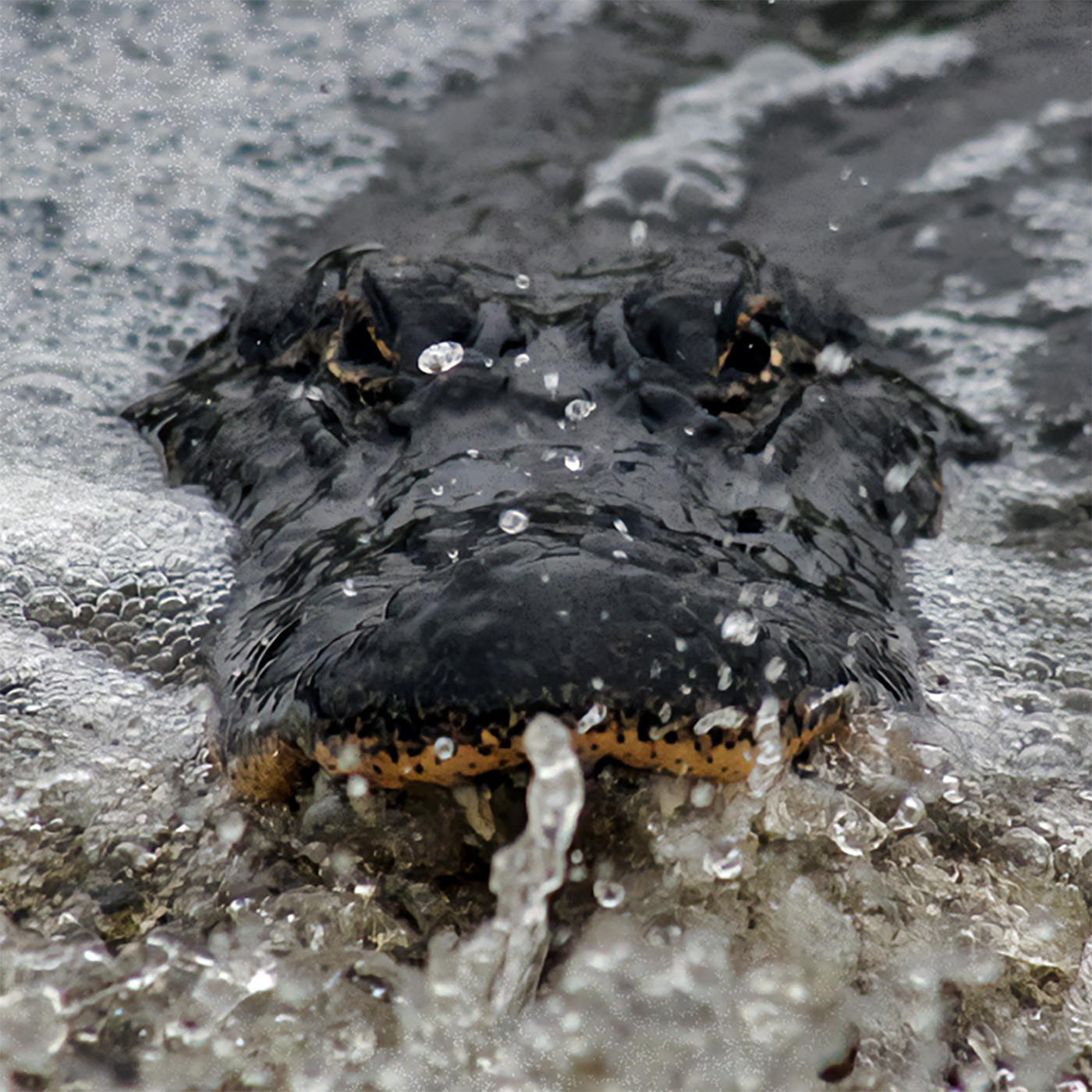
This is one of my favorite shots I’ve ever managed to capture. I snapped this in 2015 at one of my all-time favorite parks, @brazosbendstatepark near Houston, TX. It sorta looks like she’s lunging forward, but in reality, she was sitting in a quickly flowing stream with her mouth open against the flow, presumably to catch fish or other critters that flowed by. It’s estimated about 250 alligators over 6 feet long live within the over 1000 acres of water at Brazos Bend, and have been for the last 65 million years. They have practically continuously been there since the days of the dinosaurs. That’s pretty awesome if you ask me.Want a bunch of random alligator factoids? Give this short a listen!or read them here: https://thewildlife.blog/2021/08/07/dispatches-from-somewhere-5-american-alligator/Support us at www.patreon.com/thewildlife
Dispatch from Somewhere #4| Antheraea polyphemus
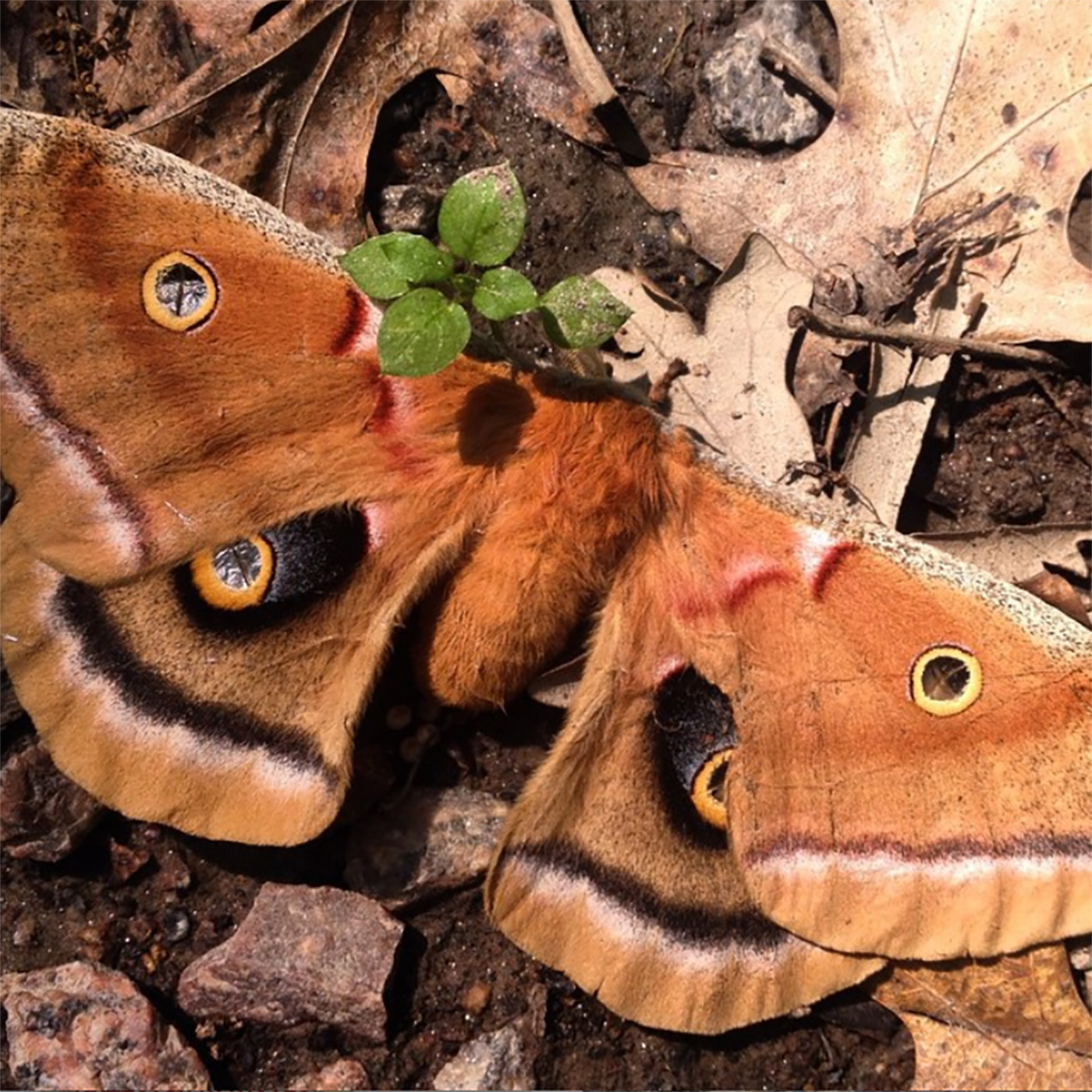
Read the post and see the picture here: https://thewildlife.blog/2021/08/04/dispatches-from-somewhere-4-antheraea-polyphemus/Support The Wild Life at www.patreon.com/thewildlife

Bears with Brogan Holcombe
In this episode, Devon and Richard sit down with Brogan Holcombe to talk all about bears!Outline:Bear encounter storiesAre all black bears black?Black bear range in North AmericaHow many species of bearHow large black bears getDiet (through life and year)BehaviorHibernation Cubs (how many? How long do they stay with mom? Etc)Interactions with people (becoming comfortable around people)Mitigating issues and fostering coexistence Growler BearsBrogans researchBrogan is a Master’s Student working in the Wildlife Habitat & Population Analysis Lab at Virginia TechShe’s also the one behind #SundayScientistShoutout on Twitter which she does every week for scientists or STEM activists from underrepresented groups.Follow Brogan @Brogan_Holcombe or look up her #bearseyeview for awesome bear videos!Make a donation to our 501(c)3 organizationBecome a Member-SupporterSign up for our Newsletter!Follow us on all of our platformshttps://broganholcombe.wixsite.com/home

Behind the SCiENcES with Brogan Holcombe
Brogan is a Master’s Student working in the Wildlife Habitat & Population Analysis Lab at Virginia TechShe’s also the one behind #SundayScientistShoutout on Twitter which she does every week for scientists or STEM activists from underrepresented groups.Follow Brogan @Brogan_Holcombe or look up her #bearseyeview for awesome bear videos!Make a donation to our 501(c)3 organizationBecome a Member-SupporterSign up for our Newsletter!Follow us on all of our platformshttps://broganholcombe.wixsite.com/home
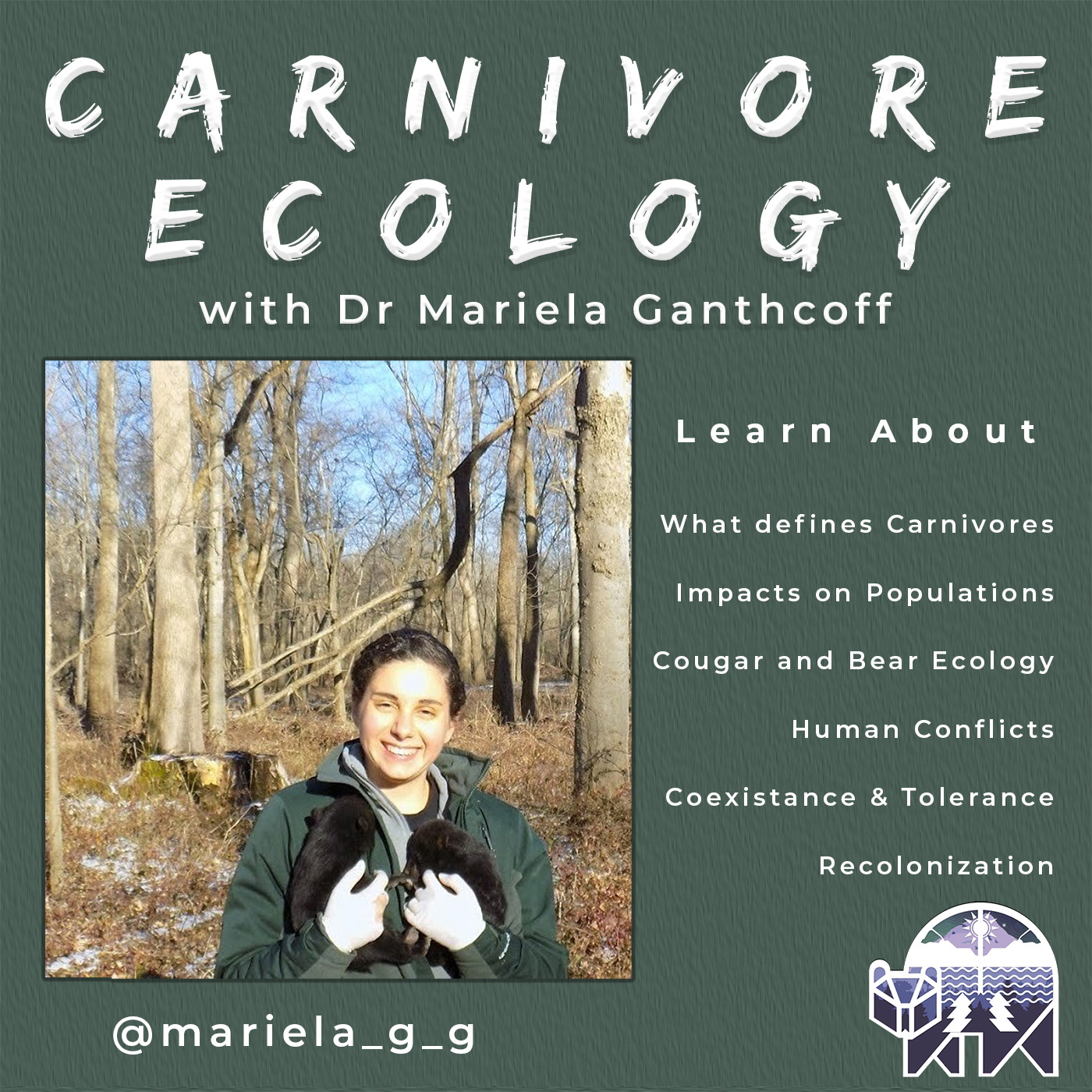
Carnivore Ecology with Dr Mariela Gantchoff
In this episode, Devon sits down with Carnivore Ecologist Dr Mariela Gantchoff to talk aboutWhat defines carnivoresHow their population sizes compare with those of their preyHow carnivores impact their ecosystem and what would their ecosystems look like without their presence, specifically bears and cougarsBasic biology, diet, and behavior Impacts on populationsHow there behavior in biology influence by humansSources of conflictHow people can be more tolerant so that the species can persist How we need to change our behaviorHow to recolonize do you species with human wildlife conflicts in mind
Behind the 𝗦𝗖i𝗘𝗡c𝗘𝗦 with Dr Mariela Gantchoff
Meet this week’s guest before the episode airs!She is an ecologist at the intersection of theoretical and applied ecology, currently working on landscape and quantitative ecology in relation to the conservation and management of terrestrial wildlife. A lot of her current research involves working to understand wildlife use of natural and developed landscapes, range expansion of recolonizing species, how sex-specific differences can influence conservation and management, and the interactions between humans and wildlife. Specifically, she often works on species distributions, landscape connectivity, population, and metapopulation dynamics, carnivore ecology and behavior, applied conservation science, community ecology, and citizen/community science.Dr Gantchoff is currently a postdoctoral researcher at the Global Wildlife Conservation Center (formerly Camp Fire Program in Wildlife Conservation), at the State University of New York where she investigates aspects of population and the spatial ecology of recolonizing black bears in human-modified landscapes, in collaboration with the Missouri Black Bear Project and Missouri Department of Conservation. In addition, she also researches cougar range expansion in the eastern USA, and supports researchers investigating wolf potential distribution and mortality sources in North America, among other topics. Dr Gantchoff is also a part of the Jaguar Network, an NGO focused on the conservation and restoration of the jaguar, as well as its habitats, in northern Argentina.Her past research and projects involve a variety of topics such as land use impact on mammal communities, invasive herbivores' effect on native carnivores occurrence and activity, quantifying exotic species richness (plants, birds, and mammals) in protected areas, small carnivore introductions around the world, and avian reproductive ecology and behavior. https://sites.google.com/site/mgantchoff/Make a donation to our 501(c)3 organizationSign up for our Newsletter!Become a Member-SupporterFollow us on all of our platforms
Birds of Paradise with Dr Bruce Beehler
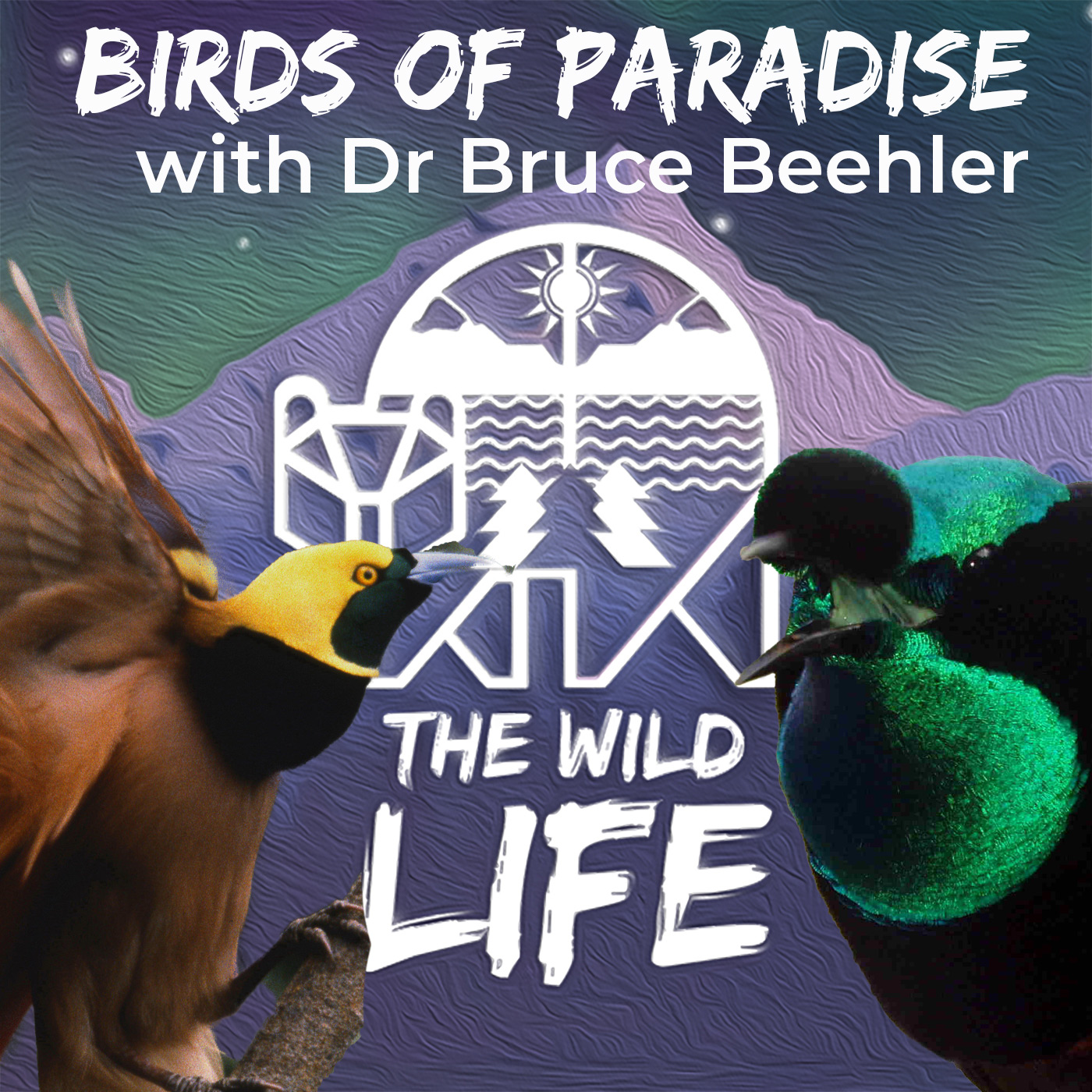
Make a donation to our 501(c)3 organizationSign up for our Newsletter!Become a Member-SupporterFollow us on all of our platformsIf you've ever seen a documentary series narrated by David Attenborough, you've almost surely seen the Birds of Paradise. They are a favorite of his, and many others around the world for their otherworldly, almost ethereal appearance, sounds, and behaviors. In this episode, we explore their fascinating world and biology with Dr Bruce Beehler, ornithologist and research associate of the Bird Division of the Smithsonian Institution's National Museum of Natural History and expert on the Birds of Paradise. Follow him on Twitter @BruceMBeehlerEpisode Outline/Questions Answered:How many species are there of Birds of Paradise and where do they live?What exactly is a Bird of Paradise?Where did they come from? (evolutionarily speaking)Why here? And how?Variations between species in nesting, diet, and courtship behaviorSexual DimorphismHow do they make such vivid colorations?How has natural selection led to the males engaging in such intricate courtship displays and having such bizarre colorations?Role of beautyGreat unknownsNotes on Conservation
Behind the 𝗦𝗖i𝗘𝗡c𝗘𝗦 with Dr Bruce Beehler
Meet this week’s guest before the episode airs! Dr Bruce M. Beehler (born October 11, 1951 in Baltimore) is an ornithologist and research associate of the Bird Division of the Smithsonian Institution's National Museum of Natural History. Prior to this appointment, Beehler worked for Conservation International, the Wildlife Conservation Society, Counterpart International, and the National Fish and Wildlife Foundation.Bruce Beehler graduated from Williams College and received his Masters and PhD studying the behavioral ecology of the birds-of-paradise at Princeton University.[1]He has been an authority on New Guinea birds for several decades, having authored or co-authored several major works on the biodiversity this, the largest tropical island, including The Birds of Paradise (1998), The Birds of New Guinea (1986, 2015) and the two-volume Ecology of Papua (2007).To the general public, Beehler is best known for having co-led a widely published rapid assessment survey on biological diversity in 2005 to the Foja Mountains, Papua, where he, together with an international team of 11 scientists, the majority from the Indonesian Institute of Sciences (LIPI), made a number of scientific discoveries.The findings on this survey expanded on previous research conducted in the region by Dr. Jared Diamond in the late 1970s and early 1980s. Beehler and colleagues, however, returned with the first ever photographs of two species of birds, the bronze parotia (Parotia berlepschi) and the golden-fronted bowerbird (Amblyornis flavifrons), that previously were known only from a few specimens. Additionally, a previously unknown species of honeyeater was discovered, it being scientifically described in 2007 as the wattled smoky honeyeater (Melipotes carolae). The specific epithet, carolae, commemorates Carol Beehler, the wife of Bruce Beehler. Together with a team from 60 Minutes, Beehler returned to the Foja Mountains in 2007, resulting in the first ever filming of several of the species discovered in 2005, as well as encounters with an undescribed giant rat (Mallomys sp.) and a tiny pygmy possum (Cercartetus sp.)https://charity.gofundme.com/o/en/donate-widget/30694 (Make a donation to our 501(c)3 organization)https://blog.us1.list-manage.com/subscribe?u=2305d8aac3a24b336b10d645eandid=6915ba78da (Sign up for our Newsletter!)https://www.patreon.com/thewildlife (Become a Member-Supporter)https://linktr.ee/TheWildLifePod (Follow us on all of our platforms)
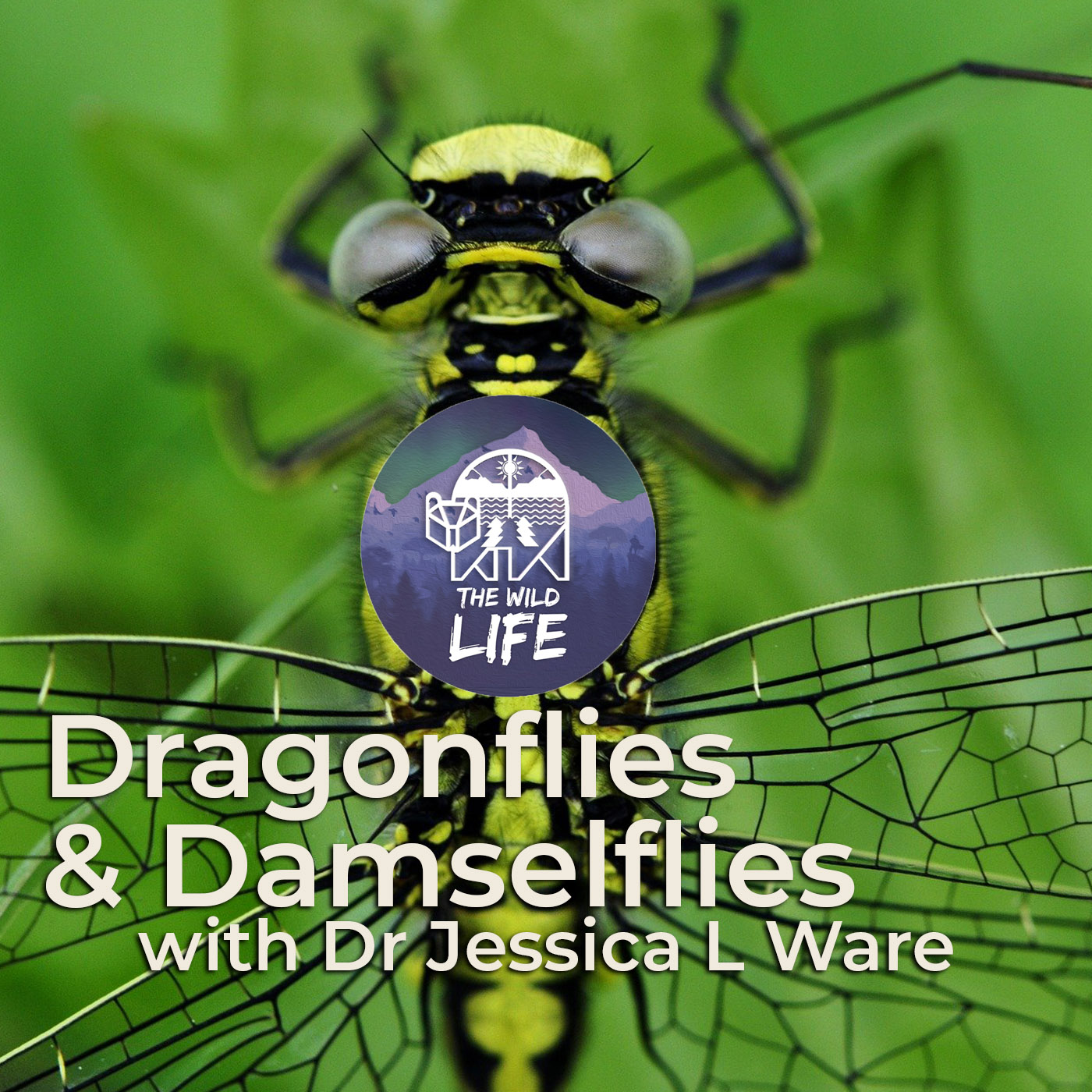
Dragonflies and Damselflies with Dr Jessica L Ware
Dragonflies and Damselflies have been on our planet for millions of years. They're embedded in our art, culture, stories, and even our skin as a popular tattoo subject.They also live amazing lives.Join us for a deep dive on dragonfly lives with Dr Jessica L WareBlog Post on DragonhuntersMake a donation to our 501(c)3 organizationSign up for our Newsletter!Become a Member-SupporterFollow us on all of our platformsCheck out our Dragonfly themed t-shirt!Dr Ware's Must-Read Book Picks:Chasing DragonfliesDragonflies and Damselflies of the EastUtterly Bugged
Behind the 𝗦𝗖i𝗘𝗡c𝗘𝗦 with Dr Jessica L Ware
Meet this week's guest before the episode airs, Dr Jessica L Ware, assistant curator in invertebrate zoology at the American Museum of Natural History.Dr. Ware’s research focuses on the evolution of behavioral and physiological adaptations in insects, with an emphasis on how these occur in Odonata (dragonflies and damselflies) and Dictyoptera (termites, cockroaches and mantises). Her research group focuses on phylogenetics/phylogenomics and uses these tools to inform their work on reproductive, social and flight behaviors in insects. Jessica holds a BSc from the University of British Columbia in Canada, and a PhD from Rutgers, New Brunswick. She was an NSF postdoctoral fellow at the AMNH 2008-2010, before being hired at Rutgers Newark where she was an associate professor of evolutionary biology. She is the current president of the Worldwide Dragonfly Association, and serves as an elected board member on the executive committee of the Entomological Society of America Governing Board. She was recently awarded a PECASE medal from the US government for her work on insect evolution.Make a donation to our 501(c)3 organizationSign up for our Newsletter!Become a Member-SupporterFollow us on all of our platformsDr Ware's Must-Read Book Picks:Chasing DragonfliesDragonflies and Damselflies of the EastUtterly Bugged
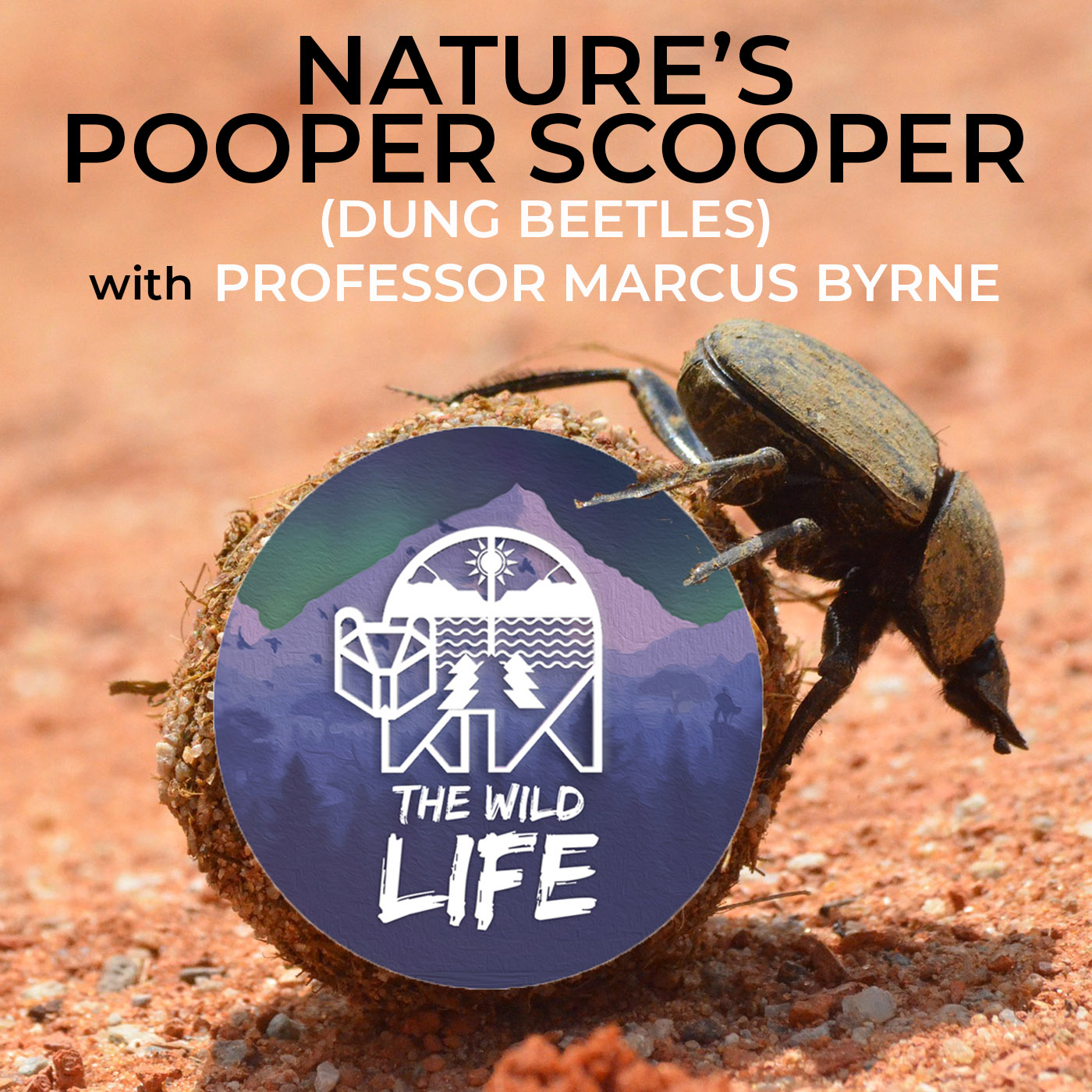
Nature's Pooper Scooper (Dung Beetles!) with Professor Marcus Byrne
Before you read what this episode is about, we have an ask. Whoever you are, wherever you are, whichever platform you are using to listen, please consider leaving us a rating and review. Aside from the feedback being helpful to shape our work, it also increases our visibility and helps to grow our community and organization. Plus you'll forever be our favorite listener!Professor Marcus Byrne teaches us about the fantastical and unexpected world of dung beetles, their ecological importance, their connections to human culture and history, and how this lowly creature finds its way home by looking to the stars.Make a donation to our 501(c)3 organizationSign up for our Newsletter!Become a Member-SupporterFollow us on all of our platformsMarcus Byrne's Book Picks: Dance of the Dung Beetle: Their Role in Our Changing WorldOrigins: How Earth's History Shaped Human HistoryEnlightenment Now
Behind the 𝗦𝗖i𝗘𝗡c𝗘𝗦 with Professor Marcus Byrne
Get to know this week's guest before the episode drops!Donate to the Binoculars for Young Birders Program hereSupport The Wild Life at https://www.patreon.com/thewildlife
Us: Can the Market Save the World?
Welcome to part two in an ongoing series examining our connections and impact on the environment, sustainability, and our changing climate.Part 1 through roughly 9 will focus on laying the groundwork for understanding these complicated issues from a variety of perspectives, while parts 10 through 20 or so will place the first half into real-world context, examining issues and controversies surrounding Deforestation, Overfishing, Recycling, and E-Waste.Today we ask, if economic systems are the primary producers of environmental problems, can they also be expected to solve those problems?Read the episode transcript here: https://thewildlife.blog/2021/04/23/can-the-market-save-the-world/Become a member supporter of The Wild Life at patreon.com/thewildlifePlease consider leaving us a rating and review wherever you are listening!