The Wellington Hustle Interview Project
Local entrepreneurs interviewed to inspire your business adventures
Tim Morrison - timson.co
Show overview
The Wellington Hustle Interview Project has been publishing since 2019, and across the 4 years since has built a catalogue of 18 episodes. That works out to roughly 10 hours of audio in total. Releases follow a roughly quarterly cadence.
Episodes typically run twenty to thirty-five minutes — most land between 28 min and 36 min — and the run-time is fairly consistent across the catalogue. None of the episodes are flagged explicit by the publisher. It is catalogued as a EN-NZ-language Business show.
The catalogue appears to be on hiatus or wound down — the most recent episode landed 3.6 years ago, with no new episodes in over a year. The busiest year was 2020, with 11 episodes published. Published by Tim Morrison - timson.co.
From the publisher
Wellington entrepreneurs sharing their insights to help and inspire you. Hear their struggles and mistakes. See what fulfils and makes them proud. Learn how their visions have changed.
Latest Episodes

S1 Ep 20Interview 18: Michal McCracken
Meet productivity and life coach, Michal McCracken from Space & Grace. Michal’s aim is to help women achieve their personal and professional goals with confidence.Michal also loves animals and her first business was a dog daycare. Michal’s next business moved her work online, supporting and teaching people to train their own dogs. However, overtime Michal noticed that it wasn’t just the pets who needed help. Their owners also needed support, and so, Michal pivoted into life coaching and Space & Grace was found.Q1 WHAT WAS YOUR VISION WHEN YOU FIRST STARTED YOUR VENTURE?Dogs are a big part of my life. I worked in the pet care industry since 2005 as a dog trainer and I ran a dog daycare. But, it burnt me out and I neglected my own well-being. So, I sold the dog daycare business.Next I worked on bringing the pieces that I loved about my previous business to a new venture, while leaving the stress behind. I settled on an online dog training business. This worked out well, even with Covid becoming widespread. Through helping women train their dogs, I noticed they actually needed support themselves. That's when I become certified as a coach and started helping dog owners with more than just their pets. Now, I work with people who aren't necessarily dog owners, but that's how I made the transition into coaching. It wasn't easy to evolve, but I believed in myself and made it happen.Q2 HOW DID YOU DEAL WITH EARLY SETBACKS?When things don't go well for me, I would talk badly to myself. But I'm trying to stop that now. It isn’t helpful. These days when something goes wrong, I take a moment to think about it, then figure out how I can learn from this experience to move forward.I struggle with not being so hard on myself. I often tell myself that I should be doing better and that I'm not good enough. But I'm working on changing that.In terms of obstacles, I don't usually let things get in my way. I just keep pushing forward until I figure things out. Coaching is a well-know business category. There’s many successful coaches out there. I know success is possible, I just have to figure it how to do that. When I started my dog daycare business, I didn't have anyone to get advice from, which made things harder. But with my new business, I have more experience and knowledge, so I feel more confident.Q3 WAS THERE A TIME YOU WANTED TO GIVE UP?I've never wanted to give up, but I have changed my direction a few times as I've grown and learned. It can be hard, but having a clear idea of who I want to be and what I want to do helps me get through those tough times. For example, if I'm currently working as a dog trainer but want to be a productivity and life coach, I start making decisions like a productivity and life coach.Since I realise that I wanted to be a productivity coach, I haven't changed my focus. I think many people struggle with being busy, unfocused, not knowing where they want to go. That's where my coaching comes in - helping people with productivity and life strategies, and fixing the negative self-talk in their heads.Q4 WERE THERE ANY TRAPS THAT YOU FELL INTO?I have a problem where I often fall for good marketing. If someone convinces me that I need to buy something, I usually do. This happened a lot when I was trying to learn how to start an online dog training business. I bought many courses without really knowing what I was doing. I even tried to get my friends to stop me from buying courses, but I always found a way around them.When you're building a business and you don't know what you're doing, it's easy to fall for marketing that promises a magic solution. I learned a lot through my experience, and now I'm much more careful about what I buy. I ask myself if I really need it and what I'll get in return.One of my biggest problems is that I tend to watch videos and read books without actually following through with the steps. I know I should be more disciplined, but it's hard. Right now, I feel like I have enough information and don't need to buy anything else.Q5 WHAT INSPIRES AND MOTIVATES YOU?Really making a difference for my clients. Because I know what it's like to be in their shoes. I understand the feeling of moving fast but not knowing where you're headed and having to take on many different roles that you don't enjoy. I wear many hats throughout the day - getting my kids ready for school, transporting them to activities, working as a couch, preparing meals, (it’s my least favourite task. I know I need to change my negative mindset about it. However, I still have to figure out what's for dinner every night.)I love helping others who are in the same place that I was in a few years ago. I know what I needed back then, which helps me think about what they might need now. It's like being of service to myself. Putting yourself first can be a foreign concept to many people.Q6 CAN YOU DESCRIBE A BREAKTHROUGH THAT YOU'RE PARTICULARLY PROUD OF?So, I purchased Stacy Boehman’s life couching course. I
S1 Ep 19Interview 17: Dan Mikkelsen
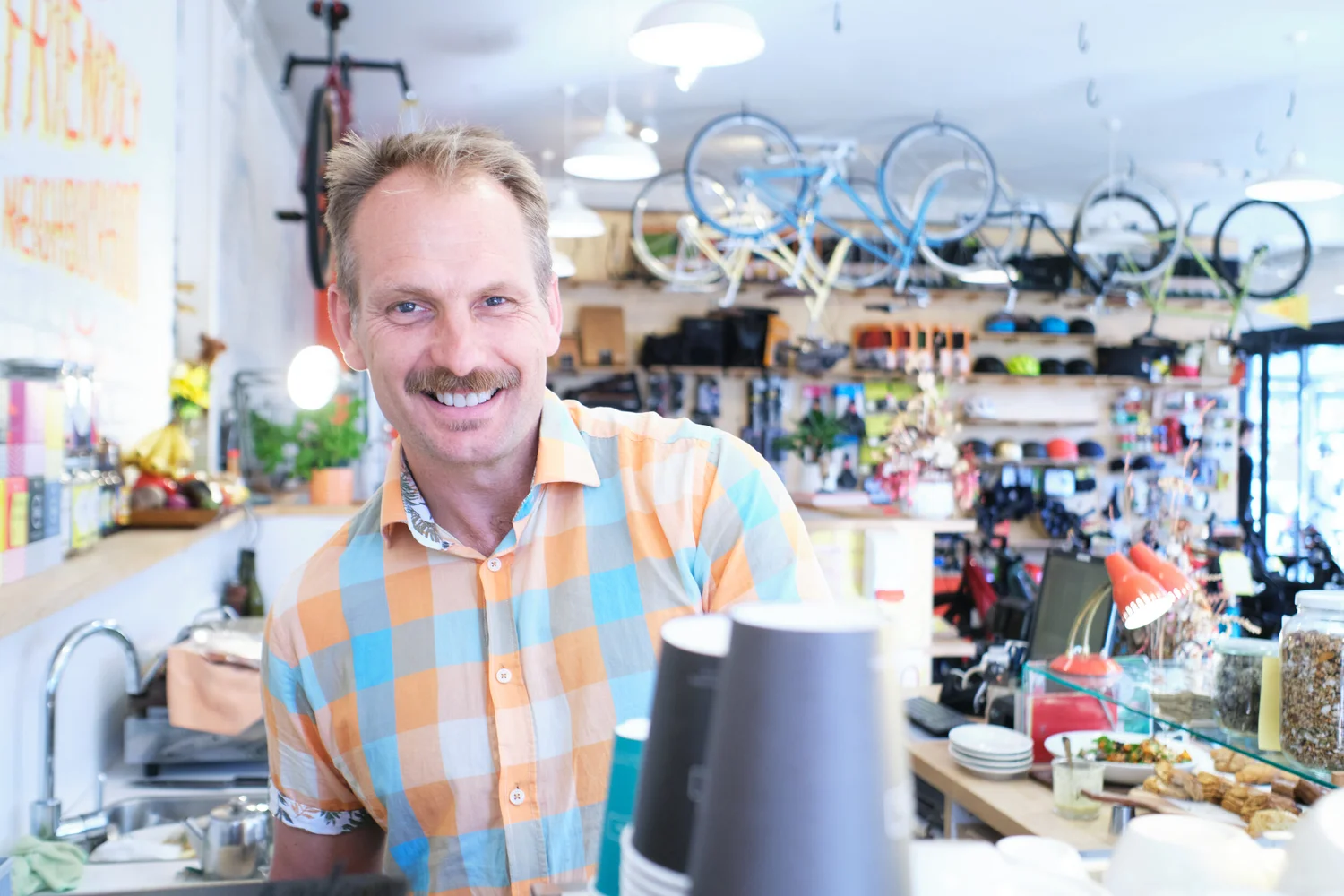
In this interview, I talk with Dan Mikkelsen, the founder of Bicycle JunctionDan worked as an apprentice chef in Copenhagen during the late ’90s. It was in this city he discovered a love for messenger biking and the cargo bike. After returning home and working in the industry as a chef, Dan was faced with a new problem to solve. How to ride his bike and transport his newborn child at the same time. Dan reached out to Christiania Bikes, a firm in Denmark, to see if he could buy a bike and have it delivered to Wellington, New Zealand. They said, Yes, you can buy a bike, but, you have to buy four! And so, Bicycle Junction was born.Bicycle Junction is more than just a shop. It’s a community centred around helping people to ride bikes. Dan has combined his enthusiasm for bikes and his experience as a chef to create a bikery. What’s a bikery? I hear you say. Why it’s a place to hang out with like-minded souls, breathe bike, talk bike, eat and be merry.Q1 WHAT WAS YOUR VISION WHEN YOU FIRST STARTED YOUR VENTURE?I've always had a passion for carrying things by bike. I lived in Copenhagen from 1998–2002, working as a bike messenger and loved all the cargo bikes. I had an old original 80-year-old cargo bike frame that I restored. I also owned an old Thai rickshaw. Every time I rode it, people wanted to hire me. It ended up being a small side hustle.When I started the original business 11 years ago, the vision was ‘how can I buy a cargo bike to carry my firstborn child?’ I would carry him in a sling on my fixie, but it became more uncomfortable as he grew.I called up the only company I knew in Denmark, Christiania Bikes and asked if they could deliver a cargo bike to New Zealand. They said yes, but, you have to buy four due to the way the bikes were packed for shipping. So, I had to sell three bikes and ended up selling four. That meant I had to order two pallets, leaving me with three more bikes to sell. I set up a website and started selling cargo bikes online. More people bought the bikes, I ordered more and storage become an issue. As things grew, I rented a garage, then while looking for a small warehouse I found a retail space in Newtown. Three weeks later I had a bike shop!The vision for the shop is wanting to help more people be engaged in riding bikes. My realisation here was if I wanted to help more people ride bikes, I shouldn’t appeal to those who already ride bikes.I had always admired businesses that did more than one thing. But all parts need to be integrated and executed well. The idea of a café and bike shop has always appealed to me. I previously worked in the hospitality industry as a chef. And I had been talking about it with my bike shop friends for some time. When the opportunity to take on the retail space came up I thought I had better also sell coffee as I’ve been talking about it for so long. The location was great, right next to Wellington Hospital.The move wasn’t entirely impulsive. As my vision was to help more people ride bikes. The coffee provided a reason for people to come into the store and be comfortable without feeling that they need to buy a bike. It’s a nice Segway into a conversation about bikes. Not that I was trying to convert every customer into a cyclist. But as they become regulars it builds community.People can be daunted by sportbike shops. They are full of lycra, fancy glasses and the salesperson speaks a lot of technical jargon. It's not a welcoming space. So we sell bikes to people who don't currently ride or who wouldn’t think of themselves as a cyclist. We talk about cyclists and cycling. Cycling is a sport. A cyclist partakes in the sport of cycling. But, if you ride a bike for transport, you’re just a person who rides a bike to get from A to B. It doesn’t identify you, it's just what you do.The shop is all about creating a welcoming and comfortable space. A place where people want to linger. I think back to living in Copenhagen. Every morning people head to the bakery. The baker knows them by name and neighbours chat while queueing. That’s the feeling I look to foster with Bicycle Junction. We know our customers by name and our customers know each other. Bicycle Junction has a little community surrounding it.Q2 HOW DID YOU DEAL WITH EARLY SETBACKS?I started the business with my last paycheque. Everything was new to me. Although I knew a lot about bikes, I had never worked in retail or a bike shop before. There were loads that I needed to learn. When there’s a lot of financial backing available, there’s plenty of room to make big mistakes. And I made some mistakes at the start. But they were quite measured by the nature of not having much money. As you grow, you learn. If you learn on a small scale for what those mistakes are, when you graduate to a bigger scale, you’re less likely to fall into those traps. I’d say I’ve been quite lucky, as there was plenty of opportunities to make big mistakes if I had more financial

S1 Ep 18Interview 16: Jenny Fearnley
Find more interviews like this one at the Wellington Hustle Interview Project.Listen to the interview on your favourite podcast app: Apple Podcasts | Stitcher Radio | Spotify | Google
S1 Ep 17Interview 15: Jennifer Young
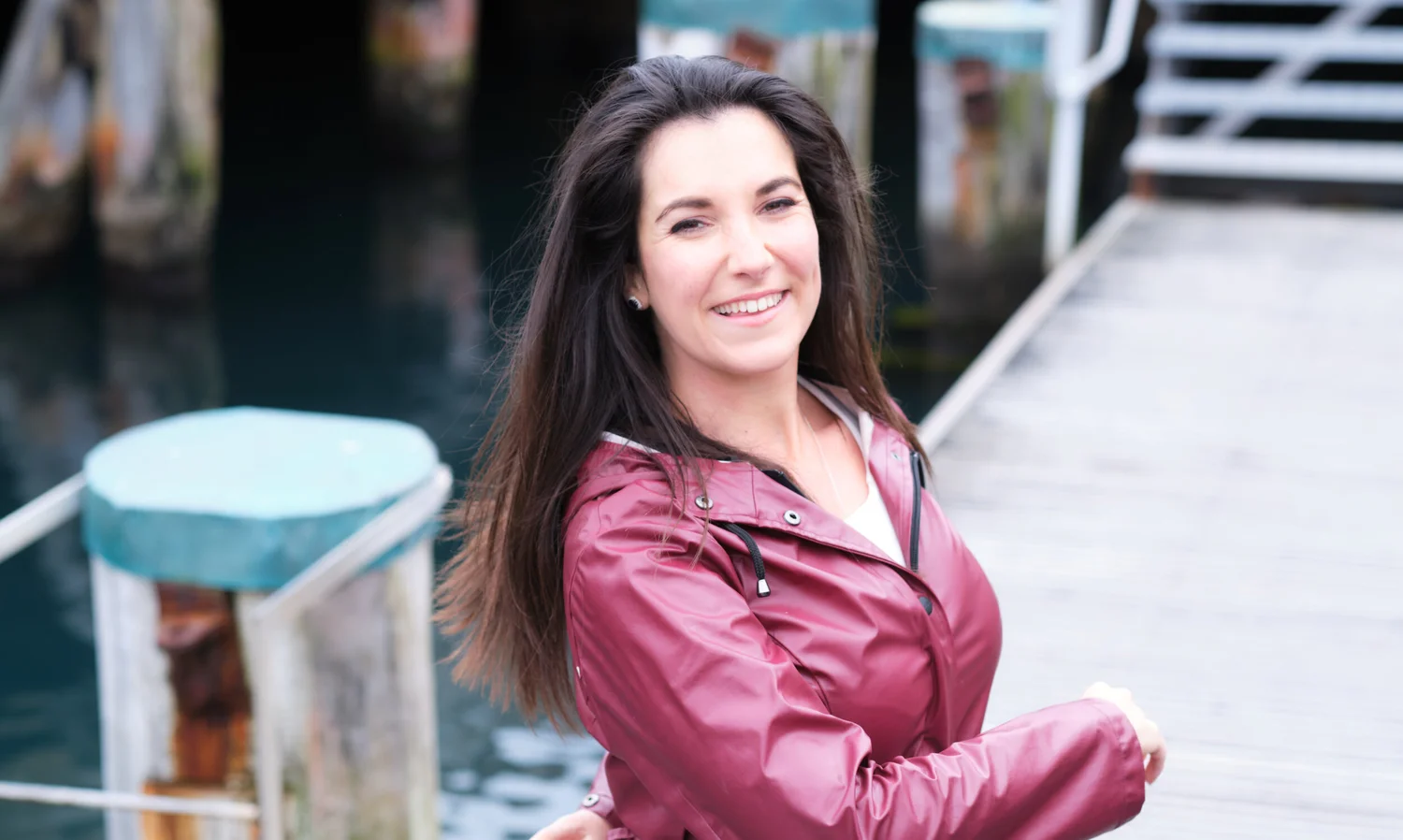
Find more interviews like this one at the Wellington Hustle Interview Project.Listen to the interview on your favourite podcast app: Apple Podcasts | Stitcher Radio | Spotify | GoogleThis month I’m joined by Jennifer Young.Jen describes herself as a recovered-admitted-lawyer-turned-Workplace-Wellbeing-Specialist, Life & Resilience Coach, Facilitator, Mental Health Advocate, Youth Leadership Development Advisor and Writer.After university, Jennifer moved to Wellington and took up a role in Leadership Development.During this time, she struggled with the transition from study to work. This was compounded by the fact that her initial workplace had a bullying environment. Over time Jen vowed that she never wanted another person to have this same experience and Intentional Generations was created. Now, let’s listen to this interview with Jennifer Young…Q1 WHAT WAS YOUR VISION WHEN YOU FIRST STARTED YOUR VENTURE?To be a judge and make decisions to help the lives of others. Although, that would be many decades in the future.At the start of my career, I found myself in such a toxic work environment. I developed anxiety and depression. I had to quickly learn to manage my mental wellbeing. Specifically prioritising my mental health.The idea for JenY Insites (now Intentional Generations), was influenced by my first working experience. The reality was so different from what I had imagined work-life to be. I was shocked. I never wanted another person to experience that kind of treatment. This influenced my passion to make changes in organisations. Helping others develop the confidence to bring about the understanding of wellbeing and mental health. I value variety and freedom. Being able to help a range of organisations from corporates, government to schools is important to me. Impacting people, helping them develop skills to navigate life's challenges.I unintentionally started in 2017 with my blog, JenY Insights. I shared tools, resources and what I’d learnt over the years working in Leadership Development. The vision was to take the training for senior leaders and make it accessible to those less privileged. I also shared my own experience as I trained myself. After moving from consulting to a corporate learning and development role, I noticed my anxiety starting to return. Part of it may have been the environment, but I had a voice inside telling me to get out. I couldn't ignore it anymore. I had to take my own advice and access my greatest growth by stepping out of my comfort zone.To form a new habit you need to do something for at least forty days before it becomes automatic. So, I challenged myself to a ’Forty days of Facing Fear’ practice. I was scared of rejection, failing and even succeeding. So I did one thing that scared me every day for forty days. It forced me out of my comfort zone, growing my confidence exponentially. Next, I travelled to Italy and taught English for three months. On returning, I knew that I wanted to help people every day for the rest of my life. Everybody gets a sense of looking up to people who seem to be doing great things. Think of an amazing person riding a lion. Those watching are in awe. That person seems so crazy and adventurous. The reality is that person is thinking “Holy shit, how do I get off, I’m going to be eaten alive!!!” That's very much what it is like to be an entrepreneur. I can't take credit for that metaphor. It came from a mentor, Toby Thomas.Q2 HOW DID YOU DEAL WITH EARLY SETBACKS?I have a lovely network of friends, called Founders Supporting Founders. We discuss life beyond social media. setbacks and challenges. I committed to being really honest about my challenges publicly. For the first year and a half, I earned very little. I was giving a lot of my time away fro free. I didn't know how to charge. I had no experience in running a business. I was wearing twenty different hats. CMO, COO, CEO, sales, networking and delivery.I would get offers to speak at many events, but most would expect me to present for free. Just because I was new. That was an exhausting setback. Nine months in, I was burning the candle at both ends while reminding myself to take care of my wellbeing. It was difficult. People don’t talk about how hard starting a business can be. Especially when you don’t have the luxury to hire help.Working out my worth, another comfort zone challenge for me. Up until this point nobody had openly talked with me about how to charge for my service. I started by talking to people more experienced in their coaching / public speaking journey. It taught me what was or wasn’t normal to charge. The best bit of advice I received was to charge for your worth. Even if it’s uncomfortable. It’s not just the hour I spend with a client. It’s the preparation beforehand and don’t forget all that training and previous experience. I also learnt, that in a corporate market, if I didn’t charge enough, I wouldn’t be taken seriously and I’d lose

S1 Ep 16Interview 14: James Bennie
Find more interviews like this one at the Wellington Hustle Interview Project.Listen to the interview on your favourite podcast app: Apple Podcasts | Stitcher Radio | Spotify | GoogleMeet James Bennie...CONNECT WITH JAMESIf you have enjoyed this article and want to start a conversation with James, you can reach out on:Websites: WellingtonNZFacebook: RAW MentorLinkedIn: linkedin.com/in/james-bennie-79850831/Instagram: @raw_mentorPlease don’t forget to tell James that I sent you.Interview and photography by Wellington Headshot Photographer, Tim Morrison (all rights reserved)
S1 Ep 15Interview 13: Melissa Gollan
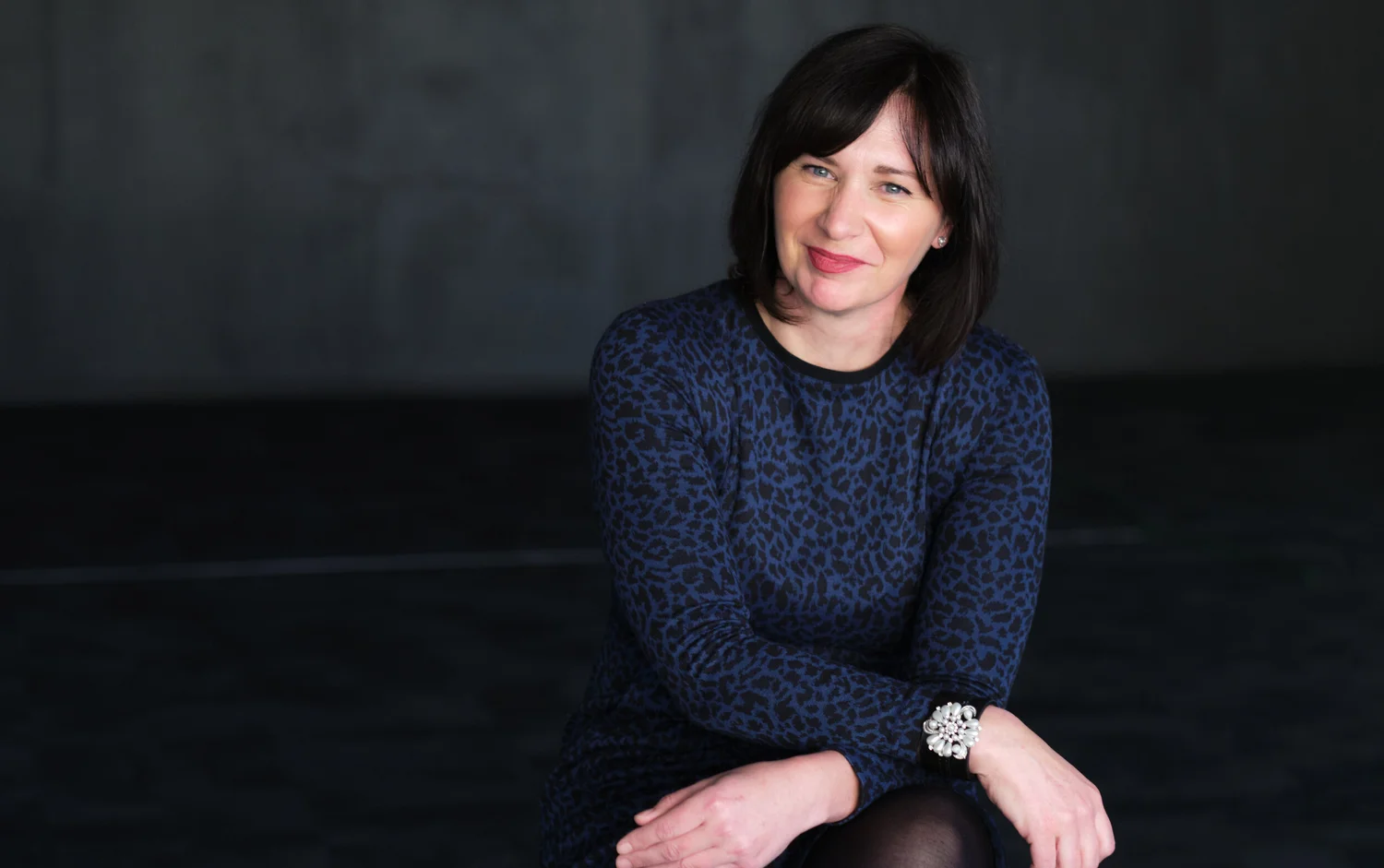
Find more interviews like this one at the Wellington Hustle Interview Project.Listen to the interview on your favourite podcast app: Apple Podcasts | Stitcher Radio | Spotify | GoogleMeet Melissa Gollan...Mel is the sole founder of the world disrupting FinTech Startup, RIP Global. During her past career in sales, Mel learned to loathe expenses. Keeping track, sorting, submitting and looking for missing receipts turned into the pain point that made her think, ‘there must be a better way?’ RIP Global is a contactless payment and expensing system, boasting 100% compliance while enabling customers to never handle receipts again.Mel has successfully raised several rounds of funding from investors in New Zealand and the United States. She has big goals to take RIP Global world wide. Her US venture capital investors are certainly a great indication of RIP Global’s potential and Mel’s largest customer to date just happens to be the New Zealand Government.Q1 WHAT WAS YOUR VISION WHEN YOU FIRST STARTED YOUR VENTURE?My vision was to save people from the boring tasks of processing and tracking receipts. RIP Global is about connecting the payment with the purchase data in a way that has the customer doing absolutely nothing. This is how I want to do it.Every expensing solution in the world has a 50% fail rate. Relying on users to photograph and upload receipts. Nobody wants to do that, so don’t. That’s what we’re saying. Those who use accounting systems such as Xero, MYOB etc, we can import their different account/expense codes automatically.Some people don't want to code or comment on their expenses, and they don't have to. But we do offer the opportunity to pre-code and justify each of their purchases.A smartphone app is used for a client to log expenses and add instructions or comments about their purchase. Then a dynamically created QR code is displayed and then scanned at the til. It's a little like using a loyalty card. Once scanned and payment has been made the client can just walk away. Their expense report is pre-populated with all the receipt data, the code and the justification. So we're offering 100% compliance and clients never have to touch a receipt again.It saves phone calls between people and their accounts office. No more missing receipts at the end of the month.This is very useful for those people passing on expenses to their clients or contractors. Disbursement invoices for these expenses can be created and sent automatically. This can save a lot of time. Plus, with 100% transparency, this makes their clients feel good.I’ve been working on RIP Global for nine years now. From the idea phase, being up to my eyebrows in receipts, developing the process, protecting our intellectual property. We’re committed to building a massive financial technology company out of New Zealand.Patents and IP are critical to us. We have a great relationship with Jameson Wells, a boutique intellectual property law firm. They are especially good at protecting property. You can’t get software patents. But the process behind the software can be patented. The process behind RIP Global has been patented in the US. This has been critical for raising capital.In the beginning, I had a Sales and Marketing consultancy while developing RIP Global. With that and some contracting work for Plunket, I didn't draw a salary from the business for the first five years. Then, after moving to Wellington, I started to pay myself enough of a salary to support myself and my two young boys. Q2 HOW DID YOU DEAL WITH EARLY SETBACKS?When you do anything new, you're going to get setbacks. So don't sweat it, there's always a workaround. In the beginning, I was a little naive. I took what I thought was obviously a banking tool to a couple of the banks and got the runaround. I’m still waiting for a Head of Innovation from one bank to call me back from four and a half years ago.Banks have long deal cycles. When you're a startup, you have limited time, money and resources. You can't be flying around to have 50,000 coffee meetings. You need results and signed commitments. We were supposed to pilot our technology with a bank. But, the deal ended up being blocked. This had me wonder how I going to continue without a big client. I knew that we were building something huge. I just had to carry on, one step at a time.Ultimately your customers are who matter. If you built a great product, present it well, you’ll get the customers. All those other people become irrelevant. We are building a globally scalable technology company and we want big customers. The reality is that New Zealand is a tiny little country. We have small businesses compared to the US, UK or Asian markets. The New Zealand government, as a business, would be our biggest, most internationally respected and the best local customer for RIP Global. An obvious choice that would see us scale fast globally.Everybody told me I was crazy. So I ran a second sales st

S1 Ep 14Interview 12: Lotty Roberts
Find more interviews like this one at the Wellington Hustle Interview Project.Listen to the interview on your favourite podcast app: Apple Podcasts | Stitcher Radio | Spotify | GoogleMeet Lotty Roberts...Through her business, ‘Mind U’, Lotty helps both companies and individuals use mindfulness to navigate change.She also hosts The Vulnerability Effect podcast. Interviewing people, sharing their stories of vulnerability with the purpose of showing how vulnerability can be a point of strength and connection.Lotty is originally from Suffolk in the UK, but after 16 years, now calls Wellington home. Her past career focused on implementing transformation and leadership in the corporate world.In 2018 Lotty endured a spell of burn out, took some time off to think and ‘Mind U’ was created.Oh, yes, Lotty has also worked her way through the challenge of recovering from a double hip replacement.Q1 WHAT WAS YOUR VISION WHEN YOU FIRST STARTED YOUR VENTURE?My business is called MiND U. I left my previous job, taking time to think about what I wanted to do next. I knew it would be connected to mindfulness as I was training as a mindfulness-based stress reduction teacher. In my past career I was really passionate about change and facilitation. I loved being a catalyst for positive change and transformation in others. But I didn't know what that would look like. I certainly hadn't thought I would start my own business. I did what was very unusual for Lotty. I just slowed down and did nothing to see what would pop up. I was in Bali at the time, and decided to start my own company. I updated my LinkedIn profile and straight away somebody approached me to talk at an event with their senior leaders. I agreed and they said, “it's in nine days time”. That’s how I started.I’ve learnt a lot about leadership and change. I have also made a lot of mistakes. This has shown me how I can be of service to people independently, rather than working as part of an organisation. Normally I'm a real planner. A lot of my career was focused on vision, being intentional and putting it into words and goals. Instead, I did something that was quite counterintuitive. I decided to just dabble for a while. I was fortunate enough that we could survive on my husband's salary. So, I had the freedom to discover what I wanted to do with my business. I knew I wanted to help people navigate change. What evolved is how I help people with their self-reflection and mindfulness. Guiding them to be more present in their life.I like to say, “Mindfulness and change go together like cheese and crackers”. Change done well is Mindfulness in action. This stood out to me as being a little different, but really useful to help people and organisations land change better.Everything I do has different aspects. I do a lot of work around emotional culture, independent mindfulness work, coaching, change and mindful leadership courses. Although these seem quite different, they all achieve the same thing. To help people navigate change. Change is the one thing you can't stop, it happens all the time.A beautiful quote I love by Jon Kabat-Zinn, “You can't stop the waves, but you can learn how to surf”. I like to think that I'm helping others learn to surf those waves of change. Sometimes they might be doing crazy, awesome flips. Sometimes surfing those waves of change is just literally clinging to the board. It's not about everything being fluffy. How can you stay on the board through the bad? It doesn't need to be pretty. It's just about survival. So, whether it’s helping people to perform their best or navigating adversity, that's my purpose and how I’m of service.Q2 HOW DID YOU DEAL WITH EARLY SETBACKS?I've been really, really fortunate, I don't think I've had any major setbacks, but perhaps it’s a matter of perception. Starting your own business is a journey of discovery. What I've learned is it’s normal to feel a bit bipolar. Some days are awesome; clients book in, you meet some amazing, inspiring people or you create something from scratch and feel so proud. There's nothing like those days, they are amazing. And then you have days where you feel like no-one is interested, you feel a sense of lack, feeling not feeling good enough (that old Chestnut!) and that it is all so tiring. All you see is other people doing really well and you don’t feel you are doing as well as them.What has been really useful for me is being really aware of what’s going on as it arises. I notice, “There’s that self doubt again” or “Oh, there's that judgment”. Whether it be judgment of myself or judgment of other people. I've learned I'm somebody who's always had quite high expectations for myself and others and expectations are disappointments waiting to happen. So when I really started to become aware that when there are setbacks, it's not going to last. I notice the thoughts are coming up from that setback. I try to be with them and ride it out. I’ve done a lot of work on myself to not beat myself up.I

S1 Ep 13Interview 11: Joel Bouzaid
Find more interviews like this one at the Wellington Hustle Interview Project.Listen to the interview on your favourite podcast app: Apple Podcasts | Stitcher Radio | Spotify | GoogleMeet Joel Bouzaid...Joel is a facilitator of growth and student of hard conversations. He helps people see their possibility, remove their limiting beliefs and guides them to become empowered, confident leaders.Joel started his career as an International Operations Manager for Full On in Italy. Next, he Co-Founded a Health Facility with his brother. Now Joel is a keynote speaker and coaches culture development and leadership for large organisations across New Zealand.Q1 WHAT WAS YOUR VISION WHEN YOU FIRST STARTED YOUR VENTURE?My vision has always been clear. Whatever mode I'm in, leading a class, keynote speaking or one-on-one coaching, I’m there to create a sense of possibility and a guide to remove limiting beliefs. That's always been the vision. It's vague, but that’s okay, as long as it's exciting.I teach leadership. Over time, I’ve found that the most important work for leaders, before they start leading others, is to learn to lead themselves. Some people are into that. Others want to jump straight to building trust and performance in their teams.What’s become particularly evident when dealing with a mix of leadership perspectives, is understanding the environment. So when I go into a business, I’ll help a small team distil their culture. Clarifying how their business chooses to execute and perform at its best. Once team members are crystal clear with a sense of identity, they then have an actual shot of fully expressing their leadership.But until then, people operate by walking on eggshells, trying to lead, but not trusting colleagues to have their backs. They’ll always be holding back. To create possibility, I really want people to show up and give it their everything. Then they're actually associate being at work with a sense of positivity. They know work is psychologically safe, they're accepted and included, and it’s encouraged for them to lead fully.The main leadership issue is uncovering what prevents a person from being able to fully express themselves. Often people are stopped by difficult conversations. My aim is to create ways to approach those difficulties. Ultimately gaining clarity and possibility for those conversations to happen. Establishing what can we achieve together. Working together to figure out the next few steps, so you can achieve your goals. This is an engaging, vulnerable, open, honest and candid conversation.Mostly I train small teams, but I also love jumping on stage to work with hundreds of people.Coaching one-on-one is limited in terms of my impact in the world. Although, it is effective at testing ideas, asking questions and quickly receiving feedback. It helps me gain an intimate understanding of what drives ambitious team leaders.Q2 HOW DID YOU DEAL WITH EARLY SETBACKS?I worked with my brother, which was immensely rewarding. But switching back and forth between family and professional relationships was challenging. It wasn't a setback. It was a growth opportunity for me. At times, it felt like we weren’t moving as fast as we could. Dealing with this was ongoing with difficult conversations and consistent communications.Looking back, I now feel more experienced to have those harder conversations with anyone. But at the time, they were certainly challenging for both of us. My brother and I have a deep respect for each other. We were never going to let anything professional get in the way, but that takes a lot of energy.Time and energy are two of the greatest resources in life. Everybody has their own version of, “I don't have enough time.”When energy runs low, it makes for a challenging lifestyle, sense of fulfilment and purpose. You have to protect them well. I believe it's been good for my brother and me, now that I’ve fully committed to teaching leadership outside of health and fitness.Feedback tells me that I have good energy. But when life decelerates or isn’t what I expect, it gets me down. So, I have a few daily rituals that help maintain a high level of energy. My aim is to have a similar, if not greater amount of energy for my kids at the end of the day, as I had for the workshop that morning. It’s only fair. I believe that the measure of a great father, like a great leader, is that we can give our energy to the people that need it.“I’m tired,” that's the discussion around energy. The most commonly used phrase. I would love to have people thinking about how to add more energy into their life. So when they are getting tired, it’s 8 pm as opposed to 3 pm and they don’t fall apart for the evening shift.Earlier in my career as an Operations Manager, I really rated myself in terms of delivering great service for the client. I believed it was a reflection of my leadership. I poured all my eggs into this basket. In 2010, my boss observed me for the day and provided feedback. I was expecti

S1 Ep 12Interview 10: Kerene Strochnetter - Mindful at Work
Find more interviews like this one at the Wellington Hustle Interview Project.Listen to the interview on your favourite podcast app: Apple Podcasts | Stitcher Radio | Spotify | GoogleMeet Kerene Strochnetter. Kerene is in the business of bringing the practice of mindfulness to corporate leadership. Making the inwards cool.Kerene’s career spans being a registered nurse, teacher, coach, consultant and now business owner.Her company, Mindful at Work, helps change the way people think and behave in business. Or as Kerene likes to put it, “stopping people from being such $#&^holes in the workplace”.What was your vision when you first started your venture?I didn't have one. I don't believe in really clear visions.Moving to Wellington, I began working in the corporate world. It was fascinating and I loved it. It was so different from working in public health and education.After making several significant faux pas' in my personal life, I discovered mindfulness.While training as a coach, I was first introduced to mindfulness through neuroscience. Neuroscience was just becoming known. It's a blend of old age philosophical practices and what science has actually proven. To cut a long story short, I started meditating every day and followed meditation expert Dr Joe Dispenza.I saw meditation as being transformative for my own life. So much so that I realised if my coaching clients were practising mindfulness and meditation, then I wouldn't be working with such messed up people. That sounds very selfish, but some clients would vomit out such awful circumstances. They'd tell me all the reasons why and everything they think I should be coaching them on, which would fix it all. But, I believed if we didn't explore under the surface for the problems creating these thoughts and feelings, then we may as well be straightening deck chairs on the Titanic.So, I began refusing to coach people until they started practising mindfulness.There's a particular therapy called Acceptance and Commitment Therapy (ACT), which is basically mindfulness with legs. I had no idea such a thing existed.The wonderful Sam Hannah first introduced ACT to me. Then, in the middle of writing a mental health program with Michael Bunting, he suggested that we needed to incorporate ACT. After a lot of research, I discovered that its a form of mindfulness therapy. Helping people to get clear about what really matters and to understand how they could be self-sabotaging their ideal life.I've never been interested in teaching people to be better meditators. I'm interested in people knowing themselves, knowing what matters and having the tools to create the life they really want. It's not about having a perfect life, it's about not sleepwalking through life.Working with high functioning corporate leaders. These people are suffering. Their lives are incredibly busy. They're constantly distracted by technology. So they can really relate to the impact their successful lives have on them. So I combine mindfulness with leadership coaching.But it's not just about meditating. It's about changing behaviour and we're not built for it as human beings. We're created to be risk-focused, highly distractible and hyper-vigilant. Designed to live as long as we possibly can. Evolutionary wise, anything that was dangerous killed you. If you're removed from your tribe, you dead.So, get a performance review with 29 expectations exceeded and 1 unmet. Which do you focus on? Which wakes you at 3am worrying about losing your job, not being able to pay the mortgage? It's where our minds go. We are really programmed to be miserable.Mindfulness is a practice to rebalance the score. Tuning into life, not living so much in our heads and stopping to smell the roses. If you have no way of observing your thoughts, you will become them. We don't think about how gorgeous, brilliant, and talented we are. We think about our faults and what could possibly disconnect us from our people. That's what we focus on. Our brain is there to keep us safe and connected.How did you deal with early setbacks?My philosophy has always been stay in action and get good advice from people you trust. Don't sit and ruminate because your mind will do you in.If anything, my mindfulness practice makes me aware of when I'm ruminating. I'm really in the business of managing my own mind. When I experience setbacks, I use my practice to help. It doesn't make everything turn out perfect. But it stops me from going into analysis paralysis.When a setback hits, I tend to get more lost in my mind. For example, if I'm keynote speaking and I'm going to talk to 100 accountants. Managing my mind is really important. It's also about getting myself into that peak performance state. I meditate every day. I practice yoga, walk or go to the gym every day. I eat and sleep really well. When I'm in top form and walk out to deliver, I'm confident and energised. Of course it will go well.I know my stuff. If I find myself wanting more preparat

S1 Ep 11Interview 9: Digby Scott - Change Makers
Find more interviews like this one at the Wellington Hustle Interview Project. Listen to the interview on your favourite podcast app: Apple Podcasts | Stitcher Radio | Spotify | Google MEET DIGBY SCOTT, THE CORPORATE REBEL An Australian adventurer, husband, father and developer of leaders looking to bring change to the world. Originally a Charted Accountant, Digby felt the world had more to offer, turned to travel, headed to Canada and spent a season working at a ski resort. He then followed this up by talking his way onto a commercial salmon boat with no experience. He finally settled back into the corporate world as a professional recruiter in London. This is when Digby found his passion. Development of people, development of culture, development of organisations. Getting the best out of people and helping them grow towards a new future. Q1 WHAT WAS YOUR VISION WHEN YOU FIRST STARTED YOUR VENTURE? My idea was to offer career coaching. I wanted to help align people with their ideal work. When people play to their strengths, deliberately choosing the work they love, then the organisations who employ them benefit. In the late nineties, coaching wasn't valued by organisations as much as it is now. I quickly started working on a way to develop leaders and managers to become the catalyst for other employees' change. Empowering them to show up as the best person they could be. At the time, only a few organisations were conscious of this approach. Now the idea of developing the best in people to improve their performance is the zeitgeist of today. Based in Wellington, I work with public sector agencies, government departments, as well as several private sector companies. Primarily if an organisation looks to shift its culture, I'll coach a handful of people to be the change agents. People who'll make a disproportionate impact. Then I also work with the executive team to help them support the change agents to make that culture shift. You can't just drive change from the top. My book Change Makers came about to help run my workshops and programs. A book is a great way to help people for very little money to get maximum value for time. You don't have to be anywhere. You just take your book off the bookshelf, sit down in your bean bag and soak it up. For $20 or $30, that's a pretty good investment. Q2 HOW DID YOU DEAL WITH EARLY SETBACKS? The setbacks that I've experienced are mindset barriers.I'll give you an example. I stayed two years too long before leaving Inspire Group. I realised my enthusiasm for the job and performance was flatlining. I had stories in my head about why I shouldn't leave. That wasn't good for me. I was less excited about work. I was wanting to work for myself and believed I would make more of an impact doing so. But then I wouldn't move.Fortunately, I had a couple of good mentors who challenged me to change my story. Gently but firmly holding my feet to the fire. Eventually, I spoke with the CEO and it was relatively painless. We discussed me leaving, made a six-month timeline and managed it well. I should have done that a couple a few years earlier.Sure, I could say I wouldn't be the person I am now without that lesson. The setback was two years of my life that I could have used way more productively. The lesson, if you feel hesitation, and you want to move on, then you really must examine that feeling.Tim Ferris is one of my favourite podcasters. He has a great Ted talk on fear setting. We have goal setting, but unless you're addressing the fear holding you back, you're likely to stay stuck.He has this lovely process of analysing the worst possible case scenario. When you examine your fear, it becomes smaller. He uses these questions to help take action:1. What could you do to prevent failure from happening? If you acted, what preventative measures would you have in place?2. What would you go if things didn't work out? What could you do to repair it?3. What's the cost of inaction?Many senior leaders have flatlined in their work and are asking the question 'what else?' Moving on seems dangerous, maybe causing the loss of money or credibility. So there's inaction that needs circuit breaking as soon as possible. It's fundamental so as not to block innovation or other people from progressing. I want to be a catalyst for a more deliberate choice. Not just for individuals, but society. Guiding people to have more purpose towards contribution. Not just making a difference, but also making a life.Personally, with encouragement from my mentors, I discussed with past clients the possibility of working differently together. Determining if I had a service they would be interested in. That validation quickly built the self-belief I needed to move forward. I could have read all the books in the world, but I don't think it would have helped. It's the h

S1 Ep 9Interview 8: Jordan Berry - Kaizen Fitness
Find more interviews like this one at the Wellington Hustle Interview Project.Listen to the interview on your favourite podcast app: Apple Podcasts | Stitcher Radio | Spotify | GoogleTODAY I’M TALKING TO JORDAN BERRY, PERSONAL TRAINER AND FOUNDER OF KAIZEN FITNESSJordan is passionate about taking the holistic approach to personal training. Mental health and growth is a big part of Kaizen Fitness. He’ll have you doing more than working hard at the gym. You will end up discovering your why and what you want to be. Then together you will put in place the habits and goals to get you there.Q1 WHAT WAS YOUR VISION WHEN YOU FIRST STARTED YOUR VENTURE?The goal for Kaizen Fitness is to provide a high quality, enjoyable service. With the onset of becoming a personal trainer, my sole vision was helping as many people as possible. It’s now developed into a more holistic way of training. Not just helping with the physical, but mentally and emotional swell.I've always been active. This sounds like a cliche person trainer story. I started going to the gym in high school. As soon as I worked out I could get an annual membership for $50, I was straight in there pumping weights. I probably weighed all of about 48 kg.I've always really enjoyed helping people. During a careers expo I was taken with a personal training qualification. So I studied and qualified as a personal trainer along side graduating from high school. Ever since I haven't looked back. I absolutely love it.My desire to help people, my desire to be physically and mentally fit, just grew into my business, Kaizen Fitness.Q2 HOW DID YOU DEAL WITH EARLY SETBACKS?Going into the gym and starting my own business as an 18 year old was very daunting. Especially in a new city.Confidence was a big setback for me. Confidence in my ability as a personal trainer and then my ability to sell. Selling was particularly challenging. Offering services to people that I didn't know for a price. Realising that the service I offer has the potential to impact lives helped develop my confidence over time.Luckily I have a really supportive family and group of friends. My good friend David, another personal trainer, helped me out a lot. He was always there for me to run my sales scripts past. Lots of simulation and positive reinforcement. Fine tuning the way I approached the people at the gym.The more confidence I displayed, the more I believed in the service I provided, the more people believed in me. Having good mentors and a good support structure was key. I could be the best personal trainer in the world, but if I can't sell, then, I’m not going to do very well.Q3 WAS THERE A TIME YOU WANTED TO GIVE UP?Obviously in the first six months it was definitely difficult. Overcoming my confidence barrier and fully immersing myself in the business. But at no point did I feel like giving up. Being a personal trainer was my passion and I love helping people.It never crossed my mind.Previous to being a personal trainer, I was a checkout chump at Pak’N’Save. I was working with great people, but it just didn’t fulfil me. So building my business was not something I wanted to give up on.Q4 WERE THERE ANY TRAPS THAT YOU FELL INTO?I think a trap that a lot of people fall onto when newly qualified is being in the industry for the status. Being able to put PT at the end of their Instagram name. It should be more than that, starting with the people you're helping. It’s not about becoming a personal trainer to justify taking topless photos of yourself on Instagram. And on the flip side, these personal trainers could be misleading others by putting out bad quality advice.If you went to high school with me, you'd know that I'm appalling at Maths. Ask any of my clients, they'll confirm that I struggle with accounts sometimes. Now I have an accountant. I’m really thankful. I’m bad at the numbers, but it has to be done. Luckily I have good people to help.All my client payments are now run through a direct debit. I use a service called ezidebit. If you are a personal trainer, I definitely recommend an automated payment system. It makes keeping track of many individual payments so much easier. Through ezidebit, your clients complete a form, all the payments are collected and then one lump sum is deposited into your bank account. It’s much more systemised and takes the stress out of chasing up payments. Especially at tax time.Q5 WHAT INSPIRES AND MOTIVATES YOU?My clientele, 100%. I've worked with a lot of people from different backgrounds. From 17 years old through to 60, international athletes or people just wanting a six pack. No matter where they come from, what their goals are, they always inspire me.I have a client, Bob. He’s 58 years old and every session he just loves pushing himself. There’s times when he blows me away with the amount of weight that he lifts.My really good friend, John. He competed in the 2019 Commonwealth Judo Tournaments. He's 54 years old and still really investing in his physical self

S1 Ep 7Interview 7: Christine Langdon - The Good Registry
Welcome to episode 7 of The Wellington Hustle Interview Project. Today I head down to the BizDojo in Wellington to talk to Christine Langdon, co-founder of The Good Registry.Christine describes herself as a person with a passion for trying new things, meeting new people and a creator of good change in the world.Originally starting her career as a journalist, Christine moved into communications, gravitating towards social impact work. In June 2017, Christine left her permanent job as a communications manager without a plan. After a month or so of reflection, an idea started to form. A social giving platform, to replace gift-giving with donations to a good cause.Q1 WHAT WAS YOUR VISION WHEN YOU FIRST STARTED YOUR VENTURE?I left my job with Z Energy at the end of June 2017, had the idea for The Good Registry in August and we launched that November.I have two co-founders. Tracy Bridges and Sue McCabe. When I told Sue about The Good Registry idea, she loved it and offered to help. I'm not sure if Tracy volunteered or if I twisted her arm.The Good Registry is a way for people to donate to their favourite charities without having to dig into their own pockets. Instead of receiving unwanted gifts, that money goes to a good cause. Money is not wasted when it goes to charity. And you get the joy of giving from the experience.We have 65 charity partners. We've been very conscious to choose a mixture of national and local charities. Currently, most of the donations are going to SPCA. People do like animals. Other popular charities are Kids Can, Mental Health Foundation and in terms of local charities, Wellington Free Ambulance. Many people have used or know somebody who has used the Wellington Free Ambulance. People do like to give to causes close to their own heart.I try not to play favourites, but for Christmas last year, I chose the Common Unity Project Aotearoa. It's a wonderful program based out in The Hutt. It started as a community garden providing organic nutritious lunches for children in low decile schools. It's expanded to create volunteering or employment at Rimutaka Prison. Growing produce, cooking then selling nourishing meals to the community.So far we have raised $320,000 of donations, replacing about 8,000 gifts, allowing thousands of people to experience giving and how good it feels.Of course every donation made through us supports the environment. We're taking all of the waste out of the unnecessary consumer purchases, manufactured on the other side of the world, shipped to New Zealand, packaged and wrapped. We're taking all of that out and just sending the money straight to charity.I get excited about the waste we're reducing as well as the charitable impacts. To think that people are rethinking consumerism around gift-giving or consumerism overall. There's an incredible amount of waste going into recycling. Of which a lot never gets recycled and just goes to landfill.For the waste that is recycled, there's still energy consumption. If you were given a gift that you wanted or needed, that's cool. But if not, there are still environmental impacts. If we can replace those gifts with donations instead then we're doing a lot of good for the environment.Q2 HOW DID YOU DEAL WITH EARLY SETBACKS?By just continuing to stay conscious of why we're doing this. Why it's important to the three of us. Keep on going, finding our way, not sitting back and feeling like a failure. Knowing that this is a chance to try something different.But also being realistic. In the early stages, there wasn't time to stop and think. We just had to keep going. In August we decided that by building a gift-giving platform, it should be finished for Christmas. It should be launched in November, giving people time to discover and use it.So the question became can we do this in three months? Yes, The Good Registry launched within three months with 60 charities signed up along with a crowdfunding campaign and all needed to create a social enterprise.Q3 WAS THERE A TIME YOU WANTED TO GIVE UP?There was a time when I learned what the phrase 'cold feet' was. I didn't know it was a real thing. It was during a conversation with a lady who had been through a similar journey, where my feet literally went cold. My body tensed up and my breathing stopped. It was a reality check about the challenges we were taking on.I often enter things with a lot of optimism. But being told some really hard facts about the challenges of working with charities was grounding. Charity resources are generally really stretched. I was optimistic about how much energy charities have to help launch and grow our platform. It turned out to be true. The charities appreciate all that you do for them. But they can't always help promote as much that would be ideal.Both Sue and I already had a good understanding of charities across New Zealand. We ruthlessly white boarded our target key charities who we'd like to get on board. We wanted to make sure that we had charities that pe

S1 Ep 6Interview 6: Cathy de Jongh - Make the Shift
Meet Cathy De Jongh, a Human Resources veteran of 20 years.Cathy now runs a practice helping Human Resource Leaders have a more strategic approach to structuring their workforce and organisation.Cathy sees herself as an HR Architect. She works with a high-level view of organisational team structures, fine-tuning their workforce, ensuring maximum efficiency. Cathy guides her client organisations to focus on being strategic, matching company goals with their ideal future workforce.As well as being a people strategist, facilitator, mentor and speaker, Cathy is also in the process of writing a book. 'Making the Shift' will be out November 2020 and is based around Cathy's passion for a more strategic Human Resources world.Now, let's listen to the conversation with Cathy for a dose of setbacks, challenges and aha moments...Q1 WHAT WAS YOUR VISION WHEN YOU FIRST STARTED YOUR VENTURE?Right from the start, I joined the Thought Leaders Business School. This has helped me shape, develop and grow my practice. It also has a great community of people to interact with and learn from.Selling myself ended up being a particular personal difficulty. In the beginning, it felt quite yucky. That surprised me. In my role as an HR manager, I often had people approaching and selling themselves to me. Now it's me doing the selling.My approach to selling is to observe and help. What value can I add to this organisation? How can I help them? That's a different proposition. I'm learning to change my mindset around selling and to get more comfortable doing it.I was a public servant for 20 years. I classed myself as an internal consultant then. I worked in big organisations, connecting with people and working out how I can help them. But this is quite different.Over time I'm getting more and more used to selling. It's becoming something that I enjoy. I know what I'm offering can help them.Q2 HOW DID YOU DEAL WITH EARLY SETBACKS?It's taken me longer to grow my practice than I imagined. Working out my place in the market and where I can add value.Currently, I'm helping a really small agency with their workforce strategy. This is giving me real insights into the needs of different kinds of companies. Originally I imagined that I'd work with bigger organisations, helping up-skill their workforce planning. But this small agency has nobody skilled in workforce planning and needs help. They know they need to do something different. They just don't know how to go about it. This is where I can really add value.In terms of setbacks, you just have to keep ongoing. Have faith that something will eventuate and the world will provide.Q3 WAS THERE A TIME YOU WANTED TO GIVE UP?Yes, there have been times. Sometimes I think that I should just get a job. People leaving their HR positions generally move into contracting. Everybody I know seems to be doing it. They all suggest "Why don't you just talk to So in So about a role". And sometimes I feel that I should. There's nothing wrong with contract roles. I imagine that I'll move in and out of them as my practice evolves.There's a person who I really admire based here in New Zealand, Lisa O'Neil. She's really motivational with lots of energy. Lisa encouraged me to create a mojo playlist of songs that I love. So, on days when I just can't be bothered, I play my mojo playlist. It really lifts my mood.It's the simple things that help, like telling myself a different story. If I'm calling people up to do business, I have to have conviction and engage at the right energetic level.Q4 WERE THERE ANY TRAPS THAT YOU FELL INTO?I'm currently developing a lot of intellectual property (IP) and I'm working on a book. One trap is that I can spend all day reading and thinking. I do really enjoy that. But, it is all about having balance and discipline.I can be a workaholic. Now that I run my own practice, I must ensure that I don't work every day. My work boundaries have been taken away and I now need to learn when to restrain myself.I'm now focused on my health and wellbeing. Starting and ending my week differently. I take my daughter to work on a Monday morning. I'll go for a long walk around the harbour and think about the week. I really enjoy that. Then to end the week, I spend Friday afternoon in a yoga studio. I'm a fond believer of shaping what your life looks like, creating a routine and living a life by design.Q5 WHAT INSPIRES AND MOTIVATES YOU?It's often the people who I work with. I've been lucky to work with some inspiring leaders. Working with motivated people who have a strong vision. Mostly I work alongside senior leaders and I'm inspired by supporting organisations making a difference. With my background in human resources, I can help develop their people and better the organisations' chances of making that difference.Over the years I've helped a lot of different people with their careers. They might start at an entry-level role and 10 years later I'll see them to a director role. I enjoy helping people harne

S1 Ep 5Interview 5: Chris Desmond - Uncomfortable is OK podcast
Are you interested in exercising your ‘getting out of your comfort zone’ muscle…?For episode 5 of the Wellington Hustle Interview Project we meet Chris Desmond. Chris is the founder and host of the ‘Uncomfortable is Ok’ podcast. A show with over 200 interviews, discussing the uncomfortable. Chris will tell you that living in a world with comfort at every turn is not helpful. By choosing to stay comfortable, we are significantly restricting our potential to do great things. Getting good at doing really uncomfortable and scary stuff can help make life exciting. Chris also works as a physiotherapist, resilience trainer and coach, and is also just a 36 year old kiwi dude with family and dog.Q1 WHAT WAS YOUR VISION WHEN YOU FIRST STARTED YOUR VENTURE?I enjoy my work as a physiotherapist, but it's not the long game. I don't want to be sitting in a clinic for the rest of my life. I have been running a podcast for three and a half years now. It started with me trying a few different things, looking for a creative outlet, I tried an online business, did a Masters of Management. One of my papers was called Innovation and New Ventures. It got me brainstorming lots of different ideas and exploring my creativity. A friend suggested, “Hey, why don't you start a podcast?”. I thought it was a great idea.At the time I was also interested in getting better at doing hard stuff. People talk about manifesting dreams. It’s really hard work and most give up. So I decided to interview people about how they take on and overcome challenges. I found talking about their journey and the practicality of doing the hard work fascinating.I convinced a couple of my mates to be interviewed. Next I showed up at a Shameless Soapbox event in Wellington and asked for people interested in being interviewed. I got a couple of takers. Then it started to snowball with recommendations and introductions. It was super uncomfortable for me to start with, which was the whole point.From episode 15 to 20 is when I started to talk to people that I didn't really know. In a bookstore I browsed through a book and found a professional surfer who battled with leukaemia called Matt Scorringe. Google is amazing. I searched for Matt and flicked him a message about the podcast and asked for an interview. He said” Yes!”It was uncomfortable. I was jumping into the unknown. I just had to think, “What's the worst that can happen here? Someone that I don't know says no.”I interviewed Laura Langman recently. She’s the captain of the Silver Ferns. She was introduced by a mutual friend. I don't think I would have interviewed Laura without AJ’s introduction.I talked with James Clear, the author of Atomic Habits, a New York Times bestselling book that sold millions. I think it was just serendipitous with him. He was marketing his book and I was on his mailing list. Even though I felt James was way out of my league, I sent him a message asking if he would be happy to record answers to three questions. James replied, “Yes, but don’t you want to do a full interview?”It's often cooler interviewing regular people. It's more of a conversation. People often ask me to send through the interview questions beforehand. But I haven't really enjoyed this process nearly as much. I know what I'm going to ask next, so I'm not listening to the interviewee so well. Someone asked for my questions recently. I replied with “I don't have any. Here’s the topics that I'd like to talk about”. I've never had anyone say no to that.Q2 HOW DID YOU DEAL WITH EARLY SETBACKS?I found technology around the recording, audio editing and setting up long distance based interviews challenging. I use Zoom now and it’s super easy. When I started I was using multiple apps and sometimes struggling to get them to talk with eachother. When a guest updated their particular app sometimes it would all break. I spent too many hours on Google trying to fix technical difficulties. This was the least interesting part of the process for me. And also super frustrating.I've lost a couple of interviews and messed up the recording. I had to go back to them and say, “Hey, I stuffed up here, can we record again?”I've also released some awkward audio. I’ve just warned the listeners that the audio isn’t as crisp as it usually is and to listen a little harder. Generally listeners have responded that they don't mind the audio quality. Even though it wasn’t great, it made them focus on the conversation and get more from it.Q3 WAS THERE A TIME YOU WANTED TO GIVE UP?I've never seriously considered giving up for good. When my son was born three months early, it was pretty stressful. He was in hospital for 99 days. I had this marvellous plan to stockpile several months worth of interviews and release them when he arrived. We hadn’t been to our first anti-natal class when he arrived. It really threw a spanner in the works. I took a couple of weeks off from the podcast. I realised that I wanted to keep going with it, it was something I really w

S1 Ep 4Interview 4: Gillian Brookes - My Kids Village
In this interview I talk with Gillian Brookes, the founder of My Kids Village.Gillian describes herself as a social entrepreneur. She’s also a human resourses professional. Gillian’s passion project is to fix the disconnect between full-time working parents and the traditional 9-5 workplace.My Kids Village is an online platform for parents to easily find local childcare options.Gillian fondly calls My Kids Village a sticky plaster. Put in place while she educates New Zealand’s companies on the benefits for a flexible work environment.WHAT WAS YOUR VISION WHEN YOU FIRST STARTED YOUR VENTURE?To make parents' lives easier, particularly working parents. There’s a big disconnect between school and work life. Those systems were never designed to co-exist. I kept hearing from parents with older kids, “Enjoy the last year of daycare, it's all about to get really hard." School for working parents is a logistical nightmare. You need to figure out before- and after-school care. Then there’s the school holidays. I wondered why it's left to the parents to solve this problem. It impacts so many Kiwi families. Everybody is dealing with exactly the same challenge and yet we treat it like it's a private problem. That annoys me.We're not going to change the education or the employment system overnight. That's the bigger game. In the meantime, My Kids Village helps parents by showing them the local childcare options available. Parents can just literally go to My Kids Village, click search, select the area they live in, and then type of provider that they need.My Kids Village is a social enterprise. A business with a social goal at our core. Not a profit motive. Social enterprise is similar to a charity in that it's mission driven. My Kids Village wasn’t set up as a charity to avoid lengthy legislation and constraints. I wanted to just to get going and solve the problem. I personally funded the initial build of the website. One of the unique things about My Kids Village is that we don't charge for prominent profiles. This levels the playing field between the community based not-for-profits and the large providers with huge marketing budgets. Sam and I are motivated to give visibility to those providers that wouldn't otherwise have it.Sam is my partner at My Kids Village. She found the site as she approached the end of her parental leave and was searching for childcare. With a background in sales and marketing, she has really helped improve My Kids Village. We've now launched across the whole country and started blogging. The blog has been very important for increasing our traffic. Posting useful content means that parents keep returning to the site. We have amazing support from Nettl, our web provider. They understand we’re a community project.HOW DID YOU DEAL WITH EARLY SETBACKS?When parents or providers don’t have much interest in what we are doing, it's disappointing.Some providers have waiting lists for their childcare centres. Even though there's no cost to join My Kids Village, there's no point in them even investing the time.I realise that I shouldn’t be going for one hundred percent coverage here. If I can get to a tipping point with enough providers to become a really valuable hub, with high visibility, then they will sign up anyway. I'm not at that tipping point yet. There are now providers on My Kids Village who have signed up that we never contacted. That is great.One of the core problems that needs solving is irregular child care. Think holiday programs. They’re not constant. It doesn't become part of your day to day routine like after school clubs or an early learning childcare. With these, once set up, they stay in place for a long time. You don’t have to think about them. Holiday programs can be a bit of a logistical nightmare.So, setbacks are mainly from expectations not being met. There are loads of those. For example, you write a blog, and you think, "I really like this one." Sometimes the post gets lots of traction. Other times it doesn’t. I'm learning to hold it a bit lighter, not to take everything personally. The experimental mindset really helps. When something doesn’t happen as expected I just tell myself, "Oh, that was an interesting lesson.”Another big thing, don't say, "should." Try and ban the word "should." Either say "I could," or "what if." That kind of language is much more helpful. “Should" just makes me feel bad about the things I'm not doing, adding to guilt. No parent with small children needs more guilt in their life.WAS THERE A TIME THAT YOU WANTED TO GIVE UP?Yes, but never for very long. Just five-minute frustrations such as, ‘’Damn, why is this so hard?’’. Particularly when this isn't the only thing that I'm doing. That's the biggest challenge. If I didn't need an income and I could just spend all my time on My Kids Village. That would be amazing. But that's not my reality. I work and I’m a parent. So I practice resetting my expectations and just being a bit kinder to myself.WERE THERE

S1 Ep 3Interview 3: Felix Watkins
FELIX IS THE FOUNDER OF OPOLYA tech startup with its sites set on disrupting Real Estate investing in New Zealand using blockchain technology and crowd funding. Felix also co-organises one of the largest local meetup groups boasting 1200 members, Blockchain NZ (Wellington).While auditing software for other companies and startups, Felix felt the urge to create something of his own. So, Opoly was conceived, an app providing affordable access to property investing.WHAT WAS YOUR VISION WHEN YOU FIRST STARTED YOUR VENTURE?Traditionally, to invest in property, you have two options, cash or debt. We wanted to create a third and much more accessible way. Property investing with other people in a way similar to crowdfunding. Our goal with Opoly is to provide the lowest entry barrier for anyone to earn better amounts of interest on their savings.We want to democratise ownership of property and create a way to allow greater participation. Properties sold on our platform are split up into a thousand blocks. We call it blockifying your property. Investing in a $500,000 property will cost as little as $500.It's not a timeshare. People own a percentage of the investment property. In addition to that, they make money from rent earned.We get a property management company to look after each of these properties. They would take a small cut for doing that.In exchange for providing that service, our users don't have the usual rental property headaches. They can just sit back and watch their investments over time.A part of what we're creating with Opoly is not only a process for people to sell their property, but also a marketplace where each of the property blocks can then be exchanged after the deal has gone through.For example, if I have 100 blocks sitting on my Opoly wallet for a particular property. I could assign some or all of my blocks for somebody else to purchase.Opoly offers a way to sell your property at a lower cost than a traditional real estate agent. Our fee is 1%, as opposed to the general average being around 3 to 4 %. Essentially, we want give somebody selling their property more flexibility. For example, a $1 million property listed on the platform would have a crowdfunding deadline. Once the deadline expires, if there has been $750,000 raised and the seller didn't achieve their $1 million goal, they could still choose to accept amount raised and keep the difference. In this case, the 25% or the 250 blocks they would retain, and they could then sell later on if they wanted.Opoly isn’t live yet. We've still developing the platform. Right now, we have a minimum viable product. To go live with Opoly, we first need to acquire a crowdfunding license. The FMA (Financial Markets Authority) in New Zealand are the ones are responsible for issuing that. We’re currently going through the application process and will have a crowdfunding license by the end of the year (2019), if not very early next year (2020). It involves paying a fee to get the license, prove that our process is rigorous and proving that our technology is secure.Because we're leveraging blockchain technology, there's a little bit of education involved. Blockchain technology has proven itself to be more secure than traditional systems. Look at Bitcoin as an example, it has lasted ten years already as an alternative financial system. We are using very similar technology for recording the ownership of our properties. We're using the second-largest cryptocurrency or a public blockchain system, called Ethereum.Ethereum has something exciting and unique called smart contracts. Every time somebody buys or sells one of our property blocks, the transaction is recorded to the Ethereum blockchain. The transaction can be looked up. It's self-auditing because it's being verified by computers all over the world.Ethereum smart contracts can't be compromised because transaction logged is incentivised. Every ledger has the incentive to report the absolute truth of all transactions because they get paid for it. If somebody tried to include a fake transaction or update, their attempt would not be included in the blockchain, and they wouldn't be paid for it. They would actually be losing economic value for doing this.HOW DID YOU DEAL WITH EARLY SETBACKS?In the beginning, there was a real focus on just the technology itself. This hindered the ability to focus on the business itself. We have our MVP (Minimum Viable Product), but there’s still so much to do to get Opoly to the market as a live product.I wouldn't say so much it's been a setback, just a realisation of the importance to focus on the big picture. And not just the really cool tech stuff, which we enjoy the most. We’re careful with what we focus on and where we put our time.Recently I've been learning about the financial and regulatory laws here in New Zealand. I'm learning about what a crowdfunding license is and things that you need to do to get it. It's a whole list of things I had no idea about previously. A wh

S1 Ep 2Interview 2: Stevo O'Rourke - Ocular
STEVO WILL TELL YOU THAT HE’S NO ENTREPRENEUR. BUT……Stevo’s the director of Ocular. A company that he started 14 years ago, now boasting a staff of 15, including Boris, Ocular’s Embassadog.Their website says “We don't work for clients, we work with partners.”Ocular is the guide, helping partners discover or refine their particular voice, story or brand. Effectively connecting those partners to their customers using video, web and print.“We’re not smart, not fancy, not cool. We’re honest”It all started when Stevo asked his flatmate Paul, “How do we make a video?” Paul answered “We need a camera and a computer” So they bought them. This launched Ocular into film making and their first project, a video about Wellington. It didn’t make them rich, but it ended up being great way to meet people from the city and hone their craft.WHAT WAS YOUR VISION WHEN YOU FIRST STARTED YOUR VENTURE?My vision was to make a video about Wellington and sell it. I trained as an engineer, so I’m very pragmatic. We were working out of a tiny room in our flat and needed enough money to pay the rent and survive. I was doing a lot of website work at that time. So I had other income.The retailers we approached were surprised when we bought them the finished DVD. Apparently most people would never stick-it-out and deliver the finished product.I had this nebulous thought that eventually the internet will be the way we get served all our media. I kept thinking “man, we've got to really be across this.” I was aware that technology was changing so quickly. The vision was that we’re on the wave, paddling in. Now we’ve got the choice, fall off the back or go on face and have a crack at it. I think we're still doing that. But now the waves are bigger and the sets are a little bit shittier.There's way more confusion now. People talking about ‘the next big thing’ without thinking about why or if it even should be.At the start videos weren't really going on websites. Internet connections were slow. There was YouTube, but it was pretty painful watching anything and it was low resolution. I could see video and websites would end up in the same place. If your website, magazine and video are all made by different people, generally they won’t be talking to each other. Big agencies would have a brand manager. But the smaller places with tight budgets may not be as cohesive. So that was my vision. Cohesive channels.The essence of brand is not just the ‘look and feel’. It's actually what do you stand for? Your values and how you live them.You can do that so much with a video. The style, whether it's a documentary or acted. You choose how it's coloured, how the shots are composed, the music. If it's an interview you choose the questions, how you build rapport or not, the way you ask the questions.I still really stand by this. It's really a struggle for someone who doesn't know a brand to come in and make a video for that brand. We're not really disrupting that much. We do pivot like any other businesses do. If you stagnate and do things the same way, others will pass you by. You’ll miss the boat and not be offering better value.HOW DID YOU DEAL WITH EARLY SETBACKS?Oh God, constant setbacks, cashflow is the biggest one. It's probably the number one stress that pops its head up all the time.We’ll do a big project, but then that means that we don’t get paid for a while. We do lots of small projects, people don't pay and then we’re short on cash. There have been periods when this has happened. There was once an enormous setback. We produced a TV show that had been pretty well received. We went to make a second season. We worked with producer in another city who screwed us out of quite a lot of money and stole our ideas.There’s always setbacks in business. Generally I would say I’m a pessimist, but I’m actually quite optimistic. Maybe the middle ground is being a ‘realist’. Don’t count your chickens. Don’t assume just because a piece of work has been promised that it will actually turn into a contract and the money will appear.I’ve got a lot better and make sure that we don’t put all our eggs into one basket now. It’s why our services are varied and that we have a wide range of clients. Now we only work after being paid a deposit. If no deposit, then the payment terms are pretty close. We’re not going to wait two months before being paid. Work spanning over multiple months must have regular payments. Just to make sure we’re not wearing extra months of work. Maybe we could handle loosing a month of work, but not two or three.I generally try to solve the client’s problems for them. Sometimes that puts us out to do it. But that speaks to our values. We want to help them out. There was an expression a few years ago… ‘brand butlering’. It’s when we’re available with the right solution just when they need us. Some companies get that, think we’re fantastic, play it forward with more work. Others take it for granted. Don’t see that we wear the costs and that they never

S1 Ep 1Interview 1: Getrude Matshe - HerStory
Getrude describes herself as a social serial entrepreneur. Others have described her as ‘a vibrant bundle of African energy’.With a life time of reinvention, Getrude has been a Systems Analyst, Project Manager, Actress, Student, Fashion Designer and Seamstress, Property Mogul, Founder and CEO of a Medical Recruitment Agency, an African Extra’s Talent Agency owner, Inspirational Speaker, Author and more.Getrude’s latest passion is an empowerment conference with a big goal. HerStory, a social change project, aims to host 1000 conferences to empower, connect and create community for 1 million women world wide.After being introduced to Getrude and learning about HerStory, inviting her to participate in the Wellington Hustle project was a no brainer. It seemed that sharing insights and inspiring entrepreneurs is what Getrude was born to do. During the interview she talked passionately for well over an hour about her whole story. As a past TEDx speaker, Getrude was definitely not short of flare.Originally from Zimbabwe, Getrude settled in Wellington, New Zealand in 2001. The HerStory Empowerment Conference was founded in 2019, and has already taken on a life of its own.What was your vision when you first started your venture?My vision is to change the world one person at a time, one woman at a time, one child at a time.It feels easy, the path of least resistance. I’m learning that less is more. I just have to be the source of inspiration.When I started, it felt I was holding a bunch of twigs, I lit a match, now I have a bonfire. HerStory is now much bigger than me, taking on a life of it’s own. All the participating women are now co-creating HerStory with me. It's not mine, its ours. I have no control over it now, it's creating itself. Even if I was to die today I know that HerStory will continue without me.The Ubuntu philosophy “We are one” is the ethos of the HerStory conference. We are cells of the same organism. There’s no you, there’s no me.The human race is like the human body. If you cut your finger, your white blood cells rush to heal it. In a week's time you can't see the scar. This is how we’re working together for HerStory.We’re creating a living legacy. Some create legacies, leaving a chunk of change when they're dead. I want to see it while I'm alive. I'm 52 today. Can you imagine what I can do in the next 40 years?How did you deal with early setbacks?When I have setbacks, I know that I'm going the wrong way. If something doesn't go according to my plan, I've learned to not resist or resent it. I just realise I’m going in the wrong way. Whenever I hit rock bottom, I know that the only way from here is up. I get excited. It's happened so many times.Life is cyclical, it comes in waves. There’s ups and downs. When you learn to ride those waves, life becomes very easy.But you have to decide how long you stay down? So you either dust yourself off and just keep going or you can stay down and wallow with it.That's not who I am. Magical things happen when you step in the direction of your dreams. You don't have to see the whole road to get there, you just have to feel that there is something there. My biggest gift, I'm a visionary. I’m shown the end picture of things very clearly.If there is something that I want, I don’t worry about the money to get it. I focus on the end picture. Then the money and the people show up.The people who’ve come into my life have helped me create everything. Being strong at visualisation. Most people struggle with this because they don’t have a clear vision. They get so caught up with “I don't have the money, skills or time”.On finishing film school I had to give a speech and before hand I’d had a premonition. I had died and my body was being lowered into the ground. My eulogy was being read, describing everything that I’d achieved in this life. One thing to stand out was that I'm to be the first African woman to write, direct and produce an Oscar award-winning screenplay.I have seen it, I have felt it and I have held that Oscar. I need to catch up with my future self. I’ve started declaring it in all my speeches. “I am the first African woman to write, direct and produce an Oscar award winning screenplay”. The first time I declared this, I was shaking. Second time, by god it felt so real. The third time, I knew that having that level of clarity, faith and belief is what does it. Everything else is just detail. But people will start with the how and kill their dreams before they start.Was there a time that you wanted to give up?When I decided to leave my husband. I was severely depressed and suicidal. I was 17 when we met. I knew I was going to get married to this guy.I thought I would die with him. We grew apart. The last five years were just absolute hell. I started having a recurring dream. When I woke up in the morning, I would feel like I am digging myself out of the grave with a teaspoon. The dream was that I had committed suicide on my balcony using my fluffy pink night r