
The Straits Times Podcasts
2,271 episodes — Page 2 of 46
S1E76: Think you're safe from cyber crooks? Why 99% of companies are exposed
S2E74: Deals and words: Reading the tea leaves for the ‘historic’ Xi-Trump summit
S1E96: Singapore's bystander problem: Would you stop a molester on the MRT?
S1E75: Autonomous Vehicles in SG: Are we ready to surrender the wheel to AI?
S2E42: Hacking your brain to change who you are: “Act As If” theory
S1E95: Is caning an appropriate way to discipline school bullies?
S1E74: 12-year-olds in therapy - the silent rise in youth porn addiction
S2E73: US-China Summit - No big, fat hugs: Trump, Xi will have a summit of careful smiles
S1E149: Slow ageing with exercise and diet: Geriatrician's tips
S2E72: What cues India can take from China to fix its foul air and water
S1E94: What’s behind the rise in condo prices?
S1E73: What's the property agent's role in this age of AI?
S2E41: Singapore's Les Miserables star Nathania Ong on what it cost to chase her dreams
S2E71: The mystery of Chongqing grilled fish’s origin story - and why it matters
S1E93: Why young Singaporeans see having kids as a loss and not something to be gained
S2E70: 'Corporate mafia’: The scandal that Malaysia can no longer ignore
S1E92: Why do people in Singapore need to be told not to groom ourselves on the MRT train?
S1E72: Is chilli the most important ingredient in Singapore cuisine?
S2E38: Singapore’s green paradox: Planting trees while losing forest cover
S2E40: Sing Song Social Club founder Aarika Lee on the magic of community
S1E91: What happens when single-sex schools go co-ed?
S1E71: Fewer babies, slower boom? The future of Singapore’s real estate market
S1E148: Should you buy a health insurance rider, downgrade your old rider or drop it?

S2 Ep 69S2E69: Crisis creates openings: Why Asia will stand out after a post-Iran conflict
The Iran war is an unprecedented crisis but South-east Asia is better placed to handle it. Synopsis: Every second Friday of the month, The Straits Times’ senior columnist Ravi Velloor distils 45 years of experience covering the Asian continent, with expert guests. The US-Israeli assault on Iran, which led to the effective closure of the Straits of Hormuz, has seized up many Asian economies which are seeing rising fuel prices, soaring airline ticket costs and leaving restaurants short of cooking fuel. But South-east Asia, with memories of the Asian Financial Crisis of the late 1990s still fresh in memory is better placed macro-economically to tackle the crisis - evidenced in investors’ confidence in stocks such as DBS, SIA and OCBC. In this wide-ranging episode, host Ravi Velloor speaks with Thilan Wickramasinghe, head of research at Maybank Securities and an expert on the interplay of geopolitics, macro-economics and the stock market. They unpack the full dimensions of the crisis before discussing how Asia is likely to fare when it ends, as it must some day. Mr Wickramasinghe offers some advice: It has paid off for investors to be long on stocks, he says, and there is a case to keep some gold in your portfolio, as well as energy stocks. Highlights (click/tap above) 1:38 A Michelle Yeoh, Di Caprio-style crisis 8:16 South-east Asia is better placed than other regions 14:09 DBS, SIA - why some stocks do better than the rest 15:33 Opportunities for investors in this crisis 17:59 Post-War realities to watch for 21:10 Equities will never go out of fashion Read Ravi's columns: https://str.sg/3xRP Follow Ravi on X: https://twitter.com/RaviVelloor Sign up for ST’s weekly Asian Insider newsletter: https://str.sg/sfpz Host: Ravi Velloor ([email protected]) Produced and edited by: Fa’izah Sani Executive producer: Ernest Luis Follow Asian Insider Podcast on Fridays here: Channel: https://str.sg/JWa7 Apple Podcasts: https://str.sg/JWa8 Spotify: https://str.sg/JWaX Feedback to: [email protected] --- Follow more ST podcast channels: All-in-one ST Podcasts channel: https://str.sg/wvz7 Get more updates: http://str.sg/stpodcasts The Usual Place Podcast YouTube: https://str.sg/4Vwsa --- Get The Straits Times app, which has a dedicated podcast player section: The App Store: https://str.sg/icyB Google Play: https://str.sg/icyX --- #STAsianInsiderSee omnystudio.com/listener for privacy information.
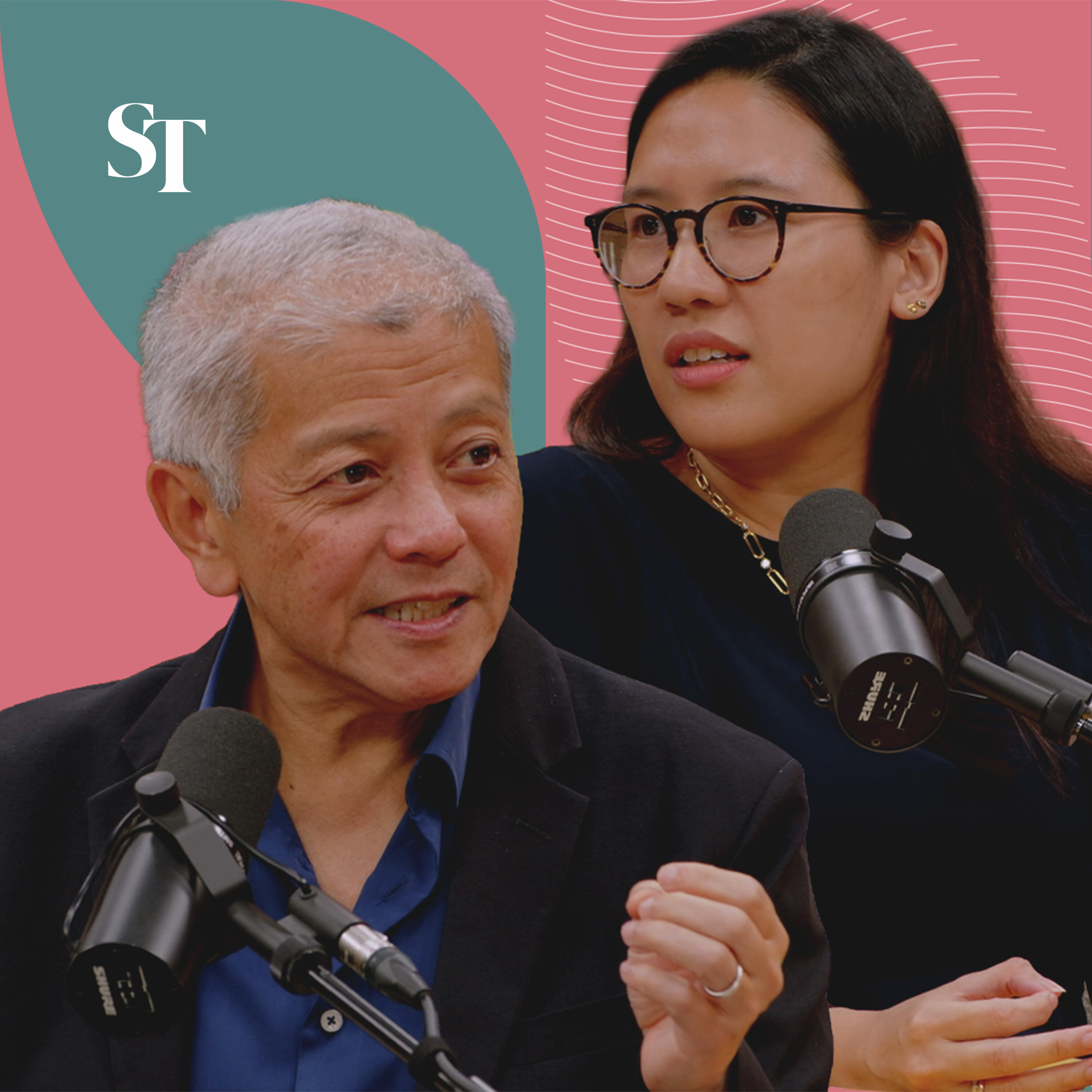
S1 Ep 90S1E90: Have we hit the panic button over the Iran war?
After US President Donald Trump walked back his threats to wipe Iran off the map, there’s now a two-week ceasefire in place. Hours before this kicked in, the Singapore Government announced in Parliament on April 7 support measures to help cushion the cost increases resulting from the Middle East conflict. These include disbursing $500 in CDC vouchers half a year early and a $200 increase in the Cost-of-Living Special Payment. Six weeks into this war, the question now is: Will things get better from here, or are we just having a moment of respite before the knock-on effects continue to worsen? In this podcast episode, I chat with economists Danny Quah, Li Ka Shing Professor in Economics at the Lee Kuan Yew School of Public Policy, and Sheana Yue, a senior economist at global economic advisory firm Oxford Economics, about what else we should brace ourselves for. Highlights (click/tap above): 4:12 Iran war uncertainty’s impact on Singapore 10:53 Singapore’s 1973 oil crisis lessons 17:21 Better placed to handle this war? 20:12 “We have a bit of breathing space.” 23:30 Do we need more handouts? 29:21 Is Singapore headed for a recession? 32:01 Stagflation a worry for all countries 35:55 Should we throw out the old diplomacy rulebook? 43:39 The worst-case Iran war scenario Host: Natasha Ann Zachariah ([email protected]) Read Natasha’s articles: https://str.sg/iSXm Follow The Usual Place podcast on IG: https://str.sg/8KNT Follow Natasha on LinkedIn: https://str.sg/v6DN Filmed by: Studio+65 Edited by: Eden Soh, Amirul Karim & Natasha Liew Executive producer: Danson Cheong Editorial producer: Elizabeth Law Follow The Usual Place Podcast and get notified for new episode drops every Thursday: Channel: https://str.sg/5nfm Apple Podcasts: https://str.sg/9ijX Spotify: https://str.sg/cd2P YouTube: https://str.sg/theusualplacepodcast Feedback to: [email protected] --- Follow more ST podcast channels: All-in-one ST Podcasts channel: https://str.sg/wvz7 Get more updates: http://str.sg/stpodcasts --- Get The Straits Times app, which has a dedicated podcast player section: The App Store: https://str.sg/icyB Google Play: https://str.sg/icyX -- #tup #tuptrfSee omnystudio.com/listener for privacy information.

S1 Ep 70S1E70: Why your electricity bill is going up when fuel reserves are full
If Singapore has fuel reserves, why are electricity tariffs surging? Synopsis: On Wednesdays, The Straits Times takes a hard look at Singapore's social issues of the day with newsmakers. From April to June 2026, electricity and household tariffs will be higher. And we’ve been warned to brace for even higher utility bills after this quarter, as the ongoing war in the Middle East squeezes global fuel supplies. But this always leads to a very common question from Singaporeans. To counter these exact types of supply shocks, does Singapore actually have enough national fuel reserves to last for months? So if we have our own stockpiles, why do we still have to pay more? In this episode, assistant podcast editor Lynda Hong unpacks the impact of the war on inflation with Dr David Broadstock, partner at energy consultancy The Lantau Group. He explains the stockpile paradox when global conflicts hit the cost of living at home. Apart from cost of living issues related to the rise in energy prices, the episode also discusses whether it’s more cost-effective to buy an Electric Vehicle (EV) and the challenges to transition to decarbonised energy like nuclear and renewables. Highlights (click/tap above): 4:54 Survival vs. hedging: The two types of fuel reserves Singapore uses 14:10 Will Open Electricity Market (OEM) retailers collapse again? 20:35 When will energy inflation hit food and transport? 25:52 Why the war, even if short-lived, would have long-term impact on high prices 27:58 EV vs. petrol: Does switching to an electric vehicle actually save you money right now? 30:59 Is nuclear energy the ultimate solution to Singapore's price shocks? Read ST’s Opinion section: https://str.sg/w7sH Follow Lynda Hong on LinkedIn: https://str.sg/Gm2v Host: Lynda Hong ([email protected]) Produced and edited by: Hadyu Rahim Executive producers: Ernest Luis & Lynda Hong Follow In Your Opinion Podcast here and get notified for new episode drops: Channel: https://str.sg/w7Qt Apple Podcasts: https://str.sg/wukb Spotify: https://str.sg/w7sV Feedback to: [email protected] --- Follow more ST podcast channels: All-in-one ST Podcasts channel: https://str.sg/wvz7 Get more updates: http://str.sg/stpodcasts The Usual Place Podcast YouTube: https://str.sg/theusualplacepodcast --- Get The Straits Times app, which has a dedicated podcast player section: The App Store: https://str.sg/icyB Google Play: https://str.sg/icyX --- #inyouropinionSee omnystudio.com/listener for privacy information.

S2 Ep 37S2E37: How can Singapore beat the heat and high electricity prices without aircon?
Improving people’s ability to withstand hotter weather is one part of Singapore’s adaptation plan. Synopsis: Every first and third Tuesday of the month, The Straits Times provides you with a South-east Asian perspective to global environmental challenges. As Singapore’s hottest month of the year, May, approaches and global energy volatility drives up Singapore's electricity tariffs, how can Singapore beat the heat in 2026? In this episode of Green Pulse, hosts Audrey Tan and David Fogarty explore Singapore’s upcoming National Adaptation Plan and its focus on heat resilience. Beyond national cooling strategies, they also share practical ways to lower your energy bills and stay cool without aircon. From individual cooling hacks to the latest on climate adaptation, discover how individuals can thrive in a hotter city-state. Highlights of conversation (click/tap above): 1:50 What is climate adaptation? 3:58 To cope with rising heat, we need tailored solutions for different groups of people. 8:30 El Nino is looming. It’s time to prepare for sizzling temperatures. 10:30 Apart from heat, what are the other climate impacts facing Singapore? 16:02 Are adaptation investments bankable? Are they wise bets for business? 21:03 Better climate risk assessments and new financial tools are needed, too. 23:25 Top tips for keeping cool as the mercury, and energy costs, rise. Green Pulse LinkedIn newsletter: https://str.sg/green-pulse-nl Follow Audrey Tan on LinkedIn: https://str.sg/848W Read her articles: https://str.sg/JLM2 Follow David Fogarty on LinkedIn: https://str.sg/jcvy Read his articles: https://str.sg/JLMu Hosts: Audrey Tan ([email protected]) & David Fogarty ([email protected]) Produced and edited by: Hadyu Rahim Executive producers: Ernest Luis & Lynda Hong Follow Green Pulse Podcast here and get notified for new episode drops: Channel: https://str.sg/JWaf Apple Podcasts: https://str.sg/JWaY Spotify: https://str.sg/JWag Feedback to: [email protected] --- Follow more ST podcast channels: All-in-one ST Podcasts channel: https://str.sg/wvz7 Get more updates: http://str.sg/stpodcasts The Usual Place Podcast YouTube: https://str.sg/theusualplacepodcast --- Get The Straits Times app, which has a dedicated podcast player section: The App Store: https://str.sg/icyB Google Play: https://str.sg/icyX --- #greenpulseSee omnystudio.com/listener for privacy information.

S2 Ep 39S2E39: Should I buy silver?
Is silver a safe haven for investors like gold and will its price rise due to war? Synopsis: Every first and third Monday of the month, get a head start in your personal finance, career and life with The Straits Times. Silver has had some exciting days, especially when the price of silver skyrocketed in 2025. However, there has been a pullback in early 2026. So how does silver compare to gold and is it worth investing in for the long run? In this episode, ST business correspondent Sue-Ann Tan looks at silver as a long-term investment and if it works for you. Her guests are CMC Markets expert Daphne Tan and ST business reporter Timothy Goh. Highlights (click/tap above): 1:36 Is silver a safe haven like gold? 4:00 Will the Iran war drive silver prices up? 7:39 Tim’s experience of buying silver 10:30 Tech trends that could boost silver 12:00 Physical silver vs paper silver 19:24 How does silver compare to stocks as an investment? Read Sue-Ann Tan's articles: https://str.sg/mvSa Follow Sue-Ann Tan on LinkedIn: https://str.sg/A86X Host: Sue-Ann Tan ([email protected]) Produced & edited by: Amirul Karim Executive producers: Ernest Luis, Lynda Hong & Joanna Seow Follow Headstart On Record Podcast channel here: Channel: https://str.sg/wB2m Apple Podcasts: https://str.sg/wuN3 Spotify: https://str.sg/wBr9 Feedback to: [email protected] Get business/career tips in ST's Headstart newsletter: https://str.sg/headstart-nl --- Follow more ST podcast channels: All-in-one ST Podcasts channel: https://str.sg/wvz7 Get more updates: http://str.sg/stpodcasts The Usual Place Podcast YouTube: https://str.sg/theusualplacepodcast --- Get The Straits Times app, which has a dedicated podcast player section: The App Store: https://str.sg/icyB Google Play: https://str.sg/icyX --- Do note: All analyses, opinions, recommendations and other information in this podcast are for your general information only. You should not rely on them in making any decision. Please consult a fully qualified financial adviser or professional expert for independent advice and verification. To the fullest extent permitted by law, SPH Media shall not be liable for any loss arising from the use of or reliance on any analyses, opinions, recommendations and other information in this podcast. SPH Media accepts no responsibility or liability whatsoever that may result or arise from the products, services or information of any third parties. --- #headstartSee omnystudio.com/listener for privacy information.

S2 Ep 68S2E68: India’s $70 billion spiritual market fuelled by bhajan clubbing
Discover how bhajan clubbing is transforming devotional music in India. Synopsis: Every first Friday of the month, The Straits Times catches up with its foreign correspondents about life and trends in the countries they're based in. In this episode, host Li Xueying discusses with Debarshi Dasgupta the recent surge in bhajan clubbing - the fusion of devotional Hindu music with contemporary styles like EDM and rock. This cultural phenomenon, exemplified by recent concerts in Delhi and other cities, explores how young Indians are finding a modern form of spiritual engagement, stress relief, and social belonging. It has received government endorsement from Prime Minister Modi and the BJP as part of a Hindu religious revival, which includes state funding for concerts and events. This cultural shift also addresses social acceptance and generational changes in religious practices. Highlights (click/tap above): 1:18 How bhajan clubbing draws different age groups and its impact on faith practices 3:41 Influence of political figures like Modi endorsing this musical trend 6:35 The correlation between stress relief, youth identity, and spiritual needs 11:13 BJP’s promotion of Hinduism and religious revival through government policies 13:22 Political and economic motives behind government support for Hindu cultural activities 16:17 Future prospects of bhajan clubbing and its evolution into all-night raves Read Debarshi Dasgupta’s article here: https://str.sg/qFYv Read Li Xueying’s articles: https://str.sg/iqmR Follow Li Xueying on LinkedIn: https://str.sg/ip4x Sign up for ST’s weekly Asian Insider newsletter: https://str.sg/sfpz Host: Li Xueying ([email protected]) Edited by: Fa’izah Sani Executive producer: Ernest Luis Follow Asian Insider on Fridays here: Channel: https://str.sg/JWa7 Apple Podcasts: https://str.sg/JWa8 Spotify: https://str.sg/JWaX Feedback to: [email protected] --- Follow more ST podcast channels: All-in-one ST Podcasts channel: https://str.sg/wvz7 Get more updates: http://str.sg/stpodcasts The Usual Place Podcast YouTube: https://str.sg/4Vwsa --- Get The Straits Times app, which has a dedicated podcast player section: The App Store: https://str.sg/icyB Google Play: https://str.sg/icyX --- #STAsianInsiderSee omnystudio.com/listener for privacy information.
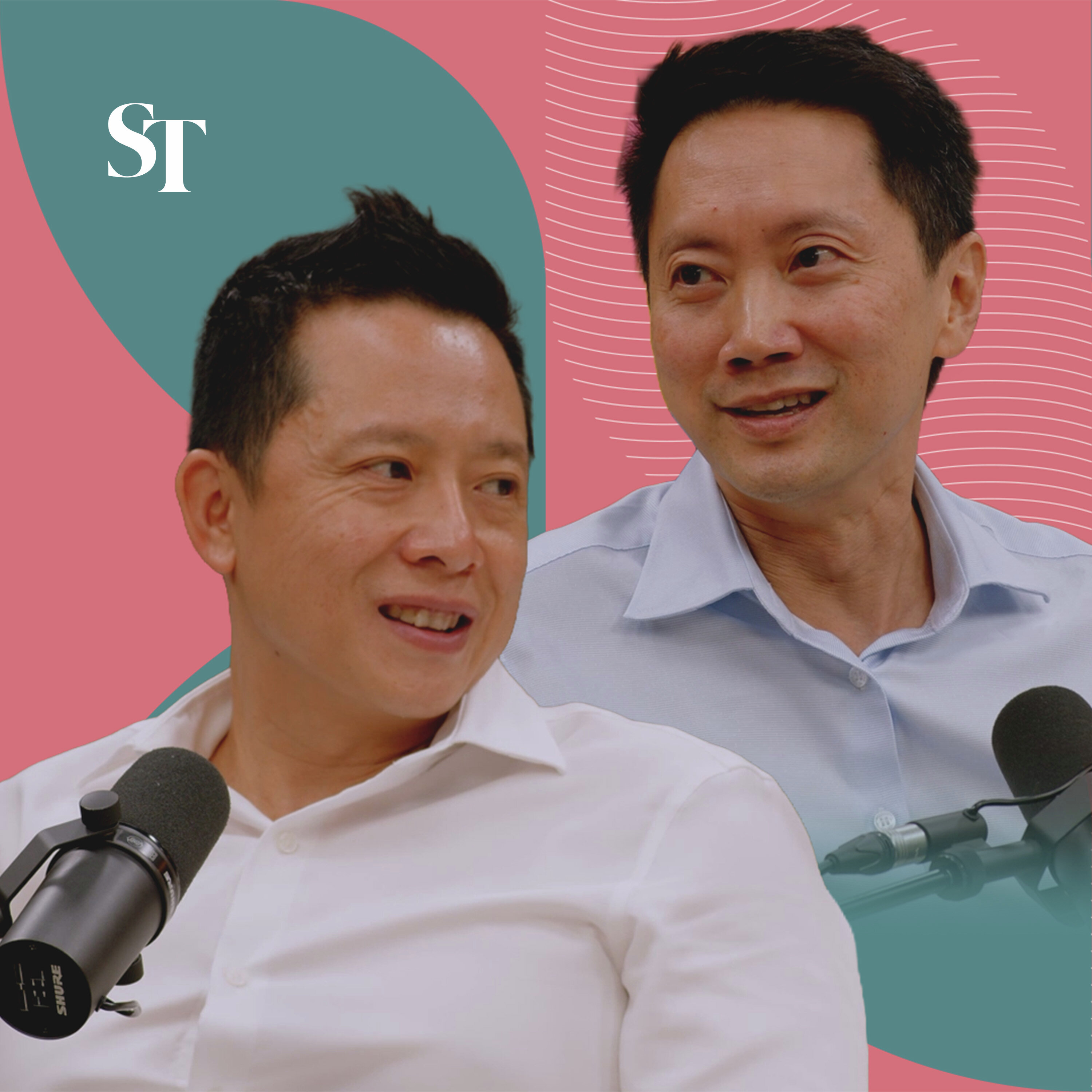
S1 Ep 89S1E89: New IP rider rules just kicked in. Are you actually better or worse off?
If you have private medical insurance, April 1 would have been on your radar. Private health insurers have put out new Integrated Shield Plan (IP) riders, which comply with requirements by the Ministry of Health (MOH) that were announced in November 2025. This move was aimed at curbing rising insurance premiums and private healthcare costs. The major effect on policyholders? They will now be required to fork out more in deductibles and co-payments. The upside is that new IP riders are more affordable than the previous ones. What does this move spell for private insurers, doctors and policyholders? In this episode of The Usual Place, I speak with Mr Eddy Cheong, CEO at insurance advisory Havend; and Mr Yip Hon Weng, Yio Chu Kang SMC MP and the deputy chairperson for the government parliamentary committee on health. Highlights (click/tap above): 4:18 Changes to IP riders and plans 8:01 What led to the ‘buffet syndrome’? 12:56 Doctors charging indiscriminately? 14:03 Paying more for your rider than the base plan 18:04 Delaying medical checks? 24:06 How medical inflation got to 16.9%? 26:00 Do you need to ‘insurance-max’? 30:36 Fewer insurers, fewer problems? Host: Natasha Ann Zachariah ([email protected]) Read Natasha’s articles: https://str.sg/iSXm Follow The Usual Place podcast on IG: https://str.sg/8KNT Follow Natasha on LinkedIn: https://str.sg/v6DN Filmed by: Studio+65 Edited by: Eden Soh & Hadyu Rahim Executive producer: Danson Cheong Editorial producer: Elizabeth Law Follow The Usual Place Podcast and get notified for new episode drops every Thursday: Channel: https://str.sg/5nfm Apple Podcasts: https://str.sg/9ijX Spotify: https://str.sg/cd2P YouTube: https://str.sg/theusualplacepodcast Feedback to: [email protected] --- Follow more ST podcast channels: All-in-one ST Podcasts channel: https://str.sg/wvz7 Get more updates: http://str.sg/stpodcasts --- Get The Straits Times app, which has a dedicated podcast player section: The App Store: https://str.sg/icyB Google Play: https://str.sg/icyX -- #tup #tuptrSee omnystudio.com/listener for privacy information.

S1 Ep 69S1E69: Does a degree still guarantee a good full-time job?
The first woman to lead a university in Singapore discusses how SMU is adapting to AI and different forms of employment. Synopsis: On Wednesdays, The Straits Times takes a hard look at Singapore's social issues of the day with newsmakers. Facing a softer job market, fresh challenges wrought by artificial intelligence (AI) and growing scrutiny over the industry relevance of degrees, universities are coming under pressure to show degrees lead to good jobs, not just academic credentials. That requires stronger career services, more industry-linked learning and closer alignment between education and the job market. How are universities adapting to improve graduate employability? How do they ensure students gain practical, industry-relevant skills alongside academic knowledge? What yardsticks should universities use to judge if a degree is still delivering good value? In this episode, ST's opinion editor Lin Suling speaks with SMU President Prof Lily Kong. Highlights (click/tap above): 7:07 Can a student realistically juggle multiple competing demands of a holistic education? 9:33 Overseas exchange programmes: Leveller or a flex? 15:34 What responsibilities do universities bear for graduate employment outcomes? 20:58 The impact of internships and cross-disciplinary programmes on employment outcomes 28:54 How AI is changing teaching at SMU 32:50 More gig, temp and part-time roles: Do universities have a role in preparing students for this career reality? Read ST’s Opinion section: https://str.sg/w7sH Follow Lin Suling on LinkedIn: https://str.sg/hiLQ Host: Lin Suling ([email protected]) Produced and edited by: Hadyu Rahim Executive producers: Ernest Luis & Lynda Hong Follow In Your Opinion Podcast here and get notified for new episode drops: Channel: https://str.sg/w7Qt Apple Podcasts: https://str.sg/wukb Spotify: https://str.sg/w7sV Feedback to: [email protected] --- Follow more ST podcast channels: All-in-one ST Podcasts channel: https://str.sg/wvz7 Get more updates: http://str.sg/stpodcasts The Usual Place Podcast YouTube: https://str.sg/theusualplacepodcast --- Get The Straits Times app, which has a dedicated podcast player section: The App Store: https://str.sg/icyB Google Play: https://str.sg/icyX --- #inyouropinionSee omnystudio.com/listener for privacy information.

S2 Ep 67S2E67: Is there a silver lining for China as war rages in the Middle East?
With Washington distracted and opportunities in clean energy, Beijing might have the last laugh. Synopsis: Every fourth Friday of the month, The Straits Times will now analyse the hottest political and trending talking points, alternating between its Malaysia and Greater China bureaus. For March, host and deputy foreign editor Albert Wai teams up again with senior China correspondent Yew Lun Tian. Their focus is on the war in the Middle East. The conflict in Iran has further complicated Beijing’s ties with Washington. However, there are some dividends that might be reaped by China as America’s allies potentially look East because they find it more and more challenging to be on the same page as Trump. On the economic front, fuel shortage is being felt across the board. But given China’s strengths in green technology, there might be opportunities for its companies as countries look to rejig their energy mix in the long run. Additionally, military analysts have suggested that the conflict serves as a living laboratory for Chinese technology given that some of Iran’s defences are reliant on systems developed by China. For now, Beijing’s global standing may have taken a hit as it has been exposed for having limited influence over happenings in the region. But with America fully engaged in Iran and the financial cost of the war, foreign policy space might well open up for China. Highlights (click/tap above): 2:17 Tensions between US and its allies could benefit China 7:26 A reminder on fossil fuel reliance 10:20 Beijing has spent years preparing for a fuel shock 12:56 Will China join a convoy in the Straits of Hormuz? 17:23 Iran as a living lab for military tech 20:02 Beijing’s limited influence in the Middle East Read more: https://str.sg/rk3J Register for Asian Insider newsletter: https://str.sg/stnewsletters Host: Albert Wai ([email protected]) Produced and edited by: Fa’izah Sani Executive producer: Ernest Luis Follow Asian Insider Podcast on Fridays here: Channel: https://str.sg/JWa7 Apple Podcasts: https://str.sg/JWa8 Spotify: https://str.sg/JWaX Feedback to: [email protected] --- Follow more ST podcast channels: All-in-one ST Podcasts channel: https://str.sg/wvz7 Get more updates: http://str.sg/stpodcasts The Usual Place Podcast YouTube: https://str.sg/4Vwsa --- Get The Straits Times app, which has a dedicated podcast player section: The App Store: https://str.sg/icyB Google Play: https://str.sg/icyX --- #STAsianInsiderSee omnystudio.com/listener for privacy information.
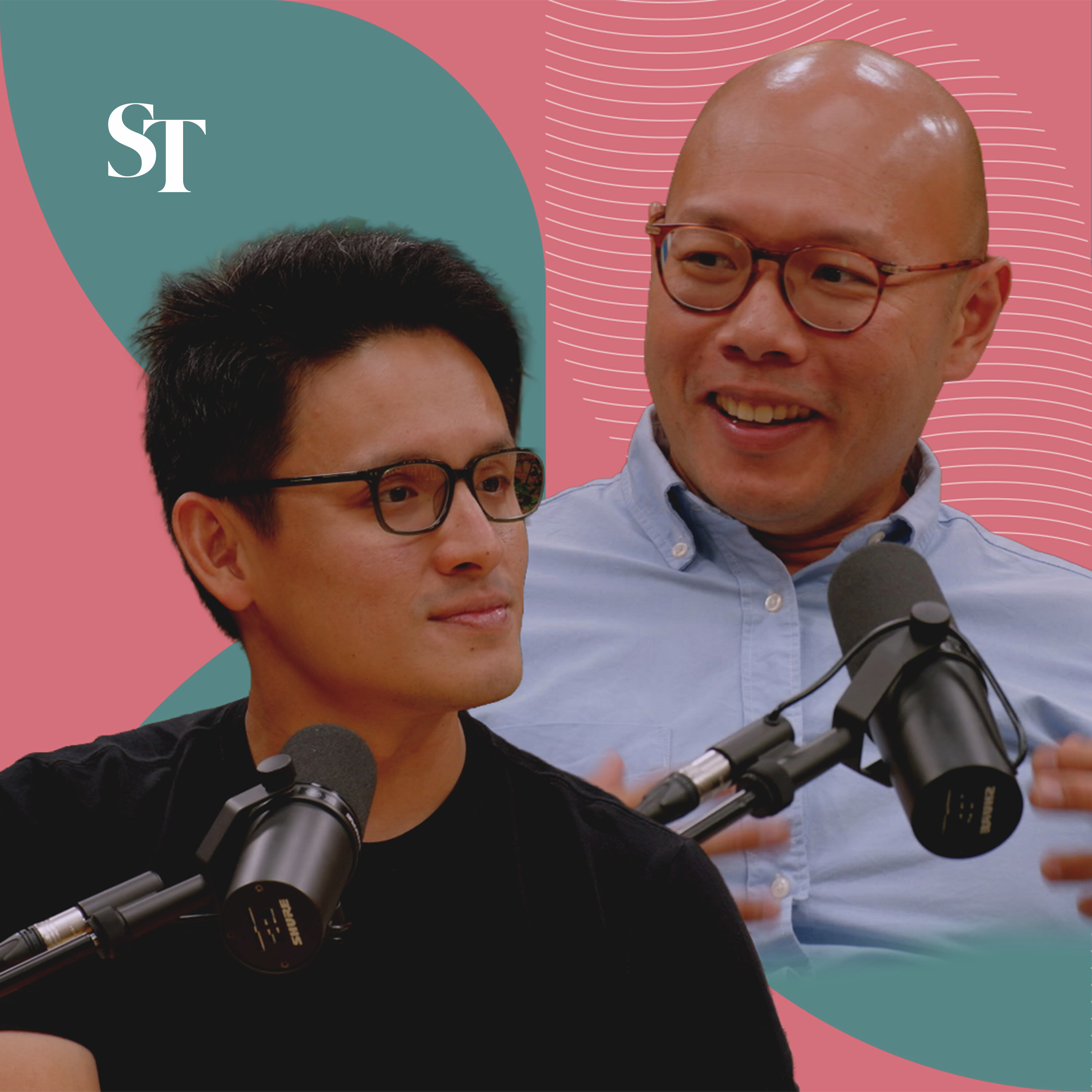
S1 Ep 88S1E88: How can recycling be sexy?
Will lucky draws, monetary rewards or ‘sticks’ work when it comes to getting Singapore residents to recycle? A new recycling initiative called the Beverage Container Return Scheme (BCRS) launches on April 1, but with household recycling rate in 2024 fell to a record low of 11 per cent, will this move the needle? Mr Heng Li Seng, founder and director of social enterprise Green Nudge, and Associate Professor Victor Seah, director of the Behavioural Insights Centre of Excellence at the Singapore University of Social Sciences, drop by The Usual Place to help sort out our recycling woes. Highlights (click/tap above): 1:29 Will the BCRS work? 5:41 Is a 10-cents refund a good enough sweetener? 7:11 ‘Sticks’ to change behaviour 10:49 Transparency of recycling process 16:14 Tiong Bahru residents have had enough of blue bins 18:29 Shaming others into recycling? 21:39 Recycling is not as simple as before 24:29 Can recycling be sexy? 28:39 No silver bullet to get people to recycle Host: Natasha Ann Zachariah ([email protected]) Read Natasha’s articles: https://str.sg/iSXm Follow The Usual Place podcast on IG: https://str.sg/8KNT Follow Natasha on LinkedIn: https://str.sg/v6DN Filmed by: Studio+65 Edited by: Eden Soh Executive producer: Danson Cheong Editorial producer: Elizabeth Law Follow The Usual Place Podcast and get notified for new episode drops every Thursday: Channel: https://str.sg/5nfm Apple Podcasts: https://str.sg/9ijX Spotify: https://str.sg/cd2P YouTube: https://str.sg/theusualplacepodcast Feedback to: [email protected] --- Follow more ST podcast channels: All-in-one ST Podcasts channel: https://str.sg/wvz7 Get more updates: http://str.sg/stpodcasts --- Get The Straits Times app, which has a dedicated podcast player section: The App Store: https://str.sg/icyB Google Play: https://str.sg/icyX -- #tup #tuptrSee omnystudio.com/listener for privacy information.
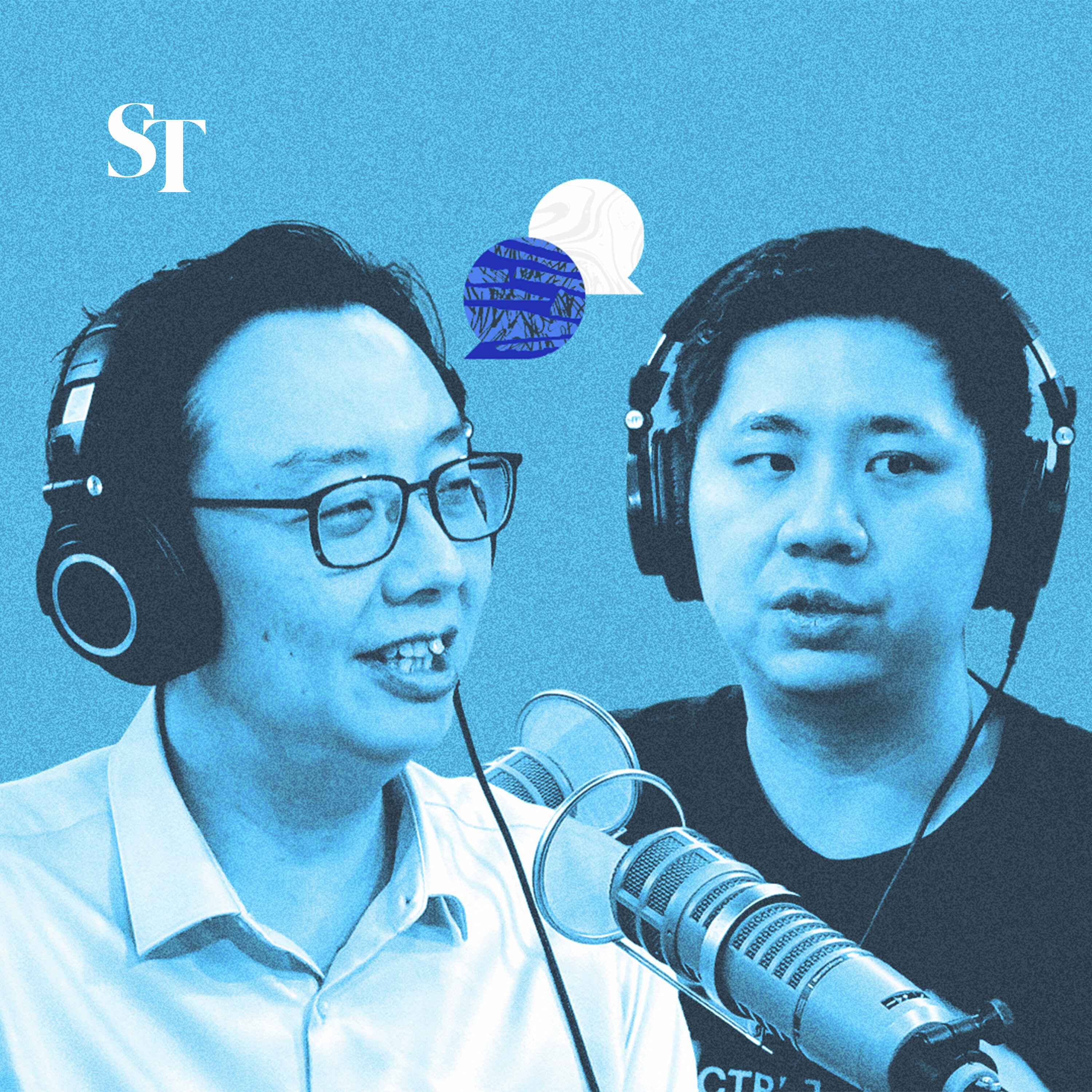
S1 Ep 68S1E68: Trading cards: Childhood hobby, investment asset or a gateway to gambling?
Are these cards really that bad? Could playing with them lead to gambling? Synopsis: On Wednesdays, The Straits Times takes a hard look at Singapore's social issues of the day with guests. Pokemon. One Piece. Magic: The Gathering. These trading card games bring back nostalgic childhood memories. But the government's plans to regulate them raise questions. In this episode, assistant opinion editor Lianne Chia speaks to psychiatrist Lim Boon Leng from Gleneagles Medical Centre, and Chew Zhan Lun, co-founder of card marketplace CTRL Collectibles, who recently made headlines for rejecting a $1.3 million offer for one of his Pokemon cards. They delve into the nature of the trading card scene and how such cards - initially meant for children to play with - have turned into a hyped-up investment asset. But with social media and livestreaming fuelling this boom, there are practices that could cross the line into gambling. Could regulations, therefore, be a good thing for the scene? And what could they look like? Highlights (click/tap above): 7:28 When a hobby becomes lucrative, what do we lose? 13:08 What makes people spend thousands of dollars on a single card? 17:29 Is there something inherently wrong with trading cards that could cause one to be addicted to gambling? 20:31 Are we exposing our children to gambling? 26:41 Is regulation going to take the fun out of the hobby? Read ST’s Opinion section: https://str.sg/w7sH Follow Lianne Chia on LinkedIn: https://str.sg/gTta Host: Lianne Chia ([email protected]) Produced and edited by: Hadyu Rahim Executive producers: Ernest Luis & Lynda Hong Follow In Your Opinion Podcast here and get notified for new episode drops: Channel: https://str.sg/w7Qt Apple Podcasts: https://str.sg/wukb Spotify: https://str.sg/w7sV Feedback to: [email protected] --- Follow more ST podcast channels: All-in-one ST Podcasts channel: https://str.sg/wvz7 Get more updates: http://str.sg/stpodcasts The Usual Place Podcast YouTube: https://str.sg/theusualplacepodcast --- Get The Straits Times app, which has a dedicated podcast player section: The App Store: https://str.sg/icyB Google Play: https://str.sg/icyX --- #inyouropinionSee omnystudio.com/listener for privacy information.

S2 Ep 66S2E66: Iran’s war machine can only last a few more weeks: Expert
Depleting its own military resources and antagonising Arab neighbours may be a cost too high for the regime to bear. Synopsis: Every third Friday of the month, The Straits Times gets its US Bureau Chief to analyse the hottest political and trending talking points. In this episode, US Bureau Chief Bhagyashree Garekar chats with Prof Benjamin Radd, an authority on the politics of the Middle East, especially Iran. Professor Radd, PhD (UCLA 2015) JD (Stanford 2003), is a Political Scientist and Senior Fellow at the UCLA Burkle Center for International Relations, and an expert on government and politics of the Middle East, US foreign policy, and comparative law. Dr Radd is also a professor at the UCLA School of Law and adjunct professor at the USC Gould School of Law, where he lectures on American legal development and constitutional law and politics. In addition, Dr Radd is the Founder and CEO of Fascination Lab, an educational and experiential learning consulting firm. In 2023, he was hired to design a political crisis simulation that was filmed and released as an award-winning documentary, ‘War Game’, which was selected to premiere at the Sundance Film Festival. Highlights (click/tap above): 1:32 Iranian regime's capability for waging a long war 6:23 Will the Iranian regime try to make a nuclear bomb? 15:14 Potential emergence of a moderate leader in Iran 19:21 Is Arab faith in the US shaken? 20:23 The possibility of Arab nations attacking Iran 22:17 Has Trump landed himself in a political mess? 25:01 When will the war end? Read Bhagyashree Garekar’s articles: https://str.sg/whNo Bhagyashree Garekar’s LinkedIn: https://str.sg/gD6E Sign up for ST’s weekly Asian Insider newsletter: https://str.sg/sfpz Host: Bhagyashree Garekar ([email protected]) Produced and edited by: Fa’izah Sani Executive producer: Ernest Luis Follow Asian Insider Podcast on Fridays here: Channel: https://str.sg/JWa7 Apple Podcasts: https://str.sg/JWa8 Spotify: https://str.sg/JWaX Feedback to: [email protected] --- Follow more ST podcast channels: All-in-one ST Podcasts channel: https://str.sg/wvz7 Get more updates: http://str.sg/stpodcasts The Usual Place Podcast YouTube: https://str.sg/theusualplacepodcast --- Get The Straits Times app, which has a dedicated podcast player section: The App Store: https://str.sg/icyB Google Play: https://str.sg/icyX --- #STAsianInsiderSee omnystudio.com/listener for privacy information.
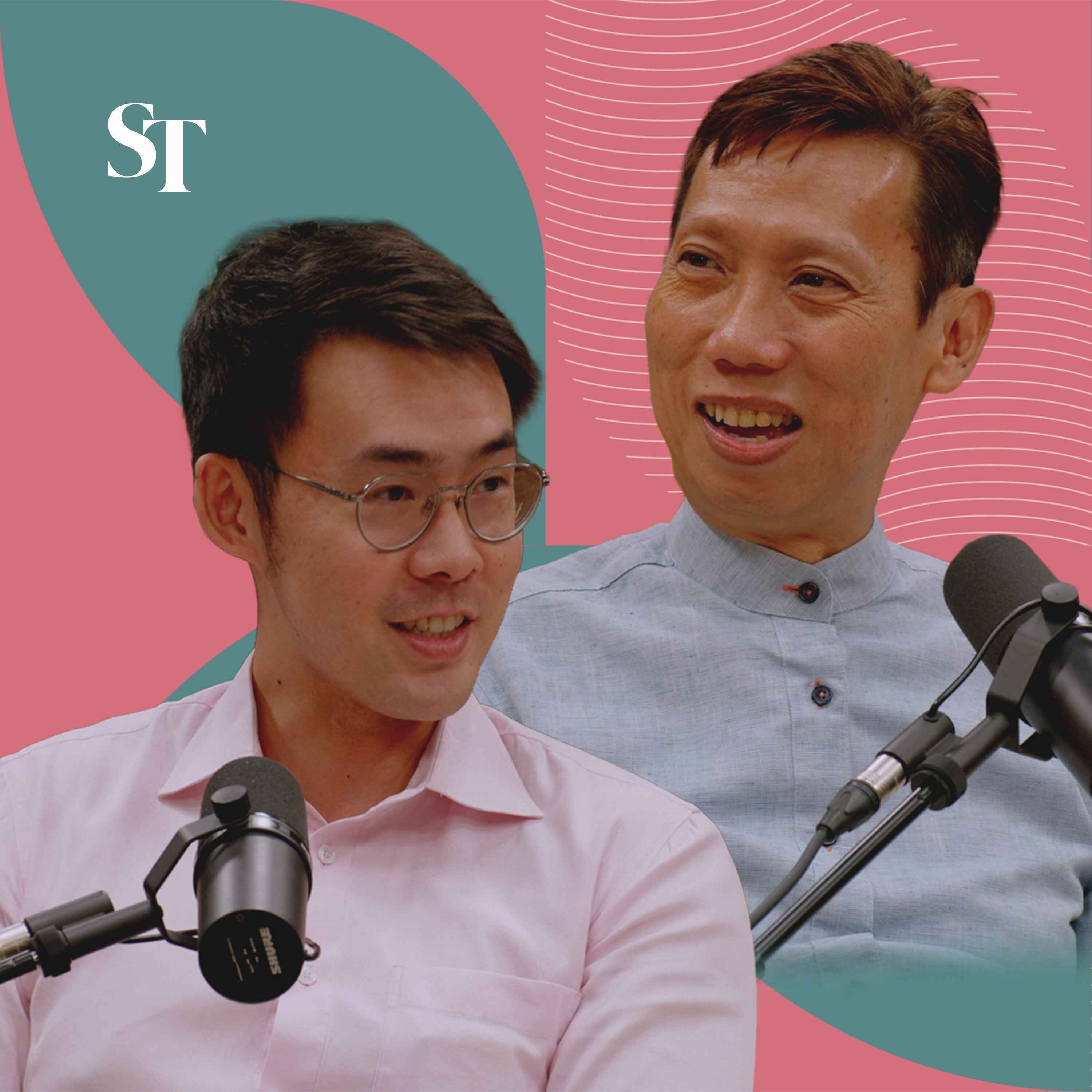
S1 Ep 87S1E87: Should the Government fund condo repairs?
More than 1,000 private residential developments in Singapore are hitting their 30s, and some are starting to show signs of wear and tear. But if residents have not been prudent in saving for these big-ticket items such as upgrading lifts and fixing spalling concrete, should the Government step in to help? Mr Andrew Lioe, president of the Association of Strata Managers, and Mr Daniel Chen, a lawyer and partner at Lee & Lee, with a practice focused on Management Corporation Strata Title (MCST) disputes, weigh in on the challenges with managing sinking funds and the tension among different types of owners. Highlights (click/tap above): 1:44 How are sinking funds for condos managed? 4:44 Sinking fund kitty management woes 6:48 Why do owners want to delay adding to the sinking fund? 10:30 Why can’t MCSTs force owners to pay? 14:27 “The en bloc situation is not that common.” 15:24 The owner-occupied vs investor-owned mindset 18:33 What changes to the law could fix this problem? 22:36 Are problems caused by a selfish few? 26:00 The tension in mixed developments 29:45 Should the Govt step in to bail out condos? 33:50 Red flags when buying resale condos Host: Natasha Ann Zachariah ([email protected]) Read Natasha’s articles: https://str.sg/iSXm Follow The Usual Place podcast on IG: https://str.sg/8KNT Follow Natasha on LinkedIn: https://str.sg/v6DN Filmed by: Studio+65 Edited by: Eden Soh Executive producer: Danson Cheong Editorial producer: Elizabeth Law Follow The Usual Place Podcast and get notified for new episode drops every Thursday: Channel: https://str.sg/5nfm Apple Podcasts: https://str.sg/9ijX Spotify: https://str.sg/cd2P YouTube: https://str.sg/theusualplacepodcast Feedback to: [email protected] --- Follow more ST podcast channels: All-in-one ST Podcasts channel: https://str.sg/wvz7 Get more updates: http://str.sg/stpodcasts --- Get The Straits Times app, which has a dedicated podcast player section: The App Store: https://str.sg/icyB Google Play: https://str.sg/icyX -- #tup #tuptrSee omnystudio.com/listener for privacy information.

S2 Ep 36S2E36: Higher energy prices, war in Middle East: A boost for renewables?
As the Middle East conflict sends oil and gas prices soaring, Green Pulse hosts discuss if geopolitics will break ASEAN’s fossil fuel addiction. Synopsis: Every first and third Tuesday of the month, The Straits Times provides you with a South-east Asian perspective to global environmental challenges. The war in the Middle East is causing energy prices around the world to spike, due to Iran’s closure of the Strait of Hormuz – an important shipping route for oil and gas – and attacks on fossil fuel production facilities. For energy-importing nations, the volatility is no longer just an economic concern. It’s a matter of national security. Coming on the heels of the war in Ukraine, the latest crisis poses a difficult question: How can Singapore and its ASEAN neighbours insulate themselves from global shocks? Green Pulse hosts Audrey Tan and David Fogarty discuss energy security and the role of renewables in this episode. Highlights of conversation (click/tap above): 3:19 Everyone is scrambling for fossil fuel supplies. Is this the time to be talking about renewables? 5:54 This latest energy crisis needs to accelerate the birth of the ASEAN Power Grid. 7:06 What lessons did the world learn from the 2022 energy crunch? 14:45 Boosting ASEAN’s energy resilience limits the region being held hostage by geopolitics. 19:17 ASEAN needs a clean-energy champion. Who will step up to rally the region? Green Pulse LinkedIn newsletter: https://str.sg/green-pulse-nl Follow Audrey Tan on LinkedIn: https://str.sg/848W Read her articles: https://str.sg/JLM2 Follow David Fogarty on LinkedIn: https://str.sg/jcvy Read his articles: https://str.sg/JLMu Hosts: Audrey Tan ([email protected]) & David Fogarty ([email protected]) Produced and edited by: Hadyu Rahim Executive producers: Ernest Luis & Lynda Hong Follow Green Pulse Podcast here and get notified for new episode drops: Channel: https://str.sg/JWaf Apple Podcasts: https://str.sg/JWaY Spotify: https://str.sg/JWag Feedback to: [email protected] --- Follow more ST podcast channels: All-in-one ST Podcasts channel: https://str.sg/wvz7 Get more updates: http://str.sg/stpodcasts The Usual Place Podcast YouTube: https://str.sg/theusualplacepodcast --- Get The Straits Times app, which has a dedicated podcast player section: The App Store: https://str.sg/icyB Google Play: https://str.sg/icyX --- #greenpulseSee omnystudio.com/listener for privacy information.

S1 Ep 38S1E38: Quah Ting Wen on her infinite mindset and when she’ll stop competing
Veteran national swimmer Quah Ting Wen discusses finding her own joy in swimming. Synopsis: Every first and third Monday of the month, get a head start in your personal finance, career and life with The Straits Times. In this episode, ST video journalist See Kai Wen hosts national swimmer Quah Ting Wen, who tells him how American figure skating Olympic champion Alysa Liu’s infinite mindset inspires her as an athlete. The infinite mindset belongs to people who emphasise enjoying the game, rather than having their focus on winning it. With 65 medals under her swim cap, Ting Wen is the most bemedalled athlete in the SEA Games. She also speaks about the bittersweet feeling of racing with her sister and how she navigates that complicated relationship. Highlights (click/tap above): 1:50 How Ting Wen started her swim journey 4:19 Reflecting on being SEA Games’ most bemedalled athlete 10:33 Alysa Liu’s success in the Winter Olympics 14:17 What are finite games and infinite games? 19:47 Financial realities of being an athlete in Singapore 27:56 When will Ting Wen stop competing? 32:31 What Ting Wen would have done if she weren’t a swimmer? 36:14 How can everyday people adopt the infinite mindset? Follow See Kai Wen on LinkedIn: https://str.sg/qfwqQ Host: See Kai Wen ([email protected]) Produced & edited by: Eden Soh Executive producers: Ernest Luis, Lynda Hong & Joanna Seow Follow Headstart On Record Podcast channel here: Channel: https://str.sg/wB2m Apple Podcasts: https://str.sg/wuN3 Spotify: https://str.sg/wBr9 Feedback to: [email protected] Get business/career tips in ST's Headstart newsletter: https://str.sg/headstart-nl --- Follow more ST podcast channels: All-in-one ST Podcasts channel: https://str.sg/wvz7 Get more updates: http://str.sg/stpodcasts The Usual Place Podcast YouTube: https://str.sg/theusualplacepodcast --- Get The Straits Times app, which has a dedicated podcast player section: The App Store: https://str.sg/icyB Google Play: https://str.sg/icyX --- Do note: All analyses, opinions, recommendations and other information in this podcast are for your general information only. You should not rely on them in making any decision. Please consult a fully qualified financial adviser or professional expert for independent advice and verification. To the fullest extent permitted by law, SPH Media shall not be liable for any loss arising from the use of or reliance on any analyses, opinions, recommendations and other information in this podcast. SPH Media accepts no responsibility or liability whatsoever that may result or arise from the products, services or information of any third parties. --- #headstartSee omnystudio.com/listener for privacy information.

S2 Ep 65S2E65: Why Grab-type firms are the way for SE Asia to thrive in AI era
How South-east Asia can navigate the age of AI and its impact on the economy and employment. Synopsis: Every second Friday of the month, The Straits Times’ senior columnist Ravi Velloor distils 45 years of experience covering the Asian continent, with expert guests. Artificial Intelligence is impacting the world at a pace far greater than that of previous general-purpose technologies, such as the steam engine, electricity, and computing. As the world adjusts to the so-called Fourth Industrial Revolution, marked by tremendous advances in automation and robotics, it now faces the Fifth Industrial Revolution, the era of AI and its impressive ability to perform cognitive tasks normally performed by humans. In this episode, host Ravi Velloor speaks with the eminent economist Dr Khor Hoe Ee, who witnessed the Latin American debt crisis and the Asian financial crisis. Dr Khor, formerly Chief Economist at AMRO, has also seen how events like Covid-19 have had a major impact on the economy. They discuss how the US and China dominate the AI space, the speed of disruption, which South-east Asian economies are most exposed and what firms in the region can do to cope with the impact of this new technology. They also cover other topics, for instance: What happens to employment as we know it? Is there a threat of widespread deflation? Should we consider a universal basic income? Highlights (click/tap above): 4:19 The Fifth Industrial Revolution of AI is like no other period in history 7:56 South-east Asia’s options when US, China lead in AI 11:34 Jobs at risk; from radiology to business process outsourcing 12:00 Prospects for Singapore, Indonesia, Philippines 16:52 Is there a case for Universal Basic Incomes with future disruption in the market? 18:41 Who’ll win the AI race and how the region should position itself Read Ravi's columns: https://str.sg/3xRP Follow Ravi on X: https://twitter.com/RaviVelloor Sign up for ST’s weekly Asian Insider newsletter: https://str.sg/sfpz Host: Ravi Velloor ([email protected]) Produced and edited by: Chen Junyi and Fa'izah Sani Executive producer: Ernest Luis Follow Asian Insider Podcast on Fridays here: Channel: https://str.sg/JWa7 Apple Podcasts: https://str.sg/JWa8 Spotify: https://str.sg/JWaX Feedback to: [email protected] --- Follow more ST podcast channels: All-in-one ST Podcasts channel: https://str.sg/wvz7 Get more updates: http://str.sg/stpodcasts The Usual Place Podcast YouTube: https://str.sg/4Vwsa --- Get The Straits Times app, which has a dedicated podcast player section: The App Store: https://str.sg/icyB Google Play: https://str.sg/icyX --- #STAsianInsiderSee omnystudio.com/listener for privacy information.
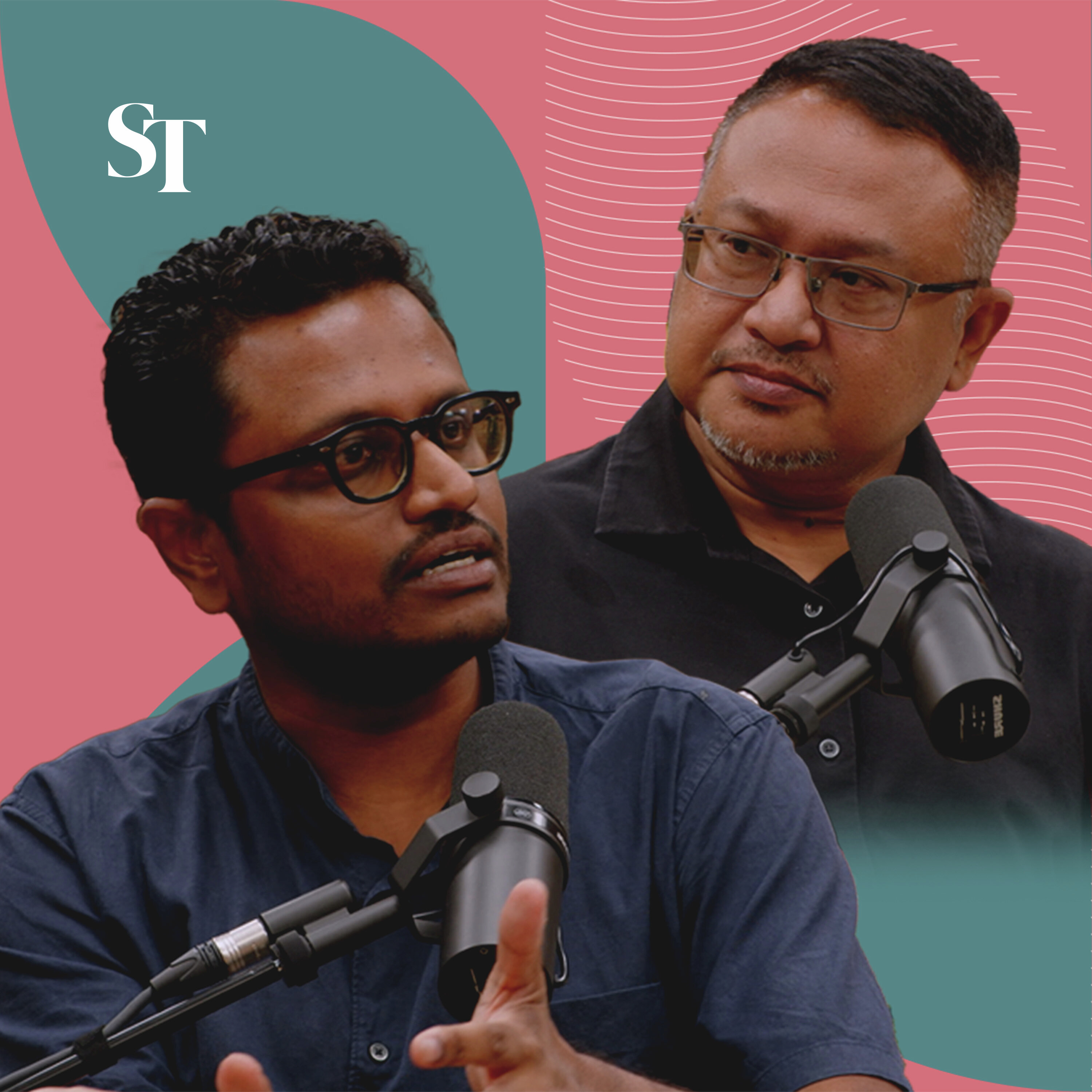
S1 Ep 86S1E86: What does the war in Iran change for Singapore?
The way the Iran war began has reinforced the growing feeling that the rules-based international order, which Singapore stands by and bases its foreign policy on, is under serious strain. But could Singapore’s measured and consistent response actually be an asset in these volatile times? In this podcast episode, Mr Mohamed Imran Mohamed Taib, founding director of Dialogue Centre, a non-profit consultancy focused on cultural and racial diversity and inclusion, and Straits Times deputy opinion editor Bhavan Jaipragas, discuss what’s at stake for Singapore’s foreign policy. On the home front, there are concerns about how binary thinking can alienate or fracture communities here, when people choose to villainise those who disagree with them. Highlights (click/tap above): 1:30 What does the Iran war mean for S’pore? 4:15 S’pore’s consistent position is our strength: Imran 8:58 What’s stopping bigger powers from taking liberties with S’pore? 11:30 No appetite for this war in Iran 16:17 Don’t see others with different povs as “villains” 19:05 The Novita Lam controversy: “She didn’t read the room.” 24:18 It’s dangerous when people feel helpless: Imran 27:39 Get off social media, talk face-to-face 32:30 Why Parliament debates aren’t for elites consumption Filmed by: Studio+65 Edited by: Teo Tong Kai, Eden Soh and Chen Junyi Executive producer: Danson Cheong Editorial producer: Elizabeth Law Follow The Usual Place Podcast and get notified for new episode drops every Thursday: Channel: https://str.sg/5nfm Apple Podcasts: https://str.sg/9ijX Spotify: https://str.sg/cd2P YouTube: https://str.sg/theusualplacepodcast Feedback to: [email protected] --- Follow more ST podcast channels: All-in-one ST Podcasts channel: https://str.sg/wvz7 Get more updates: http://str.sg/stpodcasts --- Get The Straits Times app, which has a dedicated podcast player section: The App Store: https://str.sg/icyB Google Play: https://str.sg/icyX -- #tup #tuptrSee omnystudio.com/listener for privacy information.

S1 Ep 67S1E67: Gen AI won't take your job away. Here's why
Why older workers with deep domain expertise have a unique advantage in the AI era, how companies can fix the "broken rung" for fresh graduates. Synopsis: On Wednesdays, The Straits Times takes a hard look at Singapore's social issues of the day with guests.Ten years ago, the message to the workforce was: "Learn to code." Today, the mandate has shifted to learning AI and prompting chatbots. But as the goalposts move again toward autonomous AI agents that can take over complex workflows, is the Singaporean workforce ready?In this episode, assistant podcast editor Lynda Hong explores the realities of the AI transition with her guests: Laurence Liew, director of AI innovation at AI Singapore, and Koh Chee Kiong, deputy CEO of WizVision. The 66-year-old recently took up a course in Gen AI and uses AI agents at work.They also discuss why older workers with deep domain experience have a unique advantage, how to fix the broken rung for fresh graduates entering an AI-assisted corporate world, and why adopting AI is much less daunting, and much more conversational, than you might think.Highlights (click/tap above): 2:04 Why workers have a bigger advantage over fresh graduates with Gen AI8:05 Gen AI understands broken English9:53 How young professionals can build industry judgment if AI automates entry-level work17:39 AI has been implemented decades ago, and will continue to be deeply integrated in work flows by 2035 21:12 Debunking the plumber myth: Why blue-collar jobs aren't AI-proof Read ST’s Opinion section: https://str.sg/w7sH Follow Lynda Hong on LinkedIn: https://str.sg/Gm2v Host: Lynda Hong ([email protected]) Produced and edited by: Hadyu Rahim Executive producers: Ernest Luis & Lynda Hong Follow In Your Opinion Podcast here and get notified for new episode drops: Channel: https://str.sg/w7Qt Apple Podcasts: https://str.sg/wukb Spotify: https://str.sg/w7sV Feedback to: [email protected] --- Follow more ST podcast channels: All-in-one ST Podcasts channel: https://str.sg/wvz7 Get more updates: http://str.sg/stpodcasts The Usual Place Podcast YouTube: https://str.sg/theusualplacepodcast --- Get The Straits Times app, which has a dedicated podcast player section: The App Store: https://str.sg/icyB Google Play: https://str.sg/icyX --- #inyouropinionSee omnystudio.com/listener for privacy information.

S1 Ep 147S1E147: Is your psychologist actually qualified? How to check in Singapore
Clearing the air on what different types of psychologists do. Synopsis: Every first Wednesday of the month, The Straits Times helps you make sense of health matters that affect you. The Ministry of Health has announced that five key psychological subdisciplines will be registered under the Allied Health Professions Act, with details expected to be out in early 2027. This move aims to enhance the safety and public trust associated with psychological services and the profession as a whole. In this episode, ST senior health correspondent Joyce Teo speaks to two council members of the Singapore Psychological Society to find out more about the different roles of psychologists. They delve into how a clinical psychologist and an educational psychologist may help a client, what one can do to determine if a potential psychologist is the right person to help you, and why registration is important. The guests are Mr Adrian Toh and Dr Cassandra Neo. Adrian is a clinical psychologist in private practice while Cassandra is a psychologist who works at a public hospital and is trained in educational psychology. Highlights (click/tap above): 2:35 What do psychologists do? 4:10 How might a clinical psychologist and an educational psychologist collaborate to help a primary school student who is not doing well in school? 16:30 Ahead of the registration of psychologists, what can you do to find the right psychologist? 19:55 The different types of psychologists 22:46 How do psychologists qualify for the Singapore Register of Psychologists? 25:19 Why registration is important; reports of potentially harming behaviours of psychologists Read Joyce Teo's stories: https://str.sg/JbxN Host: Joyce Teo ([email protected]) Produced and edited by: Amirul Karim Executive producers: Ernest Luis and Lynda Hong Follow Health Check Podcast here and get notified for new episode drops: Channel: https://str.sg/JWaN Apple Podcasts: https://str.sg/JWRX Spotify: https://str.sg/JWaQ Feedback to: [email protected] --- Follow more ST podcast channels: All-in-one ST Podcasts channel: https://str.sg/wvz7 Get more updates: http://str.sg/stpodcasts The Usual Place Podcast YouTube: https://str.sg/theusualplacepodcast --- Get The Straits Times app, which has a dedicated podcast player section: The App Store: https://str.sg/icyB Google Play: https://str.sg/icyX --- #healthcheckSee omnystudio.com/listener for privacy information.

S2 Ep 64S2E64: Putrajaya 30 years on: The capital that never quite replaced Kuala Lumpur
Find out why it has become a paradox decades after its founding. Synopsis: Every first Friday of the month, The Straits Times catches up with its foreign correspondents about life and trends in the countries they're based in. Putrajaya, founded in 1995, turned 30 in 2025. As Malaysia’s administrative capital and inspired by Paris, it was supposed to replace the former tin-mining colony that is Kuala Lumpur. Failure of urban planning that prioritised government offices and grandiosity over organic city life are some of the perceptions cited as to why the city has not lived up to its original promise. The Straits Times’ Malaysia correspondent Hadi Azmi, who recently moved next door to Putrajaya, tells host and foreign editor Li Xueying, about the disconnect between the ambitious vision for Putrajaya and the ground reality. Highlights (click/tap above): 1:47 The vision and reality of Putrajaya 8:13 The “unfinished bridge” and Putrajaya’s shelved monorail system 10:31 Lack of political will leads to urban planning issues 13:28 Lessons from Putrajaya’s township designs 19:22 Hadi’s personal insights and experience in Putrajaya Read Hadi Azmi’s article here: https://str.sg/CF3t Read Li Xueying’s articles: https://str.sg/iqmR Follow Li Xueying on LinkedIn: https://str.sg/ip4x Sign up for ST’s weekly Asian Insider newsletter: https://str.sg/sfpz Host: Li Xueying ([email protected]) Edited by: Fa’izah Sani Executive producer: Ernest Luis Follow Asian Insider on Fridays here: Channel: https://str.sg/JWa7 Apple Podcasts: https://str.sg/JWa8 Spotify: https://str.sg/JWaX Feedback to: [email protected] --- Follow more ST podcast channels: All-in-one ST Podcasts channel: https://str.sg/wvz7 Get more updates: http://str.sg/stpodcasts The Usual Place Podcast YouTube: https://str.sg/4Vwsa --- Get The Straits Times app, which has a dedicated podcast player section: The App Store: https://str.sg/icyB Google Play: https://str.sg/icyX --- #STAsianInsiderSee omnystudio.com/listener for privacy information.
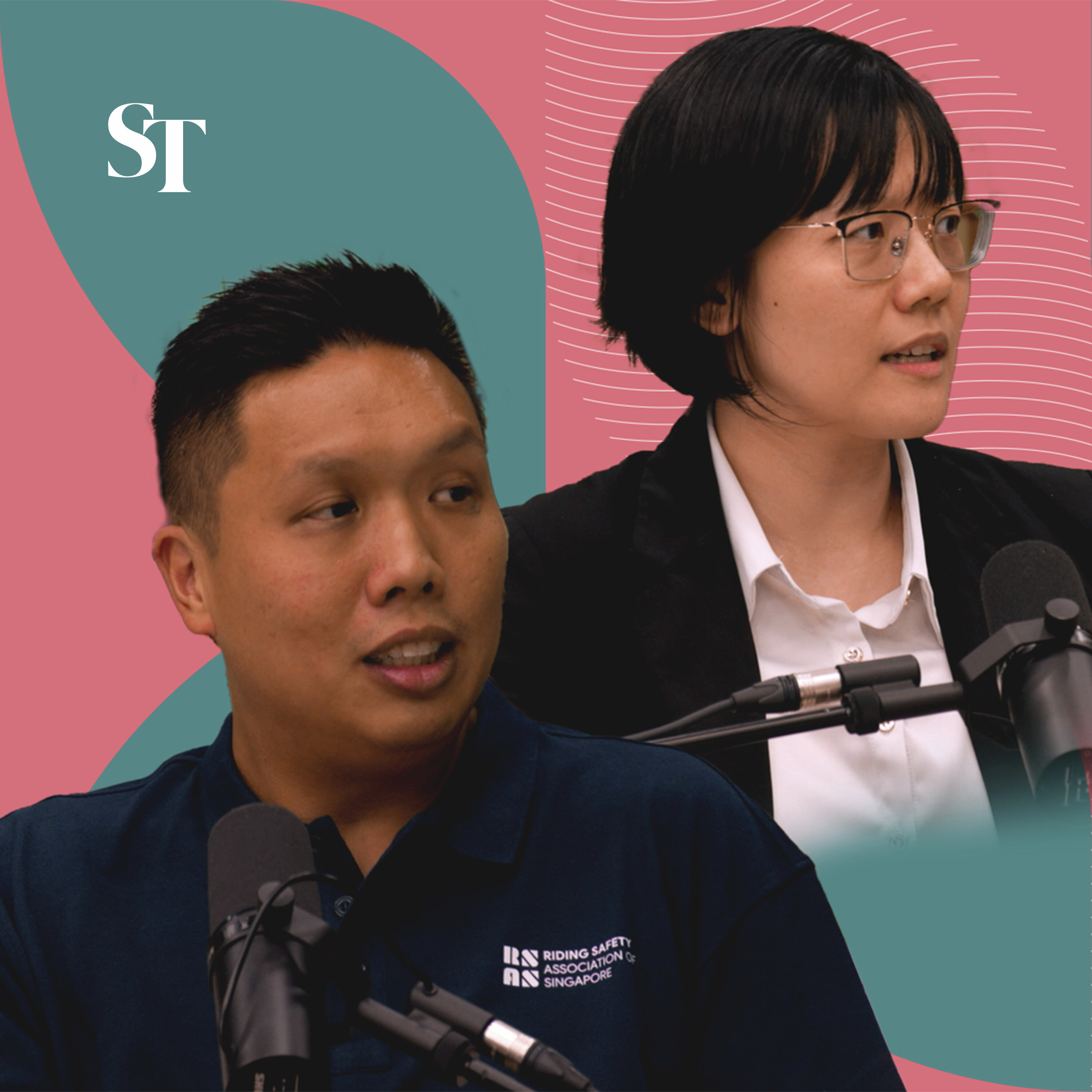
S1 Ep 85S1E85: Traffic deaths hit a 10-year high: What's happening on our roads?
A recent report card of our behaviour on the road has shown that we’ve become worse motorists.Traffic deaths have hit a 10-year high, the number of people injured in accidents has risen from 2024, and speeding violations jumped by 25.9% in a year. These figures were detailed in the annual road traffic statistics for 2025 by the Traffic Police, which were reported on Feb 26. We have smart cars, tons of traffic cameras and strict laws to regulate good behaviour on the road, but why have the statistics become worse? Are we just bad road users or are there other factors involved? In this episode of The Usual Place, I speak with Ms Bozy Lu, a lawyer and partner at Han & Lu Law Chambers LLP, specialising in road accident claims and community law, and Mr Jason Lim, chairman of the Riding Safety Association of Singapore, a motorcyclist interest group. He also co-owns Roads.sg, a platform that, at its heart, advocates for road safety. Highlights (click/tap above): 2:16 Why are our roads like that? 5:16 Our devices are making us distracted 7:06 “Please make this guy famous.” 10:39 Do drivers see speed limits as a suggestion? 13:43 “My passenger is chasing me like there’s no tomorrow.” 18:54 Why skills and decision-making key to bikers’ safety 26:46 Firmer legal action needed against jaywalkers? 32:15 What kind of driver or pedestrian are we on the road? 36:48 Are we an entitled bunch on the road? 38:42 Think of another person’s point of view: Bozy 43:57 What needs to change to fix our road culture? 46:00 Why road safety is everyone’s problem Filmed by: Studio+65 Edited by: Teo Tong Kai, Eden Soh and Chen Junyi Executive producer: Danson Cheong Editorial producer: Elizabeth Law Follow The Usual Place Podcast and get notified for new episode drops every Thursday: Channel: https://str.sg/5nfm Apple Podcasts: https://str.sg/9ijX Spotify: https://str.sg/cd2P YouTube: https://str.sg/theusualplacepodcast Feedback to: [email protected] --- Follow more ST podcast channels: All-in-one ST Podcasts channel: https://str.sg/wvz7 Get more updates: http://str.sg/stpodcasts --- Get The Straits Times app, which has a dedicated podcast player section: The App Store: https://str.sg/icyB Google Play: https://str.sg/icyX -- #tup #tuptrSee omnystudio.com/listener for privacy information.

S2 Ep 35S2E35: Why is S’pore even considering nuclear energy?
Fossil fuel supply chains are unstable, and renewable energy alone can’t meet all its energy needs. Synopsis: Every first and third Tuesday of the month, The Straits Times analyses the beat of the changing environment, from biodiversity conservation to climate change. Singapore is exploring the use of nuclear energy to meet its energy needs, and has taken several steps to build its knowledge and expertise in this area. But why does the small city-state even need to consider such a controversial energy resource, especially given historical nuclear incidents? And why is the business-as-usual option to continue with fossil fuel use no longer as viable as before? Green Pulse hosts Audrey Tan and David Fogarty discuss the global nuclear renaissance, and Singapore’s role in it, in this episode. Highlights of conversation (click/tap above): 2:05 How is the global nuclear renaissance shaping up? 3:47 Let’s talk about Singapore’s nuclear context. 10:32 Historical concerns vs benefits - can new nuclear tech win over critics? 14:33 Singapore’s energy conundrum – ensuring stable, secure and affordable power 17:41 Is nuclear energy safe? And what steps are needed to boost safety? 23:47 Are we there yet? Is fusion energy the future? Read more on The Straits Times: https://str.sg/sLPM Follow Audrey Tan on LinkedIn: https://str.sg/848W Read her articles: https://str.sg/JLM2 Follow David Fogarty on LinkedIn: https://str.sg/jcvy Read his articles: https://str.sg/JLMu Hosts: Audrey Tan ([email protected]) & David Fogarty ([email protected]) Produced and edited by: Hadyu Rahim Executive producers: Ernest Luis & Lynda Hong Follow Green Pulse Podcast here and get notified for new episode drops: Channel: https://str.sg/JWaf Apple Podcasts: https://str.sg/JWaY Spotify: https://str.sg/JWag Feedback to: [email protected] --- Follow more ST podcast channels: All-in-one ST Podcasts channel: https://str.sg/wvz7 Get more updates: http://str.sg/stpodcasts The Usual Place Podcast YouTube: https://str.sg/theusualplacepodcast --- Get The Straits Times app, which has a dedicated podcast player section: The App Store: https://str.sg/icyB Google Play: https://str.sg/icyX --- #greenpulseSee omnystudio.com/listener for privacy information.
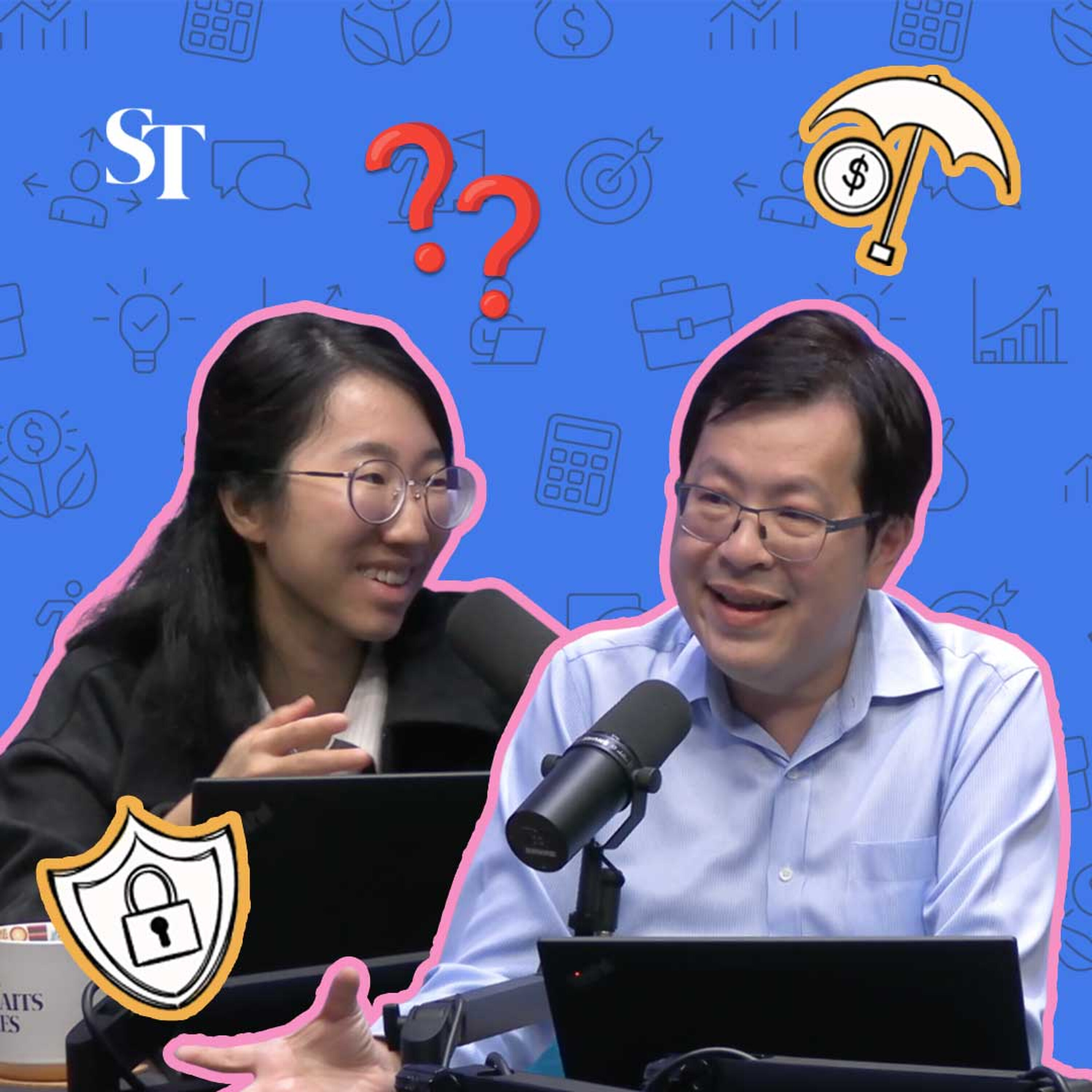
S2 Ep 37S2E37: Are you overinsured? Here's how to review your policies
How much coverage is too much? Synopsis: Every first and third Monday of the month, get a head start in your personal finance, career and life with The Straits Times. The question people always have when buying insurance is: how much? And not just how much it costs, but how much is enough? How can you tell if you have too much insurance? In this episode, ST business correspondent Sue-Ann Tan looks at what being overinsured means and how to review your policies. Her guest is Life Insurance Association’s executive director Chan Wai Kit. Highlights (click/tap above): 3:36 What are riders and do I need them? 6:14 Why are riders so expensive? 8:10 Do I need my own policies if I already have corporate insurance? 12:00 Why do premiums increase with age? 14:48 How to tell if I’m spending too much on insurance? 20:09 What happens when I cannot pay for my premiums? Read Sue-Ann Tan's articles: https://str.sg/mvSa Follow Sue-Ann Tan on LinkedIn: https://str.sg/A86X Host: Sue-Ann Tan ([email protected]) Produced & edited by: Amirul Karim Executive producers: Ernest Luis, Lynda Hong & Joanna Seow Follow Headstart On Record Podcast channel here: Channel: https://str.sg/wB2m Apple Podcasts: https://str.sg/wuN3 Spotify: https://str.sg/wBr9 Feedback to: [email protected] Get business/career tips in ST's Headstart newsletter: https://str.sg/headstart-nl SPH Awedio app: https://www.awedio.sg --- Follow more ST podcast channels: All-in-one ST Podcasts channel: https://str.sg/wvz7 Get more updates: http://str.sg/stpodcasts The Usual Place Podcast YouTube: https://str.sg/theusualplacepodcast --- Get The Straits Times app, which has a dedicated podcast player section: The App Store: https://str.sg/icyB Google Play: https://str.sg/icyX --- Do note: All analyses, opinions, recommendations and other information in this podcast are for your general information only. You should not rely on them in making any decision. Please consult a fully qualified financial adviser or professional expert for independent advice and verification. To the fullest extent permitted by law, SPH Media shall not be liable for any loss arising from the use of or reliance on any analyses, opinions, recommendations and other information in this podcast. SPH Media accepts no responsibility or liability whatsoever that may result or arise from the products, services or information of any third parties. --- #headstartSee omnystudio.com/listener for privacy information.

S2 Ep 63S2E63: Malaysia’s education gamble: UEC option and lowering school age
From considering UEC path to starting school at six – is Malaysia's education overhaul built to last? Synopsis: Every fourth Friday of the month, The Straits Times analyses the hottest political and trending talking points, alternating between its Malaysia and China bureaus. For our February episode, ST’s Malaysia bureau chief Shannon Teoh and host Zurairi A.R. are joined by Eddin Khoo, historian, writer, educator, and founder of Malaysian traditional culture conservation group Pusaka. Highlights (click/tap above): 2:08 There are more encroachment into the Chinese minority in Kelantan now. What has changed in the last five years? 7:35 PAS’ return to federal government seems imminent. What lessons should non-Muslims draw from Kelantan’s experience? 11:19 Has the government found a durable solution on Unified Examination Certificate (UEC) or will this just spell more trouble in the future? 16:23 PM Anwar seems to have found a political balancing act on UEC. How sustainable is this? 19:38 Was the rollback on the Standard One readiness test responsive governance or poor planning? 22:12 What do Malaysians actually want from the education system? 26:52 If you were elected mayor of KL, what would you fix first? Read more: Where Muslims pray in ‘Beijing Mosque’ and a Chinese community finds its way https://str.sg/chinese-minority-kelantan Malaysia makes Malay and history compulsory for Chinese independent school route to public universities: https://str.sg/7BNQ After Sabah drubbing, debate reignites over little-known exam that could break up PM Anwar’s coalition: https://str.sg/n6yA Who should run KL? Study into local polls stirs fears over demographics: https://str.sg/ci5e Read Zurairi A.R.’s articles: https://str.sg/DCfr Read Shannon Teoh's articles: https://str.sg/wzyK Sign up for ST’s weekly Asian Insider newsletter: https://str.sg/sfpz Host: Zurairi A.R. ([email protected]) Produced and edited by: Fa’izah Sani Executive producer: Ernest Luis Follow Asian Insider Podcast on Fridays here: Channel: https://str.sg/JWa7 Apple Podcasts: https://str.sg/JWa8 Spotify: https://str.sg/JWaX Website: http://str.sg/stpodcasts Feedback to: [email protected] SPH Awedio app: https://www.awedio.sg --- Follow more ST podcast channels: All-in-one ST Podcasts channel: https://str.sg/wvz7 Get more updates: http://str.sg/stpodcasts The Usual Place Podcast YouTube: https://str.sg/4Vwsa --- Get The Straits Times app, which has a dedicated podcast player section: The App Store: https://str.sg/icyB Google Play: https://str.sg/icyX --- #STAsianInsiderSee omnystudio.com/listener for privacy information.
S1 Ep 84S1E84: Is owning a car in Singapore now out of reach?
Will the recent changes to the preferential additional registration fee (PARF) rebate and the current COE prices turn away car buyers? Prime Minister Lawrence Wong announced in his Budget speech on Feb 12 that the PARF rebate will be lowered by 45 percentage points. The maximum rebate a car owner can expect to receive will be halved from $60,000 to $30,000. If you're looking to buy a car, should you go for a new car, a second-hand ICE vehicle, or just give up that dream altogether? In this episode of The Usual Place, ST’s senior transport correspondent Lee Nian Tjoe and veteran automotive consultant Say Kwee Neng share their thoughts. Highlights (click/tap above): 1:21 What is the significance of the PARF? 4:21 Is the PARF rebate reduction a “stick” to get buyers to choose EVs? 8:56 A stealthy wealth tax? 14:53 The implications of older EVs on the road 19:11 The iPhone vs older EVs comparison 24:11 What’s happens to the used car market now? 27:06 Most cost-efficient option now 30:36 Are your dreams of owning a car over? Filmed by: Studio+65 Edited by: Teo Tong Kai, Eden Soh and Chen Junyi Executive producer: Danson Cheong Editorial producer: Elizabeth Law Follow The Usual Place Podcast and get notified for new episode drops every Thursday: Channel: https://str.sg/5nfm Apple Podcasts: https://str.sg/9ijX Spotify: https://str.sg/cd2P YouTube: https://str.sg/theusualplacepodcast Feedback to: [email protected] SPH Awedio app: https://www.awedio.sg --- Follow more ST podcast channels: All-in-one ST Podcasts channel: https://str.sg/wvz7 Get more updates: http://str.sg/stpodcasts --- Get The Straits Times app, which has a dedicated podcast player section: The App Store: https://str.sg/icyB Google Play: https://str.sg/icyX -- #tup #tuptr #stwi See omnystudio.com/listener for privacy information.

S1 Ep 66S1E66: Who says Singapore is hot, boring and expensive?
Booming arrivals, stubborn humidity – but dull and overpriced? Synopsis: On Wednesdays, The Straits Times takes a hard look at Singapore's social issues of the day with guests. Singapore’s tourism pitch is not just about selling its picture-perfect skyline; it’s also about showcasing its rich multiculturalism, leaning into its talent in hosting world-class events, and taking visitors on a journey to discover how a young nation is defining its own identity. In this episode, senior columnist Tan Dawn Wei speaks with Ms Jean Ng, assistant chief executive of Experience Development at the Singapore Tourism Board, and Mr Matin Mohdari, head of Public Policy for Southeast and South Asia at online travel company Expedia Group about Chinese traveller sentiment, events as demand drivers, cooling the city, and how AI could reshape tourism by 2040. They unpack Singapore's 2025 performance, why “hot, boring, expensive” perceptions among some Chinese travellers matter, and how STB is adjusting for younger, social-media-led free-and-easy visitors through partnerships, IP, and precinct storytelling. The conversation also looks at practical ways to soften the tropical heat, what Singapore offers versus rival Asian cities, and the balance between premium experiences and everyday affordability. Finally, they explore Tourism 2040 – the roadmap to hitting between $47 and $50 billion in tourism receipts by then – and how AI can boost productivity behind the scenes, while keeping the human stories that make a place emotionally resonant. Highlights (click/tap above): 2:54 “Too hot, too boring, too expensive” 13:14 Singapore can’t change its climate, but it can make the outdoor experience more enjoyable 16:54 Singapore’s edge over other Asian cities 24:48 Going after “quality tourism” in Singapore’s Tourism 2040 roadmap 38:10 What Singapore needs to loosen control over, to be emotionally resonant Read more: https://str.sg/okfhy Read ST’s Opinion section: https://str.sg/w7sH Read Dawn's columns: https://str.sg/3xR7 Host: Tan Dawn Wei ([email protected]) Produced and edited by: Hadyu Rahim Executive producers: Ernest Luis & Lynda Hong Follow In Your Opinion Podcast here and get notified for new episode drops: Channel: https://str.sg/w7Qt Apple Podcasts: https://str.sg/wukb Spotify: https://str.sg/w7sV Feedback to: [email protected] SPH Awedio app: https://www.awedio.sg --- Follow more ST podcast channels: All-in-one ST Podcasts channel: https://str.sg/wvz7 Get more updates: http://str.sg/stpodcasts The Usual Place Podcast YouTube: https://str.sg/theusualplacepodcast --- Get The Straits Times app, which has a dedicated podcast player section: The App Store: https://str.sg/icyB Google Play: https://str.sg/icyX --- #inyouropinionSee omnystudio.com/listener for privacy information.

S2 Ep 36S2E36: Top 3 things in Budget 2026 for young people
This year's Budget spotlights more ways to invest your CPF and how to deal with AI. Synopsis: Every first and third Monday of the month, get a head start in your personal finance, career and life with The Straits Times. Another year and another Budget speech, with goodies given out by PM Lawrence Wong. But is the Budget just about CDC vouchers and subsidies? What exactly is in it for young people? In this episode, ST business correspondent Sue-Ann Tan looks at what matters for young people in Singapore's Budget 2026. Her guests are DBS financial literacy expert Shawn Lee and OCBC executive director of wealth advisory Afdhal Rahman. Highlights (click/tap above): 2:00 How does the new investment scheme by CPF work? 4:58 What to consider before investing your CPF 11:00 SGX vs Nasdaq 14:30 AI as a central theme of the Budget 21:36 Are handouts of $200 to $400 enough for cost of living issues? 25:40 What do you want to see next in Budget 2027? Read Sue-Ann Tan's articles: https://str.sg/mvSa Follow Sue-Ann Tan on LinkedIn: https://str.sg/A86X Host: Sue-Ann Tan ([email protected]) Produced & edited by: Amirul Karim Executive producers: Ernest Luis, Lynda Hong & Joanna Seow Follow Headstart On Record Podcast channel here: Channel: https://str.sg/wB2m Apple Podcasts: https://str.sg/wuN3 Spotify: https://str.sg/wBr9 Feedback to: [email protected] Get business/career tips in ST's Headstart newsletter: https://str.sg/headstart-nl SPH Awedio app: https://www.awedio.sg --- Follow more ST podcast channels: All-in-one ST Podcasts channel: https://str.sg/wvz7 Get more updates: http://str.sg/stpodcasts The Usual Place Podcast YouTube: https://str.sg/theusualplacepodcast --- Get The Straits Times app, which has a dedicated podcast player section: The App Store: https://str.sg/icyB Google Play: https://str.sg/icyX --- Do note: All analyses, opinions, recommendations and other information in this podcast are for your general information only. You should not rely on them in making any decision. Please consult a fully qualified financial adviser or professional expert for independent advice and verification. To the fullest extent permitted by law, SPH Media shall not be liable for any loss arising from the use of or reliance on any analyses, opinions, recommendations and other information in this podcast. SPH Media accepts no responsibility or liability whatsoever that may result or arise from the products, services or information of any third parties. --- #headstartSee omnystudio.com/listener for privacy information.