Show overview
The Soviet Life launched in 2025 and has put out 25 episodes, alongside 1 trailer or bonus episode in the time since. That works out to roughly 15 hours of audio in total. Releases follow a monthly cadence.
Episodes typically run thirty-five to sixty minutes — most land between 26 min and 46 min — though episode length varies meaningfully from one episode to the next. None of the episodes are flagged explicit by the publisher. It is catalogued as a EN-language History show.
The show is actively publishing — the most recent episode landed 2 weeks ago, with 13 episodes already out so far this year. Published by Kate Saba.
From the publisher
The Soviet Life is a podcast that brings the past to life through personal stories and honest conversations about everyday experiences behind the Iron Curtain. Hosted by Kate, who grew up in 1970s–80s Belarus, the show explores how people lived, loved, worked, and endured during the final decades of the USSR — and what followed after its collapse. Featuring voices from across the former Soviet republics, the West, and beyond, each episode bridges generations and cultures to uncover the human side of history. Whether you're a former citizen, a curious learner, or a student of the Cold War, The Soviet Life offers insight, connection, and a powerful reminder of our shared humanity.
Latest Episodes
View all 25 episodes24: Flowers for the Teacher - A Soviet Childhood Tradition
23: Two Young Americans Visit Moscow
22: Summer Behind the Iron Curtain: What We Actually Did
21: Celebrating Independence Day Across Two Worlds
20: Summer Camps in the USSR
19: Alex Tokmin: Books, Freedom, and Life Beyond the USSR
18: Victory Day: Not Just History, But Memory
17: Money and Economy after the Fall of the USSR - From Rubles to Chaos
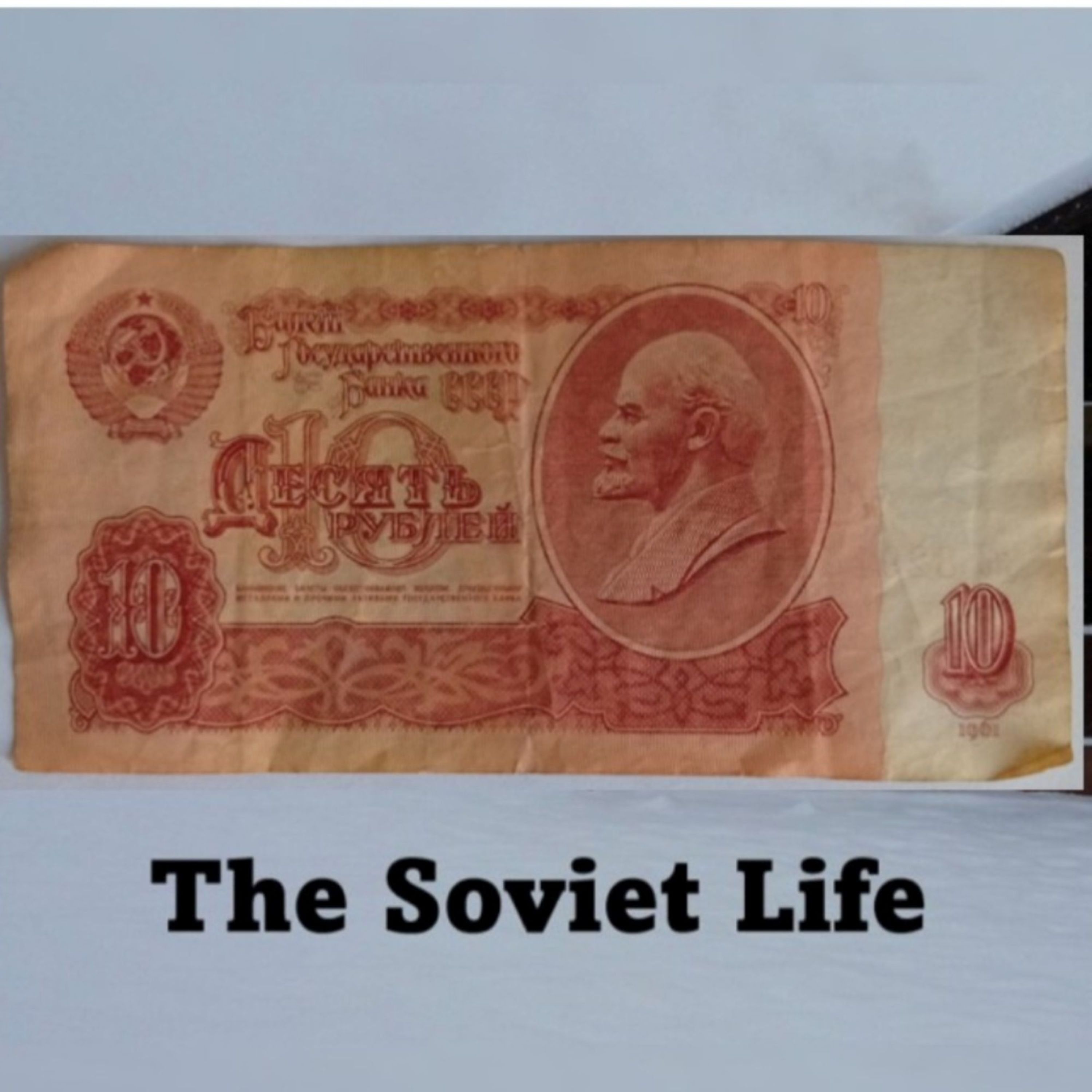
S1 Ep 1716: How Money Worked in the USSR - From Rubles to Survival
In this episode of The Soviet Life, host Kate Saba takes you inside a world where money didn’t work the way we expect - it existed and often couldn’t buy what people actually needed. With personal insight and historical perspective, she explores a system where salaries were stable, yet shelves were empty, where long lines and shortages defined daily life, and where the most valuable currency wasn’t rubles, but relationships. From controlled prices and state banking to black markets and the sudden collapse that wiped out savings overnight, Kate reveals how an entire society learned to survive - and even thrive - when money alone wasn’t enough.Key TakeawaysMoney didn’t equal access. In the USSR, you could have a steady salary - but still struggle to find basic goods on store shelves. The economy was controlled, not driven by demand. Prices and production were set by the state through central planning, not by what people actually needed. Shortages shaped everyday life. Long lines, limited choices, and waiting became a normal part of survival. Relationships were the real currency. The blat system - using personal connections - often mattered more than rubles when it came to getting goods or services. Income was stable, but opportunity was limited. Most people earned similar wages, but there was little chance to build wealth or improve living standards. There were two economies. The official system and an unofficial world of favors, exchanges that helped people get by. Luxury existed—but not for everyone. Special stores and access points created hidden inequality within a “supposedly equal” society. Banking didn’t function like in the West. Savings had limited purpose because there were few goods to spend money on. When the system collapsed, money collapsed with it. Inflation wiped out savings, showing how fragile the system really was. People adapted and found ways to survive. Resourcefulness, community, and resilience became essential life skills.Key topics:Planned economy and five-year plansSoviet ruble and kapeikasSalaries and income stabilityShortages and lines in storesRole of connections and BLAT systemBanking system in the USSRLuxury goods and special storesCollapse of the Soviet economy and inflationCultural significance of relationshipsSound Bites:• "In the USSR, money often had nothing to buy."• "Relationships were the most valuable currency."• "The money began to behave like a chirp - flowing away."Connect with us:Please share your thoughts and stories, reach out at [email protected]. Follow us and leave a review to support the podcast!

S1 Ep 1615: Growing up in Soviet Moldova - Anna’s Story
In this episode of The Soviet Life, Kate Saba speaks with Anna Kochug about growing up in Moldova during the final years of the Soviet Union. Anna shares memories of everyday life under the Soviet system, the uncertainty that followed its collapse, and her journey to the United States through education. Together, they reflect on cultural identity, the contrasts between American and post-Soviet values, and the lasting influence of community, resilience, and hard work on those who grew up in the USSR.TakeawaysAnna Kochug grew up in Moldova during the Soviet era, experiencing a unique childhood.The collapse of the Soviet Union brought uncertainty and a desire for independence.Anna's journey to America was facilitated by a scholarship, highlighting the importance of education.Cultural identity plays a significant role in shaping personal experiences and values.Parenting styles differ between American and post-Soviet perspectives, emphasizing structure versus freedom.Nostalgia for the Soviet era exists, particularly regarding community and stability.Traveling broadens perspectives and helps understand different lifestyles.The importance of hard work and perseverance is a common theme in immigrant stories.Maintaining cultural roots is crucial for identity, especially in a new country.The experiences of those from former Soviet countries often share common threads despite different backgrounds.Sound Bites"I consider myself very lucky.""The Soviet Union offered stability.""You have to put your mind to it."Chapters00:00 - Introduction to Anna Kochug's Story01:22 - Moldova's Historical Context05:13 - Growing Up in Moldova: Childhood Memories05:35 - The Collapse of the Soviet Union09:34 - Cultural Identity and Language12:07 - Religion in Soviet Moldova14:11 - Faith and Community in Transition16:17 - Journey to America: A New Beginning20:20 - First Impressions of American Life25:01 - Reflections on the Soviet Union: The Good and the Bad27:01 - The Impact of Independence on Families29:30 - Understanding Transnistria: A Historical Perspective31:59 - Traveling the World: Broader Perspectives33:26 - Parenting Styles: Balancing Freedom and Structure38:50 - Cultural Reflections: The Soviet Legacy43:41 - Closing Thoughts: Dreams and Hard WorkConnect with us:Please share your thoughts and stories, reach out at [email protected]. Follow us and leave a review to support the podcast!
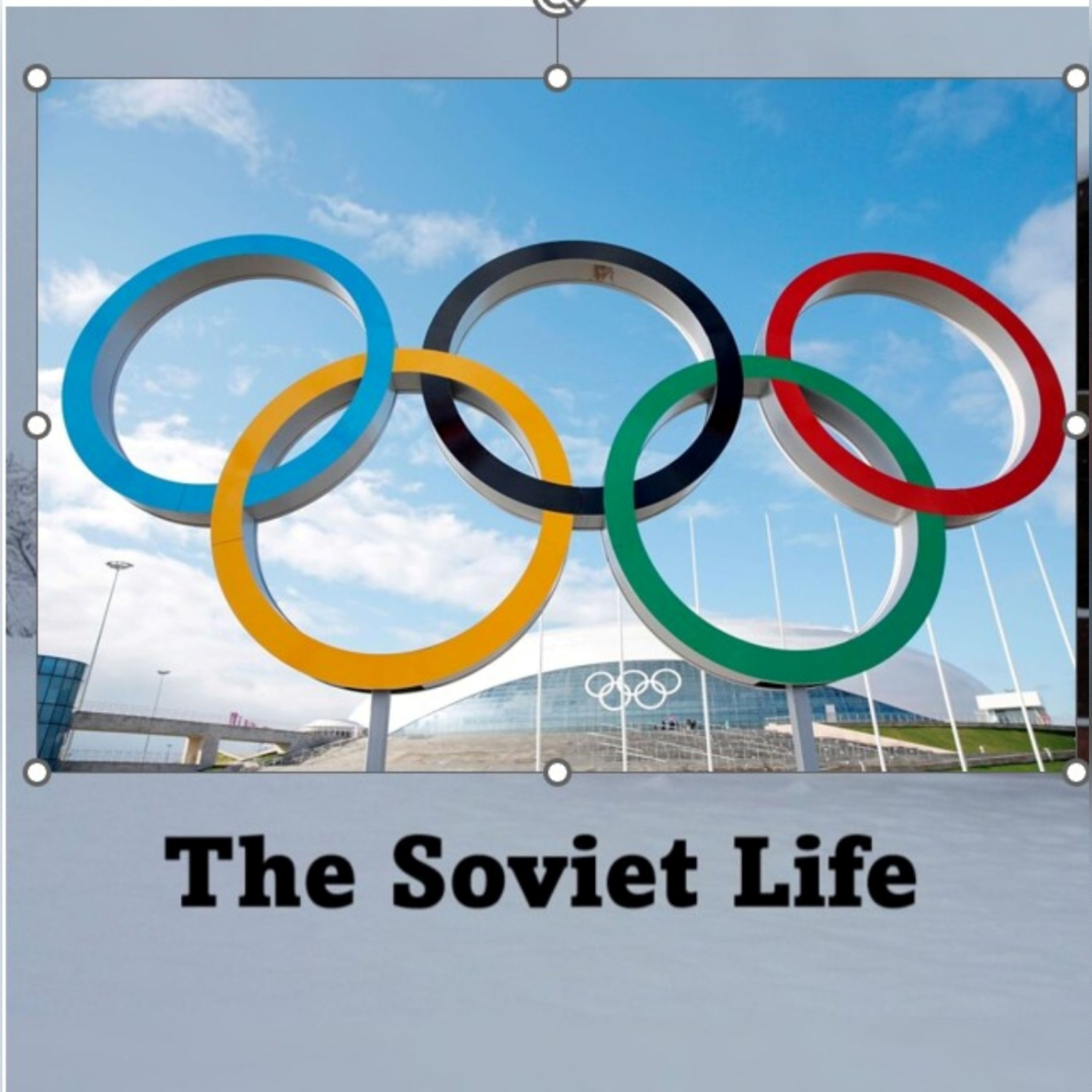
S1 Ep 1514: More Than Medals - The Soviet Olympic Machine
In this episode of The Soviet Life, host Kate Saba, explores the powerful role the Olympic Games played in shaping Soviet society. The Olympics were never just about sports - they were a symbol of national pride, political ideology, and global competition.She takes listeners through the USSR’s Olympic history, the intense training system that produced world-class athletes, and the immense pressure those athletes carried as representatives of a superpower. Behind every medal was discipline, sacrifice, and the weight of expectation.The episode also reflects on what changed after the fall of the Soviet Union. How the Olympic mindset evolved from a state-driven mission to a more individual pursuit. And how the legacy of the Soviet sports system continues to influence athletes today.This conversation goes beyond medals and records — it’s about identity, resilience, and the lasting imprint of the Soviet Olympic spirit.TakeawaysThe Olympics in the USSR were about ideology and national pride.Soviet athletes were seen as symbols of the state.Training for the Olympics began at a very young age.Discipline and resilience were core values in Soviet sports culture.Athletes faced immense pressure to succeed for their nation.The Olympics were a collective experience for Soviet citizens.The 1980 Moscow Olympics revealed deep fractures in the Soviet system.Post-USSR, athletes adapted to a new world of sports.The Olympic mindset evolved from state control to individual ambition.The legacy of the Soviet sports system continues to influence athletes today.Sound Bites"Your body belonged to the state.""Quitting was not an option.""We're watching history skate."Chapters00:00 - The Olympic Spirit: A Soviet Legacy06:04 - Olympics as Ideology: The Soviet Perspective12:04 - Training for Glory: The Life of a Soviet Athlete18:02 - National Pride and Collective Identity in Sports24:52 - The 1980 Moscow Olympics: Triumphs and Trials29:47 - Post-Soviet Transformation: The Evolution of Olympic MindsetConnect with us:Please share your thoughts and stories, reach out at [email protected]. Follow us and leave a review to support the podcast!
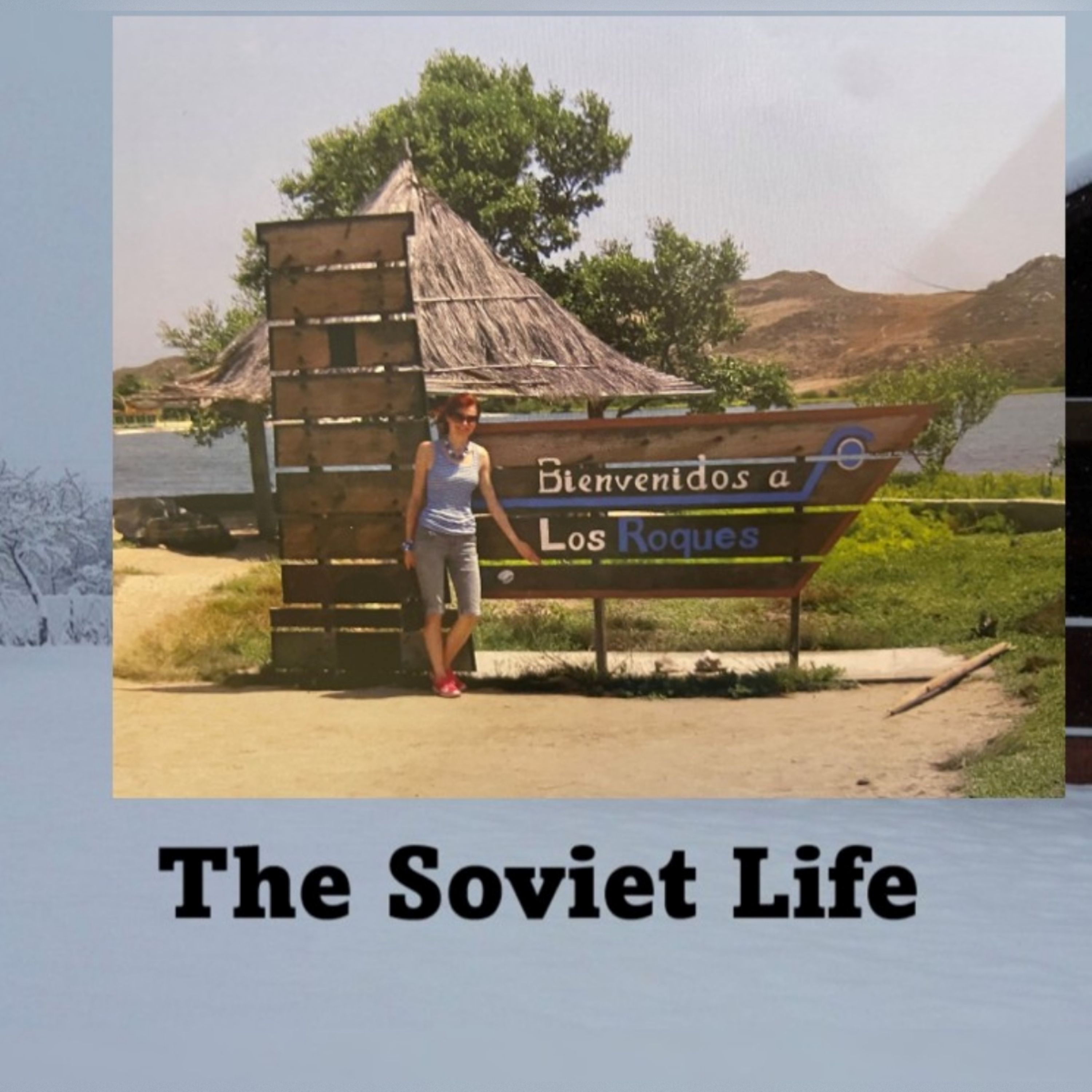
S1 Ep 1413: Red Echoes: The Soviet Legacy in Venezuela
In this episode of The Soviet Life, host Kate Saba weaves together history, politics, and personal reflection to explore the deep and often overlooked ties between the former Soviet Union and Venezuela. Against the backdrop of recent events involving Venezuelan President Nicolás Maduro, the episode traces the roots of this relationship—from Soviet influence and Cuba’s pivotal role, to the rise of Hugo Chávez and the promises that once inspired so many.Kate reflects not only on political shifts and economic collapse under Maduro’s leadership, but also on her own experiences in Venezuela, offering a rare, human perspective on what life looks like when ideology collides with reality. Through these parallels, the episode invites listeners to consider the lasting impact of socialism, the patterns that repeat across countries and decades, and the quiet warning signs history leaves behind.This is an episode about connection—between nations, between past and present, and between personal memory and global consequence— and a thoughtful reminder that the stories of the Soviet Union are far from over; they continue to echo around the world today.TakeawaysThe Soviet Union had a significant influence on Venezuela's political landscape.Cuba played a crucial role in exporting socialist ideology to Venezuela.Hugo Chavez's rise to power was marked by promises of social reform.The economic collapse in Venezuela was exacerbated by mismanagement and corruption.Maduro's presidency has been characterized by repression and human rights abuses.The capture of Maduro represents a potential turning point for Venezuela.Charisma in leadership can lead to revolutions but is not sustainable without accountability.The Venezuelan crisis echoes the historical failures of the Soviet Union.Change is an inevitable part of any political system.Lessons from Venezuela can inform current political dynamics globally.Sound Bites"Venezuela's oil was cheaper than water.""Millions of Venezuelans fled the country.""Change is inevitable in any system."Chapters00:00 - Introduction to Soviet Life Podcast04:59 - Hugo Chavez and the Bolivarian Revolution11:00 - Venezuela's Alliances Post-Soviet Union16:06 - Personal Experiences in VenezuelaConnect with us:Please share your thoughts and stories, reach out at [email protected]. Follow us and leave a review to support the podcast!
S1 Ep 1312: The Heart of Soviet Celebrations - Traditions and Memories
In this episode of The Soviet Life, host Kate Saba delves into the unique holiday traditions of the former Soviet Union, contrasting them with Western celebrations. She begins by discussing the Old New Year, celebrated on January 13th, which stems from the Julian calendar and serves as a quieter continuation of New Year festivities. Kate highlights how Soviet holidays were not just about fun but were deeply intertwined with state ideology, education, and family traditions. She shares personal stories and reflections on how these holidays shaped her upbringing and continue to influence her life today.The episode further explores significant holidays such as International Women's Day, May Day, Victory Day, and the October Revolution anniversary. Kate emphasizes the emotional weight these holidays carry, particularly Victory Day, which honors the sacrifices made during World War II. She also notes the absence of many Western holidays in the Soviet calendar, such as Valentine's Day and Christmas, and how this has shaped the cultural experiences of those from the former Soviet Union. Through her storytelling, Kate provides listeners with a deeper understanding of the cultural values and traditions that persist in the post-Soviet space.TakeawaysHolidays in the USSR were not about fun but served a purpose.The Old New Year is celebrated on January 13th, stemming from the Julian calendar.International Women's Day was a significant celebration for women in the Soviet Union.Victory Day honors the sacrifices of World War II and is deeply emotional for many families.Many Western holidays like Valentine's Day and Christmas did not exist in the USSR.Sound Bites"Holidays in the USSR were very different.""Holidays were meant to educate, unite people.""Victory Day is one of the most emotionally powerful holidays."Chapters00:00 Introduction to Soviet Holidays02:39 The Old New Year and Its Significance08:42 Understanding the Purpose of Holidays in the USSR10:28 Celebrating International Women's Day14:01 May Day: A Celebration of Labor16:17 Victory Day: Remembering the Great Patriotic War18:35 The October Revolution Anniversary20:04 Holidays That Did Not Exist in the USSR20:53 Conclusion and Reflection on Soviet TraditionsConnect with us:Please share your thoughts and stories, reach out at [email protected]. Follow us and leave a review to support the podcast!
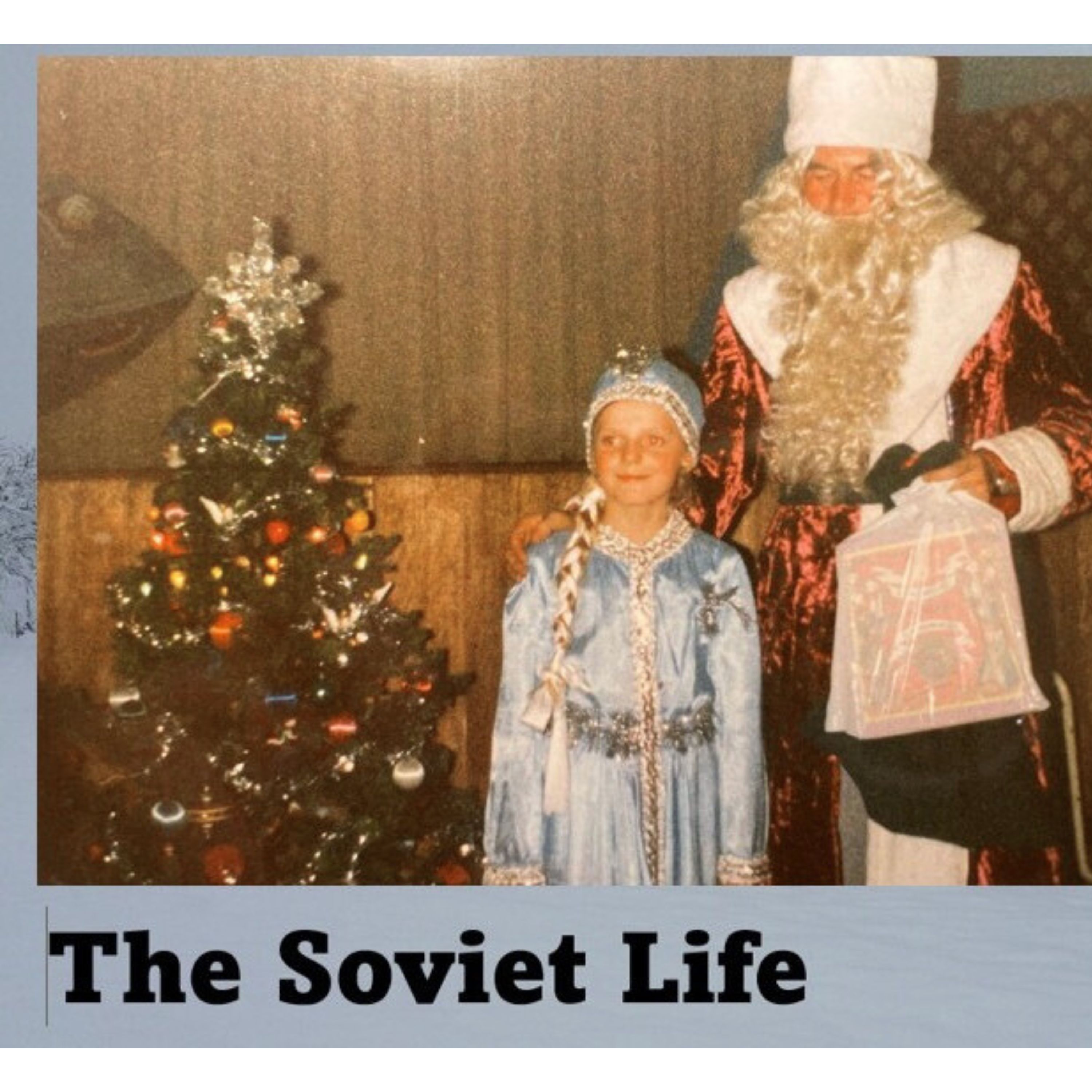
S1 Ep 1211: Winter Holidays in the Soviet Union: Christmas Without Christmas
In this episode of The Soviet Life, host Kate Saba shares a deeply personal look at winter holidays in the Soviet Union. She explores what it meant to celebrate during a time when Christmas was not officially allowed, and how New Year quietly became the most important and magical holiday of the year.Kate reflects on family gatherings, familiar foods, and the figure many Soviet children grew up believing in—Grandpa Frost, who arrived not on Christmas, but on New Year’s Eve. Through memories and cultural context, she highlights how people found warmth, joy, and connection even within a system filled with restrictions, and how these traditions helped preserve family bonds and cultural identity.The episode also looks at how holiday traditions began to evolve after the collapse of the Soviet Union, as Christmas slowly returned to public life. This reflection-filled episode reminds listeners that holidays, no matter the political system, reveal the universal human need for meaning, hope, and togetherness.Key TakeawaysThe Soviet Union officially discouraged religious celebrations, including Christmas.New Year became the main winter holiday, taking on many Christmas traditions.Grandpa Frost served as the Soviet version of Santa Claus and visited on New Year’s Eve.Families gathered late into the night to celebrate, exchange gifts, and welcome the New Year together.Traditional foods like caviar and herring under a fur coat played a central role at the holiday table.Children truly believed in Grandpa Frost and looked forward to his visit.Despite restrictions, some families continued to celebrate Christmas quietly at home.After the fall of the Soviet Union, Christmas gradually returned to public and religious life.Holidays reflect a society’s values and the universal human need for celebration.Winter holidays in the Soviet Union were both joyful and constrained.Sound Bites“The Soviet Union was officially atheist.”“Christmas disappeared, but celebration didn’t.”“Grandpa Frost came on New Year’s Eve.”“New Year’s Eve was absolutely magical.”Chapters00:00 – Welcome to The Soviet Life01:09 – What winter holidays looked like in the Soviet Union02:33 – Why Christmas wasn’t celebrated06:15 – How New Year became the main holiday07:09 – Grandpa Frost: the Soviet Santa Claus10:19 – New Year’s Eve traditions and family memories14:15 – Questions Americans often ask16:02 – The return of Christmas after the Soviet Union17:16 – Reflections on holidays, freedom, and meaningConnect with us:Please share your thoughts and stories, reach out at [email protected]. Follow us and leave a review to support the podcast!
S1 Ep 1110: My Life in the USSR: In Conversation with Elizabeth Milner
In this heartfelt episode of The Soviet Life, host Kate Saba sits down with Elizabeth Milner — an American who has absolutely no personal ties to the Soviet Union — to explore what Soviet life looks like through fresh, unfiltered eyes.What happens when someone raised in a completely different culture hears about childhood, family life, holidays, and day-to-day realities behind the Iron Curtain?The result is a deeply honest and often surprising conversation that reveals how much of our worldview is shaped by the stories we’ve been told… and how much we miss when we don’t look deeper.Kate walks Elizabeth through the realities of Soviet job security, the structure of education, the rhythm of family life, and the cultural norms that shaped an entire generation. With curiosity and compassion, Elizabeth reflects on everything — from scarcity and communal values to sauna traditions and why New Year celebration replaced Christmas.Together, they explore what it truly felt like to grow up in a system that promised stability but offered little room for personal expression. They uncover the humor, the hardships, the nostalgia, and the resilience that defined everyday Soviet life.This episode isn’t just about history — it’s about identity, perception, and the stories that shape how we understand one another. Whether you have memories of the USSR or you're hearing these experiences for the first time, this conversation is a reminder of how important it is to listen, to question, and to bridge cultures with empathy.You'll hear about:The Soviet Union offered job stability — but often at the cost of personal choice.Education was rigid, structured, and deeply tied to national purpose.Sports in the USSR weren’t just activities — they were a system of early specialization.American perceptions of the USSR focus heavily on control, scarcity, and fear.Soviet cultural values emphasized community, togetherness, and collective responsibility.Money was not celebrated — and sometimes viewed with suspicion.Holidays were reshaped to reflect socialist ideology, making New Year’s the biggest celebration.Family life was shaped by economic limits and shared social expectations.Sauna culture wasn’t just relaxation — it was tradition, community, and health.Understanding history requires listening to perspectives from both inside and outside the experience.Sound Bites:“There was no understanding of money.”“There were not a lot of choices.”“It was a privilege to get soap.”Chapters:00:00 – Introduction to Soviet Life and Perspectives02:38 – Job Stability in the Soviet Union vs. Today05:34 – Education Systems: A Comparative Analysis10:45 – Sports and Extracurricular Activities in the USSR13:35 – Cultural Perceptions of the Soviet Union19:58 – Scarcity and Resilience in Soviet Life25:28 – The Role of Music and Arts in Soviet Society27:31 – Money, Control, and Social Values in the USSR34:08 – Cultural Perceptions of the Soviet Union35:55 – Weather and Climate in Russia37:19 – Celebrating New Year's in the Soviet Union40:13 – Holidays and Traditions Under Soviet Rule44:35 – Marriage and Family Dynamics50:35 – Sauna Culture and Hygiene Practices58:23 – Reflections on the ConversationConnect with us:Please share your thoughts and stories, reach out at [email protected]. Follow us and leave a review to support the podcast!
S1 Ep 109: Failing Is Not an Option: the Alex Matusevich Story
In this deeply inspiring episode of The Soviet Life, host Kate Saba sits down with Alex Matusevich, an entrepreneur who journeyed from his Soviet childhood in Belarus to building a thriving tech company in the United States.Alex shares a heartfelt reflection on how his Soviet upbringing shaped his values — discipline, hard work, and a sense of community — and how those lessons guided him through the challenges of starting over in a new country. Together, Kate and Alex explore what success truly means, how cultural differences can both divide and connect us, and why community and human connection remain at the heart of happiness.The conversation also delves into how the collapse of the Soviet Union changed everyday life, what the American Dream looks like through a post-Soviet lens, and the growing challenges around health and nutrition in modern society. Through humor, honesty, and insight, Alex reminds us that resilience is universal — and that beneath politics and borders, people everywhere share the same hopes for meaning, belonging, and a better future.You’ll hear about:How Soviet education built discipline and driveThe immigrant experience and redefining successThe balance between money, purpose, and happinessThe importance of community and social connectionHealth, nutrition, and the modern lifestyle divideLessons on bridging cultures and finding common groundWhether you grew up behind the Iron Curtain or you’re just curious about the human stories that connect us all, this episode is a moving reminder of what it means to persevere, adapt, and stay true to your roots.Sound Bites"Failing is just not an option.""People are involved in their communities.""We still have that core."Chapters00:00 Introduction to Alex's Journey02:49 Growing Up in Belarus: Education and Family05:55 The American Dream: Transitioning to the U.S.08:43 Building a Successful Tech Company11:45 The Role of Money in Success14:47 Challenges of Immigrating to the U.S.17:38 Cultural Perceptions: The Soviet Union vs. the U.S.20:41 Health and Nutrition: Insights on American Diet23:35 Reflections on the Fall of the Soviet Union26:36 Education and Its Impact on Decision Making34:16 The Value of Education and Discipline38:13 Nostalgia for Soviet Community and Cohesion39:34 The Impact of Social Interaction on Well-being41:38 Contrasting Lifestyles: Soviet vs. American45:46 Detachment from Money and Investment Mindset49:19 Post-Soviet World: Challenges and Opportunities51:09 Reflections on Crime and Safety52:44 Cultural Connections Beyond Politics54:52 Misconceptions About Soviet Life58:36 Closing Thoughts on Community and ValuesConnect with usPlease share your thoughts and stories, reach out at [email protected]. Follow us and leave a review to support the podcast!
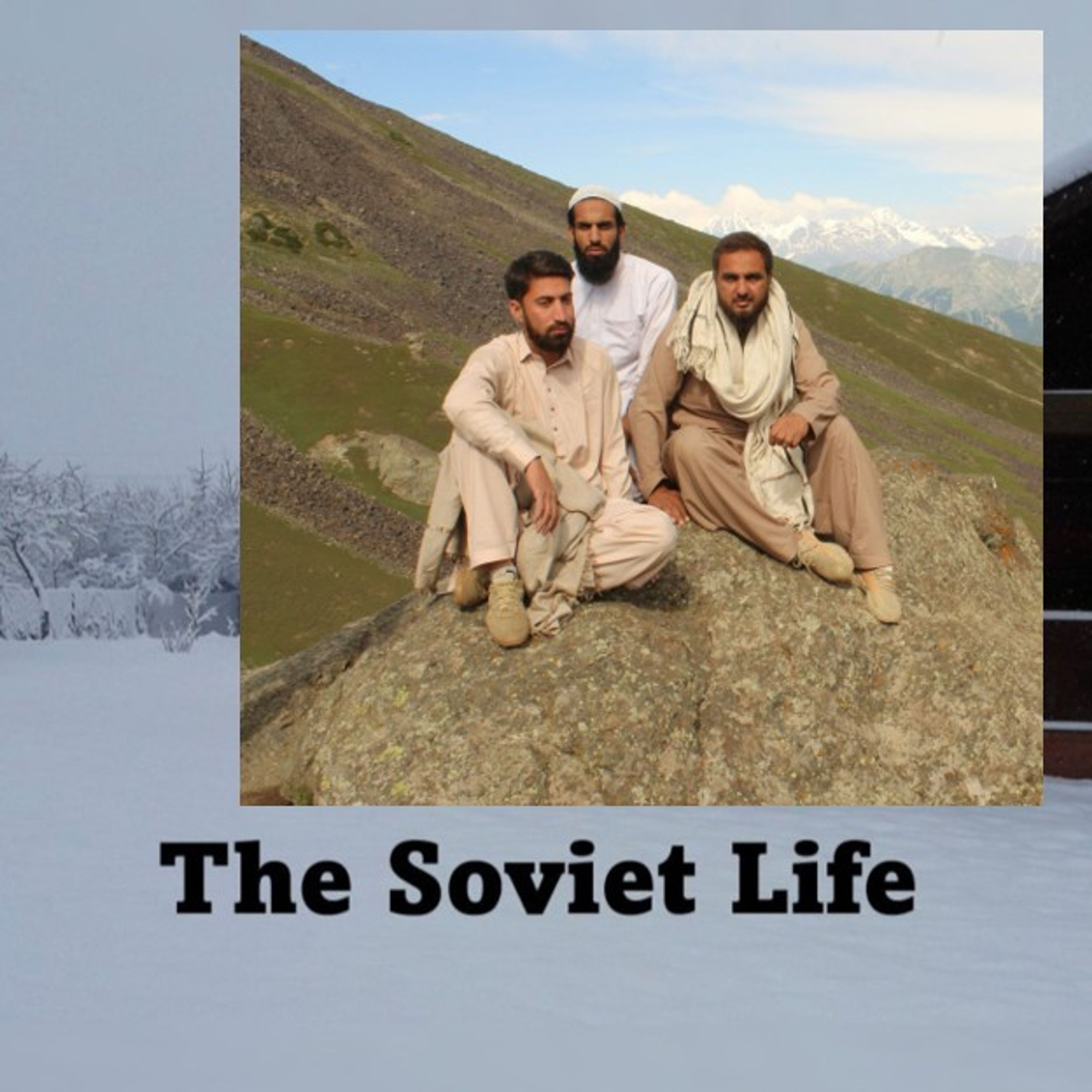
S1 Ep 98: From Kabul to America: One Man’s Journey Through the Soviet-Afghan War
In this episode of The Soviet Life, host Kate Saba speaks with Mr. Khalid, who shares his powerful story of growing up in Afghanistan during the Soviet invasion. Together, they explore the human side of the Soviet-Afghan War—its devastating toll on Afghan society, the ripple effects felt around the world, and the enduring resilience of those who lived through it. From the innocence of childhood before the war to the daily fear that followed, Khalid recounts his dangerous escape from Afghanistan, his time as a refugee in Pakistan, and his eventual resettlement in the United States. Their conversation also looks at Afghanistan today, balancing sorrow for ongoing struggles with hope for a better future and a reminder of our shared humanity.Key TakeawaysThe Soviet-Afghan War reshaped global politics and left deep scars on Afghanistan.Millions of Afghans were killed or displaced during the conflict.The war is often seen as the USSR’s “Vietnam.”Childhood in Afghanistan was peaceful before the invasion.After the invasion, fear and oppression defined everyday life.Escaping Afghanistan meant facing danger at every step.Life as a refugee in Pakistan brought hardship but also survival.Resettling in the U.S. brought relief, but new challenges too.Family ties across borders remain emotionally complex.Despite decades of turmoil, hope for Afghanistan’s future endures.Sound Bites"The Soviet-Afghan War had a global impact.""We didn't even know what guns were.""We had to get out before dawn."Chapters00:00 Introduction to the Soviet-Afghan War01:43 The Impact of the Soviet-Afghan War03:59 Personal Experiences of Growing Up in Afghanistan10:43 Fleeing Afghanistan: A Journey to Safety16:39 Life as a Refugee in Pakistan22:48 Arriving in the United States29:05 Reflections on Home and Family32:53 Current State of Afghanistan and Hope for the Future38:05 The Shared Humanity Beyond BordersConnect with usPlease share your thoughts and stories, reach out at [email protected]. Follow us and leave a review to support the podcast!
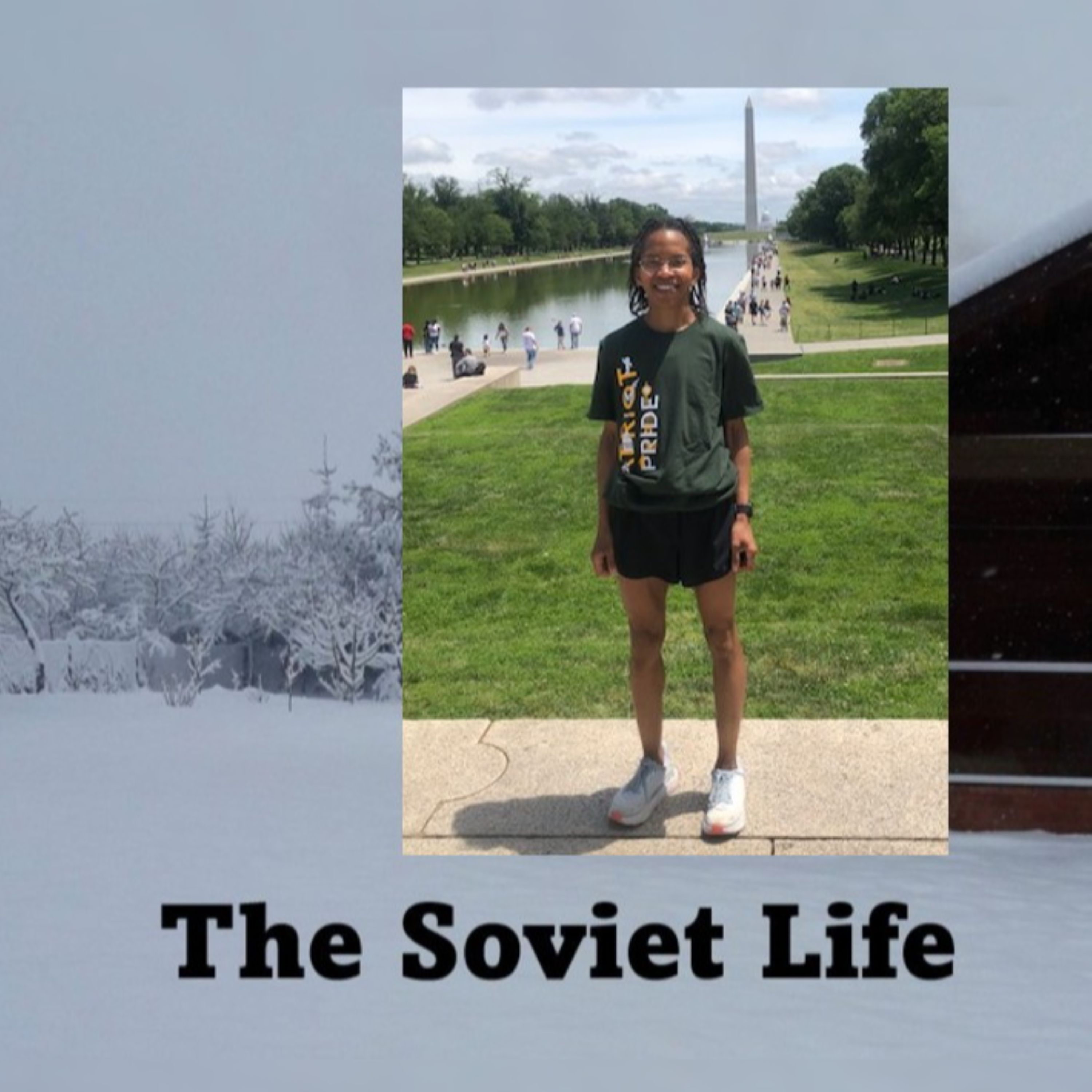
S1 Ep 87: Discovering the Soviet Union with Professor Cathy Ross
In this episode of The Soviet Life Podcast, host Kate Saba sits down with Professor Cathy Ross, who first visited the Soviet Union in 1989 as part of a student ambassador program. Cathy shares what it was like to walk into a world so different from her own and how, despite Cold War tensions, she was met with surprising warmth, generosity, and unforgettable hospitality.They dive into her experiences of Russian daily life: long lines for goods, the importance of literature and poetry in schools, and the unique rhythm of meals that stretched into hours of conversation. Cathy reflects on the deep sense of community she witnessed in the USSR, where sharing resources and helping neighbors wasn’t just kindness, it was survival.And here’s something you won’t want to miss: Cathy talks about an unusual, almost unbelievable way Soviet schools were kept clean. It’s so different from what we’re used to in American schools that you’ll want to listen through to hear exactly how it worked. This conversation is more than just a look back at the Soviet Union, it’s about the value of slowing down, savoring connection, and finding common humanity across cultures.Key TakeawaysCathy’s first trip to the USSR was in 1989 with a student ambassador program.She was struck by the warmth and generosity of the people she met.Hospitality in Russia is not optional - it’s a way of life.Literature and poetry held a central place in Soviet education.Russians dressed formally for outings, unlike the more casual American style.Sharing and helping neighbors reflected a collective mindset.Soviet food preparation was labor-intensive but filled with care and tradition.Standing in long lines was a daily part of life.Cathy believes understanding Russian culture is especially important today.Connect with Us:Be sure to subscribe, share this episode with friends, and leave a review if you enjoyed it. Have a question or your own story to share? Reach out to Kate at [email protected].
S1 Ep 76: Recap - Lessons, Surprises, and What's Next
In this solo episode, host Kate Saba opens up about the personal journey behind The Soviet Life podcast. She shares what inspired her to begin, what she’s learned along the way, and how this project has evolved into a space for collective memory, cultural connection, and meaningful storytelling. Kate reflects on the joys and challenges of podcasting, the emotional impact of hearing (and telling) Soviet-era stories, and her hopes for the podcast’s future. Whether you’re a long-time listener or just joining, this episode offers a powerful behind-the-scenes look at the mission and heart of The Soviet Life. Why the Podcast BeganResponding to curiosity about life in the Soviet Union after immigrating to the U.S. in 1996Realization that sharing personal and community stories fosters empathy and understandingThe decision to stop waiting for the “perfect time” and just startThe Vision Behind The Soviet Life Creating a living archive of real Soviet and post-Soviet experiencesBridging cultural gaps beyond politics, especially in light of current tensionsShifting the focus from a personal story to a shared narrative from across the former USSRLessons LearnedThe hard but fulfilling work of podcastingDiscovering the deep nostalgia many older generations feel toward aspects of Soviet lifeUnderstanding why some are hesitant to share — a desire to look forward, not backUnexpected Challenges and Surprises Difficulty in finding guests willing to speak openly due to personal and political concernsThe emotional depth and resilience revealed in each interviewChallenges with translating Russian-language episodes accurately and affordablyFacebook content blocks in Russia affecting podcast visibilityUpcoming PlansLaunching a new short-format series: Shorts: My Soviet LifeCreating themed episodes on topics like Soviet humor, money, and educationTranslating and releasing Russian-language interviewsAiming for biweekly episode releasesAttending her first podcasting convention to improve content and sound qualityPlease share your thoughts and stories about growing up in the Soviet Union or navigating cultural identity abroad, reach out at [email protected].
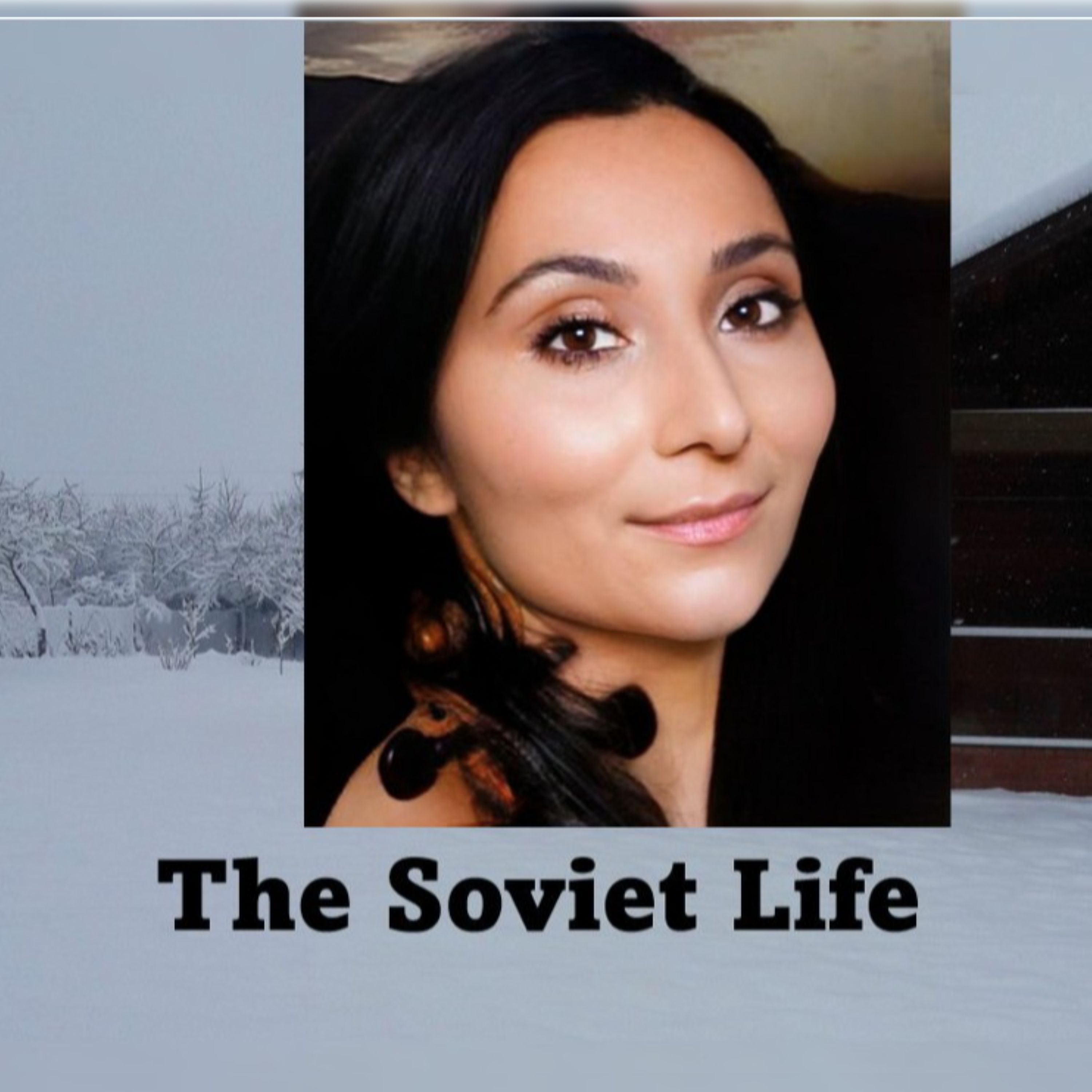
S1 Ep 65: From Soviet Strings to American Dreams: Monika's Armenian Journey
In this heartfelt episode of The Soviet Life, host Kate Saba sits down with Monika Dorosheff-Chamasyan, a classically trained violinist and educator who grew up in Soviet Armenia. Together, they explore what it was like to live through the Soviet era, the collapse of the regime, and the resilience it took to adapt and thrive afterward.Monika opens up about her music education under the Soviet system, bartering for survival in post-collapse Armenia, and what it meant to bring her talents to the United States—eventually founding a thriving violin studio - Oak Hill Strigs. She also reflects on family history, the legacy of genocide, and her first impressions of America.Through Monika’s lens, this episode offers a personal glimpse into the strength of the Armenian people, the power of culture, and the enduring spirit of those who bridge past and present across continents.Key Takeaways:Soviet Armenia was rich in culture and education, particularly in the arts, but life under the regime was tightly controlled and deeply influenced by Soviet ideology.Music education in the USSR was rigorous and valued, helping Monika develop a deep appreciation for discipline, technique, and the role of art in society.The collapse of the Soviet Union led to widespread economic instability, with families like Monika's turning to bartering and alternative means to survive.Monika’s immigration to the United States brought cultural contrast, especially in education, lifestyle, and opportunities—revealing both challenges and personal growth.Building a violin studio in the U.S. was not just a career step, but a way to honor her upbringing, share the values instilled through her training, and offer a distinctive approach to music education through the Suzuki method.The legacy of Armenian resilience—shaped by genocide, diaspora, and political upheaval—continues to influence Monika’s worldview and her commitment to community.Cultural identity and artistic expression are central to healing, preserving history, and building bridges between generations and countries.Despite hardships, there were positive aspects of Soviet life, such as access to high-quality education and strong community values, which still inform Monika's outlook today.Monika encourages listeners to visit Armenia, experience its rich heritage firsthand, and connect with the story of a people who have endured and thrived. Episode Chapters: 00:55 – Armenia’s Deep Cultural Roots - brief intro of Armenia 04:20 – Childhood in Soviet Armenia 10:51 – Music Education Under the USSR 17:42 – Adapting to American Teaching Styles 22:02 – Life After the Soviet Collapse 24:57 – Family History and the Armenian Genocide 27:43 – Resilience in Post-Soviet Armenia 30:38 – Monika’s First Impressions of America 34:15 – Building a Life in the U.S. 38:22 – Culture, Purpose, and Artistic Drive 40:29 – What the USSR Got Right 42:01 – Diaspora, Family, and Global Armenian Identity 42:52 – How Armenia Is Doing Today 47:17 – A Warm Invitation to Visit ArmeniaPlease share your thoughts and stories about growing up in the Soviet Union or navigating cultural identity abroad, reach out at [email protected]. Follow us and leave a review to support the podcast. Also check out Monika's studio - Oak Hills Strings - www.oakhillstrings.com