The Scoop
520 episodes — Page 10 of 11
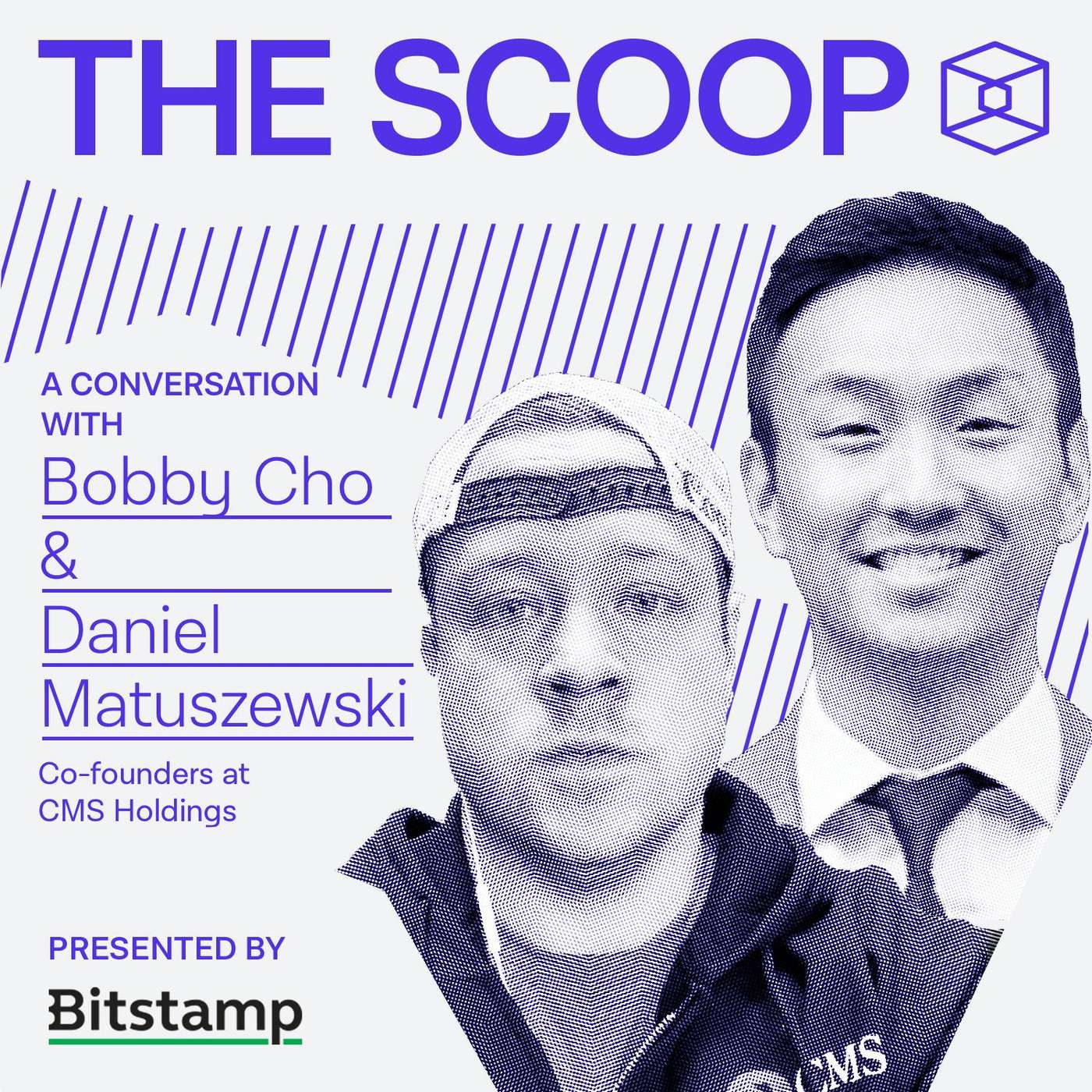
S2 Ep 29CMS Holdings co-founders say DeFi claimed trader attention before bitcoin's volatility spike
In this week's episode, Cho and Matuszewski give the trader perspective on bitcoin and the DeFi scene, including: How Circle Trade went from making an "ungodly" amount of money to being sold off to Kraken Whether the market is at "peakFi" Why big news events are having less of an impact on bitcoin price swings An overview of the crypto brokerage wars, and how crypto firms will get "more violent" with each other over time.
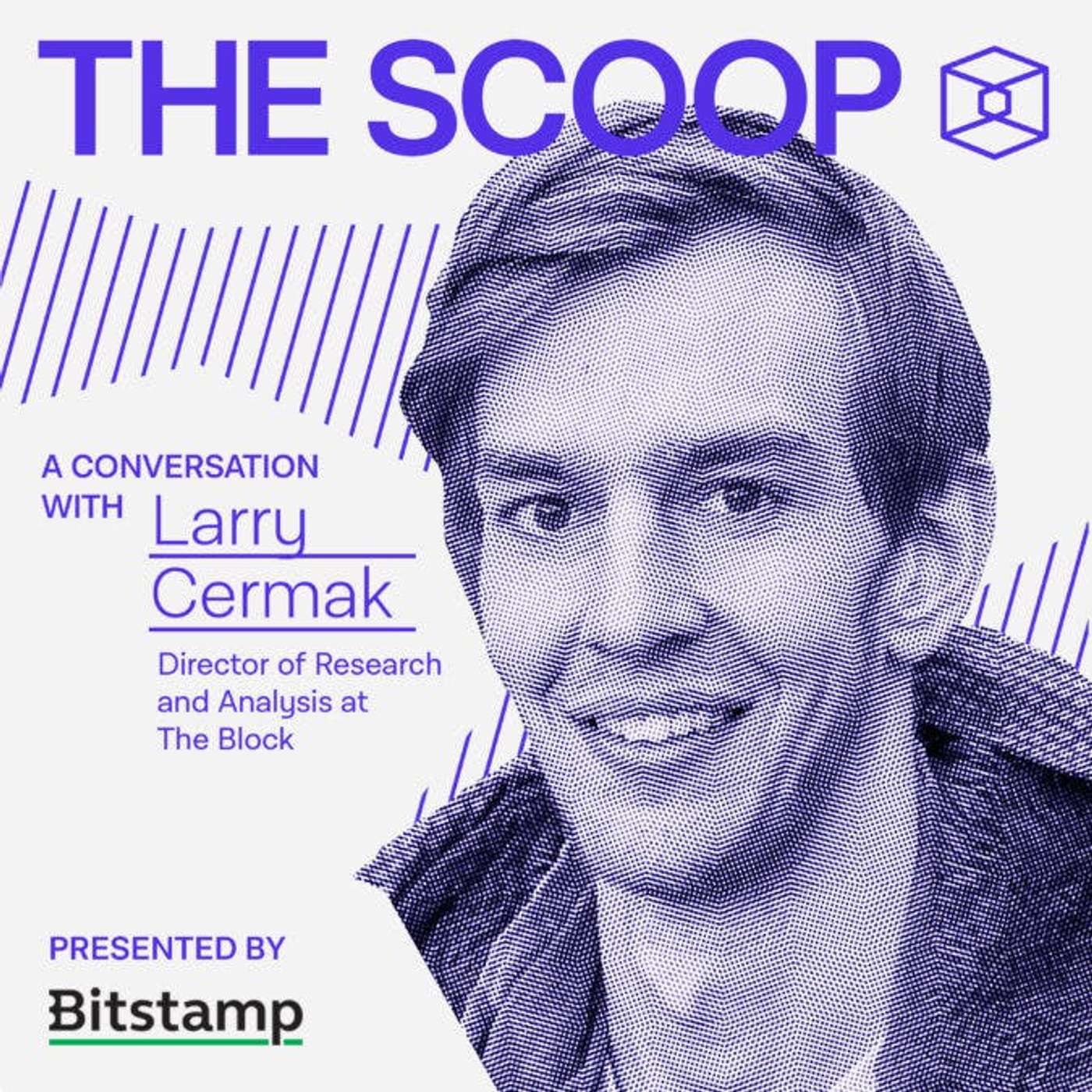
Ep 28Larry Cermak breaks down why the Twitter hackers appear to be amateurs
On this week's episode of The Scoop, Cermak explained out how The Block first picked up on the biggest Twitter hack in history, and what the early hours of information gathering looked like. He also touched on: The details that indicate the hack was either unplanned or executed by amateurs What a front page BTC scam means for bitcoin adoption The debate over Coinbase's move to block the addresses at the height of the hack Where the stolen funds are now
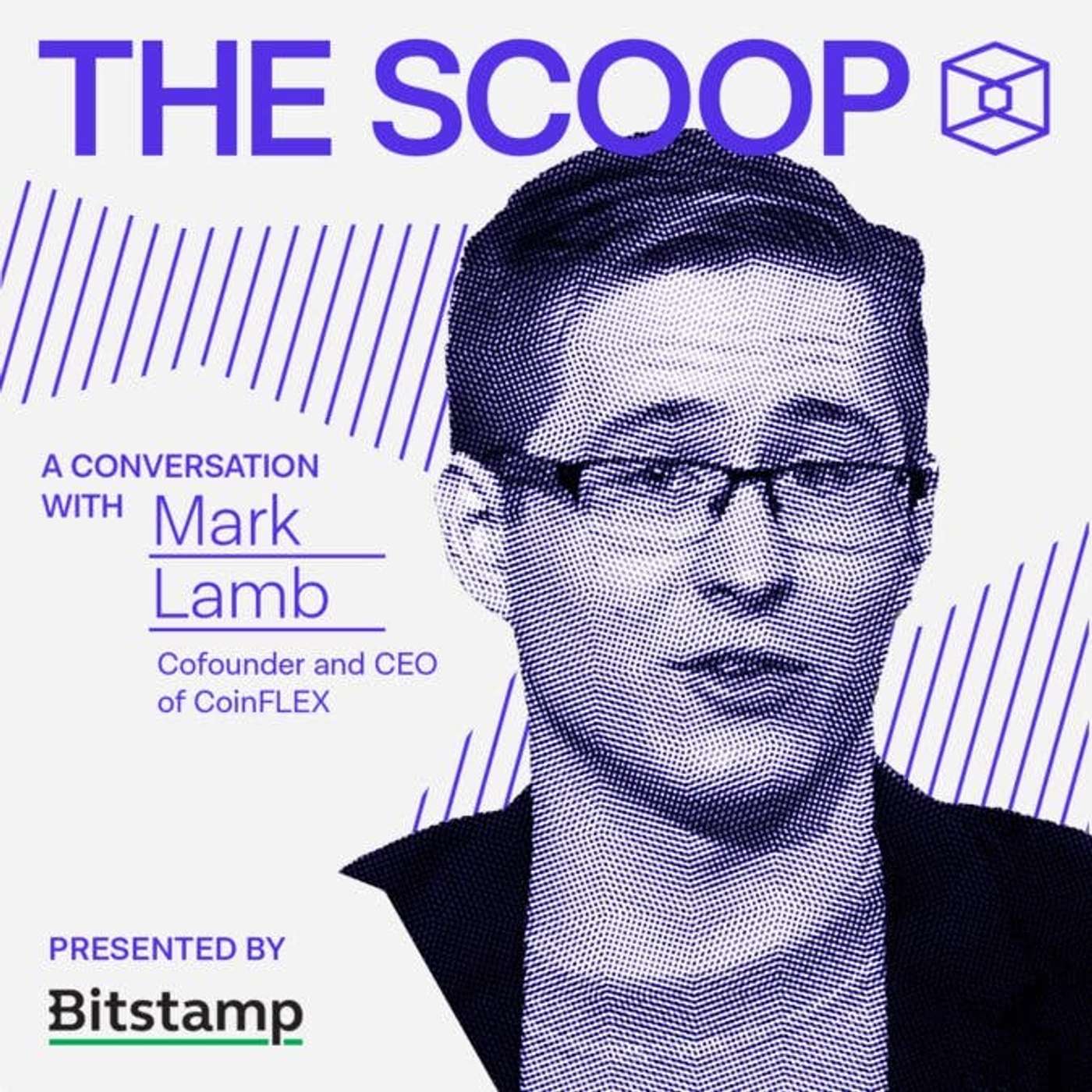
S2 Ep 27An inside look at how CoinFLEX is trying to create a repo market for crypto
CoinFLEX emerged in 2019 as one of the first marketplaces for physically-delivered crypto futures. Now, the Hong Kong-based firm has relaunched its platform to build out a repurchase market for digital assets.Mark Lamb, CEO of CoinFLEX, sat down with The Scoop this week to talk about the plan.In the traditional context, a repurchase market or "repo market" allows large clearing banks to exchange assets for short bursts, providing a quick way to finance other activities. Trillions of dollars a day move in the repo market. But in crypto, it's much smaller. No more than $50 million in repurchase transactions occur each day. There's also no counterpart to the traditional clearing bank, so most deals are done directly between two parties.CoinFLEX plans to be that intermediary, launching the CoinFLEX Repo Market in addition to adding spot and perpetual contracts to its current futures market. Lamb outlined how CoinFLEX plans to stake its claim as one of the first repo markets in crypto — similar to how it did that for physically-delivered futures. He also touched on: How a plan to create a physical perpetual swap became a plan to create an entirely new type of instrument The pros and cons of CoinFLEX's original platform, and how the firm aims to improve with the second iteration Why institutional clients on the exchange want leverage that’s even higher than 100x or 250x How CoinFLEX will be part of crypto's move to democratize access to high-leveraged finance and interest yield collection. This episode of The Scoop is brought to you by Bitstamp, the original global cryptocurrency exchange. Since 2011, Bitstamp has been a cornerstone of the industry, earning the trust of over four million individuals and top financial institutions looking for a reliable trading venue. Whether you’re trading on our web platform, mobile app or industry-leading APIs, Bitstamp gives you the professional-grade tools you need to execute your strategy. Download the Bitstamp app or visit Bitstamp.net/Pro to learn more and start trading today!
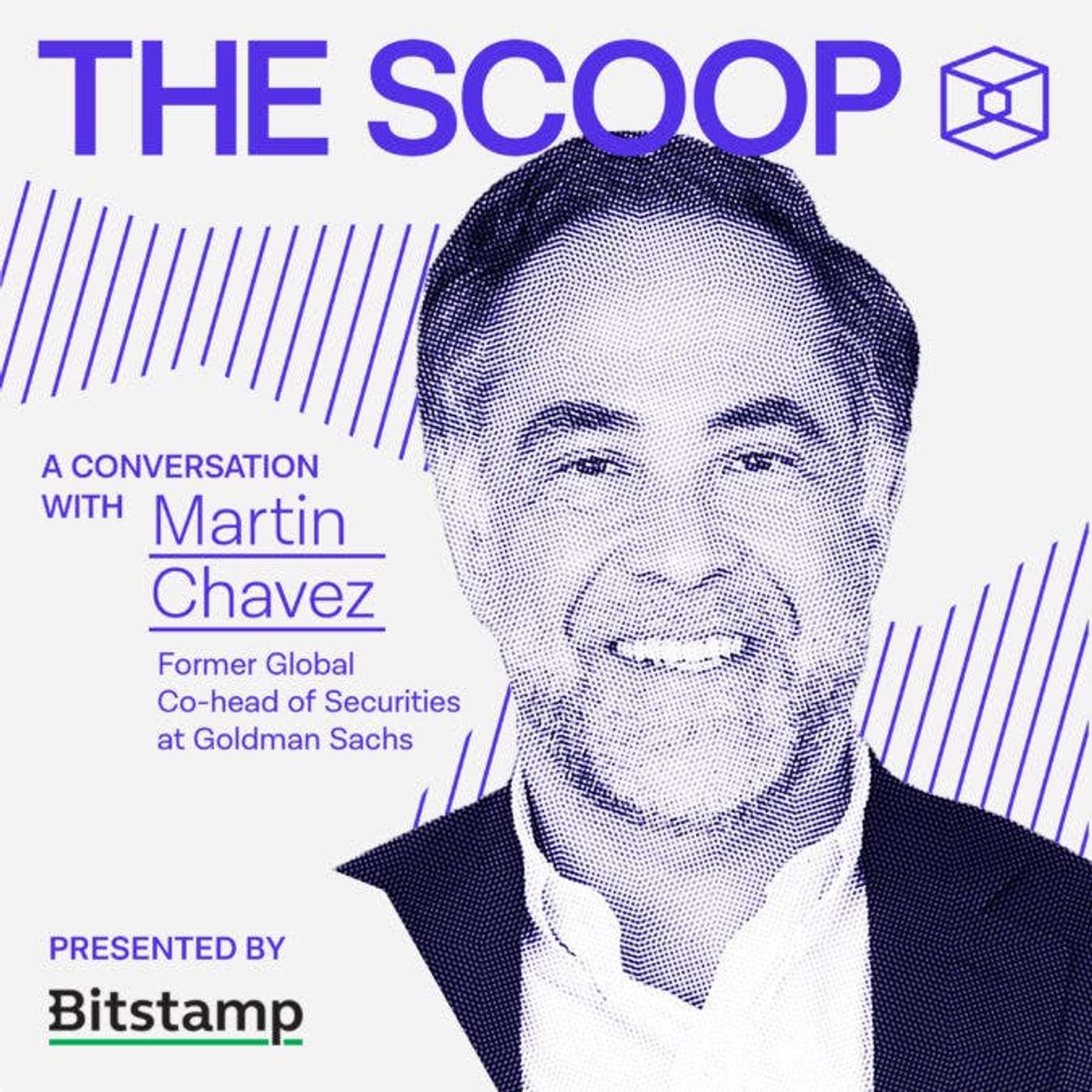
S2 Ep 26Former Goldman CFO breaks down why the digital dollar is better than bitcoin and stablecoins
R. Martin Chavez left his Goldman Sachs office in December after decades of work bringing new technology to Wall Street, most recently as Goldman's CFO, though his career began in Silicon Valley. Now, he's returned to the tech world, where he serves on the boards of health technology firms and has gotten involved in the conversation around the "digital dollar."On this week's episode of The Scoop, Chavez broke down some of the changes that have occurred at the intersection of health and technology due to the global pandemic. For instance, a world in quarantine has breathed new life into the field of telemedicine. He also explained why although he sees bitcoin as "an amazing research project," it doesn't quite qualify as money in his view.Chavez compared the coronavirus pandemic to the 2008 financial crisis, in that they are both wake up calls for policymakers. He said the pandemic has been a moment to examine how to build better systems, particularly in the health tech and industrial fields.Meanwhile, it's also illuminated the potential role of a U.S. central bank digital currency as a mechanism for stimulus delivery. While Chavez advocated for a blockchain-based digital dollar, he doesn't think private stablecoins are a suitable stand-in. "Stablecoins are stable right up until the instant that they're not stable," he said. Here are some of the more specific topics featured in the episode: The themes and trends emerging in the health technology space that will be salient in a post COVID-19 world How the pandemic illuminated the need for resilience in industrial companies and how technology can play a role in reform What legislation is needed to reform industries that were hit hard, and how to prepare a more resilient supply chain Why the former Wall Streeter and long time tech advocate says bitcoin isn't money His view on central bank digital currencies and why stablecoins alone won't do the job of a digital dollar. This episode of The Scoop is brought to you by Bitstamp, the original global cryptocurrency exchange. Since 2011, Bitstamp has been a cornerstone of the industry, earning the trust of over four million individuals and top financial institutions looking for a reliable trading venue. Whether you’re trading on our web platform, mobile app or industry-leading APIs, Bitstamp gives you the professional-grade tools you need to execute your strategy. Download the Bitstamp app or visit Bitstamp.net/Pro to learn more and start trading today!
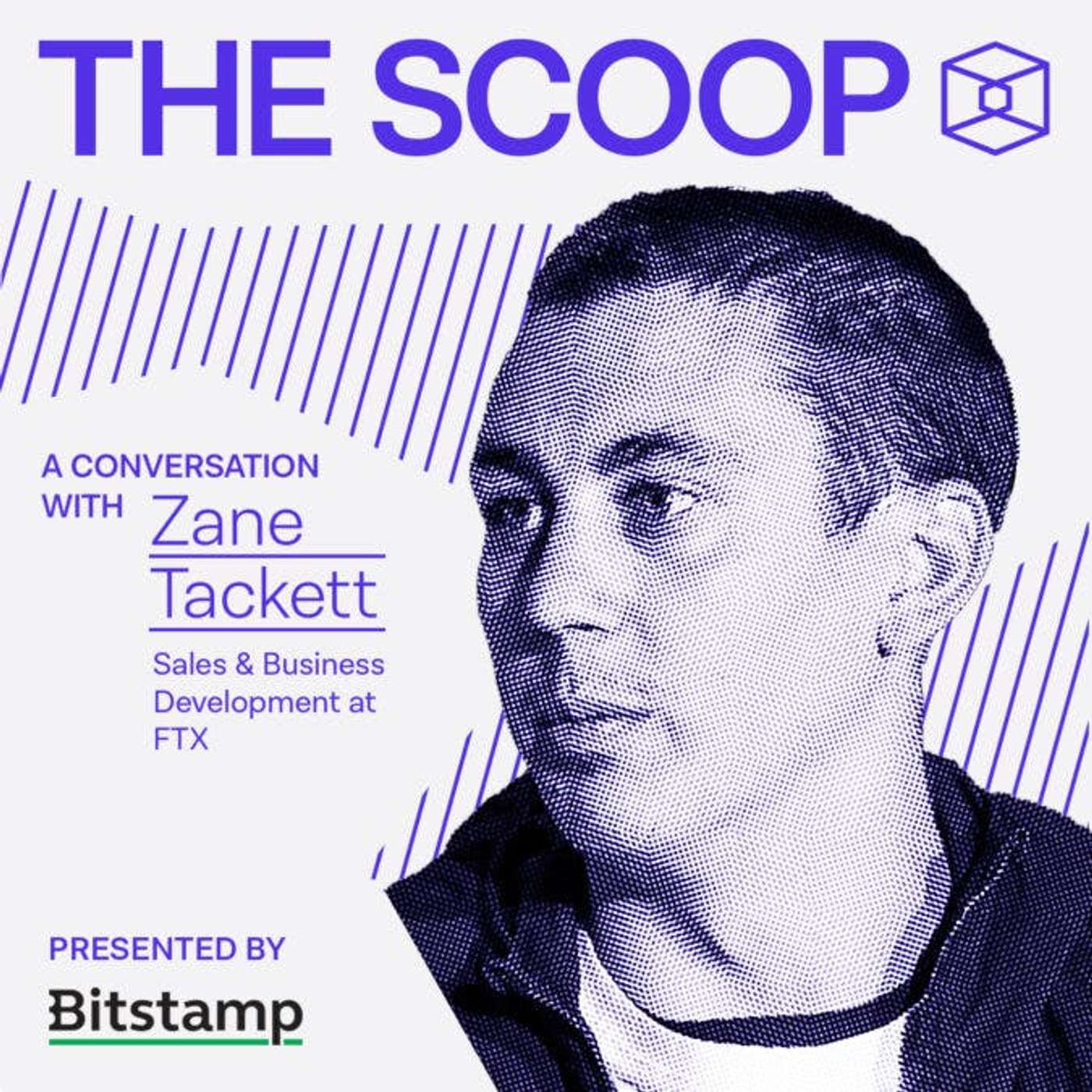
S2 Ep 25Zane Tackett has seen some of the crypto space's biggest events — here's what he's learned
Zane Tackett has witnessed some of the crypto industry's biggest moments. And he recently took a post as a sales and business development executive at FTX, giving him a first-hand look at growth occurring in the derivatives market today.It comes as a notable time for that particular corner of the crypto space, given that more that 100,000 bitcoin options contracts – a historic number totaling over $900 million – is slated to expire this Friday. Tackett will have a front row seat, and he talked about the growth factors for the derivatives market on this week's episode of The Scoop.He also touched on his history in the space, stretching back to his role in helping found the international team at OKCoin, now OKEx, an early mover in crypto futures.Tackett moved from OKEx to become director of community and product development at Bitfinex. He was at the forefront of the exchange's response to the 2016 hack in which 119,756 BTC were stolen."It was the worst period of my life," he said. "I think the initial 48 hours, I went 40 hours without sleeping, got two or three hours of sleep and was back at it. And you know, pretty much everyone on the team was the exact same way."After his time at Bitfinex, Tackett became head of OTC sales at B2C2 before moving to FTX this year.In this week's episode, Tackett discussed how each of these experiences informed his understanding of the market, as well as: How crypto businesses can cater to both retail and institutional traders Why a more standard user experience has been a key reason for growth in the space Why bitcoin resiliency is a sign of growing maturity for the crypto space despite concerns about volatility The firewalls in place between Alameda and FTX to mitigate concerns around conflicts of interest Why the prime brokerage space is heating up in the U.S. compared to other regions Tackett's experience working at Bitfinex during the exchange's biggest hack and what he learned. Episode 25 of Season 2 of The Scoop was recorded remotely with The Block’s Frank Chaparro and Zane Tackett, a sales and business development executive at crypto derivatives exchange FTX.Listen below, and subscribe to The Scoop on Apple, Spotify, Google Play, Stitcher or wherever you listen to podcasts. Email feedback and revision requests to [email protected] episode of The Scoop is brought to you by Bitstamp, the original global cryptocurrency exchange. Since 2011, Bitstamp has been a cornerstone of the industry, earning the trust of over four million individuals and top financial institutions looking for a reliable trading venue. Whether you’re trading on our web platform, mobile app or industry-leading APIs, Bitstamp gives you the professional-grade tools you need to execute your strategy. Download the Bitstamp app or visit Bitstamp.net/Pro to learn more and start trading today!
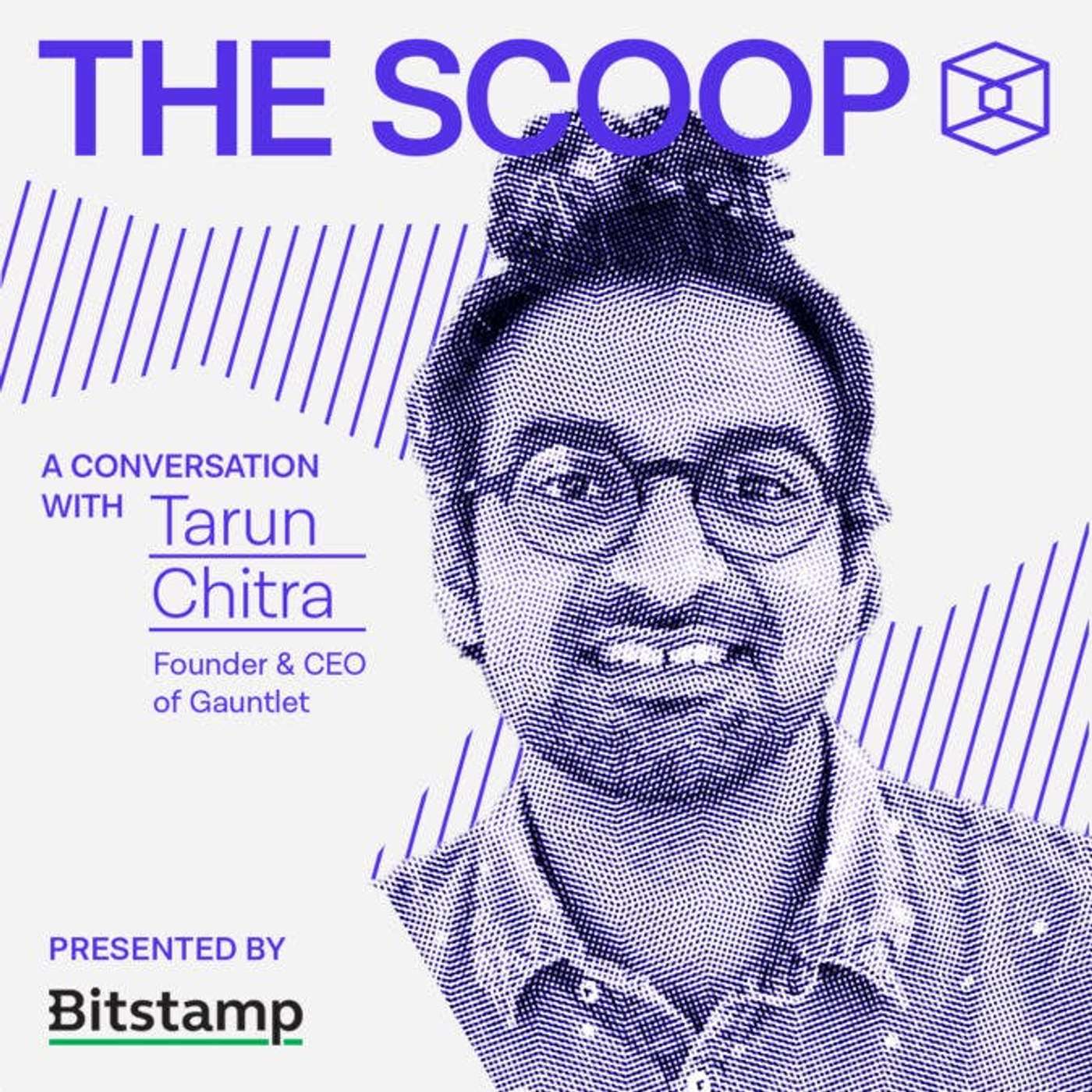
S2 Ep 24A high-frequency trading expert explains why you shouldn't fear how Robinhood makes money
Before Tarun Chitra built out his company, he spent years doing quantitative research and development for places like D.E. Shaw Research and Vatic Labs. Chitra took his experience in machine learning to create and head a simulation platform for crypto networks — Gauntlet — which garnered backing from companies like Coinbase, Distributed Global and Polychain, among others.Gauntlet provides tools for crypto developers to forecast security risks, possible governance snags and consensus mechanism issues. By forecasting such problems and showing how they could affect assets or network activity, developers can make more informed decisions about security and governance structures.In this week's episode of The Scoop, Chitra spoke from his experience in the high-frequency trading (HFT) world. Chitra's appearance coincided with growing concerns surrounding the market activity driven by Robinhood traders, as users of the app continue to buy up stocks that other investors have dumped.Much of the conversation also coincides with the conversation surrounding brokerage and payment for order flow (PFOF), as some critics object to selling order flow to market makers, claiming it creates a conflict of interest. The Block recently uncovered how Robinhood received more than $90 million in PFOF payments during Q1. Chitra discussed the HFT world's view on PFOF and broke down some of the nuance in the transactions on this week's episode.Chitra also touched on: Why private exchange trade funds aren't that private Whether open finance has structural advantages in comparison to legacy market structure If those possible advantages are enough to drive volumes in the same league as traditional markets The role of transparency in both the Open Finance and traditional finance ecosystems. This episode of The Scoop is brought to you by Bitstamp, the original global cryptocurrency exchange. Since 2011, Bitstamp has been a cornerstone of the industry, earning the trust of over four million individuals and top financial institutions looking for a reliable trading venue. Whether you’re trading on our web platform, mobile app or industry-leading APIs, Bitstamp gives you the professional-grade tools you need to execute your strategy. Download the Bitstamp app or visit Bitstamp.net/Pro to learn more and start trading today!
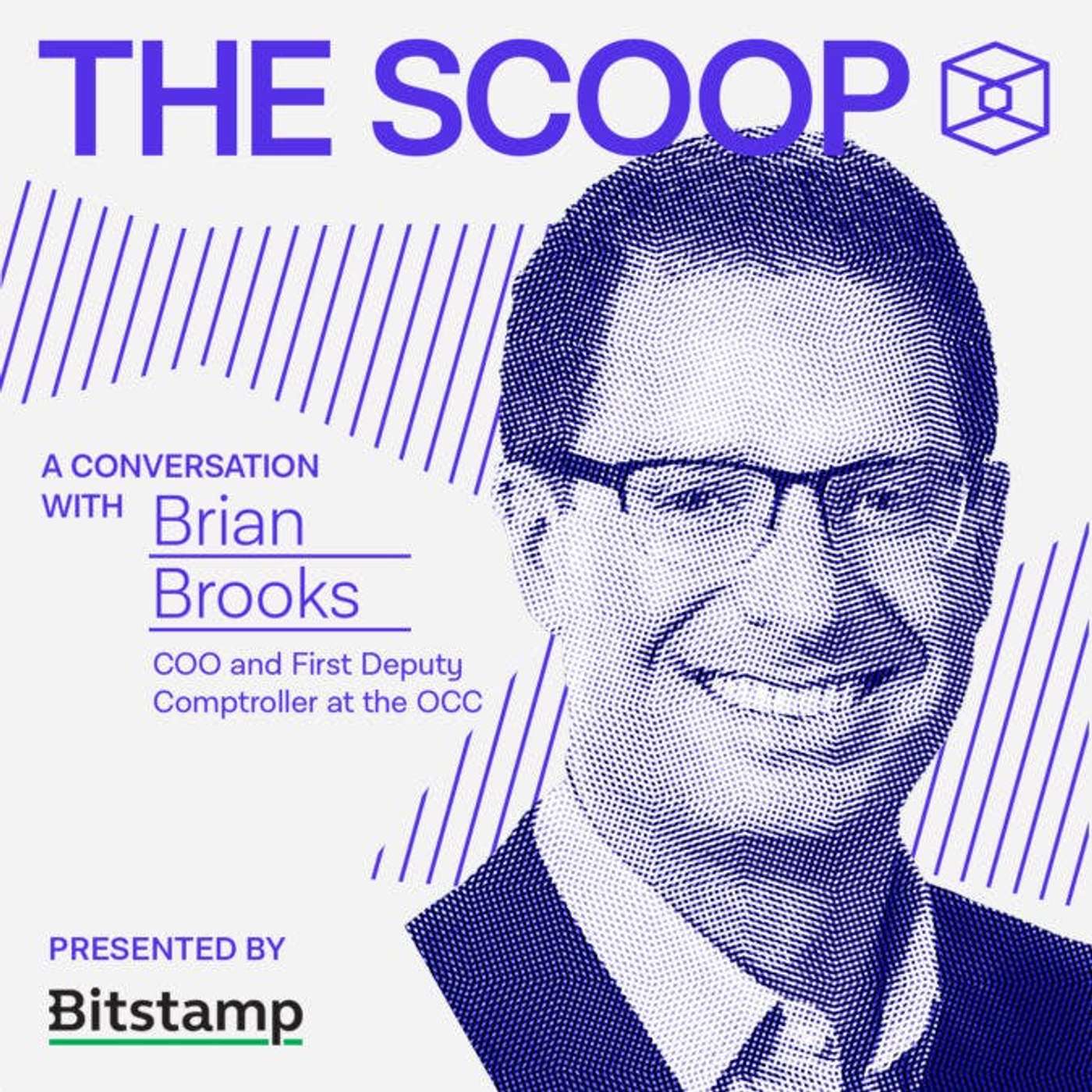
S2 Ep 23Former Coinbase top lawyer — suddenly a top banking regulator — explains how fintech can 'level the playing field'
In a matter of months, Brian Brooks made the move from Coinbase to head of the U.S. Office of the Comptroller of the Currency (OCC). Brooks left his job as the exchange's top lawyer in March, after his former OneWest Bank colleague and current Treasury Secretary Steve Mnuchin tapped him to become the COO and first deputy comptroller at the OCC. Just two months later, then Comptroller of the Currency Joseph Otting announced his departure, making Brooks acting Comptroller.On this week's episode of The Scoop, Frank Chaparro sat down with Brooks to talk about what it means to have a crypto veteran in the Comptroller's chair. Brooks will run the OCC for at least the next nine months, and maybe longer depending on the political machine. Regardless, he said he's confident he can get a lot done in the time he has, and he's got an eye towards shaping guidance that will help modernize the banking system."I think when you look at a lot of the protests that have been going on over the last week or so and a lot of the economic pain that's been felt over the last few months, what that tells me is that the system that's worked very well for some of us for a long time has not worked well for all of us," he said. "And so I think there's a direct connection between modernizing the banking system and creating more access for diverse communities than was historically the case."He broke down some of the topics he's been thinking about in relation to the OCC, including: Beefing up the agency's Office of Innovation to better evaluate trends and provide written guidance How blockchain technology can shrink wealth disparity by providing another route to establish credit How federal regulation can help to level the playing field between banks and fintech firms Why the digital dollar should come from the private sector, while the government handles the guidelines Listen to this week's episode on Apple, Spotify, GooglePlay, Stitcher or wherever you listen to podcasts.
S2 Ep 22Greycroft's cofounder talks social stock trading and how COVID-19 has impacted the venture landscape
Ian Sigalow has been in the venture capital (VC) space for over a decade, launching his firm Greycroft in 2006.Since then, he's taken some big swings in the fintech space, many of which have paid off. Greycroft manages about $2 billion today. He was an angel investor in Venmo at a time when people told him that PayPal had already won the race of free peer-to-peer service. On this week's episode of The Scoop, Sigalow discussed how one of the firm's latest investments — Public.com — could build a similar business by combining social elements with trading. Sigalow sits on the board of Public, which recently garnered Series B investments from the likes of Will Smith and Adobe chief product officer Scott Belsky. It's a social network for traders, allowing users to trade stocks as well as grow their information networks. "So we believe at Greycroft that there is an opportunity, just like there was when Venmo was founded, to create a multiplayer game inside of a stock brokerage around a feed, and to build the first socially native brokerage application in the world," he said.In this episode of The Scoop, Sigalow and The Block's Frank Chaparro explored Public's business as well as the VC landscape in the midst of COVID-19. The two also discussed: Why companies trying to marry social networking and payment infrastructure have to do so from the outset The lessons learned from Robinhood and other trading apps The future plans for Public.com, including how the company makes money and executes orders What the current economic uncertainty in the world means for the VC market How COVID-19 accelerated expected trends in tech business developments, and how a 10-year plan meant Greycroft was already invested in many of these spaces
Ep 21Three Arrow's Su Zhu on the race to build a crypto prime broker
Last week, saw a deluge of prime brokerage news, capped off by Coinbase's announcement of its acquisition of crypto broker Tagomi.After months of rumors surrounding the two-year-old firm, the deal became one of Coinbase's biggest acquisitions in a move to fill out its institutional business of trading and custody services. With the deal inked, Coinbase is one step closer to becoming a full-scale prime broker.This week's episode features Su Zhu, crypto investor, market commentator and founder of crypto investing firm Three Arrows Capital — an early client of Tagomi. Zhu unpacked his thoughts on the recent deal, touching on some pain points, including the importance of neutrality in the prime brokerage world. The Coinbase deal leaves room for possible conflicts of interest, according to Zhu. The episode also explores: Why Tagomi's neutrality as a prime broker could be questioned under Coinbase's ownership The headwinds and tailwinds facing DCG's Genesis Trading and BitGo as they build out similar offerings The type of trading strategies and opportunities a full-scale prime broker open up for crypto investors like Three Arrows The reasons why Tether dominates Asian liquidity and doesn't have to worry about rivals taking its crown How Binance messed up delisting FTX's leverage product, and how it speaks to a broader existential issue at the exchange This episode of The Scoop is brought to you by Bitstamp, the original global cryptocurrency exchange. Since 2011, Bitstamp has been a cornerstone of the industry, earning the trust of over four million individuals and top financial institutions looking for a reliable trading venue. Whether you’re trading on our web platform, mobile app or industry-leading APIs, Bitstamp gives you the professional-grade tools you need to execute your strategy. Download the Bitstamp app or visit Bitstamp.net/Pro to learn more and start trading today!
Ep 21Robo advisor Betterment’s CEO says customers are ‘staying the course’
After a gloomy March and a proverbially rainy April, May has shaped up to be a – dare one say it – positive market from a macro market perspective.Despite the ongoing tragedy of the global coronavirus pandemic, investors appear to be buying. The S&P 500 broke 3,000 for the first time in March and the Dow is up broadly on positive sentiment that efforts to reopen businesses in the U.S. – all in the hopes of coaxing back consumers – will be successful. Yet despite the sense of optimism, analysts hesitate to call it a clear win, given the risks that remain.The Block sat down with John Stein, co-founder of robo advisor firm Betterment, who spoke about the macroeconomic picture in the context of his firm’s clients. Stein remarked that while the first quarter of 2020 was a strong one for signups – April even more so – the company has nonetheless felt the pinch amid difficult market conditions.“Our revenue is tied to assets under management. We see our pain, our own accounts are down. You know, my personal account is affected by a downturn in the market. And our customers feel that.” he told The Block. “But overall, our customers are staying the course.”We also explore: How Betterment has fared in a world where remote work is the rule, not the exception The ways in which the firm’s customer base reacted to this year’s market turbulence How the first quarter of 2020 was one of Betterment’s best Its checking account product Staying competitive in a hyper-fast space where all eyes are on the market This episode of The Scoop is brought to you by Bitstamp, the original global cryptocurrency exchange. Since 2011, Bitstamp has been a cornerstone of the industry, earning the trust of over four million individuals and top financial institutions looking for a reliable trading venue. Whether you’re trading on our web platform, mobile app or industry-leading APIs, Bitstamp gives you the professional-grade tools you need to execute your strategy. Download the Bitstamp app or visit Bitstamp.net/Pro to learn more and start trading today!
S2 Ep 20An FX exchange veteran explains growing a crypto exchange and weathering the Covid-19 storm
Institutional crypto exchange LMAX Digital closed out its second year by 10x-ing its trade volumes, trading $75 billion worth of crypto in the past 12 months, the firm revealed exclusively to The Block.Since its launch two years ago, the firm has facilitated $85 billion in trades, according to a Tuesday press release. Last year's monthly high was $8.6 billion traded in June of 2019, and that month saw the firm's daily record high on June 27, when $1.25 billion was traded on the exchange. CEO of LMAX Group David Mercer said the firm has become the primary price discovery venue, having grown to command a sizable portion of the spot cryptocurrency market. Still, the firm's growth has stagnated recently and the size of its market is still dwarfed by retail-aimed exchanges like Binance and Coinbase. Now, with two years of growth under its belt, the firm is looking to expand its reach. Mercer told The Block that the firm is looking to add its trade and market data to more leading market reference indices, as well as expand its product portfolio with the growth of the asset class. In a recently recorded episode of The Scoop, Mercer discussed the firm's recent growth and what it's been like to operate a digital asset exchange in the midst of the ongoing financial and health crisis. The Block's Frank Chaparro and Mercer also explore: How the firm coped with rising volatility and maintained liquidity on its venue in the midst of whipsawing crypto markets The differences between how traditional markets have held up during the COVID-19 crisis relative to crypto Why LMAX needs more asset managers, fund managers to get involved in crypto for it to go head to head with retail exchanges What traditional markets can learn from crypto Why banks may not care about crypto yet, but their customers are asking questions This episode of The Scoop is brought to you by Bitstamp, the original global cryptocurrency exchange. Since 2011, Bitstamp has been a cornerstone of the industry, earning the trust of over four million individuals and top financial institutions looking for a reliable trading venue. Whether you’re trading on our web platform, mobile app or industry-leading APIs, Bitstamp gives you the professional-grade tools you need to execute your strategy. Download the Bitstamp app or visit Bitstamp.net/Pro to learn more and start trading today!
S2 Ep 19Anthony Scaramucci: Paul Tudor Jones took "a sledgehammer" to the wall between Wall Street and bitcoin
If recent headlines are any indication, Wall Street's slow embrace of bitcoin – or, at least, financial instruments tied to it – is beginning to pick up the pace.Earlier this week, it was reported that JPMorgan is offering banking services to cryptocurrency exchanges Coinbase and Gemini. And macro investor Paul Tudor Jones recently revealed that he allocated as much as 2% of his assets to bitcoin, while his fund has opened to door to buying bitcoin futures. Elsewhere, derivatives markets are heating up with volumes and open interest on CME Group's bitcoin option contract hitting fresh highs on Thursday. Market participants point to the juxtaposition of central bank money printing and bitcoin's fixed-supply – the latter of which was very much on display this week during the halving event – as one catalyst for recent interest.On this episode of The Scoop, Skybridge Capital's Anthony Scaramucci explores these developments and why he is "there" when it comes to being convinced to allocate some capital to bitcoin. "Paul is closed for new investors, but if he wasn’t closed for new investors, I would be in his fund," Scaramucci said. "And I have no problem owning, as a pass-through through his fund, some level of digital currency exposure."In this episode, the former 10-day-long White House communications director said that Jones has helped the idea of owning bitcoin acceptable go mainstream.An admitted non-crypto expert, Scaramucci said there is a technological opportunity for peer-to-peer transfer of value with permanency. "There is an era coming where everybody is going to want to own something that is less manipulated by the governments as it relates to a store of value," he said.Scaramucci said that a few more announcements like Paul Tudor Jones' revelation that he will take on exposure to bitcoin will cause the "wall to fall down." We also explore: Why Scaramucci recently moved close to $300 million to legendary hedge funds Bridgewater Associates, Oaktree Capital, and Third Point, and why his fund and others suffered during the first part of the year Why the pandemic hit the structured credit market especially hard relative to equities The implications of the liquidity the Fed is injecting into the economy, and why money printing can last longer than we think Why the crypto rush will happen, but not as quickly as people want it to – and why he doesn't buy the threat to the dollar in the near future Scaramucci gives us an inside look on what's going on in Washington and why Libra would be an unmitigated disaster from the government's perspective This episode of The Scoop is brought to you by Bitstamp, the original global cryptocurrency exchange. Since 2011, Bitstamp has been a cornerstone of the industry, earning the trust of over four million individuals and top financial institutions looking for a reliable trading venue. Whether you’re trading on our web platform, mobile app or industry-leading APIs, Bitstamp gives you the professional-grade tools you need to execute your strategy. Download the Bitstamp app or visit Bitstamp.net/Pro to learn more and start trading today!This episode was also brought to you by PAX Gold, the world’s only regulated gold token. It’s the fastest and easiest way to own and trade the highest-quality physical gold. One PAX Gold token represents one fine troy ounce of a 400 oz London Good Delivery gold bar, stored in Brink’s vaults in London. When you buy PAX Gold, you own physical gold. The value of PAX Gold is always tied directly to the real-time market value of gold.PAXG is an ERC-20 token on Ethereum, and can easily be moved or traded anywhere in the world, 24/7. With PAXG, anyone can now own a fraction of an LBMA-accredited London Good Delivery gold bar with zero storage fees. Trade it today on leading exchanges like Kraken, FTX and itBit. Or, earn interest on your PAX Gold holdings through Nexo or Crypto.com. Learn more or purchase PAX Gold at paxos.com/paxgold
Ep 18ConsenSys fintech executive dissects Facebook's Libra project, the growth of the stablecoin market, and how fintech and crypto can coexist
It’s been an interesting time for the stablecoin market.Total stablecoin issuance recently surpassed $10 billion, according to data compiled by The Block Research. Meanwhile, the discussion of Facebook’s Libra has taken on interesting new dimensions of late. Lex Sokolin, a former research analyst and the current global co-head of fintech at Consensys, has been paying close attention to these developments.In this episode of The Scoop, which was recorded prior to the Libra Association announcement of its new CEO, we dive into its shift to a multi-currency model. We also dig into: Whether Libra’s massive network and cash pile will suck the life out of other open-source initiatives Why a regulated approach to digital assets might have an easier time surviving and thriving Is the stablecoin market overhyped right now? How developments in the fintech ecosystem may have an impact on business models in the cryptocurrency market This episode of The Scoop is brought to you by Bitstamp, the original global cryptocurrency exchange. Since 2011, Bitstamp has been a cornerstone of the industry, earning the trust of over four million individuals and top financial institutions looking for a reliable trading venue. Whether you’re trading on our web platform, mobile app or industry-leading APIs, Bitstamp gives you the professional-grade tools you need to execute your strategy. Download the Bitstamp app or visit Bitstamp.net/Pro to learn more and start trading today!This episode was also brought to you by PAX Gold, the world’s only regulated gold token. It’s the fastest and easiest way to own and trade the highest-quality physical gold. One PAX Gold token represents one fine troy ounce of a 400 oz London Good Delivery gold bar, stored in Brink’s vaults in London. When you buy PAX Gold, you own physical gold. The value of PAX Gold is always tied directly to the real-time market value of gold.PAXG is an ERC-20 token on Ethereum, and can easily be moved or traded anywhere in the world, 24/7. With PAXG, anyone can now own a fraction of an LBMA-accredited London Good Delivery gold bar with zero storage fees. Trade it today on leading exchanges like Kraken, FTX and itBit. Or, earn interest on your PAX Gold holdings through Nexo or Crypto.com. Learn more or purchase PAX Gold at paxos.com/paxgold
S2 Ep 17'It opens up a new universe': Mike Novogratz on the significance of Paul Tudor Jones' bullish bitcoin take
Unless you were hiding under a rock on Thursday, you would have seen the letter by macro investor Paul Tudor Jones that outlines his case for owning bitcoin as a hedge against central bank money printing. In the letter – titled The Great Monetary Inflation – Jones dropped the bombshell update that Tudor Investment Corp could allocate a percentage of its assets to bitcoin futures. Although Jones doesn't subscribe to owning bitcoin "in isolation" or view himself as a "crypto nut," the coin community propelled into euphoria at the sight of one of the most respected fund managers giving the burgeoning asset a stamp of approval. Galaxy Digital's Mike Novogratz – having once sat in a similar seat to Jones as a macro investor – joined The Scoop's Frank Chaparro and discussed the significance of Jones' letter. This latest episode also digs into: The macro investor's toolbox: Why it doesn't matter that Jones might allocate to futures rather than spot bitcoin More funds on the sidelines: Novogratz says many major fund managers he knows own bitcoin in their personal accounts but say it's too difficult to buy through their funds Update on Galaxy: How the firm revamped its playbook to take advantage of the new environment and why subscriptions for the asset management business have increased The macro picture: Why inflation could follow a period of deflation The dollar: Why Novogratz thinks the chances of China taking on dollar hegemony is at an all-time high Halving: How it’s fueling bitcoin’s bullish narrative and where bitcoin’s price is going after it happens This episode of The Scoop is brought to you by Bitstamp, the original global cryptocurrency exchange. Since 2011, Bitstamp has been a cornerstone of the industry, earning the trust of over four million individuals and top financial institutions looking for a reliable trading venue. Whether you’re trading on our web platform, mobile app or industry-leading APIs, Bitstamp gives you the professional-grade tools you need to execute your strategy. Download the Bitstamp app or visit Bitstamp.net/Pro to learn more and start trading today!
S2 Ep 16Bloomberg's Tracy Alloway and Joe Weisenthal on how this crisis is different from '08
We are going to rewind the clock on this episode of The Scoop with the Odd Lots team, Bloomberg's Tracy Alloway and Joe Weisenthal.The podcast duo – whose combined time covering global financial markets spans more than three decades – take us back to their times at the FT's Alphaville and The Business Insider, respectively, where they covered the 2008-2009 financial crisis. In this episode, the podcasters become the "podcast-ees." The episode explores how there are parallels between the dearth of reporters at the cutting edge of the repo markets and blind spots in today's coverage of the coronavirus.We also dive into: The differences between the structural problems as revealed by the 2008 financial crisis and the COVID-19-linked crisis. How the government's inability to funnel money to Main Street reveals the issues underpinning our financial plumbing, and how those issues could make Universal Basic Income more of a mainstream policy prescription in the U.S. Why cash in people's pockets during a crisis is a good thing. How this crisis might result in a shift in how we think about capitalism, whereas the last crisis resulted in a shift in the way we think about risk. How bitcoin and Modern Monetary Theory (MMT) aren't as different as some pundits might think. Why we shouldn't sleep on equity analyst research. This episode is brought to you by Bitstamp the original global cryptocurrency exchange. Since 2011, Bitstamp has been a cornerstone of the industry, earning the trust of over four million individuals and top financial institutions looking for a reliable trading venue. Whether you’re trading on our web platform, mobile app or industry-leading APIs, Bitstamp gives you the professional-grade tools you need to execute your strategy. Download the Bitstamp app or visit Bitstamp.net/Pro to learn more and start trading today!
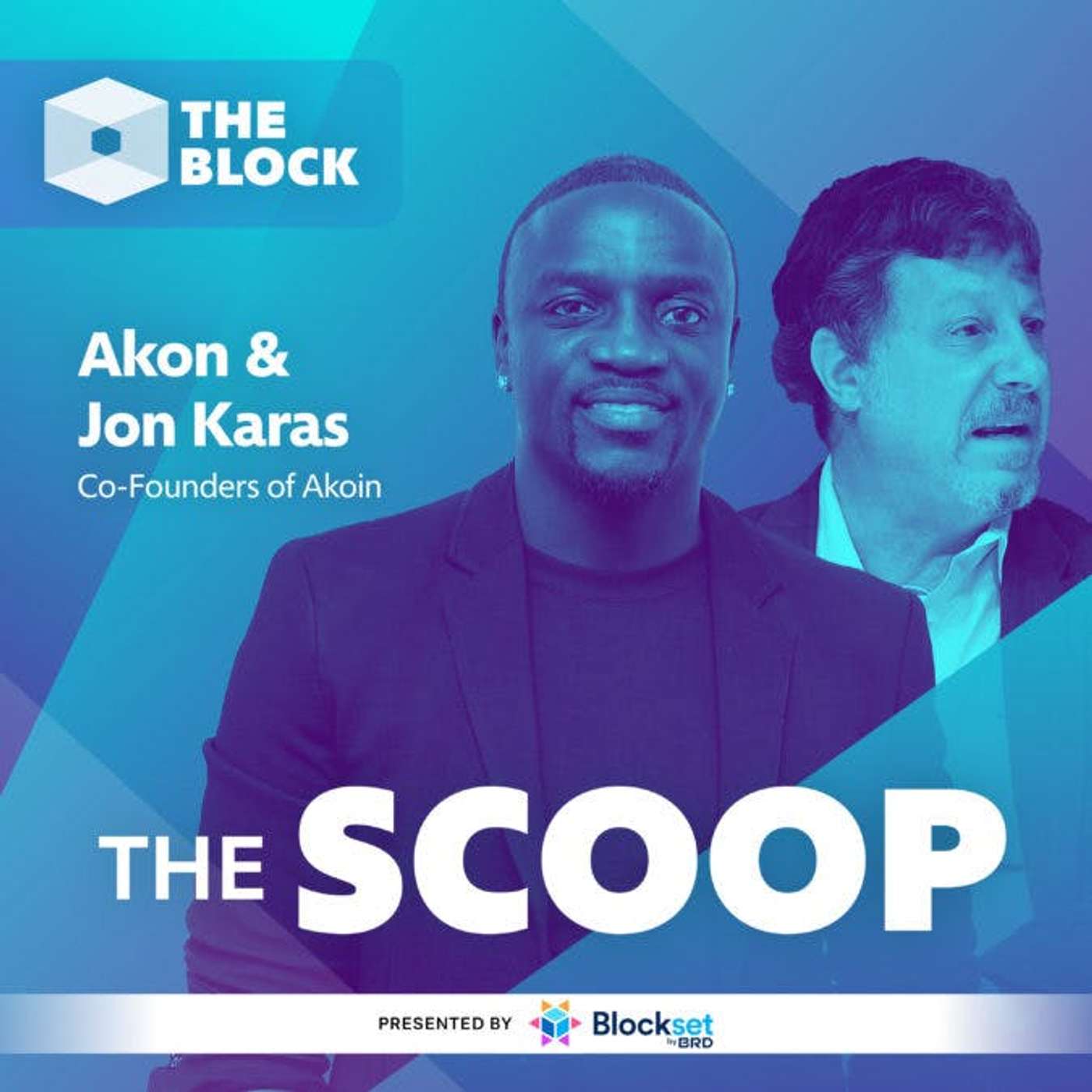
S2 Ep 16A conversation with Akon, the multi-platinum artist working on a crypto to bring change to Africa
From multi-platinum performing artist to crypto-entrepreneur, the mononymous Akon has long chased lofty ambitions.The Senegal-native's Akoin project is the singer's latest lofty endeavor. The aptly-named cryptocurrency was founded to democratize financial-services in Africa, where traditional banking infrastructure is scarce. Indeed, the project harkens back to the ICO boom of 2017 when celebrities made headlines in the mainstream press for promoting a digital currency fundraise – drawing the attention and occasional ire of regulators.In this episode of The Scoop, Akon – the chief visionary of Akoin – and Akoin president Jon Karas join The Block's Frank Chaparro and Ryan Todd to defend the project's viability. Akon and Jon position Akoin not as the answer to the financial inefficiencies of the world but as a last-mile solution to financially unify a continent long hindered by corruption and monetary instability.In this episode, we also discuss: How Akon's ties to Western Africa, and Senegal in particular, give him an advantage over other crypto entrepreneurs that that are less familiar with the region How Akon was able to work with the Senegalese government to develop Akon City, a planned smart city that he claims has attracted $7 billion in funding Akon's favorite traditional Senegalese dish: Thieboudienne
S2 Ep 15Memeing through the crisis: a conversation with FinTwit's famous Ramp Capital
Despite the world being beset by the COVID-19 pandemic and a financial crisis, humor is something we can all find respite in. This is even the case, believe it or not, for Wall Street. From the Ghana funeral that's swept financial services Twitter (FinTwit) following Ray Dalio's "cash is trash" call to the much-loved "Money printer go brr," this crisis has seen its fair share of memes. Indeed, it's fueled engagement for meme accounts, such as Ramp Capital, the anonymous, self-declared CFO of FinTwit.An engineer by trade, the man behind the Ramp Capital account has been tweeting about the financial services world since 2013, bringing a degree of humility to an ecosystem long known for its buttoned-up style. He's ramped things up, pun intended, since global markets began gyrating in February.On this episode of The Scoop, The Block's Frank Chaparro and Ryan Todd talk to Ramp about memeing through the crisis and its wild stock market swings, Ramp's crowdsourced stock portfolio – $WERAMP – and Ramp's observations on the key difference between market sentiment and Twitter sentiment.

S2 Ep 11GSR's Rich Rosenblum digs into bitcoin's upcoming halving
In 19 days, the number of bitcoin released with each block reward will drop from 12.5 to 6.25, a 50% cut in supply.This will be the third halving in bitcoin's lifetime and it has market participants across crypto speculating about the potential ramifications. Namely, whether it will result in a pop in bitcoin's price or whether it is priced in.In this episode of The Scoop, we welcome GSR Trading co-founder Rich Rosenblum to dig into the halving. Rosenblum, who spent ten years at Goldman Sachs trading oil, kicked things off with the firm's transition from a programmatic trading firm in a retail driven market into a broker offering bespoke products to help miners hedge their risks.We also discuss: The fundamental difference between oil and bitcoin in terms of supply and demand dynamics The similarities between mining operators and shale producers The reason why U.S.-based "institutional" offerings have failed to launch while the Asian derivatives market has taken off How trading firms and market participants are preparing for the halving, and, of course, whether it is priced in Episode 14 of Season 2 of The Scoop was recorded remotely with Frank Chaparro and Rich Rosenblum, co-founder of GSR Trading.
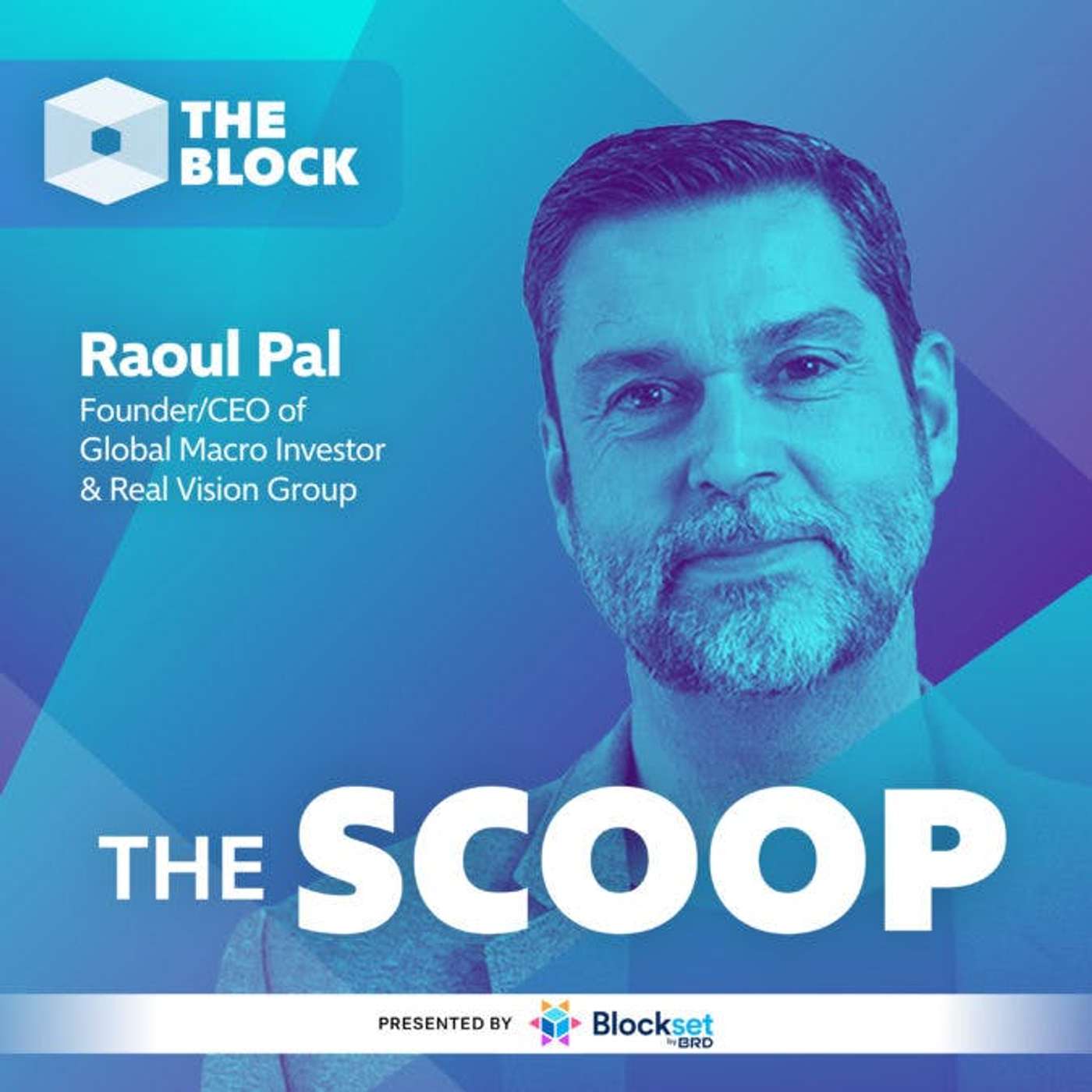
S2 Ep 10Macro investor Raoul Pal explains why the Fed is just 'papering up the cracks'
The U.S. Federal Reserve and the Federal government are working aggressively to implement policies to address the financial crisis tied to the spread of Covid-19. Most recently, Americans across the country began receiving checks to recoup losses in their incomes and the Fed said it would serve as a backstop for the junk bond market, announcing it would for the first time purchase corporate bonds including those in junk territory. Such government actions has triggered a cacophony of criticism, some of whom argue the stimulus doesn't go far enough to address mounting unemployment. Others say the Fed's action could result in a surge in inflation.In an episode of The Scoop, legendary macro investor and founder of Real Vision Raoul Pal joins The Block's Frank Chaparro and Ryan Todd to examine the current macro backdrop. Pal argues that the impact of Covid-19 on consumer of behavior—including a dip in spending on concerts and restaurants—is not being truly appreciated by the markets. In this episode we also explore: Why stimulus up until this point is "papering up the cracks" and won't be enough to sustain the economy through the Covid-19 storm What he would do if he ran the Fed Why people should be worried about deflation, not inflation How the "dollar is going to break the global system" and how that could benefit Libra or bitcoin Episode 13 of Season 2 of The Scoop was recorded remotely with Frank Chaparro, Ryan Todd and Raoul Pal, CEO and founder of Real Vision.

S2 Ep 9Paxos cofounder explains why Wall Street's plumbing hasn't been ready for the coronavirus crisis
A financial crisis triggered by a global pandemic has exposed underlying problems on Wall Street and the market as a whole.That's according to Paxos chief executive officer Charles Cascarilla, who made an appearance on the latest episode of The Scoop podcast with host Frank Chaparro. Cascarilla – who spent the most formative years of his career as a hedge fund investor at Cedar Hill Capital during the 2008-2009 financial crisis – talked about unexpected liquidity issues across assets, such as Treasury securities and CAT bonds, and the problematic plumbing at the heart of it all.Cascarilla said that uncertainty of the pipes and plumbing added to the risk associated with volatility and the inability to price assets during an economic and health crisis. He said less risk can be created by knowing where one's assets are on a blockchain.In this episode of The Scoop, Cascarilla walked us through how Paxos is trying to usurp the current plumbing of Wall Street alongside power hitters like Credit Suisse and Instinet with a new blockchain-based settlement platform. The episode also dug into conditions that could result in widespread bank failures and nationalization of the industry.And of course, the discussion touched on bitcoin's role in a global crisis and whether the premier cryptocurrency emerges from this crisis period as digital gold. Episode 12 of Season 2 of The Scoop was recorded remotely with Frank Chaparro, Ryan Todd and Charles Cascarilla, CEO of Paxos.
Ep 9As coronavirus anxiety sweeps markets, Genesis Capital hit the brakes on crypto credit extension
The cryptocurrency market continues to exhibit signs of volatility. As such, Genesis Global Trading – an institutional over-the-counter cryptocurrency trading and lending firm – decided to hit the pause button on credit extension amidst the coronavirus-tied market chaos. Recently, Genesis has started to extend credit on a client-by-client basis but is acting gingerly in the market it helped pioneer – at least for a few weeks to figure out where the crypto credit market stands.Moreover, while Genesis pulls back, its rivals have been willing to give out loans at significantly reduced collateral. In this episode of the Scoop, Genesis CEO Michael Moro discusses the firm's rationale behind these critical decisions, a recent phone call it received from its regulator FINRA, and how the need for employees to work remotely has impacted its business. Episode 11 of Season 2 of The Scoop was recorded remotely with Frank Chaparro, Ryan Todd and Michael Moro, CEO at of Genesis Global Trading and Genesis Capital. Listen below, and subscribe to The Scoop on Apple, Spotify, Google Play, Stitcher, or wherever you listen to podcasts. Email feedback and revision requests to [email protected]
Ep 9How a ransomware issue at a little known fintech company impacted banking for companies across the crypto market
As markets whipsaw amidst uncertainty surrounding the economic and health impacts of the coronavirus, the pipes and plumbing of our financial system, for the most part, has held up. That is even as legions of bankers, traders, and financial services professionals are forced to hunker down in their homes. Last week, there was one exception, however. A reported ransomeware issue at a little-known payments processor caused headaches across mid-sized banks across the country, making it difficult for certain Fedwire wires to execute.Silvergate, which banks for more than 800 cryptocurrency firms, was one of the firms that had issues with inbound Fedwire transfers. In this episode of The Scoop, Silvergate CEO walks us through the outage, the underpinning of banking and the Fedwire, and the firm's plans for 2020.
S2 Ep 8Dissecting the failed bitcoin ETFs and 'mild soupy' with Bitwise COO Teddy Fusaro
Many have tried to launch a bitcoin-tied ETF, but all have failed. Bitwise Asset Management is one such fund manager, which had its proposal for a bitcoin-linked fund shot down by the Securities and Exchange Commission in January. Indeed, the fight for a bitcoin ETF dates all the way back to the Winklevoss' attempt to launch one with Cboe. The idea behind an ETF is that it would offer an onramp for investors who want exposure to bitcoin but are uninterested in holding the coins themselves. In this episode of The Scoop, Bitwise COO Teddy Fusaro joins us to discuss the elusive bitcoin ETF. In addition Fusaro and The Block's Frank Chaparro discuss: The history of the bitcoin ETF The reasons why regulators aren't keen on approving one, such as market manipulation and the lack of cross-exchange market surveillance How demand for a bitcoin ETF has translated into a premium for Grayscale's GBTC product and how traders can cash in on the premium A deep look at Bitwise and why Fusaro views it as an asset-manager and educator in the crypto market that unearths "hard truths" Fusaro harkens back on his Rhode Island, Italian heritage as he shares his favorite Italian delicacy with Chaparro Episode 9 of Season 2 of The Scoop was recorded at The Block offices with Frank Chaparro and Teddy Fusaro, COO at Bitwise. Listen below, and subscribe to The Scoop on Apple, Spotify, Google Play, Stitcher, or wherever you listen to podcasts. Email feedback and revision requests to [email protected]
Ep 8State Street exec explains how markets will shift from electronic to digital
State Street, one of the largest custody banks in the world, has yet to launch a service to store crypto assets but that doesn't mean it is actively involved in the digital asset market. Leading the charge is Jay Biancamano, Managing Director of digital product development and innovation at the firm.Biancamano has had his finger on the pulse of all things market structure, having previously worked at trading technology firms like ITG, Liquidnet, and Fidessa. So he has seen the shift to electronic trading take place in U.S. equities. On this episode of The Scoop, Biancamano and The Block's Frank Chaparro explore how the digitization of assets will transform the trading landscape. In this episode we look at State Street's partnership with Gemini on cryptocurrency trade reporting The five key trends to watch has markets shift from electronic to digital The relevance of the Morgan Stanley/E*Trade deal to the crypto market Why stocks aren't going to tokenize as soon as some pundits might think Episode 8 of Season 2 of The Scoop was recorded at The Block offices with Frank Chaparro and Jay Biancamano, Managing Director at State Street. Listen below, and subscribe to The Scoop on Apple, Spotify, Google Play, Stitcher, or wherever you listen to podcasts. Email feedback and revision requests to [email protected]
S2 Ep 7CEO of Mexico's largest crypto exchange explains why cryptocurrency trading is more popular than stocks
To the bemusement of some XRP bears, crypto exchange Bitso captured attention earlier this year with news that it captured over 2% of Mexico's remittance market. Indeed, the ability to quickly and seamlessly send money across borders has long been one of the touted benefits of cryptocurrencies, but Bitso's surge has stood out among its rivals. XRP/Peso volume growth has surged over the past 5-months, while volumes on the whole declined. In this episode of The Scoop, Bitso CEO Daniel Vogel walked The Block's Frank Chaparro through its business. We also examine: Why Vogel thinks Bitso can capture 20% of the Mexican remittance market by the end of the year (the equivalent of over $100 million a week) The crypto landscape in Mexico and Latin America and the reason why it boosts "crazy" adoption metrics What traditional financial-services companies in Mexico can learn from crypto-native firms like Bitso about the digitization and democratization of finance The catalyst behind the growth of its XRP-powered remittance business Episode 7 of Season 2 of The Scoop was recorded on January 21 via Skype with Frank Chaparro and Daniel Vogel, CEO at Bitso. Listen below, and subscribe to The Scoop on Apple, Spotify, Google Play, Stitcher, or wherever you listen to podcasts. Email feedback and revision requests to [email protected]
S2 Ep 6Understanding the regulatory hurdles in crypto with Anchorage General Counsel Katie Biber
Crypto custodian Anchorage emerged from stealth in January 2018, unveiling a new type of custody solution aimed at toppling incumbents like BitGo and Coinbase.Backed by Andreessen Horowitz and Blockchain Capital, the firm has locked down $57 million in venture capital to build out a faster alternative to cold storage solutions. Leading the firm's regulatory and policy efforts is Katie Biber, a legal professional who once served as the GC for Romney's presidential campaign.On this episode of The Scoop, The Block's Frank Chaparro and Bieber explore: Anchorage's review process in determining whether or not to list an asset The importance of transitioning from state by state regulatory framework to a unified federal framework Why the absence of enforcement action has made it harder for companies understand what law is, or is not Why Anchorage expected major regulatory pushback against The Libra Association, and why this is not necessarily a bad thing Episode 6 of Season 2 of The Scoop was recorded on January 21 at The Block offices with Frank Chaparro and Katie Biber, General Counsel at Anchorage. Listen below, and subscribe to The Scoop on Apple, Spotify, Google Play, Stitcher, or wherever you listen to podcasts. Email feedback and revision requests to [email protected]
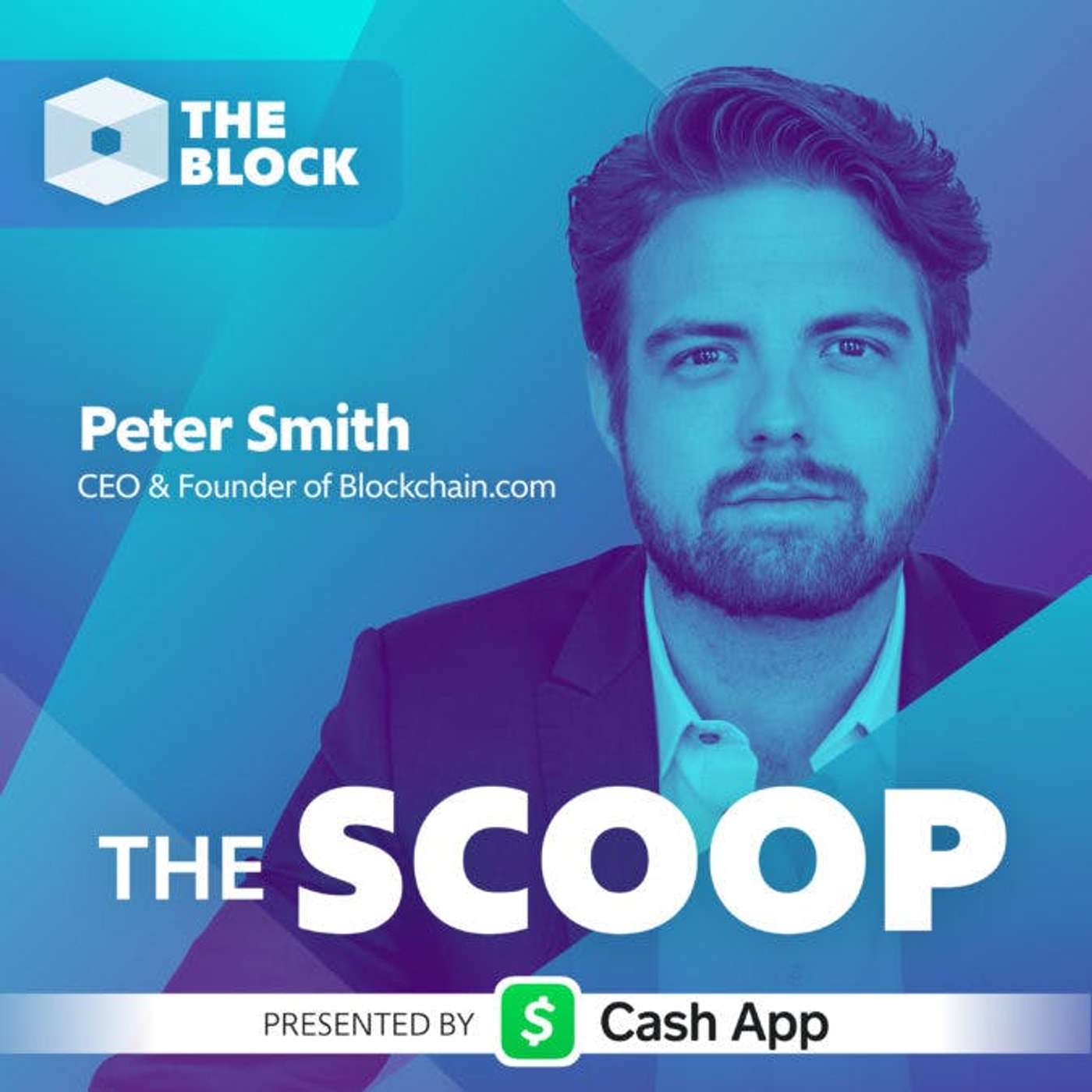
S2 Ep 5Crypto hype cycles and the future of Blockchain.com with CEO Peter Smith
Blockchain.com is one of the oldest companies in the crypto world. Best known for its consumer wallet business, the firm has expanded into new verticals over the past year, launching an exchange, institutional lending, and over-the-counter trading businesses.On this episode of The Scoop, Blockchain.com CEO Peter Smith joined The Block's Frank Chaparro to discuss: how the firm has leveraged its 40 million wallet accounts to break into new segments the size of the non-custodial market versus the custodial market The crowded crypto exchange space Facebook Libra Episode 5 of Season 2 of The Scoop was recorded at Blockchain.com's New York office with Frank Chaparro and Peter Smith, Founder and CEO at Blockchain.com. Listen below, and subscribe to The Scoop on Apple, Spotify, Google Play, Stitcher, or wherever you listen to podcasts. Email feedback and revision requests to [email protected]

S2 Ep 4The environment for blockchain advocacy and policy work with Digital Chamber of Commerce President Perianne Boring
Facebook's Libra sent shockwaves through Washington D.C. when it was announced with much fanfare last summer. Indeed, it sparked a conversation among policymakers and legislators about the benefits of cryptocurrency, and stablecoins specifically, as well as broader questions about what money is and the implications of a Facebook rival to the U.S. dollar. Since this summer, a number of countries have announced their intentions to digitize their own sovereign currency. In China, the country has ramped up its own efforts to launch a blockchain-based version of their currency. None of this is going unnoticed on the Hill and on this most recent episode of The Scoop, Perianne Boring explores why concerns about China are driving lawmakers to focus on the space.In this episode we discuss: The history of blockchain and cryptocurrency policywork in the US China's 84 blockchain patents and its plans for a digital currency Lawmakers concerns about China being the leader in blockchain and central bank digital currencies Former CFTC chair Christopher Giancarlo's plan for a digital currency
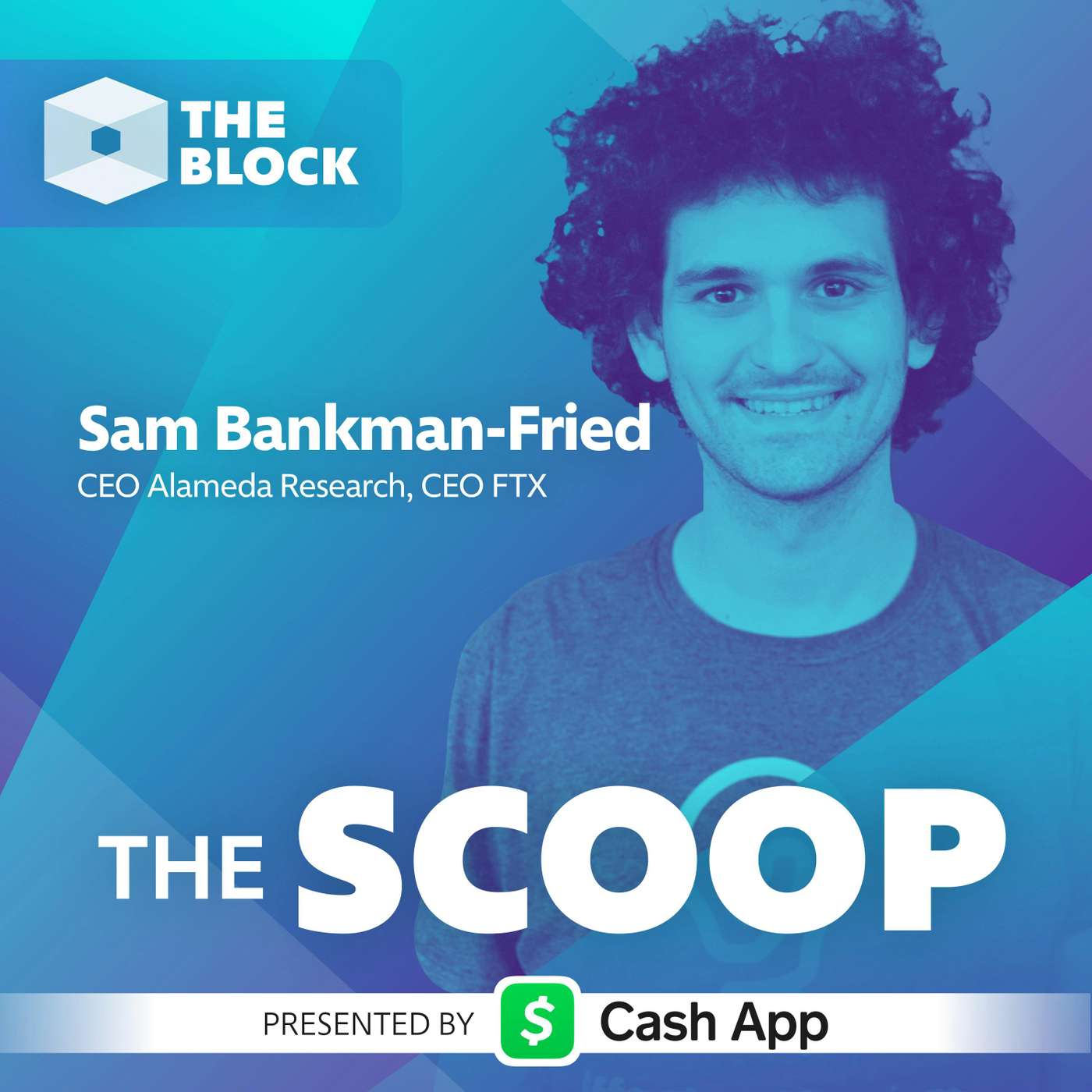
S2 Ep 3Uncovering the key differences between crypto derivatives markets in North America and Asia with FTX & Alameda Research CEO Sam Bankman-Fried
Launched in May 2019, crypto exchange FTX has showcased the breakneck growth of the burgeoning market for digital asset derivatives. The Binance-backed firm is known for its diversity of products, offering trading of futures tied to dozens of cryptocurrencies. Recently, following the lead of firms like Bakkt, CME, and Derebit, FTX launched options, a derivative product that offers the option traders to purchase bitcoin at a certain price at a predetermined point in the future. Indeed, options have been a hot topic in crypto given recent activity. In this episode of The Scoop FTX CEO Sam Bankman-Fried and The Block's Frank Chaparro discuss: How derivatives and options markets are developing differently in Asia versus the US, where regulated exchanges like CME Group dominate FTX's unique approach to bitcoin options and other derivatives products Whether Asian-based exchanges are exposed to potential regulatory risks Why FTX will likely slow down its rolling out of new product The risks of launching derivatives on low volume crypto assets
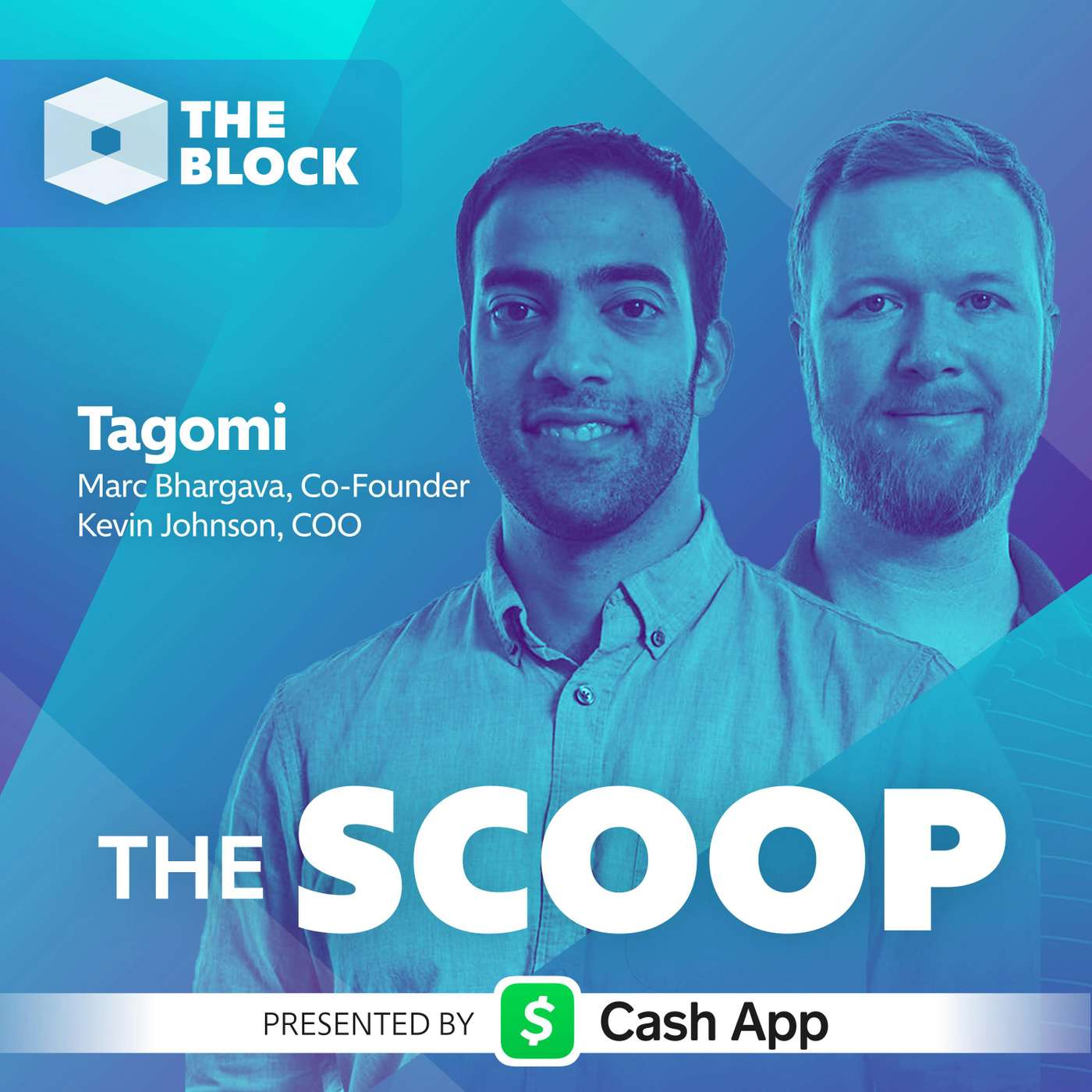
S2 Ep 2The State of Institutional Money & Crypto with Tagomi Co-Founder Marc Bhargava & COO Kevin Johnson
When Tagomi came out of stealth mode in 2018, the need for a crypto prime broker was a commonplace talking point in the digital asset world. An independent broker, sitting in between the spine-tingling market and investors, would help lure larger asset managers to bitcoin, pundits said. Indeed, two years later even Tagomi has been disappointed by the lack of asset managers in the market and their focus on best execution, although important, is no longer core. Still, even though the firm's conception of a crypto prime broker has changed, it sees other opportunities on the horizon.In this episode of The Scoop we explore: How the firm has adapted when the institutional wave of asset managers fell apart How the notion of a crypto prime broker has changed since the company's founding How Tagomi can serve traditional technology companies entering the market, such as Facebook Libra and Robinhood Examine the on-boarding process for large institutional investors Why the firm does not want to service retail clientele Why the firm is bullish on Libra
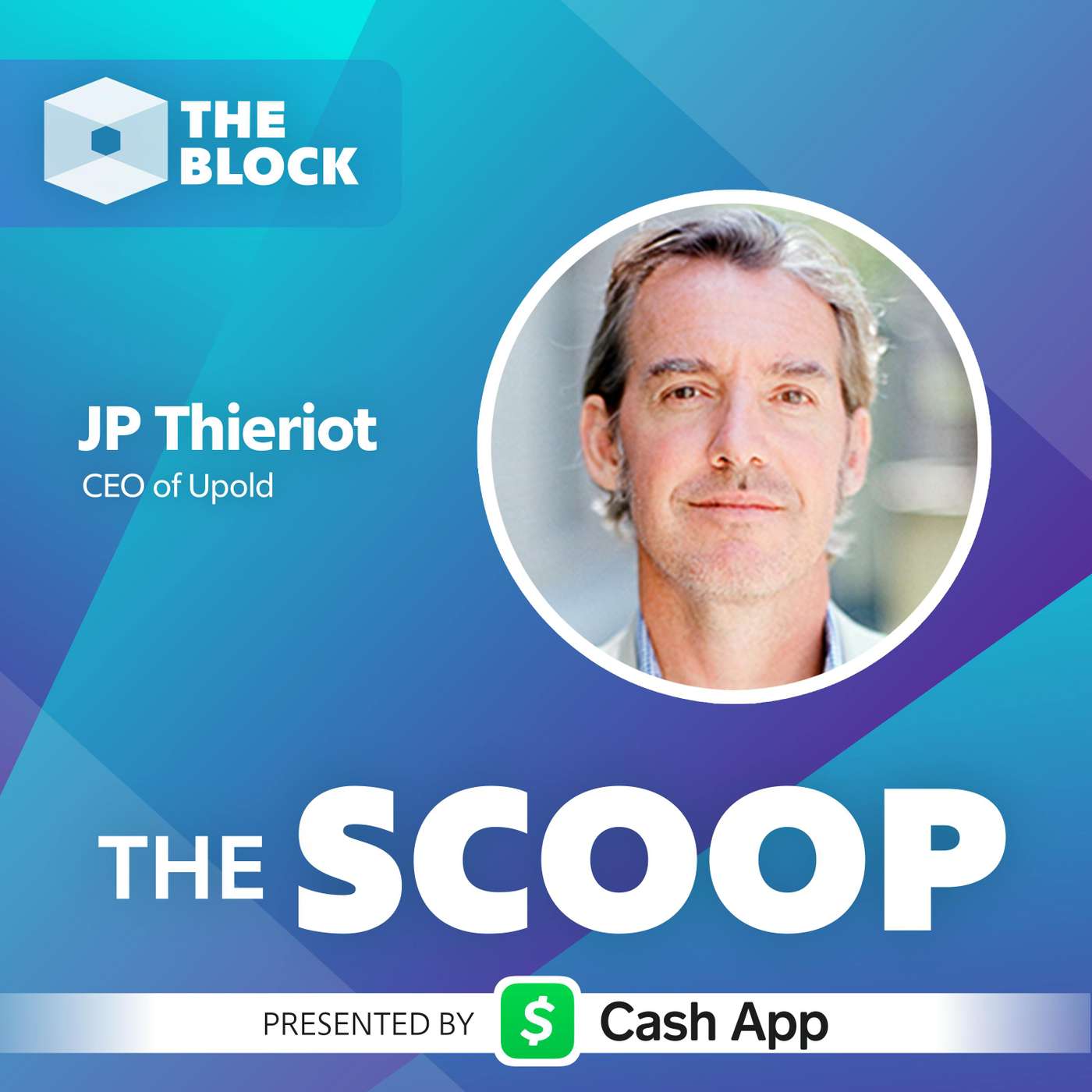
S2 Ep 1Exploring the Contrasting Use Cases of Crypto Between North & South America with Uphold CEO JP Thieriot
JP Thieriot is the CEO of Uphold, a crypto broker that serves 184+ countries, across 30+ currencies (traditional and crypto) and commodities with frictionless foreign exchange and cross-border remittance for members around the world. In this episode we explore: Competition in the crowded landscape of crypto brokerage The key distinctions between the U.S. and South America in regards to crypto utility and speculation How Uphold is promoting utility and providing a safe haven from inflation in countries such as Venezuela and Argentina
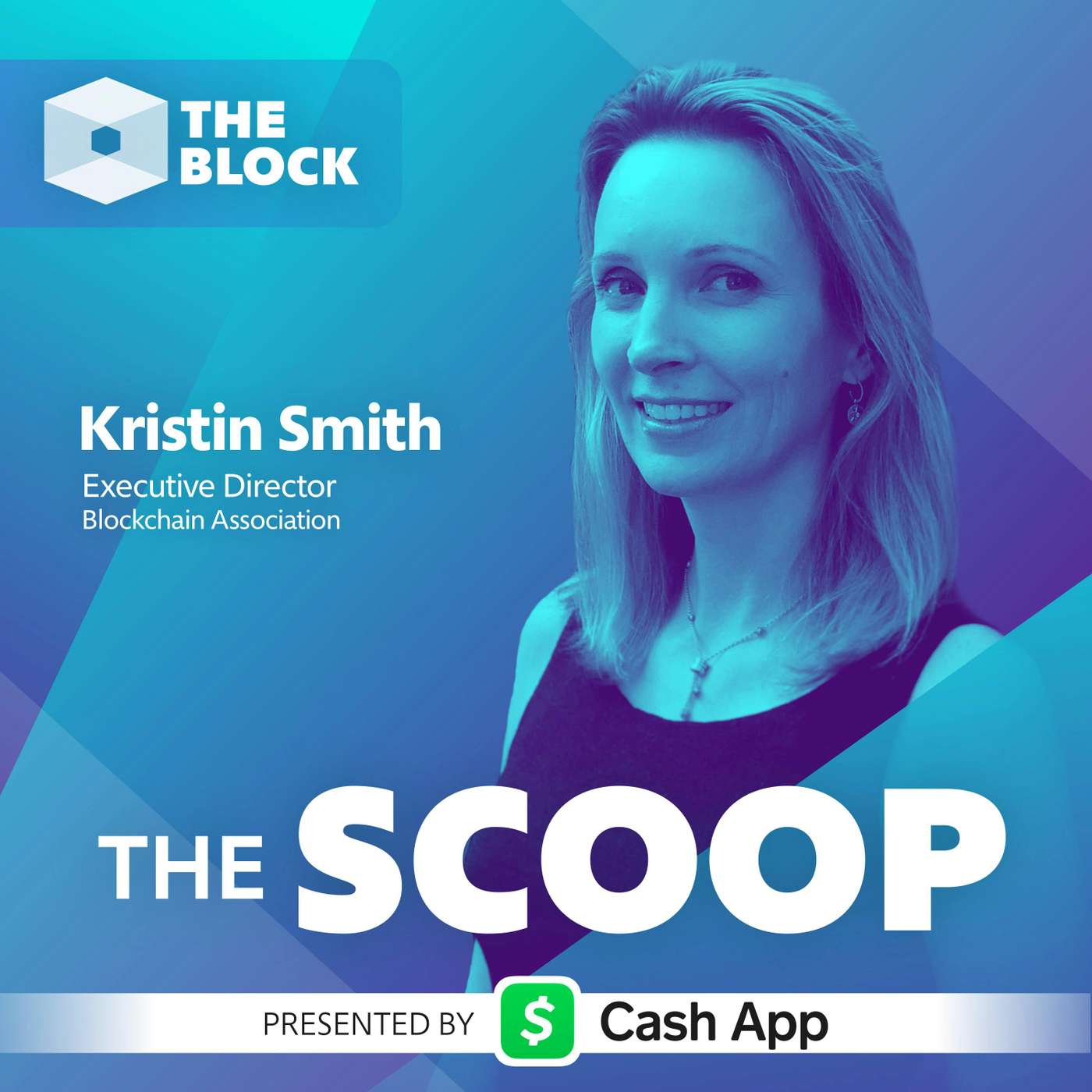
S1 Ep 35Kristin Smith, Executive Director at The Blockchain Association breaks down 2019's biggest crypto stories on Capitol Hill
Kristin Smith is the Executive Director of The Blockchain Association. In this episode Kristin sits down for her second time with Frank, Ryan, and Steven to discuss: Where we stand after the Libra hearings and predictions on how this story will play out in 2020 The important differences between Republicans and Democrats in the manner they introduce crypto related legislation The Blockchain Association's efforts in making the U.S. more appealing for blockchain businesses to operate The implications of Brad Sherman being appointed as new chair of the subcommittee of the Financial Services Committee Listen below, and subscribe to The Scoop on Apple, Spotify, Google Play, Stitcher, or wherever you listen to podcasts. Email feedback and revision requests to [email protected].
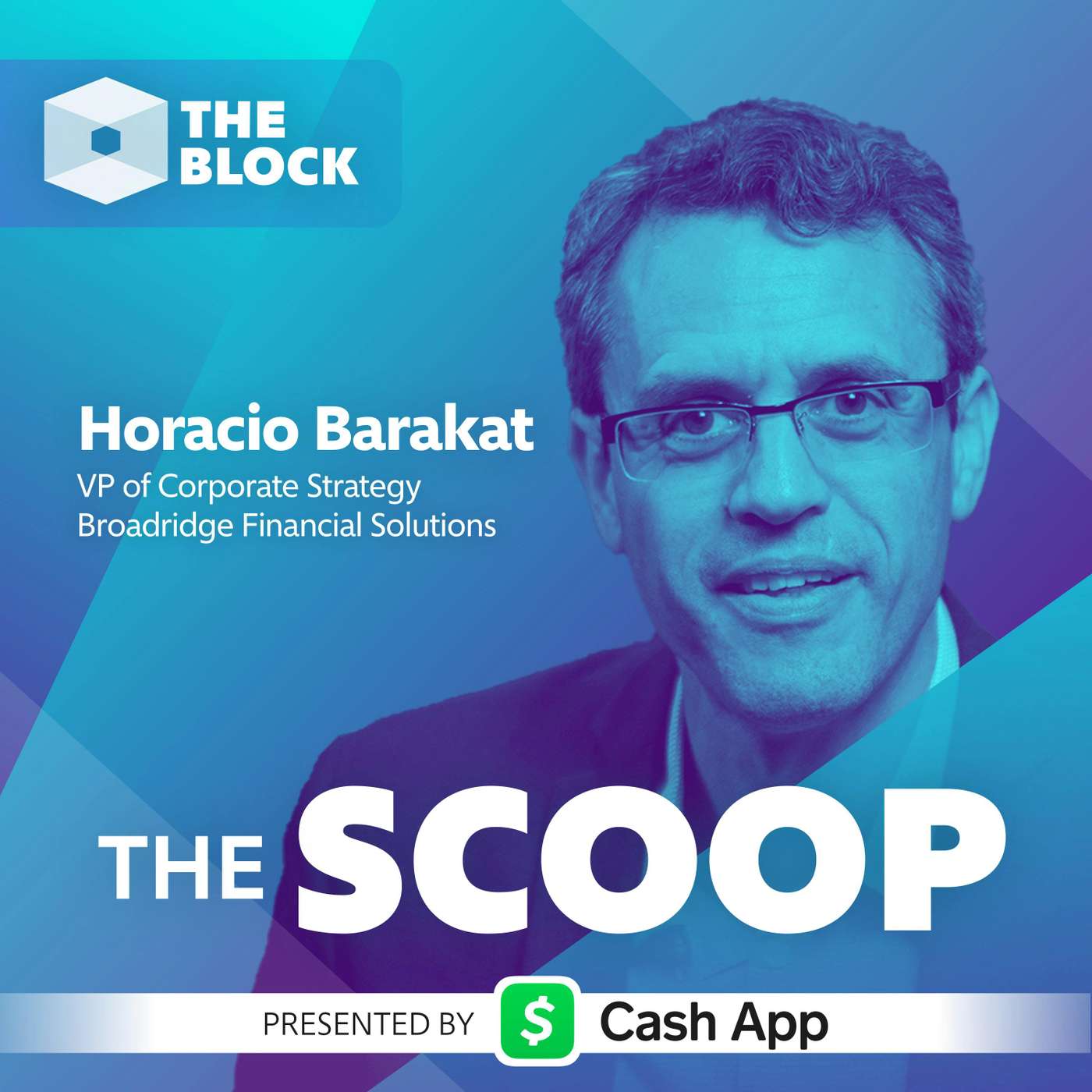
S1 Ep 34Horacio Barakat, VP of corporate strategy at Broadridge discusses the challenges and benefits of implementing DLT into the financial services industry
Episode 34 of The Scoop was recorded with Frank Chaparro, Ryan Todd, and Horacio Barakat, V.P. of corporate strategy at Broadridge. Listen below, and subscribe to The Scoop on Apple, Spotify, Google Play, Stitcher, or wherever you listen to podcasts. Email feedback and revision requests to [email protected] this episode Horacio sits down with Frank and Ryan to discuss: The challenges associated with implementing distributed ledger technology into the financial services industry Broadridge's strategy to roll out a DLT-based repo platform The reasons why banks need to parter with fintech companies to innovate versus built it alone How they pitch old school broker dealers on blockchain
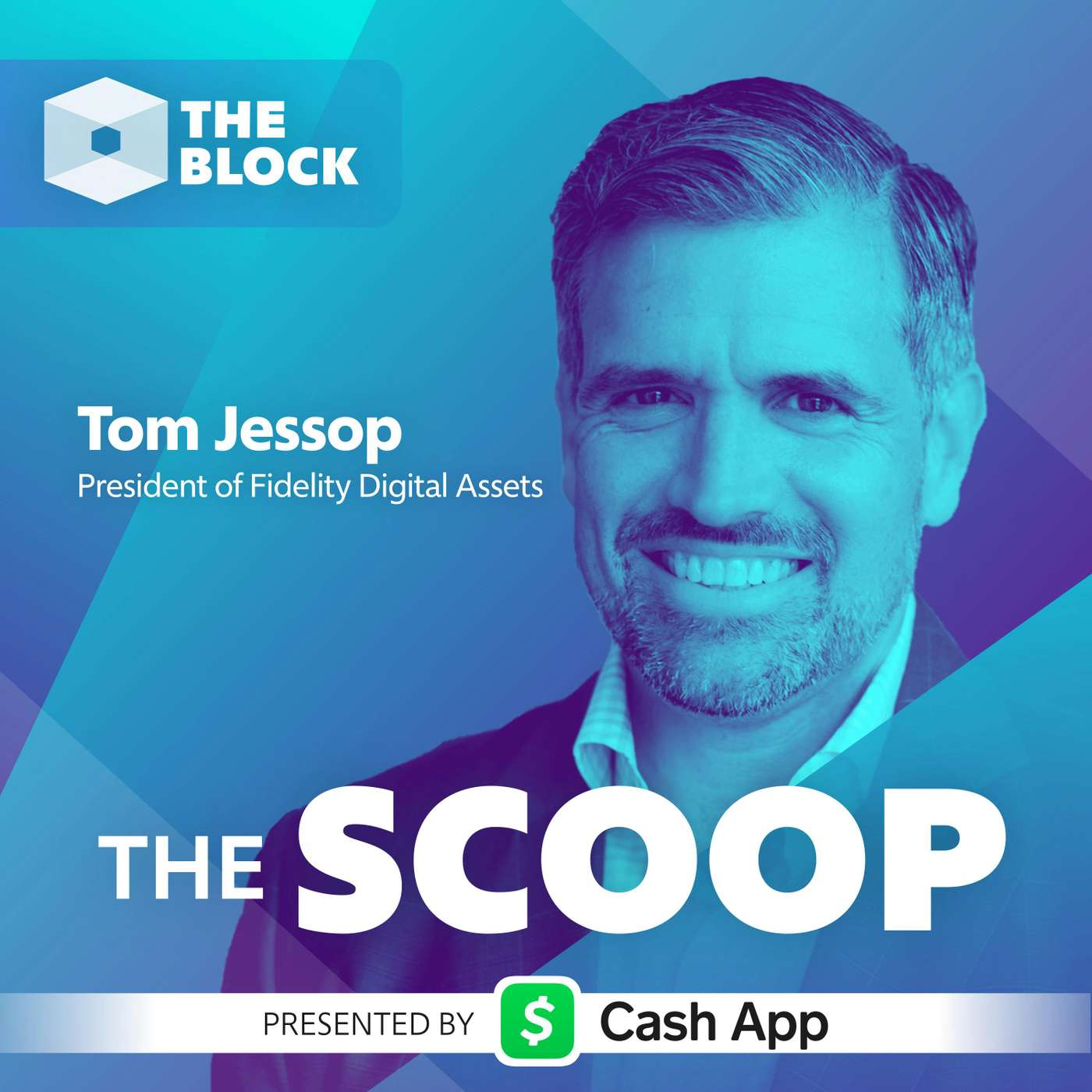
S1 Ep 33The Scoop Live: Fidelity Digital Assets President, Tom Jessop
Tom Jessop is the President of Fidelity Digital Assets. In this conversation Frank and Tom discuss: Fidelity's process in deciding between servicing institutions or retail The importance of custodians as a foundation for the digital assets market Why even the best technology may fail when there is no mature market structure Fidelity Digital Assets offering of execution services Why it is important to implement aspects of traditional finance into the digital assets space
Ep 32Leo Zhang, Principal at Iterative Capital Management discusses the unseen impact Bitcoin miners have on the overall market
Leo Zhang is Principal at Iterative Capital Management, an investment manager, cryptocurrency miner, and wholesale dealer. In this episode Leo joins Frank Chaparro and Matteo Liebowitz to discuss: The unseen impact Bitcoin miners have on the overall market The initial public offering of mining firm Canaan and new entrants to the market, like Layer1 The significance of rainy season in China and it's importance to mining ecosystem Leo's take on upcoming halvening and it's impact on the entire Bitcoin ecosystem Why Bitcoin on / off ramps are a main focus for Iterative Capital's investment strategy
S1 Ep 31Alex Gladstein, CSO of The Human Rights Foundation discusses the increasing importance of Bitcoin in the fight for global human rights
Alex Gladstein is the Chief Strategy Officer of the Human Rights Foundation. Alex is a supporter of Bitcoin and it's important role in supporting human rights against oppressive regimes. In this Episode Frank and Alex discuss the important distinction between the moral and legal issues surrounding Virgil Griffith's recent arrest, Bitcoin's potential role in the modern urban protesting environment, how the IMF could, but wont, lend aid to Venezuelans in need by using Bitcoin, and the separation of money and state in a future cashless society.

S1 Ep 30Wealthfront founder Andy Rachleff explains why the robo-advisor is betting on millennial investors, but not offering clients exposure to bitcoin
Episode 30 of The Scoop was recorded on Skype with Frank Chaparro, Steven Zheng, and Andy Rachleff, Co-Founder of Wealthfront. Listen below, and subscribe to The Scoop on Apple, Spotify, Google Play, Stitcher, or wherever you listen to podcasts. Email feedback and revision requests to [email protected] this episode of the Scoop, Andy discusses several topics with Frank and Steven, including: How Andy saw opportunity in the crowded investment services space Why Wealthfront has developed a laser focus on millennial investors Why Wealthfront does not include cryptocurrencies in their investment services Andy's experience as a co-founder at Benchmark, including his biggest failure as an investor
S1 Ep 29B2C2 founder Max Boonen on the importance of competition amongst OTC liquidity providers, regulatory risk, and institutional investors
Max Boonen is the Founder & Director of B2C2, one of the world's largest OTC liquidity providers. In this conversation Frank and Max discuss: Why Max encourages competition amongst OTC liquidity providers Why Max thinks the institutional investors that matter may already be in the space The importance of accounting for regulatory and customary risk when entering a new market Why the majority of B2C2 clients prefer to trade Tether How B2C2 differentiated itself as a young company
S1 Ep 28Paolo Ardoino, CTO of Bitfinex & Tether discusses Bitfinex's failures in transparency, accusations of Bitcoin price manipulation, and Bitfinex's future plans
In this episode of The Scoop, Paolo Ardoino discusses several topics with Frank Chaparro and Larry Cermak, including: Bitfinex's failures in transparency and what they are doing today to be more transparent Paolo's thoughts on the research report suggesting Tether manipulated Bitcoin prices during the 2017 bull run Why Bitfinex saw success in raising capital for LEO Plans to launch options which will be available on Bitfinex via it's company iFinex Financial Services Tether's plans to launch a gold-backed Tether Gold, with each coin directly linked to a specific gold bar Bitfinex's partnership with a well-known company to launch crypto gift cards
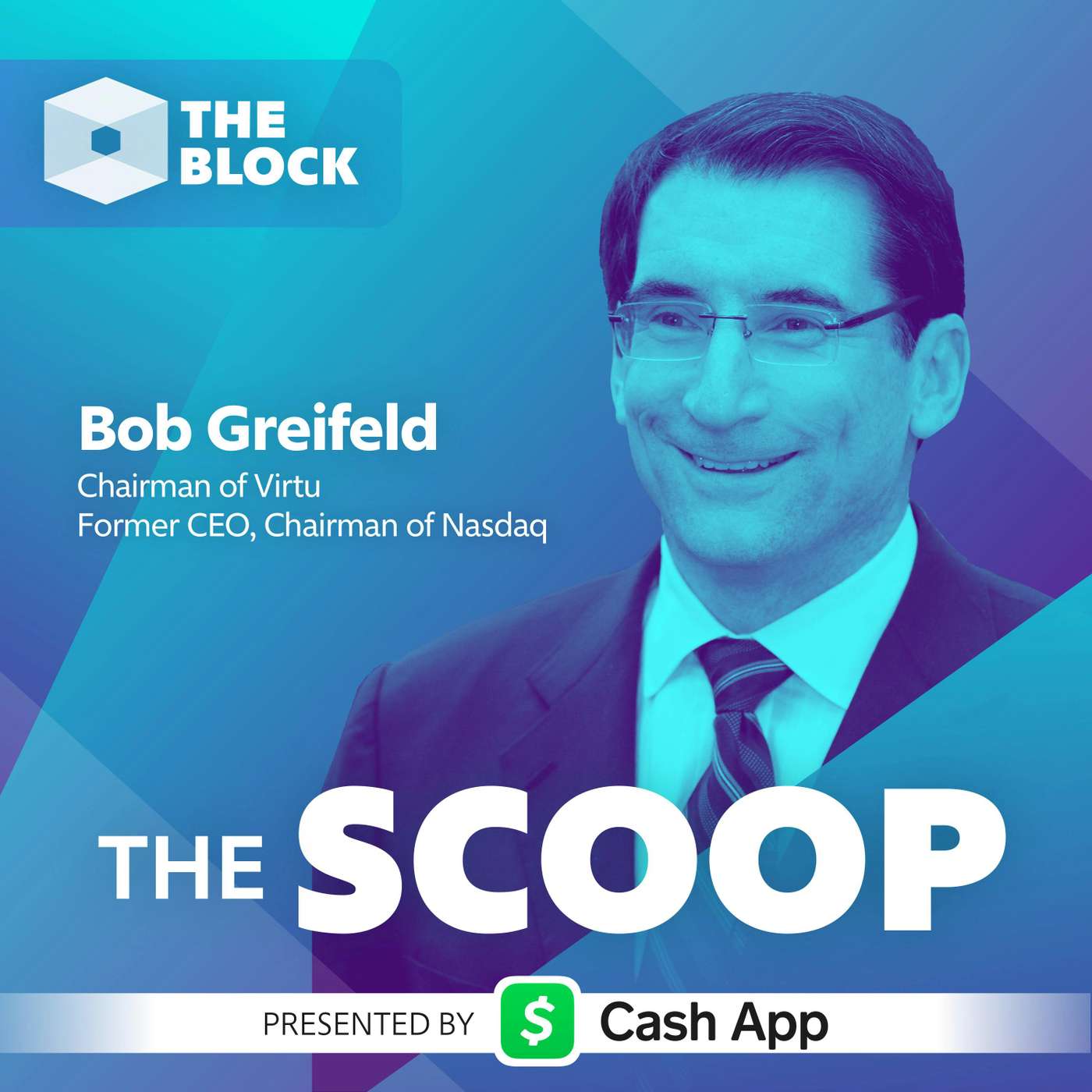
S1 Ep 27Bob Greifeld, former CEO of Nasdaq examines some market structure debates
Bob Greifeld led Nasdaq as its CEO from 2003 to 2016, driving its evolution as a fledgling listing venue for many tiny tech companies into a diversified global financial technology company. He now sits on the board of two financial high frequency trading firms, including Virtu Financial, where he serves as Chairman. In this conversation, we discuss his new book, Market Movers, and dig into his storied career and examine some of the market structure debates shaping today's capital markets.
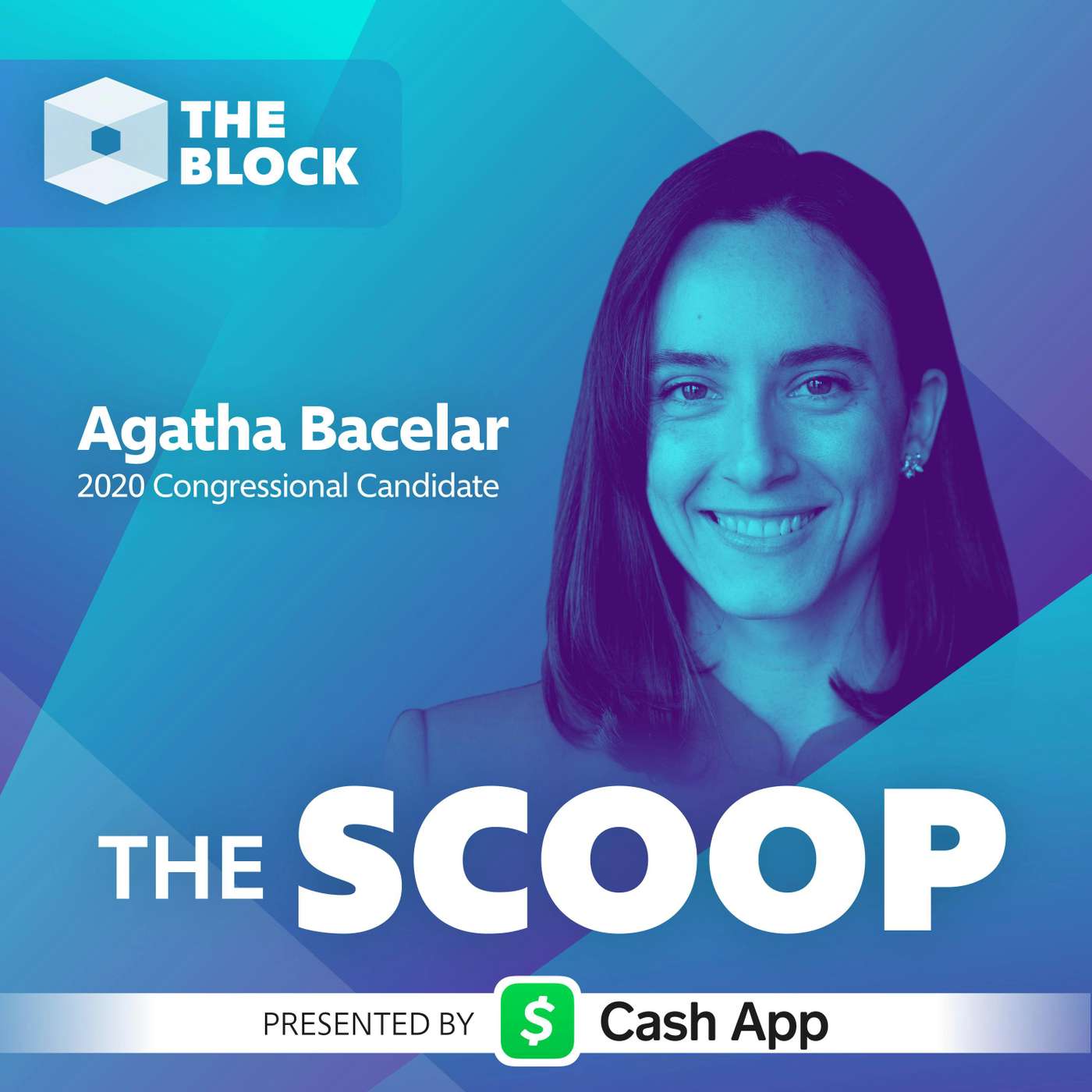
S1 Ep 26Agatha Bacelar, 2020 Congressional Candidate
Agatha Bacelar is a 27-year-old Brazilian-American running for Congress in California’s 12th district, a seat currently held by House speaker Nancy Pelosi. Agatha is not your typical Congressional candidate. With a degree from Stanford University and a professional background in blockchain, Agatha is aiming to make tech regulation an important conversation in politics. In this conversation, Agatha discusses how she got into politics, her time working at Democracy Earth, her stance on universal basic income, and why now is the time to run against the most powerful Democrat in the country. I hope you enjoy the episode.
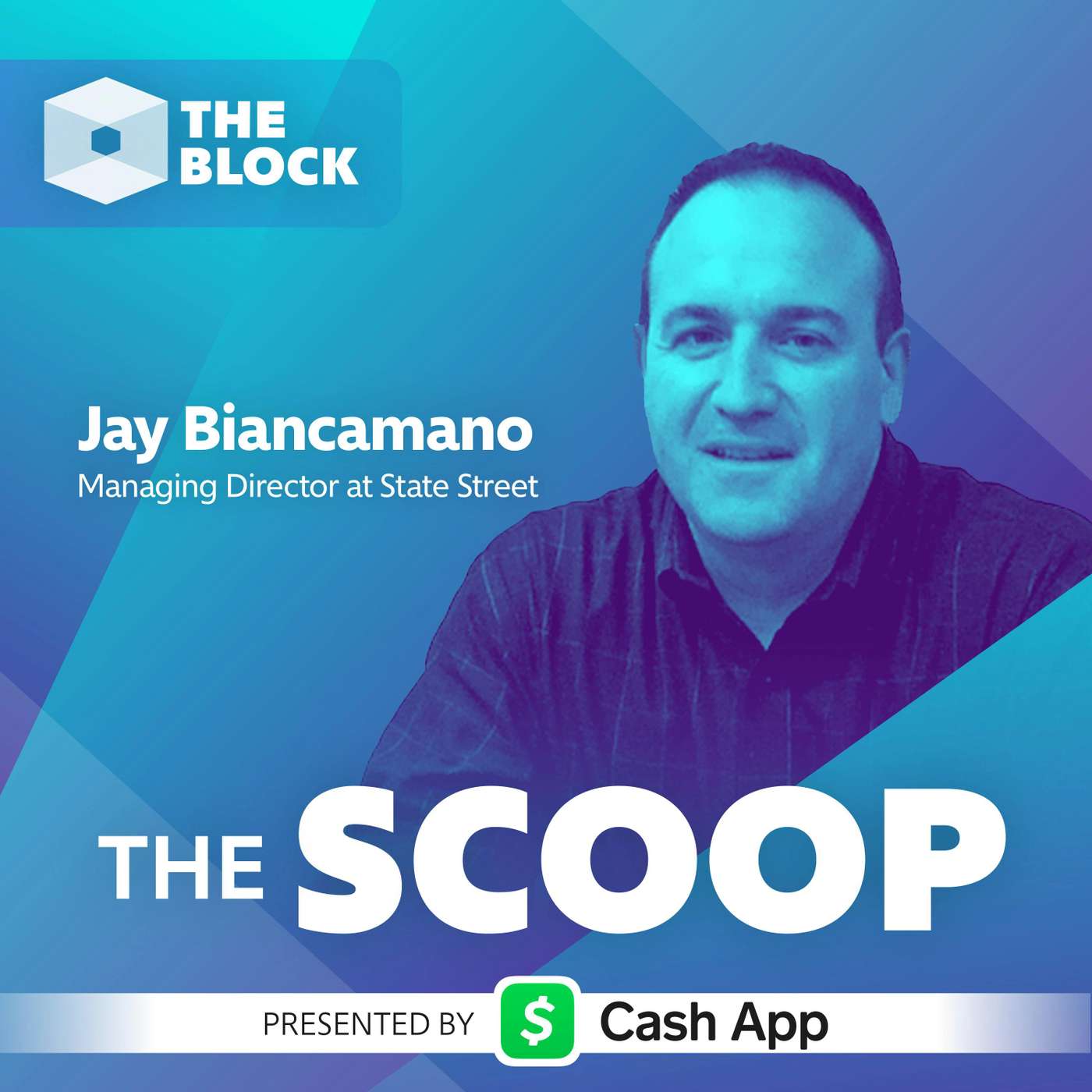
S1 Ep 25Jay Biancamano, Managing Director at State Street
State Street, one of the largest custody banks in the world is yet to launch a service to store crypto assets but that doesn't mean the Boston based firm isn't making waves when it comes to digital assets. On this episode of The Scoop we spoke to Jay Biancamano, managing director of digital product development and innovation at the firm about the opportunity State Street sees in the market. The 25 year plus financial services veteran also shared stories about his time in the US equity market structure, explained why the firm isn't in the bitcoin custody business yet and how block chain can make multi-asset trading finally a reality. I hope you enjoy the episode
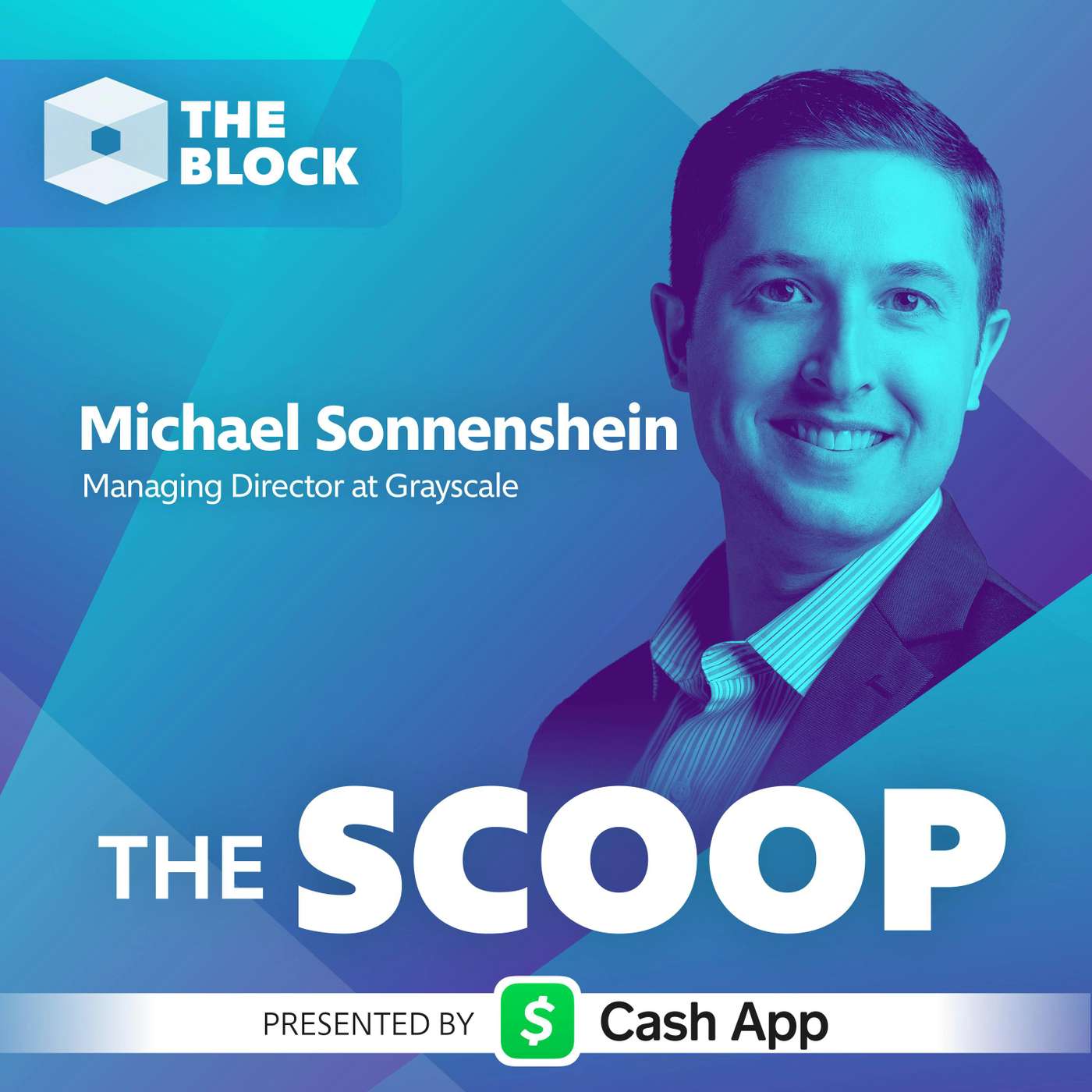
S1 Ep 24A Conversation with Michael Sonnenshein, Managing Director at Grayscale
On this episode of The Scoop, Michael Sonnenshein talks about the largest Q3 that Grayscale has experienced in it's 6 year history, the increased participation of institutions in the space and the transference of traditional wealth that will be occurring over the next couple of decades -- a transference that will undoubtedly expand the scope and usage of digital currencies.
S1 Ep 23Peter Johnson, Principal at Jump Capital
While big players like Coinbase, Bakkt and Consensus make most of the headlines in Crypto and on Crypto Twitter there are some institutional players that have been quietly operating in the background for years in the Bitcoin market. One such player is Jump Trading and it's affiliate venture capital firm, Jump Capital. Jump Trading is one of the most active traders in the digital asset world and also one of the most discrete. Leading investments on the Crypto side at it's sister firm Jump Capital is Peter Johnson -- a principal at the firm who joined The Scoop to discuss the firm's origin story in Crypto, we also dove into the firm's Crypto incubator at the University of Illinois Champaign and we talked about the trends Johnson is expecting to play out in 2019. I hope you enjoy the episode.
S1 Ep 22A Conversation with Tom Lee, Managing Partner & Head of Research at Fundstrat Global Advisors
Tom Lee is one of the great luminaries of crypto and finance Twitter. The former chief equity analyst at JP Morgan made headlines during the bitcoin boom of 2017 with his calls that the cryptocurrency would soar to it's price target of $25,000. Fast forward to today; Lee isn't making anymore price targets on bitcoin but he still makes calls on the market -- leading Fundstrat, a market research shop covering both equities and crypto. On this episode of The Scoop, Lee shared his thoughts on how the research business has evolved over the last 2 decades, why he doesn't think bitcoin is a macro-hedge and the largest roadblocks keeping big investors out of the market. We hope you enjoy the episode.

S1 Ep 21A Conversation with Nick Grossman, Partner at Union Square Ventures
Union Square Ventures is one of the most prominent east coast VC firms and is also one of the most notable mainstream investors in the bitcoin market. On this episode of The Scoop USV partner Nick Grossman joined us to discuss the firm's approach to investing in the market -- he was recently promoted to partner to lead blockchain investments after 5 years with the firm. We spoke about Libra association which USV is a member of, we examined USV's portfolio and talked about the future of venture capital and the future of capital formation. I hope you enjoy the episode
S1 Ep 20A Conversation with Mike Novogratz, Founder, CEO and Chairman at Galaxy Digital
Galaxy Digital is one of the most well known brands in the market for digital currencies led by it's stalwart Mike Novogratz. The firm's origin story dates back to the bitcoin boom of 2017. Originally, Galaxy was to be a $500 million hedge fund which at the time reportedly lured the attention of family offices and other hedge fund managers. It also marked a striking comeback story for Novogratz who left his previous employer, Fortress Investments after his $2.3 billion macro-fund was liquidated resulting in his exile from the Wall Street world. Fast forward to 2019 and Galaxy Digital looks a lot different than it was described in initial reports. The nearly 80 person firm spans asset management, trading and consulting -- an operation some have likened to Wall Street's investment banks. In this episode of The Scoop Novogratz talked about Galaxy's multi-faceted role in the crypto market, why it is expanding into San Francisco and the reason why the bear market might not necessarily be over. I hope you enjoy the episode.
Ep 20PREVIEW: Novogratz says most companies take years to prosper, crypto unicorns are still on the horizon
bonusListen to a preview of next week's The Scoop episode where Frank chats with Mike Novogratz, the Founder, CEO and Chairman at Galaxy Digital.

S1 Ep 19A Conversation with Paul Veradittakit, Partner, Pantera Capital
Founded in 2013, Pantera Capital is one of the oldest investors in the nascent market for digital currencies. Having previously made headlines for it's eye-popping 25,000%+ returns in bitcoin back in the heyday of 2017 -- it might also be one of the most recognizable brands. On this episode of The Scoop, The Block welcomed Pantera Capital partner Paul Veradittakit to talk about the firm's history, why it sees more room for investing in the crowded crypto currency exchange market and how the firm plans to fend off new upstart challengers in the years to come.
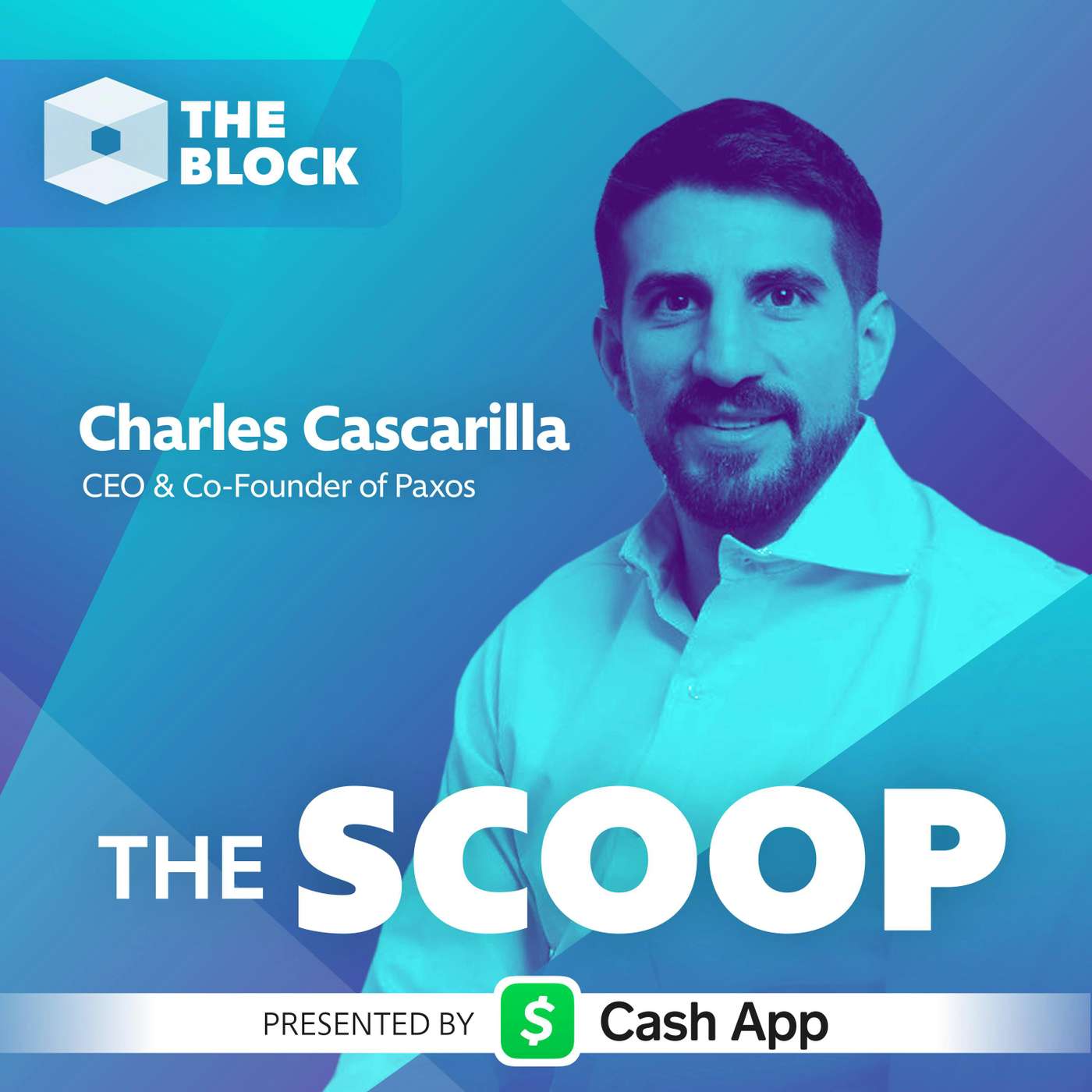
S1 Ep 18A Conversation with Charles Cascarilla, CEO & Co-Founder at Paxos
Paxos wears many hats in the blockchain ecosystem. It offers one of the better known stable coins, $PAX. Operates a crypto currency exchange, that's itBit and the company provides products that help large firms use blockcain to improve their settlement systems. But at the heart of Paxos (according to CEO Charles Cascarilla) is to move the financial system onto the blockchain -- it's a move he says could prevent future financial calamities like what the market saw in 2008. On this episode of The Scoop Cascarilla talked about the growth of it's stable coin and why stable coins are a better alternative for merchants. I hope you enjoy the episode