The Science Show - Separate stories podcast
362 episodes — Page 5 of 8
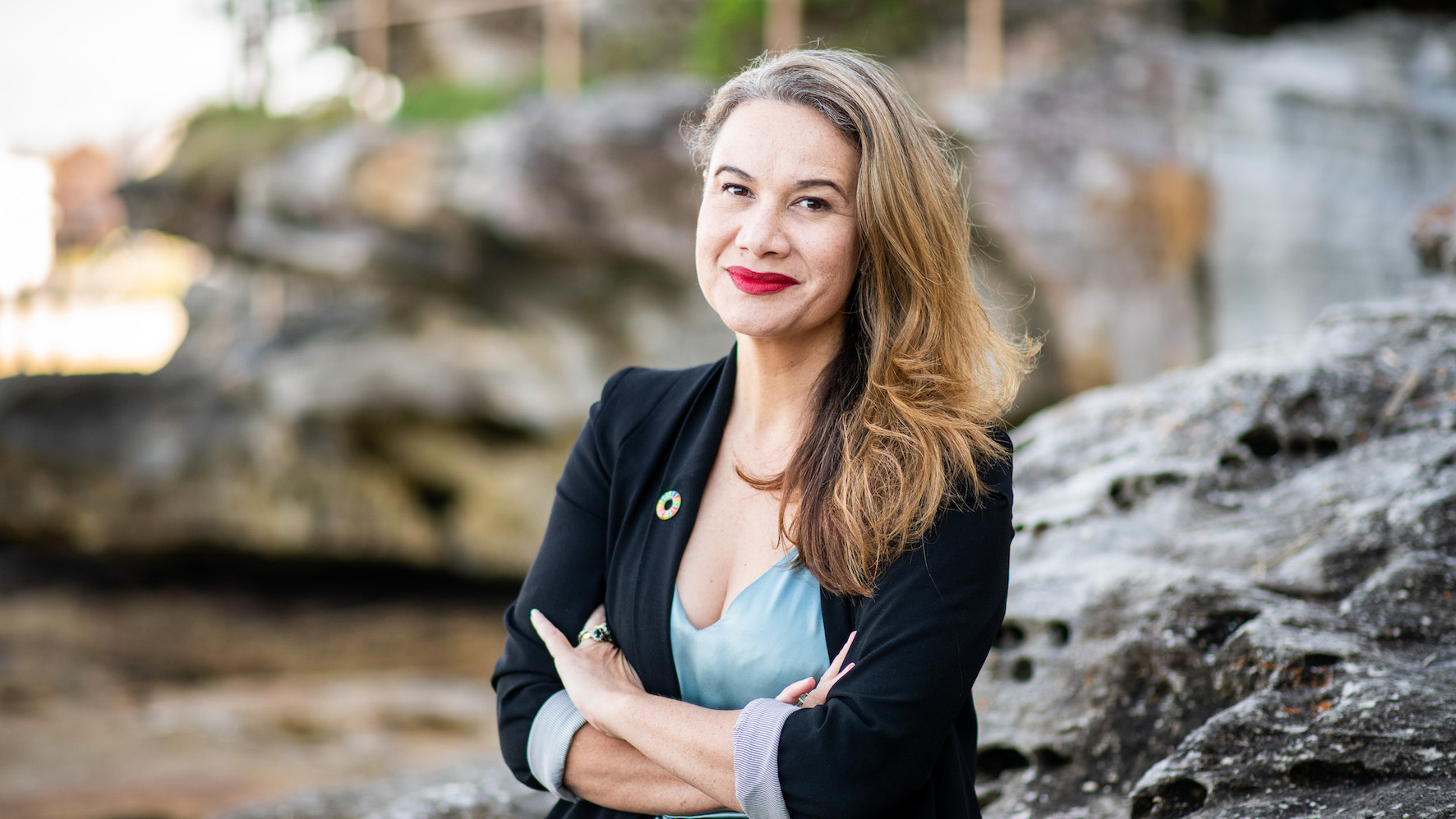
Showing possible career paths would encourage science graduates says new STA president
Jas Chambers is the new president of Science & Technology Australia. She comes with ideas to help boost science graduates.
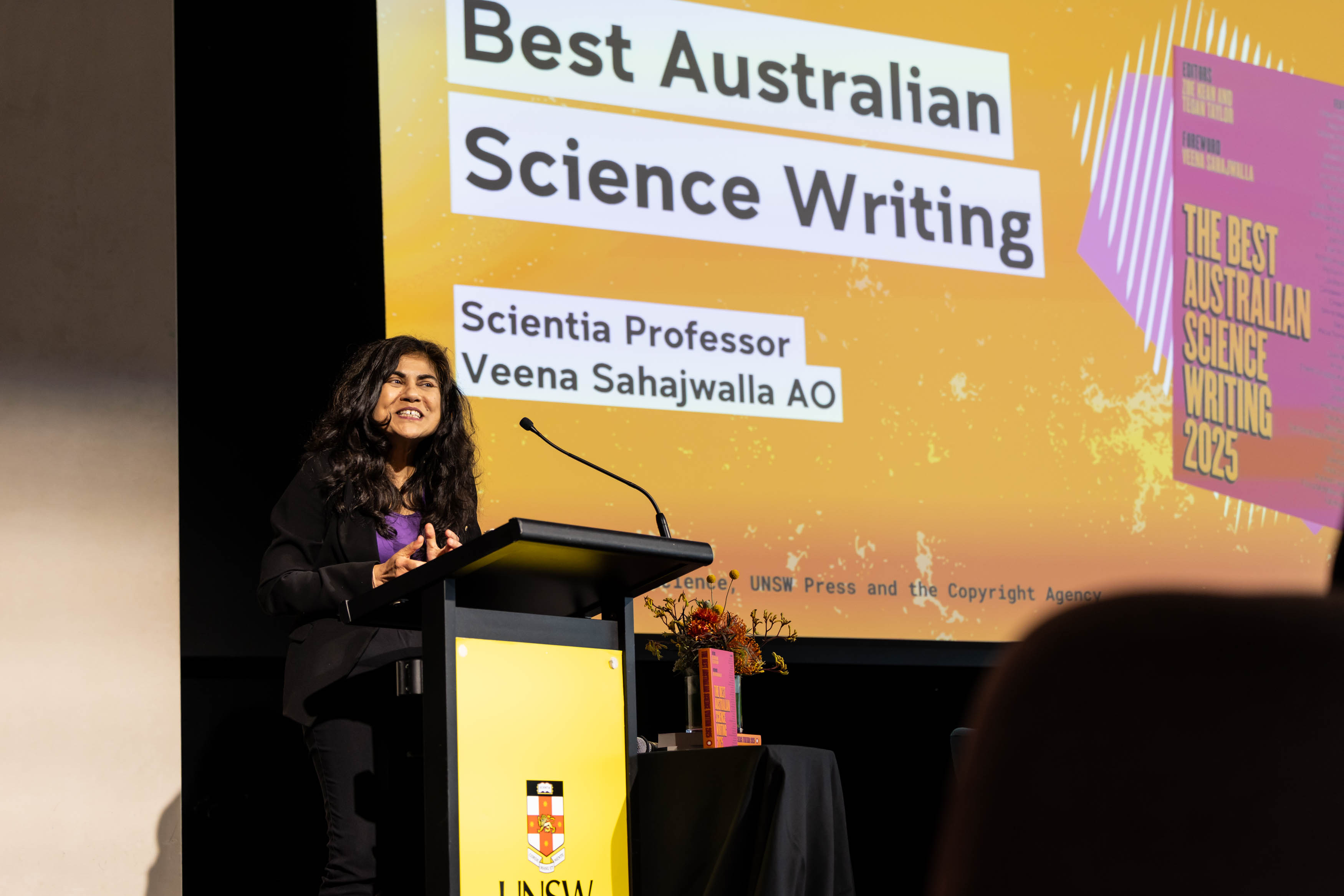
Science writing bridges research and community understanding
Veena Sahajwalla launched The Best Australian Science Writing 2025 at UNSW this last week. For Veena, story-telling is the bridge between research and community understanding. Science writing builds trust and provides context.
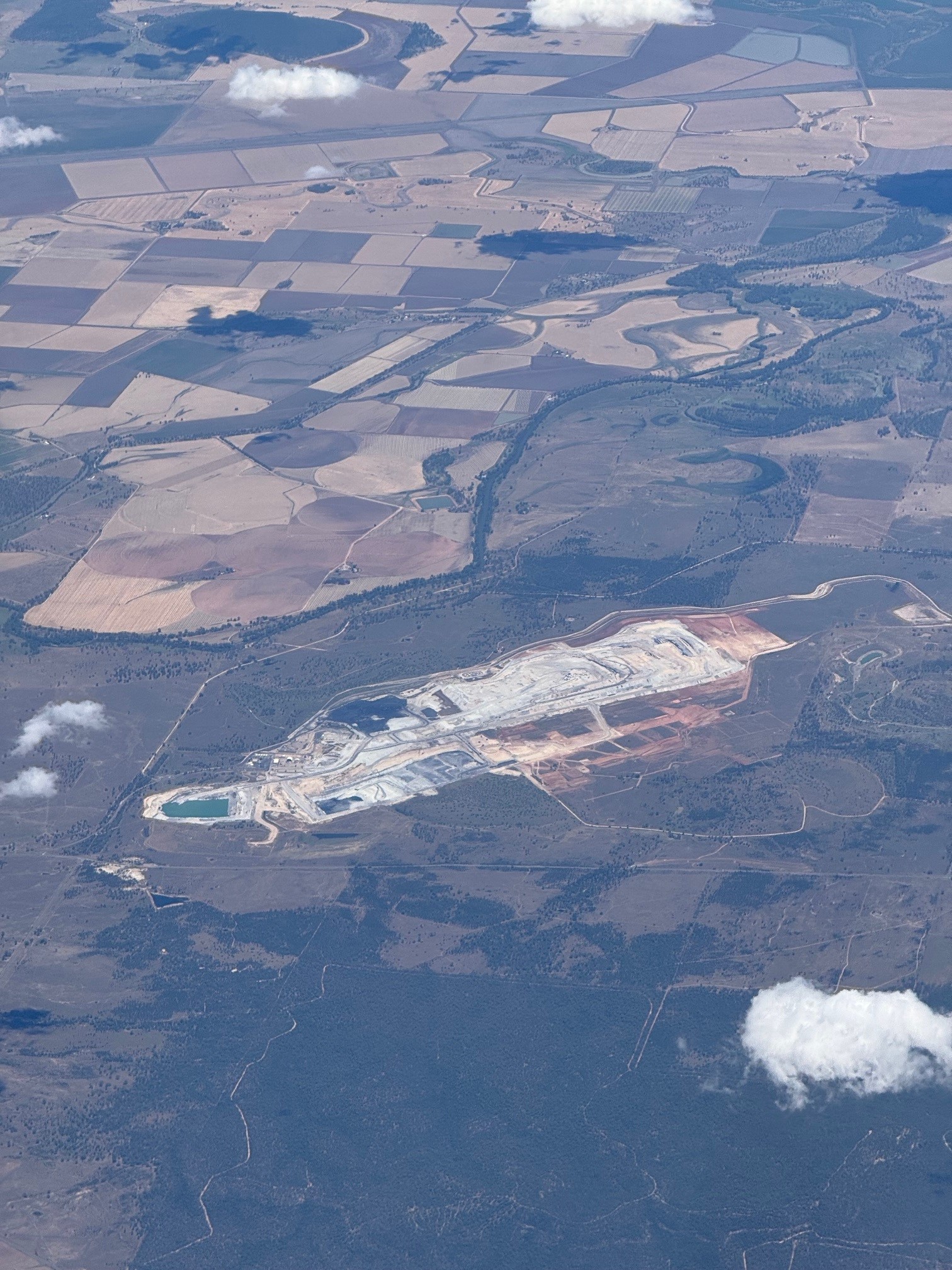
Boom time for geology? But university geology departments are shrinking or closing
With fewer graduates, it’s unlikely Australia will have the geologists needed to produce what’s being promised.
Lab Notes: How are long-range weather forecasts made?
It looks like most of Australia is in for a warmer-than-usual summer this year.That's according to the Bureau of Meteorology's long-range forecast, which was released in October.So — without a crystal ball — how do meteorologists make weather predictions so far out, how accurate are they, and how is climate change affecting them?You can binge more episodes of the Lab Notes podcast with science journalist and presenter Belinda Smith on the ABC Listen app (Australia). You'll find episodes on animal behaviour, human health, space exploration and so much more.Get in touch with us: [email protected]:Karl Braganza, National Manager of Climate Services at the Bureau of MeteorologyMore information:BOM's first long-range summer forecast shows increased chance of extreme heatThis episode of Lab Notes was produced on the lands of the Wurundjeri and Taungurung people.

2025 Prime Minister’s Prize for Excellence in Science Teaching in Primary Schools
This year’s winner, Paula Taylor from The ACT Academy of Future Skills describes her approach to supporting teachers to be exceptional STEM educators.
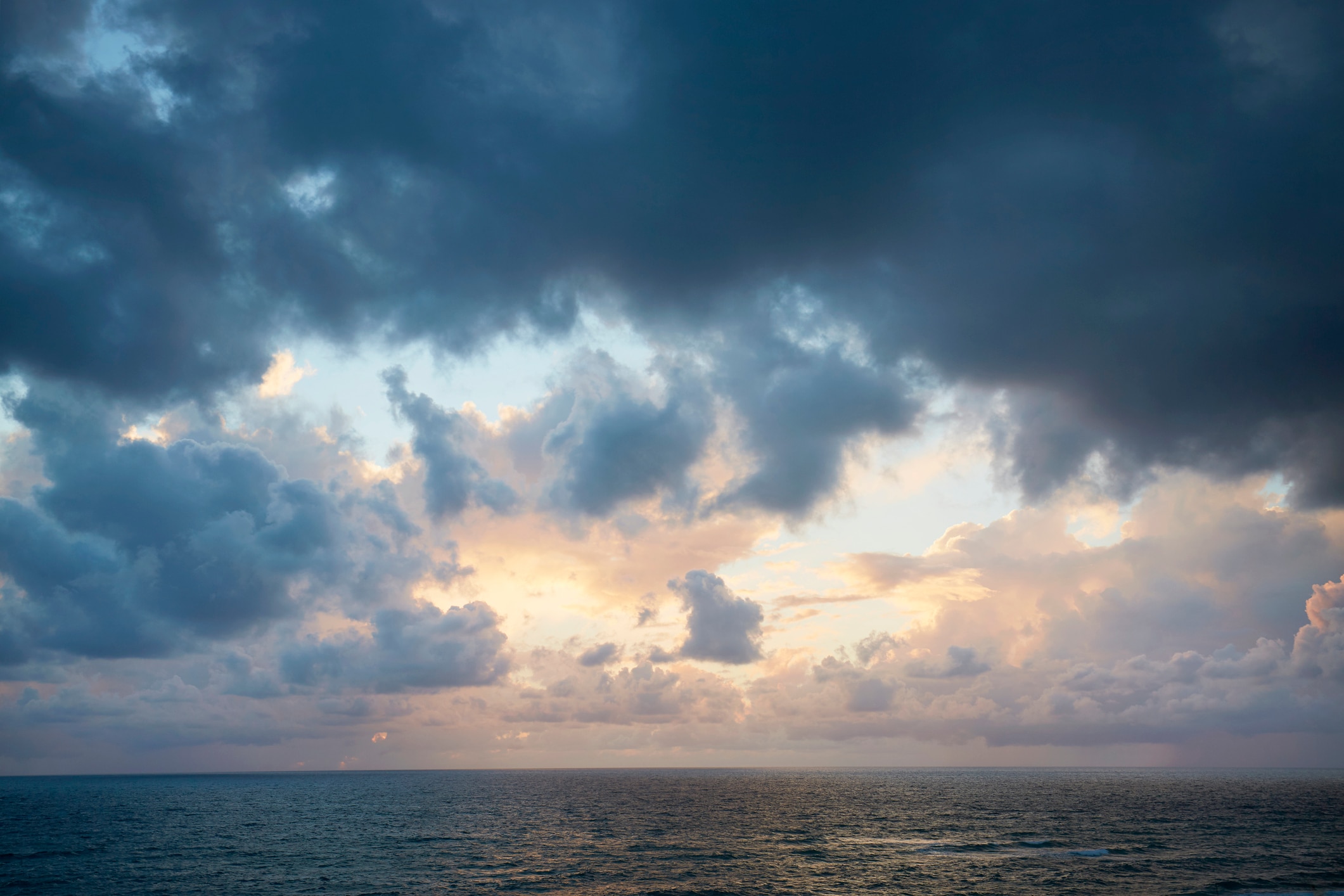
Climate intervention becoming increasingly urgent
Fine droplets of seawater sent high into the atmosphere could increase cloud formation and reflect more of the sun’s heat.
Launch of The Best Australian Science Writing 2025 and the Bragg Prize for Science Writing
A panel discussion featuring Bragg Science Writing prize winner Tabitha Carvan and runners-up Angus Dalton and James Purtill.
Lab Notes: How breastfeeding can protect against cancer
Thanks in part to 18th-century nuns, we now know that having children and breastfeeding reduces a mum's risk of developing breast cancer for years, even until her kid is well into primary school.Now Australian scientists have discovered how breastfeeding specifically enlists the immune system to protect against an aggressive and hard-to-treat type of breast cancer.You can binge more episodes of the Lab Notes podcast with science journalist and presenter Belinda Smith on the ABC Listen app (Australia). You'll find episodes on animal behaviour, human health, space exploration and so much more.Get in touch with us: [email protected]:Sherene Loi, medical oncologist at the Peter MacCallum Cancer Centre Extra information:Parity and lactation induce T cell mediated breast cancer protectionHaving children and breastfeeding reduces breast cancer risk by triggering immune system, study findsThis episode of Lab Notes was produced on the lands of the Wurundjeri and Menang Noongar people.
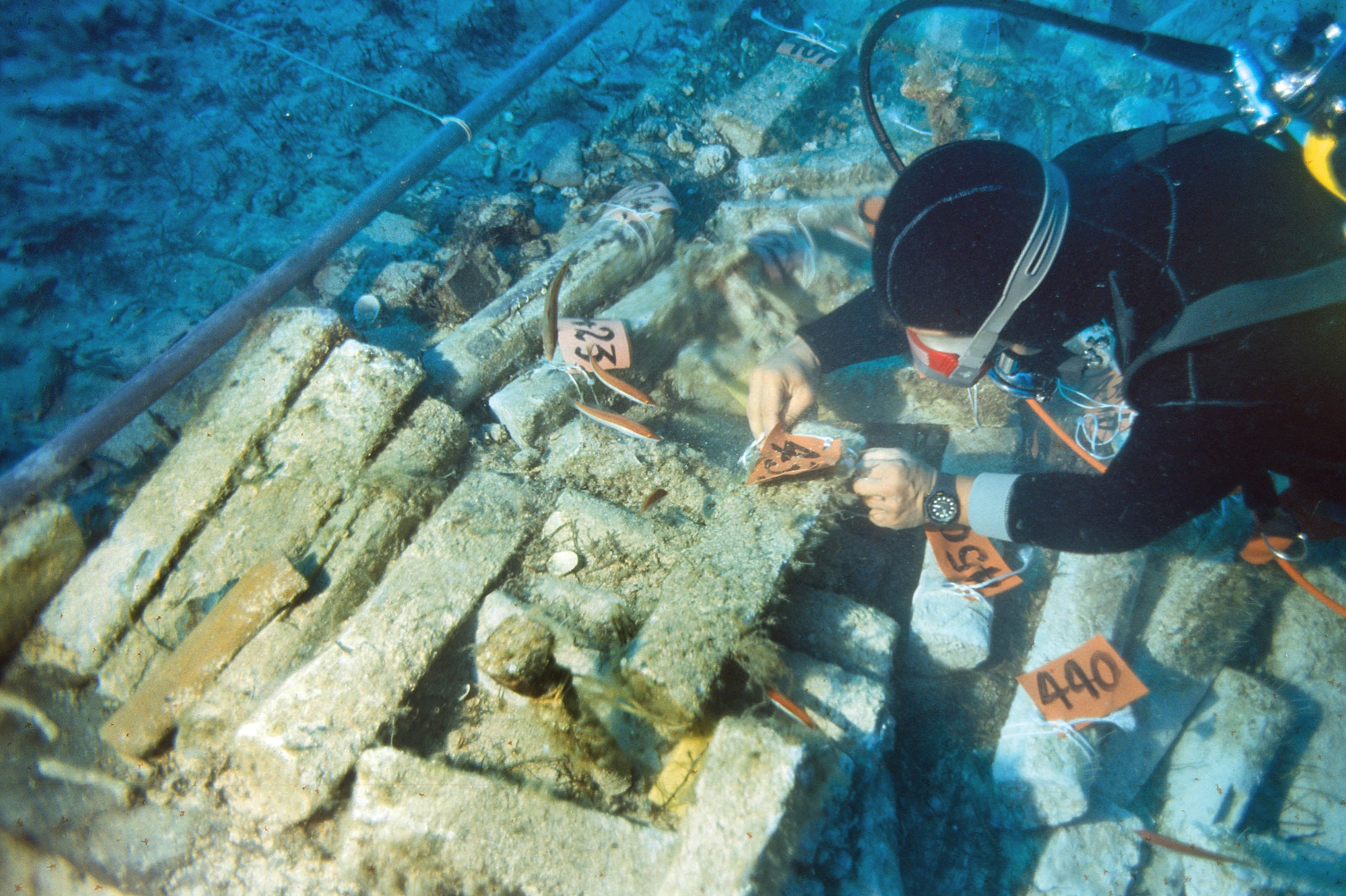
Lead ingots from a Roman shipwreck - a battle between the past and the future
A Roman shipwreck contained lead ingots. Should they be retained as a link to the past, or be utilised for their unique quality allowing experiments to be performed in the search for dark matter?
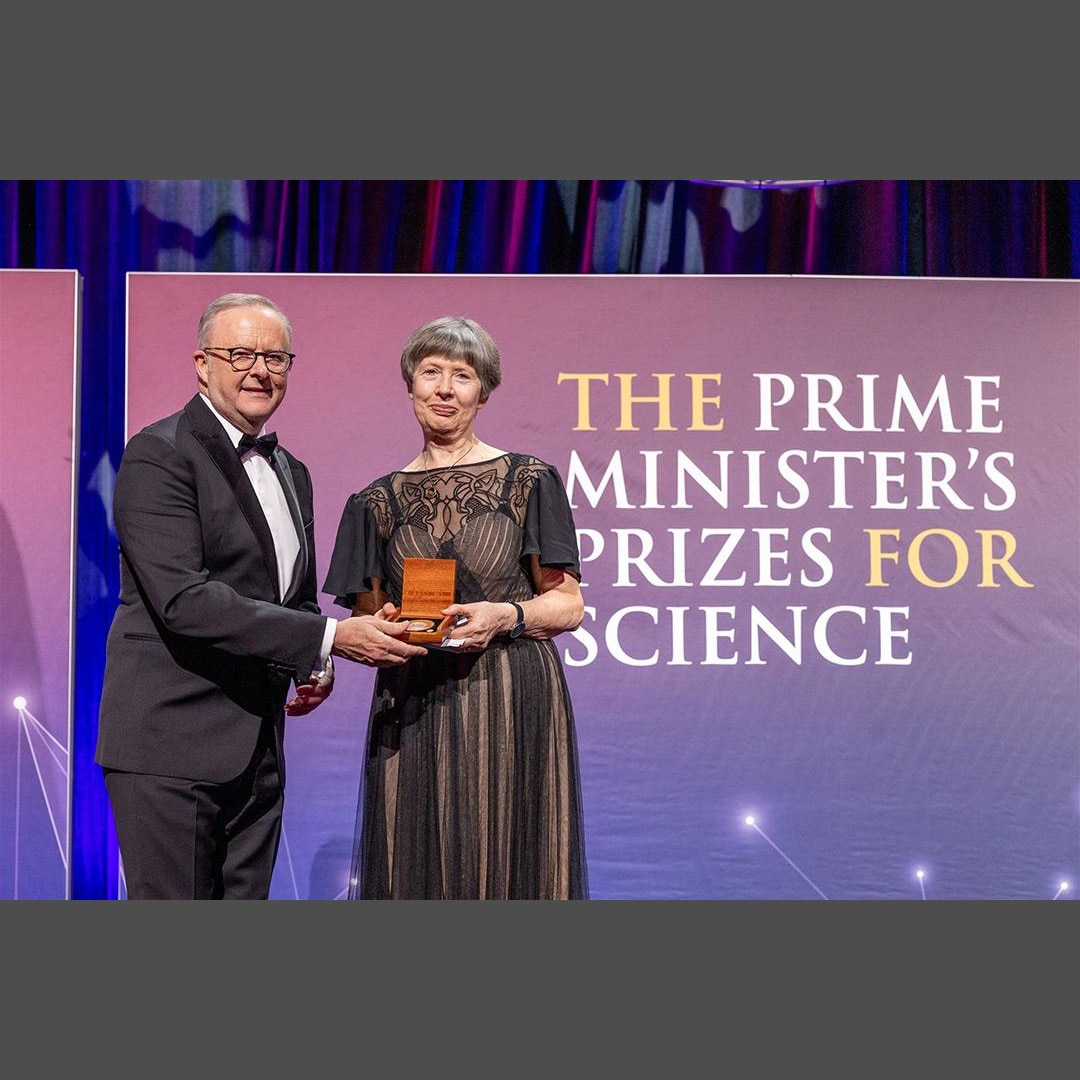
2025 Prime Minister's Prizes for Science
Distinguished Professor Lidia Morawska from the Queensland University of Technology has received the 2025 Prime Minister’s Prize for Science for her pioneering research which transformed how the world understands the airborne transmission of disease and indoor air pollution.
Lab Notes: How your brain chooses your next snack
It's mid-afternoon and time for a treat! Do you choose a healthy piece of fruit, or do you head straight for the chocolate? It turns out that well before we consciously decide what we're going to eat, our brain has already weighed up our choices — and in a fraction of a second. Now a new study shows which food attributes are processed by our brain faster than others, and how this might influence our dietary decisions. You can binge more episodes of the Lab Notes podcast with science journalist and presenter Belinda Smith on the ABC Listen app (Australia). You'll find episodes on animal behaviour, human health, space exploration and so much more.Get in touch with us: [email protected]:Violet Chae, PhD student at the University of Melbourne More information:Characterising the neural time-courses of food attribute representationsThis episode of Lab Notes was produced on the lands of the Wurundjeri and Menang Noongar people.
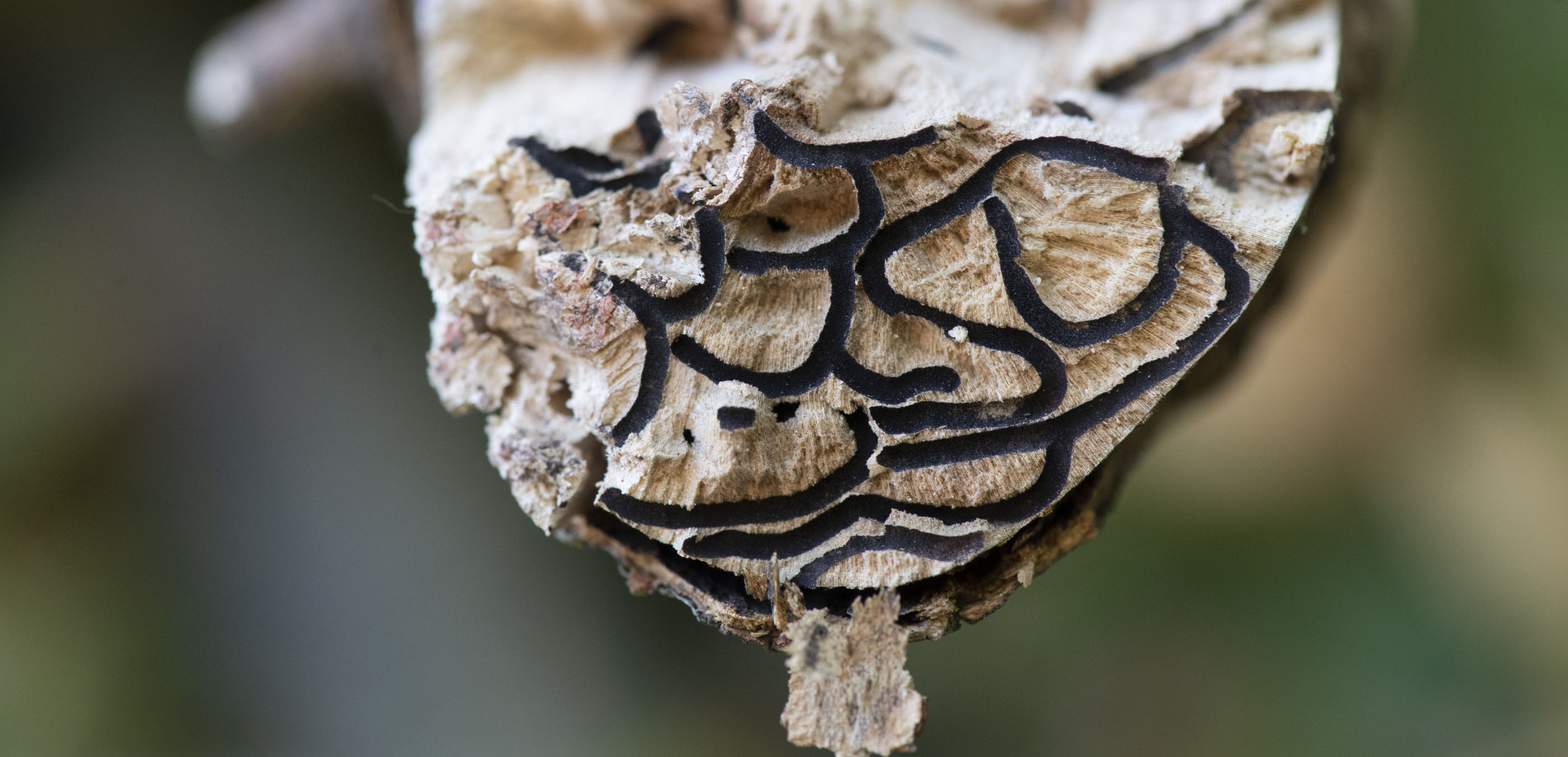
Plant diseases impact native vegetation, gardens, crops
Brett Summerell describes work being done at the Mt Annan Royal Botanic Garden southwest of Sydney understanding fungal diseases impacting plants everywhere including native vegetation, urban gardens and crops.
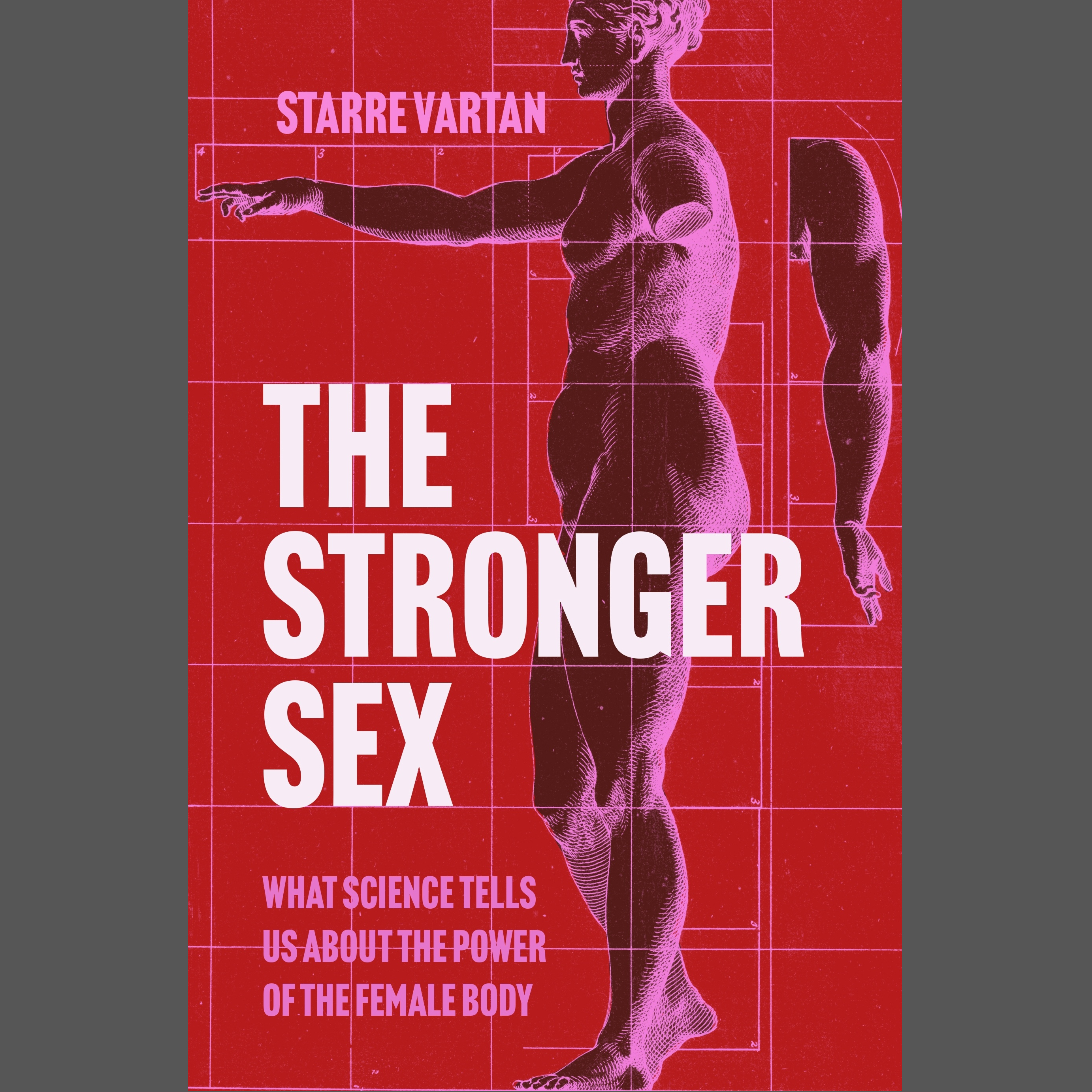
The Stronger Sex
Author Starre Vartan shows how women surpass men in endurance, flexibility, immunity, pain tolerance, and the ultimate test of any human body: longevity.
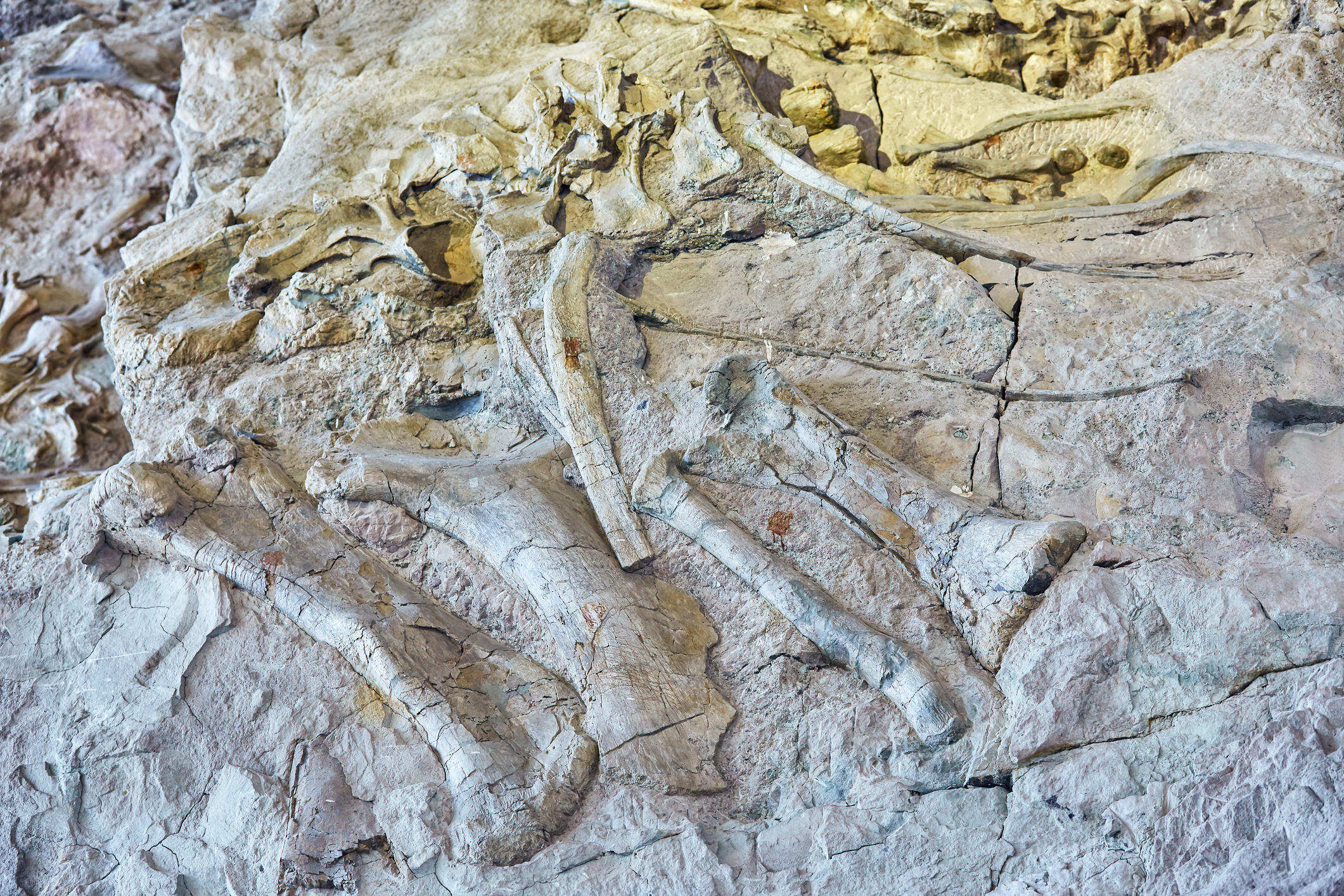
Our understanding of changes in biodiversity over time questioned
Our understanding of the evolution of biodiversity is based on fossil evidence. But so much more may lie buried and reveal a different story.
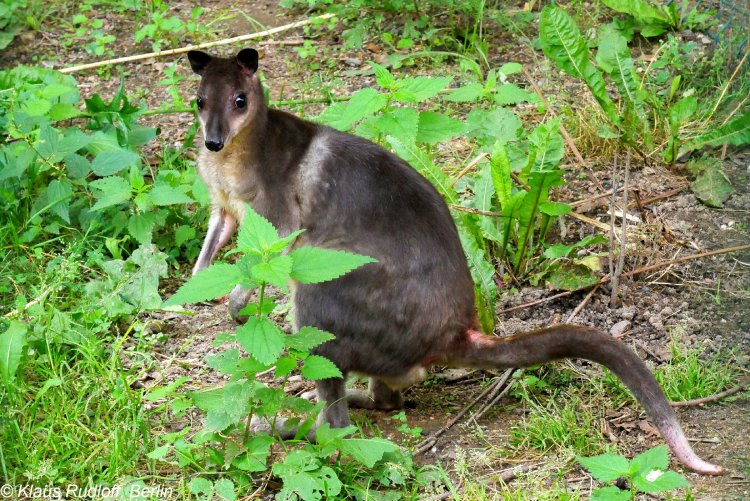
Ancient people took wallabies to islands in canoes
Evidence suggests that as early as 12,800 years ago, people captured wild wallabies from the then joined Australia - New Guinea mainland and transported them in canoes to islands sometimes hundreds of kilometres away.
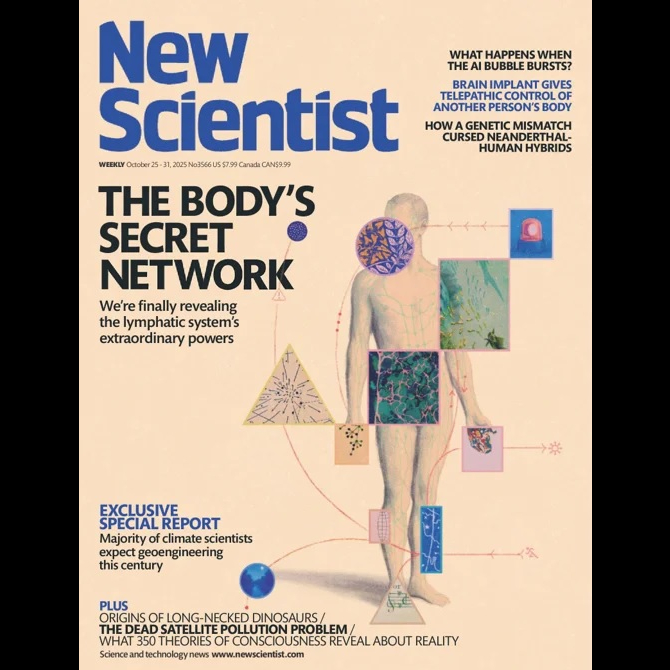
New Scientist continues in print, boosts on-line
Editor Catherine de Lange says New Scientist will continue to be printed and new younger readers will be encouraged through the digital edition, a podcast, and live events.
Lab Notes: Times we thought we found aliens
We have a mysterious visitor to our little patch of the cosmos this week: A comet called 3I/ATLAS. This icy, rocky ball is only the third interstellar object we've discovered zooming past our Sun. There are scientists who think the comet may be alien technology sent from another solar system to invade Earth, but space agencies poured cold water on this idea. So how will we know if we truly find evidence of extraterrestrial life? You can binge more episodes of the Lab Notes podcast with science journalist and presenter Belinda Smith on the ABC Listen app (Australia). You'll find episodes on animal behaviour, human health, space exploration and so much more.Get in touch with us: [email protected]:Laura Driessen, radio astronomer at the University of Sydney Astronomers discover 3I/ATLAS — third interstellar object to visit our Solar SystemThis episode of Lab Notes was produced on the lands of the Wurundjeri and Menang Noongar people.
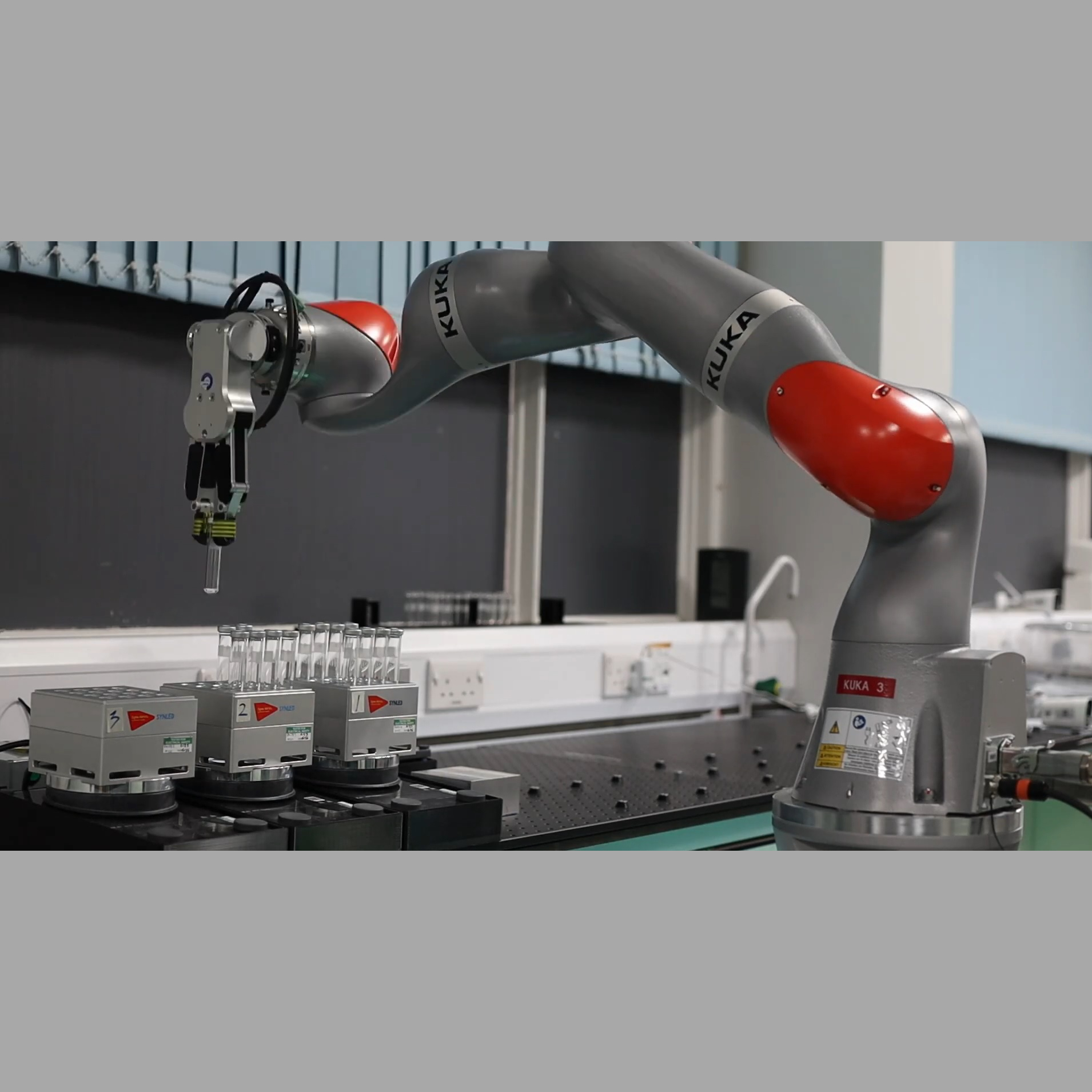
Robots well suited to dangerous drudge work in the chemistry lab
Robots are ideal in chemistry labs undertaking repetitive and dangerous tasks.
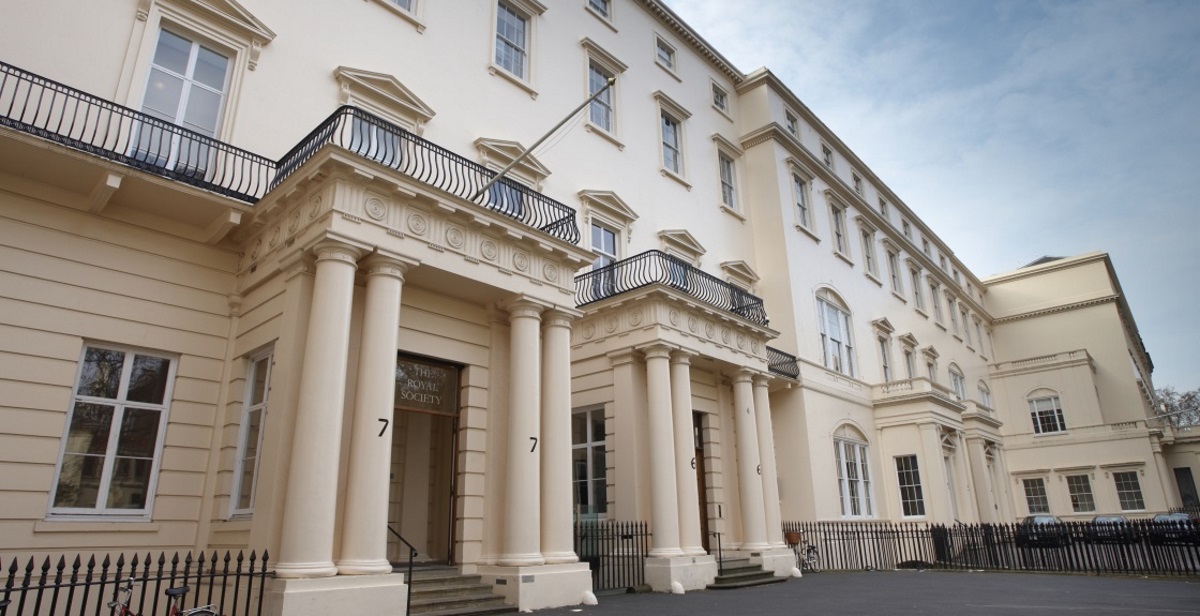
Science OK in the UK
Outgoing president of the Royal Society says the UK public accepts the importance of science and those in power must be reminded of the importance of maintained funding.
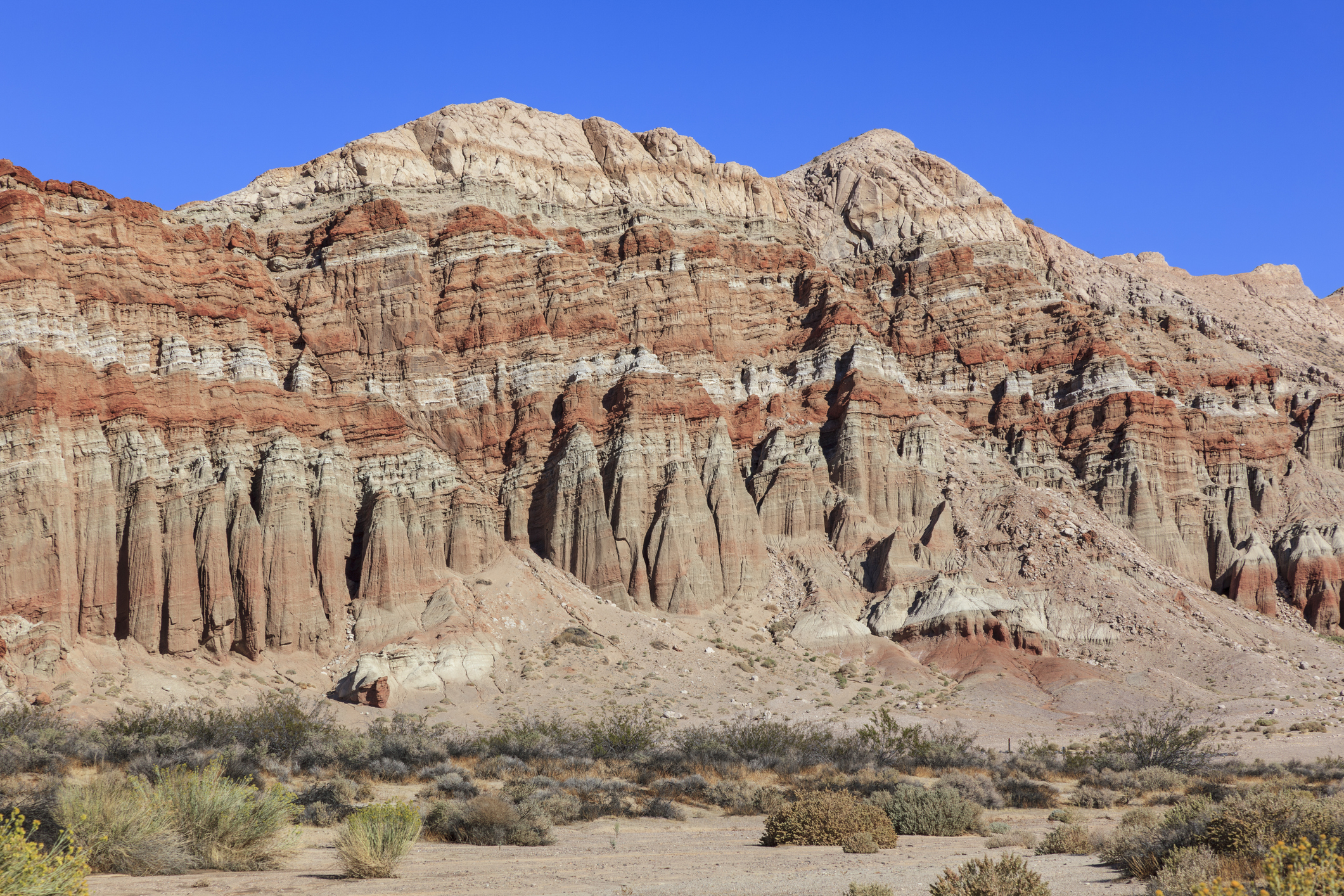
How rocks tell the history of Earth
The Earth writes its own history, and it can be seen in the physical, chemical and biological components of rocks.
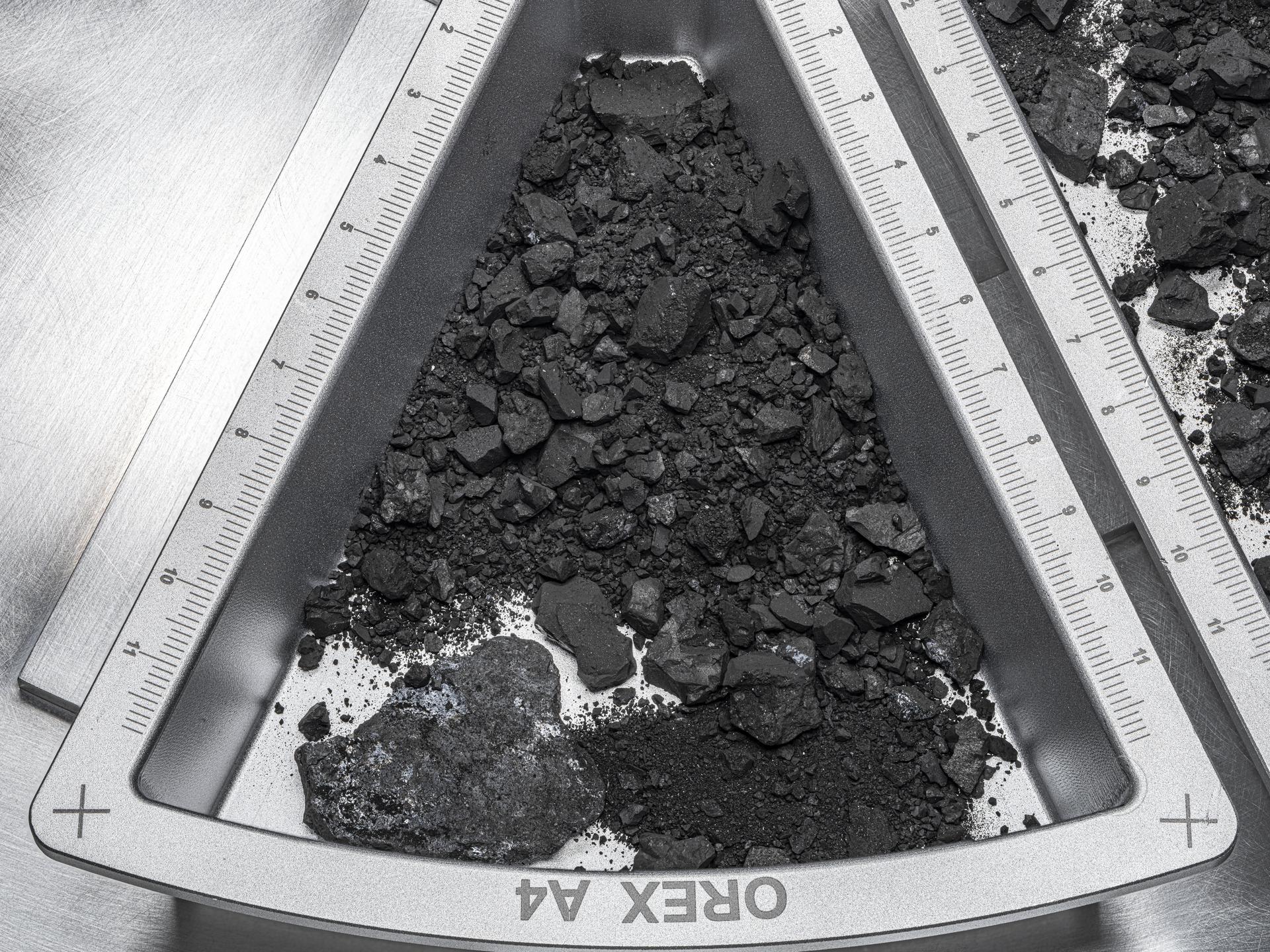
Signs of life beyond Earth?
Some meteorites come with signs of chemical reactions found in life on Earth.
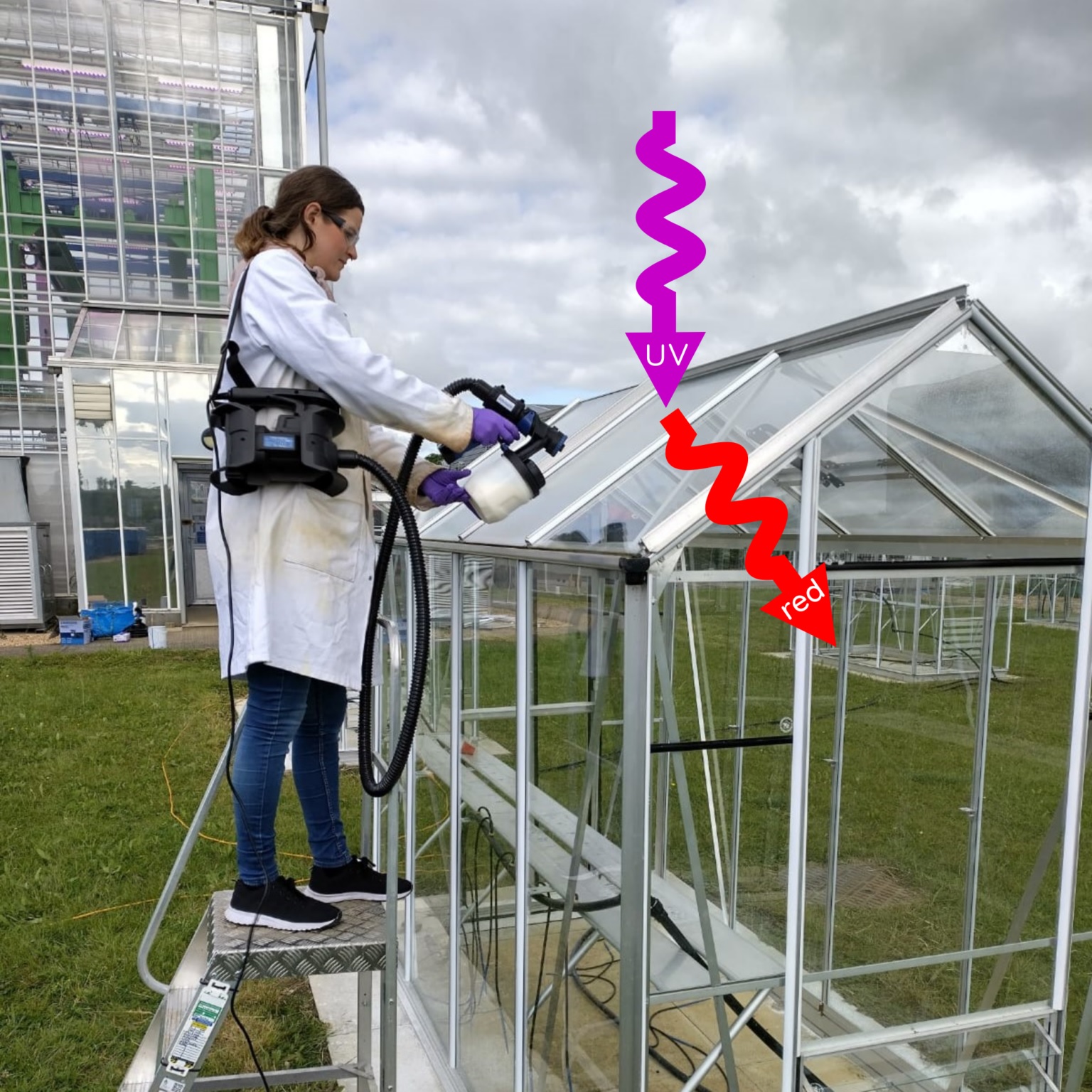
Greenhouse paint boosts usable light for plants
New materials applied to agricultural greenhouses as a paint coating boosts red light for plant growth increased yields.
Lab Notes: The extinct ape-like human relative that made tools
Around 1.5 million years ago, in what's now Kenya, a human-like figure walked across the savannah. He was probably quite short by our standards, no taller than Danny DeVito. But unlike Danny DeVito, this ancient figure was not human. He was a long-extinct relative of ours called Paranthropus boisei. And now his fossilised hand bones are giving us never-before-seen insights into how he and his species lived. You can binge more episodes of the Lab Notes podcast with science journalist and presenter Belinda Smith on the ABC Listen app (Australia). You'll find episodes on animal behaviour, human health, space exploration and so much more.Get in touch with us: [email protected]: Carrie Mongle, palaeoanthropologist at Stony Brook University and the Turkana Basin Institute More information: New fossils reveal the hand of Paranthropus boiseiFossil hand bones hint that ancient human relative Paranthropus made tools 1.5 million years agoThis episode of Lab Notes was produced on the lands of the Wurundjeri and Menang Noongar people.
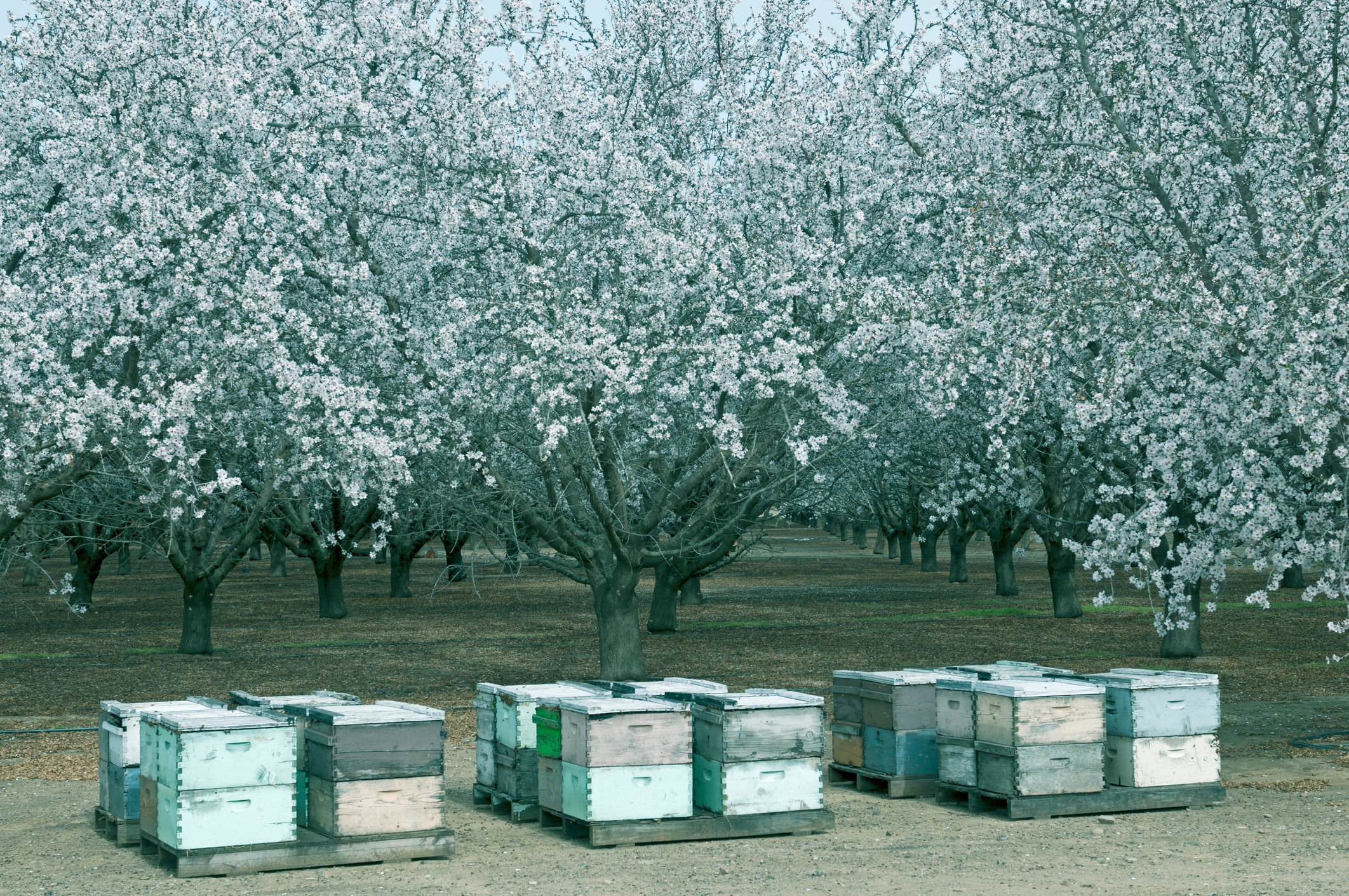
US Honeybees in steep decline
A recent study has shown the loss of 62% of managed bee hives across the United States.
US Honeybees in steep decline
A recent study has shown the loss of 62% of managed bee hives across the United States.

Transfigured Sea – interweaving of human lives and sea creatures
On the shores of the ocean, Laura and Daphne fantasise that they are mother and daughter. They both have problems in their past, which they need to resolve.

Charles Todd celebrated at Adelaide’s Marriott Hotel
Robyn Williams is joined by hotel manager Paul Gallop for a tour of Adelaide’s Marriott hotel and it’s displays commemorating the work of Charles Todd.
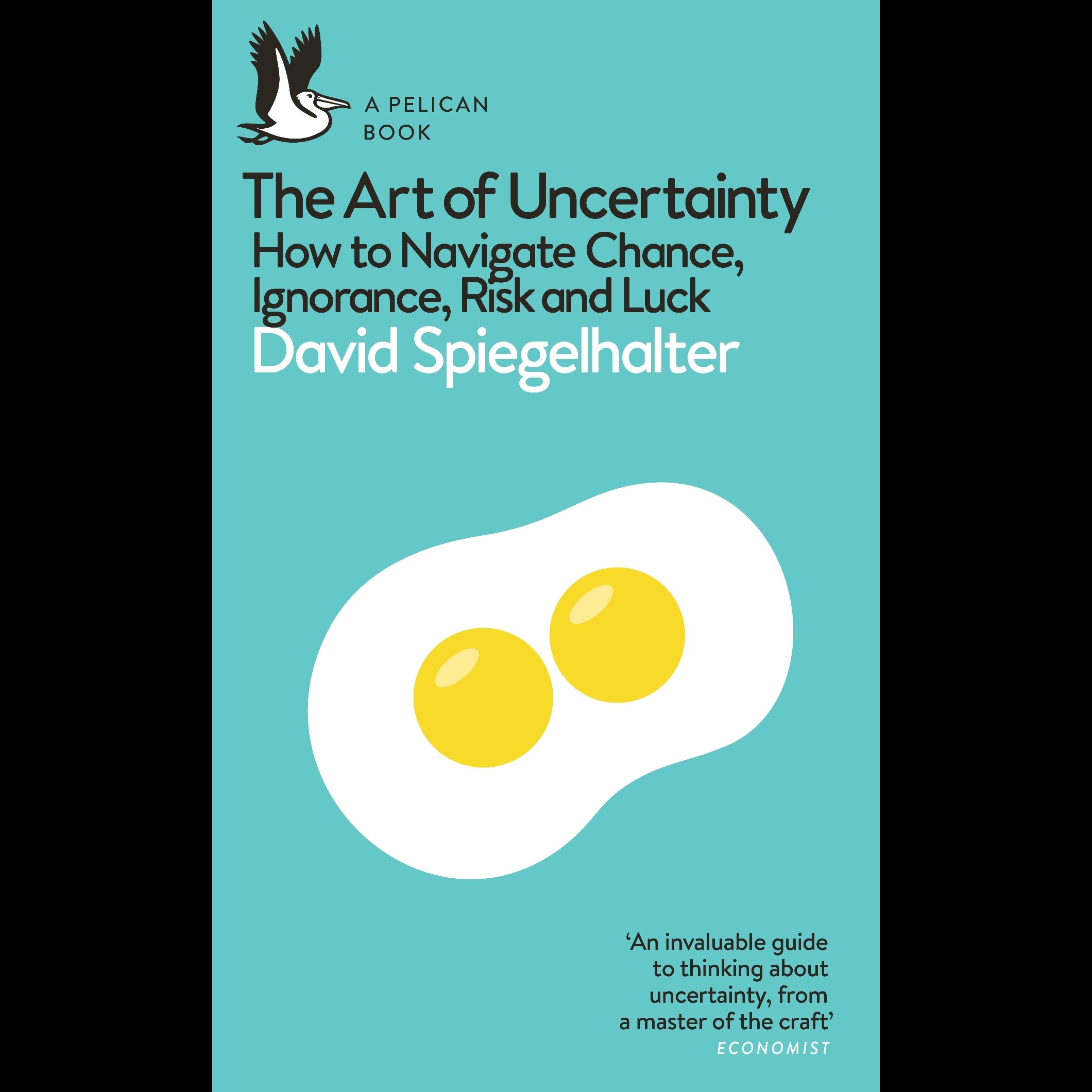
Uncertainty – a key aspect of our lives
David Spiegelhalter offers a data-driven guide to how we should best live with risk and uncertainty.
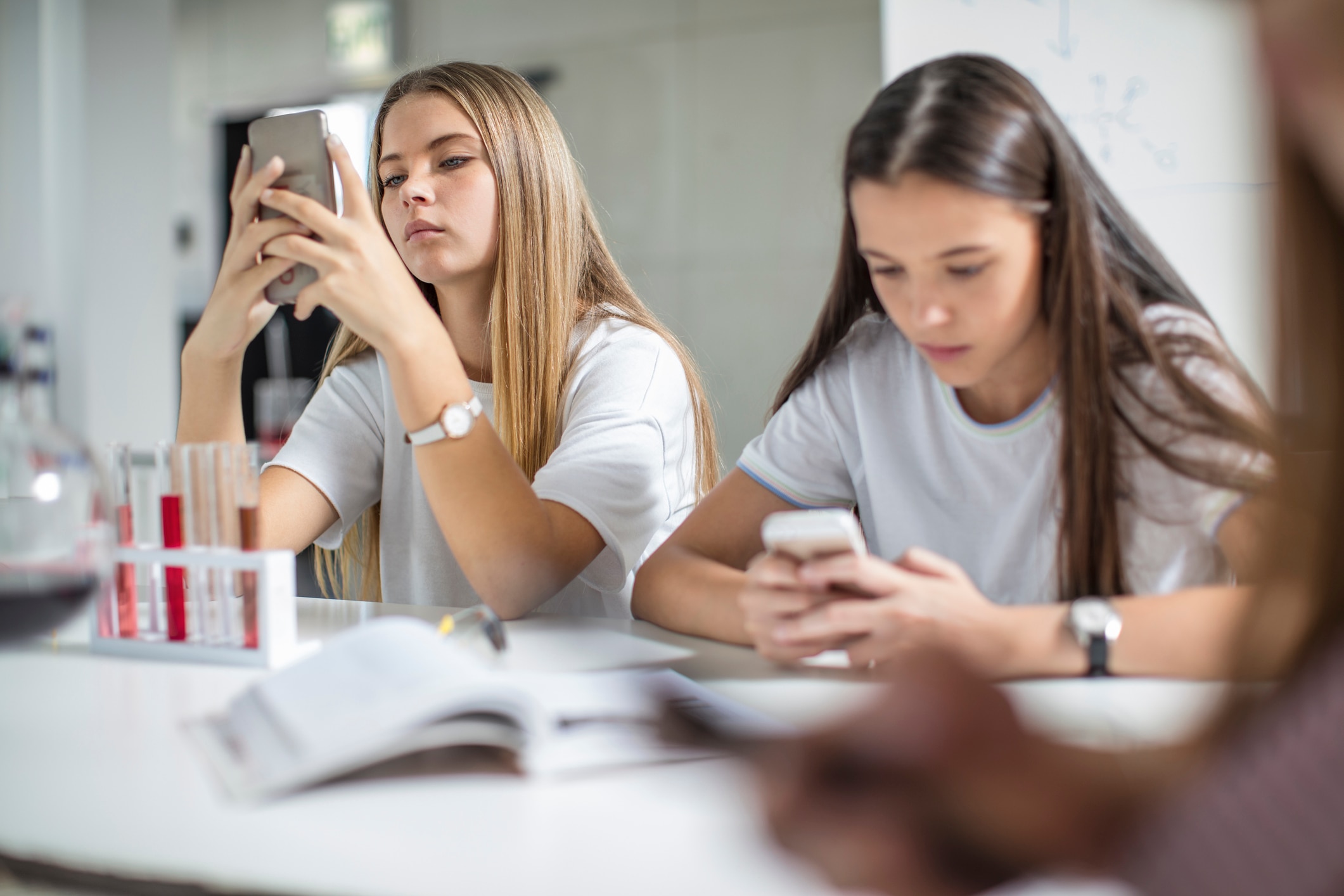
World watching Australia’s social media ban for under-16s
Evidence of harm of social media on young people is limited, but the effects are obvious.

Jonathon Porritt charts lives of young British climate campaigners
Love, Anger and Betrayal follows 26 young British citizens as protest against the ongoing use of fossil fuels.
Lab Notes: How solar eclipses trick birds into singing
Few astronomical wonders are as spectacular as a total solar eclipse, when the Moon fully covers the Sun, plunging us into daytime darkness. If we're lucky, we can see this epic phenomenon as it happens — through special glasses, of course. But our preoccupation with looking at the sky means we may not notice what's happening to the animals around us. When it comes to birds, many of which rely on the Sun to tell them when to sing a dawn chorus, how does a solar eclipse change how they behave? And what are the wider implications in this artificially lit world? You can binge more episodes of the Lab Notes podcast with science journalist and presenter Belinda Smith on the ABC Listen app (Australia). You'll find episodes on animal behaviour, human health, space exploration and so much more.Get in touch with us: [email protected]:Liz Aguilar, PhD student in bird reproductive behaviour at Indiana University BloomingtonMore information:Total solar eclipse triggers dawn behavior in birds: Insights from acoustic recordings and community scienceThis episode of Lab Notes was produced on the lands of the Wurundjeri and Menang Noongar people.
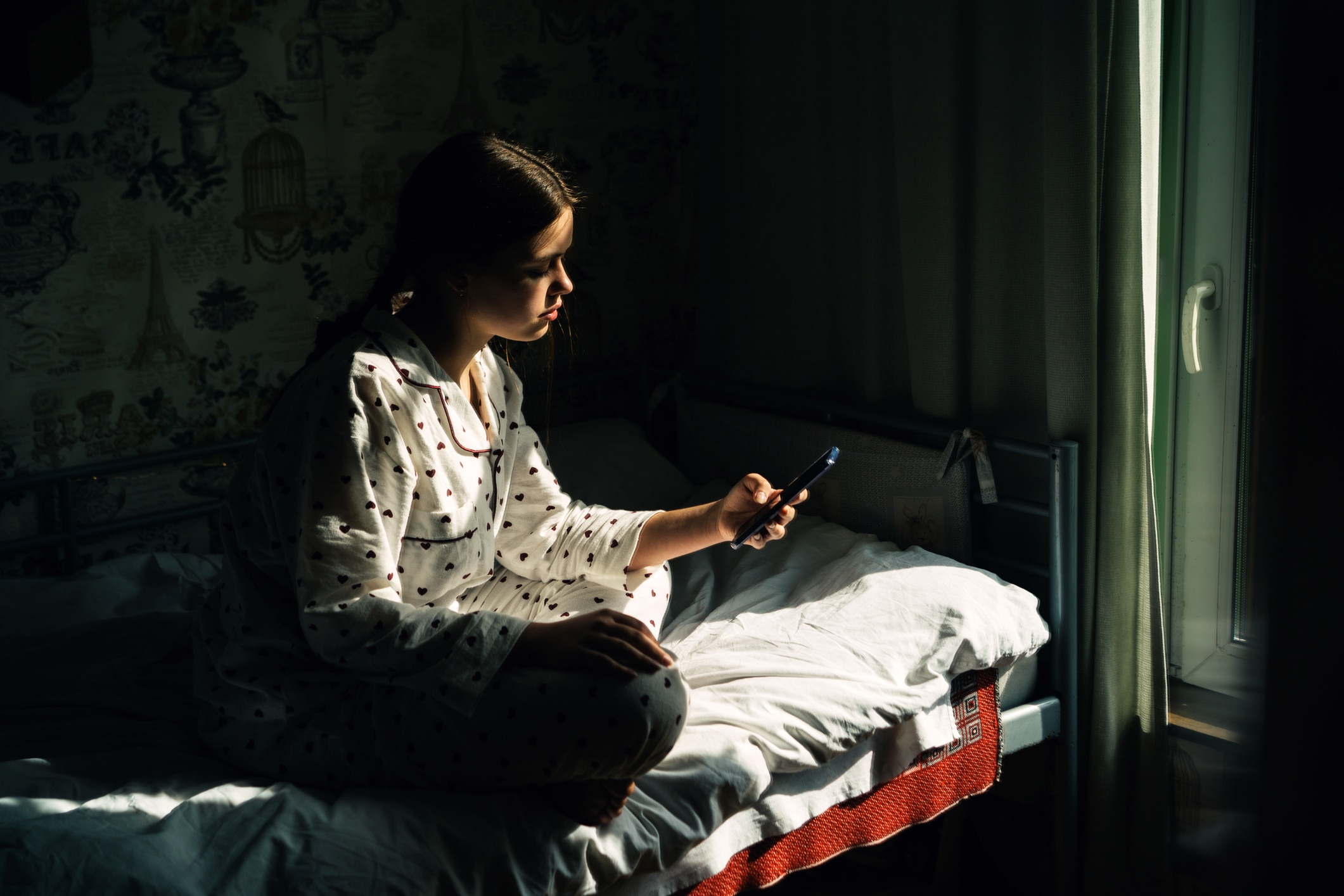
How technology can reduce loneliness
David Ellis is investigating how technology might be redesigned to reduce or eliminate the loneliness which can arise for some users.
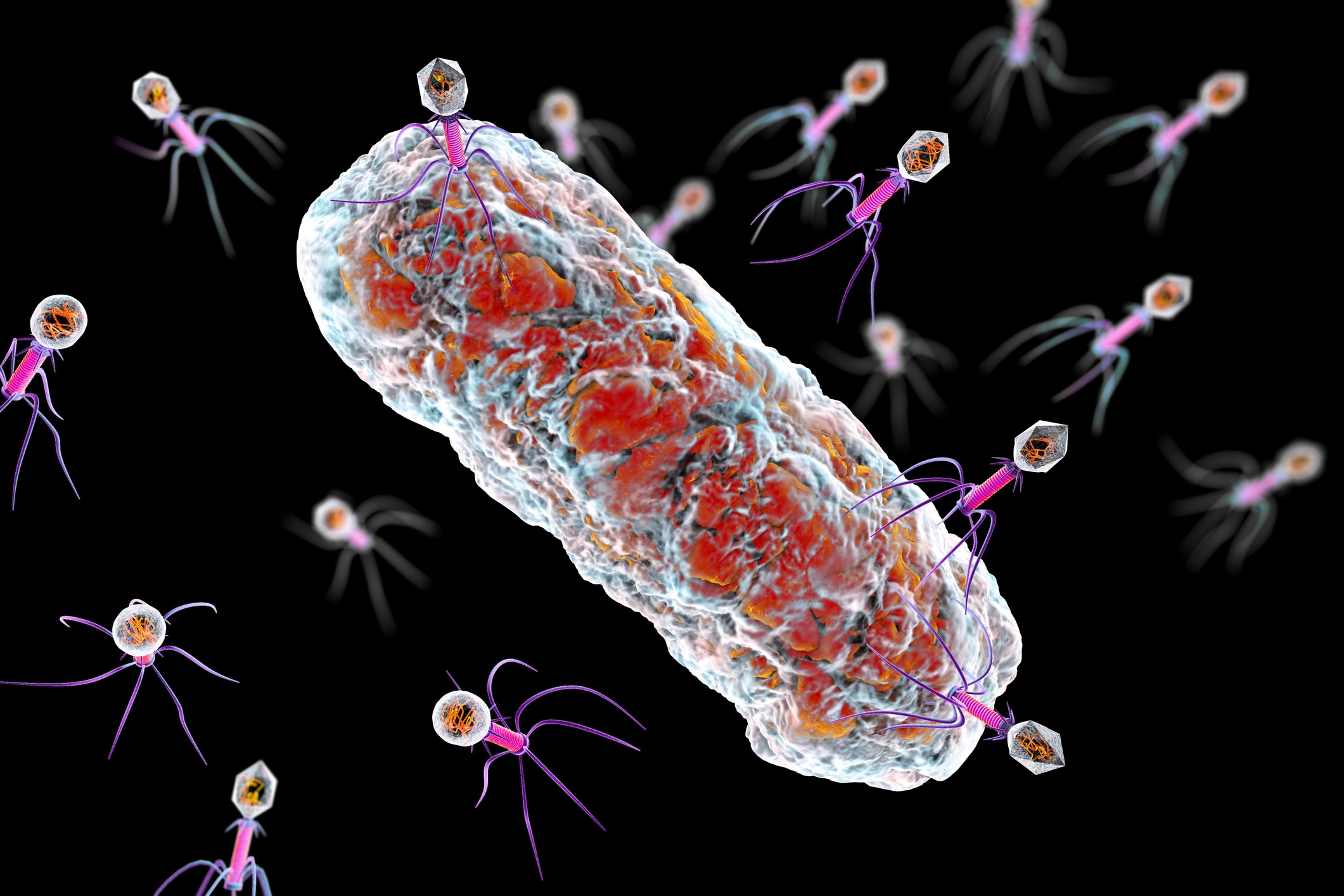
Phage – part of the fight against antibacterial resistance
Phages are viruses which attack specific bacteria.
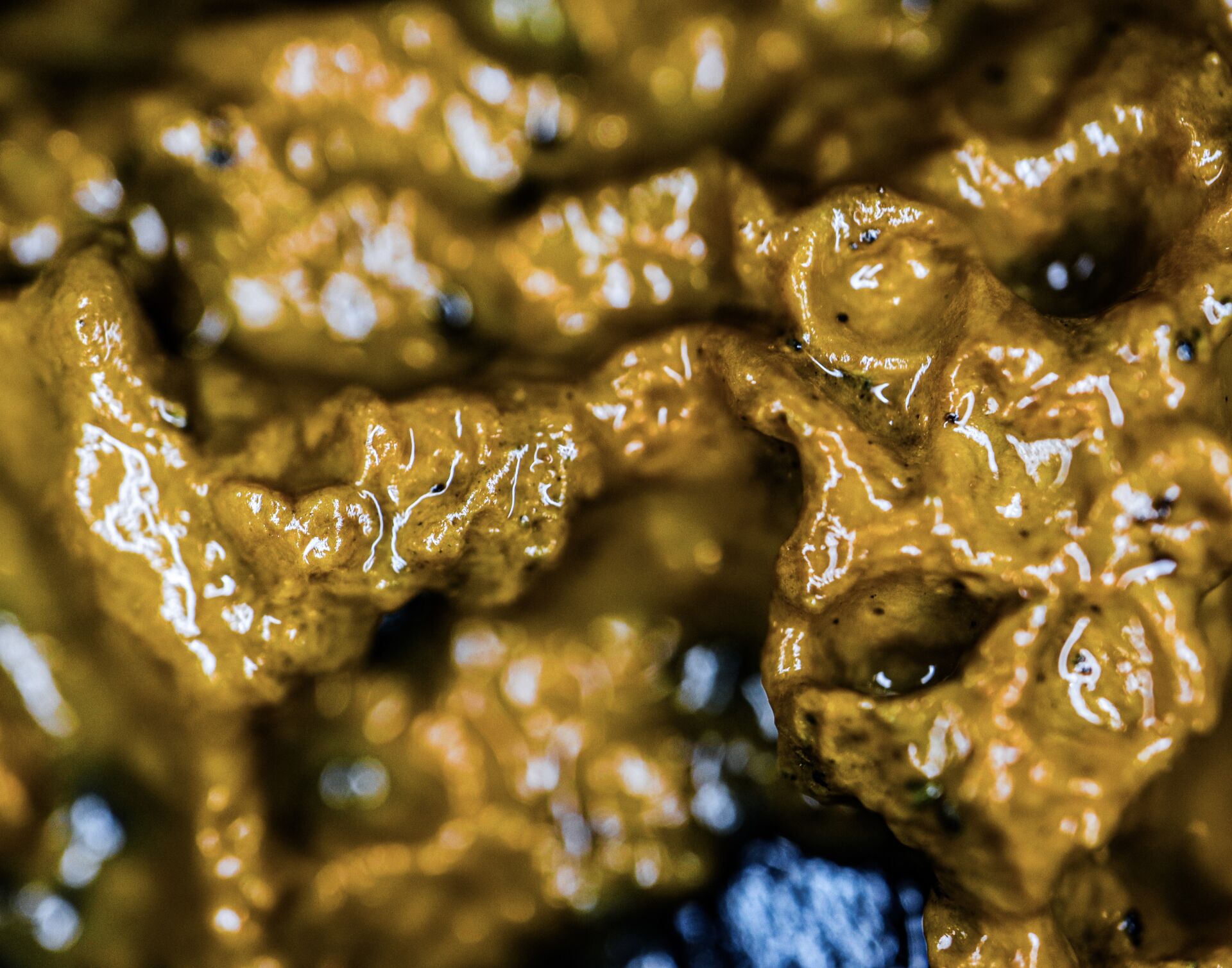
Biofilms – they’re everywhere
Biofilms are produced by microorganisms coming together and forming a community usually on a surface. The biofilm provides protection for the microorganism.
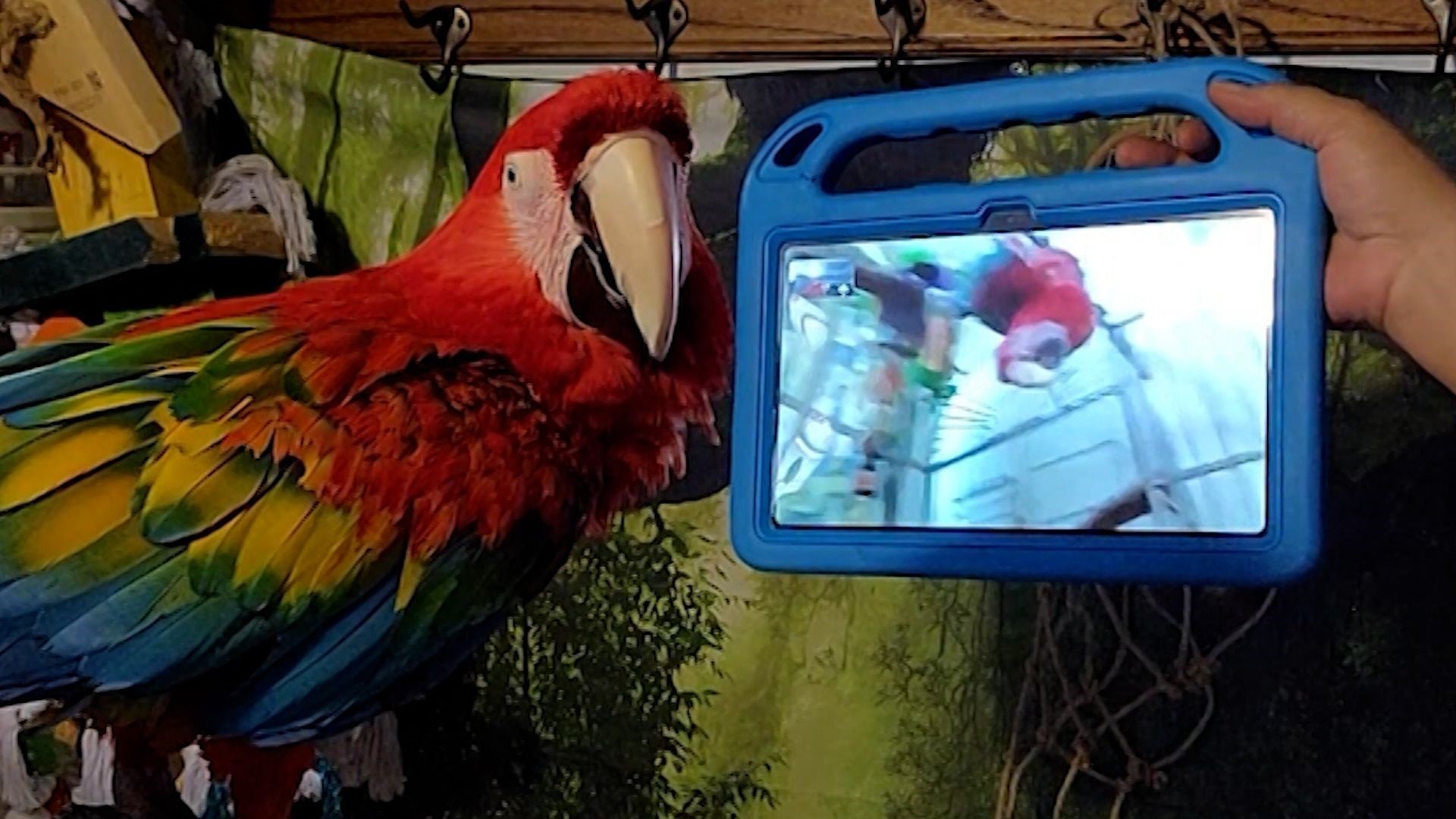
Internet and social media for animals?
The idea is to see if technology can be used to support animals which live in isolation in zoos or sanctuaries.
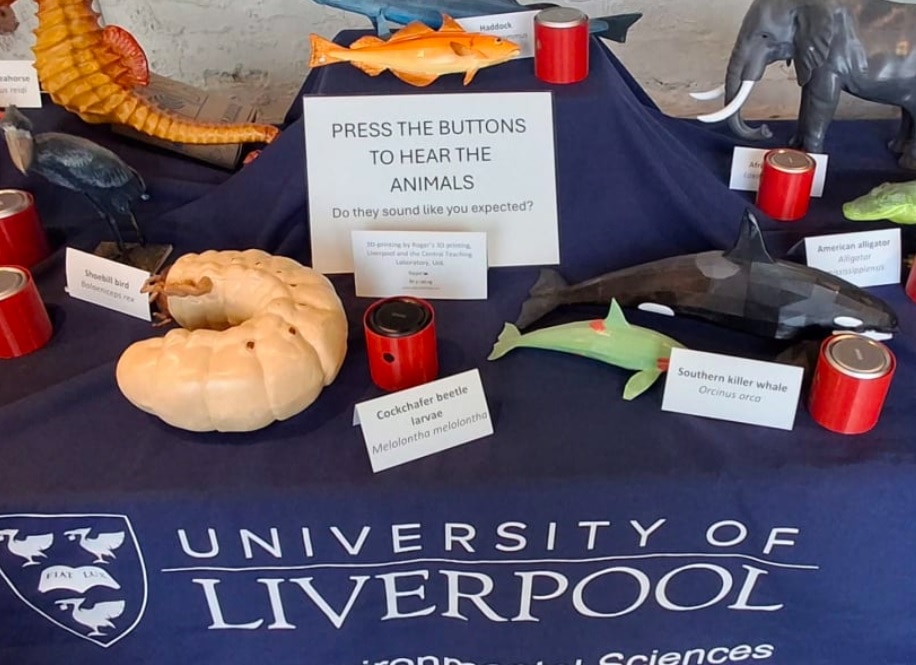
Curious animal sounds
A display at the British Science Festival featured sounds from animals we usually think of as being silent such as some fish, and sea horses.
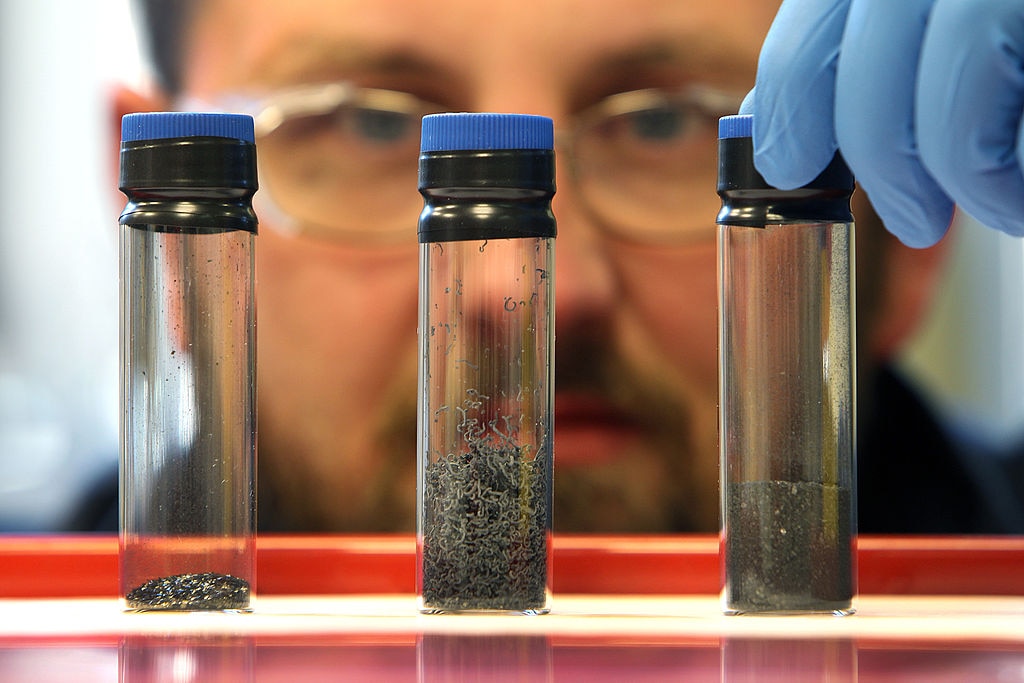
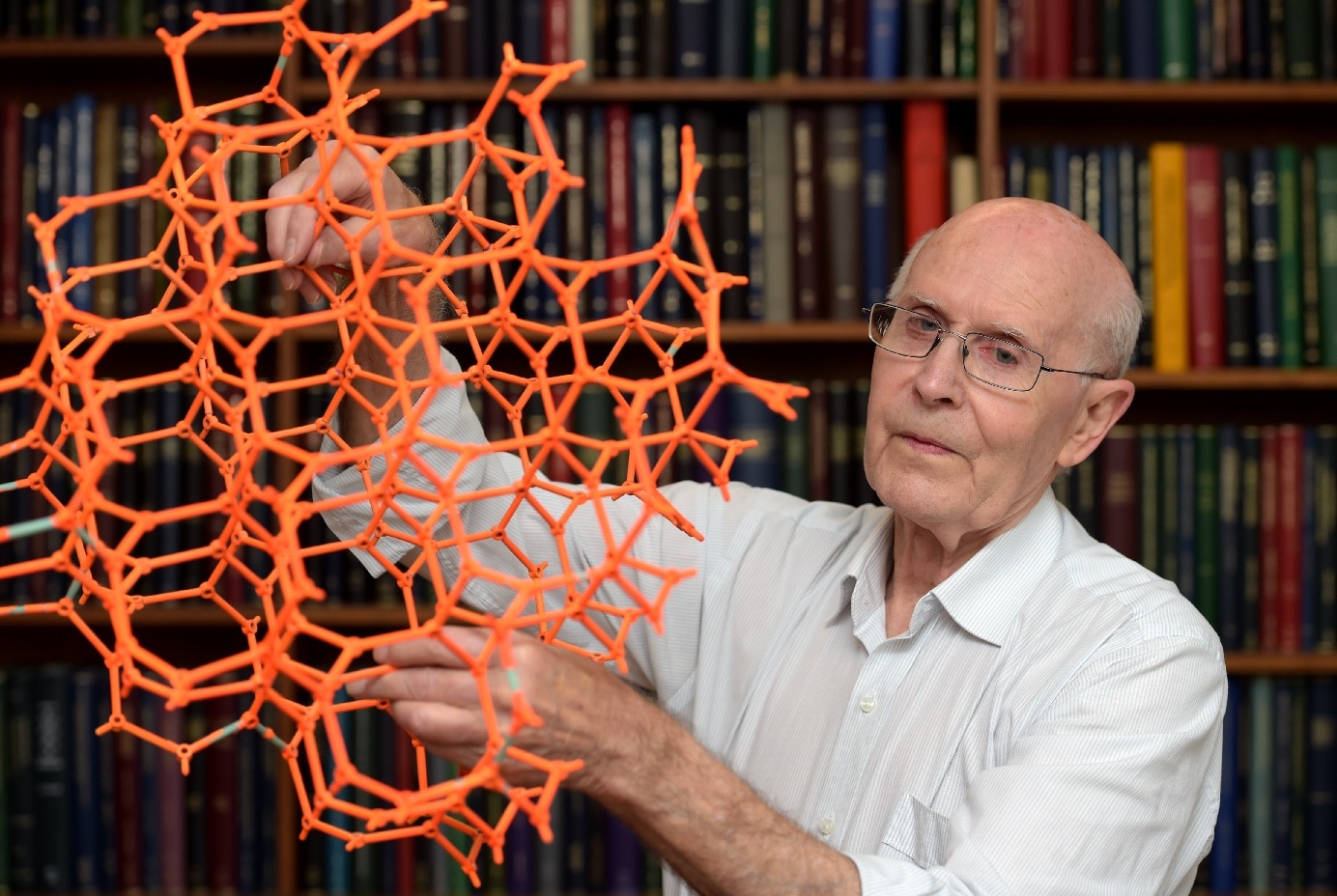
Graphene 15 years on
Andre Geim was awarded the Nobel Prize for Physics in 2010 for his work on graphene. Graphene is one atom thick, a lattice of carbon atoms and is a two-dimensional material.
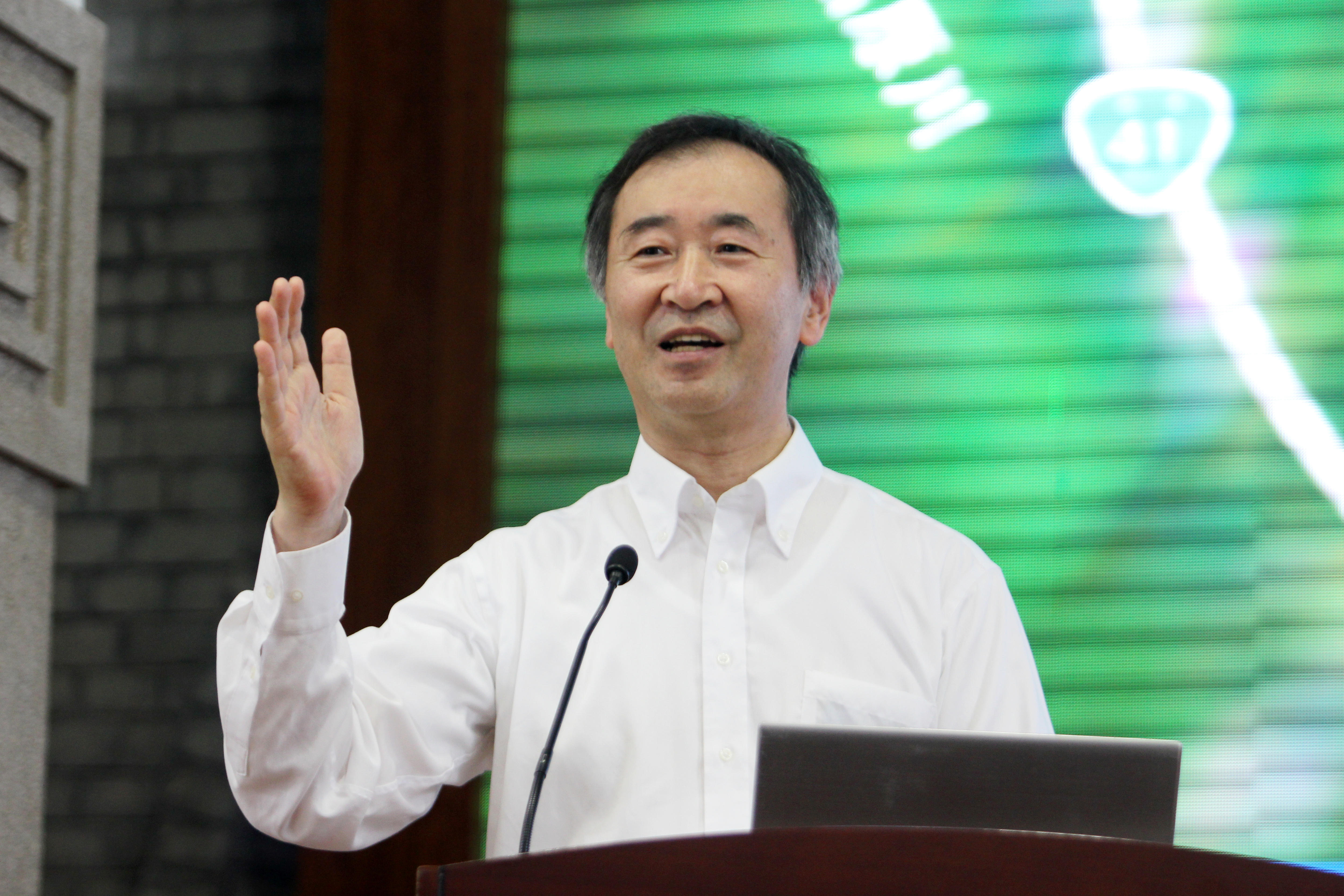
Poor Japanese support for research
Nobel Prize winner Takaaki Kajita laments poor support for research in Japan.
Scientific Nobel Prizes 2025
David Fisher reports on the 2025 Nobel Prizes for Medicine, Physics and Chemistry.
Lab Notes: How humpback whales bounced back
This has been a bumper year for whale-watching on Australia's east coast, with thousands of humpbacks spotted cruising along their annual migration route. This population was almost wiped out by whalers last century but has bounced back — and then some. A new estimate suggests there are now more of these humpbacks than in pre-whaling times. So why are the eastern Australian humpbacks going gangbusters while other populations aren't doing nearly as well? You can binge more episodes of the Lab Notes podcast with science journalist and presenter Belinda Smith on the ABC Listen app (Australia). You'll find episodes on animal behaviour, human health, space exploration and so much more.Get in touch with us: [email protected]:Wally Franklin, marine scientist at Southern Cross University and the Oceania Project More information:Eastern Australian humpback whale population now well above pre-whaling levels, report findsBoom to bust? Implications for the continued rapid growth of the eastern Australian humpback whale population despite recoveryThe Oceania ProjectIf you want to hear about how other Australian whales are going, check out The plight of the southern right whales. This episode of Lab Notes was produced on the lands of the Wurundjeri and Menang Noongar people.
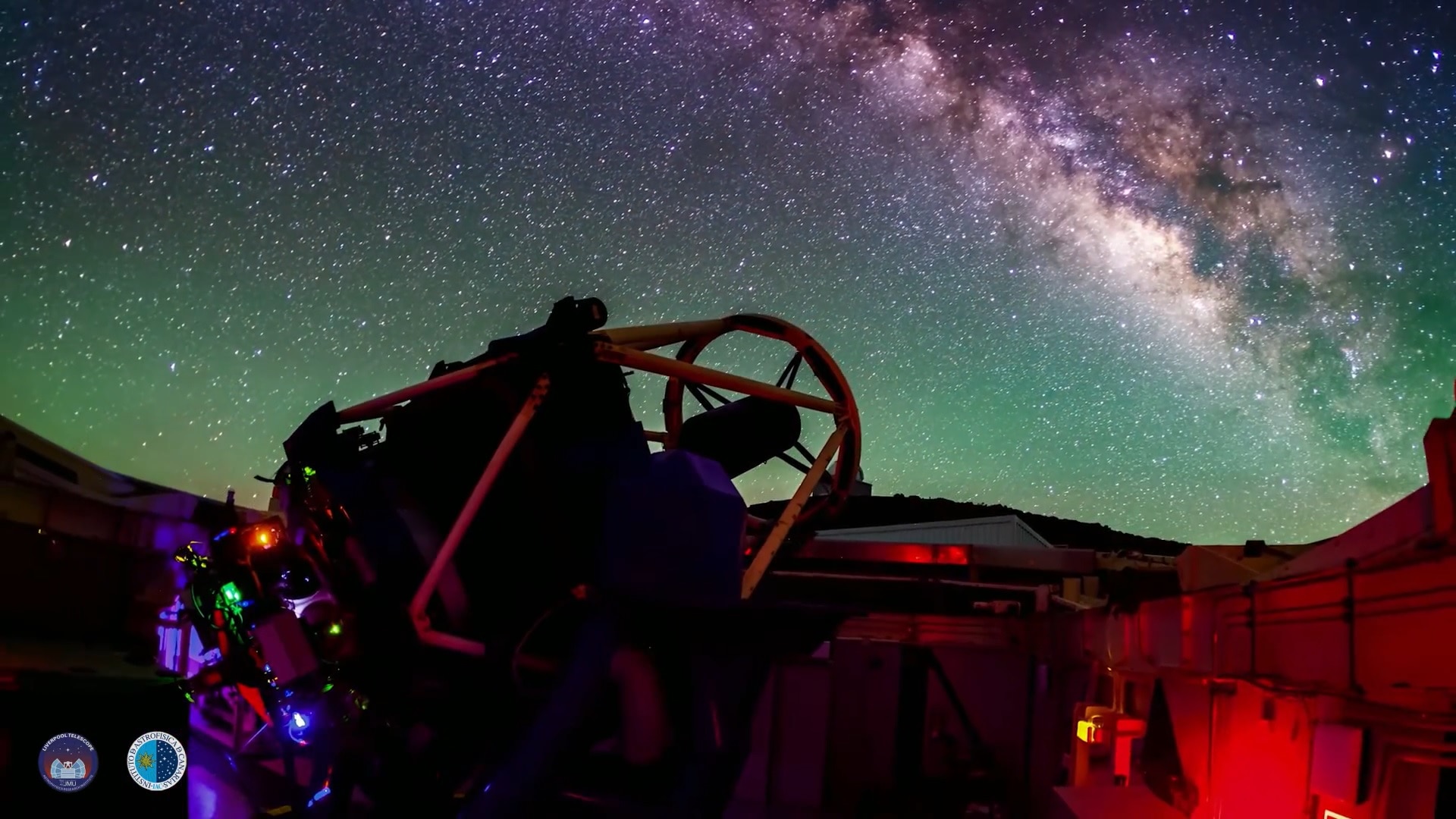
The UK has a telescope?
Despite the cloud, the UK has a telescope. It is cleverly located in the Canary Islands and specialises in short duration cosmic events such as supernovae and merging stars.
Archaeology has revealed Australia’s true human history
Madeline Robinson describes some of the nation’s most important archaeological sites, what they reveal, and she touches on why they are not widely known, despite their importance.

The threat of misinformation and the value of historical knowledge
Flint Dibble says our civilisation is at risk if we don’t recognise facts, acknowledge threats and change the way we live.
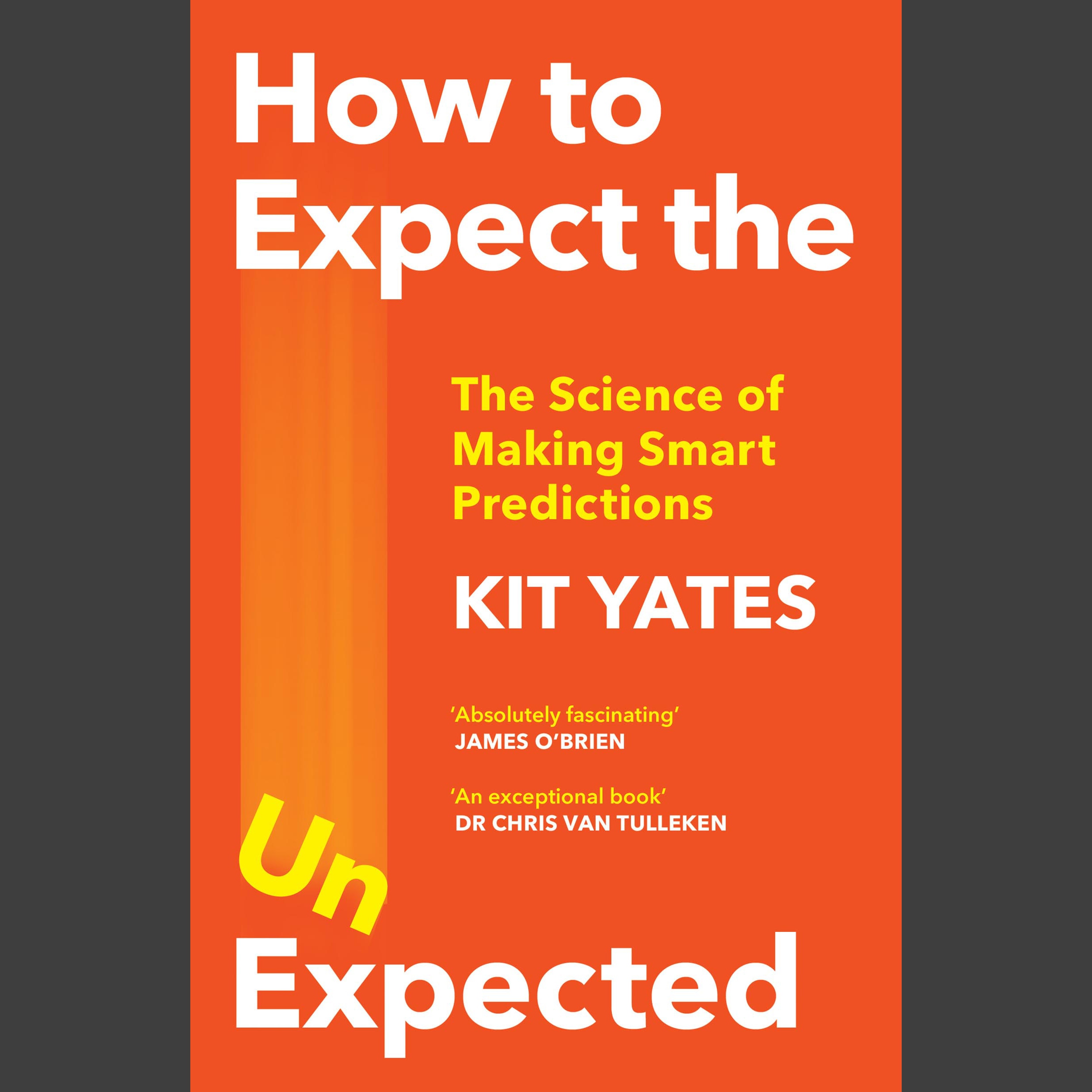
The science of predictions
Professor Kit Yates explores the science behind the predictions we make every hour of every day.

Cardiac professor on the sports field
Keith George is using real time monitoring of elite sportspeople in the hope of identifying athletes at risk of cardiac problems.
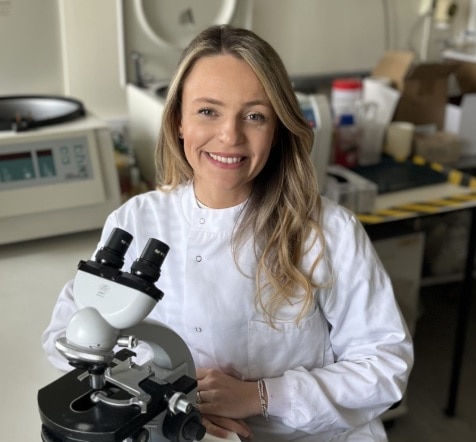
Meet the Scouse scientist Holly Ellis
Holly Ellis is The Scouse Scientist, a clinical scientist specialising in genetics. Holly launched ‘The Scouse Scientist’ on social media in 2019.
Lab Notes: Why CO2 peaks at this time of year
For decades, climate scientists have been tracking a curious phenomenon. Carbon dioxide levels in the atmosphere are steadily increasing overall but they also rise and fall in an annual rhythm — like the planet is breathing.Each spring, in the southern hemisphere, carbon dioxide levels start to plateau or maybe even drop slightly before shooting up again after summer.So what's driving these seasonal changes?You can binge more episodes of the Lab Notes podcast with science journalist and presenter Belinda Smith on the ABC Listen app (Australia). You'll find episodes on animal behaviour, human health, space exploration and so much more.Get in touch with us: [email protected]:Nick Deutscher, atmospheric chemist at the University of WollongongThis episode of Lab Notes was produced on the lands of the Wurundjeri and Menang Noongar people.
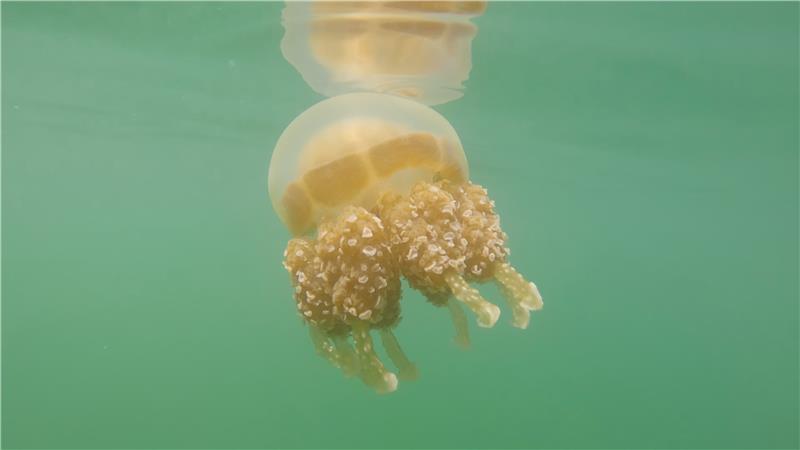
Inside Palau's isolated marine lakes where millions of rare jellyfish are disappearing
There is concern that the impacts of climate change and water pollution may be impacting iconic local jellyfish.
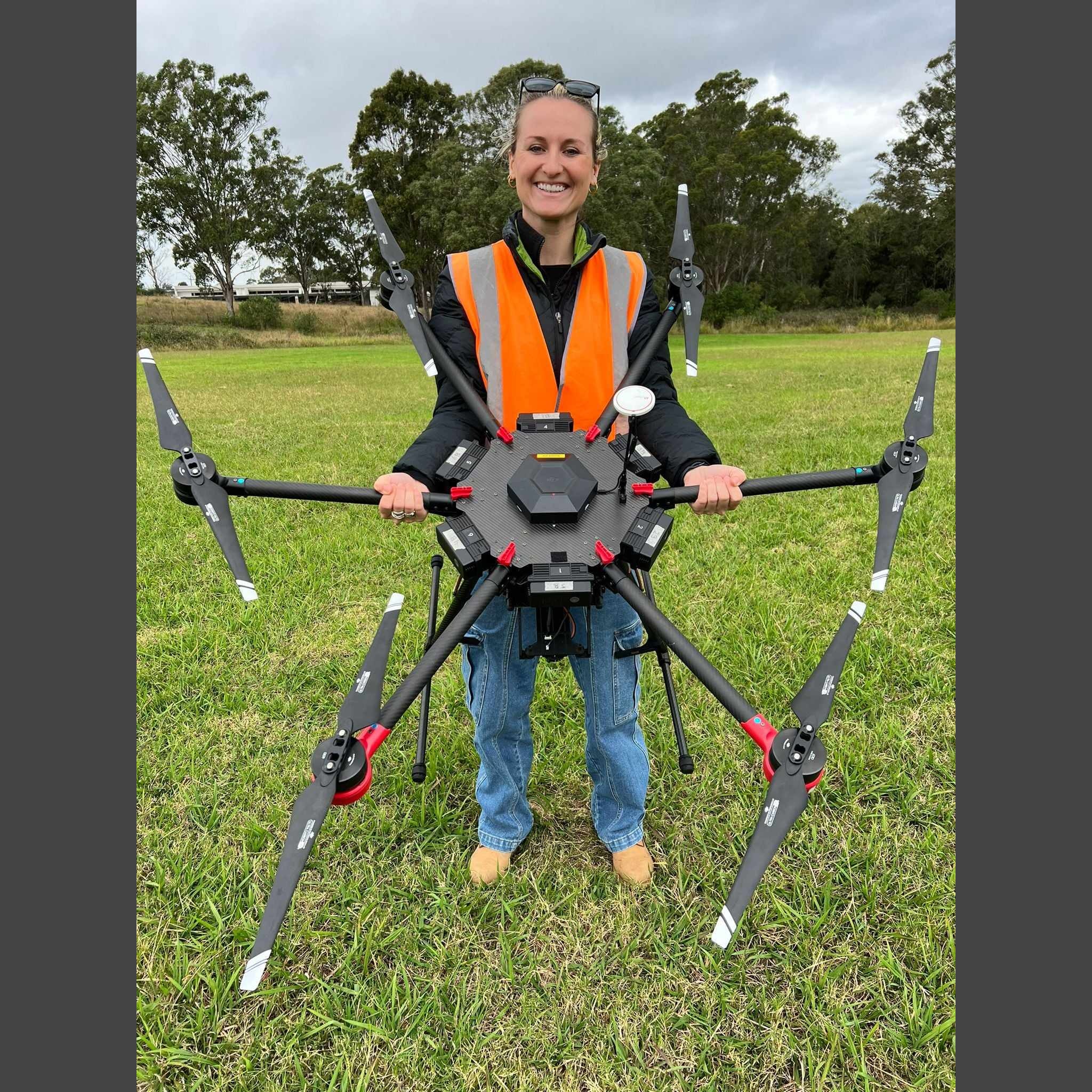
Social media’s threat to the human story
Madeline Robinson argues human history is under threat of distortion from social media.
Lab Notes: These high-tech mouthguards predict concussions
If you've been watching the Women's Rugby World Cup, you may have noticed players have been wearing special mouthguards that light up when they've suffered a significant knock to the head.It's the first time these concussion-predicting mouthguards have been trialled at a major competition.So in the wake of recent concussion concerns, from professional AFL and rugby league to community competitions, is this the future of sport?You can binge more episodes of the Lab Notes podcast with science journalist and presenter Belinda Smith on the ABC Listen app (Australia). You'll find episodes on animal behaviour, human health, space exploration and so much more.Get in touch with us: [email protected]:Kate O’Halloran, digital journalist with ABC Sport More information: Women's Rugby World Cup players trialling flashing mouthguards to help predict concussionsThis episode of Lab Notes was produced on the lands of the Wurundjeri and Menang Noongar people.