The Science Show - Separate stories podcast
362 episodes — Page 4 of 8
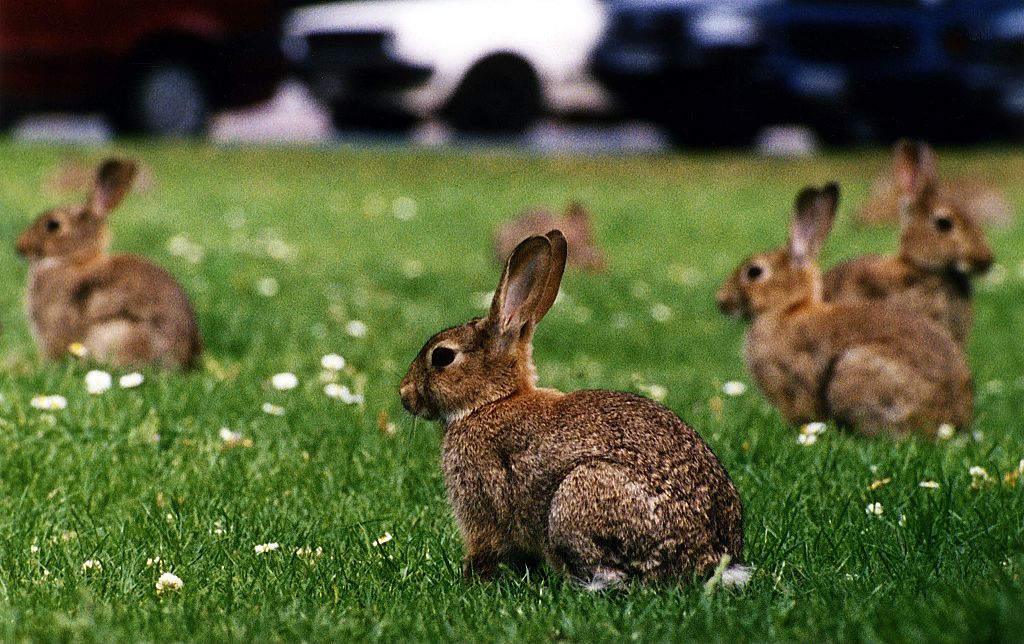
As rabbit numbers boom, what's next for biological control?
With an estimated 200 million feral rabbits hopping around Australia, are current viral controls working, and do we need another virus to knock off these invasive pests?
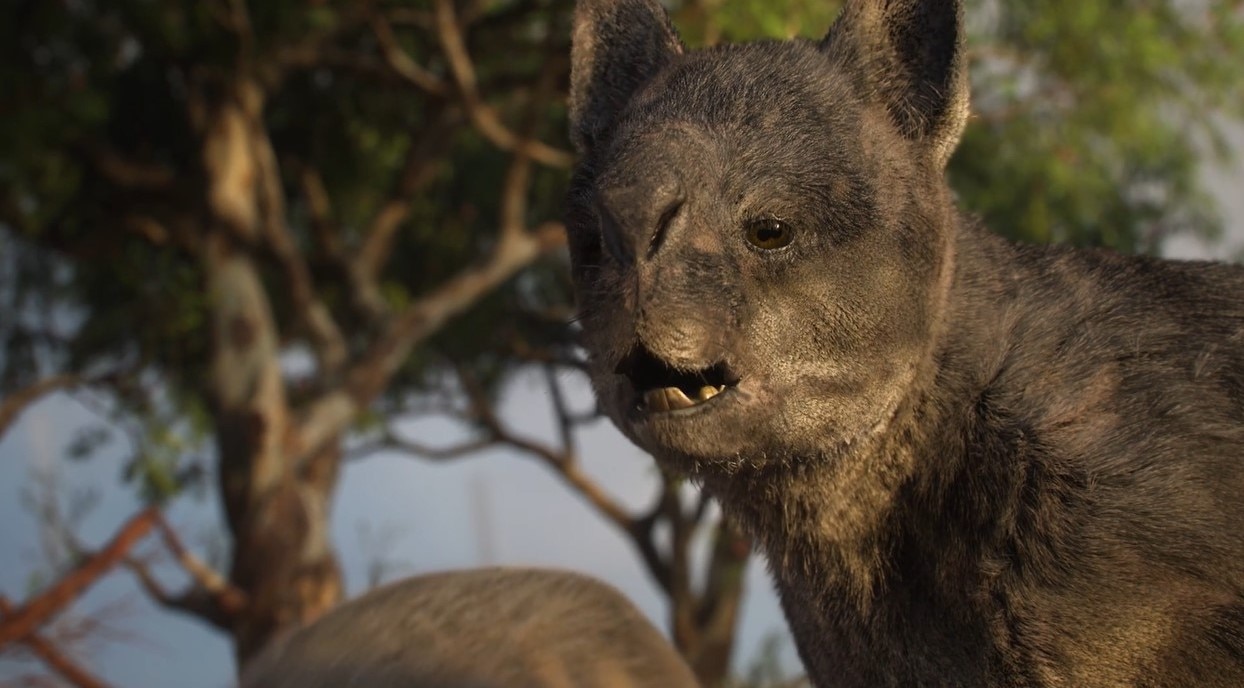
Extinct giant roos could hop, study finds
Australia was once home to kangaroos that weighed as much as a quarter of a tonne. A new fossil analysis suggests these hefty creatures could hop - but only if they really needed to.
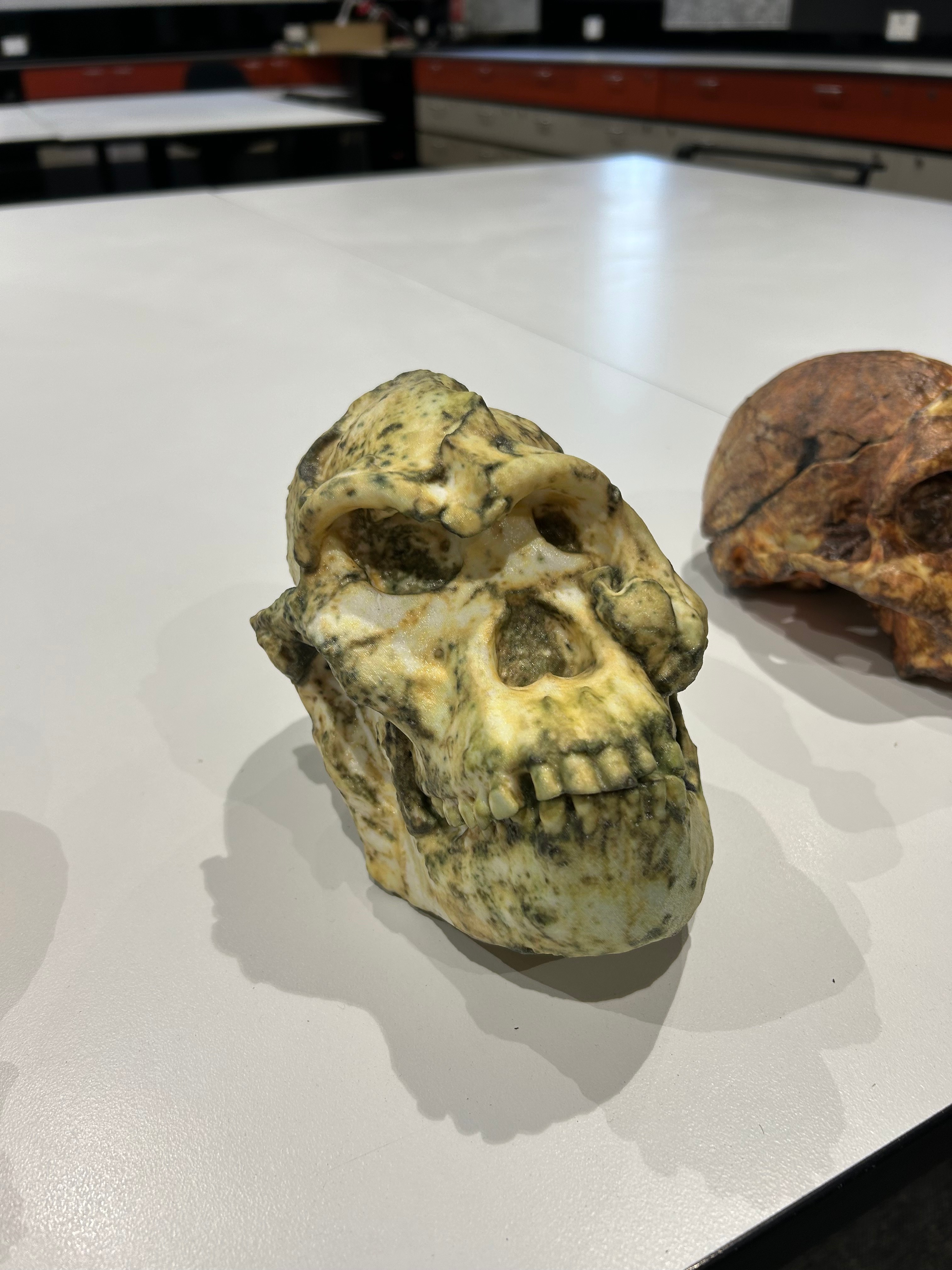
The fuss over Little Foot's identity
An almost-complete skeleton of an ancient hominin was found in a South African cave in the 1990s. Nearly 30 years later, questions remain about the individual's species.
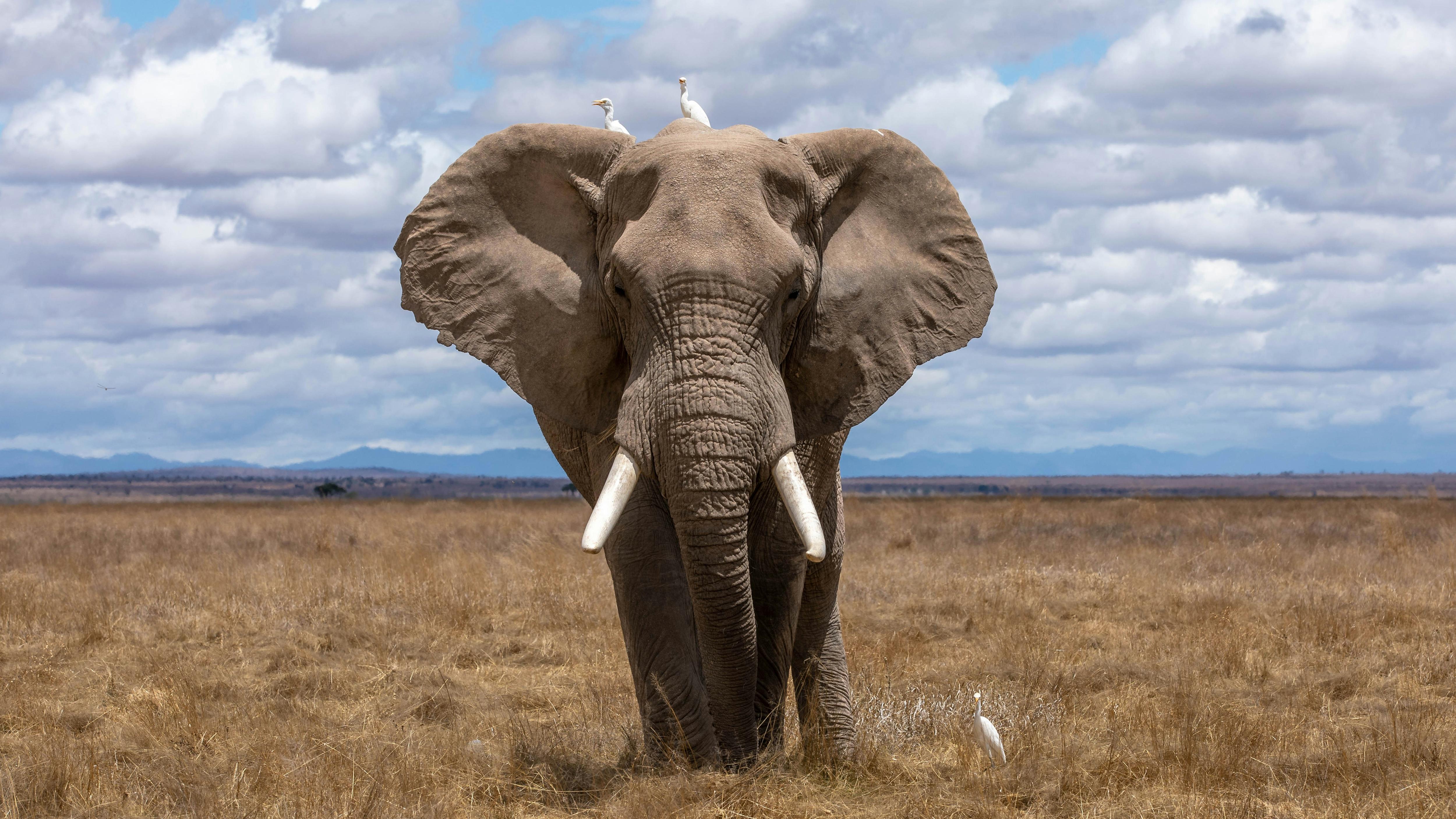
How tiny bees stop elephants eating crops
You may have heard the story about elephants being scared of mice, but what about bees? Farmers and scientists in Africa are taking advantage of this fear to protect crops.
Lab Notes: Why buying a star name is nonsense
A quick online search reveals multiple paid services for naming stars as commemorative gifts. You'll be provided with a certificate and a map for finding your star in the sky. But these names are not official and are not used by astronomers — or anyone else, for that matter. So what's going on, and how do stars really get their names? Featuring: Laura Driessen, radio astronomer at the University of Sydney You can binge more episodes of the Lab Notes podcast with science editor and presenter Jonathan Webb on the ABC Listen app (Australia). You'll find episodes on animal behaviour, human health, space exploration and so much more.Get in touch with us: [email protected] episode of Lab Notes was produced on the lands of the Gadigal and Menang Noongar people.
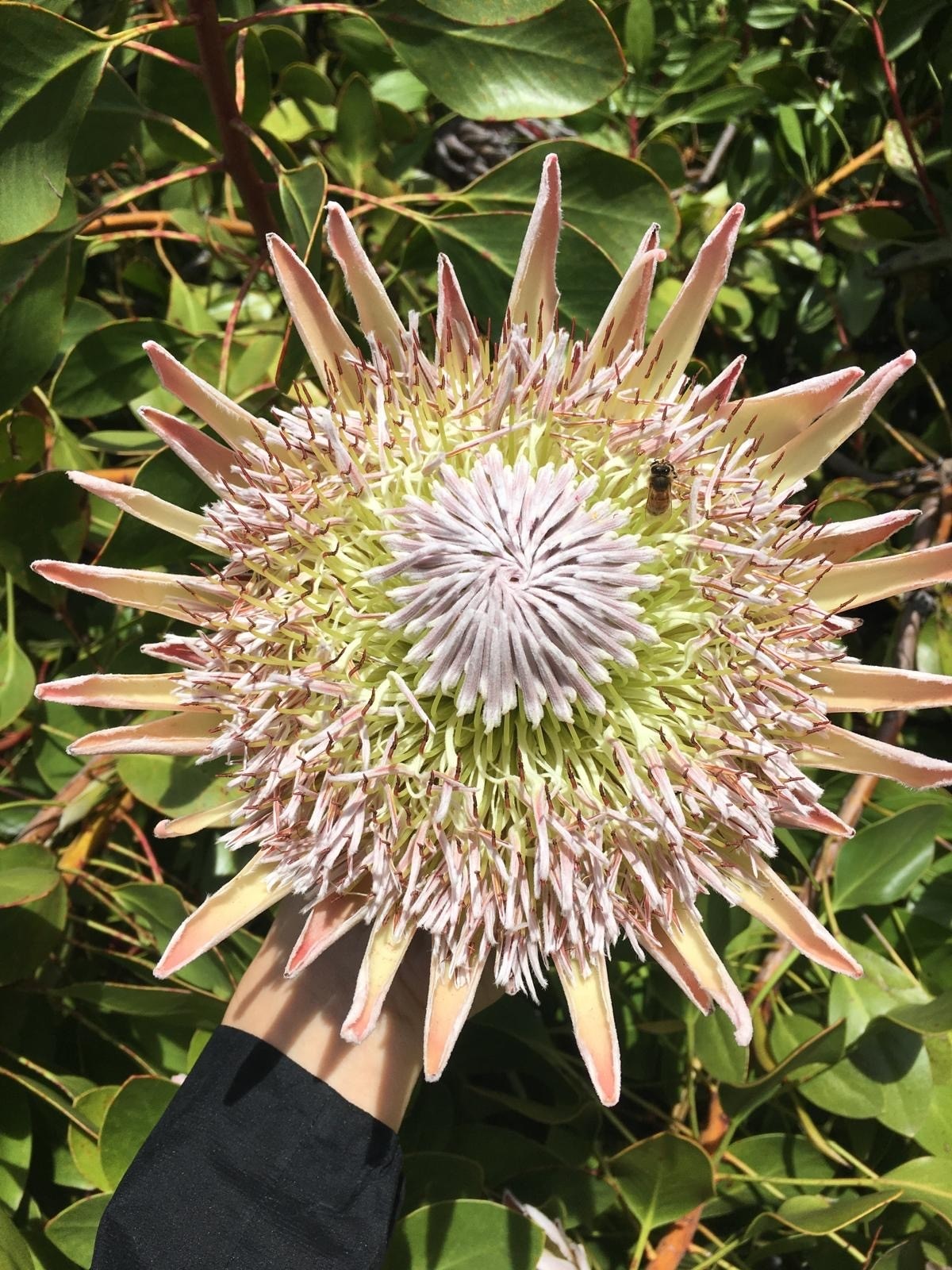
Royal Botanic Gardens Sydney prepares to celebrate 210 years
Director Simon Duffy describes the wide range of activities at Sydney’s Royal Botanic Gardens.
Writing competition reveals what matters to young Australians!
Philippa Collin describes the themes which have emerged from Australia’s biggest writing competition for young people.

Cleaner air doesn’t help corals
Cleaner air as ships’ have reduced their emissions has exacerbated coral bleaching in the Great Barrier Reef.
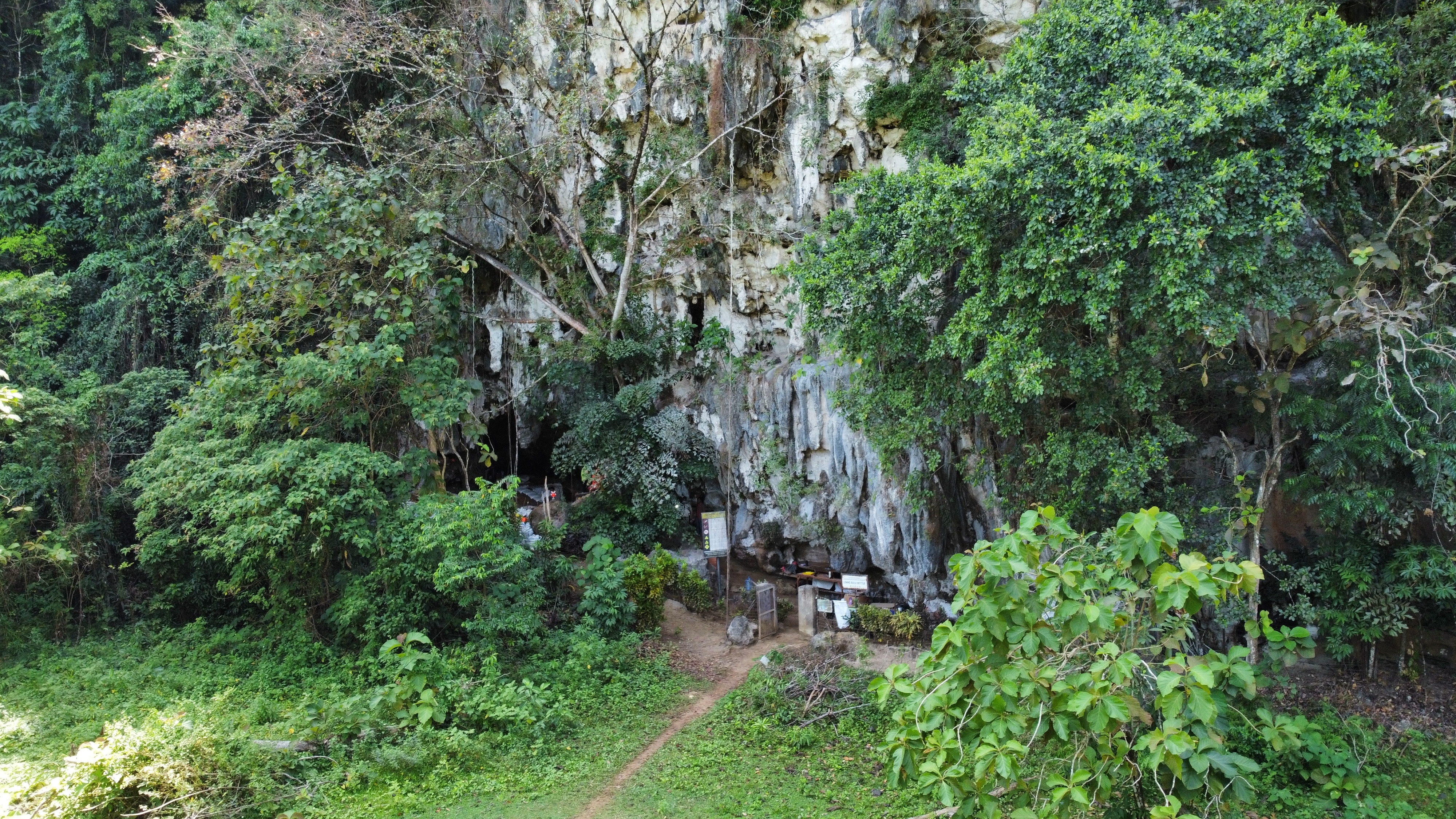
The cave where two human species may have met
Wherever Homo sapiens has roamed, other human species tend to disappear, and a cave on the Indonesian island of Sulawesi is no exception.
Lab Notes: Skincare, pregnancy and a minefield of mixed messages
Retinoids are big business for reducing wrinkles and treating acne — but there's conflicting advice on their safety for pregnant women.Should manufacturers of these skincare products be providing warnings? Or are the risks not that great?You can binge more episodes of the Lab Notes podcast with science editor and presenter Jonathan Webb on the ABC Listen app (Australia). You'll find episodes on animal behaviour, human health, space exploration and so much more.Get in touch with us: [email protected]:Caitlyn Davey, health reporterExtra information:Retinoids are booming in the beauty industry, but are they safe to use during pregnancy?This episode of Lab Notes was produced on the lands of the Gadigal and Menang Noongar people.

Political knowledge worsens amongst young Australians
Australia’s social media ban for under 16s aims to protect young people from online threats, but it may also limit their knowledge about democracy and political systems.
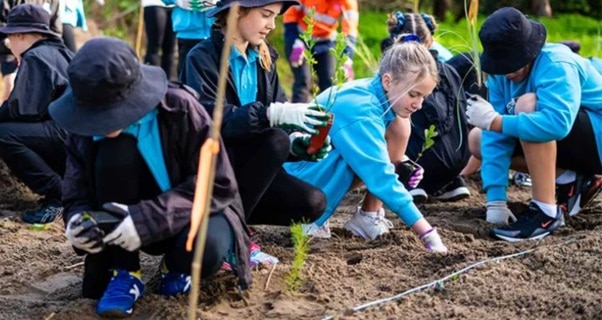
Widespread benefits of school forest plots
Small patches of forests in schools initiate discussion and leaning across biology and ecology. Students develop a sense of ownership and community awareness with improved mental health. A Perth-based initiative is spreading far and wide.
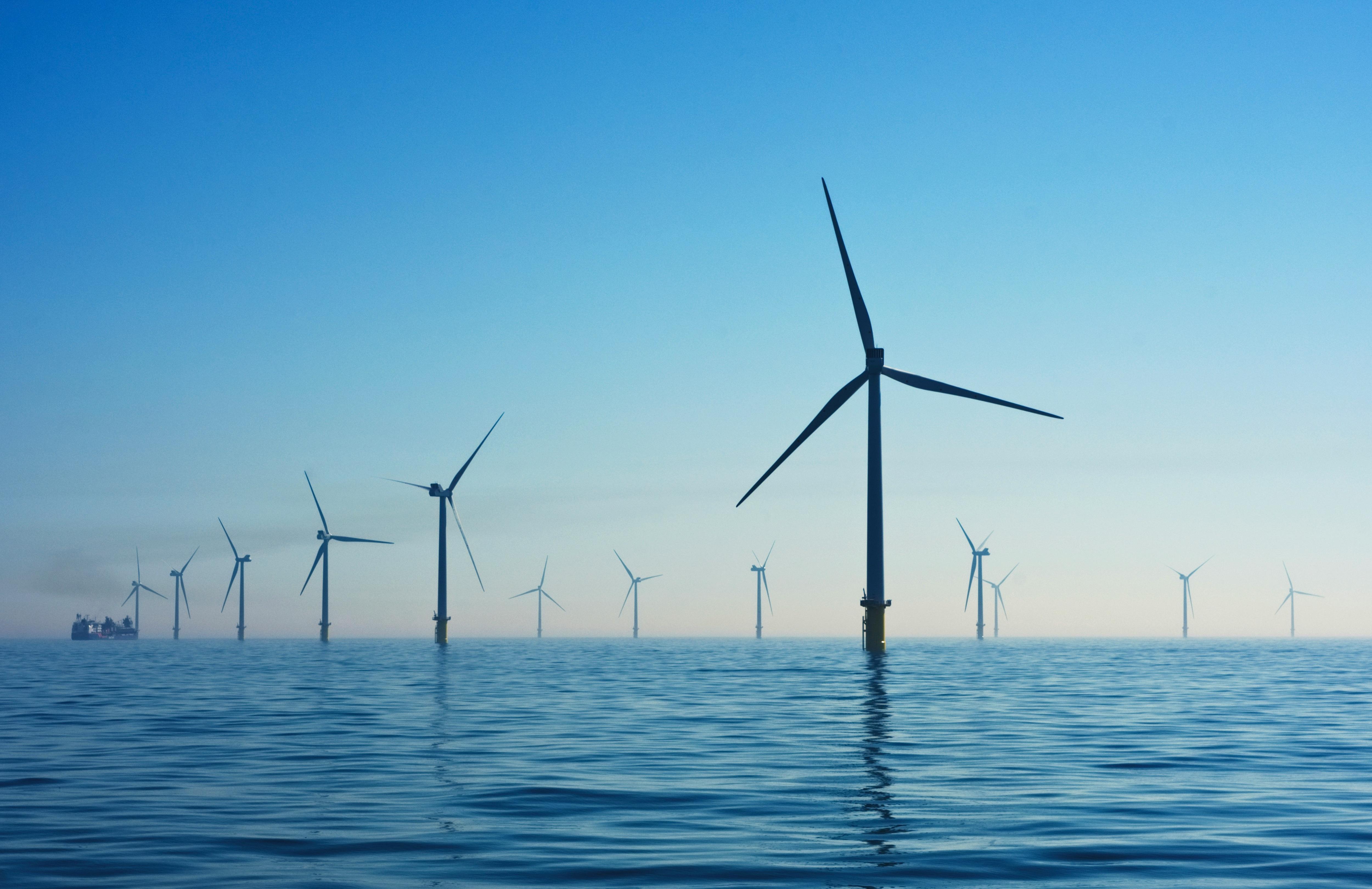
Offshore wind farms a haven for marine life
The massive foundations that support offshore wind turbines can be an oasis for marine life in an otherwise submarine desert, according to work done at Murdoch University in Australia and Dalian Ocean University in China.
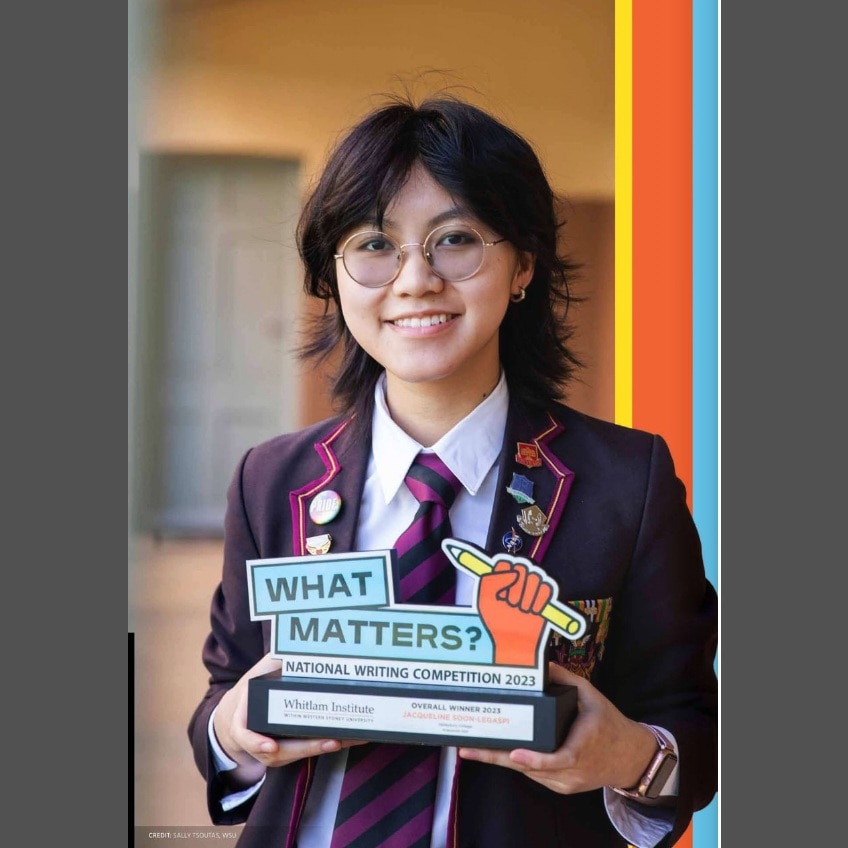
What matters to young Australians!
John Juriansz describes what is revealed from the largest creative writing competition for young people in Australia.
Lab Notes: Can we tap the brakes on energy-hungry AI?
AI seems to be absolutely everywhere at the moment. While we're still waiting for the productivity revolution — or the jobs apocalypse — the energy costs of AI are already staggering.So how should we think about those environmental impacts of AI? And what can we learn from previous turns of the great technological wheel?You can binge more episodes of the Lab Notes podcast with science editor and presenter Jonathan Webb on the ABC Listen app (Australia). You'll find episodes on animal behaviour, human health, space exploration and so much more.Get in touch with us: [email protected]: Dr Niraj Lal, renewables expert at the Australian National University Extra information: Data centres are vital for the future and AI but their environmental footprint can be a problemThis episode of Lab Notes was produced on the lands of the Gadigal and Menang Noongar people.
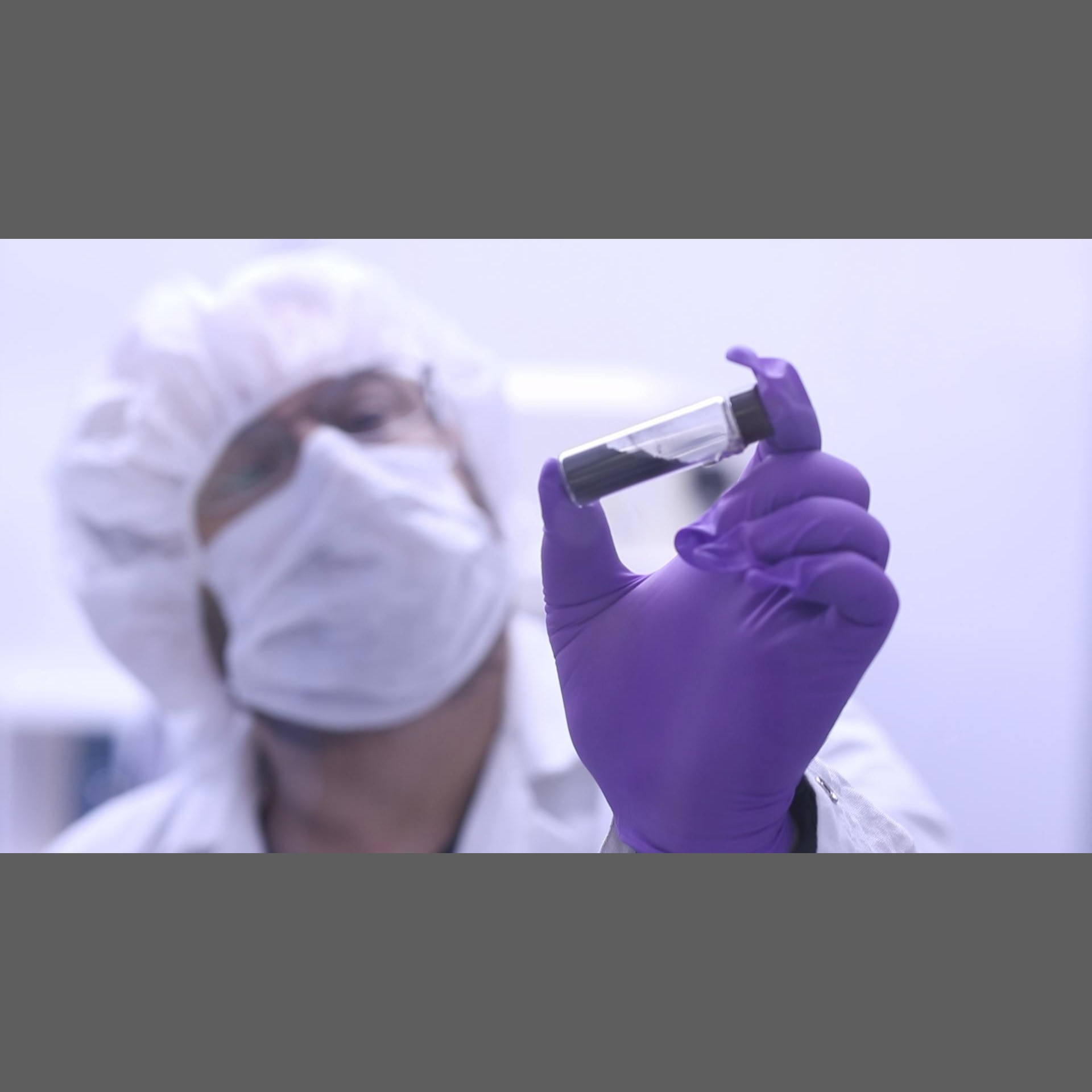
Asteroids brought building blocks of life to Earth?
Samples of asteroids contain a range of organic molecules. Do asteroids raining down on Earth explain how life started on Earth?

Electric vehicles powering ahead
Only six years ago there were doubts about electric vehicles: range! charging facilities! cost! Now in 2026, the mood is reversed. Peter Hadfield reports from the Sydney EV auto show.
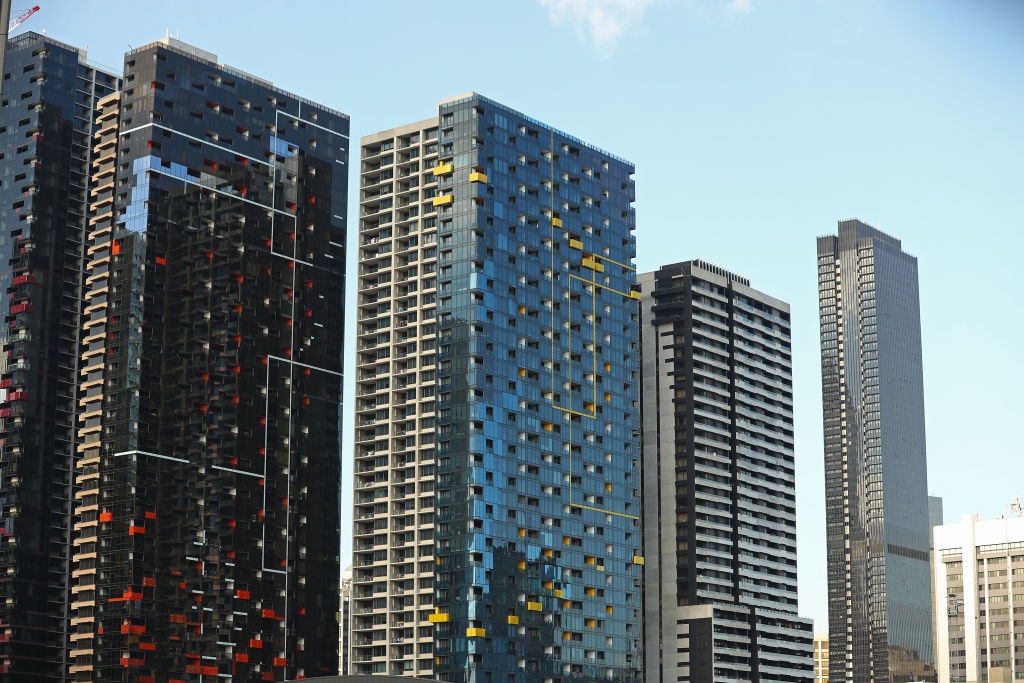
Green cities develop near public transport lines
Peter Newman says fossil fuels industries face long term risk as renewables offer cheaper options. And urban density is increasing around public transport.
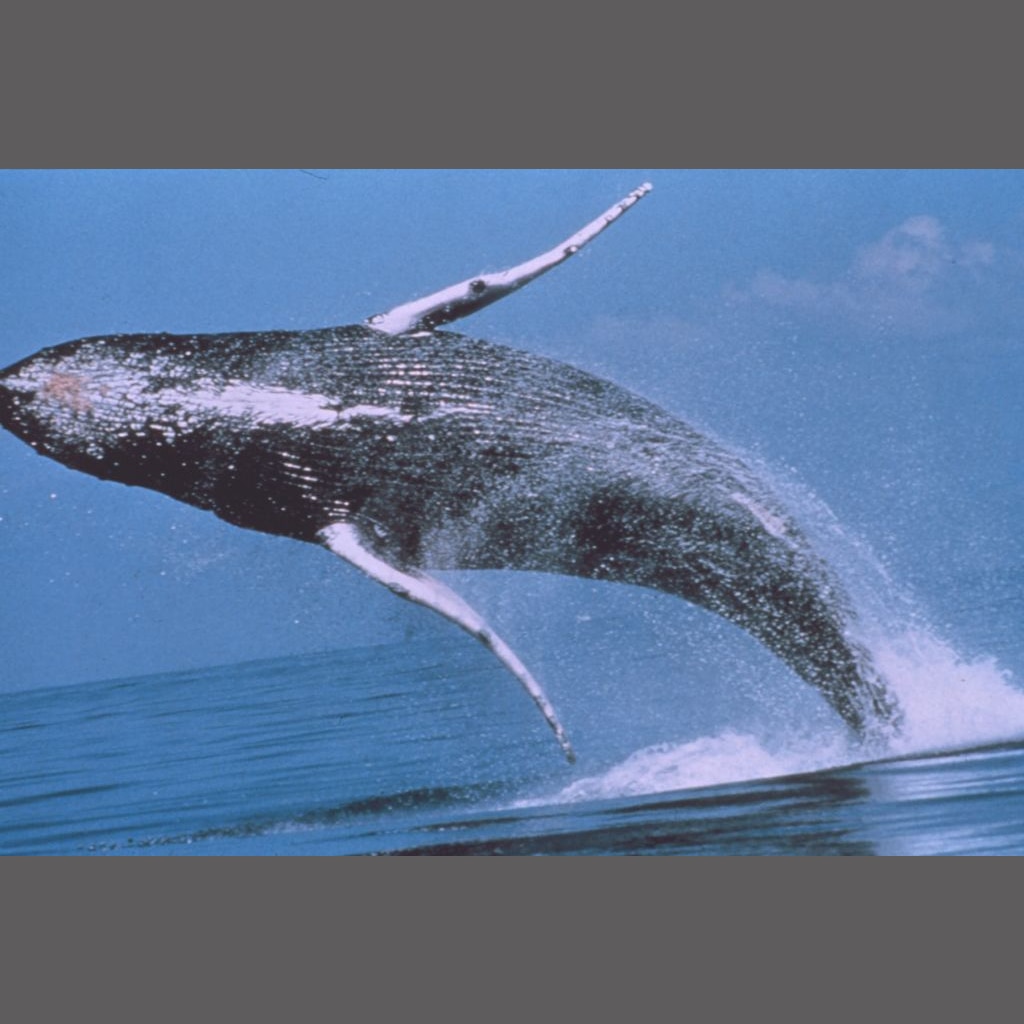
Southern humpbacks in genetic strife
Humpback whales narrowly survived being hunted to extinction in the era of industrial whaling, but while their recovery has been strong, they are left with low genetic diversity which may affect their resilience in a changing climate.
Remote links inspiration – how to harness unlikely connections
Len Fisher gathered Nobel laureates, leaders in science, philosophers and economists to brainstorm serendipity in science, asking how it might be exploited for even more gain.
Lab Notes: What's behind the rising tree death rates?
Fire, insects and disease all pose a threat to Australia's forests but scientists are now seeing a rise in natural tree deaths right across the country. New research links this background mortality to higher average temperatures.So what do these higher temperatures mean for our forests and the future of Australia's ecosystems? You can binge more episodes of the Lab Notes podcast with science editor and presenter Jonathan Webb on the ABC Listen app (Australia). You'll find episodes on animal behaviour, human health, space exploration and so much more.Get in touch with us: [email protected]: Professor Belinda Medlyn, plant ecologist from Western Sydney UniversityExtra information: Pervasive increase in tree mortality across the Australian continentRising tree death rates in all types of Australian forest tied to climate changeThis episode of Lab Notes was produced on the lands of the Gadigal and Menang Noongar people.
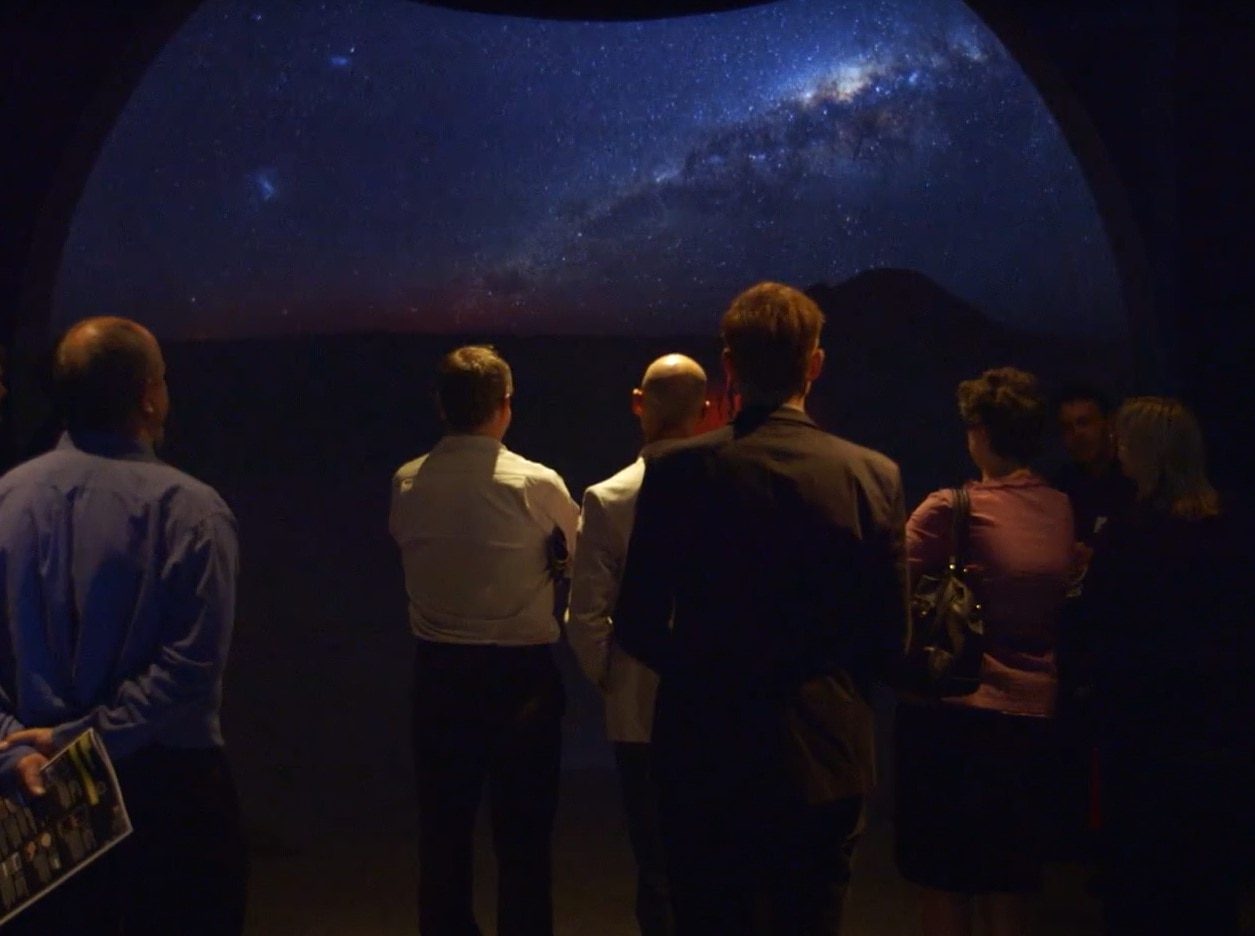
New mysterious stellar object discovered
It pulses every 18 minutes. What could it be? A white dwarf? A neutron star? It had been missed in over 30 years of images. Natasha Hurley-Walker describes some of the possibilities.
Widespread benefits of school forest plots
Small patches of forests in schools initiate discussion and leaning across biology and ecology. Students develop a sense of ownership and community awareness with improved mental health.
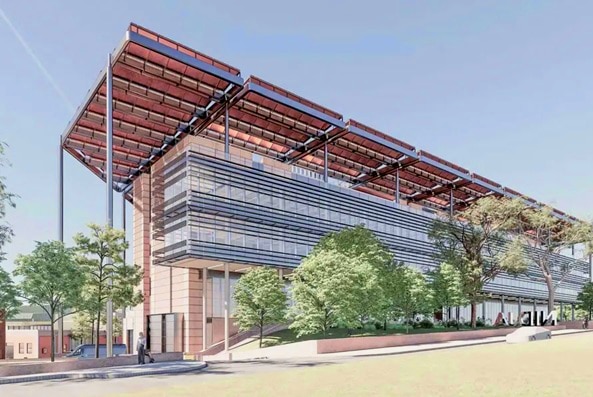
Science a strength at Curtin University
Vice-Chancellor Harlene Hayne describes how science is a pilar at Curtin University in Perth.
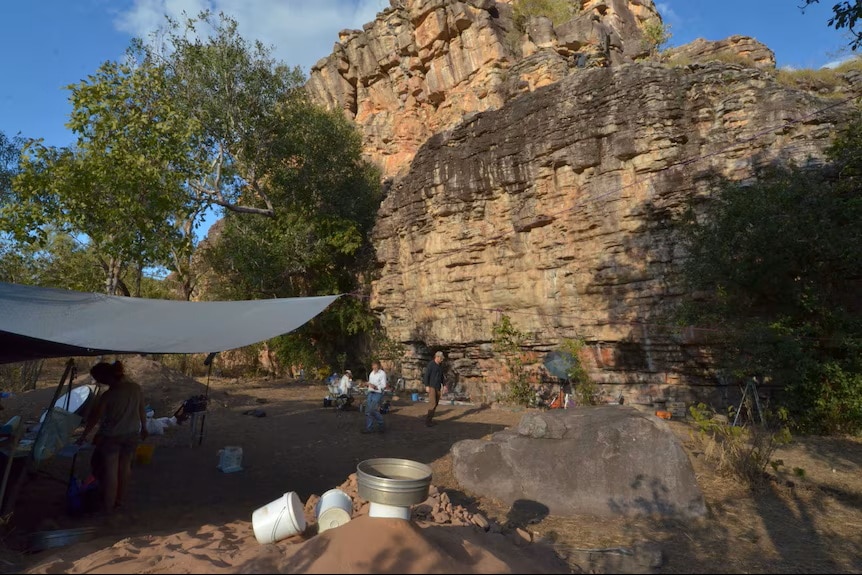
When did humans first reach Australia?
Exactly when people first set foot in Australia has sparked fierce debate, with two times currently cited: Around 50,000 years ago, and 65,000 years ago. Which is correct?
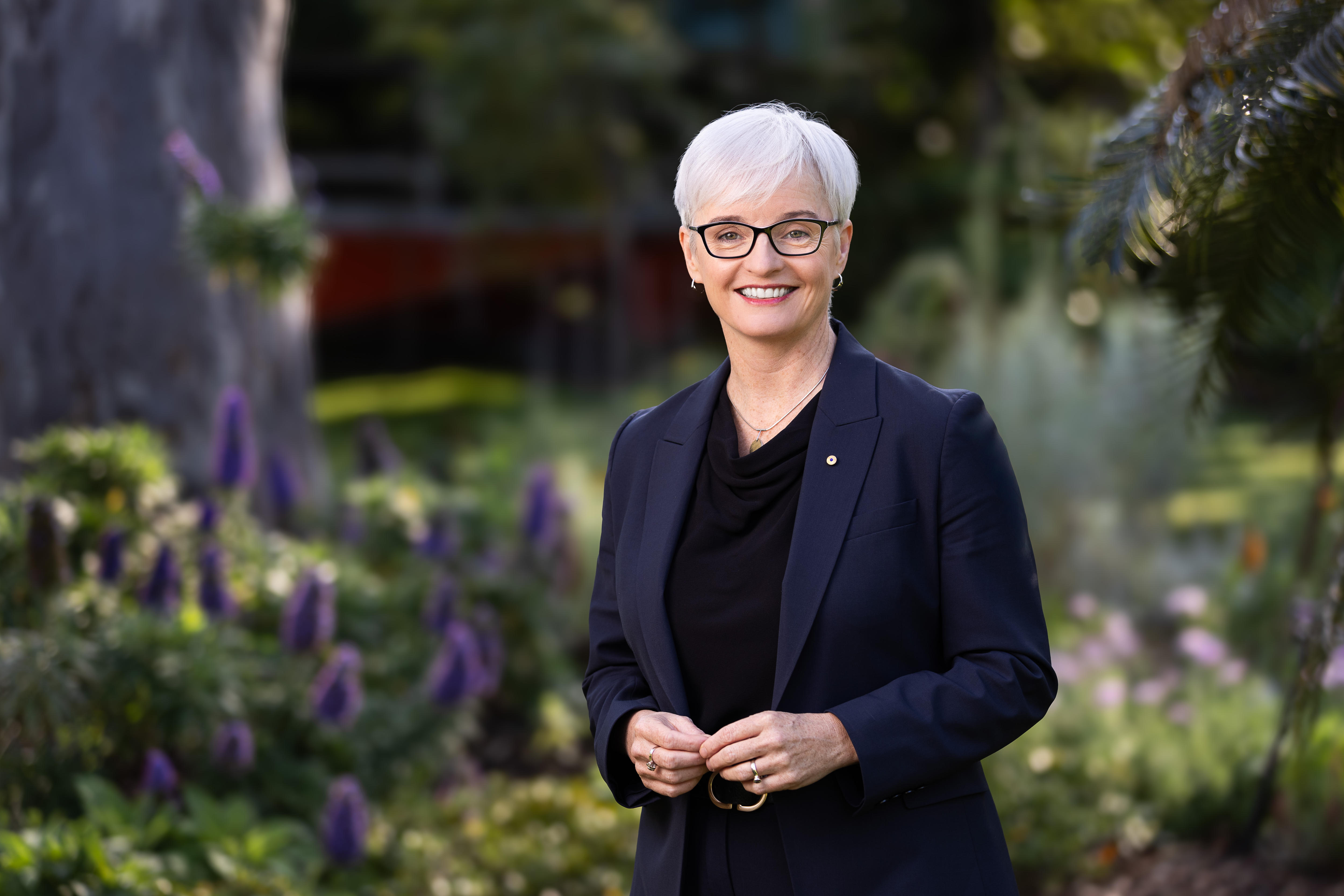
Vale Emma Johnston
Leading marine scientist and university educator Emma Johnston has died from complications associated with cancer at the age of 52.
The road to net zero
Peter Newman outlines how cities can achieve net zero and sustainability agendas together as part of the global shift to a new economy.
Lab Notes: The oldest rock art in the world…that we know of
A faint orange hand stencil on the wall of a cave in Indonesia just became the oldest art known to science. The art, made by splattering ochre over a hand, had been painted over by subsequent generations and was only preserved because moisture combined with the limestone of the cave to form a protective layer on top. The finding strengthens the picture that humans migrated via Borneo, Sulawesi and Papua to reach Australia at least 65,000 years ago. You can binge more episodes of the Lab Notes podcast with science editor and presenter Jonathan Webb on the ABC Listen app (Australia). You'll find episodes on animal behaviour, human health, space exploration and so much more.Get in touch with us: [email protected]: Jacinta Bowler, ABC science reporter Extra information: Hand stencils discovered in an Indonesian cave are oldest-known rock artRock art from at least 67,800 years ago in SulawesiThis episode of Lab Notes was produced on the lands of the Gadigal and Menang Noongar people.
Lab Notes: Why UV levels are so high in Australia
Australia's summer UV levels are high enough to cause sunburn in as little as 11 minutes.Yet the summer sun in the Northern Hemisphere rarely feels that full on.So why does our sunlight have that extra "bite"?Spoiler: it's not the hole in the ozone layer.You can binge more episodes of the Lab Notes podcast with science journalist and presenter Belinda Smith on the ABC Listen app (Australia). You'll find episodes on animal behaviour, human health, space exploration and so much more.Get in touch with us: [email protected]: David Whiteman, medical epidemiologist and Cancer Control group leader at QIMR BerghoferMore information:Why is UV so high during Australia's summer? The ozone hole is not to blameCancer Council — UV RadiationWorld Health Organization — Radiation: The ultraviolet (UV) indexCSIRO — The future of the ozone holeThis episode of Lab Notes was produced on the lands of the Wurundjeri and Menang Noongar people.
Lab Notes: The Treaty of the Metre: how the metre came to be
The next time you pick up a bag of spuds from the supermarket or fill up the car with petrol, you can thank the Treaty of the Metre for the metric system that underpins daily life. The treaty was signed exactly 150 years ago, when delegates from 17 countries gathered in Paris to establish a new and standardised way of measuring the world around us. But the metre's inception predates the treaty that bears its name by nearly 100 years. So how did it come about, and how has its definition changed over the centuries? This episode was first broadcast in May 2025. You can binge more episodes of the Lab Notes podcast with science journalist and presenter Belinda Smith on the ABC Listen app (Australia). You'll find episodes on animal behaviour, human health, space exploration and so much more. Get in touch with us: [email protected]:Bruce Warrington, CEO and chief metrologist of the National Measurement Institute More information:The metre originated in the French Revolution, but its definition has changed many times sinceThis episode of Lab Notes was produced on the lands of the Wurundjeri and Menang Noongar people.
Lab Notes: Why do whales strand en masse?
Every now and again, dozens or even hundreds of perfectly healthy looking whales strand themselves on a beach. And despite people's best efforts, many — if not all of them — will die. So why do whales strand themselves, and why do they seem to do it at the same locations? This episode was first broadcast in August 2025. You can binge more episodes of the Lab Notes podcast with science journalist and presenter Belinda Smith on the ABC Listen app (Australia). You'll find episodes on animal behaviour, human health, space exploration and so much more. Get in touch with us: [email protected]:Kate Sprogis, marine mammal ecologist at University of Western Australia More information: Cause of mass pilot whale stranding at Cheynes Beach still no clearer one year onThis episode of Lab Notes was produced on the lands of the Wurundjeri and Menang Noongar people.
Lab Notes: Tips to reduce microplastics exposure
It's impossible to escape microplastics. They're in our food and water, and the air around us is teeming with them. So considering they're all around us, how can we minimise our exposure to tiny plastic fragments without resorting to living in a cave? This episode was first broadcast in August 2025. You can binge more episodes of the Lab Notes podcast with science journalist and presenter Belinda Smith on the ABC Listen app (Australia). You'll find episodes on animal behaviour, human health, space exploration and so much more. Get in touch with us: [email protected]:Cassandra Rauert, microplastics researcher at the University of Queensland More information:Microplastics are in our food, water and air. How can we minimise our exposure to them?Human exposure to PM10 microplastics in indoor airAverage household dishwasher releases 33 million nano and microplastic particles per year, research findsLaundry is a top source of microplastic pollution — but you can clean your clothes more sustainablyThis episode of Lab Notes was produced on the lands of the Wurundjeri and Menang Noongar people.
Searching for a new source of collagen – from crocodiles
Rina Fu’s research and teaching is across three universities. She is a recent recipient of awards including the Western Australia’s Premier’s Award for Science Communication.
Lab Notes: How is sunscreen SPF tested?
Australia's known for having some of the world's toughest sunscreen standards, but in June, that reputation was rocked.Independent testing of 20 sunscreens found 16 did not meet their advertised SPF50 rating, including three children's sunscreens and three sold by the Cancer Council.So how are sunscreens tested, and what can we learn from these recent SPF revelations?This episode was first broadcast in September 2025.You can binge more episodes of the Lab Notes podcast with science journalist and presenter Belinda Smith on the ABC Listen app (Australia). You'll find episodes on animal behaviour, human health, space exploration and so much more. Get in touch with us: [email protected]:John Staton, scientific director at SciPharmMore information:What is SPF, and how is sunscreen's sun protection factor tested in the laboratory?Choice report finds popular Australian sunscreens fail to meet SPF claims on labelThis episode of Lab Notes was produced on the lands of the Wurundjeri and Menang Noongar people.
Lab Notes: How maths explains nature's weirdness
A huge cold blob of air above Antarctica and bushfires spreading along ridgelines don't appear to have anything in common, yet the strange behaviour of these natural phenomena — and many others — can be understood and explained by mathematics. You can binge more episodes of the Lab Notes podcast with science journalist and presenter Belinda Smith on the ABC Listen app (Australia). You'll find episodes on animal behaviour, human health, space exploration and so much more.Get in touch with us: [email protected]:Chantelle Blachut, mathematician at UNSW Canberra
Prove It!
Elizabeth Finkel deploys scientific evidence to show that President Trump’s claim that Tylenol, used by pregnant women to relieve pain, is a cause of autism, is false.
Science was always present for novelist Terry Pratchett
Next week we celebrate the English author of fantasy novels Terry Pratchett who died in 2015. Physicist Len Fisher presents this tribute and says the scientific references and thinking in Pratchett’s novels are too often overlooked.
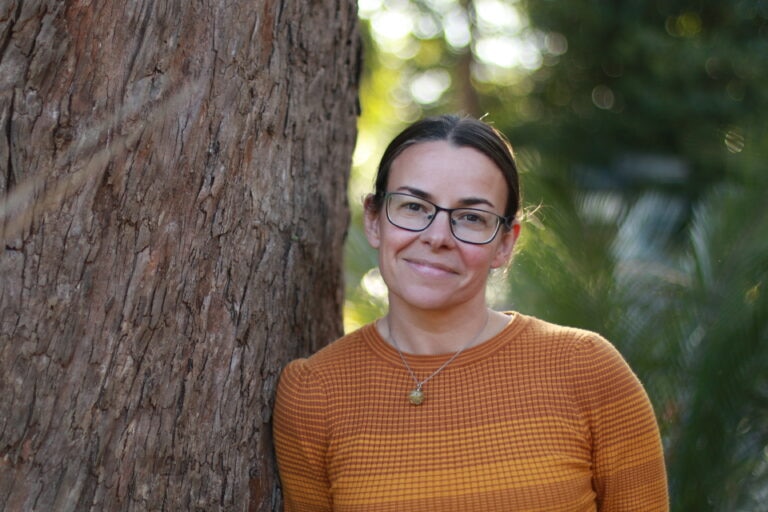
Genetic rescue helps struggling native plant species
Chantelle Doyle moves pollen between locations hoping to establish new plant populations and increase genetic diversity giving struggling species a boost.
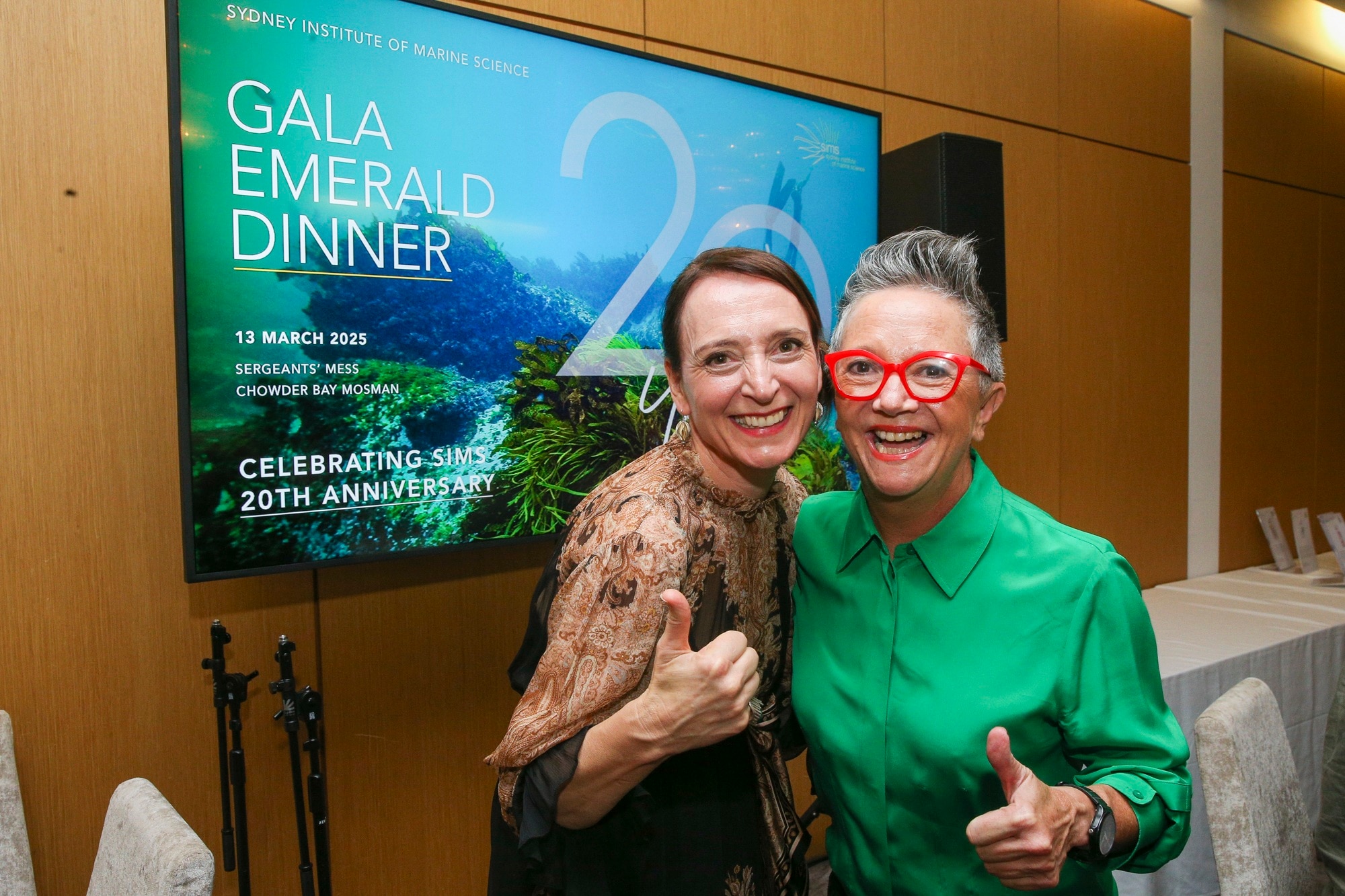
SIMS celebrates 20 years and shows how true collaboration brings great results
Robert Harcourt collects oceanographic information using microcomputers strapped to turtles and seals.
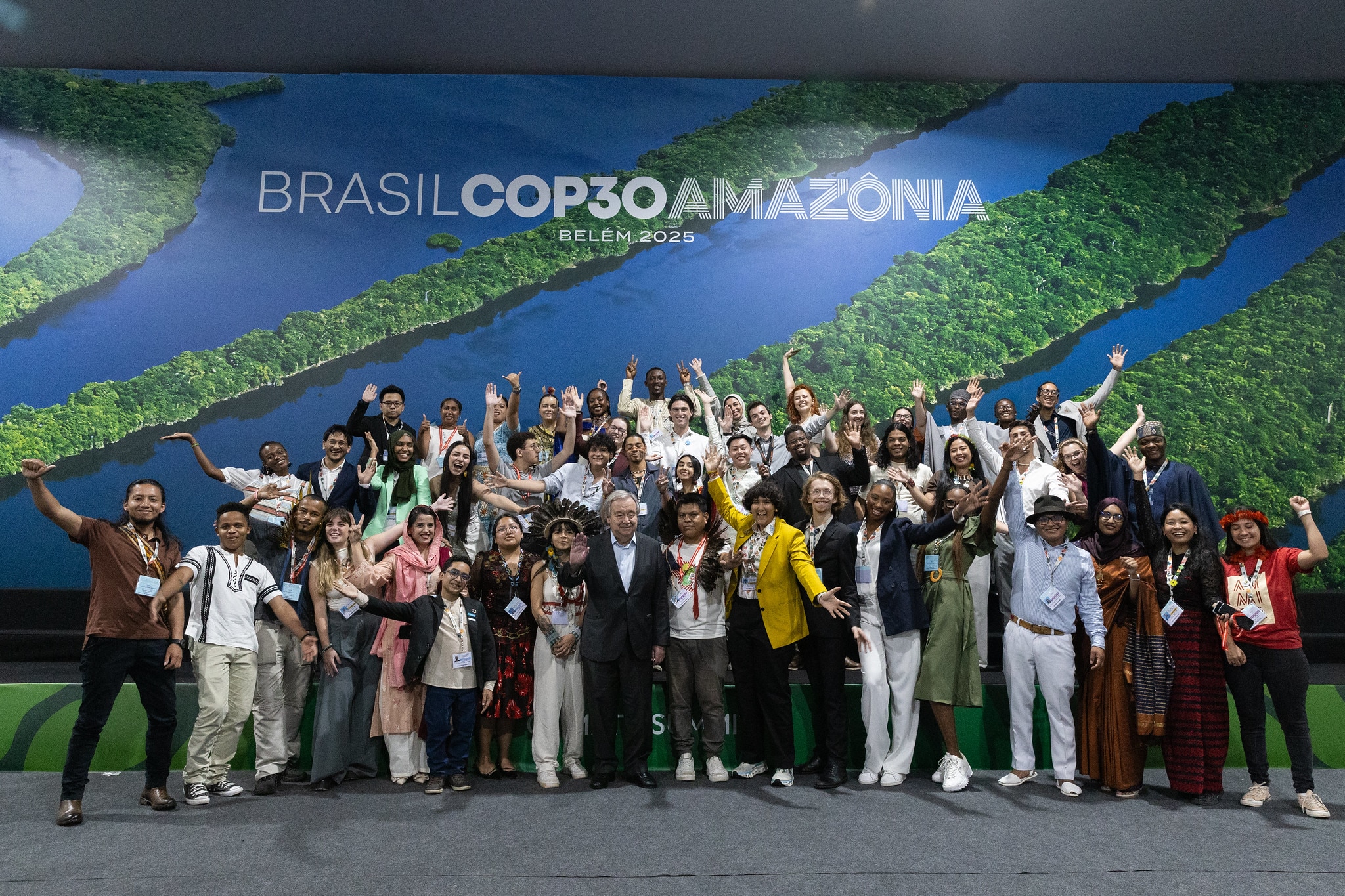
COP30 - Food security under threat with climate change
Jim Falk from Melbourne presented a message of hope at the COP30 climate meeting in Brazil
Lab Notes: Are bioplastics the future of packaging?
Step into the supermarket and there's plastic around just about everything, even mangoes — and not all that packaging will be properly disposed of.So with around 20 million tonnes of plastic polluting the environment each year, not to mention the potential health effects of microplastics, is there a better, more environmentally friendly alternative?You can binge more episodes of the Lab Notes podcast with science journalist and presenter Belinda Smith on the ABC Listen app (Australia). You'll find episodes on animal behaviour, human health, space exploration and so much more.Get in touch with us: [email protected]:Edward Attenborough, chemical engineer and chemist at Monash UniversityMore information:Bacterial species-structure-property relationships of polyhydroxyalkanoate biopolymers produced on simple sugars for thin film applicationsThis episode of Lab Notes was produced on the lands of the Wurundjeri and Taungurung people.

Space conference makes Sydney mission control
Space is integral to our modern world, supporting mapping, land care, agriculture, mining, fire prevention and so much more.
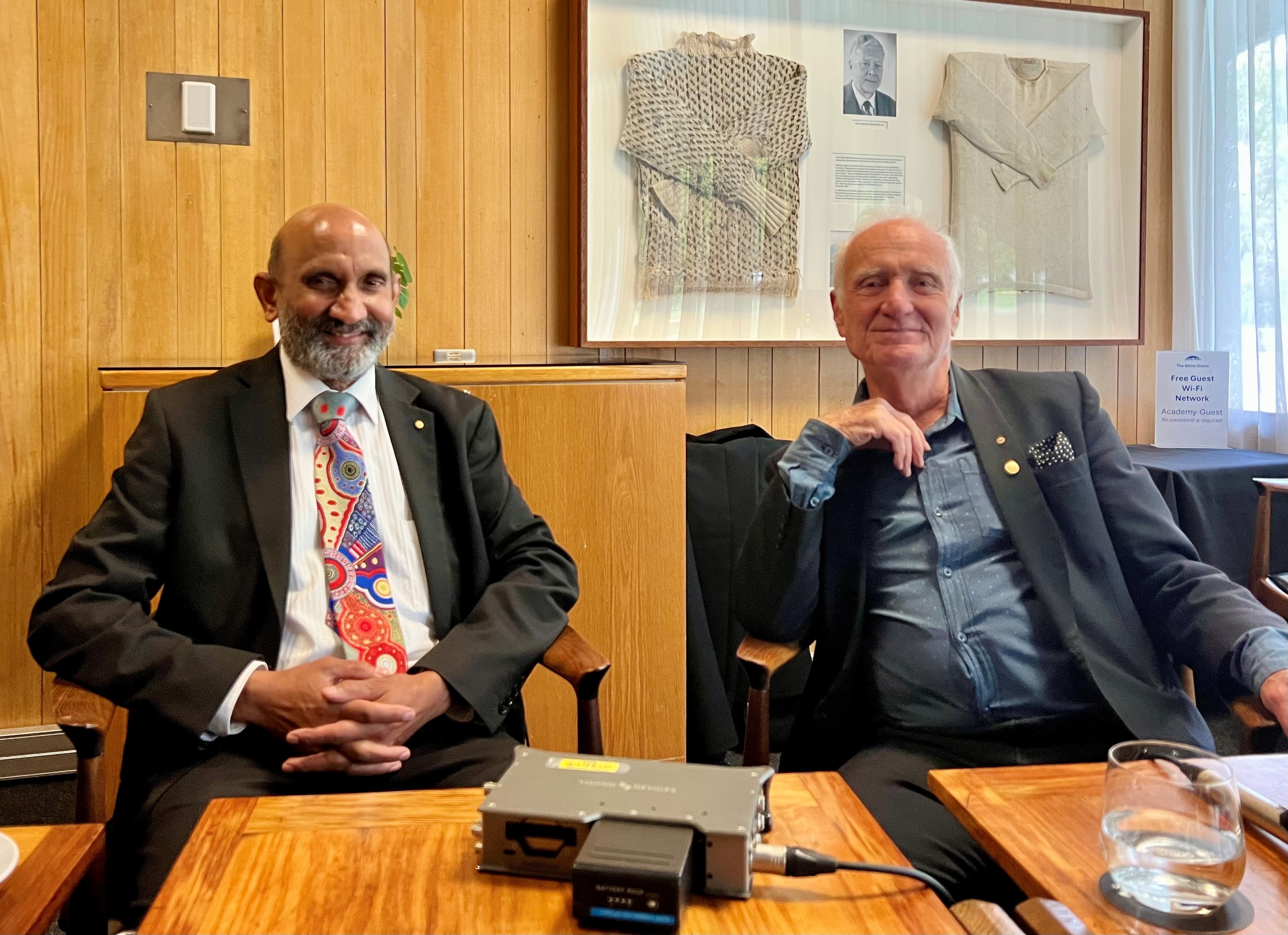
Science Academy president urges business rethink on research and development
Professor Jagadish puzzles why support of Australian Science is so wanting and says business should see their R&D spend as an investment.
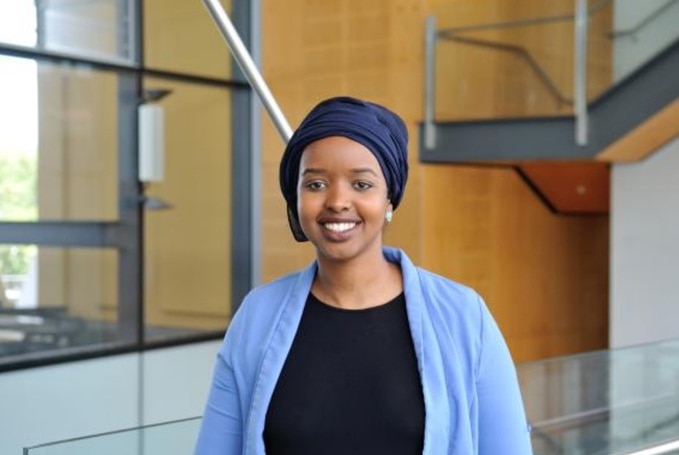
Developing more options for people with sleep apnea
Amal Osman from Flinders University, an ABC Top 5 scientist in 2025 describes sleep apnea, and her work developing new treatments for this debilitating condition.
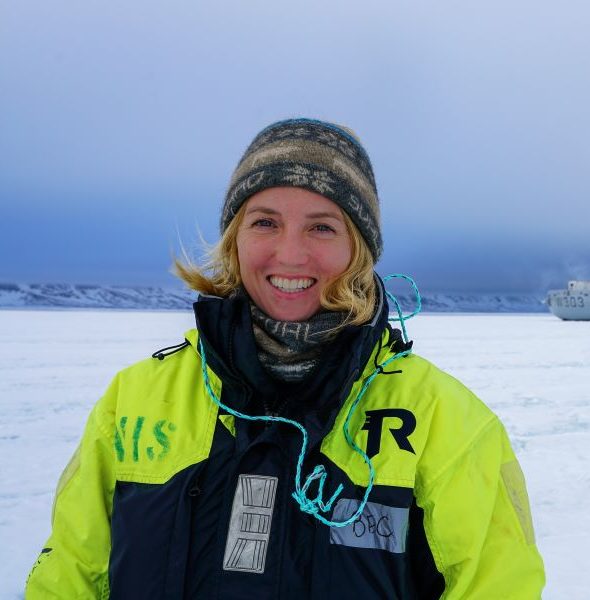
Superstar of STEM - Rebecca Duncan
Robyn Williams meets Superstar of STEM marine biologist Rebecca Duncan.

Superstar of STEM - Nicola Lo
Robyn Williams meets Superstar of STEM Nicola Lo, an environmental engineer and project manager with Colliers Engineering & Design.
Lab Notes: Why aurora season isn't over yet
Astrophotographers have had another great month, with the aurora australis lighting up night skies as far north as southern Queensland.And while you might've heard that the best of this bunch of auroras is behind us, don't put your camera away just yet. There's good reason to think the southern lights will illuminate the sky well into 2026.It all depends on what the Sun shoots in our direction … and we might find ourselves in the firing line more often over the next few months.You can binge more episodes of the Lab Notes podcast with science journalist and presenter Belinda Smith on the ABC Listen app (Australia). You'll find episodes on animal behaviour, human health, space exploration and so much more.Get in touch with us: [email protected]:Brett Carter, space weather researcher at RMIT UniversityMore information:The Sun Reversed Its Decades-long Weakening Trend in 2008When the southern lights are seen further northThis episode of Lab Notes was produced on the lands of the Wurundjeri and Taungurung people.

Top quark used to test quantum concepts
It exists for of 10-25 seconds. If you blink, you’ll miss it.
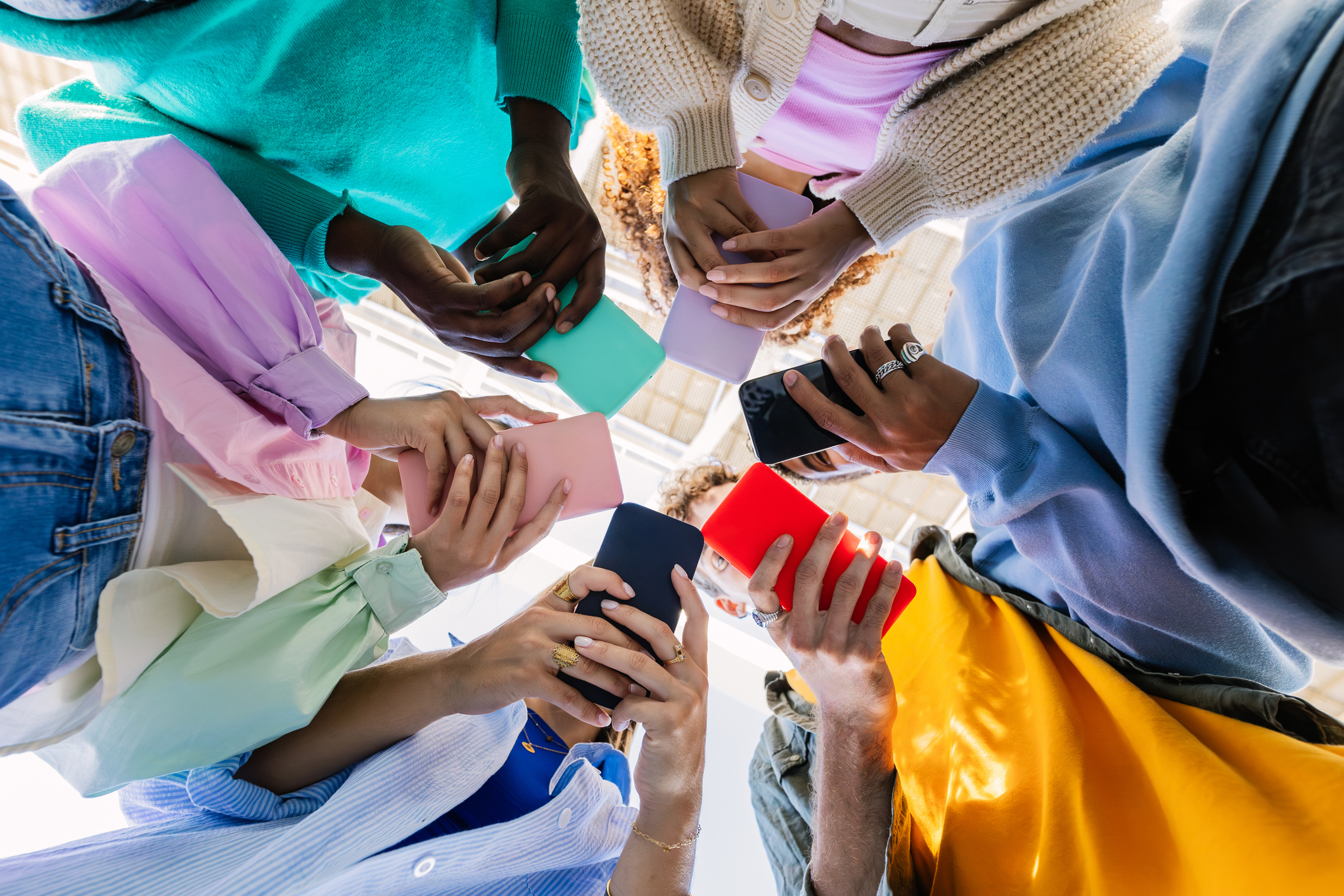
Dog wags tail, or tail wags dog – the impact of increasing technology in our lives
Howe Zhu describes his research area of human computer interaction, and says we should more aware of how technology is changing our behaviour.
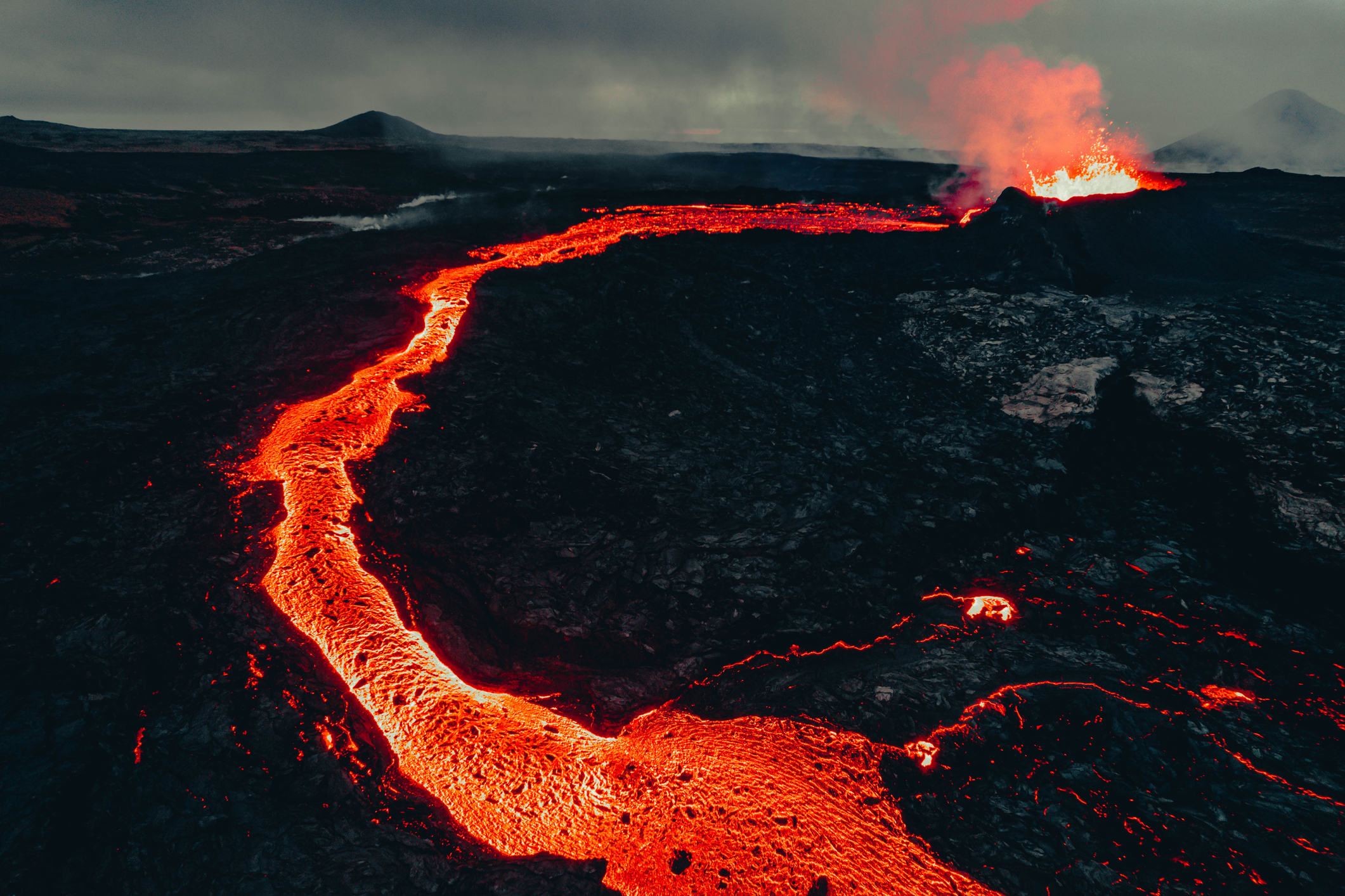
Mechanics of flowing lava used to protect people
The movement and path of lava is a result of lava temperature, its viscosity and the surface over which it flows.