The Science of Happiness
358 episodes — Page 4 of 8
Happiness Break: A Meditation to Find Grounding in the New Year, With Spring Washam
Research shows feeling connected with nature can lower our stress response. This visualization meditation can help you feel at ease, no matter where you are. Link to episode transcript: http://tinyurl.com/2k6pdh7n How to Do This Practice: It is encouraged to try this practice outdoors Begin the practice by focusing on your breath, and relaxing your body, noticing how it feels supported, particularly by the earth. Allow yourself to let go of anything you are mentally or emotionally carrying, visualizing it going into the earth, letting the ground continue to support you. Draw on imagery from nature to cultivate feelings of strength and sturdiness to support you. For example, imagine that your own body is rooting into the earth to become as unshakable as a tree, imagine that you are as steady as a mountain, your breath is the breeze and your mind is as open and boundless as the sky. End the practice by placing your hand on your heart, offering yourself kindness, well-being and joy. Today’s Happiness Break host: Spring Washam is an author and meditation teacher based in Oakland, California. Learn more about Spring’s work: http://tinyurl.com/3bbshnn7 Read Spring’s books here: http://tinyurl.com/4hkft4js More resources from The Greater Good Science Center: Happiness Break: What To Do When You’re Struggling, With Spring Washam: http://tinyurl.com/mrx8t9st What Happens When We Reconnect With Nature: http://tinyurl.com/553xwm47 Why Is Nature So Good for Your Mental Health? http://tinyurl.com/ycx9ns4p How Nature Helps Us Heal: http://tinyurl.com/2p93682j Why You Need More Nature in Your Life: http://tinyurl.com/28z27wb2 We love hearing from you! How do you connect with nature? Email us at [email protected] or use the hashtag #happinesspod. Find us on Spotify: https://tinyurl.com/6s39rzus Help us share Happiness Break! Rate us and copy and share this link: https://tinyurl.com/6s39rzus We're living through a mental health crisis. Between the stress, anxiety, depression, loneliness, burnout — we all could use a break to feel better. That's where Happiness Break comes in. In each biweekly podcast episode, instructors guide you through research-backed practices and meditations that you can do in real-time. These relaxing and uplifting practices have been shown in a lab to help you cultivate calm, compassion, connection, mindfulness, and more — what the latest science says will directly support your well-being. All in less than ten minutes. A little break in your day.
How to Stick to Your Resolutions in 2024
Join our limited newsletter The Science of Habits to get curated, science-backed tips to help make your New Years resolution stick in 2024. https://ggsc.berkeley.edu/podcasts/habits We explore how the science of behavior change can help us form new habits and be happier while doing it.Link to episode transcript: http://tinyurl.com/4e294mdt Episode summary: Many of us are heading into the new year with a resolution we want to live by — a new good habit we’d like to form. But actually sticking to those good habits isn’t always easy — one failure can have us losing the motivation to continue. For our show, we spoke with Cholpon Ramizova and Derick Gnonlonfoun, a couple who set out to create better food habits by cooking at home more and incorporating more vegetables into their meals. As they started to develop this new habit, the two realized that a mindful and kind attitude towards themselves was a key element to their success. Later, we hear from psychologists Katy Milkman and Kristin Neff, to learn about how failure can actually be beneficial when pursuing a goal, and how to cope with it. Today’s guests: Cholpon Ramizova and Derick Gnonlonfoun are a couple living in London. Check out Derick’s artwork here: http://tinyurl.com/2kc9h478 Katy Milkman is a professor at The Wharton School of the University of Pennsylvania and the Co-Director of The Behavior Change for Good Initiative. Learn more about Katy and her work: http://tinyurl.com/4ypvmvhf Find more information on the Behavior Change for Good Initiative: http://tinyurl.com/mr94wh6f Follow Katy on Twitter: http://tinyurl.com/mr25etdp Resources from The Greater Good Science Center: How to Make New Year’s Resolutions That Feel Good: http://tinyurl.com/3bvs8zb5 Make Self-Compassion One of Your New Year’s Resolutions: http://tinyurl.com/yc2t42nt Tips for Keeping New Year’s Resolutions: http://tinyurl.com/y2pt9uz2 How to Learn From Your Failures: http://tinyurl.com/5h7uybux More Resources on Forming Good Habits: BBC - 4 simple, science-backed ways to build habits that stick: http://tinyurl.com/2p8dk6wt Harvard -What Does It Really Take to Build a New Habit? http://tinyurl.com/ndrfybyb Stanford - Building Habits: The Key to Lasting Behavior Change: http://tinyurl.com/4utw95sj TED - The 1-minute secret to forming a new habit: http://tinyurl.com/mum8kzvj Help us share The Science of Happiness! Rate us on Spotify and share this link with someone who might like the show: http://tinyurl.com/2pxdw8vr
Happiness Break: Visualizing Your Best Self in Relationships, With Dacher Keltner
When we imagine our best possible selves in our relationships, we feel more motivated to achieve our goals and a greater sense of control over our lives. This week, Dacher leads a visualization exercise in preparation for the new year. Join our limited newsletter The Science of Habits to get curated, science-backed tips to help make your New Years resolution stick in 2024. https://ggsc.berkeley.edu/podcasts/habits Link to episode transcript: http://tinyurl.com/yj43srye How to Do This Practice: Find a comfortable place to begin the practice. Take deep breaths. Focus on the person you are in a romantic relationship with, or a dear friend. Bring an image of them to mind, like how they look and their mannerisms. Imagine your life in the future, and how you would like to be the best version of yourself in your relationship with them. Picture yourself interacting with them — what is happening? What are you doing and saying? What is the tone of the interaction? Repeat this exercise by focusing on friendships and familial relationships. Take note of any common actions across all relationships that you would like to take. Set an intention about how you will interact within your relationships in the new year. When you’re done, reground yourself in the present moment, focusing on the sensations in your body. Today’s Happiness Break host: Dacher Keltner is the host of the award-winning podcast, The Science of Happiness and is a co-instructor of the GGSC’s popular online course of the same name. He’s also the founding director of the Greater Good Science Center and a professor of psychology at the UC, Berkeley. Check out Dacher’s most recent book, Awe: The New Science of Everyday Wonder and How It Can Transform Your Life: https://tinyurl.com/4j4hcvyt More resources from The Greater Good Science Center: How to Find Your Best Possible Self (The Science of Happiness Podcast): https://tinyurl.com/265b34pj How Thinking About the Future Makes Life More Meaningful: https://tinyurl.com/24mex4by 10 Pillars of a Strong Relationship:https://tinyurl.com/3zffc8x4 For the New Year, Try Imagining Your Best Possible Life: https://tinyurl.com/4carr6kv We love hearing from you! How do you plan to be your best possible self in the new year? Email us at [email protected] or use the hashtag #happinesspod. Find us on Spotify: https://tinyurl.com/6s39rzus Help us share Happiness Break! Rate us and copy and share this link: https://tinyurl.com/6s39rzus We're living through a mental health crisis. Between the stress, anxiety, depression, loneliness, burnout — we all could use a break to feel better. That's where Happiness Break comes in. In each biweekly podcast episode, instructors guide you through research-backed practices and meditations that you can do in real-time. These relaxing and uplifting practices have been shown in a lab to help you cultivate calm, compassion, connection, mindfulness, and more — what the latest science says will directly support your well-being. All in less than ten minutes. A little break in your day.

How Thinking About Your Ancestors Can Help You Thrive
Join our limited newsletter, The Science of Habits, to get curated, science-backed tips to help make your New Year's resolution stick in 2024. https://ggsc.berkeley.edu/podcasts/habits We explore how contemplating our heritage can make us feel more belonging, gratitude, and confidence in what we're capable of achieving. Link to episode transcript: https://tinyurl.com/5djerhbj Episode summary: Oral historian Mi'Jan Celie Tho-Biaz knows the profound impact the past can have on the present. For our show, Mi’Jan tried a lab-tested writing practice that took the historical facts she knew about her own family further – by way of her imagination. She journaled about her great-great grandmother Emma, the last enslaved person in her family, and her late father, Njoroge , imagining what they might say to her today.We also hear from psychologist Susan Moore about how learning about your ancestors can help you feel a sense of self-knowledge, gratitude and belonging. Practice: Imagine an ancestor in your family lineage. It can be someone you have known or someone from centuries ago. Spend the next 5-15 minutes writing about them. If you don’t know the details, imagine how their life would have been. Write down anything that comes to mind such as their way of life, their profession or what they looked like. Next imagine what they would tell you if they were alive today. What specific insights, advice or feedback would they give you? Write down your reflections. Today’s guests: Mi'Jan Celie Tho-Biaz is an artist, documentarian and oral historian. Learn more about Mi’Jan Celie Tho-Biaz’s work: http://tinyurl.com/5e8t9ha7 Follow Mi’Jan on Instagram: http://tinyurl.com/mr3yp3kz Susan Moore is a psychology professor at the Swinburne University of Technology. Follow Susan on Twitter:http://tinyurl.com/mr3vsr2k Resources from The Greater Good Science Center: How Teens Today Are Different from Past Generations: http://tinyurl.com/y5ffwavr Don’t Be So Quick to Stereotype Generations: http://tinyurl.com/mrxx7xfj How Collective Trauma Can Hurt the Next Generation: http://tinyurl.com/2vunsm2z Find Purpose by Connecting Across Generations: http://tinyurl.com/h4yyjesh More Resources on Connecting with Ancestors: NPR- 8 listeners share the powerful ways they keep in touch with their ancestors: http://tinyurl.com/48kjmenk Harvard - How Family History Can Inspire Accountable Reparations and Foster Ancestral Healing: http://tinyurl.com/ta24x773 TED - How to be a good ancestor: http://tinyurl.com/54zvkzsv How do you connect with your family history? Email us at [email protected] or use the hashtag #happinesspod. Help us share The Science of Happiness! Rate us on Spotify and share this link with someone who might like the show: http://tinyurl.com/yv69erdh
Happiness Break: A Meditation for Seeking Forgiveness, With Shelly Tygielski
Join our limited newsletter The Science of Habits to get curated, science-backed tips to help make your New Years resolution stick in 2024. https://ggsc.berkeley.edu/podcasts/habits When we practice forgiveness, studies show we can have healthier relationships, higher self-esteem, and less anxiety and depression. Link to episode transcript: https://tinyurl.com/mt9uwad8 How to Do This Practice: Find a comfortable place to begin the practice. Soften your gaze and take a few slow, deep breaths. Imagine there is a light made of compassion, love and understanding all around you. As the light comforts you, think of a person you would like to seek forgiveness from. Take note of any emotions that arise. Imagine sincerely apologizing to them. Visualize a bridge connecting you and the individual. Know that while forgiveness is not always immediately accepted, you've taken the first step towards healing. Turn your forgiveness towards yourself, breathing in love and compassion. End this practice by reconnecting with your body and refocusing your gaze, remembering that the journey of forgiveness is ongoing. .Today’s Happiness Break host: Shelly Tygielski is a trauma-informed mindfulness teacher based in Florida. To get Shelly Tygielski and Justin Michael Williams’ book How We Ended Racism: go to howweendedracism.com or your favorite book seller. Learn more about Shelly’s work: https://tinyurl.com/26xkdnku Follow Shelly on Instagram: https://tinyurl.com/4k4bx3nn Follow Shelly on Facebook: https://tinyurl.com/bdfsb9pt Follow Shelly on Twitter: https://tinyurl.com/2edu2fzu More resources from The Greater Good Science Center: Eight Keys to Forgiveness: https://tinyurl.com/2s4hbz3a The New Science of Forgiveness: https://tinyurl.com/5f2c7sfb How to Overcome Barriers to Forgiveness: https://tinyurl.com/22zteuyj The Power of Forgiveness at Work: https://tinyurl.com/mrx5hzvh How to Build a More Forgiving Community: https://tinyurl.com/5frja2h2 We love hearing from you! Tell us about your experience with forgiveness. Email us at [email protected] or use the hashtag #happinesspod. Find us on Spotify: https://tinyurl.com/6s39rzus Help us share Happiness Break! Rate us and copy and share this link: https://tinyurl.com/6s39rzus We're living through a mental health crisis. Between the stress, anxiety, depression, loneliness, burnout — we all could use a break to feel better. That's where Happiness Break comes in. In each biweekly podcast episode, instructors guide you through research-backed practices and meditations that you can do in real-time. These relaxing and uplifting practices have been shown in a lab to help you cultivate calm, compassion, connection, mindfulness, and more — what the latest science says will directly support your well-being. All in less than ten minutes. A little break in your day.
When It's Hard To Connect, Try Being Curious
Join our limited newsletter The Science of Habits to get curated, science-backed tips to help make your New Years resolution stick in 2024. https://ggsc.berkeley.edu/podcasts/habits When we're more curious, we are more likely to be happier and have stronger relationships. Try deepening your curiosity with these science-backed practices from author Scott Shigeoka. Link to episode transcript: https://tinyurl.com/276u4yxu Episode summary: As a cardiologist and immigrant in the United States, Stephanie Hsiao has always placed an emphasis on advancing her skills in order to succeed. So when she received the diagnosis that her son was neurodiverse, Stephanie went immediately into action mode to help her son — but she felt like she was missing something. For our show, Stephanie tried a practice to cultivate “deep curiosity,” and found that a curious outlook helped her to check her assumptions about parenting and discover her son’s strengths and interests. Later, we hear from curiosity expert Scott Shigeoka about the difference between shallow and deep curiosity, and how it can help us forge stronger connections with others. Practice: Before engaging in curiosity: Slow down, focus on your breathing. Set an intention to focus on curiosity and maybe visualize yourself being curious. While in conversation: Be open to being wrong, continuously check your assumptions, and actively turn towards those who are seeking your attention. Going forward: Make commitments to yourself and with others to engage in difficult, but open-minded interactions. Today’s guests: Stephanie Hsiao is a mother and cardiologist based in San Francisco, California. Scott Shigeoka is an author and storyteller who focuses on themes of curiosity and well-being. Order Scott Shigeoka’s book Seek: How Curiosity can Transform Your Life and Save the World: https://tinyurl.com/4jrxbupj Learn More About Scott’s work: https://tinyurl.com/y5xyxky7 Follow Scott on Instagram: https://tinyurl.com/3acu6jhm Follow Scott on Twitter: https://tinyurl.com/3m3k3bm9 Resources from The Greater Good Science Center: Six Surprising Benefits of Curiosity: https://tinyurl.com/7kcr32su How to Stay Open and Curious in Hard Conversations: https://tinyurl.com/y2f2e9ce Why Curious People Have Better Relationships: https://tinyurl.com/2xw5y9yr Does Curiosity Have a Dark Side? https://tinyurl.com/5n88wzyd How Curiosity Can Help Us Overcome Disconnection: https://tinyurl.com/9kaas6nz More Resources on Curiosity: BBC - Curiosity: The neglected trait that drives success: https://tinyurl.com/38bubaak Harvard - A Curious Mind: https://tinyurl.com/324hyzv4 TED - How Curiosity Will Save Us: https://tinyurl.com/muswe2y5 Tell us about your experience with being curious. Email us at [email protected] or use the hashtag #happinesspod. Help us share The Science of Happiness! Rate us on Spotify and share this link with someone who might like the show: https://tinyurl.com/m6aezjce This episode was supported by a grant from the John Templeton Foundation, as part of our project on "Expanding Awareness of the Science of Intellectual Humility." To learn more, go to https://tinyurl.com/2dj6hw29
Happiness Break: A Visualization to Connect With Your Heritage, With Bryant Terry
Chef and author Bryant Terry leads us through a visualization to connect with our ancestors by appreciating our families' traditional foods. Join our limited newsletter The Science of Habits to get curated, science-backed tips to help make your New Year’s resolution stick in 2024. https://ggsc.berkeley.edu/podcasts/habits Link to episode transcript: https://tinyurl.com/yc6d69py How to Do This Practice: Find a comfortable place to start this practice, focusing on your breath. Think of a meal or dish that is linked to your culture. Reflect on what it looks and tastes like, as well as when you would eat this dish. Recall whoever would normally make this dish for you, and any stories that might have told you about it. Refocusing your attention on the dish, consider all the different ingredients that went into it, tracing them back to where they came from. Reflect on how generations of your family have been nourished from these sources, all leading up to you. Complete the practice by grounding yourself in your body, and thanking your ancestors for what they have provided. Today’s Happiness Break host: Bryant Terry is a meditator, chef and food justice activist based in San Francisco. Learn about Bryant Terry: https://tinyurl.com/juvz7sb2 Read Bryant’s books: https://tinyurl.com/59nxrn8e Follow Bryant on Instagram: https://tinyurl.com/ycyb8dwc More resources from The Greater Good Science Center: Happiness Break: A Meditation to Connect to Your Roots, with Yuria Celidwen (The Science of Happiness Podcast): https://tinyurl.com/3mrd6247 Episode 81: Are You Listening to Your Elders? (The Science of Happiness Podcast): https://tinyurl.com/2wjbjj3e Do Rituals Help Us to Savor Food? https://tinyurl.com/52xpj7fn Find Purpose by Connecting Across Generations: https://tinyurl.com/h4yyjesh We love hearing from you! Tell us about your favorite cultural dish. Email us at [email protected] or use the hashtag #happinesspod. Find us on Spotify: https://tinyurl.com/6s39rzus Help us share Happiness Break! Rate us and copy and share this link: https://tinyurl.com/6s39rzus We're living through a mental health crisis. Between the stress, anxiety, depression, loneliness, burnout — we all could use a break to feel better. That's where Happiness Break comes in. In each biweekly podcast episode, instructors guide you through research-backed practices and meditations that you can do in real-time. These relaxing and uplifting practices have been shown in a lab to help you cultivate calm, compassion, connection, mindfulness, and more — what the latest science says will directly support your well-being. All in less than ten minutes. A little break in your day.
Being Kind is Good for Your Health
Join our limited newsletter The Science of Habits to get curated, science-backed tips to help make your New Year’s resolution stick in 2024. https://ggsc.berkeley.edu/podcasts/habits Link to episode transcript: https://tinyurl.com/255mcn3b Episode summary: This week, we’re focusing on doing good for others, and we’ve turned to someone who cheers people up for a living. Dana Merwin is a professional clown and performer based in San Francisco. For our show, she tried a practice where she performed three acts of kindness a day for the people in her life. She reflects on how simple, kind gestures can pave the way for deep and valuable connections, and that being kind to others ultimately makes us feel good as well. We also hear from psychologist David Cregg about how doing good things for others improves our sense of social connection, purpose in life, and can even help us live longer and healthier lives. Practice: Write down or think about three acts of kindness you could perform the next day. Do three kind acts for people in your life. At the end of the day, reflect on how these experiences make you feel. Today’s guests: Dana Merwin is a progressional clown and performer based in San Francisco. Learn about Dana’s Work: https://tinyurl.com/bd6ew95a Follow Dana on Instagram: https://tinyurl.com/dspstzrk David Cregg is a clinical psychologist at South Texas Veterans Health Care System whose research specializes in positive psychology. Follow David on Google Scholar: https://tinyurl.com/ajay6n6a Resources from The Greater Good Science Center: Do You Underestimate the Impact of Being Kind? https://tinyurl.com/583hwar9 Just One Thing: Be Kind to Yourself by Being Kind to Others: https://tinyurl.com/4dsf7bn2 Do We Have an Instinctive Urge to Be Kind? https://tinyurl.com/y5fabnj3 Can Helping Others Help You Find Meaning in Life? https://tinyurl.com/yc4zhw9w Three Strategies for Bringing More Kindness into Your Life: https://tinyurl.com/22cx7w9f More Resources on Doing Good Things For Others: BBC - What we do and don't know about kindness: https://tinyurl.com/na6jvr9e Harvard: Lending a helping hand: https://tinyurl.com/yckf4759 UCL: 10 benefits of helping others: https://tinyurl.com/4wn5syhh Mayo Health Clinic: The art of kindness: https://tinyurl.com/5ah5dahc What kind action have you done for others recently? Email us at [email protected] or use the hashtag #happinesspod. Help us share The Science of Happiness! Rate us on Spotify and share this link with someone who might like the show: https://tinyurl.com/873v67ah

Happiness Break: Feel more Gratitude, With Eve Ekman
Renew your sense of gratitude by remembering acts of kindness, with social scientist and meditation teacher Eve Ekman. Link to episode transcript: https://tinyurl.com/kjkzpdk8 How to Do This Practice: Begin the practice by focusing on your breath and settling your mind and body. Notice any physical sensations that arise. Shift your attention away from your body, recalling a time in the last week where you received kindness. Think about the details of the event, and notice how you react to this kindness. Next, focus on a recent experience where you extended kindness. As you relive this event in your mind, allow yourself to be filled with the feeling of kindness. Reconnect with the physical sensations in your body, acknowledging that it is full of gratitude. Today’s Happiness Break host: Eve Ekman is a contemplative social scientist and meditation teacher from San Francisco, California. Learn more about Eve’s work: https://tinyurl.com/2vhuarh8 Find out about Eve’s Emotional trainings with Cultivating Emotional Balance: https://tinyurl.com/5n95m7yx Explore Eve’s Project, The Atlas of Emotions: https://tinyurl.com/mt75ytm3 Follow Eve on Facebook: https://tinyurl.com/3txahape More resources from The Greater Good Science Center: How Gratitude Changes You and Your Brain: https://tinyurl.com/2f78cywf Tips for Keeping a Gratitude Journal: https://tinyurl.com/4uyu9pud Why Gratitude Is Good: https://tinyurl.com/5n88p589 How Gratitude Motivates Us to Become Better People: https://tinyurl.com/3jzr7jfm Three Surprising Ways That Gratitude Works at Work: https://tinyurl.com/4f5m9hde We love hearing from you! How do you express gratitude? Email us at [email protected] or use the hashtag #happinesspod. Find us on Spotify: https://tinyurl.com/6s39rzus Help us share Happiness Break! Rate us and copy and share this link: https://tinyurl.com/6s39rzus We're living through a mental health crisis. Between the stress, anxiety, depression, loneliness, burnout — we all could use a break to feel better. That's where Happiness Break comes in. In each biweekly podcast episode, instructors guide you through research-backed practices and meditations that you can do in real-time. These relaxing and uplifting practices have been shown in a lab to help you cultivate calm, compassion, connection, mindfulness, and more — what the latest science says will directly support your well-being. All in less than ten minutes. A little break in your day.

Encore: The Science of a Good Night's Sleep
This week we revisit our science-backed tips for a good night's sleep with sleep scientist Eti Ben Simon and host of the Sleep with Me podcast Drew Ackerman. Link to episode transcript: https://tinyurl.com/2p8t47eh Episode summary: A good night’s sleep can be hard to come by, and beating yourself up over not sleeping enough will only make it worse. On this episode of The Science of Happiness, the host of Sleep With Me podcast Drew Ackerman joins us to try science-backed tips for finding your natural sleep rhythm. Drew, also known as “Dearest Scooter,” talks about his history with insomnia and sleep anxiety, sleep hygiene, and his philosophy on bringing more self-compassion into his approach to trying to fall asleep. Then we hear from sleep scientist Eti Ben Simon about how sleep affects your social life. Practice: Avoid alcohol and caffeine after 2 p.m. to unmask your true biological sleep needs. Keep lights dim in the evening and limit access to LED lights after 9 p.m. Go to sleep as soon as you feel tired (even if you're in the middle of something). This will help you figure out the earliest window it is physiologically possible for you to fall asleep. Do not use an alarm clock to wake up. Today’s guests: Drew Ackerman is the host of one of the most listened-to sleep podcasts, Sleep with Me. Listen to Sleep With Me Podcast: https://pod.link/sleep-with-me Follow Drew on Twitter: https://tinyurl.com/2p8nrhnp Follow Drew on Instagram: https://www.instagram.com/dearestscooter/ Follow Drew on Facebook: https://www.facebook.com/Sleepwithmepodcast/ Eti Ben Simon is a sleep scientist and postdoctoral fellow at UC Berkeley, where she works at Matthew Walkers’ Center for Human Sleep Science. Learn more about Eti and her work: https://www.sleepingeti.com/ Follow Eti on Twitter: https://twitter.com/etoosh Follow Eti on Google Scholar: https://tinyurl.com/328aa5yr Resources from The Greater Good Science Center: Four Surprising Ways to Get a Better Night’s Sleep: https://tinyurl.com/2p832bh5 How Mindfulness Improves Sleep: https://tinyurl.com/2p8rhkhj Your Sleep Tonight Changes How You React to Stress Tomorrow: https://tinyurl.com/2p8zvbjz More Resources for A Good Night’s Sleep: Matthew Walker’s 11 Tips for Improving Sleep Quality: https://tinyurl.com/2kadu7va TED - Sleeping with Science: https://tinyurl.com/23mmbdy3 Harvard Health - 8 Tips to Get a Good Night’s Sleep: https://tinyurl.com/2p8um9z7 BBC - Why Do We Sleep? https://tinyurl.com/2p8z9v2d Tell us about your experiences and struggles with falling asleep. Email us at [email protected] or use the hashtag #happinesspod. Help us share The Science of Happiness! Rate us on Spotify and share this link with someone who might like the show: https://tinyurl.com/6s39rzus
Happiness Break: Find Calm When You Can't Clear Your Mind, With Lama Rod Owens
Take a break from ruminating with Lama Rod Owens as he leads you in a meditation to cultivate a sky-like mind. Link to episode transcript: https://tinyurl.com/5fn7sw7t How to Do This Practice: Find a comfortable position to begin this practice. Turn your attention to the rise and fall of your thoughts and feelings within your mind. Imagine that your mind is a vast open sky and that your thoughts are like clouds passing through. Recognize that these thoughts are just experiences that come and go, and that they do not constitute the whole sky or your whole being. Allow yourself to trust the bright openness of your mind, without worrying about it becoming stormy. When you are ready, reground yourself in the present moment by noticing how your body, and how it is held by your seat. Today’s Happiness Break host: Lama Rod Owens is a Buddhist teacher, author and activist passionate about creating engaging and inclusive healing spaces. Learn about Lama Rod Owens’ work: https://tinyurl.com/wd2huac5 Read Lama Rod Owens’ latest book, The New Saints: From Broken Hearts to Spiritual Warriors: https://tinyurl.com/4pj8wb7x Follow Lama Rod Owens on Instagram: https://tinyurl.com/527378v9 Follow Lama Rod Owens on Facebook: https://tinyurl.com/mwa2vwrh Follow Lama Rod Owens on Twitter: https://tinyurl.com/h33pyjye More resources from The Greater Good Science Center: Four Ways to Calm Your Mind in Stressful Times: https://tinyurl.com/6apdf52p How to Gain Freedom from Your Thoughts: https://tinyurl.com/hp8s5wv6 How to Focus a Wandering Mind: https://tinyurl.com/y7jhkewv How to Enjoy Being Alone with Your Thoughts: https://tinyurl.com/3ej6acx6 We love hearing from you! Have you tried quieting your mind? Email us at [email protected] or use the hashtag #happinesspod. Find us on Spotify: https://tinyurl.com/6s39rzus Help us share Happiness Break! Rate us and copy and share this link: https://tinyurl.com/6s39rzus We're living through a mental health crisis. Between the stress, anxiety, depression, loneliness, burnout — we all could use a break to feel better. That's where Happiness Break comes in. In each biweekly podcast episode, instructors guide you through research-backed practices and meditations that you can do in real-time. These relaxing and uplifting practices have been shown in a lab to help you cultivate calm, compassion, connection, mindfulness, and more — what the latest science says will directly support your well-being. All in less than ten minutes. A little break in your day.

The Science of Singing Along
For time immemorial, humans have connected deeply through singing with one another. We explore the science behind this, plus how group singing benefits other aspects of our health. Link to Episode Transcript: https://tinyurl.com/bdzkmezu Episode summary: When was the last time you sang with another person? This week, we’re digging into the science of singing — and more specifically, the science of singing with others, with author Casper ter Kuile. Casper started hosting signing groups in his home as a way to feel connected to others and build a community after moving to a new city. He found that singing is a powerful mode of communication that’s entirely different from talking, by letting people have fun together before even learning what the other does for work. We also hear from psychologist Arla Good, about how group singing can act as a tool for social bonding through a mood-boosting oxytocin response. Today’s guests: Casper ter Kuile is an author and speaker who focuses on themes of community building, rituals and spirituality. Read Casper’s book, The Power of Ritual: https://tinyurl.com/5653xymp Learn about Casper’s latest project, The Nearness: https://tinyurl.com/yc76wjvj Follow Casper on Instagram: https://tinyurl.com/muueecw2 Follow Casper on Twitter: https://tinyurl.com/mr2jsufk Arla Good is a psychologist at Toronto Metropolitan University whose research specializes in the benefits of group singing on well-being. Learn more about Arla and her work: https://tinyurl.com/3fxwsffs Learn about Arla’s work with the SingWell Project: https://tinyurl.com/4acdhdc6 Resources from The Greater Good Science Center: How Music Helps Us Be More Creative: https://tinyurl.com/4mj6vs44 Four Ways Music Strengthens Social Bonds: https://tinyurl.com/y257y25p How Music Bonds Us Together: https://tinyurl.com/np3z3cn Five Ways Music Can Make You Healthier: https://tinyurl.com/4ckbtc2e Where Music and Empathy Converge in the Brain: https://tinyurl.com/23tehxms More Resources on Group Singing: BBC -The world's most accessible stress reliever: https://tinyurl.com/37atkk78 Washington Post - Singing is good for you. Singing with others may be even better: https://tinyurl.com/mv3a525d Oxford - Choir singing improves health, happiness – and is the perfect icebreaker: https://tinyurl.com/3z78634n Ted - Choral Connections: The Surprising Benefits of Singing Together: https://tinyurl.com/y5yu236z Have you ever sung with a group? Email us at [email protected] or use the hashtag #happinesspod. Help us share The Science of Happiness! Rate us on Spotify and share this link with someone who might like the show: https://tinyurl.com/yzazbec4

A Meditation For Connecting In Polarized Times, With Scott Shigeoka
Having a curious approach to life can improve our mood, creativity and relationships. Scott Shigeoka leads a visualization exercise to help you approach someone you might disagree with with an open and curious mind. Link to episode transcript: https://tinyurl.com/4dfsxr2x How to Do This Practice: Find a comfortable place to begin the practice, focusing on your breath. Imagine that you are going to interact with a friend during a moment of conflict. Visualize the meeting, like the space around you and how you greet each other. Picture yourself showing a curious and loving perspective. Take note of what you would say, the tone of your voice, your body language, and in particular the types of questions you ask to impact the conversation. Pay attention to how you would feel if your friend was receiving your curiosity well, compared to if they weren’t. Visualize yourself thanking your friend for their friendship and curiosity before leaving the meeting. Today’s Happiness Break host: Scott Shigeoka is an author and storyteller who focuses on themes of curiosity and well-being. Order Scott Shigeoka’s book Seek: How Curiosity can Transform Your Life and Save the World: https://tinyurl.com/4jrxbupj Learn More About Scott’s work: https://tinyurl.com/y5xyxky7 Follow Scott on Instagram: https://tinyurl.com/3acu6jhm Follow Scott on Twitter: https://tinyurl.com/3m3k3bm9 More resources from The Greater Good Science Center: Why Curious People Have Better Relationships: https://tinyurl.com/2xw5y9yr How to Stay Open and Curious in Hard Conversations: https://tinyurl.com/y2f2e9ce Six Surprising Benefits of Curiosity: https://tinyurl.com/7kcr32su How Curiosity Can Help Us Overcome Disconnection: https://tinyurl.com/9kaas6nz What Curiosity Looks Like in the Brain: https://tinyurl.com/22rj6nbh We love hearing from you! Tell us about your experience of handling a difficult interaction. Email us at [email protected] or use the hashtag #happinesspod. Find us on Spotify: https://tinyurl.com/6s39rzus Help us share Happiness Break! Rate us and copy and share this link: https://tinyurl.com/6s39rzus We're living through a mental health crisis. Between the stress, anxiety, depression, loneliness, burnout — we all could use a break to feel better. That's where Happiness Break comes in. In each biweekly podcast episode, instructors guide you through research-backed practices and meditations that you can do in real-time. These relaxing and uplifting practices have been shown in a lab to help you cultivate calm, compassion, connection, mindfulness, and more — what the latest science says will directly support your well-being. All in less than ten minutes. A little break in your day.
How Holding Yourself Can Reduce Stress
Simple actions like consciously placing a hand on your heart or hugging yourself can lower your cortisol levels, heart rate, and help you feel less stressed. Our guest tries a practice in self-soothing touch. Link to episode transcript: https://tinyurl.com/2zbykwh6 Episode summary: While reading this, you might be fiddling with your fingers or have a hand resting on your face -– these are examples of self-touch. This week, we are examining the benefits of offering ourselves soothing touches with comedian Calvin Cato. Calvin leads a busy, stressful life. He tried the self-soothing touch practice as a way to better connect with himself. He found that physically caring for himself allowed him to reground his emotions and regulate his stress. To his surprise, the physical sensations also triggered fond childhood memories with his father. Later, we hear from self-compassion and mindfulness expert Aljoscha Dreisoerner about why we evolved to crave touch and how self-touch can be as effective as getting a hug from someone else. Practice: Find a comfortable position to begin the practice. What works for one person might not work for another. Here are some options you can choose from: Place one or both hands on your heart or stomach. Placing your right hand on your heart and the left on your belly while focusing on the rising and falling of the breath. Stroke your arms or cheeks. Place your right hand under your left arm, by the side of the heart. Place your left hand on the top of your right arm. Try the practice you choose for at least twenty seconds. While doing the practice, focus on taking a few deep breaths, drawing attention to the pressure and warmth of your hands. Repeat as many times as you would like. Today’s guests: Calvin Cato is a comedian and writer based in New York City. Learn more about Calvin: https://tinyurl.com/3hcmcf8y Read Calvin’s personal essay in Queendom: https://tinyurl.com/42u5h23w Follow Calvin on Twitter: https://tinyurl.com/2p5pkmkb Follow Calvin on Instagram: https://tinyurl.com/z5h47asz Aljoscha Dreisoerner is a Post Doctorate at The University of Vienna interested in self-compassion and mindfulness. Learn about Aljoscha’s work: https://tinyurl.com/bdfa48n7 Follow Aljoscha on Twitter: https://tinyurl.com/94txhhrj Follow Aljoscha on Facebook: https://tinyurl.com/yc4wbmfh Resources from The Greater Good Science Center: Why Physical Touch Matters for Your Well-Being: https://tinyurl.com/m2ea524m Hands On Research: The Science of Touch: https://tinyurl.com/bdfbk36d Four Ways Hugs Are Good for Your Health: https://tinyurl.com/3x39apr8 How Touch Shapes Emotion: https://tinyurl.com/3ukuut3b More Resources on self soothing touch: CBC - Self-soothing strategies to help break a chain of anxious thoughts quickly: https://tinyurl.com/3ksh2u6e TED - Bonus: Self-soothing exercises with Dr. Kristin Neff: https://tinyurl.com/mvrwa596 Business Insider - It's possible to be literally starved for touch — here are the symptoms of the condition: https://tinyurl.com/bdc42rh7 Have you tried giving yourself a hug recently? Email us at [email protected] or use the hashtag #happinesspod. Help us share The Science of Happiness! Leave us a 5-star review on Spotify and share this link with someone who might like the show: https://tinyurl.com/ytt84cex
5 Minutes of Progressive Muscle Relaxation, With Jo Qina'au
When we mindfully tense and then release our muscles, our bodies are telling our brains to relax. Try this practice that's proven to help with depression, anxiety, and stress. Link to episode transcript: https://tinyurl.com/477t6uhv How to Do This Practice: Find a comfortable space to complete this practice, ideally lying down. Soften your gaze and turn your attention towards your feet. When inhaling, tense your feet as much as you can for no more than 10 seconds. Then exhale and release your feet and toes, noticing the feelings of relaxation as you untense. Repeat this process of tensing and releasing different parts of your body, working upwards from your legs to your torso, all the way to your upper body, arms and face. Remember to inhale when you are tensing your body, and exhale when you release. Today’s Happiness Break host: Jo Qina’au is meditation guide and clinical psychology fellow from Harvard University. Learn more about Jo Qina’au’s work: https://tinyurl.com/bdfyw3ar Follow Jo on Instagram: https://tinyurl.com/yc846waw More resources from The Greater Good Science Center: How to Use Your Body to Relax Your Mind (The Science of Happiness Podcast): https://tinyurl.com/mueeubr7 Five Ways Mindfulness Meditation Is Good for Your Health: https://tinyurl.com/3f79nsav Why You Should Take a Relaxing Lunch Break: https://tinyurl.com/2p8axdba Four Ways to Calm Your Mind in Stressful Times: https://tinyurl.com/6apdf52p We love hearing from you! What was your experience like with this progressive muscle relaxation exercise? Email us at [email protected] or use the hashtag #happinesspod. Find us on Spotify: https://tinyurl.com/6s39rzus Help us share Happiness Break! Rate us and copy and share this link: https://tinyurl.com/6s39rzus We're living through a mental health crisis. Between the stress, anxiety, depression, loneliness, burnout — we all could use a break to feel better. That's where Happiness Break comes in. In each biweekly podcast episode, instructors guide you through research-backed practices and meditations that you can do in real-time. These relaxing and uplifting practices have been shown in a lab to help you cultivate calm, compassion, connection, mindfulness, and more — what the latest science says will directly support your well-being. All in less than ten minutes. A little break in your day.
How To Use Your Body to Relax your Mind
Want to destress your mind? Start with your body. Progressive Muscle Relaxation is a practice where you methodically tense and release your muscles to help unwind. Studies show it can reduce anxiety, help you get better sleep and lower depression levels. Link to episode transcript: https://tinyurl.com/y6stdy3b Episode summary: As a war correspondent and an Afghani refugee, Nelufar Hedayat is acutely aware of how stress feels in her body. For our show, Nelufar tried Progressive Muscle Relaxation: But what the practice’s title doesn’t mention is that you methodically tense your muscles, before releasing them.. At first, it triggered feelings of distress for her. But after recently being diagnosed with complex post-traumatic stress disorder, Nelufar was able to reframe her relationship to the exercise. By separating the sensation of tensing from stress, she completed the practice feeling empowered and euphoric. Later, we hear from psychologist Loren Toussaint about the importance of intentionally engaging our body’s relaxation response. We also learn how Progressive Muscle Relaxation compares to other well-known relaxation techniques, like deep breathing and visualization. Practice: Listen to next week’s Happiness Break on October 5th for a short guided version of this practice. Try following these steps for Progressive Muscle Relaxation from Kaiser Permanente: https://tinyurl.com/4k668ehv Today’s guests: Nelufar Hedayat is an award-winning journalist and documentary filmmaker who has reported on numerous conflict zones. Her new podcast Ritually explores the role of wellness and spiritual practices in contemporary society. Listen to Ritually: https://tinyurl.com/mtzvf2kp Follow Nelufar on Twitter: https://tinyurl.com/42ytnytw Follow Nelufar on Instagram: https://tinyurl.com/y6abuvtp Follow Nelufar on Facebook: https://tinyurl.com/mr2weemp Loren Toussaint is a professor of psychology at Luther College in Decorah, Iowa. Learn more about Loren and his work: https://tinyurl.com/4ea2jx9x Follow Loren on Twitter: https://tinyurl.com/mry2yb4s Resources from The Greater Good Science Center: Four Ways to Calm Your Mind in Stressful Times: https://tinyurl.com/6apdf52p How Resting More Can Boost Your Productivity: https://tinyurl.com/23h6rnvw How a Body Scan Can Help With Strong Emotions: https://tinyurl.com/59tyjbhr How Tuning In to Your Body Can Make You More Resilient: https://tinyurl.com/y2jhfmpe Five Ways Mindfulness Meditation Is Good for Your Health: https://tinyurl.com/3f79nsav More Resources for A Good Night’s Sleep University of Toledo- Progressive Muscle Relaxation: https://tinyurl.com/2kadu7va Mayo Clinic - Relaxation techniques: Try these steps to reduce stress: https://tinyurl.com/2tfrnnew BBC - Can’t stop your brain racing at 3am? Try these suggestions from a GP: https://tinyurl.com/yvz45x5w PTSD UK - How Progressive Muscle Relaxation can help people with PTSD: https://tinyurl.com/4b89auzw Tell us about your experience with the progressive muscle relaxation practice! Email us at [email protected] or use the hashtag #happinesspod. Help us share The Science of Happiness! Rate us on Spotify and share this link with someone who might like the show: https://tinyurl.com/ckd6yb46
Happiness Break: A Meditation for Groundedness, With Diana Parra (English & Spanish)
Take a moment to ground yourself with this meditation that helps bring awareness to the relationship between ourselves and the earth beneath us. Link to episode transcript: https://tinyurl.com/2p8vub46 (English) También tenemos esta meditación en Español. How to Do This Practice: Find a comfortable position to start the practice, ensuring that your feet feel grounded. Focus on your breath, and how the air moves from your chest out through your nose. Notice how the bottoms of your feet are connected to the earth, and how your body is supported and sustained by the earth beneath you. If any distractions arise, refocus your attention on your breathing and the points of contact between your body and the surface beneath you. Complete this practice by expressing a sense of gratitude for the earth and our ability to reground ourselves within it. Today’s Happiness Break host: Diana Parra is professor at Washington University in St. Louis, Missouri. She is also a registered mindfulness and yoga teacher who focuses on sharing these practices with the Latino immigrant community in St Louis. Learn more about Diana Parra’s work: https://tinyurl.com/4acc7nsv More resources from The Greater Good Science Center: Five Ways Mindfulness Meditation Is Good for Your Health: https://tinyurl.com/3f79nsav Can Mindfulness Help When You’re Depressed? https://tinyurl.com/yc7heja3 Does Mindfulness Make You More Compassionate? https://tinyurl.com/4beawh8b How to Practice Mindfulness Throughout Your Work Day: https://tinyurl.com/y8ftbcrz How Mindfulness Improves Sleep: https://tinyurl.com/2tunpkjb We love hearing from you! Did this practice help you feel more grounded? Email us at [email protected] or use the hashtag #happinesspod. Find us on Spotify: https://tinyurl.com/6s39rzus Help us share Happiness Break! Rate us and copy and share this link: https://tinyurl.com/6s39rzus We're living through a mental health crisis. Between the stress, anxiety, depression, loneliness, burnout — we all could use a break to feel better. That's where Happiness Break comes in. In each biweekly podcast episode, instructors guide you through research-backed practices and meditations that you can do in real-time. These relaxing and uplifting practices have been shown in a lab to help you cultivate calm, compassion, connection, mindfulness, and more — what the latest science says will directly support your well-being. All in less than ten minutes. A little break in your day.
Happiness Break: Una meditación para enraizar, con Diana Parra (inglés y español)
Tómate un momento para conectarte con esta meditación que ayuda a tomar conciencia de la relación entre nosotros y la tierra. Enlace a la transcripción: https://tinyurl.com/umu6wx33 We also have this meditation in English — It's on our podcast feed wherever you're listening right now.

Making Difficult Interactions More Respectful
Dr. Omar Guzman reflects on how a practice to cultivate more respect shaped the way he interacts with his patients. Link to episode transcript: https://tinyurl.com/2fwen962 Episode Summary: As an ER doctor in an overworked healthcare system, Omar Guzman isn’t always able to build the relationships with patients the way he’d like to. For our show, Omar tried a practice called the 7 Elements of Respect. By contemplating his own motivations and biases, practicing deep listening and prioritizing relationship-building, Omar was able to develop a meaningful connection with a patient and was reminded of why he decided to pursue medicine. Later, we hear from Diane Johnson, the creator of this practice, to learn more about the multifaceted aspects of respect, and how developing empathic relationships can shape and strengthen our sense of community. Practice: Acknowledge the conflict and affirm your commitment to understanding and moving forward. Ensure that you are staying honest and true to yourself. Hear new perspectives by practicing deep listening. Recognize the importance of emphatically interacting with others. Let go of any pretenses or sense of ego by practicing humility. Notice how these actions affect your internal motivations. Practice building relationships and connections with others. Today’s guests: Omar Guzman is an ER doctor in Visalia, California. Diane Johnson has a PhD in Organizational Behavior and is a consultant focused on leadership, change management and organizational development. She is the creator of the 7 Elements of Respect. Learn more about Diane and her work: https://www.mmapeu.com/ Resources from The Greater Good Science Center: Four Ways to Help Your Coworkers Feel Respected: https://tinyurl.com/2p8uvhnb How Do We Ensure That Students of Color Feel Respected?: https://tinyurl.com/5n8534ek What Middle Schoolers Can Teach Us About Respect: https://tinyurl.com/4ua4va6s Five Ways to Have More Constructive Disagreements: https://tinyurl.com/tt26uy84 More Resources on Cultivating Respect: MIT - Creating a Culture of Respect: https://tinyurl.com/44kzr95s NYT - How to Be More Empathetic: https://tinyurl.com/nf675dkk BBC - Deep Listening: Finding common ground with opponents: https://tinyurl.com/yjby4zjx How do you cultivate respect in your life? Email us at [email protected] or use the hashtag #happinesspod. Help us share The Science of Happiness! Rate us on Spotify and share this link with someone who might like the show: https://tinyurl.com/mszb2wfx This episode was supported by a grant from the John Templeton Foundation, as part of our project on "Expanding Awareness of the Science of Intellectual Humility." To learn more, go to https://tinyurl.com/2dj6hw29

Happiness Break: A Meditation to Inspire a Sense of Purpose
Take a few minutes to reflect on someone who inspires you, and how you can embody the values you admire in them. Link to episode transcript: https://tinyurl.com/4x2whvzb How to Do This Practice: Find a comfortable place to do this practice and settle into a relaxed pattern of breath. Think of someone who’s character has moved and inspired you. Focus on a specific time when they did something that inspired you. Notice the feelings that arise in your body when you reflect on that person’s moral beauty. Reflect on why that aspect of moral beauty is so significant and meaningful to you. Think of how you can strive to incorporate it into your own life. Today’s Happiness Break host: Dacher Keltner is the host of the Greater Good Science Center’s award-winning podcast, The Science of Happiness and is a co-instructor of the GGSC’s popular online course of the same name. He’s also the founding director of the Greater Good Science Center and a professor of psychology at the University of California, Berkeley. Check out Dacher’s most recent book, *Awe: The New Science of Everyday Wonder and How It Can Transform Your Life: *<https://tinyurl.com/4j4hcvyt\](https://tinyurl.com/4j4hcvyt) More resources from The Greater Good Science Center: How to Find Your Purpose in Life: https://tinyurl.com/28mjx65c Living with a Purpose Changes Everything: https://tinyurl.com/yeyv2xhu Seven Ways to Find Your Purpose in Life: https://tinyurl.com/4ekymbet Five Ways to Foster Purpose in Adolescents: https://tinyurl.com/25e5bvv3 How Purpose Changes Across Your Lifetime: https://tinyurl.com/yhek7ktr We love hearing from you! Who inspires you? Email us at [email protected] or use the hashtag #happinesspod. Find us on Spotify: https://tinyurl.com/6s39rzus Help us share Happiness Break! Rate us and copy and share this link: https://tinyurl.com/6s39rzus We're living through a mental health crisis. Between the stress, anxiety, depression, loneliness, burnout — we all could use a break to feel better. That's where Happiness Break comes in. In each biweekly podcast episode, instructors guide you through research-backed practices and meditations that you can do in real-time. These relaxing and uplifting practices have been shown in a lab to help you cultivate calm, compassion, connection, mindfulness, and more — what the latest science says will directly support your well-being. All in less than ten minutes. A little break in your day.
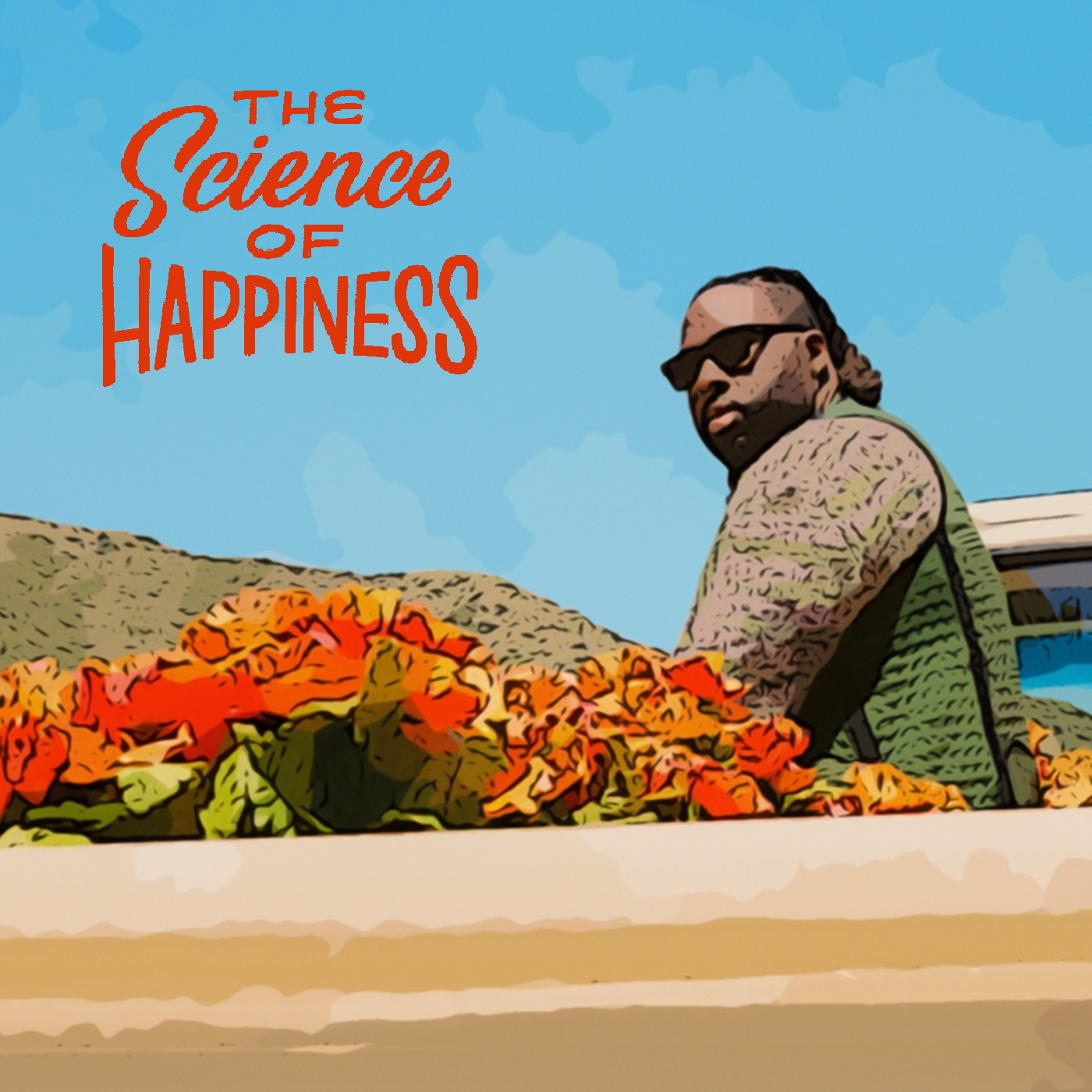
Why Compassion Requires Vulnerability
Rapper Rexx Life Raj shared his deepest pain in his latest album, and discovered it was one big compassion practice for his fans dealing with their own grief. Link to episode transcript: https://tinyurl.com/4xzncasd Episode summary: After losing both of his parents in the same year, Rapper Rexx Life Raj channeled his grief into his latest album. On tour, he found himself communing with fans who were struggling with grief of their own. For our show, Raj tried a meditation to cultivate more compassion, and discovered that his life was full of compassion practices – like connecting with his fans who were suffering. We also hear from researcher Hooria Jazaieri about the relationship between vulnerability and compassion, why compassion is so critical to our relationships, and the many ways we can cultivate more of it. Practice: Find a comfortable place and take a few moments to focus on your breath. Think of a loved one. Allow the feelings of warmth and love to fill your heart. Wish those individuals well. Think of a time when your loved one was suffering. Notice how your sensations shift. Sincerely wish that they may be free of suffering. You can try this practice with different types of people in your life, including loved ones, friends, and even those you don’t get along with. Learn more about the Compassion Meditation practice at Greater Good In Action: https://ggia.berkeley.edu/practice/compassion_meditation Today’s guests: Rexx Life Raj is a rapper and musician from the Bay area. Listen to his latest album, The Blue Hour: https://tinyurl.com/3rpfv9r9 Listen to Raj Life Raj’s Music: https://www.rexxliferaj.com/ Follow Raj on Twitter: https://twitter.com/RexxLifeRaj Follow Raj on Instagram: https://www.instagram.com/rexxliferaj/ Hooria Jazaieri is an Assistant Professor at Santa Clara University. Her research focuses on personal reputation and emotions like compassion and awe. Learn more about Hooria and her work: https://tinyurl.com/2ndpkke9 Follow Hooria on Twitter: https://twitter.com/HooriaJazaieri Resources from The Greater Good Science Center: Can Compassion Change the World: https://tinyurl.com/3ac2meyc Does Mindfulness Make You More Compassionate? https://tinyurl.com/4beawh8b When Empathy Hurts, Compassion Can Heal: https://tinyurl.com/yc4pyjcv Compassionate Mind, Healthy Body: https://tinyurl.com/mruc6m95 Do Your Struggles Expand Your Compassion for Others? https://tinyurl.com/yc4pyjcv More Resources on Compassion: The Atlantic - What’s Missing From Empathy: https://tinyurl.com/4b6s2v3y TED - Compassion and the true meaning of empathy: https://tinyurl.com/2kkhf3p5 Washington Post - Compassion fatigue hits not only professional caregivers. Other people get it, too: https://tinyurl.com/5325ewjt Harvard - Connect with Empathy, But Lead with Compassion: https://tinyurl.com/5n8amcuh What has your experience been like practicing compassion for others? Email us at [email protected] or use the hashtag #happinesspod. Help us share The Science of Happiness! Rate us on Spotify and share this link with someone who might like the show: https://tinyurl.com/4uyr2w35 Episode image based on photo by Marco Alexander
Happiness Break: Awe in Impermanence
Take a few minutes to develop your sense of awe for the circle of life in this meditation with Dacher Keltner. LINK TO EPISODE TRANSCRIPT: https://tinyurl.com/2tv3whj2 All sentient beings are impermanent, and out of our reflections on this we find appreciation. We find poignancy. A little sadness, but also out of that sadness and poignancy, a sense of deep appreciation for the people we love. How to Do This Practice: Find a comfortable place. Focus on taking a few deep breaths, relaxing your body from head to toe. Think of an older relative who you are close to. Picture them in your mind. Imagine how they entered the world years ago as a newborn. Continue to imagine this individual growing up — through adolescence into adulthood, developing the qualities that you admire. Now imagine them later in life, into seniority. Reflect on the progression of the individual’s life, from the beginning to the final stages in this natural progression of the life cycle for humans. Recognize that they'll pass or maybe they have passed, and that's part of this cycle Take note of how you feel. Today’s Happiness Break host: Dacher Keltner is the host of the Greater Good Science Center’s award-winning podcast, The Science of Happiness and is a co-instructor of the GGSC’s popular online course of the same name. He’s also the founding director of the Greater Good Science Center and a professor of psychology at the University of California, Berkeley. Check out Dacher’s most recent book, *Awe: The New Science of Everyday Wonder and How It Can Transform Your Life: *<https://tinyurl.com/4j4hcvyt\](https://tinyurl.com/4j4hcvyt) More resources from The Greater Good Science Center: What I Learned About Resilience in the Midst of Grief: https://tinyurl.com/2uw7uvxd How to Face Grief in Yourself and Others: https://tinyurl.com/yckknp9r Death and Gratitude: https://tinyurl.com/mwcn752j How to Bring More Meaning to Dying: [https://tinyurl.com/vnbkwf52>\ Learning to Live in a World Without a Loved One: https://tinyurl.com/2v4avfvv How do you find awe in impermanence? Email us at [email protected] or use the hashtag #happinesspod. Find us on Spotify: https://tinyurl.com/6s39rzus Help us share Happiness Break! Rate us and copy and share this link: https://tinyurl.com/6s39rzus We're living through a mental health crisis. Between the stress, anxiety, depression, loneliness, burnout — we all could use a break to feel better. That's where Happiness Break comes in. In each biweekly podcast episode, instructors guide you through research-backed practices and meditations that you can do in real-time. These relaxing and uplifting practices have been shown in a lab to help you cultivate calm, compassion, connection, mindfulness, and more — what the latest science says will directly support your well-being. All in less than ten minutes. A little break in your day.

Why Humor Matters for Happiness
Humor can help us with stress, anxiety and feeling more connected to others. But is humor connected to mindfulness? And how can we find more of it? Link to episode transcript: https://tinyurl.com/2p9dkds7 Episode summary: For Emmy- nominated comedian Josh Johnson, humor has always come naturally. But over time, Josh has found it difficult to reignite his passion for comedy outside of his career. For our show, Josh wrote down three funny things he experienced every day for a week. He noticed that funny moments often arise from a series of interconnected events, and that they aren’t always something we can prepare for. Instead, it’s the unexpected moments that often lead to a comedic sense of joy. Later, we hear from psychologist Sonja Heintz about the connection between various types of humor and mindfulness, and how engaging in mindful practices can spur more positive and benevolent types of humor. Practice: Take 10 minutes a day for at least a week to write down 3 of the funniest moments you experienced throughout the day. Write down why you think these funny moments happened. Remember to write down as much detail about the moment as possible. These funny moments do not have to be of major importance. Learn more about this practice at Greater Good In Action: https://ggia.berkeley.edu/practice/three_funny_things Today’s guests: Josh Johnson is an Emmy-nominated comedian and writer for The Daily Show. This interview was recorded before the Writer’s Guild and Screen Actors’ Guild strikes began. Learn more about Josh Johnson: https://www.joshjohnsoncomedy.com/ Follow Josh on Twitter: https://tinyurl.com/33f4nkv2 Follow Josh on Instagram: https://tinyurl.com/3txe78kf Sonja Heintz is a psychologist at the University of Plymouth who specializes in positive psychology. Learn more about Sonja and her work: https://tinyurl.com/mt4vs6cx Resources from The Greater Good Science Center: Why Laughing Is Good for You (The Science of Happiness Podcast): https://tinyurl.com/4z3snujy How Laughter Brings Us Together: https://tinyurl.com/2cnapztk Four Funny Ways Laughter Is Good for You: https://tinyurl.com/5x6d9jp3 How a Little Humor Can Improve Your Work Life: https://tinyurl.com/bdzz6thx More Resources on Humor: BBC - How comedy makes us better people: https://tinyurl.com/ytywxb94 Harvard - Humor, Laughter, and Those Aha Moments: https://tinyurl.com/ujjmzc75 Ted - The Superpower of Humour: https://tinyurl.com/53chw3nz When Everything Is Heavy, a Touch of Humor Can Help: https://tinyurl.com/s6ydmyu4 What are three funny things that happened in your life recently? Email us at [email protected] or use the hashtag #happinesspod. Help us share The Science of Happiness! Rate us on Spotify and share this link with someone who might like the show: https://tinyurl.com/4uyr2w35

Happiness Break: Making Music With Your Body, With Keith Terry
Relieve stress, boost self-esteem, and increase focus through a simple body music practice. And do it with a friend to feel more compassion and a hit of oxytocin. Link to episode transcript: https://tinyurl.com/yc8aer74 How to Do This Practice: Try using these movements to create various rhythmic combinations with your body: One: Clap your hands, slightly cupping with each clapping instead of hitting your full palms together. Two: Tap your right hand to your left chest. Three: Tap your left hand to tap your right chest. Four: Tap your right thigh with your right hand. Five: Tap your left thigh with your left hand. Then loop back to the top. Today’s Happiness Break host: Keith Terry is a percussionist and body musician who uses a variety of surfaces to create interesting rhythms. Learn more about Keith Terry: https://tinyurl.com/5av66v5f Watch Keith Terry in action: https://tinyurl.com/299vuw4a More resources from The Greater Good Science Center: The Science of Synchronized Movement (The Science of Happiness Podcast): https://tinyurl.com/mrys53k4 Five Ways Music Can Make You Healthier: https://tinyurl.com/4ckbtc2e How Music Helps Us Be More Creative: https://tinyurl.com/4mj6vs44 Wired for Music: https://tinyurl.com/ye2xkjxz Four Ways Music Strengthens Social Bonds: https://tinyurl.com/y257y25p How was your experience creating body music? Email us at [email protected] or use the hashtag #happinesspod. Find us on Spotify: https://tinyurl.com/2cyp46rp Help us share Happiness Break! Rate us and copy and share this link: https://tinyurl.com/2cyp46rp We’re living through a mental health crisis. Between the stress, anxiety, depression, loneliness, burnout — we all could use a break to feel better. That’s where Happiness Break comes in. In each biweekly podcast episode, instructors guide you through research-backed practices and meditations that you can do in real-time. These relaxing and uplifting practices have been shown in a lab to help you cultivate calm, compassion, connection, mindfulness, and more — what the latest science says will directly support your well-being. All in less than ten minutes. A little break in your day.
How Improv Makes You More Confident and Less Anxious
Just 20 minutes of improv theater can foster creativity and confidence, and help with anxiety, depression, and your ability to tolerate uncertainty. Link to episode transcript: https://tinyurl.com/4t9rjj58 Episode summary: Deema Altaher was never one for the spotlight. So when her husband signed them up for improv classes, she had no idea what to expect. And yet after one class, Deema was hooked. From active listening games to “yes, and” prompts, she found that improv exercises shifted the way she connected with other people, and eased her nerves as she navigated all the uncomfortable parts of starting a new job. She was also inspired to “say yes” to new life opportunities. In fact, an emerging science shows that improv can benefit many people in terms of fostering greater comfort with new situations, inspiring creativity, lifting your mood, and even easing anxiety and depression. Professor Peter Felsman is a social scientist and improviser himself who has tested this spontaneous style of theater in the lab. Felsman explains how improv might cause these improvements, and others, like lessening social anxiety in children. Try Improv On Your Own: 11 Easy Improv Games for Beginners - https://tinyurl.com/24xrre2y Today’s guests: Deema Altaher is an engineer who recently moved back to the United States from the United Arab Emirates. Peter Felsman is a professor of social work at Northern Michigan University who specializes in the intersection between mindfulness, psychology and the arts. Learn more about Peter Felsman’s work: https://tinyurl.com/5h47wsxs Resources from The Greater Good Science Center: Seven Ways to Cope with Uncertainty: https://tinyurl.com/4zh3m36e Embracing Discomfort Can Help You Grow: https://tinyurl.com/5ftvvce3 The Power of Performance: https://tinyurl.com/3mc78yzb What Mel Brooks Can Teach Us about “Group Flow”: https://tinyurl.com/2rxmrzhn More Resources on Improv NPR - The rules of improv can make you funnier. They can also make you more confident: https://tinyurl.com/2wvpk53j Harvard Gazette - For more than just laughs: https://tinyurl.com/2zzxacpu TED - How Improv Comedy Improves Mental Health: https://tinyurl.com/5a8vpt67 What helps you destress and cope with big changes? Email us at [email protected] or use the hashtag #happinesspod. Help us share The Science of Happiness! Rate us on Spotify and share this link with someone who might like the show: https://tinyurl.com/wnfb99cy
Happiness Break: A Mindful Breath Meditation, with Dacher Keltner
Mindful breathing exercises are a simple, effective, and fast way to shift our mindset and improve physical and mental well-being when practiced regularly. Link to episode transcript: https://tinyurl.com/mpt4rr5x How to Do This Practice: Find a comfortable position to start the practice, maintain a good posture and close your eyes. Take a deep breath in for a count of four. Hold that breath, feeling it in your lungs and body for another count of four. Push the air outwards, exhaling for a count of six. Repeat this exercise as many times as you would like. Today’s Happiness Break host: Dacher Keltner is the host of the award-winning podcast, The Science of Happiness and is a co-instructor of the GGSC’s popular online course of the same name. He’s also the founding director of the Greater Good Science Center and a professor of psychology at the UC, Berkeley. Check out Dacher’s most recent book, Awe: The New Science of Everyday Wonder and How It Can Transform Your Life: https://tinyurl.com/4j4hcvyt More resources from The Greater Good Science Center: What Focusing on the Breath Does to Your Brain: https://tinyurl.com/3u8h53pw Is the Way You Breathe Making You Anxious?: https://tinyurl.com/mryr2jup A Five-Minute Breathing Exercise for Anxiety and Mood: https://tinyurl.com/3ve66u2k How Four Deep Breaths Can Help Kids Calm Down: https://tinyurl.com/5xr2sb99 What does mindful breathing do for you? Email us at [email protected] or use the hashtag #happinesspod. Find us on Spotify: https://tinyurl.com/taub93tp Help us share Happiness Break! Rate us on Spotify and copy and share this link: https://tinyurl.com/taub93tp We're living through a mental health crisis. Between the stress, anxiety, depression, loneliness, burnout — we all could use a break to feel better. That's where Happiness Break comes in. In each biweekly podcast episode, instructors guide you through research-backed practices and meditations that you can do in real-time. These relaxing and uplifting practices have been shown in a lab to help you cultivate calm, compassion, connection, mindfulness, and more — what the latest science says will directly support your well-being. All in less than ten minutes. A little break in your day.

How To Let Go Without Giving Up
War veteran and country music singer Sal Gonzalez tries the Taoist practice of Wu Wei to improve his relationship with anger. Link to episode transcript: https://tinyurl.com/yavaw23d Episode summary: For Iraq war veteran Sal Gonzalez, relying on anger had become second nature — and while this emotion was beneficial for him on the battlefield, Sal found it difficult to manage his anger when readjusting to civilian life. For our show Sal tried a 5 step practice of Wu Wei. Rooted in the ancient Chinese philosophy of Taoism, Wu Wei is focused on setting strategic intentions and accepting difficult situations, rather than resisting them. After trying the practice, Sal reflected that he doesn’t have to give up anger entirely, rather, he can be more intentional about choosing when to use it. We later hear from Dr. Doris Chang, the clinical psychologist who developed a 5 step methodology of practicing Wu Wei, to learn more about the impact of acceptance and non-action. Practice: Articulate: Identify your goals and values in life. Self-Assess: Take note of your role and the role of others within a particular situation in order to clearly outline your options. Accept: Begin by recognizing any circumstances of your life that cannot be changed. Instead of resisting or trying to control the situation, try to accept the situation. Action, non-action: Based on your evaluation of the situation, determine whether it is more beneficial to act, or choose not to act. Allow: Give yourself the opportunity to move with the situation, recognizing that it is easier to flow with a situation than against it. Today’s guests: Sal Gonzalez is a country music singer and an Iraq war veteran who was wounded in combat. Listen to Sal’s music: https://salgmusic.com/ Follow Sal on Instagram: https://www.instagram.com/salgmusic/ Follow Sal on Facebook: https://www.facebook.com/officialsalgmusic Doris Chang is a clinical psychologist and professor at NYU. She developed a five step process of Wu Wei. Learn more about Doris and her work: http://dorisfchang.com/about Follow Doris on Twitter: https://twitter.com/dorisfchang/ Resources from The Greater Good Science Center: What You Think About Your Emotions Matters: https://tinyurl.com/9akpm7u6 Just One Thing: Accept Difficulty: https://tinyurl.com/mrknbj8b How to Deal with Feeling Bad About Your Feelings: https://tinyurl.com/2zf7njh4 How to Overcome Destructive Anger: https://tinyurl.com/49zu6whw More Resources for A Good Night’s Sleep Harvard Health - Go with the flow: engagement and concentration are key: https://tinyurl.com/bp66krnw CNBC - A 2,000-year-old Chinese mindset can make you more successful—it ‘takes almost zero effort,’ says psychologist: https://tinyurl.com/mr3n4a8b TED - Wuwei and Flow: https://tinyurl.com/3jmcjp68 Atlantic - How to Not Try: https://tinyurl.com/mr2nwufj Have you tried to accept a difficult emotion in your life? Email us at [email protected] or use the hashtag #happinesspod. Help us share The Science of Happiness! Rate us on Spotify and share this link with someone who might like the show: https://tinyurl.com/mpnacwv7
Happiness Break: Moving Through Space, With Dacher Keltner
Moving meditations can help reduce stress and boost self-awareness. Improve your ability to sense your body in space with this 7-minute proprioception meditation. Link to episode transcript: https://tinyurl.com/ynkdywbn How to Do This Practice: Find a comfortable place where you can move your arms freely. This practice can be completed sitting or standing. If you choose to stand, avoid locking your knees by bending them slightly. Begin by taking deep breaths, drawing your attention to your body in the present moment. Balance your posture by grounding evenly through your feet, leveling your pelvis, and straightening your back. Focus your attention on your arms, starting from your shoulders down to your fingertips. Bring your palms to touch in front of your heart, inhale and lift them upwards to meet above your head. Exhale and bring them towards your heart. Repeat this cycle 2-3 more times, focusing on noticing how your body moves through space. Today’s Happiness Break host: Dacher Keltner is the host of the award-winning podcast, The Science of Happiness and is a co-instructor of the GGSC’s popular online course of the same name. He’s also the founding director of the Greater Good Science Center and a professor of psychology at the UC, Berkeley. Check out Dacher’s most recent book, Awe: The New Science of Everyday Wonder and How It Can Transform Your Life: https://tinyurl.com/4j4hcvyt More resources from The Greater Good Science Center: Finding Delight Through Your 5 Senses (The Science of Happiness Podcast): https://tinyurl.com/3bszfww2 How to Gain Freedom from Your Thoughts: https://tinyurl.com/hp8s5wv6 10 Steps to Savoring the Good Things in Life: https://tinyurl.com/y9636sku Why Physical Touch Matters for Your Well-Being: https://tinyurl.com/m2ea524m How to Deal with Sensory Overload as a Sensitive Person: https://tinyurl.com/y7epvsmu We love hearing from you! How did you find this moving meditation? Email us at [email protected] or use the hashtag #happinesspod. Find us on Spotify: https://tinyurl.com/525rtxt9 Help us share Happiness Break! Leave us a 5-star review and copy and share this link: https://tinyurl.com/525rtxt9 We're living through a mental health crisis. Between the stress, anxiety, depression, loneliness, burnout — we all could use a break to feel better. That's where Happiness Break comes in. In each biweekly podcast episode, instructors guide you through research-backed practices and meditations that you can do in real-time. These relaxing and uplifting practices have been shown in a lab to help you cultivate calm, compassion, connection, mindfulness, and more — what the latest science says will directly support your well-being. All in less than ten minutes. A little break in your day.

Finding Delight Through Your 5 Senses
We enjoy the world through our five senses, so why don't we do more to heighten them? We explore the techniques and science of the senses with Gretchen Rubin. Link to episode transcript: https://tinyurl.com/4s3wv9mv Episode summary: When Gretchen Rubin found out she was at greater risk of losing her eyesight, she started to recognize what she had been taking for granted and her appreciation for sight — and the rest of her senses — was reignited. Since then, Gretchen has been committed to discovering how our five senses shape and enhance our experiences of the world. Like how certain odors can trigger good memories and how our sense of touch stimulates the vagus nerve, which has a calming effect on our brains and bodies. We explore techniques to enhance each of our senses, and the science behind how they contribute to our well-being. Today’s guest: Gretchen Rubin is an acclaimed journalist and author. Read Gretchen’s latest book book, Life in Five Senses: How Exploring the Senses Got Me Out of My Head and Into the World: https://gretchenrubin.com/books/life-in-five-senses/ Follow Gretchen on Instagram: https://www.instagram.com/gretchenrubin/ Follow Gretchen on Facebook: https://www.facebook.com/GretchenRubin Follow Gretchen on Twitter: https://twitter.com/gretchenrubin Resources from The Greater Good Science Center: Happiness Break: Finding Presence Through Your Senses, With Dacher Keltner (The Science of Happiness Podcast): https://tinyurl.com/y63mphep How to Gain Freedom from Your Thoughts: https://tinyurl.com/hp8s5wv6 10 Steps to Savoring the Good Things in Life: https://tinyurl.com/y9636sku Why Physical Touch Matters for Your Well-Being: https://tinyurl.com/m2ea524m How to Deal with Sensory Overload as a Sensitive Person: https://tinyurl.com/y7epvsmu More Resources on Your 5 Senses: Scientific American - Making Sense of the World, Several Senses at a Time: https://tinyurl.com/34djh4p4 BBC - Hacking our senses to boost learning power: https://tinyurl.com/y7e8f89c TED - How your sense of smell helps you savor flavor: https://tinyurl.com/2yx5n5pm Washington Post - Why music causes memories to flood back: https://tinyurl.com/2s47stkk We want to hear from you! How does your favorite sense enhance your life? Email us at [email protected] or use the hashtag #happinesspod. Help us share The Science of Happiness! Rate us on Spotify and share this link with someone who might like the show: https://tinyurl.com/4uyr2w35
Happiness Break: What To Do When You're Struggling, With Spring Washam
Treating yourself with kindness reduces anxiety and improves coping skills. Spring Washam encourages us to be more self-compassionate through a short guided meditation. Link to episode transcript: https://tinyurl.com/mrx8t9st How to Do This Practice: Find a comfortable position and begin to focus on your breath. This is a practice to use when you are struggling in some way. Allow your attention to turn toward your suffering and notice how you feel, and where those emotions are held in your body. Close your eyes and imagine that you are literally breathing in compassion and care for yourself. Hold your left hand in your right, or place your hands on your heart, holding yourself with care. Continue to direct compassionate energy to yourself using the mantra “May I care about this suffering. May I care about these difficulties.” Today’s Happiness Break host: Spring Washam is a meditation teacher whose practices draw on themes of loving-kindness, well-being and compassion. Learn More About Spring’s work: https://www.springwasham.com/about/ Listen to Spring’s podcast, The Spirit Underground: https://tinyurl.com/y87mxrw2 Follow Spring on Instagram: https://www.instagram.com/springwasham/?hl=en Follow Spring on Facebook: https://www.facebook.com/teacher.springwasham More resources from The Greater Good Science Center: How to Feel Better About Yourself (The Science of Happiness Podcast): https://tinyurl.com/3jh5rheb How to Bring Self-Compassion to Work with You: https://tinyurl.com/45zkrkam The Five Myths of Self-Compassion: https://tinyurl.com/2p88vass How Self-Compassion Can Help You Through a Breakup: https://tinyurl.com/222scejz Can Self-Compassion Overcome Procrastination? https://tinyurl.com/mrfmvyj The Three Components of Self-Compassion: https://tinyurl.com/mwa2zddp We love hearing from you! Tell us about your experience practicing self compassion. Email us at [email protected] or use the hashtag #happinesspod. Find us on Spotify: https://tinyurl.com/yrv47mh7 Help us share Happiness Break! Rate us on Spotify and copy and share this link: https://tinyurl.com/yrv47mh7 We're living through a mental health crisis. Between the stress, anxiety, depression, loneliness, burnout — we all could use a break to feel better. That's where Happiness Break comes in. In each biweekly podcast episode, instructors guide you through research-backed practices and meditations that you can do in real-time. These relaxing and uplifting practices have been shown in a lab to help you cultivate calm, compassion, connection, mindfulness, and more — what the latest science says will directly support your well-being. All in less than ten minutes. A little break in your day.

How To Feel Better About Yourself
Self-compassion reduces our feelings of shame and self-doubt. We explore a practice to help quiet our inner critic with kindness. Link to episode transcript: https://tinyurl.com/ytek6jxk Episode summary: What does your inner critic sound like? For René Brooks, it’s the adults who misunderstood her ADHD symptoms as a child, before she was diagnosed later in life. For our show, René tried a self-compassionate writing exercise that helped her re-examine how she treats herself in difficult situations. She highlights why self-compassion is so important for marginalized communities in particular, and how as a Black woman, she puts double the pressure on herself to achieve and has come to use shame and self-judgment to motivate herself. The practice helps her to disrupt that tendency by noticing the way she speaks to herself and learning to take a more compassionate tone, instead. Later, we hear from psychologist Serena Chen, who expands on how cultivating self-compassion can help us embrace our true selves, which can lead to greater life satisfaction, increased well-being and closer social relationships. Practice: Think of something that makes you feel guilty, ashamed or insecure. Notice how you feel and write down your emotions. Imagine someone who loves you unconditionally and write a letter to yourself from their perspective, using the tone they would use with you, and expressing acceptance and understanding. Acknowledge that no one is perfect and there are likely many people struggling with the very same thing you are. In a compassionate way, ask yourself whether there are things that you could do to improve or better cope with this negative aspect. Focus on how constructive changes could make you feel happier, healthier, or more fulfilled, and avoid judging yourself. Try to complete the practice on a weekly or monthly basis. Learn more about this practice at Greater Good In Action: https://ggia.berkeley.edu/practice/self_compassionate_letter Today’s guests: René Brooks is the creator of the blog Black Girl, Lost Keys. She draws on her personal experiences to coach and assist adults with ADHD. Visit René’s Blog: https://blackgirllostkeys.com/ Follow René on Twitter: https://tinyurl.com/2p9caj5v Follow René on Instagram: https://tinyurl.com/3a96882u Follow René on Facebook: https://www.facebook.com/blackgirllostkeys/ Serena Chen is the Chair of the Psychology department at UC Berkeley. Her research is focused on self-compassion, wellbeing and social interaction. Learn more about Serena and her work: https://tinyurl.com/mry3vx3v Follow Serena on Google Scholar: https://tinyurl.com/3btm3jn8 Resources from The Greater Good Science Center: The Five Myths of Self-Compassion: https://tinyurl.com/4tfp7d73 Why Self-Compassion Trumps Self-Esteem: https://tinyurl.com/5a6phdx3 Why Is Self-Compassion So Hard for Some People? https://tinyurl.com/2x4v3r72 The Three Components of Self-Compassion: https://tinyurl.com/mwa2zddp Want to Change your Life? Try Self-Compassion: https://tinyurl.com/2y2ryc6m More Resources on Self-Compassion Happiness Break: How to Be Your Own Best Friend, with Kristin Neff: https://tinyurl.com/3fj4yfrn TED - Dare to rewire your brain for self-compassion: https://tinyurl.com/yc2ru73p Harvard Health - The power of self-compassion: https://tinyurl.com/yc7usmx5 BBC - Why self-compassion – not self-esteem – leads to success: https://tinyurl.com/yj2zax8x How have you tried practicing self-compassion? Email us at [email protected] or use the hashtag #happinesspod to tell us about it. Help us share The Science of Happiness! Rate and follow us on Spotify, and share this episode with a friend: https://tinyurl.com/4uyr2w35

Happiness Break: Wishing Others Well, With Anushka Fernandopulle
Cultivate a sense of compassion for yourself and others by trying a meditation rooted in loving kindness, called "Metta." Link to episode transcript: https://tinyurl.com/jrkewjs8 How to Do This Practice: Find a comfortable place to start this meditation. Start taking deep breaths, focusing your attention on what you feel around your heart and chest. Turn your attention to someone who immediately brings a smile to your face. Try to sincerely wish that person well. Some phrases you can mention include, “May you be peaceful and happy. May you be strong and healthy. May you be safe from harm. May you live with ease.” Think of someone you don’t know as well, and repeat step three. After that, you can try directing well wishes towards someone you struggle with, if you would like. Slowly begin to shift your attention away from others and direct those well wishes towards yourself. Complete this practice by sending out goodwill for everyone around you, including yourself, using the word “we.” Today’s Happiness Break host: Anushka Fernandopulle is a Buddhist meditation teacher and leadership coach. Learn More about Anushka: https://www.anushkaf.org/about/ Follow Anushka on Instagram: https://www.instagram.com/anushka_dharma/ Follow Anushka on Twitter: https://twitter.com/anushkaf More resources from The Greater Good Science Center: Greater Happiness in 5 Minutes a Day: https://tinyurl.com/2p896av4 Are You Getting Enough Positivity in Your Diet? https://tinyurl.com/59d56w5d Feeling Connected Makes Us Kind: https://tinyurl.com/dbv86969 You Need More Than a Book to Learn Loving-Kindness: https://tinyurl.com/5aatw6hw We love hearing from you! Tell us about your experience of practicing loving-kindness. Email us at [email protected] or use the hashtag #happinesspod. Find us on Spotify: https://tinyurl.com/2kfcdj8e Help us share Happiness Break! Leave us a 5-star review and copy and share this link: https://tinyurl.com/2p9h5aap We're living through a mental health crisis. Between the stress, anxiety, depression, loneliness, burnout — we all could use a break to feel better. That's where Happiness Break comes in. In each biweekly podcast episode, instructors guide you through research-backed practices and meditations that you can do in real-time. These relaxing and uplifting practices have been shown in a lab to help you cultivate calm, compassion, connection, mindfulness, and more — what the latest science says will directly support your well-being. All in less than ten minutes. A little break in your day.
Where To Look For Joy
How can we feel more moments of joy? We explore the science of joy and how we can cultivate it in our everyday lives, with poet Ross Gay and psychologist Philip Watkins. Link to episode transcript: https://tinyurl.com/mu89jbyu Episode summary: Are joy and happiness the same thing? Can you feel joy even in moments of sorrow? This week, we’ve set out to explore the unique qualities of joy, why it's so beneficial for us to experience, and how we can find more of it. We first hear from Ross Gay, an award-winning poet and author who dedicated his last book to the topic of joy, and how we usually find it through closeness with others. Later, we hear from psychologist Philip Watkins about what sets joy apart from other emotions, whether joy can be produced or must be happened upon, and practical steps we can take to amplify joy within our own lives. Today’s guests: Ross Gay is an award-winning American poet and author. His latest book explores the complexities of joy and its connection to feelings like gratitude and sorrow. Learn more about Ross: https://www.rossgay.net/about Read Ross’ book, Inciting Joy: https://www.rossgay.net/inciting-joy Follow Ross on Twitter: https://twitter.com/RossGay18 Philip Watkins is a psychology professor at Eastern Washington University. He conducts research on different aspects of well-being including gratitude, happiness and joy. Learn more about Philip and his work: https://tinyurl.com/3zwested Find Philip on Facebook: https://www.facebook.com/philip.watkins.338/ Resources from The Greater Good Science Center: How to Overcome Stress by Seeing Other People’s Joy: https://tinyurl.com/4csukyd5 How to Awaken Joy in Kids: https://tinyurl.com/5xr3t9vf What is Sympathetic Joy and How Can You Feel More of It? https://tinyurl.com/yuzmykct Joy and Grace: https://tinyurl.com/yaxp48xd Why Experiencing Joy and Pain in a Group is so Powerful: https://tinyurl.com/3trjtzfm More Resources on Joy: Harvard Business Review - Making Joy a Priority at Work: https://tinyurl.com/3z8mejum Harvard Health - How can you find joy (or at least peace) during difficult times? https://tinyurl.com/2s35wffy TED - Where joy hides and how to find it: https://tinyurl.com/3d2fbfbv How do you define joy? When was the last time you felt it? We want to hear from you! Email us at [email protected] or use the hashtag #happinesspod. Help us share The Science of Happiness! Rate and follow us on Spotify, and share this episode with a friend: https://tinyurl.com/4uyr2w35

Happiness Break: Who Takes Care of You? With Dacher Keltner
When we feel cared for, our cortisol levels drop, we feel safe, and we handle stress better. Dacher leads a meditation to help us focus on the people who make us feel supported. Link to episode transcript: https://tinyurl.com/bdezwwyd How to Do This Practice: Find a comfortable position to start the practice. Focus on taking deep breaths. Shift your attention to your body, relaxing your jaw, shoulders and face. Begin to think about a friend who has supported you, or a friend who you feel grateful for. Reflect on how they have supported you and how that makes you feel. Notice how those feelings manifest within your body. Try shifting your attention to family members and/or mentors who have supported you in various ways. Complete the practice by acknowledging the ways these individuals have contributed to your life. Today’s Happiness Break host: Dacher Keltner is the host of the award-winning podcast, The Science of Happiness and is a co-instructor of the GGSC’s popular online course of the same name. He’s also the founding director of the Greater Good Science Center and a professor of psychology at the UC, Berkeley. Check out Dacher’s most recent book, Awe: The New Science of Everyday Wonder and How It Can Transform Your Life: https://tinyurl.com/4j4hcvyt More resources from The Greater Good Science Center: Just One Thing: Feel the Support: https://tinyurl.com/yrfnmwfv Four Ways Social Support Makes You More Resilient: https://tinyurl.com/2p9zkjpj Why Your Friends Are More Important Than You Think: https://tinyurl.com/mw2mr5p7 How Friends Help You Regulate Your Emotions: https://tinyurl.com/bdetmjt3 We love hearing from you! How do you feel supported by the people in your life? Email us at [email protected] or use the hashtag #happinesspod. Find us on Spotify: https://tinyurl.com/2p8kj22u Help us share Happiness Break! Leave us a 5-star review and copy and share this link: https://tinyurl.com/2p8kj22u We're living through a mental health crisis. Between the stress, anxiety, depression, loneliness, burnout — we all could use a break to feel better. That's where Happiness Break comes in. In each biweekly podcast episode, instructors guide you through research-backed practices and meditations that you can do in real-time. These relaxing and uplifting practices have been shown in a lab to help you cultivate calm, compassion, connection, mindfulness, and more — what the latest science says will directly support your well-being. All in less than ten minutes. A little break in your day.
Feeling Overworked? Take a "Fika" Break
A short break does more than just fuel our bodies, it strengthens our minds. Our overworked guest tries the Swedish practice of 'Fika' – taking short coffee breaks throughout the work day. Link to episode transcript: https://tinyurl.com/yuj69daf Episode summary: In the United States, we’re taught that it’s a good thing to work more, and work harder. But research shows that overworking isn’t just physically and mentally draining, it can also be deadly. One strategy to manage our work culture? Take more breaks. Our guest this week is Mike Heyliger, a music executive and self-described “workaholic.” He incorporated the Swedish tradition of fika – taking coffee and snack breaks throughout the day – into his own life, and found it not only helped him de-stress, it also shifted his mindset and enabled him to connect with others. Later, we look at the scientific benefits of taking microbreaks and hear from Anna Brones, co-author of Fika: The Art of the Swedish Coffee Break. Practice: Actively choose to take a break during your day. Typically, fika breaks happen twice. Once in the morning and once in the mid-afternoon. Traditionally, fika breaks include a drink, like coffee, and a snack, but this is not required. Often, fika breaks are taken with others. Today’s guests: Mike Heyliger is a music executive and the creator of Detoxicity, a podcast on progressive masculinity. Learn more about Mike’s Initiative, ‘Mindful Vinyl’: https://mindfulvinyl.org/about/ Listen to Mike’s Podcast, ‘Detoxicity’: https://tinyurl.com/vc72tjn2 Anna Brones is a Swedish-American writer and artist. She produces the newsletter and podcast, Creative Fuel. Anna is also the co-author of Fika: The Art of the Swedish Coffee Break. Learn more about Anna and her work: https://www.annabrones.com/about Listen to the Creative Fuel Podcast: https://www.creativefuelcollective.com/podcast Read Anna’s book on Fika: https://tinyurl.com/yhdzaj2m Resources from The Greater Good Science Center: Five Reasons to Take a Break from Screens: https://tinyurl.com/333tuvax Why You Should Take More Time Off from Work: https://tinyurl.com/k5brkp46 Tuesday Tip: Take a Break: https://tinyurl.com/5986ste3 How to Avoid Burnout – or a Breakdown: https://tinyurl.com/bddw7cap Why You Should Take a Relaxing Lunch Break: https://tinyurl.com/2p8axdba More Resources on Fika: NYT - In Sweden, the Fika Experience: https://tinyurl.com/54wpw8p5 Insider - A daily habit from Sweden could make you more productive at work: https://tinyurl.com/4exjydrr TED - Forget the Pecking Order at Work: https://tinyurl.com/yk68dmzy BBC - The Swedish tradition that can make you happier at work: https://tinyurl.com/yx28x2v8 Have you tried incorporating fika in your life? Tell us how it went. Email us at [email protected] or use the hashtag #happinesspod. Help us share The Science of Happiness! Share this episode with a friend: https://tinyurl.com/4uyr2w35 Leave us a 5-star review on Apple Podcasts: https://tinyurl.com/2p9h5aap
How To Be in Harmony in Nature — Wherever You Are, With Yuria Celidwen
Indigenous scholar Yuria Celidwen guides us in a meditation to strengthen our sense of belonging and connection to the earth. Link to episode transcript: https://tinyurl.com/nhjmf57s This Happiness Break is part of our special series, Climate, Hope & Science. In it, we explore the intersection of environmental well-being and our own well-being, where taking care of ourselves and the planet are one in the same and feeling good is not only possible, it’s helpful. Listen to the rest of the series, which was released in our feed April 22–May 18, 2023. How to Do This Practice: Find a comfortable position wherever you are located. Direct your attention to your feet and the surface below them. Try to cultivate a sense of belonging in that space under your feet. Let your breath guide your attention back to your feet and upward to your heart and head. Feel a sense of openness as you welcome the warmth of the sun into your heart. Acknowledge the transformative power of the earth and your role within it. Today’s Happiness Break host: Dr. Yuria Celidwen is an Indigenous scholar whose work focuses on Indigenous contemplative traditions and advocating for the rights of Indigenous peoples and lands. She is a senior fellow at the Othering and Belonging Institute at UC Berkeley and has worked with numerous organizations including the United Nations. Learn more about Yuria: https://www.yuriacelidwen.com/ Find out more about Yuria’s work at the Othering and Belonging Institute: https://belonging.berkeley.edu/yuria-celidwen More resources from The Greater Good Science Center: How Nature Can Make You Kinder, Happier, and More Creative: https://tinyurl.com/d2vzpsaj What Happens When We Reconnect With Nature: https://tinyurl.com/553xwm47 How to Protect Kids from Nature-Deficit Disorder: https://tinyurl.com/4usewuzj How Nature Helps Us Heal: https://tinyurl.com/2p93682j Why is Nature So Good for Your Mental Health? https://tinyurl.com/bdetmjt3 Five Ways to Develop “Ecoliteracy”: https://tinyurl.com/2zuj6smv Green With Empathy: https://tinyurl.com/42rk4m2m We love hearing from you! Tell us about your experience with this meditation. Email us at [email protected] or use the hashtag #happinesspod. Find us on Apple Podcasts: https://tinyurl.com/2p9h5aap Help us share Happiness Break! Leave us a 5-star review and copy and share this link: https://tinyurl.com/2p9h5aap We're living through a mental health crisis. Between the stress, anxiety, depression, loneliness, burnout — we all could use a break to feel better. That's where Happiness Break comes in. In each biweekly podcast episode, instructors guide you through research-backed practices and meditations that you can do in real-time. These relaxing and uplifting practices have been shown in a lab to help you cultivate calm, compassion, connection, mindfulness, and more — what the latest science says will directly support your well-being. All in less than ten minutes. A little break in your day. The Science of Happiness would like to extend a special thanks to *Eva Frye for their support of this series.*

How To Do Good for the Environment (And Yourself)
Walking can increase our sense of connectedness with the earth and motivation to take climate action, which might be an important aspect of your well-being. Link to episode transcript: https://tinyurl.com/mu6yru2p This is the third and final episode of our special series, Climate, Hope & Science. We explore the intersection of environmental well-being and our own well-being, where taking care of ourselves and the planet are one in the same and feeling good is not only possible, it’s helpful. We find the links between crisis, hope, happiness, and action. Look for another climate-focused Happiness Break on May 18th. Episode summary: Musician and activist Diana Gameros tries leaving her car at home and walking instead of drive for three days. We hear what was challenging about her experience, and why in the end, she loved it. Incorporating small climate actions into our daily life can strengthen our relationship with the earth and inspire us to take better care of it. Later, climate scientist Patrick Gonzalez breaks down the actual climate impact of one person choosing not to drive for a day. (It’s more than you’d think.) Finally, we learn how to reimagine our relationship to the environment from Dr. Yuria Celidwen, an expert in Indigenous contemplative practices and sciences, and what we — and the planet — might gain from bridging Western and Indigenous worldviews. Practice: Avoid driving for one day out of the week. Instead, walk and take public transportation. Try to avoid using your phone while getting around. Instead, observe the environment around you and how you engage with it. Notice as much as you can about your neighborhood. Pay attention to how you feel when you walk versus drive. Think about how you can incorporate other small actions in your daily life to help the planet. Today’s guests: Diana Gameros is a musician and social activist. Her music is informed by themes like identity, language, culture and her experience as an immigrant. Learn more about Diana: https://www.dianagameros.com/ Listen to Diana’s Music: https://open.spotify.com/album/0JdsjnFwzgkr0kPelaODF4 Follow Diana on Instagram: https://www.instagram.com/dianagameros/ Follow Diana on Facebook: https://www.facebook.com/dianagamerosmusic/ Patrick Gonzalez is a climate scientist and forest ecologist at UC Berkeley. His work inspired numerous policy changes focused on forestry protections around the world. Learn more about Patrick and his work: http://www.patrickgonzalez.net/ Follow Patrick on Twitter: https://twitter.com/pgonzaleztweet?lang=en Dr. Yuria Celidwen is an Indigenous scholar whose work focuses on Indigenous contemplative traditions and advocating for the rights of Indigenous peoples and lands. Learn more about Yuria and her work: https://www.yuriacelidwen.com/ More Resources on Climate Action: Greater Good Mag - Can We Have More Productive Conversations About Climate Change? https://tinyurl.com/5n95sva3 WHO - Cycling and walking can help reduce physical inactivity and air pollution, save lives and mitigate climate change: https://tinyurl.com/3kzhytf5 TED - When Mother Earth Speaks, You Best Listen: https://tinyurl.com/yzmhch34 Time Magazine - In the Face of Climate Change, We Must Act So That We Can Feel Hopeful—Not the Other Way Around: https://tinyurl.com/98bbspap What climate actions have you incorporated into your life? Email us at [email protected] or use the hashtag #happinesspod. Help us share The Science of Happiness! Leave us a 5-star review on Apple Podcasts and share this link with someone who might like the show: https://tinyurl.com/2p9h5aap
Happiness Break: Contemplating our Interdependence with Nature, with Dekila Chungyalpa
Take ten minutes to renew your connection to the earth through this guided meditation on our interdependence with the ecosystem. Link to episode transcript: https://tinyurl.com/mt473u79 How to Do This Practice: Find a comfortable place to do this practice, relax into your body. Wherever you are, start to acknowledge your surroundings, noticing the living and inanimate things around you. Focus your attention on your breath, and how your breathing is interdependent on other life forms, and other life forms are dependent on your breath. Contemplate the Earth’s compassion, and how it provides you with unconditional support. Finish this practice by acknowledging your connection to the natural world. Today’s Happiness Break host: Dekila Chungyalpa is the founder and head of the Loka Initiative, which brings together faith leaders and culture keepers of indigenous traditions on environmental and climate issues. Learn More About Dekila Chungyalpa’s work: https://centerhealthyminds.org/about/people/dekila-chungyalpa Learn about the Loka Initiative: https://centerhealthyminds.org/programs/loka-initiative Follow Dekila on Instagram: https://www.instagram.com/dchungyalpa/?hl=en Follow Dekila on Twitter: https://twitter.com/dchungyalpa?lang=en More resources from The Greater Good Science Center: What Happens When We Reconnect With Nature: https://tinyurl.com/553xwm47 How Nature Helps Us Heal: https://tinyurl.com/2p93682j Why Is Nature So Good for Your Mental Health? https://tinyurl.com/ycx9ns4p How Nature Can Make You Kinder, Happier and More Creative: https://tinyurl.com/d2vzpsaj How Being in Nature Can Spur Personal Growth: https://tinyurl.com/2p822nyj How Modern Life Became Disconnected from Nature: https://tinyurl.com/bdzzy6pc Being Around Nature Helps You Love Your Body: https://tinyurl.com/34m7tfre We love hearing from you! How do you connect with nature? Email us at [email protected] or use the hashtag #happinesspod. Find us on Apple Podcasts: https://tinyurl.com/2p9h5aap Help us share Happiness Break! Leave us a 5-star review and copy and share this link: https://tinyurl.com/2p9h5aap We're living through a mental health crisis. Between the stress, anxiety, depression, loneliness, burnout — we all could use a break to feel better. That's where Happiness Break comes in. In each biweekly podcast episode, instructors guide you through research-backed practices and meditations that you can do in real-time. These relaxing and uplifting practices have been shown in a lab to help you cultivate calm, compassion, connection, mindfulness, and more — what the latest science says will directly support your well-being. All in less than ten minutes. A little break in your day. This Happiness Break is part of our special series, Climate, Hope & Science. In it, we explore the intersection of environmental well-being and our own well-being, where taking care of ourselves and the planet are one in the same and feeling good is not only possible, it’s helpful. We find the links between crisis, hope, happiness, and action. Look for the third and final episode May 11. Plus, we’ll share another climate-focused Happiness Break on May 18.
How to Feel More Hopeful
How can we build a sense of hope when the future feels uncertain? Poet Tomás Morín tries a writing practice to make him feel more hopeful and motivated to work toward his goals. Link to episode transcript: https://tinyurl.com/9d73zav8 This is the second episode of our special series, Climate, Hope & Science. We explore the intersection of environmental well-being and our own well-being, where taking care of ourselves and the planet are one in the same and feeling good is not only possible, it’s helpful. We find the links between crisis, hope, happiness, and action. Look for the third and final episode May 11. Plus, we’ll share climate-focused Happiness Breaks next week and May 18. Episode summary: In the first episode of Climate, Hope & Science, we explored the power of hope with Rebecca Solnitt. Hope can help us cope with uncertainty and sustain action, even when we don’t know what will happen. But what can we do when hope feels far away? This week, we learn about a practice shown in a lab to increase hopefulness and happiness. Poet and professor Tomá Morín got his first taste of climate anxiety as a kid, when he learned about the hole in the ozone layer, and he still feels the panic over the state of the environment today. Will writing about a past hope that was fulfilled — like the global effort to heal the ozone layer — help him overcome despair and cultivate hope? We hear about Tomás’ experience. Then, the scientist behind the practice explains how she created it and why it works. Editor’s Note: In this episode, Tomás mentions recycling as a way to care for the environment. But in the last few years, we’ve learned that most things we toss in the recycling bin are never made into something new. If you’d like to learn more, here are a few places to start: https://tinyurl.com/3y9u2y5w https://tinyurl.com/yckstwer Today’s Practice: Find a quiet space and grab paper and something to write with. Write about something you're currently hopeful for when it comes to climate change. Describe it as if it’s happening now in as much detail as possible. Don’t worry about spelling and grammar. Next, write about a past hope you’ve held in the past regarding the environment that's been fulfilled and that brings you a sense of gratitude to think about now. Describe what happened, the gratitude you felt, how you and others contributed to it, and what you learned from the experience. If you like, take these prompts one by one. Don’t worry about writing well, just write as much as you can. Today’s guests: Tomás Morin is a poet who won an American Poetry Review Honickman First Book Prize for his collection of poems A Larger Country. He’s currently a professor at Rice University. Check out Tomás’ work: https://www.tomasqmorin.com/About Read Tomás’ latest book: https://www.nebraskapress.unl.edu/nebraska/9781496226495/ Follow Tomas on Instagram: https://www.instagram.com/tomasqmorin/ Charlotte Van Oyen-Witvliet is a clinical psychologist who teaches at Hope College in Holland, Michigan. Resources from The Greater Good Science Center: How Hope Can Keep You Happier and Healthier: https://tinyurl.com/2n9k59xn How Gratitude Can Help You Through Hard Times: https://tinyurl.com/3b66kh5n How to Overcome “Apocalypse Fatigue” Around Climate Change: https://tinyurl.com/yc47ph38 What to do With Dread and Anxiety Around Climate Change: https://tinyurl.com/3766a6sj Tell us about your experience finding hope for the environment. Email us at [email protected] or use the hashtag #happinesspod. Help us share The Science of Happiness! Leave us a 5-star review on Apple Podcasts and share this link with someone who might like the show: https://tinyurl.com/2p9h5aap
The Case for Climate Hope
In the first episode in our series Climate, Hope and Science, we explore how embracing uncertainty enables us to move beyond climate anxiety and despair to hope and action, with author and activist Rebecca Solnit. Link to episode transcript: https://tinyurl.com/y6yr2kz4 What does it take to be aware of what’s really happening, without falling into despair? How do we find hope? Do small, individual actions really matter? What happens to our minds and hearts when we connect with nature, and how can that actually protect the climate? We find the links between crisis, hope, happiness, and action. Look for new episodes April 27 and March 11. Plus, we’ll share climate-focused Happiness Breaks in the weeks following those episodes. Episode summary: When you think about climate change, do you feel hope? On this episode of our special series, Climate, Hope and Science, we examine what it means to feel hopeful for the future of our planet. Renowned writer and activist Rebecca Solnit joins Dacher to share why she loves uncertainty, what gives her hope, and how hope empowers her. Later, we hear from climate scientist Patrick Gonzalez about why he believes climate hope is scientifically sound, and how much power we truly have to create meaningful change. Today’s guests: Rebecca Solnit is an award-winning author and activist whose works have explored numerous themes including technology, feminism, the environment and social change. Her latest book, which she co-edited, is It's Not Too Late: Changing the Climate Story from Despair to Possibility. https://www.nottoolateclimate.com/ Learn more about Rebecca: http://rebeccasolnit.net/biography/ Read Rebecca’s article “Ten ways to confront the climate crisis without loosing hope”: https://tinyurl.com/2p92e2h6 Follow Rebecca on Twitter: https://twitter.com/RebeccaSolnit Follow Rebecca on Instagram: https://www.instagram.com/rebeccasolnit/ Follow Rebecca on Facebook: https://www.facebook.com/rebecca.solnit Patrick Gonzalez is a climate scientist and forest ecologist at UC Berkeley. His work inspired numerous policy changes focused on forestry protections around the world. Learn more about Patrick and his work: http://www.patrickgonzalez.net/ Follow Patrick on Twitter: https://twitter.com/pgonzaleztweet?lang=en Follow Patrick on Google Scholar: https://tinyurl.com/mvn98ear More Resources on Climate Hope: Greater Good Mag - More Resources on Science Center https://tinyurl.com/ytna663b University of Michigan - Climate crisis: 4 reasons for hope in 2023: https://tinyurl.com/5n7hhpu8 United Nations - 8 reasons not to give up hope - and take climate action: https://tinyurl.com/3wzrebyy Australian Psychological Society - Coping with climate change distress: https://tinyurl.com/43jhkbjw How do you feel when you think about climate change? Where do you derive hope? Email us at [email protected] or use the hashtag #happinesspod. Help us share The Science of Happiness! Leave us a 5-star review on Apple Podcasts and share this link with someone who might like the show: https://tinyurl.com/2p9h5aap

Happiness Break: Sketching Serenity with Chris Murchison
Happiness Break: Sketching Serenity with Chris Murchison A guided drawing meditation to help you break out of stale thought patterns and maybe even enter a state of flow. No talent required. Link to episode transcript: https://tinyurl.com/3fzm6ja5 How to Do This Practice: Grab a piece of paper and something to draw with. Find a comfortable place and start by taking some deep, mindful breaths Take a few moments to take in your environment. What colors, shapes, and objects do you see? Set a timer and for the next two minutes, draw something that caught your attention. Don’t worry about how it looks and try to stay in the moment. Once time is up, spend a moment appreciating what you drew. Think about the impact of slowing down and doing something fun has had on your day. Today’s Happiness Break host: Chris Murchison is a meditation teacher, artist and speaker. He currently works as an independent advisor for organizations interested in improving their work cultures. Check out Chris’s GGSC profile: https://tinyurl.com/32htut6n Learn more about Chris’s art and other work: https://chrismurchison.com/about Follow Chris on Instagram: https://tinyurl.com/4auxk3ur Follow Chris on Twitter: https://twitter.com/murchisonchris?lang=en Add Chris on LinkedIn: https://tinyurl.com/253x83ty More resources from The Greater Good Science Center: Doing Something Creative Can Boost Your Well-Being: https://tinyurl.com/4pcwxhsf What is Creative Mortification and How Can You Overcome It: https://tinyurl.com/583kswfw Does Art Heal? https://tinyurl.com/3ttybzpm Everyday Art: https://tinyurl.com/mstemcsf 7 Ways to Foster Creativity: https://tinyurl.com/ycn5majv How to Combat America’s Creativity Crisis: https://tinyurl.com/yckzm8se We love hearing from you! Tell us about your experience of drawing this week. Email us at [email protected] or use the hashtag #happinesspod. Find us on Apple Podcasts: https://tinyurl.com/2p9h5aap Help us share Happiness Break! Leave us a 5-star review and copy and share this link: https://tinyurl.com/2p9h5aap We're living through a mental health crisis. Between the stress, anxiety, depression, loneliness, burnout — we all could use a break to feel better. That's where Happiness Break comes in. In each biweekly podcast episode, instructors guide you through research-backed practices and meditations that you can do in real-time. These relaxing and uplifting practices have been shown in a lab to help you cultivate calm, compassion, connection, mindfulness, and more — what the latest science says will directly support your well-being. All in less than ten minutes. A little break in your day.
A New Relationship with Stress
Is there such a thing as good stress? Our guest learns to welcome her stress by understanding how it can actually help her, plus tips and tricks to not feel too much of it. Link to episode transcript: https://tinyurl.com/5n6s346x Episode summary: Like many of us, our guest Yana Leventon has dealt with a fair amount of stress in her life. But after living through the COVID-19 pandemic and grappling with the ongoing war in Ukraine (with relatives on both sides of the border) Yana’s stress levels reached a new high. This week’s episode is all about how we can reframe our relationship with stress. Yana spent one week trying a new practice each day. All 7 of the practices were aimed at managing different aspects of stress, from physically metabolizing her stress through exercise to visualization and breathing techniques. These exercises helped her regain a sense of clarity about what is truly not in her control, and agency over what is. She began to see stress as a normal and necessary part of life that can actually be beneficial in the right amount. Later, we hear from the psychologist who developed this stress management tool, Elissa Epel. She discusses the importance of developing a positive relationship with stress, and how we can use stress to feel a sense of empowerment. Practice: Day 1. Embrace Uncertainty: Releasing Embodied Stress Day 2. Let Go of What You Can’t Control: Stress Inventory Day 3. Find Excitement in Challenges: Stress Shield Day 4. Metabolize Body Stress: Hormetic Stress Day 5. Immerse Yourself in Nature: Sensory Absorption Day 6. Experience Deep Rest: Breath for Restoration Day 7. Create Bliss Bookends: Start and End Full of Joy For more information on each of the daily practices, check out Elissa Epel’s book, The Stress Prescription. Today’s guests: Yana Leventon was a refugee in Austria and Italy before migrating to the United States from the former USSR when she was 10 years old. Elissa Epel is a psychologist who specializes in stress, aging and well-being. She has developed self-care practices rooted in scientific research to improve how we cope with stress. Learn more about Elisa and her work: https://www.elissaepel.com/ Read Elissa’s book, The Stress Prescription: https://tinyurl.com/yt66t3b3 Follow Elissa on Twitter: https://twitter.com/Dr_Epel Follow Elissa on Facebook: https://www.facebook.com/TelomereEffect Resources from The Greater Good Science Center: How to Transform Stress into Courage and Connection: https://tinyurl.com/n49fzhf7 Seven Ways to Have a Healthier Relationship With Stress: https://tinyurl.com/mr3yy6b5 Is Stress Making You Withdraw from People? https://tinyurl.com/4kkesr7s Could Stress Help You Find Your Purpose in Life? https://tinyurl.com/2ssz7mck The Surprising Benefits of Stress: https://tinyurl.com/3uynfkf2 More Resources on Managing Stress: National Institute for Mental Health - I’m So Stressed Out! Fact Sheet: https://tinyurl.com/4hr3eawc TED - How to make stress your friend: https://tinyurl.com/y5bsj3ks Harvard Business Review - Turning Stress into an Asset: https://tinyurl.com/3fdzfx3v Johns Hopkins - Sleepless Nights? Try Stress Relief Techniques: https://tinyurl.com/mw6jxbvz Do you struggle with managing your stress levels? What’s your go-to stress management tool? Email us at [email protected] or use the hashtag #happinesspod. Help us share The Science of Happiness! Leave us a 5-star review on Apple Podcasts and share this link with someone who might like the show: https://tinyurl.com/2p9h5aap

Happiness Break: Visualizing Your Purpose, with Dacher Keltner
Finding a greater sense of purpose can help us achieve our goals and strengthen our relationships. Dacher leads a meditation to find purpose by imagining a better world. Link to episode transcript: https://tinyurl.com/3u7njv3a How to Do This Practice: Find a comfortable place to do this practice. Once you feel ready, relax your shoulders and close your eyes. Focus on your breathing, and take a few slow, deep breaths. Think about the world around you. If you could change one thing in society, what would it be? Imagine this ideal world. Visualize it manifesting before you. Notice what you see and how you feel in as much detail as possible. Is there anything that you can do to make this a reality? It can be anything, no matter how small. Think of some manageable steps you can take to get a little closer to what you’ve imagined. Return your focus to your breathing to close out this practice. If you have the time, jot down your thoughts and goals. Today’s Happiness Break host: Dacher Keltner is the host of the Greater Good Science Center’s award-winning podcast, The Science of Happiness and is a co-instructor of the GGSC’s popular online course of the same name. He’s also the founding director of the Greater Good Science Center and a professor of psychology at the University of California, Berkeley. Check out Dacher’s most recent book, *Awe: The New Science of Everyday Wonder and How It Can Transform Your Life: *<https://tinyurl.com/4j4hcvyt\](https://tinyurl.com/4j4hcvyt) Find the full practice at our Greater Good in Action website: https://ggia.berkeley.edu/practice/magic_wand More resources from The Greater Good Science Center: How to Find Purpose in Your Life: https://tinyurl.com/yc4dd5ff Living with Purpose Changes Everything: https://tinyurl.com/m28uvsjn The Purpose Challenge: https://tinyurl.com/53zykj8a How Strong is Your Sense of Purpose in Life? https://tinyurl.com/2r3yr3hr Purpose in Life Quiz: https://tinyurl.com/mrxys77h We love hearing from you! Tell us about your experience of finding purpose. Email us at [email protected] or use the hashtag #happinesspod. Find us on Apple Podcasts: https://tinyurl.com/2p9h5aap Help us share Happiness Break! Leave us a 5-star review and copy and share this link: https://tinyurl.com/2p9h5aap We're living through a mental health crisis. Between the stress, anxiety, depression, loneliness, burnout — we all could use a break to feel better. That's where Happiness Break comes in. In each biweekly podcast episode, instructors guide you through research-backed practices and meditations that you can do in real-time. These relaxing and uplifting practices have been shown in a lab to help you cultivate calm, compassion, connection, mindfulness, and more — what the latest science says will directly support your well-being. All in less than ten minutes. A little break in your day.
Encore: 24 Hours of Kindness
Why should you be nice? Our guest explores how small, daily acts of kindness can produce meaningful life changes. Link to episode transcript: https://tinyurl.com/bdhedpvk Episode summary: When you’re kind to someone, the positive impact doesn’t stop with them. In fact, the effect of your kind action can ricochet back to you by improving your physical health and outlook on life. This week’s episode is all about how kindness has the power to strengthen our sense of self within a larger community. Our guest Aaron Harvey is an activist and UC Berkeley alumni who performed five random acts of kindness in one day. He found that practicing kindness allowed him to develop deeper relationships with those around him and shifted the way he views his role in society. Later, we hear from Oliver Scott Curry, the Research Director at Kindlab, to learn about why humans are evolutionarily designed to be kind and how practicing kindness can positively affect our physical and mental state of being. How to Do This Practice: Choose a day of the week to perform 5 random acts of kindness throughout that day. These acts don’t have to be big or small or even for the same person. Just aim to perform a variety of acts of kindness. This could include helping a friend with a chore or providing a meal to a person in need. After each act, write down what you did in at least one or two sentences and reflect on how it made you feel. Learn more about this practice at Greater Good In Action: https://ggia.berkeley.edu/practice/random_acts_of_kindness Today’s guests: Aaron Harvey is a UC Berkeley Underground Scholar alumnus and activist. After facing the possibility of life in prison, Aaron successfully proved his innocence due to a lack of evidence. Learn more about Berkeley Underground Scholars: https://undergroundscholars.berkeley.edu/ Oliver Scott Curry is the Research Director for Kindlab at kindness.org. He uses scientific research to better understand topics like kindness, human morality and cooperation. Learn more about Oliver and his work: https://www.oliverscottcurry.com/ Learn more about Kindlab: https://kindness.org/kindlab Follow Oliver on Twitter: https://twitter.com/Oliver_S_Curry Follow Oliver on Google Scholar: https://tinyurl.com/yc29nn62 Resources from The Greater Good Science Center: Random Acts of Kindness: https://tinyurl.com/jxafbdm4 How to Start a Kindness Revolution: https://tinyurl.com/3fr68t6v Three Strategies for Bringing More Kindness into Your Life: https://tinyurl.com/22cx7w9f How Kindness Fits Into a Happy Life: https://tinyurl.com/h8mspz37 How to Be a Kindness Role Model for Your Kids: https://tinyurl.com/3cjkp785 Where Does Kindness Come From? https://tinyurl.com/hkv94anp Is There an Altruism Gene? https://tinyurl.com/5n8r7eh5 More Resources on Kindness MasterClass - How to Be Kind to Yourself: 5 Ways to Practice Kindness: https://tinyurl.com/ycx7uysu The New York Times - The Unexpected Power of Random Acts of Kindness: https://tinyurl.com/ycxxd7af TED Talk - Mark Kelly: How one act of kindness a day can change your life: https://tinyurl.com/u2n3t3s Have you ever tried practicing random acts of kindness? Ever been the recipient of one? Email us at [email protected] or use the hashtag #happinesspod. Help us share The Science of Happiness! Leave us a 5-star review on Apple Podcasts or share this link with someone who might like the show: https://tinyurl.com/2p9h5aap
Happiness Break: Embodying Resilience, with Prentis Hemphill
What if you could tap into your inherent resilience at any time? Prentis Hemphill guides a meditation to turn good memories into a state of resilience. Link to episode transcript: https://tinyurl.com/yp25m3dp How to Do This Resilience Practice: Find a position that is comfortable for you, whether that is sitting, laying down or even standing. Don’t feel pressured to remain still for this practice. If you feel like you need to move or make sounds to stay present, feel free to. Think of something that brings you a sense of resilience. While in this memory, what are you doing with your body? What does your body feel like? Try to intensify those feelings. Notice how that feels in your body and in the experience of that memory. Take yourself back to how the memory was at the beginning of this practice, at a lower intensity. Notice how you’re able to make that change. Thinking about the day ahead or the day that you’ve had, ask yourself how much space do you want the day to take up in this moment? Once you’re ready, move from that comfortable position. See if you can take this experience with you throughout your day. Today’s Happiness Break host: Prentis Hemphill is the founder of the Embodiment Institute, and a writer and therapist who prioritizes the body in their approach to healing. Learn More About the Embodiment Institute: https://www.theembodimentinstitute.org/about Check out Prentis’ website: https://prentishemphill.com Follow Prentis on Twitter: https://twitter.com/prentishemphill Follow Prentis on Instagram: https://tinyurl.com/4d99f4xs More resources from The Greater Good Science Center: How to Hardwire Resilience into Your Brain: https://tinyurl.com/26mff6hf Four Ways Social Support Makes You More Resilient: https://tinyurl.com/34ntce8u Evidence Mounts that Mindfulness Breeds Resilience: https://tinyurl.com/2u6k6mkh Mindfulness and Resilience to Stress at Work: https://tinyurl.com/yrujmwxs Three Ways to Boost Your Resiliency as a Parent: https://tinyurl.com/w6f3w3ak How Tuning into Your Body can Make You More Resilient: https://tinyurl.com/yv5yzper We love hearing from you! Tell us about your experience of this resilience meditation. Email us at [email protected] or use the hashtag #happinesspod. Find us on Apple Podcasts: https://tinyurl.com/2p9h5aap Help us share Happiness Break! Leave us a 5-star review and copy and share this link: https://tinyurl.com/2p9h5aap We're living through a mental health crisis. Between the stress, anxiety, depression, loneliness, burnout — we all could use a break to feel better. That's where Happiness Break comes in. In each biweekly podcast episode, instructors guide you through research-backed practices and meditations that you can do in real-time. These relaxing and uplifting practices have been shown in a lab to help you cultivate calm, compassion, connection, mindfulness, and more — what the latest science says will directly support your well-being. All in less than ten minutes. A little break in your day.
One Way to Make Work More Meaningful
We all overestimate how much we know. Our guest tries a practice in slowing down to ask more questions, and finds it leads to higher quality connections. Link to episode transcript: https://tinyurl.com/3mxt2f5e Episode summary: What happens when we pause and open up to ideas that we didn’t think of ourselves? This episode is about intellectual humility, the ability to surrender to the idea that we might not have all the information or may not be right. Our guest is Kelly Corrigan, a best-selling author and host of PBS talk show Tell Me More and podcast Kelly Corrigan Wonders. Her teams look to her for direction, but she wanted to see what would happen if she paused more to ask them questions, and found it totally changed her approach to both her work and family life. We also explore science around the subtle ways we react differently to people we disagree with, and how intellectual humility can change that. Try this practice: Cultivate Intellectual Humility If you can, write out your answers. When you encounter information or an opinion that contradicts your opinion or worldview, ask yourself questions like these: Why do you disagree? Are you making any assumptions? Might those assumptions be wrong? How did you come to your opinion? Think about the scenario from the perspective of a person who disagrees with you. Try to imagine how they came to believe what they believe: What information might they be basing their opinion off of? What values do you think they’re weighing in how they think about this topic? Can you imagine how they came to hold those values? 3. Tap into your intellectual humility: Identify places where, before, you didn’t acknowledge the limitations of what you know Now that you’ve worked to see this issue from another person’s point of view, do you see more value in their perspective? Today’s guests: Kelly Corrigan is the author of five books. She’s also the host for PBS’s longform interview show, Tell Me More and Kelly Corrigan Wonders*.* Check out Kelly’s website: https://www.kellycorrigan.com Follow Kelly on Twitter: https://twitter.com/corrigankelly Follow Kelly on Instagram: https://www.instagram.com/kellycorrigan/ Mark Leary is a psychologist and emeritus professor at Duke University. Learn more about Mark and his work: https://sites.duke.edu/leary/ Check out Mark’s research on Google Scholar: https://tinyurl.com/p8ayz8dn Resources from The Greater Good Science Center: What Does Intellectual Humility Look Like? https://tinyurl.com/5n949h69 Five Reasons Intellectual Humility is Good for You: https://tinyurl.com/2ce3jrmc Intellectual Humility Quiz: https://tinyurl.com/574k99fs Three Reasons for Leaders to Cultivate Intellectual Humility: https://tinyurl.com/2s4ecda6 How to Know if You’re Actually Humble: https://tinyurl.com/y8js44v More Resources on Intellectual Humility Vox - Intellectual humility: The importance of knowing you might be wrong: https://tinyurl.com/2cryd336 Financial Times - Why Intellectual Humility Matters: https://tinyurl.com/5n84hsh7 Psych Central - How Humility Strengthens Your Relationship: https://tinyurl.com/2fj9a4wh University of Notre Dame - To Make Better Decisions, Get More Comfortable Saying “I Don’t Know” https://tinyurl.com/3npysxh8 Tell us about your thoughts on intellectual humility. Email us at [email protected] or use the hashtag #happinesspod. Help us share The Science of Happiness! Leave us a 5-star review on Apple Podcasts or share this link with someone who might like the show: https://tinyurl.com/2p9h5aap This episode was supported by a grant from the John Templeton Foundation, as part of our project on "Expanding Awareness of the Science of Intellectual Humility." For more on the project, go to www.ggsc.berkeley.edu/IH.
Happiness Break: Pause to Look at the Sky, with Dacher Keltner
Take a moment to appreciate the beauty and vastness of the sky. Dacher Keltner guides us through a practice of pausing to turn your gaze to the sky as a pathway to awe, creativity and wonder. Link to episode transcript: https://tinyurl.com/35b2fsu9 Practice: Go someplace where you feel safe and also have a nice view of the sky. First, focus on your breathing. Take a few slow inhales and even slower exhales. As you breathe in and out, relax your shoulders, your hands, and your face. On the next breath in, look up at the sky. Notice how vast it is. Breathing naturally, notice everything you can about the sky. What colors are present? Are there any clouds? Do you see any gradation of light? Expand your gaze to get the fullest view and sense of the sky that you can. Spend a few moments taking it in. On the final deep breaths in and out, reflect on how doing this practice has made you feel. Today’s Happiness Break host: Dacher Keltner is the host of the Greater Good Science Center’s award-winning podcast, The Science of Happiness and is a co-instructor of the GGSC’s popular online course of the same name. He’s also the founding director of the Greater Good Science Center and a professor of psychology at the University of California, Berkeley. Check out Dacher’s most recent book, Awe: The New Science of Everyday Wonder and How It Can Transform Your Life: https://tinyurl.com/4j4hcvyt Resources from The Greater Good Science Center: Why we Should Look up at the Sky (Podcast): https://tinyurl.com/fn3bttw6 Six Ways to Incorporate Awe into Your Daily Life: https://tinyurl.com/3j5hdtj7 How to Choose a Type of Mindfulness Meditation: https://tinyurl.com/py6b729h How Nature Can Make You Kinder, Happier, and More Creative: https://tinyurl.com/2fmpdpkj Why is Nature so Good For Your Mental Health? https://tinyurl.com/23zavth3 We love hearing from you! Tell us about your experience of looking up. Email us at [email protected] or use the hashtag #happinesspod. Find us on Apple Podcasts: https://tinyurl.com/2p9h5aap Help us share Happiness Break! Leave us a 5-star review and copy and share this link: https://tinyurl.com/2p9h5aap We're living through a mental health crisis. Between the stress, anxiety, depression, loneliness, burnout — we all could use a break to feel better. That's where Happiness Break comes in. In each biweekly podcast episode, instructors guide you through research-backed practices and meditations that you can do in real-time. These relaxing and uplifting practices have been shown in a lab to help you cultivate calm, compassion, connection, mindfulness, and more — what the latest science says will directly support your well-being. All in less than ten minutes. A little break in your day.
Why We Need Friends with Shared Interests
She's the world's leading animal behaviorist and an Autism advocacy leader. Guest Temple Grandin shares what kind of support systems led her to success, and we hear about how community, and lack thereof, affects our health and ability to succeed. Link to episode transcript: https://tinyurl.com/3k88vaph Episode summary: Having strong relationships is vital to our well-being. We tend to be happier and healthier when we’re involved with community. Today’s guest is the world-famous scientist Temple Grandin. She was born with autism, which led her to be socially isolated from her peers. Join us on this episode of The Science of Happiness to hear about how Grandin credits her support networks for her success and making her into the person she is today. We’ll also look at the science behind the health repercussions of not having strong social networks. Today’s guests: Temple Grandin is a leading animal behaviorist, prominent author and speaker on autism and animal behaviors. Today, she teaches courses at Colorado State University. Her latest book is Visual Thinking: The Hidden Gifts of People Who Think in Pictures, Patterns, and Abstractions. Temple’s Website: https://www.templegrandin.com Follow Temple on Twitter: https://twitter.com/drtemplegrandin?lang=en Check out Temple’s Latest Book: https://tinyurl.com/3tftxpck Tegan Cruwyis is a clinical psychologist at The National Australian University who studies social connection and how loneliness and chronic isolation are literally toxic. Learn more about Cruwyis and her work: https://tinyurl.com/3etuvket Follow Cruwyis on Google Scholar: https://tinyurl.com/yc5ujhaj Resources from The Greater Good Science Center: Four Ways Social Support Makes You More Resilient https://tinyurl.com/34ntce8u What is Social Connection? https://tinyurl.com/nk8crbbz Is Social Connection the Best Path to Happiness? https://tinyurl.com/4wxc66tn Why are We so Wired to Connect? https://tinyurl.com/uttppd3p More Resources for Improving Social Connections Emotional Wellness Checklist https://tinyurl.com/4wxc66tn How to Strengthen Social Relationships https://tinyurl.com/5fdv8ra9 The Science of Social Connection https://tinyurl.com/3tftxpck Tell us about your experiences with building social connections. Email us at [email protected] or use the hashtag #happinesspod. Help us share The Science of Happiness! Leave us a 5-star review on Apple Podcasts or share this link with someone who might like the show: https://tinyurl.com/2p9h5aap
Happiness Break: Being Present from Head to Toe, with Spring Washam
Try this body-scan meditation to ground your mind in the present moment and in your body, guided by Spring Washam. Link to episode transcript: https://tinyurl.com/3ahsvry6 How to do this practice: Find a comfortable seat where you can relax your body. Beginning with the top of your head, relax any sense of tension, one body part at a time. Slowly scan down to your face, neck, upper arms, hands, feeling their presence. You might want to place your hands on your belly to feel your breath and let go. End by placing your hand on your heart and offer your body some kindness. Today’s Happiness Break Host: Spring Washam has been a devoted Buddhist practitioner in both the Theravada and Tibetan schools of Buddhism for more than 25 years. She is a founding teacher of The East Bay Meditation Center and has spent more than a decade studying Shamanic indigenous healing practices. She is also the author of the forthcoming book, The Spirit of Harriet Tubman: Awakening from the Underground. Learn more about Spring and her book: https://www.springwasham.com/ Follow Spring on Instagram: https://www.instagram.com/springwasham/ Check out Spring’s YouTube channel: https://tinyurl.com/22njyd29 More Resources from the Greater Good Science Center: Six Minutes to Connect with Your Body: https://tinyurl.com/2337f85e How a Body Scan Can Help with Strong Emotions: https://tinyurl.com/58wfsvnd Krista Tippett on Being Grounded in Your Body: https://tinyurl.com/59pkp324 Turning Into Your Body Can Make You More Resilient: https://tinyurl.com/5av68v62 Your Anxiety Might Be Coming From Your Body: https://tinyurl.com/dwb9vvue What Self-Compassion Feels Like in Your Body: https://tinyurl.com/2p9rdepk Seven Ways to Have a Healthier Relationship with Stress: https://tinyurl.com/m6mbv2np We love hearing from you! Tell us about your experience of embodiment meditation. Email us at [email protected] or use the hashtag #happinesspod. Find us on Apple Podcasts: https://tinyurl.com/2p9h5aap Help us share Happiness Break! Leave us a 5-star review and copy and share this link: https://tinyurl.com/2p9h5aap We’re living through a mental health crisis. Between the stress, anxiety, depression, loneliness, burnout — we all could use a break to feel better. That’s where Happiness Break comes in. In each biweekly podcast episode, instructors guide you through research-backed practices and meditations that you can do in real-time. These relaxing and uplifting practices have been shown in a lab to help you cultivate calm, compassion, connection, mindfulness, and more — what the latest science says will directly support your well-being. All in less than ten minutes. A little break in your day.
Why We Need Reminders of Connectedness
How can we feel more connected to our loved ones, even when they're not around? Our guest tries a practice shown to make us feel less lonely and more socially connected. Link to episode transcript: https://tinyurl.com/2h2h7ccn Episode summary: Mónica Guzmán describes herself as a raging extrovert, but she still feels less connected to others than she’d like to. Working from home, she often finds herself alone, or worse — feeling alone because she’s still in work mode when her family is around. She tried a Reminders of Connectedness practice by making subtle changes to the interior of her home – like decorating with more family photos and rearranging the living room – and found that these seemingly small changes made a big difference in how she felt throughout her day. We also hear from clinical psychologist Tegan Cruwys about the powerful influence our sense of connectedness can have on our mental health. Practice: Reminders of Connectedness Look around your home, office, or classroom and notice what things around you remind you of being connected to others – words, photographs, memorabilia. As you move through your day, keep an eye out for things that evoke a feeling of connection. See where you can use them to add more reminders of connection to your space by adding them in or replacing existing objects. Finally, consider how the furniture is arranged. Are chairs facing toward or away from each other? Find any changes you can make to common spaces so that they’re more conducive to spontaneous interactions. Learn more about this practice at Greater Good In Action: https://ggia.berkeley.edu/practice/reminders_of_connectedness Today’s guests: Mónica Guzmán is Senior Fellow for Public Practice at Braver Angels, a nonprofit working to depolarize America, founder and CEO of Reclaim Curiosity, an organization working to build a more curious world. She’s also the author of I Never Thought Of It That Way: How to Have Fearlessly Curious Conversations in Dangerously Divided Times. You can check out the book here: https://boook.link/I-Never-Thought-of-It-That-Way Visit Mónica’s website:https://www.moniguzman.com/ Follow Mónica on Instagram: https://www.instagram.com/moniguzman/?hl=en Follow Mónica on Twitter: https://tinyurl.com/3k4pn4c4 Follow Mónica on Facebook: https://www.facebook.com/moniguzman Tegan Cruwys is a professor and clinical psychologist at Australian National University. Learn more about Tegan and her work: https://tinyurl.com/ykepk5r4 Resources from The Greater Good Science Center: 11 Things to Do When You Feel Lonely: https://tinyurl.com/b8m86fhy What the Longest Happiness Study Reveals About Finding Fulfillment: https://tinyurl.com/2s3b59fn What Psychedelics Can Teach Us About Human Connection: https://tinyurl.com/5buyydw7 Skills You Need for Happier Relationships with Family: https://tinyurl.com/weeusepn More Resources The Atlantic - What Makes Us Happy: https://tinyurl.com/2nxpbhsd NYT - I Love You But I Don’t Want To Sleep With You: https://tinyurl.com/tjnxbdtt Scientific American - Why We Are Wired To Connect: https://tinyurl.com/59u4ffua Tell us about your experiences of connectedness. Email us at [email protected] or use the hashtag #happinesspod. Help us share The Science of Happiness! Leave us a 5-star review on Apple Podcasts or share this link with someone who might like the show: https://tinyurl.com/2p9h5aap