
The Sales Evangelist
2,020 episodes — Page 12 of 41
Ep 1482Cutting Pitch Development Time in Half | Jason Lapp - 1482
Developing a sales pitch can be time-consuming and challenging, especially when creating an entirely new presentation or document each time. But there’s undoubtedly an easier process, right? That’s exactly what today’s guest did. In today’s episode of The Sales Evangelist, Donald is joined by Jason Lapp, the president and COO of Beautiful.ai, to explain how you can cut your pitch development time in half. But first, what is a pitch? Pitches can look wildly different for each person and company. Some might be an in-person meeting, some just a document, and others somewhere in between. In today’s world of remote selling, you have to be highly engaging, have great content, and be precise. The biggest change? You can no longer expect a decision at that moment. You have to focus on the follow-up, sending the right information, in addition to the pitch itself. A big challenge with creating a deck is finding a balance between premade content and content for your specific pitch. Branding should always be consistent, but the method you convey aspects of your pitch could vary. There are 30 million presentations created per day, and over 1 billion people with presentation software installed on their desktops. The challenge? Those common presentation platforms were created 30 years ago. Platforms like Canva and Beautiful.ai don’t force people to start from scratch; they provide a starting point to get things done faster. Beautiful.ai focuses on design automation. You create content based on what you want to say while the platform designs for you. Marketing departments can (and should) build out templates to provide starting points for the salesperson. This way, salespeople have pre-approved content they can then tweak for their specific client. Creating a pitch: Once you know what you want to present, storyboard concepts before production. Storyboarding cuts down time by filling in the dots instead of plotting out where the dots need to go. Use some sort of collaborative platform, especially in today’s virtual marketplace. Salespeople need to focus on sales. They shouldn’t waste time on marketing elements when they could have pre-approved templates with design elements pre-approved. Somebody out there is asking, “why not use google slides?” Google slides is excellent. Any platform that allows for collaboration is certainly a step in the right direction. The challenge with slides, keynote, or PowerPoint is that they are primarily design softwares. You can use old decks, but you then make each design edit yourself, whereas Beautiful.ai makes design decisions for you. We do things as sales professionals that were established over the decades. But that doesn’t necessarily mean it’s right. We no longer have to be designers. Jason’s major takeaway? Don’t reinvent the wheel. If you’re creating a pitch, you should have content and templates to start from. Don’t spend time designing, spend time on selling. To contact Jason, visit his company website Beautiful.ai, and the software is free to trial and use. And, anybody that mentions they came from The Sales Evangelist gets 25% off! (How can you resist that?) This episode is brought to you in part by Skipio. Are you sick of crickets? As a salesperson, the pain of reaching out with phone calls or emails and not receiving a response is real. But all text messaging is not created equal. 85% of people prefer text over email and phone calls because they want to engage in a conversation, not listen to bots. Be more like people and start having conversations that end in the conversions you want. Try Skipio at www.Skipio.com. This course is brought to you in part by the TSE Sales Certified Training Program, designed to help new and struggling sellers master the fundamentals of sales and close more deals. Help elevate your sales game and sign up now to get the first two modules free! You can visit www.thesalesevangelist.com/closemoredeals or call (561) 570-5077 for more information. We value your opinion and always want to improve the quality of our show. Complete our two-minute survey here: thesalesevangelist.com/survey. We’d love for you to join us for our next episodes, tune in on Apple Podcast, Stitcher, and Spotify. You can also leave comments, suggestions, and ratings for each episode you listen to! Read more about sales or listen to audiobooks on Audible and explore their huge online library. Register now to get a free book and a 30-day trial. Audio provided by Free SFX and Bensound. Other songs used in the episodes are as follows: The Organ Grinder written by Bradley Jay Hill, performed by Bright Seed, and Produced by Brightseed and Hill.Mentioned in this episode:HubSpot and bluëmago | STUDIOSHubSpot and bluëmago | STUDIOS hubpspot.com/marketers bluemangostudios.com
Ep 1481Time Management: And Why It Doesn't Exist | Antonio Thornton - 1481
Time management is often considered one of the essential skills to master in the professional world. As one of the resources we never seem to have enough of, time certainly is a resource to use to the best of our abilities. But today’s guest, Antonio Thornton, argues that time management doesn’t exist. How does it not? Check out today’s episode of The Sales Evangelist to find out! Why does time management not exist? How many hours in the day do you have? 24. Just like everyone else. You can’t manage time, but you can manage yourself according to time. Managing yourself within time comes down to three main criteria: monitoring, monetizing, and maximizing your time. Monitoring your time: Most people have no idea what they’re doing. Most people confuse busy with productive - they do not equate. Productive does not equate to profitable. The productivity paradox: People tend to focus on tasks that make them feel productive, even if they aren’t profitable. Cleaning out your inbox or desk and shuffling papers might keep you busy, but those tasks aren’t productive. Monetizing your time: There is no difference between each other’s times. Most of us spend time on activities that don’t generate revenue - responding to email, completing training, and updating websites. While these things might be necessary, they aren’t RGAs: revenue-generating activities. It doesn’t matter how much work you put into these activities; you won’t make any money no matter how much time you contribute. Learning and training are productive tasks, and research is a productive activity that can inform you before a sales call, but those tasks in of themselves aren’t profitable. If you only do those tasks, you will not make a single dollar. Whether you’re a salesperson or entrepreneur, there’s only one thing that makes money in sales: getting an offer in front of people. Maximizing your time: The difference between a salesperson who generates $60,000 versus $6 million is all in what they do each day. Ask yourself how you can leverage what you’re doing to create an exponential result. Find the tasks and projects you can accomplish that lead to a higher amount of RGA. Antonio’s final takeaway? Time is our most valuable commodity. To have a great life, moderate, monetize, and maximize your time. To get in touch with him, visit his company website or send an email to [email protected]. This episode is brought to you in part by Skipio. Are you sick of crickets? As a salesperson, the pain of reaching out with phone calls or emails and not receiving a response is real. But all text messaging is not created equal. 85% of people prefer text over email and phone calls because they want to engage in a conversation, not listen to bots. Be more like people and start having conversations that end in the conversions you want. Try Skipio at www.Skipio.com. This course is brought to you in part by the TSE Sales Certified Training Program, designed to help new and struggling sellers master the fundamentals of sales and close more deals. Help elevate your sales game and sign up now to get the first two modules free! You can visit www.thesalesevangelist.com/closemoredeals or call (561) 570-5077 for more information. We value your opinion and always want to improve the quality of our show. Complete our two-minute survey here: thesalesevangelist.com/survey. We’d love for you to join us for our next episodes, tune in on Apple Podcast, Stitcher, and Spotify. You can also leave comments, suggestions, and ratings for each episode you listen to! Read more about sales or listen to audiobooks on Audible and explore their huge online library. Register now to get a free book and a 30-day trial. Audio provided by Free SFX and Bensound. Other songs used in the episodes are as follows: The Organ Grinder written by Bradley Jay Hill, performed by Bright Seed, and Produced by Brightseed and Hill.Mentioned in this episode:HubSpot and bluëmago | STUDIOSHubSpot and bluëmago | STUDIOS hubpspot.com/marketers bluemangostudios.com

Ep 14803 Reasons Why Salespeople Have A Hard Time With Planning | Donald Kelly - 1480
We often overlook one area when working in sales, and it’s not prospecting, closing, or even relationship-building. It’s productivity. 79% of sales executives say improving productivity is the leading driver to reach or exceed a sales target. So, in today’s episode of The Sales Evangelist, Donald gives three reasons why salespeople have a hard time planning, and hopefully, you’ll be able to find the productivity that leads to sales success. There’s no formal education to teach productivity for salespeople. This is from a company standpoint. There are programs (like ours), but internally, organizations don’t spend time teaching productivity. 49% of organizations have zero or limited means of measuring productivity. Donald’s team uses an internal planner he designed to help prioritize productive and measurable tasks. Sales reps frequently believe they don’t have the time to do everything they need. But after analyzing their day or week, they always find areas where they can focus on more meaningful activities. Multiple things change gears at different speeds. Sales reps have multiple activities unrelated to success, like researching leads and updating a CRM. None of those directly lead to a sale, but it’s part of an overall process. Only one-third of a sales rep’s day is talking to prospects, yet 21% of their day is writing emails. Is this a valuable way to spend time? Kevin Kruse’s 15 Secrets Successful People Know About Time Management recommends blocking out your day in 15-minute intervals. Designate one, two, or however many chunks of time you need for daily tasks, and be dedicated and focused for those specific segments. Donald’s tip? Utilize a platform like Otter, Google Docs, or even your iPhone to use a voice-to-text feature that writes what you need to put into your CRM. We have a reactive approach to selling. Sales is traditionally reactive to the interest of the seller. Instead, you should have a strategy and process in place. Think of yourself as a rocket scientist. Your schedule is likely filled with redundancies (although yours are probably far less important than the scientist’s. We know it’s true.) 50% of a sales rep is wasted on unproductive things. Are you focusing on the right activities? Look at and evaluate your day. Would you be able to say those are proactive activities? The moment you can recognize that your time is valuable and you’re more than a cog in a wheel, you can take control of your schedule. This episode is brought to you in part by Skipio. Are you sick of crickets? As a salesperson, the pain of reaching out with phone calls or emails and not receiving a response is real. But all text messaging is not created equal. 85% of people prefer text over email and phone calls because they want to engage in a conversation, not listen to bots. Be more like people and start having conversations that end in the conversions you want. Try Skipio at www.Skipio.com. This course is brought to you in part by the TSE Sales Certified Training Program, designed to help new and struggling sellers master the fundamentals of sales and close more deals. Help elevate your sales game and sign up now to get the first two modules free! You can visit www.thesalesevangelist.com/closemoredeals or call (561) 570-5077 for more information. We value your opinion and always want to improve the quality of our show. Complete our two-minute survey here: thesalesevangelist.com/survey. We’d love for you to join us for our next episodes, tune in on Apple Podcast, Stitcher, and Spotify. You can also leave comments, suggestions, and ratings for each episode you listen to! Read more about sales or listen to audiobooks on Audible and explore their huge online library. Register now to get a free book and a 30-day trial. Audio provided by Free SFX and Bensound. Other songs used in the episodes are as follows: The Organ Grinder written by Bradley Jay Hill, performed by Bright Seed, and Produced by Brightseed and Hill.Mentioned in this episode:HubSpot and bluëmago | STUDIOSHubSpot and bluëmago | STUDIOS hubpspot.com/marketers bluemangostudios.com
Ep 1479The Key To The Gate! | EksAyn “Eks” Anderson - 1479
In many organizations, to get to the decision-maker, you have to get past a gatekeeper. So how do you get to them? Getting past that gatekeeper is a common challenge among salespeople. But we wanted to change that. So we brought in EksAyn “Eks” Anderson, the man who’s got the key to the metaphorical gate. And on today’s episode of The Sales Evangelist, he shares his strategies to get to your decision-makers. Eks is more than just a salesperson. In addition to speaking, training, and coaching for different organizations, Eks is also the author of The Key to the Gate. His book is an excellent resource for anyone who encounters difficulty reaching their desired decision-maker. Why people have a hard time getting to the decision-makers: Decision-makers don’t have time to talk to every single salesperson or person who wants a meeting. They employ gatekeepers (like a secretary, receptionist, or employee) to weed out people who might be wasting their time. Strategies to get past the gatekeeper: Know that no organization is the same. What might work at one place might fail elsewhere. Apply the principle of positive reinforcement. When somebody does something helpful for you, reward them immediately. Start higher than you think you need because influence flows downhill. If you’re in doubt about where to start in the organization, call the higher person than you think you need. Often, they’ll know who to speak to be in a position for success. Is cold calling dead? It’s so easy to send mass emails or LinkedIn messages. And from a decision-maker’s perspective, they might want a service but have no time to wade through the immense amount of communication they receive each day. To find more success, differentiate yourself from your competitors. Something as small as complimenting the secretary or researching some quick facts on your phone could make all the difference. When the person you talk with provides names of others within the organization, note those names and their positions within the company. If you understand the team and their positions within the organization, you’ll give a sense of deep familiarity with the company. Eks’ final takeaway? Find out the principles of human relations to sales and then base your techniques around principles that work. If you understand certain principles, you’ll develop a thousand techniques to apply that principle. Techniques work because they’re backed by real principles. Connect with Eks through his website on www.xfactoredge.com or call him directly at 801-669-2425. This episode is brought to you in part by Skipio. Are you sick of crickets? As a salesperson, the pain of reaching out with phone calls or emails and not receiving a response is real. But all text messaging is not created equal. 85% of people prefer text over email and phone calls because they want to engage in a conversation, not listen to bots. Be more like people and start having conversations that end in the conversions you want. Try Skipio at www.Skipio.com. This course is brought to you in part by the TSE Sales Certified Training Program, a course designed to help new and struggling sellers to master the fundamentals of sales and close more deals. Help elevate your sales game and sign up now to get the first two modules free! You can visit www.thesalesevangelist.com/closemoredeals or call (561) 570-5077 for more information. We value your opinion and always want to improve the quality of our show. Complete our two-minute survey here: thesalesevangelist.com/survey. We’d love for you to join us for our next episodes, tune in on Apple Podcast, Stitcher, and Spotify. You can also leave comments, suggestions, and ratings for each episode you listen to! Read more about sales or listen to audiobooks on Audible and explore their huge online library. Register now to get a free book and a 30-day trial. Audio provided by Free SFX and Bensound. Other songs used in the episodes are as follows: The Organ Grinder written by Bradley Jay Hill, performed by Bright Seed, and Produced by Brightseed and Hill.Mentioned in this episode:HubSpot and bluëmago | STUDIOSHubSpot and bluëmago | STUDIOS hubpspot.com/marketers bluemangostudios.com
Ep 1478Getting The Gate Keeper To Become An Advocate Through Lead Research | Daniel Viduya - 1478
Working in sales would be infinitely more manageable if you could get the gatekeeper to work for you instead of against you. But how do you start that process? In today’s episode of The Sales Evangelist, Donald is joined by Taskdrive’s general manager Daniel Viduya to discuss making the gatekeeper an advocate through lead research. Sales isn’t Lord of the Rings. While there can be a Gandalf “You shall not pass” situation when talking to a gatekeeper, there are ways to make them your advocate. Daniel’s advice: Don’t bro me until you know me; meaning you have no business talking about people in the company until you understand the company itself When convincing a gatekeeper to let you pass, personal information or questions about the decision-maker will not help you. Instead of talking about personal information, talk about the account itself and the problems they experience as a whole. See what difference you can make. Demonstrate that you want to help and can provide solutions for that company’s specific problem. It's about knowing the business and how you can help the business. The gatekeeper wants to see how you can help the business because the gatekeeper is working for the company, not necessarily for the decision-maker. The goal is to measure how quickly you could even get through the first stage of your cold call. And if you can't do that, then there's something that has to be fixed. And more often than not, people will tend to hang up on you if they don't understand your cold call’s true intent and purpose. How can you find information to start the right dialogue with the gatekeeper? If you have a resource that can find this information for you consistently and constantly, day by day, then your SDR can simply rely on one thing that this resource can give. It's about efficiency. And while multitasking is good, there are times when the prospect simply wants, needs, and deserves your full attention. There are several ways to save time while finding the information necessary to demonstrate knowledge to the gatekeeper. You could use an outsource provider, find someone inside your company, or even hire a freelancer. Your solution depends on your needs and your situation. The specific information you should find always depends on the target company itself. It could be recent team growth, acquisitions, new funding, or even a merger. Daniel’s final takeaway? Bring out what's best to help your SDRs be efficient. Limit admin tasks and have them focus on what they do best. To get in touch with Daniel, connect with him on LinkedIn or visit Testdrive.com to access Daniel’s playbooks for better business. This episode is brought to you in part by Skipio. Are you sick of crickets? As a salesperson, the pain of reaching out with phone calls or emails and not receiving a response is real. But all text messaging is not created equal. 85% of people prefer text over email and phone calls because they want to engage in a conversation, not listen to bots. Be more like people and start having conversations that end in the conversions you want. Try Skipio at www.Skipio.com. This course is brought to you in part by the TSE Sales Certified Training Program, a course designed to help new and struggling sellers to master the fundamentals of sales and close more deals. Help elevate your sales game and sign up now to get the first two modules free! You can visit www.thesalesevangelist.com/closemoredeals or call (561) 570-5077 for more information. We value your opinion and always want to improve the quality of our show. Complete our two-minute survey here: thesalesevangelist.com/survey. We’d love for you to join us for our next episodes, tune in on Apple Podcast, Stitcher, and Spotify. You can also leave comments, suggestions, and ratings for each episode you listen to! Read more about sales or listen to audiobooks on Audible and explore their huge online library. Register now to get a free book and a 30-day trial. Audio provided by Free SFX and Bensound. Other songs used in the episodes are as follows: The Organ Grinder written by Bradley Jay Hill, performed by Bright Seed, and Produced by Brightseed and Hill.Mentioned in this episode:HubSpot and bluëmago | STUDIOSHubSpot and bluëmago | STUDIOS hubpspot.com/marketers bluemangostudios.com
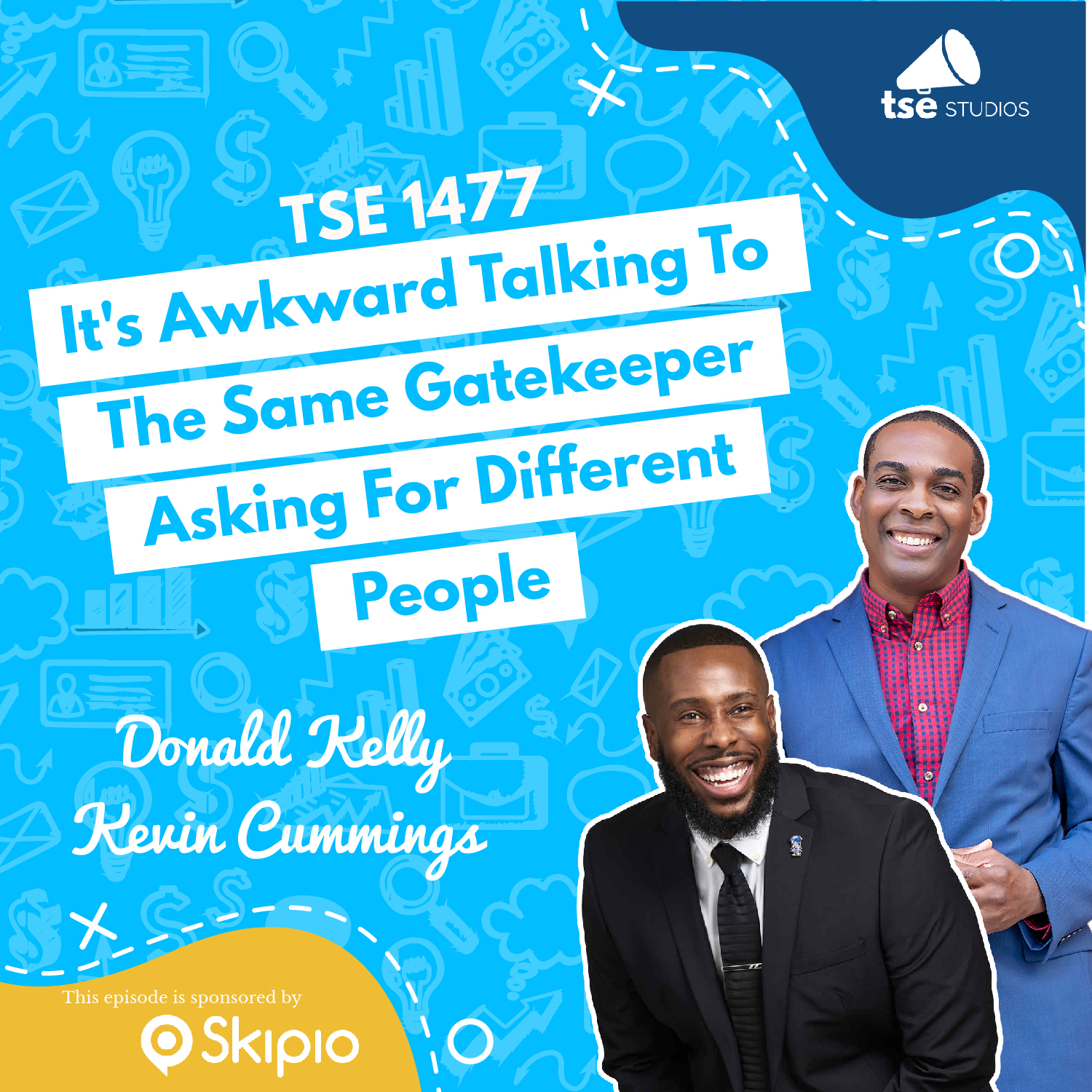
Ep 1477It's Awkward Talking To The Same Gatekeeper Asking For Different People | Donald and Kevin Cummings - 1477
Scoring a meeting with the decision-maker can be challenging, but creating allies within the target company can be your strategy for making progress. Sometimes all it takes to get past the gatekeeper is to build a solid relationship with them. In today’s episode of The Sales Evangelist, we’re going to do just that with the help of today’s guest Kevin Cummings. Kevin has worked in many different sales spaces, from industrial to medical to tech. .Throughout all his sales interactions, Kevin feels most confident when revisiting offices. But even if it’s the second, third, or fourth visit, he’ll sometimes end up talking to people who act like it’s his first (even if he’s spoken to them several times.) To avoid that, Kevin makes an active effort to loop those people into the conversation. Make them feel as important as possible because while they aren’t the “decision-maker,” they can make your job tremendously more difficult. Make connections with the gatekeeper: Ask them what the best method is is to talk with them. Then, stop talking and let them identify how they want to interact with you. Many salespeople know the gatekeeper is essential, yet we treat them as if they aren’t. You can’t always determine who has the influence, so be nice to everyone. Beyonce says “hello” and “thank you” to everyone she meets. Be like Beyonce. When you’re genuine with someone, they can feel it. But, conversely, being fake won’t generate the results you want. Don’t be afraid to interact with the gatekeeper. Especially in the tech and medical fields, the actual decision-maker might not have the time or bandwidth to go out to lunch or have drinks with the salesperson. So why not do it with the gatekeeper? When Kevin does this, it’s usually only about 15 minutes of business talk. The rest is just building a relationship and connection with the gatekeeper. While that person can’t make the decision, they’ll remember you and want to get you in contact with the person that can. Your ultimate goal? Make everyone in the office your champion and advocate. Help them, don’t help yourself. Since Covid, many people in companies across the country have had to and continue to wear many hats. Don’t try to sell immediately, and instead ask how you can take things off their plate. Be human, and do the thing that a good human would do. Don’t put your title first. You might be a salesperson, but humanity comes before titles. Kevin’s major takeaway? Understand that your customers’ objective in their job is not to buy your product or service. Everything you do should be about them, not about you. National Sales Network, a nonprofit organization for black people in sales and marketing, has 17 chapters across the country. Visit the website to find networking events, skill workshops, and hiring opportunities on their website. To get in touch with Kevin, connect with him on LinkedIn. This episode is brought to you in part by Skipio. Are you sick of crickets? As a salesperson, the pain of reaching out with phone calls or emails and not receiving a response is real. But all text messaging is not created equal. 85% of people prefer text over email and phone calls because they want to engage in a conversation, not listen to bots. Be more like people and start having conversations that end in the conversions you want. Try Skipio at www.Skipio.com. This course is brought to you in part by the TSE Sales Certified Training Program, a course designed to help new and struggling sellers to master the fundamentals of sales and close more deals. Help elevate your sales game and sign up now to get the first two modules free! You can visit www.thesalesevangelist.com/closemoredeals or call (561) 570-5077 for more information. We value your opinion and always want to improve the quality of our show. Complete our two-minute survey here: thesalesevangelist.com/survey. We’d love for you to join us for our next episodes, tune in on Apple Podcast, Stitcher, and Spotify. You can also leave comments, suggestions, and ratings for each episode you listen to! Read more about sales or listen to audiobooks on Audible and explore their huge online library. Register now to get a free book and a 30-day trial. Audio provided by Free SFX and Bensound. Other songs used in the episodes are as follows: The Organ Grinder written by Bradley Jay Hill, performed by Bright Seed, and Produced by Brightseed and Hill.Mentioned in this episode:HubSpot and bluëmago | STUDIOSHubSpot and bluëmago | STUDIOS hubpspot.com/marketers bluemangostudios.com
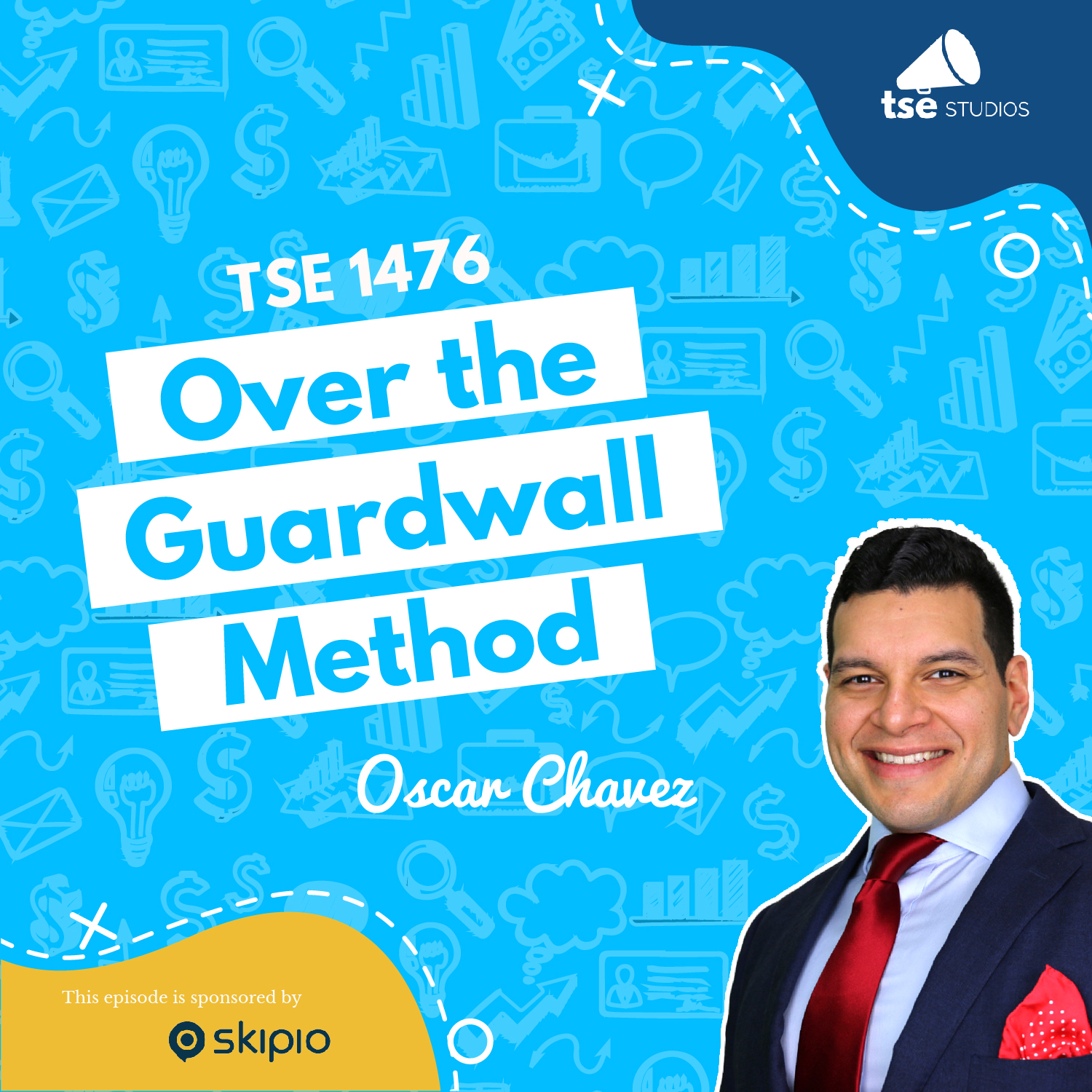
Ep 1476Over the Guardwall Method | Oscar Chavez - 1476
For many salespeople, the journey to the decision maker is difficult enough that they don’t even know what to say once they get there! Do you have the strategy to move towards your desired outcome and close a deal? On today’s episode of The Sales Evangelist, Donald is joined by speaker, author, and coach Oscar Chavez to learn what to do once you’re over the guardwall. Why is this method important? Salespeople spend time with less influential people because they are easier to interact with, yet that salesperson ends up spinning wheels with they don’t make decisions. Another common problem: when they get to the executive, they hyper-focus on the pitch. The solution to these problems? Think over the guardwall. You spend time preparing what to say, but in actuality, you need to be in a position to listen. Listen as an executive explains their pain points, objectives, and KPIs. Once you understand those critical points, you then can go to non-decision makers and explain results that will directly benefit them and their organization. This familiarity will send you to the front of the queue over other projects. Three Strategies to Get Past the Gatekeeper: Fear: People are so scared of judgement and rejection they don’t focus on targeting executives. It’s much easier to have a conversation with people downstream. Mindset: Meetings have never been easier to schedule due to the rise of virtual meetings, yet many salespeople will claim the opposite. A change in mentality could be all you need to add value. Leave the “what if” mindset behind. Focus: Oftentimes salespeople will mass contact non-decision makers rather than take the time to target the executives and people able to make decisions. People are more guarded and less willing to spend. But the salesperson’s level of fear, mindset, and focus can dramatically improve your chances. Oscar’s final takeaway? Our beliefs determines our reality. If you aren’t getting the right sales performance, it’s because of the belief you have. To change your reality, change your beliefs. Get in touch with him on his website oscar-chavez.com, Facebook, Instagram, and LinkedIn. This episode is brought to you in part by Skipio. Are you sick of crickets? As a salesperson, the pain of reaching out with phone calls or emails and not receiving a response is real. But all text messaging is not created equal. 85% of people prefer text over email and phone calls because they want to engage in a conversation, not listen to bots. Be more like people and start having conversations that end in the conversions you want. Try Skipio at www.Skipio.com. This course is brought to you in part by the TSE Sales Certified Training Program, a course designed to help new and struggling sellers to master the fundamentals of sales and close more deals. Help elevate your sales game and sign up now to get the first two modules free! You can visit www.thesalesevangelist.com/closemoredeals or call (561) 570-5077 for more information. We value your opinion and always want to improve the quality of our show. Complete our two-minute survey here: thesalesevangelist.com/survey. We’d love for you to join us for our next episodes, tune in on Apple Podcast, Stitcher, and Spotify. You can also leave comments, suggestions, and ratings for each episode you listen to! Read more about sales or listen to audiobooks on Audible and explore their huge online library. Register now to get a free book and a 30-day trial. Audio provided by Free SFX and Bensound. Other songs used in the episodes are as follows: The Organ Grinder written by Bradley Jay Hill, performed by Bright Seed, and Produced by Brightseed and Hill.Mentioned in this episode:HubSpot and bluëmago | STUDIOSHubSpot and bluëmago | STUDIOS hubpspot.com/marketers bluemangostudios.com
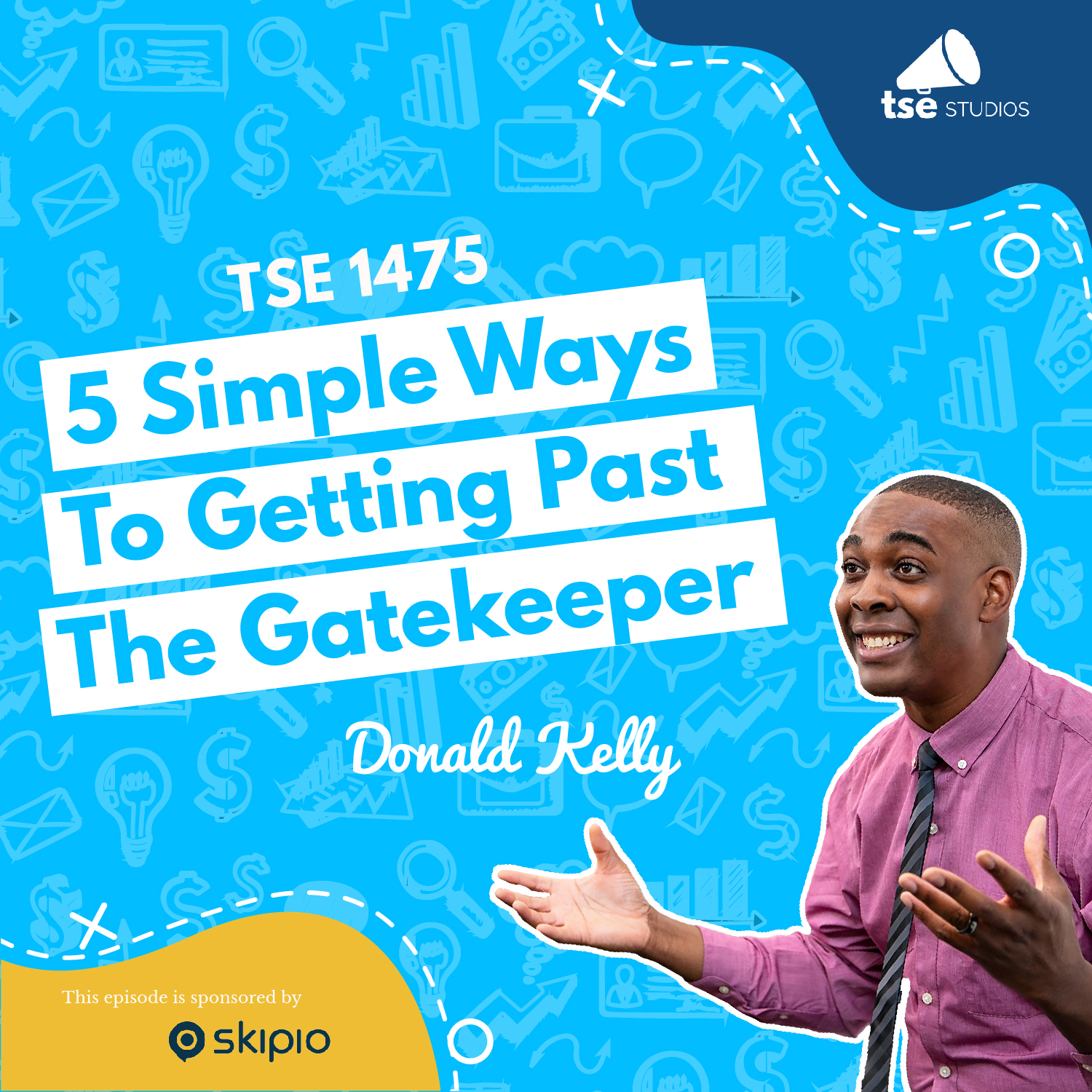
Ep 14755 Simple Ways To Getting Past The Gatekeeper | Donald Kelly - 1475
Every salesperson is familiar with the frustration that comes with being blocked by a gatekeeper, which could be a physical person or even just a system or automation that prevents you from interacting with the decision-maker of your target organization. Imagine if you had five strategies (and maybe even a bonus strategy) to get past those gatekeepers and land sales. In today’s episode of The Sales Evangelist, Donald is going to do just that. Connect on LinkedIn LinkedIn gives you a direct line to a purchaser and an opportunity to build a relationship with that person before you ever meet them face-to-face. Don’t just spam someone with offers and messages and instead build a relationship. Congratulate the prospect on a promotion, a recent accolade, or whatever has recently happened. Bring Intelligence Let’s say two people reach out to a prospect. One person gives a standard auto-message that could be sent to anyone, and the other person comes prepared with critical data relevant to the industry or organization. Who would you rather have a conversation with? Use direct mail Think about ways you can stand out to a prospect. Even if it’s just a $5 gift card to Starbucks, that person will be more willing to talk with you. Consider even providing a small gift for the gatekeeper to thank them for letting you through to the decision-maker; that might be all the difference between a sale and an unanswered email. Utilize referrals If you and the gatekeeper or prospect have a mutual connection, especially if that person is the one introducing you, you’ll quickly get in touch with the people you want. Connect with other people within the company More and more enterprise deals are requiring more people to be in the purchasing conversation. If that’s the case, connecting with other influencers within that team will give you a better chance for success. Tools like LucidChart help diagram and build out your organizational process to make the process easier. Bonus Strategy: Start a podcast No podcast? Write a blog. Ask gatekeepers for the prospect to share ideas and thoughts on a topic or subject for a content piece. In this case, you’re bringing something to the table and offering the prospect a chance to collaborate on a piece of content that will help them, making it easier to get through the gatekeeper. This episode is brought to you in part by Skipio. Are you sick of crickets? As a salesperson, the pain of reaching out with phone calls or emails and not receiving a response is real. But all text messaging is not created equal. 85% of people prefer text over email and phone calls because they want to engage in a conversation, not listen to bots. Be more like people and start having conversations that end in the conversions you want. Try Skipio at www.Skipio.com. This course is brought to you in part by the TSE Sales Certified Training Program, a course designed to help new and struggling sellers to master the fundamentals of sales and close more deals. Help elevate your sales game and sign up now to get the first two modules free! You can visit www.thesalesevangelist.com/closemoredeals or call (561) 570-5077 for more information. We value your opinion and always want to improve the quality of our show. Complete our two-minute survey here: thesalesevangelist.com/survey. We’d love for you to join us for our next episodes, tune in on Apple Podcast, Stitcher, and Spotify. You can also leave comments, suggestions, and ratings for each episode you listen to! Read more about sales or listen to audiobooks on Audible and explore their huge online library. Register now to get a free book and a 30-day trial. Audio provided by Free SFX and Bensound. Other songs used in the episodes are as follows: The Organ Grinder written by Bradley Jay Hill, performed by Bright Seed, and Produced by Brightseed and Hill.Mentioned in this episode:HubSpot and bluëmago | STUDIOSHubSpot and bluëmago | STUDIOS hubpspot.com/marketers bluemangostudios.com
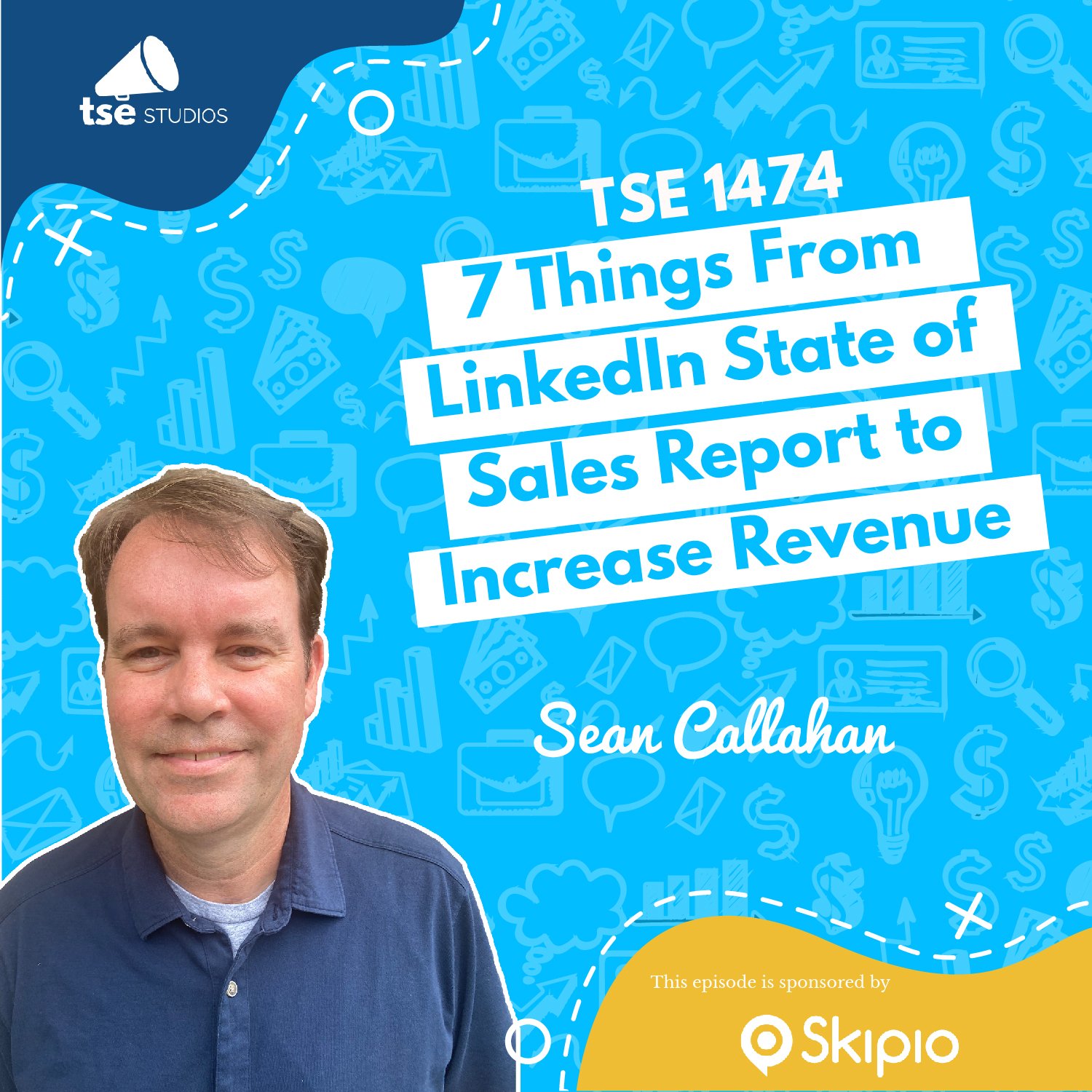
Ep 14747 Things From LinkedIn State of Sales Report to Increase Revenue | Sean Callahan - 1474
The tactics, strategies, and practices of sales are constantly changing, and understanding how and where to adopt those changes into your sales strategy is critical to see success. So, on today’s episode of The Sales Evangelist, Donald is joined by LinkedIn Senior Content Manager Sean Callahan to go over the seven sales trends identified in the 2021 LinkedIn Sales Report. Trend One: Virtual Selling is good for sellers and even better for buyers Buyers find it easier to buy remotely because they don’t have to worry about finding meeting times or organizing physical logistics; it can all happen from the comfort of home. Trend Two: Remote Working is now a part of everyday life. While some companies are going back to the physical office, sales organizations and managers must adjust to remote working - it is now a fact of life. Trend Three: Sales organizations prevent sellers from putting buyers first. While 65% of sellers say they put their buyers first, only 23% of buyers say sellers put them first. There are a certain number of things that you can do to be buyer-first, like offering free content, training, and being transparent about pricing and other product details. Only around 40% of organizations support these practices. And some of the suggested reasons organizations aren’t allowing these practices are limited budgets, not having the proper skills, and a focus on short-term results rather than long-term sustainability. Trend Four: Six sales behaviors kill deals Delivering misleading information about a product (pricing or otherwise) Not understanding the company and its needs Not understand their own product or service Not understanding their competitor’s products and services Affiliated with an untrustworthy brand Repeated cold calling or emailing Trend Five: Sales technology is a key pathway to building trust Only 40% of buyers describe sales as trustworthy, yet 89% consider their specific salespeople as a trusted advisors The takeaway? The sales industry is seen as untrustworthy, but the individuals who work with buyers are seen differently. Trend Six: Data is more crucial than ever While partly because of Covid, salespeople might find it more challenging to get in front of people and ask questions. Instead, you have to use aggregated data to learn what you need. Trend Seven: Both buyers and sellers are ramping up their use of LinkedIn 74% of sellers are committed to expanding their LinkedIn network 51% of sellers plan to write more articles 40% share much more third-party content 36% share more of their own company’s content How can people find and download the full report? By visiting lnkd.in/stateofsales2021. To get in contact with Sean, connect with him on LinkedIn or email him at [email protected]. This episode is brought to you in part by Skipio. Are you sick of crickets? As a salesperson, the pain of reaching out with phone calls or emails and not receiving a response is real. But all text messaging is not created equal. 85% of people prefer text over email and phone calls because they want to engage in a conversation, not listen to bots. Be more like people and start having conversations that end in the conversions you want. Try Skipio at www.Skipio.com. This course is brought to you in part by the TSE Sales Certified Training Program, a course designed to help new and struggling sellers to master the fundamentals of sales and close more deals. Help elevate your sales game and sign up now to get the first two modules free! You can visit www.thesalesevangelist.com/closemoredeals or call (561) 570-5077 for more information. We value your opinion and always want to improve the quality of our show. Complete our two-minute survey here: thesalesevangelist.com/survey. We’d love for you to join us for our next episodes, tune in on Apple Podcast, Stitcher, and Spotify. You can also leave comments, suggestions, and ratings for each episode you listen to! Read more about sales or listen to audiobooks on Audible and explore their huge online library. Register now to get a free book and a 30-day trial. Audio provided by Free SFX and Bensound. Other songs used in the episodes are as follows: The Organ Grinder written by Bradley Jay Hill, performed by Bright Seed, and Produced by Brightseed and Hill.Mentioned in this episode:HubSpot and bluëmago | STUDIOSHubSpot and bluëmago | STUDIOS hubpspot.com/marketers bluemangostudios.com
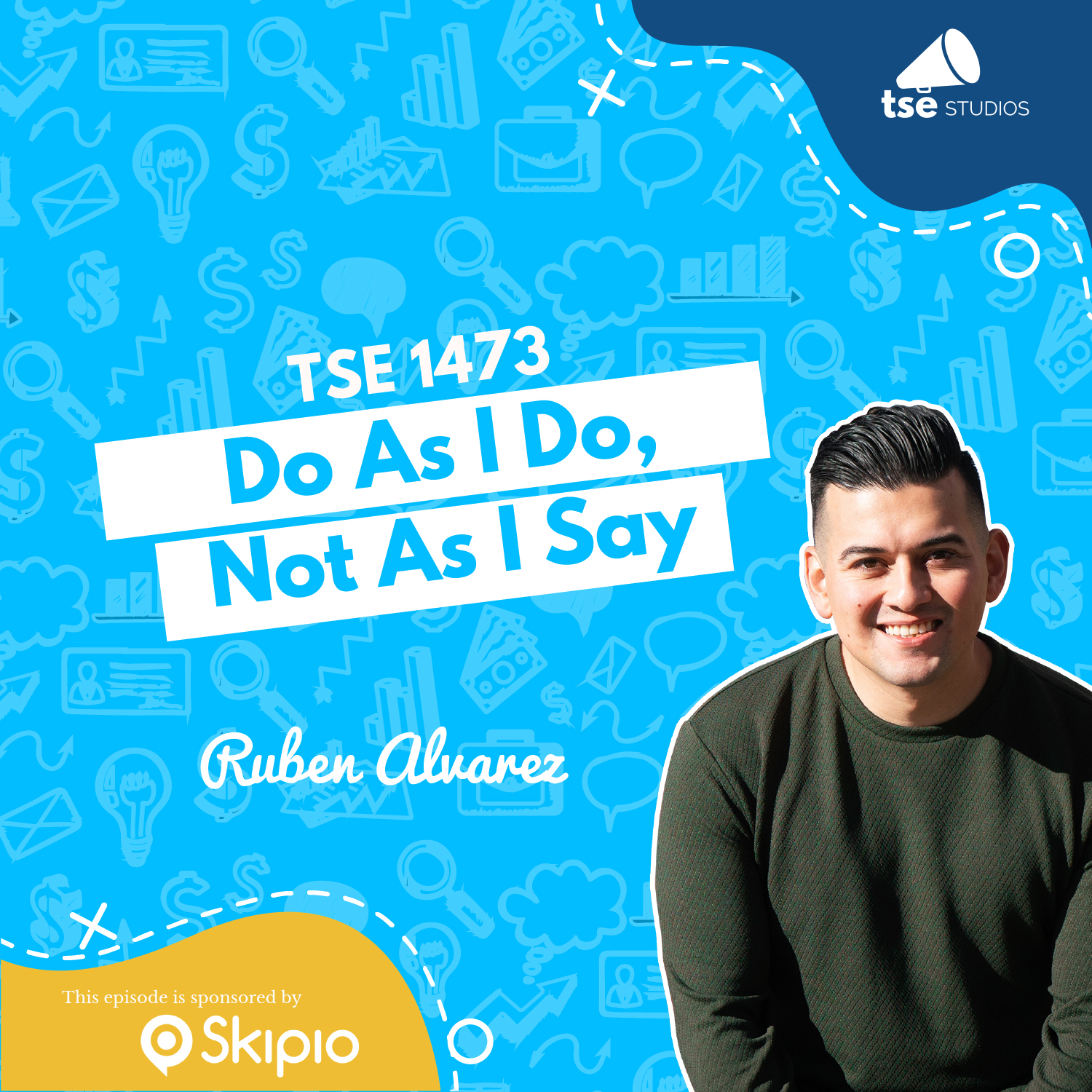
Ep 1473Do As I Do, Not As I Say | Ruben Alvarez - 1473
At the end of the day, sales leaders should be able to do what they have their team to do. Because sometimes you’re telling them to do one thing when you do something entirely different. Today on The Sales Evangelist, Donald is joined by Ruben Alvarez to discuss why team leaders should lead by example, not just through talking. Ruben learned to lead by example while leading a team. If you want somebody to do what you want them to, you're going to see resistance unless they see you do it as well. Sales leaders might be setting unrealistic expectations for their team and not know it because they’re no longer selling. Some people have been selling for 30 years, but with only one year of experience. Because they’re drawing their management from only one year of actual selling, they might not be leading as effectively as they could be if they were up-to-date on the best sales practices. If you’re not willing to get on the phone with your team and teach them how to close, you’ll never see sales come in. The process isn’t always how you want it to be, but how it needs to be. What should team leaders do to practice leading by example? Hone your skills. Just like in any other industry, you encourage and motivate through showing. If you do something effectively and can either demonstrate or communicate how you did it effectively, people will want to follow you. Many sales leaders are afraid to demonstrate because it makes them seem vulnerable, which leads to the team not viewing you as a leader. But leaders inspire hope. You can be vulnerable and have people chew you out, but closing the deal is all that matters and all that the sales team wants to see. Finally, don’t compromise the values you know your team has. You know what each person is capable of, and you know what’s best for them. Company owners have an idea of what sales should look like. But their experiences might not align with what the sales team needs to do to be successful. If that is the case, stick up for what you know will work, or you might lose the respect of your team. Ruben’s final takeaway: If you’re afraid to pick up the phone, just admit it and pick up the phone. See what happens. Regardless of what ends up happening, you’ll feel better about it. Connect with Ruben Alvarez on LinkedIn or check out his website rubenalvarez.com. This episode is brought to you in part by Skipio. Are you sick of crickets? As a salesperson, the pain of reaching out with phone calls or emails and not receiving a response is real. But all text messaging is not created equal. 85% of people prefer text over email and phone calls because they want to engage in a conversation, not listen to bots. Be more like people and start having conversations that end in the conversions you want. Try Skipio at www.Skipio.com. This course is brought to you in part by the TSE Sales Certified Training Program, a course designed to help new and struggling sellers to master the fundamentals of sales and close more deals. Help elevate your sales game and sign up now to get the first two modules free! You can visit www.thesalesevangelist.com/closemoredeals or call (561) 570-5077 for more information. We value your opinion and always want to improve the quality of our show. Complete our two-minute survey here: thesalesevangelist.com/survey. We’d love for you to join us for our next episodes, tune in on Apple Podcast, Stitcher, and Spotify. You can also leave comments, suggestions, and ratings for each episode you listen to! Read more about sales or listen to audiobooks on Audible and explore their huge online library. Register now to get a free book and a 30-day trial. Audio provided by Free SFX and Bensound. Other songs used in the episodes are as follows: The Organ Grinder written by Bradley Jay Hill, performed by Bright Seed, and Produced by Brightseed and Hill. Mentioned in this episode:HubSpot and bluëmago | STUDIOSHubSpot and bluëmago | STUDIOS hubpspot.com/marketers bluemangostudios.com
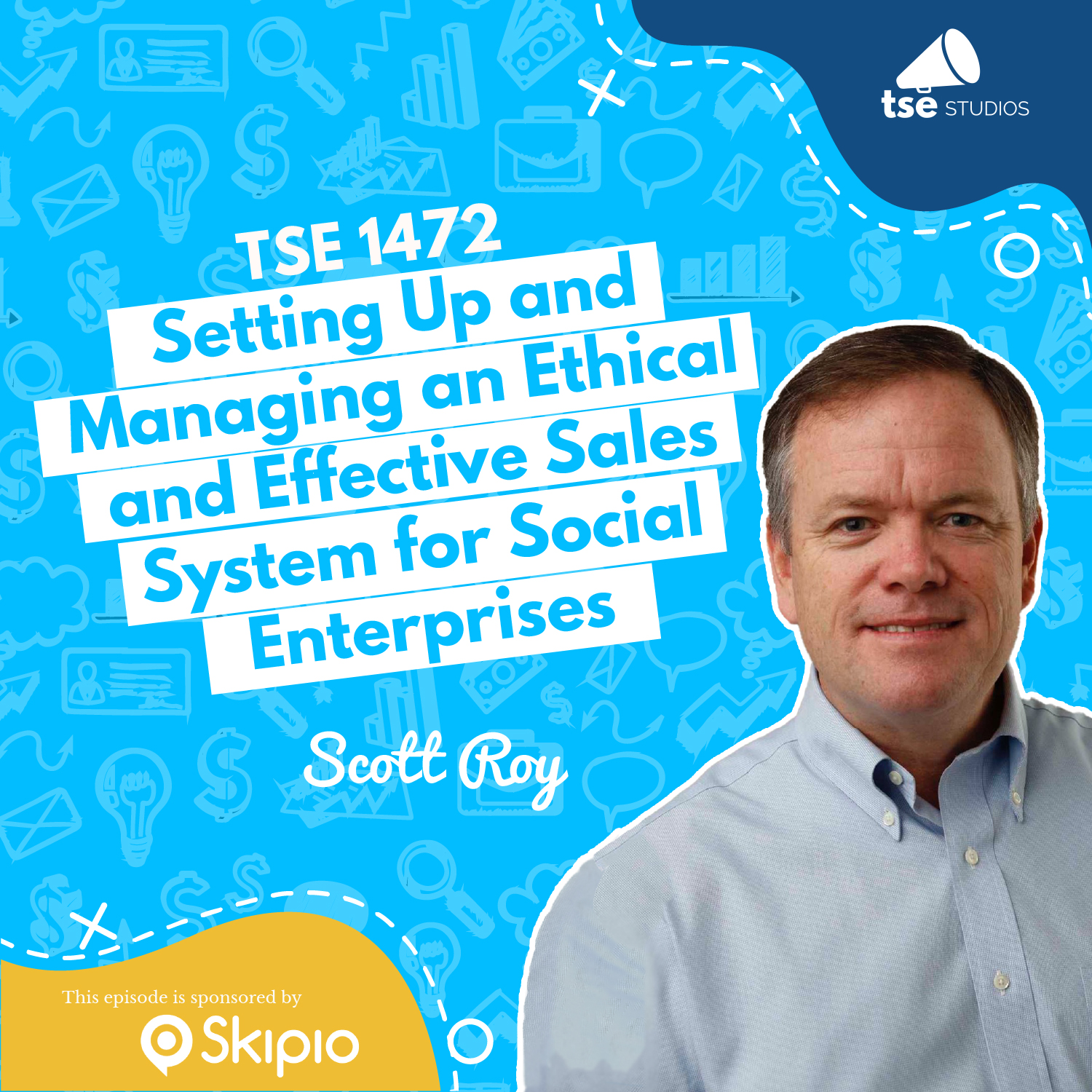
Ep 1472Setting Up and Managing an Ethical and Effective Sales System for Social Enterprises | Scott Roy - 1472
Can sales make the world a better place? The principles we learn in sales can be used almost anywhere. And yes, that includes making the world around us a better place. Today’s guest, Scott Roy, joins us in the studio to share how he uses his sales skills to do good and help those around him. Scott has worked in the sales industry for over twenty years. He and his business partner Roy Whitten created Whitten and Roy Partnership, a sales consultancy called when teams aren’t reaching their sales goals. Their main selling point (pun intended)? The DQ selling methodology. With the DQ methodology, Roy and Whitten can sell life-changing and life-saving goods and services to developing countries. How do they apply selling principles to do good? About 20 years ago, there was a sudden interest in applying business principles to address areas that typically used aid and philanthropy. When done well and ethically, the sales conversation convinces people unfamiliar with concepts to buy into these materials and supplies that will give them a better way of life. Scott’s primary example is selling water filtration systems. In areas where people use the same water source for drinking, bathing, and using the restroom, the people there are afflicted with diarrhea and other diseases. Scott’s team works to convince these people why they should use a water filtration system by explaining both the cost benefit and health benefit the people will receive. Using DQ to make a change: DQ is short for business intelligence, the fundamental component for Scott’s selling process. If you’re going to change behavior, you have to penetrate deeper than simply finding a problem and then selling directly to that problem. DQ selling starts with the problem and stays on the issue so the prospect can realize it is a problem worth solving. Scott’s major takeaway: Determine your purpose as a salesperson. If it’s just to pitch, persuade, and convince, that’s not necessarily wrong. But it would be so much better if you figure out how to use your skills to serve others and find passion in the people you’re serving. To get in contact with Scott and learn more about his work, visit his company website. Check out Scott and Roy’s books Decision Intelligence Selling and Sell Well, Do Good. This episode is brought to you in part by Skipio. Are you sick of crickets? As a salesperson, the pain of reaching out with phone calls or emails and not receiving a response is real. But all text messaging is not created equal. 85% of people prefer text over email and phone calls because they want to engage in a conversation, not listen to bots. Be more like people and start having conversations that end in the conversions you want. Try Skipio at www.Skipio.com. This course is brought to you in part by the TSE Sales Certified Training Program, a course designed to help new and struggling sellers to master the fundamentals of sales and close more deals. Help elevate your sales game and sign up now to get the first two modules free! You can visit www.thesalesevangelist.com/closemoredeals or call (561) 570-5077 for more information. We value your opinion and always want to improve the quality of our show. Complete our two-minute survey here: thesalesevangelist.com/survey. We’d love for you to join us for our next episodes, tune in on Apple Podcast, Stitcher, and Spotify. You can also leave comments, suggestions, and ratings for each episode you listen to! Read more about sales or listen to audiobooks on Audible and explore their huge online library. Register now to get a free book and a 30-day trial. Audio provided by Free SFX and Bensound. Other songs used in the episodes are as follows: The Organ Grinder written by Bradley Jay Hill, performed by Bright Seed, and Produced by Brightseed and Hill.Mentioned in this episode:HubSpot and bluëmago | STUDIOSHubSpot and bluëmago | STUDIOS hubpspot.com/marketers bluemangostudios.com

Ep 1471The Golden Ratio for Talking vs. Listening | Victoria Song - 1471
Salespeople have heard the mantra thousands of times: talk less, listen more. But why? And more importantly, how? In today’s episode of The Sales Evangelist, Donald is joined by leadership advisor Victoria Song to learn how salespeople (and anyone else) can balance listening and talking. Why do people talk so much? While there are many reasons, Victoria suggests that people who felt unheard as a child might overshare in an attempt to bridge understanding. In general, when we want things to go our way, we think that if we can get the other person to see it our way, they’ll agree. That leads to talking too much. In actuality, people mirror one another. So, listening rather than talking will lead someone to reciprocate and hear you. Victoria’s top components for a golden ratio: The talking-to-listening ratio is not a one-size-fits-all. But in general, a 50/50 split is a great place to start. However, the more escalated a conversation is, the more Victoria recommends you back off and give the other person more time to speak. It also comes down to personality - if you tend to speak first and jump into conversations, listen 70-80% of the time and vice versa. What to do in a disagreement: Rather than sit on opposite sides of a board room table, sit on the same side. Look at the problem from the same perspective, and by working on the same side, you’ll feel more like a team. Think about the story attached to identity. When in disagreement, we sometimes realize we aren't talking about the topic anymore. We're making up a story around our identity, making it personal. The more we can be transparent with ourselves and the other party, the more likely we are to get to a place where we can hear each other better. Contraction vs. Expansion Victoria’s new book Bending Reality defines two clear states a person can be in: contraction or expansion. Contraction is the state where your nervous system is activated (think fight-or-flight response.) On the other hand, expansion is a relaxed state conducive to creativity and problem-solving. When in a work environment, putting yourself in an environment that encourages expansion will lead to success. How to be in a state of expansion: One way to improve our access to expansion is to notice when our nervous system is activated. Notice your fuel for motivation, and use that to keep yourself in the proper headspace (both mentally and physically.) Part of accessing expansion is to start to get clear on what are your clean, sustainable fuels. Discover your purpose, uncover your values, and figure out what brings you joy. The more we can cultivate doing things we enjoy, the more we train our nervous system to be conditioned to a state of expansion. Applying this framework to sales: Ask yourself if you are in a state of contracting or expanding, especially when talking to prospects. Are you confident enough to ask effective questions? You want to get out of your head. It's not just about mental preparation; it’s cultivating the physical state. If you felt unprepared for a meeting, one way to cultivate the state of expansion would be to establish a sense of trust. This can come from practice and repetition. Victoria’s parting advice: Listening happens with your whole body. When we tune in and listen to our entire body, we understand insights and cues that we wouldn't be picking up otherwise. To get in contact with Victoria, check out her website, www.victoriasong.me. Victoria’s book Bending Reality is available for preorder! Preorder now to get free bonus access to powerful coaching techniques Victoria uses for her clients. This episode is brought to you in part by Skipio. Are you sick of crickets? As a salesperson, the pain of reaching out with phone calls or emails and not receiving a response is real. But all text messaging is not created equal. 85% of people prefer text over email and phone calls because they want to engage in a conversation, not listen to bots. Be more like people and start having conversations that end in the conversions you want. Try Skipio at www.Skipio.com. This course is brought to you in part by the TSE Sales Certified Training Program, a course designed to help new and struggling sellers to master the fundamentals of sales and close more deals. Help elevate your sales game and sign up now to get the first two modules free! You can visit www.thesalesevangelist.com/closemoredeals or call (561) 570-5077 for more information. We value your opinion and always want to improve the quality of our show. Complete our two-minute survey here: thesalesevangelist.com/survey. We’d love for you to join us for our next episodes, tune in on Apple Podcast, Stitcher, and Spotify. You can also leave comments, suggestions, and ratings for each episode you listen to! Read more about sales or listen to audiobooks on Audible and explore their huge online library. Register now to get a free book and a 30-day trial. Audio provided by Free SFX and Bensound. Other songs used in the episod
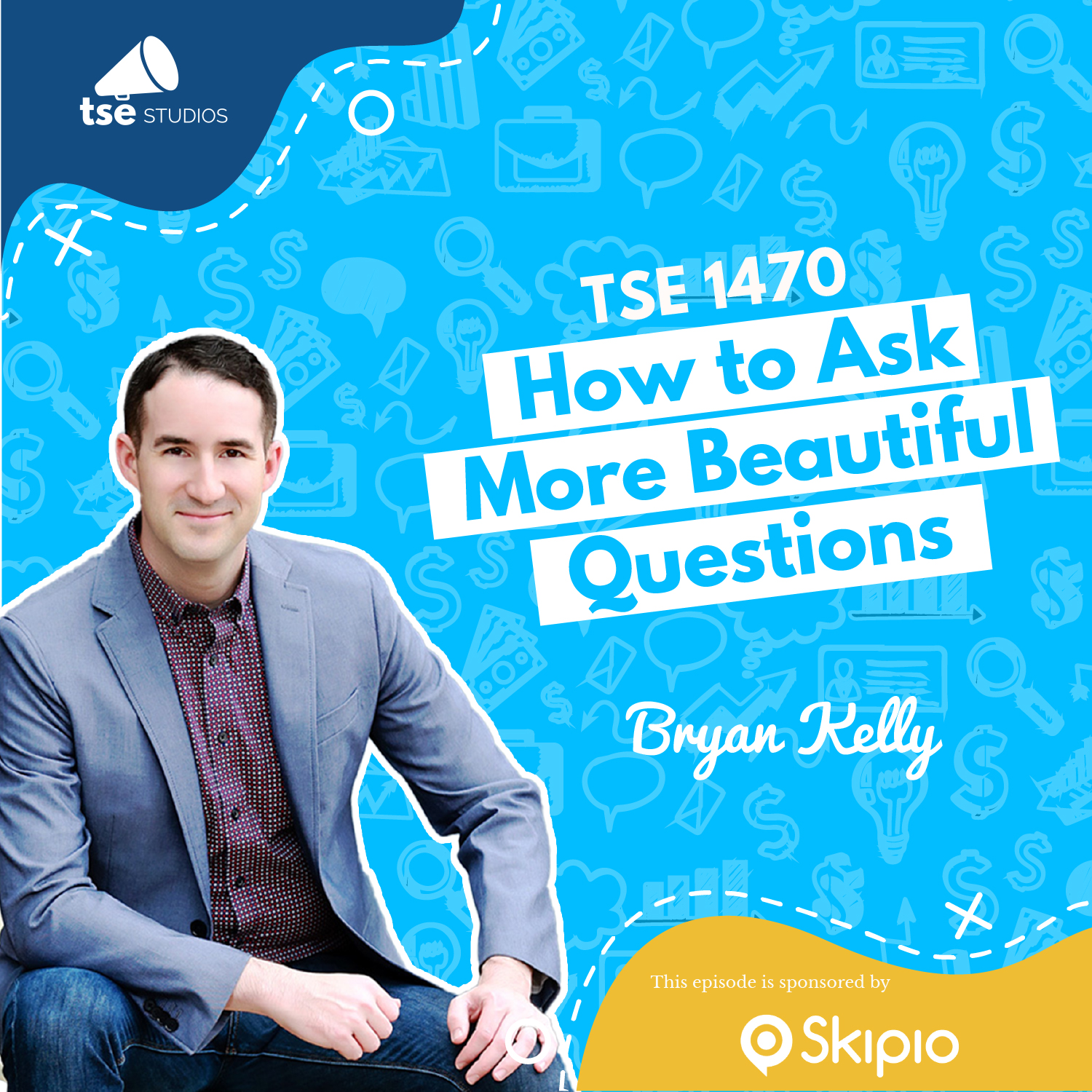
Ep 1470How to Ask More Beautiful Questions | Bryan Kelly - 1470
Sales is all about solving problems. But are you going about solving problems the right way? In today’s episode of The Sales Evangelist, Donald is joined by guest Bryan Kelly to discuss how we can ask more beautiful questions, using the book A More Beautiful Question by Warren Berger as a framework. Phase One: Why? When we ask ‘why,’ it requires you to adjust the way you look at the world. There are three different ways to get into this mentality. First, step back and disengage. Taking a break will break up your routine and help inspiration strike. Next, challenge your assumptions. Whether they’re your assumptions or the assumptions of others, asking questions about your current process will help you find new avenues to explore. Finally, question the questions. Reframe a question to challenge the expected answer. Remember the five why’s. (Literally ask the question “why” five times in a row to get to the root understanding of the situation.) Phase Two: Wondering “What If?” Get everybody (including yourself) to avoid thinking about specifics. Similar to phase one, there are a few practices you can implement: Combinatorial thinking is one method where you look at combining existing practices and how that combination can lead to new possibilities. Next, you can live with the question. We often try to answer questions in the moment, but that’s not usually necessary. Instead, take time to relax and distance yourself from a problem to view the situation with a fresh perspective. Finally, think of wrong ideas. It might seem counterproductive, but this process can help lead to the concept you need. Phase Three: Determining How We want to jump to the “how” of a solution, but there’s a reason it’s the last stage. If you start there, you’re missing the critical time to go deeper into the question itself. Converge the ideas you’ve explored into one idea worth pursuing and share it for feedback. Give form to the ideas you’ve worked through. Before you go and ask others for feedback, bring the idea to life. In other industries, it might look like a prototype. In the sales space, write a summary, proposal, chart, or whatever would help people give the best feedback. Rapidly test and learn. If you have several potential solutions, run a quick test to see how the change affects your problem. Bryan’s final takeaway: Instead of jumping to the “how,” first think about the “why.” To get in touch with Bryan, visit his website getstrokeofgenius.com or connect with him on LinkedIn. This episode is brought to you in part by Skipio. Are you sick of crickets? As a salesperson, the pain of reaching out with phone calls or emails and not receiving a response is real. But all text messaging is not created equal. 85% of people prefer text over email and phone calls because they want to engage in a conversation, not listen to bots. Be more like people and start having conversations that end in the conversions you want. Try Skipio at www.Skipio.com. This course is brought to you in part by the TSE Sales Certified Training Program, a course designed to help new and struggling sellers to master the fundamentals of sales and close more deals. Help elevate your sales game and sign up now to get the first two modules free! You can visit www.thesalesevangelist.com/closemoredeals or call (561) 570-5077 for more information. We value your opinion and always want to improve the quality of our show. Complete our two-minute survey here: thesalesevangelist.com/survey. We’d love for you to join us for our next episodes, tune in on Apple Podcast, Stitcher, and Spotify. You can also leave comments, suggestions, and ratings for each episode you listen to! Read more about sales or listen to audiobooks on Audible and explore their huge online library. Register now to get a free book and a 30-day trial. Audio provided by Free SFX and Bensound. Other songs used in the episodes are as follows: The Organ Grinder written by Bradley Jay Hill, performed by Bright Seed, and Produced by Brightseed and Hill.Mentioned in this episode:HubSpot and bluëmago | STUDIOSHubSpot and bluëmago | STUDIOS hubpspot.com/marketers bluemangostudios.com
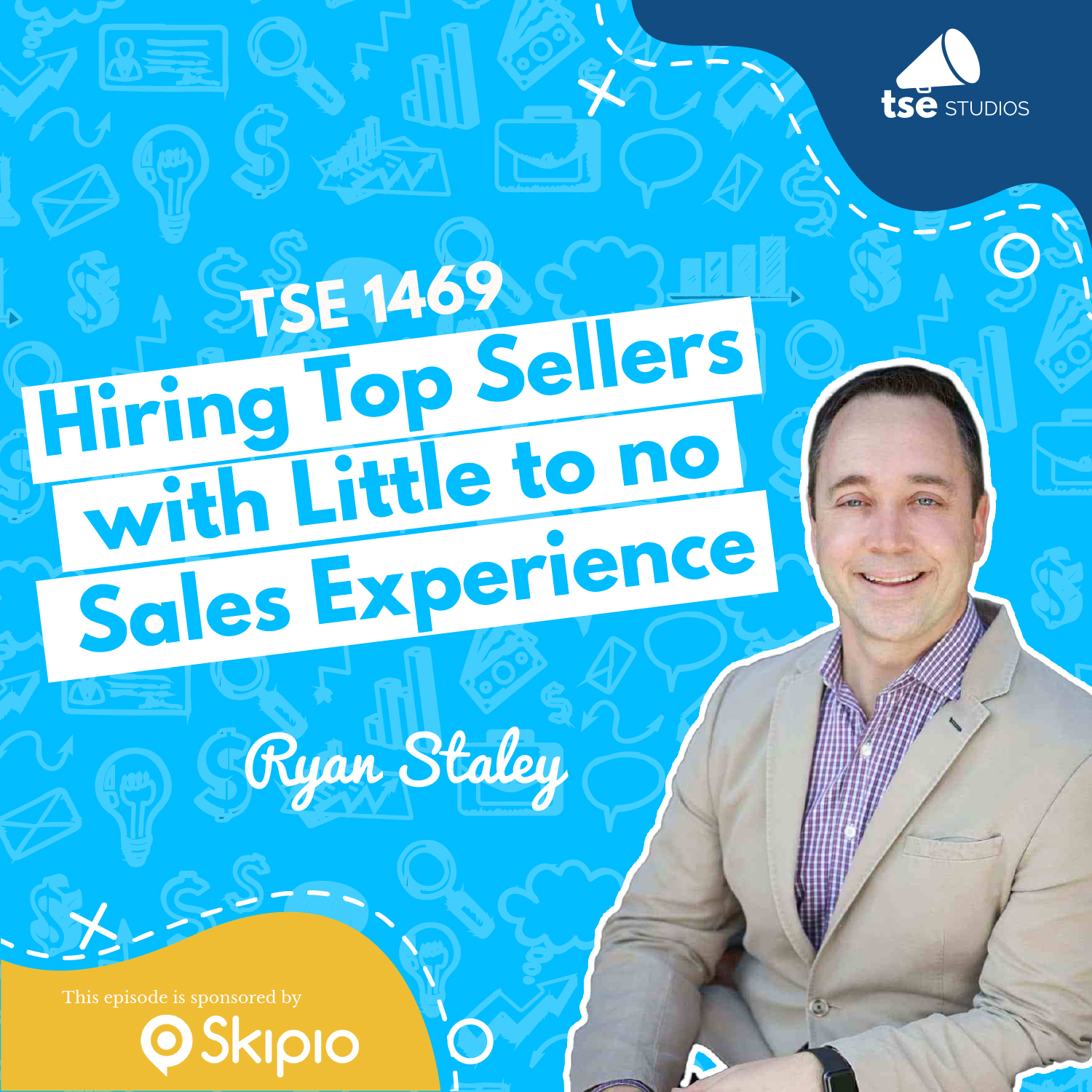
Ep 1469Hiring Top Sellers with Little to no Sales Experience | Ryan Staley - 1469
On today’s episode of The Sales Evangelist, Donald is joined by founder and CEO of Whale Boss, Ryan Staley. As a sales consultant who helps sales executives double their income, he’s learned from and watched many different organizations, thus knowing how you can hire top sellers with little experience at your company. Why did Ryan start a consultancy firm? Ryan noticed there are many things he took for granted working for a large organization that small business owners, startups, and SaaS companies weren’t doing. That was part of the reason he founded his consultancy firm, because he wanted to coach CEOs on those things. Small businesses, startups, and SaaS companies do an amazing job building products or services, but they don’t talk to thier customers after they sell them the deal. Maintaining a structured value process will exponentially increase referrals and revenue. Ryan’s corporate job showed him the power of a good team: Working over sixty hours a week got Ryan to a point where all his relationships started to melt down. The constant travel and excessive hours meant he didn’t have time for family, friends, or himself. What did he do about it? He rebuilt himself and his mentality about work, and his job performance soared to new heights. He was given the opportunity to build a team to support his work. However, that meant he had to figure out what looked for in a new person. He determined 5 components he looked for in a new hire: Did they have a hunger to be a top performer? What was the biggest takeaway from that job and why did they leave? He would ask for people to articulate their contributions and results - if they couldn’t, their claims are BS What do they do to develop outside of work? What’s the most important thing they spend time on outside of work? People might default to family, but finding people with a passion and interest and what lights them up shows how coachable they are. This episode is brought to you in part by Skipio. Are you sick of crickets? As a salesperson, the pain of reaching out with phone calls or emails and not receiving a response is real. But all text messaging is not created equal. 85% of people prefer text over email and phone calls because they want to engage in a conversation, not listen to bots. Be more like people and start having conversations that end in the conversions you want. Try Skipio at www.Skipio.com. This course is brought to you in part by the TSE Sales Certified Training Program, a course designed to help new and struggling sellers to master the fundamentals of sales and close more deals. Help elevate your sales game and sign up now to get the first two modules free! You can visit www.thesalesevangelist.com/closemoredeals or call (561) 570-5077 for more information. We value your opinion and always want to improve the quality of our show. Complete our two-minute survey here: thesalesevangelist.com/survey. We’d love for you to join us for our next episodes, tune in on Apple Podcast, Stitcher, and Spotify. You can also leave comments, suggestions, and ratings for each episode you listen to! Read more about sales or listen to audiobooks on Audible and explore their huge online library. Register now to get a free book and a 30-day trial. Audio provided by Free SFX and Bensound. Other songs used in the episodes are as follows: The Organ Grinder written by Bradley Jay Hill, performed by Bright Seed, and Produced by Brightseed and Hill.Mentioned in this episode:HubSpot and bluëmago | STUDIOSHubSpot and bluëmago | STUDIOS hubpspot.com/marketers bluemangostudios.com
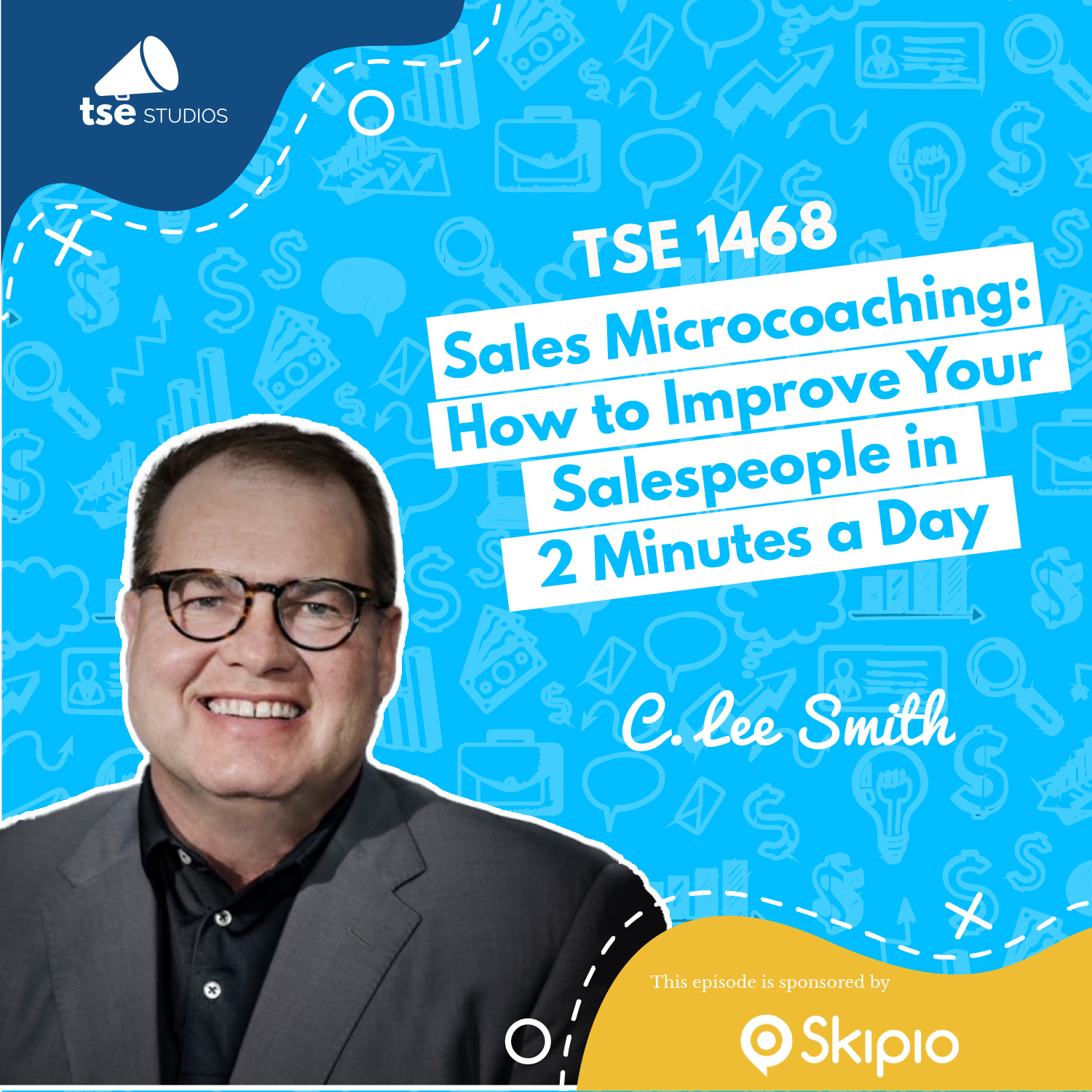
Ep 1468Sales Microcoaching: How to Improve Your Salespeople in 2 Minutes a Day | C. Lee Smith - 1468
The life of a sales manager is tough, and juggling your own obligations often means you don’t have time to coach your team as often as you’d like. Microcoaching might just be the solution for you. In today’s episode of The Sales Evangelist, Donald is joined by President and CEO of Salesfuel C. Lee Smith to explain his process and platform for microcoaching to improve his salespeople. Three problems with coaching today: Coaches aren’t being held accountable. Sales managers get busy meeting a short-term quota and don’t have time for long-term staff development. Some sales managers are uncomfortable coaching. They think they don’t know how to do it or get pushback from team members. Finally, there are managers who want to put time into coaching, but there are only so many hours in the day and find it challenging to maintain momentum. Microcoaching is the solution. Short, frequent bursts of 2-6 minute coaching give sales managers the flexibility to maintain coaching momentum between one-on-one meetings through tweeting, text, or slack. The same principles of coaching apply. Ask questions, don’t just give advice, and supply encouragement and motivation. But instead of focusing on one big issue, focus on small tactics to provide clear questions for the team member. These “reflect and respond” questions are a significant part of microcoaching. How do you know if your microcoaching is effective? There will still be the same issues in regular coaching: both parties must have a positive attitude about the coaching process for it to be successful. However, microcoaching through a platform like Coachfeed removes some awkward conversations that arise throughout the process. Lead by example and show them how coaching is supposed to be done. AI drives effective microcoaching With Coachfeed’s microcoaching platform, they offer different assessments to help shape the team member’s best results through microcoaching. These assessments reveal infromation about the salesperson, help dictate the coaching structure, and drive the AI engine to identify who needs coaching, what they need coaching on, and how they respond to different communication tactics. Using these creates a personalized coaching playbook for managers to use for follow-up conversations. Everybody's journey is different because every salesperson is different. And that's a defining part of the Coachfeed mentality. Lee’s final piece of advice? Coaching is a long-term play. You might not see the benefits initially, but you’ll be improving your salespeople and your sales process. To get in contact with C.Lee, visit his company website salesfuel.com, coaching platform coachfeed.com, or his personal website cleesmith.com This episode is brought to you in part by Skipio. Are you sick of crickets? As a salesperson, the pain of reaching out with phone calls or emails and not receiving a response is real. But all text messaging is not created equal. 85% of people prefer text over email and phone calls because they want to engage in a conversation, not listen to bots. Be more like people and start having conversations that end in the conversions you want. Try Skipio at www.Skipio.com. This course is brought to you in part by the TSE Sales Certified Training Program, a course designed to help new and struggling sellers to master the fundamentals of sales and close more deals. Help elevate your sales game and sign up now to get the first two modules free! You can visit www.thesalesevangelist.com/closemoredeals or call (561) 570-5077 for more information. We value your opinion and always want to improve the quality of our show. Complete our two-minute survey here: thesalesevangelist.com/survey. We’d love for you to join us for our next episodes, tune in on Apple Podcast, Stitcher, and Spotify. You can also leave comments, suggestions, and ratings for each episode you listen to! Read more about sales or listen to audiobooks on Audible and explore their huge online library. Register now to get a free book and a 30-day trial. Audio provided by Free SFX and Bensound. Other songs used in the episodes are as follows: The Organ Grinder written by Bradley Jay Hill, performed by Bright Seed, and Produced by Brightseed and Hill. Mentioned in this episode:HubSpot and bluëmago | STUDIOSHubSpot and bluëmago | STUDIOS hubpspot.com/marketers bluemangostudios.com
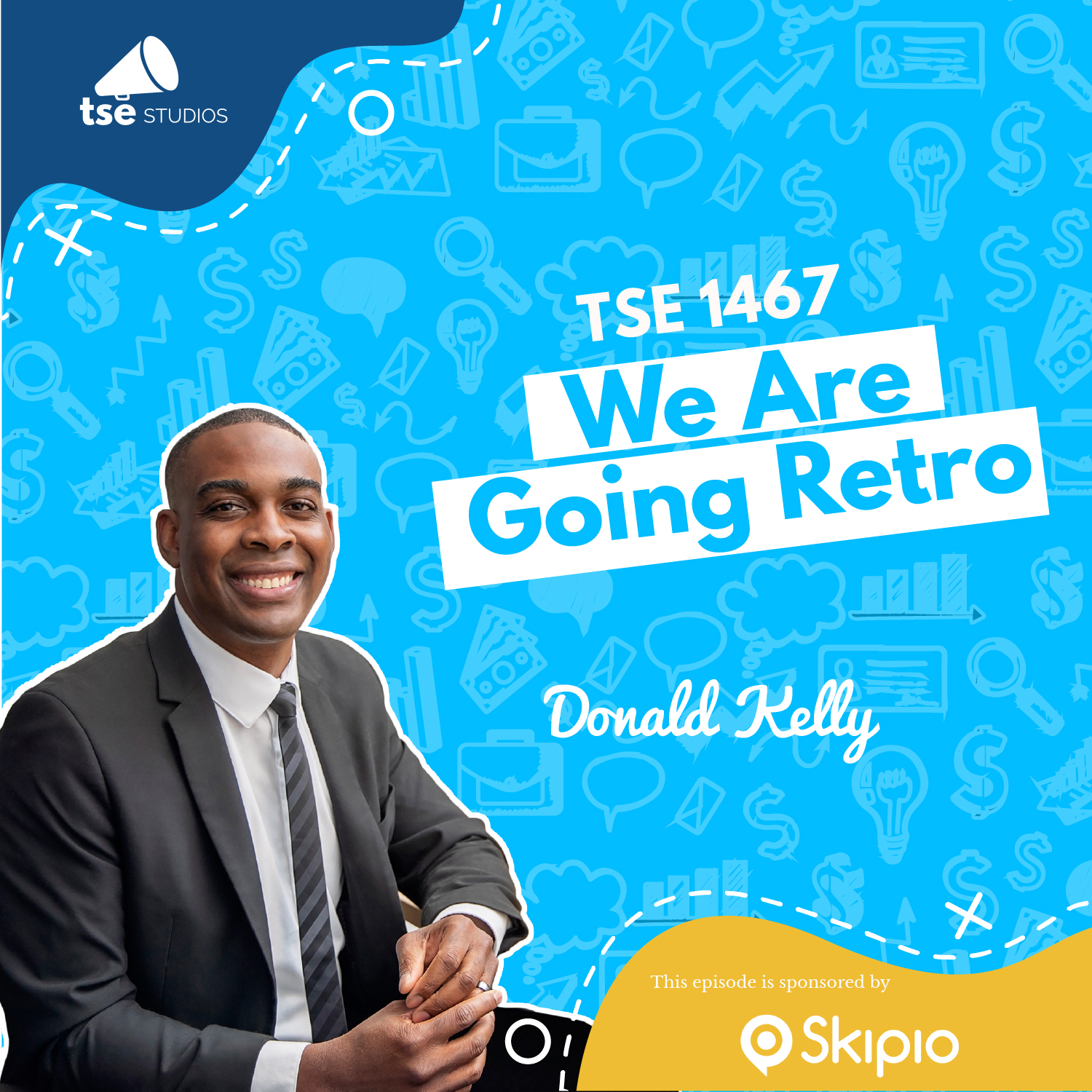
Ep 1467We Are Going Retro | Donald Kelly - 1467
Donald is remote on today’s episode of The Sales Evangelist, as he’s speaking at the sales conference Outbound. Be on the lookout for next year’s conference! Today’s episode of TSE is simple: we’re going retro. A brief TSE history. Donald quit his job in July of 2015, and The Sales Evangelist became his full-time gig. Originally the show was only two episodes per week, but it soon expanded to three per week. (because we just love delivering sales content to all of our amazing listeners.) After participating in Podcast Movement for a couple of years, TSE started to create episodes five days a week. But we realized our listeners are busy, and five episodes a week might be too much content, so we doubled back to three episodes per week. TSE is going retro. Donald thought our downloads would go down when the episode frequency dropped. But surprisingly, it didn’t. In fact, it did better in some instances. We want to deliver better content. More research. More awesome guests. And that takes time. To create the best content possible, The Sales Evangelist is dropping back to two episodes per week. You’ll see the same length of content but with more storytelling. We’re going back to our roots, so we’re delivering two high-quality episodes per week. Our YouTube videos are also going to be more condensed than ever. If you’re anything like us, the thought of a YouTube video longer than five minutes is a bit daunting. So we’re going to trim our videos to give you the highlights of the episode. Do you want more TSE content? Join our Sales Evangelizers groups on LinkedIn and Facebook. This episode is brought to you in part by Skipio. Are you sick of crickets? As a salesperson, the pain of reaching out with phone calls or emails and not receiving a response is real. But all text messaging is not created equal. 85% of people prefer text over email and phone calls because they want to engage in a conversation, not listen to bots. Be more like people and start having conversations that end in the conversions you want. Try Skipio at www.Skipio.com. This course is brought to you in part by the TSE Sales Certified Training Program, a course designed to help new and struggling sellers to master the fundamentals of sales and close more deals. Help elevate your sales game and sign up now to get the first two modules free! You can visit www.thesalesevangelist.com/closemoredeals or call (561) 570-5077 for more information. We value your opinion and always want to improve the quality of our show. Complete our two-minute survey here: thesalesevangelist.com/survey. We’d love for you to join us for our next episodes, tune in on Apple Podcast, Stitcher, and Spotify. You can also leave comments, suggestions, and ratings for each episode you listen to! Read more about sales or listen to audiobooks on Audible and explore their huge online library. Register now to get a free book and a 30-day trial. Audio provided by Free SFX and Bensound. Other songs used in the episodes are as follows: The Organ Grinder written by Bradley Jay Hill, performed by Bright Seed, and Produced by Brightseed and Hill.Mentioned in this episode:HubSpot and bluëmago | STUDIOSHubSpot and bluëmago | STUDIOS hubpspot.com/marketers bluemangostudios.com
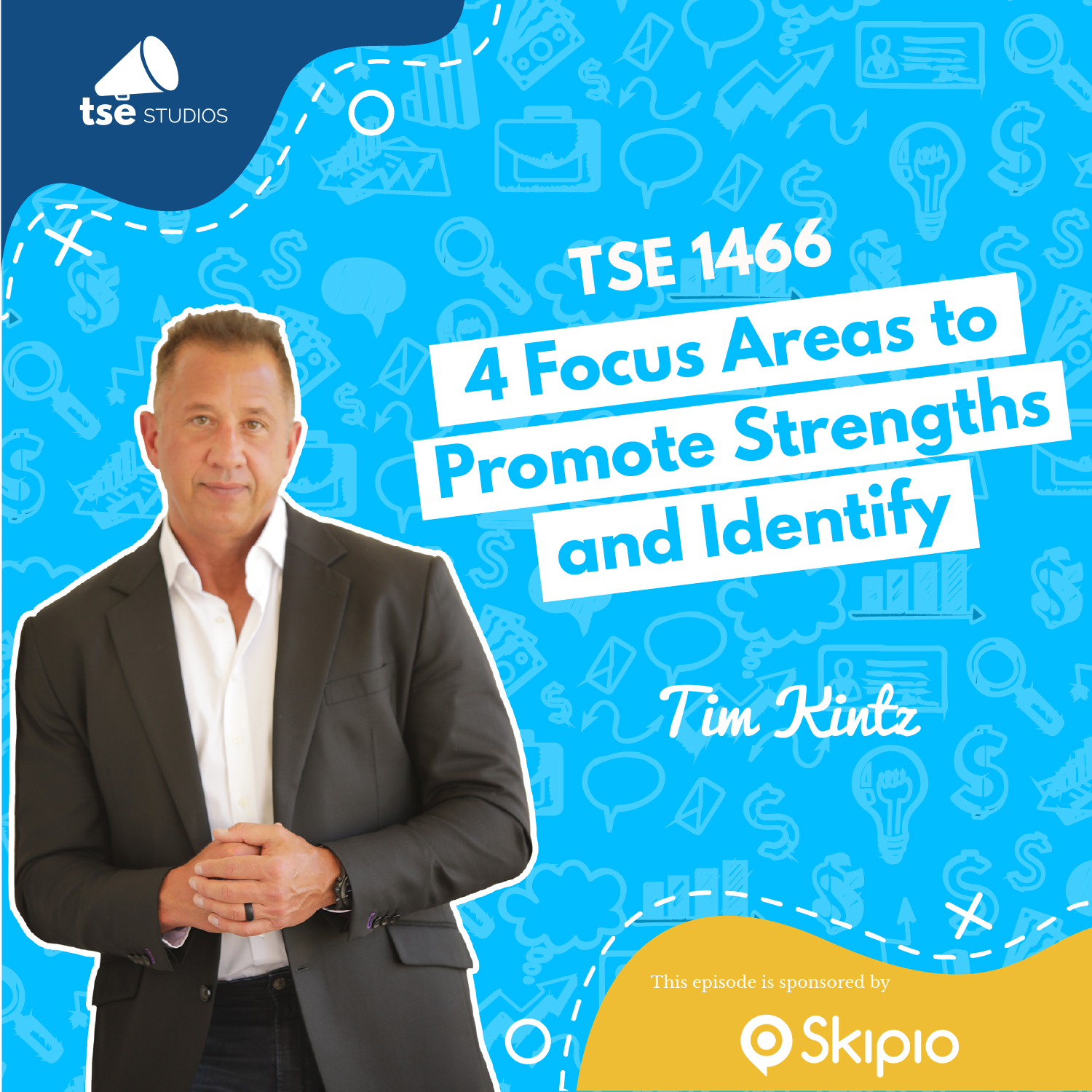
Ep 14664 Focus Areas to Promote Strengths and Identify Weaknesses | Tim Kintz - 1466
It doesn’t matter if you’re leading a team of one or one hundred, becoming a better sales leader can always lead to positive change within your organization. And on today’s episode of The Sales Evangelist, Donald is joined by Tim Kintz to discuss four areas to promote strengths and identify weaknesses as a sales leader: lead, manage, train, and coach. Lead Managers are often the least trained employees. And especially for those internally promoted, they might not know how to navigate that change with respect to their fellow employees. As a sales leader, you need to help your employees develop long-term goals. Once those goals are in place, you can work together to set specific and actionable milestones to reach them. Manage You lead people; you manage things. Are you organized as a sales leader? Do you schedule out your day to accomplish what you need? Not only do you need to manage your time and activities, but you need to manage the statistics and tendencies of your people. Consider managing the detail-focused aspect of leading; it’s a numbers-driven component that can ensure you and your people reach your goals. Train Success is all about having a straightforward, repeatable process. Do your employees know what they need to do to be successful 100% of the time? This process doesn’t mean they’ll achieve perfection every time, but they’ll at least know what steps can get them to that goal. Training isn’t just telling, it’s selling. Show them how the training you want them to do positively affects their performance. Tim encourages his employees to take ownership of their training. If they have a hand in developing the decision or route of action, they’ll be more likely to stick with it. Mental ownership comes before physical or financial ownership. Coach Just because you know something doesn’t mean you can do it; practice and repetition are the mothers of learning. Amateurs practice until they get it right, but pros practice until they can’t get it wrong. Coaching isn’t just about providing knowledge to your people; it’s about taking time to practice with your people to help them get better. Tim’s final takeaway? You have to earn the right to be a leader. Think of your people as emotional banks. Make consistent deposits through recognition and approval so you can make withdrawals without overdrawing that account. Check out Tim’s book Fearless on Amazon or kintzgroup.com. If you want to get ahold of Tim, connect with him on LinkedIn. This episode is brought to you in part by Skipio. Are you sick of crickets? As a salesperson, the pain of reaching out with phone calls or emails and not receiving a response is real. But all text messaging is not created equal. 85% of people prefer text over email and phone calls because they want to engage in a conversation, not listen to bots. Be more like people and start having conversations that end in the conversions you want. Try Skipio at www.Skipio.com. This course is brought to you in part by the TSE Sales Certified Training Program, a course designed to help new and struggling sellers to master the fundamentals of sales and close more deals. Help elevate your sales game and sign up now to get the first two modules free! You can visit www.thesalesevangelist.com/closemoredeals or call (561) 570-5077 for more information. We value your opinion and always want to improve the quality of our show. Complete our two-minute survey here: thesalesevangelist.com/survey. We’d love for you to join us for our next episodes, tune in on Apple Podcast, Stitcher, and Spotify. You can also leave comments, suggestions, and ratings for each episode you listen to! Read more about sales or listen to audiobooks on Audible and explore their huge online library. Register now to get a free book and a 30-day trial. Audio provided by Free SFX and Bensound. Other songs used in the episodes are as follows: The Organ Grinder written by Bradley Jay Hill, performed by Bright Seed, and Produced by Brightseed and Hill.Mentioned in this episode:HubSpot and bluëmago | STUDIOSHubSpot and bluëmago | STUDIOS hubpspot.com/marketers bluemangostudios.com
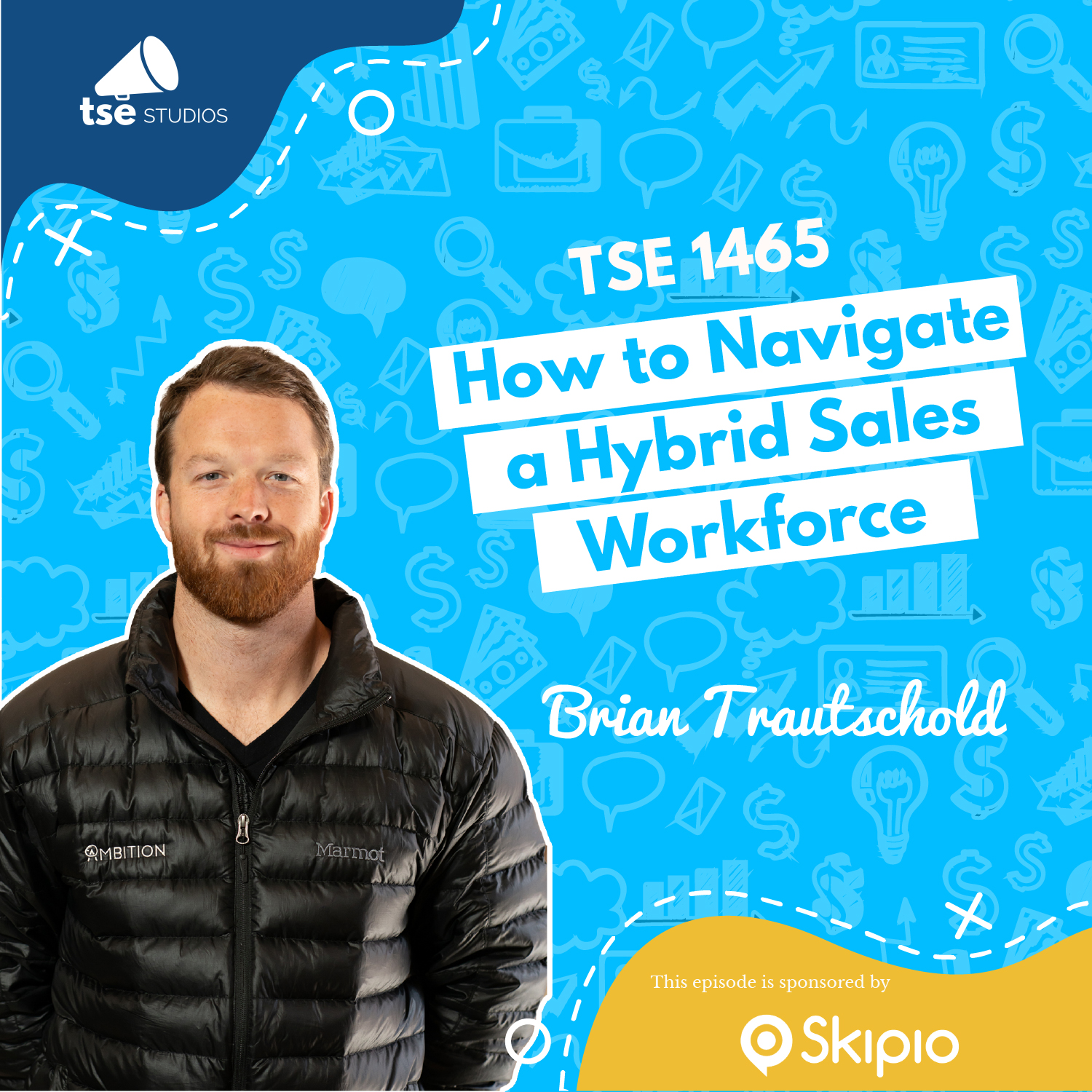
Ep 1465How to Navigate a Hybrid Sales Workforce | Brian Trautschold - 1465
Just like for many other industries, hiring sales positions has inherited problems because of the pandemic. In today’s episode of The Sales Evangelist, Donald is joined by Brian Trautschold, COO and co-founder of sales management platform Ambition, to discuss three things companies can do to navigate a hybrid sales workforce. Whether you’re a huge company or just a dozen people, COVID is evening the hiring playing field, and integrating these three components can help you acquire the kind of employees you want. Build a company culture, whether it be virtual or in-person. Some company cultures are just fake - think Michael Scott trying to build a culture at Dunder Mifflin. When creating your own company culture, the key is to be authentic. Recognize people as they reach their milestones, and show genuine care for your employees and their aspirations. Especially when employees don’t have the support of an in-person team, it’s easy to lose motivation without recognition. Engage your workforce to overcome distractions. There are no shortage of distractions in the virtual workplace. Whether it’s an extended lunch or a quick Netflix binge, the typical 9-5 is more elusive than ever. To give your employees the greatest chance for success, provide easy-to-use tools to hold themselves accountable. People are better at holding themselves accountable than management, especially in a virtual setting. So equipping people with the tools for personal accountability to yield better results than a never-ending stream of Slack messages. People crave development, coaching, and investment from their employers. Pre-COVID, a great relationship with management is what kept many people working at their current job. (And vice versa.) The introduction to virtual work has broken this. While Slack can be helpful in communication, you need to have a more proactive approach. As a manager, how do you optimize coaching interactions? The key is to keep track of what you discuss with your employees. Make action steps to help your employees reach their goals. Coaching can’t be a one-off; it’s a part of a narrative. Consider creating KPIs based on the coaching to set actionable steps towards their goals. One major takeaway? Consistent, data-driven coaching is the way of the future to develop happy and productive employees. Want to get in contact with Brian? Find him on his company website, LinkedIn, or Twitter. This episode is brought to you in part by Skipio. Are you sick of crickets? As a salesperson, the pain of reaching out with phone calls or emails and not receiving a response is real. But all text messaging is not created equal. 85% of people prefer text over email and phone calls because they want to engage in a conversation, not listen to bots. Be more like people and start having conversations that end in the conversions you want. Try Skipio at www.Skipio.com. This course is brought to you in part by the TSE Sales Certified Training Program, a course designed to help new and struggling sellers to master the fundamentals of sales and close more deals. Help elevate your sales game and sign up now to get the first two modules free! You can visit www.thesalesevangelist.com/closemoredeals or call (561) 570-5077 for more information. We value your opinion and always want to improve the quality of our show. Complete our two-minute survey here: thesalesevangelist.com/survey. We’d love for you to join us for our next episodes, tune in on Apple Podcast, Stitcher, and Spotify. You can also leave comments, suggestions, and ratings for each episode you listen to! Read more about sales or listen to audiobooks on Audible and explore their huge online library. Register now to get a free book and a 30-day trial. Audio provided by Free SFX and Bensound. Other songs used in the episodes are as follows: The Organ Grinder, written by Bradley Jay Hill, performed by Bright Seed, and Produced by Brightseed and Hill.Mentioned in this episode:HubSpot and bluëmago | STUDIOSHubSpot and bluëmago | STUDIOS hubpspot.com/marketers bluemangostudios.com
Ep 1464Unseen is Unsold | Tacie Avedikian - 1464
The digital shift of the workplace has manifested the need for digital company culture. Digital culture is necessary to improve internal relationships at your company, but it’s integral in expanding your social reach as a company and developing a following that gives you business. In today’s episode of The Sales Evangelist, we’re joined by Tacie Avedikian, VP of Digital Development at Little Bird Marketing, to learn how companies can embrace digital culture to develop a social influence. But first, what does Tacie mean by social influence? The original meaning has shifted a bit in terms of how people use social media. Leveraging influencers from B2C platforms like Instagram or Facebook and transferring those things into more B2B platforms like LinkedIn or Twitter is critical. The challenges of hiring new team members: In the current age, being seen online is critical in bringing in suitable candidates. Because of this digital world, company-wide social influence is vital to attract candidates and clients. You attract candidates through sharing valuable content and having employees who advocate for your company. Despite the importance of online culture, you rarely see someone from HR actively promoting on LinkedIn and advocating for their company. When you want to look for somebody, the first thing we do is look online, read reviews, and understand company values. Companies need to ensure their company and themselves are seen and available for this process. What's the first thing if we wanted to the action plan, and who should lead this? Most importantly, ensure it’s not just one person or department pushing. It’s a team effort to create a digital culture. Learn to be authentic when sharing about the company and yourself. When you create a relationship with someone and see that you're enjoying the company you work for, people get engaged and want to know more. How can I help my team to be creative and post authentic things? Many people are at home, working with their kids right next to them. This is a shared experience that creates empathy and a connection people can bond over. Develop training, make expectations to your team of what authenticity looks like, and provide opportunities for additional training each quarter or throughout the year. Companies should regularly touch base with their team on their digital culture, whether through Slack or a team chat, to engage and develop relationships. Tacie’s final advice: Realize that things are not going back to the way they were. A digitally transformed culture is going to change the influence of your audience completely. Tacie’s major takeaway? Unseen is unsold. (We had to repeat it, just one more time.) To get in contact with Tacie, connect with her on LinkedIn or email her at [email protected]. This episode is brought to you in part by Skipio. Are you sick of crickets? As a salesperson, the pain of reaching out with phone calls or emails and not receiving a response is real. But all text messaging is not created equal. 85% of people prefer text over email and phone calls because they want to engage in a conversation, not listen to bots. Be more like people and start having conversations that end in the conversions you want. Try Skipio at www.Skipio.com. This course is brought to you in part by the TSE Sales Certified Training Program, a course designed to help new and struggling sellers to master the fundamentals of sales and close more deals. Help elevate your sales game and sign up now to get the first two modules free! You can visit www.thesalesevangelist.com/closemoredeals or call (561) 570-5077 for more information. We value your opinion and always want to improve the quality of our show. Complete our two-minute survey here: thesalesevangelist.com/survey. We’d love for you to join us for our next episodes, tune in on Apple Podcast, Stitcher, and Spotify. You can also leave comments, suggestions, and ratings for each episode you listen to! Read more about sales or listen to audiobooks on Audible and explore their huge online library. Register now to get a free book and a 30-day trial. Audio provided by Free SFX and Bensound. Other songs used in the episodes are as follows: The Organ Grinder wrote by Bradley Jay Hill, performed by Bright Seed, and Produced by Brightseed and Hill.Mentioned in this episode:HubSpot and bluëmago | STUDIOSHubSpot and bluëmago | STUDIOS hubpspot.com/marketers bluemangostudios.com
Ep 1463Make Your Sales Development Team Your Sales Bench | David Dulany - 1463
Many tech companies view the idea of SDRs as advantageous because they deal with the tough or mundane elements of the sales process like cold calling, making lists, and following up with inbound leads. But SDRs, with the proper training and support, can be much more. In today’s episode of The Sales Evangelist, we’re joined by David Dulany, founder and CEO of the research and advisory firm Tenbound, to learn how you can develop your sales bench. The elements of a good sales bench: Your SDR team is a group of people who, when needed, have learned the skills necessary to jump into a full sales position when one becomes available. To understand which skills are most valuable, analyze your recruitment process and list out traits that make someone successful at your company. Are they tenacious, proactive, or require specific technical skills? Create a plan to incorporate training elements for each of those skills for your SDR team and develop ways for new hires to understand what they need to be successful right from the get-go. The biggest mistake we see with SDR teams is not establishing a solid company culture. The old hiring method was simply to churn and burn. But in today’s market, where employees need tools and equipment to be successful, it’s an incredibly inefficient and expensive process. In the modern world, culture is everything. A successful SDR team leader establishes that. To develop the ideal team culture, write down what you want to culture to look like. Once you have a semblance for your vision, integrate elements relating to it into your SDR training process. Sales is becoming an increasingly team-driven activity; the days of the lone wolf are long over. Provide a path to promotion. Certifications are a great way to break down the goals you want employees to achieve before a promotion. A ladder setup provides concrete goals for SDRs to work towards and promotion opportunities. David’s major tips: For SDRs, take the position seriously; it’s a critical piece of the puzzle. For people leading SDR teams, integrate structure, value, and opportunities within the SDR experience. Doing so will help people take the position more seriously and want to grow within the organization. To learn more about David’s approach to SDR development, check out his book The Sales Development Framework. Otherwise, visit his company website to find resources to help develop your sales bench. This episode is brought to you in part by Skipio. Are you sick of crickets? As a salesperson, the pain of reaching out with phone calls or emails and not receiving a response is real. But all text messaging is not created equal. 85% of people prefer text over email and phone calls because they want to engage in a conversation, not listen to bots. Be more like people and start having conversations that end in the conversions you want. Try Skipio at www.Skipio.com. This course is brought to you in part by the TSE Sales Certified Training Program, a course designed to help new and struggling sellers to master the fundamentals of sales and close more deals. Help elevate your sales game and sign up now to get the first two modules free! You can visit www.thesalesevangelist.com/closemoredeals or call (561) 570-5077 for more information. We value your opinion and always want to improve the quality of our show. Complete our two-minute survey here: thesalesevangelist.com/survey. We’d love for you to join us for our next episodes, tune in on Apple Podcast, Stitcher, and Spotify. You can also leave comments, suggestions, and ratings for each episode you listen to! Read more about sales or listen to audiobooks on Audible and explore their huge online library. Register now to get a free book and a 30-day trial. Audio provided by Free SFX and Bensound. Other songs used in the episodes are as follows: The Organ Grinder written by Bradley Jay Hill, performed by Bright Seed, and Produced by Brightseed and Hill.Mentioned in this episode:HubSpot and bluëmago | STUDIOSHubSpot and bluëmago | STUDIOS hubpspot.com/marketers bluemangostudios.com
Ep 1462How to Outsource Sales and New Business Development | Tom Ancona - 1462
A challenging aspect of a salesperson’s job is business development. One way you can simplify the business development process, however, is through outsourcing. In today’s episode of The Sales Evangelist, we’re joined by Tom Ancona, founder and chief strategist at ROCKyourcompany.com, to discuss how outsourcing can lead to new business development. The first step to outsourcing: visualize. Think about your goals. If you had a team of people to execute everything you want to do, what is that vision? Work backward from that vision to determine who will get you to that point. When outsourcing, the words “you get what you give” could not be more accurate. The results and work you get are directly related to the instruction and information you provide. Develop your vision: Pretend you’re talking to a recently hired assistant - be descriptive in what you want. The more details you provide, the better the project will be. If the project requires platforms like Sales Navigator, have at least a baseline understand of the software or platform. Hiring the right candidate can be a challenge. Selecting the right candidate might not be easy, especially at the beginning. It takes experience to find the right kind of people. The solution? Do your homework. Read their feedback from folks they've worked with. Read both the most recent and most relevant reviews to see into their current headspace and how they’ve finished similar projects. Meet with them and ask tough questions about your expectations. If they give intuitive answers and understand what you're asking, you’ve found a good candidate. Understand how freelance platforms operate: When you purchase projects on platforms like Upwork or Fiverr, some have an escrow account. You allocate the money before each project, but you have to approve the project before the money is transferred. This gives you a level of safety in that a freelancer has to complete the project. Don’t hand over passwords to your most valuable assets until you've worked with somebody for a while. Tom’s major takeaway and special offer: If you're not doing it now, look at outsourcing as a potential way to break out in your marketplace, as you’ve never done before. If you’re looking to improve your sales game with free downloadable templates, visit tomancona.com/tse for a free template download for you. To schedule a meeting with Tom, visit Meetwithtom.live to view his calendar. This episode is brought to you in part by Skipio. Are you sick of crickets? As a salesperson, the pain of reaching out with phone calls or emails and not receiving a response is real. But all text messaging is not created equal. 85% of people prefer text over email and phone calls because they want to engage in a conversation, not listen to bots. Be more like people and start having conversations that end in the conversions you want. Try Skipio at www.Skipio.com. This course is brought to you in part by the TSE Sales Certified Training Program, a course designed to help new and struggling sellers to master the fundamentals of sales and close more deals. Help elevate your sales game and sign up now to get the first two modules free! You can visit www.thesalesevangelist.com/closemoredeals or call (561) 570-5077 for more information. We value your opinion and always want to improve the quality of our show. Complete our two-minute survey here: thesalesevangelist.com/survey. We’d love for you to join us for our next episodes, tune in on Apple Podcast, Stitcher, and Spotify. You can also leave comments, suggestions, and ratings for each episode you listen to! Read more about sales or listen to audiobooks on Audible and explore their huge online library. Register now to get a free book and a 30-day trial. Audio provided by Free SFX and Bensound. Other songs used in the episodes are as follows: The Organ Grinder written by Bradley Jay Hill, performed by Bright Seed, and Produced by Brightseed and Hill.Mentioned in this episode:HubSpot and bluëmago | STUDIOSHubSpot and bluëmago | STUDIOS hubpspot.com/marketers bluemangostudios.com
Ep 1461Don't Make a Tough Job Tougher | Frank Cespedes - 1461
Working as a sales manager can be tough. Why make it more challenging than it has to be? And without the proper guidance and support, it can be especially difficult to find the right people for your organization. In today’s episode of The Sales Evangelist, we’re joined by Frank Cespedes, senior lecturer at Harvard business school, to learn his strategy for finding and retaining top-level salespeople. There are inherent challenges to hiring within sales. Not enough people in and outside the sales function that there are challenges in hiring sales that don’t exist elsewhere. People major in engineering, accounting, and finance. There are less than 200 sales courses in the United States universities, let alone majors and programs. As a result, most learning in sales is whatever the company does. Companies on average spent 20% more per capita than they do training other positions. Most learning in sales is on-the-job learning that isn’t a challenge in other business areas. Because so much time is spent training, accelerating the productivity ramp up for new hires is crucial for hiring managers. How can you make the hiring process more manageable? Minimize the biggest hiring mistake: relying solely on one or two unstructured interviews. Research consistently shows the correlation between the ratings people get in interviews and their subsequent on-the-job performance tend to vary by .1 to .4. The perfect candidate’s chances to perform to their expected standard is about as guaranteed as a coin flip. To solve the problem, supplement interviews by including people who aren’t sales, like customer support and product design. Experience is often an important hiring criterion. But in business, there is only experience selling your product. Experience in other organizations might not indicate or guarantee success at others. The most important thing when hiring is knowing what you’re looking for. Don’t think platitudes; think the most important tasks this new person will accomplish. So what do you do? Start with the fundamentals. Performing fundamentals better than anyone else will lead to success - the who, why, and how of your customer informs you who you’re hiring for. What will the salesperson need to be good to be successful? Conversely, what might they need to be just good enough at? To determine these behaviors, consider implementing assessments or even internship positions to judge that behavior. The pandemic showed companies overpay for many tasks in the current sales model; you want to focus talent on the steps that most impact the sale rather than things like lead generation and demos. Frank’s major piece of advice to someone managing the hiring process? Know what you’re looking for, start with the buying process, and don’t require platitudes of experience. Recognize that the hiring process doesn’t end with the hire. The sooner you get someone to ramp up their productivity within the organization, the better everyone is. Read Frank’s new book Sales Management That Works: How to Sell in a World that Never Stops Changing. Want to get in touch with Frank? Visit him on his website or connect with him on LinkedIn. This episode is brought to you in part by Skipio. Are you sick of crickets? As a salesperson, the pain of reaching out with phone calls or emails and not receiving a response is real. But all text messaging is not created equal. 85% of people prefer text over email and phone calls because they want to engage in a conversation, not listen to bots. Be more like people and start having conversations that end in the conversions you want. Try Skipio at www.Skipio.com. This course is brought to you in part by the TSE Sales Certified Training Program, a course designed to help new and struggling sellers to master the fundamentals of sales and close more deals. Help elevate your sales game and sign up now to get the first two modules free! You can visit www.thesalesevangelist.com/closemoredeals or call (561) 570-5077 for more information. We value your opinion and always want to improve the quality of our show. Complete our two-minute survey here: thesalesevangelist.com/survey. We’d love for you to join us for our next episodes, tune in on Apple Podcast, Stitcher, and Spotify. You can also leave comments, suggestions, and ratings for each episode you listen to! Read more about sales or listen to audiobooks on Audible and explore their huge online library. Register now to get a free book and a 30-day trial. Audio provided by Free SFX and Bensound. Other songs used in the episodes are as follows: The Organ Grinder wrote by Bradley Jay Hill, performed by Bright Seed, and Produced by Brightseed and Hill.Mentioned in this episode:HubSpot and bluëmago | STUDIOSHubSpot and bluëmago | STUDIOS hubpspot.com/marketers bluemangostudios.com
Ep 1460Three Critical Characteristics Every Seller Must Have | Donald Kelly - 1460
Does the thought of hiring a new salesperson fill you with fear? Do you dread the interview process and reading through resumes? In today’s episode of The Sales Evangelist, Donald helps expedite the process of finding the perfect addition to your team by outlining three characteristics every seller must have. You want someone curious: When it comes to identifying prospects and their motivations, salespeople need to find the root cause. They need to dig deep, ask the right questions, and find the proper intel to manage their prospects and find sales. Curiosity is asking the right questions that lead to natural conversations. But the suitably curious don’t ask questions that might be offensive or too personal. You want someone resilient. Persistency and a continual drive to work through challenges are critical for sales. Working in sales means perseverance. The average sale takes between six to twelve touchpoints to move forward, so tenacity and stamina are necessary to succeed in any sales position. You want someone empathetic. Pushy salespeople are no longer in style (if they ever were.) Salespeople who listen and want to help the client will find far more success than a salesperson focused on the sale instead of the person. The bonus trait: You want someone creative. Thinking outside the box is necessary for sales. When problems inevitably arise (as they do in any business), you want your office filled with creative minds who aren’t afraid to think critically and solve the problem. Seth Godin’s book Purple Cow demonstrates the importance of creativity in business. This episode is brought to you in part by Skipio. Are you sick of crickets? As a salesperson, the pain of reaching out with phone calls or emails and not receiving a response is real. But all text messaging is not created equal. 85% of people prefer text over email and phone calls because they want to engage in a conversation, not listen to bots. Be more like people and start having conversations that end in the conversions you want. Try Skipio at www.Skipio.com. This course is brought to you in part by the TSE Sales Certified Training Program, a course designed to help new and struggling sellers to master the fundamentals of sales and close more deals. Help elevate your sales game and sign up now to get the first two modules free! You can visit www.thesalesevangelist.com/closemoredeals or call (561) 570-5077 for more information. We value your opinion and always want to improve the quality of our show. Complete our two-minute survey here: thesalesevangelist.com/survey. We’d love for you to join us for our next episodes, tune in on Apple Podcast, Stitcher, and Spotify. You can also leave comments, suggestions, and ratings for each episode you listen to! Read more about sales or listen to audiobooks on Audible and explore their huge online library. Register now to get a free book and a 30-day trial. Audio provided by Free SFX and Bensound. Other songs used in the episodes are as follows: The Organ Grinder wrote by Bradley Jay Hill, performed by Bright Seed, and Produced by Brightseed and Hill.Mentioned in this episode:HubSpot and bluëmago | STUDIOSHubSpot and bluëmago | STUDIOS hubpspot.com/marketers bluemangostudios.com
Ep 1459Three Things I Would Do Before Accepting A Sales Job Offer | Donald Kelly - 1459
Congrats, you just landed a sales job! But should you accept it? In today’s episode of The Sales Evangelist, Donald provides his three tips to consider before you accept that job offer. Connect with their current sales team. Directly asking a sales team what their opinions are at their company is a great way to discover the company culture. They aren’t trying to sell you anything - they have nothing to gain from convincing you it’s a great place when, in reality, it isn’t. Finding the sales team is tremendously easy as well because their entire job is centered around being available. Determine what customers say about them right now. How do you go about doing this? (It’s easy.) Look through case studies and online reviews to generate names, and reach out to those people on LinkedIn. But why should you do this? It can help you get a good scope of the company and show if they consistently update their work or bank off of case studies from 2008. Look at Glassdoor and Google Reviews for the company. Nobody is more brutally honest than strangers on the internet, right? Glassdoor is a platform where current and past employees share information about working at the company. While people might exaggerate on the internet, this can help bring up any concerns you might need to consider before accepting the job. The main takeaway here is that you really want to know as much about the company as possible before accepting. Limit the surprises you might face, and you’ll be on your way to a great next step in your career. This episode is brought to you in part by Skipio. Are you sick of crickets? As a salesperson, the pain of reaching out with phone calls or emails and not receiving a response is real. But all text messaging is not created equal. 85% of people prefer text over email and phone calls because they want to engage in a conversation, not listen to bots. Be more like people and start having conversations that end in the conversions you want. Try Skipio at www.Skipio.com. This course is brought to you in part by the TSE Sales Certified Training Program, a course designed to help new and struggling sellers to master the fundamentals of sales and close more deals. Help elevate your sales game and sign up now to get the first two modules free! You can visit www.thesalesevangelist.com/closemoredeals or call (561) 570-5077 for more information. We value your opinion and always want to improve the quality of our show. Complete our two-minute survey here: thesalesevangelist.com/survey. We’d love for you to join us for our next episodes, tune in on Apple Podcast, Stitcher, and Spotify. You can also leave comments, suggestions, and ratings for each episode you listen to! Read more about sales or listen to audiobooks on Audible and explore their huge online library. Register now to get a free book and a 30-day trial. Audio provided by Free SFX and Bensound. Other songs used in the episodes are as follows: The Organ Grinder written by Bradley Jay Hill, performed by Bright Seed, and Produced by Brightseed and Hill.Mentioned in this episode:HubSpot and bluëmago | STUDIOSHubSpot and bluëmago | STUDIOS hubpspot.com/marketers bluemangostudios.com
Ep 1458Mistakes to Avoid | Jasmine Black - 1458
Do you wish you had a list of things to avoid when looking for your next sales gig? We brought an expert to do just that - Jasmine Black. As the owner of BrainChild PSM and with over 15 years of corporate sales experience, Jasmine understands both sides of the metaphorical sales coin. In today’s episode of The Sales Evangelist, she gives you the inside scoop on mistakes B2B sellers should avoid to land their next job. What should B2B sellers avoid when searching for their next gig? Don’t wait for your next opportunity to fall in your lap. Learn to be assertive without being overly aggressive in interactions throughout the hiring process. Remember, you want to show how you can provide value to the organization, not just show up to the office with your resume. Position yourself as a thought leader in the organization. Tell them challenges you see and explain how you’ve resolved similar issues in the past. Or even provide a plan to utilize in the future once you have the position. Don’t engage without intentionality. When you create your own personal brand, that professional reputation precedes you. Determine how do you want to be known. Create your resume to work for you. Jasmine read an article about a man who finds a job he wants and then builds a perfect resume for that job. He then spends the next year developing the skills in that resume to know he’s qualified and experienced in the role. There are several outlets to gain knowledge and experience in a skillset like sales, such as LinkedIn and Hubspot. What can sellers do to start making themselves attractive to land that next job? Create your brand, and create it with intention. Take time to write a list of things you want to be known for - they can be things you want to improve on, something you already know, or things you might even be lacking. Record yourself saying those things, and look back at the recording - do you believe yourself? Is that what you want? If it is, great, keep going that way. If not, reroute. Networking is critical to the sales industry. If you aren’t networking, start. Jasmine’s secret to networking: What’s the awesome new social media platform Jasmine utilizes to interact with new and knowledgeable people? Clubhouse. When she seeks to network, Jasmine’s ultimate goal is developing a relationship. You should be into the quality of relationships versus the quantity of connections. Clubhouse has no visuals; it's just real names and real identities. The culture is sharing value, being participative, and welcoming - AKA the perfect networking atmosphere. Jasmine’s final piece of advice? You can have anything you want in life if you just help enough others get what they want. Get in touch on Instagram, LinkedIn, or @brainchild on Clubhouse! This episode is brought to you in part by Skipio. Are you sick of crickets? As a salesperson, the pain of reaching out with phone calls or emails and not receiving a response is real. But all text messaging is not created equal. 85% of people prefer text over email and phone calls because they want to engage in a conversation, not listen to bots. Be more like people and start having conversations that end in the conversions you want. Try Skipio at www.Skipio.com. This course is brought to you in part by the TSE Sales Certified Training Program, a course designed to help new and struggling sellers to master the fundamentals of sales and close more deals. Help elevate your sales game and sign up now to get the first two modules free! You can visit www.thesalesevangelist.com/closemoredeals or call (561) 570-5077 for more information. We value your opinion and always want to improve the quality of our show. Complete our two-minute survey here: thesalesevangelist.com/survey. We’d love for you to join us for our next episodes, tune in on Apple Podcast, Stitcher, and Spotify. You can also leave comments, suggestions, and ratings for each episode you listen to! Read more about sales or listen to audiobooks on Audible and explore their huge online library. Register now to get a free book and a 30-day trial. Audio provided by Free SFX and Bensound. Other songs used in the episodes are as follows: The Organ Grinder wrote by Bradley Jay Hill, performed by Bright Seed, and Produced by Brightseed and Hill.Mentioned in this episode:HubSpot and bluëmago | STUDIOSHubSpot and bluëmago | STUDIOS hubpspot.com/marketers bluemangostudios.com
Ep 1457Your Resume Isn't Your Story | Simon Tecle - 1457
The resume is an integral part of the professional world. But while it does show off your prior work experience, it doesn’t show who you are as a person. What motivates you, or why are you applying for that specific job? Simon Tecle, VP of Sales at SyncroMSP, joins us on today’s episode to explain how you can tell your story at your next interview, sans resume, to begin the next step of your career with confidence and success. The resume is not your story. A typical interview response is to admit, “I don’t have experience in x,y, or z.” Don’t let your resume be the anchor in your conversation, especially if you know you lack the experience to capitalize on it. The hiring manager already knows you have a lack of experience, and they wouldn’t be talking to you if that was a deal-breaker. Why do we feel so tied to our resume experience? Because resumes are critical in the corporate world. However, stories convey key skills to a job we don’t put on our resume. Are you ex-military? Talk about your time management. Are you a parent? I bet you’ve mastered multitasking. Do you play sports? Talk about your will to win and competitive spirit. Overcoming traditional interviews. If an interviewer is insistent on a resume-based interview, link line items from the job description to your personal stories. A quick tip - don’t agree with the interviewer if they mention a lack of experience. It isn’t about just answering the question; it’s about responding in a way that is best for you. Simon’s other tips for sellers to remember for their next interview: Always have thoughtful questions at the end, and follow up immediately after the interview. Highlight skills and accomplishments that demonstrate both soft and hard skills related to the job description. Simon’s major takeaway? Apply to careers and jobs where you relate to the requirements of the role. Plain and simple. Want to get in contact with Simon? Email him at [email protected], or connect with him on LinkedIn. This episode is brought to you in part by Skipio. Are you sick of crickets? As a salesperson, the pain of reaching out with phone calls or emails and not receiving a response is real. But all text messaging is not created equal. 85% of people prefer text over email and phone calls because they want to engage in a conversation, not listen to bots. Be more like people and start having conversations that end in the conversions you want. Try Skipio at www.Skipio.com. This course is brought to you in part by the TSE Sales Certified Training Program, a course designed to help new and struggling sellers to master the fundamentals of sales and close more deals. Help elevate your sales game and sign up now to get the first two modules free! You can visit www.thesalesevangelist.com/closemoredeals or call (561) 570-5077 for more information. We value your opinion and always want to improve the quality of our show. Complete our two-minute survey here: thesalesevangelist.com/survey. We’d love for you to join us for our next episodes, tune in on Apple Podcast, Stitcher, and Spotify. You can also leave comments, suggestions, and ratings for each episode you listen to! Read more about sales or listen to audiobooks on Audible and explore their huge online library. Register now to get a free book and a 30-day trial. Audio provided by Free SFX and Bensound. Other songs used in the episodes are as follows: The Organ Grinder wrote by Bradley Jay Hill, performed by Bright Seed, and Produced by Brightseed and Hill.Mentioned in this episode:HubSpot and bluëmago | STUDIOSHubSpot and bluëmago | STUDIOS hubpspot.com/marketers bluemangostudios.com
Ep 1456How To Answer Difficult Sales Interview Questions | Kathleen Steffey - 1456
Going into an interview can be tough. Whether it’s your very first interview or your twentieth, the nerves never go away completely. You don’t want to sound like an idiot, right? But what if you had a cheat sheet and knew the most common questions salespeople tend to mess up? That’s exactly what we did for today’s episode of The Sales Evangelist. Today we’re joined by Kathleen Steffey, founder, and CEO of Naviga Recruiting, to learn how to answer difficult interview questions and secure your next sales gig. Question One: Anything related to your sales process. A VP of Sales might ask an interviewee about their selling process from beginning to end. Even if that salesperson knows their approach, they often just don’t know how to articulate it. If someone can’t walk through their process, a leader might think they lack depth or aren’t methodical. Think about your process in advance, write it down, and go from there. Question Two: Tell me where you came in against quota? You have to know when you came in against quota, whether it’s over or under. If a sales rep doesn’t know their numbers, it’s considered a big negative. What if your business doesn’t measure by quota? (Yes, those companies exist.) Create your own measurable goals that define success, and know if you’ve achieved those goals. Question Three: What is your prospecting strategy? Ten years ago, people could get away with merely pounding the pavement or cold calling. But in today’s marketplace, if you’re not handling prospecting in an integrated manner, you’re viewed as antiquated. Know your strategy, and if your strategy is purely through one pipeline, you likely want to reevaluate your strategy. Question Four: How do you differentiate yourself in the selling process? If you’re meeting your numbers, you might not have ever had to think about this. But the sales process has changed where you have to be creative to be successful. Show an interviewer you're different; show them your resilience and prospecting skills through your process. It wins, especially for salespeople. Find Naviga Recruiting on Facebook, Twitter, and LinkedIn, and connect directly with Kathleen on LinkedIn. This episode is brought to you in part by Skipio. Are you sick of crickets? As a salesperson, the pain of reaching out with phone calls or emails and not receiving a response is real.\ But all text messaging is not created equal. 85% of people prefer text over email and phone calls because they want to engage in a conversation, not listen to bots. Be more like people and start having conversations that end in the conversions you want. Try Skipio at www.Skipio.com. This course is brought to you in part by the TSE Sales Certified Training Program, a course designed to help new and struggling sellers to master the fundamentals of sales and close more deals. Help elevate your sales game and sign up now to get the first two modules free! You can visit www.thesalesevangelist.com/closemoredeals or call (561) 570-5077 for more information. We value your opinion and always want to improve the quality of our show. Complete our two-minute survey here: thesalesevangelist.com/survey. We’d love for you to join us for our next episodes, tune in on Apple Podcast, Stitcher, and Spotify. You can also leave comments, suggestions, and ratings for each episode you listen to! Read more about sales or listen to audiobooks on Audible and explore their huge online library. Register now to get a free book and a 30-day trial.Audio provided by Free SFX and Bensound. Other songs used in the episodes are as follows: The Organ Grinder wrote by Bradley Jay Hill, performed by Bright Seed, and Produced by Brightseed and Hill.Mentioned in this episode:HubSpot and bluëmago | STUDIOSHubSpot and bluëmago | STUDIOS hubpspot.com/marketers bluemangostudios.com
Ep 1455What are Sales Professionals Looking for in 2021? | Dan Fantasia - 1455
Moving to a virtual workplace means companies can hire better and faster while reducing employee cost and turnover. But are there benefits to returning to the brick-and-mortar model of 2019? In today’s episode of The Sales Evangelist, Donald interviews Dan Fantasia, founder of the sales career advancement company Treeline Inc. to discuss what sales professionals look for in their 2021 work environment. What are sales professionals looking for in 2021? Most employees prefer virtual roles over in-person. So if you’re thinking of reintroducing your company to the office, you might want to reconsider. If someone is sold on the remote option, they might start looking for a new opportunity. The pros and cons of having a brick-and-mortar company versus operating remotely: In a virtual job, it’s more challenging to build camaraderie outside the office. However, there are ways to facilitate this relationship. Dan’s company participated in a virtual wine tasting, and they start each morning with a zoom call to stay aligned and promote communication. The pro of remote working is the removal of commuting. Companies no longer have to compete for employees with companies in a particular area - they can hire across the United States. However, this is a double-edged sword, as competing companies are equally able to contact employees with new opportunities. What should employers be aware of that salespeople want in their 2021 work environment? Just because your company is virtual doesn’t mean you can lowball a candidate. They have an entire world of opportunity now and can just look elsewhere. Don’t be stuck on the decision to go back to an in-person model. You might have to pay for a building people don’t use, but if your employees work better remotely, the payoff will make the decision worth it. There are risks of virtual work depending on the position, the most pressing being if your employees are mature enough to work virtually. However, between a virtual company and an in-person company, the virtual company can source candidates from the entire country to ensure that the person thrives in that type of environment. Virtual companies offer a diversity of regional cultures, which can develop new perspectives in your employees. Dan’s advice for sellers and companies: Corporations should be open-minded and take advantage of the virtual opportunities. You’ll find immense payoff with a virtual model. For candidates: Look for your next opportunity when you’re still employed. You want the longest runway possible to have the time necessary to consider your options. When you’re employed, you won’t have to accept the first offer out of desperation but can instead move towards an opportunity you want. If you want to get in contact with Dan, email him directly at [email protected], or you can visit his company website. This episode is brought to you in part by Skipio. Are you sick of crickets? As a salesperson, the pain of reaching out with phone calls or emails and not receiving a response is real. But all text messaging is not created equal. 85% of people prefer text over email and phone calls because they want to engage in a conversation, not listen to bots. Be more like people and start having conversations that end in the conversions you want. Try Skipio at www.Skipio.com. This episode is brought to you in part by NetHunt CRM. NetHunt CRM is a sales automation tool that lives inside Gmail. It covers a full set of features to manage leads, nurture customer relations, monitor sales progress, and automate sales and marketing workflows. With native-like Gmail and G Suite integration, you can access your CRM data, launch bulk email campaigns, and set up automated sequences from the comfort of your inbox. NetHunt helps move leads down your sales funnel and never lets a valuable prospect go untouched. NetHunt CRM offers TSE listeners a 40% discount for the first three months along with free user training and a dedicated Customer Success Manager with any pricing plan. Try NetHunt CRM today at https://nethunt.com/tse. This course is brought to you in part by the TSE Sales Certified Training Program, a course designed to help new and struggling sellers to master the fundamentals of sales and close more deals. Help elevate your sales game and sign up now to get the first two modules free! You can visit www.thesalesevangelist.com/closemoredeals or call (561) 570-5077 for more information. We value your opinion and always want to improve the quality of our show. Complete our two-minute survey here: thesalesevangelist.com/survey. We’d love for you to join us for our next episodes, tune in on Apple Podcast, Stitcher, and Spotify. You can also leave comments, suggestions, and ratings for each episode you listen to! Read more about sales or listen to audiobooks on Audible and explore their huge online library. Register now to get a free book and a 30-day trial. Audio provided by Free SFX and Bensound. Other songs used in the episodes are
Ep 1454Three Secret Strategies You Can Use To Land Your First Sales Job | Donald Kelly - 1454
Are you trying to find your first sales job or looking to stand out from the competition to land that first gig? Look no further, because on today’s episode of The Sales Evangelist, Donald Kelly shares three strategies to find your first sales job. Strategy One: Befriend recruiters for the type of jobs you’re trying to land. Recruiters have a vested interest in finding great people - it means they get more money. So don’t be afraid of interacting with them! To find the right recruiters, go to any recruiting website to see which industries specific people recruit for. Search for them on LinkedIn, connect with them, and see which companies they hire for. Once you find the recruiters and build a relationship, you’ll have an opportunity ready for you when looking for your next career step. Strategy Two: Network, network, network Your network is your net worth. If you go on social media and ask your network for job recommendations, you’ll get a ton. Not all of them will be good, but there will be opportunities with potential for you to explore. If you already have a job and don’t want your employer to see it, direct message your connections in the space you’re looking to move into. Find the movers and shakers in your community, introduce yourself, and see if they’re able to direct you to someone who can help you. Strategy Three: Connect with people within your target company. This strategy, taken from Jacob at Sales for the Culture, will help you land a sale or job with a specific company or industry. Find a company on LinkedIn, reach out to any recruiters specifically for that company, and introduce yourself. Reach out to employees in the department or position you’re looking to get in and connect with them. You’ll be amazed how willing people are willing to advise and help get you where you want to go. With these strategies, you’ll have a relationship with the recruiter, information from your connections, and relationships with the people at your target company. Sounds pretty good, right? This episode is brought to you in part by Skipio. Are you sick of crickets? As a salesperson, the pain of reaching out with phone calls or emails and not receiving a response is real. But all text messaging is not created equal. 85% of people prefer text over email and phone calls because they want to engage in a conversation, not listen to bots. Be more like people and start having conversations that end in the conversions you want. Try Skipio at www.Skipio.com. This episode is brought to you in part by NetHunt CRM. NetHunt CRM is a sales automation tool that lives inside Gmail. It covers a full set of features to manage leads, nurture customer relations, monitor sales progress, and automate sales and marketing workflows. With native-like Gmail and G Suite integration, you can access your CRM data, launch bulk email campaigns, and set up automated sequences from the comfort of your inbox. NetHunt helps move leads down your sales funnel and never lets a valuable prospect go untouched. NetHunt CRM offers TSE listeners a 40% discount for the first three months along with free user training and a dedicated Customer Success Manager with any pricing plan. Try NetHunt CRM today at https://nethunt.com/tse. This course is brought to you in part by the TSE Sales Certified Training Program, a course designed to help new and struggling sellers to master the fundamentals of sales and close more deals. Help elevate your sales game and sign up now to get the first two modules free! You can visit www.thesalesevangelist.com/closemoredeals or call (561) 570-5077 for more information. We value your opinion and always want to improve the quality of our show. Complete our two-minute survey here: thesalesevangelist.com/survey. We’d love for you to join us for our next episodes, tune in on Apple Podcast, Stitcher, and Spotify. You can also leave comments, suggestions, and ratings for each episode you listen to! Read more about sales or listen to audiobooks on Audible and explore their huge online library. Register now to get a free book and a 30-day trial. Audio provided by Free SFX and Bensound. Other songs used in the episodes are as follows: The Organ Grinder wrote by Bradley Jay Hill, performed by Bright Seed, and Produced by Brightseed and Hill.Mentioned in this episode:HubSpot and bluëmago | STUDIOSHubSpot and bluëmago | STUDIOS hubpspot.com/marketers bluemangostudios.com
Ep 1453The Importance of Learning by Osmosis | Zachary Ballenger - 1453
Before the pandemic, salespeople could hear and learn from their peers through unscheduled interactions. But with water-cooler conversations at an all-time low, how can we continue to learn from our team members? On today’s episode of The Sales Evangelist, we’re joined by Zach Ballenger, co-founder of Casted, to discuss how companies can continue to foster spontaneous conversations in the virtual office. What is learning in osmosis? Learning by osmosis uses that desktop chatter you don’t expect to hear. It’s walking by your coworker right when he gives an excellent pitch or when you casually see how your colleague organizes her work on her computer—organic learning through unscheduled interactions. A lot of salespeople don’t want to go back to an office post-pandemic. While there are many benefits to virtual work, losing the ability to develop unscheduled conversations is one element that is unfortunately lost. What are the benefits of osmosis learning? It facilitates unexpected growth opportunities. With an in-person office, nuances such as handovers and explanations provide context for growth, especially for those newer in the industry. Overhearing information can inform potential training and opportunities to perform better. What can we do to foster osmosis learning in some way in a remote environment? Have colleagues shadow each other throughout their workday. They might learn something new by watching the tasks they perform each day completed in an entirely new way. Create pop-up zoom meetings for employees to work together, even if they aren’t directly working together on anything in particular. Start a Discord server for anyone who plays games or shares a hobby to build relationships outside of the office. What tip do you have for a sales rep who feels they miss that type of learning? Let someone know you want that element integrated into your workday. You can rely on management to help start this process, but don’t be afraid to ask your other coworkers and colleagues. Are you interested in learning more from Zach? Reach out to him on his company website or connect on LinkedIn. This episode is brought to you in part by Skipio. Are you sick of crickets? As a salesperson, the pain of reaching out with phone calls or emails and not receiving a response is real. But all text messaging is not created equal. 85% of people prefer text over email and phone calls because they want to engage in a conversation, not listen to bots. Be more like people and start having conversations that end in the conversions you want. Try Skipio at www.Skipio.com. This episode is brought to you in part by NetHunt CRM. NetHunt CRM is a sales automation tool that lives inside Gmail. It covers a full set of features to manage leads, nurture customer relations, monitor sales progress, and automate sales and marketing workflows. With native-like Gmail and G Suite integration, you can access your CRM data, launch bulk email campaigns, and set up automated sequences from the comfort of your inbox. NetHunt helps move leads down your sales funnel and never lets a valuable prospect go untouched. NetHunt CRM offers TSE listeners a 40% discount for the first three months along with free user training and a dedicated Customer Success Manager with any pricing plan. Try NetHunt CRM today at https://nethunt.com/tse. This course is brought to you in part by the TSE Sales Certified Training Program, a course designed to help new and struggling sellers to master the fundamentals of sales and close more deals. Help elevate your sales game and sign up now to get the first two modules free! You can visit www.thesalesevangelist.com/closemoredeals or call (561) 570-5077 for more information. We value your opinion and always want to improve the quality of our show. Complete our two-minute survey here: thesalesevangelist.com/survey. We’d love for you to join us for our next episodes, tune in on Apple Podcast, Stitcher, and Spotify. You can also leave comments, suggestions, and ratings for each episode you listen to! Read more about sales or listen to audiobooks on Audible and explore their huge online library. Register now to get a free book and a 30-day trial. Audio provided by Free SFX and Bensound. Other songs used in the episodes are as follows: The Organ Grinder wrote by Bradley Jay Hill, performed by Bright Seed, and Produced by Brightseed and Hill.Mentioned in this episode:HubSpot and bluëmago | STUDIOSHubSpot and bluëmago | STUDIOS hubpspot.com/marketers bluemangostudios.com
Ep 1452How BDRs And SDRs Should Use LinkedIn During COVID19! | (RERUN) Amanda Staffon and Jason Behnke - 1452
The pandemic changed the way we sell. Or even how do we sell? Using LinkedIn as a resource for BDRs and SDRs to make sales, even during COVID-19, can help lead you to success. Today on The Sales Evangelist Donald is joined by Amanda Staffon and Jason Behnke, former business development representatives at BlueGrace Logistics, to learn how they used LinkedIn throughout the pandemic as a tool to supplement and advance their sales process. Selling in a difficult time While the pandemic threw a wrench in everyone’s professional lives, an opportunity was created: to help those in need. Amanda and Jason found themselves focusing even more on building relationships and being available for their prospects. With COVID-19, the necessary questions have shifted from understanding company strategies to understanding if their basic needs are being met as an organization. Prospecting today Now that the end of COVID is in sight, salespeople are running at high speeds to make up for the lull of 2020. Rotating between phone calls, email, and LinkedIn outreach help ensure your prospects receive your message. Plus, it’s helpful to use multiple platforms in our newly-found virtual economy. People are no longer as receptive to a direct approach. However, authenticity and patience are high in demand - prospects want a conversation, but at a slower pace. The upside? Salespeople can learn more about their prospects’ goals and needs. AKA, you can guide them to the product that best suits their needs. Now more than ever, it’s essential for empathy to drive the communication between the seller and the prospect. Develop casual conversations Because people are spending more time at home, prospects might be open to phone calls during odd hours. And with the sudden shift to virtual work, sales reps have opportunities to hold more casual conversations, thus developing their relationship. The omnichannel approach (providing great customer service across multiple platforms and channels) is more important than ever. Face the objection No matter what you do, some people just don’t want to be sold to. When a prospect has this objection, Amanda encourages honesty: tell your client you want to know how the pandemic affected their company to help ease their challenges. Empathy and authenticity are two important traits a salesperson can develop, especially on LinkedIn. Take advantage of LinkedIn features like voicemail messaging to demonstrate authenticity to your prospect. Commenting on other peoples’ content is a good strategy for LinkedIn; interacting with their posts and other commenters can begin a great conversation. “How BDRS and SDR Should Use LinkedIn During COVID19!” episode resources You can reach both Amanda and Jason via their LinkedIn accounts. Go ahead and connect with them! If you are interested in more sales stories, you can talk to Donald about it. Reach him via these channels: LinkedIn, Instagram, Twitter, and Facebook, about any sales concerns. This episode is brought to you in part by Skipio. Are you sick of crickets? As a salesperson, the pain of reaching out with phone calls or emails and not receiving a response is real. But all text messaging is not created equal. 85% of people prefer text over email and phone calls because they want to engage in a conversation, not listen to bots. Be more like people and start having conversations that end in the conversions you want. Try Skipio at www.Skipio.com. This episode is brought to you in part by NetHunt CRM. NetHunt CRM is a sales automation tool that lives inside Gmail. It covers a full set of features to manage leads, nurture customer relations, monitor sales progress, and automate sales and marketing workflows. With native-like Gmail and G Suite integration, you can access your CRM data, launch bulk email campaigns, and set up automated sequences from the comfort of your inbox. NetHunt helps move leads down your sales funnel and never lets a valuable prospect go untouched. NetHunt CRM offers TSE listeners a 40% discount for the first three months along with free user training and a dedicated Customer Success Manager with any pricing plan. Try NetHunt CRM today at https://nethunt.com/tse. This course is brought to you in part by the TSE Sales Certified Training Program, a course designed to help new and struggling sellers to master the fundamentals of sales and close more deals. Help elevate your sales game and sign up now to get the first two modules free! You can visit www.thesalesevangelist.com/closemoredeals or call (561) 570-5077 for more information. We value your opinion and always want to improve the quality of our show. Complete our two-minute survey here: thesalesevangelist.com/survey. We’d love for you to join us for our next episodes, tune in on Apple Podcast, Stitcher, and Spotify. You can also leave comments, suggestions, and ratings for each episode you listen to! Read more about sales or listen to audiobooks on Audible and explore their huge online library. Regis

Ep 1451How to Use Video to Increase Sales After Covid | Darin Dawson - 1451
President and Co-founder of BombBomb Darin Dawson joins us on today’s episode of The Sales Evangelist to discuss the importance of utilizing video in sales after COVID-19. Running sales marketing and customer success for his video platform company gives Darin key insights to make your post-pandemic sales successful. The importance of video for sales in the post COVID era: The pandemic taught us how to create a new and different customer experience: video. Even once the pandemic ends, people might not be keen to leave the video approach because people can be unique, creative, and (most importantly) themselves. Any business can replicate and develop new features, but there is no way to replicate people. And video allows people to capitalize on the people and the relationship you’ve built with your prospects. Video is personal, not personalized. Relationships aren’t built over text on a screen: Use video for the back and forth dialogue typically done through text. Video capitalizes on a salesperson’s relationship-building skills and helps them stand out from the competition. Sending a video is asynchronous, meaning the prospect can watch the video on their time, send it to coworkers or decision-makers, and even view it multiple times. While video is now used mainly for initial outreach, you can and should experiment with sending video throughout the sales process to capitalize on the face-to-face interaction video provides. Where has Darin seen video used to increase sales post-pandemic? Video builds better relationships, which can later accelerate sale expansion down the line. Communication is more than verbal; nonverbal is just as important. And you can find nonverbal communication through video. Your videos don’t have to be a formal sit-down. Videos can be short, informal, and meant to build relationships with those you’ve already talked with. For founders, directors, and managers, consider sending videos internally to encourage and congratulate your employees. Darin’s biggest takeaway? People are your best asset. And you need to capitalize on that by providing a fresh and exciting customer experience. Connect with Darin on LinkedIn, but make sure to connect with a personal message! If you’re interested in more sales stories, you can talk to Donald directly. Reach him on LinkedIn, Instagram, Twitter, and Facebook about any sales concerns. This episode is brought to you in part by Skipio. Are you sick of crickets? As a salesperson, the pain of reaching out with phone calls or emails and not receiving a response is real. But all text messaging is not created equal. 85% of people prefer text over email and phone calls because they want to engage in a conversation, not listen to bots. Be more like people and start having conversations that end in the conversions you want. Try Skipio at www.Skipio.com. This episode is brought to you in part by NetHunt CRM. NetHunt CRM is a sales automation tool that lives inside Gmail. It covers a full set of features to manage leads, nurture customer relations, monitor sales progress, and automate sales and marketing workflows. With native-like Gmail and G Suite integration, you can access your CRM data, launch bulk email campaigns, and set up automated sequences from the comfort of your inbox. NetHunt helps move leads down your sales funnel and never lets a valuable prospect go untouched. NetHunt CRM offers TSE listeners a 40% discount for the first three months along with free user training and a dedicated Customer Success Manager with any pricing plan. Try NetHunt CRM today at https://nethunt.com/tse. This course is brought to you in part by the TSE Sales Certified Training Program, a course designed to help new and struggling sellers to master the fundamentals of sales and close more deals. Help elevate your sales game and sign up now to get the first two modules free! You can visit www.thesalesevangelist.com/closemoredeals or call (561) 570-5077 for more information. We value your opinion and always want to improve the quality of our show. Complete our two-minute survey here: thesalesevangelist.com/survey. We’d love for you to join us for our next episodes, tune in on Apple Podcast, Stitcher, and Spotify. You can also leave comments, suggestions, and ratings for each episode you listen to! Read more about sales or listen to audiobooks on Audible and explore their huge online library. Register now to get a free book and a 30-day trial. Audio provided by Free SFX.Mentioned in this episode:HubSpot and bluëmago | STUDIOSHubSpot and bluëmago | STUDIOS hubpspot.com/marketers bluemangostudios.com
Ep 1450Reopening After COVID: How Can My Small Business Survive? | Annie P. Ruggles - 1450
Today on The Sales Evangelist, we’re joined by the Founder and Dean of The Non-Sleazy Sales Academy, Annie P. Ruggles. Annie has spent the last decade harnessing her Hulk-like disdain for hard sales and tacky self-promotion to help others sell their services without feeling slimy, queasy, or untrue to their ethics. And on today’s episode, she’ll explain how we can maneuver these tactics for sales in a post-COVID world. How do I ensure that my business will succeed in a post-pandemic world? Change areas of your selling that aren’t right for your message and delivery. You no longer have the excuse of COVID to keep those bad habits. Consider the post-pandemic a clean slate to look at your selling procedures and identify where more education or skill is needed. We tend as small business owners to sell and manage our sales folks to sell to people exactly like us. Cast a wider net. Balance your emotional storytelling with the details and KPIs. What are some other things salespeople do that may be subtly eroding trust with a prospect? If you can throw your sales script out the window, please do. The typical 30-minute discovery call no longer works: How do you know if you're the right fit for them if you blab the whole time? Instead, ask, without any fluff, what is the most important problem we could solve together? And how will you know if we're successful? What can I do for my business to thrive? Do more to rise against the horrible reputation of selling. We can have literally anything brought to us in minutes, yet we still have this idea that selling requires a ghoulish, predatory behavior. Whoever you are or whatever your personality is, you’re a salesperson if you deliver value and receive profit. That includes parents, coaches, teachers, and many other professions you might not consider. If you're telling your story, how do you know how much emotion to bring? What she doesn't want to do is come off like it's all about her. So she's not going to share personal or painful details, but she will share her story, the emotions she felt, and why that experience helps her understand the prospect’s needs. Dial down the detail, dial up the emotion; it helps cast a wider demographics net. Annie’s major takeaway? Post-COVID, we crave connection more than ever. Be a genuine individual. Be present, be honest, and listen. Learn when to close your mouth and listen. Especially after sharing the price point, we tend to babble and fill the space. Do not fill the space - that’s their thinking space, and you should respect it. Did Annie impact you? For those in an education space, visit her website. Otherwise, connect with her on LinkedIn and Instagram. If you’re interested in more sales stories, you can talk to Donald directly. Reach him on LinkedIn, Instagram, Twitter, and Facebook about any sales concerns. This episode is brought to you in part by Skipio. Are you sick of crickets? As a salesperson, the pain of reaching out with phone calls or emails and not receiving a response is real. But all text messaging is not created equal. 85% of people prefer text over email and phone calls because they want to engage in a conversation, not listen to bots. Be more like people and start having conversations that end in the conversions you want. Try Skipio at www.Skipio.com. This episode is brought to you in part by NetHunt CRM. NetHunt CRM is a sales automation tool that lives inside Gmail. It covers a full set of features to manage leads, nurture customer relations, monitor sales progress, and automate sales and marketing workflows. With native-like Gmail and G Suite integration, you can access your CRM data, launch bulk email campaigns, and set up automated sequences from the comfort of your inbox. NetHunt helps move leads down your sales funnel and never lets a valuable prospect go untouched. NetHunt CRM offers TSE listeners a 40% discount for the first three months along with free user training and a dedicated Customer Success Manager with any pricing plan. Try NetHunt CRM today at https://nethunt.com/tse. This course is brought to you in part by the TSE Sales Certified Training Program, a course designed to help new and struggling sellers to master the fundamentals of sales and close more deals. Help elevate your sales game and sign up now to get the first two modules free! You can visit www.thesalesevangelist.com/closemoredeals or call (561) 570-5077 for more information. We value your opinion and always want to improve the quality of our show. Complete our two-minute survey here: thesalesevangelist.com/survey. We’d love for you to join us for our next episodes, tune in on Apple Podcast, Stitcher, and Spotify. You can also leave comments, suggestions, and ratings for each episode you listen to! Read more about sales or listen to audiobooks on Audible and explore their huge online library. Register now to get a free book and a 30-day trial. Audio provided by Free SFX.Mentioned in this episode:HubSpot and bluëmago | STUDIOSHubSpot
Ep 1449What Every Seller Needs To Know About Selling Post COVID-19 | Donald Kelly - 1449
Here’s a fun fact: Only 33% of decision-makers feel their organization is ready to get back to in-person work. What does this mean for the sales professional? In today’s episode of The Sales Evangelist, Donald shares three insights salespeople should remember as we adjust to the inevitable post-COVID return to office work. Over the next four to six episodes of the podcast, you'll hear Donald talk with different sales leaders, authors, and sales coaches about what you need to know as we get back into the office full time. Only a third of decision-makers feel their company is ready to return to the office. This Market Watch article details this statistic and that many decision-makers feel going back to the office will be unpredictable and potentially chaotic. What should the salesperson expect when they come back to the office? Sales may slow down, and your sales process might take longer. Those decision-makers will have many fires to put out with the return to the office. They’ll have to ensure employee safety, implement new protocols, and return to their typical job as well. Meaning they might not have as much time to devote to your sale. What can you do as a seller? Overplan. Don’t assume the sale, but ensure the sale. Map out the whole sales process to visually see what needs to happen to the deal or project to get implemented quickly. Communicate. And, whenever possible, over-communicate. Keep your prospect engaged and involved in the process to prevent them from becoming distant. Communicate through multiple channels to ensure top-of-mind thought. Don’t go overboard, but make sure you’re available and easy to find. Consider utilizing text messaging. It's quick, it's easy, and virtually everybody has their phones on them at all times. The purpose of over-communicating is not to get something or finish a sale; you communicate to bring value. Become a digital seller, not a lone ranger. This article from the Harvard Business Review stresses the importance of being a digital-savvy sales professional. As the use of digital tools and analytics grows, Field Sales Reps will need more than just impersonal skills to be successful. The old profile of a “lone wolf” sales professional is giving way to a team player who can collaborate with others. Donald’s final takeaway: If you think the buyer will clamor over you for your product and service, you need to change that mindset. From the wise words of Stephen Covey: Seek first to understand, then to be understood. If you’re interested in more sales stories, you can talk to Donald directly. Reach him on LinkedIn, Instagram, Twitter, and Facebook about any sales concerns. This episode is brought to you in part by Skipio. Are you sick of crickets? As a salesperson, the pain of reaching out with phone calls or emails and not receiving a response is real. But all text messaging is not created equal. 85% of people prefer text over email and phone calls because they want to engage in a conversation, not listen to bots. Be more like people and start having conversations that end in the conversions you want. Try Skipio at www.Skipio.com. This episode is brought to you in part by NetHunt CRM. NetHunt CRM is a sales automation tool that lives inside Gmail. It covers a full set of features to manage leads, nurture customer relations, monitor sales progress, and automate sales and marketing workflows. With native-like Gmail and G Suite integration, you can access your CRM data, launch bulk email campaigns, and set up automated sequences from the comfort of your inbox. NetHunt helps move leads down your sales funnel and never lets a valuable prospect go untouched. NetHunt CRM offers TSE listeners a 40% discount for the first three months along with free user training and a dedicated Customer Success Manager with any pricing plan. Try NetHunt CRM today at https://nethunt.com/tse. This course is brought to you in part by the TSE Sales Certified Training Program, a course designed to help new and struggling sellers to master the fundamentals of sales and close more deals. Help elevate your sales game and sign up now to get the first two modules free! You can visit www.thesalesevangelist.com/closemoredeals or call (561) 570-5077 for more information. We value your opinion and always want to improve the quality of our show. Complete our two-minute survey here: thesalesevangelist.com/survey. We’d love for you to join us for our next episodes, tune in on Apple Podcast, Stitcher, and Spotify. You can also leave comments, suggestions, and ratings for each episode you listen to! Read more about sales or listen to audiobooks on Audible and explore their huge online library. Register now to get a free book and a 30-day trial. Audio provided by Free SFX. Mentioned in this episode:HubSpot and bluëmago | STUDIOSHubSpot and bluëmago | STUDIOS hubpspot.com/marketers bluemangostudios.com

Ep 1448What's Between Your Ears is Your Biggest Obstacle, NOT Who's in Front of You | Austin McCulloh - 1448
On today’s episode of The Sales Evangelist, Donald is joined by Austin McCulloh, consultant and founder of Austin McCulloh Advising. Austin shows people how to prospect virtually, whether using LinkedIn, Facebook, or other methods to take advantage of online opportunities. During his professional career, he’s learned that what's between your ears is your biggest obstacle, not who’s in front of you. Overcome your mental challenges. None of us are perfect, so stop trying to live up to an impossible standard. Some salespeople spend an hour researching before a main call only to get a prospect voicemail. How much excitement and energy do you have now to make that next call? Have a counsel or advisor around you - people you can bounce ideas off. Especially those better than you. Read The Four Agreements by Don Miguel Ruiz to understand and overcome your own self-limiting beliefs. Develop a process. Some salespeople feel out a sale as it goes because they believe that’s what a successful salesperson can do. In actuality, a developed sales process is what brings confidence and success. A big pro of virtual prospecting: You can look at and update a google doc while maintaining eye contact with a prospect. What are some of the things salespeople tell themselves that prevent success? The belief that age prevents success. Those new to an industry or career often think they can’t work with someone older than themselves. From Austin’s firsthand experience, people genuinely don’t care about your age. They care about how competent you are and doing what you say you’re going to do. Read anything by Ed Mylett - Competence comes from doing what you say you're going to do. Austin tips to keep himself motivated: He writes down what he needs to do each day and keeps track of it quantitatively, meaning he can clearly measure his completion percentage. Some days the percentage will be higher than others. But if you consistently control what you can on a day-to-day or week-to-week basis, you're going to be a more competent person. Austin’s advice for the new or incoming salesperson: If you already have the job, figure out if it’s the job you want to have. If you don't believe what you're selling, it's going to be tough. People stereotype right off the bat. So whether it's not having the proper clothing or the right look, don't put yourself at a disadvantage right away. Want to connect with Austin? Find him on LinkedIn and his company website. If you are interested in more sales stories, you can talk to Donald directly. Reach him on LinkedIn, Instagram, Twitter, and Facebook about any sales concerns. This episode is brought to you in part by Skipio. Are you sick of crickets? As a salesperson, the pain of reaching out with phone calls or emails and not receiving a response is real. But all text messaging is not created equal. 85% of people prefer text over email and phone calls because they want to engage in a conversation, not listen to bots. Be more like people and start having conversations that end in the conversions you want. Try Skipio at www.Skipio.com. This episode is brought to you in part by NetHunt CRM. NetHunt CRM is a sales automation tool that lives inside Gmail. It covers a full set of features to manage leads, nurture customer relations, monitor sales progress, and automate sales and marketing workflows. With native-like Gmail and G Suite integration, you can access your CRM data, launch bulk email campaigns, and set up automated sequences from the comfort of your inbox. NetHunt helps move leads down your sales funnel and never lets a valuable prospect go untouched. NetHunt CRM offers TSE listeners a 40% discount for the first three months along with free user training and a dedicated Customer Success Manager with any pricing plan. Try NetHunt CRM today at https://nethunt.com/tse.Mentioned in this episode:HubSpot and bluëmago | STUDIOSHubSpot and bluëmago | STUDIOS hubpspot.com/marketers bluemangostudios.com
Ep 1447What Do I Need To Do To Succeed In Sales? | Junior Germain - 1447
Today on The Sales Evangelist, Donald is joined by Junior Germain - intern extraordinaire at The Sales Evangelist. When he’s not hitting the books at BYU-Idaho, you can find Junior assisting the TSE team in all things social media, PR, and marketing. Today’s episode is a quick Q&A, where Junior asks Donald his questions about one topic: what do I need to do to succeed in sales? Question 1: How do I overcome mental fatigue as a salesperson? When people tell you no, view it as a part of the sales game. (Meaning they aren’t rejecting the person; they’re rejecting the role.) That person might be in the middle of cooking dinner, watching a great Netflix show, or preparing for work. If you try to make a sale (especially when inconvenient for the prospect), you’ll inevitably get rejected. Question 2: How do you overcome the fact that you’re interrupting their daily schedule? You’re providing a helpful service or product - something of worth to your prospects. Your job is to help them realize that. You don’t want to convince people that you have a product they need; you want people to convince themselves. At the end of the day, a sales job isn’t about getting people to like you; it’s to deliver a message to solve a problem. And it’s a tough gig. Question 3: What can I do to turn a no into a yes? Ask questions. Learn about their hesitations to help guide the conversation to a sale. Sometimes people won’t understand the offer, so the salesperson has to help them understand. Give them a menu option. List out a few common reasons someone might not be interested in your product, and use that to address their specific concerns. The key takeaway: understand your product or service. If you’re selling pest control products, you want to know what bugs are likely to be a problem, where they’ll be, and how they’ll present themselves in a house or yard. And since you probably didn’t learn pest control in school, it’s your job to fill the gaps in your knowledge. You can connect with Junior on LinkedIn and keep an eye on The Sales Evanglist’s social media as well to see Junior’s work. This episode is brought to you in part by Skipio. Are you sick of crickets? As a salesperson, the pain of reaching out with phone calls or emails and not receiving a response is real. But all text messaging is not created equal. 85% of people prefer text over email and phone calls because they want to engage in a conversation, not listen to bots. Be more like people and start having conversations that end in the conversions you want. Try Skipio at www.Skipio.com. This episode is brought to you in part by NetHunt CRM. NetHunt CRM is a sales automation tool that lives inside Gmail. It covers a full set of features to manage leads, nurture customer relations, monitor sales progress, and automate sales and marketing workflows. With native-like Gmail and G Suite integration, you can access your CRM data, launch bulk email campaigns, and set up automated sequences from the comfort of your inbox. NetHunt helps move leads down your sales funnel and never lets a valuable prospect go untouched. NetHunt CRM offers TSE listeners a 40% discount for the first three months along with free user training and a dedicated Customer Success Manager with any pricing plan. Try NetHunt CRM today at https://nethunt.com/tse. This course is brought to you in part by the TSE Sales Certified Training Program, a course designed to help new and struggling sellers to master the fundamentals of sales and close more deals. Help elevate your sales game and sign up now to get the first two modules free! You can visit www.thesalesevangelist.com/closemoredeals or call (561) 570-5077 for more information. We value your opinion and always want to improve the quality of our show. Complete our two-minute survey here: thesalesevangelist.com/survey. We’d love for you to join us for our next episodes, tune in on Apple Podcast, Stitcher, and Spotify. You can also leave comments, suggestions, and ratings for each episode you listen to! Read more about sales or listen to audiobooks on Audible and explore their huge online library. Register now to get a free book and a 30-day trial. Audio provided by Free SFX.Mentioned in this episode:HubSpot and bluëmago | STUDIOSHubSpot and bluëmago | STUDIOS hubpspot.com/marketers bluemangostudios.com
Ep 14465 Ways Rookies Can Sell Like the Pros | Tony Morris - 1446
New sellers struggle to make sales because they lack the skill and experience to ask well-crafted questions and build rapport with their prospects. In this episode of The Sales Evangelist, guest Tony Morris tells us the five ways for new sellers to sell like pros. As an author, podcaster, entrepreneur, and speaker for sales conferences worldwide, Tony knows how any beginner in the sales world can stand out. Follow the 80/20 rule (but in the proper order) Sales reps should apply the 80/20 rule when talking to prospects: listen 80% of the time and speak 20% of the time. (We have two ears and one mouth, so use them in that order.) Many salespeople use the 80/20 rule, but reversed. Tony’s first tip for new sellers: talk less and listen more. When you encourage your prospect to talk more, you learn more about their needs and how you can help them. Ask the right questions. What makes a bad question? Any question that prompts a one-word answer. These questions are impersonal and don’t provide insight into the prospect’s journey. Instead, ask what Tony calls the “killer questions:” questions that allow you to understand what the prospect is looking for, what they’ve seen in your competition, and how you can help. Sales managers should encourage their teams to ask open-ended questions. The goal is to hold a conversation, not an interrogation. Treat people how they want to be treated. Remember the childhood The Golden Rule? Treat people how you want to be treated. In sales, throw that out the window. Follow the Platinum Rule: treat people how they want to be treated. You don’t respond to clients the same way every time because they all have different perspectives of what that looks like. Pay attention to how they want to be treated, and respond accordingly. Be interested, not interesting. Top salespeople are genuinely curious and interested in their prospects. Your job is not to sell but to serve by helping them buy what is most appropriate to their needs. Genuine interest will transform regular customers into ambassadors who recommend you to their friends, family, and colleagues. Be The Challenger The book The Challenger Sale: Taking Control of the Customer Conversation by Matthew Dixon challenged Tony’s perspective on sales. Tony initially thought sales to be about relationships. However, this book shows most successful salespeople share insights to make their prospects think differently. Do the basics brilliantly. We over-complicate the sales process. The basics are pretty simple: schedule meetings, prepare questions to preempt objections, build rapport, understand problems, and develop solutions. For example, you need to offer multiple touchpoints. If they are genuine prospect, connect with them on LinkedIn, comment on their post, send them articles of interest or a copy of your book. Once you know how to do things the right way, you’ll want to keep going. The more you get good results, the more these actions become habitual. Connect with Tony Morris via his LinkedIn, and you can also check out his website, Tony Morris International. If you are interested in more sales stories, you can talk to Donald directly. Reach him on LinkedIn, Instagram, Twitter, and Facebook about any sales concerns. This episode is brought to you in part by Skipio. Are you sick of crickets? As a salesperson, the pain of reaching out with phone calls or emails and not receiving a response is real. But all text messaging is not created equal. 85% of people prefer text over email and phone calls because they want to engage in a conversation, not listen to bots. Be more like people and start having conversations that end in the conversions you want. Try Skipio at www.Skipio.com. This episode is brought to you in part by NetHunt CRM. NetHunt CRM is a sales automation tool that lives inside Gmail. It covers a full set of features to manage leads, nurture customer relations, monitor sales progress, and automate sales and marketing workflows. With native-like Gmail and G Suite integration, you can access your CRM data, launch bulk email campaigns, and set up automated sequences from the comfort of your inbox. NetHunt helps move leads down your sales funnel and never lets a valuable prospect go untouched. NetHunt CRM offers TSE listeners a 40% discount for the first three months along with free user training and a dedicated Customer Success Manager with any pricing plan. Try NetHunt CRM today at https://nethunt.com/tse.Mentioned in this episode:HubSpot and bluëmago | STUDIOSHubSpot and bluëmago | STUDIOS hubpspot.com/marketers bluemangostudios.com
Ep 1445Better Sales Through Better Storytelling | James Ontra - 1445
Today on The Sales Evangelist, we’re joined by Shufflrr CEO and co-founder James Ontra to discuss the importance of storytelling in sales. What’s Shufflrr? They help companies transform humble PowerPoints into invaluable business assets. Even better, your entire company can present and share from those same decks. It’s a paradigm change in presentation management that’s long overdue. Why are presentations so important? Presentations are an integral part of the business world. From product information to case studies to introductions, companies communicate to each other through presentations. We typically think of presentations as a single document, but it’s more nuanced than that. Every presentation is a story, and every slide is a scene. Within Shuffler, you can drag and drop slides to create custom stories, and your entire company can present and share from those same decks. Meaning, those coworkers presenting in London or Hong Kong will be unified with the same platform. How do we tell better stories? Most modern presentations are slapped together to supplement basic information. (Remember that college lecture that made you fall asleep every Monday and Wednesday morning?) You want your slides to follow, not force, the conversation. Emotional storytelling conveys the experience when the time is right; that’s the difference between a $1 billion and $2 billion sponsor or whether or not you make your sale. If you move your audience, you’ve made an impact. There’s nothing worse than indifference. Applying storytelling to sales. People buy emotionally and justify logically. The key to effective presentations is to determine which components emotionally drive you and your product or service. You probably have dozens of disorganized sales and marketing presentations. James recommends you put them in one place and decide which ones can best tell your story. (AKA exactly what Shufflrr will do for you.) Consistent presentations throughout your organization will help you achieve your goals. The typical funnel: sales make a PowerPoint and then send it to marketing for their blessing. Shufflrr gives you marketing-blessed PowerPoints to pick from that ensure brand consistency. James’s final takeaway: Your presentations tell your company’s story, and each slide is a scene. Once you figure out which scenes appeal emotionally to your audience, use those across your company. This episode is brought to you in part by Skipio. Are you sick of crickets? As a salesperson, the pain of reaching out with phone calls or emails and not receiving a response is real.Mentioned in this episode:HubSpot and bluëmago | STUDIOSHubSpot and bluëmago | STUDIOS hubpspot.com/marketers bluemangostudios.com
Ep 1444Why Are Sales So Important and How To Do It Right…Every Time | Francois Lupien - 1444
On today’s episode of The Sales Evangelist, we’re joined by coach, speaker, and presenter Francois Lupien. From Tae Kwon Do Canadian champion to a top real estate agent to serial entrepreneur, Francois has worn multiple hats and now dedicates himself to helping entrepreneurs increase their net worth and accomplish their goals. Today, he lets us know why sales are important and his approach to doing it right every time. But first, why are sales so important? Nothing happens until a sale is made, regardless of the field. A sale is needed for a business, just like fuel is needed for any car. For the client, you are an essential cog in the wheel. There are many problems and many solutions, but the salesperson’s job is to ensure the solution is brought to the problem. As a salesperson, you need to be Sherlock Holmes: inquisitive, curious, and 100% focused on the person in front of you. Genuine interest in the client is your first role. Francois’s tips to be excellent in sales: Questions are the answer. If you aren’t getting the answers you want, change your questions to get the right answers. Do not make assumptions as a salesperson - you will fail. Ask questions to find out what the prospect wants. The salesperson’s job is to serve the people, even if they aren’t the perfect fit for the sale. If you remain professional and helpful, they’ll be impressed and give referrals to more prospects. Use active listening to figure out what information you need from the prospect. A phrase that brings sales “I can help you with that. It’s very common with the people that I deal with. If I can show you how to solve your problem, will you work with me?” His parting advice: His go-to method - describe a scenario and ask the client if the scenario describes them. Never ask to close or make the person join when they’re in that stressful environment (AKA when you tell them the price.) After stating the price, link your service back to their end result - exceeding their expectations and future pacing. Once they’re back in a yes mentality, move forward and make the sale. One major takeaway? Listen to the people who’ve been in your situation. Success leaves clues. Don’t try to reinvent the wheel and embrace the experience of others. Connect with Francois on LinkedIn and at his website howtobecomemore.com to schedule a free call with him! This episode is brought to you in part by Skipio. Are you sick of crickets? As a salesperson, the pain of reaching out with phone calls or emails and not receiving a response is real. But all text messaging is not created equal. 85% of people prefer text over email and phone calls because they want to engage in a conversation, not listen to bots. Be more like people and start having conversations that end in the conversions you want. Try Skipio at www.Skipio.com. This episode is brought to you in part by NetHunt CRM. NetHunt CRM is a sales automation tool that lives inside Gmail. It covers a full set of features to manage leads, nurture customer relations, monitor sales progress, and automate sales and marketing workflows. With native-like Gmail and G Suite integration, you can access your CRM data, launch bulk email campaigns, and set up automated sequences from the comfort of your inbox. NetHunt helps move leads down your sales funnel and never lets a valuable prospect go untouched. NetHunt CRM offers TSE listeners a 40% discount for the first three months along with free user training and a dedicated Customer Success Manager with any pricing plan. Try NetHunt CRM today at https://nethunt.com/tse. This course is brought to you in part by the TSE Sales Certified Training Program, a course designed to help new and struggling sellers to master the fundamentals of sales and close more deals. Help elevate your sales game and sign up now to get the first two modules free! You can visit www.thesalesevangelist.com/closemoredeals or call (561) 570-5077 for more information. We value your opinion and always want to improve the quality of our show. Complete our two-minute survey here: thesalesevangelist.com/survey. We’d love for you to join us for our next episodes, tune in on Apple Podcast, Stitcher, and Spotify. You can also leave comments, suggestions, and ratings for each episode you listen to! Read more about sales or listen to audiobooks on Audible and explore their huge online library. Register now to get a free book and a 30-day trial. Audio provided by Free SFX.Mentioned in this episode:HubSpot and bluëmago | STUDIOSHubSpot and bluëmago | STUDIOS hubpspot.com/marketers bluemangostudios.com
Ep 14433 Things You Should Know Before Your First BDR Role | Donald Kelly - 1443
Today on The Sales Evangelist, Donald gives three tips to consider before your first BDR role. Success doesn’t happen overnight, but using Donald’s tips will pave the path to your success as you begin your sales career. Don’t take it personally. There will be times people hang up on you are simply not interested - it happens to everyone. But don’t let that unmotivate you! There will also be times putting yourself out there, and engaging with the prospect will be what makes the sale. Even if a prospect isn’t interested, recognize they’re rejecting the offer and not the salesperson. Follow up more than you think you should. 80% of sales require five follow-up calls after the meeting, yet 44% of salespeople give up after one follow-up. Why is that? Salespeople are often afraid of how they’re presenting themselves if they contact a prospect multiple times in a row. Even worse, the salesperson might have their feelings hurt after a nonresponse. Avoiding these mentalities is key to developing sales. From the wise words of Donald Kelly, “follow-up, follow-up, follow-up.” It’s important to develop a process. Have you ever run across another salesperson who just seems like they have everything together? You only see half the picture. You only see the results of their effort. You don’t see the reading, practice, and organizational work that developed their sales process. As a new seller, you will not have developed a refined process that works for you; that simply happens with experience and exposure. Malcolm Gladwell’s book “Outliers,” says you need 10,000 hours of work to be good at something Here’s a bonus secret: If you want to succeed as a BDR, talk with someone in that role who has developed their process. Take the time and ask them what they would do if they were in your shoes. They’ll probably say to listen to The Sales Evangelist, but they’ll also give helpful advice that can help launch you from point A to point B. This episode is brought to you in part by Skipio. Are you sick of crickets? As a salesperson, the pain of reaching out with phone calls or emails and not receiving a response is real. But all text messaging is not created equal. 85% of people prefer text over email and phone calls because they want to engage in a conversation, not listen to bots. Be more like people and start having conversations that end in the conversions you want. Try Skipio at www.Skipio.com. This episode is brought to you in part by NetHunt CRM. NetHunt CRM is a sales automation tool that lives inside Gmail. It covers a full set of features to manage leads, nurture customer relations, monitor sales progress, and automate sales and marketing workflows. With native-like Gmail and G Suite integration, you can access your CRM data, launch bulk email campaigns, and set up automated sequences from the comfort of your inbox. NetHunt helps move leads down your sales funnel and never lets a valuable prospect go untouched. NetHunt CRM offers TSE listeners a 40% discount for the first three months along with free user training and a dedicated Customer Success Manager with any pricing plan. Try NetHunt CRM today at https://nethunt.com/tse. This course is brought to you in part by the TSE Sales Certified Training Program, a course designed to help new and struggling sellers to master the fundamentals of sales and close more deals. Help elevate your sales game and sign up now to get the first two modules free! You can visit www.thesalesevangelist.com/closemoredeals or call (561) 570-5077 for more information. We value your opinion and always want to improve the quality of our show. Complete our two-minute survey here: thesalesevangelist.com/survey. We’d love for you to join us for our next episodes, tune in on Apple Podcast, Stitcher, and Spotify. You can also leave comments, suggestions, and ratings for each episode you listen to! Read more about sales or listen to audiobooks on Audible and explore their huge online library. Register now to get a free book and a 30-day trial. Audio provided by Free SFX. Mentioned in this episode:HubSpot and bluëmago | STUDIOSHubSpot and bluëmago | STUDIOS hubpspot.com/marketers bluemangostudios.com
Ep 1442It Sounds Like I'm Prying In Their Business | Donald Kelly - 1442
A salesperson usually has a list of questions they want to ask a prospect. After all, understanding the prospect and their business is necessary to know if and how you can help them and their business. But often, these questions come across as overly prying. How do you fix this? By using Donald’s four tips to avoid sounding like you’re prying in their business. Build rapport before you ask questions. The private information you need will come only if the prospect feels comfortable. You don’t have the authority to ask those questions when you first start interacting with a prospect. The key? Don’t ask about the weather - surface-level questions don’t build the relationship you need. Ask more profound questions and provide thoughtful engagement to show the client you care about their result. Let them know you’ll be asking tough questions. Think back to episode 1275 and episode 452 about rapport building and rule-setting, respectively - these elements are critical to establishing before asking questions. Give a prospect everything they need to know before starting, and they’ll be much more likely to be okay with it. Be mindful of your question phrasing. The way you phrase questions or statements will change the impact of the question. Softening questions by providing your reasons for the questions will make a prospect more likely to react positively and give a thorough answer. Educate them enough before you ask the question Enter the room as a professional to be treated as a professional. If a client recognizes someone as an expert, they’ll be more willing to divulge information. Share relevant statistics that link to your question - it shows you know what you’re talking about, especially if you apply that statistic to your end result. Put these points together, and your questions will not come across as prying; because you’ve done the research and methods to build a relationship with your prospect and show you deserve answers to your questions. This episode is brought to you in part by Skipio. Are you sick of crickets? As a salesperson, the pain of reaching out with phone calls or emails and not receiving a response is real. But all text messaging is not created equal. 85% of people prefer text over email and phone calls because they want to engage in a conversation, not listen to bots. Be more like people and start having conversations that end in the conversions you want. Try Skipio at www.Skipio.com. This episode is brought to you in part by NetHunt CRM. NetHunt CRM is a sales automation tool that lives inside Gmail. It covers a full set of features to manage leads, nurture customer relations, monitor sales progress, and automate sales and marketing workflows. With native-like Gmail and G Suite integration, you can access your CRM data, launch bulk email campaigns, and set up automated sequences from the comfort of your inbox. NetHunt helps move leads down your sales funnel and never lets a valuable prospect go untouched. NetHunt CRM offers TSE listeners a 40% discount for the first three months along with free user training and a dedicated Customer Success Manager with any pricing plan. Try NetHunt CRM today at https://nethunt.com/tse. This course is brought to you in part by the TSE Sales Certified Training Program, a course designed to help new and struggling sellers to master the fundamentals of sales and close more deals. Help elevate your sales game and sign up now to get the first two modules free! You can visit www.thesalesevangelist.com/closemoredeals or call (561) 570-5077 for more information. We value your opinion and always want to improve the quality of our show. Complete our two-minute survey here: thesalesevangelist.com/survey. We’d love for you to join us for our next episodes, tune in on Apple Podcast, Stitcher, and Spotify. You can also leave comments, suggestions, and ratings for each episode you listen to! Read more about sales or listen to audiobooks on Audible and explore their huge online library. Register now to get a free book and a 30-day trial. Audio provided by Free SFX. Mentioned in this episode:HubSpot and bluëmago | STUDIOSHubSpot and bluëmago | STUDIOS hubpspot.com/marketers bluemangostudios.com
Ep 1441How to Draft Sales Questions According to Your Customer's Personality | David Garcia - 1441
Today on The Sales Evangelist, we’re joined by David Garcia. The current CEO of the pre-employment background check company ScoutLogic Screening, David’s 25 years of experience in B2B sales and marketing has made him well-accustomed to asking the right questions. With a specialty in big enterprise deals, David developed a strategic sales method to optimize his success chances. He’ll share some of that methodology by telling us four things to consider when drafting sales questions based on a customer’s personality. Rethink your role in the sales process. Sales is shifting away from a sales-driven approach. Consider yourself more akin to an intelligence agent. (Think Carrie Mathison from Homeland.) Why is this important? Because sales today is 80% research and 20% asking questions. Salespeople are versed in researching a company: check reports, Twitter feeds, social media; you can learn a lot that way. But when David says research, he means to learn about the buyer - the person on the other end of the call or table. You know this, one of the best ways to build rapport with someone is to find a common interest. Discover your prospect’s learning style. You need to uncover what that person’s learning style is or how they absorb and give information. We all have four primary learning styles: listening, visual, reading, and tactile and touch. David recommends finding out either from others through research or even asking the prospect directly. Find your prospect’s personal win. This tip is the most critical, and it’s important to remember that your prospect’s personal win might not align with their business objective. When crafting the value proposition, you want more than to get the organization’s goal. You want to provide a way the prospect can keep building bricks towards their personal win, whatever it may be. Strategize the questions you ask. In the age of zoom, people have less time than ever to answer questions. Buyers don't want to give you a lot of information anymore; they want solutions. They want to know that you're coming with expertise and advice. Think about what’s most important: where are they at in the sales process? What's going to move them to the next step? What is David’s major takeaway? Do your homework upfront. Grab pieces of information when you can; even a half-hour of research on a buyer will make you a better salesperson. Want to get in touch with David? Email him at [email protected] This episode is brought to you in part by Skipio. Are you sick of crickets? As a salesperson, the pain of reaching out with phone calls or emails and not receiving a response is real. But all text messaging is not created equal. 85% of people prefer text over email and phone calls because they want to engage in a conversation, not listen to bots. Be more like people and start having conversations that end in the conversions you want. Try Skipio at www.Skipio.com. This episode is brought to you in part by NetHunt CRM. NetHunt CRM is a sales automation tool that lives inside Gmail. It covers a full set of features to manage leads, nurture customer relations, monitor sales progress, and automate sales and marketing workflows. With native-like Gmail and G Suite integration, you can access your CRM data, launch bulk email campaigns, and set up automated sequences from the comfort of your inbox. NetHunt helps move leads down your sales funnel and never lets a valuable prospect go untouched. NetHunt CRM offers TSE listeners a 40% discount for the first three months along with free user training and a dedicated Customer Success Manager with any pricing plan. Try NetHunt CRM today at https://nethunt.com/tse. This course is brought to you in part by the TSE Sales Certified Training Program, a course designed to help new and struggling sellers to master the fundamentals of sales and close more deals. Help elevate your sales game and sign up now to get the first two modules free! You can visit www.thesalesevangelist.com/closemoredeals or call (561) 570-5077 for more information. We value your opinion and always want to improve the quality of our show. Complete our two-minute survey here: thesalesevangelist.com/survey. We’d love for you to join us for our next episodes, tune in on Apple Podcast, Stitcher, and Spotify. You can also leave comments, suggestions, and ratings for each episode you listen to! Read more about sales or listen to audiobooks on Audible and explore their huge online library. Register now to get a free book and a 30-day trial. Audio provided by Free SFX. Mentioned in this episode:HubSpot and bluëmago | STUDIOSHubSpot and bluëmago | STUDIOS hubpspot.com/marketers bluemangostudios.com
Ep 1440Ask Powerful Questions During Inbound Meetings Without Interrogating Your Prospects | David Goings - 1440
On today’s episode of The Sales Evangelist, we’re joined by David Goings, self-professed sales nerd and current SMB team lead at LogicGate. David believes in making an impact in the prospect’s sales journey. Sales, at its core, should bring a positive impact to your customer’s lives. You might do that through your products and services. But also, sometimes it's just in the experience that you have with the customer. From an inbound perspective, you need to consider where the customer may be in the buying process. With an inbound conversation, the prospect may have already identified that problem internally. In an outbound conversation, you may have just pique someone's interest. But the prospect is still identifying the problem. David’s Three Tips to Avoid Conversations Feeling Like an Interrogation Change your mindset. You need to come in and understand that your job is to help the other person, not to make a sale. You morally can't pitch products and solutions until you know the prospect’s current situation and goals. Set expectations for both you and your prospect. It all starts from humans wanting to know what's next. For any kind of business setting, especially a first conversation, ease the customer’s mind and let them know what will happen in the conversation. Bring a perspective. Young professionals have a hard time feeling they belong in the room. They're not an expert. But while they may not be an expert in their industry, they’re experts in buying technology, in their customers, and their customer’s stories on how we've impacted them. Here’s a bonus tip: ask layered questions to understand your customer’s needs. David uses the TED acronym: tell me, explain to me, describe to me. David’s advice for the sales professional: The way we do things as sales professionals in the sales process can be the differentiator for us. Unpack and understand your “why” as a sales professional. If you can get behind your “why,” it positively impacts the customer. Read “Selling with Noble Purpose” by Lisa McLeod. Want to get ahold of David? Reach out on LinkedIn (and be sure to congratulate him on his recent job change.)Mentioned in this episode:HubSpot and bluëmago | STUDIOSHubSpot and bluëmago | STUDIOS hubpspot.com/marketers bluemangostudios.com

Ep 1439Start Asking Stupid Questions | Donald Kelly - 1439
Sometimes we have in our minds that we ask stupid questions. This mentality creates roadblocks, and these roadblocks stop us from getting the information we need to help our clients in a way they need to be helped. In today's episode of The Sales Evangelist, Donald shares with you what you can do to overcome this thought and how you can prepare to ask the right questions. The American Dream is Dead Donald asked everyday people a question: do they believe the American Dream is dead? Those initial nerves that come with asking strangers big questions turned to excitement when those strangers animatedly responded, “no, the dream isn’t dead!” (just more difficult to achieve.) What did Donald learn from the experience? Questions we might be nervous to ask often come lead to the most success. Some of the reasons you don’t ask meaningful questions: You are self-conscious. You focus back on yourself because you think it might sound bad. You think the question might be too rude, against social norms, or that you don't want to come off as pushy. You think you should already know the answer to the question. The person is an executive, so you don't want to bother them. How should you ask the question, even if it’s “stupid?” Ask any attorney; you don't ask a question if you don't know where the answer will lead. In a sales scenario, you need to figure out where you want the conversation to go. The more confident you are in the topic, the less stupid a question will be in your mind. To ask the right questions, you must understand the problems your prospects face. The takeaway here is that you should study and understand your client’s industry and business to understand the intricacies they face. Our parting thoughts? Know where your question will lead, make sure your questions are simple and don't ever think it's stupidMentioned in this episode:HubSpot and bluëmago | STUDIOSHubSpot and bluëmago | STUDIOS hubpspot.com/marketers bluemangostudios.com

Ep 1438One Major Closing Question You’re Neglecting To Ask | Donald Kelly - 1438
In today’s episode of The Sales Evangelist, Donald Kelly gives us the scoop on one major closing question you’re neglecting to ask. But first, let’s picture this scenario. Dave is a salesperson who has been working with his lead, Bob, for three months. His sale is in the bag; he gave a fantastic presentation, his sales engineer answered every question the prospect had, and Dave sent them a proposal. Despite going through every step in the process, Dave didn’t get the result he wanted; he got hit with the “we’re going to need some more time to think about it” conversation. Where did he go wrong? It’s simple - there’s one question he forgot to ask. The ultimate question: Would I make this purchase based on the same information I know if I were the buyer? Sales is shortsighted - we’re focused on our pipeline. Dave was focused on meeting his quota, impressing his manager, and making sales rather than his prospect’s needs. How can you ask this question to improve your sales strategy? Habit #5 of “The 7 Habits of Highly Effective People” - Seek first to understand, then seek to be understood. Consider the context of the buyer. What business problem are you solving for them? Look at the industry they’re in and their relationship with the software to make informed decisions. Did you give the buyer a parachute in case things go south? Did you give them an out? Not every deal will close - that’s just a given. But asking this question will provide you with more predictability with closings. If we are more diligent in asking questions and analyze the deal from the buyer’s standpoint, your sales will increase. Donald’s ultimate takeaway? Start the conversion process earlier. Ask your prospects, “based on what you know, do you feel confident moving forward?” If you fix any problems early, the prospect will have a higher degree of confidence at the end of the sales process. Connect with Donald on LinkedIn and let him know if this helped close more deals.Mentioned in this episode:HubSpot and bluëmago | STUDIOSHubSpot and bluëmago | STUDIOS hubpspot.com/marketers bluemangostudios.com
Ep 1437Are You Really Listening to Your Customers? 3 Ways to Enhance Your Listening Skills | Michael Reddington - 1437
On today’s episode, we welcomed Michael Reddington, a certified forensic interviewer and President of InQuasive, Inc. His company integrates components of effective interview techniques with current business research to show others how to use the truth to their advantage. The topic for today? Why listening is critical to sales. Why is listening important? Humans aren’t meant to be good listeners. It’s difficult for us to sideline our egos and focus on the goal instead of the people while in conversation. Because it can be a rarity, actively listening while in the sales environment (or any environment) can be the differentiator between you and your competitors. Key steps to listening: Limit variables during an interaction. There can be distractions in your mind and environment that prevent you from listening. Have a good plan going into the conversation. This can limit distractions and result in more efficient and positive discussions. Michael’s three points to enhance listening: Have a plan - Focus on what you have instead of what you don’t. Limit your own internal monologue to focus on the conversation at hand. Be patient and let the conversation come to you - When people are stressed, they tend to fall back on what they know. For sales situations, this is likely your product or service. Dominating the conversation in this manner can result in turning a prospect off the sale. Listen for intelligence, not information - The traditional sales methodology was to listen for specific pain points and use those points to place a prospect in a particular box. However, this method ignores the nuances of the sales situation. The reasoning behind a motivation is just as, if not more, important than the motivation itself. How can you use listening to differentiate yourself in the market? Research shows that only about 14% of the factors we believe to be differentiated are actually different in the market. So, how can you stand out? Prospects often expect a salesperson to sell their product, not provide value. When interacting with a prospect, think about how you can provide a clear value to them. Not only will this surprise them, but the unsolicited nature of the value opens the door for more robust communication. Teaching is the most essential part of selling. Michael’s main takeaway? Let the conversation come to you. Learn more about the programs and services Micahel offers at InQuasive, or find him on LinkedIn.Mentioned in this episode:HubSpot and bluëmago | STUDIOSHubSpot and bluëmago | STUDIOS hubpspot.com/marketers bluemangostudios.com
Ep 143610 Powerful Sales Questions BDRs Can Use in a Discovery Meeting | Donald Kelly - 1436
In this episode, Donald Kelly shares ten questions to ask the prospects when you are meeting them for the first time. What problems are you trying to solve today? Your goal is to get deeper and to figure out the problem the prospect is trying to solve. Why is that a particular problem right now? This allows the prospects to vocalize what they think the problem is. What’s the source of that problem? This will help the prospects think of the source of their problem if there is any. What would happen if you don’t do anything today? Ask them this question to put the decision back. Don’t use this question right off the bat. Only use it when you’ve already established some rapport. Why is it a priority today? It allows you to figure out why there’s an urge to solve the problem. Why hasn’t it been addressed before? This question allows you to probe deeper into the problem of the prospects. What would a successful outcome look like in, say, for example, six months from now if we work together? It paints the bigger picture that you are both on the same page and that you’re already visualizing the partnership. If you don’t choose our services today, do you have another plan in place? What have you done in the past, and what were your primary roadblocks from that? Have you purchased a product/service similar to what we’re offering before? This gives you an insight into the solutions that they’ve entertained and used before. What are the potential challenges you can foresee when it comes to getting a solution like this? Allow them to visualize the potential roadblocks along the way. Some prospects are scared of roadblocks, but when they can visualize it, they can see where the error lies and what actions they can take to address the error. These are all simple and great discovery questions. They might be basic questions, but these will allow you to dig deeper into the root cause to address the real problem. “10 Powerful Sales Questions BDRs Can Use in a Discovery Meeting” episode resources Speak with Donald directly for more sales talks. Reach him via these channels: LinkedIn, Instagram, Twitter, and Facebook, about any sales concerns. This episode is brought to you in part by Skipio. Are you sick of crickets? The pain of sales reps continually reaching out with phone calls and emails and not receiving a response is real. 85% of people prefer text over email and phone calls because they want to engage in a conversation. All text messaging is not equal. Customers respond to people, NOT BOTS. Be more like people and start having conversations that end in conversions. Try Skipio at www.Skipio.com. This episode is brought to you in part by NetHunt CRM. NetHunt CRM is a sales automation tool that lives inside Gmail. It covers a full set of features to manage leads, nurture customer relations, monitor sales progress, and automate sales and marketing workflows. With native-like Gmail and G Suite integration, you can access all the CRM data, launch bulk email campaigns, and set up automated sequences right from your inbox. NetHunt helps to move your leads down your sales funnel and never let the valuable prospects go untouched. NetHunt CRM offers TSE listeners a 40% discount for the first 3 months along with free user training and a dedicated Customer Success Manager with any pricing plan. Try NetHunt CRM today → https://nethunt.com/tse This course is brought to you in part by TSE Certified Sales Training Program. It’s a course designed to help new and struggling sellers to master the fundamentals of sales and close more deals. It will help them elevate their sales game. Sign up now and get the first two modules free! You can go and visit www.thesalesevangelist.com/closemoredeals also call us at (561) 570-5077. "We value your opinion and always want to improve the quality of our show. Complete our 2 mins survey here: thesalesevangelist.com/survey. We’d love for you to join us for our next episodes so tune in on Apple Podcast, Google Podcast, Stitcher, and Spotify. You can also leave comments, suggestions, and ratings to every episode you listen to. You can also read more about sales or listen to audiobooks on Audible and explore this huge online library. Register now to get a free book and a 30-day free trial. Audio provided by Free SFX. Other songs used in the episodes are as follows: The Organ Grinder, written by Bradley Jay Hill, performed by Bright Seed and Produced by Brightseed and Hill.Mentioned in this episode:HubSpot and bluëmago | STUDIOSHubSpot and bluëmago | STUDIOS hubpspot.com/marketers bluemangostudios.com
Ep 1435Easy Ways to Make New LinkedIn Connections Without Sounding Spammy | Jose Quiroz - 1435
In this episode, Jose Quiroz joins Donald Kelly to talk about the easy ways to make new LinkedIn connections without sounding spammy. Jose Quiroz is an immigrant, an entrepreneur, and a business guy. His mentality is always veered into finding opportunities and creating opportunities. For Jose, it’s more about creation than consumption. He has a lot of experience with the family business and regional operations as his dad started a janitorial company. After college, he got into the corporate world and fell under the Director of Digital Marketing sphere. Jose’s unique selling proposition is adapting the digital strategy and the digital language to the overall brand strategy. He helps business owners understand how they can leverage digital strategies to scale up their operations. Building connections Businesses can find a third party who can do their massive lead generation for them. At that point, connecting isn’t about building relationships. Connecting then becomes a numbers game. This means that you’re not creating rapport, and you probably won’t see the long same long-term benefits as well, and you’d probably tend to see the quality drop and diminish a little. This approach is effective if there’s a need for an immediate lead in the business. The first mistake that salespeople make on LinkedIn is that they try to figuratively get to the wedding chapel right away without doing the first dates and the video calls. Salespeople cannot pull the trigger way too soon without building the needed rapport first. Avoid the spammy approach For Jose, it may not be a matter of time but rather a matter of communication. Based on a stat that Jose read in the past, there’s an average of 10 exchanged messages for most Tinder matches. The messages may have been sent within a day period, a week period, or within an ‘X’ amount of period. The same philosophy can be applied on LinkedIn. It’s not about waiting for a time frame before you feel the need to nurture the prospects. It’s more of the need to engage the prospects and connect with them as individuals. You need to build that qualitative feeling and see the communication build-up. If you sense that the prospect is starting to get a little cold, then back off a little bit. Use the time to research materials and sources that are beneficial for the prospects. Your goal is to build rapport so that the prospects would trust you, buy into your confidence, your expertise, and eventually do business with you. LinkedIn today isn’t just about hearing new job openings and other career moves. LinkedIn is now a platform for personal development, identifying concepts, taking in the best practices, and others. People are now on LinkedIn to consume information that is valuable to them. Salespeople can use this to their advantage so that they can use that intent and give the prospects what they’re looking for. Determine your goals People go into LinkedIn to generate sales but aside from that, you need to be specific with your goals - is it to increase connections or is it to move on to direct messaging. It’s also important to determine the value of direct messaging because that’s what everything is leading towards. If you can get people engaged in your LinkedIn messages then you can bypass the different funnels and you’re able to get them where you need them. Salespeople are missing the direct message feature because of the shiny syndrome object. Everyone wants to find that funnel that they can automatically turn on and will already do the heavy lifting for them. They are focused on finding solutions that they miss the opportunity, that is the direct messaging. Another effective approach is by engaging with prospects first. Identify your prospects and see what their activities are on LinkedIn. Figure out if they’re posting original content, curate content, and other habits they have on the platform. Use the available information you gathered in starting a conversation with them and building rapport with them. Send a connection request once you’ve engaged with them. There’s a lot of targeting that you can do but to reach out individually is another story. The rule of the thumb is: engage before sending a connection, send a connection, keep the engagement going, and carry on the conversation. A video attached in the conversation is effective but in a certain timing of the conversation. Get to a comfortable level with the person you’re speaking with first before you send an audio or video. “Easy Ways to Make New LinkedIn Connections Without Sounding Spammy” episode resources Follow Jose Quiroz on LinkedIn. You can also check out his podcast here. Speak with Donald directly for more sales talks. Reach him via these channels: LinkedIn, Instagram, Twitter, and Facebook, about any sales concerns. This episode is brought to you in part by Skipio. Are you sick of crickets? The pain of sales reps continually reaching out with phone calls and emails and not receiving a response is real. 85% of peop
Ep 1434LinkedIn: Best Practices for Finding Hot B2B Prospects on LinkedIn| Doug C Brown - 1434
Join us in today’s episode as Doug C. Brown and Donald Kelly talk about the best practices for finding hot B2B prospects on LinkedIn. What are salespeople doing wrong on LinkedIn? Doug Brown often sees a lot of people on LinkedIn who are making prospecting a complex process. The other mistake is that they’re not clear on their target audience. Sometimes, it’s not the sales reps fault because they’re trained to prospect in a certain way. On LinkedIn, however, one has to think differently. Instead of targeting many people at once, it’s better to start narrowing at the top of the funnel and getting more focused going down. Narrowing down prospects means that you’re able to pick 25-30 ideal target customers from your list of 100 people to prospect. Think of the ultra-high quality prospects that you would love to do business with because the challenge on LinkedIn and other prospecting methods is the follow-up. The power of follow-up is huge and impactful and this process has to start from the first conversation or from the first connection. Prospecting today The prospecting game has changed because of the birth of the Internet but the basics of prospecting is no different then as it is now. The basic concept of prospecting is still building relationships. The difference in today’s sellers and buyers is the information. Sellers then had all the information. Today, buyers can access the information with a few clicks of their mouse or scrolls of their phones. Sometimes, they even have more knowledge than the sellers. In terms of selling and prospecting, the buyers don’t care about what the sellers know. Rather, the buyers care about what they need, what they want, and what they have to have. Sellers need to build the relationship and we need to make the prospects feel valued in the relationship. If you don’t build the relationship then you won’t get as high a conversion rate or a closing rate. The goal is to sell based on value, and by value, it means what your prospects value. Building the right way Sales is very much like wooing a person you like. You give them flowers, you do your best to impress them, and more. The same is true for your prospects. You want to build a business relationship with them so you also need to let them know that you care about them and you want to help them solve their problems. Asking permission will get you a long way. Before you start asking questions and digging information on LinkedIn, try to ask permission first. You will have higher chances of getting answered and replied to if you get their permission first. Join the groups where the people you’ve reached out to are frequenting. Start answering questions in the group and position yourself as an expert. You also have to use offline methods as well when following up and engaging with your prospects. “LinkedIn: Best Practices for Finding Hot B2B Prospects on LinkedIn” episode resources Follow Doug C. Brown on LinkedIn. Speak with Donald directly for more sales talks. Reach him via these channels: LinkedIn, Instagram, Twitter, and Facebook, about any sales concerns. This episode is brought to you in part by Skipio. Are you sick of crickets? The pain of sales reps continually reaching out with phone calls and emails and not receiving a response is real. 85% of people prefer text over email and phone calls because they want to engage in a conversation. All text messaging is not equal. Customers respond to people, NOT BOTS. Be more like people and start having conversations that end in conversions. Try Skipio at www.Skipio.com. This episode is brought to you in part by NetHunt CRM. NetHunt CRM is a sales automation tool that lives inside Gmail. It covers a full set of features to manage leads, nurture customer relations, monitor sales progress, and automate sales and marketing workflows. With native-like Gmail and G Suite integration, you can access all the CRM data, launch bulk email campaigns, and set up automated sequences right from your inbox. NetHunt helps to move your leads down your sales funnel and never let the valuable prospects go untouched. NetHunt CRM offers TSE listeners a 40% discount for the first 3 months along with free user training and a dedicated Customer Success Manager with any pricing plan. Try NetHunt CRM today → https://nethunt.com/tse This course is brought to you in part by TSE Certified Sales Training Program. It’s a course designed to help new and struggling sellers to master the fundamentals of sales and close more deals. It will help them elevate their sales game. Sign up now and get the first two modules free! You can go and visit www.thesalesevangelist.com/closemoredeals also call us at (561) 570-5077. "We value your opinion and always want to improve the quality of our show. Complete our 2 mins survey here: thesalesevangelist.com/survey. We’d love for you to join us for our next episodes so tune in on Apple Podcast, Google Podcast, Stitcher, and Spotify. You can also leave comments, suggestions, and
Ep 1433LinkedIn: How To Use the ‘Ask Me Anything’ Strategy to Land More LinkedIn Appointments | Jon James - 1433
Join Donald Kelly and Jon James in this episode as they talk about how to use the ‘Ask me Anything’ strategy to land more LinkedIn appointments. Jon James is the CEO of Ignited Results, a digital agency specializing in leveraging LinkedIn to get more sales opportunities. They work with their clients and help them with their LinkedIn marketing to get more meetings with prospects. The challenges on LinkedInPart of the challenge is the failure of not identifying who they’re connecting to, which is the driver in terms of who you end up on a call with or having the opportunity to ask someone for a call. Salespeople need to start with good targeting. Jon James recommends having a Sales Navigator to target the types of people who can be your ideal prospects. With Sales Navigator, you can target teams or companies with a certain employee count of revenue mark. The LinkedIn outreach process Before you begin the outreach, you first need to look at your profile and make sure that it’s good to go. Check out the significant areas you need to focus on - the headline message, your headshot, and your background image. A great headline is critical since it’s one of the top reasons that help people decide whether they’d accept your connecting request, and if they’re already connected, it will help them decide if they turn into a meeting. Include in your headline your professional credentials/job title, put a client-facing solution statement. A one-liner that would explain how you help clients. Then, follow it up with something personal. Your statement in your headline is your way of building rapport with the prospects before you even met them for a meeting. Structure your LinkedIn messages There are four things to remember when it comes to LinkedIn messaging - hook, relate, bridge, and call to action. Hook - mention their name and their industry. Relate - mention the issues they’re possibly dealing with. Don’t throw your pitch. Just relate to their problem. Bridge - mention your solution to them. The number one metric you want to judge on LinkedIn is conversation, and the conversation comes from engagement. The Ask Me Anything videos are a great way to start a conversation. “How to use the ‘Ask Me Anything’ Strategy to Laned More LinkedIn Appointments” episode resourcesCheck out Jon James and follow him on LinkedIn. Speak with Donald directly for more sales talks. Reach him via these channels: LinkedIn, Instagram, Twitter, and Facebook, about any sales concerns. This episode is brought to you in part by Skipio. Are you sick of crickets? The pain of sales reps continually reaching out with phone calls and emails and not receiving a response is real. 85% of people prefer text over email and phone calls because they want to engage in a conversation. All text messaging is not equal. Customers respond to people, NOT BOTS. Be more like people and start having conversations that end in conversions. Try Skipio at www.Skipio.com.This episode is brought to you in part by NetHunt CRM.NetHunt CRM is a sales automation tool that lives inside Gmail. It covers a full set of features to manage leads, nurture customer relations, monitor sales progress, and automate sales and marketing workflows. With native-like Gmail and G Suite integration, you can access all the CRM data, launch bulk email campaigns, and set up automated sequences right from your inbox. NetHunt helps to move your leads down your sales funnel and never let the valuable prospects go untouched.NetHunt CRM offers TSE listeners a 40% discount for the first 3 months along with free user training and a dedicated Customer Success Manager with any pricing plan. Try NetHunt CRM today → https://nethunt.com/tseThis course is brought to you in part by TSE Certified Sales Training Program. It’s a course designed to help new and struggling sellers to master the fundamentals of sales and close more deals. It will help them elevate their sales game. Sign up now and get the first two modules free! You can go and visit www.thesalesevangelist.com/closemoredeals also call us at (561) 570-5077. "We value your opinion and always want to improve the quality of our show. Complete our 2 mins survey here: thesalesevangelist.com/survey. We’d love for you to join us for our next episodes so tune in on Apple Podcast, Google Podcast, Stitcher, and Spotify. You can also leave comments, suggestions, and ratings to every episode you listen to. You can also read more about sales or listen to audiobooks on Audible and explore this huge online library. Register now to get a free book and a 30-day free trial. Audio provided by Free SFX. Other songs used in the episodes are as follows: The Organ Grinder, written by Bradley Jay Hill, performed by Bright Seed and Produced by Brightseed and Hill.Mentioned in this episode:HubSpot and bluëmago | STUDIOSHubSpot and bluëmago | STUDIOS hubpspot.com/marketers b