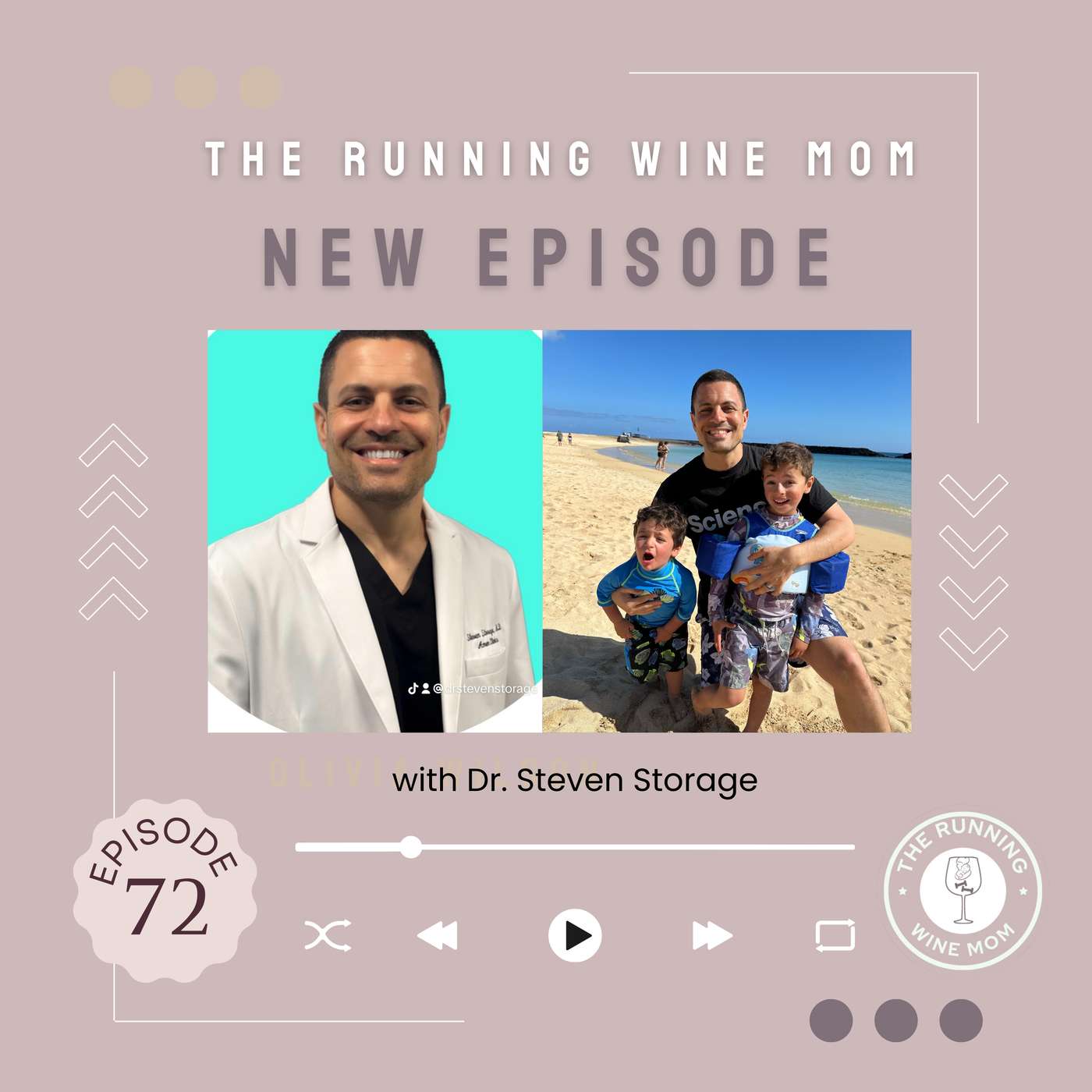
Child Development & Mental Health: Stages, Trauma Effects, and Expert Parenting Tips with Dr Steven Storage
The Running Wine Mom · Samantha Cieslinski, Steven Storage
Audio is streamed directly from the publisher (media.transistor.fm) as published in their RSS feed. Play Podcasts does not host this file. Rights-holders can request removal through the copyright & takedown page.
Show Notes
Dr. Stephen Storage, a child psychiatrist, discusses the key stages of child psychological development and the impact of family dynamics and early childhood experiences on a child's mental health. He explains that there are four stages of development: infancy (0-2 years), early childhood (2-6 years), middle childhood (6-12 years), and adolescence (12-18 years). Each stage has a developmental task that the child must master, and if they don't, it can lead to issues later in life. Factors such as attachment, trauma, and adverse childhood experiences can shape a child's psyche and impact their relationships and mental health as adults. Trauma shapes the biology of the developing brain, leading to changes in brain activity and blood flow. The impact of trauma on the brain can be addressed through various therapies, supplements, and lifestyle changes. Genetics play a significant role in mental health conditions, with conditions like ADHD and autism having a high heritability. The three pillars of brain health are sleep, exercise, and nutrition. Social media can have negative effects on the developing brain, leading to higher rates of anxiety, depression, and ADHD. However, social media can also be a platform for connection and spreading awareness about mental health. It is important to set limits on social media use and ensure that the content is interactive and educational. Play is crucial for the psychological development of children, promoting problem-solving, creativity, social skills, emotional regulation, and confidence. Parents should be aware of the signs of mental health struggles in their children and foster open communication.
Amen Clinic
@drstevenstorage
@therunningwinemom_