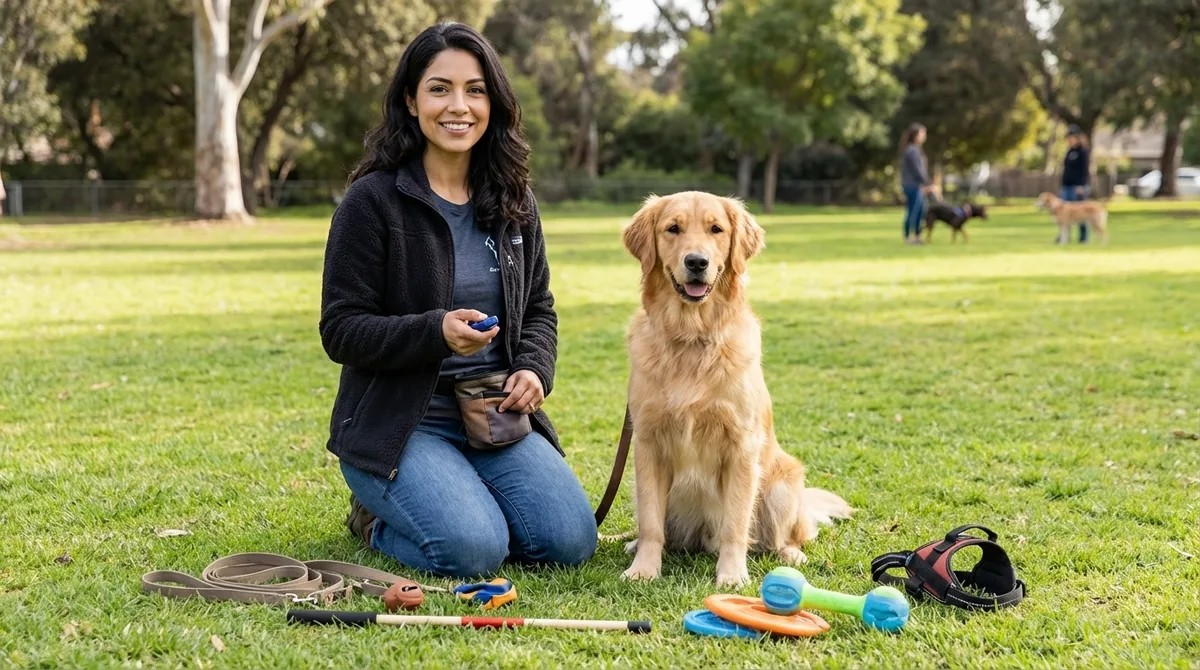
What Are Canine Training Aids? Understanding Modern Dog Training Equipment
The Pet Parent Podcast · Total Pet Parent
Audio is streamed directly from the publisher (content.rss.com) as published in their RSS feed. Play Podcasts does not host this file. Rights-holders can request removal through the copyright & takedown page.
Show Notes
Ever stood in the pet supply aisle completely overwhelmed by the sheer variety of dog training equipment? You're not alone. In this episode, host Mariana Vasquez brings her fresh perspective as a small-pet specialist to explore the surprisingly vast world of canine training aids—from basic clickers and treat pouches to sophisticated electronic devices. Whether you're a new dog owner or simply curious about modern training methods, this 15-minute guide breaks down what these tools actually do and how to choose the right ones for your specific situation.
- Canine training aids fall into four core categories: positive reinforcement tools (clickers, treats), management aids (crates, gates, leashes), communication devices (whistles, long lines), and behavior-specific aids (potty sprays, anxiety wraps)—and matching the right category to your specific challenge is essential.
- Puppies require age-appropriate equipment sized for developing bodies, including adjustable harnesses instead of collars to protect vulnerable necks and tracheas, plus pea-sized training treats to avoid overfeeding during frequent reward sessions.
- Your training philosophy determines which aids you'll actually use—positive reinforcement trainers rely heavily on markers, high-value treats, and target sticks, while management tools like long lines and front-clip harnesses work across different training approaches.
- Dog age categories matter when selecting equipment: puppy (8 weeks–6 months), adolescent (6–18 months), adult (18 months–7 years), and senior (7+ years), with each stage requiring different considerations for size, physical limitations, and cognitive needs.
- Training aids range dramatically in price from under five dollars to several hundred, so being realistic about your budget before shopping prevents impulse purchases that don't match your actual training goals.
- Senior dogs may need specialized equipment that accounts for physical changes like arthritis, which affects how they interact with place boards or platforms, plus clearer marker signals for potential cognitive changes.
Read the full article: https://totalpetparent.com/what-are-canine-training-aids-understanding-modern-dog-training-equipment