How to Use Treats for Puppy Training: A Step-by-Step Guide That Actually Works
The Pet Parent Podcast · Total Pet Parent
Audio is streamed directly from the publisher (content.rss.com) as published in their RSS feed. Play Podcasts does not host this file. Rights-holders can request removal through the copyright & takedown page.
Show Notes
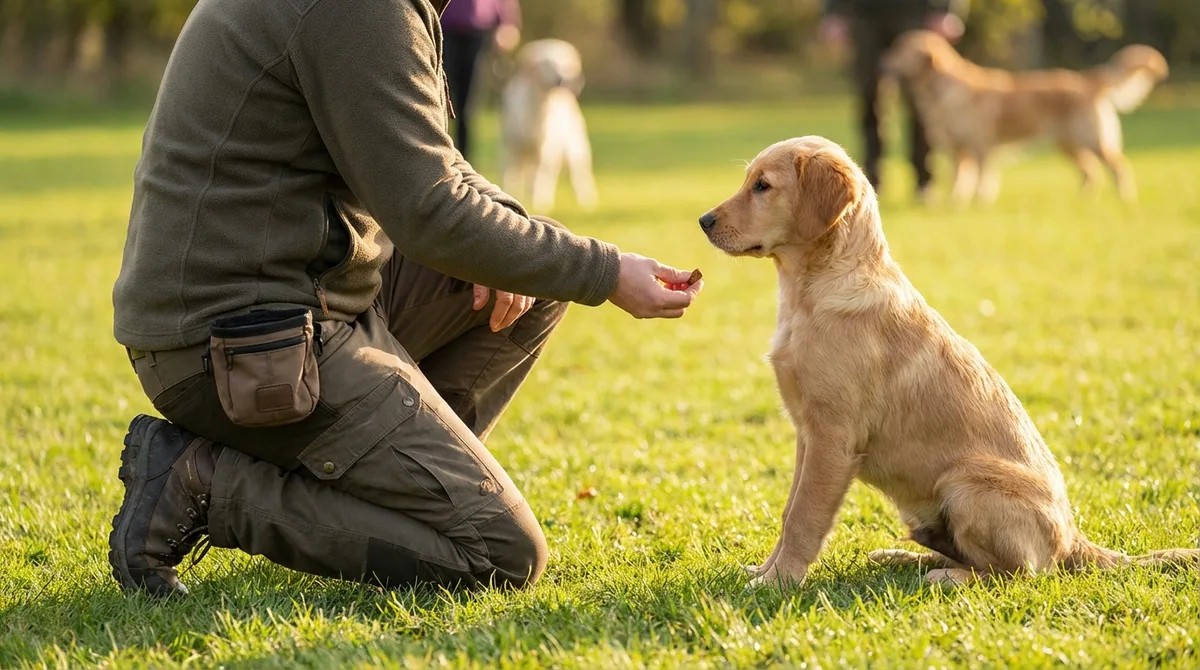
Tossing treats at your puppy whenever they do something cute might feel like training, but poor timing and the wrong rewards can actually teach bad habits or create a dog who only listens when they see food in your hand. This episode breaks down the real mechanics of treat-based training—from choosing the right size and texture of treats to nailing that critical one-second delivery window that makes learning stick. Whether you're bringing home your first puppy or struggling with a pup who seems uninterested in training, you'll walk away with a practical system that turns short sessions into real progress.
- The treat must be eaten in one second flat—anything that requires chewing breaks the mental connection between the behavior and the reward, so stick with soft, pea-sized pieces like freeze-dried liver or small training treats.
- Timing beats treat quality every time: delivering the reward within one second of the desired behavior is what creates clear communication, and practicing your marker word with a dropped pen can sharpen your reflexes before you even involve your puppy.
- High-value treats like cheese, tiny hot dog pieces, or freeze-dried meat are essential when competing with distractions, but regular kibble may work fine in calm environments—knowing when to upgrade keeps your puppy motivated.
- Training treats should make up no more than ten percent of your puppy's daily calories, so deduct what you use from regular meals to avoid overfeeding and digestive issues.
- Start in a boring, low-distraction room with one simple behavior like sit—setting your puppy up for quick wins builds confidence and prevents the frustration that comes from jumping into advanced commands too soon.
- A verbal marker like "yes" or a clicker tells your puppy exactly which behavior earned the reward, bridging the tiny gap between action and treat delivery so the lesson actually lands.
Read the full article: https://totalpetparent.com/how-to-use-treats-for-puppy-training