
Show 1466: Could Hidden Infections Be Driving Chronic Disease?
Chronic diseases make up the bulk of the problems that modern health care must address. Each condition seems to have its own drivers–cholesterol for heart disease, airway hyperreactivity for asthma, neurotransmitter imbalance for depression and other p...
Audio is streamed directly from the publisher (pscrb.fm) as published in their RSS feed. Play Podcasts does not host this file. Rights-holders can request removal through the copyright & takedown page.
Show Notes
Chronic diseases make up the bulk of the problems that modern health care must address. Each condition seems to have its own drivers–cholesterol for heart disease, airway hyperreactivity for asthma, neurotransmitter imbalance for depression and other psychiatric disorders, a buildup of amyloid beta in the brain for Alzheimer disease. What if all these conditions had similar origins? Today we’ll consider the evidence suggesting that hidden infections may be driving many chronic diseases.
At The People’s Pharmacy, we strive to bring you up to date, rigorously researched insights and conversations about health, medicine, wellness and health policies and health systems. While these conversations intend to offer insight and perspective, the content is provided solely for informational and educational purposes. Please consult your healthcare provider before making any changes to your medical care or treatment.
How You Can Listen
You could listen to this conversation through your local public radio station or get the live stream at 7 am EST on Saturday, March 21, 2026, through your computer or smart phone (wunc.org). Here is a link so you can find which stations carry our broadcast. If you can’t listen to the broadcast, you may wish to hear the podcast later. You can subscribe through your favorite podcast provider, download the mp3 using the link at the bottom of the page, or listen to the stream on this post starting on March 23, 2026.
How You Can Watch our Interview with Nikki Schultek:
Here is the YouTube video podcast of our interview with Nikki. We think you will find it compelling. Treating the causes of chronic diseases instead of the symptoms makes sense to us.
How Could Hidden Infections Be Driving Chronic Disease? Nikki’s Story
We begin this episode with the personal account of Nikki Schultek. She is a patient who has transformed herself into a research leader after a horrendous experience with unexplained chronic disease. She was a healthy active young mother whose lifelong well-controlled asthma suddenly took a dramatic turn for the worse. She then developed atypical pneumonia, heart arrhythmia and interstitial cystitis, along with a slew of autoimmune conditions. All the doctors could tell her was that these were idiopathic conditions driven by inflammation. As she notes, “idiopathic” basically is doctor-speak for we don’t understand what is going on here. When she developed neurodegenerative symptoms that made her physician suspect MS, she was terrified.
That low point became a turning point. Her background had equipped her to read scientific studies, so she began trying to figure out what was driving chronic disease in her own situation. A search linking atypical pneumonia and interstitial cystitis led her to the clinician who was able to help her regain her health, Dr. Charles Stratton. He had conducted a small study linking both conditions to a respiratory infection caused by Chlamydia pneumoniae.
What Is Chlamydia pneumoniae?
When people hear “Chlamydia,” they think immediately of the sexually transmitted infection caused by Chlamydia trachomatis. Although the organisms are related, they have completely different modes of transmission. People catch C. pneumoniae (Noo-mo-knee-eye) simply by breathing in air that contains infectious respiratory particles.
These bacteria are extremely common, but it is difficult to detect an infection. That’s because C. pneumoniae hides out inside human cells. It doesn’t show up in blood tests or urine cultures. The study that caught Nikki’s eye used PCR, polymerase chain reaction, which detects DNA. That analysis revealed that 80 percent of the women in the study with interstitial cystitis had C. pneumoniae. The researchers concluded that this sneaky pathogen can lead to chronic inflammation.
The Link Between C. pneumoniae and Asthma
Remember that Nikki’s troubles started with a severe asthma exacerbation. Research has shown a link between that infection and hard-to-treat asthma (PLoS One, April 19, 2021). When Dr. Stratton tested Nikki, they discovered that she indeed harbored a C. pneumoniae infection. The treatment required multiple antibiotics over a prolonged period of time. Luckily, it eventually cleared the interstitial cystitis, the neurodegenerative symptoms, the other autoimmune problems and brought her asthma back under control.
Other Pathogens Causing Trouble
C. pneumoniae was not the only germ lurking in Nikki’s body. She discovered that she also carried Borrelia burgdorferi, the organism that causes Lyme disease. In addition, an examination of her red blood cells revealed both Babesia and Bartonella, possibly transmitted by the same tick bite that gave her the Lyme disease.
These experiences inspired Nikki to start the Intracell Research Group, the Pathobiome Research Center and the Alzheimer’s Pathobiome Initiative. All are aimed at discovering if hidden infections such as C. pneumoniae or Babesia or Borrelia burgdorferi could be driving chronic disease such as dementia.
More Research on Covert Pathogens Driving Chronic Disease
One of Nikki’s colleagues at the Alzheimer’s Pathobiome Initiative as well as at the Philadelphia College of Osteopathic Medicine is Dr. Brian Balin. He has spent more than 25 years studying the connections between C. pneumoniae infections and brain inflammation. This, in turn, has been linked to neuroinflammation and dementia.
Dr. Balin points out that respiratory pathogens like C. pneumoniae are accustomed to entering the body through the nose. The nose offers access not only to the respiratory tract, but also to the brain. However, it can be difficult to detect microbes in the brain while the patient remains alive. This has limited research on infection and cognitive impairment in the past (Alzheimer’s & Dementia, Nov. 2023).
The COVID pandemic poses another huge risk. Like C. pneumoniae, the SARS-CoV-2 virus often enters the body through the nose. From there, it has ready access to the brain (Frontiers in Aging Neuroscience, June 13, 2025). Further, when the immune cells called macrophages respond to these infections, they engulf the pathogen and may carry it throughout the body. Might long COVID be the latest example of unacknowledged infection driving chronic disease?
What Are the Implications for Treatment?
If it can be firmly established that pathogens trigger the inflammation driving chronic disease, that offers several different approaches for treatment. First, we would need to use a high level of suspicion and appropriate technology (such as PCR) to detect infection. These bugs don’t show up through urine cultures or other typical diagnostic techniques.
Secondly, we would need to figure out treatment strategies. Antibiotics can be useful, but they may not be the only tools. Vaccines could help the body fight off these pathogens. Specific antibodies might also be developed to block them. In addition, phage therapies targeted to specific bacteria may also work when antibiotics cannot.
If you are unfamiliar with the idea of phage therapy, you might want to listen to our radio shows on this topic. Just think of these viruses the way you think of the enemy of my enemy. That entity becomes your friend!
Here are some interviews you may find intriguing:
Show 1155: Can Bacteriophages Save Your Life?
Show 1407: Battling Superbugs with Nature’s Viral Warriors
This Week’s Guests
Nikki Schultek is Founding Director of the Pathobiome Research Center, and Research Assistant Professor at Philadelphia College of Osteopathic Medicine , Executive Director and Co-Founder of the Alzheimer’s Pathobiome Initiative (AlzPI), and Principal and Founder of Intracell Research Group, LLC. A former life sciences professional with Pfizer and Genentech, she now works to unite global researchers studying infection-associated chronic illnesses, including Alzheimer’s disease and other brain diseases.
Following her own recovery from Lyme Disease, Chlamydia pneumoniae and co-infections, Nikki builds and leads patient-centered interdisciplinary research collaborations to examine microbial drivers of chronic diseases. She has catalyzed philanthropic funding to launch AlzPI research at multiple academic centers and co-lead authored a 2023 roadmap in Alzheimer’s & Dementia outlining a rigorous strategy to investigate infections in brain disease.
www.PCOM.edu/research/pbrc
www.AlzPI.org
www.IntracellResearchGroup.com
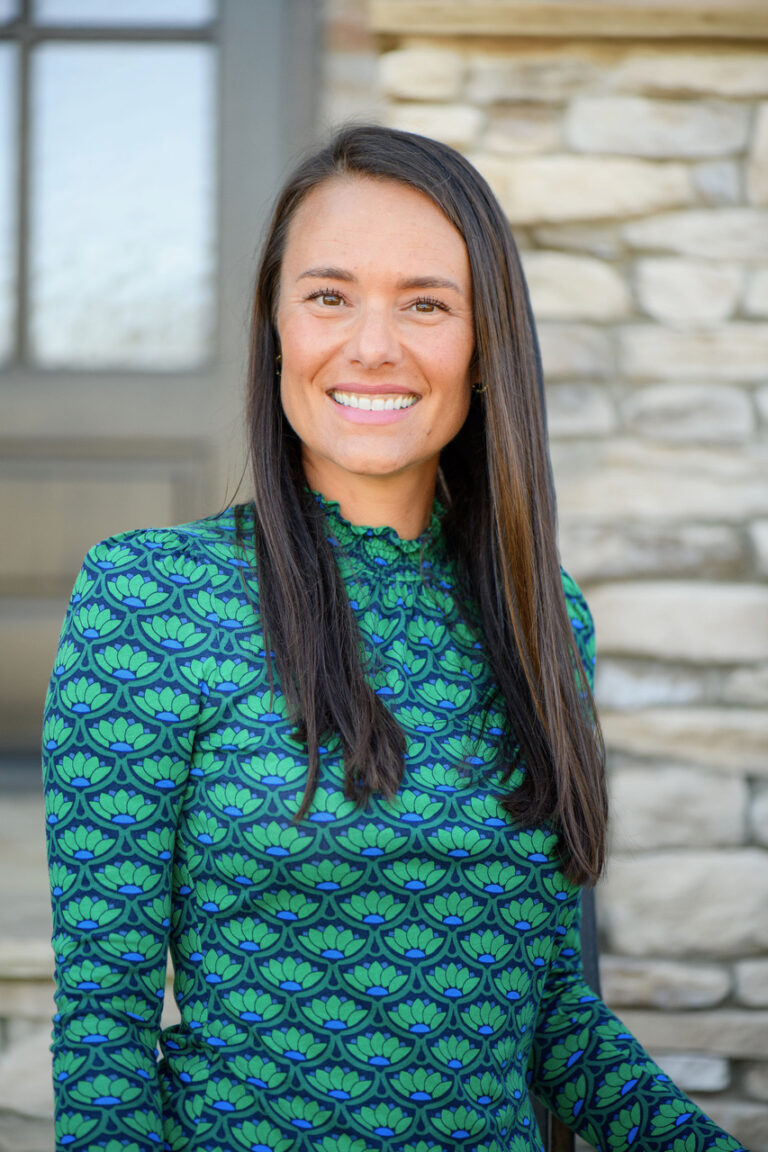
Nikki Schultek, founder and director of Intracell Research Group, LLC
Brian J. Balin, PhD, is a tenured Professor of Neuroscience and Neuropathology at the Philadelphia College of Osteopathic Medicine. He directs the Center for Chronic Disorders of Aging (an Osteopathic Heritage Foundation Endowed Center), and the Adolph and Rose Levis Foundation Laboratory for Alzheimer’s Disease Research.
An internationally recognized Alzheimer’s researcher, Dr. Balin has spent over 25 years investigating links between infection—particularly Chlamydia pneumoniae—and neuroinflammation, blood–brain barrier dysfunction, and neurodegeneration. His NIH- and foundation-funded work has significantly advanced the “pathogen hypothesis” of Alzheimer’s disease and Dr. Balin is regarded as a global expert and pioneer in this research field. Dr. Balin is a Co-Founder of The Alzheimer’s Pathobiome Initiative (AlzPI).

Brian Balin, PhD, Philadelphia College of Osteopathic Medicine
Listen to the Podcast
The podcast of this program will be available Monday, March 23, 2026, after broadcast on March 21. You can stream the show from this site and download the podcast for free.
Download the mp3, or listen to the podcast on Apple Podcasts or Spotify.
Transcript of Show 1466:
A transcript of this show was created using automated speech-to-text software (AI-powered transcription), then carefully reviewed and edited for clarity. While we’ve done our best to ensure both readability and accuracy, please keep in mind that some mistakes may remain. If you have any questions regarding the content of this show, we encourage you to review the original audio recording. This transcript is copyrighted material, all rights reserved. No part of this transcript may be reproduced, distributed, or transmitted in any form without prior written permission.
Joe
00:00-00:01
I’m Joe Graedon.
Terry
00:01-00:05
And I’m Terry Graedon. Welcome to this podcast of The People’s Pharmacy.
Joe
00:06-00:27
You can find previous podcasts and more information on a range of health topics at peoplespharmacy.com. Chronic diseases continue to plague humans. We’re good at treating symptoms, but the root causes often remain a mystery. This is The People’s Pharmacy with Terry and Joe Graedon.
Terry
00:34-00:45
Are pathogens responsible for many of our most troubling and persistent conditions? We don’t think of heart disease, arthritis, or Alzheimer’s disease as having an infectious origin, but might they?
Joe
00:46-00:52
Our guests today are studying the connection between infection and chronic disease.
Terry
00:53-01:00
Not every pathogen is obvious. Some like to lurk inside cells where we have a hard time detecting and eradicating them.
Joe
01:01-01:07
Coming up on The People’s Pharmacy, how hidden infections can lead to chronic disease.
Terry
01:14-02:26
In The People’s Pharmacy Health Headlines: The American Heart Association and the American College of Cardiology have just issued new guidelines for preventing heart disease.
For one thing, the experts suggest starting cholesterol testing much younger, possibly even in childhood. Younger adults, between 20 and 30, should aim for LDL cholesterol levels below 100. People at higher risk will be encouraged to get their LDL level below 70.
Cholesterol is not the only risk factor addressed by the new guidelines. They also recommend testing for lipoprotein A, also known as LP little a. This is an independent risk factor for atherosclerosis. The cardiologists who compose the guidelines want their colleagues to use a new risk calculator that evaluates a much longer risk period than the previous calculator did.
People with heart disease and those with diabetes need more intensive treatment than those at low risk. The guidelines also suggest measuring coronary artery calcium in cases where there’s any question about starting a statin medication to lower cholesterol.
Joe
02:27-03:22
Harvard researchers and their Mongolian colleagues have just published a study of vitamin D3 supplementation during COVID infection. Patients from both the U.S. and Mongolia were recruited.
Over 1,700 volunteers with newly diagnosed COVID-19 infections participated. They were randomized to receive either vitamin D3 or placebo. The dose of vitamin D was 9,600 international units for the first two days and 3,200 IUs daily for the next month.
There was no difference in symptom severity or chance of hospitalization while people were taking the vitamin or placebo. There was, however, an intriguing hint that people who were taking vitamin D3 were less likely to develop long COVID after their infection. This reduction was not statistically significant, but the signal was strong enough that it deserves further study.
Terry
03:23-04:28
For decades, doctors have prescribed metformin to help people with type 2 diabetes control their blood sugar. Some studies have suggested that this compound may also help reduce the risk of developing certain cancers. Now, researchers have analyzed data from five Nordic countries to compare 13,050 people newly diagnosed with esophageal squamous cell carcinoma to 130,500 healthy people of similar age and sex.
Esophageal cancer is quite dangerous with low survival rates. The scientists report that people taking metformin had a 36% lower likelihood of being diagnosed with esophageal squamous cell carcinoma than those who were not. Higher doses were associated with even lower risk, about 48%. The authors note the observed association between metformin use and a significantly decreased risk of this cancer suggests a possible role of this drug in cancer prevention and treatment.
Joe
04:29-05:14
Influenza cases are trending down at long last, though the CDC reports overall seasonal influenza activity remains elevated nationally. The agency notes that hospitalizations from influenza were the third highest since the 2010-2011 flu season.
The CDC estimates that there were 27 million illnesses, 350,000 hospitalizations, and 22,000 deaths from flu so far this year. How well did flu shots work? Well, not so good. The H3N2 subclade K variant surfaced after the vaccines were in production, so the shots were far less effective than usual.
Terry
05:14-06:17
Americans have made some important health changes over the last several decades. In particular, smoking is down dramatically. Life expectancy has improved over that time, except during the pandemic. Even before that, though, life expectancy in the U.S. had kind of flattened.
Now, analysis shows that younger generations, born since 1970, have higher mortality from cancer, cardiovascular disease, and other causes than previous generations. If these trends continue, the U.S. could experience a sustained decline in life expectancy.
And that’s the health news from The People’s Pharmacy this week. Welcome to The People’s Pharmacy. I’m Terry Graedon.
Joe
06:17-06:34
And I’m Joe Graedon. Many of our most challenging conditions remain hard to cure. That’s because modern medicine has become very good at treating symptoms. We can ease the pain of arthritis, open airways for people with asthma, and overcome urinary tract infections with antibiotics.
Terry
06:35-06:43
But we often don’t know what’s actually causing these chronic health problems in the first place. Is there a connection with hidden infections?
Joe
06:44-07:18
To help us answer that question, we turn to Nikki Shultek. She’s founding director of the Pathobiome Research Center and research assistant professor at the Philadelphia College of Osteopathic Medicine.
Nikki is also principal and founder of IntraCell Research Group and executive director and co-founder of the Alzheimer’s Pathobiome Initiative. She worked as a life science professional for Pfizer and Genentech at the start of her career. Then she had a devastating personal experience with chronic illness.
Terry
07:19-07:22
Welcome to The People’s Pharmacy, Nikki Shultek.
Nikki Shultek
07:22-07:27
Thank you so much, Terry and Joe, for having me. I’m incredibly grateful to be here today with both of you.
Joe
07:28-07:43
Nikki, you have had quite a journey. Could you please share with our listeners your chronic illnesses associated with pathogens? Because I think this is still a field in evolution. What happened?
Nikki Shultek
07:43-09:52
Absolutely. So I like to say my journey began 10 years ago, closing in on 11 years. And I went from being essentially a relatively healthy, athletic, I was a runner, mother of two children, enjoying my early 30s to being someone who was just one diagnosis after another, chronically ill. And if anyone has seen that show Mystery Diagnosis, it was sort of like that.
I had about a dozen specialists helping me. And I, you know, really was unable to get a clear picture of what was actually driving the different diagnoses I had. So what I will fast forward with today is essentially I have what is known as infection-associated chronic illness. That is what was happening to me at the time.
But at the time, I was just being diagnosed with one autoimmune condition after another. And I ended up having this terrible respiratory symptom. So I’d had asthma my entire life, and I developed something that was different than my typical asthma. Yes, my asthma had become incredibly severe suddenly, but also I had a symptom called air hunger, which was truly like a desire for oxygen.
And this symptom came along with another odd symptom, which was one swollen joint in my finger.
Terry
09:03-09:04
Huh, just one.
Nikki Shultek
09:04-09:26
Mmm Hmm. At that time. And so I went to my asthma and allergy physician who had seen me for years. He said, oh, you must be having an asthma exacerbation. And I was totally, that’s a reasonable conclusion, right? Prescribed prednisone, which is not uncommon for people that have asthma.
And unfortunately, 20 milligrams turned to 40, 40 turned to 80.
Joe
09:26-09:27
Whoa.
Nikki Shultek
09:27-09:52
And I continued to go the wrong direction with my breathing. And I got this rattle in my lung and I’m going, oh, my goodness gracious, what’s happening here? So I ended up, to make a long story short, with multiple pulmonologists just on the lung issue alone, a scan to look for pulmonary clots, pulmonary emboli. I was then subsequently having strange heart palpitations, found out I had developed an arrhythmia.
Joe
09:53-09:55
And how old were you at that time?
Nikki Shultek
09:55-09:57
I’m 34 at this point.
Joe
09:57-09:58
So that’s pretty unusual…
Nikki Shultek
09:58-10:00
Well, 33, about to be 34, yeah.
Joe
10:00-10:04
…for a healthy, middle-aged woman who exercised?
Nikki Shultek
10:04-10:40
Non-smoker, actually a runner. I had taken up running half marathons, so probably the best physical shape of my life. And my asthma had been previously very well controlled on GlaxoSmithKline’s purple disc, the Advair, for like years. Didn’t have an exacerbation or a serious turn in my illness.
What happened next was systematically the illness spread around my body, essentially. And I went from having just respiratory symptoms to developing what is known as one of the top 10 most painful conditions someone can have, a bladder pain disorder called interstitial cystitis.
Terry
10:40-10:45
Oh, yes. We have heard of this. It sounds awful.
Nikki Shultek
10:45-11:37
Yeah, it’s essentially for the listeners that have had a urinary tract or bladder infection, it’s like walking around like that in perpetuity. And so when that happened to me, you know, I was quite frankly crushed. I had also started to become increasingly fatigued. I noticed cognitive symptoms. I noticed changes in my mood and my affect, which of course, now I’m walking around with difficulty breathing and bladder pain.
And at this point in time, you know, it was really scary. My kids were just three and five. And I remember vividly the day my bladder pain began was on a Halloween morning. And later that day, trying to focus on just enjoying taking the little guys trick-or-treating in their cute outfits. And just being, you know, deeply concerned over why I had this pain.
And the word idiopathic became my enemy. Idiopathic is a fancy way of saying we don’t know.
Terry
11:37-11:38
Exactly.
Nikki Shultek
11:38-12:23
Why, right? And I’m going, inflammation, inflammation. You know, I start thinking about this. And one thing that I noted was antibiotics. I ended up getting prescribed antibiotics for the terrible lung situation.
People are very familiar with the Z-Pak. So that drug is azithromycin. I was placed on it first for 10 days. My air hunger went away. And then I relapsed. So they treated me again and again. And then I got a month-long prescription for that drug. And that kind of got my breathing in sort of like a serviceable but not great place. But at least I wasn’t gasping for air every night.
And then the worst thing that happened to me during this horrible year was it was closer to my 34th birthday. I developed neurodegenerative symptoms that my primary care doctor thought could be MS.
Joe
12:24-12:24
Wow.
Terry
12:25-12:26
Oh, that’s scary.
Joe
12:26-12:37
Super scary. I mean, that’s kind of a challenging diagnosis. As bad as you were, now all of a sudden somebody’s saying, well, maybe you’ve got MS as well.
Nikki Shultek
12:38-14:14
Yeah, it’s one of the hardest things I’ve ever had to experience. I would truthfully go to church in sweatpants, sit out in the parking lot, and cry and pray in the parking lot because I felt like I was too much of an emotional wreck to go inside.
At this point, I was, you know, when I thought that MS could be, you know, waiting for a neurology appointment, of course, you can’t get those very quickly when you’re a new patient. I had had a brain MRI and I just, I’ve, I, it never felt more of a sense of terror in terms of fear. And it was mostly fear because I was a mom, not like fearing my own existence, you know, being, you know, very limited and painful, but more so how it would impact my children and my husband.
And so I started making plans someone in their early 30s shouldn’t have to make. I started, you know, writing things down that I, in case I lost more of my faculties, because I had previously worked for a pharmaceutical and biotechnology company. I knew a lot about medicine and health care, and I knew that I was an unwell person without a proper diagnosis.
So at this point in time, once the desperation part kind of faded, it turned into this like sense of resolve, right? Like I accepted that I might have MS. I actually came to terms with that. I don’t, by the way. You know, I had no lesions on my MRI and didn’t feel like a really beautiful answer. It felt like, why am I still so sick, right? I didn’t really have an answer. I had knowledge.
The neurologist said to me, well, it doesn’t mean you don’t have it. I see people like you all the time that may for 10 years have symptomatology, and then eventually they develop the lesions.
Terry
14:15-14:17
Oh, boy, how helpful is that?
Nikki Shultek
14:17-15:29
It was hurtful. It felt cold. And at that time, I remember saying, do you know anything about Lyme disease? And we’re in Connecticut. I was living in Connecticut at the time. I was at the Hartford Hospital. And he said, I don’t know much about that. And, you know, he could have just been having a terrible day. You know, I mean, health care is not an easy environment.
And so I try to, my experience has taught me to approach everything with kindness and curiosity. You never know what someone is experiencing.
But in a nutshell, what happened next was very important. I decided to turn into the researcher part of me. I was always an intensely curious person that loved science. And I wanted to live. So I did a Google search.
And the first thing I looked up was actually atypical pneumonia and interstitial cystitis. One of my diagnoses with the respiratory issue was atypical pneumonia. Okay.
And what came up was a study that saved my life. A small study. Dr. Charles W. Stratton from Vanderbilt, the late Charles W. Stratton, and a urology colleague of his, he had been studying this unusual bacteria transmitted through coughing and inhaling infected respiratory particles called Chlamydia pneumoniae.
Terry
15:30-15:39
People hear Chlamydia, they think sexually transmitted infection. But that’s a different bacteria in the same family, in the same genus.
Nikki Shultek
15:39-16:06
They’re relatives, and it’s the respiratory form. What people don’t realize is how common it is in the human population. It’s really ubiquitous, meaning we’re nearly all exposed to it in a lifetime.
And I had never heard of it. And I read the study and it was sort of startling. It was a small cohort, a small group of women with my bladder pain diagnosis tested using PCR, which we all became very familiar with during COVID, right? Looking for…
Joe
16:06-16:08
Polymerase chain reactions.
Nikki Shultek
16:08-16:26
Indeed, Joe. And then they didn’t do typical urinalysis, which would never pick up on something like chlamydia because it has to live inside our building blocks, the human cells. So it wouldn’t be just floating around, free floating in the urine, and it wouldn’t be detectable this way.
Terry
16:26-16:27
And you can’t culture it out of urine.
Nikki Shultek
16:27-17:34
No, you can’t. So they did this PCR of the urine, and 80% of the women had evidence of Chlamydia pneumoniae. And the conclusion was this. The study’s too small to have any really meaningful results come from it, but that this organism can lead to chronic inflammation.
And that got me deeply curious next. Oh, boy, I’ve had asthma my whole life. This is a chronic bacterial infection. So I did a search on PubMed for Chlamydia pneumoniae, the bacteria, and asthma. And I will say it changed the trajectory of the rest of my life.
You know, I decided to start reaching out to the people publishing in the space. There were hundreds of thousands of publications on Chlamydia pneumoniae and asthma, and quite a compelling association with severe asthma, which I had been diagnosed with.
And at this point in time, I ended up reaching out to some of the what would become today the founding members of a global team focused on interdisciplinary collaboration and the doctor, Dr. Charles W. Stratton, who saved my life, as well as the wonderful Dr. David Hahn, who spent his career studying infection and asthma.
Terry
17:36-18:06
You’re listening to Nikki Shultek, founding director of the Pathobiome Research Center and executive director and co-founder of the Alzheimer’s Pathobiome Initiative. She’s also research assistant professor at the Philadelphia College of Osteopathic Medicine and principal and founder of IntraCell Research Group.
As a former life sciences professional with Pfizer and Genentech, she’s now working to unite global researchers studying infection-associated chronic illnesses.
Joe
18:06-18:09
After the break, we’ll learn more about C. pneumoniae.
Terry
18:10-18:11
How did Nikki recover?
Joe
18:11-18:16
Some doctors are quite wary about sustained antibiotic treatment. Why did they object?
Terry
18:17-18:19
How long did she have to take the medicine?
Joe
18:19-18:28
We’ll also talk about silos in medicine. How could we break them down so doctors could treat the root causes of illness?
Terry
18:39-18:54
You’re listening to The People’s Pharmacy with Joe and Terry Graedon. Welcome back to The People’s Pharmacy. I’m Terry Graedon.
Joe
18:54-19:11
And I’m Joe Graedon.
Terry
19:11-19:28
Many healthcare professionals have been taught that antibiotics can kill off most pathogens, such as Borrelia burgdorferi, within several days. That’s the bacterium that causes Lyme disease. For many patients, two or three weeks of doxycycline solves the problem.
Joe
19:28-19:44
But there’s growing evidence that 10 to 20% of people who catch this bacterial infection experience post-treatment Lyme disease syndrome. Could this kind of infection connection also be responsible for many other health problems?
Terry
19:45-19:59
The infection connection should not be a big surprise. People who catch chickenpox as children are susceptible to shingles many decades later. The virus hibernates in the body until conditions allow it to cause trouble again.
Joe
19:59-20:26
Our guest is Nikki Shultek. She’s founding director of the Pathobiome Research Center and research assistant professor at Philadelphia College of Osteopathic Medicine. Nikki is also principal and founder of the IntraCell Research Group and executive director and co-founder of the Alzheimer’s Pathobiome Initiative.
She has just described her personal experience with infection-related chronic illness.
Terry
20:27-20:52
Nikki, that sounds like a really amazing and frightening situation that you were in. And now, as you have found out that Chlamydia pneumoniae is very common, what else did you learn about it? And how did you recover? Because it looks to us as though you’re doing much better today.
Nikki Shultek
20:53-22:06
I am. So to fast forward a bit, Dr. Stratton, Charles Stratton from Vanderbilt, ended up diagnosing me officially with Chlamydia pneumoniae infection. I did have it. I also had Lyme disease and various co-infections that I acquired living in Connecticut.
So I believe it was a multi-hit for me, quite honestly, Terry. It was a tipping point. I’d likely had the Chlamydia and Mycoplasma pneumoniae infections my whole life, having childhood asthma and a lot of illness, a lot of strep infections.
And then, you know, multiple antibiotic therapy placed me in remission. And at the time, I was a little uncomfortable with the idea of using multiple antibiotics for a prolonged period of time.
However, Dr. Stratton, being an unbelievable educator, provided me with evidence to suggest that in certain severe cases, particularly when neurodegeneration was at hand, and that was the symptomatology that I was really most worried about, that it could be warranted when the risk of the disease outweighs the risk of the treatment.
And so I’m very lucky to be here and be well and have found an answer to it. Although I will say I’m not as well as I was before all of this happened to me. I have to take quite good care of myself.
Joe
22:06-22:23
The idea of sustained antibiotic treatment is a little challenging for most physicians, including some of the infectious disease experts, because it’s like, well, 10 days, one and done, you know, you should be fine. And you weren’t fine.
Terry
22:23-22:37
Well, and of course, they worry about antibiotic stewardship and what will we do when, not if, but when all of the antibiotics we currently have available lose their effectiveness.
Joe
22:37-22:47
So how long did you have to take, for example, azithromycin, Z-Pak, and some of the other antibiotics to finally rid yourself of these pathogens?
Nikki Shultek
22:49-25:12
You know, my answer will not be appealing to some. I’m not really of the belief based on the literature and our research that you can actually get rid of some of the infections once they have been on board. So people are very familiar with the use of long-term antibiotics and physicians are comfortable with it in certain settings. And it’s a bit nonsensical.
If you ask me as a patient, you can have prolonged doxycycline or minocycline for acne, many years of therapy. For chronic urinary tract infections that are recurrent, patients will be placed on antibiotics in perpetuity at times. They’re used for chronic obstructive pulmonary disease, which can be very serious. They are used for asthma. We have a 3,200 patient clinical trial enrolling. One of the study sites is Chapel Hill as we speak. That’s called I Treat PC.
But then for people suffering with neurodegenerative symptoms and crippling bladder pain and, you know, that it could be considered potentially controversial, and that comes to a bigger problem.
And Terry, you mentioned stewardship. So I had the privilege at Pfizer to work in the antibiotic space. I launched a drug for MRSA infections, which is that drug-resistant staph. And I used to attend ID grad rounds, which is the infectious disease specialists, you know, Uber meeting where they talk about tough cases and learning. And I loved it. I was very disturbed by the idea of taking prolonged antibiotics when it was suggested to me by Dr. Stratton. And he knew my background and he was an infectious disease specialist and a medical microbiologist.
But you have to actually, when you talk about stewardship, you have to stay in reality. 80% of antibiotics in the United States are used in agriculture. Okay. So the animals. Absolutely. So you should not prescribe antibiotics to people that have upper respiratory tract infections that are viral, right? That’s the low-hanging fruit for stewardship. And it’s not to say that it’s not important, but I do believe the emphasis on stewardship has led to under-treatment of certain very detrimental infections, including the bacteria that causes Lyme disease, Borrelia burgdorferi.
And it’s an economic problem. Antibiotics are not profitable. And so this has been a really, you know, where understanding the business side of things is critical for me in my current work, you know, building research collaborations to unravel how infections can drive chronic diseases with emphasis on the brain is understanding the economics that are at play and the politics.
Joe
25:12-25:19
And sometimes you have to take these antibiotics, not for weeks, but for months, and in some cases for years.
Nikki Shultek
25:19-26:19
Yeah. So for me, just to answer your earlier question, for a number of years, I had multiple antibiotics. My case has been constantly evolving like many patients like me. Because of my enrollment in a IRB study at North Carolina State, I learned I have chronic babesiosis, which is a chronic parasitic infection that is transmitted by the same tick that I likely got Borrelia burgdorferi, Lyme disease bacteria from.
This little sneaky parasite likes to hang out inside your red blood cells. And it is the likely culprit of my air hunger 11 years ago. That was a symptom that never made sense indeed, because asthma doesn’t normally, my asthma, the etiology of it, it had never had air hunger. And I remember saying to my doctor, something is different here.
And that is the thing that I’ll, I like to impress upon people listening that could have illnesses. You as the patient have an intuition and a level of intimacy with what your body is experiencing. And you need to find a clinician that listens and hears you and sees you.
Terry
26:19-26:28
So you have the experience of what your body has done before, and you need to pay attention when it does something different.
Nikki Shultek
26:28-26:59
Absolutely, you do. And for me, unfortunately, I have previously relapsed any time antimicrobial drugs have been removed. So I have a maintenance therapy plan with my doctor, and I’m very fortunate that I actually have because Dr. Charles Stratton passed away four years ago. I’m under the care of a ILADS physician, International Lyme and Associated Diseases, which is the only infection-associated chronic illness practitioner group in the world.
Joe
26:59-27:39
One of the problems that we’ve encountered over many decades of interviewing a variety of patients and physicians is the silo problem.
So there are specialists, super specialists. And the cardiologists may not be talking to the infectious disease experts. And the dentists may not be talking to the cardiologists.
And so you have all of these different specialties and the dentists are saying, well, yes, you do have gum disease, but they’re not talking to the cardiologist to say, well, if there’s a gum infection, that may be affecting the heart valves and that may be affecting the vessels in the heart.
Terry
27:39-27:46
And of course, we know, but cardiologists don’t always remember that Lyme disease can affect the heart as well.
Nikki Shultek
27:47-30:55
Absolutely. Joe and Terry, such an astute observation. And literally what you just said encapsulates my observation as a patient, a human hockey puck, as I call it, going through the medical system, being passed from one specialist to the next to address these different bodily systems that were all not working properly, you know, including my food stopped digesting properly during this horrible year. So now I’m having a colonoscopy.
No one was talking to each other. And I remember thinking, who’s going to piece it all together? There’s an underlying driver. And so when I found the information about chronic infection and illness, it made so much sense.
And then, you know, talking with Dr. Stratton, Dr. Hahn, and beginning to informally, in a grassroots manner, start bringing people together, I had this thought. It wasn’t a new thought for me. I had always been a collaborative person. And in my time in pharma and biotech, I was working in this manner, too, trying to connect stakeholders so that we could advance outcomes for patients.
Well, what I decided I could do to help when I went into remissi