
The Leadership Podcast
544 episodes — Page 9 of 11

S4 Ep 138TLP138: It's Not About You
The leader isn't always the one with "legitimate authority." Often, leaders in the middle looking to exert change aren't successfully managing up. Jim and Jan break it down as to what managing up is, why it's important, and how to do it successfully. They share stories where they successfully managed up, and examples where they screwed up. Key Takeaways [2:09] Managing up is about creating alignment and sharing expectations with those you work with. It's also about marching to the same beat at the same pace. [4:07] Different people can lead at different times, depending on what is best for that particular scenario. Good leaders have enough humility to realize that they need support, and are secure enough in their position to know that it's okay for others to manage them. [6:35] Rather to go to your boss to get feedback, manage them by providing them with how you are doing, and answers for them to critique. [10:52] Managing up takes courage, and a willingness to be open to a two-way discussion. [12:07] In a good relationship there is balance. While it is best not to get the upper hand, it also is import to not subordinate yourself. [14:44] While Jan once was compared to Don Quixote for not being able to repair a relationship, he experienced a win when he created a sales training job that proved important to the greater good of the organization. [18:04] Jim took a prior experience of managing up and infused more time, patience and credibility into the situation. It went over much better when he slowly introduced his ideas once he had more political capital to leverage. [22:21] When looking to have a conversation with your leader, ask for their time, and make sure the talk includes what will be of benefit to both yourself and the organization. Get an agreement of what needs to happen, and ask the right questions to get feedback. [24:02] The most important rule of managing up to remember: It's Not About You. Quotes "Managing up is about aligned expectations." "Courage is the mother of all virtues." - Aristotle "Some people ask for what they want, some people take what's given to them." "You have to state what you want." "Ask questions based on "it's not about me, it's about us". "It's by having a patient sequence of questions that you will move towards your goal." "It's not about you." Instagram: @WeStudyLeaders LinkedIn: @TheLeadershipPodcast Facebook: @westudyleaders Twitter: @westudyleaders Website: The Leadership Podcast [email protected] Project Rescue - Are your projects causing you great pain?

S4 Ep 137TLP137: How to Spend 60% of Your Time With Your Employees
Lee Benson, CEO of Execute To Win, joins the show to discuss his powerful yet practical approach to leadership and culture. Lee has worked with thousands of leaders and went from owning a business with 2 employees to quickly becoming Able Aerospace, a company with 500 employees and 2,000 customers. He explains why better alignment leads to better results, and how we get there. He also discusses his love for the guitar, and why being presented with a hurdle may be the best opportunity we get. Key Takeaways [4:04] Alignment brings increased productivity, reduces reactivity and ambiguity, and strengthens the ability to execute strategic initiatives faster. [7:18] When everyone at the organization is involved with setting the standards for culture and what determines success, they are more likely to stick with it, be more deeply involved, and ultimately provide more value for the organization. [11:50] When leaders encourage their team to know the "why", it will measurably improve the organization and explain why the day to day actions are worthwhile. [13:53] What may be seen as a disadvantage to some may be a source of value creation for others. Lee turned in debt and the need to be independent into a lucrative career and a Global aerospace powerhouse. [17:43] When we create the right environment as leaders, they never want to leave. [19:54] A good leader clearly explains the outcomes they expect, and how they plan to measure and track success. They watch their employees from the frontlines, and gives more authority and autonomy based on earned decisions and results. [21:34] We must first get the mindset right. Then, we can move to the tools of the processes and technology. [22:09] Two categories that typically come from Lee drilling down with teams on what creates stellar leadership: behaviors that achieve extraordinary results, and manager operating system elements. [28:55] Lee sees his focus on 60% with the employees, and the other 40% for the customers. The more aligned the employees, the better experience the customer has naturally. [33:46] Leaders encourage everyone to study the competition and determine what gives them the leading edge. [37:50] In a country where Lee feels most leadership teams are performing at a C, it is possible for them to be B's and A's in six months with the right tools. [40:23] The four categories of a capable leader: alignment, leadership, management and foundational readiness. [44:04] It may be an investment at first, but in the long run you save time and receive higher value when you spend time getting employees in alignment. Quotes "Life is so much better not putting out fires." "High performing employees do what they say they are going to, and treat company resources as their own." "The earlier you can start the value creation process, the more set you are going to be." "When you create the right environment, it's timeless and addictive." "You have to earn autonomy." "There has to be a 'why'." Combat Flip Flops - use code WESTUDYLEADERS for 20% discount Project Rescue - Are your projects causing you great pain? Lee Benson Twitter | LinkedIn Execute To Win

S4 Ep 136TLP136: Leadership Development Doesn't
There are over 60,000 books on Amazon with "leadership" in the title, and despite the focus on leadership, most business-oriented development programs don't measure effectiveness; and turnover has never been higher. A Gallup report found that 21% of Millennials have changed jobs within the past year—three times higher than other workers. Today, Jim and Jan discuss why that is and take a look at leadership development from a few different angles. They talk about how to determine if your leadership development IS working, and the importance of understanding trends and patterns. Lastly, they discuss how to get to root causes where real change is possible. Key Takeaways [3:06] Much like a diet, if you want true success, with leadership development you have to be all the way in. [4:00] Leadership development is akin to taking fish out of a dirty fish tank, scrubbing the fish and then putting them back in the dirty fish tank. [5:23] We approach leadership development issues from the training system when really it comes from organizational development and a design system. [9:02] Rather looking at leadership development as a specific event, see it as evolution with a process that builds over time. [13:40] It is important to look at the current state of the organization, and see the issues in leadership development as symptoms of something bigger within the entire system. Then, identify your version of success, how you will measure it, and determine if it's will take small steps or giant leaps to get there. [15:40] A majority of leadership development trainings are done off impulse. Instead, great leaders measure the right things with subjectivity and really take a look at their own self in the mirror. [19:41] 80% of people out there do not trust their boss to tell the truth. [21:56] Leadership development programs should be sustainable, lead to empowerment and improve the organization. [26:45] Assemble a team to fact check all the assumptions that the team has made. Find out which ones are true, and then you will have better information on where you need to invest their time, energy and money for the greatest return. Quotes "One organization's effective leader is not the same as another organization's effective leader." "Every organization is a complex adaptive system." "Before we take a leap, we must take really good measurement." "It does not need to be pain that makes you take action." "When you turn around, do you have followers?" - Jeffrey Pfeffer "Leaders have the power to control and fix the environment." "Take a holistic approach, because you have to get the ecosystem right." Instagram: @WeStudyLeaders LinkedIn: @TheLeadershipPodcast Facebook: @westudyleaders Twitter: @westudyleaders Website: The Leadership Podcast [email protected] Combat Flip Flops - use code WESTUDYLEADERS for 20% discount Project Rescue - Are your projects causing you great pain? Why New Manager Training No Longer Works in 2019 Ep 092: Leadership Matters, But Teams Deliver Ep 121: Jeffrey Pfeffer Challenges Our Assumptions Ep 035: Looking Forward to Wicked Problems

S4 Ep 135TLP135: Looking Forward to Wicked Problems
Tom Higley is the business of creating market-based solutions to the world's wicked problems. A Denver-based entrepreneur and mentor, Tom has founded and run seven tech startups and is a mentor to hundreds of founders and CEO's. Today, he joins Jim and Jan to discuss his founding of 10.10.10 - which brings together 10 wicked problems, and 10 prospective CEOs together for 10 days. He defines wicked problems, and how they relate to complex adaptive systems. He shares concrete examples of solutions that arose from 10.10.10, and his advice for young entrepreneurs looking to make an impact that connects them with a personal mission. Key Takeaways [4:05] Wicked problems live in context of complex adaptive systems, and the system doesn't typically support the solution. Examples of wicked problems could be homelessness, climate change, and medical error. The solutions must be derived through independent intervention. [8:22] In a complex adaptive system, we see that the systems have a purpose. To the extent that the wicked problem is misaligned with that goal, it is difficult to effect a change. This is why it's so important to understand the system context of a wicked problem. [11:16] In the process, we must first understand the frame of reference for where the problem occurs. Second, we must understand the notion of diversity in terms of perspective and opinions. Tom refers to this as, "listen and learn, leverage and launch." [13:56] After we can map out the interrelationships by the rules set in place, and become aware of the diverse opinions due to varying life experience and perspective, we can then begin the stage of convergence. [18:31] Tom's team is hand-picked, and they must be able to articulate a vision both internally and externally, attract and retain top talent, and secure the necessary resources and capital. He looks for those that are open to investing themselves into the venture, and open to listening and learning with founder due diligence. [20:48] Founder opportunity fit is very important. It may be a great business opportunity, but you also must like and care about the customer, and the problem must have meaning to you. [26:00] Economic growth does relieve some of the pressure in solving problems, but sustainability and stewardship of environment, life, and community is just as powerful. [29:12] Tom speaks of the 10.10.10 project where the focus was on water and infrastructure and how Ari Kaufman created a specific solution that delivers impact by coming up with the ability to test tap water in real time. [34:58] A silo is good for internal excellence, but it is also vital to draw others in that understand the implications of success or failure. At 10.10.10, they invite both new players to the sector, along with those who have expertise and knowledge in the specific wicked problem. [36:33] We need more voices connected to the pain of the wicked problem to speak up. This creates empathy and connection. [39:44] Great leaders must also stay in line with the narrative or story of the company, while adapting to the fast-paced and disruptive technology. [46:25] Each of Tom's mentees are unique, with individual problems and capabilities that we be discovered through reflection and asking the right questions. [49:54] Gravitate towards people that help you learn how to think, instead of what to think. [51:27] Tom's challenge: Think about the thing that needs you, and that you can contribute to in a particularly powerful way. Quotes "In a wicked problem, you don't have the right to be wrong." "It's not just the opinion I have, it's how I understand the world." "It's about economic opportunity, but it's also about creativity, and being self-directed." "You have to be open to the listen and learn the process." "There aren't silo's, there are cylinders of excellence." "I learn as much from those I mentor as they learn from me." "What's the thing that should be done, and won't be done unless you do it?" Dilemmas in a General Theory of Planning Farsighted Donut Economics 10.10.10 Tom Higley Twitter | LinkedIn| Combat Flip Flops - use code WESTUDYLEADERS for 20% discount Project Rescue - Are your projects causing you great pain?

S4 Ep 134TLP134: Keeping Promises
We're all a work in progress, and whether we call it a resolution, or an ongoing commitment, it's all part of building character to consistently develop and grow. Today, Jim and Jan talk about making promises and resolutions, and why we seem to let our own goals die before helping others achieve theirs. They discuss how great leaders tackle a to do list, the key questions to ask surrounding a resolution, the importance of time and attitude, and how we can manage our day by managing our energy level. Key Takeaways [4:13] It's often easier to let ourselves down before we disappoint or break a promise to others. If we hold our own commitments in just as high regard as we do for others, we are much more likely to follow through. [5:51] Good leaders look at their to do lists, and determine what actions are truly aligned with their success and overall mission. They aren't afraid to cross off the ones that don't serve a purpose. [8:22] The first step to keeping resolutions and promises: have realistic expectations, and break things down into completable and measurable chunks within your control. [12:04] Ask yourself these questions to make room in your life for the resolution to be accomplished: Why am I doing this? What is the outcome I hope for? How will I measure my progress? What is the baseline? What are you going to sacrifice, and how will you sustain that sacrifice? [13:44] Get out that pen and piece of paper, and write your goals down! [15:56] Break your goals down into chunks of what you can control, and when are you going to do it. [16:26] It's all about time and attitude. Give yourself the space to work on your goals, and the attitude to be grateful for the present moment and continuous improvement. [21:16] When you manage your energy, you create time. Observe at what time of the day you are best at writing, conversing, critically thinking, etc. Create a schedule as best you can around these activities and you will start to see a flow in your day. [22:19] Jan's promises are: writing more, and creating / crafting material for courses. [23:09] Jim is working on perfecting the time energy balance. He is (thinking about) going on another crucible, and working on a book, which he promised to us will have the first draft finished by December 31, 2019. Quotes "Keeping a promise is more sacred than a resolution." "When your valued are aligned with what you hold dear, quitting isn't an option." - Jan's Ted Talk " We often must sacrifice in the short term for long term gains." "Come up with a way to measure the progress, and continue to hold yourself accountable." "When you manage your energy, you create time." The Power of Habit Stop Managing Your Time and Start Managing Your Energy When TLP087: Dan Pink on When - The Scientific Secrets of Perfect Timing Instagram: @WeStudyLeaders LinkedIn: @TheLeadershipPodcast Facebook: @westudyleaders Twitter: @westudyleaders Website: The Leadership Podcast [email protected] Combat Flip Flops - use code WESTUDYLEADERS for 20% discount Project Rescue - Are your projects causing you great pain?
S4 Ep 133TLP133: Faith as a Foundation for Leadership
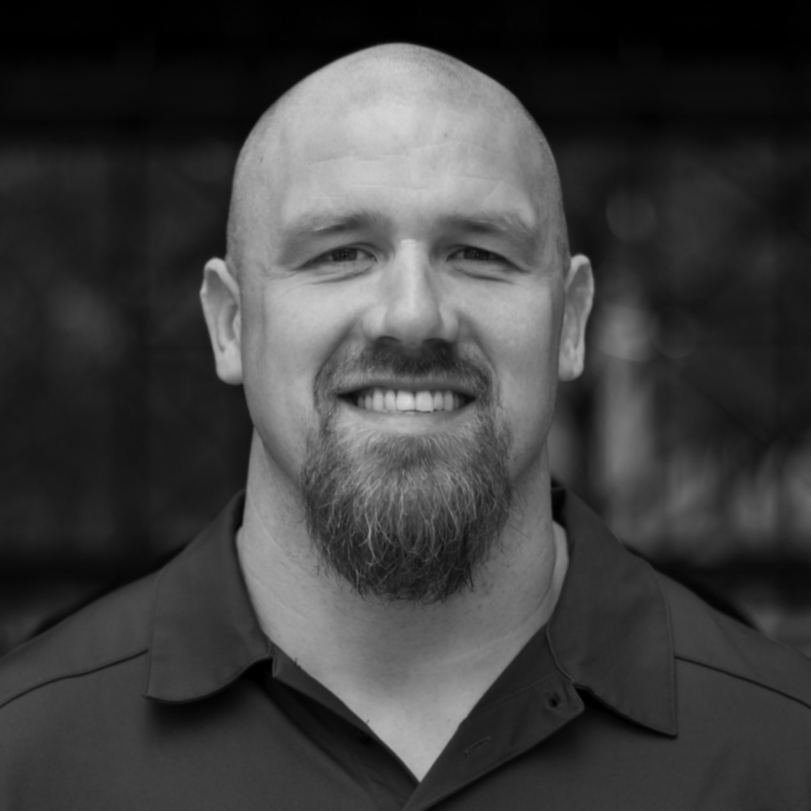
It's hard for Cory Procter to not have a good time. In between his motivational and leadership speaker events, spending time with his family and playing the drums, this former NFL player for the Dallas Cowboys, the Miami Dolphins and the Detroit Lions, helps others lock into their own power. He talks about his career as an NFL superstar and what he learned while in the trenches. He shares the transition from football to redefine himself as a mentor and coach for the next generation. Cory breaks down common behaviors that drive excellence, and how to use emotions as a tool. Key Takeaways [3:15] Cory spent six years in the National Football League as an interior offensive lineman, splitting his time between the Detroit Lions, Dallas Cowboys, and Miami Dolphins. [3:30] Cory applied his love and knowledge of human behavior and psychology to all areas of life, including in business and leadership. One of his key motivations is to help other athletes learn how to invest their money wisely. [7:38] Our results reflect where our attention is. When you cut the noise and distractions out of your life and focus on success, you see new opportunities that may have been previously out of sight. [11:46] Great leaders choose carefully who they bring into their team. They build a network around them of others that are high value, rooting for the greater good of the mission, and humble. [13:57] Cory works with athletes on developing a secondary career, passion or hobby so they have something to fall back on when transitioning out of a career as an athlete. [16:50] Great leaders know how to lead, but also know when to let others shine and pitch in. Letting go of control is equated with power. [20:23] Faith is an important part of Cory's foundation. It provides him with trust in the bigger picture, and allows him to take blessings, fortune and fame with humility and gratitude. [26:44] Leaders are multidimensional. In a given day, there will be many mindsets and perspectives to deal with and the more knowledge you have, the better prepared you are to handle all of them. [30:41] Show up every day with consisenty and grit. Cory recommends finding something you are passionate about, and sticking with it for a long time. Play the long game. [34:29] Identify your own values. It's important to have emotions, but not let them dictate our actions and next steps. We want emotional leaders, but we shouldn't let our emotions be detrimental to success. Quotes "I had a great work ethic, but I had to teach myself the why and the how." "If you want to be the leader, you have to cut out the distractions and focus your attention." "It's a conscious decision to focus on your goal." "As leaders, we need to choose wisely who we bring in, and then develop those people." "We can't handle everything, and we can utilize other people's strength and gifts." "Faith lets humility into leadership." "When you win a battle, you graduate to bigger battles." "Leaders are indicators, not dictators." "When we are overflowing with information, we give in a massive way to others." "The safest approach is the fastest way to obscurity." Project RELO TLP #55 Playing it safe? You're Going to Get Crushed Like a ripe August tomato! Website | Facebook | Twitter | Instagram Thank you to our sponsor: Combat Flip Flops - use code WESTUDYLEADERS for 20% discount Project Rescue - Are your projects causing you great pain?

S4 Ep 132TLP132: Are Your Goals Big Enough?
This week Jim and Jan discuss a popular topic amongst the listeners: setting and achieving BIG goals. They talk about what defines a big goal, why we want to aim high, but not stretch our goals too far out. And... what usually keeps us from setting and accomplishing them. They also talk about the need for shared accountability, understanding the scale of impact vs. the risk of failure, and how to gauge when goals turn into success. Key Takeaways [2:31] With big goals also comes to possibility of failure. Even if you don't achieve your goal the first, second or even hundredth time, you are still going to grow and learn. When our goals are aligned with our core values, there is success in momentum towards it. [3:57] Big goals help us reach a new level of awareness. They help us clarify and strengthen what is important. [5:38] Jim strongly dislikes the concept of setting way too high or "stretch goals." They are misapplied 98% of the time and often create stress and desperation. [8:48] The younger workforce is highly attuned to spotting hypocrisy and holding companies accountable for being consistent and transparent. [15:07] Great leaders align their goals with being of service to other people and the greater good of their team. [17:10] It's important to assess what the risk is of the goal, and how it may affect us if it doesn't work or goes sideways. If there are some pain there, you are probably on the cusp of having a goal that's big enough. [20:07] A few of Jim and Jan's top keys to achieving big goals: Hand write them down, find other people to keep you accountable, stay disciplined and clear your plate, define your victory, and break down the goal into smaller attainable action items. Quotes "Sometimes, we just don't have goals that are big enough." "Let's get goals that are right sized for people." "If you are talking about making an impact, you are talking about being in service of other people." There is nobility in our goals helping other people." "To accomplish your big goals, know what you are going to have to say no to in order to clear the plate." "You'll have to know what you are heading towards, otherwise it's never good enough." "Let's define victory." Instagram: @WeStudyLeaders LinkedIn: @TheLeadershipPodcast Facebook: @westudyleaders Twitter: @westudyleaders Website: The Leadership Podcast [email protected] Suffer Everything - Dare Everything: Why Difficulties Matter TLP107: On Responsibility - Patagonia's Chief Storyteller & Director of Storyteller TLP160: Greg McKeown - Do Less and Accomplish More Combat Flip Flops - use code WESTUDYLEADERS for 20% discount Project Rescue - Are your projects causing you great pain?

S4 Ep 131TLP131: Great Leaders Are Curve Benders
David Nour, International Speaker, and Best Selling Author, discusses why the biggest asset we have is our portfolio of relationships. David explains the development of Relationship Economics, and why it is critical to become more intentional and strategic in the relationships we cultivate. He gives advice on what we can do to better our relationships in a quantifiable and mutually beneficial way. Finally, David shares ways we can better utilize the educational system to develop future leaders. Key Takeaways [7:35] Executives don't want to be sold, they want to be engaged and influenced. [9:12] Most people understand that relationships are important, but few people truly understand and nurture the idea that relationships have the potential to be intentional, quantifiable and strategic. [12:45] Relationships are a choice. [14:10] The days of the soul sucking CEO are over. Employees at every level want to be heard and feel appreciated. Great leaders hear the individual voices and then build a collective commitment where their team knows what the vision is, why they are important to the mission, and understands how to get there. [17:18] Great leaders look for friction. They stand at the edge of the streets, not in mahogany row, and fully listen and engage with the frontline employees. [19:31] When we understand the best choices for the best outcome, we row in the boat together. [23:05] There is value in brevity. David prefers a visual component that is clear and concise to articulate the vision and strategy. [28:40] Co-creation brings multiple lenses in through strategic relationships. [30:11] A curve bender is a relationship that dramatically shifts our trajectory, and elevates our core beliefs. When we meet a Curve Bender or become one ourselves, the destination becomes far greater value than we ever imagine. [36:24] Leaders see invest in talent when the important raw ingredients are there, such as curiosity, motivation, and a team mindset. [39:16] First generation immigrants are four times more likely to become millionaires in this country than those that are born here. This is due to the work ethic, value in education, and drive to succeed. As a native of Iran, David came to the U.S. with a suitcase, $100, limited family ties and no fluency. He earned his way to the American dream. [41:41] Just as we learn from other people and grow, we absolutely must be open to learn from other countries. [42:44] David's challenge: take an active role in personal and professional development. For him, he attends a minimum of one conference a quarter just as a spectator. Also, internalize that your biggest asset is your portfolio of relationships. Quotes "Convey your credibility through the questions you ask, not the solutions you provide." "Common sense isn't always common practice." "How disciplined are you in the ones you choose to invest in?" "Relationships are a choice." "Great leaders ask phenomenal questions." "If you are the smartest person in the room, you are in the wrong room." Thank you to our sponsors: Combat Flip Flops - use code WESTUDYLEADERS for 20% discount Project Rescue - Are your projects causing you great pain?

S3 Ep 130TLP130: No Surprise Rule
If you are planning a party or weekend getaway, surprises can be fun and exciting. In business and leadership, they are most often stressful and detrimental. Today, Jim and Jan discuss surprises in several different contexts, and how good leaders can encourage proactive communication. They also talk about the type of environment leaders should create to safeguard against misinterpretation and log jams. Key Takeaways [3:14] Saying you don't like or want surprises can have unwanted outcomes. First, people interpret it to mean they shouldn't take risks. Second, it can unintentionally create log jams of over communication. [4:35] Replace "FYI" emails with proactive communication. [6:15] Good leaders foster an environment where it's okay to talk about bad news, and where the messenger is valued. [7:33] It is up to the leader to lay out the outline of behavior they want from their management team. A few ground rules that can help people get ahead of a potential surprise are to plan for: How you would like someone to handle a situation when things appear to be going sideways. What the context is of the situation, who the affected parties are, and the implications. Gather facts. Present the rational response, and communicate the course of action. [18:51] Pressure test your assumptions. Ask questions, check, and inspect. Hiring is one example where we must dig in and question our bias. Quotes "When you tell people you hate surprises, you are fundamentally altering the culture of your organization by default, not design." "Be careful what you ask for, because it's likely to get misinterpreted." "Bad news is not like fine wine." "You can expect what you inspect." EP101: General Stanley McChrystal on What Connects Us EP19: If You are Not Making Mistakes, You are Not Pulling Hard Enough Instagram: @WeStudyLeaders LinkedIn: @TheLeadershipPodcast Facebook: @westudyleaders Twitter: @westudyleaders Website: The Leadership Podcast [email protected] Thank you to our sponsor: Combat Flip Flops - use code WESTUDYLEADERS for 20% discount

S3 Ep 129TLP129: It's Dangerous To Have "Irreplaceable" People
Eric Kish is a Turnaround CEO with over 20 years of experience at transforming organizations in various forms of distress. A Stanford Business School graduate, he has scaled organizations from millions to billions, and is the author of Everyday Turnaround, The Art and Science of Daily Business Transformations. Eric discusses the global experiences that have provided him a winning edge in leadership, and what makes the turn around skill set difficult to acquire. He also discusses why the "sacred cow" must be sacrificed, and why it's dangerous to have irreplaceable people. Key Takeaways [2:38] Eric grew up in Romania and the Soviet Union during Communist times. At age 18, he joined the Israeli Defense Forces. He speaks 6 languages fluently: Russian, Romanian, French, English, German and Hebrew. [4:58] His international experiences allowed him to see the basic human principles across cultures that made some organizations thrive, and others left with a lack of leadership. [7:28] People tend to leave their comfort zone when the company is in trouble, or when they try to scale too fast. [9:35] Good leaders find multipliers to carry on and demonstrate the core values of the company. They create other leaders, and then trust them to make the right decisions when on the front lines and faced with a decision. [13:08] When Eric is called in for a turnaround, he typically finds himself with the second line of executives. Most often the people in the company have the knowledge already, they just need someone to calmly assess the situation, plan and create a system of multiplication. [14:38] The secret to consulting is that you don't need to be an expert in the exact field, you just need to be highly skilled at listening, assessing the situation and having the clarity and vision to move forward with a successful plan. At a turnaround, the company already knows they need a fix, and they are looking for a leader to create a safety net. [15:01] During the "firing period" of the first 30 days, Eric usually fires 5% of the people. The most important of these is the sacred cow, who is deemed irreplaceable. Sacred cows are people who aren't working to create other leaders, and not sharing the information they know that can help others. [17:39] Good leaders are information managers, providing the correct guidance in a manner that is well timed, accurate and easy to absorb. Eric compares leaders to a GPS, as they have the tools to help keep people focused and on track. [20:48] Eric can get a feel for how a business operates just by asking them how business has been. An executive that answers "business is good" with exact measureable reasons why shows that they use hard and measurable data to develop leadership language. [24:17] Eric explains why it's dangerous to have irreplaceable employees. They are not multipliers, and once they are gone, people are surprised at how easily things get better. [30:03] The leader is the coach, and they must have the discipline to know when their are playing or coaching, and the ability to create frontline leaders that will play hard for the team when they are absent. [36:27] A sign of a great coach or leader is how things go when they aren't around. [38:11] The three agreements that Eric said we must know in order to keep leaders and teams aligned: Why do customers buy from us versus the competition? What are the specific things we must do to deliver on the value proposition? What are the unique capabilities that enable the company to deliver on the value proposition? [39:06] People will not follow your opinions, they will follow your example. [42:07] Leaders build a culture of trust. When members of the team know they have a safety net, they feel more able to ask for forgiveness rather than for permission. [47:08] Eric says that the Israeli Air Force became one of the best air forces in the world despite the lack of technology because they were able to run a retrospective on their missions. They helped them learn from their mistakes and know what to do the next time around when faced with a similar situation. [50:16] Eric's challenge: Observe how often you are being a coach or a player. Quotes "If you work beyond 8 hours, I don't think you are effective or efficient" "It's never as bad as it looks." "If i don't fire the sacred cow, no one will believe me." "The discipline of applying principles is the difference between failure and success." "A good coach provides a safety net to make mistakes and grow as decision makers." "Good leaders have the discipline to know when they are coaching, and when they are playing." Tetra Pak If You are Irreplaceable, You will Get Fired What Got You Here Won't Get You There by Marshall Goldsmith Dr. Kimberly Young LinkedIn: @EricKish Facebook: @EricFlorinKish Website: www.everydayturnaround.com www.kishandpartners.com Thank you to our sponsor: Combat Flip Flops - use code WESTUDYLEADERS for 20% discount

S3 Ep 128TLP128: Leadership as Defined by 2nd Graders
Jim and Jan start the episode with how a second grade class defines a great leader! Leadership is hard, but these young people show that the basics are pretty simple. Also discussed is how we're happier when we help others, leading with love and courage, and why good leaders provide both positive and negative consequences for meeting or not meeting standards. Key Takeaways [2:08} Jim shares the answers that came from the second grade classroom of his friend on what it takes to be a great leader. The kids nailed it with answers like: puts people first, nice to others, encourages us, community helper, honest and responsible, and clean (Jim and Jan will take it as Executive Presence). Judging from answers like this, they feel we are in good hands for the future. [12:52] We end up finding more joy in helping others than acting as though it's about us. [13:54] Great leaders come from a place of love and courage. They are not afraid to put themselves out there for the sake of the team, and come from a growth mindset rather than a fixed mindset. [17:29] Define what courage is for the team, and identify the last time your team showed courage. If the team is performing based on the core values, there is less of a need for heroes and more of a chance everyone will be connected with the overall mission. [21:33] Good leaders don't stand for mediocrity in their team, and they are willing to provide consequences. Quotes "Audiences love opposites." - Chris Schmitt "Cheerful is a good word. We don't use that enough." "It's hard to be a leader when your thoughts are a mess and your plan is a mess." "The best way to be happy is to work for other people's happiness." - Jules Evans "Questions can sometimes be the most courageous statements." Leadership B.S. by Jeffrey Pfeffer Everybody Lies by Seth Stephens - Davidowitz Philosophy for Life and Other Dangerous Situations by Jules Evans Top 30 Podcasts You Must Listen to If You Care About Leadership Instagram: @WeStudyLeaders LinkedIn: @TheLeadershipPodcast Facebook: @westudyleaders Twitter: @westudyleaders Website: The Leadership Podcast [email protected] Thank you to our sponsor: Combat Flip Flops - use code WESTUDYLEADERS for 20% discount

S3 Ep 127TLP127: Approaching Talent Acquisition Like a War for Talent is All Wrong
Andrew LaCivita, career and hiring expert and award-winning author has worked with over 200 companies to help them conduct interviews, build teams that support organizational goals, and clearly define company culture. He intentionally creates his day to determine how much he can serve others. In this episode, he talks with Jim and Jan about where companies are missing the mark when hiring, what and the responsibility leaders have in the hiring process. He mentioned a free resource for veterans looking for their next job, and shares the Top 5 Questions he asks himself daily to get connected and passionate. Key Takeaways [4:26] Organizations will find better retention and engagement when they hire based on values and capabilities rather than hard skills. Instead of hiring based on if someone could do the specific job at hand, good leaders look at characteristics such as curiosity, organization, and ability to influence. [7:23] Companies must clearly define the mission, vision and value upfront. [8:56] It all comes down to culture. Good leaders list and identify the company's cultural traits, define them, evaluate them and ask consistently work to ensure everyone abides by them. As a potential hire, it is also important to be aware of the cultural traits, to demonstrate how you would fit positively in the group. [12:56] Often times, values are lopsided. They must be balanced with attention to both the relationship side, and performance with real results. [14:48] Good leaders must lead by example, and repeatedly show that they are accountable, responsible, clear and consistent. [18:53] The first thing Andrew does in working with a job seeker is to help them figure out who they want to be. Then, they can determine how they are going to do it, why they want to do it, and how others will benefit. [21:41] It is crucial for job seekers to have clarity on what they need to become what they want to be. A focal point takes us out of randomness, and into the design of a well woven career search. [23:23] We must be able to prepare ourselves for change. If your "why" is in order, this will help you sustain the twists and turns of your career and give you an anchor during challenging times. [28:38] Andrew is big on helping veterans during their transition. He explains that they have an extra layer of work. They have to not only provide themselves and how they fit in with the team, but have to connect the dots on how what they've done in service maps to what the civilian employers need. [34:12] Proactive curiosity is important. The faster you can find out the specific needs of the employer, the better off you are. [35:13] When on a job interview, ask the employer what success to them looks like in six months, and determine ways you can fill in the gaps for how you could make this happen. The more time you can spend in the interview talking about the employers future, the better the interview will go. [38:31] High achievers plan for excellence. These are the 5 Questions Andrew asks himself every day, to take a time out of his busy schedule to think in a deliberate manner. How can I improve my service to my existing customers? How can I give more value to my community? How can I better market my services? How can I optimize my internal systems? What should I stop doing? [47:28] Be intentional about your content, and the tools and distribution channel in which you deliver it. Go where people want the content and the message. Andrew creates a video for his blog that later becomes a podcast, serving people with content in whatever platform works best for them to consume it. Quotes "Everything that I do has always been aimed at helping people." "Culture is the centerpiece of everything." "Common sense is not always common practice." "If you leave it up to randomness you aren't going to get the results you want." "If there is a serving element to who you are, it will always have a draw." "It's not about you. It's about the people." Hire for the Corporate Culture you Want How to Go From Military Veteran to Civilian Professional The Mile Walk Academy Andrew LaCivita Job Search Bootcamp Interview Intervention Out of Reach but in Sight: Using Goals to Achieve Your Impossible The Hiring Prophecies: Psychology behind Recruiting Successful Employees Facebook: @andrewlacivita Twitter: https://twitter.com/arlacivita Linked In: https://www.linkedin.com/in/andrewlacivita/ Instagram: https://www.instagram.com/andrewlacivita/

S3 Ep 126TLP126: Accountability: There Must Be Consequences
In this week's episode, Jim and Jan address some listener and client questions on the topic of accountability and ownership. They discuss how to get people to do what they say they are going to do; who actually is accountable for getting people to be accountable in the first place; why someone may not take ownership; and what leaders can do better to foster a culture of both personal accountability and organizational design in the workplace. Key Takeaways [2:41] Q: I struggle with coaching my team to be more accountable. Why is that, and how can I get better? A: Jim works with clients to create what he calls "constructs for dialogue". These are a select view of things that show people what is important, and then help build positive dialogue and consistent check ins on how progress is going. Leaders often fail to spend the necessary time defining our internal expectations of success, urgency and ownership. Once people learn to be accountable in one part of their role and know exactly how to measure it, it will bleed into all other parts of the organization. [6:00] Being a leader doesn't mean having the responsibility of keeping track of everyone's accountability and progress. It means you must teach people how to show their own progress in a measurable and consistent system. [7:13] When we frame accountability as a promise, people are more likely to show up and follow through. Leaders must show that there are both good and bad consequences based upon keeping or breaking a promise. [8:33] Q: I struggle with letting go of authority and ownership of projects and decisions. What should I do? A: There is a connection between proper delegation and ownership. Leaders must let people own their issue. [10:28] We can't control other people, however we can control how we respond, the questions we ask and how we may be showing up to get the situations that are reflected back at us. Whether it's personal or from a systems perspective, we must first take a look at ourselves when asking others to be accountable. [13:06] Much like designing a road or intersection, we need to design organizations to get people where they need to go easily. [15:20] Q: How do I identify and develop a strategy for someone to take ownership of their project? Why wouldn't someone take ownership of the project? A: There are many reasons why someone may not take ownership: lack of confidence, competence, fear of reprisal, confusion of the timeline or standard, or they just straight up may not be motivated. Good leaders ask questions to find where the problems are, and what areas can be adjusted. [21:21] A coach or mentor can help provide a different perspective and give a fresh new answer that will help you progress and move forward. [24:22] Q: The person I am meeting with has ranked him or herself higher than what I believe is their operating level. How do I deliver this message in a positive yet honest manner? A: Gaining self-awareness from feedback loops is very important, and that is the responsibility of the leader. Yes, we have to adjust and level set, but the first thing is to look at what feedback loops are established, and how they could be eased into a more self aware condition. [29:05] When in doubt of what to say next, "oh?" with disciplined silence will prompt someone to say something that contains what you need to focus on next. Quotes "Shared accountability has to be intentional. It can't exist in a vacuum." "None of us want to break a promise, "There must be consequences." "We can't control others, but we can influence them." "People support what they help create." "There is power in disciplined silence." Thank you to our sponsor: Combat Flip Flops - use code WESTUDYLEADERS for 20% discount Stop Wasting Money on Team Building The Five Dysfunctions of a Team by Patrick Lencioni Ep 061: The Six Observations Leaders Make Ep 047: Insights on How Individual Self-Awareness Affects Team Performance Instagram: @WeStudyLeaders Facebook: @westudyleaders Twitter: @westudyleaders [email protected]

S3 Ep 125TLP125: Bold Leaders Push Against the Pressure to Conform
When it comes to diversity and inclusion, Jennifer Brown believes organizations have their work cut out for them. Jennifer brings her passion for social equality and diversity into her role as an award winning entrepreneur, dynamic speaker, and diversity and inclusion expert. In today's episode, she speaks with Jim and Jan about next generation diversity, mentoring in the new age of work, and some simple things an organization can do to create an environment of inclusion and diversity. Key Takeaways [3:22] Jennifer is a trained opera singer, and yes, that is really her singing in her own TedTalk. Her love of high performance training and cultivating group dynamics on stage led her to feel natural when exploring the path of leadership development. [5:36] The stated purpose on Jennifer's website reads: "We believe in unleashing the power of human potential embracing and helping people and organizations to thrive." [6:53] As a member of the LGBTQ community, Jennifer knows first hand the ways we cover or downplay ourselves to try to feel safe and others. However, we deprive others the opportunity for true connection when we conform our authentic selves. [8:23] In technical roles at companies such as Facebook or Google, women and certain ethnicities are still very under represented, and the numbers are very stark. [11:23] Jennifer explains that we must transcend and broaden the conversation of diversity to be inclusive of everyone. [18:10] Jennifer creates intensive programs to support both millennials and the key decision makers in the workplace. She gets down to the core of what makes the new generation thrive (and stay) in a workplace: visibility, challenge, adding value, and the feeling of making a difference. [19:26] Companies must ask themselves if they are structured for inclusion and diversity at all levels. [24:35] Just as the millenials have work to do in welcoming inclusion, Jennifer says that the older generations must revisit and learn from how much they have failed to authentically show up at work as their true self, and what those sacrifices have cost them. [26:36] Jennifer lists a few skills and qualities great inclusive leaders possess: exquisite listening skills, servant leadership, and situational awareness to recognize, attract, and advance the voices of diversity. [27:17] Great leaders demonstrate ally behavior. They help others lend their voice when they have otherwise not be heard. [30:50] Leaders must be proactive to bring a diverse team on board, rather than waiting for them to appear. [34:08] Often times, diversity programs can end up segmenting us even more, and we must find a way to bridge ourselves together using commonalities that show us how alike we really are. [39:43] Belonging is the ability to be seen and treasured for your uniqueness. [42:47] Jennifer feels that leaders need to be the first to exemplify vulnerability. This helps the team establish connection and make others feel comfortable. [49:41] Jennifer challenges the audience to look in the mirror and ask, "Am I Doing Enough?" Quotes "The pressure to conform is so intense." "We tend to sanitize a version of ourselves." "You have to feel safe in order to build trust in the workplace." "There are visible and invisible aspects of diversity to all of us. We all have stories of exclusion." "The hierarchical structure is not helpful for innovation. Let's flip it sideways." "Inclusive leadership is good leadership." "What are you doing to create space for voices that aren't heard?" "Leadership should be uncomfortable. That's part of our growth." Thank you to our sponsor: Combat Flip Flops - use code WESTUDYLEADERS for 20% discount Inclusion, Diversity, The New Workplace & The Will to Change by Jennifer Brown Finding Your Voice in the Workplace: Jennifer Brown at TEDxPresidio The Five Dysfunctions of a Team: A Leadership Fable by Patrick Lencioni Lean In: Women, Work, and the Will to Lead by Sheryl Sandberg REVERSING THE GENERATION EQUATION: MENTORING IN THE NEW AGE OF WORK Team of Teams: New Rules of Engagement for a Complex World by General Stanley McChrystal Sapiens: A Brief History of Humankind by Yuval Noah Harari Jennifer Brown LinkedIn | Facebook | Twitter | Instagram | Website | The Will to Change Podcast

S3 Ep 124TLP124: How to Make Difficult Conversations... Easier
Difficult conversations are part of the leader's job when it comes to creating a strong organization. In this episode, Jim and Jan share the tools they recommend to make these unavoidable conversations a little easier. In this episode, they answer listener questions all based on the topic of difficult conversations: The pitfalls of avoiding them, how to plan for them, and how to prevent the need for them in the first place. Key Takeaways [2:20] We tend to try and avoid difficult conversations that may lead to conflict. Sweeping problems and conversations under the rug may lead to loss of money, time, and employee morale. Team members look for their leaders to be firm about upholding standards, and when they don't see that occurring, they may leave for a place that does. [4:41] When approaching a difficult conversation, we must know the questions we want to ask, and have clarity on how we want to frame them. [4:53] Good leaders set expectations before emotions run high. [5:51] Q: How can you have the difficult conversations to build the person up and turn them around without ticking them off? A: This gets at the heart of leadership - balancing both results and people. It is important to give encouragement frequently from the start, and earn people's trust to accept constructive yet difficult dialog. [11:16] You can coach or train people just about anything, but there's a cost / value curve. It takes time, resources and effort. [14:54] Q: What do you do when someone doesn't follow your advice? A: Ask questions regarding what isn't working, and figure it out together. It shows you have an intent to solve the problem rather than just cast doubt or blame. [18:14] Strong leaders take the time to gather facts and ask questions before jumping to conclusion. [20:30] Q: How do you handle divas? A: It depends on the diva! Do they ascribe to the core values, and produce results? We may be able to provide flexibility and leverage their skills, but they don't get a pass or special treatment on how they treat others. [23:45] Leaders must take a look and see if they are creating divas from the inside out. [26:38] Good leaders set crystal clear expectations on both the performance and behavior sides. [27:23] Jim admits that even he has been a diva before, but Jim suggests an alternate way to look at it is a rule breaker. It's important in the following three areas to look to see if maybe it's the organization's responsibility that would benefit from a change : Relationships, Results, and Rules. [30:46] Take a look at your calendar, and look at how much time you are spending developing relationships. There is a correlation between how much time you spend doing this, and the time you worry about having difficult conversations. Quotes "So much pain and suffering can be avoided it we had these difficult conversations." "Have the difficult conversations before emotions run high." "Being nice is not enough, we have to produce results. Brilliant Jerks are Energy Vampires "Leaders need to make sure they set their employees up for success." "Good leaders set the stage for difficult conversations by catching people doing well." Netflix Values Ep 027: Positivity & Performance Ep 047: Insights on How Individual Self-Awareness Affects Team Performance Thank you to our sponsor: Combat Flip Flops - use code WESTUDYLEADERS for 20% discount Instagram: @WeStudyLeaders Facebook: @westudyleaders Twitter: @westudyleaders [email protected]

S3 Ep 123TLP123: A Futurist on the Future of Leadership
Futurist and Executive Director of DaVinci Institute, Thomas Frey, tell us how to prepare for a completely different type of workforce. He discusses the key characteristics leaders of the future will need to succeed, the emergence of micro-industries and mega projects, what AI really means for leaders. Finally, he explains why a career of "robot technician," or "Smart Shoe influencer" may not be so far off. Key Takeaways [3:27] The healthcare industry is undergoing a massive transition from an industry based on pharmaceuticals to one based in data. As this happens, it will open up a frontier of opportunities, and deeper understanding of the human body. [7:35] America has the most complicated health care system in the world, and Thomas sees a possible more affordable and sustainable model in the future using technology. [8:59] One of the big changes will be driverless technology. With 38,000 deaths a year and 4.4 million injuries, we spend half a trillion a year repairing people after car accidents. The airlines is a safety metric to model after. [11:32] We don't advance as fast as the world advances around us, and education is one example where we need to catch up. [14:15] We are starting to see more "mega projects" that employee more people. [14:46] Thomas refers to AI as augmented intelligence rather than artificial intelligence. Beyond seeing AI as something that is an "us vs them" or "humans vs. robots", he sees it as a tool to expand our capabilities. [18:17] By 2030, the average person entering the workforce will reboot their career 8-10 times throughout their work life. This shows us that future leaders and workers must be flexible, adaptable, and open to learning new skills almost overnight. Thomas sees this shifting both the one size fits all approach to education, and the path offered through traditional colleges. [21:58] The most important skills needed to be a leader are ones learned from experience. You can read it in a textbook or study it, but there is no substitute for learning how to develop grit, fortitude and the ability to get up once you've been knocked down. [23:52] Thomas shares the idea of a Freelance Academy, where freelancers could find a place to network with successful entrepreneurs. Here, they would have a tangible place to learn the fundamentals of everything it takes to succeed as a freelancer including accounting, insurance, how to network and acquiring new sales. [25:09] There's 1.3 million people in the United States making over $100,000 a year as a freelancer. Good leaders surround themselves with winners, and are curious to learn from their successes and challenges. [27:51] Over the next two decades, we are going to see over 100,000 new micro industries spring to life. [28:50] Emerging technology is giving us the tools of creation, yet it also has created the need to manage distractions. A large part of being a leader in today's society is to practice the skill of focusing and navigating distractions. [38:13] The skills Thomas feels are most needed for success in the future are: resourcefulness, flexibility and the ability to take risks and be okay with setbacks. [49:34] Technology won't replace us (unless you are an elevator operator) but instead will require the human support in many aspects. Technicians will be needed in support drones, AI, 3D Printing, etc. [55:04] Think shopping for sneakers are fun now? Thomas gives us some insight that "smart shoes" will soon kick down the door of micro industries with their hyper individualized and intuitive technology. Quotes "In the future, everything will operate to get us even above the normal." "It's not easy to train someone to have the emotional fortitude of an entrepreneur." "We have a lot of people who anticipate failure too early" We will start learning new skills overnight. "I don't know anyone that ends up doing the type of work they were trained for." "Having the ability to adapt and shift gears is really important." Sapiens: A Brief History of Humankind by Yuval Noah Harari TLP 121: Jeffrey Pfeffer Challenges Our Assumptions About Leadership Bunker Labs Engaging Your Contract Employees 11 critical skills for the future that aren't taught in school 20 Common Jobs in 2040 Epiphany Z: Eight Radical Visions For Transforming Your Future by Thomas Frey Thank you to our sponsor: Combat Flip Flops - use code WESTUDYLEADERS for 20% discount Twitter: @ThomasFrey Facebook: @Futurist Speaker - Thomas Frey Website: https://www.futuristspeaker.com/

S3 Ep 122TLP122: What Scares Us the Most
It's a Jim and Jan Halloween episode! To get into the spooky spirit, they tell us what scares them the most, both professionally and personally. They then discuss ways in which fear can help us prepare, motivate and leave us stronger. Whether it's a fear of public speaking, networking, or delegating, this episode will remind you that you're not alone. Key Takeaways [2:53] Professionally, what scares Jan is getting a call from a client who is upset. Even if their displeasure is due to a misunderstanding, it's still jarring. [7:24] When you are clear about your values and what's important to you, life gets simpler and it's easier to say "yes" and "no" to opportunities that come up. [7:48] Jim's professional fear is an economic crash and crisis that leads to people making knee jerk reactions based on fear, pressure, and reactiveness. His personal fear is a health crisis. [10:17] Most of the great business growth happens during recessions, and Jim and Jan explain why. Strategically, it is a great time to grow and continue adding value if you are running your business properly. [13:25] Research shows that we get out of bad things after 3 months. Practicing gratitude and appreciation now for what you do have is great way to acknowledge what others around you may have lost. [15:34] Instead of asking your family or co-workers the traditional, "How was your day?" question, try a prompt that breeds more dialogue such as "What made you laugh the hardest?" or "Who was awesome?" [20:17] Public speaking and conveying your message is an important part of leadership. Your words matter, and how you say them matter. The more you put yourself out there, the more you get comfortable with the with discomfort. [22:03] Leaders delegate. Having a team you trust is a key piece to feeling secure enough to let go of some control. [24:04] Managing difficult conversations and difficult personalities is often a multi layered approach. It's important for leaders to hold up a mirror for others to recognize their own behavior, and realize when it's detrimental. It's also crucial for leaders to give people the tools to better themselves. [30:17] Once you accept the fact that you aren't alone of feeling nervous or uncomfortable at a networking event or work mixer. Get out there, and say hi to someone who looks like they could use a friendly chit chat. Quotes "The road to hell is paved with good intentions." "It doesn't matter what your intentions are, it matters how you perform." "When we have competing values, it makes forward progress challenging and decision making difficult." "Never shy away from being an embedded influence." Ep 065: A Maestro's Secret for a High Performing Team Radical Candor: Be a Kick-Ass Boss Without Losing Your Humanity by Kim Scott Instagram: @WeStudyLeaders Facebook: @westudyleaders Twitter: @westudyleaders [email protected] Thank you to our sponsor: Combat Flip Flops - use code WESTUDYLEADERS for 20% discount

S3 Ep 121TLP121: Jeffrey Pfeffer Challenges Our Assumptions About Leadership
Jeffrey Pfeffer, prolific author, writer, and thought leader, joins The Leadership Podcast to discuss the current state of leadership. He discusses the criteria for measuring leadership effectiveness, and how we should reinforce caring behavior in our leaders. Jeffrey is the Thomas D. Dee II Professor of Organizational Behavior at the Graduate School of Business, Stanford University, and is the author or co-author of 15 books including Leadership B.S.: Fixing Workplaces and Careers One Truth at a Time, and his latest, Dying for a Paycheck: How Modern Management Harms Employee Health and Company Performance - And What We Can Do About It. Key Takeaways [2:41] The biggest challenge leaders face today is building human centered organizations that put people first, or at least somewhere prominently on the map. [3:56] Jeffrey cites two things we need to do in leadership development. First, we must evaluate using the right measures. These include employee engagement, reducing turnover, improving job satisfaction, building organizations with sufficient numbers of people to take over leadership positions, and measuring whether senior executives believe that leadership development is making a difference. Second, we ought to have leaders with sufficient expertise, and not confuse entertainment with leadership. [7:29] How do we build leaders that care about people? Measurement. Systematic measurement holds leaders accountable, tracks progress, and provides feedback on progress. [8:50] Most senior executives in the U.S. believe their only responsibilities are to the shareholders instead of the community, their customers and employees. Actions speak louder than words, and Jeffrey feels there is a lot of cheap talk, which has lead to an extraordinary level of cynicism. [12:20] Jeffrey believes that human sustainability and human health ought to get a higher priority. Workplace stress is one of the Top 5 causes of death. [15:19] A healthy workplace is a combination of the system, the leaders and a personal responsibility. [16:35] When a human shows up for work, they have entrusted their physical and psychological well being to the workplace. It is up to senior leadership to take that stewardship much more seriously. [17:56] Building a healthy workplace positively impacts company profitability. Instead of stress reduction, Jeffrey would like to focus on stress prevention. [22:06] We are social creatures, and are influenced heavily by our environment. If others around us are working 11 hour days, we feel it is our duty to do that as well. [26:01] The most important part of leadership is the ability to "perform," and be consistently authentic to what the people need. [29:09] First and foremost, to take care of your people, you must keep your position. Then, the next responsibility is to get stuff done. [31:32] It is completely incorrect that the more hours we work, the higher the productivity. In fact, it's precisely the opposite. When you take a step back and challenge assumptions, you can save a lot of time and energy. [41:11] Jeffrey tries to get prepare people for the realities of the world, and not be seduced by magical thinking or false claims. Quotes "We have confused leadership development with entertainment." "Measurement is key." "Leaders say we put our customers first, look at their actions. Leaders say we care about our employees, look at their actions." "We have come to normalize the unacceptable." "If people around you need confidence, and you don't feel confident - put on a show." "The first responsibility of a leader is to keep their job. The second, is to get things done." "Hours don't equate to output." Twitter: Jeffrey Pheffer LinkedIn: Jeffrey Pheffer Website: Jeffrey Pheffer Inc. People Are Our Most Valuable Asset Cartoon - Dilbert Dying for a Paycheck: How Modern Management Harms Employee Health and Company Performance—and What We Can Do About It by Jeffrey Pfeffer Leadership BS: Fixing Workplaces and Careers One Truth at a Time by Jeffrey Pfeffer Everybody Matters: The Extraordinary Power of Caring for People Like Your Family by Bob Chapman and Raj Sisodia Chicago Tribune - Office Napping Climbs Out from Under the Desk and Into High-Tech Pods Great at Work: How Top Performers Work Less and Achieve More by Morten T. Hansen Tim Ferriss The Experience Economy: Work is Theater & Every Business is a Stage by Joseph Pine & James H. Gilmore Proof that you should get a life by CW London

S3 Ep 120TLP120: Why Trusting Your Gut is Hard
Chances are, you have been told at some point to just "go with your gut," or "trust your gut." Every day we are faced with thousands of decisions, and some just seem to come from within, or a source inside ourselves. Today, Jim and Jan talk about what it really means to trust your gut. They explore the many assumptions we make, why it's so difficult for people to trust themselves, and they share a few of their own coaching experiences. Finally, they talk about decisiveness, and why it's essential to trust your team and focus on the systems that create the environment where people can thrive. Key Takeaways [2:19] Over time, executives become more comfortable trusting their gut, as they have most likely experienced moments where listening to their gut has served them. As coaches, a large part of Jim and Jan's work is reconnecting people with their gut instinct. [4:56] Extreme statements such as "it never works", "this always happens" and "this can't work" are usually surrounding assumptions that limit the entirety of how we see a situation. [6:26] Getting confident in your instincts is a process. [8:14] A lot of leaders equate confidence with competence. It's natural for people to lose trust in their gut when they are in a new, unknown environment. [11:52] Great leaders learn from their mistakes, and don't let the stress block their ability to make decisions. [13:52] When faced with a decision, ask yourself "what's the damage of not making a decision now?" and the choice to process more information before you act could be your decision. [14:52] While some situations call for immediate decisions, there are also situations where it's best to slow down and process all the variables before leading down a path. This is where trust in your system and your people is paramount. [19:20] The Leadership Podcast is divided and Jim and Jan need your help! They both pronounce coupon differently. Jim says it "cyoopon," while Jan stands by "koopon." Let us know which way you say it! Quotes Competence Yields Confidence Getting confident in your instincts is a process. "Your gut instinct talks to you first." "It takes a while for people to trust their gut." "Explore your gut and trust the system. " Instagram: @WeStudyLeaders Facebook: @westudyleaders Twitter: @westudyleaders [email protected] Why Confronting our Unconscious Biases is Both a Moral and Business Imperative The Curious Secret to Hiring Better Salespeople Ep038: Humanizing Our Workplaces Ep065: A Maestro's Secret for a High Performing Team Leaders Eat Last: Why Some Teams Pull Together and Others Don't by Simon Sinek Thank you to our sponsor: Combat Flip Flops - use code WESTUDYLEADERS for 20% discount

S3 Ep 119TLP119: The Power of Story - from the Rooftop Leader
Lieutenant Colonel Scott Mann, a retired Green Beret, is an expert trust builder and master storyteller. He Joins Jim and Jan to discuss his work helping transition military veterans to civilian life, and the importance of supporting their personal story. Scott gives us a sneak peek into his new play that premiers on November 10th in Tampa, "Last Out: Elegy of a Green Beret." The play captures the raw emotion of the battlefield and honors the men, and still fighting - and the families back home. Scott's message of finding your voice and sharing it to help your fellow human is one that applies across all facets of leadership, and one he and his wife foster through their organization, Heroes Journey. Key Takeaways [4:16] When Scott decided to write and develop his first play, "Last Out: Elegy of a Green Beret", he sought to capture both the experience of the veterans and their families along with using his storytelling ability that was developed as a Green Beret. The situations in the play are all based on true stories, and he brings the raw emotion and pain of combat to the stage. All proceeds from ticket purchases will go to The Heroes Journey, a 501c3 nonprofit. [5:44] The tag line for the play is: "You've heard the stories of the first in, now you will hear the stories of the last out." He captures the redemption Scott sought to give veterans once the dust has cleared and others have moved on. [7:49] Emotions are at the heart of leadership. We must understand it, and embrace it to fully connect with ourselves and others in order to lead by example. [8:39] It's not the words leaders say that make us compelled to act, it's the way those words make us feel. [11:26] As a storyteller, there are two relationships: the relationship to the story, and the relationship with the audience. [13:39] Scott's dad had a huge influence on how he viewed storytelling and connection to emotion. He saw his dad work tirelessly to lead and become one of the top wildfire fighters in the country. He showed that a leader can be humble, admit to not knowing answers, and always striving to do better. [18:41] With over 20,000 veterans a month leaving military service, there is a lot to be done. Veterans are at a high risk of disconnecting from their purpose and identity. Scott's focus at the Heroes Journey is helping warriors find their voice, and tell their story whether it's to an employer, their family, or just to themselves. [22:40] Often our identity gets wrapped up in our job. It's healthy to connect with your own values and emotions and then bring those into your job as a leader, and have awareness that your job doesn't define you. [25:04] Leaving deep impressions that serve the people who follow you is the epitome of Rooftop Leadership. [28:37] When we check in with the man or woman to our right and our left, we feel better about ourselves, and the organization performs at a higher level. So much can be gained from getting out of our head to serve. [31:20] The Heroes Journey Virtual Course is a 7 module course that is completely free, and its aim is to help warriors develop their story and tell it in a powerful and compelling way. [35:59] As a leader, Scott challenges us to recall a story from your past where you went through enormous struggle, and share it with someone who could benefit from the lessons you learned. Quotes "Humans are the most meaning seeking, emotional, social creatures on the planet." "Lead by inspiring others to do something bigger than themselves." "When warriors find their voice again, things change." "Your job is just one part of your identity." "It's in struggle and vulnerability that we become relatable." It's not the words leaders say that make us compelled to act, it's the way those words make us feel. Instagram: @WeStudyLeaders Facebook: @westudyleaders Twitter: @westudyleaders [email protected] Twitter: @RealScottMann Facebook: @OfficialScottMann Instagram: @rooftop_leader YouTube: Rooftop Leadership Last Out: Elegy of a Green Beret Scott Mann Rooftop Leadership Training The Heroes Journey Bo Eason Runt of the Litter The power of persistence, creativity, and respect | Matthew Griffin | TEDxTacoma Mission America: Straight Talk About Military Transition TLP048: Trust and the Tribal Origins of Leadership Thank you to our sponsor: Combat Flip Flops - use code WESTUDYLEADERS for 20% discount

S3 Ep 118TLP118: What's Been on Our Mind: Decision-Making & Networking
In this week's episode, Jim and Jan share what's been on their mind. For Jan, it's all about decision making. How they are made, the processes most organizations are lacking, and how we structure transparency into decisions. Jim's been noticing how beautiful things emerge when we embrace networking, and create business opportunities for ourselves and others. He provides a few networking hacks, and shares a big opportunity most people miss when looking to connect. Key Takeaways [1:17] Jim and Jan want to hear which episodes you like, who you would like to see as a guest, and what's new in your world of leadership. If you are active enough on our socials, a new coffee mug just may be in your future. [2:12] Jim just co-invested in a tea company, so there also may be a tea party as well. Just don't expect him to be drinking tons of matte. [3:31] Almost every organization will say they have a communication problem. Jan's hypothesis is that a large part of this is really a decision problem. Three main elements that make up the decision making process: Is there clarity on who has authority to make decisions? Is there a process for decisions, and when they are to be made? Is there criteria or a model that exists for individual and group decisions? [4:45] Good leaders must know when to give up control and let others make decisions, and when it's best for them to call the shots based on the organization's core values. [5:26] When people feel as though they can't make decisions, or will be punished for making the wrong one, they get fearful upon making them or get complacent and take no action. [6:39] When we remember the mistakes we have made, we can learn from them and help ourselves and others. Jim and Jan certainly have made some, and you better believe they remember every one. Making mistakes and learning from them is a large part of being comfortable and confident with decisions. [8:02] We can learn a lot from organizations that must have structured decision making processes in place. Jim gives an example of one in the information security world where their disciplined process takes the "Duty of Care" into account with all parties involved in a decision. [10:20] When people feel as though they have input and are heard, it's easier for them to accept decisions and follow through with the action plan. [11:34] It's incumbent upon the leaders to provide common context surrounding all parts of making a decision. Context is typically better in an anecdotal form rather than quantitative in this situation. [15:10] Networking is fun! It's not all about standing awkwardly at a cocktail party with people you don't know! Good things happen when we connect and network with an intention to have a positive experience. [16:05] Leaders have a responsibility to connect others and provide as much opportunity as possible. [20:41] Phone calls are still a great way to connect if you are too busy to meet a new or unknown contact in person. [21:38] Leadership hack: write an introductory note when you are adding a person to your LinkedIn or online business network. [24:36] Jim and Jan will be at an upcoming LEDx 2.0 event at the Maxwell Airforce Base at Air University. They will each be giving a presentation, then a joint session on The Leadership Podcast. The event is not open to the public, but there will be a video recording available in the future. Quotes "Growth can come from making poor decisions." "The more time you have, the more collaborative you can be in decisions." "Leadership is all about change, and change it about decisions." "We must be more structured in creating our decisions." "Make the world small." "Make good connections happen, don't wait for other people." Instagram: @WeStudyLeaders Facebook: @westudyleaders Twitter: @westudyleaders [email protected] Steve Martin - Let's Get Small Multipliers: How the Best Leaders Make Everyone Smarter The Wisdom of Crowds Tipping Point Leadx Thank you to our sponsor: Combat Flip Flops - use code WESTUDYLEADERS for 20% discount

S3 Ep 117TLP117: NFL Lessons - Get Your Mind Where Your Feet Are
After a ten-year career in the NFL playing for the Kansas City Chiefs, Jon McGraw realized he had become so achievement-oriented that it kept him from being truly present. This led to his study of mindfulness. Today, his core mission is to help others take back control of their life experience and relieve suffering. He talks with Jim and Jan about lessons in leadership he learned while in the NFL, and the mental skills necessary for peak performance. Key Takeaways [4:41] Our society and culture doesn't teach mindfulness and attention training in our early years, so it is expected that we would shift to a mindset based on achievement, ruminating about the past and anticipating the future. [10:30] Jon defines mindfulness as the practice of paying attention to the experience of the moment without judgement or expectation. [11:44] Mindfulness helps us clearly define the vision, then create processes and daily tasks to keep us in alignment that everyone from management down can follow. This builds trust in the mission and the individuals behind it. [12:40] One of the biggest challenges in leadership roles currently is the inability to have difficult conversations. Candid and constructive conversations are necessary for gathering feedback and putting it into context with organizational goals. [13:40] The mindfulness skill allows a leader to be present with their employees, to be a deep listener and a way to meet someone where they are at. [15:28] The primary role of a leader is to protect and connect the team, set expectations and connect with their team. [16:48] Mindfulness takes the "me" thinking out of the individual, and instead focuses on the needs of the organization. [21:39] Jon is proud of the results that participants get from his training program when they apply his methods consistently and diligently. Even when nothing external or situational changes, the way their brain processes the life situation is completely different. The training of mindfulness can be applied to those at different levels of career experience and position. [22:13] Most of us think the life experience we desire happens when our external world matches what we want. However, this is not the case, and when we start from where we are realistically and apply ourselves from there, big shifts can happen. [33:35] Leadership is someone's capacity to step outside themselves and connect with others to put the team first. You still honor your personal ambition and goals, but they come second to the needs of the team. [35:03] A good team captain models consistent character and performance. [38:03] One of the core principles that changed Jon's experience was performance psychology, and he is very passionate on using mental skills training to help as many people as he can with their inner and outer experience. Quotes Anticipating the future comes at the expense of life itself. "Judgement and expectation can cloud our perspective." Most leaders are too transactional. "Mindfulness is the opposite of me thinking." "Commit fully to wherever you're at." "If we can train ourselves to develop the mental skills to create the life we want right now, we become a very powerful person." Twitter: @visionpursue LinkedIn: @VisionPursue Website: VisionPursue.com Sapiens: A Brief History of Humankind Ep 098: Essentialism: The Disciplined Pursuit of Less CereScan Jan Stenerud

S3 Ep 116TLP116: You Ready to Get a Little Scuffed Up?
Positioning yourself for failure is not normal, but it can be enlightening. Jim and Jan are both big proponents of getting a little scuffed up now and then. In this week's episode, they tell their personal stories about their biggest challenges, and the lessons they learned once they were on the other side. Key Takeaways [1:24] Jan recounts the story of a mountain bike crash that broke his knee. He remembers feeling pain, embarrassment, anxiety when it first happened and he was at the mercy of his rehabilitation. He got through it, and 14 years later and still riding, he is grateful and thankful for the lesson on patience. [5:59] Are you giving yourself opportunities to get scuffed up, push your limits and go beyond your safety zone? When you think about what is really scaring you, is it also holding you back? [8:12] Jim reflects upon his time in college at University of Illinois. While enrolled in the College of Engineering, the Dean told him in order to switch to the Business School, he must get his grades up first, which happened to be not so easy for the young student. He knew he needed to put the pedal to the metal, and wrestled through the struggle and embarrassment of having trouble in class. In the end, he learned a lesson in humility, hard work and had some fun while getting a few solid C's. [13:56] As a leader, you have to create your own crucibles and let people go through theirs. As parents, managers or supervisors, it is natural to want to try and help them. Letting people struggle will make them better and stronger, and give them a sense of grit. [20:26] Excitement lives outside of the comfort zone. While physical challenges are a great way to expand your limitations, you can also break out by conquering your fears emotionally and mentally. [21:35] Jan is preparing for his upcoming 12 minute TedTalk, "Suffer Everything, Dare Everything. Why Difficulties Matter". This is a prime example of getting out of the comfort zone. Quotes Sometimes we have to be a patient, to learn the lesson of patience. There is something about getting scuffed up that may actually provide enlightenment. Are you doing enough things in your life where you have the opportunity to get scuffed up? We do have to create our own crucible. That's what hardens and strengthens us. Lead less. Let people make mistakes and learn from them. What are you scared of, and why aren't you doing it? Instagram: @WeStudyLeaders Facebook: @westudyleaders Twitter: @westudyleaders [email protected] Thank you to our sponsor: Combat Flip Flops

S3 Ep 115TLP115: Are you building a life you don't need a vacation from?
Justin and Lauren Jonesy have made adventure their full time career. They are challenging the conventional, and valuing experiences over possessions. They're intentionally creating a life with their family that is meaningful, sustainable, and connected. They discuss the lessons they learned in the Outback and how they apply to the boardroom. Finally, they share their trials and triumphs, and why you may see them out in the wild with an Ikea high chair. Key Takeaways [3:07] Justin and Lauren find that adventure gives them a chance to press "pause" and "reset" on our everyday responsibilities and busy schedule. It's an opportunity to challenge yourself, expand your possibilities and get in touch with your primitive side. [4:35] Lauren and Justin both love adventure, often for different reasons. Lauren appreciates the softer side of adventure - a time for reflection, conversations and the journey. Justin is focused on the destination and hitting specific markers to ensure they are on track. This may be compared to a business or corporate team where different members have varying motivations for wanting to accomplish a task. [11:43] Lauren and Justin remind us that adventure can be big and bold in the Outback, or if it can be something such as acting in a play or learning a new language. Adventure pushes our boundaries and shows us we are capable of more than we think. [14:48] Similar to the way that businesses adapt their action plans over time, Lauren and Justin redefined their vision and mission statement when they had their daughter Morgan. Traversing the outback with a young one certainly wasn't easy, but instead of giving up, they adapted to their current environment. [20:05] Strong leadership teams compromise and come up with a solution so that everyone is on the same goal. It is important to understand the motivations that all members are coming from. [22:30] There is not room for failure in the Outback, so Justin and Lauren do their best to keep failure for the trial runs. While hiking with a little one they soon learned that perfection is not possible, and their benchmark for internal satisfaction is based on grit and determination rather than getting things right. [28:23] Fear keeps you sharp, and a sign you are on the right track for learning and growth. Don't let fear stop or stall you you, move to engage. [30:44] Find your purpose. Aligning with what lights you up and inspires you up is what the world needs. [34:26] Success was defined by other people. Escape from Alcatraz. Sustainability move to Australia, met a bloke. [38:31] Traits that Justin and Lauren feel make up good leaders both in adventure and business: collaboration, teamwork, empathy and focus on others. [44:21] Lauren shares her feeling of "adventure zen" when the reality of their possibilities expanded, and their hard work paid off. Quotes Adventure is an activity with an unknown outcome. Are you building a life you don't need a vacation from? You can get money, but you can't get back time or health. Fail during trials. You don't want to fail on an expectation, because you can't afford to. If you don't have failure, there will be no learning and growth. Find and chase what lights you up and makes you curious. Urban Team Challenge Lauren Jonesys Why Facebook: @followthejonesys Instagram: @followthejonesys / @justinrjonesy Twitter: @justinrjonesy LinkedIn: Lauren / Justin Website: The Jonesys / Justin Jonesy Speaking

S3 Ep 114TLP114: The Art of Influence
This week, Jim and Jan dig into the tie between emotional intelligence and sales. Organizations are moving away from manipulative tactics, and using using empathy and connection to influence others. They discuss the similarities between sales and leadership and how emotional intelligence can be learned. There are ways we can turn small talk into big relationships! Key Takeaways [3:03] There is an art to influencing that people find pleasant, rather than manipulative and pushy sales tactics. [4:42] We live in a "me" world, and tend to think our actions have a bigger impact than they actually do. [5:40] Back pressure is important for creating urgency or a call to action, but there's only so much to create before you're deemed as a royal pain. You can increase your odds not to need that one deal by having many options and activity. [7:12] Leaders must take the time to gather feedback and assess whether something is a useful activity or is leading to a useful outcome. [8:02] We also must understand the buying process, and how it differs from the selling process. Great influencers create the most frictionless path for buyers. [10:33] One of the last thing that AI might learn is how to sell something, and it's difficult the nuances of connection that comes with the bonding and chatting in person. [14:27] The threads that make up great sellers and leaders are intertwined closely. The qualities that set people apart in both of them include self-awareness, authenticity, curiosity and an ability to truly connect. [19:18] It's natural to have hang-ups and walls up to protect ourselves. Jim and Jan find that the more teamwork exercises they do, the more likely people are to let these walls down and trust their group. [24:01] A few key characteristics of a strong emotional intelligence and ability to influence Have an accurate self image. Be authentic and comfortable in your own skin. Your words should match your feelings. Your actions should align Ask questions [27:55] Small talk is easier to learn than people think. Get out of your own way, and ask simple questions, then really listen to the answer. Quotable Quotes "Everyone's an influencer." "The real anecdote to something not closing is having more things that could close." "To have a lot of different options you need activity." "In sales you are irrelevant, and the buyer has all the power." "Forget about you, if you want to influence others." "Great relationships are critical to success in both sales and leaderships." Instagram: @WeStudyLeaders Facebook: @westudyleaders Twitter: @westudyleaders LinkedIn: The Leadership Podcast [email protected] Thinking, Fast and Slow by Daniel Kahneman Principles of Persuasion Year Million #101: General Stanley McChrystal on What Connects Us The Art of Small Talk by Debra Fine

S3 Ep 113TLP113: The Fabric of Leadership - Fatherhood with David Hirsch
Of all the leadership roles in society, David Hirsch wants to share the importance of fatherhood. He has a passion to connect children and their fathers, and to educate others on the detriment of "father absence." He discusses the ripple effect fatherhood has on both young boys and girls - from the individual, to the community, and the world. He also talks about his own discoveries on fatherhood, and his personal reflections during long and arduous bike rides. Key Takeaways [4:43] David is a true advocate for addressing the issue of father absence and educating others that the issue knows no socioeconomic boundary. It is an issue that exists in suburban, urban and rural areas all around the world. [6:47] True leaders talk about their real emotions, encourage others to speak their truth. When David confronted his own emotions about the father / son relationship he experienced he found it to be cathartic. [9:26] It's bad news for our society all around when fathers are absent. The more fathers we have present in the lives of their children, the easier it is to reach their potential and navigate the world. [12:14] Through his work at the Illinois Father Initiative, their essay contest encourages school-aged Illinois children to write an essay about their father, stepfather, grandfather or father-figure. One of David's most favorable aspects of his work there was recognizing and appreciating all kinds of role models, educators and volunteers. [14:17] From 1993 - 1996 David was a Kellogg National Fellow with the W.K. Kellogg Foundation. He used his stipend to start family and community foundations, and to connect grant makers to grant seekers. He cites that experience as a profound way to see the world from a different perspective. [20:04] We are still making up for the past 3 generations negatively impacted by the term "deadbeat dads." It is up to leaders to learn from mistakes, and realize what is really important to child support rather than just a monetary donation. Good fathers are present in every way: spiritually, emotionally, physically and financially. [22:46] There are also four aspects of what David's definition of a great dad to both young men and women: Commitment Loving Your Child or Children Patience Honest [26:03] David's Dad Honor Rides from Santa Monica to Chicago, then Boston to Chicago and all around Lake Michigan was a way for him to challenge himself and build awareness to his cause of fatherhood and ending father absence. A few of the takeaways during those trips were not to underestimate himself, let go to a higher power, and that leaders don't get there alone. [41:51] Special Fathers Network is a new dad to dad mentoring program for fathers raising children with special needs. David is proud that the program helps to identify extraordinary men to step up and be mentors through honestly relating to their own experience. Quotable Quotes "What propelled me was fear." "You can stretch yourself, and we each have a lot bigger bandwidth than we realize." "It's hard to be something you didn't witness or experience yourself." Illinois Fatherhood Initiative TedX: Why We Need to Break the Cycle of Father Absence How Will You Measure Your Life by Clayton Christensen W.K. Kellogg Foundation 21st Century Dads Special Fathers Network

S3 Ep 112TLP112: The 'V' Word - Vulnerability
This week, Jan returns fresh from a trip to Ireland, where he traveled and worked with his MBA students through his course at University of Colorado Denver. He and Jim discuss the parallels and running themes between the young professionals, and guests from recent podcast episodes. They discuss how leaders can foster an environment of vulnerability and purpose for young professionals. Finally, Jim and Jan share their ideas on how leaders and executives can create and engineer networked feedback loops in the business world. Key Takeaways [2:13] Jan recently took 12 of his MBA students to study in the Republic of Ireland and United Kingdom. Traveling between two locations provided a good comparison and contrast of business in the countries, and gave students a global perspective on startup companies, and what it really takes to study and then become a leader. It was not all fun and drinking Guinness however - many work days were very long, fast paced and in an environment that called for punctuality and professionalism from start to finish. [5:26] Much like executives going through transition and transformation, Jan found the students are also looking for a place to be purposeful and have their contributions acknowledged. [6:02] Leaders must frame and set expectations from the beginning, and hold the team accountable from day one until the even after the mission. [7:31] In Ep 101, General Stanley McChrystal notes we should hold ourselves up to certain standards, rather against one another. In Ep 65, Maestro of the Colorado Symphony, Brett Mitchell, views success in his orchestra when they play with each other, AND for each other! [9:54] The four ground rules of individual leadership: Take personal responsibility Be On Time Be Curious Have a Great Attitude, and Be a Team Player [9:55] A strong leader with a broad vision sets expectations from the beginning, creates an environment where people can step up at different times, and creates post action reviews and feedback loops. When this is place, most of the people will do the right thing at the right time with minimal supervision. [12:04] It is now becoming more common for executives to journal. Sharing written accounts of our feelings shows how we and others are processing events, and where we may be struggling. Fostering a culture where vulnerability is welcomed helps people feel safe to learn from their mistakes. It also supports two of the biggest challenges in today's workforce: talent acquisition and retention. [18:40] Leaders must figure out an efficient way to engineer feedback loops. One way may be the structured moving of employees to different geographical locations. [21:05] For innovation, you need time to reflect. The environment has to be safe to make decisions and collaborate. [22:05] Successful leaders and teams recognize their mistakes but act quickly and strategically to turn it around. Quotable Quotes "It's not about measuring yourself against your peers." "Getting a group to hold themselves accountable is a fine art." "Executives should continually ask themselves whether they are creating the right environment." "We all learn when vulnerable." "If you don't ask for help, you're never going to learn and grow." "It's what you do after you make a mistake that matters." University of Colorado Denver Class Act Ep 068: Everybody Lies: Data Tells Us Who We Really Are Ep 101: General Stanley McChrystal on What Connects Us Ep 065: A Maestro's Secret for a High Performing Team Positive Coaching Alliance Instagram: @WeStudyLeaders Facebook: @westudyleaders Twitter: @westudyleaders [email protected]

S3 Ep 111TLP111: When No One's Watching…
Major Larry Moores, Retired Army Ranger recently inducted into the Ranger Hall of Fame, and now Executive Director of the Three Rangers Foundation, talks with Jim and Jan about leadership in adverse environments, shared accountability and camaraderie within a unit. Larry talks about how an understanding of fundamentals can help teams succeed in the most difficult environments. Larry shares his story to inspire and motivate, but also to help people understand the journey to success is not always an upwards climb or the smoothest road. Key Takeaways [3:46] Larry's upbringing strongly influenced and shaped his vision and values as a leader. He and his and his brother were encouraged to do the right thing, even when no one was watching. [4:02] Larry was recently inducted into the Ranger Hall of Fame, and credits much of the honor and success to the team around him. [6:02] Strong leadership development, and training in difficult and diverse environments help to support a team's commitment to their mission. [10:47] Trust and faith in your teammates ability is of the utmost importance. [11:22] Two commitments in the Ranger Creed that stand out to Larry as tenants of leadership are "never leave a fellow comrade" and "I will train to be the best at what I do, and give it 110%." [13:37] Larry seeks teammates and trainees that will stay open and curious for more knowledge along the way of mission accomplishment. [15:12] It is critical to have post action reviews as a team to study what went wrong, what went right, and what could be better for the next mission. [17:50] Good leaders should maintain a balance of sharing information with their team, and providing a buffer between that which will overwhelm and detract focus from the objective. [23:29] Whether it's a military or business unit, it's important for every member of the team to have a deep understanding of the fundamentals of the mission, and then drill it into action through repetition and focus. [25:56] Incorporating the whole team into training keeps the environment fresh and helps to combat against stagnancy. [27:58] Leaders must teach foundational and fundamental expectations of the particular levels of each specific unit, and possibly the organization as a whole. [31:52] As Executive Direction of the The Three Rangers Foundation, Larry dedicates his time and energy into supporting Veterans find senior leadership mentors to help transition them into the business world. [37:44] As we grow and develop through our lives, there's different obstacles along the way. Our ability to have a fundamental platform allows us to be successful during times of adversity. Quotable Quotes "We are mission focused." "Commitment to the creed and to the brothers on your right and left really carries a lot of weight." "Successful people don't get there alone." "Give people the right training and vision, then allow them to go out there and make a mistake but not be punished too much." "From a working level to a strategic C level, there are wins and losses based on different engagement from each perspective." "Leaders must give their team the information they need to be successful in their tactical approach, but not too much to overwhelm them with information." "If you are getting too comfortable at what you're doing, it's time to take a step back and really look at what you're doing." "It's about taking the right steps when no one's watching." "Sometimes, we must step back and look at the fundamentals rather than reaching for the next piece." Instagram: @ldmoores Facebook: @Larry Moores www.threerangersfoundation.org

S3 Ep 110TLP110: The War For Talent and Talent Won
In this episode, Jim and Jan discuss the critical skills and characteristics leaders should be fostering and selecting for within their work ecosystem. They talk about the need for conscious competence when hiring, and describe the environment where people are enlightened, engaged, and energized. Key Takeaways [2:11] With the economy doing well and unemployment at a record low, there is a ton of demand for talent, and the supply has dried up as Baby Boomers retire from the workforce. Although technology has found a way to cover many jobs that humans have done, they have also opened up many others that are in need of people. Leaders are asking themselves for how to successfully hire, attract and keep the the new generation to their workforce. [4:37] While employers tend to look for employees that are "ready made", possessing all the skills necessary for their job, they should look for the raw qualities and characteristics that align with your core values. Specific tasks are easier to be caught than attempting to train someone to adopt characteristics of drive, passion, curiosity and consideration. [9:47] Creating an environment where people are proud to work in and call their own is imperative. Otherwise, Glassdoor tells us you have about 10 months before people look for a new job. [10:40] When you marry finding employees characteristics and strength that fit your organization, they will be happier and more likely to stay. [12:04] Tomorrow's leaders want to be purposeful and mission driven, collaborative and not stuck in an office / classroom. It is up to today's employees to provide an environment that breeds effectiveness and bolsters retention. [13:25] Employees want to trust that the workplace has good values, purpose and mission. The organization needs to trust the employees to accomplish their tasks, and understand the company's objectives. [15:13] Three items that must be present for leaders to foster in their environment: Trust is very important to a healthy ecosystem, whether it's family, company, or friendship. Tribe has a collective understanding of what's important, and provides a feeling of belonging, responsibility and cause. The people that support what they help create. One person might have a vision, but a tribe is needed to make a movement. [20:44] Figure out what's essential, and work on that. For more on Essentialism, check out Episode 098 with Greg McKeown. [20:39] Focus and sequencing are critical skills when solving problems. Focus allows you to say what really matters, and sequencing is knowing when things are important. Quotable Quotes There is a ton of demand for talent, and the supply is drying up. We have forgotten how to build and train employees. If you can fit to someone's strengths, the odds of the passion being there are higher. As the architects and engineers that frame the environment, leaders must step back and see what they can do to enha. Stop being tactical, start being strategic. "The employee and organization must trust each other." "Do less better." Instagram: @WeStudyLeaders Facebook: @westudyleaders Twitter: @westudyleaders [email protected] StrengthsFinder

S3 Ep 109TLP109: You Have To Cut Out The Noise
In this episode, Mike Erwin, Founder of Team Red White & Blue (RWB), talks with Jim and Jan about how positive psychology and character affect leadership development. Whether it's through his work at the Positivity Project, Team RWB, or teaching at West Point, Mike is clear on his purpose and serving others. He believes both that in relationship building and community, and the great power of solitude. Mike discusses the principles by which he organizes his life, and tactical and time management methods he uses to bring value, priority, and consistency into all of his projects. Key Takeaways [1:26] As the Founder and Board Member, of Team Red, White & Blue, Mike and his team created the standard to organize a non-profit, and to help veterans transition from active duty to civilian life. Mike's original mission was to help veterans better understand their potential, and to build a team that is responsive and engaged. At its core, the organization is about helping veterans connect with other people. [6:18] The average person in a day sees 30,000 brand impressions. Mike takes this information for Team RWB and uses it to set his mission apart, by developing a strategy that creates sustainable revenue. Team RWB encourages the members to share the story to create social agency, and reaches big corporations and foundations through brand strength and what every member associated with the organization represents. [10:35] Mike founded Team RWB in 2010, and was the Chairman until March 2017 and Volunteer Executive Director for the first two years. [14:51] Solitude gives us the clarity, creativity, emotional balance and moral courage that is necessary for strong and powerful leadership. [19:02] Psychology has only been around for 150 years, and gained traction on the heels of World War II. Studying positive psychology lets us in to a world of knowledge in what makes life more meaningful and purposeful. [22:19] Give yourself a good four days to fully reap the benefit of solitude. [30:18] Mike sums up his two day seminars with Day 1: Lead Yourself First and Day 2: Leadership as a Relationship. There is not a one-size fits all framework or perfect sound-bite for leadership, and Mike believes it is crucial to step back and invest in a leadership development program that moves the needle. [37:44] Mike shares how he organizes his time and output of energy. Whether he is serving in the army reserves, nonprofit, education and business, he makes sure that everything he accepts and takes on mutually reinforces his core values and mission. [43:12] If you want to do more and posses more focus while you are doing it, a tactical first step is to cut out the extras in your life that don't serve a purpose. Replace 30 minutes a day of social media scrolling, or passive TV watching, with an activity that breeds passion and purpose. [51:50] Mike is committed to finding 30 minutes a day of uninterrupted time to read and spend time thinking big picture and analytically. Quotable Quotes "We are hungry to reach more, to do more, to become better." "Can you develop a strategy that creates earned revenue?" With solitude you gain clarity and moral courage that is necessary to lead. Relationships are the number one driver of life satisfaction. Before you can lead other people, you need to be able to lead yourself. Life is too complicated and complex for everyone to be understood under one framework. You must invest time and energy in the process of leadership development. Ask yourself: "Am I adding significant value back to other people, and am I developing value within people?" The long term success of our entire society is at stake. We must think less about ourselves and more about our community, team, organization and family. You have to cut the noise out of your life. The number one driver of a meaningful life is having a positive impact on other people's lives. Find time every day to read books that challenge you. Twitter: @ErwinRWB Instagram @ErwinRWB LinkedIn: https://www.linkedin.com/in/mike-erwin-9ba1804/ http://characterleadership.center/ Lead Yourself First: Inspiring Leadership Through Solitude Team Red, White & Blue Character and Leadership Center The Positivity Project Run as One Seattle Kim Cameron Martin Seligman Angela Duckworth MIKE ERWIN is the CEO of the Character & Leadership Center, whose mission is to produce better leaders through a deeper understanding of positive psychology and character. He also serves as the co-founder & president of the Positivity Project, a non-profit organization with the mission to empower America's youth build strong relationships. In 2010, Mike founded the veteran-support non-profit, Team Red, White & Blue (Team RWB) where he still serves on the Board of Directors. He is the co-author of Lead Yourself First – Inspiring Leadership Through Solitude from Bloomsbury Press. Mike deployed to Iraq once and Afghanistan twice, and still serves as a Lieutenant Colonel in the U.S. Army Reserves---assigned t

S3 Ep 108TLP108: Look Up From Your Toes
In this episode, Jim and Jan take it full circle and start with their takeaways on responsibility from a recent episode with Patagonia's Chief Storyteller & Director of Philosophy, Vincent Stanley. Then, they both share stories of early in their career where they could have benefitted from a little more forethought, and follow up with some great news about the podcast and friends surrounding it. Key Takeaways [2:24] Jim and Jan discuss their admiration of both Patagonia as a company, and Chief Storyteller as a leader. The episode demonstrated how respect and responsibility merge when a leader steps up to take the time, slow down, and do things right. Jim's takeaway from the episode was the manner in which Vincent's reasoned and rational approach lends Patagonia to implement and change hearts and minds. Vincent's book, The Responsible Company, provides a guide for those at any level of business to operate more responsibly, thoughtfully and self-aware. [8:35] Patagonia puts people in line with the cause, whereas many passionate people tend to put the cause in front of the people. They maintain their responsibility to the cause and the outcome while still serving the traditional stakeholders, customers and vendors. [12:22] Patagonia is trying to plan ahead for the next 40 years, while many businesses are planning for the next quarter. The tendency for short sightedness may lead to missed opportunities. [14:04] Jim and Jan share their personal "bonehead" moments. Jim's starts with a job interview in Detroit that leads him accidentally on a plane headed to White Plains, New York. Jan's is a dinner party at the Colonel's house where he accidentally missed the mark on the formal part of semi-formal. Quotable Quotes "Too many times people are so passionate about a cause that they are over-passionate, it makes it seem like an insurmountable goal." "What is your impact on other people?" " A short sighted mentality can blind you from opportunities." "A leader's job is to have a long horizon, and look out for a bright future ahead." Instagram: @WeStudyLeaders Facebook: @westudyleaders Twitter: @westudyleaders [email protected] Episode 107: On Responsibility: Patagonia's Chief Storyteller & Director of Philosophy The Responsible Company JP Sears Falling Upward Dress for Success Preston Pysh Team VTAC Show with Sergeant Major (RET) Kyle Lamb!

S3 Ep 107TLP107: On Responsibility: Patagonia's Chief Storyteller & Director of Philosophy
In this episode, Jim and Jan welcome Vincent Stanley, Co-Author of The Responsible Company, visiting Fellow at the Yale Center for Business and the Environment, and Director of Philosophy / Chief Storyteller at Patagonia. Vincent shares the evolution of both product design and company leadership since his start at Patagonia in 1973, and the ways they integrate new employees with existing culture. He speaks to what makes Patagonia's story unique and authentic, the burdens of being responsible, and offers advice to those looking to be change agents and storytellers within their own community. Vincent believes that one of the most important responsibilities we have is the right to be responsible. Key Takeaways [2:39] Vincent has been at Patagonia on and off since 1973, and is the nephew of the founder, Yvon Chouinard. He and his uncle co-wrote The Responsible Company with two different yet powerful intentions. Yvon wanted to create something practical for people who are motivated to see how Patagonia operated as a business over the past several decades. Vincent's motivation was to come to an understanding the core culture. These responsibilities encompassed much of what we saw was important in the early 1960's. [3:35] Vincent discusses how people are yearning for full agency throughout their day. He discusses the traditional 1960's corporate model where businesses focused both on the financial health and bottom line of a company, and also the strong commitment to honor the employees, customers and community of which they serve. Patagonia took this and added in environment, as this area has been compromised immensely by population and economy growth over the past several decades. [6:52] When Vincent started work in the 1970's, the population was now 3.8 Billion. It is now doubled, with economic activity up 500%. This has put tremendous pressure on economic and social systems, so Patagonia aims to do their part to stay responsible to traditional stakeholders, and our original CEO, nature. [7:11] Leadership at the top is important, but there must also be a strong middle management with a sense of agency built into everyone's role. The more coworkers that feel a kinship and responsibility to help others in the company, the easier it is to add new people while helping current ones expand their skills. [11:35] Vincent's discusses what the title of Chief Storyteller means to him, and Patagonia as a company. He helped write some of the early catalogs and business philosophies, so he pulls from the foundation of their core values and creates the story to reflect their authentic meaning in today's world. Vincent feels as though Patagonia's success in its ability to be a model for other companies, is that their stories are based in reality and not to create spin. Patagonia's story is complex, however it's important for the story to consistently build credibility and trust with employees, customers and suppliers. [13:23] There are many fibers woven into Patagonia's story. One being their position as an outdoor gear company, with products designed for technical performance. Then, the origin story of the company coming out of climbing equipment, and their community activism; donating 1% of sales to environmental causes; and use of catalogs and websites to educate the general public. [14:57] Vincent shares a story on when they changed to organic cotton, and how they took steps that entailed a financial risk in order to do the "right thing". It was a huge move, as they broke their connection to the global supply chain. They took providing an explanation to everyone involved very seriously, and bussed 40 people in at a time from all different departments to cotton fields. Here they could see the difference between conventional cotton and organic cotton, and now the reason for the change went from abstract to tangible. They invested both time and money in explaining why the change, and it paid off in dividends. [20:20] One of Vincent's key tenets of success is maintaining the impulse towards improvement. Two of the dirtiest industries are apparel and agriculture, and he sees this as an opportunity to make a difference. [22:47] Many associate Patagonia as a super responsible brand, but Jim and Jan note that how well their gear actually performs and holds up while used for exactly what it was meant to do. Patagonia also makes a lot gear for the Military. [25:55] Vincent describes their different environmental campaigns, and how they started small in the 1980's by giving 1% to organizations that were respected locally but not getting a lot of coverage. He talks about the need to restore agricultural soil to health, and what Patagonia is doing about it. [35:21] There is a strong sense of culture and permission to be active at Patagonia. The employees are outdoor enthusiasts and it wouldn't be out of the ordinary for a group to take a hike or bike ride in the middle of their work day. [38:28] Vincent's advice is to give what you can

S3 Ep 106TLP106: Strengthen Trust in Less than a Day
In this episode, Jim and Jan talk about the Urban Team Challenge: What it is, how it came about, how it's different from other team builders, and the special type of people behind it. The goal is to sharpen your team's ability to communicate, delegate appropriately, overcome adversity, and leverage strengths. Key Takeaways [2:34] In our business and personal lives, most of us are on multiple teams, and several outlets where we are working both together and independently towards a common goal. The Urban Team Challenge targets skills that may be applied in any situation, whether it's a manager leading employees, or CEO in charge of dozens of managers. [3:15] Jan recalls a podcast episode he listened to recently where a Jayne Poynter recalls her challenges from Living in Biosphere 2. First was running out of oxygen, but a close second was the interpersonal dynamics surrounding her. This demonstrates how important it is for those to work together efficiently in team dynamic. [6:11] At a recent Urban Team Challenge in Atlanta, they saw first hand how it can shift team members from an individual mindset, to one team working together for a common goal. [11:25] Both Jim and Jan recap their takeaways from the recent Urban Challenge. They feel the most important were the experience of effective communication in a time of chaos, reducing stress with good planning and adapting, cohesion between the front facing and behind the scenes parts within a team, and fully understanding standard operating procedures and expectations up front. [15:14] When team members get fatigued and taxed, it is important for them to speak up so another in the group can take the lead. It's also important for the group to examine the implicit assumptions they make. For example, if there are two men in their 50's standing outside a college bookstore, instead of going for the assumption that they should stand away from each other and act engaged in their cell phone, it actually might be better for their appearance of fitting in and acting "normal", to stand and have a conversation together. [17:17] For a strong team dynamic and successful collaboration, trust is key. Instagram: @WeStudyLeaders Facebook: @westudyleaders Twitter: @westudyleaders Website: The Urban Team Challenge YouTube: Urban Team Challenge Email: [email protected] Quotable Quotes "In a chaotic situation, you need to depend on effective communication." "It's hard to create alignment, and most of us are conflict avoiders, and this is an exercise to bring that all out in a hurry." "We create an understanding of what it is like to work as a team." No one ever says, "We over communicated." "Every team benefits from ground rules that can be adjusted along the mission." "In order to have good communication, you need trust and open dialogue."

S3 Ep 105TLP105: Amy McGrath's 90th Mission
Amy McGrath is on a mission to bring back servant leadership, civic responsibility and open discourse to Capitol Hill. As both a graduate and former teacher at the United States Naval Academy, Amy has committed herself to serve the country as an ethical, truthful and tactical leader. She was the first female Marine to fly in an F-18 Hornet on a combat mission. Now running for Congress in Kentucky, Amy speaks with Jim and Jan about the standards she would like to bring back to Congress, why facts and the truth matter, what motivates her as a leader, and how she plans to bring her military experience into the political realm to unify. Key Takeaways [1:43] Amy attended the Naval Academy, and later became a Congressional Fellow, serving as Defense and Foreign Affairs Policy Advisor, and then a liason to the State Dept. [3:10] Amy explains why her call sign is Krusty the Klown. In the Marine Corps, callsigns are not supposed to be flattering, and her hair would stick out the sides of her cover. [4:21] Right now, Amy is focused on her three small children and running for Congress, but does plan on flying again. [6:02] Amy feels that we have leaders in both parties who have told people what they want to hear, who they should point the finger at, and suggest that there is a quick fix. That was one of Amy's main interests in running her campaign, to make sure she was honest and courageous at every step along the way, even if the issues were complex, and her platform suggested that we have to work hard and together to solve the problems. [8:36] One of the things Amy respects about recent guest General Stanley McChrystal is his idea of national service and the government helping with community to unify our country and to help with inequality. [10:42] A recent speech by a politician brings up the topic of the polarizing speech vs. the new wave of greater discourse, and constituents having the ability to talk directly with their leaders to share their current concerns and desires for change. When Amy sits with people in her Georgetown community, she finds that despite all the differences in political beliefs and affiliations, they have a common thread of concern of our country and the hope we can trust a leader is truly listening, and not just spreading propaganda for the sake of what people want to hear. [13:53] Amy serves the country first before any political representation. She calls running for Congress her 90th mission, because she flew 89 missions, both for Iraq and Afghanistan. [15:40] Amy has a "Leaders Eat Last" mentality, and feels though it is time for those in power to look out for the well being of the people before themselves. [16:45] So many people in America are just getting by, are just struggling to make ends meet while working 2-3 jobs. The best way Amy can lead by example is to hold herself to high standards, and then provide avenues for others to follow suit. [19:00] In the military, you serve the American people and the federal government. Opportunities are not handed to you. [19:46] While working with a representative, Amy noticed that although the Representative herself was a true public servant, the institution set in place called for band aid fixes and reactionary responses. [20:23] True leaders don't solve problems for the sake of credit or symbolic gestures. They look at the plan from afar, study it, and strategize while considering all angles, no matter how complex the issue. Once in motion, it's important to be flexible and continue studying the plan to see if there may be ways to adapt even better. [25:04] Before we make any decision or plans, we must know the truth, and the actual facts. [27:31] Amy's assignment to her class while teaching at the Naval Academy exposed that many members of Congress and Senators had propaganda and non truths on their website. The students at the Naval Academy make up some of the best minds in the world, so there is a concern on how politics has replaced truth and facts for popularity. [36:45] It takes a group to make a difference and turn the tide against corruption. This starts with taking responsibility [39:57] Amy's husband is a Republican, and she appreciates that representing the idealist America where both sides can have an intelligent discourse with compromise. [42:38] Good leaders come from all walks of life. [43:55] The first order of business Amy would tackle in her term would be health care and assembling a group of people that are taking action to make a difference. Quotable Quotes Let's replace symbolic gestures with actually doing something. In every mission we didn't just fly. We studied, we prepared, we had a plan. I'm an idealist, and that's what makes me American. We have to have leaders that have the courage to be honest with people. People are ready for honesty. People are looking for people who don't always have talking points, but want to listen. Our country badly needs better leaders. Leaders must be servants first. Actions are more

S3 Ep 104TLP104: Navigating Crucial & Emotional Conversations
This episode features a breakdown from Jim and Jan on Episode #103 with Aaron Levy, Millennial Workplace Expert. They deep dive into the importance of networking from a leadership perspective, combatting failure with courage and confidence, and developing constructs for dialogue to help navigate crucial and emotional conversations in business. Key Takeaways [1:47] Networking is a critical skill as a leader. It is easy to stay in an insulated bubble of comfort and people that you know, but networking is where you find outside influences and expand the sphere of knowledge. [2:33] Aaron Levy brought up balancing controversy and controversial topics for the sake of both marketing, and change to the status quo. It was a conversation regarding growth, mastery, and connection as it relates to the modern generation in the workforce. [5:16] Jim and Jan have found that business leaders are looking for data and primary research, as well as stories and examples that back up a specific point of view and in a digestible and palatable way to help guide them. [7:27] Jim and Jan question if we have gotten away from providing a north star and a guide post to others in leadership. In order to stay focused on our "why", do we need a singular reason in our minds to keep going, or we do develop and shift those along the way? [8:34] There is a very strong chance that when you step out of your comfort zone and into unchartered territory, you will fail, many times. Having courage to step out in the first place and the confidence to try again are vital. [12:19] Difficult conversations in business can be emotional, and lead to an "us vs. them" mentality instead of the necessary supportive team mindset. [16:12] Understanding how everyone works together and the different dependencies within the team is also an important factor in taking the emotion out of crucial conversations. Quotable Quotes You've got to present data at some point. Your message needs to be easily absorbed You can do more and your goals can be bigger. It's about helping someone see they can do more for other people. When you step out, you may fail. Profoundly. You have to articulate the dependencies. It's important to leave a little space in your mind for information you don't yet have. - Mark Ashbrook Hard work beats talent when talent fails to work hard. - Kevin Durant Mentioned Episode 103: Millennials Aren't Special Snowflakes with Aaron Levy Catch Me If You Can Instagram: @WeStudyLeaders Facebook: @westudyleaders Twitter: @westudyleaders

S3 Ep 103TLP103: Millennials Aren't Special Snowflakes
Aaron Levy is a Millennial Workplace Expert, and shares his observations and insights on millennial retention and satisfaction in the workplace. Aaron shares his journey into the science of human behavior, addresses the common misnomers of millennial stereotypes, and teaches us how to approach critical conversations across the generational divide. Key Takeaways [2:20] Aaron's an avid reader of both fiction and nonfiction, and enjoys the training and personal rewards involved with participating in triathlons. [6:39] At an early age, Aaron was moved by the power of film's ability to change our perspective on life and the world around us. [7:41] Aaron immersed himself in the science of human behavioral change. He studied and practiced what techniques work trigger change and how people can unlock their potential both in and out of the workplace. [8:37] As Aaron looked around at his millennial aged peer group, he saw them jumping from job to job, even when on paper they "had it good", and their choices seemed to defy logic. He noticed a two headed problem: internal disengagement within the employees, and the workplace's lack of fostering satisfaction and stability for their hires. [9:48] The biggest factor in driving engagement comes from the top. Leaders and managers must know how to motivate by listening. [11:15] For someone to become a great leader, they must receive training consistently and be given the chance to repeat and tweak their education. Aaron suggests moving from a two day intensive training to a quarter day training four times a year and including more experiential rather than event based methods. This method fosters accountability, time to create new neural pathways, and the art of deliberate practice. [16:27] The tactics of learning the art of managing and leaders are important for both those doing it in the company, and consultants on behalf of the managers. [22:57] What do millenials most desire in the workplace? Usually it's a combination of feeling connected with their team, secure in the impact they are making and a vision of personal growth and development within their company. [23:36] Aaron busts the myth that millennials are special snowflakes, that can't handle any feedback. Constructive feedback is crucial, and something millennials crave to help them feel valuable and connected. [25:59] Aaron explains why there was no need to sugarcoat his article "Why Most Managers Suck." Managers fall short on listening, which he feels is the most important leadership habit one must develop, practicing, and exercise. We think at 3,000 words per minute, and listen at 450, making it an inherently difficult thing to do. For managers to change, they must understand that listening and responding from a connected place is an effective and powerful way to obtain their desired outcome. [31:37] To grow and adapt at a higher level of listening and leadership in general, we must consciously and consistently be aware of our habitual patterns so we can adjust them. [32:52] Aaron measures the effectiveness of leadership by his team's ability to perform at a peak level even when he is away. [34:39] Curiosity and the ability to open up and admit they don't have the right answers is a theme that comes up with Aaron and previous episodes on vulnerability. When leaders establish ground rules within their team, it creates a platform for others to experience freedom and space to act authentically. [40:00] The first step in living our live by chance instead of choice is digging deep to get clear on your "why", and what you would do if money and expectations did not exist. [41:32] Aaron is committed to finding more of the balance between being and doing. For every 15 minute break in between meetings, there will be more time in nature, rest or even just doing a headstand. Quotable Quotes Why when we know better, do we not do better? "Engage with intention, not tension." "Authenticity is the first step to vulnerability." "The biggest factor in driving engagement is the boss." "Listening is the most important leadership habits we can adopt." "There is an opportunity to be better at listening. We need to dedicate the time, effort and energy to develop those skills." "If we are not building our replacements, we are not truly growing our people and company as leaders." "A great leader isn't always right." "The leader on who you are, is who you are in your heart." "Most of us live our life by chance, not by choice." Mentioned Beneath the Scarlet Sky Principles: Life and Work ClassAct Leadership BS Why Most Managers Suck Twitter: raisebaraaron LinkedIn: linkedin.com/in/aelevy Facebook: RaiseTheBarCo Website: RaiseBar.Co Bio: Aaron is the Founder & CEO of Raise The Bar, a firm focused on helping companies retain their millennial talent. Aaron's on a mission to transform the manager role by empowering managers with the tools & skills to be better leaders of people.

S3 Ep 102TLP102: Jim and Jan Recap The First Hundred Episodes
Today's episode features Jim and Jan reflecting on some of their favorite moments, standout guests and unforgettable takeaways from the first 101 episodes of The Leadership Podcast. They pull back the curtain on some behind the scenes moments of their interviews, some central themes, habits and attributes that emerged from studying leaders, and preview what's to come in future episodes later this year. Lastly, they each give a personal update on their new projects. Jim and Jan thank you for joining them on this ride so far, and would love your feedback on what you want to see more of - reach out to them directly at @WeStudyLeaders on social media. Key Takeaways [2:08] Jim and Jan recap Episode 101 with General Stanley McChrystal. The interview provided much to process, including his work mixing the most successful leadership in history with modern day millenials, the importance of a classical and liberal arts education and our the thoughtful and candid solutions General McChrystal has to create opportunities of service and contribution for younger generations. His timeless wisdom and nobility reflecting lasting principles of education and leadership. [2:40] The generous amount of literature and philosophy referenced in the episode with General McChrystal reminds Jim and Jan of Episode 2 with Tom Morris, Professor of Philosophy at University of Notre Dame. Tom also holds the record for most books quoted on an episode. [5:53] A standard question in the first 20 to 30 episodes was, "What do you think the greatest measure of leader effectiveness is?" The ideas and themes that consistently came up as answer was: education, teaching and service, and taking yourself out of the equation to focus on creating leaders. [9:19] Jim and Jan discuss the advantages of timeless teachings in modern day education both from the schools and parents. [12:19] A deep love of learning at all stages is one of the most important qualities of developing leadership skills and a point of reference for a well rounded life. [14:18] A standout episode for Jim was Episode 46 with Sebastian Junger. It changed his viewpoint on anthropology and behavior in group dynamics. [15:39] Jan recounts a meaningful quote regarding understanding business and teams, thanks to Brett Mitchell, Conductor of the Colorado Music Symphony in Episode 65. [16:52] Brett also represents those who demonstrate great wisdom who aren't even 40 yet, also including former two time guest - Preston Pysh (Episode 1 and 100). [17:19] One of Jim and Jan's favorite aspects of the podcast is the diversity of opinions and wide array of perspectives each guest brings to the table. [18:11] Jim and Jan give a rundown of what they have been up to of late - Jan just launched two courses on Linkedin Learning - Managing in Difficult Times and Managing Temporary and Contract Employees. Jim has put together a program, Relationship Selling, which shifts the sales and business development process into one of human dynamic and buying motivation. Jim also just gave a talk at the American Heart Association. [20:31] If you are looking to get out of your comfort zone and into an experience which requires adventure, self-reliance and service, check out Jan's Self-Reliant Leadership Crucible. [20:58] Jim and Jan announce their new offering, the Urban Team Challenge. Designed by elite Special Operations veterans, The Urban Team Challenge is designed to sharpen a team's ability to communicate, foster trust, and create a team with true accountability. [22:58] Jim and Jan preview a future episode focusing on the need for effective teams in the workplace with Jeffrey Pfeffer, Stanford Professor and author of Dying for a Paycheck. Quotable Quotes "The episode with Stan McChrystal was almost like the time I went to the Sistine Chapel. I couldn't take it all in." "When you spend time with someone like Stan McChrystal, I felt like I couldn't concentrate hard enough to hear all the nuances." A great measure of leadership is - how many leaders have you created? For whose good do you serve? We've got to do what we can for those that can't, but at some point as an educator you have to get them to assume personal responsibility for outcomes. I learned to love to learn. It's not K-12 or even your bachelors degree that matters, it's what you keep doing after that. "When I'm rehearsing, I will hear 14 things that are wrong. My job is to figure out which 11 either don't matter or will take care of themselves, and focus on the 3 that do." - Brett Mitchell "There's wisdom all around us if we can have an open mind and check our assumptions at the door." "Great leaders become great leaders because they studied leadership and learned from their past mistakes." "It's not about yourself, it's about the people." "He knows how to suffer everything can dare everything." - Jean de La Bruyère, Luc de Clapiers marquis de Vauvenargues (1903). "La Bruyère and Vauvenargues: Selections from the Characters, Reflexions and Maxims" Me

S3 Ep 101TLP101: General Stanley McChrystal on What Connects Us
General, Stanley McChrystal returns to The Leadership Podcast to share his thoughts and insights on leadership and service in the modern era. General McChrystal is the best selling author of "Team of Teams," and Co-Founder and Managing Partner of The McChrystal group. He talks with Jim and Jan about the importance of a classical education, the sacrifice leaders must make in their lives, and why it's up to the government and business to create challenging opportunities for the younger generation. He shares his unique perspective on the similarities and differences of leading and teaming in the business and in the military. He concludes with his thoughts on national service, education, and his recipe for more constructive discourse. Key Takeaways [1:28] General McChrystal is a retired four-star general, former Commander of the International Security Assistance Force and Commander of United States Forces Afghanistan. [1:39] General McChrystal is a Senior Fellow at Yale University, where he teaches a course on Leadership in Operation. [3:15] Regarding millennials, the talent is there! What's different is that our community bonds have grown smaller and are more self-focused, making it difficult to find a clear path of how and where to make a contribution. [4:30] Although we are in a time where much service is needed from young people, only 30% of younger people in the United States are qualified, and eligible, to enlist in the military. General McChrystal poses the thought of government and business sharing the responsibility to create opportunities for the other 70% of those that still have a desire to contribute. [5:23] The Civilian Conservation Corps of the Depression Era was a program created to give young men the opportunity to make money, earn confidence and get a sense of self-satisfaction. Many of those men went on to serve in World War II. [6:06] General McChrystal feels it is his generation's responsibility to create opportunity for youth through funding, education and business. At the McChrystal group, they value service and community involvement. If you have completed a year of national service, your resume gets a more detailed review. [7:09] McChrystal discussed how we must create an incentive for businesses to hire employees based on their potential and values - rather than just look for professionals who already have the skills and need little training. [9:27] In addition to General McChrystal's famous ascetic lifestyle, he is still learning, growing and studying every day. [9:51] People skills and a strong work ethic as two of the benchmark qualities that make for a good business leader. [11:51] General McChrystal had preconceived notions of the business world, while his colleagues had assumptions about working with someone from the military. They both found out that in each world there are opportunities and challenges not so different. [12:31] His newest book due this fall 2018, Leaders: Myth and Reality is inspired by Plutarch's life and studies of notable people. They took the findings of this work and crafted it into modern day profiles to compare leaders throughout history from all walks of life, and learn the nuances of different leadership styles. [14:13] In pairing founders and leaders, General McChrystal finds it isn't a one size fits all approach to success and fulfillment. He did find the common threads to be a commitment to the choice to lead and accept responsibility in an authentic and self assured manner. [18:42] Possessing an absolute commitment and dedication to the cause comes at a cost. [20:56] Classical and liberal arts education that roots us in philosophy provides a common language that connects us both with our values; and to each other. [21:45] James Stockdale, United States Navy vice admiral and prisoner of war for over seven years, was a strong proponent in a classical education as a way to connect us to ourselves and each other. [23:18] As politics pervade our culture, and the absence of civility rises, it is crucial to listen more and welcome different points of view. [25:04] We could benefit from thinking more long term and focus on building sustainable relationships that remain solid in the future. In a business world that means treating your clients in a manner where long term relationship is fostered. [29:44] People think demonstrations of courage are usually reserved for the battlefield, but it is beneficial to recognize it in the workplace as well. [30:48] General McChrystal is a great believer of experiential leadership for individuals and groups. At The McChrystal Group, they offer adventures for the team to succeed, become familiar and push one another. [33:30] The military uses its advantages of patriotism, and extra time for training to shape them into leaders. On the battlefield, you need to make life or death decisions, where in business there are laws and bureaucracies and it's harder for people to be decisive. Often times businesses will skimp on or canc

S3 Ep 100TLP100: What He Learned Studying Billionaires
The first guest on The Leadership Podcast was Preston Pysh - co-creator of The Investor's Podcast - an immensely popular and highly engaged community. Preston returns in celebration of the 100th Episode, and talks about successful investor habits from a leadership perspective. He shares his recommendations for business owners in the current climate based on what he's learned from studying hundreds of billionaires. Key Takeaways [8:55] Preston cites The Compound Effect as a book he would recommend on leadership and developing momentum in new habits that navigate us towards our goals. [11:56] Once we generate momentum and develop habits, it's important to challenge them after time to see if they can be optimized for even better results. [13:17] Preston's 5 recommendations for business owners in 2017: get better at search engine optimization understand lean operations focus on free cash flow understand your customer invest the retained earnings intelligently. *He would also add to know the competitive advantage of the business. [21:10] Leaders and owners must strive to find a balance between taking care of the human side of their business, and new developing technology that will make things faster and more efficient. While none of us have an exact answer of what the line is between these factors, it is typically a choice based on resources available, morals and company values. [29:36] Preston approaches The Investors Podcast with the intent to learn from other successful people, take the best notes he can, and serve it to the audience to learn and take into their own lives. [33:40] Preston appreciates the feedback from his audience on what they want to learn, and he takes that into account in future interviews and episodes. [36:05] The ladder of inference is when we observe things, and select data, make assumptions and adopt beliefs based on our observation. This creates a reflective loop, where the choices we make are based on the original observation. [39:53] Quality leaders make decisions based upon facts rather than consistency bias. They have nothing to prove, protect or promote. [45:17] Preston's podcast is a mechanism for to him to consistently work on personal development and have discussions with some of today's top leaders. [48:55] Auto suggestion is a powerful practice and tool that will help you speak your words into reality. It is a way of conditioning your subconscious mind. [51:33] Preston still serves as an active duty military officer. Website: Books by Preston Pysh Twitter: @PrestonPysh YouTube: We Study Billionaires Podcast: The Investors Podcast Quotable Quotes The more you know, the more you know you don't know. It is important to develop habits, and also challenge them. Challenge your belief structures. Just because something has worked for you really well for 10 years doesn't mean it can't be optimized. People have to look at the enduring competitive advantage of their business What does your war chest look like? It's all about the people. It's important to be balanced, and not polarized on one side or another. Leaders do not allow themselves to fall victim to confirmation bias. Bio Preston is a graduate of West Point with a degree in Aerospace Engineering. He's the founder of BuffettsBooks.com, and his videos on financial investing have been viewed by millions of people around the world. He takes great pleasure in taking complex ideas and making them accessible. He is the founder of the Pylon Holding Company and enjoys spending time with his wonderful family. The Compound Effect 5 Ways Small Business Owners Can Grow in 2017 Labor 2030: The Collision of Demographics, Automation and Inequality Superforecasting: The Art and Science of Prediction Warren Buffet Books

S3 Ep 99TLP099: The Best Advice from Unassuming Places
Jeannine Woodyear is the President of the Seattle Chapter of Women in Wireless, and the Global Marketing & Channel Partner Enablement Leader at Microsoft. Jeannine shares her wisdom on why development is important in the all aspects of the mind, body and speech, and not just the boardroom. She also speaks about her work to connect women to a community that supports them. Key Takeaways [5:06] Women in Wireless takes a holistic approach to connect, ignite and empower women in all levels of their career. They host events for free headshots, speaker development training, online profile mentorship, and access to a community of women that will help them along their journey to success. [12:23] Women in Wireless looks at the unique challenges of the individual women. [13:38] Jeannine's approach to mentorship is more situational. She draws upon a wide community of people both in and out her organization. [14:55] A pivotal experience on the roadside in China influenced Jeannine's approach to business and mentorship to connect with the rhythm and go with the flow. [19:47] Jeannine knows she is in the flow as a leader when things feel natural and instinctive. [23:04] There are many ways to lead, and Jeannine cites flexibility and the ability to tap into their own skills as one of a leader's most important quality. [25:10] Understanding the skillsets players of your team and dedicating time to get to know them on a personal level is a crucial part of leveraging the sum of the team to achieve the desired outcome. [31:16] It is the job of the leader and the community to make sure their team feels safe and supported so they are aligned with the vision. [34:08] Jeannine has found innovation to occur more frequently when she gives people the latitude and guidelines of the outcome, but then lets them go to have freedom in making their own decision. Website: womeninwireless.org Twitter: @JMWoodyear Twitter: @WomeninWireless Quotable Quotes The individual, the employee, the personal is as important as the customer and the profits. Challenges become opportunities. We are not leading an organization, we are leading people The best advice can come from unassuming places Every situation creates a need to tap a pool of resources and individuals It's about identifying the core of justice, and empowering people to draw upon their flexibility and unique skills Understand who your players are You can't assume the view of one answer is the truth Some of the best outcomes are through unconventional mechanisms Diversity is not about conformity, it's about allowing different perspective to respectfully get to the outcome. Bio Jeanine's passion and drive are instigated by a simple curiosity and imagining 'what if'...paired with the pursuit of understanding what makes things tick. This restless energy lead Jeannine from Madison Avenue where she got her start as a media planner to a stint as a National Planning Director at Zenith Media for Procter & Gamble's health and beauty care brands in China before it was cool. Jeannine's favorite opportunities have involved developing high performance teams, fostering community, innovating product marketing, and solving problems customers care about. Creating personalized experiences and learner journeys for cybersecurity, desktop productivity, and business applications to help channel partners build and sustain profitable cloud practices through skills attainment and meaningful engagement is at the heart of the work Jeannine is driving at Microsoft today. Passionate about mentorship and water, in her free time Jeannine can be found volunteering her time as the President of the Seattle Chapter of Women in Wireless and racing her sailboat around the Puget Sound with her family in tow.

S3 Ep 98TLP098: "Essentialism: The Disciplined Pursuit of Less "
Greg McKeown, author of the New York Times Bestseller "Essentialism: The Disciplined Pursuit of Less" and founder of McKeown Inc, joins Jim and Jan on a discussion on essentialism, priorities, and the belief that doing less is actually doing more. Greg explains what essentialism is, how we can open up the conversation in our own lives and find out what our priorities should be as a daily discipline to gain clarity. He speaks of his experiences in helping leaders and executives get clarity so their organization operates with intent rather than reacting to matters deemed as urgent from outside forces. Key Takeaways [2:58] The essential priority for Greg is tuning in to his internal clarity. Our clarity is often drowned out in societal demands, the need to feel as though we are doing more, and appearances we try to keep up on social media. [7:48] Most people know intellectually that they don't need to be doing what they are, but emotionally it doesn't feel true. The decision for Greg to move towards what he does want to do and let go of he doesn't, let him to the process of discovering the four stage pattern of essentialism. [9:01] The four stage pattern that Greg discovered when working in Silicon Valley in organizations and individuals: Clarity, Success, Options and Chaos. [11:38] Planning isn't something to be crammed in, it's the essential work. The essentialist believes only a few things matter, and it changes the course of your life completely on what you pursue and how you spend your time. [14:45] Practices such as meditation, praying, journaling and getting enough rest are helpful to increase space to identify what is actually essential. [20:02] Greg encourages people to make decisions less based upon if something is good, rather if it's one of the most important things. Anything below 90% essential should at least be questioned. [23:02] Two examples of non essential things Greg traded that made a profound impact on his life - trading out Facebook scrolling for calling his grandfather, and cutting out sugar. [31:29] The first step towards essentialism is to have the conversation and identifying that there are non essential practices at play. Next is the work towards cutting out what is non essential and shifting towards a mindset that supports the practices and choices that go along with essentialism. [36:30] Greg talks about the paradox of success on a societal level, and what it takes to maintain the social complexity in our time now. [40:12] Greg shares a tangible daily practice on how we can get to the very first 6 meaningful items and cross off the other obligations go. [50:57] The things that matter most that are important and essential are hardly ever urgent. LinkedIn: @GregMcKeown Website: GregMcKeown.com Twitter: @GregoryMcKeown Quotable Quotes For me, it's about clarity. To be able to hear, recognize and obey that voice of clarity that's often drowned out. The right answer is often to not to do something. Strategy is what you say no to. The most essential work is to protect our ability to discern what is essential. The essentialist believes almost everything is non essential, and only a few things really matter. Ask yourself, "what should I stop doing?" Clarity equals success If you are lost and admit you are lost, the intent changes. That top and most important item rarely gets done at all. For how long will this matter? Bio Originally from London, England, Greg McKeown is the author of the New York Times bestseller, "Essentialism: The Disciplined Pursuit of Less" and the founder of McKeown, Inc, a company with a mission to teach Essentialism to millions of people around the world. Their clients include Adobe, Apple, Airbnb, Cisco, Google, Facebook, Pixar, Salesforce.com, Symantec, Twitter, VMware and Yahoo!. McKeown is an accomplished public speaker and has spoken to hundreds of audiences around the world including in Australia, Bulgaria, Canada, China, England, Holland, India, Ireland, Italy, Japan, Norway, Singapore, South Africa and the United States. Highlights include speaking at SXSW, interviewing Al Gore at the Annual Conference of the World Economic Forum in Davos Switzerland and receiving a personal invitation from Haakon, Crown Prince of Norway, to speak to his Annual Innovation Conference. His writing has appeared or been covered by Fast Company, Fortune, HuffPost, Politico, and Inc. Magazine and Harvard Business Review. He has also been interviewed on numerous television and radio shows including NPR and NBC. In 2012 he was named a Young Global Leader by the World Economic Forum. Originally from London, England, McKeown now lives in Silicon Valley with his wife and their four children. He graduated with an MBA from Stanford University. Essentialism: The Disciplined Pursuit of Less "Success Can Be a Catalyst for Failure"

S3 Ep 97TLP097: Lead With Standards - Not Rules
Joe Amplo, head coach of Marquette University's Men's Lacrosse, is a leader who believes in embracing vulnerability, inclusiveness and challenges. He shares with Jim and Jan how he made the leap from assistant coach to first head men's lacrosse coach at Marquette, and overcame the fears of not knowing how his own personal leadership would be received. He talks about the importance of culture, empowerment, setting a standard and what he personally looks for in the athletes he coaches. Key Takeaways [1:02] Jim played club lacrosse as a grad student in the early 90's, so he has a passionate tie with both lacrosse and Marquette. [3:56] Joe had worked as an assistant coach at Hofstra and University of Pennsylvania before he was chosen as the first head men's lacrosse coach at Marquette. He combined what he had learned from previous mentors and mixed it with his own personal philosophy. One of the fears Joe overcame in becoming a head coach was stepping up from the assistant role he had previously, with the unknown of how his personal method of leadership would be responded to. Second, he was not familiar with the area, and the area was not familiar with lacrosse. [8:10] In going "coach fed to player led", everyone no matter what their role or status is held accountable to live up to the set standard. This empowers the people in the organization, and really builds a team identity. [13:22] Culture has to drive behavior to get the results from the strategy and standards you and your team set forth. For Joe, he learned that the way he wants to lead and create an environment of empowerment, the creation of standards needs to be all inclusive in the organization. [24:18] The two factors Joe and his team look for in their potential athletes: desire to prove themselves, and a willingness to face and accept challenge. [31:54] Joe believes that great teams are formed and sustained by developing deep interpersonal relationships, and knowing they have each given their best and overachieved. [34:46] Joe feels as though happier people are more successful, and success lies on the side of being happy first, without having happiness rely on getting or achieving something. [36:50] Joe is a lifelong learner, and finds that Marquette holds him accountable to live and work in high standards. [40:14] Learning from a failure is a key tenant to what Joe finds in a successful leader, and team member. Website gomarquette.com Facebook @MarquetteMLax Instagram @marquettemlax Twitter: @MarquetteMLAX Quotable Quotes I became confident not in my abilities, but in the people that brought out the best in me. I believe in standards - not rules. For the way I want to lead, I would want people to live up to the standard. I want someone making a decision on the right thing to do. I have to be vulnerable as a leader. Bio Seventh-year Marquette University head coach Joe Amplo is an NCAA D-I Men's Lacrosse Committee member and a Team USA assistant. He's led MU to consecutive BIG EAST titles and NCAA Championship berths. Culture is Your Greatest Strategy Shawn Achor Ted Talk

S3 Ep 96TLP096: Asking for Help is Not a Sign of Weakness
Casey McEuin, President and Executive Director of Project RELO, is dedicated to improve the lives of others with a family first mentality. He talks with Jim and Jan on what makes Project RELO an unorthodox and transformational organization for effecting change in both veterans and corporate executives. He shares how they are helping rewrite the way companies value, hire and place veterans. Key Takeaways [6:40] Project RELO encourages the veterans who have already been in leadership positions to aim high when looking for work. They also work with the executives on hiring veterans established in leadership which benefits the culture and the revenue. [7:36] Taking over Project RELO was an opportunity for Casey to operationalize the business. [13:15] Casey enlisted because he wanted a sense of belonging and to be part of something bigger than himself. As an athlete as well he sees many parallels between the mindset qualities that benefit leaders from inspiring others in business including perseverance, tenacity and providing service to the team. [17:50] Casey's shares the extreme highs and lows of his injury and recovery from serving in Afghanistan. Bedridden and told by doctors to learn to live in a wheelchair, he developed a strong sense of resiliency, and to focus on what is important in the moment. Each day he pushed himself just a little bit more, and used the people who said he couldn't walk as fuel to take his first unassisted step. [25:54] Asking for help is a sign of power, not weakness. Project RELO is not there to give a handout, but to create a handshake and positive networking experience between the veterans and executives. [35:43] All of the trials and tribulations had led Casey to the perfect moment - to meet his wife Sage. This is a testament to trusting the greater plan, and having faith in the process when you are working hard in the thick of a situation, whether it's with health, business or leadership. LinkedIn: @ProjectRELO Facebook: @Project RELO Instagram: @Project_RELO Website: projectrelo.org Twitter: @projectrelo Quotable Quotes It's all about the sense of tribe. You can't teach leadership in a boardroom or a classroom. I always wanted to be a part of something bigger than myself. What is important right now. You can beat anything that is thrown your way. Asking for help is a sign of power, not weakness The greatest motivational speakers are the one that told me I couldn't do something. Struggle and criticism are the prerequisites for greatness. Bio Casey McEuin is an unconventional leader, leadership coach, adventurer, prolific networker, keynote speaker, and the President and Executive Director of Project RELO. Like so many of our veterans, McEuin is focused on direction, mission, purpose, and making an impact in our communities, companies, and country. He currently directs his keen sense of commitment to the worthy endeavor of pinpointing the intersectionality between business talent needs and the skills, training, and rich character of our transitioning veterans. At the age of 25, McEuin was an aspiring Olympic athlete and a fierce competitor on the Army's Taekwondo team. Eight years later he earned the Purple Heart when he was injured in Afghanistan. Discharged from the military after his recovery, three years later, he worked to assimilate into a society that was unable to understand the full extent of what a veteran of 17 years had to offer the workforce. Galvanized by his experiences, McEuin dedicated himself to helping veterans transition more effectively into the civilian workforce. He fulfills this mission as the Leader of Project RELO, and by setting the example for other veterans by continuing his education, and personal and professional development. Casey was honored by President Barack Obama in April of 2016 for his continued service to the veteran community. McEuin holds a Bachelor of Arts degree in social services from Thomas A. Edison University, and a Master of Social Work with an emphasis on Military Community Organization, Policy, and Advocacy from the University of Southern California. Project RELO Project RELO provides immersive, visceral and highly effective leadership training to corporate executives and top talent. The training missions are conducted on American military bases where participants and transitioning veteran instructors conduct multi-day pseudo military operations. Project RELO missions are executed over a three-day period where participants conduct real, physical convoy operations, navigating to various objectives in massive military training areas. Weapons training (real weapons / simulated rounds) and high-tech simulators provide an experiential glimpse into our military members' backgrounds. Exploration of combat towns and mock negotiations with costumed mullahs diversifies our understanding of our veterans' skillsets. As the collective team navigates the various obstacles that invariably arise during any military operation, leadership, teamwo

S3 Ep 95TLP095: Leadership Requires Solitude
William Deresiewicz, award winning essayist, critic, and the writer of Excellent Sheep, joins Jim and Jan and shares his perspective on the need for solitude in the interconnected age, social and emotional learning, and which interpersonal skills are crucial to moving forward in the future. Key Takeaways [4:33] In order to be a real leader, you have to be able to think and create space around the ideas. [8:18] What William calls the "waitress principle" emphasizes the tendency for managers to lead without listening, and push the ideas away from those who really are in the front lines of what is happening. [10:54] There seems to be a push to imply that everyone has to be some type of leader, and if you aren't interested in leadership you must be a follower. Good thinkers and intellectuals don't have to automatically be pushed with the label as a thought leader. [13:33] The educational system now generally produces the type of person who is afraid of taking risks, doesn't know how to make decisions on their own and relies on doing what someone else tells them to. While ambitious and talented, students need to learn more how to take control of their own thoughts and lives. [20:22] William discusses how the meritocracy from the 1960's has now led to the present day created creditantled arts race that puts the interest of the country ahead of individualism. [29:57] We have come to believe that education is all about the job market. While that is clearly important, social and emotional learning is also crucial to developing sound future leaders. [37:50] It's not fair to say kids these days don't work hard or have an interest in leadership. They they have been thrown into an economy with no stability and security, and under the lead of employers that may not show commitment or leadership principles they can follow. LinkedIn: @William Deresiewicz Facebook: @WilliamDeresiewicz Website: billderesiewicz.com Twitter: @WDeresiewicz Quotable Quotes Solitude is the essence of leadership. "My only experience in leadership has been resisting other people's efforts to exert it on me." In order to really think, you have to be able to be alone. We don't all have to be leaders. Successful adults do not lead linear lives. I've learned to agree with being disagreed with. Ask yourself why the term and concept of leadership is important to you in the first place. Bio William Deresiewicz is an award-winning essayist and critic, a frequent college speaker, and the best-selling author of Excellent Sheep: The Miseducation of the American Elite and the Way to a Meaningful Life. Books Mentioned in this Episode Excellent Sheep How to Raise an Adult Kids These Days On Political Correctness

S3 Ep 94TLP094: Sell The Problem, Not the Solution
Brian Caulfield is one of the most accomplished tech founders and venture capitalists in all of Ireland. A serial entrepreneur turned VC, he is Managing Partner at Draper Esprit, the leading European venture capital firm. Brian gives back to his community by acting as a private investor/advisor to a number of early stage technology companies. He talks with Jim and Jan about the culture of leadership in Europe, how it differs from the United States, the role of AI and innovation in creating a more fruitful landscape for leaders, the importance self awareness and ability to solve the problem rather than the solution, and gives the traits he feels are most important to becoming a strong and successful leader. Key Takeaways [4:51] Good technology is only small part of the success in any business. If you are going after the wrong market opportunity or have the wrong team, that will be more influential than the strength of your technology. [6:48] By giving a deep understanding of the problems and challenges to get more commitment to the solution. [11:06] Brian discusses the issue of fragmentation with startups in Ireland, and how it affects leadership. Ireland needs more organization and focus on their own indigenous innovators to create an environment for early stage companies. [23:44] One of the key tenants Brian teaches other emerging leaders is to develop their individual decision making skills, and the importance of self awareness. [28:06] As a leader it is quite important to give honest feedback with evidence about their situation. [31:21] The more examples people have of others successfully making the leap of entrepreneurship, the more apt they are to feel as though it's possible for themselves. [42:54] Brian cites Shay Garvey as one of his biggest mentors and inspirations as a leader. He fostered Brian both personally and professionally, and gave him a positive view of building a great business. [46:03] The 5 traits to spot a leader: market knowledge, focus and drive, passion and conviction, ability to listen and charisma and compelling. LinkedIn @BrianCaulfield Website: DraperEsprit.com Twitter: @BrianCVC Quotable Quotes Sell the problem, not the solution The best businesses are built by people that have a passion for the problem they are solving. People must think through and fully understand the problems by themselves. Great leaders come up with their own pros and cons about a situation. Talent is universal. Opportunity is not so evenly spread around different locations around the world. Bio Brian Caulfield is an entrepreneur & venture capitalist. He is Managing Partner at Draper Esprit, the leading European venture capital firm, and based in Dublin, Ireland. Prior to joining Draper Esprit, Brian was a partner at Trinity Venture Capital where he sat on the boards of or led investments in AePONA ChangingWorlds, CR2, SteelTrace & APT. Previously, Brian co-founded both Exceptis Technologies - sold to Trintech Group, November 2000 & Similarity Systems, a business focused data quality management software company that was acquired by Informatica, January 2006. Brian's Draper Esprit investments include Movidius, Datahug, RhodeCode, Mobile Travel Technologies & Clavis Insight. He also sits on the board of the Irish Times, Ireland's leading daily newspaper. He is a private investor/advisor to a number of early stage technology companies. Brian is a Computer Engineering graduate of Trinity College Dublin. He was the 2007 recipient of the Irish Software Association "Technology Person of the Year" award and has been inducted into the Irish Internet Association's Hall of Fame. In 2010 he also received the Halo Business Angel Network's͞ Business Angel of the Year award. Brian is a former Chairman of the Irish Venture Capital Association. Books Mentioned in this Episode Labor 2030: The Collision of Demographics, Automation and Inequality

S3 Ep 93TLP093: Why Grit Matters
Alicia Gonzalez, Chicago Run Founding Executive Director, understands the importance of working with community and a team to accomplish a vision. Alicia speaks with Jim and Jan about her commitment to providing access to health and fitness for communities of all economic status. She also discusses how she utilizes running as an outlet for trauma, youth leadership development, and team building. She shares the importance of grit and why leaders must surround themselves with a strong network of diverse supporters. Key Takeaways [7:00] While growing up, Alicia knew she wanted to be a leader in the sector of fitness and helping all communities get an equal opportunity to workout and be healthy, no matter what their income or socioeconomic status. [9:51] Alicia's program has grown into 47 schools and community centers, and serving over 18,000 children around the Chicago area. She now is helping teenagers become leaders and mentors to younger children entering the program. [11:28] Alicia's view of success when starting the pilot program was less about numbers and ROI and more about children return feeling impacted and affected. [16:59] Alicia took an injury during her run at the Boston Marathon and made it into a teachable moment on how leaders should inspire others to move out of their comfort zone, and encourage those around us to learn from our mistakes and failures. [24:13] A good leader knows how important it is to create feedback loops to master the self awareness their own strengths and deficits. Once this is mastered, it is easier for the leader to build a diverse team with a varied skill set. [32:58] Alicia is on a mission to help youth connect running with play, getting active in the community and providing service. Instagram: @aliciagchiRun Instagram @chicagorun LinkedIn : @AliciaGonzalez Twitter: @aliciachirun Twitter: @Chicago_Run Facebook: @AliciaGonzalez Facebook: @ChicagoRun Website: chicagorun.org Quotable Quotes Keep your ear to the ground, and listen to your constituents. Build your program with integrity, alongside your community. If you don't fail, you aren't pushing yourself hard enough. Move away from your comfort zone. It's a team effort. Never be afraid to ask for help. We need more "we" and less "me" in leadership. Bio Alicia is from Chicago (Pilsen and Little Italy communities) and is the Founding Executive Director of Chicago Run, a local non-profit that provides free physical activity programs to Chicago Public School students as a means of promoting health and wellness, digital learning, social inclusion, and cross-community relationship-building. She helped launch Chicago Run as the first staff member in 2008 and has built and led the organization to its current size of serving over 17,500 students in 46 Chicago Public Schools in 30 low-income neighborhoods across the city – a 775% program participant growth. Prior to Chicago Run, Alicia served as the head of Hispanic Business Development for First American Bank, where she oversaw the expansion of private-public partnerships in the Latino community. Alicia's roots are in the community and prior to working in the private sector, she held positions as a community organizer and youth development program director in both Chicago (Enlace) and Boston (Hispanic Office of Planning & Evaluation). In addition to Chicago Run, she serves as the Chairman of the Board of Directors for the Instituto Justice and Leadership Academy, and is also on the Board of Directors for Heartland Alliance Human Care Services, Instituto del Progreso Latino, and the Enlace Legacy Board. Alicia is a recipient of the 2017 Crain's 40 Under 40 List, the 2017 Chicago Cubs Roberto Clemente Community Leader Award, the 2016 President's Council on Fitness, Sports, & Nutrition Community Leadership Award, the Latina Entrepreneur of the Year (2012) from the Chicago Latino Network, the 35 Under 35 Chicago Leadership Award (2009) from the Community Renewal Society, and the 2009 Emerging Health Leader from the Health and Medicine Policy Research Group. Alicia is a graduate of Stanford University Business School's Non-Profit Executive Leadership Program, a fellow in the 2013-2014 American Express NGEN Fellows Program with the Independent Sector, a Fellow in the 2011 Leadership Greater Chicago Class, and a fellow in the 2012 Latino Leadership Academy with the Latino Policy Forum. Most recently Alicia was a Fellow in the 2016-2017 German Marshall Memorial Fellowship Program. Alicia graduated with honors in Latin American History from Brown University. Books Mentioned in this Episode Born to Run by Christopher McDougall

S3 Ep 92TLP092: Leadership Matters, But Teams Deliver
Craig Ross has a passion for finding new and effective ways a team can work together so everyone is rewarded with accomplishment and a sense of success. As the CEO of Verus Global, he speaks with Jim and Jan about the processes and tools that leaders lack most, and how to establish a shared reality within the culture of an organization. Key Takeaways [4:07] One of the biggest challenges that leaders lack today is the inability to line up all on the same reality due to emotions overruling rational thinking. Too many teams function from different realities, which create an inner misalignment. [9:59] Craig presents the idea of an energy map as a way to align on a shared reality through emotionally expressing the problems then focusing on the solutions. [13:47] The dirty fish tank model represents training a leader and then putting them back in a dirty and dysfunctional system. We must clean the tank, aka the system, first so they are swimming in a tank of success and safety. We should develop leaders, but it should be in the context of their teams. [16:23] Craig acknowledges that we are moving into a new era, where the current human disconnection is calling us to become more connected with who we are and what we want out of life. [21:44] From his rich experience of interviewing leaders to see what did work for them, Craig and his co-authors broke what made an exceptional team into three succinct steps: 1. Leaders or a team member can ask the team about a time they have had where they experienced success. 2. Declare from the beginning what is expected from the team's actions and deliverables from the beginning, and 3. figuring out how to do it. [29:08] A lot of teams are doing big things in terms of delivering numbers, but at the end of the day still not feeling like winners. Craig says that for the most part teams fail due to not leveraging the time and resources they are given. Website: verusglobal.com Twitter: @RossBestEver Twitter: @VerusGlobal Facebook: Let'sDoBigThings LinkedIn: CraigRoss LinkedIn: VerusGlobal Quotable Quotes Leadership matters, but teams deliver. Be more authentic to who we are as people. Trust your instincts and be real. Move from Normal to Natural Bio Craig Ross is CEO of Verus Global, a four-time author, and sought-after speaker, facilitator and coach for his expertise in leadership and team development. For 20 years he has partnered with C-suite executives, leaders and teams within Fortune 500 companies around the world, equipping them with the tools and process needed to make an immediate and meaningful business impact. He has co-authored four books including Stomp the Elephant in the Office, Degrees of Strength, One Team, and Do Big Things, and his work has been featured in Forbes, Smart Brief, Inc, and Entrepreneur. Books Mentioned in this Episode Stomp the Elephant in the Office, by Craig W. Ross and Steven W. Vannoy Degrees of Strength: The Innovative Technique to Accelerate Greatness, by Craig W. Ross and Steven W. Vannoy One Team: 10-minute Discussions That Activate Inspired Teamwork, by Craig W. Ross and Angela V. Paccione PhD. Do Big Things: The Simple Steps Teams Can Take to Mobilize Hearts and Minds, and Make an Epic Impact, by Craig W. Ross, Angela V. Paccione PhD, and Victoria L. Roberts Essentialism: The Disciplined Pursuit of Less, by Greg McKeown Hit Refresh: The Quest to Rediscover Microsoft's Soul and Imagine a Better Future for Everyone, by Satya Nadella, Greg Shaw, and Jill Tracie Nichols

S3 Ep 91TLP091: What Leaders Need to Pack
Layne Rigney, the President of Osprey, speaks about his focus on alignment and core values within the company and his passion for working with transitioning veterans. As a global company, Layne notes the shift he's seeing in consumer trends and brand loyalty. Listen in to learn from Layne's decisions in the present day, and when he was the President of CamelBak. Key Takeaways [2:23] In his new role at Osprey, the first thing Layne did was focus on bringing back alignment within the company. He did this by getting clear with his team on the values and vision. [5:02] When Layne came on to the team he led workshops at the facilities located in Utah, Vietnam and Colorado. They turned the business inside out and figured out how to tap into people's efforts to bring their vision to life. [7:17] Layne touches upon why he finds working with veterans so satisfying. He feels they are an underutilized talent pool, and during his time at CamelBak, he saw the many gifts this group had to offer. Now Osprey sponsors programs that help veterans transition into the workforce. The Skip Yowell Future Leadership Academy and the River Leaders Trip are both examples of a commitment to this community. [12:49] Layne cites the challenges of operating a multi-channel distribution in a global market less about the company and more about technology changing at a rapid pace. [14:57] Leaders have to take the best interest of their team and run with it in that direction rather than only abiding by industry trends and what the masses are doing. [18:46] People are now seeking a relationship with their brands, and base a lot of their purchases on what the company culture is like, where they spend their discretionary funds and the company's creed. [19:35] Layne about recruiting and hiring people smarter than the leader. It was a journey for both the business and himself and was an exercise in letting go and relaxing into his own empowerment. [24:38] Layne likes to set a safe and open environment within Osprey where his employees can feel comfortable to share their own ideas about what has also worked in the past, and what may work in the future. [33:46] The identification, acquisition and nurturing of talent is a challenge Layne takes very seriously. [36:42] Layne is committed to spending more time understanding finance and how it changes businesses. He also is looking forward to engaging with the outdoors and the users of the product. Website: osprey.com Instagram: @ospreypacks Twitter: @OspreyPacks Facebook: Ospreypacks Quotable Quotes "You join a business like this because you believe in the product." Veterans are a talent reservoir You have to forge your own path more than ever before. "Figuring out how to be patriotic within a global brand can be a challenge." It takes courage to hire smart people Build the collective IQ and distribute it! "Your job as a leader is to basically get people to run through a wall for you." "People can smell a fake." "Don't ask a question to make a point." Bio Layne M. Rigney is an effective and strategic executive leader with proven experience in global product, sales and business growth as demonstrated by his success leading teams for world class consumer products brands like Osprey, CamelBak, PowerBar/Nestlé USA, and RockShox Inc. Prior to joining Osprey Packs in 2016, Rigney served as President of CamelBak the $180M global hydration brand. Rigney led the executive team responsible for Sales, Marketing, Product Development, Finance, Operations, and Human Resources. Under his leadership, the sales team successfully increased distribution in highly disparate distribution channels including specialty, online, mass and military outlets. He was instrumental in guiding product and marketing teams to develop differentiated product offerings and marketing strategies to increase revenue world wide. He is a firm believer in organizational alignment and accountability. Before joining CamelBak in 2005, Rigney led Franklin Resource Group as Vice President and General Manager of the retail training, merchandising, and execution consulting firm. During his tenure, he led the restructuring and rebranding of the company, acquired new national accounts and grew average revenue per client over 15%. Recognized for his experience in sales restructuring and growth, Rigney was hired by the founder of PowerBar to reorganize its underperforming Sporting Goods Division. In his first year, Rigney reversed a three-year decline and increased revenues by 22%. Rigney began his career with RockShox in 1992, where he held various positions of increasing responsibility with the creator of modern suspension sys tems for bicycles. An industry thought-leader, Rigney serves on the board of Camber Outdoors and the Outdoor Industry Association. Books Mentioned in this Episode Steve Jobs by Walter Isaacson

S3 Ep 90TLP090: Divergent Thinking for Growth
Martin O'Neill, is the Senior Executive for Engine Technology at GE Transportation. Martin joins Jim and Jan in a discussion about innovation and leadership, and how they're connected and intertwined. Listen in to learn more about how Martin balances the divergence of structure and organization with experimentation and expansion. Key Takeaways [6:12] When you are working with large scale industrial product development, there is typically a type of mindset that has been around for years that has little to do with leadership. Martin and his team have shifted to different practices to pursue an innovation agenda. [13:56] Martin manages the collaboration of others all around the globe. He overcomes challenges of different time zones and work times by clearly laying out what is expected and when for every member. Structure is also very important, and they have operating reviews on a strict and consistent schedule. He spends time up front explaining clearly what is expected. [20:56] Not only is Martin dealing with the different cultures due to geographic span, but the culture within the engineers is something he makes sure is structured and organized. [28:36] Martin really drives home the point of self informing and continuous learning to the new engineers. [32:52] Martin is not afraid to celebrate the failures of projects they need to kill and views it as a learning lesson and way to veer off stagnation. [35:53] The rally call should always be on customer outcome, customer value and business value proposition. [36:24] Engineers used to be much more autonomous, but now there is a shift away from traditional thinking and a move towards horizontal work and collaboration. Website: www.getransportation.com LinkedIn: GE Transportation Twitter: @GETRANSPORT Facebook: GE TRANSPORTATION Quotable Quotes "You have to be bold." "A little bit of personality goes a long way." "Allow people some self governance and a way to correct themself." Correct Thyself "Kill the stuff that isn't so important." "You have duty as a leader to fish out what's really not adding value and put it down publicly, humanely and move on." "True innovations come from when you start to work horizontally." Bio Martin O'Neill has worked in transportation, aviation, marine propulsion and energy segments for over 20 years; most recently with General Electric. Martin has worked in transportation, aviation, marine propulsion and energy segments for over 20 years; most recently with General Electric. Trained originally as an aeronautical engineer & program manager in the UK, he has worked in global product and technology leadership roles with nuclear, gas turbines, diesel engines & controls systems. In his current role as Senior Executive – Engine Technology at GE Transportation he leads a team of product managers, engineers & technologists to develop & sustain diesel engine platforms in rail & marine markets. Martin enjoys working with creative people to bring solutions to customers through applied technology & business operations – increasingly through the marriage of digital, data, software & engineering methods. He values cultural & thought diversity together with engaging debate, has been resident in Chicago since 2013 with his wife and two children, and is keen to engage with the Chicago business & scientific community.

S3 Ep 89TLP089: We're Not Very Different from One Another — Observations from Violent Regions.
Zack Baddorf, award-winning journalist and filmmaker, joins The Leadership Podcast to discuss what he has learned while documenting what it is to be human in more than 30 countries, including Syria, Iraq, Ukraine, Afghanistan, Pakistan, the West Bank, and Kashmir, as well as rebel-held territory in Sri Lanka and Burma. Zack has been published by the New York Times, Washington Post, BBC, Reuters, CBS, ABC, NPR, and the Wall Street Journal. His videos on social media alone have more than 30 million views. Key Takeaways [3:47] Zack has worked in over 70 countries. His big takeaway is that around the world, we're not very different from one another. He tries not to judge people, even people who make bad choices. [5:12] Zack shares an experience he had of demonstrating a drone to starving children in the Central African Republic. In the midst of terrible conditions, they found joy and happiness in the good in their lives. [22:23] Zack is a proponent of the UN's Universal Human Rights: education, food, security, and more. It's a work in progress. He also believes in the Western World's responsibility to protect people from violations of human rights. [28:53] For troubled countries, leadership for change comes down to trust. You can't come into a situation quickly and expect to be effective. Zach gives examples of working with U.S. Special Forces in Afghanistan and with community religious leaders in the Central African Republic. Trust is built over time. [33:54] Zach's curiosity is driven by his desire to know how things work and what is going on in the world. He wants to get all the angles to a story, being objective while acknowledging our biases. Facebook: ZackBaddorf Website: Baddorf.com Quotable Quotes We're not very different from one another. I try not to judge It's going to be the youth who take the country forward Good journalists recognize their own bias You have to know all the different angles of a story. Zack Baddorf Bio I'm a journalist and filmmaker with more than 15 years of experience producing award-winning stories from more than 30 countries, including Syria, Iraq, Ukraine, Afghanistan, Pakistan, the West Bank, and Kashmir, as well as rebel-held territory in Sri Lanka and Burma. My work has been published by the New York Times, Washington Post, BBC, Reuters, AP, The Guardian, CBS, ABC, NPR, the Wall Street Journal, Christian Science Monitor, Newsweek, VICE, RYOT, Al Jazeera English, and other publications in video, radio, photo, and print formats. My videos on social media alone have more than 30 million views. While based in the Central African Republic, I broke the news of the American military ending its mission against the Lord's Resistance Army. My in-depth reporting on the Syrian town of Moadamiyah contributed to humanitarian access being granted to besieged people there. Weeks before Russian troops invaded Crimea, my reporting from the peninsula highlighted its political importance in the conflict. I work as a video producer for the International Center for the Study of Violent Extremism, crafting anti-ISIS videos. For a year in Afghanistan, I worked on rural, remote bases for the U.S. Special Operations Command as a civilian videographer, alongside Green Berets, Navy SEALs and Afghan security forces. I have also worked as an adjunct professor at New York University and New York Film Academy, teaching public relations and broadcast journalism. I've got a master of fine arts degree in documentary studies, a master of arts degree in international relations, another master's in public relations and a bachelor's in journalism.