
The Leadership Podcast
544 episodes — Page 8 of 11

S5 Ep 188TLP188: Interview with Stan McChrystal AND Dan Pink
Join us as we discuss our preparation for our interview with Stan McChrystal and Dan Pink - together - from 2-4pm EST on February 7th! Now is your opportunity to let us know what you would like us to ask these thought leaders about the future of leadership and teams! Be sure to email your questions to: [email protected]. The interview will livestream on our Facebook page: https://www.facebook.com/westudyleaders/. Key Takeaways [1:55] The last two episodes were of Stan McChrystal and Dan Pink, so be sure to listen to them before Jim and Jan go live with these two speakers on February 7th. [2:35] Both speakers have very different backgrounds, with Stan being born into military life and Daniel coming from an academic/consulting world, but they both prioritized liberal arts, classical education, and philosophy. [5:20] Both men value self-discipline, which has allowed them to be successful in their respective fields. [7:50] Stan stated it best about what a leader does. A leader creates a common purpose and a trust. [10:15] For the February 7th interview, the live session will have three segments. The first section being similar to a podcast interview, the second segment will have Dan and Stan interviewing each other, and the third is left for your questions! [13:10] If you really want to understand the value you bring to the market, pay attention to the questions people ask you. [19:15] Jim and Jan can't wait to see the dynamic, and how it will compare to the virtual interviews. [20:20] How can you tune in? They'll be hosting this live on Facebook - https://www.facebook.com/westudyleaders/. Quotable Quotes "Leaders need to be squared away both mentally, physically, and emotionally." "Both Stan McChrystal and Dan Pink realized at a young age, Boy, I'm not going to be able to influence other people if I'm not walking the walk." "You need to be thinking about how different people influence your thinking over time." "You can not have autonomy without trust." "If I told you, you can't go home until we win, what would you do differently?" Send your questions for Dan and Stan to: [email protected] References Mcchrystalgroup.com Team of Teams: New Rules of Engagement for a Complex World, by General Stanley A. McChrystal DanPink.com The Leadership Podcast: Dan Pink The Leadership Podcast: Stan McChrystal The Leadership Podcast: Zack Baddorf The Leadership Podcast is Sponsored by: Cultivate Grit. Amplify Action. The Self-Reliant Leadership® Manifesto reveals the Three Pillars of a Self-Reliant Leader, which encompass the character attributes, interpersonal skills, and levers required to lead today's workforce. Get your free copy HERE. Free downloads of Quick Reference Guides on Delegation, Time Management, Sales, and more. ~~~~~ ~~~~~ Strategic Partners The Leadership Podcast is proud to announce a new initiative with thoughtLEADERS to provide very short podcasts called Chalk Talks. They're bitesize hacks on common (but challenging) leadership issues. Interested in learning more? You can only access the Chalk Talks by subscribing to our mailing list at The Leadership Podcast. Beyond the Uniform offers over 300 free episodes to help military Veterans succeed in their civilian career. This includes overviews of potential career paths, deep dives on necessary skills to succeed, and reviews of other free services that support the military Veteran community. You can find more info at BeyondTheUniform.org.

S5 Ep 187TLP187: Dan Pink: The Secret to Good Timing
In preparation to interview Dan Pink and Stan McChrystal together on February 7th, please enjoy the first interview we did with Dan on "When: The Scientific Secrets of Perfect Timing." If you have any questions you'd like to hear asked during the upcoming interview, please let us know! Daniel H. Pink, the #1 bestselling author of Drive and To Sell Is Human, unlocks the scientific secrets to good timing to help you flourish at work, at school, and at home. Everyone knows that timing is everything. But we don't know much about timing itself. Our lives as leaders are a never-ending stream of "when" decisions: when to start a business, when to hire people, when to deal with sunk costs, when to take on debt, etc. Yet we make those decisions based on intuition and guesswork. Key Takeaways The discussion starts with the topic of the Free Agent Nation — people working for themselves. Asked about Autonomy and Solitude as "motivators" versus the need for Collaboration as a team, Dan says that leadership needs to provide a balance between the two. He says the challenge is the architecture, both physically and metaphorically. He says that leaders should provide the same autonomy inside and outside the organization; and a sense of purpose whether the team member is full-time, part-time, or contracted. [7:55] By 2020, 43% of the workforce will be in the 'gig' economy. This requires different work environments and skills from leaders. Daniel wrote Free Agent Nation in 2001, before smartphones. In the years since, the difference between employee and freelancer has shrunk. [9:45] Leaders influence, persuade, convince, and cajole. These leadership roles are sales activities and effort, time, commitment, belief, and zeal are the currency. Leaders and sales reps have little coercive power. Both roles must be adept at broadly influencing people. [11:30] 'If/then' motivators are effective only for simple, short-term tasks. Most leaders undervalue questions of timing in leadership decisions. They think of who, what, and how, but don't consider when to do it. The book, When, is really about the science of timing… and that leaders have systematically undervalued questions of when and timing when making critical decisions. Too often, leaders focus on who, what, and how, and short shrift when. Time management and timing overlap. [13:05] "Time-of-day explains about 20% of the variance in human performance on the sorts of tasks people perform at work." Timing is important. Leaders can boost productivity, creativity, and team performance at essentially no cost by putting the right task during the right time of day. "All times of day are not created equal." [15:25] Be conscious of the stages of the day. There are three stages: peak, trough, and rebound. Your best analytic and focused work is done in the peak time. The trough period is when you lose attention. Administrative tasks could be done in this time. The rebound period is an ideal time for creative and collaborative work. Doing the right work at the right time will lift performance. [18:25] Chronobiology: There are morning people (larks) and evening people (owls). Younger people are more often owls, and older workers are more often larks. For example, people aged 14–24 are usually Owls, so you need to allow for rhythms according to their ages (no meetings at 7 a.m. for a young team!). [23:10] Daniel explains the new ABCs of Selling: Attunement, Buoyancy, and Clarity. Attunement is the difficult leadership skill of seeing from another's point of view. Clarity is communicating intent. Leaders need to explain the what, the why, and the significance of the mission. Buoyancy represents treating everyone fairly. Attunement is seeing someone else's point of view (a little different than empathy). As for "Commander's Intent" — people often don't know what they're supposed to do and how it fits in at a strategic level, which is a leadership imperative. Other ways to communicate intent: Here's why; Here's what it means to all of us; and Here's why it's significant... [26:40] Daniel takes organizations through an exercise described in "DRIVE," he calls "Whose Purpose Is It, Anyway?" That is, what's the purpose of this company? It reveals that many employees have no idea about the purpose of their company. It leads to discussion of an organization finding their purpose. [30:55] From the book, DRIVE, Daniel says we have an innate drive to grow, but we can only do it with information on how we are doing. Leaders need to give continual feedback to employees. Weekly, informal one-on-ones work well for that. Leaders need to be coached on how to do them. Asked, "What drives you, Dan?" He says he was making timing decisions in a haphazard way and wanted to make better decisions about when to spend time. [35:15] Most people are curious about something. Leaders are taught to talk, not to listen, and to answer questions, not to ask them. Curiosity can be developed somewhat... If you get better at askin

S5 Ep 186TLP186: Stan McChrystal - There is No One Size Fits All
This is an episode Jim and Jan have never done before! They are featuring a previous episode with General Stanley McChrystal because they will be interviewing the General along with author Dan Pink live on February 7th. After listening, let Jim and Jan know if you have questions you'd like them to ask Dan and Stan! General Stanley McChrystal shares his thoughts and insights on leadership and service in the modern era. General McChrystal is the best selling author of Team of Teams, and Co-Founder and Managing Partner of The McChrystal group. He talks with Jim and Jan about the importance of a classical education, the sacrifice leaders must make in their lives, and why it's up to the government and business to create challenging opportunities for the younger generation. He shares his unique perspective on the similarities and differences of leading and teaming in business and in the military. He concludes with his thoughts on national service, education, and his recipe for more constructive discourse. Key Takeaways [1:20] There's going to be some exciting live content with General Stanley McChrystal and Dan Pink this February 7th! Do not miss it! [2:55] Jim and Jan offer their thoughts and insights after listening to this episode for the second time. [6:15] Regarding millennials, the talent is there! What's different is that our community bonds have grown smaller and are more self-focused, making it difficult to find a clear path of how and where to make a contribution. [7:40] Although we are in a time where much service is needed from young people, only 30% of younger people in the United States are qualified and eligible to enlist in the military. General McChrystal poses the thought of government and business sharing the responsibility to create opportunities for the other 70% of those that still have a desire to contribute. [8:40] The Civilian Conservation Corps of the Depression Era was a program created to give young men the opportunity to make money, earn confidence, and get a sense of self-satisfaction. Many of those men went on to serve in World War II. [9:25] General McChrystal feels it is his generation's responsibility to create opportunities for youth through funding, education, and business. At the McChrystal group, they value service and community involvement. If you have completed a year of national service, your resume gets a more detailed review. [10:50] General McChrystal discussed how we must create an incentive for businesses to hire employees based on their potential and values — rather than just looking for professionals who already have the skills and need little training. [12:50] In addition to General McChrystal's famous ascetic lifestyle, he is still learning, growing, and studying every day. [13:10] People skills and a strong work ethic as two of the benchmark qualities that make for a good business leader. [14:45] General McChrystal had preconceived notions of the business world, while his colleagues had assumptions about working with someone from the military. They both found out that in each world there are opportunities and challenges not so different. [15:45] His newest book due this fall 2018, Leaders: Myth and Reality, is inspired by Plutarch's life and studies of notable people. They took the findings of this work and crafted it into modern-day profiles to compare leaders throughout history from all walks of life, and learn the nuances of different leadership styles. [17:50] In pairing founders and leaders, General McChrystal finds it isn't a one-size-fits-all approach to success and fulfillment. He did find the common threads to be a commitment to the choice to lead and accept responsibility in an authentic and self-assured manner. [21:20] Possessing an absolute commitment and dedication to the cause comes at a cost. [23:50] Classical and liberal arts education that roots us in philosophy provides a common language that connects us both with our values and to each other. [24:30] James Stockdale, United States Navy vice admiral and prisoner of war for over seven years, was a strong proponent of a classical education as a way to connect us to ourselves and each other. [27:25] As politics pervade our culture, and the absence of civility rises, it is crucial to listen more and welcome different points of view. [28:30] We could benefit from thinking more long term and focus on building sustainable relationships that remain solid in the future. In a business world, that means treating your clients in a manner where long-term relationships are fostered. [33:00] People think demonstrations of courage are usually reserved for the battlefield, but it is beneficial to recognize it in the workplace, as well. [34:00] General McChrystal is a great believer in experiential leadership for individuals and groups. At The McChrystal Group, they offer adventures for the team to succeed, become familiar, and push one another. [36:50] The military uses its advantages of patriotism and extra tim

S5 Ep 185TLP185: The Five Mindtraps That Hold Us Back
Jennifer Garvey Berger is the CEO of Cultivating Leadership, and the author of two books, Changing on the Job: Developing leaders for a complex world and her most recent book, Unlocking Leadership Mindtraps: How to Thrive in Complexity. Jennifer shares the common Mindtraps all leaders unknowingly succumb to. News! We made the Top 30 Leadership Podcasts You Must Follow in 2020! Key Takeaways [4:15] There are five leadership mindtraps that hold us back: We are trapped by the ways we believe we're right. We are trapped by the simple story we tell ourselves about people, events, and places. We are trapped by our desire to be in a tribe, to agree with the people in our tribe. We are trapped by our need to control events. We are trapped by our own egos. [12:25] As Jennifer works with more and more leaders, she has started to realize that it's not what you know, it's all about how you're being. [14:00] Our parents have trouble with the simplest of technologies, does that mean we, as we grow older, will have the same problems? Is this a mindset thing or are we always going to hit some sort of technological threshold? Jennifer is curious to see what the answers to these questions will be as we age and grow. [18:05] Across our lifespan, we have gotten education wrong in so many ways. [20:40] Beyond roleplaying and trying out new roles in a safe setting, people can expand and change their behavior through having real conversations in "the wild." It's scary but it can be very transformative. [24:05] The reality is, we as people love simplicity. In chaotic or complex environments, we are often drawn to the simplest of solutions. However, in such a fast-paced environment, these simple solutions are actually dangerous. We need to take a step back and reimagine leadership. [27:30] We fall into these leadership mindtraps because we are so overwhelmed by the complexity around us. We have to intentionally evolve ourselves so we break the pattern. [32:35] Sometimes you need to go slow to go fast. Doing stuff for the sake of doing it is just not productive or helpful. Slowing down is a discipline very few people can consciously do. [36:40] Pay close attention to how we make sense of the world. Do you always get easily frustrated by x reason? Take a step back and uncover the why behind it. Take time to make sense of it. Once you do, you will be much more productive. [42:15] Jennifer wants you to think about who you are trying to be seen as. What descriptions would you like other people to use when describing you? What descriptions would you hate to be used when describing you? And are those words, those descriptions, helping you or getting in your way? Quotable Quotes "We look for a hero and a villain and we make up our minds on an incredibly small amount of evidence." "We don't go looking for complexity." We've never lived in a world that has challenged humans so much when it comes to handling complexity. "We don't know the difference between informational learning, which is from a book, or transformational learning, which is am I changing and growing over time." "We need to reimagine leadership and we need to do that by noticing some of these simple solutions and simple answers are actually dangerous." Connect with Jennifer: Website Twitter: @jgberger and @leadershipgrows Facebook YouTube Unlocking Leadership Mindtraps: How to Thrive in Complexity, by Jennifer Garvey Berger Resources Mentioned TLP Episode: "Looking Forward to Wicked Problems" TLP Episode: "A Maestro's Secret for a High Performing Team" The Leadership Podcast is Sponsored by: Cultivate Grit. Amplify Action. The Self-Reliant Leadership® Manifesto reveals the Three Pillars of a Self-Reliant Leader, which encompass the character attributes, interpersonal skills, and levers required to lead today's workforce. Get your free copy HERE. Free downloads of Quick Reference Guides on Delegation, Time Management, Sales, and more. ~~~~~ ~~~~~ Strategic Partners The Leadership Podcast is proud to announce a new initiative with thoughtLEADERS to provide very short podcasts called Chalk Talks. They're bitesize hacks on common (but challenging) leadership issues. Interested in learning more? You can only access the Chalk Talks by subscribing to our mailing list at The Leadership Podcast. Beyond the Uniform offers over 300 free episodes to help military Veterans succeed in their civilian career. This includes overviews of potential career paths, deep dives on necessary skills to succeed, and reviews of other free services that support the military Veteran community. You can find more info at BeyondTheUniform.org.

S5 Ep 184TLP184: Agile - Yes. Constant Pivots - No.
When does it make sense to be an agile company? Jim and Jan discuss why being an agile company can work, but constant pivots can really hurt productivity. When does it make sense to be consistent, and when does it make sense to change direction? How often is too much? When is it OK to abandon a given direction/initiative? It depends on the core values, purpose, and vision - of all stakeholders. It has to be consistent with what drives innovation and commitment. Listen in to learn more! News! We made the Top 30 Leadership Podcasts You Must Follow in 2020! Key Takeaways [4:55] We live in a world where being a flip-flopper is a bad thing, but why? Shouldn't changing your mind when presented with new information be a good thing? [8:05] Look at things from three different perspectives — You as an individual, others/the team, and at the structural/organizational level. [10:15] We love intellectual consistency, but when we hold too much value in that, people get boxed in and that slows down decision making. [14:40] How would you define an effective leader? It depends on what the organization needs! [18:05] Why do startups need to pivot so frequently? It's because they haven't discovered their true value yet and do not have a firm hold on their market. [20:05] You want to remain consistent in your values and know firmly what value you give to your customer. [24:50] Dan Pink and General Stanley A. McChrystal will be appearing in an upcoming live show. Do you have any questions for them? Quotable Quotes "Strengths in the wrong place at the wrong time with the wrong people can derail leaders." "As you get more information — more perspective, you eliminate assumptions and biases. You have the right to do that." "You have to be squared away emotionally, physically, and mentally before you're able to really lead others." "We really value people who are intellectually consistent, but if you place too high a value on that, you can slow down decision making." Colin Powell The Crown — Netflix Show Dan Pink Books Team of Teams by General Stanley A. McChrystal The Leadership Podcast is Sponsored by: Cultivate Grit. Amplify Action. The Self-Reliant Leadership® Manifesto reveals the Three Pillars of a Self-Reliant Leader, which encompass the character attributes, interpersonal skills, and levers required to lead today's workforce. Get your free copy HERE. Free downloads of Quick Reference Guides on Delegation, Time Management, Sales, and more. ~~~~~ ~~~~~ Strategic Partners The Leadership Podcast is proud to announce a new initiative with thoughtLEADERS to provide very short podcasts called Chalk Talks. They're bitesize hacks on common (but challenging) leadership issues. Interested in learning more? You can only access the Chalk Talks by subscribing to our mailing list at The Leadership Podcast. Beyond the Uniform offers over 300 free episodes to help military Veterans succeed in their civilian career. This includes overviews of potential career paths, deep dives on necessary skills to succeed, and reviews of other free services that support the military Veteran community. You can find more info at BeyondTheUniform.org.

S5 Ep 183TLP183: How to Eliminate Fear - Bold Perspectives from Admiral Mullen
Considered perhaps one of the most influential Chairman of the Joint Chiefs of Staff in history, Admiral Mike Mullen takes a fresh approach to the most important issues of the 21st century—including America's global positioning and how business trends and the economic health of the U.S. directly impact our national security. Admiral Michael Mullen also shares his thoughts on how to eliminate fear, and why everyone needs to have a defined set of principles and moral values they should never violate. Key Takeaways [4:25] Admiral Mullen has taken unpopular stances throughout his 42-year military career, but you have to take risks if you want to succeed. When he took command of a small ship in 1973, half of the people he knew said not to do it/it was too risky and the other half said that he should do it/it's who we are. A few months in, he crashed the ship! It took him 11 years to recover professionally. [7:25] Admiral Mullen gets a lot of notoriety from his position on 'Don't Ask Don't Tell.' When Obama won, he knew the President required the help of the military. [10:45] Admiral Mullen taught History and the Practice of Diplomacy at Princeton for six years and has recently transitioned to the Naval Academy to teach leadership. [14:25] Admiral Mullen tries to teach young people about the importance of defining moral values and working with core principles. What do you stand for? You need to know. [17:25] There are three principles about the proper use of military force: military power should be the last resort of the state, force should be applied in a precise, principled way, and policy and strategy should constantly engage one another. [20:05] When you make a tough decision, you need constant feedback after, to understand how that decision is progressing and affecting the organization. [21:05] If a leader doesn't give permission for their staff to fail and recover, then your team won't be taking much risk in the first place. How do you eliminate fear? By empowering your people to fail. [28:20] People are so tied emotionally to how they're feeling today that they put aside the organization they care about the most, the one they spend most of their life in, because of those feelings. Because of this, Admiral Mullen feels people do great damage to the military and its reputation. [32:50] Admiral Mullen would like to have a smaller army; that way if we do have to go to war and have to draft our sons and daughters for it, the American people along with Congress have to think very carefully whether doing that is the right choice. It's way too easy to go to war today and that's the most serious decision a president will ever have to make. [41:25] Veterans are having a tough time getting jobs and Admiral Mullen understands why. He has helped create veterans and throughout his career, he and his peers spent zero time helping veterans transition from military life to civilian life, and we need to get better at that. The transition phase is the hardest one to go through, not just for military personnel, but for their families, too. [48:15] Admiral Mullen gives a shout out to an organization that he and his wife deeply care about — TAPS (Tragedy Assistance Program for Survivors). Quotable Quotes "People who will not risk cannot win." "In the military, even when it's going really well, it's a dangerous business." "When you teach, you really do have an opportunity to reflect." "What we do in one place affects so many other people in the organization." "I had bosses who really encouraged me to take risks and when I fell on my face, they took care of me." Admiral Michael Mullen on Wikipedia Princeton University Faculty — Admiral Michael Mullen 17th Chairman of The Joint Chiefs of Staff — Admiral Michael Mullen Admiral Michael Mullen in The New York Times TAPS.org ~~~~~ ~~~~~ Strategic Partners The Leadership Podcast is proud to announce a new initiative with thoughtLEADERS to provide very short podcasts called Chalk Talks. They're bitesize hacks on common (but challenging) leadership issues. Interested in learning more? You can only access the Chalk Talks by subscribing to our mailing list at The Leadership Podcast. Beyond the Uniform offers over 300 free episodes to help military Veterans succeed in their civilian career. This includes overviews of potential career paths, deep dives on necessary skills to succeed, and reviews of other free services that support the military Veteran community. You can find more info at BeyondTheUniform.org.

S4 Ep 182TLP182: Our Work Identity is Killing Productivity
Rahaf Harfoush is a Digital Anthropologist, Strategist, and Best-Selling Author who focuses on the intersections between emerging technology, innovation, and the impact they have on our culture. She is also the Executive Director of Red Thread Institute of Digital Culture, which teaches innovation and emerging business models at Sciences Politique's Master's of Economics and Finance program in Paris. Rahaf offers insight as to why the hustle culture isn't going away, the need for leaders to adapt to new learning methodologies, and how we can be productive with less time. Key Takeaways [3:00] What is a digital anthropologist? Rahaf studies how emerging technologies influence our culture. [5:25] Leaders have the daunting task of managing a wide variety of new information coming to them. They are struggling to keep up and understand what's relevant and what's not. [7:45] We are taught to consume information in a very linear fashion. You go to a class, you exit that class, you do it enough times and you get a degree. The information in this class is focused and specific. However, our ecosystem is now infinite and we haven't adapted our learning styles to keep up with this. [9:25] Leaders need to have a bit of vulnerability in them to admit that they don't know everything. It's difficult because they're seen as the go-to person for answers, but the rapid growth of our technology makes it impossible for anyone to truly know everything. Leaders need to freely admit that they don't have the answers. [14:25] Rahaf's book, Hustle & Float, came from the result of burnout. Rahaf understood the importance of rest, so why wasn't she doing it? [17:35] Your brain needs unstructured time to be creative, but our work culture doesn't allow room for this. [21:55] Leaders are overworking themselves because they are suffering from 'work devotion.' We sacrifice not seeing our families for our work because it showcases to the world how much of a hardworking individual we are. [24:15] It's the American Dream dilemma: If you haven't achieved your perceived level of success, it must be because you're not working hard enough. [32:55] The answer to achieving better productivity is to create systems that are custom-tailored to the individual so that they have time to listen, reflect, and innovate. [39:30] What value does it have to tell the other person that you've read a message or not? There is so much added stress and pressure to respond 'right now.' [46:10] Joe Biden has expressed that if his staff miss out on important family events in favor of doing work for him, it would disappoint him greatly. Sometimes you need leaders to just spell it out as plainly and bluntly as that. Be a supportive leader. [49:45] How can you change the company culture for the better? Start having uncomfortable conversations with yourself about your own work identity, and then carry this dialogue over to your team's work identity. Quotable Quotes "Technology is changing the way that we relate to each other; the way we communicate and maintain friendships." "There's an expectation of a leader to manage everything and sort of know everything." "Do I have the courage to raise my hand and say, 'We need to ask questions'?" "We have created this intensely complex relationship with work. We've linked work with our identities and self-worth." We are asking people to tackle complex problems and yet we're creating work cultures that make it hard for people to accomplish this. How to Thrive in a World Obsessed with Work Rahafharfoush.com Hustle & Float: Reclaim Your Creativity and Thrive in a World Obsessed with Work, by Rahaf Harfoush Twitter: @rahafharfoush Medium: @rahafharfoush Redthreadinc.co Tosdr.org ~~~~~ ~~~~~ Strategic Partners The Leadership Podcast is proud to announce a new initiative with thoughtLEADERS to provide very short podcasts called Chalk Talks. They're bitesize hacks on common (but challenging) leadership issues. Interested in learning more? You can only access the Chalk Talks by subscribing to our mailing list at The Leadership Podcast. Beyond the Uniform offers over 300 free episodes to help military Veterans succeed in their civilian career. This includes overviews of potential career paths, deep dives on necessary skills to succeed, and reviews of other free services that support the military Veteran community. You can find more info at BeyondTheUniform.org.

S4 Ep 181TLP181: The obstacle is not in the way, the obstacle is the way
Winston Ben Clements is on a mission to inspire one billion people. Winston was born with brittle bone disorder, a frustrating and debilitating disease that resulted in multiple surgeries throughout his childhood. Instead of being limited by his condition, he decided to embrace it and build a life with meaning and purpose. His TEDx talk, "Your Limitations Are An Illusion," has inspired thousands of people from all over the world. Key Takeaways [2:25] Winston's mother is one of his heroes. She walks the talk and inspires him to be a better person. [4:10] Winston's first speaking gig went really poorly but he was determined to develop the skills he needed to perform well on the big stage. This drive to constantly better himself (and with the encouragement of a mentor) led him to speak at TEDx. [6:00] Winston was born with brittle bone disorder, which means his bones can break very, very easily. Throughout his childhood, he had to learn what it meant to be resilient and to overcome obstacles none of his peer group was facing. [10:15] Winston has a goal to inspire a billion people with his story. It's a lofty goal and it scares him. [15:15] With such a big goal, how does Winston plan to help people inspire somebody else? It comes down to living and breathing what you preach. He credits Sean Stephenson for inspiring him and he serves as a reminder to Winston that you can make a big difference by being the person you say you are. [22:00] People can often overlook Winston as a person because all they see is his disability. Winston has a choice to get upset/angry at the situation or move past it and focus on what's really important: good friends and good company. We all have a choice on how we want to react. [28:55] How can the average person cultivate resilience? First, it's important to take a step back and recognize the difficult situation you're faced with. It's okay to feel upset/angry in the moment. Once you've given space to feel frustrated, then switch your perspective from seeing it as an obstacle to how this can define you into being a better version of yourself. [31:15] Get excited that you have obstacles in your life! When you pass through the other side, you will be proud of yourself. [36:15] Define success on your own terms and use your own values as a guide toward what kind of life you want to design for yourself. Everyone has a different path toward happiness and fulfillment. [45:00] Are you struggling to make progress? Pick one habit and focus on that habit for seven days. You will see progress. Stop being a strict consumer of knowledge and start being an implementer. Quotable Quotes One of the most disappointing things is setting a goal that is realistic, and then realize it wasn't fulfilling at all. "If you're the only minority, focus on your personality because that's where your strengths are." Shift your thinking from the perceived obstacle and shine the light on your gifts. "The obstacle is not in the way, the obstacle is the way." Winstonclements.com Twitter: @WinstonSpeaker Instagram: @WinstonSpeaker Winston's TEDx — "Your Limitations Are An Illusion" Toastmasters.org Sean Stephenson Extreme Ownership: How U.S. Navy SEALs Lead and Win, by Jocko Willink and Leif Babin Instagram: @WeStudyLeaders LinkedIn: @TheLeadershipPodcast Facebook: @westudyleaders Twitter: @westudyleaders Website: The Leadership Podcast [email protected] ~~~~~ ~~~~~ Strategic Partners The Leadership Podcast is proud to announce a new initiative with thoughtLEADERS to provide very short podcasts called Chalk Talks. They're bitesize hacks on common (but challenging) leadership issues. Interested in learning more? You can only access the Chalk Talks by subscribing to our mailing list at The Leadership Podcast. Beyond the Uniform offers over 300 free episodes to help military Veterans succeed in their civilian career. This includes overviews of potential career paths, deep dives on necessary skills to succeed, and reviews of other free services that support the military Veteran community. You can find more info at BeyondTheUniform.org.

S4 Ep 180TLP180: The Captain Class - A Bold New Theory of Leadership
Sam Walker is The Wall Street Journal's deputy editor for enterprise, the unit that directs the paper's in-depth page-one features and investigative reporting projects. A former reporter, sports columnist, and sports editor, Walker founded the Journal's prizewinning daily sports coverage in 2009. For this episode, he dives into his book, The Captain Class - a bold new theory of leadership drawn from the elite captains who inspired their teams to achieve extraordinary success. Named one of the best business books of the year by CNBC, The New York Times, Forbes, strategy+business, The Globe and Mail, and Sports Illustrated. Now featuring analysis of the five-time Super Bowl champion New England Patriots and their captain, Tom Brady. The seventeen most dominant teams in sports history had one thing in common: Each employed the same type of captain—a singular leader with an unconventional set of skills and tendencies. Drawing on original interviews with athletes, general managers, coaches, and team-building experts, Sam Walker identifies the seven core qualities of the Captain Class—from extreme doggedness and emotional control to tactical aggression and the courage to stand apart. Told through riveting accounts of pressure-soaked moments in sports history, The Captain Class will challenge assumptions of what inspired leadership looks like. Key Takeaways [3:05] Sam looked up to sports teams and famous locker room speeches as a youth, but he found that most teams do not run the way he thought. [5:40] In his book, Sam looked at teams who had sustained success over a number of years and exhibited characteristics one wouldn't expect. [8:10] Sam researched his book with certain assumptions about teams, but was pleasantly surprised. He realized as he did more research, that he really had a lot to learn about how leadership really works. [10:25] Some of the qualities and characteristics that team captains had were: Extreme doggedness and focus in competition Aggressive play that tests the limits of the rules A willingness to do thankless jobs in the shadows - Humility A low-key, practical and democratic communication style - They were boring people privately. Motivates others with passionate nonverbal displays - Practical communication style. Strong convictions and the courage to stand apart Ironclad emotional control [15:40] The hardest lesson Sam learned is that if you want to be a great leader, you have to be okay with getting zero credit. Other people may be the face of the company/team; other people may get the better promotions over you and you have to be okay with that. [20:05] There are two types of aggression. There's the kind of conflict that's really personal and it's always toxic. If a leader engages, it will destroy the team. There is also something called task conflict, which can get very heated, but is never personal. It is always with the good of the team in mind. [25:10] When you put successful people together and they're all working towards a goal, it ends up being a lot of fun, and it should be! They have a level of trust with their teammates and a level of humility among the group that allows them to not worry about the small stuff. [28:15] A lot of people believe Michael Jordan was a great leader. It was actually Bill Cartwright who was the glue that held everyone together. [30:35] We reward heroes, but that is just an indicator that the team dynamic failed. We think working late nights and making sacrifices is a good thing for the company, but if it's just one man pulling the cart, you're not succeeding as a leader. [37:10] Leaders who are on great teams and have seen sustained success are running 90 miles an hour, foot on the gas, all the time. There is no such thing as a slow day for these leaders. [43:35] Sam challenges you to think about all the managers you've had over the years and read this book and re-rank them based on the qualities listed in his book. Quotable Quotes "The team is so much more important than the individual." "There are a million ways to win, but every single team who had sustained success had the same characteristics." "If you really want to be a great team leader, you have to be completely content that you're not going to get the credit you deserve." "Will I be content if the team wins? Is that enough for me?" "Team leaders, were often in defensive roles, and were not the face of the team or the first person you'd expect." "Even if you don't always do the right thing as a leader, just knowing what you're supposed to do is half the battle." "Emotional control is a big one. These leaders had the ability to be passionate and show emotion, and then shut it off when it was no longer helpful." "Tom Brady said, 'It's actually very simple. You do your job so that everybody else can do theirs. That's it. That's the secret.'" "It's about putting the same amount of effort, whether you're winning big or losing badly. It's about showing a consistent approach to your work." Bysamwalk

S4 Ep 179TLP179: Control the Controllables
As a leader, you're able to create the conditions where good things happen at your workplace. You can influence the environment in ways where your team can create, innovate, and solve wicked problems. In this episode, Jim and Jan discuss how to address fear, how to cultivate hope and creativity, and how leaders can strive to be better leaders with the scarcity of time we all share. Key Takeaways [3:00] There's a wide spectrum of people out there and with that comes a wide spectrum of internal motivation and what incentivizes them. [5:00] With that being said, people are also completely different at work than they are in their personal lives. [5:55] So what can leaders do if they see someone who is fearful at their job? The best thing to do is to look at yourself. How do you react when your staff presents you with new ideas? How do you react when there is a major failure in the company? As a leader, your reaction shifts the entire culture of a company. [11:15] If we are just a victim of the world around us, we are perceived as weaker. We are weaker because we have a lack of options in our lives so we might develop a victim mentality in the workplace. It's important to be active in seeking alternative options, even if you don't plan to take them because it makes you stronger. [17:00] Hope is not a strategy but it is needed in the workplace. Hope is created when people feel like they're in control and that they have multiple options to pursue. [19:55] We need creativity in the workforce but in order to cultivate it, the leader's workforce needs to be relatively happy and stress-free. [22:05] We are very confident that we can read human emotions. In reality, we're really bad at it. [27:55] Leaders are busy. They often don't have extra time to study how to be good leaders, which is why we need to surround ourselves with a good support system that will help keep us accountable. Quotable Quotes "It goes back to how people are incentivized and motivated. The baseline of those things is fear and overconfidence." "Fear doesn't always show up in the form of somebody that looks scared. Fear can show up in someone that's indecisive." "Let's find the optimal solution with the information we have, in the time we have to make it." ~~~~~ ~~~~~ The Leadership Podcast is proud to announce a new initiative with thoughtLEADERS to provide very short podcasts called Chalk Talks. They're bitesize hacks on common (but challenging) leadership issues. Interested in learning more? You can only access the Chalk Talks by subscribing to our mailing list at The Leadership Podcast. ~~~~~ ~~~~~ Strategic Partner Beyond the Uniform offers over 300 free episodes to help military Veterans succeed in their civilian career. This includes overviews of potential career paths, deep dives on necessary skills to succeed, and reviews of other free services that support the military Veteran community. You can find more info at BeyondTheUniform.org. Instagram: @WeStudyLeaders LinkedIn: @TheLeadershipPodcast Facebook: @westudyleaders Twitter: @westudyleaders Website: The Leadership Podcast [email protected]

S4 Ep 178TLP178: Stop Believing These Lies About Work
Ashley Goodall is the senior vice president of leadership and team intelligence at Cisco. He is also the co-author of Nine Lies About Work: A Freethinking Leader's Guide to the Real World, and the author of two cover stories in the Harvard Business Review: The Feedback Fallacy and Reinventing Performance Management. In today's discussion, Ashley breaks down why 360 reviews about your staff are flawed, the future of artificial intelligence and its impact on the workforce, and why dedicating resources to building a 'well-rounded' employee is not always the best approach. Key Takeaways [3:55] There is an interesting connection between leadership and music. Music allows people to create and collaborate together and the same applies to leadership. [7:15] When you want to make space for someone to be creative and to help them feel comfortable with collaboration, be sure to be the leader that speaks last. [10:55] Ashley breaks down his interpretation of the theory world vs. the real world. In theory, everyone has metrics that break down what you should be doing, but in reality, people need a baseline first and then the metrics. [13:30] We think that having a well-rounded individual or employee is a good approach, but devoting resources to make them well-rounded might not make the most sense. Some of your best people are not well-rounded! They have a set of focused skill sets that make them great. [15:00] If you want to spend your time getting better, stop focusing on your weaknesses, focus on your strengths instead. [21:30] Don't find a job you love, make a job you love. Instead of focusing on work/life balance, focus on the content of what you do on a daily basis. [28:30] Ashley saw a gap between what works at work and the actual practice of what organizations were doing. This is why he and his co-author, Marcus Buckingham, wrote the book, Nine Lies About Work. [33:10] Leaders need to challenge the status quo. If they recognize that their reports about their staff's characteristics and personality are inaccurate, leaders need to speak up and challenge this thinking. [42:35] As artificial intelligence and automation get incorporated more and more in the workforce, leaders think they can now do less. In reality, leaders actually have to step up and focus more on the human aspect of the organization. [49:00] Ashley challenges you to ask your team what their thought process was when they did something great and if they can replicate that success. Quotable Quotes "The conductor makes space for people to play into." "Go look at the best people. Are they well-rounded? The answer is no." "You'll find that excellent and well-rounded are opposites, not synonyms." "The lesson from the real world is that avoiding failure repeatedly is not the same as building excellence." ~~~~~ ~~~~~ The Leadership Podcast is proud to announce a new initiative with thoughtLEADERS to provide very short podcasts called Chalk Talks. They're bitesize hacks on common (but challenging) leadership issues. Interested in learning more? You can only access the Chalk Talks by subscribing to our mailing list at The Leadership Podcast. ~~~~~ ~~~~~ Strategic Partner Beyond the Uniform offers over 300 free episodes to help military Veterans succeed in their civilian career. This includes overviews of potential career paths, deep dives on necessary skills to succeed, and reviews of other free services that support the military Veteran community. You can find more info at BeyondTheUniform.org. Ashleygoodall.com Nine Lies About Work, by Ashley Goodall The Feedback Fallacy Reinventing Performance Management Instagram: @WeStudyLeaders LinkedIn: @TheLeadershipPodcast Facebook: @westudyleaders Twitter: @westudyleaders Website: The Leadership Podcast [email protected]

S4 Ep 177TLP177: What The Movies Say About Leadership
Dean DiSibio is the Founder of the Colonel's Leadership Council and the Co-Author of Reel Lessons in Leadership. In Dean's book, he breaks down iconic movie characters and the leadership qualities (and flaws) that they possess. Traits and skills like self-control, negotiation, and empathy are all part of a leader's repertoire for success. Key Takeaways [4:25] Dean co-wrote the book, Reel Lessons in Leadership, with his father. [6:15] Movies are a very common connection point that all generations can relate to, which is why Dean decided to breakdown leadership lessons from important movies in our era. [7:50] Dean shares why the movie, One Flew Over the Cuckoo's Nest, has some important leadership lessons in it. [12:10] In The Godfather, it all boils down to self-control. [15:05] Leaders need coaches in their corner to help guide them through troubling situations. [18:55] When it comes to leadership traits, Dean outlines in his book the traits that need to be developed vs. need to be practiced. [25:55] The military understands they have to train people. The business world… not so much. [32:35] Dean mentioned in his book that negotiation is a skill leaders must develop. This is something very few people are talking about in a leadership context. Dean believes good negotiators have the same traits as good leaders. They tend to have self-control, confidence, credibility, and good communication and are often well-prepared and forward-thinking. [38:35] Dean puts leaders into three categories, Maximizers, Overachievers, and Underachievers. [41:25] Dean presents a challenge: Pay attention to the fictional characters you love and have a curiosity as to what leadership traits they possess. Have discussions about them with your friends and family. Strategic Partner Beyond the Uniform offers over 300 free episodes to help military Veterans succeed in their civilian career. This includes overviews of potential career paths, deep dives on necessary skills to succeed, and reviews of other free services that support the military Veteran community. You can find more info at BeyondTheUniform.org. Quotable Quotes "Good leaders have to have self-control." "I believe folks have a high empathy muscle that they're born with. "Self-awareness is half the battle." "I believe the best leaders are inquisitive." ~~~~~ ~~~~~ The Leadership Podcast is proud to announce a new initiative with thoughtLEADERS to provide very short podcasts called "chalk talks." They're "bitesize" hacks on common (but challenging) leadership issues. Interested in learning more? You can only access the Chalk Talks by subscribing to our mailing list at The Leadership Podcast. ~~~~~ ~~~~~ Colonel's Leadership Council Reel Lessons in Leadership, by Ralph R. DiSibio with Dean A. DiSibio One Flew Over the Cuckoo's Nest The Godfather TED Talk — "The Surprising Science of Alpha Males" Instagram: @WeStudyLeaders LinkedIn: @TheLeadershipPodcast Facebook: @westudyleaders Twitter: @westudyleaders Website: The Leadership Podcast [email protected]

S4 Ep 176TLP176: Leadership Pixie Dust
Dan Cockerell is a former Disney Executive, and spent 22 magical years at Walt Disney World in a wide variety of management roles - rising to Vice President of the Magic Kingdom. He shares critical leadership lessons he learned at Disney, and why it was important to always be accessible and available to his team. He also shares how to keep your staff accountable while also supporting the company's mission, vision and values. ~~~~~ ~~~~~ The Leadership Podcast is proud to announce a new initiative with thoughtLEADERS to provide very short podcasts called "chalk talks." They're "bitesize" hacks on common (but challenging) leadership issues. Interested in learning more? You can only access the Chalk Talks by subscribing to our mailing list at The Leadership Podcast. ~~~~~ ~~~~~ Key Takeaways [1:35] After graduating with a degree in political science, Dan took on a job at Disney parking cars and slowly worked his way up into management roles. Throughout his 22 years at Disney, he had 19 jobs. [7:35] Leaders know instinctively what they have to do, but just like why we eat junk food or do not work out regularly, it's not always the easiest path to take. [9:50] Leaders are extremely busy people. Dan offers some advice on how you can manage your time better and stop focusing solely on the urgent tasks but also on the important ones too. [16:45] How do you hold someone accountable while living out your company's mission? You recognize and reward good work from your team and use their actions as examples to inspire and educate everybody else. [24:05] Remember to give your team permission to give you pushback or to disagree with you. Diversity of thought is critical to an organization's success. [27:05] Dan shares his gap theory and how you can utilize knowledge and determination to bridge the gap you have on all of your goals. [32:15] Embrace change and be adaptable. Change is accelerating at an exponential pace. Get your team on board with the process as quickly as you can so that the change is not going to be a big shock to them. [38:25] Dan shares some fun and memorable moments about working at Disney and why it was such a magical and special place. Strategic Partner Beyond the Uniform offers over 300 free episodes to help military Veterans succeed in their civilian career. This includes overviews of potential career paths, deep dives on necessary skills to succeed, and reviews of other free services that support the military Veteran community. You can find more info at BeyondTheUniform.org. Quotable Quotes "Don't mistake simple for easy." "Culture is built by behaviors." "You have to give people permission to push back on the boss, or bring up an idea, or disagree." "You always have a blindspot." "It's not the strongest or fastest who survive, it's those who can adapt most quickly." DanCockerell.com Disney The Eisenhower Matrix Junior Achievement Thank You for Being Late: An Optimist's Guide to Thriving in the Age of Accelerations, by Thomas Friedman Instagram: @WeStudyLeaders LinkedIn: @TheLeadershipPodcast Facebook: @westudyleaders Twitter: @westudyleaders Website: The Leadership Podcast [email protected]

S4 Ep 175TLP175: Leadership at Lockheed Martin's Skunk Works
Steve Justice, COO of the To the Stars Academy and Former Director of Advanced Systems at Lockheed Martin's esteemed Skunk Works, shares what it takes to lead projects when the specifications challenge the laws of physics, the stakes are literally life and death, and the nation's national security is on the line. Steve shares what it takes to develop cutting edge technology by studying the past, and setting team expectations that challenges conventional assumptions. He also describes the mission behind To The Stars Academy, and why "revolutionary is too mild a word." ~~~~~ ~~~~~ The Leadership Podcast is proud to announce a new initiative with thoughtLEADERS to provide very short podcasts called "chalk talks." They're "bitesize" hacks on common (but challenging) leadership issues. You can only access the Chalk Talks by subscribing to our mailing list at The Leadership Podcast. ~~~~~ ~~~~~ Key Takeaways [1:44] Steve can't talk about a lot of the work he did, but he did help develop the F-22 Raptor (the coolest plane you can ever see at an air show). You will also see his name on the patent for the Joint Air-to-Surface Standoff Missile. [4:22] With high stakes projects, Steve had to make sure expectations were clearly stated before his team even began to work. When Steve was at Skunk Works, the programs he asked his bosses for were the ones that had a low probability of success. [7:30] Writing down the operating rules and expectations presents it in a different context than just speaking it. [9:02] Steve asks a lot of questions, but explains to his team the reasons behind it. It typically breaks down into 5 reasons: Asked an earlier question, but it wasn't answered yet. Didn't understand what you said, looking for clarification. This is new, and I'm asking questions to understand the answer - and the context. I'm educating other people in the room. I am testing your conviction. [12:27] Values such as precision, clarity, focus, and learning from mistakes really matter. [16:28] Steve is the Aerospace Division Director at To the Stars Academy, and leads the efforts of developing advanced craft using revolutionary technologies that go beyond capabilities most can only imagine. [22:28] Great leaders think beyond what is in front of them and dig for answers considering multiple perspectives. [28:51] Steve was one of the Skunk Works historians, and it's helped him think about futuristic realities. [33:38] Three important qualities of a leader: Curiosity and inquisitiveness. Do what they say they are going to do. Strong character. [42:06] We all have failings, but recognizing and learning from them is the key. [48:17} Two pieces of advice: "It's amazing what you can accomplish when no one cares who gets the credit." - Ronald Reagan Stand in the future to solve today's problems. Strategic Partner Beyond the Uniform offers over 300 free episodes to help military Veterans succeed in their civilian career. This includes overviews of potential career paths, deep dives on necessary skills to succeed, and reviews of other free services that support the military Veteran community. You can find more info at BeyondTheUniform.org. Quotable Quotes Stand in the future to solve today's problems. "As a leader, your success is 100% dependent on how your team does." "As a leader, you are on 24/7." "Sitting down with a team and defining expectations is critical." "I love proving people wrong." "I'm always amazed by the dramatic amount of wonder and inquisitiveness some people can have, and the very small box other people want to live in." Lockheed Martin To the Stars Academy Kelly Johnson The Matrix Google Instagram: @WeStudyLeaders LinkedIn: @TheLeadershipPodcast Facebook: @westudyleaders Twitter: @westudyleaders Website: The Leadership Podcast [email protected]

S4 Ep 174TLP174: What's Funny About Work?
Most people use humor as a great way to break the ice and keep things light and fun in the workplace. However, through cultural differences, personality types, and life experiences, the use of humor can become offensive or make people uncomfortable. Where do you find the right balance? Jim and Jan discuss the importance of humor in the workplace and how to use your emotional intelligence to develop the right amount and type of humor for a company's culture. ~~~~~ ~~~~~ The Leadership Podcast is proud to announce a new initiative with thoughtLEADERS to provide very short podcasts called "chalk talks." They're "bitesize" hacks on common (but challenging) leadership issues. You can only access the Chalk Talks by subscribing to our mailing list at The Leadership Podcast. ~~~~~ ~~~~~ Key Takeaways [2:15] Jan tells a joke. Brace yourselves! [4:00] Most people want to work in a place where there is some humor or some form of light heartedness, but different cultures find different levels of humor acceptable and it can be difficult to tell how far is too far even when the intention is innocent. [7:40] As a leader, it's your job to create a comfortable environment, but how do you know whether something offends somebody or not? [12:30] What does the internet have to say about humor in the workplace? Jim didn't find anything particularly helpful. The information out there is very limited. [15:55] If a topic is going to make people feel awkward, maybe it's best to stay away from it. Your jokes should make people feel comfortable. For example, you should probably stay away from practical jokes in the workplace. [20:50] Jim and Jan would love your thoughts on this subject! Please feel free to reach out. Strategic Partner Beyond the Uniform offers over 300 free episodes to help military Veterans succeed in their civilian career. This includes overviews of potential career paths, deep dives on necessary skills to succeed, and reviews of other free services that support the military Veteran community. You can find more info at BeyondTheUniform.org. Quotable Quotes "You never know in the workplace these days what's going to offend and what isn't." "This person said that they can't say anything without offending somebody. They've got to be PC." "Sarcasm isn't an excuse to belittle someone." "I would rather live in a world where we have a little bit of humor and occasionally say I'm sorry sincerely than to be on guard all the time." 8 Tips for Using Workplace Humor - Forbes Instagram: @WeStudyLeaders LinkedIn: @TheLeadershipPodcast Facebook: @westudyleaders Twitter: @westudyleaders Website: The Leadership Podcast [email protected]

S4 Ep 173TLP173: What's Wrong With Leadership Development (not a question)
Jeremie Kubicek and Steve Cockram are the Co-Founders of GiANT, a leadership development program that helps build leaders into Sherpas. Jeremie and Steve are also the co-authors of the book The 100x Leader, a #1 Best Seller on Amazon. They join the show to talk with Jim and Jan about how leaders can become someone worth following, what leadership programs today get completely wrong, and why intentionality and self-awareness are critical to a leader's success. ~~~~~ ~~~~~ The Leadership Podcast is proud to announce a new initiative with thoughtLEADERS to provide very short podcasts called "chalk talks." They're "bitesize" hacks on common (but challenging) leadership issues. You can only access the Chalk Talks by subscribing to our mailing list at The Leadership Podcast. ~~~~~ ~~~~~ Key Takeaways [2:55] Steve lived in the United States for five years before moving back home to the UK. He enjoys recreational golf and spending time with his wife of 27 years and his children. Jeremie was living in London, but has since moved back to the United States. As a side project with his wife of 24 years, they are building modern farm houses in Oakland City. [5:55] Most leaders are people you 'have to follow', which can often cause friction in an organization. It creates complacency with your employees and makes it very difficult to get engagement and buy-in. [11:00] Leaders need to supply the rope to help their team get to the next level. If you haven't established trust with them, then it becomes very difficult to motivate and challenge them. A good leader understands where their employees are mentally and if they need support or to be challenged. [16:40] Jeremie uses the metaphor that leaders are gardeners. Every person on their team is like a plant that wants to be cared for differently. By catering to each personality types of your team members, you build a more engaged workforce than a complacent one. [22:20] The biggest problem with leadership development is that it's very individualistic. Leaders need to be looking at themselves like a sherpa. No one has climbed Mount Everest without one. They play a critical role in a mission's success through their expertise and knowledge, and they help 3-4+ people at a time achieve their goals. [27:25] Jeremie had an epiphany in Cancun after he watched the movie Signs with Mel Gibbons and getting hit by a drunk driver. This event completely reshaped Jeremie's view on the world and how he runs his company today. [37:45] A lot of leaders are accidental, but what they really need to be is intentional. The first step to becoming a better leader is to be intentional with your personal life and have it reflect in your professional life as well. [41:55] Jeremie believes it's important to be honest with your team and let them know you are working on your weaknesses. By being transparent, you are able to gain trust and respect. Strategic Partner Beyond the Uniform offers over 300 free episodes to help military Veterans succeed in their civilian career. This includes overviews of potential career paths, deep dives on necessary skills to succeed, and reviews of other free services that support the military Veteran community. You can find more info at BeyondTheUniform.org. Quotable Quotes "Everyone of us has the ability to be somebody worth following or someone you have to follow." "Every leader is like a gardener and every person on their team is like a plant and that plant has a little card that tells it how it wants to be watered." "Progress is a process. Most people want to [be a leader] overnight. Fix you, fix you! But you have to take them on a journey, and it's a self-awareness journey." "[This traumatic accident] reshaped my view on the world and it changed my view on people; that people can be an asset, not a liability." "If you think you're going to be that type of leader without working at it, you're deluded because it will not happen." Giant Worldwide The 100X Leader: How to Become Someone Worth Following by Jeremie Kubicek and Steve Cockram Instagram: @WeStudyLeaders LinkedIn: @TheLeadershipPodcast Facebook: @westudyleaders Twitter: @westudyleaders Website: The Leadership Podcast [email protected]
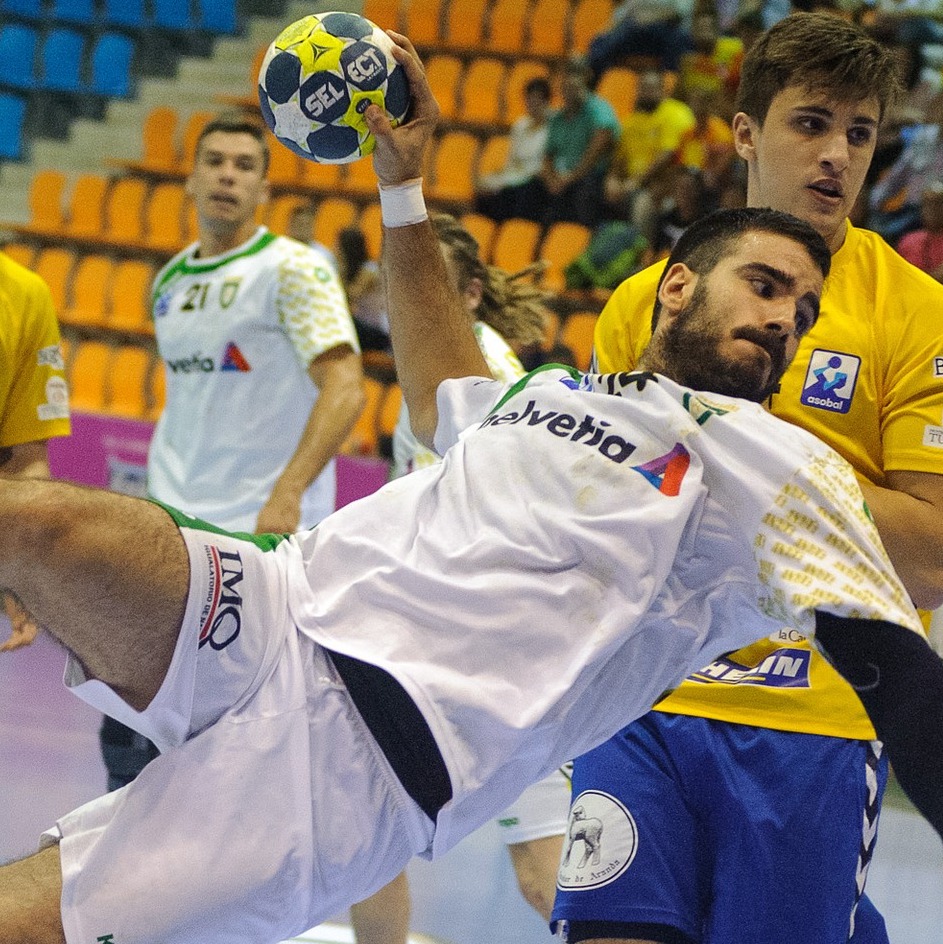
S4 Ep 172TLP172: You Can't Fake A Marathon
Barry Siff, CEO at USA Team Handball and former President of UA Triathlon, has much to share about leadership from the world of sport, business, and nonprofits. Barry talks about how he became a Senior VP at 25, retired at the age of 42, and received both a BS and Masters without graduating high school. He also discusses what it takes for people to dream big, and how to see challenges as opportunities. ~~~~~ ~~~~~ The Leadership Podcast is proud to announce a new initiative with thoughtLEADERS to provide very short podcasts called "chalk talks." They're "bitesize" hacks on common (but challenging) leadership issues. You can only access the Chalk Talks by subscribing to our mailing list at The Leadership Podcast. ~~~~~ ~~~~~ Key Takeaways [2:53] Barry retired in 1998 from a Senior VP position at a $7 billion dollar food company. He was only 42, and then decided he wanted to be involved with sports, which led him to the Team USA Handball organization. [4:07] Barry is quite the endurance athlete. He has run over 60 marathons, the Leadville Trail 100 Mile Run, Expedition Races all over the world and 11 IRONMANs. [6:52] Staying fit helps with stamina, mental clarity, and energy. Barry sees similar lessons in athletics as business, including the need for leaders to overcome obstacles, and do what's necessary to get the job done. [9:09] While the business world mainly focuses on P&L and shareholder values, USA Triathlon is a non profit that also focuses on both the cause and the members. [20:03] Great leaders know that asking for help empowers others and gives them meaning. [21:13] People dream big when they have passion. [23:06] We can retrain our mindset to see challenges as opportunities for learning and growth. [31:31] The little things, such as intently listening and asking the right questions, really make a difference in leadership. [35:39] Barry describes Handball as water polo played on a basketball court, and it is an extremely fast and physical game. It is currently very popular in many countries, and projects that it also will be a commonly known sport soon in the United States, and also a participant in the Paris Olympics in 2024. Strategic Partner Beyond the Uniform offers over 300 free episodes to help military Veterans succeed in their civilian career. This includes overviews of potential career paths, deep dives on necessary skills to succeed, and reviews of other free services that support the military Veteran community. You can find more info at BeyondTheUniform.org. Quotable Quotes "It's all about the goal of having something way, way out there." "You can't fake a marathon." "It doesn't matter what you are doing, just that you are passionate about it." Twitter | LinkedIn | Facebook USA Team Handball Why I Taught Myself to Procrastinate Jane Goodall U.S. athletes run fast, jump high, throw hard - why are we so bad at handball? Lewis Howes Ty Reed Handball LinkedIn: @TheLeadershipPodcast Facebook: @westudyleaders Twitter: @westudyleaders Website: The Leadership Podcast [email protected]

S4 Ep 171TLP171: Win Or Learn - Lessons from the first mom to be a Thunderbird pilot
Caroline "Blaze" Jensen dreamt of being a jet fighter at a time when women weren't allowed to fly. Luckily, thanks to mentors and others who paved the way, she was able to live out her dream as an Air Force Thunderbird pilot. "Blaze" talks about her accomplishment of being the first mom to become a Thunderbird pilot, what her experience as a Legislative Aide for the Senate taught her, and what lessons and character traits apply to leadership and business. She also discusses the importance of taking constructive criticism, time for reflection and solitude, and accomplishing goals as building blocks. ~~~~~ ~~~~~ The Leadership Podcast is proud to announce a new initiative with thoughtLEADERS to provide very short podcasts called "chalk talks." They're "bitesize" hacks on common (but challenging) leadership issues. You can only access the Chalk Talks by subscribing to our mailing list at The Leadership Podcast. ~~~~~ ~~~~~ Key Takeaways [2:33] Caroline has an extremely impressive bio, but one of her greatest accomplishments and primary jobs is being a single mom to her 10-year-old son. [2:33] Caroline dreamt of being in the Air Force from a young age, but women weren't allowed to fly. Her dad was consistent with his support for her dream and even introduced to her Women Airforce Service Pilots (WASPs) who became her cherished mentors. Caroline credits much of her success to the giants that blazed the trail before her. [3:36] Being a great leader doesn't mean working around the clock or sending out emails 24/7. We are more productive when we are rested, and reprioritization is an ongoing skill to make sure we are taking care of our families. [12:40] Our society is becoming less focused on gender and more focused on what it is we put out in the world, and what skills we have. Caroline looks forward to a time where gender matters even less at work. [15:28] As a Legislative Aids for the US Senate, Caroline had a great experience with hard-working people. She was blown away at how busy the members of Congress are. [22:00] Caroline was a high profile recruiter for the Air Force, and she took much pride in being a champion for the service branch. [28:14] Thunderbird pilots can fly as close as 18 inches apart at top speed. It takes complete focus and attention to detail. Caroline names the following attributes as both important in the Thunderbirds and in business: You must build trust in your team, and look out for the greater good of everyone. Not everything is learned or mastered at once. Use building blocks to meet your goals. You have to learn how to take constructive criticism and grow from it. Be open to feedback from team members and to the debriefing sessions. Learn how to succeed, but also look for the learning lesson when you don't. [37:05] While the video game revolution may produce some good fighter pilots with quick thinking and solid reflexes, leaders still need time for reflection and solitude. [39:36] Caroline's Challenge: Serve your country and community. Do something to make the lives of your fellow man better. Strategic Partner Beyond the Uniform offers over 300 free episodes to help military Veterans succeed in their civilian careers. This includes overviews of potential career paths, deep dives on necessary skills to succeed, and reviews of other free services that support the military Veteran community. You can find more info at BeyondTheUniform.org. Quotable Quotes "We need to make sure we are taking care of the people at home who are taking care of us." "Your skills and the way you conduct yourself, that what speaks for you, not what your chromosomes are." "I feel really fortunate that I get to recruit the future and represent the past." "Sometimes you win, and sometimes you learn." "One of the easiest ways to get your point across is to lead by example." "Sometimes people learn more from failure than from winning." Twitter | Tedx Talk Air Force Thunderbirds | Facebook Air Force Capt. Nathan Nylander Oshkosh Women Airforce Service Pilots John Borling Harvard Business Review: Women Score Higher Than Men in Most Leadership Skills Ep #105: Amy McGrath's 90th Mission Betty Wall LinkedIn: @TheLeadershipPodcast Facebook: @westudyleaders Twitter: @westudyleaders Website: The Leadership Podcast [email protected]

S4 Ep 170TLP170: A Humble Mind is An Open Mind - First Woman Dean at West Point
Brigadier General Cindy R. Jebb, 14th Dean of the Academic Board at U.S. Military Academy, West Point, joins the show this week. Cindy is the first woman to hold the prestigious position, and she graduated from the Military Academy in 1982. She has served at the National Security Agency, and has authored and co-authored three books. Cindy provides a masterclass in leadership this week, including what can and cannot be taught, the importance of character, and the need for trust. Cindy also talks about what it is like to be the first female Dean at West Point, and the five characteristics of leadership that have been critical to her success. ~~~~~ ~~~~~ The Leadership Podcast is proud to announce a new initiative with thoughtLEADERS to provide very short podcasts called "chalk talks." They're "bitesize" hacks on common (but challenging) leadership issues. You can only access the Chalk Talks by subscribing to our mailing list at The Leadership Podcast. ~~~~~ ~~~~~ Key Takeaways [3:46] BG Jebb is extremely grateful for the people she gets to serve with, and acknowledges them as a huge part of her personal success. [4:18] West Point is known for developing leaders through the four prong approach of: Character Academics Military Athletics Cindy has found that character is the most important of these prongs because it involves people counting on your word, your everyday habits, and the ability to demonstrate excellence. [7:09] Cindy is the first female Dean at West Point. Not only is this a huge step for women, but Cindy also has extra pressure in her role because of the Presidential appointment. [10:23] At West Point, despite the high demands and expectations, it is all about everyone supporting the mission and continuing to breed a mutual trust between society and the military. [18:10] Charisma is hard to teach, but learning presence and positive energy can be developed. Experiential learning also provides great experiences and resources for character building, but is something that can be worked on and shaped throughout someone's lifetime. [25:24] Real development occurs outside our comfort zone. This is where we learn about ourselves and our limits and develop confidence. [29:42] Cindy and her team at West Point are aware that future leaders need time to reflect, think deeply and develop who they really are. [34:25] Five characteristics of leadership Cindy has found helpful: Subtle discipline. Doing routine things routinely. Invest in your field and write/talk/read about it. Become an expert. Have humility and understand that you don't always have all the answers. Embrace the struggle. Don't shy away from performing outside comfort zone. Don't be afraid to make mistakes. Cultivate relationship. Acknowledge vulnerability and develop empathy for fellow humans. Strategic Partner Beyond the Uniform offers over 300 free episodes to help military Veterans succeed in their civilian career. This includes overviews of potential career paths, deep dives on necessary skills to succeed, and reviews of other free services that support the military Veteran community. You can find more info at BeyondTheUniform.org. Quotable Quotes "We look at making sure that we are developing leaders of character that are going to live honorably, lead honorably, and demonstrate excellence." "Humble minds are open minds." "Investing in others is also an investment in yourself." "Substance wins the argument." "Mastery requires and facilitates preparedness." West Point Brigadier General Cindy R. Jebb Twitter Ep #051: Leadership is Hard Because Character is Hard Ep #095: Leadership Requires Solitude American University article - president protected from adversity LinkedIn: @TheLeadershipPodcast Facebook: @westudyleaders Twitter: @westudyleaders Website: The Leadership Podcast [email protected]

S4 Ep 169TLP169: When Bureaucracy Bears Down
When you are working in a highly regulated and restricted environment, it may be more challenging to come up with creative solutions, make decisions and work within a culture that feels flexible. However, this week, Jim and Jan discuss the unique leadership challenges in the public sector, and how to still thrive. Jim and Jan answer a few listener questions and concerns regarding problems that are unique to public sector organizations, and give personal examples of times they needed to think outside the box to move things along. ~~~~~ ~~~~~ The Leadership Podcast is proud to announce a new initiative with thoughtLEADERS to provide very short podcasts called "chalk talks." They're "bitesize" hacks on common (but challenging) leadership issues. You can only access the Chalk Talks by subscribing to our mailing list at The Leadership Podcast. ~~~~~ ~~~~~ Key Takeaways [2:22] Before we look at external threats, we must first look internally and see what we are able to control. [4:03] When bureaucracy bears down and feels constrictive, great leaders are creative in problem solving. [10:46] Challenge your assumptions and be open to a different way of doing things. Highly regulated complex systems are rarely air tight, so look for the gaps. [11:13] Be crystal clear about expectations, including who does what by when and what the consequences will be if someone fails to meet the expectations. [15:03] Try to talk with the union, find a common interests and see where you can work together to find a solution for the greater group. [16:43] Control what you can, and adapt and change around those you can't. By doing this, we influence for the good. [22:09] Your network is your insurance policy, and so is learning and growing within your company and industry. It is your personal responsibility to take lessons learned when you can. Strategic Partner Beyond the Uniform offers over 300 free episodes to help military Veterans succeed in their civilian career. This includes overviews of potential career paths, deep dives on necessary skills to succeed, and reviews of other free services that support the military Veteran community. You can find more info at BeyondTheUniform.org. Quotable Quotes "Remove some of your assumptions, challenge them and pressure test them." "Ultimately, the thing we all have is a choice." "Control what you can." "Invent your way out of a tight box." "Learn how to adapt and change." How to Deal with Stifling Bureaucracies Find the best boss, the industry doesn't matter Instagram: @WeStudyLeaders LinkedIn: @TheLeadershipPodcast Facebook: @westudyleaders Twitter: @westudyleaders Website: The Leadership Podcast [email protected]

S4 Ep 168TLP168: Innovation Looks Ugly At First
Safi Bahcall is a second-generation physicist and biotech entrepreneur. He graduated summa cum laude from Harvard, and has a PhD in physics from Stanford. Safi also co-founded a biotech company developing new drugs for cancer, and served as CEO for 13 years. He joins the show to talk about how leaders can implement the ideas in his book Loonshots: How to Nurture the Crazy Ideas That Win Wars, Cure Diseases, and Transform Industries (a book Bill Gates recently highlighted). He discusses why we must investigate failure, and the differences between structure and culture. ~~~~~ ~~~~~ The Leadership Podcast is proud to announce a new initiative with thoughtLEADERS to provide very short podcasts called "chalk talks." They're "bitesize" hacks on common (but challenging) leadership issues. You can only access the Chalk Talks by subscribing to our mailing list at The Leadership Podcast. ~~~~~ ~~~~~ Key Takeaways [3:39] Safi was hungry to learn about something other than culture as a leader and manager. He would see companies with so called great cultures not have sustainable success, and wanted to get to the root of what actually made a big difference. While working with President Obama's Council of Science and Technology, he found that small changes in structure rather than culture, created an environment for radical breakthrough. [9:12] Great leaders make time to study the history and historical references that can help them leverage ideas and concepts. For example, Vennevar Bush had one of the greatest impacts on the growth of science and technology from the World War II era, but he is not a large part of commonly talked about history. [15:24] Great leaders help bridge the gap between people in a group, and balance the delicate line between radical innovation and execution. [2010} Structure is made up of many small things and attributes that drive behavior, which in turn shapes the culture. Laying the foundation for a strong structure takes a while, and is not something that should be rushed into. [30:29] You want to nurture the Loonshots, or "crazy ideas" inside the company, because competitors may instead give it a try and find it works successfully for them. [32:08] Two pieces of advice Safi has for leaders: Be a gardener, not Moses. Focus on the balance within the structure, and help when there are blockages. [38:11] The term "LSE" means we should listen to the suck with curiosity. Every innovation sucks at first, and the great innovators are the ones who can take off their rejection hats, and investigate failure with curiosity. [42:42] Safi's challenge: Think about what it you are doing today that experts are telling you could never work. Realize there are no experts of the future. Strategic Partner Beyond the Uniform offers over 300 free episodes to help military Veterans succeed in their civilian career. This includes overviews of potential career paths, deep dives on necessary skills to succeed, and reviews of other free services that support the military Veteran community. You can find more info at BeyondTheUniform.org. Quotable Quotes "History doesn't repeat. People repeat." Every innovation will look ugly at first." "There are no experts of the future." "Listen to the suck with curiosity." Website | Twitter | Instagram | LinkedIn Loonshots The Treatment Vannevar Bush Dunbar's Number Gore Microsoft Arpanet Peter Thiel Friendster Judah Folkman

S4 Ep 167TLP167: Late Bloomers
Rich Karlgaard is the publisher of Forbes magazine and author of Late Bloomers: The Power of Patience in a World Obsessed with Early Achievement, along with four acclaimed previous books. Rich talks about his own experience as a late bloomer, why our society is so focused on early achievement, and the misconceptions of early success when it comes to neuroscience. He also discusses the harm of agism, and how those who haven't bloomed fully can arrive at the intersection of using their native gifts, deepest passions, and abiding purpose. ~~~~~ ~~~~~ The Leadership Podcast is proud to announce a new initiative with thoughtLEADERS to provide very short podcasts called "chalk talks." They're "bitesize" hacks on common (but challenging) leadership issues. You can only access the Chalk Talks by subscribing to our mailing list at The Leadership Podcast. ~~~~~ ~~~~~ Key Takeaways [3:50] Rich describes his acceptance at Stanford as a fluke. After graduation, he worked as a security guard and dishwasher while his peers were getting great jobs and starting successful companies. He was honest and upfront with his workplace that he wanted to blossom but wasn't sure why he hadn't yet, and they gave him a shot to be the Technical Editor and Writer at the Nuclear Power Division. He took the job seriously and became seriously interested in nuclear engineering. [7:43] We are impatient for success, and have created a school system that puts pressure to get into elite colleges. The competition also starts at a much earlier age, leaving teens and young adults feeling overwhelmed and possibly depressed. [9:18] When our educational system is just a "conveyer belt to early success", it leaves us with unnecessary baggage and takes the focus off realizing our natural gifts. [13:12] Our cognition peaks depends on the ability. While speed and memory may hit their stride in the teens and 20's, our 30's open up a range of abilities such as leadership, executive skills, entrepreneurialism and compassion. In the 40's and beyond, we gain higher functions of wisdom to mentor and coach. [15:35] Lean into the person that you are becoming, not the person you were. [18:00] The Silicon Valley Myth may have us thinking that innovation only happens in the early to young achievers in their mid 20's, but there is a larger picture of many successful late bloomers. [21:38] It is useful to have a greater faith that convinces you that you are here for a reason. This assures you of self worth and separates you from self doubt. [23:44] Great leaders know when persevering is the most courageous thing to do, but also is open to know when quitting and focusing time and energy on something else is the best move. [29:01] Rich believes the greatest blooming happens because of a willingness to be brave and discover what we are good at and follow our curiosity. [32:17] A lot of successful leaders talk about their time in school, and how we can redefine education for people that learn in different ways. [34:07] Three ways Rich suggests we can take the pressure off early achievement: Start kids later in traditional school work, and focus more on fun and healthy play before the age of 7. Advocate for skill trade programs. They teach tangible skills, typically pay well and can even be a very attractive background for someone pursuing higher education. Gap years can help encourage travel and learning about new environments. Mandatory military or civilian service gives a sense of purpose, belonging, and duty to something bigger than ourselves. [37:38] Agism is a tragic loss of human talent, however responsibility goes both ways. It is up to organizations to provide more opportunities, including mentorship and coaching, and up to the applicants to network and see where they can add value. [47:16] Rich's challenge: move forward with self doubt. Find peer groups who you can talk about your plans, dreams and worries. Quotable Quotes "I literally felt my brain developing and opening up at age 26 and 27." "We need to learn how to quit when we can reallocate our time, treasure and purpose towards something better." "Lean into the person that you are becoming, not the person you were." Lee Kuan Yew Carol Dweck Stanford The Electric Power Research Institute Alden Mills Dan Pink The Silicon Valley Suicides MIT, MGH Research Says Not All Cognitive Abilities Decline As You Age Dave Duffield Tom Siegel C3 Fred Luddy VMware Reid Hoffman Intel

S4 Ep 166TLP166: Feelings Aren't Facts
Liz Fosslien is the co-author and illustrator of No Hard Feelings: The Secret Power of Embracing Emotion at Work. She joins the show to talk about why embracing emotions at work doesn't always mean having emotional conversations. She shares what we are missing to bring a sense of safety and commitment to the workplace. Liz also talks about her work at Humu, an organization that builds behavioral change technology that helps organizations and individuals feel and act their best. ~~~~~ ~~~~~ The Leadership Podcast is proud to announce a new initiative with thoughtLEADERS to provide very short podcasts called "chalk talks." They're "bitesize" hacks on common (but challenging) leadership issues. You can only access the Chalk Talks by subscribing to our mailing list at The Leadership Podcast. ~~~~~ ~~~~~ Key Takeaways [4:54] Great managers and leaders take the time to ask personal questions of people on their team, and point out good ideas. This makes team members feel as though someone is invested in their long term goals, and they are more likely to share and feel committed. [8:28] A happy workplace boosts ROI, productivity, innovation and saves the cost of trying to replace and retrain when there is turnover. [10:28] No Hard Feelings gives the reader internal and external tools to first understand what type of culture they work in, and then from there come up with a plan to process emotions. It also helps provide a road map for when the environment is not very vulnerable or emotion based. [13:24] With so many generations blending together in the workplace, we can each learn something from each other. The younger generation can learn more emotional intelligence, and the older generation can learn to feel more comfortable expressing emotions. [16:29] Great leaders have conversations early on so issues can be flushed out rather than waiting until the heat of the moment. [17:12] There is more understanding and less defensiveness in making observations rather than character generalizations. [18:02] Humu works with organizations to run a diagnostic survey that helps them figure out small changes that will have a big impact on how people feel. For the next 6 months to a year after the survey, they send personal nudges to help keep everyone on track with their goals. They also provide handbooks so leaders can learn the best way to communicate with their team. [26:58] Feelings aren't facts. They are valid, but it may be based on an incorrect assumption or just our perspective. [31:45] A great workshop provides tactical advice with actionable steps that can be used in the future. [36:29] With remote work becoming a larger staple in our society, it is important for leaders to provide trust, transparency and documentation. Video chats are still important with our body language and voice tone being so important to what we really hear in a conversation. [43:23] Liz's challenge: Pay attention to your envy and jealousy. It may reveal your burning desire or heart's demands. Quotable Quotes "Small actions have a big impact on how we feel at work." "It makes no financial sense if once you finally have this personal organization, you're not making the time to feel welcome there." "Bringing emotion in the workplace is not always an invitation to talk about emotion." "Lean in to jealousy, and see what it may tell you." "Feelings aren't facts." National Affairs Humu Everybody Lies What Google Learned From It's Quest To Build the Perfect Team Gretchen Rubin #018: Is Your Company Culture Dysfunctional or Positive? LinkedIn | Website | No Hard Feelings

S4 Ep 165TLP165: We Have Two Choices
Former NFL player, performer, and author - Bo Eason - discusses the one-man play he wrote and performed, Runt of the Litter; and his new book, There's No Plan B for Your A-Game. Bo started his career as a top pick for the Houston Oilers and continued on with the San Francisco 49ers. He discusses how to stay focused despite obstacles and setbacks, the difference between dreams and fantasies, and why we should publicly declare our dreams in a big way. ~~~~~ ~~~~~ The Leadership Podcast is proud to announce a new initiative with thoughtLEADERS to provide very short podcasts called "chalk talks." They're "bitesize" hacks on common (but challenging) leadership issues. You can only access the Chalk Talks by subscribing to our mailing list at The Leadership Podcast. ~~~~~ ~~~~~ Key Takeaways [2:27] Besides being a successful speaker, performer and former NFL star, Bo is a family man with 3 kids and a wife of 20 years. [3:44] Bo wrote and performed a one-man play called Runt of the Litter that was inspired by his own experience being the smallest athlete as a young teen. His father reminded him that it was less about brawn and more about heart and that he would just have to be faster, smarter and out perform his larger opponents. [8:27] More options doesn't always mean a better life. The more options, the less mastery. Bo's new book out soon, No Plan B for Your A Game, explains that as soon as you have a Plan B or a fallback plan, that's going to be your plan. [11:29] When you declare your dreams publicly you have the ability to attract the right people to help you and keep you accountable. [18:29] It's important to surround yourself with people that respect your dreams rather than those with a mediocre mindset. [29:33] Bo's three steps for going after our dreams: Plan out the dream as detailed as possible. Stay focus and be ready to redirect when you are off course. Go public with it, and have others help you stay accountable. [41:28] Every day we have a choice to create habits and actions that support our dreams, or we can go with the "fast food" of life that just feels good in the moment. [43:52] Fantasties live in the head, while dreams live in action. It's not at all easy either, there will be obstacles and special occasions missed. [45:45] Bo's challenge: declare what you want to be the best in the world at. Quotable Quotes "We are really courageous, we just need to be reminded of who we are." "We are born to be the best." "We have two choices, the choice of discipline or the choice of regret." Walter Payton Runt of the Litter Website | Facebook | Twitter | YouTube | Instagram

S4 Ep 164TLP164: Why Office Politics Is Hard
Whether it's a team of 10 or 10,000, office politics matter. Jim and Jan talk about what office politics really is, how it's changed over the years, and how to build a foundation for relationships that work for you, not against you. They also discuss why not all gossip (and humor) is bad, the importance of playing to your strengths, and adhering to ethical judgement. ~~~~~ ~~~~~ The Leadership Podcast is proud to announce a new initiative with thoughtLEADERS to provide very short podcasts called "chalk talks." They're "bitesize" hacks on common (but challenging) leadership issues. You can only access the Chalk Talks by subscribing to our mailing list at The Leadership Podcast. ~~~~~ ~~~~~ Key Takeaways [2:33] Office politics can be thought of as devious and divisive in the business world. However, great leaders remember that we are in an environment of complex relations with many variables. [4:25] While the size of our organizations has grown over time and the flow of information is faster, human condition is still the same. [6:57] We can use the power we do have in ways to influence hopefully for the good, not just improve our status. [9:17] A few of the practical steps one can take to make sure they are creating a culture of a positive office environment: Play to your strengths, and invite others to do the same. Relationships are key, and strong relationships allow you navigate the political minefield better. Don't make assumptions. If you want to avoid the bloodless coup, you have to have relationships defend you when you aren't around. Don't get over sensitized to when others talk about you behind your back. There is such a good thing as good snickering. [11:59] We spend up to 100,000 hours in our career throughout our lifetime, so it's important to make them count. [15:36] Great leaders pay attention to what's going on around them, and aim for ethical judgment 100% of the time. [20:39] Give people the chance to explain what they are looking for in an outcome and what keeps them motivated. [22:47] You do not control your brand or reputation, that is determined by the people surrounding you. [24:29] Manage your integrity and hold yourself up to the highest version of your honesty and values. Quotable Quotes "If you want to be respected and trusted, you have to respect and trust others." "If something is tough, assumptions might be making it tougher than it needs to be." "Be careful about what you say about other people." "Manage your integrity." MASH The Compass Solution My Big Fat Greek Wedding TLP023: Unlocking The True Potential of Your Team Clayton Christiansen Instagram: @WeStudyLeaders Facebook: @westudyleaders Twitter: @westudyleaders [email protected]

S4 Ep 163TLP163: Unlocking Potential
Kim Cameron focuses his research on virtuousness in organizations (aka culture) and the relationship to performance. Kim talks about what exactly virtuous leadership is, the difference between positivity and virtue, the competing values framework, and why recognizing achievement is so important… and elusive. Kim also shares practical ways leaders can begin to implement the process in their own culture. ~~~~~ ~~~~~ The Leadership Podcast is proud to announce a new initiative with thoughtLEADERS to provide very short podcasts called "chalk talks." They're "bitesize" hacks on common (but challenging) leadership issues. You can only access the Chalk Talks by subscribing to our mailing list at The Leadership Podcast. ~~~~~ ~~~~~ Key Takeaways [1:58] Kim's past research on organizational virtuousness and the development of leadership excellence has been published in more than 130 academic articles and 15 scholarly books. [3:34] Why is seeing the importance of positive leadership is so elusive? Kim encounters many senior executives that know positive leadership is fine, but their focus is pulled instead to shareholder value, customer satisfaction, and profitability goals. Kim explains that by implementing positive and virtuous practices, they will create a significant positive impact on profitability, innovation, customer loyalty and employee engagement. [9:30] Most meeting agendas and time in leadership positions is spent filling the gap between difficult problems as opposed to celebrating all the wonderful things that happened, or the virtuous state. [13:27] There is still much research to be done, but a 5:1 ratio has emerged between positive practices and negatives in high performing organizations. For every 1 negative statement, 5 positive ones will keep an organization in high performance mode. 3:1 is too low and above 8:1 seems inauthentic and too "syrupy sweet". [18:48] A single negative holds a lot of power, but the results aren't always permanent. You can most often restore trust and relationships, however it takes an enormous balance of positive to negative, and often sacrifice to show that intentions are real. [20:38] The heliotropic effect states that humans innately have a tendency toward positive energy, or towards the light. Through conditioning, we've learned to not only ignore the positive, but to focus on the negative in order to keep us safe from harm. [30:07] It is not necessary to have a virtuous leader to create a culture of abundance, but Kim's research finds it to be much more efficient and sustainable. [37:10] Virtuous leaders understand it's not about using their team for their time and energy to create wealth. Instead, they uncover resources such as positive relational energy. [38:50] Positive energizers are high performers themselves, energize more than they extract, and also positively affect the performance of those around them. Positive energy is not personality or charisma, it's a set of behaviors that anyone can learn. They help others flourish without expecting anything in return. [43:41] Spirituality is an affinity to something bigger than oneself, and realizing it's not just all about us, and there are forces in the world we can't control. Quotable Quotes "The very best we can be, the highest aspiration, is the virtuous state." "Virtuous leaders can unlock potential." "I have 15 people that try to help me get better every day, and I've made the same covenant to them." "Spirituality simply helps us be more well rounded." "Things change remarkably and rapidly when a virtuous leader takes over." Kim Cameron Flow John Gottman Ep#27 Positivity & Performance Bad Is Stronger Than Good Markets, Bureaucracy, and Clans AstroBall How to Win Friends

S4 Ep 162TLP162: Radical Inclusion (give up some control already)
Ori Brafman, multiple New York Times bestselling author, co-founder of the Fully Charged Institute, Distinguished Teaching Fellow and UC Berkeley and co-founder of Vegan.org, joins the show and talks about his latest book, Radical Inclusion. He examines the latest changes in the landscape of leadership, and explains the plasticity of thinking when it comes to the writing process, and why decentralized organizations work best. ~~~~~ ~~~~~ The Leadership Podcast is proud to announce a new initiative with thoughtLEADERS to provide very short podcasts called "chalk talks." They're "bitesize" hacks on common (but challenging) leadership issues. You can only access the Chalk Talks by subscribing to our mailing list at The Leadership Podcast. ~~~~~ ~~~~~ In addition, listen in to learn how 10 of you can apply to be selected to participate in the March 2020 Self-Reliant Leadership Crucible and Podcast Guest Reunion in Austin, Texas! It's an exclusive event only for past Crucible participants and Podcast Guests, so this is a very unique opportunity. If you want to be one of the ten lucky listeners who will get to attend this event… click on the link below to send in your submission. We will make our selection on Veterans Day (11/11/19) so get your submission in by November 8th, 2019. http://bit.ly/Lucky10Contest The only other way to participate is through corporate sponsorship. If that's of interest, please send a note to [email protected]. ~~~~~ ~~~~~ Key Takeaways [5:53] Ori wrote The Starfish and The Spider in 2006, Sway in 2008, Click in 2019 and Chaos Imperative in 2013. Each of these books has a running theme on how people structure their organizations, and how seemingly small factors affect very large decisions and important long term relationships. [9:27] Ori saw very different cultures firsthand, going from Tel Aviv to El Paso, to Silicon Valley. [11:03] When we choose to surround ourselves with people of all different viewpoints and perspectives, we get what Ori calls the "ping pong of ideas", serving them back and forth to each other. Ori found the creative tension of picking writing partners with different views from his own helped make the content richer. [20:23] The more distributed an organization is, the more powerful. People can organize around a common cause without having a top-down hierarchy, and can regenerate if one sector falls short. [25:58] When we try to control too much as a leader, we miss out people making a difference by their own contribution. [27:15] Radical inclusion is about creating a sense of belonging, and an attachment and understanding of the organization's narrative. [34:58] Providing people with more organization in a structure isn't always the answer. Often times, we need to look at things from a systems approach. [38:58] Ori feels one of the best ways to fix the divide is to organize in a way where we have radical inclusion, be clear on who makes the decisions, and what the expected outcomes and consequences are in these human interactions. He started to bridge together UC Berkeley and the army with these very same principals. [51:40] Great leaders energize people, and raise others up around them. Quotable Quotes "Hold your views lightly." "There will be atrophy in organization if it's overly dependent on a single person." "Information does not change behavior." "It's about the human interaction in the same room. I trust in that." "We can't do it alone, we have to do it with each other." "A leader's job is to improve the energy of those around them." Maxwell Air Force Base Albert Einstein Medical Center General Dempsey Drops Mic Starfish Leadership Fully Charged Institute UC Berkeley's Haas School of Business Vegan.org LinkedIn | Website | Radical Inclusion | Amazon Author Page

S4 Ep 161TLP161: "We don't hire people to fulfill a function. We hire people to fulfill a purpose." -Horst Schulze, Co-founder of The Ritz-Carlton
Horst Schulze is Founder and Chairman Emeritus of the Capella Hotel Group, and Co-founder & Former COO of The Ritz-Carlton Hotel Company, and author of EXCELLENCE WINS: A No-Nonsense Guide to Becoming the Best in a World of Compromise. From age 14, his visionary and disruptive principles have reshaped the concepts of excellence, service, and competitive advantage, transcending hospitality and across industries. ~~~~~ ~~~~~ The Leadership Podcast is proud to announce a new initiative with thoughtLEADERS to provide very short podcasts called "chalk talks." They're "bitesize" hacks on common (but challenging) leadership issues. You can only access the Chalk Talks by subscribing to our mailing list at The Leadership Podcast. In addition, listen in to learn how 10 of you can apply to be selected to participate in the March 2020 Self-Reliant Leadership Crucible and Podcast Guest Reunion in Austin, Texas! It's an exclusive event only for past Crucible participants and Podcast Guests, so this is a very unique opportunity. If you want to be one of the ten lucky listeners who will get to attend this event… click on the link below to send in your submission. We will make our selection on Veterans Day (11/11/19) so get your submission in by November 8th, 2019. http://bit.ly/Lucky10Contest The only other way to participate is through corporate sponsorship. If that's of interest, please send a note to [email protected]. ~~~~~ ~~~~~ Key Takeaways [2:51] Horst left home at the age of 14 to go work in a hotel, as he had a passion for the industry at a young age. He lived inside the hotel, and a Maitre d showed him what it meant to set a standard of excellence and respect no matter the job title or status. [6:05] Horst wrote an essay in school based on the ethos that the hotel is made up of "ladies and gentlemen that serve ladies and gentlemen". This reflected his idea that every individual in an organization is worthy of respect and the chance to contribute to the larger version of excellence. [9:33] At the Ritz Carlton, Horst and his team believed in empowering all workers to make decisions that would serve the purpose of keeping the customer at all costs. They could even spend up to $2,000 to do so, and Horst found this initial cost at the start saved money and loyal customers over time. [14:27] Great leaders measure excellence and adapt around their findings. Horst consistently examined the Ritz Carlton with employee and guest satisfaction rates to see what was working, and what they could do better. [16:51] When we create processes under one objective and make sure everyone involved understands, it creates actions that are aligned with the purpose. [20:06] The little things that show people you care go a long way. At the Ritz Carlton, Horst made sure his employees were properly selected and trained, and showed guests they were focused on making their experience one of a kind. [25:56] Vision is so important, and people will be more on board when they are part of the dream and find purpose when they are part of the objective. [28:44] There is a difference in keeping with tradition and being stubborn with non negotiables. Horst puts decisions under the lens of it being good for all concerned. If it is under the umbrella of serving everyone, then it there is no compromise. However, if it doesn't serve everyone, then be willing to adapt. [28:44] Great leaders question everything. [38:35] Give employees purpose, don't just think of them as a way to perform a function. [39:02] Millenials have been asking what's in it for them, younger generations may have just been too afraid to ask. Quotable Quotes "In life no matter what you do, you define yourself by how you do it." "It's not society that defines you. You define yourself." "The vision creates the passion." "Purpose is the directive of what you do, and how you do it." "Once you figure out what's good for everybody, it's the moral thing to do." Ritz Carlton Capella Hotels Website | Excellence Wins

S4 Ep 160TLP160: How to Astound an Audience!
Lynda Jackson is a world renowned speaking coach, and has had a hand in transforming the speaking ability of Prime Ministers, Actors and Executives. Lynda says leaders need to communicate more effectively, and shares examples of clients overcoming their fear of public speaking, and the importance of connecting with the audience. She also discusses how her clients get over anxiety, what makes a talk memorable, and why preparation is critical. ~~~~~ ~~~~~ The Leadership Podcast is proud to announce a new initiative with thoughtLEADERS to provide very short podcasts called "chalk talks." They're "bitesize" hacks on common (but challenging) leadership issues. You can only access the Chalk Talks by subscribing to our mailing list at The Leadership Podcast. In addition, listen in to learn how 10 of you can apply to be selected to participate in the March 2020 Self-Reliant Leadership Crucible and Podcast Guest Reunion in Austin, Texas! It's an exclusive event only for past Crucible participants and Podcast Guests, so this is a very unique opportunity. If you want to be one of the ten lucky listeners who will get to attend this event… click on the link below to send in your submission. We will make our selection on Veterans Day (11/11/19) so get your submission in by November 8th, 2019. http://bit.ly/Lucky10Contest The only other way to participate is through corporate sponsorship. If that's of interest, please send a note to [email protected]. ~~~~~ ~~~~~ Key Takeaways [4:07] Communication is one of the most important aspects of being a great leader. In order to lead, one must be able to connect with their followers, and properly convey their message. [6:56] Three examples that Lynda gives for great speakers to study: Mary Robinson, Steve Jobs, and Nelson Mandela. [8:10] Even more than worrying about if we are authentic in public speaking, we should focus more on the goal of the talk and how the audience can connect with us and get our message. [12:02] Great speakers make it about the audience more than they make it about themselves. They are focused on the audience and how they can transfer the information inside their head to benefit, help, teach or inspire those listening. [13:31] Public speaking can be a large room, or it can also be just a sales call or pitch meeting. It is a different way of speaking than a conversation, and Lynda works with her clients to make sure they are able to connect with the client. [19:23] Our speech patterns now reflect our ultra sensitive environment and desire to seek approval from others. One example is up talk, where statements have a rising intonation at the end as though you are asking a question. [19:23] Approval is different than respect. Great leaders know their self worth and are secure in their own value, and it translates into how they communicate. [22:58] Every word matters. Be succinct. [25:02] It's fine to share your story, but make it for the benefit of your audience. [29:36] Preparation is key. Before each talk Lynda encourages her clients to prepare an outline and list three major points to talk about, as well as the goal they want out of the event or meeting. [36:43] Storytelling can be powerful, but it is just one piece of the puzzle. [40:41] Public speakers have the opportunity to inspire the audience, or to strike a chord of emotion. [41:52] Everybody has a story to tell, and it's important to share that story for the sake of the audience rather than for yourself. [42:02] You don't have to be a stand up comedian, or joke writer to make people laugh and feel humor during your public speaking. Quotable Quotes "Every performance should have a goal." "If a leader does not communicate well, how do they lead? "When you are a great public speaker you can not afford to be beholden to the approval of your audience." "The less word spoken the more words remembered." "We earn respect from the audience." "If we all did the things we are capable of, we would astound ourselves." - Thomas Edison TLP157: Agility – perspectives from the former Director of the National Security Agency (NSA) and Commander of US Cyber Command TLP047: Insights on How Individual Self Awareness Affects Team Performance Website | Facebook | LinkedIn | Twitter | Instagram

S4 Ep 159TLP159: Search for Meaning
This week, Jim and Jan talk about new ideas, perspectives, and thoughts as we all strive to live a life of meaning. To that end, The Leadership Podcast is proud to announce a new initiative with thoughtLEADERS to provide very short podcasts called "chalk talks." They're a "bitesize" hacks on a common (but challenging) leadership issues. You can only access the Chalk Talks by subscribing to our mailing list at The Leadership Podcast. In addition, listen in to learn how 10 of you can apply to be selected to participate in the March 2020 Self-Reliant Leadership Crucible and Podcast Guest Reunion in Austin, Texas! It's an exclusive event only for past Crucible participants and Podcast Guests, so this is a very unique opportunity. If you want to be one of the ten lucky listeners that will get to attend this event… click on the link below to send in your submission. We will make our selection on Veterans Day (11/11/19) so get your submission in by November 8th, 2019. https://TheLeadershipPodcast.com/Lucky10Contest The only other way to participate is through corporate sponsorship. If that's of interest, please send a note to [email protected]. Key Takeaways [1:04] Jim and Jan have been doing The Leadership Podcast for over 3 years now, and every week they learn something fresh and new - and hopefully you do, too! They are thankful for the support and listeners that allow the podcast to grow. [3:39] Great leaders have the right focus on what's really "new" with them. It can be a new car, vacation, or object, but Jim and Jan offer the idea that "new" can also be thoughts, ideas, or musings. [5:01] In the corporate world, Jan saw people waiting for others to make a decision for them. It is up to us as individuals to be in charge of our own success and fulfillment in life, and know when it's time for us to leave on our own accord. [9:52] The Leadership Podcast will be teaming up with thoughtLEADERS LLC to bring you "Chalk Talks". These will be 5 minute long discussions to provide quick nuggets of insight. Please let others know that you can only get these by subscribing to the mailing list on The Leadership Podcast. [12:19] The Self- Reliant Leadership Crucibles take executives that need a digital detox and pair them with a military veteran who is going through, or has recently gone through, the process of transitioning to civilian life. The group of over 100 leaders are getting together for a reunion, and Jim and Jan have opened up 10 spots for select listeners, and a few more spots for sponsors. To apply, simply fill out the form at: https://TheLeadershipPodcast.com/Lucky10Contest Jim & Jan will select the ten lucky participants in the fourth quarter of 2019. The reunion will include short talks, keynotes, workshops and even an "urban surveillance" exercise. It will be a great opportunity to network with leaders at the top of their game. Sponsors can inquire at [email protected] Quotable Quotes "It's important to make sure you have the right focus on new." "Life is short, and we should definitely be doing things we're passionate about." "Do you want people reading your resume at your funeral, or talking about what you stood for?" "Think about what's new in your life, and what you can do differently today to make it more meaningful for yourself and those around you." #001: Preston Pysh - What Can You Learn About Leadership From Billionaires? Urban Team Challenge thoughtLEADERS Self Reliant Leadership The Second Mountain Smart Brief Instagram: @WeStudyLeaders LinkedIn: @TheLeadershipPodcast Facebook: @westudyleaders Twitter: @westudyleaders Website: The Leadership Podcast [email protected]

S4 Ep 158TLP158: Prioritize the Truth - Dr. Robert Cialdini
Dr. Robert Cialdini, author of the New York Times Bestseller, Influence and Pre-Suasion: A Revolutionary Way to Influence and Persuade, talks the science of influence. Dr. Cialdini, or the "Godfather of Influence, has earned an international reputation as an expert in the field of persuasion, compliance, and negotiation. He discusses how small changes can yield big results. Key Takeaways [3:10] Dr. Cialdini's book Pre-Suasion: A Revolutionary Way to Influence and Persuade, quickly became a Wall Street Journal and a New York Times Bestseller. Dr. Cialdini wanted the book to be something his grandchildren can use as a guide through their adulthood, and he put their picture next to his screen while he wrote it. [6:08] There is no one size fits all approach to influence others. Instead, we have to go into the situation armed with knowledge of the powerful principles, and then identify true ways others would benefit giving their assent to it. [10:12] When you congratulate people on their progress, it actually moves them away from the goal and puts them back to the starting line. Instead, try giving them praise for their commitment to the goal. [15:22] When we make a public commitment to positive features, it puts us in a state of mind where we continue to think positively about the subject. For example, on a job interview asking the potential interviewer about why they picked you as a potential candidate will get the ball rolling for them to think about your personal attributes. [17:04] When we ask people for their advice instead of their opinion, they are in a cooperative state with us and along for the ride. [18:58] Put the exact numbers of your figure at the front end of your proposal. This positions you as an honest communicator and clear thinker. The more specific the numbers the better, as this shows you have thought the value through completely. [20:22] Persuasion is both an art and a science. Influence comes naturally to some, but it also can be taught and learned. [27:49] Great influencers draw attention to an idea that readies people for the core goal of the message. It primes and readies them to the concept that will get more success as a result and they clearly understand what's in it for them. [36:02] Not all influence practices are manipulative and exploitative. [45:39] There is no ethical problem with educating people of things inherently and naturally part of the situation, and pointing them in a direction that offers them benefits and value. Not only do you get paid in the moment, but you will get paid down the line with their trust and business. [48:19] Go into every new situation expecting the best from the new people you encounter. Quotable Quotes "Change the word progress to commitment." " We need to reinforce ethical behavior." "People want to see themselves as living up to their commitment." "If you get that advice, you get an accomplice. When you get for their opinion, you get a critic." "You have to prioritize the truth." Website | LinkedIn | Facebook | Twitter | YouTube | Books Carol Dweck Consumer Reports Leadership BS Ep #121: Jeffrey Pheffer Challenges Our Assumptions Clayton Christiansen Spitzer Center

S4 Ep 157TLP157: Agility - perspectives from the former Director of the National Security Agency (NSA) and Commander of US Cyber Command
Adm. Michael Rogers, Retired Four Star Admiral and Former Director of the National Security Agency and Commander of the U.S. Cyber Command discusses risk and reward, and the difference in both. THe Admiral also discusses accountability, the things that concern him regarding ethics in the new world of AI, and one of the best lessons he ever learned. Key Takeaways [1:20] Mike Rogers retired from the Navy in 2018 after nearly 37 years of service, rising to the rank of Four Star Admiral. [5:49] As a Four Star Admiral, Michael's life was all about risk and reward and how they're intertwined. The risk is there to help us prioritize challenges to achieve an outcome that generates our reward. Michael would tell his team if they were uncomfortable with risk, they are in the wrong career. [8:06] In the military, risk in viewed as two parts: Risk of mission and ability to achieve the outcome, and mission to force. On the private sector side, you worry about risk of mission but not so much the mission to force. In the civilian world, we also see reputational risk. [13:21] Michael defines accountability as the alignment of authority, resources, and responsibility. In the business world, we typically are less comfortable giving people authority, and we need to truly empower people to make them accountable. [18:15] Michael recounts an example of how the Commander in Chief provided the ultimate example of accountability. [20:23] The biggest challenge as a leader isn't the technology, it's the people, ethos and culture. [22:23] AI and machine learning will be huge advantages, and if used correctly and supervised when appropriate, we will be able to help us parse through vast data and free up time and energy. [27:41] We must think how we can effectively communicate in a way that helps the decision maker generate a decision. [35:33] What Michael loved about the special operations approach was that it wasn't about your rank or position, it was about the value you bring and how one maximizes speed, agility and communication within the chain of command. [40:35] Leadership is so much more challenging, we can't fully replace the experience of connection and crisis response with AI or machines. [42:34] Michael shares an experience that inspired him to forever be combat ready and impacted him for the rest of his career. [52:19] Adaptability is as much about ethos and culture as process, and should be based upon what as the greatest impact on completing the mission. [54:55] We have the ability to shape workforce behavior by how we incentivize performance. [57:33] Think about the dynamics that shape your own work culture, and the backgrounds and values of who works there. Quotable Quotes "I have always enjoyed the challenge." "You can't truly hold people accountable if you don't give them the authority they need to actually do the job." "It's not about me, it's about the mission and the men and women that do the hard work." "How do we incentivize behavior that we say we value?" Cyber Command National Security Agency Auburn University Kellogg School of Management | Northwestern Department of Defense Society for Information Management AEGIS Weapon System TLP 101: General Stanley McChrystal on What Connects Us Puzzle Palace Bio: Mike Rogers retired from the U.S. Navy in 2018 after nearly 37 years of naval service rising to the rank of four-star admiral. He culminated his career with a four-year tour as Commander, U.S. Cyber Command and Director, National Security Agency. In those roles he worked with the leadership of the U.S. government, the Department of Defense and the U.S. Intelligence community as well as their international counterparts in the conduct of cyber and intelligence activity across the globe. He also assisted in the development of national and international policy with respect to cyber, intelligence and technology – including extensive work with corporate leadership in the Finance, IT, Telecommunications and Technology sectors. During his broader service in uniform, ADM Rogers held positions afloat and ashore around the globe focusing on cyber, intelligence, maritime operations and national security. His joint service was extensive including duty with the Chairman of the Joint Chiefs of Staff, the Joint Chiefs of Staff, U.S. Indo Pacific Command and U.S. Atlantic Command. In addition, Admiral Rogers commanded at the unit, Numbered Fleet and service component levels in the Navy. Admiral Rogers is a graduate of Auburn University and also holds a Masters of Science in National Security. He is a distinguished graduate of the National War College and a graduate of highest distinction from the Naval War College. He is also an MIT Seminar XXI fellow and a Harvard Senior Executive in National Security alum. He is currently supporting companies in the private sector, serving as a member of various Boards or acting as a Senior Advisor. He also speaks globally to various business and academic groups and is working internationally i

S4 Ep 156TLP156: Helping Others Take Personal Responsibility
Abigail Manning is an awareness creator on authentic health. She shares her personal story of freeing herself from abuse, and how we may recognize someone that may be suffering from abuse. She also discusses the important distinction between reacting and responding, why it's crucial to have boundaries, and the components of trust that help people thrive. Key Takeaways [4:05] Abigail broke free from a cycle of abuse. She endured childhood abuse and domestic violence in her adult life. Her characteristics of optimism, creative thinking, and problem solving helped her rise above and see her self worth. [5:30] Abigail is very mission driven and wanted to share her story so others wouldn't have to spend as many years as she did suffering and trying to figure out how to end abuse. [7:18] Great leaders feed themselves with content from inspirational people and surround themselves with others who spread positivity. It is important that we all lend a helping hand to each other, and really listen to hear how people are doing. [10:40] Abuse can look like anything, and take place with people and in locations you may never expect. It can be subtle to severe and can be emotional, sexual, physical, and even financial in nature. Repeated mistreatment is the number one way of recognizing abuse. [13:22]When recognizing signs of abuse, red flags include manipulation, shame, blame and isolation. [17:09] Have healthy boundaries and when you ask people if they are ok, have it be from a place where you are direct and firm. People are more apt to share how they really are when they feel the person on the other end really cares. [22:14] What trust stands for to Abigail: Truth Respect Unity Safety Transparency [25:49] Three steps to taking personal responsibility and accountability in our lives: Be enlightened and aware of how our life experience impacts our "normal" Empower ourselves and others. Don't finger point or cast shame, blame, and judgement upon others. [29:46] Know the difference between reacting and responding. This will help you know potential triggers ahead of time and recognize if someone is crossing your boundary lines. [34:30] It's important to look at the intent behind someone's behavior. Often times it's not malicious but they just need direction and coaching. [46:10] Focus on what you say about yourself subconsciously, and what you let others say about you, even if they are joking. Quotable Quotes "There's always 3 solutions to every problem, even if it looks desperate at the time." "Find what you are good at, and hold on to that." "You don't have to be alone." "There's no room for healing if we are all pointing fingers." "People grow up to be what you expect in them." Simon Sinek Facebook | Twitter | Website

S4 Ep 155TLP155: Preparing for the Future of Work
Jacob Morgan, Futurist and Best-Selling Author joins The Leadership Podcast to discuss the future of work in the context of leadership and the employee experience. Jacob talks about interviewing 120 CEO's and 11,000 employees about the future of leadership and what will be required of the leader in 2023. He also shares how he sees the role of AI and technology impacting what is right around the corner, and the one thing he recommends people do now to prepare for the future of work. Key Takeaways [4:18] Jacob set forth on a mission to do a one of a kind, in depth interview of 120 CEOs that are currently shaping the world and 11,000 employees to talk about what skills will be relevant in the future. They also are answering questions about talent, automation, and how organizations can do an even better job of addressing these things. All one hour long interviews end up to be about 10-12 pages transcribed, so Jacob will have well over 1,000 pages of high value answers. [7:55] Jacob is teaming up with LinkedIn to help parse out the information given to him from the 11,000 employees he interviewed. A large part of it is talking about what the future leaders of tomorrow can do today to prepare. [8:49] Jacob is finding that the answers the CEOs are giving don't always align with the data you see on various media sites and publications. For people that want to grow into the position of a leader, this will help them understand the trends, embrace the mindset, and acquire the skills they will need to get to the next level. [11:18] We must continue to balance the human side of work with what technology is capable of. [15:02] Consuming information is great, but we need to practice what we learn. The learning comes from doing it, not just watching it. [17:39] Great leaders lead by example and show their empathy and self awareness to their employees, they don't just talk about it. [18:17] Jacob's book, The Employee Experience Advantage, gathered information from 252 companies to find out what employees care about most at work including employee experience culture, technology and physical space. [21:42] The goal of Jacob's Future of Work University is to create courses and programs that are designed for the new world of work that you can't find elsewhere. It's all about teaching you the skill to build organizations where people want to show up to work, and in turn to future proof your career and company. [34:21] Futurists aren't psychics, but they are able to study and identify past and present scenarios to predict the future. [39:41] Technology can help us make decisions, but we shouldn't reply completely upon it. [41:26] In a world of fluctuating attention spans, Jacob finds it necessary to put his message out on different mediums and platforms including podcasts, teaching videos, and social media. [45:03] Take accountability and take things into your own hands. Don't wait for someone else or a certain scenario to live for your life. [47:27] Lift your head up and see what is going on around you. Quotable Quotes "Futurists don't predict the future, but we are good at coming up with possibilities and scenarios of what the future may bring." "We try to not be surprised of what the future may bring." "When you make decisions purely based on data and algorithms, you may get some incorrect decisions." "It's not good to rely 100% on technology for decision making, but it can help." "Pay attention to the tangential." Future of Work University Future of Leadership A Study of Engineering Education The Employee Experience Advantage Coursera Ed Schein Forget About Authenticity, Says Seth Godin How We Teach Digital Skills at PWC Master of Science in Foresight - University of Houston Weapons of Math Destruction Facebook | Twitter | LinkedIn | Website | Book | Podcast

S4 Ep 154TLP154: Facing Your Own Hypocrisy
Jim and Jan tackle a topic that comes up quite a bit in leadership - ego. They discuss their definition of ego, and how it affects perception and ability to be a leader. Also discussed is the balance of confidence and humility, and how developing a feedback loop keeps our ego in check. Key Takeaways [4:01] The most authentic leaders seem to have a very accurate understanding of who they are and how they are perceived. There are leaders of course that operate from ego almost completely, but the authentic ones gather more trust. [5:04] The more you see someone project their ego, the less they are actually comfortable with who they are. They are trying to be a certain way and live up to what they aren't inside, but really want to be. [7:42] A great leader is able to self regulate and realize it's not all about them. [8:44 The best supporters will put themselves to the side and listen to you intently without their own filters. [11:07] You have to make sure your feedback loop is not corrupt. When you have power, it's easy to have people around only telling you what you want to hear, and that takes your ego further away from where it needs to be. [12:30] Three questions to ask yourself consistently: What are you doing in team meetings that is helpful? What are you doing that isn't helpful? If you can change how you interact with the team, what would it be? [13:51] We will always make mistakes, and we must be humble enough to be open to learning and growing. [16:10] The anchor point for ego is in the wrong spot when our worth and identity is directly correlated to our job or a certain status. [17:53] People put on a display when they feel intimidated, or they get so overwhelmed that they mute the beauty that is within. The real artful networker knows how to comfort others so the real inner awesomeness can shine through. [22:17] To face your own hypocrisy, you must have humility. [23:37] How would you describe it to someone if it was similar to a lost piece of luggage or a coat you were checking? Quotable Quotes "Listening is the highest form of respect." "Ask yourself - am I easy to follow?" "Never let your ego get so close to your position that when your position goes, your ego goes with it." - Colin Powell "The peacocks are pretty, but not enjoyable and fun." "The ego is not a master in its own house." Freud The Spirit of Leadership The Power Paradox TLP047: Insights on How Individual Self-Awareness Affects Team Performance Instagram: @WeStudyLeaders LinkedIn: @TheLeadershipPodcast Facebook: @westudyleaders Twitter: @westudyleaders Website: The Leadership Podcast

S4 Ep 153TLP153: Hearing Dissent is a Leadership Imperative
Michèle Flournoy is the former Under Secretary of Defense for Policy, the seventh-ranking official in the U.S. Department of Defense, and in that role served as a principal advisor to U.S. Secretaries of Defense Robert Gates and Leon Panetta from February 2009 to February 2012. Shew is currently the Co-Founder and Managing Partner of WestExec Advisors. On the show, Michèle discusses speaking truth to power, the importance of service in leadership, and what's currently at stake right now. She shares her experience of co-leading President Obama's transition team at the Defense Department. She also discusses her experience as the principal advisor to the Secretary of Defense in the formulation of national security and defense policy, the role think-tanks play, and guidance for the next generation of leaders. Key Takeaways [5:35] Great leaders know they don't know it all. They listen to people around them for other ideas and ways to make things better. [7:40] Some of the most rocky transitions in office have been between Presidents of the same party. Michèle discusses the respectful and thoughtful manner in which President Obama's team transitioned, and how it set the tone for the whole environment. [9:46] Often times in a bureaucracy what holds us back is a perverse incentive structure, risk aversion, and resistance to change or innovation. Michèle found when she focused on a Human Capital strategy that invests in people, it translated into incredible improvements in performance. [12:17] Leaders must be able to identify where the zero defects approach is needed, and where we can experiment and afford risk. [16:29] Though progress has been made, Michèle would like to see Defense and National Security represent the statistics of America in terms of gender and ethnic representation. [18:36] The Think Tank world is an important place for leaders to be developed and trained, and also for those who need a space to reflect and create new ideas before they go back to public service. [21:00] Michèle was asked by Former Defense Secretary James Mattis to be his Deputy Secretary of Defense. She turned it down because she was concerned she was not aligned with the current administration. [23:51] When making big decisions, stay grounded in your principals and values. [26:02] Michèle shares an example regarding the Bin Laden raid of speaking truth to power, and that it is a sign of intelligence to be able to change your mind after careful consideration. [31:45] Michèle would love for there to be an expectation of service in any form for the younger generation. It is up to senior leaders to create more avenues and an expectation of service. [33:07] Service is a bond of commonality that we should be nurturing in the country. [38:28] Each of us has an opportunity to move forward and create positive journeys if we are willing to do the hard work. Quotable Quotes "Listening is the highest form of respect." "Did I have to work extra hard to make sure that women had opportunities to mid management and senior levels? Yes." "Being grounded in your values and having certain principles that guide you is very important." "It's imperative a leader hears dissent and a different point of view." "What's at stake is who we are as a country." Twitter Maxwell Airforce Base Duty: Memoirs of a Secretary at War TLP 053: Special Forces Resourcefulness Parallels the Spirit of American Entrepreneurialism TLP 101: General Stanley McChrystal on What Connects Us Spirit of America The Mission Continues West Exec

S4 Ep 152TLP152: The Future of Learning Re-Imagined
Tanya Staples is the VP of Product for Learning Content at Linkedin Learning, and shares what the workforce of the future may look like, the importance of creating a common knowledge base, and best practices for developing a culture of collaborative learning. Key Takeaways [5:01] Tanya witnessed one of her mentors saying the term "ship it" as a way to empower people and motivate them to make their ideas a reality. [6:16] At LinkedIn Learning there is both a sense of urgency and a need for adhering to high quality and excellent standards. Tanya and her team know that it is imperative for everyone to be aligned with the mission, and know what needs to get done at what time. [8:23] Tanya has seen education shift from less about teaching life skills to more about creating a common knowledge base. It is a place people go to learn how to learn, and the leader is there to help guide them into discovering how to take their passions to the next level. [14:53] LinkedIn Learning created the series In The Studio to capture thoughts and ideas from a range of interesting topics and a little of the behind-the-scenes magic. One thing she learned was the answers were way more authentic when the questions were a surprise to the guest. [21:14] Great leaders really listen to the conversation and ask questions instead of going right for the solution. [23:28] The LinkedIn Learning Q&A platform helps employees who like to mix it up by learning independently and as part of a team. [26:06] We shouldn't compromise information, but we can benefit by making it concise and digestible. [30:03] People like self directed learning because it gives them safe place to learn. This can also free up some time and energy so that in person meetings are more meaningful. [36:56] Two of the ways we can encourage self directed learning for the next generation: Ignite passion in students earlier so they have a sense of direction towards what it is they want. Give kids work experience at an earlier age. [44:04] LinkedIn Learning keeps course content updated and helps people acquire what it is they need to get hired and stay on top of their industry. [45:48] Tanya's challenge: get clear on your vision. When we are super clear on what it is we want, that's the way others can help us get there. Quotable Quotes "We have to get stuff done, let's do it in a way that empowers people." "You have to be learning something new every day if you want to thrive at your job." "I've had to learn to make sure I'm asking enough questions." "It's all about knowing what you want. It's okay to not know how to get there." "You are the CEO of your life." "You have to have a point of view." LinkedIn | Website LinkedIn Learning In the Studio Co-operative Education Waterloo

S4 Ep 151TLP151: How to Cast a Powerful Vision
Greg Smith is a Public Speaking Coach, Business Collaboration Catalyst, and Chairman of the Board at Compco Industries. He talks with Jim and Jan today about how being the mentee of John Maxwell and Tony Robbins changed his life. He also shares what he learned while writing Speak Like a Pro Without Looking Like a Jack@$$, and what he's learned from being the current license holder for TEDx Youngstown. Key Takeaways [3:02] Greg has studied and worked with many of the world's top thought leaders and executive coaches, and one of the biggest influences of them all is John Maxwell. Four of the largest areas of impact John had on him were in relationships, attitude, equipping people for success, and leadership. [7:02] Want to watch a great speech reader in action? Greg suggests watching the way President Obama connects with people without coming across as just reading. [7:22] Speakers are vision casters, and leaders should be able to establish trust and stability with their audience to transfer a message of hope and belief in a better future. [10:11] Neuro Linguistic Programming can be applied to anything personally or professionally. It can provide a short cut to the learning curve, and can help someone become aware of the patterns and limiting beliefs holding them back. [13:34] It's one thing to be great at something, but explaining it to people requires hyper conscious competence. [17:37] When it came to his book Speak Like a Pro Without Looking Like A Jack@$$, Greg found the writing part to be easier than the editing. [20:16] There is power in sharing our struggle and in turn helping other people learn and persevere. [24:29] It's important to spend your time and money pointed towards your ultimate goals and the person you want to become. [25:15] Jan and Greg disagree with the Eat The Frog theory of doing the worst first in the morning. Instead, do your best stuff first. [27:29] Leaders need their rest! Getting proper sleep and rest is just as important as performance. [31:22] TEDx Youngstown is there to shape the future leaders and speakers of tomorrow. [38:02] Figure out what you want in life and then multiply it by 20. When you focus your life on what you want, it's amazing how it comes to you. Quotes "You want a mentor that is growing at your pace or faster." "The best people in the world see things happen before they happen, and their body will make it happen." "Once you figure out what you want, life is easy." "Look at how you spend your time and your money and if it's in line with the person you want to become." "You have to put time into yourself to help others." "You can't manage time, but you can manage priorities." Facebook | Twitter | LinkedIn | Website Speak Like a Pro Without Looking Like a Jack@$$ Dig Your Well Before You're Thirsty Swim With the Sharks John Maxwell The 21 Irrefutable Laws of Leadership Speak like a Pro Without Looking LIke a Jack@$$ Love Your Voice TEDx Youngstown Tony Robbins Roger Love

S4 Ep 150TLP150: Unstoppable Teams Do This First
Alden Mills, author of Unstoppable Teams and Be Unstoppable, a three time Navy SEAL platoon commander,, and a INC. 500 entrepreneur, shares why starting a company may be even harder than SEAL training, why corporate cultures are often flawed, and how the best leaders may fail more times than they succeed. Key Takeaways [3:12] Alden is the inventor of Perfect Pushup. While some may think that was his overnight success, it really took him 10 years. [4:08] Be Unstoppable was really a "Just In Case" letter for his four boys, and a first person account of how he learned persistence and leading yourself first to lead others. [6:09] The most powerful human emotion is the baseline of love. [6:55] After graduating from SEAL training, Alden chose to go into the SEAL delivery vehicle program and spent two tours on submarines. While confined in close quarters he started his invention sketchbook, and later took a couple of those ideas to market while in business school. [10:14] Being part of the SEAL team self discipline and focus, but it also meant coming up with new ways to do things and flexing the creativity muscle. [13:42] Great leaders maintain a balance of confidence and humility. They know it's easy to stay humble when there is so much to learn and so many to learn from. [16:37] We each have the "whiner" and "whisperer" as voices in our head. We have a choice if we want to listen to them, or have the courage to go after what we really want. [20:36] SEAL teams have an X-Division, where they remove the quitters from the arena. As a civilian, you have to create your own X-Division so you are not surrounded by those with a quitting mentality. [23:04] Alden was told that due to his asthma he needed to live a less active lifestyle. His parents encouraged him to keep trying and eventually led him to try rowing. He ended up becoming a gold medalist in the Olympic Festival, and Captain of the freshman and varsity teams at the US Naval Academy. [29:17] To lead is to serve, and to serve is to care. The job of a leader is to build trust and inspire others to believe in themselves. They do this through building relationships and empathy, and in turn building trust. [31:06] A mother that inspires and encourages is a great example of a leader. [32:55] The magic sauce we are missing in today's corporate world is creating a culture that takes care of its people. [36:06] Great leaders are vulnerable and open to asking for help where they need it. [38:02] Alden's challenge: remember that imagination and determination are our two biggest limitations. Quotes "I think being a father is the pinnacle of leadership." "Nobody cares how much you know, until you know how much they care." - Teddy Roosevelt "You are never as good as you think you are." "You need to have confidence. It's the arrogance that kills you." "Your choices determine your outcome." Website | Twitter | Facebook| Instagram |Linkedin Perfect Pushup Leaders Eat Last Ishmael TLP048: Trust and the Tribal Origins of Leadership

S4 Ep 149TLP149: High Stakes Short Format Impact
Kymberlee Weil, Strategic Samurai, and Mark Sylvester join the show to discuss the world of High-Stakes, Short-Form talks. They discuss what really makes an idea worth spreading, the power of a story, and what they have learned running High-Stakes, Short-Form speaking events in Santa Barbara. They give advice to people who may want to give a High-Stakes, Short-Form talk, share the qualities of the best speakers, and explain the importance of a unique perspective. Key Takeaways [4:55] Mark and Kymberlee met while creating a software application for speakers and attendees to use. That turned into a business, which then turned into a partnership in all forms. [5:03] "High stakes and short form talk" might be a metaphor for tackling a challenge worth diving into headfirst . [6:37] Although Mark has produced many high stakes and short form talks, he was blown away by the amount of work it really takes to put one together. For his own talk it took: 19 drafts, 3 drafts, and 2 consultants. Even knowing the innerworkings, there was so much prep. [7:50] Mark and Kymberlee tell the guests on his show to talk in tweets. [11:57] Great leaders know they can always improve, and they are never done learning. The people that choose to find the time are the ones we never forget. [14:11] Idea first. People second is one of the main mantras when they are putting together new material. Be sure you have a unique angle and perspective. You must be willing to fight for your idea no matter what. [19:04] High stakes and short form talks talks are less about a one-way sharing, and more about connecting with the audience to show authenticity and vulnerability. [25:33] Facts and figures light up two regions of your brain, while storytelling lights up seven! This even goes back to the caveman days when we had to be both storytellers and story observers. [29:02] Tips for making a high stakes and short form talk and to be a great storyteller: Open with story, land the core idea, show why it's important, and justify why it matters now. Make it topical and timely. There are usually three lessons within a talk. Give a call to action such as a challenge or invitation. [42:40] The original high stakes and short form talk commandments 1. Be sure it's a story you have never told before. 2. Be vulnerable. 3. Don't try to sell us anything. [51:50] Mark and Kymberlee challenge: don't wait to tell your story, and everyone has a story inside of them that they need to honor. How to Contact Mark & Kymberlee Mark: Website | Facebook | Instagram | LinkedIn Kymberlee: Website | LinkedIn | Instagram Quotes "As a leader, we are always doing high stakes communication." "Leaders need to have an arsenal of stories." "Start with one story and develop it." "If you don't have a conflict or struggle, you don't have a story." Additional Links: Sir Ken Robinson Hacking the Red Circle

S4 Ep 148TLP148: The Upside of a Bad Experience
I bet you can instantly recall an awful customer experience? How about an exceptional customer experience? Jan recently had both the best and worst customer service experiences on a recent flight, and it sparked today's discussion. Jan and Jim discuss the lessons to be learned from bad experiences, why we tend to have them in the first place, and ways to embrace them and lean in with compassion and empathy. Key Takeaways [4:38] Jan experienced a recent flight where the doors shut and he wasn't able to make his flight. After feeling upset and bothered, he contacted the airline's customer service and in turn got Kelly, a superstar of a helper. Kelly was transparent, caring and solution based. She was such a great example of customer service that Jan asked to speak to her manager to give her recognition for the great work. [10:14] Great leaders dive head first into a bad situation rather than avoiding them. This is where the opportunity lies to learn, grow, and have an impact. [12:51] In today's connected world, you never know who you are going to meet and what kind of impact they could have on your life. [15:10] Act with compassion and empathy to those you meet - you never know what someone is going through. [22:45] When you get the core down of who you are as a leader, everything goes much easier. The more we understand our core values, the more we act consistently in our alignment. Quotes "The truly remarkable people in your life are those who are consistently strong." "People that aren't strong aren't bad, they are often just having a weak moment." Instagram: @WeStudyLeaders LinkedIn: @TheLeadershipPodcast Facebook: @westudyleaders Twitter: @westudyleaders Website: The Leadership Podcast [email protected] The Experience Economy

S4 Ep 147TLP147: Courage, Perseverance and Toughness
Lieutenant General Robert L. Caslen Jr. served in the U.S. Army for 43 years, and he retired in 2018 as the 59th Superintendent of the United States Military Academy at West Point. He talks with Jim and Jan about the responsibility that came with his role as superintendent. They also discuss diversity in leadership, winning in a complex world, the role ethics and character play in leadership, and his fondness for the new generation of leaders. Under his direction as Superintendent, the Academy was recognized as the number one public college in the Nation by Forbes Magazine and the number one public college by U.S. News and World Report. Key Takeaways [3:18] Yes, Lt. Caslen really did kill a deer by drowning it. [9:08] Lt. Caslen's role as the 59th Superintendent of the United States Military Academy at West Point gave him an opportunity to make an impact on the next generation of leaders. He saw it as one of the best opportunities to build a legacy of future leaders in the military and in their communities. [12:06] It is important for leaders to make everyone feel valuable and to be sensitive to policies that polarize or discriminate. [16:21] Great leaders are equipped to lead diverse organizations. They develop future leaders that recognize others as a valued member of the team. Lt. Caslen believes in everyone having the opportunity to serve, regardless of ethnicity, sexual preference or gender. [20:29] Before becoming the West Point Superintendent, Lt. Gen. Caslen served as the chief of the Office of Security Cooperation in Iraq, where he served as the senior military commander in Iraq after the drawdown of U.S. and allied forces in 2011. He also has served in combat and overseas deployments in Operation Desert Shield/Desert Storm, JTF-B in Honduras, and Operation Uphold Democracy and the United Nations Mission in Haiti. [24:22] The most important element of leadership is trust. When we lead with competence and character, those around trust us and our actions match our words. [26:03] When you are engaged, empowered, and energetic, it shows others you care. [28:31] Leaders must understand the complex nature of their battlefield, and also possess the interpersonal skills to develop relationships that support others. [32:17] Great leaders should be on the edge of seeing how technology will affect our future, and also empower others by underwriting the risks of making mistakes. [37:37] Whether we are leading big organizations or individuals, savvy leaders respond to compromising situations to the best of their abilities and their values consistently remain in tact. [46:17] The next generation continues to inspire Lt. Caslen. [48:18] Lt. Caslen's challenge to us: Be more engaged, and live a life of constant learning, as it enables us to continue to give back. The more senior you are, the more opportunity you have to give back. Quotes "Perseverance is persistence." "When you find a way to bring people together, they feel good in your presence." "The first lesson of leadership was to learn how to follow." "Trust is a function of competence and character." "We have to have character internalized 24 hours a day, and I think that's how it ought to be for all of us." "Let's live a life that has our values internalized." The Speed of Trust Twitter | Facebook | Website
S4 Ep 146TLP146: Seeing Greatness Amidst Despair
Dan Ivankovich is an orthopedic surgeon, humanitarian, CNN hero, and blues musician! He joins The Leadership Podcast to discuss the inspiration behind creating OnePatient Global. Dan talks about creating empathy and connection, and how Dan's injury changed his life's trajectory. As the leader of the Bone Squad, Dan is known for his advocacy on behalf of the underserved, uninsured, and underinsured in Chicago's inner city. Key Takeaways [3:21] Dan has always gravitated to serve the underdog and has himself experienced struggles with his own pain and healing. [8:28] As a first generation immigrant, Dan saw the importance of sticking together as a family and working hard to earn your own success. [11:48] Dan creates a genuine connection with his patients and bridges the gap of differences by creating a common thread of humanity. [14:38] Leaders inspire others to want more for themselves and help guide them past moments of doubt and adversity. [21:13] Real growth comes from having hard conversations and setting higher expectations without fear of loss or failure. [23:57] Dan believes our society can empower and encourage others to go above and beyond what is expected. [29:29] It's not about doing one thing, it's about pulling from multiple sources to create a composition of greatness. [34:01] Great leaders listen to everyone's viewpoint and process information in a critical and analytical manner. [41:08] Leaders should push their team but offer guidance, mentoring and counseling to combat unhealthy stress. [46:42] Dan's challenge: smile at strangers and live in the moment with people. Quotes "I've always prided myself on doing what I believe is right." "I've been the person that I've helped." "Everybody's got gifts." "We have the power to change lives beyond people's power of imagination." "One of the most important things of being a healer is to hear what people are telling you." "You need to be present and engaged in order to observe opportunities." OnePatient Website | Facebook | LinkedIn

S4 Ep 145TLP145: Strategy is Overrated
Alan Weiss is a consultant, speaker, and author who has published over 60 books and 500 articles. Marshall Goldsmith calls him "the finest entrepreneurial coach in the world." He discusses how "attracters" attract success, why trying means failing, why marketing trumps strategy, and which of his Hot Tips are most popular.. Key Takeaways [2:50] Alan helps "attractors" attract even more success both personally and professionally. [4:03] While Alan used to think the secret sauce to his work as marketing, he now finds that it's providing others with validation and verification. [5:23] Much like the S-Curve model, it is times that we grow and leap to the next level where the real shift occurs. [6:43] If you aren't failing, you aren't trying. Alan sees leaders protect their ego and in turn, lose out on true vulnerability and learning from the experience of failing publicly. [10:22] A solo practitioner doesn't need a strategy, they need a marketing plan. [11:29] The Michelangelo Factor means we have to carve away everything that doesn't look like our personal work of art. Focus on what you are passionate about and what you are great at. [14:02] Great leaders see coaching as a sign of improvement, and they pick a coach that has already been in the trenches. [16:02] Alan feels a large part of his success due to his ability to pump value in his community and help others reach their highest potential. [19:08] Of all word of mouth influence, only 4% is on the internet. This shows us that in a world of hi-tech, we greatly still need hi-touch. [21:14] In a blended life, there is no guilt or shame in working while you relax/vacation, and relaxing/vacationing while you work. [22:54] Great leaders realize that there will be external things that happen to us that are out of our internal control, but it is how we deal with them that is so important. [23:55] Ask yourself: what do you do for others, what is the result, and what is it worth? [27:01] Leaders can have different personalities, but flexibility and ability to match the current environment sets the top ones apart. [28:52] Lead from the front, and be sincere. [31:15] It's important to keep your client relationships strictly business. [33:02] Your legacy is built every day, and you create your legacy while you are still living. To Alan, his legacy is his community. Quotes "People don't trust their own judgement" "You can only coast in life going downhill." "Keep energy suckers away from you." "Who do you want to be, and how do you convince people that's who you are?" "You want a friend? Get a dog." Jordan Peterson The Celestine Prophecy Invisible Influence Alan Weiss Website | Twitter | Facebook
S4 Ep 144TLP144: Don't Wait
Greg Mercer, Founder and CEO of Jungle Scout, is a successful entrepreneur, angel investor and experienced Amazon Seller. He talks with The Leadership Podcast about travelling the world as a digital nomad, taking the leap from civil engineer to entrepreneur, how he picks what he sells on Amazon, and transitioning from a doer to the leader. Key Takeaways [4:58] Greg's engineering background paved the way for Jungle Scout - a user tool that aggregates publicly available data on Amazon and turns it into actionable pieces. Jungle Scout leverages the Amazon channel and helps others see products that are in high demand with low competition. [6:48] Skills that Greg feels are most important for an entrepreneur: Be a self learner and self teacher. Persevere through challenging times. Get excited about your mission. Know how to get others excited about your mission. [9:15] Entrepreneurship can be most powerful level we have for self empowerment and self growth. [11:04] Greg is passionate about building successful businesses. [15:18] When building a community, stay laser focused on building value. [18:56] In the structure of Greg's businesses, the community decides who has power. [21:02] Real growth happens when you step out of your comfort zone. [32:36] Greg's advice to budding entrepreneurs: There's no better time to start than now. When you face the actual worst case scenarios you will see it's really not that bad. [75:34] Greg's challenge: try to dive in to what moves the needle rather than what comes easy. Take the first plunge and don't be afraid to travel a different path. Quotes "My whole life I've loved to build and create things." "Don't do something you aren't passionate about." "It's when you step outside of your comfort zone that you really do learn a lot more about yourself." "Don't wait to get started." Minimalism This is What Happens to Your Body When You Hate Your Job Greg Mercer Website | Facebook | Twitter

S4 Ep 143TLP143: The Speed of Need
Cathy Sunshine, President of the Sunshine Group, has coached thousands of executives and multiple generations of leaders. She talks about the changes she has witnessed in leadership over the past 45 years, the synchronization of how we move in organizations and how a behavioral operating system is different than culture. Also discussed are ways we can be more responsive in the flow of technology, her new book SYNC'D , how we identify an anchor customer, and the art and science of executive coaching. Key Takeaways [4:14] In organizational structure, synchronization is key and has everything to do with how we pivot from a customer end. In the age of digital transformation with a strong horsepower, there is a demand to align with what's really going on in our primary market and enable our business to be structured to move. [7:01] The organizational behavior system must enable people to operate at the speed of the customer's need. [9:55] The behavioral operating system is ultimately what enables the culture to come alive. [12:15] The internal service structure must enable employees to respond naturally to the needs of the customer. [18:36] Great leaders must operate within the system as a whole, and to operate in a fluid way while moving in sync with the needs of the market and the anchor customer. [22:12] You must know who your anchor customer is. [28:12] The art and the science of executive coaching can blend together, and it requires a level of awareness, clarity and the ability to seek out feedback. [33:08] The service structure is designed to be a construct and a feedback system that enables you to move with the flow of technology. In a service structure leadership is distributed, but there is a singular entity that champions transformation. [38:48] Leaders are connected and grounded within their core values while they grow, stretch and learn. [42:08] In leadership, it's the level of influence that creates value through an organizational system that really matters. [46:33] Cathy's book SYNC'd will be out January 3rd, and it shifts the vantage point to assume the center of gravity in organizations has become driven from a customer end. Quotes "People need to be freed to make conscious choices." "Culture is a result, not a cause." "The anchor customer drives why you exist." "Strategy is a loaded word." "Who buys us, and what are they buying us for?" "Feedback is really a key." Cathy Sunshine Twitter | LinkedIn | Website | [email protected] SYNC'D TLP 018: Confidence, Humility, Humor & Corporate Culture

S4 Ep 142TLP142: Grace - A Leadership Aspiration
Jim and Jan start the show by paying tribute to Jan's late mentor who exemplified the virtue of gratitude. Also discussed are ways to improve positivity, the power behind finding things to be grateful for, and practical suggestions for expressing gratitude. Key Takeaways [1:46] At the funeral of his mentor, MG Bud Ahern, Jan reflected on how grateful he was to have Bud in his life. Bud was a civil engineer in the Air Force, a teacher, an athlete, a scholar, and foremost, a philosopher. [8:14] There are meaningful people and events in our life that we are grateful for, but sometimes it's just a simple gesture or moment that can make us feel the most grateful. [8:44] It's important to light the way for others to show them what we can be grateful on a daily basis for. [11:02] Two ways to improve positivity is to write a note to someone expressing your gratitude and to keep a journal of the positive things that happen throughout the day. [12:18] Four points from All I Really Need to Know I Learned In Kindergarten by Robert Fulghum: When you go out in the world, watch out for traffic. Hold hands and stick together. Be aware of wonder. Goldfish, hamsters, and white mice and even a little seed in a styrofoam cup, they all die and so do we. The biggest word of all: look. [13:56] It's important for leaders to make sure their team is focused on what's important. [16:06] Make sure you circle back and say thank you to those that help you along the way. [17:56] One of the ways we can express gratitude in a profound way is to listen to people. [19:26] The human touch is still exceptionally powerful as is a handwritten note. Quotes "What's a good life, and are you living one?" -Bud Ahearn "Are you ready to face your hypocrisy?" -Bud Ahearn "For whose good do you serve?" -Bud Ahearn "When we express gratitude, problems that were impossible become plausible." "Nothing makes people feel more valued than being listened to." Instagram: @WeStudyLeaders LinkedIn: @TheLeadershipPodcast Facebook: @westudyleaders Twitter: @westudyleaders Website: The Leadership Podcast [email protected] Shawn Achor Ted Talk Project Rescue - Are your projects causing you great pain?

S4 Ep 141TLP141: Leading in Permanent Beta
Professor Bill DeMarco (Retired Air Force Colonel) holds 3 Masters degrees, and holds fellowships at Stanford and Cambridge. He is a five-time commander and teaches leadership at Air University, Auburn and Michigan. Bill explains what he means when he says we are all just students in "permanent beta," and ways in which we can be humble, hungry, and heroes of the heart. Key Takeaways [3:10] Bill's structured courses as the Air Academy feature three themes: Know yourself to lead yourself. Lead yourself to lead your team. Create organizations where everyone is valued. [4:37] When we encourage others to lead from their strengths, we create organizations where people feel valued. [10:08] A huge measure of success - are you creating more leaders? [11:19] In his Leaders by Design course, Bill delves into the idea of stoicism and the teachings from ancient leaders. [13:01] In his role as the National Security Affairs Fellow at the Hoover Institution on War, Peace, and Revolution at Stanford, Bill looked at the intersection of strategy and leadership. [14:46] Highly knowledgeable, capable, and hungry in leadership and support. Permanent beta continually trying to grow and learn. [17:18] The advice Bill would convey to a commander regarding leadership: It's not about you. Understand your mission. Develop a strong vision. Build your strategy to achieve that vision even before Day 1. [21:37] The Four H's: Humble - It's not about you, it's about helping others. Hungry - Not hungry for the cool office or the rank status, but hungry to learn and be of service. Hero - Moral character Heart - How do we become empathetic and lead from the heart. In the military, it is important to be a people person. [22:41] It's important for Bill's students to know themselves in order to lead themselves, to understand the theory, and put that practice into an experience where they can use it. The classroom is knowledge and the training is skills. [36:12] A great leader knows they need to shake it up and create a diverse team not only in backgrounds but in thought and perspective. [39:14] Bill is doing some work right now studying centennials and will pull the information to work even better with senior leaders. [41:33] The world is only going to get faster. We must fail at a younger age, and learn from our experience quicker. [42:16] Bill's challenge: really get to know yourself, and where your strengths and challenges lie. [42:56] Leadership sits in the middle of anthropology, philosophy, psychology, and sociology. Quotes "There's nothing new under the sun. It goes back to the ancients." "There's so much to learn in leadership, we are all just students." "I'm not an expert, I'm a student." "Use the vision to know where you are going, and then lay out the right things to help you get there." "We can't be afraid to make mistakes. Mistakes increase learning." "Once you know yourself, you build stronger teams and entities." Twitter | Facebook |LinkedIn Judge Business School Humble, Hungry, Hero of the Heart 16 Personalities Project Rescue - Are your projects causing you great pain?

S4 Ep 140TLP140: How To Balance Preparation and Adaptability
There is a pattern Jim and Jan have seen time and time again in successful people - they prepare. Today, they discuss the approach of preparation, why it's important, and what can happen when we just "wing it." Key Takeaways [2:30] Things often don't go as planned. Preparation safeguards us and provides us with information and action when things go sideways. [3:26] A good coach has to know what the objectives and goals are. [3:58] An after action review should always start with the question "What was supposed to happen, and What did happen?" [4:57] It's important to get the practice and repetition in, but still be prepared. There is an excitement that comes with winging it, but even the best in their field still make sure their bases are covered. [8:21] Get rid of assumptions, clarify. [11:36] Prepare your calendar for a back and forth conversation to produce the greatest outcome. [14:23] Preparation isn't a one size fits all approach. Find what works best for you, and be aware of your blind spots. [15:57] Great leaders are open to different suggestions and take a humble approach when trying things outside their comfort zone. [17:38] It takes effort to be open and vulnerable, but it hones your ability to accept feedback on things near to what you do on a daily basis. [19:55] Preparation is not something you have to do, and it is an investment. If it yields winning results, that is great. If it doesn't, you will have learned something for growth and expanded your education. Quotes "Successful people prepare." "You have to know what you want." "Leaders influence others to get work done that they can't do themselves." "Be aware of your blind spots." "It's important to push yourself in pursuits that are vastly different to you." "Preparation is an investment." A Maestro's Secret for a High Performing Team Instagram: @WeStudyLeaders LinkedIn: @TheLeadershipPodcast Facebook: @westudyleaders Twitter: @westudyleaders Website: The Leadership Podcast [email protected] Project Rescue - Are your projects causing you great pain?

S4 Ep 139TLP139: Set Pride Aside
Kevin Flike knows what is means to be down and out. As a Green Beret, Kevin was shot in the lower abdomen during his second deployment to Afghanistan in September of 2011. On the show, he talks with Jim and Jan about his journey to heal himself, and then… inspire others. He went from multiple hours of physical therapy a day to attaining dual master's degrees from MIT and Harvard. Key Takeaways [1:47] Kevin shares his story of being shot while deployed in Afghanistan, and the severe damage it did to his body. What sounds like a terrible thing ended up being a gift to Kevin and opened up the possibility for him to deeply inspire others through their physical and mental challenges. [2:22] A few of the awards Kevin has received include the Bronze Star Medal (two awards), Purple Heart, and Army Commendation Medal w/ Valor. [3:10] Kevin is an avid yogi, and meditates daily. It serves as a great way to help his control the physical and mental pain that come with his severe injury. [5:39] We have new versions of ourselves many times in life. Great leaders rise to the occasion when they are faced with new challenges. [7:53] Have set milestones along the way of achieving your goals. Celebrate the minor successes, and don't be afraid to pivot. [9:39] Attending MIT helped sharpen Kevin's analytical skills, and Harvard showed him there are many ways to serve. Attending class consistently was humbling and helped lighten a lot of the bitterness Kevin had from his previous injuries. [15:50] We may have to set aside our pride on the way to achieving our goals. [18:36] Great leaders push their boundaries and put themselves in situations where they can develop courage through expanding their comfort zone. [24:45] The military is more of a melting pot than public perception may lend to it. While some think of it as mostly giving and taking of orders, there are many times where one must think quickly and out of the box. [26:59] Know your team. You have to understand where they are coming from and establish a personal connection for a loyal and connected relationship. [28:00] Kevin and his wife appreciated the help the Green Beret Foundation gave them so much that they wanted to give back. Now Kevin helps share their mission and raise awareness about what they do to help men and women get back on their feet. [30:35] All teams must be motivated, but it is especially important for those working at a non profit. [31:58] Resilience is everything. Kevin wants us to understand there is a light at the end of the tunnel and setbacks are opportunities to learn and grow. [34:09] Kevin's challenge to us is: The Death Bed exercise. Once a year, walk yourself through this somewhat uncomfortable visualization to gain clarity on the people and issues that really matter most in your life. Quotes "It's not just the service members that serve, it's also their families." "I gained audacity from the Special Forces training." "I realized that if I wasn't failing, I wasn't reaching high enough." "When you put pride aside, there is so much to learn." "An experience is worth nothing unless you share it." Project Rescue - Are your projects causing you great pain? How To Get Into Top MBA Programs Green Beret Foundation Instagram | Facebook | LinkedIn