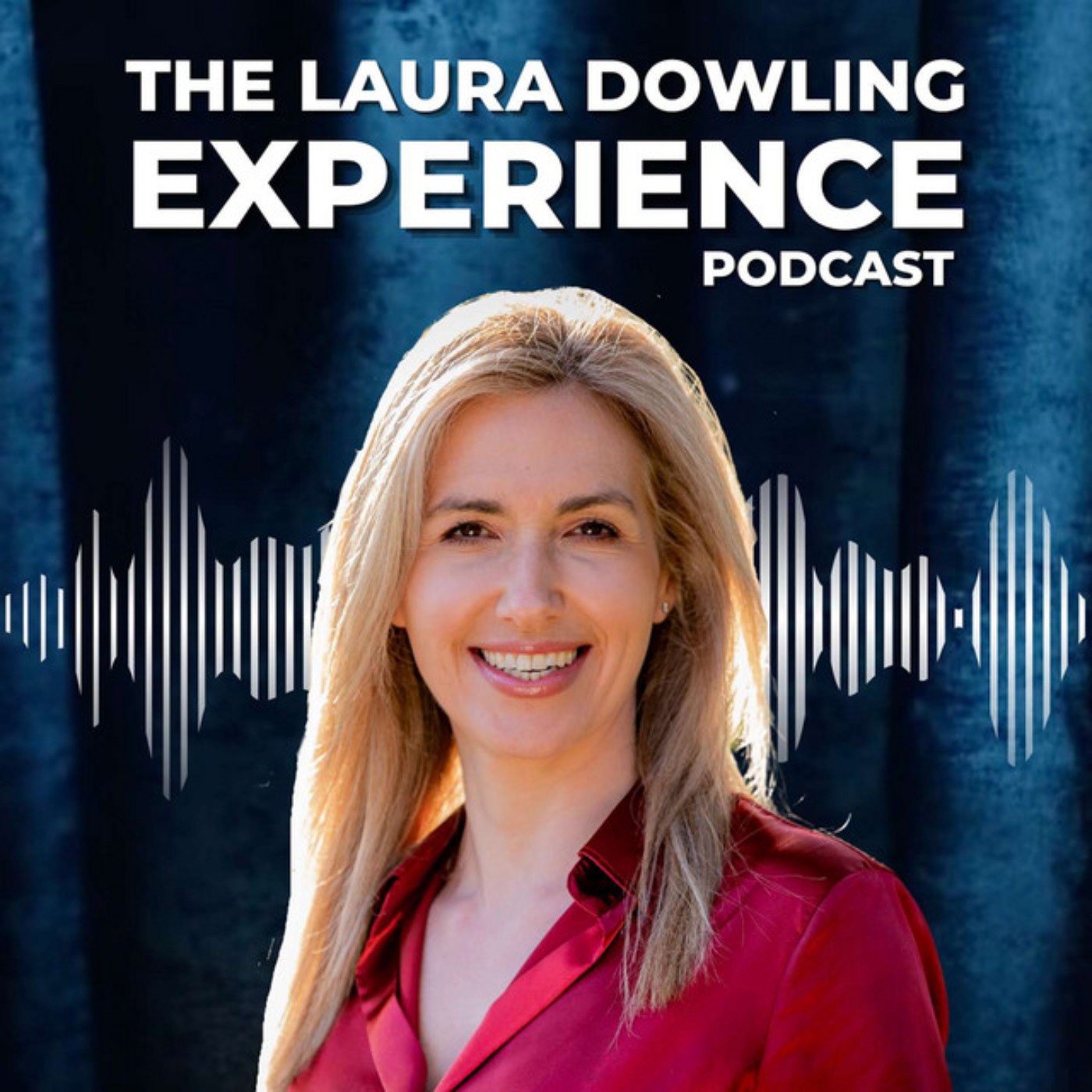
The Laura Dowling Experience
Laura Dowling
Show overview
The Laura Dowling Experience has been publishing since 2022, and across the 4 years since has built a catalogue of 176 episodes. That works out to roughly 250 hours of audio in total. Releases follow a weekly cadence.
Episodes typically run an hour to ninety minutes — most land between 1h 10m and 1h 42m — though episode length varies meaningfully from one episode to the next. It is catalogued as a EN-language Health & Fitness show.
The show is actively publishing — the most recent episode landed yesterday, with 21 episodes already out so far this year. The busiest year was 2025, with 51 episodes published. Published by Laura Dowling.
From the publisher
Conversations about health, science, wellness, life, love, sex and everything in-between. Laura is a Pharmacist who loves to talk to interesting people about their unique life and work experiences. See @fabulouspharmacist on instagram for more information. Hosted on Acast. See acast.com/privacy for more information.
Latest Episodes
View all 176 episodes#169 Barbara Scully | The Things They Don't Tell You About Getting Older
Bitesize Moment: "I Haven't Felt Right in Three Years." — Dr Sarah Callaghan on how perimenopause sneaks up
#168 Maria Walsh | Deepfakes, Politics and Women's Health
#167 Michelle Flynn on Why Some Experiences Stay With Us
Mary Ryan | The Things We Ignore About Women’s Health
Hannah Daly | ADHD, Autism, and Being Diagnosed Later in Life

Ep 164The Reality of School Meals in Ireland Today with Ger Killian
🎧 Episode DescriptionThis conversation with Ger Killian offers a thoughtful and honest look at what it really means to feed children in today’s world. As co-founder of The Lunch Bag, Ger has spent years navigating the realities of school meals - from supply chains and budgets to the emotional responses of parents and children alike.What emerges is a story not just about food, but about trust. Trust from parents who want reassurance their child will eat. Trust from children learning to try new things. And trust in a system that is still evolving, trying to balance immediate needs with long-term impact.This episode gently challenges assumptions, reminding us that meaningful change takes time. It invites us to think more deeply about how we support children - not just nutritionally, but emotionally and socially too.🔑 Key PointsWhy “safe foods” matterRemoving familiar foods like chicken goujons revealed how important predictable meals are for children, especially those under stress.The complexity of feeding children at scaleDelivering meals involves logistics, cost pressures, regulations, and nutritional standards that most people never see.The unintended consequences of a welfare modelTargeting meals at certain children can create stigma and affect how children engage with food in school.The role of culture in what children eatHistorical and cultural influences shape how children respond to unfamiliar foods and new meals.Parental instinct and food securityParents often send extra lunches not out of distrust, but from a deep instinct to ensure their child is fed.The importance of education around foodWithout teaching children what they are eating, meals can feel unfamiliar and disengaging rather than supportive.A long-term opportunity for changeSchool meals have the potential to improve not just nutrition, but equality, behaviour, and future outcomes.📚 Mentioned in this EpisodeThe Lunch BagA leading Irish school meal provider delivering fresh, nutritionally balanced lunches to schools nationwide.Website - https://www.thelunchbag.ie/Instagram - https://www.instagram.com/thelunchbag_/Healthy Ireland GuidelinesNational nutritional standards that define what a balanced school meal should include in terms of protein, vegetables, and overall health.World Food ProgrammeA global organisation that highlights how access to school meals, particularly for girls, can improve education and long-term outcomes.EU Child GuaranteeA European initiative focused on ensuring children have access to essential services, including nutritious food and education.BallymaloeAn Irish food producer and cookery school that supported the development of nutritious sauces for school meals.Spice of Life (Cork)A food supplier that helped create large-scale, nutritionally balanced sauces for school meal programmes.Willowbrook (Belfast)A supplier providing fresh fruit and vegetables used in school meals across Ireland.⏱️ Timestamps00:00 - Introduction to Ger and The Lunch Bag03:00 - Building a school meal service from scratch07:00 - The rollout of free school meals10:00 - Welfare vs progressive school meal models13:00 - Why children disengage from meals over time18:30 - How school meals are produced and delivered27:00 - Food culture and food neophobia in Ireland32:00 - The chicken goujon controversy36:00 - Reformulating “safe foods” for children40:00 - Nutrition, lentils, and hidden improvements48:00 - Food waste and misunderstanding the system54:00 - What needs to change moving forwardThanks for listening! You can watch the full episode on YouTube here. Don’t forget to follow The Laura Dowling Experience podcast on Instagram @lauradowlingexperience for updates and more information. You can also follow our host, Laura Dowling, @fabulouspharmacist for more insights and tips. If you enjoyed this episode, please subscribe and leave a review—it really helps us out! Stay tuned for more great conversations. Hosted on Acast. See acast.com/privacy for more information.

Ep 163Dr Andy Hogan on How the Immune System Shapes Your Health
🎧 Episode DescriptionThis episode traces Dr Andy Hogan’s path into immunology, from a childhood curiosity to a career exploring how the immune system shapes our health. Growing up in a challenging environment, the Access Programme gave him a route into higher education - highlighting the impact of support and opportunity.Alongside his story, Andy explains the immune system not just as a defence against illness, but as something deeply involved in everyday health. He explores how obesity, ageing, and chronic inflammation affect immune function, and how these links connect to conditions like diabetes, cancer, and infection.There’s also reflection on COVID-19, vaccines, and the future of medicine - from why pandemics were expected to how immunity develops over time. It’s a conversation that blends scientific insight with real-world impact.🔑 Key PointsA single opportunity can reshape a futureThe Access Programme gave Andy a pathway into higher education.A childhood moment led to a scientific careerEarly curiosity about genetics sparked a lifelong interest in biology.The immune system shapes everyday healthIt regulates metabolism, tissue health, and overall balance - not just infection.Obesity and immune ageing are linkedObesity can accelerate immune decline and affect disease response.COVID-19 exposed immune vulnerabilitiesThe pandemic showed how differently populations respond to new threats.Medical research is opening new possibilitiesImmunology is unlocking new treatments for complex diseases.Vaccines protect communities, not just individualsThey play a key role in protecting the most vulnerable.📚 Mentioned in this EpisodeAccess Programme – Supports students from underrepresented backgrounds into higher education.Donal O’Shea – Endocrinologist focused on obesity and metabolic health.Fiona Walsh – Researcher in antibiotic resistance and global health.GLP-1 medications – Drugs that regulate appetite and blood sugar.NK cells & macrophages – Immune cells that destroy threats and clear debris.CAR-T therapy & CRISPR – Technologies advancing cancer treatment and gene editing.HPV – Virus linked to several cancers; preventable through vaccination.Spanish flu, SARS, MERS, H1N1 – Major outbreaks shaping our understanding of pandemics.⏱️ Timestamps00:00 – Andy’s work in immunology01:30 – Obesity and immune health02:30 – GLP-1 therapies04:00 – Early life and biology06:00 – Access Programme10:30 – Finding immunology14:30 – Immune system basics18:30 – COVID-19 insights21:00 – Age and immune response24:00 – Vaccines28:00 – Future of medicineThanks for listening! You can watch the full episode on YouTube here. Don’t forget to follow The Laura Dowling Experience podcast on Instagram @lauradowlingexperience for updates and more information. You can also follow our host, Laura Dowling, @fabulouspharmacist for more insights and tips. If you enjoyed this episode, please subscribe and leave a review—it really helps us out! Stay tuned for more great conversations. Hosted on Acast. See acast.com/privacy for more information.

Ep 162The Power of Posture: Dignity in Later Life
🎧 Episode DescriptionOccupational therapist Martina Tierney joins the podcast to share how something as ordinary as a chair can profoundly shape a person’s health, independence and dignity.After witnessing older people being sold expensive but inappropriate equipment, Martina set out to change the system. What followed was the creation of Seating Matters, a company grounded in clinical evidence, compassion and respect. In this conversation, she explains how posture affects breathing, swallowing, pressure injuries, cognition and even a person’s sense of self.From the woman who could finally lift her head and make eye contact, to the man who believed he would die in bed until he was helped into a supportive chair and wheeled outside, this episode is a powerful reminder that dignity is often found in the smallest details.🔑 Key PointsFrom Frustration to InnovationMartina recognised that people were being sold expensive equipment without proper assessment, sparking the creation of Seating Matters.The Woman Who Could Finally Lift Her HeadA properly fitted chair restored eye contact, safety and dignity to someone previously slumped and disengaged.“I Thought I Was Going to Die in Bed”A hospice patient’s simple wish to sit outside highlighted how seating can transform end of life experience.The Psychological Power of Sitting UprightBeing out of bed shifts someone from passive patient to active participant in their own care.Reframing Dementia BehavioursWhat is labelled as aggression may be sensory disorientation. Understanding this changes how we respond.Health Consequences We OverlookPoor seating can contribute to pressure injuries, swallowing difficulties and recurrent urinary infections.Equity in EquipmentPeople of size deserve equipment that fits them properly and respectfully.Family, Loss and PerspectiveMartina reflects on building the business with her husband and the importance of not postponing life.📚 Mentioned in this EpisodeSeating Matters - A global seating and posture company founded by occupational therapist Martina Tierney, focused on improving dignity, independence and clinical outcomes through proper supportive seating.https://seatingmatters.com/gb-iePressure Injuries - National Pressure Injury Advisory Panel (NPIAP) - Also known as bed sores, pressure injuries occur when prolonged pressure reduces blood flow to skin and underlying tissue, most commonly around bony areas such as the sacrum and coccyx.https://npiap.com/page/PressureInjuryStagesWorld Federation of Occupational Therapists (WFOT) - The international body representing occupational therapists worldwide, promoting the role of OT in enabling independence, participation and meaningful daily life.https://wfot.org/⏱️ Timestamps00:00 - From Frustrated OT to Founder06:00 - “What Matters to You?” The OT Philosophy12:00 - A Family Business Is Born15:10 - The Man Who Thought He Would Never See Outside Again18:45 - The Woman Who Could Finally Lift Her Head21:10 - Why Getting Out of Bed Changes Everything27:20 - Understanding Dementia Differently33:00 - Designing Chairs for People of Size40:45 - Losing James and Rethinking Work51:10 - What Really Matters in LifeThanks for listening! You can watch the full episode on YouTube here. Don’t forget to follow The Laura Dowling Experience podcast on Instagram @lauradowlingexperience for updates and more information. You can also follow our host, Laura Dowling, @fabulouspharmacist for more insights and tips. If you enjoyed this episode, please subscribe and leave a review—it really helps us out! Stay tuned for more great conversations. Hosted on Acast. See acast.com/privacy for more information.

Ep 161Women in Politics: Online Misogyny and the Fight to Be Heard
🎧 Episode DescriptionWhat does it really take for women to enter politics today?In this special edition from the European Parliament, Laura Dowling speaks with MEPs Kathleen Funchion and Cynthia Ní Mhurchú on International Women’s Day about their experiences of political life and the wider landscape for women entering leadership roles.Through personal stories and candid reflections, they discuss how they each found their way into politics and why there is no single blueprint for women who want to lead. The conversation explores the growing issue of online misogyny, the importance of representation in shaping policy on issues such as domestic violence, and the role Irish political parties must play in supporting more women to participate and progress into leadership positions.Together, they reflect on the resilience required to remain in public life and why creating a more inclusive political culture matters not only for women, but for democracy itself.🔑 Key PointsThe reality of online misogyny in politicsBoth guests speak openly about the misogynistic abuse female politicians face online and how social media harassment has become a serious barrier discouraging women from entering public life.There is no single path into politicsKathleen Funchion and Cynthia Ní Mhurchú reflect on their personal journeys into politics, showing that women often arrive through very different life experiences and career paths.Why representation in politics mattersThe conversation highlights how having more women in political leadership influences the issues that receive attention, including policies that directly affect women’s lives.The impact of abuse on families and future candidatesOnline harassment does not only affect politicians themselves - many women hesitate to run for office because they worry about the impact on their families and children.Turning experience into political actionRather than ignoring abuse, the guests discuss how they channel these experiences into advocacy and policy work aimed at addressing misogyny and harassment.The role of political parties in supporting womenIrish political parties, they argue, must do more to actively encourage and support women who want to enter politics and progress into leadership roles.Domestic violence and policy responsibilityThe discussion touches on how political representation can shape legislation and awareness around issues such as domestic violence and safety for women.Resilience in public lifeRemaining in politics often requires resilience and support networks, especially for women navigating hostility in public spaces.⏱️ Timestamps05:10 - Kathleen and Cynthia share how they first entered politics11:40 - Why there is no single blueprint for women entering political life14:10 - Confidence, opportunity, and why women hesitate to run19:20 - Online misogyny and the abuse women face on social media28:10 - The impact of online harassment on families and future candidates36:50 - The importance of representation in politics and policymaking49:00 - Domestic violence and the role of policy leadership55:00 - Encouraging more women to participate in political leadership59:20 - Resilience, public service, and the future of women in politicsThanks for listening! You can watch the full episode on YouTube here. Don’t forget to follow The Laura Dowling Experience podcast on Instagram @lauradowlingexperience for updates and more information. You can also follow our host, Laura Dowling, @fabulouspharmacist for more insights and tips. If you enjoyed this episode, please subscribe and leave a review—it really helps us out! Stay tuned for more great conversations. Hosted on Acast. See acast.com/privacy for more information.

Ep 160Aoife Dunne: Ayahuasca, Grief and an Unexpected Route into Comedy
🎧 Episode DescriptionLaura sits down with comedian Aoife Dunne for an honest and humorous conversation about everything from grief and fear to the unexpected turns life can take.Aoife opens up about the sudden loss of her mum while she was backpacking in her early twenties - a moment that changed the course of her life. After spending time in therapy and trying to make sense of the fear she carried, she eventually travelled to Brazil and took part in an ayahuasca ceremony with the hope of letting go of something she felt was holding her back.Alongside moments of humour, Aoife speaks candidly about fear, self-doubt, and what can happen when we stop trying to control every step of the journey. She shares how her unusual route into comedy emerged from years of searching, reflection, and gradually learning to trust where life might lead her.🔑 Key PointsLosing her mum while travellingAoife reflects on receiving the news of her mother’s death while backpacking in her twenties and the shock of navigating grief far from home.Learning to live with lossAoife talks about how grief shaped her twenties and how it continued to influence the way she approached life and relationships.The fear that held her backAoife talks about the deep sense of fear she carried for many years - something she felt stopped her from fully pursuing the things she wanted in life.Travelling to Brazil for an ayahuasca ceremonyAoife explains why she eventually chose to take part in the ceremony and what she hoped to release.An unusual route into comedyAoife reflects on how she ended up performing comedy despite never initially seeing it as her path.A new perspective on what mattersAoife reflects on how grief and reflection helped her appreciate the deeper value of love, relationships and everyday life.📚 Mentioned in this EpisodeAoife Dunne – Official Website & Tour DatesFind Aoife’s upcoming shows, including her stand-up show Good Grief, and buy tickets here:https://aoifedunnecomedy.com/?utm_source=ig&utm_medium=social&utm_content=link_in_bio&fbclid=PAZXh0bgNhZW0CMTEAc3J0YwZhcHBfaWQMMjU2MjgxMDQwNTU4AAGncw1_OANO5trgzPuPL8lgOyBgmPgZt5OmJPMsxM0zj5P22v0kv5jsSqtynaw_aem_CrTmYABNtRBRDzzKsiU62gAoife Dunne on InstagramFollow Aoife for updates, clips and tour announcements:https://www.instagram.com/aoife_is_never_dunne/⏱️ Timestamps00:00 – Introduction and meeting Aoife Dunne06:00 – Growing up, family stories and humour12:30 – “Aoife Dunne is a slut”18:40 – Losing her mum while travelling in South America27:00 – The lasting impact of grief33:10 – Argentinian men vs Irish men44:00 – Deciding to try ayahuasca in Brazil50:30 – The emotional experience during the ceremony58:20 – A new way of seeing her life01:11:40 – An unusual path into comedy01:28:00 – Not needing a perfect life plan01:45:30 – The pressure of expectations in your thirtiesThanks for listening! You can watch the full episode on YouTube here. Don’t forget to follow The Laura Dowling Experience podcast on Instagram @lauradowlingexperience for updates and more information. You can also follow our host, Laura Dowling, @fabulouspharmacist for more insights and tips. If you enjoyed this episode, please subscribe and leave a review—it really helps us out! Stay tuned for more great conversations. Hosted on Acast. See acast.com/privacy for more information.

Ep 159Why I Left Stockbroking to Sell Cars From My Drive with Nadia Adan
🎧 Episode DescriptionArriving in Ireland from Somalia as a child after years of displacement, Nadia grew up watching her mother sacrifice everything to create stability through education. That path led her into finance and onto a trading floor surrounded by high earners and high pressure — a version of success that looked impressive but never fully felt aligned.What began with selling her own 08 BMW after a disappointing dealer offer gradually turned into something bigger. From selling cars on her drive to leasing a yard just before the pandemic, Nadia shares the discipline, doubt, criticism and resilience behind building Ashford Motors.🔑 Key PointsDisplacement and DeterminationNadia shares how early instability and migration shaped her resilience.The Weight of ExpectationGrowing up with a mother who sacrificed everything created both pressure and motivation.Success That Didn’t Feel Like SuccessDespite qualifying as a stockbroker, something felt missing.An Accidental Entrepreneurial SparkSelling her own BMW revealed a different path.Building From Her Own DriveBefore Ashford Motors, she was learning, reinvesting, and doing everything herself.The Shock of the PandemicOpening a yard just before lockdown threatened the business before it had momentum.Visibility Through Social MediaTurning to TikTok became a lifeline when no one knew who she was.Choosing Belief Over ApprovalReceiving SIMI accreditation marked a turning point in confidence.📚 Mentioned in this EpisodeAshford Motors – Founded by Nadia, a luxury and premium car dealership.https://www.ashfordmotors.ie/Ashford Approved (AM Approved) – Nadia’s second garage, offering more affordable and accessible vehicles alongside her premium range.https://www.amapproved.ie/SIMI (Society of the Irish Motor Industry) – The official representative body for the motor industry in Ireland, providing accreditation and governance standards for dealerships and motor businesses.https://www.simi.ie/⏱️ Timestamps00:00 – From Somalia to Ireland06:30 – Education and the Path Into Finance13:00 – Inside the High-Pressure Trading Floor21:00 – Reselling the 08 BMW29:00 – Reinvesting Profits and Learning the Trade36:00 – Opening Ashford Motors41:00 – Lockdown Shock46:00 – Marketing Through Social Media54:00 – Reputation, Criticism and Credibility01:01:00 – SIMI Accreditation01:08:00 – Building a Business With DisciplineThanks for listening! You can watch the full episode on YouTube here. Don’t forget to follow The Laura Dowling Experience podcast on Instagram @lauradowlingexperience for updates and more information. You can also follow our host, Laura Dowling, @fabulouspharmacist for more insights and tips. If you enjoyed this episode, please subscribe and leave a review—it really helps us out! Stay tuned for more great conversations. Hosted on Acast. See acast.com/privacy for more information.

Ep 158Understanding Eating Disorders - Control, Shame, and Recovery with Laura Casey
🎧 Episode DescriptionEating disorders are complex, layered, and often hidden in plain sight. In this episode, psychiatric nurse Laura Casey helps us understand the difference between disordered eating and a clinically diagnosed eating disorder - and why that distinction matters.Drawing on years of frontline experience, Laura explores the psychological roots of anorexia, bulimia, binge eating disorder, and ARFID. She explains how these illnesses are not about vanity, but instead are coping mechanisms linked to trauma, anxiety, perfectionism, grief, and the need for control. She also sheds light on the physical risks - from refeeding syndrome to bone density loss - and why early intervention dramatically improves the chances of full recovery.Alongside clinical insight, this episode gives voice to the lived experience of those struggling in silence. It addresses stigma within healthcare, the pressure of social media, the rise in cases during COVID, and the heartbreaking reality that Ireland currently has only three public adult inpatient beds.🔑 Key Points1. When Food Becomes an Internal BattleEating disorders often involve a powerful internal voice that overrides rational thinking and drives secrecy, rigidity, and isolation.2. ARFID and NeurodivergenceAvoidant Restrictive Food Intake Disorder is increasingly recognised, particularly in neurodivergent individuals, and deserves equal seriousness and support.3. The Role of Trauma and AnxietyExperiences such as grief, bullying, family breakdown, or suppressed emotions can contribute to the development of disordered eating behaviours.4. The Hidden Physical TollMalnourishment affects cognition, heart function, bone health, sleep, fertility, and digestion - and purging behaviours can cause serious internal damage.5. Why Families MatterFamily dynamics can influence recovery - both positively and negatively - and family therapy can play a crucial role in long-term progress.6. Relapse Is a Blip, Not a FailureRecovery can include setbacks. Early warning signs and relapse prevention planning are key to sustaining progress.7. Stigma Within HealthcareMany people feel dismissed or reduced to their diagnosis when seeking treatment - highlighting the need for holistic, compassionate care.📚 Mentioned in This EpisodeDSM-5 - Diagnostic and Statistical Manual of Mental DisordersICD Codes - International Classification of DiseasesEating DisordersAnorexia nervosa/Bulimia nervosa/Binge Eating Disorder/Avoidant Restrictive Food Intake Disorder - ARFIDhttps://www2.hse.ie/conditions/anorexia-nervosa/Refeeding SyndromeCBT - Cognitive Behavioural TherapyDBT - Dialectical Behaviour TherapyBodywhys - The Eating Disorders Association of Irelandhttps://bodywhys.ie/+353 01 210 7906Samaritans [email protected]: 116 123Pieta HouseFreephone: 1800 247 2470818 111 126HSE Eating Disorder Teams (Public Health)1800 111 888(Referral must be made through GP)Lois Bridges (Private/Self pay/HSE funding)[email protected]+353 87 653 9747CARED Ireland(Caring About Recovery from an Eating Disorder)[email protected] [email protected] TherapistLana [email protected]⏱️ Timestamps03:00 – Disordered Eating vs Eating Disorders07:00 – ARFID and Sensory Restriction13:00 – Trauma, Perfectionism and Control18:30 – Medical Risks and Refeeding24:00 – Specialist Therapies and Medication29:30 – The Gap in Irish Services34:00 – What Parents and Friends Can Do40:00 – Relapse Prevention and WRAP Planning46:00 – Hope at Any Stage of LifeThanks for listening! You can watch the full episode on YouTube here. Don’t forget to follow The Laura Dowling Experience podcast on Instagram @lauradowlingexperience for updates and more information. You can also follow our host, Laura Dowling, @fabulouspharmacist for more insights and tips. If you enjoyed this episode, please subscribe and leave a review—it really helps us out! Stay tuned for more great conversations. Hosted on Acast. See acast.com/privacy for more information.

Ep 157Liz Dwyer on When the System Keeps You Married
🎧 Episode DescriptionLiz Dwyer joins the podcast to discuss what life looks like when separation doesn’t bring closure. Still legally married six years on, she reflects on the gaps in Ireland’s divorce process and the contradictions of being asked to co-parent calmly while fighting legal battles behind the scenes.Beyond the courtroom, Liz talks about the coping tools that kept her going, from the books that helped her make sense of what she was living through to the unexpected fun of dating again.Liz also speaks about later marriage and family-building in Ireland, and her work on the Future Fertility Show, which focuses on education, access, and support around fertility and reproductive health. Key PointsHonest discussion about cosmetic and pelvic health treatments — what works and what doesn’tWhy pelvic floor strength matters more than cosmetic proceduresHow Ireland’s divorce system is slow, opaque, and outdatedThe emotional and financial toll of being stuck in long-term legal limboLack of transparency and consistency in family court decisionsBeing forced to co-parent while legally positioned as adversariesTotal absence of structured support for people going through divorceComparison with faster, more straightforward divorce systems abroadDating after separation as an unexpected source of healing and perspectiveThe need for real support networks around divorce, fertility, and family change📚 Mentioned in this EpisodeBroken Open – Elizabeth LesserA reflective book about how major life upheavals such as divorce, loss, or illness can break familiar structures and open the door to growth, meaning, and change. It explores resilience, identity, and rebuilding after rupture.Future Fertility ShowA fertility-focused event covering education, clinics, talks, and support services.📍 Location: RDS, Dublin📅 Dates: March 21–22🎟️ Tickets: https://www.futurefertilityshow.com/Future Beauty ShowA medical-led beauty and health event focused on hormones, wellbeing, and evidence-based education.📍 Location: RDS, Dublin📅 Dates: March 21–22🎟️ Tickets: https://futurebeautyshow.com/Future Men’s Health ShowAn event dedicated to men’s health, hormones, longevity, and wellbeing, developed in response to growing demand for accessible expert-led information.📍 Location: RDS, Dublin📅 Dates: March 21–22🎟️ Tickets: https://www.futuremenshealth.com/⏱️ Timestamps03:10 – Trying beauty treatments to give honest advice06:05 – Why divorce in Ireland is so difficult14:10 – Court delays and legal limbo17:45 – Co-parenting pressures26:30 – Psychological toll of uncertainty31:10 – Lack of support structures36:45 – Books and coping tools45:50 – Dating after separation50:40 – Future Fertility ShowThanks for listening! You can watch the full episode on YouTube here. Don’t forget to follow The Laura Dowling Experience podcast on Instagram @lauradowlingexperience for updates and more information. You can also follow our host, Laura Dowling, @fabulouspharmacist for more insights and tips. If you enjoyed this episode, please subscribe and leave a review—it really helps us out! Stay tuned for more great conversations. Hosted on Acast. See acast.com/privacy for more information.

Ep 156Building, Leading & Letting Go With Anne Heraty & Eimear McCrann
🎧 Episode DescriptionThis conversation brings together Eimear McCrann, Director EY Entrepreneur Of The Year and Anne Heraty, EOY Judge and Founder CPL Resourced, to unpack the realities of entrepreneurship from two deeply experienced perspectives – one from building and leading a business over decades, and the other from supporting hundreds of founders through every stage of growth.Anne reflects on the long arc of her entrepreneurial journey, from early beginnings to international expansion, public markets, and ultimately stepping back from the business she built. She shares honest insights into resilience, leadership under scrutiny, and the personal trade-offs that come with responsibility.Eimear shares what she has learned from working at the heart of the Entrepreneur of the Year programme, including why women often hesitate to put themselves forward despite strong businesses. Together, they explore how community, shared learning, and trusted relationships can make entrepreneurship more sustainable – especially during periods of uncertainty and change.🔑 Key PointsLeadership Requires Comfort With UncertaintyEntrepreneurs must make decisions without full information, learning to respond rather than react when things change.Building Through Cycles of ChangeBusinesses move through booms, crashes, and reinvention, requiring resilience and adaptability at every stage.Confidence Gaps Still Affect Female FoundersWomen tend to underestimate their readiness, particularly when recognition or visibility is involved.Peer Networks Accelerate Better DecisionsAccess to founders with lived experience helps entrepreneurs navigate challenges more effectively.Letting Go Is a Leadership SkillStepping back from a business requires trust, planning, and an identity shift, not just financial readiness.Entrepreneurship Is Ultimately About PeopleTeams, trust, and shared values shape sustainable businesses.📚 Mentioned in this EpisodeCPLFounded by Anne Heraty in 1990, CPL grew from a small recruitment firm into a large international recruitment and outsourcing group employing thousands of people across multiple countries.EY Entrepreneur of the YearIreland’s flagship entrepreneurship programme supporting founders through a year-long process focused on community, learning, and long-term impact.⏱️ Timestamps00:00 – Introduction and Focus on Female Entrepreneurship03:10 – What the EY Entrepreneur of the Year Programme Really Is06:20 – Anne Heraty’s Early Business Beginnings10:15 – Scaling, Market Crashes, and Reinvention15:30 – Confidence, Timing, and Women Putting Themselves Forward20:10 – The Value of Entrepreneurial Community24:40 – Expanding Into New Markets and Cultural Differences29:30 – Leadership, Uncertainty, and Decision-Making33:45 – Letting Go of a Business and Life After Exit38:10 – Advice for Young People and Building Relationships42:30 – Reflections on Meaning, Legacy, and ImpactThanks for listening! You can watch the full episode on YouTube here. Don’t forget to follow The Laura Dowling Experience podcast on Instagram @lauradowlingexperience for updates and more information. You can also follow our host, Laura Dowling, @fabulouspharmacist for more insights and tips. If you enjoyed this episode, please subscribe and leave a review—it really helps us out! Stay tuned for more great conversations. Hosted on Acast. See acast.com/privacy for more information.

Ep 155Síle Seoige: The Year Everything Changed
🎧 Episode DescriptionIn this episode, Laura sits down with Síle Seoige to talk about a period in her early thirties when everything changed at once. Síle speaks about being diagnosed with thyroid cancer, the impact that had on her work and personal life, and how it forced her to stop and reassess in a way she hadn’t before.She talks about anxiety from the inside, not recognising it at the time, only later, and how listening to other people’s stories during the making of her documentaries made her re-examine her own experiences. The conversation also moves through parenting, work, and the practical decisions Síle has made around boundaries, time away from home, and what she will and won’t say yes to now.The discussion is closely tied to Síle’s new documentary series Séalaí le Síle, filmed over several months and exploring three major themes: parenting, anxiety, and bullying. The series airs on TG4 on Wednesday nights, beginning on Wednesday 11 February, with each episode focusing on one topic. Drawing on conversations with families, experts, and people sharing their own lived experiences in Ireland and abroad, Síle describes the project as an attempt to better understand why so many people are struggling in the world as it is now.🔑 Key PointsA year that changed everythingSíle speaks about a period when illness, work, and personal life collided, forcing her to stop and take stock in a way she hadn’t before.Living with anxiety without naming itShe describes experiencing anxiety for years without recognising it at the time, only understanding it later through hindsight and listening to others.Illness as a line in the sandA thyroid cancer diagnosis brought clarity about what mattered, what didn’t, and what could no longer be ignored.Parenting in a pressured systemThe conversation looks at how modern parenting is shaped by time, money, childcare, and expectation.Learning to set boundariesSíle talks about becoming more boundaried around work, travel, and time away from home, and why saying no has become necessary.Listening to other people’s experiencesMaking the documentaries prompted Síle to reconsider parts of her own life she hadn’t fully examined before.Bullying beyond childhoodBullying is discussed as something that affects adults too, particularly in workplaces and public-facing roles.Questioning what we call ‘normal’The episode repeatedly returns to the idea that many struggles make sense when placed in the context of modern life.⏱️ Timestamps04:20 – The documentaries and why these topics mattered06:30 – Parenting, pressure, and guilt08:10 – Parenting today and the pressure parents are under17:00 – Anxiety and missing language25:10 – Illness, shock, and being forced to stop37:20 – Parenting decisions and limits44:00 – Media exposure and public life52:10 – Identity and reflectionThanks for listening! You can watch the full episode on YouTube here. Don’t forget to follow The Laura Dowling Experience podcast on Instagram @lauradowlingexperience for updates and more information. You can also follow our host, Laura Dowling, @fabulouspharmacist for more insights and tips. If you enjoyed this episode, please subscribe and leave a review—it really helps us out! Stay tuned for more great conversations. Hosted on Acast. See acast.com/privacy for more information.

Ep 154Dating When You’re Ready and When They’re Not | Mairead the Matchmaker
🎧 Episode DescriptionIn this episode, Laura explores why dating so often feels exhausting, confusing, or discouraging, particularly when one person is ready for commitment and the other is not in the same place.Drawing on insight from Mairead the Matchmaker, the conversation looks at how timing, life stage, and emotional readiness shape modern relationships. It reflects on patterns that come up again and again, including men waiting until life feels secure before committing, women staying open to connection despite setbacks, and how early communication often sets the tone for what follows.Rather than offering quick fixes, this episode focuses on clarity and self understanding, recognising when a situation is not aligned with what you want, and trusting that dating should not require you to minimise yourself. It is a thoughtful, grounded conversation for anyone navigating modern dating with honesty and intention.🔑 Key PointsReadiness matters more than chemistryStrong attraction does not lead anywhere if two people are not emotionally or practically ready at the same time.Men and women often date differentlyMen often wait until life feels stable before committing, while women tend to stay open to connection.Communication sets the tone earlyHow someone communicates at the beginning usually reflects how they will communicate long term.Dating is a numbers game, without being unkindMeeting the right person requires consistency while still treating people with respect.Not every relationship should lastStaying in something unhealthy can be more damaging than leaving.The right relationship allows you to be yourselfA healthy partnership feels supportive rather than constraining.⏱️ Timestamps00:00 – Introduction and why dating feels difficult03:30 – Why people are marrying later in Ireland08:00 – Readiness and timing12:00 – When one person is ready and the other is not16:00 – Using dating apps properly19:30 – Communication patterns and early red flags26:00 – Dating as a numbers game33:30 – Confidence built through action39:30 – How the wrong relationship affects wellbeing43:00 – Five questions to assess a relationship49:30 – Knowing when to walk away56:00 – Staying open without burnoutThanks for listening! You can watch the full episode on YouTube here. Don’t forget to follow The Laura Dowling Experience podcast on Instagram @lauradowlingexperience for updates and more information. You can also follow our host, Laura Dowling, @fabulouspharmacist for more insights and tips. If you enjoyed this episode, please subscribe and leave a review—it really helps us out! Stay tuned for more great conversations. Hosted on Acast. See acast.com/privacy for more information.

Ep 153What Your Mouth Reveals About Your Health with Eimear Mithen
🎧 Episode DescriptionLaura is joined by dental hygienist Eimear for a clear, practical conversation about oral health and why it connects to the rest of the body, not just your teeth. They talk about plaque, tartar and gum disease, what causes bleeding gums, and why brushing your teeth without brushing your gums misses half the problem.Eimear explains why interdental brushes work better than floss for most people, how electric toothbrushes remove far more plaque than manual ones, and why soft brushes are better than hard ones. She also talks about mouth breathing, tongue scraping, night guards for grinding, and what happens when plaque is left to harden under the gums.The conversation then moves into some of the less expected links between oral health and things like menopause, pregnancy, arthritis, diabetes and cancer treatment. Throughout it all, Eimear keeps coming back to prevention, showing how small, realistic habits can reduce risk and protect your teeth and gums over the long term.🔑 Key PointsMost people are not cleaning where it matters mostBacteria sits along the gumline and between the teeth, which is why brushing only the visible surfaces leaves disease behind.Plaque becomes harmful when it is left too longSoft plaque hardens into tartar and creates a protected space where more aggressive bacteria can grow and damage gums and bone.Tools matter more than people realiseElectric toothbrushes and interdental brushes remove far more bacteria than manual brushing and flossing.Saliva plays a major role in oral healthDry mouth, common during menopause, illness and medication use, changes the balance of bacteria and increases the risk of decay and gum disease.Gum disease is not just a mouth problemInflammation and bacteria are linked with conditions like diabetes, arthritis, pregnancy complications and Alzheimer’s.Grinding and clenching cause real damageNight-time grinding can shorten teeth, irritate gums and strain the jaw.Consistency beats perfectionRegular, simple habits protect the mouth better than occasional intense cleaning.⏱️ Timestamps00:00 – Why gum disease is linked to Alzheimer’s01:00 – Porphyromonas gingivalis and how it damages the brain02:00 – The vicious cycle between Alzheimer’s and oral health03:00 – Why dentists avoid scaring patients with the 70% statistic17:00 – Diabetes, arthritis and bidirectional gum disease22:00 – Menopause, hormones and dry mouth26:00 – Teeth grinding, night guards and jaw damage28:00 – Mouth breathing and gingivitis30:00 – Tongue scraping and bad breath bacteria45:00 – Mouthwash, chlorhexidine and staining56:00 – Adapting dental care for people with extra needsThanks for listening! You can watch the full episode on YouTube here. Don’t forget to follow The Laura Dowling Experience podcast on Instagram @lauradowlingexperience for updates and more information. You can also follow our host, Laura Dowling, @fabulouspharmacist for more insights and tips. If you enjoyed this episode, please subscribe and leave a review—it really helps us out! Stay tuned for more great conversations. Hosted on Acast. See acast.com/privacy for more information.

Ep 152A Survivor’s Journey to Purpose: Ciara Mangan’s Story
🎧 Episode DescriptionIn this episode of The Laura Dowling Experience, Laura is joined by Ciara Mangan, founder of Beyond Surviving. Ciara reflects on the gaps in long-term trauma support, the challenges survivors face once formal services fall away, and why survival is so often treated as the endpoint rather than the beginning of healing.She speaks about navigating the justice process, the emotional toll of prolonged legal proceedings, and the ways trauma can ripple through families and relationships. Ciara also explores post-traumatic growth, describing how meaning, connection, and purpose became possible over time - without minimising the pain that came before.This episode centres on healing beyond crisis, the importance of survivor-led support, and the understanding that recovery is deeply personal and looks different for everyone.🔑 Key PointsSurvival is often treated as the finish lineCiara reflects on how recovery is expected to be complete once immediate danger has passed, even though healing is only beginning for many survivors.The gap in long-term trauma supportShe speaks about feeling lost once formal services fell away, highlighting how many survivors are left without guidance or connection after crisis support ends.The emotional toll of the justice processCiara shares the impact of navigating prolonged legal proceedings and how systems intended to protect can sometimes retraumatise survivors.How trauma ripples through families and relationshipsThe conversation explores the long-term effects of trauma on trust, intimacy, and family dynamics.Post-traumatic growth without minimising painCiara discusses growth as something that can emerge slowly over time, without pressure to reframe trauma as a positive experience.The importance of being believedValidation from family, professionals, and the justice system is shown to be central to rebuilding self-worth and safety.Why survivor-led support mattersCiara explains the value of spaces shaped by lived experience, where understanding, safety, and choice are prioritised.Turning lived experience into purposeThe episode closes on Ciara’s decision to found Beyond Surviving, using her experience to support others navigating life after trauma.📚 Mentioned in this EpisodeBeyond Surviving – Survivor-led charity supporting healing beyond crisis. https://beyondsurviving.ie/ Beyond Surviving – Survivors Hub – Resources + community support. https://beyondsurviving.ie/survivors-hub/ Rape Crisis Ireland – 24-hour helpline + links to local support. https://www.rapecrisisireland.ie/ Dublin Rape Crisis Centre (DRCC) – Support services and info. https://www.drcc.ie/ ⏱️ Timestamps00:00 – Opening reflections on survival and recovery06:20 – Reaching the end of crisis support12:40 – Workplace response and social fallout18:00 – Telling her parents what happened25:40 – Deciding to pursue justice30:10 – The trial process35:50 – Being believed and legal validation38:40 – Why survivor-led spaces matter44:10 – The origins of Beyond Surviving45:20 – Exploring post-traumatic growth50:30 – Relationships and rebuilding self-worth57:00 – Closing reflections on healingThanks for listening! You can watch the full episode on YouTube here. Don’t forget to follow The Laura Dowling Experience podcast on Instagram @lauradowlingexperience for updates and more information. You can also follow our host, Laura Dowling, @fabulouspharmacist for more insights and tips. If you enjoyed this episode, please subscribe and leave a review—it really helps us out! Stay tuned for more great conversations. Hosted on Acast. See acast.com/privacy for more information.

Ep 151The Hidden Cost of Mental Health Gatekeeping with Martin Daly
🎧 Episode DescriptionThis episode offers an unflinching look at the realities of Irish healthcare - especially child and adolescent mental health - through the eyes of someone who’s been on the front line for decades. Laura is joined by Martin Daly, a rural GP in County Galway and a TD (Teachta Dála), to explore what it feels like to advocate for children and families inside systems that are overstretched, slow, and often unresponsive.Martin shares a deeply affecting account of a nine-year-old boy experiencing severe OCD, including the barriers faced when trying to access CAMHS - from repeat assessments, to letters being returned, to referrals being deemed “not appropriate”, even as the child’s distress escalates. The story becomes a window into the human cost of rigid thresholds and administrative dysfunction, where families are left carrying fear and uncertainty while clinicians try to push against closing doors.From there, the conversation widens into the bigger picture: the lack of digitisation in the HSE and how basic inefficiencies create real harm; why housing insecurity and “stuck” young adults ripple into mental health and relationships; and what Martin believes Ireland needs to do differently if it wants to protect wellbeing, not just respond to crisis. It’s warm, candid, and grounded in lived reality - ending with a reflective final stretch on kindness, purpose, and what it means to live a good life.⸻🔑 Key PointsAdvocating for children inside broken systemsMartin describes the emotional and professional strain of repeatedly trying to secure care for children while working within rigid, under-resourced structures.When mental health support depends on thresholdsThe conversation explores how eligibility criteria can exclude children who are clearly distressed but not yet deemed to be in crisis.A nine-year-old living with severe OCDA real case highlights how delayed intervention intensifies suffering for both the child and their family.The hidden burden placed on parentsFamilies are left holding fear, responsibility, and risk while waiting for services that may never arrive.Housing insecurity and mental healthMartin connects the housing crisis to rising anxiety, stalled independence, and a growing sense of hopelessness among young people and families.HSE digitisation and administrative failureBasic inefficiencies - from paper-based systems to disconnected services - are shown to cause real harm and delay care when timing matters most.Moral injury in clinical practiceMartin reflects on the ethical toll of knowing what care is needed, but being unable to access it for patients.Social media and youth mental healthConstant exposure and online pressure are discussed as compounding factors in rising anxiety and distress.⸻📚 Mentioned in this EpisodeMartin Daly – Rural GP and TD (Teachta Dála), sharing frontline experience of Irish healthcareChild and Adolescent Mental Health Services (CAMHS) – Referral pathways, thresholds, and access issuesObsessive Compulsive Disorder (OCD) – Childhood presentation and impact when left untreatedADHD – Diagnosis pathways and pressures on assessment servicesHealth Service Executive (HSE) – Structure, capacity issues, and lack of digitisationHousing crisis in Ireland – Links to anxiety, delayed independence, and mental wellbeingSocial media and youth mental health – Ongoing exposure and rising emotional distress⸻⏱️ Timestamps00:00 – Martin’s opening reflections and background04:45 – Life as a rural GP on the frontline09:30 – Accessing child mental health services in Ireland15:10 – How CAMHS thresholds work in practice21:40 – A nine-year-old with severe OCD28:30 – Referrals returned and care denied35:20 – The emotional toll on families41:50 – HSE digitisation and systemic inefficiency48:10 – Housing insecurity and its impact on mental health54:30 – Social media, anxiety, and young people59:40 – Responsibility, kindness, and what a good life meansThanks for listening! You can watch the full episode on YouTube here. Don’t forget to follow The Laura Dowling Experience podcast on Instagram @lauradowlingexperience for updates and more information. You can also follow our host, Laura Dowling, @fabulouspharmacist for more insights and tips. If you enjoyed this episode, please subscribe and leave a review—it really helps us out! Stay tuned for more great conversations. Hosted on Acast. See acast.com/privacy for more information.