
The Josh Lafazan Show
288 episodes — Page 5 of 6
Ep 76The Josh Lafazan Show on YouTube - Episode 77
Judge Rules AGAINST Trump & Musk; JFK Files Released - What's Inside?The Josh Lafazan Show on YouTube - Episode 77Today's top stories in U.S. news, politics, government, and world affairs:In today's episode of The Josh Lafazan Show, we delve into significant political developments impacting the nation:DOGE Defeated in Court – A Major Loss for Trump and MuskWe begin with a stunning legal defeat for the Trump administration. A federal judge has ruled that the Department of Government Efficiency (DOGE) violated constitutional principles in its attempt to dismantle the U.S. Agency for International Development (USAID). The ruling calls out not just the agency’s reckless approach, but also Elon Musk’s improper role in orchestrating these drastic changes.Judge Theodore Chuang’s decision highlights serious concerns, including DOGE’s mishandling of security clearance requirements, its illegal firings, and its effort to shut USAID down entirely—despite lacking the legal authority to do so. Most notably, the ruling underscores Musk’s continued role as the de facto head of DOGE, despite never being confirmed by the Senate. The judge directly challenged the Trump administration’s defense that Musk is merely an informal adviser, stating that if a president could bypass official appointments by installing unconfirmed figures into powerful roles, it would render the Constitution’s Appointments Clause meaningless.Beyond the courtroom, we discuss the broader implications of this ruling. DOGE’s overreach hasn’t been limited to USAID—it has also attempted to exert influence over independent agencies like the U.S. Institute of Peace, which has no obligation to comply with DOGE’s demands. This ruling is not just a loss for Trump—it’s a significant pushback against an administration that has sought to consolidate power in ways that many legal experts consider dangerous and unconstitutional.JFK Files Released – No Smoking Gun, Just Spycraft SecretsThe long-awaited release of additional JFK assassination files was met with high expectations from conspiracy theorists—only to result in a major letdown. Instead of revealing shocking new details about the assassination, the files reinforce the long-standing conclusion: Lee Harvey Oswald acted alone.So why were these documents kept classified for so long? The answer, according to experts, has little to do with the assassination itself and much more to do with protecting Cold War-era intelligence operations. Newly revealed files show that U.S. intelligence was actively intercepting messages from foreign governments during that time, and many of the redactions were intended to shield past espionage techniques rather than cover up a conspiracy.Schumer Faces Political Backlash – Could His Leadership Be in Jeopardy?Senate Majority Leader Chuck Schumer is in hot water with his own party. In the wake of a controversial budget deal that prevented a government shutdown, progressive activists and some Democratic lawmakers have turned against Schumer, accusing him of failing to take a hard enough stance against Trump and Musk’s power grabs.The backlash has been so severe that Schumer was forced to cancel his planned book tour—a clear sign that he is struggling to regain favor among the Democratic base. Calls for his resignation as Senate leader have been growing, with prominent figures and grassroots groups arguing that the party needs a more aggressive leader who won’t compromise with Trump’s agenda.At the heart of the debate is whether Democrats should prioritize governing through bipartisan compromises or take a more combative stance. Some argue that allowing a government shutdown would have actually hurt Trump and Musk more by giving Democrats leverage to curtail some of their most extreme policies. Others counter that a shutdown would have played into Trump’s hands, allowing his administration to unilaterally decide which government functions remained operational, potentially accelerating efforts to dismantle key agencies.We explore the political ramifications of this fight and whether Schumer can survive the mounting pressure from within his own party.Growing Republican Dissatisfaction with Trump and MuskDespite Trump’s continued dominance in the Republican Party, new polling suggests that cracks may be forming in his support. Around 30% of Republicans believe Trump has been “too erratic,” while only a fraction strongly disagrees with that characterization.One of the biggest areas of discontent? The economy. For the first time, Trump’s approval rating on economic issues has dipped into negative territory, with growing concerns over tariffs and federal budget cuts. Even among 2024 Trump voters, 20% disapprove of his handling of tariffs, and 24% of Republican-leaning voters share that sentiment.Concerns are also rising over Musk’s growing influence in federal governance. While Musk has been a key ally of Trump, about 30% of Trump supporters fear that his efforts to slash government programs a
Ep 75The Josh Lafazan Show on YouTube - Episode 76
Trump Wants to IMPEACH Judge - John Roberts Hits Back; Putin Speaks To White HouseThe Josh Lafazan Show on YouTube - Episode 76Today's top stories in U.S. news, politics, government, and world affairs:In today's episode of The Josh Lafazan Show, we delve into significant political developments impacting the nation:Trump Wants a Judge Impeached—But That’s Not How This WorksDonald Trump is once again attacking the judiciary, this time calling for the impeachment of U.S. District Judge James E. Boasberg after he blocked Trump’s attempt to use the 1798 Alien Enemies Act to deport alleged members of the Venezuelan gang Tren de Aragua. Trump is furious, but here’s the reality—impeaching a federal judge requires actual misconduct, not just a ruling a president doesn’t like. We’ll break down the history of judicial impeachments, why the separation of powers is critical to our democracy, and how Trump’s rhetoric poses a real threat to the independence of the courts. Plus, we look at what might happen next—will Trump appeal the decision? Will the Supreme Court weigh in? Could his administration defy the courts altogether?Trump and Putin’s Ceasefire Deal—Is This Real Progress or a Gift to Moscow?In a surprising move, Trump announced that he secured a “limited ceasefire” from Vladimir Putin, halting strikes on Ukraine’s energy infrastructure. But is this really a step toward ending the war, or just another way for Russia to gain leverage? Ukraine is cautiously optimistic but skeptical, and the Kremlin is already framing negotiations as something that should happen between the U.S. and Russia—without Ukraine. That’s a major red flag. We’ll analyze what this means for Ukraine, why Putin would agree to such a deal now, and whether Trump’s friendly posture toward Moscow is part of a larger pattern that should concern us all.Chaos at the U.S. Institute of Peace—What Was DOGE Doing There?Another week, another bizarre clash between the government and Elon Musk’s DOGE agency. This time, DOGE officials—backed by law enforcement—stormed the U.S. Institute of Peace, an independent agency created by Congress to work on global conflict resolution. The agency’s leadership is calling it an illegal takeover. But why was DOGE there in the first place? And does the executive branch even have the authority to dismantle a congressionally funded institution? We break down the constitutional questions at play and why this reckless move is causing outrage in Washington.Trump Overhauls Voice of America—A Blow to Press Freedom?Trump’s latest executive order effectively dismantles the U.S. Agency for Global Media, which oversees Voice of America. The result? Hundreds of journalists have been put on leave, and an organization designed to promote free press worldwide is being gutted. We’ll explore why independent journalism is critical to democracy, what this means for global information access, and how the erosion of free press impacts not just authoritarian regimes but America itself.History Repeats: Nixon’s Resignation & Trump’s Legal WoesWhich U.S. president was the only one to resign from office? It’s a trick question—many assume Nixon was impeached, but he actually resigned before it could happen. We take a look back at the Watergate scandal, the infamous “Saturday Night Massacre,” and the moment Nixon’s own party turned against him. With Trump facing his own legal challenges, could history repeat itself?This Week in History: The End of ApartheidOn March 17, 1992, South Africa voted overwhelmingly to end minority rule, marking the beginning of the end for apartheid. Two years later, Nelson Mandela became the country’s first Black president. We reflect on how this moment reshaped the world and what lessons we can take from it today.Stat of the Week: 50% of U.S. Babies Born on MedicaidHere’s a number that should make everyone stop and think—half of all babies born in the U.S. are covered by Medicaid. This isn’t just a health care issue; it’s an economic and moral one. Cuts to Medicaid don’t just affect low-income families; they impact two-thirds of nursing home residents, millions of veterans, and 70 million Americans overall. We break down why this stat matters and why slashing health care while giving tax breaks to the wealthy is the wrong move.
Ep 74The Josh Lafazan Show on YouTube - Episode 75
Trump Declares Biden’s Pardons “VOID” - Is It Legal?; 2032 Electoral Map - Race for Political PowerThe Josh Lafazan Show on YouTube - Episode 75Today's top stories in U.S. news, politics, government, and world affairs:In today's episode of The Josh Lafazan Show, we delve into significant political developments impacting the nation:🔥 Trump’s Unprecedented Move to Void Biden’s PardonsIn a stunning legal battle, Trump is attempting to rescind pardons issued by Joe Biden, claiming they were improperly signed with an autopen. While the Justice Department settled this issue back in 2005, Trump’s baseless assertion could set a dangerous precedent for presidential power. We discuss why Biden’s preemptive pardons were necessary, how Trump’s latest move could erode constitutional checks and balances, and whether this is just another political stunt to target his perceived enemies.🗳 2032 Electoral College Shake-Up: What It Means for American PoliticsA newly projected Electoral College map for 2032 shows a massive shift in political power, with red states gaining 10 electoral votes and blue states losing 9. Why? Because Americans are leaving blue states in droves, moving to states like Texas, Florida, and Tennessee—reshaping the political landscape for decades to come. We break down:Which states are losing and gaining electoral votesWhy people are fleeing states like California and New YorkWhat this means for future presidential electionsThe Democratic Party’s reckoning—can they win back swing voters?🎭 Trump’s Takeover of The Kennedy Center Sparks OutrageThe Kennedy Center has long been a symbol of bipartisan support for the arts, but Trump just made himself chairman, ousting the existing board and handpicking a new leadership team. The fallout has been swift: major artists like Renée Fleming and Ben Folds have resigned, ticket sales have plummeted, and more than 20 programs have been canceled. We discuss:Why Trump’s political interference in the arts is unprecedentedHow his allies are reshaping the institutionWhether the Kennedy Center can recover from the mass exodus🚀 SpaceX Rescues Stranded Astronauts & Why Space Supremacy MattersSpaceX just made history again, successfully docking with the ISS to rescue two astronauts stranded in orbit since June. With over 90% of the world’s payload mass now launched by SpaceX, Elon Musk’s company is effectively carrying the entire future of space travel. We explore:How SpaceX became America’s dominant space forceThe critical role of private space explorationThe duality of Elon Musk—visionary genius or unpredictable wildcard?🇨🇦 Trump Insults Canada… Again. And It’s a Huge Problem.Trump continues to push the absurd idea of Canada becoming the 51st state, an insult to one of America’s closest allies. At a time when strong international partnerships are crucial, his rhetoric is damaging U.S.-Canada relations and undermining America’s global standing. We break down:Why Canada has been an essential ally to the U.S.How Trump’s rhetoric is straining diplomatic tiesThe potential long-term consequences for trade and security💰 Fact Check: Do Tariffs Really Bring Back Manufacturing?Trump loves to claim that tariffs are the key to restoring American manufacturing jobs, but the data tells a very different story. In reality, tariffs have historically led to job losses, higher prices, and economic strain on American consumers. We examine:The real impact of Trump’s 2018 tariffs (Hint: 75,000 jobs lost)Why steel and aluminum tariffs hurt more industries than they helpHow retaliatory tariffs from other countries made things even worseThe $900,000 cost per job created—was it worth it?📚 Trivia of the Week: Which U.S. President Signed the Civil Rights Act of 1964?Hint: This landmark legislation outlawed discrimination based on race, color, religion, sex, and national origin, marking one of the most significant moments in American history.🚨 All this and more—tune in now for in-depth analysis and expert insights on The Josh Lafazan Show!
Ep 73The Josh Lafazan Show on YouTube - Episode 74
Dems Hit Record-Low Approvals; Trump Approvals Mixed; Musk Takes Hit on Tesla Stock SlideThe Josh Lafazan Show on YouTube - Episode 74Today's top stories in U.S. news, politics, government, and world affairs:In today's episode of The Josh Lafazan Show, we delve into significant political developments impacting the nation:🔹 Democratic Party Faces Record Low FavorabilityThe numbers don’t lie—Democrats are losing ground fast. A CNN poll reveals that the Democratic Party’s favorability has plummeted to just 29%—the lowest rating in over 30 years of polling. What’s driving this dramatic decline?Even among Democrats and left-leaning independents, approval has dropped from 81% in 2021 to just 63% today—a staggering shift that crosses ideological lines.The Republican Party fares slightly better at 36%, with 79% of GOP voters approving of their party.Independents dislike both parties, with only 19% rating Democrats favorably and 20% rating Republicans the same.Perhaps most concerning for Democrats is the growing youth voter shift to the right. According to Gallup, Gen Z teens are now twice as likely to identify as conservative compared to Millennials at the same age. The numbers don’t lie: the progressive messaging that worked in the past is now backfiring.🔹 Democrats Must Moderate or Risk Losing EverythingThe data suggests that even Democrats want a more moderate party. A recent Gallup poll shows that support for a centrist Democratic Party has grown by 11% since 2021. So what does this mean for strategy?Winning back the Senate: To avoid needing GOP votes to govern, Democrats must win in Trump-heavy states like Alaska, Iowa, Ohio, Texas, North Carolina, and Florida—all red territories.Winning the House: Swing districts are key, and the fact is, 90% of U.S. counties have shifted more Republican since 2020.Winning the White House: The battle will come down to independent voters, the Rust Belt, and swing states.A winning Democratic message must focus on economic issues that matter to working-class Americans:✅ Raising the minimum wage✅ Free community college✅ Lower healthcare costs✅ Tax hikes on billionaires✅ Support for small businessesMeanwhile, extreme positions on culture war issues—like defunding the police and abolishing ICE—are politically toxic. Even AOC’s progressive platform is being used as a weapon against Democrats in swing districts. If Democrats want to win, they must moderate their stance on immigration, focus on economic relief, and stay away from culture war distractions.🔹 Trump’s Approval Rises, But Signs of TroubleDespite the legal battles and political chaos, Trump’s job approval has climbed to 47%—matching his all-time highs in NBC polling.BUT there are warning signs:On the economy: Trump’s once-solid economic approval rating is now underwater at 49-47%. If it gets worse, his re-election could be in jeopardy.On Ukraine & Zelensky: Trump’s recent meeting with JD Vance and Ukrainian President Volodymyr Zelensky sparked controversy. A poll shows 47% blamed Trump and Vance for the tensions, while 41% blamed Zelensky.However, Trump’s numbers still remain higher than Biden’s at this stage in their presidencies. But with independents as the key swing voters in 2024, both parties must tread carefully in policy fights that could alienate them.🔹 Tesla’s Stock in Freefall—Is Musk’s Political Gamble Backfiring?Tesla is experiencing one of the worst stock collapses in automotive history. In just a few months:Tesla lost nearly 50% of its market cap, dropping from $1.54 trillion to $777 billion.Sales are declining globally, and JPMorgan analysts warn that Musk’s alignment with Trump and conservatives may be costing him customers.For a while, Musk’s pro-Trump positioning seemed like a winning move. Tesla was the only EV company whose stock surged after Trump’s 2024 campaign victory. But now, analysts fear that Musk’s controversial politics are alienating the liberal base that fueled Tesla’s early success.Even Tesla’s branding is suffering—Musk’s leadership at DOGE (Department of Government Efficiency) is proving divisive. Some analysts suggest that stepping down from DOGE could help Tesla rebuild consumer confidence. The question is: Will Musk make that move?🔹 2028 GOP Primary: JD Vance Leading the Pack?It may be early, but the first 2028 Republican primary poll shows Vice President JD Vance as the clear frontrunner:Vance: 46%DeSantis: 7% (tied with Nikki Haley & RFK Jr.)Marco Rubio: 4%Could Trump Jr., RFK, or even Tulsi Gabbard shake up the race? We’ll break down who might emerge as the next Republican leader post-Trump.🔹 Should Congress Lose Pay During Government Shutdowns?Federal employees lose their paychecks when the government shuts down—but members of Congress don’t. Should that change? Many Americans think lawmakers should feel the same pain as the workers they govern. We debate whether a law should be passed to block Congressional paychecks during a shutdown.
Ep 72The Josh Lafazan Show on YouTube - Episode 73
Government Shutdown AVERTED - Senate Votes to Keep Gov Open; Democrats Turn on SchumerThe Josh Lafazan Show on YouTube - Episode 73Today's top stories in U.S. news, politics, government, and world affairs:In today's episode of The Josh Lafazan Show, we delve into significant political developments impacting the nation:Welcome to The Josh Lafazan Show! In today’s episode, we break down the biggest stories shaking up Washington and beyond. From the last-minute deal to keep the government open to a deepening divide within the Democratic Party and growing fears of economic instability, here’s what you need to know:🛑 Government Stays Open – But At What Cost?The Senate narrowly passed a spending bill to avert the first government shutdown since 2019. In a high-stakes vote, 10 Senate Democrats broke ranks to push the measure through, sparking outrage from some progressives who felt they were forced into an impossible choice. We’ll discuss the history of government shutdowns, why they keep happening, and what needs to change to prevent these political showdowns in the future. Plus, should lawmakers face consequences—like losing their salaries—if they can’t pass a budget on time?🔥 Democrats Turn on Chuck Schumer: Is This His Last Term as Leader?Chuck Schumer, who has led Senate Democrats since 2017, is under fire from within his own party. Younger, more progressive members are frustrated by what they see as outdated leadership, ineffective messaging, and a failure to stand up to Republican policies. With age already a major factor in the political landscape, could Schumer face a serious primary challenge? We examine the growing tensions within the Democratic caucus, the push for a generational shift, and whether Schumer will survive as leader in the years to come.📉 Economic Uncertainty as Markets PlungeWall Street is on edge as President Trump’s trade policies create economic turbulence. The stock market is taking a beating, consumer confidence is plummeting, and fears of a recession are growing. With the S&P 500 and Dow both experiencing sharp declines, the impact on businesses and American families could be severe. But some Republicans are still insisting the economy is doing just fine. We break down the data, the potential consequences of Trump’s trade war, and whether we’re heading toward another financial crisis.⚖️ Does the CR Give Trump & Musk More Power?With the passage of the continuing resolution (CR), funding remains at existing levels—but without the usual detailed spending instructions from Congress. That means Trump could have more control over how federal funds are allocated. Agencies like the Environmental Protection Agency (EPA), Social Security Administration, and Education Department could see major shifts in their budgets without congressional oversight. Is this a backdoor way for Trump to dismantle key government programs? We examine the risks and what Democrats could have done differently.🧠 Trivia & Historical Perspective – The Atomic Bomb DecisionWhich U.S. president authorized the dropping of atomic bombs on Japan? We take a deep dive into the history of this decision, the strategic and moral debates surrounding it, and whether it was truly necessary to end World War II. Plus, we explore what lessons this chapter of history holds for today’s geopolitical conflicts, including Russia’s war in Ukraine and the global threat of nuclear weapons.🏆 Winners & Losers of the WeekWho gained the most from this week’s political chaos, and who suffered the biggest setbacks? We break down the key players and how the latest developments are shaping the 2024 election cycle.🚨 Overreaction of the Week – Trump’s Backpack Sales SurgeTrump’s political brand remains as strong as ever—at least when it comes to merchandise. His backpack sales have returned to 2018 levels, sparking speculation about his enduring appeal among his base. Is this a sign of his strength heading into the 2024 election, or just another example of media hype?Join us as we unpack the biggest political and economic stories of the week, analyze what’s really going on behind the headlines, and discuss what it all means for the future of the country. Don’t miss this jam-packed episode of The Josh Lafazan Show!

Ep 71The Josh Lafazan Show on YouTube - Episode 72
Judge REINSTATES Employees Fired by Trump/Musk; Putin Rejects Ukraine Ceasefire ProposalThe Josh Lafazan Show on YouTube - Episode 72Today's top stories in U.S. news, politics, government, and world affairs:In today's episode of The Josh Lafazan Show, we delve into significant political developments impacting the nation:🔥 Judge Reinstates Thousands of Fired Federal Workers – A Major Blow to Trump’s Workforce CutsIn a stunning rebuke to the Trump administration, a federal judge has ordered six federal agencies to reinstate thousands of fired workers. The ruling came after a lawsuit filed by the American Federation of Government Employees (AFGE), which argued that the mass firings violated employment laws.The agencies affected: Departments of Agriculture, Energy, Interior, Treasury, Defense, and Veterans Affairs.The problem? Trump’s administration had fired thousands of probationary federal workers—employees with less than a year (or two, in some cases) of service.Judge William Alsup didn’t hold back, calling the terminations a “sham” and “unlawful.”The government had claimed the firings were based on performance, but the judge pointed out that many of these employees had stellar reviews and that the firings were clearly politically motivated.🔹 Key Quote from the Judge:“It’s a sad day when the federal government would fire a good employee and say it’s based on performance when they know good and well that’s a lie.”🔹 The bigger picture? This case could set a precedent for future lawsuits against mass federal job cuts. Already, a coalition of 20 states has sued to block Trump’s planned Education Department layoffs, and more cases could follow.🚨 Putin Rejects Ceasefire – Ukraine Left to Fight AloneDespite Ukraine agreeing to a U.S.-backed ceasefire proposal, Russian President Vladimir Putin has rejected it outright, claiming that Russia is gaining too much ground on the battlefield to stop now.Russia is making rapid advances in the Kursk region, pushing Ukrainian forces back.Putin’s excuse? He says that stopping now would only benefit Ukraine, and that there are still too many “unresolved issues” to agree to a ceasefire.Zelensky called it out immediately, saying that Putin is just dragging out the process to buy more time.🔹 Zelensky’s Response:“Putin is afraid to tell President Trump directly that he wants to continue this war. Instead, he delays, manipulates, and sets unworkable preconditions.”The real question: Why isn’t Trump putting pressure on Russia?Trump cut off arms shipments and intelligence sharing with Ukraine after a tense meeting with Zelensky.He’s taking a harder stance on Ukraine than on Russia, which is exactly what Putin wants.Moscow insists on keeping 18% of Ukraine’s land, a territory the size of Virginia, and wants to prevent Ukraine from ever joining NATO.At the same time, European nations proposed a peacekeeping force to monitor any future agreement—but Russia immediately rejected it.Bottom line? Putin wants total control and isn’t afraid to drag the war out. All pressure should be on Russia, not Ukraine.⏳ Government Shutdown Looming – Will Senate Dems Take a Stand?With just days to go before a Friday night government shutdown deadline, tensions are high in Washington.The House passed a short-term funding bill, keeping the government open through September.Now, it heads to the Senate, where at least 60 votes are needed to pass.But Senate Democrats are divided—should they vote for it or use this as leverage against Trump and Elon Musk’s power grab?🔹 Washington Post Highlights Two Major Concerns for Democrats:A shutdown could help Musk and Trump’s administration fire even more federal workers by labeling them “nonessential.”But blocking the bill means Democrats take the blame for a government shutdown, and Republicans have already left town, daring them to vote no.So what will they do? We’ll find out soon.🗳️ Is Pete Buttigieg Skipping Senate to Run for President in 2028?With Buttigieg choosing not to run for Michigan’s open Senate seat, speculation is growing that he has his eyes on the White House in 2028.As Transportation Secretary, he’s kept a high profile, handling everything from infrastructure spending to aviation disasters.He previously ran in 2020, finishing strong in Iowa and New Hampshire before endorsing Biden.But does he have a path to the nomination in 2028?We’ll break down what’s next for Mayor Pete and whether his strategy will pay off.🎭 Worst Thing I Saw This Week – Rep. Keith Self’s Disgusting Behavior Toward Sarah McBrideRep. Keith Self intentionally misgendered Rep. Sarah McBride on the House floor, calling her “Mr. McBride” in a blatant act of disrespect. This isn’t about policy disagreements—this is pure dehumanization.💰 Best Thing I Saw This Week – Trump Floats Zero Tax for Earners Under $150KTrump has been floating the idea of eliminating income taxes for Americans earning under $150,000.#politics #news #congress #politicalnews #newsupdate #usa #america #trump

Ep 70The Josh Lafazan Show on YouTube - Episode 71
TARIFF WARS: U.S. Faces Retaliatory Measures; 2026 Senate Battleground StatesThe Josh Lafazan Show on YouTube - Episode 71Today's top stories in U.S. news, politics, government, and world affairs:In today's episode of The Josh Lafazan Show, we delve into significant political developments impacting the nation:🔹 Tariff Wars: The U.S. Faces Retaliation as Trade Tensions RiseThe battle over international trade just took a sharp turn, as the European Union and Canada have announced retaliatory tariffs in response to President Trump’s decision to impose steep duties on steel and aluminum imports. Trump has framed these tariffs as a way to reclaim wealth he claims was "stolen" by other nations, but economic experts warn that tariffs often act as a hidden tax on American consumers rather than an effective tool to strengthen domestic industries.The EU’s countermeasures are highly strategic, targeting American-made goods with strong political and economic significance. These include whiskey from Kentucky, motorcycles from Wisconsin, and agricultural exports like soybeans and beef—industries that impact politically crucial states. Some of these tariffs take effect immediately, while others will roll out in phases. Canada, in turn, is imposing its own tariffs, affecting a wide range of U.S. exports, from steel and aluminum to consumer goods like computers and sports equipment.One of the biggest misconceptions about tariffs is the idea that they lower prices for American goods by discouraging imports. In reality, they create an inflationary effect—forcing companies that rely on foreign materials to either absorb higher costs (reducing profit margins) or pass them on to consumers. Even domestic manufacturers that don’t rely on imports often take advantage of the new market conditions to raise their own prices. A study from the American Economic Review found that previous tariffs on washing machines ended up costing consumers an estimated $817,000 for each manufacturing job created—raising serious concerns about whether these measures truly help American workers.The big question now is: how will these retaliatory tariffs impact the U.S. economy? With a global trade war escalating, American industries and consumers are likely to feel the sting in higher costs and reduced market access abroad. We unpack the full scope of the issue and discuss what comes next.🔹 The 2026 Senate Map: A Tough Road Ahead for DemocratsWith the 2026 midterm elections on the horizon, Senate Democrats are facing an uphill battle to maintain their majority. The recent retirement announcement from Senator Jeanne Shaheen (D-NH) adds another challenge, as Democrats now have to defend a growing number of seats in competitive states.The current Senate composition is 53-47 (including Independents Bernie Sanders and Angus King, who caucus with Democrats). While Republicans technically have more seats to defend, most of those are in reliably red states, whereas Democrats are fighting to hold on to seats in more competitive battlegrounds. The retirements of Shaheen, Tina Smith (Minnesota), and Gary Peters (Michigan) further complicate the map for Democrats, as these open seats present key opportunities for Republican challengers.New Hampshire, in particular, is expected to be a challenging race, especially if popular former GOP Governor Chris Sununu enters the contest. Meanwhile, Michigan remains a true toss-up, with strong Republican contenders like John James and Mike Rogers likely to run. Minnesota leans Democratic, but it still requires a strong candidate to secure victory.Beyond these three states, other key battlegrounds include Georgia and Virginia, where Republican governors Brian Kemp and Glenn Youngkin could pose significant challenges to Democratic incumbents Jon Ossoff and Mark Warner, respectively. On the flip side, Democrats see a possible pickup opportunity in North Carolina, where Roy Cooper could challenge Republican incumbent Thom Tillis.With so much at stake, we break down the key players, potential matchups, and the overall outlook for the Senate in 2026. Can Democrats hold their majority, or are we looking at a Republican takeover?🔹 Government Shutdown Looming: What Happens Next?The possibility of a government shutdown is once again on the table as Congress scrambles to pass a new spending bill. House Republicans have managed to push through a continuing resolution (CR) that would keep the government open through September, but the bill still faces major hurdles in the Senate.The stakes are high. If a deal isn’t reached, federal agencies will begin shutting down on Friday night, with thousands of federal workers facing furloughs and disruptions to essential services. A prolonged shutdown could have widespread economic consequences, delaying everything from tax refunds to federal assistance programs.Republicans currently hold a slim majority in the House (218-214), meaning they can afford to lose only two votes to pass a bill. While mo
Ep 69The Josh Lafazan Show on YouTube - Episode 70
Trump RESTORES Aid to Ukraine - Zelensky Agrees to Ceasefire; Will Senate Dems Keep Gov Open?The Josh Lafazan Show on YouTube - Episode 70Today's top stories in U.S. news, politics, government, and world affairs:In today's episode of The Josh Lafazan Show, we delve into significant political developments impacting the nation:1) U.S. Restores Military Support to Ukraine – But at What Cost?The Trump administration has announced it is lifting its pause on intelligence sharing and military aid to Ukraine after Kyiv agreed to a 30-day cease-fire in talks with U.S. officials. However, Russia has not agreed to any cease-fire, raising concerns that Ukraine is making unilateral concessions without any guarantees of security.This policy shift marks a dramatic change from Trump’s previous stance, where he cut off arms shipments and intelligence support to Ukraine after his first meeting with President Zelensky. Meanwhile, new polling from The Washington Post and The Economist shows that Americans are increasingly frustrated with Trump’s handling of the war. A majority of Americans (70%) believe Russia is to blame for the conflict, while Trump’s overall foreign policy approval rating has plummeted in recent months.2) Government Shutdown on the Horizon – Will Senate Democrats Cave?The federal government will shut down this weekend if Congress cannot pass a bill to keep it funded. House Republicans, with Trump’s backing, have proposed a short-term funding measure known as a continuing resolution (CR) that would keep the government running until the fall—but it includes spending cuts that Democrats oppose.Senate Democrats now face a tough choice:Vote for the GOP-backed bill and risk legitimizing spending cuts that could hurt federal workers and social programs.Block the bill and risk getting blamed for a government shutdown—something that could politically backfire on them.Past shutdown battles have often favored Democrats, as Republicans were blamed for obstruction. However, this time around, Trump and his allies seem willing to let the shutdown drag on for weeks, potentially forcing federal workers into financial hardship and giving Elon Musk more leverage to push for government job cuts.3) WSJ Calls It the ‘Trump Recession’ – Is the Economy in Trouble?The Wall Street Journal is now warning that Trump’s economic policies could trigger a recession. Despite the fact that the U.S. economy had been leading the world in GDP growth and boasting one of the strongest job markets in decades, early signs of economic strain are emerging.Credit card and auto loan delinquencies are now at their highest levels since the 2008-09 financial crisis.Stock market volatility could harm consumer spending by weakening the "wealth effect."Tariffs and trade wars could raise costs for American businesses and consumers, worsening inflation.Trump has dismissed concerns, claiming the economy is in a "transition period", but his tariff policies are a major red flag. Historically, tariffs have led to disastrous economic consequences—most notably the Smoot-Hawley Tariff Act, which triggered a 65% decline in global trade and worsened the Great Depression.Trump supporters who blamed Biden for inflation are now struggling to explain why his own policies are driving prices higher instead of lower. If Americans were promised relief from inflation, how do tariffs—which increase the cost of goods—help achieve that goal?4) The Push to Pardon Derek Chauvin – A Dangerous IdeaA growing movement led by Ben Shapiro and other conservatives is calling for the pardon of Derek Chauvin, the former police officer convicted of murdering George Floyd in 2020. This is not only an insanely wrong idea, but also a direct assault on the justice system.5) Trivia Time – Who Was the First Female Prime Minister of a European Country?The answer: Margaret Thatcher, who became the first female British Prime Minister. Known as the Iron Lady, she was one of the most influential leaders of the 20th century, forming a close partnership with Ronald Reagan and helping to push back against Soviet influence during the Cold War.6) This Week in History – Trump’s COVID-19 Travel BanOn this week in March 2020, Trump announced a 30-day travel ban on most European countries as COVID-19 cases surged worldwide. The ban did not include U.K. travelers or American citizens, leading to chaos and confusion at airports.7) Stat to Remember – 27 States Have Banned Conversion TherapyThe U.S. Supreme Court has agreed to hear a challenge to Colorado’s ban on conversion therapy, reigniting a major LGBTQ+ rights debate.27 states have now outlawed conversion therapy for minors, recognizing it as a harmful and discredited practice. Scientific research overwhelmingly shows that conversion therapy does not work and often leads to serious mental health issues, including depression and suicide.
Ep 68The Josh Lafazan Show on YouTube - Episode 69
Musk vs. MAGA: Battle for Political Influence; Trump’s Tariffs Pushing U.S. Toward Recession?The Josh Lafazan Show on YouTube - Episode 69Today's top stories in U.S. news, politics, government, and world affairs:In today's episode of The Josh Lafazan Show, we delve into significant political developments impacting the nation:Musk vs. MAGA: A Power Struggle in Trump’s Inner CircleA major rift is emerging between Elon Musk and key figures within President Trump’s administration. The New York Times recently reported that Trump, for the first time, has put real limits on Musk’s influence, insisting that Musk’s team at DOGE would serve only as advisors—not decision-makers. The friction started with figures like Senator Marco Rubio and Secretary Duffy, but now it’s escalating into a full-blown battle, with Steve Bannon taking direct aim at Musk. Bannon has gone so far as to call Musk a “parasitic illegal immigrant” and a “truly evil person”, warning that Musk’s involvement is “starting to weigh Trump down.”Musk, never one to back down, fired back on X (formerly Twitter), dismissing Bannon as just a talker, saying: “Bannon is a great talker, but not a great doer. What did he get done this week? Nothing.”This tension represents a bigger ideological fight: MAGA hardliners like Bannon, who want Trump to push a more extreme populist agenda, versus ultra-wealthy figures like Musk, who hold major influence over Trump’s orbit. The president reportedly told Bannon to back off and even suggested the two meet privately. Will this feud define the GOP’s future? And who will be the heir to the MAGA throne after Trump—Bannon or Musk?Is the U.S. Heading for a Recession?Economic warning signs are flashing red. Layoffs are rising, inflation is re-accelerating, and consumer confidence is plummeting. The stock market took a 5.7% dive this month, and economists are now openly warning about a potential recession. President Trump has acknowledged the economy is entering a “period of transition”—which, in political speak, is just another word for recession.For years, the U.S. had the strongest economic recovery post-pandemic, leading the world in productivity and job creation. Unemployment stayed at or below 4% for 30 of the last 38 months—a record not seen since the 1960s. But that momentum has shifted sharply.What’s behind the slowdown? A major factor is Trump’s trade war policies, which are already rattling markets. Trump’s proposal for a 25% blanket tariff on imports is causing major anxiety among business leaders, with CEOs warning it will drive up costs, fuel inflation, and cost American jobs. Companies like Lowe’s and Steve Madden are scrambling to adjust, cutting imports from China and warning of price hikes. The National Retail Federation called these tariffs “a tax on American families”—so how does Trump expect this to help with affordability?If these policies continue, economists say a recession won’t just be a possibility—it will be inevitable. And with European markets already on the brink of a trade war with China, a global economic downturn could be just around the corner.Supreme Court to Hear Challenge to Conversion Therapy BanThe U.S. Supreme Court has agreed to review a case challenging Colorado’s ban on conversion therapy for minors—a practice widely condemned by medical experts. More than 20 states have banned conversion therapy, recognizing it as harmful, ineffective, and psychologically damaging.Some conservatives argue that banning conversion therapy violates free speech and religious freedom, but the science is clear: there is no credible evidence that conversion therapy works. The ruling could have far-reaching implications, either reinforcing protections for LGBTQ+ youth or rolling back existing bans across multiple states.Trump Revokes Security Clearances from Former Biden OfficialsIn an unprecedented move, President Trump has revoked security clearances from several former Biden administration officials, including Anthony Blinken and Jake Sullivan. While Biden previously blocked Trump’s access to intelligence briefings in 2021, this latest decision marks the first time such revocations have been carried out at this scale.Historical Trivia: The First U.S. President Born a CitizenHere’s a little history for you: Martin Van Buren was the first U.S. president born as an American citizen. Every president before him—including George Washington, John Adams, and Thomas Jefferson—was technically born a British subject before the United States became independent. Van Buren, the eighth president, was born in 1782 in New York and went on to serve as Vice President under Andrew Jackson before being elected in 1837.Musk vs. Mark Kelly: Another Feud BrewingElon Musk has found himself in yet another controversy—this time, for calling Senator Mark Kelly a traitor after Kelly visited Ukraine. Musk posted an image of Kelly’s trip, sparking outrage. Let’s be clear: Mark Kelly is a war hero, a former Navy captain, and a NASA astr
Ep 67The Josh Lafazan Show on YouTube - Episode 68
Government Headed For SHUT DOWN? | Tension in Trump World - Musk Clashes with Cabinet MembersThe Josh Lafazan Show on YouTube - Episode 68 Today's top stories in U.S. news, politics, government, and world affairs: In today's episode of The Josh Lafazan Show, we delve into significant political developments impacting the nation: 🚨 Government Shutdown Showdown: Is Congress on the Brink of Failure? The government faces a potential shutdown this week if Congress fails to pass a funding bill. The House GOP is pushing a Trump-endorsed proposal that includes deep cuts to federal programs while increasing defense spending and border enforcement. But with Republicans divided and Democrats refusing to bail out Speaker Mike Johnson this time, the outcome is far from certain. We explore: Why GOP leadership is struggling to secure the votes needed in the House The impact of non-defense spending cuts and military funding increases How Senate Democrats will respond and whether they’ll risk being blamed for a shutdown The political stakes for Trump, who previously tanked a bipartisan deal in December What this means for government workers, essential services, and the economy if a shutdown happens 🔥 Trump vs. Musk: A Rift in the MAGA Power Structure? A New York Times bombshell report details an explosive cabinet meeting where tensions between Trump and Musk boiled over. While Musk has been one of Trump’s biggest financial backers and media allies, their relationship faced its first real test behind closed doors. Key takeaways from the heated exchanges: Rubio vs. Musk – Musk accused Marco Rubio of firing no one, only for Rubio to fire back that Musk’s own department had forced 1,500 early retirements. Duffy vs. Musk – Musk’s government team was accused of attempting to lay off air traffic controllers, sparking a bitter back-and-forth over aviation safety. Trump’s Response – Trump ultimately backed Musk but also asserted that his cabinet members—not Musk—would be in charge. Is this the beginning of a Trump-Musk breakup, or just a momentary clash? And how does Musk’s influence over social media, campaign donations, and federal policy play into all of this? 🏗 Saudi Arabia’s Mega-City Disaster: Is Neom Falling Apart? The ambitious Neom project, spearheaded by Crown Prince Mohammed bin Salman, was supposed to redefine the future of urban living. But after $50 billion in spending, the reality is grim: Worker Deaths – Reports indicate that at least 21,000 laborers have died on the project. Delays & Scaling Back – Instead of a futuristic city housing 9 million people, only 300,000 are expected by 2030, and only 1.5 miles of the city’s planned 105-mile stretch will be completed. Financial Nightmare – The project’s estimated cost is a staggering $8.8 trillion, over 25 times the annual Saudi budget. With investor confidence plummeting and internal issues mounting, is Neom destined to fail? And what does this mean for Saudi Arabia’s broader economic vision? ⚖ Trump’s War on Law Firms: Why Top Firms Are Backing Off In 2017, the country’s largest law firms played a major role in challenging Trump’s policies in court. This time, they’re staying silent—and for good reason. Trump has begun targeting law firms like Perkins Coie and Covington & Burling, signing executive orders stripping them of federal contracts and security clearances. Why are firms afraid to take Trump to court now? How does Trump’s strategy of punishing legal opponents differ from his first term? What precedent does this set for the legal profession and its independence? Could this backfire legally or politically? 📜 Presidential Trivia: Who Was the First U.S. President to Be Impeached? We take a look back at the impeachment of Andrew Johnson in 1868, his clashes with Congress over Reconstruction, and what might have happened if Abraham Lincoln had lived. Could the Civil Rights Movement have been avoided if Lincoln had overseen post-Civil War America? 🎙 This Should Be a Law: Protecting Veterans from Budget Cuts With over 15.8 million veterans in the U.S., shouldn’t the VA be protected from funding cuts? We discuss why veterans' benefits should never be used as a bargaining chip in government shutdown negotiations. ⚡ Overreaction or Real Risk? How Musk’s Political Moves Are Hurting Tesla Elon Musk’s close ties to the Trump administration have sparked backlash—not just politically, but financially. Tesla stock has fallen for seven consecutive weeks, losing nearly all of its post-election gains. Why are Tesla investors and analysts downgrading the stock? Are boycotts and protests at Tesla dealerships a sign of lasting damage? Could Musk’s government work end up hurting Tesla’s brand permanently?
Ep 66The Josh Lafazan Show on YouTube - Episode 67
Trump ELIMINATES Education Dept; DOGE Rebates Coming?; Marc Cuban for President The Josh Lafazan Show on YouTube - Episode 67 Today's top stories in U.S. news, politics, government, and world affairs: In today's episode of The Josh Lafazan Show, we delve into significant political developments impacting the nation: 🚨 Trump’s Plan to Eliminate the Department of Education – What’s REALLY at Stake? Donald Trump is expected to issue an executive order to dismantle the Department of Education, with Secretary Linda McMahon calling it the department’s “final mission.” But what does this actually mean for students, teachers, and the future of education in America? ✅ The vital role the Department of Education plays in funding schools, enforcing civil rights laws, and setting national education standards. ✅ How cutting Title I funding—which supports high-poverty school districts—could devastate education for millions of low-income students. ✅ The potential elimination of Pell Grants and federal student loan protections, shifting to private lenders who charge higher interest rates. ✅ The impact on special education programs, which currently provide resources for students with disabilities. ✅ Why red states like Mississippi and Arkansas would be hit the hardest if federal funding is cut. 🗳️ Mark Cuban for President? Don’t Count Him Out Yet! He says he’s not running—but should we believe him? With Democrats already positioning themselves for 2028, billionaire entrepreneur Mark Cuban could be the wildcard candidate that changes everything. We break down: 💰 Why Cuban’s $5.7 billion net worth and business background could counter Trump’s brand better than any career politician. 📊 His 50%+ approval rating among Democratic primary voters—and how he stacks up against Kamala Harris, the current frontrunner. 🏆 Could he flip Texas? Cuban is a household name, and his appeal to young voters, moderates, and swing states could shake up the electoral map. 🔍 The major weaknesses of Kamala Harris—her struggles in key swing states, declining youth support, and failure to win over Rust Belt voters. 🎤 Cuban’s strong economic messaging—and how he could go head-to-head with Trump on the economy in a way Biden and Harris haven’t. 💸 The $5,000 DOGE Rebates – A Real Plan or Just Political Theater? One of the most talked-about proposals in the Republican budget is the idea of giving $5,000 rebates in Dogecoin (DOGE) to American families. But will it actually happen? We’ll discuss: 🔹 The massive cost—with over 200 million families, this plan could explode the deficit. 🔹 Inflation concerns—is giving away free money the right move when inflation is still a major issue? 🔹 Who benefits the most—is this really about helping middle-class Americans, or is it just another tax break that favors the wealthy? 🔹 Would higher tax relief be a better option? Why long-term solutions—like raising wages, expanding the ACA, and increasing Social Security benefits—would be more impactful than a one-time payment. 🏙️ The Crowded NYC Mayor’s Race – Can Anyone Stop Cuomo? The New York City mayoral race just got a lot more interesting with Andrew Cuomo’s entrance. He’s the clear frontrunner, but with multiple candidates in the race, will the field consolidate around an anti-Cuomo movement? We’ll discuss: ✔️ How ranked-choice voting could change the outcome. 🎓 Political Trivia – Who Was the First First Lady Elected to Public Office? Think you know your political history? We’re diving into the story of Hillary Clinton, the first First Lady to be elected to public office when she became U.S. Senator from New York in 2000. Plus, we’ll discuss: 🏛️ Her trailblazing career—from Yale Law School to Secretary of State. 📜 The Children’s Health Insurance Program (CHIP)—one of her most significant legislative victories. 🌍 Her work on LGBTQ+ rights and international diplomacy as Secretary of State. 🗳️ How her 2016 debate moment against Trump foreshadowed his refusal to accept the 2020 election results. 📖 Josh’s Picks – Books, Podcasts & Documentaries You Should Check Out Looking for some great recommendations to expand your knowledge? Here are a few must-watch, must-read picks: 📺 America: The Story of Us (Available on Amazon) – A deep dive into the founding of America and key moments in history. 📜 The Boston Massacre and Paul Revere’s game-changing engraving—how early American propaganda helped fuel the revolution. 🏛️ The Sons of Liberty—how this Patriot group helped drive opposition to British rule in the lead-up to the Revolutionary War. 🔮 Future Prediction – The Republican Budget is DOA The Republican budget proposal is already facing serious roadblocks, and here’s why we think it won’t pass: ❌ Medicaid cuts are wildly unpopular. ❌ Town halls are being canceled as lawmakers struggle to defend the proposed changes. #politics #news #congress #politicalnews #newsupdate #usa #america #trump #donaldtrump #newsheadlines #newstoday #fyp #elonmusk #doge #kamalaharri

Ep 65The Josh Lafazan Show on YouTube - Episode 66
Trump's Speech to Congress: CHAOS in the Capitol; SCOTUS Rules on Foreign Aid Cuts; Tariffs Approved The Josh Lafazan Show on YouTube - Episode 66 Today's top stories in U.S. news, politics, government, and world affairs: In today's episode of The Josh Lafazan Show, we delve into significant political developments impacting the nation: Trump’s Speech: A Presidential Address or a Sideshow? Trump’s speech to the joint session of Congress was anything but presidential. It was a chaotic, theatrical display filled with mispronunciations (Lesotho, anyone?), wild claims, and outright hostility toward his opponents. The event felt more like a campaign rally than a moment of national leadership. Trump mocked Democrats, claimed he had “nothing” to offer them, and even revived his obsession with acquiring Greenland. Democrats in turn behaved poorly, from Al Green being thrown out, to Democratic members booing and jeering Trump, to holding up "bingo" signs, to not standing for many of Trump's invited guests. The Tariff Bombshell: Economic Pain Incoming? Trump is doubling down on tariffs, imposing a sweeping 25% tax on imports from Canada and Mexico—America’s closest trade partners. His argument? “Now it’s our turn.” The reality? Even his own advisers admit it will cause short-term economic pain. The GOP, once the party of free trade, is now applauding protectionist policies that will drive up costs for American consumers. Wall Street is already reacting negatively, with markets dipping in response to fears of rising prices on food, energy, and everyday goods. Experts warn that tariffs like these shrink economies rather than grow them, yet Trump insists that it’s all part of “making America rich again.” Even more striking, Trump’s team is openly acknowledging the fallout. Everett Eissenstat, a former economic adviser in Trump’s first term, admitted that the new tariffs will cause “supply chain disruptions” and that Americans will need to “bear with” Trump’s strategy. The question is: Will they? Democrats have a golden opportunity here—just like in 2018 when they capitalized on GOP economic missteps. But will they take advantage of it, or will they let Trump control the economic narrative once again? SCOTUS Shocker: A Conservative Divide? The Supreme Court just dealt Trump a major loss, ruling 5-4 against his administration’s attempt to block a lower court order on foreign aid funding. The decision clears the way for the State Department and USAID to restart nearly $2 billion in payments for work already done. What’s particularly interesting? The justices who sided against Trump. Chief Justice John Roberts and Justice Amy Coney Barrett joined the court’s three liberal justices in rejecting Trump’s appeal. This marks a rare moment of cross-ideological agreement on the bench, highlighting a growing divide among conservatives on the issue of executive power. This decision stands in stark contrast to recent moves by the court’s conservative majority, which has largely expanded presidential power—most notably in shielding Trump from criminal prosecution for his official actions. With over 100 lawsuits still pending against Trump’s policies, expect more legal battles to come. This also underscores a broader debate: Have we given the presidency too much power? The founders never intended for one person to wield such authority without checks. It’s time for Congress to step up and reassert its role, particularly when it comes to trade policy and foreign aid. Lessons from History: The Boston Massacre & the Constitution We take a moment to reflect on a key event in American history: the Boston Massacre. On March 5, 1770, British soldiers fired into a crowd of American colonists, killing five people. This moment became a rallying cry for the revolution and was widely publicized by figures like Paul Revere, who used his famous engraving to stir public sentiment against British rule. This reminds us of the power of messaging. Just as the Sons of Liberty shaped public opinion in the 1770s, modern political parties must think strategically about how they communicate their message. Facts alone aren’t enough—it’s about how you present them. A Startling Statistic: The Red Wave in 2024 Here’s something that should alarm Democrats: 2,630 counties shifted more Republican in the 2024 election. That’s over 90% of counties moving right. Meanwhile, only 301 counties became more Democratic. This is a clear warning sign for the Democratic Party. If they want to win back the White House in 2028, they need to understand why voters are leaving them behind. The focus has to be on economic growth, working-class policies, and leadership that doesn’t come across as elitist or out of touch.
Ep 64The Josh Lafazan Show on YouTube - Episode 65
Trump’s TRADE WAR Begins; Ukraine Aid Halted; Republicans in Congress on Defense The Josh Lafazan Show on YouTube - Episode 65 Today's top stories in U.S. news, politics, government, and world affairs: In today's episode of The Josh Lafazan Show, we delve into significant political developments impacting the nation: 🇺🇸 Trump’s Trade War Kicks Off – The U.S. has officially imposed new tariffs on China, Canada, and Mexico, triggering immediate retaliation. Canada is slapping 25% tariffs on $100 billion worth of U.S. imports, Mexico is announcing its countermeasures this weekend, and China is hitting back with tariffs on American agricultural products. Investors are already rattled, with markets taking a hit, while economists warn that American consumers will bear the brunt of these higher costs. Trump promised to lower prices—so why is he driving them up instead? The last time the U.S. imposed tariffs this recklessly, we ended up with the Great Depression. Could history be repeating itself? 🇺🇦 U.S. Pauses All Ukraine Aid – In a shocking shift, the White House has confirmed that all military aid to Ukraine is now on hold until Trump determines that President Zelensky is making a "good-faith effort" toward peace negotiations with Russia. But was this Oval Office meeting just a pretext for Trump to abandon Ukraine all along? The White House won’t even say what conditions need to be met before aid resumes. This is a major reversal of U.S. policy, especially since most Republicans have historically supported Ukraine’s defense. But with Trump cozying up to Putin, the GOP is suddenly backing off their support for our allies. Some Republicans, like Reps. Mike Lawler and Don Bacon, are calling this move reckless, warning that it emboldens Russia, Iran, and China. Even Brian Kilmeade of Fox & Friends had to remind people that "Putin is the bad guy here." So why is Trump, and his VP JD Vance, attacking Zelensky instead of standing up to Putin? Worse, Vance falsely claimed Zelensky never even said "thank you" for American aid—a blatant lie, as we have video proof of at least 94 separate instances of him doing exactly that. 🏛️ GOP Town Hall Backlash – As Republicans push a budget that slashes Medicaid, public education, and food assistance—all while giving the ultra-rich massive tax breaks—voters are furious. Across the country, GOP lawmakers are facing angry town halls, or worse, refusing to hold them at all. From Texas to Wisconsin to New York, Republican members of Congress are being confronted by their own constituents, demanding answers about why they’re cutting services for working Americans while benefiting billionaires. In Belton, Missouri, Rep. Mark Alford faced a hostile crowd that packed a venue far beyond its capacity. In Georgia, Rep. Rich McCormick was bombarded with questions about Medicaid cuts. And in the Hudson Valley, Rep. Mike Lawler refused to even hold a town hall, leading to 300 people protesting his absence. Republicans are now telling their lawmakers to stop holding town halls altogether—because they don’t want to be caught on video being held accountable for their policies. Sound familiar? This was exactly the playbook before the 2018 midterms when Democrats flipped 41 seats by focusing on the GOP’s attacks on healthcare. Could history be repeating itself? With Americans overwhelmingly opposing cuts to Medicaid and public education, will this backlash cost the GOP the House in 2026? 🔮 Tim Walz 2028? – Reports suggest Minnesota Governor Tim Walz is considering a run for president in 2028. But is he the right candidate to lead Democrats into the future? The next Democratic nominee needs to be able to do three things: (1) win back the Rust Belt, (2) appeal to swing-state voters, and (3) perform better with independents than Biden did in 2024. 📜 Trivia & History: Who Was America’s Second President? – That’s right, John Adams. But did you know that Adams played a critical role in shaping America’s early government? He nominated George Washington to lead the Continental Army, pushed for the Declaration of Independence, and rebuilt the U.S. Navy—earning the title “Father of the American Navy.” Most importantly, Adams was the first president to peacefully transfer power to an opposing party, setting a precedent that has sustained America for 250 years—until Trump tried to overturn it in 2020. 🧐 Fact Check: JD Vance's Zelensky Lie – Trump’s VP pick, JD Vance, falsely claimed that Zelensky never said "thank you" for American aid. But we have video proof of 94 separate instances where Zelensky publicly expressed gratitude to the United States. This is a blatant lie meant to justify Trump’s dangerous policy shift on Ukraine. Why is the GOP attacking our allies while giving Putin a free pass?

Ep 63The Josh Lafazan Show on YouTube - Episode 64
GOP Budget BACKLASH; Trump Declares English National Language; Texas Measles OutbreakThe Josh Lafazan Show on YouTube - Episode 64Today's top stories in U.S. news, politics, government, and world affairs:In today's episode of The Josh Lafazan Show, we delve into significant political developments impacting the nation:1) GOP Budget and Backlash Across the CountryHouse Republicans are on the defensive after passing a budget resolution that proposes significant cuts in critical areas, including Medicaid, Education, and Agriculture. With these cuts affecting millions, including low-income families and public schools, both Democrats and Republicans are voicing concerns. The GOP’s proposal would give tax breaks to the wealthiest while slashing services for those in need. This has sparked protests and angry town halls from Republicans across the nation, including Representatives Mark Alford, Glen Grothman, and Pete Sessions, who were met with boisterous constituents demanding answers. With Medicaid on the chopping block—providing health coverage for 70 million Americans—will these budget cuts cost Republicans in the 2026 elections? It’s looking likely, with a growing backlash and a D+6 in the generic ballot.2) Trump Declares English as the National LanguageTrump has signed an executive order declaring English as the national language, rescinding Clinton-era policies that required government agencies to assist non-English speakers. While the move is controversial, it comes at a time when the U.S. is seeing an increasing number of non-English speakers. Josh discusses his support for a national language—much like Teddy Roosevelt did—but argues that Trump’s approach could make government less accessible. Rather than rolling back assistance programs, Josh believes efforts should be focused on bridging the language gap with modern technology, particularly AI, to enhance communication and learning for all Americans.3) Measles Outbreak in TexasThe measles outbreak in Texas has grown, with nearly 150 reported cases and a tragic death. The outbreak has reignited the debate over vaccine hesitancy, which has become a serious public health concern. Josh highlights the dangers of refusing vaccines, especially when they’ve helped eradicate deadly diseases like smallpox and polio. He condemns those who dismiss science, particularly people like RFK Jr., whose anti-vax stance continues to spread misinformation. It’s time to take vaccine-preventable diseases seriously again.4) Trump and Andrew Tate: A Controversial MoveJosh discusses the recent lifting of the travel ban on Andrew Tate, a self-described misogynist, who now finds himself in the U.S. after facing charges of human trafficking and sexual misconduct in Romania. Despite his controversial and harmful views, Tate’s arrival has been allowed after alleged lobbying by the Trump administration. Josh calls this move "shameful" and discusses how this could further tarnish the Trump legacy. He emphasizes the importance of holding people like Tate accountable for their harmful rhetoric and actions.5) Trivia QuestionIn today’s trivia segment, Josh challenges listeners: Who became both Vice President and President of the United States without ever being elected to either office? The answer: Gerald Ford, who was appointed Vice President under the 25th Amendment and then assumed the presidency after Nixon’s resignation.6) This Should Be a Law: Ending Hedge Fund Control of HomesJosh tackles a bill that could reshape the housing market: The End Hedge Fund Control of American Homes Act. Introduced in December 2023, the bill seeks to prevent hedge funds from purchasing single-family homes, which has been contributing to the affordable housing crisis. Josh breaks down the implications of this bill and why it's a step in the right direction for American homeowners.7) JD Vance's Performance and 2028 ChancesFinally, Josh discusses JD Vance’s recent missteps in the Oval Office, arguing that his petulant behavior and inability to distance himself from Trump’s style may have torpedoed his political future. With image problems already among independents, Vance’s performance could have lasting consequences for his 2028 ambitions.It’s a packed episode filled with insights on politics, public health, and the future of American governance. Make sure to subscribe for more updates, and stay tuned for tomorrow’s episode!#politics #news #congress #politicalnews #newsupdate #usa #america #trump #donaldtrump #newsheadlines #newstoday #fyp
Ep 62The Josh Lafazan Show - Episode 63
Trump/Vance vs. Zelensky: DISASTER at The White House; Judge Halts NOAA Firings; Medicaid Cuts LoomThe Josh Lafazan Show on YouTube - Episode 63Today's top stories in U.S. news, politics, government, and world affairs:In today's episode of The Josh Lafazan Show, we delve into significant political developments impacting the nation:Court Blocks Trump FiringsA federal judge in California has ruled against the Trump administration’s mass firing of probationary federal employees, including many at NOAA—the National Oceanic and Atmospheric Administration. The ruling found these firings likely illegal and ordered the Office of Personnel Management (OPM) to rescind its directive.Why does this matter? NOAA plays a crucial role in weather forecasting, climate monitoring, and coastal management, serving industries from farming to the military. Cutting these jobs jeopardizes national security and disaster preparedness. Josh explains why one-size-fits-all governance is dangerous and why agencies like NOAA must remain protected. He also explores the broader legal battles shaping the federal workforce and how the courts are ruling on Trump-era policies—some in his favor, some against.Zelensky’s White House Visit Turns ChaoticIn a shocking display at the White House, Ukrainian President Volodymyr Zelensky’s meeting with U.S. leaders spiraled into chaos. Facing off against JD Vance and Donald Trump, Zelensky was met with hostility instead of diplomacy. Trump dismissed Ukraine’s position, telling Zelensky, “You’re in no position to dictate to us,” while JD Vance accused him of lacking gratitude and running a propaganda campaign.Zelensky pushed back, reminding them that Russia violated a 2015 ceasefire and has ignored international agreements for years. His remarks exposed the absurdity of pretending Vladimir Putin is a trustworthy negotiator. Despite Ukraine being a key U.S. ally, Trump and Vance’s treatment of Zelensky sent a troubling message—not just to Ukraine, but to all U.S. allies.Josh highlights why this matters: Ukraine is defending itself against a hostile foreign power, with the U.S. providing less support than Europe and spending only 5% of its military budget. He breaks down why backing Ukraine is a strategic win for America and slams the disgraceful behavior of Trump, JD Vance, and GOP leaders like Marco Rubio, who sat in silence. When did defending democracy become controversial?Medicaid Cuts Could Spell Disaster for InfantsIn another alarming development, proposed Medicaid cuts threaten millions of American infants. With 50% of babies born on Medicaid, reductions in prenatal care could have devastating consequences, increasing birth defects, infections, and long-term health conditions.Without proper medical care, infants face risks like:Down syndrome – developmental delays and health complicationsSickle cell disease – painful and life-threatening blood disordersCystic fibrosis – severe lung and digestive system damageCleft lip and palate – correctable but costly birth defectsCutting Medicaid won’t solve America’s $36 trillion debt. Instead of targeting vulnerable families, lawmakers should focus on reducing waste, fraud, and abuse. Josh breaks down the economic and moral consequences of these cuts and why investing in infant healthcare saves society money in the long run.The Epstein Files: A Big Nothing Burger?After months of anticipation, the public release of the Epstein files turned out to be a complete disappointment. Instead of bombshell revelations, the release lacked any truly new information. Even worse, the handling of the files became a circus.Now, former Trump advisor Pam Bondi is shifting blame to the FBI, despite Trump previously promising to take action. Josh calls out the unserious handling of such a serious issue and breaks down how the reaction exposed deep fractures within the Republican Party.The Bill of Rights: How Many Amendments?A quick history refresher—how many amendments are in the Bill of Rights? The answer: 10. Ratified on December 15, 1791, these foundational protections include five key First Amendment freedoms: speech, religion, press, assembly, and petition.But did you know there were originally 12 amendments proposed? President George Washington sent all 12 to the states, but only 10 were ratified. These amendments remain the backbone of American liberty. Josh reflects on how lucky we are to have these rights, reminding us that much of the world does not enjoy the same protections.#politics #news #congress #politicalnews #newsupdate #usa #america #trump #donaldtrump #newsheadlines #newstoday #fyp
Ep 61The Josh Lafazan Show - Episode 62
Trump Voters: Buyer’s REMORSE? | Kash Patel’s FBI Takeover | Ukraine-Russia Peace Process The Josh Lafazan Show on YouTube - Episode 62 Today's top stories in U.S. news, politics, government, and world affairs: In today's episode of The Josh Lafazan Show, we delve into significant political developments impacting the nation: This week, we’re diving deep into some of the biggest political stories making waves. First up: Is Trump voter backlash real? With headlines featuring fired federal workers who voted for Trump, some have speculated that Trump’s base is turning against him. But is that really the case? Not according to the data. Two recent polls—one from The Washington Post-Ipsos and another from CNN—both indicate that regret among Trump voters is actually quite minimal. Only 5% of Trump voters express opposition to his actions, and just 1% say they “strongly” oppose them. Interestingly, a nearly equal percentage of people who voted for Kamala Harris—4%—actually support what Trump has done. While there’s some discontent, it’s not widespread, and certainly not the major voter shift some were expecting. But the real question isn’t just about backlash—it’s whether voters who backed the GOP in the past will flip to the Democratic Party. With Democrats currently leading the generic ballot by 5 points, history suggests that a House flip could be possible. Given that Speaker Mike Johnson is holding onto the smallest House majority since 1931, any shift—no matter how small—could have major consequences. Next, we break down the growing controversy surrounding Kash Patel, whose actions in government are raising serious concerns. Patel, known for his unwavering loyalty to Trump, has taken on a major role despite a glaring lack of qualifications. As The Nation reports, Patel has bounced between agencies, gaining more power despite a resume that’s—at best—underwhelming. His loyalty to Trump landed him consideration for top roles at the CIA and FBI, though even former Attorney General William Barr balked at the idea, calling Trump’s attempt to elevate Patel proof of a “shocking detachment from reality.” Now that he’s in power, Patel is making reckless moves: pushing out career civil servants, relocating 1,500 employees without the necessary funding, and appointing political allies with extreme views. Even his personal behavior raises questions—Patel has been spotted at Washington social events and reportedly requested that his personal trainer be cleared to access FBI headquarters. His restructuring plans could cost the agency over $100 million, with no clear way to fund it. And, in a move that stunned many, he appointed Dan Bongino—someone with no prior FBI experience and a history of pushing election conspiracy theories—to a top position. The chaos surrounding Patel’s leadership is a prime example of what happens when political loyalty is prioritized over competence. Trump’s allies are pushing a misleading narrative that Ukraine walked away from a peace deal with Russia in Istanbul three years ago. In reality, the so-called “peace deal” was anything but balanced—it would have forced Ukraine to drastically cut its military, ban foreign weapons, and allow Russia to veto any Western security assistance. Ukraine rightfully rejected it. Yet, Trump’s peace envoy, Steve Witkoff, continues to parrot Russian propaganda, falsely claiming that Kyiv abandoned a deal under Western pressure. Meanwhile, Trump himself refuses to discuss peace efforts, saying, “I don’t like to talk about peacekeeping until we have a deal.” But isn’t peacekeeping the process of getting to a deal? What’s more, Trump’s recent comments calling Zelensky a “dictator” are dangerously misleading—especially when Putin is the one who actually canceled elections in Russia while maintaining support from only a small group of handpicked political allies. Historically, support for Ukraine was never a partisan issue, but Trump’s influence has changed that. According to an Economist-YouGov poll, Republican support for Zelensky has plummeted—56% of Republicans now have an unfavorable view of him, up from just 40% before Trump’s remarks. What would Reagan think of today’s GOP? In our Viewer Questions segment, we discuss the potential political comeback of Andrew Cuomo. Could he really win the NYC mayoral race? The short answer: Yes, it’s possible. Polls show him at 38%, with strong support from key voter blocs. Given the scandal that forced him out of the governor’s office, a comeback of this magnitude would be remarkable. However, the biggest wildcard is whether current Mayor Eric Adams will run for re-election. If Adams stays in the race, he could split the moderate vote, making Cuomo’s path to victory more complicated.
Ep 60The Josh Lafazan Show - Episode 61
GOP Budget SLASHES Spending; Trump's $5M Gold Card; Tariffs Hit Mexico & CanadaThe Josh Lafazan Show - Episode 61Today's top stories in U.S. news, politics, government, and world affairs:In today's episode of The Josh Lafazan Show, we delve into significant political developments impacting the nation:1) Republican Budget Passes House: House Republicans have narrowly passed a budget resolution aligning with President Trump's fiscal agenda. The plan proposes $4.5 trillion in tax cuts over the next decade, primarily by extending the 2017 Tax Cuts and Jobs Act. To offset some revenue loss, it includes $2 trillion in spending reductions, with Medicaid facing $800 billion in cuts. This proposal has sparked divisions within the GOP, particularly over the state-and-local tax (SALT) deduction cap, affecting high-tax state Republicans. The Senate, leaning towards a more moderate framework, has yet to act on the resolution. If unaddressed, personal tax rates could revert to pre-2018 levels, significantly affecting middle and upper-middle-income earners.MarketWatch2) Trump's $5 Million 'Gold Card' for Legal Status: President Trump has announced a new visa scheme called the "gold card," available for $5 million, granting permanent residency and a path to citizenship for wealthy foreigners. This program aims to attract affluent investors to boost the U.S. economy. It will replace the existing EB-5 scheme and includes vetting processes. Critics express concerns about security risks, potential corruption, and tax evasion associated with such investment-based residency programs. Specific eligibility criteria have not been detailed, and this initiative coincides with intensified measures against undocumented immigrants.Financial Times3) Tariffs on Imports from Canada and Mexico: President Trump has confirmed that 25% tariffs on imports from Canada and Mexico will commence on March 4, 2025. This decision has led to immediate economic reactions, with the S&P 500 experiencing a sharp decline. The tariffs are expected to impact various industries and could strain trade relations with these neighboring countries.4) Viewer Questions: In today's viewer Q&A, we discuss President Trump's recent refusal to endorse JD Vance for the 2028 presidential election. This move may signal internal divisions within Trump's camp. Vance, who has gained attention as a potential heir to Trump's MAGA legacy, now faces increasing tension with figures in Trump's inner circle. This development could shape the future of the Republican Party, with figures like Elon Musk and Vance positioning themselves for the 2028 race.5) Politics Trivia: Today's trivia segment explores the process for amending the U.S. Constitution. Did you know that 38 states must ratify an amendment for it to become law? This process can be initiated either by Congress or through a Convention of States—though the latter has never occurred. The 27th amendment, passed in 1992, was the last to be added to the Constitution.6) The Host's Picks: Josh's pick this week is WW2 in Color, a powerful documentary series offering essential lessons from the Second World War. From the dangers of appeasing dictators to the importance of security guarantees when pacts are broken, this series reminds us of the sacrifices made by American soldiers and the crucial role our allies played in securing victory. It also underscores the necessity of maintaining military supremacy to ensure national security.7) Future Prediction: In a bold prediction, Josh forecasts that Speaker Mike Johnson will lose his job next month during the ongoing debt ceiling battle. As pressure mounts in Congress, Johnson's position could be at risk as he navigates the fiscal challenges ahead.Don't forget to subscribe for daily episodes, bringing you the insights needed to understand today's political landscape.#politics #news #congress #politicalnews #newsupdate #usa #america #trump #donaldtrump #newsheadlines #newstoday #fyp
Ep 59The Josh Lafazan Show - Episode 59
Trump's Call with PUTIN: Russia-Ukraine Conflict Nearing Its End?The Josh Lafazan Show - Episode 59Today's top stories in U.S. news, politics, government, and world affairs:Trump's Call with PUTIN: Russia-Ukraine Conflict Nearing Its End? Could the war in Ukraine finally be coming to an end? There may be the first signs of a breakthrough, as former President Donald Trump, on his campaign trail promise to end the conflict in 24 hours, speaks directly to Russian President Vladimir Putin. This phone call marks the first time the two leaders have publicly connected since Trump’s return to the White House, setting the stage for a high-stakes peace conference in Munich. But will this new effort actually bring the war to a close? In this episode, we break down the key developments from Trump’s recent discussion with Putin, including plans for a conference between the U.S., Russia, and Ukraine scheduled for tomorrow. Trump’s approach has been notably warm toward Putin, with both leaders discussing possible visits to each other’s countries and a commitment to working together closely. While this may sound like progress, questions remain on whether Ukraine will accept the terms that the U.S. is proposing. We’ll explore the challenges to peace, especially considering Defense Secretary Pete Hegseth’s comments on the unrealistic goals of Ukraine’s total territorial reclamation, as well as Trump’s suggestion for a peace deal that includes robust security guarantees for Ukraine, but excludes NATO membership. Will Ukraine agree to these terms, or will Putin have to make bigger concessions? Before diving into this pivotal moment, we reflect on how we got here. It’s crucial to remember that the war is entirely Russia’s doing—invading Ukraine on February 24, 2022, with the goal of toppling its government and claiming sovereignty over the nation. As we approach the third anniversary of the invasion, we pay tribute to Ukrainian President Volodymyr Zelensky, whose bravery in the face of Russian aggression has made him an international hero. If you’ve forgotten Zelensky’s unforgettable words on the night of the invasion, we revisit his powerful message to the world. For those in the U.S. who continue to undermine Zelensky’s leadership, we’ll discuss how he’s proven to be a symbol of courage in a way few politicians can match. And we’ll remember the promises made to Ukraine under President Bill Clinton’s administration, where the U.S. guaranteed Ukraine’s security in exchange for giving up nuclear weapons. As we await tomorrow’s conference, the key question remains: Can this war be brought to a close? Can Putin be held accountable, and what must be done to ensure that such an atrocity never happens again? Join us as we discuss the potential for peace, the consequences of inaction, and the sacrifices made by the brave men and women of Ukraine who have fought to defend their freedom. The stakes are high, and the outcome of this peace process could determine the future of both Ukraine and global security.#politics #news #congress #politicalnews #newsupdate #usa #america #trump #donaldtrump #newsheadlines #newstoday #fyp

Ep 58The Josh Lafazan Show - Episode 58
Buttigieg for SENATE? Pete Mulls Michigan Senate Run in 2026The Josh Lafazan Show - Episode 58Today's top stories in U.S. news, politics, government, and world affairs:This week, major political news is brewing in Michigan as Senator Gary Peters, a long-time Democrat from the state, announced he will not seek re-election in 2026. His decision has sparked speculation about who could best represent the Democratic Party in the upcoming race, and there's one name that stands out: Secretary Pete Buttigieg.In this episode, we explore why Pete Buttigieg could be the Democratic Party’s best shot at winning the Michigan Senate seat. Buttigieg has proven himself as an exceptional communicator, with the ability to captivate and engage people from all sides of the political spectrum. We take a look at some of his most effective moments, including off-the-cuff remarks that leave entire rooms enraptured, highlighting his natural political instincts.Buttigieg’s record as Secretary of Transportation speaks for itself. His tenure was marked by significant accomplishments: from ensuring airlines provide automatic refunds for delays to advocating for disability access in airports, and playing a key role in disaster relief efforts. He helped enact policies that improved the safety of U.S. roads and took action to protect consumers, securing rights and protections for airline passengers. His work during the 2023 aviation crisis, in particular, showed his ability to handle complex challenges under pressure. These achievements, alongside his leadership on Biden’s Infrastructure Law, make him a standout public servant.As Michigan becomes a focal point in the GOP’s strategy to take back the Senate, Buttigieg’s candidacy would be key for the Democrats, especially with GOP focus on expanding the Senate map after Trump’s victory in the state. The 2026 Senate map is set to be a tough battlefield, with Democrats needing to hold critical seats, including the one in Michigan. Governor Gretchen Whitmer’s term will also end in 2026, meaning Michigan will elect a new governor at the same time.Pete Buttigieg has a clear path to becoming a frontrunner for the Senate seat. However, he faces challenges: his recent move to Michigan raises the question of whether he could be seen as a "carpet-bagger." His moment when asked about the Detroit Lions during a recent interview, where he couldn’t answer, also sparked some criticism. While not a disqualifier, it highlights a potential vulnerability as he seeks to connect with Michigan voters.Despite these hurdles, Pete Buttigieg’s polling numbers show promise, and with his track record, he remains a strong candidate for the Democrats. But more importantly, his ability to communicate effectively with moderate voters and Republicans is a rare and invaluable asset for the party. In this episode, we dive into why Buttigieg's candidacy could be the key to flipping Michigan blue and securing a win in the Senate, even with the challenges ahead. We also examine why Buttigieg is one of the Democratic Party’s most effective communicators and why we need more voices like his to engage with voters in the middle.Can Pete Buttigieg secure a victory in Michigan? And is he the right candidate to push Democrats toward success in 2026? Tune in to find out why Buttigieg may be the Democrat’s best hope for Michigan and beyond.#politics #news #congress #politicalnews #newsupdate #usa #america #trump #donaldtrump #newsheadlines #newstoday #fyp
Ep 57The Josh Lafazan Show - Episode 57
Tulsi Gabbard Senate Vote THIS WEEK: Can She Win Confirmation?The Josh Lafazan Show - Episode 57Today's top stories in U.S. news, politics, government, and world affairs:This week, the Senate is set to vote on the highly polarizing confirmation of Tulsi Gabbard as the next Director of National Intelligence (DNI), a critical role overseeing the U.S. Intelligence Community and advising the President on national security matters. The confirmation has been clouded by controversy, and Gabbard’s appointment is in jeopardy. As a former Democratic Congresswoman from Hawaii, Gabbard’s unconventional political views and past foreign policy stances, including her 2017 meetings with Syrian dictator Bashar al-Assad, have drawn sharp criticism from both Republicans and Democrats.Gabbard’s confirmation process has been complicated by Senator Susan Collins, who opposed Gabbard in a previous vote and has indicated she will vote no again. This, along with significant opposition from major political groups such as the Lincoln Project, highlights the deep divisions over her suitability for the DNI position. Her nomination is particularly concerning given her lack of experience in intelligence matters, despite her military service as a reserve lieutenant colonel in the Hawaii Army National Guard.One of the most contentious aspects of her nomination is her controversial 2017 trip to Syria, where she met twice with Assad, a leader responsible for brutal atrocities against his own people. Gabbard has defended her meetings, stating that Assad is not a direct threat to the U.S. This position, along with her past statements blaming the U.S. and NATO for Russia’s invasion of Ukraine, has alarmed many national security experts. Gabbard’s views have even gained favor in Russian state media, which has raised questions about her judgment and allegiance.Adding fuel to the fire, Gabbard’s nomination is now being seen through the lens of President Trump’s own foreign policy record. Trump’s often unconventional and isolationist stance toward global conflicts, especially his admiration for leaders like Putin, has made Gabbard’s views seem eerily similar to the former President’s. Her reluctance to hold figures like Assad accountable and her tendency to echo Russian propaganda mirrors some of Trump’s own rhetoric, further fueling concerns about her qualifications for such an important position.While Gabbard has built a reputation for challenging the political establishment, her lack of experience in intelligence work and her troubling foreign policy positions make her unfit to lead the Intelligence Community. As Adam Schiff has pointed out, the DNI position requires clear-headed decision-making and a strong understanding of global threats, qualities that Gabbard has yet to demonstrate. The Senate must recognize that this is not a political appointment, but a role that involves safeguarding U.S. security, often in life-or-death situations.In this episode, we’ll explore Gabbard’s controversial history, the challenges she faces in the Senate, and the troubling parallels between her views and those of President Trump. Should she be confirmed as DNI? Tune in for a closer look at the issues surrounding her nomination and the dangerous consequences of putting someone so unqualified in charge of U.S. intelligence.#politics #news #congress #politicalnews #newsupdate #usa #america #trump #donaldtrump #newsheadlines #newstoday #fyp
Ep 56The Josh Lafazan Show - Episode 56
Trump Sparks TRADE WAR with Mexico and Canada The Josh Lafazan Show - Episode 56Today's top stories in U.S. news, politics, government, and world affairs:In today’s packed episode, we take a hard look at the chaos that is unfolding in both the domestic and international political arenas.First, we dive into President Donald Trump’s latest trade move—the tariffs on Mexico and Canada—officially taking effect, sparking a North American trade war. Trump has long campaigned on imposing tariffs on these two countries, but even his own economic team hoped his administration would back off. Unfortunately, it didn’t happen, and now, consumers across the U.S. will face a 25% tariff on goods from our closest allies, Mexico and Canada. The trade repercussions are massive: from a blow to the auto industry, which relies on cross-border supply chains, to higher grocery bills thanks to increased food tariffs. As Trump doubles down on this “dumbest trade war,” experts like economist Monica Morlacco weigh in to explain how tariffs work—and why we the consumers are the ones who will pay the price.But this trade war is not just economically ill-advised; it’s also politically short-sighted. Mexico and Canada are not only two of the U.S.'s largest trading partners, but they’re also crucial allies. Mexico alone is home to 1.6 million U.S. citizens, and Canadian soldiers fought alongside American forces in Afghanistan. By targeting these allies, Trump is throwing a wrench into the well-oiled machinery of North American trade, not to mention creating a potential geopolitical mess. We explore the growing backlash from both countries, with Mexican President Claudia Sheinbaum already warning of retaliation. How will this play out, and could it hurt America’s global reputation?Next, we tackle the fall of New Jersey Senator Bob Menendez, who was sentenced to 11 years in prison for corruption—marking the longest sentence ever for a U.S. Senator. Menendez’s fall from grace came after he was found guilty of accepting bribes from foreign governments, including Qatar and Egypt, in exchange for his political influence. We discuss the implications of his conviction, the importance of term limits, and why this type of corruption undermines the entire political system. Does Menendez’s conviction finally send the message that corruption won’t be tolerated, or does it just add to the cynical view that Washington is broken?And don’t miss the Politics Trivia segment, where we dive into the history books to talk about the first U.S. president to be impeached: Andrew Johnson. What does his impeachment tell us about the struggles of Reconstruction after the Civil War—and what could have happened if President Lincoln had lived?In the pop culture world, we tackle a surprising moment in the U.S.-Canada relationship: Canadian fans booing the U.S. national anthem at a sports event. The backlash, stemming from Trump-era tensions, serves as a reminder of how actions taken by our government can influence how we're viewed on the global stage. What does this say about America’s reputation under the Trump administration as it takes over for the Biden administration, and how much does our trade war with close allies like Canada factor into this?Finally, we shift gears to the fight for medical debt reform in our This Should Be a Law segment. As we learn, nearly 1 in 10 adults in the U.S. are burdened by medical debt—and many are seeing their credit scores take a hit as a result. With millions of Americans facing overwhelming healthcare costs, we explore a new rule by the Consumer Financial Protection Bureau (CFPB) that aims to protect consumers from having medical debt show up on their credit reports. Trump’s recent firing of the head of the CFPB and hints at dismantling the agency raise the stakes. Should Congress step in to codify these protections into law, ensuring that people don't have to choose between their health and their financial future?In this episode, we unpack how these three major political stories intersect and what they mean for the future of the country—from trade wars to political corruption, and the ongoing fight to protect consumers. Tune in for expert insights, a little history lesson, and some much-needed perspective on the headlines that matter.#politics #news #congress #politicalnews #newsupdate #usa #america #trump #donaldtrump #newsheadlines #newstoday
Ep 55The Josh Lafazan Show - Episode 55
Trump Funding Cuts OVERTURNED? Confusion at White House, Plus Review of Clinton's 2016 Prez BidThe Josh Lafazan Show - Episode 55Today's top stories in U.S. news, politics, government, and world affairs:Trump’s Funding Freeze: Chaos and UncertaintyTwo days ago, we reported that President Trump directed all federal agencies to freeze grants and loans as part of a sweeping audit. The goal? To empower the Office of Management and Budget (OMB) to review wasteful spending. But the move quickly sparked nationwide panic and confusion. Even White House Press Secretary Karoline Leavitt admitted that she wasn’t clear on the full scope of the cuts, given the chaotic rollout.To add to the chaos, a federal judge blocked the freeze, preserving the status quo for now. But what does this all mean? The White House issued a “recission” on the original memo but left open the possibility of funding cuts, leaving many to wonder if Trump is simply changing tactics or if this is just another part of a larger plan.As the confusion spreads, we’re reminded that under the U.S. Constitution, the President cannot unilaterally make cuts to government spending—that power lies with Congress. And Trump’s actions may be violating the Impoundment Act of 1974, a law that prevents the President from halting funds already approved by Congress.While the debate rages on, it’s clear that the consequences of these actions could have a significant impact on millions of Americans who rely on government programs, from Medicaid to cancer research to housing assistance.Tragic Plane Crash in DCWe also cover the heartbreaking story of American Airlines flight 5342, which collided with a DC Police helicopter over the Potomac River, killing all 67 people on board. The crash marks the first commercial airline fatality in Washington, DC, in over a decade. As investigations unfold, troubling details emerge, including reports of chronic understaffing at the air traffic control tower at Reagan National Airport, and the mishandling of duties that led to the crash.This tragedy highlights the need for urgent reforms in air traffic control and aviation safety, especially as we see a rise in flights—both commercial and private—across the U.S. With nearly 1,100 “near misses” reported already this year, the pressure is mounting to prevent another disaster like this from happening again.Fan Questions: Fixing Wealth InequalityIn today’s fan-submitted questions segment, we dive into one of the country’s most pressing issues: the growing wealth gap. The bottom 50% of households in the U.S. now hold just 2.4% of the nation’s wealth, while the top 1% control a staggering 42%. The result? A shrinking middle class and a society where the rich get richer while the rest of us fall behind.So how do we fix it? We break down several solutions proposed by experts like Berkley, including increasing the minimum wage, expanding the Earned Income Tax Credit, investing in education, and making the tax code more progressive. We also look at the systemic issues that have led to this inequality, from wage stagnation to the declining power of labor unions to corporate tax loopholes.Politics Trivia: Hillary Clinton’s Historic CareerToday’s trivia takes a look at the groundbreaking career of Hillary Clinton, the first First Lady to be elected to public office. From her time as a U.S. Senator to her role as Secretary of State, Clinton has been a trailblazer in politics. We discuss her work on important issues like healthcare, children’s rights, and LGBT rights, and how she broke barriers not once, but multiple times, including when she became the first woman to lead a major party ticket in the 2016 presidential election.Worst Thing I Saw This WeekIn a jaw-dropping story out of Illinois, Mayor Tiffany Henyard of Dolton is under investigation for embezzlement, with accusations of extravagant spending, including $100,000 on travel, $9,000 for a Washington trip, and even taxpayer funds spent on repaving her mother’s driveway. As if that weren’t enough, Henyard was also caught in a physical altercation at a government meeting. With her village in debt and the mayor's questionable spending, this is one scandal you don’t want to miss.Best Thing I Saw This WeekOn a brighter note, we celebrate the swearing-in of Sean Duffy as the new Secretary of Transportation. A loving husband and father of nine, Duffy’s family was in attendance to witness this milestone. Known for his bipartisan approach, Duffy is ready to fill big shoes left by Pete Buttigieg, and his commitment to public service is a refreshing change in today’s polarized political environment.Join us for a deep dive into these stories and more, with insights that’ll help you navigate the confusing world of politics and public life. As always, we strive to keep you informed and engaged—because what’s happening today shapes our tomorrow.#politics #news #congress #politicalnews #newsupdate #usa #america #trump #donaldtrump #newsheadlines #newstoday

Ep 54The Josh Lafazan Show - Episode 54
Trump’s Plan to Send Migrants to Guantanamo? Plus Vivek for Ohio Governor & Deadly Plane Crash in DCThe Josh Lafazan Show - Episode 54Today's top stories in U.S. news, politics, government, and world affairs:In this episode, we dive into some of the most pressing political stories making waves in the U.S. First up, we break down President Trump’s latest moves on immigration, including a controversial proposal to send deported migrants to Guantanamo Bay. Trump recently signed an executive order directing the Department of Defense to construct a 30,000-bed detention center—a significant expansion compared to existing facilities. We’ll discuss the logistics of this plan, the legal challenges it may face, and the historical significance of Guantanamo Bay as a detention center. Cuba’s long-standing demand for the U.S. to return the land adds a layer of diplomatic complexity to this issue. We’ll also talk about the massive costs involved and the potential impact on U.S.-Cuba relations.Next, we cover the Laken Riley Act, which Trump signed into law. The act mandates the detention of migrants arrested for crimes like shoplifting or assaulting police officers. It also allows state attorneys general to sue the federal government for failures in immigration enforcement. While this law aims to address concerns about crime committed by undocumented migrants, we’ll explore its broader implications, including the controversial executive order to overturn parts of the 14th Amendment.Shifting to a more tragic story, we discuss the plane crash that occurred in Washington D.C. when American Airlines Flight 5342 collided with a D.C. police helicopter near the Potomac River. This marks the first commercial airline crash in the area in years. We’ll take a closer look at the FAA’s rise in “near misses” and the factors contributing to this alarming trend—rising air traffic, an increase in private jet flights, and the proliferation of drones. With the U.S. handling millions of flights each year, this accident highlights the urgent need for reforms in air traffic management to ensure passenger and crew safety.In our Fan Questions segment, we turn our attention to Vivek Ramaswamy’s bid for Governor of Ohio. Ramaswamy, a controversial figure known for his hard-right stance and inflammatory statements on issues like climate change and the 2020 election, is now positioning himself for a gubernatorial run. We discuss his history as a businessman accused of shady practices, including a pump-and-dump scheme involving a failed drug. Ramaswamy’s platform, built on a series of self-proclaimed "truths," raises questions about his authenticity and ability to govern effectively. Is he a political opportunist, or a serious contender? We’ll weigh in.In Politics Trivia, we’ll test your knowledge on the U.S. Constitution. The document was drafted in 1787 and ratified the following year, replacing the Articles of Confederation, which proved too weak to govern effectively. We’ll dive into the key issues with the Articles—like the lack of a strong central government—and how the Constitution provided solutions, creating a more robust system with checks and balances to prevent any one branch from gaining too much power.In our Host’s Picks segment, we take a closer look at Bill Maher’s controversial views on the far-left and woke culture. Maher, known for his criticism of organized religion, has also been a sharp critic of the excesses on the left. We’ll discuss his most pointed remarks, including his take on why American decline began when parents started siding with children over teachers, and why politicians in Washington often have “absolutely no skills, knowledge or qualifications.” Maher’s sharp wit and willingness to call out both sides of the political spectrum make him a unique voice in today’s polarized climate.Finally, in Future Predictions, we look ahead to the future of NYC Mayor Eric Adams. With legal challenges mounting, we discuss whether Adams will resign, be removed by Governor Kathy Hochul, or face an indictment. We’ll explore the growing rumors about a potential deal with Trump and what this might mean for Adams’ political future. Could he cut a deal to avoid charges? We make our predictions about what happens next.Tune in for this packed episode of political analysis, fan-submitted questions, and a fun round of trivia! You won’t want to miss it!#politics #news #congress #politicalnews #newsupdate #usa #america #trump #donaldtrump #newsheadlines #newstoday
Ep 53The Josh Lafazan Show - Episode 53
Trump FREEZES Federal Grants, Buttigieg for Michigan Senate? Plus, Fetterman Won’t Join GOPThe Josh Lafazan Show - Episode 53Today's top stories in U.S. news, politics, government, and world affairs:In this episode, we dive into the latest political developments, starting with President Trump’s executive order pausing ALL federal grants and loans. Trump claims the move is part of a government-wide audit aimed at cutting wasteful spending, but the legality of the pause is under scrutiny. We break down how Trump may be violating both the Appropriations Clause of the U.S. Constitution and the Impoundment Act of 1974, which limits the president's ability to withhold funds already approved by Congress. While some might argue this is a necessary step to reduce unnecessary government spending, the effects could be catastrophic for millions of Americans. Cuts to Medicaid, education, cancer research, opioid treatment programs, and law enforcement could have lasting consequences. We take a hard look at the impact on vulnerable populations, including 72 million on Medicaid and families relying on childcare programs. Will Congress push back? Can this executive order withstand the inevitable lawsuits? Tune in for a deep dive.Next, we discuss the retirement of Michigan Senator Gary Peters and the wide-open race for his seat in 2026. With Michigan being a critical battleground state, both parties are gearing up for a fierce fight. The GOP sees this as an opportunity to expand their Senate map, while the Democrats are rallying to hold on to the seat. One possible contender? Secretary Pete Buttigieg. We explore why Buttigieg, who has proven his competence and effectiveness as Secretary of Transportation, would be an ideal candidate for the Dems. From securing protections for airline passengers to spearheading the Infrastructure Bill that created 16 million jobs, Buttigieg has a track record of success. We also break down the possible challenges he could face, especially given his recent move to Michigan and the potential carpet-bagger accusations. But his ability to communicate with moderate Republicans and swing voters may just be his strongest asset.In a compelling segment, we cover Senator John Fetterman’s recent appearance on The View, where he addressed rumors of shifting parties and explained why he remains a Democrat. Fetterman’s moderate yet progressive approach could be the key to a winning formula for the party in future elections. From economic justice to common-sense gun legislation, Fetterman embodies the kind of Democrat who appeals to both traditional liberals and more conservative-leaning voters. We discuss how his approach could guide the party back from the brink and create a more unified Democratic front going into 2028. His take on national defense, immigration, and crime represents the kind of pragmatic and effective governance that’s needed in today’s political climate.We also answer a fan-submitted question on whether Dean Phillips was vindicated in his primary challenge to Joe Biden. After Biden’s controversial remarks about his ability to win a second term, we revisit Phillips’ bold decision to challenge the incumbent president. Despite facing harsh criticism from within his own party, Phillips was right to call attention to Biden’s declining popularity and his potential vulnerability in 2024. We analyze Biden’s strategic missteps, particularly his handling of the Democratic nomination process, and why Phillips' challenge should be seen as prescient rather than disloyal.In our Politics Trivia segment, we take a moment to reflect on John Adams, the second president of the United States, and his indispensable role in the founding of the nation. Adams was a driving force behind the Declaration of Independence and played a critical role in establishing the U.S. Navy. He also set a key precedent for the peaceful transfer of power, something that still resonates today. We also explore his foreign policy decisions and discuss how his independent approach saved the nation from unnecessary war with France. In This Week in History, we remember the tragic Challenger disaster of 1986, which claimed the lives of all seven astronauts aboard. This disaster shocked the nation and led to an emotional and powerful address by President Ronald Reagan. We discuss how his speech helped the country begin to heal and reflect on the dangers of space exploration. Reagan’s words still resonate today, particularly his poignant line, "slipped the surly bonds of Earth to touch the face of God."Finally, in Stat to Remember, we break down the jaw-dropping $5.2 trillion spent by the U.S. government on COVID relief—more than the cost of World War II. While the spending was intended to provide relief during an unprecedented global crisis, it has sparked major concerns about inflation and fiscal responsibility. #politics #news #congress #politicalnews #newsupdate #usa #america #trump #donaldtrump #newsheadlines #newstoday
Ep 52The Josh Lafazan Show - Episode 52
Trump’s HHS Pick: Will RFK get REJECTED by the Senate?The Josh Lafazan Show - Episode 52Today's top stories in U.S. news, politics, government, and world affairs:1) RFK Jr.’s Senate Hearing for HHS SecretaryRobert F. Kennedy Jr., Trump’s pick to head the Department of Health and Human Services (HHS), is set for his Senate confirmation hearing. With his controversial past, including his history of anti-vaccine rhetoric and bizarre claims about Wi-Fi, autism, and the dangers of hog producers, many are questioning whether this is a politically motivated pick rather than one based on qualifications. Just months ago, Trump called RFK Jr. a “liberal lunatic” before the surprise endorsement in the 2024 presidential race, making this a complicated and high-stakes nomination. Trump’s reliance on RFK Jr.’s support in swing states, however, has led to this high-profile appointment. But does RFK Jr. have the credentials to lead an agency with a $1.8 trillion budget, employing over 80,000 people? Critics argue he lacks the experience to manage such a large bureaucracy. Meanwhile, the Kennedy family has vocally opposed his stance on public health, and even his own sister, Kerry Kennedy, condemned his views. 2) Kristi Noem’s Confirmation as DHS SecretarySouth Dakota Governor Kristi Noem, a loyal ally of Trump, has been confirmed to lead the Department of Homeland Security (DHS) despite a glaring lack of qualifications. With no experience in border security, counterterrorism, or cybersecurity, Noem’s resume is thin when compared to the vast responsibilities of DHS. She has no experience with transportation security, law enforcement, or international relations—key areas that DHS oversees. Some argue her primary qualification is her political loyalty, and there were more qualified Republicans available for the position. Even The Bulwark published a scathing review of her qualifications, highlighting the gaps in her experience. Yet, Noem’s confirmation sails through the Senate, with surprising support from Democratic senators. We analyze how political loyalty is reshaping government appointments and what this means for national security moving forward.3) Fan Questions: Holocaust Memory and “Never Again”This week, we reflect on the 80th Commemoration of Auschwitz’s Liberation by honoring the legacy of the host’s grandfather, a Holocaust survivor. As the world marks this significant moment, we dive deep into the meaning of “Never Again” and how it resonates today. In light of rising antisemitism, Holocaust denial, and historical ignorance, the conversation becomes more urgent. Nearly half of millennials and Gen Z cannot name a single concentration camp, and Holocaust denial continues to spread through influential figures and social media. Our host shares a personal memory of their grandfather, who worked in a refugee camp before immigrating to the U.S., and how his optimism shaped their view on the importance of never forgetting the lessons of the Holocaust. We also examine Israel’s response to the recent hostage crisis and how it embodies the strength of the Jewish people to stand against hatred. Israel’s military, particularly the IDF, has carried the weight of “Never Again” for generations, ensuring that Jewish lives are protected with fierce dedication. 4) Politics Trivia: The Only U.S. President Never ElectedThis week’s trivia question: Who became both Vice President and President of the United States without ever being elected to either office? The answer: Gerald Ford. Ford ascended to the presidency after Nixon’s resignation, becoming the only person in U.S. history to do so. In a moment of crisis for the nation, Ford assumed office and made the difficult decision to pardon Nixon, a move that was criticized by many but ultimately seen as necessary to heal a divided nation. This moment of presidential history prompts us to reflect on how national unity has evolved, especially in light of today’s polarized political climate. Could Biden have healed the nation by pardoning Trump? We examine whether the “healing” approach Ford took in 1974 could have worked for America in 2024, and how similar situations can affect political legacies.#politics #news #congress #politicalnews #newsupdate #usa #america #trump #donaldtrump #newsheadlines #newstoday
Ep 51The Josh Lafazan Show - Episode 51
Trump's TRADE WAR with Colombia, Pete Hegseth Confirmed as SecDef. Plus, L.A. Wildfires UpdateThe Josh Lafazan Show - Episode 51Today's top stories in U.S. news, politics, government, and world affairs:Trump Sparks Trade War with Colombia:What started as a quiet weekend escalated when Colombian President Gustavo Petro denied entry to two U.S. flights carrying deported Colombian migrants. Within hours, Donald Trump reacted aggressively, taking to Truth Social to announce harsh penalties against Colombia, including emergency 25% tariffs on all goods, a travel ban on Colombian officials, and visa sanctions against their allies. Trump also ordered enhanced border inspections for all Colombian nationals and cargo.Within an hour, Petro backtracked, offering to send his presidential plane to pick up the migrants, but the damage had been done. Colombia retaliated by imposing tariffs on U.S. goods, escalating tensions between the two countries. While Colombia is not one of the U.S.'s largest trading partners, tariffs on key exports like coffee and oil could still harm the U.S. economy.Analysis: This diplomatic blunder raises questions about executive overreach in trade policy. Trump’s decision to use social media as the primary tool of diplomacy instead of engaging directly with President Petro reflects a troubling trend in international relations. Further, the sheer speed at which Trump escalated this issue highlights the need for Congress to regain control over trade decisions, which currently rest too heavily in the hands of the president. Trade wars, like the one with Colombia, should not be triggered by Twitter rants.Pete Hegseth’s Controversial Confirmation as Secretary of Defense:We turn our attention to the Senate’s confirmation of Pete Hegseth as Secretary of Defense. Despite his lack of relevant experience, including never having managed more than 100 people, Hegseth’s confirmation was pushed through with a tie-breaking vote by Senator JD Vance. Hegseth’s past, marred by sexual assault and rape allegations, as well as his controversial views on women in combat, has led to deep concerns over his fitness for such an important role.Allegations against Hegseth include claims from his former sister-in-law, who has signed an affidavit detailing abusive behavior. These revelations cast doubt on Hegseth's ability to uphold the integrity of the Department of Defense, which oversees a budget of over $800 billion and manages more than 3 million military personnel. The confirmation of a man with so much baggage raises serious questions about the vetting process for high-level appointments and whether the Senate is prioritizing loyalty over competence.Analysis: The confirmation of Hegseth, alongside the lack of accountability in political nominations, should worry all Americans. It signals a dangerous trend where political ideology outweighs the qualifications and moral integrity required to serve in positions of power. The confirmation process needs a serious overhaul to ensure we aren’t putting national security in the hands of the unqualified or unethical.LA Wildfires: Political Fallout and Failures in Crisis Management:In Los Angeles, the wildfire crisis continues to unfold. While the city has seen some much-needed rainfall, the aftermath presents new challenges: toxic ash runoff and the looming threat of mudslides. The National Weather Service has issued a flood watch for areas impacted by the fires. But the real crisis isn’t just environmental—it’s political.Mayor Karen Bass’s handling of the crisis has been widely criticized, especially for her decision to cut $17 million from the fire department budget and her failure to adequately prepare the city’s infrastructure, such as water supply and hydrant systems. Public trust is at an all-time low, and Bass’s approval ratings are plummeting. With the 2026 mayoral race on the horizon, Bass’s ability to weather the storm will determine her political future. The lack of preparation, coupled with a failed response to the ongoing crisis, paints a bleak picture of her leadership.Analysis: The crisis shows the need for investment in infrastructure to prevent such disasters from becoming more frequent. Had the $1 trillion infrastructure bill addressed issues like water systems and firefighting resources, the city might have been better prepared. In the long term, the political cost of Bass’s failure could reshape the political landscape of LA for years to come.TikTok: Ban or Buyout?The debate over TikTok continues to heat up. The Protecting Americans from Foreign Adversary Controlled Applications Act has created a divestment ultimatum, requiring ByteDance to sell TikTok or face a ban in the U.S. The fear is that TikTok’s Chinese ownership presents a national security risk, with concerns about user data being accessed by the Chinese government. But is banning the app the right solution, or should the U.S. focus on ensuring privacy protections without overreaching?#politics #n
Ep 50The Josh Lafazan Show - Episode 50
Trump Threatens to Cut FEMA? Kamala’s Next Move: Governor or PresidentThe Josh Lafazan Show - Episode 50 Today's top stories in U.S. news, politics, government, and world affairs:Trump's Remarks on FEMA and Disaster Relief:Donald Trump made headlines after visiting North Carolina and California for the first time since taking office, discussing the state of disaster relief. In North Carolina, Trump slammed FEMA, claiming that it is too bureaucratic and slow to respond to crises. He even suggested eliminating FEMA entirely and letting state governments handle disaster relief on their own. While FEMA’s role is to support local governments in large-scale disasters, Trump's stance on the agency is highly controversial. We dive into why eliminating FEMA could be disastrous for the country and why the federal government’s role in disaster relief is essential, especially when states lack the resources to manage large-scale crises. We also explore how Trump’s remarks on federal aid are impacting his relationship with states like California, which are struggling with wildfires and other disasters. His threats to withhold aid unless states adopt specific policies, like voter ID laws, raise serious concerns about the politicization of disaster relief.Kamala Harris: What’s Next for the VP?The speculation surrounding Vice President Kamala Harris’s future has already begun. As she transitions out of the vice presidency, will she run for governor of California in 2026, or will she make another bid for the presidency in 2028? While Harris remains popular with Democratic voters, her political future is uncertain. We discuss the pros and cons of both options, from the possibility of running for governor to taking on a presidential campaign again. A gubernatorial run would allow her to tackle state-level issues directly, such as homelessness and crime, but it also carries risks, especially considering the challenges California faces. Alternatively, a presidential run in 2028 would allow her to maintain her national profile, but she’ll have to overcome her current unpopularity among independent voters. With Biden’s approval ratings sagging, will Harris decide to take the plunge for the presidency, or will she opt to remain in California and run for governor?Trump's Family Business Ties with Saudi Arabia:As President, Donald Trump forged close ties with Saudi Arabia, and his family continues to benefit from business dealings in the kingdom. Eric Trump, who oversees the Trump Organization’s global business interests, is leading the development of a $530 million Trump Tower in Jeddah, Saudi Arabia, and a $2.66 billion Trump Golf community in Oman. We examine the ethical concerns raised by these business ventures, especially when it comes to the potential conflict of interest between the Trump family’s business dealings and U.S. foreign policy. Despite Trump’s refusal to divest from his business empire, these transactions raise questions about the integrity of his administration and the role his family played in shaping U.S. foreign policy. We also discuss the Emoluments Clause of the U.S. Constitution and why it’s problematic for immediate family members of the president to do business with foreign governments.The Five Freedoms of the First Amendment:In this episode’s trivia segment, we focus on the five freedoms guaranteed by the First Amendment: freedom of speech, freedom of religion, freedom of the press, freedom of assembly, and freedom of petition. These rights are fundamental to American democracy, but they are not guaranteed everywhere in the world. Recent studies show that only 15% of the global population enjoys full freedom of expression, and many countries favor one religion over others. We explore how these freedoms have shaped American society and why they remain essential to protecting democracy. In a time of growing polarization and misinformation, the importance of these freedoms is more critical than ever.Politics Trivia:In this week’s viewer-submitted question, we discuss the possibility of a Democrat supporting a Republican cabinet nominee. Specifically, I highlight North Dakota Governor Doug Burgum’s nomination to head the Department of the Interior. Despite differences on issues like abortion and gun policy, Burgum’s balanced approach to energy policy, including his support for net-zero emissions by 2030, makes him an appealing candidate. His approach to combining environmental responsibility with energy production sets him apart from other Republican nominees. We also discuss how Democrats can find common ground with Republican nominees when it comes to essential policy issues, even when they disagree on others.#politics #news #congress #politicalnews #newsupdate #usa #america #trump #donaldtrump #newsheadlines #newstoday
Ep 49The Josh Lafazan Show - Episode 49
Trump STUNS Economic Forum, Tulsi Gabbard Struggles, Judge Blocks Exec. OrderThe Josh Lafazan Show - Episode 49Today's top stories in U.S. news, politics, government, and world affairs:In this episode, we dive into Donald Trump’s speech at the World Economic Forum in Davos, where he made bold claims about tariffs and trade. Speaking virtually, Trump warned foreign companies to “Make Your Product in America—or Pay Tariffs.” He reiterated his push for repatriating manufacturing to the U.S., arguing that businesses who invest in American soil will benefit from some of the lowest tax rates globally. While bringing manufacturing back home makes sense, Trump’s sweeping tariff proposals—up to 100% on Chinese goods—could severely harm American consumers by raising prices on everyday products. Major companies like Walmart and Loews have already expressed concerns, fearing that these tariffs could lead to inflation and job losses. We take a deeper look into the economics of tariffs and why Trump’s approach might be flawed, especially in comparison to the historical Smoot-Hawley Act of 1930, which drastically reduced global trade.Trump also made waves by embracing the crypto industry, declaring the U.S. open for business in blockchain and cryptocurrency. With Bitcoin’s market cap nearing $2 trillion, Trump’s push to make America a crypto hub stands in stark contrast to the Biden administration’s cautious stance. We discuss how embracing cryptocurrency can help bring jobs, innovation, and dollars to the U.S., particularly as countries like China ramp up their efforts in the digital currency space.Moving on to domestic politics, we focus on the battle for the Director of National Intelligence (DNI) role, where Tulsi Gabbard’s nomination is facing serious hurdles. While many of Trump’s other picks have sailed through confirmation, Gabbard’s past statements and ties to controversial figures like Vladimir Putin and Bashar al-Assad are raising alarms, even among Republicans. Her lack of intelligence experience is also a significant concern. As a former Congresswoman with no direct intelligence leadership experience, many experts argue she’s unqualified for a job that oversees the nation’s most sensitive intelligence operations. We break down why Gabbard’s potential confirmation could be a major issue for the Trump administration.In a shocking new poll, 58% of young voters now approve of Trump—marking a major shift in a demographic that traditionally leans left. This marks a stunning course correction, especially when compared to Obama’s landslide victory among young voters in 2008. What’s behind this shift? Trump’s outreach to young voters, particularly through social media and platforms like Joe Rogan’s podcast, has made him more appealing to this generation. We discuss how Trump’s appeal to young men and his ability to communicate directly has altered the political landscape. On the other hand, Democrats’ inability to address the economic concerns of young voters, like housing costs, student debt, and job prospects, has left many disillusioned. We explore what the Democrats need to do to win back this crucial voting bloc before the 2028 election.On the legal front, we discuss a significant court ruling blocking Trump’s executive order on birthright citizenship. The executive order aimed to deny U.S. citizenship to children born in the U.S. to undocumented immigrants. A federal judge ruled the order unconstitutional, setting the stage for a legal showdown that could ultimately end up before the Supreme Court. We break down the implications of this ruling, what it means for Trump’s immigration policies, and how the 14th Amendment is playing a central role in the ongoing debate over citizenship rights.Finally, we end on a lighter note with our “Worst Thing I Saw This Week” and “Best Thing I Saw This Week” segments. In the “Worst” segment, we discuss the disturbing protests at Columbia University, where anti-Israel demonstrators disrupted classes, showing a troubling disregard for academic freedom. These actions have raised questions about the role of universities in managing free speech and whether they should face consequences for allowing such disruptions. In the “Best” segment, we share a hilarious moment involving the Mayor of Philadelphia, who led a rally cheer for the Eagles, but hilariously misspelled the team’s name. It's a funny and awkward moment that underscores the importance of political staff keeping an eye on the script!#politics #news #congress #politicalnews #newsupdate #usa #america #trump #donaldtrump #newsheadlines #newstoday
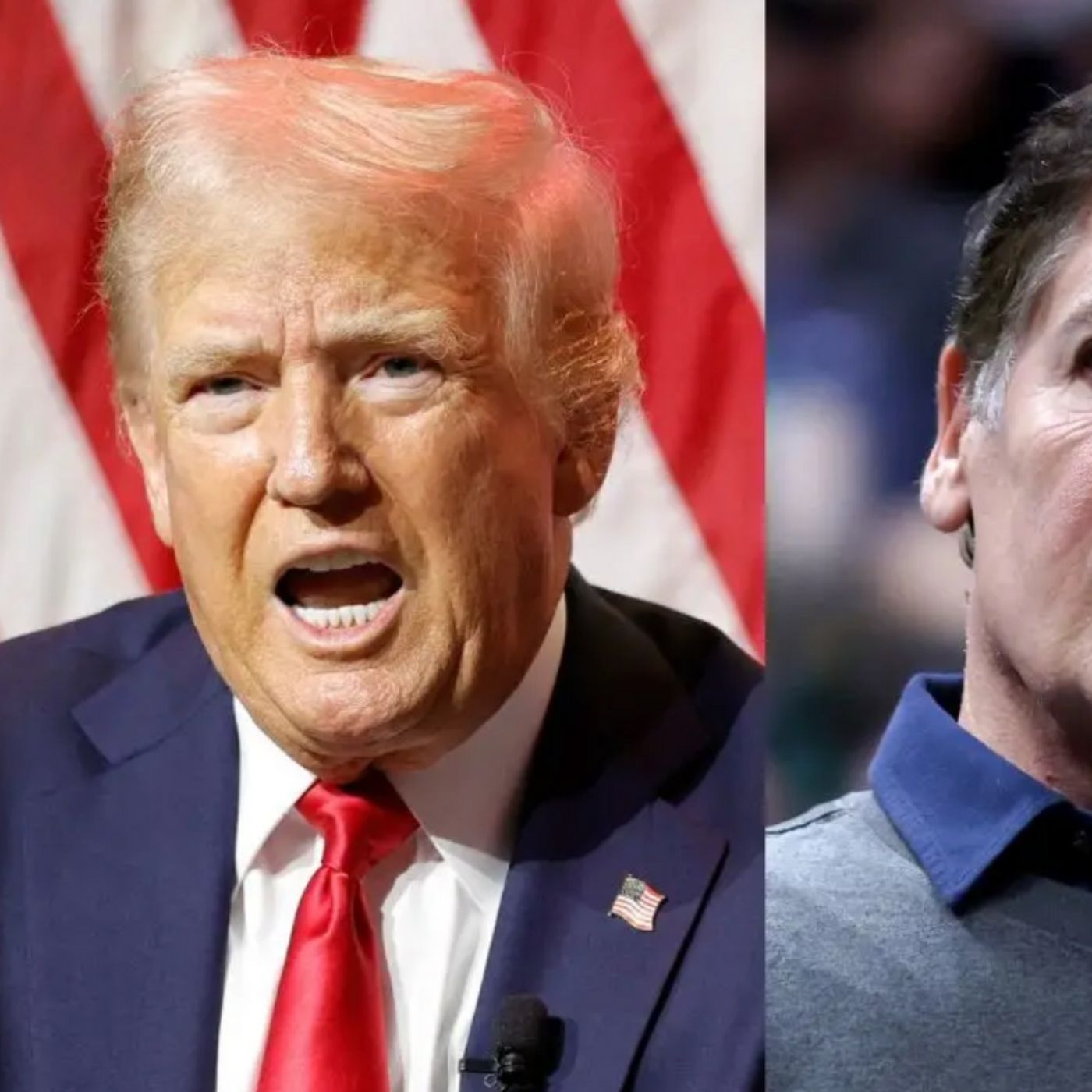
Ep 48The Josh Lafazan Show - Episode 48
Trump's Jan. 6th Pardons, Mark Cuban for President? Plus, New Pete Hegseth AllegationsThe Josh Lafazan Show - Episode 48Today's top stories in U.S. news, politics, government, and world affairs:In today’s episode, we delve into the latest political drama, from Trump’s controversial pardons to the possibility of a 2028 presidential run and troubling cabinet nominations. We break down the key moments shaping American politics, including:Trump’s Controversial January 6th Pardons:Of the many executive orders Trump signed, the pardon of over 1,500 individuals involved in the January 6th Capitol riot has sparked fierce debate. While Trump promised pardons for non-violent offenders, he controversially extended clemency to violent rioters who assaulted police, destroyed property, and tried to overthrow a legitimate election. This decision has been condemned by law enforcement groups like the Fraternal Order of Police, who argue that pardoning such offenders undermines the rule of law. We’ll examine the broader implications of these pardons, including the message it sends to law enforcement and the public’s perception of accountability.Mark Cuban for 2028:With 2028 already on the horizon, many Democratic hopefuls are positioning themselves for a presidential run, but Mark Cuban might just be the answer for the party. He boasts a 50% approval rating among Democratic voters and has an 86% name recognition due to his role on Shark Tank and as the owner of the Dallas Mavericks. In a time when the Democrats need to connect with voters in swing states, particularly younger voters, Cuban’s business acumen and outsider status could offer a real path forward. We explore why Cuban, with his ability to challenge Trump, could be the fresh face the Democrats need to win in 2028.Pete Hegseth’s Controversial Nomination:Pete Hegseth’s nomination for Secretary of Defense is raising eyebrows, with allegations of financial impropriety, sexual assault, and abusive behavior. His lack of experience managing organizations of significant scale—Hegseth has never overseen more than 100 people—raises serious concerns about his ability to handle the Pentagon, which manages 3 million military and civilian personnel. We’ll discuss the potential fallout of Hegseth’s confirmation, especially given the complexity and responsibility of the role, and whether the Senate should reconsider his nomination.Trump’s 2028 Third-Term Talk:Despite the clear restrictions of the 22nd Amendment, Trump supporters are already discussing the possibility of a third term in 2028. Figures like Steve Bannon have floated the idea, citing the absence of a rule against non-consecutive terms. While Trump himself has also teased this notion, we break down the legal impossibilities of a third term and why such discussions are dangerous for upholding constitutional norms. Can Republicans, especially those in Congress, continue to entertain these ideas, or is it time for them to draw a clear line?Politics Trivia – FDR’s Legacy:In a quick trip through history, we look at Franklin D. Roosevelt, the only U.S. president to serve more than two terms. His leadership during the Great Depression and World War II reshaped the nation and left a lasting legacy. From New Deal programs like Social Security to massive infrastructure projects, FDR’s era fundamentally changed the American economy and society. We explore how his presidency continues to impact today’s political conversations, especially around term limits.Future Predictions – Trump’s Birthright Citizenship Executive Order:In our Future Predictions segment, we examine Trump’s executive order on birthright citizenship, which is being challenged by multiple state attorneys general. While the Constitution’s 14th Amendment clearly grants birthright citizenship, Trump’s order has raised significant legal questions. We predict how this issue will play out in the courts, with the likelihood of it eventually reaching the Supreme Court. Additionally, we break down the complex process for amending the Constitution, a necessary step should any future attempts to alter birthright citizenship succeed.This episode is packed with crucial insights into the current political climate, focusing on the controversies, emerging leaders, and constitutional battles that will shape the future of America. Tune in for a lively and informative discussion on the state of politics today.#politics #news #congress #politicalnews #newsupdate #usa #america #trump #donaldtrump #newsheadlines #newstoday
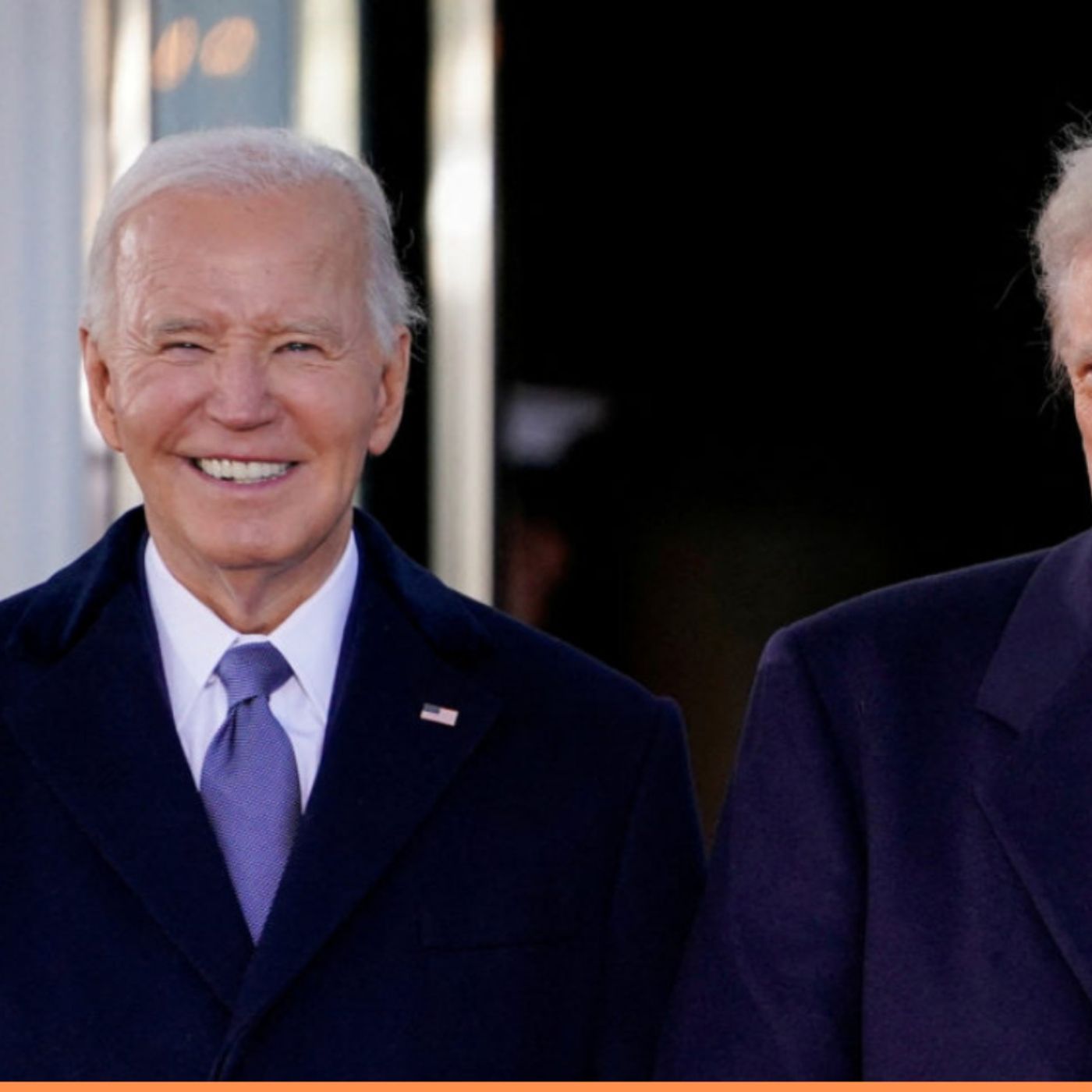
Ep 47The Josh Lafazan Show - Episode 47
Trump Signs DOZENS of Exec Orders, Biden Pardoned Who? Plus, Dems Sue Over ImmigrationThe Josh Lafazan Show - Episode 47Today's top stories in U.S. news, politics, government, and world affairs:Trump Signs 26 Executive Orders on His First DayOn his first day back in office, Donald Trump made headlines by signing 26 executive orders, the most by any president in recent history. His swift actions highlight the growing trend of using executive orders to bypass gridlock in Congress. As we break down what executive orders actually are, we’ll look at some of Trump’s most contentious ones, including his birthright citizenship order and moves to tighten immigration policies, suspend refugee resettlements, and crack down on cartels. These orders have already sparked lawsuits, particularly around birthright citizenship. Democrats are calling them unconstitutional, but can these actions withstand legal scrutiny?We also discuss Trump’s attempts to extend the TikTok deadline, his government deregulation efforts, and his controversial pardon for over 1,500 January 6 participants. Whether you agree with Trump’s policies or not, one thing is clear—his executive orders will set the stage for a fierce legal and political battle.Dems Sue Trump Over Executive OrdersLess than 24 hours after Trump signed his executive orders, Democrats have filed lawsuits in response, challenging key policies. For example, 22 states are suing over Trump’s birthright citizenship executive order, arguing that it violates the 14th Amendment. Another lawsuit targets Trump’s DOGE panel, claiming it violates federal transparency laws.Will these lawsuits make it to the Supreme Court? With a 6-3 conservative majority, legal experts believe the conservative-leaning court could tip the scales in favor of Trump’s administration.Biden’s Last-Minute Pardons (Including Family Members)In an unexpected move, Joe Biden issued several last-minute pardons before leaving office—many of which were preemptive. While some of these pardons were directed at people on Trump’s “enemies list,” such as Dr. Fauci and General Mark Milley, others raised eyebrows, especially his blanket pardon for Hunter Biden. Critics argue that pardoning his son for past criminal convictions undermines trust in government and demonstrates a troubling abuse of power.Yet, not all Biden pardons were controversial. He took action to protect key figures like Liz Cheney and Fiona Hill from political prosecutions. While some of these actions were necessary, others, like the pardon for his own family, raised serious questions about ethics in the White House. In this segment, we dive into the pros and cons of Biden’s use of the pardon power and why it’s a point of contention.Doug Emhoff Sticks Up for Kamala HarrisA lesser-known but important political drama emerged during a recent swearing-in ceremony when Senator Deb Fischer’s husband refused to shake hands with Kamala Harris. Doug Emhoff, the Second Gentleman, took a firm stand, calling out Fischer’s husband for his disrespectful behavior. Emhoff’s direct confrontation led to an apology from Fischer’s husband, showing that even in the world of politics, decency and respect should never be sacrificed. We discuss why this moment of political decorum matters and what it says about the current state of political discourse in America.Politics Trivia: The Party FlipThis week’s trivia takes us back in time to explore a fascinating political shift: how the Republican Party went from dominating the North (during the era of Abraham Lincoln and Theodore Roosevelt) to today’s dominance in the South. We explain how LBJ’s Civil Rights Act of 1964 triggered a party realignment, leading to the Southern Strategy and the eventual switch in party loyalty across regions. We’ll also explore how Obama’s coalition in 2009 has shifted to Trump’s broader appeal among minority groups today.This Week in History: Citizens UnitedIn 2010, the Supreme Court issued its landmark Citizens United ruling, which allowed unlimited campaign spending by corporations and unions. We break down how this decision changed the landscape of American politics, leading to an era where big-money donors now have the power to influence elections like never before. With billionaires influencing the seating arrangements at inaugurations, is our democracy at risk? We’ll discuss the growing influence of the wealthy and what’s next for the future of our elections.Stat to Remember: Inaugurations Through HistoryFinally, we’ll look back at 60 inaugurations since 1789, highlighting how this tradition of peaceful transition of power remains a cornerstone of American democracy. We’ll also explore how the modern era of wealthy donors and big-money influence is changing the inauguration landscape, and how this could impact future presidencies.#politics #news #congress #politicalnews #newsupdate #usa #america #trump #donaldtrump #newsheadlines #newstoday
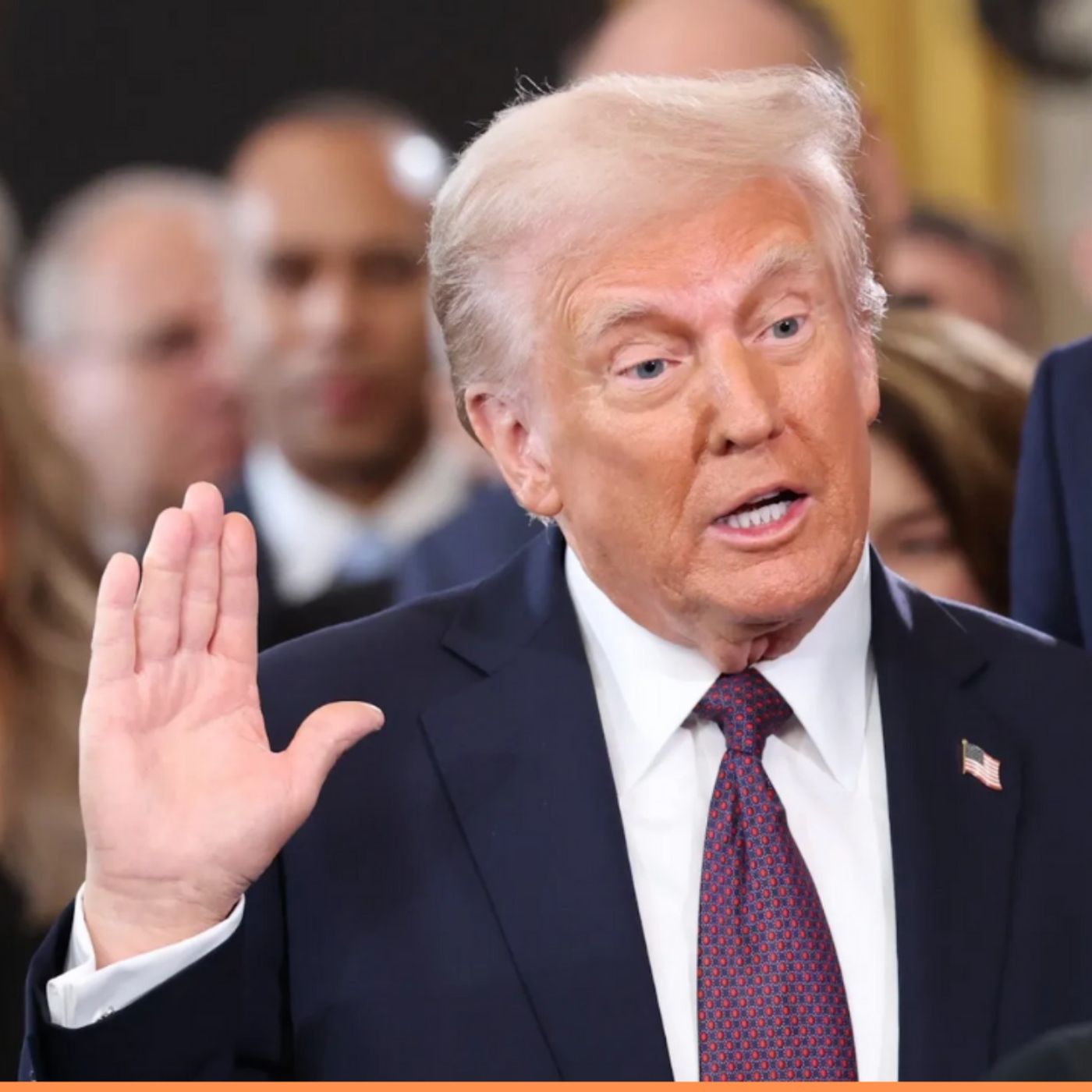
Ep 46The Josh Lafazan Show - Episode 46
Trump Takes Office, TikTok Ban Reversed, Gaza Hostages Released The Josh Lafazan Show - Episode 46 Today's top stories in U.S. news, politics, government, and world affairs: In today’s jam-packed episode, we explore the key political, social, and international developments making headlines. From Donald Trump’s return to the presidency to the ongoing hostilities in the Middle East, we break down the crucial moments shaping our world. 1. Trump’s Inauguration as 47th President Donald Trump is officially sworn in as the 47th President of the United States, succeeding outgoing President Joe Biden. His inaugural speech promises a new direction, declaring January 20, 2025, as the beginning of America’s “golden age.” We explore the symbolic moments in his address, where he outlines aggressive policies on immigration, energy, and national identity, and where Democrats and Republicans in Washington may clash over his agenda. Trump vows to reinstate strict border policies, revoke the EV mandate, and push for a merit-based government system. His specific thanks to Black and Hispanic voters, along with executive actions targeting immigration and the economy, are pivotal moments we analyze for their impact on the country’s future. 2. TikTok Ban Reversed: The Trump-TikTok 180 After just 16 hours, Trump suspends the TikTok ban for 90 days, fueling confusion and raising questions about his political strategy. What’s behind the reversal? We explore how Trump is positioning himself as a savior in the TikTok saga, signaling possible U.S. acquisition of the app. Meanwhile, will Congress enforce the law they passed banning the app? Or will Republicans be deferential to Trump's Executive Order? 3. Hostages Freed from Hamas: Ceasefire Begins The world breathes a sigh of relief as Israel secures the release of three hostages, marking a moment of hope in the midst of the ongoing Israel-Hamas conflict. While a 42-day ceasefire is in place, we dive into the potential risks of incentivizing hostage-taking and whether this temporary peace is truly sustainable. With both sides negotiating over terms, the broader questions of post-war Gaza and Israel’s security loom large. We analyze what’s at stake for Israel and the region. 4. RFK Jr.’s Controversial Statements RFK Jr. makes headlines again with dangerous and unfounded claims, including anti-vaccine rhetoric and bizarre ideas about Wi-Fi radiation. We break down his long history of promoting junk science and conspiracy theories and why his views—now gaining traction in some circles—are deeply troubling. From his support for anti-vaxxers to wild claims about food allergies and autism, RFK’s rhetoric poses a clear threat to public health and societal trust in science. 5. Michigan’s “No-Notice” Work Law: A Risk to the Economy? Michigan’s new law allowing workers to call out of work for up to three days without notice is stirring controversy. While it’s presented as a win for workers, we examine the unintended consequences, particularly for businesses in industries like hospitality and construction. Will this policy hurt job creation and economic growth? We discuss the practical challenges it poses and the broader implications of such progressive laws on the workforce. 6. Fact Check: Do Democrats Create More Jobs Than Republicans? We take a close look at the job creation numbers under Democratic and Republican administrations. Despite claims of fiscal conservatism, Democratic presidencies have often led to stronger job growth. We break down the facts to see how Biden’s economic policies have led to a recovery, and whether the GOP’s claims hold up under scrutiny. 7. This Is Insane: The Carrie Underwood Backlash In an increasingly divided America, Carrie Underwood’s patriotic performance sparks backlash. We explore why some are angry at the country music star and how this situation reflects the broader cultural wars dividing the nation. From entertainment to politics, this segment examines how once-unifying symbols are now being politicized in troubling ways. This episode covers the latest political upheavals, international conflicts, and cultural flashpoints. Don’t miss our deep dives into Trump’s presidential comeback, the TikTok saga, the hostages’ release, RFK Jr.’s dangerous rhetoric, and Michigan’s new controversial law. Tune in for an unflinching look at the stories that are shaping America’s future. #politics #news #congress #politicalnews #newsupdate #usa #america #trump #donaldtrump #newsheadlines #newstoday #inauguration #biden
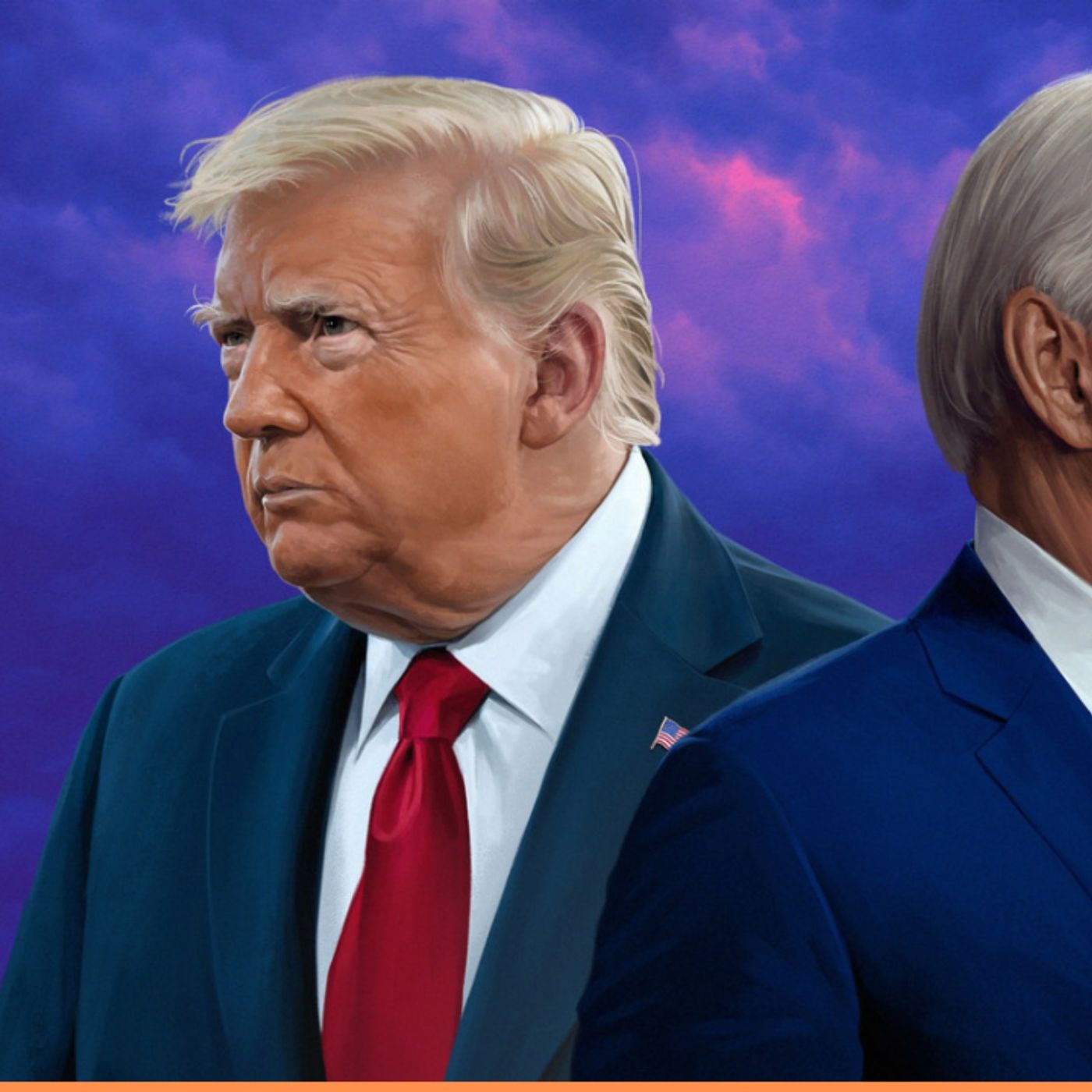
Ep 45The Josh Lafazan Show - Episode 45
Trump’s Day One Orders, Joe Biden’s Legacy, RFK Nomination in TroubleThe Josh Lafazan Show - Episode 45President Donald Trump is set to take office again, and reports indicate he’s prepared to sign 100 executive orders on Day One. Trump has stated that much of President JBiden's policies will be undone through these orders, which include controversial moves like closing the U.S. southern border, reinstating his previous travel bans, and launching the largest deportation operation in U.S. history. We’ll break down these orders, including his vow to end birthright citizenship by executive action—something that would require Congress to act—and examine the potential fallout from such sweeping changes. What’s the real impact of Trump’s bold strategy on immigration, national security, and America’s international reputation?We’ll then dive into President Joe Biden’s farewell address, reflecting on his five-decade-long career in politics. As he steps down at the age of 82, Biden leaves behind a mixed legacy. On the one hand, his administration oversaw one of the world’s fastest economic recoveries from the COVID-19 pandemic, historic investments in infrastructure, and the largest clean energy push in U.S. history. On the other, his administration faced challenges like rising inflation, crime, and the chaotic withdrawal from Afghanistan. Biden’s handling of both foreign and domestic crises has generated heated debate. We’ll assess what the president’s legacy truly represents and whether his domestic victories outweigh the setbacks on the international stage.We’ll explore the tumultuous nomination of Robert F. Kennedy Jr. for Secretary of Health and Human Services. RFK has gained considerable support from conservative and anti-establishment factions, yet his radical views on vaccines and public health have raised alarm. With close ties to anti-vaccine lawyer Aaron Siri, who has campaigned against the polio vaccine, RFK’s nomination could signal a dangerous turn in U.S. health policy. His outlandish conspiracy theories, such as the unfounded link between vaccines and autism, and his troubling stance on vaccine efficacy, have sparked fierce debates over his fitness for office. We’ll assess whether RFK Jr. should be confirmed, what his appointment could mean for American public health, and which Republicans and Democrats in Washington are crucial votes for his nod.We’ll also examine the growing influence of RedNote, a new social media app that some believe will replace TikTok in the U.S. However, this Chinese-backed platform is raising serious concerns. Reports suggest that users are being influenced to promote Communist Party propaganda and paint China as a utopian society, all while downplaying its massive human rights abuses. RedNote is positioning itself as a major competitor to TikTok, but with the same data collection concerns and ties to the Chinese government, this new app could represent a similar threat to U.S. privacy and national security. How will the U.S. respond to this emerging Chinese influence on American youth? We’ll delve into the potential dangers of this platform and the ramifications of allowing a Chinese-backed app to shape American discourse.In another segment, we’ll talk about the controversial proposal from Congressional staffers advocating for a 32-hour workweek. While some argue this would enhance work-life balance, many view the push as tone-deaf and out of touch with the reality that most Americans are working harder for less. Congressional staffers, who work in an environment cushioned by taxpayer dollars, are seen as advocating for privileges that many Americans can only dream of. Is this an indication of a larger disconnect between Washington elites and the American people? We’ll discuss why such a proposal sparks outrage, and why it may actually fuel the growing resentment Americans feel toward their government.In the "Worst Thing I Saw This Week" segment, we’ll highlight Rep. Nancy Mace’s unprofessional behavior during a heated exchange with Rep. Jasmine Crockett, where Mace suggested they could “take things outside” to settle their differences. This kind of unprofessional conduct is not just unbecoming of a public servant but a disturbing reflection of the dysfunction in Congress. We’ll discuss why Mace should apologize, and why this incident highlights the need for term limits to clean house in Washington.We’ll end on a more positive note in the "Best Thing I Saw This Week" segment. Despite the many challenges California faces with its ongoing wildfire crises, the bravery and selflessness of its firefighters have shone through. Volunteers and first responders have been working tirelessly, providing food, shelter, and support to those in need. We’ll celebrate these everyday heroes who remind us that even in our darkest moments, humanity still prevails.#politics #news #congress #politicalnews #newsupdate #usa #america #trump #donaldtrump #newsheadlines #newstoday
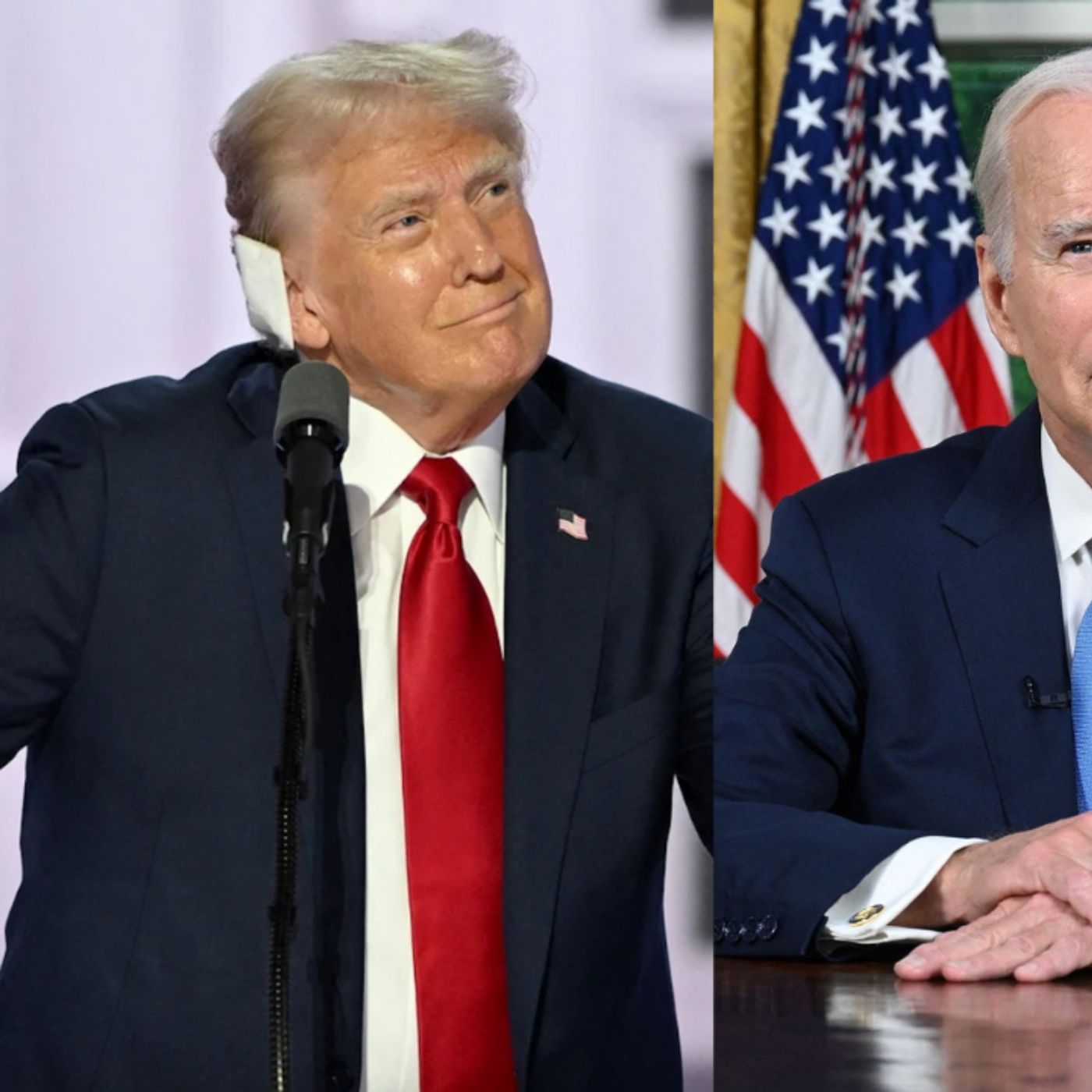
Ep 44The Josh Lafazan Show - Episode 44
Biden's Farewell Address, Trump's Nominees Scrutinized, Israel-Hamas CeasefireThe Josh Lafazan Show - Episode 44Show Description:In this episode, we analyze President Joe Biden’s farewell address as he officially bids goodbye to the presidency after 50 years in politics. At 82, Biden is the oldest person to leave the White House, and his farewell speech offers reflections on his administration, national unity, and pressing modern issues. He addresses the rise of the tech-industrial complex, income inequality, disinformation, and the importance of safeguarding privacy and employment in the age of AI. Biden’s speech, calling for renewed focus on democracy and common purpose, echoes the legacies of past presidential farewells, such as those by George Washington, Dwight Eisenhower, and Harry Truman. Washington’s famous warnings about political factions and foreign entanglements set the stage for the enduring value of presidential parting words. Eisenhower’s caution on the military-industrial complex and Truman’s reflections on difficult decisions, like dropping the atomic bomb, are still relevant today. Biden’s speech, like theirs, serves as a guide for the future, urging Americans to come together despite partisan divides.Next, we cover the latest Senate hearings for President Donald Trump’s nominees. Key figures like Pete Hegseth, who faces serious allegations, and RFK Jr., who has drawn fire for his anti-vaccine stance, are under scrutiny. We dive into the challenges each nominee faces and the broader implications of these hearings, including concerns about partisan gridlock and the quality of leadership in Washington. Rubio and Bondi, however, are expected to pass through with relative ease, underscoring the deep divisions in American politics and the split in the Senate with 53 Republicans and 47 Democrats.We also discuss the fragile ceasefire deal between Israel and Hamas, brokered after 15 months of brutal conflict. While the ceasefire doesn’t signal the war's end, it lays the groundwork for a resolution. We reflect on Israel’s challenges in negotiating with Hamas and examine the broader geopolitical implications of this deal, including tensions within Netanyahu’s coalition. The ceasefire is fragile, with Israel focused on the release of hostages and securing a longer-term peace agreement, but both sides remain divided on key issues. We explore the international dynamics and what the future holds for Gaza and the Middle East.Meanwhile, John Fetterman, the Pennsylvania senator, made headlines as the first sitting Democrat to visit Trump at Mar-A-Lago. His move signals shifting political dynamics, as more Democrats reconsider their approach to Trump’s policies on immigration, crime, and economic reform. Fetterman’s visit reflects Trump’s continued appeal, and it raises questions about future Democratic leadership, with some wondering if more figures from the left will embrace Trump’s populist agenda in the years to come.In Ohio politics, speculation mounts about Vivek Ramaswamy’s potential Senate run. With Senator Sherrod Brown’s seat up for grabs, Ramaswamy’s hardline positions on immigration and national security could shake up the race. His ties to Trump’s policies make him a formidable challenger, but the outcome of this race will depend on how voters react to his controversial views. We analyze the potential impact of a Ramaswamy candidacy and whether it will influence the broader political landscape.In This Week’s Reads, we revisit Nelson Mandela’s Long Walk to Freedom. Mandela’s life story, from rural poverty to global statesmanship, serves as a reminder of the power of reconciliation in times of national division. His leadership in guiding South Africa from apartheid to democracy offers valuable lessons in forgiveness and unity, even in the face of profound personal and societal challenges. His words about courage and the triumph over fear resonate deeply in today’s polarized world, reminding us that true leadership comes from a place of empathy and reconciliation.Finally, in our Future Predictions segment, we forecast a Supreme Court ruling in favor of the TikTok ban which weighs the government’s national security arguments over ByteDance’s free speech claims. With tensions over First Amendment rights and national security at a high point, we discuss the legal implications and predict the Court will uphold the government’s position, balancing security concerns with constitutional freedoms.This episode explores crucial political, international, and legal events that shape today’s world. From Biden’s legacy to ongoing international conflicts, we connect the dots between historical lessons and the current state of global affairs. Tune in for insights on what the future might hold in politics, diplomacy, and beyond.#politics #news #congress #politicalnews #newsupdate #usa #america #trump #donaldtrump #newsheadlines #newstoday
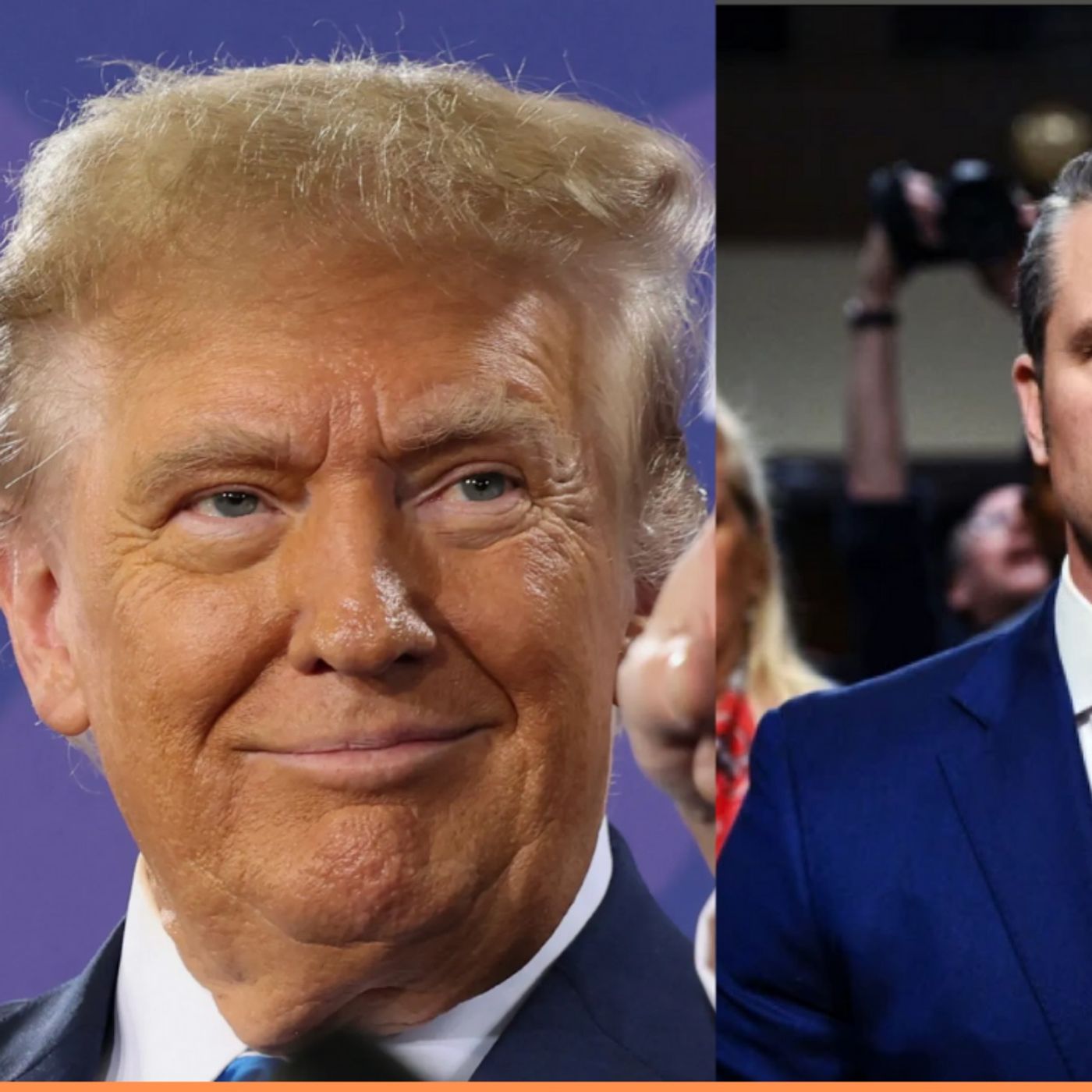
Ep 43The Josh Lafazan Show - Episode 43
Trump's Approval Ratings, Hegseth’s Confirmation Fight, Cuomo Eyes a ComebackThe Josh Lafazan Show - Episode 43Today's top stories in U.S. news, politics, government, and world affairs:Episode Title: "Trump’s Comeback, Cabinet Fights, and Cuomo's Resurgence"In today’s episode, we explore a week full of political twists, from Trump’s stunning approval surge to the tough battle over his Cabinet picks and a potential political revival for Andrew Cuomo. Here’s what’s on tap: Trump’s Approval Surge: The Greatest Political Comeback?We begin by discussing the unexpected rise in Trump’s approval rating to a positive 47%, the first time in his career that his approval has been in the positive. In stark contrast, President Biden’s approval is at a low 37%. This sharp turnaround is nothing short of remarkable, especially considering where Trump stood just two years ago.After the January 6th insurrection and multiple legal challenges, Trump’s approval had dropped to a dismal 39%, with a 56% disapproval rating. The political fallout seemed dire—corporate boycotts, bipartisan condemnations, and two impeachments. Yet, Trump is now leading in the Republican primary with a commanding lead over Governor Ron DeSantis and many other GOP hopefuls. We’ll explore how this comeback is arguably the greatest political resurgence in modern American history, and what it means for both the GOP and the general election in 2024. Could the Democrats' failure to connect with average voters on issues like crime, inflation, and immigration be paving the way for Trump’s return to power? Hegseth’s Bumpy Path to ConfirmationNext, we examine the rocky start to Pete Hegseth’s confirmation hearings for Secretary of Defense. Hegseth faced intense scrutiny, including allegations of sexual assault, financial impropriety, and a history of controversial views, including his belief that women shouldn’t serve in combat roles. His lack of preparation for basic questions, such as his unfamiliarity with international agreements like the ASEAN or the Status of Forces Agreement, raised red flags.With the GOP holding a slim majority in the Senate, Hegseth can only afford to lose one Republican vote in the Senate Armed Services Committee if every Democrat votes against him. We break down his chances of passing through the committee and what this nomination means for Trump’s Cabinet in 2024. Matt Gaetz: Hinting at a Florida Governor RunFlorida Rep. Matt Gaetz, known for his close ties to Trump and his hard-right politics, may be positioning himself for a 2026 run for Governor of Florida. Gaetz has become one of the most prominent voices in the GOP, and with Florida being a key battleground state, his political ambitions could shape the future of the state. Can Gaetz capitalize on his national profile and build a coalition for statewide success? Or will his divisive persona hinder his chances? We discuss whether Gaetz is ready for a statewide race. Cuomo's Political Resurgence: The 2025 Comeback?Could Andrew Cuomo, the disgraced former Governor of New York, make a comeback in 2025? After his forced resignation in 2021 amid sexual harassment allegations and the nursing home scandal, Cuomo’s political future seemed bleak. But legal victories and a shift in public opinion may give Cuomo a path back into politics.Cuomo is now leading the pack for a potential 2025 New York City mayoral run, with strong support among key Democratic constituencies. Could 2025 be the year of Cuomo’s return? We dive into his comeback story, his shifting political fortunes, and how he’s positioning himself for a potential resurgence in New York politics. This Week in History: Trump’s Double ImpeachmentIn our history segment, we revisit one of the most contentious periods in modern U.S. politics: Donald Trump’s double impeachment. Trump became the first U.S. president to be impeached twice, once in 2019 over the Zelensky call, and again in 2021 after the Capitol insurrection. We look at how these impeachments fit into American history, comparing Trump’s to those of Andrew Johnson and Bill Clinton. How did the political fallout from these events shape the landscape for the 2024 election? Media Watch: 60 Minutes’ Coverage of IsraelFinally, we examine a controversial segment on CBS’s 60 Minutes regarding Israel. The show’s comparison of Hamas to Nazis sparked significant backlash, with critics accusing it of misleading coverage. We discuss the media’s portrayal of the Israel-Hamas conflict and how it reflects broader biases in American news coverage. What’s missing from the narrative, and how does this shape public opinion on one of the most sensitive geopolitical issues of our time?#politics #news #congress #politicalnews #newsupdate #usa #america #trump #donaldtrump #newsheadlines #newstoday
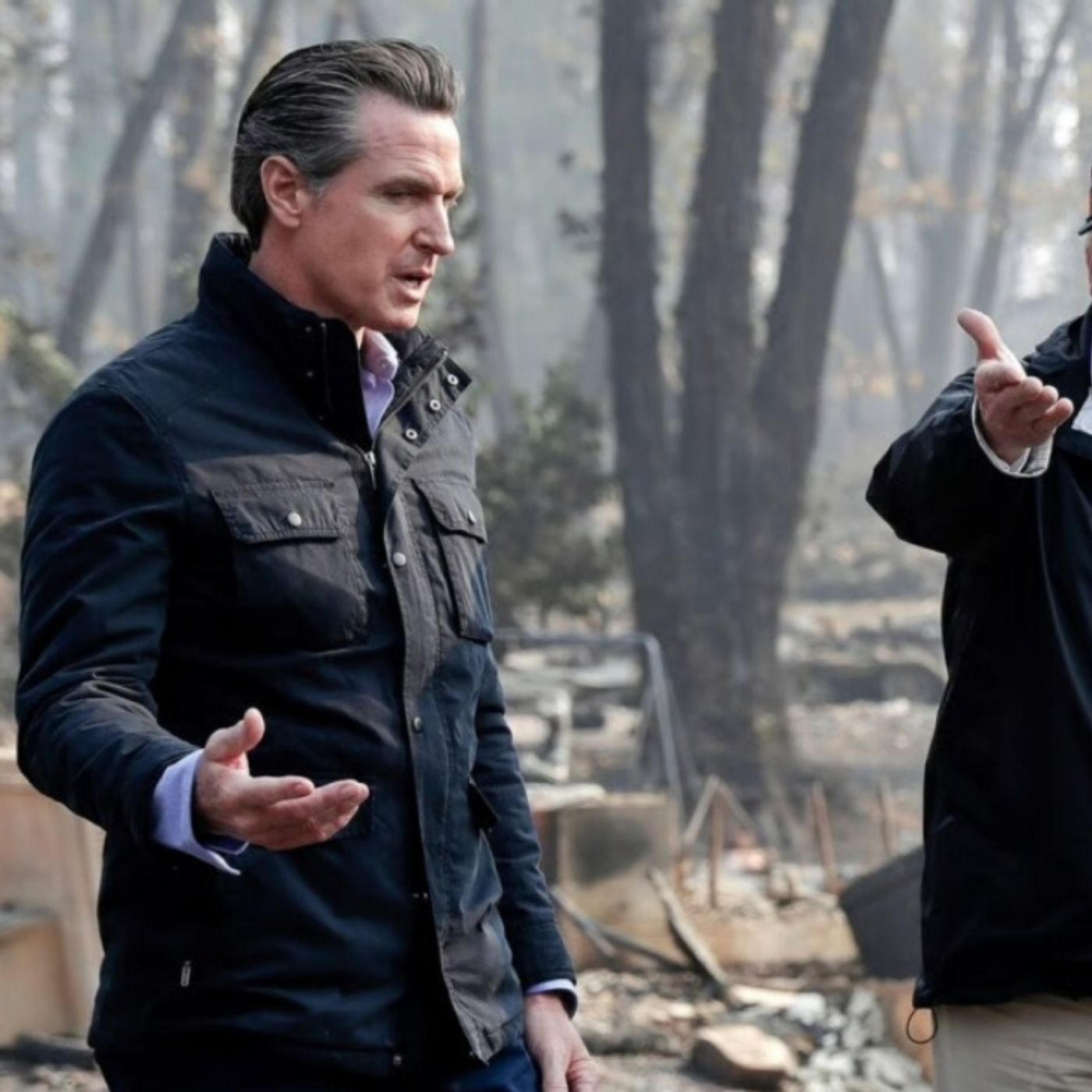
Ep 42The Josh Lafazan Show - Episode 41
Trump's Cabinet Hearings, California's Leadership Crisis, TikTok Ban: A Critical WeekThe Josh Lafazan Show - Episode 42Today's top stories in U.S. news, politics, government, and world affairs:In today’s episode, we dive into a series of urgent issues shaping both domestic and international affairs.The California Fires: A Failure in LeadershipWe begin with the ongoing wildfires ravaging California for the third straight day, now affecting over 60 square miles of land. As firefighters battle the blazes under near-impossible conditions, we thank them for their unwavering courage and dedication. Yet, the focus soon shifts to the real crisis: California's leadership has failed to adequately prepare for the climate realities they've long warned about. From faulty hydrants and outdated infrastructure to a lack of personnel and preparedness, the state's leadership has not taken responsibility for its failures. With the state now facing a devastating $150 billion bill, we explore why California’s elected officials have yet to offer a single apology. We’ll discuss how a more proactive, responsible approach could have saved lives and property and why the national conversation around these issues is so urgently needed.Trump’s Nominees Face Senate ConfirmationNext, we turn to Washington, D.C., where Trump’s key cabinet nominees are heading to Capitol Hill for confirmation hearings this week. From Doug Collins for VA to Kristi Noem for DHS, we’ll analyze the stakes and the political drama surrounding these confirmations. We’ll discuss the difference between nominees who are likely to breeze through and those facing tougher scrutiny, especially as Trump’s economic team shows more competence than in his first term. Who will pass with ease, and who might face opposition from even within their own party? Plus, we’ll examine the influence of figures like Susie Wiles, who could play a pivotal role behind the scenes.TikTok: National Security or Free Speech?In our third segment, we tackle the growing debate around TikTok. Despite claims of an impending ban, the situation is far more complicated. With 170 million American users, the app’s potential national security threat is a real concern—especially given China’s track record with data and surveillance. But should the government’s response be about safeguarding citizens or infringing on free speech? We’ll dive into the SCOTUS case that could determine TikTok's fate, analyze the conspiracy theories surrounding the app’s sale, and argue why national security should take precedence. Plus, we’ll look at how the Chinese Communist Party’s global reach complicates this issue further.Greenland: A Strategic Acquisition?Finally, we take a look at the surprising push for the U.S. to purchase Greenland. With a majority of Greenlandic residents in favor of joining the U.S., a new GOP bill would open the door for negotiations. Why does Greenland matter so much—from its key strategic location in the Arctic to its untapped natural resources? We’ll explore what it would mean for the U.S. if Greenland were to become a part of the country, and the obstacles—namely Denmark—that stand in the way. Is this move a pragmatic step for American defense and geopolitical power, or an unrealistic fantasy?Bonus Segments: Fact Check & Policy ExplainerIn our Fact Check segment, we examine the claim that the U.S. spent more on COVID relief than on World War II. The answer is a resounding "true," but we’ll discuss why this massive expenditure wasn’t justifiable and what needs to happen next to ensure accountability. In our Policy Explainer, we turn to an innovative idea gaining traction: Baby Bonds. A promising solution to tackle income inequality, these bonds could ensure a stable financial future for every American child—setting the stage for greater social mobility and economic fairness.This episode brings you critical analysis on some of the most pressing issues facing our country and the world today—tune in for thought-provoking insights, expert commentary, and a call for responsible leadership across the board.#politics #news #congress #politicalnews #newsupdate #usa #america #trump #donaldtrump #newsheadlines #newstoday
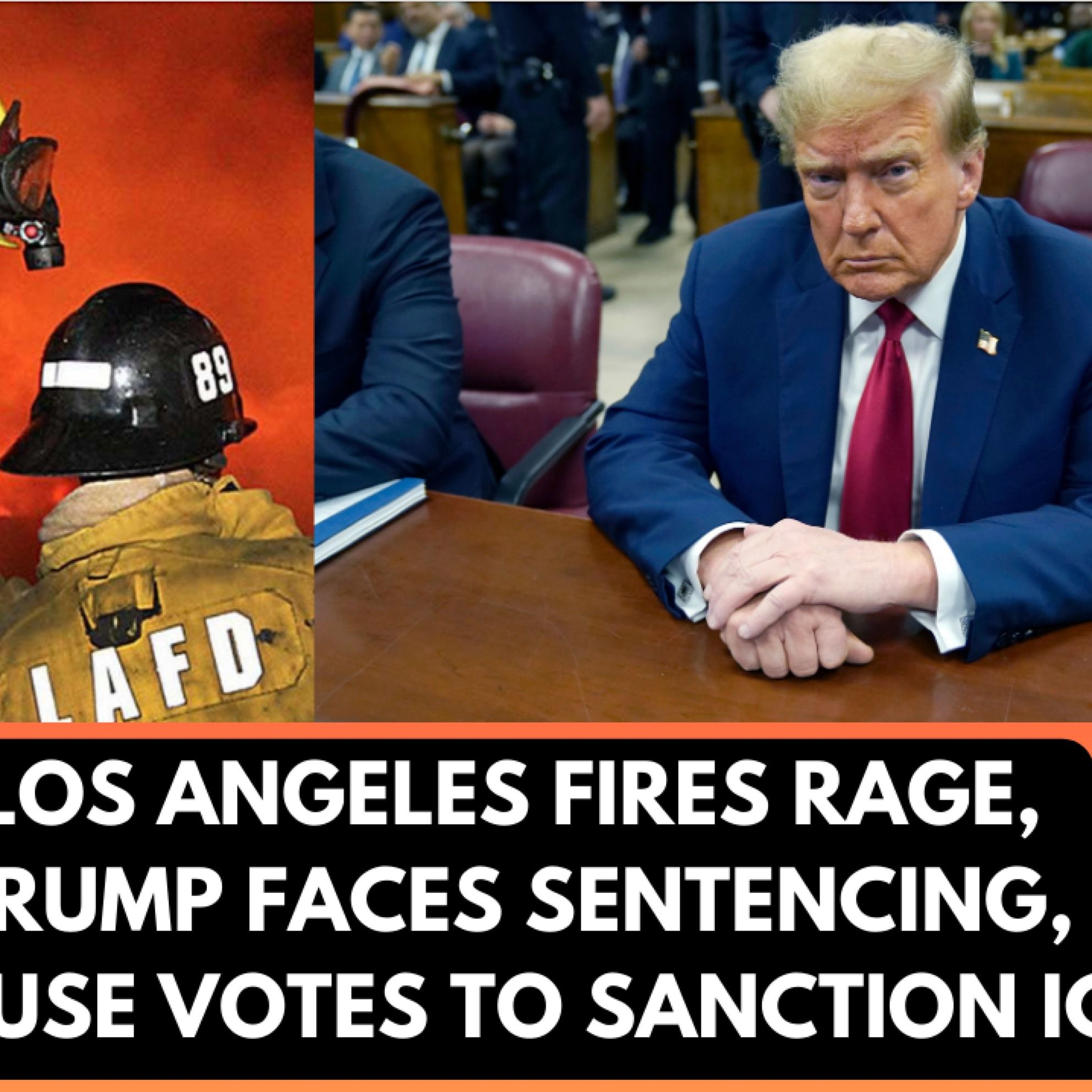
Ep 41The Josh Lafazan Show - Episode 41
Los Angeles Fires Rage, Trump Faces Sentencing, House Votes to Sanction ICCThe Josh Lafazan Show - Episode 41Today's top stories in U.S. news, politics, government, and world affairs:In today’s episode, we cover a range of critical political and social issues, starting with the devastating wildfires currently ravaging Los Angeles. As the fires burn for the third consecutive day, we reflect on the unimaginable work of firefighters, who are battling the blaze amidst a shortage of resources. With 30,000 acres burned, 2,000 structures destroyed, and power outages affecting hundreds of thousands, we commend federal efforts to fund firefighting costs, but question why these issues were not addressed earlier by state leadership. We take a closer look at how mismanagement in water resources, outdated infrastructure, and a lack of personnel are prolonging the disaster. While the fires continue, there are also stories of hope, with communities rallying around each other, offering shelter, and raising funds to aid the victims. However, the systemic failures in preparation and accountability remain a glaring issue. We call for stronger leadership and accountability from both local and national officials, starting with California Governor Gavin Newsom and Los Angeles Mayor Karen Bass.Next, we turn to the legal battles facing former President-Elect Trump as he replaces President Joe Biden. In an update on his hush-money case, we discuss the rejection of Donald Trump’s attempt to block his sentencing in New York. While the court moves toward sentencing, we break down the situation, explaining that this isn’t about whether Trump will serve time, but about the symbolic nature of holding a former president accountable in such a high-profile case. We address concerns over selective enforcement and the absence of real consequences for ongoing crime in New York City. While legal processes are important, we argue that voters, not courts, should determine Trump’s future.Then, we turn our attention to a positive development in U.S. economic growth, with massive investments flowing into the country despite political uncertainty. We highlight a significant $20 billion data center investment by Dubai billionaire Hussain Sajwani and discuss the broader trend of foreign investments in the U.S., which is attracting major players like Masayoshi Son of SoftBank. This signals confidence in the American economy and the Trump administration's influence on global business. However, we also emphasize the need for reform at the local level, making it easier to do business and encouraging investment in American industries.In the next segment, we celebrate a major victory for U.S. sovereignty as the U.S. House votes to sanction the International Criminal Court (ICC). We break down the hypocrisy of the ICC’s recent efforts to issue arrest warrants against Israeli officials, including Prime Minister Netanyahu, while ignoring far worse atrocities around the world. We also touch on the disturbing legal battles unfolding in U.S. cities like Dearborn, Michigan, where political leaders are making absurd statements about arresting foreign leaders. It’s a stark reminder that the U.S. must stand firm against international entities undermining our interests and those of our allies.As the deadline to sign up for the Affordable Care Act (ACA) approaches, we provide an overview of the health care landscape in the U.S. With millions of Americans still underinsured or uninsured, we discuss the importance of renewing federal subsidies and building on the success of the ACA. We critique the lack of a coherent alternative from the Republicans in Washington, who have failed to offer a viable healthcare solution post-ACA. Without action, millions of Americans will be left without adequate coverage, a situation that needs urgent attention.In our “Worst Thing I Saw This Week” segment, we take aim at Sunny Hostin from The View, who made headlines for comparing the January 6th Capitol riots to the Holocaust. We discuss why this analogy is not only offensive but dangerous, diminishing the true scale of the Holocaust and distorting historical memory. This kind of rhetoric serves no one, especially as political divisions continue to grow, as the show consistently hurts Democrats and the Democratic Party.Finally, we end on a positive note in our “Best Thing I Saw This Week” segment, highlighting the inspiring story of Gen-Z 19-year-old Aidan DeMarco, who was recently sworn in as a member of his local school board. We celebrate young people taking on leadership roles and encourage more students and former students to get involved in local politics, where real change happens. It’s a reminder that the future of our country depends on the next generation stepping up and taking action.Join us for an episode packed with critical analysis, timely updates, and insightful commentary on some of the most important issues facing America today.#politics #news #congress #politicalnews #ne

Ep 40The Josh Lafazan Show - Episode 40
GOP Split on Trump Agenda; LA Wildfires Explained; Zuck Ends Fact-CheckersThe Josh Lafazan Show - Episode 40Today's top stories in U.S. news, politics, government, and world affairs:In this episode, we delve into several important political and social issues. First, we examine the ongoing division within the Republican Party over how to advance Trump’s agenda. With narrow majorities in both the House and Senate, Trump needs cross-party support, particularly as Senators Thune and Johnson disagree on strategy. Johnson advocates for a mega-bill that combines key priorities like border security, energy, and tax cuts, while Thune prefers passing individual bills. Both approaches face challenges, especially as measures can be passed via the reconciliation process, bypassing the need for bipartisan support in the Senate. Tax cuts remain Trump’s top priority, but complications arise from political and fiscal challenges, particularly in wealthier states.We then discuss the devastating wildfires in Los Angeles, where first responders are heroes, but government failures are exacerbating the crisis. Bureaucratic errors such as halting prescribed burns and poor water infrastructure contribute to the disaster. We also highlight the need to address the shortage of firefighters and the impact of California's political decisions, including Governor Gavin Newsom's misleading claims about wildfire prevention and his cuts to the Cal Fire budget. California’s priorities, like destroying dams for reservoirs, further expose the flaws in the state’s disaster preparedness.Next, we explore Facebook's decision to end fact-checking, signaling a shift in the platform’s approach to truth and political discourse. We discuss the growing influence of social media platforms like X (formerly Twitter) and the challenges of regulating misinformation. We also reflect on the dangers of deplatforming free speech, using the example of the satirical Babylon Bee, and emphasize the importance of protecting freedom of expression.We also analyze Biden’s decision to block offshore drilling in the Arctic. While the move is framed as an environmental win, we explain that it has minimal impact on U.S. oil production. Despite claims from Republicans that Biden’s policies contribute to high gas prices, we break down the reality that presidents do not control gas prices. Market factors, OPEC, and refining costs all play significant roles in determining the price at the pump. We clarify that Biden’s administration has actually overseen a record-high level of U.S. oil exports.In a heartwarming segment, we share a viral video of a Cuban man experiencing a Costco for the first time. His emotional reaction serves as a stark reminder of the abundance and economic success in the U.S. and underscores the dangers of socialism, drawing comparisons to the reaction of Russian President Boris Yeltsin in the 1980s. This segment serves as a powerful lesson in appreciating the freedoms and prosperity we have in the U.S.We also discuss War on the West by Douglas Murray, a provocative book exploring the attack on Western civilization. Murray critiques the progressive push to cancel Enlightenment thinkers, arguing that this effort seeks to dismantle democracy and capitalism. His work challenges us to reconsider the legacy of the West and its essential role in shaping modern society.Finally, in our "Future Predictions" segment, we predict the future of U.S. infrastructure with the installation of platform barriers at train stations across the country, inspired by successful models in Asia. These barriers would enhance safety and ridership, but the high cost of installation, particularly for the MTA, highlights the corruption and inefficiency often associated with government projects.Join us for an episode packed with analysis, social commentary, and timely predictions as we tackle the complexities of Trump’s agenda, California’s wildfire response, social media censorship, and more.#politics #news #congress #politicalnews #newsupdate #usa #america #trump #donaldtrump #newsheadlines #newstoday

Ep 39The Josh Lafazan Show - Episode 39
The Josh Lafazan Show - Episode 39Today's top stories in U.S. news, politics, government, and world affairs:In this episode, we explore Trump’s controversial proposals to expand the U.S. by acquiring Greenland and the Panama Canal, while also delving into the newly passed immigration bill in the House. Plus, we discuss Justin Trudeau's resignation amid mounting political and economic challenges in Canada.Segment 1: Trump Floats American Expansion – Greenland & Panama Canal in His SightsDonald Trump recently suggested expanding the U.S. by acquiring Greenland and possibly taking control of the Panama Canal. While the idea of expansion has historical roots, Trump’s approach is problematic. Greenland, a Danish territory, and the Panama Canal, a vital shipping route, both have strategic importance. However, these areas are not for sale, and using military force would violate sovereignty. We also discuss Don Jr.’s visit to Greenland, which raises legal concerns and highlights how such ideas reflect outdated, imperialist thinking.Segment 2: Trump Wants to Rename Gulf of Mexico the Gulf of AmericaTrump proposed renaming the Gulf of Mexico the "Gulf of America," sparking backlash. The name has existed for centuries, but we explore why Trump might want to change it—his ongoing tensions with Mexico, a crucial trade partner. Trump’s suggestion of military action against Mexican cartels is also scrutinized. We argue that this approach is ineffective and suggest that stronger intelligence sharing would be a better solution for tackling cartel violence and maintaining positive U.S.-Mexico relations.Segment 3: Laken Riley Act Passes House for Immigration EnforcementThe Laken Riley Act, aimed at improving immigration enforcement, passed the House with bipartisan support. The bill mandates that those arrested for violent crimes or theft while in the U.S. illegally must remain in ICE custody. With 48 Democrats voting in favor, we discuss the growing bipartisan support for stricter immigration enforcement and why the bill is necessary. The legislation now moves to the Senate, where it will face further challenges.Segment 4: Trump’s Military Appointment Controversy – Pete Hegseth Faces Tough ConfirmationTrump’s pick for a military position, Pete Hegseth, faces opposition due to his lack of qualifications. While a veteran, Hegseth has little experience in large organizations and is plagued by allegations of excessive drinking and financial mismanagement. We discuss why his confirmation would be a step backward for military leadership, emphasizing that experience should be prioritized over political loyalty.Segment 5: Trudeau Resigns – Political and Economic Fallout in CanadaCanadian Prime Minister Justin Trudeau resigned after facing declining approval ratings and economic challenges, mirroring issues in the U.S. His controversial immigration policies and poor economic management contributed to his downfall. We look at how his successor, Pierre Poilievre, could offer a fresh perspective and strengthen U.S.-Canada relations, particularly on foreign policy issues like Israel and Iran.Segment 6: Medical Debt Removed from Credit ReportsA win for consumers as new rules prevent medical debt from appearing on credit reports. We explore the positive impact this change will have on Americans burdened with medical expenses. However, we argue that further reforms are needed, such as expanding the ACA and focusing on preventative care, to create a more equitable healthcare system for all.Segment 7: U.S. Declares Genocide in SudanThe U.S. has officially declared that the RSF, a paramilitary group in Sudan, has committed genocide. The ongoing civil war has displaced millions and caused horrific atrocities, including ethnic cleansing and sexual violence. We discuss how the U.S. can help end the crisis and draw parallels to the situation in Gaza, where misinformation has clouded the understanding of the conflict.Wednesday Segments: This Week in History & Media WatchIn "This Week in History," we reflect on the 2015 Charlie Hebdo attack, where 12 people were killed over a political cartoon. This tragic event underscores the clash between Islamic fundamentalism and Western free speech. We emphasize the importance of defending freedom of expression, even when controversial.In "Media Watch," we examine the media’s handling of a recent terrorist attack in New Orleans. ESPN referred to it as a “deadly pickup truck” attack, a vague description that avoided calling it terrorism. We argue that the media’s reluctance to identify terrorism weakens public understanding of the threat and discuss the need for continued vigilance and security measures in a post-9/11 world.#politics #news #congress #politicalnews #newsupdate #usa #america #trump #newsheadlines #newstoday

Ep 38The Josh Lafazan Show - Episode 38
Trump’s Trade Moves, Speaker Johnson Re-Elected, Kamala’s Constitutional DutyThe Josh Lafazan Show - Episode 38Today's top stories in U.S. news, politics, government, and world affairs:From Donald Trump’s proposed tariffs, to Speaker Mike Johnson surviving re-election, to Kamala Harris certifying Trump’s win, The Josh Lafazan Show makes sure you’re covered with the biggest stories in politics today.1) Trump’s Tariff Plans Are Coming into Sharper Focus as He Takes Office in Less Than 2 WeeksTrump's trade policies have consistently been a central part of his agenda, with billions of dollars in tariffs placed on Chinese imports and steel. His upcoming second term is expected to bring more tariff measures aimed at protecting U.S. industries and addressing trade imbalances, particularly with China and the EU.Previous tariffs, such as on steel ($6.2 billion in 2020), exemplify Trump's ongoing protectionist stance, signaling that these measures may continue to shape global trade dynamics.2) Mike Johnson Re-Elected as SpeakerMike Johnson was re-elected Speaker of the House in Washington, securing 220 votes from Republicans after a period of negotiation. His leadership is seen as critical in driving forward the GOP’s legislative agenda.Johnson’s tenure is expected to be marked by efforts to secure tax cuts, address fiscal policy, and handle upcoming budget negotiations.3) Kamala Harris Fulfills Constitutional Duties to Oversee Electoral College Win for TrumpKamala Harris presided over the certification of the Electoral College vote, formally confirming Trump's victory. This act showcased her commitment to upholding the Constitution, even though it meant overseeing her own defeat.The certification process, required by law, emphasizes the importance of a peaceful transition of power and democratic processes.4) Remembering President Jimmy CarterAs the 39th President, Carter’s legacy continues to influence U.S. politics. His role in brokering the Camp David Accords is among his most celebrated achievements.Carter's post-presidency humanitarian work, including efforts with Habitat for Humanity, has left a lasting mark on global health and human rights initiatives.5) Biden Blocks Purchase of U.S. SteelPresident Biden blocked a $7 billion foreign acquisition of U.S. Steel, citing national security concerns. The decision underscores the administration's focus on protecting vital domestic industries.The U.S. steel industry, critical to national defense and manufacturing, remains under close scrutiny for foreign influence.6) Congestion Pricing Official in NYCNew York City has officially implemented congestion pricing, charging vehicles entering Manhattan’s busiest areas. The policy aims to reduce traffic and generate funds for public transportation improvements.The program is expected to generate up to $15 billion over the next decade, addressing urban mobility challenges in one of the world’s most congested cities.7) Trump Rakes in $200 Million for Inaugural FundTrump’s inaugural fund raised over $200 million, surpassing all previous records. This substantial amount will cover inaugural events and possibly fund political operations during his second term.This fundraising success highlights Trump’s continued influence and ability to rally financial support for his political goals.#politics #news #congress #politicalnews #newsupdate #usa #america #trump #newsheadlines #newstoday
Ep 37The Josh Lafazan Show - Episode 37
The Josh Lafazan Show - Episode 37 Today's top stories in U.S. news, politics, government, and world affairs: Today is the 4th anniversary of the January 6th insurrection at the Capitol. This day is not just a date on the calendar but a reminder of a coordinated effort over the past 4 years to distort the truth of what happened. Many Republican politicians and conservative influencers have worked relentlessly to convince millions of Americans to disregard what they witnessed with their own eyes on that tragic day. A false narrative has been pushed: that the violent mob at the Capitol was a “Day of Love,” a “mostly peaceful rally,” or even a covert CIA operation. This revisionism is dangerous and misleading. Today, we will review what happened on January 6th, why it happened, who was responsible, and the lessons we must learn from that dark chapter in our nation’s history. Before January 6th, it all comes down to Donald Trump’s refusal to accept Joe Biden’s victory. While Trump is a Republican, Biden is a Democrat. The peaceful transfer of power between administrations is a cornerstone of American democracy. After the Revolutionary War, George Washington famously declined the opportunity to become king and agreed to serve as President under a democratic election process. In 1797, Washington made the unprecedented decision to step down after two terms and relinquish power. This peaceful transfer became a hallmark of the American system. For over two centuries, it was assumed that the peaceful transition of power was a non-negotiable aspect of American democracy. However, for the first time in U.S. history, a sitting President—Donald Trump—refused to engage in that peaceful transfer. His actions, driven by a lie that the 2020 election was “stolen” from him, set the stage for January 6th. Trump’s team spread false claims, convincing millions of Americans that he had won. Despite no evidence to support these claims, Trump's inner circle—like Steve Bannon and Rudy Giuliani—fueled the lie, convincing many of a grand conspiracy to deny Trump his second term. The peaceful transfer of power had always been a bedrock principle of American democracy. So when Trump and his team refused to accept the legitimate results of the 2020 election, they set a dangerous precedent for the country. What followed were increasingly desperate efforts to overturn the results of the election. Trump sought to pressure state officials to alter or “find” votes, install fake electors, and pressure Congress to reject the certified electoral results on January 6th. Trump's final hope was to pressure VP Mike Pence to reject the certified results on that fateful day. Pence refused, affirming that his role was ceremonial. This decision led to chants of “Hang Mike Pence” as the violent mob stormed the Capitol, breaching security, assaulting police officers, and endangering the lives of lawmakers. Trump’s response—or lack thereof—was telling. Despite pleas from his own staff and family to call off the mob, Trump failed to take action until hours later. By then, the damage had already been done. The Capitol was overrun, the certification of Biden's victory was delayed, and the nation was left to grapple with the profound implications of what had occurred. In the aftermath, several Trump allies initially condemned the actions of the rioters. Figures like Fox News hosts Laura Ingraham, Brian Kilmeade, and Sean Hannity urged Trump’s chief of staff to convince him to take action. Even some GOP lawmakers, including Nancy Mace, condemned Trump’s failure to take responsibility for the violence. Yet, 4 years later, many of those same individuals have reversed course, endorsing Trump for another run at the presidency and downplaying the significance of the events of January 6th. The truth remains undeniable: what we saw on January 6th was a violent attack on American democracy. It was a moment that demonstrated the fragility of our democratic institutions and the dangers of unchecked power. We cannot let the truth be erased or diluted by revisionist history. Our democracy depends on it. On this 4th anniversary of Jan. 6th, we must reaffirm our commitment to the principles that have long defined the United States. We must remember that our democracy works only when we accept the results of free and fair elections, even when those results do not align with our personal preferences. I may not have supported Donald Trump, but I respected the outcomes of the 2016 and 2020 elections because that’s what responsible citizens and patriots do.#politics #news #congress #politicalnews #newsupdate #usa #america #trump #newsheadlines #newstoday
Ep 36The Josh Lafazan Show - Episode 36
Will Republicans Oust Their Own Speaker?The Josh Lafazan Show - Episode 36Today's top stories in U.S. news, politics, government, and world affairs:Today, the United States House of Representatives will vote in Washington, D.C. on whether Mike Johnson will retain his position as Speaker, a role crucial for setting legislative agendas and maintaining party unity. Here's why this position matters:Role and Importance: The Speaker oversees the lower chamber of Congress, sets the legislative agenda, controls committee assignments, and is second in line for the presidency after the Vice President. The Speaker is traditionally a member of the majority party, currently the Republicans led by Johnson, with Democrats led by Hakeem Jeffries in the minority.The Election Process: The House must elect a Speaker to officially seat its members. A candidate needs a majority, not just a plurality, of votes. If no majority is reached, the voting continues until a Speaker is elected.Johnson's Ascendance: Johnson became Speaker in October 2023 after a chaotic period post-McCarthy's ousting by Matt Gaetz. Johnson, less experienced in leadership than McCarthy, was a compromise candidate after weeks of GOP infighting.Current Challenges: Johnson faces opposition from hard-line Republicans, particularly over his decision to pass aid to Ukraine and his compromise with Senate Democrats on government funding, which led to a significant backlash, including from influential figures like Elon Musk. This has led to calls for his ouster.Elon Musk's Involvement: There's talk of Musk as a potential Speaker, although he isn't a Congressman. While not constitutionally required in America, all Speakers have historically been elected members. The discussion around Musk shows the unpredictable nature of current politics.Trump's Influence: Donald Trump's endorsement might help Johnson, as seen with some members like Rep. Josh Brecheen. However, not all Trump allies are supportive of Johnson, indicating internal GOP divisions.Betting Odds: Betting markets like Kalshi suggest Johnson has a good chance of retaining his position, but there are also bets on other potential candidates like Jim Jordan and Steve Scalise.The outcome of today's vote in the U.S. Capital will determine if Johnson remains Speaker or if a new figure emerges, possibly leading to extended voting sessions similar to those seen in previous years. The political landscape is volatile, with the possibility of unexpected outcomes like an outsider like Musk taking the role, though this seems highly unlikely.#politics #news #congress #politicalnews #newsupdate #usa #america #trump #newsheadlines #newstoday
Ep 35The Josh Lafazan Show - Episode 35
Restoring Law & Order: America’s New Year’s ResolutionThe Josh Lafazan Show - Episode 35Today's top stories in U.S. news, politics, government, and world affairs:2025: The Year to Restore Public Law & OrderAs we celebrated the New Year, millions of Americans made resolutions—joining a gym, saving more, traveling. But resolutions shouldn't be limited to individuals; our government must set goals too. While there are many pressing issues, from reducing inflation to expanding healthcare, restoring law and order should top the list in 2025.Crime isn’t new, but 2024 seemed to mark a turning point. Americans are fed up. Just in the past week, we've seen horrifying incidents:A 57-year-old woman set on fire in a train car by an illegal migrant.A man pushed onto subway tracks and killed by an oncoming train.A terrorist driving through a New Orleans crowd, killing 10.A Tesla cyber truck explosion outside Trump Tower in Las Vegas, suspected to be another terror attack.These incidents highlight a broader issue. Public safety is not a partisan concern; it’s a basic right. Yet, Democrats, my own party, are losing the public’s trust. As a former Democratic elected official, I understand the consequences. Voters are demanding accountability and rejecting leaders they see as soft on crime. This frustration contributed to Vice President Kamala Harris’s loss to President-elect Donald Trump in November.Take New York Governor Kathy Hochul, who claimed NYC subways are safe, despite a 60% rise in subway murders and nearly 1,000 violent felonies. Half of subway riders feel unsafe, and voters know the truth because they experience it daily. Ignoring these realities alienates the electorate, no matter what the data says.This disconnect isn’t isolated. Even in deep-blue California, Trump flipped eight counties, with crime cited as a key issue. Policies like treating shoplifting under $950 as a misdemeanor embolden criminals, leaving citizens exasperated. Satirical headlines mocking these laws reflect a real problem: a lack of consequences for bad behavior. It’s infuriating that something as simple as buying toothpaste often requires staff assistance due to the prevalence of theft.Democrats must reclaim the mantle of public safety. President Bill Clinton once championed bold crime reforms, but today’s party often refuses to confront the issue. It’s time to shift and acknowledge the realities that Americans face every day.Congressman Dean Phillips offers a thoughtful three-step plan:Reinstitutionalize individuals who are a danger to themselves or others. Decades of defunding mental institutions have left society vulnerable, and we must find a balance between individual rights and public safety. Those suffering from severe mental illnesses deserve care in controlled environments, rather than being left on the streets to deteriorate further.Impose harsh sentences for violent crimes, paired with rehabilitation services. Policies like cashless bail erode public trust and police morale. Violent offenders must face real consequences. Without accountability, we risk fostering an environment where crime flourishes unchecked.Institute intensive public service sentences for non-violent crimes. This approach balances accountability with rehabilitation and addresses the daily frustrations citizens face, from rampant shoplifting to fare evasion.Beyond this, we must increase funding for law enforcement to lower response times and deter crime through proactive measures. Strengthening investigative teams with additional detectives will improve crime clearance rates, ensuring more offenders are brought to justice.Securing the southern border is another critical step. Border agents need more resources to combat the flow of illegal immigration and identify individuals who pose a threat to national security. Deporting those who commit crimes while residing in the U.S. illegally should be a non-negotiable standard.Restoring order isn’t just about punishment; it’s about rebuilding trust in our institutions and ensuring public safety. Americans deserve the right to walk the streets, ride the subway, and live their lives without fear.Democrats face a choice: double down on failed policies or embrace common-sense solutions that resonate with voters. It’s time to elect leaders who value law and order over political dogma. Leaders like Phillips demonstrate that Democrats can prioritize safety without compromising progressive ideals.Unlike other resolutions, this one can’t be abandoned by February. Restoring law and order is a commitment we must uphold all year—and beyond. Our nation’s safety and stability depend on it.#politics #news #congress #politicalnews #newsupdate #usa #america #trump #newsheadlines #newstoday
Ep 34The Josh Lafazan Show - Episode 34
2024's Biggest Political Winners: Comebacks, Controversies, & Shifting PowerThe Josh Lafazan Show - Episode 34Today's top stories in U.S. news, politics, government, and world affairs:We’re wrapping up the year with 2024’s top political winners from around the country.#3: Vice President-Elect JD VanceI voted for Kamala Harris and Tim Walz, but JD Vance, though a polarizing figure, earned his place as a significant winner in 2024. Initially, his selection as Trump’s running mate drew widespread criticism. Many believed his controversial past and lack of experience made him a liability. Early polling reflected this skepticism—his favorability ratings were a dismal 33%, with an unfavorable rating of 42%, making him one of the least popular VP candidates in modern history.The media amplified his challenges, relentlessly scrutinizing his past comments, such as his critiques of Trump and inflammatory statements about childless leaders and immigration. Stories about his alleged hypocrisy and eccentric claims, including bizarre rumors and jokes from his political opponents, made his introduction to the electorate a disaster.Yet, Trump stood by Vance, who proved to be a loyal and effective running mate. The turning point came during the Vice Presidential debate in October, where Vance’s polished performance and sharp critiques of Kamala Harris stood out. Even critics acknowledged his debate skills, which contrasted with Tim Walz’s less confident showing. This debate marked a shift in momentum, boosting Vance’s favorability ratings by seven points.By election day, Vance had not only rehabilitated his image but also energized key voter demographics, particularly younger men through his podcast appearances. His rise solidified his future within the GOP. With Trump term-limited in 2028, Vance is widely viewed as the heir apparent to the MAGA movement. Betting markets now list him as the frontrunner for the GOP nomination in 2028, cementing his place as one of 2024’s biggest political winners.#2: Former Governor Andrew CuomoAndrew Cuomo’s fall from grace was dramatic, but 2024 marked an equally stunning political comeback. Once the dominant figure in New York politics, Cuomo faced scandal after scandal in 2021, including allegations of sexual harassment and underreported COVID-19 nursing home deaths. His political career seemed over as he resigned under pressure, facing the prospect of impeachment and mounting legal challenges.However, time has a way of shifting perceptions. By 2024, Cuomo had successfully fought back against many of the allegations. Legal cases against him were dismissed, and some evidence suggested the original reports may have been selectively framed. Public opinion in New York began to warm toward Cuomo, especially as the city faced new leadership challenges. Polls showed Cuomo leading potential contenders in the 2025 New York City mayoral race, with 22% of Democrats backing him in a hypothetical primary.With current Mayor Eric Adams embroiled in controversy, Cuomo’s return to politics seems imminent. His resurgence underscores the cyclical nature of political fortunes and positions him as a major player in New York’s political landscape once again.#1: President-Elect Donald TrumpDonald Trump’s return to the presidency in 2024 is nothing short of historic. After the January 6th insurrection, Trump faced overwhelming political and legal challenges. His approval ratings plummeted to 39%, with 56% disapproval. He became the first president to be impeached twice and faced multiple criminal indictments. Many believed his political career was over, with Florida Governor Ron DeSantis emerging as the GOP’s new favorite.Yet, Trump’s resilience redefined modern political comebacks. By the start of the GOP primaries, Trump had consolidated his base, outpacing DeSantis by wide margins. His return was marked by strategic appearances on alternative media platforms, like major podcasts, where he connected with disenchanted voters. By election day, Trump not only secured the presidency but also became the first Republican in decades to win the popular vote, flipping all seven battleground states.Trump’s legal troubles also began to fade, with key charges dismissed and court rulings in his favor. His political dominance reshaped the GOP, rallying a fractured party behind him and positioning him as one of the most consequential figures in American political history.While I did not vote for Trump, his comeback is undeniably one of the most remarkable achievements in recent political memory, solidifying him as 2024’s biggest political winner.#politics #news #congress #politicalnews #newsupdate #usa #america #trump #newsheadlines #newstoday
Ep 33The Josh Lafazan Show - Episode 33
Biden’s Death Row Decision: The Debate Over Capital PunishmentThe Josh Lafazan Show - Episode 33Today's top stories in US news, politics, government, and world affairs:With weeks left in his presidency, Joe Biden commuted the sentences of 37 death row inmates, citing both moral and policy objections to capital punishment. These individuals, all convicted of serious crimes including murder, will now serve life imprisonment without parole. Biden’s decision effectively prevents President-elect Donald Trump from carrying out executions for the majority of men currently on federal death row. This bold move has reignited a deeply polarizing national debate over the morality, effectiveness, and future of the death penalty in the United States.Currently, capital punishment remains legal in 27 states, while five others—California, Pennsylvania, Oregon, Ohio, and Tennessee—have imposed holds on executions under orders from their governors. The nation is divided over whether the death penalty should remain a legal form of punishment. Surveys reveal that approximately 60% of Americans support the death penalty for individuals convicted of murder, with 39% opposing it. Notably, views on the issue vary sharply by political affiliation: 77% of Republicans support capital punishment, compared to 60% of Independents and just 46% of Democrats. Among those who favor the death penalty, an overwhelming majority believe it is morally justified—94% of Republicans and 86% of Democrats—whereas those opposed are far less likely to agree.The 37 individuals whose death sentences were commuted include some convicted of particularly heinous crimes, such as the kidnapping and murder of children, the killing of a naval officer, and a ransom scheme resulting in the deaths of several immigrants. However, Biden notably excluded several high-profile individuals from his commutation order, including Boston Marathon bomber Dzhokhar Tsarnaev, Tree of Life synagogue shooter Robert Bowers, and Charleston church shooter Dylann Roof. Critics argue that Biden’s selective approach undermines his moral justification, suggesting that his clemency was not applied consistently.Proponents of the death penalty argue it serves as a necessary deterrent and delivers justice to victims and their families. Cases like the murder of NYPD Detective Jonathan Diller are often cited as examples where the death penalty is seen as the only suitable punishment. However, opponents highlight several critical flaws in the system. One of the most significant arguments against capital punishment is its exorbitant cost. Studies show that death penalty cases are up to 10 times more expensive than life imprisonment due to lengthy trials, extensive appeals, and increased legal expenses. A single death sentence in Maryland, for instance, has been estimated to cost nearly $2 million more than comparable cases where the death penalty was not sought.Additionally, there is the troubling reality of wrongful convictions. Since 1972, over 200 death row inmates across 30 states have been exonerated, collectively spending more than 2,600 years in prison for crimes they did not commit. Advances in DNA technology have played a pivotal role in overturning these wrongful convictions. To date, 575 people have been exonerated through DNA evidence, underscoring the fallibility of the justice system and raising questions about the potential execution of innocent individuals.Biden defended his decision, stating, “We must stop the use of the death penalty at the federal level... In good conscience, I cannot stand back and let a new administration resume executions that I halted.” His actions drew support from groups such as the ACLU, the U.S. Conference of Catholic Bishops, and even Pope Francis. However, Republican leaders and President-elect Donald Trump were quick to criticize the commutations. Trump vowed to reinstate executions upon taking office, declaring that the death penalty is essential to protect American families and ensure justice for heinous crimes.Looking ahead, the future of capital punishment remains uncertain. Will Trump’s administration work to expand federal executions? Will Democratic-led states move toward abolishing the death penalty altogether? And will public opinion shift in response to these political battles? As a new Congress and presidency begin, the debate over the death penalty is poised to remain a contentious and deeply emotional issue for the nation.#newsheadlines #congress #politics #newstoday #newsupdates #usa #politicalnews #trump
Ep 32The Josh Lafazan Show - Episode 32
The Musk Effect: GOP Debate on Immigration & InnovationThe Josh Lafazan Show - Episode 32Today's top stories in US news, politics, government, and world affairs:Christmas Day Clash Over Immigration: The Battle for America’s FutureAs Politico reports, a Christmas Day social media brawl erupted between President-elect Donald Trump’s Silicon Valley supporters and the right-wing MAGA base. What began as a Twitter spat between these groups now foreshadows a major battle over high-skilled immigration—one that will take center stage as Trump assumes office.What Happened?It started when Trump named Sriram Krishnan, a former partner at Andreessen Horowitz, as his artificial intelligence adviser. Krishnan’s advocacy for removing country caps on green cards for high-skilled workers sent shockwaves through Trump’s base. Among the loudest critics was Laura Loomer, who used her 1 million followers to launch a racially charged attack against Krishnan, labeling his appointment “deeply disturbing.” Her vitriol led to a social media frenzy, with many falsely accusing Krishnan of not being a U.S. citizen and even questioning his contributions to Kamala Harris’s campaign. One tweet asked, “Did any of yall vote for this Indian to run America?”—which garnered over 7 million views.In response, Elon Musk and other Silicon Valley figures defended Krishnan. This controversy highlights a deeper divide within the Republican Party over high-skilled immigration as Trump enters office.The Immigration Battle Within the GOPThe fight over immigration is not just about Republicans vs. Democrats—it’s about a deepening divide within the GOP. As Politico points out, the divide can be seen in the opposing camps represented by two key figures: Elon Musk and Stephen Miller.Elon Musk’s Vision: Musk argues that to maintain American economic and technological leadership, the U.S. must attract the best and brightest minds from around the world. As Musk tweeted, “There is a permanent shortage of excellent engineering talent. It is the fundamental limiting factor in Silicon Valley. If you force the world’s best talent to play for the other side, America will LOSE.” Musk believes America must expand its pool of high-skilled workers to remain competitive, especially against adversaries like China.Stephen Miller’s Vision: In contrast, Miller, known for his hardline stance on immigration, wants to reduce immigration, particularly by limiting the flow of foreign workers. As Vanity Fair notes, Miller’s primary goal is to “demonize immigrants and keep as many out of America as possible.”Given Musk’s prominence and fortune, many hope his worldview will prevail over Miller’s restrictive approach. But the debate is far from settled.The Complexity of the Immigration DebateThe immigration conversation in America is nuanced. Two things can be true at once:We need stronger borders and stricter enforcement to prevent illegal immigration.America must continue to attract the brightest minds to fuel innovation and secure its future.While there’s a consensus that the U.S. must secure its borders, the issue of high-skilled immigration should not be conflated with illegal immigration debates. The push for high-skilled workers is about maintaining America’s global leadership in critical fields like technology, national security, and economic development.The Data Speaks for ItselfThere’s overwhelming evidence that high-skilled immigration is essential for America’s future:According to the AIC, 46% of companies on the 2024 Fortune 500 list were founded by immigrants or their children.The NFAP reports that 55% of American unicorn startups (companies valued over $1 billion) had at least one immigrant founder.The CNAS highlights that the U.S. needs highly skilled immigrants to fill labor shortages in emerging fields like AI, quantum computing, and biotechnology.The Bipartisan Policy Center stresses that high-skilled immigrants are not taking American jobs; rather, there aren’t enough Americans with the necessary skills to fill these positions.National security experts argue that America’s reliance on foreign countries for advanced technologies, particularly in defense, poses a significant risk. Losing top talent to countries like China only exacerbates this issue.Personal Reflections and ClarificationsWhile I’m tough on immigration enforcement, I also believe that highly skilled immigrants are essential to our country’s success. Some key points:Joe Biden’s immigration policies have been too lenient, and the flow of undocumented immigrants during his administration was problematic.Criminal immigrants should be deported immediately, especially in light of disturbing incidents like the recent subway attack in New York.Taxpayer dollars should not be spent housing illegal immigrants in luxury hotels while everyday Americans struggle with inflation.We should prioritize legal immigrants over those who’ve entered unlawfully.The Need for a Nuanced DebateThe debate about high-skilled immig
Ep 31The Josh Lafazan Show - Episode 31
Inside Trump’s $150 Million Inaugural Fund: Corporate Influence Reshaping PoliticsThe Josh Lafazan Show - Episode 31Today's top stories in US news, politics, government, and world affairs:Trump’s Record-Breaking Inaugural Fund and the Business Leaders Behind ItIn the 2024 presidential election, there was one candidate who truly made waves with their fundraising efforts — and it wasn’t Donald Trump. Instead, it was Kamala Harris, who raised a staggering $1 billion in just 107 days as the Democratic nominee. But with the election behind us, it’s now President-Elect Donald Trump who is poised to break fundraising records once again — this time for his inaugural fund.When a president is elected, the focus shifts to the inauguration, where the new leader is formally sworn in on January 20. Although the inauguration is a public event — with many recalling Sean Spicer’s infamous claim that Trump’s inauguration was “the biggest one ever” (despite being outnumbered by Obama’s 2012 crowd) — it has also become a major fundraising opportunity. The incoming president’s team sets up an Inaugural Fund, which can accept unlimited donations with no maximum cap, to cover the costs of the ceremony and related events.While campaign donations are heavily regulated, there are no such limits for inaugural committees. Donors can give any amount, and corporations, unions, and other entities can contribute as well. This creates what some call an influence-buying “free-for-all” between Election Day and Inauguration Day.A Record-Breaking FundTrump’s inaugural fund is expected to raise more than $150 million, breaking his own previous record of $107 million from 2017. The Wall Street Journal has reported that at least 11 companies and lobbying groups, which previously paused political donations after January 6, are now pledging significant funds to Trump’s inauguration. This marks a sharp contrast from the companies’ post-insurrection stances in 2021, where many expressed disapproval of Trump’s role in the Capitol attack.Interestingly, some of these companies have removed or revised statements from 2021 condemning the insurrection, seemingly placing that period in the rearview mirror. The paradox is striking: businesses that once distanced themselves from Trump’s rhetoric and actions now seem eager to financially support his second inaugural.The Perks of DonatingAccording to Axios, donors who contribute $1 million or more are given a range of exclusive perks. These include access to a MAGA victory rally, a Cabinet reception with top nominees, intimate dinners with the president and vice president, and prime tickets to the swearing-in ceremony and inaugural ball. Essentially, large donors are promised VIP treatment as part of the inauguration spectacle.While corporate donations to both Democratic and Republican inaugural committees are common, Trump’s situation is different. In 2016, his candidacy was so controversial that corporate America largely stayed away, with only a few major donations, including one from GoDaddy.com founder Robert Parsons. Fast forward to 2024, and we see an entirely different dynamic, with a wide range of corporations — from Amazon and AT&T to General Motors and Meta — contributing large sums to Trump’s fund.Why the Shift?There are several reasons why so many major companies are now supporting Trump. One likely factor is self-preservation. Many CEOs worry about losing out on government contracts or facing retribution from a president known for using his power to punish perceived enemies. Furthermore, ambition plays a role: executives may hope that a Trump administration will be more favorable toward certain industries, especially in areas like tech, cryptocurrency, and trade.For example, cryptocurrency platforms like Kraken and Coinbase have donated $1 million each, likely in hopes that Trump’s administration will adopt a friendlier stance toward crypto regulation. Automakers like Toyota and pharmaceutical companies may also be seeking to mitigate any negative impact from Biden-era policies on tariffs or healthcare.The Political Taboo?An intriguing question is whether these CEOs fear backlash for aligning with Trump. The Atlantic suggests that the answer is likely no. With Trump receiving close to half the country’s vote in 2024, many corporate leaders believe that supporting him may not result in the public outrage it would have in 2016 or 2020. This perception has been further facilitated by the fact that Trump’s inaugural committee is organized as a nonprofit, which means it is not immediately required to disclose donor information, allowing companies to sidestep potential consumer backlash.The Pre-Inaugural FundraisingLong before the inaugural fund officially opened, many of America’s wealthiest individuals were already trying to curry favor with Trump. Tech billionaires like David Sacks and Chamath Palihapitiya hosted fundraisers in Silicon Valley, raising millions for Trump’s cause. Even powerful media mo
Ep 30The Josh Lafazan Show - Episode 30
Today's top stories in US news, politics, government, and world affairs:After weeks of anticipation, the House Ethics Committee has decided to release the investigative report they commissioned on former disgraced Congressman Matt Gaetz. The New York Times and other outlets have released the report in its entirety so you can read it in full for yourself, but I will highlight some of the most noteworthy and insane ones in this video. What happens now is unclear: Will the Department of Justice, who the House Ethics Committee said was essentially useless and not helpful during their report, bring charges before Biden leaves office on January 20th? It’s very unlikely that the DOJ under Trump would bring any charges here. Gaetz yesterday filed a lawsuit against the ethics committee and its chairman, Congressman Michael Guest, on grounds of defamation. Will his suit be taken up, or will it be dismissed? Gaetz is set to launch his own show on OANN in January. Will the show still air, or will it be canceled? And as Gaetz has floated that he’d consider running for the Senate seat being vacated by Marco Rubio, will this report be the final nail in the coffin of his political career? Or, like Anthony Weiner and Eliot Spitzer, will he attempt a comeback?The past week has been one of the longest in recent political memory, with the government shutdown crisis, debt ceiling debates, and the Matt Gaetz report dominating headlines. However, President-Elect Donald Trump has sparked a new controversy with his latest foreign policy remarks, which include renewed calls for the U.S. to regain control of the Panama Canal. Trump’s suggestion that the U.S. should take back the Panama Canal, which was handed over to Panama in 1999 under President Jimmy Carter, has drawn sharp reactions. Panama’s conservative President José Raúl Mulino rejected Trump's comments as an affront to Panama's sovereignty. This follows a history of tension between the U.S. and Panama over the canal’s control. After the canal’s completion in 1914, the U.S. controlled it, but following protests and riots in 1964, Panama and the U.S. reached an agreement, ultimately transferring full control to Panama by the end of 1999. The Panama Canal, a 50-mile-long waterway connecting the Atlantic and Pacific Oceans, is vital for global trade and military operations. It shortens shipping routes by thousands of miles and plays a critical role in the U.S. economy, as more than 80% of global trade is shipped by sea. The canal is also essential for U.S. military logistics, as it allows rapid movement of supplies and personnel between the coasts. Trump’s comments focus on two key issues: the high fees imposed on shipping traffic, which he calls “ridiculous,” and concerns over China’s growing influence in the region. Trump argues that the U.S. should regain control of the canal to ensure fair pricing and prevent China from gaining a strategic foothold. While Trump’s comments have raised eyebrows, it’s unclear what steps, if any, he will take to act on this idea. Will he push for full control or co-ownership? Will Congress support him, or will this proposal become another of Trump’s unfulfilled ambitions? As Trump prepares to take office on January 20, 2025, the answers to these questions remain uncertain.#newsheadlines #congress #politics #newstoday #newsupdates #usa #politicalnews #trump
Ep 29The Josh Lafazan Show - Episode 29
Today's top stories in US news, politics, government, and world affairs:The story of Texas Congresswoman Kay Granger has become one of the year’s most surprising and troubling political revelations. Despite being diagnosed with dementia, Granger, who has served in Congress for nearly 27 years, ran for re-election and won, all while residing in an assisted living facility in Fort Worth. Her condition was kept hidden from both her constituents and fellow lawmakers, and she had missed every vote in the House since July 2023. The public only learned of her situation thanks to investigative reporting by The Dallas Express. Granger’s decision to stay on the ballot and remain in office despite being incapacitated raises broader concerns about aging lawmakers in the U.S. Congress. High-profile cases like Senator Dianne Feinstein's prolonged tenure at 90, and Rep. David Scott's recent behavior at 79, exemplify a system where elected officials cling to power long past their ability to serve effectively. This issue is compounded by low approval ratings, gerrymandering, and campaign finance advantages that keep incumbents in office. The Granger situation highlights the need for reform, with 87% of Americans supporting term limits and 77% backing age limits for Congress. It’s time to act to protect democracy and ensure our leaders prioritize the nation over personal interests.Just a week ago, political experts believed a government shutdown was inevitable due to the looming expiration of the debt ceiling on January 1. The debt ceiling limits how much the U.S. government can borrow to meet its financial obligations, and without a deal, the U.S. risked defaulting on its debt, which could severely impact the global economy. House Speaker Mike Johnson had negotiated a deal with Senate Majority Leader Chuck Schumer for a short-term solution, but it faced opposition from figures like Trump and Elon Musk, who criticized the bill for being too long and containing provisions they viewed as non-starters. Trump pushed for a larger debt ceiling extension until 2027, avoiding politically tough votes until after the 2026 elections. Ultimately, a new, shorter bill (118 pages) passed with significant support, extending the debt ceiling through March 14 and including $100 billion in disaster aid and $10 billion in agricultural relief. The bill passed with overwhelming support: 366-34 in the House and 85-11 in the Senate, and was signed by President Biden. This averted a shutdown, ensuring federal employees would be paid, government functions would continue, and agencies remain open—though the same crisis will arise again in March.The recent government shutdown crisis resulted in some clear winners and losers in Washington. Elon Musk emerged as a major winner, using his influence to kill the original bill negotiated by Speaker Mike Johnson, leveraging his 208 million Twitter followers to rally opposition and showing that his threat to fund challengers of Republican senators who opposed Trump was taken seriously. Musk’s influence has positioned him as one of the most powerful non-elected figures in Washington, even sparking discussions about him potentially becoming Speaker of the House. Another winner was House Democratic Leader Hakeem Jeffries, who kept his caucus unified and delivered all 196 Democratic votes for the final bill, securing key Democratic priorities and flexing significant power despite being in the minority. Jeffries' steady leadership is positioning him as a potential Speaker of the House in 2027. On the losing side, Speaker Mike Johnson may have suffered the most, as his bill was undermined by Musk, and he faced 34 Republican defections on the final vote—an embarrassing outcome for his leadership. Johnson’s prospects of holding onto the Speaker’s gavel are in jeopardy, with potential replacements emerging. President-Elect Donald Trump also emerged as a loser, as his support for the bill was contradicted by Republican defections, weakening his influence over the party. Finally, President Joe Biden struggled to assert leadership in the crisis, overshadowed by Trump and Musk, reinforcing his status as a weak, lame-duck president. The fallout from this crisis will have significant implications as the new Congress and Trump’s presidency begin in January 2025.#newsheadlines #congress #politics #newstoday #newsupdates #usa #politicalnews #trump
Ep 28The Josh Lafazan Show - Episode 28
Today's top stories in US news, politics, government, and world affairs:The betting market on Kalshi is in a frenzy this week, as Americans place wagers on whether the government in Washington will shut down before the end of the year. As things stand now, the government is set for a partial shutdown as of 12:01 AM on Saturday unless Republicans and Democrats in Congress come to an agreement to keep the government running. The core issue in negotiations right now is whether Congress will raise the debt ceiling. And while President Donald Trump has come out in favor of a new deal struck with House Republicans, will any House Democrats vote for the deal, which allows a few Republican House members to vote no? Will Senator Schumer take up the new bill and can it pass in the Senate? And will President Joe Biden sign the bill? Moreover, what is the debt ceiling? Who has been holding up negotiations? And what will happen if the government shuts down? I answer all these questions and more in this video.If anyone has had a rough week in the political world, it certainly is House of Representatives Speaker Mike Johnson. As a refresher, Speaker Mike Johnson first came to power almost by accident. It was October of last year, and the House of Representatives was thrown into chaos when now disgraced former Congressman Matt Gaetz led a successful coup to oust then-Speaker Kevin McCarthy. The issue? The Republican caucus didn't have a consensus candidate to replace McCarthy who could win a majority of votes. Then finally, after 3 weeks of infighting and dysfunction, Mike Johnson of Louiaisia was elected the new House Speaker. This background is crucial in understanding how we’ve arrived at this current moment. Given this history, it’s no wonder that Johnson finds himself on the brink of finding himself ousted from the position of Speaker in the new Congress. Tensions had already been boiling within the Republican caucus to look to replace Johnson What lit everything on fire was what happened this week, when hard-line MAGA republicans revolted over Johnson working with Senate Democrats to forge a compromise spending deal to keep the government from shutting down. So when will we know if Mike Johnson will be ousted? The new Congress is to be sworn in on at noon on January 3rd, and the first thing the Congress will do is elect a speaker At that point any member of the 435 can nominate a candidate to become Speaker, and then the full house will vote until a candidate receives a majority of votes Will the next speaker be Musk? Will it stay Johnson? Or will a new member emerge? We’ll see for ourselves in just 2 weeksIf you have ever thought about running for office, or would like to learn more about the process, I wrote the book Political Gladiators which gives you a step-by-step guide on exactly how to do so. I first ran for office when I was 18 years old as a senior in high school. I ran for our district’s school board of education. I was senior class president, and wanted to give voice to the student body on a school board where not a single member was under 50 years old. And I thought it was insanely wrong that our Superintendent was making half a million dollars - the highest paid Superintendent in the entire state. So I decided to launch my campaign in the fall of my senior year. And we won - on May 15th, 2012, I became the youngest elected official in the history of New York State. Given the degree of difficulty of running for office, when I first launched my campaign I wanted to read a guide on how to do it. The issue was that one didn’t exist. So I created one, interviewing 35 young elected officials from across the country. If you’re interested in running for office, or just learning more about the process, my book Political Gladiators is for you.#newsheadlines #congress #politics #newstoday #newsupdates #usa #politicalnews #trump
Ep 27The Josh Lafazan Show - Episode 27
The Josh Lafazan Show - Episode 26Today's top stories in US news, politics, government, and world affairs:As NBC reports The Supreme Court yesterday said it would take up TikTok's appeal challenging a federal law that would ban the social media app used by over 170 Million Americans by next month. The Supreme Court acted just a day after TikTok filed its appeal, and will hear oral arguments on Jan. 10 before issuing a decision on whether to put the law on hold. Of centrality to the case is whether the law violates ByteDance’s free speech rights under the First Amendment. As NBC writes, the law passed Congress with Republican and Democratic support, and was signed into law by President Joe Biden that would go into effect on Jan. 19, the day before President-elect Donald Trump takes office. The law, called the Protecting Americans from Foreign Adversary Controlled Applications Act, would require TikTok’s Chinese owner, ByteDance, to sell the platform to an American company, or face a ban. The Supreme Court is hearing this case on appeal by TikTok, as a lower court had sided with the Justice Department in defending the law on national security grounds, focusing on concerns about the Chinese government's potential to influence the company. This week President Donald Trump gave his first news conference since his victory on Election Night, answering questions on a large variety of issues regarding his central plans for 2025. While I did not vote for Trump - not in 2016, 2020, or 2024 - I do appreciate his willingness to give these unscripted news conferences. And quite frankly, it’s in stark contrast to President Joe Biden, who gave the fewest news conferences since Ronald Reagan in the 1980s. It’s also in contrast to Vice President Kamala Harris, whose inner circle seemed so tightly scripted every word she said as the Democratic Nominee that she didn’t hold a news conference for the entirety of her campaign. Trump’s behavior at his press conferences have run the gamut from meandering to abrasive to rude. But the fact that he gives them helps Republicans, and the fact that our party doesn’t do them hurts us Democrats. As the Wall Street Journal notes, Trump gave answers on a number of key topics facing the country and how his incoming administration is approaching them in 2025. I summarize the 5 major issues he spoke about in this video.It’s been just over 2 weeks since Luigi Mangione allegedly killed United Healthcare CEO Brian Thompson, who was killed in New York City on his way to the company’s annual investor meeting. In terms of important updates to the case, the BBC reports that Manhattan District Attorney Alvin Bragg announced that Mangione was indicted by a federal jury and officially charged in the murder of Brian Thompson Mangione now faces charges on both murder and terrorism. The past few weeks have also seen a national conversation take place about the killing, Mangione, and the healthcare industry as a whole. TikTok and Twitter were filled with arguments from people who rightly condemned murder without equivocation, and incredulously there were also many who expressed support for Mangione. We now finally have the first public polling on how the country views the shooting. An Emerson Poll found that an overwhelming majority of voters (68%) think the actions of the killer against Thompson were unacceptable, while just 17% found them acceptable. But what was in my opinion a major indicator of societal decline from the poll was that every single age group vehemently opposed the killing except one: those aged 18 to 29. The poll found that the youngest voters in the country were split on whether murdering United Healthcare CEO Brian Thompson was justified: 41% found the killer's actions acceptable, and 40% said they were unacceptable — a statistical tie. Whatever the rationale here, the radicalization of this group of Americans - constituting tens of millions of voters in our elections - must be paid attention to and ameliorated with immediacy.#newsheadlines #congress #politics #newstoday #newsupdates #usa #politicalnews #trump