
The Intercept Briefing
416 episodes — Page 3 of 9
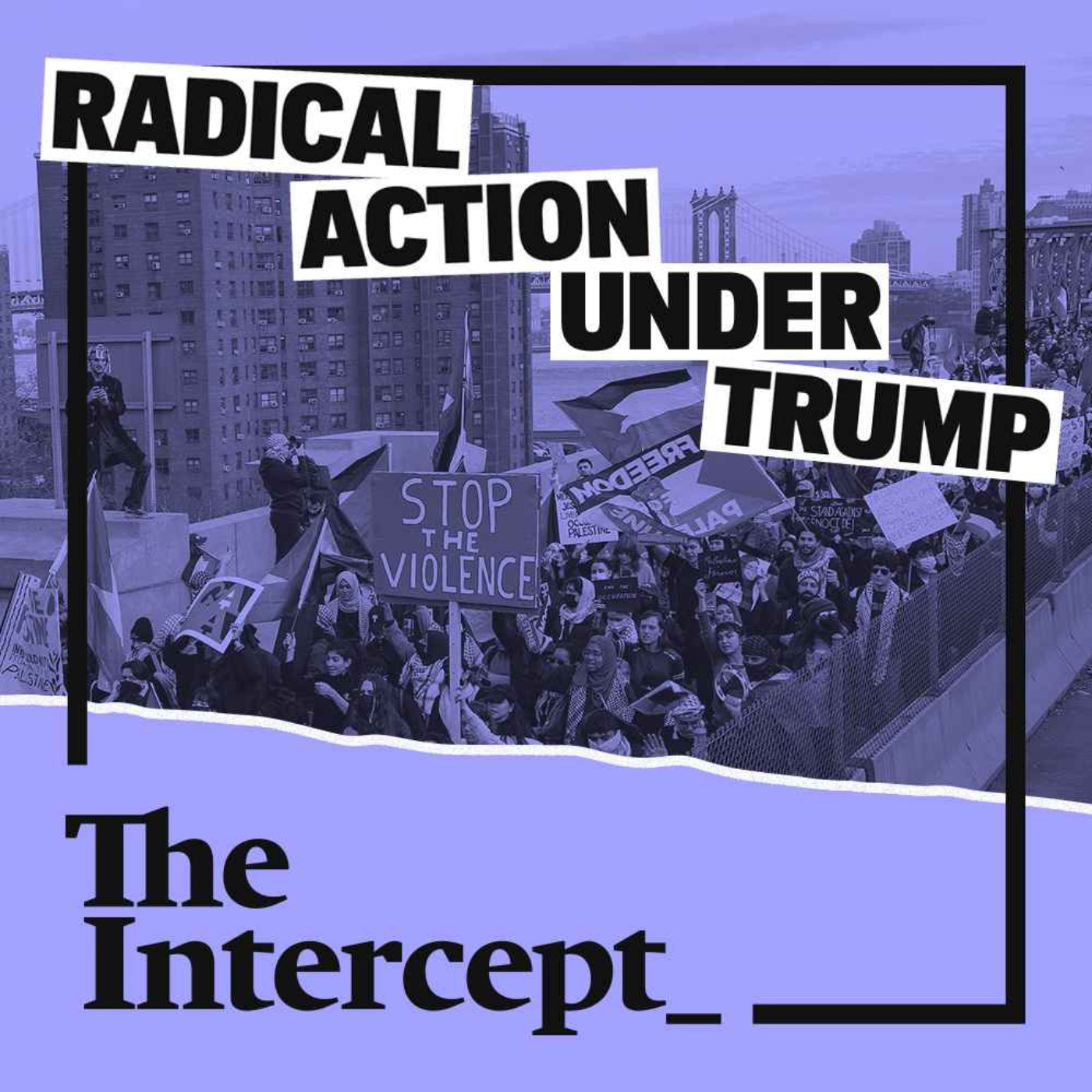
REBROADCAST Radical Action Under Trump
Originally aired November 15, 2024 In the wake of President-elect Donald Trump’s victory, Democrats and those on the left are grappling with what comes next.On The Intercept Briefing podcast this week, columnist Natasha Lennard critiques the Democratic Party. “You can’t be both at once: You can’t be the party of Wall Street, and you can’t be the party of the working class,” Lennard says. By acquiescing to Silicon Valley and Wall Street, the Democrats failed again “to offer a robust politics that serves the working class."Facing a second Trump term, Lennard says the way forward is a politics of everyday life and radical action that focuses on empowering grassroots movements and labor organizations. “When we look at what people can [do] — involving people at a local level, building community so that it is truly kind of a form of life to be in this politics, rather than just a donation, rather than just a vote, rather than just canvassing even.”In conversation with Jessica Washington and Jordan Uhl, Lennard emphasizes the importance and resilience of the working class. "Nurses unions, food workers unions. Most of the working class in this country are women. And it is a profoundly multi-racial working class. And we have a working class of care workers. And a service economy. And an increasingly growing care economy," she says. "That needs investing in. That needs support. That needs building."To hear more about the future of progressive politics, listen to this week's episode of The Intercept Briefing.If you want to support our work, you can go to theintercept.com/join. Your donation, no matter what the amount, makes a real difference. If you haven’t already, please subscribe to The Intercept, wherever you listen to podcasts. And definitely leave us a rating or a review, it helps other listeners to find us. Hosted on Acast. See acast.com/privacy for more information.
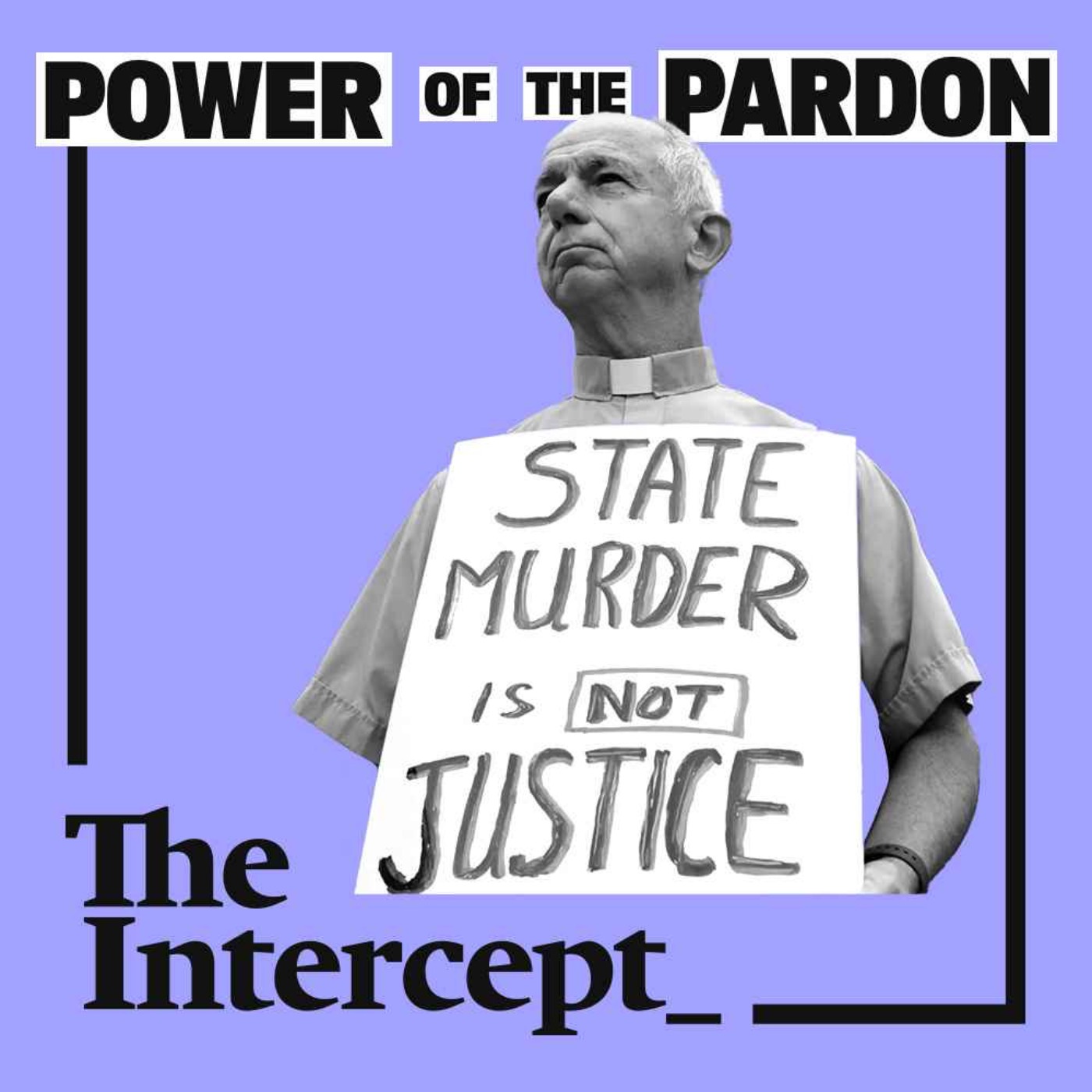
S1 Ep 8Power of the Pardon
Among a president’s most profound responsibilities is the power to grant clemency. Now, as President Joe Biden's first term winds down, he faces mounting calls to use that authority to commute the sentences of the 40 men on federal death row.Donald Trump's final months in office marked a stark shift in federal execution policy. After a 17-year hiatus, his administration executed 13 people — the most under any president in over a century. While Biden halted this practice, advocates warn that a second Trump term could restart executions. It's why they're urging Biden to take decisive action now to reduce death penalty sentences to life without parole.On this week's episode of The Intercept Briefing, reporter Liliana Segura examines the gap between candidate Biden's promises and his actions as president. “By far the most significant thing that Biden could do and should do in my opinion is to make good on his stated opposition to the death penalty, which is something he ran on in 2020. Joe Biden said that he wanted to try to bring legislation to end the federal death penalty and, in fact, incentivize states to do the same. He had language in his campaign platform talking about how life without parole sentences were appropriate alternatives,” she says. According to Segura, the federal death penalty reaches far beyond the most notorious cases and its deterrent effect is questionable — challenging many Americans' assumptions. “This idea that the death penalty is a deterrent is like the myth that will not die. You know, I was in Indiana recently covering this midnight execution, and I'm looking at some of the rhetoric that is out there from the state attorney general, and he is banging that drum about, 'Oh, you know, this is a deterrent to crime.’ There's absolutely no evidence that that is true and there really never has been.”To learn more about what Biden could do, listen to this week’s episode of The Intercept Briefing. Hosted on Acast. See acast.com/privacy for more information.
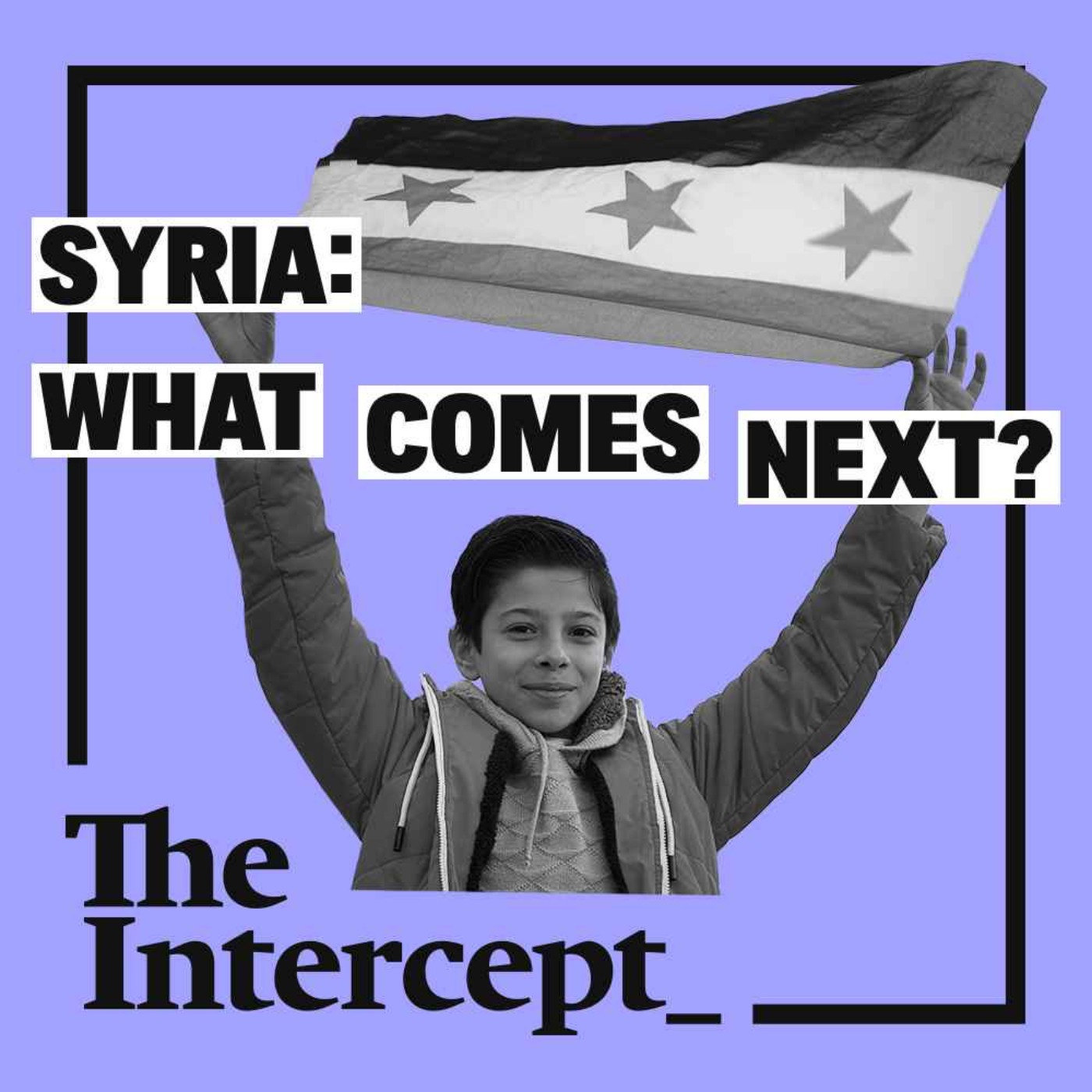
S1 Ep 7Syria: What Comes Next?
The unexpected toppling this weekend of the Assad regime by rebel forces brought a swift end to Syria's 13-year uprising-cum-civil war and over half a century of authoritarian rule. Syrians around the world have celebrated the development, with thousands walking free from the regime's hellish prisons. But in the aftermath, the situation remains volatile. Israel has struck targets inside Syria and moved troops deeper into the occupied Golan Heights, while international powers jockey for influence. Mohammed al-Bashir, who led the rebels’ de facto government in northwest Syria, has been named interim prime minister.Syrian journalist Rami Jarrah was among those celebrating Bashar al-Assad’s fall, but he’s worried about what happens in his country now. He reported from Syria during the early uprisings in 2011 and throughout the civil war, including Aleppo in 2016 during the intense bombardment. On this week’s episode of The Intercept Briefing, he says his own experience being detained and tortured by the Syrian government informs his concerns. “For a long time I had a serious grudge. I wanted revenge. Revenge that looked very ugly. And it’s why I understand how a situation like Syria, where there is this change of power, and how dangerous that can be because the things I was thinking about after what happened to me and what happened to loved ones of mine. I could not have been trusted to have authority in my hands if we’d gotten a hold of the perpetrators or even people that maybe just corresponded to the perpetrators. I don’t think I would have made sensible decisions. I think the last 4 or 5 years, I’ve been able to reflect,” he recounts.He says Assad and his family fleeing to Russia gives Syria a chance to move forward in a productive way. Had Assad stayed and fought, “we could have fallen into a civil war very quickly. … I think him fleeing sends a crippling message to those that supported him,” Jarrah says. “It made it much more likely that there could be a reconciliation process between those that supported Assad and those that were victims of Assad’s system.”To hear more of the conversation, listen to this week’s episode of The Intercept Briefing. Hosted on Acast. See acast.com/privacy for more information.

S1 Ep 6Silencing Dissent: Attacks on Free Speech and Nonprofits Are Already Ramping Up
For years, Donald Trump has vowed to go after his critics and journalists. As he prepares to reenter the White House, he’s nominating loyalists, like incoming FBI director Kash Patel, who have pledged to do the same.The Trump administration may soon have a new weapon to target perceived enemies. On this week’s episode of The Intercept Briefing, we discuss the Stop Terror-Financing and Tax Penalties on American Hostages Act, or H.R. 9495.Last month, the House passed H.R. 9495, which would give the Treasury Department secretary the authority to label any nonprofit — like The Intercept — a terrorist-supporting organization and take away its tax-exempt status, likely forcing them to shut down.Noah Hurowitz, who has been covering the bill, says, “One thing that has come up a lot in my reporting on this, in talking to civil liberties experts and talking to nonprofits, is that the vagaries of the bill and the broad powers that it allows will likely have a chilling effect on free speech.”Shawn Musgrave, The Intercept’s senior counsel and correspondent, points out the legal implications: “One of the things that I think is important to think about for a bill like H.R. 9495, which is framed around terrorism, [it] really reduces the level of due process and takes a lot of the guardrails off of the current system.”Though it’s not likely that Senate Majority Leader Chuck Schumer, D-N.Y., will bring it up for a vote this session, the legislation could resurface in January when Republicans control both houses of Congress. To learn more about the implications, listen to this week’s episode of The Intercept Briefing. Hosted on Acast. See acast.com/privacy for more information.
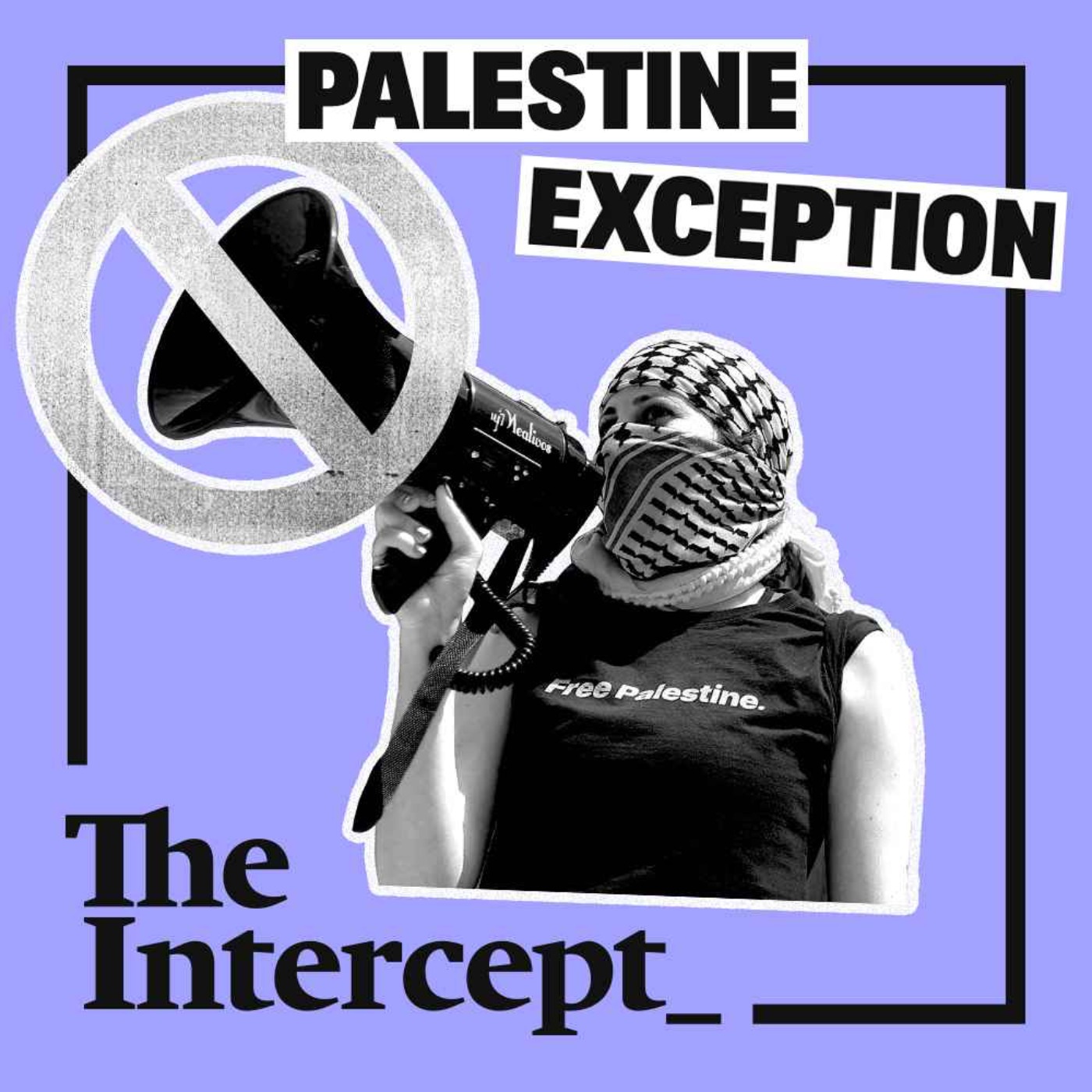
S1 Ep 5The “Palestine Exception”
Continued campus protests against the Gaza war have sparked heated debates around free speech, academic freedom, and the role of universities in addressing global issues. This spring saw an outpouring of students demanding that their institutions divest from Israel. Since then, universities have taken sometimes draconian measures to stop protests before they even begin.On this week’s episode of The Intercept Briefing, Intercept reporters Akela Lacy and Jonah Valdez, who have been following the protest movements for months, discuss the latest developments and how college administrators are responding. Lacy followed one such case at Case Western Reserve University in Cleveland, where students were hit with severe charges for vandalism. “The school is trying to make an example of student leaders in the movement for Palestine to chill further speech,” Lacy says. “I want to emphasize the fact that these are felony charges for undergraduate students for a nonviolent offense that is putting paint on a building.”Students and organizers who spoke with Valdez anticipate even greater hostility for protesters of every kind once Donald Trump takes office again in January. “This is what a lot of organizers were telling me leading up to Election Day was that there’s going to be so many other attacks on the rights of many other people," he says, "whether it’s reproductive rights, rights of trans people, LGBTQ community at large, rights of immigrants, all on top of the ongoing genocide and occupation of Palestine.”To hear more about the chilling effects on free speech and protest, listen to this week’s episode of The Intercept Briefing.The Intercept: "Class Struggle"The Intercept: "No Room for Emergency"The Intercept: "100 Days in Appalachia" Hosted on Acast. See acast.com/privacy for more information.

S1 Ep 4Rep. Summer Lee on the Fight of Our Lives
As the clock winds down on the Biden presidency, Democrats have a limited window to act. Come January 20, Republicans will control the executive branch and both houses of Congress.On this week's episode of The Intercept Briefing, Rep. Summer Lee, D-Pa., acknowledges the need for swift action, particularly on the war in Gaza, prison pardons, and immigration. “I’ve been on calls with advocacy groups around immigration,” she says. President-elect Donald Trump's promises to conduct mass deportation are “an imminent threat.” One tactic she’s employing to drive home the urgency is bringing Dreamers and their stories to meetings. “The people closest to the pain should be closest to the power, closest to the policy solutions. That is not just a cute saying," Lee says. "It is, I would say, a very lifesaving way of thinking about the policies and the solutions that we have for the very real problems that we face. We can't keep icing out the people who live it.”But she is also planning beyond the next eight weeks and is determined to fight the Trump administration. “When you're playing, it's Friday night football, it's raining out, you should not leave that field and your jerseys white. You gotta get dirty,” she says. “Not a single voter wants to see us looking pristine when we're in the fight for our life right now.”To hear more about how Lee and her colleagues on the left are planning to handle the next four years, listen to this week’s episode of The Intercept Briefing. Hosted on Acast. See acast.com/privacy for more information.
S1 Ep 3Radical Action Under Trump
In the wake of President-elect Donald Trump’s victory, Democrats and those on the left are grappling with what comes next.On The Intercept Briefing podcast this week, columnist Natasha Lennard critiques the Democratic Party. “You can’t be both at once: You can’t be the party of Wall Street, and you can’t be the party of the working class,” Lennard says. By acquiescing to Silicon Valley and Wall Street, the Democrats failed again “to offer a robust politics that serves the working class."Facing a second Trump term, Lennard says the way forward is a politics of everyday life and radical action that focuses on empowering grassroots movements and labor organizations. “When we look at what people can [do] — involving people at a local level, building community so that it is truly kind of a form of life to be in this politics, rather than just a donation, rather than just a vote, rather than just canvassing even.”In conversation with Jessica Washington and Jordan Uhl, Lennard emphasizes the importance and resilience of the working class. "Nurses unions, food workers unions. Most of the working class in this country are women. And it is a profoundly multi-racial working class. And we have a working class of care workers. And a service economy. And an increasingly growing care economy," she says. "That needs investing in. That needs support. That needs building."To hear more about the future of progressive politics, listen to this week's episode of The Intercept Briefing. Hosted on Acast. See acast.com/privacy for more information.
S1 Ep 2Kamala’s Fruitless Pursuit of the Mythical Moderate
There will be much analysis and innumerable postmortems of what Kamala Harris and her campaign got wrong about the electorate this election.Already, the trends are becoming clear: She failed to reach Black and Latino men, who flocked to Donald Trump this cycle. She underperformed in cities, typically Democratic strongholds. And she even lagged among younger voters vital to her party’s present and future.What’s behind this dismal showing? One explanation is Harris’s inability to put forth a distinct agenda that would appeal to disaffected Democrats. Instead, she held steady to the policies of President Joe Biden, despite general voter dissatisfaction and anxiety about the economy and the direction of the country.“We see Democrats over and over turning to courting this mythical moderate voter,” says senior politics reporter Akela Lacy on this week’s episode of The Intercept Briefing. “We also see a big failure to account for the rightward shift among young people and figure out how to give young voters a reason to support the Democratic Party.”Listen to understand what Intercept reporters were hearing at the polls in Georgia and Pennsylvania this week. Hosted on Acast. See acast.com/privacy for more information.
S1 Ep 1How Does AIPAC Shape Washington? We Tracked Every Dollar.
Welcome to The Intercept Briefing, a new podcast from our newsroom. In our first episode, politics reporters Jessica Washington and Akela Lacy break down The Intercept’s recent investigation on how the American Israel Public Affairs Committee has shaped U.S. foreign policy, as well as, as well as its record-breaking spending in the 2024 election cycle to unseat members of Congress who are who are insufficiently pro-Israel. Hosted on Acast. See acast.com/privacy for more information.

Understanding Israel’s “System of Domination”
The process of Jewish expansion over Palestinian land has involved maintaining a "system of domination," says author Nathan Thrall on this week's Intercepted. In order to constrict "Palestinians into tighter and tighter space" over the decades, Israel has deployed a strict permit system, movement restrictions, walls, fences, segregated roads, and punitive actions such as arrests and detentions, even of children.In “A Day in the Life of Abed Salama: Anatomy of a Jerusalem Tragedy," Thrall’s book, published just before the start of the current war, tells the story of one Palestinian man’s struggle to navigate Israel’s painful system of legal and security controls after his son’s school bus is involved in a fatal accident. Thrall joins host Murtaza Hussain in a discussion about the system of control that Israel maintains over Palestinians, violence in the West Bank, the future outlook for a negotiated solution to the conflict in Gaza, and possible escalation amid fighting at Israel’s northern border."A Day in the Life of Abed Salama" is a 2024 nonfiction Pulitzer Prize winner. Thrall is also the author of "The Only Language They Understand: Forcing Compromise in Israel and Palestine."If you’d like to support our work, go to theintercept.com/join, where your donation, no matter what the amount, makes a real difference.And if you haven’t already, please subscribe to the show so you can hear it every week. And please go and leave us a rating or a review — it helps people find the show. If you want to give us additional feedback, email us at [email protected]. Hosted on Acast. See acast.com/privacy for more information.

The Night That Won’t End in Gaza
Throughout the past nine months of Israel’s scorched-earth war against the people of Gaza, the world has watched as the official death toll has increased by the day. Nearly 40,000 Palestinians have been killed. These figures are likely a stark undercount of the true devastation. A recent report from the British aid organization Save the Children estimates that more than 20,000 Palestinian children are missing in Gaza. A new documentary by Fault Lines called “The Night Won’t End: Biden’s War on Gaza” tells the story of the war's impact on the lives of three Palestinian families in Gaza.This week on Intercepted, Jeremy Scahill speaks to the film's correspondent Sharif Abdel Kouddous and executive producer Laila Al-Arian, the Emmy award-winning executive producer of Fault Lines, Al Jazeera English’s flagship U.S.-based news magazine.If you’d like to support our work, go to theintercept.com/join, where your donation, no matter what the amount, makes a real difference.And if you haven’t already, please subscribe to the show so you can hear it every week. And please go and leave us a rating or a review — it helps people find the show. If you want to give us additional feedback, email us at [email protected]. Hosted on Acast. See acast.com/privacy for more information.

War Clouds Over Lebanon as Hezbollah and Israel Clash
The escalating military confrontation between Hezbollah and Israel now threatens to expand the conflict in Gaza into a full-blown regional war. For the past eight months, Israel and Hezbollah have traded missile attacks, leading to the evacuation of tens of thousands of civilians from northern Israel and southern Lebanon. The two sides have fought devastating wars in the past, but a cold peace has reigned for nearly 17 years. That peace is now in jeopardy, as Hezbollah has mobilized in sympathy with Hamas following Israel's invasion of the Gaza Strip. To discuss the situation this week on Intercepted is Sam Heller, a fellow with the Century Foundation and expert on Lebanon and Hezbollah. Heller spoke with host Murtaza Hussain on the prospects of the conflict escalating, as well as the potential impact on the Lebanese, Israelis, and the broader Middle East.If you’d like to support our work, go to theintercept.com/join, where your donation, no matter what the amount, makes a real difference.And if you haven’t already, please subscribe to the show so you can hear it every week. And please go and leave us a rating or a review — it helps people find the show. If you want to give us additional feedback, email us at [email protected]. Hosted on Acast. See acast.com/privacy for more information.

Medical Aid Worker Describes the Bloody Aftermath of Israel’s Hostage Rescue
An Israeli military operation in Gaza this week aimed at rescuing four hostages from Hamas killed over 270 Palestinians and wounded hundreds more. The Nuseirat refugee camp, where the attacks occurred, became a scene of horror as the injured sought care from Gaza's few remaining hospitals. Karin Huster, a Doctors Without Borders medical coordinator, witnessed the aftermath. She joins host Murtaza Hussain on Intercepted to discuss what she saw following the Israel Defense Forces attack alleged to involve grave war crimes, and the ongoing impact of the war on Gaza's civilian population.Transcript coming soon. If you’d like to support our work, go to theintercept.com/join, where your donation, no matter what the amount, makes a real difference.And if you haven’t already, please subscribe to the show so you can hear it every week. And please go and leave us a rating or a review — it helps people find the show. If you want to give us additional feedback, email us at [email protected]. Hosted on Acast. See acast.com/privacy for more information.

Rafah Clash Exposes Roots of Egypt and Israel Tension
After eight months of brutal fighting with no end in sight, the war in Gaza is at risk of metastasizing into a regional conflict. Recent tensions between Egypt and Israel — normally security partners who have cooperated in the blockade of Gaza — have thrown into stark relief the growing risks of a spillover from the war.This week on Intercepted, security expert H. A. Hellyer discusses with co-host Murtaza Hussain the growing hostilities between the two countries, which have resulted in Egypt joining the International Court of Justice genocide case against Israel, threats to annul the Camp David peace accords, and even a fatal shooting incident between Egyptian and Israel troops.The war in Gaza is at risk of exploding into a far greater war that could cause the destruction of the tenuous security architecture that has held the region together for decades.If you’d like to support our work, go to theintercept.com/join, where your donation, no matter what the amount, makes a real difference.And if you haven’t already, please subscribe to the show so you can hear it every week. And please go and leave us a rating or a review — it helps people find the show. If you want to give us additional feedback, email us at [email protected]. Hosted on Acast. See acast.com/privacy for more information.

Code Pink’s Medea Benjamin on Disrupting the U.S. War Machine
The past week in Gaza has seen a major escalation in Israeli attacks against the besieged and starving Palestinians trapped in a killing cage. The Biden administration has aggressively sought to portray itself as being increasingly at odds with Israel’s tactics, mostly focusing on U.S. threats to withhold some weapons shipments if Benjamin Netanyahu conducts an invasion of Rafah. But the cold reality is that Israel has already bombed and occupied large swaths of Rafah. The regime has ordered the forced exodus of hundreds of thousands of Palestinians, not only from Rafah, but also from areas of northern Gaza, once again thrusting masses of civilians — many of whom are wounded, starving, dehydrated, and traumatized — on a desperate hunt for a place to pitch a makeshift tent as they await either death or a ceasefire.Despite the White House leaking stories to insider media outlets about how Biden is fed up with his great friend Netanyahu, the U.S. has made clear it continues to arm and support the Israeli regime.This week on Intercepted, Medea Benjamin, co-founder of the feminist antiwar organization Code Pink, speaks with Jeremy Scahill. Since the launch of the so-called war on terror in 2001, the 71-year-old activist has spent more than two decades disrupting congressional hearings, chasing members of Congress through the halls of the Capitol for answers, and traveling to countries the U.S. has labeled as enemies. Benjamin discusses her personal path to activism and the siege on Gaza, and offers a guide on how ordinary people can disrupt business as usual in the chambers of power in Washington, D.C.If you’d like to support our work, go to theintercept.com/join, where your donation, no matter what the amount, makes a real difference.And if you haven’t already, please subscribe to the show so you can hear it every week. And please go and leave us a rating or a review — it helps people find the show. If you want to give us additional feedback, email us at [email protected]. Hosted on Acast. See acast.com/privacy for more information.

“A New Sense of World-Building”: Inside the Student Movement for Gaza
Evergreen State College, in Olympia, Washington, reached a deal with students to work toward divesting from “companies that profit from gross human rights violations and/or the occupation of Palestinian territories.” It is one of the few schools to reach deals with students protesting Israel's war on Gaza as demonstrations spread to more than 154 campuses nationwide.This week on Intercepted, we bring you a special episode from inside the student movement for Gaza. Prem Thakker, a politics reporter for The Intercept, breaks down the campus protests and students' demands for schools to cut off financial ties with Israel and weapons makers. Thakker is joined by Gillian Goodman, a freelance writer and journalism graduate student at Columbia University. Gillian takes us inside the protest encampment at Columbia, which inspired similar demonstrations nationwide before it was violently dismantled by police.If you’d like to support our work, go to theintercept.com/join, where your donation, no matter what the amount, makes a real difference.And if you haven’t already, please subscribe to the show so you can hear it every week. And please go and leave us a rating or a review — it helps people find the show. If you want to give us additional feedback, email us at [email protected]. Hosted on Acast. See acast.com/privacy for more information.

Judith Butler Will Not Co-Sign Israel’s Alibi for Genocide
Last month, the famed American philosopher and gender studies scholar Judith Butler was thrust into the center of a controversy after remarks Butler made about the October 7 attacks in Israel. A longtime critic of Zionism and Israel’s war against the Palestinians, Butler had condemned the attacks in the immediate aftermath. But at a March roundtable in France, Butler offered a historical context for the Hamas-led operations and stated that the attacks constituted armed resistance. The blowback was swift, and Butler was criticized in media outlets across Europe and in Israel. This week on Intercepted, Butler discusses the controversy and their position on Hamas, Israel, and crackdowns on student protests.Butler is currently a Distinguished Professor at UC Berkeley’s Graduate School. They are the author of several books, including “The Force of Nonviolence: An Ethico-Political Bind,” “Parting Ways: Jewishness and the Critique of Zionism,” and most recently, “Who's Afraid of Gender?”For full show transcript visit the episode page. If you’d like to support our work, go to theintercept.com/join, where your donation, no matter what the amount, makes a real difference.And if you haven’t already, please subscribe to the show so you can hear it every week. And please go and leave us a rating or a review — it helps people find the show. If you want to give us additional feedback, email us at [email protected]. Hosted on Acast. See acast.com/privacy for more information.

Biden’s Indifference to Palestinian Lives Is Sending the Middle East Into the Abyss
In the face of growing international pressure, the Biden administration has continued to double down on a policy of blanket support for Israel, even as it presses ahead with a possible military offensive against the town of Rafah that many observers have warned could trigger the largest humanitarian crisis of the war so far. This week on Intercepted, co-hosts Jeremy Scahill and Murtaza Hussain discuss the Biden administration's approach to the conflict with Thanassis Cambanis, director of the foreign policy think tank Century International. Cambanis explains how Biden’s policy toward Israel is pushing the entire Middle East to the brink of a regional war that could inflict far greater suffering than we have seen to date, in an area which U.S. policymakers claim to be trying to exit.If you’d like to support our work, go to theintercept.com/join, where your donation, no matter what the amount, makes a real difference.And if you haven’t already, please subscribe to the show so you can hear it every week. And please go and leave us a rating or a review — it helps people find the show. If you want to give us additional feedback, email us at [email protected]. Hosted on Acast. See acast.com/privacy for more information.

U.S. Doctor Returning From Gaza Describes Unforgettable Carnage
The war in Gaza has been among the deadliest for civilians, including children, of any war in the 21st century. After spending five weeks volunteering and administering at a field hospital in Rafah, Mohammad Subeh, an American doctor, describes what he saw to Intercepted co-hosts Jeremy Scahill and Murtaza Hussain. Subeh spent weeks treating wounded Palestinian children, many of them orphaned by Israeli attacks. He also described treating those who survived the aftermath of “mass casualty incidents” in which dozens of civilians were killed or wounded; many of these attacks appeared deliberately targeted at civilians, Subeh says, rather than “indiscriminate.” As the Strip reels from the consequences of a breakdown of public health infrastructure following the destruction of most Gazan hospitals, Subeh says that ordinary civilians are paying a gruesome price for Israel's military assault.Intercepted has been nominated for a Webby award under the category of Best News and Politics podcast. Help us win by casting your vote today.If you’d like to support our work, go to theintercept.com/join, where your donation, no matter what the amount, makes a real difference.And if you haven’t already, please subscribe to the show so you can hear it every week. And please go and leave us a rating or a review — it helps people find the show. If you want to give us additional feedback, email us at [email protected]. Hosted on Acast. See acast.com/privacy for more information.

Amid Gaza War, College Campuses Become Free Speech “Testing Ground”
The conflict in Gaza has galvanized a new generation of young anti-war activists, in the same way that opposition to the Vietnam War and apartheid South Africa did in decades past. A backlash is now building in the United States, led by right-wing activist and pro-Israel groups aimed at eliminating any public dissent over U.S. foreign policy in the Middle East.As the death toll of Palestinians rises, a new authoritarian climate is sweeping across the U.S. — particularly on college campuses, which have transformed into laboratories for censorship and surveillance. Intercepted host Murtaza Hussain discusses this new political reality with Sahar Aziz, distinguished professor of law at Rutgers Law School and author of a new report on free speech and discrimination in the context of the Gaza conflict.Intercepted has been nominated for a Webby award under the category of Best News and Politics podcast. Help us win by casting your vote today. If you’d like to support our work, go to theintercept.com/join, where your donation, no matter what the amount, makes a real difference.And if you haven’t already, please subscribe to the show so you can hear it every week. And please go and leave us a rating or a review — it helps people find the show. If you want to give us additional feedback, email us at [email protected]. Hosted on Acast. See acast.com/privacy for more information.

BONUS: The Art of Analyzing Hacked and Leaked Data
Unlike any other point in history, hackers, whistleblowers, and archivists now routinely make off with terabytes of data from governments, corporations, and extremist groups. These datasets often contain gold mines of revelations in the public interest and in many cases are freely available for anyone to download. Revelations based on leaked datasets can change the course of history.Yet these digital tomes can prove extremely difficult to analyze or interpret, and few people today have the skills to do so. Micah Lee’s new book, “Hacks, Leaks, and Revelations: The Art of Analyzing Hacked and Leaked Data” teaches journalists, researchers, and activists the technologies and coding skills required to do just this. The following episode is an excerpt from the book. Hosted on Acast. See acast.com/privacy for more information.

Iran and U.S. Wage a Shadow War Behind Gaza Conflict
The Israeli military assault on Gaza has continued for nearly six months, with word of an impending attack on the densely populated town of Rafah. Against this backdrop, a shadow war has continued to play out between Iran and a network of militant groups on one side, and the U.S. and Israel on the other. Iran today supports and arms not just Hamas, but also groups like Lebanese Hezbollah, the Houthis, and various Syrian and Iraqi militia groups. Aside from the U.S. itself, Iran today is likely the most important outside power in the Gaza war, though its role is often ignored. This week on Intercepted, host Murtaza Hussain discusses the role of Iran in the region with historian Arash Azizi. The author of "What Iranians Want: Women, Life, Freedom," Azizi also discusses political developments in the country in the aftermath of recent elections.If you’d like to support our work, go to theintercept.com/join, where your donation, no matter what the amount, makes a real difference.And if you haven’t already, please subscribe to the show so you can hear it every week. And please go and leave us a rating or a review — it helps people find the show. If you want to give us additional feedback, email us at [email protected]. Hosted on Acast. See acast.com/privacy for more information.

“Man-Made Hell On Earth”: A Canadian Doctor on His Medical Mission to Gaza
EWarning: This interview contains graphic descriptions of violence and death.Throughout the past five and a half months, Israel has waged a full-spectrum war against the civilian population of the Gaza Strip. The United States and other Western nations have supplied not only the weapons for this war of annihilation against the Palestinians, but also key political and diplomatic support.The results of the actions of this coalition of the killing have been devastating. Conservative estimates hold that more than 31,000 Palestinians have been killed, including 13,000 children. More than 8,000 people remain missing, many of them believed to have died in the rubble of buildings destroyed in Israeli attacks. Famine conditions are now present in large swaths of the Gaza Strip. For months, doctors across Gaza have performed amputations and other high-risk procedures without anesthetics or proper operating rooms. Antibiotics are in short supply and often unavailable. Communicable diseases are spreading, as hundreds of thousands of Palestinians are forced to live in makeshift shelters with little access to toilets or basic sanitary supplies. Israel has repeatedly blocked or delayed aid shipments of vital medical supplies to Gaza. Basic preventative medical care is nearly nonexistent, and medical experts predict that malnutrition will condemn a new generation of young Palestinians to a life of developmental struggles. The result of the onslaught against medical facilities is that there is only one fully functional hospital remaining in the territory, the European Hospital in Khan Younis. Dr. Yasser Khan, a Canadian ophthalmologist and plastic surgeon, just left Gaza where he spent 10 days at the hospital performing eye surgeries on victims of Israeli attacks. It was his second medical mission to Gaza since the war began last October. On this special Intercepted, Dr. Khan speaks to Jeremy Scahill about what he witnessed. If you’d like to support our work, go to theintercept.com/join, where your donation, no matter what the amount, makes a real difference.And if you haven’t already, please subscribe to the show so you can hear it every week. And please go and leave us a rating or a review — it helps people find the show. If you want to give us additional feedback, email us at [email protected]. Hosted on Acast. See acast.com/privacy for more information.

“We Have to Start Thinking in Terms of Decolonization”
As the official death toll in Gaza passes 31,000 people, including more than 13,000 children, the Israeli state is continuing its mass-killing operations in the besieged strip. The U.N. secretary-general is warning that famine is spreading in Gaza, and Tel Aviv remains defiantly committed to its distinctly offensive war of collective punishment.While the Biden administration is growing more vocal in its public calls for a pause in Israeli military actions, it has also made clear it has imposed no “red lines” over military action. The Netanyahu government maintains it will escalate its attacks in Rafah, even as the White House is calling for Israeli officials to consider a smaller-scale operation to target Hamas fighters and leadership.This week on Intercepted, Palestinian human rights lawyer Diana Buttu discusses the disconnect between the rhetoric of Western leaders and the predictable results of their sustained military backing of Israel. Buttu also analyzes the political debates within Palestine and the role of Hamas and Palestinian Authority President Mahmoud Abbas’s Fatah party, and the thousands of arrests of Palestinians in the West Bank since October 7. She also discusses the significance of Palestinian resistance leader Marwan Barghouti, who is currently serving multiple life terms in an Israeli prison but whose freedom Hamas says it is committed to winning in a future exchange of captives. Barghouti, who is often characterized as Palestine’s Nelson Mandela, was reportedly beaten in prison this week.If you’d like to support our work, go to theintercept.com/join, where your donation, no matter what the amount, makes a real difference.And if you haven’t already, please subscribe to the show so you can hear it every week. And please go and leave us a rating or a review — it helps people find the show. If you want to give us additional feedback, email us at [email protected]. Hosted on Acast. See acast.com/privacy for more information.

Israel’s Use of Mass Starvation as a Weapon of War
After six months of a sustained U.S.-backed Israeli war of annihilation against the Palestinians of Gaza, President Joe Biden says he now has a “red line.” Asked about Israel’s threatened full-scale invasion of Rafah, Biden said, “You can't have another 30,000 Palestinians dead as a consequence of going after [Hamas],” Biden told MSNBC. “There are other ways to deal with Hamas.”The White House has taken no action to halt the transfer of arms and other support to Israel’s war and Israeli Prime Minister Benjamin Netanyahu has openly said that he, not Biden, will decide whether to occupy Gaza. As the Ramadan holiday begins, the humanitarian reality of the people in Gaza has descended into horror. Israel’s deliberate starvation campaign is intensifying the already indescribable suffering wrought by constant bombing and ground operations. The decimation of the health infrastructure and the attacks against hospitals have resulted in the collapse of basic health services.This week on Intercepted, Yara Asi, author of “How War Kills: The Overlooked Threats to Our Health,” joins Jeremy Scahill and Murtaza Hussain for a discussion on the health impacts of the war, the dehumanizing narratives Israel has deployed to justify its mass-killing operations, and the U.S. plans for building a port off the Gaza coast. Asi is an assistant professor at the University of Central Florida in the School of Global Health Management and co-director of the Palestine Program for Health and Human Rights at Harvard University.If you’d like to support our work, go to theintercept.com/join, where your donation, no matter what the amount, makes a real difference.And if you haven’t already, please subscribe to the show so you can hear it every week. And please go and leave us a rating or a review — it helps people find the show. If you want to give us additional feedback, email us at [email protected]. Hosted on Acast. See acast.com/privacy for more information.

U.S. Endorses Pakistan's Sham Election
The U.S. State Department this week congratulated Pakistan's new prime minister on assuming power, following elections that were marred by widespread allegations of rigging, voter suppression, and violence targeting supporters of imprisoned former prime minister Imran Khan. On a special crossover episode of Intercepted and Deconstructed, hosts Murtaza Hussain and Ryan Grim discuss the aftermath of Pakistan's February 8 election, as well as growing calls inside the U.S. to hold Pakistan's military-backed regime accountable for its ongoing suppression of democracy. Hussain and Grim also discuss U.S. interests in the region, and the historical ties between the Pakistani military and its supporters in Washington.If you’d like to support our work, go to theintercept.com/give, where your donation, no matter what the amount, makes a real difference.And if you haven’t already, please subscribe to the show so you can hear it every week. And please go and leave us a rating or a review — it helps people find the show. If you want to give us additional feedback, email us at [email protected]. Hosted on Acast. See acast.com/privacy for more information.

Dr. Mustafa Barghouti on the Struggle for Palestine's Future Amid Gaza Genocide
The Israeli government is on the brink of a long-feared military offensive against the town of Rafah, where more than 1 million Palestinian civilians have taken shelter from the Israeli campaign in Gaza. An attack on Rafah could trigger the worst humanitarian catastrophe of the war so far, including a potential ethnic cleansing of Gaza as Palestinians are pushed into Egypt. This week on Intercepted, hosts Jeremy Scahill and Murtaza Hussain discuss the current state of the war as well as the ongoing Palestinian campaign for political unity with Dr. Mustafa Barghouti, a physician and general secretary of the Palestinian National Initiative. Barghouti speaks about the current humanitarian crisis in Gaza, the role of the U.S. in facilitating the war, and his own political future and that of the Palestinian national movement in the wake of this crisis.If you’d like to support our work, go to theintercept.com/give, where your donation, no matter what the amount, makes a real difference.And if you haven’t already, please subscribe to the show so you can hear it every week. And please go and leave us a rating or a review — it helps people find the show. If you want to give us additional feedback, email us at [email protected]. Hosted on Acast. See acast.com/privacy for more information.

Nowhere Left to Go in Gaza as Israel’s Ground Assault on Rafah Looms
On Friday, Israel’s Prime Minister Benjamin Netanyahu announced plans for a ground invasion of Rafah, where at least 1.3 million Palestinians are sheltering; the vast majority are refugees who have fled their homes. Israel’s most recent bombardments on Rafah have killed at least 14 people in a set of strikes on Thursday and upward of 100 on Monday. This week on Intercepted, guest host Sharif Abdel Kouddous — a contributing writer for The Intercept — and Tareq Baconi discuss Israel’s latest assault on Gaza, the history of Palestine, and prospects for the future. Baconi is the president of the board of Al-Shabaka: The Palestinian Policy Network, a former senior analyst for the International Crisis Group on Israel/Palestine, and author of “Hamas Contained: The Rise and Pacification of Palestinian Resistance.”If you’d like to support our work, go to theintercept.com/give, where your donation, no matter what the amount, makes a real difference.And if you haven’t already, please subscribe to the show so you can hear it every week. And please go and leave us a rating or a review — it helps people find the show. If you want to give us additional feedback, email us at [email protected]. Hosted on Acast. See acast.com/privacy for more information.

Joe Biden Leads a Western “Coalition of the Killing” in Backing Israel’s Gaza War
The U.S.-backed Israeli war on Gaza is entering its fifth month. As the brutal siege and bombing continues, the United Nations and other international organizations are warning of famine and the outbreak of diseases. Powerful nations around the world, led by the U.S., are not just supplying weapons and political support for Israel, but also have now joined in the campaign to further restrict vital humanitarian aid to Gaza. The Biden administration has led the charge to suspend funding to the United Nations Relief and Works Agency for Palestine Refugees in the Near East, the most important aid organization operating in Gaza. Israel has waged a smear campaign against UNRWA, baselessly characterizing the whole organization as a front group for Hamas. What began as an accusation that a few UNRWA employees may have participated in the October 7 attacks has now become a sweeping attack against the organization’s very existence.This week on Intercepted, Jeremy Scahill is joined by Mohammed Elnaiem, a political educator and director of the Decolonial Centre in London. Elnaiem discusses the ways pro-colonial narratives provide support to Israel’s onslaught on Gaza, despite people around the world watching a “livestreamed genocide.” He also breaks down the major imperial powers’ role in the conflict, connecting the historical thread of colonialism to the current war.If you’d like to support our work, go to theintercept.com/give, where your donation, no matter what the amount, makes a real difference.And if you haven’t already, please subscribe to the show so you can hear it every week. And please go and leave us a rating or a review — it helps people find the show. If you want to give us additional feedback, email us at [email protected]. Hosted on Acast. See acast.com/privacy for more information.

Biden Stands at the Precipice of a Greater War in the Middle East and His Political Future
The killing of three U.S. soldiers at a remote military outpost in Jordan, claimed by Iraqi militia groups to be retaliation for U.S. support for Israel's war in Gaza, has set the stage for a response by the Biden administration that has blamed Iran for helping support the attack. After years of attempting to pivot away from the region, the Biden administration now looks set to deepen its military involvement in the Middle East as it fights the Houthis in Yemen and squares off in an escalating proxy war with Iran. This week on Intercepted, Jeremy Scahill and Murtaza Hussain discuss the trajectory of the U.S. long war in the Middle East with Juan Cole, professor of history at the University of Michigan and a longtime writer and commenter on the region. Cole discusses the basis of the ongoing U.S.–Israel security relationship, the perspective of anti-Israel militant groups in the region, and the prospects of the expansion of the war despite the Biden administration's desires to keep it contained.If you’d like to support our work, go to theintercept.com/give, where your donation, no matter what the amount, makes a real difference.And if you haven’t already, please subscribe to the show so you can hear it every week. And please go and leave us a rating or a review — it helps people find the show. If you want to give us additional feedback, email us at [email protected]. Hosted on Acast. See acast.com/privacy for more information.

Biden’s War Expands from Gaza to Yemen
With his airstrikes this month ordered in response to attacks on Red Sea shipping, Joe Biden has become the fourth consecutive U.S. president to bomb Yemen. The strikes targeted against the Houthi militant group are aimed at preventing further attacks on merchant ships in the Red Sea. Biden himself has said that the strikes carried out so far have been ineffective but that they would continue on nonetheless. This week on Intercepted, Shireen Al-Adeimi, an assistant professor of language and literacy at Michigan State University and non-resident fellow at the Quincy Institute focused on Yemen, joins us to discuss the history of U.S. involvement in the country since the war on terror and the potential impact of this new intervention on Yemeni society. With co-hosts Jeremy Scahill and Murtaza Hussain, Al-Adeimi discusses the U.S. role in facilitating a disastrous Saudi and Emirati war in Yemen over the past decade, the emergence of the Houthis, and the political threats of the present conflict as Yemenis attempt to negotiate a peace agreement aimed at putting an end to a devastating conflict that has killed hundreds of thousands in the country.If you’d like to support our work, go to theintercept.com/give, where your donation, no matter what the amount, makes a real difference.And if you haven’t already, please subscribe to the show so you can hear it every week. And please go and leave us a rating or a review — it helps people find the show. If you want to give us additional feedback, email us at [email protected]. Hosted on Acast. See acast.com/privacy for more information.

The Legal Case Against Joe Biden for Enabling Israel’s Genocide Against Gaza
A panel of judges at the International Court of Justice in The Hague has entered deliberations in the preliminary phase of South Africa’s historic suit against Israel, charging it with carrying out a genocide against the Palestinians of Gaza. While a final ruling in the case could take years, the judges will rule on whether to order a halt to continued Israeli military actions pending a trial.This week on Intercepted, Katherine Gallagher, a senior staff attorney at the Center for Constitutional Rights, discusses the ICJ case as well as a lawsuit CCR has filed against President Joe Biden, Secretary of State Antony Blinken, and Defense Secretary Lloyd Austin for the support and failure to prevent genocide in Gaza. Arguments will begin next week in federal court in California.Gallagher, Jeremy Scahill, and Murtaza Hussain discuss what a ruling in South Africa’s favor would mean for Israel’s U.S.-backed war against Gaza and how the U.S. may try to shield Israel from international consequences, as it has done throughout history. They also examine the history of the U.S. judge who is currently president of the ICJ, as well as U.S. laws that require American officials to take actions to prevent, not enable, genocide, including one that was sponsored by then-Sen. Biden.If you’d like to support our work, go to theintercept.com/give, where your donation, no matter what the amount, makes a real difference.And if you haven’t already, please subscribe to the show so you can hear it every week. And please go and leave us a rating or a review — it helps people find the show. If you want to give us additional feedback, email us at [email protected]. Hosted on Acast. See acast.com/privacy for more information.

Israel Is Banking on U.S. Support for a Wider War Against the Axis of Resistance
As Israel’s war of annihilation in Gaza enters its fourth month, Prime Minister Benjamin Netanyahu appears intent on pulling the U.S. deeper into a wider regional war. In recent weeks, Israel has intensified its military operations inside Lebanon, killing several mid-level Hezbollah commanders in what appear to be targeted assassination strikes. Israel is also widely believed to have been responsible for the January 2 drone strike in a Beirut suburb that killed a senior Hamas official, Saleh al-Arouri. Hezbollah, a well-armed and organized Lebanese resistance movement with close links to Iran and a central member in the axis of resistance, has regularly fired rockets into northern Israel and has conducted drone strikes of its own, including against a strategic Israeli military facility.This week’s guests on Intercepted are Amal Saad, a lecturer in politics at Cardiff University and a scholar of Hezbollah, and Karim Makdisi, an associate professor of international politics at the American University of Beirut and co-host of the Makdisi Street podcast. They join Jeremy Scahill and Murtaza Hussain for an in-depth discussion on whether Israel's war on Gaza will spark what many in the region believe is an inevitable “great war” against Israel. They also discuss the role of Iran and its relationships with Hamas and Hezbollah, as well as how Joe Biden compares to past presidents on the wars in Palestine and Lebanon. If you’d like to support our work, go to theintercept.com/give, where your donation, no matter what the amount, makes a real difference.And if you haven’t already, please subscribe to the show so you can hear it every week. And please go and leave us a rating or a review — it helps people find the show. If you want to give us additional feedback, email us at [email protected]. Hosted on Acast. See acast.com/privacy for more information.

Deconstructed Podcast: “The Squad,” Part 3: The Last Gaza War
EToday, we’re sharing an episode of our sister podcast, Deconstructed, hosted by Ryan Grim.More than 18,600 people have been killed in Gaza since Israel’s latest wave of attacks began just over two months ago, following the October 7 Hamas attack that killed some 1,200 Israelis. While the Biden administration continues to support Israel in its devastation, politicians and heads of state around the world are calling for a ceasefire. The last extended war on Gaza, in 2021, would reshape the Democratic Party's posture toward Israel and Palestine. On this episode of Deconstructed, Ryan Grim brings us another audio documentary, adapted from an excerpt of his new book, “The Squad: AOC and the Hope of a Political Revolution.” In this episode, Grim revisits the 2021 Gaza war. When members of the Squad and their allies began speaking out about the U.S. government’s support for Israel, the debates in Washington grew extremely messy. The Squad’s opposition led to a political showdown, with special interest groups and other politicians applying pressure on those critical of Israel’s attacks. It threatened a government shutdown and further pushed the conversation on the U.S.’s unconditional support for the Israeli military, setting the stage for the widespread opposition seen today, as well as the highly organized and well-funded reaction from supporters of Israel.You can find Grim's book here: https://us.macmillan.com/books/9781250869074/thesquadIf you’d like to support our work, go to theintercept.com/give, where your donation, no matter what the amount, makes a real difference.And if you haven’t already, please subscribe to the show so you can hear it every week. And please go and leave us a rating or a review — it helps people find the show. If you want to give us additional feedback, email us at [email protected]. Hosted on Acast. See acast.com/privacy for more information.

How Israel Commodifies Mass Killing Through Its “Palestine Laboratory”
For more than two months, the Israeli military has waged a scorched-earth campaign against Gaza, and the death toll has risen to over 18,000 Palestinians, including more than 7,000 children. Meanwhile, in the occupied West Bank, violent Israeli government-armed and funded settlers continue their violent campaign to purge Palestinians from their homes as the Israel Defense Forces lay siege to Jenin and other cities. This week on Intercepted, Jeremy Scahill discusses the dystopian game show that Israel is subjecting Palestinians to in Gaza, kettling them into an ever-shrinking killing cage. While the scope of the war against Gaza is unprecedented, it has been preceded by a decadeslong cycle of regular Israeli ground and air attacks against the Palestinians of both Gaza and the occupied West Bank. Independent journalist Antony Loewenstein discusses his groundbreaking new book, “The Palestine Laboratory: How Israel Exports the Technology of Occupation Around the World.” For two decades, Loewenstein, a co-founder of Declassified Australia, has reported on Gaza, the occupied West Bank, and Israel, having lived in East Jerusalem for several years. Loewenstein breaks down how Israel markets its defense and intelligence technology to nations across the world, boasting of how it has been “battle-tested” against the Palestinians. He also discusses the weaponization of accusations of antisemitism against critics of Israeli policies and wars and the formal efforts in the U.S., Germany, and elsewhere to categorize opposition to Zionism as antisemitism.This is the last episode of 2023. Thank you for listening this year. We will be back with more episodes in 2024.If you’d like to support our work, go to theintercept.com/give, where your donation, no matter what the amount, makes a real difference.And if you haven’t already, please subscribe to the show so you can hear it every week. And please go and leave us a rating or a review — it helps people find the show. If you want to give us additional feedback, email us at [email protected]. Hosted on Acast. See acast.com/privacy for more information.

Two Months That Shook the World: The First Phase of the Gaza War
On Friday morning, Israel resumed its bombing campaign against Gaza, and the civilian death toll is once again rising. Both Hamas and Israel accused the other of violating the temporary truce. Israeli Defense Minister Yoav Gallant has promised, “We will fight in the entire [Gaza] Strip.” Despite meekly worded suggestions from Secretary of State Antony Blinken that Israel make an effort to reduce civilian deaths, the U.S. position remains one of full-throttled support for a military campaign that has killed more than 15,000 Palestinians, the vast majority of them children and other civilians.In this special episode of Intercepted, political analyst Mouin Rabbani, co-editor of the Arab Studies Institute’s ezine Jadaliyya, offers a provocative analysis of the current situation. In a discussion with Jeremy Scahill and Murtaza Hussain, Rabbani suggests that behind the belligerent rhetoric and Prime Minister Benjamin Netanyahu’s proclamations he will eradicate Hamas, Israel may already be heading for a bloody quagmire it is unlikely to transform into an accomplishment of its stated goals. “We’re now well into the second month of this war, and the most Israel has been able to achieve is to raise the Israeli flag on a hospital. It’s not exactly Iwo Jima,” Rabbani says. The “Israeli military is a very effective killing machine when it’s dropping 2,000-pound bombs from the air, but a rather mediocre fighting force when it comes to ground operations.” Rabbani describes the evolution of Hamas’s strategy and tactics over the past decades and maps out several scenarios that might emerge in the coming period. “The idea that you can wipe [Hamas] out, even if you fully succeed in conquering every last square inch of the Gaza Strip, is an illusion,” he says. “It is effectively impossible to resume this war without regional escalation.”If you’d like to support our work, go to theintercept.com/give, where your donation, no matter what the amount, makes a real difference.And if you haven’t already, please subscribe to the show so you can hear it every week. And please go and leave us a rating or a review — it helps people find the show. If you want to give us additional feedback, email us at [email protected]. Hosted on Acast. See acast.com/privacy for more information.

Prisoners, Propaganda, and the Battle Over the Gaza War Narrative
Despite a temporary pause in Israel’s massive bombardment and ground operations in Gaza, the humanitarian catastrophe continues to worsen. With more than 15,000 dead Palestinians and whole neighborhoods and towns left in ruin, Israel’s defense minister has defiantly vowed to dramatically escalate the attacks inside Gaza the moment the truce ends. This week on Intercepted, Jeremy Scahill and Murtaza Hussain discuss the state of the war as well as the propaganda campaigns being waged by each side. Then Roy Yellin, head of public outreach at Israel’s leading human rights organization B’Tselem, discusses recent developments on the hostage and prisoner exchanges, how the crisis has impacted Israeli society, and describes the conditions faced by Palestinians when they are thrown into Israel’s military justice system. Yellin also explains the state sponsorship of violent Israeli settlers, the mass detentions underway of Palestinians in the West Bank, and the dangerous nature of Israel’s far-right Interior Minister Itamar Ben-Gvir.If you’d like to support our work, go to theintercept.com/give, where your donation, no matter what the amount, makes a real difference.And if you haven’t already, please subscribe to the show so you can hear it every week. And please go and leave us a rating or a review — it helps people find the show. If you want to give us additional feedback, email us at [email protected]. Hosted on Acast. See acast.com/privacy for more information.

Historian Rashid Khalidi on Israel’s Long Reign of Violence
The civilian death toll wrought by Israel’s siege of Gaza is staggering. More than 14,000 Palestinians have been killed, nearly half of them children. More than 1.7 million Palestinians in Gaza have been displaced from their homes. And President Joe Biden has presided over an open spigot of U.S. weapons and support for the war of annihilation being waged by the far-right government of Benjamin Netanyahu.This week on Intercepted, the esteemed historian Rashid Khalidi joins Jeremy Scahill and Murtaza Hussain for a wide-ranging conversation about the long arc of the history of Israel’s political, economic, and military campaigns against the Palestinian people. Khalidi, a professor at Columbia University, is the author of several books, including “The Hundred Years' War on Palestine.” Khalidi also discusses how the war on Gaza will impact Biden’s legacy and the role of the United States in facilitating the current war and those of the past 75 years. "Biden has done permanent harm to the standing of the United States in the world, in the Muslim world, and in the Arab world. Permanent harm," says Khalidi. "He has alienated young generations that will think of the United States in terms of Gaza for a very long time."If you’d like to support our work, go to theintercept.com/give, where your donation, no matter what the amount, makes a real difference.And if you haven’t already, please subscribe to the show so you can hear it every week. And please go and leave us a rating or a review — it helps people find the show. If you want to give us additional feedback, email us at [email protected]. Hosted on Acast. See acast.com/privacy for more information.

The Gaza Siege: A Harsh Spotlight on the West’s Moral Bankruptcy
Israeli Prime Minister Benjamin Netanyahu said recently on CNN, “It’s not only our war, it’s your war too.” He was right: The Biden administration has armed, funded, and supported Netanyahu every step of the way as Israel wages a campaign of terror bombings against Gaza. In five weeks of sustained Israeli airstrikes and ground operations, one in 200 residents of Gaza has been killed. Of the more than 11,000 deaths, 4,600 of them are children. President Joe Biden remains entrenched in his support for the scorched-earth campaign of his “great, great friend” Netanyahu.This week on Intercepted, independent journalist Sharif Abdel Kouddous and Jeremy Scahill discuss the horrors facing the people of Gaza and the history of Biden’s support for some of the most extreme actions of Israel. They discuss the unprecedented killing of journalists in Gaza and the violent campaign being waged by Netanyahu-backed Israeli settlers against Palestinians in the West Bank. Kouddous also discusses Israel’s killing of Al Jazeera correspondent and U.S. citizen Shireen Abu Akleh and decries the lack of solidarity from U.S. and other Western journalists. We also hear recent public remarks from author Ta-Nehisi Coates as he describes his trip to Palestine last summer as part of the Palestine Festival of Literature and offers his analysis of the siege of Gaza.If you’d like to support our work, go to theintercept.com/give, where your donation, no matter what the amount, makes a real difference.And if you haven’t already, please subscribe to the show so you can hear it every week. And please go and leave us a rating or a review — it helps people find the show. If you want to give us additional feedback, email us at [email protected]. Hosted on Acast. See acast.com/privacy for more information.

Netanyahu’s Savage Game: Mass Killing Palestinians, Exploiting Israeli Grief
Prime Minister Benjamin Netanyahu continues to reject international calls for a ceasefire and says Israel will oversee security in Gaza indefinitely. This week on Intercepted, Jeremy Scahill and Murtaza Hussain discuss Israel's monthlong scorched-earth campaign in Gaza and the U.S. government's complicity. Then Mairav Zonszein, an Israeli American journalist and a senior analyst on Israel–Palestine at the International Crisis Group, joins to discuss developments in Israel and Gaza. Zonszein, who is based in Israel, discusses the political developments in the country, the failures of Netanyahu during the crisis, and the tragic implications for Palestinians in Gaza.If you’d like to support our work, go to theintercept.com/give, where your donation, no matter what the amount, makes a real difference.And if you haven’t already, please subscribe to the show so you can hear it every week. And please go and leave us a rating or a review — it helps people find the show. If you want to give us additional feedback, email us at [email protected]. Hosted on Acast. See acast.com/privacy for more information.

Ceasefire Calls Grow
More than 3,000 children have been killed in Gaza since Israel began bombarding the enclave three weeks ago. The number of children reportedly killed in the conflict has surpassed the annual number of children killed in conflicts around the world since 2019, according to Save the Children. This week on Intercepted, Murtaza Hussain is joined by Khaled Elgindy, the director of the Program on Palestine and Palestinian-Israeli Affairs at the Middle East Institute and author of “Blind Spot: America and the Palestinians, From Balfour to Trump.” Hussain and Elgindy discuss the latest developments in the war on Gaza, the U.S. government’s role in this crisis, and what the future may look like as the violence continues.If you’d like to support our work, go to theintercept.com/give, where your donation, no matter what the amount, makes a real difference.And if you haven’t already, please subscribe to the show so you can hear it every week. And please go and leave us a rating or a review — it helps people find the show. If you want to give us additional feedback, email us at [email protected]. Hosted on Acast. See acast.com/privacy for more information.

Death Toll in Gaza Now Exceeds 5,000
The dystopian images coming out of Gaza, as Israel continues its scorched-earth campaign, show horrific destruction and the killing of civilians. Over the weekend, Israel escalated bombardments in Gaza, raising the death toll to over 5,000 with more than 62 percent of fatalities being women and children, according to the latest U.N. reports. There is a growing concern Israel’s war on Gaza will draw other nations into the conflict, including Lebanon, Iran, Egypt, and Turkey. This week on Intercepted, Jeremy Scahill and Murtaza Hussain are joined by Yousef Munayyer, a Palestinian citizen of Israel and the head of the Palestine/Israel program at the Arab Center Washington D.C. They discuss the institutional support for war against Palestine, the shutting down of pro-Palestinian voices, and the broader regional and political implications of an intensification of the war.If you’d like to support our work, go to theintercept.com/give, where your donation, no matter what the amount, makes a real difference.And if you haven’t already, please subscribe to the show so you can hear it every week. And please go and leave us a rating or a review — it helps people find the show. If you want to give us additional feedback, email us at [email protected]. Hosted on Acast. See acast.com/privacy for more information.

India — and the World — After Gaza
The Indian government was locked in a crisis over its alleged assassination of a Canadian citizen when a war between Israel and Palestinians in the Gaza Strip broke out that threatens to upend the global order. As the liberal international system begins to fray under these pressures, Indian author and journalist Pankaj Mishra joins host Murtaza Hussain on this week's Intercepted to discuss how the war in the Middle East is reshaping global politics, the evolution of India’s foreign policy, and its crisis with Canada over an alleged assassination.If you’d like to support our work, go to theintercept.com/give, where your donation, no matter what the amount, makes a real difference.And if you haven’t already, please subscribe to the show so you can hear it every week. And please go and leave us a rating or a review — it helps people find the show. If you want to give us additional feedback, email us at [email protected]. Hosted on Acast. See acast.com/privacy for more information.

The Gaza Cauldron
The Israeli government of Benjamin Netanyahu has initiated a total blockade of Gaza amidst a merciless scorched-earth bombing campaign. The country’s defense minister said Israel will operate with an iron fist in its war against “human animals” following the well-coordinated surprise attacks over the weekend led by Hamas. The unprecedented raids into Israel over the weekend killed scores of both Israeli military and civilians. Hamas has vowed to execute Israeli hostages in retaliation for Israel’s bombing of civilian sites in Gaza. This week on Intercepted, Al Jazeera’s senior political analyst Marwan Bishara joins Jeremy Scahill and Murtaza Hussain for a wide-ranging discussion on Hamas’s strategy, Netanyahu’s possible attempt to draw the U.S. into a war with Iran, and the prospects for a wider Middle East war. They also discuss the difference in media coverage of Palestinian and Israeli violence and the deaths of civilians, as well as the Biden administration’s role in the crisis.If you’d like to support our work, go to theintercept.com/give, where your donation, no matter what the amount, makes a real difference.And if you haven’t already, please subscribe to the show so you can hear it every week. And please go and leave us a rating or a review — it helps people find the show. If you want to give us additional feedback, email us at [email protected]: October 12, 2023: In an earlier version of this episode, Marwan Bishara said Hamas was not involved in the 2021 war between Israel and Palestine. In fact, Hamas was part of that conflict. The audio and transcript have been edited. Hosted on Acast. See acast.com/privacy for more information.

Azerbaijan War on Armenians in Nagorno-Karabakh Forcibly Displaced Tens of Thousands
ENearly the entire population of 120,000 ethnic Armenians in Nagorno-Karabakh has been forced to flee their homes after the latest Azerbaijani military assault, according to Armenian authorities and the U.N. This week on Intercepted, Maria Titizian, editor-in-chief of EVN Report, joins Jeremy Scahill and Murtaza Hussain to discuss the history leading up to the recent Azerbaijani offensive and mass exodus of civilians, the collapse of the Republic of Artsakh, and the emerging geopolitical alliances exploiting the protracted humanitarian crisis.If you’d like to support our work, go to theintercept.com/give, where your donation, no matter what the amount, makes a real difference.And if you haven’t already, please subscribe to the show so you can hear it every week. And please go and leave us a rating or a review — it helps people find the show. If you want to give us additional feedback, email us at [email protected]. Hosted on Acast. See acast.com/privacy for more information.

The Hunt for the Nord Stream Bombers
In the early morning hours of September 26, 2022, in the deep abyss of the Baltic Sea, an international mystery of substantial consequence began to unfold when a bomb ruptured the Russian-dominated Nord Stream pipeline. It was the opening salvo in a four-pronged attack that day that would leave three of the four pipelines incapacitated. One year later, no suspects have been arrested and no sponsor — nation state or otherwise — has been formally accused of responsibility.This week on Intercepted, we present a special documentary, "The Hunt for the Nord Stream Bombers." We hear from Holger Stark, an investigative journalist from Germany’s Die Zeit newspaper who has broken several major stories on the bombing, as well as retired Swedish engineer Erik Andersson, who organized a groundbreaking independent expedition to film all four of the blast sites. Jeremy Scahill takes us through what we know and what we don’t about the bombing and examines the top suspects and the mounting evidence suggesting Ukrainian involvement in the attacks.If you’d like to support our work, go to theintercept.com/give, where your donation, no matter what the amount, makes a real difference.And if you haven’t already, please subscribe to the show so you can hear it every week. And please go and leave us a rating or a review — it helps people find the show. If you want to give us additional feedback, email us at [email protected]. Hosted on Acast. See acast.com/privacy for more information.

Inside Biden’s Secret Arms Deal
The U.S. orchestrated a secret arms deal to send weapons to Ukraine, helping Pakistan reach the threshold needed for an International Monetary Fund loan to save the country's economy, according to two sources with knowledge of the arrangement and documents leaked to The Intercept. This week on a special Deconstructed and Intercepted crossover episode, Ryan Grim and Murtaza Hussain discuss their reporting on the behind-the-scenes maneuvering of Pakistani arms sales to the U.S. for the purpose of supplying the Ukrainian military. Grim and Hussain are joined by Arif Rafiq, a non-resident scholar at the Middle East Institute and political risk analyst who focuses on Pakistan and the region. They break down the U.S.’s pressure to oust former Prime Minister Imran Khan, the IMF’s role in the country, and Pakistan’s political economy.If you’d like to support our work, go to theintercept.com/give, where your donation, no matter what the amount, makes a real difference.And if you haven’t already, please subscribe to the show so you can hear it every week. And please go and leave us a rating or a review — it helps people find the show. If you want to give us additional feedback, email us at [email protected]. Hosted on Acast. See acast.com/privacy for more information.

How a Leaked Cable Upended Pakistani Politics — And Exposed U.S. Meddling
This is a special crossover episode with our sister podcast, Deconstructed. It's a big investigation from Ryan Grim and Murtaza Hussain.Last week, Intercept journalists Ryan Grim and Murtaza Hussain published a bombshell investigation into Pakistan’s political crisis. Grim and Hussain were provided a Pakistani intelligence document by an anonymous source, outlining how the U.S. government pressured the Pakistani government to oust former Prime Minister Imran Khan. This week on Deconstructed, Grim and Hussain discuss their reporting, the leaked cable, and the fallout from the political crisis in Pakistan.If you’d like to support our work, go to theintercept.com/join — your donation, no matter what the amount, makes a real difference.And if you haven’t already, please subscribe to the show so you can hear it every week. And please go and leave us a rating or a review — it helps people find the show. If you want to give us feedback, email us at [email protected]. Hosted on Acast. See acast.com/privacy for more information.

Niger Mutiny: Another U.S.-Trained Military Officer Led Coup
Troops from Niger ousted the country’s democratically elected president, Mohamed Bazoum, last week. One of the coup leaders had previously received training from the U.S. government, becoming the 11th coup in the region led by U.S.-trained officers. This week on Intercepted, Nick Turse, investigative journalist and contributing writer with The Intercept, joins Jeremy Scahill and Murtaza Hussain to discuss the unfolding events in Niger and the Sahel region. Turse outlines how Africa has seen elevated conflict and instability as the U.S. has increased its military involvement on the continent over the last two decades.If you’d like to support our work, go to theintercept.com/join — your donation, no matter what the amount, makes a real difference.And if you haven’t already, please subscribe to the show so you can hear it every week. And please go and leave us a rating or a review — it helps people find the show. If you want to give us feedback, email us at [email protected]. Hosted on Acast. See acast.com/privacy for more information.

Protests in Israel: The Right’s Further Consolidation of Power
Despite months of widespread protests, Israel's right-wing government passed a law on Monday curbing the authority of the country's Supreme Court to block government decisions. This legislative action is just the beginning of a larger plan aimed at bolstering the nationalist Israeli right's grip on power. This week on Intercepted, Jeremy Scahill and Murtaza Hussain are joined by Mairav Zonszein, an Israeli American journalist and a senior analyst on Israel-Palestine at the International Crisis Group. Zonszein sheds light on the social-political dynamics driving the protests, the far-reaching implications of curtailing judiciary power on Israel and Palestine, and the future of Israel-U.S. relations.If you’d like to support our work, go to theintercept.com/join — your donation, no matter what the amount, makes a real difference.And if you haven’t already, please subscribe to the show so you can hear it every week. And please go and leave us a rating or a review — it helps people find the show. If you want to give us feedback, email us at [email protected]. Hosted on Acast. See acast.com/privacy for more information.