The InfoQ Podcast
393 episodes — Page 5 of 8
Software Architecture and Design InfoQ Trends Report 2021
This is a re-post from April 2021. This is an overview of how the InfoQ editorial team sees the Software Architecture and Design topic evolving in 2021, with a focus on what architects are designing for today. Read a transcript of this interview: https://bit.ly/3HfpzWN Subscribe to our newsletters: - The InfoQ weekly newsletter: www.infoq.com/news/InfoQ-Newsletter/ - The Software Architects’ Newsletter [monthly]: www.infoq.com/software-architects-newsletter/ Upcoming Virtual Events - events.infoq.com/ QCon London: qconlondon.com/ - April 4-6, 2022 / London, UK QCon Plus: plus.qconferences.com/ - May 10-20, 2022 InfoQ Live: live.infoq.com/ - Feb 22, 2022 - June 21, 2022 - July 19, 2022 - August 23, 2022 Follow InfoQ: - Twitter: twitter.com/infoq - LinkedIn: www.linkedin.com/company/infoq/ - Facebook: www.facebook.com/InfoQdotcom/ - Instagram: @infoqdotcom - Youtube: www.youtube.com/infoq
The InfoQ Podcast 2021 Year in Review: Hybrid Working, Ethics & Sustainability, and Multi-Cloud
In this special year-end wrap-up podcast Thomas Betts, Wes Reisz, Shane Hastie, Charles Humble, Srini Penchikala, and Daniel Bryant discuss what they have seen in 2021 and speculate a little on what they hope to see in 2022. Topics explored included: hybrid working, the importance of ethics and sustainability within technology, and multi-cloud architectures. Read a transcript of this interview: https://bit.ly/32lVYfm Subscribe to our newsletters: - The InfoQ weekly newsletter: www.infoq.com/news/InfoQ-Newsletter/ - The Software Architects’ Newsletter [monthly]: www.infoq.com/software-architects-newsletter/ Upcoming Virtual Events - events.infoq.com/ QCon London: qconlondon.com/ - April 4-6, 2022 / London, UK QCon Plus: plus.qconferences.com/ - May 10-20, 2022 InfoQ Live: live.infoq.com/ - Feb 22, 2022 - June 21, 2022 - July 19, 2022 - August 23, 2022 Follow InfoQ: - Twitter: twitter.com/infoq - LinkedIn: www.linkedin.com/company/infoq/ - Facebook: www.facebook.com/InfoQdotcom/ - Instagram: @infoqdotcom - Youtube: www.youtube.com/infoq
API Lifecycles, Specifications, and Standards with Kin Lane
On this episode of the podcast, Thomas Betts talks with Kin Lane about managing your API lifecycle using standards and specifications, including OpenAPI, AsyncAPI, and JSON Schema. These specifications and the tooling based on them can help reduce communication problems, by creating documentation, generating code, and automating testing. Read a transcript of this interview: https://bit.ly/3s6uTYo Subscribe to our newsletters: - The InfoQ weekly newsletter: www.infoq.com/news/InfoQ-Newsletter/ - The Software Architects’ Newsletter [monthly]: www.infoq.com/software-architects-newsletter/ Upcoming Virtual Events - events.infoq.com/ QCon London: https://qconlondon.com/ - April 4-6, 2022 / London, UK QCon Plus: https://plus.qconferences.com/ - May 10-20, 2022 InfoQ Live: https://live.infoq.com/ - Feb 22, 2022 - June 21, 2022 - July 19, 2022 - August 23, 2022 Follow InfoQ: - Twitter: twitter.com/infoq - LinkedIn: www.linkedin.com/company/infoq/ - Facebook: www.facebook.com/InfoQdotcom/ - Instagram: @infoqdotcom - Youtube: www.youtube.com/infoq
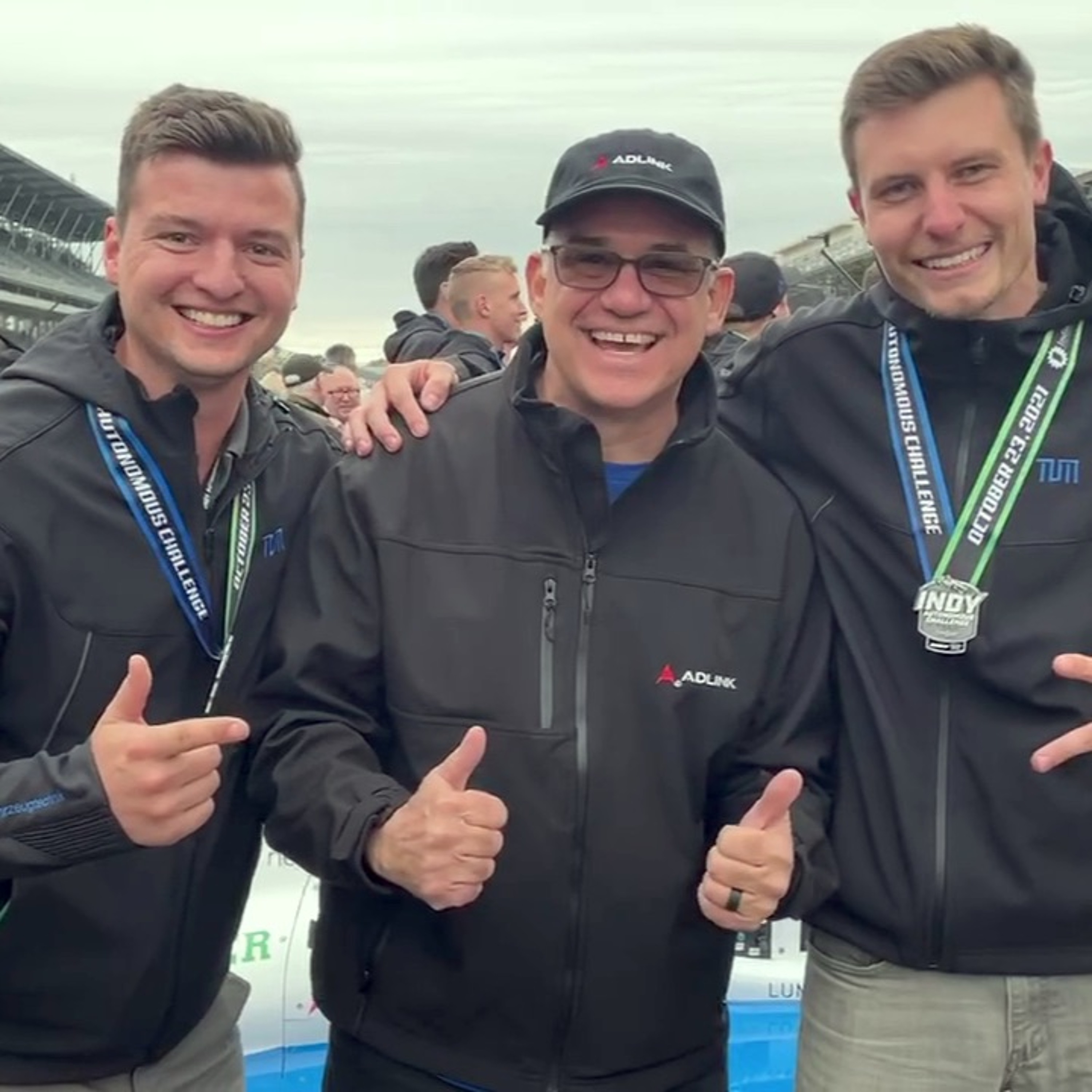
Joe, Florian and Sebastian on the Indy Autonomous Challenge
The Technical University of Munich has won the Indy Autonomous Challenge. A competition for self-racing vehicles. In this podcast Roland Meertens discussies the the event itself, what makes it challenging, and the approach the TU Munich took with Joe Speed, Florian Sauerbeck, and Sebastian Huch. We discuss the importance of simulation, the limits of hardware, and how Docker helps crossing this gap. We end the podcast by discussing the role of open source software when taking on such a challenge. Read a transcript of this interview: https://bit.ly/3GlzbPw Subscribe to our newsletters: - The InfoQ weekly newsletter: www.infoq.com/news/InfoQ-Newsletter/ - The Software Architects’ Newsletter [monthly]: www.infoq.com/software-architects-newsletter/ Upcoming Virtual Events - events.infoq.com/ QCon London: https://qconlondon.com/ - April 4-6, 2022 / London, UK QCon Plus: https://plus.qconferences.com/ - May 10-20, 2022 InfoQ Live: https://live.infoq.com/ - Feb 22, 2022 - June 21, 2022 - July 19, 2022 - August 23, 2022 Follow InfoQ: - Twitter: twitter.com/infoq - LinkedIn: www.linkedin.com/company/infoq/ - Facebook: www.facebook.com/InfoQdotcom/ - Instagram: @infoqdotcom - Youtube: www.youtube.com/infoq
James Clark on How Ballerina Handles Network Interaction, Data, and Concurrency
Charles Humble discusses the design of the Ballerina programming language with its lead designer James Clark. They discuss how the goals of the language inform a number of design choices including: the type system, error handling, the concurrency model, and the language’s built in support for visualization of program flows. Read a transcript of this interview: https://bit.ly/3xBZTQP Subscribe to our newsletters: - The InfoQ weekly newsletter: www.infoq.com/news/InfoQ-Newsletter/ - The Software Architects’ Newsletter [monthly]: www.infoq.com/software-architects-newsletter/ Upcoming Virtual Events - events.infoq.com/ QCon London: https://qconlondon.com/ - April 4-6, 2022 / London, UK QCon Plus: https://plus.qconferences.com/ - May 10-20, 2022 InfoQ Live: https://live.infoq.com/ - Feb 22, 2022 - June 21, 2022 - July 19, 2022 - August 23, 2022 Follow InfoQ: - Twitter: twitter.com/infoq - LinkedIn: www.linkedin.com/company/infoq/ - Facebook: www.facebook.com/InfoQdotcom/ - Instagram: @infoqdotcom - Youtube: www.youtube.com/infoq
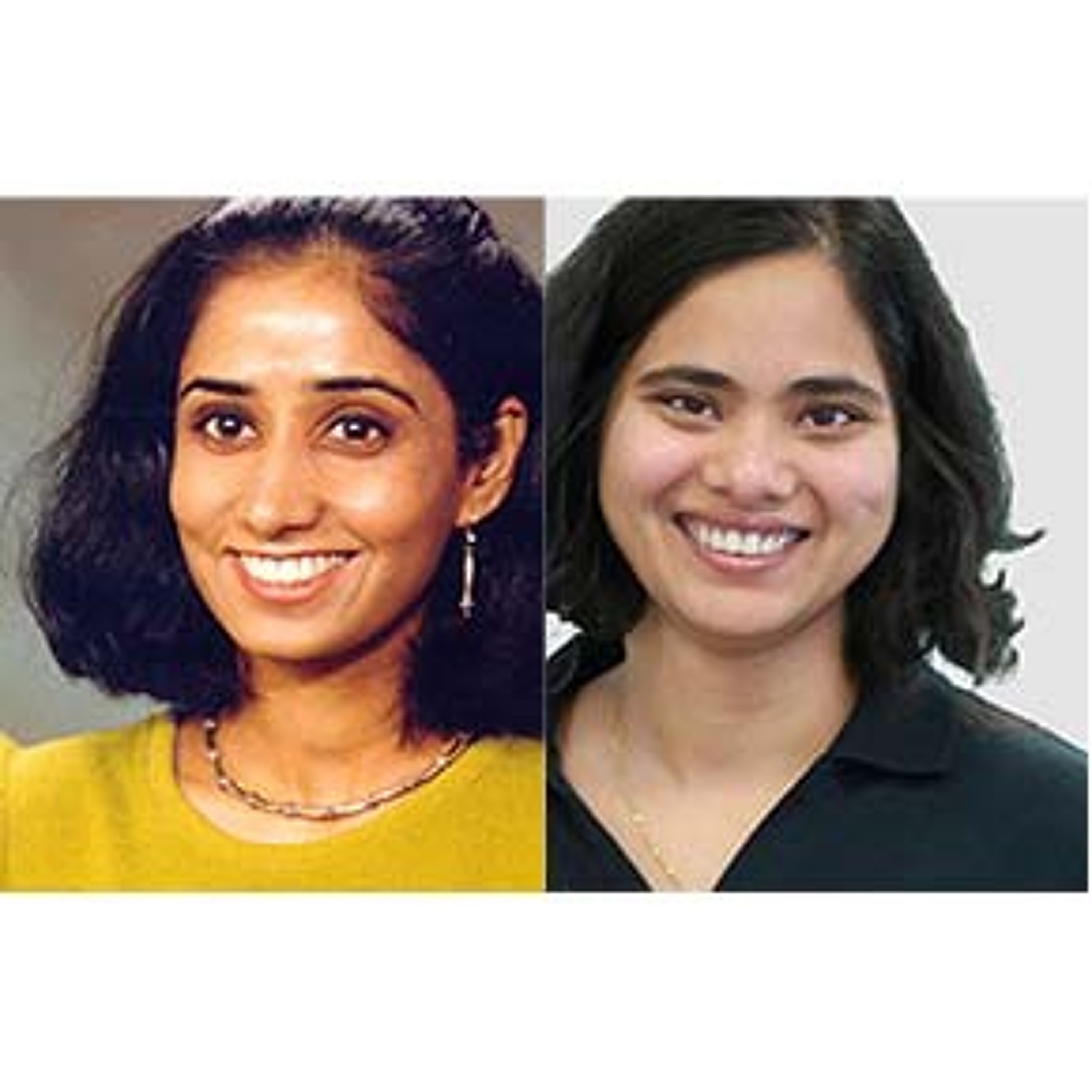
Meenakshi Kaushik and Neelima Mukiri on Responsible AI and Machine Learning Algorithm Fairness
In the podcast, I spoke with Meenakshi Kaushik and Neelima Mukiri from Cisco team on responsible AI and machine learning bias and how to address the biases when using ML in our applications. Meenakshi Kaushik currently works in the product management team at Cisco. She leads Kubernetes and AI/ML product offerings in the organization. Meenakshi has interest in AI/ML space and is excited about how the technology can enhance human wellbeing and productivity. Neelima Mukiri is a principal engineer at Cisco. She is currently working in Cisco's on-premise and software service container platforms. Read a transcript of this interview: https://bit.ly/2ZiRswO Subscribe to our newsletters: - The InfoQ weekly newsletter: www.infoq.com/news/InfoQ-Newsletter/ - The Software Architects’ Newsletter [monthly]: www.infoq.com/software-architects-newsletter/ Upcoming Virtual Events - events.infoq.com/ QCon London: https://qconlondon.com/ - April 4-6, 2022 / London, UK QCon Plus: https://plus.qconferences.com/ - May 10-20.2022 InfoQ Live: https://live.infoq.com/ - Feb 22, 2022 - June 21, 2022 - July 19, 2022 - August 23, 2022 Follow InfoQ: - Twitter: twitter.com/infoq - LinkedIn: www.linkedin.com/company/infoq/ - Facebook: www.facebook.com/InfoQdotcom/ - Instagram: @infoqdotcom - Youtube: www.youtube.com/infoq
Event Driven Architectures of Scale
Wes Reisz, Matthew Clark, Gwen Shapira, and Ian Thomas discuss the evolution of event-driven architectures over the decades, the advantages that EDA offers, and thoughts for the future. Read a transcript of this interview: https://bit.ly/2Z3b1t5 Subscribe to our newsletters: - The InfoQ weekly newsletter: www.infoq.com/news/InfoQ-Newsletter/ - The Software Architects’ Newsletter [monthly]: www.infoq.com/software-architects-newsletter/ Upcoming Virtual Events - events.infoq.com/ QCon London: https://qconlondon.com/ - April 4-6, 2022 / London, UK QCon Plus: https://plus.qconferences.com/ - May 10-20. 2022 InfoQ Live: https://live.infoq.com/ - Feb 22, 2022 - June 21, 2022 - July 19, 2022 - August 23, 2022 Follow InfoQ: - Twitter: twitter.com/infoq - LinkedIn: www.linkedin.com/company/infoq/ - Facebook: www.facebook.com/InfoQdotcom/ - Instagram: @infoqdotcom - Youtube: www.youtube.com/infoq

Michelle Brenner Builds Netflix Workstations and Enables Artists to Create From Anywhere
Producing television shows and movies at Netflix-scale (i.e. one new movie per week instead of one or two per year) means having a way to efficiently work with many artists and content creators. Netflix Workstations were created as a cloud-based solution to provide artists with secure access to the applications and content they need to complete their work. On this episode of the podcast Thomas Betts talks with Michelle Brenner about the benefits and trade-offs of the solution that enables artists to create from anywhere. Read a transcript of this interview: https://bit.ly/3waeORz Subscribe to our newsletters: - The InfoQ weekly newsletter: www.infoq.com/news/InfoQ-Newsletter/ - The Software Architects’ Newsletter [monthly]: www.infoq.com/software-architects-newsletter/ Upcoming Virtual Events - events.infoq.com/ QCon London: https://qconlondon.com/ - April 4-6, 2022 / London, UK QCon Plus: https://plus.qconferences.com/ - May 9-20. 2022 InfoQ Live: https://live.infoq.com/ - Feb 22, 2022 - June 21, 2022 - July 19, 2022 - August 23, 2022 Follow InfoQ: - Twitter: twitter.com/infoq - LinkedIn: www.linkedin.com/company/infoq/ - Facebook: www.facebook.com/InfoQdotcom/ - Instagram: @infoqdotcom - Youtube: www.youtube.com/infoq

Microsoft's Asim Hussain on Designing Software for Sustainability and the Green Software Foundation
Sustainable Software Engineering is an emerging discipline at the intersection of climate science, software, hardware, electricity markets, and data center design. In the most recent InfoQ Trends Report on architecture, the InfoQ team added designing for sustainability for the first time, suggesting that it's emerging because people are realizing that the software industry is responsible for a level of carbon usage comparable to that of the aviation industry. The question then is what can we do as individual developers and architects, if anything, and what role does the broader shift to the Cloud have? Charles Humble explores the topic with Microsoft's Asim Hussain, green cloud advocacy lead and chair of the Green Software Foundation. They discuss techniques such as demand shifting, as well as the current challenges that the Green Software Foundation is aiming to address. Read a transcript of this interview: https://bit.ly/3jyBEx8 Subscribe to our newsletters: - The InfoQ weekly newsletter: www.infoq.com/news/InfoQ-Newsletter/ - The Software Architects’ Newsletter [monthly]: www.infoq.com/software-architects-newsletter/ Upcoming Virtual Events - events.infoq.com/ QCon London: https://qconlondon.com/ - April 4-6, 2022 / London, UK QCon Plus: https://plus.qconferences.com/ - Nov 1-12, 2021 - May 9-20. 2022 InfoQ Live: https://live.infoq.com/ - Feb 22, 2022 - June 21, 2022 - July 19, 2022 - August 23, 2022 Follow InfoQ: - Twitter: twitter.com/infoq - LinkedIn: www.linkedin.com/company/infoq/ - Facebook: www.facebook.com/InfoQdotcom/ - Instagram: @infoqdotcom - Youtube: www.youtube.com/infoq
Domain Storytelling with Stefan Hofer and Henning Schwentner
Domain storytelling is a technique for understanding a business domain by relying on people’s natural ability to learn a new language by listening to other people speaking that language. In this episode of the podcast, Stefan Hofer and Henning Schwentner cover when to use domain storytelling, what is involved in the pictographic language, and how to have productive storytelling sessions. They go into far greater detail in their new book, Domain Storytelling. Read a transcript of this interview: https://bit.ly/3FPmlJD Subscribe to our newsletters: - The InfoQ weekly newsletter: bit.ly/24x3IVq - The Software Architects’ Newsletter [monthly]: https://www.infoq.com/software-architects-newsletter/ Upcoming Virtual Events - https://events.infoq.com/ InfoQ Live: https://live.infoq.com/ - October 19, 2021 QCon Plus online conference: https://plus.qconferences.com/ - November 1-12, 2021 Follow InfoQ: - Twitter: https://twitter.com/infoq - LinkedIn: https://www.linkedin.com/company/infoq/ - Facebook: https://www.facebook.com/InfoQdotcom/ - Instagram: @infoqdotcom - Youtube: https://www.youtube.com/infoq
Rosaria Silipo on Codeless Deep Learning and Visual Programming
Dr. Rosaria Silipo is currently the head of data science evangelism at KNIME, spelled KNIME, the open-source data analytics platform. She is the author of 50+ technical publications, including books like “Codeless Deep Learning with KNIME,” “Practicing Data Science: A Collection of Case Studies” and “Guide to Intelligent Data Science.” She holds a doctorate degree in bioengineering and has spent more than 25 years working on data science projects for companies in a broad range of fields, including IoT, customer intelligence, financial services and cybersecurity. She also launched “Data Science Pronto!” 1-3 minute video explanations of data science concepts. Read a transcript of this interview: https://bit.ly/3Do4BD9 Subscribe to our newsletters: - The InfoQ weekly newsletter: bit.ly/24x3IVq - The Software Architects’ Newsletter [monthly]: https://www.infoq.com/software-architects-newsletter/ Upcoming Virtual Events - https://events.infoq.com/ InfoQ Live: https://live.infoq.com/ - October 19, 2021 QCon Plus online conference: https://plus.qconferences.com/ - November 1-12, 2021 Follow InfoQ: - Twitter: https://twitter.com/infoq - LinkedIn: https://www.linkedin.com/company/infoq/ - Facebook: https://www.facebook.com/InfoQdotcom/ - Instagram: @infoqdotcom - Youtube: https://www.youtube.com/infoq

Lin Clark on the Web Assembly Component Model
The WebAssembly Component Model is a language-neutral approach to building web assembly applications in small units that can be assembled into a larger application. Using the metaphor of lego blocks, Lin Clark (a Senior Principal Software Engineer at Fastly) discusses the background, roadmap, and design goals for creating the Web Assembly Component Model. Lin is a central figure working on Web Assembly (wasm), Web Assembly System Interface (WASI), and now Web Assembly Component Model. Today on the podcast, Lin and Wes talk web assembly and the work happening around developing the component model. Read a transcript of this interview: https://bit.ly/3a9R5Xk Subscribe to our newsletters: - The InfoQ weekly newsletter: bit.ly/24x3IVq - The Software Architects’ Newsletter [monthly]: https://www.infoq.com/software-architects-newsletter/ Upcoming Virtual Events - https://events.infoq.com/ InfoQ Live: https://live.infoq.com/ - October 19, 2021 QCon Plus online conference: https://plus.qconferences.com/ - November 1-12, 2021 Follow InfoQ: - Twitter: https://twitter.com/infoq - LinkedIn: https://www.linkedin.com/company/infoq/ - Facebook: https://www.facebook.com/InfoQdotcom/ - Instagram: @infoqdotcom - Youtube: https://www.youtube.com/infoq

Sam Newman on Information Hiding, Ubiquitous Language, UI Decomposition and Building Microservices
In this episode of the InfoQ podcast Charles Humble talks to Sam Newman, an independent consultant focusing on microservices, cloud and CD, about the 2nd edition of Newman’s book Building Microservices, published by O’Reilly. They discuss information hiding; ideas from Domain Driven Design including aggregates, bounded contexts and ubiquitous language; UI decomposition; and team structure drawing on ideas from Team Topologies. Read a transcript of this interview: https://bit.ly/3lXqBxx Subscribe to our newsletters: - The InfoQ weekly newsletter: bit.ly/24x3IVq - The Software Architects’ Newsletter [monthly]: https://www.infoq.com/software-architects-newsletter/ Upcoming Virtual Events - https://events.infoq.com/ InfoQ Live: https://live.infoq.com/ - October 19, 2021 QCon Plus online conference: https://plus.qconferences.com/ - November 1-12, 2021 Follow InfoQ: - Twitter: https://twitter.com/infoq - LinkedIn: https://www.linkedin.com/company/infoq/ - Facebook: https://www.facebook.com/InfoQdotcom/ - Instagram: @infoqdotcom - Youtube: https://www.youtube.com/infoq

Tammy Bryant Butow on SRE Apprentices
In this episode, Thomas Betts speaks with Tammy Bryant Butow, principal SRE at Gremlin about training new site reliability engineers. The discussion covers a formal SRE Apprenticeship program Tammy led at DropBox, and gets into ideas about the best way to teach people new technical skills. There are benefits for the trainees, the mentors, and the company, when you put in the effort to create a formal training program. Read a transcript of this interview: https://bit.ly/3E3Oo7t Subscribe to our newsletters: - The InfoQ weekly newsletter: bit.ly/24x3IVq - The Software Architects’ Newsletter [monthly]: https://www.infoq.com/software-architects-newsletter/ Upcoming Virtual Events - https://events.infoq.com/ InfoQ Live: https://live.infoq.com/ - September 21, 2021 - October 19, 2021 QCon Plus online conference: https://plus.qconferences.com/ - November 1-12, 2021 Follow InfoQ: - Twitter: https://twitter.com/infoq - LinkedIn: https://www.linkedin.com/company/infoq/ - Facebook: https://www.facebook.com/InfoQdotcom/ - Instagram: @infoqdotcom - Youtube: https://www.youtube.com/infoq
Neal Ford and Mark Richards - Software Architecture: The Hard Parts
In their upcoming book, Software Architecture: The Hard Parts, Neal Ford and Mark Richards explain that every architectural decision involves trade-offs, and provide guidance on how to evaluate those trade-offs. In this episode of the InfoQ Podcast, co-host Thomas Betts spoke with Neal and Mark about the role of a software architect and the skills necessary to be successful. One of the hardest parts is recognizing that there are no right or wrong answers, or easy decisions, and this can be especially challenging for those who come from a programming background. Read a transcript of this interview: https://bit.ly/3BQewAT Subscribe to our newsletters: - The InfoQ weekly newsletter: bit.ly/24x3IVq - The Software Architects’ Newsletter [monthly]: https://www.infoq.com/software-architects-newsletter/ Upcoming Virtual Events - https://events.infoq.com/ InfoQ Live: https://live.infoq.com/ - September 21, 2021 - October 19, 2021 QCon Plus online conference: https://plus.qconferences.com/ - November 1-12, 2021 Follow InfoQ: - Twitter: https://twitter.com/infoq - LinkedIn: https://www.linkedin.com/company/infoq/ - Facebook: https://www.facebook.com/InfoQdotcom/ - Instagram: @infoqdotcom - Youtube: https://www.youtube.com/infoq
Francesca Lazzeri on Machine Learning for Time Series Forecasting
In the podcast, Srini Penchikala spokes to Dr. Francesca Lazzeri on Machine Learning for Time Series Forecasting as the main topic which included automated machine learning and deep learning for time series data forecasting as well as other emerging trends in Machine Learning Development and Operations areas including Data Science Lifecycle. Dr. Francesca Lazzeri currently works as Principal Cloud Advocate Manager at Microsoft. She is an experienced scientist and a machine learning practitioner with over 12 years of both academic and industry experience. She is the author of a number of publications, including technology journals, conferences, and books. Read a transcript of this interview: https://bit.ly/38x1V8N Subscribe to our newsletters: - The InfoQ weekly newsletter: bit.ly/24x3IVq - The Software Architects’ Newsletter [monthly]: https://www.infoq.com/software-architects-newsletter/ Upcoming Virtual Events - https://events.infoq.com/ InfoQ Live: https://live.infoq.com/ - September 21, 2021 - October 19, 2021 QCon Plus online conference: https://plus.qconferences.com/ - November 1-12, 2021 Follow InfoQ: - Twitter: https://twitter.com/infoq - LinkedIn: https://www.linkedin.com/company/infoq/ - Facebook: https://www.facebook.com/InfoQdotcom/ - Instagram: @infoqdotcom - Youtube: https://www.youtube.com/infoq
Alex Matyushentsev on Argo CD, Argo Rollouts, and Continuous Delivery with Kubernetes
In this podcast Alexander Matyushentsev, principle software engineer at Intuit and core engineer on the Argo CD and Argo Rollouts projects, sat down with InfoQ podcast host Daniel Bryant and discussed the Argo projects, continuous delivery with Kubernetes, and how platform teams can help developers embrace modern release techniques and related technologies. Read a transcript of this interview: https://bit.ly/3zyKP6o Subscribe to our newsletters: - The InfoQ weekly newsletter: bit.ly/24x3IVq - The Software Architects’ Newsletter [monthly]: https://www.infoq.com/software-architects-newsletter/ Upcoming Virtual Events - https://events.infoq.com/ InfoQ Live: https://live.infoq.com/ - September 21, 2021 - October 19, 2021 QCon Plus online conference: https://plus.qconferences.com/ - November 1-12, 2021 Follow InfoQ: - Twitter: https://twitter.com/infoq - LinkedIn: https://www.linkedin.com/company/infoq/ - Facebook: https://www.facebook.com/InfoQdotcom/ - Instagram: @infoqdotcom - Youtube: https://www.youtube.com/infoq
Lucas Cavalcanti on Using Clojure, Microservices, Hexagonal Architecture and Public Cloud at Nubank
In this episode of the InfoQ podcast Charles Humble talks to Lucas Cavalcanti, a Principal Engineer at Nubank, which is the leading FinTech in Latin America and has become the most valuable digital bank in the world. They discuss Nubank’s early architectural choices including starting with Clojure and microservices, the challenges of using public cloud for financial services in Brazil, Nubank’s desire for immutable architecture and use of Alistair Cockburn's Hexagonal Architecture, and lessons learnt as the startup scaled. Read a transcript of this interview: https://bit.ly/3m6wXMQ Subscribe to our newsletters: - The InfoQ weekly newsletter: bit.ly/24x3IVq - The Software Architects’ Newsletter [monthly]: https://www.infoq.com/software-architects-newsletter/ Upcoming Virtual Events - https://events.infoq.com/ InfoQ Live: https://live.infoq.com/ - September 21, 2021 - October 19, 2021 QCon Plus online conference: https://plus.qconferences.com/ - November 1-12, 2021 Follow InfoQ: - Twitter: https://twitter.com/infoq - LinkedIn: https://www.linkedin.com/company/infoq/ - Facebook: https://www.facebook.com/InfoQdotcom/ - Instagram: @infoqdotcom - Youtube: https://www.youtube.com/infoq
AI, ML and Data Engineering InfoQ Trends Report - August 2021
An overview of how the InfoQ editorial team sees the AI, ML, and Data Engineering topic evolving in 2021. Topics discussed are deep learning, edge deployment of machine learning algorithms, commercial robot platforms, GPU and CUDA programming, natural language processing and GPT-3, MLOps, and AutoML. Read a transcript of this interview: https://bit.ly/3xF0MGJ Subscribe to our newsletters: - The InfoQ weekly newsletter: bit.ly/24x3IVq - The Software Architects’ Newsletter [monthly]: https://www.infoq.com/software-architects-newsletter/ Upcoming Virtual Events - https://events.infoq.com/ InfoQ Live: https://live.infoq.com/ - August 17, 2021 - September 21, 2021 - October 19, 2021 QCon Plus online conference: https://plus.qconferences.com/ - November 1-12, 2021 Follow InfoQ: - Twitter: https://twitter.com/infoq - LinkedIn: https://www.linkedin.com/company/infoq/ - Facebook: https://www.facebook.com/InfoQdotcom/ - Instagram: @infoqdotcom - Youtube: https://www.youtube.com/infoq
What Have We Learned Over the Last Decade of Microservices?
This episode is a panel discussion from the microservices track QCon Plus, held in May 2021. Track host Nicki Watt asks "What have we learned over the last decade of microservices." The panelists included Chris Richardson, James Lewis, and Katie Gamanji. The discussion started with looking at how the meaning of "microservices architecture" has evolved over the past ten years. There were some great insights about how successfully developing, deploying, and maintaining software depends as much or more on cultural and environmental factors, than simply adopting microservices and all the tools and technology that now exist. Read a transcript of this interview: https://bit.ly/3rOTrD7 Subscribe to our newsletters: - The InfoQ weekly newsletter: bit.ly/24x3IVq - The Software Architects’ Newsletter [monthly]: https://www.infoq.com/software-architects-newsletter/ Upcoming Virtual Events - https://events.infoq.com/ InfoQ Live: https://live.infoq.com/ - August 17, 2021 - September 21, 2021 - October 19, 2021 QCon Plus online conference: https://plus.qconferences.com/ - November 1-12, 2021 Follow InfoQ: - Twitter: https://twitter.com/infoq - LinkedIn: https://www.linkedin.com/company/infoq/ - Facebook: https://www.facebook.com/InfoQdotcom/ - Instagram: @infoqdotcom - Youtube: https://www.youtube.com/infoq
Michael Perry on Immutable Architecture, CAP Theorem, and CRDTs
In this episode of the InfoQ podcast Charles Humble talks to Michael Perry about his book “The Art of Immutable Architecture”. They discuss topics including the eight fallacies of distributed computing: a set of assertions made by L Peter Deutsch and others at Sun Microsystems describing false assumptions that programmers new to distributed applications invariably make. Other topics include Pat Helland’s paper “Immutability Changes Everything”, Eric Brewer's CAP Theorem, eventual consistency, location independent identity, and CRDTs. They also discuss how the approach to building distributed systems advocated by Perry could be introduced to a real-world enterprise app that needs to integrate with mutable downstream systems. Read a transcript of this interview: https://bit.ly/3wWMNvp Subscribe to our newsletters: - The InfoQ weekly newsletter: bit.ly/24x3IVq - The Software Architects’ Newsletter [monthly]: www.infoq.com/software-architects-newsletter/ Upcoming Virtual Events - events.infoq.com/ InfoQ Live: https://live.infoq.com/ - August 17, 2021 - September 21, 2021 - October 19, 2021 QCon Plus: https://plus.qconferences.com/ - November 1-5, 2021 Follow InfoQ: - Twitter: twitter.com/InfoQ - LinkedIn: www.linkedin.com/company/infoq - Facebook: bit.ly/2jmlyG8 - Instagram: @infoqdotcom - Youtube: www.youtube.com/infoq
Fran Méndez on AsyncAPI
On this episode of the podcast, Fran Mendez, founder of the AsyncAPI Initiative spoke with co-host Thomas Betts. AsyncAPI is a specification and growing set of tools to help developers define asynchronous APIs, and build and maintain event-driven architectures. AsyncAPI hopes to provide features and benefits to those of OpenAPI (fka Swagger) for RESTful APIs. The specification and all tooling are community-driven and fully open source. Read a transcript of this interview: https://bit.ly/36ALVSg Subscribe to our newsletters: - The InfoQ weekly newsletter: bit.ly/24x3IVq - The Software Architects’ Newsletter [monthly]: www.infoq.com/software-architects-newsletter/ Upcoming Virtual Events - events.infoq.com/ InfoQ Live: live.infoq.com/ - July 20, 2021 - August 17, 2021 Follow InfoQ: - Twitter: twitter.com/InfoQ - LinkedIn: www.linkedin.com/company/infoq - Facebook: bit.ly/2jmlyG8 - Instagram: @infoqdotcom - Youtube: www.youtube.com/infoq
Martin Mao on Observability, focusing on Alerting, Triage, & RCA
Observability is a crucial aspect of operating Microservices at scale today. Today on the InfoQ podcast, Wes Reisz speaks with Chronosphere’s CEO Martin Mao about how he thinks about observability. Specifically, the two discuss Chronosphere’s strategy for implementing a successful observability program. Starting with alerting, Martin discusses how metrics (usually things like RED metrics or Google’s Four Golden Signals) are tools to aggregate counts and let operators know when things are moving towards an incident. In stage two of this approach, operators begin to isolate and triage what’s happening in an effort to provide a quick system restoration. Finally, Martin talks about root cause analysis (RCA) in the final stage as a way of preventing what happened from happening again. Martin uses this three stage approach (and the questions that should be asked in each of these stages) as a way of focusing on what’s important (or reducing things like Mean Time to Recovery) in a modern cloud native architecture. Observability is the ability to understand the state of a system by observing its outputs, on today’s podcast we talk about a strategy for implementing a meaning observability program. Read a transcript of this interview: https://bit.ly/3AZYpkD Subscribe to our newsletters: - The InfoQ weekly newsletter: bit.ly/24x3IVq - The Software Architects’ Newsletter [monthly]: www.infoq.com/software-architects-newsletter/ Upcoming Virtual Events - events.infoq.com/ InfoQ Live: live.infoq.com/ - July 20, 2021 - August 17, 2021 Follow InfoQ: - Twitter: twitter.com/InfoQ - LinkedIn: www.linkedin.com/company/infoq - Facebook: bit.ly/2jmlyG8 - Instagram: @infoqdotcom - Youtube: www.youtube.com/infoq
Chris Richardson on Design-Time Coupling in Microservices
In this episode of the InfoQ Podcast, Thomas Betts speaks with Chris Richardson about minimizing design-time coupling in a microservice architecture. Chris begins by defining design-time coupling, and contrasts it with runtime coupling. We then discuss some of the problems that arise from design-time coupling, anti-patterns and symptoms that are warning signs of high coupling, and the trade-offs that architects need to consider in their designs. Read a transcript of this interview: https://bit.ly/2SA4oLD Subscribe to our newsletters: - The InfoQ weekly newsletter: bit.ly/24x3IVq - The Software Architects’ Newsletter [monthly]: www.infoq.com/software-architects-newsletter/ Upcoming Virtual Events - events.infoq.com/ InfoQ Live: live.infoq.com/ - June 22, 2021 - July 20, 2021 - August 17, 2021 Follow InfoQ: - Twitter: twitter.com/InfoQ - LinkedIn: www.linkedin.com/company/infoq - Facebook: bit.ly/2jmlyG8 - Instagram: @infoqdotcom - Youtube: www.youtube.com/infoq
John DesJardins on Continuous Intelligence and In-Memory Computing
In this podcast, John DesJardin, Chief Technology Officer at Hazelcast, met with InfoQ podcast co-host Thomas Betts to discuss the idea of continuous intelligence. This is a paradigm shift from traditional business intelligence, and relies on a corresponding move from batch-based ETL and reporting to continuous processing of streaming data. Although the languages being used, such as Python and SQL, will be familiar, developers must pay special attention to the characteristics of time-series data, especially in near-real-time scenarios. We cover the current state of the tools and technologies in use, why companies are adopting continuous intelligence to remain competitive, and we even get a bit into what the future of data processing and analysis will look like. Read a transcript of this interview: https://bit.ly/3iDmQ0i Subscribe to our newsletters: - The InfoQ weekly newsletter: bit.ly/24x3IVq - The Software Architects’ Newsletter [monthly]: www.infoq.com/software-architects-newsletter/ Upcoming Virtual Events - https://events.infoq.com/ InfoQ Live: https://live.infoq.com/ - June 22, 2021 - July 20, 2021 - August 17, 2021 Follow InfoQ: - Twitter: twitter.com/InfoQ - LinkedIn: www.linkedin.com/company/infoq - Facebook: bit.ly/2jmlyG8 - Instagram: @infoqdotcom - Youtube: www.youtube.com/infoq

Ron Pressler on Java Project Loom, Virtual Threads and Structured Concurrency
In this podcast Ron Pressler, technical lead for Project Loom at Oracle, sat down with InfoQ podcast co-host Charles Humble to discuss the project and its forerunner Quasar. Topics include the differences between concurrency and parallelism; what virtual threads are; current issues with JVM concurrency; the Loom developer experience; pluggable schedulers; structured concurrency; and more. Read a transcript of this interview: https://bit.ly/34duS7G Subscribe to our newsletters: - The InfoQ weekly newsletter: bit.ly/24x3IVq - The Software Architects’ Newsletter [monthly]: www.infoq.com/software-architects-newsletter/ Upcoming Virtual Events - https://events.infoq.com/ InfoQ Live: https://live.infoq.com/ - June 22, 2021 - July 20, 2021 - August 17, 2021 Follow InfoQ: - Twitter: twitter.com/InfoQ - LinkedIn: www.linkedin.com/company/infoq - Facebook: bit.ly/2jmlyG8 - Instagram: @infoqdotcom - Youtube: www.youtube.com/infoq
Phil Estes on Containerd, K8s Deprecation of Dockershim, Container Runtime Architecture
The container runtime is software that executes containers and manages container images. Today, when many people think about a container runtime, they're likely thinking of Docker. However, Docker is more a set of tools for building, packaging, sharing, and running a container via Docker Daemon that then makes syscalls to another tool like containerd. Containerd, in turn, makes calls to an implementation like runc that lays down the file system for the container and is the executor for the process. Today, on The InfoQ Podcast Wes Reisz talks with Phil Estes, one of the containerd maintainers, about container runtimes. The two discuss the significance (in detail) of the announcement that dockerhsim will soon be deprecated in Kubernetes, the complete container runtime stack, work the Open Container Initiative (OCI) is doing today on a third container spec around registries, and more. Read a transcript of this interview: https://bit.ly/3uUdoZC Subscribe to our newsletters: - The InfoQ weekly newsletter: bit.ly/24x3IVq - The Software Architects’ Newsletter [monthly]: www.infoq.com/software-architects-newsletter/ Upcoming Virtual Events - https://events.infoq.com/ InfoQ Live: https://live.infoq.com/ - June 22, 2021 - July 20, 2021 - August 17, 2021 QCon Plus: https://plus.qconferences.com/ - May 17-28, 2021 Follow InfoQ: - Twitter: twitter.com/InfoQ - LinkedIn: www.linkedin.com/company/infoq - Facebook: bit.ly/2jmlyG8 - Instagram: @infoqdotcom - Youtube: www.youtube.com/infoq
Open Policy Agent (OPA) with the Project’s Co-Creators
The Open Policy Agent is used for policy decision-making across the stack. In the case of Kubernetes, it is often used as an admission controller to protect the API Server with dynamic rules that don’t require recompilation to introduce. Today on the InfoQ Podcast, Wes Reisz speaks with Tim Hinrichs and Torin Sandall (two of the Open Policy Agent Project creators). The three talk about the project, including things like architecture, origin, community, the policy language (Rego), and, of course, performance. The podcast is an introduction to how OPA can is used across the stack for policy decisioning. Read a transcript of this interview: https://bit.ly/3vkqboi Subscribe to our newsletters: - The InfoQ weekly newsletter: bit.ly/24x3IVq - The Software Architects’ Newsletter [monthly]: www.infoq.com/software-architects-newsletter/ Upcoming Virtual Events - https://events.infoq.com/ InfoQ Live: https://live.infoq.com/ - June 22, 2021 - July 20, 2021 - August 17, 2021 QCon Plus: https://plus.qconferences.com/ - May 17-28, 2021 Follow InfoQ: - Twitter: twitter.com/InfoQ - LinkedIn: www.linkedin.com/company/infoq - Facebook: bit.ly/2jmlyG8 - Instagram: @infoqdotcom - Youtube: www.youtube.com/infoq
Software Architecture and Design InfoQ Trends Report—April 2021
An overview of how the InfoQ editorial team sees the Software Architecture and Design topic evolving in 2021, with a focus on what architects are designing for today. Read a transcript of this interview: https://bit.ly/3uQX9fD Subscribe to our newsletters: - The InfoQ weekly newsletter: bit.ly/24x3IVq - The Software Architects’ Newsletter [monthly]: www.infoq.com/software-architects-newsletter/ Upcoming Virtual Events - https://events.infoq.com/ InfoQ Live: https://live.infoq.com/ - June 22, 2021 - July 20, 2021 QCon Plus: https://plus.qconferences.com/ - May 17-28, 2021 Follow InfoQ: - Twitter: twitter.com/InfoQ - LinkedIn: www.linkedin.com/company/infoq - Facebook: bit.ly/2jmlyG8 - Instagram: @infoqdotcom - Youtube: www.youtube.com/infoq
Anurag Gupta on Day 2 Operations, DevOps, and Automated Remediation
In this podcast Anurag Gupta, founder and CEO of Shoreline.io, sat down with InfoQ podcast host Daniel Bryant and discussed: the role of DevOps and site reliability engineering (SRE), day 2 operations, and the importance of building observability into applications and platforms. Read a transcript of this interview: https://bit.ly/3mdMSHa Subscribe to our newsletters: - The InfoQ weekly newsletter: bit.ly/24x3IVq - The Software Architects’ Newsletter [monthly]: www.infoq.com/software-architects-newsletter/ Upcoming Virtual Events - https://events.infoq.com/ InfoQ Live: https://live.infoq.com/ - April 13, 2021 - June 22, 2021 - July 20, 2021 QCon Plus: https://plus.qconferences.com/ - May 17-28, 2021 Follow InfoQ: - Twitter: twitter.com/InfoQ - LinkedIn: www.linkedin.com/company/infoq - Facebook: bit.ly/2jmlyG8 - Instagram: @infoqdotcom - Youtube: www.youtube.com/infoq
Matthew Clark on the BBC’s Migration from LAMP to the Cloud with AWS Lambda, React and CI/CD
In this podcast Matthew Clark, Head Of Architecture for the BBC's Digital Products, sat down with InfoQ podcast co-host Charles Humble and discussed: the new architecture for the BBC’s online services; the challenges of using Lambda functions including cold start-up, function chaining, debugging and setting the memory profile; the role of DevOps and CI/CD; and the nature of a cloud transformation. Read a transcript of this interview: https://bit.ly/3u2I8H5 Subscribe to our newsletters: - The InfoQ weekly newsletter: bit.ly/24x3IVq - The Software Architects’ Newsletter [monthly]: www.infoq.com/software-architects-newsletter/ Upcoming Virtual Events - https://events.infoq.com/ InfoQ Live: https://live.infoq.com/ - April 13, 2021 - June 22, 2021 - July 20, 2021 QCon Plus: https://plus.qconferences.com/ - May 17-28, 2021 Follow InfoQ: - Twitter: twitter.com/InfoQ - LinkedIn: www.linkedin.com/company/infoq - Facebook: bit.ly/2jmlyG8 - Instagram: @infoqdotcom - Youtube: www.youtube.com/infoq

Ted Young on Observability and the Release of OpenTelemetry 1.0
In this podcast Ted Young, director of developer education at Lightstep, sat down with InfoQ podcast host Daniel Bryant and discussed: observability (and the three pillars), the OpenTelemetry CNCF sandbox project and the 1.0 release, and how to build an effective telemetry collection platform. Read a transcript of this interview: https://bit.ly/3eWqJvF Subscribe to our newsletters: - The InfoQ weekly newsletter: bit.ly/24x3IVq - The Software Architects’ Newsletter [monthly]: www.infoq.com/software-architects-newsletter/ Upcoming Virtual Events - https://events.infoq.com/ InfoQ Live: https://live.infoq.com/ - April 13, 2021 - June 22, 2021 - July 20, 2021 QCon Plus: https://plus.qconferences.com/ - May 17-28, 2021 Follow InfoQ: - Twitter: twitter.com/InfoQ - LinkedIn: www.linkedin.com/company/infoq - Facebook: bit.ly/2jmlyG8 - Instagram: @infoqdotcom - Youtube: www.youtube.com/infoq
Michael Feathers: Looking Back at Working Effectively with Legacy Code
Several years ago, today's guest Michael Feathers published a book called Working Effectively with Legacy Code. This book introduced ways of wrangling large codebases. In the book, Feather's discussed leveraging unit tests to introduce--not only a validation of correctness but also-- documentation on a system's operation, ways to decouple/modularize monolithic code, and 24 different techniques to introduce change safely. Today on the podcast, Wes Reisz and Michael Feathers go back and review the book. The two spend some time reviewing key concepts from the book and then discuss how the techniques can be applied today. The two wrap with a discussion on what might change in a new version of the book. Read a transcript of this interview: https://bit.ly/3qREZrL Subscribe to our newsletters: - The InfoQ weekly newsletter: bit.ly/24x3IVq - The Software Architects’ Newsletter [monthly]: www.infoq.com/software-architects-newsletter/ Upcoming Virtual Events - https://events.infoq.com/ InfoQ Live: https://live.infoq.com/ - March 16, 2021 - April 13, 2021 - June 22, 2021 - July 20, 2021 QCon Plus: https://plus.qconferences.com/ - May 17-28, 2021 Follow InfoQ: - Twitter: twitter.com/InfoQ - LinkedIn: www.linkedin.com/company/infoq - Facebook: bit.ly/2jmlyG8 - Instagram: @infoqdotcom - Youtube: www.youtube.com/infoq
Phil Winder on the History, Practical Application, and Ethics of Reinforcement Learning
In this episode of the InfoQ podcast Dr Phil Winder, CEO of Winder Research, sits down with InfoQ podcast co-host Charles Humble. They discuss: the history of Reinforcement Learning (RL); the application of RL in fields such as robotics and content discovery; scaling RL models and running them in production; and ethical considerations for RL. Read a transcript of this interview: https://bit.ly/3uylAPz Subscribe to our newsletters: - The InfoQ weekly newsletter: bit.ly/24x3IVq - The Software Architects’ Newsletter [monthly]: www.infoq.com/software-architects-newsletter/ Upcoming Virtual Events - https://events.infoq.com/ InfoQ Live: https://live.infoq.com/ - March 16, 2021 - April 13, 2021 - June 22, 2021 - July 20, 2021 QCon Plus: https://plus.qconferences.com/ - May 17-28, 2021 Follow InfoQ: - Twitter: twitter.com/InfoQ - LinkedIn: www.linkedin.com/company/infoq - Facebook: bit.ly/2jmlyG8 - Instagram: @infoqdotcom - Youtube: www.youtube.com/infoq
Clare Liguori on Automating Safe and “Hands-Off” Deployments at AWS
In this podcast Clare Liguori, Principal Software Engineer at Amazon Web Services, sat down with InfoQ podcast host Daniel Bryant and discussed: the implementation of continuous delivery at AWS, the use of automation and deploying to multiple test environments, and the benefits of canary releasing. Read a transcript of this interview: https://bit.ly/3qwCCLy Subscribe to our newsletters: - The InfoQ weekly newsletter: bit.ly/24x3IVq - The Software Architects’ Newsletter [monthly]: www.infoq.com/software-architects-newsletter/ Upcoming Virtual Events - events.infoq.com/ InfoQ Live: live.infoq.com/ - March 16, 2021 - April 13, 2021 - June 22, 2021 - July 20, 2021 QCon Plus: plus.qconferences.com/ - May 17-28, 2021 Follow InfoQ: - Twitter: twitter.com/InfoQ - LinkedIn: www.linkedin.com/company/infoq - Facebook: bit.ly/2jmlyG8 - Instagram: @infoqdotcom - Youtube: www.youtube.com/infoq
Carin Meier Using Machine Learning to Combat Major Illness, such as the Coronavirus
In this podcast, Carin Meier of Reify Health sits down with Wesley Reisz and discusses how machine learning is being used to combat major illnesses (such as the coronavirus). After a short discussion on some of the work being done today, the two shift into a discussion on the challenges of working with healthcare data and machine learning. Topics around safety, ethics, and explainability are discussed. Read a transcript of this interview: https://bit.ly/3b6q1IB Subscribe to our newsletters: - The InfoQ weekly newsletter: bit.ly/24x3IVq - The Software Architects’ Newsletter [monthly]: www.infoq.com/software-architects-newsletter/ Upcoming Virtual Events - https://events.infoq.com/ InfoQ Live: https://live.infoq.com/ - Feb 16, 2021 - March 16, 2021 - April 13, 2021 - June 22, 2021 - July 20, 2021 QCon Plus: https://plus.qconferences.com/ - May 17-28, 2021 Follow InfoQ: - Twitter: twitter.com/InfoQ - LinkedIn: www.linkedin.com/company/infoq - Facebook: bit.ly/2jmlyG8 - Instagram: @infoqdotcom - Youtube: www.youtube.com/infoq
Anubhav Mishra and Nic Jackson on Platforms, Developer Workflows, and HashiCorp Waypoint
In this podcast, Anubhav Mishra and Nic Jackson from HashiCorp sat down with InfoQ podcast host Daniel Bryant. Topics discussed included: the benefits and challenges of creating application platforms in the cloud, the need for effective developer workflows, and the role of the new HashiCorp Waypoint tool and service meshes within workflows. Read a transcript of this interview: https://bit.ly/36T3xcT Subscribe to our newsletters: - The InfoQ weekly newsletter: bit.ly/24x3IVq - The Software Architects’ Newsletter [monthly]: www.infoq.com/software-architects-newsletter/ Upcoming Virtual Events - https://events.infoq.com/ InfoQ Live: https://live.infoq.com/ - Feb 16, 2021 - March 16, 2021 - April 13, 2021 - June 22, 2021 - July 20, 2021 QCon Plus: https://plus.qconferences.com/ - May 17-28, 2021 Follow InfoQ: - Twitter: twitter.com/InfoQ - LinkedIn: www.linkedin.com/company/infoq - Facebook: bit.ly/2jmlyG8 - Instagram: @infoqdotcom - Youtube: www.youtube.com/infoq
Service Meshes and Linkerd with William Morgan
Today on the podcast, we talk about LinkerD and the larger Service Mesh space with William Morgan (CEO of Buoyant). We cover William’s thoughts around important concerns such as latency and cost (both in your cloud bill and in real human costs) of operating services, we talk a bit about the birth and evolution of LinkerD (including some of the design decisions such as Rust in the data plane and Go in the control plane building Linkerd), and, finally, we’ll talk about the importance of security with service meshes (and how it should be reasoned). Read a transcript of this interview: https://bit.ly/2YqUjQw Subscribe to our newsletters: - The InfoQ weekly newsletter: bit.ly/24x3IVq - The Software Architects’ Newsletter [monthly]: www.infoq.com/software-architects-newsletter/ Upcoming Virtual Events - https://events.infoq.com/ InfoQ Live: https://live.infoq.com/ - Feb 16, 2021 - March 16, 2021 - April 13, 2021 - June 22, 2021 - July 20, 2021 QCon Plus: https://plus.qconferences.com/ - May 17-28, 2021 Follow InfoQ: - Twitter: twitter.com/InfoQ - LinkedIn: www.linkedin.com/company/infoq - Facebook: bit.ly/2jmlyG8 - Instagram: @infoqdotcom - Youtube: www.youtube.com/infoq
Melissa Benua on Continuous Delivery, Platforms, and DevTestSecOps
In this podcast, Melissa Benua, Director of Engineering at mParticle, sat down with InfoQ podcast host Daniel Bryant and discussed: the importance of the roles of testing and security within DevOps; the benefits and challenges of building systems with teams of generalists; and how to “bake in” observability of systems from day zero. More on this: Quick scan our curated show notes on InfoQ https://bit.ly/2LUBBho You can also subscribe to the InfoQ newsletter to receive weekly updates on the hottest topics from professional software development. bit.ly/24x3IVq Subscribe: www.youtube.com/infoq Like InfoQ on Facebook: bit.ly/2jmlyG8 Follow on Twitter: twitter.com/InfoQ Follow on LinkedIn: www.linkedin.com/company/infoq Check the landing page on InfoQ: https://bit.ly/2WcEiwy
Ann Lewis Discusses the Political Tech Landscape, MoveOn’s Architecture, and Scaling Challenges
For this podcast, Ann Lewis, CTO at MoveOn, sat down with InfoQ podcast co-host Charles Humble. Topics discussed included: the political tech landscape; MoveOn’s architecture and scaling challenges; MoveOn’s open-source text banking platform Spoke; and advice when stepping into a CTO role. Listen to the podcast for more. Curated transcript and more information on the https://bit.ly/35tBGiI Follow us on Facebook, Twitter, LinkedIn, Youtube: @InfoQ Follow us on Instagram: @infoqdotcom Stay informed on emerging trends, peer-validated early adoption of technologies, and architectural best practices. Subscribe to The Software Architects’ Newsletter: www.infoq.com/software-architects-newsletter/
Kavitha Srinivasan on Federated GraphQL Adoption, Performance Considerations, and DevEx at Netflix
In this podcast, Kavitha Srinivasan, a senior software engineer at Netflix, sat down with InfoQ podcast co-host Charles Humble. Topics discussed included: how the two main Netflix business units are migrating to GraphQL; how the schema is managed; performance considerations when working with GraphQL; the role of DevEx in a large migration. Listen to the podcast for more. Curated transcript and more information on the https://bit.ly/3pv1oef Follow us on Facebook, Twitter, LinkedIn, Youtube: @InfoQ Follow us on Instagram: @infoqdotcom Stay informed on emerging trends, peer-validated early adoption of technologies, and architectural best practices. Subscribe to The Software Architects’ Newsletter: www.infoq.com/software-architects-newsletter/
Mario Platt on DevSecOps, Platforms, and Threat Modelling
In this podcast, Mario Platt, VP Head of Information Security at CloudMargin, sat down with InfoQ podcast co-host Daniel Bryant. Topics discussed included: the differences and similarities between DevSecOp and DevOps; the role of a platform in relation to system security; and the value of threat modelling. Listen to the podcast for more. Curated transcript and more information on the https://bit.ly/34F4ep1 Follow us on Facebook, Twitter, LinkedIn, Youtube: @InfoQ Follow us on Instagram: @infoqdotcom Stay informed on emerging trends, peer-validated early adoption of technologies, and architectural best practices. Subscribe to The Software Architects’ Newsletter: www.infoq.com/software-architects-newsletter/
InfoQ Podcaster 2020 Year in Review: Challenges, Distributed Working & Looking to the Future
In this podcast, InfoQ podcast hosts, Wes Reisz, Shane Hastie, Charles Humble and Daniel Bryant, sit down for the 2020 year in review edition of the podcast. Topics discussed included: the technology industry’s response to the change in working habits; the rise of online events; the future of cloud platforms; remote working and leadership; and the need to be kind to yourself and others. Listen to the podcast for more. Curated transcript and more information on the https://bit.ly/3h9sbtm Follow us on Facebook, Twitter, LinkedIn, Youtube: @InfoQ Follow us on Instagram: @infoqdotcom Stay informed on emerging trends, peer-validated early adoption of technologies, and architectural best practices. Subscribe to The Software Architects’ Newsletter: www.infoq.com/software-architects-newsletter/

Michelle Noorali on the Service Mesh Interface Spec and Open Service Mesh
In this podcast, Michelle Noorali, senior software engineer at Microsoft, sat down with InfoQ podcast co-host Daniel Bryant. Topics discussed included: the service mesh interface (SMI) spec, the open service mesh (OSM) project, and the future of application development on Kubernetes. Listen to the podcast for more. Curated transcript and more information on the https://bit.ly/33fXiha Follow us on Facebook, Twitter, LinkedIn, Youtube: @InfoQ Follow us on Instagram: @infoqdotcom Stay informed on emerging trends, peer-validated early adoption of technologies, and architectural best practices. Subscribe to The Software Architects’ Newsletter: www.infoq.com/software-architects-newsletter/

Stephen Wolfram on Computer Language Design, SMP, Mathematica, and Wolfram Language
Stephen Wolfram is a British-American computer scientist, theoretical physicist, and businessman. He is also known for his work in mathematics. In 2012, he was named an inaugural fellow of the American Mathematical Society. In this episode of the InfoQ podcast Charles Humble talks to him about Wolfram Language, its origins and the influences on its creation. In a wide-ranging discussion they also cover the ergonomics of programming languages; Wolfram|Alpha’s integration with Siri, Alexa, and the upcoming integration with Microsoft Excel; how ideas from physics, such as reference frames, may be useful for distributed systems programming; and live streaming language design discussions via Twitch. Listen to the podcast for more. Curated transcript and more information on the https://bit.ly/32F7RtR Follow us on Facebook, Twitter, LinkedIn, Youtube: @InfoQ Follow us on Instagram: @infoqdotcom Stay informed on emerging trends, peer-validated early adoption of technologies, and architectural best practices. Subscribe to The Software Architects’ Newsletter: www.infoq.com/software-architects-newsletter/
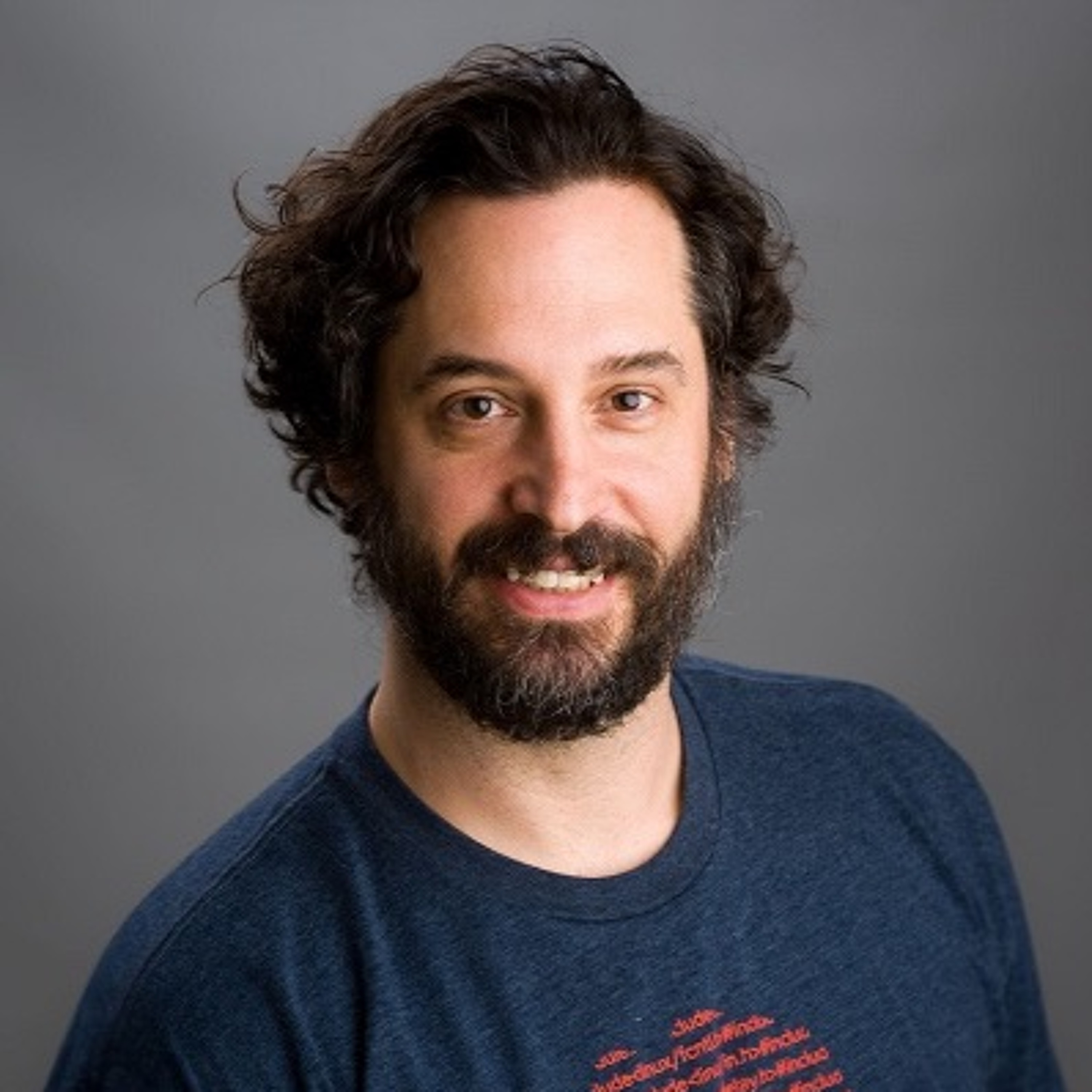
Andrew Clay Shafer on Three Economies, the Wall of Confusion, and the Origin of DevOps
Today on the InfoQ Podcast, Wes Reisz speaks with one of the people at the center of the creation of the idea of DevOps. Andrew Clay Shafer is the VP of Transformation at Red Hat where his role is about helping companies change their relationship with software in the cloud native ecosystem. In 2009, he was one of the people who first helped to shape what we know today as DevOps. On the podcast Shafer talks about the Three Economies, Wall of Confusion, and a bit about those first mentions of DevOps. Listen to the podcast for more. Curated transcript and more information on the https://bit.ly/2TP18Jm Follow us on Facebook, Twitter, LinkedIn, Youtube: @InfoQ Follow us on Instagram: @infoqdotcom Stay informed on emerging trends, peer-validated early adoption of technologies, and architectural best practices. Subscribe to The Software Architects’ Newsletter: www.infoq.com/software-architects-newsletter/
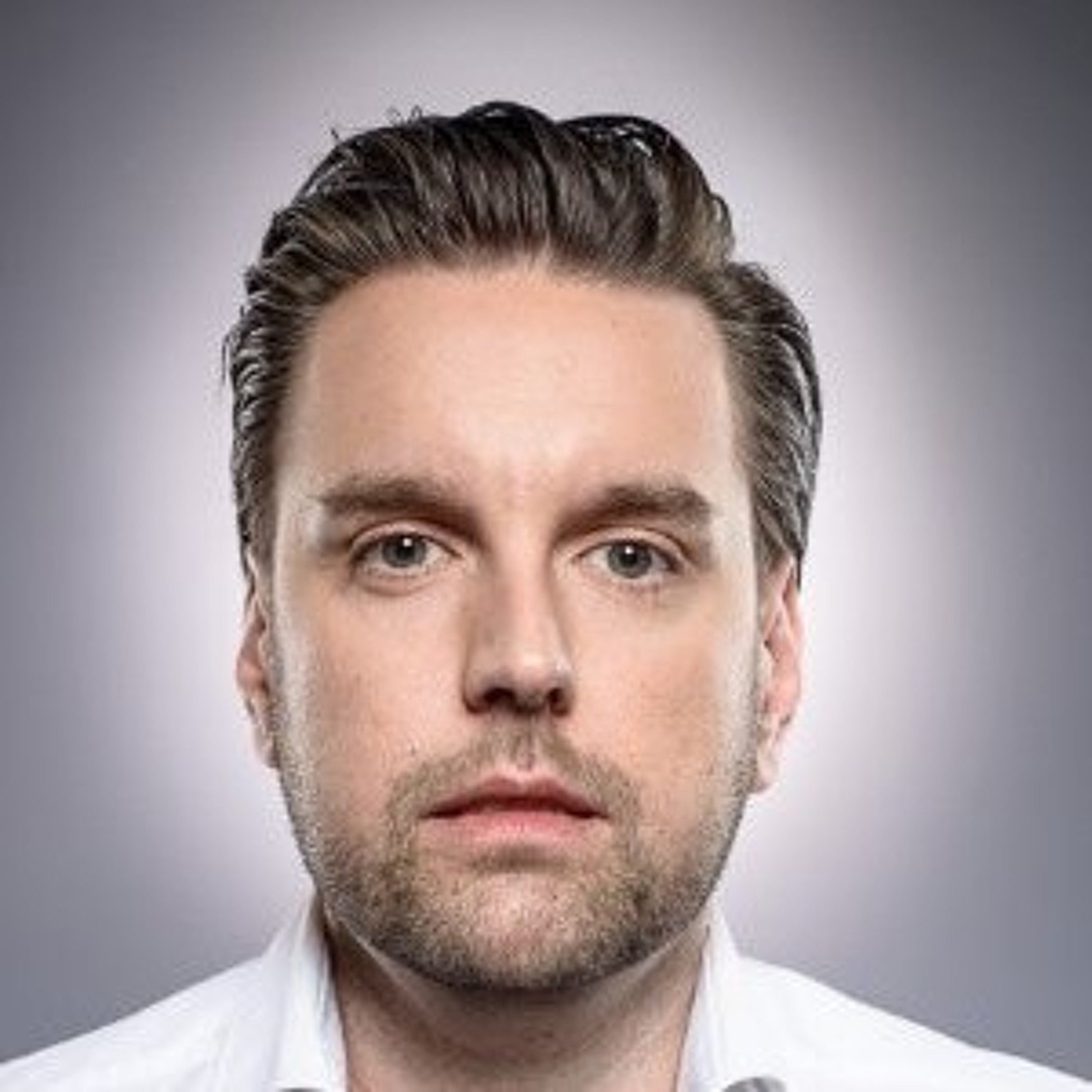
Alois Reitbauer on Cloud Native Application Delivery, Keptn, and Observability
In this podcast, Alois Reitbauer, VP, Chief Technical Strategist and Head of Innovation Lab, sat down with InfoQ podcast co-host Daniel Bryant. Topics discussed included: microservices vs functions; the go-micro and micro frameworks; and the evolution of PaaS and how the new M3O platform fits into the landscape. Listen to the podcast for more. Curated transcript and more information on the https://bit.ly/31Ju5e4 Follow us on Facebook, Twitter, LinkedIn, Youtube: @InfoQ Follow us on Instagram: @infoqdotcom Stay informed on emerging trends, peer-validated early adoption of technologies, and architectural best practices. Subscribe to The Software Architects’ Newsletter: www.infoq.com/software-architects-newsletter/
KIP-500: Removing the Dependency of Zookeeper on Kafka
Today on the InfoQ Podcast, Wes Reisz talks with two of the engineers currently working on removing the dependency of ZooKeeper in Kafka. ZooKeeper is used to maintain the metadata store required to operate Kafka. While ZooKeepers removal from Kafka will simplify the operational complexity and improve some of the scalability aspects of the platform, it is a huge undertaking that represents major changes to the overall architecture. Justin Gustafson and Colin McCabe are two engineers working on change. On the podcast, the three discuss why the team made this decision, what the ramifications are, and explore what both the near and future state will be with upgrading and operating Kafka. Listen to the podcast for more. Curated transcript and more information on the https://bit.ly/2H5w3hN Follow us on Facebook, Twitter, LinkedIn, Youtube: @InfoQ Follow us on Instagram: @infoqdotcom Stay informed on emerging trends, peer-validated early adoption of technologies, and architectural best practices. Subscribe to The Software Architects’ Newsletter: www.infoq.com/software-architects-newsletter/
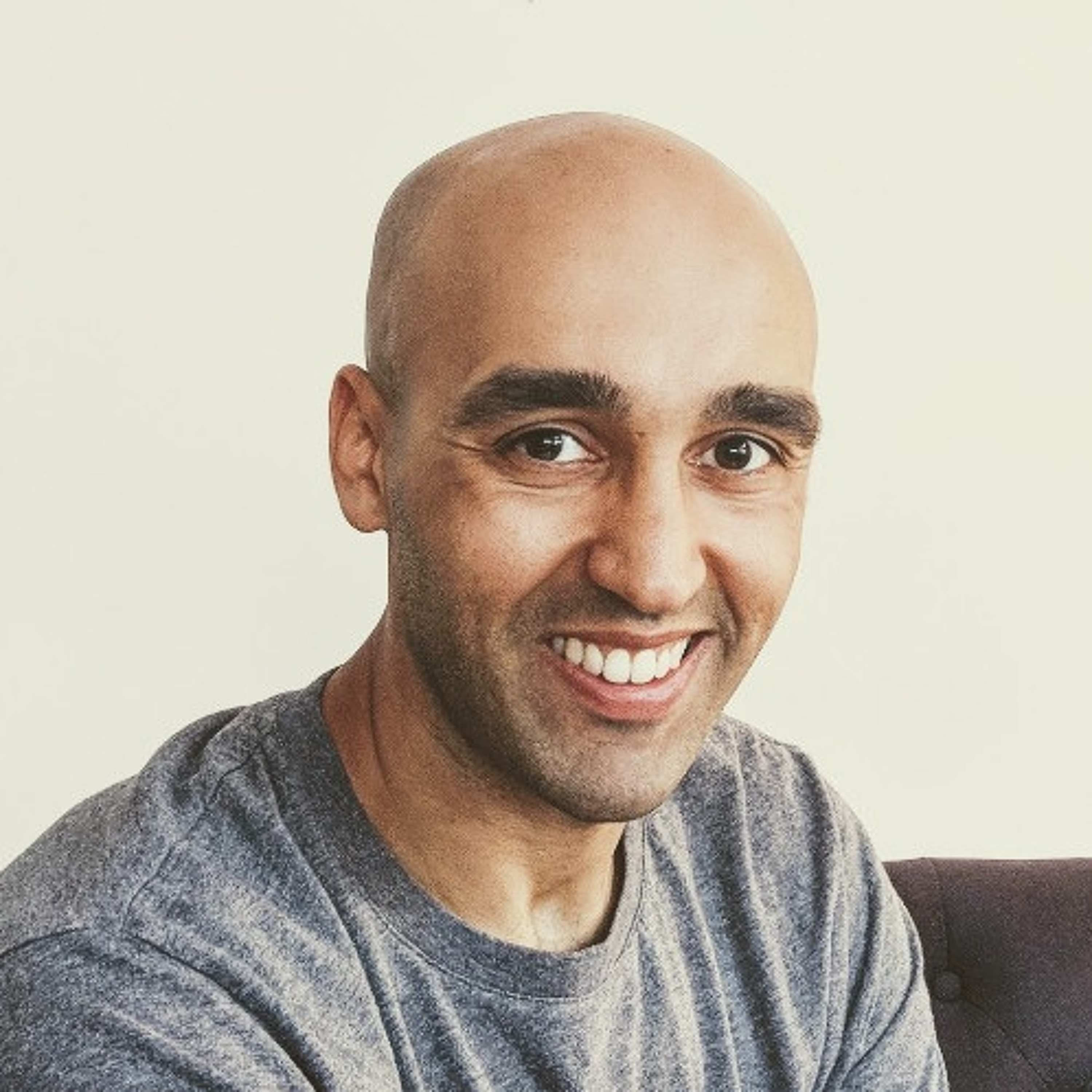
Asim Aslam on Microservices, go-micro, and PaaS 3.0
In this podcast, Asim Aslam, founder and CEO of Micro, sat down with InfoQ podcast co-host Daniel Bryant. Topics discussed included: microservices vs functions; the go-micro and micro frameworks; and the evolution of PaaS and how the new M3O platform fits into the landscape. Listen to the podcast for more. Curated transcript and more information on the https://bit.ly/2GOyQLC Follow us on Facebook, Twitter, LinkedIn, Youtube: @InfoQ Follow us on Instagram: @infoqdotcom Stay informed on emerging trends, peer-validated early adoption of technologies, and architectural best practices. Subscribe to The Software Architects’ Newsletter: www.infoq.com/software-architects-newsletter/
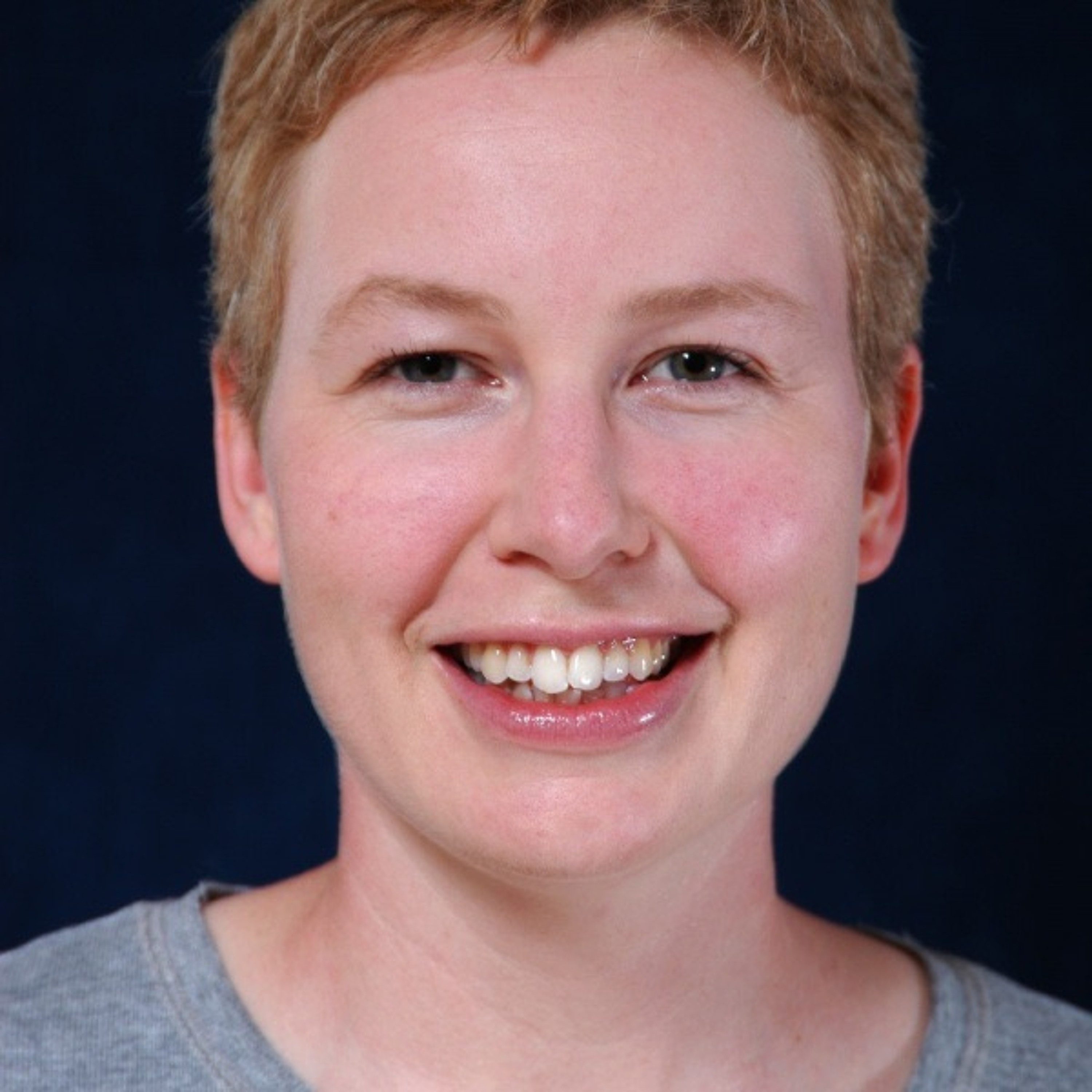
Anne Currie Discusses Cloud Providers and the Environmental Impact of Software
Charles Humble talks to Anne Currie from Container Solutions, exploring the environmental impact of technology. They look at how technology compares to other industries such as aviation and farming, how the big cloud providers compare in terms of their commitments to reducing carbon emissions, and the impact of the choices made by individual developers and software architects. Listen to the podcast for more. Curated transcript and more information on the website: https://bit.ly/30yU3jL Follow us on Facebook, Twitter, LinkedIn, Youtube: @InfoQ Follow us on Instagram: @infoqdotcom Stay informed on emerging trends, peer-validated early adoption of technologies, and architectural best practices. Subscribe to The Software Architects’ Newsletter: www.infoq.com/software-architects-newsletter/