
The Glossy Podcast
681 episodes — Page 13 of 14
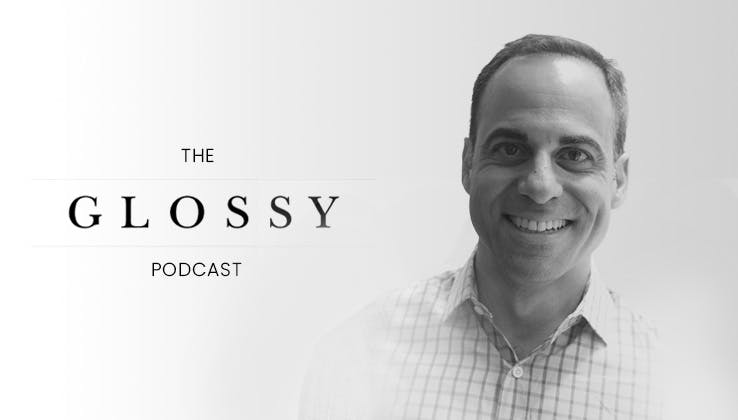
ThredUp's Anthony Marino: 'We're trying to create a business that makes money and does good'
As Marie Kondo has everyone rooting through their closets for the items that spark joy and consumers are becoming more conscious of sustainable buying practices, resellers like ThredUp are hitting their stride. The online secondhand marketplace is based on a model that serves both suppliers and customers: Suppliers are able to send in their items free of cost and get paid for them, while buyers have access to an inventory that is always growing and changing, with products listed for significantly less than traditional retail. "I don't want to make it sound like we're bleeding heart activists, because we have to run a profitable business, too," said Marino. "So we're trying to create the ultimate business, which is one that makes money and does good at the same time." On this week's episode of The Glossy Podcast, Hilary Milnes sits down with ThredUp president Anthony Marino to talk about what's unique about the online resale market, how the company manages its massive and ever-changing inventory, and why its partnerships with outside retailers are a win for all involved.
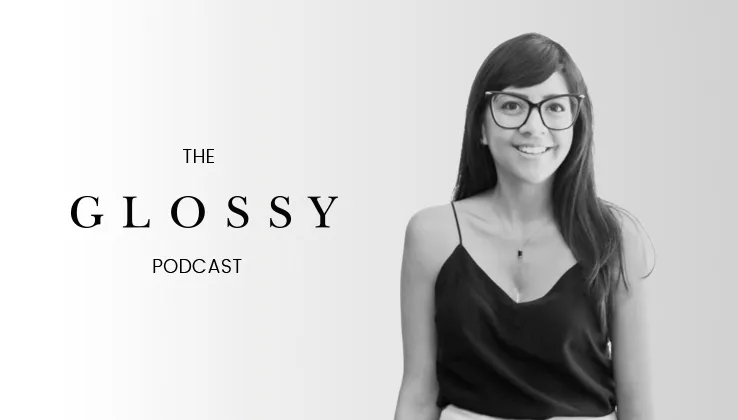
Cuyana's Karla Gallardo: 'The north star for us has always been to build a true, profitable brand'
When Karla Gallardo co-founded Cuyana back in 2011, she was driven by 2 things: a true love for fashion and a desire to impact the bottom line in a real way. In the years since it's launch, Cuyana appears to be one of the few direct-to-consumer brands that has real staying power. Gallardo credits a lot of this success to the fact that the brand has scaled steadily and remained profitable. Now, with a $30 million round of funding under their belts, Cuyana is on track to ramp up its growth efforts in the US. According to Gallardo, this cash injection means that they get to do more of what they already do really well. This means growing their retail footprint with both permanent and pop-up stores, expanding customer acquisition efforts and continuing to produce high-quality product. On this week's episode of The Glossy Podcast, Hilary Milnes sits down with Cuyana co-founder and CEO, Karla Gallardo, to talk about their newest round of funding, building a billion dollar brand and why their north star is profitability.
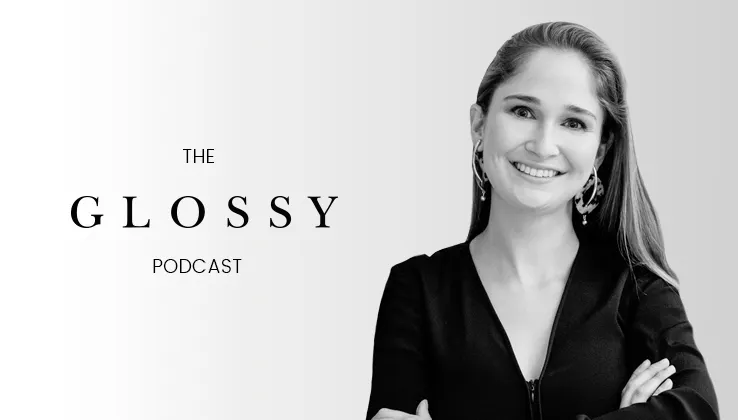
Shoe designer Sarah Flint on going direct-to-consumer: 'I'm controlling my own destiny'
In 2013, Sarah Flint launched her luxury footwear brand in high-end retailers like Bloomingdale's, Barneys and Shopbop.com. Over the years, the brand grew steadily and earned influential fans including Meghan Markle, but Flint felt something was missing: She wasn't able to create a meaningful, direct connection with her customers, she was designing close to 200 products a year and the margins were always slim. So at the end of 2017, Flint cancelled all orders from department stores, pulling out of them completely, cut her prices in half and became a direct-to-consumer brand. On this week's episode of The Glossy Podcast, Hilary Milnes sits down with luxury footwear designer, Sarah Flint, to talk about making the shift from wholesale to DTC, establishing relationships with customers and getting set to scale her brand.
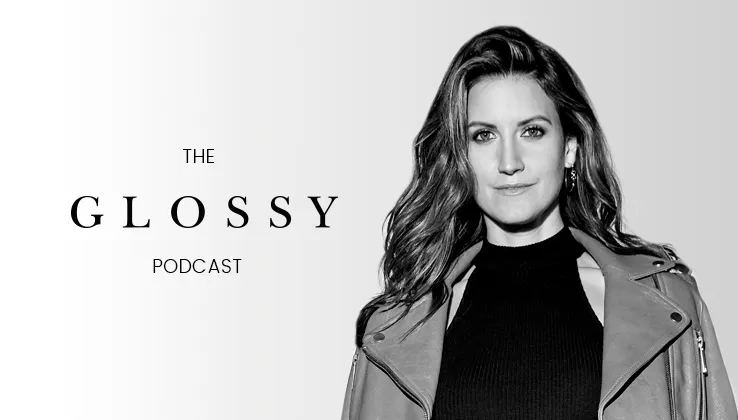
Carbon38’s Katie Warner Johnson: ‘We’ve rebranded the idea of what a retailer is’
In 2007, Katie Warner Johnson was a ballerina–turned Wall Street analyst–turned fitness instructor. It was in her fitness classes that she discovered a very specific type of woman: a hard-working, high-powered woman who takes her appearance seriously, but doesn’t have the time to really concern herself with it — and she fell in love with her. So Warner Johnson and a few of her friends came together and decided to find a way to connect with this woman. From selling bundled classes to creating a Pinterest account dedicated to fitness to launching a competitor for the app Mindbody, they tried a lot of things that didn’t work. Finally they ended up with the first iteration of Carbon38: a content-driven site where they would interview a celebrity or influencer about their wellness routine and what was in their gym bag, and then make those products available to sale. Eventually, Warner Johnson started to notice a pattern in the activewear being sold on the site. The industry was dominated by men, but the women’s sector was taking off, and the available products were a result of a “shrink it and pink it” mentality. So she looked back to her original inspiration — this customer base she had become fascinated with — and set out to build out a marketplace serving these women in a way no one had before. In 2013, Carbon38, in its current form, officially launched. As Carbon38 continues to scale and grow, and the athleisure boom continues, Warner Johnson sees plenty of opportunities to continue serving the core clientele her business was built for, especially now that she has become one of them. On this week’s episode of The Glossy Podcast, Hilary Milnes sits down with Katie Warner Johnson, co-founder and CEO of Carbon38, to talk about dressing modern women, the company’s recent investment from Foot Locker, and the problem with the word “athleisure.”
Digital Brands Group co-founder Mark Lynn: 'Scale heals a lot of wounds in the DTC space'
Mark Lynn knows what it takes to build direct-to-consumer brands. After launching two successful DTC brands -- Winc Wines and DSTLD -- Lynn made the decision to stop building brands and start bringing them together. So in 2017, he co-founded Digital Brands Group in an effort to both bring promising brands to the consumer and help growing companies to scale. Currently, there are two brands under the Digital Brands Group umbrella -- DSTLD, best known for denim. and suiting brand Ace Studios. Lynn said a few acquisitions will likely be necessary before the group can really spread its wings. On this week's episode of The Glossy Podcast, Hilary Milnes sits down Mark Lynn, Digital Media Group's co-founder and chairman, to talk about the complexities of the DTC ecosystem, the choice to take DSTLD public and the next steps for his growing group.
Allbirds' Tim Brown: 'It's about making better things, in a better way.'
In an industry like footwear, which from the outside appears to be ever-changing, how much has actually changed? During his career as a professional soccer player in New Zealand, Tim Brown began to ask himself this same question. Brown set out on a mission to create the simplicity that he couldn't find in footwear anywhere else. What he found was an industry stuck in its ways, followed by a serious sustainability problem. So he saw the opportunity to develop new materials, and a new approach to creating and selling shoes, to address both an aesthetic and an environmental need with his own brand, Allbirds. On this week's episode of The Glossy Podcast, Hilary Milnes talks to Allbirds co-founder, Tim Brown, about the growing a DTC brand, the constant need to innovate and why, when it comes to sustainability, we're all in this together.
Aether's Palmer West: 'The wholesale business is not great for a brand'
When Palmer West first became a father, he wasn't quite ready to give up his love for motorcycling. But when he went looking for the proper protective gear, he was greeted by an entire market of products that weren't necessarily suited for a metropolitan lifestyle like his. It was from this 'aesthetic void' that Aether was born. West felt like consumers shouldn't have to choose between fashion and functionality, so he and his business partner Jonah Smith, set out to find middle ground. On this week's episode of The Glossy Podcast, Hilary Milnes sits down with West, Aether co-founder, to discuss the need for fashionable technical wear, how wholesale failed them and why they're considering going back.
Influencers, acquisitions and the rise of DTC: The best of The Glossy Podcast in 2018
This year on The Glossy Podcast, we covered the biggest trends in fashion business. Voices from across the industry -- from influencers to founders to CEOs -- discussed navigating an industry that is changing more rapidly than ever before. Some major themes of the year included the rise of the direct-to-consumer model, the impact of social media and influencer marketing, and the ripple effect of Amazon. On this week's episode of The Glossy Podcast, we take a look at some of our top episodes of 2018 through clips featuring guests including Madewell's Libby Wadle, Glossier's Henry Davis and influencer Blair Eadie.
Knot Standard's John Ballay: 'We're taking all of our digital efforts and driving customers into a physical location'
In the early 2010s, John Ballay saw that there was something missing in menswear. At the time he was working in finance in Dubai, and had developed a passion for well-tailored suits. As the retail pivot to DTC was picking up steam, he wanted to find a way to make bespoke clothing more accessible to the average man. So Ballay and Mueller decided to create the first brand that would bring the magic of made-to-order clothing right to their customers' doorsteps. On this week's episode of The Glossy Podcast, Hilary Milnes sits down with Knot Standard co-founder and CEO, John Ballay, to discuss the evolution of menswear, creating custom-made products for every consumer, and how a brand with no inventory works with retailers.
Kate Spade CMO Mary Renner Beech: 'We are data-informed, not data-led'
In the nearly six years since she joined Kate Spade, Mary Renner Beech, the brand's CMO, has seen a lot of change. From a major acquisition by Tapestry, to the entrance of new creative director Nicola Glass, to the loss of the brand's founder, Kate Spade has been making a lot of headlines in recent years. But, according to Beech, these changes have only strengthened the brand and its promise of optimistic femininity. On this week's episode of The Glossy Podcast, Hilary Milnes catches up with Mary Renner Beech to discuss how Kate Spade is empowering women across the globe, relying on a combination of data and gut instinct, and continuing to evolve with consumers without straying from the brand's heritage. Below are excerpts from the episode, edited for clarity.
Greats' Ryan Babenzien: 'Direct-to-consumer is the only way to launch a brand'
When Ryan Babenzien decided to launch his own sneaker company in 2014, the direct-to-consumer brand boom was in full swing. He saw it as an opportunity to develop a brand that struck a balance between traditional and digitally-native retail. In this week's episode of the Glossy Podcast, Hilary Milnes sits down with Babenzien to discuss how he's growing a brand that embraces DTC and traditional retail, balances quality and cost, and serves casual and fashion-forward dressers alike.
Etsy's Raina Moskowitz: 'We're investing in our sellers' success'
In an age where e-commerce is moving faster than ever, Etsy is working hard to keep up the pace. By bringing together entrepreneurs from all over the world, Etsy has amassed an online marketplace of over 50 million artisanal products. This network of small businesses has its challenges, like consistency in shipping and customer experience, but they are all part of what Raina Moskowitz, Etsy's svp of people, strategy and services, believes makes their platform a stand out. On this week's episode of the Glossy Podcast, Moskowitz discusses Etsy's investment in its sellers, how they're using marketing to drive consumers, and why she believes Etsy is still in early days.
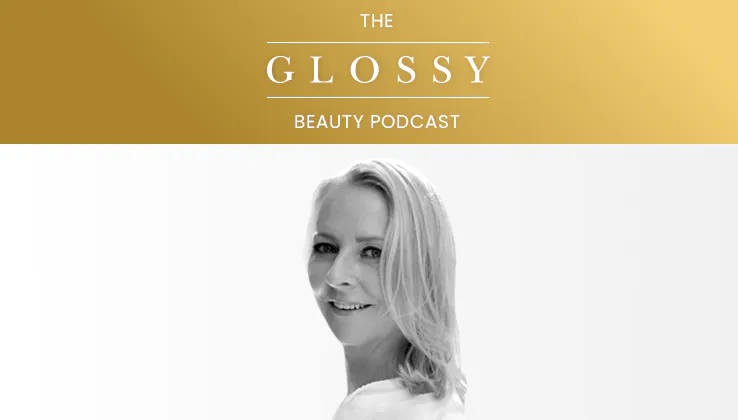
The Glossy Beauty Podcast: Revlon's Linda Wells
Since former Allure editor in chief Linda Wells landed at Revlon as chief creative officer in February 2017, she has had a busy last 21 months. Not only has she renovated all of the consumer touchpoints, like packaging and the digital and social presences of the heritage company’s portfolio of brands, such as Elizabeth Arden, Almay and Revlon, she also launched Flesh Beauty. In this week’s episode of the Glossy Beauty Podcast, Wells discussed how the industry has become “unrecognizable” because of social media, the shift in power in beauty and how incubation is the future for big beauty companies.
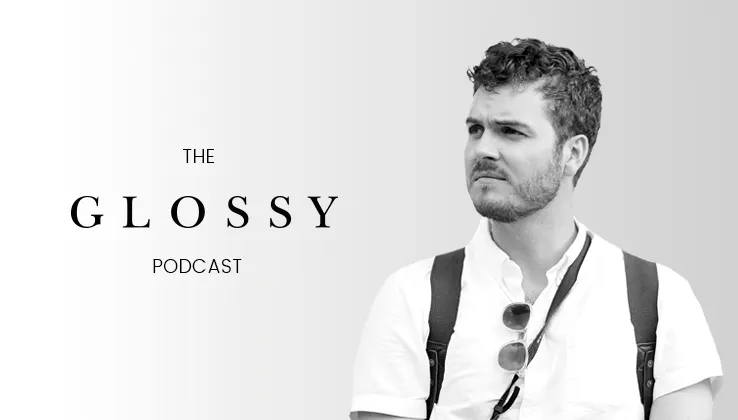
Krewe's Stirling Barrett: 'We had to create a lot of our own opportunities'
At twenty-three years old, Stirling Barrett found himself sitting on the stoop of his newly purchased home, located just outside of the French Quarter of New Orleans. He had earned a degree in fine arts, won a few notable best in show titles, and knew he needed to make an investment into his future. Shortly after, he founded Krewe. In this week's episode of The Glossy Podcast, founder and creative director, Stirling Barrett, talks about how Krewe got its credibility in the market, why mobile retail was key in brick and mortar expansion and why New Orleans really is the best place to build your business.
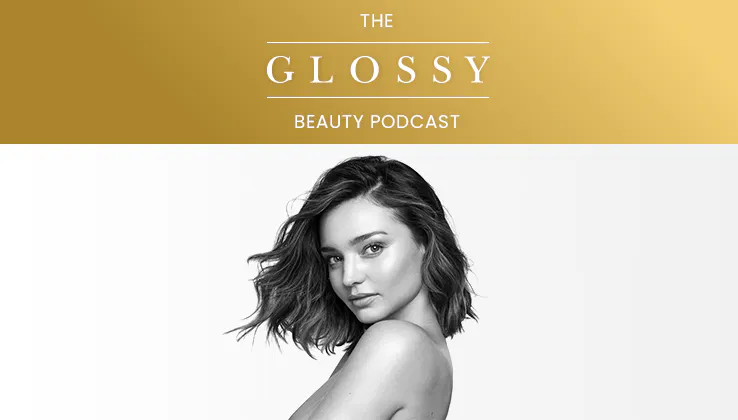
Kora Organics founder Miranda Kerr: ‘The clean movement is a double-edged sword’
In our inaugural episode of the Glossy Beauty Podcast Kerr discussed how she made the move from a model to a CEO, why she only recently decided to scale Kora Organics internationally, and what it means to have integrity as the beauty and wellness industries become more intertwined.

Lilly Pulitzer's Michelle Kelly: 'The customers are in charge'
When she first joined Lilly Pulitzer over a decade ago, Michelle Kelly was a huge fan of the brand and in search of the best way to get to know the fashion industry. Her mentors suggested she get her start in sales, which Kelly said taught her one of the most important lessons of her career. Now, as President and CEP, Kelly never forgets what she learned in those first few years-- the customers are in charge. In this episode of The Glossy Podcast, Kelly discusses what it’s like to have a truly loyal following, how Lilly Pulitzer approaches capsule collections and how influencer marketing is a natural extension of the brand.

Special Announcement: Introducing The Glossy Beauty Podcast
trailerWe are thrilled to introduce you to our newest podcast, The Glossy Beauty Podcast! Our show where we cover the beauty and wellness trends of today, and what will show up on your feeds tomorrow, with the people who know them best. Tune in to our premiere episode on Thursday, November 8th, with international supermodel and founder and CEO of Kora Organics, Miranda Kerr. Make sure to like and subscribe to The Glossy Beauty Podcast today!
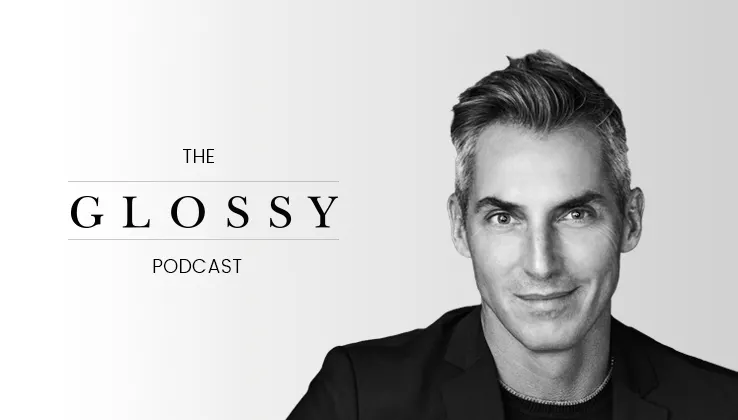
Wilhelmina Models CEO Bill Wackermann: 'Brands today are looking for a fuller picture, it's not just about the pretty face'
Since Bill Wackermann joined Wilhelmina Models as CEO in early 2016, his mission has been to bring the company into the 21st century, while remaining true to its original philosophy: Flawed beauty is the most beautiful. Today, being a model is about so much more than taking a good picture; it's about being a real, interesting person, Wackermann said. People, and brands, are demanding authenticity. In this week's episode of the Glossy Podcast, Wackermann discusses why Instagram followers should be more about quality than quantity, how consumer demand is shaping the industry and why his company has turned its focus to Snapchat.

Reformation's Yael Aflalo: 'Sustainability is about people, profits and environment'
A lot has changed for Reformation since its 2009 Los Angeles launch, but one thing that has remained constant is founder Yael Aflalo's dedication to sustainability. From the fabrics used in products to the employees in the manufacturing plants, Aflalo has set high standards for her brand and is working to ensure they're met. In this week's episode of the Glossy Podcast, Hilary Milnes sat down with Aflalo to discuss what investment is needed to be a sustainable brand, why Reformation's retail experience is unique and why she doesn't use data to manipulate customers.

Influencer Blair Eadie: 'Brands are trying to become more like people, and people are trying to become brands'
Back in 2010, Eadie was working in the merchandising department at Gap Inc. in San Francisco when she noticed the industry was no longer leaning to runways for inspiration -- instead, it was turning to the streets. That was when she decided to start her daily fashion blog, Atlantic Pacific. She soon realized what she had created could become a viable business, and she never looked back. Now with 1.1 million followers on Instagram and a soon-to-be-released line with Nordstrom's private label Halogen, Eadie is determined to show that the influencers are here to stay. For this week's episode of the Glossy Podcast, Blair Eadie sat down with Hilary Milnes to discuss her early blogging days, her approach to brand partnerships and her recent collaboration with Nordstrom. Below are excerpts from the talk, edited for clarity.

Glossier COO Henry Davis: 'We're not a crowd-sourced brand'
Just five short years ago, Henry Davis was a venture investor in search of his next e-commerce project. At the time, Amazon was beginning its takeover, DTC brands were on the rise and overhauling the supply chain was the newest trend in retail. But Davis was focused on another forward-thinking idea. Then he met Emily Weiss, the creator of the successful beauty-focused platform Into The Gloss, who was ready to take her digital platform into the retail world. Davis and Weiss joined forces, and just a few months later, Glossier was born. Now, as Glossier's COO and president, Davis has helped the brand become one of the most recognizable millennial-focused beauty brands on the market. For this week's episode of the Glossy Podcast, Davis joined Glossy at Advertising Week for a live conversation. Below are excepts from the talk, edited for clarity.

Jewelry designer and CEO Kendra Scott: 'I wanted to start a brand that really meant something'
Kendra Scott started her jewelry brand with $500 in the middle of a recession, when the world and retail industry were places of great uncertainty. Scott said she managed to turn a seemingly impossible situation into a billion-dollar jewelry business by making sure her brand always remained true to itself. On this week's episode of the Glossy Podcast, Scott joined us to talk about how she built a brand with heart, why it's important to talk directly to the consumer and why a good retail experience will never go out of style.

PopSugar CRO Geoff Schiller: 'If you focus on making money, you wind up diluting the brand'
For PopSugar CRO Geoff Schiller, the company’s transition from publisher to lifestyle brand has been an exercise in restraint. Schiller joined the Glossy Podcast to discuss what PopSugar has learned about the fashion and beauty retail industries, how the company uses audience data to make decisions and why publishers and retailers need to work together today.

Vince creative director Caroline Belhumeur: 'You can't buy customer loyalty, you have to build it'
For the accessible luxury brand Vince, creative director Caroline Belhumeur’s background in retail was a boon that saved it from the brink. Glossy interviewed Belhumeur at Vince’s Mercer Street store in Manhattan at the beginning of September during a live recording for Glossy+ members. To be in the room during the next live recording of the Glossy Podcast, become a member at Glossy.co/subscribe, and use the code ‘podcast’ for 20 percent off an annual subscription.

Rebecca Minkoff: 'When people are inspired by a brand, they'll shop with you'
Rebecca Minkoff wants more designers to share their experiments and their outcomes, even when they’re negative. While the fashion industry tries to come to terms with its ongoing existential crisis, she believes transparency is something that would benefit the overall designer community. Minkoff joined the Glossy Podcast to discuss what's behind her brand's current customer approach, why she doesn’t sell her products on Amazon and what’s going to happen when the dust settles.

Frame founder Jens Grede: 'The era of a brand dictating a lifestyle is over'
Frame -- which started as a side project for founders Jens Grede and Erik Torstensson while working full time at the agency they started, Wednesday -- is on track to hit $120 million sales in its sixth year. Grede joined the Glossy Podcast to talk about why he doesn’t worry much about distribution strategies, what's behind his brand’s approach to being a lifestyle business and how it places limitations on itself in terms of growth.

For Days founder Kristy Caylor: 'Fashion is going to embrace the circular economy'
Kristy Caylor’s first fashion brand, Maiyet, is an ethical brand exclusively selling clothing made by self-sustaining artisans from different areas of the world. But, while running the business, she still felt like she wasn’t doing enough to help fashion’s sustainability problem. In May, Caylor launched For Days, a retail company selling T-shirts and other knitwear on a subscription basis. When customers are done with the shirts, they send them back to For Days in exchange for a fresh batch. The company upcycles the used T-shirts to make new ones. Caylor joined the Glossy Podcast to discuss the idea of ownership, For Days’ early days and how sustainability can work in fashion.

Megababe's Katie Sturino pokes holes in the modern influencer marketing industry
Katie Sturino is no stranger to wielding the attention of an Instagram audience. Her own blog, The 12ish Style, has 211,000 followers on the platform. And with her network of Instagram-famous dogs — Toast (who recently passed away), Muppet, Cheese and Pants — her total Instagram platform is nearing 1 million followers. She joined the Glossy Podcast to discuss how she broke into blogging by posing style solutions for other plus-size women, what mistakes brands make when working with influencers and where she predicts the industry is headed next.
Margaux co-founder Alexa Buckley: 'The world is too noisy to be all things to all people'
Direct-to-consumer footwear brand Margaux, co-founded by Alexa Buckley and Sarah Pierson, wants to fix fit for women’s shoes. By designating three width options for every size and offering a made-to-order approach, the brand is going after customers who have struggled to find comfort in standard-sized footwear. Buckley joined the Glossy Podcast to discuss how the DTC brand playbook is changing, what was behind her brand’s a-ha moment and what it means to be a modern heritage brand.
Margaux co-founder Alexa Buckley: 'The world is too noisy to be all things to all people'
Direct-to-consumer footwear brand Margaux, co-founded by Alexa Buckley and Sarah Pierson, wants to fix fit for women’s shoes. By designating three width options for every size – narrow, medium or wide – and offering a made-to-order approach, the brand is going after customers who have struggled to find comfort in standard-sized footwear. Buckley joined the Glossy Podcast to discuss how the DTC brand playbook is changing, what was behind her brand’s a-ha moment and what it means to be a modern heritage brand.

11 Honore CEO Patrick Herning: 'Sizeism is alive and well in fashion'
11 Honoré founder and CEO Patrick Herning’s biggest priority for the next year: customer acquisition. 11 Honoré is an online multibrand retailer for plus-size designer fashion, which Herning and his business partner Kathryn Retzer founded in 2017 to deliver a luxury e-commerce experience to women sizes 10 to 22. Herning joined the Glossy Podcast to discuss appealing to this customer, giving brands a helping hand and what really holds the industry back from selling plus-size fashion.

Good American CEO Emma Grede: 'I want to see the plus-size conversation stop'
To hit its next growth stride, denim and apparel brand Good American has to look beyond the passionate followers of famous co-founder Khloé Kardashian. Grede joined the Glossy Podcast to discuss why mainstream sizing is outdated, why she didn’t want to sell only online and how online brands can thrive in a wholesale setting.
Designer Clare Vivier: 'I've never been intimidated to sell direct-to-consumer'
Clare Vivier’s designer handbag brand, Clare V., was direct-to-consumer before anyone was using the term “direct-to-consumer.” Over the past 10 years, Clare V. has expanded its line of handbags and accessories to include apparel. She joined the Glossy Podcast to discuss evolving as a designer-founder over the past 10 years, marketing in a department store versus Instagram, and keeping up with the pace of the industry.

Aurate cofounder Bouchra Ezzahraoui: 'We want to be in control at all times'
Direct-to-consumer jewelry brand Aurate isn’t online-only, it’s channel agnostic. The brand, launched in 2014 as an e-commerce site, now has four brick-and-mortar stores and plans to open more on the West Coast this year. While online is still the main channel, for Aurate, the important thing is that no matter where it sells, it stays in control of the transaction. Bouchra Ezzahraoui, cofounder of Aurate, joined the Glossy Podcast to discuss bootstrapping her business, reacting quickly to customer responses and accommodating the way people shop for jewelry today.
Tradesy founder Tracy DiNunzio: 'Our mission to make resale as efficient as retail, at scale'
Bluemercury founder Marla Beck: 'What's influencing beauty categories is the Instagram effect'
Bluemercury founder Marla Beck built an anti–department store beauty and skin-care shopping experience 20 years ago. Now, Bluemercury has joined Macy’s to offer its democratizing shopping and spa services to department store customers. Beck joined the Glossy Podcast to discuss how beauty has evolved in the Instagram era, who wins when customers are in charge and how product innovation is changing the industry.

Madewell's secret sauce
J.Crew Group-owned Madewell is often pegged as the namesake brand’s younger, hipper sister (although president Libby Wadle refutes the notion that Madewell is millennial-geared). As J.Crew scrambles to revitalize stalled sales growth, Madewell’s story couldn’t be more different. Wadle joined the Glossy Podcast to discuss how a brand in the J.Crew umbrella stays nimble, what the brand identity is, and how customer feedback and data feeds into that process.
The RealReal's Rati Levesque: 'We drive traffic back into luxury stores'
The Real Real, an online marketplace for authentic luxury consignment, is growing and retail stores are their big next step. But over the years, they have also been pitted as a competition to luxury brands and had a difficult relationship with them. Rati Levesque, chief merchant, says she's seeing the dynamic shift as they're starting to drive traffic back into luxury stores. Levesque explores their relationship with brands, similarity to departmental stores and more on this podcast.
Alice + Olivia's evp of brand marketing Aliza Licht: 'Amazon doesn't need a brand story'
During her time running the DKNY PR Girl Twitter account, Aliza Licht was only asked to delete one tweet. Licht worked on the PR and communications team at DKNY when the company began putting together initial Facebook and Twitter strategies. Social media marketing strategies have only become more complex since then, but the brand-as-relatable-friend voice has held strong. After leaving DKNY, Licht wrote a book titled “Leave Your Mark,” and she currently serves as the evp of brand marketing at Alice + Olivia. She discusses the evolution of authenticity in social media, branding and storytelling, and Amazon vs. wholesale.

Caraa co-founder Aaron Luo: 'Retail brands should not raise VC funding'
With Caraa, Aaron Luo is looking to prove aesthetic isn't everything. Luo joined the Glossy Podcast to discuss why his brand didn’t raise any VC funding, how he chooses brand partnerships and why he decided to test selling products on Amazon.
Eileen Fisher on 34 years in sustainable fashion: 'It's about constantly learning'
When Eileen Fisher started her namesake brand in 1984, it wasn’t the plan from the outset that the label would eventually become synonymous with sustainability in the fashion industry. Her goal was simply to do a better job of making clothing that would outlast everything else in her customers’ closets. The Eileen Fisher approach to sustainability has since evolved to focus on reducing waste through a circular recycling program, a line of “remade” Eileen Fisher items designed from damaged or stained pieces from past collections, and an emphasis on storytelling and education. Now the head of a certified B-Corp organization, Fisher joined the Glossy Podcast to share how the brand’s manufacturing partners, customers and competition have changed.

Kirsten Kjaer Weis on the natural-beauty movement: ‘It’s a bit of a jungle right now’
After working as a makeup artist for 25 years, Kirsten Kjaer Weis was tired of rejecting and moving on from different luxury beauty products because the synthetics in them, she believed, caused allergic reactions. She founded her brand, Kjaer Weis, in 2010 on the premise that an all natural beauty brand could also perform like a luxury beauty brand. Kjaer Weis joined the Glossy Podcast to discuss the evolution of the green beauty industry, balancing organic and luxury, and the definition of natural beauty.

American Fashion Network CEO Jackie Wilson: 'Amazon's model scares me to death'
Jackie Wilson isn’t known to customers as one of America’s prominent fashion designers, but retailers know her. Her company, the American Fashion Network, is responsible for designing private-label fashion lines for retailers like Kohl’s, Amazon and American Eagle. And she's often the one pushing behind the scenes, convincing retailers to double down on lingerie-style tops, cutouts and fabric trends. Wilson joined the Glossy Podcast to discuss how Zara changed the private-label business, and how Amazon is changing it again. At the core of the shift is speed and, according to her, fashion is only going to keep getting faster.

Porter editor-in-chief Lucy Yeomans: 'Content and commerce coming together just makes sense'
Net-a-Porter recently relaunched its editorial content to reflect a new approach: Porter, Net-a-Porter’s print magazine, combined with The Edit, Net-a-Porter’s online blog, for a more cohesive content strategy. In total, Net-a-Porter’s editorial team employs 70 people across print and digital. Whereas before, they were working in siloed teams, Net-a-Porter’s global content director and Porter editor-in-chief Lucy Yeomans said there’s now more collaboration across channels, including around new events and series that reach across both. Yeomans joined the Glossy Podcast to discuss why Net-a-Porter considers content and commerce an integral part of both its marketing and merchandising strategies, how fashion media has evolved and why a cohesive brand voice is so important.

Tamara Mellon: 'The future of retail is the end of wholesale'
After Tamara Mellon left Jimmy Choo, the luxury footwear brand she founded in 1996 while in her 20s, she had to figure out again how to establish her positioning in the industry, this time under her own name. It wasn’t a smooth transition. After the first incarnation of the Tamara Mellon brand went bankrupt, she started over following the direct-to-consumer model that customers today are much more familiar with than they were at the start of the decade. Mellon joined the Glossy Podcast to discuss how she started building a brand for the third time, how it sits in the luxury market, and the future of retail business models.

Why founder Jessica Lee didn't raise any VC funding for Modern Citizen
Jessica Lee was on the M&A team at Gap Inc., scouting for potential young brands appealing to a more modern customer that the corporation could snap up, when she decided to set off on her own and found a new mid-priced women’s fashion brand. Modern Citizen, launched online in 2016, with a trendier take on direct-to-consumer fashion than comparable brands like Everlane, more affordable prices than Reformation and a focus on building a community from scratch. Lee joined the Glossy Podcast to discuss differentiating the company in a crowded market, marketing with a non-existent budget and building the brand's first store.

Adam Pritzker wants to build a retail alliance
Adam Pritzker, of the Hyatt Hotels family, built Assembled Brands off of the idea that fashion could benefit from the same open-source approach to resources, data and education as the technology industry. Assembled Brands, now six years in, is a holding company for brands including The Line, Khaite, Pop and Suki and more, with the goal of supporting inventory planning, financial modeling, distribution and infrastructure organization for a new retail industry. Pritzker joined the Glossy Podcast to discuss how brands need to adjust to keep up with today’s customers, why there's power in numbers and what type of technology will actually change retail.

Resonance co-founder Lawrence Lenihan: 'It's the end of the billion-dollar brand'
Lawrence Lenihan is the co-founder and co-CEO of Resonance, a venture operating and holding company for small fashion brands that he started with business partner Joseph Ferrara in 2015. His opinion on fashion feels romanticized, but he hopes to ground it in a viable business model that could change the format through which emerging designers get brands off the ground, and make them profitable. Lenihan joined the Glossy Podcast to talk about how to bring the Zara model down to businesses on the smallest level, how data has interrupted creation and what's to come of the billion-dollar apparel brand.

Nordstrom's vp of creative projects Olivia Kim: 'Earning trust is how you gain wallet share'
Olivia Kim joined Nordstrom and moved from New York to Seattle in 2013 as the director of creative projects. Now vp of creative projects, she’s in charge of Nordstrom’s pop-up shops, brand collaborations and exclusives with digitally native brands. Essentially, her role boils down to recruiting new customers to Nordstrom by making it more of a destination for fashion inspiration and brands that can’t be easily found elsewhere. On the Glossy Podcast, Kim discussed how she formed her position and, eventually, department, how fashion collaborations have evolved, and what appeals most to customers.

Ann Mashburn on her namesake brand: 'At the end of the day, your point of view is all you have'
When Ann Mashburn launched her namesake women’s brand in 2010, she had some concerns about the concept panning out. Mashburn’s first store, which she opened in Atlanta alongside her husband Sid Mashburn’s namesake men’s store, has now been in business for seven years, and the company has since launched e-commerce and opened three more retail stores. Mashburn joined the Glossy Podcast to discuss how she made the leap from editor to brand owner, how she grew her team from the ground up and how she built her brand with word-of-mouth marketing.