The Fluent Show
242 episodes — Page 2 of 5
Will the Real Multilinguals Please Stand Up?
How does being multilingual affect your identity? Do you feel that through these language journeys you've taken, your identity and world views have changed? When recording this week's episode, Lindsay and I dug deep and discussed our perspectives about being multilingual people. It was a surprising discussion! Click or tap here to let us know what you think over on Patreon Thank you for listening to the Fluent Show! If you enjoyed this episode, please consider supporting the show by leaving a review in your podcast app or becoming a member of our Patreon community And click here to get your ticket for our 4-day online conference Women in Language

Going Up, Up, Up - How to Reach Higher Language Levels
You've come a long way from being a beginner in your target language, so you know that you can make great progress. But the better you get, the harder it seems to improve even more. How can you reach the next level? In this episode of the Fluent Show, I'm sharing a few tips to help you feel GREAT about your language skills no matter where you're at. Learn more about the role of patience, clarity and expectation as you get better at your language. Oh, you want to be sure you reach the next level too? Don't worry, I have hands-on steps included for you too. Thank you to Ethan for this episode introduction. Want to read my full show notes? If you want to get more details and full notes for this episode and all the solo episodes of the Fluent Show, head to Patreon and back this podcast for any amount of your choice. Where do you listen? Take a photo of where you're listening to the Fluent Show and share it on social media to say hello! Here's where you can tag me: Twitter: http://www.twitter.com/thefluentshow Instagram: http://instagram.com/kerstin_fluent/ and #thefluentshow Facebook: https://www.facebook.com/groups/fluentlanguage
Bilingual Episode (Spanish): Language Learning con Salsa 💃🏾 with Tamara Marie
When was the last time you sang a song in your target language? What about dancing in it? In today's interview, you'll learn what it means to connect to a language through music, and how the culture-first approach helped my guest Tamara Marie from Spanish con Salsa discover new connections, experiences and even insights into her own ancestry. The origins of Salsa as a music style and a way of life How the song Rebelión by Joe Aroyo changed Tamara's life as a language learner How learning Spanish helped Tamara connect to her ancestry as a black woman in the USA Why the Caribbean music scene can teach you an authentic and diverse way of speaking Spanish How to switch off your thinking mind as a language learner Bilingual Episode I took the opportunity to ask Tamara a few questions in Spanish in this episode. You will hear her reply in Spanish and conduct the conversation like that for about 10 minutes. If you are not a Spanish learner, don't worry as we'll always switch back to English. Here I always like to remember what the late Ron Gullekson from Language Surfer told me: "in a new language, I like to get uncomfortable as early as possible." So enjoy the challenge and enjoy the practice! Gracias to Lindsay Williams for her linguistic support in Spanish. and to you for listening to the Fluent Show! If you enjoyed this episode, please consider supporting the show by leaving a review in your podcast app or becoming a member of our Patreon community.Special Guest: Tamara Marie.
Don't Let the Streak Run the Show: How to Be Consistent in Language Learning
Have you ever broken a streak or lost track? Powered by lots of fun real life examples, this episode will help you learn how to stay consistent in language learning. Put this on your schedule and structure your time. Be super specific Trust your gut and choose what you enjoy and what challenges you If you lose your streak, reconnect to your original motivation Thank you to Dela for this episode introduction. Thank you for listening to the Fluent Show! If you enjoyed this episode, please consider supporting the show by leaving a review in your podcast app.
When You've Got a Notebook, You've Made Space for a Language
We're discussing all things pen & paper! We discuss the state of handwritten notes in modern language learning, how we do it ourselves, and why pen and paper could be the key to giving you an everlasting language memory. Also featured: Soap operas, Lindsay's a student again, and the Women in Language conference running 17-20 September 2020: www.womeninlanguage.com Thank you for listening to the Fluent Show! If you enjoyed this episode, please consider supporting the show by leaving a review in your podcast app or becoming a member of our Patreon community

What It Takes to Become a Professional Tutor
This week's listener question comes from Lee, a new online tutor looking for guidance on the difference between community and professional tutoring on italki. After working at italki as a community tutor, I want to branch out and become a professional tutor. My lessons are extremely structured and informative although I am not a professional teacher so I was wondering as to whether or not I should move to a professional tutor. I think typically professional teachers are seen to be more prepared and knowledgeable. I’m not too sure to be honest. I just know that I love online education! What does it mean to act like a professional as a tutor? How good do you have to be at a language before you can teach it? Why are there community and professional tutors on italki? What qualification do you need to get their professional status? How can you start going full-time as a professional online language teacher? Thank you to Gosia for this episode introduction.
Bilingual Episode 🇩🇪 : Learn Languages from the Streets with Easy Languages
Imagine you're walking down the street in another country, bumping to lots of cool new people and chatting about big and small life questions with them. And all that in another language! Can't quite travel there? Not ready to speak fluently? Don't worry, Easy Languages has your back! This hugely popular YouTube channel brings you conversations with people from the street, sharing authentic language and culture from dozens of countries. It all started in Münster in Germany, when a group of students recorded themselves shouting "Hallo!" at random people during a media workshop led by Janusz Hamerski. Today Easy Languages is a global organisation making videos in over 32 languages. In this Fluent Show episode, you'll get to know co-founder Janusz and producer Manuel. Bilingual Episode This episode contains a lot of fun conversation in English and a little fun conversation in German. Janusz and Manuel are German speakers like me, so we switched into German for a little bit to give you some listening practice as a learner. If you are not a German learner, don't worry as we'll always switch back to English and make sure you don't miss anything. Here I always like to remember what the late Ron Gullekson from Language Surfer told me: "in a new language, I like to get uncomfortable as early as possible." So enjoy the challenge and enjoy the German practice! 👩🏾 👩🏿🦱🖤 Event Announcement And one more thing I want you to know about: The Sisters Only Language Summit is running its second virtual summit on 25 July 2020. This event is going to be fantastic, so make sure you check it out and support them. Fluent Show listeners who are students and women of African descent can apply for one of 3 scholarship tickets that are donated by the Fluent Show.Special Guests: Janusz Hamerski and Manuel Salmann.
My Language Plan: Halfway Through 2020
We're halfway through the year, so today's episode is an in-depth review of how it's gone so far. This is my #clearthelist entry for July 2020. I'm sharing how it's going with my Chinese studies, my Welsh language, and what I want to try next. You are invited to review your year and make notes as you follow along with this episode. Here are a few questions you can use for reviewing your own progress: What are the 3 biggest experiences that shaped your first half of 2020? What are 3 things you want to remember about learning languages in the last 6 months? How different do you feel about your language skills compared to the start of the year? What are you working on right now? Which specific actions will you take to make language learning progress in the next 30 days? Thank you to Cait for this episode introduction. Thank you for listening to the Fluent Show! If you enjoyed this episode, please consider supporting the show by leaving a review in your podcast app or becoming a member of our Patreon community
Revisiting Duolingo
After a ridiculous change of topic from ✊🏾 to 🍷 and a discussion of what's new in emoji world, Lindsay and I go back to the deep, deep well that is talking about Duolingo! We both have the apps on our phones and we use Duolingo in different ways. How do you use yours? We Shared These Tips for Getting More Out of Duolingo Use the "Practice" button to get unlimited hearts and review what you've learnt before Write down sentences from Duolingo lessons in your notebook to practice in a new environment Make sure you read the "Tips" for handy explanations that give you helpful context Instead of letting the course lead you, use its "Test Out" feature to check in on your learning progress Check out the Duolingo Stories to use your target language Always use the Streak Freeze and Double or Nothing features to boost your little Duolingo gems Add friends on Duolingo (I'm kerstin_fluent) Switch your source language to access even more courses in unusual languages, such as Guarani and Catalan through Spanish Check the forums for questions & use the vocab lists (great link below) Go to the meet-ups to meet fellow Duolingo fans Read the Duolingo blog for interesting stats Thank you for listening to the Fluent Show! If you enjoyed this episode, please consider supporting the show by leaving a review in your podcast app or becoming a member of our Patreon community

Love Your Accent in Any Language 💛
You say "either" and I say "either" You say "neither" I say "neither" "Either" "either", "neither" "neither" Let's call the whole thing off George & Ira Gershwin This week on the Fluent Show, I'm answering a listener question about accents. What is an accent? Can your accent change even though you're not trying? Is it possible to learn a different accent? Can you get an accent by listening to podcasts? ...and more mysteries! Listen to the episode to hear my answers to these questions and find out why my approach when speaking a foreign language is like this: DO learn pronunciation (IPA if you like) DON’T worry about your accent Thank you to Antonio for this episode introduction. Want to read my full show notes? If you want to get more details and full notes for this episode and all the solo episodes of the Fluent Show, head to Patreon and back this podcast for any amount of your choice. Where do you listen? Take a photo of where you're listening to the Fluent Show and share it on social media to say hello! Here's where you can tag me: Twitter: http://www.twitter.com/thefluentshow Instagram: http://instagram.com/kerstin_fluent/ and #thefluentshow Facebook: https://www.facebook.com/groups/fluentlanguage

Bilingual Episode 🇫🇷: Flying the Flag For Loanwords (with Mathilde Hutin, linguiste française)
The intro of today's episode makes reference to the 8th of the month. This is because the episode publication was delayed by a week after recording to allow all listeners to get a chance to hear the Fluent Show statement about racism. Right, let's get to it: When there's something étrange in your vocabulaire, who you gonna call? A LINGUIST! Today I've got a very special linguist on the show: Mathilde from Elles Comme Linguistes, a French YouTube channel dedicated to linguistics pour tous! Mathilde visited the Fluent show to talk about what linguistics is all about and what it is like to do a PhD in Paris 🇫🇷. "Traditional education is about languages, not linguistics." In this show, we focused on learning more about loanwords like champagne in English, mousepad in French, kartofle in Polish and beamer in German. Every language has loanwords, but Why do so many loanwords come from English? What decides why some words come into the language as loanwords? Should you use them when you're learning a language yourself? BILINGUAL EPISODE ALERT This podcast is a bilingual episode, meaning that we occasionally switched into speaking French. This type of episode is fantastic listening practice if you are a French learner. If you are an excellent French speaker, I apologise for all the mistakes I make. If you are not an experienced French learner, there will be some parts of the podcast that you don’t understand. But like all language learners, you’re not alone in that feeling. I always remember what the lovely Ron Gullekson said: “I want to get used to feeling uncomfortable.” So fear not, trust that we will come back to English again and again, and the interview will still be interesting for you. Thank you to Mathilde Hutin for this episode introduction. Thank you for listening to the Fluent Show! If you enjoyed this episode, please consider supporting the show by leaving a review in your podcast app or becoming a member of our Patreon communitySpecial Guest: Mathilde Hutin.
A Statement About Racism
I really want to say "this goes without saying" about many of the things I'm saying to you today. But maybe it does not. Racism is not welcome here. Thank you for listening to today's episode. And as maker of the Fluent Show, I can also tell you that every person who works on the team stands behind this message. Please read Lindsay's very well-written perspective here. Here are 4 wonderful Fluent Show guests who have represented the voices of black language learners. Please read more about them and how impressive they are. There are TWO bilingual interviews in here: 👍🏾 https://www.fluent.show/guests/nicole - Nicole Miles 👍🏿 https://www.fluent.show/guests/khady - Khady Ndoye (bilingual episode French/English) 👍🏽 https://www.fluent.show/guests/shahidah - Ann Shahidah (bilingual episode German/English) 👍🏼 https://www.fluent.show/guests/chenelle Chenelle Patrice Hancock I'm proud that they came and spent time with me on the show. I know my work isn't done and I'll continue to make it a priority to invite guests from ALL backgrounds. How to get in touch: Twitter Email [email protected] or [email protected] Instagram or use the chatbox in the corner at www.fluentlanguage.co.uk
How Can We Make Online Lessons Less Exhausting?
You're probably taking your fair share of online lessons in your target languages these days. Add to that a few Zoom hangouts, maybe some extra business meetings...and soon they add up to 10-15 hours of online meetings per week. For many online language teachers, this kind of online meeting schedule is part of a standard working week. It really is exhausting! In this week's episode, I'm helping an online teacher who has experienced this for herself and sent a call for help to the Fluent Show. Here is the question: I'm an english tutor and have started teaching online because of the pandemic..you see, I notice that the "video conference" situation drains so much energy from me. I wonder if that happens with other students not used to the online class. Did you ever feel that with online lessons? Do you have tips to avoid that burn out from virtual meetings? Thank you!! Listen to the episode to hear more about how to improve your focus, your environment, and your future prospects as an online teacher. If you want to send your own Teacher Chat Question to the show, email it to [email protected] Thank you to Estephania from Panama for this week's Listener Intro
🏆 Top Tools 2020 HALL OF FAME: The Ultimate Language Learning Apps 🏅
Every 6 months or so, the Fluent Show brings you a new set of top tools. These are our recommendations for language learning tools you might have missed. It's a LONG episode so follow along with our full list of top tools on the blog if you like. Intro: Lindsay's Language Marathon and our italki Language Challenge progress Top Tools Hall of Fame Top Tools has now been running since 2016, with a total of 42 tools recommended. It's easy to lose track so it was time to declutter the list. In this episode, you'll hear about the best, the ultimate, the unmissable Top Tools Hall of Fame from 2016 to 2020. We revisit EVERY SINGLE tool recommendation in the podcast so you can hear how they work and which ones we still love. Then we hand out awards. Here are the headline winners: The best tools for EVERY language learner: Lingq Clozemaster Lyricstraining Lingodeer Teach Yourself Library ALL of these top tools have web and app based versions and lots of languages available for you to pick from. The Beginners Badge for people who want good beginner materials goes to 50 Languages. The Minority Medal for a tool that is best if you are interested in learning a minority language goes to the LiveLingua Project. The Goblet of Recognition for a tool that we brought back again and again goes to VOCAB NOTEBOOKS like these. In America, Gregg or Pitman ruled notebooks might do this job for you. Click here to see the full list of top tools from 2016-2020 Thank you for listening to the Fluent Show! If you enjoyed this episode, please consider supporting the show by leaving a review in your podcast app or becoming a member of our Patreon community. Some of the links in these show notes are affiliate links supporting the show.
How To Navigate Bilingual Love and Change Your Family Perspective
This week on the show, I answer a cry for help from a frustrated listener in Denmark. Imagine you can speak your target language beautifully. But when it comes to the person you love most, suddenly you clam up and worry and you realise you can't speak to her at all! Why does this happen? What's going on? Listen to hear more about these three problems and how anyone can solve them and get things moving again: English is your life admin language You struggle to switch languages with your partner Bilingual family life crowds out your target language Thank you to Camille for this episode introduction. Thank you for listening to the Fluent Show! If you enjoyed this episode, please consider supporting the show by leaving a review in your podcast app or becoming a member of our Patreon community!
Sara Maria Hasbun on Lockdown, Languages, and Long-Term Success
Do you dream of travelling the world and living in other countries? Want to see it all, live everywhere, and enjoy the best every country has to offer? In today's episode, you'll meet someone who knows how to do all that! Sara Maria Hasbun is a language-loving entrepreneur who loves to travel the world. And she's as awesome as all of that sounds! In today's episode, Sara shares her story and experiences, including recent lockdown life under Coronavirus in Beijing. It's a motivating conversation with so many facets. Here's what you'll learn in this interview: What is linguistics and how does it look different in British and American universities? How to prepare for living in another country How to learn a language in country, without shouting at people in the bar Where to get authentic reading practice in Chinese (and any other language) Women in the polyglot world, and why we still hold back instead of showing our full talents Thank you for listening to the Fluent Show! If you enjoyed this episode, please consider supporting the show by leaving a review in your podcast app or becoming a member of our Patreon community.Special Guest: Sara Maria Hasbun.
How to Learn a Language Every Day
Welcome back! I start by sharing my love for 爱情公寓 (iPartment) on Yabla, and answer Sara's question: What’s the best tool you use for making sure you get some language learning in every day? To answer this question, I talk you through the Language Habit Toolkit method which brings together psychology, motivation, and a lot of handy templates that get you started immediately. Here's the system in a nutshell: Set up your vision for language learning so that you're clear about why you are here. List your actions. You want to set it up so that there are varied options available to you every day, no matter if you’re out and about or in your bedroom or in the kitchen. They can be tiny but they have to be listed. Now, next track your daily contact wherever you like, like in a habit tracking app or notebook or on your corkboard. Finally, do something with what you’re tracking. I recommend a review of some kind. Reviewing is more of a journaling based activity because it is a reflexive exercise. Download my Guide to Building a Language Habit for free! It comes with my newsletter and a whole library full of language learning guides. You can get this right on the homepage at www.fluentlanguage.co.uk Thank you to Leah for this episode introduction. Apologies for the pops - I hear them too so don't @ me and I'll work on it.
The Best Books About Language Learning & Linguistics
Lindsay is back on the Fluent Show today and we're talking about the best books about languages and linguistics. *NOTE: The Fluent Show is now on a podcast break until 6 May, but you can catch up with mini episodes of "Fluent in Isolation" at Patreon.com We discussed the following books - all linked below on amazon.com and on hive.co.uk. Popular Science David Crystal’s ANYTHING, out of which we discussed Encyclopedia of Language You say Potato Spell it out Becoming Fluent by Roger Kreuz and Richard Roberts Lingo and Babel by Gaston Dorren Because Internet by Gretchen McCulloch Academic Books Teaching and Researching: Motivation by Zóltan Dörnyei and Ema Ushioda An Introduction to Foreign Language Learning and Teaching by Keith Johnson Guide/Entertainment Tingo by Adam Jacot de Boinot Fluent Forever by Gabriel Wyner How to Speak Any Language Fluently by Alex Rawlings Fluent in 3 Months by Benny Lewis PLUG: [Oh hey, I wrote some too!](www.fluentlanguage.co.uk/boxset) Want the best textbooks and phrasebooks for language learning? Click here to discover our other book-themed episode about the best language learning textbooks. Thank you for listening to the Fluent Show! If you enjoyed this episode, please consider supporting the show by leaving a review in your podcast app or becoming a member of our Patreon community
Where and How to Start Teaching Online
Hot Potato News: Scottish Gaelic Learn about the true pronunciation of this language's name, and why it's important to get it right. Where and How to Start Teaching Online It’s a great time to start offering online lessons because Life has just moved online Your school or in-person tutoring may just have been cancelled You can connect with people around the world, and right now that’s even more rewarding and exciting than usual In fact, any time is a great time because working as an online language teacher Allows you to work location independently - as long as you can use your computer and have safe wifi, you’re ready to go You’re independent to work the hours that suit YOU Is a great stepping stone and teaches you endless things about being a good leader If all that sounds like your kind of party, then listen to this week's episode in detail for 5 killer questions that will help you think about online teaching in a professional way. Recommended Teaching Resources Want further support as you build an online teaching income? Book me for a mentoring day! Thank you to Gosia for this episode's introduction in Polish.
50 Years, 17 Languages with Steve Kaufmann
"In languages, when you want to learn, you learn." Steve Kaufmann is a language learner from Canada who has studied over 17 languages so far. He is an advocate of reading in other languages, even from the start...and turns out this is something he did even back in the 60s. I've met Steve in person a few times at events like the Polyglot Gathering and Langfest, and he is ALWAYS full of energy and excitement about the opportunity of learning another language. "It's all about getting your brain used to reading and hearing the new language." What I loved most about this interview is the sheer enthusiasm that Steve brings to the topic of language learning. It's evident that he loves to learn and enjoys access to every single new word that he can get. Steve's attitude is something that I have heard from polyglots and language lovers very often: He approaches languages fearlessly, saying that it doesn't worry about whether he can do it. Anything that he can't figure out, he'll get there eventually. "Some people wanna learn it NOW, but they can't learn it now." This level of trust and self-confidence was so much fun to witness in the interview -- listen out to how Steve discusses mistakes and slow learning, emphasizing that immediate progress is not part of language learning. His advice? Have a positive attitude and be grateful about what you can do now. Check out LingQ Steve is the co-founder of language learning app LingQ, and they're currently sponsoring this show. So if you enjoy his attitude, check it out today and learn a language with LingQ for free at www.fluentlanguage.co.uk/readmore. Thank you for listening to the Fluent Show! If you enjoyed this episode, please consider supporting the show by leaving a review in your podcast app or becoming a member of our Patreon community.Special Guest: Steve Kaufmann.
Brilliant Tips for Remembering More Vocabulary
Word of the day: Hamsterkaufen - to hoard or panic buy. 🐹 Listener Elizabeth asks for advice about what to do when she remembers words in her target language on one day, but finds that they've disappeared the next day. It's a dilemma: Should she review and get the information perfect before moving on? Or just stick with the programme and hope that things will stick eventually? This show contains plenty of great ideas and tips about digital flashcard systems, vocabulary learning, and how memory works when it comes to vocabulary learning and boosting your memory for keeping vocabulary in your mind longer. If you want to take your vocab further and build yourself this effective system for getting better at remembering vocabulary using the three steps I’ve described in this podcast, check out my course Your Solid Vocab Memory. Thank you to Kris Broholm for this episode introduction. Kris is the host of the Actual Fluency podcast. Thank you for listening to the Fluent Show! If you enjoyed this episode, please consider supporting the show by leaving a review in your podcast app or becoming a member of our Patreon community
Our Favourite Language Learning Textbooks
What makes a language textbook great? Why should you use a language textbook? And which ones are the best ones out there? In today's episode, Lindsay and I sat down to dig through our language bookshelves and bring you a HUGE list of language textbooks that we have loved. Click or tap here to download a PDF of all book recommendations This PDF is a great file full of links to both Amazon and Hive, so you can browse and order all the books you want. Lindsay and I discovered we have very different pop culture references for the word "library". Are you a Lindsay thinking of this.. via GIPHY or a Kerstin thinking of this: via GIPHY Thank you for listening to the Fluent Show! If you enjoyed this episode, please consider supporting the show by leaving a review in your podcast app or becoming a member of our Patreon community at patreon.com/fluentshow If you're an online teacher, check out Lindsay's [Online Teaching Starter Kit](www.fluentlanguage.co.uk/lindsay-otsk) this week.
Keep Saying YES To a New Language
It is difficult to learn several languages together. You may forget some, you may lose some, BUT hey you’re learning more than one language. In this Q&A episode I answer a question from the wonderful Elizabeth: When did you know you were ready to start Mandarin? And how do you keep your Welsh healthy, happy and well-fed? What does a two language study routine look like for you? In my answer, I'll take you on a trip through my language love life featuring English, French, Italian, Latin, Spanish, Polish, Icelandic, Luxembourgish, Welsh, Russian, and Chinese. 6 Tips for Starting Another Foreign Language Tip 1: Teach your previous language. That way you will never lose it and you’ll actually get extremely solid knowledge. Tip 2: Keep saying YES, don’t worry so much about losing skills or levels. It's all part of life. You can get them back really quickly whenever you need to. Tip 3: Use that interference when it comes up - it's your brain helping you with extra vocab. Tip 4: Get to a point of “solidification”- for me it’s roughly B1, but ultimately it’s a gut feeling. When it’s a dabble, you’ll lose it. When it’s solid, you won’t. Tip 5: Do intensive re-familiarisation weeks where you only study and practice your previous language. In country, out of country, in conversation. Weeks where you are rubbish at the start and better at the end. They boost your results!! Tip 6: Have fun!!!! If you forget a language along the way, that is not a big deal. You don’t have to be so serious and it’s not like money. With languages, you get to have a serious go at playing. Thank you to Katie Harrison for this episode introduction. The Fluent Show is also backed by a community of supporters on Patreon. To find out more about how you can join them and support these weekly podcast episodes, go to Patreon.com/fluentshow.
Marc Okrand on Creating the Klingon Language
NEW PATREON LEVEL!! I've just set up a brand new supporter tier at the $2/month level - join us here. The patron benefits for the $2 level are access to the patron-exclusive feed with added posts, early access, and bonus clips. You can ALWAYS upgrade or downgrade your tier and you'll never lose access to the patron-only messages. The show is free for all, and your support is valued no matter what. "There’s a kinda type of person out there who I hadn’t had a lot of interaction with … called a Star Trek fan" This week I am excited to bring you an interview with a brilliant linguist: Marc Okrand! Marc Okrand created the dialogue and coached the actors speaking the Klingon language heard in many episodes and movies in the Star Trek franchise. In addition, he devised dialogue in Vulcan, Romulan, Kelpien, and other languages for several Star Trek films and TV series. In this interview, we discussed the language itself and how it was created what it felt like for Marc to attend the first ever meet-up of Klingon speakers which good learning mindsets actors bring to learning a new language ‘These people have become family. These people have become friends’ Thank you to Marc for this episode introduction. Thank you for listening to the Fluent Show! If you enjoyed this episode, please consider supporting the show by leaving a review in your podcast app or becoming a member of our Patreon community from just $1 a month.Special Guest: Marc Okrand.
Reading on Mobile (+Survey & Clear The List)
NEW PATREON LEVEL!! I've just set up a brand new supporter tier at the $2/month level - join us here. The patron benefits for the $2 level are access to the patron-exclusive feed with added posts, early access, and bonus clips. You can ALWAYS upgrade or downgrade your tier and you'll never lose access to the patron-only messages. The show is free for all, and your support is valued no matter what. If you think reading in another language is all about boring dialogues in dusty old books, think again! This podcast episode will bring the magic of learning by reading right into the palm of your hand. Mobile phones can do everything in this world, so they can also help you learn languages...but not with boring apps and flashcards...why not try a hot romance novel or a thrilling action story instead? Reading on your mobile This week's listener question is from Dam, who asks for the best apps to read novels on your phone - even offline! Here are my top apps - find the links in the shownotes Lingq, our fantastic sponsor!! -> Start for free, get 35% off right here Libby Teach Yourself Library Kindle and also Handoff with Audible Beelinguapp for parallel texts BlueFire I'm also sharing tips for reading more by using the news, and for working out which content is perfect for you. Survey Results & Fluent Show News In the second half of the episode, I dedicated some time to telling you what's new with the Fluent Show. Listen in to find out more about you, the listeners and which languages you're learning a few thoughts about why I want to keep improving this podcast the tradeoffs...let's find the time and money to make it happen! Thank you to Leah for this episode introduction. Thank you for listening to the Fluent Show! If you enjoyed this episode, please consider supporting the show by leaving a review in your podcast app or becoming a member of our Patreon community
Is "Natural Language Learning" even a thing?
This week, we discussed two topics: Topic 1: Teaching Methods! After watching a few episodes of Welsh reality TV Welsh learning celebrity knees-up cariad@iaith, we decided to pick up on their 3 big methods for teaching languages and explain what they mean and who they work for. These are immersion, TPR, "communication" and story time a.k.a. the "input method". What is natural language learning and why does everyone lay claim to it? Which teaching methods work in our opinion? How do we teach? Which methods would we like to see from other teachers, which innovative methods benefit learners? Listen in to find out more. Topic 2: Polyglot 2020 It's time to plan your events for the year! We share what's new with Women in Language, the Polyglot Cruise, the Cholula party, and the Edinburgh Language Event. Thank you for listening to the Fluent Show! If you enjoyed this episode, please consider supporting the show by leaving a review in your podcast app or becoming a member of our Patreon community.
Should You Learn Similar Languages Together?
In this podcast episode, I explain how to use similar languages and language families to get a head start in your multilingual life. If you've ever wondered how to work out which languages belong to the same family, or how to decide if you should learn related languages as a group, listen in as I go through linguistics and geopolitics to work out how to make your learning life easier. I'll tell you about the power of intercomprehension, and how it can serve you in language learning. In this episode: How to work out if 2 languages are related How to use Glottolog and Omniglot to discover the linguistic relations for any language Which language family is the biggest on Earth Why there's more than just linguistics at play when you consider related languages Why you should study similar languages together Why you might not decide to learn similar languages together after all! Plus of course lots of handy tips and hidden errors to amuse you. Thank you to Gosia for this episode introduction. Thank you for listening to the Fluent Show! If you enjoyed this episode, please consider supporting the show by leaving a review in your podcast app or becoming a member of our Patreon community

Why Heritage Learners Aren't Normal Language Learners
Do you know someone who grew up speaking a language at home as a child, but never fully developed it because their environment wasn't able to support it? This community of speakers who grow up with a different dominant language is called heritage language speakers. They are often found in immigrant communities. In fact, here in the UK there are many thousands of them all over the country. In this episode, I spoke to academics Petros Karatsareas and Katie Harrison who study heritage and community languages here in the UK. We talked about the conditions that create non-mainstream language environments the identities of learning these languages as a migrant why heritage learners exist in their own category of language learner complementary schools providing extra language education often on Saturdays and evenings. These schools are volunteer-run and bridge the gap that often exists between the heritage language and the mainstream education a child receives. We also talked about what is different when you approach learning your own heritage languages as an adult. Do you need to know grammar? What about reading and writing? Where can you even go to learn a language in this unique situation? There are some heritage language programmes at universities in the USA, but Petros and Katie emphasized how much more needs to be done. I came away from this interview hugely encouraged and inspired by the efforts of complementary schools here in the UK, and will do what I can to bring you a field trip recording in the next year. Support This Show Thank you for listening to the Fluent Show! If you enjoyed this episode and want more podcasts about the world of languages, please consider supporting the show by leaving a review in your podcast app or becoming a member of our Patreon community. Join My FREE Live Class Can you make it to my live class about improving your vocab memory? It's on Tuesday 28 January at 5pm, and you can sign up right here.Special Guests: Katie Harrison and Petros Karatsareas.
How to Find Fantastic Language Tutors in Your Network Right Now
SURVEY TIME: Please take 5 minutes and participate in the annual Fluent Show survey. Click here to start. Are you looking for a new language tutor, but you can't find one online? Does it feel like no one is teaching your target language? Today on the show, I've got your back and I'm sharing lots of ideas for hidden places to find great people. You'll learn how to use your own network and get other people to find tutors for you why your local community could be an untapped resource how to get a tutor through Facebook, Twitter, LinkedIn or Insta Thank you for listening to the Fluent Show! If you enjoyed this episode, please consider supporting the show by leaving a review in your podcast app or becoming a member of our Patreon community
What Did You Learn in 2019? (with Shannon Kennedy)
Shannon Kennedy is back!! It's been a whole year since we recorded our review of 2019 and this year it's time to do "the same procedure", if you get my Dinner for One reference. Shannon is an accomplished language learner who's studied 13 languages including French, Chinese, Japanese, Korean, Italian, German, Hungarian, and Russian. In this podcast we talked about music and motherhood, the power of saying no, and having languages as a natural part of your life. Here are the year review questions we discussed. You can use them to conduct your own review of 2019 and set goals for the next year. How would you sum up the year in your languages? What changed in your life and in your languages in 2019? What lessons do you think you learnt from the year 2019? What surprised you? What will you change going forward? Looking forward, what are your language learning goals for 2020? Shannon's top 3 books of 2019 Atomic Habits by James Clear Teach Yourself: Complete Hindi Because Internet by Gretchen McCullough Shannon's top 3 apps of 2019 Memrise Drops LingQ Hot contender: Pimsleur Shannon's top 3 courses Fluent in 3 Months Challenge German Uncovered Language League, the membership community for language learners Thank you for listening to the Fluent Show! If you enjoyed this episode, please consider supporting the show by leaving a review in your podcast app or becoming a member of our Patreon communitySpecial Guest: Shannon Kennedy.
My 2020 Language Plan
In this episode I share my own review of language learning in the year 2019 and what's next for me in 2020. It's like an audio #clearthelist article on my goals and what matters most in the upcoming year. In 2019, my main foreign languages were Chinese, French and Welsh and I'm sharing where I am at in each of them. In Chinese I am finding myself in a plateau - that frustrating slog where it feels like nothing is moving. You'll hear my answers to the questions I asked myself to get unstuck: What did I come to Chinese for? What have I got out of it so far? What do I enjoy about it? What don't I enjoy? Special Offer for Podcast Listeners Get Kick off 2020 in Style, my unique bundle combining Your Solid Vocab Memory and the Language Habit Toolkit and this week's surprise "sponsor". Click here to get the bundle and enter code FLUENTSHOW for 20% off. Thank you to Kendra for this episode introduction. And as always...Thank you for listening to the Fluent Show! If you enjoyed this episode, please consider supporting the show by leaving a review in your podcast app or becoming a member of our Patreon community
Words of the Year 2019
In this episode, Lindsay and Kerstin wrap up the year by reviewing a BIG crop of Words of the Year from Australia, the USA, the UK, Germany, Portugal and Japan. We also create a Spanish version of #yolo, explain why Austria is going to Ibiza, and figure out the Portuguese nominations (even though we don't know a lot of Portuguese). Thank you for listening to the Fluent Show! If you enjoyed this episode, please consider supporting the show by leaving a review in your podcast app or becoming a member of our Patreon.
Fluent Festivities! How to Learn a Language at Christmas (Even If You Don't Celebrate Christmas)
Grab a Brandy and a Mince Pie! This is the festive Fluent Show. Is your mind wrapped up in gift wrapping and hosting this week instead of flashcards and language partners? Don't worry, because in this show I have put together some quick tips for staying in touch with your target language during the festive season. Click or tap here to read my Christmas learning tips on the blog Feliĉan Zamenhofan Tagon to all my Esperantist listeners! Thank you to Petra for this episode introduction in Bulgarian. Music credit Jingle Bells 7 by Kevin MacLeod is licensed under a Creative Commons Attribution license (https://creativecommons.org/licenses/by/4.0/) Artist: http://incompetech.com/ Thank you for listening to the Fluent Show! If you enjoyed this episode and you're feeling the festive generosity, please back the show on Patreon today.

Shahidah Foster on Black Girls Learn Languages (bilingual podcast in German and English)
Shahidah Foster is an American expat in Germany, creator of the Black Girls Learn Languages community, and a passionate language learner. She's an English native speaker but her German is 💯 so prepare for a bilingual show today! Bilingual Show: German and English Conversation If you are not an experienced German learner, there will be some parts of the podcast that you don’t understand. You can learn it by the way using my German Uncovered course. Here is where I always remember the wonderful Ron Gullekson, saying "In a new language, I want to find an opportunity to be uncomfortable as soon as possible." So even if you don't speak German, dive in. We will be speaking English for more than half of the time. In our conversation, Shahidah and I discussed moving to Germany, how to apply for university in another country, and the role of languages in the black community. She shared some unbelievable experiences, and her ideas for making the language learning community more inclusive and welcoming for black girls. Thank you for listening to the Fluent Show! If you enjoyed this episode, please consider supporting the show by becoming a member of our Patreon communitySpecial Guest: Shahidah Foster.
How Your Personality Changes in Another Language
In today's podcast, I'm excited to tackle a big question: Listener Maria writes that she hears people sounding different to her depending on the language they speak. Could it be that learning another language can change your entire personality? Listen in to hear me discuss a few of the aspects that contribute to how we perceive personality through a language: Language Attitudes and Egocentricity: What you think about different languages and accents Pragmatics: How people use language to navigate interactions Language Skills: How a learner's situation affects how they express themselves Thank you for listening to the Fluent Show! If you enjoyed this episode, please consider supporting the show by leaving a review in your podcast app or becoming a member of our Patreon community Thank you to listener Gosia for sending an introduction to the Fluent Show
Top Tools for Language Learning: Autumn/Winter 2019
Wrap up warm, it's the autumn/winter edition of Top Tools for language learning, bringing you ingenious solutions to common language learning problem. This podcast has chapter support, so if your podcast player supports chapters, you can skip to relevant parts as your little linguist heart desires. Click or tap here to read the full show notes and get all links << This time, we're covering 6 resources that can make your life easier when you're learning languages. You'll hear about: FlipWord Quizklip The Indo-European Cognate Dictionary Mini Vocab Notebooks (preferably with Gudetama on them) LingoLog Master Any Language Thank you for listening to the Fluent Show! If you enjoyed this episode, please consider supporting the show by leaving a review in your podcast app or becoming a member of our Patreon community. And if you have a question or want to share your listener intro on the show, please email it to [email protected]
Learning a Language Through Another Language (Laddering)
Today I am answering a listener question from Jessica who is an English native speaker, but so advanced in German that she wants to use it to learn a third language, Spanish. Can you learn a language through another language? Of course! Here are some advantages: You boost your 2nd language as well as your 3rd - double result! Sometimes you can find much better materials, for example when learning an African language through French (more about this here) You gain a fascinating new perspective on the language you have been learning for many years Some people say this is a more efficient way to learn, but is that really true? In this episode, I've got some answers and I share my own experiences of language learning in different settings. Thank you to Sophie for this episode introduction in Thai. Thank you for listening to the Fluent Show! If you enjoyed this episode, please consider supporting the show by leaving a review in your podcast app or becoming a member of our Patreon community.
Interview with Language Creator David Peterson (Game of Thrones, Dune, The 100, Doctor Strange)
"Polyglots and language creators...that Venn diagram is almost a circle." In this episode, language creator David Peterson sat down with me to talk about language creation, language ownership, and the joy of it all. No other interview has had such an impact on me, the level of mastery in language creation was completely unclear to me. Every single choice that you're making is an active choice. Nothing in a language has to be that way. Here are just a few of the questions we discussed on this show. If a language is created, why is its grammar not easy? How do Hollywood actors react when they have to deliver dialogue in an invented language? How many languages do you need to speak in order to create a language? (spoiler: I have too many!) After creating a language, do you want the world to learn this new language? And David also explained the phases language creators go through. You create the language...at least you think that's what you're doing You realise you actually had lots of choices and you start making copy-languages You realise you don't need to create your language like another one, you start making the language you actually want If you're fascinated by language invention and created languages after listening to this interview, I recommend David's own book "The Art of Language Invention". (see links below) Thank you to David Peterson for this episode introduction.Special Guest: David Peterson.

Language Levels Revealed: The One Conversation You Need to Hear (with English teacher Michael Lavers)
When you are learning a language and selecting courses and materials, it's important to assess your level accurately. But how do you do that? In today's episode I've got English teacher Michael Lavers on the show and we go into the deep detail of what determines your level...and when it even matters to know. If you've ever wondered about the real difference between A2 and B1, this conversation will bring you some clarity. Bonus Episode: British Slang Fancy learning some British English slang, guv'nor? Then head over to Patreon and become a member of our podcast community for a special bonus episode recorded with Michael. We're sharing our top 3 British slang terms - and one in Mandarin Chinese!Special Guest: Michael Lavers.

Good Lessons vs. GREAT Lessons: Life’s Too Short Not to Find a Great Tutor
Lindsay is back from Korea and Kerstin is back from America, and we're all together again to talk about finding yourself a GREAT language tutor! We discussed what the research tells us about the 5 signs that a teacher is extremely competent how to get super clear about what you want from language lessons why your first lesson is NEVER going to be a normal language leasson whether it's ever okay to ghost your tutor! ...and so much more! Support This Podcast Become a Patron! Fluent Show patrons get early episode access and the show's full show notes every week.
Find Yourself a Language Avatar to Step into Fluency
You're leveling up in courses, going from A2 to C1 quickly...but stalling in real life. What gives? This week's podcast covers a question from Maria, a talented language learner who has found herself stuck after moving to Germany. She says: I am fluent in English, or at least my Cambridge Certificate says so, I've been studying to a certain level Spanish and Turkish, but I cannot achieve the desirable level in German language. I've moved to Germany a bit over two years ago after marrying my German husband and I quickly jumped from the A2 course to B1 to C1, got my Test DaF Certificate with maximum points and I even have some professional situations where I speak German but I am not fluent What can Maria do to start feeling more comfortable with German? Listen to the show to hear my discussion, including tips for Learning a partner's language within a couple Getting extensive input from the right places Finding your language avatar Having your own langauge retreat when you're an expat Click or tap here to join Patreon and read the extended show notes for this episode Thank you to Gabriela for this episode introduction. Thank you for listening to the Fluent Show! If you enjoyed this episode, please consider supporting the show by leaving a review in your podcast app or becoming a member of our Patreon community
If Language is On Fire, Who Puts it Out? (with Alexa Little from 7000 Languages 👩🏼🚒)
In this episode, I bring you a touching interview with Alexa Little, a computational linguist who runs a non-profit building language apps for languages that REALLY need them. Endangered Language Revival with Alexa Little from 7000 Languages One common question about endangered languages is what that definition actually means. Here is how Alexa put it: An endangered language is a language that is no longer being transmitted from older generations to younger generations. An indigenous language is a language that is spoken or belongs to an indigenous people. In this interview, you'll hear about how Alexa went from wanting to be an archaeologist to becoming a full-time language activist what the organisation 7000 Languages is all about and how they help communities build language learning apps how schools and school policies in Hawaii affected the survival of the island's own language what you as an 'outsider' can do for language preservation without stepping on the toes of the people who know best where you an find the apps that 7000 Languages creates and use them for free! Plus a really good definition of the language vs dialect hot potato. 🥔 Like all podcasts, the Fluent Show is supported by you.Special Guest: Alexa Little.

Can Helpful Notes Cut Your Reaction Time in Conversations?
This week, I am on a listener inspired quest: Is there a set of language learning notes that can make you better at speaking another language? This Fluent Show episode brings you a discussion of the science of cognitive load, working memory, and long-term memory...all in the quest for finding the best notes ever to use in conversations. Show Patrons can read the detailed show notes now over Patreon! The truth is that there is absolutely no set of notes that will make the reactions faster because as soon as you focus on notes, you’re slowing down. A script comes closest. The purpose of notes in a conversation is to deal with the fact that you’re too busy to add more into your long-term mmory. That’s why it’s important to ask your tutor to note the new vocabulary, or to scribble or type it yourself for later review. So what you want is a good blank page and the discipline and habit of reviewing what came at you in that conversation. Thank you to Jacqueline for this episode introduction. Support This Podcast Thank you for listening to the Fluent Show! If you enjoyed this episode, please consider supporting the show by leaving a review in your podcast app or becoming a member of our Patreon community.

Are You Intimidated by "Ultralearning"? Scott Young is Here to Reassure Us All
Bestselling author Scott Young presents his book "Ultralearning". Scott is well known for his project called "The Year Without English", which involved a year of full immersion and learning 4 languages. Intense, right? He thought so too, and became fascinated with this concept "There was a look on the plane, and that was our last time speaking English for a year." Scott's recently been obsessed with intensive personal learning projects (which he calls "aggressive" but that does NOT mean you need to be some kind of macho muscle man). What matters is this: the 9 principles of successful self-directed learning. Metalearning (this is what you sort of heard about in episode 144 and Scott brings in new perspectives) Directness Focus Drill Retrieval Feedback Retention Intuition Experimentation Thank you to Scott himself for this episode introduction. Want to buy the book? Use one of the links below to buy from Amazon or Hive. Or maybe your local library has a copy! Support This Podcast Become a Patron! Language note: when I said in my sponsor read that no-one who teaches themselves a language would "go around recommending italki", of course I meant they wouldn't "get around recommending italki". In other words, it's essential! I would absolutely GO around recommending italki. English is hard. 🤦🏼♀️Special Guest: Scott Young.
Unusual Ways to Remember Vocabulary That Describes Ideas
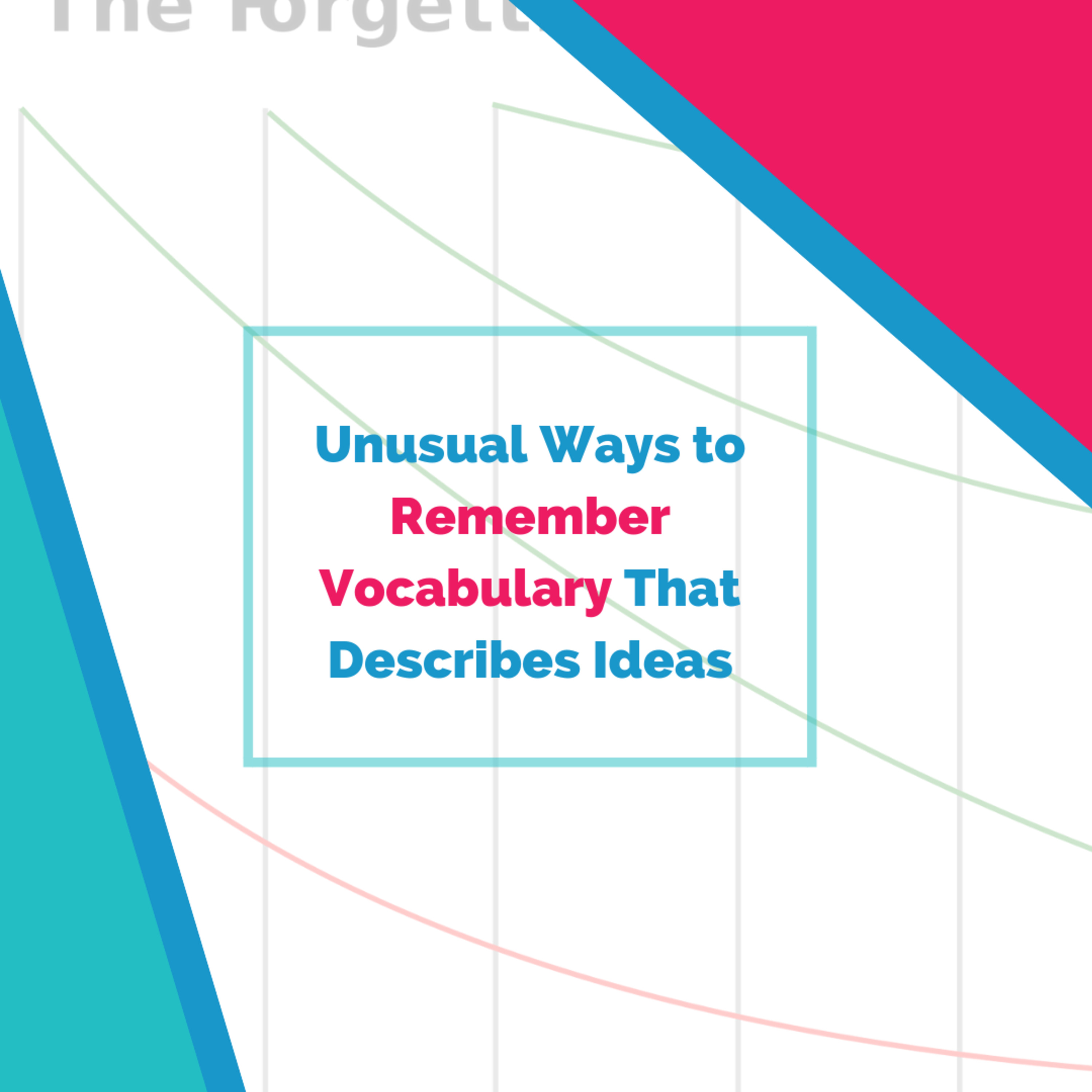
The German Retreat in Berlin Today I answer a listener question from Hadassah about memorizing vocabulary that describes ideas, not objects Here are a few handy tips in summary - listen to the show to hear my many examples and in-depth explanations. The post-it method. Write your words on post-its and stick them up around quirky places that do have a connection to the ideas you’re describing. The added creativity involved in connecting the abstract concept to the object will help you remember it as you spent more time contemplating the word and making it ’sticky' The Language Play Method In addition to associating the concept with an object, you can also use the linguistic characteristics of the word you’re trying to remember. This can be sound, spelling, etymology. Find what your word rhymes with, associate the sound of the word with its meaning, or research exactly where it comes from. Chunks of Language Instead of individual words, the idea is to study chunks of language, that could be short sentences or little phrases that you can use. So instead of “hungry” you’d learn “I’m so hungry, I want to eat” or instead of “where” you’d learn the whole phrase “where is the bathroom?”. For your question of abstracts, this can be helpful because you now have a full sentence to write down and something that you can sing to yourself. Find examples of the concept in music and art The forgetting curve: humans tend to halve their memory of newly learned knowledge in a matter of days or weeks unless they consciously review the learned material. Thank you to Wesley for this episode introduction in Persian. If you liked this episode, please tell someone about it. Click here to tweet about the show, go to your Podcasts app and leave us a review, or simply text a friend about the Fluent Show. Thank you!
Did You Miss the Outstanding Langfest 2019? Catch Up Here!
Hooray, it's conference time! In today's episode I'll bring you a mix of language learning goodies straight from Montréal, Canada. You'll hear What a language conference is all about Poetry, written on the spot by language learners A drinking song in a minority language you may have never heard of Language learning tips from an 8-year old who speaks four languages And how you can make the most out of attending these language events! As a podcaster bonus, I've also added reflections on Podcast Movement 2019 in Orlando, Florida. Which Language Events are Coming Up? Here's a list of the next language learning events for your diary: Polyglot Conference in Fukuoka, Japan, in October 2019 Women in Language in March 2020 Polyglot Cruise sailing from Barcelona, Spain, that’s in April 2020 Polyglot Gathering in Terezin, Poland, that’s in May 2020 All links below! And Here Are a Few of Your Poems! Paglalakad sa Montreal This poem was written by Lance Gough during our workshop Creative Writing, Public Speaking, and Performance Naglalakad ako sa mga kalye ng lungsod Hindi ako tumitingin sa iba pang tao Mag-áakalá yata ang mga babae na nanonood ako sa kanila Mag-áakalá yata ang mga lalaki na gusto kong makipag-away sa kanila Sa wakas, tumítíngalá ako, sa mga tao Ayos! Walang sinuman ay tumitingin naman sa akin Nagsasalita sila sa mga smart phone nila Tumitingin din sila sa mga relo nila Nanonood din sila sa bangketa sa ilalim ng paa. Pero, walang sinuman ay tumitingin sa iba pang tao. Iniisip lang silang lahat sa sariling buhay nila. Translation Walking in Montréal I’m walking on the city streets Not looking at anyone else. Women might think I’m looking at them! Men might think I want to fight! But finally, I look up at the people Wow! No one is looking back at me. They’re talking on their smart phones, They're also looking at their watches, They’re also watching the sidewalk under foot. But, nobody is looking at anyone else. They’re all only thinking of their own lives. Carol's Poem in French Les gens heureux rirent Ils partagents les histoires bilingues Je' peux pas parler Jonathan's Visual Poem Support This Podcast Like all podcasts, the Fluent Show is supported by your online reviews and word of mouth. If you liked this episode, please tell someone about it. Click here to tweet about the show, go to your Podcasts app and leave us a review, or simply text a friend about the Fluent Show. Thank you! Thank you to Scottie for this episode introduction.
A Language Learner's Guide to Mindset, Mantras & Emotions
Free gift with today's podcast: Sign up here for free affirmation cards to print & save Read the in-depth blog article for this podcast on www.fluentlanguage.co.uk Do any of these sound familiar? "I'm just not where I should be in languages, somehow everyone else seems to make better progress than me." "I don't have a talent for languages." "I don't know if I'm learning languages in the right way." "I struggle to remember things and my language skill just isn't coming along." Like a narrative, a mindset is the mental filter you add to everything that happens in your life. In today's episode, we explore how you can Change the script on your doubts so that they become encouraging ideas Work with a growth mindset to use psychology to support yourself in language learning Develop a successful mantra to help you get over a moment when you're stuck via GIPHY Plus, we've got woo-woo affirmations and the new and improved version of the CEFR: the Bambi scale. Support This Podcast Like all podcasts, the Fluent Show needs you!! If you liked this episode, please tell someone about it. Click here to tweet about the show, go to your Podcasts app and leave us a review, or simply text a friend about the Fluent Show. Thank you!
How to Increase Your Vocabulary so You Can Talk about Anything
Today’s theme: How to Learn Specialist Vocabulary Thank you to Bonnie for this episode introduction. Support This Podcast Like all podcasts, the Fluent Show is supported by your online reviews and word of mouth. If you liked this episode, please tell someone about it. Click here to tweet about the show, go to your Podcasts app and leave us a review, or simply text a friend about the Fluent Show. Thank you! For a deep dive into growing, memorizing and reviewing your own vocabulary so you can make any word memorable, check my course Your Solid Vocab Memory
Professor Emoji 👩🏼🏫 Stops by to Explain How We Use Language Online 😍 (with Dr Monica Riordan)
You can't see their faces, you can't see their hands, you can't hear their voices. But somehow, you still know how people are feeling when they communicate with you online. How does that work? 🤔 In this episode, I'm speaking to Dr Monica Riordan. She's an emoji expert and researcher who designs and conducts studies into how people express their feelings online. Here's the tweet I mentioned in the episode. How would you read it? a dog person!?!? (╯°□°)╯︵ ┻━┻ https://t.co/HoyMRqWoq1— Christian Cable (@christiancable) July 11, 2019 Insights: We impose our own meaning on what other people write and imagine what they would look and sound like if they said this. When your friends and language partners type in casual language that's difficult to understand...it's because you're doing well! Emoji are limited in what they can express and insufficient for the full range of human emotions Emoji are also used as self-expression, rather than a means of communicating the message Emoji is not an international language: it can transcend linguistic differences but it can't do the same for cultural and social differences Support This Podcast Like all podcasts, the Fluent Show is supported by your online reviews and word of mouth. If you liked this episode, please tell someone about it. Click here to tweet about the show, go to your Podcasts app and leave us a review, or simply text a friend about the Fluent Show. Thank you!Special Guest: Monica Riordan.
Study Grammar? 🤓 Speak from Day 1? 😮 What is the Right Mixture for Language Learning Success?
In this episode you'll hear how courses like the Michel Thomas series change the script on language learning and why they work. I'll share my personal language success mixture, and why I don't debate study methods on social media. Thank you to Maksimilian for this episode introduction. Support This Podcast Like all podcasts, the Fluent Show is supported by your online reviews and word of mouth. If you liked this episode, please tell someone about it. Click here to tweet about the show, go to your Podcasts app and leave us a review, or simply text a friend about the Fluent Show. Thank you!